Category: Aquaponics

  • What To Feed Tilapia In Aquaponics

    What To Feed Tilapia In Aquaponics

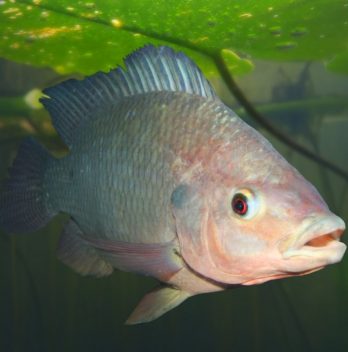
    If you’re into raising tilapia and you’re wondering what to feed your tilapia in aquaponics, we’ve got the right answer for you. One added reason, why most farmers love raising tilapia for their aquaponics, is that they feed on broad varieties of food.

    Tilapia feeds on food sources that are at the bottom of the food chain. However, the best type of food to feed your tilapia for your aquaponics system is to feed them with organic tilapia food. This organic fish food contains the right nutrient requirements for your tilapia and plants.

    Types Of Tilapia & Their Feeding

    First, let’s understand the different stages of tilapia feeding.

    • Newly hatched tilapia known as fry feed on organisms that float on water such as detritus and neuston. Their foods should be in smaller pieces.
    • The juvenile tilapias (fingerlings) are omnivores that is; they can feed on both plants and animals such as worms, insects, duckweed, etc.
    • The adult tilapias are herbivores, so they feed on plants such as algae, duckweed, bacteria, detritus, and other plants.
    Types Of Tilapia & Their Feeding

    What Should You Feed Your Aquaponics Tilapia?

    We mentioned earlier that tilapia can feed on a wide variety of food. In their wild habitat such as streams, lakes, etc, they usually feed on diatoms and a lot of blue-green algae.

    However, you should know to keep them far away from feeding on your algae. This is because algae are needed by your plants in the aquaponics system for nutrient recycling.

    Feeding With Pellets

    Adult tilapia can also be feed with pelleted food which comprises all important nutrients like vitamins, minerals, and proteins. You can as well feed the newly hatched fry with pellets, but they should be in smaller pieces.

    Organic Tilapia Feeding

    If you’re a fan of all organic, then everything that goes into your aquaponics should be organic. Examples of organic food to feed your tilapia fish includes cassava plants, lengko plants, duckweed, sweet potato plants, lettuces, cocoyam leaves, etc. Among all these plants, duckweed has the smallest food sizes and it will fit all stages or sizes of tilapia.

    You can combine these organic foods with commercial fish food to increase their proteins and for a more balanced filled nutrient.

    Other Types Of Tilapia Feed

    • Bran chaff feed such as white bran or wheat bran.
    • Pomace feed and cereal feed such as rice sprouts, malt, etc.
    • Oil cake feed such as rapeseed meal, cottonseed meal, or soybean meal.
    • Animal feed such as blood meal, meat and bone meal, fish meal, etc.
    • Compound feeds are the pelleted feed and extruded feed.

    Common Varieties Of Tilapia: What They Feed On

    The common varieties of tilapia are the Nile tilapia, the Mozambique tilapia, and the Blue tilapia. Here is what they feed on:

    • Nile tilapia feeds on detritus and phytoplankton.
    • Mozambique tilapia feeds on vegetation and bottom algae.
    • Blue tilapia feeds on detritus and zooplankton.

    Lakeway Tilapia Pro Pack 4000 Tilapia Food – 4 Pounds

    91KUEa0GQlL. AC SX569

    Tilapia Nutrient Requirements

    Nutrient requirements in your aquaponics tilapia are crucial so your plants can have access to adequate nutrients.  Although various species of tilapia require various growth periods, thus, their nutrient demand will be a little different.

    Nile tilapia fingerlings for example require about 35% to 40% protein contents. While adult tilapia of about 45 to 50 grams requires 20% to 25% protein content.

    The blue tilapia fingerlings will require a protein content of about 36%. While for the adult blue tilapia, they will require about 26% to 36% protein content.

    Avoid Overfeeding

    You should avoid overfeeding your fish. If you supply your fish with an excess amount of food, these foods will end up in your floating system causing hindrance and water clog. You can scoop out uneaten food. Also, pay attention to how much they eat and readjust when next you feed them.

    You should always feed them twice a day and the food should be eaten within 30 minutes of feeding. However, if you feed them and you notice they aren’t hungry, scoop out the food and don’t feed them for a while.

    Avoid Overfeeding Tilapia

    FAQ’s

    What is the best food to feed tilapia?

    When choosing a tilapia food, you want one that is a good source of calcium and phosphorous, and contains other minerals and vitamins.You can feed them live or frozen. A combination of live and frozen is best, as they both have a more natural flavor. Fish Food – This is another good source of protein. You can purchase dry, freeze-dried, and canned fish food. Tilapia food is typically made from a mix of various ingredients.

    You can also buy foods that are specifically designed for tilapia. Some of these include: Aquarium Fish Food Tilapia – This is a specially formulated tilapia food. It has a high level of calcium, and other nutrients. Tilapia are omnivores, so they need a variety of foods, and this is a good way to ensure that they get all of the nutrients they need. The food will provide them with a more natural flavor, as well as more nutrients.

    Shrimp Food Tilapia – This is another great food for tilapia. It has a natural shrimp flavor, which is beneficial for the health of your fish. Feeding Tilapia Tilapia should be fed on a regular basis. Depending on the size of your tank, you should feed your fish once or twice a day.

    How can I make tilapia grow faster?

    The only thing I can think of is to reduce the size of his ration. If you are feeding him twice a day, he should eat roughly 1/2 of the amount you are feeding the rest of the fish. So if you are feeding 1/4oz. twice a day, then he should eat 1/8oz. of food twice a day. You can also try adding some live plants to the tank. This will increase his appetite.

    What do tilapia eat naturally?

    Tilapia are omnivorous fish that eat both plants and animals. They can be a vegetarian when fed a diet of algae.
    But like most fish, they need meat to survive. So, what’s the best way to feed them? Well, there are two ways to feed them: live food and dry food. Live food is a great option because it keeps your fish in good shape and allows them to grow quickly.

    Tilapia is a freshwater fish that is native to South America and Africa. It is one of the most common fish species in the world, with an estimated total production of about 25 million tons per year. Tilapia are generally kept as aquarium pets, and there are many varieties of them. There are two types of tilapia: the goldfish-like tilapia and the black carp-like tilapia. The goldfish-like tilapia is much smaller than the black carp-like tilapia. Both types of tilapia are commonly found in ponds and tanks in home aquariums. The fish is also known as cichlid or lake tilapia.

    Final Say

    Tilapia feeds on just a bit of everything. It’s why they are the most commonly reared fish in aquaponics. Feeding your tilapia fish the appropriate food will increase their growth in just about 240 days. So, get them eating well so you can have a heavy pound of fish at the same time healthy plants by the end of harvest time.

  • How To Grow Watercress In Aquaponics

    How To Grow Watercress In Aquaponics

    Watercress is one of the easiest and healthiest plants to grow in your aquaponics garden. So, if you’re wondering how to grow watercress in aquaponics, you’ve come to the right place.

    Watercress is a water-loving plant and it is popular for its tasty flavor when added to meals. They are great for adding spice to your soup, fresh salad mix, as well as a sandwich.

    This article attempts to give you the details on how to grow watercress for your aquaponics garden. So let’s begin.

    Why Grow Watercress In Your Aquaponics Farm

    Being a water-loving plant, you can agree it is one of the best leafy green plants to grow in your aquaponics garden. Watercress is a highly nutritious and fast-growing plant. For this reason, watercress is one of the most loving plants to grow especially among commercial hydroponic and aquaponics growers.

    Also, growing watercress for your aquaponics garden will be an amazing way of introducing newbies to the world of aquaponics.

    Why Grow Watercress In Your Aquaponics Farm

    2 Ways To Grow Watercress In Aquaponics

    You can grow watercress easily by planting from their seeds or you can simply grow them from cuttings.

    1.    Propagation From Seeds

    Watercress propagation from seed should begin to show germination between a couple of days or two weeks.

    Plant about 10 to 15 seeds in the net pots growing medium. The seeds will begin to sprout from 3 days and continue to grow for 4 to 5 weeks. Then ready for harvest.

    2.    Propagation From Cuttings

    Watercress can be grown or cultivated from its aerial roots where the nodes of the matured plants are.

    Cut the stem of the watercress and take away the lower parts of the leaves. Lay the cuttings on your aquaponics bed and watch them give rise to new roots in a couple of days.

    You can also obtain bunches of watercress stem from grocery stores.

    Guidelines On How To Grow Watercress In Aquaponics Successfully

    Having decided the method of propagation (either seeds or cuttings), we can now look into the specifications and guidelines to follow. Below are the guidelines on how to successfully grow watercress in an aquaponics garden:

    1. Fish Choice: first things first, choose the appropriate fish you wish. Tilapia, trout, and catfish are the best options if you want a smooth and easy aquaponics process. Also, you should accurately calculate the number and proportion of fish to the water tank. For example, the standard rule is one matured fish per 5 gallons of water.
    2. Water Tank Setup: do the normal aquaponics tanks set up. Place your pump inside the water tank for aeration.
    3. Grow Media: choose an appropriate growing medium for your plant. You can use grow media such as hydroton, rock wool, etc. Remember watercress plants are water-loving so ensure the growing medium used can absorb water.
    4. Spacing: ensure you give your plants adequate spacing. This is so they don’t compete with nutrients from overcrowding. Space them around 9 to 12 inches apart.
    5. Temperature: watercress will do well in a temperate environmental climate. Temperature range from 50 degrees to 60 degrees Fahrenheit will be ideal.
    6. Sunlight or Grow Light: watercress herbs thrive in full sun. However, if you’re growing them indoors, they will do well under high output grow lights.
    7. pH Range: the appropriate pH range for the watercress plant is a slightly acidic and slightly alkaline environment. Therefore, the pH range will be between 6.0 to 7.5. Always test your solution so you can keep track of the nutrient levels.
    8. Fish Feed: you can start with fish pellets as these pellets comprise the complete nutrient balance for your plants’ growth. They contain vitamins, proteins, carbohydrates, and minerals.
    9. Bacteria: another important thing is you should encourage bacteria. It is this bacteria that will convert the fish waste in ammonia into nitrates for plant use.
    10. Add Watercress Plant: lastly, plant your watercress either by seed germination or by cuttings and watch them grow.

    Self-Cleaning Fish Tank That Grows Food, Mini Aquaponic Ecosystem

    81UrJsWk8KL. AC SX569

    FAQ’s

    What can you grow watercress?

    Watercress is a popular, easy to grow green vegetable. It has been cultivated for centuries and is an excellent source of vitamins A, C, E and K. You can grow it in your garden or even in a pot on the patio. This perennial plant grows well in moist soil. It is very adaptable to a variety of growing conditions. Watercress grows best in water or soil with a high humidity content.

    You can grow watercress in a pond, but it will have to be kept in a container if you don’t want it to escape the pond.

    Why is watercress good for aquaponics?

    Here are a few reasons why watercress is such a great plant for aquaponic systems: It’s easy to grow – Watercress can be grown in any garden or window box and can be planted directly into the aquarium.

    Watercress also does well in containers, but the roots tend to spread out more than they do in the soil. It’s low maintenance – Watercress can be harvested regularly without much effort. If you don’t like the taste of the leaves, you can just harvest the roots. Watercress is a fast growing plant that can be harvested within 6-8 weeks. It’s drought tolerant – The roots are able to withstand dry conditions and will continue to grow even if there is not enough water available.

    Watercress is very easy to grow – It doesn’t require much attention and it is quite forgiving when it comes to temperature fluctuations.

    How long does watercress take to grow in aquaponic?

    It takes approximately one month to grow in soil and two weeks in aquaponics.

    Watercress has small, thin leaves that are rich in vitamins and minerals.Watercress is native to the Mediterranean region and grows best in fertile soil with good drainage. The plant can grow up to 4 feet tall.

    What’s the main concern when growing watercress in aquaponic?

    It’s possible to grow watercress in aquaponics but you have to be careful to maintain a healthy balance of bacteria and plants. If you don’t, the bacteria can cause the plants to die. The bacteria are what converts nitrate into nitrite which is what you need for the plant to be able to uptake the nitrates from the water. The plants also require nitrate so the bacteria are essential.

    Final Note

    Having said all these on how to grow watercress in aquaponics: you should know there are other little precautions to be taken for a smooth aquaponics watercress garden. Things like:

    • Monitoring the activities of your fish daily.
    • Observe their feeding pattern.
    • Avoid overfeeding so you don’t clog your aquaponics system and create excess waste that your plant can absorb. Watercress does not do well in clogged or stagnant water. The water needs to be flowing, well circulated, and aerated always for optimal production.

    With that said. We do hope you’ve learned some things on how to grow watercress for your aquaponics garden.

  • What Is A Bulkhead Fitting For Aquaponics

    What Is A Bulkhead Fitting For Aquaponics

    The question we’re going to be answering today is: what is a bulkhead fitting? A bulkhead fitting is a point of attachment for connecting pipes to tanks or reservoirs.

    Bulkhead fitting helps secure your piping connections thereby preventing leakage. It also helps give the right direction to where water is required to flow through.

    Bulkhead fittings are especially used in hydroponics or aquaponics plumbing connections. These fittings are used to fill water or drain water easily from your hydroponics or aquaponics system.

    Let’s discuss further the key components of bulkhead fittings, how to install a bulkhead fitting, and their uses.

    Main Parts Of Bulkhead Fitting

    Bulkhead fitting materials are usually made of fortified and long-lasting components such as PVC, brass, plastic, and other quality materials. Most parts you will find in bulkhead fittings consist mainly of 3 parts.

    • Body of Bulkhead: the first part of the bulkhead is the body which is the exterior and interior threads.
    • Gasket: the next part of the bulkhead is the gasket. It might come in one or two. The gasket will fit onto the body of the bulkhead.
    • Nut: the third and last part is the nut or locknut. The nut is attached to the exterior thread. It will thread into the place of the bulkhead fittings seating up against the gasket thereby creating a tightly sealed water tank.

    Outus PVC Bulkhead Fitting for Rain Barrels, Aquariums, Ponds, or Water Tanks

    61kQQvLJ8%2BL. AC SX569

    Let’s move forward by learning how to install the bulkhead fittings.

    How To Install A Bulkhead Fitting

    Below are the steps to installing bulkhead fittings:

    1. Hole Drilling: a bulkhead fitting is installed by first cutting or drilling a hole by the bottom of the tank or reservoir to which the pipes can be connected. Make sure you measure and determine the size of the bulkhead exterior so you know the size of the hole to drill.

    2. Bulkhead Fitting: after drilling the hole, you can now insert the bulkhead fitting with the threads inside or outside the tank or reservoir (whichever way you want it to fit your connections).

    3. Gasket and Locknut Fittings: then fit the gasket into place. If you have two gaskets, use each one on either side of the walls. Now thread the locknut down by tightening it with your hand to apply pressure to the gasket. The locknut will then provide a good tight liquid seal with no leaks. But make sure not to over-tighten too much so you don’t break or distort the gasket thereby causing a leak.

    Having fixed all that, you can now go-ahead to connect any type of pipes or PVC fittings.

    Benefits Of Using Bulkhead Fittings

    • Bulkhead fitting will create a perfectly tight liquid sealed connection.
    • They are great for hydroponics or aquaponics plumbing connections.
    • They allow for easy flow of water through the tanks or reservoir.
    • There’s no problem with water leakage with bulkhead fittings.

    Other Uses of Bulkhead Pipe Fitting

    • They are used in hot water pipe systems especially the brass bulkhead fittings.
    • Bulkhead fittings are used in hydroponic and aquaponic systems for connecting pipes to allow easy drainage along with the water tank or reservoir.
    • They are also used in ponds for installing water to connect pipes that enable easy drainage. This makes changing water easier rather than scooping water out of the bucket.
    • The kitchen sink also makes use of several bulkhead fittings for easy flow of water.
    • Generally used in transporting liquid containers.
    • They are as well used in any type of mechanism that requires large drums or barrels that needs to be filled with water.
    Other Uses of Bulkhead Fittings

    What To Consider When Purchasing Bulkhead Fittings

    Anytime you purchase a bulkhead fitting, always consider the type of liquid that will flow through your fittings. If it is a hot liquid you should go for the strong type such as the brass bulkhead fittings. If you will be working with cool water you can go for the regular type.

    Also, put into consideration the speed or pressure at which your water will be flowing. For instance, high speed or pressure will need a strong fitting and vice versa.

    All these considerations are to make sure you don’t end up with a distorted or cracked gasket due to pressure. The goal is to prevent any leakage.

    Find out the 5 Top Feed Drip System Hydroponics and 5 Best Hydroponic Kits You Can Find

    FAQ’s

    What is a bulkhead fitting?

    The most common bulkhead fitting for aquaponics is the standard 1-1/4″ x 1-1/2″ copper pipe. This is an ideal fit for a single tank setup, where you have one sump and one fish tank. However, the 1-1/4″ diameter of the pipe is also too large to be easily used in multiple tanks (more on that later). 

    It is a good choice for any aquaponic system where there is only one fish tank or sump, but it is not suitable for multiple tanks. It is also not recommended for systems where water must pass through a filter. Most standard 1-1/4″ x 1-1/2″ copper pipes are made with 1/8″ thick walls, which is not strong enough for more than one tank. If you have more than one tank in your system, you will need to upgrade to a stronger bulkhead fitting. If you are planning to put your aquaponics in multiple tanks, you should use a bulkhead fitting that has at least 3/8″ thick walls.

    How do you install a bulkhead fitting?

    The standard method is to use a drill and a 1/4″ bit. If you don’t have a drill, then you can use a 1/4″ drill bit. Attach the bulkhead fitting to the edge of the wall with a screw. Drill a hole through the bulkhead fitting and into the stud. Insert a washer (or two) into the hole.

    Attach the screw into the bulkhead fitting, and the washer will hold it in place.

    How do I stop bulkhead fitting from leaking?

    There are many reasons why you might have a leak. First, I would check your system for leaks in the main tank or other components. If you find any, they will need to be repaired before anything else. Second, I would take a good look at the fitting and see if you can identify what is causing the leak. Some leaks occur because of manufacturing defects. Others occur because of damage to the fitting. You may have to disassemble the bulkhead to get a better view.

    Third, you may need to look at the valve that controls the flow of water. If the valve is damaged, it could be leaking as well.

    How do you replace a bulkhead?

    The best thing to do would be to remove the old one and then install the new one. If it is a solid piece of material, it may be difficult to remove without destroying it, but if you can cut it off with a hacksaw or similar tool, it shouldn’t take more than an hour or two to do so. 

    Once the old one is removed, install the new one

    How do you seal a bulkhead fitting?

    If your bulkhead is a simple pipe fitting that has no special features (eg, a threaded nut), then there is no need for a seal. The pipe will be pressed tightly against the wall of the tank, so there won’t be any leakage. If your pipe fitting has a threaded nut, then you’ll need to use an appropriate sealant to prevent leakage.

    Conclusion

    With that said, we do hope you have grabbed one or two things about what a bulkhead fitting is. If you have any questions feel free to drop a comment and we will respond.

  • Aquaponics Filtering Systems – An Overview

    Aquaponics Filtering Systems – An Overview

    Let’s talk about aquaponics filtering systems. We’ve discussed in our previous posts that aquaponics farming involves fish and plants and the fish waste materials are used by plants as nutrients. Vice versa, plants help the fish by filtering water with their plant roots thereby returning good water to the fish tank or pond.

    Even though there is a symbiotic relationship between the fish and plants that filter the system, not all the waste is filtered. This is why aquaponics filtering systems are required to maintain good water quality for an optimal aquaponics system.

    What Is An Aquaponics Filtering Systems

    Aquaponics filtering systems help filter excess waste, especially solid waste out of your aquaponics system. The system will ensure a clean and healthy environment for both fish and plants. Let’s take a look at 3 major types of aquaponics filtering systems.

    Types Of Aquaponics Filtrating System

    Although we have various types of filtering systems, we will talk about the 3 major types. They are:

    1. Swirl Filters

    This type of filter is the most commonly used for grow beds. They can be purchased online or made at home (DIY). This type of filter system makes use of a large barrel-shaped container. Inside the barrel, there is a basket that filters solid waste outside. The swirl filter works by collecting water from the fish tank.

    Types of Aquaponics Filtrating System - Swirl Filters

    As the barrel fills up, the swirl effect is generated slowing down the rising water level. This helps the solid particles to move and settles at the base of the container. The filtered nutrient water now moves out from the top of the container through the pipe and feeds the plant beds with filtered water.

    Note that the barrel must be cleaned from time to time because of the settled particles. Use clean water only and never use soap to wash the barrel so you don’t kill the beneficial bacteria. The goal is just to remove only the settled particles at the bottom of the barrel.

    2. Raft Water Filter

    The raft water filter is another excellent way of filtering your aquaponics systems. It has two or three filter layers or chambers where solid particles pass through. The chambers feature large pieces of foams serving as the filters. These large foams are placed at the top of the fish tank; therefore, water will pass these chambers.

    As the water moves, the first filter layer collects the solid particles before it enters the next filter layer. When the water moves, the solid particles move down the base of the tank. After the water has passed through all the chambers, the filtered nutrient water can now be pumped into the plant beds for use.

    The raft water filter is mostly used in large tanks therefore, it usually takes up space.

    3. Radial Flow Filter

    The radial flow filter system makes use of a 50 gallons barrel. There is a pipe connection that comes from the fish tank into the middle of the barrel. The pipe is also seen coming out at the top of the barrel facing 90 degrees. Therefore, water with solid particles flows down into the barrel through the pipe.

    Solid particles are settled at the bottom of the barrel. Clean nutrient-rich water is filtered up through the 90 degrees upper pipe and passed to the grow beds for plant use.

    Why You Need Aquaponics Filtering Systems

    Excess waste such as solid waste can become quite a challenge in your aquaponics when they are produced in the fish tank. These solids are pushed and get into the pumps and into your grow beds causing build-up. It can become an issue getting rid of these particles from the water as they can cause your water quality to depreciate.

    Fishes produce ammonia waste but the ammonia is needed in nitrates by the plants. Therefore, it’s the availability of bacteria occurring naturally in your aquaponics system that will convert ammonia into nitrates needed by plants.

    POND BOSS Filter Kit with Pump

    61aHSjWsaSL. AC SL1200

    These particles can clog your grow beds reducing the surface areas for these beneficial bacteria to live, thereby decreasing their activities.

    This is why installing aquaponics filtering systems for your aquaponics is essential so your system can enjoy clean nutrient-filled water.

    Read more about:

    Additional Info On Aquaponics Filtration Systems

    You should know there are things you can do to reduce solid particles in your system. This way, you can reduce or put an end to the number of solid particles clogging your system.  Simply follow these tips:

    • Avoid overfeeding your fish to reduce uneaten food and clogged-up pipes.
    • Figure out the correct proportion of fish size required for your aquaponics system. This way, you won’t have too many fish that can cause too much or excess waste than your plant can absorb.
  • How Fast Do Tilapia Grow?

    How Fast Do Tilapia Grow?

    If you’re wondering how fast tilapia grow, we will let you know in this article. Tilapia is one of the most widely farmed fish and you will enjoy raising tilapia be it for business, which is pretty lucrative, or for consumption, or even for ornamental purposes because tilapia is a good-looking fish.

    Tilapia are fast-growing fish whether you decide to grow them in a tank, a pond, or a hapa. This is why they are one of the most loved fish to raise in aquaponics or fish culture. Let’s explore how fast tilapia fish grow and some requirements for tilapia’s fast growth rate. So, read on to find out.

    Know-How Fast Tilapia Grow

    Tilapia start from eggs, and then grow from hatchlings to fingerlings, and then to the adult or harvesting stage. How fast tilapia grow from the hatchling stage to adult or harvest size can take 8 to 9 months or 240 days. However, the fingerlings to adult or harvest size stage can take up to 6 months or 26 weeks.

    Most of the time in these 240 days is spent in the hatchling period rather than the grow-out stage. Their fast growth rate is at the hatchling period as they gain more ounces in this stage, thereby giving them accelerated growth. It is for this reason (fast growth rate) they are one of the best fish for aquaponics.

    After 8 to 9 months or 240 days, the tilapia growth rate flattens. The rest of the tilapia’s life after this stage will only experience little growth per year. The growth rate can be as low as a few ounces per year.

    How Long Does It Take For Tilapia To Grow Into Full Size

    Tilapia fish will grow from hatchling to full size around 240 days. At the grown stage, the full size of your tilapia fish should be between 15 to 20 ounces or 450 to 565 grams.

    Requirements For Fast Tilapia Growth Rate: Factors To Consider

    You get the best growth rate for your tilapia if all growing requirements are met especially at their hatchling stage. Below are the recommended growth rate needed for your tilapia:

    • Clean water and dissolved oxygen: clean or good water quality is one of the most important requirements for the efficient growth of your tilapia fish. Dissolved oxygen increases the survival rate and also food intake so your tilapia can grow adequately. If you’re making use of a pond, atmospheric oxygen and photosynthesis will supply good oxygen for your tilapia to grow. However, if you’re making use of a tank, you will need to provide additional artificial aeration to support your tilapia fish.

    Bluelab PENPH pH Pen Fully Waterproof Pocket Tester

    61s4QWFO2RL. AC SL1500
    • Stocking Density: together with good aeration or dissolved oxygen, tilapia fish should be stocked in the right proportion. The fish stocking density should be proportionate to your tank or pond size. This way, there won’t be food or space competition. Failure to maintain the right stocking density can cause depreciation of growth as the fish will compete for space and food.
    • Food: Another requirement for tilapia’s good growth rate is food. Tilapia can feed or survive on varieties of food. However, they are mostly fed with plant-based food as these are more beneficial and will encourage optimal growth. If you’re raising tilapia in a pond, you can feed them with algae. If you’re however raising them in a fish tank, feed them with plant-based, artificial food from any local store, or order some from Amazon.
    • Water Temperature: tilapia are warm-water fish. Therefore, you should ensure their water temperature is in the right range. With the right temperature, tilapia will metabolize adequately, thereby increasing their survival and growth rate. Maintain water temperatures of 75 to 86 degrees Fahrenheit. When the temperature drops below 50 degrees, metabolism slows down which causes survival and growth rate to diminish. Temperatures below 40 degrees will be fatal to your tilapia fish and they will most likely die.

    Tilapia Breeds That Are Fast Growing

    Among the various tilapia varieties we have, here are the fast-growing breeds you can find:

    • Nile tilapia (Oreochromis niloticus).
    • Mozambique tilapia (Oreochromis mossambicus).
    Tilapia Breeds That Are Fast Growing

    Tilapia is one of the best fish to raise in aquaponics because of its rapid growth rate. The fastest-growing tilapia breeds are the Nile and Mozambique tilapia.

    Tilapia experienced the fastest growth rate around the hatchling period. Therefore, if you want to enjoy a faster or bigger growth rate, you should follow our recommended requirements mentioned above.

    We do hope you have learned one or two things from this article. If you would like to learn more about tilapia, there are other related articles on tilapia for you to learn more.

    FAQ’s

    How fast do tilapia multiply?

    The growth rate of Tilapia is around 2.0 inches per week (depending on the size) for juvenile fish, and 3.0 inches per month for adult fish. If you are buying fish to keep for your aquarium, you should buy the smallest size that will fit comfortably into your tank.

    Tilapia like to eat a variety of foods, but the most important thing is that it eats live food. It does not like dry or dead food, and it also does not like frozen food. Tilapia require live food because they have small stomachs. You can give them frozen food once a week, but do not feed it to them more than once a week.

    What makes tilapia grow faster?

    If you’re looking for a fish to grow as quickly as possible, tilapia is the way to go.Tilapia have a large appetite and will eat more than most other fish. They can grow up to eight inches long and weigh up to three pounds. They also have an active metabolism that helps them grow fast.

    The most common varieties of tilapia are: White Tilapia – These are the most common variety of tilapia and are generally the smallest. They can reach up to four inches long and weigh between one and two pounds. White tilapia are also the easiest to breed. Pink Tilapia – These are sometimes called rose tilapia or “Ruby” tilapia.They have red pigment in their skin and they are slightly larger than white tilapia. Black Tilapia – These are also known as tiger tilapia and have a dark-colored flesh. They are usually the largest variety of tilapia. They can grow up to six inches long and weigh up to three pounds.  Tilapia are a low maintenance species and require little more than a shallow water bath. They do like to be kept in water with a pH of 2.5 –3.5 and a temperature of 74°F – 77°F. They also enjoy being kept in a slightly acidic environment.

    How big does a tilapia get?

    Tilapia can grow up to 2.5 feet ( 3.8m) in length, and weigh as much as 30 pounds (13kg). The average size of a male tilapia is around two inches, and a female is about one inch.

    The largest adult male is about 3-4 pounds, but most are smaller than half that weight.

    There are also a few larger females, but they are rare. How do they eat? Tilapias are omnivores that eat small invertebrates, plants, and algae.

    How much space do tilapia need?

    Aquaculture is the farming of fish, shellfish or other aquatic organisms. Tilapia is one of the most popular fish in aquaculture, especially in Asia and Africa. It has been farmed for over a thousand years. As with any farm animal, tilapia are kept in a controlled environment to provide them with food, water and shelter.

    Tilapia are easy to keep but require a lot of space. They are omnivorous so they eat both plants and animals. Tilapia need at least 20 square meters per fish. However, you can also keep tilapia in a tank that’s not as big as this. The fish will just have to be a bit closer together. Tilapia grow quickly, so they’re ready to harvest when they’re between 30-45cm long. They can live for up to five years if kept properly. If you choose to rear tilapia in an indoor aquarium, the water should be about 18 degrees Celsius.

  • Raising Salmon At Home

    Raising Salmon At Home

    Salmon is one of the most consumed foods and the most imported seafood in the US. Getting started with raising salmon at home is not so complicated with the right knowledge and we will enlighten you on this.

    You can raise salmon fish at home or in your backyard pond. Therefore, this will be an amazing way of obtaining fresh and locally made salmon fish for consumption or simply raising them as pets.

    Materials Needed for Raising Salmon at Home

    The following materials are required to get started with raising salmon at home:

    • Fish tanks or aquarium
    • Incubation tray
    • Styrofoam
    • Water
    • Salmon eggs

    Tetra Aquarium 20 Gallon Fish Tank Kit

    71 1y5AeZML. AC SX679

    How to Raise Salmon at Home

    Home fish farming is an awesome experience. One of the best ways of raising salmon at home is through the use of closed containment. Raising salmon in a solid closed tank or containment will mainly protect the eggs from pathogens or diseases.

    Another benefit of raising salmon from tanks at home is there will be fewer needs for chemicals. Therefore, you enjoy your salmon fish fresh, safe, and healthier. So, here are the tips to guide you in raising salmon fish at home.

    Stages

    1.    Incubation Stage

    Growing salmon can take up to two years from the egg stage. The stages begin with the egg and they are placed in the incubation tank. Ensure you rinse the tank with water before placing your salmon eggs. You can also clean the front of the tank or aquarium to have a clear vision.

    The eggs are in the incubation trays for about 6 to 8 weeks. The tank can be covered with Styrofoam to prevent light from entering allowing the egg to incubate. Put some gravel or rocks in the tank as the eggs will live under the rocks feeding on their yolk. As the eggs of salmon are allowed to hatch, ensure you monitor them as the eggs progress.

    The eggs will hatch and turn into alevin and are at the alevin stage for 30 to 50 days. They prefer to be in the dark at the alevin stage.

    Incubation Stage

    Also, make sure you remove the eggs shells and less active eggs or dead eggs as they hatch daily. The alevin now develops into young fish called fry. You can then remove the Styrofoam after they are done hatching.

    Read more about the 5 Best Hydroponic Kits You Can Find

    2.    Fry System

    The young fish are now moved into the fry tank for a period of 6 to 7 months. In the frying system or tank, the fry is then ready for its first feeding.

    3.    Feeding Stage

    When the fish has fed on their egg sac, you can now proceed to drop food in its tank. The fry is fed with commercial fish feeds which are made to fit the life stages of the various fish sizes. The fish feed sizes range from crumbs to pellet sizes.

    4.    Fingerlings Tank

    They are then transferred into the fingerlings tank for 5 months.

    5.    Smoltification Stage

    As the fish grow in size and reach about 40 grams, smoltification is induced. Notification is an advanced series in which the fish undergo a biochemical, physiological, and morphological transformation.

    When smoltification has taken place, the fish are known as smolt. Salmon smolt is preferred in aquaculture or aquaponics reason being they grow faster.

    Smoltification Stage

    6.    Fish Sampling

    A sampling of the salmon fish is carried out every two months to keep a good eye on their performance rate. When the fish reach 700 grams to 800 grams, they can now be moved to the grow-out tanks.

    7.    Growout tank

    They are now about a year old and transferred to the grow-out tank. Sampling is again done every two months and they can spend 12 months or more here based on the target size you want.

    8.    Harvest

    When your salmon fish has grown to the preferred target size of about 10 to 12 pounds, you can proceed to harvest.

    Learn about Where To Buy Fish For Aquaponics System

    How Much is Farm-Raised Salmon?

    The price of farm-raised salmon greatly varies. Several factors influence this. These include the farm location, the size and quality of the fish, and the time of the year. 

    Generally, farm-raised salmon tends to be less expensive than wild-caught salmon. In 2021, the US average price of farm-raised salmon was between $7 – $12 per pound. Prices can be higher or lower depending on the specific type of salmon purchased. 

    You should always shop around to see where you can get the best deals. Buying in bulk and directly dealing with farmers can also save you money.

    Does Farm-Raised Salmon Have Bones? 

    Like wild-caught salmon, farm-raised salmon can have bones. However, the fillets you buy in-store usually have no bones. The bones in farm-raised salmon also tend to be smaller and softer than those in wild-caught salmon. You’ll have an easier time removing them. 

    If you find bones in your salmon, you can remove them with sterile tweezers or nose pliers. Gently pull the visible bones or simply remove them as you would with any other type of fish. 

    Where is The Best Farm-Raised Salmon From?

    The quality of farm-raised salmon varies depending on the specific farming practices used. You should always research the farm or producer before purchasing farm-raised salmon. 

    Many countries and regions around the world produce high-quality salmon. The top producers are: 

    Norway

    This country is one of the world’s largest producers of farm-raised salmon. Norway is known for its high-quality fish and sustainable farming practices. 

    Chile

    Another major producer of farm-raised salmon in Chile. High-quality fish and low production costs go hand in hand in this country. 

    Scotland

    This country produces high-quality fish through sustainable farming projects. It’s a smaller producer of farm-raised salmon, but it makes this list nonetheless!

    Canada

    Several large-scale fish farming operations are located on Canada’s Atlantic Pacific coasts. This country is a major producer of farm-raised salmon. 

    Is Outback Steakhouse Salmon Farm-Raised?

    Outback Steakhouse is part of the Bloomin’ Brands group of restaurants. This group has committed to sourcing seafood from sustainable sources and working with suppliers using responsible fishing practices. However, it is unclear whether Outback Steakhouse serves farm-raised or wild-caught salmon. The restaurant chain does not disclose information about the sources of its seafood on its website or its menus.

    If you prefer one type of salmon over the other, you should ask the restaurant chain head or staff for more information before ordering. You can also consider looking for other menu items made with sustainably sourced seafood or asking the staff for recommendations.

    Is Egg Harbor Salmon Farm-Raised?

    Egg Harbor salmon is GMO- and antibiotic-free. It is sourced from the Faroe Islands. Salmon on these farms are responsibly raised in the North Atlantic Ocean. 

    Is Canadian Salmon Farm-Raised?

    Some of the salmon produced in Canada is farm-raised. Canada is a big producer of farm-raised salmon and has several large-scale fish farming operations. However, not all salmon produced in Canada is farm-raised. Many fish are wild-caught in the oceans off the coast of this country. 

    You should always check the label or ask the supplier if you’re uncertain about the source of salmon before purchasing it. You can also look for sustainably sourced seafood certified by organizations like the Marine Stewardship Council (MSC) or the Aquaculture Stewardship Council (ASC). These certifications indicate that the product was produced responsibly and sustainably. 

    How Much Salmon is Farm-Raised?

    Farm-raised salmon is a significant source of seafood worldwide. According to the United Nations Food and Agriculture Organization (FAO), about 70% of the global production of salmon is farm-raised.

    The production of farm-raised salmon has increased significantly in recent decades, as demand for seafood has grown and wild-caught fish stocks have come under pressure. Farm-raised salmon can be produced in various locations, including coastal areas, inland areas, and offshore platforms.

    Additional Note on Raising Salmon at Home

    Ensure you keep the tank or aquarium at a convenient temperature that is suitable for your salmon fish. They are cold water-loving fish. So, you can make use of a refrigerating unit with a device capable of keeping track of and controlling the temperature of the tank.

    Maintain a temperature of 45 degrees Fahrenheit. Note that temperatures above 55 degrees Fahrenheit can terminate the life of your salmon fish. Therefore, always keep an eye on the temperature daily.

    There should also be an aerator so your tank can have an adequate oxygen supply. Always filter the water to reduce ammonia because too much ammonium can kill your salmon fish.

    FAQ’s

    Can salmon be kept as pets?

    What about the health of salmon? Salmon are not suitable for pet keeping. They are cold blooded and have a low tolerance for stress. They should be kept in temperatures between 26-29°C. This is because they have a higher metabolic rate than other fish species. When their body temperature drops, they start to shiver and their metabolism increases. This causes a rapid increase in metabolism and the production of lactic acid. The accumulation of lactic acid causes a lack of oxygen in the blood and eventually leads to death. If you keep salmon as a pet, you should also have some experience with fish keeping.

    How do you make a salmon farm?

    e are going to break down the process into three parts: planning, building and operating. To start planning your salmon farm you need to look at your specific needs and what your budget will be. You also want to take into consideration how many fish you want to produce and how large they will be.

    The more salmon that are produced the more space you will have to build your facility. You may also consider how big the fish will get. 

    The second step is to build the facility. You will need to decide on the location of your farm. You will need to make sure that the area is safe for the fish and the equipment.

    You may want to look into the possibility of having a power source. This can be very important if you need to provide electrical service to the farm. You may also want to look into purchasing your own generators. These are very important when you start producing fish because the electricity may not always be available. Finally you need to consider how you will operate your farm. You will need to make sure that you have enough room to store all of the equipment and supplies that you will need. You will also need to make sure that your facilities are up to code, and that you have enough staff to run the farm. You will also need to make sure that you have enough water to keep the fish alive.

    How long does it take a salmon to grow?

    Salmon are anadromous fish, meaning they spawn in fresh water and live in the ocean. Salmon typically grow very fast during their first year, and then grow very slowly during their second year. 

    The average length of a salmon at age one is 2-3 inches long and at age two is 3-4 inches long. After age three, most salmon begin to grow more slowly, with growth rates similar to other fish species.

    Why is salmon farming good?

    The most important reason why we are in favour of the salmon farming industry is because it has brought about a sustainable future for wild fish stocks. It has allowed for an increase in salmon production, whilst at the same time ensuring that there is no over-fishing of wild stocks. This has led to more and more wild stocks being left to grow naturally in their natural environment, rather than being fished out and wiped from the face of the Earth.

    The most famous example of this is probably the Fraser River sockeye salmon, which was once in such danger of extinction that its population was reduced to less than 10 fish. However, with the help of the salmon farming industry, it now numbers in excess of 100,000 fish, and has been left to grow naturally without being fished out.

  • Recommended Growstones For Aquaponics

    Recommended Growstones For Aquaponics

    You need to know not all hydroponic growing media are suitable for aquaponics. So, one of the most appropriate growing media for your aquaponics is growstones. We will be discussing more growstones for aquaponics so read on to find out.

    Growstones are great bio-filters for growing fish and veggies in your aquaponics garden. They have excellent physical integrity and you will enjoy a smooth, clean and healthy aquaponics system.

     What Are Growstones?

    Growstones are growing media used in supporting soil-free plants in hydroponics or aquaponics. Growstones also known as hydro stones are the best growing media for your aquaponics system.

    They are basically made from glass and they come in various sizes. Growstones are lightweight and porous.

    They are good replacements for other grow media such as perlite, and if you know perlites, you should know it’s a mined mineral. Perlite is very easy to break and turn into a fine powder which is why growstones is a more reliable alternative for your aquaponics.

     What are Growstones

    Growstones are a highly sustainable renewable resource and they can also replace clay pebbles. They can be used in aquaponics as well as all types of hydroponics.

    What Growstones Has To Offer Your Aquaponics System

    The benefits growstones offers your aquaponics gardens are as follows:

    • Growstones are reusable.
    • They will supply your aquaponics plants with good aeration. Even if you overwater your aquaponics plants, you don’t need to worry about root rot because of its top-notch aeration abilities. So be rest assured of a healthier root system with growstones.
    • Using fewer growstones than when you use perlite or other grow medium for your aquaponics will even give you better results.
    • Growstones have an excellent surface area which gives room for bacteria that helps convert ammonia from fish waste to nitrates to be used by the plants.

    • Growstones have excellent moisture retention. They can wick water up to 3 to 4 inches above the growing medium.
    • They will not break down or decompose into water or your system and they will maintain their physical integrity at all times. Thus, the fish reservoir tank will always remain clean throughout.
    • Growstones will give a neutral pH if presoaked for a couple of days before use.
    • Even though they are made from glass, growstones will not injure or cut you when you handle them. Also, even if growstones break, they won’t harm you.

    Recommended Growstones For Aquaponics

    Here are some growstones we recommend for your aquaponics system:

    1.    Growstone 950HY33CF, 9-Liter Hydro Stones

    The Growstone 950HY33CF is a Gs-1 hydro stone made from recycled glass. It is a great choice for the aquaponics system, hydroponics system, as well as traditional soil mix.

    It has all the properties that a growstones will offer such as optimum aeration, good drainage, and it’s a clean grow medium. This growstone will also decrease over-watering that can predispose your plant to root rot thus offering your plants a healthy and clean environment.

    They are great for your aquaponics plants root as they will improve nutrient absorption that will improve healthy plant growth.

    It also has a great surface area that encourages nitrifying bacteria that converts the fish waste to plant nutrients.

    2.    Growstone 750GC2L12 Gnat Nix Control, 2-Liter

    Growstone Gnat Nix control is another recommended medium you can use for your aquaponics or hydroponics system.

    We particularly appreciate this growstone gnat nix control because it will offer an additional gnat control for your aquaponics garden. We do know that gnats are a common pest most soilless growers’ encounter. It will also help reduce over or under watering that can cause root rot. Therefore, your plants can grow healthily.

    They are great for moisture absorption, drainage, and oxygenation. All these excellent qualities will improve your aquaponics plant development and result in greater yields.

    91UmHpGkI1L. AC SY741

    3.    Growstone 100516218 Mix This Soil Aerator Bag 9ltr, 9-Liter

    This growstone mix has been carefully mixed to suit both your hydroponics and aquaponics. It will also suit your fish as they have a good surface area that aids bacteria in converting ammonia to nitrates for plant use.

    It can replace clay pebbles or perlite and it’s 100 percent made from recycled glass. Promotion of moisture absorption, good drainage, and aeration. They will also improve nutrient absorption which will help in your aquaponics plant growth.

    It will also improve aeration and drainage in traditional soil, coco coir, peat, or compost.

    91aku9uQ6gL. AC SY879

    FAQ’s

    What are brownstones?

    Growstones are made of quartz that is treated to be hard and scratch-resistant. Growstones are used in conjunction with plants, which grow into the stone to anchor it in the ground. Growstones can be used in many different applications including growing succulents, herbs, cacti and more!

    Growstones are made from quartz and are treated with a special adhesive that makes them extremely durable.

    What are they good for?

    The benefits of using growstones are numerous.

    They are an easy way to have a garden or pot without the hassle of having to constantly water and maintain your plant’s soil. This means that you can enjoy your garden throughout the year and not have to worry about watering. You don’t have to continuously fertilize and weed your plant’s soil either, since growstones keep your plant’s roots planted into the ground. Growstones also provide a more stable environment for plants since they are much easier to move than pots. They also do not need to be watered as often because the soil is already moistened when the plant is placed in them

    What sizes do they come in?

    Growstones come in many different sizes so you can choose which one will work best for you.

    These sizes range from the smallest size, which is about 1 inch by 2 inches, to the largest size, which is about 6 inches by 12 inches. The smaller sizes of growstones are great for planting small seeds or seedlings while the larger ones are ideal for large plants.

    What’s a quality grow stone product?

    Growstones are from Aqua-Tropical Technologies are designed to help you in your quest for high-quality plants that grow and thrive in an aquaponics system.

    Growstones are a series of three, pre-cut plant containers that are specifically designed for use in an aquaponics system. They are made of a high quality plastic and they feature a built-in reservoir for water circulation and aeration.

    What are the advantages of these kinds of stones?

    Growstones have several advantages over other stones: They can be used for growing both fish and plants They are made from recycled glass They are durable They are easy to clean They come in various sizes They are dishwasher safe They are biodegradable Growstones are made from 100% recycled glass, and the material is durable and very strong. The pieces are also dishwasher safe, which is a huge advantage if you are cleaning your system often.

    Conclusion On Growstones For Aquaponics

    Growstones are perfect for the aquaponics system because they will offer you a problem-free aquaponics growing medium.

    With that said, we do hope you have learned some things about growstones for aquaponics. If you have any questions don’t hesitate to ask us as we will give you a quick reply.