Starting with hydroponics can feel overwhelming, but choosing the right system makes all the difference. Whether you want fresh herbs in your kitchen or year-round vegetables, these beginner-friendly systems get you growing fast.
What Makes a Good Beginner Hydroponic System?
The best systems for newcomers share three key traits: simple setup, low maintenance, and forgiving design. You don’t need complicated equipment or a degree in botany to succeed with hydroponics.
Look for systems with built-in pumps, clear instructions, and automated features like timers. These eliminate guesswork and prevent common beginner mistakes.
Top 5 Systems for Beginners
1. Deep Water Culture (DWC) Systems
DWC systems are the simplest hydroponic method. Plants sit in net pots above oxygenated nutrient solution. An air pump keeps roots healthy while they absorb nutrients directly from the water.
Perfect for lettuce, herbs, and leafy greens. The IDOO system (linked below) includes everything you need and fits on a countertop.
2. Kratky Method (Passive Hydroponics)
This no-electricity option works great for beginners. Fill a container with nutrient solution, place plants in net pots, and let them grow. The air gap provides oxygen as plants consume water.
Ideal for growing lettuce and herbs with minimal investment. Just refill the reservoir when it gets low.
3. Wick Systems
Wicks draw nutrient solution from a reservoir to your plants’ roots. Simple, reliable, and perfect for plants that don’t need much water. Works well with perlite or vermiculite growing medium.
4. Nutrient Film Technique (NFT)
A thin film of nutrient solution flows over roots in sloped channels. More advanced than DWC but still manageable for motivated beginners. Great for strawberries and larger herb gardens.
5. All-in-One Smart Systems
Systems like AeroGarden and similar units handle everything automatically. They’re more expensive but remove almost all learning curves. Perfect if you want results without research.
Essential Equipment You’ll Need
Most beginner systems include basics, but you might need:
Start with liquid nutrients designed for hydroponics. They’re easier to measure and dissolve quickly.
Common Beginner Mistakes to Avoid
Don’t overcomplicate your first system. Start small with one or two plants. Check pH weekly – it matters more than you think. Change nutrient solution every 2-3 weeks.
Algae growth is normal. Cover exposed water and keep light off your reservoir. Clean systems between crops to prevent disease buildup.
Which System Should You Choose?
For absolute beginners: Start with a DWC kit or Kratky setup. They’re cheap, simple, and teach you fundamentals. Once comfortable, explore NFT systems or build your own custom setup.
For hands-off growing: Invest in a smart system. They cost more but deliver consistent results while you learn.
🛒 Recommended Products
iDOO Hydroponics Growing System Kit
$85.49
iDOO Herb Garden Indoor with LED Grow Light, Built-in Fan, Auto-Timer, Adjustable Height Up to 11.3″, 12Pods-
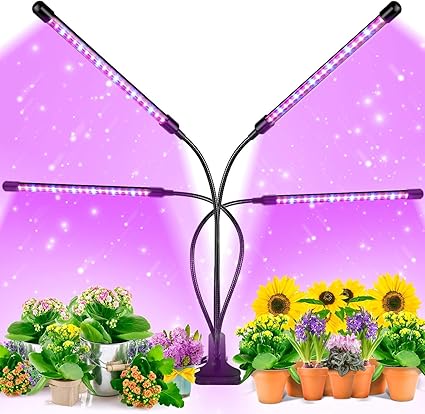
Growing plants indoors has never been easier, thanks to modern LED grow lights. Whether you’re starting seeds, growing herbs year-round, or maintaining a thriving indoor garden, the right lighting makes all the difference. This guide covers the best LED grow lights for 2026 and what to look for when choosing one.
Why LED Grow Lights Are Essential for Indoor Plants
Natural sunlight provides the full spectrum of light that plants need for photosynthesis. When growing indoors, especially during winter months or in spaces without adequate natural light, LED grow lights replicate this spectrum to keep your plants healthy and productive.
LED technology has improved dramatically over the past few years. Modern grow lights are energy-efficient, produce less heat than older HID or fluorescent options, and last 50,000+ hours. If you’re starting seeds indoors or maintaining an indoor herb garden, quality lighting is non-negotiable.
Key Features to Consider
Full Spectrum vs. Targeted Spectrum
Full-spectrum LEDs mimic natural sunlight and work well for all growth stages—from seedling to flowering. Targeted spectrum lights focus on specific wavelengths (red for flowering, blue for vegetative growth). For most home growers, full-spectrum lights offer the best versatility.
Wattage and Coverage Area
Match the light’s wattage to your growing space. A 20-30 watt LED typically covers 1-2 square feet, perfect for small herb gardens or seedling trays. Larger setups need 100+ watts to properly illuminate 4-6 square feet.
Heat Output and Cooling
While LEDs run cooler than traditional grow lights, higher-wattage units still generate heat. Look for models with built-in fans or heat sinks to prevent overheating, especially in enclosed spaces.
Top LED Grow Light Picks for 2026
Best for Seedlings and Microgreens
The Durolux T5 HO Grow Light excels at starting seeds and growing microgreens. Its 4-foot, 4-lamp design provides even coverage for standard seedling trays. The linking feature lets you daisy-chain multiple units as your garden expands.
For smaller spaces, the Active Grow T8 LED Bulb fits standard fluorescent fixtures. At 22W per bulb, it’s energy-efficient and perfect for countertop gardens or growing microgreens at home.
Best Full-Spectrum Option
Full-spectrum panels work beautifully for mixed indoor gardens. Look for lights with adjustable heights so you can position them 6-12 inches above plant canopy as seedlings grow. This flexibility is crucial when growing basil indoors or maintaining herbs year-round.
Best Budget-Friendly Choice
Don’t overspend when starting out. Many affordable LED strips and panel lights under $50 perform admirably for small herb gardens or supplemental lighting. Focus on actual wattage (not “equivalent wattage” marketing), coverage area, and customer reviews.
Setup Tips for Maximum Results
Position lights correctly: Place LEDs 6-18 inches above plants depending on intensity. Seedlings need lights closer (6-8 inches), while mature plants tolerate 12-18 inches.
Timing matters: Most plants need 12-16 hours of light daily. Use a timer to maintain consistency—plants thrive on routine.
Adjust as plants grow: Raise lights as plants mature to prevent bleaching or heat stress. Check leaf color—pale or yellowing leaves often signal too much light.
Common Mistakes to Avoid
Don’t position lights too far away. Insufficient light intensity causes leggy, weak seedlings that stretch toward the light source.
Avoid leaving grow lights on 24/7. Plants need darkness for proper growth cycles—most benefit from 8-12 hours of “night.”
Don’t neglect other growing factors. Even the best grow light won’t compensate for poor soil, irregular watering, or inadequate ventilation.
Final Thoughts
The right LED grow light transforms any indoor space into a productive growing area. Whether you’re nurturing seedlings for spring transplanting or maintaining a year-round kitchen herb garden, these energy-efficient lights deliver consistent, full-spectrum illumination your plants need to thrive. Start with quality equipment matched to your space, and you’ll enjoy healthy, vigorous plants regardless of season or weather.
As someone who’s optimized cloud infrastructures and online gaming platforms, I’ve discovered that the same principles of efficiency apply brilliantly to gardening. Vertical gardening isn’t just a trend – it’s a strategic approach to maximizing limited space, much like designing a scalable software architecture.
The Architecture of Green Spaces
Imagine your garden as a complex system where every square inch matters. In Switzerland, where space can be as premium as our precision watches, vertical gardening has become more than a hobby – it’s a necessity.
Why Vertical Gardening Matters
Just like in tech, gardening is about intelligent design when considering Vertical Gardening:
Space Optimization: Reduce physical footprint by 60-70%
Resource Efficiency: Maximize sunlight and water distribution
Scalability: Expand growing capacity without additional ground space
Deployment Strategies for Urban Gardeners
Drawing from my experience in system design, here are implementation approaches that mirror software development principles:
Trellis Frameworks Think of trellises as the structure for your plant ecosystem. They provide structural support for climbing vegetables like:
We earn a commission if you make a purchase, at no additional cost to you.
03/25/2026 11:03 am GMT
Modular Planter Systems Similar to containerized applications, these units can be:
Independently managed
Easily reconfigured
Scaled up or down based on requirements
Hydroponic Vertical Setups The cloud computing of gardening – distributed, efficient, and remarkably scalable. Perfect for urban environments with limited soil access.
Hydroponic System, Growing System Kit 7 Bucket 5 Gallon Recirculating Deep Water Aquaculture
Hydroponic Growing Kit with Pump, Air Stone and Water Leveling Device for Indoor/Outdoor Leafy Ve…
Pros:
Efficient Growth: Ideal for indoor/outdoor leafy vegetables with fast, consistent growth.
Recirculating System: Maintains water and nutrient levels, reducing waste.
Complete Kit: Includes pump, air stone, and water leveling device, so no extra purchases needed.
Large Capacity: 7 buckets, each 5 gallons, offering a significant growing area.
Cons:
Setup Complexity: Some users may find initial assembly challenging.
Space Requirement: Requires a larger space due to its size
We earn a commission if you make a purchase, at no additional cost to you.
03/25/2026 07:04 am GMT
Swiss-Inspired Precision
Living in Switzerland has taught me that precision matters – whether you’re designing a software system or a garden. My approach combines meticulous planning with adaptable execution.
Recommended Plant Selection
Herbs: Basil, mint, thyme
Leafy Greens: Lettuce, spinach
Compact Vegetables: Cherry tomatoes, peppers
Potential Challenges and Mitigation
Like any tech deployment, vertical gardens require strategic planning:
From my mountain biking adventures to my online gaming experience, I’ve learned that success comes from:
Starting small
Iterating quickly
Embracing continuous learning
Final Thoughts
Vertical gardening isn’t just about growing plants – it’s about reimagining space, embracing technology, and creating sustainable ecosystems in compact environments.
Pro Tip: Treat your vertical garden like a tech project. Plan, experiment, optimize, and most importantly – have fun with the process.
Stop reading. Start growing your vertical garden.
Vertical Gardening FAQ: Your Top Questions Answered
What is vertical gardening? Vertical gardening is a space-efficient gardening technique that involves growing plants vertically using suspended panels, trellises, or specialized structures, maximizing limited space by utilizing upward growth instead of traditional horizontal planting12.
What types of plants work best in vertical gardens? Ideal plants for vertical gardens include:
Climbing vegetables: Tomatoes, cucumbers, squash
Herbs: Basil, mint, thyme
Leafy greens: Lettuce, spinach
Compact fruiting plants: Strawberries, small peppers12
How much does a vertical garden cost to set up? Vertical garden setups can range from budget-friendly DIY options like recycled pallets (potentially free) to more sophisticated systems costing around $150. Costs vary based on complexity and materials used45.
Do vertical gardens require special maintenance? Vertical gardens need:
More frequent fertilization
Careful monitoring of water drainage
Regular checking of support structures
Occasional repositioning for optimal sunlight exposure2
Can vertical gardens be created in small apartments or urban spaces? Absolutely! Vertical gardens are perfect for:
Balconies
Patios
Indoor walls
Small terraces
Even windowsills
They’re an excellent solution for urban dwellers with limited gardening space34.Pro Tip: Start small, experiment, and don’t be afraid to get creative with your vertical gardening approach!
We earn a commission if you make a purchase, at no additional cost to you.
03/25/2026 04:02 am GMT
Amazon Choice
SONKIR Soil pH Meter, MS02 3-in-1 Soil Moisture/Light/pH Tester Gardening Tool Kits for Plant Care, Great for Garden, Lawn, Farm, Indoor & Outdoor Use (Green)
$9.99
3 METERS IN ONE: Soil moisture level, Soil pH value and Sunlight level could be tested easily according to your need by switching the function button of this soil meter.
NO BATTERY NEEDED: Simply insert the meter into soil, wait few minutes, accurate test results will be displayed on the readout panel. No battery is needed.
Tomato plants can be prone to a bunch of unimaginable problems or diseases capable of taking a toll on the entire crop. The good news is that you can avoid the various problems or diseases that tomato plants tend to be susceptible to. This is why we will be looking into disease resistant tomatoes.
There are over 60 different diseases tomato plants are inclined to catch. With so many unpleasant diseases tomatoes tend to be prone to, it is only right you select the best varieties that can be resistant to most of these various tomato-related diseases.
Diseases-resistant tomatoes have been selected and bred for years to resist some common diseases they tend to be vulnerable to. So, let’s look into the list of disease-resistant tomatoes we can go for when planning on growing our juicy tomatoes.
Selecting Disease Resistant Tomatoes
Even though you can take some measures to manage these diseases such as crop rotations, drip irrigation, sterilization of garden tools, and so on, all these will only control these issues to a limited range. The key to decreasing the issue of tomato disease relies mainly on choosing disease-resistant tomatoes.
The selection of disease-resistant tomatoes has helped a lot in reducing the risk of tomatoes being vulnerable to different diseases. However, this does not guarantee the total immunity of tomatoes to all kinds of diseases. Of all these diseases resistant varieties, no single tomato variety resistant to all diseases has been developed yet. For this reason, when choosing tomato disease-resistant varieties, we recommend you select the ones applicable to your garden.
For instance, a particular tomato breed may thrive or flourish in your garden. On the other hand, this same tomato variety may end up catching a tomato-related disease from another gardener two states away. Therefore, if verticillium wilt or tobacco mosaic virus was once a problem in your garden region in the past years, it is only ideal to choose the tomato variety resistant to this disease.
Disease Resistant Tomatoes
Each variety of tomato resistance is mainly resistant to some or most tomato diseases. However, they aren’t resistant to all types of tomato-related diseases.
When you purchase your disease-resistant tomato seeds varieties, the seed packets or seed labeling often has some abbreviations. These abbreviations or letters mark the disease-resistant variety for that specific tomato breed. Therefore, it’s important to read these abbreviations right so you can know which varieties you are purchasing.
Understanding codes for disease resistant tomatoes
Here is a list of some of the most common disease-resistant tomato variety codes you may find and their meaning:
Apart from these codes, other codes such as HR or IR may as well be written next to the codes. HR means High Resistance and IR means Intermediate Resistance.
Multiple letters seen in a tomato disease-resistant variety name means the tomato is resistant to more than one disease.
So now that we have an idea of some codes you may come across, let’s look at an example. If you come across a seed labeled VFNT, it simply means that the seed has been bred to resist verticillium wilt, fusarium wilt, nematode, and tobacco mosaic virus.
In all this, keep in mind that the label you find on the seed package is simply an indicator. The performance of a specific tomato variety will depend on various factors such as rainfall, soil content, environment, and plant care.
Choosing the Right Tomato Breed for Your Garden
A type of tomato variety may thrive well in your garden and this same variety may not do well for someone else in another state.
This is majorly due to different climates and different soil that produce different patterns for the same tomato variety. Even those regions with slight variations in climate (temperature, rainfall, and air quality) can still cause the same tomato variety to flourish differently for different regions.
For instance, Septoria leaf spot and early blight are tomato-related diseases that tend to progress or thrive in humid regions such as the eastern United States. Therefore, if you live in these regions, it would be wise to select tomato varieties that are resistant to early blight and Septoria leaf spots.
Guidelines for Choosing Tomato Breed
The guidelines below will assist you further on how to find out and select which tomato variety best suits your region:
Recognize the vulnerability your region tends to face – The first important step is to discern which tomato diseases are common in your region. You can do some findings by asking your local nursery owner or having a chat with your local gardeners. You can also put a call through to your local extension office to know which tomato diseases are frequently recorded by local gardeners.
Understand resistant code on the seed package – It’s also important you learn what codes are written on the seed package. We’ve given you some tips above to understand codes you may find on the seed package.
Choose the best that suits your region – At the end of it all, ensure you choose the best tomato variety that suits your region.
Which Tomato Breed is the Hardiest?
Here is a list of some of the best tomato varieties resistant you can go for:
Bush big boy
Bush early girl
Sweet tangerine
Fourth of July
Big beef
Celebrity
Umamin
Super tasty
Big daddy
Summer girl
All of these varieties will resist the most common tomato diseases. That includes nematode, verticillium, fusarium, and tobacco mosaic virus.
Additional Say on Disease Resistant Tomatoes
Knowing a great list of tomato-resistant varieties isn’t just enough. Even after you’ve purchased a hardy tomato breed that can sufficiently avoid these diseases, you need to also imbibe some measures so your plant can flourish.
Here are some preventive measures to take:
Crop rotation.
If you’ve worked on any diseased plant, ensure you disinfect your gardening tools.
Water at the base of the plant.
Maintain moisture conditions and avoid wet and humid conditions that may entertain diseases.
Mulch your soil.
Tomato Seeds Resistant to Blight
Before we look at varieties that are resistant to blight, we must first identify what blight is. You may know blight better as late blight, tomato blight, or potato blight. It unfortunately can cause catastrophic problems for your tomatoes. It’s a fungal disease that will quickly lead tomatoes to rot and die. The more humid the environment, the more likely this is to happen.
Some of the most common seeds resistant to blight are as follows:
Blush beefsteak F1. It’s sweet and juicy, which is unusual for a beefsteak tomato. This tomato usually fruits between July and October, and the best thing about it is that it’s incredibly resistant to blight.
Crimson cherry F1. A sweet but tangy tomato that’s small in size. It’s best at preventing late and early blight. It has an outstanding yield and will continue to fruit until the first frost begins.
Crimson plum F1. If you’re looking to make an incredible Bolognese or ragu, this is the tomato choice for you. It doesn’t contain many seeds and has a rich flavor. This tomato usually fruits between July and October.
Crimson crush F1. Flavorful and fantastic tasting. Even if other plants have blight, the Crimson Crush is hardy enough to not be affected.
Fusarium Wilt Resistant Tomato Varieties
If you’re looking for tomato varieties that are resistant to fusarium wilt, then look no further! You should try one of the following options:
Porterhouse
Sungold
Yellow Pear
Big Daddy
Rutgers
Summer Girl
Super Sauce
Bacterial Wilt Resistant Tomato Varieties
If you’re looking for tomato varieties that are resistant to bacterial wilt, then look no further! You should try one of the following options:
Tropic Bay
Venus
Neptune
Saturn
Kewalo
Disease Resistant Heirloom Tomatoes
If you’re looking for heirloom tomato varieties that are disease resistant, there are many to choose from. Let’s take a closer look at some of the best.
Cherokee Purple: resistant to bacterial speck, fusarium wilt 1, 2, and 3, tomato spotted wilt virus, verticillium wilt, and root-knot nematode
Black Velvet F1: disorder resistant
Caiman F1: resistant to fusarium wilt 1 and 2, tobacco mosaic virus, verticillium wilt, tomato spotted wilt virus, tomato leaf mold, and root-knot nematode
Fargo Yellow Pear: disorder resistant
Delicious: disorder resistant
Damsel F1: resistant to root-knot nematode, late blight, and verticillium wilt
Aosta Valley: resistant to early and late blight
Green Zebra: resistant to Septoria leaf spot and late blight
Legend: resistant to late blight
Chocolate Sprinkles: resistant to fusarium wilt 1, fusarium crown rot, tobacco mosaic virus, and root-knot nematode
Garden Peach: resistant to late blight
Cauralina F1: resistant to fusarium wilt, fusarium crown root, and tomato mosaic virus
Italian Heirloom: resistant to late blight
Marglobe: resistant to fusarium wilt 1 and 2
Chiapas: resistant to early and late blight, and Septoria leaf spot
Mt. Gold: resistant to fusarium wilt 1 and 2
Grandma’s Pick F1: resistant to verticillium wilt, root-knot nematode, and fusarium wilt 1
New Yorker: resistant to verticillium wilt
Mt. Rouge: resistant to root-knot nematode and late blight
Marbonne F1: resistant to tomato mosaic virus and fusarium wilt
Conclusion
I hope this post has helped you to identify the best disease-resistant tomatoes, as well as how best to find the right variety for you. It’s getting easier and easier to grow disease-resistant tomatoes; just be sure to check the abbreviations on any tomato seeds that you buy. Do you have any tips or tricks when it comes to disease-resistant tomatoes? If so, please feel free to let us know in the comments below. And remember, sharing is caring!
FAQs
Which tomato variety is resistant to blight?
Mountain Magic F1 (Medium) is resistant to blight.
If you see symptoms of bacterial blight on your tomato plants, remove them by cutting the stems at the base of the plant. Make sure to wash your hands after removing the infected parts so you don’t spread the bacteria around. If you see the bacteria on the leaves, you can spray them with a mixture of water and bleach to kill the bacteria.
Which tomato variety is resistant to bacterial wilt?
The best known varieties are “Green Zebras” and “Roma”. There are also a number of hybrids that have been bred for this resistance.
If you see any signs of Verticillium wilt, you should remove the plants from the soil as soon as possible to prevent further damage. If you are unable to remove the plants from the ground, you can treat the soil with a fungicide such as copper or sulfur to prevent the disease from spreading.
Are cherry tomatoes disease resistant?
Cherry tomatoes are a great choice for any gardener looking to add a little variety to their vegetable garden. Liike most other types of tomatoes, cherry tomatoes are susceptible to various diseases.
However, they are resistant to a wide variety of diseases, and in some cases the resistance is due to the plant’s own immune system.
Are heirloom tomatoes disease-resistant?
Heirloom tomatoes are not resistant to the major diseases that affect tomato crops, but they can be used as a food source when combined with other plants and insects that provide natural pest control. The best way to prevent diseases is by growing tomatoes in a healthy garden environment that includes annuals and perennials, mulching, regular watering and harvesting regularly.
How do you know if bacteria is wilting of tomatoes?
The first thing to check is whether or not the plant has any signs of disease. There are a number of ways to tell. One of the most reliable is the color of the tomato. If it’s dark green, it’s probably ok. If it’s light green, it may be starting to decay. If it’s yellow or brown, it’s most likely too far gone. Another way is to press your thumb on the stem of the tomato and see how it feels. If it’s waxy, it’s ok. If it’s dry and hard, it’s dead. You can look at the underside of the leaves. If the leaves have turned yellow, this is a sign of bacterial wilt.
What is the hardiest tomato plant?
A tomato plant can be grown in almost any location, but it’s important to choose a site that offers the proper amount of sunlight. Tomatoes are a warm-weather crop, so they need lots of sun. They also like plenty of water, so make sure that you water regularly and give the leaves a good soaking once or twice a week. If you have a big enough garden space, tomatoes are the perfect addition to any vegetable garden. There are many varieties of tomatoes, and many are very different in hardiness. We have found that the most hardy tomato is
How do you find excellent top-feed hydroponic drip system supplies? Look to our guide and you can find some nice recommendations and great tips for making an excellent choice. You will also find some useful information about top-feed drip system hydroponics.
The top-feed drip hydroponics system is great for both small home-based and large commercial hydroponic setups. You get to have control over your hydroponics system with a top drip system. This system is also an excellent choice for a broad range of plants and herbs.
So, let’s talk about the top-feed hydroponic drip system.
What is a Hydroponic Drip System?
When it comes to hydroponics, there is really no particular way or fixed way of building up a hydroponic system. The versatility of the system is what we admire. One of these various ways of setting up a hydroponic system is through the drip system.
A hydroponic drip system exclusively makes use of drip emitters to directly feed your plants with nutrients and water. This system is not peculiar or unique to just hydroponics. A drip system has been and is still popularly used in outdoor garden irrigation to provide water to traditional plants. It has now been successfully modified to work with a hydroponics system.
Also, the system is easy setup, especially for beginners. It only requires a couple of parts to set up at the same time providing an efficient hydroponic system.
The most interesting advantage we admire about the drip hydroponics system is that it offers you control over your hydroponics garden. You can control the amount of water and nutrients you feed your hydroponic plants.
The feed drip hydroponics system is most suitable for commercial growers. Therefore, among most hydroponic commercial growers, it is one of the best-loved hydroponic systems compared to other systems.
Types of Hydroponic Drip Systems
There are majorly two types of top-feed hydroponic drip systems. They are:
Recovery or recirculating drip system
It is commonly used by home-based growers. This type of system allows the recovery of excess nutrient solution back into the reservoir to be reused. The disadvantage is that as the nutrients are reused, there is a change in nutrient composition level and pH.
The recirculating drip system will need to be monitored consistently to adjust the pH level and balance the nutrient solutions.
Non-recovery or non-recirculating drip system
Non-recirculating drip systems are mostly used by commercial growers. In the non-recovery drip system, nutrient solutions are not recovered. Even though it sounds wasteful, the fact is there is usually just a little waste.
This is because as you time the flow for each cycle, you will have an idea of the number of nutrients used in a specified time. This allows growers to reduce or adjust the next amount of nutrient solution down to the watering time. Therefore, there is usually minimal run-off after each dripping time has elapsed.
The top-feed drip hydroponic system is a great solution for growing plants without soil. It uses a pump to deliver nutrient-rich water directly to the plant roots, ensuring efficient growth and healthy plants. This method is ideal for growing a wide variety of plants, including leafy greens and herbs, both indoors and outdoors.
It’s a low-maintenance system that works well for beginners and experienced gardeners alike, providing a consistent supply of water and nutrients
Hydroponic System, Growing System Kit 7 Bucket 5 Gallon Recirculating Deep Water Aquaculture
Hydroponic Growing Kit with Pump, Air Stone and Water Leveling Device for Indoor/Outdoor Leafy Ve…
Pros:
Efficient Growth: Ideal for indoor/outdoor leafy vegetables with fast, consistent growth.
Recirculating System: Maintains water and nutrient levels, reducing waste.
Complete Kit: Includes pump, air stone, and water leveling device, so no extra purchases needed.
Large Capacity: 7 buckets, each 5 gallons, offering a significant growing area.
Cons:
Setup Complexity: Some users may find initial assembly challenging.
Space Requirement: Requires a larger space due to its size
The RDWC Top Feed Drip Hydroponics System is a high-efficiency hydroponic kit perfect for growing a wide range of plants. It features a recirculating deep water culture system that continuously feeds oxygen and nutrients to plant roots. With 4 buckets, a reservoir, a water pump, and a drip kit, it’s designed for those serious about indoor gardening.
This setup helps plants grow faster and healthier, making it ideal for both beginners and advanced growers. It’s easy to maintain and works well for leafy greens and other crops. This system is excellent for serious growers aiming for high yields.
RDWC Top Feed Drip Hydroponics Systems, Recirculating Deep Water Culture Hydroponic Bucket System
$159.99
5 Gallon Hydroponics Growing System Kit with Water Pump, Air Pump(4 Bucket + Reservoir + Drip Kit…
Pros:
Efficient Growth: Recirculating deep water culture (RDWC) provides a steady supply of oxygen and nutrients for faster plant growth.
Complete Kit: Includes water pump, air pump, 4 buckets, a reservoir, and a drip kit—everything you need to get started.
Minimal Maintenance: The recirculating system requires less frequent nutrient adjustments.
Cons:
Setup Complexity: Initial installation can be tricky for beginners.
Space Requirement: Takes up a larger area due to multiple buckets
The MARS HYDRO Auto Drip Irrigation Kit is a versatile watering system designed for indoor gardens, lawns, and greenhouses. It features a 5-gallon bucket, 22W water pump, and 8 drip emitters, providing a reliable automatic watering solution.
This kit is great for small to medium-sized indoor gardens.
MARS HYDRO Auto Drip Irrigation Kits Garden Watering System
For Indoor, Lawn, Greenhouse, Yard, 5-Gallon Bucket 22W Water Pump with 8 Drip Emitters
Pros:
Automatic Watering: Ensures consistent hydration for plants, reducing manual labor.
Energy Efficient: The 22W pump consumes minimal electricity.
Versatile Use: Suitable for indoor, greenhouse, or lawn setups.
Cons:
Limited to Small/Mid Gardens: May not be ideal for larger operations.
Pump Noise: Some users may find the pump noise noticeable.
The LAWNFUL 4 Hydroponic Buckets Kit offers a complete deep water culture (DWC) hydroponic system perfect for growing herbs, tomatoes, and vegetables indoors. It includes four 5-gallon buckets, an air pump, and a germination tray, allowing gardeners to start from seed and grow plants to maturity. The system delivers oxygen directly to the plant roots, promoting faster growth and healthier plants.
With this kit, you get a reliable indoor gardening solution that supports multiple plants at once, making it ideal for both beginners and experienced gardeners.
This kit is perfect for those looking to grow a variety of plants in a controlled indoor environment, offering high efficiency and versatility for small-scale hydroponic gardening.
Hydroponic Buckets Kit for Plants, Hydroponics Growing System
$99.99
LAWNFUL 4 Hydroponic system for Herbs/Tomato/Vegetables, DWC System with Air Pump; Germinat…
Pros:
Complete Hydroponic Solution: Includes air pump, buckets, and germination tray.
Multiple Buckets: Allows you to grow several plants at the same time.
Faster Growth: The DWC system boosts oxygen and nutrient uptake, resulting in quicker plant growth.
Cons:
Space Requirement: Due to the size of the four buckets, you’ll need a decent amount of space indoors.
Assembly Complexity: Some beginners might find it challenging to set up the system at first.
These garden drip hydroponic supplies are quite easy to put together with the use of the user manual for your guidance when installing.
We admire the adjustable dripper that meets your various watering needs which also allows you total control of your drip system. It also comes with a universal faucet allowing you to connect any kind of faucet brand.
These drip hydroponic supplies offer you a cool heat environment, especially for your outdoor garden. The tubing hose is of standard quality and has UV resistance and is made of chemical-resistant materials making it safe.
Additionally, it comes with support stakes for your plants, and apart from a hydroponic garden, it is ideal for lawns, terraces, etc.
The drawback it does not come with gallon pots or pumps, it only provides supplies to set up parts of your drip hydroponics system.
Drip Irrigation System, Garden Watering System Kit,
100ft 3/8" & 1/4" Irrigation Sprinkler System for Lawn Greenhouse, Auto…
Pros:
Adjustable drippers for your plant’s watering needs.
Easy to set up with a user manual as a guide.
UV resistance and chemical resistance made materials.
We earn a commission if you make a purchase, at no additional cost to you.
How to Choose the Best Hydroponic Drip System
The keys to picking the best hydroponic drip system include:
Installation and operations: One of the things to consider when choosing your top feed drip system is installed. It must be easy to set up without any need for plumbing skills to make your installation comfortable.
Operations: The top feed drip system must also be easy to operate so you can make your hydroponic experience easy and comfortable.
Accommodation: Be aware of the type of plant size this drip feed system can accommodate. This will guide you in case you plan on planting small or large plants.
Drip Hydro Nutrients Review: Worth It?
You may be familiar with Drip Hydro, as it’s a popular product among budding growers. However, is it worth it? We found that it’s both easy to use and affordable, which makes it a great addition to any garden. It’s a liquid that’s full of nutrients such as CalMag. Adding this to your plants means your plants will thrive to the best of their ability.
What is a Hydroponic Auto Feed System?
A hydroponic auto-feed system is better known as an automatic dose system. This is simply a way to add controlled doses of substances such as chemicals and nutrients to your plants, to encourage their growth and health. Not only does it dose your plants for you, but it also monitors them too. It will measure aspects such as temperature and pH. Once it has gathered this knowledge, it’ll provide your plants with the support they need.
What’s great about this kind of system is that you can set your own timers to dose and monitor your plants for you, as well as which nutrients to use.
DIY Drip Hydroponic System
Making your own hydroponic drip system couldn’t be easier! And it’s the most affordable option too. To make a top feed bucket drip system, you’ll need the following ingredients:
a suitable-sized container for whatever it is you’re growing
growing medium such as perlite or vermiculite
a pump
organic nutrient solution
an air stone
You’ll be able to buy all of these at gardening centers, or from online stores such as Amazon.
Now all you need to do is:
Location. Pick the best space for your hydroponic drip system. This should be somewhere that has ample sunlight and ventilation.
Choose Reservoir. Choose the size dependent on how many plants you’re looking to grow. You’ll then need to drill holes to accommodate your plants.
Prepare Area. A plastic tray is more than good enough for your growing area. However, it can be more complex than this if you’d decide.
Fill Reservoir. Use filtered water and nutrients to fill your reservoir until it reaches the desired level.
Fill Grow Area. Add your growing media such as perlite or vermiculite to the growing area (such as your plastic tray). It should be moist, but not over-watered.
Add Seeds. Plant your seeds into the growing area; ensuring it’s deep enough.
Add Pump. There is no best pump for this, as long as it’s able to circulate water, this will do just fine! However, it must be big enough for the number of plants that you’re growing. Then set a timer for your pump.
Add Tubing. Once everything is set up, add your tubing to your grow area.
Place Air Stone. Add your air stone and your system is ready to go! Now all you need to do is turn the pump on.
Monitor. It’s important to check on your hydroponic drip system regularly to ensure that your plants are thriving and receiving everything that they need.
Product Image
Product Name / Price
Primary Button
Our Pick
Hydroponic System, Growing System Kit 7 Bucket 5 Gallon Recirculating Deep Water Aquaculture
The top-feed hydroponic drip system is an excellent system you can choose from out of all the various systems available.
There are so many advantages to enjoy with this system. The top feed drip emitters allow you to set a different amount of flow for different plants at the same time to allow you to save water and nutrient solution. There is also the privilege of cultivating various plants from small to large.
We hope our recommendations will guide you in making the right decision. We do wish you a happy growing system! Do you have any recommendations for your own hydroponic drip system to share with us? If so, please feel free to let us know in the comments below. And remember, sharing is caring.
FAQs
How do you build a top drip hydroponic system?
A top drip hydroponic system consists of a reservoir, an overflow pipe, a nutrient supply line and a pump.
A filter and a drip tray are optional additions to the system. A drip hydroponic system is one of the best options for growing plants in small spaces. It allows the use of a small amount of water and nutrients for the entire growing cycle of a plant. The reservoir is the heart of the system and it is usually made out of polyethylene, or glass. It stores water from your tap or a water tank that can be refilled as needed.
The overflow pipe is connected to the bottom of the reservoir and it allows excess water to drain into the reservoir when it is full. This excess water will then be used to water the plants in the drip tray. The overflow pipe should be located at the bottom of the reservoir so that it drains into the reservoir. The nutrient supply line connects the reservoir to the top of the reservoir. It supplies water and nutrients to the plants. The pump is usually located at the top of the reservoir, near the overflow pipe. It pushes the water and nutrients through the lines to the plants. An ideal drip hydroponic system is one that uses a single-stage pump. A single-stage pump uses less energy than a two-stage pump, and a two-stage pump is a must if you are growing hydroponically.
What is the most efficient hydroponic system?
For indoor growing, I’d recommend a hydrofarm system by Hydrofarm. They’re not cheap but they’re very powerful, efficient, and reliable. They’re also easy to maintain and use. The system consists of 2 pumps, a reservoir, a filtration tank, and a controller. You can control the amount of water going into the reservoir via a pump controller. In addition to the reservoir, there’s also a separate filtration tank. The filtration tank has a built in filter which is used to remove impurities from the water before it gets pumped into the reservoir. This means that you can put your plants in the reservoir for up to 3 months without having to add oxygen. For outdoor growing, I’d recommend the AeroGarden series. They’re a little more expensive but they’re easier to use than a Hydrofarm system. They’re also very easy to maintain and use. They come with a reservoir which contains a filter and a pump. The reservoir is also connected to the controller. The controller has 3 main functions: 1. It regulates the amount of water going into the reservoir 2. It automatically adds oxygen to the water 3. It monitors the temperature and the pH of the water. The controller has 2 settings, High and Low. If you set the controller to low, it will only add oxygen when it detects a high demand for oxygen (when the air gets really dry). This means that if you’re growing in a warm area, you’ll only need to add oxygen when the air gets really dry. If you want to grow plants in a large reservoir, you can set the controller to high. This way, the controller will add oxygen even when there’s not much demand for oxygen.
One question mostly asked by hydroponic growers is how do I calculate my grow room light? It’s really quite easy to go about this when you have access to the right knowledge. So, this is why we’re going to be giving you the actual grow room light calculator to go about this.
Determining the appropriate light your grow light can cover is important so you can plan properly to get the best yield. Light is directly associated with production or yield; therefore, a feeble light will definitely not suit your plants’ growth.
We will introduce you to various ways to evaluate your grow light coverage using a grow room light calculator. So, continue reading to learn about this.
Grow Room
A grow room is a space where different types of plants can be grown and the growing conditions can be controlled. In a grow room, plants can be grown using grow lights or sunlight, artificial nutrient solutions, soil or non-soil medium, and so on.
Setting up your grow room will require proper planning and putting the right things in place. One of the most important things to put in place is the grow light and you must get the right to grow room light coverage.
Grow Room Lights, Calculator
Grow room light calculator will help you determine the cost of power you will be using during the period of use. There are different ways or tools you can use in evaluating your grow lights’ power consumption. The calculator can be used for most grow light fixtures such as LED CMH, MH, CFL, and HPS.
To evaluate your grow room lights you will need to know some important parameters such as PPF (Photosynthesis Photon Flux) and actual wattage. These parameters are usually listed on the manufacturer’s info of your grow light.
Photosynthesis Photon Flux (PPF)
The entire amount of light in the PAR (Photosynthetic Active Radiation) zone that is emitted by a particular light system every second is known as PPF.
What this means is that PPF calculates the photosynthetic active photons produced by a light source every second. It is measured or expressed in micromoles per second.
Wattage
The amount of electricity or power pulled out of or consumed from the wall is known as wattage (w). When we talk about wattage, there is a difference between actual wattage and labeled wattage.
On a grow light packing, you will likely come across the labeled wattage number that will be boldly seen. However, this may not be the actual wattage. What we need to evaluate grow room coverage is the actual wattage and this can be found if you dig through the information provided by the manufacturer’s data.
Apart from photosynthesis photon flux and wattage values, there are other parameters you can use in calculating the grow room light coverage. So, you can always calculate the grow room light depending on the information you have.
Using Grow Room Light Calculator
To determine the grow room light coverage, simply input your data and use these calculators to evaluate your results:
Note that the grow room light calculator mentioned above is just to have an estimate. Thus, the results that you will get are not the exact evaluations.
Factors to Consider For Grow Room Coverage Calculator
To make your evaluation further accurate, you should put these factors into consideration:
Determine the size space or grow room size you will be growing in.
You should also ensure the grow light you will be using adequately covers your grow space with adequate light. The grow light efficiency should be optimal.
Let’s determine the LED grow light size you will be needing for a particular grow space so your plants can grow excellently. So, to determine this, we need the value of grow light in watts and PAR or PPFD levels.
Even though we use wattage as one of the criteria to determine the power of light, it is not the main deciding unit. The determining factor of light will be the amount of usable light that can reach each square foot of your grow area or space.
In general, the main objective for LED panels should be 32 wattages per square foot of a growing area. This will increase your chances of getting excellent plant growth results.
To evaluate the actual value of wattage needed for a grow room, first determine the size of your grow room. Then go ahead and multiply the value by your desired PPFD range. Then divide the output by the PPFD per wattage of your LED grow light.
You should however note that watts are not the only determiner of your coverage area. Wattage should generally be used for determining the appropriate light fixture size for your grow room. Only use wattage as guidance to evaluate how much power your grow light can offer per square foot of growing space.
For this reason, PPFD (Photosynthetic Active Radiation) and DLI (Daily Light Integral) are the right units for determining the light intensity of a particular grow space. DLI which is Daily Light Integral calculates the total amount of light a plant gets per day. It is measured using the number of moles of photons per square meter daily (mol/m2/d).
Grow Light Distance Calculator
Many factors determine how far the distance should be between your lights. Let’s take a closer look.
First, you’ll need to determine how far your grow light should be from your plants. Unfortunately, there is no one set answer. It all comes down to the variety of plants you’re growing, what type of light you’re using, and also how big your grow tent is.
You may think it’s strange that the variety of plants can affect the distance your grow light should be from the plant, but it definitely does! For example, some plants can thrive in low lights; such as indoor plants. Whereas others like vegetables such as tomatoes need significantly more! Therefore the grow light would need to be much closer.
Other factors that will affect the distance are both the wattage of your lights and the size of your lights. Some grow lights are intense and focus on just one small area, whereas others cover a much larger surface area. It’s also worth mentioning that the higher wattage of your grow lights, produces larger amounts of light, and will determine how close you place it to your plants. You definitely don’t want your plants to burn!
Another aspect you need to consider is the growth stage of your plant. When your plants are new, like seedlings, it goes without saying that they require less light. However, the older they get, the more light they will need, so you’ll likely have to adjust the distance of the grow lights.
You need to calculate all of these factors before you decide how far away your plants need to be from the grow light, and how intense your light needs to be.
Grow Room Calculator Yield
To find out the yield of your grow room, there are many websites that you can use that are fairly accurate. One of my favorites to use is Indoor Yield-O-Rama. This is because it allows you to input the light wattage, the light intensity, your level of gardening expertise, and then which, if any, hydroponic media you use.
It then gives you the estimated crop yield, grows room size, and the amount of light you’ll need for your plants to thrive.
How Many Grow Lights Per Plant?
The amount of grow lights you’ll need for each plant you’re growing depends on several variables. For example, whether you’re growing high-light plants or low-light plants, what stage of growth your plants are at, the size of your grow tent, and how many watts you’ll need for your plants to thrive.
However, the general rule of thumb suggests that for every square foot, you’ll need around 40 watts if you’re using an LED grow light. And if you’re using an HID light, for every square foot, you’ll need around 62 watts.
Final Say on Grow Room Light Calculator
Grow room light calculator will help you evaluate the light intensity required for a specific grow space. This will help you plan and give your plants the appropriate requirements for your plants to grow excellently.
So, you can simply go through our post to learn about grow room light calculator. We hope with the help of our grow light coverage calculator, you can plan and determine the required grow light coverage of your space.
FAQs
How do you calculate grow room lighting?
A grow room may be equipped with one or more grow lights, and the wattage of these lights should match the number of plants you have in your room. Accordingly, one pant requires from 60 to 80 watts and 6 plants from 360 to 400 watts.
What size LED grow light do I need?
A grow light is a lighting system that provides light to the plants in your grow room. Grow lights can be classified into two different categories: fluorescent lights and LED lights. Fluorescent lights are generally used in indoor growing setups, while LED lights are often used in outdoor setups. The most common use for grow lights is to help promote flowering of your plants, but grow lights also play an important role in the vegetative stage of growth as well. LED lights are becoming increasingly popular because they offer many benefits over fluorescent lights. They use less electricity, produce less heat, and can be used in any room without the need for ventilation. In addition to these advantages, LED lights are capable of producing multiple wavelengths of light, which means they can provide light in all the different colors of the spectrum. This makes them ideal for growing plants in a vegetative stage, as they can help your plants stay healthy and vibrant.
The ideal wattage for LED is 32-50 per square foot.
How close should light be to plants?
The answer is different depending on the plant and the type of lighting. There are a number of factors that you should consider when deciding how close your light should be to your plants, including: the color temperature of the light the type of plant (light requirement) the height of the plant how much light the plant gets naturally the distance to any other lights in your room. If your plant gets less than 50% light from natural light, then it is important to keep the light as close to the plant as possible. In general, LED lights should be 6 inches over plants.
How do I choose LED grow lights?
LED grow lights are economical and long lasting. However, not all LED grow lights are the same. How do I know what to buy? What is the difference between an HID grow light, LED grow light and CFL? LED Grow Lights The light emitted from an LED grow light is narrow-spectrum, which means it emits a very specific wavelength of light.
This is important because your plants absorb this specific wavelength of light. You need to be careful when choosing an LED grow light that emits the right wavelengths of light. For instance, an LED grow light with a spectrum of about 650 nanometers will grow tomatoes, peppers, and cucumbers. The reason for this is that tomatoes absorb red light. Red light is a type of visible light that plants absorb and use as a source of energy. Blue light is a type of visible light that is reflected off plants. LED grow lights are also known as LED strip lights or light emitting diodes. They’re a great option because they last a long time. In fact, some LED grow lights are rated at 20,000 hours! That’s about 5 years of continuous use.
Do you know how to make a recirculating DWC system? Well, we’ve got you covered here. Recirculating deep water culture also known as RDWC imitates the traditional deep water culture (DWC) by just adding a few modifications.
Deepwater culture is a type of hydroponic system that ensures your plants have constant access to water, nutrient solution, and oxygen all at once. There are also measures put in place for adequate aeration for optimal plant growth.
Setting up your recirculating deep water culture system is pretty easy when you have the right knowledge. This article will go over what you need to know about how to make a recirculating DWC system and many more. So, read on to learn about this.
Recirculating Deep Water Culture
Recirculating the DWC system works just like deep water culture, however, there are a couple of things that will be redesigned. Both RDWC and DWC have their plant roots immersed in nutrient solution and oxygen-filled solution.
The main advantage and difference to recirculating the DWC system are that it’s ideal for large-scaling hydroponic farming. Therefore, several plants can be grown together with the recirculating deep water culture system.
Recirculating deep water culture system works by tubing several buckets or containers. All these containers are connected to a central reservoir.
The major difference between RDWC and DWC is that nutrient solution gets recirculated in recirculating deep water culture. The nutrient solution moves or circulates from one container to the other and finally the reservoir. But in the traditional DWC, the water does not move and it stays in the container.
DIY Recirculating DWC System
Here, we have outlined the process you can follow when it comes to how to make a recirculating DWC system. So let’s begin:
Materials required
Let’s first take a look at the materials required to build your recirculating DWC system:
5-gallon dark-colored buckets with lids (with a drilled hole of about 3 inches)
Net cups of size 3 inches as the drilled hole
Grow medium (e.g. perlite, Hydroton pebbles, coco coir, and so on)
Follow this procedure to learn how to make a recirculating DWC system:
1. Reservoir
Choose the reservoir where you will be storing your hydroponics nutrient. The inline pump should be set inside your reservoir. Also, an air pump and air stone should be in your reservoir.
2. Set up your buckets or containers
Determine the number of buckets or containers you will be using for your recirculating DWC system. The buckets should have lids where you will make a cutting for your net pot to fit in. Inside your net pots, fill them with your preferred growing medium and this is where your plant will be.
Also, holes should be cut on each side of your bucket and connected to your pipe. This pipe will connect to other buckets and back or down to your reservoir. Each bucket or container must have its air stones.
3. Position your plant
You can grow your seeds indoors with net pots that contain a growing medium and transplant them into your RDWC system. You can grow about 2 or 3 plants in each container. Note that your net pot should have a wide mesh at the base so that the plant root can touch the nutrient water container.
4. PH balancing
The next thing is to balance the pH. Different plants require different pH ranges to grow adequately. However, the general pH range for plants is around 5.5 to 6.5.
So, your recirculating deep water culture system is ready to run. If later on, you decide to add extra containers or buckets, you must also add more nutrient solutions to the reservoir. This is to ensure each plant gets the appropriate amount of nutrients to grow optimally.
We also recommend you have 3 plants maximum for each container so your plants can get a sufficient amount of nutrients and oxygen. Having more than 3 plants may increase the risk of nutrient and oxygen competition which can diminish each plant’s survival rate.
How Does RDWC Works?
Recirculating DWC systems always have their plant root submerged in water. But usually, plant roots don’t always like their roots immersed in water; especially all day as they can suffocate. But why is it different in the deep water culture system? Well, let’s find out.
We have 3 major components and keys to the RDWC system and they are:
Oxygen: The most essential part of both deep water and recirculating deep water culture systems is oxygenation. This is because we have plant roots always immersed in water. Therefore, you need to provide all means of oxygenation so your plant does not choke. So, the use of air pumps and air stones solves this air circulation problem.
Water: We can see that water is a great factor in the structure of the RDWC system. Plants are always being fed oxygen-rich water thereby taking away the need of watering your plants constantly as you would have in traditional soil.
Nutrients: Another great component that makes your RDWC system work perfectly is the hydroponics nutrient supplied to your plants. The nutrient originates or comes from the major reservoir and passes along the pipes to reach each connected container.
RDWC and DWC System: Major Difference
So, in the recirculating deep water culture system, the nutrient-filled water is reused and is not drained. However, the traditional deep water culture nutrient solution always remains in the container. Recirculating DWC also allows for large scaling, unlike the traditional deep water culture system.
Bucket Hydroponic System: How to Make Your Own
You may be wondering how to make your own 5-gallon hydroponic bucket system. If this is the case, then look no further! For this guide, you’ll need the following equipment:
5-gallon bucket
net bucket lid
water pump (ideally, aquarium)
air hose
check valve
clay pebbles
air stones (at least 6 inches in size)
Now all you need to do is:
The first thing you need to do is cut a small amount of your air hose (around a few inches or so). To one end, attach to your pump. Now you’re going to attach your air hose to the check valve. Ensure that air can run freely through your valve before moving on to the next step.
With the rest of your hose, cut a piece that is long enough to reach both the check valve and the bottom of your bucket. Try not to make the space between the two more than around 5ft. If the space between the two is too long, it won’t work as efficiently as it should.
Grab your net bucket lid and drill a hole. The hole should be big enough for your hose to go through. Then add your air stone, as well as the lid, and then connect to your air hose.
Now you’ll need to add your clay pebbles to the net pot, as well as whatever it is you’re planting. Then water and add nutrients. It is that simple!
Best 2 Bucket DWC System
When it comes to a 2 bucket DWC system, there are many options you can choose from. But the one from PA Hydroponics is my personal favorite. It comes already drilled and ready to assemble, with all the components you need. It costs around $80 and includes two buckets, 2 bucket lids, 1 bag of clay rocks, an air pump, 2 air stones, 10ft of the airline, 2 water indicator kits, and 4 starter plugs. You can also choose to drill it yourself, which will save you around $15.
Best Water Pump For Hydroponic Systems
The water pump is very important to your hydroponic system, so you’ll need to invest in a good one. If you’re looking for a good one on a budget, I would choose the VicTsing 80 GPH Submersible Water Pump.
It holds less than 20 gallons and weighs just under 6oz. It has an adjustable flow and a cord length of just under 6 feet. It also comes with two adapters: 1/2″ and 3/8″. It’s popular among growers because of its unbeatable price. It may be small but it definitely does the job.
Another amazing pump is the Hydrofarm Active Aqua 400 GPH Submersible Water Pump. It can hold up to 40 gallons and weighs just under 3lb. It has an adjustable flow and comes with two tubing fittings: 1/2″ and 3/4″. This is much bigger than the first option, and also much pricier; so it may not be best if you’re a beginner to hydroponic growing.
Additional Say on How to Make a Recirculating DWC System
Even though you can simply purchase already made recirculating DWC online, you can also build your own as well. Just follow our outlined procedure on how to build a recirculating DWC system. Do you have any tips on tricks when it comes to making a recirculating DWC system? If so, please feel free to let us know in the comments below. And remember, sharing is caring!
FAQs
How do you build a recirculating hydroponic system?
There are two main options when it comes to building a recirculating hydroponic system. You can either build a completely self-contained system or you can have a water system that is connected to your home’s existing plumbing. When it comes to a completely self-contained system, there are many different options when it comes to building your own hydroponic system. If you want to save some money, you can buy a pre-made hydroponic unit from a local garden supply store.
You can use a pump to recirculate the water through the system. The water should be filtered before entering the pump, and also after leaving it (if using an air-lift pump). If the pump is attached to a drain, you’ll need to make sure the drain is not clogged with debris or any other material that would cause blockage. You could also use a sump pump with a hose to pump the water back into the tank.
Hydroponics is a term used to describe the growing of plants in water using a nutrient rich solution. It is a form of cultivation that can be used to grow vegetables and herbs indoors in controlled environments. The advantages of this method are the ability to produce large quantities of high quality vegetables and herbs in an indoor environment. The major disadvantage is that it is more labour intensive than traditional methods. I’m not talking about the time it takes to clean up after harvesting, but the initial setup and maintenance of the system.
How does a recirculating hydroponic system work?
A recirculating hydroponic system is a method of growing plants that involves using water and nutrients to nourish plants in a closed system. It is a very efficient way of growing plants, and can be used to grow a wide variety of plants.
The water is pumped into the grow room, and then circulated through a nutrient solution by means of a pump. The pump draws the solution from the reservoir, and pushes it through a series of filters and pumps that carry the solution to where it can be distributed evenly to the plants.
A recirculating hydroponic system is one of the most effective methods for growing healthy plants indoors. It requires no soil, making it perfect for people who have allergies or other concerns about soil-based plants. The nutrient solution is constantly recirculated, providing a constant supply of fresh nutrients and oxygen to the roots. The only thing that goes out of the system is water. The process The key to a successful recirculating hydroponic system is the design of the system. A simple setup will not work, and will need to be modified or replaced over time. This is because the roots of the plant grow and develop differently as they grow. A large number of plants will also require a different system. As a general rule, the size of the system should be proportional to the space you have available.
Interested in hydroponic asparagus? If yes, we will enlighten you about it in this article. The tasty asparagus vegetables can be grown hydroponically with the right knowledge and you will enjoy amazing benefits from it.
Asparagus is a temperate zone plant, and thus requires warmth for optimal development. You can grow asparagus successfully with hydroponics if you supply them with their required growing needs. We will enlighten you on all the requirements and more so, read on to discover how to go about it.
A Little About Asparagus
Known to be warmth-loving plants. In fact, during the cold period, it goes into dormancy to stay alive. This shows it will be great for warm indoor hydroponic farming where you can comfortably adjust the environment to suit its growing needs.
You can even grow them all year round in your indoor hydroponics without worrying about them going into dormancy. All you need do is to supply it with good warmth in your indoor hydroponics garden to serve you all year round.
Guidelines on Growing Asparagus Hydroponically
To get started with asparagus hydroponically, you will need to propagate asparagus plants.
Propagating asparagus
Asparagus plants can be propagated in two ways, either from seed germination or from crowns.
Propagation by crowns
Asparagus propagation by the crown will give you a quick result compared to seed germination. The crowns of asparagus are simply one-year-old roots of asparagus which has been grown from seeds. Therefore, they are simply roots ready to be planted. You can purchase asparagus crowns from a garden center or nursery store near you.
Usually, they should be sold to you as planting stock that comprises a root system and central fleshy crown. However, you should be aware that these plant stocks (crown and root system) are grown in the soil or field. Thus, they will most likely convey soil-borne diseases into your hydroponic farm.
This is why you need to be very careful when it comes to growing the asparagus crowns gotten from the field into your hydroponics system. Ensure you also make a sterile environment for the transition into hydroponics and take other precautions.
Asparagus propagation from seeds is also possible. However, it is time-consuming and requires lots of patience as it can take up to a year of growth until harvest time. The good news is that once it gets to the crown stage, asparagus can be grown continually for more than a decade. Properly take care of them and you continually enjoy spears of asparagus for a long time!
Germination of asparagus seeds can take up to 10 to 15 days. Simply maintain a temperature of around 71 degrees to 79 degrees Fahrenheit. Avoid lower temperatures as this can make their growth process slow.
Once you start to notice germination of about 3 to 5 inches and they have some root growth: you can transplant them into your hydroponics system.
As they continue to develop in the hydroponic system, you can supply them with warm temperatures of around 75 degrees to 86 degrees Fahrenheit. This will enhance the developmental rate of the young growing crown and foliage. You can as well introduce light with gradual intensity as the plant matures.
Hydroponic system to use
There are various hydroponic systems to make use of. However, we recommend a Dutch bucket system, deep water culture, or Kratky system to raise your asparagus plants.
The ideal nutrient solution for growing asparagus hydroponically
A well-balanced nutrient solution suited for the vegetative stage is ideal for it. Use this for the entire active growing stage of hydroponic asparagus.
Harvesting
Now to the harvesting period which is our most anticipated period: you can begin harvesting the first year after planting. Just make sure you harvest a few spears from each plant. Don’t do this all in one go, do it for about 2 weeks and stop till the next harvest.
This way, you can give them a chance for the fronds to unfold and continue to develop a strong root system. It will also encourage them to conserve the energy required to generate plentiful spears the next season. In the next harvesting period, you can increase the harvesting time to 3 weeks and stop till the next season.
Harvest spears when they are 5 to 7 inches long. Harvest spears by using sharp tools to cut or simply snap them off.
How to Grow Asparagus From Cuttings
Growing asparagus from cuttings couldn’t be easier. You can do it either one of two ways: using the soil method or the water method. Let’s take a closer look at both options.
Soil method
If you’re a beginner, this is probably the best method to use, as it is the easiest. All you need to do is:
Prepare your cuttings. Cut from a fresh plant, and do not use old asparagus cuttings, for best results.
Clean your cuttings. Run under cool water and remove any dirt or insects that may be on your cuttings.
Cut. Remove any roots on your cuttings. However, you need to leave at least 6 inches, for best results.
Prepare your soil. Prepare the soil by making it moist with water.
Plant. Place your cuttings into your soil; around 2-3 inches below surface level.
Mist. Mist your cuttings now, rather than pouring water o them, for best results.
Check regularly. After a week or two, you should see your asparagus beginning to grow.
Water method
This method is a little tricky, but better if you want to watch your asparagus as they grow.
Prepare your cuttings. Much like above, cut from a fresh plant and wash them under cool water to ensure they’re clean.
Place in water. Fill a clear container with water.
Add cuttings. Place around 75% of the cutting into water, so the top is sticking out. Over time, you’ll notice your water may change color or become slimy. If this happens, be sure to change the water.
Check regularly. After a week or two, you should see your asparagus beginning to grow. Hand-Picked Nursery Asparagus Planting Instructions
The asparagus from Hand Picked Nursery is infamous in the gardening world and you may be wondering how to plant them. Let’s take a closer look.
Buy your asparagus and then remove it from the bag once ready to plant. You may want to rinse them before use and then leave them to air dry. For the soil, you’ll need well-draining. You should ensure there’s ample space and depth for your asparagus. For example, each row should be at least a few feet apart.
pH For Asparagus – What Should it Be?
As mentioned above, asparagus must be grown in well a drained soil. As for the type of soil, sandy or medium is best. The pH should be anywhere between 6.5-7, which is only just slightly acidic. Any more acidic and your asparagus will not thrive. You can test your soil if you’d prefer,r and add fertilizer according. However, be sure not to use a herbicide fertilizer, as this can cause more harm than good.
Asparagus Water Needs: How Much Do They Need?
You may be wondering how often you need to water your asparagus. Typically, they are around an inch or two per week, up until they’re around two years old. At this point, they have reached full maturity and will only need around an inch of water per week. These are the best rules to follow when deciding how often to water your asparagus.
Conclusion on Hydroponic Asparagus
Now, we have seen that hydroponic asparagus is possible with the right comprehension. Make sure to follow our guidelines and we wish you successful asparagus growing. Do you have any tips when it comes to hydroponic asparagus? If so, please feel free to let us know in the comments below. And remember, sharing is caring!
FAQs
Can asparagus be grown hydroponically?
Yes, it can. You will need to fertilize it with a fertilizer that is specifically designed for hydroponic growing. Hydroponic growing is much easier than potting up seedlings, and there are several advantages to using hydroponics instead of soil.
There are many different ways to grow asparagus in a hydroponic system. The simplest way is to use a plastic tub and place the asparagus spears in it. The water will be pulled up through the bottom of the tub. If you have a shallow tub, then the spears may be planted close together. Otherwise, you can plant them several inches apart. Asparagus is a heavy feeder.
It loves nitrogen. So, if your growing space is limited, consider using some fish emulsion or blood meal (available at most nurseries) as a fertilizer. The second method is to place asparagus in a floating container. This allows the roots to grow directly down into the water. Floating containers are available from many online retailers, but be careful to avoid the ones that are too large or too small. There are also a variety of hydroponic systems on the market. Many are designed for the home gardener. They come in all shapes and sizes. One of the more popular hydroponic systems on the market today is the NutriWave. These systems allow you to grow your own vegetables with very little effort. It has a vertical growing chamber that holds the nutrients and water. The plant roots go directly into the nutrient solution. This is a great way to start if you are new to growing.
The best time to harvest asparagus is when it is just beginning to flower. When the stalks are about six inches tall, pick them and enjoy.
What’s the best nutrient solution to grow asparagus hydroponically?
There is no best nutrient solution for growing asparagus. The answer depends on what you mean by “best”. What will work best in your particular situation will depend on a lot of factors.
Asparagus is one of those crops that you can grow very well in a hydroponic system. However, it takes some trial and error to find the right combination of nutrients for your plants. In this case, I’ve had good luck using the following nutrient solution: 2-1-1 Solution (Soltan) Soltan is an all-purpose fertilizer.
The only thing that I have changed from the package directions is that I add 0.2 grams of Sequestrene per gallon of water. This is because I use more than 1 gallon of water per gallon of soil and Sequestrene is a slow release fertilizer. Soltan’s website says that it is safe for use in a hydroponic system, but I prefer to be extra careful when dealing with fertilizer. If you’re concerned about using a fertilizer that is not specifically designed for use in a hydroponic system, then you could also try mixing Soltan with your regular garden fertilizer. The amount of nutrients that you need depends on what type of asparagus you are growing.
What type of irrigation system can I use?
You can use a drip irrigation system with a 4-inch tube running from the water tank to my pots. I have found that it is best to set the timer on the drip system to run for about 15 minutes before setting it to turn off. I do this because I don’t want to waste water by having the drip system run all day. I have also found that the drip tubing needs to be replaced every six months or so. I use PVC tubing that comes in 2-, 3-, and 4-inch sections. I use a hose bib to connect the tubing to my water tank and then to my drip irrigation system. I have attached my drip system to a PVC tee and then connected the other end of the tee to the bottom of my pots. I have also attached an extension piece to the top of the pot. The extension piece allows me to easily remove the pots and move them around. This way, if I want to rotate the plants, I can move them without having to take them out of the water.
Is it a hardy plant?
Asparagus is a hardy plant and can withstand a wide range of temperatures, so you should be able to grow it indoors year-round without a problem.
Selecting the best Kelvin for growing plants LED for your plants’ growing needs is one essential factor in an indoor garden. As we know, grow lights mimic the light provided by natural sunlight and this must be done in the presence of the correct light temperatures.
Your plants will flourish when they are exposed to the appropriate light temperatures so this is why you must ensure that you get it right. So, if you are wondering how to go about the best light temperature for your growing plants, we’ve got you covered.
1500W LED Grow Light with Bloom and Veg Switch,Yehsence Triple-Chips (15W LED) LED Plant Growing Lamp Full Spectrum with Daisy Chained Design for Professional Greenhouse Hydroponic Indoor Plants
We earn a commission if you make a purchase, at no additional cost to you.
We are all about easy indoor gardening. So, by the end of this article, you should have an idea of the right color temperature for each of your plant growth stages and more.
What is a Grow Light Color Temp?
Grow light color temperature is the accurate light spectrum provided by a grow light and is required for each plant growth stage. It is a means of showing the appearance of the light which is supplied by a light bulb. It is essential for a grow light to contain the necessary spectrum so a plant can grow healthily and adequately.
Light is known as electromagnetic energy which is measured in wavelength. This wavelength can be seen in various visible light colors waves that vary from red, blue, and yellow, to green. Blue and red light are the colors mostly absorbed by plants for the photosynthesis process.
The color of light supplied by a particular grow light is known as color temperature and is measured in Kelvin (K). The Kelvin has a scale that ranges from 1,000 (warm or red) to 10,000 (cool or blue).
Kelvin color temperature scale
Grow light Kelvin rating or scale is a measurement of color temperature and it’s used to explain how different light temperature appears. Practically every light that comes with bulbs will be associated with Kelvin color temperature.
The Kelvin scale figures at the lower end offer hues of red. While on the other end, the Kelvin scale where the figure goes higher, it offers hues of blue.
Spectrums with low Kelvin ratings (around 2000K to 3000K) are also described as warm, while those with higher ratings (5000K or higher) are often referred to as cool.
Take, for instance, blue light is essential for vegetative growth. On the other hand, red light is required for the flowering stage and fruit production. Therefore, the color temperature will assist in deciding the best light temperature for your plant’s growing needs.
Plants contain various pigments they use in absorbing or reflecting certain light wavelengths. These pigments are used in the process of photosynthesis whereby plants make use of light energy to produce their food.
So, let’s take a look at two (chlorophyll and carotenoid) of these pigments involved in photosynthesis:
Chlorophyll: the green pigment contained in plants that allows them to manufacture their food is chlorophyll. It is the most abundant pigment found in plants, and chlorophyll A is responsible for the absorption of light energy.
Carotenoid: the second most important pigment is the carotenoid. Carotenoids also help plants take in light energy, which in turn, transfers the energy to chlorophyll.
The Best Grow Light Color Temperature For Growing Plants
Choosing the right color temperature for the various stages of your plants can be determined by the values on the Kelvin scale.
Also, different grow lights are configured in various ways. Some grow lights offer a full spectrum for your plants and will not require you to switch lights for different plant stages. Examples of such grow lights are LED lights.
While some grow lights are not configured to be full spectrum. Thus, you will be required to switch these lights as your plant enters its different growth stages. Examples of such grow lights are traditional lights such as fluorescent, HID, and so on.
Most of the LED grow lights have been we have in the market are configured with full spectrum. Therefore, you can use the same light for all your plant growth stages. The only thing you need to do is position the LED to grow lights distance to your plants’ canopy appropriately as they enter different growth stages.
So, let’s look at the required or best light temperature for your growing plants in their different growth stages:
1. Best kelvin for seedlings and clones
The best color temperature for seedlings and clones is the blue spectrum. If you’re using the traditional grow lights, choose daylight bulbs that fall on the higher end of the Kelvin scale. Use 5,000 and above Kelvin figure bulbs for your seedlings.
We recommend you use fluorescent bulbs for seedlings and clones because they don’t produce too much heat. The clone and seedling stages are the most fragile, and therefore need to be handled with care.
Other traditional lights such as the HID may also be used for your seedlings and clones. However, they produce a lot of heat. So you need to be extremely careful so they don’t burn your fragile plants.
2. Best kelvin for the vegetative stage for rowing plants
The vegetative stage of a plant also requires blue lights which are at the higher end of the Kelvin scale. Just like seedlings and clones, vegetative growth should use bulbs ranging from 5,000 to 7,500 on the Kelvin scale. However, the lighting needs to be more intense for vegetative growth.
3. Flowering and fruiting stage for growing plants
For the flowering and fruiting stage, your plant will require the red light spectrum which is at the lower end of the Kelvin scale. This light spectrum will encourage flowering, blooming, and fruiting.
Use light bulbs that range from 2,000 to 3,000 Kelvin values. HID lights such as high-pressure sodium (HPS) offer more of this red light spectrum. You can also use the LED full light spectrum for all plant stages.
Is Warm Light Good for Plants?
When shopping for grow lights, you will notice that they are labeled with numbers such as 2700K or 4000K. These numbers refer to the relative warmth or coolness of the light on the color spectrum. The higher the number, the cooler the light.
The growth of plant foliage is usually best around 6500k. However, they still need a period of warmer light of around 3000K to produce flowers, and eventually fruit.
So is warm light good for plants? The answer to this question depends on what you ultimately want to produce with your plants. If your goal is to produce seedlings, leafy green vegetables, or root crops, you need higher spectrum bulbs, which are the cooler light colors. But if you want to produce flowers, such as in the case with marijuana, or any other fruiting plants such as cucumbers, tomatoes, peppers, and lemons, you will require warm light which is in the lower spectrum. Warm white light is better and stronger on the red end of the spectrum.
Because lights require different lights for the different growth stages, it might be best if it gets a full spectrum LED, so you will not have to worry about switching lights as your plant progress.
3000K vs 5000K Grow Light
Both the 3000K and 5000K grow lights are in the white light spectrum. The difference is that 3000K is a warm white, whereas 5000K is a cool white.
A 3000K grow light bulb produces a soft white light which can also appear yellowish. One of the best uses for this light is in the bedroom as it gives a relaxing mood. For plants, a 3000K grow light is required for flowering, and thus fruit. 3000K is more efficient for flowering when counting grams per watt.
A 5000K grow light is ideal for plants in the vegetative stage of growth. The big advantage of this grow light is that it will help your plants to produce tighter internodes which will give you a more balanced distribution of light over the colas later.
Plant Light Requirements Chart
Different plants have different light requirements. Light is required by plants to produce chlorophyll for energy through photosynthesis. If they do not receive enough light, they will end up weak and pale. If a plant is overwatered, its roots will not grow enough to absorb the moisture.
To determine how much light your plant is receiving in the environment it is, there is a simple test you can use called the shadow test. This works especially well for indoor plants. Follow these steps to do so:
Get a large, blank piece of paper.
At the brightest time of the day, place the paper vertically and facing the light source, at the precise height and location you would like to place your plant.
Place your hand a few inches away from the paper.
Use the Light Requirement Chart (below) to determine the type of lighting that your plant will be receiving
Conclusion – The Best Kelvin for Growing Plants LED
This article has shown us that light temperatures are essential for plant development. It has also shown that there are suitable Kelvin ranges for the different growth stages that plants go through. It is important to make sure that you stick to the relevant Kelvins at the appropriate growth stage to get the best out of your grow lights and your plants.
Using the right Kelvin for your growing plants will also help you save costs. We hope this information will be of great help to you and your plants on your growing journey.
Happy growing!
FAQs
Is Warm light or cool light better for plants?
In the case of growing houseplants, you should be aiming to use cool light. Cool light comes from a combination of the sun and air conditioning. The sun produces light that is predominantly yellow-orange, with a very slight blue tinge, and the air conditioning adds red and far-red wavelengths.
Cool light is best for plants because it mimics sunlight, which they need to grow. The sun produces both warm light and cool light. Warm light is a combination of both blue and yellow wavelengths. Q: Do you know how to grow indoor plants in winter? A: Yes. You can grow houseplants i
Is 5000 Kelvin good for plants?
Yes, 5000K is enough for most plants. But don’t use 5000K as the maximum. You can get some plants that flower really well under 2000K, such as geraniums and some begonias. There are many other plants that need a higher light spectrum. If you want to grow plants indoors, then your best bet is to set your LED to about 5500K, but not at full power. If you do this, then you can turn the lights off for 4-8 hours at night, which will give you enough light to get by without turning on the lights. Then you’ll have a nice light spectrum in the middle of the day.
Will LED lights help plants grow?
One of the biggest questions that people have about growing plants indoors is whether it’s possible to grow plants in an LED light. The short answer is yes, you can, but there are some things to consider before you make the switch.
It’s not as simple as just putting a plant in an LED light and leaving it there all day, because not all LEDs produce the same amount of light. A lot depends on the type of LED bulb used, the wattage and the number of bulbs used. There’s also the matter of how far away your plants are from the bulbs.
Does regular LED light help plants grow?
These lights have different wavelengths that affect plant growth. Red light stimulates photosynthesis. Blue light promotes cell division. White light is a mixture of red and blue. Now, we can use all three colors together to create the spectrum of light. There are many types of LED lights. The most common type is the LED strip. It has red, blue, and white LEDs. We can also put them in groups. For example, we can use a single red LED on one side of the plant and a single white LED on the other. This will make it easier to grow plants.
Let’s guide you on how to make the best DIY hydroponics nutrients recipe. The nutrient solution is an essential component in hydroponic farming. Providing the appropriate nutrient mixture in the right proportion will enhance the growth and yield of your crops.
Usually, most hydroponic growers purchase nutrient solutions from commercial sellers. It will interest you to know that making your homemade hydroponics nutrients recipe is affordable and possible to make with the right knowledge.
Why Make Your Own DIY Hydroponics Nutrients Recipe?
Even though most growers prefer to buy premixed nutrients because they don’t want the stress of calculating the ratios of nutrients required, there are benefits to making your nutrient solution.
The most rewarding advantage you get from making your hydroponics nutrients recipe is that you get to cut down on your expenses. Making your own nutrients can also be a fun thing to do. You would be amazed to know you’ve been buying these commercially made nutrients at high prices when most of the ingredients used are very affordable and easily obtainable.
Now if it interests you to grow plants for a long duration or you’re growing on a large scale, commercial nutrient purchase may not be beneficial to you. Preparing your own formula may be the best way to go. So, if you’re wondering how best to make a DIY hydroponics nutrients recipe, we will guide you into this.
The combination of nutrients and water makes up a hydroponic nutrient solution. Before we look into the nutrient recipe, let us look at the important nutrient elements hydroponic plants require to grow successfully.
Nutrient elements required for making hydroponic nutrients solution
For hydroponic plants to grow adequately, they require both macronutrients and micronutrients present in their nutrient solutions.
Macronutrients
Macronutrients are higher concentrated elements required by plants to grow appropriately. They include magnesium, carbon, calcium, nitrogen, hydrogen, sulfur, oxygen, phosphorous, and potassium.
AeroGarden Harvest Elite – Indoor Garden with LED Grow Light
We earn a commission if you make a purchase, at no additional cost to you.
03/25/2026 02:05 am GMT
Nitrogen and sulfur nutrient elements will assist in the production of protein and amino acids for your plant. Potassium and magnesium will produce sugar and starch. While phosphorus is required for plant growth and photosynthesis, and calcium is also required for growth. The production of chlorophyll requires magnesium and nitrogen.
All these elements must be contained in your hydroponic nutrients solution or else it will be rendered futile.
Micronutrients
Plants also need micronutrients or trace elements in small amounts to develop. Ensure they are present in your homemade hydroponics nutrients recipe so your plants can thrive well. Micronutrients required by hydroponic plants are zinc, boron, cobalt, copper, manganese, iron, chlorine, and molybdenum.
Recipe On How to Make Hydroponic Solution at Home
All types of plants flourish with the presence of both macronutrients and micronutrients. However, the concentrations of these nutrients will vary depending on the type of plants and growth stages. They can be in vegetative, flowering, or fruiting stages.
Guidelines for making macronutrients recipe
Obtain the base of your fertilizer. The base includes nutrient elements such as sulfur, calcium, phosphorous, nitrogen, and so on. They usually come in form of salts and they are mixed with water to form a solution.
These are the amounts of salts you should use for your homemade hydroponics nutrient recipe:
4.5 tablespoons of calcium nitrate
4 tablespoons of potassium nitrate
4 tablespoons of magnesium sulfate, calcium carbonate, and magnesium carbonate
10 gallons of water
Instructions:
Ensure you use clean or filtered water.
To your 10 gallons of water, add two tablespoons of salt to each gallon of water.
Ensure you mix or add one tablespoon of salt at a time.
As you mix the solution, the salts will break down their nutrient elements to make them available to your plants.
Guidelines for adding/preparing micronutrients recipe
Instructions:
Using a different container, measure 1 quart of water and add 0.25 tablespoons of boric acid as well as 0.1 tablespoons of manganese chloride. Ensure you stir the mixture adequately.
After mixing, pour half a cup of this mixture and add it into the macronutrient solution.
Now get a different container and add 1 quart of water and mix 0.5 tablespoons of chelated iron.
Then add 3/5 cups of this mixture into the already made macronutrient solutions.
Tips for DIY Organic Hydroponic Nutrients Solution
One of the biggest reasons why people are intimidated by hydroponics is because of the daunting task of having to deal with nutrients. Getting the balance of nutrient balance may seem like a monumental task that can only be done by experts or robots. Store-bought hydroponic nutrients can also be quite pricey. This leaves people wondering if they can be able to sustain nutrient provision to their systems.
There is however a way to avoid all these issues. Here, we are going to show you how you can make your own DIY hydroponic nutrients.
Hydroponics can be organic as well. If you want to have an organic hydroponics system, you can achieve it as long as you refrain from using any chemicals, pesticides, and artificial fertilizers. You can obtain all-natural products from things like manure and plant matter.
The advantage of having an organic system is that you produce better-looking crops, the crops taste and smell better, as well as have better nutritional value.
Some of the most common organic fertilizers that are used for hydroponic nutrients include:
Manure based
Fish meal
Gypsum based
Bone meal
Guano
Blood meal
Compost based
Plant-based
These materials can be mixed and matched depending on the system that you are using and the requirements of the crops that you are growing.
A basic NPK proportion of 15-15-15 is mostly used by many hydroponic gardeners. Many other macronutrients and micronutrients such as calcium, sulfur, copper, boron, zinc, iron, and manganese are also necessary.
While there are all these options available to make hydroponic nutrients, in some cases it might be best to avoid substances like manure because of the risk of bacterial contamination. Another issue with these kinds of substances is that they can cause other problems such as clogging of pipes.
The best organic fertilizer for your hydroponics system ultimately depends on the system and crops you are growing. With that said, there are many possibilities once you get the hang of it.
Once you have decided on the materials you are going to use for your DIY hydroponic nutrient solution, these are the materials you will need to mix everything all together before incorporating it into your hydroponics system:
When making your nutrient solution, it is important to monitor the EC and pH as they are essential to water quality parameters. The pH affects the ability of the plants to absorb essential elements from the nutrient solution. Most plants prefer acidic conditions in the pH range between 5.8 and 6.5, you should ensure that you’re solution stays within this range. Make pH adjustments to your system as necessary during the growth of your plants. You can make use of pH up and down to adjust the pH accordingly.
Simple Hydroponics Nutrients
It is easy to make your own, natural fertilizer for hydroponics as we have demonstrated above. It is also possible to make your formula with readily available components. You can do this by using normal hydroponics fertilizer or making your own.
A simple way to make hydroponic nutrients is to purchase some water-soluble fertilizer. Good ones are 20-20-20 or 24-8-16 (NPK), which are available from nurseries, garden supply stores, and even online stores such as Amazon. When purchasing these commercial nutrients, make sure you get the ones that have micronutrients included.
Add two teaspoons of this fertilizer per gallon of water and mix very well. Add one teaspoon of magnesium sulfate (Epsom salts) per gallon. After mixing these, thoroughly stir the mixture and ensure that everything is well incorporated. And then it is ready for use.
Cheap Hydroponics Nutrients
If you have ever owned a hydroponics system or looking into having and running one, you will know how expensive pre-made hydroponic nutrient mixes are very expensive. If you are running a small system that has not yet reached optimum production, you may find yourself making a loss from having to purchase nutrients.
Here are some cheap hydroponics nutrients for you to try out:
Formula #1
This formula will work for a 5-gallon container of nutrient solution. This solution works best for non-recirculating and small systems, such as DWC and raft systems:
Masterblend Tomato 4-18-38: 10 g
Calcium Nitrate 15.5-0-0: 10 g
Epsom Salt: 5 g
While using this formula, if you notice any deficiencies in your plants, you should use a supplementary formula for extra nutrition.
Formula #2
This nutrient mix needs a few more components but it is a very easy mix. Once mixed, add 10 g of the mixture for each gallon of water in your system:
Potassium nitrate: 255g
Calcium Phosphate: 198g
Magnesium Sulfate: 170g
Powdered Ammonium Sulfate: 43g
Monocalcium Phosphate: 113g
Iron Sulfate: 1/2 teaspoon
This mixture is highly concentrated, so make sure to wear protective clothing to avoid skin and eye irritations.
Formula #3
This 2 ingredient solution is quite cheap and very easy to make:
Seaweed (Kelp): 6oz
Epsom Salts: 5 teaspoons – 1 teaspoon per gallon of water
Wrap your seaweed in cheesecloth and tie it with twine. Add 5 gallons of water into a bucket and add the seaweed bag. Leave this mix outside in the sun for 5 days. Afterward, add 5 teaspoons of Epsom salts. You can either add this entire mixture into your hydroponics tank or in small increments.
DIY Hydroponic Nutrients From Compost
These are the steps to follow if you want to make your own nutrients from compost:
Place a gallon of compost into a 5-gallon bucket
Fill the bucket with water and stir well
Continuously aerate the mixture with an aquarium air pump
Let the mixture sit out of direct sunlight for up to 3 days. Make sure to stir the mixture every day
Pour the liquid through a strainer to filter out the solids. The resulting liquid can then be used as fertilizer
Conclusion
We hope this article has provided you with all you needed to know about DIY hydroponics nutrients. There are many different components you can use to make your hydroponics nutrients, depending on your system and the plant species in the system. We hope the information in this article will help you to become more confident with your next DIY hydroponics nutrient solution.
FAQs
What’s a decent
In the process of making the solution, there are many different methods and processes that can be used to make the solution. The solution can either be made with or without the use of nutrients. If you want to make a nutrient-free solution, it is important to know the amount of water that your plants need to survive.
To make an organic hydroponic solution, you will need some nutrients. You can use a commercial product like Gro-Lite or you can make your own solution. The problem with making the solution is that it requires a lot of time and work. The other problem is that you will end up using a lot of chemicals that will pollute the environment. If you have been growing plants organically for a long time, then you should be familiar with this method. There are many products available on the market that are designed to be used as organic fertilizers. When making the solution, you need to add the fertilizer into the distilled water.
You can use a regular 5 gallon bucket for your hydroponic system. Next, you will need something to use as a nutrient solution. This could be a combination of water, water soluble fertilizer, and some Epsom salt. I usually use 1/4 cup of Epsom salt, 1/2 cup of water soluble fertilizer, and 1 quart of water.
What are the common nutrients for hydroponics?
There are a lot of different types of nutrients available, but I’ve found that the most commonly used ones are:
There are certain nutrients that will work for all plants, such as nitrogen, phosphorous, potassium and magnesium. Others are best suited for specific plant families. For example, copper is known to be good for ferns, while manganese is best for flowering plants. Some of these are also more common than others, so it’s important to know what types of nutrients are most commonly used for each plant family. For instance, in a hydroponic system you wouldn’t use manganese for flowering plants because it can have an effect on the colour of the flowers.
There are certain nutrients that will not work for all plants, and will actually have the opposite effect to what you want. For example, sulphur is known to be harmful to ferns and algae, while some flowering plants need potassium in order to flower. Some other nutrients are very specific and can only be used for a certain type of plant, such as calcium, which is only useful for ferns and cacti. Some of these are also more common than others, so it’s important to know what types of nutrients are most commonly used for each plant family.
What type of fertilizer should you use for a hydroponic solution?
Make sure that the fertilizer you use has all of the elements that you want in your solution. When you add too much nitrogen into the solution, you will have more of a root zone which will slow down the growth of the plant. If you want to make your own hydroponic solution, you should know what nutrients to add. When you start growing plants, you will need to fertilize them once every 2 to 3 weeks.
The red and blue light are a great combination and they are needed as your plant matures. They are especially required for both the vegetative and flowering stages. This red and blue light combination enhances the production of more leaves and crops.
Violet Or Purple Light
Violet light or purple light is an additional light that your plants can benefit from. These colors have the shortest wavelength and high energy which enables the plant to be able to absorb them well. The light energy in the violet color results in a sweet aroma, and great plant color, and is a flavor booster in vegetables and fruits.
Therefore, you can use this light at any stage of a plant to boost its color and improve its taste. Violet light will also enhance the number of antioxidants in a plant.
Greenlight
The effect of green light on plant growth is not so significant. The reason is that most plants are already green in color and thus will reflect green rather than absorb it.
Yellow Light
Yellow light does not have much effect on the growth of a plant. It is just like green lights which are difficult for plants to absorb.
Ultraviolet Light
Ultraviolet light is known to be harmful to humans. So, just as ultraviolet light is harmful to humans, high exposure is also bad for plants. Your plants will develop with little exposure to ultraviolet light.
How Do You Use Grow Lights For Outdoor Plants?
Light is an absolute necessity for any and every plant, and adequate light is a must for the efficient growth and production of any plant.
Sunlight is the natural and most used source of light for plants. However, sometimes plants even when planted outside may not be able to receive the adequate amount of sunlight that they require to grow. This could be for example, when plants are planted or grow under taller trees or a canopy of trees. It may also be if plants are in an area of a garden that receives short hours of sunlight exposure.
The use of grow lights outdoors is not very common but can be a good way to give plants supplemental light to help improve growth and productivity.
There are several considerations to keep in mind if you are going to use grow lights outdoors;
Because these lights will be outside where they will be exposed to environmental conditions such as rain and winds, make sure you get waterproof and secure the lights properly to prevent them from blowing away.
Be careful to position the lights in a place where they won’t get interference from other plants, shade, etc.
Remember that you do not need to have to grow lights on at all times, put them on a timer so that your plants only get the light that they need. This will also help you save money.
What Plants Don’t Like Grow Lights?
Most plants need light (whether natural or artificial) to grow efficiently. This applies to both indoor and outdoor plants. Most plants would die without getting a bit of light exposure.
There are however certain plants that do well without light and are mostly planted as indoor plants, or in areas that do not have a lot of sunlight. These plants would be good for a beginner who is starting out or still learning how to take care of plants.
Here are some of these plants;
Bromeliad (Bromeliaceae)
Chinese Evergreen (Aglaonema)
Cast Iron Plant (Aspidistra elatior)
Dracaena (Dracaena)
Dumb Cane (Dieffenbachia)
English Ivy (Hedera helix)
Peace Lily (Spathiphyllum)
How Do You Put Grow Lights on Indoor Plants?
The best place to position grow lights on indoor plants is directly above the plants. This is so that the plants can grow upright.
If the lights are placed, for example on the side of the plant, it will lean towards it to “follow” the light which is not ideal. Placing the grow light on top of the plants will help ensure an even distribution of light to the plants. This is the best way to put grow lights on indoor plants.
How Long Should I Leave My Plants Under Grow Lights?
Grow lights do not need to be on all the time. The idea with them is that they should replicate the light conditions that would be provided by sunlight. They aim to create a similar day and night cycle as the natural one.
The length of time you should leave your grow lights on depends on how light-hungry your plants are. So do a bit of research to find out how much light your plant needs for optimum growth and health. Generally grow lights are left on for anywhere between 8-10 hours a day
How Far Should LED Grow Light Be From Plants?
The distance between LED grow lights and plants depends on the intensity of the light. For LEDs of 200 watts should be placed between 12-20 inches, and those of high wattage like 1000 watts should be placed 36-46 inches from the top of the plant.
Does a Plant Grow Faster in Sunlight or Artificial Light?
A plant would grow faster under artificial light than in sunlight. This is because artificial light can be adjusted to best suit the needs of the plant at that specific time, and therefore help to improve the growth and production of that plant.
Why Is Green Light Bad For Plant Growth?
Some studies suggest that green light makes plants behave as if they’re growing in poor environments that have a lot of shade. This could be the cause of plants having stunted growth and development if this green light is used on them.
Green light is reflected by plants, which is why they appear green. And because this green light is reflected, plants absorb very little of it. Because of this, it is thought to have minimal to no use for plant growth, particularly in the processes of photomorphogenesis and photosynthesis.
The role of green light for plant growth is yet to be widely explored as there are no definitive studies on its importance.
Full spectrum LED lights include green light, it is however unclear how useful it is for stimulating growth.
– The topic has yet to be widely studied. While full-spectrum LED lights include green light, it’s unclear how useful green light is for stimulating plant growth.
Currently, many growers use green LEDs to check their plants for things such as pest infestations or damage during the dark cycle of plant growth. Greenlight mimics shade or moonlight, so these lights can be used without interfering with the plant’s cycle.
How Does Blue Light Affect Plant Growth?
Blue light is referred to as radiation and has wavelengths between 400 and 500 nm. This wavelength is in the visible spectrum and has high energy which greatly affects photosynthesis, plant growth, and flowering.
Blue light is not as efficient as other lights in the electromagnetic energy wavelength, it is however still necessary for the growth of plants.
Another important function of blue light is regulating the plant stomata. Stomata are the pores in the dermis or skin of the leaves and stems of plants, which are important for gas exchange. These pores open and close, allowing the intake of carbon dioxide and the release of oxygen. As this process is essential for photosynthesis, it makes blue light necessary.
The shorter wavelength of blue light makes it very important in the processes that increase vitamin levels in plants, the quality, as well as overall plant health. Used in conjunction with red light, blue light can serve as a regulator for plant flowering.
How Does Yellow Light Affect Plant Growth?
Yellow light by itself plays a trivial role in photosynthesis and therefore plant growth or flowering, it is, however, useful in combination with other colors.
Much of the yellow light is reflected together with the green light. Because of this, placing a plant under yellow light will stunt its growth and development. If seedlings are given yellow or orange light alone, they will not be able to create carbohydrates, and so will not grow well or thrive.
In one study, however, yellow light has been found to have a positive impact on bioactive flavonoid accumulation in some herbs. This could mean that it just has not been studied enough and its effects are not well understood yet.
What Color Makes Plants Grow Faster?
Having discussed in detail all these different colors and their roles in plant growth, you are now probably wondering what the best color for plants that will affect their growth is. Simply put, the best color is a combination of red and blue light. Red light helps to increase plant biomass. The blue light on the other hand controls the flow of chloroplasts in the cells, which is responsible for oxygen transmission and also regulates the stomata opening
Blue light is ideal for the early plant stage such as seedlings. As your plant matures, the red and blue light colors are combinations excellent for your plants’ growth. That is why red-blue grow light combinations are popular on the market.
Does The Color Of Light Affect Plant Growth? – Final Say
The colors of light contribute a lot during different growth stages in a plant’s life cycle. Knowing what color grow lights to purchase, and which to use for each growth stage, as well as knowing which colors to avoid is absolutely crucial to the success of your plants.
The extensive information provided in this article will set you well on the path to success with this subject. If you go to a store and are still unsure, ask the light expert at the shop so that you can be more confident with your purchase.
The most important point to remember is that a combination of blue and red light is best for plants, colors such as green and yellow however are not ideal. Full spectrum growth lights are sold with the whole light spectrum, as the light suggests, and you will never go wrong with them.
Happy gardening.
FAQ’s
How does the color of light affect plant growth?
The most important factor in determining plant growth is sunlight. Plants need light to grow. However, the quality of light that they receive has a huge impact on their growth. Light is made up of electromagnetic radiation. The wavelength or color of light determines the color of light. For example, red light (in the visible spectrum) is longer than blue light (in the visible spectrum), which is why many plants absorb it in heaps.
The color of light affects all life on Earth. Light is composed of electromagnetic radiation, including visible light, ultraviolet light, and infrared light. These wavelengths of light are absorbed by plant chlorophyll, which helps plants process sunlight and produce energy. When light is in the blue-green range, it is called blue light. When light is in the red-orange range, it is called red light. When light is in the green range, it is called green light.
When light is in the yellow-orange range, it is called yellow light. When light is in the violet range, it is called violet light.
How does color of light affect photosynthesis?
Color of light affects photosynthesis in a plant. Green and red light stimulate the plant to grow more. Blue light stimulates the plant to grow less. If the plant is not exposed to blue light, it will grow more than if it is exposed to blue light.
What color of light is most effective for plant growth?
The answer to this question depends on the type of plant and its position in the light spectrum. Plants use light to manufacture energy from the sun’s rays, and they use light to make the food they need for survival. The light color that a plant needs is determined by its specific needs for growth and development.
Which plant uses blue light to grow more?
The answer is the plant fern. The plant fern is a small green plant that grows in moist soil. It is very similar to a plant called moss.
What color light is best for germination?
You can use any type of high intensity lighting you want, but the light spectrum emitted by your bulbs matters.
High-pressure sodium bulbs emit more blue light than other types of bulbs. This makes them effective at germination but not so good for later development. Halogen bulbs emit a lot of red and yellow light, which is useful for later growth but may not be effective for germination.
The red and blue light are a great combination and they are needed as your plant matures. They are especially required for both the vegetative and flowering stages. This red and blue light combination enhances the production of more leaves and crops.
Violet Or Purple Light
Violet light or purple light is an additional light that your plants can benefit from. These colors have the shortest wavelength and high energy which enables the plant to be able to absorb them well. The light energy in the violet color results in a sweet aroma, and great plant color, and is a flavor booster in vegetables and fruits.
Therefore, you can use this light at any stage of a plant to boost its color and improve its taste. Violet light will also enhance the number of antioxidants in a plant.
Greenlight
The effect of green light on plant growth is not so significant. The reason is that most plants are already green in color and thus will reflect green rather than absorb it.
Yellow Light
Yellow light does not have much effect on the growth of a plant. It is just like green lights which are difficult for plants to absorb.
Ultraviolet Light
Ultraviolet light is known to be harmful to humans. So, just as ultraviolet light is harmful to humans, high exposure is also bad for plants. Your plants will develop with little exposure to ultraviolet light.
How Do You Use Grow Lights For Outdoor Plants?
Light is an absolute necessity for any and every plant, and adequate light is a must for the efficient growth and production of any plant.
Sunlight is the natural and most used source of light for plants. However, sometimes plants even when planted outside may not be able to receive the adequate amount of sunlight that they require to grow. This could be for example, when plants are planted or grow under taller trees or a canopy of trees. It may also be if plants are in an area of a garden that receives short hours of sunlight exposure.
The use of grow lights outdoors is not very common but can be a good way to give plants supplemental light to help improve growth and productivity.
There are several considerations to keep in mind if you are going to use grow lights outdoors;
Because these lights will be outside where they will be exposed to environmental conditions such as rain and winds, make sure you get waterproof and secure the lights properly to prevent them from blowing away.
Be careful to position the lights in a place where they won’t get interference from other plants, shade, etc.
Remember that you do not need to have to grow lights on at all times, put them on a timer so that your plants only get the light that they need. This will also help you save money.
What Plants Don’t Like Grow Lights?
Most plants need light (whether natural or artificial) to grow efficiently. This applies to both indoor and outdoor plants. Most plants would die without getting a bit of light exposure.
There are however certain plants that do well without light and are mostly planted as indoor plants, or in areas that do not have a lot of sunlight. These plants would be good for a beginner who is starting out or still learning how to take care of plants.
Here are some of these plants;
Bromeliad (Bromeliaceae)
Chinese Evergreen (Aglaonema)
Cast Iron Plant (Aspidistra elatior)
Dracaena (Dracaena)
Dumb Cane (Dieffenbachia)
English Ivy (Hedera helix)
Peace Lily (Spathiphyllum)
How Do You Put Grow Lights on Indoor Plants?
The best place to position grow lights on indoor plants is directly above the plants. This is so that the plants can grow upright.
If the lights are placed, for example on the side of the plant, it will lean towards it to “follow” the light which is not ideal. Placing the grow light on top of the plants will help ensure an even distribution of light to the plants. This is the best way to put grow lights on indoor plants.
How Long Should I Leave My Plants Under Grow Lights?
Grow lights do not need to be on all the time. The idea with them is that they should replicate the light conditions that would be provided by sunlight. They aim to create a similar day and night cycle as the natural one.
The length of time you should leave your grow lights on depends on how light-hungry your plants are. So do a bit of research to find out how much light your plant needs for optimum growth and health. Generally grow lights are left on for anywhere between 8-10 hours a day
How Far Should LED Grow Light Be From Plants?
The distance between LED grow lights and plants depends on the intensity of the light. For LEDs of 200 watts should be placed between 12-20 inches, and those of high wattage like 1000 watts should be placed 36-46 inches from the top of the plant.
Does a Plant Grow Faster in Sunlight or Artificial Light?
A plant would grow faster under artificial light than in sunlight. This is because artificial light can be adjusted to best suit the needs of the plant at that specific time, and therefore help to improve the growth and production of that plant.
Why Is Green Light Bad For Plant Growth?
Some studies suggest that green light makes plants behave as if they’re growing in poor environments that have a lot of shade. This could be the cause of plants having stunted growth and development if this green light is used on them.
Green light is reflected by plants, which is why they appear green. And because this green light is reflected, plants absorb very little of it. Because of this, it is thought to have minimal to no use for plant growth, particularly in the processes of photomorphogenesis and photosynthesis.
The role of green light for plant growth is yet to be widely explored as there are no definitive studies on its importance.
Full spectrum LED lights include green light, it is however unclear how useful it is for stimulating growth.
– The topic has yet to be widely studied. While full-spectrum LED lights include green light, it’s unclear how useful green light is for stimulating plant growth.
Currently, many growers use green LEDs to check their plants for things such as pest infestations or damage during the dark cycle of plant growth. Greenlight mimics shade or moonlight, so these lights can be used without interfering with the plant’s cycle.
How Does Blue Light Affect Plant Growth?
Blue light is referred to as radiation and has wavelengths between 400 and 500 nm. This wavelength is in the visible spectrum and has high energy which greatly affects photosynthesis, plant growth, and flowering.
Blue light is not as efficient as other lights in the electromagnetic energy wavelength, it is however still necessary for the growth of plants.
Another important function of blue light is regulating the plant stomata. Stomata are the pores in the dermis or skin of the leaves and stems of plants, which are important for gas exchange. These pores open and close, allowing the intake of carbon dioxide and the release of oxygen. As this process is essential for photosynthesis, it makes blue light necessary.
The shorter wavelength of blue light makes it very important in the processes that increase vitamin levels in plants, the quality, as well as overall plant health. Used in conjunction with red light, blue light can serve as a regulator for plant flowering.
How Does Yellow Light Affect Plant Growth?
Yellow light by itself plays a trivial role in photosynthesis and therefore plant growth or flowering, it is, however, useful in combination with other colors.
Much of the yellow light is reflected together with the green light. Because of this, placing a plant under yellow light will stunt its growth and development. If seedlings are given yellow or orange light alone, they will not be able to create carbohydrates, and so will not grow well or thrive.
In one study, however, yellow light has been found to have a positive impact on bioactive flavonoid accumulation in some herbs. This could mean that it just has not been studied enough and its effects are not well understood yet.
What Color Makes Plants Grow Faster?
Having discussed in detail all these different colors and their roles in plant growth, you are now probably wondering what the best color for plants that will affect their growth is. Simply put, the best color is a combination of red and blue light. Red light helps to increase plant biomass. The blue light on the other hand controls the flow of chloroplasts in the cells, which is responsible for oxygen transmission and also regulates the stomata opening
Blue light is ideal for the early plant stage such as seedlings. As your plant matures, the red and blue light colors are combinations excellent for your plants’ growth. That is why red-blue grow light combinations are popular on the market.
Does The Color Of Light Affect Plant Growth? – Final Say
The colors of light contribute a lot during different growth stages in a plant’s life cycle. Knowing what color grow lights to purchase, and which to use for each growth stage, as well as knowing which colors to avoid is absolutely crucial to the success of your plants.
The extensive information provided in this article will set you well on the path to success with this subject. If you go to a store and are still unsure, ask the light expert at the shop so that you can be more confident with your purchase.
The most important point to remember is that a combination of blue and red light is best for plants, colors such as green and yellow however are not ideal. Full spectrum growth lights are sold with the whole light spectrum, as the light suggests, and you will never go wrong with them.
Happy gardening.
FAQ’s
How does the color of light affect plant growth?
The most important factor in determining plant growth is sunlight. Plants need light to grow. However, the quality of light that they receive has a huge impact on their growth. Light is made up of electromagnetic radiation. The wavelength or color of light determines the color of light. For example, red light (in the visible spectrum) is longer than blue light (in the visible spectrum), which is why many plants absorb it in heaps.
The color of light affects all life on Earth. Light is composed of electromagnetic radiation, including visible light, ultraviolet light, and infrared light. These wavelengths of light are absorbed by plant chlorophyll, which helps plants process sunlight and produce energy. When light is in the blue-green range, it is called blue light. When light is in the red-orange range, it is called red light. When light is in the green range, it is called green light.
When light is in the yellow-orange range, it is called yellow light. When light is in the violet range, it is called violet light.
How does color of light affect photosynthesis?
Color of light affects photosynthesis in a plant. Green and red light stimulate the plant to grow more. Blue light stimulates the plant to grow less. If the plant is not exposed to blue light, it will grow more than if it is exposed to blue light.
What color of light is most effective for plant growth?
The answer to this question depends on the type of plant and its position in the light spectrum. Plants use light to manufacture energy from the sun’s rays, and they use light to make the food they need for survival. The light color that a plant needs is determined by its specific needs for growth and development.
Which plant uses blue light to grow more?
The answer is the plant fern. The plant fern is a small green plant that grows in moist soil. It is very similar to a plant called moss.
What color light is best for germination?
You can use any type of high intensity lighting you want, but the light spectrum emitted by your bulbs matters.
High-pressure sodium bulbs emit more blue light than other types of bulbs. This makes them effective at germination but not so good for later development. Halogen bulbs emit a lot of red and yellow light, which is useful for later growth but may not be effective for germination.
The red and blue light are a great combination and they are needed as your plant matures. They are especially required for both the vegetative and flowering stages. This red and blue light combination enhances the production of more leaves and crops.
Violet Or Purple Light
Violet light or purple light is an additional light that your plants can benefit from. These colors have the shortest wavelength and high energy which enables the plant to be able to absorb them well. The light energy in the violet color results in a sweet aroma, and great plant color, and is a flavor booster in vegetables and fruits.
Therefore, you can use this light at any stage of a plant to boost its color and improve its taste. Violet light will also enhance the number of antioxidants in a plant.
Greenlight
The effect of green light on plant growth is not so significant. The reason is that most plants are already green in color and thus will reflect green rather than absorb it.
Yellow Light
Yellow light does not have much effect on the growth of a plant. It is just like green lights which are difficult for plants to absorb.
Ultraviolet Light
Ultraviolet light is known to be harmful to humans. So, just as ultraviolet light is harmful to humans, high exposure is also bad for plants. Your plants will develop with little exposure to ultraviolet light.
How Do You Use Grow Lights For Outdoor Plants?
Light is an absolute necessity for any and every plant, and adequate light is a must for the efficient growth and production of any plant.
Sunlight is the natural and most used source of light for plants. However, sometimes plants even when planted outside may not be able to receive the adequate amount of sunlight that they require to grow. This could be for example, when plants are planted or grow under taller trees or a canopy of trees. It may also be if plants are in an area of a garden that receives short hours of sunlight exposure.
The use of grow lights outdoors is not very common but can be a good way to give plants supplemental light to help improve growth and productivity.
There are several considerations to keep in mind if you are going to use grow lights outdoors;
Because these lights will be outside where they will be exposed to environmental conditions such as rain and winds, make sure you get waterproof and secure the lights properly to prevent them from blowing away.
Be careful to position the lights in a place where they won’t get interference from other plants, shade, etc.
Remember that you do not need to have to grow lights on at all times, put them on a timer so that your plants only get the light that they need. This will also help you save money.
What Plants Don’t Like Grow Lights?
Most plants need light (whether natural or artificial) to grow efficiently. This applies to both indoor and outdoor plants. Most plants would die without getting a bit of light exposure.
There are however certain plants that do well without light and are mostly planted as indoor plants, or in areas that do not have a lot of sunlight. These plants would be good for a beginner who is starting out or still learning how to take care of plants.
Here are some of these plants;
Bromeliad (Bromeliaceae)
Chinese Evergreen (Aglaonema)
Cast Iron Plant (Aspidistra elatior)
Dracaena (Dracaena)
Dumb Cane (Dieffenbachia)
English Ivy (Hedera helix)
Peace Lily (Spathiphyllum)
How Do You Put Grow Lights on Indoor Plants?
The best place to position grow lights on indoor plants is directly above the plants. This is so that the plants can grow upright.
If the lights are placed, for example on the side of the plant, it will lean towards it to “follow” the light which is not ideal. Placing the grow light on top of the plants will help ensure an even distribution of light to the plants. This is the best way to put grow lights on indoor plants.
How Long Should I Leave My Plants Under Grow Lights?
Grow lights do not need to be on all the time. The idea with them is that they should replicate the light conditions that would be provided by sunlight. They aim to create a similar day and night cycle as the natural one.
The length of time you should leave your grow lights on depends on how light-hungry your plants are. So do a bit of research to find out how much light your plant needs for optimum growth and health. Generally grow lights are left on for anywhere between 8-10 hours a day
How Far Should LED Grow Light Be From Plants?
The distance between LED grow lights and plants depends on the intensity of the light. For LEDs of 200 watts should be placed between 12-20 inches, and those of high wattage like 1000 watts should be placed 36-46 inches from the top of the plant.
Does a Plant Grow Faster in Sunlight or Artificial Light?
A plant would grow faster under artificial light than in sunlight. This is because artificial light can be adjusted to best suit the needs of the plant at that specific time, and therefore help to improve the growth and production of that plant.
Why Is Green Light Bad For Plant Growth?
Some studies suggest that green light makes plants behave as if they’re growing in poor environments that have a lot of shade. This could be the cause of plants having stunted growth and development if this green light is used on them.
Green light is reflected by plants, which is why they appear green. And because this green light is reflected, plants absorb very little of it. Because of this, it is thought to have minimal to no use for plant growth, particularly in the processes of photomorphogenesis and photosynthesis.
The role of green light for plant growth is yet to be widely explored as there are no definitive studies on its importance.
Full spectrum LED lights include green light, it is however unclear how useful it is for stimulating growth.
– The topic has yet to be widely studied. While full-spectrum LED lights include green light, it’s unclear how useful green light is for stimulating plant growth.
Currently, many growers use green LEDs to check their plants for things such as pest infestations or damage during the dark cycle of plant growth. Greenlight mimics shade or moonlight, so these lights can be used without interfering with the plant’s cycle.
How Does Blue Light Affect Plant Growth?
Blue light is referred to as radiation and has wavelengths between 400 and 500 nm. This wavelength is in the visible spectrum and has high energy which greatly affects photosynthesis, plant growth, and flowering.
Blue light is not as efficient as other lights in the electromagnetic energy wavelength, it is however still necessary for the growth of plants.
Another important function of blue light is regulating the plant stomata. Stomata are the pores in the dermis or skin of the leaves and stems of plants, which are important for gas exchange. These pores open and close, allowing the intake of carbon dioxide and the release of oxygen. As this process is essential for photosynthesis, it makes blue light necessary.
The shorter wavelength of blue light makes it very important in the processes that increase vitamin levels in plants, the quality, as well as overall plant health. Used in conjunction with red light, blue light can serve as a regulator for plant flowering.
How Does Yellow Light Affect Plant Growth?
Yellow light by itself plays a trivial role in photosynthesis and therefore plant growth or flowering, it is, however, useful in combination with other colors.
Much of the yellow light is reflected together with the green light. Because of this, placing a plant under yellow light will stunt its growth and development. If seedlings are given yellow or orange light alone, they will not be able to create carbohydrates, and so will not grow well or thrive.
In one study, however, yellow light has been found to have a positive impact on bioactive flavonoid accumulation in some herbs. This could mean that it just has not been studied enough and its effects are not well understood yet.
What Color Makes Plants Grow Faster?
Having discussed in detail all these different colors and their roles in plant growth, you are now probably wondering what the best color for plants that will affect their growth is. Simply put, the best color is a combination of red and blue light. Red light helps to increase plant biomass. The blue light on the other hand controls the flow of chloroplasts in the cells, which is responsible for oxygen transmission and also regulates the stomata opening
Blue light is ideal for the early plant stage such as seedlings. As your plant matures, the red and blue light colors are combinations excellent for your plants’ growth. That is why red-blue grow light combinations are popular on the market.
Does The Color Of Light Affect Plant Growth? – Final Say
The colors of light contribute a lot during different growth stages in a plant’s life cycle. Knowing what color grow lights to purchase, and which to use for each growth stage, as well as knowing which colors to avoid is absolutely crucial to the success of your plants.
The extensive information provided in this article will set you well on the path to success with this subject. If you go to a store and are still unsure, ask the light expert at the shop so that you can be more confident with your purchase.
The most important point to remember is that a combination of blue and red light is best for plants, colors such as green and yellow however are not ideal. Full spectrum growth lights are sold with the whole light spectrum, as the light suggests, and you will never go wrong with them.
Happy gardening.
FAQ’s
How does the color of light affect plant growth?
The most important factor in determining plant growth is sunlight. Plants need light to grow. However, the quality of light that they receive has a huge impact on their growth. Light is made up of electromagnetic radiation. The wavelength or color of light determines the color of light. For example, red light (in the visible spectrum) is longer than blue light (in the visible spectrum), which is why many plants absorb it in heaps.
The color of light affects all life on Earth. Light is composed of electromagnetic radiation, including visible light, ultraviolet light, and infrared light. These wavelengths of light are absorbed by plant chlorophyll, which helps plants process sunlight and produce energy. When light is in the blue-green range, it is called blue light. When light is in the red-orange range, it is called red light. When light is in the green range, it is called green light.
When light is in the yellow-orange range, it is called yellow light. When light is in the violet range, it is called violet light.
How does color of light affect photosynthesis?
Color of light affects photosynthesis in a plant. Green and red light stimulate the plant to grow more. Blue light stimulates the plant to grow less. If the plant is not exposed to blue light, it will grow more than if it is exposed to blue light.
What color of light is most effective for plant growth?
The answer to this question depends on the type of plant and its position in the light spectrum. Plants use light to manufacture energy from the sun’s rays, and they use light to make the food they need for survival. The light color that a plant needs is determined by its specific needs for growth and development.
Which plant uses blue light to grow more?
The answer is the plant fern. The plant fern is a small green plant that grows in moist soil. It is very similar to a plant called moss.
What color light is best for germination?
You can use any type of high intensity lighting you want, but the light spectrum emitted by your bulbs matters.
High-pressure sodium bulbs emit more blue light than other types of bulbs. This makes them effective at germination but not so good for later development. Halogen bulbs emit a lot of red and yellow light, which is useful for later growth but may not be effective for germination.
Different Color Grow Lights And Their Functions
Blue, red, green, yellow, and a couple of other light colors are essential in the plant’s life cycle. Let’s take a look at some of these colors and how they will affect the growth of your plant:
Blue Light
Blue light has a short wavelength and high energy in the color spectrum which makes it easy for plants to absorb it. It is very important for the early plant stage such as seedlings and some seeds may not germinate if this blue light is not present. This is the light to be used when your plants are beginning to sprout.
Blue light is easily assimilated by plants which they convert to energy to attain maturity faster. A blue light will also enhance the quantity of chlorophyll that is produced by your plant.
Red Light
Red light has a long wavelength therefore their energy level is not so great for plants. Now, red light is usually very effective on plants when combined with other light colors such as blue. The combination is ideal for mature plants that may be undergoing phases such as the flowering phase.
The red and blue light are a great combination and they are needed as your plant matures. They are especially required for both the vegetative and flowering stages. This red and blue light combination enhances the production of more leaves and crops.
Violet Or Purple Light
Violet light or purple light is an additional light that your plants can benefit from. These colors have the shortest wavelength and high energy which enables the plant to be able to absorb them well. The light energy in the violet color results in a sweet aroma, and great plant color, and is a flavor booster in vegetables and fruits.
Therefore, you can use this light at any stage of a plant to boost its color and improve its taste. Violet light will also enhance the number of antioxidants in a plant.
Greenlight
The effect of green light on plant growth is not so significant. The reason is that most plants are already green in color and thus will reflect green rather than absorb it.
Yellow Light
Yellow light does not have much effect on the growth of a plant. It is just like green lights which are difficult for plants to absorb.
Ultraviolet Light
Ultraviolet light is known to be harmful to humans. So, just as ultraviolet light is harmful to humans, high exposure is also bad for plants. Your plants will develop with little exposure to ultraviolet light.
How Do You Use Grow Lights For Outdoor Plants?
Light is an absolute necessity for any and every plant, and adequate light is a must for the efficient growth and production of any plant.
Sunlight is the natural and most used source of light for plants. However, sometimes plants even when planted outside may not be able to receive the adequate amount of sunlight that they require to grow. This could be for example, when plants are planted or grow under taller trees or a canopy of trees. It may also be if plants are in an area of a garden that receives short hours of sunlight exposure.
The use of grow lights outdoors is not very common but can be a good way to give plants supplemental light to help improve growth and productivity.
There are several considerations to keep in mind if you are going to use grow lights outdoors;
Because these lights will be outside where they will be exposed to environmental conditions such as rain and winds, make sure you get waterproof and secure the lights properly to prevent them from blowing away.
Be careful to position the lights in a place where they won’t get interference from other plants, shade, etc.
Remember that you do not need to have to grow lights on at all times, put them on a timer so that your plants only get the light that they need. This will also help you save money.
What Plants Don’t Like Grow Lights?
Most plants need light (whether natural or artificial) to grow efficiently. This applies to both indoor and outdoor plants. Most plants would die without getting a bit of light exposure.
There are however certain plants that do well without light and are mostly planted as indoor plants, or in areas that do not have a lot of sunlight. These plants would be good for a beginner who is starting out or still learning how to take care of plants.
Here are some of these plants;
Bromeliad (Bromeliaceae)
Chinese Evergreen (Aglaonema)
Cast Iron Plant (Aspidistra elatior)
Dracaena (Dracaena)
Dumb Cane (Dieffenbachia)
English Ivy (Hedera helix)
Peace Lily (Spathiphyllum)
How Do You Put Grow Lights on Indoor Plants?
The best place to position grow lights on indoor plants is directly above the plants. This is so that the plants can grow upright.
If the lights are placed, for example on the side of the plant, it will lean towards it to “follow” the light which is not ideal. Placing the grow light on top of the plants will help ensure an even distribution of light to the plants. This is the best way to put grow lights on indoor plants.
How Long Should I Leave My Plants Under Grow Lights?
Grow lights do not need to be on all the time. The idea with them is that they should replicate the light conditions that would be provided by sunlight. They aim to create a similar day and night cycle as the natural one.
The length of time you should leave your grow lights on depends on how light-hungry your plants are. So do a bit of research to find out how much light your plant needs for optimum growth and health. Generally grow lights are left on for anywhere between 8-10 hours a day
How Far Should LED Grow Light Be From Plants?
The distance between LED grow lights and plants depends on the intensity of the light. For LEDs of 200 watts should be placed between 12-20 inches, and those of high wattage like 1000 watts should be placed 36-46 inches from the top of the plant.
Does a Plant Grow Faster in Sunlight or Artificial Light?
A plant would grow faster under artificial light than in sunlight. This is because artificial light can be adjusted to best suit the needs of the plant at that specific time, and therefore help to improve the growth and production of that plant.
Why Is Green Light Bad For Plant Growth?
Some studies suggest that green light makes plants behave as if they’re growing in poor environments that have a lot of shade. This could be the cause of plants having stunted growth and development if this green light is used on them.
Green light is reflected by plants, which is why they appear green. And because this green light is reflected, plants absorb very little of it. Because of this, it is thought to have minimal to no use for plant growth, particularly in the processes of photomorphogenesis and photosynthesis.
The role of green light for plant growth is yet to be widely explored as there are no definitive studies on its importance.
Full spectrum LED lights include green light, it is however unclear how useful it is for stimulating growth.
– The topic has yet to be widely studied. While full-spectrum LED lights include green light, it’s unclear how useful green light is for stimulating plant growth.
Currently, many growers use green LEDs to check their plants for things such as pest infestations or damage during the dark cycle of plant growth. Greenlight mimics shade or moonlight, so these lights can be used without interfering with the plant’s cycle.
How Does Blue Light Affect Plant Growth?
Blue light is referred to as radiation and has wavelengths between 400 and 500 nm. This wavelength is in the visible spectrum and has high energy which greatly affects photosynthesis, plant growth, and flowering.
Blue light is not as efficient as other lights in the electromagnetic energy wavelength, it is however still necessary for the growth of plants.
Another important function of blue light is regulating the plant stomata. Stomata are the pores in the dermis or skin of the leaves and stems of plants, which are important for gas exchange. These pores open and close, allowing the intake of carbon dioxide and the release of oxygen. As this process is essential for photosynthesis, it makes blue light necessary.
The shorter wavelength of blue light makes it very important in the processes that increase vitamin levels in plants, the quality, as well as overall plant health. Used in conjunction with red light, blue light can serve as a regulator for plant flowering.
How Does Yellow Light Affect Plant Growth?
Yellow light by itself plays a trivial role in photosynthesis and therefore plant growth or flowering, it is, however, useful in combination with other colors.
Much of the yellow light is reflected together with the green light. Because of this, placing a plant under yellow light will stunt its growth and development. If seedlings are given yellow or orange light alone, they will not be able to create carbohydrates, and so will not grow well or thrive.
In one study, however, yellow light has been found to have a positive impact on bioactive flavonoid accumulation in some herbs. This could mean that it just has not been studied enough and its effects are not well understood yet.
What Color Makes Plants Grow Faster?
Having discussed in detail all these different colors and their roles in plant growth, you are now probably wondering what the best color for plants that will affect their growth is. Simply put, the best color is a combination of red and blue light. Red light helps to increase plant biomass. The blue light on the other hand controls the flow of chloroplasts in the cells, which is responsible for oxygen transmission and also regulates the stomata opening
Blue light is ideal for the early plant stage such as seedlings. As your plant matures, the red and blue light colors are combinations excellent for your plants’ growth. That is why red-blue grow light combinations are popular on the market.
Does The Color Of Light Affect Plant Growth? – Final Say
The colors of light contribute a lot during different growth stages in a plant’s life cycle. Knowing what color grow lights to purchase, and which to use for each growth stage, as well as knowing which colors to avoid is absolutely crucial to the success of your plants.
The extensive information provided in this article will set you well on the path to success with this subject. If you go to a store and are still unsure, ask the light expert at the shop so that you can be more confident with your purchase.
The most important point to remember is that a combination of blue and red light is best for plants, colors such as green and yellow however are not ideal. Full spectrum growth lights are sold with the whole light spectrum, as the light suggests, and you will never go wrong with them.
Happy gardening.
FAQ’s
How does the color of light affect plant growth?
The most important factor in determining plant growth is sunlight. Plants need light to grow. However, the quality of light that they receive has a huge impact on their growth. Light is made up of electromagnetic radiation. The wavelength or color of light determines the color of light. For example, red light (in the visible spectrum) is longer than blue light (in the visible spectrum), which is why many plants absorb it in heaps.
The color of light affects all life on Earth. Light is composed of electromagnetic radiation, including visible light, ultraviolet light, and infrared light. These wavelengths of light are absorbed by plant chlorophyll, which helps plants process sunlight and produce energy. When light is in the blue-green range, it is called blue light. When light is in the red-orange range, it is called red light. When light is in the green range, it is called green light.
When light is in the yellow-orange range, it is called yellow light. When light is in the violet range, it is called violet light.
How does color of light affect photosynthesis?
Color of light affects photosynthesis in a plant. Green and red light stimulate the plant to grow more. Blue light stimulates the plant to grow less. If the plant is not exposed to blue light, it will grow more than if it is exposed to blue light.
What color of light is most effective for plant growth?
The answer to this question depends on the type of plant and its position in the light spectrum. Plants use light to manufacture energy from the sun’s rays, and they use light to make the food they need for survival. The light color that a plant needs is determined by its specific needs for growth and development.
Which plant uses blue light to grow more?
The answer is the plant fern. The plant fern is a small green plant that grows in moist soil. It is very similar to a plant called moss.
What color light is best for germination?
You can use any type of high intensity lighting you want, but the light spectrum emitted by your bulbs matters.
High-pressure sodium bulbs emit more blue light than other types of bulbs. This makes them effective at germination but not so good for later development. Halogen bulbs emit a lot of red and yellow light, which is useful for later growth but may not be effective for germination.
A commonly asked question among growers is; “does the color of light affect plant growth?” The answer is yes! Light color sure affects plant growth and we will be discussing why this is so.
Light is one crucial factor required for the optimal growth of plants. It is important for the reaction and activities that go on in your plants, which are required for their proper development. The color of light affects the growth and productivity of plants in many ways and we will be discussing this in more detail.
How Does The Color Of Light Affect Plant Growth?
The light that your grow light emits comes in different spectra for use towards your plants’ growth. The color of grow light you supply your plant will not only affect your plants’ growth but will also determine the result of their development.
The process of photosynthesis where plants make their food requires the use of light. Also, chlorophyll is responsible for the green pigmentation of leaves and stems. It requires light to transform carbon dioxide into food and this is done by the energy provided by light.
Different Color Grow Lights And Their Functions
Blue, red, green, yellow, and a couple of other light colors are essential in the plant’s life cycle. Let’s take a look at some of these colors and how they will affect the growth of your plant:
Blue Light
Blue light has a short wavelength and high energy in the color spectrum which makes it easy for plants to absorb it. It is very important for the early plant stage such as seedlings and some seeds may not germinate if this blue light is not present. This is the light to be used when your plants are beginning to sprout.
Blue light is easily assimilated by plants which they convert to energy to attain maturity faster. A blue light will also enhance the quantity of chlorophyll that is produced by your plant.
Red Light
Red light has a long wavelength therefore their energy level is not so great for plants. Now, red light is usually very effective on plants when combined with other light colors such as blue. The combination is ideal for mature plants that may be undergoing phases such as the flowering phase.
The red and blue light are a great combination and they are needed as your plant matures. They are especially required for both the vegetative and flowering stages. This red and blue light combination enhances the production of more leaves and crops.
Violet Or Purple Light
Violet light or purple light is an additional light that your plants can benefit from. These colors have the shortest wavelength and high energy which enables the plant to be able to absorb them well. The light energy in the violet color results in a sweet aroma, and great plant color, and is a flavor booster in vegetables and fruits.
Therefore, you can use this light at any stage of a plant to boost its color and improve its taste. Violet light will also enhance the number of antioxidants in a plant.
Greenlight
The effect of green light on plant growth is not so significant. The reason is that most plants are already green in color and thus will reflect green rather than absorb it.
Yellow Light
Yellow light does not have much effect on the growth of a plant. It is just like green lights which are difficult for plants to absorb.
Ultraviolet Light
Ultraviolet light is known to be harmful to humans. So, just as ultraviolet light is harmful to humans, high exposure is also bad for plants. Your plants will develop with little exposure to ultraviolet light.
How Do You Use Grow Lights For Outdoor Plants?
Light is an absolute necessity for any and every plant, and adequate light is a must for the efficient growth and production of any plant.
Sunlight is the natural and most used source of light for plants. However, sometimes plants even when planted outside may not be able to receive the adequate amount of sunlight that they require to grow. This could be for example, when plants are planted or grow under taller trees or a canopy of trees. It may also be if plants are in an area of a garden that receives short hours of sunlight exposure.
The use of grow lights outdoors is not very common but can be a good way to give plants supplemental light to help improve growth and productivity.
There are several considerations to keep in mind if you are going to use grow lights outdoors;
Because these lights will be outside where they will be exposed to environmental conditions such as rain and winds, make sure you get waterproof and secure the lights properly to prevent them from blowing away.
Be careful to position the lights in a place where they won’t get interference from other plants, shade, etc.
Remember that you do not need to have to grow lights on at all times, put them on a timer so that your plants only get the light that they need. This will also help you save money.
What Plants Don’t Like Grow Lights?
Most plants need light (whether natural or artificial) to grow efficiently. This applies to both indoor and outdoor plants. Most plants would die without getting a bit of light exposure.
There are however certain plants that do well without light and are mostly planted as indoor plants, or in areas that do not have a lot of sunlight. These plants would be good for a beginner who is starting out or still learning how to take care of plants.
Here are some of these plants;
Bromeliad (Bromeliaceae)
Chinese Evergreen (Aglaonema)
Cast Iron Plant (Aspidistra elatior)
Dracaena (Dracaena)
Dumb Cane (Dieffenbachia)
English Ivy (Hedera helix)
Peace Lily (Spathiphyllum)
How Do You Put Grow Lights on Indoor Plants?
The best place to position grow lights on indoor plants is directly above the plants. This is so that the plants can grow upright.
If the lights are placed, for example on the side of the plant, it will lean towards it to “follow” the light which is not ideal. Placing the grow light on top of the plants will help ensure an even distribution of light to the plants. This is the best way to put grow lights on indoor plants.
How Long Should I Leave My Plants Under Grow Lights?
Grow lights do not need to be on all the time. The idea with them is that they should replicate the light conditions that would be provided by sunlight. They aim to create a similar day and night cycle as the natural one.
The length of time you should leave your grow lights on depends on how light-hungry your plants are. So do a bit of research to find out how much light your plant needs for optimum growth and health. Generally grow lights are left on for anywhere between 8-10 hours a day
How Far Should LED Grow Light Be From Plants?
The distance between LED grow lights and plants depends on the intensity of the light. For LEDs of 200 watts should be placed between 12-20 inches, and those of high wattage like 1000 watts should be placed 36-46 inches from the top of the plant.
Does a Plant Grow Faster in Sunlight or Artificial Light?
A plant would grow faster under artificial light than in sunlight. This is because artificial light can be adjusted to best suit the needs of the plant at that specific time, and therefore help to improve the growth and production of that plant.
Why Is Green Light Bad For Plant Growth?
Some studies suggest that green light makes plants behave as if they’re growing in poor environments that have a lot of shade. This could be the cause of plants having stunted growth and development if this green light is used on them.
Green light is reflected by plants, which is why they appear green. And because this green light is reflected, plants absorb very little of it. Because of this, it is thought to have minimal to no use for plant growth, particularly in the processes of photomorphogenesis and photosynthesis.
The role of green light for plant growth is yet to be widely explored as there are no definitive studies on its importance.
Full spectrum LED lights include green light, it is however unclear how useful it is for stimulating growth.
– The topic has yet to be widely studied. While full-spectrum LED lights include green light, it’s unclear how useful green light is for stimulating plant growth.
Currently, many growers use green LEDs to check their plants for things such as pest infestations or damage during the dark cycle of plant growth. Greenlight mimics shade or moonlight, so these lights can be used without interfering with the plant’s cycle.
How Does Blue Light Affect Plant Growth?
Blue light is referred to as radiation and has wavelengths between 400 and 500 nm. This wavelength is in the visible spectrum and has high energy which greatly affects photosynthesis, plant growth, and flowering.
Blue light is not as efficient as other lights in the electromagnetic energy wavelength, it is however still necessary for the growth of plants.
Another important function of blue light is regulating the plant stomata. Stomata are the pores in the dermis or skin of the leaves and stems of plants, which are important for gas exchange. These pores open and close, allowing the intake of carbon dioxide and the release of oxygen. As this process is essential for photosynthesis, it makes blue light necessary.
The shorter wavelength of blue light makes it very important in the processes that increase vitamin levels in plants, the quality, as well as overall plant health. Used in conjunction with red light, blue light can serve as a regulator for plant flowering.
How Does Yellow Light Affect Plant Growth?
Yellow light by itself plays a trivial role in photosynthesis and therefore plant growth or flowering, it is, however, useful in combination with other colors.
Much of the yellow light is reflected together with the green light. Because of this, placing a plant under yellow light will stunt its growth and development. If seedlings are given yellow or orange light alone, they will not be able to create carbohydrates, and so will not grow well or thrive.
In one study, however, yellow light has been found to have a positive impact on bioactive flavonoid accumulation in some herbs. This could mean that it just has not been studied enough and its effects are not well understood yet.
What Color Makes Plants Grow Faster?
Having discussed in detail all these different colors and their roles in plant growth, you are now probably wondering what the best color for plants that will affect their growth is. Simply put, the best color is a combination of red and blue light. Red light helps to increase plant biomass. The blue light on the other hand controls the flow of chloroplasts in the cells, which is responsible for oxygen transmission and also regulates the stomata opening
Blue light is ideal for the early plant stage such as seedlings. As your plant matures, the red and blue light colors are combinations excellent for your plants’ growth. That is why red-blue grow light combinations are popular on the market.
Does The Color Of Light Affect Plant Growth? – Final Say
The colors of light contribute a lot during different growth stages in a plant’s life cycle. Knowing what color grow lights to purchase, and which to use for each growth stage, as well as knowing which colors to avoid is absolutely crucial to the success of your plants.
The extensive information provided in this article will set you well on the path to success with this subject. If you go to a store and are still unsure, ask the light expert at the shop so that you can be more confident with your purchase.
The most important point to remember is that a combination of blue and red light is best for plants, colors such as green and yellow however are not ideal. Full spectrum growth lights are sold with the whole light spectrum, as the light suggests, and you will never go wrong with them.
Happy gardening.
FAQ’s
How does the color of light affect plant growth?
The most important factor in determining plant growth is sunlight. Plants need light to grow. However, the quality of light that they receive has a huge impact on their growth. Light is made up of electromagnetic radiation. The wavelength or color of light determines the color of light. For example, red light (in the visible spectrum) is longer than blue light (in the visible spectrum), which is why many plants absorb it in heaps.
The color of light affects all life on Earth. Light is composed of electromagnetic radiation, including visible light, ultraviolet light, and infrared light. These wavelengths of light are absorbed by plant chlorophyll, which helps plants process sunlight and produce energy. When light is in the blue-green range, it is called blue light. When light is in the red-orange range, it is called red light. When light is in the green range, it is called green light.
When light is in the yellow-orange range, it is called yellow light. When light is in the violet range, it is called violet light.
How does color of light affect photosynthesis?
Color of light affects photosynthesis in a plant. Green and red light stimulate the plant to grow more. Blue light stimulates the plant to grow less. If the plant is not exposed to blue light, it will grow more than if it is exposed to blue light.
What color of light is most effective for plant growth?
The answer to this question depends on the type of plant and its position in the light spectrum. Plants use light to manufacture energy from the sun’s rays, and they use light to make the food they need for survival. The light color that a plant needs is determined by its specific needs for growth and development.
Which plant uses blue light to grow more?
The answer is the plant fern. The plant fern is a small green plant that grows in moist soil. It is very similar to a plant called moss.
What color light is best for germination?
You can use any type of high intensity lighting you want, but the light spectrum emitted by your bulbs matters.
High-pressure sodium bulbs emit more blue light than other types of bulbs. This makes them effective at germination but not so good for later development. Halogen bulbs emit a lot of red and yellow light, which is useful for later growth but may not be effective for germination.
Are you wondering yourself “how many plants can I grow with a 300W LED light”? Various grow lights have different wattages and are suitable for use in different size grow areas. If you are wondering how much plant area a 300W LED grow light can cover. Well, we’ve got the answer for you here.
You must know how much area your grow light can cover and wattage is one of the determining factors. Read on as we look into 300W LED grow light coverage.
300 Watt LED Grow Light Coverage
To determine how much grow area a 300W LED will cover, or how many plants you can grow under it, we need to have an idea of: the light distribution, the distance of your grow light and your plants, and, the plant density.
Light distribution
Light distribution is one key point to determining how much coverage your 300W grow light can cover. If there is a limit such as reflectors in the 300W LED grow light you make use of, then there will be a limit to how many plants you can grow. Also, if lenses are used in the grow light, there will be a limit in light coverage.
However, if there is a large and even coverage area in the grow light, then you have access to growing more plants.
Grow light distance
Positioning your grow light close to your plants will allow them to get optimal light intensity. But this will only allow you to grow a few plants because the grow light won’t cover many areas. However, if you position the grow light a bit farther from your plants, they will still receive good light for growth. At the same, this will allow you to grow more plants than your 300W grow LED can cover.
You should also keep in mind that when growing plants in the flowering or fruiting stage, you may need to put your grow light close to your plant so they get high PAR (photosynthetically active radiation)/PPFD (photosynthetic photon flux density). Also, they will require a lot of red lights at this stage. Therefore, only a few plants can be grown.
Now, when it comes to growing leafy greens such as spinach, kale, lettuce, herbs, and so on, they can use lower PAR/PPFD. Just ensure they have plenty of blue lights. This way, you can grow more plants under your grow light.
Plant density
The density of plants will also determine the growth light coverage. We have plants that can be grown very close to each other without having any issues. This type will allow more plants to be grown for your 300W grow light to cover.
Other plants may require spacing between them, thus, fewer plants can be grown when using a 300W LED grow light for coverage.
How Many Plants Can Be Grown With 300-Watt LED Grow Light Coverage
Therefore, from the above explanation, a 300W LED growth light can cover a 2 x 4 feet planting area. Or we simply say under a 300W LED grow light, you can plant 1 to 6 plants.
The advanced platinum series is one of the best 300W LED grow lights you can use for your indoor plants. It offers great features such as high PAR output per wattage used and your plants get 2 or 3 times the light intensity of regular to-grow lights.
This 300W LED grows light is perfect for the vegetative and flowering stages of your plants with selectable switches. It also comprises 12 bands of full spectrum in addition to UV and IR light.
Another great 300W LED grow light is the Vivosun full spectrum. It features a double switch for indoor gardening that covers both vegetative and flowering phases.
It will offer your plants maximum PAR output at any reasonable distance. The lights are also bright enough for your plant’s growth. The lights have great penetration for both grow tent and grow rooms.
We also have the VIPARSPECTRA UL Certified 30oW LED Grow Light. It also offers a full spectrum of both vegetative and flowering phases for your indoor plants.
This growth light provides a combination of a good amount of red, blue, and white diode. It also gives a little amount of green and yellow light to complete the spectrum that will make your plants happy.
Infrared lights, IR, are also included, but there are no ultraviolet (UV) lights.
300W LED Distance From Seedlings
The ideal distance to maintain between seedlings and a 300W LED grow light is 14-24″ (35-60 cm).
During the flowering stage, LED growth lights can be located a bit farther, at a distance of 16-36″ from the canopy of the plant. Moving the light closer to the plants will increase light intensity and can even help to maximize photosynthesis.
As a rule of thumb, growers work on the basis that you need between 20-40 watts per square foot of growing area. Lower-wattage LEDs of around 200 watts should be positioned 12-20 inches from the top of the plant. Those that have higher wattages of 1000 watts and above should sit between 36-46 inches above the plant.
As plants grow bigger and go through various growth stages, their needs change. During the flowering or bloom stage, LED lights should be ideally located between 16-36 inches above the plant canopy. Moving the lights closer may increase the light intensity, which can improve photosynthesis. If the grow lights are too close to the plants, however, they can cause the plants to grow wide over a large area, and can even damage the plant.
Plants require different levels of light or light intensities depending on their stage of growth. To better understand how far you should position your grow lights from the plants, you need to determine; (1) the stage of growth that your plants are at, and (2) the power output of the grow light reflected in the wattage.
300-Watt Grow Light Kit
A basic grow light starter kit includes all the light fixtures and fittings that you need to set up your grow environment.
Do LED Grow Lights Use Less Electricity?
LED grow lights are very efficient and can have great energy-saving potential compared to regular grow lights. Modern LEDs use much less electricity, produce less heat, and ultimately have a longer lifespan.
The wattage of the LED light also has an impact on the amount of electricity that it uses. The size of your grow room and the number of plants will also impact how much electricity your LED grow lights to use. For example, if you have 40-watt LEDs but have a large grow room and a lot of plants, you will need to have a lot of these lights to adequately cover the entire area. This will certainly result in a pretty high electricity bill, but it will not be as high as it would be if you were using other types of lights such as high-intensity discharge (HID) lights and compact fluorescent lamps (CFL).
Another factor that will affect the amount of electricity your LEDs use is the number of hours a day that they are on for. You will need to also factor this in when calculating the electricity usage.
The main advantage of LEDs is that they use less light than other forms of light that give the same output.
So the answer is yes, LEDs can reduce your electricity bill, but they do cost less. They can save you more electricity costs and bring more value over money. But people tend to exaggerate, and LED manufacturers exaggerate even more.
What is a 300-Watt Led Grow Light Equivalent to?
A 300W LED grow light is equivalent to a 300W high-intensity discharge (HID) grow light, and a 45-watt T30 high-lumen LED light bulb.
300W LED Grow Light Yield
A 300W LED grow light can cover an area of about 2 x 3 feet. This is usually enough to accommodate 1-6 plants and get good yields. It may not be able to cover larger areas without compromising the yield of plants. So ensure that you make use of the recommendations from the manufacturer on how much light you will need for your growing space.
Maxibright 300W LED
The Maxibright is one of the best 300W LED lights currently on the market. This full-spectrum grow light has a passive heat dissipation design. It does not have a fan, meaning that there are no mechanical parts to deal with, which greatly reduces the risk of failure.
This light has an energy-saving high photoelectric conversion efficiency.
Because it is an all-rounded full spectrum light, it has benefited from the highly efficient LUMLED chips. It also has an enhanced red region of the PAR curve that helps give consistently high-quality yield with each harvest.
The light distribution of the Maxibright 300w LED is optimized for a 1 x 1 m area. It is however dimmable and can achieve 20%, 40%, 60%, 80%, and 100% power.
These features and benefits make the Maxibringht 300W LED makes for one of the most practical and affordable choices you can make when purchasing an LED grow light
Conclusion – How Many Plants Can I Grow With A 300w LED Light?
We hope this article answered your question on how many plants can I grow with a 300W LED light. All the considerations are thoroughly discussed here and should help you to be more confident the next time you shop for or use LED grow lights.
Happy growing.
FAQs
How many plants can I grow under 300W LED?
If you are just starting to grow plants indoors, one of the first things you need to decide is what wattage your lighting will be. A lot of people get confused by this number, but there is a very good reason why it is important. You should know that the amount of wattage used by any plant light fixture does not determine the number of plants you can grow. This is because different plants require different amounts of light, and they also require different amounts of time to grow.
In general, you can grow 1 to 6 plants with a 300 watts LED light.
How much power does a 300W LED light use?
The power consumption of a LED bulb is measured in watts. Most LED bulbs use less than 1 watt per hour, and some as low as 0.1 W/h. A 300-watt LED light will consume 30 W of power, or 3 hours of light for every one hour of operation.
How many watts do you need for LED grow lights?
LED grow lights are an increasingly popular method for growing plants indoors. They are low-wattage lights that can be controlled via a Smartphone app and allow the grower to control their lighting schedule.
You can calculate the number of watts by multiplying 32 watts that is ¡e standard wattage of a LED light per square foot of tour growing space.
Can normal LED lights grow plants?
Yes, I have had great success with growing plants using normal white or clear LED lights. My favorite is the new LED plant light by LED Growers. The plant light is powered by a USB port on your computer. It is easy to set up and it provides an even distribution of light throughout the growth area. The LED Growers Plant Light is a plug and play system and can be set up for any type of plant.
Do LED lights raise electric bill?
We’ve all heard about the benefits of LEDs, but the truth is, a lot of us don’t know exactly what those benefits are. The first and foremost benefit of LEDs is energy efficiency. LEDs use less than 10 percent of the electricity that incandescent bulbs do. With incandescent bulbs, you’re basically burning hot wire to produce light. LEDs, on the other hand, have a much more efficient way of producing light.
Second, LEDs last longer than their incandescent counterparts. Incandescent bulbs burn out after roughly 1000 hours, while LEDs will last up to 100,000 hours. That means that if you have a light fixture that uses incandescents, you’ll need to replace it every year or two. If you have a light fixture that uses LEDs, however, you’ll be able to use it for years and years. But there’s more to LED lighting than just energy efficiency and longevity. Because they’re so efficient, LEDs actually save money. When you look at the cost of an LED bulb compared with its incandescent counterpart, you can see that LEDs are much cheaper.
Imagine an instance where you’ve got everything ready for your indoor hydroponics farm and this question pops into your mind; how many watts per plant for LED grow lights should I provide my plants with? If you do not know how to answer this question, this post will help you determine the wattage to provide your plants so that they grow optimally under your LED grow lights. Let us begin.
Wattage as Plant Indicator for Grow Light
Wattage in the real sense shouldn’t be the actual indicator for your grow lights. It does not determine the amount of energy your plant receives to grow. You should only use watts as a guideline for working out the energy of grow light fixtures that you should use.
One of the keys to successfully growing your plants in a given area using grow light intensity is getting to know and understand the light spectrum.
Watts will however help you calculate or determine the amount of electricity consumed by the grow lights. This will help in terms of knowing your costs, and possibly working out cost-saving methods if you need to. However, if we look at it this way; more energy consumption results in more light for your plants’ growing needs. We can then assume wattage to be an indicator.
How Many Watts Per Plant LED Grow Lights?
Let’s take a look at this using square feet per plant. The first thing you need to do is measure the size of your grow space or tent by square feet. After you have determined the area, use this measurement to purchase the LED grow light of appropriate light intensity. If you are still unsure, you should consult the light specialist at the light store.
Note that other factors may also determine your choice of LED to-grow lights. These factors will help in choosing the appropriate light intensity required for the growth of your plants.
Factors for choosing LED to grow light per plant
How many watts your plants will require will vary depending on these factors:
Type of plant: the type of plants will fall into the category of high light demanding or low light demanding. High-light demanding lights include peppers, tomatoes, etc. While low light-demanding plants include leafy greens and herbs such as lettuce, basil, watercress, kale, etc.
Grow space or tent: the area of your grow space will determine the number of watts needed. A large grow space or tent will demand more power while a small grow space will demand less.
Growth stage: the various stages of a plant’s life cycle will also determine how many watts for LED grow light are required. The various growing stages are seedlings, vegetative, flowering, and fruiting which all require a different amount of light.
Deciding on the appropriate light per square meter of your grow space or tent is crucial. The various sizes of your grow room or tent will require different intensities of light.
Here are the recommended watts per square foot of a plant:
2 by 2 feet (4 sq. ft) will require between 120 to 140 watts.
2 by 4 feet (8 sq. ft) will require between 240 to 280 watts.
3 by 3 feet (9 sq. ft) will require between 280 to 340 watts.
4 by 4 feet (16 sq. ft) will require between 420 to 480 watts.
4 by 5 feet (20 sq. ft) will require between 600 to 650 watts.
5 by 5 feet (25 sq. ft) will require between 780 to 840 watts.
6 by 6 feet (36 sq. ft) will require between 1000 to 1200 watts.
Generally, you should know that the number of watts increases by square feet. This also depends on how many plants will be grown in this area.
Let’s take a look at how many watts per square foot using the number of plants grown in a particular area.
1 plant per square foot will require 30 to 40 watts.
2 plants per square foot will require 60 to 80 watts.
8 plants per square foot will require 240 to 300 watts.
10 plants per square foot will require 300 to 340 watts.
Manufacture’s Watt vs Actual Watt
The LED you find in the market will have their printed manufacturer’s wattage. However, the actual watt to run it is usually different.
For instance, if it goes for 3-watt diode electric power and you run it by that 3 watts; you will be drawing or burning out all the power. The recommended usage should be around 60% power of what is given or listed.
How Many Watts Per Square Foot for LED Grow Lights?
The general rule of thumb with grow light wattage is 32 watts per square foot of LEDs. Thirty-two watts should be enough to cover every inch of that square foot. You can go a bit lower to 30, and higher to 40, but these limits should not be exceeded.
This should be the goal, but to get the best results, it would still depend on a variety of other growing conditions that you have. These include the number, type, and size of plants that you have. What matters the most is that the right amount of usable light reaches each square foot of the growing area.
To calculate the correct amount of wattage that will reach your grow room space, you must first accurately identify the size of your grow room. Wattage, however, should not be the determinant of your coverage area, and it should not dictate the effectiveness of the grow light that you get. It should only be used as an approximation to get the correct fixture for your growing space. This means that you must use wattage to guide you on how much power your grow light can give per square foot of the grow room.
Photosynthetic Photon Flux Density or PPFD, measured in μmol/j/m2, and DLI (Daily Light Integral) are the appropriate metrics for measuring light intensity over a specific growing area.
The PPFD measures the total amount of light that is emitted by a light source per second. It also indicates how much light intensity (PAR) you need to grow your plants is created.
How Many Watts of Light for Seedlings?
Seedlings generally require about 32 watts per square foot of seedlings for LED grow lights and 100 watts per plant for CFLs. On top of this, they also require the right color temperature to grow and thrive. The ideal temperature you should choose is in the range of 3500 to 6500 kelvins.
It is important to keep in mind that “watt” measure the amount of energy that light uses, not how much light is emitted. Yes, the wattage will give you an indication of how much light will be emitted. It is important to understand this while choosing lights for seedlings.
Another important factor to consider is the distance at which you should place your grow lights, from the seedlings. Ideally, the space should be 6 inches to get the best results. For easy movement of the lights, you can create or build some system using chains that will allow you to suspend the light fixtures. You can also mount your lights somewhere and elevate the plants on a table or something similar to this seed starting station.
To keep your grow lights working efficiently over a long period, you must consistently wipe down the light tubes to remove dust, grease, and grime before using them each year.
Regardless of the type of light bulb you use for your grow lights, using lumen output to determine the right grow light use for seedlings might be better than using watts. The general rule with lumens; the higher the number of lumens, the brighter the light will be.
Conclusion – How Many Watts Per Plant for LED Grow Lights?
This article has provided you with all the information you need to understand the concept of growing light wattage used for growing plants. The rule of thumb is 32 watts per square foot of growing area. But remember to take into account the other factors that come into play when choosing a grow light. Familiarize yourself with the information provided here and you are well on your way to mastering grow lights.
With that said, we hope you can figure out how many watts for each plant LED grow light are required to get optimum growth.
Using a heat mat for clones can be extremely beneficial, as they thrive in warm temperatures. If you do not supply your clones with some warmth, they will do poorly. This is why we recommend the use of a heat mat for your clones to do well.
A heat mat will help with the rooting of your clones thereby encouraging optimal growth. Generally, the most crucial aspects for propagation cloning are temperature, humidity, and, moderate watering. If you get these 3 critical points right, you should have a successful propagation of your clones.
What is a Heat Mat?
A heat mat is an electric mat placed under a cutting tray or seed tray and it is used to supply heat to the root of your cloned plants. It will help in both clones and seed germination even in freezing weather conditions.
They usually come in solid rubber pads and most are heavy-duty mats. Therefore, you can rest assured of their durability, and can even last you for years. You can purchase quality heating pads for your clones from online stores like Amazon.
How to Use Heat Mat For Clones
Before we dive into how to use a heat mat, let us point out some things. The first step to achieving a productive result when it comes to heating your clones is to choose the appropriate type of plant to clone. We have listed some points to consider when selecting plants to clone.
Points to consider when choosing plant clones
Below are the points to consider when choosing plants to clone for propagation:
Get a clone by cutting some part of the plant you wish to clone. Usually, clones are cut at their vegetative stage of growth.
Cut a moderate size and ensure the cut part isn’t too big so it can fit perfectly in the tray and dome.
Try to avoid plants that are bending for light because they can hinder the availability of space in the tray. We suggest you go for an upright or vertical plant.
4. Now place your plants in the growth medium of your choice and seat them firmly. Now put the dome on top to cover the tray so humidity can be retained.
5. After you have completed your setup, proceed to plug in the heat mat and turn it on. The heat mat will supply heat directly to the roots of your plants. Maintain the temperature within 10 to 24 degrees Celsius. A standard heat mat for clones usually has a control or temperature regulator and adaptor. This way, you can regulate the temperature that your plant requires without worrying about overheating. However, if you are having issues with the heat mat producing too much heat, you can simply put a towel between the mat and the base of the tray. This will aid in even heat distribution.
6. Make sure you monitor your setup every day. If possible check it twice a day.
7. Always mist your plants so you have the right humidity to keep them from drying out. Remember humidity is another part of the criteria for successful clone propagation.
8. You can remove the tray from the heat mats when you notice the roots shooting out and touching the tray.
9. Your propagated plants should be ready within a week to 2, depending on the plant type.
Temperature For Clones
The success of clones is very dependent on environmental conditions. Clones require very different conditions from other indoor plants. Temperature is absolutely critical for clones and should be maintained at the right range to have successful propagation.
Clones prefer temperatures in the range between 75 and 85 degrees F, with 78 degrees F being ideal. A heat mat is an excellent tool to use to consistently maintain this temperature.
To have the best control of temperature for your clones, use a thermostat that is connected to the heat mat to select the desired temperatures.
Keeping the temperatures in the ideal range for your clones will discourage the growth of bacteria and pathogens, which will result in higher success rates.
If temperatures are too low, less favorable environmental conditions for your clones are created. This will result in consequences such as prolonged rooting times, which is not ideal.
On top of providing your clones will the ideal temperature, mist them frequently and keep the airflow moving. This will help keep humidity close to 100%. Clones root best in these conditions.
Do Seedling Heat Mats Work?
While most seeds sprout fine in average indoor household conditions, a seedling heat mat can help improve this process in certain ways.
Seedling heat mats are a great way to help start seeds indoors, as they help seeds sprout faster. Although they are referred to as seedling heat mats, they are usually just needed for seed germination and not really for the seedling growth stage of plants.
Seedling heat mats are usually made of a waterproof plastic mat. Once plugged in, the mat generates a moderate, subtle but constant heat which raises the soil temperature by about 10-20 degrees F above the ambient temperature.
Because some seedlings may germinate un-uniformly over some time, on a heat mat, the germination is a lot more even. Most seeds are woken from dormancy after about 10 days, this contributes to the more even germination.
Though some people have reported trivial differences in seed germination with the use of heat mats, it depends on the seeds you are germinating and really what your view of a small or big difference is.
Other people have even claimed that the use of heat mats produces stronger seedlings, there is however no evidence of this.
Recommended Heating Mats For Clones
Below are some recommended seedling pads for cloning:
Vivosun’s durable heat mat is great for supplying heat for both seed and clone propagation. It is long-lasting and flexible and it will provide the right temperature to your plants without burning them. Vivosun is waterproof so no worries about any water mess.
BN-LINK is another brand of heating mat you can use to provide heat for both seed and clone. The heat it provides is evenly distributed so be assured of an equal supply of heat to all your plants. It is also water-resistant.
Commercial heating pads can be quite pricey, so why not make your own at home using available lights? Rope lights come in many different lengths and colors, that you can use and customize to fit your specific needs. The best lights for a DIY heating pad are incandescent lights, not LEDs. This is because LEDs do not produce sufficient heat.
When making your heating pads, keep the following in mind:
for seeds to germinate, they need air, water, and warmth
heat mats should be thick and waterproof
Materials needed
Plywood
Two 1″ x 2″ x 8-foot wood furring strips
Wood screws
Plastic cable clamps
Hand saw or jigsaw
Tape measure and/or square
Pencil
Sandpaper
Incandescent rope light
Steps for making a DIY heating pad
Cut the two 1″ x 2″ x 8′ furring strips to get four 40″ long pieces.
Sand any rough edges or surfaces of the furring strips.
Using the wood screws to attach the 4 furring strips to the piece of plywood.
Get your rope light and straighten it out.
Place the closed end of the rope light at the bottom right-hand corner of the plywood. Wrap the rope light around the 5 spaces between the furring strips, and leave the outside two as edges.
Use the plastic cable clamps and screws to attach the rope light to the plank.
Now it’s time to plug in your heating pad, and you are ready to go!
Conclusion – Heat Mat For Clones
There you have it, the 411 on heat mat for clones. Heat mats work really well for both clones and seedlings if used well. One of the best uses for heat mats is getting seedlings started when the outside temperatures are not quite right. This will allow you to enjoy certain plants all year round without having to wait for the season to be right.
If you choose to purchase a heat mat, can select from a wide range of options including the ones given here. You also have the option of making one yourself if you feel crafty or cannot afford commercial ones.
We hope you find the information in this article helpful.
Happy gardening!
FAQs
Why should I use a heat pad to keep clones warm?
You use a heater to keep them warm. A simple heater will be sufficient to get the job done. The one I have is a bit more complicated as it has a timer, but it works just fine for keeping an entire row of clones warm. I used the “Clone Heater” from CloneTech. It is a small heater that sits on top of a clone and provides heat to the bottom of the clone.
If you are keeping your clones in a room with a lot of humidity you can use a humidifier. Alternatively, if you are keeping them in a climate controlled room you may want to consider keeping them on a heat pad. This will keep the clones from drying out and allow you to move them around without getting them wet.
How do you keep your seedlings warm using a seedling heating mat?
The most common way of keeping seedlings warm is by placing the mat under a heat lamp. This will keep the seedlings warm and allow them to be potted on a warm day. You can also use a heating mat as an insulator for your seedlings.
If you are growing seedlings in containers, it is important to make sure the containers are filled with enough water so they do not dry out. A seedling heating mat provides a safe and effective way to warm seedlings and keep them hydrated at the same time. The mat is made from rubberized material that will not harm your seedlings. It is also easy to clean. You can place your seedlings on the heating mat to provide warmth and moisture. Seedlings are particularly susceptible to cold when they are first starting to grow. When the seedlings are small, it is important to protect them from the elements. The seedling heating mat is a safe and effective way to do this. You can also use a heating mat as an insulator for your seedlings. There are many different types of seedling mats available on the market.
What are the benefits of using a heating mat?
Seedlings need to be kept warm in order to grow properly. A seedling heating mat is a convenient way to keep your seedlings warm at all times, as well as providing some insulation against drafts and pests. You can use a heating mat to protect seedlings from the cold, heat, or both. A seedling heating mat works by transferring heat from the heater to the seedlings.
Choosing the best Kelvin for flowering growth of plants is essential when it comes to hydroponic farming.
As your plant graduates into different stages of its life cycle such as the seedling phase, vegetative phase, flowering phase, and fruiting phase, there will be a need for light color switching to suit each of these growth stages.
So, if you’re wondering what the best Kelvin is for the flowering growth phase of plants, we will let you know in this post.
TheKelvin Scale and Light Colors
It’s no news that light is one of the most important components for the growth of plants and you need to be aware of the accurate Kelvin for each of the plant stages. Light (be it natural sunlight or other types of artificial light) is needed by plants for photosynthesis. For hydroponic gardening, this light needs to be recreated to mimic the light that comes from natural sunlight.
The light that is provided by artificial grow lights falls in a certain light spectrum. This spectrum can also be associated with the light temperature that is measured using a Kelvin scale. The Kelvin, usually abbreviated K, has a scale of 1,000 to 10,000. The Kelvin color temperature scale for commercial grow lights are usually in the range of about 2000K to 6500K.
Kelvin Scale
As we mentioned earlier, the color temperature in bulbs is measured in Kelvin. The Kelvin scale has tones of the red and orange light spectrum or warm white further down the scale. The other part of the Kelvin scale has a blue light spectrum or cool white.
The red light spectrum is the nighttime tones while the other end which is the blue light spectrum is the daylight tones.
TheBest Kelvin for Flowering Growth Phase
From the Kelvin scale, the best Kelvin for the flowering phase is in the red light spectrum otherwise known as cool white. This is the further end of the Kelvin scale and is the required light for the flowering stage of the plant life cycle. This type of light is low in energy and will enhance flowering and blooming.
The best Kelvin to support the fruiting and flowering phases of plants is in the range of 3,500 to 4,500 Kelvin. Red light, when combined with blue light allows plants to flower. So cool fluorescent light is excellent for growing plants indoors.
As the temperature goes higher, it gives a cooler light spectrum. The cool light falls above 5,000k on the Kelvin scale. Meaning the light has more blue tones than red and this is not ideal for the flowering phase. What we want is a Kelvin scale of red tones (warmer tones) for our flowering phase.
Your bulbs should be around 2,000 to 3,000 in Kelvin for the best Kelvin range for the flowering stage. We recommend you mix some tones of light, such as blue in addition to the red light spectrum.
The flowering phase can also benefit from moderate amounts of orange, blue, green, yellow, green, and some other colors. This will result in a better flowering or blooming rate.
Types of Grow Lights for Flowering
The most common types of grow light used in the flowering phase are LED, high-intensity discharge light bulbs, and T5 lights.
1. LED
LED is an excellent grow light you can use to provide light for the flowering growth phase of your plants as well as all the other growth cycles. Most LED growth lights contain the full light spectrum, which means they are dedicated to supplying your plant with the light spectrum for all growth stages of the entire cycle. Therefore, there’s no stress of changing light as your plants progress throughout the various growth stages. For the entire plant life cycle, the total light spectrum package of the LED grow light should include:
-ultraviolet (UV) from 200 to 400 nm, blue from 400 to 500 nm, green from 500 to 600 nm, red from 600 to 700 nm, near-infrared (NIR) from 700 to 800 nm, and finally infrared (IR) from 800 to 1200 nm.
High–intensity discharge light is another cool grow light you can use in your indoor hydroponics system. However, they emit less red light for your plant. So, as your plant is reaching its flowering phase, you may need to change or switch to high-pressure sodium bulbs for a higher red light spectrum.
3. T5 grow light
T5 grow light is another good option for your flowering plant stages. A T5 grow light can be used for plants in pots as well as aquaponics. Some of the benefits of this type of light are that they do not produce a lot of heat. And because they stay cool, you can place them just a few inches above your plants.
How Long Should I Leave My Grow Lights On For to Encourage Fruiting?
What is the ideal time to keep your grow lights on if you want to encourage your plants to go into fruiting? During the flowering stage, you should increase the light intensity and decrease the daylight intensity. You should provide your plants with a photoperiod of 12 hours during the flowering stage. During the vegetative stage, they will do better with a higher light exposure of 18 hours.
It is important to understand the plant growth cycles and the different stages so that you can know what stage of growth your plants are at and provide them with the best growing conditions.
What is The Best Temperature For Flowering Stage?
Temperature is absolutely crucial for plants. It influences plant development and helps dictate the speed and efficiency with which photosynthesis, transpiration, respiration, germination, and flowering happen.
It might be tempting to think the higher the temperature is, the better plants will perform. This is not true. There is an ideal range of temperatures that suit different plants at different growth stages.
Yes, an increase in temperature will increase the rates of photosynthesis, transpiration, and respiration but only to a certain point. When the temperature gets too high, it can hurt photosynthesis and water use efficiency, and then plants will struggle to reach their full potential.
In the flowering stage, temperatures in the range of 65-80 degrees Fahrenheit are ideal. At night, most plants prefer temperatures of between 68-75 degrees Fahrenheit. A 10-15 degrees Fahrenheit fluctuation is okay, anything larger than that may hamper the growth of your plants. So if you need to install lights or some sort of heating to buffer against large temperature fluctuations, do that.
If the temperature in your grow room is too low, your plant’s metabolism will slow down, which will negatively affect the growth of your plants. As a result of this slow metabolism, the root system of your plants will not perform as it should and will leave your plants stunted because they are not getting enough nutrients for healthy growth.
On top of the right temperature to maintain plant flowering, you need to maintain the right humidity. Relative humidity of 35-45% should be maintained and even lower by about 30% for the last couple of weeks before harvest. Maintaining the right humidity will help you avoid issues such as mold, bud rot, and powdery mildew that can occur because of high humidity.
Summary of The Best Kelvin for Flowering Growth
So, let’s take a look at some key points we listed above:
The best Kelvin for the flowering phase is 2,000 to 3,000.
The appropriate light colors for the flowering phase of your plant are the red and orange light tones of the spectrum.
You can have a blend of other light colors in moderation to boost your flowering phase.
The most common grow light for your plant life cycle is LED, high-intense light discharge (HID), and T5 grow light.
FAQ’s
What colour light is best for flowering?
Generally, red light is best for flowers. It is important to remember that your plants need the correct amount of light to flower. If you are growing a houseplant from seed and want it to flower, then you can use a regular incandescent bulb. However, if you want a flower to flower, then you should be using a plant light. A plant light is the type of bulb that is used in the growroom. The type of bulb you use is very important when you are growing plants for flowers. The type of bulb you use will also have an impact on the amount of light your plants get. Some people like to use fluorescent bulbs, which are a type of light that gives off the same spectrum as sunlight. These bulbs are very popular, but they are not the best type of bulb to use for growing flowers. You can buy different types of plant lights, and there are many different kinds of bulbs. For example, some lights can be placed directly over your plants, while others are designed to be used in a grow room. You can find lights with different wattages and different spectrums. The amount of light your plants get will depend on how close they are to the bulb, as well as the size of the bulb.
Is 4000K good for flowering?
You should be fine with that kind of light, as long as you don’t make it too bright, and as long as you’re careful to protect your honey supers from overheating. In general, it’s best to start out with the brightest lights you can afford, and if you find you need to dim them down a bit.
Is 3000K enough for plants?
If you are using only 3000K, your plants will be fine. 300k are requited for flowering.
What color light is best for buds?
The red light is best for buds. If you’re going to be growing indoors, then it’s best to keep your plants away from direct sun. You can have them under a grow light (which usually look like a strip of fluorescent tubes) or under artificial lighting. You can find LED grow lights that are good for growing indoors, and they’re generally much more efficient than fluorescent tubes. I’m using a T5HO, but there are many other types of grow lights out there. I wouldn’t use any fluorescent tube light, because they have a high heat output and can damage your plants’ leaves. LED lights are also great, and they don’t give off that much heat (so they won’t burn your plants).
What color LED is best for plants?
The different color temperatures are important and that it’s better to have them in the red than blue spectrum.
Plants do not like bright lights. They need low-light conditions to grow. They get light from the sky and from the sun, which is reflected off of the ground and into the leaves. This is called photosynthesis. When you place your plant in bright lights, it will burn up all of the energy that it has stored in its leaves. This is why your plant is looking so yellow. If you want to give it a better environment, you should keep the lights on low. You should also make sure that your plant has plenty of water. There are two kinds of plants: those that have chlorophyll and those that don’t. Chlorophyll absorbs the light energy from the sun and uses it to convert carbon dioxide into sugars. These sugars are stored as starch in the plant’s cells. Plants without chlorophyll cannot convert sunlight into energy.
Having good control over your indoor grow space allows you to create the perfect growing environment for your hydroponic garden. Space is one factor in hydroponics, and not everyone has a lot of it to put all the materials and equipment that they need, such as grow tents. However, with the availability of the smallest grow tents, growers can manage space and indulge in some amazing cultivation.
Space management can be achieved with portable grow tents and we will be looking at some options of the best, smallest grow tents available on the market today.
What is a Mini Grow Tent?
A grow tent is a compact tent used to arrange hydroponic equipment, and they are made of reflective interior walls. They are capable of fitting into most closets, so it allows you to raise your plants in a closed space. The interior space is utilized by hanging some hydroponics equipment such as grow lights, fans, etc.
Why Use The Smallest Grow Tents?
When it comes to hydroponic indoor grow space, growers who wish to maximize their use of small spaces can do so using the smallest grow tents available.
With these small tents, you get an almost pest anddisease-freee environment because of their little space use and they are usually isolated, which makes them easy to manage. All you need to do is to make sure there is sufficient aeration to prevent the development of fungi and the formation of mold.
However, these small grow tents are only ideal for small-scale farming and are not suitable for industrial or commercial purposes. They are best used for small plants as well.
Also, because they are small, you may not get a good return on your investment if you plan to use the tents for business purposes. However, in some cases, you still get high yields but just in a managed space depending on the plants that you are growing.
You can find these small grow tents in sizes of about 3 to 4 feet (12 to 48 inches) tall. Note that if the size exceeds about 6 to 7 feet (72 to 84 inches), it’s no longer considered a small or portable tent. So, be sure of the size you are purchasing.
If you follow this guide, you can be guaranteed to get only the best smallest grow tents that you can find.
Smallest Grow Tents For Indoor Hydroponics
We have narrowed down the smallest grow tents you can find for your indoor hydroponics. So read on to learn more about our 5 best picks
In number 1, we have the GreenHouser reflective grow tent. It is great for the indoor planting of various plants such as flowers, veggies, and fruits. It is one of the best smallest growing tents you can go for. It is a portable grow tent with a size of 24x24x48 inches.
This grow tent is made of 96% reflective interior walls so you can be assured your plants will get adequate grow light effects. It is also made of lightproof and waterproof materials. Thus, there’s no stress of little light sneaking or reflective outer light bothering your eyes when the tent is closed.
The durable and sturdy material used to make this grow tent makes it pretty easy to assemble. It also has convenient zippers that zip up and down easily as you open and close your tent. So you can get easy access to your little hydroponic garden.
We appreciate the multiple ports and vents for optimal air circulation. It as well features a afloor-growingg tray of size 2 x 2 feet.
The one downside of this grow tent is that it has no window for observation. However, the thezip-upp and the down feature can serve this purpose.
Pros
Features nicezip-upp and down for easy access.
Easy to assemble.
Made of reflective walls and waterproof materials.
This VIVOSUN grow tent is another great choice amongst the smallest grow tents you can find. No installation hassles and it’s made of sturdy, durable, and tear-proof materials. The size of this small tent is 24x24x36 inches.
It is made of 98% highly reflective inner materials for your plants’ growing benefits. All light reflections are sealed so no external light will disturb your eyes. It can fit your LED or any portable grow light you have, and it will also fit in one or two fans. There are also vents for air circulation and vents for fan space.
Another advantage we admire is the accessibility to window observation. You can simply take a peek at your hydroponic garden without interrupting your setup. It is great for vegetative plants, flowering plants, as well as fruiting plants. It is made of eco-friendly materials that are safe for your plants.
The only drawback we noticed is you have to be gentle with the delicate zipper to enjoy long-lasting zipping.
All in all, you will get your money’s worth with all these great features that are great for hydroponic plant hobbyists.
This OPULENT grow tent features a removable floor tray and a pocket for keeping tool bags in an orderly fashion. It is made of superior and durable material that will last you a long time. It offers 98% reflective interior walls for optimal light for your plant’s growing needs. The size is 24x24x48 inches.
The design is double stitched to prevent tear and it offers light blocking to the exterior. It is easy to assemble with user-friendly instructions. This grow tent is also waterproof so it eliminates the worry of water mess wherever you decide to place this tent in your home.
Another great advantage of this grow tent is the observable window view for monitoring your hydroponics garden from the window without the stress of disturbing your setup. The window is also quite easy to clean.
Pros
Features tool pockets for keeping tools.
Removable floor tray.
Observation window available.
Tear-proof material.
Cons
Not suitable for growing bigger plants due to its size.
In number 4 we have the Quictent. This is another great option for small growth tents. It is easy to assemble and comes with easy-to-read instructions. The size is 24x24x55 (in inches).
This grow tent is made of water-proof designs, and the inner materials are highly reflective. There are no light leaks as the exterior is made of a light-blocking design.
This portable grow tent is made of eco-friendly materials that are safe for your plants. It is a sturdy grow tent that is capable of holding your grow light, fans, and other equipment.
The grow tent is lined with non-toxic materials, thus safe for your plants’ health. It is also made of water-resistant materials to prevent any water splash or leak mess. There’s the feature of an observable window for brief viewing. There’s also access to holes and vents for ventilation. The zipper door is easy to zip in and out.
TopoLite is another brand of the smallest grow tent you can find for your indoor hydroponic garden. The installation is easy as it comes with an assembling manual. The size is 20 inches in length, 20 inches in width, and 48 inches in height.
This grow tent is made of quality reflective interior materials and it is also waterproof. It also has zippers for easy accesstor opening and closing the tent.
It features some vents for fans for optimum air circulation. This grow tent is ideal for growing veggies, fruits, herbs, and flowers. It also comes with a removable waterproof floor tray to collect any dripping water that drips so your hydroponics tent remains clean and less messy.
It’s made of durable materials so be assured of long-lasting usability. It is also sturdy. However, it does not have an observation window and there might be a few light leaks.
Overall, this TopoLite grows tent is a great choice for raising small plants in a portable space.
Using indoor greenhouses is an ideal and inexpensive sustainable way of growing plants in your home all year round. This means that regardless of season, you can still enjoy fresh, homegrown fruits, vegetables, herbs,s and flowers from your indoor garden.
Indoor greenhouses come in different sizes and a variety of price ranges. A good indoor greenhouse should fulfill the following requirements:
compact and portable
improved air quality
plant protection
The best indoor greenhouse would be one that fulfills this requirement and fits your budget.
How to Set Up a Grow Tent
Wondering how to set up your grow tent? This should not be a monumental task, provided you have all the tools required. The most important ones you should have are:
Here are the basic steps to assembling a grow tent:
Step 1: Assembling or putting together the frame.
Step 2: Put the cloth over the frame.
These are the two major steps of putting together a grow tent. If you carefully follow the instructions as outlined in the package, you will have the entire structure of your growth tent. The next steps you need to take care to put together the small bits and pieces to get it functional. These include;
setting up the grow lights
setting up ventilation as well as air filtration
checking the balance of all parameters inside the grow tent. These include humidity, temperature, airflow, and carbon dioxide. Ensuring that these factors are ideal will ensure that you get optimal productivity out of your tent.
Grow Tent Setup Diagram
If you are a visual person who works better with pictures than word explanations, a diagram may be more appropriate for you to figure out how to set up your grow tent. Here is a diagram to help you visualize how it should look when it is complete:
Additional Say On Micro Grow Tents
As a hobbyist, you can venture into indoor hydroponics with style by creating the ideal environment with the use of a grow tent. And if you’re bothered about space, going for the smallest grow tent will allow you to arrange your hydroponic garden in a managed space. Some simplicities and conveniences comee from making use of portable grow tents. There is also the guarantee of better yield and little or no pest issues with these tents. Getting good or high germination rates from your seeds is another added benefit. Because you can control so many of the conditions in there, you can almost guarantee great success.
You get so much control when making use of grow tent. You can closely control the light intensity, humidity, temperature, and water which will enhance optimal plant growth. Enjoying allyear-roundd produce is another plus. This means you would never have to miss any of your favorite vegetables or fresh salads because you can produce them all year round.
We have made finding the smallest grow tents for your hydroponic garden easy with these great options. We hope the information provided here will help you a great deal in selecting the best one for you. So, any of our picks can be a nice place to start your search when it comes to choosing the smallest hydroponics to grow tents. Happy growing folks!
FAQs
Are smaller grow tents worthwhile?
Smaller grow tents are becoming more and more popular, particularly within the cannabis industry. They’re cheaper than their bigger counterparts, yet still offer a nice amount of growing space. You may have seen smaller grow tents at your local dispensary, or maybe you’ve even had one for yourself.
Well, growing plants inside your home is not only an easy way to save space but also provide you with a beautiful environment. The best part is that you can grow plants inside your house without spending much money.
You can even use a 1 gallon (3.8 liters) pot with a dome top. I have 2 of them, one for my indoor plants, the other for my outdoor plants. When I bring them outside, I just remove the dome, and they’re ready to go.
What Is a small grow tent?
A small grow tent is basically a smaller version of the larger grow tent. The main difference between the two is the size, which means the size of the area they can grow in. For example, the average small grow tent is around 5×5 feet (2.52m), whereas the average large grow tent is usually around 10×10 feet (3m×3m). Small grow tents are great for indoor growers because they provide a decent amount of growing space for the budget-conscious consumer. They also give you a lot more options when it comes to lighting, ventilation, and other things that affect the growth rate of your plants. Small grow tents come in all different sizes, but they generally fall into two categories: mini and micro. We’ll go over both of these in this article, and we’ll also explain why you might want one over the other.
Is smaller better?
Smaller is not always better. You need to take into account what you’re going to use it for.
If you’re going to grow in a garage or some other location where space is limited, then maybe a smaller grow tent is best. On the other hand, if you’re growing outdoors, or in a more spacious location, then you may want to consider a larger grow tent.
There is no hard and fast size limit on these tents. The size of the tent will depend upon how much space you want to dedicate to growing and what style of grow you want to do.
What’s the best small cannabis grow tent for a beginner?
AeroGarden is one of the best brands for growing cannabis indoors. The company has a wide variety of products that you can use to grow weed at home.
They offer both hydroponic and soil-based systems. They’re known for being very durable and sturdy. If you’re new to growing, then the G2 is the perfect starter kit. It’s easy to set up and use. You’ll get everything you need to get started in just a few minutes. This is the best small grow tent for cannabis because of its durability.
AeroGarden Mini G2 Mini The G2 Mini is the perfect size for a beginner grower. You’ll be able to get your hands on everything you need to get started with indoor growing. It comes with everything you need to get started with a grow room. It’s easy to setup and operate. It has a lightweight design that makes it easy to transport.
AeroGarden Nano G2 Nano The Nano G2 is a very small. It’s perfect for beginners who want to start their cannabis grow at home. It’s very affordable. You’ll get all the equipment you need to get started. It’s easy to set up and use. It comes with everything you need to grow weed at home.
Tilapia water temperature requirements in aquaponics are an essential aspect of rearing healthy and vibrant fish. Tilapia is one of the most famous and much-loved fish among aquaponics farmers. They are pretty forgiving when it comes to adaptation generally. However, the temperature requirements of the fish are pretty demanding because they are temperature sensitive.
Tilapia is a warm water fish. When it comes to using tilapia for your aquaponics setup, you need to be aware of tilapia temperature requirements in your aquaponics system. This way, you will enjoy a fantastic growth of tilapia, a reasonable production rate, and a smooth maintenance aquaponics system.
In this post, we will explore tilapia water temperature requirements so read on to learn.
What Are Tilapia Temperature Requirements?
Firstly, you should know tilapia fish is very tolerant of environmental conditions. They can adapt to a poor or substandard water quality environment. They are not food selective and they can feed on nearly anything edible. But they are very sensitive when it comes to temperature.
The ideal temperature for tilapia is in the range of 75 degrees Fahrenheit to 86 degrees Fahrenheit.
Most tilapia fish are temperature sensitive and if the water temperature in your aquaponics drops to 68 degrees Fahrenheit, they will be stressed and the growth of your tilapia fish will depreciate. Now, if the temperature drops below 50 degrees Fahrenheit, your tilapia fish metabolism will be super slow and the survival rate may be pretty low if the issue is not fixed quickly.
If the temperature then falls below 40 or even 30 degrees Fahrenheit that will be a terrible time for your tilapia fish and they will most likely die.
The stress caused by temperatures below 50 degrees Fahrenheit leads to a loss of disease resistance thus exposing or leading to tilapia infection caused by fungi, bacteria, and other pathogens that may be present in the water.
Therefore, ensure you always keep the temperature of the water in your aquaponics system in the right range for your tilapia fish.
Tilapia fish originated from Africa or tropical regions, and as such have warm temperature requirements. Therefore, in other cooler regions, especially in the winter months, you must adjust the tilapia fish’ environment temperature to suit their requirements.
Dealing With Tilapia in Colder Regions
For all-year-round tilapia fish aquaponics systems, recirculating indoor systems are ideal. This is because, in recirculating aquaculture systems, the water or environmental temperatures can be manipulated to suit the needs of the fish that is being grown. It is unlike in natural systems where the fish has to adapt to the environment.
The advantage of adjusting water temperature in recirculating aquaculture systems had additional benefits that may not be immediately apparent. The ideal water temperature in the system will help promote fish growth and feed utilization. In this way, you will get well-growing fish and not waste money on fish feed that is not being well utilized.
Top Rated
HiTauing Aquarium Heater, 50W/100W/200W/300W/500W Submersible Fish Tank Heater with Over-Temperature Protection and Automatic Power-Off When Leaving Water for Saltwater and Freshwater
We earn a commission if you make a purchase, at no additional cost to you.
03/25/2026 12:01 pm GMT
You can also introduce an emergency heating just in case the climate snaps and gets you by surprise and you are unavailable or not close by. I’m sure you wouldn’t want to let the amazing aquaculture setup that you have nurtured for a good period go down the lane by just a snap of climatic change, would you?
However, if you do not wish to spend too much money on heat, you can simply opt for the breed of tilapia fish that can tolerate cold or simply go for trout fish, although trout is a bit more sensitive to poor water quality.
Tilapia Water Temperature Adaptation With Cold Water
It is not uncommon to see tilapia fish adapt to their environment being that they are quite forgiving. There are various species of tilapia fish. From generation to generation, they might adapt and withstand temperature changes over time.
Some tilapia breeds have shown good tolerance to temperature changes. An example of cold-hardy tilapia species is the blue tilapia (Oreochromis aureus). The blue tilapia can do well from 45 degrees Fahrenheit. Therefore, we recommend you opt for this type of species if you wish to raise tilapia in a cooler region.
Nonetheless, when kicking off with raising your tilapia fish, especially the ones that were mailed or given to you by anyone – ensure you maintain a warm temperature of at least 60 degrees Fahrenheit.
Blue tilapia is a benthopelagic and potamodromous fish. It ideally prefers tropical climates but it is a fairly cold-tolerant fish. This fish has a wide temperature tolerance range of 46-86 degrees F. It is also tolerant to both freshwater and brackish waters.
How Cold Can Tilapia Survive?
Most tilapia species will survive temperatures below 68 degrees F. You can grow tilapia in these temperatures if you do not mind the reduced growth rates and poor feed utilization. You should however never keep tilapia in temperatures below 55 degrees F.
At much colder temperatures, tilapia as with other fish will become more susceptible to diseases and infections from opportunistic pathogens that may be present in the water. If the temperatures drop even lower, the fish will die.
Here are some of the low-temperature tolerance ranges of tilapia species:
Tilapia Sparrminii (banded tilapia) – 42-44 degrees F
Oreochromis Mozambique (Mozambique tilapia) – 45 degrees F
Tilapia rendalli (Redbreast tilapia) – 53-55 degrees F
Oreochromis niloticus (Nile tilapia) – 53-55 degrees F
The most cold-tolerant tilapia that is known is the vlei kurper, Tilapia sparrmanii, a dwarf tilapia that naturally occurs in the Orange River north and eastward of the Kwazulu Natal Province of South Africa. This tilapia can tolerate temperatures as low as 42 degrees F.
The resilience of tilapia allows them to be cultivated in a wide variety of climates, including those with cooler temperatures. Fish farmers and breeders need to consider the cold temperature tolerance of the tilapia species that they are growing. It is also best to keep all other environmental conditions to minimize the stress that fish are exposed to. Although growing tilapia in colder climates is challenging, it is possible.
How Hot is Too Hot For Tilapia?
Tilapia are warm water fish, but just like all other fish, have an upper tolerance limit or a maximum temperature that they cannot withstand. If they are exposed to these temperatures, especially for long periods the fish will be negatively affected and may eventually even die.
To get good production from tilapia, you must keep your temperatures between 70 and 85 degrees F. These temperatures will give you the best production.
Temperatures higher than these will lead to slow growth, reduced feeding efficiency, and increased mortalities.
Conclusion – Tilapia Water Temperature Requirements In Aquaponics
Tilapia water temperature suitability has a wide range, making these fish easy to cultivate in a variety of climates. As we have pointed out, tilapia species are warm fish. The conclusion is that the ideal temperature requirements of tilapia range from 75 degrees Fahrenheit to 86 degrees Fahrenheit. Temperatures below 50 degrees are fatal for your tilapia fish. Temperatures matter a lot when it comes to raising tilapia fish. So if you wish to enjoy optimal growth and a smooth aquaponics system, get the temperature right.
So, we can see that raising tilapia fish in a colder region is not impossible, although tricky. You just have to go for the appropriate tolerant species like the blue tilapia. This is because they can withstand temperatures around 40 degrees Fahrenheit. Also, you can simply create a comfortable environment for your warm loving tilapia by making use of the indoor recirculating aquaponics system. This can save heat for your tilapia fish during the cold season.
We also recommend you have a backup or emergency heater so climatic change doesn’t meet you or your tilapia by surprise.
FAQ’s
What temperature does tilapia need to grow?
Depends on how old they are. If they’re a year old or more, you should be fine with a slightly warmer tank. However, if they’re only a few months old, you’ll want to be careful and keep the water at around 80-85F (27-29C). An adult tilapia will eat food every 2-3 hours. Tilapia are a long-living fish, but not as long-lived as other species. Their lifespan is estimated at up to 15 years in captivity. ATilapia are very easy to breed. They are extremely fertile and can easily produce hundreds of offspring.
Are tilapia good in aquaponics?
Yes, they are fine. They have a lot of benefits when compared to other fish. One benefit is that they don’t require much space. You can buy them from any pet store or online. They are also relatively cheap.
Tilapia doesn’t require any special care and it’s not too picky about its water. It will survive in almost any condition. Tilapia is an ideal fish for an aquaponics system as it will grow well on a plant-based diet.
What temperature kills tilapia?
It is safe for tilapia to be raised at temperatures up to 55°F above the water temperature. Tilapia is an excellent fish for an aquaponic system. In a proper system, it will do very well. I would suggest that you have the tank filled with water and then add your fish.Tilapia are excellent for aquaculture because they’re hardy, fast growing and easy to raise. They’re also cheap to buy. Tilapia can be farmed by anyone and are popular in many different cultures. Tilapia farming can be carried out indoors or outdoors. You can also rear tilapia in tanks or ponds.
Can tilapia fish survive in cold water?
Tilapia can tolerate cold water and even live in water temperatures down to 0 degrees Celsius (32 degrees Fahrenheit). They are also very resilient, with the ability to withstand a wide range of salinity levels.
What is the desirable water quality for tilapia?
The ideal water quality for tilapia is free of bacteria and nitrate. Bacteria are naturally present in water. They are normally harmless to fish, but if the water contains high levels of bacteria (such as when a reservoir or pond is over-fertilized), they can cause disease in fish.
Nitrate is a naturally occurring compound found in water that causes blue-green algae to grow in water containing too much nitrate. Blue-green algae are very toxic to fish and may even kill them. Nitrates can also be an issue in lakes, ponds and streams. Most water testing services will do this for you. If you don’t want to go through the hassle of sending your water to a lab, there are kits available that you can use at home. You can also get kits at your local sporting goods store or bait shop.
Are you ready to learn about growing light color temperatures for plants? Let’s get started. When it comes to indoor hydroponic gardening, one crucial aspect is the growth light color temperature. A grow light provides plants with light that mimics natural sunlight so that the plants can still be able to carry out all the processes required for photosynthesis to facilitate growth and development.
For plants in hydroponics to grow well, you need to get the right to grow light color temperature for the specific growth stage they are at.
It can be quite confusing to understand these different light requirements. However, all hydroponic growers need to understand all your plant’s light needs. This is why we will be enlightening you on color temperature, light spectrum pigments, their requirement for various plant growth stages, and more. So, read on to learn.
The Light Color Spectrum
Let’s talk about the color spectrum of sunlight. Normally, plants make use of natural sunlight to photosynthesize, when planted where they can access it. The colors we see sunlight produce are usually white light or yellowish-white light.
These white colors the sunlight produces are a mix of several colors of a rainbow and the mixture gives the white or yellowish-white colors. Therefore, the graphical display of all these colors is known as the light color spectrum.
Grow Light Color Temperature
Plants develop and progress throughout their life cycle from the seedling stage to the vegetative phase, flowering, and then to the fruiting phase. Therefore, different colors of light are required for all these stages of a plant’s life cycle.
The grow light color temperature comes in different hues of spectrum required for your various plant growth stages.
The color temperature of any light source is the tones or colors of light seen by the human eye. We measure the light from the bulb of these grow lights by color temp and color temperature is measured in degrees Kelvin.
Kelvin Scale Of Temperatures
Let’s take a look at the Kelvin scale which is expressed in color temperature. From the Kelvin scale, we can see the soft tones of the red light spectrum at the lower end. These red light tones are required for the flowering and fruiting phases of the plant’s growth cycle.
There is the tone of the blue light spectrum on the other end of the Kelvin scale. The vegetative phase of a plant requires this light. Grow light such as HID and fluorescence makes use of this scale.
Grow Light Color Temperature: HID & Fluorescence Grow Light
HID (high-pressure sodium and metal halide) lights are the traditional grow lights we know of. They are pretty different from LED grow lights in that they don’t give out single colors the way LED lights do.
For these HID and fluorescence grow lights, the light they emit usually has yellowish soft hues. The grow light fluorescence bulb has its color temp as either cool white (which has more blue hues) or warm white (which has more red hues).
Grow Light Color Temperature: LED
LED grow lights are one of the most precise types of lighting. This is because they will supply you with the exact or accurate grow light color temp your plants need. The LED grow light will offer your plants a full spectrum. This implies there’s no stress of changing the lights as your plants progress through their flowering and fruiting stages.
An appropriate LED should possess these colors for all your plant life cycle in the right measurements: Red LEDs (600 to 700 nm), Blue LEDs (400 to 500 nm), white LEDs, and infrared LEDs (700 to 800 nm).
Light Color Spectra Pigment That Plants Use
Plants make use of light for the photosynthesis process and this is made possible by some chemicals or pigments present in the plant leaves. Examples of these pigments include Chlorophyll A and B, carotenoids, etc.
So, let’s take a look at what some of these pigments do with light:
Chlorophyll: plants are quite rich in chlorophyll. Chlorophyll is one crucial pigment that plants use for photosynthesis. They use chlorophyll and light energy to produce plant energy for use in growth and production.
Carotenoid: another abundant chemical or pigment found in plants is the carotenoid. It works hand in hand with chlorophyll. They help plants absorb light at the same time sending the energy back to chlorophyll. Carotenoid also serves as protection for chlorophyll from photodamage especially when the plant is predisposed to too much light.
3000K vs 4000K grow light, Which One is Better For Plants?
Two of the most popular color temperatures for grow lights are the 3000K and the 4000K. The 3000K is slightly warmer than the 4000K. The colors of the 4000K are also slightly warmer but still yellow. If we put the two lights side by side, the 3000K has a slightly darker tone of yellow-white light, while the 4000K appears to have a lighter shade.
So when is the time to use 3000K and when to use 4000K lighting? Both lights produce relatively warm light, but if your plants are in the vegetative and flowering phases, the 3000K light is better suited. If you only need the light for the vegetative stage of growth, then the 4000K lighting is the best of the two options. Both lights will work well, but the 3000K is better for encouraging flowering.
Lights in the 3000K and 4000K are great for plants as they are slightly cooler. Anything beyond 4000K and the blue color starts dominating, which is not ideal for the vegetative and fruiting stages of plants. Lights with 5000K and 6000K are closer to white, daylight color light.
Best Color Temperature For Grow Lights
Light is electromagnetic energy that is measured in wavelengths. Interpreting it this way just makes it easier to make distinctions between the different regions of the wavelengths, by assigning color temperatures to them to understand their different roles or functions in plants. To better understand the relationship between color temperature and wavelength, you can read more here.
So why is light important to plants and why do they have different preferences for the color of the light? Well, color affects plant growth in different ways. As we have already mentioned, blue light is important for vegetative growth while red light helps to promote flowering and fruit production. The color temperature of a grow light helps you to understand whether the output of the grow light leans more toward blue or red.
While plants primarily use the blue and red light spectra, there is research that suggests that some species of plants perform best with the full spectrum of light. This may suggest that it can be helpful to choose a grow light that has the full spectrum for your plants.
Choose a full spectrum to grow light that has a color temperature in the blue (in the range of 5000 – 7000K) for the vegetative phase of growth and a color temperature in the red range (5000 – 7000K) to help promote the fruiting and flowering phases of growth.
When you purchase your grow lights, remember that different plants have different Kelvin preferences for growth, so if you are unsure, it might be best to consult a grow light specialist who will be able to provide more insight and help make you more comfortable with your purchase.
Conclusion – Grow Light Color Temperature
The plant life cycle will require the various color of light for different stages of the life cycle. All hydroponic gardeners need to know about growing light colors and their suitability for the different stages of growth, so they can get the best production out of their plants.
So, we do hope you have learned some things on grow light color temperatures.
Happy growing!
FAQ’s
What is the best color temperature for grow lights?
The best color temperature for growing plants is between 4,000K and 5,500K. The range of light that a plant needs to survive is 4,000K to 8,000K. This range is called the “thermal optimum” range. Plants are much more sensitive to light than you might think. For example, if you move a plant from a low light setting to a bright, high light setting, it will usually not die, but it may have to adapt.
If you are unsure of what color temperature to use, just use the color temperature on a light that is as bright as you can get it. You do not need to worry about the color temperature. As long as the light you are using is in the thermal optimum range, your plants should be fine.
If you move a plant from a high light setting to a dimmer light setting, it can die. This is why we often see plants in florescent lights, which provide very little light, and grow more vigorously than they would if they were in regular fluorescent lights. If your plant is getting too much light, or is receiving no light at all, it will stop growing.
What kind of light source should I use?
LEDs are an excellent option for growing plants because they last longer than HID and CFLs. You can purchase LED bulbs in both high intensity and low intensity. Low intensity bulbs provide lower light output, but are more efficient.
High intensity bulbs provide higher light output, but are more expensive. The most important thing to consider is the number of watts you need. LEDs have a lifespan of 25,000 hours. This means that you can use them for 20 years or more if you use them sparingly. LED bulbs also have better heat dissipation. CFLs and HIDs have a lifespan of 1,000-2,000 hours. If you have a room with no ventilation, you may want to use HIDs or CFLs.
What does color temperature mean?
The color temperature (K) of a light bulb is the perceived color of the light as compared to the other colors in the spectrum.
For example, a 3000K light is orange/yellowish and will warm up the color of your plants. A 5500K light is more blue/purple and will cool the plant down. The difference between the two would be like going from a 4000K light bulb to a 2000K light bulb. The same goes for the grow tent, which is probably similar to having a 4000K grow light but without the ability to adjust it. You could also get a grow light with an adjustable color temperature and use it in conjunction with a grow tent that has an even higher color temperature.
A U siphon for aquaponics can be an excellent mechanism for efficiently draining your grow beds and ensuring that your system remains healthy. The bell siphon has traditionally been used in aquaponics, so you are probably wondering whether the U siphon could be better than the bell siphon. You will find out the answer to that question in this article, keep reading.
What is The Purpose Of a Siphon?
The basic use of a siphon is to drain water from a grow bed conveniently without having to disconnect the pump. The added advantage of this is that during the siphoning process, nutrients remain available to the plants and the rapid movement of the water ensures that there is a high supply of oxygen in the water and the roots can uptake it.
The process of siphoning may look mystical, but it actually uses the natural law of gravity to suck up the water and expel air from the pipe until all of it is out, and then the water flows out.
Different types of siphons can be used. Because of the choices that are available and the different opinions around them, it can be pretty confusing. Two common types of siphons are used in aquaponics, the U siphon and the bell siphon. Let us get a good understanding of both mechanisms and make a decision.
U Siphon vs. Bell Siphon
The U siphon is convenient, very easy to install, flexible, and can be adjusted as needed. You can install a U siphon internally or externally, making it versatile. The one problem with a U siphon is that it can be quite difficult to fix. So you need to understand the mechanisms of how it works if you are going to do so.
The bell siphon is commonly used by many growers. It however requires some effort. The bell siphon functions as a single unit, limiting the number of moving parts required. The mechanism of this siphon uses gravity and pressure to drain water and will maintain a minimum volume of water in the tank it drains.
The main difference between the two siphons is the installation. The U siphon is quite easy to install and flexible. The bell siphon can be faster and has great draining abilities but it can be difficult to install and prime. It may cause trouble even for experienced users.
A better understanding of these two siphon methods will allow us to decide which to go for. Therefore, let’s dive into the mechanism of the U siphon and the bell siphon.
Mechanism of Bell Siphon for Aquaponics
The bell siphon lets water fill up inside a grow bed. After the water has filled up, the bell siphon drains out water from the grow bed. Bell siphon always sustains a moderate water range and drains excess water back into the reservoir.
The bell siphon operates automatically. It saves you the hassle of manually turning on and off the pump of the flood and drain process. Here is how it works:
Stage 1 (Filling): through the water inlet, water floods continuously into the grow bed filling it up from the water pump.
Stage 1 (Water lock): when the water fills up the stand siphon pipe to the point of overflow, water begins flowing down through the drain tube and forms a water lock. By this time, the air left in the cup has been sucked out.
Stage 3 (Drain): water now drains or flows out of the grow beds. Water from the cup is now sucked out after draining water to a particular level.
Stage 4 (Breaking siphon): now as the water drains out and drops down to the level of the bottom siphon pipe, air enters inside. This relieves or breaks up the siphon pipe pressure and stops the drain of water.
This process keeps on going by filling water into your grow bed and siphoning it out. The flood and drain process continues for an unlimited time except when the pump is stopped.
Mechanism of the U Siphon for Aquaponics
As we mentioned earlier, the U siphon is very easy to install unlike the bell siphon making it a great option for beginners.
The main component of the U siphon is the PVC pipe that drains your growing bed. U siphon pipe has an angle of 45, 90, 90, and 45 degrees elbow and a straight pipe. The adjustable U siphon PVC pipe brings in water and the water level does not exceed the loop height.
The U siphon supplies water in and out of your grow bed. When the water level in your grow bed rises, the water level in your U siphon also rises. The curvature end of the pipe contains air. With the motion of water, this air is drawn out and it activates a suction effect.
Once the level of water gets to the loop or curvature of the U-shaped pipe, water flows out and siphons out by the suction effect. Now your entire grow bed drains out rapidly from the elbow through the siphoning process.
The primary material you need is PVC piping. To install the piping, you will need to:
Drill a hole right at the bottom of the grow bed. You will then need to use either a threaded PVC or hose adapter to make sure that this hoke is tightly sealed. The pointed end of this implement needs to stick outside the grow bed.
After this is done, you will use the PVC pipe to create a loop. The height of this loop will determine the maximum height of the water level, so remember to consider this when making it. make sure that the loop leaves some space between the loop and the top of the grow bed. For a more detailed step-by-step process on how to make a U siphon, you can watch this video.
The use of a U siphon in aquaponics is also referred to as loop siphon aquaponics. This is because of the shape of the siphon. The loop works in a simplistic and automatic, and is used for drain ebb and flow hydroponic systems. As the water rises in the grow bed, the water in the loop also rises.
The aquaponics siphon drain is brought up to where you want the water level in the grow bed to be and then brought back down to the water reservoir. The shape resembles an inverted U shape, hence the name “U siphon”. The U can be squared or rounded at the top, it is up to you to decide on the shape you want.
Conclusion – U Siphon For Aquaponics
There you have it, the comparison between the U siphon and the bell siphon for use in aquaponics systems. The bell siphon is commonly used and easy to understand how it works, however, it can present challenges with installation and priming which can cause significant problems such as flooding if you need to drain your grow beds.
The U siphon on the other hand is quite simple to install and use, once it is installed properly it will automatically prime itself and will drain your grow tanks to where you want the water level to be.
When it comes to aquaponics, for your fish and plants to receive sufficient nutrient quantity, it is important to achieve and sustain the right continuous flow of water. A siphon (be it U or bell siphon) is responsible for this. It is used to drain grow beds and it controls and balances the flow of water throughout the system.
The draining process of siphoning allows the availability of nutrients for your plants. It as well facilitates root absorption of oxygen which will help your plants grow excellently well. A U siphon may b the better option of the two.
FAQ’s
How do you make a bell siphon for aquaponics?
The bell siphon is the device that takes water from the bottom of the fish tank and transfers it into the grow bed.
The first thing that comes to mind is a simple water trap (e.g. see this). You can use a similar design, but with a bigger hole and a larger diameter pipe to get the water out of the tank. Then, you’d have a small chamber where the bell siphons.
Making a bell siphon for aquaponics is not as easy as you might think. The first problem is that the shape of your tubing determines how much water will flow through it. You need to choose a shape that allows for more water flow than you need to run your system. If you are designing your own, you will have to calculate how much flow you need to run your system, and then design your tubing so that it can handle that flow.
The second problem is that the diameter of your tubing has to be chosen based on the amount of flow you want. If you have a garden hose with a 5/8″ diameter, you can’t run a garden hose with a 1/2″ diameter through it without clogging it up. There is a point where your tubing will have to get smaller than the size of the hole in which it is installed, and this will make it impossible to run a continuous stream of water.
How do I install a bell siphon for aquaponics?
If you have a bell siphon already, and want to add a bell siphon, you should be able to just follow these steps:
1. Take off the old siphon. (You can do this with a pair of pliers.)
2. Take off the top half of the old siphon. (This is the part that will go into your new bell siphon)
3. Make sure there is no water in the old siphon.
4. Make sure that the bell siphon has no holes or cracks in it.
5. Make sure that the bell siphon has a hole that fits perfectly into the bottom half of the old siphon.
6. Put the top half of the old siphon back on.
1. Place the new bell siphon over the hole in the bottom half of the old siphon.
2. Fill the bell siphon with water.
3. Put the top half of the old siphon back on.
4. Put the lid on the bell siphon.
5. Make sure there is no air inside the bell siphon. (Air will make the bell siphon not work.)
6. If you put a little dish soap in the water, it will help to clean out any water or sediment from the bell siphon.
7. If you use a lot of dish soap, it can get into the siphon. Then, it will stop the bell siphon from working.
8. If you do not want to use dish soap, just turn off the water in the kitchen sink and let the water sit in there overnight. The water will clear itself out.
9. Turn on the faucet and slowly turn on the water. (You may need to turn on the cold water first.) This will make sure that the bell siphon does not get clogged up.
10. When the water is at the right temperature, slowly start turning on the water to fill the bell siphon.
11. Wait until the water is full.
Which is better U siphon or bell siphon for aquaponics?
I have a 10 gallon tank with about 6 plants in it. I’m new to aquaponics and am wondering if I should get a bell siphon (which will be used for the water flow) or a u siphon (which will be used for my fish). I’ve looked at other aquaponics forums and most people are using a bell siphon but some are saying that a u siphon is better. What’s the difference between the two?
The bell siphon has a long neck that connects to the tank while the u siphon has a short neck that connects to the tank. The bell siphon is for the water flow, and the U siphon is for the fish. If you only have one of those, you will have to find some way to do both.
The answer depends on how you are going to use your system. If it’s just a hobby, then probably the U siphon will be fine. However, if you are looking at commercializing your system, I would go with the bell siphon as it allows you to add more fish.
Crawfish aquaponics is possible with the proper knowledge. Although we are more familiar with raising fish in aquaponics, other aquatic animals, such as crawfish, can also be included. You can easily raise crawfish alongside your aquaponics fish.
Although there can be some limitations to raising crawfish in aquaponics, you can work your way around it.
What Are Crawfish?
Crawfish are freshwater crustaceans. They belong to the group of organisms called Astacidea, which also contains lobsters. Crawfish are usually referred to as crayfish. Depending on the location, they can also be referred to as craydids, craybobs, crawdaddies, crawdads, freshwater lobsters, mountain lobsters, rock lobsters, mudbugs, bay bugs, or yabbies.
The word crayfish is more common in the northern parts of the Eastern United States, while crawdad is used in the central and southwestern regions. Crawfish is a term used farther south, although overlaps exist between the different regions.
Crawfish are commonly found in the USA, particularly in Mississippi through Louisiana as well as in different parts of the world.
How To Raise Crawfish In Aquaponics
Raising crawfish in your aquaponics will add a whole lot of diversity to your system. It is possible to raise crawfish alongside aquatic fish as they can live as good tank mates in your aquaponics system. However, there are things you need to put in place to prevent your fish from eating your crawfish.
Although not all types of fish will eat your crawfish, the fishes that might end up eating your crawfish are the omnivorous or carnivorous ones and the ones that are two to three times bigger than your crawfish. Also, note that almost all fish may try to eat baby crawfish. However, there are some things you can do to prevent this.
The good thing about crawfish is that they are bottom dwellers, unlike fishes that love swimming at the water’s top. Crawfish also love hiding places so that is an added advantage. This is why you have to create hiding spots for them in the fish tanks so they can avoid the fish. You can make use of big stones as hiding spots.
There is always a chance of fish-eating your crawfish. But don’t sweat it. Just try to follow the tips mentioned above to keep your crawfish safe.
Crawfish & Filtration
Although crawfish may help in terms of filtration, you will still need to get a filtering system as the plants in your system may not be able to take up nutrients, resulting in inefficient filtration sufficiently. The filtrating crawfish technique is not so superb. This is because as they are cleaning up your system by consuming this excess organic waste from fish, they are also producing their waste materials. Therefore, you will need to add a filtration system to clean your aquaponics system so the waste does not clog it up or cause your water quality to deteriorate.
Stocking Density Of Crawfish
Crawfish require a lot of space in aquaponics. As such, you can only raise a few of them in the system simultaneously. This is why it is not advised to raise only crawfish as the fish in an aquaponics system, as the few crawfish will not provide your plant with adequate nutrients. They should be raised with other fish so they both can produce enough nutrients for the plants.
As we mentioned earlier that crawfish are bottom dwellers. They are capable of taking over your fish tank which is why you need to raise a few of them. When a female crawfish can lay up to as many as 650 eggs at a time, this can cause a rapid increase in the population in your fish tank.
However, if you wish to sell them, you should help their survival by providing them with more hiding spots. This way, your fish will be limited from attacking the little crawfish and you can guarantee that you will have some for sale.
Crawfish Growing Requirements
Follow these crawfish growing requirements and enjoy a smooth crawfish aquaponics system:
Temperature:
Crawfish grow best in temperatures of around 70 to 75 degrees Fahrenheit.
pH:
They also prefer their water pH to be around 7.1 to 8.1. Other species of crawfish will do well with a pH of approximately 6.4 to 8.1. Therefore, make sure you are enlightened on the type of crawfish species you will be raising.
Ensure your filtering system cleans up excess ammonia and nitrite to a level your crawfish can handle. Ammonia and nitrite toxicity can reduce the survival chance of your crawfish. Therefore, always test the nitrite and ammonia concentration levels to make sure that they remain within the correct limits.
Maintain Low Stocking Densities of Crawfish:
Because crawfish require large spaces in the tank, try to maintain a reduced population. When they start producing offspring and their population gets high in the tank, try to take some out and divide them between tanks. You can sell the little offspring to a bait shop or fish store.
Crayfish need space to move around, so the ideal stocking density for them in a tank is 5 gallons of water per small crawfish. For larger ones, 15-20 gallons would be perfect.
Crawfish Feeding Habits
Knowing what to feed crawfish is very important if you are keeping them, mainly if you are farming them for commercial purposes. You need to provide them right so that they can grow optimally.
Crawfish are omnivores. They feed on snails, insect larvae, worms, and amphibian tadpoles; some eat vegetation. So they will help you hunt worms, snails, leeches, etc you might have in your system.
Crawfish don’t usually go out to search for food. They make do with what they have around them. Therefore, there’s no worry about them eating your little fish.
How to Raise Crawfish in a Pond
If crawfish are raised in a pond, they need to be located in areas that are flat and open. The soils in these areas should be full of clay. An adequate supply of water is also essential for raising crawfish in a pond. You might need to perform regular water changes to maintain excellent water quality for your crawfish growth.
With regards to soil types, clay loam, and silty clay loams are suitable types for crawfish ponds. The clay is necessary to maintain the structure and integrity of the burrows that crawfish make, as well as important to hold water.
How to Raise Crayfish in Aquaponics
Raising crayfish in tanks may not be common, but it is absolutely possible. Here are the crucial factors to consider if you want to run a successful crayfish aquaponics system.
Maintain the correct stocking density of 5 gallons of water per small crayfish and at least 15 gallons per large crayfish.
Keep the temperature of the water in which they are kept between 70 and 75 degrees Fahrenheit.
Do not expose them to direct sunlight. Crayfish do not require light in their environment. So make provide them with either shade or suitable hiding spaces in their tanks.
The ideal pH for crayfish in aquaponics is between 7.2 and 8.2. Maintain it at this range for your fish to thrive.
Make sure that the dissolved oxygen levels in the water never drop below two parts per million.
Feed crayfish a varied diet that includes mussels, worms, snails, and some vegetation. Feed them only one to two times a day. This should be enough for them. It will also help keep your water quality good.
Clean crayfish tanks at least once a week to limit the buildup of waste from uneaten feed and feces. This will further help to maintain good water quality in your system.
Suitable plants for crayfish include peas, celery, and herbs such as dill and marjoram. Pair your crayfish with these plants and you will have a tremendous and well-functioning aquaponics system.
Closing Remarks On Raising Crawfish
Raising crawfish in aquaponics may not be common but it is an exciting venture that a lot of people are currently trying their hand at. It will become more popular shortly as aquaponics farmers learn more about them and how to optimize their growth and production.
If you would like to try your hand at this exciting farming method, you can use this article as a guide, and be well on your way to success. Happy farming!
FAQ’s
Can you do aquaponics with crayfish?
The answer is yes. The crayfish will eat the algae, which in turn will give off oxygen and the bacteria that help break down the waste. And then the crayfish will eat the fish food, which will give off more oxygen and the bacteria that break down the waste. There are a few things to consider before you jump right in and start your own crayfish aquaponics system, though. Crayfish do not like to live in the same tank as other animals, so if you have a small aquarium, you should only put one or two crayfish in it.
If you have a larger tank, however, you can house more crayfish. The crayfish also need to be fed regularly, as they are omnivores. You will want to feed them a mixture of algae, fruit flies, and fish food. It is best to keep the crayfish in a separate tank from your fish, as crayfish are known to eat fish and even each other. This means that you will need to get two tanks – one for the crayfish, and one for your fish. If you are new to aquaponics, you may also want to invest in a water conditioner.
A water conditioner will help to remove excess nutrients from the water so that you do not need to add as much fertilizer. They are also helpful for keeping your water clean and clear. Aquaponics is becoming increasingly popular as people look for ways to improve their lives without relying on traditional methods. While there is still plenty of room for improvement, aquaponics is a system that has many benefits.I am a photographer. I’m working on an album right now with some very important people, and they have been giving me great advice.
How big should the tank be?
The tank can be either bigger or smaller than the grow bed. If you want a small aquarium, it can be as small as a 5 gallon or as large as a 55 gallon. You will want to consider the size of your fish. A very small tank won’t hold much water and won’t allow your crayfish to swim around.
If you are going to keep crayfish, you will need a tank that is at least 10 gallons, but larger would be better. As for the lights, a plant light is usually not strong enough for plants and fish. I use a couple of 10 watt aquarium bulbs for my aquariums. If you are going to use a submersible pump, make sure it has a good enough power supply to run it. I have used aquarium submersibles that cost about $40. You don’t need a lot of lighting though, as long as it’s bright enough for the plants and the crayfish. I use 3 aquarium bulbs for my lighting.
Can you feed crayfish to your fish in aquaponics?
In aquaponics, crayfish are used as a food source for fish and other aquatic animals. Crayfish can be used as fertilizer by adding them to the tank or pond.

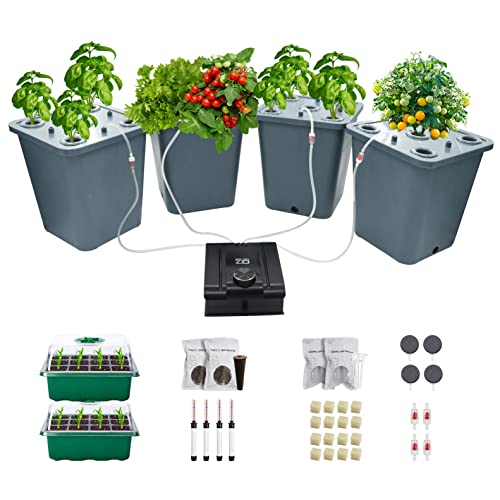

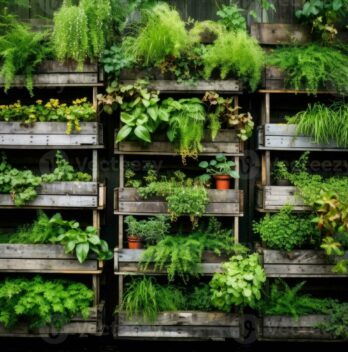
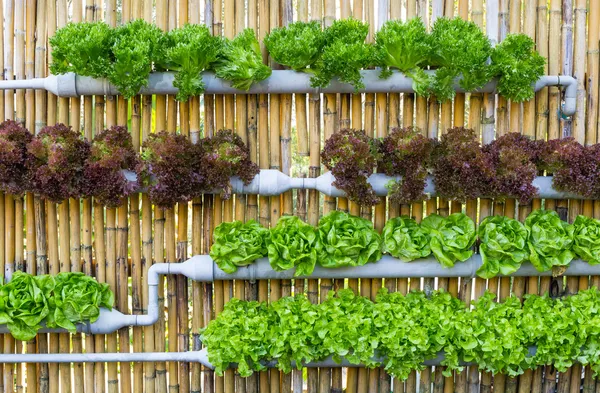


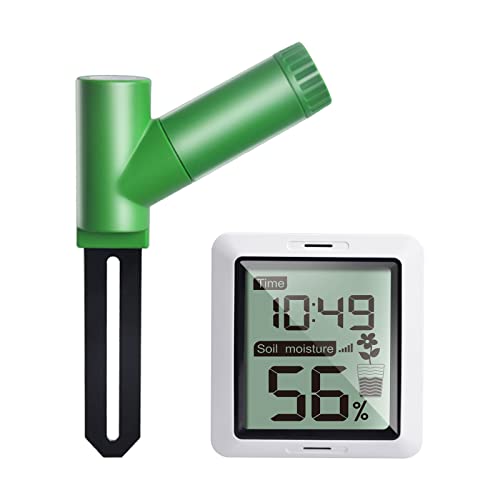
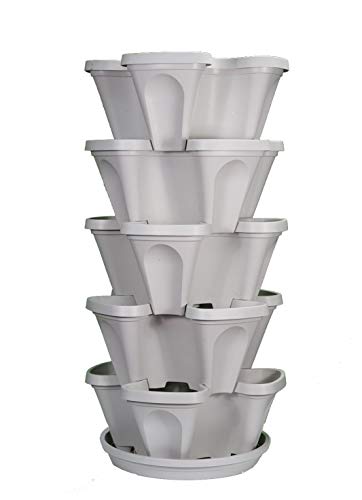

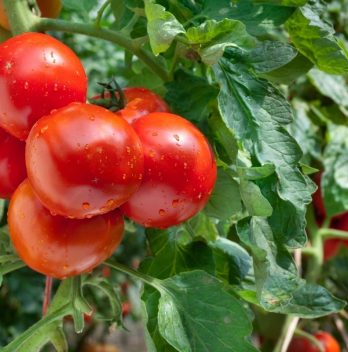

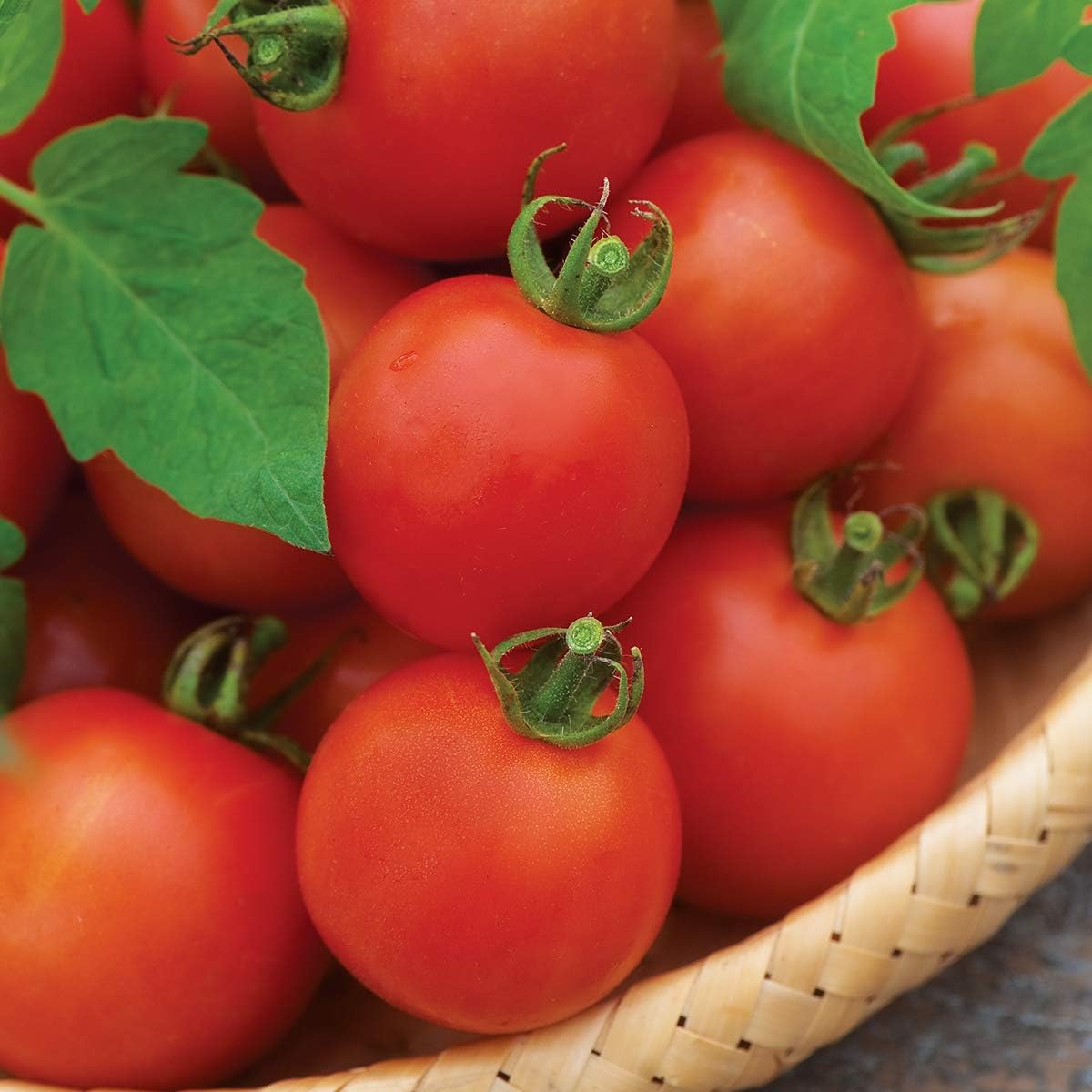


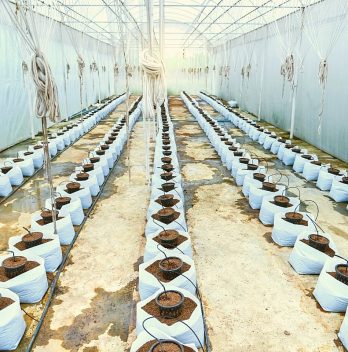

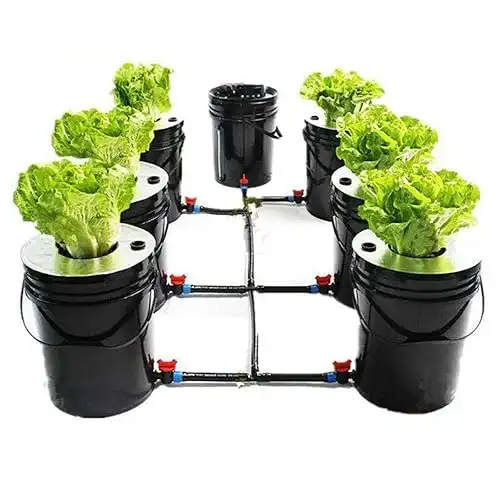
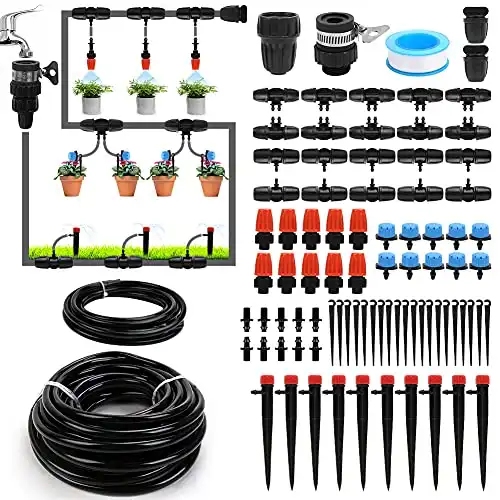
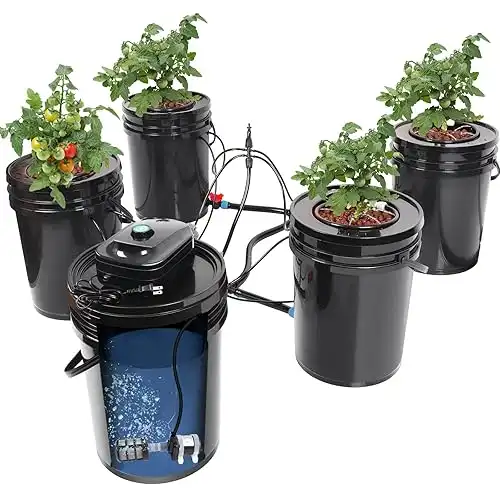
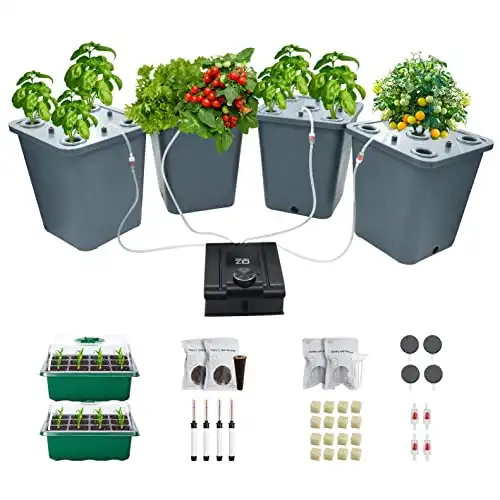
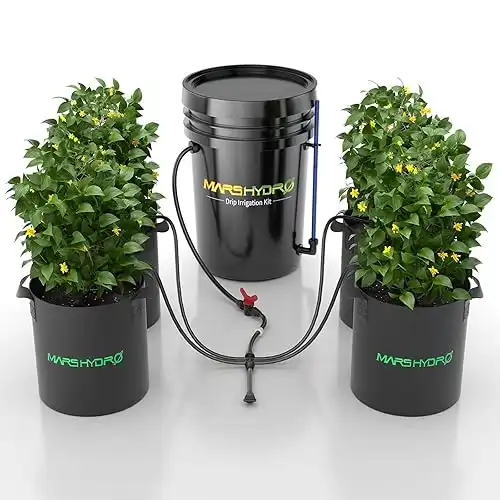


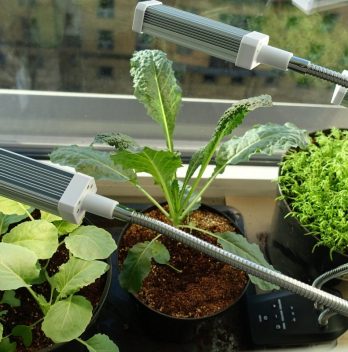

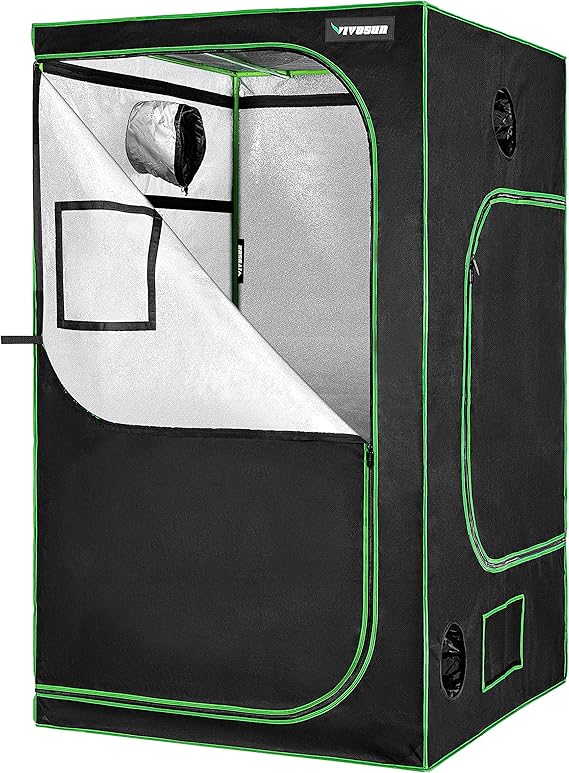


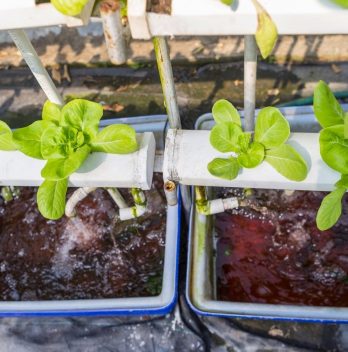
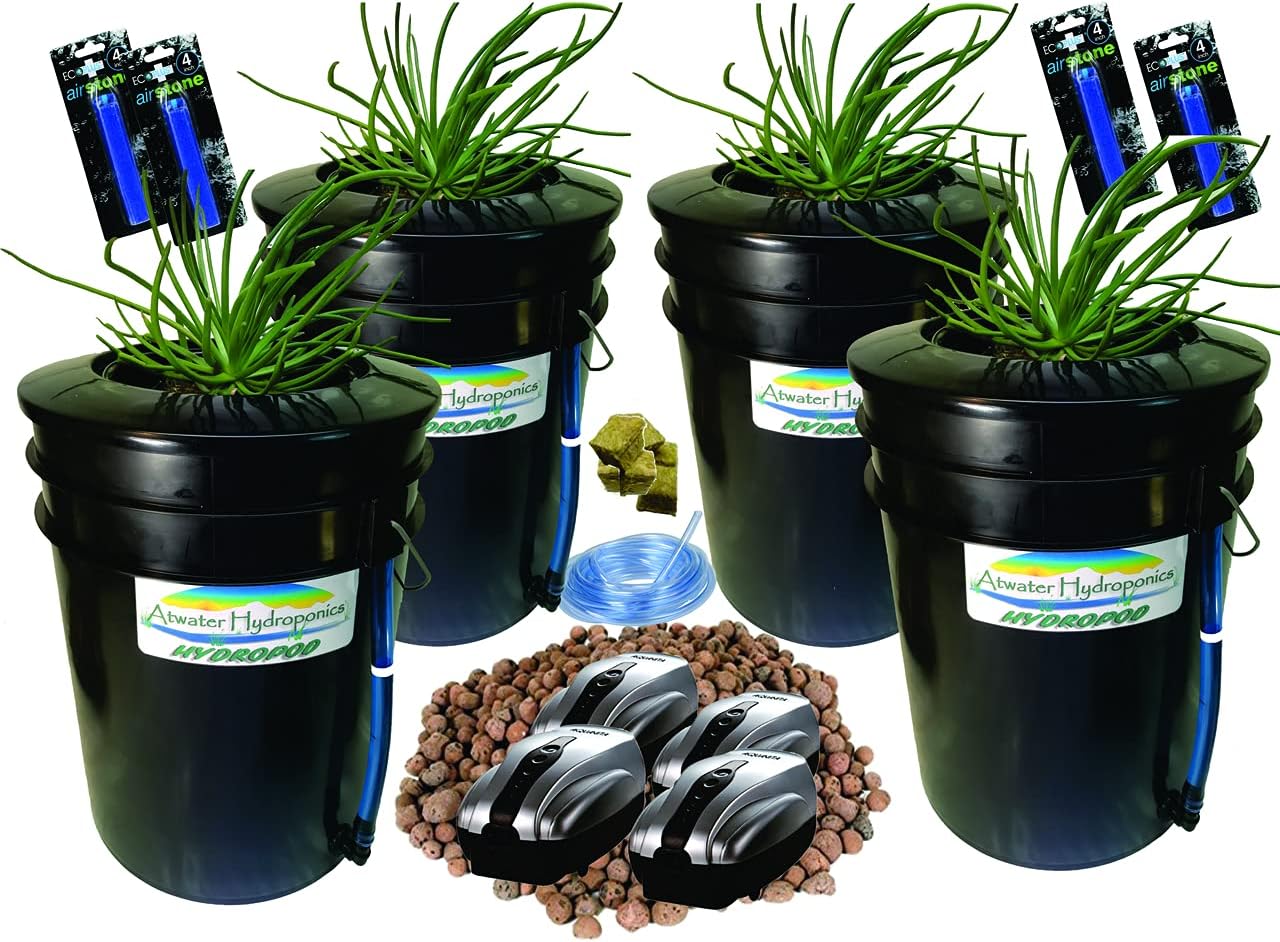


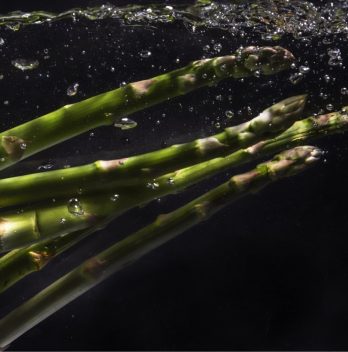

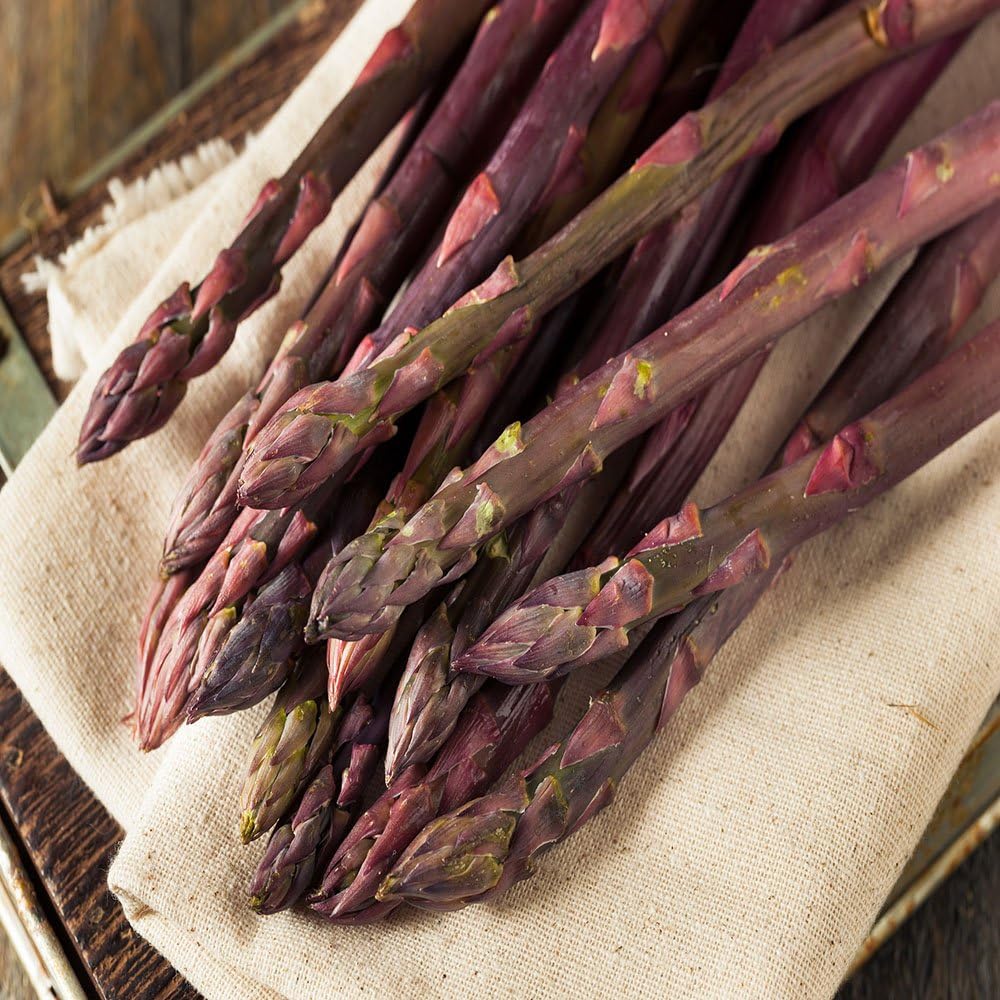


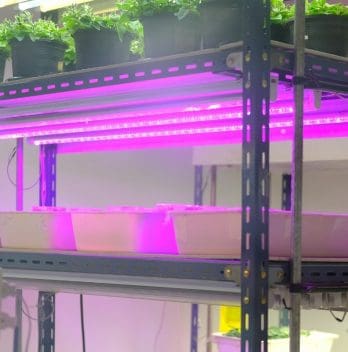


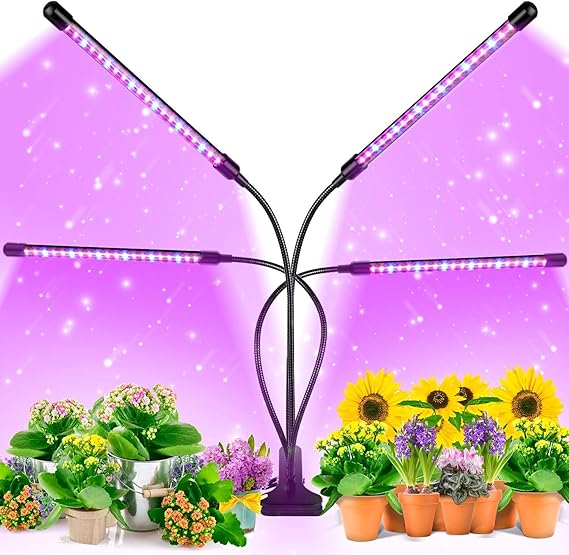


![DIY Hydroponics Nutrients [The Best Recipe]](https://growertoday.com/wp-content/uploads/2021/06/Homemade-Hydroponics-Nutrients-Recipe-348x352.jpg "DIY Hydroponics Nutrients [The Best Recipe] 68")