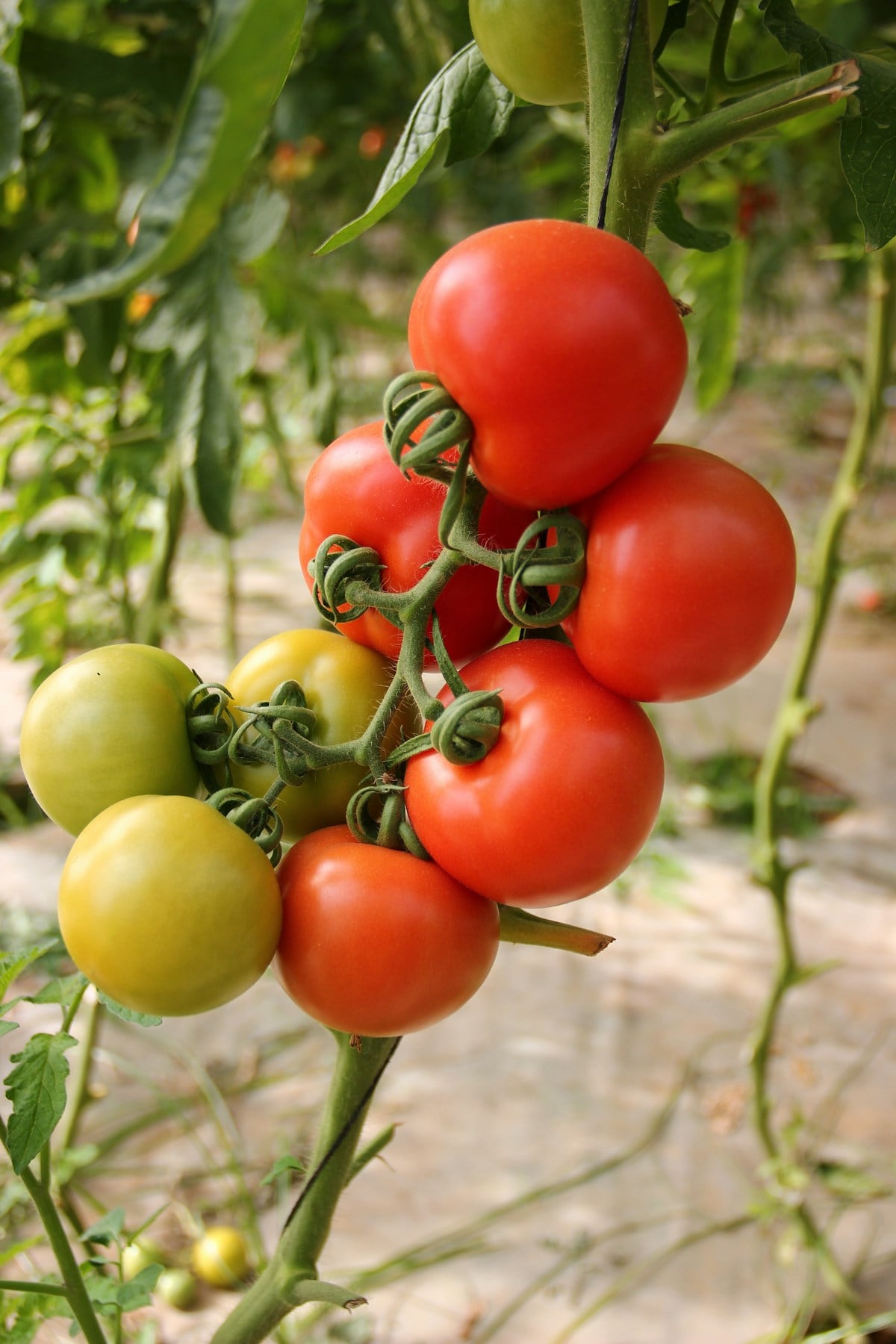
Nothing ruins a gardener’s summer faster than yellowing tomato plants and a disappointing harvest. You’ve done everything right—started seeds indoors, hardened off your transplants, picked the perfect sunny spot—but your tomatoes still look anemic. The culprit? Almost always, it’s fertilizer (or the lack thereof).
Here’s the truth most beginner gardeners learn the hard way: tomatoes are hungry plants. Really hungry. They need specific nutrients at specific times, and getting this wrong means the difference between a handful of small, bland fruits and bushels of juicy, flavorful tomatoes that make your neighbors jealous.
In this complete guide, we’ll break down exactly what fertilizer tomatoes need, when to apply it, and which products actually deliver results. Whether you’re growing heirlooms in raised beds or determinate varieties in containers, you’ll walk away knowing exactly how to feed your tomato plants for maximum yield.
Why Tomatoes Need Special Fertilizer
Tomatoes aren’t like lettuce or herbs that can get by on mediocre
Think about what a tomato plant actually does: it grows from a small transplant into a 6-foot vine, produces dozens of flowers, and converts those flowers into pounds of fruit—all in about 90 days. That kind of explosive growth requires serious fuel.
Here’s what makes tomatoes particularly demanding:
- Long growing season: Unlike quick crops like radishes, tomatoes occupy
soil for 3-4 months, depleting nutrients continuously - Fruit production: Each tomato contains nutrients the plant pulled from the
soil —more fruit means more nutrient demand - Continuous harvest: Indeterminate varieties keep producing until frost, requiring sustained feeding
- Calcium requirements: Tomatoes need consistent calcium to prevent blossom end rot, a common frustration
Generic “all-purpose” fertilizers often fall short because they don’t account for tomatoes’ shifting nutritional needs throughout the season. A fertilizer that’s perfect for leafy growth early on can actually hurt fruit production later.
Understanding NPK for Tomatoes
Every fertilizer bag displays three numbers—like 10-10-10 or 3-4-6—called the NPK ratio. Understanding these numbers is the key to feeding tomatoes correctly.
What NPK Means
- N (Nitrogen): Drives leafy, vegetative growth. Essential early in the season when plants are establishing themselves.
- P (Phosphorus): Supports root development and flower/fruit production. Critical once plants start blooming.
- K (Potassium): Strengthens overall plant health, disease resistance, and fruit quality. Important throughout the season.
The Ideal NPK Ratio for Tomatoes
Here’s where many gardeners go wrong: tomatoes need different NPK ratios at different growth stages.
Early season (transplant to first flowers): A balanced or slightly nitrogen-heavy fertilizer (like 10-10-10 or 5-5-5) supports strong stem and leaf development. You want robust plants before they start fruiting.
Flowering and fruiting: Switch to a lower-nitrogen, higher-phosphorus formula (like 5-10-10 or 3-4-6). Too much nitrogen now produces beautiful foliage but fewer tomatoes. Phosphorus and potassium drive fruit production.
This two-phase approach is why dedicated tomato fertilizers outperform generic options—they’re already formulated with the right balance for fruiting plants.
Beyond NPK: Secondary Nutrients
The best tomato fertilizers also include:
- Calcium: Prevents blossom end rot (that black, sunken spot on the bottom of tomatoes)
- Magnesium: Essential for chlorophyll production and photosynthesis
- Sulfur: Contributes to disease resistance and flavor development
When comparing products, check for these secondary nutrients—they make a real difference in plant health and fruit quality.
Best Organic Fertilizers for Tomatoes
Organic fertilizers release nutrients slowly as
1. FoxFarm Liquid Nutrient Trio
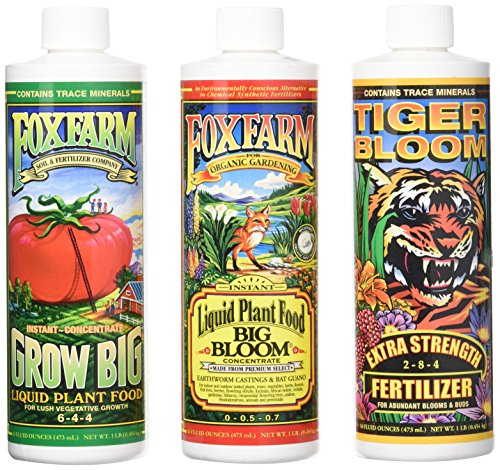
FoxFarm’s trio system (Grow Big, Big Bloom, and Tiger Bloom) is the gold standard for serious tomato growers. The three-bottle system lets you adjust nutrition as plants mature—Grow Big for vegetative growth, then transitioning to Tiger Bloom and Big Bloom during flowering and fruiting.
Why it works: The liquid format provides quick nutrient uptake, while the organic ingredients support beneficial
Best for: Container gardening, hydroponic setups, and gardeners who want precise control over nutrition at each growth stage.
2. Espoma Tomato-tone
Tomato-tone is a granular organic fertilizer with a 3-4-6 NPK ratio—ideal for fruiting tomatoes. It contains 15 essential nutrients plus beneficial microbes that enhance nutrient uptake.
Why it works: The slow-release formula feeds plants for weeks, reducing the frequency of applications. The added calcium helps prevent blossom end rot without separate supplements.
Best for: In-ground tomatoes and gardeners who prefer a “set and forget” approach to fertilizing.
3. Dr. Earth Organic Tomato Fertilizer
Dr. Earth combines fish bone meal, feather meal, and kelp with their proprietary blend of beneficial
Why it works: The diverse organic ingredients create a complex nutrient profile that mimics rich, natural
Best for: Gardeners focused on building long-term
4. Neptune’s Harvest Fish & Seaweed Fertilizer
This liquid concentrate combines fish hydrolysate with seaweed extract for a nutrient-dense organic option. The 2-3-1 NPK is supplemented by over 60 trace minerals from kelp.
Why it works: The seaweed component provides natural growth hormones and stress-resistance compounds. Plants fed with fish-seaweed fertilizers often show improved disease resistance.
Best for: Gardeners dealing with stressed plants, poor
Best Synthetic Fertilizers for Tomatoes
Synthetic (chemical) fertilizers deliver nutrients in immediately plant-available forms. They work faster than organics and allow precise control over exactly what your plants receive. Here are the top synthetic options:
1. Miracle-Gro Tomato Plant Food
FoxFarm Ocean Forest Potting Soil is a nutrient-rich blend of aged forest products, bat guano, and earthworm castings, perfect for indoor and outdoor plants. Its pH-balanced formula promotes healthy growth, making it ideal for seedlings, transplants, and mature plants.

The classic choice for millions of gardeners. Miracle-Gro’s tomato formula (18-18-21) delivers high concentrations of all three macronutrients plus calcium and micronutrients. It’s water-soluble for quick uptake.
Why it works: Immediate availability means you’ll see results within days, not weeks. The balanced-but-potassium-heavy ratio supports both growth and fruiting.
Best for: Gardeners who want fast, visible results and don’t mind frequent (every 1-2 weeks) applications.
2. Osmocote Smart-Release Plant Food
Osmocote’s coated granules release nutrients gradually over 4-6 months based on
Why it works: The controlled-release technology prevents nutrient burn and eliminates the need for repeated applications. It’s nearly impossible to over-fertilize with Osmocote.
Best for: Busy gardeners, container tomatoes, and anyone who tends to forget regular feeding schedules.
3. Jobe’s Tomato Fertilizer Spikes
Pre-measured fertilizer spikes that you push into the
Why it works: Zero measuring, zero mixing, zero mess. Push them in every 8 weeks and you’re done. The nutrients release directly into the root zone where plants need them.
Best for: Absolute beginners, gardeners with just a few plants, or anyone who wants the simplest possible fertilizing routine.
4. Jack’s Classic Tomato Feed
A professional-grade water-soluble fertilizer with a 12-15-30 ratio. The extremely high potassium content promotes exceptional fruit quality and flavor development.
Why it works: Originally developed for commercial greenhouse production, Jack’s delivers professional results. The high potassium drives sugar production in fruits, resulting in better-tasting tomatoes.
Best for: Experienced gardeners focused on fruit quality, greenhouse growers, and those with demanding indeterminate varieties.
When to Fertilize Tomatoes: Timing by Growth Stage
Proper timing is just as important as choosing the right fertilizer. Here’s a stage-by-stage breakdown:
At Transplanting
Mix a balanced, slow-release fertilizer or compost into the planting hole. Avoid high-nitrogen fertilizers right at transplant—they can burn tender roots and push top growth before roots establish.
Pro tip: Add a handful of crusite or eggshells to the planting hole for extra calcium.
Two Weeks After Transplanting
Once plants show new growth (indicating root establishment), begin regular feeding. Start with a balanced fertilizer to support continued vegetative growth.
When Flowers Appear
This is the critical transition point. Switch to a low-nitrogen, high-phosphorus/potassium fertilizer. Continuing heavy nitrogen feeding now results in massive plants with few fruits.
During Fruit Development
Maintain consistent feeding every 2-3 weeks with your flowering/fruiting formula. This is when plants need the most nutrition—they’re simultaneously growing, flowering, and ripening fruit.
Late Season
For indeterminate varieties, continue feeding until 4 weeks before expected first frost. For determinates, you can reduce or stop fertilizing once most fruits have set, as the plant’s job is essentially done.
How to Apply Tomato Fertilizer
Application method matters as much as the product you choose. Here’s how to get the most from your fertilizer:
Granular Fertilizers
- Sprinkle around the drip line (edge of the leaf canopy), not against the stem
- Scratch lightly into the top inch of
soil - Water thoroughly after application
- Reapply every 4-6 weeks depending on product
Liquid Fertilizers
- Dilute according to package directions (more is NOT better)
- Apply to moist
soil —never fertilize dry plants - Water at the base, avoiding leaves to prevent burn
- Apply every 1-2 weeks during active growth
Foliar Feeding
Some liquid fertilizers can be sprayed directly on leaves for rapid absorption. This works well for addressing specific deficiencies quickly but shouldn’t replace
- Spray early morning or evening (never in hot sun)
- Use diluted solutions—half strength or less
- Cover both tops and undersides of leaves
Container Tomatoes: Special Considerations
Container-grown tomatoes need more frequent fertilizing because:
- Limited
soil volume means limited nutrient reserves - Frequent watering flushes nutrients out the drainage holes
- Roots can’t spread to find additional nutrients
Plan to fertilize containers at half-strength twice as often, or use slow-release granules to maintain consistent nutrition.
Signs of Over-Fertilization and Under-Fertilization
Learning to read your plants helps you adjust your feeding program in real time.
Signs You’re Under-Fertilizing
- Yellowing lower leaves: Nitrogen deficiency—older leaves yellow while new growth stays green
- Purple-tinged leaves/stems: Phosphorus deficiency, especially in cool weather
- Brown leaf edges: Potassium deficiency, often called “leaf scorch”
- Stunted growth: General nutrient deficiency across the board
- Poor fruit set: Flowers drop without forming fruit, often from phosphorus shortage
- Blossom end rot: Calcium deficiency (though inconsistent watering also contributes)
Signs You’re Over-Fertilizing
- Lush, dark green foliage but few flowers: Too much nitrogen—plants put energy into leaves instead of fruit
- Leaf tip burn: Brown, crispy leaf tips indicate fertilizer salt buildup
- White crust on
soil surface: Visible salt accumulation from excess fertilizer - Wilting despite moist
soil : Root damage from fertilizer burn - Blossom drop: Excessive nitrogen can cause flowers to abort
Recovery tip: If you’ve over-fertilized, flush the
Frequently Asked Questions
Can I use regular fertilizer on tomatoes?
You can, but you’ll get better results with tomato-specific fertilizers. General-purpose fertilizers like 10-10-10 work during early growth, but they often have too much nitrogen for the fruiting stage. Tomato fertilizers are formulated with the right nutrient ratios and usually include calcium to prevent blossom end rot.
How often should I fertilize tomatoes?
It depends on the fertilizer type. Liquid fertilizers typically need application every 1-2 weeks. Granular fertilizers last 4-6 weeks. Slow-release formulas like Osmocote may only need one application per season. Container tomatoes generally need more frequent feeding than in-ground plants.
Is organic or synthetic fertilizer better for tomatoes?
Both can produce excellent results. Organic fertilizers improve
Should I fertilize tomatoes when it’s hot?
Apply fertilizer in the morning or evening, not during peak heat. Water before and after granular applications. Avoid foliar feeding when temperatures exceed 85°F (29°C)—the combination of fertilizer and heat stress can damage leaves. During extreme heat waves, plants may benefit from reduced fertilizer concentrations since stressed plants can’t efficiently use nutrients.
What’s the best fertilizer for tomatoes in containers?
Liquid fertilizers like FoxFarm’s nutrient trio or water-soluble Miracle-Gro work well because they deliver nutrients immediately and you can easily control the concentration. Alternatively, slow-release granules like Osmocote provide steady nutrition without the need for frequent applications. The key is fertilizing more often than in-ground plants since containers lose nutrients through drainage.
Final Thoughts: Feed Your Tomatoes Right
Growing amazing tomatoes isn’t complicated once you understand their nutritional needs. Start with a quality fertilizer, time your applications to match growth stages, and pay attention to what your plants tell you.
Remember the key principles:
- Balanced fertilizer early, low-nitrogen/high-phosphorus once flowering begins
- Consistent feeding beats heavy occasional doses
- Include calcium to prevent blossom end rot
- Container plants need more frequent feeding than in-ground tomatoes
- Watch your plants and adjust based on what you see
Whether you choose organic options like FoxFarm and Espoma or synthetic choices like Miracle-Gro and Osmocote, the most important thing is consistency. Feed your tomatoes regularly throughout the season, and they’ll reward you with a harvest worth bragging about.
Now get out there and grow some incredible tomatoes!