Author: Eunice

  • Starting Seeds In Rockwool Cubes – How To Do It Successfully

    Starting Seeds In Rockwool Cubes – How To Do It Successfully

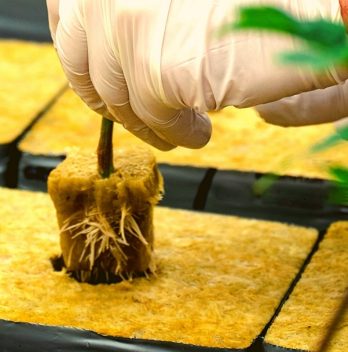
    Starting seeds in Rockwool cubes can be a great process for your plant’s growing experience. Rockwool is a soil-free medium or substrate that can be used for starting seeds. They can as well be used in hydroponics or stem rooting.

    Rockwool offers so many benefits to almost any type of plant which makes it popular and best-loved among most growers.

    This article attempts to enlighten you on germinating seeds in Rockwool cubes and more, so read on to learn.

    Let Us Get To Know What Rockwool Cubes Are

    Rockwool is made from spinning chalk and basalt rock, which are then formed into a thick mat of natural fibers. The combinations are made to look like the consistency of cotton candy. The spun fibers are then combined with a binding agent. The materials are pressed and formed into cubes which we know as Rockwool cubes. Mostly, Rockwool cubes can come in one or two inches sizes: although, you can also obtain bigger Rockwool cubes of about four inches.

    The smallest Rockwool sizes are the most appropriate for starting seeds, leaf cuttings, and stem propagation. Bigger rock wool cubes are mainly used to grow denser plants.

    Get to Know What Rockwool Cubes Are

    A Guide On Germinating Seeds In Rockwool Cubes

    It is important to know how to germinate seeds for hydroponics with rockwool. Seed germination (whether for hydroponics or conventional soil planting) requirements can sometimes demand careful and precise planning or processes. Take for instance moisture requirements: moisture is an essential factor when it comes to seed germination

    Therefore, a Rockwool cube is a great choice to use in germinating seeds because it can retain moisture. Rockwool cubes will keep your seeds moist while preventing them from sitting in a waterlogged environment. They can retain just the right amount of water to keep your seeds from drying out thereby improving seed germination.

    Read more about How to Use Rapid Rooters Plugs

    How To Start Seeds In Rockwool

    • The first step to take in germinating seeds in Rockwool cubes is the preparation of the Rockwool cubes. Rockwool cubes need to be soaked in pH-adjusted reverse osmosis water before use. They don’t require too much soaking; however, ensure the cubes are fully absorbed in water.
    • Soaking is required because rockwool cubes usually have a high pH of about 7.8 but your seeds will require a pH of 5.5 which is a slightly acidic medium. This way, your seeds will have the best chance of germinating and sprouting appropriately.

    • Remove the Rockwool cubes from the soaked water and give them a gentle shake to take off the excess water. However, don’t squeeze them. Now your cubes are ready to be placed in your germinating tray.
    • Most rockwool cubes have holes in them, so get your seeds and drop them into the holes of the Rockwool cubes. With a toothpick or other identical objects, gently push down the seeds to the bottom holes.
    • Now squeeze the rockwool hole to close them or simply break off a little piece of the Rockwool from the sides to cover the top. The seeds need to be placed in a dark environment.
    • Next, cover the rockwool cubes with a humidity dome so that they can maintain a humid environment. Keep them at 70 to 80 degrees. Now you can place them in a gentle grow light.
    • You can maintain a moist environment by misting them with a spray bottle whenever you notice them drying out. Sprouting should be noticed after a couple of days, depending on the plant seeds that you are germinating.

    Benefits Of Start Seeds In Rockwool

    Here are the benefits your seeds stand to enjoy by using rockwool cubes for germinating seeds.

    • Water Retention: Rockwool cubes have excellent water retention capacity which is very essential for the germination of your seeds. At the same time, Rockwool will not waterlog your system. It can drain excess water, retaining just the right amount of water needed by your seeds to germinate.
    • Air Circulation: Rockwool cubes will provide good air circulation and oxygenation of the root system.
    • Clean: Rockwool is a clean or sterile medium and it doesn’t have any weeds, pathogens, or pests.
    • Reusable: Rockwool cubes don’t decompose over time. Therefore, it can be reused over again.
    • Safe: they are made from natural materials. Thus, it is very safe to use for your germinating seeds because it doesn’t contain any toxic substances.

    Sturdy Seed Starter Tray With Humidity Dome Seedling Trays

    81WFa5tuqjL. AC SL1500

    Common Problems With Germinating Seeds In Rockwool

    While rockwool is a very reliable medium to use for germinating seeds, it is not without its fair share of troubles. Here are some of the most common problems and how you can tackle them head-on if you ever experience seeds not sprouting in rock wool.

    • Temperature

    One of the most popular problems associated with seeds not sprouting in rockwool is the temperature. It could be that the temperature is too hot or too cold to support germination. If you investigate and find this to be the case with your seeds not sprouting, move your rockwool cubes into a warmer or colder environment as required. If this is not possible, you can purchase a germination chamber such as this one which comes with a heat mat tray that can be used to attain more favorable temperatures, especially in colder climates.

    • Poor seed quality

    Sometimes all the conditions may be right in your rockwool cubes, but if the seeds are of poor quality, the rate of germination will be low or completely zero. Poor seed quality is mostly due to the degradation of the seed. This usually happens over time. Seed death or degradation starts to happen as soon as the seed is mature and viable.

    Generally, seeds will have high germination rates for the 2-3 years of their lives with an average of 80% success. Once this rate hits about 75%, the seeds start to lose their ability to germinate quickly. As a result, old seeds have poor quality and will not germinate properly. Be sure to use the freshest and newest seeds to germinate in rockwool.

    To try and increase the shelf life of your seedlings, carefully store them in airtight glass jars and place them in the refrigerator or freeze them. You can put a little bit of powdered milk or wrap the seeds in a paper towel to absorb excess moisture.

    • pH Imbalance

    Rockwool has a naturally high pH, which makes it highly alkaline when wet. A lot of seeds germinate poorly in alkaline conditions and prefer slightly acidic ones. To get the right pH for your plants, irrigate the rockwool cubes with an acidic nutrient solution to re-balance the pH of the growing environment.

    • Mold

    Although rockwool has a high moisture content that prevents plant roots from dying out, this moisture can promote the growth of fungi. These fungi will encourage seeds to mold and rot instead of germinating properly. If you notice mold starting to form, irrigate less.

    • Insufficient airflow

    Insufficient airflow through the Rockwool cubes can also create problems for seed germination. To prevent this issue from occurring, avoid crushing or compressing your rockwool so that it retains enough air pockets to allow for sufficient airflow.

    What Is The Best Time To Transplant Rockwool Seedlings

    Knowing when to transplant rockwool seedlings is an important determining factor in getting good survival rates for transplanted seedlings. 

    Transplant seedlings when they reach a height of about 2-3 inches in height. Also, check that the roots of the seedlings are beginning to poke out at the bottom of the cubes. By this time, they should also have developed a full set of two to three sets of true leaves.

    After your seedlings in the rockwool cubes have developed and are ready to transplant, simply plug the cubes and plant them directly into your grow sites and your plants are ready to go!

    How To Care For Seedlings In Rockwool

    Taking good care of seedlings post-germination is also important to ensure a successful crop. Here are the measures that you need to take to;

    • Before you need to transplant the seedlings, place the Rockwool cubes in a nursery tray and cover it with a humidity done to ensure that the moisture stays locked in and the Rockwool never runs dry
    • Maintain an environmental temperature of between 70 and 80 degrees Fahrenheit 
    • Keep the rockwool cubes moist by consistently spraying them with water every few days when you notice them starting to dry out.
    • Remove the Rockwool cubes from the humidity cube and place them under the light as soon as the seeds start to sprout

    Closing Remarks- Starting Seeds In Rockwool Cubes

    Rockwool cubes are a great substrate for seed starters. They are safe and will provide your seed with good moisture and oxygen for optimal germination.

    They come in various sizes and shapes and they can blend into different growing systems. So, give your seeds an excellent germinating chance with Rockwool.

    FAQ’s

    Why won’t my seeds germinate in rockwool?

    The problem might be that they are not getting enough light. Rockwool is a great product for growing plants and it has been used for centuries. It’s made from ground-up volcanic rock so it provides nutrients and structure for plants to grow. It also helps maintain moisture in the growing medium. There are many different types of rockwool, each with its own unique properties.

    Rockwool is like a sponge and absorbs all moisture from the air. It’s great for storing seeds but if you put them in it they won’t get a chance to germinate. You need to keep your seed starting containers dry and make sure you water the soil before you cover the seeds with the rockwool. I would use vermiculite for a seed starting medium because it’s a bit drier than the rockwool.

    Do seedlings need nutrients in rockwool?

    As long as they are not sitting in wet rockwool, yes. If you do not want to water them, use a bulb planter and keep them in a shaded area. If you’re going to be transplanting them to larger containers, you can add some nutrients to the potting mix if you want to. If you have the fertilizer that comes with the plant, that will be fine. You could also use a diluted liquid fertilizer such as a 10-10-10.

    How often should you water seedlings in rockwool?

    Rockwool needs more frequent watering than soil because it does not absorb water as well. It is best to water your Rockwool when the top inch or so of the material is wet, which usually happens within 24 hours. It is important to keep the surface of the material damp, but not wet. If the Rockwool dries out too much, it will crack and become brittle. If you see a rockwool plant that appears to be drying out, cut off the top few inches and let it dry out again before re-watering. Once you have cut back on the water supply, wait for the top inch or so of the material to be wet again, and then re-water. You can also use a spray bottle with a fine mist setting to apply water directly to the Rockwool.

    Can I start seeds in rockwool cubes?

    It would be fine as long as you keep it moist enough. I think it should be fine to use sand or even peat moss as long as it’s not very wet. As far as keeping it moist, I have a few suggestions:
    1. You can put a humidifier in the room where the cubes are.
    2. You can put a small fan in the room with the cubes and blow on them.
    3. You can use a misting system (like a misting bottle). I’ve heard of people putting plastic bags over their plants and then cutting holes in the bags to spray water into. That way the plant doesn’t dry out.

  • Causes Of Rubber Plant Spots On Leaves And How To Fix It

    Causes Of Rubber Plant Spots On Leaves And How To Fix It

    If you nurture a rubber plant and you one day find out that there are spots on the leaves, then this may have you worried. Rubber plant spots on leaves can be a signal that something is wrong with your plant. But not too worry because we will be delving into how to fix rubber plant spots on leaves.

    Rubber plant which is usually referred to as Ficus elastic is one lovely type of houseplant characterized by its dark and glossy leaves.

    Rubber plant is a lovely plant so finding some spots (either brown or white spots) on the leaves can reduce its stunning look. Finding out the reason for this spot symptom on the leaves of the rubber plant is a good step to fixing this issue.

    Rubber plant spots on leaves will be explored here so let’s simply look into this.

    Rubber Plant Spots On Leaves: Which Part Of The Plant Is Affected?

    The major part of rubber plant affected by these spots is the leaves. Rubber plant spots on leaves show dark brown patches and this is usually from the tip and edges of the leaves. Also, the cause of the brown spot can make these small spots begin to show on the center or close to the edges of the leaves.

    Other part where the brown spot can show up is the base of the leaf and this is usually caused by pests and diseases attack. You may even notice some of these brown spots where the leaf meets the stem.

    Rubber Plant Spots On Leaves - Which Part Of The Plant Is Affected

    Once you notice any small brown spot on your rubber plant, you need to act fast. If you don’t tackle the issue on time, this brown spot can show up on the plant’s new leaves, stem, and shoots.

    Read more about The List Of Plants That Look Like Aloe Vera

    Rubber Plant Spots Causes, Symptoms, And Managements

    Rubber plant spots on leaves can be caused by different issues such as Septotia leaf spot, rubber plant algae leaf spot, downy mildew, powdery mildew, the bacterial blight of ficus elastic, alternaria, and anthracnose.

    Also, rubber plant spots can be caused by over-watering, poor drainage, root rot, nutrient deficiency, harsh weather like scorching sun and frost damage, low humidity, insect infestation, and fertilizer burn.

    Let’s take a look at some details of this rubber plant spot on leaves:

    1.    Septoria Leaf Spot

    Septoria leaf spots can cause brown spots on your rubber plant and this is caused when you leave your plant in a wet and humid condition for a long period. This spot is caused by a fungal disease and it exhibits this small, irregular, brown spot on both the top and undersides of the leaves.

    Symptoms

    Rubber plant spots on leaves caused by septoria can exhibit black or dark brown-edged lesions on the leaves. On the leaves, you can also notice this mold-like growth, and the leaves can look shrivel, blacken, and drop off.

    Also, the leaves affected tend to change to yellow and brown and they will eventually wither and die.

    Septoria Leaf Spot

    Resolving The Situation

    Once you’ve identified that your rubber plant spot is suffering from septoria leaf spot, it’s important you quarantine the affected plant immediately.

    Trim off and destroy the diseased, drooped, or any dead parts of the leaves. Always, space out your houseplants so that there can be adequate air circulation.

    You can spray your plant with a sulfur-based fungicide, captan, or copper-based fungicide.

    Click Here to Get Info About:

    2.    Rubber Plant Algae Leaf Spot

    Rubber plant spots on leaves can be caused by rubber plant algae leaf spots. This algae leaf spot is caused by a parasite known as Cephaleuros virescens and this parasite thrives in a humid and warm environment.

    Symptoms

    The symptoms noticed with these algae leaf spots is a small rough, mesh-like brown spot on the leaves of rubber plant. You may notice pale green, gray, or orange with this issue. Even if you notice that the spots are small, the spots can still expand and merge into bigger patches.

    Southern Ag Liquid Copper Fungicide, 32oz – Quart

    71Mg2KvcMnL. AC SY879

    Resolving The Situation

    The good news is that algae leaf spot is not a fatal disease. Organic control methods can be used to resolve the situation.

    Ensure you trim excess foliage, improve aeration, and space out your houseplants. When you’re watering, don’t splash water or water from the top of the plant. Instead, aim to water the base of the plant or you can use self-watering pots. Make sure you use well-draining, aerated, and fertile soil.

    However, if the algae leaf spot is too severe, use a copper-base fungicide or Bordeaux mixture biweekly. Apply this until the algae leaf spot has been eliminated.

    3.    Downy Mildew

    Downy mildew should not be confused with powdery mildew. This affects rubber plants and it mostly occurs in cool and humid conditions. This downy mildew disease is rarely seen during hot weather.

    Symptoms

    With this disease, you will notice colonies on the underside of your rubber plant leaves. So, you will notice spots covered with bluish-gray, purplish, whitish, or bluish cotton-like fungi.

    Mildew spores begin to dig and lock into the leaf from underneath and the upper part of the leaves will look yellow or white. As time goes on, they tend to form a fuzzy coating on the leaves and more damage will result in brown spots on rubber plants.

    Resolving The Situation

    Once you’ve identified that your rubber plant is suffering from downy mildew, isolate the plant to prevent the spread of the disease.

    Horticultural oil such as neem oil can be applied to the plant to prevent the spread and colonization of other leaves in the early stages. A copper-based fungicide should be used to tackle any colonies and spray once every seven to ten days.

    Final Word

    Rubber plant spots on leaves are usually a signal that something is wrong with your plant. So, you will need to act swiftly to prevent further damage when it comes to this issue.

    FAQ’s

    What causes brown spots on rubber plants?

    Rubber plants brown spots on leaves are usually caused by over-watering, fertilizer burn, pest and diseases infestation, harsh weather, low humidity, and poor drainage.

    Why does my rubber plant have white dots?

    The tiny white dots seen on rubber plants are known as lithocysts and they are enlarged cells that have calcium carbonate crystals. Seeing these white dots is no issue and they are normal for rubber plants.

    Should you cut off the brown leaves rubber plant?

    These brown leaves are usually dead and dying leaves so you should remove any dead and dying leaves by pruning them. Doing this will help the plant grow healthier and into the shape you would like it to have.

    What do brown spots on leaves mean?

    Usually, brown spots on leaves signify that the plant is suffering from an issue that needs to be attended to. These brown spots n leaves can be caused by over-watering, under-watering, lack of humidity, and so on.

  • N Joy Plant Care Tips

    N Joy Plant Care Tips

    N Joy Pothos is a delightful houseplant to have and this plant really stand out from every other plant. The lovely plant is known for its white and green variegation of leaves. But do you know how to care for the plant? N Joy plant care tips will be discussed in this post.

    N Joy Pothos is from the Araceae family and if you can adequately take care of this plant, it can grow well and attain a height of 8 to 12 inches. Just provide the plant with proper temperature and humidity, bright indirect sunlight, and water the right way.

    This lovely variegated plant is easy to care for. N joy plant care tips are what we will be looking at in this post so let’s begin.

    Overview About N Joy Pothos

    The plant of N Joy Pothos is one charming houseplant you can have. N Joy is well known for its distinctive white and green variegation. The scientific name for the plant is Epipremnum pinnatum ‘Njoy,’

    This gorgeous plant is characterized by its very compact growth, bright, and distinctive green and white variegation foliage.

    N Joy Pothos can grow and attain a height of about 8 to 12 inches and this will depend on how well you take care of the plant. This care includes providing N Joy plant with bright indirect sunlight, well-draining soil, the right watering needs, adequate temperature and humidity, and so on.

    Overview About N Joy Pothos

    N Joy Plant Care Tips

    So here are some great tips on how you can properly care for your N Joy Pothos plant:

    1.    Light

    Lightning is one crucial requirement when it comes to caring for N Joy Pothos plant. The light requirement for N Joy Pothos is bright to moderate indirect light. When indoors, you can position this plant a few feet away from a window that is sunny.

    However, avoid exposing the plant to direct sunlight because this can scorch the beautiful foliage. Too much sun exposure may also cause the leaves to turn pale yellow or white. To help reverse this condition, simply relocate your plant from the sunny spot to a more shaded spot.

    The plant can grow and tolerate low light or a bit of direct sunlight. However, if you only supply N Joy with low light, your plant may not get that full variegated look. So, you will notice great results when you supply your plant with adequate light and your plant will look greener.

    2.    Soil – N Joy Plant Care

    This plant does not demand too much when it comes to the type of soil required and it can do well in most types of soil. An excellent potting mix that is designed for houseplants will do fine. You can do 50% perlite and 50% peat.

    Just ensure the soil has good drainage and also make sure your pot has adequate drainage holes. The growing medium should be free of pests and diseases.

    For instance, you can use a potting mix that is made of peat moss. This medium can retain moisture and nutrient long enough for them to be absorbed by the roots.

    rePotme Houseplant and Tropical Classic Potting Soil Mix – Mini Bag

    51 Y87l2 oL. AC

    3.    Watering Requirement

    Allow the upper part of the soil (about 1 inch) to become a little dry before you give the plant a drink. However, the entire potting mix should not be dried out totally because this can cause wilting of the entire plant. It can also cause the leaves to turn yellow and cause ugly brown and crispy leaf edges.

    But make sure you avoid over-watering your N Joy Pothos plant. Ensure you always discard any excess water that may accumulate underneath the saucer. Waterlogged soil can predispose the plant to root rot.

    4.    Temperature

    This lovely plant will do well with temperatures ranging from 60 to 85 degrees Fahrenheit. However, avoid putting the plant in a place where there are sudden temperature changes. So, don’t put the place close to any heating appliances such as air conditioning units.

    5.    Humidity – N Joy Plant Care

    N joy plant care also involves providing adequate humidity for the plant. This plant is from the tropical region and this implies that it fairs well in humid conditions. Maintain an optimal humidity between the ranges of 50 to 70% and you will see your N Joy plant do well. To help maintain the moisture level, keep the pot on a pebble tray filled with water.

    6.    Fertilization

    N Joy Pothos requires light fertilization. You can supply a balanced feed once in 5 to 6 weeks and this can supply the plant with all it needs for it to grow and flourish. Also, make sure you follow the instruction on the label.

    During autumn and winter, you should reduce the fertilization to once a month. You need to also ascertain that the fertilization you’re using is designed for houseplants.

    7.    Pruning N Joy Plant

    Pruning helps control and removes dead foliage from time to time. Although N Joy Pothos isn’t a vigorous grower and the plant is inclined to stay compact; the plant can still benefit from trimming.

    8.    Pest And Disease Control – N Joy Plant Care

    The common pest that may affect your N Joy Pothos plant is aphids and mealybugs. You can use insecticide to eliminate them if you have an invasion.

    N Joy Plant Care Summary

    Here is a quick recap of some important points we’ve mentioned about caring for N Joy:

    • Water N Joy Pothos only when the top one inch of the soil is a little dry.
    • Provide the plant with bright indirect sunlight always.
    • Use a well draining soil to grow your N Joy plant.
    • Use a light and balanced fertilizer for your N Joy Pothos.
    • N Joy plant care also requires a fairly humid condition.
    • The temperature range should be around 60 to 85 degrees Fahrenheit.

    FAQ’s

    How often do you water Pothos N Joy?

    Generally, you should water Pothos N Joy plant about once or twice weekly. Make sure you allow the top part (one inch) of the soil to dry out before watering.

    Why is my N Joy Pothos Brown?

    The leaves of your N Joy Pothos can begin to turn brown from excess light exposure, over-watering, under-watering, or from leaf spot disease. Additionally, excess fertilizer can result in brown spots and brown leaf tips.

    Is Pothos N Joy rare?

    Pothos N Joy is not a rare plant. However, one rare Pothos you may find is the Harlequin Pothos. This rare Pothos resembles Manjula and has a mix of marble and snow queen with a bit more variegation on the foliage.

    When should I repot Pothos N Joy?

    Once you notice the roots of your Pothos N Joy are emerging from the pot’s drainage holes, then you should repot. Avoid allowing your plant to become rootbound.

  • How To Cut Off Small Monstera Leaves To Improve Its Look

    How To Cut Off Small Monstera Leaves To Improve Its Look

    One lovely plant you can add to your houseplant collection is the Monstera plant. This plant tends to grow very fast and in an aggressive manner. This is why pruning will be necessary. Cut off small Monstera leaves so your plant can grow healthier.

    Monstera is a tropical plant that is characterized by its fascinating foliage that has splits and holes. The plant is also known as Swiss Cheese plant and the plant is easy to care for so far you give it the appropriate growing conditions.

    Monstera has this incredible growth so you will need to regularly trim the plant. Cut off small Monstera leaves and have your plant looking neat and healthy.

    Cut Off Small Monstera Leaves To Help It Grow Healthier

    When you cut off some part of Monstera leaves, it encourages the plant to grow optimally and look tidier. Cut off small Monstera leaves to help it grow healthier and enjoy the results.

    Apart from trimming the Monstera plant to encourage growth, you can as well trim the plant for propagation. You just need to cut below a node when you pruning and aim to propagate.

    Cut Off Small Monstera Leaves To Help It Grow Healthier

    Let’s further look into how we can trim Monstera to encourage growth.

    Propagating Monstera To Encourage Growth

    Trimming Monstera plant has to be done the right way and this also depends on your goals. Aiming to control an overgrown Monstera is totally different from aiming to prune for growth encouragement. Propagation trimming also takes a different approach.

    Below we have stated the methods you can prune your Monstera:

    1.    Pruning To Get Rid Of Yellow Or Dying Leaves: Cut Off Small Monstera Leaves

    When Monstera plant grows and matures, it results in older leaves turning yellow and dying off. This is no cause for concern. So, having a couple of yellowing leaves shouldn’t be an issue. However, when the yellow leaves are many, you may need to investigate further.

    So, trimming off yellow leaves regularly helps maintain a clean and healthy plant.

    Make sure you’re using a sharp knife or a sterilized clipper to cut the leaves at the main stem in the process of trimming your Monstera plant. Do this correctly by following the leaf stem back to the man branch and c clean cut should be done to remove it from your Monstera plant.

    These trimmed parts should be thrown away in the trash or in a compost bin because they can’t be rooted as a new plant.

    5 pack Garden Pruning Shears Stainless Steel Blades, Handheld Scissors Set

    81cp7+JhD4L. AC SX569

    2.    Pruning To Control An Overgrown Monstera Plant

    Because this plant is a vigorous and fast grower, if you leave them unattended, they can grow in a wild manner. Therefore, you need to maintain and keep your Monstera plant tidy by trimming unruly vines and directing new growth in the direction you want.

    Make sure you identify unruly vines before you commence trimming. When pruning, you should follow the vine back to the main stem and make a clean cut near them. But make sure you don’t damage or cut the stem.

    You can use these cuttings for rooting or propagating your Monstera plant.

    Read more about How To Keep Potted Plants From Falling Over

    3.    Pruning To Aim For Propagation

    You can cut off small Monstera leaves or stem cuttings and propagate them. Then this cutting can be placed in a moist potting mix or in a vase of water. Just ensure the cutting has at least one node so they can root successfully.

    Therefore, when you’re pruning Monstera for propagation, choose to ensure you’re selective of the cuttings you make. Choose the tip of the vine that has at least one or two healthy Monstera leaves attached to it. Then follow the stem back to the node. This node is the spot where all new growth takes place.

    Use sharp and sterile cutting equipment to make a clean cut half an inch below the node. Make sure you don’t use a dull blade for your cuttings so you don’t bruise the stem and cause tissue damage to your plant.

    Pruning Monstera To Aim For Propagation

    4.    Pruning Of Root

    When Monstera roots are pruned, it is done to inhibit their rapid growth and keep them in control. Even though this method may seem scary, it can be done easily if they are done the right way. So, this will enhance the health of your plant.

    To prune the roots for controlling Monstera, simply remove the plant from the pot and examine the roots. You should notice one main root with having smaller lateral growth. Aim to cut back these lateral roots by one-third and the main root should be left intact.

    Click Here to Get Info About:

    When Is The Ideal Time To Trim Monstera Leaves?

    The ideal period to trim houseplants such as Monstera is before the plant enters its growing season and when the plant is still dormant. This dormant period is during winter when there is no sunlight so this prevents the plant from producing glucose that helps the continuation of growth. Hence, there is little to no growth during this period which makes the plant require little water.

    The dormancy period for most houseplants begins to expire during early spring as the days begin to get longer and the temperature begins to rise. So, the plant starts to come out of its dormancy state and this is the best time to trim your Monstera plant.

    This is because the plant is preparing to enter a period of high growth activity. This means that the plant will have an easier means of repairing any damage caused by trimming.

    Conclusion

    Pruning Monstera plant is one good step to ensuring your plant gets a healthy lifestyle. It gives Monstera plant a pleasant and neat look and it helps control any unruly growth.

    FAQ’s

    How do you trim small Monstera leaves?

    To trim Monstera leaves, trim off any old or diseased leaves that are at the base of the stem. Doing this will encourage the growth of your plant and it will also make your plant look healthier.

    Why is my Monstera producing small leaves?

    Your Monstera leaves can have small leaves due to lack of nutrients, under-watering, low humidity, harsh temperature, too much fertilization, and lack of light.

    How do you make Monstera deliciosa leaves bigger?

    If you want to have a bigger Monstera deliciosa leaves, then you need to supply this plant with enough sunlight. If the plant is deprived of sunlight, it can result in poor quality of leaves.

    Where can I cut Monstera to encourage growth?

    To encourage growth for your Monstera plant, you should aim to cut the internode which is at least two-inch below the node.

  • A Step By Step Guide On Philodendron Erubescens Propagation

    A Step By Step Guide On Philodendron Erubescens Propagation

    Philodendron erubescens is a highly valued exotic plant that features this charming and colored foliage. Philodendron erubescens propagation may take a little time. But in around a month or thereabout, the cutting should form a good root system if you can provide the right care and attention.

    The plant of philodendron erubescens can be propagated by cutting and division. The plant can grow and attain a height of about 36 inches as a houseplant. Then in the wild, the plant can grow much bigger.

    Philodendron erubescens propagation steps will be outlined in this post so continue reading for more info on this.

    Philodendron Erubescens Propagation: Step By Step Guide

    Philodendron erubescens propagation can be done in different ways such as stem cuttings, division, seeds, and air layering. So, let’s explore these methods:

    Propagation By Stem Cuttings

    Philodendron erubescens propagation by stem cutting is pretty easy and quick and it usually results in a good success rate.  Here are the steps to follow to propagate Philodendron erubescens by stem cutting.

    Philodendron Erubescens Propagation - By Stem Cuttings

    Step 1: Propagate philodendron erubescens in the right season and this is during spring or early summer. This period is when the weather is slightly warm and it helps propagate the plant.

    Step 2: Choose the stems that are healthy and in good shape. The stems should have at least two or three nodes.

    Step 3: Next, with the help of a pruning shear, cut three to seven inches of the stem.

    Step 4: Then root the stem by either placing them in water or in the soil. This setup should be placed in a warm place with indirect light.

    Step 5: In about 20 days, you should notice the root develops. Then in about a month, the shoots would have also developed.

    Check Out Troubleshooting Overwatered String Of Hearts

    Propagation By Division

    Philodendron erubescens propagation can be done by division. Follow the steps below to learn how:

    Step 1: Select a healthy and matured part of the mother plant. Then carefully remove it from the pot and make sure you clear enough soil from the bottom so you can see the root system.

    Step 2: Using a garden shear, snip a section of the plant and keep intact a section of the developed roots in both. Note that the section that was cut out needs to have at least two shoots.

    General Hydroponics Rapid Rooter Plant Starters, 50 Plugs

    71ATTw7BhjL. AC SL1500

    Step 3: Next, the cutout section should be transplanted into the appropriate container. Then the mother plant should be repotted.

    Step 4: The two sets of plants should be placed in warm indirect sunlight as this will aid in their root development.

    Propagation By Seeds

    Although philodendron erubescens propagation by seed may take longer compared to stem cutting; a higher success rate can still be achieved if good-quality seeds are used.

    Step 1: the plant of philodendron erubescens doesn’t really rewire soaking before sowing. Just place the seeds directly half an inch into the soil.

    Step 2: then cover the seeds lightly and spray water to maintain moist soil.

    Step 3: you should begin to notice the seeds germinating in about 8 weeks. Note that the appropriate temperature for germination needs to be between 6 degrees Fahrenheit and 73 degrees Fahrenheit.

    Step 4: repotting should be done after 16 weeks once the root has established themselves into the soil.

    Propagation By Air Layering

    This air layering method works well when the blushing of the philodendron erubescens has attained maturity and has a thick stem. So, below are the steps to follow to go about this:

    Step 1: Get a matured philodendron erubescens stem and cut an angle halfway through.

    Step 2: Next, a piece of plastic needs to be carefully inserted into the angular cut and wrap it with a layer of moss. With the help of a plastic wrap, cover it and fasten it with a string and leave the setup undisturbed.

    Propagation By Air Layering

    Step 3: After two weeks, you should find tiny tender roots developing in the moss. Then in another week, you should begin to notice some healthy roots.

    Step 4: so, when the strong roots have developed, take out the plastic wrap and place the rooted moss into the soil directly.

    Caring For Philodendron Erubescens

    Philodendron erubescens plant the right care so they can flourish optimally. So, here are some care tips to follow:

    • Light: Philodendron erubescens prefers indirect bright light. Preferably, position the plant indoors in the east-facing window that can provide morning light. But ensure the sun’s rays aren’t touching the leaves.
    • Water: watering should be done only when the surface of the soil is dry. The plant doesn’t do well with overwatered soil.
    • Soil: the majority of the standard potting mix is fine for this plant to grow in. However, philodendron erubescens usually do well in loamy nutrient-filled, and fast-draining soil.
    • Temperature and Humidity: the ideal temperature for philodendron erubescens to flourish falls between 55 to 80 degrees Fahrenheit. Also, a regular room temperature is excellent for the plant to grow. Also, this plant does well with moisture heat. But the plant can still tolerate shorter periods of cold if the plant is already well established.
    • Fertilizer: use a regular houseplant fertilizer to feed your plant and fertilizer during their growing season (during summer and spring). Then during fall or winter, fertilization can be reduced to once every other month.

    Conclusion – Philodendron Erubescens Propagation

    Philodendron erubescens is a nice plant to have as a houseplant, and propagation is a good option to grow and multiply your plant. The plant can be propagated by stem cutting, air layering, seed, and division and we’ve outlined how to go about these methods in this post.

    FAQ’s

    Can you propagate philodendron from a leaf?

    Using only leaves to propagate philodendron may not produce good results. To successfully propagate philodendron, you will need to cut the vine where leaves are present. The cutting you will be making needs to have a node on the vine close to a leaf and there can even be an aerial root already growing.

    Can philodendron be propagated in water?

    Philodendron can certainly be propagated in water and in a few weeks, it will develop some leaves. Simply put the cutting into a glass containing water and place them in a spot where they can get indirect bright light.

    How long do philodendron cuttings take to root?

    It takes a few weeks for philodendron cuttings to take roots. You should begin to notice some root development in about two or three weeks. Then new leaves will begin to grow.

    Do philodendrons grow better in water or soil?

    Growing philodendron in either water or soil is great. Just ensure you provide the appropriate growing conditions when growing them in water or in the soil.

  • Troubleshooting Overwatered String Of Hearts

    Troubleshooting Overwatered String Of Hearts

    Overwatered string of hearts plant can result in different problems. The good news is that it is possible to save your overwatered string of heart.

    Once you’ve identified that your plant is suffering from overwatering, then you can proceed to proffer the right solution. There are some signs you will notice when the plant has received too much water.

    Overwatered string of hearts is one common issue different growers face when nurturing this plant. So, continue reading to gain some insight on troubleshooting overwatered string of hearts plants.

    Overwatered String Of Hearts – Identifying The Issue

    You need to determine or identify the issue your plant is facing. The signs will give you a hint if your string of heart is suffering from overwatering or not.

    • Yellowing of Leaves: usually, the first sign you should notice when your string of hearts has been overwatered is the yellowing of leaves. This yellowing of leaves is due to iron deficiency in the plant and it’s a result of nutrients being washed away by too much water.
    • Drooping and Wilting Leaves: another sign that can help identify if your string of heart plants is suffering from overwatering is when the leaves begin to wilt and droop. This is a result of the plant undergoing stress and trying to get rid of enough energy-draining elements possible. Usually, your plant may be dying at this point.
    Overwatered String Of Hearts – Identifying The Issue
    • Black or Brown Spots on The Leaves: when transpiration fails, brown or black spots are seen on the leaves.
    • Edema: edema is caused by an oversaturated plant that burst from excess water.
    • Root Rot and Smelling Plant: root rot is a common sign of overwatering and the plant may begin to bring up an offensive odor. As the leaves wilt, fungal growth can be seen on the soil before you find out the fungal growth has reached the root.

    So, once you’ve established that your string of heart is suffering from overwatering, you can proceed to troubleshoot.

    Overwatered String Of Heart Troubleshooting

    Once you’ve identified your string of heart is suffering from too much water, you should cease watering immediately.

    There are two main things you can do to help your plat. If the damage isn’t too much, you can repot the plant into new soil. However, if there is serious damage to the root, just propagate and produce new plants. So, let’s go through these two processes:

    Repotting

    You need to repot your string of heart the right way to prevent further damage or even killing your plant. So, follow the steps below to do it right:

    1. Keep the Plant Out of Harsh Sun – You may think drying your plant under the hot sun can help your plant because your plant has excess water. However, we strongly advise you to refrain from doing so. This is because exposing the plant to direct excess sunshine can cause the plant more stress and may even cause the plant to die faster.

    Live Succulent 4″ String of Hearts, Succulents Plants Live

    71aKCyB6MRL. AC SX569
    1. Take Out the Plant From the Pot and Let it Dry – Next, try to gently loosen the plant from the soil. Ensure you cut off dead leaves, roots, and vines. Then let the plant get some air so it can dry out but don’t let it become too dry.
    2. Obtain the Appropriate SoilIf the old soil has turned moldy and is deficient in nutrients, then a change will be required.
    3. Select the Appropriate Pot Size – Ensure the pot you choose has adequate drainage holes for excess water to drain out.
    4. Repotting – So, once the plant must have dried, it’s time to repot it. Then water lightly or simply mist the plant just to saturate it.

    Propagation

    Propagation is usually needed when the plant has had extensive damage. To propagate the plant of string of heart means taking cuttings from the plant and placing them in water or soil to grow fresh roots and leaves from the parent plant. Let’s look at two ways by which this propagation can be done:

    Soil Propagation

    • First, prepare an airy soil mix that is appropriate for your string of heart plants.
    • Then cut off different vines with nodes that are healthy from the dying plant.
    • Next, pot the cuttings into the soil. Should in case the cutting doesn’t have good support, you can provide extra support by sticking a few sticks into the soil where needed.
    • Ensure all the leaves are above the soil so rotting can be avoided.
    • Then you should water the plant. While watering, ensure you don’t overwater. To be on the safer side, you can simply mist the plant.
    • After a couple of weeks (3 to 4 weeks), you should begin to notice new growth.
    • So, at this point, it’s safe to transplant them into a new pot containing succulent mix.

    Water Propagation

    • Again, take some healthy cuttings from the plant. The piece of cutting should have some roots and take out any leaves around the roots.
    • Put some clean water into a glass and put the cuttings and the roots should be submerged. Then the rest of the plants should be left hanging freely outside the water.
    • Position the setup in a spot where it can receive indirect sun.
    • In about 3 to 4 weeks, you should see some growth whereby new roots and leaves will form
    • Now you can repot in your succulent mix.

    Conclusion

    Overwatered string of hearts is a common problem faced by growers. But in most case, this situation can be remedied and we have outlined some good ways to go about troubleshooting this issue.

    FAQ’s

    What does an overwatered string of hearts look like?

    When the string of heart has been overwatered, the leaves begin to turn yellow or brown. Then the leaves begin to wilt and fall off and root rot can also be seen in this situation.

    Why are my string of hearts shriveling?

    Because string of heart has moisture stored up in their leaves, when the plant begins to dry out; the leaves start to shrivel and curl up as the plant makes use of the moisture reserves in the leaves.

    How often should you water string of hearts?

    String of heart should be watered once or twice weekly during summer and spring. Then water once every two weeks during fall and winter because this is the period where the plant falls into dormancy.

    How do I know if my string of hearts is dying?

    You can tell string of hearts is dying by looking at the signs shown. For instance, under hot temperatures, the plant can shrivel and fall off causing serious damage to the plant. Also, when exposed to very cold temperatures, the plant can die off.

  • A Deep Look Into Lucky Bamboo Meaning

    A Deep Look Into Lucky Bamboo Meaning

    Lucky bamboo meaning will fascinate you so if you would like to know more about this continue reading for some insight on this.

    In feng shui, there is this deep meaning to the plant of lucky bamboo. For instance, if you wish to usher in positive energy to your working space or where you reside, then caring for a bamboo plant can bring this good vibe.

    If you want to gain better knowledge of the meaning of lucky bamboo, we are all about this in this post. Lucky bamboo meaning and symbolism have deep meaning so let’s take a deeper look at this.

    Lucky Bamboo Meaning

    Also known as dracaena or ribbon plant, lucky bamboo has some spiritual meaning and significance to it. For a long time, devoted feng shui and Chinese have used lucky bamboo to usher in peace and good fortune to their lives and homes. The plant can turn things around for you in a good way.

    Feng shui culture explained that this lucky bamboo plant can be used to balance energies and bring people to peace with their environment. It is believed that this plant poses natural elements of fire, water, earth, wood, and metal which gears positive energy.

    Lucky Bamboo Meaning

    To gain a better understanding of the meaning of lucky bamboo, you should know that the number of stalks has some meaning to them. Let’s delve in by looking into the meaning of the number of stalks on lucky bamboo.

    Click Here to Get Info About:

    Lucky Bamboo Meaning Related To Their Stalk Numbers

    The number of lucky bamboo stalks you have on your plant signifies some things in feng shui. It is believed that the more stalk present in your planter, the greater the blessing of good fortune and luck.

    1.    One Lucky Bamboo Stalk – Lucky Bamboo Meaning

    When you have a single stalk on your lucky bamboo, it signifies a life full of prosperity. For this reason, it is one favorite plant for businesses to give as gifts, particularly to other companies. This is because it helps give that hope that keeps one’s business growing.

    2.    Two Lucky Bamboo Stalk

    When you have two lucky bamboo stalks, it represents an expression of love. For this reason, it is a favorite for new couples. Another meaning to two lucky bamboo stalks is double luck.

    3.    Three Lucky Bamboo Stalk

    Three is a lucky number for three lucky bamboo stalks and it attracts long life, happiness, and upliftment.

    Live Lucky Bamboo 4-Inch Bundle of 20 Stalks

    614uXK

    4.    Four Lucky Bamboo Stalk

    Four lucky bamboo stalks do not bring good vibes. In fact, it represents bad energy and the number is quite similar to death. Four lucky bamboo stalks are always avoided and are not welcomed anywhere around. Hence, it is not should not be given as a gift.

    5.    5 Lucky Bamboo Stalk

    This brings positive energy and good health to 5 crucial areas of your life: mental, physical, spiritual, intuitive, and emotional.

    6.    6 Lucky Bamboo Stalk

    Six lucky bamboo bring and represent good opportunities for greater wealth. The number 6 in the Chinese language sound like the word for luck. The multiple of three is six; therefore, it carries the same lucky energy and it is doubled.

    7.    7 Lucky Bamboo Stalk

    This is a powerful lucky number in feng shui and Chinese culture. It ushers in positive energy for all-round health of mind and body. The number stands for the 5 chi elements of feng shui plus yin and yang. So, this makes the number seven a powerful number in Chinese practice and feng shui.

    Additionally, because this number stands for the balance of all aspects of chi energy, seven bamboo stalks can as well usher in harmony to any abode.

    8.    8 Lucky Bamboo Stalk

    8 just like in Chinese sound represents growth, prosperity, and thriving. It is also believed to enhance fertility.

    9.    9 Lucky Bamboo Stalk

    Nine triples the good luck associated with the tree because nine is the multiple of three. Therefore, this makes an excellent gift to friends and families.

    10. 10 Lucky Bamboo Stalk

    10 lucky bamboo stalk represents a perfect or complete life. Gifting a 10 lucky bamboo means the sender wishes to achieve and have everything in life just as you’ve envisioned and desired it.

    11. 21 Lucky Bamboo Stalk

    This lucky bamboo stalk number represents a powerful blessing of abundant health and wealth.

    Lucky Bamboo And The 5 Elements Of Feng Shui

    The arrangement of lucky bamboo used in feng shui usually signifies a combination of 5 elements. Each of these 5 elements has meanings and they are represented by:

    1. Wood: this element of feng shui is represented by the stalk of the lucky bamboo plant.
    2. Fire: if you have witnessed any lucky bamboo being wrapped with a red ribbon, then know that it represents the fire of the element of feng shui.
    3. Earth: the vase should also contain some earth elements such as rock or pebbles. Other smaller stones can as well be used.
    4. Water: lucky bamboo needs a nice growing medium. So, ensure you grow your lucky bamboo in a vase or pot filled with water. This water helps keeps the plant going.
    5. Metal: in case you use a non-metal container like glass, you need to represent a metal figure in the container. For instance, you can attach a small metal figure such as a metal coin to your lucky bamboo.
    Lucky Bamboo And The 5 Elements Of Feng Shui

    Bottom Line

    Lucky bamboo meaning has been discussed in this post. Even though there isn’t a shortcut to hard work and success. But if you believe in these meanings to lucky bamboo, it can help you usher in positive energies to your environment. So, placing a lucky bamboo plant in your home or office can bring prosperity and good vibes to your space.

    FAQ’s

    Where should I place lucky bamboo in my house?

    You need to place lucky bamboo in strategic places in your house to attract the right vibes. So, place a lucky bamboo plant in the wealth corner of your home or office.

    How many layers of bamboo means luck?

    3 layers of lucky bamboo are believed to be the luckiest representation of this plant. These 3 layers of lucky bamboo usher in 3 types of luck for you and they are wealth, happiness, and long life.

    Does lucky bamboo need sun?

    A lucky bamboo plant needs only indirect sunlight. The plant only requires bright light and this can improve its longevity. So, don’t put your lucky bamboo plant in full, direct sunlight because this can harm the plant.

    Why should I gift my bamboo plant?

    Gifting luck bamboo plant to your friends and loved ones shows that you wish them well. It is believed that the plant ushers in good fortune and prosperity to any space.