Author: Eunice

  • Can You Compost Shrimp Shells: Best Wastage Uses

    Can You Compost Shrimp Shells: Best Wastage Uses

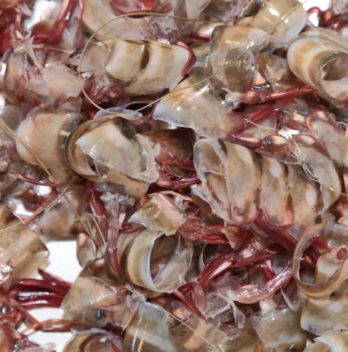
    Today, we’re going to be answering the question: can you compost shrimp shells? There is a standard procedure for composting shrimp shells. Shrimp shells are fully compostable. This means that shrimp shells can be turned to compost whether they are raw or cooked.

    The shells will ordinarily decompose when they are allowed to be broken down by microorganisms into organic compost.

    Composting shrimp shells is important as the compounds got from this process are highly beneficial to the soil. This article gives you an idea of what to do when composting shrimp shells.

    How to go about the composting process and the best temperature for this are also discussed herein. Before we go into the composting process for shrimp shells, let’s understand what composting means.

    Thereafter, this question will be answered: can you compost shrimp shells?

    Meaning of Composting

    Composting is the process of collecting and storing plant material so it can decay. This decayed substance is known as compost. When added to the soil, it helps to greatly improve soil quality.

    Composting is therefore a process of utilizing plant material that ordinarily would have been considered waste.

    Items Required to Compost Shrimp Shells

    For the composting process to be successfully carried out, the following items are required: shrimp shells, compost piles, compost bucket, shovel, green yard waste, brown yard waste, and kitchen scraps. All of these items can be turned into compost and added to the soil to improve the quality.

    Shrimp shells are useful when making compost because they contain relevant compounds to the composting process. These compounds feed bacteria and fungi in the soil, which in turn, helps break down the soil.

    Click here to get info about DIY Grow Light Controller

    Steps on Composting Shrimp Shells

    If you are interested in making compost from shrimp shells, you must endeavor to follow the following steps:

    Step 1. Collect shrimp shells

    If you are interested in making compost from shrimp shells, then do the following. Shrimp shells can be collected from peeled shrimp in a compost bucket or bowl. You can include the tails and heads of the shells collected. This bucket should have an air-tight lid. Shrimp shells should be simmered in boiling water for 20 to 30 minutes and oven-dried to remove fat from the shells. Too much fat will result in a serious smell of the compost.

    Step 2. Digging

    The second step in the process involves digging a 12-inch hole in your existing compost pile. A shovel should be used when doing this to ensure that the hole is deep as possible to contain the shells.

    Step 3. Put the shrimp shells in a hole

    After digging the required hole, you should place the collected shrimp shells in the hole. After doing this, the hole should be covered with some of the compost you removed while making the hole.

    Put The Shrimp Shells In Hole

    Step 4. Continuous addition of green and brown waste

    You should continue to add both green and brown waste alongside kitchen waste to the pile.

    Step 5. Turning of compost

    For the best possible result to be achieved, the shrimp compost should be turned every month with a shovel. This should be done to allow for sufficient oxygen to the microbes.

    The decomposition usually produces heat and turning will help reduce this. You can use a compost thermometer to measure the internal temperature and regulate the same. It should be from 140 to 160 degrees.

    Step 6. Add water to compost

    Microbes usually need water to survive. Failure to add sufficient water to the pile may lead to the death of microbes. This will ultimately result in the compost pile heating up. Be careful however not to add too much water. This will likely turn your compost into a slimy mess and decomposition will halt. It shouldn’t thus be too wet or too dry.

    Step 7. Allow the compost to season

    You should allow the shrimp compost to remain in the hole for at least a year. After a year has elapsed, you may then use the compost in your garden or farm.

    Miracle-Gro Small Composter – Compact Single Chamber Outdoor Garden Compost Bin

    71Ei6fYUseL. AC SX569

    Reasons for Composting Shrimp Shells

    You already understand that composting is the method of adding organic material to a compost pile. Composting, therefore, is one way of saving organic waste from reaching landfills.

    Asides from this, composting is a method of creating rich organic materials which are useful to your farm or garden.

    One advantage of using shrimp shells for composting is that they break down fast. This is so because they are very thin, unlike other shell animals.

    Material to Exclude From Your Compost

    There are a few materials that should not be added to your compost pile. These items should be excluded as they can easily attract unwanted pests and animals to the pile. These items may also be very toxic. Some toxic materials that should not be included include wood chips coated with paint, ink, chemicals, and fecal matter.

    Also, you should not include plants that were likely infected with pests or diseases in the pile. Furthermore, weeds pulled out from the ground should not be included in the compost pile. These infected plants and weeds may be very toxic to the composting process. It is, therefore, best for you to avoid including them.

    Using Shrimp Shells Compost as Fertilizers

    Because shrimp shells are good for preparing compost, you may wonder if they can be used as fertilizers. The answer is in the affirmative.

    Shrimp shells can be used as fertilizers because they contain chitin compounds. This compound slowly adds nitrogen to your soil in a very non-toxic method.

    So if you are interested in growing a plant that has a huge nitrogen requirement, shrimp shells may be used as fertilizers.

    In addition, shrimp shells usually contain a sufficient amount of calcium carbonate. They can therefore be a good source of calcium for the soil. This means that plants like pear, citrus, lettuce, apple, etc. will benefit from this.

    When shrimp shells are used as fertilizers, they get grounded or crushed before being applied to the soil. By doing so, the nutrients contained in the shell are easily absorbed by the soil.

    How to Stop Your Shrimp Shells From Smelling?

    One thing’s for sure – shrimp shells can smell. And it’s not the kind of smell that you want lingering in your garden, so it’s understanding why you’re worrying about the smell of decomposing shrimp in your garden! This is why you must manage the smell before you even start to compost it. Let’s take a closer look at some tips to stop that awful odor.

    While it’s tempting to just add the shrimp shells as they are, we would highly recommend not doing this. When you’re ready to compost your shells, simply place them in boiling water. Boil for around 20 minutes. Then remove them from the water, strain them, and leave them to dry until ready to use.

    Another method you can use is to bake your shrimp shells in the oven. After time in the oven, it’ll be easy to grind down your shrimp shells in a blender or food processor (or simply in a bag with a rolling pin!). Once your ground shrimp shells are ready, you can add them to your compost and they’ll definitely be no lingering odor from this method!

    Using Shrimp Shells Compost As Fertilizers

    Shrimp Shell Nutrition

    Shrimp shells are often overlooked and underrated. While they may not seem appealing, they can be full of protein and minerals. You may be wondering what the nutrition is of a shell on shrimp. One serving of shell-on shrimp contains the following:

    • calories: 80
    • protein: 16g
    • fat: 1.5g
    • cholesterol: 165mg
    • iron: 0.4mg
    • calcium: 100mg
    • sodium: 840mg

    Shrimp Shell Waste Uses

    There are many uses for your shrimp shell waste. In fact, in recent years, shrimp waste has been used for several reasons. This is because shrimp shell waste contains many compounds which are useful to many aspects of our lives. The compounds include chitin and pigments. Such compounds are used in a range of areas, such as medical, cosmetics, biotech, and even textiles!

    While you’ll be unable to do any of those things from the comfort of your home, you can obviously also use your shrimp shell waste for compost, or one of my other favorite uses is making shrimp stock. They’re typically full of flavor and whatever seafood course you’re making, the shrimp shell waste will complement.

    To make a shrimp shell stock, all you need to do is add the shells to a pan of cold water and add some seasoning of your choice, if preferred; such as herbs or peppercorns. Heat over medium heat and leave to boil uncovered for around 15 minutes. At this point, the stock should have changed color and you can simply strain the shells away and add the stock, as needed, to your seafood dishes.

    There are many uses of shrimp shell waste in everyday life; even in your kitchen and garden!

    Final Note: Can You Compost Shrimp Shells?

    I hope this post has helped to answer the question: can you compost shrimp shells? Shrimp shells as we have seen above are great for preparing compost. The right procedure must however be followed by you in composting shrimp shells. Following the above will definitely help you attain your desired goal of preparing shrimp compost.

    Do you have any tips or tricks when it comes to composting shrimp shells? If so, please feel free to let us know in the comments below. And remember, sharing is caring! 

    Read more about Growing Hatch Chiles

    FAQs

    Can I put shrimp shells in my compost pile?

    Shrimp shells are a valuable resource. They’re an excellent source of calcium and phosphorous, which are both needed for plant growth. You can use them to fertilize your garden or plant them in a flower bed. But if you’re adding them to your compost bin, you’ll need to do a little pre-composting first. The first step is to remove the hard outer shell. You can do this with a hammer and chisel, but a more convenient method is to use an electric grinder. This method will make sure you get every last bit of the shell out of the shrimp. Next, shred the soft parts of the shrimp by hand. You don’t have to be too careful here, but it’s better to be safe than sorry. Don’t forget to save the shells for the next step! You can now put the shrimp shells into a compost bin or pile, where they will decompose over time. Make sure to check on the progress regularly, as the process can take up to 6 months to complete. 1. Mix the Shrimp Shells with the Other Ingredients You’ll want to add the shrimp shells to your soil at a rate of about 25% of the total amount of other ingredients. If you don’t have any extra, you can also buy a bag of pre-mixed organic compost. 2. Add the Compost to Your Garden Once you have the shrimp shells mixed in with the other ingredients, you’ll want to start adding them to your garden. You can start by spreading them out on a flat surface, then adding more to the center of your garden. This is because the bacteria in the compost will quickly work to break down the shell particles, which will help it be easier for you to add it to your garden. 3. Monitor Your Garden When it comes to composting, it’s important to keep an eye on it to make sure the process continues to run smoothly. The best way to do this is to check on it regularly, as you’ll want to see if there’s any noticeable change in color or smell. If there is, you may want to take a closer look at the reason why. For example, if the compost has become very dark or wet, this could mean that the worms have died or that the process has stopped altogether. Either way, you’ll want to take steps to ensure that it doesn’t happen again.

    How long does shrimp shell take to decompose?

    The answer depends on the amount of calcium carbonate present in the shell, as well as the temperature. If there is little calcium carbonate in the shell, then it can be broken down within a few weeks. However, if there is more calcium carbonate in the shell, then it takes much longer.

    Is it OK to put prawn shells in compost?

    Yes, this is fine.

    You can use them in your compost bin. They will not harm your plants, but will break down over time, adding nutrients to the soil. It will take longer than other materials such as straw or wood chips.

  • Nitrogen Rich Foods: 4 Best Foods

    Nitrogen Rich Foods: 4 Best Foods

    One thing about nitrogen is that it plays a key role in biological development. Nitrogen-rich foods are what we will be looking into.

    You should know that nitrogen can come in different forms and this can be confusing. Let’s take nitrates and nitrites as an example. They are used to preserve consumable foods, keeping them from getting spoilt by harmful bacteria.

    Nitrates and nitrites are also added to processed meat, little wonder they say this type of meat is one of the causes of cancer. Another one is about nitrogen being an important building block for amino acids. Hence, it’s common to find nitrogen present in foods high in protein.

    But all nitrates are not bad. There are good ones that provide some benefits with no negative side effects. So let’s find out more.

    What Foods Are Rich in Nitrogen: Nitrogen-Rich Foods 

    Nitrogen is responsible for the production of antibodies in the body system of humans. The regular consumption of foods rich in nitrogen is very important. Furthermore, nitrogen-rich foods are a great recommendation for people that want to keep fit.

    This is because when this food gets into the system, rather than for it to be transformed into fat, it is being transformed into carbs. But when we talk about the amount of protein in food, it is referring to the amount of nitrogen in total that is present in that particular food or food group.

    What Foods Are Rich In Nitrogen

    If you’re thinking of reducing your appetite, consider having foods that contain protein in every one of your meals.

    Also, have it in mind that if you’re trying to keep fit by staying on a protein foods diet and exercising, you will be enjoying benefits like the build-up of new and old muscle material in your body.

    Click Here to Learn:

    Can Nitrogen Be Harmful?

    The reason for the different ways the different types of nitrates and nitrites react, either in a beneficial or harmful way, is because of the compounds they produce.

    Toxic compounds can be formed as a result of the acidity of the stomach and cooking with high heat. Processed meat is a very good example that poses a great threat to the body due to how the compounds in it react. It contains the type of compounds that are found in nitrogen-rich foods that turn out to be harmful.

    But in this article, the focus will be on healthy nitrogen foods. Also bear in mind that the best healthy nitrogen sources are plant-based protein foods. This is because the protein in them is low. Hence, they won’t get to react much.

    Animal-based protein foods are beneficial too. However, most nitrogen is received from plants.

    Nitrogen-Rich Foods: Foods High in Nitrogen 

    1.    Soybeans as Well as Soy Products

    Soybean is rich in protein and it is the reason why they are the best choice for a plant-based source of protein. Any product that is made with soybeans, as well as beans, will contain a high level of nitrogen. Soybeans have a high rate of nutrients in them.

    This is why it is advisable to always have them incorporated into your diet. However, they pose to have a series of controversial theories about several types of food. These issues, amongst others, are that they contain antinutrient factors and compounds that act like estrogen.

    It has also been said that soybeans are genetically modified. This is why a lot of people don’t take soy products.

    However, you can’t be too sure about these theories being 100 percent true because there is yet to be any substantial scientific evidence backing them.

    But if you’re worried that the number of nutrients you absorb will be reduced by antinutrients, the number of vitamins and minerals you will be getting from soybeans at the end will still be much. Hence, there’s no need to avoid soybeans totally.

    Soymerica Non-GMO Soybeans – 7 Lbs (Newest Crop). 100% Product of USA

    71uI1ArgFvL. SX569

    2.    Beans – Nitrogen Rich Foods

    Beans are members of the legume family that are great sources of protein and nitrogen also. Well, beans are popularly known to be a high source of protein, affordable, and don’t usually rot quickly. Beans come in varieties, including different types of colors and sizes. Beans also come in varieties of flavors and textures that can determine your choice of a particular meal.

    It is good to not only focus on the type of beans you like alone but other types too. This is because every type of bean has different nutrient composition. You can get the best of your beans by soaking them before using them. You get to extract the nutrients easily from the more beneficial beans.

    3.    Poultry 

    Poultry is well known as one of the types of foods high in nitrogen with chicken as the commonly consumed choice. This is because chicken is a lean source of protein which is considered healthy and affordable. Another type of poultry that contains lots of protein and nitrogen is turkey.

    4.    Meat – NNitrogen-RichFoods 

    It is no news that meat is a high source of protein and nitrogen food. Any type of meat can give you lots of protein as well as nitrogen. But bear in mind that all meats are not of the same type, especially when it comes to how healthy one type of meat is than the other.

    It is ideal to focus more on consuming lean meat than red meat. It is important to avoid burning and cooking your meat on high heat as this may cause the formation of carcinogens. However, a lot of people still don’t feel part of the variety of meat can pose any threat to their health.

    Meat - Foods High In Nitrogen

    This is common amongst people on a low cab or keto diet. They feel red meat can be highly beneficial to their health as it is high in nutrients.

    But as for processed meat, the fact that it poses a great threat to human health can’t be overemphasized. Processed meat, say bacon, increases the risk of cancer. The fact that they may have been preserved with nitrates and nitrites makes it best to avoid them.

    How to Give Your Plants Nitrogen

    Nitrogen is important for many plants to thrive, so you’ll need to know how to give nitrogen to your plants effectively. Let’s take a look at some of the methods you can use.

    • Use Manure. Chicken and horse manure are bursting full of nitrogen. So much so, that you’ll need to compost it first. Simply add the manure to your garden waste and leave it for a few months. Other types of manure you can use include cow, rabbit, and even goat! While it can take a while for your manure to compost, it’s the most effective method of giving your plants the nitrogen they need.
    • Use Nitrogen Rich Plants. Some plants will make their nitrogen and add it to the soil when they grow. The most common types of plants that do this are legumes.
    • Add Ground Coffee. The best thing about this option is that it can be added directly to your soil. However, you can choose to add to your garden waste and make compost too. If you’re looking for a natural quick fix to ensure your plants have enough nitrogen, ground coffee is a great option.
    • Fish Emulsion. As well as being high in nitrogen, it also is filled with many other micronutrients to help your plants too, such as calcium. You can usually buy this from a garden center, or you can even use your own fish tank water, if you have one!
    • Use Plant Fertilizer. This is the most obvious way to add nitrogen to your plants. Whether you choose to use an organic fertilizer or a synthetic fertilizer, it’s easy to find fertilizers that contain nitrogen. The first number on the NPK ratio will usually be the nitrogen level, so the higher the number, the higher in nitrogen it will be.

    Best Fertilizers With Nitrogen

    If you’re wondering what fertilizers are the best that contain high levels of nitrogen, then look no further. Typically, you should look out for fertilizers that contain the following ingredients: urea and ammonium sulfate. Or simply choose one of the following:

    Miracle-Gro AAll-PurposePlant Food

    While this fertilizer is expensive, it’s worth the extra money, as it’s a well-trusted brand, easy to use, and gets fast results – which is probably everything you’re looking for in a fertilizer. It also comes with a no-scorch guarantee, which means your plants won’t be burned by this fertilizer.

    Jobes Houseplant Fertilizer 13-4-5

    If you’re looking for a high-nitrogen fertilizer to use inside, then the houseplant fertilizer from Jobes is ideal. It’s odorless, which is ideal for indoor use, easy and useful, and perfect for houseplant care.

    Best Organic Nitrogen Sources

    If you’re looking for the best organic nitrogen source, then we’re here to help. Here are some of my favorites and why.

    • Chicken Manure – easy to obtain, inexpensive , and works well
    • Horse Manure – much like chicken manure in that it’s easy to obtain, cheap, works well, and is one of the best
    • Blood Meal – comes as a red powder and is very effective. However, it can attract unwanted wildlife because of the smell
    • Compost Tea – all you need to do is water your plants with this. You can use manure or compost. Just add compost to the stocking (for example) and submerge it in water. Mix daily and leave for a week or so. Your compost tea is ready!

    Why Don’t Legumes Need Nitrogen-Containing Fertilizers?

    When it comes to legumes, it’s important not to use nitrogen-rich fertilizers. This is because they make their own nitrogen as they grow.

    how to give your plants nitrogen

    Conclusion: NNitrogen-RichFoods 

    Foods high in nitrogen can be pretty beneficial. We have listed some sources that are nitrogen-rich foods to enlighten you. Do you know of any other nitrogen rich foods? If so, please feel free to let me know in the comments below. And remember, sharing is caring! 

    FAQ’s

    Which vegetables are high in nitrogen?

    The vegetables that are high in nitrogen are cabbage, spinach, Swiss chard, beets, cauliflower, leek, potato, Asian greens, broccoli, and Brussels sprouts. Generally, most leafy greens are a rich source of nitrogen.

    Which fruit contains nitrogen?

    There are some good numbers of fruits rich in nitrogen. Some of these fruits include citrus fruit, pomegranate, apple, cherry, walnut, and grape.

    What foods are high in nitrogen?

    Some examples of foods that are high in nitrogen include meat, leafy greens, citrus fruits, garlic, beets, dark chocolate, nuts and seeds, and so on.

    What natural foods are high in nitrogen?

    Examples of natural foods that are high in nitrogen are beans, almonds, walnuts, lentils, soy-based proteins, seeds, coffee grounds, and so on.

  • How to Make Potash (Best Step-by-Step Guide)

    How to Make Potash (Best Step-by-Step Guide)

    Potash is derived from the word potassium and it is also referred to as fertilizer potassium. Potash is a natural element or a natural nutrient for both plants as well as human beings. How to make potash is what we would like to talk about.

    This natural element is essential for plants as well as humans to get adequate nutrition to grow properly. Historically, potash has been used to make soap and glass. It has also been used as a drying agent in food and as an animal feed ingredient.

    Even though potash is fairly easy to make, it can still require a little effort to know how to go about it.  Now, in this article, we will give you a step-by-step guide on how to make potash, so keep on reading for some insight on this.

    But before we look into how to make potash, let’s quickly look into some information on potash.

    About Potash

    Potash is also known as the potassium salt. It comes from an early production technique whereby potassium was leached from wood ashes. Then the resulting substance was then concentrated by evaporating the leachate in big iron pots (“pot-ash”).

    So, in those days, potassium is usually extracted from the ashes of burnt wood. However, this practice is no longer used due to several environmental issues.

    The very first patent in the US is potash. It was first patented in 1790 and it still remains an essential product today.

    Potash is primarily used as an agricultural fertilizer and this is mainly because it is a great source of soluble potassium. This potassium is one of the main plant macronutrients alongside nitrogen and phosphorus (i.e. NPK).

    This potash can be used in making soap and textiles softer. Potash can be used as a fertilizer to improve your garden soil nutrient. It can also be used in the prevention of plant diseases or you can use them as an insecticide by applying them to bugs directly.

    Sources Where Potash Are Derived From

    Since the old way of deriving potash is not safe and unreliable, where then does today’s potash come from? Here are two ways potash is sourced:


    1. From Ancient Sea


    A time came when an ancient sea dried up. Then the marine salt concentration on the resulting dry land left an abundant residue of minerals and this mineral included potash. This residue is found in the dead sea of Israel and it has produced valuable sources of potash with ICL. They are one of the world’s top producers of potash that sells over 4.5 million tons yearly.

    Sources Where Potash Are Derived From

    1. Mining


    Another source of potash fertilizer is from mining a variety of geological potassium salt deposits around the world. Now, these are then processed to take out impurities and then converted into a variety of fertilizers.

    There is also another mining operation that occurs in Catalonia, Spain through its subsidiary, ICL Iberia Suria and Sallent (IBP).

    How to Make Potash: Guide to Follow

    Follow this procedure to learn how to make potash:

    Step 1: Addition of water and nitrate

    Use a measuring cup of 100 milliliters to measure water, then use another measuring cup to measure 40mg of nitrate. Then pour it into the cup.

    Step 2: Stir completely

    Pour the mixed solution above into a beaker and begin to stir slowly until it mixes completely.

    Step 3: Get a hot pan to pour into

    Use filter paper to sieve the solution and ensure there are no insoluble particles left. Then get a saucepan and pour the solution into it (water and nitrate). Then begin to heat it.

    Southern Ag Sulfate of Potash 0-0-50, 5 LB Size: 5 LB

    How To Make Potash

    Step 4: Potassium chloride addition

    Get 37 gms of potassium chloride and slowly pour it into the saucepan and begin stirring the solution until all is mixed. Make sure you maintain the heat at a medium temperature range and avoid boiling the solution. Then keep on stirring.

    Step 5: Filter then freeze

    After properly mixing the solution, get another filter paper and filter the solution into a freezer-safe container. Again, make sure no solid particles are left out.

    Step 6: Crystallization

    Once you’ve placed the solution into the freezer, crystallization will begin to form. Then you can take out the container from the freezer once you’ve noticed the total solution has turned completely crystal.

    Step 7: Excess liquid should be drained out

    You should drain out the extra liquid. So, in case you see some liquid residue at the bottom of the container, you should just drain out the extra liquid. This is to further ensure that no liquid is left and all you’ve got is crystal.

    Excess Liquid Should Be Drained Out

    Step 8: Dry the crystal

    Next, allow the crystal to dry for a while. Then once they are finally dried, the dried crystal can be applied to your plant as a potash fertilizer.

    So, there you go. You can see how easy it can be to make potash fertilizer with the right knowledge.

    Sources of Potash From Nature

    There are some excellent sources of potash from nature, and they include:

    • Potassium sulfate (K2SO4)- Sulfate of potash
    • Potassium Chloride(KCl)- Muriate of Potash
    • Potassium thiosulfate (K2S2O3)
    • Potassium-magnesium sulphate(K2SO4-2MgSO4)
    • Potassium nitrate (KNO3)

    The potash or potassium content present in each of the fertilizers mentioned above is pretty nutritious for plants no matter the source. However, the only difference between each of the fertilizers listed above is the element that follows the potassium compound.

    You should also note that each of the added elements has its own function and acts differently when supplied to crops as fertilizers.

    Sources Of Potash From Nature

    How to Make Potash From Wood Ashes

    You can make your own potash in a range of ways. While you can buy it, it’s super easy to make yourself and you need very few products to make it happen. While wood ash is the most common type of ash to use, you can also use other plant ashes, such as ashes from vines, bean stalks, ferns, and thistles. For wood ash, the best wood ash to use is either from coniferous or deciduous trees.

    This guide will make around 60g of potash. For this, you’ll need the following products:

    • 400g of wood ash (either from coniferous or deciduous trees)
    • 4L of drinking water

    Now all you need to do is:

    1. Add both the wood ash and drinking water to a pot and leave for around 10-12 hours. After this time, stir.
    2. Next, you’ll need to use filter paper to filter the mixture. Alternatively, you can bring it to a boil in the pot it’s in.
    3. Once you have a clear mixture, boil on medium heat and heat until the water has completely evaporated. You should stir often throughout. At this point, a powder should be left behind. This is your potash!
    4. Store your potash in an airtight container in a cool, dry place for the best results.

    What is the Ash Composition of Potassium Hydroxide?

    This is simply the fancy name for potash. Wood ashes contain both potassium hydroxide and potassium carbonate. Because of the high amount of potassium and the use of ashes, this is how it gets the name potash.

    Advantages of Potash

    When it comes to potash, there are many advantages and reasons why you’ll want to add it to your garden. Let’s take a closer look.

    • Potash is a natural resource, as opposed to chemical fertilizers, which is one of the main appeals of the product
    • You can easily make this natural fertilizer yourself at home
    • If you do buy it, it’s much more affordable than other fertilizers
    • It’s easy to use on your plants
    • It’s considered a nontoxic product
    • It’s renewable, which means that it’s much better for the environment than say chemical fertilizers

    Disadvantages of Potash

    While there are many advantages of potash, like most things in life, it does come with some disadvantages and negative effects too. It can cause problems for both animals and people. Let’s take a closer look.

    As the name suggests, it has a high amount of potassium. Unfortunately, if not used correctly, potassium can cause hyperkalemia. This simply means an abundance of potassium in your body. This can cause a range of problems to your body, and in the most extreme cases, can even cause death.

    In terms of the problems it can cause with your plants, potash can either make your soil too alkaline or too acidic – yes, it can cause either! If you have too much acid in your soil, it may mean your plants don’t grow as well as they should. And if you have too much alkaline in your soil, they may simply cease to grow, period!

    While there are a few disadvantages of potash, I believe the advantages far outweigh the negatives. Just be sure to use your potash correctly.

    Final Thoughts: How to Make Potash

    Potash is a type of fertilizer that is very useful when added to our garden crops and it can also be referred to as potassium.

    Apart from adding them to our plants as fertilizers, there are also other uses for this substance. For instance, it can be used as a drying agent for food, it can be used for making soaps or glass, and you can also use it as animal feed.

    In this article, we have given you a step-by-step guide on how you can make potash. So, we do hope we have been able to enlighten you on the question: of how to make potash.

    Do you have any tips and tricks when it comes to making potash? If so, please feel free to let us know in the comments below. And remember, sharing is caring! 

    how to make potash from wood ashes

    FAQs

    How to make potash fertilizer?

    As of today, potash fertilizer comes from either underground or solution mining. Using mining method, a variety of geological potassium salt deposits around the world is mined to derive potash fertilizer. Then from the bottom of the sea when dried up, the residue minerals left from the dried sea contains also potash.

    How to make liquid potash fertilizer?

    Banana peels with 3 eggshells should be dried. Then combine them with Epsom salt and grind the mixture into powder form. Add water into the powder. Shake and water your plants with this liquid potash.

    How to make potash from wood ashes?

    Burn some woods in an enclosed area. An extra tip is not making use of any tree branch as this will leave to become black ashes. Then make sure the woods burn to about 2 hours and you can have your potash.

    How to make organic potash fertilizer?

    You can make organic potash fertilizer from hardwood ashes, kelp meal, and green-sand. Making a homemade organic potash fertilizer reduces wastage and the best part is that it does not require measuring or mixing ingredients.

  • Brown Spots on Green Beans: Top Tips on Why

    Brown Spots on Green Beans: Top Tips on Why

    Brown spots on green beans may be something you might have experienced as a gardener. But do you know for sure what the reasons are for your beans to start changing color? This is what we are about to find out in this post.

    Green bean is a type of common bean that comes from different cultivars. Green beans have different common names they go by and some of these names include snap beans, string beans, and French beans.

    You can add green beans to any type of healthy diet, or almost any eating plan and this is thanks to their low-calorie and fat contents.

    Green beans are also fairly easy to grow and they grow in either a bushy manner or a climbing manner. But some situations may arise that causes your green beans to turn brown and this can have you wondering what the cause is.

    Let’s look into some of the reasons why your green beans may be turning brown and see if they are safe to eat.

    Brown Spots on Green Beans: Why? 

    Looking at some of the major reasons why green beans turn brown, may be because the beans are not in their best state any longer.

    When you begin to notice some brown spots on green beans, it usually means they are already getting old and stale. These green beans usually become mushy and they do not snap easily when broken into half. Therefore, this type of bean won’t be so fresh when you consume them.

    Green Beans Turning Brown: What Are The Reasons?

    However, this doesn’t mean they aren’t safe to eat. You can still eat them but you just won’t get that fresh taste. You can simply compare them to products or foods that are not spoiled but are simply past their peak of freshness.

    If by any chance you come across this type of brown beans, you can simply make use of them in dishes that have bold flavors.

    Note that both cooked green beans and raw green beans have the same shelf life and they can last up to a week in the fridge.

    Click Here to Get More Info about:

    Ways to Tell if Your Green Beans Have Gone Bad

    Here are a few ways you can tell your green beans have gone bad:

    • Color: As we have pointed out above, the color of the beans should be able to give the state of the green beans. Once you notice the green beans have begun fading in color and they turn very dark green or they turn brown, then it’s a sign they have started turning bad.
    • Smell: Once you perceive an unpleasant odor from your green beans, the beans may already have some bacterial growth. Hence, it is best to discard them.
    SILIVO Lettuce Keeper for Fridge(3 Pack)- 4.5L Vegetable Storage Containers for Refrigerator with Drain Tray Keep Fresh for Veggies and Salad
    $19.98

    Keep Produce Fresh Longer: Produce saver containers for refrigerator helps prevent spoilage, keep fruits and vegetables crisp and stay longer.


    Check Amazon Price
    We earn a commission if you make a purchase, at no additional cost to you.
    12/09/2025 09:06 pm GMT
    • Texture: Another way to tell if your green beans have started to go bad is to feel the texture. The texture of the green beans needs to be firm. Then when you snap or break the green bean, it should snap easily. Once you’ve started noticing that mushy, bendy, or limp look, the beans are probably getting old. It may not necessarily mean they are spoiled, but you just won’t enjoy that fresh taste of green beans.
    • Mold: You need to check for mold on your green beans to know if they are still in good condition to be eaten. When your green beans become moldy or slimy, it’s a sign that they are no longer fresh. So, you should throw them away.

    Read more about What Is The Right Zucchini Plant Size?

    Lasting Duration of Green Beans Outside the Fridge

    Leaving your green beans on the counter outside for 2 days is fine because they can last up to 2 days outside the fridge.

    All you need do is to keep these beans away from direct sources of sunlight like close to a window, or an area on the counter that receives direct sun.

    Lasting Duration of Green Beans in the Fridge

    If you store your green beans properly in the fridge, they should be able to last you up to a week and this is for both raw and cooked beans.

    Just ensure you store them properly in the fridge. Use a container to put the green beans inside the fridge. Avoid tossing the green beans in the fridge so they don’t get wet or else they can go bad faster.

    However, you should look out for any signs that the beans are turning bad such as brown spots or a mushy look.

    Lasting Duration Of Green Beans In The Fridge

    Lasting Duration of Green Beans in the Freezer

    You can store green beans for longer in the freezer. They can last up to 6 months when frozen. It will be easy for you to defrost them when you’re ready to use them. When you freeze green beans, you take pleasure in knowing that they will still taste as good as when you bought them.

    So, if you want that longer storage duration for your green beans, you can store them in the freezer. However, if you just want to use your green beans for about a week, storing them in the fridge will be much easier.

    Check Out the Top 10 Best Cross-Pollinating Vegetables

    How Can I Keep My Green Beans, Fresher, for Longer?

    When you properly store your green beans, it will further help in prolonging their shelf life. For instance, it is recommended you don’t wash your green beans until you’re ready to use them. Once water touches the green beans, it can further speed up the spoiling process. Hence, the shelf life will be reduced.

    Again, your unwashed green beans need to be stored in a plastic bag or container and stored in a vegetable drawer in the fridge.

    Is It OK to Eat Green Beans With Brown Spots?

    When it comes to deciding whether to eat green beans with brown spots, it all depends on how many brown spots there are. If the spots are few and far between, then it’s safe to say you can eat them without any problems. The only issue may be it may not taste as good! However, if the discoloration is significant and there are many spots, then it’s probably best to discard it to avoid any potential problems.

    What Do Rotten Green Beans Look Like?

    The easiest way to tell if green beans are rotten is by their appearance. Brown spots and discoloration is the easiest sign to see that your green beans are going, or have already gone rotten. Other signs may include limpness, sliminess, and misshapen.

    When you’re looking at fresh green beans that have yet to be washed, they should look vibrant and bright. As well as this, they should be able to snap with ease. Instead, they may feel rubbery in texture, or even slimy.

    If you’ve boiled your green beans and then place them back in the fridge, they’re likely to last longer, at around 5-7 days. However, if they start exhibiting any of the signs above before then, it may be best to discard them.

    The same goes for frozen green beans. While freezing does massively increase the shelf life to around 6-8 months; they can still go bad. It may be easier to tell once they are defrosted. Keeping your green beans frozen is a great way to ensure they keep their snap.

    As for canned green beans, they can last anywhere from an amazing three to five years. No matter what the best-by date is on the packaging, it’ll safely last well beyond that date. The only deterioration that may happen is mold, and an odor may eventually appear. If either of these things happens, it’s best to throw the can of green beans away.

    My Green Beans Are Slimy – Why?

    If your green beans are slimy, likely, they are already past the point of no return. You want your green beans to be crisp and snap easily; not limp and slimy. If you notice that only the ends are like this, simply slice them off and wash them under water. When cooking them, you should allow an extra 5-10 minutes to ensure the delicious texture you’re looking for.

    How to Prevent Brown Spots on Green Beans When Growing?

    Brown spots don’t just appear on green beans when harvested. They can occur while the green beans are growing, and this can be for a variety of reasons. But first, you need to determine why this is happening. Is your soil not wet enough, or too wet? Are there any insects around your green beans? Is your soil fertilized enough? These are questions you must ask before you can solve the issue.

    To prevent brown spots, keep your green beans in ample sunlight, with the right amount of fertilizer. You should also ensure you’re watering your green beans daily and checking for any insects, such as aphids. As long as you’re following these guidelines, it’s unlikely your growing green beans will have brown spots.

    Final Words: Brown Spots on Green Beans

    Brown spots on green beans can be a sign of your beans turning bad. It usually implies that the beans have started deteriorating. But there are things you can do to prevent your beans from turning brown and losing their taste and we have listed them in this post. Do you have any tips or tricks when it comes to brown spots on green beans? If so, please feel free to let us know in the comments below. And remember, sharing is caring! 

    green beans are slimy

    FAQs

    Is Brown on green beans bad?

    Usually, when you notice a brown color on your green beans, it often means that the beans have started losing their fresh taste. But they may still be safe to be consumed. Just make sure there is no mold and they are no slimy appearance on the beans.

    How do you know if green beans are bad?

    You can detect if your beans are bad once they are growing mold or looking slimy. If you perceive any unpleasant smell from your green beans then they may be bad. Also, once you snap the beans and they don’t break easily, it may be a sign they are bad.

    Why are my green beans turning brown?

    Green beans are inclined to turn brown when they are not properly stored. Once you leave them outside on the counter for instance for more than two days, they can turn brown.

    How to prevent green beans from turning brown?

    You can prevent green beans from turning brown by storing them properly. For instance, you can store them in the fridge for about a week. Your green beans can also be stored in the freezer for about 6 months.

  • How Many Plants Can I Grow per 1000 Watt Light?

    How Many Plants Can I Grow per 1000 Watt Light?

    When starting out growing various plants indoors, different questions may pop into your mind. Questions such as “how many plants can I grow per 1000 watt light?”.

    Every grower wants to maximize their yield after all the hard work they put into their indoor garden. Providing your indoor plants with light is very essential for their development. High-pressure sodium (HPS) lights have been in existence for almost 50 years, and are some of the most widely used grow lights. They have been providing light energy for indoor plants growing needs.

    Now, you must get the right plant coverage for the particular bulb wattage you have. This is why we are going to be looking at how many plants you can grow per 1000 watt light. We will also be looking at other grow light plant coverage for 1000w. So, read on to find out.

    How Many Plants for an a1000-Wattt HPS?

    The light wattage will decide how much area or the coverage area you can light up. So, for how many plants for a 1000 watt HPS bulb? The answer should be around 5 by 5-foot or 25 square feet.

    Even though everyone has their methods, it all boils down to what method works for you. Some growers have boasted of growing about 6 to 9 plants using 1000-watt HPS. Some even grow smaller plants while using the SCROG and SOG techniques to manage space.

    How Many Plants For A 1000 Watt HPS - Scrog and Sog

    How Many Plants per 1000 Watt Light?

    Various grow lights will have a coverage capacity depending on their wattage. Let’s take a look at some 1000-watt to grow lights and their plants’ coverage capacity:

    ·         1000 watt LED grow light plant coverage capacity

    A 1000-watt LED grows light plant coverage capacity will also be around 5 by 5 feet or 25 square feet area. You should also take note of the quality of the LED to-grow light you’re using as some lights are more efficient than others. Different brands will offer different benefits to your plants.

    Another important thing to understand is what is actually meant by a 1000-watt LED. The meaning of a 1000-watt LED is referred to as the equivalent of a 1000-watt HID light. The only difference is that this LED light consumes less than 1000 watts of light.

    We have what we call LED actual wattage and labeled wattage. The labeled wattage of the LED growth light is written in bold words by the manufacturer. The actual wattage is the actual amount of power the LED light draws and it’s not usually up to the labeled value.

    SPIDER FARMER SF-1000 LED Grow Light Use with Samsung LM301B LEDs

    61LeSC0ZINL. AC SX569

    For instance, a 1000-watt LED grows light actually wattage maybe around 500 to 700 watts but will give you an output that almost equals a 1000-watt HID. You can find the actual LED wattage value if you dig through the manufacturer’s manual.

    Thus, this shows that LED grgrowthights are more efficient by offering you more benefits while saving you power consumption. So, the coverage area of LED actual wattage of 500 to 700 will also be a 5 by 5-foot area.

    ·         1000 watts for other HID grow light plant coverage

    We have looked at how many plants for a 1000 watt HPS will be. So, let’s discuss other 1000 watt HID bulb plant coverage (such as CMH and MH).

    The difference between HID light coverage and LED light coverage is not so much. 1000 HID watt coverage offers roughly a close range of coverage area the only difference is the HID reflector used.

    Umbrella reflectors for instance will offer you a big light coverage area. However, the light intensity will not be so great. Other focused reflectors such as a hood will offer you a smaller coverage area with more light intensity.

    1000 Watts For Other HID Grow Light Plant Coverage

    Taking a look at the types of HID bulbs we have, here is their plant coverage capacity:

    Ceramic Metal Halide (CMH): even though 1000-watt CMH bulbs may be scarce (the common watt seen is 315w), the ones that are actually 1000 watts will have plant coverage of about 5 by 5 feet area.

    Metal Halide (MH): for a metal halide bulb, the plant coverage is about 7 by 7 area feet for vegetative growth. While for the flowering phase, the coverage area is about 5 by 5 feet. However, we recommend not using a metal halide bulb for the flowering phase. You should rather use HPS grow light if you want big buds and yields.

    How Many Plants per Light: Factors to Consider

    Now, talking generally about the number of plants to be grown per grow light, we would say 1 to 8 plants. Make sure you don’t grow more than this number so you don’t limit your yields.

    Following the right number of plants to grow per plant will give your plants a good chance to flourish thereby resulting in good yields. However, if you grow more than 8 plants using a single grow light, your plants won’t receive adequate light and space to grow.

    Here are other factors to consider when deciding how many plants to be used using each grow light:

    Power of grow light

    You should also note that the power of your grow light will also be another determinant of how many plants you can grow using that light.

    Condition of grow space

    Another factor to consider when deciding how many plants to grow per light is the condition of your grow space. If your grow space already a bit receives natural light, then a not-so-strong grow light will be fine. You can even place your grow light higher to increase the coverage area.

    Plant growth stage

    The stage your plant is in will also have a determining fafactor inour choice of grow light.  Some flowering plants require high light intensity, thus, a 5 by 5 feet coverage area should be ideal for 1000 watt light. On the other hand, vegetative plants such as lettuce can allow you to hang your light higher for larger coverage. You can use a coverage area of 7 by 7 feet for plants in their vegetative stage of growth.

    1000 Watt HPS Grow Light Coverage

    HPS grow lights are ideal for use in grow tents, large grow rooms, and greenhouses. 1000-watt HPS grow lights are the most powerful grow lights and have a wide coverage area of up to 49 square feet.

    A 1000-watt HPS grow will effectively cover a growing area of 36 square feet. The difference between the maximum coverage area and effective coverage area is dependent on the depth and height of the plants you are growing. The denser the plants, the lower the coverage area your grow light will have.

    Unlike other grow lights such as LED, HPS grow lights generate heat. So regardless of the growing area you are using the lights on, they must be mounted farther from the plants to avoid burning them.

    Depending on the plants you are growing, you can mount an HPS grow light anywhere between 6 to 24 inches from the plant canopy. Make sure you do sufficient research on your plants so that you can create the ideal growing conditions for them and not burn them with grow lights. You will also need to set up an efficient ventilation system to help keep the humidity conditions right.

     To even further improve your plant growth potential, you can set up your HPS grow lights with timers and light rails. The timers will help you keep the plants in a consistent light schedule. The lights will turn on and off at the same time every day. Light rails will help you to move the light fixtures along rows to ensure that all the plants get an equal amount of light in the entire growing area.

    To get the best efficiency out of HPS grow lights, they should be replaced every 14 months.

    LED Equivalent to 1000 Watt HPS

    LED lights can be used in place of HPS. Due to the difference in the designs of these lights, however, there will be differences in the wattage replacements of these two lights.

    LEDs are designed to have a lower energy consumption compared to HPS. Because of this, LEDs will have a lower wattage.

    If you are looking for an LED equivalent to 1000-watt HPS, a 300-Watt LED High Bay is a good choice. Or you can replace a 1000-Watt Metal Halide Shoebox with a 300-Watt LED Shoebox. They can deliver the right amount of light required, last longer, and have reduced energy consumption.

    Because of the differences in the equivalencies, it may not be best to base your decision on grow light wattage. Instead, you can use the number of lumens your plants need. Once you understand that, it becomes easy to find a replacement.

    LED Equivalent to 1000 Watt

    1000w DE HPS Distance From Plants

    The distance at which you should place the grow light from the plants depends on the strength or intensity of the light. The stronger the light, the further you will need to hang them from the plants.

    Because a 1000W DE HPS is quite a strong light, you should hang it at least 15 inches away. And if it is even stronger, place it further away but do not go farther than 30 inches. If you place the lights too far above the plants, they will love vitality.

    A 1000w light produces a lot of light so you will need to err on the side of caution with this one. If your plants are starting to burn, you will notice the leaves starting to bleach. Some strains of plants will bleach easier or faster than others. So place your grow lights at an appropriate distance from your canopy to avoid heat stress. If you are using this light in a grow tent or a well-reflective light, you will not have much of a problem with this

    Conclusion – How Many Plants Can I Grow per 1000 Watt Light?

    Now, we have answered the question “how many plants can I grow per 1000 watt light?”, you should be well on your way to comfortable and confidently purchasing the best grow lights for your plants. Keep all considerations such as the density of the plants, grow light area, the distance between plants and light, and the height of your plants when purchasing a grow light. This way you will be guaranteed to get the best out of your grow lights while avoiding issues such as leaf burn.

    So, we hope this post has been able to enlighten you on deciding your plant grow light coverage.

    FAQs

    How much area does a 1000 Watt HPS cover?

    It isn’t set in stone, but the amount that it covers is thought to be around 49 square feet.

    The best way to calculate how much area you will be heating with a HPS is by looking at the Watts. The power rating of your HPS (1000W) is divided by the number of hours in a day and the number of days in a year. If you are heating with a HPS for 24 hours a day 365 days a year, the area you are covering is about 1.5 acres.

    The more you put distance between the light and the walls and ceiling the less wasted energy you will have.

    How many plants can I grow with 1000 Watt HPS?

    The answer is that it depends on how much light you are using, how much space you have and what your plants require. For instance, let’s say you have a 10′ x 20′ growing area. If you only use 4″ of light, you can grow about 15 plants.

    This means you would need 2 bulbs to cover this area. But if you were to use 8″ of light, you could grow 50+ plants in this space. So, you could easily grow up to 200 plants with 8″ of light and a 1000 watt HPS bulb. Let’s take this one step further. Say you have a 2000 watt HPS, you could grow 500+ plants in this space. So the bottom line is you can grow just as many plants with a 1000 watt HPS as you can with a 2000 watt HPS.

    So, it gets a bit tricky. The first thing you need to determine is how much light you will need. The number of plants you can grow will depend on the amount of light you have available.

    How far should 1000 Watt HPS be from plants?

    You should be at least one meter away. But, if you want to go further, go ahead.

    What LED is equivalent to a 1000w HPS?

    Black Dog PhytoMAX-2 could be easily considered an equivalent. The only issue is thet they are very expensive, and for this reason very few people go for them.

    How much does it cost to run 1000 watt HPS?

    You can get a 1000Watt HPS for $0.90/hour. However, you will need to do some research to find the right model and wattage, as well as getting a supply voltage of around 110V. I would recommend finding a manufacturer like Noctua or CLC or XSPC that makes HPS units for your particular requirements and then order online.

  • The Best Kelvin for Growing Plants LED – Revealed!

    The Best Kelvin for Growing Plants LED – Revealed!

    Selecting the best Kelvin for growing plants LED for your plants’ growing needs is one essential factor in an indoor garden. As we know, grow lights mimic the light provided by natural sunlight and this must be done in the presence of the correct light temperatures.

    Your plants will flourish when they are exposed to the appropriate light temperatures so this is why you must ensure that you get it right. So, if you are wondering how to go about the best light temperature for your growing plants, we’ve got you covered.

    We are all about easy indoor gardening. So, by the end of this article, you should have an idea of the right color temperature for each of your plant growth stages and more.

    What is a Grow Light Color Temp?

    Grow light color temperature is the accurate light spectrum provided by a grow light and is required for each plant growth stage. It is a means of showing the appearance of the light which is supplied by a light bulb. It is essential for a grow light to contain the necessary spectrum so a plant can grow healthily and adequately.

    Light is known as electromagnetic energy which is measured in wavelength. This wavelength can be seen in various visible light colors waves that vary from red, blue, and yellow, to green. Blue and red light are the colors mostly absorbed by plants for the photosynthesis process.

    What Is A Grow Light Color Temp

    The color of light supplied by a particular grow light is known as color temperature and is measured in Kelvin (K). The Kelvin has a scale that ranges from 1,000 (warm or red) to 10,000 (cool or blue).

    Kelvin color temperature scale

    Grow light Kelvin rating or scale is a measurement of color temperature and it’s used to explain how different light temperature appears. Practically every light that comes with bulbs will be associated with Kelvin color temperature.

    You must be enlightened on the various color temperature as this will help you in deciding the best lighting for your plants’ needs.

    The Kelvin scale figures at the lower end offer hues of red. While on the other end, the Kelvin scale where the figure goes higher, it offers hues of blue.

    Spectrums with low Kelvin ratings (around 2000K to 3000K) are also described as warm, while those with higher ratings (5000K or higher) are often referred to as cool.

    Why is Grow Lights Color Temperature Important?

    The importance of growing light color temperature cannot be overemphasized. It has a great impact on the growth of plants.

    Take, for instance, blue light is essential for vegetative growth. On the other hand, red light is required for the flowering stage and fruit production. Therefore, the color temperature will assist in deciding the best light temperature for your plant’s growing needs.

    EZORKAS 9 Dimmable Levels Grow Light with 3 Modes Timing Function for Indoor Plants

    71Bi1KCH88L. AC SX569

    Light Spectrum Pigments

    Plants contain various pigments they use in absorbing or reflecting certain light wavelengths. These pigments are used in the process of photosynthesis whereby plants make use of light energy to produce their food.

    So, let’s take a look at two (chlorophyll and carotenoid) of these pigments involved in photosynthesis:

    • Chlorophyll: the green pigment contained in plants that allows them to manufacture their food is chlorophyll. It is the most abundant pigment found in plants, and chlorophyll A is responsible for the absorption of light energy.
    • Carotenoid: the second most important pigment is the carotenoid. Carotenoids also help plants take in light energy, which in turn, transfers the energy to chlorophyll.

    The Best Grow Light Color Temperature For Growing Plants

    Choosing the right color temperature for the various stages of your plants can be determined by the values on the Kelvin scale.

    Also, different grow lights are configured in various ways. Some grow lights offer a full spectrum for your plants and will not require you to switch lights for different plant stages. Examples of such grow lights are LED lights.

    While some grow lights are not configured to be full spectrum. Thus, you will be required to switch these lights as your plant enters its different growth stages. Examples of such grow lights are traditional lights such as fluorescent, HID, and so on.

    The Best Grow Light Color Temperature For Growing Plants

    Most of the LED grow lights have been we have in the market are configured with full spectrum. Therefore, you can use the same light for all your plant growth stages. The only thing you need to do is position the LED to grow lights distance to your plants’ canopy appropriately as they enter different growth stages.

    So, let’s look at the required or best light temperature for your growing plants in their different growth stages:

    1.    Best kelvin for seedlings and clones

    The best color temperature for seedlings and clones is the blue spectrum. If you’re using the traditional grow lights, choose daylight bulbs that fall on the higher end of the Kelvin scale. Use 5,000 and above Kelvin figure bulbs for your seedlings.

    We recommend you use fluorescent bulbs for seedlings and clones because they don’t produce too much heat. The clone and seedling stages are the most fragile, and therefore need to be handled with care.

    Other traditional lights such as the HID may also be used for your seedlings and clones. However, they produce a lot of heat. So you need to be extremely careful so they don’t burn your fragile plants.

    2.    Best kelvin for the vegetative stage for rowing plants

    The vegetative stage of a plant also requires blue lights which are at the higher end of the Kelvin scale. Just like seedlings and clones, vegetative growth should use bulbs ranging from 5,000 to 7,500 on the Kelvin scale. However, the lighting needs to be more intense for vegetative growth.

    Best Light Temperature For The Vegetative Stage For Rowing Plants 1

    3.    Flowering and fruiting stage for growing plants

    For the flowering and fruiting stage, your plant will require the red light spectrum which is at the lower end of the Kelvin scale. This light spectrum will encourage flowering, blooming, and fruiting.

    Use light bulbs that range from 2,000 to 3,000 Kelvin values. HID lights such as high-pressure sodium (HPS) offer more of this red light spectrum. You can also use the LED full light spectrum for all plant stages.

    Is Warm Light Good for Plants?

    When shopping for grow lights, you will notice that they are labeled with numbers such as 2700K or 4000K. These numbers refer to the relative warmth or coolness of the light on the color spectrum. The higher the number, the cooler the light.

    The growth of plant foliage is usually best around 6500k. However, they still need a period of warmer light of around 3000K to produce flowers, and eventually fruit. 

    So is warm light good for plants? The answer to this question depends on what you ultimately want to produce with your plants. If your goal is to produce seedlings, leafy green vegetables, or root crops, you need higher spectrum bulbs, which are the cooler light colors. But if you want to produce flowers, such as in the case with marijuana, or any other fruiting plants such as cucumbers, tomatoes, peppers, and lemons, you will require warm light which is in the lower spectrum. Warm white light is better and stronger on the red end of the spectrum.

    Because lights require different lights for the different growth stages, it might be best if it gets a full spectrum LED, so you will not have to worry about switching lights as your plant progress.

    3000K vs 5000K Grow Light

    Both the 3000K and 5000K grow lights are in the white light spectrum. The difference is that 3000K is a warm white, whereas 5000K is a cool white.

    A 3000K grow light bulb produces a soft white light which can also appear yellowish. One of the best uses for this light is in the bedroom as it gives a relaxing mood. For plants, a 3000K grow light is required for flowering, and thus fruit. 3000K is more efficient for flowering when counting grams per watt.

    A 5000K grow light is ideal for plants in the vegetative stage of growth. The big advantage of this grow light is that it will help your plants to produce tighter internodes which will give you a more balanced distribution of light over the colas later.

    Plant Light Requirements Chart

    Different plants have different light requirements. Light is required by plants to produce chlorophyll for energy through photosynthesis. If they do not receive enough light, they will end up weak and pale. If a plant is overwatered, its roots will not grow enough to absorb the moisture. 

    To determine how much light your plant is receiving in the environment it is, there is a simple test you can use called the shadow test. This works especially well for indoor plants. Follow these steps to do so:

    1. Get a large, blank piece of paper. 
    2. At the brightest time of the day, place the paper vertically and facing the light source, at the precise height and location you would like to place your plant. 
    3. Place your hand a few inches away from the paper.
    4. Use the Light Requirement Chart (below) to determine the type of lighting that your plant will be receiving

    EF

    Conclusion – The Best Kelvin for Growing Plants LED 

    This article has shown us that light temperatures are essential for plant development. It has also shown that there are suitable Kelvin ranges for the different growth stages that plants go through. It is important to make sure that you stick to the relevant Kelvins at the appropriate growth stage to get the best out of your grow lights and your plants.

    Using the right Kelvin for your growing plants will also help you save costs. We hope this information will be of great help to you and your plants on your growing journey.

    Happy growing!

    FAQs

    Is Warm light or cool light better for plants?

    In the case of growing houseplants, you should be aiming to use cool light. Cool light comes from a combination of the sun and air conditioning. The sun produces light that is predominantly yellow-orange, with a very slight blue tinge, and the air conditioning adds red and far-red wavelengths.

    Cool light is best for plants because it mimics sunlight, which they need to grow. The sun produces both warm light and cool light. Warm light is a combination of both blue and yellow wavelengths. Q: Do you know how to grow indoor plants in winter? A: Yes. You can grow houseplants i

    Is 5000 Kelvin good for plants?

    Yes, 5000K is enough for most plants. But don’t use 5000K as the maximum. You can get some plants that flower really well under 2000K, such as geraniums and some begonias. There are many other plants that need a higher light spectrum. If you want to grow plants indoors, then your best bet is to set your LED to about 5500K, but not at full power. If you do this, then you can turn the lights off for 4-8 hours at night, which will give you enough light to get by without turning on the lights. Then you’ll have a nice light spectrum in the middle of the day.

    Will LED lights help plants grow?

    One of the biggest questions that people have about growing plants indoors is whether it’s possible to grow plants in an LED light. The short answer is yes, you can, but there are some things to consider before you make the switch. 

    It’s not as simple as just putting a plant in an LED light and leaving it there all day, because not all LEDs produce the same amount of light. A lot depends on the type of LED bulb used, the wattage and the number of bulbs used. There’s also the matter of how far away your plants are from the bulbs.

    Does regular LED light help plants grow?

    These lights have different wavelengths that affect plant growth. Red light stimulates photosynthesis. Blue light promotes cell division. White light is a mixture of red and blue. Now, we can use all three colors together to create the spectrum of light. There are many types of LED lights. The most common type is the LED strip. It has red, blue, and white LEDs. We can also put them in groups. For example, we can use a single red LED on one side of the plant and a single white LED on the other. This will make it easier to grow plants.

  • DIY Hydroponics Nutrients [The Best Recipe]

    DIY Hydroponics Nutrients [The Best Recipe]

    Let’s guide you on how to make the best DIY hydroponics nutrients recipe. The nutrient solution is an essential component in hydroponic farming. Providing the appropriate nutrient mixture in the right proportion will enhance the growth and yield of your crops.

    Usually, most hydroponic growers purchase nutrient solutions from commercial sellers. It will interest you to know that making your homemade hydroponics nutrients recipe is affordable and possible to make with the right knowledge.

    Why Make Your Own DIY Hydroponics Nutrients Recipe?

    Even though most growers prefer to buy premixed nutrients because they don’t want the stress of calculating the ratios of nutrients required, there are benefits to making your nutrient solution.

    The most rewarding advantage you get from making your hydroponics nutrients recipe is that you get to cut down on your expenses. Making your own nutrients can also be a fun thing to do. You would be amazed to know you’ve been buying these commercially made nutrients at high prices when most of the ingredients used are very affordable and easily obtainable.

    Now if it interests you to grow plants for a long duration or you’re growing on a large scale, commercial nutrient purchase may not be beneficial to you. Preparing your own formula may be the best way to go. So, if you’re wondering how best to make a DIY hydroponics nutrients recipe, we will guide you into this.

    DIY Hydroponic Nutrient Solution Recipe Guidelines

    The combination of nutrients and water makes up a hydroponic nutrient solution. Before we look into the nutrient recipe, let us look at the important nutrient elements hydroponic plants require to grow successfully.

    Nutrient elements required for making hydroponic nutrients solution

    For hydroponic plants to grow adequately, they require both macronutrients and micronutrients present in their nutrient solutions.


    • Macronutrients


    Macronutrients are higher concentrated elements required by plants to grow appropriately. They include magnesium, carbon, calcium, nitrogen, hydrogen, sulfur, oxygen, phosphorous, and potassium.

    AeroGarden Harvest Elite – Indoor Garden with LED Grow Light
    $177.95
    Pros:
    • No Soil
    • No Sun
    • No Green Thumb
    • Grow Anywhere
    Check Amazon Price
    We earn a commission if you make a purchase, at no additional cost to you.
    12/09/2025 09:06 pm GMT

    Nitrogen and sulfur nutrient elements will assist in the production of protein and amino acids for your plant. Potassium and magnesium will produce sugar and starch. While phosphorus is required for plant growth and photosynthesis, and calcium is also required for growth. The production of chlorophyll requires magnesium and nitrogen.

    All these elements must be contained in your hydroponic nutrients solution or else it will be rendered futile.

    • Micronutrients

    Plants also need micronutrients or trace elements in small amounts to develop. Ensure they are present in your homemade hydroponics nutrients recipe so your plants can thrive well. Micronutrients required by hydroponic plants are zinc, boron, cobalt, copper, manganese, iron, chlorine, and molybdenum.

    Recipe On How to Make Hydroponic Solution at Home

    All types of plants flourish with the presence of both macronutrients and micronutrients. However, the concentrations of these nutrients will vary depending on the type of plants and growth stages. They can be in vegetative, flowering, or fruiting stages.

    Guidelines for making macronutrients recipe

    Obtain the base of your fertilizer. The base includes nutrient elements such as sulfur, calcium, phosphorous, nitrogen, and so on. They usually come in form of salts and they are mixed with water to form a solution.

    These are the amounts of salts you should use for your homemade hydroponics nutrient recipe:

    • 4.5 tablespoons of calcium nitrate
    • 4 tablespoons of potassium nitrate
    • 4 tablespoons of magnesium sulfate, calcium carbonate, and magnesium carbonate
    • 10 gallons of water

    Instructions:

    1. Ensure you use clean or filtered water.
    2. To your 10 gallons of water, add two tablespoons of salt to each gallon of water.
    3. Ensure you mix or add one tablespoon of salt at a time.
    4. As you mix the solution, the salts will break down their nutrient elements to make them available to your plants.

    Guidelines for adding/preparing micronutrients recipe

    Instructions:

    1. Using a different container, measure 1 quart of water and add 0.25 tablespoons of boric acid as well as 0.1 tablespoons of manganese chloride. Ensure you stir the mixture adequately.
    2. After mixing, pour half a cup of this mixture and add it into the macronutrient solution.
    3. Now get a different container and add 1 quart of water and mix 0.5 tablespoons of chelated iron.
    4. Then add 3/5 cups of this mixture into the already made macronutrient solutions.

    Guidelines For Adding / Preparing Micronutrients Recipe

    Tips for DIY Organic Hydroponic Nutrients Solution

    One of the biggest reasons why people are intimidated by hydroponics is because of the daunting task of having to deal with nutrients. Getting the balance of nutrient balance may seem like a monumental task that can only be done by experts or robots. Store-bought hydroponic nutrients can also be quite pricey. This leaves people wondering if they can be able to sustain nutrient provision to their systems.

    There is however a way to avoid all these issues. Here, we are going to show you how you can make your own DIY hydroponic nutrients.

    Hydroponics can be organic as well. If you want to have an organic hydroponics system, you can achieve it as long as you refrain from using any chemicals, pesticides, and artificial fertilizers. You can obtain all-natural products from things like manure and plant matter.

    The advantage of having an organic system is that you produce better-looking crops, the crops taste and smell better, as well as have better nutritional value.

    Some of the most common organic fertilizers that are used for hydroponic nutrients include:

    1. Manure based
    2. Fish meal
    3. Gypsum based
    4. Bone meal
    5. Guano
    6. Blood meal
    7. Compost based
    8. Plant-based

    These materials can be mixed and matched depending on the system that you are using and the requirements of the crops that you are growing.

    A basic NPK proportion of 15-15-15 is mostly used by many hydroponic gardeners. Many other macronutrients and micronutrients such as calcium, sulfur, copper, boron, zinc, iron, and manganese are also necessary.

    While there are all these options available to make hydroponic nutrients, in some cases it might be best to avoid substances like manure because of the risk of bacterial contamination. Another issue with these kinds of substances is that they can cause other problems such as clogging of pipes.

    The best organic fertilizer for your hydroponics system ultimately depends on the system and crops you are growing. With that said, there are many possibilities once you get the hang of it.

    Once you have decided on the materials you are going to use for your DIY hydroponic nutrient solution, these are the materials you will need to mix everything all together before incorporating it into your hydroponics system:

    When making your nutrient solution, it is important to monitor the EC and pH as they are essential to water quality parameters. The pH affects the ability of the plants to absorb essential elements from the nutrient solution. Most plants prefer acidic conditions in the pH range between 5.8 and 6.5, you should ensure that you’re solution stays within this range. Make pH adjustments to your system as necessary during the growth of your plants. You can make use of pH up and down to adjust the pH accordingly.

    Simple Hydroponics Nutrients

    It is easy to make your own, natural fertilizer for hydroponics as we have demonstrated above. It is also possible to make your formula with readily available components. You can do this by using normal hydroponics fertilizer or making your own.

    A simple way to make hydroponic nutrients is to purchase some water-soluble fertilizer. Good ones are 20-20-20 or 24-8-16 (NPK), which are available from nurseries, garden supply stores, and even online stores such as Amazon. When purchasing these commercial nutrients, make sure you get the ones that have micronutrients included.

    Add two teaspoons of this fertilizer per gallon of water and mix very well. Add one teaspoon of magnesium sulfate (Epsom salts) per gallon. After mixing these, thoroughly stir the mixture and ensure that everything is well incorporated. And then it is ready for use.

    Hydroponics Nutrients

    Cheap Hydroponics Nutrients

    If you have ever owned a hydroponics system or looking into having and running one, you will know how expensive pre-made hydroponic nutrient mixes are very expensive. If you are running a small system that has not yet reached optimum production, you may find yourself making a loss from having to purchase nutrients.

    Here are some cheap hydroponics nutrients for you to try out:

    Formula #1

    This formula will work for a 5-gallon container of nutrient solution. This solution works best for non-recirculating and small systems, such as DWC and raft systems:

    • Masterblend Tomato 4-18-38: 10 g
    • Calcium Nitrate 15.5-0-0: 10 g 
    • Epsom Salt: 5 g

    While using this formula, if you notice any deficiencies in your plants, you should use a supplementary formula for extra nutrition.

    Formula #2

    This nutrient mix needs a few more components but it is a very easy mix. Once mixed, add 10 g of the mixture for each gallon of water in your system:

    • Potassium nitrate: 255g
    • Calcium Phosphate: 198g 
    • Magnesium Sulfate: 170g
    • Powdered Ammonium Sulfate: 43g
    • Monocalcium Phosphate: 113g
    • Iron Sulfate: 1/2 teaspoon

    This mixture is highly concentrated, so make sure to wear protective clothing to avoid skin and eye irritations.

    Formula #3

    This 2 ingredient solution is quite cheap and very easy to make:

    • Seaweed (Kelp): 6oz
    • Epsom Salts: 5 teaspoons – 1 teaspoon per gallon of water

    Wrap your seaweed in cheesecloth and tie it with twine. Add 5 gallons of water into a bucket and add the seaweed bag. Leave this mix outside in the sun for 5 days. Afterward, add 5 teaspoons of Epsom salts. You can either add this entire mixture into your hydroponics tank or in small increments.

    DIY Hydroponic Nutrients From Compost

    These are the steps to follow if you want to make your own nutrients from compost:

    1. Place a gallon of compost into a 5-gallon bucket
    2. Fill the bucket with water and stir well
    3. Continuously aerate the mixture with an aquarium air pump
    4. Let the mixture sit out of direct sunlight for up to 3 days. Make sure to stir the mixture every day
    5. Pour the liquid through a strainer to filter out the solids. The resulting liquid can then be used as fertilizer

    simple hydroponics nutrients

    Conclusion

    We hope this article has provided you with all you needed to know about DIY hydroponics nutrients. There are many different components you can use to make your hydroponics nutrients, depending on your system and the plant species in the system. We hope the information in this article will help you to become more confident with your next DIY hydroponics nutrient solution. 

    FAQs

    What’s a decent

    In the process of making the solution, there are many different methods and processes that can be used to make the solution. The solution can either be made with or without the use of nutrients. If you want to make a nutrient-free solution, it is important to know the amount of water that your plants need to survive.

    To make an organic hydroponic solution, you will need some nutrients. You can use a commercial product like Gro-Lite or you can make your own solution. The problem with making the solution is that it requires a lot of time and work. The other problem is that you will end up using a lot of chemicals that will pollute the environment. If you have been growing plants organically for a long time, then you should be familiar with this method. There are many products available on the market that are designed to be used as organic fertilizers. When making the solution, you need to add the fertilizer into the distilled water.

    You can use a regular 5 gallon bucket for your hydroponic system. Next, you will need something to use as a nutrient solution. This could be a combination of water, water soluble fertilizer, and some Epsom salt. I usually use 1/4 cup of Epsom salt, 1/2 cup of water soluble fertilizer, and 1 quart of water.

    What are the common nutrients for hydroponics?

    There are a lot of different types of nutrients available, but I’ve found that the most commonly used ones are:

    Nitrogen: N-P-K Phosphorus: P-S-B Potassium: K-Mg-Fe Sulfur: N-P-S Magnesium: Mg-Ca-K Manganese: Mn-Cu-Mn Calcium: Ca-Mg-K Copper: Cu-Mn Zinc: Zn-Fe Boron: B-Mn-Co-Ni Chromium: Cr-Cu-Mn Iron: Fe-Mn-Co-Cu-Zn

    There are certain nutrients that will work for all plants, such as nitrogen, phosphorous, potassium and magnesium. Others are best suited for specific plant families. For example, copper is known to be good for ferns, while manganese is best for flowering plants. Some of these are also more common than others, so it’s important to know what types of nutrients are most commonly used for each plant family. For instance, in a hydroponic system you wouldn’t use manganese for flowering plants because it can have an effect on the colour of the flowers.

    There are certain nutrients that will not work for all plants, and will actually have the opposite effect to what you want. For example, sulphur is known to be harmful to ferns and algae, while some flowering plants need potassium in order to flower. Some other nutrients are very specific and can only be used for a certain type of plant, such as calcium, which is only useful for ferns and cacti. Some of these are also more common than others, so it’s important to know what types of nutrients are most commonly used for each plant family.

    What type of fertilizer should you use for a hydroponic solution?

    Make sure that the fertilizer you use has all of the elements that you want in your solution. When you add too much nitrogen into the solution, you will have more of a root zone which will slow down the growth of the plant. If you want to make your own hydroponic solution, you should know what nutrients to add. When you start growing plants, you will need to fertilize them once every 2 to 3 weeks.