Author: Eunice

  • Can Compost Worms Survive Winter?

    Can Compost Worms Survive Winter?

    Do you see freezing temperatures approaching in your region? Can compost worms survive winter? Well, the cold climate won’t stop composting worms from working for you in your compost bin.

    Compost worms are meant to break down food scraps. In the northern area, there’s every possibility that the vermicomposting bins built there may become frozen. You may be wondering if all the worms in the bins will die or are there any ways you can save them.

    There are things you may consider doing as a way forward. And the way forward will be for you to either do nothing, heat generation through insulation, prepare a warm spot and then move the worms there or keep the worms in a place with much heat, be it indoors or the basement.

    Whichever way you choose to handle the situation, let’s find out if compost worms can survive winter.

    Can Compost Worms Survive Winter?

    Can compost worms survive winter? The answer is yes and no and we would explain why.

    Worms are resilient creatures and they have been surviving long before humans even came along.

    However, when compost worms are left in the worm bin to freeze, a lot of them will not survive the winter or they may all die. But the good thing is that if the bin was already established before the chilly weather sets in, the worms will likely lay eggs.

    Compost Worms Surviving Winter

    Now, these eggs laid can survive as long as a year in almost any weather including winter.

    So, if all your compost worms get frozen by the winter, not to worry because baby worms can hatch once the weather warms up and they will continue the process of composting.

    Click Here To Get Info About:

    Things To Do To Your Compost When Chilly Weather Sets In

    So, if the chilly weather sets in around your area and you’re worried about your compost, below are some things you can do and your compost should be fine.

    1.    Add Scrap To Your Bin To Increase The Temperature

    When you leave the worms outside, they start to become inactive as the temperature drops down making them inactive. At or below 40 degrees Fahrenheit for example, the worms will become incapacitated due to the cold.

    They will move to the part of the bin that is warmer which is at the middle and the bottom. Although heat is naturally generated during decomposition, it is definitely not sufficient to keep the worms thriving.

    Hence, you can also add organic scraps to the bin, which will help increase the temperature a bit.

    2.    Do Nothing About The Situation – Can Compost Worms Survive Winter

    Another thing is that the older composting worms will begin to lay eggs as they are simultaneous hermaphrodites.

    This is to say that worms have male and female types of reproductive organs. But as for the contented composting worms, what they do is produce cocoons by exchanging DNA.

    So, your composting quest won’t be altered if the vermicomposting bin is left outside in the winter. This is because the cocoons that are being produced can stand the freezing winter, thereby staying preserved, and then luckily, new worms begin to hatch during spring.

    Another intriguing thing about these worms is that their eggs are that no matter the weather, they can survive up to a year. So, you can decide to leave your compost and let it do its thing.

    3.    Heat Generation Through Insulation – Can Compost Worms Survive Winter

    Adding insulation to the vermicomposting bin on the outer part can help increase the warmth on the inside. This will help keep the worms warmer.

    You can use blankets, bales of straw, Styrofoam, or bubble wrap. Remember to leave space in between the coverings in order to allow ventilation into the air holes of the bin. The drainage hole must not be covered.

    Moving the bin to a sheltered location, like indoors, will be a good form of double protection. This is because insulation alone can’t give a hundred percent assurance that your compost worms can survive the winter.

    Worm Factory 360 Black US Made Composting System for Recycling Food Waste at Home

    Can Compost Worms Survive Winter

    4.    Prepare A Warm Spot And Move The Worms There

    The bin can be kept warmer when it is not exposed to cold winter wind. This can be done by moving the bin to a shelter with warmth like a shed or garage. Insulation can also be adopted. Heat sources like an incandescent light or seed tray warming mat can be used.

    The bin can also be kept from freezing by using a 7-watt night light to generate enough heat for increased warmth. You will need to cover the worm bin with newspapers or a worm bin blanket if you’re using light. This is to be able to keep the worms held in the dark.

    5.    Find A Heated Location And Move The Worms There

    On a realistic note, when you feel cold during the chilly weather, the worms are not exempted too.

    This should make you wonder if your compost worms can survive the winter. Hence, another thing you can do to protect your composting worms is to bring your vermicomposting bin indoors when it’s freezing cold. A secluded spot will do, like the cabinet, closet, corner, or beneath a kitchen sink.

    However, it’s better you build a smaller bin indoors if your outdoor bin is dirty or too big to move indoors. To be successful at it, take part in the beddings as well as the composting worms you want to keep by digging them out from the vermicomposting bin. Put them in the spot you’ve created for them indoors. Keeping them in the basement is also a great idea. So, this method will make you not worry so much about how you will get to the worms to get them fed. Worms are usually very active when they and their surrounding is warm.

    Find A Heated Location And Move The Worms There

    Can Compost Worms Survive Winter? Conclusion

    You need not to worry that your composting program will be altered after all now that you know your composting worms can survive in the winter. You can as well leave them outdoor and not worry about anything, so long as they lay their eggs or produce cocoons.

    Their eggs can survive for a year, which gives guarantees of the continuity of your compost program. This is because, after the winter, the eggs will begin to hatch and the new worms will take it up from there.

    However, if you are so worried about leaving your worm bin out in the cold, you can opt for insulation, moving it indoors, or preparing a secluded heated spot for your worms.

    FAQ’s

    How do you keep compost worms alive in the winter?

    Compost worms can be kept alive during winter by leaving them outdoors in the bin for them to lay eggs that will hatch and continue the process of compositing. You can also relocate your compost bin to a warmer place to help them.

    Will my compost worms die in the winter?

    Many of your worms, if not all, may die in the winter. However, there is a huge chance for these worms to lay eggs and their eggs can survive up to a year under harsh weather conditions that includes freezing conditions.

    How cold is too cold for worm bin?

    When the temperature is reaching 40 degrees Fahrenheit or dips below 40 degrees, then it can become too cold for these worms that it can render them inactive.

    What temperature can compost worms survive?

    Ideally, compost worms can require around 59 to 77 degrees Fahrenheit for optimal performance. Once the temperature drops below 40 degrees, it can prove fatal for the worms.

  • Get To Know How Many Basil Seeds Per Pot

    Get To Know How Many Basil Seeds Per Pot

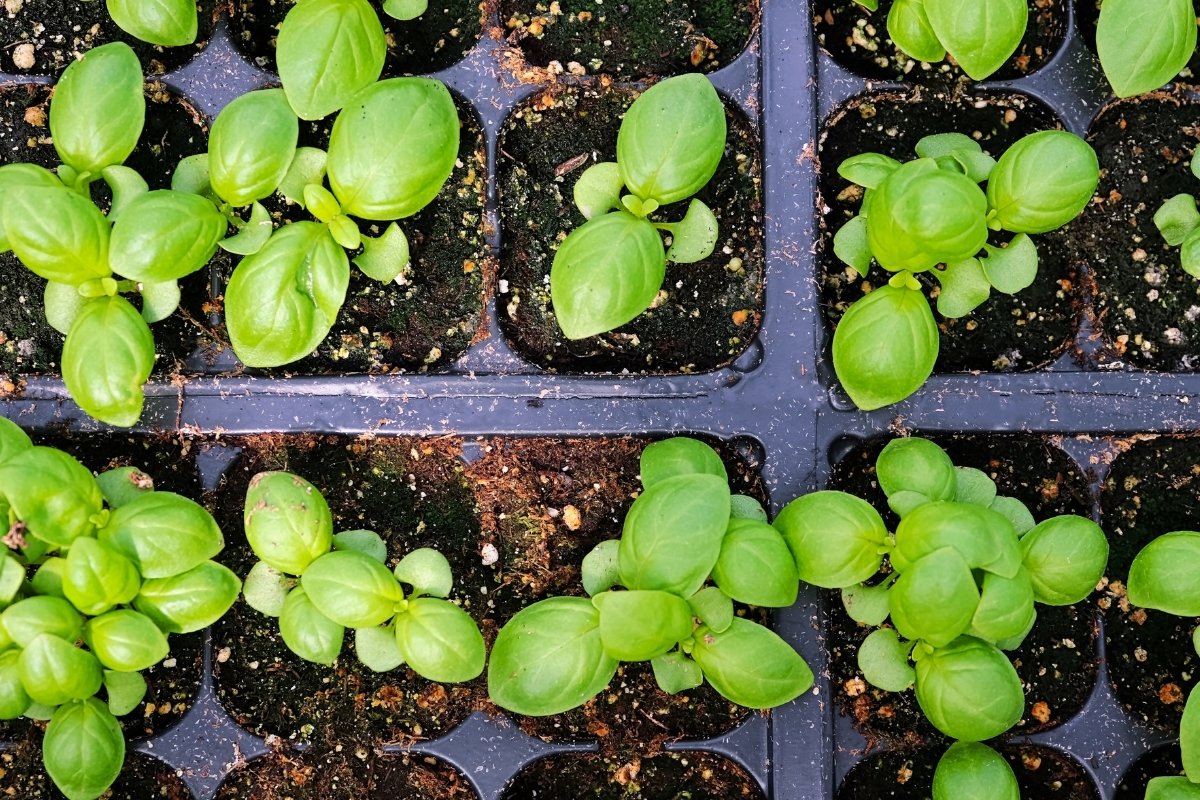
    Although it’s quite easy to just walk into your local garden center and get a basil plant to grow right away: you can also try growing basil from seeds. How many basil seeds per pot should we be looking at if we are growing basil from seed? Let’s find out.

    Basil is an excellent type of herb that is very useful. Growing basil from seed is pretty easy and doing this can even save you some cash. Basil also comes in different types such as sweet basil, dark opal basil, lemon basil, cinnamon basil, lime basil, giant leaf basil, and so on.

    Growing and adding basil to your vegetable garden can be pretty beneficial. Basil is a very versatile plant that is used in our various dishes such as salads, sandwiches, pizza, soups, pasta, and so on. They are also useful in terms of medicinal use.

    You can grow basil either from its plant or simply start from seed. How many basil seeds per pot are what we would like to discuss in this post. So, read further to get some knowledge on the appropriate number of basil seeds to sow per pot.

    Growing Basil In Pot – How Many Basil Seeds Per Pot

    Basil is easily grown in pots or containers and with some attention and extra effort, you can enjoy the result of fresh basil. All kinds of containers can work for basil to be grown in. just make sure you use a top-notch potting soil mix and ensure the container has adequate drainage.

    How Many Basil Seeds Per Pot?

    Ideally, you can sprinkle or sow around 5 to 8 basil seeds per pot or container. Use potting soil and make sure you moist the soil so it can remain a bit moist and make sure the soil isn’t soggy.

    Also, the seeds of basil are usually started indoors with the pot placed on a warm windowsill or under a grow light.

    You should begin to notice some sprouting after about a week of sowing seed.

    Click Here to Get More Info About:

    Growing Basil From Seed – How Many Basil Seeds Per Pot

    Starting basil plant from seed may sound new to you. But not to worry because this can go pretty easy for you if you do things the right way. Basil is also a fast-growing plant or herb that can germinate from seed in just about a week.

    So let’s look into how we can properly grow basil from seeds:

    • Firstly, you should make sure the danger of frost has elapsed when you plan to grow basil. This is because basil plants are not cold-hardy. Hence, they are sensitive to frost or cold. Matter of fact, you can wait to move your potted basil outdoors garden after about 7 to 10 days of your estimated last frost in your area. This is because the outdoor conditions may still be unpredictable so you can be sure the cold weather is done.
    • Next, plant about 5 to 8 seeds for each pot, or some seeds should be sprinkled in a seed starter kit. Then cover the basil seeds with a fine layer of compost.
    • A top-quality potting soil or a seed starter mix should be used. Mist the soil to make sure the soil remains a little moist but not soggy.

    Organic Basil Seeds Variety Pack – 7 Unique Packets of Non-GMO USDA Certified Organic Pure

    How Many Basil Seeds Per Pot
    • Once you’ve sown your basil seeds, you should begin to see some sprouting in about a week.
    • Then when you begin to see a set of true leaves and not the first tiny seeding leaves, you should thin them down to one or two seedlings for each pot.
    • Also, note that starting basil indoors with your pots should either be done beside a window (a windowsill is appropriate) or with the help of a grow light. You can also do direct outdoor seeding by putting your potted plant in your outdoor garden so far there is no danger of frost.
    • Eventually, the young seedlings of basil grown from seeds are usually transplanted into the garden outdoors. And basil plants usually do well after transplanting. Just make sure they are protected from too much wind or sun for some days until the plant has adjusted enough.

    Why You Should Consider Growing Basil From Seed

    Even though it’s pretty easy and fast to just purchase basil seedlings from your local garden stores or even local farmers’ market. There are still some wonderful benefits to growing basil from seeds. Some of these benefits have been stated below.

    • Growing Basil From Seed Is Easy

    Growing basil from seed is an easy thing to do and does not require any special skill or tools. All you need do is to get the right information on how to go about it and you should be good to go.

    • Cost-effective

    When you decide to grow basil seeds, it becomes an easy way of saving some money because it is a budget-friendly plan.

    Why You Should Consider Growing Basil From Seed
    • Advantages Of Successive Planting

    Around the middle of summer, it may be difficult to find a healthy basil seedling. But if you want a continuous supply of high-quality basil leaves, then you can benefit from this by planting by starting a couple of basil seeds in pots. You can even grow them indoors under grow light and always have a non-stop supply of basil leaves.

    Conclusion On How Many Basil Seeds Per Pot

    So, we can see that apart from growing basil from their plant or seedlings, we can see that growing basil from seed is another easy method. It doesn’t require any special knowledge or tools. How many basil seeds per pot have also been discussed in this article.

    FAQ’s

    How many basil seeds do I need to plant in a pot?

    Ideally, you should plant about 5 to 8 basil seeds in one pot. You can commence your basil seeds indoors if the outdoor climate isn’t stable yet and you are not sure of the temperature outdoors.

    Can you grow multiple basil plants in one pot?

    It is possible to grow multiple basil plants in a single pot. However, it may be hard to maintain moisture when growing multiple basil plants in one container. So, it is recommended to use a very big pot if you plan on growing multiple basil plants in a single pot.

    How much space do you need between basil seeds?

    The ideal spacing between basil seeds should be about 2 to 3 seeds per inch in rows of 18 inches apart. However, a final spacing of basil can go around 4 to 8 inches apart for a healthier and fuller plant.

  • A Quick Guide On Butternut Squash Spacing

    A Quick Guide On Butternut Squash Spacing

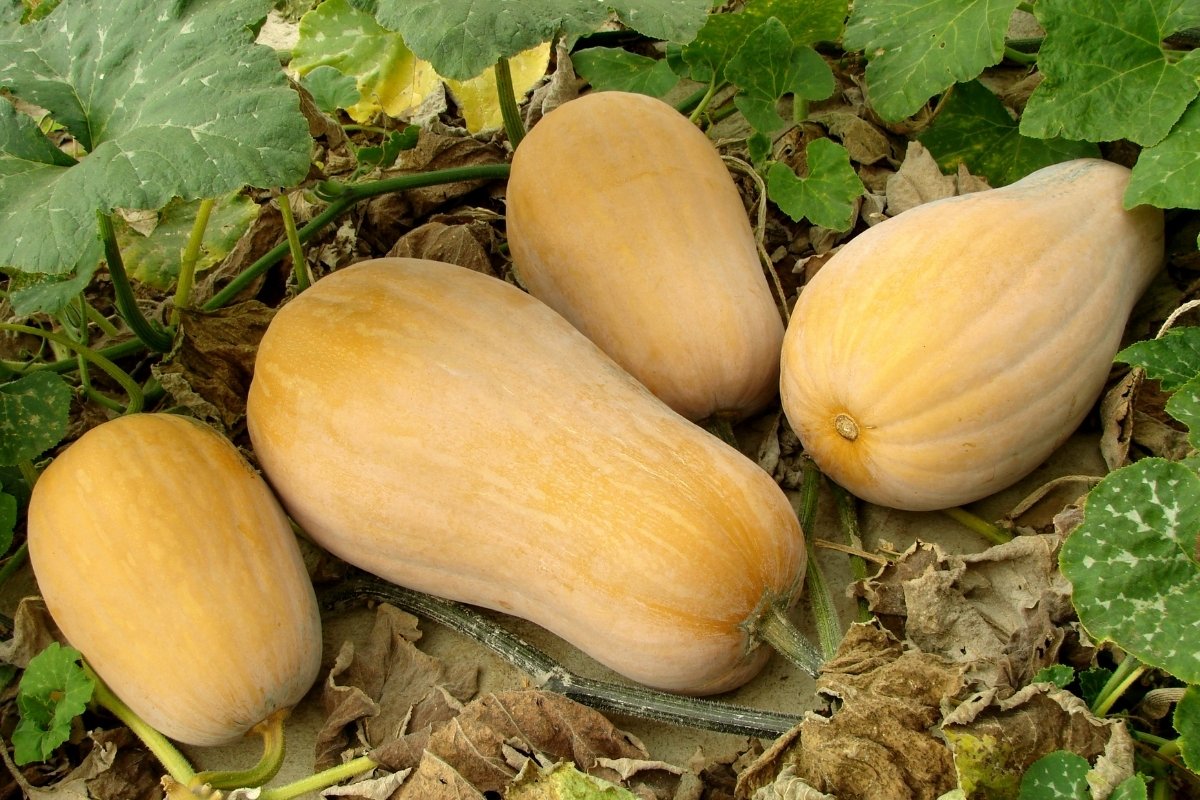
    Butternut squash which is a member of the Cucurbitaceae family along with gourds and pumpkins is a type of winter squash. The plant of butternut squash tends to grow on a trailing vine and it is fairly easy to grow especially from seed. Butternut squash spacing is what we will be discussing in this post.

    Butternut squash is an annual plant and it can do well and grow well in almost any climate. The best period to plant butternut squash is in spring that following the last frost of the season. It can take about three to four months from planting for the fruit of butternut squash to be ready for picking.

    Now because the vines of butternut squash are inclined to grow faster, it is appropriate you get to know the right spacing for this plant. Butternut squash spacing is what you will learn about in this post. We will also touch on some other related aspects concerning butternut.

    Growing Butternut Squash

    Before we look into butternut squash spacing, let’s first look into how to grow this plant the right way.

    ·         Seed Sowing

    The seed of butternut squash can be commenced either indoors or outdoors. We recommend you start your seeds indoors if the warm season in your region is short.

    So, indoor seeds should be commenced indoor at least six weeks before the expected last frost. Ideally, two seeds should be sown per pot or container then once seedlings begin to sprout thin one of them. Ensure you position your plant in a sunny window or a greenhouse.

    Growing Butternut Squash - Seed Sowing

    Then make sure you harden off your seedlings before transplanting outdoors once the danger of frost has elapsed.

    Alternatively, you can sow the seeds of butternut squash outdoors directly into the soil. Just make sure the danger of frost has elapsed and the soil is warm properly. A temperature of about 60 to 65 degrees Fahrenheit is safe enough for seed sowing. This is a crucial thing to note because the seeds of butternut squash are very fragile and will only germinate in warm soil.

    Click Here to Know: Can You Grow Carrots In A Pot?

    ·         Prioritize Sunny Spot – Butternut Squash Spacing

    The plant of butternut squash will do excellently well in a sunny spot so ensure you prioritize a sunny area. Full sunlight is what this plant required, but at least 6 hours of sunlight is required by the butternut squash plant daily should do fine.

    The plant can even benefit from more time under sunlight but just make sure the plant isn’t overheated.

    ·         Soil Preparation And Fertilization

    They will do well in well-draining soil. Butternut plants are heavy feeders so ensure you prepare your soil with adequate organic matter. You can start by using very rich soil. Then during the middle of the growing season, you can go ahead and side dress the soil with organic compost or aged manure.

    Soil can be slightly acidic to neutral and the pH can range around 5.5 to 7.0.

    Mother Earth Coco + Perlite Mix – for Indoor and Outdoor Container Gardens

    81y+WLBCVNL. AC SX679

    ·         Create A Hill

    Most vining vegetables are grown using a hill, so butternut squash can also be grown on a hill. You should gather the soil to form a small hill of about 18 inches tall and do these before you grow your seeds.

    Then go ahead and bury the seed below the soil surface. The seeds should be sown in a group of 4 to 6 and they should be sown into the soil about half an inch or one inch deep.

    ·         Water Your Plant – Butternut Squash Spacing

    Ensure you water tour butternut squash adequately and aim for moist soil but avoid soggy soil. Watering when the seedling is young is more necessary because, at this stage, they are more susceptible to drought. It is crucial you don’t allow the seedlings of butternut squash to dry out.

    Also, avoid splashing water all over the plant so the leaves can stay dry. So, aim to water the base of the plant, especially the soil.

    Check Out Best Green Beans For Canning

    Butternut Squash Spacing: Guide On The Ideal Spacing

    When it comes to the spacing of butternut squash, this plant can take some good space. They are a rapidly growing trailing vine plant.

    Also, butternut squash is more susceptible to some diseases such as powdery mildew. This is a fungus disease that changes the color of the leave to grayish-white. This is why it is again important to space this plant properly.

    So, for this reason, it is logical for you to know the appropriate spacing for the plant so it can grow optimally.

    So, as you plant your butternut seeds in a group, ensure you space the seeds about 4 inches apart. This will prevent overcrowding once the butternut squash plant begins to grow.

    Then if you’re making use of hills to grow your butternut squash, try to space each hill to at least 8 feet apart.

    You can also get the ideal spacing requirement from the pack of your butternut squash.

    Apart from the proper spacing of the butternut squash, it is important to also thin this plant. Thinning can help increase air circulation around the plant thereby minimizing the susceptibility of butternut squash plants from getting diseases.

    Growing Butternut Squash In Containers

    You may be wondering if it’s possible to grow butternut squash in containers since this plant grows fast and requires enough space.

    Although butternut squash requires adequate space to grow, it is still possible to grow this squash in a container and get a decent result or harvest. This can even be beneficial to you if you are short of space and you wish to grow this squash.

    Also, this plant doesn’t have large, extended roots so they don’t extend their root so much. So, this makes it possible for this plant to be grown in a container.

    Growing Butternut Squash In Containers

    Final Thoughts On Butternut Squash Spacing

    Butternut squash spacing is an important thing to take note of when you have decided to grow this squash. We have explained the ideal spacing requirements for this great tasting squash so do well to follow the right spacing when planting butternut.

    FAQ’s

    How far apart should you plant butternut squash?

    Spacing is important in butternut squash planting because this will help your plant grow optimally. When planting butternut squash using hills, the ideal spacing for each hill should be about8 feet. Then the spacing for each seed in a hill should be about 4 inches apart.

    What happens if you plant squash too close together?

    Planting butternut too close can cause overcrowding which will be unhealthy for the plant. Again, planting butternut squash too close together is not recommended because this can predispose the plant to fungus diseases such as powdery mildew.

  • Can You Grow Carrots In A Pot?

    Can You Grow Carrots In A Pot?

    Can you grow carrots in a pot? The answer is yes, you can definitely grow carrots in a pot or container. Carrot, Daucus carota subsp. Sativus, is a root vegetable that can be easily grown in containers, planters, and window boxes.

    You don’t even need to be a well-experienced vegetable gardener to be able to grow carrots in containers. Also, an outdoor garden is not necessarily needed for growing carrots. You can even grow multiple carrots in a pot. This is a possible means of utilizing little space to get a great yield.

    You can also start small by planting just a few crops and then later succession sow pots of carrots to enjoy a steady harvest starting from early summer all through fall. So let’s go further into how you can grow carrots in a pot.

    The Reason Why You Should Grow Carrots In A Pot

    Growing carrots in pots can pose to be a fantastic idea for a couple of reasons. One is, you can have the right growing medium you desire when you plant in containers. This is because there will be no cause to be bothered about having to plant in rocky, infertile, or weedy soil.

    The roots of the carrots will grow straight and fork-free as the soil you will be growing them in is the stone-free type. You can choose a location with limited space and sunlight to grow your carrots.

    Another good thing is that a pot can contain up to multiple carrots as they are slender plants.

    The Reason Why You Should Grow Carrots In A Pot

    You can have up to 24 to 36 carrots, depending on the variety, in a 10 gallon grow bag which is 16 inches across. Growing carrots in containers also have the advantage of no critter issues like deer and rabbits or pests like slugs.

    And since you’re growing them in pots, you can have them close to your home which makes it easy for easy monitoring.

    Kids can also have fun with growing carrots in pots as a DIY. This is because it’s a type of crop that is easy to plant and grow. The kids will become so attached to the pots, thereby nurturing them and then harvesting the roots eventually. This way, the kids will feel proud of themselves when they eat the carrots they’ve grown by themselves.

    Read more about Best Green Beans For Canning

    Growing Carrots In Pot

    First, choose a variety with short roots and not long carrots. Go ahead and choose a container that is deep enough to accommodate the root of the variety you’ve chosen.

    However, there are carrot varieties with root lengths of two inches to over a foot.

    You can grow these types of carrots in a pot. Hence, be sure the root of the variety you’re choosing will fit into your pot. It is advisable to choose large pots or planters though.

    Nicheo 3 Pcs 7 Gallon Grow Bag Easy to Harvest Planter Pot with Flap and Handles

    Can You Grow Carrots In A Pot

    This way, a larger volume of soil, as well as the length of carrot roots, will be well contained in large pots.

    Another thing is that, when the pot is large and has a larger volume of soil, you won’t have to worry about water drying out fast.

    The care and maintenance of your planted carrots can also be determined by the type of container you’ve chosen. Clay pots, which are made from porous materials, are high water-absorbent that need to be watered much more. This is unlike other fiberglass, plastic, or metal pots.

    You can use Ten-gallon fabric bags or smart pot long beds. You can also choose other types of fabric containers. Plastic buckets of about five gallons can also be used to grow vegetables.

    So, start by cleaning your pots thoroughly and also endeavor there are drainage holes on the bottom. Add drainage holes if there is none by using a drill.

    Check Out Why Are My Cucumbers Round?

    Sowing Carrots – Can You Grow Carrots In A Pot

    Fill the container with the growing medium. Wet it and mix thoroughly till the potting mix is equally moist. Plant your seeds about a quarter-inch deep and give space of half-inch in between the seeds.

    Don’t plant them in rows, rather, plant them in the form of a grid. This way, you will be able to cover the whole container. For an easy way of planting, choose to use a strip of seed tape or pelleted seeds. This is because the seeds are so small.

    Sowing Carrots

    After planting go ahead and give your seeds nice water spraying with the use of a hose nozzle or a watering. Don’t use the method of watering hard with gushing pressure to avoid spilling out the seeds from the soil.

    The container should be placed in a spot where it can get at least six to eight hours of sunlight, just like the carrots grown in the garden.

    Click Here to Know When To Pick Artichokes

    Tips On How To Grow Carrots In Containers

    There are certain procedures you should follow after you’ve noticed your seeds have begun to sprout and the plants are growing so well. These procedures will help you get a bountiful harvest from the carrots you can grow in a pot.

    1. The soil must be a bit moist and not wet. Carrots won’t do well in soil that is damp. So, ensure moisture is maintained by not over-wetting your plants. Before wetting, check if the soil is dry, like an inch down, by sticking your finger in the soil. This will enhance the root’s healthy development. Hence, do check for soil dryness daily.
    2. Begin to thin the seedlings when they have grown up to three inches. The thinning should be about two to three inches from each of the seedlings. Cut the unwanted seedlings off from the bottom with garden snips. You shouldn’t pull them out like the roots of some of the seedlings may be interwoven and as a result, damaging the other seedlings.
    3. Add liquid organic vegetable fertilizer or compost tea to the container every four weeks for healthy growth of the plants. Don’t use fertilizers with high nitrogen that can enhance the growth of the upper part of the plants but with smaller roots instead.
    4. If you notice that the upper part of your plant roots is bulging out from the soil, add more potting mix to cover them. The root’s top can become green and then bitter tasting if the direct sunlight is on them.

    Conclusion – Can You Grow Carrots In A Pot?

    You can grow multiple carrots in a pot successfully if you follow the aforementioned procedures in this article. This method of growing vegetables will definitely help you in making the best use of your limited garden or patio space by planting as many vegetables as you want.

    FAQ’s

    How many carrots can you grow in a pot?

    You can grow multiple carrots in a pot or container. This is thanks to the slender carrot plant. For a 10 gallon grow bag that is about 16 inches wide, this size of the container can hold 24 to 36 carrots and this will depend on the variety.

    How deep should a pot be for carrots?

    To grow carrots ideally in containers, the pot or container should be around 2 to 14 inches deep. This will help accommodate their developing roots.

    How long do carrots take to grow in containers?

    If you’re growing carrot in a container or pot, the duration for it to grow can take around 75 days. However, it can vary slightly depending on the type of carrot variety.

  • Best Green Beans For Canning

    Best Green Beans For Canning

    Freshly harvested green beans can be canned easily so they can be stored or preserved for year-round use. Best green beans for canning are what we would be looking at in this post.

    Green bean which is also referred to as string beans is an easy vegetable to be grown in our garden and they tend to be quite productive.

    It can be a pretty good idea to can your beans especially if you don’t want to freeze them. Canning beans can help preserve or store your green beans for some good time. So, you can preserve your green beans through canning during their offseason.

    Best green beans for canning are what you should look into if you plan on preserving some certain green beans varieties. So, you are in luck if the best green beans for canning are what you wish to know.

    Best Green Beans For Canning

    Green beans usually come in two styles which are bush beans and pole beans. So, we will be looking at both pole beans and green beans and mention some varieties that are great for canning.

    For pole beans, some of the varieties that are great for canning include:

    • Kentucky wonder
    • Blue lake FM-1
    The Best Green Beans For Canning

    For bush bean variety, some of the best green bean variety for canning includes:

    • Refugee
    • Provider
    • Contender
    • Goldmine
    • Strike
    • Stringless green pod
    • Blue lake 274
    • Tendergreen

    Now that we have seen some of the best varieties of green beans for canning, let’s further look into how the canning process is done.

    Click Here to Get Info About:

    Preparation Of Cans

    Select the canning jars you will be using to can your beans. Then make sure you scrutinize these jars and ensure there are no cracks in the glass. Go ahead and wash these jars in a hot and soapy water, then rinse them properly.

    Further, sterilize the jars by rinsing them a second time using boiling water. Also, the bands of the jar should as well be sterilized before you use them.

    It may please you to know that green beans homed canned beans usually have a better taste commercially canned beans you purchase from the store.

    You can avoid that metallic flavor and because salt is used for only flavoring in canned beans, you can just leave that part. So, this gives you full control over the amount of sodium you will be using in your canned beans.

    Ball Regular Mouth 16-Ounces Mason Jar with Lids and Bands (12-Units), 12-Pack

    717CsfF0XfL. AC SX679

    Green Beans Preparation

    You should select the appropriate green beans for canning to ensure smooth canning. Do a snap test with your green beans and select only crispy and tender pods. For instance, try to bend one of the fresh beans you’ve picked and if it snaps, then the beans are fresh and ready for canning.

    Once the green beans are old and limp, it is usually not ideal to be used for canning. This is because this type of old and limping green beans will tend to taste bad. Hence, make sure you properly sort your beans for canning.

    Any green bean that is showing signs of sogginess, wilting, spoilage or damage from insects should be thrown away.

    How To Properly Can Green Beans

    Here is how you can properly can your green beans:

    ·         Pressure Canner

    Green beans are low acid food so they can only be safely canned with the use of a pressure canner. This is used to achieve a high temperature that is needed to eliminate organisms that may cause food-borne illness.

    ·         Fresh Green Beans Should Be Harvested

    Ideally, harvesting green beans should be done during their prime as this is the period they will feel tender and small to medium size.

    Green beans are fast growers so it is ideal you pick them every day so they won’t grow too big. Choose green beans that are small to medium then tender and crisp to get the best quality of canned beans.

    Even though the large or seedy pods can still taste fine when you eat them, they however won’t hold that much when it comes to canning them. These types of beans usually get soft and even add unwanted starch that makes the canned jar become cloudy.

    Again, your green beans can be washed and stored initially in your bean zipper bags in the refrigerator for a couple of days until you have enough cans to load up your green beans.

    ·         Raw Pack Or Hot Pack Method

    You can pack your green beans into the canning jar using either by using the raw pack or hot pack method.

    Raw pack refers to a cold pack and this means filling the canning jars with raw beans then covering them with boiling water.

    Then when it comes to the hot packing method, the green beans are firstly cooked partially. Then they are packed into the canning jar and covered with boiling water.

    So, we can see that the raw pack is faster because there is no need for partial cooking. However, the hot pack method also has its advantages.

    Partially cooking these beans make them softer so it can create more space when you’re shoving them into the canned jar. Air is also removed from the tissue and this helps enhance the quality and shelf life.

    ·         Canner Cooling

    You need to ensure some time is given for the canner to cool down naturally and don’t try to rush the cooling. Once your green bean is cooled, then they are ready to be canned.

    Canned Green Beans - Canner Cooling

    Conclusion On Best Green Beans For Canning

    Canning beans can help you prolong the self-life. Best green beans for canning have been listed in this article and how you can properly can your green beans have been explained.

    FAQ’s

    Can you snap green beans the night before canning?

    Yes, it is possible to snap green beans a night before canning. So, once you’ve picked your green bean, washed them, stem their ends, then cut them into little portion sizes, you can go ahead and prepare them for canning.

    What is the most tender green beans?

    One of the most tender green bean varieties is the tendergreen improved variety. This green ban variety is great for home gardens for canning as well as for freezing.

    What are the best green beans for canning?

    Some of the best green beans for canning for pole beans are Kentucky wonder and Blue lake FM-1. Then examples of bush green beans variety for canning are provider, goldmine, refugee, contender, blue lake 274, strike, and stringless green pod.

    How do you keep green beans crisp when canning?

    Green beans can remain crisp when canned if you avoid over-processing the canning process. If you over-process them too long, it can cause the beans to go mushy. The ideal canning duration from the USDA is 20 minutes for pints and 25 minutes for quart jars.

  • What You Need To Know About Basil Growing Temperature

    What You Need To Know About Basil Growing Temperature

    Basil plan is a type of herb that can be grown in many different climates. It is a famous herb used in the kitchen and it offers a lovely aroma and sweet flavor to our recipes. Basil growing temperature needs to be known for a better outcome or yield.

    Basil herb can go well with different recipes such as pasta, salads, pizzas, Bloody Marys, Thai curries, and more. This herb is a warm-weathered plant that is easy to grow when you have the right knowledge. Even novice gardeners can find their way around growing this lovely herb.

    With the ease it comes with growing basil plants, getting to know the ideal growing temperature of this plant is one thing to note if you plan on growing this plant.

    Basil growing temperature is what we will be discussing in this article, so let’s begin.

    Basil Growing Temperature

    When it comes to the ideal basil growing temperature, basil has its preferences. Basil plants love a warm temperature as they will thrive well in warm temperatures.

    Basil plant is native to tropical regions especially Central Africa and Southeast Asia. However, as of today, basil is widely cultivated in climates that are temperature such as the Mediterranean region. But the productivity of the basil herb is however not the same in the entire climate in which they are grown.

    Basil Growing Temperature

    So, below is what you need to know about the basil growing temperature:

    • Basil growing temperature is around 80 to 90 degrees Fahrenheit. The plant basil can still do well starting from 50 degrees Fahrenheit up to 90 degrees.
    • However, once the temperature drops below 50 degrees Fahrenheit and the temperature starts to become chilly, the growth of the plant can become stunted.
    • Therefore, this implies that basil plants are sensitive to cold and they can rapidly show signs of damage or even die off once the temperature goes down. Ensure you shield your basil plant from frost by moving them indoors if they are in containers or cover them if they are planted outdoors.
    • So, always provide your plants with a warm and sunny spot so your basil plant can flourish optimally. Supply around 6 to 8 hours of direct sunlight per day to help your basil plant. However, if your area gets very hot, it’s recommended you give your basil plant some shade in the afternoon.
    • Also, if you want your basil plant to take off beautifully, ensure the soil and the air is slightly warm. So, when spring approaches, don’t be in a rush to put out your basil plant but ensure the outdoor environment is fairly warm.

    Check Out Will Tomatoes Grow In Shade?

    Basil Growing Season

    From the above, it is only logical to deduce that the basil plant can only be grown during the heat of summer. The chilly winter season is not appropriate to grow basil because the plant can die and drop its seeds.

    If you wish to grow the basil plat outdoors, it is best to commence seed indoors in the spring. Doing this can boost and jumpstart the growing season and you can avoid the risk of exposing your seedlings to freezing.

    Then once the outdoor temperature is favorable (about 50 to 90 degrees Fahrenheit) you can go ahead and transplant the seedlings outdoors.

    However, if the region you live in receives lots of sunlight and remains warm all through the year, then your basil could survive through the winter if you plant them outdoors year-round.

    Click Here To Get Info About:

    Ways Of Preventing Damage Caused By Cold To Basil Plant

    As we have stated, basil doesn’t like chilly or cold weather. So, it is recommended you avoid planting basil outdoors when the weather is cold.

    However, there may be some periods where late spring and early fall ushers in unexpected chilly temperatures.

    But your basil can still survive outdoors during this unexpected period of colds if they are just brief and don’t hit freezing temperatures. Also, you will need to take extra precautions during this unplanned frosty period and do things such as covering your basil plants. Then your basil can be safe.

    The addition of mulch to the base of your plant is another way to minimize the cold effect and add a layer of insulation. Then if your basil is in containers, you should bring them indoors during chilly seasons. Also, you can aim to harvest your basil leave for your cooking before the risk of frost is close by.

    8 Basil Herb Seed Pack – Perfect Seeds for Planting – Heirloom & Non-GMO

    717zoYlNz3L. AC SX679

    Other Requirement For Basil Growth

    So, we have established that the basil plant thrives in warm climates. There are also other growing requirements to further improve or boost the successful growth of the basil plant. Some of them are:

    • Watering Needs

    Basil thrives well with moist soil but not too soggy soil. Therefore, try to water your basil adequately and don’t let the soil dry out.

    If your basil is planted outdoors on the ground, you can put some mulch around the bottom of the plant. This is to further help in retaining moisture in the soil.

    • Harvest More Often

    If you want a large and bountiful harvest, you should harvest your basil more often. Harvesting more will improve the yield.

    • Well Draining Soil

    The soil of basil needs to be well-draining soil to flourish. This is to encourage good drainage. Therefore, if they are planted in containers, you should water them when needed.

    Well Draining Soil For Basil

    Conclusion On Basil Growing Temperature

    Basil growing temperature is a very crucial point to note when you are growing this plant. You can always enjoy a healthy and productive basil plant at a temperature of around 80 to 90 degrees Fahrenheit.

    FAQ’s

    What temperature is best for growing basil seeds indoors?

    The best temperature for basil to grow seeds indoors optimally is around 80 to 90 degrees Fahrenheit. Basil seeds can still thrive in temperatures from 50 degrees but they should not drop below 50 degrees Fahrenheit.

    What is a killing temperature for growing basil?

    A killing temperature frost for growing basil is a temperature that drops below 50 degrees Fahrenheit. This temperature is very dangerous for the growth of your basil plant.

    What temperature is too cold for basil?

    A temperature that dips below 50 degrees Fahrenheit is too cold for basil. Basil thrives well in warm temperatures and they won’t flourish in chilly weather. So, it is best to start the seeds indoors and transplant them outdoors later when the weather is warm if the climate in your region is not always favorable.

    Does basil grow in hot weather?

    Basil definitely grows in hot weather because the plant is a warm loving plant. However, the weather should not be too hot; it can stress the plant as they fight to retain moisture. So, you can take some extra precautions by shading your plant a bit if the temperature is too hot for them.

  • Do Green Bell Peppers Turn Red?

    Do Green Bell Peppers Turn Red?

    You may have experienced your green bell pepper turning red after a while. Then you begin to wonder: Do green bell peppers turn red? Green bell pepper turning red is not a sign of an issue.

    It is easy to spot or differentiate a green bell pepper from a red bell pepper especially when you see them in grocery stores. The color of this bell pepper can either be fully red or fully green. Even when you decide to buy these bell peppers, the red bell peppers are usually pricier compared to the green bell peppers.

    You should also know that peppers can come in various colors and the ripening stage of bell pepper begins with the fruit turning green. So, you can have bell peppers to be green, yellow, orange, red, or even purple in some cases. Do green bell peppers turn red is what we would like to know in this post.

    The truth of the matter is green bell peppers do turn red. But what are the things or reasons that make this happen?

    Now let’s find out why green bell peppers turn red and get to know more about them.

    Do Green Bell Peppers Turn Red?

    Certainly, green bell peppers do turn red. The first stage of the ripening process or stage of bell pepper begins with the pepper showing green color. Then the very last ripening stage of bell pepper is when it turns red and this implies that the bell pepper has fully ripened.

    Therefore, this implies that the green bell pepper is in the immature stage of the bell pepper. But both green and red pepper are perfectly edible.

    Green Bell Peppers Turning Red

    Also, green pepper is usually less expensive compared to red pepper. This is mainly because red bell pepper does take a while to grow and attain the red color. So, red peppers are matured or ripened green bell pepper.

    Therefore, a grower or a producer can get the result of green pepper quicker in little time compared to the red peppers. Hence, this tends to have an effect on the price difference between a red bell pepper and green bell pepper.

    Matter of fact, almost all types of peppers are inclined to turn red if you allow them to remain on the plant for long.

    Check Out Will Tomatoes Grow In Shade?

    Ripening Green Bell Pepper Off The Vine Indoors

    As we have stated, it takes a while for green pepper to finally ripen or reach its final stage and turn red. It is possible to change or ripen your green bell pepper off the vine indoors.

    Gardners that have a short season in their areas and still have a lot of pepper in the garden that has not reached its final maturity stage and turn red can take advantage of turning their unripe green pepper indoors.

    A green pepper that can continue its ripening process off the vine indoors to become red. For this to happen successfully, your green bell pepper should be placed on the counter or at a place that is room temperature. However, if you put them in the refrigerator, the ripening process can end.

    Additionally, to achieve a more successful result of your bell pepper ripening and turning red, choose bell peppers that have just started changing color if possible. Therefore, just leave out your green bell pepper for it to attain the desired color.

    However, take note that the peppers you ripened off the vine won’t be as sweet as the ones ripened outdoors on the plant inside the sun.

    Heirloom Pepper Seed Variety Pack | 8 Hot & Sweet Peppers For Planting

    Do Green Bell Peppers Turn Red

    Differences Between Green Bell Peppers And Red Bell Peppers

    We can get some differences between green bell peppers and red bell pepper:

    • The Appearance Of Bell Pepper

    One glaring difference between green bell pepper and red bell pepper is the color. Also, red pepper looks better in dishes or homemade recipes. For this reason, a lot of shoppers like to go for red bell peppers and this also increases the demand for red pepper.

    • Taste – Do Green Bell Peppers Turn Red?

    It is often said that red bell pepper usually tastes better than green bell peppers. The reason been that red bell pepper is the matured fruit and it is only logical for fruit to taste better or sweeter as they mature.

    So, the fruit of bell pepper tends to taste a little bitter in their green stage then the fruit can taste sweet in the yellow or orange stage.

    Click Here to Get Info About How Long Does Lavender Take To Grow Full Size?

    • Nutrition Of Red And Green Pepper

    When it comes to the nutritional value or content of both green and red peppers, you will find out that red peppers are healthier.

    Red pepper tends to be more healthier because as the fruit changes from green to red, the value of vitamin C content doubles up. Vitamin A content also increases 8 times more. Then beta carotene almost triples its value as green pepper turns red.

    Another upper hand red pepper has when it comes to nutritional value is that red pepper is a great source of lycopene. Red peppers are also loaded with healthy antioxidants.

    However, in all these nutritional differences between green and red pepper, this doesn’t mean you can’t benefit from green pepper. Green pepper also has nutritional benefits. The only difference is that red pepper tends to be better.

    Conclusion – Do Green Bell Peppers Turn Red?

    By now, you should be able to get the answer to the question: Do green bell peppers turn red? So, from the above, we have definitely seen that the green bell do turn red.

    We have explained that green pepper is the immature stage of a pepper fruit and red pepper is the final ripening stage. You can even ripen your green bell pepper off the vine indoors and this can be done by simply putting your green bell pepper on the counter.

    FAQ’s

    How long does it take for green peppers to turn red?

    When a green pepper finally turns red, it means it has ripened and reached its final maturity. The ripening stage of peppers usually depends on the type of pepper variety. Ideally, it can take around 60 to 90 days for pepper to mature. You can also get the maturity date for your pepper in your seed packet.

    How do you get green peppers to turn red?

    Turning green pepper to red is quite possible even if it’s off the vine. To turn your green pepper to red off the vine, simply place your green pepper on the counter or place them in a room temperature.

    Do green bell peppers turn red after picking?

    It is very possible for green bell peppers to turn red after picking. So, if this has happened to you, don’t be surprised and you can safely consume this green bell pepper that has turned red.

    Are green peppers just unripe red peppers?

    Green peppers are the immature stage of a pepper. Therefore, green pepper is an unripe red pepper. If green peppers are left longer on the vine, they can finally turn red.