Author: Josephine Brown

  • How to Mix Compost into Soil?

    How to Mix Compost into Soil?

    If you want to get the best out of using compost on your soil, you want to ensure that you use rich compost, and mix it into your soil. While you can purchase ready-made compost for your garden, you have to know how to mix the compost into your soil bed; If you want to get the best results.  

    It is not all that difficult to use compost in the garden; If you are the gardener who loves to get handy, you should be just fine. 

    Before we get into the steps on how to add compost to the soil, let’s talk about the soil amendment and the different methods available. 

    Why Use Compost On Soil

    Plants need soil nutrients to survive. It doesn’t matter the nature of your garden, you want to ensure that nutrient is available in the soil

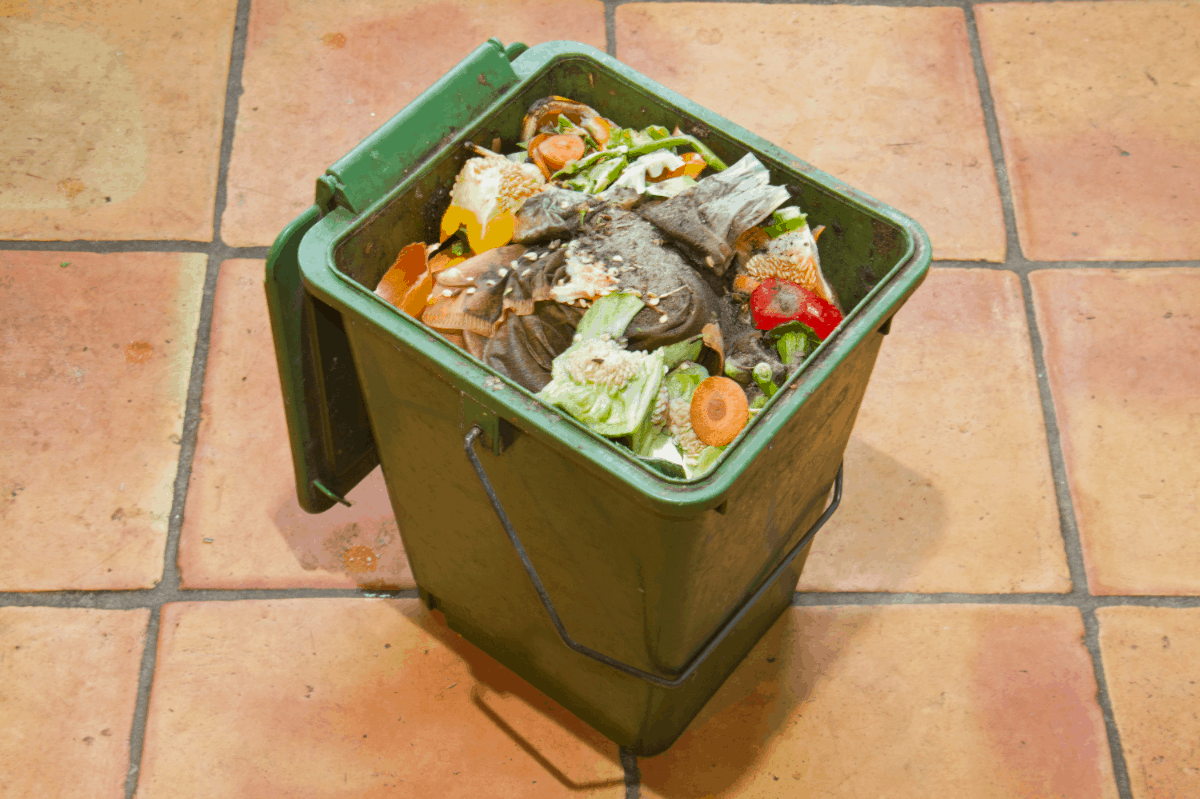
    In a bid to improve their yield, most gardeners seek out methods to improve the condition of their soil. One such method is composting.  It involves the breakdown of waste for use as manure for plants. The process might not be all that pretty, but it certainly has its benefits. As someone who practices zero waste, I too compost my kitchen waste. The benefits of composting are numerous, and you should consider it to reduce environmental waste. 

    Composting is safe for your garden plants, which is one of the reasons why I used them on my tomatoes and berries. You want to be careful not to use compost from human waste on your edible plants. You can use humanure on your lawn grass and flower plant, but use compost from kitchen waste in your garden. 

    It is what I do; I own a compost tumbler which I use in recycling kitchen and paper waste. 

    Other Soil Amendment Methods 

    Improving the condition of your soil will be something you need to do regularly as a responsible gardener. Composting is not the only way to improve soil nutrients. Other methods include the use of natural fertilizers, chemical fertilizers, peat moss, slake lime and the use of manure. 

    Whatever method you choose to stick to, ensure you apply them right to the soil

    So now you know why you need to amend your soil regularly, we can now get into the steps on how to mix compost into your soil

    How to Mix Compost into Soil?

    It doesn’t matter if you purchased your compost from the store, or you made them yourself, so long they are ready for use, you want to apply them the right way. You can do this by following the simple steps below. 

    Use Ready-Made Compost 

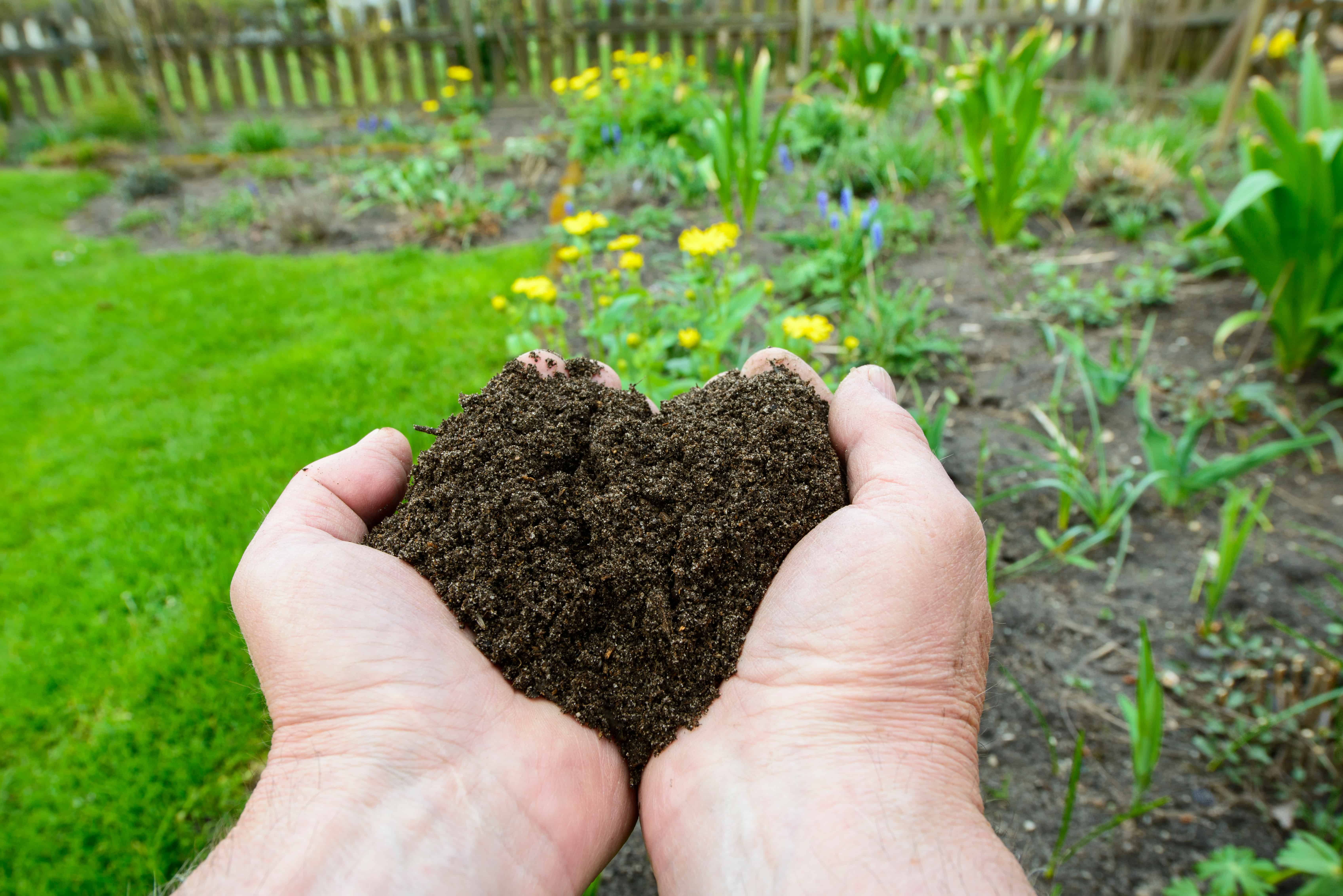
    You want to use only compost that has undergone complete decay. Making use of compost that hasn’t fully broken down has its consequences. You can identify ready-made compost by how it appears and smells. Check to see if it is 

    • smooth to the feel
    • Black or darkish brown 
    • smells like earth (not foul smelling)
    • crumbly too

    How to Mix Compost Into Soil

    Prepare the Garden 

    You want to prepare your soil bed for composting. Before adding compost to your plant soil, weed your garden, and ensure to keep pest and rodent preventive measures in place. You don’t want all your composting efforts to be in vain. 

    If you will be adding compost while seeding your pots, use a good quality potting soil from an organic source. 

    Mixing Compost 

    The best way to use compost in a potting system is to mix it with the soil. You should do this before adding in the potting soil. Mix the compost and soil in the ratio 1:3. So if you use 1kg compost, you will have to use 3kg potting soil to balance it out. 

    You should do this in a large container. I make use of the barrow, and the first thing I do is to add the compost and the potting soil and mix with a garden fork. 

    Most potting soil contains a bit of compost in it already, so if you were going to apply directly to soil bed, you can save yourself the cost of buying potting soil

    You can always make your potting soil by mixing equal amount of:

    How to Mix Compost Into Soil

    Planting Seeds 

    It is easy to use compost when planting seeds in your garden bed. All you have to do is to plant it the way you normally would. It is slightly different when planting seeds in topsoil. You will need to till the ground and then add compost to the top layer before adding the seeds. 

    When transplanting seedlings to pot or soil, use compost and soil in the ratio of 1:2. Plants with already established roots would not have a hard time adjusting to the new environment. 

    On Established Plants 

    You can also use compost on already established plants. You will need to prepare the soil bed before adding compost. Shovel off a layer of the soil and replace it with compost. You don’t need to add any other ingredients to the mix. We only advise that you perform a soil test so you can be aware of the nutrients that are lacking in your soil

    How to Mix Compost Into Soil

    Extra Tips 

    The best time to add compost to your garden soil is in the morning before the sun is high in the sky. It should be the first thing you do before watering your garden. Use compost before planting season for a new plant, and at the onset of fruiting for an already existing plant. 

    You don’t have to make use of too much compost, but you want to get them in the right places. Close to the stem of the plant is good, and you want to till the surface to expose some roots when applying to grown plants. 

    Lastly, you need to make use of fully decayed compost in your garden. Remove any lump from the mixture and toss it in the compost bag

    Now that you know how to mix compost into the soil, you shouldn’t have a hard time feeding your plant all the nutrients they need. 

  • The Dos and Don’ts of Using Wood Ash in Your Compost

    The Dos and Don’ts of Using Wood Ash in Your Compost

    Composting is a great way to not only help the planet by reducing your waste but also to help your garden grow and thrive. There are a lot of things you can include in your compost, depending on what your diet is and what is your lifestyle. But there is one thing you may not have known you could include. Maybe you had been throwing it out all along! Today we are going to talk about charcoal ash and wood ashes in compost.

    Keep in mind that we are going to discuss the use of good quality hardwood ashes. That means, not coming from barbecue grills, cardboard, plywood, painted or pressure-treated woods, etc. These do not have any real agricultural use and should be discarded.

    What are Wood Ashes Made Of

    Burning wood leaves two types of waste: ash and charcoal, on top of extra pieces of wood that have not burnt completely. Ash is the grey powder that is extra fine and delicate. Charcoal is the black remains. Together we will reference them as “wood ashes”.

    The Dos and Don’ts of Using Wood Ash in Your Compost

    Why Is it Good for Compost?

    Composition

    Wood ashes contain minerals that can help replenish the soil and improve its quality. They have a ton of phosphorus and potassium – specifically they are made up of 10% potassium and 1% phosphorus. If your soil is in need of these, then you are in luck!

    You will be also adding micronutrients, like iron, manganese, boron, copper, and zinc. All of these will make their way to your plants by the microbes present in your compost.

    Increased Surface Area and Oxygen Pockets

    Wood ashes are an incredible way of adding nutrient holding capacity to your compost. It is so porous that just 1 gram of charcoal has about 10% the surface area of a football field. 

    By adding it, you will include a lot of oxygen pockets into your compost, that means life for your beautiful microbes. This adsorption -referring to gas and not liquid- is great for your plants!

    Increasing the pH in your Compost

    Another great thing that wood ashes will do for your garden is increasing the pH of the soil. As they are composed of 25% calcium carbonate, the compost will turn more alkaline if you include them in it.

    If you have a lot of vegetable waste in your compost, which is very acidic, adding wood ash will neutralize that. Be mindful of your soil’s composition, though, and do not add too much of it if your soil is already alkaline enough.

    Usually, areas that experience regular heavy rainfall have highly acidic soils that can benefit from the addition of an alkaline element to balance that out in place of lime.

    Good quality wood ashes have half or even 2 thirds of the calcium carbonate that lime has and are just as effective in this purpose.

    Note that ideal soil pH is slightly acidic by nature. Swinging it very far in any direction will cause the soil to lock up on specific nutrients and we want it to have the widest range possible. In high concentrations, this could also inhibit plant growth.

    This also depends, however, on what plants you are growing. Some plants have very specific soil needs and you should adjust it depending on that.

    Although you should not directly apply it to your soil because of these possible issues, you could do use it as a repellent for slugs and snails. 

    How NOT to Use Wood Ashes in Your Garden

    First of all, do not use them in excess. Apart from turning your soil more alkaline, they can contain trace amount of heavy metals. This effect can be mitigated by keeping a healthy microbial environment in your compost and soil.

    Do not use them if your compost will go near acid-loving plants like blueberries or azaleas or newly planted seeds and seedlings. It can be detrimental.

    The Dos and Don’ts of Using Wood Ash in Your Compost

    FAQ’s

    Is it good to add wood ashes to compost?

    It’s perfectly fine. It will help break down the lignin and cellulose, and it will add phosphorous, potassium, sulfur and other nutrients that can be beneficial in a compost pile.

    You need to know what kind of ash you are talking about. The ash in question is a product made by heating wood with the intent of separating the lignin from the cellulose. It has been called “wood ash” or “biosolids.

    Wood ashes are commonly used as a soil amendment, but they may not be the best choice for garden compost. It’s possible to use wood ash as a soil conditioner, but not as a fertilizer. The wood ashes from a wood-burning stove are considered a waste product, and often end up in landfills or incinerators.

    It is also one of the most effective ways to increase your compost temperature without using heat. When composting, it is important to keep the compost pile as hot as possible. If you don’t have access to a wood stove or fireplace, a layer of ash in the center of your compost pile will help keep it hot.

    Wood ash is a very good mulch material. It helps to maintain the soil’s pH balance and retains moisture. Some gardeners use wood ash as fertilizer for their vegetable gardens, and some use it to help prevent weeds from growing in their lawns. Wood ash also makes a great soil amendment. You can spread it on your lawn or garden beds to keep your soil well-mulched and acidic.

    Is it hard?

    Anyone can recycle wood ash as an additive to your compost as it is easy to make a simple compost bin from an old wooden box or barrel. You will need to buy composting material such as shredded newspaper, grass clippings and leaves. Then you just need to mix these materials with the wood ash. The wood ash can be bought in bulk or in bags.

    What time of the year is best for it?

    The best time to add wood ash to your garden is during the autumn, as this is when it will have the greatest impact on your plants.

    How much wood ash should you put in a garden?

    When it comes to adding ash to your garden, there are two questions to answer: how much and when. Ash is very versatile in the garden, as it’s used for mulch, compost, soil conditioner, fertilizer, pest deterrent and more. You can add ash to any of these uses and still keep your garden healthy and beautiful.

    It’s not good for plants to have lots of nitrogen (ammonia) in the soil. Ammonia is toxic to many plants, and also has a bad odor, so it doesn’t really help them grow either. If you’re going to put wood ash in your garden, you’ll want to avoid using high-nitrogen fertilizers like ammonium sulfate or urea.

    The amount of wood ash you use depends on the size of your property. You want to apply enough ash to give your plants the nutrients they need, but not so much that you overload them with ash.

    Some Recommendations for Using Wood Ashes in Your Garden

    1 – We recommend you perform a pH test on your soil before considering adding any wood ashes to your compost. Bearing in mind this information, you should only add a small amount unless your soil is naturally acidic. If it already is alkaline, then avoid them.

    2 – Do not burn anything specifically to use the ashes as compost. The gases burning emits are harmful to the environment and therefore will counteract the good things you are doing for the soil. There are other great and easy ways to obtain organic compost.

    3 – If the weather is windy, avoid using wood ash as it can blow and scatter everywhere. And on that note, whenever handling it make sure to wear a face mask, eye protection, and gloves. Its alkaline nature can irritate your skin and its particles are easily inhaled.

    4 – Use a shovel or scoop to place the ashes into a bag in order to transport it. This way you can also keep some of it to use in the future if you do not need it right away. You could even give another friendly gardener some!

    5 – Do not add a whole heap of the ashes to the compost at once. Add it by layers and always put a brown layer on top of your ash. Also, make sure to turn it every time you add new items to keep it healthy.

    6 – This one is very important: You should only use ash that comes from untreated wood. This means that ash coming from items like cardboard, stained wood or other substances can contain harmful chemicals and are not beneficial for your garden.

    7 –  Also avoid using ash from black walnut trees. 

    8 – Do not mix the wood ash with nitrogen fertilizer. When combined, a reaction can occur that will release ammonia gas. It smells awful!

    What do you think? Have you been using wood ash correctly or not? Would you consider using it in the future? Post a picture of your beautiful garden below and tell us how wood ash helped your plants!

  • How To Propagate Your Favorite Plants Using Rooting Powder And Water

    How To Propagate Your Favorite Plants Using Rooting Powder And Water

    Have you ever seen a plant that you feel so in love with you simply HAD to grow it at home? Well, that is a perfectly normal feeling and you can definitely do it very easily. This method of reproduction or cloning is called “cutting” and basically consists of – you guessed it – cutting a part of a plant to create a new one. Today we are going to discuss how to use a rooting powder in water to reproduce your own or other plants!

    You could use this method to create another plant to gift a friend that lives far away or to reproduce a beautiful flower you found at a park. Remember, though, to always ask permission to take a cutting from a private location and NEVER! do this in a store. That would actually be stealing!

    What is Rooting Powder?

    You may have heard the name at your local specialty garden or hydroponics supply shop. Powder rooting hormones are commercially available supplements to help with exactly that – rooting!

    Plants use hormones just like our bodies do. They tell the plant what to do: root, bear fruit, flower, grow leaves. We are particularly interested in auxins, the type of hormones that tell the plant to root.

    There are a couple of synthetic chemicals that can replace the effect of auxins on plants. They can help promote the growth of new roots. 

    How To Propagate Your Favorite Plants Using Rooting Powder And Water

    Although they are best used when you are cutting a part from another plant to clone it in a new pot, they could also be beneficial in other growth stages.

    If you use them, the root of the new clone will develop quicker and be of better quality than if you had not used any kind of supplement. This makes it easier to propagate any type of plant, not just those that root easily.

    Rooting hormones come in different presentations like gel or liquid, but today we are going to discuss their powder form.

    How to Use Rooting Powder

    Dosage is the tricky part of it all. If you use too little, it will be as if you had not used any. But if you overdo it, you could have the opposite effect and actually make the plant yellow and wither.

    To use the powder, put some of it in a small container. Grab the cutting and dip the end into the powder. Make sure the bottom ½ inch is free of any leaves before doing this. Then shake off the excess and place it into a glass of water to start it.

    You should have a thin film of powder that does not exceed a quarter of an inch from the base of the stem. Keep in mind that if the cutting is wet or has little hairs it will pick up too much powder. Make sure it is dry and you double tap it in case of little hairs.

    As a general tip, if you are doing this on more than one cutting at a time, replace the powder each time so as not to transmit any diseases from one cutting to the next.

    How to Create a Cutting

    You will need a clean, shark knife or scissors. Do not use blunt cutters as they will hurt the plant.

    Plants that root in water usually have nodes, like vines for example. They will root more easily in water, so you should maybe try them first! In any case, with the help of the rooting powder you could try any plant.

    First, identify where you are going to cut. Aim for ¼ of an inch below the node. Then dip your cutting into the rooting powder as described above. 

    Afterwards, put your cutting into a clean glass. Pour enough room temperature water to make it so that it covers the cutting’s nodes.

    You should switch the water every 3 to 5 days. Keep it fresh! We recommend using tap water at room temperature. If there are tiny roots already, clean the slimy film off them before placing them back into water. Also, always remember to keep the forming roots under water.

    How To Propagate Your Favorite Plants Using Rooting Powder And Water

    Depending on the plant, rooting can take from only a couple of weeks to a couple of months. The powder will definitely help but be patient!

    Once the roots reach 5 inches in length, you can place the cutting into some soil. Congratulations! You have reproduced a plant!

    Put the cuttings near a window where they do not get hit by direct sunlight but are still in a bright area. 

    Some Tips on Cuttings

    Some cuttings need to be aired out or “hardened” a few days before being placed in water. This is true, for example, for geraniums. You should do this in an area without direct sunlight over newspaper or paper towels in a place with a steady 65 to 75°F temperature.

    Make sure your cutting has enough leaves on it to perform photosynthesis. It does not need a lot, just a few so that the cutting can benefit from the sunlight. This ratio is also dependent on the season. In Winter you will want more leaves on your cutting than in Summer.

    FAQ’s

    Can I water plants with rooting powder?

    There are lots of different ways to root plants. Rooting powder is used to speed up the process of rooting plants. You put a little on your soil, and let your cuttings root in it for a few days. Rooting powder is used by professionals and homeowners for propagating plants. I have found that the best way to root cuttings is to use a rooting hormone. It is available at nurseries and home improvement stores. Rooting hormone will keep your plants roots healthy and happy. They will be able to absorb nutrients better, they won’t get root bound, and they won’t dry out. The only disadvantage of using rooting hormone is that it must be used immediately after rooting your plant. If you wait until the next day to apply rooting hormone, it will not work as well. I have seen people recommend using both products. They say that they mix them together and then use the mixture. That doesn’t seem like a good idea to me. I think you would need a lot of rooting powder to get any effect.
    If you can’t find rooting powder, a 1/2 cup of baking soda and 1/4 cup of cornstarch should do just fine.

    Do cuttings need light to root?

    Cuttings need light, but not direct sunlight. Cuttings can be rooted in a pot on a windowsill or inside a house, as long as they have good light. Cuttings should be kept moist. If you’re using a houseplant container, place the cutting so that it is touching the bottom of the pot, not sitting in water.

    It’s important to keep the roots warm because they are growing and the leaves are expanding. You can add heat to the pot with a heater bulb, but don’t put a heater directly on top of the cutting.

    Can I put fertilizer in water propagation?

    Yes, you can. If you want to feed your seedlings, you need to do it very slowly, using a watering can and a fine mist sprayer. If you want to fertilize the soil, you can use fertilizer that is water soluble, such as fish emulsion or fish emulsion plus.

    It’s important that you do not apply the fertilizer with a hose, because the fertilizer will run off into the soil.

    Why do cuttings fail?

    There are many reasons why plant cuttings fail. Either it did not root because it was too small or the root system is too weak to survive the environment it is placed in., or too much light Plants require a certain amount of light, which they use for photosynthesis, to grow and form roots. When plants are exposed to too much light, they become leggy and spindly. This is caused by a lack of chlorophyll. A change in the weather can have an effect on plant growth. For example, when the temperature rises, plants will often become more active.

    Why Use Cuttings and Not Seeds?

    Although growing a plant from a cutting takes serious patience, it is really much easier and a shorter wait than doing it by growing a seed. Also, some seeds are difficult to germinate.

    Growing cuttings in water is much easier and yields more consistent results, as you are cloning the plant from which you took the cutting in the first place. 

    How To Propagate Your Favorite Plants Using Rooting Powder And Water

    Choosing to grow them in water is also great for plant health, as it reduces the risk of the plant contracting some fungus or soil gnats.

    What do you think? Will you try growing your own cuttings in water using rooting powder? Tell us below what have been your experiences with this product and post a picture of your favorite plant you have propagated using this method. For us it has worked wonders!

  • Guide and Tips on How to Compost in a Bucket

    Guide and Tips on How to Compost in a Bucket

    Compose can be considered a commodity for gardeners. After all, they can use it as a natural fertilizer to increase their soil’s nutrient value, thereby allowing them to grow healthier crops and enjoy a higher yield.

    As a gardener myself, I normally use compost during the planting season as it allows me to enjoy a bountiful harvest. The best part about this is that you can actually create your own, and it doesn’t have to be that expensive or complicated at all.

    In this guide, we’re going to talk about how to compost in a bucket along with a few other composting tips which can surely help you along the way.

    What You Will Need:

    To start, you need to procure the following:

    • A bucket (preferably a 5-gallon bucket with a lid)
    • Kitchen waste (kitchen scraps, eggshells, coffee grounds, fruit peelings, etc.)
    • Compostable materials (paper, cardboard, straw, dead leaves, etc.)
    • Drill
    • Dirt
    • Small sticks

    EPICA Stainless Steel Compost Bin 1.3 Gallon with Charcoal Filter

    51KSF9lkUcL. AC SL1001

    Step-by-Step Instruction

    Once you have prepared all of the needed materials, it’s about time to start making your compost in a bucket. Here are the steps you want to follow:

    1. The very first thing you want to do is to drill holes in the bucket’s lower half and lid. This will allow the bucket to drain moisture that might be present. If there’s too much moisture in your compost, it will affect its overall quality, and you don’t want that in your garden.

    Using your drill, punch around five evenly spaced holes. If you don’t have a drill, you can use a hammer and a nail instead. 

    2. After that, you want to place small sticks at the bottom of the bucket to prevent clogging the holes with your compost materials.

    3. Once done, you can start adding your compost materials. These include all your prepared kitchen waste and compostable materials such as fruit scraps, papers, eggshells, etc. However, don’t fill up your bucket, just enough to allow air to circulate around the materials so they can decompose properly.

    You can add materials in this order:

    • First, add dirt at the bottom
    • Second, place paper materials on top of the dirt
    • Lastly, add kitchen waste like fruit peelings, eggshells, veggies, etc.
    1. After you’re done adding all the materials, simply place the lid tightly then roll your compost bucket on the ground. Each time you want to add a compost material into the bucket, make sure to roll or shake it. This will allow proper distribution of moisture, heat, and organic matter which, in turn, can help hasten the process.
    2. Every week, make sure you stir the compost at least once to aerate the mixture. Of course, don’t forget to put the lid back on to prevent unwanted pests from swarming the compost. 
    3. Once the compost is ready, you can then add it to your compost pile for use in your garden.

    Items You Want to Compost

    If you’re wondering what items you can add to your compost, we’ve classified them into green and brown materials so you can have a clearer idea:

    Green Materials

    These materials specifically refer to kitchen waste derived from organic items. These include:

    • Fruit peelings
    • Vegetable scraps
    • Eggshells
    • Coffee grounds
    • Grass clippings
    Easy-to-Follow Guide and Tips on How to Compost in a Bucket

    Brown Materials

    Brown materials, on the other hand, are still organic items that aren’t necessarily derived from food items. They include the following:

    • Paper
    • Cardboard
    • Brown leaves
    • Mulch
    • Straw

    Note: One thing you want to keep in mind is that green materials generally contain higher nitrogen content than their brown counterparts. Therefore, you want to maintain a 30:1 carbon-to-nitrogen ratio. Since each material can have different nitrogen and carbon levels, using a carbon-to-nitrogen ratio chart surely helps.

    Common Composting Issues and their Solutions

    As you start composting in a bucket, you’ll normally face a number of composting issues that commonly happen. Fortunately, we have a solution for each of them.

    • Pests and Rodents

    It’s quite inevitable for rodents and other pests to invade your compost bin, especially when it’s still fresh. Fortunately, you can easily ward them off by going for a solid-side bucket that comes with a lid. You also want to avoid adding dairy, meats, and fat into your compost.

    • Smell

    Another common issue with composting is the smell. However, you don’t have to worry too much as it can be easily solved. Once your compost bucket starts to stink, you can add dry leaves or newspapers to balance its wet-to-dry ratio.

    • Slow Decomposition

    Slow decomposition tends to occur if there’s not enough aeration inside your compost. To remedy this, you simply have to stir your pile at least once a week. You can also add small content into your pile to hasten the composting process.

    Read more about How to Make a Compost Catalyst

    Tips and Tricks

    • Don’t add fat, meats, and dairy products into your compost since they can attract unwanted pests.
    • You want to avoid adding citrus and onion peels as well since they can end up killing those beneficial microorganisms which can help break down your compost.
    • Don’t open the compost bucket so often as it will end up releasing heat. Once it happens, the decomposition process will take even longer.
    • Seaweed and algae make excellent composting materials. However, just make sure you rinse off any salts before adding them.
    Easy-to-Follow Guide and Tips on How to Compost in a Bucket

    Read more about Can You Compost Weeds? The Challenge Of Successfully Composting Them

    FAQ’s

    Can you just compost in a bucket?

    Yes, it’s possible. You don’t need a special compost bin. You can use a bucket or a bin that you put in the back of your garage or shed. If you use a plastic bucket, make sure to line it with a plastic liner. Plastic is heavier, and the weight helps keep everything in place so you don’t have to constantly stir it. The plastic also keeps the worms happy. You can either put paper down first, or not. You want to make sure that the bottom of the bucket is not exposed to moisture, because you don’t want to drown your worms! A bucket with holes in it is fine, but you can also get a plastic bin and cut the holes out. I’ve done this and it works just as well.

    Keep in mind that it’s to maintain and keep clean than a proper bin.

    Compost buckets are inexpensive and easy to use. Compost bins require more planning and effort to use effectively.

    How do you start using a bucket for composting?

    The first step in using a bucket as a compost bin is to decide on what kind of material you want to use as compost. Some people prefer to mix their own compost, others like to buy a compost that’s already made. You’ll also need to determine how much space you have available and the size of your bucket.

    The larger the bucket, the more room there will be for the compost to expand. Once you’ve decided on what type of material you’d like to use as compost, choose a bucket that has a tight-fitting lid or cap. Make sure the lid fits tightly enough to keep out animals and pests but not so tight that it becomes difficult to remove the compost when you’re ready to use it.

    When using a compost bucket, remember that the compost is an aerobic process, meaning oxygen is necessary to help break down organic matter. The air space in your compost should be kept open, so use the lid only to cover the contents completely when you’re not actively working with it. A small amount of air space will prevent the material from becoming too wet or too dry. Compost is a living material that needs to be turned regularly to keep it aerated and to make sure it’s properly mixed.

    Turn the compost by digging it up, mixing it, and then letting it sit for a few minutes before repeating the process. The compost will continue to decompose as long as it remains loose and moist, so check on it often to see how it’s doing.

    What should I do if my bucket starts to smell?

    If you notice the odor of rotting food or manure, immediately shut off the water supply to the hose. Drain the bucket and remove any food scraps or animal waste. Rinse out the bucket and add new, clean water to keep the compost from becoming too moist.

    Conclusion

    As you can see, composting in a bucket is a fairly easy and straightforward process. You simply need a bucket with a lid, your composting materials, and a few tools to get started. However, if you want a more organized and neater means of composting, you can opt for a ready-made composting instead. One such product we can recommend is the Keter Composter Bin. It has a 110-gallon capacity, easy assembly, and is made of recycled material.

    Hopefully, the guide we’ve provided above can help you create your own DIY composting bucket. Have you tried creating your own composting bin before? If so, were you able to create a successful compost?

    Let us know your thoughts by leaving them in the comments below. Thanks for reading!

  • Best Compost Products Suppliers on the Market Today

    Best Compost Products Suppliers on the Market Today

    If you are an eco-friendly gardener like me, you’ve probably tried composting household scraps and yard trash to create composts for your garden. While there are best compost suppliers out there, making your own compost is an affordable way to amend your soil and improve the health of your plants. There are numerous compost bins to choose from depending on your needs, space, and budget. 

    How Does a Compost Bin Work?

    Basically, a compost bin is designed to allow waste organic material to decompose so as to

    use it as fertilizer. Compost bins are built with the goal of transforming waste food into nutrient-rich soil that will enhance the growth of your garden and reduce the cost of purchasing chemical fertilizers

    In order to create compost material, you need a scrap of food waste like vegetable and fruit peels, eggshells, and coffee grounds. You also need other items like dead flowers, leaves, newspaper shreds, grass clippings, and straws. In order to form dark, rich, and earthy compost, you will need to add soil and water to the pile. 

    Again, the process of making compost may differ based on the type of compost bin being used. When done the right way, you will end up with rich, clumpy compost that will boost your soil’s fertility and improve the health of your plants.

    If you are planning to make your own compost, watch this video for guidelines. 

    What You Have to Consider When Choosing a Compost Bin

    • Type of Composter

    This is probably one of the most crucial factors to consider when shopping for a composter. Basically, there are three types of composters to choose from; batch composters, continuous composters, and indoor composters. Each type has its own pros and cons, which you must evaluate before making your decision.

    Batch composters have a tumbling action which makes it possible to turn organic matter into compost within a short period of time. Continuous composters are designed to hold numerous wastes and scraps which are added on a regular basis. The compost formed is removed several times in a year. The other type is indoor composters or worm bins which are designed for indoor use to turn kitchen waste into compost.

    • Size of the Composter

    The size of the compost bin is an important thing to keep in mind when making your buying decision. Large compost bins are a great choice if you have a vast amount of waste or when you want to make a large compost pile for your yard. However, a drawback of large composters is that they can be difficult to control and mix, owing to the heavy-weight on the axis point. 

    Best Compost Suppliers on the Market Today

     On the other hand, smaller composters can handle small amounts of refuse and don’t take much space like their large counterparts. The goal is to choose the right size depending on your needs.

    • Ease of Use

    While this factor is often overlooked, it is worth considering before you make any investment. Of course, you want a compost bin that is not only efficient but also very easy to use. This way, you can make the best compost for your garden needs without much struggle. 

    Product Reviews

    Envirocycle Composting Tumbler Bin

    The Envirocycle composting bin is an innovative composting system that is constructed from BPA, food-safe, and rust-proof materials. This model from Envirocycle has an elegant and compact design that makes it perfect for almost any space. 

    Made in the USA, this composter weighs around 24.6 lbs and has a 35-gallon capacity, which is adequate for large applications. The drum’s door includes an interlocking design that allows you to seal the lid tightly. And thanks to the 3 air vents, there will be optimum airflow in the compost bin.

    61krtWVizqL. AC SL1280

    A unique spec of this model is that it combines both the compost tumbler drum with the compost tea maker base. As the drum rotates to produce solid compost, the base comes in handy in collecting the liquid compost to give liquid tea. This can be used as organic fertilizer in your garden.

    Things We Liked:

    • Ability to make solid and liquid compost
    • Sturdy design
    • Food safe, BPA, UV resistant, and rust-free material
    • Made in the USA

    Things We Didn’t Like:

    • On the expensive side

    Utopia Kitchen UK0051 Stainless Steel Compost Bin

    This indoor compost bin boasts a compact design that won’t take much space in your kitchen. With 1.3 gallon capacity, it makes a great choice for anyone looking for a smaller compost bin to recycle organic waste in the kitchen. 

    A great spec is the built-in replaceable charcoal filter that does a great job in trapping and controlling the odor. You can, therefore, collect the scraps in this compost without worrying about it producing a bad odor.

    81240JF07rL. AC SL1500

    What’s more, the bin comes in an impressive, stylish, and sleek design that matches any kitchen decor. Weighing just 2.45lbs, the bin can be placed anywhere you like. Impressively, the grade 201 stainless steel construction is very easy to clean, and it doesn’t harbor bacteria or produce dangerous chemicals like plastic materials. It is also very durable, and it does not crack or scratch.

    Things We Liked:

    • High-quality stainless steel construction
    • Built-in charcoal filter for odor management
    • Stylish and sleek design
    • Affordable
    • Lightweight
    • Easy to maintain

    Things We Didn’t Like:

    • The lid is too tight
    • Charcoal filter doesn’t eliminate odor and fruit flies

    FCMP Outdoor IM4000 Tumbling Composter, 37 gallons

    Are you tired of mixing compost by hand? Well, what you need is this tumbling composter by FCMP Outdoor. As the name suggests, the composter comes in a tumbling design that allows you to mix your compost pile with ease. You simply need to turn the composter 5-6 times every two days or so, and you will have a fresh batch of compost in 2 weeks.

    One thing that makes this compost stand out is its two-chambered design that ensures a steady supply of compost. The model features two separate sides, allowing you to compost on one side while you leave the other side to add fresh scraps. You can also swap sides in order to create a healthy pile of compost.

    71z%2BDDF YSL. AC SL1429

    FCMP Outdoor IM4000 tumbler composer has a sturdy BPA free; UV protected polypropylene and galvanized steel construction. The tumbler has a capacity of 37 gallons, and it boasts a metal stand for suitable mixing. 

    The fact that this compost bin is easy to use makes it a great choice for beginners. You can add scraps and remove compost with ease thanks to the removable door and large openings. Plus, the body features deep fins that offer excellent ergonomic handholds and adjustable air vents for adequate air supply.

    Things We Liked:

    • 37-gallon capacity
    • Dual-chamber design
    • Adjustable air vents
    • Durable construction
    • Great value for money

    Things We Didn’t Like:

    • Sliding door freezes shut during winter
    • Side vents likely to close on their own

    Redmon Green Culture 65-Gallon Compost Bin

    With a 65-gallon capacity, this composter boasts a durable, rugged, and weather-proof resin construction that makes it great for outdoor use. Due to its large volume, the bin is the best option for anyone looking for the model for their garden or yard.

    This model is equipped with four doors in order to allow additional access points. There is also a handy lift-off lid that allows you to put more waste into the bin with a lot of ease. Best of all are the ventilation holes that are designed to allow adequate oxygen that will help the composting process finish faster. Plus, you can purchase an optional aerator, if you want to speed up the composting process. 

    41EOGHejdsL. AC

    Also, the Redmon Green Culture compost bin is an excellent model for anyone with a tight budget. The bin comes with useful composting instructions to help you assemble it without much difficulty. With these features, you will get the value for your money and improve the health of your yard with time. 

    Things We Liked:

    • Large holding capacity; 65 gallons
    • 4 doors for easy access
    • Convenient lift-off lid
    • Easy to assemble design
    • Affordable
    • Adequate ventilation holes

    Things We Didn’t Like:

    • No base
    • Prone to cracking in cold weather

    Algreen Products Soil Saver Classic Compost Bin

    The classic soil saver compost bin by Algreen Products is a good option for large households, thanks to its large capacity. When fully assembled, the compost bin measures 28” L * 28” D * 32” Height and holds a capacity of over 90 gallons. 

    The bin is constructed from top-notch post-industrial recycled material that renders it extremely durable and long-lasting. The rugged construction makes it possible for the bin to hold massive amounts of organic waste continually.

    81nPb9PMycL. AC SL1500

    The classic compost bin features a self-watering locking lid that allows air to move in the bin while keeping animals out. It is equipped with two doors that easily slide, and a wide opening for easy access and removal of the finished compost. Additionally, the open base quickens the composting process by letting water and worms move through the soil.

    Things We Liked:

    • Large capacity
    • Self-watering locking lid
    • Thick resin walls for strength and durability
    • Rugged, BPA-free construction
    • Large opening for easy retrieval
    • Affordable option

     Things We Didn’t Like: 

    • Comes with plastic bolts that don’t hold very well

    Conclusion

    If you are planning to start composting at home, the above compost bins are the perfect place to start. Nonetheless, we were more impressed by the Envirocylce Composer, and we have reasons to believe that it tops all the other composters. Apart from the fact that it is dubbed the most beautiful composter in the world, this model is a great choice for anyone who wants to start composting hassle-free. It doesn’t require any assembling, and it can make compost faster thanks to its tumbling action. 

    We also find it very impressive that this model can produce both solid and liquid compost. The compost tea adds additional nutrients to the soil. With these and more features, you will without a doubt get the value for your money with the Envirocylce compost bin. 

  • How to Add Compost to Existing Plant

    How to Add Compost to Existing Plant

    Adding finished compost to your garden plant isn’t a difficult task, but you need to do it properly. There are ways to add fertilizer directly to your plant, and you need to be familiar with the process if you are going to get the best out of composting. 

    The main reason for starting a compost bin is to convert your household waste into useful nutrients for your plants. It will be of no use if your plants don’t get the most out of all the effort you put into the whole process. 

    It doesn’t matter if it is your lawn grass or garden bed, adding compost is easy and doesn’t require any specific training. Once you know when to add compost to your garden, and how to do it; you can now get the best out of all the many months and stress of composting. 

    How to Add Compost to Plants? 

    The soil characteristics and climate conditions of your area go a long way to determine how often to apply compost. If you live in regions with cold weather and a single growing season, it is best to add compost once during spring. 

    If you are in a region where it is possible to plant crops all year round, you can add compost twice or thrice a year, depending on how many times a year you plant on your garden. You should do this especially when you plant vegetables, herbs, and flowers; to replenish the lost nutrients after each season

    There are a lot of ways you can add compost to your existing garden plant, but we suggest that you should try any of the methods below for safe practice. 

    • Using Compost to Amend the Soil 

    You can add compost to your soil by slowly using the compost to amend the soil. Since you can’t make use of forks around the roots of your shrubs and vegetables, the safer alternative will be to use your hands. With your bare hands or pair of gloves on, you can spread your compost in layers of up to 4 inches around your plants. You should leave a foot space between the stem or trunk of your plant and the fertilizer, to prevent rotting of plant parts. You can finish off the process by using a rake to mix the compost on the top of the soil, and spread it uniformly for deeper penetration into the soil

    • In the Form of Compost Tea 

    Compost Tea is also a great way to feed your plants all the nutrients that are beneficial to their growth and development. You can do this by taking a pillowcase, and filling it will ready-made compost. Once it is full, dip it in a bucket of water, and allow it to settle for a few days. After two or three days, the compost should be ready for use. You can tell by looking at the compost tea; if the color is dark brown, it is ready for use. Fill the compost tea into a spray bottle for easy application to your plant leaves and roots. You want to make sure that you apply the compost tea evenly to all parts of your garden. 

    • As a Mulch 

    You can also apply compost to your garden plant as a mulch. Before you begin the process, you want to ensure that you remove all weed and grass from around your plants. You want to do this to avoid them competing for the nutrient with your garden plants. You will need to convert the compost into smaller pieces to be able to use them as a mulch. You can do this by using a mesh to sift the large sizes from the smaller ones. You also want to be careful not to waste too much of the compost during this procedure. So you should do the sifting inside a wheelbarrow, to avoid wastage. Spread the compost uniformly on the surface of the soil, you want to be careful to avoid contact with the stem of the plant. 

    How to Add Compost to Existing Plant

    • As a Top Dressing 

    Another method you can use to apply compost to your garden is as a top dressing. This method works best for lawn grass since you have to spread the compost and cover it with grass. You will have to make use of a rake to spread the compost into your lawn roots and water your garden afterward. 

    It is best to top-dress your lawn at the onset of spring and the end of fall. 

    Before Adding Compost to Your Garden 

    You want to ensure that you use only high-quality compost in your garden. You want to avoid using compost that contains ingredients that are toxic and can harm your plants. If you are going to be making your compost bin, you want to ensure that you make use of the right materials and follow the best composting practice

    You also want to ensure that your garden is free from weed and grasses to prevent competition for the available soil nutrients. 

    Compost is only safe to use on garden soil when it is fully decomposed, so you want to ensure that you check that there are no lumps or materials in the compost when adding it to your soil

    How to Add Compost to Existing Plant

    FAQ’s

    Can I just put compost on top of soil?

    There’s no doubt that compost is an important part of a garden, but there are some questions about how much compost to use and when.

    This is a great question! It depends on the type of soil. If the soil is very sandy or clay like, then you can probably put it on top. The reason for this is that the sand and clay particles will settle down in the bottom of the pot and your compost can mix into the top layer.

    How often should I add compost to my plants?

    There are two general rules of thumb for adding compost to your garden. The first is that you should use compost every month, or at least every three months. This will help the soil stay healthy and retain moisture.

    Can compost be added to garden after planting?

    It’s best to wait until the soil is warm enough for you to work with it. If you have a tiller, you can dig the compost in and mix it with the soil after planting. If you don’t have a tiller, you could do the same thing by using a spade or hoe to break up the composted material before mixing it into the soil.

    Should I water after adding compost?

    You don’t need to water. It is best to not water in summer because water evaporates, and if you are watering the garden, then it will be used by the plants as a source of nutrients.

    Is compost good for houseplants?

    I had my doubts at first, but after watching and reading about how compost works in the soil, I’m convinced that it can be just as beneficial to houseplants.

    How often should you add compost to potted plants?

    If you want your plants to get the nutrients they need, add compost regularly. The amount you use depends on how large your pots are and the size of the plant you are adding them to. For example, a small pot of soil will need more compost than a larger one. To determine the best time to add compost, refer to your garden centre’s or home improvement store’s recommendations.

    Why You Should Add Compost to your Garden 

    Using compost in your garden is as effective as adding organic fertilizers. Compost is household waste that has undergone biological breakdown and is safe to use on all garden plants. You should be aware that it is unsafe to use human waste in edible garden plants. It will be best to make use of kitchen waste instead and save the humanure for your lawn grass. 

    Now that you know the various methods on how to add compost to existing plants, you shouldn’t have a hard time making use of all that compost in your backyard pile. If you have any more questions or will like to contribute, feel free to make use of the comment section. We will love to hear from you. 

  • Is It Safe to Compost Human Waste?

    Is It Safe to Compost Human Waste?

    If you are a fanatic of green living, then you would be aware of the benefits of recycling waste. It doesn’t matter if it is your leftover food or urine from your toilet, there are methods to convert it into nutrients, for the plant.

     While there may not be many inquests into the safety of composting the kitchen waste, there are concerns about the safety of using human waste in the garden.

     With the right knowledge on how to safely recycle toilet waste, gardeners can channel all that poo to good use.

    Is It Safe to Compost Human Waste? 

    While it is safe to compost human waste, you should be careful not to use humanure on edible garden plants. What this means is that you can use it on ornamental plants and lawn grass, but not on your veggies and fruits. 

    You also should be aware that although human waste in rich in organic matter and nutrients, it is also laden with bacteria, viruses, and pathogens that are not removed by composting. 

    Compared to chemical fertilizers, human waste is a safer option to use on your flowers, potted plants, garden trees, and other plants that you don’t eat. 

    Another reason why most people shy away from composting human waste is that they can’t seem to find a neater way to do it. With the right composting devices, you can make the process easier and save yourself the hassles involved with composting. 

    How to Collect Human Waste? 

    Commercial composters are large scale facilities with the right equipment to process a high volume of waste. Night soil which is the term that is used to refer to waste collected from pit latrines, septic tanks, pail toilets, and cesspools, is used by these facilities. 

    They hire workers who collect the waste from the city and transport to their out of townsite. 

    On getting to the site, the waste is converted into fertilizer and the cycle continues. Most facilities that engage in the business have customers who are available to purchase the processed fertilizers. In most cases, large scale florists and farmers looking for organic manure for their plants. 

    How to Compost Human Waste: Is It Safe?

    Conversion of human waste into compost before adding to garden soil is necessary to reduce disease outbreak in the garden. These composting facilities follow procedures that manage the sludge in the faces and reduces the negative effects of the manure. 

     What is the Best Method of Composting Humanure?

     A lot of gardeners worry about the safety of using compost on their plants. Many of them, because they do not know how to go about the process.

    While you can make use of a compost bin to convert your kitchen waste to manure, it will be unhealthy to do the same with your toilet waste. So what is the best method to compost human waste? 

    • Use a Composting Toilet 

    A composting toilet is the easiest way to convert your toilet waste to manure without getting your hands dirty. All you need do is to install the system and do your business, then occasionally turn the composter to speed up the whole process. There are different models of composting toilets available to choose from, so you want to do your research properly to find the one that works best for you. You should be aware that some of them cost less than $100, while you can spend up to $10,000 on some systems. 

    |

    Most of the elaborate systems are built on-site and are equipped with everything you need. They are odor-free, self-contained and feature compartments where you can easily access readymade compost. Some other brands have separate paths for collecting urine and feces, while others have separate systems fitted on them. Once one of the systems is full, it is closed, and the other is opened; the process is repeated until there are no new piles available. 

    Tips on How to Successfully Compost Human Waste 

    • Use a Composter 

    If you can’t get access to a composting toilet, but still see the need to convert your toilet waste, then you should consider using a compost tumbler instead of a bin. The reason for this is that a compost tumbler turns the pile automatically; whereas you will have to do it manually with a compost bin, which can be messy.  

    • Keep it Dry 

    You want to ensure that human waste is kept dry. You have to ensure that it is covered at all times, to prevent water, snow, and moisture from getting into it. When this happens, it can make the compost smell bad, and reduce the degradation process. You shouldn’t have to worry about this with a compost tumbler since the units are completely sealed. 

    How to Compost Human Waste: Is It Safe?

    • Use Lime

    We always recommend that you add lime to your compost tumblers with human waste. Adding lime to the system helps to kill the pathogens and bacteria and speeds up the entire process. With the addition of lime, your humanure can be ready in less than 4 months, while it can take up to a year without adding lime. So if you are eager to get your result in the shortest possible time, you may want to think about using lime along with a compost tumbler. 

    • Avoid Using it on Edible-Plants 

    You should avoid using human waste on your edible-garden plants. If you eat it, you shouldn’t use toilet waste on it. You don’t want to risk contracting diseases from the plants when it is ingested. You can make a separate compost bin for your kitchen waste for use on your veggies and berries, and all other plants in your garden. There is also the option of purchasing already made organic compost for use in your garden. Whatever method you choose, it doesn’t matter; so long as you don’t make use of chemical fertilizers that are unsafe for your plant and the environment. 

    How to Compost Human Waste: Is It Safe?

    FAQ’s

    Can you use human poop for composting?

    You can use it if you know how to do it properly, but generally speaking, no, human poop is not suitable for composting. It contains high levels of nitrogen and potassium, which can kill plants. In addition, it contains some dangerous pathogens, such as salmonella and E.

    What are the easiest ways to compost human waste?

    there are many ways to compost human waste. For example, you can collect urine in a bucket, mix it with sawdust or newspaper, and add worms. This type of composting is called vermicomposting. Or, you can collect feces and mix it with some organic matter, such as kitchen scraps or manure, and then add worms.

    This process is called anaerobic composting. Another method for composting human waste is to pour the liquid portion of the waste into a pit lined with straw, and then pile the solid portion of the waste on top of the liquid. When the liquid drains into the pit, the solid waste will decay and eventually break down to form new soil. You can also compost human waste in a worm bin. A worm bin is a special container that holds worms that will eat the waste.

    The worms will turn the waste into rich, fertile soil.

    When shouldn’t I use human waste?

    If it smells bad, DON’T. It’s not healthy for the ecosystem and will probably attract unwanted critters like flies and beetles.

    Why is human waste so harmful?

    It’s because the pathogens in human waste can be transferred to our food and water supplies, as well as into the environment. Pathogens are germs that cause diseases. They come from animal or human feces, as well as from insects, plants, soil and water. The term “pathogen” is used when we are speaking about bacteria, viruses, protozoa or other microorganisms.

    Is human faeces alone good for plants?

    The answer is a resounding “no.” The waste products of the human body have many harmful effects on plants, including soil quality and plant health.

    There are two main reasons why we should be concerned about our waste:

    1. The soil is the source of life. Soil acts as a filter, separating out nutrients and pollutants from the water that flows through it.

    If the soil becomes polluted, it will eventually cause problems for plants.

    2. Humans need food to live. When we eat food, we take in many nutrients, including vitamins, minerals, fiber, and proteins. When those nutrients enter the human body, they are transformed into waste. When our waste is not properly disposed of, these nutrients can pollute our soil and waterways, which may then cause problems for other organisms, such as fish and wildlife.

    Conclusion 

    Composting is of great benefit, as it is a great way to convert waste into organic matter for use in agriculture. If you are a gardener, you can provide your plants with rich soil nutrients by starting a backyard compost bin.