What is a blossom end rot? Why do we need to look for a solution to this? Does this concern everyone? Blossom end rot will probably denote decay in a flowering plant. You might think that this is just a concern for those green thumbs and lovers of plants, but looking at the bigger picture, most of the fruits that we consume come from flowering plants.
Flowers serve as the reproductive organs of plants. Through pollination, double fertilization will take place. Over time, the ovum of the flower will enlarge and become a fruit. It is satisfying for a gardener to see how a plant grows and bears fruit. However, it is a bit disappointing to see dark or brown spots on the fruits that this plant bears.
Growing plants is a fulfilling and relaxing activity that a person can do. It is also a source of income for farmers. Blossom end rot can cause loss to those who depend on fruit-bearing plants. It won’t cause death to plants, but it will definitely reduce the harvest of farmers. This will lead to the imbalance of supply and demand in the market that will affect all of us. The question is: how do we overcome this challenge? In this article, we will talk about what causes blossom end rot and the ways we can remedy the problem. Let’s get started.
What Causes Blossom End Rot?
Calcium is an essential alkaline earth metal known to strengthen the bones and teeth of a human being and is commonly obtained through the milk and other dairy products. For plants, calcium aids in various life processes like cellular activities. Calcium safeguards plants from diseases. Calcium strengthens the cell wall that protects other cell organelles responsible for respiration and food production. The quality of fruits is also affected by calcium.
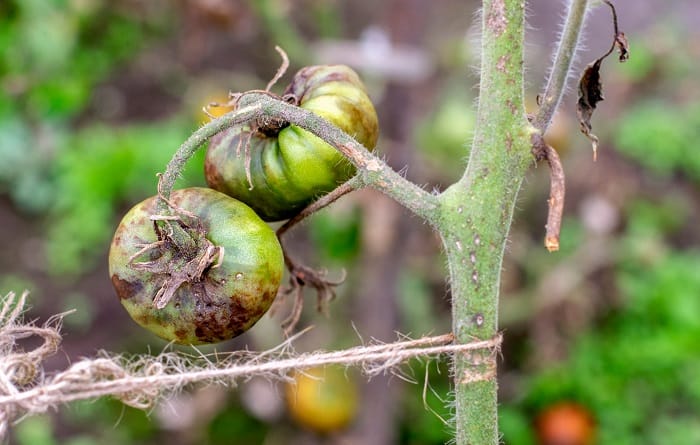
Lack of this important element then causes blossom end rot. Blossom end rot is a condition where young fruits start to have yellowish spots. Eventually, these yellow spots will become brownish to black. Calcium deficiency causes the rotting of fruits, decay, and curling of leaves, not to mention the slow growth. Due to erosion, nutrients in the soil, including calcium, are sometimes carried away to different places. There are also instances where the calcium in the soil is enough, but the plants’ roots cannot absorb enough calcium for its uses.
If there is an insufficiency, we simply add what is lacking to maintain a good and balanced condition. If the soil is calcium deficient, we need to improve its calcium content. If it is a plant that can’t absorb the calcium, we must enhance the environment of the plant for it to function well.
How Calcium Solution Cures Blossom End Rot?
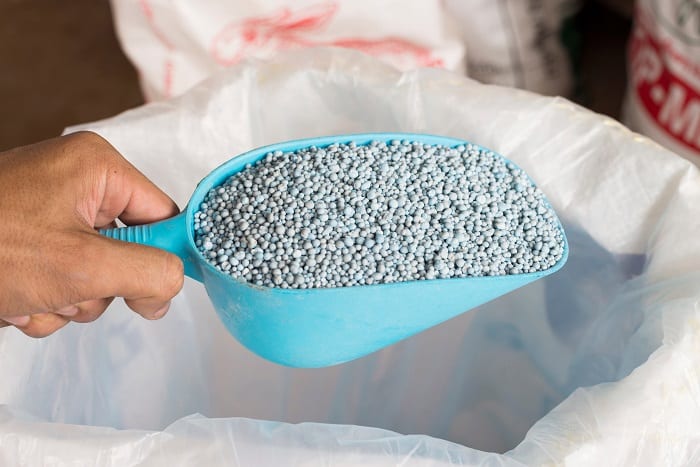
Calcium can bind with other elements to form compounds that can be absorbed by plants. There are calcium solutions and calcium-rich fertilizers available in the market. You can buy them online as well and read actual reviews from satisfied customers. Simply spray or apply the product to the plants or the soil to add calcium. If you don’t want to use commercial products as calcium enhancers, you may also use organic materials as organic fertilizers. Either way, it can still help alleviate the condition. With the proper application of fertilizer, enough sunlight and enough water, a plant can grow well.
Calcium solutions cannot totally cure the blossom end rot. It can only improve the condition of the soil so that plants will receive enough nutrients. The application of calcium solution also depends on the species of plant, the climate, the weather, as well as the humidity.
What are the Other Ways to Resolve Blossom End Rot?
Preventing blossom end rot is better than looking for a cure to it. As the old adage says, ‘prevention is always better than cure’. Providing the basic needs of plants will make them grow well. Receiving proper sunlight, regular watering according to the need, and proper nutrition will yield healthy plants. It takes time and effort, but in the end, it’s going to be worth it.
As you may have noticed, blossom end rot is common among tomatoes, peppers, eggplants, and squash. If yellow and brown spots already appear in some of the fruits, these can be removed to avoid spreading it to other plants and fruits. Those fruits can still be consumed by means of removing the rotten portions although this is not highly recommended a move.
If blossom end rot occurs regularly and cannot be aided by calcium solution, the soil should be checked and tested. There are other elements like potassium, nitrogen, and hydrogen that affect the presence of calcium in the soil. Moisture in the soil also affects calcium. Further testing and analysis can provide better solutions to this problem.
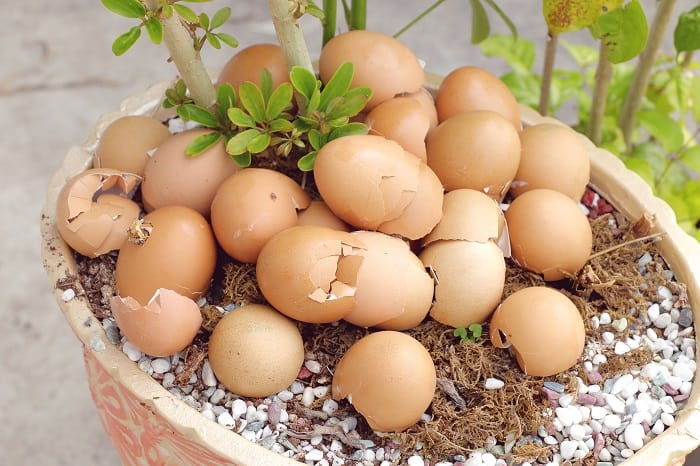
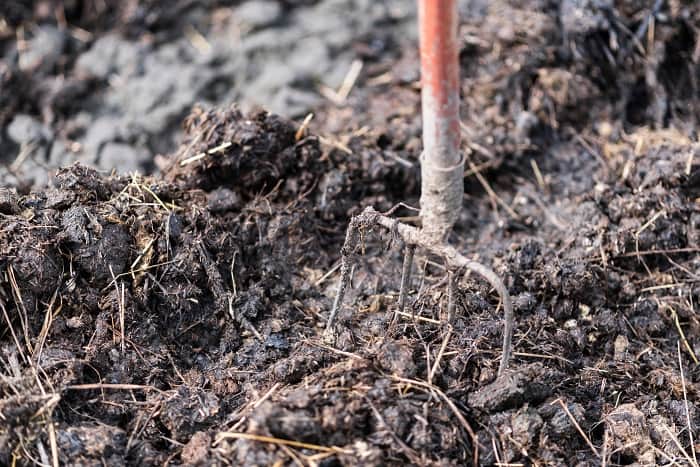
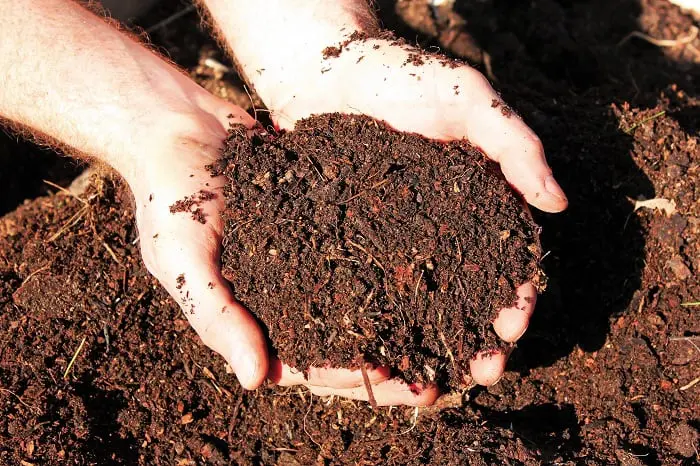
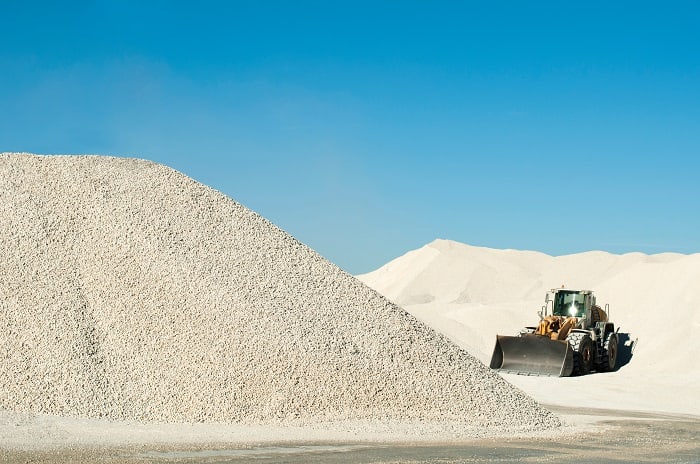
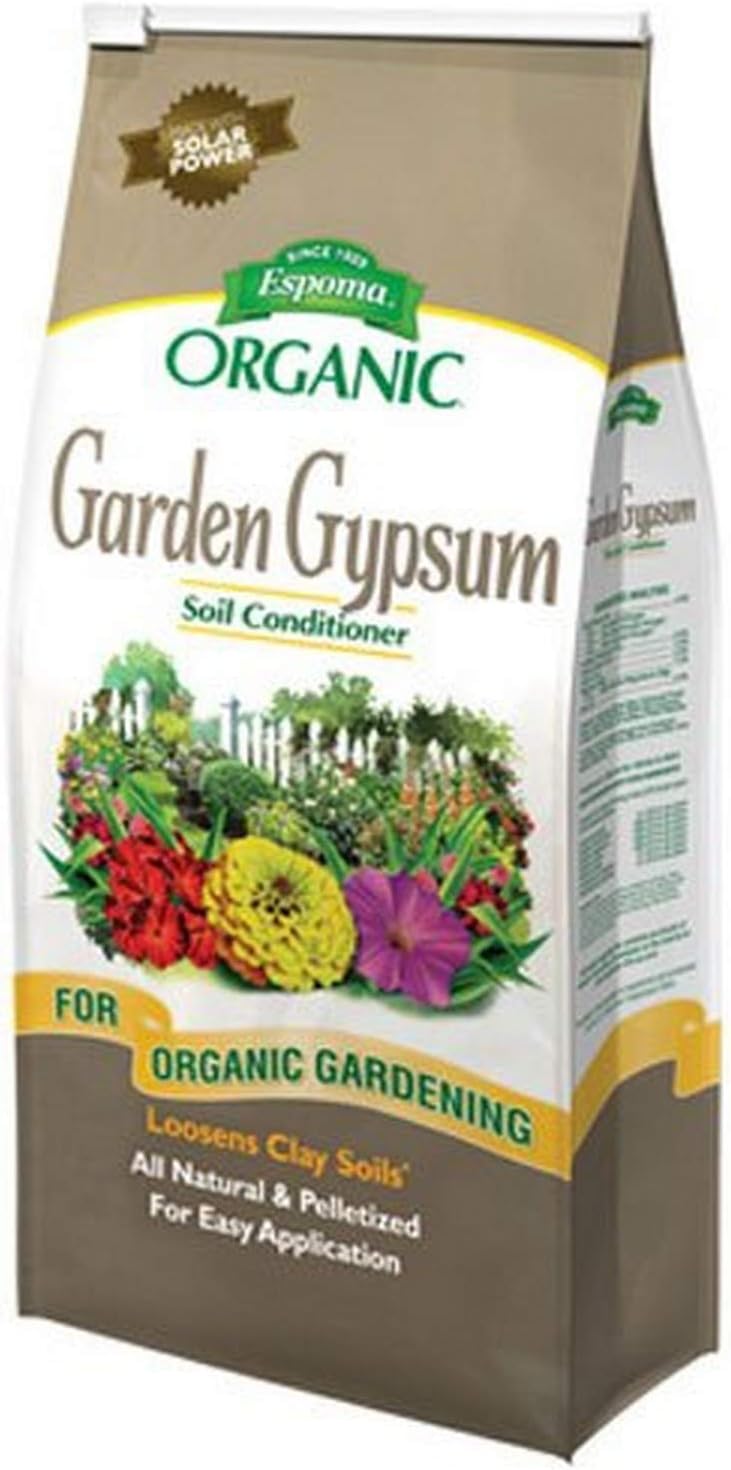
Strive to keep the soil moist and foliar spray plants using calcium solution or kelp. It may also help to add high levels of calcium like oyster shell, bone meal, or gypsum to the soil when planting to prevent the problem from developing. Using mulch, straw, compost, or grass also helps preserve soil moisture, especially during the hot and dry days and promote an even water supply. Minimize the usage of high-nitrogen fertilizers that can accelerate vegetative growth and lower calcium uptake. Fixing the blossom end rot will save your harvest, so do whatever you can to mitigate the harm it brings forth or prevents the problem from sprouting in the first place.
FAQ’s
Can you stop blossom end rot once it starts?
Blossom End Rot is a condition that can start as early as when the plant is young and can last for months. A small piece of the fruit, usually the blossom end, will have a white, dry or soft area that is covered in brown spots. It’s also known as BER and is caused by a build up of calcium in the tissue of the fruit.
Blossom end rot spreads very fast and is very hard to stop once it starts. It’s a challenge, but you can do it. It seems to be the most sensitive part of the plant.
What are some ways that I can I help my plants overcome BER?
One of the most effective things that you can do is add calcium to your plants.
To make a liquid calcium fertilizer, mix one part limestone or dolomite with one part water. Mix the two together to make the fertilizer, and store it in a bottle or jar. Use the fertilizer by spreading it on your plants. Keep Learning Calcium is an essential mineral for plant growth, and it’s available from three sources: soil, water and air.
Limestone is a calcium carbonate that’s found in rock formations and in some sea creatures. Dolomite is a calcium magnesium carbonate that’s found in igneous rock.
You can also use calcium sulfate (gypsum) as a slow release source of calcium.
Some people try fungicides, and they do work sometimes, but very often these don’t always do what they’re supposed to. It’s a matter of trying and hoping for the best if you go this route.
People have more success with bone meal for instance.
Does bone meal help blossom end rot?
Yes, it helps prevent blossom end rot. Blossom end rot is a common problem with grain-fed cattle because of the high levels of saturated fatty acids in the diet. It’s also important to make sure the cattle are eating the proper ration. The ration should be around 3.
Conclusion
Observation, analysis, and application of proposed solutions will soon finally resolve existing challenges and problems. Knowing the species and its needs will enhance its fruits.
Plants are organisms that can make their own food. If these plants were ruined by diseases, it can cause a lot of troubles and can affect us all negatively. We must take good care of the remaining agricultural areas and vegetation and proactively overcome challenges along the way.
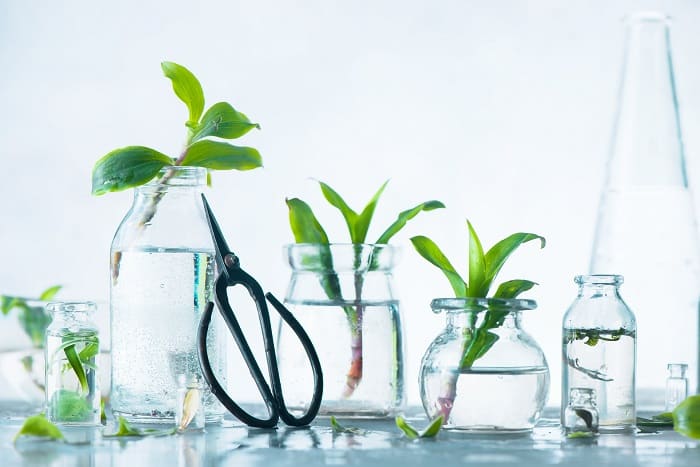
So you might have heard that it is possible to clone a plant with water and wondered how they do it. Plant cloning is a lot different from the type of cloning you may be thinking. Before I knew what the term meant, I used to think plant cloning involved trying to create a new plant from an old one, and that it would need to be carried out in the laboratory with men in white coats, mixing different compounds and staring into a microscope. But while I wasn’t entirely wrong, it was nothing like the Frankenstein movie I imagined it to be. So then what is plant cloning, and how can you clone a plant?
What is Plant Cloning?
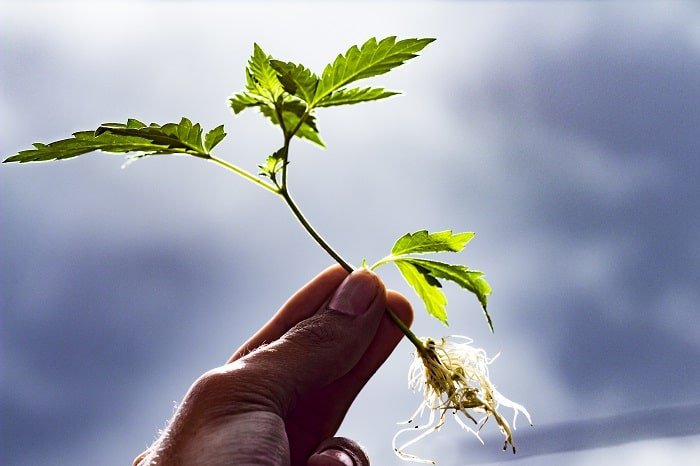
Plant cloning is a process that is used to replicate specific characteristics that a mother plant possesses in her offspring. The features needed to replicate could include height, adaptability, flowers, leaves, and color.
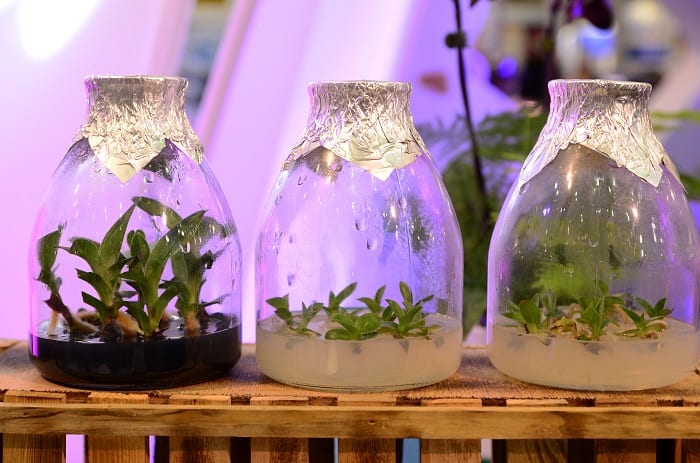
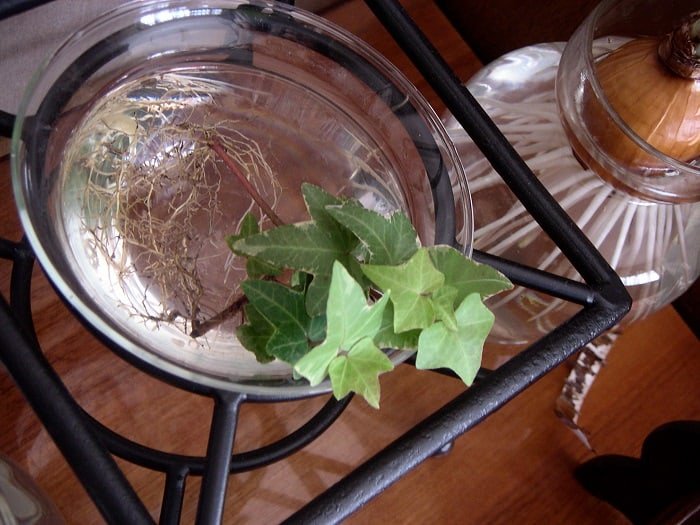
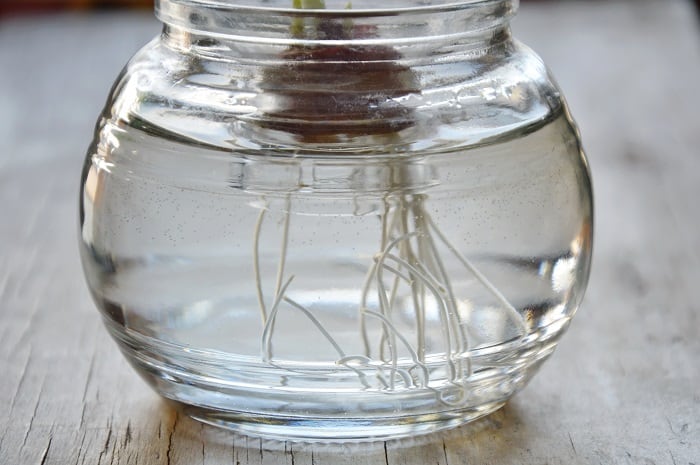
It is easy to clone a plant, and anyone can do it once they learn how to. While it may seem like the process requires a lot, all that you need is to take a clipping or cutting from a plant and place it in a glass of water. Keep the glass of water by the window and then give it a few days until you notice changes in the root of the new plant. To be able to carry out the cloning successfully, you will need just the right materials, which we will be talking about in the next section.
There are many reasons why gardeners clone a plant. For some, it is to be able to quickly and efficiently create a new plant; for others, it is to replicate the genes and traits of an existing plant into a new plant. The entire process might sound like something technical that requires the expertise of biologists of other scientists, but that is not true. With the right materials and method of planting, you should be able to get the job done right and without difficulty.
You Need the Right Materials
Just as you cannot catch a fish without fishing gear, it will be impossible to clone a plant on its own without the right set of tools.
Some of the essential tools to get the job done include:
A container
You would need a plastic container to hold the growing medium for your new species. The type of container to use will depend on the kind of plant you are looking to clone. For large plants, you will require a large bowl or drum while a pail will be just right for an indoor plant.
While it is common to find gardeners cloning plants in pots, we recommend using a transparent plastic so you can follow up on the root development.
Rockwool or Soil
You also need a propagation medium for the new plant to grow in. Ideally, you may decide to settle for potting soil, but you can also try using Rockwool if you know just how to. While it may be quite easy to plant in a soil medium, it requires a bit of expertise to be able to clone plants in Rockwool if you are a first-timer. For example, you will need to soak it overnight in the right pH water and also have to dissect holes in the middle of the Rockwool block, which can be all too complicated if you have never tried it before. We also recommend that you avoid using backyard soil and opt for potting or composted garden soil to give your clone the right start to maturity.
Root Hormones
You may also need to use root hormones as part of the cloning process. They contain synthetic auxins which help the plant to grow. Their function is to influence root development and kickstart the cloning process. It is essential to note that if you are big on organic gardening, using root hormones may not be a good idea since it contains toxins that can be harmful to you. Natural alternatives such as cinnamon, willow tea, and apple cider vinegar are a safer option than synthetic auxins. You may also consider cloning tomatoes since they quickly produce natural auxins than many other plants.
Begin the Cloning Process
Once you have all your materials sorted out, the next step is to begin the planting process, which you can do in less than 10 minutes. All you need to do is to;
Fill your container with soil or Rockwool.
You will need to drill a hole at the bottom of the container if you decide to use soil as the growing medium, while the pot can also house your chunk of Rockwool if you choose to go with that.
Water the soil
Once you have sorted out the above, you will then have to water the soil to improve its water content. There will be no need if you are using Rockwool since it has been soaked the night before.
Cut the Stem and plant
You will then need to make a diagonal cutting of any lateral stem you intend to clone. We suggest lateral stems instead of a diagonal one since they shoot directly from the roots. Once you have this, you will need to dip the end in your root hormone if you are using one. Once you have the bottom in the rooting hormone, the next step will be to immerse it in the hole we created in the container earlier when we filled it with soil. Lastly, you will need to cover the container in plastic or grass; and this is necessary to keep the moisture intact and enhance the growth process.
After you have successfully cloned your plant, you will need to transfer your pot or medium that houses the new clone to a warm area away from direct sunlight. You will also have to keep the soil moist so that the plant can get the right environment to grow.
So now you know how it is to clone a plant with water, we hope you will give it a try and experiment with your garden plants if you haven’t tried it before. Feel free to ask any questions in the comment section. We love to hear from you.
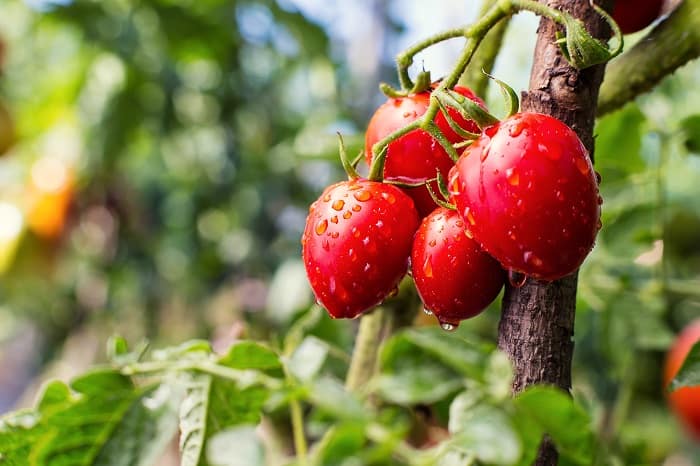
One common problem you would encounter in your tomato garden is a rot at the blossom end of the fruit. It would be best to prevent the bottom of your tomatoes from rotting, but once it has started, with simple measures, you can prevent it from happening again on the same plant.
So if you are asking how do I fix blossom end rot on my tomatoes, you have come to the right place. Before I get into all the details of how best to improve your plant’s harvest, lets first find out what causes blossom end rot on a tomato plant.
What is Blossom End Rot?
Most gardeners think that an insect or disease problem causes a blossom end rot; when it is an anomaly that occurs as a result of inadequate uptake of Calcium by the plant’s fruits and leaves. You mustn’t confuse this for calcium deficiency in the soil, as there are several reasons why the fruits and leaves may not be getting the required amount of Calcium to support healthy fruiting.
The reason for a discolored patch beneath the fruit could be in the flowering stage when leaves and fruits are competing for Calcium to aid in their development. While using slake lime and adding Calcium to the soil may help in restoring the mineral content of the earth, there are other tricks you can use to stop future occurrences.
Why your Tomatoes are not Receiving Calcium
If, after performing a soil test, and you find the calcium content of your soil to be just fine, you may find it challenging to know what exactly is happening in your garden. In most cases, your tomatoes will suffer from nutrient uptake problems when:
The pH of the soil is low, thereby causing nutrient absorption problems
There is excess nitrogen application resulting in poor nutrient uptake
There is no enough water for the absorption of nutrients due to inconsistent watering.
How to Fix Blossom End Rot On Tomatoes?
You can follow any of the following methods outlined below if you notice the bottom of your fruits is darker than usual.
Keep Tabs on Nitrogen Application
While your plants need to get the right supply of nitrogen, you want to make sure you do not apply more than necessary. When too much of the nutrient is in the soil, it encourages the growth of leaves while making it hard for the fruits to get enough. If you apply fertilizer before planting, ensure you use a balanced feed and avoid applying them at the peak of summer when plants are likely to go into dormancy.
Don’t Allow the Plants Go Thirsty.
You should keep a watering schedule for your garden plant and stick to it. If you want your plants to be able to absorb nutrients properly, then you need to ensure the earth remains fertile. If you use an irrigation system in your garden, you would want to water deeply but less frequently so as not to waterlog the ground. Also, if you are using a container, you will need to water regularly, and it is best to use soaker hoses or drip watering instead of a foliar application for your tomatoes.
Mulch your Plants
Using organic mulch around your plant can help improve moisture retention. You don’t need to use too much; about three-inch of mulch is enough to get the job done. The standard mulch you can use is straw since it is readily available and can last a while. If you also have a weed problem in your garden, mulching will also get rid of it.
Stay Clear of the Plant Roots During Flowering
It is also necessary that you do not disturb the plant root once it starts to fruit. You will have to take extra care when weeding or to mulch your plant so as not to stress the soil. When there is too much activity on the earth, it can affect how the root absorbs nutrients. It is common during hot and dry weather for plant roots to undergo stress, which is why you need to water regularly.
Use the Right Fertilizer for Soil Amendments
If you need to amend the soil after performing a soil test, you should endeavor to use the right fertilizer in your garden. It is common to find substandard products in the market, so you want to do your research to make sure you end up with the best one. I recommend organic fertilizers always since they do not contain chemical compounds that can be harmful to you, your plants, and the environment.
Before Planting
If you are preparing to plant tomatoes in the planting season, you can prevent bottom end rot by using compost rich in Calcium to improve your soil nutrient. Another way is if you are using a container, to use a well-balanced potting soil, so plants don’t suffer from any deficiency as they flower.
FAQ’s
What is tomato end rot?
Blossoms end rot is caused by a soilborne fungus called Botrytis cinerea (Bc). This is a relatively common fungus in the summer and fall months, and is the main reason why tomato plants are pruned off when they flower.
It usually starts out as a small, dark spot or a bump that enlarges.
Can you reverse blossom end rot on tomatoes?
There are many factors that can cause blossom end rot in tomatoes. The two most common factors I see are too much nitrogen and insufficient calcium. If your soil pH is more than 2.2 you will need to adjust your soil pH to 3. The best way to do this is with lime.
You can add 1/4 cup of quicklime per 10 gallons of water or mix 1/4 cup of calcium carbonate in a bucket of water until it is dissolved. Then pour the solution on top of your soil, let it sit for an hour or two, then rake it into your garden bed.
You can spray for blossom end rot with a foliar application of Bordeaux mix. There are many products available for controlling tomato leaf spot, including systemic fungicides, like Mancozeb and Captan.
How do I keep my tomatoes from rotting on the bottom?
Tomatoes are a warm-weather crop that require consistent temperatures of at least 70 degrees for a long period of time. If your garden is not in a greenhouse or covered with shade cloth, you will need to use a high tunnel to protect your plants and fruit. High tunnels are growing houses made of transparent plastic.
They are available in many shapes and sizes and can be purchased from many different companies. Most high tunnels have an insulated floor and a roof that comes down to ground level. Growers who are growing tomatoes in full sun should consider using a high tunnel. You will need to provide ventilation if you are growing tomatoes in a high tunnel. The best way to ventilate is to leave the lid slightly open.
What is a good source of calcium for tomatoes?
Calcium is an essential nutrient needed for the growth and development of all parts of the plant. Calcium helps the plant resist cold and drought stress.
Calcium chloride is often used as an effective foliar fertilizer, but also as a soil drench. Calcium chloride is a water soluble form of calcium. Calcium chloride is used to increase the uptake of nutrients by plants in soils deficient in calcium and other elements. It is also used to lower the pH in acidic soils.
After Planting
Water regularly and use a rich mulch to improve moisture retention. Tomatoes require enough Calcium and would only be able to absorb it from the soil when it is moist.
As soon as you notice any discolored fruits, you should immediately remove them so as they can stop competing for nutrients with the healthy ones. If you have a backyard compost pile, you can add rotten fruits to it to improve the green materials in the mix.
It is also worth mentioning that there are varieties of tomato seeds that are resistant to bottom end rot, so you may want to consider getting those for the next planting season if you do not wish to suffer from the condition. You should also be aware that the rot does not spread amongst the fruits, as it is not a viral disease. It is only a condition that reduces your yield when it is time for harvest.
Do you grow tomatoes in your garden? Have you ever had to deal with bottom end rot? We will like to hear from you in the comment section.
Make the best premade super soil ever for your beautiful garden! The secret to a blooming plant begins with a good quality mixture of soil. You just have to use good soil to get a good outcome. Use bad quality soil and you’ll most likely end up with unyielding plants. So, let’s start by knowing how to create a super soil to end up growing super plants.
It’s easy to buy ready-made soil mixes, but unfortunately, they usually cost more than making your own. Hence, why spend your money on dirt made by others when you can make your own best premade super soil right at the comforts of your home!
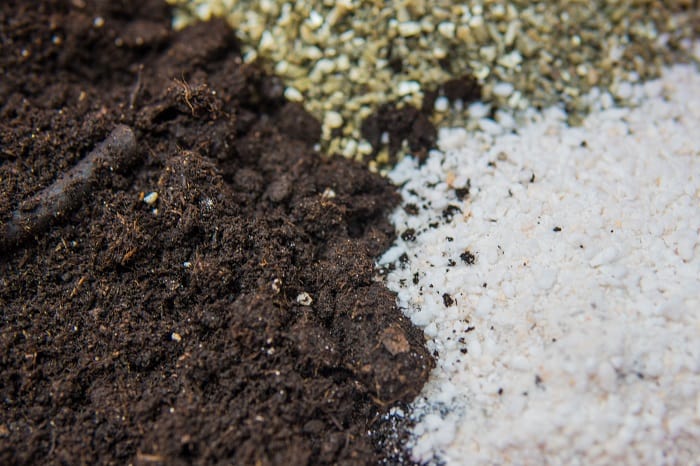
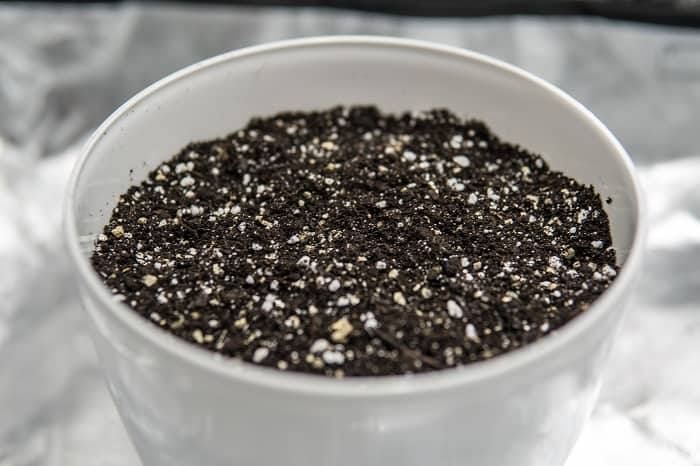
Almost all plants bloom in fat fertile soil, and there is an easy way to make super soil for your plant containers using 3 basic ingredients: upper soil/topsoil, a mixture of decayed plants/compost, and moss that grows on wet (perlite) land/peat moss. The key to making a good super soil is to mix them all together at the right amounts.
What are the Ingredients Needed
The following are different recipes suggested by different successful gardeners and authors:
This first recipe is complex and is composed of base ingredients, nutrients and minerals, and extras.
The Second Recipe is an alternative recipe for beginners.
6 portions of soil– pulverize your own soil before adding it up for mixing.
4 portions of compost- compost contain all the needed nutrients to feed your plants during summertime. Pure compost helps keep your plants alive during hot days and you need not water them that much. So, if you don’t have it, start making a pile now!
1 portion of perlite/ peat moss- the unobstructed pores of perlite helps in both retaining water and draining water which also keeps the soil less heavy. This is just right for your plant containers! Plus, it has a pH of 7 which is considered as neutral; thus, it doesn’t disturb the pH level of the completed mixture. Though peat moss can be used instead of perlite, perlite is still the better choice.
This recipe can be made in any amount as long as the proportions are just right. But if your soil is not that fertile for some reason, you can make some changes to the proportions and make your super soil work for you.
If your soil is rich in clay, add one portion of granulated sand and one more portion of compost.
If your soil is too sandy, replace the portion of perlite with one portion of compost.
Lastly, your plant containers should have an effective drainage to keep your plants breathing.
If you are just at the beginning of your gardening journey, I suggest you follow the second recipe mentioned above, as it requires only lesser ingredients to complete the first good quality super soil you want to achieve. But if you’re an experienced gardener and you want the best, I suggest you follow the second recipe mentioned, as it goes down into details of the volume of ingredients needed to make the best-premade super soil!
What are the Steps in Completing your Super Soil
1. Choose the Right Container and Mixer
A good container would be half the size of your plant’s drip line. Here are three choices of containers you can possibly use:
Fabric pot- is the standard pot for any type of plant growth.
Air pot- is designed with holes on its sides that allow roots to simply root out, which also at the same time allows you to prune the roots easily.
Bed- is usually used for larger growth of plants. It is wider compared to pots, and you can plant more than one plant using each one.
Also, you need to prepare your mixer; its size should depend on how much ingredients you are going to use. Any will work as long as it holds your ingredients and isn’t hard to work with. With the right approach, this should all go well.
2. Know the Volume of Soil Needed
For your containers, convert your gallon measurements to cubic feet soil. Use the formula below to know how many cubic feet of the super soil is needed for your containers: No. of containers x gallons per container divided by 7.5 = cubic feet of soil
This equation makes up for the overall volume of super soil you will make from the base materials you’re going to use.
3. Add Base Materials
Base Materials
15% of Compost
15 % of Vermicompost- this ingredient is rich in nutrients, enhances porosity, and has lesser chances of carrying bacteria or viruses with it. Vermicompost/ Worm Castings are waste products produced by earthworms, or they are also known as worm poo. Make sure that the vermicompost that you have is of high quality if you plan to buy it from the market.
30% of Peat Moss
30% of Scoria- scoria is a complex-shaped igneous rock that improves porosity, penetrability, and aeration due to its huge surface area. Commonly, super soil recipes use perlite to improve porosity, but scoria is a better choice. Perlite doesn’t simulate the natural system of the soil, except for making more pores.
10% Biochar- this char is created from carefully heating organic matter until it becomes black earth. With this ingredient, your soil will improve its porosity and CEC. Cation exchange capacity (CEC) allows the soil to hold on to important nutrients, and it also serves as a protection against soil acidification.
½ cup/ cubic foot of Crustacean Mix- this mix is made up of grounded crustaceans such as crabs and shrimps. These creatures provide your soil with essential nutrients like magnesium, calcium, phosphorus, and nitrogen.
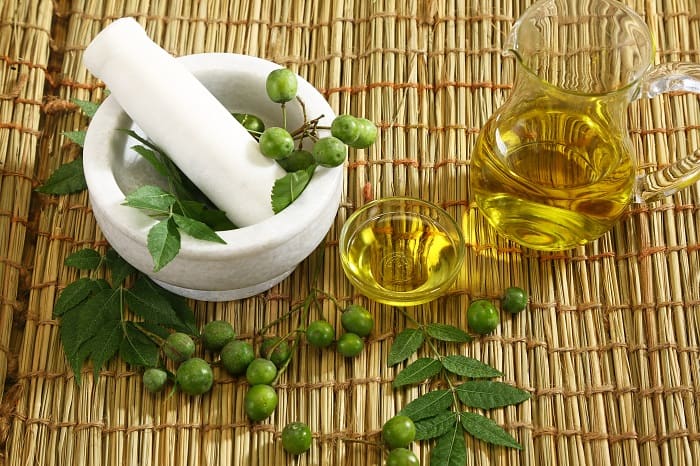
½ cup/ cubic foot of Neem Seed- this ingredient acts as an organic pesticide.
½ cup/ cubic foot of Kelp- this grounded up seaweed wakes up plant hormones to improve resiliency and tolerance from diseases.
½ cup/ cubic foot of Glacial Rock Dust- this is rich in micronutrients such as potassium, magnesium, calcium, and iron.
1 cup/ cubic foot of Gypsum Dust- this dust contains a huge amount of sulfur and calcium, and also has a neutral pH.
1 cup Basalt Dust per cubic foot- this ingredient is also rich in micronutrients; it also has paramagnetic properties.
4. Mix All the Ingredients
Pour everything into your mixer and use a hand tool that helps you mix your super soil until it gains consistency. It doesn’t have to be perfect as the ingredients will settle by itself after you place your plant.
5. Test your Soils pH and Biology
To make sure that it’s the best super soil, you should test its pH by using the right equipment. Or to make things easier, you can send it to a lab for evaluation by professionals.
Now it’s time to place your plant in the super soil. Thoroughly do this step to avoid unwanted troubles.
7. Add on the Extras
Add 1 cup per 4 square feet of Vermicompost. Place the castings in on the topsoil surface but don’t allow any worm to touch the stem or leaves of the plant!
Lastly, add mulch. Mulch decreases the evaporation of water in your soil. These include rice straw, barley, wheat, etc.
8. Mission Accomplished!
Now that you have followed the right steps to achieve your super soil, you’re now ready to fill up your empty garden with beautiful and fast-growing plants!
FAQ’s
Do cover crops help make the soil you start out with better?
Yes, this is first thing I recommend is to plant cover crops.
This will add nutrients and increase the diversity of life in your soil, which will result in a richer soil. What is a Cover Crop? Cover crops are plants that are planted between rows of vegetables or flowers to help keep weeds down, fertilize the soil and reduce erosion. There are many different types of cover crops, but the most common are grasses, legumes and clovers.
The idea behind a cover crop is to maintain the health of the soil for the next season, but not necessarily to grow a harvestable crop. Some cover crops can be harvested for their leaves and stems (like clover), but most are planted with the intention of being left in the ground. Why do we need cover crops? Why not just plant something like tomatoes in a row or two and let it go? Well, there are a few reasons.
What’s a great way to make super premed super soil?
’m a big believer in making your own soil. I love the feeling of working with soil and watching it grow. However, I also love to have a ready made soil mix that I can just add to my garden. I’ve had a good friend who is a farmer for over 20 years and he always makes his own soil mix.
It’s an easy way to get started and you can customize it to your soil type. He calls it his “magic dirt” and I think it’s the best soil mix I’ve ever had. I was lucky enough to get a sample of this magic dirt and am so excited to share it with you!
How to Make Your Own Magic Dirt First off, make sure you have all of your supplies ready. You’ll need:
1. A bucket of potting soil or compost. This is what you’ll use to mix your magic dirt.
2. 1/4 cup of bone meal. Bone meal is great for improving soil structure, improving nutrient levels and providing calcium.
3. 2 cups of sand. Sand helps loosen soil and can be used as a filler in your mix if you don’t want to add too much potting soil.
4. 1/4 cup of leaf mold. Leaf mold is soil that has decomposed leaves and other organic matter in it. It is great for building soil structure and adding nutrients.
5. 1/2 cup of peat moss.
6. Peat moss adds moisture retention, improves drainage and has other wonderful properties.
7. 1/2 cup of compost. Compost is a great way to improve the fertility of your soil and add nutrients.
8. A shovel. I suggest a wide blade shovel because it will help you scoop out the mix.
9. Optional: A trowel or garden fork. You’ll be able to dig your garden beds with this.
If you’re feeling lazy, you can just buy all of these materials at your local nursery or garden center. However, if you’re really looking to save money, you can buy a bag of potting soil and then add your own ingredients!
Mixing Your Magic Dirt Mix
Now that you have all of your ingredients, it’s time to mix your magic dirt. You’ll need to scoop up about 2 cups of soil from the bucket into a mixing bowl. Add your bone meal to the soil in the mixing bowl. I like to mix mine in with my fingers and then use my spoon to spread it around evenly. Then, add your sand. I use my hands and scoop it into the bowl. Next, add your leaf mold and compost. Mix these in with your hands as well.
Finally, add your peat moss. You can mix this by hand as well. However, I find that using a spoon is more efficient. Scoop the peat moss into the mixing bowl and mix it in. Once the mix is completely mixed together, scoop it into your garden beds. You may want to wet the top of your beds before you add your magic dirt. This will help the dirt stick better. It also helps keep weeds from growing. After you’ve added your magic dirt to your beds, you’ll want to water the dirt well. Make sure that you water the dirt after you have watered your plants. The moisture in the soil will help the soil retain nutrients. Once the soil has had some time to settle, you can begin planting!
Can you add nutrients to super soil?
Short answer: Yes. Long answer: It depends. There are many ways to make a good soil. But if we are talking about super soil, then there is only one way, and that’s to use compost or manure. Both will provide the necessary nutrients and microbes needed to produce healthy plants.
Tips in Making the Process Effective
Grow your Plants in Raised Beds. This type of container makes a good draining system, prevents soil from getting compact, reduces the growth of weeds, and protects your plants from pests.
Plant Different Kinds of Crops. Planting different kinds of plants for different seasons helps in controlling known root diseases, improves soil fertility, and is a good defense system for weeds and pests. This technique needs planning; it is advisable to group your plants into four: beans, vegetables, fruits, and green leaves.
Did you enjoy the tutorial? Well, I hope you did! The detailed step by step instructions I mentioned above are essential for you to make the best super soil you’ve always wanted to achieve. You just need due diligence to follow the instructions I provided, and in the end, all the efforts will be worth it.
Please state your thoughts in the comments section below. Also, please like and share this article with family or friends who might be interested in pulling off the whole project.
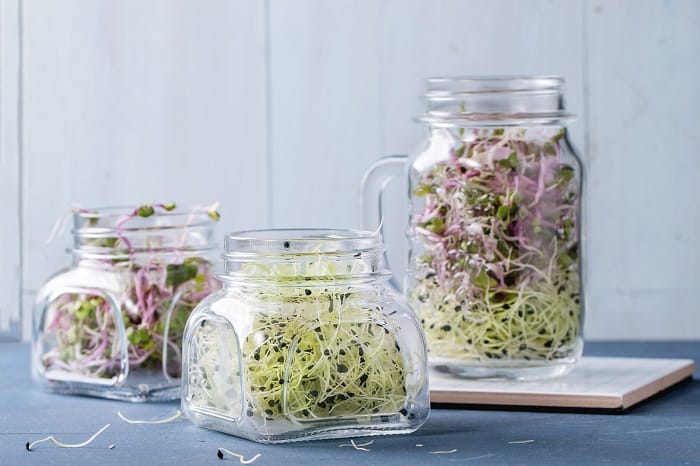
Alfalfa sprouts are usually seen on sandwiches, aisles, and in many salads. Most of us love sprouts too because they add flavor to dishes and come with nutritional benefits. I know you love them also.
I have been moving away from commercial foods recently and trying to grow organic foods that I can harvest fresh off my garden. So while I was eating an alfalfa sandwich the other day, I asked myself if I could grow the sprouts myself. This prompted me to research how to grow alfalfa sprouts and compiled this piece.
Here is How You Can Grow Alfalfa Sprouts at Home
Alfalfa sprouts sprout within one week, and you can easily grow them in a tray or a jar. To begin, you have to find the alfalfa seeds. I buy them at a local food store, but you can also get them from feed stores or online shops.
How to Grow Alfalfa Sprouts Using a Jar
Step 1: Measure one tablespoon of the alfalfa seeds
A tablespoon of the sprouts will sprout about one and a half cups of alfalfa sprouts, which can serve a maximum of two meals.
Step 2: Sort and wash the seeds
Sort out the healthy-looking seeds and rinse them using a mesh sieve or a piece of cheesecloth. Remember to make sure you only wash seeds you plan to sprout immediately.
Find a flat-sided quart jar; it works best since it can be laid on its side for better circulation.
Step 4: Completely cover the seeds with about 2 inches of cold water
Use a pantyhose or a cheesecloth to cover the jar and secure the cover with a rubber band. The cover will help to hold the seeds in the jar when draining the water.
Step 5: Let the alfalfa seeds soak for at least half a day
You should keep the jar in a dry and warm place.
Step 6: Drain the water in the jar after twelve hours elapse
Do not remove the covering cheesecloth since it will hold the seeds in the jar while you drain out the water.
Drain all the water from the jar to prevent the seeds from rotting.
Step 8: Place the jar lying on its side in a dark place
Closets and pantries are great locations since they provide ideal temperatures. Spread the seeds across the base of the jar.
Step 9: Rinse the alfalfa seeds after every eight to twelve hours
Use lukewarm water to rinse the alfalfa seeds and completely drain the water each time. Repeat this step for four days until the seeds sprout to about two inches long.
Step 10: Move the jar into a sunlit area
Spread out the seeds on a dish or platter and place them close to a sunny window for fifteen minutes until the sprouts turn green. Sunlight activates enzymes, which make the sprouts healthy.
Step 11: Store the sprouts in a refrigerator
The cold temperatures slow down the sprouting for up to six days.
How to Grow Alfalfa Sprouts Using a Clay Tray
Step 1: Measure one tablespoon of alfalfa seeds and store the remaining seeds a sealed plastic bag or in the original packaging bag.
Step 2: Sort and rinse the seeds. Sort out the seeds removing any discolored or damaged seed. Place the healthy seeds on a piece of cheesecloth and rinse them.
Step 3: Place the seeds in a jar and soak them with two inches of cold water. Make sure the seeds are completely covered with water then cover the jar with a cheesecloth bound by a rubber band.
Step 4: Place the jar in a dark room and let the seeds soak for twelve hours.
Step 5: Drain the seeds through the cheesecloth. You should drain out all the water to prevent rotting and rinse the seeds again using lukewarm water.
Step 6: Spread the alfalfa seeds over the clay tray. You can use any type of clay tray, but if possible, use a tray with a red terra cotta. Spread the seeds to cover the base of the tray evenly.
Step 7: Place the tray on a bigger pan with water. The water in the pan should cover the tray halfway up, but make sure the water does not spill into the tray.
Step 8: Place the pan and tray in a dark location and leave the seeds to sprout. The clay tray absorbs moisture from the pan that helps the seeds to sprout. I love this method since there is no need to rinse the seeds every few hours.
Step 9: Refill the pan for four to five days. Check on the level of water in the pan and refill accordingly. The seeds will not sprout if the pan runs out of water for the seeds to absorb.
Step 10: Place the tray in the sunlight when the sprouts reach two inches in length. Let the sprouts stay in the sunshine for about 15 minutes to activate essential enzymes. The sprouts are ready to eat when they turn green.
Both processes yield fresh and organic sprouts. The method to use solely lies on your preference or interest.
You can remove the hulls from the sprout if you like or leave them since they are also edible. Fresh sprouts taste the best, but if you plan to eat them later, you can store them in a dry plastic bag and refrigerate them.
FAQ’s
How long does it take to grow alfalfa sprouts?
The answer depends on how you start your sprouts. If you buy a sprouting kit, it takes about five days for the seeds to sprout. If you grow them from seed, it will take four to six weeks. Which is the better way to grow sprouts? Both methods have their pros and cons. With the kit, there are no worries about soil conditions or temperature.
You can purchase an inexpensive kit that usually comes with a sprouter, but you can also just put your sprouts in a glass jar with a lid. If you want to grow sprouts from seed, start them in an indoor potting soil. Sprinkle the seeds over the surface of the soil and place the pot in a warm location, such as a sunny window. Keep the sprouts moist, but don’t let the soil become too wet.
You should see sprouts emerging after two weeks. The easiest way to keep your sprouts fresh is to store them in a plastic bag in the refrigerator. But if you live in a warm climate, you might want to take them outside. If you do, make sure you have some type of cover for the sprouts. A screen works well because it keeps out the bugs and wind. Sprouts are nutritious and packed with protein, fiber, vitamins, minerals and antioxidants. The nutrients in alfalfa sprouts are especially beneficial for children and pregnant women. Sprouts are also a good source of iron and zinc. They also contain calcium and magnesium. Alfalfa sprouts are high in antioxidants, which help prevent cancer and other diseases. A study by the University of Illinois found that alfalfa sprouts contained about 1.5 milligrams of the antioxidant glutathione per gram of sprout.
Do I need to wash alfalfa sprouts?
Do I need to wash alfalfa sprouts?
Alfalfa sprouts are a great source of nutrients and fiber. The sprouts are harvested when the sprouts are still small, and have a tender texture. Alfalfa sprouts can be eaten raw or cooked. Sprouts should be kept in the refrigerator because they spoil easily.
Sprouts will lose their crispness if stored for too long, so it is recommended that you use them within 3-5 days of purchase. How to cook alfalfa sprouts? Alfalfa sprouts are a great source of protein and vitamins. To make sprouts, first rinse the sprouts under cold water.
Then, drain the sprouts and cut them into halves or quarters. For a side dish, cook the sprouts in boiling water for about 1 minute or until tender. For a main dish, steam the sprouts in a steamer or on a wok-style pan with lid. You can also add some salt to enhance the flavor.
What do you do with alfalfa sprouts?
You can make a salad out of them, but that’s pretty much it. But if you think about it, alfalfa sprouts are pretty similar to lentils in that they don’t really have an established culinary identity in the U.S., and while both have a long history as an ingredient in Asian cuisine, they are mostly unknown here.
Conclusion
With the above steps, you can enjoy fresh alfalfa sprouts straight from your home. Both methods work well, and it all comes down to what equipment is available to you. I would recommend trays such as the hawos Terracotta Sprouter Clay Sprouting Pot if you are using the clay tray method, or you can try Ball Quart Jar with Silver Lid if you are using the jar method.
Leave a comment if you have any questions and I will gladly respond.
It is always a good idea to grow your own vegetables. It is also an economical hobby as you never have to buy your veggies; with this, you can be sure if you are eating something that you know is well taken care of and groomed. More and more, people are into cloning plants. Whether you are a first-time grower or a more experienced gardener, plant cloning can be rewarding if you do it the right way. With this, it is important that you know how to make clones root grow faster.
Waiting for the fruit of your labor is exciting. If you are fond of growing your own veggies, then harvesting it will be your ultimate goal. Growing plants can be a great hobby, and it becomes even better when you see the fruit of your labor. Cloning can be beneficial to growers, and speeding up the growth of the plants can even be a better and satisfying hobby. But, before you put in your time and energy into it, you need to know first what cloning is.
What is Plant Cloning?
Plant cloning is also known as asexual plant propagation. This is the method of getting a piece of the plant, like the stem or roots, and placing it in a suitable planting container or location with moist soil. This, then, allows the obtained part to grow as an independent plant. Aside from moist soil, you can also use coir, perlite, rock wool, and expanded clay pellets for your plant cloning base.
How to Clone Plants?
It is just normal to be frustrated to wait for your clones to grow. Any gardener or vegetable grower would feel anxious waiting for results. Consequently, they would seek for ways to make the plants grow faster to allow them to harvest their products at the soonest possible time. But before all that, a gardener or a plant grower must choose a good plant to get the cuttings from. As they say, cloning from a good plant will yield more good plants. Here are sure-fire instructions to speed up clone roots growing.
Prepare Needed Materials
Getting the materials ready will make your cloning procedure faster to finish and hassle-free. You will need:
Cloning tray with holes
Soil, rock wool, or clay pellets
Pair of scissors
Razorblade
Rooting powder or rooting gel
Mixing bowls
Spray bottles
Prepare your Cloning Tray
You will need to make sure that your soil, pellets, or rock wool are moist enough. If you are using soil or rock wool, you just have to sprinkle water to it; then, place it inside the tray. But if you are using clay pellets, you still need to expand it by soaking in a bucket of water. Allow it to fully expand; then, squeeze out excess water. Finally, you can place it on the tray.
Get Clones from the Mother Plant
To make clones grow faster, you need to cut from the lower part of the plant; choose the part that is closest to the root. Also, choose the larger section of the plant. Keep in mind that small section or stems will take a longer time to grow. It is also better to get the part with some leaves, as the leaves can give more energy to the plant. In this step, you can use the razor blade to cut the large section of the plant at a 45-degree angle.
Prepare the Cuttings for Planting
The obtained cuttings from the mother plant should be first placed in a bucket of cold water; using such will prevent air bubbles from forming inside the cutting. Your cuttings should also be of the same length so that you can monitor which ones are growing faster. Once the cuttings are trimmed, you can dip it in rooting powder or gel; it is better if you could use both. Dip the cutting first into the gel; then, to the powder. Now, it is time to plant it in the cloning tray. Press down the cutting into your soil, rock wool, or clay pellets making sure that it is stable and will not fall out.
Provide Needed Environment
Ideally, you have to put the clones in a place that has moisture, warmth, and light. It will need 18 hours of light per day. You also have to make sure that the place is not too cold or too hot. Daily misting will also be needed to keep the tray moist. Misting prevents the plant from drowning.
Plant cloning is a daily thing. To make sure that the clones grow faster, moisten the clone tray every day. Everyday misting will help keep the clone tray moist and provide needed water to the plant.
Daily Monitoring
Always check on the progress of your plants. See if the plants are already developing roots and leaves and if it is already getting bigger.
FAQ’s
How long does it take for clones to grow roots?
I’ve had several clones growing for a couple of weeks now and I’m curious if it will take longer for them to grow roots. They have been potted in a mix of perlite, vermiculite, and potting soil.
How do you make clones grow bigger?
The easiest way to clone plants is by cutting them with a clean knife. The cut must be as clean and sharp as possible, and the knife should be sterilized before use. Then, you place the cutting in a water-tight container such as a ziplock bag or other airtight container, and keep it on a warm surface. The warmth will speed up the growth of the cutting.
You may want to place the cuttings on a heating pad, or even in an incubator.
Can I put my plant clones straight into soil?
The answer is Yes, you can. You do need to ensure that the plants are well watered when they arrive, but after that, they will need to be planted in a pot and placed in a place where they will get enough light.
Can you clone from a leaf?
The answer is yes. You can clone plants from leaves or other parts of the plant, but you have to take extra care. Most plants are propagated by seeds, which are small and easy to grow. But some plants are propagated by cuttings. Cuttings are small pieces of a plant that are cut from the parent plant. They are usually rooted in a rooting medium, such as soil or sand.
Can you clone a plant too many times?
My answer to that question is no. You can never clone a plant too many times. The reason for this is that every time you clone a plant you are creating a clone of that plant. Each cloned plant is identical to the original plant and they will grow into identical plants.
This means that each one of those plants will be genetically identical to the original plant and so on.
How do you keep clones healthy?
You should always use a well-established, disease-free clone. Disease-free means that the plants have been through a quarantine process and have no diseases or pests. It is also important to follow your nursery’s standards for growing your plants. Starting seeds indoors can be a good option. You will need to invest in some pots and soil to begin with. The first year you can plant outside, and the second year, you can move your plants into larger pots.
Growth
In case, you notice the plants developing roots and the stem becoming larger, you can then transfer it to its natural and new home. Remove the dome and transfer it to a larger pot. Place it in an environment where it can have natural light and a normal environment.
Plant cloning is more common these days, but the issue is that cloning takes a lot of time to grow and produce the fruits you want to see. The main idea of speeding up the growth of your clone plants is to start right. The instructions given will help even first-time growers to achieve faster growth for their clone plants. Once this is achieved, your next planting will be easier and hassle-free. If you find this article helpful, please feel free to share it with your friends and family, and let us enrich our world and provide people with good plants around.
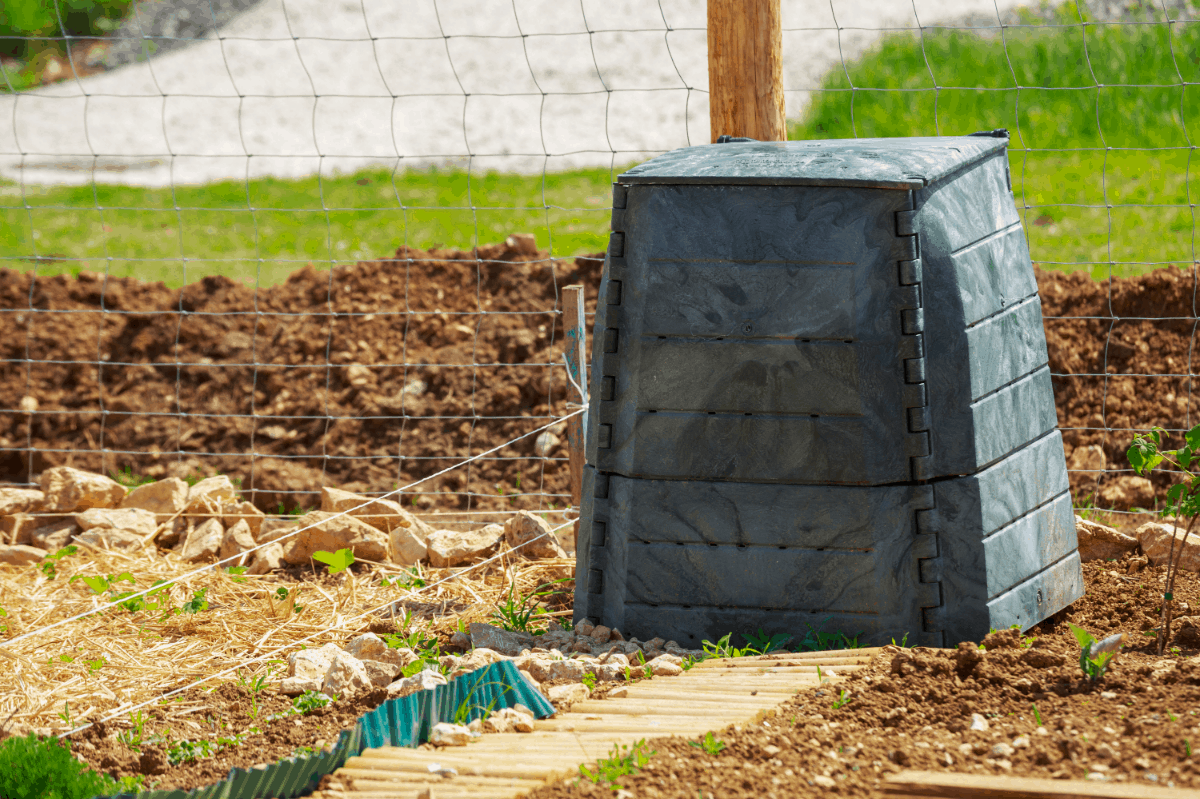
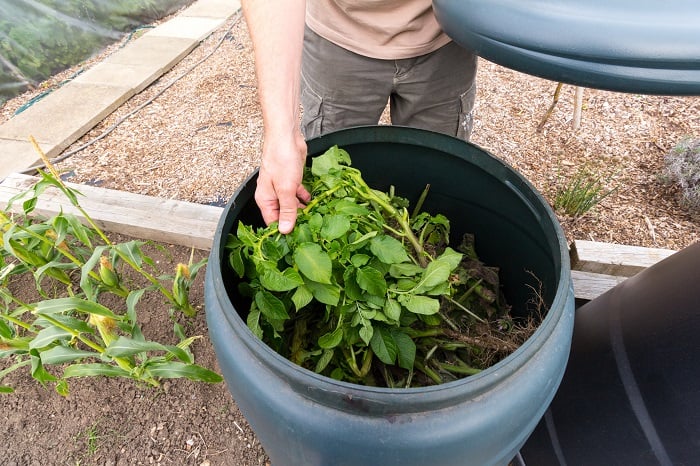
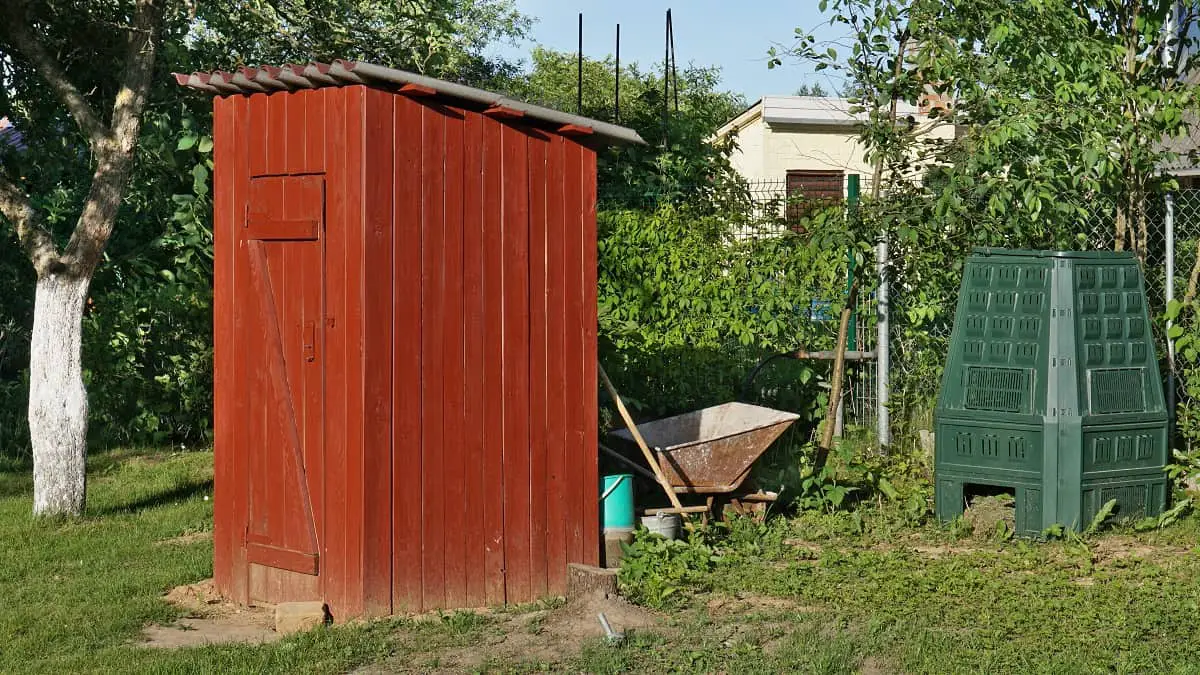
Composting can be an effective way to make use of kitchen waste and yard scrap. If you do the proper composting procedures, it can also provide garden soil with rich nutrients for plant growth.
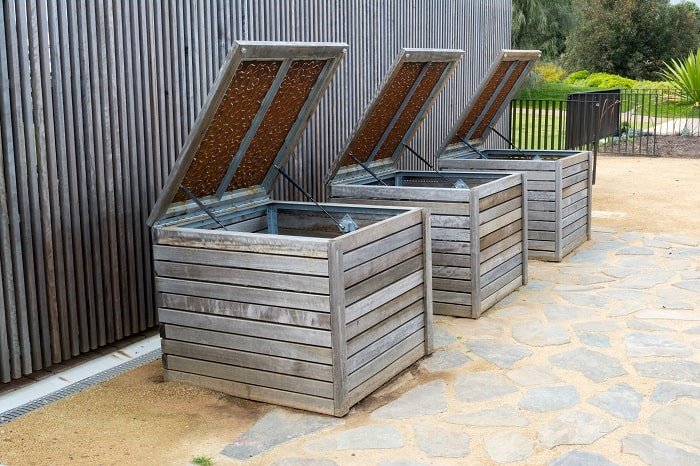
You can either choose to start a compost pile or make use of a compost tumbler, it all depends on which one you prefer. While most gardeners are familiar with a compost pile, most will encounter some difficulties when starting a compost tumbler for the first time.
Fall into this category?
You can read up more about a compost tumbler and how to use one in the guide below.
What is a Compost Tumbler?
A compost tumbler is a sealed container that makes composting simpler and faster. It helps to retain the heat needed for decomposition and also turns the organic materials in the box.
Most times, the containers are made from recycled plastic and adequately sealed, unlike compost bins.
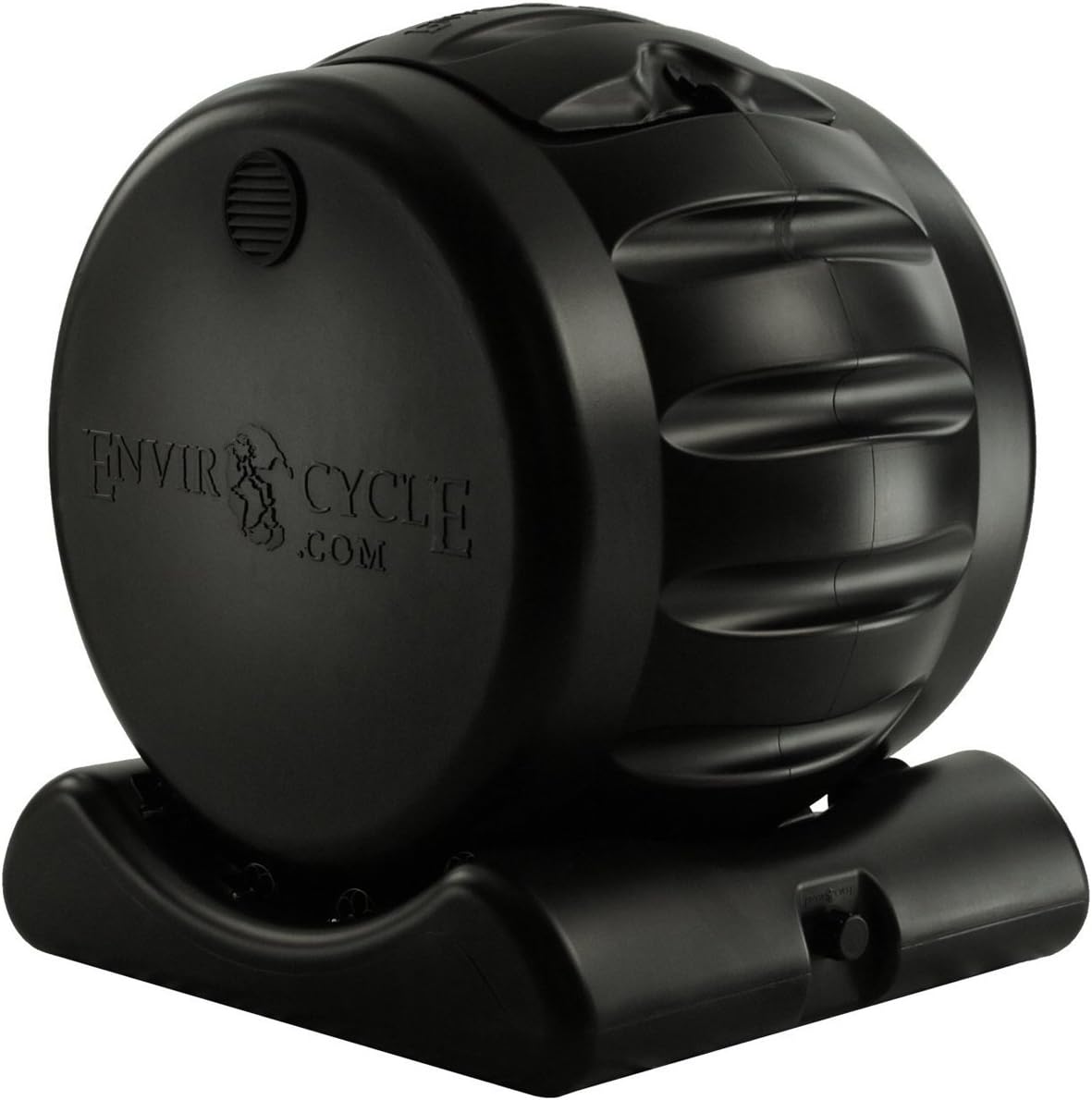
There are different types of compost tumblers, and they differ from one another based on their design. The sealed drum compost tumblers consist of few parts and are a much simpler model compared to the others. Some models have rollers on them, which makes it easy to move them around the garden.
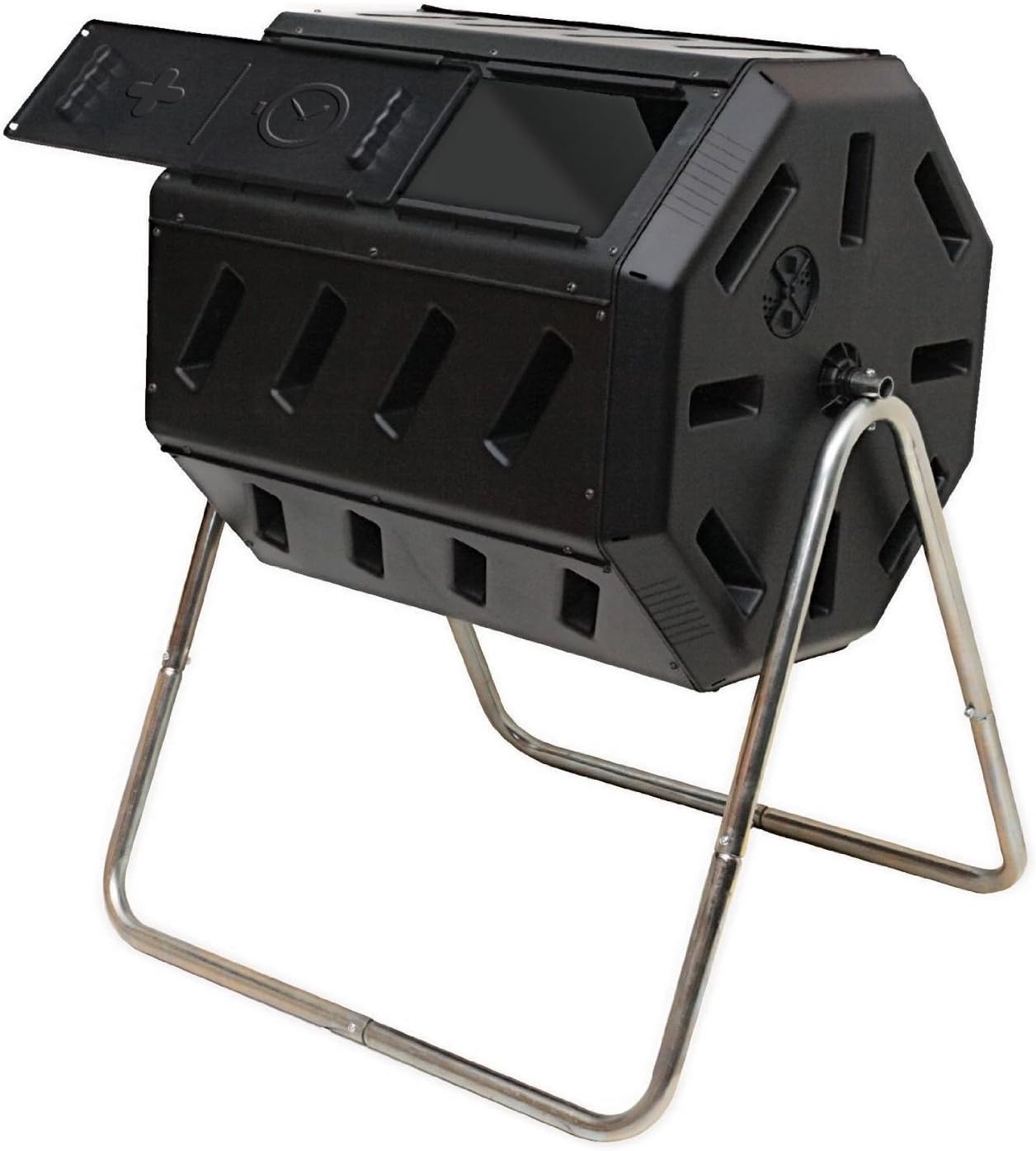
Aerated drum compost tumblers are designed to provide the compost materials with all the oxygen required to speed up the process. You can also choose the dual-bin compost tumblers. Although they are more expensive, they produce compost faster than the others.
Starting a Compost Tumbler
The first thing you want to do once you decide on a starting a compost tumbler is to choose a suitable box for your garden. There are different types and designs of compost tumbler, so you want to look out for the one that best suits your garden.
Choose a Compost Tumbler
You can check your local garden supply shop or browse online for a compost tumbler. You want to do your research and find the best compost tumbler for your garden. Find one that suits your needs and falls within your budget.
Pick the Right Spot
Where you place your compost tumbler also determines how well it functions. You should set your compost tumbler in an area that is covered. It is best to reduce the amount of moisture that gets into the compost tumbler from outside. Place your bins under the tree or use a cover material to protect it from the elements.
Use the Right Type of Organic Materials
Composting requires kitchen or yard waste as raw organic materials, so you have to make sure that they are readily available for your compost tumbler.
You need to put in the right type of compostable materials into the compost tumbler, and it is the only way for microbial activity to take place. Kitchen waste such as eggshell and vegetable scraps are suitable compost materials. Still, you also need to ensure that your papers and other dense documents are of the right size before adding them to your tumblers.
Balance the Nitrogen and Carbon Materials
You will have to balance the nitrogen and carbon materials in the compost tumbler if you want decomposition to take place. Most gardeners get it right up until this spot; they don’t know how to choose the right brown and green materials for their compost pile.
You need to take note of all that you toss into the compost tumbler. It will be wrong to throw in anything that isn’t useful in the kitchen or around the home. The materials have to be rationed if you hope to get results soon enough. Ideally, the right mix should be a mixture of 75% brown materials and 25% green materials. Examples of brown carbon-rich materials include hay, sawdust, paper, and leaves. While green, nitrogen-rich materials provide a source of protein and include vegetable clippings, grass, coffee grounds, eggshell, and other kitchen scraps.
Remove Dirt and Debris for Your Compost Tumbler.
Just because composting looks messy doesn’t mean it is alright to throw anything into the collection. You want to avoid adding anything that can contaminate your composting efforts. Keep your compost pile free from any materials such as toxic chemicals and anything that isn’t safe for your soil and plants.
Compost in Batches for a Better Finished Compost
A compost tumbler might work magic when it comes to preparing compost, but you should know that this can take anywhere from a few weeks to a month to finish. So you want to ensure that you are patient enough and not tempted to add in new materials. Adding new elements to a compost pile that is already decaying will only increase the composting time.
If you intend to compost numerous materials, you can choose to buy a dual-bin compost tumbler or separate ones for your kitchen waste and yard scrap.
Practice Proper Composting Process
As a gardener, you need to know the right composting methods if you want to get the best from the process. The first thing you need to know is that after adding the materials into the compost tumbler, you may need to start the microbial activity on your own. While this can take place naturally, doing it will only speed up the composting process and time.
You can do this by adding in horse or cow manure and garden soil to your compost materials.
You will also be required to turn compost tumbler as often as three times a week. Although, it is much easier to rotate a compost tumbler than a compost pile. All that is required is to hold the handle and spin the barrel continuously until you are satisfied; the materials are adequately mixed.
Monitor the Composting Process
You will need to check up on your compost regularly. You need to keep tabs on the temperature level, moisture content, and the color and consistency of your compost materials. While this may sound difficult, all you need is a few hours a week spread between two or three days to check with your compost.
FAQ’s
How do you make a compost tumbler?
You do want to make sure that turn your compost pile. It is easy enough to do manually, but if you have the time and energy, you can make a tumbler composting machine.
I’ve had good luck with this tumbler setup. It’s not as fast as a composter, but it’s more convenient and works just fine for me.
The procedure to make a tumbler composting machine is to first build a compost bin, and then assemble the tumbler.
Start with an empty plastic trash can (the larger the better). Fill it to the brim with your garden waste. The larger the better because the waste will be less compacted. Place your garden waste in the tumbler and cover it with a lid.
If you don’t have a lid, then use a plastic bag that is big enough to cover the tumbler. Check your compost every couple of days and turn it with a large spoon. I usually wait about a week before adding new ingredients to my compost bin. If you are using a metal tumbler, you may need to add some kind of binder to keep the waste from flying out of the container.
What size of compost bin should I use?
This really depends on what type of soil you have and how much garden waste you want to add. If you live in an area with sandy soil, then it’s best to go with a small bin. You’ll be able to use your bin more often and get more compost out of it. If you live in an area where you don’t have sandy soil, then go with a large bin.
How often should I rotate my compost tumbler?
Many composting experts recommend that you turn your compost tumbler at least twice a week. It’s important to remember that the material in your compost should be damp before turning. If it is dry, you will create heat and cause decomposition to be slower. If you have lots of green waste such as grass clippings or weeds, you may need to turn your compost more often.
Should I put my compost tumbler in the sun?
This is a good idea as it will make the decomposing process go faster, just remember that it will dry it out, so you do need to keep this under consideration.
What should you not put in a compost tumbler?
It’s true that some things, like meat and dairy products, should not be put into a tumbler. But it’s not always as simple as that as it really can come down to amounts that you put.
Other things that you shouldn’t put in a tumbler include, fats, wood that has been treated with pesticides, disease or infected plants, charchoal and pet waste.
Final Note
Starting a compost tumbler is not all that difficult, especially if you know a little bit about composting. For first time gardeners, you will need to pass through the learning curve to become expert compost farmers. You can mix finished compost to your soil to improve its nutrients and enjoy its benefits.
If you have a question or would like to contribute to the topic of starting a compost tumbler, feel free to do so in the comment section. We will love to hear from you.
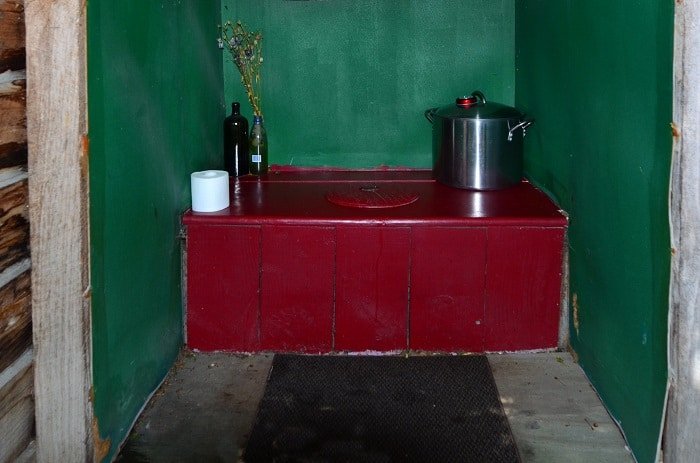
In the journey towards helping our planet, you have probably turned to reducing, reusing and recycling your trash. One way to do this is by composting all your kitchen organic waste. If you already do that, then you can go one step further by installing a composting toilet. You may have some questions about them and we are here to deliver! So let’s get cracking and find out all about how do compost toilets work. Do compost toilets smell?
What is a Composting Toilet
A composting toilet is a device that by using the natural decomposition and evaporation processes, recycles human waste. In this way, you can reduce your water usage, not only at home but at water treatment facilities.
Basically you will keep your waste local and at home, without polluting the groundwater. In this way, you avoid either the sewer system or a septic tank.
It can also compost toilet paper that is thrown into it, so you will not have to worry about separating your bathroom trash also.
These types of commercially available toilets have three different goals in mind: they compost the waste and toilet paper quickly and without leaving any smell behind, they have to make sure the compost that is left behind is safe to handle and they need to evaporate the liquid that is in the waste.
They have been around for many decades. They were perfected in the ‘60s by a company called Sun-Mar. They were the forerunners of this industry.
How do Composting Toilets Work?
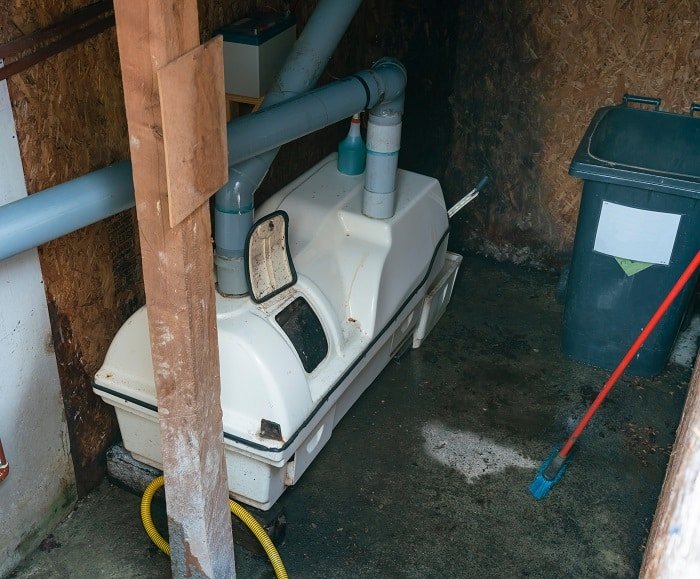
The three tasks that the toilet needs to perform, which we mentioned before, need three separate chambers. The composting chamber, the evaporating chamber, and the finishing drawer.
The Composting Chamber: Chamber Number 1
In this chamber, the toilet needs to create an ideal environment where the waste can decompose as it would in a regular compost pile. This needs to be warm, moist, with enough organic material and enough air.
This is usually made up of a sort of drum that can be rotated in order to incorporate air into the compost. Once ready, it can be rotated into the finishing chamber.
The compost needs oxygen for the bacteria to do their job correctly and thrive. If the mix is not tumbled periodically, the process will go much slower and will generate odor.
You want a composting chamber that does not apply direct heat. This is in order to avoid drying out the compost, which is another way of lengthening the decomposition process. Bacterias need moisture to live! You want to keep it between 40% and 60%.
Regarding warmth, the microbes themselves create enough heat to keep the compost warm enough in temperate climates. If you live in a very cold area, you may need an electric toilet that can indirectly warm up the composting chamber.
All of these precautions are to avoid the growth of anaerobic bacteria, which are the ones responsible for bad odors.
The Evaporating Chamber: Chamber Number 2
As we said, the compost must be kept moist enough but it must not be saturated. If there is an excess of liquid that cannot be absorbed by the compost, it will drain from the compost chamber into the evaporating chamber through a mesh.
The evaporating chamber is very different from the first chamber. It has a large surface area, it is well ventilated and it is in direct contact with heat.
These characteristics allow the moisture to evaporate rapidly. They usually have trays that can be removed and cleaned.
In electric models, there is a heat source places beneath the evaporating chamber. If they are not powered, the toilet needs to be connected to overflow vents. This is because passive venting is not enough to evaporate all the excess liquid and it can cause odor.
The Finishing Drawer: Chamber Number 3
This extra chamber allows compost that is finished to not be contaminated by fresh waste. It also allows the compost enough time to dry out until it is ready to be removed and used.
It has two functions: to keep the compost in an easily accessible, isolated container, while it helps to complete the composting process by drying it out a little bit more.
FAQ’s
How bad does a composting toilet smell?
The answer is that it varies, but it can smell quite bad. So bad, in fact, that many people find it hard to live with it. But the truth is, the smell of a composting toilet is much less than you might think, and if you can tolerate the odor for long enough, it won’t bother you as much as a conventional toilet.
However, the smell of a composting toilet is pretty minimal in most cases. As you can imagine, a composting toilet is fairly simple and requires very little maintenance to keep it smelling fresh. A composting toilet also allows you to have a more natural toilet system, which can be more environmentally friendly than using chemical products like bleach or ammonia to remove odors from your home.
It’s not described often as the stench of death, but it can be pretty rank. For example, it’s not uncommon for them to smell like rotten eggs. The compost itself is mostly fine, but some of it will produce smells that are off-putting to others.
Do they all smell the same?
It turns out that there’s more to the story than you might imagine. For example, you can have a composting toilet that smells like roses, or you can have one that smells like rotten eggs, depending on what kind of bacteria are present in your toilet’s waste.
Are they common?
Composting toilets are becoming increasingly popular in the U.S. They use organic waste to produce soil-like material that is used to grow plants in gardens and landscapes. There are many advantages of using composting toilets, but they can also have drawbacks.
How do I stop my compost toilet from smelling?
This is the question most homeowners ask when they see the compost toilet.
Here are some ideas: -Use mulch as a cover, and sprinkle some baking soda on top of it. This will keep the smell away.
-Add some bark chips to the base of the pit. The bark will absorb moisture and help prevent odors.
-Try a worm farm. Worms are great for adding to the compost.
– Use an odor neutralizing compound (such as Potash, or a similar compound such as Cattleman’s Compost) that will help with odor. Or
– Use a different type of toilet, such as a sand pit toilet. In any case, you will need to add more material to your compost, and the smell will likely go away.
How often do you have to empty a composting toilet?
It depends on the kind of composting toilet you use. If you’re using a composting toilet that produces its own heat, you will not need to empty it as often as if you are using one that doesn’t. A composting toilet that produces its own heat is one in which the urine and feces are heated and turned into compost in the process.
I don’t want to empty my composting toilet more than once every 2 weeks.
Do Composting Toilets Make your Bathroom Smell Bad?
This depends on which model of composting toilet you install. If you install a composting toilet with a composting unit in the basement of your house, you will not have to worry about the actual compost smelling up your bathroom.
Our first advice would be then not to get a small composting toilet. The all in one units are smelly because you have everything in the same area. They also need to be emptied out very frequently, which can be a hassle.
We also recommend you buy the compost starter that the manufacturer suggests instead of using soil from your backyard. This starter helps the decomposition to actually happen.
There is another issue. Most composting toilets need to have the chambers we described above directly below the toilet itself. This may make some people squeamish, so we recommend you consider a foam flush or micro flush toilet.
These options will also let you install the toilet not directly above the composting chamber.
All in all, composting toilets are an amazing choice for the environment, but they are a big step for most families. You will need to consider how you are going to install them and where. If you live in a house, you need to budget for it as well because they do not come cheap.
Big composting toilets are really convenient, though. You will not need to empty it for at least a year after installing it, so it will be a win-win situation for you and your family. Probably even save you money in the long run.
If you do not have space, installing a small unit also works but it is smellier and this may not be a great option if your family is squeamish.
What do you think? Have you made the decision to install one? Comment below!
Adding green to your abode makes it look much more invigorating than investing too much in unnecessary decorations that may make your house look superfluous. Growing healthy plants in your garden can only be made possible with healthy soil. Natural or organic fertilization with compost or manure is seen as a viable option for over-commercialized plant food, but which one is better for your garden soil, mushroom compost vs cow manure?
What is Compost?
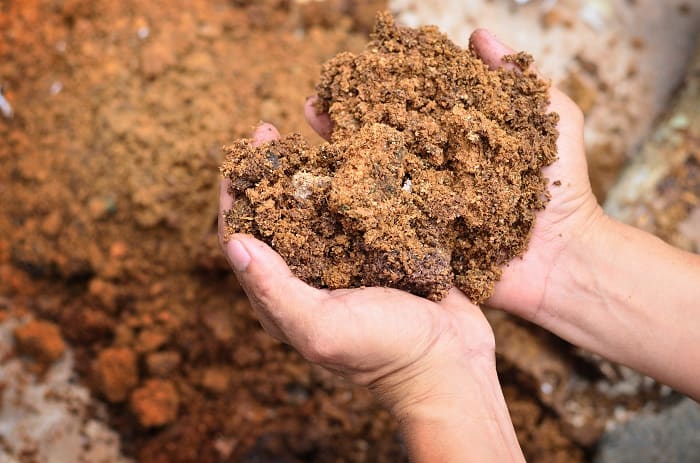
Compost refers to organic materials that have been decomposed to provide nutrients to the soil during the growing season and at the same time, minimize food wastage. This step, called composting, is a relatively easy process to execute, assuming that you know which among the list is recommended for the process.
Although compost equates to minimizing food waste, particular things are highly discouraged to be part of the process like animals and milk products. Animal products take time to decompose; hence, they may serve as a breeding site for microbes, which invites diseases.
Therefore, it’s better to settle for plant and fruit products – mushroom compost, for example.
Mushroom Compost
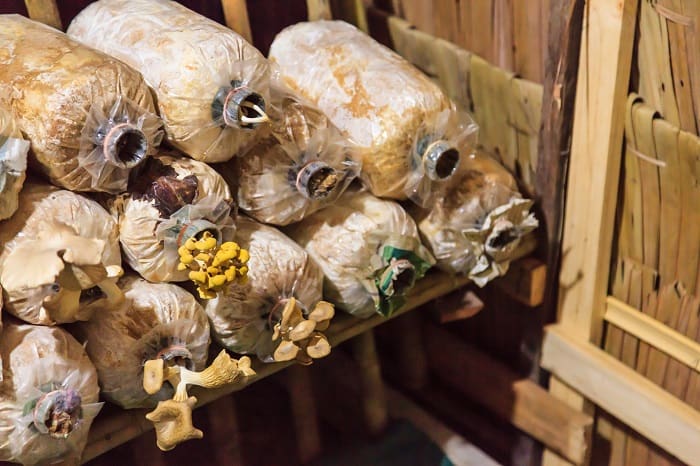
Mushroom compost makes a good conditioning product for your garden soil, as it is organic and easy to find. There is a variation in the growing process for mushrooms; therefore, their composting process may differ from one another.
You can buy mushroom spawn in the market or prepare it manually. A single bag of mushroom spawn is steam pasteurized to get rid of weeds that competes with your plants in absorbing nutrients from the soil and also to eradicate other harmful substances to your plants.
The entire duration for mushroom composting normally takes about three to four weeks, with the temperature closely monitored to complete the process. After it has been completed, the leftover compost is utilized as a soil fertilizer.
Mushroom compost is capable of providing nutrients to your plants at an affordable rate. In addition, it also allows your soil to further increase its water-holding threshold – an advantage that minimizes its watering-need demands.
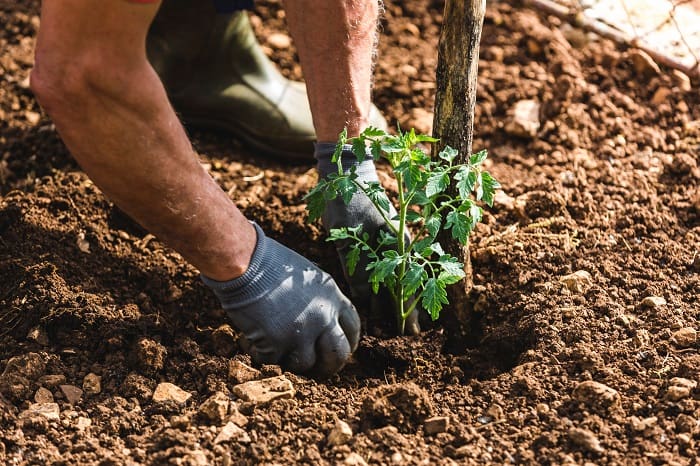
Most garden plants, may it be fruits, vegetables, or flowers, are compatible with mushroom compost. To further appreciate its effects, mix it thoroughly with the soil before use.
Disadvantages of Mushroom Compost
Although mushroom compost is an ideal organic matter to use, you should be aware of where and when to use it due to its high-salt level. Salt-sensitive plants like azaleas are not compatible with mushroom compost, while seedlings may also be affected by the high amount of salt.
Another form of fertilizer that can be used in producing healthy plants is animal manure (usually cow, chicken, or horse manure). This organic fertilizer is also capable of giving off nutrients like nitrogen, phosphorus, and potassium to the soil.
The animal waste used in manure processing is a cost-effective process that doesn’t cause any pollution at all. Moreover, it’s also capable of killing weeds and pests that disrupt the growth of plants.
There are three different types of Manure: green manure, compost manure, and farmyard manure. All three come from different sources but primarily aim to provide nutrients to the soil for the plants to grow well. Among the excretion present, those from cows serve as the best ones for gardening.
Cow Manure
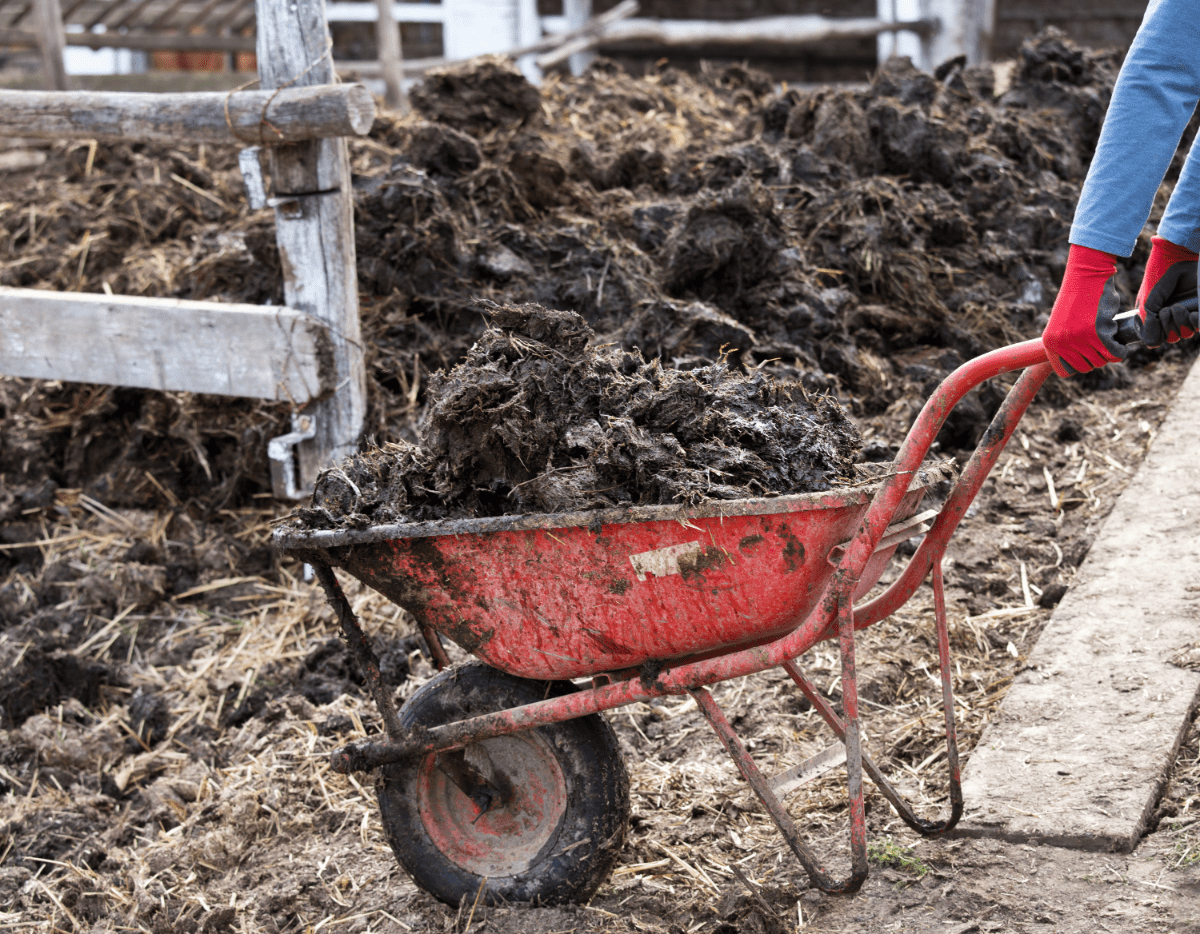
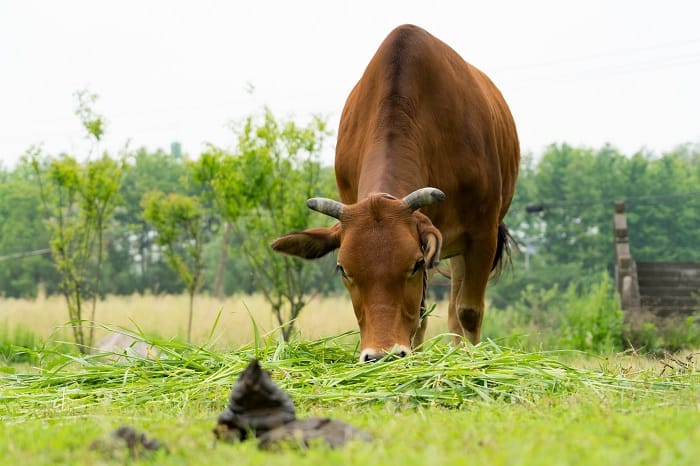
As mentioned, cow manure serves as the most ideal dung for gardening. Cows eat mainly grass, so it’s not unusual to see grass and grain in their manure. Cow manure isn’t difficult to find, as there are several cows in the field that excretes from time to time.
Composting manure is highly beneficial to plants, as it serves as an excellent culture bed for seeds, due to its high nutrient content. Although it’s a good fertilizer, heavy manures, like those from cows, must be combined with light materials (hays, straws) or ash/lime.
Advantages of Cow Manure
Aside from providing a rich amount of nutrients from your crops and other forms of garden plants, it also increases the soil’s water-holding capacity – that means you won’t have to keep on watering your plant from time to time.
Another advantage of using cow manure is that it improves ventilation for your plants. Composting cow manure will also promote the growth of good bacteria in the soil. Good bacteria hasten the absorption of nutrients by breaking the aforementioned down into simpler forms.
Lastly, it’s also environmentally friendly, in a way that produces a small number of greenhouse gases.
Disadvantages of Cow Manure
Manure or waste may be beneficial for the soil, but it’s also considered a breeding site for bacteria like Escherichia coli, a pathogenic type of microbe. Aside from the presence of pathogenic bacteria in fresh cow manure, it also has a high concentration of ammonia that’s harmful to your plants.
To eradicate these problems, composting in the right way cow manure will kill most of the pathogens. Follow the steps mentioned here to reduce the risk of foodborne pathogens in your vegetable gardens.
You can buy these mushroom and manure compost on Amazon:
Espoma GM25 Organic 3-2-3 Chicken Manure- it is made in the United States and it is suitable for organic gardening.
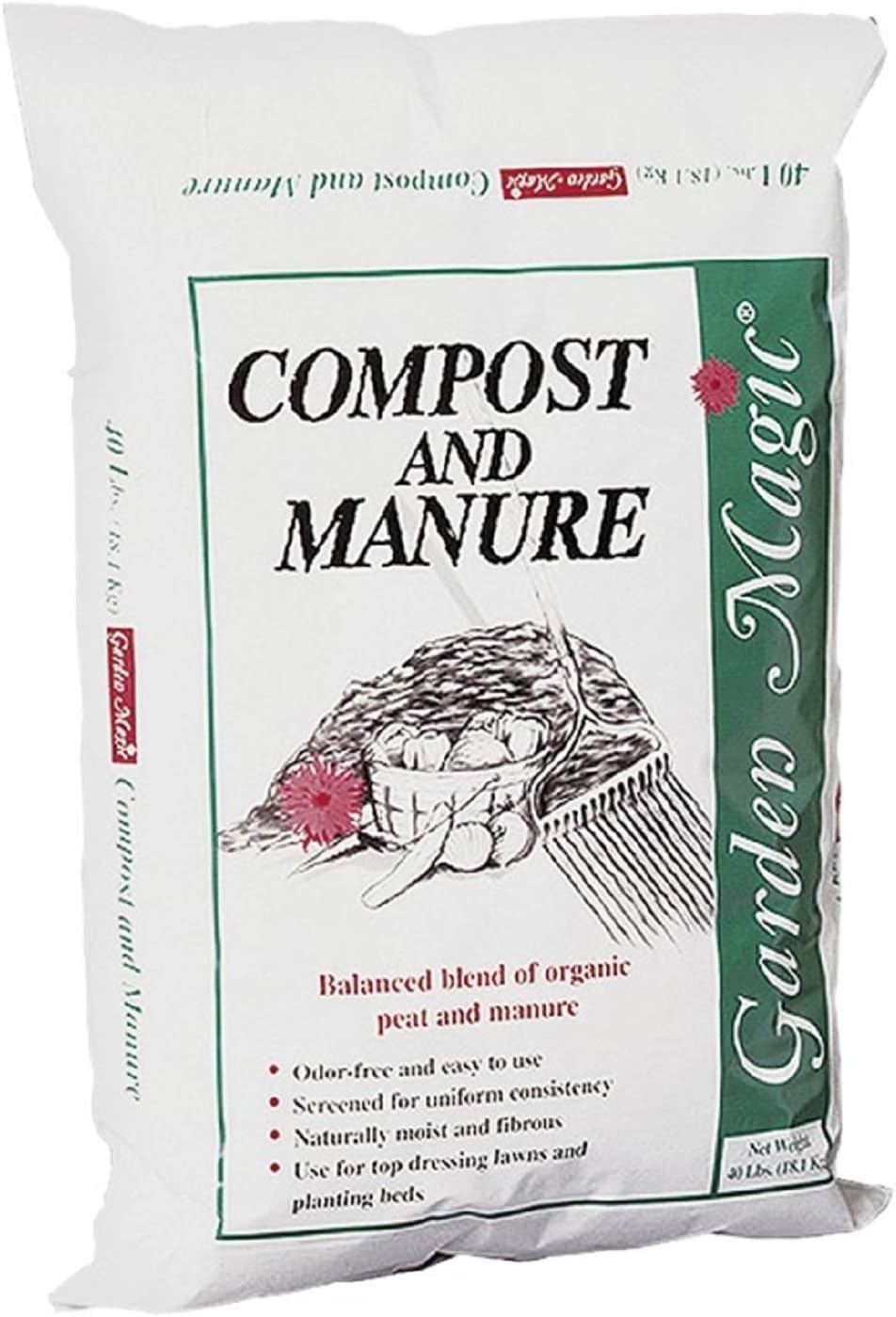
Michigan Peat Garden Magic Compost and Manure- a balanced blend of organic peat moss and composted animal manure, it is ideal for improving a wide range of planting soils.
Mushroom Compost Organic Brands- this media contained wheat straw, fibrous peat, gypsum, dolomite, crushed feathers, cottonseed meal, peanut meal, and more.
Michigan Peat 5240 Garden Magic Compost and Manure
Conclusively, both products are excellent sources of nutrients for your soil. Soil applied to either of these products end up producing healthy plants. However, between both processes, going for mushroom compost is a better option due to its less tedious process.
Albeit, you can still opt for composting cow manure to completely enjoy its benefits for your plants. In the end, choosing based on availability and cost plays a major role on your part.
Your garden soil may contain manure. However, this is not commonly found in the ground unless previously added. Many gardeners prefer using other types of fertilizers and organic matter to improve their soil quality.
How Do You Make Mushroom Compost With Soil?
You can make mushroom compost with soil by using the following ingredients:
35 – 40% soil
35 – 40% straw
35 – 40% animal manure (preferably horse)
Water
Instructions:
Use a pitchfork or shovel to mix the straw and manure in a wheelbarrow or other large container.
Add a layer of soil, and mix it well.
Moisten the mixture but ensure it is not soggy.
Spread the mixture out evenly in a flat layer on the ground.
Keep the mixture moist as it begins to break down and decompose.
Note: The manure provides the fungi with the nutrients they need to grow. The soil provides structure to the compost and serves as a bacteria and microorganism source to help break down the organic matter.
Over time, the compost will become a rich, dark brown material. This will make it the perfect environment for growing mushrooms.
What is The pH of Mushroom Compost?
The pH of mushroom compost varies. It is influenced by the ingredients used to make it and the stage of decomposition it is in. Generally, mushroom compost tends to have a slightly acidic pH. This can range from 6.0 to 7.0. Most mushrooms prefer this range.
What Vegetables Like Mushroom Compost?
Mushroom compost is rich in nutrients and organic matter. Many vegetables can benefit when growing in this. Some may even prefer it and yield better results! If you have mushroom compost, you can use it to grow:
Tomatoes
Peppers
Eggplants
Squash
Cucumbers
Beans
Mushroom compost makes a great addition to most food gardens. However, if you’re growing berries, it’s best to plant them elsewhere.
What Flowers Like Mushroom Compost?
Almost any type of flower can benefit from mushroom compost. Most types contain phosphate, potash, calcium, magnesium, and iron. Plants that enjoy these nutrients include roses, lilies, marigolds, zinnias, and sunflowers.
Plants that don’t like mushroom compost prefer less acidic soil. If you have azaleas, gardenias, ferns, or zinnias, it’s best to keep your mushroom compost away.
What Do Mushrooms in Soil Mean?
If you see mushrooms popping up, it means there’s an underlying fungal network present in your soil. This network is called mycelium, and it appears when soil conditions are optimal for fungi reproduction.
Mushrooms are the fruiting bodies of mycelium. If your soil is moist and warm, and there is a source of organic matter for fungi to feed on, you’ll likely see them. Fungi play an essential role in breaking down organic matter and releasing nutrients into the soil. If you have mushrooms in your garden, it can be a sign of a healthy ecosystem.
What Edible Mushrooms Grow on Manure?
Eating the wrong mushroom can be fatal. If you see mushrooms growing in your garden, you need to be sure they’re edible before you take a bite. Many edible mushrooms grow on manure, so you’re in luck if you want to start producing your own. You can try growing shiitake, oyster, and enoki mushrooms on a mixture of straw and animal manure.
If you’re after more flavor and texture, you can grow morels or chanterelles. These grow in manure too. Mushrooms can grow in various environments and climates. You can use more than manure if you want to explore other growing substrates.
Conclusion
Having plants in your home provides excellent vibrancy in the surroundings than overly decorating your house with unnecessary objects. To produce healthy-looking plants, mixing your soil with mushroom compost or cow manure is one of the ideal steps to consider. Both materials enrich your plant with enough nutrients to keep your plants healthy and increase water-holding capacity.
Both mushroom compost vs cow manure has their own set of advantages and disadvantages. Therefore, it’s all up to you what to choose based on the availability and budget.
FAQ’s
Where to buy mushroom compost?
If you don’t have space for composting or if your mushroom compost is not fully done, buying is a great option. So where do you buy mushroom compost? You can buy mushroom compost from all local home and garden stores.
There are lots of benefits to applying cow manure in your garden. However, putting fresh cow manure in your garden is not advisable. Now some fresh manure can have some bad bacteria (e.g. E. coli) which can cause harm to humans when you consume the resulting plant. Bacteria that can be detrimental to your plants can be introduced by applying fresh cow manure.
Also, weed seeds can be introduced to your garden because the digestive tract of a cow cannot break down seeds. Therefore, fresh cow manure can contain weed seeds capable of invading your garden.
Raw cow manure is well comprised of a high amount of ammonium, nitrogen, and salts and these can burn your plants.
This is why we recommend you hot compost your fresh cow manure before applying them in your garden. This way, harmful bacteria, and seed weeds neutralize too much nitrogen, ammonium, and salt. Therefore, your compost manure pile will produce healthy and safe plants.
We suggest you compost your fresh cow manure for a minimum of 15 days at a regular temperature of 131 Fahrenheit. Also, turn your compost constantly so all the manure attains the right temperatures.
What is the best compost for vegetable gardens? Mushroom compost or cow manure
In regards to fertilizing your vegetable table, there are usually numerous options. The best out of these numerous options are compost and manure. Nevertheless, between mushroom compost and cow manure you might be wondering which is better.
Our recommendation for the best compost for vegetable gardens is mushroom compost. Both mushrooms and cow manure are great. But cow manure is usually not recommended for edible crops such as vegetables as there is the chance of disease transmission to humans e.g. E. coli.
However, if you must use cow manure, hot compost them well. Also, apply them to your soil at least 3 or 4 months before you plant vegetable gardens.
What is mushroom compost not good for?
Mushroom compost is not good for fruit crops that need an acidic medium. This is because most finished compost is neutral. It is also not suitable for lawn top-dresser only if the soil is already acidic.
Mushroom compost is as well not suitable to be used as potting mix components.
Can too much compost hurt plants?
Even though compost is a slow-releasing nutrient, too much compost can be detrimental to your soil as well as your plants. It can suffocate and even kill your plants.
Take for example nitrogen and phosphorous. They are some of the components in compost. Nitrogen is assimilated fast and rain can easily wash them away. Also, nitrogen is easily converted to N2 and N2O gases that escape through the air.
However, phosphorous are assimilated gradually. It can’t be easily washed away by rain or converted. Therefore, excess phosphorous build up in the soil where it can reach a toxic level.
In my ongoing quest for that “perfect vegetable garden”, I’m always on the lookout for new ways to improve my little patch of heaven. As it turns out, all vegetable gardens benefit from lots of compost and organic matter.
Compost adds nutrient-rich humus to the garden and encourages the growth of worms, beneficial bacteria, and other organisms that maintain the well-being of your garden soil. Compost added to soil is useful in retaining a healthy moisture level and breaking down clay-like deposits that may develop over time.
That being said, I have to confess: I detest the smell of compost! I have used it before and despite my best efforts, I haven’t been able to manage the odor. Fortunately, a reader suggested that I try mushroom compost as an alternative.
But what exactly is mushroom compost? How do you use it, and more importantly, is mushroom compost good for a vegetable garden?
Is Mushroom Compost Good for a Vegetable Garden?
I’ve been using 10 Pounds Sterilized Compost Mushroom Substrate which had the highest rating on Amazon and also had the greatest number of reviews at the time. Having purchased several bags, I rolled up my sleeves and got to work.
Mushroom compost slowly releases nutrients into the soil and encourages the growth of beneficial bacteria, fungus, and other micro-organisms. It also prevents the occurrence of little nasties such as pests, weeds, or viruses.
Apart from that, mushroom compost also locks moisture into the soil, making it resistant to crusting and compaction. Rain is absorbed more readily; this, in turn, encourages worms that enrich the soil further. Water runs more freely too – no more drowned or waterlogged roots!
Ultimately, mushroom compost is perfect for nearly all flowering plants, vegetables, herbs, trees (especially fruit trees), shrubs, and even lawns. Vegetable crops such as broccoli, cauliflower, cabbage, kale, kohlrabi, and Brussels sprouts are happiest in the non-acidic environment that mushroom compost brings to the soil. Potato crops also thrive due to increased moisture.
Since mushroom compost is rich in calcium, you won’t encounter the blossom-end rot which plagues a lot of tomato growers. I planned on making some compost tea to prevent leaf mold, but according to one source, the use of mushroom compost tea is dubious at best and may even be harmful.
On a side note, I think that mushroom compost looks great with its rich, dark brown colors that speak of a healthy-looking garden.
Most importantly, mushroom compost doesn’t smell bad at all! It’s also relatively cheap compared to other traditional composts I found on the market.
What is Mushroom Compost?
Mushroom compost doesn’t contain mushrooms, even though its name suggests otherwise. Its actually the substrate left over after the process of producing mushrooms on an industrial scale.
You’ll find that mushroom compost “recipes” vary greatly and may include chopped straw, peat moss, poultry manure, cocoa shells, cottonseed or canola meal, gypsum, potash, lime, and urea. The mixture is left for a month to allow heat and bacteria to build up, eliminating traces of weeds or other pathogens.
The resulting mushroom substrate is first steam-sterilized then inoculated with edible commercial mushrooms. After a few rounds of harvesting, the bed is deemed “used up” for mushroom production and sold as compost.
Here’s an interesting video that demonstrates how Northway Mushrooms creates mushroom compost on an industrial level.
Potential Problems of Using Mushroom Compost
While you might find using mushroom compost to be useful, there are a few things you should know first. Some plants like fruit bushes and certain flowers like magnolia, heathers, and camellia are incompatible with the alkaline properties of mushroom compost and prefer a more acidic environment.
Fresh mushroom compost is rich in soluble salts that need to be leached out or cured before use. Excessive salt levels can harm germinating seeds and kill salt-sensitive plants such as rhododendrons, blueberries, and azaleas. Nutrient levels are low, however, relative to other forms of packaged garden manure, with most of the available nitrogen depleted by the mushrooms that previously used the compost.
Mushroom compost may contain large amounts of chalk which you should remove to prevent an accumulation of chalky deposits in the soil. Chalk deprives the soil of nutrients and may lead to a reduction in flowering or fruiting, a yellowing of foliage, and overall stunted plant development.
Also, mushroom farmers may use chemical fertilizers or employ products such as cyromazine, diflubenzuron, methoprene, Dimlin, and Diazanon to control fungus gnats and flies. They may also use chemicals such as thiabendazole, chlorothalonil, and benomyl for fungal infections. These chemicals may find their way into commercial mushroom composts; always check with your supplier!
How is Mushroom Compost Used?
You can apply the compost evenly and uniformly from one to three-inch thickness; this was tilled into the existing soil prior to seeding and planting. For established plants, it’s best to use approximately five to six inches around the base, avoiding any bark to prevent rotting.
As mentioned, fresh mushroom compost can have concentrated levels of soluble salts that can be harmful to certain plants, notably germinating seeds, seedlings, and members of the heath family. To counter this, make sure you mix it with garden soil (25-50% is recommended). You can also allow some mushroom compost to sit uncovered to “cure” over a few months before use.
I also had success in using mushroom compost as a mulch which was great in controlling weeds and helping my garden soil retain its moisture during dry periods.
FAQ’s
Can you grow vegetables in mushroom compost?
Yes, you can grow vegetables in mushroom compost. If you use a compost that has been specifically designed for vegetable gardens, you will get a good yield of healthy produce. You can grow vegetables with little to no care or maintenance. As long as you have enough water, your plants will do just fine.
It is a very simple process. You will need a small amount of mushroom compost, some well-rotted manure and some fertilizer. Why Grow Vegetables in Mushroom Compost? The answer is simple. Mushroom compost contains essential nutrients that plants need to grow properly. It is also extremely rich in nitrogen, which helps plants develop strong roots. This means that your plants will have a healthier root system, which will help them absorb more water and nutrients from the soil.
Is mushroom compost good for tomatoes?
Yes, it is. Tomatoes are a common crop in many gardens, and it is essential to have compost or mulch around the base of your plants to help protect them from slugs, snails and other pests. There is no hard and fast rule when it comes to the use of compost in a garden. There are times when compost will help to boost growth, and others when it is best to leave it out of the mix.
Tomatoes like a pH of between 6 and so the soil should be well-manured and have a pH of around before planting. A pH of around is too low for tomatoes, but if you have high levels of nutrients in your soil then this won’t be an issue. The main problem with using compost is that it tends to dry out the soil, and this can lead to root rot if not done properly.
Is mushroom compost better than regular compost?
Yes, it’s better! If you’re wondering why your plants are getting bigger and healthier after you add compost, that’s because compost is basically fertilizer. The nutrients in the compost are what’s providing the energy for the plant to grow.
So what makes mushroom compost so special? Well, mushrooms have a different life cycle than other plants do. They don’t produce seeds or flowers. Instead, they reproduce by sending out spores, or seeds. In nature, these spores are carried on the wind. In order for a mushroom to grow, it needs to find a host, or living organism, that will feed on the mushroom’s spores.
When you add mushroom compost to your garden, the spores will be attracted to the compost because it smells like food. Once they are near the compost, they will find their way to the surface of the compost and start growing. The mushrooms will continue to grow until they can reach the air. Then, they will release their spores into the air, and the cycle starts all over again. Mushrooms are amazing organisms that can help you with several things. They help break down organic matter and add nutrients to your soil. They also help attract beneficial insects to your garden, including ladybugs, hoverflies, and lacewings. They provide food for your animals, and they also keep your soil healthy and free of pests. You may be wondering what makes mushroom compost different from regular compost. There’s a couple of differences. One is that it has a higher nitrogen content than normal compost does.
It also has a higher water content. These two differences make it a much more efficient way to feed your plants. One thing that you should be aware of when you’re using mushroom compost is that the mushrooms will need to be cleaned before they’re used in the garden. Once they’ve been harvested, you’ll have to clean them. You’ll need to wash them well, because they can carry diseases that can affect your plants. However, once you’ve washed them, they’ll be safe to use.
Conclusion
I can wholeheartedly recommend mushroom compost for vegetable gardens. However, you just have to keep these pointers in mind:
Don’t use mushroom compost with plants that prefer acidic soil
Mix mushroom compost with garden soil
Buy only from trusted suppliers; avoid unwanted chemicals and by-products!
The results I had from 10 Pounds Sterilized Compost Mushroom Substrate were extremely satisfying. I have a noticeable decrease in watering expenses, and most importantly, my plants and vegetables are all happy and healthy.
Please comment below and let me know if you have any questions or suggestions. My take is that if you are interested in improving the state of your vegetable garden, consider adding mushroom compost to your soil. Your garden will thank you for it!
Composting is a great way to recycle waste. It doesn’t matter if it is kitchen waste or animal poo, you certainly can use it for the betterment of your garden plant.
Horse manure is a rich source of nutrients for your garden soil. Its slow releasing properties makes it great for fixing the nutrient deficiency in any soil.
The problem most gardeners face is knowing how to compost horse manure fast. It is unsafe to use fresh horse manure on your soil; you have to compost it first, this should not be difficult once you have access to all the primary material, which is horse dung.
How to Compost Horse Manure Fast?
There are different methods you can try when composting horse manure. It doesn’t matter which method you choose provided you get the required result, which is rich humus.
You can choose either to use a hot or cold compost method for your horse manure.
Hot Composting
In hot composting, microbial activity is heightened by using specific equipment to speed up the process. When done properly, hot composting is one of the quickest methods to recycle waste.
You will need to occasionally turn the compost materials to speed up the decomposition.
You should choose the right size of the compost bin, and be ready to dedicate time and energy to your compost. Depending on precipitation and air temperature, it can take less than 3 weeks to prepare hot composting.
Cold Composting
Another composting method to try is cold composting. It is the direct opposite of hot composting. Here, you are not required to turn the compost pile as often as you would. It is the simplest method of composting, and best for lazy gardeners.
The fact that you do not need to create heat within the compost pile means that you will have to wait a while for your compost to be ready.
Steps to Compost Horse Manure
Pick a Good Location
The first step you need to harvest your compost quickly is to use select the right site. The right spot should be high ground so your compost pile doesn’t get wet. If you own horses, the site should be close to the stable, so you can get easy access to manure.
If you intend to create a storage system such as wooden bins, you should site it in an area that isn’t waterlogged.
A Bin or Pile System
You should also choose a suitable system that you are familiar with; you can choose between a bin or pile system for effective composting. A bin system is best if you love to keep your compost area neat. You can also choose to pile the materials on top of each other near your garden.
If you want to monitor the different stages of your compost, you should use up to three bins or piles. The first one should house the manure and fresh waste material. The second one should be set aside for temperature regulation and turning compost, while the last one should be for the curing or finishing stage.
Use Carbon-rich Materials
To get your compost ready in no time, you will need to make use of carbon-rich materials in addition to your horse manure. Some examples of such materials include sawdust, dried leaves, sticks, paper, cardboard, and pine needles. To avoid anaerobic decomposition, you should mix the materials and horse manure so as microbial activity can begin quickly.
Cover the Pile
It doesn’t matter if you decide to use a bin or pile system, you should ensure that the compost pile remains covered at all times. By so doing, you keep the heat trapped inside the bin which helps to speed up decomposition. You can do this by placing a tray over the compost pile, but you want to ensure that you use a cover that can withstand the elements.
Keep it Airy
One of the secrets on how to compost horse manure fast is to keep the compost airy. You can do this by any means necessary, but the easiest way will be to turn the materials daily. You can also drill holes or construct chimney-like plumbing for airflow.
Turn the Compost
This is where most gardeners throw in the towel. They find the job of having to devote time daily to turning the compost pile to be quite stressful.
The only way microbial activity will take place is by keeping the compost airy and moist. If you find it to be messy, you can use the right gear to make it more comfortable. Wear protective gloves, nose mask, and use a long garden fork to turn the pile, so you don’t come in contact with the materials.
When turning the compost, endeavor to mix the ingredients properly especially if you want it to be ready quickly.
Keep it Moist
You want o keep your compost pile moist if you want speedy decomposition. It is difficult to compost dry materials, so in addition to keeping the compost pile warm, you want to add in some moisture. Be careful not to add too much water and instead keep it moist like a sponge.
Give it Time
You should understand that it can take between 3 and 6 months for your compost to be ready, so you want to give it time and not be looking for results after a few days.
FAQ’s
What makes horse manure different from other types?
Composting horse manure is not as simple as composting other types of manure. The manure needs to be broken down into smaller pieces and mixed with a high-nitrogen substance such as peat or sawdust.
How do you speed up horse manure compost?
There is a lot of information out there, but here are the main things I’ve learned. The more air that is available to the compost, the faster it will heat and break down. If you have a lot of manure, then you’ll have to add more manure to make up for the extra moisture.
The main thing that slows down your pile is lack of water. If you have a thick, dense pile of manure it will need a lot of water to keep it from drying out.
It also needs to be turned over frequently to prevent the manure from becoming too wet and anaerobic. The best time to turn the pile is after the first rain of the year and before any more rain. This will give the pile time to dry out and not become too wet.
Once the manure has been turned, you need to make sure it is kept dry for the first few weeks. If the manure is allowed to get too wet, the aerobic bacteria needed to break down the manure may be killed off. This can cause the manure to become anaerobic and start to smell.
How long does fresh horse manure take to compost?
It might be a bit more or less depending on the size of the bags and how much you turn. It takes about 2 months, depending on the weather. In cooler climates, it will take longer.
What is the fastest way to break down horse manure?
There are a number of ways to do this, but the easiest and quickest would be to just mix it with some hot water. Depending on how much manure you have and how much hot water you have available, you can either use a big bucket or a large stockpot. If you have access to a hose, it’s really not too difficult to run it through a hose and into your stockpot.
The very fastest way is to use a commercial product called “Nutri-Tuff”. It’s a proprietary blend of enzymes that are effective at breaking down manure. It has no effect on the odor, but it does make the manure easier to spread and easier to handle.
Conclusion
You should keep a close eye on your bins and piles, and check for signs that your compost is not right. You can also reduce the smell of your compost bin by keeping it airy.
If you don’t have horses, you should check with a nearby stable to source for fresh manure. You can decide also to buy organic horse manure to use in your garden, but you should double-check that it does not contain any chemical contaminants.
You have the option of purchasing a compost tumbler that automatically turns the compost pile, so you don’t have to deal with the mess.
Have you tried composting horse manure before? How quickly was the compost pile ready? We will like to hear from you in the comment section.
Wondering how much gypsum can you add to soil? Most farmers and gardeners resort to using gypsum to salvage Alkali soils. Aside from it, home gardeners also faced hardpan types of soil or clay soil which is not suitable for plant growth. Gypsum for soil remedies this problem by breaking down compacted soil to allow good drainage and nutrient absorption, essential in plant growth.
However, applying too much gypsum in the soil may also mean eliminating essential nutrients from the soil such as aluminum, iron, and manganese. Removal of these nutrients may lead to poor plant growth. Therefore, it is vital to exactly know how much gypsum to add to the soil.
What is Gypsum?
Before we go into the details as to how much gypsum can you add to the soil, let’s first discuss what is gypsum. Gypsum (CaSO4.2H20) is an evaporated naturally occurring mineral that is one of the excellent sources of calcium — an important nutrient for plant growth. It also works as a balancing element for soils and plants. It protects the soil from a nutrient deficiency or excess caused by heavy metal contamination and pH levels.
How Does Gypsum Help in Plant and Soil Health?
Here are some of the benefits of using gypsum for our garden:
1. It is a Good Source of Sulfur and Calcium.
Gypsum is a good source of calcium and sulfur which is essential for improved plant growth. As time passes, plants are having less amount of sulfur which is essential in plant nutrition and enhancing crop harvest. Even if the soil is not giving enough of it, thus applying gypsum will boost the amount of sulfur in the soil to provide to the plants. Calcium also helps speed up root growth thus allowing more nutrients to be absorbed by the plants.
2. Improves the Structure of the Soil
The calcium in Gypsum improves flocculation or soil aggregation. Flocculation is vital to allow water and air movement and root growth in the soil.
3. Reduce Aluminum Toxicity
Gypsum helps treat aluminum toxicity which often goes together with soil acidity in subsoils. With this, it allows deeper rooting of plants that proves to be beneficial to the crops.
4. Enhances Water Access
Applying gypsum in the soil enhances the water permeation of the soil due to swelling clay and increased amounts of sodium, thus allowing water to have access and move in the soil making our crops go well. This also improves the chance of the crops surviving drought as it improves the structural properties of the soil that allows the positive soil-water relations to take place.
With incorrect use, gypsum can also cause damage to our gardens. It can wash out manganese, iron, and aluminum from the soil. The removal of these elements may contaminate the watershed areas and will have a detrimental effect on the growth of plants.
Is it Necessary to Apply Gypsum?
Before you choose to apply gypsum in your garden, a soil analysis must be done to determine if it is really necessary to apply gypsum to your soil. Also, you must consider the type of soil you have in your garden. For instance, those living in coastal areas might need to apply gypsum to reduce the salt levels of their soil while those who have sandy soils must not do so to avoid excess calcium accumulation. Furthermore, in places where there are already low levels of sodium, applying gypsum may also deprive the soil of salt.
How Much Gypsum to Add to Soil?
As aforementioned, it is important to know how much gypsum can you add to your soil to avoid over-application which may cause detrimental effects on our soils and plants. For home gardeners like me, spread 40 pounds of granular grade gypsum per one thousand square feet of soil. One application will be sufficient for three years, and it can be applied at any time of the year. No worries, as gypsum is neutral and not toxic to animals and humans.
If you are planning to plant vegetables, shrubs, and flowers, then mix well 20 to 30 pounds of gypsum per thousand square feet into the soil and water.
If you plan to apply gypsum in the presence of plantings, then a rate of 40 pounds per one thousand square feet should be used. Just spread the gypsum on the soil beds, and simply water it, no need to mix it into the soil. Same with home gardening, a single application will be enough for three years.
The rate of gypsum would also vary especially if there are high levels of sodium and magnesium in the soil that may cause scattering of the clay particles. You can ask for assistance to know the proper rate for such soils.
Just remember to apply gypsum as instructed on the label, watch the next video to learn how to apply gypsum to the soil.
Will Gypsum Work Immediately after Application?
Numerous factors will affect the effectiveness of gypsum in your soil one of which is the sodium levels in the soil, but the effects of gypsum will not eventually take place right after application. However, you will see a marked improvement in your soil with every growing season. Don’t expect that soils will be restored with just one application.
As soon as the calcium levels reach the optimum level of 75% base saturation, the structure of your soil will show great improvement, the development of your roots will speed up, and crop yields will increase.
Check these brands of gypsum for your soil:
Greenway Biotech– Gypsum Powder with Calcium Sulfate, is 100% water-soluble, improves soil drainage, and increases earthworms in the soil.
Down to Earth– Organic Garden Gypsum (Calcium Sulfate), is listed by the Organic Materials Review Institute (OMRI) for use in organic production and Registered Organic Input Material (CDFA).
Espoma-GG6 Garden Gypsum Fertilizer, pelletized for easy application, helps cure turf burns from ice melters and pets and is suitable for organic gardening.
Gypsum is not clay. It is more commonly known as calcium sulfate and occurs naturally. Clay, on the other hand, is made from silica, alumina, and magnesia. It’s soft and loose.
Where to Buy Granulated Gypsum Soil Conditioner?
You can buy granulated Gypsum to condition your soil at many plant nurseries. Stores specializing in agricultural goods and online outlets will likely stock it too. I suggest contacting the places you think are likely to sell it for price comparisons. You can then check online to see which route works best for you.
How to Lower The pH in Soil with Gypsum?
You can’t lower your soil pH with Gypsum. This mineral can only add calcium to your soil. However, if you have acidic soil, Gypsum can help your plants. It can encourage root development to ensure crops have an easier time growing in this soil type.
Can You Use Garden Gypsum for Mushrooms?
Agricultural Gypsum does wonders for mushrooms! It’s an excellent soil amendment if you want to increase your yield. You can use granulated or pelletized Gypsum. I suggest using Gypsum for every stage of mushroom cultivation.
Can Gypsum Kill Grass?
Gypsum has successfully been used as a soil amendment for lawns. If your soil contains clay or sodium, Gypsum can improve its quality.
You can use Gypsum to reduce compaction, increase air circulation, and reduce drainage speed. If your soil contains sodium, Gypsum will help lawn roots grow healthier by ensuring moisture is kept in the ground.
I suggest testing your soil before adding Gypsum. A pH test will help you understand what is already in your lawn soil so you don’t add too much Gypsum. Overusing this mineral can kill your lawn.
How Do I Know If My Lawn Needs Gypsum?
If your lawn needs Gypsum, you’ll see signs of salt damage or calcium deficiency. Grass grown in soil with high sodium levels can appear yellow and have burned spots. Without treatment, it will discolor to brown and then black. If your soil needs calcium, your lawn will have weak or stunted growth.
Can You Put Gypsum and Grass Seed Down at The Same Time?
You can sow grass seed directly after applying Gypsum. However, if you have clay soil, giving the Gypsum time to work would be best.
Gypsum can take up to three months to break up clay soil. It’s a slow process, but the results are worth the wait! This mineral changes the soil structure. If you give it the time it needs, your soil will be left more fertile than before.
Grass seeds need loamy soil to thrive. Loam soil drains well and is loose enough for grass roots to grow freely. It should also contain minerals and organic matter. Gypsum can make clay soil absorbent while ensuring it drains fast enough to prevent water buildup and root rot. The calcium it adds will also keep grassroots healthy.
If you have heavy clay soil, the grass seeds won’t benefit when sown at the same time as Gypsum.
How Much Gypsum To Add To Clay Soil
The amount of gypsum to add to clay soil depends on the specific soil conditions and desired outcome. Generally, you should do a soil test before adding it.
A standard recommendation is 10-20 pounds of gypsum per 100 square feet of soil. Two or three handfuls per square meter should be enough if you use powdered gypsum. You should work the gypsum to a depth of 6-12 inches into the soil.
How Long Does Gypsum Take To Work
Gypsum typically takes several months to show results in improving soil structure. The exact time frame will depend on several factors, including soil type, climate conditions, and the application method.
You should apply gypsum in the fall and give it time to work through the winter. This will ensure the soil is ready for planting in the spring. Gypsum needs time to break down before it can work.
The Risks of Adding Too Much Gypsum In Soil
Applying too much gypsum to soil can have negative impacts on plant growth. Some potential consequences of excessive amounts of gypsum include:
Salt Buildup: Gypsum is a source of salt, and high levels of salt in soil can be toxic to plants.
Altered Soil pH: Gypsum can have a liming effect on soil. This can increase pH levels, making it more alkaline. This can be harmful to plants that prefer more acidic soil.
Reduced Nutrient Availability: Excessive gypsum application can tie up essential nutrients, like iron, making them less available to plants.
Poor Root Development: High salt levels in soil can damage plant roots, leading to poor root development and reduced plant health.
It’s important to follow recommended application rates for gypsum. Knowing how much gypsum to add to the soil and having the soil tested regularly to monitor changes in soil chemistry and nutrient availability is important if you want to find the perfect balance.
How Much Gypsum To Add To Lawn
Adding gypsum to lawns is not straightforward. A common recommendation is to apply 40-50 pounds per 1,000 square feet of soil.
Established Lawn: Use about 10 pounds of gypsum per 150 square feet of soil.
New Lawns: Use 10 pounds of gypsum per 100 square feet of soil.
You should add gypsum in the spring and the fall. It’s important that you evenly distribute the gypsum and water it thoroughly after application.
Doing a soil test before adding gypsum is also recommended. This will help you determine the nutrient and pH levels to ensure you apply the right amount of gypsum.
What You Need to Know About Gypsum pH Levels
Gypsum is a neutral salt with a pH of about 6.7. This is close to the neutral pH of 7.2-7.4 for most soils.
The pH of gypsum does not significantly impact soil pH. It has very low solubility in water and does not contribute significantly to soil acidity or alkalinity.
Gypsum works best when added to soils with high clay content. It can improve soil structure and enhance root growth. While it does not change the soil pH, it can help improve drainage, reduce soil compaction, and increase nutrient uptake by plants.
If you need to raise the pH of your soil, use limestone. Gypsum should not be used for this purpose but only as a fertilizer supplement to improve calcium and sulfate levels.
Conclusion – How Much Gypsum Can You Add To Soil
Gypsum has been widely used to salvage alkali soils and improve soil structure. It only takes one application in three years, but it doesn’t show promising results right there and then. It takes several growing seasons to regain back the soil. However, studies have revealed that adding gypsum to soils didn’t show any effect on the pH, fertility, and permanent structure of the soil, yet you can still benefit from it if you have compacted soils or soils with calcium deficits or high levels of sodium. Before you consider applying gypsum as a soil remedy, a soil analysis must be conducted first.
If you have further questions about the topic, don’t hesitate to contact us or leave a comment below.
FAQ’s
How do you add gypsum to the soil?
To add gypsum to the soil in a small area, you can use a shovel to work the soil. If it’s a large area, make use of a fertilizer or broadcast spreader. To an existing lawn or garden, position the garden spreader or a lawn spreader at the rate of 4 pounds to 100 square feet and spread gypsum evenly over the soil. As for bare or unplanted soil, use 2 to 3 pounds of gypsum per 100 square feet.
In addition, apply compost or organic mulch such as pine straws, leaves, etc, and mix with the gypsum while working it into the soil. Sprinkle some water on your lawn or garden to water the gypsum into the soil.
An important note before adding gypsum to the soil is to always know your soil status. Always do soil testing.
How long does gypsum take to break up clay?
After you must have taken and watered in 2 or 3 handfuls per square meter of gypsum into your soil, the duration which gypsum can take to break up clay soil can take months. Therefore, it can take a long time before you can get its full effect.
Lime can be used to elevate soil pH as it is more alkaline. On the other hand, gypsum can’t be used to increase soil pH therefore it is neutral and does not have any effect on soil pH. Gypsum is also a lot more soluble than lime. Gypsum as well as a great element applied to lawns that are close to arid or salty regions to stay protected from excess salt during winter.
The lime compound can consist of oxide, carbonate, or hydroxide of calcium, while gypsum consists of calcium sulfate.
Also, gypsum and lime can both increase water porosity. But water porosity decreases with lime as pH increases: whereas with gypsum, water porosity can be improved at any pH.
How much gypsum can you add to soil of potted plants?
The amount of gypsum to add to your potted plants should be about 2 or 3 handfuls.
If your soil lacks calcium, mix 2 or 3 handfuls of calcium in a gallon of water and add one or two cups to your plant.
When should you put Gypsum on your lawn?
Usually, a lot of repair work done on lawns should be done in fall or spring and summer should be for maintenance and care of your lawn.
However, if you reside in the salty regions (coastal and arid regions), around winter, salt can accumulate around melted ice. This can give your lawn some undesirable yellow or brown patches which can damage your lawn.
Therefore, we recommend you apply gypsum in late fall so that your lawn will journey beautifully in and out of winter. So if your area is a salty region, gypsum will protect your lawn by leaching the salts down the roots where they cannot harm your lawn.
Every gardener faces the dilemma of pests lurking in their garden. While some of these insects are beneficial insects in the garden, others cause a headache for gardeners. Using the natural approach in getting rid of pests is not only economical but it is more effective and much safer, especially for the end-users, the consumers. One of the most common ways to eradicate pests naturally is by using neem oil soil drenches.
There are different ways how to control pests in your garden. Some would choose the easiest way by using chemical pesticides to eradicate them, but most farmers would prefer the more natural way.
As a small-time gardener, I am inclined to know more about how to use neem oil on plants, and applying neem oil as an insecticide to the soil. Read along as we explore this topic.
What is Neem Oil?
Neem oil is produced from neem seeds from the Azadirachta Indica tree, which is usually cultivated in Southeast Asia. Neem trees contain Azadirachtin, a compound that works as a growth inhibitor and appetite suppressor. Once consumed by pests, it causes them to starve and eventually die. In addition, the compound also inhibits the hormonal system of insects, preventing them from reproducing.
What are the Uses of Neem Oil?
Neem oil gives a lot of beneficial effects including skin and hair care, joint stiffness, pain, wound healing, and so on. However, we’ll just focus on its valuable effects on plants. These are:
An Organic Way of Eradicating Pests
This is the most common and effective way gardeners and farmers use to eradicate unwanted pests in their gardens and farms. It can either be used as a spray, neem cake, or soil drench. If used as a soil drench, then it will act as a systemic pesticide. It will not affect beneficial insects like bees or ladybugs because they will not eat the leaves treated with neem oil. Azadirachtin will be absorbed and distributed throughout the treated plant. Once the pests ingest any part of the treated plant, they will also take in the Azadirachtin compound.
It Works as a Fertilizer
Neem cake, which is composed of the de-oiled residue from neem kernels, acts as a soil amendment for gardens. The oil will also improve the efficacy of other fertilizers by inhibiting nitrification. Neem oil root drench can protect the plant’s roots and prevents root rot.
It Works as a Bactericide
It prevents fire blight, a bacterial disease that makes plants appear wilt like they have been burned. To use neem oil in this case, spray it on trees when it is still in its dormant stage.
It is a Fungicide
Neem oil is also effective in killing fungi in plants. Spray the plants once a week with neem oil to kill the fungi then spray it every two weeks to stop them from coming back.
It Protects Your Crops
Aside from pesticide and insecticide effects, neem oil will also protect your garden from pests’ infestation. It keeps these unwanted foes from lurking again in your garden. Furthermore, insects will not be resistant to neem oil, meaning you can use it again and again either as a pesticide or as protection. It helps to control aphids, leafhoppers, mealybugs, mites, thrips, various kinds of beetles, horn flies, whiteflies, and many more.
The neem oil extract can be applied to your skin to keep mosquitoes away but to be sure, try to apply a small amount of oil in your body first to see if you are sensitive to it.
Why Should you Use the Neem Oil Soil Drench Recipe?
Neem oil as a soil drench is the most effective and healthiest way to use it. Here are the reasons:
Systematic Insecticide
As aforementioned, when you use neem oil insecticide on your soil, it works as a systemic insecticide which means that the neem oil will be absorbed by the plant roots and will be distributed throughout the plant. Once pests ingest any part of the treated plant, that fellow will face the detrimental effects of the neem oil.
Protects from Fungi and Bacteria
Also, neem oil will protect the plant against fungal and bacterial contamination because of the compound Azadirachtin.
Treat Root Rots
Neem oil that is drenched in the soil will also help treat root rots naturally.
Eradicates Harmful Organisms while Keeping the Beneficial Ones
Aside from that, it eradicates nematodes and other harmful soil organisms but safeguards the beneficial earthworms.
It Doesn’t give a Detrimental Effect on Consumers, Wildlife, Pets, etc.
There is a small possibility that it will negatively impact humans, pets, and other wildlife by using neem oil as a spray. However, using neem oil as a soil drench will eliminate the tiny possibility as the oil is absorbed by the plant.
How to Prepare and Use the Neem Oil Soil Drench Recipe?
To make the Neem oil soil drench recipe, here are the needed ingredients:
Mix the ingredients well. We all know that water and oil will not go together, so the liquid dish soap will emulsify the two to stabilize the mixture. Choose a dish soap that is not harsh on plants. It is important to note that you have to prepare the solution in a warm place or use warm water because neem oil will solidify in cooler temperatures. Also, do take note that warm water should be used and not hot, boiling water as it may destroy Azadirachtin.
Our Pick
Pure Neem Oil Concentrate
$33.99
Neem Bliss (32 Fl Oz) – Pure Neem Oil Concentrate – 100% Cold Pressed Neem Oil – All-Natural Neem Oil Concentrate – Pure Neem Oil Extract – Unrefined Neem Oil for Hair – Neem Seed Oil Concentrate
We earn a commission if you make a purchase, at no additional cost to you.
02/10/2026 05:02 am GMT
How To Apply Neem Oil To Soil
Now, you already have with you a Neem oil spray recipe for your soil and plants. To use this as a drench, water the soil first. Then, saturate the mixture around the plant you want to treat. Use this once a week in your plants for pest control, and spray above and below the foliage. To keep these unwanted insects from lurking back in your plants, apply the recipe to drench your soil every two weeks.
Tips To Apply Neem Oil To Soil
Test on a small part of the plant first, if there are no negative effects in 24 hours, treat the whole plant.
Apply it outdoors at sunset and not in full sun to allow the oil to soak into the soil and plant.
Look for 100% pure Neem oil to make this drench soil recipe.
Store your neem oil spray out of direct light and avoid high temperatures.
It is not recommended to mix neem oil with copper fungicide. These products are very different and how they’re used differs too.
Neem oil is a natural pesticide derived from neem tree seeds. You can use it to control various pests and diseases, including aphids, Japanese beetles, leafhoppers, mealybugs, nematodes, spider mites, thrips, and whiteflies. It’s also effective at killing fungal diseases like anthracnose, black spot, leaf spot, powdery mildew, and scab.
Copper fungicide is a synthetic product. You can control fungal diseases like anthracnose, black spot, downy mildew, fire blight, powdery mildew, and rust.
Mixing neem oil and copper fungicide can reduce the effectiveness of both. It could also create harmful byproducts. Neem oil is best used to treat existing issues, while copper fungicide is best for prevention. I suggest using each separately. Remember to follow the label instructions to ensure satisfactory results.
Can Neem Oil Be Mixed With Fungicide?
You can mix neem oil and selected fungicides after establishing their compatibility. However, the practice is widely recommended.
If you want to try mixing neem oil with a fungicide, choose a dormant or delayed dormant spray. Test for compatibility by mixing a small amount at first. If the two products combine well without clumping, you can give them a go.
A better option, however, might be investing in a tripel-action product. Choose one that’s an insecticide, fungicide, and miticide in one.
Which Indoor Plants Don’t Like Neem Oil?
Not all plants like neem oil. Some may be sensitive and damaged if you treat them with neem oil or products containing them. It’s essential to research each plant carefully before using this insecticide/fungicide on it.
You should avoid spraying neem oil on indoor plants with delicate or wispy leaves. This includes the iron-cross begonia, peacock plant, prayer plant, nerve plant, ti plant, china doll, inch plant, fatsia, people, palms, purple passion, aralia, and ferns. These plants may be damaged if treated with neem oil, and it is best to avoid using the product on them or to consult a professional before doing so.
If growing herbs indoors, you should also avoid using neem oil on many of them. Herbs that don’t react favorably when neem oil is used on them include:
Basil
Thyme
Oregano
Dill
Caraway
Marjoram
Cilantro
Parsley
Conclusion
Using a neem oil soil drench recipe in the soil is one of the most efficient and beneficial ways of eradicating and keeping harmful pests in your garden. Aside from it, they also remove the tiny possibility of harmful effects on people, pets, and others.
Now that we are made aware of its beneficial effects and how easy it is to prepare and incorporate it into our soil, we can already start using it. May you have a healthier and pest-free garden from now on.
FAQ’s Neem Oil Soil Drench
What bugs does neem oil kill?
The organic neem oil pesticide kills or eliminates more than 200 species of bugs or insects. A couple of them are aphids, whiteflies, thrips, cabbage worms, gnats, roaches, termites, mites, scale, caterpillars, mealybugs, lice, leafhoppers, psyllids, etc.
However, note that neem oil insecticide will not kill bugs all bugs when sprayed alone. It will mostly kill bugs that eat the leaves of the plants you spray them with.
The special powerful organic ingredient azadirachtin can also repel and suffocate any harmful insect that feeds on your leaves. Therefore, beneficial insects like ladybugs are not harmed because they do not feed on leaves.
Neem oil will also halt any stage of the harmful insect. Be it eggs, larvae, or pupae thereby putting an end to the continuity of any harmful insects. They are as well effective in controlling nematodes and fungi disease issues.
What plants should you not use neem oil on?
Even though neem oil is usually used for a couple of crops such as fruits, herbs, ornamental plants, and vegetables: they are however not suitable for some plants. Neem oil should not be used on seedlings, or plants that have been recently transplanted.
Ideally, you should not use neem oil on plants that can be stressed. Spraying neem oil on some plant foliage may be harmful, they may burn their leaves.
Do I need to rinse off neem oil?
You do not necessarily need to rinse off neem oil. Neem oil when sprayed on plants will dry and when they dry they won’t smell bad if you are worried about the smell.
Even though neem oil is a purely organic insecticide, ensure you wash thoroughly water vegetables, and fruits sprayed with neem oil.
Always use neem oil when the sun is down to avoid leave burns. Also, use the right concentration mixture. If you probably made the mistake of spraying during a sunny day or used too much concentration, you can rinse it off so it won’t burn your leaves.
What if I use too much neem oil?
Some plants may take heavy neem oil applications fine; however, using too much neem oil on other plants may be bad for them. Ideally, you should test a small part of your plant and monitor it for about 24 hours.
This way, you have an idea of how much to use in your garden to avoid too much application and leave burns.
Usually, the right amount used should be 2 to 4 teaspoons mixed with one gallon of water. However, you should check the label and follow instructions to know the right concentration usage.
How long does neem oil take to work?
Neem oil may take some time to work effectively. It may even require a couple of reapplications to totally eliminate and control the harmful insect population.
Neem oil can last up from 3 to 22 days in the soil while in water it can last about 50 minutes to 4 days. Therefore, you can reapply based on this duration for effective results.
If you want to get the best out of using compost on your soil, you want to ensure that you use rich compost, and mix it into your soil. While you can purchase ready-made compost for your garden, you have to know how to mix the compost into your soil bed; If you want to get the best results.
It is not all that difficult to use compost in the garden; If you are the gardener who loves to get handy, you should be just fine.
Before we get into the steps on how to add compost to the soil, let’s talk about the soil amendment and the different methods available.
Why Use Compost On Soil?
Plants need soil nutrients to survive. It doesn’t matter the nature of your garden, you want to ensure that nutrient is available in the soil.
In a bid to improve their yield, most gardeners seek out methods to improve the condition of their soil. One such method is composting. It involves the breakdown of waste for use as manure for plants. The process might not be all that pretty, but it certainly has its benefits. As someone who practices zero waste, I too compost my kitchen waste. The benefits of composting are numerous, and you should consider it to reduce environmental waste.
Composting is safe for your garden plants, which is one of the reasons why I used them on my tomatoes and berries. You want to be careful not to use compost from human waste on your edible plants. You can use humanure on your lawn grass and flower plant, but use compost from kitchen waste in your garden.
It is what I do; I own a compost tumbler which I use in recycling kitchen and paper waste.
Other Soil Amendment Methods
Improving the condition of your soil will be something you need to do regularly as a responsible gardener. Composting is not the only way to improve soil nutrients. Other methods include the use of natural fertilizers, chemical fertilizers, peat moss, slake lime and the use of manure.
Whatever method you choose to stick to, ensure you apply them right to the soil.
It doesn’t matter if you purchased your compost from the store, or you made them yourself, so long they are ready for use, you want to apply them the right way. You can do this by following the simple steps below.
Use Ready-Made Compost
You want to use only compost that has undergone complete decay. Making use of compost that hasn’t fully broken down has its consequences. You can identify ready-made compost by how it appears and smells. Check to see if it is
smooth to the feel
Black or darkish brown
smells like earth (not foul smelling)
crumbly too
Prepare the Garden
You want to prepare your soil bed for composting. Before adding compost to your plant soil, weed your garden, and ensure to keep pest and rodent preventive measures in place. You don’t want all your composting efforts to be in vain.
If you will be adding compost while seeding your pots, use a good quality potting soil from an organic source.
Mixing Compost
The best way to use compost in a potting system is to mix it with the soil. You should do this before adding in the potting soil. Mix the compost and soil in the ratio 1:3. So if you use 1kg compost, you will have to use 3kg potting soil to balance it out.
You should do this in a large container. I make use of the barrow, and the first thing I do is to add the compost and the potting soil and mix with a garden fork.
Most potting soil contains a bit of compost in it already, so if you were going to apply directly to soil bed, you can save yourself the cost of buying potting soil.
You can always make your potting soil by mixing equal amount of:
It is easy to use compost when planting seeds in your garden bed. All you have to do is to plant it the way you normally would. It is slightly different when planting seeds in topsoil. You will need to till the ground and then add compost to the top layer before adding the seeds.
When transplanting seedlings to pot or soil, use compost and soil in the ratio of 1:2. Plants with already established roots would not have a hard time adjusting to the new environment.
On Established Plants
You can also use compost on already established plants. You will need to prepare the soil bed before adding compost. Shovel off a layer of the soil and replace it with compost. You don’t need to add any other ingredients to the mix. We only advise that you perform a soil test so you can be aware of the nutrients that are lacking in your soil.
Extra Tips
The best time to add compost to your garden soil is in the morning before the sun is high in the sky. It should be the first thing you do before watering your garden. Use compost before planting season for a new plant, and at the onset of fruiting for an already existing plant.
You don’t have to make use of too much compost, but you want to get them in the right places. Close to the stem of the plant is good, and you want to till the surface to expose some roots when applying to grown plants.
Lastly, you need to make use of fully decayed compost in your garden. Remove any lump from the mixture and toss it in the compost bag.
Now that you know how to mix compost into the soil, you shouldn’t have a hard time feeding your plant all the nutrients they need.
Composting is a great way to not only help the planet by reducing your waste but also to help your garden grow and thrive. There are a lot of things you can include in your compost, depending on what your diet is and what is your lifestyle. But there is one thing you may not have known you could include. Maybe you had been throwing it out all along! Today we are going to talk about charcoal ash and wood ashes in compost.
Keep in mind that we are going to discuss the use of good quality hardwood ashes. That means, not coming from barbecue grills, cardboard, plywood, painted or pressure-treated woods, etc. These do not have any real agricultural use and should be discarded.
What are Wood Ashes Made Of
Burning wood leaves two types of waste: ash and charcoal, on top of extra pieces of wood that have not burnt completely. Ash is the grey powder that is extra fine and delicate. Charcoal is the black remains. Together we will reference them as “wood ashes”.
Why Is it Good for Compost?
Composition
Wood ashes contain minerals that can help replenish the soil and improve its quality. They have a ton of phosphorus and potassium – specifically they are made up of 10% potassium and 1% phosphorus. If your soil is in need of these, then you are in luck!
You will be also adding micronutrients, like iron, manganese, boron, copper, and zinc. All of these will make their way to your plants by the microbes present in your compost.
Increased Surface Area and Oxygen Pockets
Wood ashes are an incredible way of adding nutrient holding capacity to your compost. It is so porous that just 1 gram of charcoal has about 10% the surface area of a football field.
By adding it, you will include a lot of oxygen pockets into your compost, that means life for your beautiful microbes. This adsorption -referring to gas and not liquid- is great for your plants!
Increasing the pH in your Compost
Another great thing that wood ashes will do for your garden is increasing the pH of the soil. As they are composed of 25% calcium carbonate, the compost will turn more alkaline if you include them in it.
If you have a lot of vegetable waste in your compost, which is very acidic, adding wood ash will neutralize that. Be mindful of your soil’s composition, though, and do not add too much of it if your soil is already alkaline enough.
Usually, areas that experience regular heavy rainfall have highly acidic soils that can benefit from the addition of an alkaline element to balance that out in place of lime.
Good quality wood ashes have half or even 2 thirds of the calcium carbonate that lime has and are just as effective in this purpose.
Note that ideal soil pH is slightly acidic by nature. Swinging it very far in any direction will cause the soil to lock up on specific nutrients and we want it to have the widest range possible. In high concentrations, this could also inhibit plant growth.
This also depends, however, on what plants you are growing. Some plants have very specific soil needs and you should adjust it depending on that.
Although you should not directly apply it to your soil because of these possible issues, you could do use it as a repellent for slugs and snails.
How NOT to Use Wood Ashes in Your Garden
First of all, do not use them in excess. Apart from turning your soil more alkaline, they can contain trace amount of heavy metals. This effect can be mitigated by keeping a healthy microbial environment in your compost and soil.
Do not use them if your compost will go near acid-loving plants like blueberries or azaleas or newly planted seeds and seedlings. It can be detrimental.
FAQ’s
Is it good to add wood ashes to compost?
It’s perfectly fine. It will help break down the lignin and cellulose, and it will add phosphorous, potassium, sulfur and other nutrients that can be beneficial in a compost pile.
You need to know what kind of ash you are talking about. The ash in question is a product made by heating wood with the intent of separating the lignin from the cellulose. It has been called “wood ash” or “biosolids.
Wood ashes are commonly used as a soil amendment, but they may not be the best choice for garden compost. It’s possible to use wood ash as a soil conditioner, but not as a fertilizer. The wood ashes from a wood-burning stove are considered a waste product, and often end up in landfills or incinerators.
It is also one of the most effective ways to increase your compost temperature without using heat. When composting, it is important to keep the compost pile as hot as possible. If you don’t have access to a wood stove or fireplace, a layer of ash in the center of your compost pile will help keep it hot.
Wood ash is a very good mulch material. It helps to maintain the soil’s pH balance and retains moisture. Some gardeners use wood ash as fertilizer for their vegetable gardens, and some use it to help prevent weeds from growing in their lawns. Wood ash also makes a great soil amendment. You can spread it on your lawn or garden beds to keep your soil well-mulched and acidic.
Is it hard?
Anyone can recycle wood ash as an additive to your compost as it is easy to make a simple compost bin from an old wooden box or barrel. You will need to buy composting material such as shredded newspaper, grass clippings and leaves. Then you just need to mix these materials with the wood ash. The wood ash can be bought in bulk or in bags.
What time of the year is best for it?
The best time to add wood ash to your garden is during the autumn, as this is when it will have the greatest impact on your plants.
How much wood ash should you put in a garden?
When it comes to adding ash to your garden, there are two questions to answer: how much and when. Ash is very versatile in the garden, as it’s used for mulch, compost, soil conditioner, fertilizer, pest deterrent and more. You can add ash to any of these uses and still keep your garden healthy and beautiful.
It’s not good for plants to have lots of nitrogen (ammonia) in the soil. Ammonia is toxic to many plants, and also has a bad odor, so it doesn’t really help them grow either. If you’re going to put wood ash in your garden, you’ll want to avoid using high-nitrogen fertilizers like ammonium sulfate or urea.
The amount of wood ash you use depends on the size of your property. You want to apply enough ash to give your plants the nutrients they need, but not so much that you overload them with ash.
Some Recommendations for Using Wood Ashes in Your Garden
1 – We recommend you perform a pH test on your soil before considering adding any wood ashes to your compost. Bearing in mind this information, you should only add a small amount unless your soil is naturally acidic. If it already is alkaline, then avoid them.
2 – Do not burn anything specifically to use the ashes as compost. The gases burning emits are harmful to the environment and therefore will counteract the good things you are doing for the soil. There are other great and easy ways to obtain organic compost.
3 – If the weather is windy, avoid using wood ash as it can blow and scatter everywhere. And on that note, whenever handling it make sure to wear a face mask, eye protection, and gloves. Its alkaline nature can irritate your skin and its particles are easily inhaled.
4 – Use a shovel or scoop to place the ashes into a bag in order to transport it. This way you can also keep some of it to use in the future if you do not need it right away. You could even give another friendly gardener some!
5 – Do not add a whole heap of the ashes to the compost at once. Add it by layers and always put a brown layer on top of your ash. Also, make sure to turn it every time you add new items to keep it healthy.
6 – This one is very important: You should only use ash that comes from untreated wood. This means that ash coming from items like cardboard, stained wood or other substances can contain harmful chemicals and are not beneficial for your garden.
7 – Also avoid using ash from black walnut trees.
8 – Do not mix the wood ash with nitrogen fertilizer. When combined, a reaction can occur that will release ammonia gas. It smells awful!
What do you think? Have you been using wood ash correctly or not? Would you consider using it in the future? Post a picture of your beautiful garden below and tell us how wood ash helped your plants!
Have you ever seen a plant that you feel so in love with you simply HAD to grow it at home? Well, that is a perfectly normal feeling and you can definitely do it very easily. This method of reproduction or cloning is called “cutting” and basically consists of – you guessed it – cutting a part of a plant to create a new one. Today we are going to discuss how to use a rooting powder in water to reproduce your own or other plants!
You could use this method to create another plant to gift a friend that lives far away or to reproduce a beautiful flower you found at a park. Remember, though, to always ask permission to take a cutting from a private location and NEVER! do this in a store. That would actually be stealing!
What is Rooting Powder?
You may have heard the name at your local specialty garden or hydroponics supply shop. Powder rooting hormones are commercially available supplements to help with exactly that – rooting!
Plants use hormones just like our bodies do. They tell the plant what to do: root, bear fruit, flower, grow leaves. We are particularly interested in auxins, the type of hormones that tell the plant to root.
There are a couple of synthetic chemicals that can replace the effect of auxins on plants. They can help promote the growth of new roots.
Although they are best used when you are cutting a part from another plant to clone it in a new pot, they could also be beneficial in other growth stages.
If you use them, the root of the new clone will develop quicker and be of better quality than if you had not used any kind of supplement. This makes it easier to propagate any type of plant, not just those that root easily.
Rooting hormones come in different presentations like gel or liquid, but today we are going to discuss their powder form.
How to Use Rooting Powder
Dosage is the tricky part of it all. If you use too little, it will be as if you had not used any. But if you overdo it, you could have the opposite effect and actually make the plant yellow and wither.
To use the powder, put some of it in a small container. Grab the cutting and dip the end into the powder. Make sure the bottom ½ inch is free of any leaves before doing this. Then shake off the excess and place it into a glass of water to start it.
You should have a thin film of powder that does not exceed a quarter of an inch from the base of the stem. Keep in mind that if the cutting is wet or has little hairs it will pick up too much powder. Make sure it is dry and you double tap it in case of little hairs.
As a general tip, if you are doing this on more than one cutting at a time, replace the powder each time so as not to transmit any diseases from one cutting to the next.
How to Create a Cutting
You will need a clean, shark knife or scissors. Do not use blunt cutters as they will hurt the plant.
Plants that root in water usually have nodes, like vines for example. They will root more easily in water, so you should maybe try them first! In any case, with the help of the rooting powder you could try any plant.
First, identify where you are going to cut. Aim for ¼ of an inch below the node. Then dip your cutting into the rooting powder as described above.
Afterwards, put your cutting into a clean glass. Pour enough room temperature water to make it so that it covers the cutting’s nodes.
You should switch the water every 3 to 5 days. Keep it fresh! We recommend using tap water at room temperature. If there are tiny roots already, clean the slimy film off them before placing them back into water. Also, always remember to keep the forming roots under water.
Depending on the plant, rooting can take from only a couple of weeks to a couple of months. The powder will definitely help but be patient!
Once the roots reach 5 inches in length, you can place the cutting into some soil. Congratulations! You have reproduced a plant!
Put the cuttings near a window where they do not get hit by direct sunlight but are still in a bright area.
Some Tips on Cuttings
Some cuttings need to be aired out or “hardened” a few days before being placed in water. This is true, for example, for geraniums. You should do this in an area without direct sunlight over newspaper or paper towels in a place with a steady 65 to 75°F temperature.
Make sure your cutting has enough leaves on it to perform photosynthesis. It does not need a lot, just a few so that the cutting can benefit from the sunlight. This ratio is also dependent on the season. In Winter you will want more leaves on your cutting than in Summer.
FAQ’s
Can I water plants with rooting powder?
There are lots of different ways to root plants. Rooting powder is used to speed up the process of rooting plants. You put a little on your soil, and let your cuttings root in it for a few days. Rooting powder is used by professionals and homeowners for propagating plants. I have found that the best way to root cuttings is to use a rooting hormone. It is available at nurseries and home improvement stores. Rooting hormone will keep your plants roots healthy and happy. They will be able to absorb nutrients better, they won’t get root bound, and they won’t dry out. The only disadvantage of using rooting hormone is that it must be used immediately after rooting your plant. If you wait until the next day to apply rooting hormone, it will not work as well. I have seen people recommend using both products. They say that they mix them together and then use the mixture. That doesn’t seem like a good idea to me. I think you would need a lot of rooting powder to get any effect. If you can’t find rooting powder, a 1/2 cup of baking soda and 1/4 cup of cornstarch should do just fine.
Do cuttings need light to root?
Cuttings need light, but not direct sunlight. Cuttings can be rooted in a pot on a windowsill or inside a house, as long as they have good light. Cuttings should be kept moist. If you’re using a houseplant container, place the cutting so that it is touching the bottom of the pot, not sitting in water.
It’s important to keep the roots warm because they are growing and the leaves are expanding. You can add heat to the pot with a heater bulb, but don’t put a heater directly on top of the cutting.
Can I put fertilizer in water propagation?
Yes, you can. If you want to feed your seedlings, you need to do it very slowly, using a watering can and a fine mist sprayer. If you want to fertilize the soil, you can use fertilizer that is water soluble, such as fish emulsion or fish emulsion plus.
It’s important that you do not apply the fertilizer with a hose, because the fertilizer will run off into the soil.
Why do cuttings fail?
There are many reasons why plant cuttings fail. Either it did not root because it was too small or the root system is too weak to survive the environment it is placed in., or too much light Plants require a certain amount of light, which they use for photosynthesis, to grow and form roots. When plants are exposed to too much light, they become leggy and spindly. This is caused by a lack of chlorophyll. A change in the weather can have an effect on plant growth. For example, when the temperature rises, plants will often become more active.
Why Use Cuttings and Not Seeds?
Although growing a plant from a cutting takes serious patience, it is really much easier and a shorter wait than doing it by growing a seed. Also, some seeds are difficult to germinate.
Growing cuttings in water is much easier and yields more consistent results, as you are cloning the plant from which you took the cutting in the first place.
Choosing to grow them in water is also great for plant health, as it reduces the risk of the plant contracting some fungus or soil gnats.
What do you think? Will you try growing your own cuttings in water using rooting powder? Tell us below what have been your experiences with this product and post a picture of your favorite plant you have propagated using this method. For us it has worked wonders!
Compose can be considered a commodity for gardeners. After all, they can use it as a natural fertilizer to increase their soil’s nutrient value, thereby allowing them to grow healthier crops and enjoy a higher yield.
As a gardener myself, I normally use compost during the planting season as it allows me to enjoy a bountiful harvest. The best part about this is that you can actually create your own, and it doesn’t have to be that expensive or complicated at all.
In this guide, we’re going to talk about how to compost in a bucket along with a few other composting tips which can surely help you along the way.
What You Will Need:
To start, you need to procure the following:
A bucket (preferably a 5-gallon bucket with a lid)
Kitchen waste (kitchen scraps, eggshells, coffee grounds, fruit peelings, etc.)
Compostable materials (paper, cardboard, straw, dead leaves, etc.)
Once you have prepared all of the needed materials, it’s about time to start making your compost in a bucket. Here are the steps you want to follow:
1. The very first thing you want to do is to drill holes in the bucket’s lower half and lid. This will allow the bucket to drain moisture that might be present. If there’s too much moisture in your compost, it will affect its overall quality, and you don’t want that in your garden.
Using your drill, punch around five evenly spaced holes. If you don’t have a drill, you can use a hammer and a nail instead.
2. After that, you want to place small sticks at the bottom of the bucket to prevent clogging the holes with your compost materials.
3. Once done, you can start adding your compost materials. These include all your prepared kitchen waste and compostable materials such as fruit scraps, papers, eggshells, etc. However, don’t fill up your bucket, just enough to allow air to circulate around the materials so they can decompose properly.
You can add materials in this order:
First, add dirt at the bottom
Second, place paper materials on top of the dirt
Lastly, add kitchen waste like fruit peelings, eggshells, veggies, etc.
After you’re done adding all the materials, simply place the lid tightly then roll your compost bucket on the ground. Each time you want to add a compost material into the bucket, make sure to roll or shake it. This will allow proper distribution of moisture, heat, and organic matter which, in turn, can help hasten the process.
Every week, make sure you stir the compost at least once to aerate the mixture. Of course, don’t forget to put the lid back on to prevent unwanted pests from swarming the compost.
Once the compost is ready, you can then add it to your compost pile for use in your garden.
Items You Want to Compost
If you’re wondering what items you can add to your compost, we’ve classified them into green and brown materials so you can have a clearer idea:
Green Materials
These materials specifically refer to kitchen waste derived from organic items. These include:
Fruit peelings
Vegetable scraps
Eggshells
Coffee grounds
Grass clippings
Brown Materials
Brown materials, on the other hand, are still organic items that aren’t necessarily derived from food items. They include the following:
Paper
Cardboard
Brown leaves
Mulch
Straw
Note: One thing you want to keep in mind is that green materials generally contain higher nitrogen content than their brown counterparts. Therefore, you want to maintain a 30:1 carbon-to-nitrogen ratio. Since each material can have different nitrogen and carbon levels, using a carbon-to-nitrogen ratio chart surely helps.
Common Composting Issues and their Solutions
As you start composting in a bucket, you’ll normally face a number of composting issues that commonly happen. Fortunately, we have a solution for each of them.
Pests and Rodents
It’s quite inevitable for rodents and other pests to invade your compost bin, especially when it’s still fresh. Fortunately, you can easily ward them off by going for a solid-side bucket that comes with a lid. You also want to avoid adding dairy, meats, and fat into your compost.
Smell
Another common issue with composting is the smell. However, you don’t have to worry too much as it can be easily solved. Once your compost bucket starts to stink, you can add dry leaves or newspapers to balance its wet-to-dry ratio.
Slow Decomposition
Slow decomposition tends to occur if there’s not enough aeration inside your compost. To remedy this, you simply have to stir your pile at least once a week. You can also add small content into your pile to hasten the composting process.
Don’t add fat, meats, and dairy products into your compost since they can attract unwanted pests.
You want to avoid adding citrus and onion peels as well since they can end up killing those beneficial microorganisms which can help break down your compost.
Don’t open the compost bucket so often as it will end up releasing heat. Once it happens, the decomposition process will take even longer.
Seaweed and algae make excellent composting materials. However, just make sure you rinse off any salts before adding them.
Yes, it’s possible. You don’t need a special compost bin. You can use a bucket or a bin that you put in the back of your garage or shed. If you use a plastic bucket, make sure to line it with a plastic liner. Plastic is heavier, and the weight helps keep everything in place so you don’t have to constantly stir it. The plastic also keeps the worms happy. You can either put paper down first, or not. You want to make sure that the bottom of the bucket is not exposed to moisture, because you don’t want to drown your worms! A bucket with holes in it is fine, but you can also get a plastic bin and cut the holes out. I’ve done this and it works just as well.
Keep in mind that it’s to maintain and keep clean than a proper bin.
Compost buckets are inexpensive and easy to use. Compost bins require more planning and effort to use effectively.
How do you start using a bucket for composting?
The first step in using a bucket as a compost bin is to decide on what kind of material you want to use as compost. Some people prefer to mix their own compost, others like to buy a compost that’s already made. You’ll also need to determine how much space you have available and the size of your bucket.
The larger the bucket, the more room there will be for the compost to expand. Once you’ve decided on what type of material you’d like to use as compost, choose a bucket that has a tight-fitting lid or cap. Make sure the lid fits tightly enough to keep out animals and pests but not so tight that it becomes difficult to remove the compost when you’re ready to use it.
When using a compost bucket, remember that the compost is an aerobic process, meaning oxygen is necessary to help break down organic matter. The air space in your compost should be kept open, so use the lid only to cover the contents completely when you’re not actively working with it. A small amount of air space will prevent the material from becoming too wet or too dry. Compost is a living material that needs to be turned regularly to keep it aerated and to make sure it’s properly mixed.
Turn the compost by digging it up, mixing it, and then letting it sit for a few minutes before repeating the process. The compost will continue to decompose as long as it remains loose and moist, so check on it often to see how it’s doing.
What should I do if my bucket starts to smell?
If you notice the odor of rotting food or manure, immediately shut off the water supply to the hose. Drain the bucket and remove any food scraps or animal waste. Rinse out the bucket and add new, clean water to keep the compost from becoming too moist.
Conclusion
As you can see, composting in a bucket is a fairly easy and straightforward process. You simply need a bucket with a lid, your composting materials, and a few tools to get started. However, if you want a more organized and neater means of composting, you can opt for a ready-made composting instead. One such product we can recommend is the Keter Composter Bin. It has a 110-gallon capacity, easy assembly, and is made of recycled material.
Hopefully, the guide we’ve provided above can help you create your own DIY composting bucket. Have you tried creating your own composting bin before? If so, were you able to create a successful compost?
Let us know your thoughts by leaving them in the comments below. Thanks for reading!
If you are an eco-friendly gardener like me, you’ve probably tried composting household scraps and yard trash to create composts for your garden. While there are best compost suppliers out there, making your own compost is an affordable way to amend your soil and improve the health of your plants. There are numerous compost bins to choose from depending on your needs, space, and budget.
How Does a Compost Bin Work?
Basically, a compost bin is designed to allow waste organic material to decompose so as to
use it as fertilizer. Compost bins are built with the goal of transforming waste food into nutrient-rich soil that will enhance the growth of your garden and reduce the cost of purchasing chemical fertilizers.
In order to create compost material, you need a scrap of food waste like vegetable and fruit peels, eggshells, and coffee grounds. You also need other items like dead flowers, leaves, newspaper shreds, grass clippings, and straws. In order to form dark, rich, and earthy compost, you will need to add soil and water to the pile.
Again, the process of making compost may differ based on the type of compost bin being used. When done the right way, you will end up with rich, clumpy compost that will boost your soil’s fertility and improve the health of your plants.
If you are planning to make your own compost, watch this video for guidelines.
What You Have to Consider When Choosing a Compost Bin
Type of Composter
This is probably one of the most crucial factors to consider when shopping for a composter. Basically, there are three types of composters to choose from; batch composters, continuous composters, and indoor composters. Each type has its own pros and cons, which you must evaluate before making your decision.
Batch composters have a tumbling action which makes it possible to turn organic matter into compost within a short period of time. Continuous composters are designed to hold numerous wastes and scraps which are added on a regular basis. The compost formed is removed several times in a year. The other type is indoor composters or worm bins which are designed for indoor use to turn kitchen waste into compost.
Size of the Composter
The size of the compost bin is an important thing to keep in mind when making your buying decision. Large compost bins are a great choice if you have a vast amount of waste or when you want to make a large compost pile for your yard. However, a drawback of large composters is that they can be difficult to control and mix, owing to the heavy-weight on the axis point.
On the other hand, smaller composters can handle small amounts of refuse and don’t take much space like their large counterparts. The goal is to choose the right size depending on your needs.
Ease of Use
While this factor is often overlooked, it is worth considering before you make any investment. Of course, you want a compost bin that is not only efficient but also very easy to use. This way, you can make the best compost for your garden needs without much struggle.
The Envirocycle composting bin is an innovative composting system that is constructed from BPA, food-safe, and rust-proof materials. This model from Envirocycle has an elegant and compact design that makes it perfect for almost any space.
Made in the USA, this composter weighs around 24.6 lbs and has a 35-gallon capacity, which is adequate for large applications. The drum’s door includes an interlocking design that allows you to seal the lid tightly. And thanks to the 3 air vents, there will be optimum airflow in the compost bin.
A unique spec of this model is that it combines both the compost tumbler drum with the compost tea maker base. As the drum rotates to produce solid compost, the base comes in handy in collecting the liquid compost to give liquid tea. This can be used as organic fertilizer in your garden.
Things We Liked:
Ability to make solid and liquid compost
Sturdy design
Food safe, BPA, UV resistant, and rust-free material
This indoor compost bin boasts a compact design that won’t take much space in your kitchen. With 1.3 gallon capacity, it makes a great choice for anyone looking for a smaller compost bin to recycle organic waste in the kitchen.
A great spec is the built-in replaceable charcoal filter that does a great job in trapping and controlling the odor. You can, therefore, collect the scraps in this compost without worrying about it producing a bad odor.
What’s more, the bin comes in an impressive, stylish, and sleek design that matches any kitchen decor. Weighing just 2.45lbs, the bin can be placed anywhere you like. Impressively, the grade 201 stainless steel construction is very easy to clean, and it doesn’t harbor bacteria or produce dangerous chemicals like plastic materials. It is also very durable, and it does not crack or scratch.
Things We Liked:
High-quality stainless steel construction
Built-in charcoal filter for odor management
Stylish and sleek design
Affordable
Lightweight
Easy to maintain
Things We Didn’t Like:
The lid is too tight
Charcoal filter doesn’t eliminate odor and fruit flies
Are you tired of mixing compost by hand? Well, what you need is this tumbling composter by FCMP Outdoor. As the name suggests, the composter comes in a tumbling design that allows you to mix your compost pile with ease. You simply need to turn the composter 5-6 times every two days or so, and you will have a fresh batch of compost in 2 weeks.
One thing that makes this compost stand out is its two-chambered design that ensures a steady supply of compost. The model features two separate sides, allowing you to compost on one side while you leave the other side to add fresh scraps. You can also swap sides in order to create a healthy pile of compost.
FCMP Outdoor IM4000 tumbler composer has a sturdy BPA free; UV protected polypropylene and galvanized steel construction. The tumbler has a capacity of 37 gallons, and it boasts a metal stand for suitable mixing.
The fact that this compost bin is easy to use makes it a great choice for beginners. You can add scraps and remove compost with ease thanks to the removable door and large openings. Plus, the body features deep fins that offer excellent ergonomic handholds and adjustable air vents for adequate air supply.
With a 65-gallon capacity, this composter boasts a durable, rugged, and weather-proof resin construction that makes it great for outdoor use. Due to its large volume, the bin is the best option for anyone looking for the model for their garden or yard.
This model is equipped with four doors in order to allow additional access points. There is also a handy lift-off lid that allows you to put more waste into the bin with a lot of ease. Best of all are the ventilation holes that are designed to allow adequate oxygen that will help the composting process finish faster. Plus, you can purchase an optional aerator, if you want to speed up the composting process.
Also, the Redmon Green Culture compost bin is an excellent model for anyone with a tight budget. The bin comes with useful composting instructions to help you assemble it without much difficulty. With these features, you will get the value for your money and improve the health of your yard with time.
The classic soil saver compost bin by Algreen Products is a good option for large households, thanks to its large capacity. When fully assembled, the compost bin measures 28” L * 28” D * 32” Height and holds a capacity of over 90 gallons.
The bin is constructed from top-notch post-industrial recycled material that renders it extremely durable and long-lasting. The rugged construction makes it possible for the bin to hold massive amounts of organic waste continually.
The classic compost bin features a self-watering locking lid that allows air to move in the bin while keeping animals out. It is equipped with two doors that easily slide, and a wide opening for easy access and removal of the finished compost. Additionally, the open base quickens the composting process by letting water and worms move through the soil.
Things We Liked:
Large capacity
Self-watering locking lid
Thick resin walls for strength and durability
Rugged, BPA-free construction
Large opening for easy retrieval
Affordable option
Things We Didn’t Like:
Comes with plastic bolts that don’t hold very well
Conclusion
If you are planning to start composting at home, the above compost bins are the perfect place to start. Nonetheless, we were more impressed by the Envirocylce Composer, and we have reasons to believe that it tops all the other composters. Apart from the fact that it is dubbed the most beautiful composter in the world, this model is a great choice for anyone who wants to start composting hassle-free. It doesn’t require any assembling, and it can make compost faster thanks to its tumbling action.
We also find it very impressive that this model can produce both solid and liquid compost. The compost tea adds additional nutrients to the soil. With these and more features, you will without a doubt get the value for your money with the Envirocylce compost bin.
Adding finished compost to your garden plant isn’t a difficult task, but you need to do it properly. There are ways to add fertilizer directly to your plant, and you need to be familiar with the process if you are going to get the best out of composting.
The main reason for starting a compost bin is to convert your household waste into useful nutrients for your plants. It will be of no use if your plants don’t get the most out of all the effort you put into the whole process.
It doesn’t matter if it is your lawn grass or garden bed, adding compost is easy and doesn’t require any specific training. Once you know when to add compost to your garden, and how to do it; you can now get the best out of all the many months and stress of composting.
How to Add Compost to Plants?
The soil characteristics and climate conditions of your area go a long way to determine how often to apply compost. If you live in regions with cold weather and a single growing season, it is best to add compost once during spring.
If you are in a region where it is possible to plant crops all year round, you can add compost twice or thrice a year, depending on how many times a year you plant on your garden. You should do this especially when you plant vegetables, herbs, and flowers; to replenish the lost nutrients after each season.
There are a lot of ways you can add compost to your existing garden plant, but we suggest that you should try any of the methods below for safe practice.
Using Compost to Amend the Soil
You can add compost to your soil by slowly using the compost to amend the soil. Since you can’t make use of forks around the roots of your shrubs and vegetables, the safer alternative will be to use your hands. With your bare hands or pair of gloves on, you can spread your compost in layers of up to 4 inches around your plants. You should leave a foot space between the stem or trunk of your plant and the fertilizer, to prevent rotting of plant parts. You can finish off the process by using a rake to mix the compost on the top of the soil, and spread it uniformly for deeper penetration into the soil.
In the Form of Compost Tea
Compost Tea is also a great way to feed your plants all the nutrients that are beneficial to their growth and development. You can do this by taking a pillowcase, and filling it will ready-made compost. Once it is full, dip it in a bucket of water, and allow it to settle for a few days. After two or three days, the compost should be ready for use. You can tell by looking at the compost tea; if the color is dark brown, it is ready for use. Fill the compost tea into a spray bottle for easy application to your plant leaves and roots. You want to make sure that you apply the compost tea evenly to all parts of your garden.
As a Mulch
You can also apply compost to your garden plant as a mulch. Before you begin the process, you want to ensure that you remove all weed and grass from around your plants. You want to do this to avoid them competing for the nutrient with your garden plants. You will need to convert the compost into smaller pieces to be able to use them as a mulch. You can do this by using a mesh to sift the large sizes from the smaller ones. You also want to be careful not to waste too much of the compost during this procedure. So you should do the sifting inside a wheelbarrow, to avoid wastage. Spread the compost uniformly on the surface of the soil, you want to be careful to avoid contact with the stem of the plant.
As a Top Dressing
Another method you can use to apply compost to your garden is as a top dressing. This method works best for lawn grass since you have to spread the compost and cover it with grass. You will have to make use of a rake to spread the compost into your lawn roots and water your garden afterward.
It is best to top-dress your lawn at the onset of spring and the end of fall.
Before Adding Compost to Your Garden
You want to ensure that you use only high-quality compost in your garden. You want to avoid using compost that contains ingredients that are toxic and can harm your plants. If you are going to be making your compost bin, you want to ensure that you make use of the right materials and follow the best composting practice.
You also want to ensure that your garden is free from weed and grasses to prevent competition for the available soil nutrients.
Compost is only safe to use on garden soil when it is fully decomposed, so you want to ensure that you check that there are no lumps or materials in the compost when adding it to your soil.
FAQ’s
Can I just put compost on top of soil?
There’s no doubt that compost is an important part of a garden, but there are some questions about how much compost to use and when.
This is a great question! It depends on the type of soil. If the soil is very sandy or clay like, then you can probably put it on top. The reason for this is that the sand and clay particles will settle down in the bottom of the pot and your compost can mix into the top layer.
How often should I add compost to my plants?
There are two general rules of thumb for adding compost to your garden. The first is that you should use compost every month, or at least every three months. This will help the soil stay healthy and retain moisture.
Can compost be added to garden after planting?
It’s best to wait until the soil is warm enough for you to work with it. If you have a tiller, you can dig the compost in and mix it with the soil after planting. If you don’t have a tiller, you could do the same thing by using a spade or hoe to break up the composted material before mixing it into the soil.
Should I water after adding compost?
You don’t need to water. It is best to not water in summer because water evaporates, and if you are watering the garden, then it will be used by the plants as a source of nutrients.
Is compost good for houseplants?
I had my doubts at first, but after watching and reading about how compost works in the soil, I’m convinced that it can be just as beneficial to houseplants.
How often should you add compost to potted plants?
If you want your plants to get the nutrients they need, add compost regularly. The amount you use depends on how large your pots are and the size of the plant you are adding them to. For example, a small pot of soil will need more compost than a larger one. To determine the best time to add compost, refer to your garden centre’s or home improvement store’s recommendations.
Why You Should Add Compost to your Garden
Using compost in your garden is as effective as adding organic fertilizers. Compost is household waste that has undergone biological breakdown and is safe to use on all garden plants. You should be aware that it is unsafe to use human waste in edible garden plants. It will be best to make use of kitchen waste instead and save the humanure for your lawn grass.
Now that you know the various methods on how to add compost to existing plants, you shouldn’t have a hard time making use of all that compost in your backyard pile. If you have any more questions or will like to contribute, feel free to make use of the comment section. We will love to hear from you.
If you are a fanatic of green living, then you would be aware of the benefits of recycling waste. It doesn’t matter if it is your leftover food or urine from your toilet, there are methods to convert it into nutrients, for the plant.
While there may not be many inquests into the safety of composting the kitchen waste, there are concerns about the safety of using human waste in the garden.
With the right knowledge on how to safely recycle toilet waste, gardeners can channel all that poo to good use.
Is It Safe to Compost Human Waste?
While it is safe to compost human waste, you should be careful not to use humanure on edible garden plants. What this means is that you can use it on ornamental plants and lawn grass, but not on your veggies and fruits.
You also should be aware that although human waste in rich in organic matter and nutrients, it is also laden with bacteria, viruses, and pathogens that are not removed by composting.
Compared to chemical fertilizers, human waste is a safer option to use on your flowers, potted plants, garden trees, and other plants that you don’t eat.
Another reason why most people shy away from composting human waste is that they can’t seem to find a neater way to do it. With the right composting devices, you can make the process easier and save yourself the hassles involved with composting.
How to Collect Human Waste?
Commercial composters are large scale facilities with the right equipment to process a high volume of waste. Night soil which is the term that is used to refer to waste collected from pit latrines, septic tanks, pail toilets, and cesspools, is used by these facilities.
They hire workers who collect the waste from the city and transport to their out of townsite.
On getting to the site, the waste is converted into fertilizer and the cycle continues. Most facilities that engage in the business have customers who are available to purchase the processed fertilizers. In most cases, large scale florists and farmers looking for organic manure for their plants.
Conversion of human waste into compost before adding to garden soil is necessary to reduce disease outbreak in the garden. These composting facilities follow procedures that manage the sludge in the faces and reduces the negative effects of the manure.
What is the Best Method of Composting Humanure?
A lot of gardeners worry about the safety of using compost on their plants. Many of them, because they do not know how to go about the process.
While you can make use of a compost bin to convert your kitchen waste to manure, it will be unhealthy to do the same with your toilet waste. So what is the best method to compost human waste?
Use a Composting Toilet
A composting toilet is the easiest way to convert your toilet waste to manure without getting your hands dirty. All you need do is to install the system and do your business, then occasionally turn the composter to speed up the whole process. There are different models of composting toilets available to choose from, so you want to do your research properly to find the one that works best for you. You should be aware that some of them cost less than $100, while you can spend up to $10,000 on some systems.
Most of the elaborate systems are built on-site and are equipped with everything you need. They are odor-free, self-contained and feature compartments where you can easily access readymade compost. Some other brands have separate paths for collecting urine and feces, while others have separate systems fitted on them. Once one of the systems is full, it is closed, and the other is opened; the process is repeated until there are no new piles available.
Tips on How to Successfully Compost Human Waste
Use a Composter
If you can’t get access to a composting toilet, but still see the need to convert your toilet waste, then you should consider using a compost tumbler instead of a bin. The reason for this is that a compost tumbler turns the pile automatically; whereas you will have to do it manually with a compost bin, which can be messy.
Keep it Dry
You want to ensure that human waste is kept dry. You have to ensure that it is covered at all times, to prevent water, snow, and moisture from getting into it. When this happens, it can make the compost smell bad, and reduce the degradation process. You shouldn’t have to worry about this with a compost tumbler since the units are completely sealed.
Use Lime
We always recommend that you add lime to your compost tumblers with human waste. Adding lime to the system helps to kill the pathogens and bacteria and speeds up the entire process. With the addition of lime, your humanure can be ready in less than 4 months, while it can take up to a year without adding lime. So if you are eager to get your result in the shortest possible time, you may want to think about using lime along with a compost tumbler.
Avoid Using it on Edible-Plants
You should avoid using human waste on your edible-garden plants. If you eat it, you shouldn’t use toilet waste on it. You don’t want to risk contracting diseases from the plants when it is ingested. You can make a separate compost bin for your kitchen waste for use on your veggies and berries, and all other plants in your garden. There is also the option of purchasing already made organic compost for use in your garden. Whatever method you choose, it doesn’t matter; so long as you don’t make use of chemical fertilizers that are unsafe for your plant and the environment.
FAQ’s
Can you use human poop for composting?
You can use it if you know how to do it properly, but generally speaking, no, human poop is not suitable for composting. It contains high levels of nitrogen and potassium, which can kill plants. In addition, it contains some dangerous pathogens, such as salmonella and E.
What are the easiest ways to compost human waste?
there are many ways to compost human waste. For example, you can collect urine in a bucket, mix it with sawdust or newspaper, and add worms. This type of composting is called vermicomposting. Or, you can collect feces and mix it with some organic matter, such as kitchen scraps or manure, and then add worms.
This process is called anaerobic composting. Another method for composting human waste is to pour the liquid portion of the waste into a pit lined with straw, and then pile the solid portion of the waste on top of the liquid. When the liquid drains into the pit, the solid waste will decay and eventually break down to form new soil. You can also compost human waste in a worm bin. A worm bin is a special container that holds worms that will eat the waste.
The worms will turn the waste into rich, fertile soil.
When shouldn’t I use human waste?
If it smells bad, DON’T. It’s not healthy for the ecosystem and will probably attract unwanted critters like flies and beetles.
Why is human waste so harmful?
It’s because the pathogens in human waste can be transferred to our food and water supplies, as well as into the environment. Pathogens are germs that cause diseases. They come from animal or human feces, as well as from insects, plants, soil and water. The term “pathogen” is used when we are speaking about bacteria, viruses, protozoa or other microorganisms.
Is human faeces alone good for plants?
The answer is a resounding “no.” The waste products of the human body have many harmful effects on plants, including soil quality and plant health.
There are two main reasons why we should be concerned about our waste:
1. The soil is the source of life. Soil acts as a filter, separating out nutrients and pollutants from the water that flows through it.
If the soil becomes polluted, it will eventually cause problems for plants.
2. Humans need food to live. When we eat food, we take in many nutrients, including vitamins, minerals, fiber, and proteins. When those nutrients enter the human body, they are transformed into waste. When our waste is not properly disposed of, these nutrients can pollute our soil and waterways, which may then cause problems for other organisms, such as fish and wildlife.
Conclusion
Composting is of great benefit, as it is a great way to convert waste into organic matter for use in agriculture. If you are a gardener, you can provide your plants with rich soil nutrients by starting a backyard compost bin.