Living in an apartment doesn’t mean you have to give up on composting. With the right approach and tools, you can turn your kitchen scraps into nutrient-rich compost even in the smallest spaces. This guide shows you exactly how to get started with apartment composting—no yard required.
Why Compost in Small Spaces?
Composting reduces waste, saves money on fertilizers, and gives your plants the nutrients they need to thrive. Whether you have a balcony, patio, or just a kitchen corner, you can create quality compost without odors or mess. The average household throws away 200+ pounds of compostable material annually—that’s money and nutrients going straight to the landfill.
Before diving into methods, check out our Composting 101 guide to understand the basics of what makes good compost.
Best Composting Methods for Apartments
1. Countertop Compost Bins
Small, odor-proof containers sit right on your kitchen counter. They hold 1-2 weeks of scraps before you need to empty them into a larger outdoor bin or community compost drop-off. Look for bins with carbon filters to eliminate odors and sealed lids to prevent fruit flies.
🛒 Recommended Composting Products


Back to the Roots 100% Organic Succulent and Cacti Mix (6 Quart) | Made in The USA | Premium Nutr…

2. Vermicomposting (Worm Bins)
Red wiggler worms break down kitchen scraps faster than traditional composting. A worm bin fits under your sink or in a closet, produces no smell when maintained properly, and creates incredible fertilizer. The worms eat roughly half their body weight daily, processing your scraps into nutrient-rich castings. You can even use the rich worm castings in your vegetable garden.
3. Bokashi Composting
This Japanese fermentation method lets you compost meat, dairy, and citrus—things traditional compost can’t handle. The sealed bucket system means zero odors and faster breakdown (just 2-4 weeks). Special bokashi bran contains beneficial microbes that ferment your scraps rather than decomposing them.
What to Compost in Your Apartment
Green materials (nitrogen-rich):
- Fruit and vegetable scraps
- Coffee grounds and tea bags
- Fresh grass clippings
- Plant trimmings
- Crushed eggshells
Brown materials (carbon-rich):
- Shredded newspaper
- Cardboard (torn into pieces)
- Dry leaves
- Paper towels
- Sawdust or wood chips
Balance is key—aim for 3 parts brown to 1 part green. Too much green creates a slimy, smelly mess. Too much brown slows decomposition. If you’re wondering about specific items like chicken bones or shrimp shells, those guides explain what’s compostable.
Avoiding Common Apartment Composting Problems
Odor Control
Keep your bin sealed, bury fresh scraps under existing material, and maintain proper moisture (damp sponge consistency). Add more brown materials if it smells. A properly maintained compost system should smell earthy, not rotten. Carbon filters in your collection bin help tremendously—replace them every few months for best results.
Pest Prevention
Avoid meat, dairy, and oily foods in traditional compost (unless using bokashi). Keep your bin sealed and empty it regularly. For balcony composters, a tight-fitting lid is essential. Fruit flies hate the cold—store your collection bin in the fridge or freezer if needed.
Space Management
Choose vertical bins or stackable systems. Many apartment composters use a two-bin rotation—one actively composting, one curing. Stackable worm bins let you harvest finished castings from the bottom while worms migrate upward to fresh food.
What to Do with Finished Compost
Use your finished compost for:
- Indoor potted plants and indoor gardens with grow lights
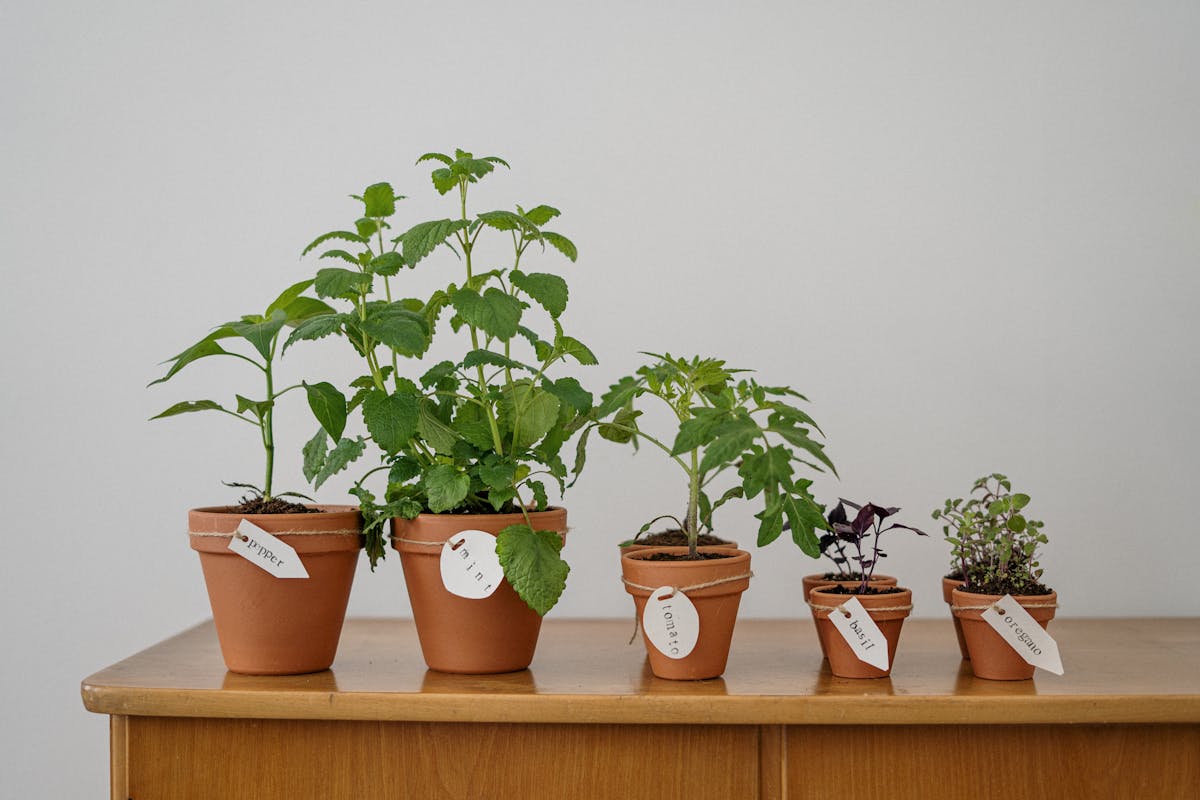
- Balcony container gardens
- Community garden plots
- Gifting to gardening friends or neighbors
- Top-dressing houseplants for slow-release nutrients
Finished compost looks dark and crumbly, smells like forest
Getting Started Today
Start simple: place a small countertop bin in your kitchen and begin collecting scraps. Once you see how much waste you’re diverting from landfills, you’ll be motivated to expand your system.
Apartment composting takes minimal space, costs less than $50 to start, and turns your kitchen waste into black gold for your plants. Give it two weeks and you’ll wonder why you didn’t start sooner. Even small-space composting makes a measurable environmental impact while giving you premium fertilizer for free.
Live Succulents Plants Live Plants (1G), Aloe Plant Live Succulent Plants Live Aloe Plants Live H…