Choosing the right fertilizer for your garden can make or break your harvest. While both organic and synthetic fertilizers provide essential nutrients, they work in fundamentally different ways. Understanding these differences will help you make the best choice for your plants and
What Are Organic Fertilizers?
Organic fertilizers come from natural sources like composted plant matter, animal manure, bone meal, and fish emulsion. These materials break down slowly in the
Common organic fertilizers include:
- Compost and composted manure
- Worm castings
- Bone meal (phosphorus)
- Blood meal (nitrogen)
- Fish emulsion
- Kelp meal
If you’re interested in making your own organic fertilizer, check out our guide on composting for beginners.
What Are Synthetic Fertilizers?
Synthetic fertilizers are manufactured using chemical processes to create highly concentrated nutrient formulas. They typically display an N-P-K ratio (nitrogen-phosphorus-potassium) on the package, like 10-10-10 or 20-5-10.
These fertilizers dissolve quickly in water and provide immediate nutrition to plants. They’re commonly used in commercial agriculture and by gardeners seeking fast results.
Benefits of Organic Fertilizers
Improves
Feeds
Slow nutrient release: Plants receive a steady supply of nutrients without the risk of burning from over-application.
Environmentally friendly: Less risk of nutrient runoff polluting waterways, and often made from renewable or recycled materials.
Long-term benefits: Builds
Benefits of Synthetic Fertilizers
Fast-acting: Provides immediate nutrition for plants showing deficiency symptoms.
Precise nutrient control: You know exactly what N-P-K ratio you’re applying, making it easier to target specific plant needs.
Cost-effective initially: Usually cheaper per application than organic options.
Convenient: Easy to apply with clear instructions and consistent results.
Which One Should You Choose?
The best choice depends on your gardening goals and situation:
Choose organic if:
- You’re building long-term
soil health - You grow vegetables and want to avoid synthetic chemicals
- You have time for the slower nutrient release
- You want to support beneficial
soil organisms
Choose synthetic if:
- Your plants show severe nutrient deficiencies
- You need quick results for a specific crop
- You’re growing in containers with limited
soil volume - You need precise nutrient ratios for specialty plants
Many experienced gardeners use a combination approach: building
Recommended Organic Products
If you’re starting with organic fertilizers, here are some top-rated options:
🛒 Top Organic Fertilizer Picks
FoxFarm Ocean Forest Potting Soil is a nutrient-rich blend of aged forest products, bat guano, and earthworm castings, perfect for indoor and outdoor plants. Its pH-balanced formula promotes healthy growth, making it ideal for seedlings, transplants, and mature plants.

This premium organic
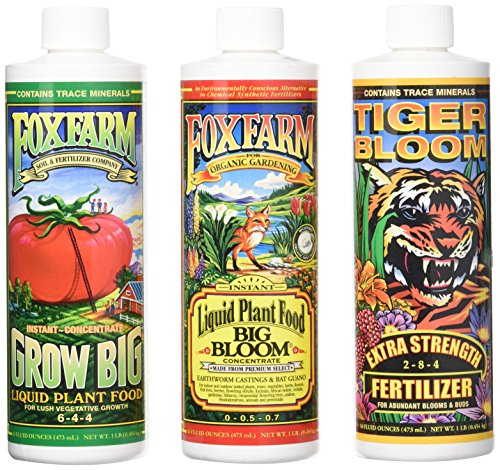
A complete organic liquid nutrient system that covers all growth stages, from vegetative growth to flowering.
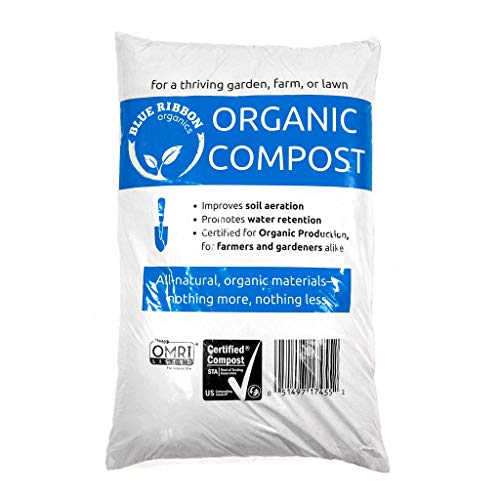
OMRI-certified organic compost that’s ready to use right out of the bag – perfect for mixing into garden beds or top-dressing containers.
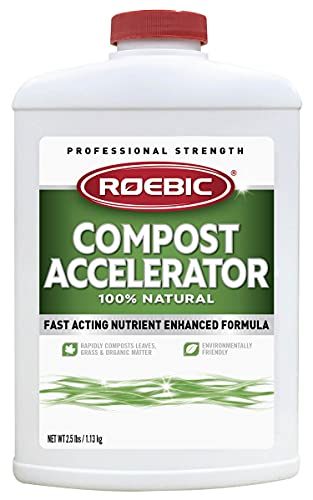
Speed up your home composting with this bacterial accelerator that breaks down organic matter faster while maintaining quality.
Final Thoughts
Neither organic nor synthetic fertilizers are inherently “better” – they each have their place in the garden. Organic fertilizers excel at building
For most home gardeners, starting with organic fertilizers and building healthy
Whatever you choose, always follow application rates carefully and remember that more fertilizer isn’t always better. Healthy plants come from balanced nutrition and good