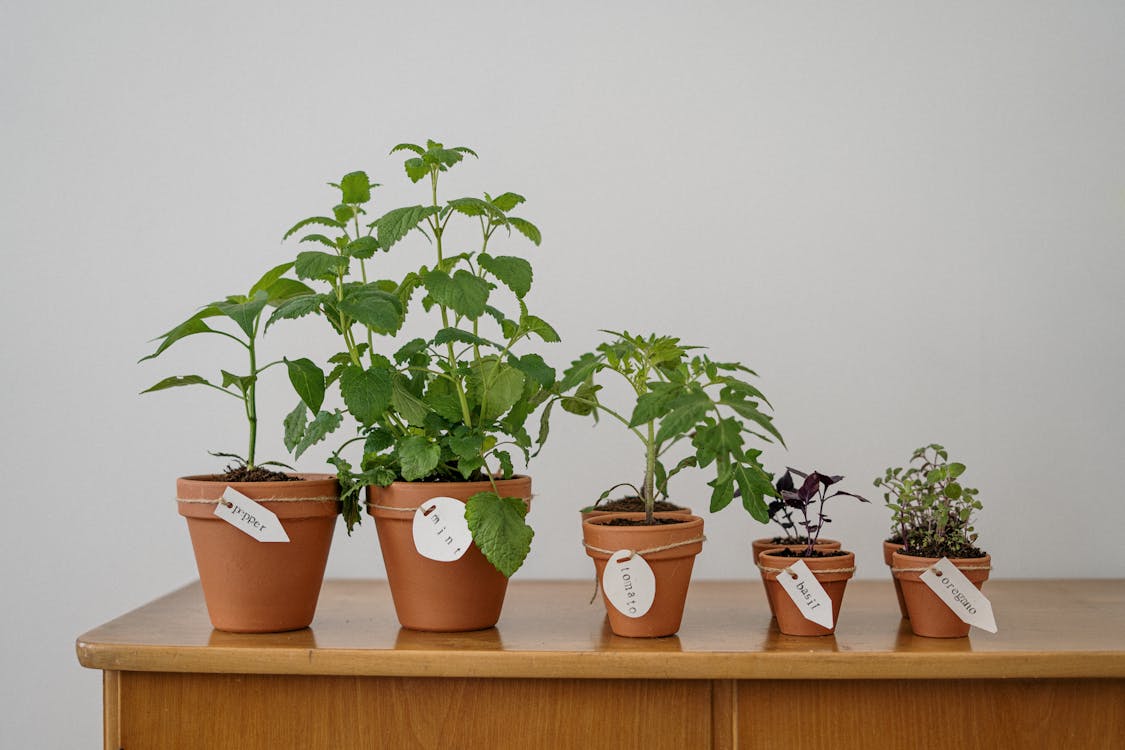
Container gardening is the perfect entry point for new gardeners and the only option for many apartment dwellers. With the right containers,
Advantages of Container Gardening
- Flexibility – Move plants to chase sunlight or protect from weather
- Accessibility – Raised containers are easier on backs and knees
- Control – Perfect
soil conditions regardless of your nativesoil - Fewer pests – Elevated plants avoid many ground-dwelling pests
- Extended season – Move containers indoors to extend the harvest
Choosing Containers
Size Matters
Bigger is almost always better. Larger containers hold more
- Herbs: 6-8 inches deep
- Lettuce/greens: 6-8 inches deep
- Peppers: 12+ inches deep, 5 gallon minimum
- Tomatoes: 18+ inches deep, 10+ gallon recommended
- Root vegetables: 12-18 inches deep depending on variety
Materials
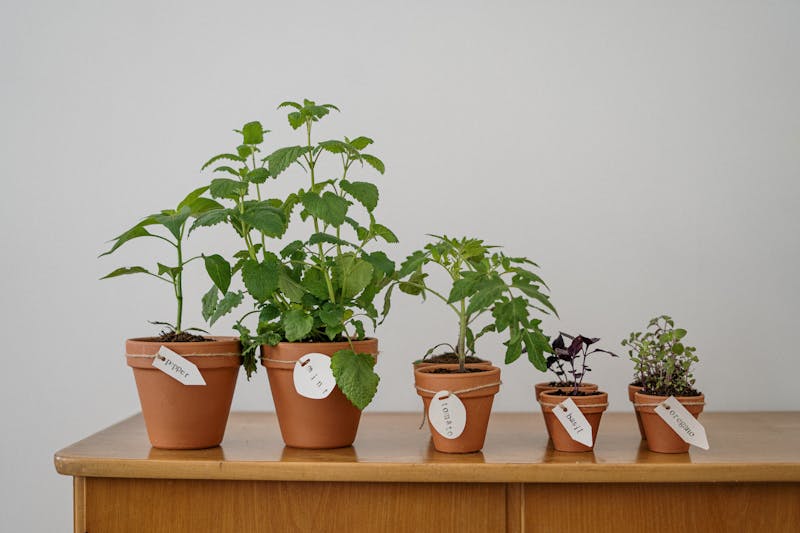
- Terracotta: Classic look, breathable, but dries quickly and breaks in freezing temps
- Plastic: Lightweight, affordable, retains moisture well
- Fabric: Excellent drainage and aeration, promotes healthy roots
- Ceramic: Attractive and heavy (stable), choose frost-proof varieties
- Wood: Natural look, insulates roots, use rot-resistant varieties
Drainage is Essential
Every container must have drainage holes. No exceptions. Sitting in water kills roots faster than almost anything else.
Container Soil
Never use garden
- Peat moss or coco coir for moisture retention
- Perlite or vermiculite for drainage
- Compost for nutrients
Best Plants for Containers
Vegetables
- Tomatoes (especially patio/dwarf varieties)
- Peppers (all types)
- Lettuce and salad greens
- Beans (bush varieties)
- Cucumbers (compact varieties)
- Eggplant
- Radishes
- Carrots (short varieties)
Herbs
- Basil
- Parsley
- Cilantro
- Mint (actually best in containers to contain spreading)
- Chives
- Rosemary
- Thyme
Container Care Tips
Watering
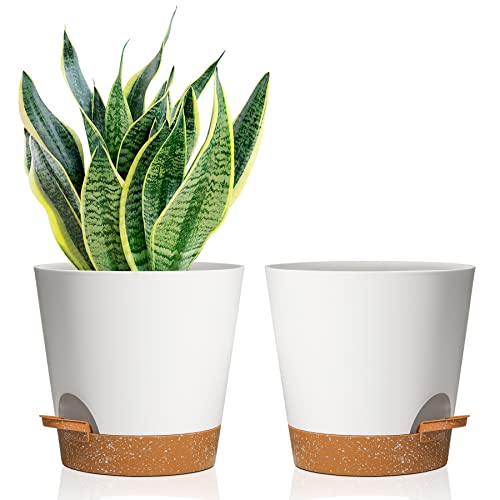
Containers dry out faster than garden beds. Check daily in hot weather. Water until it runs from drainage holes. Consider self-watering containers or drip systems for convenience.
Fertilizing
Frequent watering leaches nutrients from containers. Feed regularly with liquid fertilizer or use slow-release granules at planting time.
Positioning
Most vegetables and herbs need 6-8 hours of direct sun. Track sun patterns before positioning permanent containers.
🪴 Container Gardening Essentials
- Fabric Grow Bags – View on Amazon
- Premium Potting Mix – View on Amazon
- Self-Watering Planters – View on Amazon
As an Amazon Associate, we earn from qualifying purchases.
Conclusion
Container gardening removes many barriers to growing your own food. Start with a few containers of easy crops like herbs and lettuce, then expand as you gain confidence.
🪴 Container Gardening Essentials