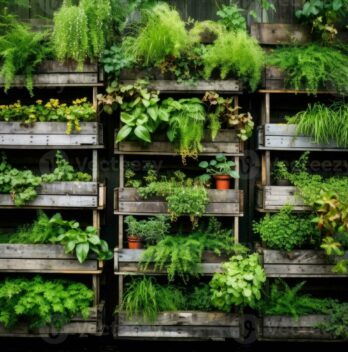
As someone who’s optimized cloud infrastructures and online gaming platforms, I’ve discovered that the same principles of efficiency apply brilliantly to gardening. Vertical gardening isn’t just a trend – it’s a strategic approach to maximizing limited space, much like designing a scalable software architecture.
The Architecture of Green Spaces
Imagine your garden as a complex system where every square inch matters. In Switzerland, where space can be as premium as our precision watches, vertical gardening has become more than a hobby – it’s a necessity.
Why Vertical Gardening Matters
Just like in tech, gardening is about intelligent design when considering Vertical Gardening:
- Space Optimization: Reduce physical footprint by 60-70%
- Resource Efficiency: Maximize sunlight and water distribution
- Scalability: Expand growing capacity without additional ground space
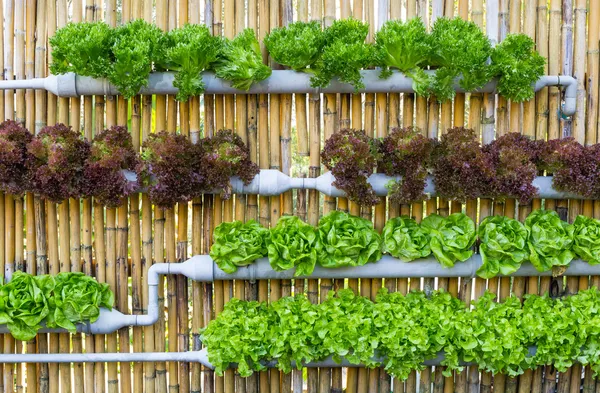
Deployment Strategies for Urban Gardeners
Drawing from my experience in system design, here are implementation approaches that mirror software development principles:
- Trellis Frameworks
Think of trellises as the structure for your plant ecosystem. They provide structural support for climbing vegetables like:
- Pole beans
- Cucumbers
- Tomatoes
- Peas
Outdoor 5.3 FT Tall Metal Arch Plant Support for Vegetable Fruit Flower Vine Plant, Pea Tunnel A-…

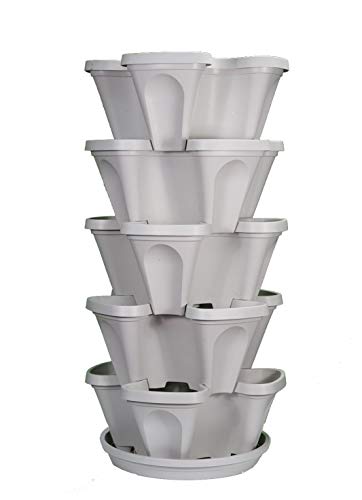
- Modular Planter Systems
Similar to containerized applications, these units can be:
- Independently managed
- Easily reconfigured
- Scaled up or down based on requirements
- Hydroponic Vertical Setups
The cloud computing of gardening – distributed, efficient, and remarkably scalable. Perfect for urban environments with limitedsoil access.
Hydroponic Growing Kit with Pump, Air Stone and Water Leveling Device for Indoor/Outdoor Leafy Ve…
- Efficient Growth: Ideal for indoor/outdoor leafy vegetables with fast, consistent growth.
- Recirculating System: Maintains water and nutrient levels, reducing waste.
- Complete Kit: Includes pump, air stone, and water leveling device, so no extra purchases needed.
- Large Capacity: 7 buckets, each 5 gallons, offering a significant growing area.
- Setup Complexity: Some users may find initial assembly challenging.
- Space Requirement: Requires a larger space due to its size

Technology Meets Horticulture
Pro tip from someone who’s deployed systems globally: technology can dramatically enhance your vertical gardening experience.
Smart Gardening Tools
- Moisture sensors to track plant hydration
- Automated irrigation systems
- LED grow lights for indoor vertical gardens
- Mobile apps for plant health tracking
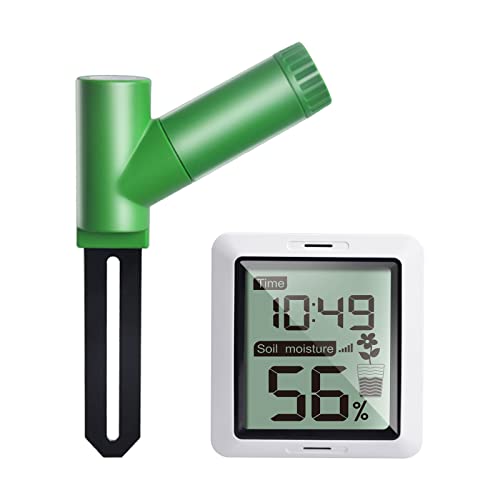
ECOWITT WH0291 Soil Moisture Meter: measures soil moisture content within 72 seconds to let you know when to water your plant
Swiss-Inspired Precision
Living in Switzerland has taught me that precision matters – whether you’re designing a software system or a garden. My approach combines meticulous planning with adaptable execution.
Recommended Plant Selection
- Herbs: Basil, mint, thyme
- Leafy Greens: Lettuce, spinach
- Compact Vegetables: Cherry tomatoes, peppers
Potential Challenges and Mitigation
Like any tech deployment, vertical gardens require strategic planning:
- Lighting Considerations
- Analyze sunlight exposure
- Use reflective surfaces to maximize light
- Implement supplemental grow lights if needed
- Water Management
- Install drip irrigation systems
- Use self-watering planters
- Monitor moisture levels consistently
- Structural Integrity
- Ensure mounting surfaces can handle weight
- Use lightweight growing mediums
- Distribute plant weight evenly
Personal Deployment Recommendations
From my mountain biking adventures to my online gaming experience, I’ve learned that success comes from:
- Starting small
- Iterating quickly
- Embracing continuous learning
Final Thoughts
Vertical gardening isn’t just about growing plants – it’s about reimagining space, embracing technology, and creating sustainable ecosystems in compact environments.
Pro Tip: Treat your vertical garden like a tech project. Plan, experiment, optimize, and most importantly – have fun with the process.
Stop reading. Start growing your vertical garden.
Vertical Gardening FAQ: Your Top Questions Answered
- What is vertical gardening?
Vertical gardening is a space-efficient gardening technique that involves growing plants vertically using suspended panels, trellises, or specialized structures, maximizing limited space by utilizing upward growth instead of traditional horizontal planting12. - What types of plants work best in vertical gardens?
Ideal plants for vertical gardens include:
- Climbing vegetables: Tomatoes, cucumbers, squash
- Herbs: Basil, mint, thyme
- Leafy greens: Lettuce, spinach
- Compact fruiting plants: Strawberries, small peppers12
- How much does a vertical garden cost to set up?
Vertical garden setups can range from budget-friendly DIY options like recycled pallets (potentially free) to more sophisticated systems costing around $150. Costs vary based on complexity and materials used45. - Do vertical gardens require special maintenance?
Vertical gardens need:
- More frequent fertilization
- Careful monitoring of water drainage
- Regular checking of support structures
- Occasional repositioning for optimal sunlight exposure2
- Can vertical gardens be created in small apartments or urban spaces?
Absolutely! Vertical gardens are perfect for:
- Balconies
- Patios
- Indoor walls
- Small terraces
- Even windowsills
They’re an excellent solution for urban dwellers with limited gardening space34.Pro Tip: Start small, experiment, and don’t be afraid to get creative with your vertical gardening approach!
🏗️ Vertical Garden Tech
- 3 METERS IN ONE: Soil moisture level, Soil pH value and Sunlight level could be tested easily according to your need by switching the function button of this soil meter.
- NO BATTERY NEEDED: Simply insert the meter into soil, wait few minutes, accurate test results will be displayed on the readout panel. No battery is needed.