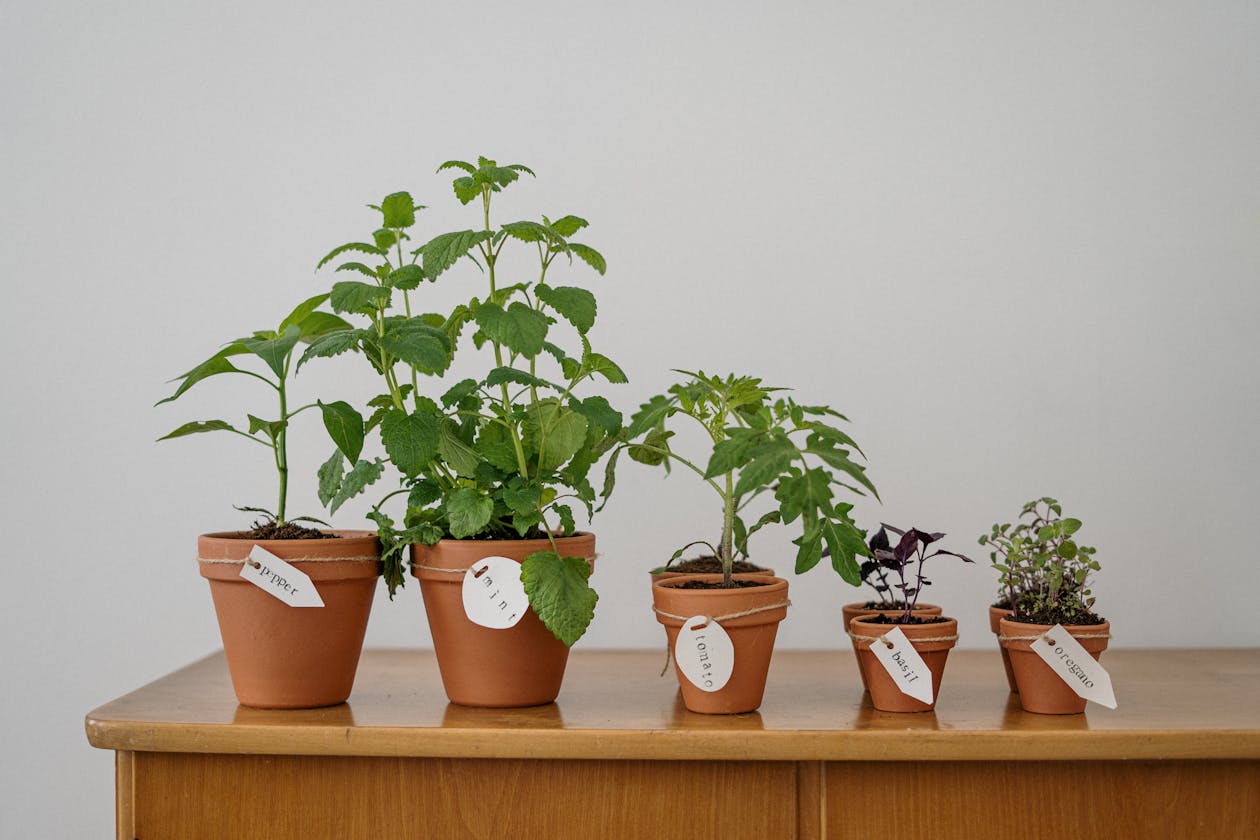
Limited outdoor space doesn’t mean you can’t have an abundant garden. Vertical gardening has become one of the hottest trends for 2026, allowing urban dwellers and apartment gardeners to grow more in less space. Here’s everything you need to know about growing up instead of out.
Why Vertical Gardening?
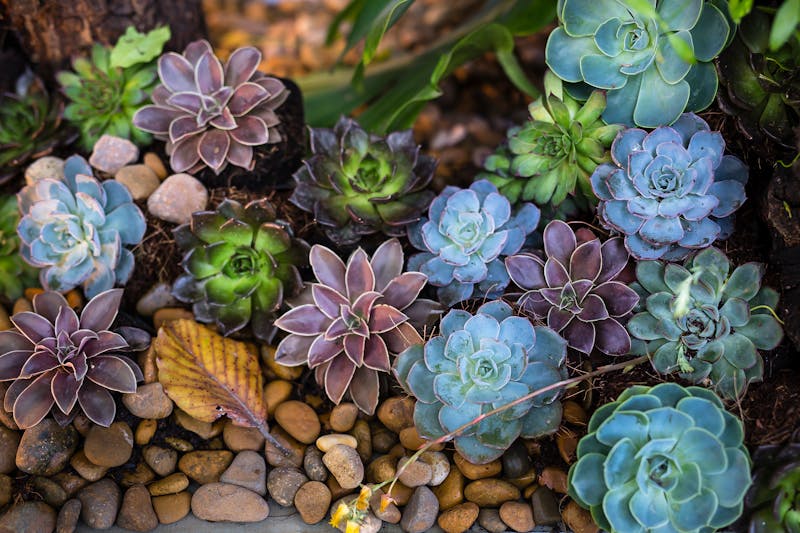
Vertical gardens maximize your growing area by utilizing walls, fences, and vertical structures. They’re perfect for balconies, patios, small yards, and even indoor spaces. Plus, vertical gardens can reduce pest problems and make harvesting easier.
Best Plants for Vertical Gardens

Vegetables
- Tomatoes – Indeterminate varieties climb naturally with support
- Pole beans – Perfect for trellises, produce heavily
- Cucumbers – Grow vertically to save space and prevent rot
- Peas – Natural climbers with delicate tendrils
- Squash – Yes, even squash can grow vertically with sturdy support
Herbs
- Basil – Thrives in vertical pocket gardens
- Mint – Contains spreading roots when grown vertically
- Thyme – Cascades beautifully from wall planters
- Oregano – Low-maintenance vertical grower
Flowers
- Petunias – Cascading varieties perfect for living walls
- Nasturtiums – Edible flowers that climb or trail
- Morning glories – Fast-growing annual climbers
- Clematis – Perennial beauty for permanent structures
Vertical Garden Systems
1. Trellis Systems
The classic choice for climbing plants. Materials range from bamboo and wood to metal and plastic. A-frame trellises work great for beans and peas, while flat trellises suit tomatoes and cucumbers.
2. Living Wall Systems
Modular panels that attach to walls and hold individual plants in pockets or cells. Great for herbs, lettuce, and strawberries. These systems often include built-in irrigation.
3. Tower Gardens
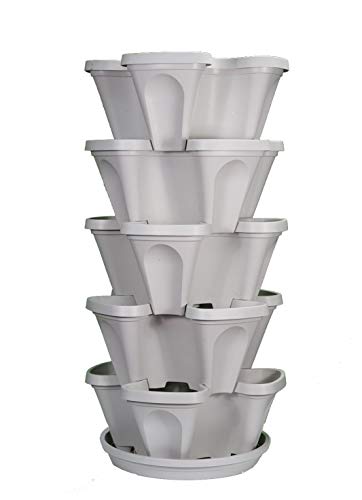
Freestanding vertical planters that can hold 20-50 plants in a small footprint. Many use hydroponic or aeroponic systems for faster growth and higher yields.
4. Hanging Systems
Tiered hanging planters, gutter gardens, and repurposed pallets offer budget-friendly vertical options. Perfect for trailing plants and herbs.
5. Espalier
The art of training fruit trees to grow flat against walls or fences. Takes patience but produces beautiful, productive results.
Tips for Vertical Garden Success
Watering
Vertical gardens dry out faster than traditional beds. Consider drip irrigation or self-watering systems. Water from the top and let gravity do the work.
Soil and Nutrients
Use lightweight potting mix to reduce weight on structures. Vertical plants often need more frequent fertilizing since water flushes nutrients quickly.
Sunlight
Remember that vertical structures can cast shadows. Plan your layout so taller plants don’t block sun from shorter ones.
Weight Considerations
Wet
🌱 Vertical Gardening Essentials
- Garden Trellis – View on Amazon
- Vertical Wall Planter – View on Amazon
- Tower Garden System – View on Amazon
As an Amazon Associate, we earn from qualifying purchases.
Conclusion
Vertical gardening opens up possibilities for growers of all experience levels and space constraints. Start small with a simple trellis or wall planter, then expand as you learn what works best for your conditions.
🏗️ Vertical Garden Essentials
Outdoor 5.3 FT Tall Metal Arch Plant Support for Vegetable Fruit Flower Vine Plant, Pea Tunnel A-…