Tag: squash

  • Best Bug Hotel Ideas

    Best Bug Hotel Ideas

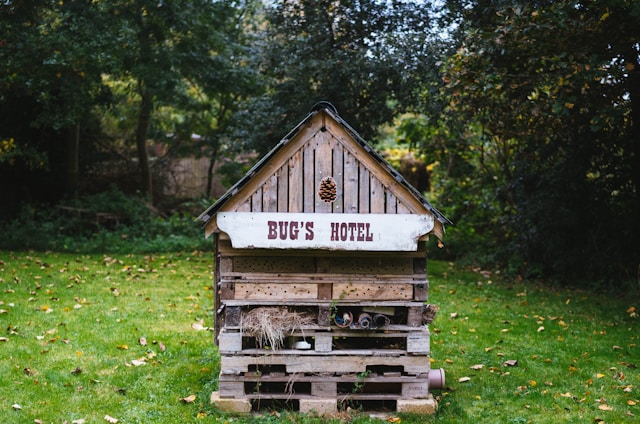
    Bug hotels are a great way to attract beneficial insects to your garden, helping with pollination and natural pest control. This article will help you find some of the Best bug hotel ideas for your garden. These charming garden additions shelter various insects, such as ladybugs, bees, and butterflies, while enhancing biodiversity.

    I’ve had several different bug hotels in my garden over the years. We received a bug hotel a few years ago as a gift, but it was of cheap quality and only lasted a season. Now, we have two bug hotels, which are better quality and have survived the third season. So, investing in a Bug Hotel with proper wood and construction will last longer in the elements of your garden and bring joy to your garden and plants.

    If you’re looking for inspiration, here are some of the Best bug hotel ideas for your garden or backyard:

    1. Wildlife World Solitary Bee Hive

    This bee hive is perfect for attracting solitary bees, such as mason and leafcutter bees, which are excellent pollinators. The Bee Hive offers multiple trays for bees to lay their eggs, easily removable for inspection or cleaning. Crafted from FSC-certified timber, this eco-friendly bug hotel provides a safe haven for solitary bees while helping your garden thrive.

    Key Features:

    • A hinged roof allows you to open it and see the bee activity in the hive
    • Made from sustainable materials
    • Weather-resistant roof for year-round use
    • Attracts important pollinators to your garden
    Best Seller
    Solitary Bee Hive with Hinged Roof

    The Bee House Through A Clever Swivel Roof whic…

    We earn a commission if you make a purchase, at no additional cost to you.

    2. Lulu Home Wooden Insect Hotel

    The Lulu Home Wooden Insect Hotel is designed to attract beneficial insects like butterflies, ladybugs, and bees to your garden. This eco-friendly bug house is made from natural materials and provides a safe habitat for various pollinators and pest controllers. The multi-chamber design accommodates different species, offering them shelter to nest and hibernate. It enhances your garden’s ecosystem by promoting biodiversity and natural pest control.

    Key Features:

    • Promotes Garden Health: Attracts beneficial insects like ladybugs and bees, which help with natural pest control and pollination.
    • Eco-Friendly Materials: Made from natural wood, providing a sustainable and safe habitat for various species.
    • Multi-Chamber Design: Offers shelter for different types of insects, supporting biodiversity and enhancing your garden’s ecosystem.
    Amazon Choice Selection
    Lulu Home Wooden Insect Hotel
    $13.99

    Lulu Hanging Insect Hotel made from wood,  Habitat, Bug Hotel Garden, 10.4 X 3.4 X 5.4 Inch<...

    We earn a commission if you make a purchase, at no additional cost to you.
    02/09/2026 03:04 pm GMT

    3. TIHOOD Natural Wooden Hanging Bee House

    The TIHOOD Natural Wooden Hanging Bee House is a stylish and functional insect house that attracts beneficial bugs like bees, ladybugs, and butterflies. Crafted from natural wood, this eco-friendly bug hotel provides a perfect habitat for various species, promoting pollination and natural pest control in your garden. Its multi-chamber design offers separate sections for different insects, helping enhance biodiversity and overall garden health.

    Key Features:

    • The multi-chamber design supports different insect species for a balanced ecosystem.
    • Encourages pollinators and pest controllers in your garden.
    • Eco-friendly construction with natural wood materials.
    TIHOOD Natural Wooden Hanging Bee House
    $24.99

    For Gardens Natural Wooden Butterfly Hotel for Bee, Butterfly, Ladybirds, Habitat, Bee Hotel Gard…

    We earn a commission if you make a purchase, at no additional cost to you.
    02/09/2026 05:01 pm GMT

    4. Esschert Design WA46 Insect House S

    The Esschert Design WA46 Insect House S is perfect for small gardens or urban spaces. This compact yet highly effective bug hotel provides a home for bees and other pollinators, supporting your plants’ growth. Made from untreated FSC wood, it’s safe for insects and environmentally friendly, making it an excellent choice for eco-conscious gardeners.

    The construction of this particular Bug Hotel stands out. It has a metal roof, which will help the wood last longer in the elements.

    Key Features:

    • Compact and space-efficient
    • Made from eco-friendly materials
    • Metal roof
    Esschert Design WA46 Insect House S
    $89.53

    Great design and metal roof make this a long-lasting option for your garden

    We earn a commission if you make a purchase, at no additional cost to you.
    02/09/2026 03:04 pm GMT

    5. Navaris Wood Insect Hotel

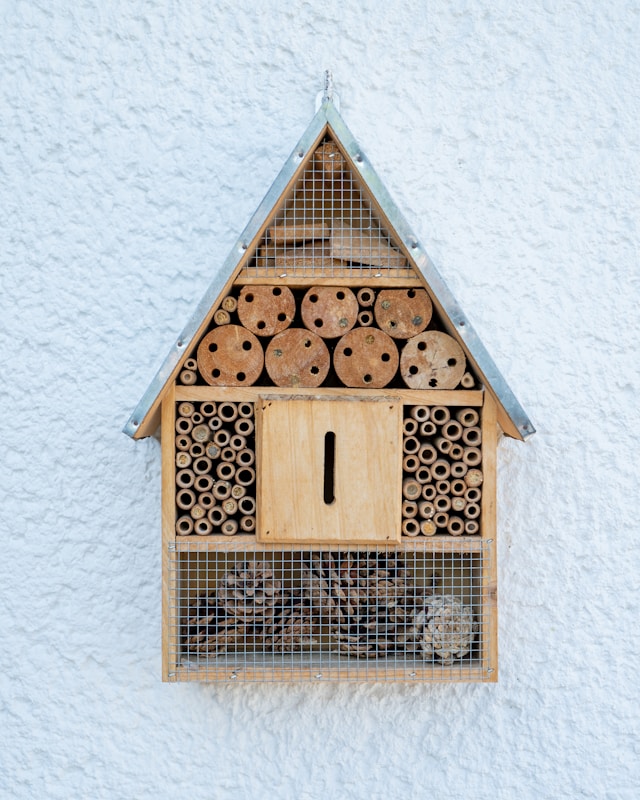
    The Navaris Insect Hotel is a well-rounded bug house with sections for bees, butterflies, ladybugs, and other insects. It includes compartments filled with natural materials such as bamboo, wood, and pine cones to suit various species. This stylish bug hotel attracts beneficial insects and serves as a decorative element in your garden.

    Key Features:

    • Large, multi-chamber design
    • Made from natural, untreated wood
    • Metal roof to protect the wood from rain and the elements
    • Attracts a wide range of helpful insects
    Our Pick
    Navaris Wooden Insect Hotel
    $26.49

    Give back to your garden in the best way possible by providing a home to pollinators like wild be…

    We earn a commission if you make a purchase, at no additional cost to you.
    02/09/2026 09:05 am GMT

    Why Add a Bug Hotel to Your Garden?

    Bug hotels provide crucial shelter and nesting spaces for beneficial insects that support your garden. Pollinators like bees help flowers, fruits, and vegetables grow, while predatory insects like ladybugs naturally control pests such as aphids. A well-placed bug hotel can increase biodiversity, promote healthier plants, and reduce the need for chemical pesticides.
    best bug hotel ideas 2

    Tips for Setting Up a Bug Hotel

    • Location, Location, Location: Place the bug hotel in a sunny, sheltered spot, ideally close to flowers or garden beds. If possible, find a spot with less rain exposure, which will help the bug hotel last longer.
    • Materials: To attract different insect species, your bug hotel should include a variety of materials, such as bamboo, wood, and pine cones.
    • Maintenance: While bug hotels are low maintenance, they should be checked occasionally to ensure they are clean and functioning correctly.

    Conclusion

    Investing in a bug hotel helps the environment and supports a healthy and thriving garden. I hope this article helped you determine the best bug hotel ideas. Whether you want to attract bees for pollination or ladybugs for natural pest control, these bug hotels offer a range of options to suit different gardens and budgets. With the correct setup, your garden can become a sanctuary for helpful insects, creating a balanced and eco-friendly environment.

    🐝 Our Top Bug Hotel Pick
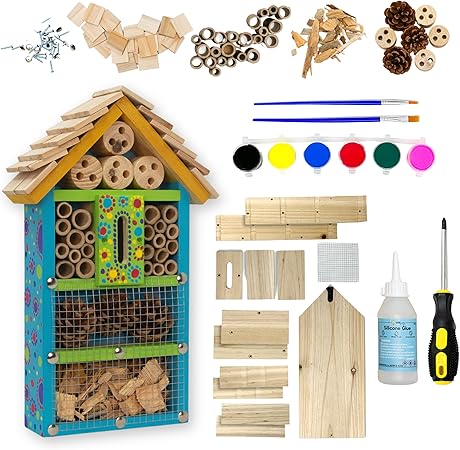
    Our Choice
    Premium Bug Hotel Kit
    $34.99

    DIY Solid Cedar Wood Craft Kit for Building Your Own Bee Hotel, Lady Bug House, or Mason Bee Hous…

    Check Amazon Price
    We earn a commission if you make a purchase, at no additional cost to you.
    02/09/2026 11:02 pm GMT
    Best Seller
    Solitary Bee Hive with Hinged Roof

    The Bee House Through A Clever Swivel Roof whic…

    We earn a commission if you make a purchase, at no additional cost to you.
  • Green Spaghetti Squash: What This Means

    Green Spaghetti Squash: What This Means

    Why do I have green spaghetti squash inside, is it supposed to be this color when ripe, and is it safe to eat?

    Spaghetti squash is one of the most popularly grown vegetables that most people love to eat. It’s like pasta but it’s not pasta.

    Sometimes people notice that the spaghetti squash is green inside instead of its usual yellow or golden color. “Why do I have green spaghetti squash”, this question is typed all over the internet meaning so many people want to find out the answer.

    To demystify this question, let us look at all the information about spaghetti squash.

    Why Do I Have Green Spaghetti Squash Inside?

    When you are at the store buying a spaghetti squash, look for those that have a nice lemon yellow color. If you notice a squash is green inside, it means it isn’t ripe and will have to stay longer before you can use it.

    If a spaghetti squash is green and soft, it is more likely to rot than ripen when off the vine. If it has hints of yellow and the squash appears to be full-sized and sounds solid when tapped, it could be mature and ready for eating.

    So Why Is My Spaghetti Squash Green Inside

    If you are growing spaghetti squash in your garden, look for those that have smooth skin and feel heavier than others. Those are signs of a perfectly ripe spaghetti squash ready to be harvested off the vine.

    However, if the fruit is too mature it may already be rotting inside, so it’s hard to tell what stage it is at by just looking at it. Go ahead and try to cut into the fruit by gently prying open the rind just enough to see inside then softly pressing back together. If you notice any green spots or dark discoloration on the seeds, that is an indication that it has begun to rot.

    How Do You Know if Spaghetti Squash is Bad Inside?

    There are several signs to tell if your spaghetti squash is bad inside. They include:

    • Check to See if it is Green Inside. The first rule of thumb is to not eat or cook spaghetti squash if it is green or almost completely green. The easiest way to know if it’s ready for eating is by looking at its color. A fully ripe one should have a bright yellowish-orange tone.
    • Check the Rind for Any Discoloration. Any discoloration on the rind means the spaghetti could be rotten on the inside. If the rind appears to be saggy or has a dark spot, do not cook it.
    • Check for Any Soft Spots on the Exterior of the Fruit. Any small soft spot can turn into a large dark patch very quickly so if you notice anything with discoloration toss them immediately.
    • Are the Seeds Brown? When you are cooking spaghetti squash at home, do not eat those that have already begun to turn brown on the seeds as this may indicate the presence of harmful molds that can cause foodborne illnesses.
    Our Pick
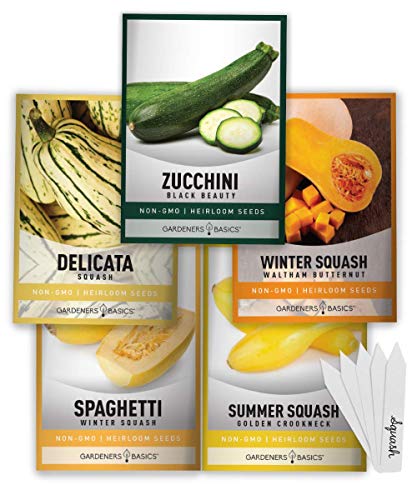
    Squash Seeds for Planting 5 Individual Packets – Zucchini, Delicata, Butternut, Spaghetti and Golden Crookneck
    $9.95

    Gardeners Basics Squash Seeds for Your Non-GMO Heirloom Vegetable Garden

    Check Amazon Price
    We earn a commission if you make a purchase, at no additional cost to you.
    02/09/2026 11:03 am GMT

    How to Ripen Spaghetti Squash

    If you happen to harvest or buy your spaghetti squash when it is not fully ripe, you can ripen it indoors. Here are several ways you can ripen your spaghetti squash

    • Store it in a cool dry place, away from any direct sunlight for about ten to twelve weeks. Simply put, store spaghetti squash as if you store bananas because they both ripen faster when kept at room temperature instead of cold storage area.
    • Keep it on top of your counter. Ripen spaghetti squash at home by keeping it on top of your counter or kitchen table to allow the fruit to breathe well and avoid overly moist conditions.
    • You can also ripen this winter gourd off the vine but make sure to leave 1/2 inch space between each other so there is enough air circulation around them.
    • To know if your spaghetti squash is ripe, check the bottom for any indentations. Mature spaghetti squash will have roots on the bottom while immature ones do not.

    Check Out The Top 5 Cherry Tomato Varieties Chart

    Spaghetti Squash’s Shelf Life

    How long does spaghetti squash stay outside after picking? Spaghetti squash has a short storage life and should be kept indoors at room temperature for no longer than ten days, so it’s best to use them as soon as possible after harvesting or purchasing from the grocery store!

    Leaving winter squashes out can cause faster deterioration due to moisture loss and rotting because of a quicker oxidation process happening inside the fruit.

    What Color Spaghetti Squash Should I Pick? 

    The skin of your spaghetti squash should be a yellowish-golden hue. It will start as creamy and then transition to bright. If the squash has an even yellow color, it’s ready for harvest. If you notice green-yellow spots, leave it to grow a little more. But be careful. Once your spaghetti squash reaches an orange hue, you will only be able to preserve it for a short time. 

    You can use other methods besides color to determine if your spaghetti squash is ready for harvesting. Just relying on the color can leave you unsure. Here are two other ways to determine ripeness:

    Check the Skin: Ripe spaghetti squash will have almost flawless skin. There won’t be any bruising or indentations. If these are present, your squash is damaged or overripe. 

    The Fingernail Method: You can try pushing your fingernail into the squash skin. Mature fruit will be tough and challenging to penetrate. If you can puncture the squash skin, it needs more time to grow. 

    Spaghetti squash starts as a small fruit with white or green skin. It takes up to 110 days for it to mature. You can use this timeline as another indicator for ripeness if you’re unsure about the color of your squash. 

    Can You Plant Spaghetti Squash in August?

    Spaghetti squash can be grown for a summer or fall harvest. If you’d like a fall harvest, you can plant your spaghetti squash in August. 

    You should choose a spot that gets full sun for at least 8 hours daily. Starting your seedlings indoors can help you yield healthier plants. They’ll be ready to transplant outdoors in August if you start them in June or July. Dig a hole that’s a little bit larger than the plant root. Carefully place the plant inside and fill it with organic soil

    If you want to sow your seeds directly outside, ensure they’re 1 inch deep. You should leave approximately 12 inches between each seed, so your plants have enough space to grow. Spaghetti squash needs watering directly after you’ve planted them. 

    You’ll start seeing fruit form about 8 weeks after you’ve sowed your seeds. The squash will be ready to harvest in another 7 or 8 weeks, ensuring that you have fall squash. 

    When to Harvest Spaghetti Squash?

    The best time is just before the first winter frost has made its way. This is usually around early fall time. One of the easiest ways to tell when your spaghetti squash is ready to harvest is to make a note of when your spaghetti squash has bloomed. Then anywhere from 40-50 days after that, your spaghetti squash is likely to be ripe and ready to harvest.

    When is Spaghetti Squash Ripe?

    As soon as the spaghetti squash turns yellow, either golden or dark yellow; this usually means it’s ripe and ready to pick! This can happen anytime from around 40-50 days after your spaghetti squash has bloomed. Your ripe spaghetti squash should be firm, not soft, or brown.

    How to Tell if Spaghetti Squash is Ripe

    If you’re wondering what the best way is to tell whether your spaghetti squash is ripe, there are actually a few easy methods to ensure you pick your spaghetti squash at just the right time. Let’s take a closer look.

    • Color. If you have green spaghetti squash, it is simply not ready to be picked and it should be left longer. And if you have light orange spaghetti squash, you’ve likely waited too long and it’s now over-ripe. The ideal color for ripened spaghetti squash is golden yellow.
    • Clear Skin. If your spaghetti squash shows any markings, bruising, or indentations, it’s likely too late to save your spaghetti squash. It should have clear skin.
    • Use Your Finger. Gently press your finger onto the spaghetti squash skin. When you press down, it should be firm and not go straight through. However, if it does, then you should discard the spaghetti squash, as it’s now too ripe.
    • Use Your Fingernail. You can also try this with your fingernail. Gently press your fingernail into the spaghetti squash skin. If your fingernail doesn’t go through, it’s a sure sign your spaghetti squash is firm enough to harvest, and enjoy.

    Spaghetti Squash When to Pick: The Ideal Time

    You may wonder when the ideal harvesting time is for your spaghetti squash. The best time to harvest is either in late summer or early fall, before the first winter frost hits. You’ll know when they’re ready because the squash will have turned a golden yellow or a dark yellowish color.

    Nutrition of Spaghetti Squash

    Many people choose spaghetti squash over carbohydrates such as pasta. So, you may be curious as to what the nutrition is when it comes to spaghetti squash. Each cup of spaghetti squash contains the following:

    • calories: 31
    • fat: 0.6g
    • saturated fat: 0.1g
    • carbohydrates: 7g
    • dietary fiber: 1.5g
    • sugar: 2.8g
    • protein: 0.6g
    • cholesterol: 0g
    • sodium: 17.2mg
    • potassium: 109mg

    As you can probably tell from the nutrition, spaghetti squash is much healthier than traditional pasta, so it’s a great substitute if you’re on a low-carb diet, or simply trying to be healthier.

    Spaghetti Squash harvesting

    Conclusion: Green Spaghetti Squash 

    Spaghetti squash, also known as vegetable noodles, has a delicious taste and texture. The flesh of the spaghetti squash has a very mild flavor which makes it a good choice for pairing with almost any sauce or side dish.

    Slice your spaghetti squash thin and use it in place of regular pasta; just be sure to cook it first before you serve. If you’re not planning on using your spaghetti squash right away after cooking you can freeze the remaining half and then thaw it out for later use.

    To freeze cooked spaghetti squash, just cool the leftovers of your spaghetti squash to room temperature then transfer them to an airtight container and place the container in the freezer.

    Why do I have green spaghetti squash? Hopefully, after reading this post you are wiser and can enjoy your spaghetti squash before it goes bad. How about you try new recipes as accompaniments for your spaghetti squash to consume it more often without getting bored?

    Do you have any tips or tricks when it comes to green spaghetti squash? If so, please feel free to let us know in the comments below. And remember, sharing is caring! 

    FAQs

    Is it safe to eat green spaghetti squash?

    Yes, but do not eat them if they are too mature. Spaghetti squash turns green on the inside when it becomes overripe.

    Why is spaghetti squash turning yellow before its time to be harvested?

    Spaghetti squash starts turning yellowish orange or dark greenish color once reaching optimal maturation stage of harvest.

    How do you know if spaghetti squash is bad inside?

    There are several signs to tell if your spaghetti squash is bad inside, they include rind discoloration, green flesh, or soft spots on the exterior of the fruit.

  • Does Zucchini Have Seeds? – Zucchini Seeds 101

    Does Zucchini Have Seeds? – Zucchini Seeds 101

    Zucchini is one of the most delicious and versatile squashes out there. Once you try it, you will want more. You will want to grow it yourself asking questions such as; Does zucchini have seeds?, How do I propagate my zucchini?, How long will it take before I can enjoy my zucchini squash after planting? 

    Let us discuss this topic in detail.

    Zucchini

    Zucchini, also referred to as courgette or baby marrow is a summer squash that is usually harvested while it is still immature, while its seeds and skin are still soft. They come in different colors such as the regular green, and the more unusual golden yellow and orange varieties. All of these are equally delicious if you ask me.

    Zucchini squashes can get up to about three feet in length. They are however harvested when they are about 6-10 inches long.

    Originally from America, these squashes are now grown worldwide and are used in many different dishes.

     "how to save squash seeds to plant next year

    Does Zucchini Have Seeds?

    Zucchini is propagated by seeds that are collected from larger squashes. Because zucchini for eating are harvested when they are still small and immature, the seeds appear very small and may seem insignificant.

    But if you want to grow more from your own crop, you will need to let some of your zucchini squash mature and then collect the seeds for the next growing season. You will then plant these in the soil to grow another crop, and keep this cycle going.

    Types of zucchini

    There are three different main types of zucchini;

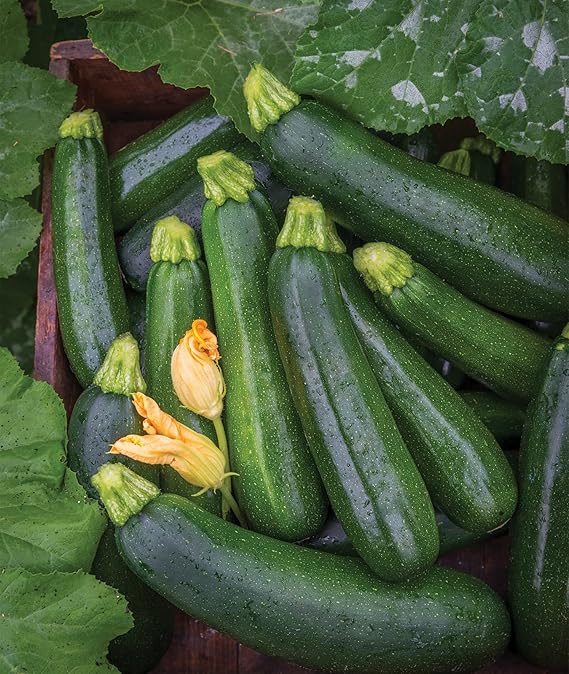
    • The black beauty – is the most common type of zucchini squash that is found in most grocery stores and most commonly grown, that is the long green one,
    • The gourmet gold – is similar in taste, shape, and texture to the black beauty, except it has a golden yellow color, and finally
    • The globe zucchini – This one has a different overall appearance from the other two. It has a globe shape and grow up to eight inches in width. This ball shapes zucchini squash is usually prepared by stuffing it, and then cooking it with the stuffing. Simply scoop the seeds out and stuff them with whatever you may like. The seeds are also perfectly edible if you would like to eat them as well.

    What Do Zucchini Seeds Look Like?

    Zucchini seeds are small, usually yellow in color and have a flat appearance. They look very similar to pumpkin and the seeds of other squashes. You should therefore carefully label them if you have seeds of other squashes as well because they may get mixed up and it will be difficult for you to tell them apart.

    81TiizfvHuL. AC SX569

    Harvesting Zucchini Seeds – Step By Step

    Knowing how to harvest zucchini seeds is important if you are going to keep and grow them. Here is how you do it.

    Step 1: Cut the zucchini open

    Because the skin of a mature zucchini squash may be hard, you will need a sharp knife to cut it open, and cut through it to open it up.

    Step 2: Scoop the seeds out

    Use a spoon to scoop the seeds out and separate them from the stringy flesh that surrounds them.

    Step 3: Ferment the seeds

    Put your seeds in a clean container, and put a bit of water to keep them moist. Close the container tightly and let the seeds sit in there for a few days. This process will help to clean them.

    Step 4: Clean the seeds

    After the fermentation process has completed, take your seeds out and rinse them so clean them. The flat, empty seeds will float to the top. These ones are not viable for planting, only keep the heavy ones that settle at the bottom. These are the ones that you will keep for planting.

     Does zucchini have seeds?

    Step 5: Dry the seeds

    After cleaning, dry the seeds by spreading them in a single layer and placing them in a sunny spot to dry. You may need to turn them every now and then to make sure that they dry evenly. If there are any wet spots, your seeds might get moldy.

    Step 6: Store the seeds

    After the seeds have dried, carefully store the seeds in a container or envelope and label them so you do not lose them. Store them in a cool dry place until you need to use them.

    How To Save Squash Seeds To Plant Next Year?

    To save your squash seeds to plant for the next year, follow the step by step above to harvest, clean, and store them in a place where they will not be exposed to moisture which may rot them, or where they will not get pests attacking them. This will help save your squash until you can plant them the next growing season.

     how to harvest zucchini seeds

    How to Start Zucchini Seeds

    To start your zucchini seeds before planting, soak them in water at least 24 hours before planting. Soaking them in water will rehydrate them, which will help to speed up the germination process.

    The next day, plant your seeds in your prepared soil and water them. If you take good care of your seeds they will sprout into new zucchini seedlings that will grow and grow squashes that you will enjoy.

    Conclusion – Does zucchini have seeds?

    As you will have gathered from this article, yes zucchini squash have seeds that are used in propagating this lovely and nutritious vegetable. If you are unsure at first, of whether you will be able to identify the seeds, you can purchase seedlings to plant at first, and from your first harvest, you will start keeping your own seed by following the steps carefully outlined above to do so.


    You will definitely not regret growing your own zucchini when you start enjoying the fruits of your labor. You can enjoy this healthy vegetable and can even share it with your pet dogs if you have any.

    Happy gardening!

    If you enjoyed reading this article and found it useful, please see free to share it with your family and friends.

  • Problems Growing Spaghetti Squash? – Solutions Revealed!

    Problems Growing Spaghetti Squash? – Solutions Revealed!

    Problems Growing Spaghetti Squash? Let me tell you; growing spaghetti squash isn’t without problems. Like other crops, you’re likely to deal with rot or insects. Luckily, there are solutions to these issues.

    Spaghetti squash is a favorite in our home. We grow this veggie every year. In this article, I share how easy it is to grow and list some common problems we’ve encountered. I also give you the solutions to these. 

    Is It Difficult To Grow Spaghetti Squash? 

    Many people think spaghetti squash is hard to grow since it’s a tough vegetable. Surprisingly, it’s one of those crops that thrive on love alone. 

    This veggie is a popular choice for beginners. It’s straightforward to care for, although it has some specific requirements. Still, giving it enough sunlight, water, and fertilizer isn’t that challenging. You just need to start with the base, which is providing the right soil

    If you don’t get the basics right the first time, some issues could arise. Luckily, these small things can easily be overcome if you identify them and act immediately. You’ll get your spaghetti squash healthy again in no time!

    Check Out Aloe Vera Plant Growing Outwards: Is It Reason For Concern?

    Growing Spaghetti Squash: Problems And Solutions

    There are some squash growing problems that many gardeners have come across over the years. You may face brown spots on your squash or rotting on the vines. 

    The problems in your squash garden can come from several factors. Don’t be discouraged because these problems can be solved just as fast as they occur. 

    Common Problems Growing Spaghetti Squash

    • Squash Rot: This is the most common problem in spaghetti squash plants. When the squash is big and heavy, it may stay on one side of the vine, causing it to rot. 
    • Flowering Without Vegetables: While nobody grows spaghetti squash for the flowers, not having healthy ones could mean no vegetable growth. This usually happens when poor pollination occurs. 
    • Mildew: White powdery substances on your spaghetti squash isn’t a good sign. Mildew can even cause brown spots on spaghetti squash if it is left for too long. 
    • Improper Watering: You need to know precisely how much water any plant needs before attempting to grow one yourself. Spaghetti squash is susceptible to over- and underwatering. 
    • The Wrong Soil: Suitable soil is essential since this is where your squash gets most of its nutrients. The ground you choose is the forever home of your plant, so ensure that it is the right choice. 
    • Pests: Borers and squash bugs feed on healthy spaghetti squash plants. They suck out all the nutrients from your plant, leaving you with an unhealthy or dead one. 

    How To Solve These Problems Growing Spaghetti Squash

    • Squash Rot: Find a way to lift each squash a little. This prevents excess moisture from staying under the vegetable and causing rot. 
    • Flowering Without Vegetables: Have patience before looking for a pollen substitute. The male flower comes first, waiting for a female flower to mate with. Only after this has happened will the vegetables start to grow. If you’ve been waiting for a long time and nothing is happening, you can move on to the next solution. You need to do the pollination yourself or find a way to lure extra bees. 
    • Mildew: Remove any leaves, stems, or vegetables affected by powdery mildew. Cut the piece off and wash the remaining plant if there are any brown spots. 

    Mite Control Biopesticide and Plant Safe Insecticide by Mitexstream

    61tZApAlylL. SX466
    • Improper Watering: Overwatered squash plants can be saved by repotting or moving them into extra sunlight. For under-watered plants because you can add some extra water or watering times to your schedule. 
    • The Wrong Soil: Talk to a professional about suitable soil for your plants. Spaghetti squash needs a specific pH balance and loose, airy soil
    • Mix some compost into the soil to add extra fertilization. Doing this solves more than one problem with a single solution.
    • Pests: Pesticides are your best bet, but try to opt for natural ones. Spray your spaghetti squash plants frequently and manually remove any insects or eggs. 

    Why Is My Spaghetti Squash Dying On The Vine?

    A common problem in growing spaghetti squash plants is some rotting or browning on the vine. The culprits are usually nasty little pests nibbling on your plants.

    If your squash is dying on the vine, it means your plant is now home to some hungry insects. You’ll likely see them if you take a closer look. 

    Squash Vine Borers – Problems Growing Spaghetti Squash

    • These little bugs come from moth eggs. You can see the eggs with the naked eye, but sometimes they hatch before you do.
    • If you can get rid of the adult moths, you should be halfway there. Find a way to keep them away permanently and check the vines for bugs or tiny unhatched eggs. 
    • Some borers manage to hatch before you can remove them. They make a tunnel in your vines to start the process of becoming adult moths. You can find the hole and cut the vine off or just remove the larvae.

    Squash Bugs – Problems Growing Spaghetti Squash

    • All variants of squash bend under the wrath of these insects. Despite their name, they don’t live off the meat from the vegetable but suck on the leaves. 
    • They munch on the leaves of any squash, from spaghetti squash to butternut. When these bugs are done with your plants, the leaves will be dead and wilted. They suck all the nutrients out and leave nothing for the squash. 
    • You must remove them while they’re still in eggs before they can lay a new batch. They start ruining your spaghetti squash leaves as soon as they hatch, by which time they’re challenging to get rid of. 
    Squash Bugs - Problems Growing Spaghetti Squash

    In Conclusion – Problems Growing Spaghetti Squash

    Spaghetti squash is a fall favorite and easy to grow. While you may run into some issues, they all have quick solutions. If you spot them early, you can still save your crops. The key to growing squash is keeping a close eye on them.

    I hope this article was an informative read. If you have more questions about spaghetti squash or an issue you encountered, ask them in the comments. 

  • Will Butternut Squash Ripen Off The Vine?

    Will Butternut Squash Ripen Off The Vine?

    Do you know how and when to determine if butternut squash is ready for harvest? Will butternut squash ripen off the vine or not? These questions and more shall we answer in this insightful post.

    Butternut squash which is a winter squash is a rich-tasting squash that can be incorporated into sweet and savory dishes. This squash is one type of squash that is most loved amongst growers.

    Butternut squash is this kind of squash that is characterized by this hard outer skin. This squash can even be stored in a cool and dry spot for as long as 6 months once it has matured.

    Will butternut squash ripen off the vine or not is what we would like to know. We will also discuss how to tell if butternut squash is ready for harvesting, how to store butternut squash, and so on. So, let’s dig in.

    Will Butternut Squash Ripen Off The Vine?

    It may be possible for butternut squash to get ripened off the vine. But usually, it’s better to allow butternut squash to remain on the vine so they can get ripen. Leaving them on the vine to ripen allows them to taste better and even last longer.

    However, there are some situations that cause us to harvest our butternut squash early. Winter is the most common cause for growers to harvest their butternut squash very early. So, if your region experiences winter earlier than expected, butternut squash can be harvested early. Then you can use curing techniques just to improve the length of the storage.

    Butternut Squash Ripen Off The Vine

    How To Ripen Butternut Squash Off The Vine

    So, if the frost in your region is predicted to come earlier than expected, then harvesting your butternut squash is advisable so they won’t freeze on the vine.

    You may get lucky trying to ripen butternut squash off the vine. So, here are some tips on how to ripen butternut squash off the vine:

    • Clip the butternut from the vine and aim to leave several inches of stem. Do this the morning before the frost.
    • Then try curing the unripe squash by storing it at 80 to 85 degrees Fahrenheit. Also, provide a humidity range of 80 to 85 percent for 10 days.
    • This curing procedure is used to extend the storage life of butternut squash by hardening the skin, healing the wounds, and ripening the immature squash.

    Read more about Get To Know Some Of The Best Worms For Vegetable Garden

    How To Tell When Butternut Squash Is Ripe

    It may seem a bit tricky to determine when butternut squash is ripe. But with the right knowledge, you can know when this squash is ripe.

    To get a sweet and better-tasting butternut squash, it is important you harvest them at the right period. If butternut squash is left too long on the vine, it can get rotten. On the other hand, if butternut is picked too early, you will get an unripe and less sweet fruit.

    gonicc 8″ Professional Premium Titanium Bypass Pruning Shears (GPPS-1003)

    Will Butternut Squash Ripen Off The Vine

    Most growers like to work on the duration of time to tell when butternut squash is ready for harvest. For instance, if butternut squash was planted on time during summer, the squash may get ripened in late September or sometime in October.

    However, there are 3 main factors that determine when butternut squash is ready for harvesting and they are discussed below:

    1.    Color And Length – Will Butternut Squash Ripen Off The Vine

    Once butternut squash is matured, the squash will usually attain a length of 12 inches. Also, you should notice a deep tan color once the fruit is ripe. But to get a better-matured squash, the color should help you determine the ripeness of the squash.

    2.    Test Using Fingernail

    The fingernail test is one good method to know when to harvest your butternut squash. The test is simply done by pushing your fingernail through the skin of the butternut squash. The squash isn’t ready for picking if the skin punctures. Then if the skin of the butternut squash feels very hard and refuses to be punctured, then it is ripe.

    3.    Brown Color Of The Stem – Will Butternut Squash Ripen Off The Vine

    The butternut squash is attached to the vine of the fruit by a short stem. During most of butternut squash growing season, the stem is often green. But once the fruit begins to ripen, you will notice the stem starts to turn brown. Again, when the stem is totally brown and dried, it’s a good indication that the fruit is matured.

    Storing Butternut Squash

    So, after you must have cured your harvested butternut squash, simply wipe or brush out any dirt on the fruit. Then make sure you keep them dry. Butternut squash should be stored in a cool and dry place. The temperature range should be between 50 to 55 degrees Fahrenheit. Examples of this type of spot are places like a cool basement or even a garage attached to your home.

    Make sure you store your butternut squash in its own place. Don’t store them together with other types of fruits. They should be stacked on shelves or placed in a container with holes so they can get good air circulation.

    Check Out What Is The Bleeding Heart Flower Meaning?

    How Long Does it Take for Butternut Squash to Mature?

    Butternut fruits are ready for harvest around 50 – 55 days after the fruits are set. It can take up to 110 days to reach this point, depending on which variety you planted. The growing conditions of your squash will also impact how fast it matures.

    The butter boy hybrid squash and autumn glow variety are ready to harvest in just 80 days! You can enjoy a Waltham butternut in about 85 days. If you planted the argonaut hybrid butternut, your fruit will be ready to eat in 140 days.

    How Do You Grow a Big Butternut Squash?

    Butternut needs nutrient-rich, well-draining soil. You should ensure they’re planted in a spot with a minimum of 6 hours of direct sunlight daily. If you want your butternut squash to grow big, you should thin the flowers out to give each one enough space. Consistent moisture is another critical component for success.

    You can plant bigger butternut varieties if large fruit is your goal. Experimenting with fertilizer and sunlight exposure could also lead to unexpected sizes!

    How Big Does a Butternut Squash Grow?

    The mature size of a butternut squash varies depending on which type it is. Varieties like the liscia have an average weight of 4.4 lbs when ripe. Waltham butternuts only reach 1.7 – 2 lbs.

    How Many Days Does it Take to Grow Butternut Squash?

    On average, butternut squash takes 110 days to grow. However, you can reduce this time. If you start your seedlings indoors, they’ll mature faster when planted outside. Adding extra fertilizer and planting your butternut in nutrient-rich soil can also help this fruit mature faster.

    Growing your butternut in a more favorable environment will impact the time it takes to mature. Greenhouses tend to deliver more fruit in a shorter timeframe.

    Can You Grow Butternut Squash in The Fall?

    Butternuts are typically grown during spring and summer. You’ll have to check the expected frost dates in your area to determine if you can grow yours in the fall. It’s best to plant butternut squash about two weeks after the last frost is expected. Growing butternut squash in the fall will likely be a success if you have a greenhouse or indoor setup.

    What Temperature Does Butternut Squash Need to Grow?

    Butternut squash seeds need soil that’s at least 70°F to germinate. If the temperature is around 95°F, they have an even better chance! You should start growing this fruit once the frost has passed. Your crop will do best in direct sun.

    Why is My Butternut Squash Green Inside?

    There are a few reasons why your butternut squash flesh might be green. The most common is that the fruit isn’t ripe yet. Butternut squash flesh turns yellow as it ripens.

    If you’re sure that the fruit is mature, it might be damaged. Butternuts with damage spoil fast and turn green when they start decaying. This is accompanied by an odor. Lastly, your squash might be a hybrid.

    Final Words – Will Butternut Squash Ripen Off The Vine

    Even though it’s mostly better to leave your butternut squash on the vine to become ripe, there are still some cases that can cause anyone to harvest them before ripening on the vine. Frost is the most common reason why growers want to harvest their squash on time.

    After all, it’s better to harvest your butternut squash even if they’re underripe than to lose your entire crop to frost.

    So, we hope we’ve been able to answer the question: Will butternut squash ripen off the vine?

    FAQ’s

    Can you pick butternut squash when it’s green?

    You may pick butternut squash when it’s green or if the skin is hard. However, you should know that the appropriate color to pick butternut squash when it’s ripe is a deep tan color.

    What can you do with unripe butternut squash?

    You may get lucky if you try to ripen the unripe butternut squash you may have. You should store the unripe butternut squash at a temperature of 80 to 85 degrees with a humidity range of 80 to 85 percent.

    How do you know when butternut squash is ripe?

    You can know if butternut is ready for harvesting if the outer rind is tan in color. It should not have any trace of green spot and it should have a hard skin. Also, the skin should be hard that when you puncture the fruit with your fingernail, it should be hard to puncture.

    How do you ripen butternut squash on the vine?

    You can ripen butternut squash on the vine by providing it with some sun. This is because sunshine helps squash ripen. So, turn the plant from time to time so that all parts of the plant can get proper sun.

  • How Long Does It Take For Zucchini To Grow?

    How Long Does It Take For Zucchini To Grow?

    Zucchini is a prolific and versatile plant that is easy to grow, easy to harvest, and it is great to be used for cooking. How long does it take for zucchini to grow is the question we would like to answer.

    Getting to know the duration it takes for zucchini to grow will further help us to plan how we want our zucchini to mature. Although the fruit of zucchini can be eaten at any stage of maturity, the plant usually tastes great in its young and tender stage.

    Zucchini tends to grow very fast that one day you can see the fruit grow just as small as 3 inches. Then the next night the fruit can practically grow to become as big as a foot and a half. So, this is why you need to know the growth period of zucchini.

    How long does it take for zucchini to grow will be answered in this post, so continue reading for some insight on this.

    How Long Does It Take For Zucchini To Grow?

    Zucchini which is a summer squash plant is a fast-growing vegetable and it can take about 45 to 55 days for it to grow when you plant them from seeds.

    When you know how long it takes for zucchini to grow, the information can help you plan how you want your zucchini to mature.

    Once zucchini has bloomed, the plant can change to produce fruit that is even ready to be harvested in as little as 4 to 8 days. The fruit zucchini plant produces grows very fast and in abundance and the fruit can grow up to an inch daily.

    When To Harvest Zucchini

    The ideal period to harvest zucchini is when the fruit has attained a height of 5 to 8 inches. You may also harvest zucchini that are smaller around 2 to 4 inches and these are baby zucchinis.

    Also, you will know zucchini is ready to be harvested when the fruit is firm and dark green and sometimes yellow or white (depending on the variety).

    However, once you notice the fruit has started feeling mushy, the fruit is usually rotten and need to be thrown away.

    How Zucchini Can Be Harvested Properly

    There is a proper way to harvest zucchini that can help you get only the best zucchini and continuous yield. To achieve this, you need to do two things.

    Pick Them Early – How Long Does It Take For Zucchini To Grow?

    First, always pick zucchini when they’re still young because young zucchini taste better when you pick them young. But when you linger in harvesting zucchini a little longer, it can result in an overly large, tasteless, and sometimes bitter fruit.

    Once zucchini attains the height of about 5 inches to 7 inches, you can begin to harvest your regular zucchini. Zucchini can be harvested at any period without harming the plant.

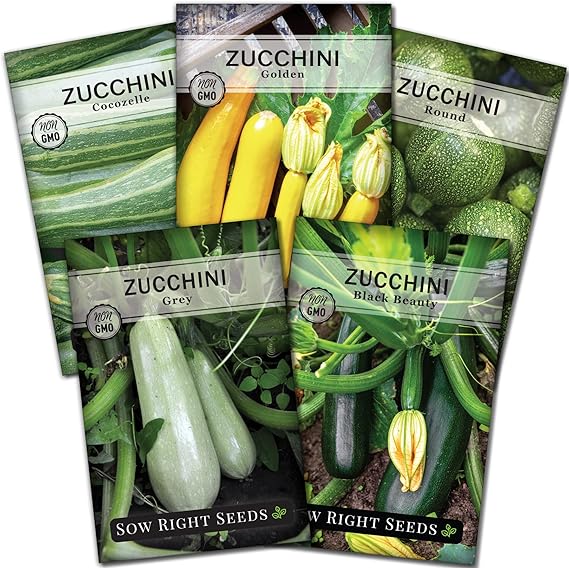
    Sow Right Seeds – Zucchini Squash Seed Collection for Planting

    How Long Does It Take For Zucchini To Grow?

    If you wish to harvest zucchini when they are smaller, it’s very possible and a good thing. Smaller zucchini are known as baby zucchini and they are around the size of 2 inches to 4 inches long. These baby zucchinis are even most restaurants and farmer’s market favorites.

    Baby zucchinis are most favored because of their mild, sweet, and attractive appearance.

    Click Here to Get Info About:

    Pick Them Often

    Picking zucchini regularly can help hasten the yield as well as boost the production of the plant. So, ensure you pick zucchini frequently and you can keep on enjoying great yields.

    However, if you notice that you have too many zucchini productions than you can use or handle, just leave a few of the fruits on the vine. This can slow down the production of fruits.

    Harvesting Zucchini – How Long Does It Take For Zucchini To Grow?

    So, to harvest zucchini squash the right way, make sure you avoid abrupt pulling of the fruit. This can damage the plant because the leaves and stems are pretty fragile. You need to cut the fruit from the plant at the stem.

    Another thing to note is that zucchini has this broad leaves that can make it difficult or you to find fruits. Large or overgrown fruits may even be hiding behind these broad leaves that you may not notice on time.

    Harvesting Zucchini

    This is why you need to properly scrutinize under and in-between the leaves of your zucchini plants while you’re harvesting. But while you’re doing this, you should be careful so you don’t injure the fragile leaves and stem of the zucchini plant.

    Read more about:

    Storing Zucchini

    So, once you’re done harvesting your tasty zucchini squash, you need to know how to store them properly particularly if you aren’t ready to use them right away.

    So, you don’t need to wash the fruit of zucchini after harvesting if you want to store them and you can store them in a perforated or open plastic bag. They can be stored this way for up to a week.

    Alternatively, you can simply freeze the fruit for later use. You can do this in some ways. You can shred or slice the unpeeled zucchini, drain it, then gently squeeze it to take out excess moisture. Then put the frozen zucchini fruit in sealed quart-size freezer bags and freeze them flat this way, they can be stacked inside the freezer.

    Shredding the zucchini is done because the final result is usually zucchini bread or fried zucchini cakes.

    The fruits can as well be washed, dried, and sliced into about one-inch cubes and then frozen using a freezer bag. You should also know that when you freeze zucchinis, they can last up to 3 months.

    Storing Zucchini

    Conclusion – How Long Does It Take For Zucchini To Grow?

    Zucchini is an excellent type of vegetable that many people love because it is easy to grow and produces great yields. How long does it take for zucchini to grow has been answered in this educating post and many more. So, we hope you’ve been enlightened about the duration of zucchini growth.

    FAQ’s

    How long does it take for a zucchini to grow after flowering?

    Zucchini squash tends to grow fast and it takes about 4 to 8 days after flowering for zucchini fruits to appear and be ready for harvest.

    How long do zucchini plants live for?

    Because zucchini plants fall under annual plants, they will only live for one growing season. This is between 0 and 150 days and this mainly depends on your location, growing conditions, and variety of zucchini.

    How long does it take zucchini to sprout?

    When you plant the seeds of zucchini, they tend to sprout around 1 to 2 weeks. Then they can be planted once they have many true leaves.

  • Do Zucchini Plants Climb And Require Support? 

    Do Zucchini Plants Climb And Require Support? 

    Do zucchini plants climb and require support as they grow? It is important to provide these plants with all the proper care they need in order to yield the best results.

    It is important to keep zucchini plants in a warm environment and moist, but not soggy. The best location for the plant is sunny or in partial shade. If the soil is too wet, the plants will be spindly and weak, and may even die.

    Do Zucchini Plants Climb and Require Support?

    You are correct that Zucchini plants will climb if given the opportunity. However, you don’t need to provide any support, though providing support can be beneficial. Zucchini plants will not grow vertically if given no support, only horizontally.

    If you want your zucchini to grow vertically, you need to provide some form of support.  Most gardeners use a trellis to do this. The trellis should be set up at least two feet above the ground.

    The trellis should be strong enough that it doesn’t break when your zucchini plants start to grow. The trellis should be set up in an area that receives full sunlight. If you are unsure how tall your trellis needs to be, you can measure it with a tape measure or yardstick.

    Your zucchini plants will climb up the trellis and will continue to grow until they reach the top of the trellis. At that point, your zucchini plants will continue to grow vertically, but will no longer climb.

    How do I make my zucchini climb?

    What Is The Difference Between A Zucchini And Summer Squash?

    Though all types of zucchinis are summer squash, not all summer squashes are zucchinis. Here are some carachteristics:

    • Zucchini is a variety of summer squash.
    • The size of a zucchini varies depending on the variety. Some zucchini varieties may grow as long as 10 inches.
    • Summer squashes are generally not the most flavorful, but they are versatile.
    • You can serve summer squashes raw in salads or cook them in a variety of ways, from stir-fry to grilling.
    • Zucchini is generally available year-round and is often less expensive than other summer squashes. 
    • Both yellow squash and zucchini are part of the same family.
    • The color of a squash varies depending on the variety. Some varieties have white flesh and others have yellow flesh. Generally, the more yellow the flesh of the squash, the sweeter it will taste.
    • Zucchini plants grow quickly and can produce large amounts of fruit in a short period.
    • You can eat zucchini straight out of the garden or you can enjoy it baked, cooked, or pickled.
    • Zucchini is a cool-season vegetable that can be grown in areas with mild winters.
    • Zucchini is a low-maintenance, easy to grow, and versatile vegetable.

    BetyBedy 5 x 15FT Trellis Netting

    71toiZOuezL. AC SL1500

    Growing Zucchini Plants From Seed

    Growing zucchini from seed is a great way to start your own vegetable garden. You can choose to plant seeds directly into your garden or you can plant them in containers before moving them to your garden. Many prefer to start their plants in containers because the container method also allows you to move your plants around and plant them in different areas of the garden.

    Starting zucchini from seed will give you the best results if you plant the seeds directly in the garden and don’t transplant them. When planting outside, make sure the soil is at least 60 degrees Farenheit.

    Starting the seeds

    Zucchini seeds need to be planted into the ground when they are fully dry. Start by preparing the planting site by raking the area smoothly. This will make it easier for the seeds to settle into the soil.

    Planting

    The planting hole should be about three times as wide as the seed, and one inch deep. It should be slightly deeper than the seed so that the roots can easily develop. Use a trowel to dig the planting hole.

    The soil

    The soil should be loose and well-drained. If the soil is compacted or hard, you should add more organic matter before planting. When planting seeds, try to plant them in rows or in groups. If your garden has a raised bed, you can create raised beds by putting in cinder blocks, bricks, or pavers.

    Spacing

    Make sure that the seeds are evenly spaced. Planting them too close together will reduce the amount of space between each seed. Cover the seeds with a thin layer of fine soil. If you have small seeds, you may want to cover them with a seedling starter mix. This is a mixture of peat moss, vermiculite, perlite, and other organic materials.

    Watering

    Water your seeds thoroughly. The seeds need to be moist but not dripping wet. When you water the seeds, you’re helping them to germinate. Once planted, water your seedlings often to ensure they don’t dry up.

    Take-home: Do Zucchini Plants Climb and Require Support?

    So do zucchini plants climb?  Yes, some zucchini plants do climb especially when they are provided with a place to climb.  However, if it does not get a place to climb on, it can still grow and bear fruits without support. So you can still plant and harvest the fruits from them.

    Read more about Do Tomatoes Grow On Vines?

    FAQs

    How do I make my zucchini climb?

    If you want your zucchini to climb, you need to make sure it gets plenty of water. Zucchinis love moisture and will grow best in a container that is kept slightly damp. The soil should be moist but not soggy. In this way, the plant can keep the roots in the top half of the pot and the leaves in the bottom half.

    Do I need a trellis for the zucchini?

    You might need a trellis if you have a large zucchini that needs to be trained up to a vertical position. A trellis is also recommended for growing cucumbers and melons.

    Is there a vining zucchini?

    Yes, there are several varieties that have been bred specifically for growing in containers. These include “Eureka”, “Sunshine” and “Lemon”. They are usually available from nurseries or garden centers.

    Can I grow zucchini upright?

    Yes, if you want to try growing it vertically. This is usually done by using a trellis or growing it up a stake. If you do this, make sure the stake or trellis is at least 6 feet tall so the plant can get enough light.

  • Zucchini Plant Not Producing: 4 Common Reasons?

    Zucchini Plant Not Producing: 4 Common Reasons?

    Fruit is usually the result of a flower but when the flower refuses to yield fruit even with some blooms it becomes a worrying situation. Zucchini plant not producing fruit can have any gardener worried. After all, it is our goal to have a successful yield whenever we plant.

    This summer squash vegetable usually grows beautifully during warm temperatures and they don’t really like frost or chilly temperatures.

    Even though zucchini can be quite easy to grow, growers may still face some challenges. It can be pretty frustrating when you’ve planted and had hopes for your vegetable to give rise to fruit then it refuses to produce.

    Zucchini plant not producing fruit or producing less fruit may be caused by different reasons. We will be looking into some of these reasons and suggest things you can do to resolve the situation if possible.

    Understanding Zucchini’s Mode Of Reproduction

    Before we look into why zucchini may not be producing fruits, let’s first look into the reproductive mechanism of the zucchini plant.

    Just like every other squash plant, the zucchini plant is a monoecious plant. This implies that the plant zucchini has both male and female flowers separately on the same plant. The reproductive part of a plant is present in the flowers of the plant.

    Understanding Zucchini’s Mode Of Reproduction

    Zucchini Plant Not Producing: 4 Common Reasons

    Naturally, fruit production precedes flower so when your zucchini plant does not give rise to fruits after blooming, then something may be wrong. Below are 5 common reasons your zucchini plant may not be producing.

    1.    Young Plant With Only Male Flowers

    As we have explained above, the flower of zucchini is monoecious and tends to produce both male and female flowers on a plant.  However, it may happen that the young plants of zucchini give rise to only male flowers and no female flowers.

    Usually, during the early growing season of zucchini, this squash plant often gives rise to more male flowers than female flowers. So, this may hinder the production of fruit because both the male flower and female flower are required for fertilization to produce fruit.

    Therefore, don’t be surprised if you notice your zucchini plant producing only makes flowers for the first couple of weeks and you see no fruit set. So, if your zucchini plant is still at its young stage, not to worry because it will set fruit later.

    2.    Pollination Not Successful – Zucchini Plant Not Producing

    Honeybees are the major pollinators responsible for transferring pollen grain from the flower of the male zucchini to the female flower. When these pollen grains are successfully transferred, the process will lead to fertilization and result in fruit formation.

    So, bees are important for pollination to be successful and if there is a little population of bees in your area, pollination may be poor and this can lead to little or no fruit production.

    If this is the issue in your area, then you can help the situation by doing self-pollination. This can be done by locating the pollen that looks like yellow dust and dabbing the middle of a male flower using a small paintbrush. Then dab the same paint brush you used on the make flower again on the female flower.

    Alternatively, just pinch off the male flower and take out the petals. Then lightly dab the center into the center or stigma of the zucchini female flower.

    If you will be hand pollinating your zucchini flowers, we recommend you do this early in the morning. This is because the flowers of squash usually open early and only last for a day.

    3.    Hot Weather – Zucchini Plant Not Producing

    When the weather becomes too hot, it can cause unsuccessful pollination of the zucchini flowers. This is because too high a temperature reduces the germination of pollen grains. Hence, this can give rise to incomplete pollination of the zucchini female flower thereby resulting in fruit not setting the way it should.

    Once the temperature during the day is over 90 degrees Fahrenheit and the temperature during the night is more than 75 degrees Fahrenheit, this can depreciate the flower of zucchini. It can cause the zucchini plant to begin to drop fruit even before they get the chance of developing.

    However, during this very hot period, you can help the zucchini plant by watering the plant frequently so the soil does not dry out quickly.

    Sow Right Seeds – Zucchini Squash Seed Collection for Planting Non-GMO Heirloom Packet

    81zRDfzKlDL. AC SX679

    4.    Over-watering

    If you over-water your plant and your plant becomes soggy, it may result in the developing fruit becoming rotten. Hence, this can cause the zucchini plant not to produce adequately.

    How To Further Help Zucchini Plant To Produce

    We have listed some reasons why your zucchini plant may not be producing fruits. Let’s further discuss other things you can do to help your zucchini plant to reproduce:

    • Water When Needed – Zucchini Plant Not Producing

    It is important to water your zucchini, especially during the hot season so your soil doesn’t dry out. Also, zucchini usually requires more watering during their fruiting stage. However, make sure you don’t over-water your plant because it can lead to the rotting of fruit.

    Check Out How Deep To Plant Lettuce- The Ideal Planting Depth

    • Fertilize

    You can further boost the chance of your zucchini plant giving rise to fruit by fertilizing your plant. Nitrogen fertilizer should be supplied to the soil at the rate of half cup of 46-0-0 fertilizer or at the rate of 1 cup of 2-3-3 fertilizer per 25-foot row. This should be done during their midseason when the plant has grown fully.

    How To Further Help Zucchini Plant To Produce

    Conclusion On Zucchini Plant Not Producing

    Zucchini plant not producing fruits can be pretty discouraging for any gardener. If you’re experiencing this, there are some reasons why this is so and we have listed them in this post. We have also suggested some things you can do to help the situation.

    FAQ’s

    Why are my zucchini plants not producing?

    Your zucchini plants may not be producing due to some reasons. Some of these reasons can be because of unsuccessful pollination because of absence or few bee pollinators, hot weather, and young plant that has only male flowers.

    Why is my zucchini plant flowering but not producing fruit?

    If your zucchini plant is producing flowers alone but yielding fruits, it may be because there are not enough honeybees o pollinate your flowers.

    Why does my zucchini have only male flowers?

    If your zucchini flowers are producing only male flowers, then it is likely because they are still in their young stage. Once the zucchini plant grows, you should begin to have female flowers as well.

    How do I know if my zucchini is pollinated?

    You should know your zucchini is pollinated once you notice a bright green and your squash growing longer by the day.

  • A Quick Guide On Butternut Squash Spacing

    A Quick Guide On Butternut Squash Spacing

    Butternut squash which is a member of the Cucurbitaceae family along with gourds and pumpkins is a type of winter squash. The plant of butternut squash tends to grow on a trailing vine and it is fairly easy to grow especially from seed. Butternut squash spacing is what we will be discussing in this post.

    Butternut squash is an annual plant and it can do well and grow well in almost any climate. The best period to plant butternut squash is in spring that following the last frost of the season. It can take about three to four months from planting for the fruit of butternut squash to be ready for picking.

    Now because the vines of butternut squash are inclined to grow faster, it is appropriate you get to know the right spacing for this plant. Butternut squash spacing is what you will learn about in this post. We will also touch on some other related aspects concerning butternut.

    Growing Butternut Squash

    Before we look into butternut squash spacing, let’s first look into how to grow this plant the right way.

    ·         Seed Sowing

    The seed of butternut squash can be commenced either indoors or outdoors. We recommend you start your seeds indoors if the warm season in your region is short.

    So, indoor seeds should be commenced indoor at least six weeks before the expected last frost. Ideally, two seeds should be sown per pot or container then once seedlings begin to sprout thin one of them. Ensure you position your plant in a sunny window or a greenhouse.

    Growing Butternut Squash - Seed Sowing

    Then make sure you harden off your seedlings before transplanting outdoors once the danger of frost has elapsed.

    Alternatively, you can sow the seeds of butternut squash outdoors directly into the soil. Just make sure the danger of frost has elapsed and the soil is warm properly. A temperature of about 60 to 65 degrees Fahrenheit is safe enough for seed sowing. This is a crucial thing to note because the seeds of butternut squash are very fragile and will only germinate in warm soil.

    Click Here to Know: Can You Grow Carrots In A Pot?

    ·         Prioritize Sunny Spot – Butternut Squash Spacing

    The plant of butternut squash will do excellently well in a sunny spot so ensure you prioritize a sunny area. Full sunlight is what this plant required, but at least 6 hours of sunlight is required by the butternut squash plant daily should do fine.

    The plant can even benefit from more time under sunlight but just make sure the plant isn’t overheated.

    ·         Soil Preparation And Fertilization

    They will do well in well-draining soil. Butternut plants are heavy feeders so ensure you prepare your soil with adequate organic matter. You can start by using very rich soil. Then during the middle of the growing season, you can go ahead and side dress the soil with organic compost or aged manure.

    Soil can be slightly acidic to neutral and the pH can range around 5.5 to 7.0.

    Mother Earth Coco + Perlite Mix – for Indoor and Outdoor Container Gardens

    81y+WLBCVNL. AC SX679

    ·         Create A Hill

    Most vining vegetables are grown using a hill, so butternut squash can also be grown on a hill. You should gather the soil to form a small hill of about 18 inches tall and do these before you grow your seeds.

    Then go ahead and bury the seed below the soil surface. The seeds should be sown in a group of 4 to 6 and they should be sown into the soil about half an inch or one inch deep.

    ·         Water Your Plant – Butternut Squash Spacing

    Ensure you water tour butternut squash adequately and aim for moist soil but avoid soggy soil. Watering when the seedling is young is more necessary because, at this stage, they are more susceptible to drought. It is crucial you don’t allow the seedlings of butternut squash to dry out.

    Also, avoid splashing water all over the plant so the leaves can stay dry. So, aim to water the base of the plant, especially the soil.

    Check Out Best Green Beans For Canning

    Butternut Squash Spacing: Guide On The Ideal Spacing

    When it comes to the spacing of butternut squash, this plant can take some good space. They are a rapidly growing trailing vine plant.

    Also, butternut squash is more susceptible to some diseases such as powdery mildew. This is a fungus disease that changes the color of the leave to grayish-white. This is why it is again important to space this plant properly.

    So, for this reason, it is logical for you to know the appropriate spacing for the plant so it can grow optimally.

    So, as you plant your butternut seeds in a group, ensure you space the seeds about 4 inches apart. This will prevent overcrowding once the butternut squash plant begins to grow.

    Then if you’re making use of hills to grow your butternut squash, try to space each hill to at least 8 feet apart.

    You can also get the ideal spacing requirement from the pack of your butternut squash.

    Apart from the proper spacing of the butternut squash, it is important to also thin this plant. Thinning can help increase air circulation around the plant thereby minimizing the susceptibility of butternut squash plants from getting diseases.

    Growing Butternut Squash In Containers

    You may be wondering if it’s possible to grow butternut squash in containers since this plant grows fast and requires enough space.

    Although butternut squash requires adequate space to grow, it is still possible to grow this squash in a container and get a decent result or harvest. This can even be beneficial to you if you are short of space and you wish to grow this squash.

    Also, this plant doesn’t have large, extended roots so they don’t extend their root so much. So, this makes it possible for this plant to be grown in a container.

    Growing Butternut Squash In Containers

    Final Thoughts On Butternut Squash Spacing

    Butternut squash spacing is an important thing to take note of when you have decided to grow this squash. We have explained the ideal spacing requirements for this great tasting squash so do well to follow the right spacing when planting butternut.

    FAQ’s

    How far apart should you plant butternut squash?

    Spacing is important in butternut squash planting because this will help your plant grow optimally. When planting butternut squash using hills, the ideal spacing for each hill should be about8 feet. Then the spacing for each seed in a hill should be about 4 inches apart.

    What happens if you plant squash too close together?

    Planting butternut too close can cause overcrowding which will be unhealthy for the plant. Again, planting butternut squash too close together is not recommended because this can predispose the plant to fungus diseases such as powdery mildew.

  • What Is The Right Zucchini Plant Size?

    What Is The Right Zucchini Plant Size?

    Zucchini plant size is affected by the growing conditions turning out as tall or as short as the conditions you provided. Zucchini plants can grow to be quite big, so you want to make sure you have plenty of room in your garden. Most gardeners do not pay attention to the plant size but to others, it is a concern.

    So What is The Ideal Zucchini Plant Size?

    Well, it all depends on the type of zucchini that you grow and the space you have. If you want the best zucchini size, you should give this question some thought and try to figure out what works best for your environment.  This will help you make the right decision for your zucchini plants.

    How To Grow Taller Zucchini Plant Size

    Zucchini plants can generally grow to be around two to three and a half feet tall and four feet wide. To get taller zucchini plants, you need to provide more nutrients to the plant and make sure you provide adequate space for your plants.  You should also keep the fertilizer amount constant in order to keep the plant healthy. 

    The other thing is to not apply fertilizers too early or too late.  You should fertilize the plants during their growth stages so that they can grow and be healthy. Fertilize your zucchinis when planting and when they first bloom.

    Fertilizers such as fish emulsion, compost tea, and organic fertilizer are all good choices.  You also need to make sure that you don’t overwater the plants because this will stunt the growth of the plant. 

    You should give your zucchini plants about one inch of water a week, keeping the soil moist but not soggy. This will prevent the plants from becoming over-watered.

    Growing Zucchini – Zucchini Plant Size

    Growing zucchini plants is the easiest way to get a steady supply of fresh zucchini for summer meals. Grow a few of these plants and you’ll have fresh zucchini all summer long.

    Starting seeds

    Start seedlings indoors two to four weeks before the last frost date.  Zucchini seeds germinate quickly, so you don’t need much space or time to grow them.

    Sow Right Seeds – Non-GMO Heirloom Packet

    81zRDfzKlDL. AC SX679

    Transplanting

    Then transplant them outside as soon as the soil can be worked in spring. Plant them in rows between two to three feet apart. 

    Spacing

    Zucchini plants grow quickly, so give them enough room. The right spacing for Zucchini is six to eight inches between plants. You may need to experiment with the spacing to find what works best for your situation.

    You will also need to space out the pots that you have planted with Zucchini. The pot for your zucchini plant should be at least 12 inches deep and 24 inches wide. You should also not plant more than one Zucchini plant per small pot.

    Water

    For best growth, provide one inch of water a week.  Watering your zucchini often will keep them consistently growing at the right pace. Plant your zucchinis in a location where they will get full sun.

    Watering daily is not as important as you might think.  Zucchini need a lot of light and air so daily watering will not cause them any harm.

    Fertilize

    Fertilize when planting your zucchini outside and again when the flowers begin to bloom with a high-nitrogen fertilizer.

    Companion plants

    To keep pests away from zucchini, plant marigolds around the perimeter of the garden. Or use organic insecticide to deal with any kind of pests.

    How To Harvest – Zucchini Plant Size

    Wait until the fruit is six to eight inches long, then pick it. Pick the fruit before it’s too big, as it has the best flavor at six to eight inches long. They will be ready for harvest when the flowers have turned brown and dried up.

    When they are ready for harvest, cut them from the main stem using a sharp knife or scissors.  Avoid pulling them from the plants to prevent damage.

    How To Harvest Zucchini

    Final Thoughts On Zucchini Plant Size

    The zucchini plant size is an indication that the plant is either well fed or not. Be sure to use fertilizer and give your zucchini adequate space to grow. If your zucchini plants are bigger than average, this could be due to a defect or a disease.

    On the other hand, zucchinis should not be left to grow too big as they will not be as flavorful.  Start harvesting them when they are at least six inches long.

    Zucchini plants are usually harvested before they get very large as this will ensure that they continue to produce zucchini fruit for a longer time. There are many ways of growing zucchinis and choosing the right method can be very important.

    As mentioned before, it is best if you choose to grow them in containers as it can help to ensure that you have a good yield of zucchini fruits. You should also choose a variety that is suitable for your area because different areas have different environmental conditions and this will affect how the plants grow.

    FAQs

    How much space does zucchini need in the garden?

    Zucchinis can be grown on a large scale with a lot of space. Plant them in two to three feet apart spaced six to eight inches. They require sunlight for the best growth and can be grown in containers or raised beds.

    How many zucchinis do you get per plant?

    Zucchinis are easy to grow and produce lots of fruit per plant. Some varieties of zucchinis produce more fruit than others. On average, a zucchini plant will produce three to ten pounds of fruit per season.

    Do zucchini plants need support?

    Support is not required for most varieties of zucchini plants. However, some varieties of zucchini plants are so large that they may require support to keep them from toppling over. 

    What size grows bag for the zucchini plant?

    You will need a very large grow bag (at least 5 gallons) for your zucchini plant. You can get one from Amazon or any other gardening store.  Zucchini plants are best planted in late April and May. However, some people prefer to start their seeds indoors in March so they have a head start on the summer heat. In general, most varieties of zucchini plants are started in late April and May.

  • A Guide On How To Tell if a Squash is Bad 

    A Guide On How To Tell if a Squash is Bad 

    Let’s look at this guide on how to tell if a squash is bad and when it is best to harvest squashes before going bad.

    Squash is one of the most popular vegetables across America. They are versatile, easy to grow, and can be stored for months with minimal care.

    Many different types of squash include:

    • Summer Squashes like zucchini and yellow crookneck squash.
    • Winter Squashes like butternut, acorn, pumpkin, and spaghetti squash.  Butternut squash is often the most popular of the winter squashes. It is a good source of vitamin A and C and it is also loaded with fiber.

    How To Tell if a Squash is Bad

    To help you learn how to tell if squash is bad, you can follow this guide.

    1. The first thing you should do when buying a squash is to make sure that is firm and full of color. The squash should not have any damaged areas or brown spots.
    2. When you buy the squash, you should also be aware of the sell-by date.  Summer squash usually doesn’t last very long and they start going bad at the end of their shelf life.  Squash that is past the sell-by date should be thrown out as they are no longer safe to eat.
    3. Look for a rotten smell. If you find any, it’s likely the squash has mold and needs to be thrown out. Squash that has been rotting for a while may have worms or insects.
    4. If the squash has an overly rough skin texture this could be a sign that it is bad. This may indicate an infection from pests or a nutrient deficiency.

    How Long Does it Take To Grow Squash?

    To ensure that you save your squash from going bad, the best thing to do is to harvest it in good time. The harvest time for winter squash is between late September and early October and all season long for summer squash.

    From planting seeds to harvesting, it takes approximately 80-110 days for winter squash and about 60 days for summer squash.

    Check Out All About Brown Vs Green Compost

    Growing Conditions For Squash

    • The right temperature. Planting squash requires a warm-weather environment to grow well.  Summer squash prefers temperatures between 65 to 75 degrees Farenheit. If it is not grown under such conditions, then the plant can grow slowly or even die. Soil temperature should be around 70 degrees Farenheit.
    • Water.  In addition to these, a good amount of water must be available at all times. The soil should be kept moist but not wet. Squash seedlings are very sensitive to dampness.
    • Rich Fertile Soil.  Squash plants grow best in soil that is rich in nutrients. The soil should be fertile and well-drained. They grow best in soil with a pH between 6 and 6.8. The soil should be well-drained, but it should also be moist enough to allow the roots to breathe.
    • Sunlight. They require lots of sunlight, at least six hours a day.

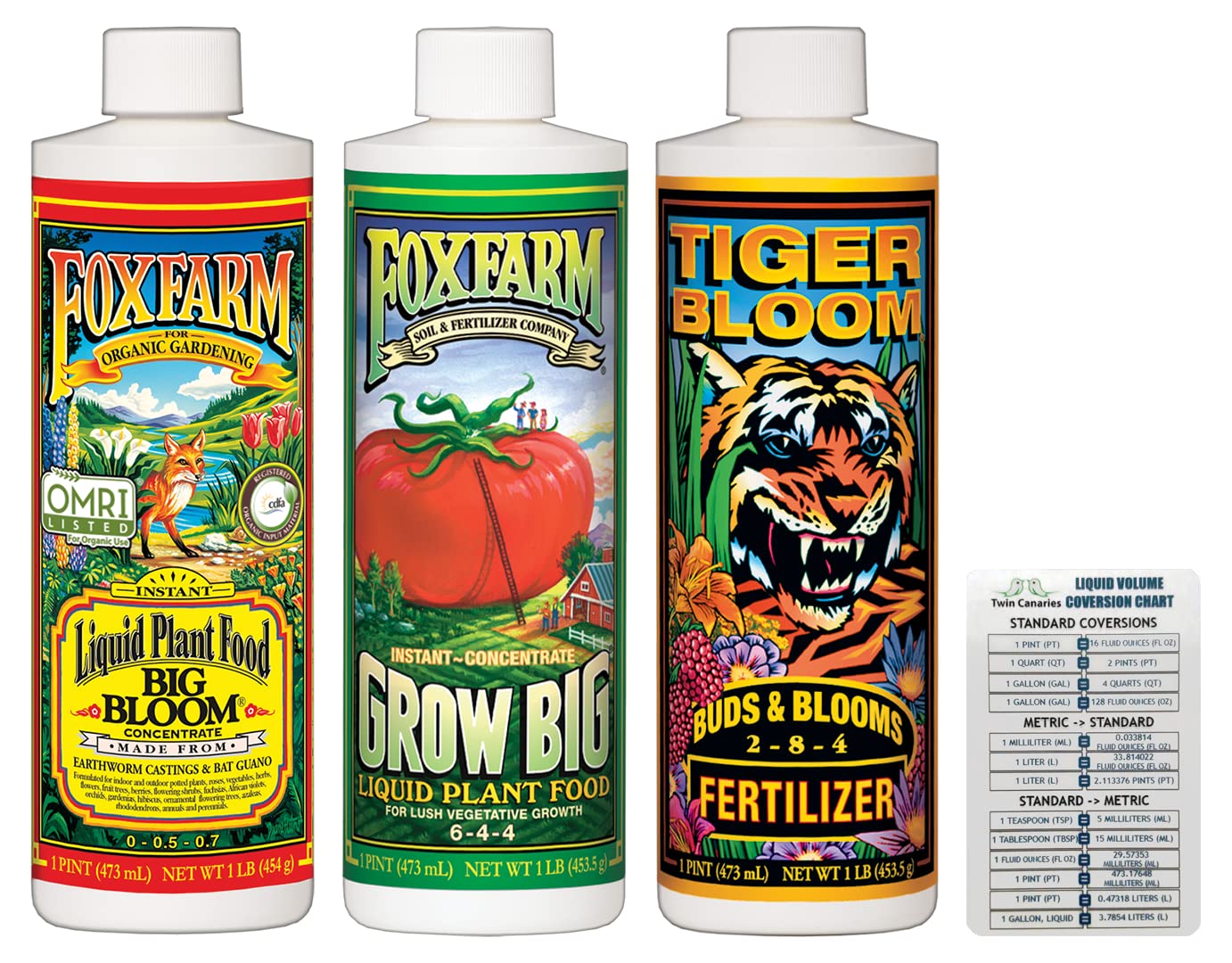
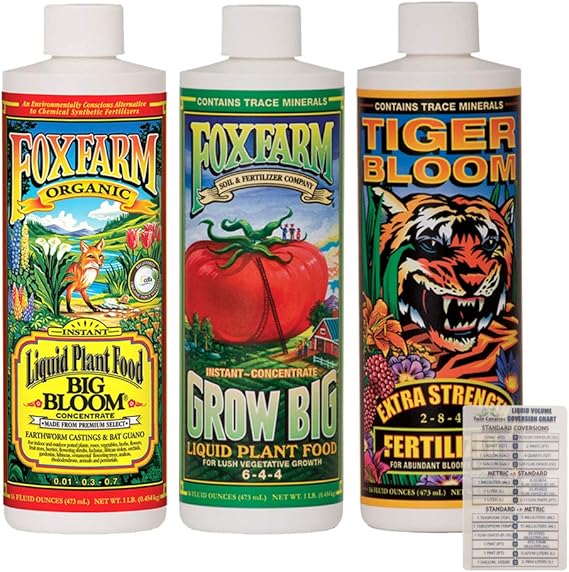
    FoxFarm Liquid Nutrient Trio Soil Formula: Big Bloom, Grow Big, Tiger Bloom

    How To Tell If A Squash Is Bad
    • Growing Squash. The squash should be planted in rows or in a single bed. Squash plants grow best when they are spaced at least three to six feet apart.
    • Season. The best time to plant squash seeds is during the spring after the last frost.

    When To Harvest

    Squash is harvested when it reaches maturity, which is usually between 80 to 110 days for winter varieties and 60 days for summer varieties. Before you harvest, you’ll want to remove the squash from the vine.

    It can be stored for several weeks in the refrigerator if you don’t plan on eating it right away. Squash will keep in your refrigerator for about a week and can be frozen for up to three months.

    How To Cook

    Squash is a delicious vegetable that can be used in a variety of dishes, from sweet to savory. You can use it in soups, stews, casseroles, and other recipes that call for pumpkin or winter squash. Sautéing is the best way to prepare squash, as it adds a nice caramelized flavor. You can also bake the squash in the oven or roast it on a grill.

    How To Cook Squash

    Final Thoughts – How To Tell if a Squash is Bad

    How to tell if a squash is bad is just by trying it, smelling it, or looking at it.  You can tell by the smell, the color, or the taste.  In some cases, the squash is already gone bad and you can tell just by looking at it.

    The flesh is firm and dense, not mushy or watery.  Squash is an excellent source of fiber, vitamins, minerals, and potassium.

    To prepare the squash you should peel it, cut it into pieces, and then steam or bake it.  If you are baking it, add a little bit of butter or oil.  Add some salt and pepper if you want to.  There are many kinds of squash available.

    You have to be careful when buying squash to make sure they are still good.  Enjoy your squash when it’s still good!

    FAQ

    What happens if you eat bad squash?

    If you eat bad squash, you may develop a type of food poisoning known as toxic squash syndrome. Sypmtoms will include diarrhea, vomiting and abdominal pain.

    What does a bad squash look like inside?

    A good squash is firm and healthy-looking on the inside with the flesh still intact and does not have a bad smell.

    How to know if squash is bad?

    A “bad” squash will have a hard rind or no rind at all. The color will likely have brown spots. There may be mold on the skin or seeds. You may notice a strong odor when you open it.

    What does bad squash taste like?

    The flavor of bad squash can range from mild to very bitter or even sour. If you notice the squash you are eating has a bad taste, you should stop eating it.

  • Get To Know The Difference Between Summer Squash And Zucchini

    Get To Know The Difference Between Summer Squash And Zucchini

    The difference between summer squash and zucchini may be on your mind. Not to worry because this post is all about educating you about this and even more.

    The terms zucchini and summer squash are usually used interchangeably especially when it comes to food recipes.

    You might have even been in a situation where you’ve searched the whole supermarket shelves for zucchini only to find nothing. Then you just decide to simply toss a summer squash in your shopping cart instead because you think they are the same. But are they really the same or is there a difference between them? We will find out soon.

    But before we look into the difference between summer squash and zucchini, let’s briefly look into some brief details about summer squash and zucchini.

    Brief About Zucchini

    Although zucchini is often referred to as a vegetable, botanically speaking, it is actually a type of fruit. But you can still refer to them as vegetables. It belongs to the family of Cucurbitaceae together with other types of fruits such as cucumbers and gourds.

    They are vining herbaceous plant and their fruits are usually harvested while their seeds and epicarp are still young or immature and soft or edible. The entire fruit of zucchini is totally edible so the skin, the flesh, and even the seeds are totally edible and they are rich in phytonutrients.

    Brief About Zucchini

    The fruit of zucchini is cylindrical and long and it has this mild, sparingly sweet flavor. The color of the fruit is deep green and it has this soft white flesh. However, you may occasionally find a golden-yellow variety of zucchini. The taste of zucchini tends to be mild and it has this slightly sweet flavor.

    Usually, it is the color of zucchini that is one of the most common ways of distinguishing between summer squash and zucchini. Then normally, the color of summer squash tends to be a bright shade of yellow compared to the zucchini forest green trademark.

    Check Out When To Pick Yellow Squash? Find Out Here

    Brief About Summer Squash

    Summer squash is a warm season crop that can be grown anytime so far the weather conditions are warm and frost free. When we talk about summer squash, it can encompass many varieties of freshly harvested squash that are usually picked during the summer months.

    The truth of the matter is that zucchini is also a summer squash plant family. And zucchini is included in other summer squash families such as pattypan squash, crookneck squash, and yellow squash. This implies that all zucchini can be referred to as summer squash. However, not all summer squash are zucchini because summer squash has different varieties of other squash apart from zucchini.

    Now, that we have some ideas about what zucchini and summer squash is, we can now look into the differences if there are any.

    Our Pick
    Squash Seeds for Planting 5 Individual Packets – Zucchini, Delicata, Butternut, Spaghetti and Golden Crookneck
    $9.95

    Gardeners Basics Squash Seeds for Your Non-GMO Heirloom Vegetable Garden

    Check Amazon Price
    We earn a commission if you make a purchase, at no additional cost to you.
    02/09/2026 11:03 am GMT

    Differences Between Summer Squash And Zucchini: Zucchini vs Squash

    As we mentioned earlier, zucchini is also a type of summer squash. The difference between these two isn’t so much. But here are some differences we can find about these two squash:

    1.    Colors

    The main difference between these two squash is their color. Zucchini is mostly dark green while summer squash on the other is mostly yellow. However, there are still some zucchini varieties that are yellow and they are known as gold zucchini.

    This gold zucchini also have the same flavor as the green zucchini so you can switch them in your dishes. The yellow zucchini may not be seen frequently or at all if you try to find them at grocery stores. You may however see them once in a while at the farmers market. You can even grow it yourself.

    2.    Shape – Difference Between Summer Squash And Zucchini

    Apart from color being the difference between zucchini and summer squash, the shape of these squash is another difference we can look at. A little closer look at their shapes can tell their differences.

    For the shape of zucchini, it has this straight, even shape. Then summer squash on the other hand has this thick and wider near the bottom and a narrow shape at the top. So, even if you find a zucchini and summer squash of the same color lying side by side, you should be able to tell the differences in their shape.

    3.    Slicing – Difference Between Summer Squash And Zucchini

    It is believed that you may get the difference between zucchini and summer squash when you slice them apart. When you cut them apart, summer squash may have fewer seeds compared to zucchini.

    What About The Flavor: Does Summer Squash And Zucchini Taste Different?

    When it comes to the flavor of both zucchini and summer squash, they tend to taste similar. So, it will be pretty easy to just use either zucchini or summer squash interchangeably in your recipe.

    Can You Swap Zucchini For Summer Squash?

    The fact that zucchini and summer squash taste similar, makes them easy to be swapped easily. These two types of squash also have similar appearances from the inside. Therefore, you can easily use zucchini or summer squash interchangeably for your kitchen recipe.

    Both zucchini and summer squash have this mid-taste and that slightly firm texture. You may not even notice so much difference in their taste. So, if you are probably having trouble finding one of these squash, you can simply go for either and it won’t even affect the flavor of your dish.

    You may even make a unique recipe with these squash by simply including or mixing a little of each of these squash in your dish to make your plate look more colorful and appetizing.

    Can You Swap Zucchini For Summer Squash

    Final Note On Difference Between Summer Squash And Zucchini

    Differences between summer squash and zucchini have been discussed in this post. So we hope we have answered most of the troubling questions you may have about the differences between these two squash.

    FAQ’s

    Can I use summer squash instead of zucchini?

    Yes. You can comfortably use summer squash instead of zucchini. You may not even notice the difference because both summer squash and zucchini tend to have a similar taste. These two squash both have a mild taste with a hint of sweetness.

    Which is healthier yellow squash or zucchini?

    Both yellow squash and zucchini have unique nutritional values that you can benefit from. For instance, squash has more beta-carotene and alpha-carotene compared to zucchini. But zucchini also contains more lutein and zeaxanthin compared to squash.

    Is squash the same as zucchini?

    Technically speaking, squash can be referred to as zucchini because zucchini is also a type of squash (zucchini is a summer squash to be precise). Apart from the difference in color and shape, zucchini and squash can be used interchangeably, especially during food recipes.

  • Do You Know When To Pick Yellow Squash? Find Out Here

    Do You Know When To Pick Yellow Squash? Find Out Here

    Yellow squash is one of the members of the squash family, with lots of nutritional benefits and the ability to grow rapidly during summer. When to pick yellow squash is one common question asked among gardeners. The yellow squash usually has a very short maturity period making it susceptible to quick picks.

    Yellow squash is summer squash, and one of the varieties of marrow squash. It is largely an edible vegetable looking very much like zucchini in shape, flavor, and texture. Yellow squash usually come in different shapes, sizes, and hues, reaching their peak during the hottest weeks of summer.

    This article offers insight into when to pick (harvest) yellow squash. So, let’s begin.

    When To Harvest Yellow Squash

    Yellow squash should get harvested when it has attained maturity. The following are a few factors that should offer you hint into whether the plant is matured for picking or not:

    Length Of The Yellow Squash – When To Pick Yellow Squash

    The longer the size of the squash, the more likely it is matured for harvesting. When the squash appears long, then most of the seeds inside are very likely matured. While it is necessary for the seeds to matured, they should not be left to get too hardened inside. The ideal length for harvesting yellow squash is when it is about six inches in length.

    Plumpness Of The Blossom End – When To Pick Yellow Squash

    As a squash begins to mature, one of the signs you will notice is the bigger it gets around the blossom end. When the plump end gets really big around, thereby leaving the neck small, then the plant is matured for harvesting.

    Color Of The Squash – When To Pick Yellow Squash

    Although yellow squash is yellow from the beginning, as they mature, you begin to notice some changes. The matured squash begins to turn dark yellow as it nears the picking stage. When it becomes overly matured, there is an orange tint to the skin.

    You Begin To Notice A Few Bad Ones – When To Pick Yellow Squash

    Where you fail to pick any of the above signs, this last sign may come in handy. When you begin to notice that a few yellow squashes are getting worse, then you are sure that maturity has been attained. A change to brown is evidence of this.

    Read more about Foods High In Nitrogen

    Picking Matured Yellow Squash – When To Pick Yellow Squash

    After you have confirmed that the squash is matured for harvesting, then you should go ahead with the harvesting process. Squash can easily get harvested by being twisted off the vine or alternatively by using scissors or a garden pruner to cut off the vine.

    You should be careful not to tug or pull fruit from the vine with force as this may result in injury to the plant. When cutting off the fruit from the vine, it is best to leave a short stem attached to the fruit as this will greatly help improve storage life.

    Due to how easily the skin of the fruit can be injured, care must be taken when going about the harvesting of this plant. This is so as to prevent wounds to the skin.

    Our Pick
    Squash Seeds for Planting 5 Individual Packets – Zucchini, Delicata, Butternut, Spaghetti and Golden Crookneck
    $9.95

    Gardeners Basics Squash Seeds for Your Non-GMO Heirloom Vegetable Garden

    Check Amazon Price
    We earn a commission if you make a purchase, at no additional cost to you.
    02/09/2026 11:03 am GMT

    Tips To Note When Picking Yellow Squash

    Below are a few tips that should be considered by you when picking your matured yellow squash fruit:

    • Not all fruits and vegetables are harvested the same way: While some fruits and vegetables are harvested when they are still hard, others require softness before harvest. Some fruits can ripe after picking while others cannot. You must therefore follow the prescribed picking way.
    • The bigger fruit is not always the best: the more you leave your yellow squash attached to the vine, the bigger it gets. This however has its downside, as the seeds also get harder and tougher. If the fruit is to be used for cooking, the soft seeds are better than the hard ones.
    • Exercise care when picking: You should ensure to use both hands when picking so as to protect such plants from being injured. Also, you should take enough care to ensure that the fruit is not yanked off the vine. Doing this may cause serious harm to the plant and growth hampered.
    • Harvest in the morning; Just like most other plants, it is best to harvest the yellow squash in the morning. This allows the product to stay crisp and store longer, and this protects the fruit from becoming limp from heat during the day. Where morning is not possible, then the fruit should be harvested in the evening.
    Tips To Note When Picking Yellow Squash
    • Constant checking of the garden: When you notice that a plant is producing, you should begin frequent visits to the garden. This is to ensure that you do not miss a matured yellow plant. Constant picking encourages the plant to produce even more and as such should be done.

    Click Here to Learn:

    Storing Yellow Squash After Harvesting

    After picking the yellow squashes, you may need to harvest some when they cannot all be consumed immediately. Below are a few tips you should note when storing the summer squash:

    • Wipe the fruit with a clean damp cloth and place it in a perforated plastic bag. Thereafter, place the bag in the vegetable crisper of a refrigerator. This is one of the best ways to store and maintain the humidity of the yellow squash.
    • The temperature for storing the summer squash in the refrigerator should not be lower than 50 degrees Fahrenheit. Where the temperature gets too low, it may result in injury symptoms in the fruit such as surface pitting, water loss, and decay.
    • Grating and freezing: Another method that may be adopted when storing summer squashes is to grate and then freeze. Grating and freezing greatly help in retaining the quality and this may last longer than just freezing.
    Storing Yellow Squash After Harvesting

    Conclusion On When To Pick Yellow Squash

    The yellow squash is one of the lovely fruits you may decide to have in your garden. However, for the best possible result to be actualized, you must be conversant with when is the best time to plant as well as pick the fruit. This article gives you proper guidance into how to go about picking the fruit.

    FAQ’s

    How to tell when squash is ready to pick?

    There are a few things you would notice in a yellow squash to give you an inkling into whether it is ready to be picked or not. These include an increase in size to no less than 6 inches, plumpness of the fruit and a change in the color of the fruit to dark yellow as opposed to bright shiny yellow for young fruits. A yellow squash is usually ready to be picked about 50 to 60 days after planting

    How do I know when yellow squash is ripe?

    You know when the yellow squash is ripe by some of the features you will notice in the fruit. These include an increase in size to no less than 6 inches, plumpness of the fruit, and a change in the color of the fruit to dark yellow as opposed to bright shiny yellow for young fruits.

    How do you pick squash off the vine?

    You pick squash off the vine by carefully holding with one hand and twisting gently. Be careful and ensure not to pull so as not to break the vine. Also, for easing of picking, you may also use a scissors or garden pruner to cut the fruit off the vine.

    Will yellow squash ripen off the vine?

    Yes, if the yellow squash is allowed to stay on the vine long enough, it will ripen on the vine. You will gradually begin to notice a change of its color to a darker yellow. At this point, know it has ripened for harvest.

  • Growing Acorn Squash – Tips And Tricks 

    Growing Acorn Squash – Tips And Tricks 

    Growing acorn squash is rewarding as you get to harvest a large crop of about five fruits per plant from some varieties.

    Acorn squash is a type of winter squash that is similar to pumpkins. Keep reading to learn the differences between both fruits and to know how to grow acorn squash.

    Differences Between Acorn Squash And Pumpkin

    The major differences between these two fruits are:

    • Acorn squash and pumpkins vary by the shape of the fruit, the size of the fruit, and the seeds.  Acorn squash is round in shape and has about 4-6 seeds in each fruit. Pumpkins have a different shape and have a hard shell with one seed inside.
    • When you pick acorn squash, the skin is should be tough and green, with the flesh being tender and delicious. When harvesting pumpkins, they will also have tough skin and should be fully colored with firm flesh.
    • As for the nutrition values, the acorn squash has about 115 calories per cup while the pumpkin has about 137 calories per cup.  Acorn squash also has more fiber and less fat than pumpkin. However, if you want to make the best-tasting pumpkin pie, then it’s better to buy canned pumpkin instead of acorn squash.
    • After cooking, pumpkins will have a crunchy texture while acorn squash will have a softer texture.
    • Pumpkins are larger than acorn squash. Pumpkins are large, orange-fleshed gourds that are grown as a fruit. Acorn squash is a small, yellow-fleshed gourd that is grown as a fruit.
    • Acorn squash and pumpkin can be eaten raw, though pumpkins taste better when cooked.
    Differences Between Acorn Squash And Pumpking

    Growing Acorn Squash – Step By Step Guide

    Growing acorn squash from seed is easy and fun. It’s the best way to start your own garden. Growing acorn squash from seed takes about 80-100 days and is a great learning experience.

    The seeds are inexpensive and can be planted directly into the ground without first having to be soaked. Acorn squash seeds take about six weeks to germinate, so you will have a baby acorn squash in about two months. It’s a wonderful winter squash that grows large and tastes delicious.

    Let’s see how we can grow acorn squash from seeds:

    • Step 1: Preparing seeds

    First of all, you need to get good quality seeds. The best way is to buy it from a specialized shop. If you don’t have one near you, you can try to find it online. When buying the seeds, make sure they are healthy and fresh. It’s better to get them in a shop where they keep them in cool, dry conditions.

    • Step 2: Germinate

    Place the seeds on a damp paper towel to help them germinate. However, this is not necessary if the growing medium is moist and warm. The germination period will last around 6 to 12 days.

    • Step 3: Plant

    Once germinated, plant them in a pot with a little soilPlant the seeds in a sunny spot, but not in direct sunlight. When the seeds sprout, keep an eye on them. Make sure that they don’t dry out.

    • Step 4: Harvest

    When the squash is ready to be harvested, it should have a nice shape and size. You can start picking them when they are small, but it’s better to wait until they are big enough to eat. It will take between 10 to 12 weeks to grow the acorn squash.

    • Step 6: Ready to eat!

    Once the acorn squash is ready to eat, you can cut off the stem and peel off the skin. If you want, you can wash the squash, but it’s not necessary. It’s also possible to eat it raw. The acorn squash is an easy and healthy food to add to your diet.

    Squash Seeds- Table Queen Acorn- Heirloom- 40+ Seeds

    Growing Acorn Squash

    Requirements For Growing Acorn Squash

    The following are some of the things you should know about growing acorn squash.

    • Acorn squash is winter squash. It can be grown during the summer if it is protected from freezing temperatures.
    • The ideal soil temperature for growing acorn squash is 70°F to 75°F. If you live in a colder area, you may want to grow it indoors.
    • You should plant your squash seeds no more than one inch deep and at least two inches apart in full sun.  The direct sun makes them sweeter.
    • Water your squash plants thoroughly when they are small. Don’t let your squash sit in water; allow it to dry out before watering again.
    • Fertilize your squash plants with a slow-release fertilizer every two weeks until the plants start producing fruit.

    Take-Home – Growing Acorn Squash

    Growing acorn squash is easy and fast and you can expect a big harvest from a few plants. As long as you provide them with the right growing conditions, acorn squash will be good to go.

    You can grow them in a container on a deck or patio. You can also plant them in the garden. However, be sure to provide a trellis so that they don’t fall over. When growing squash in a container, add a few small stones to help the roots establish themselves.

    FAQ’s

    What does acorn squash look like when growing?

    Acorn squash is a round, oblong, or pear-shaped fruit with green skin and tan flesh. It grows in a bunch of 5 to 8 fruits on a long stem called a “pistil.” The stem is about 2 feet long.

    What is the growing season for acorn squash?

    The growing season for acorn squash is between March and November.

    How long is the growing cycle of acorn squash?

    According to the USDA’s National Agricultural Statistics Service (NASS) publication, “Agricultural Statistics,” from the USDA’s Crop Production and Agronomy Statistics, Acorn Squash (Cucurbita maxima) has a “days to harvest” of 155. This is the number of days from seeding to harvesting.

    Do acorn squash need a trellis?

    Yes. It is best to grow these on a trellis because the vine can become very long and difficult to manage. It is possible to grow them on a wall but they are prone to slugs and snails which can cause damage.

  • Is Zucchini A Fruit?

    Is Zucchini A Fruit?

    People often refer to zucchini as a vegetable, but is zucchini a fruit? Zucchini is a summertime favorite among many people and is packed full of many nutrients. It often grows in abundance and is relatively low maintenance, making it a great plant to grow in your home garden.

    Zucchini is versatile and can be used in many dishes, both sweet and savory. It is a type of summer squash that you can readily find at farmer’s markets and at grocery stores. It is essential in most baker’s kitchens during the summer season.

    What Is Zucchini? 

    Zucchini is a popular variety of summer squash that is a member of the gourd family. It is around 6-10 inches long and has dark green skin. The skin is soft and the flesh is tender, with small seeds.

    Zucchini is a versatile plant, as it is enjoyed in both sweet and savory dishes. It can be enjoyed both cooked and uncooked. There are many different varieties of zucchini and though most are dark green at maturity, some may be stripped, golden, deep yellow or orange in color.

    What Is Zucchini

    Though zucchini descends from squashes from Mesoamerica over 7,000 years ago, they were first grown in Milan in the late 19th century. They first came to America in the 1920s, as they were brought over by Italian immigrants. Depending on where you live, they may be called courgettes.

    Zucchinis are capable of growing in many different areas. They do particularly well in temperate climates. Oftentimes, they tend to grow in abundance, so you can get several zucchinis each year from your garden.

    Zucchinis tend to have a mild flavor that is slightly earthy while also being just slightly sweet and sometimes slightly bitter. This gives them great versatility in the cooking world. They are tender to the bite and often have a smooth consistency.

    Read more about The Types Of HID Grow Lights

    Is Zucchini A Fruit Or Vegetable?

    Technically, zucchinis are a type of fruit. Fruits are classified as the ripened ovary from a flower that contains the seeds for that plant. In fact, zucchinis are considered to be a variety of berries since they are fleshy fruit without a stone that is produced from a single flower from an ovary.

    Though zucchinis are by botanic definition a fruit, in the culinary world they are generally considered a vegetable. This is due to the fact that they are primarily used in savory dishes.

    Though it may seem odd that zucchinis are considered a berry, it is because they grow from a flower and have soft, fleshy skin while also featuring a hardened epicarp. Though they may not look like other berries, they meet the botanical definition of them.

    Uses For Zucchini

    Zucchini comes with many uses in the kitchen, which makes them a great fruit to grow. Though most of their uses are in savory dishes, they are also used in sweet dishes as well. They are perhaps the most popular type of squash to cook with.

    Zucchinis taste great when they are roasted, grilled, sauteed, baked, fried, and seared. They also taste great in ratatouille, pasta dishes, fritters, salads, soups, gratin, and even quesadillas.

    One of the most popular zucchini dishes is zucchini bread. Zucchini bread is a type of quick bread that combines different spices with shredded zucchini. The zucchini does not affect the flavor of the bread but provides delicious moisture and texture in the bread.

    Zucchini can also be used in cakes, muffins, brownies waffles, and pancakes. It adds wonderful consistency and moisture to dishes without affecting the main flavor of the dish.

    Check Out 5 of the Best Urban Compost Tumblers

    Health Benefits – Is Zucchini A Fruit?

    There are many health benefits that come along with eating zucchini. They contain beneficial vitamins, minerals, and antioxidants. In addition, they have a high fiber level while being low in calories.

    Survival Garden Seeds Zucchini & Squash Collection Seed Vault – Non-GMO Heirloom Seeds

    Is Zucchini A Fruit?

    Zucchinis can also help contribute to healthy digestion. They may also help reduce blood sugar levels and improve heart health. They can even help with your eye health and also help with weight loss.

    How To Grow – Is Zucchini A Fruit?

    To grow your own zucchini, plant them in an area with full sun, where they will get six to eight hours of sunlight a day. They should have soil that is moist and rich in organic matter. In general, they will need one to two inches of water a week.

    Plant the zucchini seeds one inch deep, two to three inches apart. Place your rows three to six feet apart to allow adequate growing space. When the first bloom appears, you can use a balanced fertilizer to benefit the growth of your plant.

    Click here to Learn about Outdoor Outlet Timer

    The Many Uses Of The Zucchini

    Though oftentimes people will refer to zucchinis as vegetables, they are in fact fruit. To be specific, they are actually a type of berry, though they don’t look like most other berries. They grow tender, fleshy fruit from a single flower without a stone.

    Do you have any questions regarding is zucchini a fruit? If so, please ask any questions regarding what a zucchini is and how to grow it in the comment section below.

    The Many Uses Of The Zucchini

    FAQ’s

    What is a Zucchini, Fruit or Vegetable?

    Though oftentimes referred to as a vegetable, zucchini is in fact a fruit. This is due to the fact that the ripened ovary from its flower contains the seeds for that plant.

    Does Zucchini Count as a Vegetable?

    In the culinary world, zucchinis are often referred to as vegetables because they are used in many savory dishes. However, they are still a fruit and do not technically count as a vegetable.

    Is a Zucchini a Squash?

    Yes, zucchini is a type of summer squash. Summer squash has tender, edible rinds, unlike winter squash. They are harvested when immature and upon being harvested, they only have a few days to be used while they are at their best.

    What is a Zucchini Classified As?

    Zucchini is classified as a type of berry. To be more technical, they are a pepo, which is a specialized term used for fruits of the gourd family. This is because they have a hard outer rind, but they are not internally divided by septae.

  • Helpful Tips To Growing Yellow Squash

    Helpful Tips To Growing Yellow Squash

    Growing yellow squash is an option for a healthy garden. Yellow squash is a rich versatile vegetable and one of the species of summer squash. It is a vegetable that grows fast, rich in vitamins, and can be used to make cheesy casseroles, a healthy pasta substitute, and even baked parmesan bites.

    Growing yellow squash may be a little tricky to grow as the plant require a varying amount of nutrients and may be easily affected by pests and diseases. It is therefore important that you take note of a few vital points when planting and growing yellow squash so as to attain the best result.

    This article gives you a guide on the things you should note when planting and growing yellow squash. The best time to plant in the year and the likely time to expect harvest are all covered here. A few practices to adopt so as to prevent pests and diseases from attacking the plants are here also.

    Now let’s begin with things you should note when planting and growing yellow squash.

    Tips On Planting Yellow Squash

    The following are some important planting conditions you should take note of when planting yellow squash:

    Yellow Squash Grows Better In The Summer

    This plant is highly susceptible to cold and as such does not do well in cold soil or frost. It is, therefore, best to plant in the middle or towards the end of spring when the temperature is about 65 degrees Fahrenheit. From mid-March to April is the best time for early harvest, while from late July through August is the best time for fall harvest.

    It Requires A Lot Of Sunlight

    This vegetable requires a lot of sunshine for the best possible result to be attained. Planting Yellow squash in a shady place or under an umbrella tree or plant will not yield the best result. Ensure the plant receives about eight hours of sunlight daily.

    Click Here to Learn:

    Pick A Location That Drains Water Well

    Yellow squash does not do well in a place where water is accumulated. This is bad for the root and may lead to root rot which may ultimately kill the plant. Avoid low grounds and water accumulated sites when planting.

    pH Soil Levels

    For yellow squash to do well, the pH level of the soil should be between 6.0 and 6.5. Where this level is not the case for your garden, take steps to augment it accordingly. You should take steps to check your soil pH level from time to time.

    Luster Leaf 1601 Rapitest Test Kit for Soil pH, Nitrogen, Phosphorous, and Potash

    Growing Yellow Squash

    Support Your Soil With More Nutrients

    Squash is considered to be a heavy feeder, and this implies that it requires a lot of nutrients to thrive. As such, improve your soil with organic compost and natural, slow-release fertilizer before and after planting. You should however be careful not to use fertilizers with lots of nitrogen as this encourages leaf growth which may be good for a young plant, but not at the fruit-giving stage.

    Check Out A Guide On Saving And Growing Persian Cucumber Seeds

    How To Plant Yellow Squash – Growing Yellow Squash

    You can do the following when planting yellow squash:

    • Prepare the Soil: You do this by confirming the soil pH level, ensuring water drains well from the soil, and adding the relevant nutrients to boost the soil.
    • Sow Seeds: Two or three seeds should be sown every nine to twelve inches. The depth of the seed should be between 1 and 1.5 inches into the soil. When planting seeds, ensure the temperature is about 65 to 70 degrees Fahrenheit since the plant is frost-sensitive.
    • Cover the Seeds: After planting, you should cover them slightly with a mulch. This could be straw, wood chips, or dried leaves. This helps to keep the weeds down and maintain the soil moisture pending when the plant begins to grow leaves.
    • Keep Soil Moist: During the germination period, keep the soil moist and water regularly. Ensure to be careful when watering so as to prevent leaf diseases. It’s best to water at ground level and not directly on leaves.
    How To Plant Yellow Squash
    • Thinning: Yellow squash usually spread and cover available space easily. As such, you should thin to the strongest single seedling of the 2 or 3 you planted in each group.
    • Harvesting: It all depends on the desired result. “Scallop” yellow squashes are best picked when they are between 3 to 5 inches across, while “Crookneck” and “Straightneck” are best left until they are about 4 to 7 inches. If you delay harvesting early enough, the skin may become thick and tough, with dense interior seed pockets.

    Common Pests And Diseases That Affect Yellow Squash

    Yellow squash is often affected by a wide array of pests and diseases. As such, extra care must be taken when growing the plant. They are plagued by squash bugs, cucumber beetles, squash vine borers, slugs, and snails. In addition to these, sap-sucking whiteflies and aphids are pests to the plant.

    Yellow squash is also affected by diseases like mosaic viruses, squash blossom blight, and cucumber bacterial wilt. It is therefore imperative that you regularly check the plant to ensure that they are not disturbed by any of these diseases or pests. Treat swiftly once you notice any of the above.

    Different ways are adopted when dealing with these pests and diseases. For example, squash bugs usually become active and lay their eggs in early spring. Squash visible eggs laid on the stem of the plant and use pesticides to eliminate those that are laying eggs or have hatched.

    Common Pests And Diseases That Affect Yellow Squash

    In the case of cucumber beetles, mulching the ground with stray, hay or any other item is a good way to deter the beetles from laying eggs. Also, by planting cucurbits later in the season, you are sure to scare the beetles away.

    Growing Yellow Squash: Final Say

    Growing yellow squash is a bit intricate as you have seen from above. You must therefore be willing to give the requisite attention when growing yellow squash. Ensure to plant at the right time and in well-prepared soil. These are factors that will likely improve the result obtained.

    This plant like some other plants is susceptible to pests and diseases. Therefore, this means that you must put into consideration some necessary precautions to deal with these diseases.

    FAQ’s

    Why is my yellow squash growing deformed?

    There are different reasons why your yellow squash may be growing deformed. Some of these reasons include pest infection, boring insects, excess calcium in the soil, or the result of a disease, more likely a mosaic virus.

    Why are my yellow squash growing small?

    If you are having problems with the size of your yellow squash, and the plant does produce ample flowers, then you are dealing with a pollination issue. So, you need pollination or a physical transfer of pollen from male flowers to female flowers, usually by bees. If this is not happening, then you will have issues with the size of your fruit.

    When to start growing yellow squash from seed?

    From mid-March to April is the best time to plant from seed for early harvest, while from late July through August is the best time to plant from seed for fall harvest.

    How long does it take to grow yellow squash?

    It usually takes between 45 to 60 days from planting to harvest for most varieties of yellow squash.

  • Growing Black Beauty Zucchini – Important Facts

    Growing Black Beauty Zucchini – Important Facts

    A guide to growing black beauty zucchini is essential to gardeners who would love to grow this scrumptious vegetable.

    Black Beauty zucchini is the classic dark green, straight, thin-necked summer squash. It was introduced by W. Atlee Burpee in 1902 and quickly became popular because of its productivity, good flavor, smooth texture, and long shelf life. This vegetable produces well even under less-than-perfect growing conditions.

    However, you do not have to stick to tradition if you don’t want to. The bright yellow or gold flowers are edible as well as the young leaves which are added to salads.

    Growing Black Beauty Zucchini

    This plant is easy to grow if you know some tips and tricks. Here are several tricks that should be able to help you grow it.

    • Starting Seeds. You may start black beauties indoors before transplanting them outside after all danger of frost has passed. If you transplant them in the fall, black beauty zucchini will provide a steady supply of tender, dark green squash in your home garden until frost.
    • Ideal Planting Location. Black beauty zucchini thrives in the warm weather, so you should plant it in a location that is exposed to full sunlight and is sheltered from cold winds.
    • Mulching. You should also use black plastic mulches around young plants to help them grow well by retaining more of the soil‘s warmth and moisture.
    Growing Black Beauty Zucchini
    • Watering. Water black beauties regularly during the growing season because summer squash needs regular watering especially after it starts flowering or fruiting. You can check whether your black beauty zucchini needs watering by sticking your finger in the soil up to your first knuckle and feeling whether the soil feels dry.
    • Fertilizing. You should use black beauty zucchini fertilizer when planting black beauties and once every two weeks until it starts fruiting. While black beauties do not need much nitrogen, they still require nutrients such as potassium and phosphorus to grow well.

    For the best flavor, harvest black beauty zucchinis when they are young. They can be enjoyed raw or cooked and they will also freeze well.

    Read more about How Does An Artichoke Grow?

    How Often To Feed Black Beauty Zucchini?

    Black beauties are heavy feeders so make certain that they receive regular applications of liquid fertilizer throughout their growing season.

    Black beauty zucchinis need ample nitrogen to develop their dark green foliage. Organic vegetable gardeners may want to plant black beauty zucchini along with green beans or peas because they fix nitrogen in the soil.

    You can also nourish black beauties by mulching around them with compost or aged animal manure. The best fertilizer to use on these plants is the one providing nitrogen and potassium in low amounts. Organic fertilizer is also good for black beauty zucchini. Feed your plants at least once every two weeks with black beauty zucchini fertilizer.

    FoxFarm Liquid Nutrient Trio Soil Formula: Big Bloom, Grow Big, Tiger Bloom

    714api VhHL. AC SX569

    How Long Does It Take Black Beauty Zucchini To Grow?

    Black beauties are very fast-growing summer squash.  Their maturity time depends on how often you water them and fertilize them as black beauties need more moisture than most vegetables.

    They can be harvested in about 55-60 days after planting black beauty zucchini seeds or transplants. If you start black beauties indoors early enough and give them ideal growing conditions, they will be ready for harvest 50-55 days after planting.

    Check Out The Differences Between Greensand Vs Azomite

    When To Harvest Black Beauty Zucchini

    Black beauty zucchini is ready when it reaches six to eight inches long and two inches in diameter. It is best to harvest them when they are under eight inches as this is when they have the best flavor.

    Harvest them when the skin is glossy black with white stripes or solid black. Use them within two or three days after picking for the best flavor and texture, before they become seedy and coarse.

    Once black beauty zucchini starts producing fruit, you should harvest them several times a week. Black beauties produce abundant crops of high-quality summer squash over a long period.

    When To Harvest Black Beauty Zucchini

    When picking black beauties, cut them off with a sharp knife or pruning shears while leaving 1/2 inch of stem attached. Alternatively, just twist off black beauties while supporting their weight in your hand – similar to handling a ripe melon. Harvesting these fruits carefully will keep them fresh longer which is essential if you want to use them for longer.

    How Big of a Pot Do You Need For Black Beauty Zucchini?

    Did you know you can also grow your black beauty zucchini in pots? Ideally, you should use a container that measures at least eight inches deep. Black beauty zucchini is a very productive black summer squash that doesn’t need much space and can be grown in large pots.

    You can grow black beauties in small pots 3-4 feet wide. These vegetables are extremely easy to grow and produce lots of nutritious black summer squash.

    Fill the pot with a good quality soil or cactus mix, mixed with 30 percent fine sand and 10 percent composted manure to ensure optimum drainage.

    Start fertilizing these plants every two weeks from planting until you start seeing the fruit forming. Use black plastic mulch to help them retain soil moisture and warm the plants up earlier. Water black beauties regularly during the growing season to provide adequate moisture.

    Conclusion On Black Beauty Zucchini

    If you are interested in growing black beauty zucchini, we hope you find the guide above useful. Have you grown this plant before and have tricks up your sleeve you would like to share with us? If so, please share any tricks for growing black beauty zucchini in the comments.

    FAQ’s

    Is Black Beauty zucchini a bush or vine?

    Black summer squash is an annual, warm-season vegetable grown for its tender black fruit. They are vining black zucchini plants that can grow up to 6 feet tall x 3 feet wide black zucchini bush. Vines are not very suitable for container growing black beauty zucchini, but this one can still get decent production in pots.

    How much space does Black Beauty zucchini need?

    Black zucchini squash plants are vines that can spread up to 6 feet – meaning it’s not too big. You can also successfully grow them in pots.

    How much water does black beauty zucchini need?

    Black beauties need regular watering to help them fruit well because their fruits are particularly sensitive to drought. Water black beauty zucchini deeply, soaking them until the top 8 inches or so of soil are quite moist.  However, don’t let them sit in wet soil black winter squash because this will rot them.

  • Can You Eat Cross Pollinated Squash? Yes Or No?

    Can You Eat Cross Pollinated Squash? Yes Or No?

    Can you eat cross-pollinated squash? This is one common question that some growers would like to know and we will answer this in this post. We have different types of squash and they come from the family of Cucurbitaceae plants. Squash examples include zucchini, pumpkins, guard, and the like.

    Squash is a type of fruit that has seeds in its internal part and they are derived from a flowering plant of plants.

    Cross-pollination happens when two separate plants exchange their pollen grains and pistil to give rise to a new variety that has the characteristic of the two parent plants. Now cross-pollination can occur between different types of squash variety.

    It is possible for different squash varieties that are planted close to each other to cross-pollinate even when that is not our intention in the first place. Can you eat cross-pollinated squash? Is cross-pollinated edible the question we would like to know?

    So, this article will give you the answer to your troubling questions about if you can eat cross-pollinated squash.

    Are Cross Pollinated Squash Edible Or Consumable?

    Can you eat cross-pollinated squash? The straight-up answer is that cross-pollinated squash is mostly inedible. It isn’t a good thing to consume cross-pollinated squash. The reason is that they contain a large amount of cucurbitacin. Consuming cross-pollinated squash may simply be toxic to your health.

    Now the normal squash contains a reasonable amount of cucurbitacin which is safe for consumption. However, the high concentration of cucurbitacin tends to taste very bitter.

    Are Cross Pollinated Squash Edible Or Consumable

    Squash Cross-Pollination

    From what we mentioned above, cross-pollination occurs by exchanging male and female gametes between two separate plants to produce offspring. Cross-pollination does occur among squash. If you plant two same or different squash varieties, they may cross-pollinate with each other to yield new offspring.

    Cross-pollination can occur in squashes and pumpkins. All these species can cross-pollinate with each other.

    Check Out A Guide On When To Pick Basil Leaves

    Seed Saving From Squash

    It is pretty rewarding to save seeds from your garden. However, you need to be careful of the type of seed being saved particularly if they have been cross-pollinated. If the seeds of cross-pollinated offspring of squash are saved and planted the following year, it may give rise to a totally different plant that is inedible.

    Although, not all types of squash are compactable to cross-pollinate. Below we have listed some categories of squash that tend to cross-pollinate with each other.

    What Squash Will Cross Pollinate With Other Squash?

    As we have mentioned, different squash can cross-pollinate with each other. The following squashes from each group can cross-pollinate with each other.

    • Zucchini, acorn, delicata, pattypan, yellow crookneck, and spaghetti squash. Pumpkins and gourds can also cross-pollinate with these groups of squash.
    • Buttercup, butternut, Hubbard, and turban squash.

    All these plants can be easily cross-pollinated by insects. Their separate male and female flower increase the chances of the female flower becoming fertilized with different pollen grains from a different variety of species or the same species. These combinations of plants may end up yielding inedible fruits.

    Read more about What Does An Artichoke Plant Look Like?

    Why Cross Pollinated Squash Tends To Be Toxic?

    Normally, the plants of the Cucurbitaceae family are meant to produce a toxic compound which is cucurbitacin. This toxic compound usually acts as a natural defense against insects.

    This cucurbitacin toxic compound is present in wild squash, cucumbers, as well as other cucurbits in a substantial amounts. So, because of the large amount of cucurbitacin compound in the wild, these types of squash and cucumbers tend to taste very bitter.

    However, the domesticated variety often contains a very little amount of this compound that isn’t harmful to humans when consumed. Also, the domesticated squash variety that is grown in the garden and the ones purchased from the stores usually have a less bitter taste. And this is due to the varying amount of bitter compound.

    But some factors can cause this bitter and toxic compound to increase its concentration in squash. They are; other product that has been cross-pollinated with wild plants and some types of stress during their growth (stress like lack of water or poor fertilization).

    Our Pick
    Squash Seeds for Planting 5 Individual Packets – Zucchini, Delicata, Butternut, Spaghetti and Golden Crookneck
    $9.95

    Gardeners Basics Squash Seeds for Your Non-GMO Heirloom Vegetable Garden

    Check Amazon Price
    We earn a commission if you make a purchase, at no additional cost to you.
    02/09/2026 11:03 am GMT

    Therefore, if you come across any squash such as zucchini, pattypan, acorn squash, and the like, and you didn’t plant them in your garden, you should definitely avoid them. Even consuming a small amount of this type of cross-pollinated squash can be pretty toxic to your health.

    Click Here to Learn How Much Bone Meal Per Tomato Plant?

    Can Insect Pollinating Bees Cross Pollinate Squash?

    Squash are insect-pollinated plants. Hence bees can cross-pollinate squash. You may even be growing just one type of squash variety in your garden, bees can simply collect a different pollen grain from your neighborhood and cross-pollinate it with yours. Then this gives rise to new offspring.

    As we said, you should totally avoid any type of squash you didn’t plant in your garden. They are simply toxic squash and should be removed from your garden.

    How To Avoid Cross-Pollinated Squash In Your Garden

    If you wish to avoid cross-pollination between squashes, do the following;

    • It is required you separate them by a good distance of one and a half to a mile.
    • Additionally, you can build some barriers to drastically reduce the chances of pollinators cross-pollinating your plants. Large barriers such as thick standing trees, a hill, large buildings, and so on may help slow down pollinators from around your neighborhood.
    • Furthermore, you can cage or net your entire plants. Or you can simply tape new male and female flowers as they begin to form (i.e. right before they open). But this method usually requires hand pollination of flowers once they are ready to pollinate.
    How To Avoid Cross Pollinated Squash In Your Garden

    Can Cantaloupe Cross-Pollinate With Zucchini?

    It’s unlikely that cantaloupe will cross-pollinate with zucchini. The female flower of each crop will only be fertilized with pollen from the same species. Cantaloupe and zucchini are both members of the Cucurbitaceae family. As a result, these fruits can cross-pollinate. However, the natural occurrence is rare. 

    Cross-pollination occurs when one plant’s pollen is transferred to another’s stigma. This results in fertilization and the production of seeds. Bees and other critters are responsible for this. It can happen when these insects visit flowers on both plants and transfer pollen from one to the other. Cross-pollination can also occur when pollen is carried by the wind or when humans inadvertently transfer pollen from one plant to another by handling the flowers or plants.

    You can separate the plants if you are worried about cross-pollination between your cantaloupe and zucchini crops. Plant them in different areas of your garden or use physical barriers like netting screens to separate them. Alternatively, choose cantaloupe and zucchini varieties that aren’t prone to cross-pollination. 

    How Do You Cross-Pollinate Zucchini?

    To cross-pollinate zucchini, you can follow these steps:

    1. Identify the male and female flowers on the zucchini plant. Male flowers have a thin stem on the plant’s main branches. Female flowers have a small, immature zucchini at the base of the flower and are located on the main stem or branches of the plant.
    2. Gently remove the petals from a male flower to expose the stamen, which is the pollen-producing part of the flower.
    3. Use a small paintbrush or cotton swab to gently dab the stamen on the stigma of a female flower. The stigma is the sticky, receptive part of the female flower that receives the pollen.
    4. Repeat this process with multiple female flowers to ensure cross-pollination.

    It’s important to know that zucchini plants can also self-pollinate. This means they can produce fruit without cross-pollination. However, cross-pollinating can help improve the genetic diversity of the plant and may result in stronger, healthier plants and fruit.

    There are several reasons to consider cross-pollinating your zucchini plants. These include:

    Improves Genetic Diversity

    Cross-pollination introduces new genetic material into the plant, which can result in offspring with traits that are different from those of their parents. This can lead to plants that are more resistant to diseases and pests and that are better adapted to their environment.

    Increased Fruit Production

    Cross-pollination can lead to more flowers and fruit, as the plant’s genetics may be more favorable for fruit production.

    Improved Fruit Quality

    Cross-pollination can result in improved size, shape, and flavor, as well as longer shelf life.

    Increased Seed Viability

    Cross-pollination can result in seeds that are more viable and able to germinate and grow into healthy plants.

    Whether you leave your zucchini plants to self-pollinate or offer a helping hand is up to you. Although cross-pollination has added benefits, it can be tricky to master. 

    Conclusion

    So, we have answered the question; can you eat cross-pollinated squash? Hence, if you encounter a cross-pollinated squash, it is very likely they contain a huge amount of the toxic compound cucurbitacin.

    So, do well to avoid eating them so you don’t experience serious illness as a result of consuming them.

    FAQ’s

    Are Cross Pollinated Squash Edible?

    No. Cross pollinated squashes aren’t edible. Because they contain a large amount of cucurbitacin.

    What Squash Will Cross Pollinate?

    Zucchini, acorn, delicata, patty pan, yellow crookneck, and spaghetti squash are squashes that can cross pollinate each other.

    Can Bees Cross Pollinate Squash?

    Yes. Bees can pollinate squash because squash are insect pollinated plants.

  • Does Zucchini Grow On A Vine?

    Does Zucchini Grow On A Vine?

    Does zucchini grow on a vine? Summer squash like zucchini is a common garden vegetable, and it belongs to the family known as cucurbits.

    It is so because it can be easily grown and doesn’t take long to harvest. The maturity time for the zucchini plant is usually between 45 to 60 days.

    The best time to start planting zucchini is during spring. By spring, the temperature of the soil is usually between 70-80 degrees Fahrenheit. The zucchini plant will grow and blossom well in even high temperatures.

    Now, this article will give a clear answer to the question of if zucchini does grow on a vine. So let’s go further.

    Does Zucchini Grow On Vines?

    Zucchini is a member of the warm-season vegetable family known as cucurbits. Other fruits that also belong to the cucurbits family are melons and cucumbers. Zucchini does grow on a vine, and they grow on vine-like stems that are usually several feet long.

    Some varieties usually stretch far on the ground and take up a whole lot of space. That is why it is important to use supports such as stakes and trellises to support the vine-like stems.

    Zucchini comes in different varieties of cultivars that have various sizes and shapes of fruits. They are dark and normal green in color, and they can also come in light green.

    Zucchini plants can be referred to as plants that have vines, but there’s a clause regarding this fact. This is because there are some new or modern cultivars that grow in a bushy way.

    This is unlike the growth system of other vegetables that grow on vines. This is why it is quite confusing when trying to know if zucchini does grow on a vine.

    The vining tendrils that usually grow along the stems of zucchini plants are not strong enough. Hence, stakes and trellises should be used as forms of support. Vine-like stems and tendrils usually develop on time in early zucchini varieties.

    These early varieties also mature and produce fruits as early as 50 days after planting.

    Zucchini Vines

    Usually, under the best planting conditions, the long vines and tendrils will start developing between 30 and 45 days after germination.

    It is ideal to start zucchini plants directly in the garden. Planting shouldn’t be started indoors to be transplanted in the garden after germination. This is because zucchini may not be able to withstand transplanting.

    Zucchini On Vine: Things That Can Hinder Zucchini From Growing Effectively On The Vine

    Just like every other crop, the zucchini plant can also be infected by pests and diseases. They hinder zucchini plants from growing to their full potential.

    Pests like squash-borers, whiteflies, aphids, cucumber beetles are known for their notorious rampaging on zucchini plants. Furthermore, damp soil makes it easy for powdery mildew to affect the plant.

    Other problems that can affect the plant are viruses. Stick to the best methods for planting and growing your crops.

    If you need to control these pests and diseases, then use methods that are not so toxic.

    The Process Of Growing Zucchini

    The zucchini plant is a type of plant that grows fast and produces abundant crops. It takes about two months for the zucchini plant to grow to maturity and harvest.

    There is always enough time to plant and harvest more than once during a growing season. A zucchini plant growth rate per day is from one to two inches. It can produce as much as ten pounds of zucchini.

    1. Prepare A Spot In Your Garden For Your Zucchini

    Create a portion in your garden that has direct sunlight and very good loamy soil. For soil enrichment and quick growth of your soil, add and mix compost in it.

    1. Suitable Temperature

    Planting zucchini should start once the temperature outside is high. The temperature should be up to 75 degrees Fahrenheit, and the soil temperature is 65 degrees.

    1. Planting Of Zucchini Seeds

    Dig holes that are an inch deep. Space the holes by two to three feet apart. Endeavor not to drop many seeds in each hole.

    A zucchini plant each produces an abundance of crops. Hence, it’s advisable to plant little by little. Give trellises space of two feet apart if you’re growing a zucchini plant on a trellis.

    Then sow zucchini seeds right in front of each trellis.

    1. Consistent watering

    Be consistent in watering your zucchini seedlings and plants.

    zucchini vine

    Useful Tips On Growing Zucchini

    Getting a bountiful harvest at the end of a growing season depends on how much work and commitment are put into the journey.

    Let’s take a look at a few tips on how to grow zucchini successfully:

    ·         Use Good Soil only

    For vegetable gardens, the best soil should be a combination of 40% sand, 40% silt, and 20% clay. The soil in this kind of condition will improve drainage and aeration.

    It is also known to be rich in loam. Adding compost or mulch will help improve vegetable health.

    ·         Water Zucchini Plants Well

    Watering all squash vegetables, including zucchini, is very important. They need to be watered well to grow.

    When the weather is cooler during early spring, make sure to water the zucchini plants only once a week. Water an inch deep of water. Increase watering to two or three times a week as air temperature increases.

    ·         Add Compost And Mulch To Soil

    Mixing compost or mulch in the soil helps vegetables to grow quickly. Compost is made up of organic and biological materials.

    These components include bacteria, fungi, minerals, and many others. These organic materials help to improve the structure of the soil. Making everything the soil needs for the overall well-being of the vegetables available.

    Mixing fertilizer in the soil will hasten the growth of vines and stems. Endeavor to add the needed quantity in order to avoid blossom end rot as well as other diseases.

    ·         Best Pesticide To Use Is The Noninvasive Or Organic Type

    Zucchini is also susceptible to pests. And these are pests like cucumber beetles, squash bugs, or squash vine borers. Use noninvasive or organic pesticides for bugs.

    Prevent animals or critters from feasting on zucchini on vines in your garden by building a fence around your garden. A net can be put up in place of a fence.

    Bonide Captain Jack’s Dead Bug Brew Conc. Pint

    61JkydIF86S. AC SL1000

    Conclusion

    So, we hope this article has been helpful so far to clear your doubts about whether zucchini does grow on a vine.

    FAQ’s

    Does Zucchini Grow On Vines?

    Zucchini is a member of the warm-season vegetable family known as cucurbits. Other fruits that also belong to the cucurbits family are melons and cucumbers. Zucchini does grow on a vine and they grow on vine-like stems that are usually several feet long.

    Some varieties usually stretch far on the ground and take up a whole lot of space. That is why it is important to use supports such as stakes and trellises to support the vine-like stems.

    Zucchini comes in different varieties of cultivars that have various sizes and shapes of fruits. They are dark and normal green in color and they can also come in light green.

    Zucchini plants can be referred to as plants that have vines but there’s a clause regarding this fact. This is because there are some new or modern cultivars that grow in a bushy way.

    This is unlike the growth system of other vegetables that grow on vines. This is why it is quite confusing when trying to know if zucchini does grow on a vine.

    The vining tendrils that usually grow along the stems of zucchini plants are not strong enough. Hence, stakes and trellises should be used as forms of support. Vine-like stems and tendrils usually develop on time in early zucchini varieties.

    These early varieties also mature and produce fruits as early as 50 days after planting.

  • Can You Eat Kabocha Squash Skin?

    Can You Eat Kabocha Squash Skin?

    If you are a fan of winter squash, you may have wondered, can you eat kabocha squash skin? Kabocha squash is flavorful and healthy, making it great for eating. It has become an increasingly popular food, as there are many different ways you can cook it.

    Sweet and great for roasting, it is a wonderful squash to grow in your garden. This versatile squash makes a great go-to ingredient for fall cooking. There are several different ways you can prepare, whether you are baking or cooking, that are all delicious.

    What Is Kabocha Squash?

    Kabocha squash, which is also called Japanese Pumpkin, is a variety of winter squash. It is a variety of Cucurbita Maxima and it grows to be 9-12 inches in diameter, weighing three to four pounds when mature.

    Kabocha squash has dark green skin with white speckles or lines on the outside. It has a smooth, round shape with a few ridges, similar to the shape of orange pumpkins.

    The flesh of the squash is bright orange and firm, similar to that of a sweet potato. It has a sweet flavor, even sweeter than butternut squash. It has a flavor that is sweet, nutty flavor that is slightly earthy in taste.

    Kabocha is used in a variety of different dishes, including soups, stews, casserole, croquettes, curries, nimono, and vegetable tempura. In addition to savory dishes, it is also popular in a variety of sweet dishes including pies, cookies, quick bread, muffins, ice cream, and pudding.

    Kabocha can be prepared by itself in many different ways. It is most commonly roasted, but it can also be sauteed, grilled, steamed, boiled, stir-fried, and deep-fried. In addition, the cream-colored seeds can be roasted and eaten as a snack.

    Kabocha squash is primarily grown in Japan, where it is widely used in a variety of different dishes. It is also grown in Asia, America, South America, New Zealand, and South America. Though it can be grown throughout the world, oftentimes Kabocha squash is exported from Japan.

    Where Can You Buy It?

    Most of the time, you can find Kamocha squash at grocery stores or farmer’s markets throughout fall, winter, and the beginning of spring. It can be harder to find than other varieties of winter squash.

    Since it is a winter squash, it has a much longer shelf life than summer squash varieties. Store it in a cool space away from sunlight, with an ideal temperature of 50 degrees Fahrenheit. Once you cut it open, it will last up to four days in an airtight container in the fridge.

    How To Grow?

    Kabocha squash is not commonly grown outside of Japan. However, you can grow it in certain areas as long as you have the space and live in the right environment.

    Kabocha squash needs plenty of space in your garden and needs soil that is fertile and well-draining, with a pH of 6.0-6.8. The seeds should be grown inside, at least four weeks prior to your last frost inside. Once soil temperatures reach 70 degrees Fahrenheit, you can plant them outside.

    When planting the seedlings, create a mound that is at least three inches tall. Plant them in an area where they will receive partial to full sun and provide them with a form of support since they are a vining plant.

    The squash will be ready to harvest after about 50-55 days. When you tap it, it should have a slightly hollow sound, as that is a sign that it is ripe.

    cutting kabocha squash

    How To Cook Kabocha Squash?

    There are many different ways to cook kabocha, as it is a versatile squash. It is a great source of beta carotene, while also being high in fiber and is full of iron, vitamin C, and some B vitamins.

    Some of the most common ways to cook it include roasting, sauteeing, grilling, boiling, and frying. You can enjoy it in many different ways in both sweet and savory dishes. When cutting kabocha squash, be sure to use a sharp, durable knife as the skin is tough.

    To roast your squash, start off by thoroughly washing off the skin. Then, cut the Kabocha in half and scoop out all of the stringy pulp and seeds from the middle. Slice the squash into slices and then drizzle olive oil on top and season with salt and pepper.

    On a roasting sheet, bake the squash for 25-30 minutes at 400 degrees Fahrenheit. You will know when it is done when you can easily pierce the shell.

    Can You Eat Kabocha Squash Skin?

    Yes, you can eat the skin of the Kabocha squash. Though the skin is hard, kabocha squash skin is edible and there are many recipes that keep the skin on. Certain Japanese recipes, particularly kabocha tempura and nimono, leave the skin on as part of the recipe.

    Leaving the skin on can give it a nice texture and it becomes tender after cooking. In addition, it also provides a pleasant flavor as well. Kabocha skin is a particularly good source of beta-carotene.

    Though many people enjoy eating Kabocha with the skin on, you can also take it off while cooking it. It will taste great whether you prepare it with the skin on or off. Some people prefer to keep the skin on as the tender texture is pleasant and tastes good as well, compared to other winter squash.

    Read more about Kabocha Vs Buttercup Squash

    Winter Squash Hokkori Hybrid

    71eDAPZ keL. AC SL1072

    FAQs

    Can You Eat Kabocha Squash Skin?

    Yes, you can eat the skin of the Kabocha squash. Though the skin is hard it is edible and there are many recipes that keep the skin on. Certain Japanese recipes, particularly kabocha tempura and nimono, leave the skin on as part of the recipe.

    How do you know if a kabocha squash is ripe?

    You can tell they’re ripe by the color of the skin. They should be golden brown and have some wrinkles on the skin. If you can see green inside the skin, it’s probably not ripe. Squash that aren’t ripe will have an astringent taste. Squash that are ripe will be sweeter and less tart. The flesh of a squash should be tender when it’s cut with a knife. When you cut into the squash, you should be able to see the seeds easily. If you put the squash in water, the squash should float. The stem of a squash should be soft and flexible.

    How long does it take to grow kabocha squash?

    Kabocha squash can be grown for 2-3 months, depending on variety and growing conditions. This plant has a long growth cycle and can be hard to grow in colder climates because of the long dormancy period. You can grow kabocha squash in containers or in the ground.

    How do you grow Kabocha Squash from seeds?

    Seed your squash seeds in soil and water them regularly. The seedlings will emerge after 2-3 weeks. When the plants reach about 1 foot tall, they should be transplanted into a larger container or into the ground. If you are planting in the ground, make sure that the container is deep enough to allow for root development. After transplanting, keep the soil moist and fertilize the squash plants as needed. Water and feed the plants once a week. To prevent aphids from harming your squash plants, you can apply a pesticide to the leaves. Alternatively, you can purchase an organic insecticide such as pyrethrin.

    What month do you plant squash?

    Kabocha squash is one of the first summer squashes to mature and is best grown in hot climates as it does not tolerate cold weather. Kabocha squash can be grown as a biennial plant and should be planted in mid-to-late spring in a protected area such as a greenhouse. It is an easy squash to grow and can be planted from seed or started from seedlings. It is a good summer squash with delicious flavour.

    What is kabocha squash good for?

    Kabocha squash is a Japanese winter squash with a bright orange skin and yellow flesh. The squash has been cultivated in Japan since the late 1800s, but has gained popularity in the United States and Europe in recent years. It is easy to grow and requires minimal maintenance. Kabocha squash is also a very versatile vegetable that can be used as a side dish or main course in soups, stir-fries, stews and curries.

    Kabocha squash is an excellent source of vitamin A and iron. It contains more fiber than most other squashes. Kabocha squash also contains potassium, which is important for muscle contraction and fluid balance.

    A Delicious And Healthy Winter Squash

    Kabocha squash is a delicious, sweet variety of winter squash that is grown mainly in Japan. It is versatile, as you can enjoy it in a variety of different sweet and savory dishes. If you have ever wondered ‘can you eat kabocha squash skin?’, the answer is yes.

    Many recipes, including traditional Japanese dishes kabocha tempura and nimono, keep the skins on Kabocha. Though the skin is tough, once cooked, it becomes tender and edible, making it good to eat. However, you can also remove the skin if desired and the squash will still taste delicious.

    Do you have any questions regarding can you eat Kabocha squash skin? If so, please ask any questions about Kabocha squash and how to cook it in the comment section below.