Potting soil is important to provide a growth medium, moisture, and nutrition for any growing plants. There are different types and qualities of potting soil, and if you find good ones you may be tempted to buy a lot. The answer to the question, ‘does potting soil go bad’ is important to know if you plan to store it for long periods. To find out the answer to this question, keep reading.
Potting Soil Composition
Potting soil is a vital component of any garden. Unfortunately, it can go bad over time, rendering it unusable and unsuitable for plant growth.
Commercial potting soils usually contain peat moss as the primary ingredient. It can also contain other ingredients such as perlite, vermiculite, and pine bark. All these components have different functions;
Peat moss – a fibrous material that contains nitrogen and phosphorus which are nutrients required for plant growth
Perlite – helps with aeration, water retention, and drainage in the soil
Vermiculite – improves the nutrient content of the soil and water retention
Pine bark – improves moisture retention and aeration
A good potting soil should be able to hold water and nutrients that will be used by plants for growth. In some instances, it can even be enhanced with fertilizer or water-holding crystals which will help your plants to perform well. The ratio of the different components of potting soil can be varied and adjusted depending on the plants that will be grown in it
Potting soils are usually cheap, hence people can purchase large quantities at a time. They are also lightweight and easy to bag and sell.
It is different from the soil in your garden which is natural. Garden soil is made up of sand, silt, and clay, and can also contain organic matter particles such as those from leaves and grass clippings.
Old potting soil loses value over time as its ingredients, like peat moss, decompose faster than organic materials, hence potting soil loses its quality faster than regular garden soil.
Potting soil can go bad – but it doesn’t happen overnight. The rate at which this happens depends on a few factors.
Open bags of new potting soil can stay for between 6 and 12 months without losing its quality. Unopened potting soil however stores even better and can last for up to a year or two before it goes bad.
Potting soil that is used to grow plants will usually go bad after about a year, or a single growing season. After this period, the soil will no longer be able to support the growth and health of plants and will either need to be replenished or replaced.
How to Tell If Potting Soil Is Bad – The 4 Signs to Look Out For
You should be able to tell when potting soil has gone bad, here are the 4 important signs you should look for;
1. Off smell
If you notice a rotten egg smell coming from your potting soil, it may be because it has gone bad. This bad smell is caused by anaerobic bacteria and sometimes fungi that grow in old, damp, and compacted soils.
Putting your damp soil out in the hot sun may help to kill some of these bacteria and fungi that break down the soil. You have to be careful however because this can potentially destroy some of the nutrients that are in the potting soil. Some potting soils also have beneficial social microbes added to them, and the process of putting the soil in the sun can kill them. This would only be a concern for specialty potting soils, it is however something to keep in mind.
2. Insects and pests
Bugs and other types of insects are attracted to decaying organic matter. So if you see these infesting your potting soil, it is a sure sign that it is no longer in good condition.
The most common insects that infest rotting potting soil are fungus gnats. These feed on decomposing or decaying organic matter. They deplete nutrients in the soil and damage plant roots, and as a result, the soil will not be suitable for plant growth.
To deal with this issue, you can add diatomaceous earth to your potting soil and it will kill the bugs in there.
3. Mold development and growth
Mold grows on the top surface of the potting soil, especially when the soil has been exposed to damp or moist conditions for an extended period of time, without sufficient ventilation. The mold can be white, grey, yellow, or green in color, and can also have a fuzzy and slimy texture.
If you see mold growing on top of your potting soil, let it dry out in a place that has adequate aeration. Check the soil after a couple of days to see if it is still moldy.
Moldy potting soil can cause the roots of your plants to rot, and dampen off young seedlings if used.
4. Soil compaction
As potting soil breaks down in quality, it starts to form clumps. This is because of the decomposition of peat moss. The soil starts to compact and becomes dense. This then creates drainage and aeration problems and makes it difficult for roots to grow.
If you would like to continue to use the potting soil that is obviously breaking down in quality, you can add some goodness back into it by mixing in some organic matter such as compost or some more peat moss.
Does Potting Soil Expire?
Potting soil can lose its quality over time if it is not used and kept in unfavorable conditions. To keep it in good quality for longer periods of time, keep it in an airtight bag that is free from moisture, and away from sunlight.
Does Unused Potting Soil Go Bad?
Unused potting soil can go bad but it doesn’t happen overnight. Old potting soil loses value over time as its ingredients, like peat moss, decompose.
The range of time it takes potting soil to go bad is anywhere between 1-3 years. For unopened and unused potting soil, you can store it for about a year or two before it goes bad.
If unused potting soil has been stored in a shed or a garage and has come into contact with water, it is probably best to throw it away. Potting soil can go bad if not stored properly. If it is still dry, however, it may still be viable for growing plants.
Problems With Using Decomposed Potting Soil
Decomposed potting soil not only looks and smells bad, but if used in that state it will cause various problems that will disrupt or even impede the growth and productivity of plants. Here are the 4 problems associated with using decomposed potting soil:
Reduced plant growth:
Decomposed potting soil contains much fewer nutrients than fresh potting soil. If it is used to grow plants, they will have stunted growth, weak leaves, and delayed flower and fruit development.
Compressed/compact potting soil:
The potting soil will compress or compact as the peat moss breaks down. It will pack around the roots, resulting in the impediment of water and oxygen flow. This will lead to eventual ill health and even the death of plants.
Reduces soil drainage:
The compaction of potting soil will disturb drainage. This will lead to water-logged conditions and the plant roots will not be able to breathe. Plants require well-drained soils to be able to grow efficiently and healthily. If a plant is placed in permanently soggy or water-logged soil, it will die.
Salts build-up:
Fertilizers and salts build in the soil. This becomes even worse if the soil has poor drainage. This build-up will eventually kill the plants, especially if the plants cannot withstand high salt concentrations. The fertilizer build-up will result in fertilizer burn on the plant leaves.
How to Revive Old Potting Soil for Plant Health
While using old or decomposed potting soil will do more harm than good to your plants, not all hope is lost as it is possible to revive the soil. Here are some of the options you have;
1. Repot plants every year:
Because potting soil usually lasts for a year or a single growing season, to give your plants the best chance of good growth and health, repot them every year and give them new potting soil
2. Improve the bagged potting soil:
To potting soil that is still in a bag but has been sitting for a long time, you can add a few handfuls of perlite or vermiculite to revive it. This will not keep the peat moss from breaking down but will help keep the soil aerated. You can also add a handful of compost or worm castings to give it a boost of nutrients.
3. Flush the soil monthly:
Flush the potting soil monthly with fresh water to remove or slow down the accumulation of fertilizer and salts in the soil. This will also help to remove the mineral deposits from tap water if you use it to irrigate.
4. Make your own potting soil:
To save yourself the trouble of having to deal with decomposed potting soil from a bag, you can make your own mix with more organic ingredients from the garden. you can make your own mix with compost, coir (an organic alternative to peat), worm castings, vermiculite, and other soil additives that you can find. This may seem like a lot of effort, but it is completely worth it and will last longer than commercial potting soil mixes.
How to Store Potting Soil
Potting soil can go bad if not stored properly, to make it last longer, you will need to know how to store it well.
Keep any unused potting soil completely dry. If it comes into contact with any moisture, it will start to develop mold and mildew which will damage the quality of the soil.
You can also store it in a plastic container with a watertight lid or an unscented plastic bag. Place it in a cool, dark place in a water-safe room.
For unopened and unused potting soil, you can store it for about a year or two before it goes bad, and opened bags will last 6-12 months.
Conclusion – Does Potting Soil Go Bad?
Potting soil is worn out because the peat moss has decomposed. If you want to continue to use the soil or want to give your plants the best chance at growth even after the first growing season, use the measures outlined above to replenish or replace the potting soil once every year.
Providing your plants with good quality or fresh potting soil or maintaining the quality of the soil that is already in use will result in your plants being much healthier and growing better.
If you notice or suspect that your potting soil is going bad, it is better to be safe than sorry for the sake of your plants. Do not use it, rather get fresh potting soil or make your own mix.
We hope this article provided you will all that you needed to know about potting soil going bad.
If you’ve been in a situation where you find an old bag of potting soil and you wonder if can be of any use; then you’re not alone. The potting soil may just have been sitting outside the shed for a while and it may have you wondering what to do about it. Does potting soil go bad? We will deeply look into this question in this article.
Soil that is of great quality is required to successfully grow plants whether indoor or outdoor. Potting soil ensures the plant grows in an adequate medium. It ensures our plant receives the appropriate nutrient, care, and more for healthy plant growth.
Most times, when we purchase potting soil, we may get more than what we need. So, some soil tends to remain and this makes us keep them. But what we would like to know is this: does potting soil go bad?
Does Potting Soil Go Bad? Get To Know The Truth
Does potting soil go bad? The truth of the matter is that potting soil doesn’t have a particular expiry duration. However, it can go bad if it has been kept for a long time. Also, not storing potting soil appropriately can cause it to go bad.
How long Can Potting Soil Be Stored?
Once you’ve opened your potting soil, it should last around 6 to 12 months. Then for potting soil that has not been opened, it can be stored for about 1 year or two years.
What Is Potting Soil Composed Of?
You should know that not every potting soil contains the same ingredients and this is because various potting soil has different purposes. There is potting soil designed specifically for indoor use and they are usually well-draining soil. Outdoors potting soil on the other hand is made to retain moisture longer.
But let’s look at the general composition of potting soil for a container garden:
Peat Moss: peat moss is a fibrous material that contains nutrients such as nitrogen and phosphorus for the growth of a plant.
Perlite: this is a volcanic glass material and this composition helps improve water retention, soil aeration, and drainage.
Vermiculite: this is a mineral that enhances soil water retention as well as soil aeration.
Bark: bark is a shredded pine bark that helps increase soil aeration and water retention.
Why Will Potting Soil Go Bad?
Usually, potting soil is inclined to go bad due to the presence of degradable ingredients they are made up of. The majority of potting soil is made up of peat moss and other organic ingredients that tend to decompose over time. Peat moss for instance is at its best for about 1 to 2 years. So, after this, peat moss can start to decompose and make the potting soil go bad.
When this soil goes bad, it usually leads to the soil losing water retention and aeration. Hence, this makes the soil inappropriate to be used on any potted plant.
Most potting soil does come with expiration dates so you can simply check the expiration date. However, there are times the expiration date isn’t clear. Or the expiration date has faded out. You can still determine when your potting soil has gone bad or expired through other means.
So, you can further tell if your potting soil has gone bad by doing some checking, and here are some signs to tell you that it has gone bad:
1. Foul Smell
Once you begin to perceive this foul, rotten egg smell, that’s an indication that your potting soil has gone bad. The reason you perceive this bad smell is mainly because of the anaerobic bacteria that grow in this old, damp, and compacted soil.
2. Soil Compaction
When your soil is compacted, it means it feels heavy or tightly packed. This is one common issue faced with old potting soil that comprises peat moss. Peat moss is best used from around 1 to 2 years of buying it and after this duration, the soil begins to go dense as it composes of other organic materials.
Once you notice mold growing out of your potting soil, it has gone bad. This situation often occurs when the soil is stored inappropriately. For instance, storing potting soil that is damp in a closed bag for a long time can, especially during warm weather can cause the soil to begin to form mold.
4. Insects Invasion
Insect invasion or infestation is another clear sign your potting soil has gone bad. Small insects such as fungus gnats thrive in soil, particularly moist soil. These insects can access your potting soil even when it’s closed through very tiny openings.
Once they access your soil, they begin to multiply by laying eggs. Inside your potting soil mix. They tend to encourage decomposition in a way that’s not healthy.
If you won’t be using your potting soil mix right away or you won’t be using all the soil, there are things you can do to maintain this soil mix for some period.
Store your unused or unopened potting soil in a dry and cool container. Then once you’ve opened the potting soil bag, store it in a dry and cool air-tight container.
You can revive your potting soil by mixing it in more nutrients if it has lost its nutrients before it expires.
Blend or mix your old soil with fresh potting mix.
Conclusion – Does Potting Soil Go Bad?
Potting soil does go bad so if you find out that your old potting mix starts to give a foul odor or it’s bringing out mold; then it’s a sign the soil has gone bad.
We have discussed some details about potting soil going bad and we hope this piece of information has enlightened you.
FAQ’s
How do you know if potting soil is bad?
When potting soil has gone bad it will show some signs. The signs to determine your potting soil has gone bad include foul odor, mold formation, soil compaction, and insect infestation.
Is it okay to use old potting soil?
You can use old potting soil if the soil has no pests or diseases. So, ensure what you’ve used the soil to plant is totally healthy. However, sterilizing the potting soil mix is ideal for use against the next year’s planting season.
How long can you keep a bag of potting soil?
A potting soil that has not been opened can be kept and used for a duration of 1 to 2 years. However, once you have opened the potting soil, it will begin to degrade and you will have about 6 months to store it.
How do you rejuvenate old potting soil?
To rejuvenate your old potting soil, do the following: Spread and lay out the soil so you can clean the soil by taking out any debris such as rotted plant roots, weeds, and dead leaves. Then clean with water, mix the soil with a fresh mix, and add a slow release fertilizer. After doing all this, let the soil cure by storing it in a dark and dry place for about 2 weeks then you can use it.
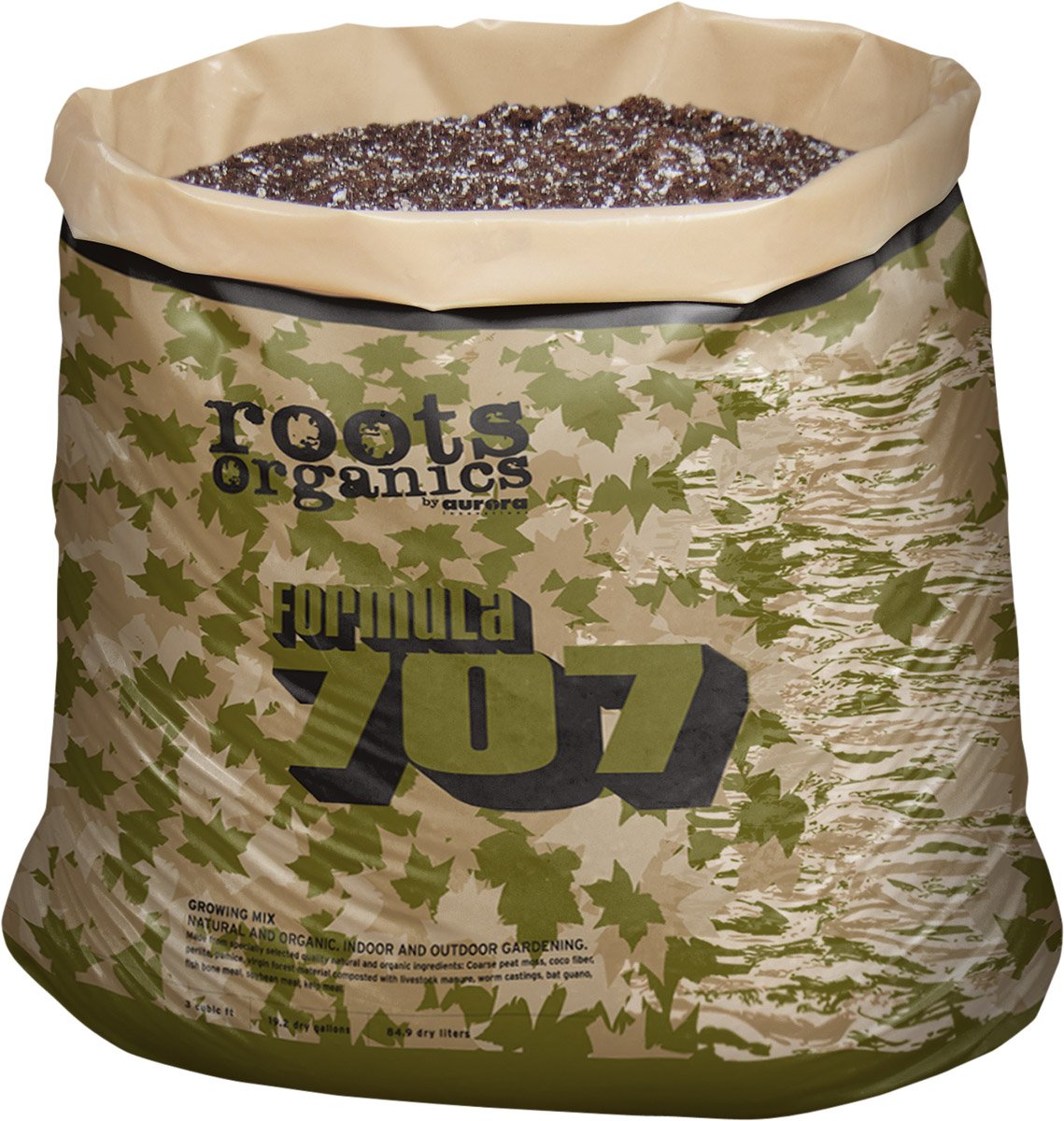
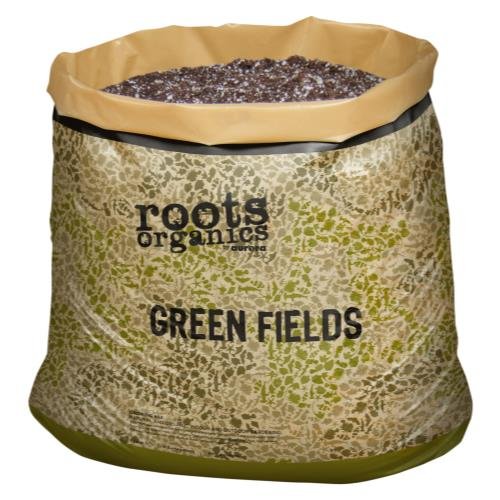
The Roots Organic Soil 707 is one of the best organic soils you can use in your garden. The soil mix contains minerals such as peat, perlite, coco, and other organic materials that help to stimulate plant growth.
When it comes to choosing a suitable potting soil for your garden, you cannot be too careful. Your goal as a responsible gardener is to provide your plants with the right materials it needs to grow. This includes making sure that the soil is packed with the right minerals and nutrients to support healthy growth.
In this article, we will be reviewing the Roots Organic Soil 707 where you will learn about all the many benefits and why it is popular among organic farmers and gardeners.
What Is Roots Organic Soil 707?
The Roots Organic Soil 707 is an organic soil for plants packed in a ready to use 20 gallon potting bag. The formula 707 from Roots Organic was designed to be able to hold water making it suitable for large container gardening. The organic ingredients in the mix are completely approved by authorities (CDFA) for use in certified organic agriculture. Some of the main ingredients include coarse peat moss, bat guano, worm castings, fishbone meal, kelp meal, and soybean meal.
The soil is packed in bags that make it easy for you to use. All you need to do is to plant your seeds directly into the bag. You can also use it for potting in containers by drilling a drainage hole in the container and place the soil bag directly inside the container.
For plants to grow healthy roots and stem, they need the right nutrients. With the Roots Organic Soil 707, you can provide your plant soil with the right soil conditions for it to grow. You can also use the 707 soil to revive soils that are deficient in nutrients.
Organic VS Non-organic Soil Type
There is a lot of controversy among gardeners when it comes to the best type of soil to use for potting. It all depends on your choice of ingredients, but as a grower with a few years of experience using both organic and non-organic soil and fertilizers on my plants, I will always advise gardeners to use organic soils and fertilizers on their plants. This is because organic fertilizers and soils are made from completely natural ingredients that are eco-friendly. This makes them great for your health and the environment. Some other differences between organic and non-organic soil type you need to be aware of includes:
1. Organic soil contains materials with a carbon content from living or dead matter; while non-organic soil in most cases is made from chemical compounds. Non-organic soils are made from man-made materials that have been re-engineered to support plant growth.
2. Non-organic soils are cheaper compared to organic soil.
3. Organic soils have different pH levels while non-organic soils have a neutral pH level.
4. Organic soils have a tendency to contain contaminants. This is due to the fact that the ingredients in the soil are completely organic and susceptible to impurities. But you wouldn’t get many contaminants in non-organic soils as they do not undergo molecular changes.
5. Organic soils come in specific blends that are manufactured for separate plants whereas non-organic soil types are suited for all soil types and plants.
6. Non-organic soil makes use of recycled products such as Styrofoam to support aeration; while organic soil makes use of pure natural methods to supply plant roots with the right amount of oxygen it needs to grow.
7. Lastly, we support the use of organic potting soil because unlike non-organic soil, it is completely free from toxic chemicals that could endanger your life and the environment.
1. The soil was designed specifically to encourage the speedy growth of plants. When you make use of this potting soil in your garden, you do not need to worry much about regular fertilizer application. This is because the product is already formulated with the nutrients needed by plants to grow healthy.
2. The ingredients in the mix include compost, perlite, coarse peat, worm castings, pumice, feather meal, soybean meal, kelp meal, bone meal, fishbone meal, and coco fiber. These are all the nutrients your seeds need to grow healthy leaves and fruits.
3. The soil is packed in a 20 gallon grow bag that is ready to use without difficulty. All you need to do is to trim the top of the bag and plant your seed directly into the bag or transplant into a larger container.
4. There are no traces of chemical compounds in the soil; making it completely free from toxic materials that can endanger your health and environment.
5. The soil can be used for a variety of plants that require a slightly acidic pH level to grow healthily.
How to Use the Roots Organic Soil 707
Like we have mentioned earlier, you can easily make use of the soil without breaking much sweat. The soil is packed in a bag that you can plant your seeds in temporarily before repotting them in a container. You can also plant directly to a container by drilling a hole to allow drainage of excess water. You will also have to make use of more soil; as you will have to fill the container properly until it is full.
You can purchase Roots Organic Soil 707 on Amazon.
This is a completely organic potting soil that is packed with nutrients and minerals to support healthy plant growth. It is also easy to use and can be adjusted for a variety of plants.
This is another quality potting soil mix you can use for your plants without much stress. All you have to do is water regularly and apply fertilizers from time to time.
Finding the right potting soil for your plant shouldn’t be a problem. With the Roots Organic Soil 707 you can provide your seeds with the right nutrients it needs to grow.
Which potting soil do you use in your garden? We will like to hear from you.
FAQ’s
What is the pH of roots organic soil?
The pH of roots organic soil can vary from 5 to 6.5 for soil gardens. If you would like to adjust pH, the adjustment should be done earlier before applying root organic to your plant.
If the soil is dry, you can water a little and leave it for some minutes before applying root organic to your plants.
Is Roots organic really organic?
Root organic is purely made from excellent qualities of organic ingredients. It is a ready to use coco fiber for your potting soil needs. The elements of root organic especially consist of are purely blended organic ingredients and some include worm casting, peat moss, Bat Guano, fishbone meal, feather meal, green sand, soybean meal, kelp meal, and many more.
It has also been mixed with the appropriate percentage of pumice and perlite. Root organic is basically used for soil amendments such as enhancing water holding capacity, good drainage, and good root system. Your plant will also experience exceptional growth with root organic. It is also great for a soilless garden.
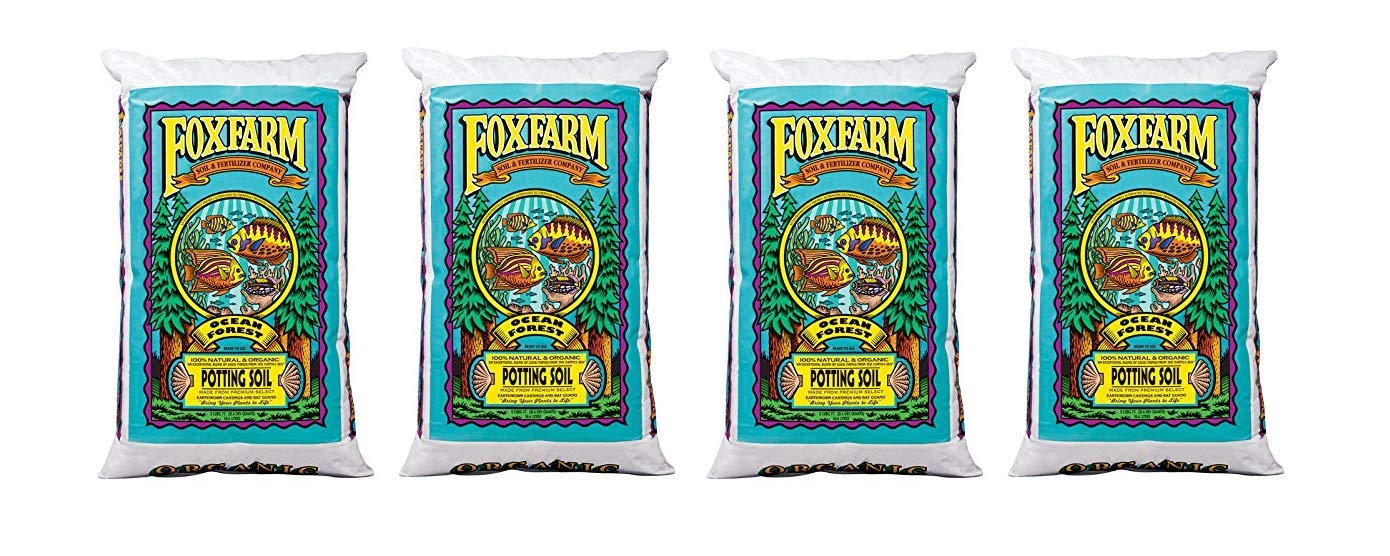
Roots organic soil 707 vs. fox farm ocean forest
Both root organic soil 707 and fox farm forest is great, they are basically almost the same. However, root organic soil will give a better result for your plants providing them a healthy, faster, with fewer plant issues.
Root organic is perfect for all types of plants including clones and seedlings. It retains more water than fox farm ocean forest would. This is because Fox farm ocean forest is a bit sandy. Therefore it does not hold as much water as root organic soil does.
Fox Farm Ocean is usually known for its great advantage to cannabis growers. However, it’s a matter of preference. Know and choose what works best for your plant type.
Finding the right organic soil for your plant or garden can be a tedious task for any farmer; this is because you can be truly certain of the organic matter that is contained in the soil. Also, most growers find it difficult to find the right organic soil that can work well with the type of plant they grow. In this article, we will be reviewing some of the best roots organic soil that is available for purchase. Before I let you in on the list, I will like to share with you some vital information about organic soil and its benefit to plant roots.
What is Organic Soil?
Organic soils are engineered to contain organic matter that is packed with minerals and nutrients that are beneficial to the growth and development of plants. Simply put, organic soil is derived from living matter. This living matter consists mainly of decaying worms, microorganisms, insects, plant materials, and many other components.
Most farmers make use of compost, manure, and mulch to add nutrients to soils that are deficient in minerals required by plant roots. It is important to amend the soil when making preparations for planting. This is important in order to improve the nutrient content of the soil before putting in the seed or transplanting.
What Constitutes an Organic Soil?
Before you make use of organic soil in your pot or garden, you need to be wary of what goes into the soil so as not to compromise the health of your plants and seeds. The main components in an ideal organic soil are:
Compost
Compost contains decaying matters which could include leaves, flowers, and other food scraps from the vegetative origin. Adding compost to a nutrient deficient soil is a great way to improve its quality and yield when it’s time to harvest the plant. The slow decay process of compost ensures the release of nutrients at a steady rate the roots can easily absorb. When adding compost to acidic soil, you will need to balance it by using lime or calcium to improve the pH. But in the case of alkaline soil, you need to add any calcium derivative as the compost will take care of balancing the pH level of the soil.
Mulch
This is also similar to compost but the difference is that it is made from decaying leaves, wood chips and/or bark. You can find a variety of mulch depending on the smell, color, and texture. Mulch helps the soil to retain moisture and also provides it with the required nutrients to improve plant growth. Just like compost, mulch also releases nutrients into the soil at a slow rate that can easily be absorbed by plant roots.
Manure
Many organic soils contain manure which is usually decayed animal excrement. They are applied to soil to serve as fertilizers that boost the nutrients in the soil. Adding manure to a nutrient deficient soil is a great way to improve the viability of the soil and improve plant yield.
Adding organic soil to a nutrient deficient soil helps to provide minerals and nutrients that help the plant to grow. This will improve the foliage production leading to more healthy fruits, flowers, and leaves.
Retain Moisture
Organic soil rich in mulch helps to improve the soil water-holding capacity. This makes it possible for the roots to get direct access to moisture needed to improve growth and development.
Improves Soil Structure
Adding organic matter to soil helps to improve the soil structure. The presence of organic matter causes the soil to form clumps which help to improve permeability, water absorption, and retention.
This organic soil is perfect for use right from the bag as all the work has been done by the manufacturers. The pH of the fertilizer has been adjusted to between 6.3 and 6.8 to make it easy for the root to absorb the fertilizer. It contains organic matter such as bat guano, earthworm castings, and other micronutrients. This dirt works wonders in soil suffering from nutrient deficiency and will help to improve the plant growth in no time.
This coco fiber-based organic soil is packed with the highest quality coco fiber and contains other organic matter such as bat guano, fishbone meal, earthworm castings, feather meal, mycorrhizae, green sand, humic acid, soybean meal, glacial rock dust, and many other ingredients. The Roots Organics potting soil helps to improve soil nutrient content which encourages the growth of healthier plants leading to better yield.
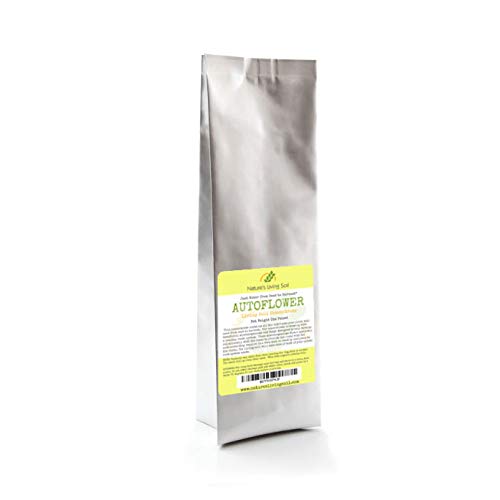
This organic soil from Natures’ living Soil contains organic matter that will improve the nutrient content in deficient soil. The ingredients include bat guano, blood meal, fishbone meal, kelp meal, Epsom salt, azomite, dolomite lime, alfalfa meal, coconut water powder among many others. The organic soil can be used in growing flowers, vegetables, and even for use on seedlings.
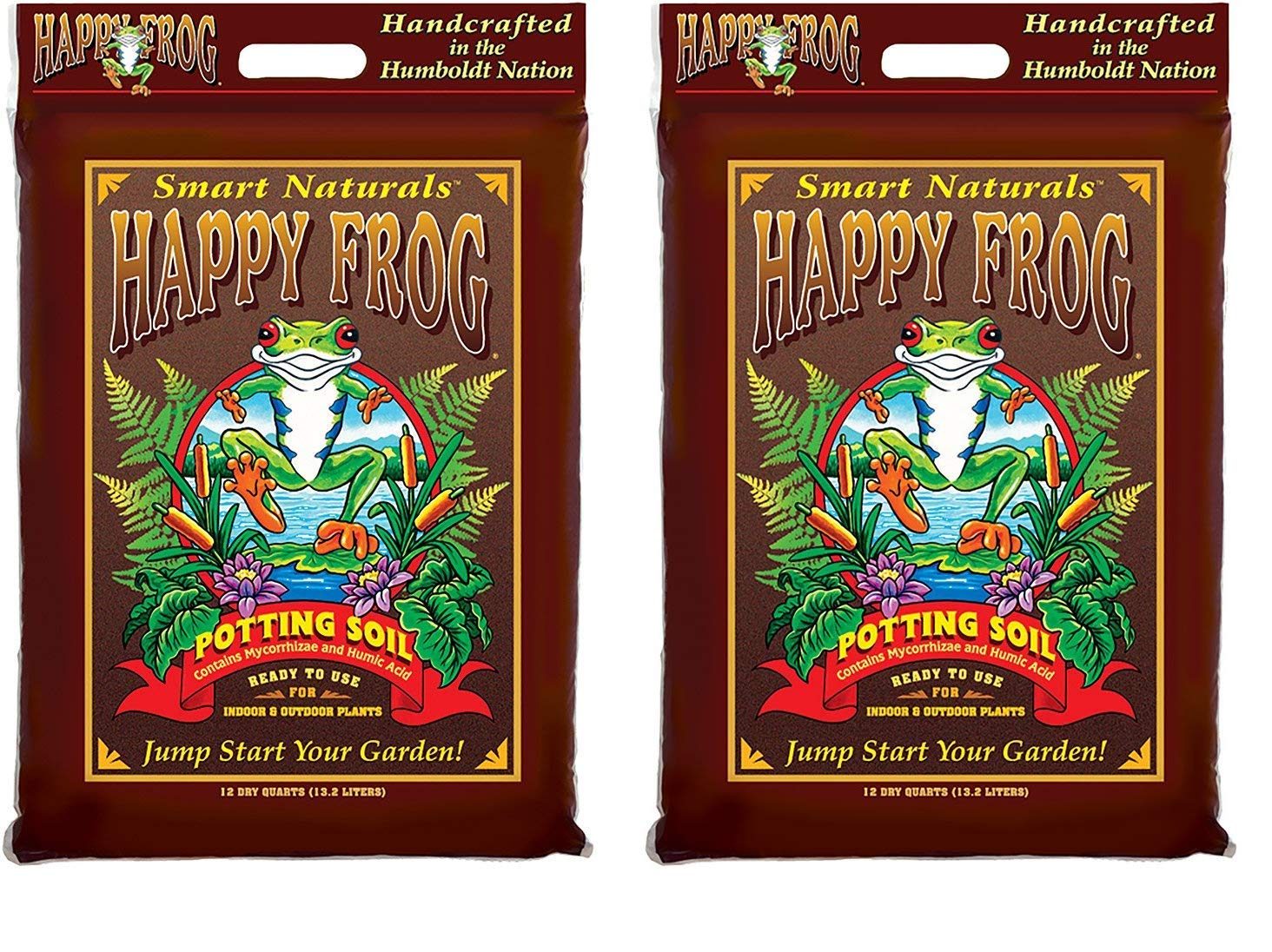
Another quality product from FoxFarm, this organic soil is rich in nutrients that improve the growth and health of plants in your garden. The soil is packed with a combination of organic matter such as mycorrhizal fungal and other soil microbes which act together to adjust the soil pH, improve the development of soil structure, enhance flower and fruit production and increase plant yield.
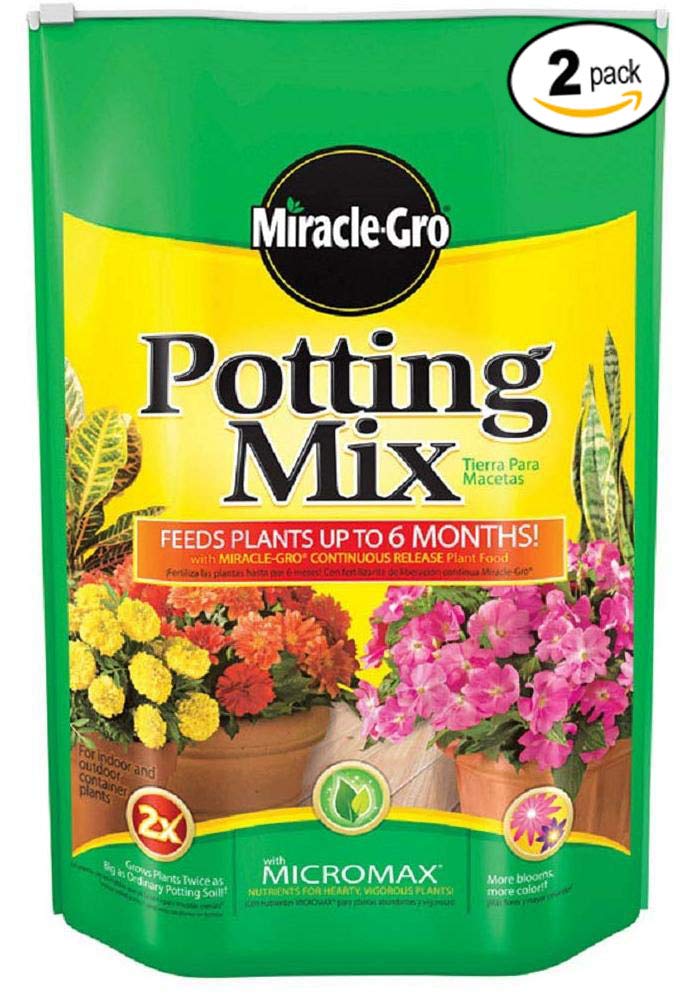
Unlike traditional garden soil, the Miracle-Gro potting soil has the tendency to expand. When using the soil in a pot or container, you will need to add water until the soil fully expands and fills the container. It has the ability to hold more water than normal planting soil making it a great buy for gardens that suffer from nutrient deficiency. You can use this potting soil to grow healthy herbs, veggies, and Cole crops.
Organic soil is a good way to improve the quality and yield of your plant especially when you notice that the soil is deficient in nutrients. Organic soil also works well with organic fertilizers so you want to avoid using any form of chemical for your plants as they can be harmful to your plant and the environment.
If you would like help on how to use organic soil on your farm or have any further questions, you can let us know in the comment section.
FAQ’s
Is organic soil good for plants?
Soil and gardening Organic gardening means gardening without using chemical fertilisers and pesticides. There are a number of different kinds of organic gardening, but they all have something in common – they try to mimic nature, in order to create a healthy and balanced environment for plants. This is where soil comes into the picture. Soil is the key to healthy plants and flowers. It is a living thing which helps to nourish the plants and provide them with the minerals they need. If you are interested in gardening, then you know how important soil is. Soil is full of things like worms, bacteria and fungi that help to keep your plants healthy and happy.
What is the difference between organic soil and regular soil?
Organic is better. According to the National Organic Program, organic farms use no synthetic pesticides, herbicides or fungicides on their crops.
Organic soil is not treated with chemicals that kill beneficial soil organisms. As a result, organic soils have a richer supply of nutrients than chemically treated soils.
Organic soil is a product of nature, but when it has been contaminated with chemicals, it is no longer organic. Soil is composed of mostly sand, clay, silt, and organic matter. There are many types of organic matter, including humus, leaf mold, compost, and peat moss. The key thing to understand about organic matter is that it is alive. When you dig into your garden bed, you’ll see that the top layer of soil is darker than the bottom because the organic matter is higher there. As the organic matter decays, it releases nutrients back into the soil. That is how organic matter keeps your soil healthy.
Does organic soil have fertilizer?
Organic soil has a lot of organic matter which can take up nitrogen and phosphorous from compost or manure.
In most cases the organic matter will be able to take up nutrients before the compost or manure is completely broken down. If you want to get more specific you can go through a lab and test the soil to see how much nitrogen, phosphorus, potassium, etc. is available.
Organic matter is an effective fertilizer. However, if your organic matter is not decomposed, it is not really fertilizer, but just some kind of compost.
How do you use organic soil?
The process is a little complicated, but the main idea is to enrich your garden with a rich and healthy soil. You can do this by adding composted manure or by using other organic matter. Organic matter is made up of dead organic material that has decayed into nutrients.
These nutrients are then able to be taken up by plants. Soil is made up of three basic components: sand, clay, and organic matter. Organic matter is made up of living and dead organisms. It includes both animal and plant remains. This means that you can use the composted manure from your animals or any other type of organic matter. Compost is a mixture of plant and animal waste that has been allowed to decompose in a controlled environment. You can add it directly to the soil or compost it before applying it to the soil. The amount of organic matter that you add to your soil is known as the “bulk density” of your soil. This will vary depending on the type of soil you have, but a good rule of thumb is to add at least 2-3 inches (5-7cm) of organic matter for every square foot .