Tag: plant care

  • Best Fertilizer for Tomatoes: Complete 2026 Guide

    Best Fertilizer for Tomatoes: Complete 2026 Guide

    Nothing ruins a gardener’s summer faster than yellowing tomato plants and a disappointing harvest. You’ve done everything right—started seeds indoors, hardened off your transplants, picked the perfect sunny spot—but your tomatoes still look anemic. The culprit? Almost always, it’s fertilizer (or the lack thereof).

    Here’s the truth most beginner gardeners learn the hard way: tomatoes are hungry plants. Really hungry. They need specific nutrients at specific times, and getting this wrong means the difference between a handful of small, bland fruits and bushels of juicy, flavorful tomatoes that make your neighbors jealous.

    In this complete guide, we’ll break down exactly what fertilizer tomatoes need, when to apply it, and which products actually deliver results. Whether you’re growing heirlooms in raised beds or determinate varieties in containers, you’ll walk away knowing exactly how to feed your tomato plants for maximum yield.

    Why Tomatoes Need Special Fertilizer

    Tomatoes aren’t like lettuce or herbs that can get by on mediocre soil. These plants are what horticulturists call “heavy feeders”—they extract massive amounts of nutrients from the soil throughout their growing season.

    Think about what a tomato plant actually does: it grows from a small transplant into a 6-foot vine, produces dozens of flowers, and converts those flowers into pounds of fruit—all in about 90 days. That kind of explosive growth requires serious fuel.

    Here’s what makes tomatoes particularly demanding:

    • Long growing season: Unlike quick crops like radishes, tomatoes occupy soil for 3-4 months, depleting nutrients continuously
    • Fruit production: Each tomato contains nutrients the plant pulled from the soil—more fruit means more nutrient demand
    • Continuous harvest: Indeterminate varieties keep producing until frost, requiring sustained feeding
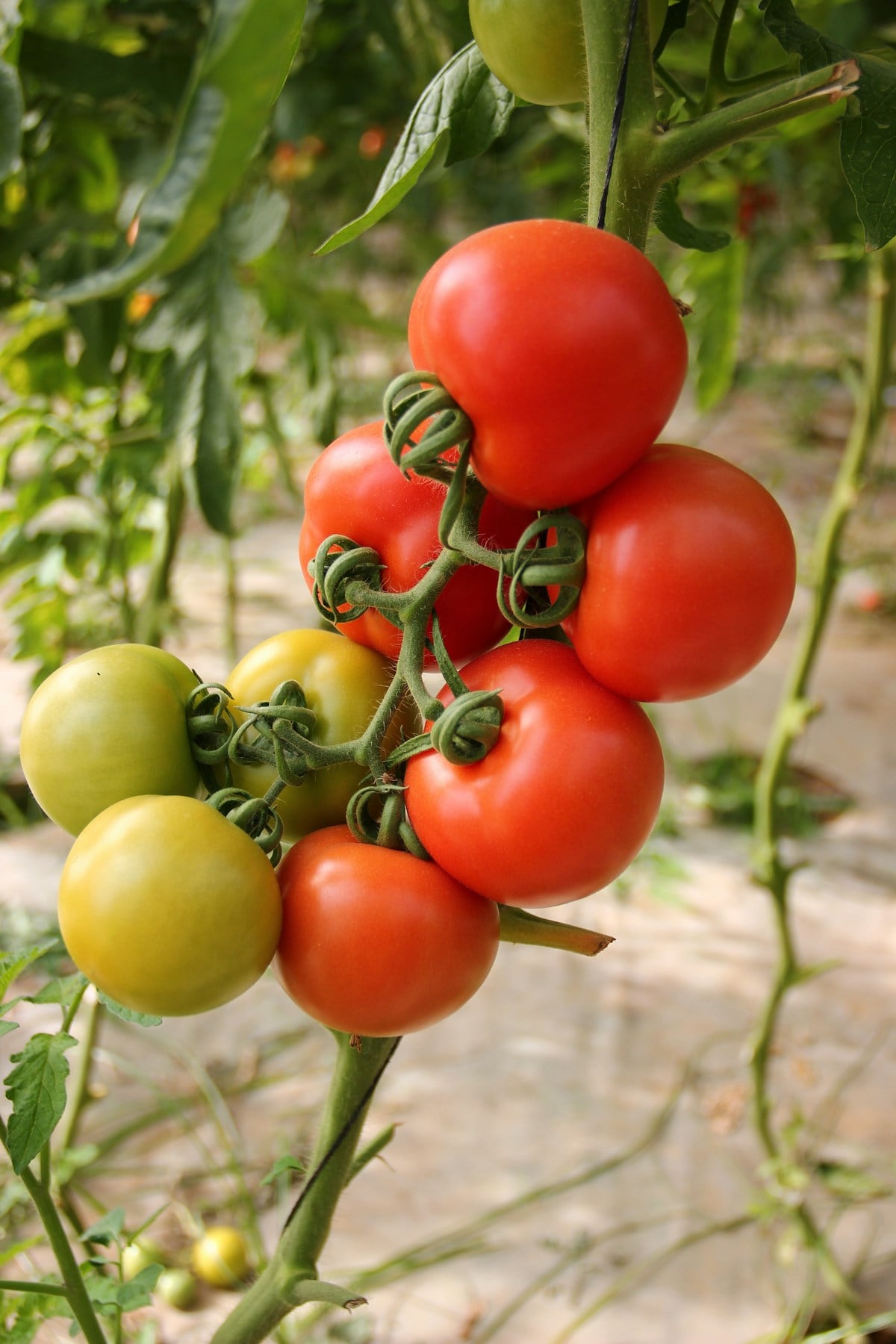
    • Calcium requirements: Tomatoes need consistent calcium to prevent blossom end rot, a common frustration

    Generic “all-purpose” fertilizers often fall short because they don’t account for tomatoes’ shifting nutritional needs throughout the season. A fertilizer that’s perfect for leafy growth early on can actually hurt fruit production later.

    Understanding NPK for Tomatoes

    Every fertilizer bag displays three numbers—like 10-10-10 or 3-4-6—called the NPK ratio. Understanding these numbers is the key to feeding tomatoes correctly.

    What NPK Means

    • N (Nitrogen): Drives leafy, vegetative growth. Essential early in the season when plants are establishing themselves.
    • P (Phosphorus): Supports root development and flower/fruit production. Critical once plants start blooming.
    • K (Potassium): Strengthens overall plant health, disease resistance, and fruit quality. Important throughout the season.

    The Ideal NPK Ratio for Tomatoes

    Here’s where many gardeners go wrong: tomatoes need different NPK ratios at different growth stages.

    Early season (transplant to first flowers): A balanced or slightly nitrogen-heavy fertilizer (like 10-10-10 or 5-5-5) supports strong stem and leaf development. You want robust plants before they start fruiting.

    Flowering and fruiting: Switch to a lower-nitrogen, higher-phosphorus formula (like 5-10-10 or 3-4-6). Too much nitrogen now produces beautiful foliage but fewer tomatoes. Phosphorus and potassium drive fruit production.

    This two-phase approach is why dedicated tomato fertilizers outperform generic options—they’re already formulated with the right balance for fruiting plants.

    Beyond NPK: Secondary Nutrients

    The best tomato fertilizers also include:

    • Calcium: Prevents blossom end rot (that black, sunken spot on the bottom of tomatoes)
    • Magnesium: Essential for chlorophyll production and photosynthesis
    • Sulfur: Contributes to disease resistance and flavor development

    When comparing products, check for these secondary nutrients—they make a real difference in plant health and fruit quality.

    Best Organic Fertilizers for Tomatoes

    Organic fertilizers release nutrients slowly as soil microbes break them down, providing steady nutrition without the risk of burning plants. They also improve soil structure over time. Here are the top organic options for tomato growers:

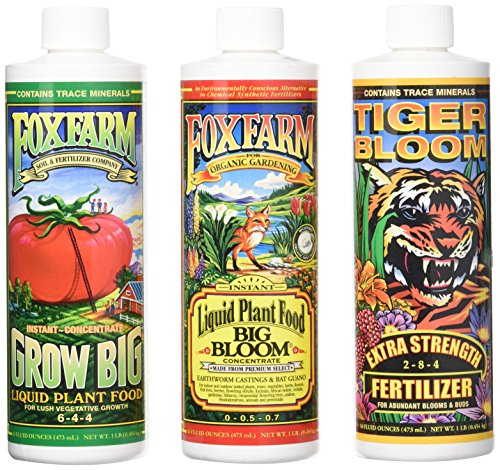
    1. FoxFarm Liquid Nutrient Trio

    Fox Farm Liquid Nutrient Trio Soil Formula – Big Bloom, Grow Big, Tiger Bloom Pint Size (Pack of 3)
    $35.99
    We earn a commission if you make a purchase, at no additional cost to you.
    12/11/2025 09:01 pm GMT

    FoxFarm’s trio system (Grow Big, Big Bloom, and Tiger Bloom) is the gold standard for serious tomato growers. The three-bottle system lets you adjust nutrition as plants mature—Grow Big for vegetative growth, then transitioning to Tiger Bloom and Big Bloom during flowering and fruiting.

    Why it works: The liquid format provides quick nutrient uptake, while the organic ingredients support beneficial soil biology. It’s particularly effective for container tomatoes where soil nutrients deplete quickly.

    Best for: Container gardening, hydroponic setups, and gardeners who want precise control over nutrition at each growth stage.

    2. Espoma Tomato-tone

    Tomato-tone is a granular organic fertilizer with a 3-4-6 NPK ratio—ideal for fruiting tomatoes. It contains 15 essential nutrients plus beneficial microbes that enhance nutrient uptake.

    Why it works: The slow-release formula feeds plants for weeks, reducing the frequency of applications. The added calcium helps prevent blossom end rot without separate supplements.

    Best for: In-ground tomatoes and gardeners who prefer a “set and forget” approach to fertilizing.

    3. Dr. Earth Organic Tomato Fertilizer

    Dr. Earth combines fish bone meal, feather meal, and kelp with their proprietary blend of beneficial soil microbes. The 4-6-3 formula emphasizes phosphorus for abundant flowering.

    Why it works: The diverse organic ingredients create a complex nutrient profile that mimics rich, natural soil. The probiotics help plants access nutrients more efficiently.

    Best for: Gardeners focused on building long-term soil health alongside immediate plant nutrition.

    4. Neptune’s Harvest Fish & Seaweed Fertilizer

    This liquid concentrate combines fish hydrolysate with seaweed extract for a nutrient-dense organic option. The 2-3-1 NPK is supplemented by over 60 trace minerals from kelp.

    Why it works: The seaweed component provides natural growth hormones and stress-resistance compounds. Plants fed with fish-seaweed fertilizers often show improved disease resistance.

    Best for: Gardeners dealing with stressed plants, poor soil, or those wanting to boost overall plant vitality.

    Best Synthetic Fertilizers for Tomatoes

    Synthetic (chemical) fertilizers deliver nutrients in immediately plant-available forms. They work faster than organics and allow precise control over exactly what your plants receive. Here are the top synthetic options:

    1. Miracle-Gro Tomato Plant Food

    Amazon’s Choice
    FoxFarm Ocean Forest Potting Soil
    $33.99

    FoxFarm Ocean Forest Potting Soil is a nutrient-rich blend of aged forest products, bat guano, and earthworm castings, perfect for indoor and outdoor plants. Its pH-balanced formula promotes healthy growth, making it ideal for seedlings, transplants, and mature plants.

    We earn a commission if you make a purchase, at no additional cost to you.
    02/26/2026 06:02 am GMT

    The classic choice for millions of gardeners. Miracle-Gro’s tomato formula (18-18-21) delivers high concentrations of all three macronutrients plus calcium and micronutrients. It’s water-soluble for quick uptake.

    Why it works: Immediate availability means you’ll see results within days, not weeks. The balanced-but-potassium-heavy ratio supports both growth and fruiting.

    Best for: Gardeners who want fast, visible results and don’t mind frequent (every 1-2 weeks) applications.

    2. Osmocote Smart-Release Plant Food

    Osmocote’s coated granules release nutrients gradually over 4-6 months based on soil temperature and moisture. One application can last the entire growing season.

    Why it works: The controlled-release technology prevents nutrient burn and eliminates the need for repeated applications. It’s nearly impossible to over-fertilize with Osmocote.

    Best for: Busy gardeners, container tomatoes, and anyone who tends to forget regular feeding schedules.

    3. Jobe’s Tomato Fertilizer Spikes

    Pre-measured fertilizer spikes that you push into the soil around your plants. The 6-18-6 formula is heavily weighted toward phosphorus for maximum fruit production.

    Why it works: Zero measuring, zero mixing, zero mess. Push them in every 8 weeks and you’re done. The nutrients release directly into the root zone where plants need them.

    Best for: Absolute beginners, gardeners with just a few plants, or anyone who wants the simplest possible fertilizing routine.

    4. Jack’s Classic Tomato Feed

    A professional-grade water-soluble fertilizer with a 12-15-30 ratio. The extremely high potassium content promotes exceptional fruit quality and flavor development.

    Why it works: Originally developed for commercial greenhouse production, Jack’s delivers professional results. The high potassium drives sugar production in fruits, resulting in better-tasting tomatoes.

    Best for: Experienced gardeners focused on fruit quality, greenhouse growers, and those with demanding indeterminate varieties.

    When to Fertilize Tomatoes: Timing by Growth Stage

    Proper timing is just as important as choosing the right fertilizer. Here’s a stage-by-stage breakdown:

    At Transplanting

    Mix a balanced, slow-release fertilizer or compost into the planting hole. Avoid high-nitrogen fertilizers right at transplant—they can burn tender roots and push top growth before roots establish.

    Pro tip: Add a handful of crusite or eggshells to the planting hole for extra calcium.

    Two Weeks After Transplanting

    Once plants show new growth (indicating root establishment), begin regular feeding. Start with a balanced fertilizer to support continued vegetative growth.

    When Flowers Appear

    This is the critical transition point. Switch to a low-nitrogen, high-phosphorus/potassium fertilizer. Continuing heavy nitrogen feeding now results in massive plants with few fruits.

    During Fruit Development

    Maintain consistent feeding every 2-3 weeks with your flowering/fruiting formula. This is when plants need the most nutrition—they’re simultaneously growing, flowering, and ripening fruit.

    Late Season

    For indeterminate varieties, continue feeding until 4 weeks before expected first frost. For determinates, you can reduce or stop fertilizing once most fruits have set, as the plant’s job is essentially done.

    How to Apply Tomato Fertilizer

    Application method matters as much as the product you choose. Here’s how to get the most from your fertilizer:

    Granular Fertilizers

    • Sprinkle around the drip line (edge of the leaf canopy), not against the stem
    • Scratch lightly into the top inch of soil
    • Water thoroughly after application
    • Reapply every 4-6 weeks depending on product

    Liquid Fertilizers

    • Dilute according to package directions (more is NOT better)
    • Apply to moist soil—never fertilize dry plants
    • Water at the base, avoiding leaves to prevent burn
    • Apply every 1-2 weeks during active growth

    Foliar Feeding

    Some liquid fertilizers can be sprayed directly on leaves for rapid absorption. This works well for addressing specific deficiencies quickly but shouldn’t replace soil feeding.

    • Spray early morning or evening (never in hot sun)
    • Use diluted solutions—half strength or less
    • Cover both tops and undersides of leaves

    Container Tomatoes: Special Considerations

    Container-grown tomatoes need more frequent fertilizing because:

    • Limited soil volume means limited nutrient reserves
    • Frequent watering flushes nutrients out the drainage holes
    • Roots can’t spread to find additional nutrients

    Plan to fertilize containers at half-strength twice as often, or use slow-release granules to maintain consistent nutrition.

    Signs of Over-Fertilization and Under-Fertilization

    Learning to read your plants helps you adjust your feeding program in real time.

    Signs You’re Under-Fertilizing

    • Yellowing lower leaves: Nitrogen deficiency—older leaves yellow while new growth stays green
    • Purple-tinged leaves/stems: Phosphorus deficiency, especially in cool weather
    • Brown leaf edges: Potassium deficiency, often called “leaf scorch”
    • Stunted growth: General nutrient deficiency across the board
    • Poor fruit set: Flowers drop without forming fruit, often from phosphorus shortage
    • Blossom end rot: Calcium deficiency (though inconsistent watering also contributes)

    Signs You’re Over-Fertilizing

    • Lush, dark green foliage but few flowers: Too much nitrogen—plants put energy into leaves instead of fruit
    • Leaf tip burn: Brown, crispy leaf tips indicate fertilizer salt buildup
    • White crust on soil surface: Visible salt accumulation from excess fertilizer
    • Wilting despite moist soil: Root damage from fertilizer burn
    • Blossom drop: Excessive nitrogen can cause flowers to abort

    Recovery tip: If you’ve over-fertilized, flush the soil with plain water (several times the container volume for potted plants). Skip the next 1-2 scheduled feedings to let plants recover.

    Frequently Asked Questions

    Can I use regular fertilizer on tomatoes?

    You can, but you’ll get better results with tomato-specific fertilizers. General-purpose fertilizers like 10-10-10 work during early growth, but they often have too much nitrogen for the fruiting stage. Tomato fertilizers are formulated with the right nutrient ratios and usually include calcium to prevent blossom end rot.

    How often should I fertilize tomatoes?

    It depends on the fertilizer type. Liquid fertilizers typically need application every 1-2 weeks. Granular fertilizers last 4-6 weeks. Slow-release formulas like Osmocote may only need one application per season. Container tomatoes generally need more frequent feeding than in-ground plants.

    Is organic or synthetic fertilizer better for tomatoes?

    Both can produce excellent results. Organic fertilizers improve soil health over time, release nutrients more slowly (reducing burn risk), and support beneficial soil organisms. Synthetic fertilizers work faster, offer precise nutrient control, and cost less per application. Many successful gardeners use both—organics as a base with synthetic supplements when plants need a quick boost.

    Should I fertilize tomatoes when it’s hot?

    Apply fertilizer in the morning or evening, not during peak heat. Water before and after granular applications. Avoid foliar feeding when temperatures exceed 85°F (29°C)—the combination of fertilizer and heat stress can damage leaves. During extreme heat waves, plants may benefit from reduced fertilizer concentrations since stressed plants can’t efficiently use nutrients.

    What’s the best fertilizer for tomatoes in containers?

    Liquid fertilizers like FoxFarm’s nutrient trio or water-soluble Miracle-Gro work well because they deliver nutrients immediately and you can easily control the concentration. Alternatively, slow-release granules like Osmocote provide steady nutrition without the need for frequent applications. The key is fertilizing more often than in-ground plants since containers lose nutrients through drainage.

    Final Thoughts: Feed Your Tomatoes Right

    Growing amazing tomatoes isn’t complicated once you understand their nutritional needs. Start with a quality fertilizer, time your applications to match growth stages, and pay attention to what your plants tell you.

    Remember the key principles:

    • Balanced fertilizer early, low-nitrogen/high-phosphorus once flowering begins
    • Consistent feeding beats heavy occasional doses
    • Include calcium to prevent blossom end rot
    • Container plants need more frequent feeding than in-ground tomatoes
    • Watch your plants and adjust based on what you see

    Whether you choose organic options like FoxFarm and Espoma or synthetic choices like Miracle-Gro and Osmocote, the most important thing is consistency. Feed your tomatoes regularly throughout the season, and they’ll reward you with a harvest worth bragging about.

    Now get out there and grow some incredible tomatoes!

  • Drought-Tolerant Plants for 2026: Beautiful Gardens With Less Water

    Drought-Tolerant Plants for 2026: Beautiful Gardens With Less Water

    With water becoming increasingly precious and weather patterns growing more unpredictable, drought-tolerant plants are more popular than ever. These resilient beauties thrive with minimal irrigation, saving water, time, and money while still providing color and interest in your garden.

    Benefits of Drought-Tolerant Landscaping

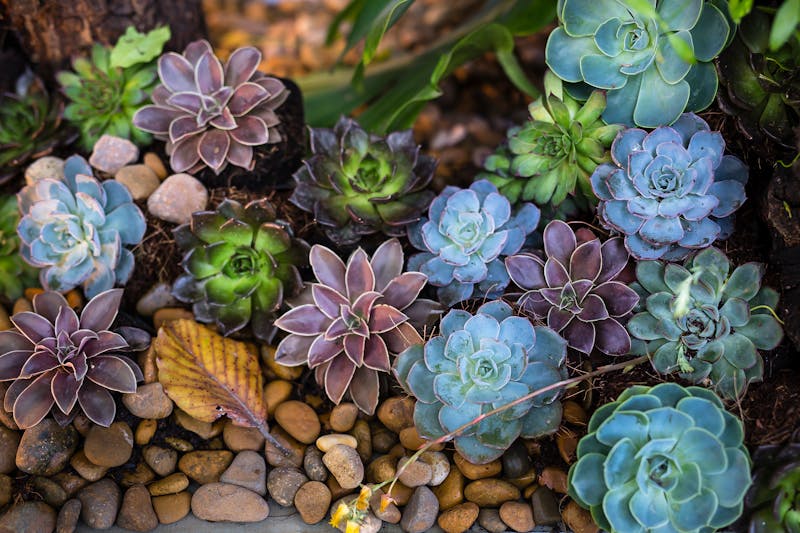
    Succulent arrangement
    • Water savings – Reduce irrigation by 50-75%
    • Lower maintenance – Less watering, less work
    • Climate resilience – Survive heat waves and water restrictions
    • Lower bills – Save on water costs
    • Wildlife support – Many drought-tolerant plants attract pollinators

    Top Drought-Tolerant Perennials

    Agave and water-wise plants

    Lavender

    Fragrant, beautiful, and tough as nails. Lavender thrives in poor, dry soil and full sun. Attracts bees and butterflies while deer leave it alone.

    Sedum (Stonecrop)

    Succulent perennials with fleshy leaves that store water. Groundcover and upright varieties available. Late-season blooms feed pollinators when little else is flowering.

    Coneflower (Echinacea)

    Native prairie plants that handle drought, heat, and poor soil. Long-blooming and excellent for pollinators. Seeds feed birds in winter.

    Russian Sage

    Silvery foliage and clouds of purple-blue flowers from mid-summer to fall. Aromatic and deer-resistant. Thrives in hot, dry conditions.

    Yarrow

    Feathery foliage and flat-topped flower clusters in many colors. Extremely tough and spreads to fill spaces. Great cut flower.

    Black-Eyed Susan

    Cheerful yellow flowers on tough plants. Native to North America and adapted to challenging conditions. Self-seeds readily.

    Drought-Tolerant Shrubs

    Butterfly Bush

    Fast-growing shrubs covered in flowers that attract butterflies. Many sizes and colors available. Cut back hard in spring for best flowering.

    Juniper

    Evergreen conifers from groundcovers to trees. Extremely drought-tolerant once established. Many forms and colors available.

    Potentilla

    Compact shrubs with rose-like flowers all summer. Tolerates poor soil, drought, and cold. Low maintenance and deer resistant.

    Barberry

    Colorful foliage in purple, gold, and green. Thorny branches deter deer and intruders. Very tough and adaptable.

    Succulents and Cacti

    The ultimate drought survivors, succulents store water in their leaves, stems, or roots. Many are surprisingly cold-hardy:

    • Sempervivum (Hens and Chicks) – Hardy to -30°F
    • Hardy Opuntia (Prickly Pear) – Native to North America
    • Agave – Some varieties hardy to 10°F
    • Yucca – Dramatic and extremely tough

    Drought-Tolerant Groundcovers

    • Creeping Thyme – Fragrant, walkable, flowers attract bees
    • Ice Plant – Succulent with brilliant flowers
    • Lamb’s Ear – Soft silver foliage, nearly indestructible
    • Creeping Juniper – Evergreen and weed-suppressing

    Tips for Success

    • Start right – Even drought-tolerant plants need regular water while establishing (use a soil moisture meter to track conditions)
    • Mulch heavily – Reduces evaporation and moderates soil temperature
    • Group by water needs – Keep thirsty plants together, separate from dry-lovers
    • Improve drainage – Most drought-tolerant plants hate wet feet
    • Choose local natives – Plants adapted to your region need less care

    🌵 Drought-Tolerant Plants

    As an Amazon Associate, we earn from qualifying purchases.

    Conclusion

    Drought-tolerant doesn’t mean dull. These resilient plants offer beauty, biodiversity, and sustainability for water-wise gardens. As climate challenges grow, these tough plants will only become more valuable.

    🌵 Drought-Tolerant Garden Supplies

    Amazon Choice

    SONKIR Soil pH Meter, MS02 3-in-1 Soil Moisture/Light/pH Tester Gardening Tool Kits for Plant Care, Great for Garden, Lawn, Farm, Indoor & Outdoor Use (Green)


    $7.97

    • 3 METERS IN ONE: Soil moisture level, Soil pH value and Sunlight level could be tested easily according to your need by switching the function button of this soil meter.
    • NO BATTERY NEEDED: Simply insert the meter into soil, wait few minutes, accurate test results will be displayed on the readout panel. No battery is needed.

    We earn a commission if you make a purchase, at no additional cost to you.

    02/06/2026 11:05 am GMT

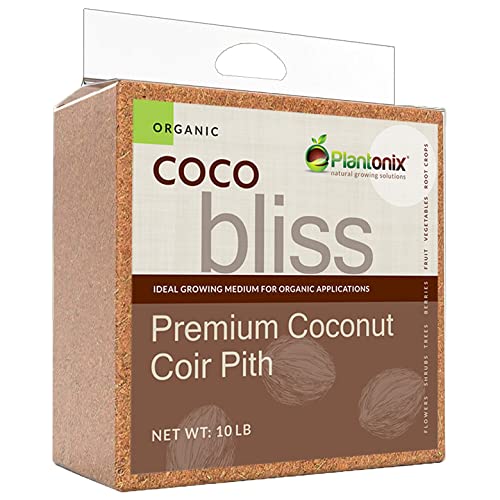
    Coco Bliss (10lbs) – Organic Coco Coir for Plants – OMRI-Listed Coco Coir Brick for Garden Soil & Potting Mixes – Coconut Fiber Substrate Mixes with Potting Soil for Indoor Plants & Outdoor Pl…


    $28.99

    We earn a commission if you make a purchase, at no additional cost to you.

    02/06/2026 05:05 pm GMT

  • Best Mulching Practices: How to Mulch Your Garden Right

    Best Mulching Practices: How to Mulch Your Garden Right

    Mulch is one of the most powerful tools in a gardener’s arsenal. A proper mulch layer suppresses weeds, retains moisture, regulates soil temperature, and adds organic matter as it breaks down. Here’s everything you need to know about mulching your garden effectively.

    Benefits of Mulching

    Mulch on garden bed
    • Weed suppression – Blocks light that weed seeds need to germinate
    • Moisture retention – Reduces evaporation by up to 70%
    • Temperature regulation – Keeps soil cooler in summer, warmer in winter
    • Soil improvement – Organic mulches feed soil life as they decompose
    • Erosion prevention – Protects soil from rain and wind
    • Cleaner produce – Keeps soil from splashing onto fruits and vegetables

    Types of Organic Mulch

    Vegetable garden with mulch

    Wood Chips

    Long-lasting and attractive. Best for paths, perennial beds, and around trees and shrubs. Can temporarily tie up nitrogen if mixed into soil, so keep on the surface.

    Shredded Leaves

    Free and abundant in fall. Shred leaves before applying to prevent matting. Excellent for vegetable gardens and flower beds. Break down within one season.

    Straw

    Classic vegetable garden mulch. Light, easy to apply, and breaks down quickly. Use seed-free straw (not hay, which contains weed seeds). Great around strawberries, tomatoes, and squash.

    Grass Clippings

    Another free option. Apply in thin layers to prevent matting and odor. Don’t use clippings treated with herbicides. Rich in nitrogen as they decompose.

    Compost

    Finished compost makes excellent mulch that also feeds plants. More expensive than other options but provides the most soil benefits.

    Pine Needles

    Attractive and long-lasting. Contrary to myth, they don’t significantly acidify soil. Perfect for acid-loving plants and pathways.

    How to Apply Mulch

    Depth

    Apply 2-4 inches for most organic mulches. Finer materials like compost can be thinner (1-2 inches). Coarser materials like wood chips can go thicker.

    Spacing

    Keep mulch a few inches away from plant stems and tree trunks. Mulch piled against stems can cause rot and invite pests.

    Timing

    In spring, wait until soil warms before mulching vegetable gardens. For winter protection, apply mulch after the ground freezes.

    Mulching Mistakes to Avoid

    • Volcano mulching – Piling mulch against tree trunks causes bark rot
    • Too thick – Over-mulching can suffocate roots and repel water
    • Too thin – Less than 2 inches won’t suppress weeds effectively
    • Wrong material – Fresh wood chips in vegetable beds can rob nitrogen
    • Ignoring renewal – Replenish mulch as it decomposes, usually yearly

    🍂 Mulching Supplies

    As an Amazon Associate, we earn from qualifying purchases.

    Conclusion

    Mulching is simple, inexpensive, and dramatically improves garden health. Start with free materials like leaves and grass clippings, then experiment with other mulches to find what works best in your garden.

    🍂 Mulching Supplies

    Legigo 4pcs Coconut Fiber Mulch Ring Tree Plant Protector Mat, 24 Inch Natural Coco Coir Tree Protection Ring Plant Pot Soil Cover, Tree Rings Disc Plant Cover for Indoor Outdoor Plants,Landscaping
    $22.99
    We earn a commission if you make a purchase, at no additional cost to you.
    02/26/2026 10:04 am GMT
    Coco Bliss (10lbs) – Organic Coco Coir for Plants – OMRI-Listed Coco Coir Brick for Garden Soil & Potting Mixes – Coconut Fiber Substrate Mixes with Potting Soil for Indoor Plants & Outdoor Pl…
    $25.99
    We earn a commission if you make a purchase, at no additional cost to you.
    02/26/2026 12:04 pm GMT
  • Organic Pest Control: Natural Methods That Actually Work

    Organic Pest Control: Natural Methods That Actually Work

    Dealing with garden pests without harsh chemicals is not only possible but often more effective in the long run. Organic pest control methods work with nature to create a balanced ecosystem where beneficial insects keep harmful ones in check.

    The Organic Approach to Pest Control

    Ladybug on leaf for natural pest control

    Organic pest management focuses on prevention, biological controls, and targeted treatments as a last resort. Rather than eliminating all insects, the goal is maintaining balance where pest populations stay below damaging levels.

    Prevention: Your First Line of Defense

    Marigolds deterring pests

    Healthy Soil = Healthy Plants

    Plants growing in nutrient-rich, living soil are more resistant to pests and diseases. Build your soil with compost, mulch, and organic matter.

    Choose Resistant Varieties

    Many vegetables and flowers have been bred for pest and disease resistance. Look for this information on seed packets and plant tags.

    Practice Crop Rotation

    Rotating plant families prevents pest populations from building up year after year in the same location.

    Remove Pest Habitat

    Clean up plant debris, which can harbor overwintering pests. Keep the garden area tidy but leave some wild edges for beneficial insects.

    Biological Controls

    Beneficial Insects

    • Ladybugs – Voracious aphid predators
    • Lacewings – Larvae eat aphids, mites, and small caterpillars
    • Parasitic wasps – Lay eggs in pest caterpillars and aphids
    • Ground beetles – Eat slugs, snails, and caterpillars
    • Praying mantis – General predators of many pest insects

    Attract Beneficials

    Plant flowers like yarrow, fennel, dill, and sweet alyssum to attract and support beneficial insects. Provide water sources and avoid broad-spectrum pesticides that kill beneficials along with pests.

    Organic Treatment Options

    Neem Oil

    Derived from the neem tree, this oil disrupts pest feeding and reproduction. Effective against aphids, whiteflies, mites, and many other soft-bodied insects. Also has some fungicidal properties.

    Insecticidal Soap

    Fatty acid-based soaps penetrate insect membranes on contact. Effective against aphids, mites, mealybugs, and thrips. Must contact the pest directly to work.

    Diatomaceous Earth

    This powder made from fossilized algae damages the exoskeletons of crawling insects. Effective against slugs, beetles, and many crawling pests. Reapply after rain.

    BT (Bacillus thuringiensis)

    This naturally occurring bacteria specifically targets caterpillars without harming other insects. Different strains target different pests. Very safe for humans and pets.

    Pyrethrin

    Derived from chrysanthemum flowers, pyrethrin is a fast-acting contact insecticide. Breaks down quickly in sunlight. Use as a last resort since it can affect beneficial insects.

    Physical Controls

    • Row covers – Lightweight fabric keeps flying pests off plants
    • Hand picking – Remove large pests like hornworms by hand
    • Traps – Yellow sticky traps for whiteflies, beer traps for slugs
    • Water spray – Blast aphids off plants with a strong water spray
    • Copper tape – Deters slugs and snails from containers

    🐛 Organic Pest Control Products

    As an Amazon Associate, we earn from qualifying purchases.

    Conclusion

    Organic pest control requires patience and observation, but the rewards are worth it. You’ll create a healthier garden ecosystem, protect beneficial insects, and grow food you can feel good about eating.

    🐛 Organic Pest Control Products

    Petra Neem Oil for Plants – Organic Neem Oil Spray for Plants,100% Cold Pressed Neem Oil, Pure Neem Oil, All-Natural Neem Oil Concentrate Leaf Polish for Plants – (17 Oz)
    We earn a commission if you make a purchase, at no additional cost to you.
    Harris Diatomaceous Earth Food Grade
    $16.99
    Pros:
    • Effective
    • Natural pest control
    • Safe for Children & Pets
    Cons:
    • Messy
    We earn a commission if you make a purchase, at no additional cost to you.
    02/26/2026 05:03 am GMT
  • Best Indoor Plants for Low Light: Top 10 Picks for 2026

    Best Indoor Plants for Low Light: Top 10 Picks for 2026

    Not every home is blessed with abundant natural light, but that doesn’t mean you can’t enjoy beautiful indoor plants. These low-light champions thrive in dim corners, north-facing rooms, and offices with fluorescent lighting.

    Understanding Low Light

    Snake plant in low light room

    Low light doesn’t mean no light. It typically refers to areas that receive indirect light, are several feet from windows, or have north-facing exposure. True darkness will kill most plants, but many species have adapted to forest floors and can thrive with minimal light.

    Top 10 Low-Light Indoor Plants

    Pothos plant near window

    1. Pothos (Epipremnum aureum)

    The ultimate beginner plant. Pothos tolerates neglect, low light, and irregular watering. Its trailing vines look beautiful on shelves or in hanging baskets. Variegated varieties need slightly more light to maintain their coloring.

    2. Snake Plant (Sansevieria)

    Nearly indestructible, snake plants actually prefer to be left alone. They tolerate low light and infrequent watering, making them perfect for forgetful plant parents. Plus, they’re excellent air purifiers.

    3. ZZ Plant (Zamioculcas zamiifolia)

    With glossy, dark green leaves, ZZ plants add elegance to any space. They store water in their rhizomes, so they can go weeks without watering. Perfect for offices and dim corners.

    4. Peace Lily (Spathiphyllum)

    One of the few low-light plants that flowers indoors. Peace lilies produce elegant white blooms and are excellent air purifiers. They’ll droop dramatically when thirsty, then perk right back up after watering.

    5. Cast Iron Plant (Aspidistra elatior)

    True to its name, this plant is tough as iron. Victorian homes used them extensively because they survived gas lighting and coal fires. Low light, temperature fluctuations, and drought are no problem.

    6. Chinese Evergreen (Aglaonema)

    Beautiful patterned leaves in shades of green, silver, and pink. Chinese evergreens are forgiving plants that adapt well to low-light conditions. Newer varieties offer stunning color even in dim spaces.

    7. Parlor Palm (Chamaedorea elegans)

    Add tropical vibes to low-light areas with this compact palm. Unlike many palms, parlor palms actually prefer indirect light and can tolerate quite dim conditions.

    8. Philodendron

    Heart-leaf philodendrons are classic low-light performers. They’re similar to pothos but with slightly different leaf shapes. Both trailing and upright varieties are available.

    9. Dracaena

    Many Dracaena varieties tolerate low light, including the popular corn plant (D. fragrans) and dragon tree (D. marginata). Their architectural forms add height and drama to rooms.

    10. Spider Plant (Chlorophytum comosum)

    Spider plants adapt to various light conditions and produce charming “babies” that dangle from the mother plant. They’re easy to propagate and share with friends.

    Low-Light Plant Care Tips

    • Water less frequently – Plants in low light use less water and energy
    • Avoid overwatering – The number one killer of indoor plants
    • Clean leaves regularly – Dusty leaves can’t photosynthesize efficiently
    • Rotate occasionally – Helps plants grow evenly
    • Don’t expect rapid growth – Low light means slower growth

    🌿 Low-Light Plant Essentials

    As an Amazon Associate, we earn from qualifying purchases.

    Conclusion

    Low light doesn’t have to mean no plants. These resilient species bring life and greenery to even the darkest corners of your home. Start with one of these foolproof options and watch your indoor jungle grow.

    🌿 Low Light Plant Essentials

    Indoor Plant Food | All-purpose House Plant Fertilizer | Liquid Common Houseplant Fertilizers for Potted Planting Soil | by Aquatic Arts
    $12.55
    We earn a commission if you make a purchase, at no additional cost to you.
    02/26/2026 11:03 am GMT
    Amazon Choice Selection
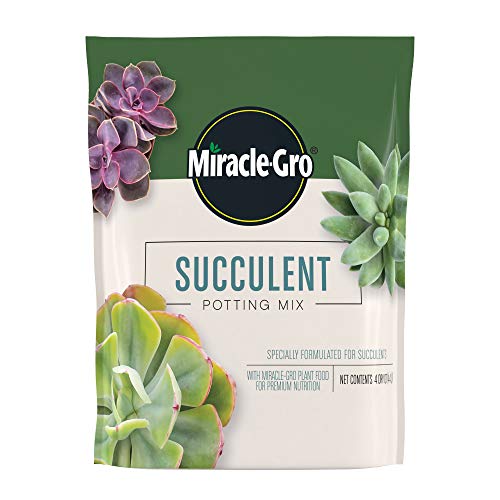
    Miracle-Gro Succulent Potting Mix: Fertilized Soil with Premium Nutrition for Indoor Cactus Plants, Aloe Vera and More
    $10.20
    We earn a commission if you make a purchase, at no additional cost to you.
    02/26/2026 05:03 am GMT
  • Vertical Gardening Ideas for Small Spaces (2026 Guide)

    Vertical Gardening Ideas for Small Spaces (2026 Guide)

    Limited outdoor space doesn’t mean you can’t have an abundant garden. Vertical gardening has become one of the hottest trends for 2026, allowing urban dwellers and apartment gardeners to grow more in less space. Here’s everything you need to know about growing up instead of out.

    Why Vertical Gardening?

    Lush vertical garden with plants on wall

    Vertical gardens maximize your growing area by utilizing walls, fences, and vertical structures. They’re perfect for balconies, patios, small yards, and even indoor spaces. Plus, vertical gardens can reduce pest problems and make harvesting easier.

    Best Plants for Vertical Gardens

    Balcony garden maximizing vertical space

    Vegetables

    • Tomatoes – Indeterminate varieties climb naturally with support
    • Pole beans – Perfect for trellises, produce heavily
    • Cucumbers – Grow vertically to save space and prevent rot
    • Peas – Natural climbers with delicate tendrils
    • Squash – Yes, even squash can grow vertically with sturdy support

    Herbs

    • Basil – Thrives in vertical pocket gardens
    • Mint – Contains spreading roots when grown vertically
    • Thyme – Cascades beautifully from wall planters
    • Oregano – Low-maintenance vertical grower

    Flowers

    • Petunias – Cascading varieties perfect for living walls
    • Nasturtiums – Edible flowers that climb or trail
    • Morning glories – Fast-growing annual climbers
    • Clematis – Perennial beauty for permanent structures

    Vertical Garden Systems

    1. Trellis Systems

    The classic choice for climbing plants. Materials range from bamboo and wood to metal and plastic. A-frame trellises work great for beans and peas, while flat trellises suit tomatoes and cucumbers.

    2. Living Wall Systems

    Modular panels that attach to walls and hold individual plants in pockets or cells. Great for herbs, lettuce, and strawberries. These systems often include built-in irrigation.

    3. Tower Gardens

    Freestanding vertical planters that can hold 20-50 plants in a small footprint. Many use hydroponic or aeroponic systems for faster growth and higher yields.

    4. Hanging Systems

    Tiered hanging planters, gutter gardens, and repurposed pallets offer budget-friendly vertical options. Perfect for trailing plants and herbs.

    5. Espalier

    The art of training fruit trees to grow flat against walls or fences. Takes patience but produces beautiful, productive results.

    Tips for Vertical Garden Success

    Watering

    Vertical gardens dry out faster than traditional beds. Consider drip irrigation or self-watering systems. Water from the top and let gravity do the work.

    Soil and Nutrients

    Use lightweight potting mix to reduce weight on structures. Vertical plants often need more frequent fertilizing since water flushes nutrients quickly.

    Sunlight

    Remember that vertical structures can cast shadows. Plan your layout so taller plants don’t block sun from shorter ones.

    Weight Considerations

    Wet soil is heavy. Ensure your wall, fence, or structure can support the weight of a fully watered garden.

    🌱 Vertical Gardening Essentials

    As an Amazon Associate, we earn from qualifying purchases.

    Conclusion

    Vertical gardening opens up possibilities for growers of all experience levels and space constraints. Start small with a simple trellis or wall planter, then expand as you learn what works best for your conditions.

    🏗️ Vertical Garden Essentials

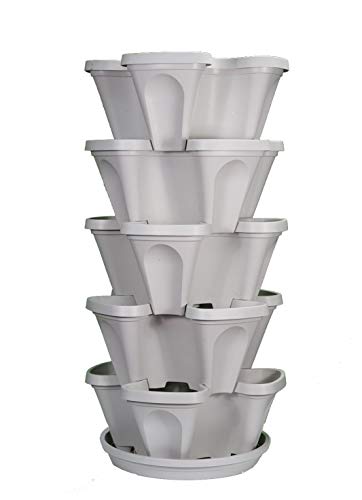
    Mr. Stacky© 5-Tier 13 inch Wide – (Stone Color) Strawberry and Herb Garden Planter – Stackable Gardening Pots with 10 Inch Saucer
    $36.95
    We earn a commission if you make a purchase, at no additional cost to you.
    02/27/2026 03:02 am GMT
    Lalahoni Garden Cucumber Trellis for Climbing Plants
    $39.99

    Outdoor 5.3 FT Tall Metal Arch Plant Support for Vegetable Fruit Flower Vine Plant, Pea Tunnel A-…

    We earn a commission if you make a purchase, at no additional cost to you.
    02/26/2026 09:04 am GMT
  • 🌱 The Ultimate List: Top 10 Must-Have Garden Products of 2025 for Smart & Sustainable Growing

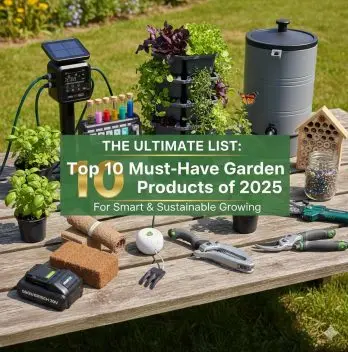
    🌱 The Ultimate List: Top 10 Must-Have Garden Products of 2025 for Smart & Sustainable Growing

    The year 2025 marks a major shift in how we garden. It’s no longer just about getting your hands dirty; it’s about getting smart and being aggressively sustainable. The best new gear focuses on water conservation, soil health, and making tough tasks effortless with cordless power.

    To help you get ahead of the curve, we’ve researched the biggest trends and must-have gear to create the definitive list. These products will not only transform your yield but also reduce your effort and environmental footprint.


    🥇 The Top 10 Garden Products You Need in 2025

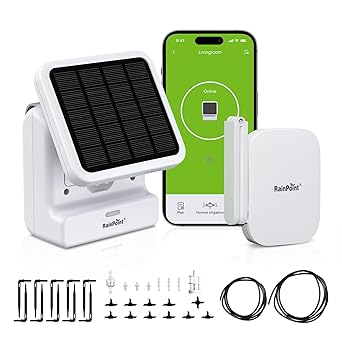
    1. Solar-Powered Smart Irrigation Systems

    The future of watering is here. The top systems in 2025 are solar-powered and utilize soil moisture sensors to monitor hydration in real-time. They deliver water only when and where it is needed, drastically cutting down on waste. This is the ultimate tool for water-wise gardening and ensuring plants are never stressed.

    Top Pick
    RAINPOINT Smart WiFi Solar Automatic Plant Watering System
    $69.99

    Water 20 plants with this amazing solar powered and WiFI enabled watering system ideal for automating away your gardening tasks.

    We earn a commission if you make a purchase, at no additional cost to you.
    02/26/2026 02:04 pm GMT

    2. Advanced Microbial Soil Health Test Kits

    Forget basic pH strips. The new generation of test kits gives you a detailed look into your soil‘s microbial diversity and organic matter content. Knowing the level of beneficial fungi and bacteria allows you to precisely target soil deficiencies and maximize growth, making this a must-have product for the organic grower.

    Amazon Choice
    SONKIR Soil pH Meter, MS02 3-in-1 Soil Moisture/Light/pH Tester Gardening Tool Kits for Plant Care, Great for Garden, Lawn, Farm, Indoor & Outdoor Use (Green)
    $9.99
    • 3 METERS IN ONE: Soil moisture level, Soil pH value and Sunlight level could be tested easily according to your need by switching the function button of this soil meter.
    • NO BATTERY NEEDED: Simply insert the meter into soil, wait few minutes, accurate test results will be displayed on the readout panel. No battery is needed.


    We earn a commission if you make a purchase, at no additional cost to you.
    02/26/2026 06:05 am GMT

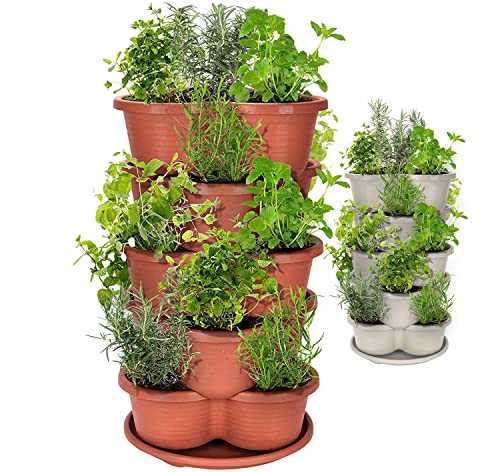
    3. 5-Tier Vertical Planter Systems

    As gardens get smaller, going vertical is essential. The leading vertical garden kits—like the popular 5-tier stacking systems—maximize your growing space on patios, balconies, or small yards. Look for modular, soil-based designs that offer built-in irrigation options for easy, high-density growing.

    Amazing Creation Stackable Planter, Terracotta 5-Tier Vertical Garden Planter, Grow Your Own Vertical Oasis of Vegetables and Succulents
    $29.99
    We earn a commission if you make a purchase, at no additional cost to you.
    02/27/2026 01:05 am GMT

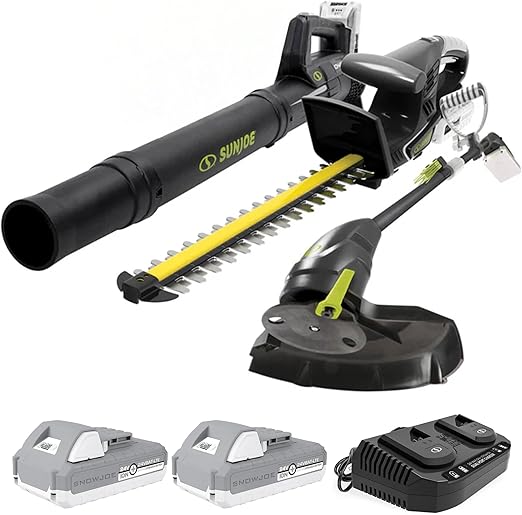
    4. Cordless Battery Multi-Tool Systems

    The age of gas-guzzling tools is over. Cordless multi-tool systems (from brands like EGO, STIHL, and Ryobi ONE+) are topping the charts in 2025. One battery platform powers everything from the lawnmower and leaf blower to pole pruners and hedge trimmers. They offer the power of gas with zero noise, zero emissions, and incredible convenience.

    Cordless Combo Tool
    $149.99

    Sun Joe Cordless Leaf Blower, Grass and Hedge Trimmer Outdoor Garden Combo Power Tool Kit with Batteries and Charger, 24V-GT4MAX-LTE

    We earn a commission if you make a purchase, at no additional cost to you.
    02/26/2026 03:02 pm GMT

    5. Biodegradable Mulch and Weed Barriers

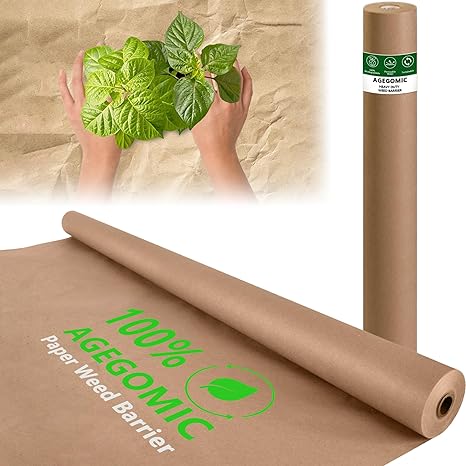
    In the pursuit of truly eco-friendly gardening, plastic and rubber mulches are being replaced. The most popular ground covers for 2025 include sustainable, biodegradable options like hemp mulch for vegetable beds and coco coir as a peat-free soil amendment. These materials suppress weeds while enriching the soil as they break down.

    Biodegradable Weed Barrier
    $59.99

    4 x 100 Ft Heavy Duty Garden Paper Biodegradable Landscape Fabric Paper Garden Mulch Rolls Weed Barrier for Weeds, Paper Mulch Rolls Garden Paper for Outdoor Garden Lawn

    We earn a commission if you make a purchase, at no additional cost to you.
    02/26/2026 03:02 pm GMT

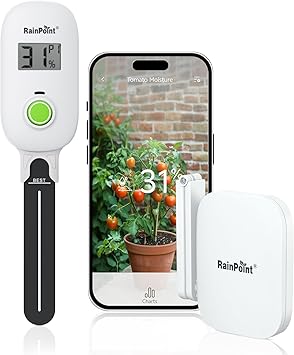
    6. App-Connected Garden Sensors

    Need a digital garden buddy? Small, app-connected sensors are becoming essential. These devices track sunlight, ambient temperature, humidity, and soil moisture, sending real-time data and alerts right to your phone. They take the guesswork out of plant care, allowing for remote monitoring—perfect for busy schedules or vacation prep.

    App Connected Garden Sensor
    $32.49

    RAINPOINT Plant Moisture Meter Houseplants Indoor WiFi Hub Kit with Low/High Moisture Alert,Real-time Monitor Hygrometer Sensor Outdoor Gardening Push Notification&Email

    We earn a commission if you make a purchase, at no additional cost to you.
    02/26/2026 03:02 pm GMT

    7. Ergonomic, Multi-Use Hand Tools

    Investing in quality hand tools that reduce strain is a major trend. New ergonomic multi-use hoes and rechargeable cordless pruning shears are designed with comfortable grips and lightweight materials to reduce hand fatigue. These tools make repetitive tasks, like pruning berry bushes or weeding beds, feel less like a chore.

    9-Piece Gardening Hand Tool kit
    $35.97

    Included a Durable Garden Tools Organizer Handbag, Rust-Proof Garden Tool Set, Ideal Gardening Gi…

    We earn a commission if you make a purchase, at no additional cost to you.
    02/27/2026 01:04 am GMT

    8. Indoor Hydroponic Smart Gardens

    For year-round growing, the indoor smart garden remains king. The best 2025 models are moving towards open-system hydroponics that allow you to grow any seed you choose, not just pre-packaged pods. Featuring full-spectrum LED lights and automated nutrient delivery, they make growing herbs and leafy greens indoors simple.

    iDOO Hydroponics Growing System Kit
    $79.98

    iDOO Herb Garden Indoor with LED Grow Light, Built-in Fan, Auto-Timer, Adjustable Height Up to 11.3″, 12Pods-

    We earn a commission if you make a purchase, at no additional cost to you.
    02/26/2026 03:02 pm GMT

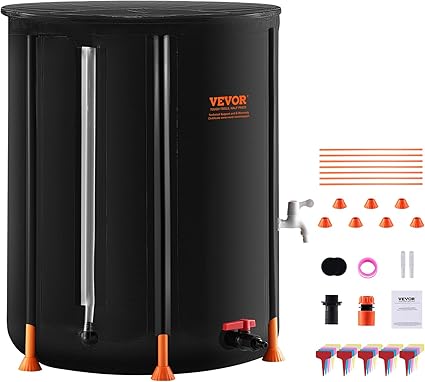
    9. Integrated Rainwater Collection Systems

    With climate change making water conservation crucial, new smart water collection systems are trending. Stylish, larger capacity rain barrels and rain gardens are designed to integrate seamlessly into your landscape, collecting clean rainwater (which is better for plants than chlorinated tap water) and reducing strain on municipal systems.

    Hot Item
    VEVOR Collapsible Rain Colelction Barrel, 100 Gallon/380 L
    $39.90

    VEVOR Collapsible Rain Barrel, 100 Gallon/380 L Portable Water Tank, PVC Rainwater Collection Barrel with Spigots and Overflow Kit, Water Barrel for Garden Water Catcher

    We earn a commission if you make a purchase, at no additional cost to you.
    02/26/2026 03:02 pm GMT

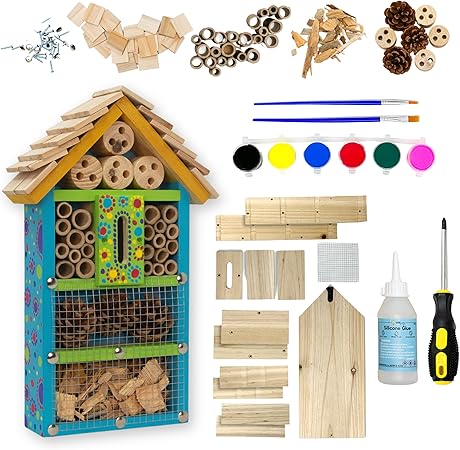
    10. Pollinator Habitat Kits

    Supporting local wildlife is a core theme in 2025. Pollinator habitat kits are one of the fastest-growing segments. These kits provide everything needed to create a safe haven, including carefully selected native wildflower seeds for continuous bloom and structure kits for bee hotels and butterfly houses. They ensure your garden gives back to the local ecosystem.

    Our Choice
    Premium Bug Hotel Kit
    $34.99

    DIY Solid Cedar Wood Craft Kit for Building Your Own Bee Hotel, Lady Bug House, or Mason Bee Hous…

    Check Amazon Price
    We earn a commission if you make a purchase, at no additional cost to you.
    02/26/2026 03:02 pm GMT

    Summary of 2025’s Gardening Edge

    The common thread among the best gardening products of 2025 is the blend of technology and ecology. By prioritizing tools that are smarter, quieter, and more sustainable, you can ensure a greener, more bountiful, and easier gardening season. Start implementing one or two of these innovations to see a major improvement in your gardening journey!

    Ready to get growing?

    The Consumer Reports video offers a great overview of the various battery-powered tool systems that dominate the 2025 trend for cordless gardening equipment, a key category in this list.

    You can learn more about the growing trend of battery-powered tool systems in this Consumer Reports video: The best battery-powered tool systems.

    🌱 Our Top Garden Product Picks

    Amazon Choice
    SONKIR Soil pH Meter, MS02 3-in-1 Soil Moisture/Light/pH Tester Gardening Tool Kits for Plant Care, Great for Garden, Lawn, Farm, Indoor & Outdoor Use (Green)
    $9.99
    • 3 METERS IN ONE: Soil moisture level, Soil pH value and Sunlight level could be tested easily according to your need by switching the function button of this soil meter.
    • NO BATTERY NEEDED: Simply insert the meter into soil, wait few minutes, accurate test results will be displayed on the readout panel. No battery is needed.


    We earn a commission if you make a purchase, at no additional cost to you.
    02/26/2026 06:05 am GMT
    JERIA 12-Pack 5 Gallon, Vegetable/Flower/Plant Grow Bags, Aeration Fabric Pots with Handles (Black), Come with 12 Pcs Plant Labels
    $20.99
    We earn a commission if you make a purchase, at no additional cost to you.
    02/26/2026 03:02 am GMT
    Amazon’s Choice
    FoxFarm Ocean Forest Potting Soil
    $33.99

    FoxFarm Ocean Forest Potting Soil is a nutrient-rich blend of aged forest products, bat guano, and earthworm castings, perfect for indoor and outdoor plants. Its pH-balanced formula promotes healthy growth, making it ideal for seedlings, transplants, and mature plants.

    We earn a commission if you make a purchase, at no additional cost to you.
    02/26/2026 06:02 am GMT
  • Spring Garden Prep Tips

    Spring Garden Prep Tips

    spring garden prep

    Spring is right around the corner. We had a fantastic sunny and warm day at the end of February, reminding me to prepare for Spring. As the clouds parted and the sun shone down on my humble garden, it was time to get to work and prepare for spring.

    Preparation is the key to a great Spring Garden.

    Spring Garden Prep Tips

    It’s time to do some spring garden prep to prepare your garden for the sunny and warmer days ahead.

    1. Pre-spring Clean

    It is time to get pre-spring clean your garden. Get your garden ready by removing dead plants, leaves, fallen branches, or any other debris found in the garden. This clean-up helps sprouting plants and prevents pests that might have overwintered.

    After removing four large bags of dead plants, leaves, and fallen branches this weekend, I found a bunch of Tulip sprouts that were already trying to break through. Now, with all the garden debris removed the Tulips are ready to go for spring.

    2. Tool Clean-up

    Take a moment to inspect your garden tools for your spring garden prep. Wash your tools with warm soapy water to prevent any speed of plant diseases.

    Next, if you’ve been using your tools for awhile. Treat them the a refresh and have them sharpened. Any broken tools now is the time to start scouting for sales to get them replace.

    3. Test and Improve your Soil

    A healthy garden starts with the soil. Now’s the time to start checking PH levels to get them in the right shape before the season starts.

    Based on the results, add compost, manure, or other organic matter. These amendments enrich the soil, improve drainage, and promote strong root growth. Being ahead of the curve will help you be ready for the upcoming season.

    Soil PH Meter, Soil Moisture Sensor Meter, Soil PH Tester Gardening Tool Kits for Plant, Tree, Soil Tester for Moisture Great for Garden, Lawn, Farm, Indoor & Outdoor Use 295mm Long
    $55.99
    We earn a commission if you make a purchase, at no additional cost to you.
    02/26/2026 01:03 pm GMT

    4. Start Seeds Indoors

    Consider the planning of starting planting seeds indoors for your spring garden prep. Vegetables like tomatoes, peppers, and herbs benefit from early sowing.

    Invest in seed trays and grow lights, which are readily available on Amazon. Starting seeds early gives you a jump on the growing season and ensures stronger plants.

    Burpee Self-Watering Seed Starter Tray, 72 Cells
    $19.97
    We earn a commission if you make a purchase, at no additional cost to you.
    02/26/2026 08:04 am GMT

    5. Prepare Garden Beds

    Loosen the soil in your garden beds using a spade or garden fork. Loosening the soil helps roots penetrate the soil easily and improves water drainage.

    Add a fresh layer of compost or well-rotted manure to boost nutrients. Raised beds can also be topped up with fresh soil to improve fertility and structure. Again check the PH balance levels to get a better indication.

    6. Mulch your Garden

    Mulching is an excellent way to suppress weeds, retain moisture, and regulate soil temperature. Apply a layer of organic mulch, like straw or wood chips, around your garden beds.

    Mulch also prevents soil erosion and breaks down over time, adding nutrients back into the soil.

    100% Natural Cedar Chips | Mulch | Great for Outdoors or Indoor Potted Plants | Dog Bedding | Pleasant Earthy Smell 4 Quarts
    $12.95
    We earn a commission if you make a purchase, at no additional cost to you.
    02/27/2026 01:03 am GMT

    7. Add Garden Structures

    Consider adding structures like trellises, stakes, and cages before planting. These supports help climbing plants like tomatoes, beans, and cucumbers grow properly.

    Installing them early avoids disturbing roots later in the season. Plus, they make your garden look neat and organized.

    8. Prepare for Pests and Weeds

    Get ahead of pests and weeds before they become a problem. Lay down landscape fabric to reduce weed growth and use row covers to protect young plants from insects.

    Consider natural pest control methods like introducing beneficial insects or companion planting to deter harmful bugs.

    Final Sping Garden Prep Thoughts

    The cold weather is almost behind us and the spring garden prep sets the stage for a successful growing season. With a little planning, soil care, and the right tools, you’ll be ready and prepared to enjoy a vibrant and productive garden.

    Don’t forget to check out gardening essentials on Amazon to make your gardening journey even smoother!

    FAQs Spring Garden Prep

    When should I start preparing my garden for spring?

    Begin preparing your garden 4-6 weeks before the last expected frost. This gives you enough time to clean, plan, and start seeds indoors.

    How can I improve soil fertility before spring planting?

    Add organic matter such as compost, aged manure, or organic fertilizers. These enrich the soil and promote healthy plant growth.

    What are the best seeds to start indoors before spring?

    Tomatoes, peppers, broccoli, and herbs like basil and parsley are great candidates. They benefit from an early start and will be ready for transplanting after the last frost.

    Should I till my garden soil before spring?

    Tilling can help loosen compacted soil but should be done carefully. Over-tilling can damage soil structure. If your soil is loose and healthy, minimal tilling is best.

    How do I prevent weeds in my garden?

    Use mulch, landscape fabric, or cover crops. Mulching, in particular, is an effective way to suppress weeds while retaining soil moisture.

    🌷 Spring Garden Prep Supplies

    Amazon Choice
    SONKIR Soil pH Meter, MS02 3-in-1 Soil Moisture/Light/pH Tester Gardening Tool Kits for Plant Care, Great for Garden, Lawn, Farm, Indoor & Outdoor Use (Green)
    $9.99
    • 3 METERS IN ONE: Soil moisture level, Soil pH value and Sunlight level could be tested easily according to your need by switching the function button of this soil meter.
    • NO BATTERY NEEDED: Simply insert the meter into soil, wait few minutes, accurate test results will be displayed on the readout panel. No battery is needed.


    We earn a commission if you make a purchase, at no additional cost to you.
    02/26/2026 06:05 am GMT
    Amazon’s Choice
    FoxFarm Ocean Forest Potting Soil
    $33.99

    FoxFarm Ocean Forest Potting Soil is a nutrient-rich blend of aged forest products, bat guano, and earthworm castings, perfect for indoor and outdoor plants. Its pH-balanced formula promotes healthy growth, making it ideal for seedlings, transplants, and mature plants.

    We earn a commission if you make a purchase, at no additional cost to you.
    02/26/2026 06:02 am GMT
  • How to Care for Succulents in Winter

    How to Care for Succulents in Winter

    Succulents are known for their ability to thrive in dry, warm conditions, but winter can present challenges even for these hardy plants. When the temperature drops, succulents require a different care routine to keep them healthy.

    Understanding how to care for succulents in winter will help them survive the cold months and be ready to grow again in spring. Whether your succulents are indoors or outdoors, here are the essential steps to follow. Also, select winter hardy succulents to remain outside during the winter months.

    Winter Hardy Succulents Pack
    $33.45

     Types of Cold-Hardy Succulents | Caring for Succulents in Winter (6 Succulents)

    We earn a commission if you make a purchase, at no additional cost to you.
    02/26/2026 10:03 am GMT

    1. Bring Your Succulents Indoors

    If you’re growing succulents outdoors, the first step to protect them in winter is to bring them inside before the temperature drops below 50°F (10°C). Most succulents are not frost-tolerant, and freezing temperatures can quickly damage or kill them. Choose a location inside that offers bright, indirect sunlight, such as a south-facing window.

    Inspect the plants for pests before bringing them indoors. Look for small insects, like spider mites or mealybugs, that can hide in the leaves. Treat any infestations with insecticidal soap or neem oil to prevent pests from entering your home.

    How to Care for Succulents in Winter

    2. Reduce Watering

    Watering is the most important aspect of how to care for succulents in winter. Succulents need far less water in their dormant state than during the growing season. Overwatering is a common mistake that leads to root rot. In winter, let the soil dry out completely between waterings. Depending on the humidity and temperature in your home, this may mean watering only once a month.

    When you do water, make sure to water deeply, allowing the water to drain out from the bottom of the pot. Succulents hate soggy soil, so always use pots with drainage holes and well-draining succulent soil to avoid waterlogged roots.

    3. Provide Sufficient Light

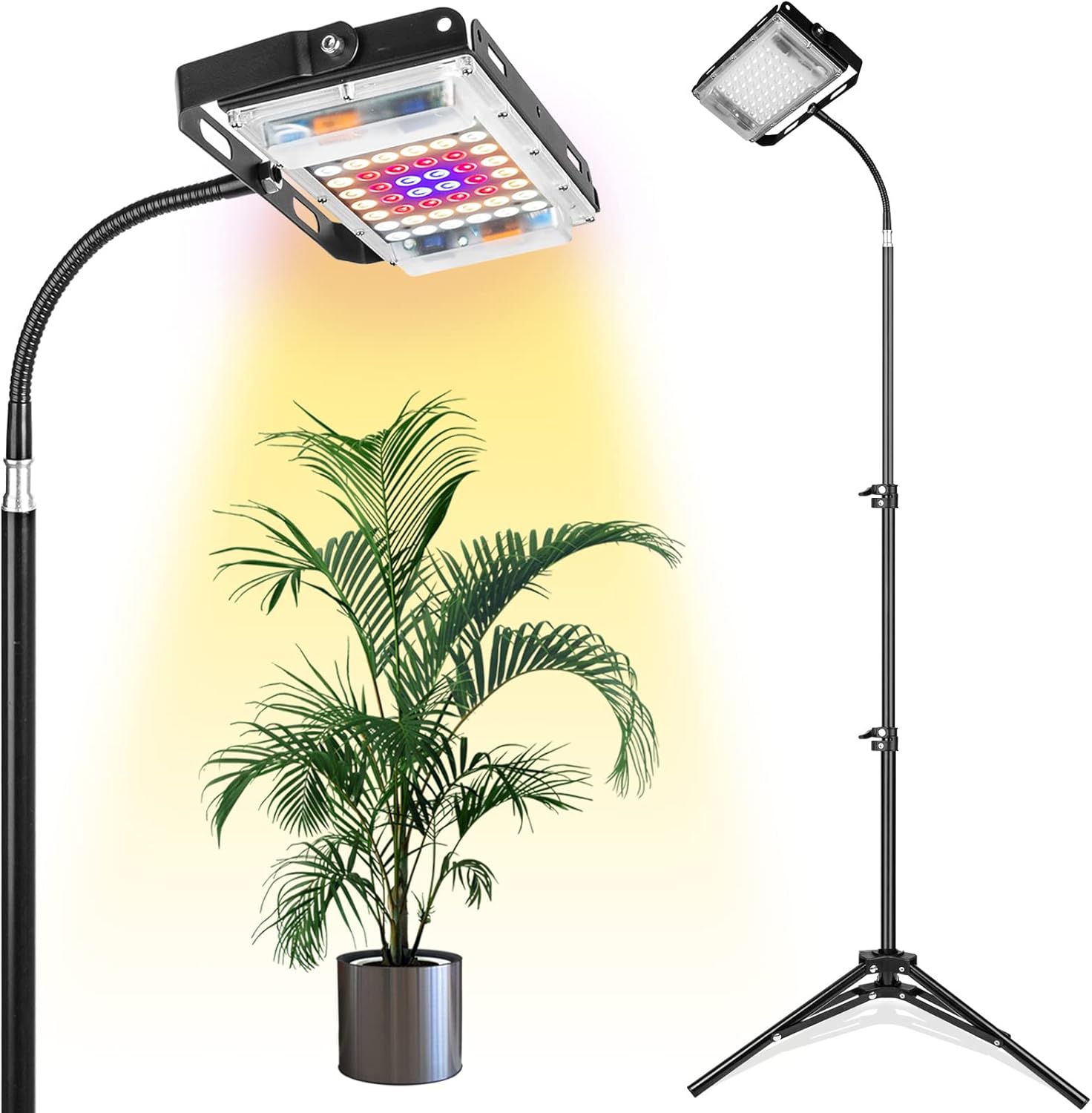
    Succulents need plenty of light, even during the winter months. Indoors, place your plants near a south-facing window to ensure they get about 6 hours of sunlight each day. However, winter sunlight is often less intense, so you may need to supplement with a grow light. Grow lights help mimic natural sunlight and can prevent your succulents from becoming leggy, which happens when they stretch out due to insufficient light.

    There are many affordable grow lights available, some specifically designed for succulents and which provide a good way how to care for succulents in winter, which you can set on a timer for consistent light exposure. Be sure to place the grow light 6–12 inches above the plant to avoid burning the leaves.

    How to Care for Succulents in Winter

    4. Control Indoor Humidity

    One often-overlooked factor in how to care for succulents in winter is humidity. Succulents prefer dry air, but the humidity level in homes can rise during winter, especially if you use humidifiers or live in a naturally humid area. High humidity can lead to mold or fungal growth, which is harmful to succulents. Keep your plants in a dry, well-ventilated area and away from humid rooms like bathrooms or kitchens.

    However, don’t place them near heating vents either, as hot, dry air can cause the plants to lose moisture too quickly. Maintaining a balanced environment is key to keeping your succulents healthy.

    5. Skip Fertilization

    Fertilizing your succulents during winter is unnecessary, as they aren’t in their active growth phase. Feeding them during this time can actually harm them, as they won’t be able to use the extra nutrients. Hold off on fertilizing until spring, when your succulents will start to wake up and enter their growing season.

    In spring, you can use a balanced, water-soluble fertilizer to give them a nutrient boost. Just be sure to dilute the fertilizer to half-strength, as succulents are sensitive to over-fertilization.

    6. Protect Outdoor Succulents

    If you have hardy succulents that can tolerate some cold, such as Sempervivums or Sedums, you can leave them outside, but they still need protection. Cover your outdoor succulents with frost cloths or old bedsheets when frost is expected. Mulching around the base of the plants can also provide insulation for the roots.

    Move potted succulents to a sheltered location, like under a patio roof or inside a garage. This will keep them protected from freezing rain or snow, which can cause the soil to become overly wet and lead to root rot.

    7. Watch for Pests

    Indoor succulents are more prone to pest infestations during winter. Common pests include mealybugs, spider mites, and aphids. Check your succulents regularly for signs of pests, such as small webs or sticky residue on the leaves. If you notice an infestation, isolate the affected plant and treat it with insecticidal soap or neem oil.

    Winter Hardy Succulents Pack
    $33.45

     Types of Cold-Hardy Succulents | Caring for Succulents in Winter (6 Succulents)

    We earn a commission if you make a purchase, at no additional cost to you.
    02/26/2026 10:03 am GMT

    Conclusion

    Knowing how to care for succulents in winter ensures that your plants will survive the colder months and continue to thrive in spring. Key steps include reducing watering, providing adequate light, and protecting outdoor succulents from frost. Avoid overwatering and fertilizing, and keep an eye out for pests. With these simple care tips, your succulents will remain healthy and vibrant all winter long.

    For tools like grow lights, frost covers, and well-draining pots, check out our recommended succulent care products on Amazon. These tools can help make winter succulent care much easier.

    🌵 Winter Succulent Care Products

    The Grow Co Succulents & Cactus Plant Food – Gentle Long Lasting Formula, Slow Release Fertilizer (Liquid Alternative) for All Potted Succulent, Cacti & Aloe Vera Plants (5 oz)
    $8.97
    We earn a commission if you make a purchase, at no additional cost to you.
    02/26/2026 01:02 pm GMT
    rePotme Cactus and Succulent Potting Soil Mix, Hand Blended in The USA – All Purpose Imperial Blend – Mini Bag (2 Quarts)
    $19.95
    We earn a commission if you make a purchase, at no additional cost to you.
    02/26/2026 11:01 pm GMT
  • Top 10 Best Gifts for Gardeners in 2024

    Top 10 Best Gifts for Gardeners in 2024

    Finding the perfect gift for the gardener in your life can be a delightful challenge whether they’re seasoned gardeners or just starting with their first potted plant. Here are the top 10 best gifts for gardeners in 2024. Gardeners appreciate tools and accessories that enhance their outdoor spaces or make their gardening experience more enjoyable.

    In 2024, eco-friendly materials, modern gadgets, and thoughtful touches are trending, ensuring there’s something for every type of green thumb.

    I enjoy new tools to make gardening easier on my knees; easy garden improvements and time savers are accepted as garden gifts from my family.

    Top 10 Best gifts for Gardeners

    Here’s our carefully curated list of the top 10 best gifts for gardeners in 2024:


    1. Self-Watering Planters

    Are you frequently traveling and tired of harassing neighbors and friends to look after your plants while you are away? Busy schedules can also make gardening tricky, especially keeping your plants hydrated. Self-watering planters solve this problem by allowing plants to absorb water as needed, reducing the risk of over- or under-watering.

    • Why it’s a great gift: It is ideal for beginners and experienced gardeners who want to keep their plants healthy without constant attention.
    • Bonus: Many self-watering planters now come in eco-friendly materials and stylish designs, blending aesthetics with functionality.
    Top Choice
    Large Self Watering Pots for Indoor Outdoor Plants, Flower Plant Pots
    $21.99
    Pros:
    • Indoor or Outdoor use
    • 1-2 weeks of water
    • Durable Design
    • Available in multiple colors
    We earn a commission if you make a purchase, at no additional cost to you.
    02/27/2026 01:04 am GMT

    2. Gardening Tool Set

    The right tool for the job is what they say. Every gardener needs reliable tools and a set that makes digging, pruning, and planting much more comfortable and enjoyable experience.

    I test garden tools using gloves to ensure they feel and work correctly.

    • Why it’s a great gift: These sets often include items like trowels, weeders, and pruners, all designed to reduce hand and wrist strain.
    • Bonus: Look for sets made from durable, rust-resistant materials like stainless steel for long-lasting quality.

    Gardening Tool Set For Women

    9-Piece Gardening Hand Tool kit
    $35.97

    Included a Durable Garden Tools Organizer Handbag, Rust-Proof Garden Tool Set, Ideal Gardening Gi…

    We earn a commission if you make a purchase, at no additional cost to you.
    02/27/2026 01:04 am GMT

    Gardening Tool Set For Men or Women

    Stainless Steel Heavy Duty Gardening Tool Set
    $24.98

    CHRYZTAL Garden Tool Set with Non-Slip Rubber Grip, Storage Tote Bag, Outdoor Hand Tools, Ideal G…

    We earn a commission if you make a purchase, at no additional cost to you.
    02/26/2026 09:01 pm GMT

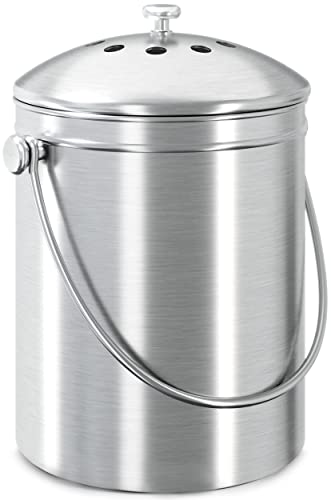
    3. Composting Bin for Home Gardens

    With sustainability being a growing concern, composting is an eco-friendly way to recycle kitchen scraps and yard waste into nutrient-rich soil. Composting is ideal for gardeners who want to enhance their garden and soil.

    Special composting bins ensure that the compost breaks down correctly, has air circulation, and, most importantly, is odor-free to keep other family members and neighbors happy.

    • Why it’s a great gift: Compost bins make it easy for gardeners to reduce waste and nourish their plants with organic compost.
    • Bonus: Many 2024 models are compact and odor-free, with features like aeration systems to speed up the composting process.

    Outdoor Compost Bin

    Amazon Choice Selection
    Outdoor Tumbling Composter
    $76.99

    VIVOSUN Dual Rotating Batch Compost Bin, 43 Gallon Orange Door

    We earn a commission if you make a purchase, at no additional cost to you.
    02/26/2026 05:03 am GMT

    Indoor Compost Bin

    Amazon Choice Selection
    Kitchen Compost Bin
    $22.79

    Utopia Kitchen Compost Bin for Kitchen Counter – 1.3 Gallon Compost Bucket for Kitchen with Lid – Includes 1 Spare Charcoal Filter (Silver)

    We earn a commission if you make a purchase, at no additional cost to you.
    02/26/2026 05:02 am GMT

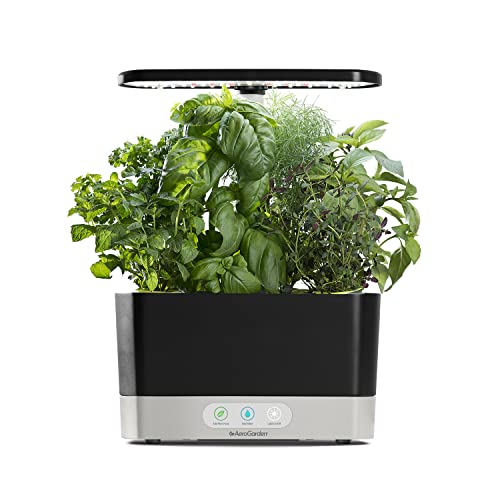
    4. Indoor Hydroponic Garden Kit

    An indoor hydroponic garden kit is a fantastic choice for gardeners who love growing herbs and veggies year-round. These kits allow plants to grow without soil, using nutrient-rich water instead.

    • Why it’s a great gift: They’re perfect for gardeners who live in colder climates or who want to grow fresh produce indoors.
    • Bonus: Many kits come with LED grow lights, ensuring plants thrive regardless of outdoor weather conditions.
    Hydroponic Herb Seed Grow Kit
    $108.75

    AeroGarden Hydropnic Grow kit with Gourmet Herb Seed Pod Kit – Hydroponic Indoor Garden

    We earn a commission if you make a purchase, at no additional cost to you.
    02/26/2026 05:02 am GMT

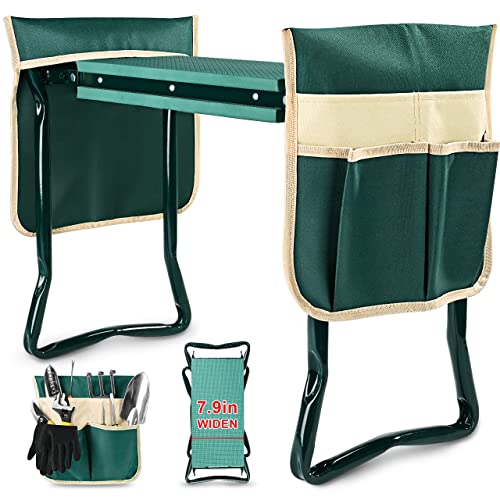
    5. Gardening Kneeler and Seat

    I cannot emphasize enough how much of a knee/back saver a kneeling pad or stool makes in the garden. I prefer kneeling pads, but this is just a preference.

    Gardening often involves kneeling or bending over for long periods, which can be tough on the knees and back. A gardening kneeler or seat helps reduce discomfort while making gardening more enjoyable.

    • Why it’s a great gift: Gardners constantly bend down, and having a kneeling pad or stool is a game changer for your back and knees.
    • Bonus: Some kneelers also have stools built in for a combo kneeler/seat

    Gardners Kneeling Pad

    Best Seller
    Extra Thick Kneeling Pad
    $16.89

    Gorilla Grip Supportive Soft Foam Cushioning for Knee, Water Resistant Construction for Gard…

    We earn a commission if you make a purchase, at no additional cost to you.
    02/26/2026 05:03 am GMT

    Gardners Sea/Kneeler Combo

    Amazon Choice Selection
    Garden Kneeler and Seat
    $49.97

    Two-in-One Seat and kneeler stool with Thicken & Widen Soft Kneeling Pad,Heavy Duty Foldable …

    We earn a commission if you make a purchase, at no additional cost to you.
    02/27/2026 01:02 am GMT

    6. Solar-Powered Garden Lights

    Solar-powered garden lights enhance the beauty of a garden and are also energy-efficient. They charge during the day and illuminate outdoor spaces at night. Our garden has both floor/table lights and lights in the garden, which change the entire ambience of our garden.

    • Why it’s a great gift: These lights add a magical touch to pathways, patios, and garden beds without complicated wiring or batteries.
    • Bonus: These lights are beautiful and sustainable With eco-friendly solar power, and many 2024 models come with color-changing or motion-sensing features.
    Amazon Choice Selection
    GIGALUMI Solar Lights Outdoor Waterproof, 6 Pack LED Solar Garden Lights, Outdoor Decorations, Garden Decor for Yard, Patio, Landscape, Planter, Walkway (Warm White)
    $27.99

    6 Pack LED Solar Garden Lights, Solar Lights for your garden and outdoor space.

    We earn a commission if you make a purchase, at no additional cost to you.
    02/26/2026 02:02 pm GMT

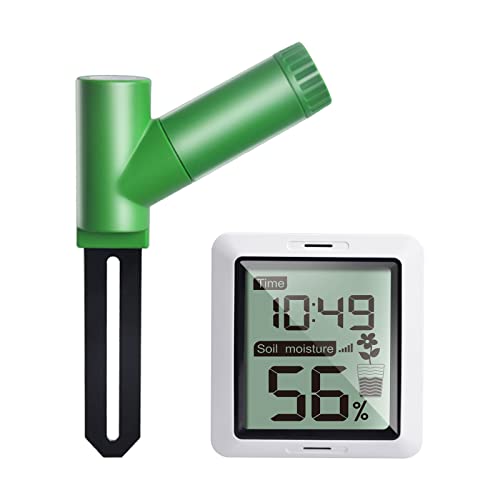
    7. Smart Plant Sensors

    This is definitely for tech-savvy gardeners. These smart plant sensors are game-changers for monitoring gardens. They can monitor moisture levels, sunlight exposure, and temperature, sending data directly to the gardener’s smartphone.

    • Why it’s a great gift: It eliminates the guesswork in plant care, ensuring gardeners always know when their plants need attention.
    • Bonus: Some models offer advice based on the specific plant species, helping gardeners optimize growth and care.
    Soil Moisture Meter with Digital LCD Display
    $36.99

    ECOWITT WH0291 Soil Moisture Meter: measures soil moisture content within 72 seconds to let you know when to water your plant


    We earn a commission if you make a purchase, at no additional cost to you.
    02/26/2026 05:02 am GMT

    8. Seed Vault

    A seed vault is the perfect gift for a gardener who wants their own seed vault or doomsday prepper. The seed vault box is the gift that keeps on giving, providing gardeners with new and exciting seeds to plant for years to come. It also includes a complete garden planner to help with a proper garden-growing plan.

    • Why it’s a great gift: It introduces gardeners to new plant varieties they might not have tried before, from rare flowers to unique vegetable breeds.
    • Bonus: Many subscription services offer organic and heirloom seeds, making this gift as sustainable as it is fun.
    Garden Seed Bank Kit
    $59.97

    Over 25k Non-GMO Heirloom Vegetable Survival Seeds + 2 Free Bonus Items: Clyde s Garden Planner +…

    We earn a commission if you make a purchase, at no additional cost to you.
    02/27/2026 01:03 am GMT

    9. Personalized Garden Tools

    If you want to personalize your gift, consider customized gardening tools. Engraved trowels, pruning shears, or plant markers can make gardening feel even more special.

    • Why it’s a great gift: Personalized tools are both practical and sentimental, making them unique and thoughtful gifts for gardeners.
    • Bonus: Pair personalized tools with a custom garden tote for an extra touch of luxury.

    10. Bird Feeder with a Viewing Window

    Gardeners who love watching wildlife will enjoy a bird feeder. This bird feeder is a 2-for-1 as it is both a bird feeder and solar lantern, giving a close-up view of birds while they eat through all 4 seasons.

    • Why it’s a great gift: It combines the joy of birdwatching with gardening, attracting beautiful birds to outdoor spaces.
    • Bonus: Many bird feeders are designed to be squirrel-proof, ensuring the birds get all the treats!
    Overall Pick
    Hanging Solar Bird Feeder for Outdoors
    $17.99

    Metal Wild Bird Feeder for Cardinals Solar Garden Lantern with S Hook as Gift for Bird Lovers

    We earn a commission if you make a purchase, at no additional cost to you.
    02/27/2026 02:03 am GMT

    Bonus. Insect Hotel for Your Garden Pollinators

    I’m a huge fan of the insect hotels in my garden. It is always a treat to visit the insect hotels at the end of the summer to see what insects have checked in for winter. We have many wild bees and butterflies that return year after year, delighting our family and garden.

    • Why it’s a great gift: Insect hotels give back to a gardener’s garden by providing a place for wild bees, butterflies, ladybugs, and all sorts of different pollinators to stay the winter.
    • Bonus: These insects will help pollinate your garden in spring and hopefully return again in the autumn.
    Our Pick
    Navaris Wooden Insect Hotel
    $26.49

    Give back to your garden in the best way possible by providing a home to pollinators like wild be…

    We earn a commission if you make a purchase, at no additional cost to you.
    02/27/2026 02:03 am GMT

    Conclusion

    Whether you’re shopping for a seasoned gardener or someone just starting their gardening journey, these top 10 gifts for gardeners in 2024 offer a variety of thoughtful, practical, and innovative options. From eco-friendly tools to modern gardening gadgets, each gift will inspire and delight. No matter which you choose, I hope we were able to provide some inspiration for your gardener’s gifts.

    Happy gardening!

    FAQ What are the Best Gifts for gardeners?

    For a beginner gardener, consider starting with practical tools that can help them on their gardening journey. Some great ideas include:

    • A self-watering planter to help manage watering needs.
    • A gardening tool set with ergonomic handles, which provides all the basics they’ll need.
    • A seed subscription box to introduce them to a variety of plants to grow.

    2. What is a unique gift idea for someone who already has a lot of gardening tools?

    If the gardener in your life already has basic tools, consider more specialized or innovative gifts like:

    • A smart plant sensor that helps monitor soil moisture and light levels.
    • A personalized garden tool set, such as an engraved trowel or custom plant markers.
    • A window bird feeder, which lets them enjoy watching birds in their garden.

    3. What are some eco-friendly gardening gift options?

    Eco-friendly gardening gifts are very popular in 2024 and include:

    • Composting bins to help gardeners recycle kitchen waste into organic compost.
    • Solar-powered garden lights are both sustainable and decorative.
    • Seed subscription boxes that focus on heirloom and organic seeds.

    4. Are there any high-tech gardening gadgets available in 2024?

    Yes! For tech-savvy gardeners, some of the top high-tech gifts include:
    • Smart plant sensors that connect to smartphones and provide real-time data about the garden’s conditions.
    • Indoor hydroponic garden kits, which use LED lights and nutrient-rich water systems to grow herbs and veggies indoors year-round.

    5. What gift can I give to a gardener who has limited outdoor space?

    If the gardener has limited space, there are plenty of indoor-friendly gardening gifts:

    • Indoor hydroponic garden kits are perfect for growing fresh herbs and small plants indoors.
    • Self-watering planters make it easy to manage houseplants or balcony gardens.
    • A compact composting bin is also a great eco-friendly option for small spaces.

    6. What type of gardening tools are best for gardeners with arthritis or limited mobility?

    For gardeners with arthritis or mobility challenges, ergonomic tools are the way to go:

    • Look for gardening tools with ergonomic handles designed to reduce strain on the hands and wrists.
    • A gardening kneeler and seat provides added comfort by reducing the need to bend or kneel for long periods, with the bonus of built-in tool storage.

    7. How can I make a gardening gift more personal?

    To add a personal touch to a gardening gift:

    • Consider customized gardening tools like an engraved trowel or pruners with the recipient’s name.
    • You can also create a custom gardening gift set with a few essentials like gloves, seeds, and a tote bag.
    • Personalized plant markers with messages or names are also a lovely and thoughtful gift.

    8. What gifts are best for gardeners who love wildlife?

    If the gardener in your life enjoys attracting wildlife, consider:

    • A window bird feeder to bring birds close to their home.
    • Solar-powered garden lights that illuminate the garden at night without disturbing the natural environment.
    • Native plant seed mixes that attract pollinators like butterflies, bees, and hummingbirds.

    9. What are some thoughtful, budget-friendly gardening gifts?

    If you’re looking for budget-friendly gardening gifts, here are a few ideas:

    • A small seed subscription box to introduce new plant varieties each month.
    • Gardening gloves with extra grip and protection.
    • Eggshells or coffee grounds kits as a natural slug repellent—perfect for eco-conscious gardeners.

    10. What’s a suitable luxury gift for a serious gardener?

    For someone passionate about gardening, a more luxurious gift might include:

    A deluxe compost bin that includes a built-in aeration system for faster compost production.

    A high-quality ergonomic tool set made from stainless steel and designed for long-term use.

    A professional-grade hydroponic garden system with advanced features for indoor growing.

    🎁 Our Top Picks for Gardener Gifts

    Amazon Choice
    SONKIR Soil pH Meter, MS02 3-in-1 Soil Moisture/Light/pH Tester Gardening Tool Kits for Plant Care, Great for Garden, Lawn, Farm, Indoor & Outdoor Use (Green)
    $9.99
    • 3 METERS IN ONE: Soil moisture level, Soil pH value and Sunlight level could be tested easily according to your need by switching the function button of this soil meter.
    • NO BATTERY NEEDED: Simply insert the meter into soil, wait few minutes, accurate test results will be displayed on the readout panel. No battery is needed.


    We earn a commission if you make a purchase, at no additional cost to you.
    02/26/2026 06:05 am GMT
    Indoor Herb Garden Starter Kit – Heirloom, Non-GMO Herb Seeds – Basil Thyme Parsley Cilantro Seed, Potting Soil, Pots, Scissors – DIY Grow Kits for Growing Herbs Indoors, Kitchen, Balcony, Window Sill
    $29.99
    We earn a commission if you make a purchase, at no additional cost to you.
    02/27/2026 02:02 am GMT
    JERIA 12-Pack 5 Gallon, Vegetable/Flower/Plant Grow Bags, Aeration Fabric Pots with Handles (Black), Come with 12 Pcs Plant Labels
    $20.99
    We earn a commission if you make a purchase, at no additional cost to you.
    02/26/2026 03:02 am GMT
  • Growing Sprouts at Home: A Simple Guide for Beginners

    Growing Sprouts at Home: A Simple Guide for Beginners

    Sprouts are a fantastic, nutritious, and easy-to-grow food that can be cultivated indoors all year round. Rich in vitamins, minerals, and enzymes, sprouts are a living food source, adding a crunchy and fresh element to your diet. The process is very similar whether you want to grow alfalfa, mung beans, lentils, or broccoli sprouts. This guide will walk you through everything you need about growing sprouts at home, from choosing the right seeds to harvesting your crop.

    Why Grow Sprouts?

    Before we jump into the “how,” it’s important to understand the “why.” Here are some of the benefits of growing sprouts:

    • Nutrient Density: Sprouts are rich in vitamins A, C, and K, and provide a good source of iron, calcium, and protein.
    • Cost-Effective: Growing sprouts is inexpensive. A small amount of seed can yield a large quantity of fresh sprouts, making it budget-friendly.
    • Quick Growth: You can harvest fresh sprouts in just 4–7 days, making them one of the fastest-growing crops.
    • Space Saving: Since sprouts are grown indoors, they require very little space, making them perfect for apartments or small kitchens.

    Now, let’s get started on the practical side of things!
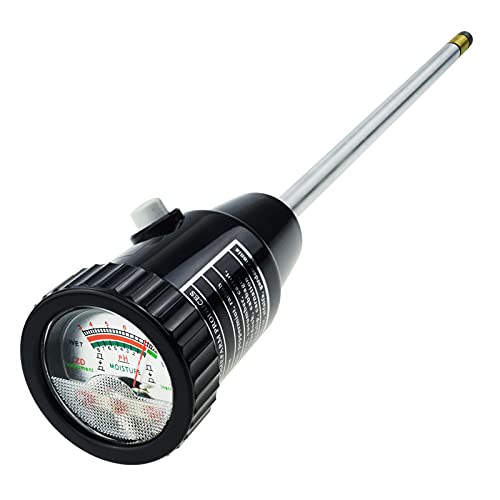
    Step 1: Choosing Your Sprout Seeds

    The first and most crucial step in growing sprouts at home is selecting the right seeds. Not all seeds are suitable for sprouting, so you’ll need to buy specifically labeled sprouting seeds. Common choices include:

    • Alfalfa: Known for its mild flavor and high nutrient content, alfalfa is one of the most popular sprouting seeds.
    • Mung Beans: These are commonly used in Asian dishes and taste slightly nutty.
    • Broccoli: Rich in antioxidants, broccoli sprouts are known for their health benefits, particularly their high sulforaphane content.
    • Lentils: Lentil sprouts are crunchy and protein-rich, making them a great addition to salads and sandwiches.
    • Radish: These sprouts have a spicy flavor, similar to mature radishes.
    Amazon’s Choice
    Non-GMO Variety Pack Sprouting Seeds
    $16.99

    Broccoli, Alfalfa, Radish, Mung beans & Salad Mix for Sprouts and Microgreens


    We earn a commission if you make a purchase, at no additional cost to you.
    02/26/2026 07:03 am GMT

    Where to Buy Sprouting Seeds

    You can purchase sprouting seeds online or from health food stores. Ensure they are labeled “organic” and “non-GMO,” as these are safer and healthier options.

    sprouts growing

    Step 2: Equipment You’ll Need

    Growing sprouts requires very little equipment, but the right tools will make the process easier and more hygienic. Here’s what you’ll need:

    • A Sprouting Jar or Tray: The most common choice is a mason jar with a mesh lid, but sprouting trays are also available, especially for larger quantities.
    • Cheesecloth or Mesh Screen: If you’re using a jar, you’ll need a breathable cover to allow air in while keeping the seeds contained.
    • Water: Sprouts must be rinsed several times a day, so access to fresh, clean water is essential.
    • A Bowl: This is to catch water as it drains from the jar after rinsing.
    • A Dark Space: Many sprouts need to begin their growth in a dark or shaded area to mimic soil conditions.

    Step 3: Soaking the Seeds

    Soaking is the first step in the sprouting process, and it’s crucial to jump-start the growth cycle. Here’s how:

    1. Measure the Seeds: Start with 1–2 tablespoons of seeds for a typical mason jar. They will expand significantly, so don’t overdo it.
    2. Rinse the Seeds: Place the seeds in your sprouting jar and rinse them thoroughly under cold water to remove dust or contaminants.
    3. Soak the Seeds: Fill the jar with enough water to cover the seeds by at least 2 inches. Leave them to soak for 8–12 hours (overnight is ideal). Larger seeds like mung beans may need a longer soak, while smaller seeds like alfalfa need less time.

    Why Soak?

    Soaking softens the seed coat and starts the germination process. It’s critical because it “wakes up” the seed, initiating growth and activating the rich enzymes and nutrients inside.

    Step 4: Rinsing and Draining

    Once the seeds have soaked, it’s time to begin the rinsing and draining process. This must be done twice a day to keep the seeds moist but not waterlogged.

    1. Drain the Water: After soaking, drain the water from the jar using your mesh screen or cheesecloth. Be sure to shake out any excess water.
    2. Rinse the Seeds: Rinse the seeds with fresh water and drain again. This helps keep them moist and removes any toxins or waste products they release during growth.
    3. Repeat Twice Daily: Place the jar at an angle in a bowl, with the mouth facing downward to allow any remaining water to drain. Rinse and drain the seeds every 12 hours.

    Why Rinse Regularly?

    Rinsing is crucial to keep the sprouts clean and free from mold or bacteria. It also provides the moisture they need to grow while preventing them from becoming too wet, which could cause rot.

    Step 5: Sprouting Time!
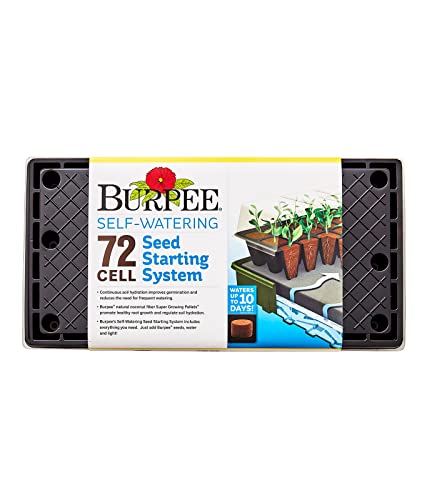
    After a few days of rinsing and draining, you’ll notice tiny sprouts beginning to emerge from the seeds. Depending on the seed variety, here’s what to expect:

    • Day 1-2: Seeds start to split open, and small roots will emerge.
    • Day 3-4: The sprouts will grow larger and take shape. You can expose the jar to indirect light at this stage to help the sprouts turn green.
    • Day 5-7: Most sprouts will be ready for harvest. They should be around 1-2 inches long and will have developed small leaves.

    Step 6: Harvesting Your Sprouts

    It’s time to harvest once your sprouts have grown to your desired length. Remove the sprouts from the jar and give them a final rinse. Dry thoroughly by spreading them out on a paper towel or using a salad spinner to remove excess moisture.

    Storage Tips

    Place your sprouts in an airtight container in the refrigerator to store them. Fresh sprouts should last about a week. Make sure they are completely dry before storing them to prevent mold.

    Amazon’s Choice
    Non-GMO Variety Pack Sprouting Seeds
    $16.99

    Broccoli, Alfalfa, Radish, Mung beans & Salad Mix for Sprouts and Microgreens


    We earn a commission if you make a purchase, at no additional cost to you.
    02/26/2026 07:03 am GMT

    Common Problems and Solutions

    Growing sprouts is generally easy, but you may encounter a few issues. Here’s how to troubleshoot common problems:

    • Mold: If your sprouts develop mold, it’s often due to inadequate rinsing or poor drainage. Make sure you rinse twice a day and allow the jar to drain properly.
    • Slow Growth: If your sprouts grow slowly, they may need more warmth. Try placing them in a slightly warmer spot in your kitchen, but avoid direct sunlight.
    • Bitter Sprouts: Overexposure to light can cause some sprouts, like alfalfa, to become bitter. If this happens, limit their time in direct light.

    Enjoying Your Homegrown Sprouts

    The possibilities are endless once you’ve harvested your fresh batch of sprouts! Sprouts can be added to:

    • Salads
    • Sandwiches and wraps
    • Stir fries (for firmer sprouts like mung beans or lentils)
    • Smoothies
    • Soups

    Sprouts are incredibly versatile, and because they grow quickly, you’ll never be short of fresh greens for your meals.

    Final Thoughts

    Growing sprouts at home is a fun, inexpensive, and rewarding way to add nutrient-dense foods to your diet. The process is simple, requiring only a small amount of time and equipment. Best of all, you can grow them year-round, regardless of your outdoor gardening space or the weather outside. By following these basic steps, you’ll be able to enjoy fresh sprouts in no time, all from the comfort of your kitchen!

    🌱 Sprouting Supplies

    hawos Terracotta Sprouter Clay Sprouting Pot
    We earn a commission if you make a purchase, at no additional cost to you.
    Organic Indoor Lettuce & Greens Garden Starter Kit – Certified USDA Organic Non GMO – Includes Spinach, Kale, Red Romaine, Loose Leaf Lettuce Seeds for Planting, Potting Soil, Peat Pots
    $34.97
    We earn a commission if you make a purchase, at no additional cost to you.
    02/26/2026 04:02 am GMT
  • Aglaonema Care Guide: How to Grow Chinese Evergreen

    Aglaonema Care Guide: How to Grow Chinese Evergreen

    Aglaonema, the Chinese evergreen is a low-maintenance and versatile houseplant that comes in wide varieties. This plant is great for adding a bit of color to any working or residential area if well taken care of. In this article, we will give you the best Aglaonema care guide that will help you to get the best out of these stunning plants.

    Some of the qualities that make Aglaonema such a popular and ideal houseplant include its unique, lush, and beautiful foliage. With these qualities, there is no reason why you would not consider having this plant in your living or working space. Another great advantage of this plant is that it adapts really well to different environmental conditions. If you want to know what these conditions are and how best to get your Chinese evergreen to thrive in them, keep reading.

    Aglaonema

    Agloanema, commonly known as the Chinese evergreen is a plant that is Native to the forest areas of Asia. Because this plant grows under canopies of taller plants where it is shielded from direct sunlight, it has adapted to low light conditions. This is one of the qualities that makes it such a good indoor plant.

    When planted indoors, they grow to sizes of 12-24 inches in height. They can be almost as wide as they are long and have lance-shaped leaves. Because it starts small and grows quite slowly, you can keep them on your desks for anywhere between 12-18 months before it gets too big.

    Few plants are as easy or easier to care for as the Chinese evergreen. Although it is adapted to low light conditions due to its natural habitat, it can also tolerate fluorescent lighting indoors if provided with it.

    There are hundreds of different varieties of Aglaonemas and they have different environmental requirements to thrive. It is therefore essential to know the particular variety of the one you have so you can give it just the right growing environments it requires.

    Aglaonemas Plant Care

    As with all other plants, there are ideal environmental conditions you need to maintain to keep them happy. We will discuss these below.

    Temperature

    Aglaonema prefers temperatures between 65-75°F degrees Fahrenheit to thrive. They can tolerate temperatures of about 10 degrees Fahrenheit outside this range without suffering any serious damage. Feed your Aglaonema monthly during the spring and summer, when the temperatures are within this range.

    Light exposure

    Due to the natural habitat of this plant, it prefers bright but indirect sunlight. Never expose it to full sun as it may cause leaf burn and may ultimately kill the plant.

    If you keep the plant indoors, artificial or fluorescent light will be enough to keep it alive and growing.

    The light tolerance levels vary between Aglaonema varieties. The darker green varieties of this plant can tolerate low light intensities. The ones with lighter-colored leaves, however, prefer bright and indirect light. An example of these light-leafed varieties is the Aglaonema Osaka.

    In general, the more colorful varieties of the plant, such as those with pinks, reds, and peaches need more light to maintain their vibrancy.

    Newer cultivars of Aglaonema have bright colors such as red and pink. These normally do not do well in low-light conditions. They can, however, survive in such conditions. But if you notice that they are losing their color, simply move them to an area with more light and you should notice their color should start to come back.

    Humidity

    Chinese evergreen plants prefer more humidity than most homes and indoor spaces can provide. This means that you should provide them with supplemental humidity. You can boost humidity levels in their environment by putting the plant in a pebble tray, using a humidifier, or putting the plants in a group with other plants.

    You can also try misting your plants once to a few times each week. This will only make a minor difference in terms of improving humidity levels. It does however offer the potential benefit of getting rid of pests that may be trying to infest your plant.

    Soil moisture and watering

    Chinese evergreen plants like to stay moist but not soaking wet. When you water the plant, make sure that the water drains completely each time so that it does not get waterlogged. Only water if the first two inches of the soil are dry.

    Overwatering can cause the plant leaves to turn yellow, and the roots of the plant to rot. Another sign of overwatering may be the yellowing of the tanks, as well as mushy stalks and leaves.

    Repotting

    To repot your plants, use good soil with peat and pine bark blended. Never use peat moss directly or by itself as it colds too much water and will not allow the roots of your plant to dry out as needed.

    Repot Chinese evergreens once every 12-18 months. Use the same vessel with new soil, and trim away some of the roots and leaves. Repotting should be done in the spring or summer months only, this is when they are actively growing and have the best chance of surviving the repot.

    If you are repotting a larger plant, do it every 18-24 months. Use a new pot that is about 2-4″ larger than the current one. This will give room for the plant to grow.

    Fertilizing

    Any good, balanced houseplant fertilizer will work for Aglaonema. Feed your Aglaonema monthly during the spring and summer while they are actively growing. Reduce the amount of fertilizer you give them in the fall and completely stop feeding in the winter months as the plants enter dormancy.

    Providing fertilizer to the plants in the winter when they do not need the nutrients for growth can lead to fertilizer buildup in the soil, which will burn the roots over time.

    Rotate your plant

    Rotate your Chinese evergreens from time to time so that they get all sides exposed to sunlight so the plant can grow evenly.

    Inspect your plants for pests

    When taking care of your plants, and dusting the leaves, make sure that you inspect especially the underside of the plant to check for any pests that need to be removed before they cause any damage to the plant.

    aglaonema plant care guide

    How to Grow Aglaonema

    Aglaonema are very low-maintenance plants that are great for even the novice gardener or plant parent. Here are some points on how to grow Chinese evergreens.

    1: Use well-draining soil to grow your plants

    They do really well in well-draining soils as they do not like to have their roots permanently submerged in water. You can add some perlite to the potting soil if you need better drainage.

    2: Provide them with indirect, bright light

    Never expose your Chinese evergreens to direct sunlight as it may burn the leaves.

    3: Let the soil dry between waterings

    This will give the plant roots room to breathe so the plant can grow efficiently. Water only when the top 2 inches of the soil has dried.

    4: Repot

    Repot the plant as required.

    5: Ideal temperature

    Maintain ideal temperatures of between 65-75°F degrees Fahrenheit, and high humidity for your plant to thrive.

    6: Fertilize the right time

    Fertilize your plants in the spring and summer months and never in the winter.

    Aglaonema care indoors is the same as outdoors. The environmental conditions that you should provide the plants are the same regardless of where they are planted. If they are indoors, however, it is easier to get the environmental conditions right as you can manipulate them.

    Types of Aglaonema

    There are many different varieties of Aglaonema that you can cultivate. In the past, there were only green and cream varieties available. However, there are many different Aglaonema shades that you can find. There are more colorful Aglaonema in colors such as pink, red, and peach. Here are five of the most common varieties;

    • Aglaonema Commutatum (Emerald Beauty) – also known as the Maria. It is one of the older varieties and has dark green leaves with light green stripes.
    • Aglaonema (Sparkling Sarah) – has pink stems and midribs. It also has pink mottling on the green leaves of the plant.
    • Ruby Red – The leaves of this Chinese evergreen variety are a beautiful bright red and have stems with a shade of pink.
    • Aglaonema Commutatum (Silver Bay) – The leaves of this variety have a light silver leaf variegation.
    • Siam Aurora Red – has ed stems and midribs. The leaves also have a red frame.

    Problems Associated With Chinese Evergreen Plants

    While these plants are some of the easiest to take care of, they can have their fair share of issues that you should be aware of in case you ever have to deal with them.

    The number one issue is susceptibility to pest infestations. Chinese evergreen plans are susceptible to spider mites, mealybugs, and scale. They get infested most of the time because they are not healthy and stressed. Opportunistic bigs use this window to destroy them.

    Keeping your plants in their best health will help you to avoid this. You can also use this leaf wellness spray to prevent infestations.

    Yellowing of leaves is another common occurrence. This usually signals that your plants are stressed. Investigate which of their environmental conditions are not ideal and remedy it as soon as possible. Your plants should return to good health in no time.

    Dropping leaves or leaf curls are other indicators of stress on plants. This can be a consequence of leaf burn from direct sunlight. If you notice this, move your plants away from sunlight.

    Unfortunately, Chinese evergreen plants are toxic to dogs, cats, and horses. If you have any pets in your house, you will need to keep them out of their reach.

    Conclusion – Aglaonema Care Guide: How to Grow Chinese Evergreen

    Aglaonema are such low-maintenance plants that anyone can keep them in their home or office. So whether you are a novice or an experienced hardener, these plants can be a great addition to your space.

    We hope that you found this Aglaonema care guide useful and that you will be well on your way to growing and maintaining these beautiful plants.

    The most important thing to do is provide them with the kind of environmental conditions that mimic their natural habitat.  These are; high humidity, moderate temperatures, and indirect bright light.

    Happy growing!

    🌿 Chinese Evergreen Care Products

    Indoor Plant Food | All-purpose House Plant Fertilizer | Liquid Common Houseplant Fertilizers for Potted Planting Soil | by Aquatic Arts
    $12.55
    We earn a commission if you make a purchase, at no additional cost to you.
    02/26/2026 11:03 am GMT
    Amazon Choice Selection
    Miracle-Gro Succulent Potting Mix: Fertilized Soil with Premium Nutrition for Indoor Cactus Plants, Aloe Vera and More
    $10.20
    We earn a commission if you make a purchase, at no additional cost to you.
    02/26/2026 05:03 am GMT
  • Aphids on Tomato Plants: How to Naturally Get Rid of Them

    Aphids on Tomato Plants: How to Naturally Get Rid of Them

    If you have ever grown tomatoes in your garden, you will know that tomatoes are very susceptible to aphid infestations. These little critters can cause incredible damage to your crop if you do not take care of them early. In this article, we will be talking about aphids on tomato plants: How to naturally get rid of them.

    If you have kept tomatoes for long enough, there’s a high likelihood of finding aphids on the plants. Aphids are common, even in an organic garden. They can quickly take over the garden and can be frustrating to deal with. If you are faced with this problem, do not despair. We have a lot of tips, tricks, and control methods that we will give to you.

    What Are Aphids?

    Aphids are small pests that belong to the family Aphididae. Worldwide, there are more than 4000 species of aphids. They occur mostly in moderate and warm climates.

    Aphids have tiny bodies that are soft and pear-shaped. A lot of them are similar in size, which is about an eighth of an inch; aphids vary in size. They come in different colors. Depending on the type, they can be pale green, or black aphids on tomato plants, red, yellow, or white aphids on tomato plants.

    They usually occur in clusters at the base of leaves and stems of plants. They then bite into these plant parts and suck out the liquids inside.

    Tomato plants usually get infested with potato aphids. This type is usually red aphids on tomato plants. Tomatoes can also get infested with peach aphids, which appear as green bugs on tomato plants.

    Early in the spring, aphids migrate to tomato fields from hosts in the wild, and then they establish their colonies on the plants. Aphids have a very high rate of reproduction. A single aphid can easily lay up to a maximum of 100 eggs in its lifetime. Because of this, colonies of aphids increase very quickly in population.

    Aphids in small populations are not a very big problem, however, if they are left untreated, they can completely destroy your crop.

    Symptoms of Aphid Infested Tomatoes

    Once aphids are present in high numbers in an area, they develop wings that help them spread to form colonies in other areas with susceptible plants, such as a tomato garden. They may be hard to spot if you are not paying attention to them. There are some symptoms that you can look out for.

    Because aphides like to colonize the bottom parts of leaves, they can easily suck up the sap from the leaves unnoticed. This will cause the leaves to wilt and turn yellow. New growth on the plant may have become stunted growth. The result of this is that the tomato yields will be reduced and the fruits may become deformed.

    Stunted leaves with a deformed appearance or curled edges are a clear sign of aphid damage on tomato leaves. When these pests suck the sap and nutrients from the leaves and stems of the plant, the leaves will not grow properly.

    Aphids produce honeydew, a clear and sticky substance that coats the areas that the aphids have been on. Because honeydew is sugary, it attracts ants. If you notice populations of ants on your tomatoes, it could be a sign that you have an aphid infestation.

    If the leaves and/or stems of your tomato plants appear black, it could be another sign that aphids have been infested. The honeydew produced by aphids can be a haven for sooty mold which paints the plant black.

    Other symptoms of aphid-infested tomatoes include the wilting of plant stems from the loss of sap by the aphids feeding on them.

    Although aphids are noticeable to the naked eye, it’s a fact that they can still be very small and difficult to see. The signs and symptoms listed above can help you identify when your tomato plants have been infested so that you can take care of the issue before it becomes a big problem.

    Do Aphids Like Tomato Plants?

    Tomatoes are great at attracting aphids into gardens. They especially enjoy sucking the sap from young plant leaves and fruits.

    While aphids are generally attracted to tomatoes, they are not going to cause any damage if they are in small populations. But as soon as the infestation increases and takes over, the destruction of the plant tissues will begin and can eventually kill the plants.

    In cases where aphids do not kill the plant, they can stunt the growth of plants. This would be a better scenario for the outcome of an infestation. Usually, an aphid infestation kills the plants by overfeeding the sap and transmitting diseases. Aphids feed on the plant sap by sucking it out with their piercing and sucking mouthparts.

    Tomatoes are quite resilient to large numbers of aphids without suffering much damage. In severe cases, however, symptoms of damage such as leaf curling and stunted plant growth may be observed. The reduced leaf area will expose the fruit to sun scald, which will ultimately reduce yield.

    Aphids are vectors of certain plant viruses. This means that even if they are not in high enough populations to damage the plants by overfeeding on the sap, they can transport certain viruses that may cause damage or even kill the plants. It is therefore best to take care of an aphid problem because it causes irreversible damage.

    How to Get Rid of Aphids on Tomato Plants

    Fortunately, there are numerous options you can choose from to get rid of aphids on your tomato plants. There are biological, cultural, physical, and chemical methods you can use. But if you want to be safe and not introduce any potential threats to your crop, it is best to stick to natural options and biological methods such as;

    Manual removal

    If you spot aphids on your tomato plants while they are still only a few, you can simply pick them and put them in a bucket filled with soapy water to kill them. Check the undersides of tomato leaves to make sure that you get all the pests off.

    After the first time picking off the aphids, repeat the inspection daily for a few days to check whether or not you may need to take further steps to get rid of them.

    Water spray

    A water spray with a garden hose is another great way of getting rid of aphids. Use a sharp but gentle blast of water to knock them off the tomato leaves and stems. This will surely decrease the aphid populations. Check every few days again to determine whether you need to repeat the process.

    Be careful when using a water hose as it may also knock off beneficial insects from your plants, and may break the branches of the plant, especially the young ones.

    Bug repellent

    Instead of buying store-brand bug repellents, you can use garlic, rosemary, peppermint, water, and dish soap to make your own at home. These are all-natural ingredients and will safely get rid of aphids from your tomatoes, as they are gentle.

    This mix does not kill the bugs, but what smells will mask the scent of the tomato as the host plant so they will not be able to locate it.

    get rid of aphids on tomato plants

    Water and dish soap

    A mixture of water and dish soap will also work fine to repel aphids from your tomato plants. Mix a few teaspoons of liquid dish soap with one quart of water. Simply spray this mixture on the plant leaves and it will kill the bugs by suffocating them.

    Introduce predatory insects

    The introduction of predatory insects into a garden that aphids have infested is one of the most efficient ways to get rid of or control them. Many people introduce insects such as ladybugs and lacewings into their gardens.

    Birds such as hummingbirds are another great predator of aphids as they love to snack on them. Invite birds into your garden by strategically placing bird feeders in various places and they will help you out a lot.

    Diatomaceous earth

    Diatomaceous earth (DE) is a powder made from fossilized algae that are rich in silica. It can be deadly to aphids. The edges of the DE grains cut into the soft bodies of aphids, causing them to dry up and die.

    Sprinkle some DE onto both the soil and your tomato plants to kill aphids. Be careful to select food-grade DE when your purchase it from the store. It is safe for humans and can be used on plants, unlike filter-grade DE which is not. Only apply DE early in the morning or later in the evening when the dew has dried, as it does not work when wet.

    Neem oil

    Neem oil is a natural bug repellent that is useful against many different types of bugs and insects. It works similarly to insecticidal soap, that is by suffocating the aphids when sprayed on them. It also works systemically by interfering with the hormone receptors in the insects, hence it is referred to as a broad-spectrum insecticide.

    Alcohol sprays

    Rubbing alcohol is an easily available, affordable, and simple solution to aphid infestations. Mix equal parts water and alcohol in a sprayer bottle, add a teaspoon of soap to make the mixture more effective, and spray it on your infested plants.

    Humus

    Adding humus as a soil amendment around your tomato plants will control infestations, as aphids do not like it.

    Pruning

    If you notice that only certain leaves of the tomat0 plant are heavily infested, and perhaps have started showing signs of damage, pruning them off may be the best way to get rid of the clusters of aphids and will stop them from breeding.

    In summary, natural options such as rubbing alcohol and neem oil are great products to use for treating aphid infestations on tomato plants. If these are unavailable to you, mix a few teaspoons of liquid dish soap with one quart of water. Always make sure to check the undersides of tomato leaves to get rid of aphids efficiently.

    How to Prevent Aphids on Tomatoes

    As you probably know, prevention is better than cure. Instead of waiting until you get an infestation to deal with, there are certain proactive steps you can take to prevent or minimize the risk of getting an aphid infestation on your tomatoes;

    Healthy soil and healthy plants

    Insects and other pests prey on weak plants that are growing on low-quality or degraded soil. The best way to avoid this is to build up healthy soil in your garden by mulching or adding organic matter so that there is a constant availability of nutrients to your plants.

    Companion planting

    Planting fragrant flowers and herbs alongside tomatoes can help control pests. Plants such as marigolds and basil are great insect and pest repellents that can ask the scent of tomatoes, hiding and protecting them from aphids.

    Sticky traps

    Aphids are attracted to bright colors such as yellow. You can purchase yellow sticky boards and place them around your tomatoes. The aphids will get attracted to them and will get trapped before they get to the plants.

    Attract more aphid predators

    Aphids have natural predators such as lady beetles, syrphid flies, and lacewings. If you can find a way to grow these insects in your garden, they will do a great job of helping you out with pest control.

    Setting up birdhouses and feeders in the garden before there is any noticeable infestation may be a great idea t keep it at bay.

    Row covers

    Place row covers over your tomato plants immediately after planting them. This will help to protect them from extreme weather conditions and changes that could potentially hurt the growth and health of their plants, making them susceptible to opportunistic pests.

    🛒 Recommended Products for Aphid Control

    Petra Neem Oil for Plants – Organic Neem Oil Spray for Plants,100% Cold Pressed Neem Oil, Pure Neem Oil, All-Natural Neem Oil Concentrate Leaf Polish for Plants – (17 Oz)
    We earn a commission if you make a purchase, at no additional cost to you.

    Amazon Choice
    SONKIR Soil pH Meter, MS02 3-in-1 Soil Moisture/Light/pH Tester Gardening Tool Kits for Plant Care, Great for Garden, Lawn, Farm, Indoor & Outdoor Use (Green)
    $9.99
    • 3 METERS IN ONE: Soil moisture level, Soil pH value and Sunlight level could be tested easily according to your need by switching the function button of this soil meter.
    • NO BATTERY NEEDED: Simply insert the meter into soil, wait few minutes, accurate test results will be displayed on the readout panel. No battery is needed.


    We earn a commission if you make a purchase, at no additional cost to you.
    02/26/2026 06:05 am GMT

    Conclusion – Aphids on Tomato Plants

    Aphids can cause great destruction to tomato plants if left unchecked. It is therefore best to tackle them as soon as you notice them in your garden before they cause devastating that they are very well capable of in large populations. Another great way to deal with a possible infestation is by being proactive and placing systems and measures in place that will prevent infestations from taking place.

    Use the tips and tricks provided in this article to get rid of aphid infestation problems in your tomato plants so you can get a good harvest.

    Happy growing!

  • Tomatoes Not Turning Red? 14 Tips for Ripening Tomatoes

    Tomatoes Not Turning Red? 14 Tips for Ripening Tomatoes

    Are your tomatoes not turning red despite being big enough to be ripe and have been in the ground for long enough? This is a common frustration that many tomato gardeners face. Do not despair, there are ways to diagnose this problem and solutions to it. In this article, we will give you 14 tips for ripening tomatoes.

    Tomatoes are some of the most common and versatile vegetables that are used in every household. Fresh garden tomatoes are some of the best and freshest you can ever taste. So it can be discouraging when your tomatoes don’t ripen when you expect them to. Keep reading this article to learn all about tomatoes not turning red.

    Tomatoes

    Tomatoes are described as edible berries of the plant Solanum lycopersicum, which is commonly referred to as the tomato. The tomato plant originates from South America, Mexico, and Central America.

    Many different types and varieties of tomatoes are used for different purposes, such as cooking, salads, pickling, etc.

    Indeterminate tomato plant varieties are perennials in their natural habitat, however, they can be cultivated as annuals. Depending on the cultivar, plants can grow up to 1/2-4 inches in width.

    Tomatoes can come in different colors too, with most of them turning red when ripe. As a result, it can be quite frustrating when tomatoes don’t turn red when you expect them to.

    Why Are My Tomatoes Not Turning Red?

    There are different reasons why tomatoes are not turning red.

    The first and most obvious reason is that they may not be ripe yet. Tomatoes have a long growing season. Depending on the variety, they may take anywhere between 60 to more than 100 days from the day they are transplanted to when they are ready for harvest. If you are not sure what the exact timeframe for the ripening of your plants is, check the packaging, as this information is usually provided.

    Another reason is that some tomatoes are just not red when ripe, so they can not be expected to turn red even when they are ready for harvesting. Some tomatoes have unique colors. Examples of these include;

    • Sungold cherry, garden peach, and Persimmon, which are yellow when ripe
    • Black krim, which is a beautiful black color
    • Green zebra, which is a modern heirloom tomato that is known for its lime green color.

    While these tomatoes have unusual colors, they are great to grow if you want to try something different.

    As tomatoes mature in the summer, they can become big and overgrown. When it happens, the plants direct most of their energy toward producing more leaves and flowers, instead of ripening the tomatoes.

    The number one cause of tomatoes not turning red when the time is right is temperature. Regular tomatoes will not turn red if the temperatures for their ripening are off. Temperatures above 85 degrees Fahrenheit are too high, and anything below 50 degrees Fahrenheit is too low. The bigger risk of the two, however, is the high temperatures that can often occur during a heatwave.

    Outside the temperature range of 50-85 degrees Fahrenheit, the tomato plant is unable to produce enough carotene and lycopene that cause the color change for the ripening process. The best temperature for tomato ripening is 70-85 degrees Fahrenheit.

    Although tomatoes love heat, too much of it can be bad. Extended periods of heat stress can cause plants to stop developing and this may prevent the tomatoes not to turn red. Too much cold temperatures stop the production of the carotene that is needed for the ripening of the tomato. This usually happens at the end of the growing season.

    Excessive watering and feeding of the plants can also be bad. If tomato plants are provided with more nutrients than they need, it can cause them to direct their energy towards producing new growth instead of ripening the fruit.

    When Do Tomatoes Turn Red?

    Tomatoes have a long growing season. To be a tomato gardener, you must have a lot of patience. Tomatoes will turn red when ripe, provided all their growing and ripening conditions are being met. If you are unsure when exactly this time should be for the particular variety of tomatoes in your garden, check the packaging that the seeds or seedlings came in. The growth period of the tomatoes should be given there. If you do not have access to the packaging, a quick Google search might be helpful to estimate the approximate time you should expect your tomatoes to ripen.

    Generally, most tomatoes take between 60 to just over 100 days to ripen. This is between the day they are transplanted into the soil and the day they are ready to harvest.  The speed with which they ripen will depend on variety, environmental conditions, and the size of the tomato fruit. For example, cherry tomatoes ripen faster than larger tomatoes.

    To get them to ripen at the right time, you have to plant them in the soil at the right time. The best time to do so is to start the seeds about 6-8 weeks before the last frost date.

    Keep in mind that not all tomatoes will turn red. Some tomatoes are yellow, orange, purple, or even green when ripe. Know what the variety of the tomatoes you are planting is, so that you know what they should look like when they are ripe.

    What to Do When Your Tomatoes Are Not Ripening

    Both larger and small tomatoes such as cherry tomatoes not turning red can be due to various reasons, as we have already discussed. Here are 14 tips for ripening tomatoes when they won’t ripen.

    1. Stop the plant from growing

    One of the major reasons this happens is the result of overgrown plants. This then causes the plant to divert more energy into producing new plant growth, instead of toward the fruit and seed. One way to deal with this is to stop the plant from inefficiently utilizing energy. Do this by pinching or cutting off the top point of the plant that is growing, so that the plant will not get any bigger.

    Also, cut off any new flowers that have not produced any fruit yet. They will never be able to do so as there is not enough time left in the growing season.

    2. Cut off the outside shoots

    Tomatoes are very strong growing plants and produce a lot of foliage. Even if you keep trimming them, shoots keep reappearing. You should always pinch off or cut off any side shots that develop after the plant has matured. Always keep an eye out for them and remove them as soon as they appear. This will save the plant from using energy for growth, which it should rather direct towards fruit ripening.

    3. Trim back plant foliage

    Like all other plants, tomatoes need light for good growth and health. If there is too much foliage that covers the plant and minimizes the amount of light that it gets, the plant will not grow very strong. Trim off as much of the foliage as you can without damaging the plant. This will enable the plant to get direct sunlight that will warm it up, helping to speed up ripening.

    tomatoes not ripening

    4. Provide heat 

    If you can provide your plants with some form of heat, it will help ripen them. If you can install grow lights that can increase the temperatures even slightly, the ripening process would speed up.

    71BHvw 9rPL. AC SL1500

    5. Move plants to an indoor area

    Tomato plants are great for growing indoors. If your tomatoes were planted in a movable grow bed or pot, moving them indoors where you can control the temperature to make them more suitable for ripening will greatly benefit the plant.

    71bknTQOv+L. AC SL1500

    6. Cut back on fertilizing

    Excessive fertilizing of tomato plants can do more harm than good. Ideally, tomatoes should only be fertilized about 2-3 times during their entire growth cycle. Do not fertilize the plants when they are close to harvest, and this will cause them to direct energy towards growth and not ripening.

    7. Reduce watering

    Excessive watering can also delay tomato fruit ripening. Reduce the rate of plant watering by only watering when you notice signs of wilting on the plant. This can help to push the plant towards fruit ripening.

    8. Wait for cooler temperatures

    If your tomatoes are not turning red because of high temperatures, you may just have to wait until the weather cools and ripening resumes.

    9. Hang the plant upside down

    Uproot whole plants when tomatoes won’t ripen. Hang the plant upside down in a warm and dry room where it will be protected from extreme temperatures and frost. The fruit can ripen as the plant dies. When trying out this method, try to get some of the soil out with the root.

    10. Put the tomatoes in a bag with a banana

    If you still can’t get your tomatoes to ripen, try this trick of putting them in a bag with a ripe banana. The ripe banana releases ethylene which is a great promoter of tomato fruit ripening. If you choose to try this method, check your tomatoes regularly for any sign of rot. If you notice that any are starting to rot, remove them before they damage the others in the bag.

    11. Put the tomatoes in a bag with a ripe apple

    This method is the same way as the previous method described, just with a different fruit.

    12. Pick individual tomatoes to ripen

    You can also pick tomatoes individually to ripen them by placing them on window sills, and they will eventually turn red.

    13. Plant the next crop of tomatoes on time

    As more of a proactive way to ensure that your tomatoes ripen, plant them at the right time so that they have enough time in the growing season to grow and ripen before the temperature gets bad.

    14. Pick the green tomatoes

    If all efforts of ripening your tomatoes fail, you can pick them green. Green tomatoes are great for pickling.

    Can Tomatoes Ripen Off the Plant?

    Normally and ideally, plants should be left on the plant until they ripen, and then they can be picked off, However, some conditions occur that may require you to pick them off the vine and attempt to ripen them indoors. These factors are usually associated with environmental conditions such as temperature and frost.

    You can pick unripe tomatoes and ripen them off the plant, provided that you can give them good ripening conditions as described above.

    Why Are My Tomatoes Not Ripening? – Summary

    Tomatoes are very easy plants to grow, as long as you know the variety and their ideal growing conditions. Key points to remember are that tomatoes won’t turn red if it’s too hot (above 85°F) or too cold (below 50°F), If your tomatoes do not grow well, they may be stressed and this may affect ripening.   Smaller tomatoes are the result of stressed tomato plants.

    Tomatoes produce carotene and lycopene which will promote ripening at the end of the growing season. Make sure that your plants are provided with good growing conditions so that they can produce enough carotene and lycopene.

    Tomatoes are slow to ripen on the vine because they are overfed, overwatered, overgrown, or the weather is too cold. Adjust your maintenance schedules to get the best out of your plants.

    We hope this article provided you with enough information, tips, and tricks that you will use to ripen your tomatoes that may not be turning red on their own.

    Happy growing!

  • How Many Potatoes Will Grow Per Plant (and From ONE Seed)

    How Many Potatoes Will Grow Per Plant (and From ONE Seed)

    The potato is one of the world’s most commonly grown, consumed, and versatile vegetables. Its ease of growth contributes to its popularity. Knowing how many potatoes will grow per plant is crucial to knowing how your plants will perform and to deciding how many you should plant to fulfill your needs.

    How many potatoes will grow per plant will depend on certain factors such as the type or variety of potatoes being grown, environmental conditions, and how well their growing needs are being met.

    Keep reading to know how many potato plants to plant to ensure that you harvest enough to last you and your family until the next growing season.

    How Many Potatoes Per Plant?

    How many potatoes per plant can you expect from your harvest? Under ideal growing conditions, the average number of potatoes a potato plant can produce per plant is between three and eight. Different varieties may produce fewer or more potatoes than others. The tubers’ sizes may also differ, ranging from small to extra large.

    If you want to provide for a family, about 40 potato plants may be sufficient for the year. If these plants all grow healthily until harvest, you should expect a harvest of around 125 pounds of potatoes.

    How Many Potatoes Grow From One Potato Seed?

    Seed potatoes vary significantly in size. A small-sized seed potato is planted whole, and a single potato can be produced per plant. However, Larger seed potatoes can be cut into halves or quarters, grown, and produced between two and four potato plants.

    Planting seed potatoes whole will usually produce more vigorous plants. It is, therefore, unnecessary to cut the seed potato unless it is huge.

    A single-seed potato that grows well will produce one plant, and this one plant will produce between 8 and 10 full-sized potatoes. In addition, each potato plant is likely to have a couple of smaller baby potatoes as well.

    Do Different Potato Varieties Produce the Same Number of Potatoes Per Seed?

    How many potatoes per plant seed can differ between different cultivars? To find out how many potatoes your particular variety will produce, read the plant descriptions on the packaging or the resources available online.

    However, the average yield per potato plant listed assumes that ideal growing conditions are met for that particular potato variety. If the conditions are not ideal, the plant may produce fewer potatoes or nothing at all.

    Ideal Growing Conditions for Optimal Potato Yield

    While different potato cultivars will have different specific environmental conditions for maximum yield, here are some things you can do to help ensure that you get optimal productivity out of your potatoes:

    1. Planting distance

    Potatoes are tubers that grow underground. Because of this, they need plenty of space to grow, so it is important to provide them with sufficient room.

    If potatoes are planted too closely, young tubers will not grow as well as you would expect them to, resulting in a poor yield.

    Another reason not to plant them too closely is that they will compete for nutrients, further negatively impacting their growth.

    Potato plants should be planted 12 -14 inches apart and have 3 feet between rows to achieve the best growth and optimum yield. If you plan to harvest your potatoes at the baby stage, however, you can plant them closer to each other, as they will require less space to grow.

    If you have adhered to this recommended planting distance, you should not have to worry about the possibility of them crowding up in the soil. They will adjust themselves and spread out as needed, provided the soil they are planted in is right. The plant roots and tubers will grow well.

    2. Planting depth

    How deep you plant your seed potatoes will have a massive impact on the eventual yield. Seed potatoes need to have enough soil covering them so that no part of the tuber is left exposed. If they do not get completely covered and are exposed to the sun, they will turn green due to the solanine in them. If these potatoes are consumed, they will cause solanine poisoning. Green potatoes should not be eaten and must be immediately discarded. This will lead to a loss of crop yield.

    The best depth to plant your potatoes is 4-6 inches. Start with this depth and hill them up as the plants continue to grow taller to keep them protected.

    You can hill your potatoes up by mounding the soil around them with a spade, hoe, or other implement that you have. Hill them up to within 2-3 inches of the plant foliage. Start hilling them when the plants have attained a height of 8-10 inches, and repeat the process when they get new growth of 8-10 inches.

    The process of hilling your plants will help to provide them with sufficient soil for adequate growth and expansion of tubers underground. The higher level of soil will also help to support the growing foliage on top of the ground. If your plants are not provided with enough soil, they will be exposed to the sun, which will diminish your crop yield.

    3. Soil type

    Potato tubers need to be planted in loose soil for them to grow well and expand underground. Using loose, soft, and well-draining soil will help to increase your potato yield. Potatoes require plenty of space to spread their roots and grow large potatoes.

    Growing potatoes in compacted soil will produce only small potatoes as they will struggle to push against the dirt to increase in size.

    4. Soil fertility

    Soil fertility is an important aspect of increasing your potato yield. Before your potatoes are planted, apply a suitable fertilizer to the soil. It is important to use a fertilizer that is specific for potatoes when you first plant them and mid-way through the season so that they get the boost of nutrients they need to produce as many potatoes as they can.

    Use a 5-10-10 fertilizer in the planting rows and carefully work it into the soil. Follow the instructions on the packaging container. You must also side-dress the potatoes with the same fertilizer before the first hilling.

    5. Soil moisture

    Potatoes need adequate, but not too much watering. Potatoes need about 1 to 2 inches of rain per week. If your area does not receive this amount of rain, you will need t give your potatoes supplemental water.

    Water your potatoes enough to saturate the soil up to the level of the roots and tubers. Water each time the first two inches of the soil feel dry.

    Going for long periods without watering or adequate water will lead to malformations of your potato tubers, which can lead to poor yields. This is because insufficient moisture will cause the potato tubers to grow slowly if they even grow at all.

    If you resumed watering your potatoes or got plenty of rain after a period of no rain, it will cause the tubers to grow rapidly and split or develop malformations.

    To get the best yield out of your potatoes, and get the best shapes, you will need to water them regularly during their growing season.

    potatoes per plant

    6. Pests

    Pests can have a detrimental impact on your potato crop yield. Treat them as soon as you notice them before they have any significant damage to the plants. Insect pests such as the Colorado potato beetle can completely destroy the foliage of the plants. If this happens, the growth of tubers underground will stop because the plants will not have enough support. Eventually, you will have reduced yield and small potatoes.

    7. Sunlight exposure

    Like all other plants, potato plants require sunlight to carry out photosynthesis. Without sufficient sunlight, the growth of the plant will slow down and result in your potato yield is poor.

    Make sure you plant your potatoes in an area that receives at least 6 to 8 hours of direct sunlight each day, for the entire duration of the growing cycle. The plants can and will grow with less light, however, their growth will not be as good as it would be if they received more light. So to get the best growth, health, and ultimately good yield from your potatoes, provide them with plenty of sunlight.

    8. Proper hilling

    Hilling your potatoes at the time they are first planted, and one or two more times during their growing season will help improve crop yield. Hilling provides support for the growing plant foliage, which will force it to grow upwards toward the sunlight and consequently increase the growth of tubers.

    9. Choosing the right potato variety

    There are hundreds of potato varieties to choose from that are readily available from local seed stores and online shops. Before you choose the variety to grow. Do a bit of research around it to find out if it is suited to your climate, or if you will be able to provide it with the growing conditions it requires.

    It is also helpful to know information such as the length of the growing season, the amount of space they need for growth, specific uses of that particular potato, and as well as resistance or susceptibility to disease and parasites.

    Potato varieties such as Pontiac Red, Kennebec White, and Purple Majesty are all great varieties of potatoes that consistently produce high yields of potatoes. If you are you do not know much about potato varieties, you can begin by researching these three to see which one would be best suited to your environment.

    10. Plant your potatoes at the right time

    Potato plants have an ideal time that they should be planted to get the best chance of survival. You should plant them when the soil warms up to about 45 degrees Fahrenheit. In most areas, that would be about two weeks after the last frost date.

    While looking at the timing, it is also key to monitor the soil moisture content. If you have had a wet spring, wait a few weeks until the ground has dried up a bit. If the soil is too wet, it can cause the potato tubers to rot.

    If you have no choice but to plant potatoes earlier than this, look for the varieties that mature earlier, as they are better able to withstand cold conditions. You can plant these up to six weeks before the last first date.

    How Many Potatoes Does a Potato Plant Produce?

    Typically, a single potato plant will produce anywhere between 3 and 5 pounds of potatoes. This may be enough to feed a family of four people twice.

    Keep in mind, however, that different varieties of potatoes will produce different numbers of potatoes. In addition to this, the growing conditions such as sunlight, nutrient provision, adequate growing space, and a good irrigation schedule have to be maintained well to achieve optimum growth.

    Can I Use Store-Bought Potatoes as Seeds?

    Technically, yes. Store-bought potatoes can be used as seeds to grow potatoes. You will have figured this out when you left potatoes out for too long and they started sprouting. If you plant them in the ground during the right growing season, you should harvest some potatoes.

    However, potato growth experts advise against using shop potatoes as seeds. They recommend only using certified potatoes to plant in your garden.

    The reasons for this include that potato growers put sprout inhibitors to slow down the rate of budding when the potatoes are being shipped, and while they are at the store. This may cause the potatoes to grow weak or not produce any growth when planted.

    Another reason that you should not use shop potatoes as seeds is that they often contain a lot of microorganisms and diseases. These can easily spread to plants and completely destroy all other plants in your garden. Seed potatoes that are certified will come with a guarantee that they are free of any diseases or microorganisms that can destroy the potato and other crops.

    Certified seed potatoes are usually strong and healthy, and have a higher chance of having vigorous growth, producing large and strong potatoes, and ultimately a good yield.

    How Do I Know That My Potatoes Are Growing

    Because potatoes grow underground, it may be difficult, especially for new and inexperienced growers to be able to tell what stage their plants are at. It can be difficult to tell whether or not your potato tubers are growing. There are signs that you can look out for.

    Flowering is a great indicator that your potatoes have started growing. If you want to harvest your potatoes in the baby stage, you can go ahead and do so at this point. After the flowers have come and gone, the foliage at the top of the soil will die back. This is so that the plant will start directing its energy towards growing the tubers larger. If you want to harvest full-sized potatoes, you should do so after the plants have died back.

    Another way to know that your potatoes have matured is when the stems of the plants have started to go yellow and die off. This usually happens at the end of summer, or early in the fall.

    If you still want a bit of reassurance that your potatoes are ready to harvest, you can dig a small test spot and get a few tubers out to gauge if they are at your desired harvest size.

    Quick Summary – How Many Potatoes Per Plant (and From ONE Seed)

    Different varieties of potatoes will produce different amounts of potatoes at harvest time. You will need to read the information on the seed packaging to get an idea of how many potatoes per plant your particular variety will produce. Generally, with potatoes, however, if the plant is healthy, you can expect to dig up about five or six full-size potatoes per plant.

    Potato plants yield from five to 10 potatoes per plant depending on the variety, climate, and whether the growing conditions of the plants are met. Usually, a single potato plant produces anywhere between 3 and 5 pounds of potatoes. Knowing this can help you to plan how many plants to plant to you can have enough potatoes until the next growing season.

    Follow the guidelines and tips provided in this article to increase your potato plant harvest. Remember that a single plant has the potential to produce between three and four pounds of potatoes, and a single seed potato will produce above four or five plants. Start from there and then plan how many potato plants to plant for an adequate supply.

    We hope this article has given you all the information you need to know on how many potatoes per plant you can expect from your potato plant. Happy growing!

    🥔 Potato Growing Essentials

    Potato Grow Bags,Potato Planters with Flap and Handles,Vegetables Garden Planting Bags for Onion,Fruits,Tomato,Carrot (10gallon-4pack)
    We earn a commission if you make a purchase, at no additional cost to you.

    Best Seller
    Visible Potato Grow Bags 10 Gallon with Flap
    $27.99

    3-Pack – Potatoes Growing Containers with Handles and Visible Space, Heavy Duty Thickened Aeratio…

    We earn a commission if you make a purchase, at no additional cost to you.
    02/26/2026 11:03 am GMT

  • When & How to Harvest Rosemary

    When & How to Harvest Rosemary

    The smell and taste of freshly harvested rosemary from the garden have got to be the most refreshing things you can experience. While the process of harvesting is very simple and easy, it is important to know when & how to harvest rosemary the right way so that your plant keeps producing for you to have a long and continuous harvest.

    Rosemary is a cut-and-come-again type of crop, meaning the more of it you pick, the more you will be able to harvest. This is provided you do it properly. If you want to learn how to harvest rosemary properly, and get tips on what to do with it afterward, keep reading.

    The Rosemary Plant

    Rosemary (Salvia rosmarinus) is a perennial herb that can be grown in so many different climates all year round even if they are flowering, as long as the environmental conditions are right.

    The rosemary plant is a shrub with fragrant, evergreen, needle-shaped leaves. It can also have white, pink, purple, or blue flowers depending on where it is in its growth cycle. It is native to the Mediterranean region and will survive the winter in warmer climates.

    Rosemary however very sensitive to extremely cold conditions such as freezing temperatures. If you have this kind of weather approaching, you might need to harvest all your rosemary before the cold kills it. Either pull the entire plant from the soil or gather the leaves and young stems. You can also just cut the plant all the way back.

    If you have plants that are sure to withstand the winter cold, or you live in a place with a warm climate, having one or two will usually be enough for you to use throughout the summer and still have enough to store for use through the fall and winter months.

    Rosemary is a herb that makes a great companion for many vegetable dishes such as cabbage, broccoli, and carrots. If you fancy growing and enjoying this herb, learn how to harvest rosemary without killing the plant.

    How to Harvest Rosemary Without Killing the Plant

    Rosemary has two parts of the plant that you can harvest, these are the new tips or sprigs, and the leave. Both parts of the plant are edible.

    Most of the flavor and aromatic oils of rosemary are found in the leaves of the plant. This makes them ideal for use in cooking, making tea, and many other uses. The tender tips of the stems are the best ones to use for cooking. The older ones tend to get woody and tough and are best used to infuse flavors rather than eating.

    If your rosemary plant is newly planted, you will need to have to wait until it has grown a bit of length and start to bush out before you start harvesting it.

    Step-by-step guide

    Step 1: Harvest the plant at the right time

    The best time to harvest rosemary is in the spring and summer when the plant is actively growing. Avoid harvesting it in the winter season, when it is dormant.

    Step 2: Harvets new shots that are at least 8 inches long

    New shoots are best for cooking as they have a lot of flavors and are tender. Shoots that are still too young need to be given time to grow so that you can have a continuous harvest.

    Step 3: Cut 3/4 of the plant stems at the maximum

    Never harvest all the stems of your plant at any one time. Leaving the plant with some stems will allow it to regenerate.

    Step 4: Leave at least a quarter of the branch intact with as many leaves as possible

    Leaving branches with some leaves will help your plant to keep producing.

    Step 5: Water the plant thoroughly

    While harvesting your rosemary, make sure that you keep watering it so that it can continue to put out new shoots.

    Step 6: Give the plant some fertilizer

    Giving fertilizer to the plant will help it to recover after it gets harvested.

    Step 7: Monitor your plant for any spots or signs of unusual development or stress

    Keeping a careful eye on your plant will help you to quickly notice any unusual signs on your plant so you can remedy what you can to keep your plant healthy.

    harvesting rosemary

    How to Cut Rosemary From Plant

    Most gardeners cut off full sprigs, and then strip off the leaves depending on the intended use. To strip off the leaves, simply run your fingers along the length of the stem from top to bottom. You can also just pinch them off with your fingers.

    Instead of cutting off full sprigs of rosemary, you can also just take individual needles from the plant as needed.

    However, you choose to harvest rosemary, always cut the tender, new tips or stems. The best ones to harvest are those that are 8 inches or longer. Identify those and cut off the top 2-3 inches with sharp pruning shears.

    81cp7+JhD4L. AC SL1500

    How often you harvest your rosemary will depend on a few factors. These factors include the age or size of your plant and how much you harvest at a time.

    If you are cutting a few sprigs here and there, you can harvest as often as you like with no fear of overharvesting your plant. If you take a large harvest at a time, about 1/3 of the plant’s total size at any one time, the plant will definitely need more time to recover.

    Always use sharp pruners or kitchen scissors to cut off the stems instead of pulling or tugging on the branches. And be careful not to harvest too much at a time or your plant may not be able to recover.

    Only pick the healthy stems that have green leaves. If you notice any yellowing, browning, or dry needles, do not harvest them as they may not taste good. You can however cut them off and give the plant a chance to grow healthy foliage.

    Regularly trim the plant even if you do not harvest for use. Doing this every two weeks will help to encourage new plant growth. You can freeze some of your trimmed-off rosemary for long-term storage in an airtight container or ziploc bag.

    When to Harvest Rosemary

    The best time to pick rosemary is in the spring and summer when the plant is actively putting on new growth. It is best to pick the sprigs in the morning after the dew has evaporated before the afternoon heat has set in.

    As soon as your plant is established and is putting out new growth, you can harvest it during these time periods. Look out for supple green stems emerging from the already existing branches to know when the plant is ready for harvest.

    Are Rosemary Flowers Edible?

    Rosemary buds are tiny flowers that appear when the rosemary plant is in bloom. These flowers are edible and can be used for many different things.

    They have a slightly sweeter flavor than the leaves. They are perfect for garnishing various dishes and adding colors to salads. They have a similar flavor and aroma to the leaves and stems, only taste a bit sweeter.

    What to Do With Freshly Harvested Rosemary

    Refrigeration

    Freshly picked rosemary can be enjoyed right away but chopping it up and adding it to soups, stews, sauces, or even roasts, or infused into other foods. Any leftovers can be safely stored in a small glass or vase and kept in the fridge for use within a few days. If it is whole sprigs, keep the ends submerged in clean water and they can last for up to two weeks.

    Refrigeration is a good short-term storage solution and will keep rosemary fresh for about 2-3 weeks. There is no need to wash the sprigs for refrigeration, it might actually help them store longer. Simply clean them with a damp towel. Place your cleaned sprigs in a container and store them in the crisp drawer of the refrigerator.

    Freezing

    If you want to store your rosemary for longer, you can freeze it. These silicone ice cube trays are great and easy to use to turn rosemary into ice cubes and store them in an airtight container or ziploc bag so they do not get any off flavors.

    71mmcQ5quML. AC SL1500

    Drying

    Another long-term storage option for rosemary is drying it. Unlike other herbs such as parsley and basil, rosemary does not lose its flavor when dried.

    Using a food dehydrator is one quick way of drying the herb. You can dry whole sprigs using a low setting that is suitable for herbs. If you do not own a food dehydrator, use the traditional method of air drying.

    For drying, it is best to harvest stems of about 6-8 inches, but any length will do. Hang them up in bunches in a dark, dry, and warm place, or lay them flat on wire racks, and make sure you do not tack them in layers as this may delay drying or even make them rot. Place a tray under the drying herbs so it will help to catch any bits that fall off as the herbs dry.

    Keep in mind that dry rosemary is much harder and woody than when it is soft. You can crush or grind the dried leaves to make them easier to cook with, but they retain flavor better if they are kept whole.

    How Long is Rosemary Good For?

    This fragrant, vigorous, and evergreen herb can be harvested all year round, although the best time to harvest it is in the summer and spring, just before it flowers and when the aromatic oils are at their best and the plant essence is best preserved.

    If you take good care of your plant, it will keep producing healthy, and if you harvest it the right way might keep it around for about 15 years or more.

    Once harvested, you have multiple options on how to store it:

    • Refrigerating for up to three weeks
    • Freezing for up to six months
    • Drying for as long as you desire

    If you do any of these the right way, your rosemary will stay good.

    Tips to Improve Your Rosemary Harvest

    1. Rosemary is a relatively drought-tolerant plant, but you must water it regularly if it is in a spot or pot that does not get a lot of rain. This will surely keep your rosemary harvest good. The plant also hates getting too wet, so make sure you grow it in well-draining soil to avoid any water-logged conditions that may kill the plant.
    2. If you are in a colder zone, plant your rosemary in containers so that you can bring them in during the cold winter months.
    3. If your previously healthy plants are getting less vigorous over the growing seasons, take cuttings from them and grow new plants to replace them. They may be losing vigor due to age.

    Quick Summary: How to Harvest Rosemary

    Knowing and using the right method of harvesting rosemary is key to maintaining the productivity and vigor of your plant, and will determine how long your plant will last. If you want only a little bit to prepare a dish, you can simply just pluck individual needles directly from the plant as needed.

    Most gardeners snip off full sprigs and then strip the leaves when they harvest rosemary. This way they only get what they need and leave the plant to keep growing.

    Harvest rosemary by snipping sprigs with pruners or kitchen scissors, and avoid any pulling which may damage the plant. Harvest the new growth on the plant to get the best flavor for cooking. New growth will be flexible and lighter green while older growth will be woodier and darker.

    We hope you found this article informative and that you will now confidently grow and harvest your rosemary the right way.

    Happy growing!

    🌿 Herb Growing Supplies

    Indoor Herb Garden Starter Kit – Heirloom, Non-GMO Herb Seeds – Basil Thyme Parsley Cilantro Seed, Potting Soil, Pots, Scissors – DIY Grow Kits for Growing Herbs Indoors, Kitchen, Balcony, Window Sill
    $29.99
    We earn a commission if you make a purchase, at no additional cost to you.
    02/27/2026 02:02 am GMT
    Indoor Plant Food | All-purpose House Plant Fertilizer | Liquid Common Houseplant Fertilizers for Potted Planting Soil | by Aquatic Arts
    $12.55
    We earn a commission if you make a purchase, at no additional cost to you.
    02/26/2026 11:03 am GMT
  • How to Harvest Parsley Without Killing the Plant – 8 Easy Tips

    How to Harvest Parsley Without Killing the Plant – 8 Easy Tips

    Parsley is one of the most widely used herbs in the world. It is extremely easy to grow and harvest, meaning you can plant in and always have parsley when needed. It is however key to know how to harvest parsley without killing the plant.

    Once harvested, it stores extremely well and you can preserve it in many different ways to ensure a continuous supply of this herb all year round. Although usually used as a garnish, it has amazing flavors that can take both cooked and raw dishes to the next level. To keep enjoying this plant, keep reading to learn the exact way to harvest it without killing the plant.

    The Parsely Herb

    Parsley (Petroselinum crispum) is a flowering plant belonging to the Apiaceae family. It is native to the Mediterranean regions of Greece, Morocco, and the former Yugoslavia. It has since been introduced to Europe and all other areas in the world where the climate is suitable for its growth. It is widely cultivated as a herb and used in various dishes.

    The plant is bright green and is a biennial with feather-shaped leaves. It prefers temperate climates but does well in a range of conditions.

    There are two primary varieties of parsley, that is flat leaf and curly parsley. The curly leaf is the more popular of the two, but both varieties are used for culinary purposes. The flat leaf parsley is also known as Italian parsley.

    Both varieties of parsley have a refreshing earthy taste and a subtle scent and are mostly used in vegetable dishes, stews, soups, salads, and sauces. Parsley is more commonly used in traditional Middle-Eastern and Greek foods.

    In addition to having a great state, parsley has various nutritional benefits. It is rich in many nutrients, especially vitamins A and C, and iron.

    The ideal growing conditions for parsley include moist, well-drained, and loamy soils, and full to partial sunlight. It prefers warmer climates but can withstand light frost without too much damage, and will re-emerge in the spring. It is also an easy plant to grow from seed and has high rates of germination.

    If you are a lover of butterflies, parsley has n added benefit for you and your garden. It is an excellent host for swallowtail caterpillars (Papilionidae) and will multiply in your garden if you grow parsley.

    How to Cut Parsley Plant

    The parsley plant is harvested for its flavourful leaves as well as its seeds. When doing this, it is best to cut the younger plants for leaves. Younger stems have a stronger flavor. The older plants, which may maybe be in their second growing season are better suited for harvesting seeds.

    Does Parsley Grow Back?

    Parsely takes about two to three weeks to grow back after harvest. As a result, you need to plan your harvests accordingly to give your herbs enough time to grow again before the next harvest.

    If you cut down the parsley plant entirely, it will eventually grow back. It will just take a long time to do so. Only cut what you need at any time to allow the plant to continue growing and producing for a long time.

    parsley fun facts

    How to Prune Parsley

    Parsely should be pruned back regularly to increase yield. Even if you do not plan on using the herb, you need to prime it once every couple of weeks. The more you cut, the bushier your plant will grow back.

    Here are simple tips on how to prune parsley for a better harvest:

    • Whenever you harvest your parsley for use, also snip off some stems on the outside of the plant
    • Trim off any yellow or brown leaves and stems to encourage new, healthy growth
    • Trim the plant at the base of the stem, closer to the soil. If you trim higher, you may slow down plant growth
    • The plant prefers a clean cut, so when you cut, use a sharp pair of scissors instead of pinching off the plant

    When to Harvest Parsley

    Parsley takes about 70-90 days to grow before it s ready for harvesting. You do not have to wait this long before you can start harvesting some leaves. It is however advisable to wait until the plant has produced ample foliage before you start harvesting the leaves.

    If all this sounds confusing and you are still unsure, just wait until your plants start getting bushy and have lots of branching leaves before you start to harvest them.

    Parsley is a biennial plant that is often grown as an annual and grows back when cut or harvested. When grown in temperate climates, it can be harvested all year round because the temperature stays right for it to keep growing. In other regions, the growing season of the herb is from spring right through fall.

    The best time of day to harvest parsley is in the morning before it gets too hot in the day. The plant has the most potent flavor during this period during the high content of essential oils.

    How to Pick Parsley – 8 Simple Steps

    When it comes to harvesting parsley, you want to make sure that you do it in a way that will keep your plant growing. Follow these eight simple steps to ensure this.

    Step 1: Choose younger plants

    Younger plants have the best and strongest flavor. These can be harvested after the first year of growth. These can be harvested even in the first year of growth provided that are big enough. This will help the plant to keep putting out new growth.

    Step 2: Only harvest plant stems that have at least three segments

    Stems that have three segments are considered mature enough for harvest. Those that have only one or two should be left alone.

    Step 3: Cut at the base of the stem

    It is better to cut the plant at the base than at the top of the stem. This will help the plant to bush out better when it grows back.

    Step 4: Cut leaves from the outer parts of the plant

    Harvesting the older outer leaves of the plants will help the plant to direct its energy toward new growth.

    Step 5: Harvest continually

    Harvest your parsley in small batches throughout the growing season. Doing this will help the plant to have enough leaves and stems on it to keep regenerating for a continuous harvest. A good rule of thumb is to always leave ½ – ⅔ of the plant intact when harvesting. Always give your plant about a week to recover between harvests.

    Step 6: Bulk harvest at the end of the season

    If parsley is planted outside and it is in a cold climate, it is most likely going to get killed by the winter. So right before the winter comes, harvest all your plants and store them. This will give the plant a chance to grow back in the next season.

    Step 7: Use your harvested parsley

    You can use your parsley freshly harvested

    Step 8: Store your harvested parsley

    You can store it by refrigerating, freezing, or drying it for long-term storage.

    Harvesting Parsley Seeds

    After a parsley plant has grown and matured, it produces seeds. This does not happen in the first year of growth. If you would like to harvest seeds from your parsley plants, closely monitor them when they enter the second year of growth. This is when they typically flower ad produce seeds, at the end of their life cycle.

    To get a good crop as the growing seasons go by, remove any weak, unhealthy, or imperfect parts of the plant at the end of the first season. This will allow the second-year growth to be much stronger, and healthier and produce good-quality seeds.

    You will see that the seeds are ready to harvest when they have darkened. At this point, you can cut them from the plant by removing the stem right below the seed head. You can use sharp scissors to do this, or simply use your fingers to pinch off the seed heads.

    Do not move the seed heads too much while harvesting as shaking them will cause the seeds to scatter. Because the seeds are very small, they will be hard to recover. Place the harvested seeds in a paper bag and let them dry. Once they are dry, shake the bag to separate the seeds from their heads. and then you can store them in a cool dry place until they are ready to use.

    How to Store Fresh Parsley

    Fresh parsley can be stored at room temperature for short-term storage. To do this, bundle the stems together and snip the ends. Then place the stems in a glass or vase filled with water. This way, your parsley will last for about 2-3 days. Wash the parsley before you use it.

    You can also store them in the refrigerator for short-term storage. To store them this way, wash your harvested stems and remove any dirt or dust from them. Use a paper town or a dry kitchen cloth to dab them dry. Place them in the vegetable crisper section of your refrigerator, and they will stay fresh for up to 10 days.

    Freezing is an option for a longer-term storage solution. You can freeze whole sprigs or cut the leaves small and freeze them with some water in ice cube trays. Frozen parsley will retain its flavor but lose its crispiness. Keep this in mind if you freeze it.  Frozen parsley can store for up to six months.

    One of the best ways to store parsley for a long time is to dry it. Hang harvested and washed whole sprigs upside down in a warm, dark, and well-ventilated area for them to air dry. It will take about 7-10 days to dry completely. Once completely dry, crumble the leaves and store them in an airtight container or bag.

    Another drying option is to use a food dehydrator to dry your parsley quickly and easily. Only use the air drying option as high heat can negatively impact the flavor of the herbs. Store your dried herbs in a mason jar sealed with a food saver and jar sealer attachment.  Use dried parsley within 2-3 years.

    Amazon Choice Selection
    Electric Mason Jar Vacuum Sealer Kit for Mason Jars
    $22.79

    The electric Mason jar vacuum sealer contains two sizes of …

    We earn a commission if you make a purchase, at no additional cost to you.
    02/26/2026 06:05 am GMT

    Quick Summary – How to Harvest Parsley without Killing the Plant

    Harvesting parsley is an extremely easy and quick process, and can be done in a way that will allow you to harvest continually throughout the growing season. To do this, just take what you need each time you harvest.  Don’t cut the plant all the way back, and don’t pull the plant. – just snip off a stem or two or three. This will allow your plant to grow back healthier and bushier.

    Be gentle when harvesting. Use sharp scissors or knives but do not give in to the temptation to pull or tug on the plant, even if it is a bit hard to cut. Pulling may damage the plant and ultimately kill it.

    Remember also to harvest the older leaves first, to allow the plant to direct energy into growing new foliage. As a result, your plant will keep producing parsley all season long.

    Harvest your herb continually, even if you do not plan n using it. Pruning the plant, and taking off the outer leaves and stems will encourage new growth and will cause your plant to grow better.

    We hope this article has provided you with everything you needed to know about how to harvest parsley without killing the plant.

    Happy growing!

    🌿 Herb Growing Supplies

    Indoor Herb Garden Starter Kit – Heirloom, Non-GMO Herb Seeds – Basil Thyme Parsley Cilantro Seed, Potting Soil, Pots, Scissors – DIY Grow Kits for Growing Herbs Indoors, Kitchen, Balcony, Window Sill
    $29.99
    We earn a commission if you make a purchase, at no additional cost to you.
    02/27/2026 02:02 am GMT
    Organic Potting Mix by Perfect Plants for All Plant Types – 8qts for Indoor and Outdoor Use, Great for Veggies, Spices, and Holistic Herbs
    $19.99
    We earn a commission if you make a purchase, at no additional cost to you.
    02/26/2026 03:03 am GMT
  • How to Harvest Thyme Without Killing the Plant [Best Tips]

    How to Harvest Thyme Without Killing the Plant [Best Tips]

    Thyme is one of the most commonly grown household herbs due to its ease of growth. To get a prolonged harvest and enjoy more of this herb, you need to know how to harvest thyme without killing the plant.

    Thyme grows really fast and well if provided with the right growing conditions, and is an extremely versatile herb for adding flavor in cooking and baking. Keep reading to learn more about this incredible herb.

    The Thyme Herb

    Thyme, scientific name Thymus vulgaris, is a plant native to the Mediterranean but is currently grown almost everywhere in the world. It is a hardy, perennial plant belonging to the mint family that is extremely easy to grow. Because of this and its size, it can be grown in a variety of areas such as in the garden, on the porch, and in any indoor environment.

    This wonderful herb has a pleasant, pungent clover flavor that brings some people, good memories of summer!

    Thyme comes in at least 50 varieties with different flavors and fragrances. Different thyme varieties are used for different purposes. These are the fragrant ornamental and culinary varieties. The culinary varieties of thyme are usually evergreen, and the English variety is mostly used in cooking.

    Taking care of or maintenance of this herb is quite simple. It does not require much care and develops easily. For starters, it is drought friendly so it has low watering needs. If you are into bees, you will love it even more because it will attract bees to your garden. It is usually harvested in the summer months but depending on the climate where you live, you can easily harvest it late into the fall.

    Harvesting Thyme Herb

    Harvesting thyme the right way is of utmost importance. It is difficult not to know when the right time to harvest thyme is, as it can be quite easy to tell. The most important thing with harvesting thyme is to wait until the plant has grown to 8″ – 10″ in height. Once it has reached this height, you can safely harvest the herb without the risk of killing the plant.

    Only trim a few stems at a time for cooking. If you want to do a larger harvest, you should wait until the plant has developed more and produced larger biomass. Regardless of what stage of growth you harvest your thyme at, always leave a few leaves on the plant for it to regenerate.

    When harvesting thyme, do it right before the plant starts to flower. This is when the flavor is the most intense. It reduces after the plant flowers. If you can, always harvest thyme in the morning when the plant’s dew has dried from the leaves. The flavorful essential oils are at their peak at this time.

    facts about thyme

    How to harvest thyme so it keeps growing

    Just as important as knowing when to harvest thyme, you need to know exactly how to harvest it without killing the plant. Here are the steps that you need to follow:

    1. If you want enough to cook one dish, simply cut one or two stems by clipping the stems back to the woody section of the plant.
    2. If you want only a few leaves for a smaller meal, rinse the whole stem while it is still on the plant. Then use your fingers or a herb stripper to pull the leaves off the stem.
    3. To harvest thyme for drying, use a pair of garden clippers or scissors to cut off the top 5-8″ of growth and leave the tough and woody plants behind.
    4. Whatever purpose you want to harvest your thyme for, you can cut back as much as you want from the plants but always leave about 4-5″ of growth behind so that your plants can regenerate. If you harvest your thyme in this way, you will be able to easily get 2-3 harvests from the same plant before the winter arrives.
    5. Trim your plants regularly. Trimming your plants regularly is very good for them so do not be afraid to do it. It will encourage new growth to keep coming, while also helping keep the plant in a compact shape. This is especially desirable if you are growing your plant indoors or in a compact space. When you trip, always be careful to leave at least five inches of growth. This will keep your plant thriving.
    6. The first time you harvest your thyme, do not harvest more than a third of the plant. This way your plant will keep growing and establish well, then you will be able to harvest more from it in the future. If you overharvest it early on, it may not recover.
    7. Trim your thyme plant whenever it gets leggy to encourage continuous growth.

    How to Preserve Thyme

    As we have already mentioned, a healthy maintained thyme plant can produce so much herb that you can harvest and store, even more, if you have multiple growing plants. Depending on how long you wish to store your thyme, there are various ways that you can preserve it.

    Store fresh spring

    Keep a fresh spring or sprigs of thyme in a glass of cool water, like you would keep flowers in a vase. Change the water regularly and make sure that the glass never runs dry. You can keep them fresh for a couple of weeks this way.

    Refrigeration

    Fresh thyme leaves that are still attached to the stem can be kept fresh in the refrigerator for about a week or two before they go bad or loses their flavor. Store fresh thyme leaves in the refrigerator in an airtight container with damp paper towels. They will help to maintain freshness.

    Drying

    If you want to store the herbs for a longer period though, drying might be the best way to do it. The good news is that thyme is one of the easier herbs to dry. If the temperatures are warm enough, you can even let it air dry.

    To dry your thyme:

    • Gently rinse off harvested thyme stems in cool water from the tap or fill a sink or bowl and wash them thoroughly.
    • Pat them dry with a paper towel or a clean towel and then let them air out for about two years or until they are completely dry.
    • Gather the stems into bundles that you can use per dish that you prepare. Tie the stalks of the bundles together at their ends using a string or twine. Hang the bundles in a dark, warm, and well-ventilated area. Spread them out on a paper towel, rack, or tray in a single layer, especially in a humid area. Keep them away from direct sunlight.
    • You can place the herb bundles in paper bags with slits if you wish. This will protect the herbs as they dry and catch leaves that may fall off.
    • Expect to wait about 2-3 weeks for the herbs to dry. The exact amount of time will depend on the humidity levels and other environmental conditions. Because thyme leaves a quite small, check on them regularly as they may dry quicker than expected. You will know that the leaves are sufficiently dry when they turn crispy and start crumbling. At this stage, you can take and store them in storage containers, and label and use them as you go. Stored this way, your thyme can last for up to two years. The one disadvantage of dried thyme is that it does not have as strong of a flavor as its fresh counterpart. But you will still get to enjoy it.
    81bsrdr4hwL. AC SL1500

    Freezing

    Another option for long-term storage option for thyme is freezing. You can do this by chopping the leaves up into small pieces, putting them in ice cube trays, and then filling them up with water all the way. Frozen thyme can store for a few months. If however, your thyme starts to turn brown before you use it, it is best to toss it as consuming it in that state may be unsafe.

    You can also make herb oil cubes. Pick thyme leaves from the stems and place them in an ice cube tray. Cover the leaves with olive oil and store them in the freezer. These cubes will last for a few months and will be convenient for easy cooking as you can take one or two cubes and toss them into a pan to cook.

    Conclusion – How to Harvest Thyme Without Killing the Plant

    Thyme is an incredibly versatile herb that is so easy to grow and enjoy. To keep enjoying the long-term benefits of growing this plant, it is important to know how to harvest thyme without killing the plant. If you follow the advice provided in this article, you should confidently be able to grow, harvest and store your thyme so you can enjoy it for as long as you like, whether it is in or out of season.

    We hope you found this article helpful.

    Happy growing and harvesting!

    🌿 Herb Growing Supplies

    Indoor Herb Garden Starter Kit – Heirloom, Non-GMO Herb Seeds – Basil Thyme Parsley Cilantro Seed, Potting Soil, Pots, Scissors – DIY Grow Kits for Growing Herbs Indoors, Kitchen, Balcony, Window Sill
    $29.99
    We earn a commission if you make a purchase, at no additional cost to you.
    02/27/2026 02:02 am GMT
    VIVOSUN 100pcs 4 Inch Planter Nursery Pots, Plastic Pots for Flower Seedling
    $17.99
    We earn a commission if you make a purchase, at no additional cost to you.
    02/26/2026 05:01 am GMT
  • Can You Eat Potato Leaves? [Potato Leaves Facts]

    Can You Eat Potato Leaves? [Potato Leaves Facts]

    Potatoes are some of the most versatile and commonly consumed foods around the world. There are so many ways in which this root vegetable can be prepared. But can you eat potato leaves in addition to the root?

    The harvested root of the potato plant is used for many culinary purposes such as making salads, chips, crisps, and many other dishes and snacks. It can even be ground into flour to make various baked goods. Keep reading to find out if the leaves of the potato plant are as versatile as the root.

    What Are Potatoes?

    Potatoes (Solanum tuberosum) are a perennial vegetable belonging to the Solanaceae or nightshade family. Native to the Americas, they were domesticated by Native Americans in multiple locations. Wild species of potatoes can be found in various areas of the United States and Chile.

    Potatoes have now been introduced and are cultivated in just about every continent in the world and are one of the world’s largest food crops.

    All the different types and species of potatoes make a delicious and nutritious addition to any diet. They are a great source of vitamins C and B6 and have twice as much potassium as those found in a banana.

    However, not all parts of the potato plants should be eaten. Just like other plants in the nightshade family such as tomatoes, eggplants, and peppers, some parts of the potato plant are poisonous if consumed.

    Vegetables in the nightshade family produce fruits that are healthy and safe for consumption, but other parts of the plants and their foliage may contain a high concentration of a compound called solanine that is toxic to humans and many animals.

    Are Potato Leaves Edible?

    The simple and straightforward answer is no! “Irish” potato leaves are not edible and should not be consumed at any cost. Generally, however, depending on the variety of potatoes you can and can not eat potato leaves.  Irish potato leaves produce steroidal alkaloids, solanine, and chaconine. These toxic compounds can be present in high concentrations in the leaves of potatoes, which could be harmful if consumed by both animals and humans. Sweet potato leaves however are perfectly safe to eat.

    Solanine and chaconine are produced by plants as natural pesticides to protect themselves from insects devouring them. These two compounds, therefore, make the plants bitter tasting. This also helps the nightshade plants avoid being eaten by herbivores and various pathogens.

    Solanine is present in all parts of the potato plant, but it is more concentrated in the leaves and stems, which are the parts of the plants that have to do with photosynthesis.

    Some people are more sensitive to solanine and even a small amount can cause them to get sick. Children and small pets are also at a higher risk of solanine poisoning due to their small size. A concentration of 20mg of solanine per 100g of plant consumed can be toxic. Potato leaves are not and should not be used in the kitchen. Keeping them out of your kitchen will help you avoid accidental ingestion.

    If you eat any part of a potato and it tastes bitter, you need to stop immediately. That bitter taste could be an indication that there is solanine present. If you ever accidentally consume it accidentally, however, there is no need to panic. Just drink plenty of fluids to try and flush it out. Monitor your symptoms over time. If you continue to feel worse, contact a doctor immediately. Potato leaves should never be eaten

    Can You Eat Potato Greens?

    Are potato leaves poisonous? Can you eat them? Absolutely not. The only part of the potato plant that you should eat is the root. Any part of the potato that is or has a green color should by no means be eaten. If eaten, it can lead to serious health issues and even death due to solanine poisoning.

    potato leaves edible

    Are Potato Plants Poisonous?

    The whole potato plant is not poisonous. There are only certain parts of the potato plant that are poisonous. Potato leaves and plant parts that are not the actual potato are not edible and can be poisonous.

    The leaves stem and any new shoots and buds of the potato plant contain high amounts of solanine. In addition to this, potato tubers (the actual potato) that have been exposed to sunlight for an extended period of time and turned green also contain high amounts of solanine and should not be eaten.

    The only part of the potato plant that is safe to eat is the underground tuber which has not been exposed to the sun and has no green color on it. If you have stored your potatoes and they start to sprout, you must remove the sprouts before eating them. As long as the potatoes have no green pigment, they should be perfectly fine to eat.

    If your stored potatoes have a small patch of green on the surface, you can simply trim it away and wash the potato and cook it. If you find that the flesh is also green, however, you should toss the whole potato.

    Another part of the potato plant that should not be eaten is the little fruit that the flowers produce. These fruits look like small tomatoes and may be confusing especially to small children. They should not be eaten because they are also poisonous.

    Animals should also be kept from eating any green parts of the potato plant. To keep your animals safe, fence off any areas where the plants are. Remove any leaves that fall onto the land where they may be accessed and consumed by livestock.

    If you suspect that an animal has eaten any poisonous part of the potato plant, immediately seek veterinary care, and with the proper treatment, the animal should be fine.

    Solanine poisoning rarely ever leads to death because you would have to eat extremely large quantities for it to have that effect. If you consume small quantities of solanine, here are some symptoms of poisoning that you may experience;

    • Gastrointestinal pain such as a burning sensation in the mouth and throat, pain in the abdomen, loose bowels, nausea, and vomiting.
    • Skin discomforts such as an itchy neck and overly sensitive skin
    • Headaches
    • Difficulty with breathing
    • Fatigue
    • Feeling weak
    • Weak or rapid pulse
    • Hallucinations
    • Delirium
    • Coma
    • and in rare cases, death

    Never make the mistake of thinking that cooking will destroy solanine from potato plants because it does not. It does not matter whether the potato is raw or cooked, they’re both toxic. Any part of the potato plant that is green is not fit for consumption, and uncooked potato tubers are inedible even if they do not have a green color.

    Solanine poisoning

    Solanine poisoning is mostly displayed via gastrointestinal and neurological complications. Symptoms usually occur between 8 and 12 hours after ingestion of high-solanine foods.

    Some scientific studies have shown that there is a correlation between the consumption of potatoes that have late blight, which increases the levels of solanine and other glycoalkaloids, and the occurrence of congenital spina bifida.  birth defect in humans.

    Although the mechanism of solanine poisoning is still to be well understood, it is best to avoid any vegetables that could potentially lead to poisoning.

    Are Sweet Potato Leaves Edible?

    Sweet potatoes (Ipomoea batatas) are often mistaken for nightshade because of the name similarity with potato, it might be tempting to think they are from the same family. Despite the name being similar, sweet potato does not belong to the nightshade or Solanaceae family and are not related to regular potatoes.

    Unlike potato leaves, sweet potato leaves are edible. They do not contain any solanine and are not toxic. The leaves can be eaten raw in salads or cooled and served as a side vegetable like spinach. They can also be added to stir-fries. Sweet potato leaves are a common ingredient in many Asian-style dishes.

    Sweet potato leaves are an excellent source of vitamins and minerals and therefore can be an excellent addition to your diet. They are rich in vitamins A, C, and B6, as well as manganese and potassium. The composition of these nutrients will depend on the variety of sweet potatoes.

    Potato vs Sweet Potato Leaves

    To avoid mistaking potato leaves for sweet potato leaves, it might be helpful to know how to clearly distinguish between the two by knowing their descriptions.

    Potato leaves have a smooth leaf edge compared to the serrated edge of regular leaves. The leaf has an oval shape and may have notches that separate large lobes. They have a dark green color and would be bitter if you tasted them.

    Sweet potato leaves on the other hand form a trailing vine. They are heart-shaped or have deep notches The leaves have a glossy green appearance that may also have a reddish tint. They have prominent veins that radiate from the base of the leaf. They can be medium to large in size and have a cordate or heart shape with pointed tips.

    Sweet potato leaves grow in an alternating pattern and may have multiple lobes, known as palmate, depending on the variety. The colors of sweet potato leaves can range from dark to yellow green, and purple, and they usually have a darker surface and be lighter on the underside of the leave. They glow on green, slender terms on creeping vines that can grow up to four meters in length. The top 10 cm of the leaves and stems are the most tender parts of the vine and are the most commonly consumed.

    What to Do With Potato Leaves?

    Since you cannot eat potato leaves, what can you do with them? One thing you can do with potato leaves is to compost them. Composted potato leaves can be an excellent source of nutrients to help enrich or improve the quality of your soil. If you decide to do this, be careful not to add too many of these leaves to your compost heap as they can cause the compost to become acidic. This would limit the number of plants you would be able to use your compost on.

    Another thing you can do with potato plant leaves is to simply throw them away. Throw them away in a place that your animals will not be able to reach, as this may lead to various health problems. If you can, dig a hole in the ground and bury the leaves in there. Just remember not to plant anything in that area that does not like acidic soil or it will not grow well and may even die.

    Can You Get Poisoned By Touching Potato Leaves?

    Since we have explained extensively the problems associated with potato leaf consumption and solanine poisoning, you may be wondering if it is possible to get poisoned by touching or handling them. There is no need to worry about this because handling potato foliage poses no risk to you or your pets.

    You would only get poisoned if you infested considerable amounts of the poisonous parts of the plant. You can safely handle or carry all the green parts of the potato plant without worrying about any possibility of poisoning.

    Conclusion – Can You Eat Potato Leaves?

    Potatoes are a popular and versatile vegetable that is consumed by all cultures throughout the world. This amazing vegetable however has certain parts of it that are not fit for consumption as they can lead to terrible health effects and even health if consumed in large enough quantities.

    The stems and leaves of potatoes, along with those of all the plants in the nightshade family should not be consumed by humans or animals. The solanine contained in them is toxic. This also goes for any potato tuber that may have a green pigment on its flesh. It should be gotten rid of or used for composting.

    You cannot destroy the solanine contained in potato greens by cooking. Under no circumstances should potato greens be consumed.

    Sweet potatoes are from a different family to “Irish potatoes”. Even though it might be easy to think they are related, sweet potato leaves can be safely consumed and actually have various health benefits.

    To avoid accidentally consuming poisonous potato leaves, learn how to distinguish between the two. You can read the guidelines provided in this article or use other resources to assist you in this regard.

    We hope this article has been of great help in improving your understanding of potato plants and their dangers. While the risk of death from solanine poisoning is quite low, it is better to be safe than sorry. In conclusion, avoid any green parts of the potato plant.

    Stay safe and happy gardening.

  • When to Pick Jalapenos: Know the Right Time to Harvest Ripe Jalapenos

    When to Pick Jalapenos: Know the Right Time to Harvest Ripe Jalapenos

    Do you like a bit of heat if your food? That zang when you bite into your meal. If this is you, you may want to know when to pick jalapenos so you can get the ideal flavor and heat level that you want.

    Jalapeno peppers are extremely easy to grow and if you enjoy them, you can grow them at home regardless of the amount of space that you have. Let’s keep reading to find out more.

    What Are Jalapeno Peppers?

    Jalapeno is a medium-sized chili pepper cultivar belonging to the species  Capsicum annuumThese peppers grow fairly slowly and because of this, it can be quite tough to tell when they are ready for harvest.

    The peppers are a summer favorite for gardeners everywhere. They add some spice to dishes without the overwhelming heat that some peppers have. Give them a good amount of heat and sunlight and they will grow happily and produce a pepper with a lovely mild taste that can be used in many dishes such as salsas, stir-fries, and nachos and to make the sauce.

    Jalapenos can easily be grown in containers and on the ground. So even if you don’t have a lot of garden space, you can still be able to grow and enjoy these peppers at home.

    Jalapeno plants produce a large yield of dozens of glossy green fruits that are easy to grow if provided with the right growing conditions.

    On the Scoville scale, which is the measure of the hotness or spiciness of peppers, they are in the range from 2500 to 8000 and are considered mildly hot. The compound capsaicin gives hot peppers their heat. When jalapenos are fully ripe and have a red color, the level of capsaicin is higher and results in the peppers being hotter than when they are still green.

    Harvesting Jalapenos

    Harvesting jalapenos is an easy process. If you follow the guidelines that will be provided in this article, you can confidently harvest them right.

    Continual harvest of peppers is good for them and will encourage the plant to keep producing more. Therefore, it is impossible to use up peppers by picking them often. As long as you harvest them, they will keep blossoming and producing more peppers.

    On the other hand, if you leave the peppers too long on the plant, your red jalapenos will start to rot or will not last very long after you pick them.

    No matter the color of your papers when you pick them, always pick them before the frost falls. Peppers are a summer crop and are therefore very sensitive to cold weather. They may suffer frost damage if the temperature falls below 40 degrees Fahrenheit.

    If you are not quite prepared to harvest your peppers or they are not quite ready as the cold weather approaches, you can cover the entire plant with fleece covers. This way you might be able to save the peppers from damage.

    How Do I Know When My Jalapenos Are Ready to Pick?

    When it comes to harvesting jalapenos, when do you know or decide when your peppers are ready to pick? You pick your jalapenos when they are the right color depending on the level of heat you want.

    Jalapenos turn red as they mature, and as they mature their level of heat increases. Most people prefer to harvest their jalapenos when the fruits are dark green and only have mild heat.

    If you are unsure that your green jalapenos are ready for harvest, check their appearance. They should be picked when they are about 3-5″ in size, and feel firm to the touch.

    How to Tell When Jalapenos Are Ripe

    Telling when jalapenos are ripe can be tricky because they are usually harvested off the same branch and start in. And if you grow them at home, you may have a different variety to the ones you find at the store so they may look different.

    When you plant your own jalapenos at home, start harvesting them when they are about 5 to 6 months old. After this period, the peppers should be at least 3-5 inches long. They are then ripe and ready to harvest. The exact length of the pepper will depend on the variety you are growing, as well as the growing conditions that you have provided for them.

    If your plants are grown in an area that does not receive a lot of sunlight, they may be smaller and take longer to mature. Regardless of size, mature peppers are deep green or red, as soon as they get these colors, they are ripe and ready to pick.

    How to Harvest Jalapenos – Simple Guide

    Once you have ascertained that your peppers are ready to harvest, you need to do it properly so that your plants keep producing fruit. Here are the steps you need to follow;

    1. Locate the peppers that have your desired heat level

    Green jalapenos will have a mild flavor. The lighter the shade of green, the milder the pepper is likely to be. As the peppers mature and get a red color, they get hotter. The redder they are, the more heat they will have.

    2. Hold the branch that has the jalapenos you want to harvest

    This is so that you can support the stem while plucking the peppers so that it does not break.

    3. Cut off the pepper

    With your free hand, use a pair of sharp running shears or garden scissors to cut off the pepper at the base where it attaches to the main stem. While doing this, do not give in to the urge to tug on twits the peppers of the plant even if they give you a hard time. This may end up leading to damage to your plant.

    jalapenos facts

    When to Harvest Jalapenos

    Knowing when to pick jalapenos off the plant is important to get a good harvest. Jalapenos take anywhere between 70 and 85 days to mature, from the day they are transplanted outside. At this stage, they should have a firm texture, have dark green pods, and be 3-4 inches long.

    If you are looking for mild heat from your peppers, pick the younger green ones off the plant. The younger ones will have a light green color and will not have any corking, which is the appearance of little stretch marks on the body of the jalapeno.

    When jalapeno peppers grow fast, the skin has to stretch quickly and this results in the pepper having little lines or striations on them. When you see these marks on the pepper, that is a clear indication that it is ready to pick and healthy.

    Different jalapenos have different levels of heat. If you prefer mild to no heat, the best varieties to go for are the Mammoth Jalapeno, TAM Jalapeno pepper, or the heatless Coolapeño pepper. You can get seeds for many of these varieties on the Etsy online marketplace.

    Can You Ripen Jalapenos Indoors?

    If you can not wait for your jalapeno peppers to mature while still on the plant, or if a branch with some peppers that have not ripened breaks off, you can harvest them indoors.

    Jalapenos can be ripened off the vine. This process can take period of a couple of days to a few weeks. The speed with which this happens will depend on various conditions such as the ambient temperature in which they are kept, as well as whether the peppers themselves have started changing color.

    Jalapenos, just like other peppers can ripen indoors, on a windowsill or countertop. The ideal temperature to get this to happen is at least 70 degrees Fahrenheit for quick results.

    If the peppers are at the end of the growing season, you can cut off branches with immature jalapeno peppers and hang them upside down indoors, or stick them in water to speed up the ripening process.

    Keep in mind however that after your peppers have been harvested, they will no longer grow in size. They will only ripen but remain the same in size.

    How to Preserve Jalapenos

    Depending on the size of your harvest, as well as how long you would like to store your jalapenos, there are various methods that you can use to preserve them. These are;

    1. Refrigeration: If you plan to consume your jalapenos in about two weeks, you can store your peppers in a ziploc bag and store them in the vegetable drawer of your fridge. Make sure that both the peppers and storage bag are completely dry before you store them
    2. Freezing: You can store jalapenos in the freezer for up to eight months. Before freezing, wash and dry them carefully and store them whole in freezer bags. You can use your frozen peppers in stews, soups, and other dishes. You will obviously have to thaw them out before doing so, and they may lose a bit of crunch from when they are fresh. Just keep them in mind. If, for whatever reason, your frozen peppers start to turn black before you consume them, toss them away as they may no longer be suitable to eat.
    3. Food dehydrator: dehydrated jalapeno peppers can be stored for up to a year. To prepare them, thoroughly wash and dry them with a dry towel or let them air dry. Cut your washed peppers into even pieces. Ly them on a flat tray and make sure that they do not overlap so that they can dry properly. Dehydrate your peppers at 125 degrees Fahrenheit for 6 to 12 hours. You will see that your peppers are completely dry when they become leathery (if you want to rehydrate later), or when they get brittle (if you want to grind them into powder). Store your dehydrated peppers in sealable containers and keep the, away from the sun.
    4. Pickling: Some gardeners prefer to pick their jalapeno peppers early. Green jalapenos are crispy and crunchy and are great for pickling. So if you want to pickle your peppers, pick them when they are still young and green, and you can keep them for as long as you like.

    When you harvest your peppers for storage in whichever method you prefer, yous should also consider saving some seeds for the next planting season. This will save you money and the trouble of having to look for new seeds or seedlings.

    Another advantage of growing jalapenos from your own seeds is that those peppers will be better adapted to your growing environment, and will have a higher chance of survival and production with each passing growth season.

    Conclusion – When to Pick Jalapenos

    Jalapenos are an extremely easy crop to grow. You can grow them both indoors and outdoors, as long as you can provide ideal growing conditions for them, they will grow beautifully and successfully.

    Harvesting jalapenos is an important factor in their growth and getting a successful harvest. Knowing when and how to harvest your peppers is absolutely crucial if you want your plant to keep producing. Knowing what indicators to look out for, that show that your peppers are ready for harvest will determine the quality of your crop, as well as how long your plant will keep growing.

    If you like a mild eat on your peppers, harvest them while they are still young and green in color. If you love hot peppers, wait for your peppers to turn red because at thing stage they will have a lot of heat.

    Pick your jalapenos often so that they can keep producing more fruit for you to enjoy. Do not worry about any possibility of having too much fruit, because you can always store your peppers for as long as you with with the different methods provided in this article.

    Never wait for all your peppers to ripen before harvesting them, as this will slow down the growth and productivity of the plant. Keep harvesting for it to keep growing. You cannot out-pick the plant.

    We hope you found all the information, tips and tricks pin this article useful, and you will not confidently grow and harvest your jalapenos knowing that you are doing it right.

    Happy growing!