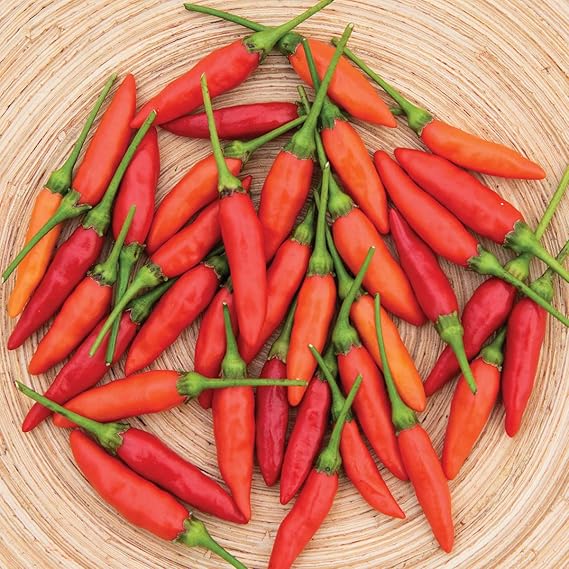
Growing peppers from seed is one of the most rewarding experiences for home gardeners. Whether you’re after sweet bell peppers or fiery habaneros, starting from seed gives you control over varieties, growing conditions, and harvest timing. This guide walks you through every step from germination to harvest.
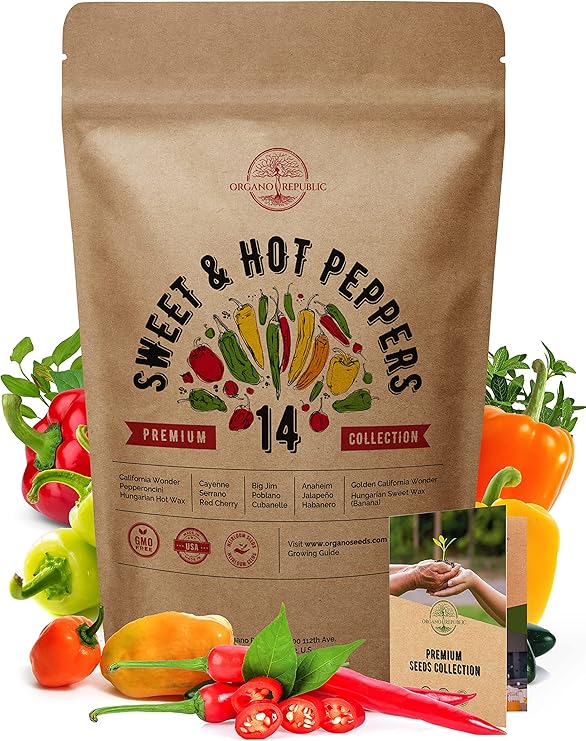
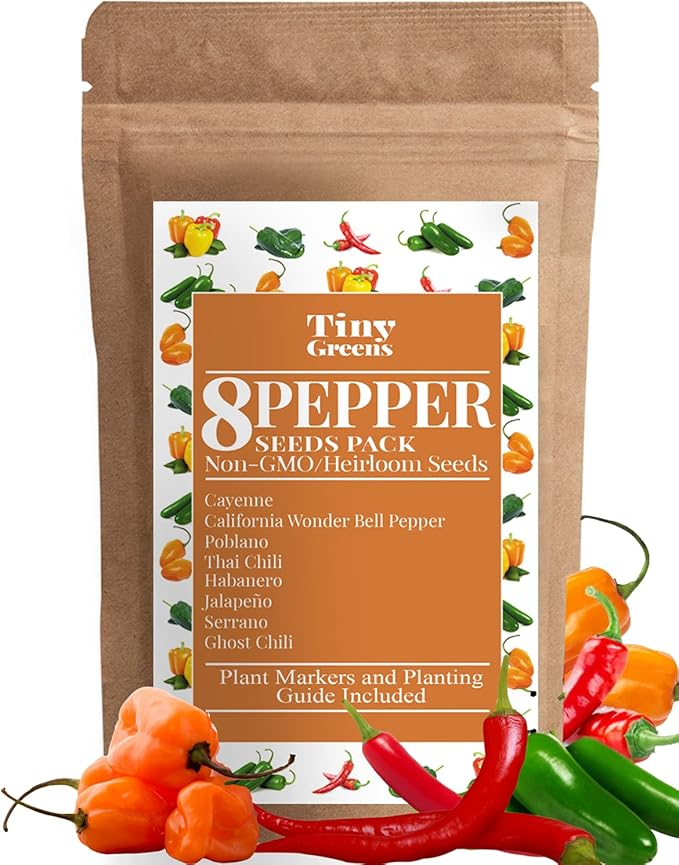
Before you start seeds, decide which types of peppers match your taste and growing conditions. Bell peppers are sweet and perfect for salads and stuffing, while jalapeños add moderate heat to dishes. Habaneros and ghost peppers bring intense heat but require longer growing seasons.
Consider your climate when selecting varieties. Short-season gardeners should choose early-maturing peppers like ‘Early Jalapeño’ or ‘Gypsy’ bell peppers. Warmer climates can support long-season varieties like ‘Carolina Reaper’ or ‘Aji Amarillo’.
Starting Pepper Seeds Indoors
Start your pepper seeds indoors 8-10 weeks before your last frost date. Peppers need warm soil (75-85°F) to germinate successfully, which usually takes 7-14 days for common varieties. Hot pepper varieties like habaneros can take up to 21 days. Use a seedling heat mat if your home temperature stays below 70°F.
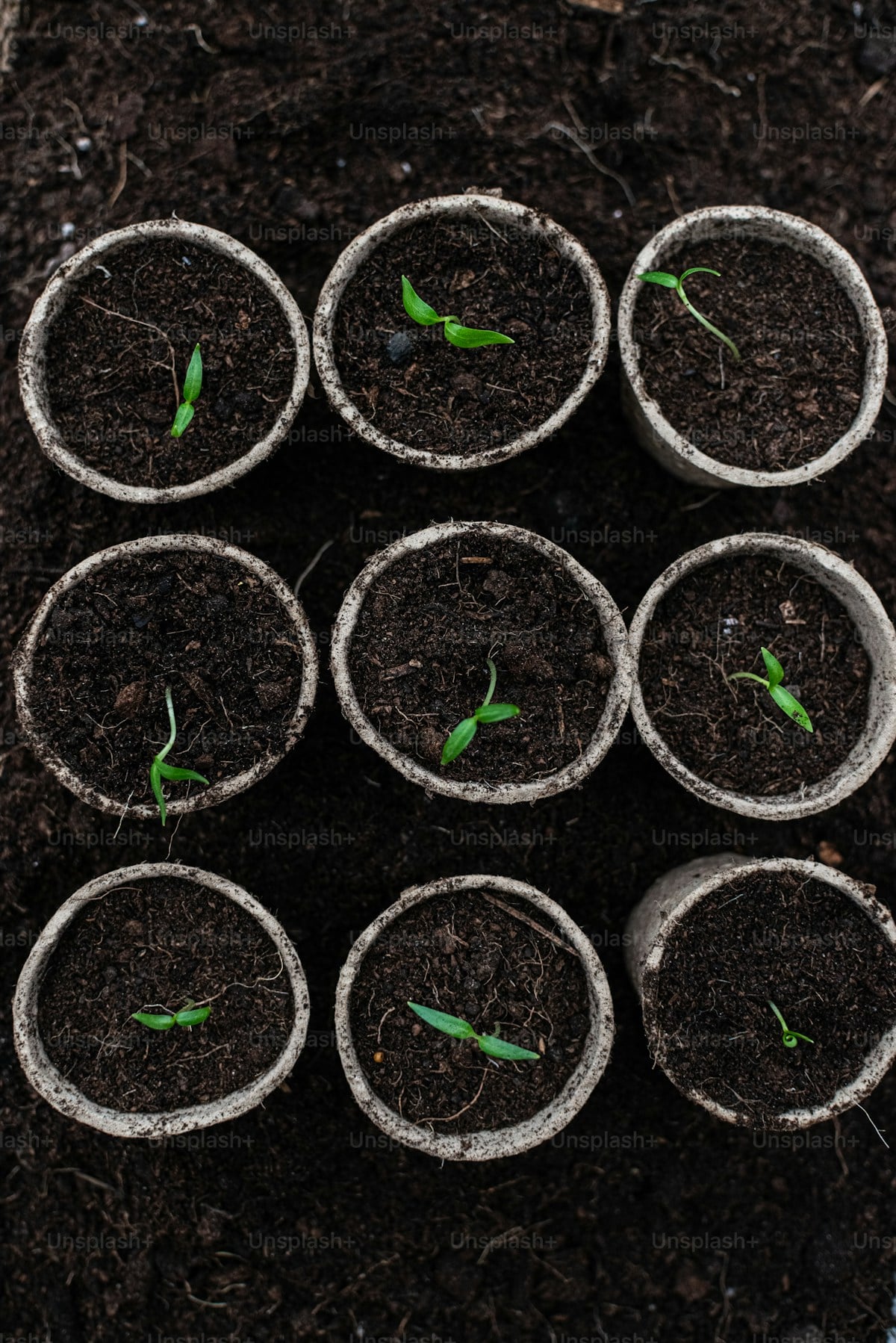
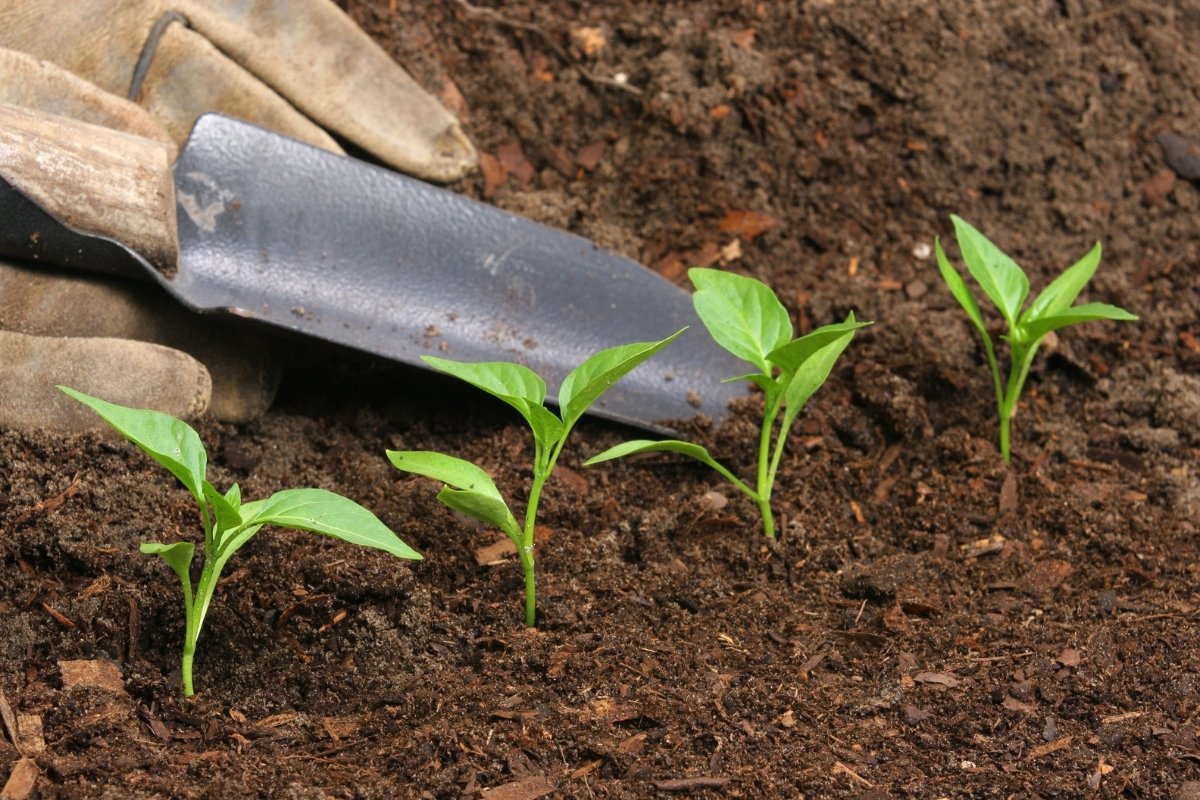
Fill seed trays with quality seed starting mix and plant seeds ¼ inch deep. Label each variety clearly to track performance. Keep the soil consistently moist but not waterlogged – overwatering is the most common seedling killer.
Once seedlings emerge, provide 12-16 hours of light daily using grow lights positioned 2-3 inches above the tops of plants. Raise lights as seedlings grow to prevent leggy, weak stems. A small fan running a few hours daily strengthens stems and prevents damping off disease.
Transplanting Pepper Seedlings
Harden off seedlings gradually over 7-10 days before transplanting outdoors. Start with 30 minutes of outdoor exposure in shade and gradually increase time and sun exposure. This process prevents transplant shock and sunburn.
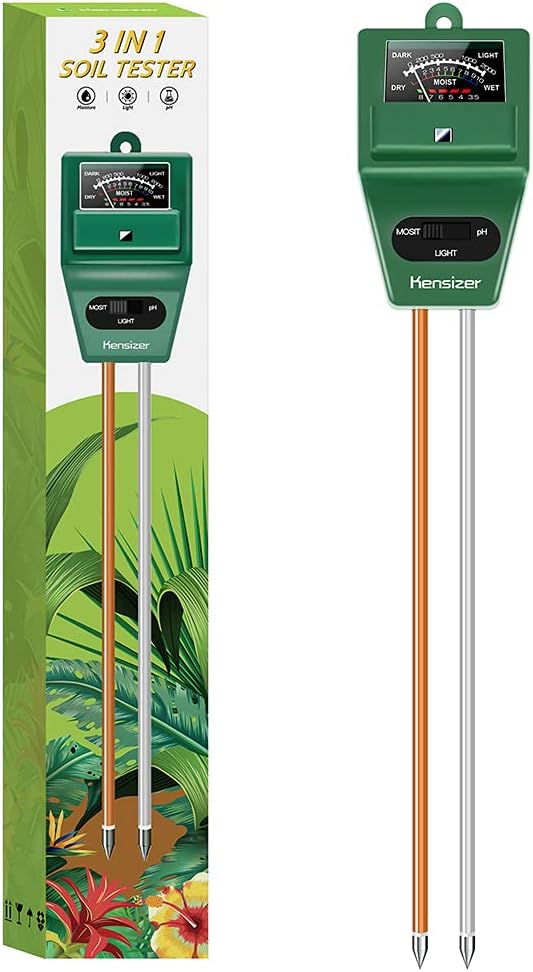
Wait until nighttime temperatures stay consistently above 55°F and soil temperature reaches at least 65°F before planting out. Cold soil will stunt growth and delay fruiting by several weeks. Use a soil thermometer to confirm temperatures rather than guessing.
Space plants 18-24 inches apart in full sun locations receiving at least 6-8 hours of direct sunlight. Peppers thrive in well-draining soil with pH 6.0-6.8. Mix 2-3 inches of compost into your planting holes and add a balanced fertilizer at transplant time.
Caring for Growing Pepper Plants
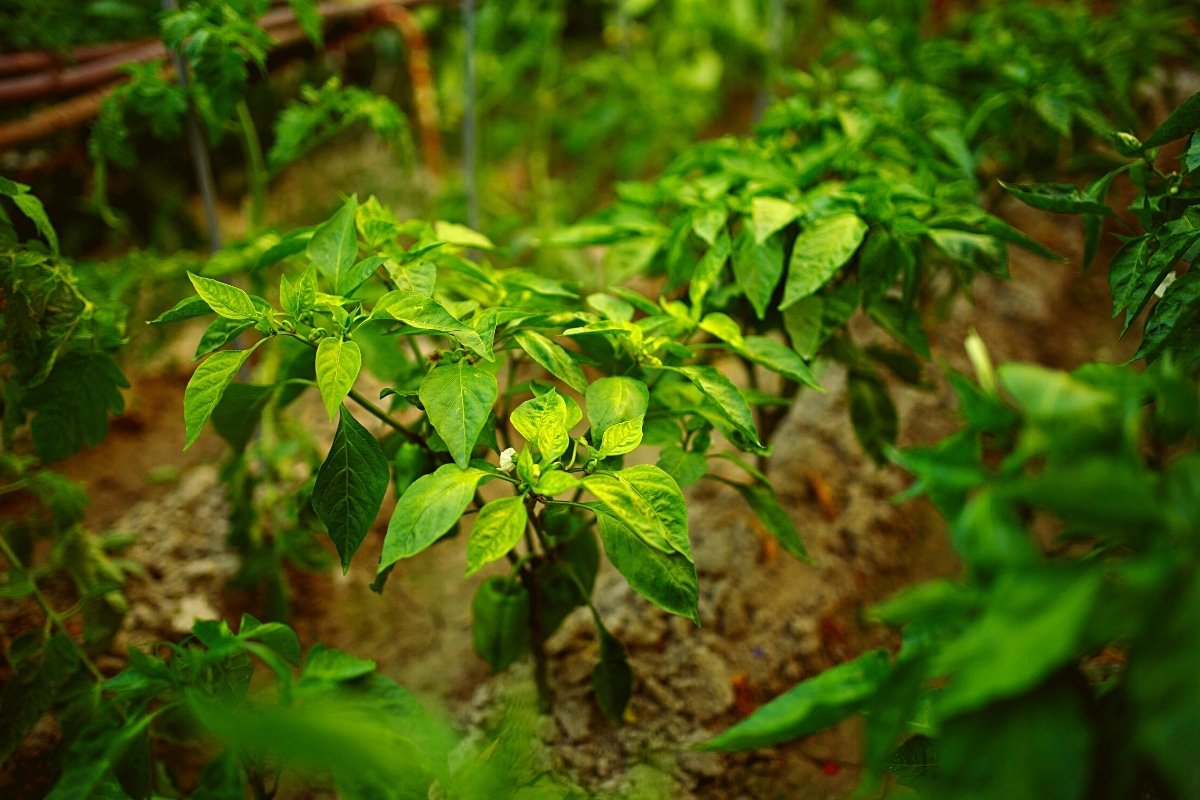
Water peppers deeply once or twice weekly, aiming for 1-2 inches per week total. Deep watering encourages strong root systems. Consistent moisture prevents blossom end rot, a calcium deficiency disorder triggered by irregular watering.
Apply 2-3 inches of organic mulch around plants to retain moisture, suppress weeds, and regulate soil temperature. Keep mulch a few inches away from stems to prevent rot.
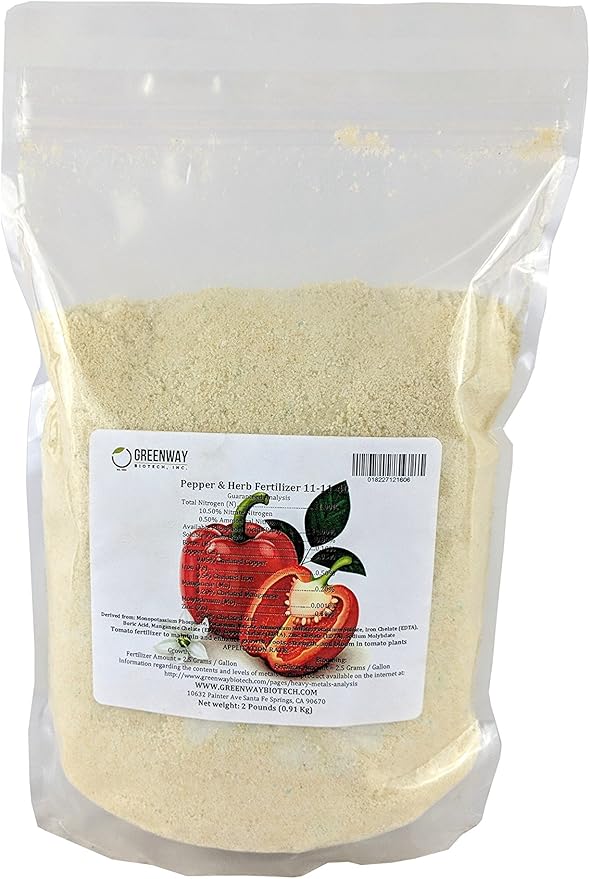
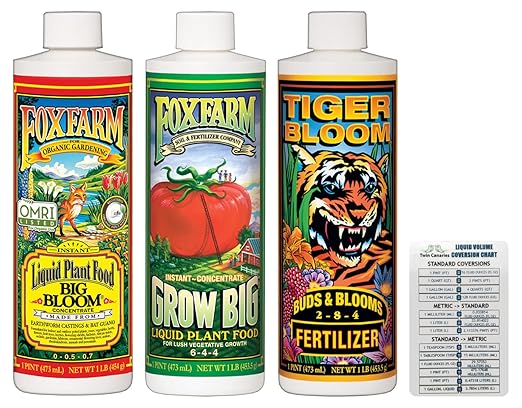
Feed every 2-3 weeks with a balanced fertilizer once plants start flowering. Avoid high-nitrogen fertilizers which promote leafy growth over fruit production. Switch to a fertilizer with higher phosphorus (middle number) once flowering begins to boost fruit set.
Harvesting Peppers
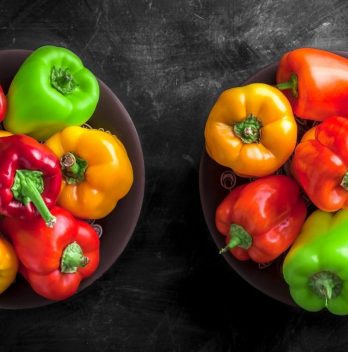
Most pepper varieties mature 60-90 days after transplanting, depending on type and weather. Harvest bell peppers when they reach full size and develop their mature color – green, red, yellow, or orange. All bell peppers start green and change color as they ripen.
Hot peppers develop more heat and flavor if left on the plant longer after reaching full size. The longer they ripen, the hotter they become. Use clean pruning shears to cut peppers from plants with an inch of stem attached rather than pulling, which can damage branches.
Regular harvesting encourages continued production throughout the season. A single pepper plant can produce 20-50 fruits with consistent care and harvest.
Common Pepper Growing Problems
Blossom drop: Caused by temperature extremes – below 60°F or above 90°F at night. Provide shade cloth during heat waves and row covers during cool snaps.
Slow growth: Usually due to cold soil or insufficient nutrients. Use row covers early season to warm soil and feed regularly once plants establish.
Few fruits: Often from too much nitrogen or inadequate pollination. Switch to a bloom-boosting fertilizer with higher phosphorus and gently shake plants daily to encourage pollination.
With proper care, timing, and variety selection, you’ll harvest abundant peppers all season long from a spring planting that continues producing until frost.
Do pepper plants come back every year? Let’s get the answers to that here. Pepper is both classified as a fruit and a vegetable according to botany and culinary definitions.
It’s a great feeling to plant, grow, nurture, and then begin to harvest your vegetables. What is more tempting is wishing you could keep your healthy vegetables growing year after year. This applies to most pepper farmers, as the plant is a slow grower, which makes it desirable to want it to keep growing.
It will be nice if pepper plants do grow back every year. If you live in a region where the winter is not so serious, you can definitely give it a thought. The thing is, in most parts of North America and any other place where the winter is really serious, pepper plants won’t be able to survive if they are left outside.
The best thing is to bring your pepper plants indoors and provide them with the best indoor care, especially if they are the potted indoor variety.
Keep reading to get more answers to the question: Do pepper plants come back every year? You will also get some tips for keeping your pepper growing year after year.
Do Pepper Plants Come Back Every Year?
Normally, all kinds of pepper are grown as annuals by most growers. Pepper is sown, grown, picked, and then thrown into the compost heap when the season ends.
But the truth of the matter is that pepper plants are perennials, and if you grow them and give them in the appropriate conditions, they can grow every year.
Ideal Conditions to Help Pepper Grow Back Every Year
As we mentioned, pepper plants can grow every year if you provide them with good conditions. So, let’s take a look at how to be successful at growing peppers in any type of climatic condition.
1. The growing temperature
Peppers are perennials that can come back in the spring after being dormant in the previous season. This will be surprising to many North American gardeners. Peppers are mostly grown as annuals in the United States and most temperate regions in other parts of the world.
This is because the plant will die when temperatures dip low, especially during low winter temperatures and shorter days. Peppers can’t survive the cold winter let alone when it’s freezing cold.
In fact, during a temperature as low as 55 degrees Fahrenheit and below, it will be a waste of time sowing seeds directly into the soil. The seeds won’t even germinate at all. And this will also have you wondering if pepper plants really do grow back every year.
You can, however, proffer a solution of laying down black plastic mulch or other non-treated mulch to keep the soil temperature warm with a heating pad.
2. Soil and fertilizer type
The ideal soil for growing peppers successfully is slightly acidic soil with pH levels of 6.5-7. Before transplanting seedlings, endeavor to break the soil up. This will help get their roots established.
Breaking up the soil before transplanting, will also drain well, as well as retain moisture. The best type of fertilizer for peppers is compost. You can as well conduct a soil test before adding fertilizer to the soil.
For example, if the test shows that the soil is lacking in phosphorus, a fertilizer with phosphorus can be added to the soil. Otherwise, if the reverse is the case, there will be no need to add phosphorus to the soil. Another thing is that you need to be cautious when adding nitrogen to the soil as too much nitrogen can make the plant produce large foliage.
For a successfully grown pepper plant, full sunlight of about six to eight hours must be available to the plants. Or rather, provide a grow light and make sure the soil temperature is constantly around 80 degrees Fahrenheit if you’re starting your pepper seeds indoors.
Pepper plants also need constant thorough moisture. This can be achieved by not letting the soil become dry. You can encourage healthy root development by watering deeply. Too much watering may not be required during rainy seasons.
And if you’re growing your pepper plants in sandy soil, watering will be needed more frequently. This is because, unlike loam or clay, sand cannot retain moisture.
4. Prepare your plants before overwintering
It is better to plant your pepper in pots or portable raised beds if you’re planning to save them for another year.
You can also re-transplant mature plants that were planted directly in the ground. However, re-transplanting pepper plants may lead to damaging the plants’ roots badly if you’re not careful.
5. Move pepper plants indoors
Peppers can’t tolerate frost; hence the temperature doesn’t need to become freezing cold before they begin to die off. When the temperature constantly dips low to around 55-65 degrees Fahrenheit, move them indoors.
It doesn’t even have to be inside the house. It could be a secluded spot or covered place that can shield the plants from the chilly temperatures.
So, when the sunlight your plants usually receive per day doesn’t stay constant at six to eight hours anymore, it indicates that your pepper plants should be moved indoors.
Also, when you move them indoors during frost, you can use a heating pad under your pot to provide heat.
There are cold-resistant pepper varieties, early maturers, and those that can adapt to many conditions.
So, choosing any of these types of varieties will also help increase your chances of being successful at overwintering and growing back every year. Gardeners in the northern region will love the idea of planting these varieties, especially in regions where they have short growing seasons.
There are also cold-tolerant varieties that can tolerate both cold and heat. You will also get to enjoy most of the cold-tolerant varieties because they are either mild or sweet.
So, examples of cold-tolerant pepper varieties are Ratund, Highlander, Chile peppers, Carmen, Ace, and Obriy.
Do Capsicum Plants Regrow?
You may be curious as to whether capsicum plants regrow, like other types of peppers. And the simple answer is: yes they do. It just requires both time and cares to ensure their regrowth. Let’s take a closer look at some top tips to ensure they make it through the winter.
As soon as you notice the temperatures plummeting, you should place some hay bales around your plants, and ensure the plants are the same height.
You’ll also need to remove any peppers from the plants too. At this point, you can cover the plants and bales with a layer of glass.
When the frost is predicted, you may also want to cover it with a sheet, for an extra layer of protection.
Check that your soil is moist enough, and water when needed.
Once the weather begins to warm up, you can remove the glass, and then remove the hay bales once Spring hits. At this point, your capsicum is ready to regrow!
How Long Will a Pepper Plant Live?
When it comes to pepper plants, a range of factors can affect how long they’ll live. However, the average life span is around 3-5 years.
Some factors you’ll need to consider when extending the life of your pepper plant are as follows:
Environment. The environment is the main factor. The more consistent the environment, the more likely your pepper plant will have a longer life. In fact, pepper plants have been known to last up to ten years when cared for adequately indoors. Your plants can last many years if grown outdoors too. However, you need to ensure they’re overwintered. If not, they will likely die before the next growing season.
Plant species. Some species of pepper will survive longer than others, as it’s just part of their nature. For example, Rocoto and Manzano peppers are both varieties that have a long life expectancy.
How Tall Do Pepper Plants Grow?
Unfortunately, there is no set height that your pepper plants will grow, because it all depends on the variety of pepper that you’re growing. For example, some may grow to only 20 inches in height, whereas others can grow up to 6 feet in height. It’s important to research the type of pepper you’re choosing to grow before you plant it.
How to Overwinter Pepper Plants
If you’re looking for a quick guide to overwinter pepper plants, then look no further. Let’s take a closer look.
Add soil to your new pot; around 1-2 inches.
Bring your pepper plant indoors and remove any remaining peppers. You’ll also need to prune the plant.
Remove all leaves from your plant, as well as the root ball.
Use scissors to trim the roots and then place them in your fresh soil.
Water thoroughly and place in a warm area, where the sunlight reaches.
Monitor and prune weekly until the growing season comes around.
When to Overwinter Peppers
The best time to start overwintering peppers is before the first frost. You should never let the temperature of your pepper plants go below freezing, as they are unlikely to survive.
Will Pepper Plants Come Back After Winter?
Yes. As long as extra precautions and care are taken with your pepper plants, they absolutely can come back after winter. And are likely to give you peppers for years to come!
Conclusion: Do Pepper Plants Come Back?
To conclude answer your question; do pepper plants come back? Be rest assured that even if pepper plants are grown as annuals in most regions, you can successfully grow them as perennials.
Do you have any tips or tricks when it comes to ensuring that your pepper plants come back every year? If so, please feel free to let us know in the comments below. And remember, sharing is caring!
FAQs
How do I save pepper plants for next year?
You can save your pepper for the next year by supplying adequate growing conditions to your pepper plants. Pepper is naturally a perennial crop so it’s possible to grow them for the following year.
How many years can pepper plants live?
The duration pepper plant can live is between 1.5 years to 3 years. So, this shows that pepper plants are perennials if you provide them with the right growing conditions to live through another year.
Will pepper plants come back after winter?
If you expose your pepper plant to chilly temperatures, they may not survive. So, your pepper plant may not come back after winter. This is why you need to shelter your pepper plant if you want them to overwinter.
Lunchbox sweet peppers plants tend to yield brightly colored miniature peppers. You can as well choose the color of fruit you want by harvesting them at different times.
You can harvest them when they are green, yellow, or orange, or you can just wait for them to become red. They grow to an average length of 6 inches. Lunchbox sweet peppers are the perfect choice for gardens that have limited space or container gardens.
These sweet peppers are great for making various dishes and they taste so great when they are fried.
5. Carmen Sweet Pepper
Carmen sweet pepper is an elongated type of sweet pepper, about 6 inches long. It is an Italian bull’s horn pepper variety that tastes so great especially when fried. Carmen sweet pepper will also change from green to red as they mature.
6. Sweet Chocolate Sweet Pepper
This type of bell pepper variety has its fruit colored like chocolate and it has a very sweet taste. During the early maturing stage of the sweet chocolate pepper, the fruit turns dark brown on the outside and deep red on the inside once they are fully matured.
The sweet chocolate sweet pepper will work great in raw salads as well as roasted dishes.
7. Candy Apple Bell Pepper
The candy apple bell pepper is another great-tasting sweet pepper variety. It has a bulky mass fruit that is about 5 inches and it attains maturity in about 70 days.
8. Gourmet Sweet Pepper
Gourmet sweet pepper is another bell pepper that is characterized by its thick wall and blocky shape. Its appearance is charming and it has bright orange skin and juicy flesh that has a sweet and fruity flavor. They are about 3 inches wide and 5 inches long.
When to Pick Carmen Italian Sweet Pepper?
You may be curious as to when is best to pick the Carmen Italian sweet pepper. With this type of pepper, it’s best to wait until it’s a vibrant red color. The more vibrant the pepper is, the sweeter the taste will be. If you prefer your sweet peppers slightly less sweet, then you can pick them whilst they’re green and they’ll be completely safe to eat.
Bell Pepper Cultivars
There are many bell pepper cultivars that we haven’t yet taken a look at. Here are some other varieties of popular bell peppers, which, of course, will be sweet.
Antebellum. This is a type of bell pepper that is most often dark green. It takes around 73-75 days to reach maturity. It has a high resistance to the mosaic virus.
Bayonet. This is a type of bell pepper that ranges from green to red. It takes a medium amount of time to reach maturity. It has a high resistance to the mosaic virus.
Blitz. This is a type of bell pepper that ranges from light green to red. It takes around 70-75 to reach maturity, once it has been transplanted. It has a high resistance to the mosaic virus.
Garfield. This is a type of bell pepper that ranges from green to orange in color. It grows best in the main growing season. It’s known for its bright orange color and its exceptionally large fruit. It has a high resistance to the mosaic virus.
Galileo. This is a type of bell pepper that ranges from dark green to red. It takes around 70 days to reach maturity.
Are Mini Sweet Peppers the Same as Bell Peppers?
You may be wondering if the mini sweet peppers you see in grocery stores are the same as regular bell peppers. The simple answer is: no. The mini sweet peppers are, of course, significantly smaller in size. As well as the size difference, they are usually much sweeter and much more flavorful than bell peppers. However, just like bell peppers, they come in a range of colors and shapes.
What Are Jingle Bell Peppers?
You may have heard of Jingle Bell peppers, as they’re a popular cultivar for sweet bell peppers. They’re a fast grower and only take around 55 days until they reach maturity and are ready to harvest. These are small peppers that are vibrant red. They’re only around 2 inches in length and just 1.5 inches in width. You can harvest Jingle Bell peppers when they’re green, but they will not be as sweet as you’re likely wanting them to be.
Nutrition of Red Bell Peppers
You may be wondering what the nutrition is when it comes to the sweetest bell pepper. Each cup of chopped, raw, red bell pepper contains the following:
calories: 39
fat: 0.5g
sodium: 6mg
carbohydrates: 9g
fiber: 3.1g
sugar: 6.3g
protein: 1.5g
potassium: 315mg
vitamin c: 190mg
As you can probably tell from the nutritional information, red bell peppers are bursting with both sweetness and goodness.
Final Say: Which Bell Pepper is the Sweetest?
Bell peppers come in different colors such as green, yellow, orange, purple, red, and so on. These peppers can be picked early to derive colorful fruits. But once the majority of these bell peppers are left on the vine to mature, they tend to become red.
So, when it comes to which bell pepper is the sweetest, we have concluded that the red bell pepper takes the lead. Do you have any other answer as to which bell pepper is the sweetest? If so, please feel free to let us know in the comments below. And remember, sharing is caring!
FAQs
How do you pick the sweetest bell pepper?
This is a question I am often asked by friends and family when it comes to peppers. Most people are familiar with bell peppers, but not all know the difference between sweet and hot peppers. Sweet peppers are grown for their delicious flavor, not heat, so the hotter the pepper, the less sweet it will be.
Sweet peppers are typically available year round and can be found in most grocery stores. There are hundreds of varieties of sweet peppers available, including different colors, shapes, sizes, and flavors. They are most commonly found in two categories: yellow and green. Yellow bell peppers are sweeter and milder than green bell peppers. They have a richer flavor and tend to be more tender. Green bell peppers, on the other hand, have a spicy flavor and tend to be crispier. They are generally more popular because they are easier to find in stores. Sweet Bell Peppers peak during the summer months. Some of my favorite sweet peppers include: Anaheims, Maui Kaimoas, Poblanos, and Serranos. Sweet peppers are grown for their delicious flavor, not heat, so the hotter the pepper, the less sweet it will be.
Which is sweeter yellow or orange bell pepper?
There are so many choices: yellow, green, red, orange, purple, and striped.
When it comes to the color of the bell pepper, people have a hard time choosing between these two. Yellow Bell Peppers are the ones that are considered to be the most sweet. They are used to make sauces and soups, especially in Mexico. The flesh can be peeled easily and is usually crunchy.
In addition to being sweet, yellow bell peppers are also high in vitamin A, C, and K. They are low in calories and fat, but have a moderate amount of sodium. Red Bell Pepper These red bell peppers are considered to be spicy. They are used to make sauces and soups, especially in India.
Which bell peppers are the best for cooking?
When you buy bell peppers, you can find them in a variety of colors, shapes, and sizes. Some are round, some are long and skinny, some are shaped like stars, some have stripes, and some are heart-shaped. Some bell peppers are sweet, some are spicy, some are mild, and some are hot. The best way to figure out which bell peppers are the best for cooking is by looking at their size.
For example, the “small green” bell peppers tend to be sweeter and milder than “large” peppers. I generally find that the smaller peppers have a longer cooking time. I’d also suggest using bell peppers that have been picked fresh from the garden – not ones that have been sitting around in the fridge for a long time.
Lunchbox sweet peppers plants tend to yield brightly colored miniature peppers. You can as well choose the color of fruit you want by harvesting them at different times.
You can harvest them when they are green, yellow, or orange, or you can just wait for them to become red. They grow to an average length of 6 inches. Lunchbox sweet peppers are the perfect choice for gardens that have limited space or container gardens.
These sweet peppers are great for making various dishes and they taste so great when they are fried.
5. Carmen Sweet Pepper
Carmen sweet pepper is an elongated type of sweet pepper, about 6 inches long. It is an Italian bull’s horn pepper variety that tastes so great especially when fried. Carmen sweet pepper will also change from green to red as they mature.
6. Sweet Chocolate Sweet Pepper
This type of bell pepper variety has its fruit colored like chocolate and it has a very sweet taste. During the early maturing stage of the sweet chocolate pepper, the fruit turns dark brown on the outside and deep red on the inside once they are fully matured.
The sweet chocolate sweet pepper will work great in raw salads as well as roasted dishes.
7. Candy Apple Bell Pepper
The candy apple bell pepper is another great-tasting sweet pepper variety. It has a bulky mass fruit that is about 5 inches and it attains maturity in about 70 days.
8. Gourmet Sweet Pepper
Gourmet sweet pepper is another bell pepper that is characterized by its thick wall and blocky shape. Its appearance is charming and it has bright orange skin and juicy flesh that has a sweet and fruity flavor. They are about 3 inches wide and 5 inches long.
When to Pick Carmen Italian Sweet Pepper?
You may be curious as to when is best to pick the Carmen Italian sweet pepper. With this type of pepper, it’s best to wait until it’s a vibrant red color. The more vibrant the pepper is, the sweeter the taste will be. If you prefer your sweet peppers slightly less sweet, then you can pick them whilst they’re green and they’ll be completely safe to eat.
Bell Pepper Cultivars
There are many bell pepper cultivars that we haven’t yet taken a look at. Here are some other varieties of popular bell peppers, which, of course, will be sweet.
Antebellum. This is a type of bell pepper that is most often dark green. It takes around 73-75 days to reach maturity. It has a high resistance to the mosaic virus.
Bayonet. This is a type of bell pepper that ranges from green to red. It takes a medium amount of time to reach maturity. It has a high resistance to the mosaic virus.
Blitz. This is a type of bell pepper that ranges from light green to red. It takes around 70-75 to reach maturity, once it has been transplanted. It has a high resistance to the mosaic virus.
Garfield. This is a type of bell pepper that ranges from green to orange in color. It grows best in the main growing season. It’s known for its bright orange color and its exceptionally large fruit. It has a high resistance to the mosaic virus.
Galileo. This is a type of bell pepper that ranges from dark green to red. It takes around 70 days to reach maturity.
Are Mini Sweet Peppers the Same as Bell Peppers?
You may be wondering if the mini sweet peppers you see in grocery stores are the same as regular bell peppers. The simple answer is: no. The mini sweet peppers are, of course, significantly smaller in size. As well as the size difference, they are usually much sweeter and much more flavorful than bell peppers. However, just like bell peppers, they come in a range of colors and shapes.
What Are Jingle Bell Peppers?
You may have heard of Jingle Bell peppers, as they’re a popular cultivar for sweet bell peppers. They’re a fast grower and only take around 55 days until they reach maturity and are ready to harvest. These are small peppers that are vibrant red. They’re only around 2 inches in length and just 1.5 inches in width. You can harvest Jingle Bell peppers when they’re green, but they will not be as sweet as you’re likely wanting them to be.
Nutrition of Red Bell Peppers
You may be wondering what the nutrition is when it comes to the sweetest bell pepper. Each cup of chopped, raw, red bell pepper contains the following:
calories: 39
fat: 0.5g
sodium: 6mg
carbohydrates: 9g
fiber: 3.1g
sugar: 6.3g
protein: 1.5g
potassium: 315mg
vitamin c: 190mg
As you can probably tell from the nutritional information, red bell peppers are bursting with both sweetness and goodness.
Final Say: Which Bell Pepper is the Sweetest?
Bell peppers come in different colors such as green, yellow, orange, purple, red, and so on. These peppers can be picked early to derive colorful fruits. But once the majority of these bell peppers are left on the vine to mature, they tend to become red.
So, when it comes to which bell pepper is the sweetest, we have concluded that the red bell pepper takes the lead. Do you have any other answer as to which bell pepper is the sweetest? If so, please feel free to let us know in the comments below. And remember, sharing is caring!
FAQs
How do you pick the sweetest bell pepper?
This is a question I am often asked by friends and family when it comes to peppers. Most people are familiar with bell peppers, but not all know the difference between sweet and hot peppers. Sweet peppers are grown for their delicious flavor, not heat, so the hotter the pepper, the less sweet it will be.
Sweet peppers are typically available year round and can be found in most grocery stores. There are hundreds of varieties of sweet peppers available, including different colors, shapes, sizes, and flavors. They are most commonly found in two categories: yellow and green. Yellow bell peppers are sweeter and milder than green bell peppers. They have a richer flavor and tend to be more tender. Green bell peppers, on the other hand, have a spicy flavor and tend to be crispier. They are generally more popular because they are easier to find in stores. Sweet Bell Peppers peak during the summer months. Some of my favorite sweet peppers include: Anaheims, Maui Kaimoas, Poblanos, and Serranos. Sweet peppers are grown for their delicious flavor, not heat, so the hotter the pepper, the less sweet it will be.
Which is sweeter yellow or orange bell pepper?
There are so many choices: yellow, green, red, orange, purple, and striped.
When it comes to the color of the bell pepper, people have a hard time choosing between these two. Yellow Bell Peppers are the ones that are considered to be the most sweet. They are used to make sauces and soups, especially in Mexico. The flesh can be peeled easily and is usually crunchy.
In addition to being sweet, yellow bell peppers are also high in vitamin A, C, and K. They are low in calories and fat, but have a moderate amount of sodium. Red Bell Pepper These red bell peppers are considered to be spicy. They are used to make sauces and soups, especially in India.
Which bell peppers are the best for cooking?
When you buy bell peppers, you can find them in a variety of colors, shapes, and sizes. Some are round, some are long and skinny, some are shaped like stars, some have stripes, and some are heart-shaped. Some bell peppers are sweet, some are spicy, some are mild, and some are hot. The best way to figure out which bell peppers are the best for cooking is by looking at their size.
For example, the “small green” bell peppers tend to be sweeter and milder than “large” peppers. I generally find that the smaller peppers have a longer cooking time. I’d also suggest using bell peppers that have been picked fresh from the garden – not ones that have been sitting around in the fridge for a long time.
They are a kind of pepper plant that will yield different colors of fruits such as green, yellow, orange, purple, white, and red. All the structures and shapes of these different colors of peppers tend to be similar no matter their colors.
Bell peppers are native to Central America, South America, and Mexico. However, China is the world’s biggest producer and distributor of this pepper. Summer’s peak through September is one of the best periods you can find these peppers from farmers around you.
These sweet peppers can be enjoyed plain, without a veggie dip, or you can simply cook them in your meal. You can as well stuff bell peppers filled with ground beef, garlic, tomatoes, and onion.
Bell peppers are as well loaded with great vitamins such as vitamin A, vitamin C, potassium, fiber, and so on.
So, which bell pepper is the sweetest? As bell pepper matures on the plant, the color changes from green, yellow, orange, and then to red. Green pepper tends to be more vegetal tasting and it features a bitter flavor. Orange and yellow bell peppers are sweeter.
However, red bell pepper is the sweetest because red bell pepper has been allowed to mature properly on the vine.
Types of Sweet Peppers
As we mentioned, bell peppers are also regarded as sweet peppers. There are many types of sweet pepper but let’s look into some of the types of sweet pepper varieties:
1. Sweet California Wonder Bell Pepper
The California wonder pepper is a variety of sweet bell pepper. This type of pepper is one of the gardener’s most loved sweet pepper varieties. This pepper variety yields a mass of blocky 4 inches of bell pepper fruit.
Sweet California Wonder peppers are garden standard peppers. Their seeds can be obtained in garden centers as well as gardening websites. They can be incorporated into your various dishes in many ways. They are mostly enjoyed as stuffed peppers and are perfect for salads and salsa.
2. Cabernet Sweet Bell Pepper
The cabernet sweet bell pepper is elongated, about 8 inches long. As this bell pepper variety matures, it changes from a glossy green to red fruit. They have a very pleasant and sweet taste. The cabernet sweet bell pepper plant is resistant to the tobacco mosaic virus.
3. Cupid Sweet Pepper
Another great-tasting bell pepper variety is the cupid sweet pepper. You can harvest these peppers in about 55 days if you prefer the green fruit. If you however prefer them red and mature, you should harvest them 75 days after planting.
Lunchbox sweet peppers plants tend to yield brightly colored miniature peppers. You can as well choose the color of fruit you want by harvesting them at different times.
You can harvest them when they are green, yellow, or orange, or you can just wait for them to become red. They grow to an average length of 6 inches. Lunchbox sweet peppers are the perfect choice for gardens that have limited space or container gardens.
These sweet peppers are great for making various dishes and they taste so great when they are fried.
5. Carmen Sweet Pepper
Carmen sweet pepper is an elongated type of sweet pepper, about 6 inches long. It is an Italian bull’s horn pepper variety that tastes so great especially when fried. Carmen sweet pepper will also change from green to red as they mature.
6. Sweet Chocolate Sweet Pepper
This type of bell pepper variety has its fruit colored like chocolate and it has a very sweet taste. During the early maturing stage of the sweet chocolate pepper, the fruit turns dark brown on the outside and deep red on the inside once they are fully matured.
The sweet chocolate sweet pepper will work great in raw salads as well as roasted dishes.
7. Candy Apple Bell Pepper
The candy apple bell pepper is another great-tasting sweet pepper variety. It has a bulky mass fruit that is about 5 inches and it attains maturity in about 70 days.
8. Gourmet Sweet Pepper
Gourmet sweet pepper is another bell pepper that is characterized by its thick wall and blocky shape. Its appearance is charming and it has bright orange skin and juicy flesh that has a sweet and fruity flavor. They are about 3 inches wide and 5 inches long.
When to Pick Carmen Italian Sweet Pepper?
You may be curious as to when is best to pick the Carmen Italian sweet pepper. With this type of pepper, it’s best to wait until it’s a vibrant red color. The more vibrant the pepper is, the sweeter the taste will be. If you prefer your sweet peppers slightly less sweet, then you can pick them whilst they’re green and they’ll be completely safe to eat.
Bell Pepper Cultivars
There are many bell pepper cultivars that we haven’t yet taken a look at. Here are some other varieties of popular bell peppers, which, of course, will be sweet.
Antebellum. This is a type of bell pepper that is most often dark green. It takes around 73-75 days to reach maturity. It has a high resistance to the mosaic virus.
Bayonet. This is a type of bell pepper that ranges from green to red. It takes a medium amount of time to reach maturity. It has a high resistance to the mosaic virus.
Blitz. This is a type of bell pepper that ranges from light green to red. It takes around 70-75 to reach maturity, once it has been transplanted. It has a high resistance to the mosaic virus.
Garfield. This is a type of bell pepper that ranges from green to orange in color. It grows best in the main growing season. It’s known for its bright orange color and its exceptionally large fruit. It has a high resistance to the mosaic virus.
Galileo. This is a type of bell pepper that ranges from dark green to red. It takes around 70 days to reach maturity.
Are Mini Sweet Peppers the Same as Bell Peppers?
You may be wondering if the mini sweet peppers you see in grocery stores are the same as regular bell peppers. The simple answer is: no. The mini sweet peppers are, of course, significantly smaller in size. As well as the size difference, they are usually much sweeter and much more flavorful than bell peppers. However, just like bell peppers, they come in a range of colors and shapes.
What Are Jingle Bell Peppers?
You may have heard of Jingle Bell peppers, as they’re a popular cultivar for sweet bell peppers. They’re a fast grower and only take around 55 days until they reach maturity and are ready to harvest. These are small peppers that are vibrant red. They’re only around 2 inches in length and just 1.5 inches in width. You can harvest Jingle Bell peppers when they’re green, but they will not be as sweet as you’re likely wanting them to be.
Nutrition of Red Bell Peppers
You may be wondering what the nutrition is when it comes to the sweetest bell pepper. Each cup of chopped, raw, red bell pepper contains the following:
calories: 39
fat: 0.5g
sodium: 6mg
carbohydrates: 9g
fiber: 3.1g
sugar: 6.3g
protein: 1.5g
potassium: 315mg
vitamin c: 190mg
As you can probably tell from the nutritional information, red bell peppers are bursting with both sweetness and goodness.
Final Say: Which Bell Pepper is the Sweetest?
Bell peppers come in different colors such as green, yellow, orange, purple, red, and so on. These peppers can be picked early to derive colorful fruits. But once the majority of these bell peppers are left on the vine to mature, they tend to become red.
So, when it comes to which bell pepper is the sweetest, we have concluded that the red bell pepper takes the lead. Do you have any other answer as to which bell pepper is the sweetest? If so, please feel free to let us know in the comments below. And remember, sharing is caring!
FAQs
How do you pick the sweetest bell pepper?
This is a question I am often asked by friends and family when it comes to peppers. Most people are familiar with bell peppers, but not all know the difference between sweet and hot peppers. Sweet peppers are grown for their delicious flavor, not heat, so the hotter the pepper, the less sweet it will be.
Sweet peppers are typically available year round and can be found in most grocery stores. There are hundreds of varieties of sweet peppers available, including different colors, shapes, sizes, and flavors. They are most commonly found in two categories: yellow and green. Yellow bell peppers are sweeter and milder than green bell peppers. They have a richer flavor and tend to be more tender. Green bell peppers, on the other hand, have a spicy flavor and tend to be crispier. They are generally more popular because they are easier to find in stores. Sweet Bell Peppers peak during the summer months. Some of my favorite sweet peppers include: Anaheims, Maui Kaimoas, Poblanos, and Serranos. Sweet peppers are grown for their delicious flavor, not heat, so the hotter the pepper, the less sweet it will be.
Which is sweeter yellow or orange bell pepper?
There are so many choices: yellow, green, red, orange, purple, and striped.
When it comes to the color of the bell pepper, people have a hard time choosing between these two. Yellow Bell Peppers are the ones that are considered to be the most sweet. They are used to make sauces and soups, especially in Mexico. The flesh can be peeled easily and is usually crunchy.
In addition to being sweet, yellow bell peppers are also high in vitamin A, C, and K. They are low in calories and fat, but have a moderate amount of sodium. Red Bell Pepper These red bell peppers are considered to be spicy. They are used to make sauces and soups, especially in India.
Which bell peppers are the best for cooking?
When you buy bell peppers, you can find them in a variety of colors, shapes, and sizes. Some are round, some are long and skinny, some are shaped like stars, some have stripes, and some are heart-shaped. Some bell peppers are sweet, some are spicy, some are mild, and some are hot. The best way to figure out which bell peppers are the best for cooking is by looking at their size.
For example, the “small green” bell peppers tend to be sweeter and milder than “large” peppers. I generally find that the smaller peppers have a longer cooking time. I’d also suggest using bell peppers that have been picked fresh from the garden – not ones that have been sitting around in the fridge for a long time.
Bell peppers come in different varieties as well as colors. We have green bell pepper, yellow bell pepper, orange bell pepper, and red bell peppers. But which bell pepper is the sweetest? Let’s take a closer look.
The bell pepper comes in so many various colors, they can practically be considered a rainbow. This pepper is casually classified as a vegetable because of its versatile role in culinary relations. However, in the world of farming, peppers are generally categorized as fruits.
Bell peppers have been incorporated into our various dishes as they make delicious and colorful additions to our different meals. But what we would like to know is which bell pepper is the sweetest among all the varieties and colors are known. So, let’s get right into this.
Information on Bell Peppers
Bell pepper is a type of fruit cultivar in the group of species Capsicum annuum and they belong to the nightshade family. Bell peppers are also called sweet peppers.
Even though they are from the Capsicum species, they are the only species of Capsicum that does not produce capsaicin. Capsaicin is a chemical present in most peppers and it is responsible for their spiciness. However, bell pepper types don’t have this capsicum species. Therefore, bell peppers are regarded as sweet peppers because they tend to be sweet and not spicy.
They are a kind of pepper plant that will yield different colors of fruits such as green, yellow, orange, purple, white, and red. All the structures and shapes of these different colors of peppers tend to be similar no matter their colors.
Bell peppers are native to Central America, South America, and Mexico. However, China is the world’s biggest producer and distributor of this pepper. Summer’s peak through September is one of the best periods you can find these peppers from farmers around you.
These sweet peppers can be enjoyed plain, without a veggie dip, or you can simply cook them in your meal. You can as well stuff bell peppers filled with ground beef, garlic, tomatoes, and onion.
Bell peppers are as well loaded with great vitamins such as vitamin A, vitamin C, potassium, fiber, and so on.
So, which bell pepper is the sweetest? As bell pepper matures on the plant, the color changes from green, yellow, orange, and then to red. Green pepper tends to be more vegetal tasting and it features a bitter flavor. Orange and yellow bell peppers are sweeter.
However, red bell pepper is the sweetest because red bell pepper has been allowed to mature properly on the vine.
Types of Sweet Peppers
As we mentioned, bell peppers are also regarded as sweet peppers. There are many types of sweet pepper but let’s look into some of the types of sweet pepper varieties:
1. Sweet California Wonder Bell Pepper
The California wonder pepper is a variety of sweet bell pepper. This type of pepper is one of the gardener’s most loved sweet pepper varieties. This pepper variety yields a mass of blocky 4 inches of bell pepper fruit.
Sweet California Wonder peppers are garden standard peppers. Their seeds can be obtained in garden centers as well as gardening websites. They can be incorporated into your various dishes in many ways. They are mostly enjoyed as stuffed peppers and are perfect for salads and salsa.
2. Cabernet Sweet Bell Pepper
The cabernet sweet bell pepper is elongated, about 8 inches long. As this bell pepper variety matures, it changes from a glossy green to red fruit. They have a very pleasant and sweet taste. The cabernet sweet bell pepper plant is resistant to the tobacco mosaic virus.
3. Cupid Sweet Pepper
Another great-tasting bell pepper variety is the cupid sweet pepper. You can harvest these peppers in about 55 days if you prefer the green fruit. If you however prefer them red and mature, you should harvest them 75 days after planting.
Lunchbox sweet peppers plants tend to yield brightly colored miniature peppers. You can as well choose the color of fruit you want by harvesting them at different times.
You can harvest them when they are green, yellow, or orange, or you can just wait for them to become red. They grow to an average length of 6 inches. Lunchbox sweet peppers are the perfect choice for gardens that have limited space or container gardens.
These sweet peppers are great for making various dishes and they taste so great when they are fried.
5. Carmen Sweet Pepper
Carmen sweet pepper is an elongated type of sweet pepper, about 6 inches long. It is an Italian bull’s horn pepper variety that tastes so great especially when fried. Carmen sweet pepper will also change from green to red as they mature.
6. Sweet Chocolate Sweet Pepper
This type of bell pepper variety has its fruit colored like chocolate and it has a very sweet taste. During the early maturing stage of the sweet chocolate pepper, the fruit turns dark brown on the outside and deep red on the inside once they are fully matured.
The sweet chocolate sweet pepper will work great in raw salads as well as roasted dishes.
7. Candy Apple Bell Pepper
The candy apple bell pepper is another great-tasting sweet pepper variety. It has a bulky mass fruit that is about 5 inches and it attains maturity in about 70 days.
8. Gourmet Sweet Pepper
Gourmet sweet pepper is another bell pepper that is characterized by its thick wall and blocky shape. Its appearance is charming and it has bright orange skin and juicy flesh that has a sweet and fruity flavor. They are about 3 inches wide and 5 inches long.
When to Pick Carmen Italian Sweet Pepper?
You may be curious as to when is best to pick the Carmen Italian sweet pepper. With this type of pepper, it’s best to wait until it’s a vibrant red color. The more vibrant the pepper is, the sweeter the taste will be. If you prefer your sweet peppers slightly less sweet, then you can pick them whilst they’re green and they’ll be completely safe to eat.
Bell Pepper Cultivars
There are many bell pepper cultivars that we haven’t yet taken a look at. Here are some other varieties of popular bell peppers, which, of course, will be sweet.
Antebellum. This is a type of bell pepper that is most often dark green. It takes around 73-75 days to reach maturity. It has a high resistance to the mosaic virus.
Bayonet. This is a type of bell pepper that ranges from green to red. It takes a medium amount of time to reach maturity. It has a high resistance to the mosaic virus.
Blitz. This is a type of bell pepper that ranges from light green to red. It takes around 70-75 to reach maturity, once it has been transplanted. It has a high resistance to the mosaic virus.
Garfield. This is a type of bell pepper that ranges from green to orange in color. It grows best in the main growing season. It’s known for its bright orange color and its exceptionally large fruit. It has a high resistance to the mosaic virus.
Galileo. This is a type of bell pepper that ranges from dark green to red. It takes around 70 days to reach maturity.
Are Mini Sweet Peppers the Same as Bell Peppers?
You may be wondering if the mini sweet peppers you see in grocery stores are the same as regular bell peppers. The simple answer is: no. The mini sweet peppers are, of course, significantly smaller in size. As well as the size difference, they are usually much sweeter and much more flavorful than bell peppers. However, just like bell peppers, they come in a range of colors and shapes.
What Are Jingle Bell Peppers?
You may have heard of Jingle Bell peppers, as they’re a popular cultivar for sweet bell peppers. They’re a fast grower and only take around 55 days until they reach maturity and are ready to harvest. These are small peppers that are vibrant red. They’re only around 2 inches in length and just 1.5 inches in width. You can harvest Jingle Bell peppers when they’re green, but they will not be as sweet as you’re likely wanting them to be.
Nutrition of Red Bell Peppers
You may be wondering what the nutrition is when it comes to the sweetest bell pepper. Each cup of chopped, raw, red bell pepper contains the following:
calories: 39
fat: 0.5g
sodium: 6mg
carbohydrates: 9g
fiber: 3.1g
sugar: 6.3g
protein: 1.5g
potassium: 315mg
vitamin c: 190mg
As you can probably tell from the nutritional information, red bell peppers are bursting with both sweetness and goodness.
Final Say: Which Bell Pepper is the Sweetest?
Bell peppers come in different colors such as green, yellow, orange, purple, red, and so on. These peppers can be picked early to derive colorful fruits. But once the majority of these bell peppers are left on the vine to mature, they tend to become red.
So, when it comes to which bell pepper is the sweetest, we have concluded that the red bell pepper takes the lead. Do you have any other answer as to which bell pepper is the sweetest? If so, please feel free to let us know in the comments below. And remember, sharing is caring!
FAQs
How do you pick the sweetest bell pepper?
This is a question I am often asked by friends and family when it comes to peppers. Most people are familiar with bell peppers, but not all know the difference between sweet and hot peppers. Sweet peppers are grown for their delicious flavor, not heat, so the hotter the pepper, the less sweet it will be.
Sweet peppers are typically available year round and can be found in most grocery stores. There are hundreds of varieties of sweet peppers available, including different colors, shapes, sizes, and flavors. They are most commonly found in two categories: yellow and green. Yellow bell peppers are sweeter and milder than green bell peppers. They have a richer flavor and tend to be more tender. Green bell peppers, on the other hand, have a spicy flavor and tend to be crispier. They are generally more popular because they are easier to find in stores. Sweet Bell Peppers peak during the summer months. Some of my favorite sweet peppers include: Anaheims, Maui Kaimoas, Poblanos, and Serranos. Sweet peppers are grown for their delicious flavor, not heat, so the hotter the pepper, the less sweet it will be.
Which is sweeter yellow or orange bell pepper?
There are so many choices: yellow, green, red, orange, purple, and striped.
When it comes to the color of the bell pepper, people have a hard time choosing between these two. Yellow Bell Peppers are the ones that are considered to be the most sweet. They are used to make sauces and soups, especially in Mexico. The flesh can be peeled easily and is usually crunchy.
In addition to being sweet, yellow bell peppers are also high in vitamin A, C, and K. They are low in calories and fat, but have a moderate amount of sodium. Red Bell Pepper These red bell peppers are considered to be spicy. They are used to make sauces and soups, especially in India.
Which bell peppers are the best for cooking?
When you buy bell peppers, you can find them in a variety of colors, shapes, and sizes. Some are round, some are long and skinny, some are shaped like stars, some have stripes, and some are heart-shaped. Some bell peppers are sweet, some are spicy, some are mild, and some are hot. The best way to figure out which bell peppers are the best for cooking is by looking at their size.
For example, the “small green” bell peppers tend to be sweeter and milder than “large” peppers. I generally find that the smaller peppers have a longer cooking time. I’d also suggest using bell peppers that have been picked fresh from the garden – not ones that have been sitting around in the fridge for a long time.
Wondering What Size Pot Do Peppers Need? Here’s the info you’re looking for!
Peppers come in a wide variety. There are big ones, small ones, sweet ones, and spice ones. The type you choose greatly influences the pot you’ll need for it. Pepper plants need space for their roots to grow. Without healthy roots, your plants won’t produce great-tasting peppers!
In this article, I share how big peppers grow and how much space you need to give them. I explain how many peppers will typically fit in a pot and summarise my favorite varieties!
How Big Do Pepper Plants Get?
There isn’t an easy way to estimate the average size of a pepper plant. Some only grow about 20 inches tall, while others reach lengths of 6 feet! The smallest recorder tree was 6 inches, while the largest was 9 feet.
The pepper variety, where it’s planted, and how you care for your plant will determine how big it grows.
How Much Space Do Peppers Need To Grow?
Pepper varieties need different amounts of space to grow. When you plant them in the ground, keeping 18 to 24 inches between them is ideal. This will ensure each plant can branch out and none overshadows the other.
If you plant your pepper in a pot, keep to one plant per container, depending on how big it is.
How Many Pepper Plants Per Pot Is Enough?
The number of pepper plants you can plant per pot will depend on the variety you choose and how big the pot is. Typically, three pepper plants per pot is enough. If your peppers grow really tall, you’ll need to make room for support structures too.
When planting pepper varieties that get big, you should place support structures like wooden beams or tomato cages with them not long after you’ve planted the seedlings. This will ensure minimum damage and ultimate support.
The Best Pots For Pepper Plants
The smallest pepper variety needs a pot of at least 2 gallons or bigger. Look for one in the 10 – 12 inch rage width and 8 – 10 inch rage depth. Peppers need enough room to spread their roots, so if you’re planting more than one per container, ensure enough space between them so their roots won’t entangle.
While some pepper plants are miniature, they have big names in their niche. Here’s a list of the smallest and biggest peppers you’ll get:
Small Pepper Varieties – What Size Pot Do Peppers Need
Often referred to as dwarf peppers, these plants are easier to maintain and need less growing space. You can pop them on your windowsill and watch them rise faster than the bigger varieties could ever.
Larger pepper plants can add shade to your garden, pops of color, and even help keep the soil moist. They also help with pollination and attract bees that’ll benefit the rest of your garden.
When you’re planting bigger pepper varieties, space is an essential factor.
Pepper Variety
Plant Size
Ancho Magnifico Hot Peppers
Grows between 1 and 7 feet tall.
Semi Domesticated C.Praetermissum
Can reach height of 9 feet.
Chiltepin Pepper
Reaches a height between 3 and 10 feet.
How To Transplant Pepper Plants From Smaller Pots To Bigger Pots
What Size Pot Do Peppers Need? If the pot you’ve chosen for your pepper plant gets too small, or you need to transfer your nursery plants to bigger containers, transplant shock can occur.
To prevent this, ensure you water your plants thoroughly before transplanting them. Fill the new container with high-quality potting soil and a compost mix. Water this well before placing your plants in it.
Tip the small pot and knock it at the bottom. Doing this will help loosen the ground around the edges and prevent damage to the roots. Gently remove the pepper plant and its roots and place them in the bigger container. Press down lightly to ensure the plant sits firm.
To ensure the roots establish well, you should keep your pepper plant watered in its new pot. It might look droopy for the first few days but will settle after that.
Types Of Pepper Plants And Their Uses – What Size Pot Do Peppers Need?
There are many pepper varieties to grow, but here are some of my favorites:
Bell Peppers: These are red, green, and yellow. You can use them to add a sweet flavor to your dishes.
Poblano Peppers: Also known as anchos. These peppers are typically used in mild dishes.
Serrano Peppers: You can use these peppers for hot dishes. The smaller the pepper, the spicier it is.
Ginnie Peppers: These are also known as cayenne peppers and are used as the main ingredient in most chili powders.
African Red Devil Peppers: This pepper is popular for use in sauces.
When To Harvest Your Pepper Plants
Most peppers are ready for harvest at different stages. You’ll have to research the variety you’re planting to know when they’re ready to pick. Peppers are typically ready between 90 and 150 days from planting.
Peppers that are ready for harvest will stop growing and almost fall off their stems when you touch them. Their flesh will be firm yet soft.
In Ending – What Size Pot Do Peppers Need?
No matter which pepper variety you choose, you’ll have to pick a pot that can accommodate healthy roots. Your plants’ root system keeps them healthy and helps them produce an abundance of peppers. Besides the soil, water, and light, space has the greatest impact on healthy growth.
All peppers grow relatively easy. You’ll have your first harvest ready within 150 days. If your timing is right, you can plant more than once a season. Most pepper plants will produce 15 or more peppers at once.
I hope you enjoyed this article and that it was helpful. If you have more questions about pepper plants and their care, ask them in the comments.
You should have a pretty good idea about when to pick ghost peppers if you want yours to have the right amount of heat.
Like other chili pepper, these little red burners need to mature enough before being harvested. If you pick them when they aren’t ready, your peppers will taste and burn unlike they should.
In his article, I share when you should plant ghost peppers to get the most out of your plant, how many peppers you can expect to harvest, and when the best time is to pluck them.
The Best Time To Plant Ghost Peppers
Ghost peppers really take their time to grow! I guess they try to give you enough time to prepare yourself and buy gallons of milk for the much-anticipated burn you’ll feel after the harvesting season!
Germination on its own can take more than a month, and you may even have to wait a full 4 to 6 months before you can harvest your first ghost peppers.
Your plants need a very long growing season to produce perfect ghost peppers. You can ensure this by starting your seeds indoors to keep them warm. Start about 8 to 10 weeks before the last frost date.
Your ghost pepper seedlings will be ready to grow outside about 6 to 8 weeks after germinating. If you work your dates out right, you’ll be able to transfer them outdoors during Spring.
Spring is the best season to get your hot little peppers going outside. The night temperatures aren’t as cold, and the sunny days won’t scorch your plants.
Ghost peppers don’t generate heat from the sun, so you can place them in shaded spots or areas with indirect sunlight.
The long growing season will be well worth the wait because ghost pepper plants aren’t shy. These spicy little pepper trees can produce many ghost peppers per season.
One plant can give you a whopping 50 ghost peppers! This estimate is only from a single harvest. Sometimes you can get up to 100 ghost peppers from a single plant in a season!
You’ll have enough ghost peppers to use in food, dry for spices, and make sauces, and other bottled goods by only planting one ghost pepper tree.
Ghost peppers have an impressive Scoville heat rating of more than 1 million units! A plant with more than 50 of these bright red, shriveled little chilies is one spark away from starting a fire. Imagine that!
When you notice chilies forming on your ghost pepper plant, you’ll be burning to pick them! But don’t go just yet. There are some signs you should look for to know when your ghost peppers are ripe and ready for harvesting.
Check The Color Of Your Ghost Peppers
The color of ghost peppers is the first sign indicating whether they’re ready to be harvested. A fully ripe pepper will be bright red – if you think it’s red enough, wait for it to become even redder!
Your ghost pepper should have no yellow, orange, or especially green shades. These colors indicate that ghost peppers aren’t ripe enough to be picked yet. Peppers that aren’t ripe are milder and have a bitter taste.
Feel Your Ghost Peppers – When To Pick Ghost Peppers
You should squeeze your ghost peppers to see if they’re ready for harvesting. Ripe ghost peppers should be firm. If they budge when you press them, they’re overripe.
Remember to wash your hands before and after touching these peppers. Actually, wearing gloves and goggles or glasses would be even better! It can lead to a somewhat massive catastrophic event if you touch your eyes or lips with some leftover ghost pepper residue.
Don’t Rely On The Skin Of Ghost Peppers
Since ghost peppers are so hot that they start wrinkling up, you won’t be able to tell the ripeness by just looking at their skin.
If your pepper is smooth, you have a different variety of ghost pepper than the most common ones, or you mistakenly planted some other pepper. Wrinkles don’t indicate readiness, either!
Go With Your Gut!
If you think your peppers aren’t safe from the winter frost heading your way, you can pick them when they’re almost ripe. They might have some orange tones in them, but saving them at this stage is better than losing your entire harvest.
You can ripen ghost peppers if you picked them while unripe. The process won’t be as quick and simple, but it’s possible!
You should never underestimate the burn of ghost peppers. Remember to wear gloves when harvesting them and take caution when using them in meals. Ghost peppers are popular thanks to their spice, but most people can’t stomach them.
If you’re ready to take the heat, ensure your ghost peppers mature fully before you harvest them. Unripe peppers don’t taste as good. Look at their color, firmness, and wrinkles!
I hope this article was helpful and great to read. If you have more ghost pepper-related questions, pop them in the comments, and I’ll get back to you.
FAQ’s
What color should ghost peppers be when picked?
Ghost peppers should be bright red and firm. If your peppers have other color tones in them, they aren’t ripe enough yet.
Why won’t my ghost peppers turn red?
If your ghost peppers have trouble turning red, they might need some help from the sun. Place them in a sunny spot on the windowsill. Reddening can take a few days to weeks, so be patient.
Why are my ghost peppers not hot?
Ghost peppers generate heat thanks to the membranes around their seeds. If your peppers aren’t hot, it could be due to poor soil.
Do ghost pepper plants come back every year?
Ghost peppers plants can come back in some hardiness zones. During the winter, they lose their leaves and enter dormancy. Once temperatures rise, your ghost pepper trees will look alive again.
Growing peppers indoors may sound unfamiliar but it is possible. You can even get ornamental peppers that can be grown as ornamental indoors. Ornamental hot pepper plants’ foliage is very beautiful. They grow pretty well indoors.
However, if you’re having a warm sunny day, you can take them outside for a while for them to get that extra boost. You can even include hot peppers in your indoor herb garden tray as houseplants.
That is why if you are a lover of pepper and summer has ended, which means to some, pepper cannot be grown till the next summer, you can still get to enjoy your spicy colorful fruit.
So if you’re considering growing peppers indoors in order to keep enjoying this fruit, there are tips you need to follow for a successful planting season.
Hot Peppers Grown Indoors
The best hot pepper to grow indoors is ornamental pepper. When the plants set fruits, the fruits appear green then yellow, orange and then they become red. They are usually very hot when you cook with them.
You can grow the colorful cayenne ‘Carnival’ in a pot if you’re the type that likes using pepper plants from time to time. The compact varieties adapt well to containers, although you can still choose any other hot pepper type.
If you want to grow peppers indoors, you can begin by collecting pepper seeds and starting them in containers that are clean. You can as well opt for buying seedlings or small plants to grow indoors. Then you can get a permanent container and transfer them there.
Seedlings or small plants require up to 10 to 12 hours of sunlight every day when growing. You can put the plants under a grow light instead for 14-16 hours when they are up to 6 inches. To sprout the seeds when planting from seeds, use a warming mat. A warm location that is out of direct sunlight is where to start your seeds.
Endeavor to keep the soil moist. You can place a plastic covering which helps to keep moisture. Then as the seedlings sprout, you can begin to increase sunlight. Pepper plants must be prevented from growing spindly in the course of trying to reach for the light by providing proper lighting.
There are two types of methods of how to grow pepper indoors. These are by starting peppers from seeds or by planting peppers outdoor and then bringing the plants indoors later.
1. Starting Peppers Indoors
This method of starting peppers from seed can be done at any period of the year. This technique is quite simple too. Starting indoors from the beginning is a method that is recommended by many experts. You just have to leave the plants indoors all through their lives.
Starting seeds indoors gives you the advantage of selecting the type of variant you want and that can grow to the exact size to fit into your planting space indoors. And if you have enough room, larger plants like red bell peppers and Hungarian wax peppers can be grown conveniently.
You can opt for the dwarf chilies variety if the space you chose is not that much. Use an organic potting mix that is made for edible plants to plant the seeds in. Start by putting two pepper seeds just beneath the surface of a planting medium in a small-sized pot.
Put them close to the middle of the pot. Don’t forget to maintain moist soil and not a very wet one. Keep the pot in a location where it can get access to direct sunlight.
If at some point, you have pepper plants outside in your yard and you want them to keep thriving all through the year, then take them inside. This way you would have started planting your crops before the frosty weather sets in. And you get to harvest the fruits earlier than usual.
Furthermore, a situation whereby you have your peppers planted directly in the ground will not make it easy for these plants to be brought in. Uprooting and bringing these plants in cannot be done just like that.
So to be successful at this, a sharp garden shovel will be able to help you dig around your pepper plant. Don’t forget to dig up lots of soil with the plant. Once you dig up the plant, lift it up immediately and place it right in a pot.
Transplanting is best done in the evening in order for the plant to have enough time to cool off all through the night and also recover. A plastic plant pot is ideal for transplanting. Don’t use materials like terra cotta for transplanting your peppers.
At this stage, you can add some compost if your planting pot still has some space in it. Then don’t add more garden soil at the point. Then after, your plant must be watered, look for a shady location and keep it there to rest for a while.
You need to be vigilant with the plants that you’ve brought indoors. Outdoor pepper plants are likely prone to pests like aphids. Make sure you don’t bring any of the pests into your home by checking the plants thoroughly.
You should take any plant that has bugs on it outside and rinse the bugs out thoroughly. You should keep the plants away, like quarantine them from the others if the signs of pests are much. This way, you should be able to use an organic plant pesticide to treat the plant and get rid of the pests.
Another thing is that you need to keep the plant in a location where it can easily get access to sunlight. And if getting access to sunlight is an impossible option, an inexpensive grow light can be used to make light available.
Growing Peppers Indoors During Winter
Ideally, hot temperatures are the best to grow peppers. Notwithstanding, they can as well grow well indoors during cold weather. You should also be prepared for the extra work that comes with growing peppers indoors.
Final Say
Growing peppers indoors can be a fun thing to do and your pepper seeds especially can even benefit from a great boost.
FAQ’s
Do pepper plants need night cycle?
Yes, pepper plant can benefit from the night cycle because dark hours play a crucial role in the development of plants. So, pepper plants can benefit from 4 hours of night cycle daily.
Can pepper seedlings get too much light?
Even though the seedlings of pepper require bright light to grow properly, you should however desist from using excessive bright LED light because it can cause damage to your seedlings especially when they are close.
Can you grow peppers from the seeds inside?
Yes, it is possible to grow pepper seeds inside or indoors. Matter of fact, if you start your pepper seeds indoors, they can benefit from it as you will be giving them a good boost before transplanting them outdoors.
How long does it take to grow peppers from seed indoors?
Normally, when you start pepper seeds indoors, it can take around 8 weeks to sprout and you can then move to transplant your seedlings outdoors.
Peppers rotting on plant can be frustrating, especially after putting all that time and energy into planting and then waiting to harvest healthy ripe fruits.
The rotting of the bottom of peppers is caused by a condition called blossom end rot. When your plant has blossom end rot, it only means that there are not enough nutrients in the soil or the pH is not balanced.
Knowing the symptoms and causes of blossom end rot in pepper will equip you with the knowledge of preventing any future occurrence of rotting.
According to the University of Tennessee, the reason for blossom end rot is a lack of calcium or not enough moisture in the soil. Enough soil moisture is important for pepper plants in order for easy absorption of calcium.
As we all know calcium is responsible for the growth of healthy bones in humans, it also helps in maintaining a healthy plant. However, there are solutions that you can proffer to the issue of peppers rotting on plants. This will help restore their health and capacity to continue producing healthy fruits. So, kindly read further.
Pepper Rotting On Plant: What Causes Blossom End Rot?
Blossom end rot usually causes the appearance of dark spots at the bottom part or side of peppers. As we have mentioned, blossom end rot is caused by the deficiency of calcium in the plant. This condition takes place when the fruits of the plant don’t have healthy skin.
This is as a result of the inaccessibility of the calcium in the plant when fruits are being produced. Hence, the condition of the plant root rot occurs. The fruits will find it hard to develop new and healthy skin if the calcium contained in the plant is not made available when fruits are being produced.
As a result of this, patches of dark brown, gray, or black begin to form on each fruit at the blossom end. This happens mostly during cool weather when there’s a high rate of moisture fluctuations.
As the vegetable grows, new skin forms at the bottom of the fruit, which is where blossom end rot starts.
Sometimes, the problem might not be about your soil needing more calcium even if it is known that the issue is the plant being low on calcium. The availability of calcium in the pepper plant is very important as it is needed for the formation of the pepper fruit cell walls.
There are implications of the lack of calcium in the pepper plant. Or when the growth of the fruit is way too fast making it difficult for the supply of enough calcium by the plant.
Hence, rotting will begin at the blossom end of the pepper fruit as the walls of the cell are already dying.
Getting calcium from the soil and constantly making calcium available for the healthy production of the fruits may be the real problem. Although, solving the problem of peppers rotting on plants will be trickier because of this type of situation.
Whichever way, it’s better to begin proffering a possible solution early in order to help your plants recover.
Preventing Your Pepper Fruits From Rotting On The Plant
Your first mindset and action is to not allow blossom end rot to surface at all. It’s better to prevent it from occurring right from the onset. Chances of preventing the occurrence of a blossom end rot can be increased with the help of the following tips.
Avoid watering your pepper plants more than necessary to prevent blossom end rot.
Make use of proper fertilizer in the right amounts for your plants
Another thing to do is to reduce the amount of nitrogen in the fertilizer for your plant when it starts producing fruits. This is because nitrogen will make your plants grow more leaves rather than produce fruits.
Prune older leaves and leaf branches on pepper plants.
Before planting each year, mix crushed eggshells in the soil to increase calcium. Oftentimes, blossom end rot may not be due to low calcium in the soil.
If you don’t begin the process of curing blossom end rot quickly, your chances of getting a great healthy harvest from your planting period will be slim. So, get to the action quickly once you see dark bottom ends on your peppers.
1. Pruning Too Much Foliage – Peppers Rotting On Plant
Like its being explained earlier on, the supply of calcium, other than availability, is what blossom end is all about. Hence, making sure calcium becomes available to your fruits during their developing period is important.
Pruning too many leaves from your pepper plants can be adopted. Foliage, even during stressful conditions, thrives with transpiring water.
When you prune excess leaves away from around your pepper plants regularly, the leaves on your plant reduce. This way, more water will be channeled towards the production of more fruits.
The total well-being of your plants can be determined by the level of moisture in your plant. Your plants will become stressed due to inconsistent moisture by getting dried out then getting watered and later becoming dried out again. So, moisture in the soil must be maintained at all times.
3. Helping The Plants To Absorb More Calcium – Peppers Rotting On Plant
Come to think of it, the fact that the deficiency in calcium is the cause of blossom end rot doesn’t mean that the calcium needed is not in the soil. Oftentimes, it may be that it is the plants that are in need of the calcium present in the soil but can’t get access to it. So, you can adopt means of making this element available to the plants and easy to be absorbed by the plant.
Conclusion On Peppers Rotting On Plant
In conclusion, to help fix the situation of peppers rotting on plants, you can choose from the previously listed guidelines on how to help plants absorb calcium. It is certain that this article will be very helpful.
FAQ’s
Why are my hot peppers rotting before they ripen?
Your hot peppers may be rotting before they have the chance to get ripen if they have a low supply of calcium and this condition is referred to as blossom end rot.
Can you eat peppers with blossom end rot?
It is still safe to eat peppers with blossom end rot because it is not a bacterial problem. All you need do is to cut away the affected parts of the fruit and eat the remaining part.
What causes rotten spots on bell peppers?
The rotten spots noticed on bell peppers are known as blossom end rot and it is mostly caused by calcium deficiency.
How do you know when a bell pepper has gone bad?
You can know your bell pepper has gone bad if you see things such as softness or large sunken spots. If you also notice the bell pepper has begun to rot and grow mold, then it has gone bad.
How much water do peppers need and how often should you water your pepper plants? It is important to know the growing requirements for peppers if you plan on having them in your garden.
Peppers are a very popular garden plant. They grow fast, are easy to grow, and taste great! But when you start to look into the specifics of how to grow peppers, there is a lot of conflicting information.
The most common advice for growing peppers is to give them regular watering. But how much water is that and what about the frequency? Should you water them once a day, or twice?
How Much Water Do Peppers Need?
When growing peppers, you want to give them regular water. There are a few factors that will influence how often you should water your peppers. They include weather, location, variety, and whether you are growing your pepper plant indoors or outdoors.
You should water your peppers when the soil is dry. Water the peppers about once to twice a week, providing about one to two inches of water a week.
When the weather is hot, you will need to water your pepper plants more often, such as two to three days a week. If you have been experiencing lots of rainy weather, then you will have to water your peppers less.
Be careful not to over-water your pepper plants. Too much water can cause wilted leaves and rain rot. In addition, it may also cause sunburned fruit or may cause the leaves to drop.
When you are ready to harvest, you should cut the peppers off at the stem. The size and color of the pepper will vary on the variety.
Growing Peppers: How Much Water Do Peppers Need?
Growing peppers is easy and most gardeners have been able to grow their peppers. Here is a step-by-step guide to growing peppers.
Step 1: Choose an ideal location
A sunny location with at least six hours of sunlight is best for growing peppers, but they can also be grown in partial shade.
Step 2: Choose the right soil
Peppers need rich, well-drained soil with plenty of organic matter to provide nutrients and retain moisture. They can grow in all types of soils but do best in soils that are heavier and well-drained.
Step 3: Prepare the area
Dig over the area to remove all weeds. Ensure the soil is well aerated and has proper drainage.
Step 4: Add compost
Tsing compost to grow your peppers is important as it provides nutrients required for your plants. Compost provides nitrogen, phosphorous, and potassium.
Step 5: Plant the seedlings
Make sure that the seedlings are 12 to 18 inches apart, depending on the variety. If you don’t have enough space to plant them, you can try to transplant them from another location.
It is recommended that the plants be transplanted when they are about three to four weeks old, when they begin to produce their third set of true leaves, When planting, make sure that the seedlings are not touching each other and don’t crowd the roots.
Step 6: Water the seedlings
They should be watered regularly until they get about 3-4 inches tall, every few days to daily. After this stage, you can stop watering them and let them dry out for about a week.
Step 7: Fertilize your peppers
Fertilize your peppers when first transplanting them and then again when they start to bloom. It is a good idea to use a 5-10-10 fertilizer.
Step 8: Harvest your peppers
When the peppers get to maturity, harvest them by cutting them off the stem. Store them at room temperature for a few days or in the fridge for around a week.
Amazon Choice Selection
Watering Can 1 Gallon for Indoor Plants, Garden, Outdoor Plant House Flower, Gallon Large Long Spout with Sprinkler Head (Blue)
We earn a commission if you make a purchase, at no additional cost to you.
03/08/2026 10:04 am GMT
The growth process of peppers is an easy one. They can be susceptible to pests and diseases but are generally hardy plants to grow. Common pests include aphids, caterpillars, and hornworms.
They eat the leaves, flowers, and fruits of the plants. Aphids are small insects, which have green or brown bodies.
Final Thoughts – How Much Water Do Peppers Need?
The amount of water that peppers require is about one to two inches of water a week. The best way to learn how much water do peppers need is to provide your peppers with water around once to twice a week. Peppers are easy to grow and give you a thriving crop if you provide the right growing conditions.
If you harvest your peppers when they are fully mature, they can last longer and you can harvest more from the same plant. Be careful not to damage the plant as you harvest the peppers or you will lose the rest of the harvests. Use a sharp knife or a pair of scissors to cut the pepper from its plant instead of pulling it out. Happy gardening!
If you have well-drained, loose soil, you should water your plants once to twice a week .
If you live in a very hot climate, you might need to water more frequently than this. Watering can be done manually by hand or with a soaker hose.
How do you know if you are overwatering pepper plants?
The most obvious sign that your peppers are too wet is when they start to rot. If you don’t have a greenhouse or a patio covered area, you can also check your plants by looking at the bottom of the leaves.
The leaves should be dark green and not droopy. You can also use your finger to gently feel the leaves. If the leaves feel soft and spongy, you need to water your plants more frequently.
How much water do bell peppers need?
Peppers need about one to two inches of water a week. They are one of the easiest plants to overwater. It is important to keep your pepper plant roots moist, but not soggy.
The easiest way to tell if your peppers are getting enough water is to look at their leaves. If they are drooping, then you need to water your plants more frequently. It may take a few days for your peppers to show that they are getting enough water.
How do I know if my peppers need fertilizer?
Fertilizer is usually recommended for all types of peppers. When growing peppers, you should fertilize your plants when transplanting and again when they bloom. Peppers have a strong root system and will absorb nutrients from the soil if it is not fertilized.
Fertilizers can help your peppers grow faster and produce larger fruits. You can use any type of fertilizer that you want as long as it contains nitrogen, phosphorus, and potassium.
Do peppers need lots of water?
Peppers generally only need one to two inches of water a week. If you water them too much, they may start to rot. Peppers also need a lot of sunlight to grow properly.
During the day, your pepper plants will need at least six hours of sunlight to grow. If you have the right kind of soil and plenty of sunshine, growing peppers should be relatively easy. If you plant them in the fall, they will germinate quickly and will have time to grow before the weather gets cold.
Have you tested your soil and are wondering what is the right soil pH for peppers? You want to ensure that you are providing your plants with the right growing conditions.
Soil testing is a very important step in starting your vegetable garden. There are many reasons why testing your soil is important. Here we will focus on how it will help you grow peppers and other crops.
Soil testing will help you determine the best way to grow your crops, as well as help you avoid any problems before they occur. Soil testing will also help you know if you need to amend your soil and what amendments you can use.
A soil testing kit is a convenient way to do your own soil testing. This is the most affordable type of soil test available. However, it should be noted that some soil testing kits are not designed to be used for all crops. Some kits are only designed to test for certain crops.
Therefore, it is important to know what crop you are testing your soil for. Soil testing kits come with a small plastic container (usually measuring about 3 x 5 inches) and a soil test kit. The test kit is usually broken down into two main parts, which are the soil testing reagent and the testing stick.
The Right Soil pH For Peppers
Peppers do great when provided with the proper growing conditions. Soil is the primary factor that influences the success of a pepper plant in your garden. Peppers are native to the Americas and thrive in warm, sunny climates with good air circulation.
Peppers do well in soils that have a ph level of 6.0 to 7.0. They like slightly acidic soil. They also like slightly moist soil with good drainage and a neutral pH level.
It’s important to keep in mind that peppers do not like wet soil. If the soil becomes too moist, the roots will rot.
The best soil to grow peppers in is a mixture of organic materials such as compost, well-rotted manure, and peat moss. Organic fertilizers improve the soil and provide it with nutrients, but they also help prevent soil-borne diseases.
Peppers do not need much fertilizer because they take up nitrogen from the air. A good amount of organic matter also improves the soil by improving its structure and providing it with nutrients.
Pests: The most common pests are aphids, mites, and whiteflies. They can be controlled by using insecticidal soap. To avoid problems with pests, you should plant peppers where there are no large trees or shrubs near the plants.
Diseases: Peppers are prone to some fungal diseases including black spots and anthracnose.
You can test the soil’s pH with a soil testing kit and make adjustments to the soil. If your soil is too acidic, you can always add lime to raise the pH level.
If your soil is too alkaline, add sulfur to lower the pH level. You should be able to test your soil at a local garden store.
If you live in an area that experiences long periods of heat and drought, try using peat moss or perlite in your soil mix to help retain moisture. The soil should be amended with compost or a high-quality fertilizer to give the plants the nutrients they need to grow and produce lots of peppers.
Pepper plants are heavy feeders and will benefit from frequent applications of a balanced fertilizer.
There are two types of peppers: hot peppers and sweet peppers. Hot peppers are the ones that most people think of when they hear the word “pepper.”
Hot Peppers come in many different varieties, including jalapeno, cayenne, habanero, and others. These peppers can range from mild to extremely hot, depending on the variety.
Sweet Peppers include bell pepper, green bell pepper, and orange bell pepper. Sweet peppers are also available in various colors, such as yellow, red, and orange.
The health benefits of peppers vary by type. The main benefit is that peppers are an excellent source of vitamin C. One cup of cooked bell peppers has about 60% of the recommended daily amount of vitamin C. Other health benefits include:
Vitamin C – The main antioxidant found in peppers. It helps keep your immune system strong. It also helps keep your blood healthy. Vitamin C is needed to make collagen, a protein that helps build your skin and connective tissues.
Vitamin A – Vitamin A can help protect against the sun’s harmful rays. It is also a good source of antioxidants.
Iron – Iron is needed for oxygen transportation in the body. It is also needed for red blood cell production.
Omega-3 Fatty Acids – Omega-3 fatty acids are heart-healthy. They help keep cholesterol levels low. They also help reduce the risk of heart disease.
Protein – Peppers contain a lot of protein. This makes them a good source of nutrition for vegetarians.
Final Words On Soil pH For Peppers
The soil pH for peppers is a little more acidic than most plants. If you have alkaline soil, then the soil pH will be too high. You can adjust your soil ph by adding lime to the soil, but it will take a long time for the soil to become alkaline again.
If the soil is already alkaline, then you will not see any effect from adjusting the soil pH. Another way to reduce the soil pH of peppers is to use good compost.
FAQ’s
Do peppers like acidic or alkaline soil?
Peppers do respond well to acidic soils, and their production is most successful in areas with low pH levels. Soils that are too acidic will not support pepper growth, as the soil pH drops below two. If you have an area of soil that is too acidic, you can add lime (calcium carbonate) to raise the pH level.
How do you make soil acidic for peppers?
You can use compost, manure, or lime to raise the soil pH level, but it’s best to avoid adding fertilizer to your garden if you’re growing peppers. Fertilizers often contain chemicals that can be toxic to plants.
What pH do peppers prefer?
Peppers like soil that is slightly acidic, with a pH level of 6.0 to 7.0.
What is the best fertilizer for peppers?
The right type of fertilizer is a balanced fertilizer that includes nitrogen, phosphorus, and potassium. Potassium is needed by plants to help them absorb water and nutrients from the soil. Potassium also helps regulate the growth of the plant. Each pepper plant needs about 1/2 teaspoon of fertilizer per week.
Are you a new gardener and are wondering when to harvest chili peppers and what are the signs to look out for to know they are fully mature?
Chilies are an excellent vegetable to grow in your garden. They are packed with vitamins, minerals, and antioxidants.
They are also used to make sauces, soups, and curries. If you don’t grow your own chilies, you can buy them at any store. Chilies are one of the most versatile and important food crops we grow in our gardens.
You can harvest the chilies once they reach maturity, but there are several things you should watch out for so you don’t end up with under-ripe chilies or ones that won’t ripen properly. This article will help you understand when to harvest chilies and how to tell if they are fully ripe.
When To Harvest Chili Peppers
How do you know if they are fully mature? Chilies are harvested when they are red or green in color. They should be firm and crisp in texture. It is not unusual to find small chilies that are ready to be harvested.
However, you need to keep in mind that even if the fruit seems big enough, it may still take a while to ripen. The best time to harvest is when you see the fruits starting to turn red or green. That way you can be sure that they are fully ripe.
The best color for ripe chili peppers is red, but you can harvest it when it starts to have green color before it turns fully red. Once harvested, chili peppers continue to ripen, however, you must harvest them maturely.
Once you know when to harvest chili peppers, it’s time to harvest your produce. When harvesting take care of the plant as it can easily be damaged if you pull the peppers too much.
Get a pair of scissors and cut off the pepper stalk from the main plant. This way there is no pulling or tugging of the plant.
When you have removed all of the peppers, make sure to clean them and then dry them for storage.
SILIVO Lettuce Keeper for Fridge(3 Pack)- 4.5L Vegetable Storage Containers for Refrigerator with Drain Tray Keep Fresh for Veggies and Salad
$19.98
Keep Produce Fresh Longer: Produce saver containers for refrigerator helps prevent spoilage, keep fruits and vegetables crisp and stay longer.
We earn a commission if you make a purchase, at no additional cost to you.
03/08/2026 10:05 am GMT
How To Store Your Chilies
Did you know you can use fresh chili peppers? To make salsa, cut the peppers in half, remove the seeds and then finely chop them. You can add this mixture to a dish or drink.
You can also add chopped peppers to your favorite salad. If you want to make a soup, you can add the peppers to the soup right before serving. If you are going to use your chilies in a dish that requires cooking, it is best to remove the seeds from the first.
Store your dried chilies in a cool and dry place. The best way to dry your chilies is with a food dehydrator. You can either hang them on a string or wrap them on paper, as the paper will keep the humidity low.
The chilies can also be stored in an airtight container. As long as they are kept dry, they will last for up to one to two years. You can use your dried chilies in many different dishes. They can be used in sauces, soups, stews, casseroles, and many other dishes.
You can also grind them into powder. This powder is great for adding flavor to many dishes. Chili peppers can be added to many dishes.
Final Comments On When To Harvest Chili Peppers
The best time when to harvest chili peppers is when they are red or green. Many varieties of peppers take about 70-100 days from planting to maturity.
When the fruits are fully matured, they should have a good red or green appearance with a firm texture. The fruit should also have a strong flavor and aroma. However, if you want to harvest them early, the fruits will have a softer texture.
This is especially true for bell peppers. You can start harvesting bell peppers 10-14 days after the fruit begins to form. Simply pick up the fruits with scissors or carefully with your hands, put them into a produce bag, and place them in your refrigerator.
FAQ
How do I know when my chilli peppers are ready to pick?
If you have fresh peppers, they will be pliable and feel firm. If they are older or if they are starting to dry out, they will be brittle and will feel hard. They should be red or green in color.
How long can you leave chillies on the plant?
Generally, it’s not a good idea to leave chillies on the plant too long as they may start to rot. We suggest that you harvest them soon after maturity.
Can you harvest chilli peppers when they are green?
Yes, you can harvest chili peppers when they are green.
How do you pick chillies off plants?
There are a few ways to harvest your chillies. If you want to use the whole pepper, you can simply pluck it from the plant.
If you are going to harvest them by hand, simply pluck the pepper from the plant. You should pluck it off with your fingers.
Alternatively, if you are going to harvest them by hand, you can just cut the pepper from the plant. You should cut the pepper from the plant with a sharp knife or a pair of scissors.
If you are going to use a tool, then you can use a pepper harvester. It is designed to hold the pepper at the top of the plant and then shake it down to harvest it.
We recommend storing chillies in the fridge but don’t wash them before storing them. Chillies will continue to ripen and change colour in the fridge. They will also stay fresher for longer. You can also store chillies in an air-tight container.
You may have experienced your green bell pepper turning red after a while. Then you begin to wonder: Do green bell peppers turn red? Green bell pepper turning red is not a sign of an issue.
It is easy to spot or differentiate a green bell pepper from a red bell pepper especially when you see them in grocery stores. The color of this bell pepper can either be fully red or fully green. Even when you decide to buy these bell peppers, the red bell peppers are usually pricier compared to the green bell peppers.
You should also know that peppers can come in various colors and the ripening stage of bell pepper begins with the fruit turning green. So, you can have bell peppers to be green, yellow, orange, red, or even purple in some cases. Do green bell peppers turn red is what we would like to know in this post.
The truth of the matter is green bell peppers do turn red. But what are the things or reasons that make this happen?
Now let’s find out why green bell peppers turn red and get to know more about them.
Do Green Bell Peppers Turn Red?
Certainly, green bell peppers do turn red. The first stage of the ripening process or stage of bell pepper begins with the pepper showing green color. Then the very last ripening stage of bell pepper is when it turns red and this implies that the bell pepper has fully ripened.
Therefore, this implies that the green bell pepper is in the immature stage of the bell pepper. But both green and red pepper are perfectly edible.
Also, green pepper is usually less expensive compared to red pepper. This is mainly because red bell pepper does take a while to grow and attain the red color. So, red peppers are matured or ripened green bell pepper.
Therefore, a grower or a producer can get the result of green pepper quicker in little time compared to the red peppers. Hence, this tends to have an effect on the price difference between a red bell pepper and green bell pepper.
Matter of fact, almost all types of peppers are inclined to turn red if you allow them to remain on the plant for long.
As we have stated, it takes a while for green pepper to finally ripen or reach its final stage and turn red. It is possible to change or ripen your green bell pepper off the vine indoors.
Gardners that have a short season in their areas and still have a lot of pepper in the garden that has not reached its final maturity stage and turn red can take advantage of turning their unripe green pepper indoors.
A green pepper that can continue its ripening process off the vine indoors to become red. For this to happen successfully, your green bell pepper should be placed on the counter or at a place that is room temperature. However, if you put them in the refrigerator, the ripening process can end.
Additionally, to achieve a more successful result of your bell pepper ripening and turning red, choose bell peppers that have just started changing color if possible. Therefore, just leave out your green bell pepper for it to attain the desired color.
However, take note that the peppers you ripened off the vine won’t be as sweet as the ones ripened outdoors on the plant inside the sun.
Differences Between Green Bell Peppers And Red Bell Peppers
We can get some differences between green bell peppers and red bell pepper:
The Appearance Of Bell Pepper
One glaring difference between green bell pepper and red bell pepper is the color. Also, red pepper looks better in dishes or homemade recipes. For this reason, a lot of shoppers like to go for red bell peppers and this also increases the demand for red pepper.
Taste – Do Green Bell Peppers Turn Red?
It is often said that red bell pepper usually tastes better than green bell peppers. The reason been that red bell pepper is the matured fruit and it is only logical for fruit to taste better or sweeter as they mature.
So, the fruit of bell pepper tends to taste a little bitter in their green stage then the fruit can taste sweet in the yellow or orange stage.
When it comes to the nutritional value or content of both green and red peppers, you will find out that red peppers are healthier.
Red pepper tends to be more healthier because as the fruit changes from green to red, the value of vitamin C content doubles up. Vitamin A content also increases 8 times more. Then beta carotene almost triples its value as green pepper turns red.
Another upper hand red pepper has when it comes to nutritional value is that red pepper is a great source of lycopene. Red peppers are also loaded with healthy antioxidants.
However, in all these nutritional differences between green and red pepper, this doesn’t mean you can’t benefit from green pepper. Green pepper also has nutritional benefits. The only difference is that red pepper tends to be better.
Conclusion – Do Green Bell Peppers Turn Red?
By now, you should be able to get the answer to the question: Do green bell peppers turn red? So, from the above, we have definitely seen that the green bell do turn red.
We have explained that green pepper is the immature stage of a pepper fruit and red pepper is the final ripening stage. You can even ripen your green bell pepper off the vine indoors and this can be done by simply putting your green bell pepper on the counter.
FAQ’s
How long does it take for green peppers to turn red?
When a green pepper finally turns red, it means it has ripened and reached its final maturity. The ripening stage of peppers usually depends on the type of pepper variety. Ideally, it can take around 60 to 90 days for pepper to mature. You can also get the maturity date for your pepper in your seed packet.
How do you get green peppers to turn red?
Turning green pepper to red is quite possible even if it’s off the vine. To turn your green pepper to red off the vine, simply place your green pepper on the counter or place them in a room temperature.
Do green bell peppers turn red after picking?
It is very possible for green bell peppers to turn red after picking. So, if this has happened to you, don’t be surprised and you can safely consume this green bell pepper that has turned red.
Are green peppers just unripe red peppers?
Green peppers are the immature stage of a pepper. Therefore, green pepper is an unripe red pepper. If green peppers are left longer on the vine, they can finally turn red.
Do pepper plants need cages or are they easy to grow in the garden or containers without needing any support?
Growing peppers is fun and very rewarding. Peppers are easy to grow and a lot of varieties are available for growing indoors or outside. There are many different types of peppers, some are hot and some are sweet; there are small, medium, or large peppers. Some varieties are for cooking while others are for eating raw. You can grow peppers indoors in a sunny window, outdoors in a greenhouse or a patio, and even in a pot on your porch. Peppers can be grown either from seed or by transplanting seedlings.
Do Pepper Plants Need Cages
So, as you can see from the above information, there are many different types of peppers. If you are asking about growing peppers indoors, then we would recommend that it is quite possible to grow them without cages.
When growing them outdoors, pepper plants do not also need cages or staking. We do suggest that you plant them at least 18 inches apart. They will not mind if they are closer together and you can plant them at a greater distance if you wish. However, keep in mind that if you do choose to plant them at a greater distance apart then you should allow for extra growth between plants.
So, do pepper plants need cages, we say yes, you do need to provide some form of support for your plants if need be. This is to help the fruits not touch the ground or the soil and rot as a result. If you choose to grow your pepper plants in cages or any kind of support you protect them from the early rotting of fruits that comes as a result of touching the soil.
Do Pepper Plants Need Cages? If you chose to grow the peppers without staking or supporting them, then mulch the plants to keep the fruits from rotting throughout their growing journey.
You can use cages or stakes on your pepper plants to prevent them from falling off the trees. You can place the plants on the cages or stakes and tie them tightly around the trunk of the tree. Peppers can grow up to two meters in height and a diameter of one meter.
If you want to have a big and healthy plant, you need to provide it with the right care and attention. Peppers are easy to grow. You can grow them in a pot on the balcony or in your garden. If you don’t have space for a large plant, you can try growing it in pots and then planting it outdoors.
Peppers are self-pollinating plants, so they need to be planted close to each other. The distance between the two plants should not exceed 50 cm. If you want to grow pepper plants indoors, you can use pots. If you want to grow peppers on the balcony, you need to provide them with some sun. You should also keep an eye on the temperature because it influences the growth of pepper plants.
Wherever you chose to grow your peppers, remember to use cages or stake them to protect the fruits from damage. However, this is more common for red, yellow, and green peppers. For the hot peppers, most of them can do well without staking.
Final Remarks: Do Pepper Plants Need Cages?
Do pepper plants need cages? Yes, it is possible to grow your peppers in cages or stake them to protect their fruit from contact with soil. However, it is not a must to use them. If you have mulched the plants, you don’t have to use cages as your fruits will rest on the mulch.
That said, sometimes the pepper plant might have many fruits that are growing and could need some support so that the branch does not break before the fruits reach maturity. Overall, if you notice your plant needs support in holding up its fruits, be quick to provide a cage or stake it. This will save it from damage.
FAQ’s
Should you stake or cage pepper plants?
Staking of peppers is not recommended for most cultivars, except for some Jalapeño and Cayenne types. It’s recommended for the early maturing cultivars like ‘Ace’ and ‘Jalapeno’. The exception to this recommendation would be if you have the room in your greenhouse and have enough space to support the plants with a stake.
Do pepper plants need support cages?
The answer to this question is dependent on the type of cultivar you choose. Early maturing cultivars like ‘Ace’ and ‘Jalapeno’ do not require any type of support or cage. For late-maturing cultivars like ‘Hungarian Hot’, ‘Cayenne Long’, ‘Hot Dawg’ and ‘Bravo’, they need some type of cage or support to keep them off the ground. These cultivars will also need support if they are getting larger, or their leaves are curling over the edges.
Do bell peppers need a trellis?
Yes! Bell peppers should be trained up a trellis. The trellis needs to be sturdy enough to keep the pepper from falling over. If you are using cages, then you can train the pepper up the sides of the cage, but it is better to use a trellis because they will grow faster if they are on a trellis.
Do bell pepper plants need support?
No, it is not a must to provide support. You just want to make sure that they are not growing too large for your space. However, if the fruits are too heavy for the plant, use support to keep them growing up until maturity.
Bell peppers are nightshade family fruits that are also related to tomatoes, chili peppers, and breadfruit. As easy as the bell pepper plant is to grow, there are still some common problems it faces. Bell pepper plant problems are what we will be discussing.
Bell peppers are pretty easy to grow so they can be a great addition to your vegetable garden. They are all native to Central America and South America. You get to enjoy pepper in your various cooking recipes as well as salads.
However, there are some bell pepper plant problems you may face and pepper diseases are common issues associated with them. You may also factor in some other pepper problems apart from pepper diseases. So, let’s delve into some common issues associated with growing bell peppers.
Brief On Bell Pepper
Bell pepper also referred to as sweet pepper is a type of fruit that belongs to the nightshade family. This sweet pepper can be eaten raw or cooked.
Unlike other peppers that tend to produce capsaicin (a chemical responsible for that strong burning sensation when it comes in contact with our tongue): bell peppers are the only member of the pepper plant that does not produce this capsaicin chemical.
Capsaicin which is absent in bell pepper is due to the fact that there is a recessive gene that eliminates capsaicin. For this reason, bell peppers are usually referred to as sweet peppers.
Bell Pepper Plants Not Growing: What Are The Reasons?
Different issues may arise and cause your bell pepper to diminish in growth or even stop growing. Some of the reasons include:
We will be looking at the common bell pepper problems and this will be in two categories. The first part will be issues associated with pepper diseases and pests. The other bell pepper issues will be related to non-diseases. So, read below to get some knowledge on them.
So, below are some of the bell pepper disease and pest problems you may face:
1. Mosaic Virus
This is a type of bell pepper disease characterized by yellow spots, wrinkly leaves, stunted growth, and poor or less fruit quality.
This disease is transmitted by aphids that transfer this virus. It is common during the periods aphids are mostly active and this is when the temperatures are around 70 to 85 degrees Fahrenheit.
To adequately deal with this bell pepper problem, uproot or remove the infected plants and burn or throw them away. The virus has been said to live up to a year. Therefore, avoid composting uprooted plants but burn or discard them.
2. Bacterial Leaf Spot
Bacterial leaf spot is quite common in pepper plants generally. This disease is characterized by yellowish spots on the leave of your pepper plant. These yellowish spots may end up turning brown and it causes leaf drop.
3. Powdery Mildew
Powdery mildew is related to warm and humid conditions. It usually shows up on the undersides of the pepper plant leaves.
4. Aphids
This is a tiny bug that sucks and feeds on pepper plants. They can eat a good portion of your pepper plant overnight.
If you notice or suspect aphid infestation in your pepper plant, you can make use of soapy water and wash them off. Or you can use a strong force of water (e.g. hose) to displace them from your plant. the use of neem oil can also prove effective.
5. Hornworms
Hornworms are another type of pest that can cause problems to your pepper plant. These worms are so large that it’s easy to just pluck or pick them off from your plant.
Flea beetles may look small in size but they can cause serious harm or problems to your bell pepper plant when you have a severe infestation. Their symptoms of an infested flea beetle pepper plant tend to show some distinct holes in the leaves of your plant.
You can solve the problem of flea beetles by dusting your pepper plants with talcum powder as this can help repel flea beetles.
So, we have looked into some pests and diseases that may affect your bell pepper plants. Now here are the bell peppers that are non-diseases related:
B. Non-diseases Related Bell Pepper Problems
1. Under-watering
This issue is common during hot seasons. So if you don’t supply the plant with adequate water during this period, you may begin to notice some issues with the growth of your bell pepper plant.
Normally, pepper plants love full sun and require adequate watering. So, when you slack with the watering needs of bell peppers, they will not flourish appropriately so problems set in.
To reduce the chances of facing this issue, you should endeavor to water your bell pepper plant early morning and evening. The best time to water is once the sun has gone down.
2. Over-watering
Even though pepper plants generally like to be watered adequately, you should however avoid overwatering. Over-watering your pepper plant can cause problems. This is common with potted pepper plants that don’t have adequate drainage holes.
So, if you find yourself overwatering your potted pepper plant, simply cease watering and allow the soil to dry out. It is crucial you fix this problem on time to improve the chance of the pepper plant recovering.
3. Sun Scalding – Bell Pepper Plant Problems
Although pepper plants are sun-loving plants, they still need time to adjust before they can finally be moved outdoors. This is especially common with potted pepper plants. But this shouldn’t be an issue with peppers seed sown outdoors from the start.
The seedlings of pepper started indoors need a transition to outdoor conditions are the ones usually prone to sun scalding.
This is why it is crucial you harden off the seedlings started from indoors by gradually introducing them to outdoor conditions such as direct sunlight, wind, as well as changing temperatures. So, avoid the abrupt transition to full sunlight.
Bell Pepper Plant Problems: Final Say
Bell pepper plant problems can arise in different ways. The problems associated with bell peppers can be in form of pests, diseases, or even other environmental factors.
We have listed some of these issues that may arise when growing bell peppers and how to mitigate them. So, we do hope this article can be of great use to you regarding bell pepper plant problems.
FAQ’s
How do you revive a bell pepper plant?
Bell pepper can be revived if the cause isn’t too serious. For instance, if you have droopy leave which is usually caused by over-watering or under-watering, it’s possible to revive your pepper plant. For over-watering, simply cease watering for some days and allow the soil to dry out before you water again, and ensure there are enough draining holes of you’re using pot. For under-watering, ensure you water adequately especially when the temperature is hot.
They are from the Grossum cultivar group of species Capsicum annumm and they are known as bell peppers. Bell pepper sprouts are what we will be looking at in this post.
Peppers generally are great ingredients to add to all kinds of dishes, either raw or cooked. You can enjoy the delightful taste of bell peppers in your different cooking experiences.
When it comes to growing bell peppers, it’s not a difficult thing to do. Just have the right knowledge and you are good to go.
Growing bell pepper from seeds especially is an important thing to look at and once we’ve planted our seeds, we definitely would want some god germination or sprouting.
So, let’s delve in and get some details about the sprouting of bell peppers.
About Bell Pepper
Bell peppers are characterized by their smooth outer skin that shields the inner crunchy flesh. This pepper is hollow with numerous seeds that tend to cluster in the center and cling to their white inner membrane along their walls.
Bell pepper is a type of fruit that their cultivars can give rise to different colors that include red, orange, yellow, green, white, and purple. The scientific name of this bell pepper is Capsicum annuum Group and they are sometimes grouped with the less pungent chili variety as sweet peppers.
Although bell peppers are majorly or botanically classified as fruits, they are commonly used as a vegetable ingredient or side dish.
So, in tropical regions, bell peppers are grown as perennial crops. In colder climates, on the other hand, they are grown as annuals. Their tolerance to cold isn’t so great.
The growing season of bell peppers tends to be a bit long. Their growing seasons can last up to 90 to even 100 days. Therefore, this implies that once you notice you have a short summer, it is crucial you begin your seeds indoors once things are warming up outdoors.
Although growing bell pepper is an easy thing to do, you have still to put some factors into consideration to achieve that successful outcome. This is particularly important when it comes to seed sowing and germination.
Here are some tips to take note of when it comes to bell pepper sprouting and growing successfully:
Peppers love hot environments, especially in their germination stage. Therefore, you would have to allow the outdoor environment especially tour soil to warm up before planting. However, we recommend you begin sowing your seeds indoors to have a better chance.
Also, begin your seeding early especially if you have a short summer in your region. But ideally, you should begin your seed indoors early enough.
You can either save seeds from organic store-bought bell peppers or you can just purchase the bell pepper seeds.
Seeds from red pepper plants are recommended to be used. This is because they are more mature compared to the green ones so you should have a better chance of a good outcome.
Then seeds should be set out to dry for a couple of days. After this, you can now sow these seeds or store them in a paper envelope then put them in a dry spot.
We generally recommend seeding to be commenced 6 to 8 weeks before the last average frost date in spring. But you can still sow these seeds earlier if you can maintain a healthy and thriving plant.
Starting Bell Pepper Seeds To Ensure Seed Sprouting
You can commence seed sowing with the help of a seed starting mix and position them in a warm sunny area. Using cell packs or covering flats with plastics can help speed up germination or sprouting of seeds.
Additionally, when you provide a constant source of heat such as a seedling heating mat or pad can also be of great help. This is because the soil needs to be around 80 degrees Fahrenheit for the bell pepper seed to sprout. If your soil is warm enough, you should notice some sprouting within ten days.
So, when your seeds have sprouted and grown about two to three leaves, you can go ahead and put them in a bigger container. This container should be filled with moist potting soil to minimize settling.
Organic fertilizer should also be added just to encourage strong and healthy growth. Then always water when needed and maintain a constantly damp soil.
Harvesting – Bell Pepper Sprouts
Determining when your bell peppers are ready to be harvested is an easy and straightforward thing. You can start harvesting your peppers once they have attained a length of around 3 to 4 inches. The bell pepper fruit must also be firm and green, red, or other colors, depending on the variety you planted.
However, if you notice they are somehow thin, then they are not ready for harvest yet. If they have this soggy feel, this implies that they’ve been left for too long.
Once the first batch of crops has been harvested, you can go ahead and fertilize the plants. this can supply them with extra energy for them to yield another crop.
Closing Remark – Bell Pepper Sprouts
Bell peppers are warm-loving crops that tend to do well in warm weather so summer is usually the best period to sow seeds or plant these crops.
So, one of the secrets to successfully sprouting and growing your bell pepper is to grow them in a temperate spot. Peppers generally thrive in warm surroundings. The seeds of bell peppers will require warmth to grow. So, it is recommended you sow your seeds indoors so you can get that ideal sprouting temperature for your bell pepper to germinate.
Once your bell pepper seeds have sprouted, you can go ahead and transplant outdoors and plant them in a sunny spot. But ensure the temperature outdoors is warm enough to encourage good growth.
Therefore, it is important you ensure the frost in your area is completely gone as frost can destroy your pepper plant or slow down its growth.
FAQ’s
What do bell pepper sprouts look like?
The sprouts of bell pepper will have about 2 to 3 leaves spouts that tend to be narrow and pointy.
How many days does red bell pepper start to sprouts?
Red bell pepper begins to sprout within 10 days.
How to plant bell pepper sprouts?
If you want to achieve more successful sprouting, your bell peppers should be planted indoors where you can supply the seeds at the ideal temperature. Then once your seeds have sprouted, you can transplant them outdoors in a sunny spot.
What do you do after bell pepper seeds sprout?
Once your bell pepper seeds have germinated, you can go ahead and transplant them outdoors that is if your seeds were sown indoors.
Peppers are one of the most popular plants people grow in their gardens. Knowing when to plant peppers is important to ensure you get the best possible crop. There are many different great varieties of peppers you can grow, each that are delicious.
No matter your experience as a gardener, you can grow peppers with the right knowledge. They are one of the easier plants to grow and they often produce a good-sized harvest. From red bell to jalapeno, there are some tasty options you can grow at home.
When To Plant Peppers
Whether you grow them in your garden or a container, peppers make great plants to grow. Though they can grow in many different areas, they do best in warm weather.
There are many great varieties of sweet and hot peppers that you can grow. You can eat peppers raw or cooked, as they taste great both ways. They are great for stuffing, casseroles, grilling, salads, and much more.
Since peppers need warmth to grow, most people start growing them indoors before planting them outdoors. In most cases, growers will sow their pepper seeds in late winter or early spring indoors. Peppers will need about 8-10 weeks before the last frost date from sowing to transplanting until you can move them outside.
Sow the seeds into pots or trays, at least one inch apart. It is best to begin growing them with a temperature around 70 degrees Farenheit.
Once nighttime temperatures are consistently above 55 degrees Farenheit at night, you can transplant your pepper plants outside. Peppers will thrive in daytime temperatures of 70 to 85 degrees Farenheit.
Plant your peppers around 16 to 24 inches apart. Be sure to plant them in areas where they get at least six to eight hours of sun as peppers do best in full sun. You can plant them in garden beds or containers that are at least are at least 1.5 gallons in size.
Pepper Care – When To Plant Peppers
Pepper plants need around one inch of water a week. You should allow the soil to almost dry up between waterings. On average, you will need to water them one to three times a week.
Pepper plants do best in slightly acidic to neutral soil. The soil should be sandy loam soil that has plenty of organic matter and drains well.
When the plants begin to produce flower buds, you can use a liquid feed high in potassium on a regular basis. Tomato fertilizer can be a great option for your pepper plants. After the first peppers grow, you can switch to using a low-nitrogen fertilizer.
Be sure to weed carefully around your peppers, being sure not to disturb their roots. If necessary, you can use cages or stakes to support your plants.
Though pepper plants strive in warm weather, they can struggle if the temperatures get too hot. If you are experiencing a heatwave, it may be a good idea to move your peppers back inside for a bit.
Best Peppers To Grow
There are many tasty varieties of peppers you can grow. You can go with the mild taste of sweet peppers or spice it up with hot peppers.
Bell
Bell peppers are one of the most popular types of peppers to grow. They are versatile, as you can prepare them in many different ways. These large sweet peppers can be red, yellow, orange, or green.
Bell peppers are great as you can stuff, grill, saute or eat them raw. Their delicious flavor goes well in a variety of dishes.
Poblano – When To Plant Peppers
Poblanos are mild chili peppers that are green in color. They are large in size and make a great pepper for stuffing. In addition, they are also great for roasting and sauteing.
Thai – When To Plant Peppers
Thai peppers are a type of hot pepper, making them great for adding some spice to your meal. They are particularly popular in Asian cuisine. They are smaller in size and can be green or red when ripe.
Jalapeno
Jalapenos are one of the most popular types of hot peppers. They taste great on tacos, burgers, wraps and sandwiches. They tend to mature faster than most hot peppers, making them particularly great for gardeners up north.
Habanero – When To Plant Peppers
Habaneros are a spicy hot pepper with just a slightly sweet kick to them. They are orange at maturity and are relatively small in size. They are great in salsas, salads, and spicy dishes.
Banana
Banana peppers are medium-sized mild chili peppers with a mild tangy taste. They are typically bright yellow in color and are great on sandwiches, salads, and pizzas. They also taste great when they are pickled.
Growing Your Own Peppers
Peppers make great plants to grow, no matter your experience level in gardening. You can opt for sweet peppers or hot peppers, depending on your preference.
Plant your pepper seeds 8-10 weeks before the last frost inside and once temperatures reach 55-60 degrees overnight, you can plant them outside. Be sure to water them one to three times a week and plant them in full sun. The soil should be sandy loam soil that is well-drained and use should use liquid feed high in potassium regularly when the flowers bloom.
Do you have any questions regarding when to plant peppers? If so, please ask any questions regarding growing peppers in the comment section.
FAQ’s
When to Plant Peppers Outside?
You should plant peppers outside when the overnight temperature has consistently been 55-60 degrees Fahrenheit or warmer. You will want to plant them after the last frost as they strive in warm temperatures.
When to Plant Green Peppers?
Plant green pepper seeds indoors 8-10 weeks before the last frost. Then, when overnight temperatures reach at least 55-60 degrees Farenheit, you can plant them outside. Plant green peppers 18-24 inches apart.
When to Plant Banana Peppers?
Plant your banana pepper seeds around eight weeks before that last frost. Plant them two weeks after your last frost or when overnight temperatures are around 55-60 degrees Fahrenheit or warmer.
When to Plant Hot Peppers?
Plant hot peppers 8-12 weeks indoors before the last frost. Once the overnight temperatures have risen to 60 degrees or warmer, you can plant them outside.
Growing bell peppers in pots is easy and produce an attractive harvest of a good crop. in addition, it will encourage you as a gardener to grow more peppers.
Bell peppers are the most common and most popular of all the different types of peppers, especially among adults. The reason for this popularity is because they are versatile. You can use them in many different ways in salads, soups, appetizers, as a side dish, and even as a topping for meat.
A well-kept secret about growing bell peppers in pots is that they can be grown in the same way as other vegetables such as tomatoes. So if you are looking for a good harvest of this fruit, but don’t have a garden, then you might want to consider growing bell peppers in pots. This guide will help you grow bell peppers in pots successfully.
How To Grow Bell Peppers in Pots Successfully
The first step to growing bell peppers in pots is to select the right variety. There are many different kinds of bell peppers, each with its own unique flavor and color. If you are growing your bell peppers from seed, you should select a variety that produces small, round, and smooth fruit.
You can also choose a variety that is mild in taste, like the “Sweet Banana”, or you can choose one that is spicy, like the “Crimson Cayenne”. You can even choose a variety that is both sweet and spicy, like the “Thai Hot”.
If you are new to growing peppers in pots, then you will want to start with some general information first. The first thing you will need to do is decide whether you want to grow hot or sweet peppers.
Hot peppers are more pungent, while sweet peppers are milder and sweeter. Both types can be used for a variety of different purposes. For example, you can use hot peppers to make salsa, as a topping for meat, or even as a salad dressing.
Sweet peppers are best when they are used for making sauces, jams, and jellies. You can use the seeds of the pepper you are growing to make your own salsa, or you can also save the seeds and plant them next year.
The same method applies to growing bell peppers in pots. You can grow them in either a hot or sweet pepper variety.
Once you have selected the right variety, you should start planting your seeds at least two weeks before your last frost date. In fact, if you have a greenhouse, then you should start your seeds indoors a month before your last frost date. This will give your plants a head start on growing.
The pot size should be at least six inches high, and preferably taller than the tallest plant you plan on growing in it. The best way to do it is to choose a pot that has a wide bottom and is shallow enough so that the water can drain easily.
Another important consideration when choosing a pot is what soil you will be using. If you are using a potting mix, then you should only use one type of soil.
If you are using organic soil, then you can mix a couple of different types of soils together. You may even want to use a fertilizer that is specifically designed for growing peppers.
Once you have chosen the right sized pot and soil, then you need to decide how big your plants will get. Once your bell pepper plant is mature, you want to make sure to use a pot that is 10 to 12 inches wide and 10 to 12 inches tall.
You should also make sure that the soil in the pot is loose and rich. If the soil is too dense, it will be difficult for the roots to grow.
In order to grow bell peppers in pots successfully, you need to keep the soil moist at all times. This is especially important during the first few weeks of the plant growing.
Set a Watering Schedule
Once the plant has grown a little bit, you can gradually reduce the watering schedule. The most common mistake that beginners tend to make when growing bell peppers is to give them too much water. By doing so, they often end up with weak, spindly stems.
When this happens, the pepper cannot get enough nutrition from the soil and the plant will eventually die. When the soil dries out, it will be difficult for the pepper to grow.
To prevent this, keep your pepper plant in a spot where it receives ample sunlight. Water it every two or three days. After about three months, you should notice the stem of the pepper starting to get stronger.
At this point, you can start reducing the frequency of watering. You should water your plant with about one to two inches of water every week. This will prevent the stem from getting too dry and allow the plant to continue growing properly.
Growing Bell Peppers in Pots – Harvesting
When the pepper is ripe, it will start to look a little bit like a small tomato. You may notice a few black spots on the pepper’s skin.
The pepper should be firm and have good color. If the pepper is too young, it will still be green and the pepper will be hard. It is best to harvest when the pepper is mature and the pepper has a good color.
Final Thoughts On Growing Peppers in Pots
Growing bell peppers in pots indoors or growing bell peppers in pots outside can be a great way to grow peppers for your use. The plants will grow fast and you won’t have to worry about watering them. You can also plant different varieties of peppers in your pots and give each one its own space.
Growing peppers in pots will help you save space in your garden. Go on and start your bell pepper potted garden. And while at it have some mad fun!
FAQ’s
Do bell peppers grow well in pots?
Yes, bell peppers will grow in almost any pot. They are a very forgiving plant and will even grow in a pot if the bottom is slightly wet. You can also put bell pepper on a window sill or on the ground.
Do bell peppers need sun or shade?
Bell peppers like most vegetables will do better in a bright, well-lit position. They also do best if they get a good amount of sunlight. If you have a shady area, place the pepper plants in the shadier part of that area to help them grow and avoid sunburn.
Pepper plant spacing is highly important as it directly affects the yield of your pepper plants causing them to either produce much or little.
Pepper plant spacing in greenhouse or pepper plant spacing in pots is very important. There are many methods of plant spacing. But we have narrowed down my research to 3 methods and will show you how to space your plants.
Pepper Plant Spacing By Row- 1st Method
Spacing your plants by row is done by simply planting your plants in a row and then using spacers to space them apart. The spacers can be purchased from the garden center or you can make your own. You can use anything that fits between your rows, from bricks to small rocks, as long as they are between the plants. This is also the method used in organic gardens.
Plant your seeds and cover them with a thin layer of soil (or compost) and water well. Once the seeds sprout, remove the spacers. When the plants are about 2-3 inches tall, remove the spacer and water well again. Spacing your plants by the square foot is done by simply planting your plants in a square or rectangle and then using spacers to space them apart. The spacers can be purchased from the garden center or you can make your own.
Pepper Plant Spacing In Blocks – 2nd Method
Planting your pepper plants in blocks. This is the most popular method of spacing peppers. It also gives you the opportunity to get a close look at how much space each plant will occupy in the garden. The spacing between the rows should be based on the size of the plant, not the distance from the previous row. For example, if your plant is 2 feet tall and you want it to grow 3 feet wide, then space each plant 4 feet apart.
You can plant peppers anywhere you like, but we recommend planting them in blocks. A block is simply a rectangular area of ground. You can make the block any size you want. Make it big enough for your pepper plants to grow to maturity. Planting them in blocks allows you to make sure they don’t overlap or touch. If you plant them individually, you will have to figure out a way to keep them apart.
Planting your pepper plants in rows and then using spacers. The first method is easiest to do, but not the best as it limits your plants to one row. If you want more than one row of peppers, then this method is the way to go. There are two ways you can do this:
Method 1: Planting in Rows. Soak the seed in water for 3 hours before planting. After that, plant in rows. The rows should be spaced 2 inches apart. Plant each seed 2 inches deep. Water the seeds when they sprout, but make sure the soil is dry between plants. You may also use a spacer between the plants to keep them apart.
Method 2: Planting in Rows Soak the seed in water for 3 hours before planting. When you plant your seeds, space them 6 inches apart in rows. If you are planting in a small garden, make sure to space the rows at least 12 inches apart. If you are planting in a large garden, make sure to space the rows at least 24 inches apart.
Why Is Pepper Plant Spacing Important
Spacing pepper plants is important because pepper plants grow very fast. If the plants are too close together, they will compete for sunlight and space. This can cause pepper plants to be stunted or have other problems. Some varieties of pepper plants like ‘Big Jim’ and ‘Big Bertha’ grow extremely large. They can reach heights of 50 feet or more. When you grow these types of peppers, you may need to leave about 25-35 inches between plants.
Spacing peppers is also important because if peppers are planted too close together, the plants can block each other’s airflow. This can cause them to grow weak stems and leaves. Pepper plants need a lot of air circulation to keep their leaves healthy and strong.
If you plant peppers too close together, they may not get enough airflow and could become stunted. If you grow peppers on a trellis, you should space them about 1/4 of an inch apart. When you plant peppers, you want to space them at least a few inches apart so that they will have room to grow.
If you grow peppers too close together, they may compete for sunlight, and this can cause problems such as stunted growth or even death. They may also block each other’s airflow, which can cause them to become weak and spindly.
Pepper plants also need a lot of air circulation to keep their leaves healthy and strong. If you plant them too close together, they may not receive enough air and could become stunted.
Final Words On Pepper Plant Spacing
Pepper plant spacing is important as we have seen above if you would like to get a good harvest. How far apart should the pepper plant spacing be? We suggest planting at least two pepper plants about 2-3 feet apart.
This is enough distance to make sure the pepper plants are spaced out enough. If you plant more than two pepper plants, you might want to space them further apart. We recommend planting at least two pepper plants about two feet apart. This is enough distance to make sure the pepper plants are spaced out enough.
FAQ’s
How close together can I plant peppers?
Plant your peppers as soon as you buy them, and leave them in a warm place until they sprout. They should be ready to transplant about 3 weeks after planting. You can plant the seedlings at any time, but wait until the weather is warmer than 60° F. before you start the process.
How many peppers can you put in a 5-gallon bucket?
We have found that the best way to pack peppers is to first place them in a large mixing bowl, and then place a second mixing bowl on top of the first bowl. The top bowl should be approximately 1/4 inch lower than the bottom bowl so that the pepper juices don’t spill out when they are packed into the bucket.
The best fertilizer for peppers in pots is the one specifically formulated for peppers to provide the proper nutrients.
The best fertilizer for peppers in pots is explicitly formulated for these heat-loving vegetables. They need lots of nitrogen, and you should choose a fertilizer that has among the first numbers on the ingredients label an “N” or something similar, which stands for nitrogen.
Fertilize your pepper plants once a week until they flower. At this point, you can use the fertilizer every 2 weeks. There are several organic fertilizers available, including fish meal and neem cake. If you want bigger, more abundant fruit, it never hurts to side-dress fertilizer on the plants about 6-8 inches away from the stem under some of the leaves.
What Is The Best Fertilizer For Peppers In Pots?
The best fertilizer for peppers must contain nitrogen, phosphorous, and potassium. Fertilize your pepper plants once a week until the flowers bloom is the best fertilizer schedule for a good yield of peppers.
Side dressing fertilizer on pepper plants once a month with a fertilizer that has nitrogen, phosphorus, and potassium will keep them healthy all season long.
Fertilizers usually have three numbers which stand for nutrients:
Nitrogen
Phosphorous
Potassium
There are also organic fertilizers that you can use to grow your peppers. If you have access to organic fertilizer, choose one with fish meal, blood meal, composted chicken manure, or alfalfa meal; they have all the nutrients required to grow peppers. Organic fertilizers are derived from plants, animals or minerals, making them one of the most valuable fertilizers to use.
Can I Use Tomato Fertilizer On Peppers?
Tomato fertilizers have been commonly used on peppers, but they are not advisable. If you must use it, it needs to have N-P-K listed as 10-10-10 or 12-4-8 or 20-20-5. It should also have an N number of at least 5 to provide the necessary nitrogen.
However, tomato fertilizer is not the best fertilizer for peppers in pots. Shockingly, this commonly used fertilizer can cause peppers to grow more leaves and less fruit. They will also ripen at a slower rate and be of lower quality.
Pepper plants need a fertilizer with high nitrogen levels, so it is essential not to use a fertilizer formulated for tomatoes.
Fertilizing peppers should start as soon as they are potted, except for those that like scorching weather, such as poison ivy or African black pepper (Piper nigrum).
When you transplant into their final destination (for most people, this is indoors), we recommend using fertilizer every week with fish emulsion or any other fertilizer suitable for this task.
To start with, add about 1 teaspoon of fertilizer per plant every week. For every fertilizer – liquid or solid, read the instructions carefully before adding any amount to the plant.
Fertilize pepper plants for the first four weeks after transplanting them into the garden, using 20-20-20 fertilizer (or something like it) mixed at a rate of one teaspoon per plant or gallon container.
Pepper plants need fertilizer once a week during their growing season, usually from March through September in most climates. This will cause them to produce more fruit and better quality. Continue with this schedule until they flower normally around June or July ((usually around 4-6 weeks), depending on your location.
Once they start blooming, you should cut back on fertilizer but still use it about once a month; side-dress fertilizer under some leaves if necessary. Apply the fertilizer every two weeks about 6-8 inches away from the stem under some leaves.
Fertilizing your pepper plants is essential for growing and producing significant and more abundant fruits. For best results, always use a fertilizer formulated explicitly for peppers.
If using organic fertilizers, apply fertilizer once a week until the flowers bloom. After that, fertilizer can be applied every two weeks or when needed.
Conclusion
The best fertilizer for peppers in pots is the fertilizer that has the highest N number, such as 20-20-20 fertilizer.
If you’re using organic fertilizers, you should apply fertilizer once a week until the flowers begin to bloom and then every two weeks or when it’s needed after that.
You can use fish emulsion fertilizer to establish and maintain large peppers crops in containers and window boxes.
You should start fertilizer after planting in pots and transplanting outdoors at four weeks and fertilize once a week throughout the growing season. After the plant blooms, fertilize about once a month, 6-8 inches away from the stem under some leaves. Repeat this process until harvest time if your original plan was to harvest more than 1 time during your growing season.
The fertilizer you use should have an N number of at least 5. Tomato fertilizer doesn’t work very well for peppers, so don’t use it or any fertilizer formulated for tomatoes on peppers, or you will get undesirable results!
Fertilizing pepper plants with the proper fertilizer is essential to produce large and abundant fruits. Fertilize once a week after planting in pots or transplanting outdoors until they begin blooming around June or July, depending on your location. Happy gardening!
FAQ’S
Is Epsom salt good for green peppers?
Epsom salt is only suitable for tomato plants and other flowering vegetables like eggplant. It salts up the plant because it’s made of magnesium sulfate.
How much fertilizer should I use?
For fertilizer soluble in water, 1 tablespoon can be added to each gallon container or plant every week during the growing season. For fertilizer that is not soluble, 1 teaspoon can be applied per gallon container or plant weekly during the growing season.
What fertilizer should I use to fertilize pepper plants?
If you prefer using a fertilizer formulated for peppers, choose one with an NPK ratio of 2-1-6 (20% nitrogen), 4-4-4 (40% nitrogen) or 5-5-5 (50% nitrogen). Choose a fertilizer with a high middle number, such as 8-8-8. – If you prefer using fertilizer suitable for flower and fruit-bearing vegetables, choose one with an NPK ratio of 4-4-4 (40% nitrogen), 3-7-3 (30% nitrogen) or 0-10-10 (0% nitrogen). Choose a fertilizer with a low, middle number, such as 5-10-5.
Is fertilizer bad for the root system of pepper plants?
Fertilizer can damage roots if it is too concentrated or if it has been overused. If your fertilizer says it’s “harmful to soil structure” on the label, do not use it on pepper plants.
Tomatoes and peppers are among some of the most popular plants to grow in gardens. They are both generally easy to maintain and produce an abundance of fruit. If you are wanting to grow some in your garden, you will want to know the best mulch for tomatoes and peppers.
Mulch can help provide your garden with the beneficial nutrients your plants need to grow. It can be a great addition to your garden to help your plants flourish. However, there are several varieties of mulch to choose from that it can be hard to know which is the right option for your garden.
Benefits Of Mulch In Your Garden
There are many benefits of having mulch in your garden. It is simple any material that covers the top of the soil and it can be organic or synthetic and inorganic materials. In addition to helping out your garden, mulch can also be good as well.
Increase Nutrients
The right mulch can increase the nutrients in your soil. As the mulch decomposes, it can improve the soil structure and provide beneficial nutrients to your plants. While improving the soil‘s structure, it can also improve the drainage of it as well.
Reduces Weeds
Weeds can be problematic for any garden, as they can take away water, light, and nutrients from the plants you are growing. By mulching your garden, you can help prevent weeds from popping up among your plants. In addition, weeds can be a sight sore in your garden as well.
Helps Maintain Optimum Soil Temperature
By adding a layer of mulch to the top of your soil, you can help maintain the optimum soil temperature. It can help create a barrier from the cold in winter and a barrier from the heat in summer. In addition, it can also protect roots from freeze damage and frost-heave as well.
Reduce Soil Erosion
Mulch helps reduce soil erosion as well as soil compaction. It can also improve the moisture level of soil, which can help plants from drying out too quickly.
Can Help Prevent Diseases
Using mulch can help prevent diseases such as Blight. Blight is a soil-born disease that can be detrimental to tomato plants.
Best Mulch For Tomatoes And Peppers: What Is the Best Mulch For Tomato Plants And Peppers
Like many plants, both tomatoes and peppers can benefit from having mulch. Using mulch can help them grow healthy and strong, allowing for your plants to thrive and produce an abundance of fruit. Fortunately, there are several different types of mulches, both organic and synthetic, that your tomatoes and peppers can benefit from.
Wood Mulch
Wood mulch is one of the most popular types of mulch and can be a great option for both tomatoes and peppers. Bark chips or any fine wood mulch is a great option for your garden.
Not only does it look nice, but it can be great for preventing weeds from growing and can help improve the soil structure to improve drainage. However, over time it can change the pH level of soil, so be sure to check it once every growing season.
Compost
Compost can be a great way to recycle organic matter while benefiting your garden. As one of the best mulch for peppers, it can provide a diverse healthy micro-life that can help improve the soil and provide beneficial nutrients.
Black tea compost is one of the best options for peppers as well as tomatoes. It is rich in water-absorbing organic matter, while not being high in salt, which can help seeds germinate. Compost with coffee grounds can be a great option for tomato plants.
If you use organic fertilizer on your lawn, grass clippings can be a great option for your tomatoes and peppers. Let your grass clippings dry out and then sprinkle them atop of your soil. The clippings will mat together to protect plants and help the soil retain heat when it is cold.
Straw
Straw is one of the best mulch options to use for tomato plants. It can easily spread atop the soil and will help prevent weeds while enhancing drainage and keeping the soil at an optimum temperature.
Leaves
Leaves make great mulch, particularly during the winter months. They provide great weed protection while also increasing soil retention. In addition, when they break down they provide beneficial nutrients to help the plants in your garden grow.
Peat Moss
Throughout the growing season, peat moss slowly decomposes, adding beneficial nutrients to your soil. However, be sure to water extra when first adding peat moss as it can retain a lot of soil.
Plastic Mulch
Black plastic mulch is commonly used among commercial tomato farmers. It helps retain heat and increases the production of the tomato plant. It must be put down in the spring and then later removed in the fall.
Red plastic mulch is also another popular choice as it retains heat in the soil and increases the yield. In addition, it prevents soil erosion while retaining soil moisture, improving the growth of tomato and pepper plants.
FAQs
What is the best mulch for tomato plants?
It depends on your situation. You have a number of factors to consider: How long do you expect the plant to live? How much time do you want to spend weeding? What are the temperatures likely to be? Are there other plants nearby that might be affected by weeds?
Tomatoes are a warm-weather crop and should be mulched during the summer months. They don’t require a cold period like some other crops, so you don’t need to mulch them with straw or hay.
Here’s what I’d recommend: Black plastic mulch is an excellent choice for tomatoes because it keeps weeds down while protecting the roots. It’s also biodegradable, which means it won’t harm the environment.
The downside is that it’s not easy to dig through when you’re planting. So if you have a lot of space and want to save time and effort, then black plastic mulch is the way to go. It’s not the best option if you want to save money, though, because it can be expensive. Plastic mulch is made from polyethylene and can cost anywhere from $1 to $4 per square yard.
You can use straw or hay to mulch your tomatoes. These options are inexpensive and work well. But they do take up space and require you to weed more often. You can buy hay or straw by the bale or in bulk at some gardening centers. Straw is usually cheaper than hay.
If you don’t have a lot of space, then you can mulch with wood chips. Wood chips are a good choice because they are inexpensive, they don’t take up a lot of space, and they also make your garden look great. They can also help keep weeds down because they decompose quickly. However, wood chips can get dirty and need to be cleaned regularly. Wood chips also make your soil compact, which can affect plant growth.
Is cedar mulch good for tomato plants?
It might work with your tomato plants. It will help with weed suppression. You can put it down around the base of the plant when you transplant, or you can wait until the plants are larger and more established.
Also, it will protect your plants from drought, especially if you are in a dry area. And it will keep your soil cool.
How should I mulch my tomato plants?
There are a few ways to mulch your tomatoes. The easiest way is to cover the tops of your plants with leaves, grass clippings, or straw. This method will keep the soil moist and will prevent weeds from growing. It’s also easy to harvest the fruits, and if you’re growing them in containers, it makes for a nice display. You can also lay down sheets of plastic or newspaper in a crisscross pattern around the plants.
No More Wondering What Is A Good Mulch For Tomatoes And Peppers
Mulch can be very beneficial for tomato and pepper plants. It can help prevent soil erosion and weeds from growing while also improving the structure of the soil, providing important nutrients, and helping maintain the optimal temperature of the soil. By adding it to the surface of your soil you can improve the health and yield of the plants in your garden.
Some of the best mulches to use for tomatoes and pepper include grass, wood mulch, straw, compost, leaves, peat moss, and plastic mulch. Each of these can help improve the soil, allowing your plants to thrive and increasing the yield of fruit. Both organic and non-organic/synthetic mulches can be a great option for your garden.
Do you have any questions regarding the best mulch for tomatoes and peppers? If so, please ask any questions regarding mulch and growing peppers and tomatoes in the comment section down below.
Exercise proper spacing between pepper plants to get a high yield from any type of pepper plant that you intend to grow.
Generally, peppers can be hot, sweet, tiny, long, or come in various colors from yellow, green, red, orange, brown, or purple.
Hot peppers include chili, jalapeno, habanero, ancho, Serrano, and hot banana. Sweet peppers include cherry, banana, bell, and pimiento types. All these peppers are loved for their diverse tastes and heat levels.
Correctly planting your peppers and providing them with the proper growing condition assures you of a bounty harvest. Every plant has its own spacing needs that, if respected, will give you a good return.
The Right Spacing Between Pepper Plants
Spacing between pepper plants varies from one variety to another. Therefore, we have rounded up some of the most popular paper types and discussed their spacing.
In general, the larger the paper, the larger its plants and the wider your spacing should be. Generally, peppers should be spaced at least 12 to 18 inches between plants. You will need to add more space for larger varieties to provide easy access while harvesting.
General Pepper Plant Spacing
Different pepper varieties have different growth patterns; some grow bushy and wide while others grow slender and tall. Then leave sizes also vary from one type to another.
If you grow peppers from seed, they are likely to grow no taller than 3 feet during a single season. Most varieties will stay much smaller, while others may grow slightly larger.
For most pepper varieties, space them at least 12 to 18 inches apart between plants. Provide larger varieties with slightly more space at least 18 to 20 inches between plants. This spacing prevents the plants from competing for space below and above the ground.
If you space your pepper plants closer, they will compete for light and root space. Tight spacing between pepper plants also restricts airflow causing slow growth or stunted growth to your plants.
Peppers are self-pollinated there, for you can space them as far away from one another as you like. The spacing guidelines are only meant to maximize your garden space.
Spacing Between Tabasco Pepper Plants
Tabasco peppers mature from green to yellow and can be harvested 55 days after transplanting. They are native to the Mexican state of Tabasco and are commonly used to infuse vinegar as the central seasoning in the hot sauce with the same name. The tabasco plant grows up to about 60 inches tall and develops into upward-oriented fruits later in its growing season.
Plant the tabasco pepper plants at least 12 to 24 inches between plants. Space them at least 24 to 36 inches apart in rows or at least 14 to 16 inches apart in raised beds.
Choose a location that receives plenty of sunlight and has not been used to grow potatoes, tomatoes, or other members of this family for several years. Provide them with fertile, lightweight, and slightly acidic soil that drains well.
Green pepper plants require plenty of air circulation, meaning enough space is needed for optimal fruit development. It will be easier to harvest your peppers that grow on the plants’ sides if you allow enough room to move around plants with ease.
Planting peppers too closely together can reduce your yield as they compete for oxygen, nutrients, and sunlight. Insufficient space between plants also makes it easy for diseases to spread.
Allow at least 36 inches between rows as this encourages the plants to develop the maximum number of branches and fruits. In each row space, your green pepper plants are at least 18 to 24 inches apart. The plants tend to reach about 18 inches wide at maturity, so providing them with minimum spacing gives the stems room to grow.
Spacing Between Bell Pepper Plants
Bell peppers are among the largest pepper varieties commonly grown. The plant’s leaves are broad and grow pretty tall, at least up to 3 feet in one season. However, they tend to be slender than other varieties, so they do not take up as much space as you might expect.
That said, allow your bell peppers plenty of space to help them produce well. Space them at least 18 inches between plants; even though the plants have a slim root system, they can be extensive, requiring a bit of extra space.
How Many Peppers Can You Put In A 5-Gallon Bucket?
It is critical to plant peppers in containers at least 3 to 5 gallons in size. A 5-gallon bucket can only hold one plant to provide enough nutrients for its growth. Larger varieties like the hatch Chile varieties, poblano’s, and bell peppers use large pots with 5 gallons or more. For better yields of the larger varieties, find larger-sized pots at least 12 to 14 inches.
Growing peppers in containers give you the advantage of bringing them in during the cold season. Pepper plants are sensitive to cold weather, but bringing them indoors can keep them growing.
What Can You Not Plant With Peppers?
It would be best if you never grew these plants close to peppers – Beans, peas, broccoli, cauliflower, Brussell sprouts, cabbage, kohlrabi, kale, fennel, and apricots.
These plants are harmful to peppers in many ways. Some compete with pepper for the same nutrients, while others attract pests and diseases that may affect the peppers.
So What Plants Can You Grow Near Peppers?
Just as important is pepper plant spacing are plants you can grow near peppers. Here are several options you can choose from:
Basil, chives, rosemary, and garlic – These plants are good companions working together instead of against each other.
Can I Plant Two Pepper Plants Together?
If by together you mean in one hole, then it is impossible to plant two pepper plants together. The closest you can grow pepper plants is 18 to 24 inches for either beds or rows.
Providing your pepper plants with this kind of spacing assures you of a bounty harvest because they will have enough room to produce their fruit.
Can I Plant Tomatoes And Peppers Next To Each Other?
This question is a debate by gardeners that has always gone round. It is critical not to plant your pepper plants in the same garden you harvested tomatoes the season before. You can grow tomato plants alongside peppers but not plant your pepper in the same garden where you had planted tomatoes.
FAQ’s
Can you plant 2 pepper plants together?
Yes, you can plant 2 peppers in the same pot. But be aware that if you water both at the same time, you will have two different amounts of water in the pot.
So if one of the peppers is a lot bigger than the other one, the one that is bigger will get more water than the smaller one. And if you water them at different times, then you will water the small one more often than the big one. But this shouldn’t be an issue as long as you only water the small one during the day and the big one at night. If you water them at different times, then you may want to separate them by at least 1/2 inch (1 cm) because they will then have less chance of competing for water.
What happens if you plant pepper plants too close together?
The result will be a hot, crowded garden. You can avoid this problem by planting pepper plants in groups of two or three, and allowing each group to grow to maturity before planting the next. Spacing them too close together would cause the plants to compete for light and nutrients, which could lead to stunted growth. You could try to stagger the rows or stagger the planting time so they don’t compete for light at the same time. Planting them in staggered rows can also help the plants to mature more evenly.
Do you plant peppers deep like tomatoes?
Yes, if you plant them deep enough they will be fine in the ground. The soil needs to be at least 6″ or 8″ deep. This allows for roots to grow down into the deeper soil to find water and nutrients. If you don’t have the space for this, I recommend containers for peppers. They are very easy to plant and grow in pots.
What can you plant next to peppers?
You can plant two different varieties of peppers, some hot ones and some sweet ones, then a few more types of tomatoes and a variety of onions.
Peppers and tomatoes mix well. If they’re planted at different heights in the same bed, they’ll both grow fine. Tomatoes are a bit more finicky about soil pH than peppers, so it’s best to keep them on their own side of the bed.
How tall do pepper plants get?
As with many plants, there are a number of factors that will determine how tall a pepper plant gets. In terms of the shape, they can be tall and spindly, or shorter and stocky. There are also a wide variety of varieties, some of which can grow up to 25 feet tall!
Conclusion
The correct spacing between pepper plants should be 18 to 24 inches, no matter the variety. Properly spacing your plants assures you of a good harvest because the plants are not competing for nutrients or growing space. If you don’t have enough room in your garden, you can grow some crops like the peppers in pots. This will provide you with a better harvest even during the cold season, as you can bring in your pots to protect them from the cold.