Indoor gardening brings the joy of growing plants into your home regardless of outdoor space or weather. From herbs and microgreens to houseplants and vegetables, indoor gardening opens up year-round growing possibilities. Our indoor gardening guides cover essential topics like choosing the right grow lights, managing humidity and temperature, selecting containers with proper drainage, and preventing common indoor plant problems. Whether you’re setting up a hydroponic system, growing herbs on your windowsill, or maintaining a collection of low-light houseplants, we provide practical advice for success. Learn about the best plants for indoor growing, how to maximize limited space, and techniques for indoor seed starting that give your garden a head start.
Fresh herbs at your fingertips—no backyard required. Whether you’re working with a tiny apartment or just want year-round access to basil and mint, indoor herb gardens are easier to set up than you might think. Here’s how to get started.
Why Grow Herbs Indoors?
Indoor herb gardens offer some serious perks:
Year-round harvesting regardless of weather
Save money on grocery store herbs (those plastic packages add up!)
Fresher flavor since you pick right before cooking
Air purification and a touch of green to brighten your space
Low maintenance compared to full vegetable gardens
Plus, there’s something satisfying about snipping fresh rosemary for your roast chicken instead of reaching for a dried jar.
6 Creative Setup Ideas
1. Classic Window Sill Garden
The simplest approach: line your sunniest window with small pots. South-facing windows work best. Use matching terra cotta pots for a clean look, or mix and match for character. Just ensure each pot has drainage holes.
2. Vertical Wall Planters
Short on counter space? Go vertical. Hanging pocket planters, wall-mounted rails, or even a repurposed shoe organizer can hold multiple herbs without eating up floor space. Perfect for kitchens where every inch counts.
3. Mason Jar Herb Garden
Mason jars look charming and work surprisingly well. Add a layer of pebbles at the bottom for drainage, fill with potting soil, and plant your herbs. Arrange them on a windowsill or mount the lids to a wooden board for a rustic wall display.
4. Tiered Stand Setup
A three-tier plant stand near a window gives you garden-style growing in a compact footprint. Rotate plants regularly so everyone gets equal light. This works great for renters who can’t drill into walls. For more on container gardening basics, check out our complete guide.
5. Hydroponic Systems
No soil, no mess. Countertop hydroponic systems like the Click & Grow Indoor Herb Garden Kit or iDOO Hydroponics Growing System handle lighting and watering automatically. Higher upfront cost, but nearly foolproof for beginners.
6. Repurposed Containers
Get creative with what you have—old tea tins, wooden crates, colanders, even coffee mugs. As long as you can add drainage (drill a few small holes in the bottom), almost anything works. Mismatched containers add personality.
Best Herbs for Indoor Growing
Not all herbs thrive indoors. Stick with these proven winners:
Basil – Loves warmth and light, grows fast
Mint – Nearly indestructible, but keep it contained or it’ll take over
Parsley – Tolerates lower light better than most
Chives – Compact and forgiving
Thyme – Drought-tolerant, great for beginners
Oregano – Thrives in containers
Cilantro – Prefers cooler temps, perfect for north-facing windows
Skip rosemary unless you have a very bright spot—it needs intense light to stay happy indoors. Our indoor gardening tips can help you choose the right herbs for your space.
Essential Growing Requirements
Light
Herbs need 6-8 hours of bright light daily. South-facing windows work best. If natural light is lacking, supplement with full-spectrum LED grow lights positioned 6-12 inches above your plants.
Watering
Most herbs prefer soil that’s slightly moist but never soggy. Water when the top inch feels dry. Overwatering kills more indoor herbs than anything else. Good drainage is non-negotiable.
Soil
Use a quality potting mix, not garden soil. Container mixes drain better and resist compaction. Add perlite if you tend to overwater—it improves drainage.
Temperature & Humidity
Most herbs are comfortable in the same temps you are: 60-70°F. Kitchens and bathrooms offer slightly higher humidity, which herbs appreciate. If your air is desert-dry, mist occasionally or use a pebble tray.
Common Mistakes to Avoid
Using decorative pots without drainage: That’s a recipe for root rot. Either drill holes or use cachepots (decorative outer pots with a plain nursery pot inside).
Crowding too many herbs together: Give each plant room to breathe. Packed pots compete for resources and increase disease risk.
Ignoring pests: Indoor herbs can still get aphids or spider mites. Check weekly and treat issues early with neem oil spray if needed. Learn more about organic pest control methods.
Never harvesting: Regular trimming keeps herbs bushy and productive. Don’t be shy—cutting encourages new growth.
Harvesting Your Herbs
Once your plants have at least six sets of leaves, start harvesting. Cut just above a leaf node (where leaves meet the stem) to promote bushier growth. Take no more than one-third of the plant at a time.
Morning harvests, right after dew dries, tend to have the strongest flavor. Use scissors for clean cuts—tearing damages stems and invites disease.
Final Thoughts
You don’t need a green thumb or fancy equipment to grow herbs indoors. Start small—pick three herbs you actually cook with, find them a bright spot, and water when needed. That’s 90% of the battle.
Your kitchen will smell better, your food will taste fresher, and you’ll save money on those overpriced grocery store herb packages. What’s not to love?
Fresh basil whenever you want it? Yes, please. Growing basil indoors isn’t complicated—you just need to give this Mediterranean herb what it craves: warmth, light, and a little attention. Here’s everything you need to keep basil thriving on your windowsill all year long.
## Best Basil Varieties for Indoor Growing
Not all basil is created equal when it comes to indoor growing. Some varieties adapt better to container life and lower light conditions than others.
**Top picks for indoors:**
– **Genovese Basil** – The classic Italian variety. Compact enough for pots, big flavor for cooking. – **Greek Basil** – Naturally small and bushy with tiny leaves. Perfect for windowsills. – **Spicy Globe Basil** – Forms a neat little mound, ideal for small spaces. – **Thai Basil** – Hardier than sweet basil and handles indoor conditions well.
Avoid large-leaf varieties like Lettuce Leaf basil indoors—they need more space and light than most homes can provide.
## Light Requirements: The Make-or-Break Factor
Here’s the truth: basil is a sun worshipper. It needs 6-8 hours of direct light daily to really thrive. A south-facing window is your best bet during spring and summer.
### Natural Light
If you have a sunny window, great! Place your basil as close to the glass as possible. Rotate the pot every few days so growth stays even. In winter, even south-facing windows often don’t cut it—days are short, and light is weak.
### Grow Lights
This is where most indoor gardeners level up. A simple LED grow light changes everything:
– Position lights 4-6 inches above plants – Run them 12-14 hours daily – Full-spectrum LEDs work best for herbs
A basic $20-30 grow light setup pays for itself in fresh basil within weeks. No more leggy, struggling plants in winter.
## Soil, Water, and Temperature Needs
### Soil
Basil wants well-draining soil—soggy roots equal dead basil. Use a quality potting mix (not garden soil) and make sure your pot has drainage holes. A 6-inch pot works great for a single plant.
Adding perlite to your mix improves drainage even more. Basil also appreciates slightly acidic to neutral soil (pH 6.0-7.0).
### Watering
The golden rule: water when the top inch of soil feels dry. Stick your finger in—if it’s dry, water thoroughly until it drains from the bottom. If it’s still moist, wait.
Common mistakes: – **Overwatering** – Leads to root rot and yellow leaves – **Underwatering** – Causes wilting and bitter-tasting leaves
Most indoor basil needs water every 3-4 days, but this varies with humidity and temperature.
### Temperature
Basil loves warmth (65-80°F is ideal). Keep it away from: – Cold drafts from windows or doors – Air conditioning vents – Temperatures below 50°F
If your basil sits near a cold window in winter, move it back a few inches at night.
## Pruning for Bushy Growth
Want a full, bushy plant instead of a tall, spindly one? Pruning is your secret weapon.
**Start early:** Once your plant has 3 sets of leaves, pinch off the top set. This forces the plant to branch out sideways instead of shooting straight up.
**Keep pinching:** Every time a stem develops 6+ leaves, pinch it back to 2 leaves. More branches mean more leaves—and more basil for you.
**Remove flowers immediately:** When basil flowers, it stops producing flavorful leaves. The moment you see flower buds forming, pinch them off.
## Harvesting Without Killing the Plant
Here’s where many people go wrong—they strip leaves from the bottom or harvest randomly. Do it right, and your plant keeps producing for months.
**The right way to harvest:**
1. Always cut from the top, just above a leaf pair 2. Never remove more than 1/3 of the plant at once 3. Harvest regularly (weekly) to encourage new growth
Think of it like giving your plant a haircut. Each cut triggers two new stems to grow from below. Harvest often, and you’ll have more basil than you know what to do with.
## Keep That Basil Going
Growing basil indoors year-round comes down to three things: enough light (get a grow light if needed), proper watering (don’t drown it), and regular pruning (pinch those tops). Nail these basics, and you’ll never buy sad grocery store basil again. Your pasta, pizza, and caprese salads will thank you.
Not every home is blessed with abundant natural light, but that doesn’t mean you can’t enjoy beautiful indoor plants. These low-light champions thrive in dim corners, north-facing rooms, and offices with fluorescent lighting.
Understanding Low Light
Low light doesn’t mean no light. It typically refers to areas that receive indirect light, are several feet from windows, or have north-facing exposure. True darkness will kill most plants, but many species have adapted to forest floors and can thrive with minimal light.
Top 10 Low-Light Indoor Plants
1. Pothos (Epipremnum aureum)
The ultimate beginner plant. Pothos tolerates neglect, low light, and irregular watering. Its trailing vines look beautiful on shelves or in hanging baskets. Variegated varieties need slightly more light to maintain their coloring.
2. Snake Plant (Sansevieria)
Nearly indestructible, snake plants actually prefer to be left alone. They tolerate low light and infrequent watering, making them perfect for forgetful plant parents. Plus, they’re excellent air purifiers.
3. ZZ Plant (Zamioculcas zamiifolia)
With glossy, dark green leaves, ZZ plants add elegance to any space. They store water in their rhizomes, so they can go weeks without watering. Perfect for offices and dim corners.
4. Peace Lily (Spathiphyllum)
One of the few low-light plants that flowers indoors. Peace lilies produce elegant white blooms and are excellent air purifiers. They’ll droop dramatically when thirsty, then perk right back up after watering.
5. Cast Iron Plant (Aspidistra elatior)
True to its name, this plant is tough as iron. Victorian homes used them extensively because they survived gas lighting and coal fires. Low light, temperature fluctuations, and drought are no problem.
6. Chinese Evergreen (Aglaonema)
Beautiful patterned leaves in shades of green, silver, and pink. Chinese evergreens are forgiving plants that adapt well to low-light conditions. Newer varieties offer stunning color even in dim spaces.
7. Parlor Palm (Chamaedorea elegans)
Add tropical vibes to low-light areas with this compact palm. Unlike many palms, parlor palms actually prefer indirect light and can tolerate quite dim conditions.
8. Philodendron
Heart-leaf philodendrons are classic low-light performers. They’re similar to pothos but with slightly different leaf shapes. Both trailing and upright varieties are available.
9. Dracaena
Many Dracaena varieties tolerate low light, including the popular corn plant (D. fragrans) and dragon tree (D. marginata). Their architectural forms add height and drama to rooms.
10. Spider Plant (Chlorophytum comosum)
Spider plants adapt to various light conditions and produce charming “babies” that dangle from the mother plant. They’re easy to propagate and share with friends.
Low-Light Plant Care Tips
Water less frequently – Plants in low light use less water and energy
Avoid overwatering – The number one killer of indoor plants
As an Amazon Associate, we earn from qualifying purchases.
Conclusion
Low light doesn’t have to mean no plants. These resilient species bring life and greenery to even the darkest corners of your home. Start with one of these foolproof options and watch your indoor jungle grow.
🌿 Low Light Plant Essentials
Indoor Plant Food | All-purpose House Plant Fertilizer | Liquid Common Houseplant Fertilizers for Potted Planting Soil | by Aquatic Arts
Smart garden technology has revolutionized how we grow plants in 2026. From AI-powered watering systems to app-controlled grow lights, these innovative tools make gardening easier and more productive than ever. Here’s our guide to the best smart garden tools for the modern grower.
Why Smart Garden Tools?
Smart gardening tools take the guesswork out of plant care. They monitor soil conditions, automate watering schedules, and even alert you when your plants need attention. For busy gardeners or beginners, these tools can mean the difference between thriving plants and disappointed harvests.
Top Smart Garden Tools for 2026
1. Smart Soil Moisture Sensors
These wireless sensors monitor soil moisture levels in real-time and send alerts to your phone when plants need water. Many models also track light levels, temperature, and soil nutrients.
Best for: Container gardens, houseplants, raised beds
Price range: $15-50 per sensor
2. Automated Drip Irrigation Systems
App-controlled drip irrigation takes the hassle out of watering. Set schedules, adjust flow rates, and monitor water usage from your smartphone. Some systems even integrate with weather data to skip watering when rain is expected.
Best for: Vegetable gardens, flower beds, greenhouse growing
Price range: $50-200 for complete kits
3. Smart Grow Lights
LED grow lights with app control let you customize light spectrums, set timers, and simulate sunrise/sunset cycles. The latest models use AI to automatically adjust lighting based on plant growth stage.
Best for: Indoor growing, seed starting, winter gardening
Price range: $40-300 depending on coverage area
4. Wi-Fi Weather Stations
Garden-specific weather stations track hyperlocal conditions including temperature, humidity, rainfall, wind speed, and UV index. This data helps you make better decisions about planting, watering, and pest prevention.
Best for: Outdoor gardens, orchards, serious hobbyists
Price range: $100-300
5. Smart Planters with Self-Watering
These high-tech containers handle watering automatically using reservoir systems and moisture sensors. Perfect for travelers or anyone who tends to forget watering schedules.
Best for: Herbs, houseplants, apartment gardening
Price range: $30-150
What to Look for in Smart Garden Tech
Battery life: Look for long-lasting batteries or solar-powered options
App quality: Read reviews about the companion app’s reliability
Connectivity: Wi-Fi, Bluetooth, or hub-based systems each have pros and cons
Compatibility: Check if devices work with your existing smart home system
Weather resistance: Outdoor sensors should be waterproof and UV-resistant
Budget-Friendly Smart Gardening
You don’t need to spend a fortune to get started with smart gardening. Begin with a single soil moisture sensor for your most temperamental plant, then expand your system over time. Many gardeners find that even basic automation saves them time and improves results.
The Future of Garden Technology
Looking ahead, expect to see more AI integration, better plant recognition apps, and even robotic helpers for weeding and harvesting. The smart garden revolution is just getting started.
As an Amazon Associate, we earn from qualifying purchases.
Conclusion
Smart garden tools in 2026 offer unprecedented convenience and control over your growing environment. Whether you’re a tech enthusiast or simply want healthier plants with less effort, there’s a smart solution for every garden and budget.
🔧 Our Top Smart Garden Tool Picks
Amazon Choice
SONKIR Soil pH Meter, MS02 3-in-1 Soil Moisture/Light/pH Tester Gardening Tool Kits for Plant Care, Great for Garden, Lawn, Farm, Indoor & Outdoor Use (Green)
$9.99
3 METERS IN ONE: Soil moisture level, Soil pH value and Sunlight level could be tested easily according to your need by switching the function button of this soil meter.
NO BATTERY NEEDED: Simply insert the meter into soil, wait few minutes, accurate test results will be displayed on the readout panel. No battery is needed.
Lorem ipsum dolor sit amet, consectetur adipiscing elit. Morbi auctor suscipit magna pretium sodales. Vestibulum eu lorem vitae diam ullamcorper viverra in vitae nunc. Duis non risus urna.
As someone who’s optimized cloud infrastructures and online gaming platforms, I’ve discovered that the same principles of efficiency apply brilliantly to gardening. Vertical gardening isn’t just a trend – it’s a strategic approach to maximizing limited space, much like designing a scalable software architecture.
The Architecture of Green Spaces
Imagine your garden as a complex system where every square inch matters. In Switzerland, where space can be as premium as our precision watches, vertical gardening has become more than a hobby – it’s a necessity.
Why Vertical Gardening Matters
Just like in tech, gardening is about intelligent design when considering Vertical Gardening:
Space Optimization: Reduce physical footprint by 60-70%
Resource Efficiency: Maximize sunlight and water distribution
Scalability: Expand growing capacity without additional ground space
Deployment Strategies for Urban Gardeners
Drawing from my experience in system design, here are implementation approaches that mirror software development principles:
Trellis Frameworks Think of trellises as the structure for your plant ecosystem. They provide structural support for climbing vegetables like:
We earn a commission if you make a purchase, at no additional cost to you.
03/14/2026 12:06 am GMT
Modular Planter Systems Similar to containerized applications, these units can be:
Independently managed
Easily reconfigured
Scaled up or down based on requirements
Hydroponic Vertical Setups The cloud computing of gardening – distributed, efficient, and remarkably scalable. Perfect for urban environments with limited soil access.
Hydroponic System, Growing System Kit 7 Bucket 5 Gallon Recirculating Deep Water Aquaculture
Hydroponic Growing Kit with Pump, Air Stone and Water Leveling Device for Indoor/Outdoor Leafy Ve…
Pros:
Efficient Growth: Ideal for indoor/outdoor leafy vegetables with fast, consistent growth.
Recirculating System: Maintains water and nutrient levels, reducing waste.
Complete Kit: Includes pump, air stone, and water leveling device, so no extra purchases needed.
Large Capacity: 7 buckets, each 5 gallons, offering a significant growing area.
Cons:
Setup Complexity: Some users may find initial assembly challenging.
Space Requirement: Requires a larger space due to its size
We earn a commission if you make a purchase, at no additional cost to you.
03/13/2026 08:04 pm GMT
Swiss-Inspired Precision
Living in Switzerland has taught me that precision matters – whether you’re designing a software system or a garden. My approach combines meticulous planning with adaptable execution.
Recommended Plant Selection
Herbs: Basil, mint, thyme
Leafy Greens: Lettuce, spinach
Compact Vegetables: Cherry tomatoes, peppers
Potential Challenges and Mitigation
Like any tech deployment, vertical gardens require strategic planning:
From my mountain biking adventures to my online gaming experience, I’ve learned that success comes from:
Starting small
Iterating quickly
Embracing continuous learning
Final Thoughts
Vertical gardening isn’t just about growing plants – it’s about reimagining space, embracing technology, and creating sustainable ecosystems in compact environments.
Pro Tip: Treat your vertical garden like a tech project. Plan, experiment, optimize, and most importantly – have fun with the process.
Stop reading. Start growing your vertical garden.
Vertical Gardening FAQ: Your Top Questions Answered
What is vertical gardening? Vertical gardening is a space-efficient gardening technique that involves growing plants vertically using suspended panels, trellises, or specialized structures, maximizing limited space by utilizing upward growth instead of traditional horizontal planting12.
What types of plants work best in vertical gardens? Ideal plants for vertical gardens include:
Climbing vegetables: Tomatoes, cucumbers, squash
Herbs: Basil, mint, thyme
Leafy greens: Lettuce, spinach
Compact fruiting plants: Strawberries, small peppers12
How much does a vertical garden cost to set up? Vertical garden setups can range from budget-friendly DIY options like recycled pallets (potentially free) to more sophisticated systems costing around $150. Costs vary based on complexity and materials used45.
Do vertical gardens require special maintenance? Vertical gardens need:
More frequent fertilization
Careful monitoring of water drainage
Regular checking of support structures
Occasional repositioning for optimal sunlight exposure2
Can vertical gardens be created in small apartments or urban spaces? Absolutely! Vertical gardens are perfect for:
Balconies
Patios
Indoor walls
Small terraces
Even windowsills
They’re an excellent solution for urban dwellers with limited gardening space34.Pro Tip: Start small, experiment, and don’t be afraid to get creative with your vertical gardening approach!
We earn a commission if you make a purchase, at no additional cost to you.
03/13/2026 05:02 pm GMT
Amazon Choice
SONKIR Soil pH Meter, MS02 3-in-1 Soil Moisture/Light/pH Tester Gardening Tool Kits for Plant Care, Great for Garden, Lawn, Farm, Indoor & Outdoor Use (Green)
$9.99
3 METERS IN ONE: Soil moisture level, Soil pH value and Sunlight level could be tested easily according to your need by switching the function button of this soil meter.
NO BATTERY NEEDED: Simply insert the meter into soil, wait few minutes, accurate test results will be displayed on the readout panel. No battery is needed.
Planning a vacation is exciting, but leaving your indoor plants behind can be stressful. If you’re worried about how to keep your plants hydrated while you’re away, don’t worry! You can use several easy methods to ensure your plants stay healthy until you return. We’ll cover the best techniques for how to water indoor plants while on vacation.
1. Use Self-Watering Planters
Investing in self-watering planters is one of the most reliable ways to keep your plants hydrated while you’re on vacation. These pots have a built-in reservoir at the bottom, which holds water and allows the plant to absorb it as needed. This system keeps the soil moist for up to two weeks, depending on the reservoir’s size and the plant type. It’s an easy and stress-free solution for longer trips.
How it works: The plant draws water from the reservoir through a wick, only absorbing what it needs. This helps prevent overwatering and underwatering, giving you peace of mind while you’re away.
Amazon Choice
Indoor Self Watering Planters with Drainage Holes and Saucers
We earn a commission if you make a purchase, at no additional cost to you.
03/13/2026 10:04 pm GMT
2. DIY String Watering System
A simple DIY option is the string watering method. Yes, that’s right. A cotton string and a pot of water are all you need to create a DIY self-watering system.
Here’s how it works:
Fill a container with water and place it next to your plant.
Insert one end of the string into the water and bury the other end a few inches into the plant’s soil.
The cotton string will slowly draw water from the container into the soil, keeping your plant hydrated.
This method is excellent for shorter vacations and works well with plants that don’t require too much water.
Amazon’s Choice
Self Watering Rope
$5.99
50 Feet 1/4 Inch Self Watering Rope for Plants Wicking Cord for Garden Watering Wick Rope f…
We earn a commission if you make a purchase, at no additional cost to you.
03/13/2026 10:04 pm GMT
3. Watering Globes or Spikes
Watering globes or watering spikes are another easy solution. These devices release water slowly into the soil, preventing your plants from drying out while you’re gone. Fill the globe, attach a spike to a water-filled bottle, and insert it into the soil. The water will be dispensed gradually, keeping the soil moist for several days.
Watering globes are perfect for more miniature houseplants, while spikes can be used for larger pots or outdoor containers.
Best Seller
Plant Watering Globes Set of 4 – Small Self Watering Globes for Indoor & Outdoor Plants
$24.98
Multicolored, Automatic, Glass Watering Bulbs for Everyday Use
We earn a commission if you make a purchase, at no additional cost to you.
03/13/2026 10:04 pm GMT
4. Group Your Plants Together
If you’re only going away for a week or less, another helpful tip is to group your plants together in one area. Plants create a mini-humid environment that helps retain moisture when placed close together. Please place them in an area with indirect sunlight to avoid drying them out too quickly.
Before you leave, water all the plants thoroughly to ensure they stay hydrated longer.
5. Ask a Friend or Hire a Plant Sitter
Yes, the option for those who want to be a millionaire game is to phone a friend. If you will be away for an extended period, the most reliable method is to ask a friend or neighbor to check on your plants or hire a plant sitter. This way, you’ll have someone who can water your plants, check the soil, and ensure they’re doing well in your absence.
FAQ: How to Water Indoor Plants While on Vacation
1. How long can indoor plants go without water? Most indoor plants can go without water for 1-2 weeks, depending on the plant type, pot size, and environment. Succulents can last longer without watering.
2. What is the best method for watering plants while on vacation? Using self-watering planters or watering globes is highly effective, as they provide a consistent water supply over time.
3. How do self-watering planters work? Self-watering planters have a reservoir that holds water, and the plant absorbs it as needed through a wick system.
4. Can I use a DIY method to water plants while away? Yes! The string method is a simple DIY option where a cotton string slowly wicks water from a container into the plant’s soil.
5. Should I ask a friend to water my plants? For extended trips, it’s a good idea to ask a friend or hire a plant sitter to ensure your plants are properly cared for.
Indoor plants are a great way to beautify your home, help purify the air, and create a relaxing atmosphere. Whether you’re a beginner or a seasoned plant enthusiast, choosing low-maintenance plants can ensure a thriving indoor garden with minimal effort.
Here are the Top 5 Best Indoor Plants that are easy to care for and perfect for any space.
1. Snake Plant (Sansevieria)
The Snake Plant, also known as “Mother-in-Law’s Tongue,” is one of the most popular indoor plants for its resilience and air-purifying abilities. It can thrive in low to bright indirect sunlight, making it suitable for rooms with limited natural light. This plant also requires minimal watering, typically every 2-3 weeks, as it stores water in its leaves.
How to care for snake plants indoors
Benefits: The snake plant is excellent at filtering toxins such as formaldehyde, xylene, and benzene from the air, making your home healthier.
Care Tip: Avoid overwatering, as it is prone to root rot. Let the soil dry out completely between waterings.
2. Pothos (Epipremnum aureum)
Pothos is a hardy, fast-growing vine that is perfect for beginner gardeners. It can thrive in a variety of lighting conditions, including low light, which makes it a great choice for darker rooms or offices. Pothos is very forgiving if you forget to water it, and it grows quickly, producing beautiful trailing vines that can be displayed on shelves or in hanging baskets.
Benefits: Pothos helps purify the air by removing pollutants such as formaldehyde and xylene.
Care Tip: Water when the soil feels dry to the touch. It’s a fast grower, so feel free to trim it back as needed to maintain its shape.
3. Spider Plant (Chlorophytum comosum)
The Spider Plant is another easy-care option that’s great for both beginners and seasoned plant owners. It’s known for its long, arching leaves and small white flowers that eventually produce “pups” or baby spider plants. These pups can be easily propagated, making it a great plant for sharing or expanding your indoor garden.
Benefits: Spider plants are known for their ability to remove toxins like carbon monoxide and formaldehyde from the air, improving your home’s air quality.
Care Tip: Place your spider plant in bright, indirect light for the best results, and water it once a week or when the soil dries out.
4. Peace Lily (Spathiphyllum)
Peace Lilies are known for their glossy, deep green leaves and elegant white flowers. They are easy to grow in low-light conditions, making them perfect for dim corners of your home. Peace lilies are also fantastic air purifiers, removing toxins like ammonia, benzene, and formaldehyde from the environment.
Benefits: In addition to being an air purifier, the peace lily adds a touch of elegance with its white blooms. It’s also known for signaling when it needs water—its leaves will droop slightly, letting you know it’s thirsty.
Care Tip: Water weekly and keep the soil moist, but avoid letting the plant sit in standing water.
5. ZZ Plant (Zamioculcas zamiifolia)
The ZZ Plant is a virtually indestructible indoor plant, making it ideal for busy individuals or those who travel often. This plant thrives in low-light environments and can tolerate long periods without water, thanks to its water-storing rhizomes. Its shiny, deep green leaves make it a stylish addition to any room.
Benefits: Like the other plants on this list, the ZZ plant improves indoor air quality and is exceptionally easy to maintain.
Care Tip: Water every 2-3 weeks, allowing the soil to dry out between waterings. It does well in indirect light but can tolerate lower light conditions.
FAQ: Top 5 Best Indoor Plants
1. How do I care for a Snake Plant indoors? Snake Plants thrive in low to bright indirect light. Water every 2-3 weeks, letting the soil dry completely between waterings to avoid root rot.
2. Can Pothos grow in low light? Yes, Pothos is very adaptable and can grow in low light, though it will thrive better in bright, indirect light.
3. How do you propagate Spider Plants? Spider Plants produce small offshoots called “pups.” Simply cut them off and plant them in soil or water to root.
4. How often should I water a Peace Lily? Peace Lilies prefer moist soil. Water about once a week, or when the plant starts drooping slightly.
Adding indoor plants to your home is a great way to improve the aesthetics and air quality of your living space. The Top 5 Best Indoor Plants we’ve covered—snake Plant, Pothos, Spider Plant, Peace Lily, and ZZ Plant—are all low-maintenance and perfect for any home, whether you’re a beginner or an experienced gardener. With the right care, these plants will thrive and bring beauty to your space year-round.
Remember, each plant has unique care requirements, so adjust your routine to suit their needs. Happy planting!
🌿 Indoor Plant Care Essentials
Indoor Plant Food | All-purpose House Plant Fertilizer | Liquid Common Houseplant Fertilizers for Potted Planting Soil | by Aquatic Arts
We earn a commission if you make a purchase, at no additional cost to you.
03/14/2026 02:03 am GMT
Costa Farms Peace Lily, Live Indoor Plant with Flowers, Easy to Grow Houseplant in Decorative Pot, Potting Soil, Thinking of You, Get Well Soon Gift, Room Decor, 1 Foot Tall
Succulents are known for their ability to thrive in dry, warm conditions, but winter can present challenges even for these hardy plants. When the temperature drops, succulents require a different care routine to keep them healthy.
Understanding how to care for succulents in winter will help them survive the cold months and be ready to grow again in spring. Whether your succulents are indoors or outdoors, here are the essential steps to follow. Also, select winter hardy succulents to remain outside during the winter months.
Winter Hardy Succulents Pack
$33.45
Types of Cold-Hardy Succulents | Caring for Succulents in Winter (6 Succulents)
We earn a commission if you make a purchase, at no additional cost to you.
03/14/2026 01:03 am GMT
1. Bring Your Succulents Indoors
If you’re growing succulents outdoors, the first step to protect them in winter is to bring them inside before the temperature drops below 50°F (10°C). Most succulents are not frost-tolerant, and freezing temperatures can quickly damage or kill them. Choose a location inside that offers bright, indirect sunlight, such as a south-facing window.
Inspect the plants for pests before bringing them indoors. Look for small insects, like spider mites or mealybugs, that can hide in the leaves. Treat any infestations with insecticidal soap or neem oil to prevent pests from entering your home.
2. Reduce Watering
Watering is the most important aspect of how to care for succulents in winter. Succulents need far less water in their dormant state than during the growing season. Overwatering is a common mistake that leads to root rot. In winter, let the soil dry out completely between waterings. Depending on the humidity and temperature in your home, this may mean watering only once a month.
When you do water, make sure to water deeply, allowing the water to drain out from the bottom of the pot. Succulents hate soggy soil, so always use pots with drainage holes and well-draining succulent soil to avoid waterlogged roots.
3. Provide Sufficient Light
Succulents need plenty of light, even during the winter months. Indoors, place your plants near a south-facing window to ensure they get about 6 hours of sunlight each day. However, winter sunlight is often less intense, so you may need to supplement with a grow light. Grow lights help mimic natural sunlight and can prevent your succulents from becoming leggy, which happens when they stretch out due to insufficient light.
There are many affordable grow lights available, some specifically designed for succulents and which provide a good way how to care for succulents in winter, which you can set on a timer for consistent light exposure. Be sure to place the grow light 6–12 inches above the plant to avoid burning the leaves.
4. Control Indoor Humidity
One often-overlooked factor in how to care for succulents in winter is humidity. Succulents prefer dry air, but the humidity level in homes can rise during winter, especially if you use humidifiers or live in a naturally humid area. High humidity can lead to mold or fungal growth, which is harmful to succulents. Keep your plants in a dry, well-ventilated area and away from humid rooms like bathrooms or kitchens.
However, don’t place them near heating vents either, as hot, dry air can cause the plants to lose moisture too quickly. Maintaining a balanced environment is key to keeping your succulents healthy.
5. Skip Fertilization
Fertilizing your succulents during winter is unnecessary, as they aren’t in their active growth phase. Feeding them during this time can actually harm them, as they won’t be able to use the extra nutrients. Hold off on fertilizing until spring, when your succulents will start to wake up and enter their growing season.
In spring, you can use a balanced, water-soluble fertilizer to give them a nutrient boost. Just be sure to dilute the fertilizer to half-strength, as succulents are sensitive to over-fertilization.
6. Protect Outdoor Succulents
If you have hardy succulents that can tolerate some cold, such as Sempervivums or Sedums, you can leave them outside, but they still need protection. Cover your outdoor succulents with frost cloths or old bedsheets when frost is expected. Mulching around the base of the plants can also provide insulation for the roots.
Move potted succulents to a sheltered location, like under a patio roof or inside a garage. This will keep them protected from freezing rain or snow, which can cause the soil to become overly wet and lead to root rot.
7. Watch for Pests
Indoor succulents are more prone to pest infestations during winter. Common pests include mealybugs, spider mites, and aphids. Check your succulents regularly for signs of pests, such as small webs or sticky residue on the leaves. If you notice an infestation, isolate the affected plant and treat it with insecticidal soap or neem oil.
Winter Hardy Succulents Pack
$33.45
Types of Cold-Hardy Succulents | Caring for Succulents in Winter (6 Succulents)
We earn a commission if you make a purchase, at no additional cost to you.
03/14/2026 01:03 am GMT
Conclusion
Knowing how to care for succulents in winter ensures that your plants will survive the colder months and continue to thrive in spring. Key steps include reducing watering, providing adequate light, and protecting outdoor succulents from frost. Avoid overwatering and fertilizing, and keep an eye out for pests. With these simple care tips, your succulents will remain healthy and vibrant all winter long.
For tools like grow lights, frost covers, and well-draining pots, check out our recommended succulent care products on Amazon. These tools can help make winter succulent care much easier.
🌵 Winter Succulent Care Products
The Grow Co Succulents & Cactus Plant Food – Gentle Long Lasting Formula, Slow Release Fertilizer (Liquid Alternative) for All Potted Succulent, Cacti & Aloe Vera Plants (5 oz)
Snake plants, also known as Sansevieria or “mother-in-law’s tongue,” are one of the most popular houseplants for beginners and seasoned indoor gardeners alike. Their hardy nature, air-purifying qualities, and striking appearance make them an excellent choice for any indoor space. However, even though snake plants are known for their low-maintenance qualities, they still need proper care to thrive indoors.
This guide on how to care for a snake plant indoors will cover everything you need to know about caring for a snake plant indoors, including light, water, soil, temperature, and more. By the end, you’ll have all the tips to ensure your snake plant stays healthy and vibrant for years.
Why Choose a Snake Plant for Your Indoor Space?
Snake plants are not only aesthetically pleasing with their tall, sword-like leaves, but they also offer several benefits:
Low maintenance: Perfect for those who might forget to water plants regularly.
Air purification: Snake plants filter toxins like formaldehyde, benzene, and carbon dioxide from the air, improving indoor air quality.
Durability: These plants can survive in various conditions, including low light and irregular watering.
Now, let’s dive into how to care for your snake plant indoors.
Best Seller
Costa Farms Snake Plant Live Indoor Plant in Decorative Pot 12-20 Inches Tall
$27.99
Easy Care Live Succulent Houseplants Potted in Nursery Pots, Potting Soil, Porch, Office and Home Decor, 8-Inches Tall
We earn a commission if you make a purchase, at no additional cost to you.
03/14/2026 08:01 am GMT
1. Choosing the Right Spot for your Snake Plant: Light Requirements
Snake plants are known for being adaptable to various light conditions, but understanding the best lighting will help your plant grow better.
Indirect sunlight is ideal: Snake plants can tolerate low light conditions but thrive in bright, indirect light. Placing them near a window with filtered sunlight will encourage strong, healthy growth.
Avoid direct sunlight: Prolonged exposure to harsh sunlight can cause the leaves to become scorched or yellow.
Low-light tolerance: If your home has limited natural light, snake plants can survive in dimmer spaces, but their growth might slow. You can still place them in hallways or shaded corners; just don’t expect rapid development.
Pro Tip: Rotate your snake plant every few weeks so all sides get equal light exposure, preventing uneven growth.
2. Snake Plant Watering: How Much and How Often?
One of the top reasons snake plants die is from overwatering. While it’s tempting to water your plants frequently, snake plants prefer dry conditions.
Water sparingly: Snake plants are drought-tolerant and can go for extended periods without water. A good rule of thumb is to water once every 2-4 weeks, depending on the season and indoor climate.
Check the soil: Before watering, ensure the top 1-2 inches of soil are dry to the touch. If the soil is still damp, hold off on watering.
Avoid soggy soil: Snake plants hate sitting in water. Always use a pot with drainage holes and discard excess water from the saucer.
Pro Tip: In winter, reduce watering frequency as snake plants grow slower during cooler months and require less moisture.
3. Soil: What’s the Best Mix for Snake Plants?
The right soil mix is crucial for preventing overwatering and root rot. Snake plants do best in well-draining soil.
Use a cactus or succulent mix: These soil types are formulated to drain quickly, which is ideal for snake plants. If you can’t find a pre-made mix, you can create your own by mixing regular potting soil with sand or perlite (2:1 ratio).
Ensure proper drainage: Always plant your snake plant in a container with drainage holes to prevent water from pooling at the bottom.
Pro Tip: Avoid heavy, moisture-retentive soils, which can lead to root rot—a common issue with snake plants if overwatered.
Amazon Choice Selection
Miracle-Gro Succulent Potting Mix: Fertilized Soil with Premium Nutrition for Indoor Cactus Plants, Aloe Vera and More
We earn a commission if you make a purchase, at no additional cost to you.
03/13/2026 08:05 pm GMT
4. Temperature and Humidity: Creating the Perfect Environment
Snake plants are hardy and can survive in a range of indoor temperatures, but optimal conditions are needed for their thriving.
Ideal temperature range: Keep your snake plant in a room between 60-85°F (16 and 29°C). They can tolerate cooler conditions, but temperatures below 50°F (10°C) may damage them.
Avoid drafts and extreme cold: Keep your plant away from drafty windows, doors, or air vents, especially during colder months.
Humidity is not a concern: Snake plants are not picky about humidity, making them perfect for homes with dry indoor air. However, if the air is arid, occasionally misting the plant can keep it looking fresh.
5. Fertilizing Your Snake Plant: Keep It Minimal
Snake plants don’t need much fertilization, but occasional feeding can boost their growth, especially during the active growing season (spring and summer).
Use a balanced fertilizer: Opt for a general-purpose houseplant fertilizer diluted to half strength. Fertilize once a month during the growing season.
Skip fertilization in winter: Snake plants enter a dormant phase during the colder months, and additional feeding isn’t necessary.
Pro Tip: Too much fertilizer can cause leaf burn, so it’s always better to under-fertilize than overdo it.
Miracle-Gro Water Soluble All Purpose Plant Food, Fertilizer for Indoor or Outdoor Flowers, Vegetables or Trees
We earn a commission if you make a purchase, at no additional cost to you.
03/13/2026 08:04 pm GMT
6. Pruning and Repotting: Keeping Your Snake Plant in Shape
Although snake plants grow slowly, they occasionally require some pruning or repotting to keep them in top condition.
Prune as needed: Trim off any dead, damaged, or yellow leaves at the base. Pruning is generally minimal since these plants maintain their shape well.
Repot every 2-3 years: Snake plants like to be slightly root-bound, so you don’t need to repot frequently. However, when roots start to break through the soil or the plant becomes top-heavy, it’s time for a larger pot.
Pro Tip: When repotting, use fresh soil and a pot one size larger to give the roots room to expand without overwhelming the plant.
7. Common Problems and Solutions
Even though snake plants are tough, they’re not entirely immune to problems. Here are some common issues and how to solve them:
Yellowing leaves: Usually a sign of overwatering or poor drainage. Check the soil, reduce watering, and ensure proper drainage.
Pests: Snake plants are rarely affected by pests, but if you notice small insects like spider mites or mealybugs, wipe the leaves with a damp cloth or treat them with a mild insecticidal soap.
Pro Tip: Regularly wipe down the leaves with a damp cloth to remove dust, which can block light absorption and slow growth.
Conclusion: Caring for a Snake Plant Indoors Made Easy
Snake plants are the perfect indoor plant for those seeking a beautiful, low-maintenance addition to their space. By providing the right light, watering sparingly, using well-draining soil, and keeping them in optimal temperatures, your snake plant will thrive for years. Whether you’re a beginner or a seasoned plant lover, caring for a snake plant is a breeze, and the rewards—both aesthetic and health-related—are well worth it.
Now that you know how to care for a snake plant indoors, you can enjoy its air-purifying benefits and unique beauty without any stress!
Best Seller
Costa Farms Snake Plant Live Indoor Plant in Decorative Pot 12-20 Inches Tall
$27.99
Easy Care Live Succulent Houseplants Potted in Nursery Pots, Potting Soil, Porch, Office and Home Decor, 8-Inches Tall
Sprouts are a fantastic, nutritious, and easy-to-grow food that can be cultivated indoors all year round. Rich in vitamins, minerals, and enzymes, sprouts are a living food source, adding a crunchy and fresh element to your diet. The process is very similar whether you want to grow alfalfa, mung beans, lentils, or broccoli sprouts. This guide will walk you through everything you need about growing sprouts at home, from choosing the right seeds to harvesting your crop.
Why Grow Sprouts?
Before we jump into the “how,” it’s important to understand the “why.” Here are some of the benefits of growing sprouts:
Nutrient Density: Sprouts are rich in vitamins A, C, and K, and provide a good source of iron, calcium, and protein.
Cost-Effective: Growing sprouts is inexpensive. A small amount of seed can yield a large quantity of fresh sprouts, making it budget-friendly.
Quick Growth: You can harvest fresh sprouts in just 4–7 days, making them one of the fastest-growing crops.
Now, let’s get started on the practical side of things!
Step 1: Choosing Your Sprout Seeds
The first and most crucial step in growing sprouts at home is selecting the right seeds. Not all seeds are suitable for sprouting, so you’ll need to buy specifically labeled sprouting seeds. Common choices include:
Alfalfa: Known for its mild flavor and high nutrient content, alfalfa is one of the most popular sprouting seeds.
Mung Beans: These are commonly used in Asian dishes and taste slightly nutty.
Broccoli: Rich in antioxidants, broccoli sprouts are known for their health benefits, particularly their high sulforaphane content.
Lentils: Lentil sprouts are crunchy and protein-rich, making them a great addition to salads and sandwiches.
Radish: These sprouts have a spicy flavor, similar to mature radishes.
Amazon’s Choice
Non-GMO Variety Pack Sprouting Seeds
$16.99
Broccoli, Alfalfa, Radish, Mung beans & Salad Mix for Sprouts and Microgreens
We earn a commission if you make a purchase, at no additional cost to you.
03/13/2026 10:03 pm GMT
Where to Buy Sprouting Seeds
You can purchase sprouting seeds online or from health food stores. Ensure they are labeled “organic” and “non-GMO,” as these are safer and healthier options.
Step 2: Equipment You’ll Need
Growing sprouts requires very little equipment, but the right tools will make the process easier and more hygienic. Here’s what you’ll need:
A Sprouting Jar or Tray: The most common choice is a mason jar with a mesh lid, but sprouting trays are also available, especially for larger quantities.
Cheesecloth or Mesh Screen: If you’re using a jar, you’ll need a breathable cover to allow air in while keeping the seeds contained.
Water: Sprouts must be rinsed several times a day, so access to fresh, clean water is essential.
A Bowl: This is to catch water as it drains from the jar after rinsing.
A Dark Space: Many sprouts need to begin their growth in a dark or shaded area to mimic soil conditions.
Step 3: Soaking the Seeds
Soaking is the first step in the sprouting process, and it’s crucial to jump-start the growth cycle. Here’s how:
Measure the Seeds: Start with 1–2 tablespoons of seeds for a typical mason jar. They will expand significantly, so don’t overdo it.
Rinse the Seeds: Place the seeds in your sprouting jar and rinse them thoroughly under cold water to remove dust or contaminants.
Soak the Seeds: Fill the jar with enough water to cover the seeds by at least 2 inches. Leave them to soak for 8–12 hours (overnight is ideal). Larger seeds like mung beans may need a longer soak, while smaller seeds like alfalfa need less time.
Why Soak?
Soaking softens the seed coat and starts the germination process. It’s critical because it “wakes up” the seed, initiating growth and activating the rich enzymes and nutrients inside.
Step 4: Rinsing and Draining
Once the seeds have soaked, it’s time to begin the rinsing and draining process. This must be done twice a day to keep the seeds moist but not waterlogged.
Drain the Water: After soaking, drain the water from the jar using your mesh screen or cheesecloth. Be sure to shake out any excess water.
Rinse the Seeds: Rinse the seeds with fresh water and drain again. This helps keep them moist and removes any toxins or waste products they release during growth.
Repeat Twice Daily: Place the jar at an angle in a bowl, with the mouth facing downward to allow any remaining water to drain. Rinse and drain the seeds every 12 hours.
Why Rinse Regularly?
Rinsing is crucial to keep the sprouts clean and free from mold or bacteria. It also provides the moisture they need to grow while preventing them from becoming too wet, which could cause rot.
Step 5: Sprouting Time!
After a few days of rinsing and draining, you’ll notice tiny sprouts beginning to emerge from the seeds. Depending on the seed variety, here’s what to expect:
Day 1-2: Seeds start to split open, and small roots will emerge.
Day 3-4: The sprouts will grow larger and take shape. You can expose the jar to indirect light at this stage to help the sprouts turn green.
Day 5-7: Most sprouts will be ready for harvest. They should be around 1-2 inches long and will have developed small leaves.
Step 6: Harvesting Your Sprouts
It’s time to harvest once your sprouts have grown to your desired length. Remove the sprouts from the jar and give them a final rinse. Dry thoroughly by spreading them out on a paper towel or using a salad spinner to remove excess moisture.
Storage Tips
Place your sprouts in an airtight container in the refrigerator to store them. Fresh sprouts should last about a week. Make sure they are completely dry before storing them to prevent mold.
Amazon’s Choice
Non-GMO Variety Pack Sprouting Seeds
$16.99
Broccoli, Alfalfa, Radish, Mung beans & Salad Mix for Sprouts and Microgreens
We earn a commission if you make a purchase, at no additional cost to you.
03/13/2026 10:03 pm GMT
Common Problems and Solutions
Growing sprouts is generally easy, but you may encounter a few issues. Here’s how to troubleshoot common problems:
Mold: If your sprouts develop mold, it’s often due to inadequate rinsing or poor drainage. Make sure you rinse twice a day and allow the jar to drain properly.
Slow Growth: If your sprouts grow slowly, they may need more warmth. Try placing them in a slightly warmer spot in your kitchen, but avoid direct sunlight.
Bitter Sprouts: Overexposure to light can cause some sprouts, like alfalfa, to become bitter. If this happens, limit their time in direct light.
Enjoying Your Homegrown Sprouts
The possibilities are endless once you’ve harvested your fresh batch of sprouts! Sprouts can be added to:
Salads
Sandwiches and wraps
Stir fries (for firmer sprouts like mung beans or lentils)
Smoothies
Soups
Sprouts are incredibly versatile, and because they grow quickly, you’ll never be short of fresh greens for your meals.
Final Thoughts
Growing sprouts at home is a fun, inexpensive, and rewarding way to add nutrient-dense foods to your diet. The process is simple, requiring only a small amount of time and equipment. Best of all, you can grow them year-round, regardless of your outdoor gardening space or the weather outside. By following these basic steps, you’ll be able to enjoy fresh sprouts in no time, all from the comfort of your kitchen!
The smell and taste of freshly harvested rosemary from the garden have got to be the most refreshing things you can experience. While the process of harvesting is very simple and easy, it is important to know when & how to harvest rosemary the right way so that your plant keeps producing for you to have a long and continuous harvest.
Rosemary is a cut-and-come-again type of crop, meaning the more of it you pick, the more you will be able to harvest. This is provided you do it properly. If you want to learn how to harvest rosemary properly, and get tips on what to do with it afterward, keep reading.
The Rosemary Plant
Rosemary (Salvia rosmarinus) is a perennial herb that can be grown in so many different climates all year round even if they are flowering, as long as the environmental conditions are right.
The rosemary plant is a shrub with fragrant, evergreen, needle-shaped leaves. It can also have white, pink, purple, or blue flowers depending on where it is in its growth cycle. It is native to the Mediterranean region and will survive the winter in warmer climates.
Rosemary however very sensitive to extremely cold conditions such as freezing temperatures. If you have this kind of weather approaching, you might need to harvest all your rosemary before the cold kills it. Either pull the entire plant from the soil or gather the leaves and young stems. You can also just cut the plant all the way back.
If you have plants that are sure to withstand the winter cold, or you live in a place with a warm climate, having one or two will usually be enough for you to use throughout the summer and still have enough to store for use through the fall and winter months.
Rosemary is a herb that makes a great companion for many vegetable dishes such as cabbage, broccoli, and carrots. If you fancy growing and enjoying this herb, learn how to harvest rosemary without killing the plant.
How to Harvest Rosemary Without Killing the Plant
Rosemary has two parts of the plant that you can harvest, these are the new tips or sprigs, and the leave. Both parts of the plant are edible.
Most of the flavor and aromatic oils of rosemary are found in the leaves of the plant. This makes them ideal for use in cooking, making tea, and many other uses. The tender tips of the stems are the best ones to use for cooking. The older ones tend to get woody and tough and are best used to infuse flavors rather than eating.
If your rosemary plant is newly planted, you will need to have to wait until it has grown a bit of length and start to bush out before you start harvesting it.
Step-by-step guide
Step 1: Harvest the plant at the right time
The best time to harvest rosemary is in the spring and summer when the plant is actively growing. Avoid harvesting it in the winter season, when it is dormant.
Step 2: Harvets new shots that are at least 8 inches long
New shoots are best for cooking as they have a lot of flavors and are tender. Shoots that are still too young need to be given time to grow so that you can have a continuous harvest.
Step 3: Cut 3/4 of the plant stems at the maximum
Never harvest all the stems of your plant at any one time. Leaving the plant with some stems will allow it to regenerate.
Step 4: Leave at least a quarter of the branch intact with as many leaves as possible
Leaving branches with some leaves will help your plant to keep producing.
Step 5: Water the plant thoroughly
While harvesting your rosemary, make sure that you keep watering it so that it can continue to put out new shoots.
Step 6: Give the plant some fertilizer
Giving fertilizer to the plant will help it to recover after it gets harvested.
Step 7: Monitor your plant for any spots or signs of unusual development or stress
Keeping a careful eye on your plant will help you to quickly notice any unusual signs on your plant so you can remedy what you can to keep your plant healthy.
How to Cut Rosemary From Plant
Most gardeners cut off full sprigs, and then strip off the leaves depending on the intended use. To strip off the leaves, simply run your fingers along the length of the stem from top to bottom. You can also just pinch them off with your fingers.
Instead of cutting off full sprigs of rosemary, you can also just take individual needles from the plant as needed.
However, you choose to harvest rosemary, always cut the tender, new tips or stems. The best ones to harvest are those that are 8 inches or longer. Identify those and cut off the top 2-3 inches with sharp pruning shears.
How often you harvest your rosemary will depend on a few factors. These factors include the age or size of your plant and how much you harvest at a time.
If you are cutting a few sprigs here and there, you can harvest as often as you like with no fear of overharvesting your plant. If you take a large harvest at a time, about 1/3 of the plant’s total size at any one time, the plant will definitely need more time to recover.
Always use sharp pruners or kitchen scissors to cut off the stems instead of pulling or tugging on the branches. And be careful not to harvest too much at a time or your plant may not be able to recover.
Only pick the healthy stems that have green leaves. If you notice any yellowing, browning, or dry needles, do not harvest them as they may not taste good. You can however cut them off and give the plant a chance to grow healthy foliage.
Regularly trim the plant even if you do not harvest for use. Doing this every two weeks will help to encourage new plant growth. You can freeze some of your trimmed-off rosemary for long-term storage in an airtight container or ziploc bag.
When to Harvest Rosemary
The best time to pick rosemary is in the spring and summer when the plant is actively putting on new growth. It is best to pick the sprigs in the morning after the dew has evaporated before the afternoon heat has set in.
As soon as your plant is established and is putting out new growth, you can harvest it during these time periods. Look out for supple green stems emerging from the already existing branches to know when the plant is ready for harvest.
Are Rosemary Flowers Edible?
Rosemary buds are tiny flowers that appear when the rosemary plant is in bloom. These flowers are edible and can be used for many different things.
They have a slightly sweeter flavor than the leaves. They are perfect for garnishing various dishes and adding colors to salads. They have a similar flavor and aroma to the leaves and stems, only taste a bit sweeter.
What to Do With Freshly Harvested Rosemary
Refrigeration
Freshly picked rosemary can be enjoyed right away but chopping it up and adding it to soups, stews, sauces, or even roasts, or infused into other foods. Any leftovers can be safely stored in a small glass or vase and kept in the fridge for use within a few days. If it is whole sprigs, keep the ends submerged in clean water and they can last for up to two weeks.
Refrigeration is a good short-term storage solution and will keep rosemary fresh for about 2-3 weeks. There is no need to wash the sprigs for refrigeration, it might actually help them store longer. Simply clean them with a damp towel. Place your cleaned sprigs in a container and store them in the crisp drawer of the refrigerator.
Freezing
If you want to store your rosemary for longer, you can freeze it. These silicone ice cube trays are great and easy to use to turn rosemary into ice cubes and store them in an airtight container or ziploc bag so they do not get any off flavors.
Another long-term storage option for rosemary is drying it. Unlike other herbs such as parsley and basil, rosemary does not lose its flavor when dried.
Using a food dehydrator is one quick way of drying the herb. You can dry whole sprigs using a low setting that is suitable for herbs. If you do not own a food dehydrator, use the traditional method of air drying.
For drying, it is best to harvest stems of about 6-8 inches, but any length will do. Hang them up in bunches in a dark, dry, and warm place, or lay them flat on wire racks, and make sure you do not tack them in layers as this may delay drying or even make them rot. Place a tray under the drying herbs so it will help to catch any bits that fall off as the herbs dry.
Keep in mind that dry rosemary is much harder and woody than when it is soft. You can crush or grind the dried leaves to make them easier to cook with, but they retain flavor better if they are kept whole.
How Long is Rosemary Good For?
This fragrant, vigorous, and evergreen herb can be harvested all year round, although the best time to harvest it is in the summer and spring, just before it flowers and when the aromatic oils are at their best and the plant essence is best preserved.
If you take good care of your plant, it will keep producing healthy, and if you harvest it the right way might keep it around for about 15 years or more.
Once harvested, you have multiple options on how to store it:
Refrigerating for up to three weeks
Freezing for up to six months
Drying for as long as you desire
If you do any of these the right way, your rosemary will stay good.
Tips to Improve Your Rosemary Harvest
Rosemary is a relatively drought-tolerant plant, but you must water it regularly if it is in a spot or pot that does not get a lot of rain. This will surely keep your rosemary harvest good. The plant also hates getting too wet, so make sure you grow it in well-draining soil to avoid any water-logged conditions that may kill the plant.
If you are in a colder zone, plant your rosemary in containers so that you can bring them in during the cold winter months.
If your previously healthy plants are getting less vigorous over the growing seasons, take cuttings from them and grow new plants to replace them. They may be losing vigor due to age.
Quick Summary: How to Harvest Rosemary
Knowing and using the right method of harvesting rosemary is key to maintaining the productivity and vigor of your plant, and will determine how long your plant will last. If you want only a little bit to prepare a dish, you can simply just pluck individual needles directly from the plant as needed.
Most gardeners snip off full sprigs and then strip the leaves when they harvest rosemary. This way they only get what they need and leave the plant to keep growing.
Harvest rosemary by snipping sprigs with pruners or kitchen scissors, and avoid any pulling which may damage the plant. Harvest the new growth on the plant to get the best flavor for cooking. New growth will be flexible and lighter green while older growth will be woodier and darker.
We hope you found this article informative and that you will now confidently grow and harvest your rosemary the right way.
Parsley is one of the most widely used herbs in the world. It is extremely easy to grow and harvest, meaning you can plant in and always have parsley when needed. It is however key to know how to harvest parsley without killing the plant.
Once harvested, it stores extremely well and you can preserve it in many different ways to ensure a continuous supply of this herb all year round. Although usually used as a garnish, it has amazing flavors that can take both cooked and raw dishes to the next level. To keep enjoying this plant, keep reading to learn the exact way to harvest it without killing the plant.
The Parsely Herb
Parsley (Petroselinum crispum) is a flowering plant belonging to the Apiaceae family. It is native to the Mediterranean regions of Greece, Morocco, and the former Yugoslavia. It has since been introduced to Europe and all other areas in the world where the climate is suitable for its growth. It is widely cultivated as a herb and used in various dishes.
The plant is bright green and is a biennial with feather-shaped leaves. It prefers temperate climates but does well in a range of conditions.
There are two primary varieties of parsley, that is flat leaf and curly parsley. The curly leaf is the more popular of the two, but both varieties are used for culinary purposes. The flat leaf parsley is also known as Italian parsley.
Both varieties of parsley have a refreshing earthy taste and a subtle scent and are mostly used in vegetable dishes, stews, soups, salads, and sauces. Parsley is more commonly used in traditional Middle-Eastern and Greek foods.
In addition to having a great state, parsley has various nutritional benefits. It is rich in many nutrients, especially vitamins A and C, and iron.
The ideal growing conditions for parsley include moist, well-drained, and loamy soils, and full to partial sunlight. It prefers warmer climates but can withstand light frost without too much damage, and will re-emerge in the spring. It is also an easy plant to grow from seed and has high rates of germination.
If you are a lover of butterflies, parsley has n added benefit for you and your garden. It is an excellent host for swallowtail caterpillars (Papilionidae) and will multiply in your garden if you grow parsley.
How to Cut Parsley Plant
The parsley plant is harvested for its flavourful leaves as well as its seeds. When doing this, it is best to cut the younger plants for leaves. Younger stems have a stronger flavor. The older plants, which may maybe be in their second growing season are better suited for harvesting seeds.
Does Parsley Grow Back?
Parsely takes about two to three weeks to grow back after harvest. As a result, you need to plan your harvests accordingly to give your herbs enough time to grow again before the next harvest.
If you cut down the parsley plant entirely, it will eventually grow back. It will just take a long time to do so. Only cut what you need at any time to allow the plant to continue growing and producing for a long time.
How to Prune Parsley
Parsely should be pruned back regularly to increase yield. Even if you do not plan on using the herb, you need to prime it once every couple of weeks. The more you cut, the bushier your plant will grow back.
Here are simple tips on how to prune parsley for a better harvest:
Whenever you harvest your parsley for use, also snip off some stems on the outside of the plant
Trim off any yellow or brown leaves and stems to encourage new, healthy growth
Trim the plant at the base of the stem, closer to the soil. If you trim higher, you may slow down plant growth
The plant prefers a clean cut, so when you cut, use a sharp pair of scissors instead of pinching off the plant
When to Harvest Parsley
Parsley takes about 70-90 days to grow before it s ready for harvesting. You do not have to wait this long before you can start harvesting some leaves. It is however advisable to wait until the plant has produced ample foliage before you start harvesting the leaves.
If all this sounds confusing and you are still unsure, just wait until your plants start getting bushy and have lots of branching leaves before you start to harvest them.
Parsley is a biennial plant that is often grown as an annual and grows back when cut or harvested. When grown in temperate climates, it can be harvested all year round because the temperature stays right for it to keep growing. In other regions, the growing season of the herb is from spring right through fall.
The best time of day to harvest parsley is in the morning before it gets too hot in the day. The plant has the most potent flavor during this period during the high content of essential oils.
How to Pick Parsley – 8 Simple Steps
When it comes to harvesting parsley, you want to make sure that you do it in a way that will keep your plant growing. Follow these eight simple steps to ensure this.
Step 1: Choose younger plants
Younger plants have the best and strongest flavor. These can be harvested after the first year of growth. These can be harvested even in the first year of growth provided that are big enough. This will help the plant to keep putting out new growth.
Step 2: Only harvest plant stems that have at least three segments
Stems that have three segments are considered mature enough for harvest. Those that have only one or two should be left alone.
Step 3: Cut at the base of the stem
It is better to cut the plant at the base than at the top of the stem. This will help the plant to bush out better when it grows back.
Step 4: Cut leaves from the outer parts of the plant
Harvesting the older outer leaves of the plants will help the plant to direct its energy toward new growth.
Step 5: Harvest continually
Harvest your parsley in small batches throughout the growing season. Doing this will help the plant to have enough leaves and stems on it to keep regenerating for a continuous harvest. A good rule of thumb is to always leave ½ – ⅔ of the plant intact when harvesting. Always give your plant about a week to recover between harvests.
Step 6: Bulk harvest at the end of the season
If parsley is planted outside and it is in a cold climate, it is most likely going to get killed by the winter. So right before the winter comes, harvest all your plants and store them. This will give the plant a chance to grow back in the next season.
Step 7: Use your harvested parsley
You can use your parsley freshly harvested
Step 8: Store your harvested parsley
You can store it by refrigerating, freezing, or drying it for long-term storage.
Harvesting Parsley Seeds
After a parsley plant has grown and matured, it produces seeds. This does not happen in the first year of growth. If you would like to harvest seeds from your parsley plants, closely monitor them when they enter the second year of growth. This is when they typically flower ad produce seeds, at the end of their life cycle.
To get a good crop as the growing seasons go by, remove any weak, unhealthy, or imperfect parts of the plant at the end of the first season. This will allow the second-year growth to be much stronger, and healthier and produce good-quality seeds.
You will see that the seeds are ready to harvest when they have darkened. At this point, you can cut them from the plant by removing the stem right below the seed head. You can use sharp scissors to do this, or simply use your fingers to pinch off the seed heads.
Do not move the seed heads too much while harvesting as shaking them will cause the seeds to scatter. Because the seeds are very small, they will be hard to recover. Place the harvested seeds in a paper bag and let them dry. Once they are dry, shake the bag to separate the seeds from their heads. and then you can store them in a cool dry place until they are ready to use.
How to Store Fresh Parsley
Fresh parsley can be stored at room temperature for short-term storage. To do this, bundle the stems together and snip the ends. Then place the stems in a glass or vase filled with water. This way, your parsley will last for about 2-3 days. Wash the parsley before you use it.
You can also store them in the refrigerator for short-term storage. To store them this way, wash your harvested stems and remove any dirt or dust from them. Use a paper town or a dry kitchen cloth to dab them dry. Place them in the vegetable crisper section of your refrigerator, and they will stay fresh for up to 10 days.
Freezing is an option for a longer-term storage solution. You can freeze whole sprigs or cut the leaves small and freeze them with some water in ice cube trays. Frozen parsley will retain its flavor but lose its crispiness. Keep this in mind if you freeze it. Frozen parsley can store for up to six months.
One of the best ways to store parsley for a long time is to dry it. Hang harvested and washed whole sprigs upside down in a warm, dark, and well-ventilated area for them to air dry. It will take about 7-10 days to dry completely. Once completely dry, crumble the leaves and store them in an airtight container or bag.
Another drying option is to use a food dehydrator to dry your parsley quickly and easily. Only use the air drying option as high heat can negatively impact the flavor of the herbs. Store your dried herbs in a mason jar sealed with a food saver and jar sealer attachment. Use dried parsley within 2-3 years.
Amazon Choice Selection
Electric Mason Jar Vacuum Sealer Kit for Mason Jars
$24.99
The electric Mason jar vacuum sealer contains two sizes of …
We earn a commission if you make a purchase, at no additional cost to you.
03/13/2026 09:05 pm GMT
Quick Summary – How to Harvest Parsley without Killing the Plant
Harvesting parsley is an extremely easy and quick process, and can be done in a way that will allow you to harvest continually throughout the growing season. To do this, just take what you need each time you harvest. Don’t cut the plant all the way back, and don’t pull the plant. – just snip off a stem or two or three. This will allow your plant to grow back healthier and bushier.
Be gentle when harvesting. Use sharp scissors or knives but do not give in to the temptation to pull or tug on the plant, even if it is a bit hard to cut. Pulling may damage the plant and ultimately kill it.
Remember also to harvest the older leaves first, to allow the plant to direct energy into growing new foliage. As a result, your plant will keep producing parsley all season long.
Harvest your herb continually, even if you do not plan n using it. Pruning the plant, and taking off the outer leaves and stems will encourage new growth and will cause your plant to grow better.
We hope this article has provided you with everything you needed to know about how to harvest parsley without killing the plant.
Thyme is one of the most commonly grown household herbs due to its ease of growth. To get a prolonged harvest and enjoy more of this herb, you need to know how to harvest thyme without killing the plant.
Thyme grows really fast and well if provided with the right growing conditions, and is an extremely versatile herb for adding flavor in cooking and baking. Keep reading to learn more about this incredible herb.
The Thyme Herb
Thyme, scientific name Thymus vulgaris, is a plant native to the Mediterranean but is currently grown almost everywhere in the world. It is a hardy, perennial plant belonging to the mint family that is extremely easy to grow. Because of this and its size, it can be grown in a variety of areas such as in the garden, on the porch, and in any indoor environment.
This wonderful herb has a pleasant, pungent clover flavor that brings some people, good memories of summer!
Thyme comes in at least 50 varieties with different flavors and fragrances. Different thyme varieties are used for different purposes. These are the fragrant ornamental and culinary varieties. The culinary varieties of thyme are usually evergreen, and the English variety is mostly used in cooking.
Taking care of or maintenance of this herb is quite simple. It does not require much care and develops easily. For starters, it is drought friendly so it has low watering needs. If you are into bees, you will love it even more because it will attract bees to your garden. It is usually harvested in the summer months but depending on the climate where you live, you can easily harvest it late into the fall.
Harvesting Thyme Herb
Harvesting thyme the right way is of utmost importance. It is difficult not to know when the right time to harvest thyme is, as it can be quite easy to tell. The most important thing with harvesting thyme is to wait until the plant has grown to 8″ – 10″ in height. Once it has reached this height, you can safely harvest the herb without the risk of killing the plant.
Only trim a few stems at a time for cooking. If you want to do a larger harvest, you should wait until the plant has developed more and produced larger biomass. Regardless of what stage of growth you harvest your thyme at, always leave a few leaves on the plant for it to regenerate.
When harvesting thyme, do it right before the plant starts to flower. This is when the flavor is the most intense. It reduces after the plant flowers. If you can, always harvest thyme in the morning when the plant’s dew has dried from the leaves. The flavorful essential oils are at their peak at this time.
How to harvest thyme so it keeps growing
Just as important as knowing when to harvest thyme, you need to know exactly how to harvest it without killing the plant. Here are the steps that you need to follow:
If you want enough to cook one dish, simply cut one or two stems by clipping the stems back to the woody section of the plant.
If you want only a few leaves for a smaller meal, rinse the whole stem while it is still on the plant. Then use your fingers or a herb stripper to pull the leaves off the stem.
Whatever purpose you want to harvest your thyme for, you can cut back as much as you want from the plants but always leave about 4-5″ of growth behind so that your plants can regenerate. If you harvest your thyme in this way, you will be able to easily get 2-3 harvests from the same plant before the winter arrives.
Trim your plants regularly. Trimming your plants regularly is very good for them so do not be afraid to do it. It will encourage new growth to keep coming, while also helping keep the plant in a compact shape. This is especially desirable if you are growing your plant indoors or in a compact space. When you trip, always be careful to leave at least five inches of growth. This will keep your plant thriving.
The first time you harvest your thyme, do not harvest more than a third of the plant. This way your plant will keep growing and establish well, then you will be able to harvest more from it in the future. If you overharvest it early on, it may not recover.
Trim your thyme plant whenever it gets leggy to encourage continuous growth.
How to Preserve Thyme
As we have already mentioned, a healthy maintained thyme plant can produce so much herb that you can harvest and store, even more, if you have multiple growing plants. Depending on how long you wish to store your thyme, there are various ways that you can preserve it.
Store fresh spring
Keep a fresh spring or sprigs of thyme in a glass of cool water, like you would keep flowers in a vase. Change the water regularly and make sure that the glass never runs dry. You can keep them fresh for a couple of weeks this way.
Refrigeration
Fresh thyme leaves that are still attached to the stem can be kept fresh in the refrigerator for about a week or two before they go bad or loses their flavor. Store fresh thyme leaves in the refrigerator in an airtight container with damp paper towels. They will help to maintain freshness.
Drying
If you want to store the herbs for a longer period though, drying might be the best way to do it. The good news is that thyme is one of the easier herbs to dry. If the temperatures are warm enough, you can even let it air dry.
To dry your thyme:
Gently rinse off harvested thyme stems in cool water from the tap or fill a sink or bowl and wash them thoroughly.
Pat them dry with a paper towel or a clean towel and then let them air out for about two years or until they are completely dry.
Gather the stems into bundles that you can use per dish that you prepare. Tie the stalks of the bundles together at their ends using a string or twine. Hang the bundles in a dark, warm, and well-ventilated area. Spread them out on a paper towel, rack, or tray in a single layer, especially in a humid area. Keep them away from direct sunlight.
You can place the herb bundles in paper bags with slits if you wish. This will protect the herbs as they dry and catch leaves that may fall off.
Expect to wait about 2-3 weeks for the herbs to dry. The exact amount of time will depend on the humidity levels and other environmental conditions. Because thyme leaves a quite small, check on them regularly as they may dry quicker than expected. You will know that the leaves are sufficiently dry when they turn crispy and start crumbling. At this stage, you can take and store them in storage containers, and label and use them as you go. Stored this way, your thyme can last for up to two years. The one disadvantage of dried thyme is that it does not have as strong of a flavor as its fresh counterpart. But you will still get to enjoy it.
Another option for long-term storage option for thyme is freezing. You can do this by chopping the leaves up into small pieces, putting them in ice cube trays, and then filling them up with water all the way. Frozen thyme can store for a few months. If however, your thyme starts to turn brown before you use it, it is best to toss it as consuming it in that state may be unsafe.
You can also make herb oil cubes. Pick thyme leaves from the stems and place them in an ice cube tray. Cover the leaves with olive oil and store them in the freezer. These cubes will last for a few months and will be convenient for easy cooking as you can take one or two cubes and toss them into a pan to cook.
Conclusion – How to Harvest Thyme Without Killing the Plant
Thyme is an incredibly versatile herb that is so easy to grow and enjoy. To keep enjoying the long-term benefits of growing this plant, it is important to know how to harvest thyme without killing the plant. If you follow the advice provided in this article, you should confidently be able to grow, harvest and store your thyme so you can enjoy it for as long as you like, whether it is in or out of season.
Do you know how to harvest dill properly and save it for later? Do you grow and harvest a lot of dill and would like to know how to preserve it to get maximum use out of your harvest? Keep reading this article to learn more about how to enjoy the many different uses of this fast-growing plant.
Dill pairs really well with many dishes and adds a great flavor and lovely fragrance. So you will want to learn how to save it. Keep reading.
Quick Summary:
Dill, like most herbs, can be harvested continuously throughout the growing season, because it grows really fast. The best way to harvest dill is if you cut it off next to the stem and the plant will continue to grow.
About Dill
Dill, scientific name Anethum graveolens L., is also often referred to as dill weed because it can grow like a weed if the growing conditions are ideal.
The dill plant grows in slender, hollow stems that have green feather-shaped leaves of fennel. The delicate leaves of dill have their own distinct aroma. The dill seeds are brown and flat and have a great mild citrus flavor, and smell a lot like caraway.
Depending on where it is grown, the taste of dill can vary. There are also many different varieties of dill to choose from, which again can differ in taste.
The different types of dill plants can be dwarf, or taller. The dwarf types of plants are the Fernleaf and Nano. Because these varieties only grow up to 12-18 inches, they are ideal for growing indoors in pots and window boxes. You can also use a smart pot to grow dill.
The taller variety, appropriately named the Mammoth can reach heights of 5 ft 10 in when fully matured. This type of dill plant has large umbrella-style flowers.
Dill is a seasonal herb and thrives in the cooler months of the year. Depending on the climate, it is possible to grow and harvest dill all year round. This means that you can enjoy fresh dill all year round. In cases where greenhouses are used, dill can also be grown all year round since the temperatures can be controlled to create an ideal growing environment.
The dill plant has been used in Ayurvedic medicines since ancient times. Although it is most popularly used as a spice, it also yields good quantities of essential oils that are much loved for their aroma. Other uses of dill include the use as a digestive herb that provides a relaxing and calming effect on the gut. It can also be used to relieve nausea, colic, and wind while also assisting with appetite.
Knowing how to harvest dill properly, and save it for later is very important. Dill, like most herbs, can be harvested continuously throughout the growing season, because it grows really fast. If you cut it next to the stem, the plant will keep growing. As long as you harvest it the right way, you can be sure to have a constant supply of dill throughout the year.
Here are the steps to follow to ensure that you use the best way to harvest dill.
1. Give your dill plant sufficient time to grow
Dill takes anywhere between 4-8 weeks to grow and fully mature. So when they grow to about 6 inches in height, then you know they are ready to harvest.
Harvesting the largest, older outer leaves of the plant is best. This will give the smaller leaves more time to mature and give you a continuous supply.
2. Water your dill plant before harvesting
Water the dill plant about one day before harvesting to ensure that the plant stays hydrated. Watering the plant before harvest will keep it hydrated so that it will recover faster after the older leaves are cut off.
3. Trim the leaves
To trim the leaves, use a sharp pair of garden scissors or pruning shears, and cut them next to the stem right where they meet the growth point on the main stem. If you don’t have cutting implements, you can simply use your hand to pinch the stems off. This will work even better if the stems are still young and tender.
Pay careful attention to the number of leaves you harvest from one plant. Only take about a quarter to a third of the leaves to allow new growth to develop so that you can have a continuous harvest.
When to Harvest Dill
As already mentioned, it takes about 4-8 weeks for dill to get mature. Dill can be harvested after this time period, After this amount of time has passed and your dill has at least 4-5 leaves, you can go ahead and harvest it. Remember to only pick the outer, older leaves so that the smaller leaves can have time to grow.
Harvesting the outside leaves will prompt new shoots and foliage to develop. It will also delay flowering and the formation of seeds. Removing the flower stalks can also help to prolong leaf production. Do not harvest the center of the plant as it may not grow back.
You can harvest dill early in the growing season by either cutting it back to about 4 inches of growth or from all around the plant.
The best time to pick dill leaves is just before the flowers open. They should be sprayed with water at least overnight before harvest and should be picked up early in the morning.
How to harvest dill edible flowers
In addition to the leaves, dill flowers are also edible and can be harvested. They are bright yellow and delicious. Dill flowers are great for garnishing both sweet and savory dishes and sales. They are best consumed fresh. To harvest the flowers, simply snip off what your need. They can even be stored in the freezer for later use.
To prune dill, use a sharp pair of scissors or pruning shears to cut off the frond-like leaves at the top of the plant, above the leaf set.
The Best Way to Store Dill
Freshly harvested dill can wilt quite quickly, and as it does so will start to lose its flavor and aroma. If stored properly, however, this should not be a concern. There are various ways that you can store your dill, these are;
Store it in the refrigerator’s crisp drawer – it will stay fresh for a few days
Put it in water – harvest dill with the stems and place them in a glass of water, and cover the top with a plastic bag. This way, dill leaves will stay fresh for about a week.
Freeze it – chop your dill into small pieces and freeze it with some water in ice cube trays. This way, you can store your dill for up to 4 months.
Dry it – drying will reduce the flavor of the dill but it can still be used and will store for a very long time. Chop the dill up and dry it until it is crumbly. You can then store it in an airtight container.
Stick to hang drying – instead of cutting the dill up before drying it, you can hang the dill leaves together. Tie them up with a string, and hang them upside down in a well-ventilated area. Allow them to air dry until they are crumbling and then store them in an airtight container or ziplock bag.
Conclusion – How to Harvest Dill Properly and Save It for Later
There you have it, the best way to harvest dill and save it properly. Dill is such an easy herb to grow and has so many versatile uses from culinary to health to fragrances. Once you start growing it, it can take over your growing environment if it is not properly controlled.
Knowing how to harvest dill properly and save it for later will help you to enjoy the best out of your harvest. There are so many different ways that you can store dill, depending on how long you want to keep it. You can freeze, refrigerate and even dry this amazing herb for later use, ensuring that you can have a constant supply all year round without having to wait for its ideal growing season.
Depending on where you live, you may even be able to grow dill all year round depending on the climate. If that is not an option for you, you can just select the dwarf variety of dill that can be grown indoors where you can manipulate temperatures.
With so many options to choose from when it comes to varieties, growing conditions, and storage of dill, you can definitely find an option to suit you. There is absolutely no reason why you can’t enjoy this amazing and versatile herb.
We earn a commission if you make a purchase, at no additional cost to you.
03/14/2026 02:03 am GMT
Dill seeds have a teardrop shape and have a characteristic brown stripy coat. To harvest them, wait for the flowers to open and turn brown before trimming them off and drying the seed.
Another way to harvest them is to cut off the fading flowers and place them in a paper bag, in an upside-down position. Tie this bag and hang it up somewhere where it will be exposed to sunlight, where it will dry. After the seeds ripen, they will fall into the bag and then they will be ready for storage.
How to Prune Dill
Pruning dill can extend its life span. Picking it often, like with most herbs and vegetables can encourage growth and will result in strong healthy plants.
To prune dill, use a sharp pair of scissors or pruning shears to cut off the frond-like leaves at the top of the plant, above the leaf set.
The Best Way to Store Dill
Freshly harvested dill can wilt quite quickly, and as it does so will start to lose its flavor and aroma. If stored properly, however, this should not be a concern. There are various ways that you can store your dill, these are;
Store it in the refrigerator’s crisp drawer – it will stay fresh for a few days
Put it in water – harvest dill with the stems and place them in a glass of water, and cover the top with a plastic bag. This way, dill leaves will stay fresh for about a week.
Freeze it – chop your dill into small pieces and freeze it with some water in ice cube trays. This way, you can store your dill for up to 4 months.
Dry it – drying will reduce the flavor of the dill but it can still be used and will store for a very long time. Chop the dill up and dry it until it is crumbly. You can then store it in an airtight container.
Stick to hang drying – instead of cutting the dill up before drying it, you can hang the dill leaves together. Tie them up with a string, and hang them upside down in a well-ventilated area. Allow them to air dry until they are crumbling and then store them in an airtight container or ziplock bag.
Conclusion – How to Harvest Dill Properly and Save It for Later
There you have it, the best way to harvest dill and save it properly. Dill is such an easy herb to grow and has so many versatile uses from culinary to health to fragrances. Once you start growing it, it can take over your growing environment if it is not properly controlled.
Knowing how to harvest dill properly and save it for later will help you to enjoy the best out of your harvest. There are so many different ways that you can store dill, depending on how long you want to keep it. You can freeze, refrigerate and even dry this amazing herb for later use, ensuring that you can have a constant supply all year round without having to wait for its ideal growing season.
Depending on where you live, you may even be able to grow dill all year round depending on the climate. If that is not an option for you, you can just select the dwarf variety of dill that can be grown indoors where you can manipulate temperatures.
With so many options to choose from when it comes to varieties, growing conditions, and storage of dill, you can definitely find an option to suit you. There is absolutely no reason why you can’t enjoy this amazing and versatile herb.
4. The philodendron red moon can be kept in a wide variety of environments, including indoors and outdoors. However, it does need sunlight to thrive but should be kept in areas with dappled sunlight as direct full sun can cause damage. The red moon is a popular plant in the home because of its striking appearance.
5. The philodendron red moon can grow in well-drained, peat moss, and sphagnum moss-based soil. The plant has an extensive root system and benefits from soil rich in organic matter. It should be watered when the top two inches of soil are dry. It also does not like sudden temperature changes, so it is best to keep it indoors during the winter months.
6. As with most houseplants, the philodendron red moon will be affected by many pests and diseases. When infested with pests such as aphids, spider mites, or whiteflies, the plant can be harmed. It is important to keep the soil moist and clean to avoid these problems. Be careful as the plant is susceptible to bacterial leaf spots and root rot.
7. The philodendron red moon is sensitive to direct bright sunlight. Too much sun can damage the leaves of the plant. Though it grows best in dappled sunlight, it also grows well in bright, indirect sunlight and afternoon shade.
8. The philodendron red moon does not require fertilizers. However, it can benefit from an occasional fertilizer, such as three times a year. This can help boost the plant’s growth.
9. The philodendron red moon can be maintained using regular watering and dappled sunlight. It will need to be repotted every two to three years. This will allow the roots to grow deeper and help prevent the plant from getting too crowded.
10. The philodendron red moon has several uses in the home and garden. They are grown for their striking appearance, beautiful foliage, and ability to keep their leaves green and healthy all year long. When grown indoors they can be used as houseplants, but when grown outdoors they make an ideal ground cover. They also make a great addition to the garden, as they add color and texture.
Now we’ve looked at the Philodendron Red Moon, let’s take a closer look at the Philodendron Red Sun. This plant is also part of the Araceae family. It’s an ornamental plant that’s relatively easy to care for. The leaves are typically red and yellow. They should be kept away from direct sun, but indirect light is ideal. It’s important to keep the soil moist, but not overwatered.
Philodendron Yellow Flame vs Red Moon
Next is the Philodendron Yellow Flame. This plant is a rare find and it’s very expensive to buy. The leaves are huge and yellow. The Yellow Flame is a climber that requires little care and works great as a houseplant. They do best in warm, or at least, humid, conditions. The soil should be kept moist, but not soggy. The leaves need sunlight, but indirect as best, as you want to avoid scorching.
Philodendron Fertilizer Ratio
You may be wondering what the best fertilizer is to use for Philodendron. Typically, a 20:20:20 fertilizer works best. However, it’s always best to research the specific variety of Philodendrons that you’re growing.
Red Philodendron Varieties
There are many red varieties of Philodendron that we haven’t already looked at. Let’s take a closer look at some of our red favorites.
Philodendron Black Cardinal. While the leaves of this plant eventually turn black, they start as a light bronze color. The flowers themselves will be a deep red color. You’ll need to ensure this plant has enough CalMag as it is prone to being deficient in both. It’s important to grow in moist soil.
Philodendron Green Congo. While the leaves eventually turn green, as the name suggests, they do start as bright red. This plant is native to South America. It’s the perfect indoor houseplant that will blow your mind.
Philodendron Burle Marx. If you’re looking for a plant that’s easy to look out for, then look no further. It grows between two to four feet and is an ideal houseplant. When it flowers, they’ll be small and white. The colors can be red, green, or even silver or gold.
Philodendron Martianum. You may know this plant better as the Flask Philodendron and it comes from Brazil. The flowers will be both white and deep red. The spikes can reach up to three feet! This plant can grow quite large so it must have ample space to grow.
Philodendron Red Congo. You may know this better as the Rojo Congo; a popular, exotic hybrid plant. This is a fast-growing Philodendron that has dark red leaves. It grows to around four feet in height and width and makes for the ideal houseplant. While the leaves will start as green, they will eventually turn red, and then back to green again. It should also sprout one red flower too.
Take Home
The philodendron red moon is a rare plant that is grown by dedicated gardeners. It is best to start from a seedling as it will grow fast and easily. If you don’t have this plant yet, it’s time to get yourself one!
Do you have any interesting facts about this much-loved plant? If so, please feel free to let me know in the comments below. And remember, sharing is caring!
FAQs
How can you tell if a philodendron is a red moon?
The leaf color of the red moon philodendron varies from green to reddish with red stems.
How much light does a red philodendron need?
The red moon philodendron can benefit from dappled sunlight or afternoon shade. It will do fine in the shade, too. Avoid direct sunlight in the heat of the day.
How do you take care of a red moon philodendron?
This philodendron does not require a lot of care. You can water it when the soil is dry, but don’t overwater. The plant also thrives in moist to moderately moist conditions.
Is philodendron red heart rare?
Philodendron red heart is a rare cultivar with the color of the leaves and stems making a beautiful addition to any home.
The philodendron red moon is a rare but loved plant that most gardeners love to grow indoors or outdoors. This is a tropical plant that grows in warm, moist rainforests. It is part of the ornamental Philodendron variety. Let’s take a closer look at the plant and some interesting facts.
Description of the Philodendron Red Moon
The philodendron red moon is a tropical plant that grows to be about three feet tall. It can be grown indoors or outdoors.
This plant does best with bright, dappled sunlight and likes mildly moist soil. It should be grown in temperatures between 60 to 80 degrees Fahrenheit. The humidity levels should be kept above 60 percent for the best growth results.
It can be grown in both indoor and outdoor pots. The plant is sensitive to frost and can be damaged by cold temperatures.
Appearance
The philodendron red moon is a tropical plant that has beautiful green and red leaves with red stems.
Propagation
This is a tropical plant that is easy to grow from cuttings. It can be propagated by taking cuttings from the stems or by starting with a cutting and growing it in soil.
It can also be propagated from seed. Growing from seed can be difficult, however, because of its long dormancy period.
1. It is a fast-growing plant that should be grown in a warm environment.
2. The philodendron red moon is a stunning indoor houseplant.
3. The philodendron red moon is a tropical plant that grows best at temperatures between 60-80 degrees Fahrenheit. In areas with colder temperatures, the philodendron red moon will not grow as well.
4. The philodendron red moon can be kept in a wide variety of environments, including indoors and outdoors. However, it does need sunlight to thrive but should be kept in areas with dappled sunlight as direct full sun can cause damage. The red moon is a popular plant in the home because of its striking appearance.
5. The philodendron red moon can grow in well-drained, peat moss, and sphagnum moss-based soil. The plant has an extensive root system and benefits from soil rich in organic matter. It should be watered when the top two inches of soil are dry. It also does not like sudden temperature changes, so it is best to keep it indoors during the winter months.
6. As with most houseplants, the philodendron red moon will be affected by many pests and diseases. When infested with pests such as aphids, spider mites, or whiteflies, the plant can be harmed. It is important to keep the soil moist and clean to avoid these problems. Be careful as the plant is susceptible to bacterial leaf spots and root rot.
7. The philodendron red moon is sensitive to direct bright sunlight. Too much sun can damage the leaves of the plant. Though it grows best in dappled sunlight, it also grows well in bright, indirect sunlight and afternoon shade.
8. The philodendron red moon does not require fertilizers. However, it can benefit from an occasional fertilizer, such as three times a year. This can help boost the plant’s growth.
9. The philodendron red moon can be maintained using regular watering and dappled sunlight. It will need to be repotted every two to three years. This will allow the roots to grow deeper and help prevent the plant from getting too crowded.
10. The philodendron red moon has several uses in the home and garden. They are grown for their striking appearance, beautiful foliage, and ability to keep their leaves green and healthy all year long. When grown indoors they can be used as houseplants, but when grown outdoors they make an ideal ground cover. They also make a great addition to the garden, as they add color and texture.
Now we’ve looked at the Philodendron Red Moon, let’s take a closer look at the Philodendron Red Sun. This plant is also part of the Araceae family. It’s an ornamental plant that’s relatively easy to care for. The leaves are typically red and yellow. They should be kept away from direct sun, but indirect light is ideal. It’s important to keep the soil moist, but not overwatered.
Philodendron Yellow Flame vs Red Moon
Next is the Philodendron Yellow Flame. This plant is a rare find and it’s very expensive to buy. The leaves are huge and yellow. The Yellow Flame is a climber that requires little care and works great as a houseplant. They do best in warm, or at least, humid, conditions. The soil should be kept moist, but not soggy. The leaves need sunlight, but indirect as best, as you want to avoid scorching.
Philodendron Fertilizer Ratio
You may be wondering what the best fertilizer is to use for Philodendron. Typically, a 20:20:20 fertilizer works best. However, it’s always best to research the specific variety of Philodendrons that you’re growing.
Red Philodendron Varieties
There are many red varieties of Philodendron that we haven’t already looked at. Let’s take a closer look at some of our red favorites.
Philodendron Black Cardinal. While the leaves of this plant eventually turn black, they start as a light bronze color. The flowers themselves will be a deep red color. You’ll need to ensure this plant has enough CalMag as it is prone to being deficient in both. It’s important to grow in moist soil.
Philodendron Green Congo. While the leaves eventually turn green, as the name suggests, they do start as bright red. This plant is native to South America. It’s the perfect indoor houseplant that will blow your mind.
Philodendron Burle Marx. If you’re looking for a plant that’s easy to look out for, then look no further. It grows between two to four feet and is an ideal houseplant. When it flowers, they’ll be small and white. The colors can be red, green, or even silver or gold.
Philodendron Martianum. You may know this plant better as the Flask Philodendron and it comes from Brazil. The flowers will be both white and deep red. The spikes can reach up to three feet! This plant can grow quite large so it must have ample space to grow.
Philodendron Red Congo. You may know this better as the Rojo Congo; a popular, exotic hybrid plant. This is a fast-growing Philodendron that has dark red leaves. It grows to around four feet in height and width and makes for the ideal houseplant. While the leaves will start as green, they will eventually turn red, and then back to green again. It should also sprout one red flower too.
Take Home
The philodendron red moon is a rare plant that is grown by dedicated gardeners. It is best to start from a seedling as it will grow fast and easily. If you don’t have this plant yet, it’s time to get yourself one!
Do you have any interesting facts about this much-loved plant? If so, please feel free to let me know in the comments below. And remember, sharing is caring!
FAQs
How can you tell if a philodendron is a red moon?
The leaf color of the red moon philodendron varies from green to reddish with red stems.
How much light does a red philodendron need?
The red moon philodendron can benefit from dappled sunlight or afternoon shade. It will do fine in the shade, too. Avoid direct sunlight in the heat of the day.
How do you take care of a red moon philodendron?
This philodendron does not require a lot of care. You can water it when the soil is dry, but don’t overwater. The plant also thrives in moist to moderately moist conditions.
Is philodendron red heart rare?
Philodendron red heart is a rare cultivar with the color of the leaves and stems making a beautiful addition to any home.
Succulents are a type of plant that typically have thick leaves and stems with small flowers. They grow in different shapes, colors, textures, and sizes depending on the species. Some succulent plants can reach up to 10 feet tall while some smaller types only get up to 3 or 4 inches high! The “how big can succulents get?” is a question that has been asked many times. The truth is, it all depends on the type of succulent you’re growing. We’ll be taking a closer look at this article.
How Big Can Succulents Get?
The size that succulents can get varies massively. It all depends on what type of succulent you’re growing. In saying that, the average size can be anywhere from 6″ to two feet! However, some varieties can be even taller than that! You simply need to choose the variety that works for you. It’s also important to mention that it all depends on the living conditions of your succulent. To attain the fullest height it can, it needs to be in a thriving environment. For example, they need ample sunlight, nutrients, and of course, water. It’s also worth mentioning that you may need to be patient, as succulents are slow-growing plants.
How to Make Succulents Grow Bigger
You may be wondering how to help your succulents grow bigger and reach their biggest size. Let’s take a closer look at some tips.
Choose species wisely. If you’re wanting a large succulent, you should opt for a species that you know is capable of growing to the size that you’re looking for.
Change the pot regularly. Your succulents need space to grow and changing your pot regularly to a larger size will allow your plants to have the opportunity to expand to the size you’re looking for.
Plant in the garden. Planting in the garden will give your succulent the space to grow, as well as access to ample sunlight, which most succulents need; especially larger ones.
Use succulent potting mix. While your succulents will grow using a standard potting mix, a succulent potting mix will ensure your plants get the nutrients they need to thrive to the fullest.
What Are the Biggest Succulents?
There are many larger varieties of succulents, but some of the tallest can reach up to eight feet tall! And those species are the Elephant Bush and Jade Plant.
How Big Do Mini Succulents Get?
Mini succulents can be tiny! Some of them can only grow up to around an inch tall! Let’s take a closer look at some of the most common types of mini succulents.
Jelly bean plant. This is the plant that will only grow to around an inch in height. It gets its name from its jelly bean-like appearance.
Zebra plant. This plant will grow to around five inches in height. It has stripes, which is how it gets its nickname. It looks similar to an aloe vera but much smaller.
Campfire crassula. This plant will grow to around six inches in height. It has red flowers and is a hardy succulent.
Lithops. Another succulent that’ll only grow to around an inch in height. You may know it better by its nickname: living stones.
Tall Succulent Species
There are many tall species of succulents; some are more common than others. Let’s take a closer look at some of our favorites.
Jade plant. One of the tallest succulents that have been known to grow up to eight feet tall! However, typically, it grows to around five feet. It’s low maintenance and has white flowers.
Queen of the night. The Queen of the Night has been known to grow up to twenty feet tall! However, this is rare. It would need the perfect environment to achieve this height. It has white flowers.
Aloe vera. This is most likely the succulent you’re most familiar with; particularly due to its other uses, such as soothing. It typically grows around three feet in height.
How Fast Does Succulents Grow?
The speed at which succulents grow all comes down to which species you’re growing. However, they are known for being plants that grow slowly. It ranges from around a few months to a year for your succulent to grow. But some can even take three years to hit maturity.
What Does It Mean When a Succulent Flowers?
When succulent flowers, it means that the plant has reached its reproductive phase. This typically happens when the plant is about six inches tall and has leaves that are green and shiny. The plant will then produce flowers on top of the leaves. These flowers will be white or yellow and have a sweet smell.
Should I Let My Succulents Flower?
If you want to let your succulents flower, then it is up to you. However, some people may not want to do this because they believe that the flowers will die and take away from the beauty of their plants.
When Should Succulents Be Pruned?
Succulents should be pruned when they start to get a lot of leaves. This is because succulents need light and air to grow, so if the leaves are blocking that from happening, it’s best to remove them. Succulents are a type of plant that is known for their ability to survive in low-light conditions. This means they can grow in places with little or no sun. However, this also means that they need some other source of light to keep them alive and healthy. Reference: do succulents need sun?
Conclusion – How Big Can Succulents Get
I hope this post has helped to answer the question: “how big can succulents get” and given you an idea of the best ways to make your succulents grow even bigger. Whether you’re looking for a small or large succulent, they’re incredibly diverse and they’ll be one to suit your needs. Do you have any interesting facts about how big succulents can get? If so, please feel free to let us know in the comments below. And remember, sharing is caring! Watch this video:
Cilantro is a popular ingredient in many savory dishes. In addition, it is also great to grow if you have your own garden, as it is best picked fresh. However, if you cook with it you will want to know how to tell if cilantro is bad.
Whether in tacos, salsa, or salad, cilantro brings a wonderful flavor addition. It is a versatile herb that pairs nicely in many different dishes. However, it is perishable, so it is important that you properly store your cilantro to keep it fresh for as long as possible.
What is Cilantro?
Cilantro, also known as coriander, Chinese parsley, or dhania, is an annual herb that is part of the family Apiaceae. Though all parts of the plant are edible, the leaves and seeds, which are dried up to make spice, are the most commonly used parts.
To many, cilantro has a tart, lemon/lime type of taste. However, for about 25% of people, it will taste like dish soap. This is because some people have a variation in a group of olfactory-receptor genes, which leads them to experience the soapy-flavored aldehydes in cilantro leaves.
Cilantro is commonly used for chutneys, salads, salsa, and guacamole. In addition, it is a popular garnish for soup, fish, and meat.
The seeds are also used as both whole dried and ground. By heating the seeds, the aroma, and flavor heighten. As a spice, it is used in garam masala and Indian curries, German sausages, beer, and pickling as well.
Cilantro also has many health benefits as well. It can help with your digestive health and is even beneficial for your skin. This unique herb can also help with pain, inflammation, and anti-fungal properties.
How Long Does Cilantro Last?
Fresh, raw cilantro will last for about seven to 10 days in the fridge. Since it is highly perishable, it will only last for a few hours at room temperature after you pick it up. You will want to know how to tell if cilantro is bad to know how long it lasts.
If it is too warm for too long, it will begin to wilt and dry up, making it undesirable to eat.
How to Properly Store it
Since cilantro is sensitive, you want to properly store it to ensure that it will stay fresh for as long as possible. Once you bring your cilantro home from the store, remove the rubber band that holds them together.
The best way to store your cilantro is to fill a glass with an inch of water. Then, place your cilantro in the glass of water and lightly cover it with a plastic bag to maintain freshness.
The best place to store it is in the crisper drawer or on the middle shelf of your fridge. You want to keep it in one of the coolest areas of your fridge to maintain freshness. You can also store it in a produce bag as well in your fridge.
Though washing your cilantro before using it is important, you want to wait to wash it until you are ready to use it. Excess moisture can cause it to go bad quickly and will lead it to become inedible.
How to Tell if the Cilantro in Your Fridge Has Gone Bad
If you cook regularly, it is important to know how to tell if cilantro is bad. If your cilantro is soft and becomes discolored, it is no longer good.
In addition, if you notice an off-smell or taste, it is best to just disregard it. If you notice any mold or it feels slimy, throw it out right away, bad cilantro is not safe to eat.
Can you freeze it?
You can freeze cilantro, which is a great way to prevent throwing out any extra before it goes bad. To freeze, start by washing it, then trim and chop it. After that, make sure to thoroughly dry it to remove any moisture.
Once dry, you can place the leaves in a Ziploc bag, removing as much air as possible. Then, place the bag in your freezer and use it as needed. Your cilantro will last for around three to four months in the fridge.
In addition, you can also freeze your cilantro in cubes as well. To do this, add the cilantro to your blender with water and olive oil to create a thick paste. Then, place the paste in ice cube trays and freeze them.
Once they are frozen, add your cubes to a plastic bag and return them to the freezer for up to six months. Then, you can use them for curries, soups, and other dishes as well.
How to Grow Cilantro
The best time to plant cilantro is in cool weather, such as early spring. It does best in loose soil, with good drainage where it has full sun. You can grow it in your garden or a planter, just be sure not to plant it too close to taller plants that will take away its sunlight.
Plant the seeds one to two inches apart and about 1/4 to 1/2 an inch deep for best results. Keep the soil moist, but not soggy; about one inch of water a week. Cilantro will do best in temperatures between 60-70 degrees.
Knowing How Long is Cilantro Good For
Once you pick it, cilantro will not last long at room temperature. Fresh, raw cilantro will only last for a few hours at room temperature. In the fridge, you can keep it for up to seven to 10 days, or in the freezer for up to four to six months.
The best way to keep your cilantro is in a jar with about an inch of water. Then cover the top loosely with a plastic bag to help keep them crisp and excess moisture out. You can also keep it in a produce bag in the crisper drawer of your fridge.
To freeze it, keep it in a Ziploc bag or blend it with olive oil or water to make a paste. Both of these options will keep well in the freezer and are easy to use.
Signs to Look Out for When Cilantro Has Gone Bad
You may be wondering what the key signs to look out for are when you’re trying to see if your fresh cilantro is still safe to eat. There are a few ways you can test this. Let’s take a closer look.
Appearance. One of the easiest ways is to look at your cilantro simply. Your cilantro should be green in color when it’s at its freshest. However, if you notice that your cilantro has a yellow tinge or even a slightly brown tinge, it means it’s on its way to going bad or is already bad. As well as this, if you notice any black spots, or spots of mold, they should be discarded immediately. Your cilantro may also become floppy, and limp when it’s starting to go bad.
Smell. Another good way of checking is to simply smell your cilantro. It should smell leafy and earthy; but mild. However, if it has a sour smell, it’s likely it’s already gone bad and you should discard it.
Taste. If it’s passed the first two tests and you’re still unsure, try a small amount of cilantro. If it doesn’t have much flavor, then discard it, just to be safe. Cilantro loses flavor over time, so the more flavorful it is, the fresher it is.
What Do Black Spots on Cilantro Mean?
If you notice black spots on your cilantro, then you should discard it right away. This usually means that your cilantro has a bacterial leaf infection. You could become quite ill if you decide to eat cilantro with black or brown spots.
What Happens if You Eat Bad Cilantro?
If you eat bad cilantro, you’ll likely be ill; depending on how much you eat. You may experience gastrointestinal symptoms such as sickness and abdominal pain. The following bacteria can be found on herbs like cilantro: E. coli, listeria, and salmonella. All of these can be very dangerous, so it’s best to avoid bad cilantro, when possible.
What to Do With Cilantro Before It Goes Bad?
If you notice that your cilantro has past its peak freshness, you may be wondering what to do with it. With any leftover cilantro, why not try using it in one of the following:
as seasoning or flavoring
in breakfasts, such as eggs
salsa topping
taco topping
salad dressing
in smoothies
on top of rice
Does Dried Cilantro Go Bad?
Dried cilantro lasts significantly longer than fresh cilantro. However, it does still deteriorate. Depending on your storage method, it can last anywhere from 1-3 years.
How to Dry Cilantro
You may be wondering how to dry your cilantro. I’ve found that the easiest way to do this is in the oven. To do this at home, all you’ll need to do is:
Preheat oven to 300F and wash and completely dry your cilantro, in preparation.
Grab a baking sheet and spray lightly with nonstick cooking spray. Add the leaves to your prepared baking sheet, and spread them apart.
Place in the center of your preheated oven and dehydrate for around 20-30 minutes. The leaves should be completely crisp and dry.
Leave to cool and then crush your leaves and add them to an airtight jar. Keep in a cool, dry place and use within a year.
Conclusion
I hope this post has helped to answer the question: of how to tell if cilantro has gone bad, and given you the warning signs to look out for. Do you have any tips or tricks for knowing if cilantro is bad? If so, let us know. And remember, sharing is caring!
Do you have any questions regarding how to tell if cilantro is bad? If so, please ask any questions about how to store this herb in the comment section below.
FAQs
How can you tell if cilantro has gone bad?
The best way to figure it out is by taste.
If it tastes good, then it’s good. If it tastes bad, then it’s bad. A few weeks ago, I got a call from a friend who wanted some good quality cilantro for her salad. She wanted to make sure she had some good cilantro, because she knew that some of the cilantro she was getting was a little on the stale side. So she called me and asked me what she should do. I told her that the best thing to do is to eat it. So she did. And her salad was delicious. So in this case, she found out that it wasn’t the cilantro that was bad, it was the salad. And that’s the way you find out if your herbs are bad or not.
What do I do if my cilantro tuns black when I chop it?
I’ve seen this before. It’s usually caused by too much heat or a too long drying time.
In either case, it’s better to just throw out the bunch and buy a new one.
It’s called oxidation, and can happen when you cut the cilantro in the sun or on a hot surface. You can minimize the amount of this happening if you put the bunch in the fridge for a few hours after you’ve cut it.
Should I buy organic cilantro?
Yes, cilantro is an herb that you want to buy organically. It is known to have antibiotic resistance so it is best to buy organic.
How does bad cilantro smell?
When it’s not a pleasant one. The smell is so strong and pungent, that you can almost imagine it being used as an insect repellent. And it’s not just the smell that makes bad cilantro bad; it’s also the taste.
Can I eat cilantro with brown spots?
The answer to your question is: it depends.
The brown spots are actually dead leaves that have fallen onto the cilantro plant.
Can I eat limp cilantro?
Yes, but it’s not the same as fresh. Use fresh, and it’ll taste better.
It’s considered “very low risk” for food poisoning because it has a high water content.
How long does cilantro last in the fridge?
The general rule is that it will keep for a week or two if you remove the stems and leave the leaves. You can freeze it and it should be ok for about 6 months. If you store it in the refrigerator, it will go bad faster than if you store it in the freezer.
If you want to know How to Harvest Fresh Mint, then the information in this blog post would be advantageous to you. Mint is a perennial herb with tiny purple, pink, or white blooms and extremely aromatic leaves. The leaves can often be shiny or fuzzy, smooth or crinkled, or bright green and variegated. However, plants from the mint family can always be identified by their square stems.
Mint essentially grows on its own. In addition to giving meals and drink a pleasant, aromatic flavor, it also has medicinal benefits that include easing headaches and promoting digestion. When growing them, the best way to prevent this perennial plant from spreading throughout your yard is to keep them contained in a container or small area.
This article has information and advice about mint planting, maintenance, and growth. Mint is also utilized as herb remedies, air fresheners, ground coverings, and landscape embellishments in addition to being a cooking companion. They are both aesthetically pleasing and useful, easy to grow, and thrive in both sun and shade in North American regions. Have a look at the information below to learn more about this beneficial herb.
Does Mint Regrow After Cutting?
Yes, mint does regrow after cutting. In general, it is advisable to cut the plant by no more than a third, as pruning mint frequently will promote fresh foliage development and keep you in good supply. To promote new stems, prune mint above a leaf node. Mint plants in pots can live for a long time since they grow back every year.
This plant should survive for more than five years, barring extremely poor potting soil. Every two to three years, mint should be replanted in new soil to increase its flavor and perfume. Keep in mind that if you’re planting from seed, you would have to wait roughly 90 days for it to reach maturity. This timespan indicates that it will reach its full height, which is typically 1 to 2 feet, and be ready for harvest.
However, it is essential to know how to harvest fresh mint so that you do not flaw your plant. To begin with, it can be harvested when it is about one inch above the earth. After about a month and a half, it will regrow to harvesting height once again. Regularly pinch off the top two pairs of leaves for mint to grow bushier and healthier. Cutting leggy mint plants to the ground will produce fresh, leafy shoots that are scented. To learn more about how to care for and plant mint, here’s a great video.
Do You Pick Mint Leaves from the Top or Bottom?
It is essential to know how to harvest fresh mint, especially if you have a bunch of them growing in your garden. By pinching off stems, mint leaves of any size can be harvested. When the flavor is at its peak, just before the plant blooms, harvest a considerable quantity by cutting the entire plant just above the first or second set of leaves. By doing this, you will encourage bushier growth and get rid of the bottom yellowing leaves.
Listed below are a few things that you should consider when growing and picking mint leaves:
It is ideal to gather mint leaves early in the day because the essential oils that give the herb its flavor are concentrated at their peak in the morning.
Snipping mint sprigs right above the leaf nodes, where fresh leaves sprout from the stem, or plucking leaves straight off the stems from the top to the bottom is recommended.
When buds start to form, you can pinch them or prune the plants to encourage a larger yield.
You can also prune the plants back twice or three times in the second year of growth.
In order to avoid pests and diseases like anthracnose that would otherwise overwinter in the plants, mint must be cut down to the ground before winter.
Trim the ends of each stem by roughly one-third using a pair of shears.
Mint is a fast-growing, somewhat hardy herb, so don’t be scared to cut them as your plant will regrow.
Should I Let Mint Flower?
The natural life cycle of plants includes flowering. Plants bloom when they are ready to procreate and use their flowers as reproductive organs. Like most other plants, mint also flowers when they want to reproduce. So, the answer is yes, it is okay to let mint flower. Usually, the blooms are seen when the plant is subjected to hotter conditions or other factors that promote bolting.
Seeing that this plant is considered a perennial, it still thrives after blossoming. It is a hardy perennial that thrives in favorable conditions. You can grow these plants from seeds or by re-rooting a clipping.
You’ll also note that the mint plant’s leaf production begins to decline as summer fades into fall. This is entirely typical so you should not be alarmed. Above its lush foliage, you’ll find tiny white and purplish mint blooms during this time. The stem will also appear less bushy and woodier as its nutrient resources are used for growing blooms.
However, keep in mind that although mint blooms don’t need to be taken out as they don’t impact the leaf quality, it may be beneficial to remove the blossoms before the seeds develop. This is an act that will prevent it from self-seeding and multiplying into numerous new plants which may prove beneficial if you don’t want it to take over your garden. If it does take over your garden, knowing how to harvest fresh mint and store it will be beneficial.
How Do You Cut Mint Leaves?
Mint cutting is crucial for both practical and aesthetic reasons. The more you cut them, the more they produce. By trimming them during the growing season they will develop new leaves and stay bushy. Hard pruning after the flowering season is also recommended. You should also have a fair knowledge of how to harvest fresh mint and how to use the leaves for culinary and medicinal purposes.
Here are a few tips that you can use when cutting mint leaves:
1. Regular mint leaf cutting enhances root growth and plant health while defending the plant against insects and illnesses.
2. Midway through the growing season, just before the flowers start to bloom, is the ideal time to collect mint leaves.
3. However, as soon as the plants are at least 4 inches tall, you can begin gathering individual leaves.
4. Pick the plant’s green leaves as needed for fresh use. You should be able to harvest your mint plant three to four times during the growth season.
5. Thereafter, within two to three weeks, the plant will often begin to produce new foliage. For a speedy recovery, keep the soil around your plant moist.
Conclusion
Mint is one of the most widely used plants in the world because it has a cool flavor, is fragrant, and energizing. It can be used in a variety of dishes, from delectable sauces to desserts, cocktails, curries, and tea amongst others. It is also a typical component of beauty cosmetics and can also be found in chewing gum, mouthwash, toothpaste, and other products.
There are currently more than 30 different varieties of mints that are endemic to every continent but Antarctica. Spearmint and peppermint, two of the most popular types, are also well-known in the culinary world. Fresh, dry, powdered, or frozen mint is often eaten throughout the world.
If you enjoy the cold, revitalizing flavor of this flavorful plant, you may go one step further and cultivate it in your garden as it can be easily grown. It is crucial to note that the mint plant has the potential to spread, which is why gardeners frequently grow them in containers. Make sure you don’t have runners extending to neighboring soil when you grow them in a pot, and that you take heed of our tips on how to harvest fresh mint! Here is some great information about these beneficial plants from the Utah State University Yard and Garden Extension.
Rosemary Hedge Plants are sun-loving shrubs with needle-like leaves that are edible. To flavor meat, soups, and many other foods, you can use its fresh or dried leaves as it offers a particular flavor. The optimum time to plant rosemary is in the spring season. Although these are quite hardy plants that can withstand drought, they still need regular watering during dry summers.
Hedge plants can provide privacy, define a space, and add structural interest to the garden, among many other advantages. Imagine a hedge that accomplishes these tasks as well as being aromatic and beautiful, edible, medicinal, and feeding and housing beneficial creatures.
Rosemary cultivars with upright growth make good hedges. Most of them will reach heights of 4 to 7 feet when fully grown. The Tuscan Blue rosemary plant is one of the most striking because of its stature and beautiful dark blue blooms. To learn more about these beneficial hedge plants, take heed of the information below.
How Long Do Rosemary Bushes Live?
If the conditions are good, rosemary plants typically live between 10 and 30 years. Rosmarinus officinalis, as it is scientifically known, is a perennial herb. It is an evergreen shrub with woody stalks and many leaves. It grows untamed near the coastlines and has its origins in the Mediterranean.
It develops as an evergreen semi-shrub in its native climate when given plenty of warmth. It grows quite bushy in warm weather and is spindlier and shorter in colder climates. The flowers are small and have an eye-catching purplish blue color, with the occasional bearing of blue-white blooms.
Early summer is when the flowers can be seen as they spread out in clusters when grown as rosemary hedge plants. In moderate climate zones, the blossoms can be a good supply of nectar for bees in late winter and early spring. There are several types of rosemary which include the most commonly known blue lagoon, Lockwood de Forest, R. lavandulaceus which is a dwarf variety of rosemary, and the Tuscan blue amongst others.
Are Rosemary Roots Invasive?
One of the most well-known and valuable scented bushes is rosemary hedge plants. However, there are many different varieties that you could opt for. Therefore, knowing whether or not a particular plant is invasive before planting is crucial. Let us help you understand the rosemary root system so you will have a better understanding of these valuable shrubs.
Rosemary Plant Root System and Additional Tips Explained:
Rosemary has a fibrous root structure which means it is quite shallow, so they are not typically regarded as invasive.
Therefore, they can be planted around any foundation without worrying about the roots causing damage.
Rosemary plants that are cultivated in a regulated geographic area will have access to adequate amounts of water, sunlight, and nutrients, which will keep their roots tamed. This is because they won’t have to delve very far in quest of water and nutrients.
Keep in mind that these plants come in a variety of forms which also include rosemary shrubs and seaside rosemary which are two different species. Because of their differences in growth patterns, they are sometimes regarded as an invasive species in some regions of the world.
In some areas with a Mediterranean climate, rosemary is utilized as an ornamental plant in gardens and for xeriscape landscaping due to its beauty and resistance to drought. This is because it is thought to be both pest-resistant and simple to grow. The groundcover cultivars are extensively distributed and have a tough texture.
Rosemary thrives in open, sunny areas with loam soil that has adequate drainage. With average fertility, it thrives in neutral to alkaline environments with a pH of 7–7.8.
From an existing plant, it can be propagated by cutting a shoot that is 10-15 cm long, removing a few leaves from the bottom, and inserting it directly into the ground.
Does Rosemary Come Back Every Year?
Since rosemaries are perennial herbs, they will keep growing year after year. However, if planted in a pot, it will gradually grow less new growth and become extremely woody if not repotted.
If you bring rosemary indoors prior to the onset of freezing conditions, it will survive if you live in USDA plant hardiness zones 7 or lower. Listed below are a few vital tips that you should consider to ensure that your plant grows healthily.
Rosemary Plant Care Tips:
Rosemary Hardiness Zones
You can grow rosemary plants outdoors all year round with protection during the chilly months in zone 8. Keep in mind that when they are fully matured, they do spread out. As a result, the plants offer good ground coverage. Because of this, people cultivate rosemary in their gardens so that the plants can colonize the entire space, which also adds aesthetic value.
Growing Rosemary from Cuttings
Rosemary plants can also spread from their stems. By stem cutting, you can increase the number of plants you want to grow substantially. However, you must ensure that you cut the strong stems from the roots which will result in the growth of another rosemary plant. This technique will also afford you an increase in size or number.
Rosemary Winter Warning and Care
After Winter, if the rosemary is brittle and brown, it may have experienced root rot. To save your plant and bring it back to its glorious self, check for any healthy growth from which to take cuttings for propagation.
Due to the cold, moist soils of winter, rosemary is particularly susceptible to fungal disease. Prior to suddenly collapsing in the middle of winter, rosemary plants may appear healthy. Therefore, it is likely that you will have to start fresh come spring with new plants.
Learn how to prune your rosemary in this great video.
How Do You Keep Rosemary From Going Woody?
Lack of pruning, plant aging, excessive watering, and overgrowth are the main causes of your rosemary growing woody. However, seeing that rosemary is a shrub, it is only normal for it to become woody. But, this can be avoided with a little extra care and maintenance. This is because rosemary plants require routine pruning to stay in their best shape.
Additionally, these perennials prefer milder temperatures in the winter and sunny, dry settings in the summer. They are extremely resilient and can endure a significant shortage of water and sunlight, even for extended periods of time.
Here are a few tips and suggestions to keep your rosemary hedge plants from turning woody:
Rosemary shrubs grow differently in our wetter, milder environments, so it’s crucial to prune them twice a year to keep them looking good.
For rosemary, temperatures below 17 degrees Fahrenheit are too cold, and your plant may not survive.
You can safeguard your shrub by covering it with a horticultural frost cover if winter temperatures in your region drop.
During the growing season, rosemary needs about 6 to 12 hours of direct sunlight.
Make sure to choose light, sandy, and grippy soil that drains well to keep your plant thriving.
Since rosemary is a naturally drought-tolerant plant, only water it when the soil is mostly dry.
Overwatering is another factor that can flaw its appearance.
However, you must keep in mind that a rosemary bush will naturally become woody with age, aside from any mishandling that may have occurred. This is so because only the leaves of rosemary shrubs are usually picked as the stems and branches are not harvested.
Conclusion
Giving your rosemary hedge plants some protection during harsh winters and in particularly cold places can keep them healthy. Crop covers, commonly referred to as horticultural fleece, are soft, translucent materials with fibers.
Placing them over or around delicate plants will shield them from weather-related issues and promote plant growth. After the rosemary blooms start to fade, trim back stems to keep them compact; otherwise, they will grow lanky. In colder climates, rosemary plants often develop their stems in the spring and early summer.
The new growth is more likely to harden off and turn woody when the dormant season starts. The stem will stop growing in length after this, but it will keep expanding in diameter for the rest of the plant’s life. Here’s a link with essential information about how to grow rosemary plants.
If your Aloe Vera plant gets too much sun, it can die. While these house-friendly succulents are easy to care for, you need to keep a few things in mind if you want yours to thrive.
Succulents are mainly easy to maintain, but Aloe Veras has some specifications. Many owners lack the knowledge they need to care for these specific plants. This is typically when their plants get damaged. Knowing your Aloe Vera’s sun needs will help you better care for them and place them in a spot that helps them stay healthy and growing.
In this article, I share how much sun an Aloe Vera needs, what happens when your plant is exposed to too much sun, and help you heal your Aloe Vera from sunburn.
Aloe Vera Sunlight Needs
Aloe Vera Plant Gets Too Much Sun – The best place to grow your Aloe Vera is in the window, where sunlight access is easy but not overwhelming.
These succulents require a minimum of six hours of sunlight daily. They can tolerate bright light but prefer shady areas in warm locations. If you experience a hot week or live in an area known for its scorching summers, you’ll have to water your Aloe Vera more frequently.
Aloe Veras are pretty hard to kill, but exposing them to too much sunlight could cause them to turn brown and eventually die. Keeping your Aloe Vera inside on a windowsill instead of outside will significantly decrease its risk of sunburn.
What Happens When An Aloe Vera Plant Gets Too Much Sun
If your Aloe Vera gets too much sun, it will literally dry out. The leaves lose their moisture and turn yellow and brown. Their structure will start to fail, and your Aloe will drop dead if you don’t prevent further damage.
Keep in mind that too much shade and overwatering can also cause issues. Succulents need significantly less water than your average houseplant – no more than once or maybe twice a week. Your Aloe’s soil should be moist but never dry or wet.
Aloe Veras are usually not that hard to care for. If they’re not too warm or cold, you should have a thriving plant!
How Do Aloe Veras Recover From Sunburn – Aloe Vera Plant Gets Too Much Sun
If your Aloe Vera gets sunburned and seems to be drying out, there are still ways to revive your plant.
Start by cutting off dried and dying leaves, if there are any. This will help healthy leaves get enough nutrients. You can also cut healthy leaves from a plant beyond saving to start new ones.
Next, identify the primary cause of your Aloe Vera’s problem. Look at their sun-to-water ratio and whether they’re getting too much or little of these. You might need to move your plants to a better spot or start watering them more.
Things like root rot and ground fungus can be a health risk too. These typically happen when your succulents aren’t getting enough water or too little sun.
Aloe Veras are capable of wonderful things, and if you take proper care of your plants, you’ll experience these benefits.
Adapting Aloe Vera into your life is a good choice and will help in small ways that will become significant in the long run.
The plant has antioxidant and antibacterial properties to keep your entire family healthy!
Aloe Veras can speed up the healing of wounds, and it’s claimed that these plant saps can reduce the appearance of scars.
Aloe Vera juice can ease constipation and lower blood sugar levels.
Regularly using the plant sap can improve your skin condition and prevent wrinkles.
These succulents can even reduce dental plaque.
If you have the basic knowledge and means to properly care for your Aloe Vera plant, you will reap the endless benefits in no time!
In Summary, Aloe Vera Plant Gets Too Much Sun
Aloe Veras are easy to care for if you know what they need. These succulents make excellent indoor and outdoor plants. They add vibrant greenery to any area by sitting in pots or hanging in containers.
You can have hundreds of Aloe plants by taking proper care of one. If you make a cutting from a healthy Aloe, you can regrow them in different pots for more succulents! Aloe Veras grow fast under the right conditions and need little maintenance if you got their sun and watering needs down.
I hope you enjoyed this article and that you found it helpful. If you have more questions about Aloe Veras and their health, ask them in the comments!
FAQ’s
Can Aloe recover from too much sun?
If your Aloe’s sunburn isn’t too severe, they can recover with a shadier spot and water. You can also add a nutrient booster to speed up recovery.
How do you revive a sunburned Aloe plant?
To revive your sunburnt Aloe plant, start by cutting off any dead leaves. Next, place it in a spot that receives indirect sunlight and give it water. Keep an eye on your Aloe to ensure it gets enough sun and water.
Can Aloe Vera survive in direct sunlight?
Aloe Veras need about 6 hours of direct sunlight daily. Try to place your plant in a brightly lit room, windowsill, or garden area that gets enough sun and shade per day.
Can I put my Aloe plant outside in the summer?
An Aloe plant can survive outdoors. Find a spot that gets some shade, and ensure you water your succulent enough.
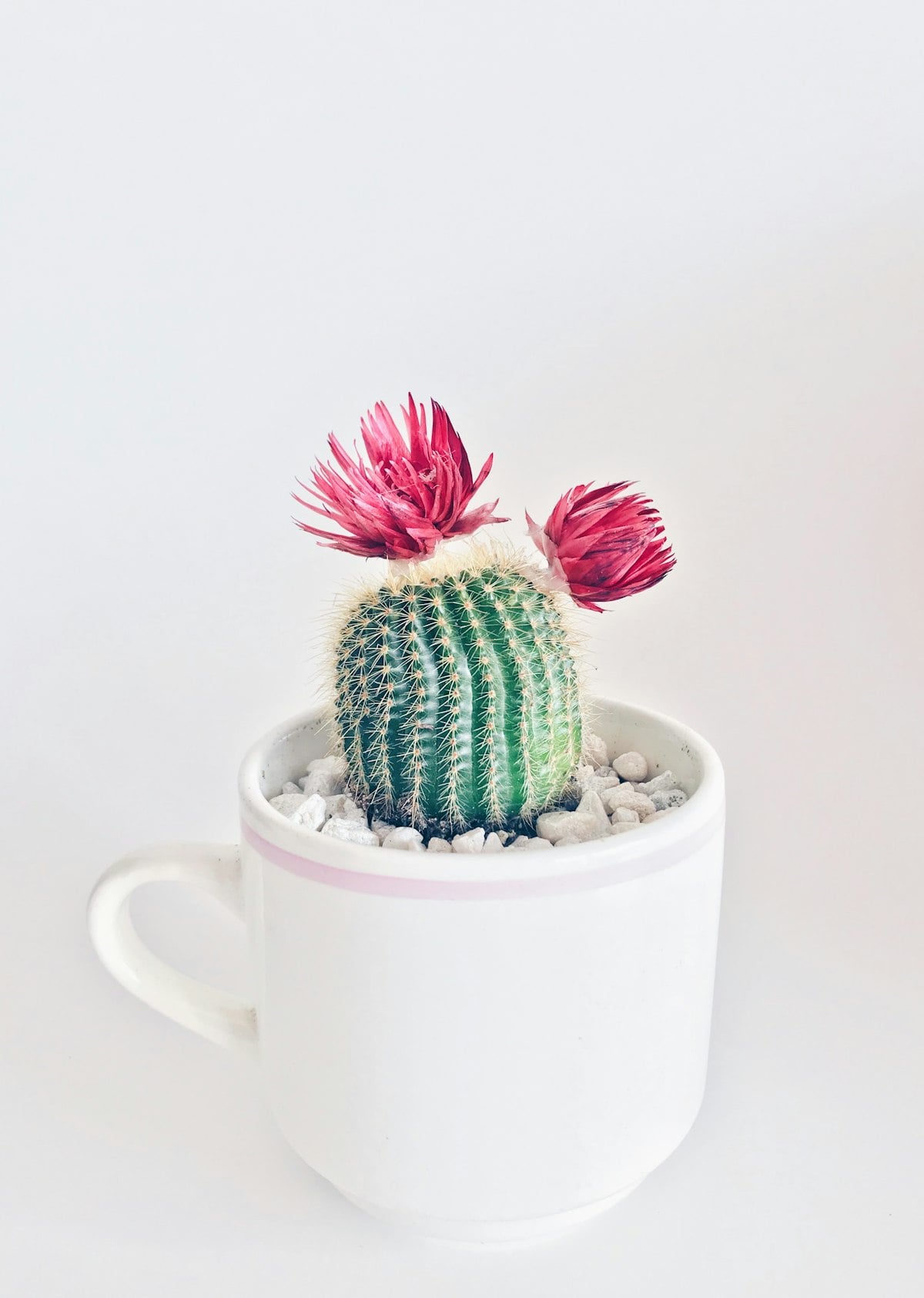
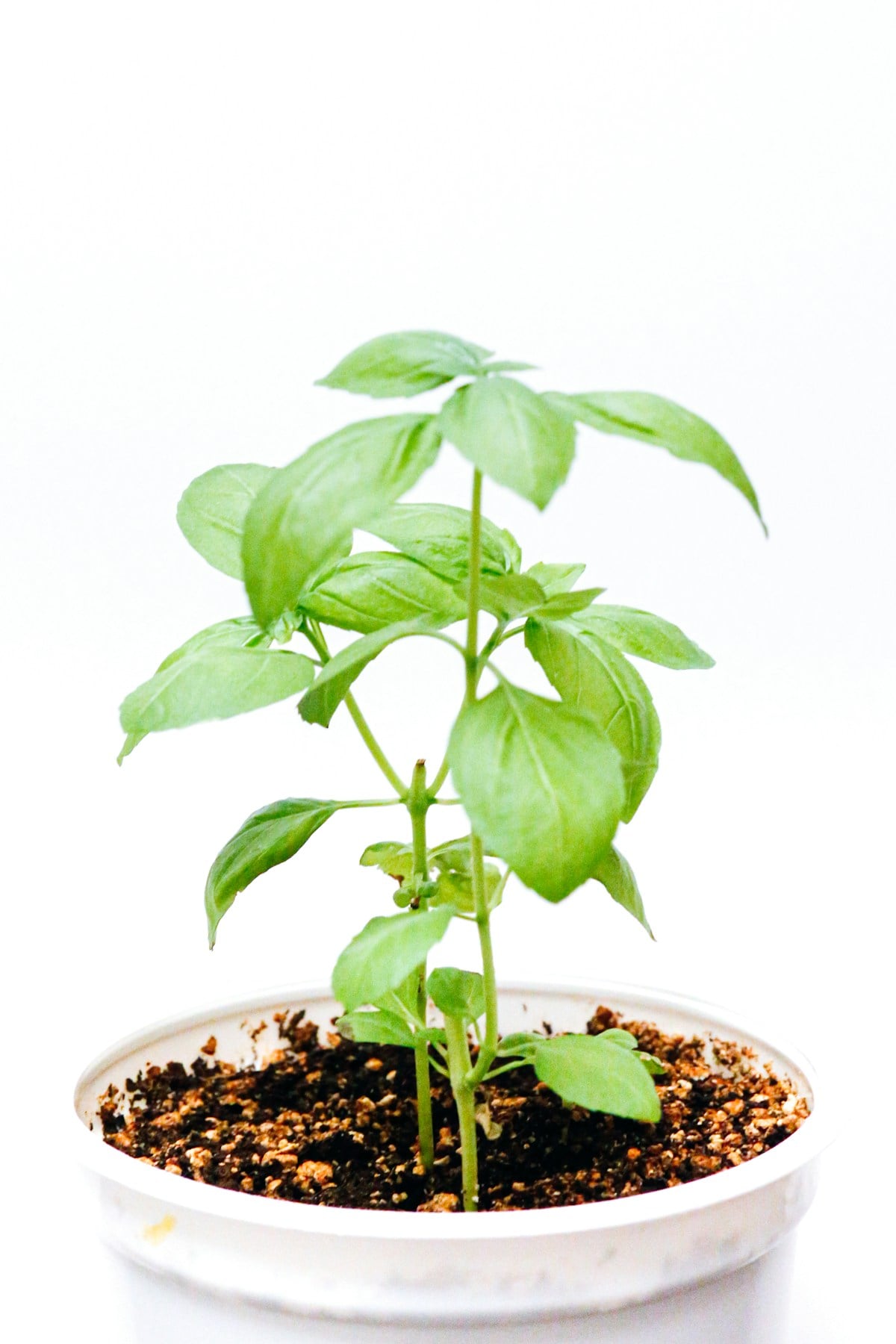
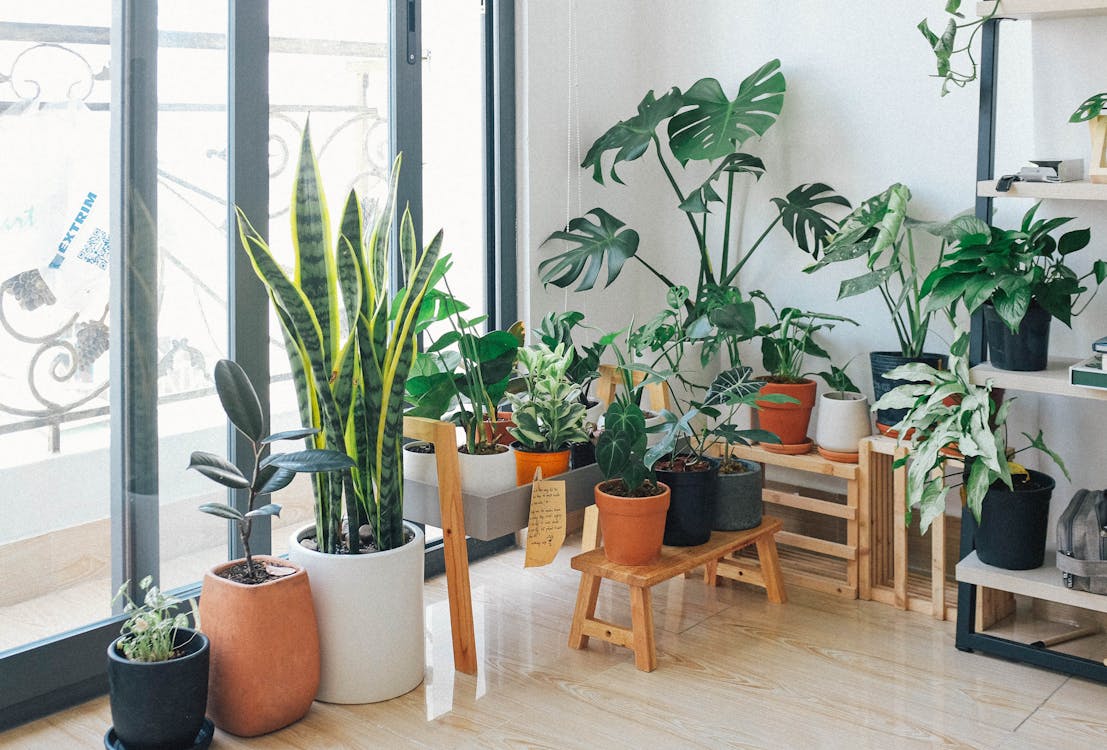
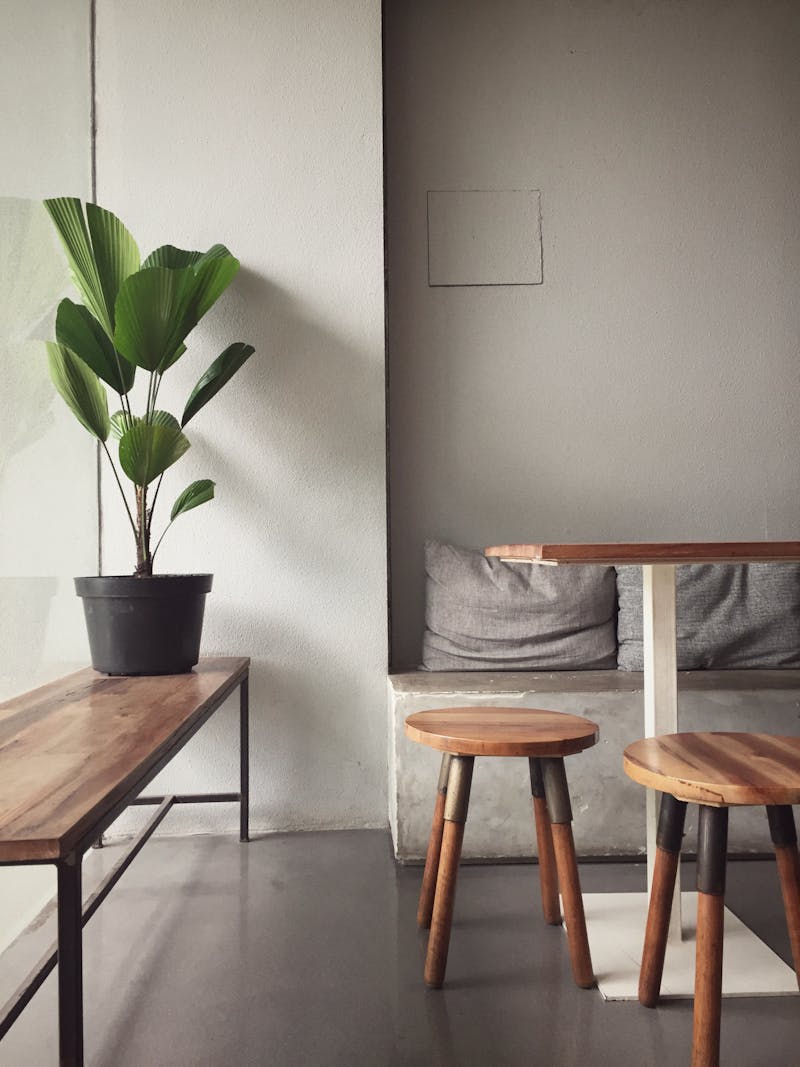
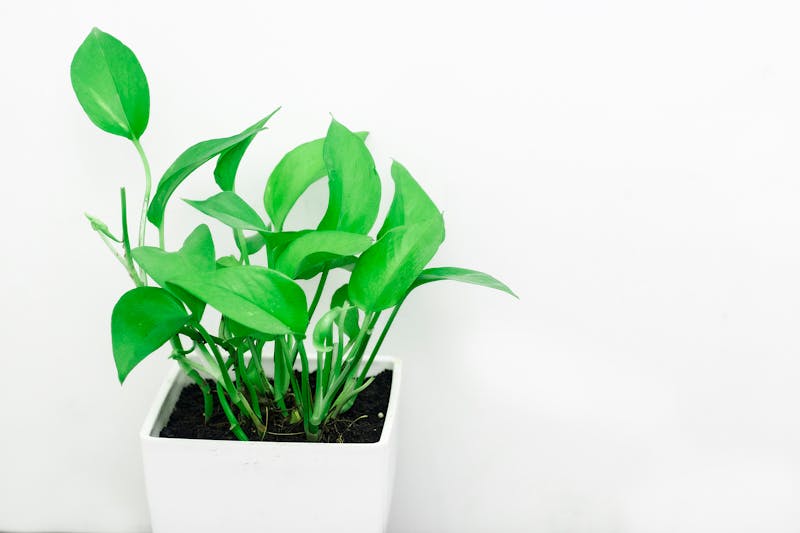
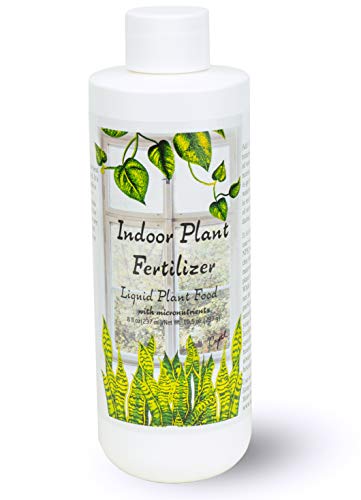
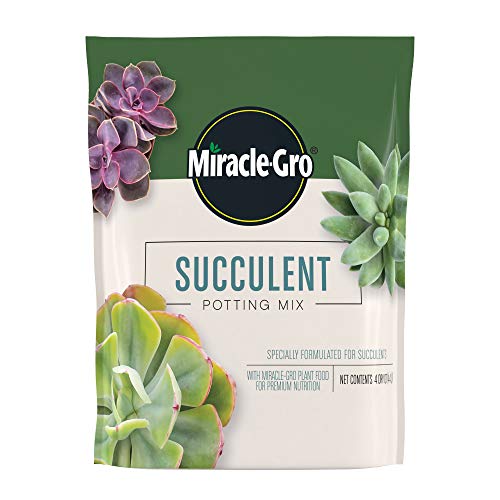
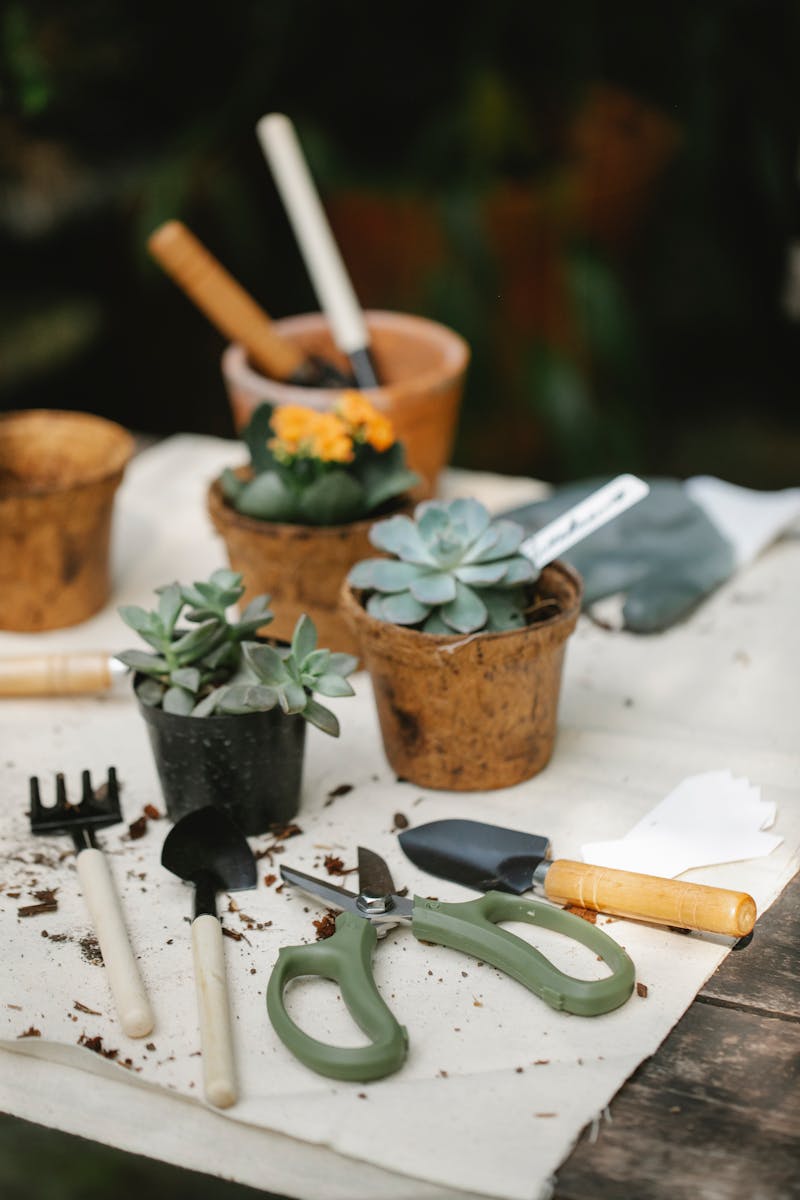
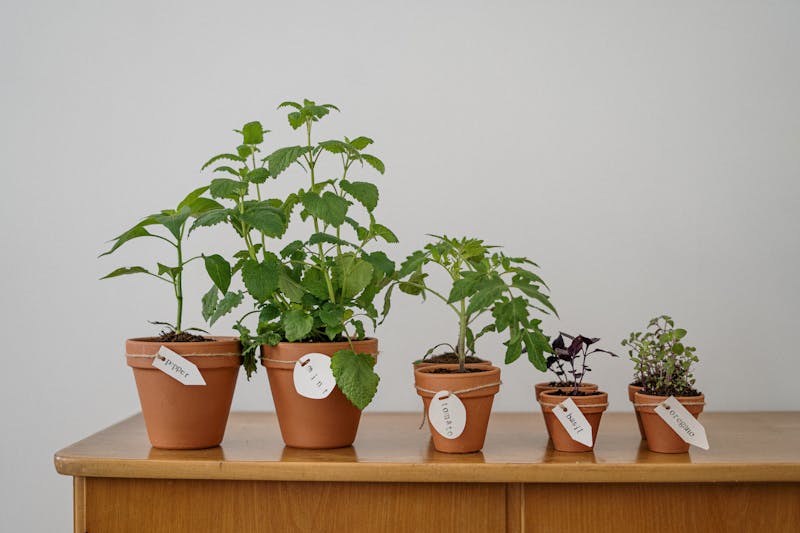


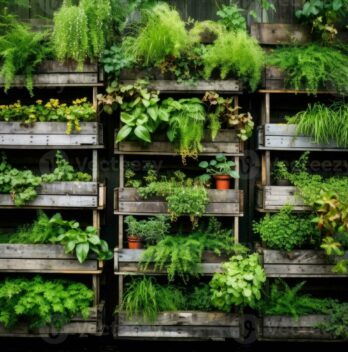
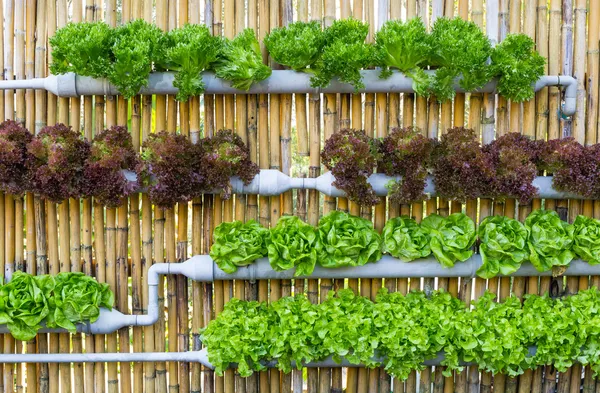


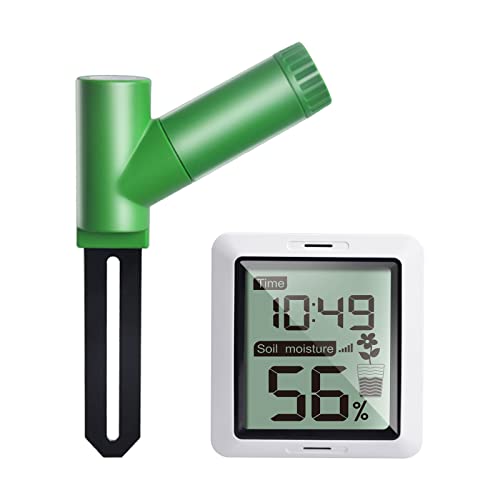
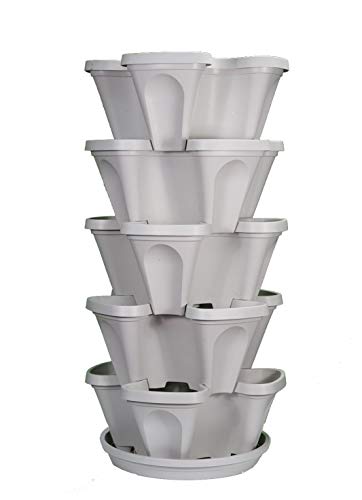
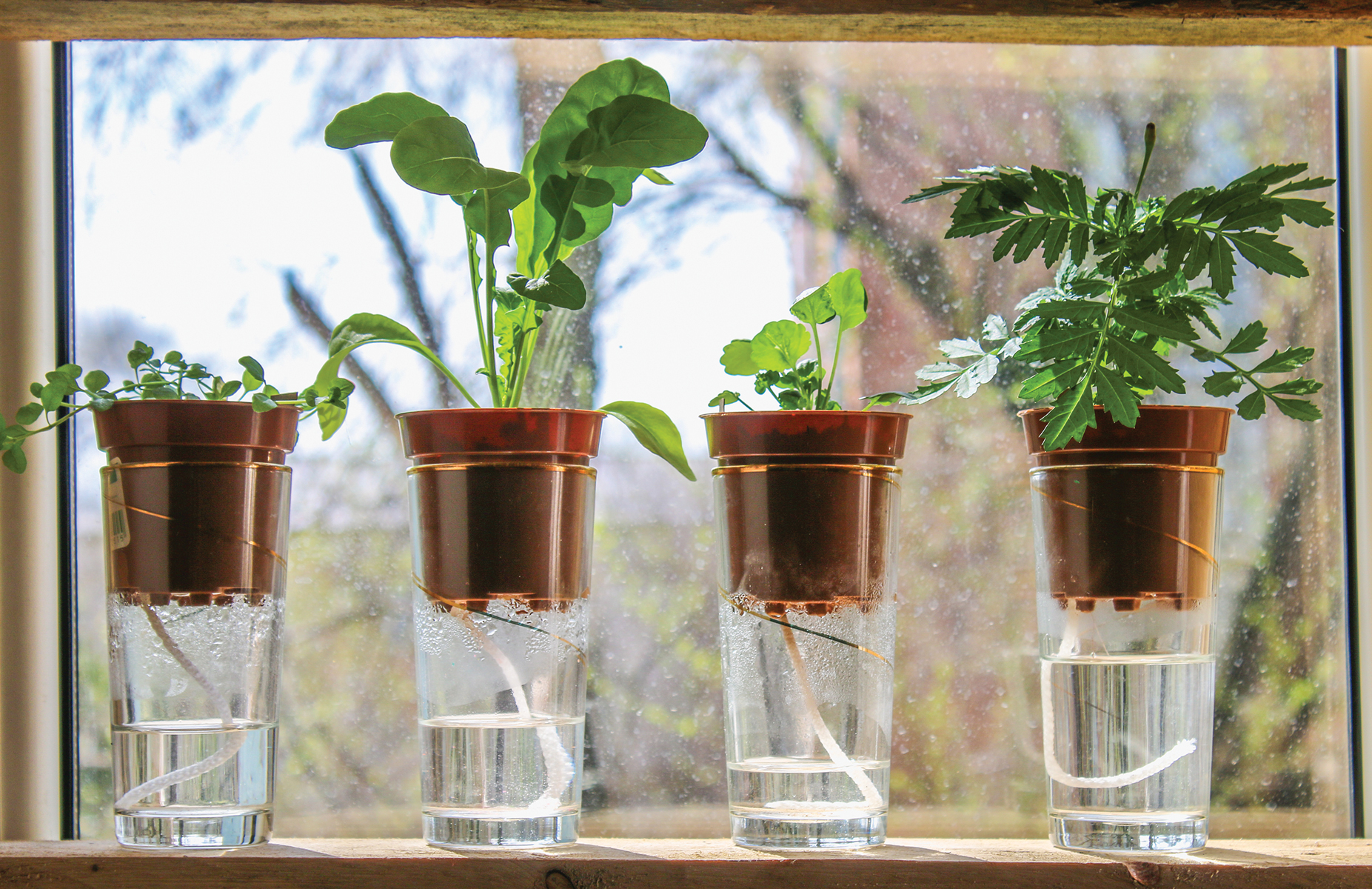


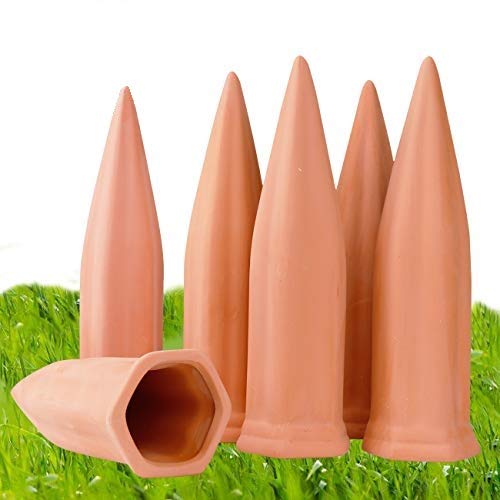
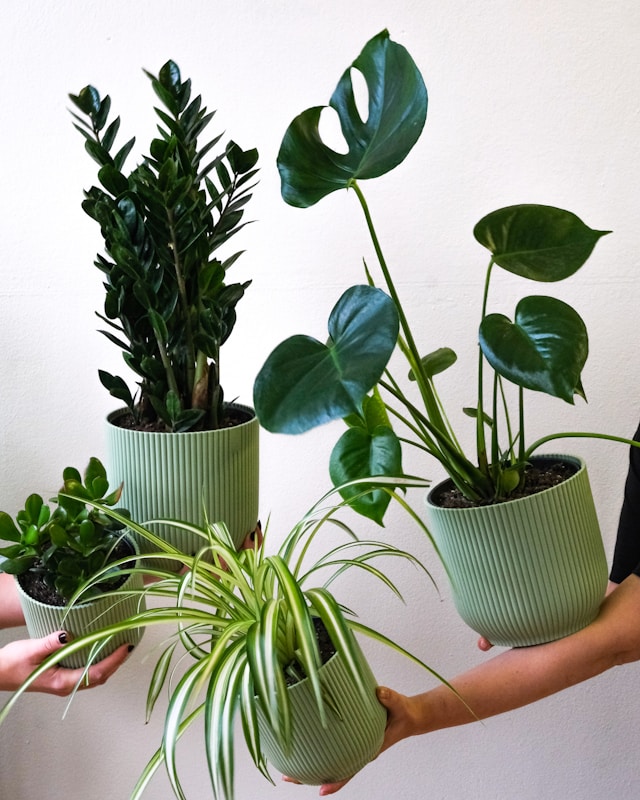

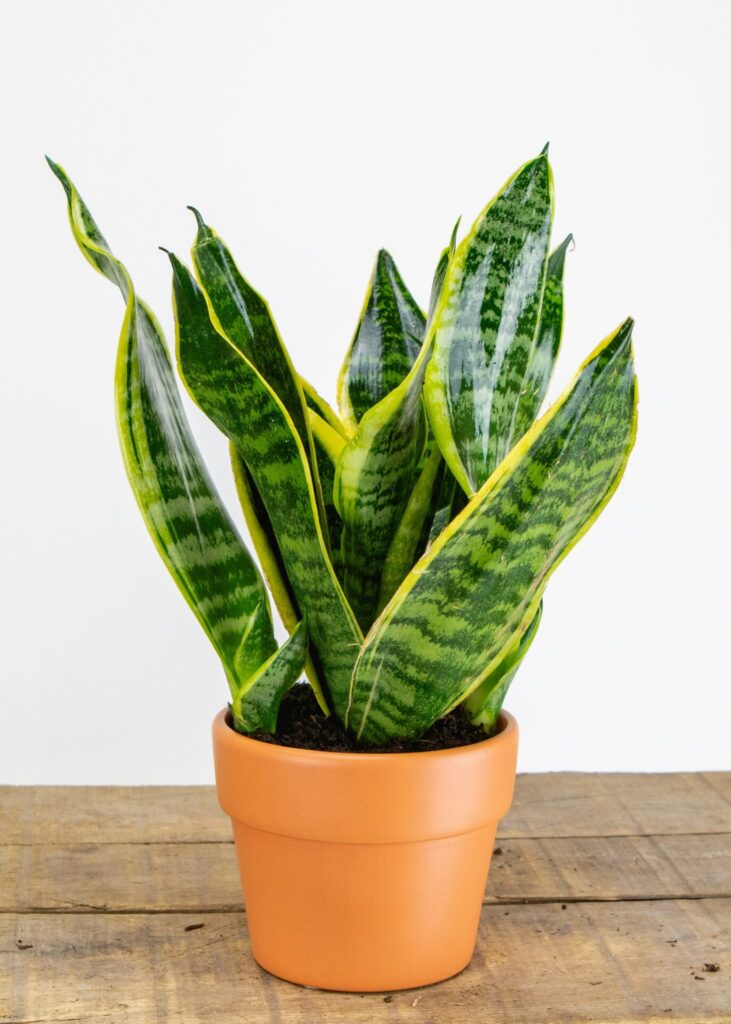
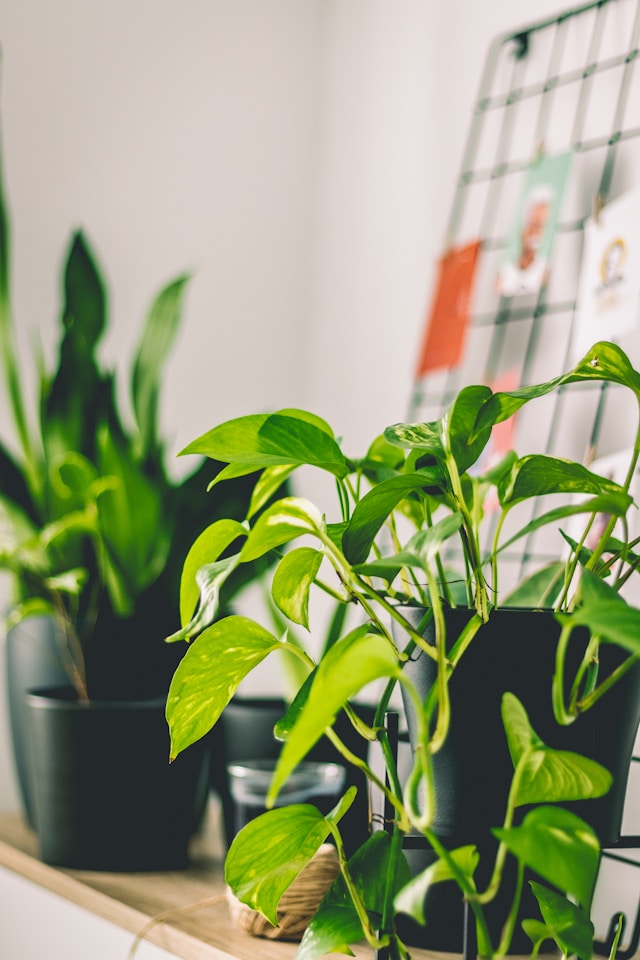
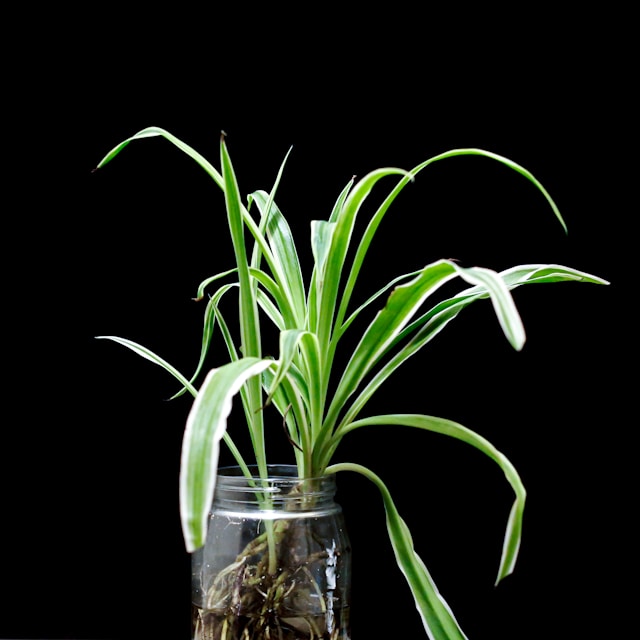
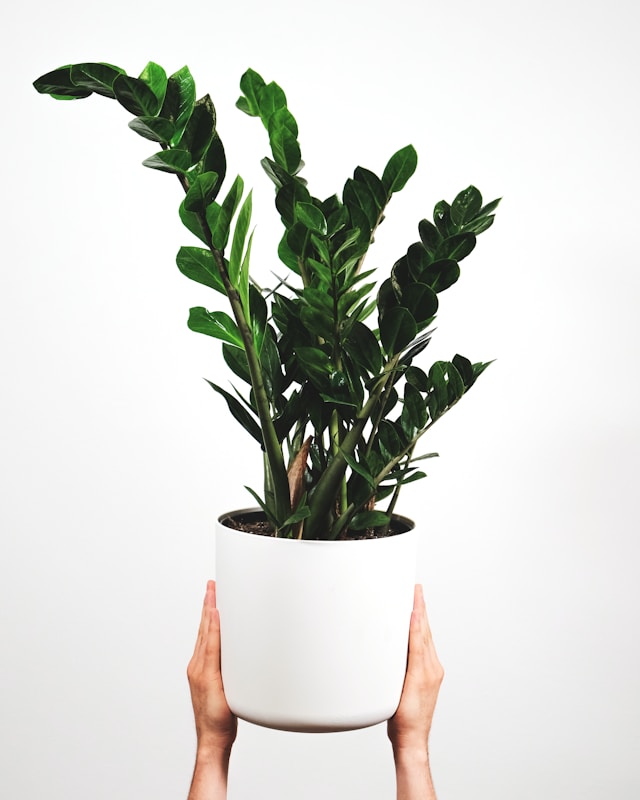
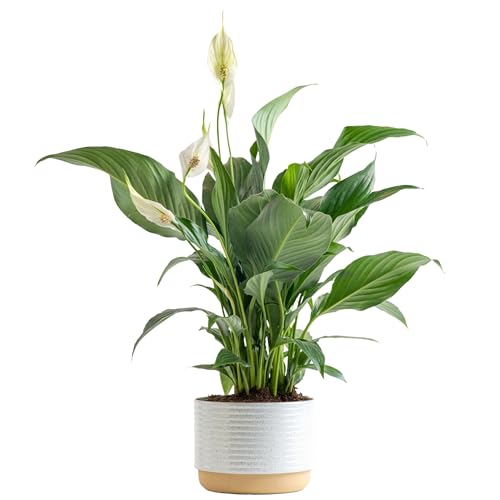

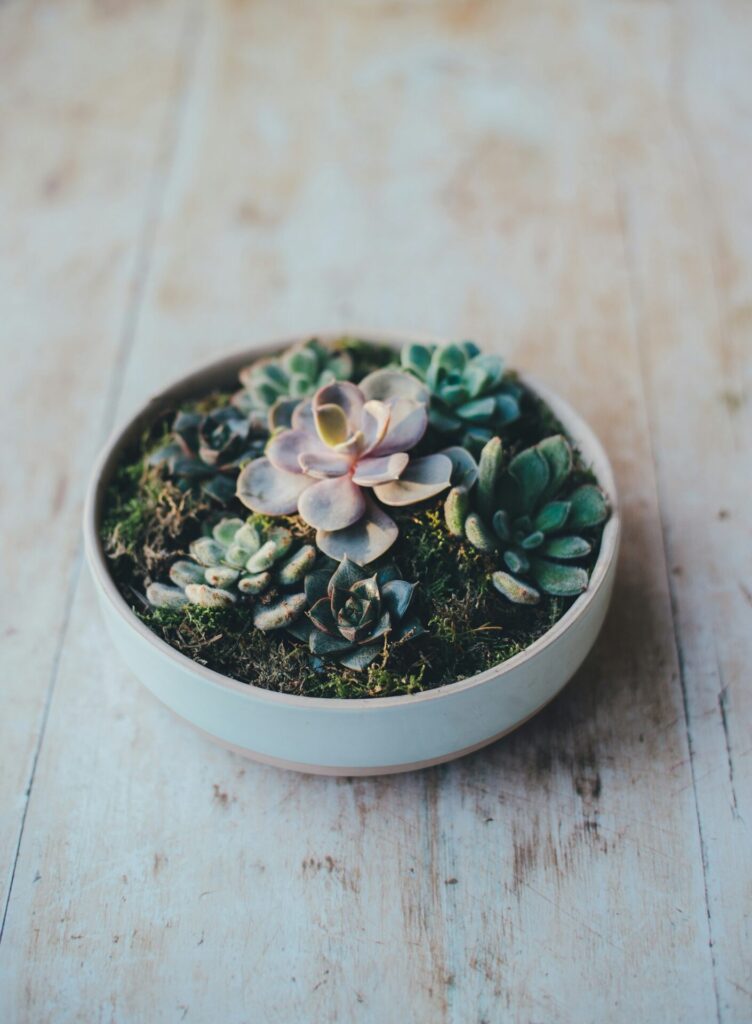
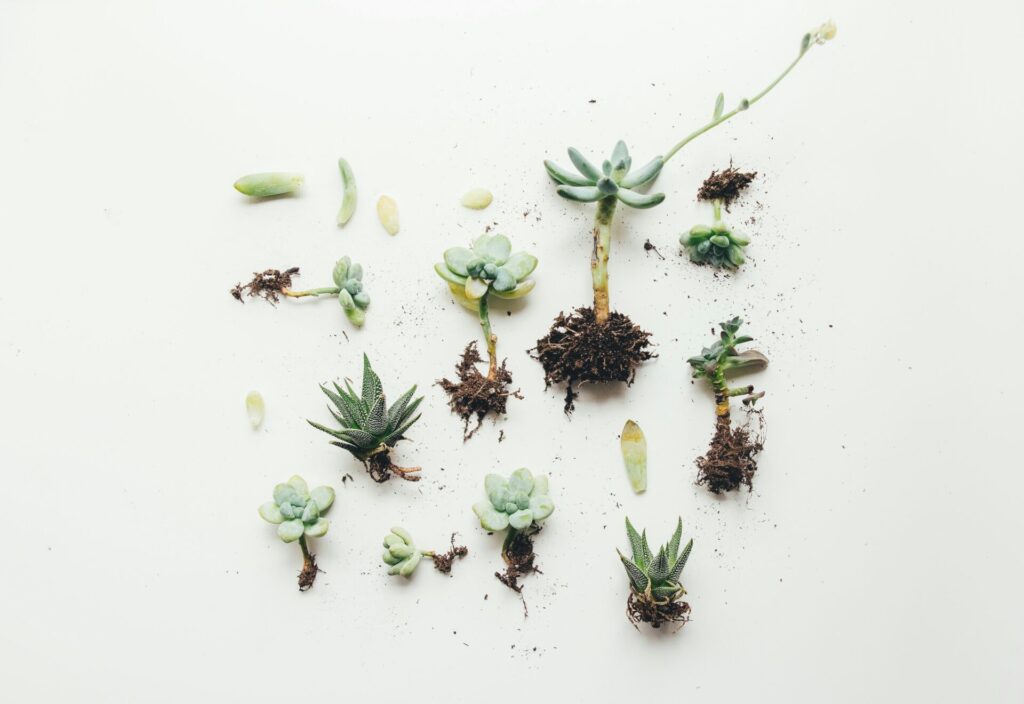


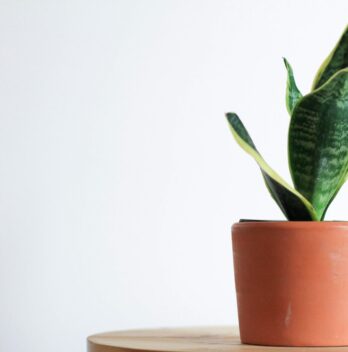

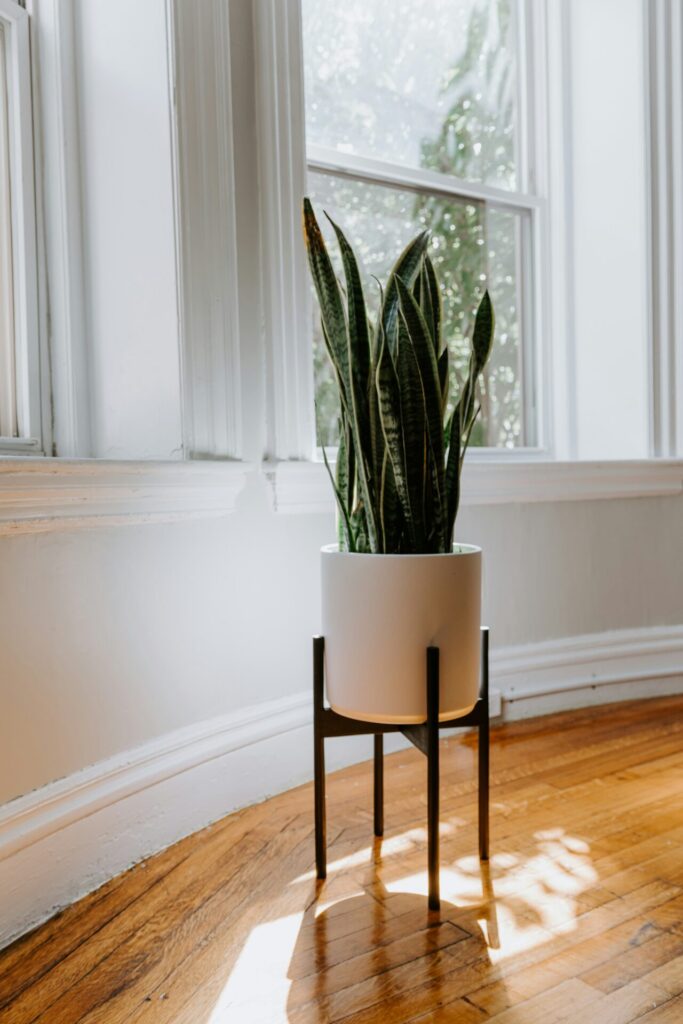

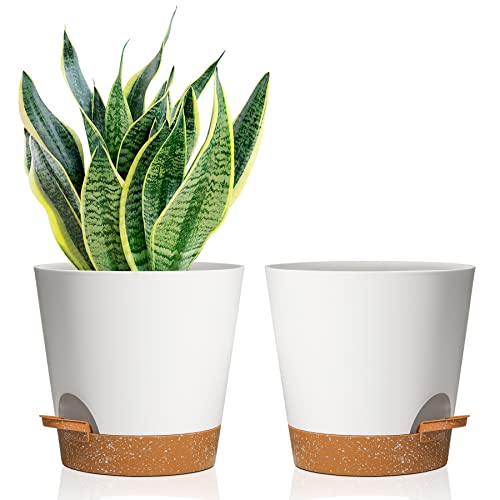
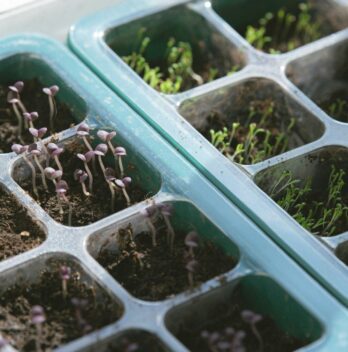

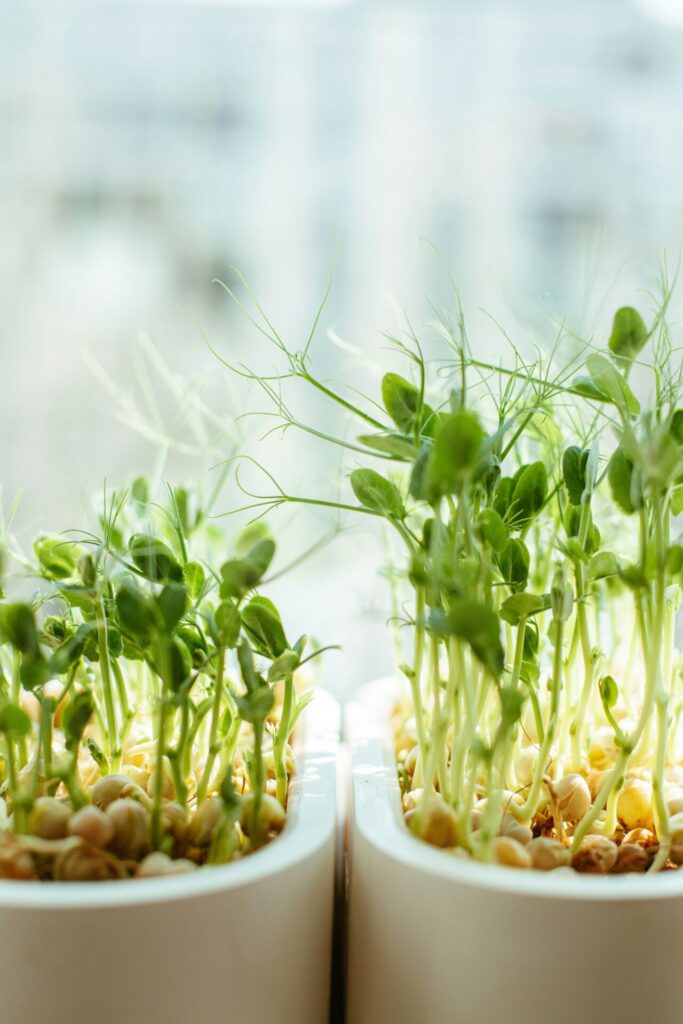
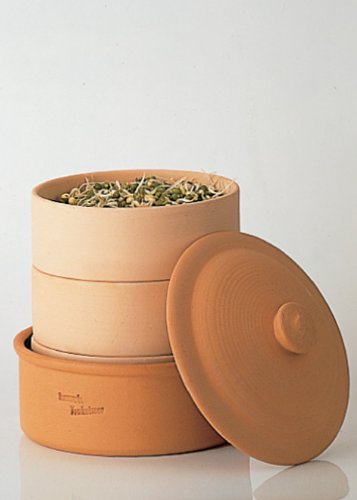


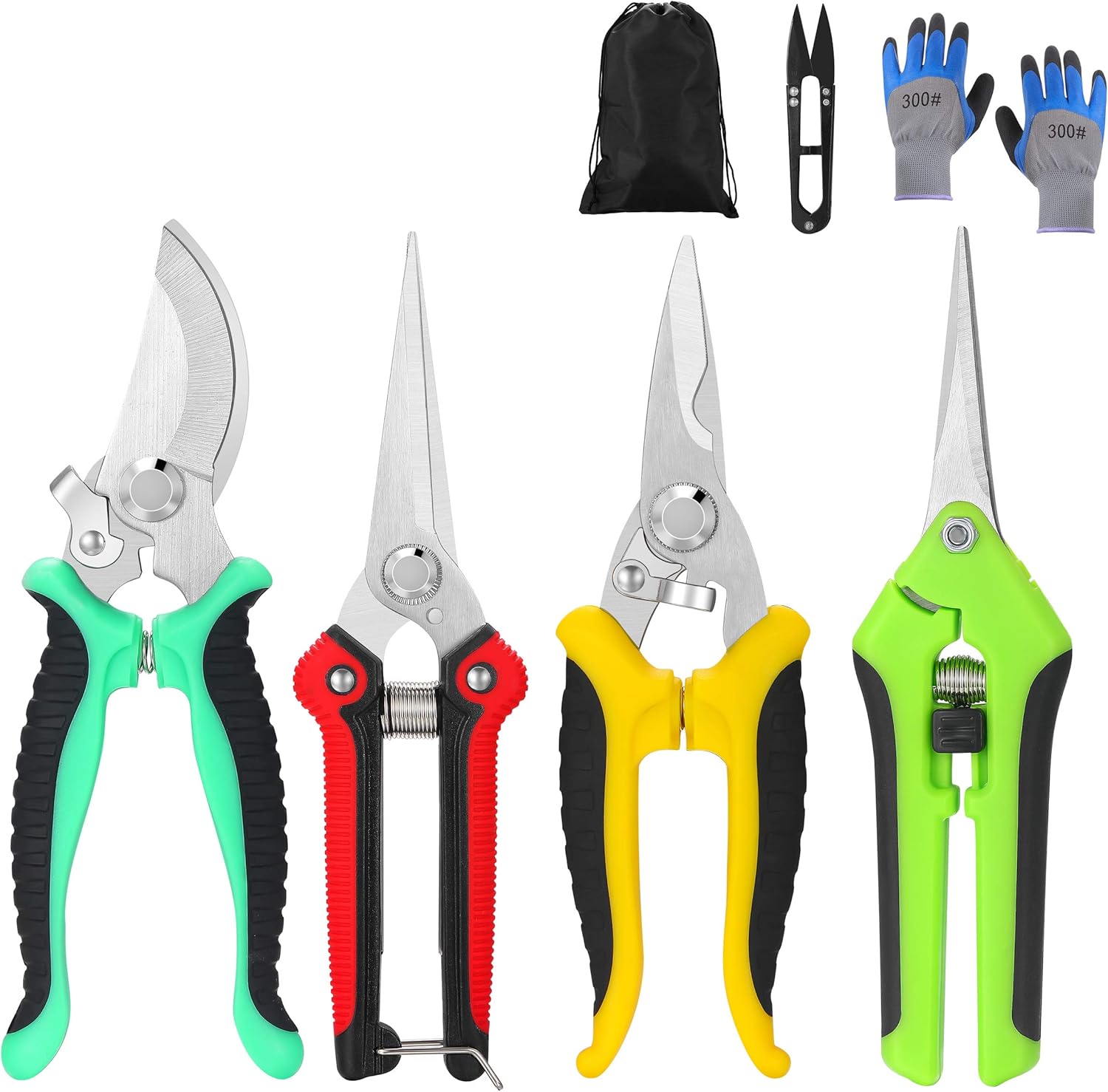

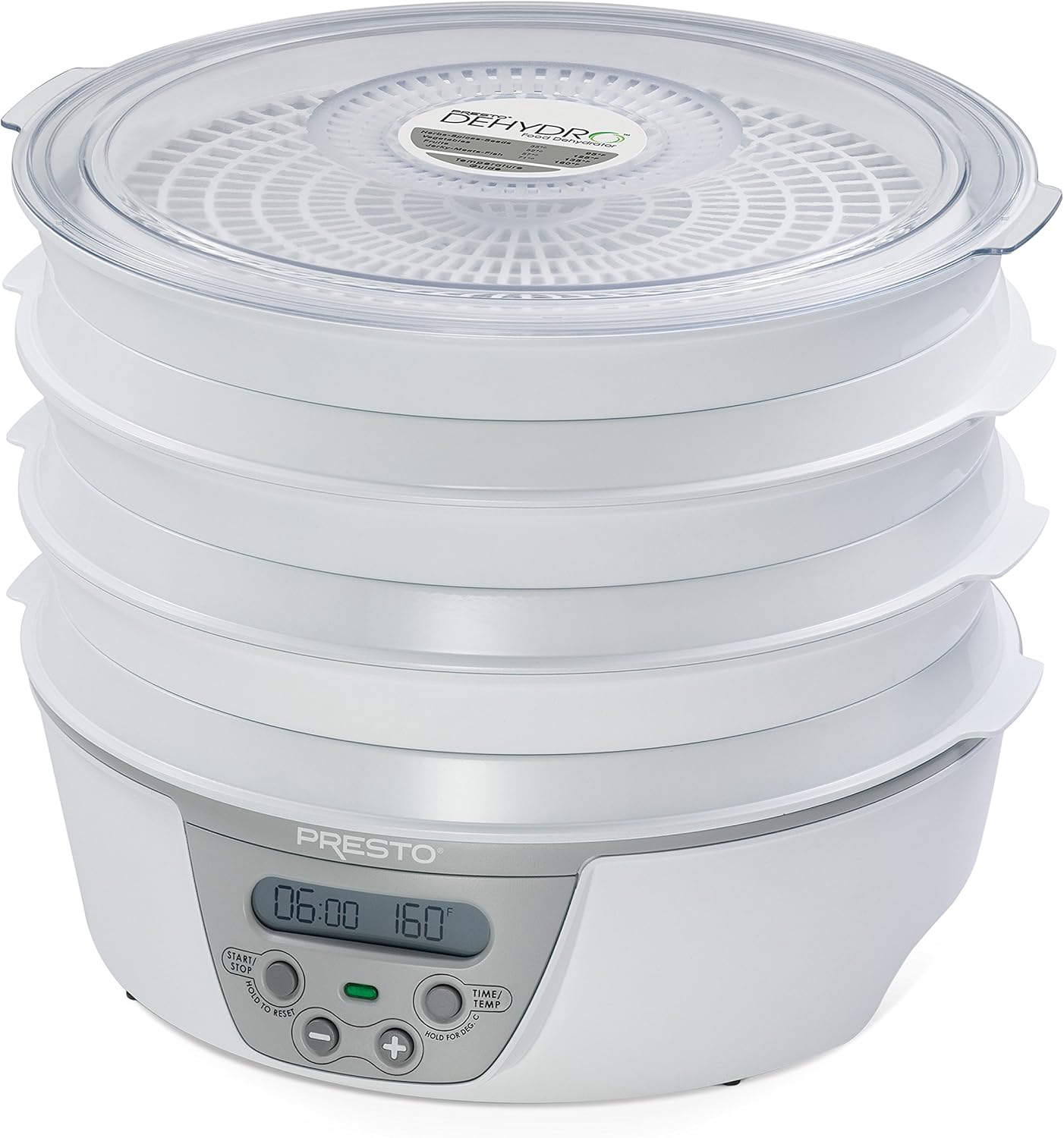


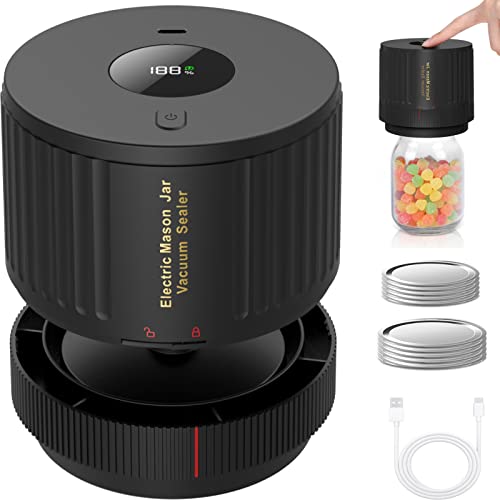

![How to Harvest Thyme Without Killing the Plant [Best Tips]](https://growertoday.com/wp-content/uploads/2023/04/Copia-de-Template-featured-image-7.jpg "How to Harvest Thyme Without Killing the Plant [Best Tips] 69")