October marks a transition in the gardening calendar, as cooler temperatures and shorter days signal the beginning of the fall and winter growing seasons. While it might seem like the growing season is winding down, there’s plenty of potential to keep your garden productive through the colder months. In fact, some vegetables thrive in the cool temperatures of autumn, developing even better flavor than when grown in the heat of summer.
If you want to make the most of your garden space in October, this guide will help you choose the best vegetables to plant during this season. Whether you’re starting from seed or transplanting, here are some of the top vegetables to grow in October.
Why Grow Vegetables in October?
Growing vegetables in October has several advantages:
- Cool temperatures: Many vegetables, especially leafy greens and root crops, grow better in cool weather. Heat can cause some crops, like lettuce and spinach, to bolt (go to seed), but cooler weather encourages steady, healthy growth.
- Improved flavor: Certain vegetables, such as kale and carrots, develop sweeter and more intense flavors after exposure to light frosts.
- Extended harvests: By growing cold-tolerant crops, you can extend your harvest season well into winter, ensuring a fresh supply of vegetables even when the weather turns chilly.
What to Consider When Planting in October
Before you start planting, it’s essential to consider a few key factors:
- First Frost Date: Depending on your location, the first frost date can vary. Knowing when your region typically experiences its first frost will help you choose the right vegetables and planting schedule. Cool-weather crops can tolerate light frosts, but giving them enough time to mature before hard freezes set in is essential.
- Growing Method: If you’re planting directly in the ground, in raised beds, or in containers, choose vegetables suitable for your setup. If you have a greenhouse or use row covers, you can extend your growing season even further.
Now, let’s dive into the best vegetables to grow in October.
1. Garlic
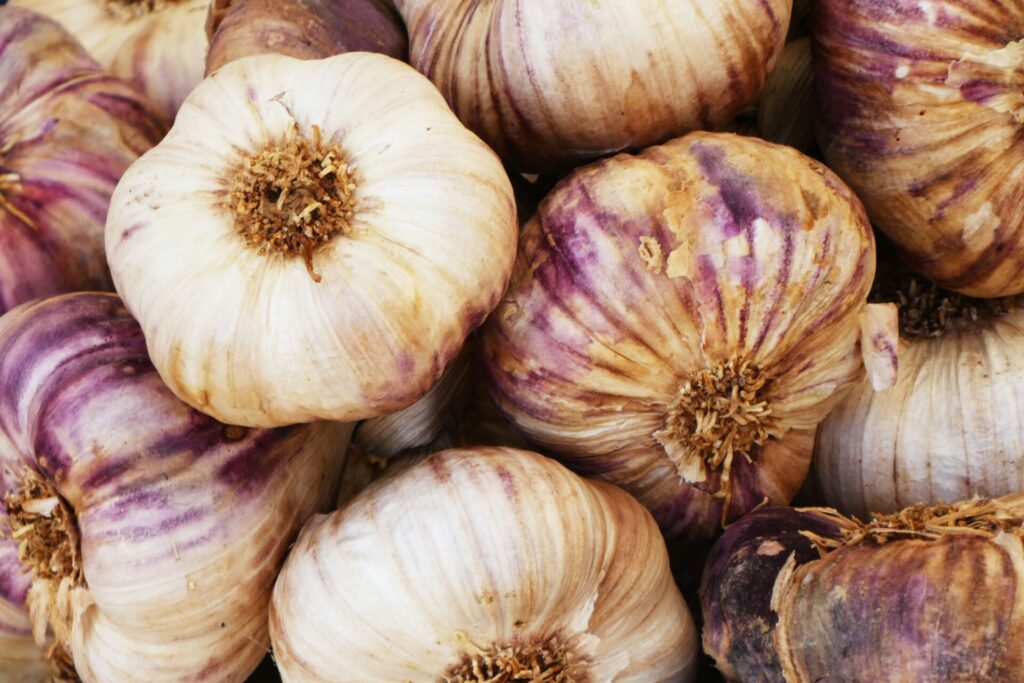
Garlic is one of the most popular crops to plant in October. This hardy vegetable is planted in the fall and harvested the following summer.
- Why plant in October? Garlic requires a cold period (vernalization) to develop properly, making autumn the perfect time for planting. The cloves will establish roots during the winter, and then start growing more vigorously when spring arrives.
- How to plant: Separate the cloves from a garlic bulb and plant them about 2 inches deep and 4-6 inches apart, with the pointed end facing up. Cover them with a thick layer of mulch to protect them through the winter.
By the following summer, you’ll have large, flavorful garlic bulbs ready to harvest.
2. Kale
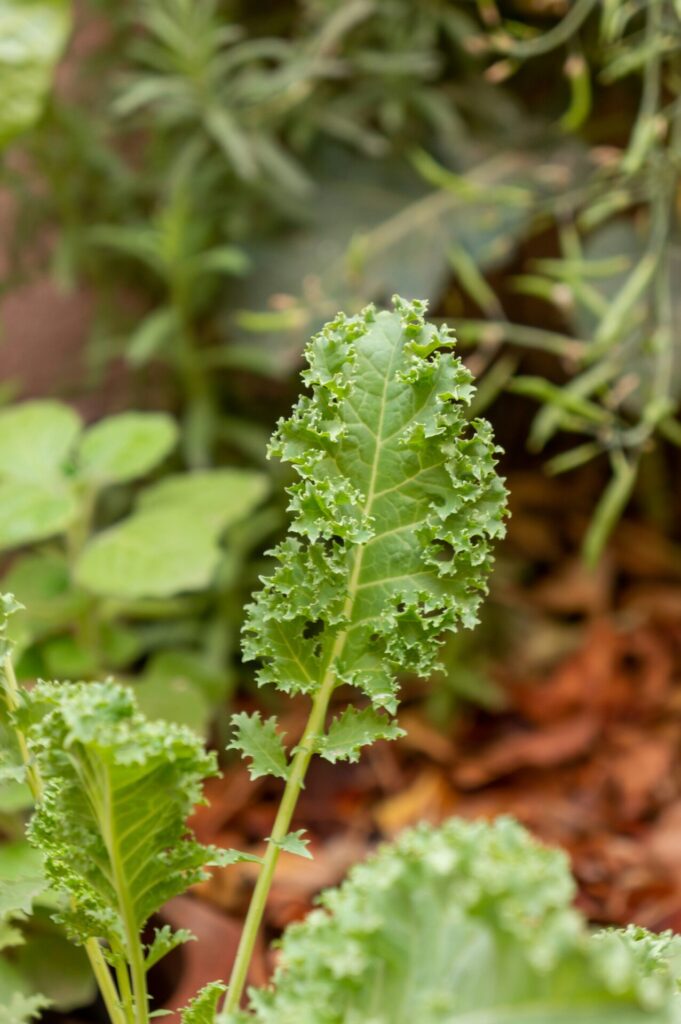
Kale is a cold-hardy, nutrient-rich green that actually thrives in cooler weather. In fact, a light frost can improve its flavor, making it sweeter and less bitter.
- Why plant in October? Kale is incredibly frost-tolerant and can continue to produce throughout the winter in many regions, especially with some protection like row covers.
- How to plant: Whether you start from seed or use transplants, space your plants 12-18 inches apart in well-drained
soil . Kale prefers full sun but can tolerate partial shade in cooler months.
Regular harvesting of the outer leaves will allow the plant to keep producing all season long.
3. Spinach
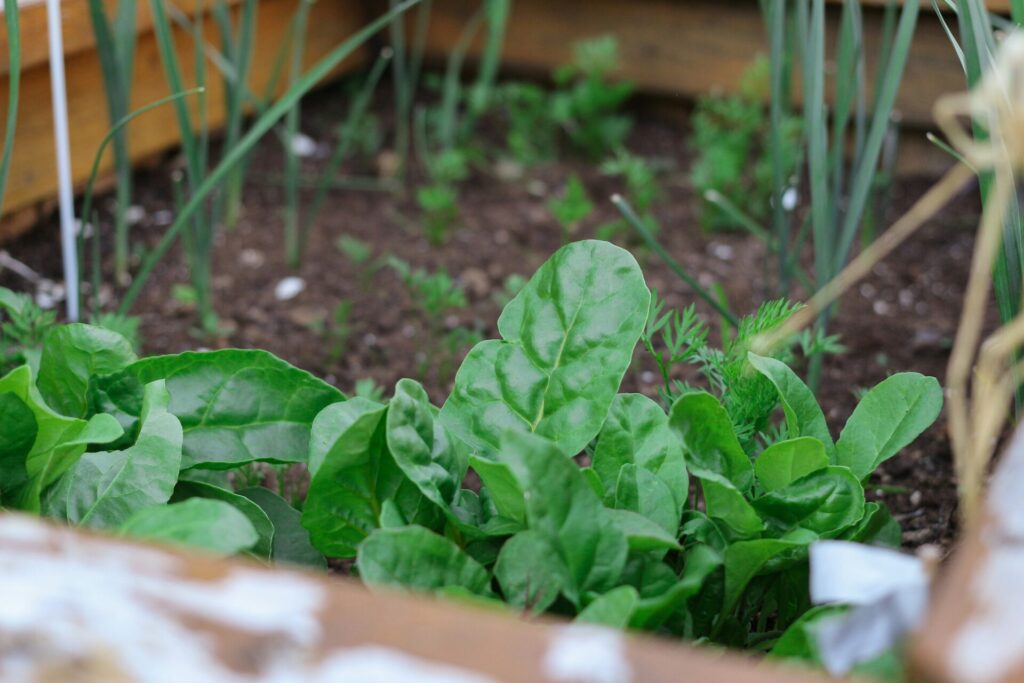
Spinach is another leafy green that loves cool weather. Like kale, spinach thrives in autumn, and its flavor improves with a bit of frost.
- Why plant in October? Spinach germinates well in cooler temperatures and grows quickly. By planting in October, you can enjoy fresh spinach in just a few weeks, and the plants will continue to grow as long as the temperatures stay mild.
- How to plant: Sow spinach seeds directly in the ground or containers, about 1/2 inch deep and 2 inches apart. Thin the seedlings as they grow to give each plant room to develop.
Spinach can be harvested as baby greens or left to mature for larger leaves. You can also cover it with a cold frame or cloche to extend the harvest into winter.
4. Carrots
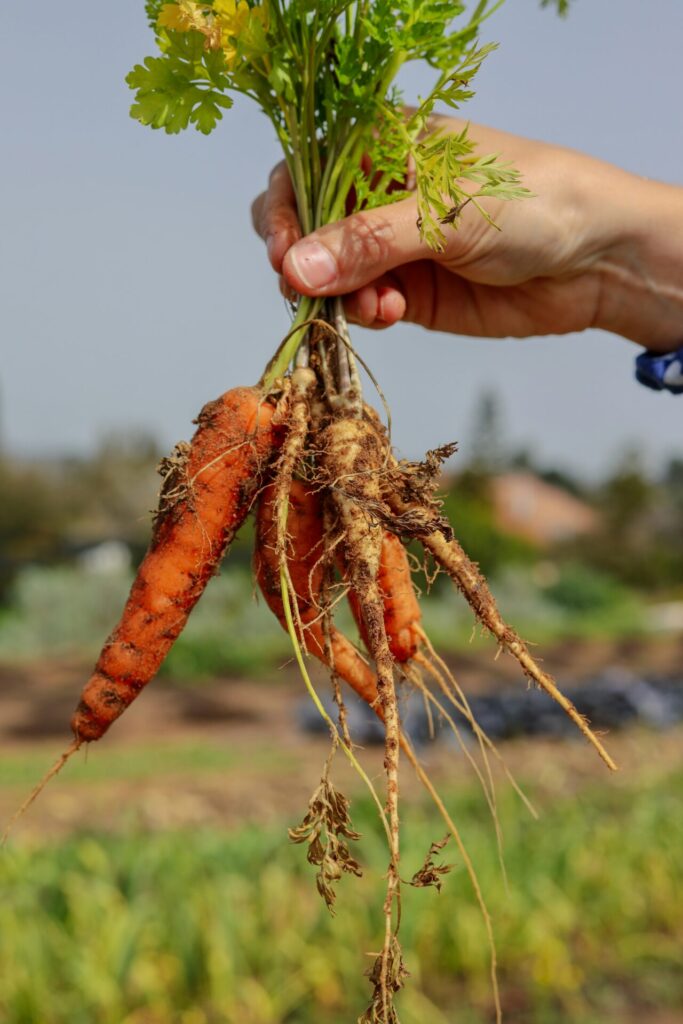
Carrots are a root vegetable that loves cool weather. In fact, cooler temperatures help them develop their sweet flavor, especially after exposure to frost.
- Why plant in October? Carrots planted in the fall can often overwinter in the ground in milder climates. Plus, they store well if harvested later, making them a great crop for fall planting.
- How to plant: Sow carrot seeds directly into the
soil in rows about 12 inches apart. Thin the seedlings once they reach about 2 inches tall, leaving about 3 inches between each plant.
Carrots grow best in loose, sandy soil, so make sure your
5. Radishes
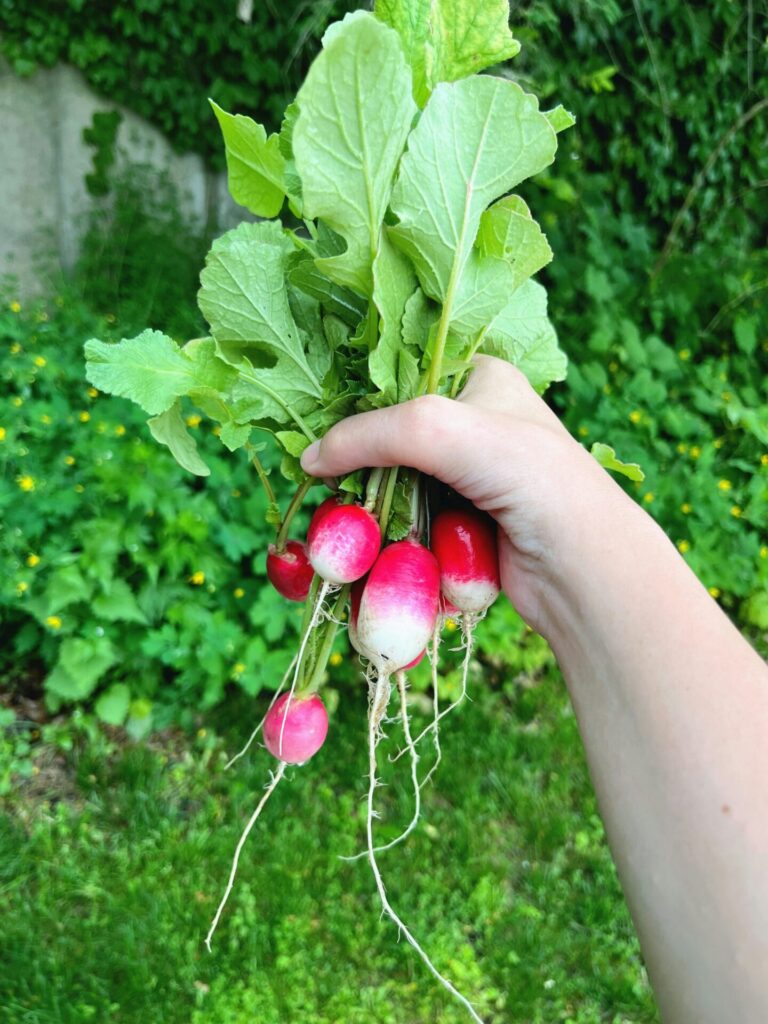
Radishes are one of the quickest-growing vegetables, and they love cool weather. They can be ready to harvest in as little as 3-4 weeks, making them an ideal fall crop.
- Why plant in October? Radishes are perfect for filling in gaps in your fall garden. Since they mature so quickly, you can plant them even late in the month and still enjoy a bountiful harvest.
- How to plant: Sow radish seeds directly into the ground or in containers, spacing them about 1 inch apart in rows. Keep the
soil consistently moist to ensure rapid growth.
Radishes are versatile and can be eaten raw, pickled, or roasted, making them a great addition to fall meals.
6. Lettuce
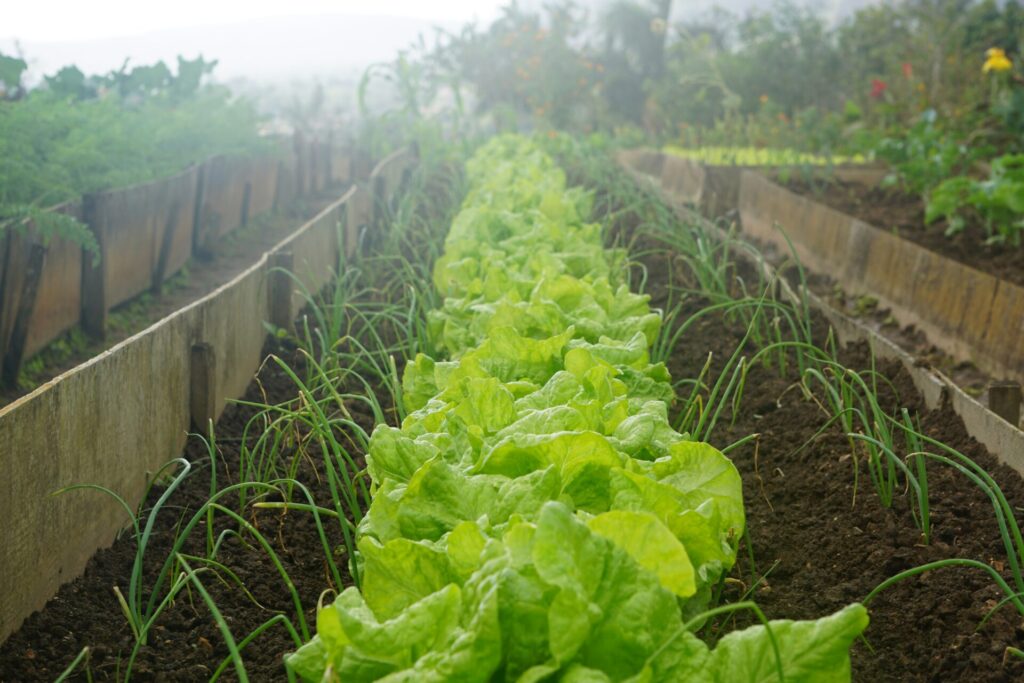
Lettuce is a staple in the fall garden. Many varieties are available, including loose-leaf, butterhead, and romaine, all of which do well in cooler temperatures.
- Why plant in October? Lettuce grows quickly and can be harvested in a few weeks. With the right protection, such as row covers or cold frames, it can grow even after frost.
- How to plant: Sow seeds directly into the
soil or transplant seedlings. For continuous harvests, plant a new batch every two weeks. Lettuce prefers moist, well-drainedsoil and partial shade during warmer autumn days.
Harvest individual leaves or whole heads, depending on your needs. Baby lettuce leaves are tender and perfect for salads, while mature heads provide larger leaves for wraps or sandwiches.
7. Onions (Sets)
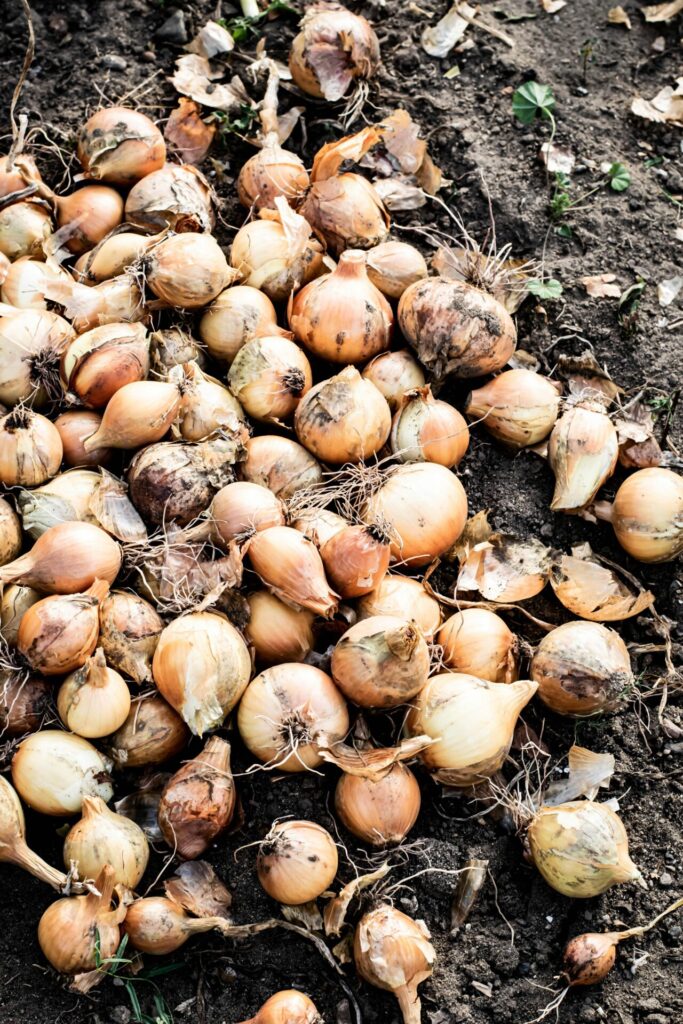
Onions are another excellent crop to plant in October, particularly if you’re planting sets (small onion bulbs). Onions planted in the fall will develop strong roots and grow quickly when spring arrives.
- Why plant in October? Onions benefit from the cooler temperatures in the fall, as they establish roots before going dormant over the winter. When spring comes, they resume growing and can be harvested early.
- How to plant: Plant onion sets about 1 inch deep and 4-6 inches apart. Make sure the pointed end is facing up, and cover with mulch for extra protection through the winter.
Onions can be harvested early as green onions or left to mature into full-sized bulbs.
8. Beets
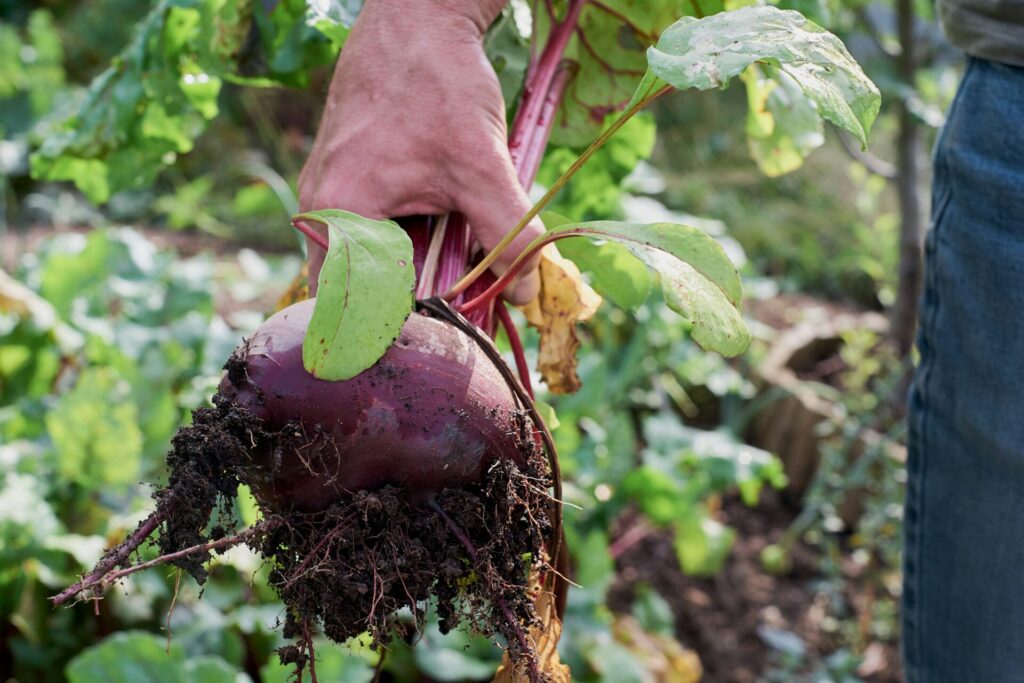
Beets are a versatile root vegetable that performs well in the cool temperatures of fall. The roots and the leafy greens are edible, making them a dual-purpose crop.
- Why plant in October? Beets tolerate light frosts and can continue growing through cooler weather. Planting in October allows them to develop during the fall, with potential for harvest before the ground freezes.
- How to plant: Sow beet seeds directly into the ground, spacing them about 2 inches apart. Beets prefer loose, well-drained
soil for even root development.
Harvest young beets for tender roots and greens, or let them mature for larger roots.
Conclusion
October is an excellent time to grow a variety of cool-weather vegetables. By planting hardy greens, root crops, and alliums, you can keep your garden productive well into the colder months. Whether you’re planting garlic to harvest next summer or growing quick crops like radishes and spinach for fall salads, there’s no shortage of options for your October garden. With the right care and attention, you’ll enjoy fresh, homegrown vegetables long after summer’s end.
🥬 Fall Vegetable Growing Supplies


