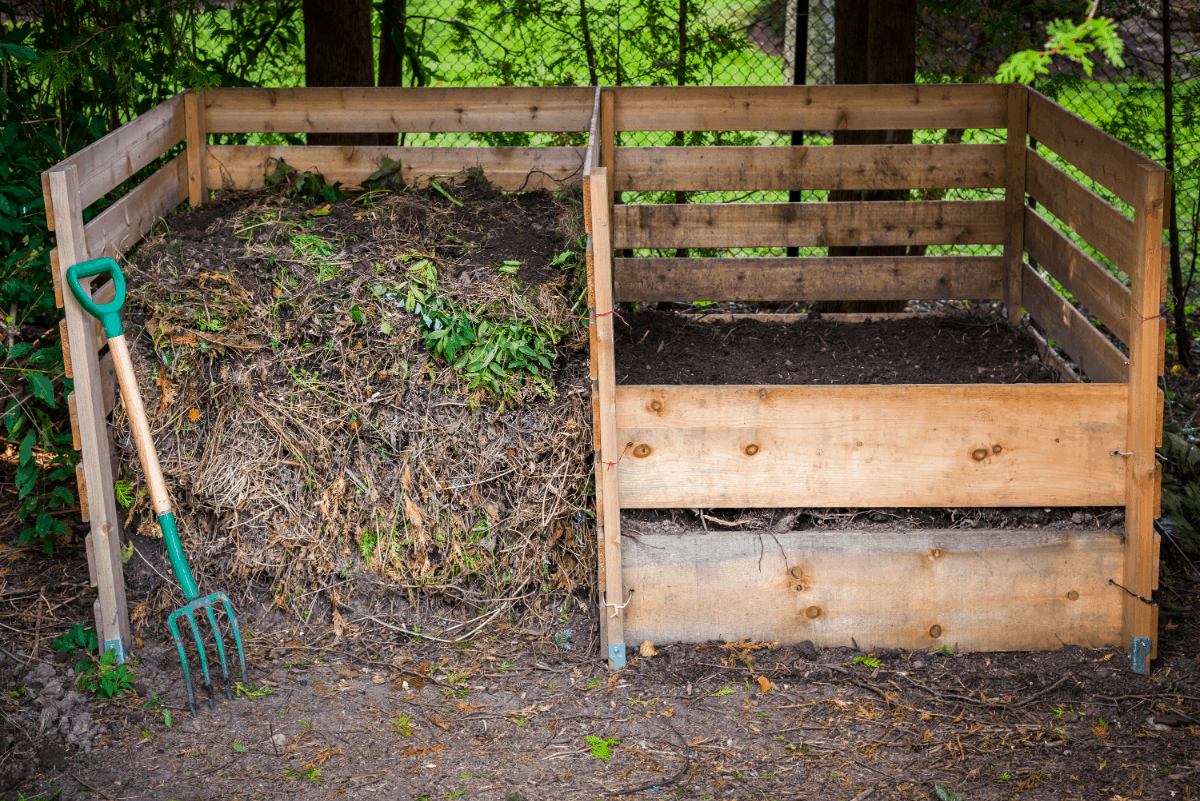
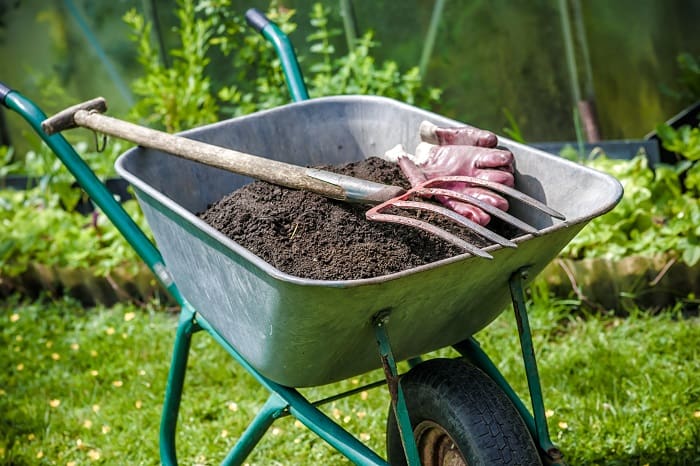
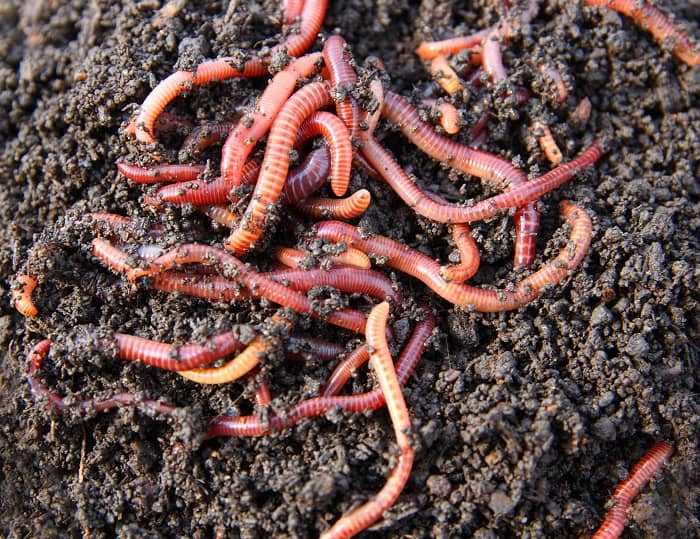
Composting turns kitchen scraps and yard waste into nutrient-rich organic matter that improves any garden. This natural recycling process creates free fertilizer while reducing waste sent to landfills. Our composting guides cover choosing compost bins or building piles, balancing green and brown materials, maintaining proper moisture and aeration, and troubleshooting common problems like odors or slow decomposition. Learn what to compost and what to avoid, how to speed up the process, and when compost is ready to use. From small-space worm composting to large backyard piles, discover techniques that fit your space and produce rich, dark compost for healthier plants.
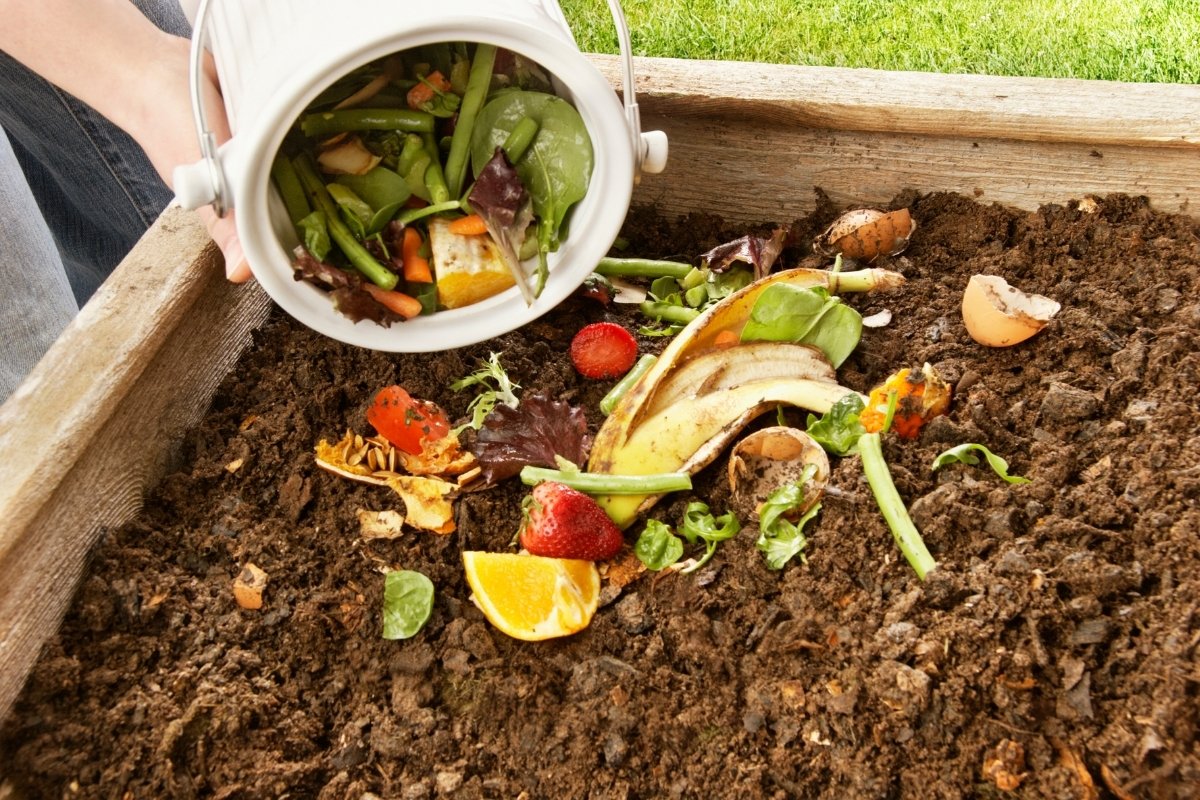
Composting transforms kitchen scraps and yard waste into garden gold. This natural process creates nutrient-rich soil amendment that improves soil structure, feeds beneficial organisms, and helps plants thrive. Here’s your complete guide to starting and maintaining a compost pile.
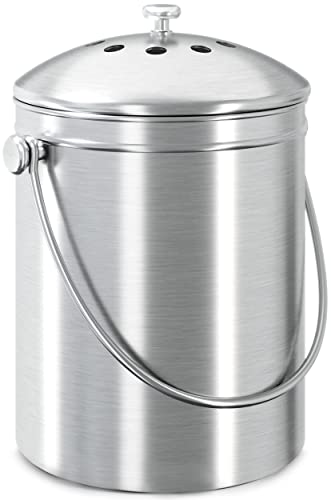
Chef’n 401-420-120 EcoCrock Counter Compost Bin Black and White 3.3 liter 1
Air – Aerobic bacteria need oxygen to work efficiently
Moisture – Pile should be damp like a wrung-out sponge
What to Compost
Greens (Nitrogen)
Fruit and vegetable scraps
Coffee grounds and tea bags
Fresh grass clippings
Plant trimmings
Eggshells (technically neutral, but fine)
Browns (Carbon)
Dried leaves
Straw or hay
Cardboard (shredded)
Paper (not glossy)
Wood chips or sawdust
Dryer lint (from natural fibers)
What NOT to Compost
Meat, fish, and bones (attract pests)
Dairy products (attract pests, smell bad)
Oils and fats
Diseased plants
Weeds with seeds
Pet waste (contains pathogens)
Treated wood
Composting Methods
Basic Pile
Simply pile materials in a corner of your yard. Free but slow and can look messy. Works best with lots of brown materials.
Enclosed Bins
Contain the pile and look neater. Many styles from DIY pallets to commercial tumblers. Good for suburban yards.
Tumbling Composters
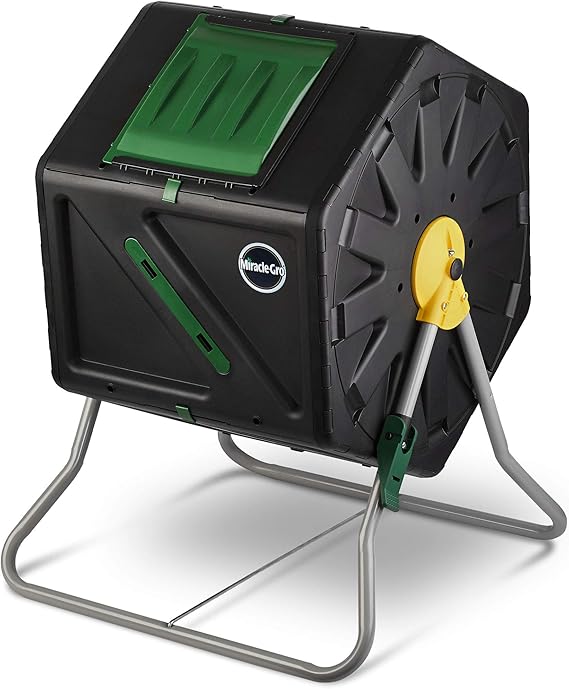
Enclosed drums that spin for easy turning. Produce finished compost faster than static piles. Good for small spaces.
Worm Composting (Vermicomposting)
Red wiggler worms process food scraps into ultra-rich castings. Perfect for apartments and indoor composting. Requires more management but produces premium compost.
Maintaining Your Compost
Turning
Mixing adds oxygen and speeds decomposition. Turn every 1-2 weeks for fastest results, or let it sit and compost slowly.
Moisture
Keep the pile moist but not soggy. Add water during dry spells; add browns if it gets too wet.
Balance
Aim for roughly 3:1 browns to greens by volume. Too many greens creates odor; too many browns slows decomposition.
Troubleshooting
Smells bad: Too wet or too many greens – add browns and turn
Not decomposing: Too dry or too many browns – add water and greens
Pests: Bury food scraps deep, avoid meat and dairy
As an Amazon Associate, we earn from qualifying purchases.
Conclusion
Composting is easier than most people think. Start simple with a basic pile or bin, learn as you go, and soon you’ll be producing black gold for your raised bed gardens and container gardens.
♻️ Composting Essentials
Chef’n 401-420-120 EcoCrock Counter Compost Bin Black and White 3.3 liter 1
Finding the perfect gift for the gardener in your life can be a delightful challenge whether they’re seasoned gardeners or just starting with their first potted plant. Here are the top 10 best gifts for gardeners in 2024. Gardeners appreciate tools and accessories that enhance their outdoor spaces or make their gardening experience more enjoyable.
In 2024, eco-friendly materials, modern gadgets, and thoughtful touches are trending, ensuring there’s something for every type of green thumb.
I enjoy new tools to make gardening easier on my knees; easy garden improvements and time savers are accepted as garden gifts from my family.
Here’s our carefully curated list of the top 10 best gifts for gardeners in 2024:
1. Self-Watering Planters
Are you frequently traveling and tired of harassing neighbors and friends to look after your plants while you are away? Busy schedules can also make gardening tricky, especially keeping your plants hydrated. Self-watering planters solve this problem by allowing plants to absorb water as needed, reducing the risk of over- or under-watering.
Why it’s a great gift: It is ideal for beginners and experienced gardeners who want to keep their plants healthy without constant attention.
Bonus: Many self-watering planters now come in eco-friendly materials and stylish designs, blending aesthetics with functionality.
Top Choice
Large Self Watering Pots for Indoor Outdoor Plants, Flower Plant Pots
We earn a commission if you make a purchase, at no additional cost to you.
03/12/2026 02:04 pm GMT
2. Gardening Tool Set
The right tool for the job is what they say. Every gardener needs reliable tools and a set that makes digging, pruning, and planting much more comfortable and enjoyable experience.
I test garden tools using gloves to ensure they feel and work correctly.
Why it’s a great gift: These sets often include items like trowels, weeders, and pruners, all designed to reduce hand and wrist strain.
Bonus: Look for sets made from durable, rust-resistant materials like stainless steel for long-lasting quality.
Gardening Tool Set For Women
9-Piece Gardening Hand Tool kit
$26.99
Included a Durable Garden Tools Organizer Handbag, Rust-Proof Garden Tool Set, Ideal Gardening Gi…
We earn a commission if you make a purchase, at no additional cost to you.
03/13/2026 11:02 am GMT
3. Composting Bin for Home Gardens
With sustainability being a growing concern, composting is an eco-friendly way to recycle kitchen scraps and yard waste into nutrient-rich soil. Composting is ideal for gardeners who want to enhance their garden and soil.
Special composting bins ensure that the compost breaks down correctly, has air circulation, and, most importantly, is odor-free to keep other family members and neighbors happy.
Why it’s a great gift: Compost bins make it easy for gardeners to reduce waste and nourish their plants with organic compost.
Bonus: Many 2024 models are compact and odor-free, with features like aeration systems to speed up the composting process.
We earn a commission if you make a purchase, at no additional cost to you.
03/12/2026 07:03 pm GMT
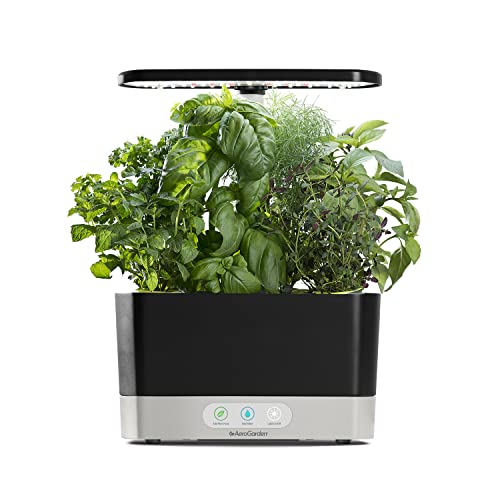
4. Indoor Hydroponic Garden Kit
An indoor hydroponic garden kit is a fantastic choice for gardeners who love growing herbs and veggies year-round. These kits allow plants to grow without soil, using nutrient-rich water instead.
Why it’s a great gift: They’re perfect for gardeners who live in colder climates or who want to grow fresh produce indoors.
Bonus: Many kits come with LED grow lights, ensuring plants thrive regardless of outdoor weather conditions.
Hydroponic Herb Seed Grow Kit
$108.75
AeroGarden Hydropnic Grow kit with Gourmet Herb Seed Pod Kit – Hydroponic Indoor Garden
We earn a commission if you make a purchase, at no additional cost to you.
03/12/2026 07:03 pm GMT
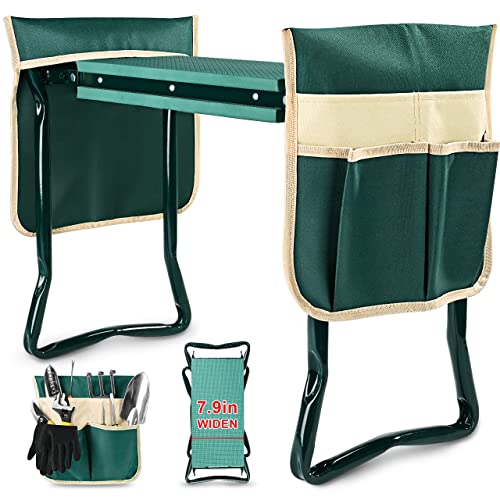
5. Gardening Kneeler and Seat
I cannot emphasize enough how much of a knee/back saver a kneeling pad or stool makes in the garden. I prefer kneeling pads, but this is just a preference.
Gardening often involves kneeling or bending over for long periods, which can be tough on the knees and back. A gardening kneeler or seat helps reduce discomfort while making gardening more enjoyable.
Why it’s a great gift: Gardners constantly bend down, and having a kneeling pad or stool is a game changer for your back and knees.
Bonus: Some kneelers also have stools built in for a combo kneeler/seat
Gardners Kneeling Pad
Best Seller
Extra Thick Kneeling Pad
$13.19
Gorilla Grip Supportive Soft Foam Cushioning for Knee, Water Resistant Construction for Gard…
We earn a commission if you make a purchase, at no additional cost to you.
03/12/2026 02:03 pm GMT
6. Solar-Powered Garden Lights
Solar-powered garden lights enhance the beauty of a garden and are also energy-efficient. They charge during the day and illuminate outdoor spaces at night. Our garden has both floor/table lights and lights in the garden, which change the entire ambience of our garden.
Why it’s a great gift: These lights add a magical touch to pathways, patios, and garden beds without complicated wiring or batteries.
Bonus: These lights are beautiful and sustainable With eco-friendly solar power, and many 2024 models come with color-changing or motion-sensing features.
Amazon Choice Selection
GIGALUMI Solar Lights Outdoor Waterproof, 6 Pack LED Solar Garden Lights, Outdoor Decorations, Garden Decor for Yard, Patio, Landscape, Planter, Walkway (Warm White)
$23.99
6 Pack LED Solar Garden Lights, Solar Lights for your garden and outdoor space.
We earn a commission if you make a purchase, at no additional cost to you.
03/13/2026 04:02 am GMT
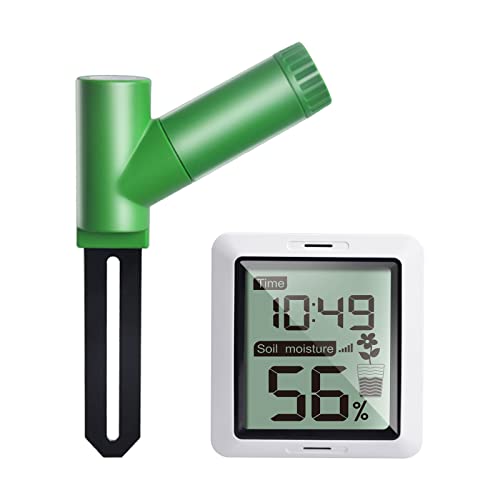
7. Smart Plant Sensors
This is definitely for tech-savvy gardeners. These smart plant sensors are game-changers for monitoring gardens. They can monitor moisture levels, sunlight exposure, and temperature, sending data directly to the gardener’s smartphone.
Why it’s a great gift: It eliminates the guesswork in plant care, ensuring gardeners always know when their plants need attention.
Bonus: Some models offer advice based on the specific plant species, helping gardeners optimize growth and care.
Soil Moisture Meter with Digital LCD Display
$36.99
ECOWITT WH0291 Soil Moisture Meter: measures soil moisture content within 72 seconds to let you know when to water your plant
We earn a commission if you make a purchase, at no additional cost to you.
03/12/2026 07:03 pm GMT
8. Seed Vault
A seed vault is the perfect gift for a gardener who wants their own seed vault or doomsday prepper. The seed vault box is the gift that keeps on giving, providing gardeners with new and exciting seeds to plant for years to come. It also includes a complete garden planner to help with a proper garden-growing plan.
Why it’s a great gift: It introduces gardeners to new plant varieties they might not have tried before, from rare flowers to unique vegetable breeds.
Bonus: Many subscription services offer organic and heirloom seeds, making this gift as sustainable as it is fun.
Garden Seed Bank Kit
$59.97
Over 25k Non-GMO Heirloom Vegetable Survival Seeds + 2 Free Bonus Items: Clyde s Garden Planner +…
We earn a commission if you make a purchase, at no additional cost to you.
03/12/2026 02:03 pm GMT
9. Personalized Garden Tools
If you want to personalize your gift, consider customized gardening tools. Engraved trowels, pruning shears, or plant markers can make gardening feel even more special.
Why it’s a great gift: Personalized tools are both practical and sentimental, making them unique and thoughtful gifts for gardeners.
Bonus: Pair personalized tools with a custom garden tote for an extra touch of luxury.
10. Bird Feeder with a Viewing Window
Gardeners who love watching wildlife will enjoy a bird feeder. This bird feeder is a 2-for-1 as it is both a bird feeder and solar lantern, giving a close-up view of birds while they eat through all 4 seasons.
Why it’s a great gift: It combines the joy of birdwatching with gardening, attracting beautiful birds to outdoor spaces.
Bonus: Many bird feeders are designed to be squirrel-proof, ensuring the birds get all the treats!
Overall Pick
Hanging Solar Bird Feeder for Outdoors
$17.98
Metal Wild Bird Feeder for Cardinals Solar Garden Lantern with S Hook as Gift for Bird Lovers
We earn a commission if you make a purchase, at no additional cost to you.
03/12/2026 03:03 pm GMT
Bonus. Insect Hotel for Your Garden Pollinators
I’m a huge fan of the insect hotels in my garden. It is always a treat to visit the insect hotels at the end of the summer to see what insects have checked in for winter. We have many wild bees and butterflies that return year after year, delighting our family and garden.
Why it’s a great gift: Insect hotels give back to a gardener’s garden by providing a place for wild bees, butterflies, ladybugs, and all sorts of different pollinators to stay the winter.
Bonus: These insects will help pollinate your garden in spring and hopefully return again in the autumn.
Our Pick
Navaris Wooden Insect Hotel
$21.59
Give back to your garden in the best way possible by providing a home to pollinators like wild be…
We earn a commission if you make a purchase, at no additional cost to you.
03/12/2026 03:04 pm GMT
Conclusion
Whether you’re shopping for a seasoned gardener or someone just starting their gardening journey, these top 10 gifts for gardeners in 2024 offer a variety of thoughtful, practical, and innovative options. From eco-friendly tools to modern gardening gadgets, each gift will inspire and delight. No matter which you choose, I hope we were able to provide some inspiration for your gardener’s gifts.
Happy gardening!
FAQ What are the Best Gifts for gardeners?
For a beginner gardener, consider starting with practical tools that can help them on their gardening journey. Some great ideas include:
A self-watering planter to help manage watering needs.
A gardening tool set with ergonomic handles, which provides all the basics they’ll need.
A seed subscription box to introduce them to a variety of plants to grow.
2. What is a unique gift idea for someone who already has a lot of gardening tools?
If the gardener in your life already has basic tools, consider more specialized or innovative gifts like:
A smart plant sensor that helps monitor soil moisture and light levels.
A personalized garden tool set, such as an engraved trowel or custom plant markers.
A window bird feeder, which lets them enjoy watching birds in their garden.
3. What are some eco-friendly gardening gift options?
Eco-friendly gardening gifts are very popular in 2024 and include:
Composting bins to help gardeners recycle kitchen waste into organic compost.
Solar-powered garden lights are both sustainable and decorative.
Seed subscription boxes that focus on heirloom and organic seeds.
4. Are there any high-tech gardening gadgets available in 2024?
Yes! For tech-savvy gardeners, some of the top high-tech gifts include:
Smart plant sensors that connect to smartphones and provide real-time data about the garden’s conditions.
Indoor hydroponic garden kits, which use LED lights and nutrient-rich water systems to grow herbs and veggies indoors year-round.
5. What gift can I give to a gardener who has limited outdoor space?
If the gardener has limited space, there are plenty of indoor-friendly gardening gifts:
Indoor hydroponic garden kits are perfect for growing fresh herbs and small plants indoors.
Self-watering planters make it easy to manage houseplants or balcony gardens.
A compact composting bin is also a great eco-friendly option for small spaces.
6. What type of gardening tools are best for gardeners with arthritis or limited mobility?
For gardeners with arthritis or mobility challenges, ergonomic tools are the way to go:
Look for gardening tools with ergonomic handles designed to reduce strain on the hands and wrists.
A gardening kneeler and seat provides added comfort by reducing the need to bend or kneel for long periods, with the bonus of built-in tool storage.
7. How can I make a gardening gift more personal?
To add a personal touch to a gardening gift:
Consider customized gardening tools like an engraved trowel or pruners with the recipient’s name.
You can also create a custom gardening gift set with a few essentials like gloves, seeds, and a tote bag.
Personalized plant markers with messages or names are also a lovely and thoughtful gift.
8. What gifts are best for gardeners who love wildlife?
If the gardener in your life enjoys attracting wildlife, consider:
A window bird feeder to bring birds close to their home.
Solar-powered garden lights that illuminate the garden at night without disturbing the natural environment.
Native plant seed mixes that attract pollinators like butterflies, bees, and hummingbirds.
9. What are some thoughtful, budget-friendly gardening gifts?
If you’re looking for budget-friendly gardening gifts, here are a few ideas:
A small seed subscription box to introduce new plant varieties each month.
Gardening gloves with extra grip and protection.
Eggshells or coffee grounds kits as a natural slug repellent—perfect for eco-conscious gardeners.
10. What’s a suitable luxury gift for a serious gardener?
For someone passionate about gardening, a more luxurious gift might include:
A deluxe compost bin that includes a built-in aeration system for faster compost production.
A high-quality ergonomic tool set made from stainless steel and designed for long-term use.
A professional-grade hydroponic garden system with advanced features for indoor growing.
🎁 Our Top Picks for Gardener Gifts
Amazon Choice
SONKIR Soil pH Meter, MS02 3-in-1 Soil Moisture/Light/pH Tester Gardening Tool Kits for Plant Care, Great for Garden, Lawn, Farm, Indoor & Outdoor Use (Green)
$9.99
3 METERS IN ONE: Soil moisture level, Soil pH value and Sunlight level could be tested easily according to your need by switching the function button of this soil meter.
NO BATTERY NEEDED: Simply insert the meter into soil, wait few minutes, accurate test results will be displayed on the readout panel. No battery is needed.
October marks a transition in the gardening calendar, as cooler temperatures and shorter days signal the beginning of the fall and winter growing seasons. While it might seem like the growing season is winding down, there’s plenty of potential to keep your garden productive through the colder months. In fact, some vegetables thrive in the cool temperatures of autumn, developing even better flavor than when grown in the heat of summer.
If you want to make the most of your garden space in October, this guide will help you choose the best vegetables to plant during this season. Whether you’re starting from seed or transplanting, here are some of the top vegetables to grow in October.
Why Grow Vegetables in October?
Growing vegetables in October has several advantages:
Cool temperatures: Many vegetables, especially leafy greens and root crops, grow better in cool weather. Heat can cause some crops, like lettuce and spinach, to bolt (go to seed), but cooler weather encourages steady, healthy growth.
Improved flavor: Certain vegetables, such as kale and carrots, develop sweeter and more intense flavors after exposure to light frosts.
Extended harvests: By growing cold-tolerant crops, you can extend your harvest season well into winter, ensuring a fresh supply of vegetables even when the weather turns chilly.
What to Consider When Planting in October
Before you start planting, it’s essential to consider a few key factors:
First Frost Date: Depending on your location, the first frost date can vary. Knowing when your region typically experiences its first frost will help you choose the right vegetables and planting schedule. Cool-weather crops can tolerate light frosts, but giving them enough time to mature before hard freezes set in is essential.
Growing Method: If you’re planting directly in the ground, in raised beds, or in containers, choose vegetables suitable for your setup. If you have a greenhouse or use row covers, you can extend your growing season even further.
Now, let’s dive into the best vegetables to grow in October.
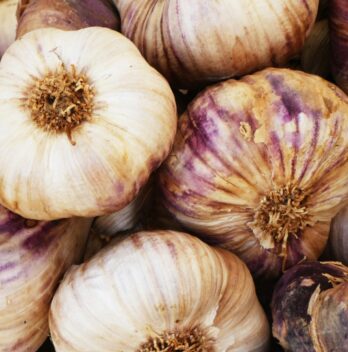
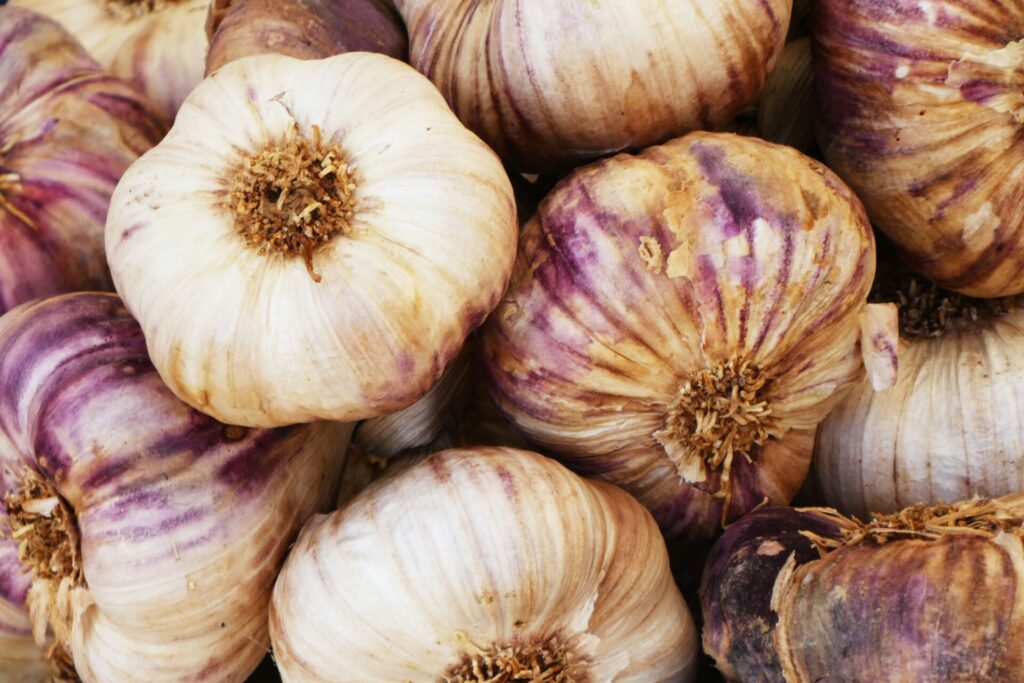
1. Garlic
Garlic
Garlic is one of the most popular crops to plant in October. This hardy vegetable is planted in the fall and harvested the following summer.
Why plant in October? Garlic requires a cold period (vernalization) to develop properly, making autumn the perfect time for planting. The cloves will establish roots during the winter, and then start growing more vigorously when spring arrives.
How to plant: Separate the cloves from a garlic bulb and plant them about 2 inches deep and 4-6 inches apart, with the pointed end facing up. Cover them with a thick layer of mulch to protect them through the winter.
By the following summer, you’ll have large, flavorful garlic bulbs ready to harvest.
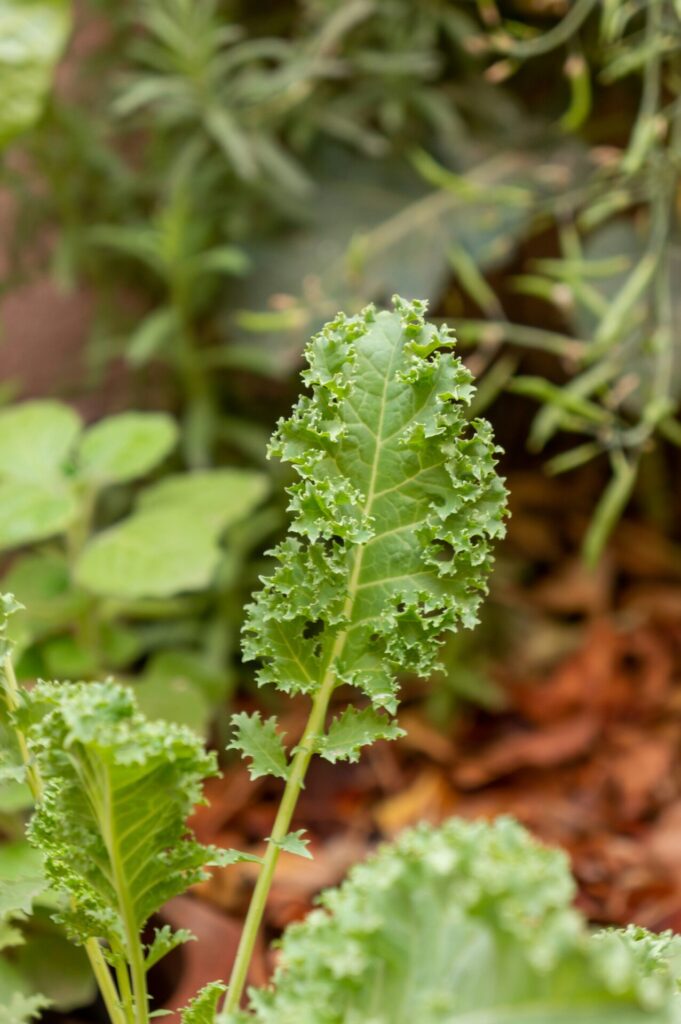
2. Kale
Kale
Kale is a cold-hardy, nutrient-rich green that actually thrives in cooler weather. In fact, a light frost can improve its flavor, making it sweeter and less bitter.
Why plant in October? Kale is incredibly frost-tolerant and can continue to produce throughout the winter in many regions, especially with some protection like row covers.
How to plant: Whether you start from seed or use transplants, space your plants 12-18 inches apart in well-drained soil. Kale prefers full sun but can tolerate partial shade in cooler months.
Regular harvesting of the outer leaves will allow the plant to keep producing all season long.
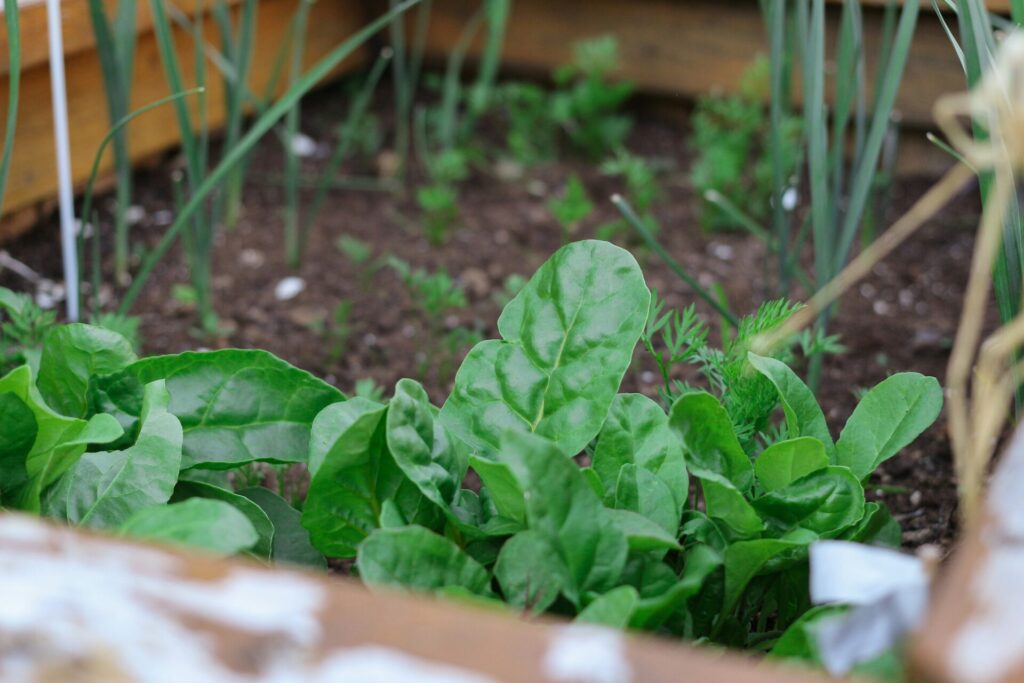
3. Spinach
Spinach
Spinach is another leafy green that loves cool weather. Like kale, spinach thrives in autumn, and its flavor improves with a bit of frost.
Why plant in October? Spinach germinates well in cooler temperatures and grows quickly. By planting in October, you can enjoy fresh spinach in just a few weeks, and the plants will continue to grow as long as the temperatures stay mild.
How to plant: Sow spinach seeds directly in the ground or containers, about 1/2 inch deep and 2 inches apart. Thin the seedlings as they grow to give each plant room to develop.
Spinach can be harvested as baby greens or left to mature for larger leaves. You can also cover it with a cold frame or cloche to extend the harvest into winter.
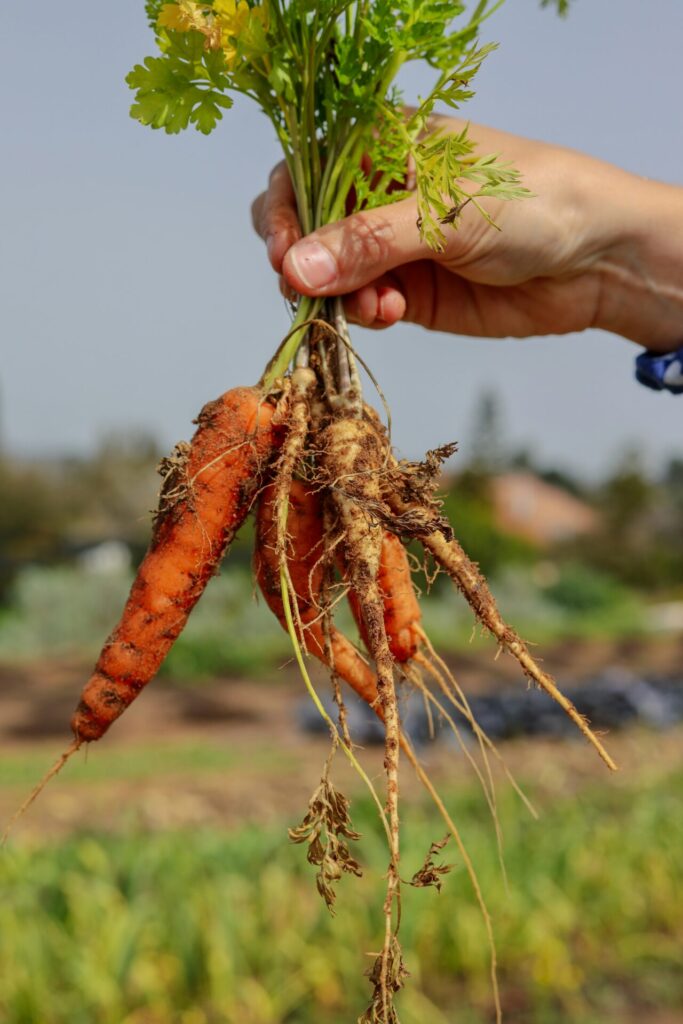
4. Carrots
Carrots
Carrots are a root vegetable that loves cool weather. In fact, cooler temperatures help them develop their sweet flavor, especially after exposure to frost.
Why plant in October? Carrots planted in the fall can often overwinter in the ground in milder climates. Plus, they store well if harvested later, making them a great crop for fall planting.
How to plant: Sow carrot seeds directly into the soil in rows about 12 inches apart. Thin the seedlings once they reach about 2 inches tall, leaving about 3 inches between each plant.
Carrots grow best in loose, sandy soil, so make sure your soil is well-prepared to prevent misshapen roots.
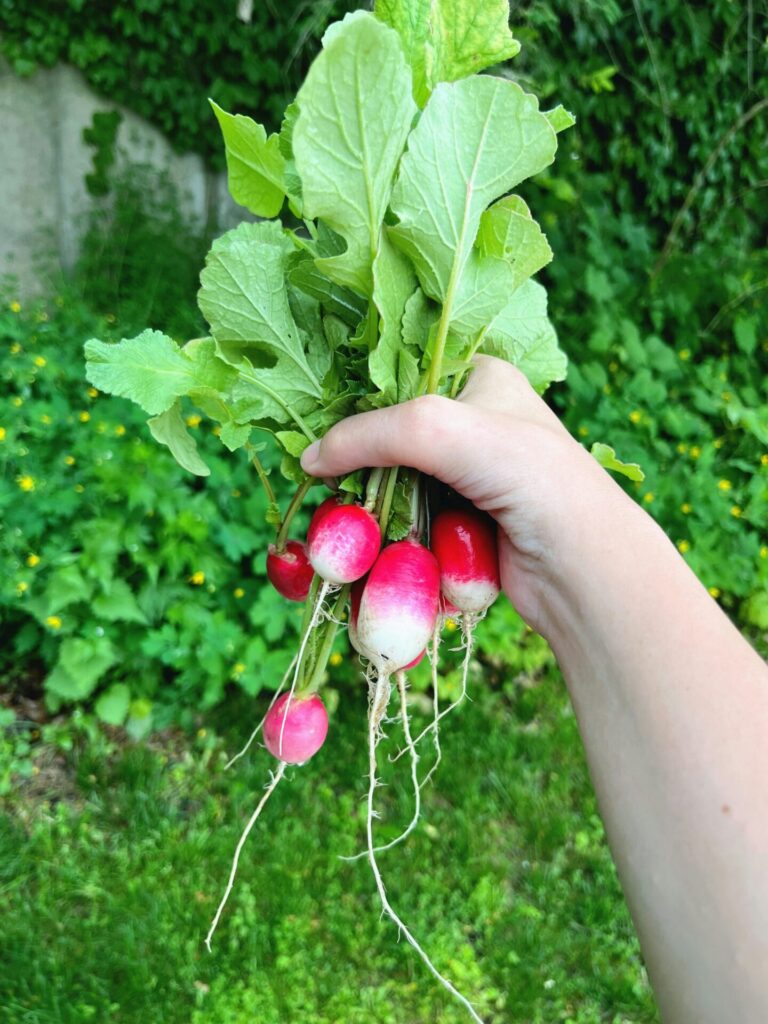
5. Radishes
Radish
Radishes are one of the quickest-growing vegetables, and they love cool weather. They can be ready to harvest in as little as 3-4 weeks, making them an ideal fall crop.
Why plant in October? Radishes are perfect for filling in gaps in your fall garden. Since they mature so quickly, you can plant them even late in the month and still enjoy a bountiful harvest.
How to plant: Sow radish seeds directly into the ground or in containers, spacing them about 1 inch apart in rows. Keep the soil consistently moist to ensure rapid growth.
Radishes are versatile and can be eaten raw, pickled, or roasted, making them a great addition to fall meals.
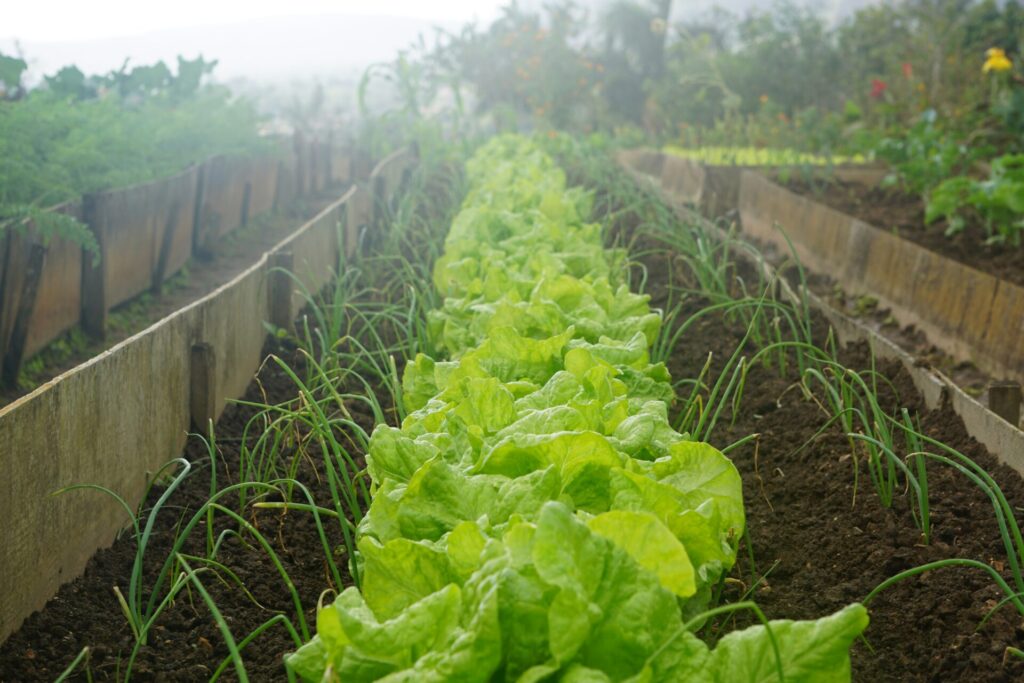
6. Lettuce
Lettuce
Lettuce is a staple in the fall garden. Many varieties are available, including loose-leaf, butterhead, and romaine, all of which do well in cooler temperatures.
Why plant in October? Lettuce grows quickly and can be harvested in a few weeks. With the right protection, such as row covers or cold frames, it can grow even after frost.
How to plant: Sow seeds directly into the soil or transplant seedlings. For continuous harvests, plant a new batch every two weeks. Lettuce prefers moist, well-drained soil and partial shade during warmer autumn days.
Harvest individual leaves or whole heads, depending on your needs. Baby lettuce leaves are tender and perfect for salads, while mature heads provide larger leaves for wraps or sandwiches.
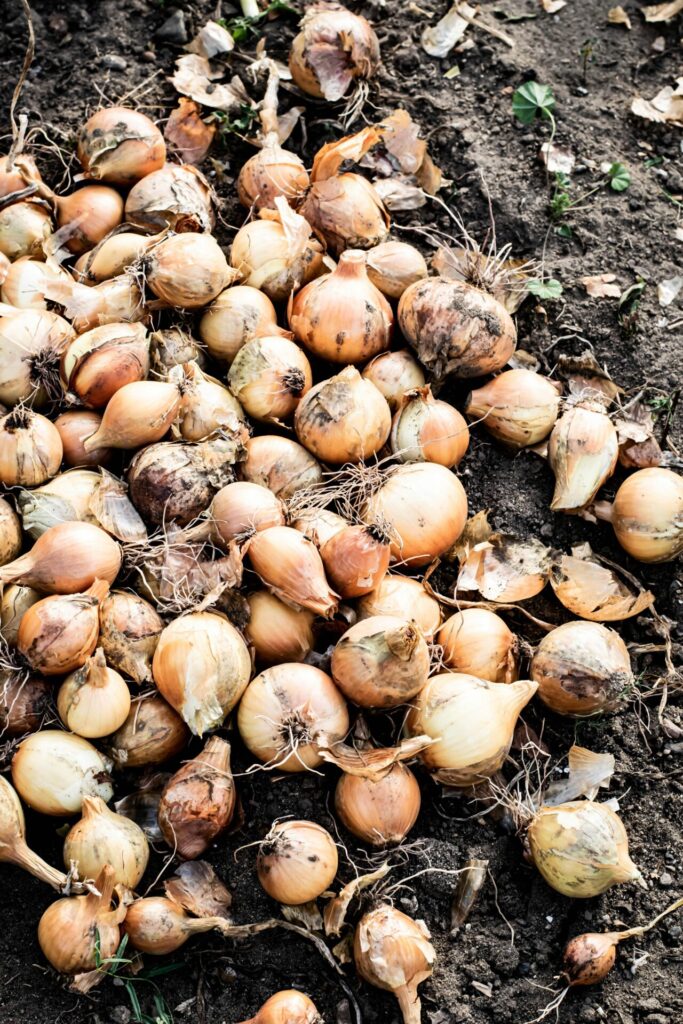
7. Onions (Sets)
Onions
Onions are another excellent crop to plant in October, particularly if you’re planting sets (small onion bulbs). Onions planted in the fall will develop strong roots and grow quickly when spring arrives.
Why plant in October? Onions benefit from the cooler temperatures in the fall, as they establish roots before going dormant over the winter. When spring comes, they resume growing and can be harvested early.
How to plant: Plant onion sets about 1 inch deep and 4-6 inches apart. Make sure the pointed end is facing up, and cover with mulch for extra protection through the winter.
Onions can be harvested early as green onions or left to mature into full-sized bulbs.
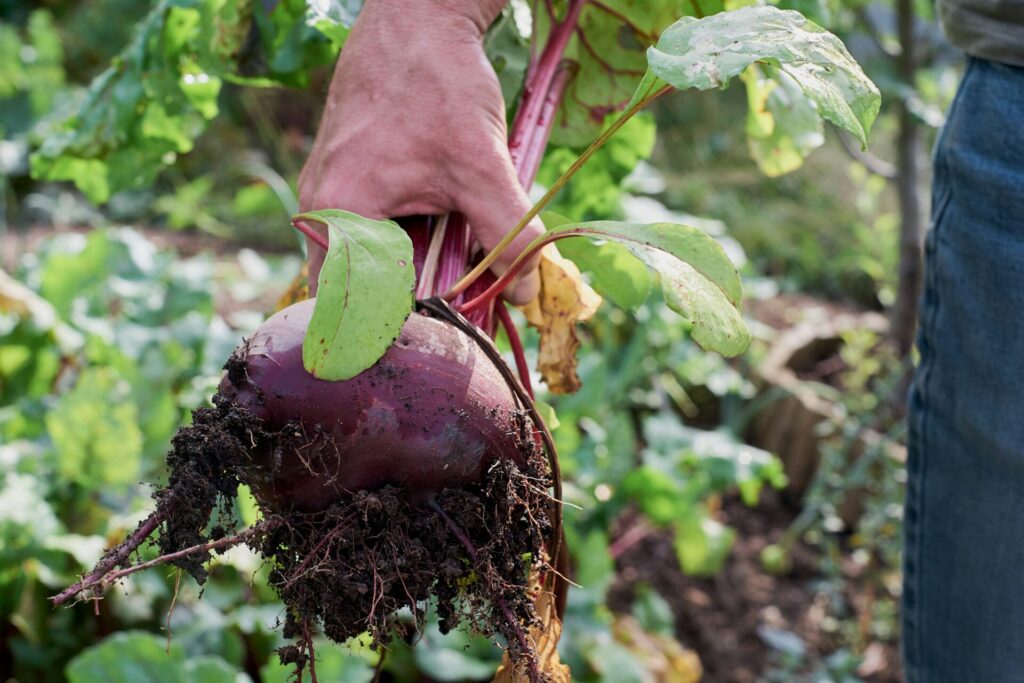
8. Beets
Beets
Beets are a versatile root vegetable that performs well in the cool temperatures of fall. The roots and the leafy greens are edible, making them a dual-purpose crop.
Why plant in October? Beets tolerate light frosts and can continue growing through cooler weather. Planting in October allows them to develop during the fall, with potential for harvest before the ground freezes.
How to plant: Sow beet seeds directly into the ground, spacing them about 2 inches apart. Beets prefer loose, well-drained soil for even root development.
Harvest young beets for tender roots and greens, or let them mature for larger roots.
Conclusion
October is an excellent time to grow a variety of cool-weather vegetables. By planting hardy greens, root crops, and alliums, you can keep your garden productive well into the colder months. Whether you’re planting garlic to harvest next summer or growing quick crops like radishes and spinach for fall salads, there’s no shortage of options for your October garden. With the right care and attention, you’ll enjoy fresh, homegrown vegetables long after summer’s end.
🥬 Fall Vegetable Growing Supplies
Gardeners Basics, Pepper Seeds for Planting 8 Varieties Pack, Jalapeno, Habanero, Bell Pepper, Cayenne, Hungarian Hot Wax, Anaheim, Serrano, Cubanelle Heirloom Seeds for Planting in Garden Non GMO
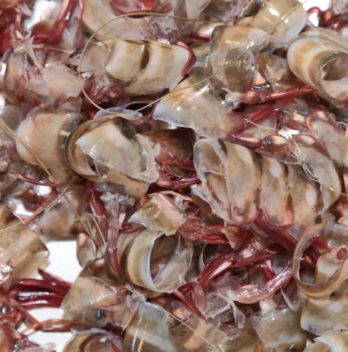
Today, we’re going to be answering the question: can you compost shrimp shells? There is a standard procedure for composting shrimp shells. Shrimp shells are fully compostable. This means that shrimp shells can be turned to compost whether they are raw or cooked.
The shells will ordinarily decompose when they are allowed to be broken down by microorganisms into organic compost.
Composting shrimp shells is important as the compounds got from this process are highly beneficial to the soil. This article gives you an idea of what to do when composting shrimp shells.
How to go about the composting process and the best temperature for this are also discussed herein. Before we go into the composting process for shrimp shells, let’s understand what composting means.
Thereafter, this question will be answered: can you compost shrimp shells?
Meaning of Composting
Composting is the process of collecting and storing plant material so it can decay. This decayed substance is known as compost. When added to the soil, it helps to greatly improve soil quality.
Composting is therefore a process of utilizing plant material that ordinarily would have been considered waste.
Items Required to Compost Shrimp Shells
For the composting process to be successfully carried out, the following items are required: shrimp shells, compost piles, compost bucket, shovel, green yard waste, brown yard waste, and kitchen scraps. All of these items can be turned into compost and added to the soil to improve the quality.
Shrimp shells are useful when making compost because they contain relevant compounds to the composting process. These compounds feed bacteria and fungi in the soil, which in turn, helps break down the soil.
If you are interested in making compost from shrimp shells, you must endeavor to follow the following steps:
Step 1. Collect shrimp shells
If you are interested in making compost from shrimp shells, then do the following. Shrimp shells can be collected from peeled shrimp in a compost bucket or bowl. You can include the tails and heads of the shells collected. This bucket should have an air-tight lid. Shrimp shells should be simmered in boiling water for 20 to 30 minutes and oven-dried to remove fat from the shells. Too much fat will result in a serious smell of the compost.
Step 2. Digging
The second step in the process involves digging a 12-inch hole in your existing compost pile. A shovel should be used when doing this to ensure that the hole is deep as possible to contain the shells.
Step 3. Put the shrimp shells in a hole
After digging the required hole, you should place the collected shrimp shells in the hole. After doing this, the hole should be covered with some of the compost you removed while making the hole.
Step 4. Continuous addition of green and brown waste
You should continue to add both green and brown waste alongside kitchen waste to the pile.
Step 5. Turning of compost
For the best possible result to be achieved, the shrimp compost should be turned every month with a shovel. This should be done to allow for sufficient oxygen to the microbes.
The decomposition usually produces heat and turning will help reduce this. You can use a compost thermometer to measure the internal temperature and regulate the same. It should be from 140 to 160 degrees.
Step 6. Add water to compost
Microbes usually need water to survive. Failure to add sufficient water to the pile may lead to the death of microbes. This will ultimately result in the compost pile heating up. Be careful however not to add too much water. This will likely turn your compost into a slimy mess and decomposition will halt. It shouldn’t thus be too wet or too dry.
Step 7. Allow the compost to season
You should allow the shrimp compost to remain in the hole for at least a year. After a year has elapsed, you may then use the compost in your garden or farm.
You already understand that composting is the method of adding organic material to a compost pile. Composting, therefore, is one way of saving organic waste from reaching landfills.
Asides from this, composting is a method of creating rich organic materials which are useful to your farm or garden.
One advantage of using shrimp shells for composting is that they break down fast. This is so because they are very thin, unlike other shell animals.
Material to Exclude From Your Compost
There are a few materials that should not be added to your compost pile. These items should be excluded as they can easily attract unwanted pests and animals to the pile. These items may also be very toxic. Some toxic materials that should not be included include wood chips coated with paint, ink, chemicals, and fecal matter.
Also, you should not include plants that were likely infected with pests or diseases in the pile. Furthermore, weeds pulled out from the ground should not be included in the compost pile. These infected plants and weeds may be very toxic to the composting process. It is, therefore, best for you to avoid including them.
Using Shrimp Shells Compost as Fertilizers
Because shrimp shells are good for preparing compost, you may wonder if they can be used as fertilizers. The answer is in the affirmative.
Shrimp shells can be used as fertilizers because they contain chitin compounds. This compound slowly adds nitrogen to your soil in a very non-toxic method.
So if you are interested in growing a plant that has a huge nitrogen requirement, shrimp shells may be used as fertilizers.
In addition, shrimp shells usually contain a sufficient amount of calcium carbonate. They can therefore be a good source of calcium for the soil. This means that plants like pear, citrus, lettuce, apple, etc. will benefit from this.
When shrimp shells are used as fertilizers, they get grounded or crushed before being applied to the soil. By doing so, the nutrients contained in the shell are easily absorbed by the soil.
How to Stop Your Shrimp Shells From Smelling?
One thing’s for sure – shrimp shells can smell. And it’s not the kind of smell that you want lingering in your garden, so it’s understanding why you’re worrying about the smell of decomposing shrimp in your garden! This is why you must manage the smell before you even start to compost it. Let’s take a closer look at some tips to stop that awful odor.
While it’s tempting to just add the shrimp shells as they are, we would highly recommend not doing this. When you’re ready to compost your shells, simply place them in boiling water. Boil for around 20 minutes. Then remove them from the water, strain them, and leave them to dry until ready to use.
Another method you can use is to bake your shrimp shells in the oven. After time in the oven, it’ll be easy to grind down your shrimp shells in a blender or food processor (or simply in a bag with a rolling pin!). Once your ground shrimp shells are ready, you can add them to your compost and they’ll definitely be no lingering odor from this method!
Shrimp Shell Nutrition
Shrimp shells are often overlooked and underrated. While they may not seem appealing, they can be full of protein and minerals. You may be wondering what the nutrition is of a shell on shrimp. One serving of shell-on shrimp contains the following:
calories: 80
protein: 16g
fat: 1.5g
cholesterol: 165mg
iron: 0.4mg
calcium: 100mg
sodium: 840mg
Shrimp Shell Waste Uses
There are many uses for your shrimp shell waste. In fact, in recent years, shrimp waste has been used for several reasons. This is because shrimp shell waste contains many compounds which are useful to many aspects of our lives. The compounds include chitin and pigments. Such compounds are used in a range of areas, such as medical, cosmetics, biotech, and even textiles!
While you’ll be unable to do any of those things from the comfort of your home, you can obviously also use your shrimp shell waste for compost, or one of my other favorite uses is making shrimp stock. They’re typically full of flavor and whatever seafood course you’re making, the shrimp shell waste will complement.
To make a shrimp shell stock, all you need to do is add the shells to a pan of cold water and add some seasoning of your choice, if preferred; such as herbs or peppercorns. Heat over medium heat and leave to boil uncovered for around 15 minutes. At this point, the stock should have changed color and you can simply strain the shells away and add the stock, as needed, to your seafood dishes.
There are many uses of shrimp shell waste in everyday life; even in your kitchen and garden!
Final Note: Can You Compost Shrimp Shells?
I hope this post has helped to answer the question: can you compost shrimp shells? Shrimp shells as we have seen above are great for preparing compost. The right procedure must however be followed by you in composting shrimp shells. Following the above will definitely help you attain your desired goal of preparing shrimp compost.
Do you have any tips or tricks when it comes to composting shrimp shells? If so, please feel free to let us know in the comments below. And remember, sharing is caring!
Shrimp shells are a valuable resource. They’re an excellent source of calcium and phosphorous, which are both needed for plant growth. You can use them to fertilize your garden or plant them in a flower bed. But if you’re adding them to your compost bin, you’ll need to do a little pre-composting first. The first step is to remove the hard outer shell. You can do this with a hammer and chisel, but a more convenient method is to use an electric grinder. This method will make sure you get every last bit of the shell out of the shrimp. Next, shred the soft parts of the shrimp by hand. You don’t have to be too careful here, but it’s better to be safe than sorry. Don’t forget to save the shells for the next step! You can now put the shrimp shells into a compost bin or pile, where they will decompose over time. Make sure to check on the progress regularly, as the process can take up to 6 months to complete. 1. Mix the Shrimp Shells with the Other Ingredients You’ll want to add the shrimp shells to your soil at a rate of about 25% of the total amount of other ingredients. If you don’t have any extra, you can also buy a bag of pre-mixed organic compost. 2. Add the Compost to Your Garden Once you have the shrimp shells mixed in with the other ingredients, you’ll want to start adding them to your garden. You can start by spreading them out on a flat surface, then adding more to the center of your garden. This is because the bacteria in the compost will quickly work to break down the shell particles, which will help it be easier for you to add it to your garden. 3. Monitor Your Garden When it comes to composting, it’s important to keep an eye on it to make sure the process continues to run smoothly. The best way to do this is to check on it regularly, as you’ll want to see if there’s any noticeable change in color or smell. If there is, you may want to take a closer look at the reason why. For example, if the compost has become very dark or wet, this could mean that the worms have died or that the process has stopped altogether. Either way, you’ll want to take steps to ensure that it doesn’t happen again.
How long does shrimp shell take to decompose?
The answer depends on the amount of calcium carbonate present in the shell, as well as the temperature. If there is little calcium carbonate in the shell, then it can be broken down within a few weeks. However, if there is more calcium carbonate in the shell, then it takes much longer.
Is it OK to put prawn shells in compost?
Yes, this is fine.
You can use them in your compost bin. They will not harm your plants, but will break down over time, adding nutrients to the soil. It will take longer than other materials such as straw or wood chips.
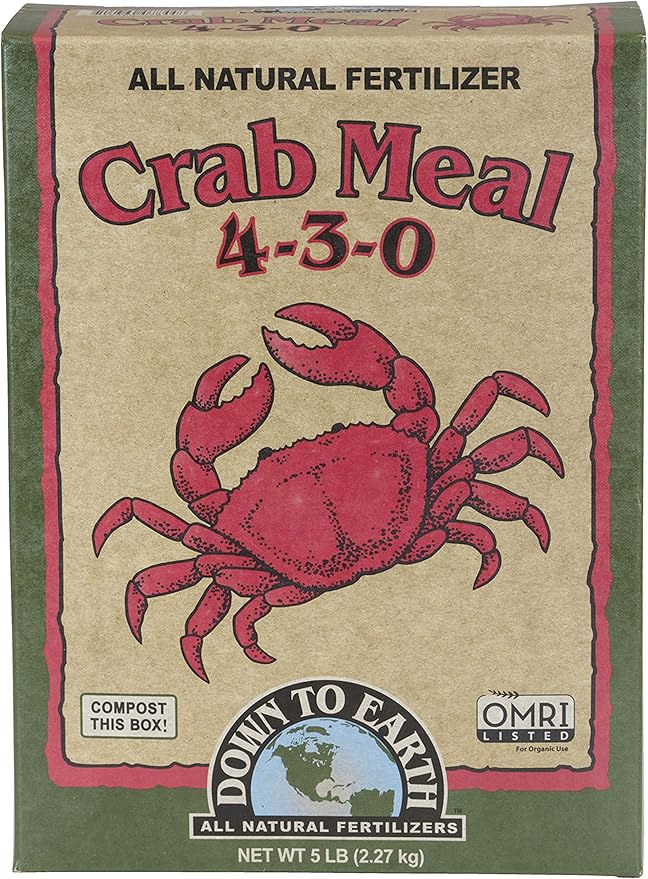
Are you aware that your crab shell doesn’t have to go to waste because you can make use of crab shells in your compost? Yes! Those leftover crab shells can be put to good use in your garden. Crab shells in compost can be pretty beneficial to your plants.
Crab shells will fine alongside other types of shellfish. So, you can easily add crab shells to your compost pile because they are quite biodegradable. Even though it may take some time for these shells to biodegrade, you can also crush them just to hasten up the process.
Crab shells in compost can enrich your compost because they are loaded with good nutrients to help your plant develop.
If you wish to learn how to compost crab shells, then we’ve got you covered here. Read on to find out about using crab shells in your garden and turn those leftover crabs into rich fertilizer for your plants.
Crab Shells In Compost
It is very possible to compost crab shells. Crab shells in compost are an easy thing to do so far you get the right knowledge.
Crab shells are made up of calcium carbonate and chitin (a type of carbohydrate).
How To Compost Crab Shells: A Detailed Guide
Follow the steps below to learn how to compost crab shells:
Step 1- Cleaning Of The Shell Crab
Clean the shell of your crab just to eliminate any salt or other foodstuffs you don’t want in your compost.
Generally, seafood such as crab contains a high level of salt. Although the presence of salt isn’t so toxic to the compost, however, it is not so beneficial to your compost. But the excess amount of salt can be harmful to beneficial worms or another vermiculture setups.
Again, the crab shells are safe to be composted. However, the fat and meat are not so safe. This is mainly because they may throw off the balance of your compost pile and this may give rise to an unpleasant odor or even invite pests to your plant when you use this compost.
Usually, crab shell tends to take a long time to decompose compared to other compostable materials. Hence, when you crush the crab shell into tiny bits, then it can hasten up the breakdown of the compost pile.
If you are however wondering how to grind or crush your crab shell, you can simply use a hammer to crush them into bits. But if you wish to skip this process, you can. Your compost will just be taking a while longer to decompose.
Step 3- Crab Shells Can Be Distributed Throughout Your Compost
After crushing the crab shell into tiny bits, it may not be enough. You may still need to mix the pieces into existing compost instead of allowing the crab shell to sit in large compost.
Step 4- A Balanced Compost Heap Should Be Maintained
A healthy compost can’t be simply created from just one material. If you want a good result, you can pair crab shells with other compostable kitchen scraps. A bonus tip is to add a carbon-rich material such as dead leaves, grasses, woodchips, or cardboard.
Step 5- Composting – Crab Shells In Compost
Turn the compost mixture using a pitchfork or spade. Ensure you change the layers of the compost pile so it can supply oxygen to the microbes that are responsible for decomposing the organic mixture. Doing this will give rise to heat and the compost temperature can go as high as 160 degrees Fahrenheit.
Make sure you also add water to the organic mixture of the compost pile. If moisture isn’t present, the microbes won’t be able to decompose the organic matter and you may not get the ideal compost result. However, ensure the water is minimal because adding too much water can make the compost turn out to be smelly and squishy.
Additionally, you can poke some holes in the compost pile just to allow air to go inside the compost and enhance decomposition.
Finally, continuous monitoring or checking your compost pile daily just to keep tabs on the moisture because adequate moisture is also crucial for easy and fast decomposition.
Crab shell compost is rich in nutrients that your plants can benefit from and a good number of plants can benefit from crab shell compost. Below is some awesome nutrient crab shells can offer your plant:
Calcium
The shells of crabs are particularly rich in calcium. Now plants depend on calcium to produce strong cell walls and combat many common plant diseases.
Magnesium
Regarding photosynthesis, it cannot take place if magnesium is absent. Crab shells naturally contain magnesium. So, they can be an alternative to the magnesium-containing fertilizer that you may find at your local garden store.
Phosphorous
Phosphorous helps and serves as a building block to a plant’s life. Genetic reproduction as well as photosynthesis needs phosphorous to aid their process. So, crab shell is a good source of phosphate that your plant can benefit from.
Chitin
Phosphorous, calcium, and magnesium are all important for the proper development and healthy growth of your plant, and crab shell contains these essential nutrients. But apart from these nutrients, the crab shell is also rich in chitin.
Chitin enhances the growth of certain beneficial bacteria and enzymes. Now, these bacteria and enzymes help to wade off organisms that are harmful such as nematodes, fungi, and soil-borne insects.
Conclusion On Crab Shells In Compost
Crab shells in compost can be an excellent addition to your compost pile because they are loaded with good nutrients that can help your plant grow. This crab shell is rich in essential nutrients such as phosphorous, magnesium, and calcium. It is also rich in chitin.
FAQ’s
Are crab shells good for garden?
Yes. Crab shells are good for garden. Even if you do not have a compost pile to mix the crab shell, you can simply put these shells directly into your garden.
Can you put seafood shells in compost?
Yes. You can put seafood shells in your compost and let your plant enjoy the benefits they offer. They are loaded with calcium as well as other crucial micronutrients needed by plants.
Are crab shells good for fertilizer?
Certainly, crab shells are good for fertilizer s because of the benefits of adding some essential nutrients to plants. Crab shells even offer extra benefits that cannot be found in other types of fertilizers such as chitin. This chitin present in crab enhances the growth of chitin-eating bacteria.
Does crab shell decompose?
Yes, crab shells can decompose. However, the rate at which they decompose can be slow or a bit fast depending on their state. If you crush or break crab shells into pieces before composting, then the decomposition can be hastened up. But if the crab is not crushed, the decomposition can be pretty slow.
Do you see freezing temperatures approaching in your region? Can compost worms survive winter? Well, the cold climate won’t stop composting worms from working for you in your compost bin.
Compost worms are meant to break down food scraps. In the northern area, there’s every possibility that the vermicomposting bins built there may become frozen. You may be wondering if all the worms in the bins will die or are there any ways you can save them.
There are things you may consider doing as a way forward. And the way forward will be for you to either do nothing, heat generation through insulation, prepare a warm spot and then move the worms there or keep the worms in a place with much heat, be it indoors or the basement.
Whichever way you choose to handle the situation, let’s find out if compost worms can survive winter.
Can Compost Worms Survive Winter?
Can compost worms survive winter? The answer is yes and no and we would explain why.
Worms are resilient creatures and they have been surviving long before humans even came along.
However, when compost worms are left in the worm bin to freeze, a lot of them will not survive the winter or they may all die. But the good thing is that if the bin was already established before the chilly weather sets in, the worms will likely lay eggs.
Now, these eggs laid can survive as long as a year in almost any weather including winter.
So, if all your compost worms get frozen by the winter, not to worry because baby worms can hatch once the weather warms up and they will continue the process of composting.
Things To Do To Your Compost When Chilly Weather Sets In
So, if the chilly weather sets in around your area and you’re worried about your compost, below are some things you can do and your compost should be fine.
1. Add Scrap To Your Bin To Increase The Temperature
When you leave the worms outside, they start to become inactive as the temperature drops down making them inactive. At or below 40 degrees Fahrenheit for example, the worms will become incapacitated due to the cold.
They will move to the part of the bin that is warmer which is at the middle and the bottom. Although heat is naturally generated during decomposition, it is definitely not sufficient to keep the worms thriving.
Hence, you can also add organic scraps to the bin, which will help increase the temperature a bit.
2. Do Nothing About The Situation – Can Compost Worms Survive Winter
Another thing is that the older composting worms will begin to lay eggs as they are simultaneous hermaphrodites.
This is to say that worms have male and female types of reproductive organs. But as for the contented composting worms, what they do is produce cocoons by exchanging DNA.
So, your composting quest won’t be altered if the vermicomposting bin is left outside in the winter. This is because the cocoons that are being produced can stand the freezing winter, thereby staying preserved, and then luckily, new worms begin to hatch during spring.
Another intriguing thing about these worms is that their eggs are that no matter the weather, they can survive up to a year. So, you can decide to leave your compost and let it do its thing.
3. Heat Generation Through Insulation – Can Compost Worms Survive Winter
Adding insulation to the vermicomposting bin on the outer part can help increase the warmth on the inside. This will help keep the worms warmer.
You can use blankets, bales of straw, Styrofoam, or bubble wrap. Remember to leave space in between the coverings in order to allow ventilation into the air holes of the bin. The drainage hole must not be covered.
Moving the bin to a sheltered location, like indoors, will be a good form of double protection. This is because insulation alone can’t give a hundred percent assurance that your compost worms can survive the winter.
The bin can be kept warmer when it is not exposed to cold winter wind. This can be done by moving the bin to a shelter with warmth like a shed or garage. Insulation can also be adopted. Heat sources like an incandescent light or seed tray warming mat can be used.
The bin can also be kept from freezing by using a 7-watt night light to generate enough heat for increased warmth. You will need to cover the worm bin with newspapers or a worm bin blanket if you’re using light. This is to be able to keep the worms held in the dark.
5. Find A Heated Location And Move The Worms There
On a realistic note, when you feel cold during the chilly weather, the worms are not exempted too.
This should make you wonder if your compost worms can survive the winter. Hence, another thing you can do to protect your composting worms is to bring your vermicomposting bin indoors when it’s freezing cold. A secluded spot will do, like the cabinet, closet, corner, or beneath a kitchen sink.
However, it’s better you build a smaller bin indoors if your outdoor bin is dirty or too big to move indoors. To be successful at it, take part in the beddings as well as the composting worms you want to keep by digging them out from the vermicomposting bin. Put them in the spot you’ve created for them indoors. Keeping them in the basement is also a great idea. So, this method will make you not worry so much about how you will get to the worms to get them fed. Worms are usually very active when they and their surrounding is warm.
Can Compost Worms Survive Winter? Conclusion
You need not to worry that your composting program will be altered after all now that you know your composting worms can survive in the winter. You can as well leave them outdoor and not worry about anything, so long as they lay their eggs or produce cocoons.
Their eggs can survive for a year, which gives guarantees of the continuity of your compost program. This is because, after the winter, the eggs will begin to hatch and the new worms will take it up from there.
However, if you are so worried about leaving your worm bin out in the cold, you can opt for insulation, moving it indoors, or preparing a secluded heated spot for your worms.
FAQ’s
How do you keep compost worms alive in the winter?
Compost worms can be kept alive during winter by leaving them outdoors in the bin for them to lay eggs that will hatch and continue the process of compositing. You can also relocate your compost bin to a warmer place to help them.
Will my compost worms die in the winter?
Many of your worms, if not all, may die in the winter. However, there is a huge chance for these worms to lay eggs and their eggs can survive up to a year under harsh weather conditions that includes freezing conditions.
How cold is too cold for worm bin?
When the temperature is reaching 40 degrees Fahrenheit or dips below 40 degrees, then it can become too cold for these worms that it can render them inactive.
What temperature can compost worms survive?
Ideally, compost worms can require around 59 to 77 degrees Fahrenheit for optimal performance. Once the temperature drops below 40 degrees, it can prove fatal for the worms.
🪱 Composting Supplies
Chef’n 401-420-120 EcoCrock Counter Compost Bin Black and White 3.3 liter 1
The difference between brown vs green compost is what most gardeners have been looking for and this article will inform you all about it.
Composting is a great way to recycle organic matter into the soil. The best type of compost is made from the leftover parts of plants, particularly from kitchen scraps and garden waste.
When composting is done properly, it will be rich in nutrients for your garden. Compost is usually either brown or green but can also be a mixture of the two. In this article, we are going to go through the differences between these types of compost.
What is Brown Vs Green Compost?
Brown compost is created from plant material that has been shredded or turned into smaller pieces. The material can be animal or vegetable matter such as leaves, grass, twigs, fruit, wood, and even manure.
Green compost is created from plant material that hasn’t been ground into smaller pieces but is still left intact. It is made from whole plants, grasses, straws, weeds, wood, or other plant materials. This type of composting produces a rich, dark green substance that is useful for plants that thrive in darker conditions.
Brown Compost is used for a number of different applications. It is often used for:
Soil building and improving soil health.
Strawberry, rosemary, peppermint, and lavender plantings.
As a mulch for beds and containers.
In the composting process, it will turn into a dark rich humus material that can be used in your garden. Green Compost is usually used as a top dressing for flower beds, lawns, and vegetable gardens.
The two types of compost are also used for different purposes. Brown compost is used in a larger quantity to improve soil health and increase fertility, while green compost is used in smaller quantities and is more for aesthetic purposes.
Brown vs green compost differences are caused by the materials used in both processes, and the differences are not significant enough to cause any adverse effects. It is important to know how composts are made so that you can decide whether a particular type of compost is right for your situation.
Brown Compost is made from kitchen wastes like meat scraps, bones, eggshells, and coffee grounds. These kitchen wastes have a high carbon to nitrogen ratio (C/N).
Green Compost is made from yard waste like leaves, grass clippings, and vegetable peels.
Brown Compost has high levels of nitrogen because it contains more carbon than nitrogen.
Green Compost is nitrogen-rich compared to brown compost because it does not contain as much carbon.
When you make compost at home, you can make two types of compost: brown and green. The difference between the two is that brown compost is more carbon-rich and green compost is more nitrogen-rich. Both can be used in your garden, but you should choose one based on what you are composting.
Making Homemade Brown Vs Green Compost
To make compost, you need to collect kitchen and yard wastes and mix them with water and anaerobic material such as sawdust or newspaper. These materials are then left out in the sun to break down for three to six months.
If you have a large amount of kitchen waste to compost, consider getting a compost tumbler. This is a small, sealed container that can be placed in your garage or shed to allow the process to take place more quickly. When it comes to food scraps, there are two basic types: wet and dry. Wet food scraps should be combined with water and placed in a pile; this can be done in a plastic bin or a shallow outdoor pit.
Dry food scraps should be placed on newspaper and covered with a plastic tarp. Making compost doesn’t require any specific equipment, but it does require time. In addition to finding the right materials to use, you also need to figure out what to do with the finished product.
Compost can be used as a soil amendment, which improves the health and fertility of the soil, or it can be sold to local farmers who will use it for their own gardens. For more information on how to make compost, visit the USDA website.
Green compost can be used in place of black soil for the following reasons: Black soil has a C/N ratio between 12 and 15. Black soil will quickly burn plants if they are not kept moist.
If you plan to grow vegetables, use only black soil in your garden beds. Green compost can be used when you want to add organic matter to your soil, but you don’t have access to black soil.
Brown compost is used for growing plants that require more nitrogen. For example, tomatoes will produce better with a higher nitrogen content than other vegetables. Brown compost is also useful for improving the soil structure and keeping it from compacting.
Final Thoughts About Brown Vs Green Compost
Brown vs green compost is the way to go if you are into gardening. The process of making your own compost is simple and effective, as it takes about two weeks from start to finish. You will have a great supply of organic material to use in your garden.
In addition, this method of composting has the added benefit of creating a nutrient-rich compost that is ready to be used immediately. This can be especially helpful if you are in a hurry to get your garden started, or if you simply do not want to wait for your compost bin to be full before using it.
FAQ’s
What is the difference between green and brown compost?
The difference between brown and green compost is mainly based on the type of materials used. Brown composts are made from a mixture of organic materials, such as vegetable and fruit peelings, paper, cardboard, sawdust, straw, etc. Green compost is made from yard waste like leaves, grass clippings, and vegetable peels.
Are coffee grounds considered green or brown compost?
Coffee grounds are considered a brown compost material because they contain large amounts of carbon and nitrogen. These nutrients help to improve soil health, but they also attract pests and disease organisms that can destroy your crops if not properly controlled.
What is the ratio of brown to green in compost?
The proper ratio of brown to green in compost is three parts brown to one part green.
What counts as a brown matter for compost?
Brown matter includes all materials with a higher carbon content than green matter, such as dead leaves, grass clippings, and wood chips. The more carbon-rich the material, the longer it will stay in your compost pile.
As a responsible farmer or gardener, it is in your best interest to adopt the right methods that can improve your plant growth and yield. One of such methods you need to adopt is composting. There are a lot of ways composting can be of benefit to your plant soil and roots. Some gardeners believe that the best thing you can ever do for your plant is to add compost every now and then. But one major problem farmers face when it comes to composting is choosing the right compost for their plants.
In this article, we will be discussing about some of the best ways to add compost to your soil and the benefits of composting to plant growth and development. Before we get into the details of this composting guide and let you in on all the secrets on how best to compost, let talk a little about composting and how it became a popular agricultural practice.
What is Composting?
Composting is an agricultural practice that involves the addition of compost which is decomposed organic matter to the soil to improve the nutrient content and to support healthy plant growth. Compost is highly rich in organic matter and nutrients that can easily be added to soil for use in organic farming, gardens, horticulture, urban agriculture, and landscaping. When added to the soil, compost goes a long way to act as a conditioner and also helps to reduce the outbreak of pests on the farm or garden.
Compost, in most cases, is composed of green waste which could be food scraps, grass, and leaves that are not beneficially for use as food for human consumption but fit to be used as food source for plants once it has been broken down. Before composting can take place, these green wastes have to be left in a heap for months so as to allow the organic materials to decompose to form humus.
The whole decomposition process can be hastened by the cutting of the plant matter into smaller pieces and adding water to speed up the oxidation process. After this, the next step will be to place the mixture in a place where it can get direct access to air. This can be achieved by regularly turning the pile to ensure that each part gets enough air.
How to Compost
There is a right way to compost and a wrong way to do it. If you want your compost to be of the highest possible quality, you will need to follow the right procedure when preparing compost for your garden. Here is a better way to compost.
If you want to get the highest quality compost, then you will need to start building your compost pile from the bare earth. By so doing, you make it easier for earthworms and other important microorganisms to breakdown the compost.
Pile Up the Straws and Twigs First
Since you already know that you need to build a pile from the bare ground up, you also need to make sure that you pile up the straws and twigs first. Ensure that they reach up to a depth of a few inches as this helps to improve drainage and makes it easier for air to circulate around the pile.
Build Your Compost Materials in Layers
After placing the straws and twigs at the bottom, you can now start adding the wet ingredients which could be the tea bags, moist food scraps, and seaweed. The dry materials will be the next to follow and they can be wood ashes, leaves, sawdust pellets, and straws. When adding wood ashes, it is best you do so in layers so as they don’t clump up and slow the entire decomposition process. The best way to speed up the decomposition process is to interchange between moist and dry ingredients so the breakdown can take place faster.
You should endeavor to include green manure in your compost. This helps to speed up the process by activating the breakdown of the ingredients. The best options of green manure you can add to your compost include grass clippings, clover, buckwheat, and wheatgrass or any other potential source of organic nitrogen.
Ensure that the Pile is Always Moist
To be able to get the best quality result in the shortest possible time, you need to ensure that the compost pile is kept moist always. You can easily do this by sprinkling water on the pile occasionally or allowing rain to drop on it.
Cover the Pile
You will need to place a lid on the compost pile, this helps to keep the moisture content and heat intact. These are two things that compost need to speed up the activation process. By using a lid on the compost, you also help to protect the pile from been damaged by the rain. You can use materials such as wood, carpet pieces, plastic materials, or aluminum to cover the compost. You can use anything provided you ensure to water the pile regularly to ensure that it remains moist.
Turn the Pile Occasionally
You will need to turn the pile once a week or biweekly to promote the supply of oxygen throughout the compost. This can be done easily with the help of a shovel or pitchfork. If you also want to include new materials to the mix, you can do so but you should ensure that you mix them in properly since you want them to breakdown quickly.
FAQs
How do I start composting at home as a beginner?
Composting is the best and easiest way to recycle your food waste. It’s also a good way to create a healthy soil that will help grow more plants in your garden.
If you want to learn how to compost, here are some tips on how to start composting at home for beginners:
Get a bin You need a large container for your compost bin.
You can use an old wooden box or a metal tub with holes drilled in it. The size of the bin should be big enough to hold about two to three weeks worth of food waste. You can find bins at most hardware stores or check out our list of the best compost bins.
Find the right balance for optimal composting, you want to have just the right amount of nitrogen, carbon, and water. Too much nitrogen can make your compost too hot, while too little can result in a smelly mess. Carbon is what helps break down the waste. Water adds moisture to the pile, but too much will turn the compost into a swampy mess. You can read more about this here.
Choose the right pile size.
The best way to compost is to have two piles. One should be large enough to handle the entire amount of waste you’re planning to compost, and the other should be small enough to fit in your backyard. The larger pile can contain everything from yard waste to kitchen scraps, while the smaller one should only contain vegetable or fruit scraps.
Keep it moist.
The best way to keep your compost pile moist is to put it on a daily basis. If you don’t, it may dry out and become anaerobic, which will slow down the process of breaking down the organic matter. It’s important to add water to the pile as needed, but make sure that you don’t overdo it. This will result in a too-hot compost pile.
Cover it up
To prevent rain from washing away your compost, lay a thick layer of straw, leaves, or hay on top of the compost pile. This will also help keep down any pests that might find their way into the pile. You can also cover the pile with a tarp.
Use a shovel Instead of using your hands to move around the pile, use a shovel to stir up the compost. This will help keep the pile moist and aerated. You should also take this opportunity to add any new materials to the pile.
Use a fork When mixing the ingredients together, use a fork instead of a spoon or mixing tool. This will keep the compost ingredients from sticking together and help break down the organic matter.
Fresh The best way to keep your compost fresh is to mix it often.
The compost needs oxygen to help break down the material. If the material does not have air holes, the compost will start to smell bad and eventually become stale and useless. You can also add leaves, grass clippings, and other materials to your compost pile that will add air holes to the pile. Be sure to do this on a regular basis so that you do not end up with an over-stuffed compost pile.
Use Compostable Material
Make sure that you use compostable material in your compost pile. It is best to avoid using items such as Styrofoam or plastic bags because they cannot be broken down by the composting process. If you use wood, make sure that you use treated lumber, which will allow the compost to heat up faster.
When shouldn’t I compost?
Do not compost in either the Fall or Winter. The temperature of the compost pile should be at least 60 degrees F. If you compost during the winter months or in the fall when temperatures are cooler, the decomposition process will be slowed. This means that the compost will not heat up as quickly and it may take longer to fully decompose the organic matter.
What should I put in my compost bin first?
If you are like most people, you may have a large pile of leaves, grass clippings, and garden waste that needs to be composted. A great way to start is by using the materials from your yard, such as leaves, grass clippings, and weeds. When you use this method, it will save you a lot of money on buying bags and boxes of compost.
How Does Composting Work?
Composting works by the complete decomposition of solid organic waste which is turned into humus that helps to improve healthy plant growth and development. Composting is an aerobic process which means that for the process to take place, there has to be a constant supply of air. But oxygen isn’t the only ingredient needed for composting to work.
Simply put, you can say that for composting to fully occur, there needs to be adequate provision of heat, oxygen and timely human management to ensure that everything works accordingly. Just so we are clear, here are the ingredients you need to be particular about.
Nitrogen
Plants need nitrogen to be able to grow healthy green leaves and strong roots and stem. The plant root absorbs the nitrogen from the soil which is then transported to the stem, branches, and leaves which helps is producing flowers and fruits. To add a decent amount of nitrogen in your compost, you will need to add green leaves and also include vegetables and fruits and ensure that they are kept moist always.
Carbon
Carbon is the energy source that speeds up composting. The oxidation of carbon by the microorganism in the compost helps to produce heat in the mix which quickens the time it takes for the entire waste to be broken down. The dry ingredients such as the wood ash, straws, and twigs are high in carbon and also act as a heat source to the entire compost.
This is also a key ingredient that helps to turn compost to humus. The presence of air helps in the oxidation of the carbon which hastens the process of decomposition. You will need to ensure that compost is kept outside where it can get direct access to oxygen.
Water
You will need to add water to the compost pile regularly to ensure that the entire mix remains moist. This is to encourage the growth of microorganisms that are needed to ensure that decomposition takes place.
When you add water, carbon, oxygen, and nitrogen in the right proportion, it becomes easy for microorganisms to develop which in turn ensures the breakdown of compost. Without the development of microorganisms, there will be no composting so it is important that you take proper precautions and follow the procedure detailed in this guide.
Bacteria are the most abundant microorganism needed by compost. They help to speed up the decomposition process due to their microbial activity within the compost pile. Other organisms such as yeast, molds, and fungi also play a major role by breaking down the materials that cannot be disintegrated by active bacteria.
It is also important that earthworms also help to improve the flow of oxygen in the compost pile and ensure proper drainage as they burrow their way through. So you want to be on the lookout for them inside your compost pile.
With the simple yet detailed composting guide provided above, it shouldn’t be difficult to pile up your own compost using green waste from your kitchen or backyard. You want to make sure that you remember to keep the compost moist as this helps to ensure the presence of air and heat which are required by microorganisms for decomposition to occur.
How often do you add compost to your soil, and how do you make your own compost? We will like to hear from you in the comment section.