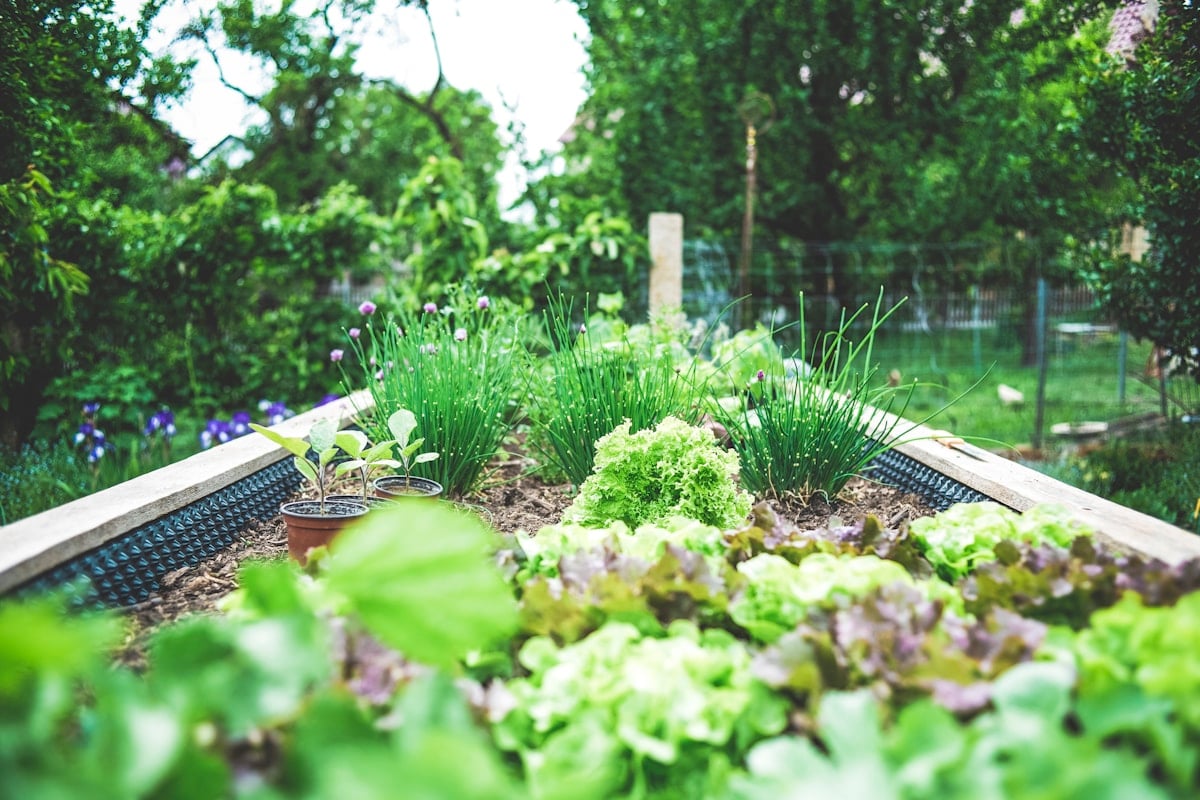
Raised bed gardening transforms challenging growing conditions into productive garden spaces. Whether you’re dealing with poor
Why Choose Raised Beds?
Raised beds solve common gardening problems. They warm up faster in spring, drain better after rain, and keep
The elevated design also protects plants from ground-dwelling pests and gives you complete control over
Selecting the Right Location
Place your raised beds where they’ll receive 6-8 hours of direct sunlight daily. Most vegetables need full sun to produce well. Position beds running north-south to maximize light exposure on both sides.
Consider water access when planning placement. You’ll be watering regularly, so having a hose or irrigation system nearby saves time and effort. Avoid low-lying areas where water collects after rain.
Choosing Bed Dimensions
Standard raised beds measure 4 feet wide—allowing you to reach the center from either side without stepping on the
Height matters too. A 12-inch deep raised garden bed suits most vegetables, while 18-24 inches provides even better drainage and root development for larger plants like tomatoes and peppers.
Filling Your Raised Bed
Quality
FoxFarm Ocean Forest Potting
Avoid using straight garden
Starting Your First Plants
Begin with easy, productive crops. Lettuce, radishes, and herbs give you quick wins. Tomatoes, peppers, and squash produce abundantly once established. If you’re new to container and raised bed gardening, start small and expand as you gain confidence.
Fabric grow bags work great inside raised beds, letting you test different
Plant spacing matters in raised beds. Use intensive planting methods—closer spacing than traditional row gardens. This maximizes yields and shades out weeds naturally.
Watering and Maintenance
Raised beds dry out faster than ground-level gardens. Check
Mulch heavily with straw, wood chips, or shredded leaves. A 2-3 inch layer conserves moisture, regulates
Add compost each season to maintain
Season Extension
Raised beds excel at extending your growing season. The elevated
Many gardeners get three seasons of production from raised beds with smart succession planting and cold-hardy varieties.
Common Mistakes to Avoid
Don’t skip the weed barrier underneath. Landscape fabric prevents grass and weeds from invading from below while still allowing drainage.
Avoid treating raised beds like containers. They need less frequent watering than pots but more than ground gardens. Find the balance for your climate and
Never use pressure-treated lumber containing harmful chemicals near edibles. Cedar, redwood, or food-safe composite materials last for years without contaminating
Getting Started Today
Raised bed gardening rewards beginners with faster results and fewer frustrations than traditional gardens. Start with one 4×8 bed, fill it with quality
As you gain experience, expand your setup and experiment with different growing containers and techniques. The flexibility of raised beds lets you adapt and improve season after season.
Your first harvest from a raised bed proves the value of this approach—better
Essential Raised Bed Gardening Tools:
Lorem ipsum dolor sit amet, consectetur adipiscing elit. Morbi auctor suscipit magna pretium sodales. Vestibulum eu lorem vitae diam ullamcorper viverra in vitae nunc. Duis non risus urna.

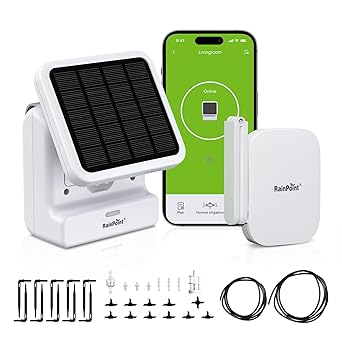
Water 20 plants with this amazing solar powered and WiFI enabled watering system ideal for automating away your gardening tasks.
Zyzykeji grow lights is Designed with 3 light tubes and 3 flexible goosenecks, auto timer function, 3 modes & 10 dimmable Levels, red, blue & white full spectrum grow light is the best choice for your plant growth.