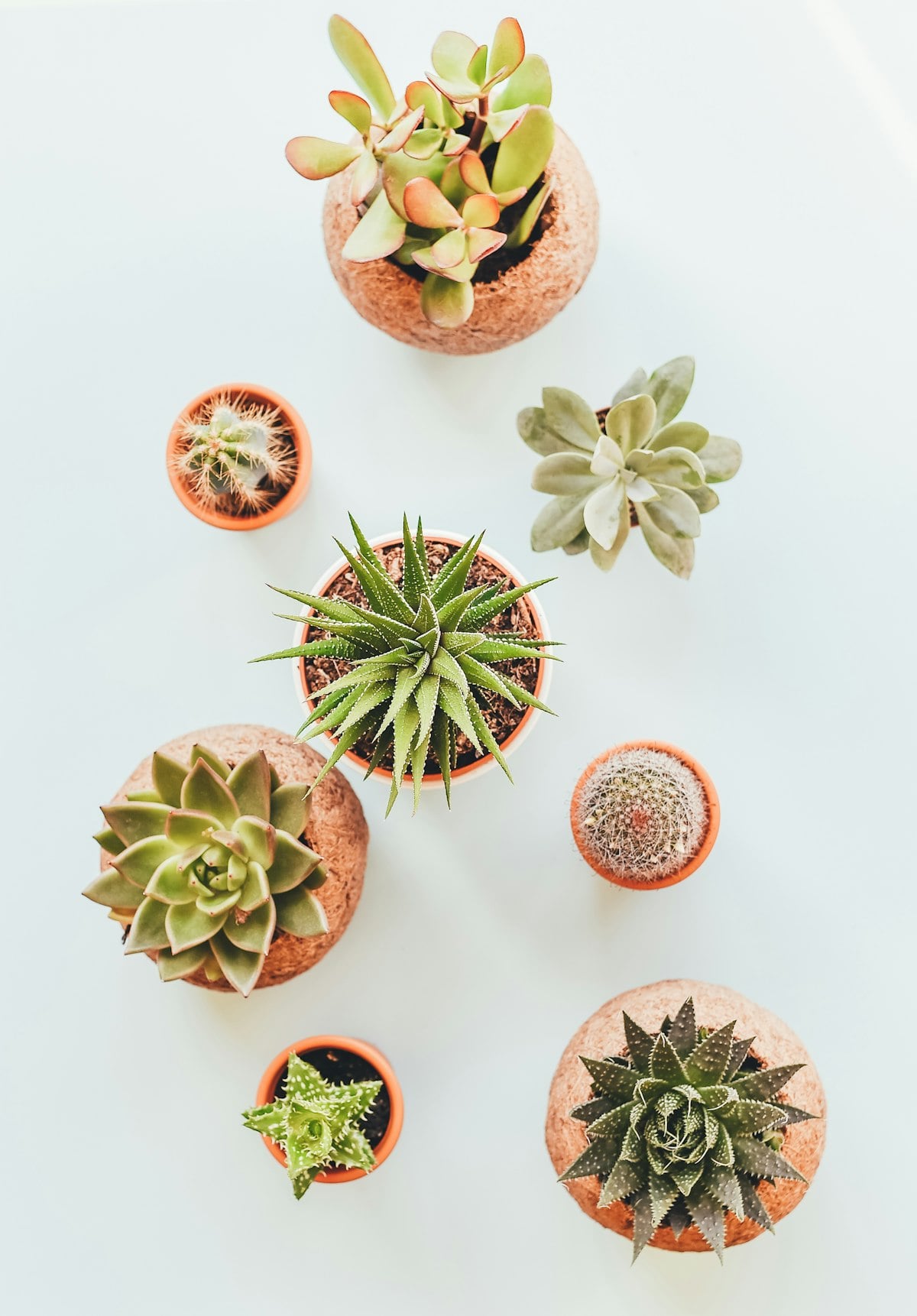
Want to multiply your succulent collection without spending money? Propagating succulents is one of the easiest and most rewarding gardening projects you can do at home. Whether you have leaf cuttings, stem cuttings, or offsets, this guide will show you exactly how to turn them into thriving new plants.
Why Propagate Succulents?
Succulent propagation is perfect for beginners because these hardy plants are incredibly forgiving. Plus, it’s completely free—you can grow dozens of new plants from a single mother plant. Many gardeners find it therapeutic to watch tiny leaves transform into full-grown succulents over a few months.
Three Methods for Propagating Succulents
1. Leaf Propagation
The most common method is leaf propagation. Gently twist a healthy leaf from the stem—don’t cut it, as you need the entire leaf base intact. Let it callus over for 2-3 days in indirect light, then place it on top of well-draining succulent soil. Mist lightly every few days. Within 2-4 weeks, you’ll see tiny roots and baby plants emerging from the base.
2. Stem Cuttings
For larger succulents like jade plants or aeoniums, stem cuttings work better. Use clean scissors to cut a 3-4 inch stem section, remove the bottom leaves, and let it callus for 3-5 days. Plant it directly into
3. Offsets (Pups)
Some succulents like aloe and hens-and-chicks naturally produce offsets or “pups” around the base. Simply separate these with a clean knife when they’re at least 1/3 the size of the mother plant. Plant them immediately in their own pots with proper drainage.
Essential Supplies You’ll Need
Success with propagation starts with the right materials. You’ll need well-draining cactus and succulent potting mix, small pots with drainage holes, and a spray bottle for misting. Indoor propagation benefits from LED grow lights if you don’t have bright indirect light available.
Consider using self-watering pots once your propagated succulents establish roots—they help maintain consistent moisture without overwatering. For winter succulent care, these pots are especially helpful when indoor heating dries out the air.
Common Propagation Mistakes to Avoid
The biggest mistake is overwatering. Succulents need very little water during propagation—mist lightly every 3-4 days for leaf cuttings, and water sparingly for stem cuttings only after they develop roots. Another common error is placing propagations in direct sunlight, which can scorch tender new growth. Bright indirect light is ideal.
Don’t give up if some leaves don’t propagate. It’s normal for a 50-70% success rate, especially when you’re learning. The mother plant will continue producing healthy leaves you can try again with.
How Long Does Propagation Take?
Patience is key. Leaf propagations typically show roots in 2-3 weeks and visible baby plants in 4-6 weeks. However, it can take 3-6 months for them to grow large enough to transplant into individual pots. Stem cuttings root faster, usually establishing within 3-4 weeks. Temperature and humidity affect timing—warmer conditions (65-75°F) speed up the process.
FAQ: Succulent Propagation
Can you propagate succulents in water?
Yes, but
What’s the best time of year to propagate succulents?
Spring and summer are ideal because warmer temperatures and longer daylight hours promote faster root development. Avoid propagating during winter dormancy unless you have indoor grow lights.
How often should I water succulent propagations?
Mist leaf propagations lightly every 3-4 days. For stem cuttings, wait until they develop roots (test by giving a gentle tug), then water deeply but infrequently—about once every 7-10 days.
Why are my succulent leaves shriveling during propagation?
This is normal! The mother leaf provides nutrients to the baby plant and will naturally shrivel and dry up. As long as you see new growth emerging, the propagation is successful.
Propagating succulents is one of the most satisfying ways to grow your collection while learning more about plant biology. Start with easy varieties like echeveria, sedum, or jade plants, and you’ll quickly develop confidence with this rewarding technique.