Category: Uncategorized

  • How to Get Rid of Garden Slugs Naturally

    How to Get Rid of Garden Slugs Naturally

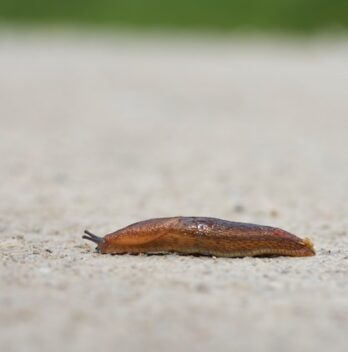
    Slugs can be a nightmare for gardeners. These slimy pests can quickly devour your plants, flowers, and vegetables, leaving behind damage and frustration. However, many gardeners hesitate to use chemical pesticides to deal with slugs, as these can harm beneficial insects and the environment. So how to get rid of garden slugs naturally?

    The good news is that several natural methods exist for getting rid of garden slugs naturally and keeping your garden thriving without harmful chemicals. We’ll cover everything you need to know about identifying slug infestations, understanding their behavior, and, most importantly, eliminating them using natural techniques.

    Why Are Slugs a Problem in the Garden?

    Slugs feed primarily at night, attacking tender plant leaves, seedlings, and fruits. They can cause significant damage if left unchecked, particularly in vegetable gardens. Here’s why slugs are a common garden problem:

    • Moist environments: Slugs thrive in damp, shady areas, which is common in many gardens.
    • Preference for young plants: They tend to go after young, tender plants, making seedlings especially vulnerable.
    • Rapid reproduction: Slugs can reproduce quickly, leading to an infestation that’s hard to control without intervention.

    1. Identify the Presence of Slugs in Your Garden

    Before you begin slug control, it’s important to confirm that slugs are the culprit behind the damage in your garden. Look for the following signs:

    • Slimy trails: Slugs leave behind shiny, slimy trails as they move, which are easy to spot on leaves and the soil.
    • Ragged holes: Slugs typically create irregular holes in leaves, especially on low-growing plants and seedlings.
    • Nighttime activity: Since slugs are nocturnal, inspect your garden at night with a flashlight to catch them in action.

    You can implement natural control methods once you’ve identified that slugs are present.
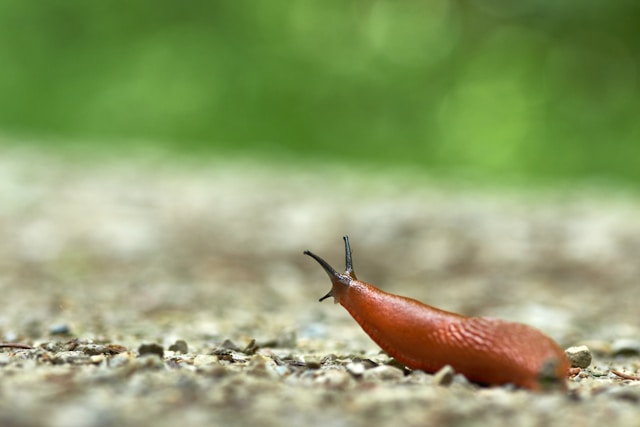
    How to get rid of garden slugs naturally

    2. Handpicking: Simple but Effective

    Although it might seem unappealing, handpicking is one of the most effective and immediate ways to reduce slug numbers.

    • Best time to pick: Go out after dusk or early morning when slugs are most active. Wear gloves and carry a bucket of soapy water to drop the slugs into—this will kill them quickly.
    • Consistent effort: Handpicking should be done regularly, especially after rain or watering when slugs are more likely to be out.

    Pro Tip: During the day, you can place boards or overturned pots in your garden, which slugs will hide under. Check under these traps in the evening and remove the slugs you find.


    3. Barriers and Traps: Natural Slug Deterrents

    Creating barriers and traps can effectively prevent slugs from reaching your plants. Here are a few natural methods to try:

    Copper Tape and Barriers

    Copper is a natural slug repellent because slugs experience an unpleasant reaction when they come into contact with it.

    • How to use copper: Place copper tape around the rims of pots, raised beds, or other garden structures. Slugs will avoid crossing it.
    • Copper strips in the soil: You can also embed copper strips into the soil around plants you want to protect.
    LOVIMAG Copper Foil Tape for Plant Protection
    $8.99

    TAPE FOR PLANTS – You can wrap copper tape around the base of small plants and seedlings to protect plants.

    Check Amazon Price
    We earn a commission if you make a purchase, at no additional cost to you.
    12/23/2025 03:03 pm GMT

    Eggshells and Coffee Grounds

    Both eggshells and coffee grounds create rough surfaces that slugs dislike.

    • Eggshells: Crush eggshells and sprinkle them around the base of your plants. The sharp edges are uncomfortable for slugs to crawl over.
    • Coffee grounds: Used coffee grounds are another natural barrier. Coffee has also been shown to act as a mild slug repellent.

    Beer Traps

    Beer is a well-known slug attractant, and beer traps can effectively reduce their numbers.

    • How to make a beer trap: Bury a shallow container, such as a plastic cup or saucer, into the ground so the rim is level with the soil. Fill it with beer, which will attract slugs. Once they enter the trap, they will drown.
    • Replace frequently: Check and replace the beer every few days to keep the trap effective.

    Pro Tip: Position beer traps away from the plants you’re protecting. This will lure slugs away from your plants, not toward them.


    4. Encourage Natural Predators

    One of the best natural ways to control slugs is to introduce or encourage their natural predators into your garden.

    • Attract birds: Birds such as thrushes, blackbirds, and robins are natural slug predators. To attract birds to your garden, install bird feeders, baths, and nesting boxes.
    • Introduce frogs and toads: Frogs and toads are excellent slug hunters. You can encourage them to stay in your garden by creating damp, shady areas with shallow ponds or water features.
    • Ground beetles and hedgehogs: These animals also feast on slugs. Consider leaving parts of your garden a bit wild to create habitats for these helpful predators.

    Pro Tip: Avoid using chemical pesticides that could harm these beneficial animals.


    5. Use Natural Repellents and Mulches

    Several natural substances can repel slugs or make it more difficult for them to navigate your garden. These mulches and repellents are safe for plants and animals.

    Diatomaceous Earth (DE)

    Diatomaceous earth is a fine powder made from fossilized algae. It is safe for humans and pets but lethal to slugs.

    • How it works: When slugs crawl over diatomaceous earth, it damages their soft bodies, causing them to dehydrate and die.
    • Application: Sprinkle a thin layer of DE around the base of plants, especially after watering or rain.
    Harris Diatomaceous Earth Food Grade
    $16.99
    Pros:
    • Effective
    • Natural pest control
    • Safe for Children & Pets
    Cons:
    • Messy
    Check Amazon Price
    We earn a commission if you make a purchase, at no additional cost to you.
    12/23/2025 03:03 pm GMT

    Wood Ash

    Wood ash from a wood stove or fire pit is another effective slug deterrent.

    • How to use: Spread wood ash around the perimeter of your garden beds or plants. The ash creates an uncomfortable surface for slugs, and it also adds potassium to your soil.
    Seven Springs Farm – Tennessee Sifted Wood Ash
    $31.98

    All Natural Ashes from Organically Grown Hardwood Timber (2 Pounds)

    Check Amazon Price
    We earn a commission if you make a purchase, at no additional cost to you.
    12/23/2025 01:03 pm GMT

    Garlic Spray

    Garlic has natural insect-repelling properties and can be used to ward off slugs.

    • Make your own garlic spray: Crush several garlic cloves and steep them in hot water for 24 hours. Strain the mixture and spray it on the soil and plants in your garden.

    6. Watering Strategies: Keep Your Garden Dry

    Slugs thrive in moist environments, so adjusting your watering habits can help control their population.

    • Water in the morning: Water your garden early in the day, so the soil dries out by evening when slugs are most active. Avoid watering late in the day, as this creates damp conditions that slugs love.
    • Use drip irrigation: Consider using drip irrigation systems that deliver water directly to plant roots, keeping the surface soil drier and less inviting for slugs.

    Pro Tip: Remove mulch from the base of vulnerable plants during slug season, as mulch can retain moisture and provide hiding spots for slugs.


    7. Plant Slug-Resistant Plants

    Another way to deter slugs naturally is by planting species they tend to avoid. By incorporating these plants into your garden, you can reduce slug infestations naturally.

    • Slug-resistant plants: Consider growing plants such as lavender, rosemary, ferns, and certain types of grasses, which slugs are less likely to feast on.
    • Use as companion plants: Plant slug-resistant varieties near more vulnerable plants to create a natural barrier.

    Conclusion: Slug Control Without Chemicals

    To get rid of garden slugs doesn’t have to involve harmful chemicals. By using natural methods like handpicking, creating barriers, attracting predators, and adjusting watering habits, you can significantly reduce the slug population and protect your plants.

    With these tips, you’ll not only keep your garden safe from slugs but also contribute to a healthier, more sustainable environment. So, gear up and start implementing these natural solutions to keep your garden slug-free!

  • How to Harvest Parsley Without Killing the Plant – 8 Easy Tips

    How to Harvest Parsley Without Killing the Plant – 8 Easy Tips

    Parsley is one of the most widely used herbs in the world. It is extremely easy to grow and harvest, meaning you can plant in and always have parsley when needed. It is however key to know how to harvest parsley without killing the plant.

    Once harvested, it stores extremely well and you can preserve it in many different ways to ensure a continuous supply of this herb all year round. Although usually used as a garnish, it has amazing flavors that can take both cooked and raw dishes to the next level. To keep enjoying this plant, keep reading to learn the exact way to harvest it without killing the plant.

    The Parsely Herb

    Parsley (Petroselinum crispum) is a flowering plant belonging to the Apiaceae family. It is native to the Mediterranean regions of Greece, Morocco, and the former Yugoslavia. It has since been introduced to Europe and all other areas in the world where the climate is suitable for its growth. It is widely cultivated as a herb and used in various dishes.
    The plant is bright green and is a biennial with feather-shaped leaves. It prefers temperate climates but does well in a range of conditions.

    There are two primary varieties of parsley, that is flat leaf and curly parsley. The curly leaf is the more popular of the two, but both varieties are used for culinary purposes. The flat leaf parsley is also known as Italian parsley.

    Both varieties of parsley have a refreshing earthy taste and a subtle scent and are mostly used in vegetable dishes, stews, soups, salads, and sauces. Parsley is more commonly used in traditional Middle-Eastern and Greek foods.

    In addition to having a great state, parsley has various nutritional benefits. It is rich in many nutrients, especially vitamins A and C, and iron.

    The ideal growing conditions for parsley include moist, well-drained, and loamy soils, and full to partial sunlight. It prefers warmer climates but can withstand light frost without too much damage, and will re-emerge in the spring. It is also an easy plant to grow from seed and has high rates of germination.

    If you are a lover of butterflies, parsley has n added benefit for you and your garden. It is an excellent host for swallowtail caterpillars (Papilionidae) and will multiply in your garden if you grow parsley.

    How to Cut Parsley Plant

    The parsley plant is harvested for its flavourful leaves as well as its seeds. When doing this, it is best to cut the younger plants for leaves. Younger stems have a stronger flavor. The older plants, which may maybe be in their second growing season are better suited for harvesting seeds.

    Does Parsley Grow Back?

    Parsely takes about two to three weeks to grow back after harvest. As a result, you need to plan your harvests accordingly to give your herbs enough time to grow again before the next harvest.

    If you cut down the parsley plant entirely, it will eventually grow back. It will just take a long time to do so. Only cut what you need at any time to allow the plant to continue growing and producing for a long time.

    parsley fun facts

    How to Prune Parsley

    Parsely should be pruned back regularly to increase yield. Even if you do not plan on using the herb, you need to prime it once every couple of weeks. The more you cut, the bushier your plant will grow back.

    Here are simple tips on how to prune parsley for a better harvest:

    • Whenever you harvest your parsley for use, also snip off some stems on the outside of the plant
    • Trim off any yellow or brown leaves and stems to encourage new, healthy growth
    • Trim the plant at the base of the stem, closer to the soil. If you trim higher, you may slow down plant growth
    • The plant prefers a clean cut, so when you cut, use a sharp pair of scissors instead of pinching off the plant

    When to Harvest Parsley

    Parsley takes about 70-90 days to grow before it s ready for harvesting. You do not have to wait this long before you can start harvesting some leaves. It is however advisable to wait until the plant has produced ample foliage before you start harvesting the leaves.

    If all this sounds confusing and you are still unsure, just wait until your plants start getting bushy and have lots of branching leaves before you start to harvest them.

    Parsley is a biennial plant that is often grown as an annual and grows back when cut or harvested. When grown in temperate climates, it can be harvested all year round because the temperature stays right for it to keep growing. In other regions, the growing season of the herb is from spring right through fall.

    The best time of day to harvest parsley is in the morning before it gets too hot in the day. The plant has the most potent flavor during this period during the high content of essential oils.

    How to Pick Parsley – 8 Simple Steps

    When it comes to harvesting parsley, you want to make sure that you do it in a way that will keep your plant growing. Follow these eight simple steps to ensure this.

    Step 1: Choose younger plants

    Younger plants have the best and strongest flavor. These can be harvested after the first year of growth. These can be harvested even in the first year of growth provided that are big enough. This will help the plant to keep putting out new growth.

    Step 2: Only harvest plant stems that have at least three segments

    Stems that have three segments are considered mature enough for harvest. Those that have only one or two should be left alone.

    Step 3: Cut at the base of the stem

    It is better to cut the plant at the base than at the top of the stem. This will help the plant to bush out better when it grows back.

    Step 4: Cut leaves from the outer parts of the plant

    Harvesting the older outer leaves of the plants will help the plant to direct its energy toward new growth.

    Step 5: Harvest continually

    Harvest your parsley in small batches throughout the growing season. Doing this will help the plant to have enough leaves and stems on it to keep regenerating for a continuous harvest. A good rule of thumb is to always leave ½ – ⅔ of the plant intact when harvesting. Always give your plant about a week to recover between harvests.

    Step 6: Bulk harvest at the end of the season

    If parsley is planted outside and it is in a cold climate, it is most likely going to get killed by the winter. So right before the winter comes, harvest all your plants and store them. This will give the plant a chance to grow back in the next season.

    Step 7: Use your harvested parsley

    You can use your parsley freshly harvested

    Step 8: Store your harvested parsley

    You can store it by refrigerating, freezing, or drying it for long-term storage.

    Harvesting Parsley Seeds

    After a parsley plant has grown and matured, it produces seeds. This does not happen in the first year of growth. If you would like to harvest seeds from your parsley plants, closely monitor them when they enter the second year of growth. This is when they typically flower ad produce seeds, at the end of their life cycle.

    To get a good crop as the growing seasons go by, remove any weak, unhealthy, or imperfect parts of the plant at the end of the first season. This will allow the second-year growth to be much stronger, and healthier and produce good-quality seeds.

    You will see that the seeds are ready to harvest when they have darkened. At this point, you can cut them from the plant by removing the stem right below the seed head. You can use sharp scissors to do this, or simply use your fingers to pinch off the seed heads.

    Do not move the seed heads too much while harvesting as shaking them will cause the seeds to scatter. Because the seeds are very small, they will be hard to recover. Place the harvested seeds in a paper bag and let them dry. Once they are dry, shake the bag to separate the seeds from their heads. and then you can store them in a cool dry place until they are ready to use.

    How to Store Fresh Parsley

    Fresh parsley can be stored at room temperature for short-term storage. To do this, bundle the stems together and snip the ends. Then place the stems in a glass or vase filled with water. This way, your parsley will last for about 2-3 days. Wash the parsley before you use it.

    You can also store them in the refrigerator for short-term storage. To store them this way, wash your harvested stems and remove any dirt or dust from them. Use a paper town or a dry kitchen cloth to dab them dry. Place them in the vegetable crisper section of your refrigerator, and they will stay fresh for up to 10 days.

    Freezing is an option for a longer-term storage solution. You can freeze whole sprigs or cut the leaves small and freeze them with some water in ice cube trays. Frozen parsley will retain its flavor but lose its crispiness. Keep this in mind if you freeze it.  Frozen parsley can store for up to six months.

    One of the best ways to store parsley for a long time is to dry it. Hang harvested and washed whole sprigs upside down in a warm, dark, and well-ventilated area for them to air dry. It will take about 7-10 days to dry completely. Once completely dry, crumble the leaves and store them in an airtight container or bag.

    Another drying option is to use a food dehydrator to dry your parsley quickly and easily. Only use the air drying option as high heat can negatively impact the flavor of the herbs. Store your dried herbs in a mason jar sealed with a food saver and jar sealer attachment.  Use dried parsley within 2-3 years.

    Amazon Choice Selection
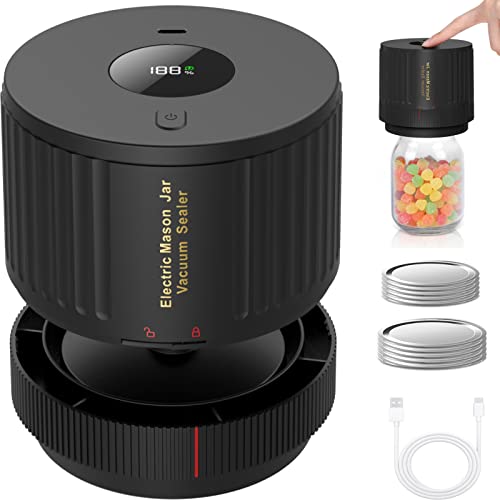
    Electric Mason Jar Vacuum Sealer Kit for Mason Jars
    $29.94

    The electric Mason jar vacuum sealer contains two sizes of …

    Check Amazon Price
    We earn a commission if you make a purchase, at no additional cost to you.
    12/23/2025 04:04 pm GMT

    Quick Summary – How to Harvest Parsley without Killing the Plant

    Harvesting parsley is an extremely easy and quick process, and can be done in a way that will allow you to harvest continually throughout the growing season. To do this, just take what you need each time you harvest.  Don’t cut the plant all the way back, and don’t pull the plant. – just snip off a stem or two or three. This will allow your plant to grow back healthier and bushier.

    Be gentle when harvesting. Use sharp scissors or knives but do not give in to the temptation to pull or tug on the plant, even if it is a bit hard to cut. Pulling may damage the plant and ultimately kill it.

    Remember also to harvest the older leaves first, to allow the plant to direct energy into growing new foliage. As a result, your plant will keep producing parsley all season long.

    Harvest your herb continually, even if you do not plan n using it. Pruning the plant, and taking off the outer leaves and stems will encourage new growth and will cause your plant to grow better.

    We hope this article has provided you with everything you needed to know about how to harvest parsley without killing the plant.

    Happy growing!

  • Can You Eat Potato Leaves? [Potato Leaves Facts]

    Can You Eat Potato Leaves? [Potato Leaves Facts]

    Potatoes are some of the most versatile and commonly consumed foods around the world. There are so many ways in which this root vegetable can be prepared. But can you eat potato leaves in addition to the root?

    The harvested root of the potato plant is used for many culinary purposes such as making salads, chips, crisps, and many other dishes and snacks. It can even be ground into flour to make various baked goods. Keep reading to find out if the leaves of the potato plant are as versatile as the root.

    What Are Potatoes?

    Potatoes (Solanum tuberosum) are a perennial vegetable belonging to the Solanaceae or nightshade family. Native to the Americas, they were domesticated by Native Americans in multiple locations. Wild species of potatoes can be found in various areas of the United States and Chile.

    Potatoes have now been introduced and are cultivated in just about every continent in the world and are one of the world’s largest food crops.

    All the different types and species of potatoes make a delicious and nutritious addition to any diet. They are a great source of vitamins C and B6 and have twice as much potassium as those found in a banana.

    However, not all parts of the potato plants should be eaten. Just like other plants in the nightshade family such as tomatoes, eggplants, and peppers, some parts of the potato plant are poisonous if consumed.

    Vegetables in the nightshade family produce fruits that are healthy and safe for consumption, but other parts of the plants and their foliage may contain a high concentration of a compound called solanine that is toxic to humans and many animals.

    Are Potato Leaves Edible?

    The simple and straightforward answer is no! “Irish” potato leaves are not edible and should not be consumed at any cost. Generally, however, depending on the variety of potatoes you can and can not eat potato leaves.  Irish potato leaves produce steroidal alkaloids, solanine, and chaconine. These toxic compounds can be present in high concentrations in the leaves of potatoes, which could be harmful if consumed by both animals and humans. Sweet potato leaves however are perfectly safe to eat.

    Solanine and chaconine are produced by plants as natural pesticides to protect themselves from insects devouring them. These two compounds, therefore, make the plants bitter tasting. This also helps the nightshade plants avoid being eaten by herbivores and various pathogens.

    Solanine is present in all parts of the potato plant, but it is more concentrated in the leaves and stems, which are the parts of the plants that have to do with photosynthesis.

    Some people are more sensitive to solanine and even a small amount can cause them to get sick. Children and small pets are also at a higher risk of solanine poisoning due to their small size. A concentration of 20mg of solanine per 100g of plant consumed can be toxic. Potato leaves are not and should not be used in the kitchen. Keeping them out of your kitchen will help you avoid accidental ingestion.

    If you eat any part of a potato and it tastes bitter, you need to stop immediately. That bitter taste could be an indication that there is solanine present. If you ever accidentally consume it accidentally, however, there is no need to panic. Just drink plenty of fluids to try and flush it out. Monitor your symptoms over time. If you continue to feel worse, contact a doctor immediately. Potato leaves should never be eaten

    Can You Eat Potato Greens?

    Are potato leaves poisonous? Can you eat them? Absolutely not. The only part of the potato plant that you should eat is the root. Any part of the potato that is or has a green color should by no means be eaten. If eaten, it can lead to serious health issues and even death due to solanine poisoning.

    potato leaves edible

    Are Potato Plants Poisonous?

    The whole potato plant is not poisonous. There are only certain parts of the potato plant that are poisonous. Potato leaves and plant parts that are not the actual potato are not edible and can be poisonous.

    The leaves stem and any new shoots and buds of the potato plant contain high amounts of solanine. In addition to this, potato tubers (the actual potato) that have been exposed to sunlight for an extended period of time and turned green also contain high amounts of solanine and should not be eaten.

    The only part of the potato plant that is safe to eat is the underground tuber which has not been exposed to the sun and has no green color on it. If you have stored your potatoes and they start to sprout, you must remove the sprouts before eating them. As long as the potatoes have no green pigment, they should be perfectly fine to eat.

    If your stored potatoes have a small patch of green on the surface, you can simply trim it away and wash the potato and cook it. If you find that the flesh is also green, however, you should toss the whole potato.

    Another part of the potato plant that should not be eaten is the little fruit that the flowers produce. These fruits look like small tomatoes and may be confusing especially to small children. They should not be eaten because they are also poisonous.

    Animals should also be kept from eating any green parts of the potato plant. To keep your animals safe, fence off any areas where the plants are. Remove any leaves that fall onto the land where they may be accessed and consumed by livestock.

    If you suspect that an animal has eaten any poisonous part of the potato plant, immediately seek veterinary care, and with the proper treatment, the animal should be fine.

    Solanine poisoning rarely ever leads to death because you would have to eat extremely large quantities for it to have that effect. If you consume small quantities of solanine, here are some symptoms of poisoning that you may experience;

    • Gastrointestinal pain such as a burning sensation in the mouth and throat, pain in the abdomen, loose bowels, nausea, and vomiting.
    • Skin discomforts such as an itchy neck and overly sensitive skin
    • Headaches
    • Difficulty with breathing
    • Fatigue
    • Feeling weak
    • Weak or rapid pulse
    • Hallucinations
    • Delirium
    • Coma
    • and in rare cases, death

    Never make the mistake of thinking that cooking will destroy solanine from potato plants because it does not. It does not matter whether the potato is raw or cooked, they’re both toxic. Any part of the potato plant that is green is not fit for consumption, and uncooked potato tubers are inedible even if they do not have a green color.

    Solanine poisoning

    Solanine poisoning is mostly displayed via gastrointestinal and neurological complications. Symptoms usually occur between 8 and 12 hours after ingestion of high-solanine foods.

    Some scientific studies have shown that there is a correlation between the consumption of potatoes that have late blight, which increases the levels of solanine and other glycoalkaloids, and the occurrence of congenital spina bifida.  birth defect in humans.

    Although the mechanism of solanine poisoning is still to be well understood, it is best to avoid any vegetables that could potentially lead to poisoning.

    Are Sweet Potato Leaves Edible?

    Sweet potatoes (Ipomoea batatas) are often mistaken for nightshade because of the name similarity with potato, it might be tempting to think they are from the same family. Despite the name being similar, sweet potato does not belong to the nightshade or Solanaceae family and are not related to regular potatoes.

    Unlike potato leaves, sweet potato leaves are edible. They do not contain any solanine and are not toxic. The leaves can be eaten raw in salads or cooled and served as a side vegetable like spinach. They can also be added to stir-fries. Sweet potato leaves are a common ingredient in many Asian-style dishes.

    Sweet potato leaves are an excellent source of vitamins and minerals and therefore can be an excellent addition to your diet. They are rich in vitamins A, C, and B6, as well as manganese and potassium. The composition of these nutrients will depend on the variety of sweet potatoes.

    Potato vs Sweet Potato Leaves

    To avoid mistaking potato leaves for sweet potato leaves, it might be helpful to know how to clearly distinguish between the two by knowing their descriptions.

    Potato leaves have a smooth leaf edge compared to the serrated edge of regular leaves. The leaf has an oval shape and may have notches that separate large lobes. They have a dark green color and would be bitter if you tasted them.

    Sweet potato leaves on the other hand form a trailing vine. They are heart-shaped or have deep notches The leaves have a glossy green appearance that may also have a reddish tint. They have prominent veins that radiate from the base of the leaf. They can be medium to large in size and have a cordate or heart shape with pointed tips.

    Sweet potato leaves grow in an alternating pattern and may have multiple lobes, known as palmate, depending on the variety. The colors of sweet potato leaves can range from dark to yellow green, and purple, and they usually have a darker surface and be lighter on the underside of the leave. They glow on green, slender terms on creeping vines that can grow up to four meters in length. The top 10 cm of the leaves and stems are the most tender parts of the vine and are the most commonly consumed.

    What to Do With Potato Leaves?

    Since you cannot eat potato leaves, what can you do with them? One thing you can do with potato leaves is to compost them. Composted potato leaves can be an excellent source of nutrients to help enrich or improve the quality of your soil. If you decide to do this, be careful not to add too many of these leaves to your compost heap as they can cause the compost to become acidic. This would limit the number of plants you would be able to use your compost on.

    Another thing you can do with potato plant leaves is to simply throw them away. Throw them away in a place that your animals will not be able to reach, as this may lead to various health problems. If you can, dig a hole in the ground and bury the leaves in there. Just remember not to plant anything in that area that does not like acidic soil or it will not grow well and may even die.

    Can You Get Poisoned By Touching Potato Leaves?

    Since we have explained extensively the problems associated with potato leaf consumption and solanine poisoning, you may be wondering if it is possible to get poisoned by touching or handling them. There is no need to worry about this because handling potato foliage poses no risk to you or your pets.

    You would only get poisoned if you infested considerable amounts of the poisonous parts of the plant. You can safely handle or carry all the green parts of the potato plant without worrying about any possibility of poisoning.

    Conclusion – Can You Eat Potato Leaves?

    Potatoes are a popular and versatile vegetable that is consumed by all cultures throughout the world. This amazing vegetable however has certain parts of it that are not fit for consumption as they can lead to terrible health effects and even health if consumed in large enough quantities.

    The stems and leaves of potatoes, along with those of all the plants in the nightshade family should not be consumed by humans or animals. The solanine contained in them is toxic. This also goes for any potato tuber that may have a green pigment on its flesh. It should be gotten rid of or used for composting.

    You cannot destroy the solanine contained in potato greens by cooking. Under no circumstances should potato greens be consumed.

    Sweet potatoes are from a different family to “Irish potatoes”. Even though it might be easy to think they are related, sweet potato leaves can be safely consumed and actually have various health benefits.

    To avoid accidentally consuming poisonous potato leaves, learn how to distinguish between the two. You can read the guidelines provided in this article or use other resources to assist you in this regard.

    We hope this article has been of great help in improving your understanding of potato plants and their dangers. While the risk of death from solanine poisoning is quite low, it is better to be safe than sorry. In conclusion, avoid any green parts of the potato plant.

    Stay safe and happy gardening.

  • What Do Bluegill Eat: Best Diet to Follow & Facts

    What Do Bluegill Eat: Best Diet to Follow & Facts

    Do you have bluegill in your aquarium and you’re wondering what do bluegill eat? We will let you know in this post.

    Generally, various fish needs special care no matter the type of fish you choose to raise. It is pretty easy to care for various fish, especially the bluegill, as they require you to provide them basic care such as clean water, good space, as well as fish feed.

    Bluegill fish will feed on a whole lot of things, so read on to discover what do bluegill eat. 

    Facts About Bluegill Fish

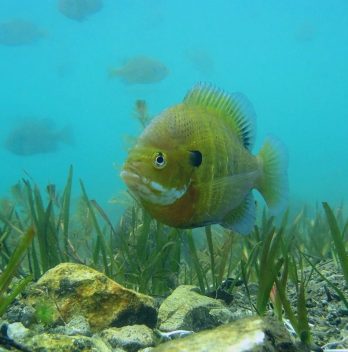
    Bluegill fish are long-bodied freshwater sunfish. They are native to North America and they dwell mostly in lakes, rivers, and ponds. Bluegill fish are one common loving fish raised among aquarium hobbyists.

    They are quite friendly fish to have in your home aquarium and they possess some fascinating habits you would love to witness. Habits like doing hide and seek from predators by taking cover at the back of any covering or shield in your aquarium.

    Info About Bluegill Fish: What To Feed Bluegill In An Aquarium

    They can grow up to 2kg to 2.5 kg in weight. Bluegill can also grow as long as 12 inches or more. They can live up to 4 or 6 years.

    Read more about How to Raise Catfish in A Tank

    What Do Bluegill Eat?

    Bluegill fish are carnivores. This implies they are capable of feeding on other little types of fish or small animals. So, here is what you can feed your bluegill fish in your aquarium:

    1.    Minnows

    One common little fish to feed your bluefish is a minnow. Minnows are normally dropped around feeding time in the aquarium and the bluegill fish goes hunting them. You can trim the minnow’s tail and not worry about shedding blood in your aquarium. Trimming is done so they won’t be able to swim and it will be easier for your bluegill fish to catch and feed on them.

    2.    Shiner fish

    Shiner fishes are little fish you can feed your bluegill with. Their size is about 2 to 3 inches which makes them perfect for feeding matured bluegill fish. You can purchase them from bait shops and they are also used as bait for capturing bluegill fish in the wild.

    3.    Shad fish

    Shad fish are tiny and they can be fed to bluegill fish. Although they might be scarce to find, they can be added to the list of food to feed bluegill.

    4.    Baitfish

    The baitfish are primarily used in the wild for catching bluegill fish from their natural habitat. Bluegill enjoys feeding on baitfish; especially the bigger-sized bluegill fish. Most bluegill keepers prefer feeding them with baitfish because they are readily available in pet shops. They are also not so pricey.

    5.    Suckerfish

    Little fish like the sucker is also included in the food for your bluegill fish. This slender cylindrical-bodied fish is one of the bluegill favorites and they will enjoy feeding on these little fishes.

    6.    Larvae & insects

    Larvae and insects are not left out of the various kinds of food you can feed your bluegill. As we mentioned earlier, bluegill fish feast on little animals such as larvae and insects. Examples are crickets, grasshoppers, and mealworms. If you wish to lure bluegill to the surface in their wild natural habitat, insects are best used as bait.

    TetraPond Pond Sticks 2.65 Pounds, Pond Fish Food, For Goldfish And Koi
    $33.54
    Check Amazon Price
    We earn a commission if you make a purchase, at no additional cost to you.
    12/23/2025 11:03 pm GMT

    7.    Water insects

    Another food you can feed your bluegill is water insects they are rich in nutrients for your fish. They will feed on insect larvae, mosquito larvae, any eggs laid in water, and even water bugs.

    8.    Crustacean

    Crustaceans such as small freshwater shrimps and small crayfish are not left out of food to feed your bluegill fish. They can be purchased easily from fish or feed shops.

    9.    Zooplankton

    It is the young bluegill fish that mostly feed on zooplankton and this also supplies them with adequate nutrients to grow.

    10. Fish pellets & dried worms

    Bluegill fish will also feed on dried worms and fish pellets. They are cheap and available in fish or feed shops.

    Other bluegill foods you can also add to your fish feed are terrestrial insects and water insects.

    Stocking Density for Bluegill in an Aquarium

    Bluegill fish requires adequate spacing. Therefore, they can take up to 50 to 70 gallons of water. The required pH should fall around 6.8 to 7.2. Bluegill fish can also live along with tank mates of other species of fish. 

    Stocking Density For Bluegill In An Aquarium

    Additional Note: What to Feed Bluegill in an Aquarium

    When feeding your aquarium bluegill, you will need to monitor them. You should feed them during the day and the feeding session should be short (about 15 seconds). Also. try not to overfeed them as this could lead to your tank being polluted. Remove any leftover food and readjust the feeding portion the next time.

    What to Feed Baby Bluegill?

    You may be wondering what the best food is to feed your baby bluegills. Let’s take a closer look at what you should include in their diet. Bluegills eat both other animals and plants. You can expect them to enjoy foods such as plants, insects, and other small fish or insects.

    You may want to consider adding the following to your tank for your bluegills: bloodworms and baby brine shrimp. They’ll also enjoy fish flakes, pellets, or even frozen food such as krill. If you’re looking for a less expensive option, fish flakes are a great starting point. However, you must offer other foods to ensure they’re getting a balanced diet.

    When Do Bluegill Spawn?

    You may be curious as to when bluegill spawns. This usually takes place in June, but it can happen anytime from May to August. You should ensure that have you your gravel in the tank so that the bluegills can make a nest. It’s also important to keep the temperature of the aquarium between 68-80F.

    How Fast Does Bluegill Grow?

    How quickly bluegills grow depends on a variety of aspects. Such as the type of bluegill, how healthy and active they are, and also the size of the area they’re kept in. However, some estimations can be made. Bluegills can take up to five years before they’ve fully matured. However, if they’re in a large area of water, they may not stop growing!

    After around a year, it should be around 4-6 inches in length. After two years of age, it should be around 6-8 inches in length. After three years of age, it should be around 8-8.8 inches in length. After four years of age, it should be around 8.8-9.4 inches in length. After five years of age, it should be around 10 inches in length.

    Typically, in the wild, bluegill lives for around 5-6 years. However, their lifespan can double if they’re kept in captivity. It’s also worth noting that where the growing season is longer, due to warmer weather, bluegill will grow more quickly.

    Bluegill Temperature Range

    Bluegill fish are tolerant to many temperatures, which is why they’re a great fish to have. They can tolerate temperatures as high as 95F! However, for your bluegills to thrive and grow to a good, healthy size, the tank should be kept between 68-80F, for best results.

    blugill fish

    Do Hybrid Bluegill Reproduce?

    You may have heard that the hybrid bluegill can not reproduce. However, this is not the case! While it’s more often for them to be sterile than not, they can sometimes still reproduce. What’s most interesting about when hybrid bluegills reproduce is that the offspring will be one of two species: the bluegill, or green sunfish.

    Conclusion: What Do Bluegill Eat?

    I hope this post has helped to answer the question “what do bluegill eat?” and given you an idea of what diet is best to ensure your bluegill fish are thriving. Do you have any tips and tricks when it comes to supplying your bluegill with the best diet? If so, please feel free to let us know in the comments below. And remember, sharing is caring!

    FAQs

    What do Bluegill fish eat?

    The diet of a fish can be a very important part of its life. Some fish are carnivores; others are omnivores; and some are herbivores. In addition to the food they eat, the diet of each fish species is affected by the type of water it lives in and its size. The food in a fish’s diet may change throughout its life. For example, when a fish reaches sexual maturity, it may begin eating a different diet than it did before that time.

    A bluegill’s diet is based on the foods that are found in a natural environment.

    The food of choice for bluegills in an aquarium is a mix of pellets and live foods, according to the University of Michigan. Pellets are made up of ground fish meal, fish oil, corn and other ingredients that help grow the fish, while live foods include small invertebrates like shrimp, mosquito larvae and daphnia. Live foods may also be available as frozen or canned items.

    They will eat any pellet food available, and they are not picky about what kind of food they eat. Pellets are also easier to handle for the fish than flakes. Flake food is more expensive than pellets and has a longer shelf life. You can get the same nutrients in a smaller amount from pellets.

    Do they eat a lot?

    Yes they do, and you should definitely consider feeding them a pretty broad diet so the they may get all the nutrients that they need.

    They are a bit like a catfish in that they have a very strong, aggressive bite.

    If you don’t want them to die, try feeding them meat chunks (cat, dog, rabbit, etc). A popular food for them in tanks are frozen bloodworms.

    What are the best kind of pellets for them?

    The most commonly recommended food for bluegills in an aquarium is the algae-based “semi-pellet” diet, which contains protein, vitamins and minerals. Other foods include small pieces of shrimp or other crustaceans and live plants. Bluegills are bottom-feeding fish that eat primarily algae, insects and other plant material.

    Can they feed alongside other fish?

    They can be kept with other types of fish such as catfish and sunfish. Diet Bluegills feed on microalgae (sometimes called “semi-pellets”) and small organisms such as worms, insect larvae, mollusks, and detritus. These organisms are found in the water column. Bluegills also eat zooplankton, the microscopic animals that drift through the water. Bluegills are omnivorous. They will eat both plant and animal matter. The preferred food is a diet of live algae and detritus (decaying plant and animal matter) found in the bottom of an aquarium.

  • Growing Broccoli Rabe in Containers – How to!

    Growing Broccoli Rabe in Containers – How to!

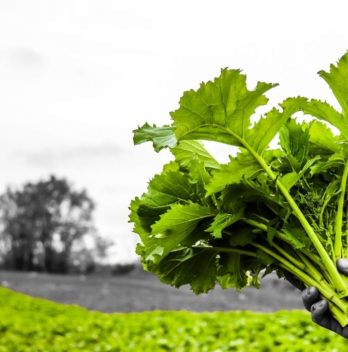
    If are you interested in growing broccoli rabe in containers, you can do it. This highly productive vegetable can be grown in large containers that are about 24 inches deep and wide if given good soil. Let us find out how to do it.

    What is Broccoli Rabe?

    Broccoli rabe, also known as rapini is a green, cruciferous vegetable consisting of leaves, stems, and edible buds. It belongs to the brassica family. The same village has cabbages, bok choy, Brussels sprouts, kale, collard, and cauliflower and their relatives.

    Broccoli rabe is a nutritious vegetable that is a good source of vitamins A, C, and K, as well as potassium, calcium, and iron. It is also commonly believed that broccoli rabe originates from China, however, the Italians believe that it is of Italian origin. Both countries heavily use this vegetable in many of their dishes.

    Can You Grow Broccoli Rabe in a Container?

    The answer is yes, you can absolutely produce this vegetable in a pot and if given good care will be highly productive. This vegetable is fast growing, meaning that you have to provide it with a pot that has sufficient space for it to grow and reproduce well. You can harvest this plant as soon as 45 days after planting.

    Brocoli Rabe in Containers

    How to Grow Broccoli Rabe in a Container – Easy Guide!

    To get the best growth from broccoli rabe, you need to provide it with the most ideal growing conditions.

    Container size

    First the container. The ideal container for broccoli rabe is 24 inches or 61 cm wide. This size will allow the plant to spread out with minimal restrictions.

    Ideal soil type

    You will then need to provide it will fertile, well-draining soil to allow for the easy movement of water and spread of roots. So pick a container that has drainage holes to allow the water to drain out. Also, pick good quality potting soil. You can also make your potting soil mix by adding a lot of good organic material.

    Sun exposure

    Broccoli rabe grows well in full sun, but be careful to not expose it to too much direct sunlight that may burn the leaves. Give your broccoli rabe at least six hours of direct sunlight. If it is too hot, move it to an area that has a bit of shade.

    Growing broccoli rabe from seed

    If you choose your broccoli rabe from seed, make sure you get good quality broccoli rabe seeds. You will need to soak your seeds for about 24 hours before planting. This will help speed up the germination process. Plant the seeds about six weeks before the last frost to avoid possible frost damage.

    Plant the seeds in your prepared soil in the container with drainage holes. Keep the soil in the container consistently moist but not soaking wet. If you maintain the moisture at the right level and provide the right humidity, your seeds should start to germinate in about 5-7 days.

    Germination

    You can plant your seeds directly in the container in which they will grow or you can start them in a smaller container or a germination chamber. If you start them in a germination chamber, transplant the seedlings after about two weeks, before they start hardening off.

    Seedling care

    Keep your newly germinated or newly transplanted seedlings indoors for a couple of days for them to establish, as outside weather conditions may be a bit harsh. Even indoors, make sure they get plenty of light to grow well. You can start putting them outside for incremental times each day to help toughen them up as they grow.

    Watering

    Once the plants have been established, you can put the containers outside permanently. Water the plants well as needed, and check if the top 1/2 inch of the soil has dried, if it has then you need to water it. If it is still wet do not water it.

    Fertilizing

    Broccoli rabe needs a lot of nitrogen to grow well. So during its growing season, give it a nitrogen-rich fertilizer. You can also make your own fertilizer at home, such as compost tea, and give it to your plants about once every week.

    Overall care

    Once you have your plants growing well, continue to give them good care by watering, fertilizing, and weeding around the plants so that they do not compete for nutrients with other plants.

    Harvesting Broccoli Rabe

    Knowing when to harvest broccoli rabe is also important in your growing process. Harvesting this leafy vegetable is actually very easy. About 34-45 days after germination, the spouts will be about an inch wide and just starting to flower. Simply cut off the leaves and buts as they come out, just a few inches above the soil. Keep a careful eye on your plants as they can bolt quickly.

    Trimming Broccoli Rabe

    The leaves, stalks, and flowers of broccoli rabe are all edible. You can trim them as needed. Knowing how to trim broccoli rabe properly is important so that you can get the best out of your plant. 

    Trim them in such a way that you do not destroy the plant. If more leaves can grow, you want them to do just that. Be careful not to break the stalks but use sharp, clean cutting implements to trim.

    Conclusion – Growing Broccoli Rabe in Containers

    We hope this article has taught you and answered all of your questions about how to grow broccoli rabe in containers. As long as you have the right size container, good soil, a good watering schedule, and give the plants food, they will grow really well and you will enjoy this delicious and nutritious vegetable in about 45 days.

    The good thing about growing vegetables such as broccoli rabe in containers is that you can easily move them around to where they will be exposed to the right environmental conditions. This is especially true when it comes to sunlight exposure. Whether you have a garden or live in an apartment, you can move your vegetables to the best spot in the area.

    If you enjoyed this article or found it useful, please share it with family and friends.

    Read more about The Best Time To Harvest Broccolini!

  • A Guide On How To Give Plants Calcium

    A Guide On How To Give Plants Calcium

    This guide will look at how to give plants calcium and how much fertilizer you should add to your plants as they grow.

    Calcium is an essential element for all plants, as it is important for growth and development in plants. In addition, calcium is also required for is required for structural roles in the cell wall and membranes. It is also involved in cell division.

    How To Give Plants Calcium?

    Calcium is an important nutrient for plants as it is often deficient in soil due to weathering and soil acidity. Calcium is also important for plant growth and development and is essential for seed germination, stem and root elongation, and flowering. The concentration of calcium in some soils is too low to support optimal plant growth.

    What is the best source of calcium for plants?

    Here are two ways how to give plants calcium:

    Cal-Mag

    Calcium can be added to your plants’ water through the use of a calcium product called Cal-Mag. It is highly fortified calcium, magnesium, and iron plant supplement that is designed to correct common deficiencies in the soil

    The amount of calcium released from Cal-Mag will depend on how much calcium is available in your soil, how much water you use in your garden, and the amount of calcium that your plants need. You can add Cal-Mag to your plants’ water by following the directions that come with the Cal-Mag. It is ideal for use on lettuce, tomatoes, peppers, fruit, and flowers. 

    A typical dose of Cal-Mag is one teaspoon with one gallon of water. Alternatively, you can add Cal-Mag to your soil or compost. The amount of calcium that needs to be added to the soil or compost will depend on how much calcium is available in the soil and what your plants need.

    Foliar feeding

    Calcium can also be added directly to the plant, in which case it is known as foliar feeding. This is a calcium compound that is applied directly to the leaves of the plant and is absorbed by the plant. The amount of calcium released from foliar feeds will depend on how much calcium is available in the soil, the amount of water used by your plants, and the amount of calcium that your plants need.

    You can apply foliar feeds either with a sprayer. Foliar feeds can be bought at nurseries, but they are also sold through some garden centers.

    Our Pick
    Kitsch Spray Bottle for Plants – Continuous Water Mister with Ultra Fine Mist
    $6.92

    Stylish and versatile water mister is perfect for your plants and garden.


    Check Amazon Price
    We earn a commission if you make a purchase, at no additional cost to you.
    12/23/2025 05:04 pm GMT

    How Do I Know If My Plants Are Getting Enough Calcium?

    If you have read the previous sections of this chapter, you will have already learned how to give plants calcium. There are two ways to check the calcium level in your soil:

    Calcium can be measured using a soil test kit. The kit will tell you the calcium level of your soil and the calcium level of your soil so that you can assess whether or not your plants are getting enough calcium.

    A soil test kit is only as accurate as the information that you give it. If you decide to use a soil test kit, then follow these steps:

    • Find a store that sells soil test kits that can test for calcium levels.
    • Buy one and take it home.
    • Take a few samples of your soil and carefully follow the directions.
    • Put the samples into the soil test kit.
    • Wait for the results.

    Once the results are out, review the calcium levels of the soil to see how much calcium your plants are getting. Soil test kits usually measure other nutrients in the soil as well.

    Be sure to research the calcium needs of your plants. The amount of calcium a plant needs can vary by the type of plant.

    Calcium is often included in fertilizers because it helps strengthen plant roots. This can help plants grow larger and healthier.

    If You Want To Fertilize Your Plants With Calcium, Follow These Steps:

    Choose a fertilizer that has high levels of calcium. Carefully follow the instructions on the fertilizer. If your plants do not seem to be growing as well, try adjusting the pH of the soil or adding more compost.

    Fertilizer is available in many different forms such as granular and liquid. Read the label on the package before purchasing as not every fertilizer can be used for every plant. Follow the directions on the package for use.

    Final Comments: How to Give Plants Calcium

    Calcium is an essential nutrient for healthy plant growth and it’s important to learn how to give plants calcium. Plants absorb calcium from the soil as they grow.

    When plants start to die or are stressed, calcium in the soil may be absorbed by the roots and translocated into the plants.  The amount of calcium available in your soil will determine how much is needed by the plants you are growing.

    Read more about How Much Water Do Peppers Need? 

    FAQs

    What is the best source of calcium for plants?

    Plants need calcium to develop and grow. It is an essential element for all plants for structural roles in the cell wall and membranes. It is also involved in cell division.

    How do I feed my plant’s calcium?

    Feeding your plants calcium is easy and can be done through fertilizer, a foliar spray or through foliar feeding. Calcium is a major component of the cell walls of leaf tissues, so when calcium is present in the cell, there are fewer spaces for pathogenic organisms to enter and cause disease. Calcium also has other benefits, such as increasing the rate of photosynthesis, improving fruit quality and increasing the rate of root growth.

    How do you fix calcium deficiency in plants?

    The best way to feed your plants calcium is through foliar feeding. You can use a foliar spray that contains calcium or foliar feeding with calcium-rich fertilizers.

    What can you add to the soil to increase calcium?

    There are many ways to improve calcium availability in the soil, including the use of lime and eggshells. If you have enough calcium in your soil, you won’t need to add more to your soil. However, if your soil is deficient in calcium, you can add it by using a foliar feeding solution containing calcium. You can also apply a calcium-rich fertilizer to your plants.

  • How Deep To Plant Lettuce- The Ideal Planting Depth

    How Deep To Plant Lettuce- The Ideal Planting Depth

    One of the most widely planted vegetables commonly grown in the US is usually lettuce. They are so easy to grow and you don’t need the experience to grow them. How deep to plant lettuce is what this article will give you information on.

    Lettuce is a cool-season crop so they flourish well during spring and fall. Lettuce seeds are easily sown directly into the soil as soon as the ground soil can be worked on.

    It may please you to know that lettuce grows rapidly and it can take only a month from seed planting for baby greens to be harvested. So, you can just add lettuce to your vegetable garden as you will be enjoying lettuce and even save some money instead of going to the grocery store to shop for lettuce.

    How deep to plant lettuce is the information you will get here. So, let’s get some details on the ideal lettuce planting depth.

    How Deep To Plant Lettuce

    The dept that is ideal to plant lettuce seed is around 1/8 to ¼ of an inch deep. It is important you don’t sow lettuce seeds too deep. This is because lettuce seed requires light to germinate so, if the seed is too deep, light may not penetrate the seeds and this may lead to unsuccessful lettuce seed germination. Also, make sure you sow the seeds of lettuce when the soil is not frozen.

    Additionally, to successfully sow lettuce seed, you will need a well-tilled seedbed. Note that stones and large clods of dirt can slow down seed germination. So ensure the seedbed is clear of any obstacles such as these.

    How Deep To Plant Lettuce

    Starting Lettuce Seeds – How Deep To Plant Lettuce

    You can start your lettuce seeds either indoors and then transplant or sow them directly in the garden. How deep to sow your lettuce seeds should be 5mm (1/4”). Or you can plant them where there will be all-around moisture in the soil which is the topmost layer of the soil.

    Because the baby lettuce is usually ready for harvesting while it’s immature, it should be planted densely. Unlike other types of lettuce seeds that don’t really need covering as they are usually planted right at the surface, you should plant pelleted seeds 1cm (1/2”) deep.

    Your pelleted seeds need to be all-around moist when planted newly. Water it more than the way you would have watered the conventional seed variety. However, leaving the soil to dry out will only make the pelleting material suck water from and cause dehydration for the seed.

    This is because the pellet material is clay. This action will lead to a more unpleasant situation which is unequal or lower sprouting. So, give space between thin loose leaf varieties to about 20-25cm.

    As for the heading lettuce varieties, give space of about 30cm between them. Give space of about 45-90cm between rows, for all types of varieties. Also, harvesting can be made easier if baby leaf lettuce seeds are planted by each other in rows that are narrow.

    Tips On Growing Lettuce

    The best soil to grow lettuce in is the type that is well-draining and also high in organic matter. Ideally, the soil pH for growing lettuce must be between 6.0-6.5.

    Before planting your lettuce, say 3 weeks, endeavor to mix compost and lime into the soil. Once it’s 2 or 3 days to transplanting, reduce watering and also move your lettuce plants outdoors.

    This will help harden off the seedlings before transplanting and it will prevent shock transplant. So, this way premature bolting and transplant shock can be avoided.

    While you’re growing lettuce, you should be aware of some growing requirements for a smooth growth. Here are some more tips to help you with growing lettuce.

    Check Out Can Compost Worms Survive Winter?

    • Water Appropriately – How Deep To Plant Lettuce

    Watering lettuce has to be done in an intentional way that will encourage more leaf growth so you can have the “cut and come again.” So, watering should be light, consistent, and frequent. Aim for a moist soil and avoid soggy soil.

    Again, you can just supply the roots of lettuce water and also splash cool water on the leaves, especially during hot days. This is to maintain a happy and refreshed lettuce during hot days.

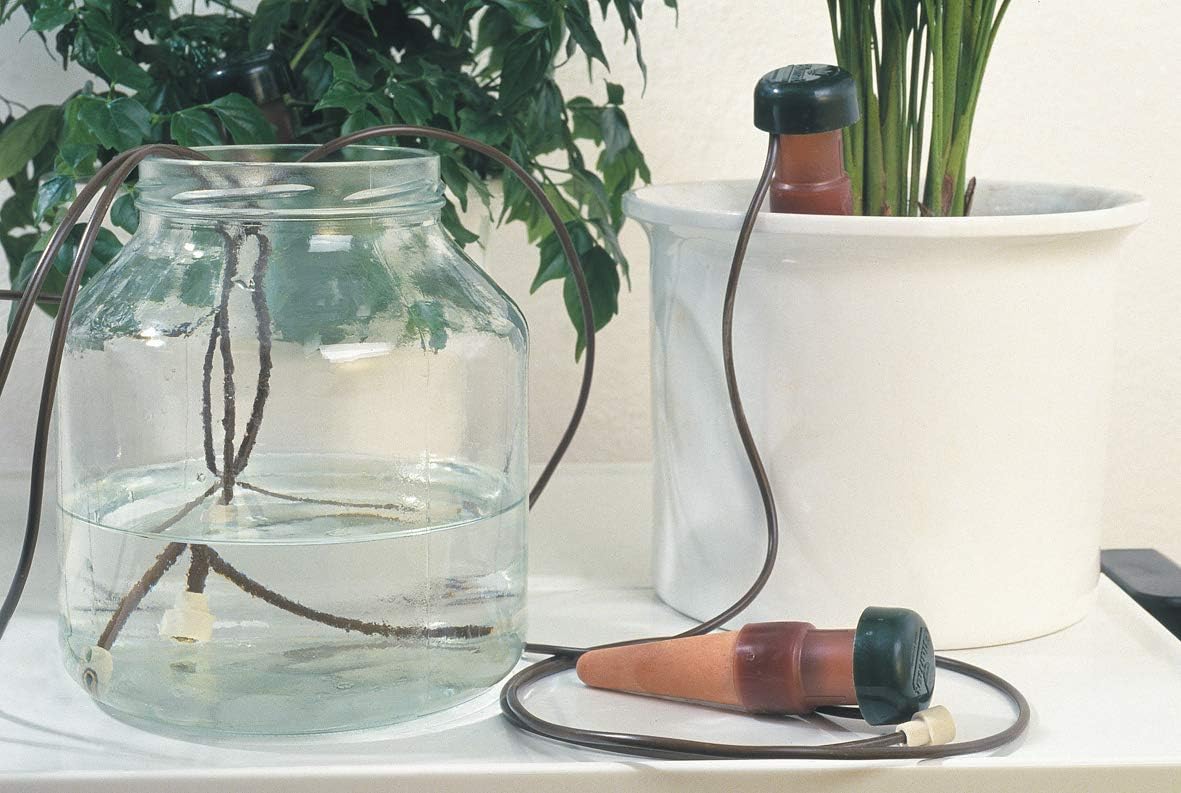
    Blumat Classic Plant Watering Stakes | Indoor or Outdoor | Automatic Drip Irrigation (6 Pack)

    61alXba2T7L. AC SL1181
    • Soil – How Deep To Plant Lettuce

    The soil you will be using to grow lettuce must be well0drianing. This is so water doesn’t soak up in the root.

    • Cover Or Shade Lettuce When Needed

    During the hot season, you can use row covers to shade the leaves. You can also mulch to maintain a cool root.

    Read more about Do Pepper Plants Grow Back Every Year?

    Growing Lettuce In Container – How Deep To Plant Lettuce

    Lettuce can also be planted in containers easily and you can either do this by direct sowing or transplanting.

    To sow lettuce seed in containers, choose a good soil and before planting, make sure you add half a tablespoon of time-releasing fertilizer per gallon of soil.

    If you will be transplanting lettuce in containers, bury the transplant quarter inch or 0.5 cm deep than they would have been in an outdoor garden. Then ensure the spacing is about 6 to 12 inches apart. However, you can plant lettuce leaf a bit closer than the head type.

    Also, the type of lettuce variety you choose for container growing can go a long way. For instance, some recommended varieties are the Black Seeded Thompson and red or green oak leaf types.

    Loose-leaf lettuce varieties are better used for container growing rather than head lettuce.

    Growing Lettuce In Container

    How Deep To Plant Lettuce: Final Say

    So, we have seen the ideal depth to plant lettuce from the explanation above. So, lettuce doesn’t need to be planted too deep so they can have access to light as it is crucial for their seed to develop.

    FAQ’s

    How shallow can you plant lettuce?

    Lettuce does not need to be planted too deep because their seeds need to reach out to the light to germinate properly. So, plant lettuce seed about a quarter to half inch deep.

    Can you plant lettuce too deep?

    It is not ideal to plant lettuce seeds too deep. This can hinder the seeds from getting access to light which they need to properly germinate. If they are planted too deep, it may result in weak and feeble seedlings. Planting lettuce too deep may even fail to germinate.

    How deep to plant lettuce seeds?

    Ideally, the seeds of lettuce should be planted about half an inch deep to a quarter inch deep. This implies that lettuce seeds do well in shallow spots.