Category: Tips & Guides

  • How to Grow Zucchini Vertically Using a Zucchini Trellis

    How to Grow Zucchini Vertically Using a Zucchini Trellis

    Growing zucchini can be a rewarding experience, especially when space is limited. I love growing zucchini because it is easy to grow, and once it starts producing, it continues for quite some time. However, if you’ve grown zucchini, you know they sprawl quite quickly across your garden, often covering other plants with their big leaves.

    One effective way to maximize your garden space is using a zucchini trellis. Vertical gardening with a trellis allows you to grow healthy, productive zucchini plants without sprawling across your garden bed. In this article, we’ll explore the benefits of increasing zucchini vertically, how to set up a trellis, and some tips for a successful harvest.

    Why Grow Zucchini Vertically?

    Zucchini plants are known for their large leaves and long vines. They tend to take up a lot of ground space if grown without support. But growing using a zucchini trellis can solve this problem. Here are some of the top reasons to consider vertical gardening for your zucchini:

    • Space-saving: If you have a small garden or raised bed, a zucchini trellis can help free up valuable ground space for other plants.
    • Better air circulation: Growing vertically allows your zucchini plants to get better airflow, which helps reduce the risk of fungal diseases like powdery mildew.
    • Easier harvesting: With the zucchini off the ground, it’s easier to spot and pick the fruit at the right time.
    • Pest prevention: Keeping the fruit off the soil reduces its exposure to pests like slugs and snails.

    Choosing the Right Zucchini Variety for a Zucchini Trellis

    Before you begin, choosing the right type of zucchini is important. While most zucchini plants can be grown vertically, some varieties are more suited for this method than others. The best varieties for a zucchini trellis are vining or climbing types.

    • Climbing Zucchini: Varieties like Raven and Black Beauty produce long vines that naturally climb support.
    • Bush Zucchini: While bush types can still benefit from some support, they are more compact and may not perform as well on a trellis.

    Opting for vining varieties will make trellising easier, as these plants are naturally inclined to climb up your zucchini trellis.

    Here are some examples of vining or semi-vining zucchini:

    1. Tromboncino Zucchini (also called Zuchetta): This is a popular climbing variety. It grows long, trailing vines and produces light-green, curved fruits. While it’s technically a type of summer squash, it’s often used like zucchini. It’s great for growing on a trellis because it can climb easily.
    2. Rampicante Zucchini: Similar to Tromboncino, this heirloom variety also produces long vines and is perfect for vertical gardening. It produces slender, elongated fruits and is known for its climbing ability.
    Amazon Choice Selection
    Tromboncino Rampicante Climbing Summer Squash
    $8.99

    25 Seeds – Rare Vining Zucchini Variety, Easy-to-Grow, Heirloom, Non-GMO Vegetable Seeds for Plan…

    Check Amazon Price
    We earn a commission if you make a purchase, at no additional cost to you.
    12/13/2025 10:04 am GMT

    These varieties are more suited for trellising compared to standard bush-type zucchinis like ‘Black Beauty’ or ‘Cocozelle,’ which tend to stay more compact and don’t naturally vine.

    How to Set Up a Zucchini Trellis

    Now that you’ve selected your zucchini variety, it’s time to set up your zucchini trellis. A strong and sturdy trellis is essential, as zucchini vines can become quite heavy as they grow and bear fruit. Here’s a step-by-step guide:

    1. Choose the Right Location

    Zucchini plants thrive in full sun, so choose a location that gets at least 6 to 8 hours of direct sunlight daily. Ensure the soil is well-draining and rich in organic matter. Raised beds or garden beds with compost work great for growing zucchini vertically on a zucchini trellis.

    2. Select the Right Trellis

    When selecting a zucchini trellis, opt for a design that can handle the weight of the plants. Some good options include:

    • A-frame trellis: This type of trellis forms a tent-like shape and provides a sturdy base for your zucchini plants to climb.
    How To Build Teepee Trellis
    A frame Trellis
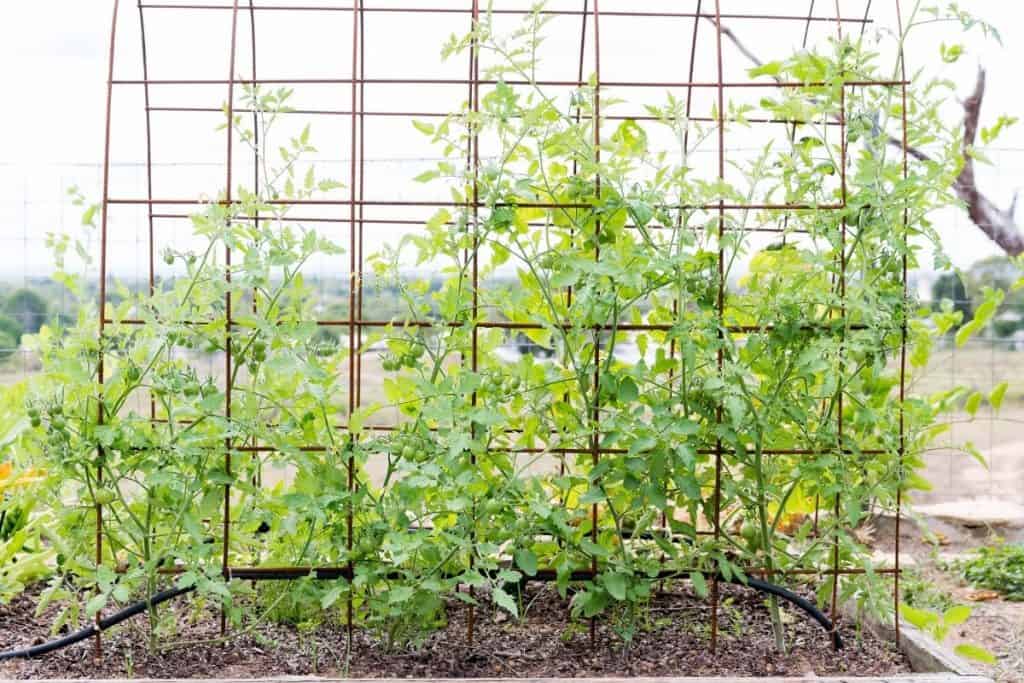
    • Cattle panel trellis: This is a more robust option, typically used for larger gardens. It can easily support heavy vines and multiple plants.
    5 DIY Tomato Trellis Design Ideas to Borrow
    • Garden netting: If you’re looking for a simpler and more affordable option, garden netting strung between two stakes can also work well.
    String tomato trellis

    Your zucchini trellis should be 4 to 6 feet tall, as zucchini vines can grow long and spread wide as well.

    Lalahoni Garden Cucumber Trellis for Climbing Plants
    $35.99

    Outdoor 5.3 FT Tall Metal Arch Plant Support for Vegetable Fruit Flower Vine Plant, Pea Tunnel A-…

    Check Amazon Price
    We earn a commission if you make a purchase, at no additional cost to you.
    12/13/2025 09:06 am GMT

    3. Install the Trellis

    Once you’ve chosen your zucchini trellis type, install it in your garden bed before planting your zucchini. Place the trellis in the ground, ensuring it is secure and won’t tip over under the weight of the growing plants.

    If using stakes, drive them deep into the ground, about 12 to 18 inches. Ensure the structure is stable before attaching any netting or wire for the zucchini to climb.

    4. Planting Your Zucchini

    Plant your zucchini seeds or seedlings at the base of the trellis, spacing them about 2 to 3 feet apart. As the plants grow, gently guide the vines toward the trellis. You can use soft plant ties to secure the vines to the structure. Avoid tying them too tightly, as this can damage the plant.

    Caring for Your Zucchini Plants

    Once your zucchini plants are growing up your new zucchini trellis, there are a few important care tips to keep in mind:

    1. Watering

    Zucchini plants need consistent moisture to thrive. Water at the base of the plants in the morning, avoiding overhead watering to prevent fungal diseases. A good rule of thumb is providing about 1 inch of water per week, which can vary depending on your climate and soil type.

    2. Fertilizing

    Zucchini are heavy feeders. To encourage healthy growth and abundant fruit, apply a balanced fertilizer every 2-4 weeks. Look for a fertilizer that contains equal parts nitrogen, phosphorus, and potassium.

    3. Pruning

    As your zucchini vines grow, it’s helpful to prune some of the lower leaves to improve airflow and sunlight penetration. This also reduces the risk of pests and diseases. Remove any damaged or yellowing leaves and excess foliage that may block sunlight from reaching the developing fruit.

    Common Problems with Zucchini and How to Fix Them

    Even with a zucchini trellis, you might face some challenges during the growing season. Here are a few common issues and how to address them:

    • Powdery mildew: This fungal disease appears as white powdery spots on the leaves. To prevent it, ensure good air circulation by spacing plants properly and avoiding overhead watering. If powdery mildew does appear, remove affected leaves and treat with an organic fungicide.
    • Blossom end rot: Caused by calcium deficiency, blossom end rot affects the developing fruit. Make sure to keep the soil consistently moist and add calcium-rich amendments if needed.
    • Squash bugs: These pests can damage your zucchini plants by sucking sap from the leaves. Hand-pick any bugs you see, and use insecticidal soap to keep them under control.

    Harvesting Your Zucchini

    Zucchini is best harvested when it is 6 to 8 inches long. At this size, it is tender and flavorful. Because zucchini grows vertically, it’s easy to spot and pick the fruit at the right time.

    Check your plants daily, as zucchini can grow rapidly. Harvesting regularly encourages the plant to produce more fruit throughout the growing season.

    Conclusion

    Growing vertically on a zucchini trellis is a great way to save space, improve plant health, and make harvesting easier. With the correct trellis setup and proper care, you’ll be rewarded with a bountiful zucchini harvest all season. Whether you’re working with a small garden or want to keep your plants organized, a zucchini trellis is the perfect solution for vertical gardening.

    Happy gardening!

    FAQ: Growing Zucchini Vertically Using a Trellis

    1. Why should I grow zucchini vertically?
    Growing zucchini vertically saves space, improves airflow, and makes harvesting easier.

    2. What kind of trellis should I use for zucchini?
    Use a sturdy trellis like an A-frame or cattle panel, at least 4-6 feet tall, to support zucchini vines.

    3. Can all zucchini varieties be grown on a trellis?
    Vining varieties are ideal for trellising, while bush types may need more support.

    4. How do I train zucchini to climb the trellis?
    Gently tie the vines to the trellis with soft ties as they grow.

    5. How often should I water trellised zucchini?
    Water regularly at the base, about 1 inch per week, avoiding overhead watering.

  • Top 10 Best Gifts for Gardeners in 2024

    Top 10 Best Gifts for Gardeners in 2024

    Finding the perfect gift for the gardener in your life can be a delightful challenge whether they’re seasoned gardeners or just starting with their first potted plant. Here are the top 10 best gifts for gardeners in 2024. Gardeners appreciate tools and accessories that enhance their outdoor spaces or make their gardening experience more enjoyable.

    In 2024, eco-friendly materials, modern gadgets, and thoughtful touches are trending, ensuring there’s something for every type of green thumb.

    I enjoy new tools to make gardening easier on my knees; easy garden improvements and time savers are accepted as garden gifts from my family.

    Top 10 Best gifts for Gardeners

    Here’s our carefully curated list of the top 10 best gifts for gardeners in 2024:


    1. Self-Watering Planters

    Are you frequently traveling and tired of harassing neighbors and friends to look after your plants while you are away? Busy schedules can also make gardening tricky, especially keeping your plants hydrated. Self-watering planters solve this problem by allowing plants to absorb water as needed, reducing the risk of over- or under-watering.

    • Why it’s a great gift: It is ideal for beginners and experienced gardeners who want to keep their plants healthy without constant attention.
    • Bonus: Many self-watering planters now come in eco-friendly materials and stylish designs, blending aesthetics with functionality.
    Top Choice
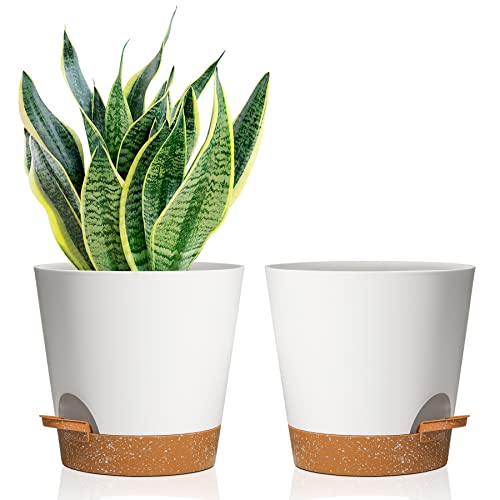
    Large Self Watering Pots for Indoor Outdoor Plants, Flower Plant Pots
    $21.99
    Pros:
    • Indoor or Outdoor use
    • 1-2 weeks of water
    • Durable Design
    • Available in multiple colors
    Check Amazon Price
    We earn a commission if you make a purchase, at no additional cost to you.
    12/13/2025 12:08 am GMT

    2. Gardening Tool Set

    The right tool for the job is what they say. Every gardener needs reliable tools and a set that makes digging, pruning, and planting much more comfortable and enjoyable experience.

    I test garden tools using gloves to ensure they feel and work correctly.

    • Why it’s a great gift: These sets often include items like trowels, weeders, and pruners, all designed to reduce hand and wrist strain.
    • Bonus: Look for sets made from durable, rust-resistant materials like stainless steel for long-lasting quality.

    Gardening Tool Set For Women

    9-Piece Gardening Hand Tool kit
    $34.98

    Included a Durable Garden Tools Organizer Handbag, Rust-Proof Garden Tool Set, Ideal Gardening Gi…

    Check Amazon Price
    We earn a commission if you make a purchase, at no additional cost to you.
    12/13/2025 12:08 am GMT

    Gardening Tool Set For Men or Women

    Stainless Steel Heavy Duty Gardening Tool Set
    $29.98

    CHRYZTAL Garden Tool Set with Non-Slip Rubber Grip, Storage Tote Bag, Outdoor Hand Tools, Ideal G…

    Check Amazon Price
    We earn a commission if you make a purchase, at no additional cost to you.
    12/12/2025 08:01 pm GMT

    3. Composting Bin for Home Gardens

    With sustainability being a growing concern, composting is an eco-friendly way to recycle kitchen scraps and yard waste into nutrient-rich soil. Composting is ideal for gardeners who want to enhance their garden and soil.

    Special composting bins ensure that the compost breaks down correctly, has air circulation, and, most importantly, is odor-free to keep other family members and neighbors happy.

    • Why it’s a great gift: Compost bins make it easy for gardeners to reduce waste and nourish their plants with organic compost.
    • Bonus: Many 2024 models are compact and odor-free, with features like aeration systems to speed up the composting process.

    Outdoor Compost Bin

    Amazon Choice Selection
    Outdoor Tumbling Composter
    $76.99

    VIVOSUN Dual Rotating Batch Compost Bin, 43 Gallon Orange Door

    Check Amazon Price
    We earn a commission if you make a purchase, at no additional cost to you.
    12/13/2025 05:05 am GMT

    Indoor Compost Bin

    Amazon Choice Selection
    Kitchen Compost Bin
    $24.28

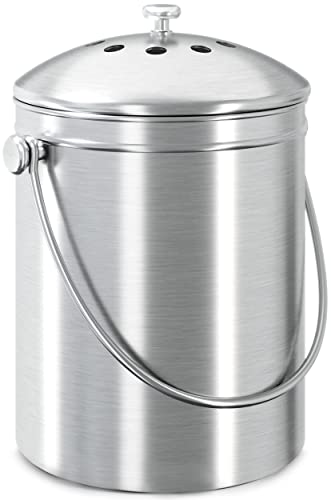
    Utopia Kitchen Compost Bin for Kitchen Counter – 1.3 Gallon Compost Bucket for Kitchen with Lid – Includes 1 Spare Charcoal Filter (Silver)

    Check Amazon Price
    We earn a commission if you make a purchase, at no additional cost to you.
    12/13/2025 05:03 am GMT

    4. Indoor Hydroponic Garden Kit

    An indoor hydroponic garden kit is a fantastic choice for gardeners who love growing herbs and veggies year-round. These kits allow plants to grow without soil, using nutrient-rich water instead.

    • Why it’s a great gift: They’re perfect for gardeners who live in colder climates or who want to grow fresh produce indoors.
    • Bonus: Many kits come with LED grow lights, ensuring plants thrive regardless of outdoor weather conditions.
    Hydroponic Herb Seed Grow Kit
    $64.89

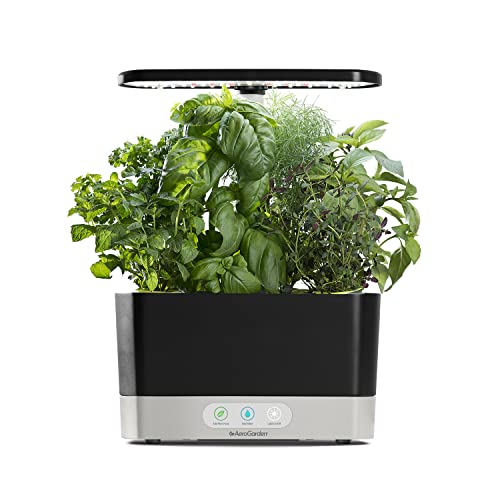
    AeroGarden Hydropnic Grow kit with Gourmet Herb Seed Pod Kit – Hydroponic Indoor Garden

    Check Amazon Price
    We earn a commission if you make a purchase, at no additional cost to you.
    12/13/2025 05:03 am GMT

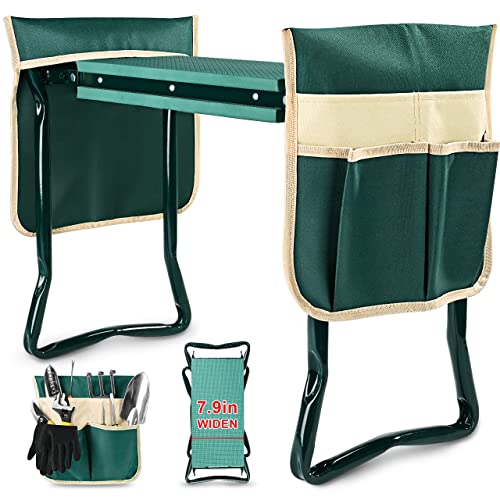
    5. Gardening Kneeler and Seat

    I cannot emphasize enough how much of a knee/back saver a kneeling pad or stool makes in the garden. I prefer kneeling pads, but this is just a preference.

    Gardening often involves kneeling or bending over for long periods, which can be tough on the knees and back. A gardening kneeler or seat helps reduce discomfort while making gardening more enjoyable.

    • Why it’s a great gift: Gardners constantly bend down, and having a kneeling pad or stool is a game changer for your back and knees.
    • Bonus: Some kneelers also have stools built in for a combo kneeler/seat

    Gardners Kneeling Pad

    Best Seller
    Extra Thick Kneeling Pad
    $14.08

    Gorilla Grip Supportive Soft Foam Cushioning for Knee, Water Resistant Construction for Gard…

    Check Amazon Price
    We earn a commission if you make a purchase, at no additional cost to you.
    12/13/2025 05:04 am GMT

    Gardners Sea/Kneeler Combo

    Amazon Choice Selection
    Garden Kneeler and Seat
    $39.97

    Two-in-One Seat and kneeler stool with Thicken & Widen Soft Kneeling Pad,Heavy Duty Foldable …

    Check Amazon Price
    We earn a commission if you make a purchase, at no additional cost to you.
    12/13/2025 12:06 am GMT

    6. Solar-Powered Garden Lights

    Solar-powered garden lights enhance the beauty of a garden and are also energy-efficient. They charge during the day and illuminate outdoor spaces at night. Our garden has both floor/table lights and lights in the garden, which change the entire ambience of our garden.

    • Why it’s a great gift: These lights add a magical touch to pathways, patios, and garden beds without complicated wiring or batteries.
    • Bonus: These lights are beautiful and sustainable With eco-friendly solar power, and many 2024 models come with color-changing or motion-sensing features.
    Amazon Choice Selection
    GIGALUMI Solar Lights Outdoor Waterproof, 6 Pack LED Solar Garden Lights, Outdoor Decorations, Garden Decor for Yard, Patio, Landscape, Planter, Walkway (Warm White)
    $27.99

    6 Pack LED Solar Garden Lights, Solar Lights for your garden and outdoor space.

    Check Amazon Price
    We earn a commission if you make a purchase, at no additional cost to you.
    12/12/2025 01:06 pm GMT

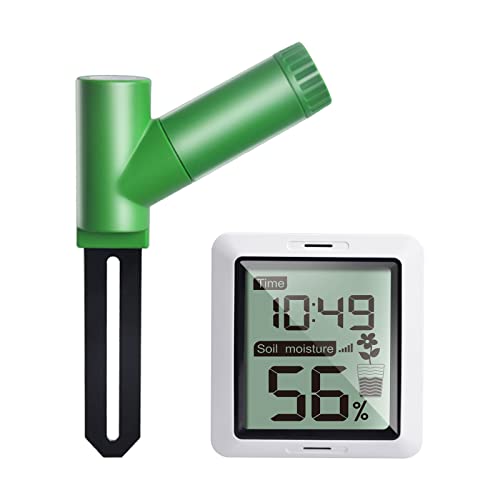
    7. Smart Plant Sensors

    This is definitely for tech-savvy gardeners. These smart plant sensors are game-changers for monitoring gardens. They can monitor moisture levels, sunlight exposure, and temperature, sending data directly to the gardener’s smartphone.

    • Why it’s a great gift: It eliminates the guesswork in plant care, ensuring gardeners always know when their plants need attention.
    • Bonus: Some models offer advice based on the specific plant species, helping gardeners optimize growth and care.
    Soil Moisture Meter with Digital LCD Display
    $36.99

    ECOWITT WH0291 Soil Moisture Meter: measures soil moisture content within 72 seconds to let you know when to water your plant


    Check Amazon Price
    We earn a commission if you make a purchase, at no additional cost to you.
    12/13/2025 05:03 am GMT

    8. Seed Vault

    A seed vault is the perfect gift for a gardener who wants their own seed vault or doomsday prepper. The seed vault box is the gift that keeps on giving, providing gardeners with new and exciting seeds to plant for years to come. It also includes a complete garden planner to help with a proper garden-growing plan.

    • Why it’s a great gift: It introduces gardeners to new plant varieties they might not have tried before, from rare flowers to unique vegetable breeds.
    • Bonus: Many subscription services offer organic and heirloom seeds, making this gift as sustainable as it is fun.
    Garden Seed Bank Kit
    $49.97

    Over 25k Non-GMO Heirloom Vegetable Survival Seeds + 2 Free Bonus Items: Clyde s Garden Planner +…

    Check Amazon Price
    We earn a commission if you make a purchase, at no additional cost to you.
    12/13/2025 12:07 am GMT

    9. Personalized Garden Tools

    If you want to personalize your gift, consider customized gardening tools. Engraved trowels, pruning shears, or plant markers can make gardening feel even more special.

    • Why it’s a great gift: Personalized tools are both practical and sentimental, making them unique and thoughtful gifts for gardeners.
    • Bonus: Pair personalized tools with a custom garden tote for an extra touch of luxury.

    10. Bird Feeder with a Viewing Window

    Gardeners who love watching wildlife will enjoy a bird feeder. This bird feeder is a 2-for-1 as it is both a bird feeder and solar lantern, giving a close-up view of birds while they eat through all 4 seasons.

    • Why it’s a great gift: It combines the joy of birdwatching with gardening, attracting beautiful birds to outdoor spaces.
    • Bonus: Many bird feeders are designed to be squirrel-proof, ensuring the birds get all the treats!
    Overall Pick
    Hanging Solar Bird Feeder for Outdoors
    $17.49

    Metal Wild Bird Feeder for Cardinals Solar Garden Lantern with S Hook as Gift for Bird Lovers

    Check Amazon Price
    We earn a commission if you make a purchase, at no additional cost to you.
    12/13/2025 01:05 am GMT

    Bonus. Insect Hotel for Your Garden Pollinators

    I’m a huge fan of the insect hotels in my garden. It is always a treat to visit the insect hotels at the end of the summer to see what insects have checked in for winter. We have many wild bees and butterflies that return year after year, delighting our family and garden.

    • Why it’s a great gift: Insect hotels give back to a gardener’s garden by providing a place for wild bees, butterflies, ladybugs, and all sorts of different pollinators to stay the winter.
    • Bonus: These insects will help pollinate your garden in spring and hopefully return again in the autumn.
    Our Pick
    Navaris Wooden Insect Hotel
    $40.99

    Give back to your garden in the best way possible by providing a home to pollinators like wild be…

    Check Amazon Price
    We earn a commission if you make a purchase, at no additional cost to you.
    12/13/2025 01:06 am GMT

    Conclusion

    Whether you’re shopping for a seasoned gardener or someone just starting their gardening journey, these top 10 gifts for gardeners in 2024 offer a variety of thoughtful, practical, and innovative options. From eco-friendly tools to modern gardening gadgets, each gift will inspire and delight. No matter which you choose, I hope we were able to provide some inspiration for your gardener’s gifts.

    Happy gardening!

    FAQ What are the Best Gifts for gardeners?

    For a beginner gardener, consider starting with practical tools that can help them on their gardening journey. Some great ideas include:

    • A self-watering planter to help manage watering needs.
    • A gardening tool set with ergonomic handles, which provides all the basics they’ll need.
    • A seed subscription box to introduce them to a variety of plants to grow.

    2. What is a unique gift idea for someone who already has a lot of gardening tools?

    If the gardener in your life already has basic tools, consider more specialized or innovative gifts like:

    • A smart plant sensor that helps monitor soil moisture and light levels.
    • A personalized garden tool set, such as an engraved trowel or custom plant markers.
    • A window bird feeder, which lets them enjoy watching birds in their garden.

    3. What are some eco-friendly gardening gift options?

    Eco-friendly gardening gifts are very popular in 2024 and include:

    • Composting bins to help gardeners recycle kitchen waste into organic compost.
    • Solar-powered garden lights are both sustainable and decorative.
    • Seed subscription boxes that focus on heirloom and organic seeds.

    4. Are there any high-tech gardening gadgets available in 2024?

    Yes! For tech-savvy gardeners, some of the top high-tech gifts include:

    • Smart plant sensors that connect to smartphones and provide real-time data about the garden’s conditions.
    • Indoor hydroponic garden kits, which use LED lights and nutrient-rich water systems to grow herbs and veggies indoors year-round.

    5. What gift can I give to a gardener who has limited outdoor space?

    If the gardener has limited space, there are plenty of indoor-friendly gardening gifts:

    • Indoor hydroponic garden kits are perfect for growing fresh herbs and small plants indoors.
    • Self-watering planters make it easy to manage houseplants or balcony gardens.
    • A compact composting bin is also a great eco-friendly option for small spaces.

    6. What type of gardening tools are best for gardeners with arthritis or limited mobility?

    For gardeners with arthritis or mobility challenges, ergonomic tools are the way to go:

    • Look for gardening tools with ergonomic handles designed to reduce strain on the hands and wrists.
    • A gardening kneeler and seat provides added comfort by reducing the need to bend or kneel for long periods, with the bonus of built-in tool storage.

    7. How can I make a gardening gift more personal?

    To add a personal touch to a gardening gift:

    • Consider customized gardening tools like an engraved trowel or pruners with the recipient’s name.
    • You can also create a custom gardening gift set with a few essentials like gloves, seeds, and a tote bag.
    • Personalized plant markers with messages or names are also a lovely and thoughtful gift.

    8. What gifts are best for gardeners who love wildlife?

    If the gardener in your life enjoys attracting wildlife, consider:

    • A window bird feeder to bring birds close to their home.
    • Solar-powered garden lights that illuminate the garden at night without disturbing the natural environment.
    • Native plant seed mixes that attract pollinators like butterflies, bees, and hummingbirds.

    9. What are some thoughtful, budget-friendly gardening gifts?

    If you’re looking for budget-friendly gardening gifts, here are a few ideas:

    • A small seed subscription box to introduce new plant varieties each month.
    • Gardening gloves with extra grip and protection.
    • Eggshells or coffee grounds kits as a natural slug repellent—perfect for eco-conscious gardeners.

    10. What’s a suitable luxury gift for a serious gardener?

    For someone passionate about gardening, a more luxurious gift might include:

    A deluxe compost bin that includes a built-in aeration system for faster compost production.

    A high-quality ergonomic tool set made from stainless steel and designed for long-term use.

    A professional-grade hydroponic garden system with advanced features for indoor growing.

  • How to Care for a Snake Plant Indoors: The Ultimate Guide

    How to Care for a Snake Plant Indoors: The Ultimate Guide

    Snake plants, also known as Sansevieria or “mother-in-law’s tongue,” are one of the most popular houseplants for beginners and seasoned indoor gardeners alike. Their hardy nature, air-purifying qualities, and striking appearance make them an excellent choice for any indoor space. However, even though snake plants are known for their low-maintenance qualities, they still need proper care to thrive indoors.

    This guide on how to care for a snake plant indoors will cover everything you need to know about caring for a snake plant indoors, including light, water, soil, temperature, and more. By the end, you’ll have all the tips to ensure your snake plant stays healthy and vibrant for years.

    Why Choose a Snake Plant for Your Indoor Space?

    Snake plants are not only aesthetically pleasing with their tall, sword-like leaves, but they also offer several benefits:

    • Low maintenance: Perfect for those who might forget to water plants regularly.
    • Air purification: Snake plants filter toxins like formaldehyde, benzene, and carbon dioxide from the air, improving indoor air quality.
    • Durability: These plants can survive in various conditions, including low light and irregular watering.

    Now, let’s dive into how to care for your snake plant indoors.

    Best Seller
    Costa Farms Snake Plant (4-Pack), Live Indoor and Outdoor Sansevieria Plants
    $22.97

    Easy Care Live Succulent Houseplants Potted in Nursery Pots, Potting Soil, Porch, Office and Home Decor, 8-Inches Tall

    Check Amazon Price
    We earn a commission if you make a purchase, at no additional cost to you.
    12/13/2025 12:07 am GMT

    1. Choosing the Right Spot for your Snake Plant: Light Requirements

    Snake plants are known for being adaptable to various light conditions, but understanding the best lighting will help your plant grow better.

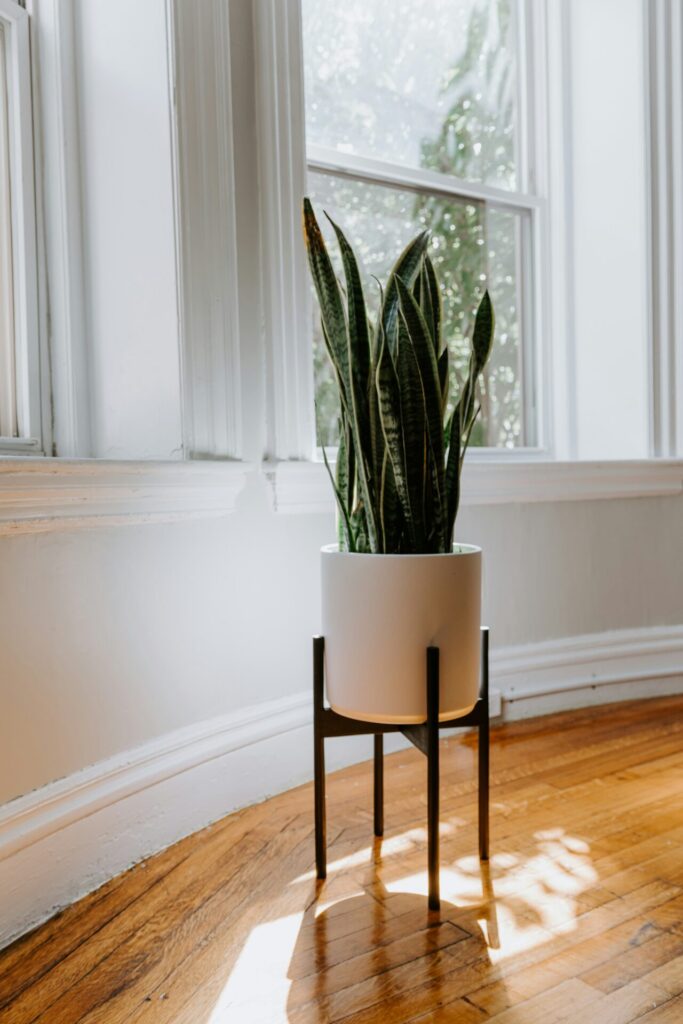
    • Indirect sunlight is ideal: Snake plants can tolerate low light conditions but thrive in bright, indirect light. Placing them near a window with filtered sunlight will encourage strong, healthy growth.
    • Avoid direct sunlight: Prolonged exposure to harsh sunlight can cause the leaves to become scorched or yellow.
    • Low-light tolerance: If your home has limited natural light, snake plants can survive in dimmer spaces, but their growth might slow. You can still place them in hallways or shaded corners; just don’t expect rapid development.

    Pro Tip: Rotate your snake plant every few weeks so all sides get equal light exposure, preventing uneven growth.

    snake plant indoor location

    2. Snake Plant Watering: How Much and How Often?

    One of the top reasons snake plants die is from overwatering. While it’s tempting to water your plants frequently, snake plants prefer dry conditions.

    • Water sparingly: Snake plants are drought-tolerant and can go for extended periods without water. A good rule of thumb is to water once every 2-4 weeks, depending on the season and indoor climate.
    • Check the soil: Before watering, ensure the top 1-2 inches of soil are dry to the touch. If the soil is still damp, hold off on watering.
    • Avoid soggy soil: Snake plants hate sitting in water. Always use a pot with drainage holes and discard excess water from the saucer.

    Pro Tip: In winter, reduce watering frequency as snake plants grow slower during cooler months and require less moisture.


    3. Soil: What’s the Best Mix for Snake Plants?

    The right soil mix is crucial for preventing overwatering and root rot. Snake plants do best in well-draining soil.

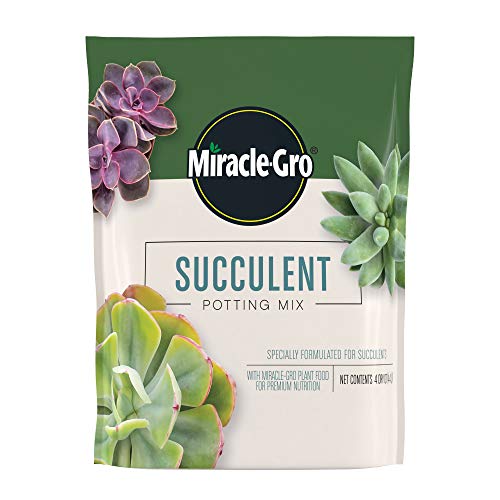
    • Use a cactus or succulent mix: These soil types are formulated to drain quickly, which is ideal for snake plants. If you can’t find a pre-made mix, you can create your own by mixing regular potting soil with sand or perlite (2:1 ratio).
    • Ensure proper drainage: Always plant your snake plant in a container with drainage holes to prevent water from pooling at the bottom.

    Pro Tip: Avoid heavy, moisture-retentive soils, which can lead to root rot—a common issue with snake plants if overwatered.

    Amazon Choice Selection
    Miracle-Gro Succulent Potting Mix: Fertilized Soil with Premium Nutrition for Indoor Cactus Plants, Aloe Vera and More
    $10.22
    Check Amazon Price
    We earn a commission if you make a purchase, at no additional cost to you.
    12/13/2025 05:05 am GMT

    4. Temperature and Humidity: Creating the Perfect Environment

    Snake plants are hardy and can survive in a range of indoor temperatures, but optimal conditions are needed for their thriving.

    • Ideal temperature range: Keep your snake plant in a room between 60-85°F (16 and 29°C). They can tolerate cooler conditions, but temperatures below 50°F (10°C) may damage them.
    • Avoid drafts and extreme cold: Keep your plant away from drafty windows, doors, or air vents, especially during colder months.
    • Humidity is not a concern: Snake plants are not picky about humidity, making them perfect for homes with dry indoor air. However, if the air is arid, occasionally misting the plant can keep it looking fresh.

    5. Fertilizing Your Snake Plant: Keep It Minimal

    Snake plants don’t need much fertilization, but occasional feeding can boost their growth, especially during the active growing season (spring and summer).

    • Use a balanced fertilizer: Opt for a general-purpose houseplant fertilizer diluted to half strength. Fertilize once a month during the growing season.
    • Skip fertilization in winter: Snake plants enter a dormant phase during the colder months, and additional feeding isn’t necessary.

    Pro Tip: Too much fertilizer can cause leaf burn, so it’s always better to under-fertilize than overdo it.

    Miracle-Gro Water Soluble All Purpose Plant Food, Fertilizer for Indoor or Outdoor Flowers, Vegetables or Trees
    $13.99
    Check Amazon Price
    We earn a commission if you make a purchase, at no additional cost to you.
    12/13/2025 05:03 am GMT

    6. Pruning and Repotting: Keeping Your Snake Plant in Shape

    Although snake plants grow slowly, they occasionally require some pruning or repotting to keep them in top condition.

    • Prune as needed: Trim off any dead, damaged, or yellow leaves at the base. Pruning is generally minimal since these plants maintain their shape well.
    • Repot every 2-3 years: Snake plants like to be slightly root-bound, so you don’t need to repot frequently. However, when roots start to break through the soil or the plant becomes top-heavy, it’s time for a larger pot.

    Pro Tip: When repotting, use fresh soil and a pot one size larger to give the roots room to expand without overwhelming the plant.


    7. Common Problems and Solutions

    Even though snake plants are tough, they’re not entirely immune to problems. Here are some common issues and how to solve them:

    • Yellowing leaves: Usually a sign of overwatering or poor drainage. Check the soil, reduce watering, and ensure proper drainage.
    • Brown tips: Often caused by low humidity or inconsistent watering. Trim off the brown tips and adjust your watering schedule.
    • Pests: Snake plants are rarely affected by pests, but if you notice small insects like spider mites or mealybugs, wipe the leaves with a damp cloth or treat them with a mild insecticidal soap.

    Pro Tip: Regularly wipe down the leaves with a damp cloth to remove dust, which can block light absorption and slow growth.


    Conclusion: Caring for a Snake Plant Indoors Made Easy

    Snake plants are the perfect indoor plant for those seeking a beautiful, low-maintenance addition to their space. By providing the right light, watering sparingly, using well-draining soil, and keeping them in optimal temperatures, your snake plant will thrive for years. Whether you’re a beginner or a seasoned plant lover, caring for a snake plant is a breeze, and the rewards—both aesthetic and health-related—are well worth it.

    Now that you know how to care for a snake plant indoors, you can enjoy its air-purifying benefits and unique beauty without any stress!

    Best Seller
    Costa Farms Snake Plant (4-Pack), Live Indoor and Outdoor Sansevieria Plants
    $22.97

    Easy Care Live Succulent Houseplants Potted in Nursery Pots, Potting Soil, Porch, Office and Home Decor, 8-Inches Tall

    Check Amazon Price
    We earn a commission if you make a purchase, at no additional cost to you.
    12/13/2025 12:07 am GMT

    FAQ: How to Care for a Snake Plant Indoors

    1. How often should I water my snake plant?
    Water snake plants every 2-4 weeks, letting the soil dry completely between waterings.

    2. What kind of light does a snake plant need?
    Snake plants thrive in indirect light but can tolerate low-light conditions.

    3. Can snake plants purify the air?
    Yes, snake plants are known to remove toxins like formaldehyde from indoor air.

    4. What type of soil is best for snake plants?
    Use well-draining, sandy soil like cactus or succulent mixes.

    5. How do I prevent root rot in my snake plant?
    Avoid overwatering and ensure your pot has good drainage.

  • Best Vegetables to Grow in October

    Best Vegetables to Grow in October

    October marks a transition in the gardening calendar, as cooler temperatures and shorter days signal the beginning of the fall and winter growing seasons. While it might seem like the growing season is winding down, there’s plenty of potential to keep your garden productive through the colder months. In fact, some vegetables thrive in the cool temperatures of autumn, developing even better flavor than when grown in the heat of summer.

    If you want to make the most of your garden space in October, this guide will help you choose the best vegetables to plant during this season. Whether you’re starting from seed or transplanting, here are some of the top vegetables to grow in October.

    Why Grow Vegetables in October?

    Growing vegetables in October has several advantages:

    • Cool temperatures: Many vegetables, especially leafy greens and root crops, grow better in cool weather. Heat can cause some crops, like lettuce and spinach, to bolt (go to seed), but cooler weather encourages steady, healthy growth.
    • Improved flavor: Certain vegetables, such as kale and carrots, develop sweeter and more intense flavors after exposure to light frosts.
    • Extended harvests: By growing cold-tolerant crops, you can extend your harvest season well into winter, ensuring a fresh supply of vegetables even when the weather turns chilly.

    What to Consider When Planting in October

    Before you start planting, it’s essential to consider a few key factors:

    1. First Frost Date: Depending on your location, the first frost date can vary. Knowing when your region typically experiences its first frost will help you choose the right vegetables and planting schedule. Cool-weather crops can tolerate light frosts, but giving them enough time to mature before hard freezes set in is essential.
    2. Growing Method: If you’re planting directly in the ground, in raised beds, or in containers, choose vegetables suitable for your setup. If you have a greenhouse or use row covers, you can extend your growing season even further.

    Now, let’s dive into the best vegetables to grow in October.

    1. Garlic

    Garlic
    Garlic

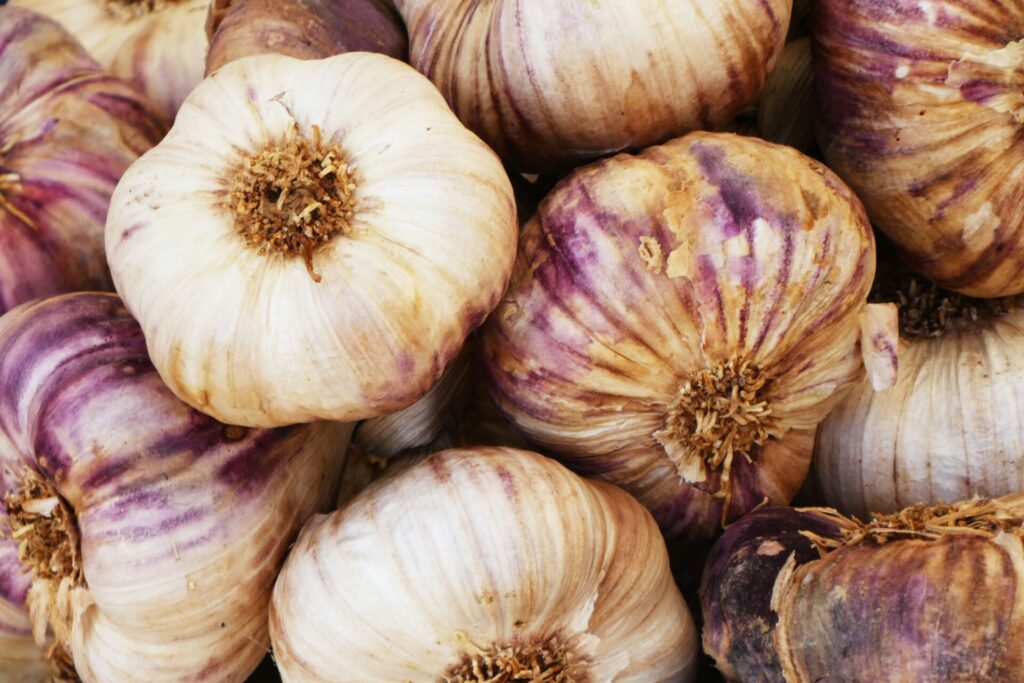
    Garlic is one of the most popular crops to plant in October. This hardy vegetable is planted in the fall and harvested the following summer.

    • Why plant in October? Garlic requires a cold period (vernalization) to develop properly, making autumn the perfect time for planting. The cloves will establish roots during the winter, and then start growing more vigorously when spring arrives.
    • How to plant: Separate the cloves from a garlic bulb and plant them about 2 inches deep and 4-6 inches apart, with the pointed end facing up. Cover them with a thick layer of mulch to protect them through the winter.

    By the following summer, you’ll have large, flavorful garlic bulbs ready to harvest.

    2. Kale

    Kale
    Kale

    Kale is a cold-hardy, nutrient-rich green that actually thrives in cooler weather. In fact, a light frost can improve its flavor, making it sweeter and less bitter.

    • Why plant in October? Kale is incredibly frost-tolerant and can continue to produce throughout the winter in many regions, especially with some protection like row covers.
    • How to plant: Whether you start from seed or use transplants, space your plants 12-18 inches apart in well-drained soil. Kale prefers full sun but can tolerate partial shade in cooler months.
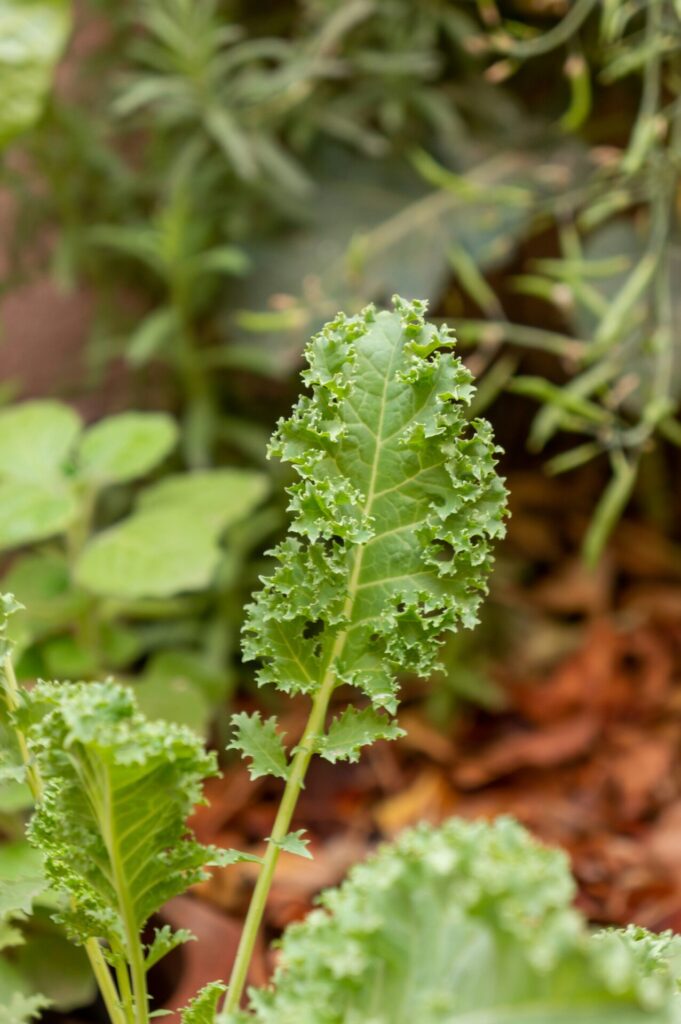
    Regular harvesting of the outer leaves will allow the plant to keep producing all season long.
    3. Spinach

    spinach
    Spinach

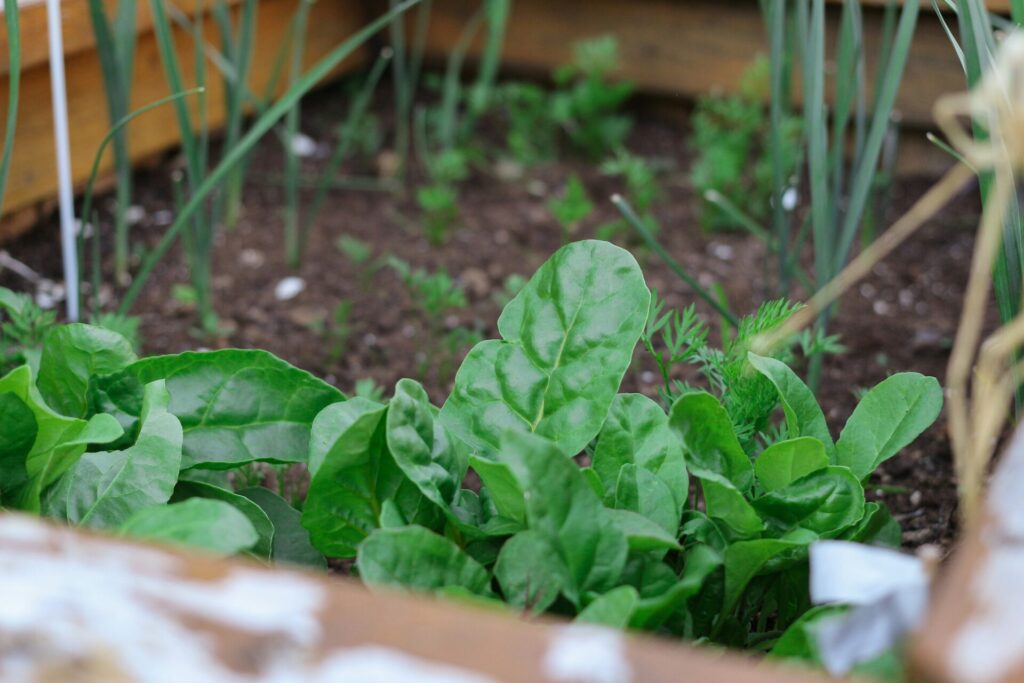
    Spinach is another leafy green that loves cool weather. Like kale, spinach thrives in autumn, and its flavor improves with a bit of frost.

    • Why plant in October? Spinach germinates well in cooler temperatures and grows quickly. By planting in October, you can enjoy fresh spinach in just a few weeks, and the plants will continue to grow as long as the temperatures stay mild.
    • How to plant: Sow spinach seeds directly in the ground or containers, about 1/2 inch deep and 2 inches apart. Thin the seedlings as they grow to give each plant room to develop.

    Spinach can be harvested as baby greens or left to mature for larger leaves. You can also cover it with a cold frame or cloche to extend the harvest into winter.

    4. Carrots

    carrots october
    Carrots

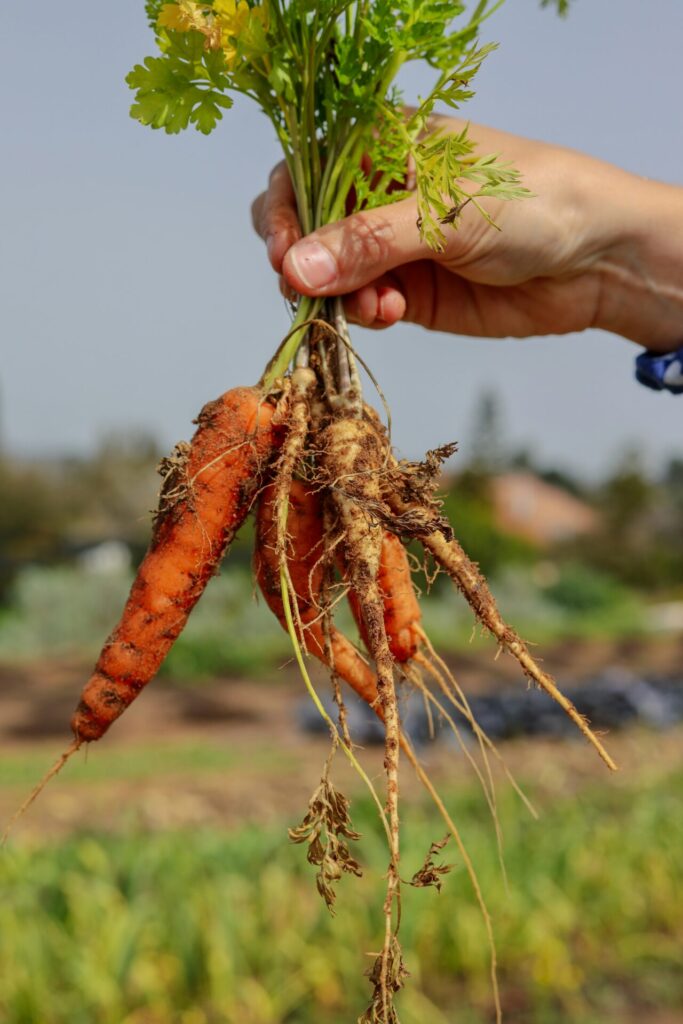
    Carrots are a root vegetable that loves cool weather. In fact, cooler temperatures help them develop their sweet flavor, especially after exposure to frost.

    • Why plant in October? Carrots planted in the fall can often overwinter in the ground in milder climates. Plus, they store well if harvested later, making them a great crop for fall planting.
    • How to plant: Sow carrot seeds directly into the soil in rows about 12 inches apart. Thin the seedlings once they reach about 2 inches tall, leaving about 3 inches between each plant.

    Carrots grow best in loose, sandy soil, so make sure your soil is well-prepared to prevent misshapen roots.

    5. Radishes

    radish october
    Radish

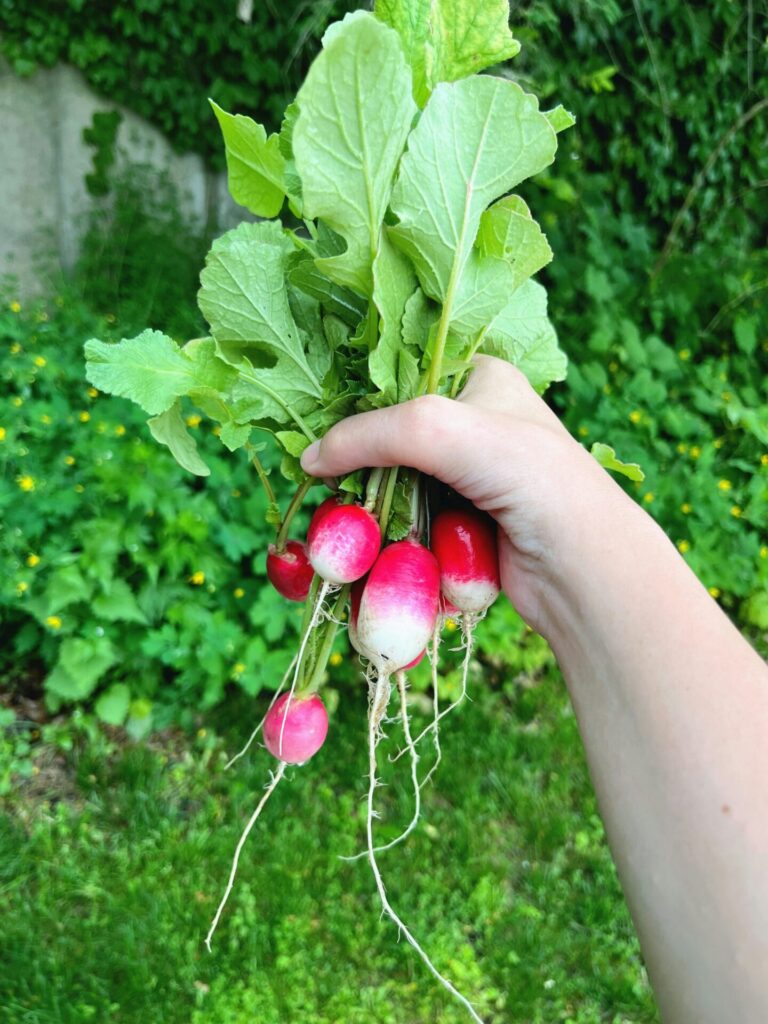
    Radishes are one of the quickest-growing vegetables, and they love cool weather. They can be ready to harvest in as little as 3-4 weeks, making them an ideal fall crop.

    • Why plant in October? Radishes are perfect for filling in gaps in your fall garden. Since they mature so quickly, you can plant them even late in the month and still enjoy a bountiful harvest.
    • How to plant: Sow radish seeds directly into the ground or in containers, spacing them about 1 inch apart in rows. Keep the soil consistently moist to ensure rapid growth.

    Radishes are versatile and can be eaten raw, pickled, or roasted, making them a great addition to fall meals.

    6. Lettuce

    lettuce october
    Lettuce

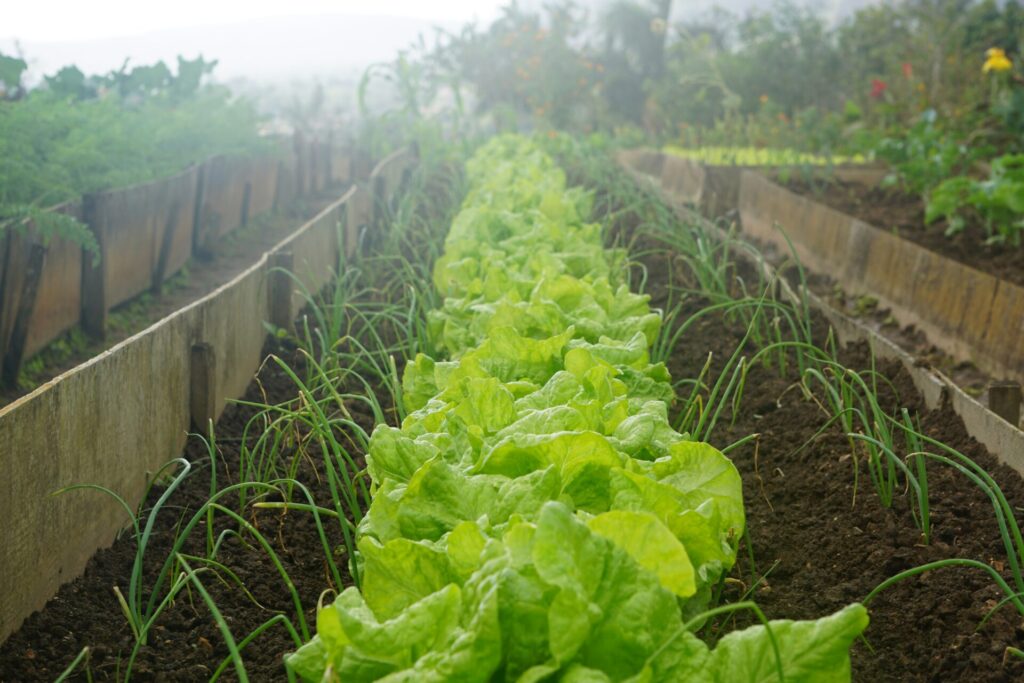
    Lettuce is a staple in the fall garden. Many varieties are available, including loose-leaf, butterhead, and romaine, all of which do well in cooler temperatures.

    • Why plant in October? Lettuce grows quickly and can be harvested in a few weeks. With the right protection, such as row covers or cold frames, it can grow even after frost.
    • How to plant: Sow seeds directly into the soil or transplant seedlings. For continuous harvests, plant a new batch every two weeks. Lettuce prefers moist, well-drained soil and partial shade during warmer autumn days.

    Harvest individual leaves or whole heads, depending on your needs. Baby lettuce leaves are tender and perfect for salads, while mature heads provide larger leaves for wraps or sandwiches.

    7. Onions (Sets)

    onion october
    Onions

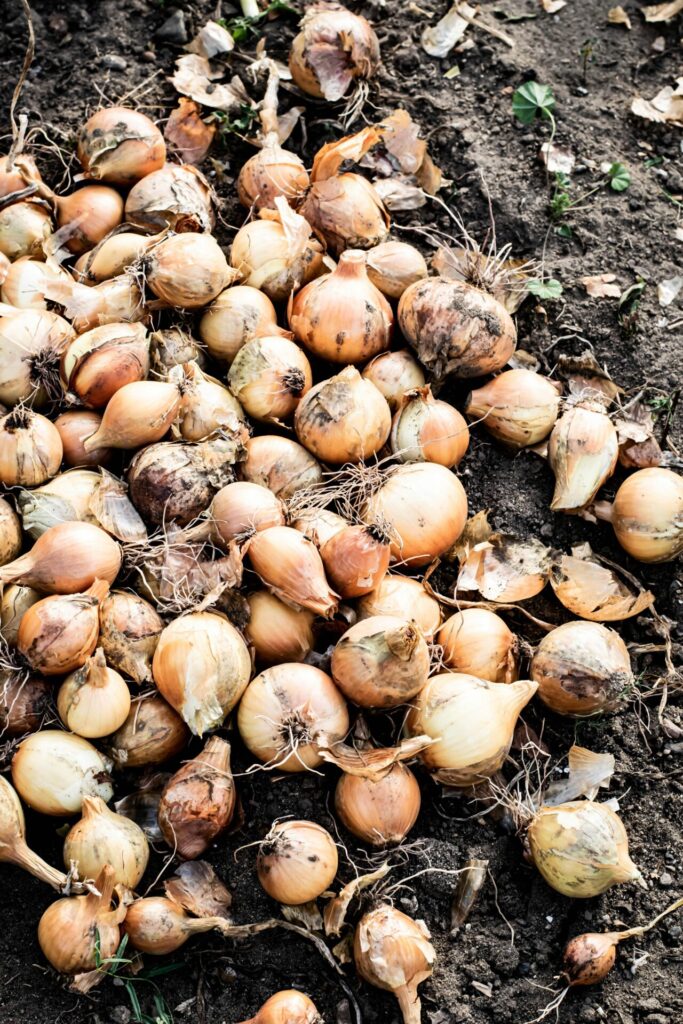
    Onions are another excellent crop to plant in October, particularly if you’re planting sets (small onion bulbs). Onions planted in the fall will develop strong roots and grow quickly when spring arrives.

    • Why plant in October? Onions benefit from the cooler temperatures in the fall, as they establish roots before going dormant over the winter. When spring comes, they resume growing and can be harvested early.
    • How to plant: Plant onion sets about 1 inch deep and 4-6 inches apart. Make sure the pointed end is facing up, and cover with mulch for extra protection through the winter.

    Onions can be harvested early as green onions or left to mature into full-sized bulbs.

    8. Beets

    beets october
    Beets

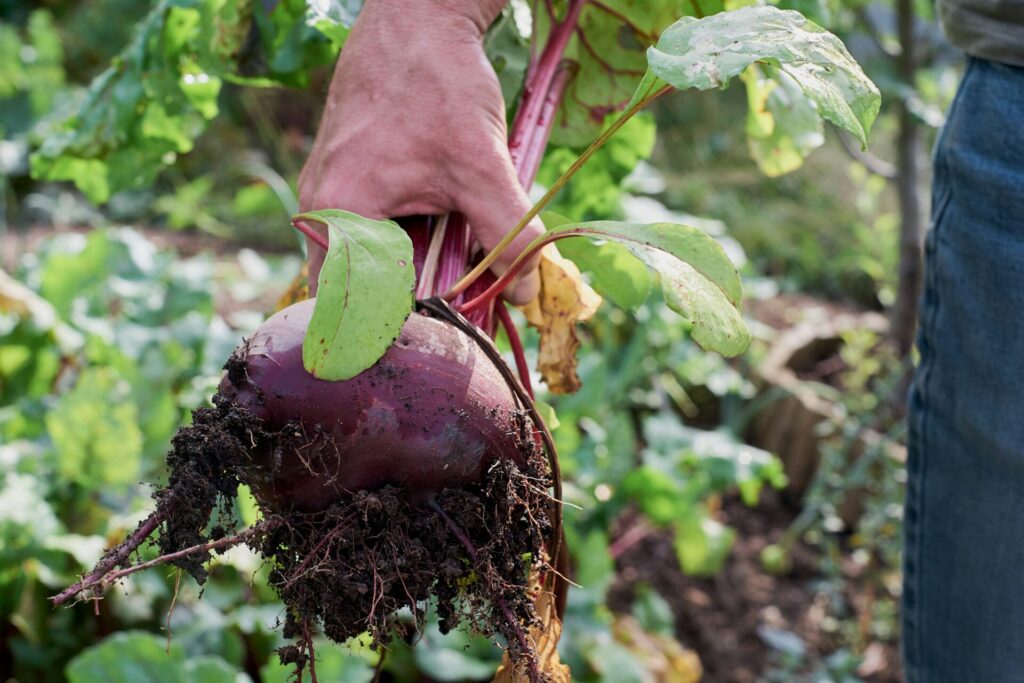
    Beets are a versatile root vegetable that performs well in the cool temperatures of fall. The roots and the leafy greens are edible, making them a dual-purpose crop.

    • Why plant in October? Beets tolerate light frosts and can continue growing through cooler weather. Planting in October allows them to develop during the fall, with potential for harvest before the ground freezes.
    • How to plant: Sow beet seeds directly into the ground, spacing them about 2 inches apart. Beets prefer loose, well-drained soil for even root development.

    Harvest young beets for tender roots and greens, or let them mature for larger roots.

    Conclusion

    October is an excellent time to grow a variety of cool-weather vegetables. By planting hardy greens, root crops, and alliums, you can keep your garden productive well into the colder months. Whether you’re planting garlic to harvest next summer or growing quick crops like radishes and spinach for fall salads, there’s no shortage of options for your October garden. With the right care and attention, you’ll enjoy fresh, homegrown vegetables long after summer’s end.

  • Growing Sprouts at Home: A Simple Guide for Beginners

    Growing Sprouts at Home: A Simple Guide for Beginners

    Sprouts are a fantastic, nutritious, and easy-to-grow food that can be cultivated indoors all year round. Rich in vitamins, minerals, and enzymes, sprouts are a living food source, adding a crunchy and fresh element to your diet. The process is very similar whether you want to grow alfalfa, mung beans, lentils, or broccoli sprouts. This guide will walk you through everything you need about growing sprouts at home, from choosing the right seeds to harvesting your crop.

    Why Grow Sprouts?

    Before we jump into the “how,” it’s important to understand the “why.” Here are some of the benefits of growing sprouts:

    • Nutrient Density: Sprouts are rich in vitamins A, C, and K, and provide a good source of iron, calcium, and protein.
    • Cost-Effective: Growing sprouts is inexpensive. A small amount of seed can yield a large quantity of fresh sprouts, making it budget-friendly.
    • Quick Growth: You can harvest fresh sprouts in just 4–7 days, making them one of the fastest-growing crops.
    • Space Saving: Since sprouts are grown indoors, they require very little space, making them perfect for apartments or small kitchens.

    Now, let’s get started on the practical side of things!

    Step 1: Choosing Your Sprout Seeds

    The first and most crucial step in growing sprouts at home is selecting the right seeds. Not all seeds are suitable for sprouting, so you’ll need to buy specifically labeled sprouting seeds. Common choices include:

    • Alfalfa: Known for its mild flavor and high nutrient content, alfalfa is one of the most popular sprouting seeds.
    • Mung Beans: These are commonly used in Asian dishes and taste slightly nutty.
    • Broccoli: Rich in antioxidants, broccoli sprouts are known for their health benefits, particularly their high sulforaphane content.
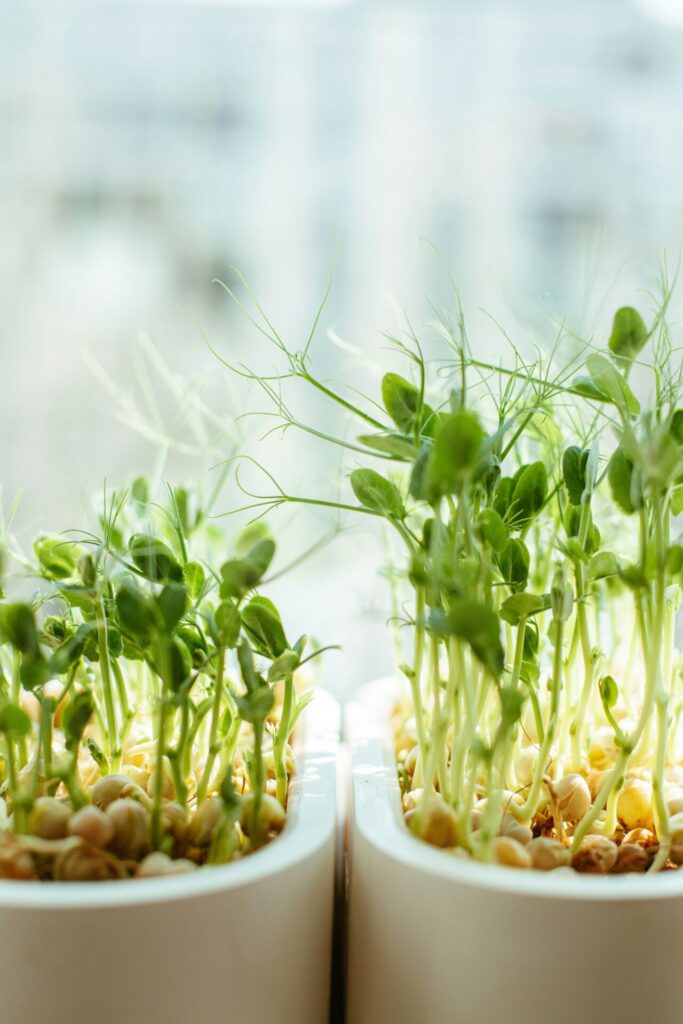
    • Lentils: Lentil sprouts are crunchy and protein-rich, making them a great addition to salads and sandwiches.
    • Radish: These sprouts have a spicy flavor, similar to mature radishes.
    Amazon’s Choice
    Non-GMO Variety Pack Sprouting Seeds
    $16.99

    Broccoli, Alfalfa, Radish, Mung beans & Salad Mix for Sprouts and Microgreens


    Check Amazon Price
    We earn a commission if you make a purchase, at no additional cost to you.
    12/13/2025 07:03 am GMT

    Where to Buy Sprouting Seeds

    You can purchase sprouting seeds online or from health food stores. Ensure they are labeled “organic” and “non-GMO,” as these are safer and healthier options.

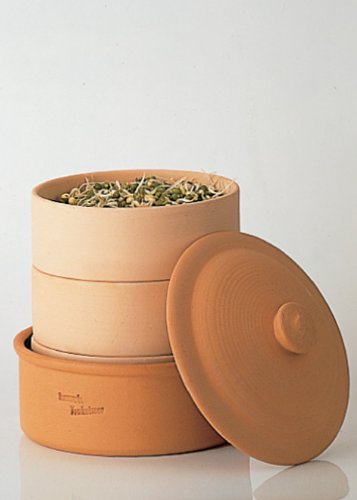
    sprouts growing

    Step 2: Equipment You’ll Need

    Growing sprouts requires very little equipment, but the right tools will make the process easier and more hygienic. Here’s what you’ll need:

    • A Sprouting Jar or Tray: The most common choice is a mason jar with a mesh lid, but sprouting trays are also available, especially for larger quantities.
    • Cheesecloth or Mesh Screen: If you’re using a jar, you’ll need a breathable cover to allow air in while keeping the seeds contained.
    • Water: Sprouts must be rinsed several times a day, so access to fresh, clean water is essential.
    • A Bowl: This is to catch water as it drains from the jar after rinsing.
    • A Dark Space: Many sprouts need to begin their growth in a dark or shaded area to mimic soil conditions.

    Step 3: Soaking the Seeds

    Soaking is the first step in the sprouting process, and it’s crucial to jump-start the growth cycle. Here’s how:

    1. Measure the Seeds: Start with 1–2 tablespoons of seeds for a typical mason jar. They will expand significantly, so don’t overdo it.
    2. Rinse the Seeds: Place the seeds in your sprouting jar and rinse them thoroughly under cold water to remove dust or contaminants.
    3. Soak the Seeds: Fill the jar with enough water to cover the seeds by at least 2 inches. Leave them to soak for 8–12 hours (overnight is ideal). Larger seeds like mung beans may need a longer soak, while smaller seeds like alfalfa need less time.

    Why Soak?

    Soaking softens the seed coat and starts the germination process. It’s critical because it “wakes up” the seed, initiating growth and activating the rich enzymes and nutrients inside.

    Step 4: Rinsing and Draining

    Once the seeds have soaked, it’s time to begin the rinsing and draining process. This must be done twice a day to keep the seeds moist but not waterlogged.

    1. Drain the Water: After soaking, drain the water from the jar using your mesh screen or cheesecloth. Be sure to shake out any excess water.
    2. Rinse the Seeds: Rinse the seeds with fresh water and drain again. This helps keep them moist and removes any toxins or waste products they release during growth.
    3. Repeat Twice Daily: Place the jar at an angle in a bowl, with the mouth facing downward to allow any remaining water to drain. Rinse and drain the seeds every 12 hours.

    Why Rinse Regularly?

    Rinsing is crucial to keep the sprouts clean and free from mold or bacteria. It also provides the moisture they need to grow while preventing them from becoming too wet, which could cause rot.

    Step 5: Sprouting Time!

    After a few days of rinsing and draining, you’ll notice tiny sprouts beginning to emerge from the seeds. Depending on the seed variety, here’s what to expect:

    • Day 1-2: Seeds start to split open, and small roots will emerge.
    • Day 3-4: The sprouts will grow larger and take shape. You can expose the jar to indirect light at this stage to help the sprouts turn green.
    • Day 5-7: Most sprouts will be ready for harvest. They should be around 1-2 inches long and will have developed small leaves.

    Step 6: Harvesting Your Sprouts

    It’s time to harvest once your sprouts have grown to your desired length. Remove the sprouts from the jar and give them a final rinse. Dry thoroughly by spreading them out on a paper towel or using a salad spinner to remove excess moisture.

    Storage Tips

    Place your sprouts in an airtight container in the refrigerator to store them. Fresh sprouts should last about a week. Make sure they are completely dry before storing them to prevent mold.

    Amazon’s Choice
    Non-GMO Variety Pack Sprouting Seeds
    $16.99

    Broccoli, Alfalfa, Radish, Mung beans & Salad Mix for Sprouts and Microgreens


    Check Amazon Price
    We earn a commission if you make a purchase, at no additional cost to you.
    12/13/2025 07:03 am GMT

    Common Problems and Solutions

    Growing sprouts is generally easy, but you may encounter a few issues. Here’s how to troubleshoot common problems:

    • Mold: If your sprouts develop mold, it’s often due to inadequate rinsing or poor drainage. Make sure you rinse twice a day and allow the jar to drain properly.
    • Slow Growth: If your sprouts grow slowly, they may need more warmth. Try placing them in a slightly warmer spot in your kitchen, but avoid direct sunlight.
    • Bitter Sprouts: Overexposure to light can cause some sprouts, like alfalfa, to become bitter. If this happens, limit their time in direct light.

    Enjoying Your Homegrown Sprouts

    The possibilities are endless once you’ve harvested your fresh batch of sprouts! Sprouts can be added to:

    • Salads
    • Sandwiches and wraps
    • Stir fries (for firmer sprouts like mung beans or lentils)
    • Smoothies
    • Soups

    Sprouts are incredibly versatile, and because they grow quickly, you’ll never be short of fresh greens for your meals.

    Final Thoughts

    Growing sprouts at home is a fun, inexpensive, and rewarding way to add nutrient-dense foods to your diet. The process is simple, requiring only a small amount of time and equipment. Best of all, you can grow them year-round, regardless of your outdoor gardening space or the weather outside. By following these basic steps, you’ll be able to enjoy fresh sprouts in no time, all from the comfort of your kitchen!

  • When to Plant Tulips: A Complete Guide

    When to Plant Tulips: A Complete Guide

    Tulips are one of the most beloved spring flowers, known for their vibrant colors and elegant shapes. While tulips are relatively easy to grow, the timing for planting is crucial to ensure a healthy and beautiful bloom. This blog will cover when to plant tulips, how to prepare your garden, and the essential tools you’ll need.

    Ideal Planting Time for Tulips

    Tulips should be planted in the fall to allow the bulbs enough time to establish roots before winter sets in. The best time to plant tulip bulbs is when the soil temperature has cooled to around 50°F (10°C), which usually occurs in late September to early November, depending on your location. Check your gardens Hardiness Zone to ensure you know when you can plant your tulips

    • Northern regions (Zones 3-5): Plant tulips in late September to early October.
    • Mid-Atlantic and Southern regions (Zones 6-8): Aim to plant in October through November.
    • Warm climates (Zones 8-10): You can plant as late as December or even January, but consider chilling the bulbs in your refrigerator for 10-12 weeks before planting since tulips require a period of cold dormancy.

    Tulips are cold-hardy plants that thrive when planted before the ground freezes, allowing them to rest through winter and bloom once spring arrives. If you’re planting later than recommended, ensure that the bulbs still have time to root before the harsh frost sets in.

    World Hardiness Zones
    Global Plant Hardiness Zones reference: Wikipedia

    Why Fall is the Best Time to Plant Tuplips

    Tulips are dormant in the summer and actively grow during the cooler months. Planting them in the fall gives the bulbs time to form robust root systems before winter. Tulips need this cold period (vernalization) to trigger the flowering process. Planting them too early in warm weather may sprout prematurely, leading to poor growth and bloom quality. On the other hand, planting too late, when the ground is already frozen, will inhibit root development.

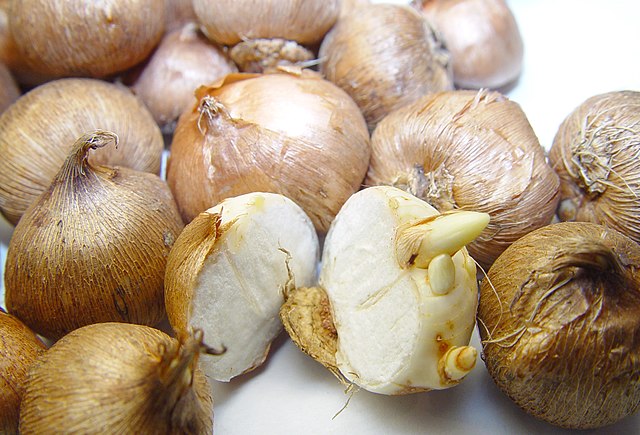
    640px Crocus sieberi tricolor
    Crocus Tulip bulbs

    Preparing Your Garden for Tulips

    Before planting tulip bulbs, make sure your garden soil is well-prepared. Tulips thrive in well-drained soil, so avoid areas that tend to get waterlogged. Here are the steps to follow:

    1. Test your soil: Tulips prefer slightly acidic to neutral soil (pH 6.0 to 7.0). If the soil is too alkaline or too acidic, you may need to amend it by adding compost or soil amendments like sulfur or lime.
    2. Loosen the soil: Use a garden fork or tiller to loosen the top 12-15 inches of soil. Tulips need loose, aerated soil to spread their roots effectively.
    3. Add compost or organic matter: Enrich the soil with organic compost or well-rotted manure. This ensures the bulbs get enough nutrients to produce healthy flowers.
    4. Fertilize (optional): If your soil is lacking nutrients, consider adding a slow-release fertilizer high in phosphorus to promote strong root growth.

    Step-by-Step Guide to Planting Tulips

    Once your garden is ready, follow these simple steps to plant your tulip bulbs:

    1. Dig holes: Plant bulbs about 6-8 inches deep and 4-6 inches apart, with the pointed end facing upwards.
    2. Place bulbs: Drop the bulb into the hole with the flat root end facing down and cover it with soil.
    3. Water lightly: After planting, water the area lightly to settle the soil around the bulbs.
    4. Mulch (optional): Apply a 2-3 inch layer of mulch over the soil to protect the bulbs from extreme winter temperatures, especially in colder climates.

    Essential Garden Tools for Planting Tulips

    Having the right tools on hand makes the planting process smoother. Here are some essential gardening tools you’ll need:

    1. Bulb Planter: A bulb planter is a must-have tool for planting tulip bulbs. It allows you to dig perfectly sized holes with ease and precision. Choose one with depth markers for accurate planting.
    2. Garden Fork or Tiller: These are essential for loosening compacted soil and ensuring proper drainage, which is key for healthy tulip growth.
    3. Hand Trowel: A hand trowel is perfect for smaller planting tasks, like digging individual holes for bulbs or working in tight spaces.
    4. Garden Gloves: A sturdy pair of gloves will protect your hands from blisters and soil irritation while planting bulbs.
    5. Watering Can: A watering can with a fine spout helps distribute water evenly over the newly planted bulbs without washing away the soil.
    6. Mulching Fork (optional): If you plan to add mulch to your garden, a mulching fork will make spreading it evenly over the soil easier.
    Our Pick
    FLORA GUARD Bulb Planter with Depth Mark- Ideal Bulb Transplanter for Planting/Digging – Automatic Soil Release Seed Planting Tool for Planting Tulip, Daffodils, Dahlias and More
    $9.99

    The must-have tool for planting Tulips. This Bulb planter tells you exactly how deep you need to dig to plant your bulbs. This is my go-to tool for my Tulips planting.

    Pros:
    • Easier to dig holes the proper depth
    • Saves time digging holes
    Cons:
    • Can be difficult to use with hard ground
    Check Amazon Price
    12/12/2025 08:01 pm GMT

    Caring for Tulips After Planting

    Once your tulips are planted, they require little maintenance through the winter. However, taking a few extra steps will ensure a beautiful display come spring:

    • Protect from pests: If squirrels or other wildlife are a problem, consider covering the planting area with a wire mesh or using repellents to prevent them from digging up your bulbs.
    • Avoid overwatering: Tulips do not require much water once planted. Water only if the fall is particularly dry, but ensure the soil is not waterlogged.
    • Fertilize in spring: Once the shoots emerge in spring, consider giving your tulips a boost with a balanced, water-soluble fertilizer to promote lush blooms.

    Conclusion

    Planting tulips at the right time ensures you’ll enjoy a stunning spring display. By planting in the fall and using the proper tools and techniques, you’ll give your tulips the best chance to flourish. Remember to prepare your garden with well-drained soil, dig the right depth for your bulbs, and protect them through the winter. With a little effort and the right care, your tulips will bloom beautifully year after year.

    FAQ Section: When to Plant Tulips – A Complete Guide

    When is the best time to plant tulip bulbs?
    The best time to plant tulip bulbs is in the fall, about 6 to 8 weeks before the ground freezes. This gives the bulbs time to establish roots before winter. Typically, late September to November is ideal, depending on your climate zone.

    Can I plant tulip bulbs in the spring?
    While it’s possible to plant tulip bulbs in the spring, it’s not recommended. Tulips need cold weather to trigger their growth cycle. If you missed fall planting, consider storing bulbs in the refrigerator for at least 12 weeks to mimic winter conditions before planting them.

    How deep should tulip bulbs be planted?
    Tulip bulbs should be planted at a depth of 6 to 8 inches. Planting at this depth helps protect the bulbs from frost and pests, ensuring they establish strong roots before blooming.

    Do tulips need full sun or partial shade?
    Tulips thrive best in full sun, requiring at least 6 hours of direct sunlight each day. However, they can tolerate partial shade, especially in warmer climates where afternoon sun can be intense.

    Can tulips be planted in pots?
    Yes, tulips can be successfully planted in pots. Use well-draining soil, and make sure the pot is deep enough to plant the bulbs 6 to 8 inches down. Place the pots in a sunny spot and protect them from freezing temperatures during winter.

  • Aglaonema Care Guide: How to Grow Chinese Evergreen

    Aglaonema Care Guide: How to Grow Chinese Evergreen

    Aglaonema, the Chinese evergreen is a low-maintenance and versatile houseplant that comes in wide varieties. This plant is great for adding a bit of color to any working or residential area if well taken care of. In this article, we will give you the best Aglaonema care guide that will help you to get the best out of these stunning plants.

    Some of the qualities that make Aglaonema such a popular and ideal houseplant include its unique, lush, and beautiful foliage. With these qualities, there is no reason why you would not consider having this plant in your living or working space. Another great advantage of this plant is that it adapts really well to different environmental conditions. If you want to know what these conditions are and how best to get your Chinese evergreen to thrive in them, keep reading.

    Aglaonema

    Agloanema, commonly known as the Chinese evergreen is a plant that is Native to the forest areas of Asia. Because this plant grows under canopies of taller plants where it is shielded from direct sunlight, it has adapted to low light conditions. This is one of the qualities that makes it such a good indoor plant.

    When planted indoors, they grow to sizes of 12-24 inches in height. They can be almost as wide as they are long and have lance-shaped leaves. Because it starts small and grows quite slowly, you can keep them on your desks for anywhere between 12-18 months before it gets too big.

    Few plants are as easy or easier to care for as the Chinese evergreen. Although it is adapted to low light conditions due to its natural habitat, it can also tolerate fluorescent lighting indoors if provided with it.

    There are hundreds of different varieties of Aglaonemas and they have different environmental requirements to thrive. It is therefore essential to know the particular variety of the one you have so you can give it just the right growing environments it requires.

    Aglaonemas Plant Care

    As with all other plants, there are ideal environmental conditions you need to maintain to keep them happy. We will discuss these below.

    Temperature

    Aglaonema prefers temperatures between 65-75°F degrees Fahrenheit to thrive. They can tolerate temperatures of about 10 degrees Fahrenheit outside this range without suffering any serious damage. Feed your Aglaonema monthly during the spring and summer, when the temperatures are within this range.

    Light exposure

    Due to the natural habitat of this plant, it prefers bright but indirect sunlight. Never expose it to full sun as it may cause leaf burn and may ultimately kill the plant.

    If you keep the plant indoors, artificial or fluorescent light will be enough to keep it alive and growing.

    The light tolerance levels vary between Aglaonema varieties. The darker green varieties of this plant can tolerate low light intensities. The ones with lighter-colored leaves, however, prefer bright and indirect light. An example of these light-leafed varieties is the Aglaonema Osaka.

    In general, the more colorful varieties of the plant, such as those with pinks, reds, and peaches need more light to maintain their vibrancy.

    Newer cultivars of Aglaonema have bright colors such as red and pink. These normally do not do well in low-light conditions. They can, however, survive in such conditions. But if you notice that they are losing their color, simply move them to an area with more light and you should notice their color should start to come back.

    Humidity

    Chinese evergreen plants prefer more humidity than most homes and indoor spaces can provide. This means that you should provide them with supplemental humidity. You can boost humidity levels in their environment by putting the plant in a pebble tray, using a humidifier, or putting the plants in a group with other plants.

    You can also try misting your plants once to a few times each week. This will only make a minor difference in terms of improving humidity levels. It does however offer the potential benefit of getting rid of pests that may be trying to infest your plant.

    Soil moisture and watering

    Chinese evergreen plants like to stay moist but not soaking wet. When you water the plant, make sure that the water drains completely each time so that it does not get waterlogged. Only water if the first two inches of the soil are dry.

    Overwatering can cause the plant leaves to turn yellow, and the roots of the plant to rot. Another sign of overwatering may be the yellowing of the tanks, as well as mushy stalks and leaves.

    Repotting

    To repot your plants, use good soil with peat and pine bark blended. Never use peat moss directly or by itself as it colds too much water and will not allow the roots of your plant to dry out as needed.

    Repot Chinese evergreens once every 12-18 months. Use the same vessel with new soil, and trim away some of the roots and leaves. Repotting should be done in the spring or summer months only, this is when they are actively growing and have the best chance of surviving the repot.

    If you are repotting a larger plant, do it every 18-24 months. Use a new pot that is about 2-4″ larger than the current one. This will give room for the plant to grow.

    Fertilizing

    Any good, balanced houseplant fertilizer will work for Aglaonema. Feed your Aglaonema monthly during the spring and summer while they are actively growing. Reduce the amount of fertilizer you give them in the fall and completely stop feeding in the winter months as the plants enter dormancy.

    Providing fertilizer to the plants in the winter when they do not need the nutrients for growth can lead to fertilizer buildup in the soil, which will burn the roots over time.

    Rotate your plant

    Rotate your Chinese evergreens from time to time so that they get all sides exposed to sunlight so the plant can grow evenly.

    Inspect your plants for pests

    When taking care of your plants, and dusting the leaves, make sure that you inspect especially the underside of the plant to check for any pests that need to be removed before they cause any damage to the plant.

    aglaonema plant care guide

    How to Grow Aglaonema

    Aglaonema are very low-maintenance plants that are great for even the novice gardener or plant parent. Here are some points on how to grow Chinese evergreens.

    1: Use well-draining soil to grow your plants

    They do really well in well-draining soils as they do not like to have their roots permanently submerged in water. You can add some perlite to the potting soil if you need better drainage.

    2: Provide them with indirect, bright light

    Never expose your Chinese evergreens to direct sunlight as it may burn the leaves.

    3: Let the soil dry between waterings

    This will give the plant roots room to breathe so the plant can grow efficiently. Water only when the top 2 inches of the soil has dried.

    4: Repot

    Repot the plant as required.

    5: Ideal temperature

    Maintain ideal temperatures of between 65-75°F degrees Fahrenheit, and high humidity for your plant to thrive.

    6: Fertilize the right time

    Fertilize your plants in the spring and summer months and never in the winter.

    Aglaonema care indoors is the same as outdoors. The environmental conditions that you should provide the plants are the same regardless of where they are planted. If they are indoors, however, it is easier to get the environmental conditions right as you can manipulate them.

    Types of Aglaonema

    There are many different varieties of Aglaonema that you can cultivate. In the past, there were only green and cream varieties available. However, there are many different Aglaonema shades that you can find. There are more colorful Aglaonema in colors such as pink, red, and peach. Here are five of the most common varieties;

    • Aglaonema Commutatum (Emerald Beauty) – also known as the Maria. It is one of the older varieties and has dark green leaves with light green stripes.
    • Aglaonema (Sparkling Sarah) – has pink stems and midribs. It also has pink mottling on the green leaves of the plant.
    • Ruby Red – The leaves of this Chinese evergreen variety are a beautiful bright red and have stems with a shade of pink.
    • Aglaonema Commutatum (Silver Bay) – The leaves of this variety have a light silver leaf variegation.
    • Siam Aurora Red – has ed stems and midribs. The leaves also have a red frame.

    Problems Associated With Chinese Evergreen Plants

    While these plants are some of the easiest to take care of, they can have their fair share of issues that you should be aware of in case you ever have to deal with them.

    The number one issue is susceptibility to pest infestations. Chinese evergreen plans are susceptible to spider mites, mealybugs, and scale. They get infested most of the time because they are not healthy and stressed. Opportunistic bigs use this window to destroy them.

    Keeping your plants in their best health will help you to avoid this. You can also use this leaf wellness spray to prevent infestations.

    Yellowing of leaves is another common occurrence. This usually signals that your plants are stressed. Investigate which of their environmental conditions are not ideal and remedy it as soon as possible. Your plants should return to good health in no time.

    Dropping leaves or leaf curls are other indicators of stress on plants. This can be a consequence of leaf burn from direct sunlight. If you notice this, move your plants away from sunlight.

    Unfortunately, Chinese evergreen plants are toxic to dogs, cats, and horses. If you have any pets in your house, you will need to keep them out of their reach.

    Conclusion – Aglaonema Care Guide: How to Grow Chinese Evergreen

    Aglaonema are such low-maintenance plants that anyone can keep them in their home or office. So whether you are a novice or an experienced hardener, these plants can be a great addition to your space.

    We hope that you found this Aglaonema care guide useful and that you will be well on your way to growing and maintaining these beautiful plants.

    The most important thing to do is provide them with the kind of environmental conditions that mimic their natural habitat.  These are; high humidity, moderate temperatures, and indirect bright light.

    Happy growing!