Category: Tips & Guides

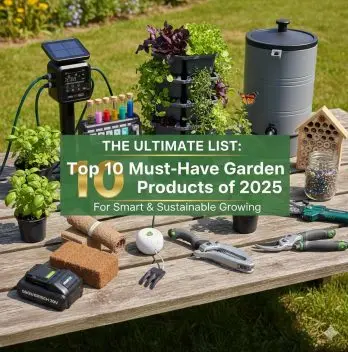
  • 🌱 The Ultimate List: Top 10 Must-Have Garden Products of 2025 for Smart & Sustainable Growing

    🌱 The Ultimate List: Top 10 Must-Have Garden Products of 2025 for Smart & Sustainable Growing

    The year 2025 marks a major shift in how we garden. It’s no longer just about getting your hands dirty; it’s about getting smart and being aggressively sustainable. The best new gear focuses on water conservation, soil health, and making tough tasks effortless with cordless power.

    To help you get ahead of the curve, we’ve researched the biggest trends and must-have gear to create the definitive list. These products will not only transform your yield but also reduce your effort and environmental footprint.


    🥇 The Top 10 Garden Products You Need in 2025

    1. Solar-Powered Smart Irrigation Systems

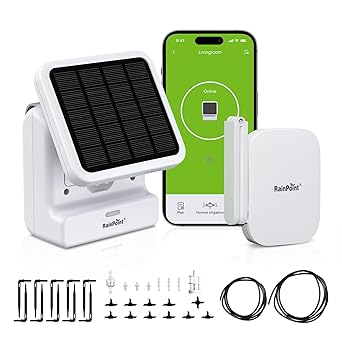
    The future of watering is here. The top systems in 2025 are solar-powered and utilize soil moisture sensors to monitor hydration in real-time. They deliver water only when and where it is needed, drastically cutting down on waste. This is the ultimate tool for water-wise gardening and ensuring plants are never stressed.

    Top Pick
    RAINPOINT Smart WiFi Solar Automatic Plant Watering System
    $69.99

    Water 20 plants with this amazing solar powered and WiFI enabled watering system ideal for automating away your gardening tasks.

    We earn a commission if you make a purchase, at no additional cost to you.
    12/02/2025 03:04 am GMT

    2. Advanced Microbial Soil Health Test Kits

    Forget basic pH strips. The new generation of test kits gives you a detailed look into your soil‘s microbial diversity and organic matter content. Knowing the level of beneficial fungi and bacteria allows you to precisely target soil deficiencies and maximize growth, making this a must-have product for the organic grower.

    Amazon Choice
    SONKIR Soil pH Meter, MS02 3-in-1 Soil Moisture/Light/pH Tester Gardening Tool Kits for Plant Care, Great for Garden, Lawn, Farm, Indoor & Outdoor Use (Green)
    $7.97
    • 3 METERS IN ONE: Soil moisture level, Soil pH value and Sunlight level could be tested easily according to your need by switching the function button of this soil meter.
    • NO BATTERY NEEDED: Simply insert the meter into soil, wait few minutes, accurate test results will be displayed on the readout panel. No battery is needed.


    We earn a commission if you make a purchase, at no additional cost to you.
    12/02/2025 08:04 pm GMT

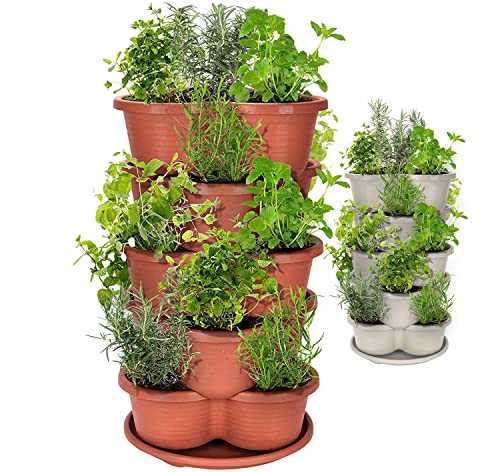
    3. 5-Tier Vertical Planter Systems

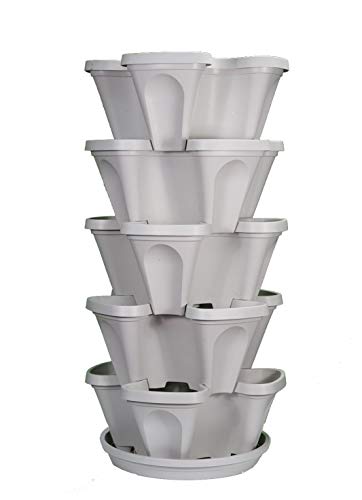
    As gardens get smaller, going vertical is essential. The leading vertical garden kits—like the popular 5-tier stacking systems—maximize your growing space on patios, balconies, or small yards. Look for modular, soil-based designs that offer built-in irrigation options for easy, high-density growing.

    Amazing Creation Stackable Planter, Terracotta 5-Tier Vertical Garden Planter, Grow Your Own Vertical Oasis of Vegetables and Succulents
    $29.99
    We earn a commission if you make a purchase, at no additional cost to you.
    12/02/2025 02:05 pm GMT

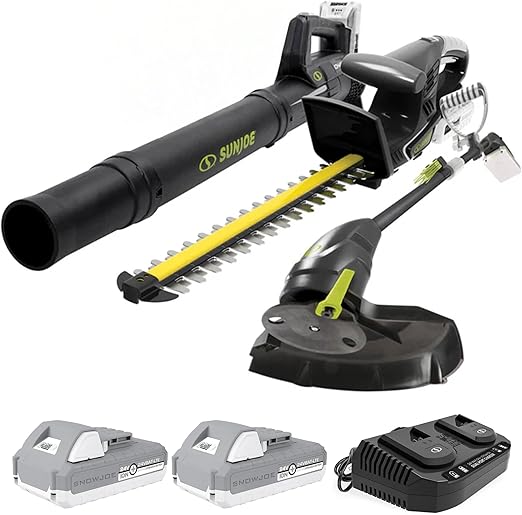
    4. Cordless Battery Multi-Tool Systems

    The age of gas-guzzling tools is over. Cordless multi-tool systems (from brands like EGO, STIHL, and Ryobi ONE+) are topping the charts in 2025. One battery platform powers everything from the lawnmower and leaf blower to pole pruners and hedge trimmers. They offer the power of gas with zero noise, zero emissions, and incredible convenience.

    Cordless Combo Tool
    $134.99

    Sun Joe Cordless Leaf Blower, Grass and Hedge Trimmer Outdoor Garden Combo Power Tool Kit with Batteries and Charger, 24V-GT4MAX-LTE

    We earn a commission if you make a purchase, at no additional cost to you.
    12/02/2025 04:03 am GMT

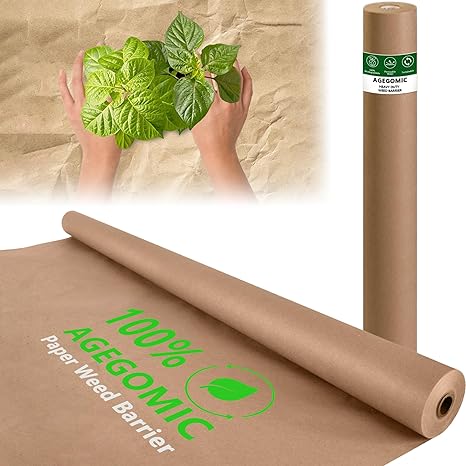
    5. Biodegradable Mulch and Weed Barriers

    In the pursuit of truly eco-friendly gardening, plastic and rubber mulches are being replaced. The most popular ground covers for 2025 include sustainable, biodegradable options like hemp mulch for vegetable beds and coco coir as a peat-free soil amendment. These materials suppress weeds while enriching the soil as they break down.

    Biodegradable Weed Barrier
    $62.99

    4 x 100 Ft Heavy Duty Garden Paper Biodegradable Landscape Fabric Paper Garden Mulch Rolls Weed Barrier for Weeds, Paper Mulch Rolls Garden Paper for Outdoor Garden Lawn

    We earn a commission if you make a purchase, at no additional cost to you.
    12/02/2025 04:03 am GMT

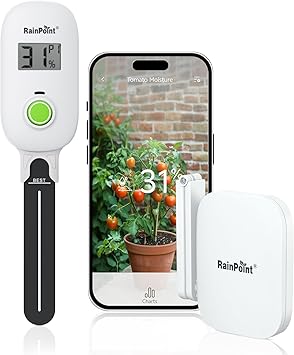
    6. App-Connected Garden Sensors

    Need a digital garden buddy? Small, app-connected sensors are becoming essential. These devices track sunlight, ambient temperature, humidity, and soil moisture, sending real-time data and alerts right to your phone. They take the guesswork out of plant care, allowing for remote monitoring—perfect for busy schedules or vacation prep.

    App Connected Garden Sensor
    $28.17

    RAINPOINT Plant Moisture Meter Houseplants Indoor WiFi Hub Kit with Low/High Moisture Alert,Real-time Monitor Hygrometer Sensor Outdoor Gardening Push Notification&Email

    We earn a commission if you make a purchase, at no additional cost to you.
    12/02/2025 04:03 am GMT

    7. Ergonomic, Multi-Use Hand Tools

    Investing in quality hand tools that reduce strain is a major trend. New ergonomic multi-use hoes and rechargeable cordless pruning shears are designed with comfortable grips and lightweight materials to reduce hand fatigue. These tools make repetitive tasks, like pruning berry bushes or weeding beds, feel less like a chore.

    9-Piece Gardening Hand Tool kit
    $27.98

    Included a Durable Garden Tools Organizer Handbag, Rust-Proof Garden Tool Set, Ideal Gardening Gi…

    We earn a commission if you make a purchase, at no additional cost to you.
    12/02/2025 02:03 pm GMT

    8. Indoor Hydroponic Smart Gardens

    For year-round growing, the indoor smart garden remains king. The best 2025 models are moving towards open-system hydroponics that allow you to grow any seed you choose, not just pre-packaged pods. Featuring full-spectrum LED lights and automated nutrient delivery, they make growing herbs and leafy greens indoors simple.

    iDOO Hydroponics Growing System Kit
    $79.99

    iDOO Herb Garden Indoor with LED Grow Light, Built-in Fan, Auto-Timer, Adjustable Height Up to 11.3″, 12Pods-

    We earn a commission if you make a purchase, at no additional cost to you.
    12/02/2025 04:03 am GMT

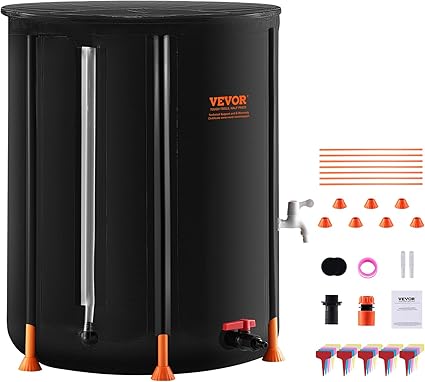
    9. Integrated Rainwater Collection Systems

    With climate change making water conservation crucial, new smart water collection systems are trending. Stylish, larger capacity rain barrels and rain gardens are designed to integrate seamlessly into your landscape, collecting clean rainwater (which is better for plants than chlorinated tap water) and reducing strain on municipal systems.

    Hot Item
    VEVOR Collapsible Rain Colelction Barrel, 100 Gallon/380 L
    $51.99

    VEVOR Collapsible Rain Barrel, 100 Gallon/380 L Portable Water Tank, PVC Rainwater Collection Barrel with Spigots and Overflow Kit, Water Barrel for Garden Water Catcher

    We earn a commission if you make a purchase, at no additional cost to you.
    12/02/2025 04:03 am GMT

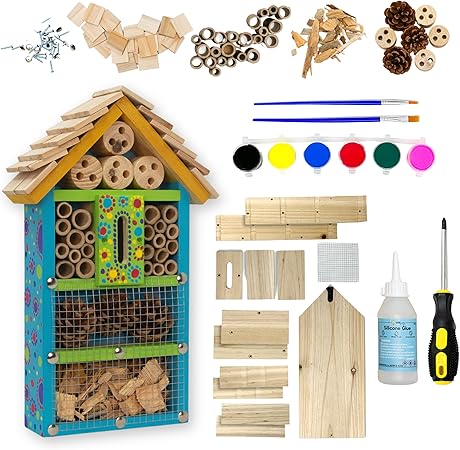
    10. Pollinator Habitat Kits

    Supporting local wildlife is a core theme in 2025. Pollinator habitat kits are one of the fastest-growing segments. These kits provide everything needed to create a safe haven, including carefully selected native wildflower seeds for continuous bloom and structure kits for bee hotels and butterfly houses. They ensure your garden gives back to the local ecosystem.
    Our Choice
    Premium Bug Hotel Kit
    $25.19

    DIY Solid Cedar Wood Craft Kit for Building Your Own Bee Hotel, Lady Bug House, or Mason Bee Hous…

    Check Amazon Price
    We earn a commission if you make a purchase, at no additional cost to you.
    12/02/2025 04:03 am GMT

    Summary of 2025’s Gardening Edge

    The common thread among the best gardening products of 2025 is the blend of technology and ecology. By prioritizing tools that are smarter, quieter, and more sustainable, you can ensure a greener, more bountiful, and easier gardening season. Start implementing one or two of these innovations to see a major improvement in your gardening journey!

    Ready to get growing?

    The Consumer Reports video offers a great overview of the various battery-powered tool systems that dominate the 2025 trend for cordless gardening equipment, a key category in this list.

    You can learn more about the growing trend of battery-powered tool systems in this Consumer Reports video: The best battery-powered tool systems.
  • Spring Garden Prep Tips

    Spring Garden Prep Tips

    spring garden prep

    Spring is right around the corner. We had a fantastic sunny and warm day at the end of February, reminding me to prepare for Spring. As the clouds parted and the sun shone down on my humble garden, it was time to get to work and prepare for spring.
    Preparation is the key to a great Spring Garden.

    Spring Garden Prep Tips

    It’s time to do some spring garden prep to prepare your garden for the sunny and warmer days ahead.

    1. Pre-spring Clean

    It is time to get pre-spring clean your garden. Get your garden ready by removing dead plants, leaves, fallen branches, or any other debris found in the garden. This clean-up helps sprouting plants and prevents pests that might have overwintered.

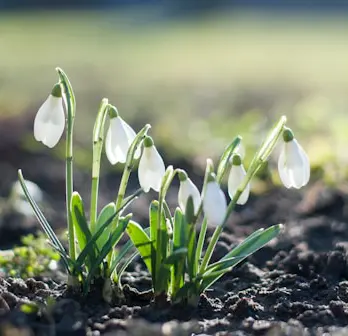
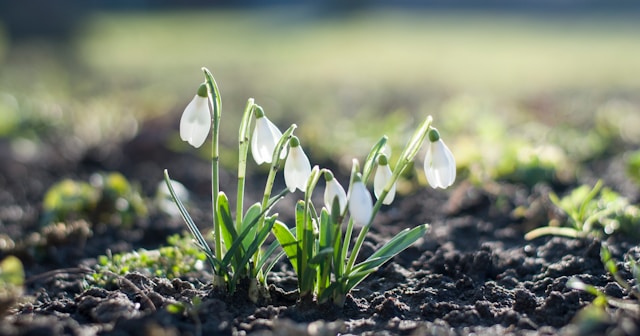
    After removing four large bags of dead plants, leaves, and fallen branches this weekend, I found a bunch of Tulip sprouts that were already trying to break through. Now, with all the garden debris removed the Tulips are ready to go for spring.

    2. Tool Clean-up

    Take a moment to inspect your garden tools for your spring garden prep. Wash your tools with warm soapy water to prevent any speed of plant diseases.

    Next, if you’ve been using your tools for awhile. Treat them the a refresh and have them sharpened. Any broken tools now is the time to start scouting for sales to get them replace.

    3. Test and Improve your Soil

    A healthy garden starts with the soil. Now’s the time to start checking PH levels to get them in the right shape before the season starts.

    Based on the results, add compost, manure, or other organic matter. These amendments enrich the soil, improve drainage, and promote strong root growth. Being ahead of the curve will help you be ready for the upcoming season.

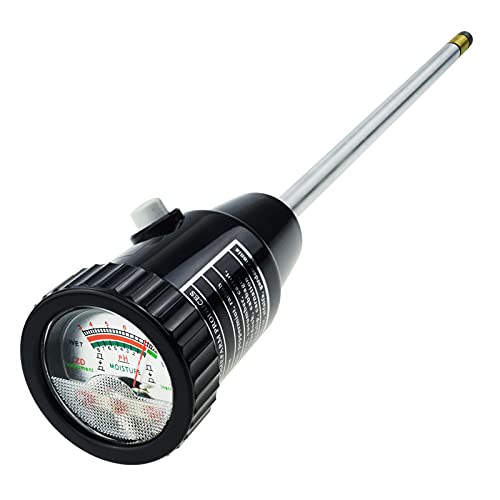
    Soil PH Meter, Soil Moisture Sensor Meter, Soil PH Tester Gardening Tool Kits for Plant, Tree, Soil Tester for Moisture Great for Garden, Lawn, Farm, Indoor & Outdoor Use 295mm Long
    $55.99
    We earn a commission if you make a purchase, at no additional cost to you.
    12/03/2025 03:03 am GMT

    4. Start Seeds Indoors

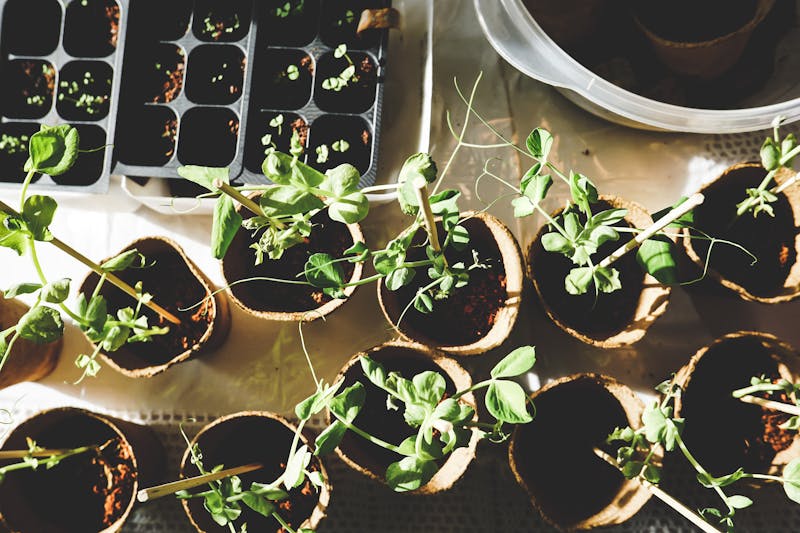
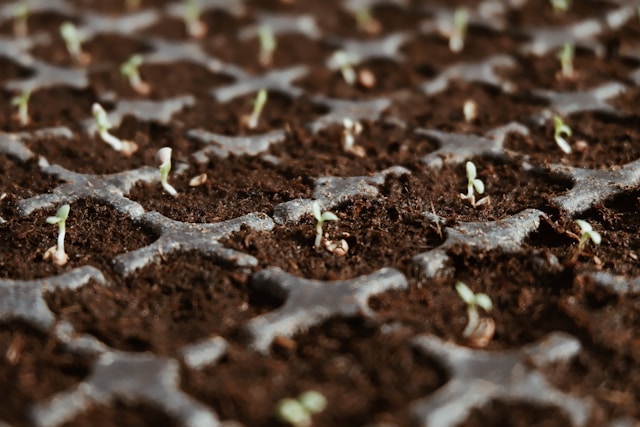
    Consider the planning of starting planting seeds indoors for your spring garden prep. Vegetables like tomatoes, peppers, and herbs benefit from early sowing.

    Invest in seed trays and grow lights, which are readily available on Amazon. Starting seeds early gives you a jump on the growing season and ensures stronger plants.

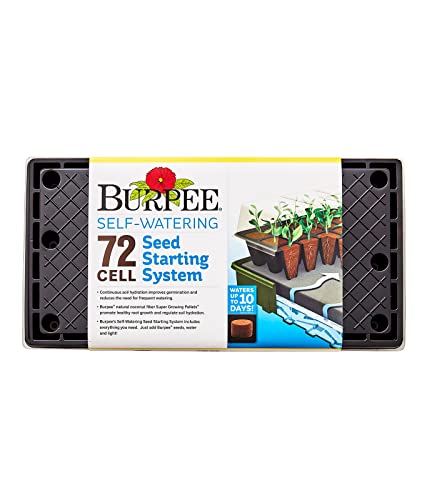
    Burpee Self-Watering Seed Starter Tray, 72 Cells
    $15.87
    We earn a commission if you make a purchase, at no additional cost to you.
    12/02/2025 10:03 pm GMT

    5. Prepare Garden Beds

    Loosen the soil in your garden beds using a spade or garden fork. Loosening the soil helps roots penetrate the soil easily and improves water drainage.

    Add a fresh layer of compost or well-rotted manure to boost nutrients. Raised beds can also be topped up with fresh soil to improve fertility and structure. Again check the PH balance levels to get a better indication.

    6. Mulch your Garden

    Mulching is an excellent way to suppress weeds, retain moisture, and regulate soil temperature. Apply a layer of organic mulch, like straw or wood chips, around your garden beds.

    Mulch also prevents soil erosion and breaks down over time, adding nutrients back into the soil.

    100% Natural Cedar Chips | Mulch | Great for Outdoors or Indoor Potted Plants | Dog Bedding | Pleasant Earthy Smell 4 Quarts
    $12.95
    We earn a commission if you make a purchase, at no additional cost to you.
    12/02/2025 02:03 pm GMT

    7. Add Garden Structures

    Consider adding structures like trellises, stakes, and cages before planting. These supports help climbing plants like tomatoes, beans, and cucumbers grow properly.

    Installing them early avoids disturbing roots later in the season. Plus, they make your garden look neat and organized.

    8. Prepare for Pests and Weeds

    Get ahead of pests and weeds before they become a problem. Lay down landscape fabric to reduce weed growth and use row covers to protect young plants from insects.

    Consider natural pest control methods like introducing beneficial insects or companion planting to deter harmful bugs.

    Final Sping Garden Prep Thoughts

    The cold weather is almost behind us and the spring garden prep sets the stage for a successful growing season. With a little planning, soil care, and the right tools, you’ll be ready and prepared to enjoy a vibrant and productive garden.

    Don’t forget to check out gardening essentials on Amazon to make your gardening journey even smoother!

    FAQs Spring Garden Prep

    When should I start preparing my garden for spring?

    Begin preparing your garden 4-6 weeks before the last expected frost. This gives you enough time to clean, plan, and start seeds indoors.

    How can I improve soil fertility before spring planting?

    Add organic matter such as compost, aged manure, or organic fertilizers. These enrich the soil and promote healthy plant growth.

    What are the best seeds to start indoors before spring?

    Tomatoes, peppers, broccoli, and herbs like basil and parsley are great candidates. They benefit from an early start and will be ready for transplanting after the last frost.

    Should I till my garden soil before spring?

    Tilling can help loosen compacted soil but should be done carefully. Over-tilling can damage soil structure. If your soil is loose and healthy, minimal tilling is best.

    How do I prevent weeds in my garden?

    Use mulch, landscape fabric, or cover crops. Mulching, in particular, is an effective way to suppress weeds while retaining soil moisture.

  • How to Grow Guava from a Seed: A Step-by-Step Guide

    How to Grow Guava from a Seed: A Step-by-Step Guide

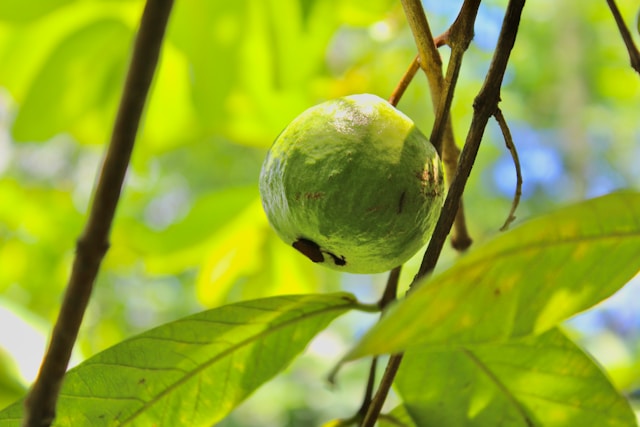
    Guava is a heathy and delicious tropical fruit that can be grown at home, even from seeds. Though it requires patience, the reward is a healthy guava tree that produces sweet fruit for years to come. We’ll take you through how to grow guava from a seed, from seed extraction to planting and caring for your growing tree.

    Step 1: Seed Extraction and Preparation

    To begin with, you’ll need a ripe guava. The riper the fruit, the better the seeds will germinate.

    Extracting the Seeds

    • Cut the guava open and scoop out the seeds from the center. You can use a spoon or your fingers to remove them gently.
    • Place the seeds in a water bowl and rub them between your fingers to remove the sticky pulp. Rinse the seeds thoroughly in clean water.

    Soaking the Seeds

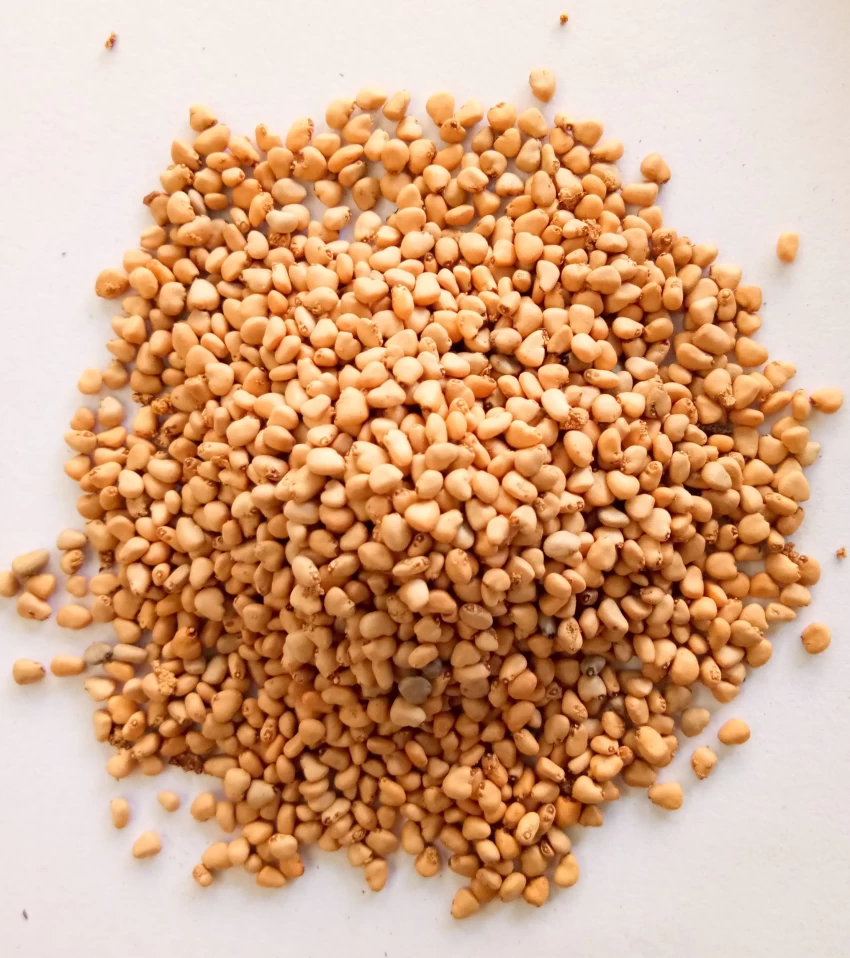
    Guava seeds have a tough outer shell, which can slow germination. Soak the seeds in warm water for 24 hours to speed things up. This softens the outer layer and helps them sprout more quickly.

    how to grow guava from a seed 4

    Step 2: Planting the Guava Seeds

    Once your seeds are prepped, it’s time to plant them. Guava seeds do best in well-draining soil with a light texture, such as a sandy potting mix. This prevents water from accumulating around the seeds, which can lead to rot.

    Choosing the Right Container

    You can start your guava seeds in a seed tray or small pots. Make sure the containers have drainage holes to allow excess water to escape.

    Planting the Seeds

    • Fill the tray or pots with well-draining soil.
    • Plant each seed about half an inch deep into the soil.
    • Lightly water the soil until it’s damp but not soaking wet.
    • Cover the container with plastic wrap to create a greenhouse effect. This traps moisture and warmth, helping the seeds germinate faster.

    Step 3: Germination

    Guava seeds take their time to germinate, usually anywhere from 2 to 8 weeks. During this period, it’s important to keep the conditions right.

    Ideal Growing Conditions

    • Sunlight: Place the container in a warm spot with indirect sunlight. Avoid direct sunlight at this stage, as it can dry out the soil too quickly.
    • Moisture: Keep the soil moist by misting it regularly with water. However, don’t let the soil become waterlogged, as this can lead to mold or rot.

    Patience Pays Off

    Germination times can vary based on the variety of guava and growing conditions. Be patient, as it might take a few weeks to see the first signs of growth.

    How to grow Guava from a seed

    Step 4: Transplanting the Seedlings

    Once your guava seedlings have grown a few inches tall and developed several sets of leaves, they are ready to be transplanted. At this stage, they need more space and light to continue growing strong.

    When to Transplant

    Typically, you’ll want to transplant the seedlings when they are around 4-6 inches tall. This is a good time to move them to a larger pot or directly into the ground if your climate allows.

    Choosing the Right Spot

    Guava trees thrive in full sunlight, so make sure you plant them in a spot that gets plenty of sun. If planting outdoors, ensure the soil is well-draining to avoid water buildup around the roots.

    Transplanting Steps

    • Gently remove the seedling from its container, taking care not to damage the roots.
    • Place it in a hole that is slightly larger than the root ball, whether in a pot or directly in the garden.
    • Fill the hole with soil, lightly press down to secure the plant, and water it well.

    Step 5: Caring for Your Guava Tree

    After transplanting, guava trees need regular care to grow into healthy, fruit-bearing plants. Here are the critical aspects of guava care:

    Watering

    Water your guava tree regularly, especially during the first year of growth. However, guava trees don’t like soggy soil, so make sure the soil dries out slightly between waterings. In general, water deeply about once a week, more often during dry spells.

    Sunlight and Temperature

    Guava trees love the sun. Make sure they get 6-8 hours of direct sunlight each day. If you live in a tropical or subtropical climate, guava trees can be planted outdoors and will thrive in warm temperatures. In cooler climates, guava trees do best in pots that can be moved indoors during colder months.

    Fertilizing

    To encourage healthy growth, fertilize your guava tree every few months during the growing season (spring and summer). Use a balanced fertilizer rich in nitrogen, phosphorus, and potassium to support leaf and root development.

    Pruning

    Guava trees benefit from regular pruning to promote bushier growth and remove any dead or damaged branches. Prune your tree after the growing season to encourage better air circulation and fruit production.

    When Will My Guava Tree Bear Fruit?

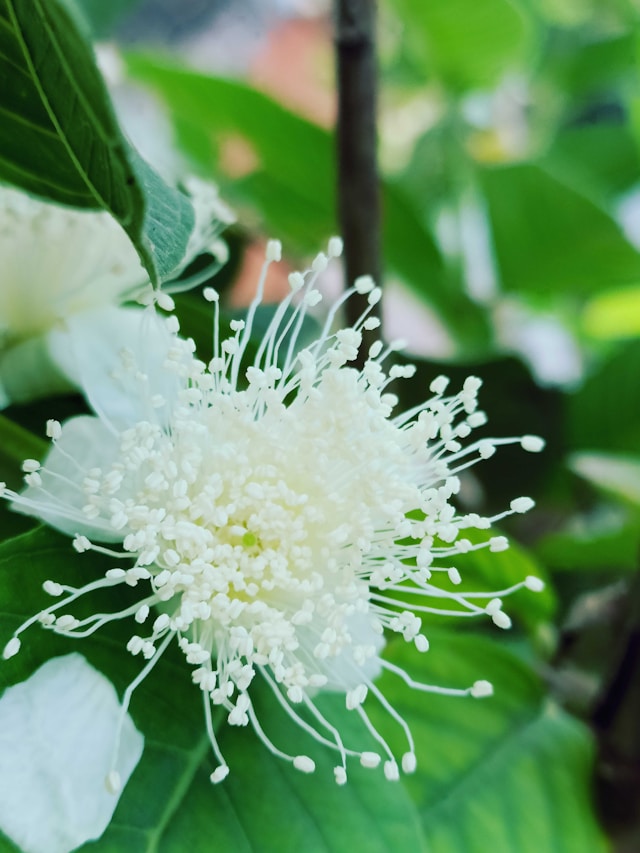
    Guava plant flowering

    Growing guava from seed requires patience, as it can take 3-4 years for your tree to start bearing fruit. However, once it starts producing, you can enjoy fresh guavas for years to come!


    FAQ: How to Grow Guava from a Seed

    1. How long does it take to grow guava from a seed?
    Guava seeds typically take 2-8 weeks to germinate, but the tree may take 3-4 years to bear fruit.

    2. Do I need to soak guava seeds before planting?
    Yes, soaking guava seeds in warm water for 24 hours softens the seed coat and increases the chances of successful germination.

    3. What kind of soil is best for guava seeds?
    Use well-draining soil, such as a light, sandy mix, to prevent water retention and root rot.

    4. How much sunlight do guava plants need?
    Guava plants thrive in full sunlight, needing at least 6-8 hours of direct light per day.

    5. How often should I water guava seedlings?
    Water the seedlings regularly, keeping the soil moist but not waterlogged. Allow the soil to dry slightly between waterings.

    Conclusion

    Growing guava from a seed may take some time, but the process is rewarding. From selecting the right seeds to caring for the seedlings, each step brings you closer to enjoying your own homegrown guava fruit. With the right care—plenty of sunlight, well-draining soil, and regular watering. Now you know How to grow Guava from a Seed, enjoy your fresh Guava fruit for years to come

    Happy gardening!

  • How to Water Indoor Plants While on Vacation

    How to Water Indoor Plants While on Vacation

    Planning a vacation is exciting, but leaving your indoor plants behind can be stressful. If you’re worried about how to keep your plants hydrated while you’re away, don’t worry! You can use several easy methods to ensure your plants stay healthy until you return. We’ll cover the best techniques for how to water indoor plants while on vacation.

    1. Use Self-Watering Planters

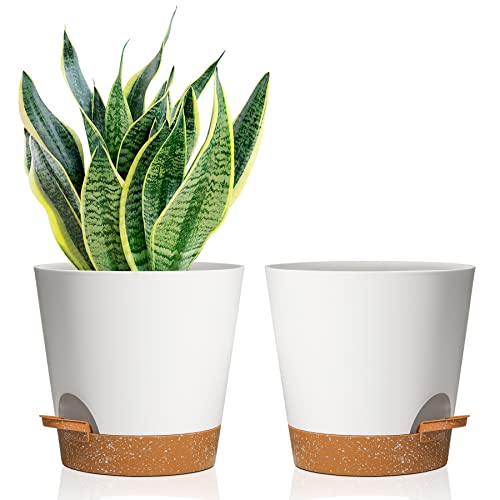
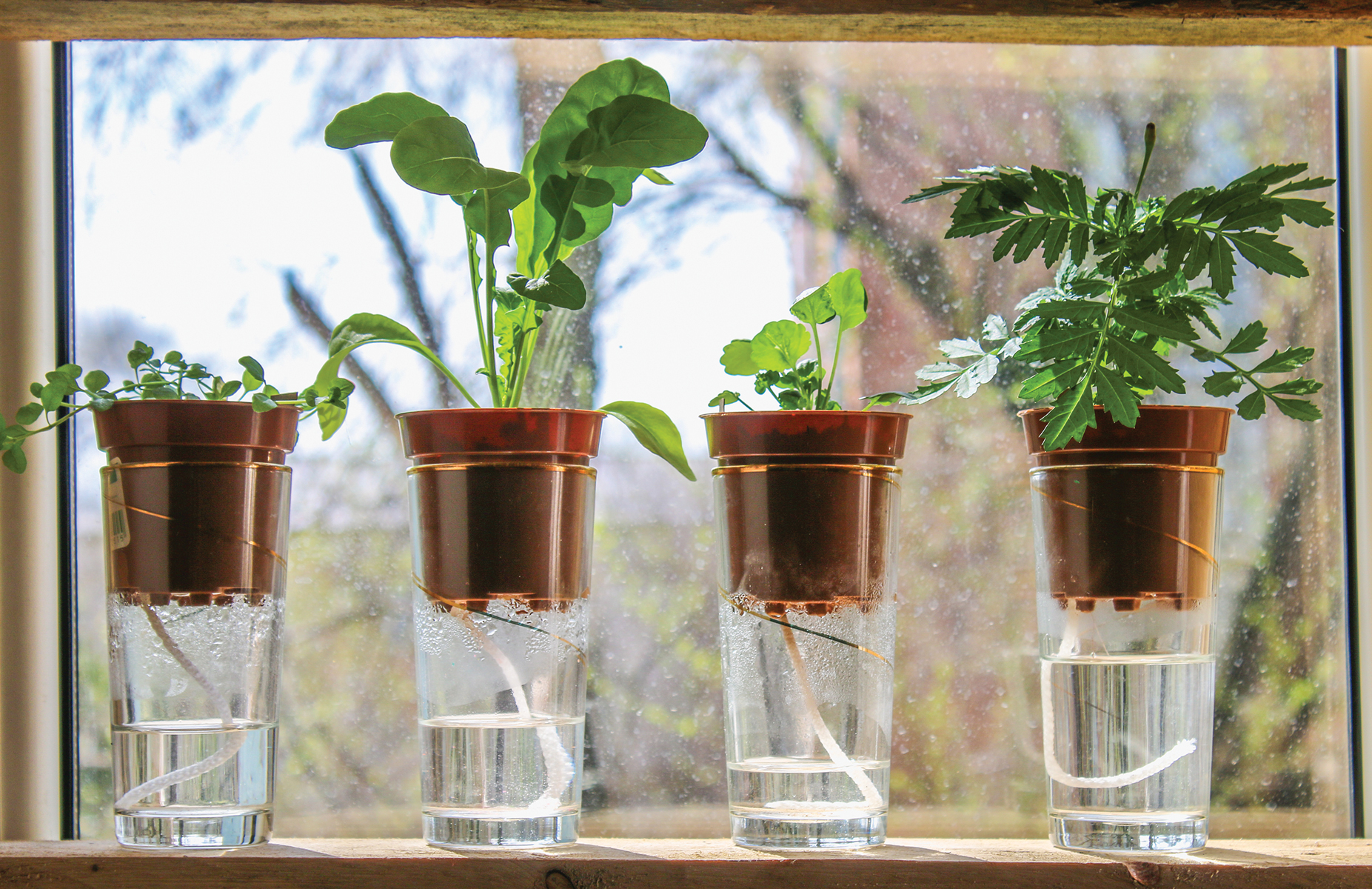
    Investing in self-watering planters is one of the most reliable ways to keep your plants hydrated while you’re on vacation. These pots have a built-in reservoir at the bottom, which holds water and allows the plant to absorb it as needed. This system keeps the soil moist for up to two weeks, depending on the reservoir’s size and the plant type. It’s an easy and stress-free solution for longer trips.

    How it works: The plant draws water from the reservoir through a wick, only absorbing what it needs. This helps prevent overwatering and underwatering, giving you peace of mind while you’re away.

    Amazon Choice
    Indoor Self Watering Planters with Drainage Holes and Saucers
    $18.99

    Practical Size Combo: Combines 6 different size…

    We earn a commission if you make a purchase, at no additional cost to you.
    12/02/2025 09:04 pm GMT

    2. DIY String Watering System

    A simple DIY option is the string watering method. Yes, that’s right. A cotton string and a pot of water are all you need to create a DIY self-watering system.

    Here’s how it works:

    • Fill a container with water and place it next to your plant.
    • Insert one end of the string into the water and bury the other end a few inches into the plant’s soil.
    • The cotton string will slowly draw water from the container into the soil, keeping your plant hydrated.

    This method is excellent for shorter vacations and works well with plants that don’t require too much water.

    Amazon’s Choice
    Self Watering Rope
    $5.99

     50 Feet 1/4 Inch Self Watering Rope for Plants Wicking Cord for Garden Watering Wick Rope f…

    We earn a commission if you make a purchase, at no additional cost to you.
    12/02/2025 09:04 pm GMT
    Self Watering Planter Insert for Pots
    $41.99

    Automatic Plant Waterer & Plant Accessories (12Pack)

    We earn a commission if you make a purchase, at no additional cost to you.
    12/02/2025 09:03 pm GMT

    3. Watering Globes or Spikes

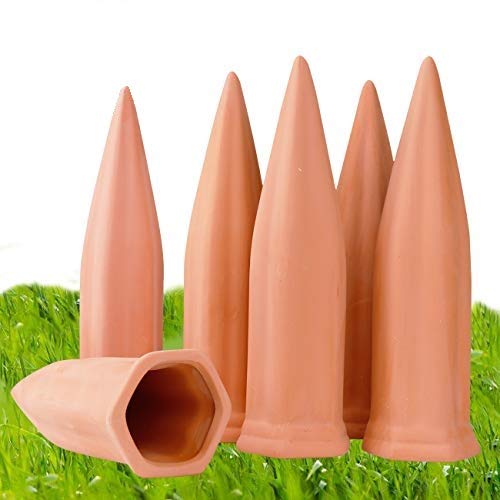
    Watering globes or watering spikes are another easy solution. These devices release water slowly into the soil, preventing your plants from drying out while you’re gone. Fill the globe, attach a spike to a water-filled bottle, and insert it into the soil. The water will be dispensed gradually, keeping the soil moist for several days.

    Watering globes are perfect for more miniature houseplants, while spikes can be used for larger pots or outdoor containers.

    Best Seller
    Plant Watering Globes Set of 4 – Small Self Watering Globes for Indoor & Outdoor Plants
    $19.19

    Multicolored, Automatic, Glass Watering Bulbs for Everyday Use

    We earn a commission if you make a purchase, at no additional cost to you.
    12/02/2025 10:03 pm GMT
    Amazon’s Choice
    Terracotta Vacation Plant Waterer
    $15.09

    Wine Bottle Watering Stakes Slow Release Plant Watering Spikes Self Watering Devices for Indoor O…

    We earn a commission if you make a purchase, at no additional cost to you.
    12/02/2025 09:03 pm GMT

    4. Group Your Plants Together

    If you’re only going away for a week or less, another helpful tip is to group your plants together in one area. Plants create a mini-humid environment that helps retain moisture when placed close together. Please place them in an area with indirect sunlight to avoid drying them out too quickly.

    Before you leave, water all the plants thoroughly to ensure they stay hydrated longer.

    How to Water Indoor Plants While on Vacation

    5. Ask a Friend or Hire a Plant Sitter

    Yes, the option for those who want to be a millionaire game is to phone a friend. If you will be away for an extended period, the most reliable method is to ask a friend or neighbor to check on your plants or hire a plant sitter. This way, you’ll have someone who can water your plants, check the soil, and ensure they’re doing well in your absence.

    FAQ: How to Water Indoor Plants While on Vacation

    1. How long can indoor plants go without water?
    Most indoor plants can go without water for 1-2 weeks, depending on the plant type, pot size, and environment. Succulents can last longer without watering.

    2. What is the best method for watering plants while on vacation?
    Using self-watering planters or watering globes is highly effective, as they provide a consistent water supply over time.

    3. How do self-watering planters work?
    Self-watering planters have a reservoir that holds water, and the plant absorbs it as needed through a wick system.

    4. Can I use a DIY method to water plants while away?
    Yes! The string method is a simple DIY option where a cotton string slowly wicks water from a container into the plant’s soil.

    5. Should I ask a friend to water my plants?
    For extended trips, it’s a good idea to ask a friend or hire a plant sitter to ensure your plants are properly cared for.

  • Best Bug Hotel Ideas

    Best Bug Hotel Ideas

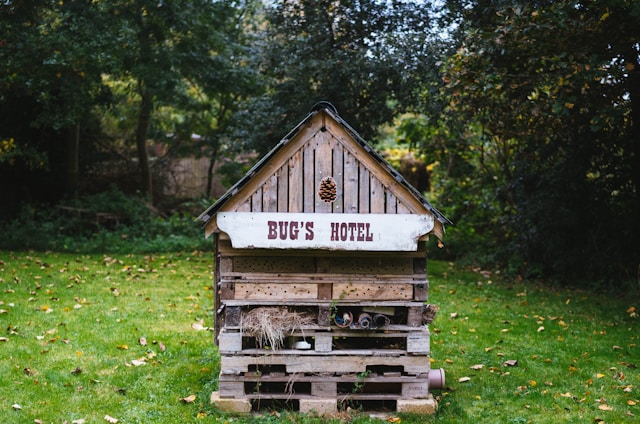
    Bug hotels are a great way to attract beneficial insects to your garden, helping with pollination and natural pest control. This article will help you find some of the Best bug hotel ideas for your garden. These charming garden additions shelter various insects, such as ladybugs, bees, and butterflies, while enhancing biodiversity.

    I’ve had several different bug hotels in my garden over the years. We received a bug hotel a few years ago as a gift, but it was of cheap quality and only lasted a season. Now, we have two bug hotels, which are better quality and have survived the third season. So, investing in a Bug Hotel with proper wood and construction will last longer in the elements of your garden and bring joy to your garden and plants.

    If you’re looking for inspiration, here are some of the Best bug hotel ideas for your garden or backyard:

    1. Wildlife World Solitary Bee Hive

    This bee hive is perfect for attracting solitary bees, such as mason and leafcutter bees, which are excellent pollinators. The Bee Hive offers multiple trays for bees to lay their eggs, easily removable for inspection or cleaning. Crafted from FSC-certified timber, this eco-friendly bug hotel provides a safe haven for solitary bees while helping your garden thrive.

    Key Features:

    • A hinged roof allows you to open it and see the bee activity in the hive
    • Made from sustainable materials
    • Weather-resistant roof for year-round use
    • Attracts important pollinators to your garden
    Best Seller
    Solitary Bee Hive with Hinged Roof

    The Bee House Through A Clever Swivel Roof whic…

    We earn a commission if you make a purchase, at no additional cost to you.

    2. Lulu Home Wooden Insect Hotel

    The Lulu Home Wooden Insect Hotel is designed to attract beneficial insects like butterflies, ladybugs, and bees to your garden. This eco-friendly bug house is made from natural materials and provides a safe habitat for various pollinators and pest controllers. The multi-chamber design accommodates different species, offering them shelter to nest and hibernate. It enhances your garden’s ecosystem by promoting biodiversity and natural pest control.

    Key Features:

    • Promotes Garden Health: Attracts beneficial insects like ladybugs and bees, which help with natural pest control and pollination.
    • Eco-Friendly Materials: Made from natural wood, providing a sustainable and safe habitat for various species.
    • Multi-Chamber Design: Offers shelter for different types of insects, supporting biodiversity and enhancing your garden’s ecosystem.
    Amazon Choice Selection
    Lulu Home Wooden Insect Hotel
    $16.99

    Lulu Hanging Insect Hotel made from wood,  Habitat, Bug Hotel Garden, 10.4 X 3.4 X 5.4 Inch<...

    We earn a commission if you make a purchase, at no additional cost to you.
    12/02/2025 09:03 pm GMT

    3. TIHOOD Natural Wooden Hanging Bee House

    The TIHOOD Natural Wooden Hanging Bee House is a stylish and functional insect house that attracts beneficial bugs like bees, ladybugs, and butterflies. Crafted from natural wood, this eco-friendly bug hotel provides a perfect habitat for various species, promoting pollination and natural pest control in your garden. Its multi-chamber design offers separate sections for different insects, helping enhance biodiversity and overall garden health.

    Key Features:

    • The multi-chamber design supports different insect species for a balanced ecosystem.
    • Encourages pollinators and pest controllers in your garden.
    • Eco-friendly construction with natural wood materials.
    TIHOOD Natural Wooden Hanging Bee House
    $24.99

    For Gardens Natural Wooden Butterfly Hotel for Bee, Butterfly, Ladybirds, Habitat, Bee Hotel Gard…

    We earn a commission if you make a purchase, at no additional cost to you.
    12/02/2025 11:01 pm GMT

    4. Esschert Design WA46 Insect House S

    The Esschert Design WA46 Insect House S is perfect for small gardens or urban spaces. This compact yet highly effective bug hotel provides a home for bees and other pollinators, supporting your plants’ growth. Made from untreated FSC wood, it’s safe for insects and environmentally friendly, making it an excellent choice for eco-conscious gardeners.

    The construction of this particular Bug Hotel stands out. It has a metal roof, which will help the wood last longer in the elements.

    Key Features:

    • Compact and space-efficient
    • Made from eco-friendly materials
    • Metal roof
    Esschert Design WA46 Insect House S
    $88.29

    Great design and metal roof make this a long-lasting option for your garden

    We earn a commission if you make a purchase, at no additional cost to you.
    12/02/2025 09:03 pm GMT

    5. Navaris Wood Insect Hotel

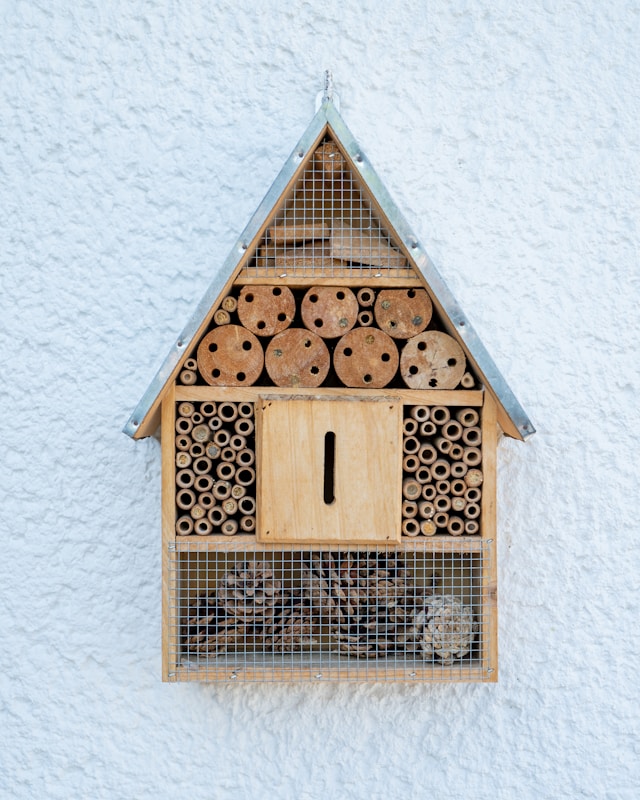
    The Navaris Insect Hotel is a well-rounded bug house with sections for bees, butterflies, ladybugs, and other insects. It includes compartments filled with natural materials such as bamboo, wood, and pine cones to suit various species. This stylish bug hotel attracts beneficial insects and serves as a decorative element in your garden.

    Key Features:

    • Large, multi-chamber design
    • Made from natural, untreated wood
    • Metal roof to protect the wood from rain and the elements
    • Attracts a wide range of helpful insects
    Our Pick
    Navaris Wooden Insect Hotel
    $35.99

    Give back to your garden in the best way possible by providing a home to pollinators like wild be…

    We earn a commission if you make a purchase, at no additional cost to you.
    12/02/2025 03:04 pm GMT

    Why Add a Bug Hotel to Your Garden?

    Bug hotels provide crucial shelter and nesting spaces for beneficial insects that support your garden. Pollinators like bees help flowers, fruits, and vegetables grow, while predatory insects like ladybugs naturally control pests such as aphids. A well-placed bug hotel can increase biodiversity, promote healthier plants, and reduce the need for chemical pesticides.

    best bug hotel ideas 2

    Tips for Setting Up a Bug Hotel

    • Location, Location, Location: Place the bug hotel in a sunny, sheltered spot, ideally close to flowers or garden beds. If possible, find a spot with less rain exposure, which will help the bug hotel last longer.
    • Materials: To attract different insect species, your bug hotel should include a variety of materials, such as bamboo, wood, and pine cones.
    • Maintenance: While bug hotels are low maintenance, they should be checked occasionally to ensure they are clean and functioning correctly.

    Conclusion

    Investing in a bug hotel helps the environment and supports a healthy and thriving garden. I hope this article helped you determine the best bug hotel ideas. Whether you want to attract bees for pollination or ladybugs for natural pest control, these bug hotels offer a range of options to suit different gardens and budgets. With the correct setup, your garden can become a sanctuary for helpful insects, creating a balanced and eco-friendly environment.

  • How to Care for Aloe Vera Plants

    How to Care for Aloe Vera Plants

    Aloe vera is a low-maintenance succulent known for its healing properties and attractive appearance. It’s one of the most popular houseplants for beginners and seasoned gardeners. If you’re wondering how to care for aloe vera plants, we will walk you through everything you need to know, from planting and watering to ensuring optimal growth and health.

    Choosing the Right Location for Aloe Vera

    Aloe vera plants thrive in bright, indirect sunlight. Ideally, place them near a window that receives plenty of light, but avoid spots where they’ll be in direct sunlight for extended periods, as this can cause the leaves to scorch. Aloe vera loves warmth, so indoor environments are generally ideal, though it can also be grown outdoors in warm, dry climates.

    If you grow your aloe outside, ensure it’s in an area with 6-8 hours of sunlight daily. If you live in an area with harsh, direct sunlight, consider placing it in a shaded spot during the hottest day.

    Tip: Rotate your aloe vera plant regularly to ensure even exposure to light. This prevents the plant from leaning in one direction and promotes balanced growth.

    Amazon Choice Selection
    Live Aloe Vera Plant
    $17.17

    Live Succulents Plants Live Plants (1G), Aloe Plant Live Succulent Plants Live Aloe Plants Live H…

    We earn a commission if you make a purchase, at no additional cost to you.
    12/03/2025 12:03 am GMT

    Soil Requirements for Aloe Vera

    Aloe vera plants need well-draining soil to prevent root rot, which is one of the most common issues with these succulents. The best soil for aloe vera is a cactus or succulent mix. These mixes contain sand, perlite, and other materials that promote quick drainage.

    You can also make your own soil mix by combining:

    • 2 parts regular potting soil
    • 1 part perlite or sand
    • 1 part coarse material (like pumice)

    This combination ensures proper drainage, essential for a healthy aloe vera plant, and how to care for aloe vera plants.

    Tip: Avoid heavy, moisture-retentive soils. If your potting mix is too dense, it will retain water, which can lead to root rot.

    Watering Aloe Vera

    One of the most critical aspects of how to care for aloe vera plants is understanding their watering needs. Aloe vera plants store water in their thick leaves, so they don’t need to be watered frequently. Overwatering is one of people’s biggest mistakes when dealing with aloe vera.

    Water your aloe vera plant every 2-3 weeks, depending on the season and indoor conditions. The plant may require more frequent watering during the summer as the soil dries out faster. In winter, you may only need to water once a month.

    Watering Tips:

    • First, check the soil by sticking your finger about an inch deep. If it feels dry, it’s time to water.
    • Water the plant thoroughly, ensuring the water drains through the bottom of the pot. Do not let the plant sit in standing water.
    • Allow the soil to dry out completely between watering sessions to prevent overwatering.
    How to Care for Aloe Vera Plants

    Potting and Repotting Aloe Vera

    Aloe vera plants prefer to be slightly root-bound, so you don’t need to repot them frequently. However, if your plant has outgrown its current pot or the roots are becoming crowded, it’s time to repot.

    When repotting, choose a pot slightly larger than the current one. The pot should have drainage holes to ensure excess water can escape. Repotting aloe vera plants every 2-3 years is typically sufficient.

    Repotting Steps:

    1. Gently remove the aloe vera from its current pot, taking care not to damage the roots.
    2. Loosen the roots slightly if they’re tightly bound.
    3. Fill the new pot with a layer of fresh succulent or cactus soil.
    4. Place the aloe vera in the pot, ensuring the roots are covered with soil but not too deep.
    5. Water lightly after repotting and wait a week before watering again to allow the plant to adjust.

    Fertilizing Aloe Vera

    Aloe vera plants do not require much fertilizing. They can thrive without it in many cases. However, if you want to encourage growth, you can fertilize your aloe vera once or twice a year during the spring and summer months, which are its growing seasons.

    Use a diluted, balanced fertilizer or one specifically designed for succulents. Avoid over-fertilizing, as this can harm the plant.

    Best Seller
    Organic Succulent Cacti Mix
    $10.99

    Back to the Roots 100% Organic Succulent and Cacti Mix (6 Quart) | Made in The USA | Premium Nutr…

    We earn a commission if you make a purchase, at no additional cost to you.
    12/02/2025 11:03 pm GMT

    Fertilizing Tips:

    • Only fertilize during the growing season (spring and summer).
    • Always dilute the fertilizer to half-strength to avoid burning the roots.
    How to Care for Aloe Vera Plants

    Common Issues with Aloe Vera Care

    Overwatering

    If overwatered, aloe vera is susceptible to root rot. Signs of overwatering include yellowing leaves, mushy stems, and a limp appearance. If you notice these signs, reduce your watering frequency immediately.

    Sunburn

    While aloe vera enjoys sunlight, too much direct sunlight can cause the leaves to brown or develop sunburn spots. If this happens, move the plant to a shaded area to prevent further damage.

    Pests

    Aloe vera plants are somewhat pest-resistant but can occasionally attract mealybugs, scale, or aphids. If you notice pests, use a neem oil spray or gently wipe the leaves with a cotton swab dipped in rubbing alcohol to remove them.

    Propagating Aloe Vera

    Aloe vera plants produce offsets, also known as “pups,” which are small shoots that grow from the base of the main plant. These can be easily propagated to grow new aloe vera plants.

    Propagation Steps:

    1. Wait until the pup is about 2-3 inches tall before removing it.
    2. Gently separate the pup from the mother plant by loosening the soil around it and pulling it out by the base.
    3. Allow the pup to sit out for a day or two to let the roots dry slightly.
    4. Plant the pup in a small pot with well-draining soil, and water lightly after planting.

    Propagation is a simple and fun way to grow more aloe vera plants and share them with friends or family and you can use the same how to care for aloe vera plants advice on these pup plants.

    How to Care for Aloe Vera Plants propagating the Aloe Vera Pup offshoot
    Aloe Vera Pup offshoot

    Benefits of Aloe Vera

    Aloe vera is a low-maintenance houseplant and offers numerous health benefits. The gel inside the leaves is commonly used to:

    • Soothe burns and sunburns
    • Moisturize skin
    • Aid in minor cuts and wounds healing
    • Improve air quality by removing toxins from the air in your home

    Many people keep aloe vera in their kitchens or bathrooms due to its dual purpose as a natural healer and air purifier.

    Best Seller
    Organic Succulent Cacti Mix
    $10.99

    Back to the Roots 100% Organic Succulent and Cacti Mix (6 Quart) | Made in The USA | Premium Nutr…

    We earn a commission if you make a purchase, at no additional cost to you.
    12/02/2025 11:03 pm GMT

    FAQ: How to Care for Aloe Vera Plants

    1. How often should I water my aloe vera plant?
    Water every 2-3 weeks, allowing the soil to dry between watering.

    2. What type of soil is best for aloe vera?
    Use well-draining cactus or succulent soil to prevent root rot.

    3. How can I propagate aloe vera?
    Propagate aloe vera by separating pups (small offshoots) from the mother plant and repotting them in new soil.

    4. How much sunlight does aloe vera need?
    Aloe vera needs 6-8 hours of bright, indirect sunlight daily.

    5. When should I repot my aloe vera?
    Repot every 2-3 years or when it outgrows its pot.

    Conclusion

    Aloe vera is a resilient and easy-to-care-for plant, making it a great choice for both new and experienced gardeners. Understanding how to care for aloe vera plants involves finding the right balance of sunlight, water, and soil. By providing proper care, and now you know how to care for aloe vera plants, you can enjoy a beautiful houseplant and the added benefits of aloe vera’s healing properties.

    Whether you’re growing aloe vera for its aesthetic appeal or its medicinal uses, following these tips will ensure your plant thrives for years.

  • How to Care for Succulents in Winter

    How to Care for Succulents in Winter

    Succulents are known for their ability to thrive in dry, warm conditions, but winter can present challenges even for these hardy plants. When the temperature drops, succulents require a different care routine to keep them healthy.

    Understanding how to care for succulents in winter will help them survive the cold months and be ready to grow again in spring. Whether your succulents are indoors or outdoors, here are the essential steps to follow. Also, select winter hardy succulents to remain outside during the winter months.

    Winter Hardy Succulents Pack
    $33.45

     Types of Cold-Hardy Succulents | Caring for Succulents in Winter (6 Succulents)

    We earn a commission if you make a purchase, at no additional cost to you.
    12/03/2025 12:02 am GMT

    1. Bring Your Succulents Indoors

    If you’re growing succulents outdoors, the first step to protect them in winter is to bring them inside before the temperature drops below 50°F (10°C). Most succulents are not frost-tolerant, and freezing temperatures can quickly damage or kill them. Choose a location inside that offers bright, indirect sunlight, such as a south-facing window.

    Inspect the plants for pests before bringing them indoors. Look for small insects, like spider mites or mealybugs, that can hide in the leaves. Treat any infestations with insecticidal soap or neem oil to prevent pests from entering your home.

    How to Care for Succulents in Winter

    2. Reduce Watering

    Watering is the most important aspect of how to care for succulents in winter. Succulents need far less water in their dormant state than during the growing season. Overwatering is a common mistake that leads to root rot. In winter, let the soil dry out completely between waterings. Depending on the humidity and temperature in your home, this may mean watering only once a month.

    When you do water, make sure to water deeply, allowing the water to drain out from the bottom of the pot. Succulents hate soggy soil, so always use pots with drainage holes and well-draining succulent soil to avoid waterlogged roots.

    3. Provide Sufficient Light

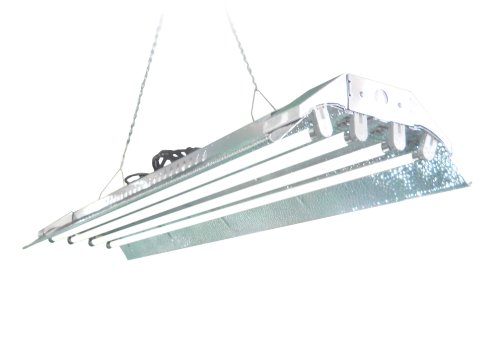
    Succulents need plenty of light, even during the winter months. Indoors, place your plants near a south-facing window to ensure they get about 6 hours of sunlight each day. However, winter sunlight is often less intense, so you may need to supplement with a grow light. Grow lights help mimic natural sunlight and can prevent your succulents from becoming leggy, which happens when they stretch out due to insufficient light.

    There are many affordable grow lights available, some specifically designed for succulents and which provide a good way how to care for succulents in winter, which you can set on a timer for consistent light exposure. Be sure to place the grow light 6–12 inches above the plant to avoid burning the leaves.

    How to Care for Succulents in Winter

    4. Control Indoor Humidity

    One often-overlooked factor in how to care for succulents in winter is humidity. Succulents prefer dry air, but the humidity level in homes can rise during winter, especially if you use humidifiers or live in a naturally humid area. High humidity can lead to mold or fungal growth, which is harmful to succulents. Keep your plants in a dry, well-ventilated area and away from humid rooms like bathrooms or kitchens.

    However, don’t place them near heating vents either, as hot, dry air can cause the plants to lose moisture too quickly. Maintaining a balanced environment is key to keeping your succulents healthy.

    5. Skip Fertilization

    Fertilizing your succulents during winter is unnecessary, as they aren’t in their active growth phase. Feeding them during this time can actually harm them, as they won’t be able to use the extra nutrients. Hold off on fertilizing until spring, when your succulents will start to wake up and enter their growing season.

    In spring, you can use a balanced, water-soluble fertilizer to give them a nutrient boost. Just be sure to dilute the fertilizer to half-strength, as succulents are sensitive to over-fertilization.

    6. Protect Outdoor Succulents

    If you have hardy succulents that can tolerate some cold, such as Sempervivums or Sedums, you can leave them outside, but they still need protection. Cover your outdoor succulents with frost cloths or old bedsheets when frost is expected. Mulching around the base of the plants can also provide insulation for the roots.

    Move potted succulents to a sheltered location, like under a patio roof or inside a garage. This will keep them protected from freezing rain or snow, which can cause the soil to become overly wet and lead to root rot.

    7. Watch for Pests

    Indoor succulents are more prone to pest infestations during winter. Common pests include mealybugs, spider mites, and aphids. Check your succulents regularly for signs of pests, such as small webs or sticky residue on the leaves. If you notice an infestation, isolate the affected plant and treat it with insecticidal soap or neem oil.

    Winter Hardy Succulents Pack
    $33.45

     Types of Cold-Hardy Succulents | Caring for Succulents in Winter (6 Succulents)

    We earn a commission if you make a purchase, at no additional cost to you.
    12/03/2025 12:02 am GMT

    Conclusion

    Knowing how to care for succulents in winter ensures that your plants will survive the colder months and continue to thrive in spring. Key steps include reducing watering, providing adequate light, and protecting outdoor succulents from frost. Avoid overwatering and fertilizing, and keep an eye out for pests. With these simple care tips, your succulents will remain healthy and vibrant all winter long.

    For tools like grow lights, frost covers, and well-draining pots, check out our recommended succulent care products on Amazon. These tools can help make winter succulent care much easier.