Category: Soil Amendments & Fertilizers

  • Is Nitrogen Organic Or Inorganic – A Deeper Look

    Is Nitrogen Organic Or Inorganic – A Deeper Look

    Is nitrogen organic or inorganic, and in what form is it available? Does compost or commercial inorganic fertilizers matter?

    Nitrogen is one of the most difficult nutrients to manage in crop production. Compost is known to contribute substantial nitrogen for crops.  However, it is challenging to synchronize its release from these materials as the plant demands.

    Careful management of organic nitrogen fertilizer is required to meet most crop requirements and avoid undesirable losses to the environment. We will therefore look at these two types of compounds and their uses.

    Is Nitrogen Organic Cause Inorganic – What Is Organic Nitrogen?

    Organic nitrogen can be described as nitrogen atoms that occur in organic compounds. Organic nitrogen is common in soils in the form of organic matter. This includes residues of decomposing anemometer plants and humus.

    These organic compounds contain nitrogen that incorporates into the organic matter during soil development. The organic matter in the soil depends on the temperature trends and long-term moisture contents.

    For example, cultivation decreases organic matter content in the soil due to the oxidation of these organic compounds. This leads to reducing the organic nitrogen for crop intake.

    Organic nitrogen plays an integral part in crop production and soil nitrogen cycling.

    What Is Inorganic Nitrogen?

    Inorganic nitrogen is the nitrogen atoms that occur in the inorganic compounds. Inorganic compounds do not contain hydrogen and carbon as essential components like organic compounds. Many other chemical elements make up the inorganic compounds.

    For example, nitrates and ammonium dominate the inorganic fraction of the soil.  These are the primary form that plants can take for their needs. The other forms of inorganic nitrogen in the soil are nitrites and nitrogen gas.

    The Differences Between Organic And Inorganic Nitrogen

    The significant difference between organic and inorganic nitrogen is that the inorganic forms of nitrogen occur in inorganic compounds, and organic nitrogen occurs in organic compounds.

    Organic nitrogen includes proteins, amino acids, nucleotides, and nitrogen bonds to residues animal matter and decomposing plant material.

    Inorganic nitrogen contains inorganic compounds nitrates, nitrites, ammonium, and nitrogen gas.

    Organic Sources

    Animal manure

    Waste from grass-eating animals is an excellent nitrogen source once it is well composted. Raw manure can burn your plants because the nitrogen is more volatile. Composting at a high temperature for an extended period could generate enough heat that kills weeds seeds available in the manure.

    Compost

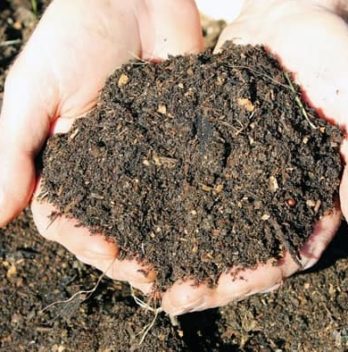
    Compost manure contains all of the nutrients food for healthy plants. Although the exact required dosage depends on the material composted, this includes nitrogen. Compost manure is one of the best to improve and enrich the soil.

    Green manure

    Cover crops like peas, clovers, alfalfa, and other legumes are best in absorbing nitrogen from the air and releasing it into the soil. When you grow these cover crops in your garden, they improve your soil by the fact they are growing in it. Green cover crops at the end of the growing season provide you with a double dose of nutrients and natural compost. When the plant is in crop rotation in your vegetable garden, be sure to include the green manure over to the crop rotation.

    Soybean meal

    This is similar to cottonseed meal and is a slow-release source of nitrogen that comes from ground soybeans.

    Blood meal

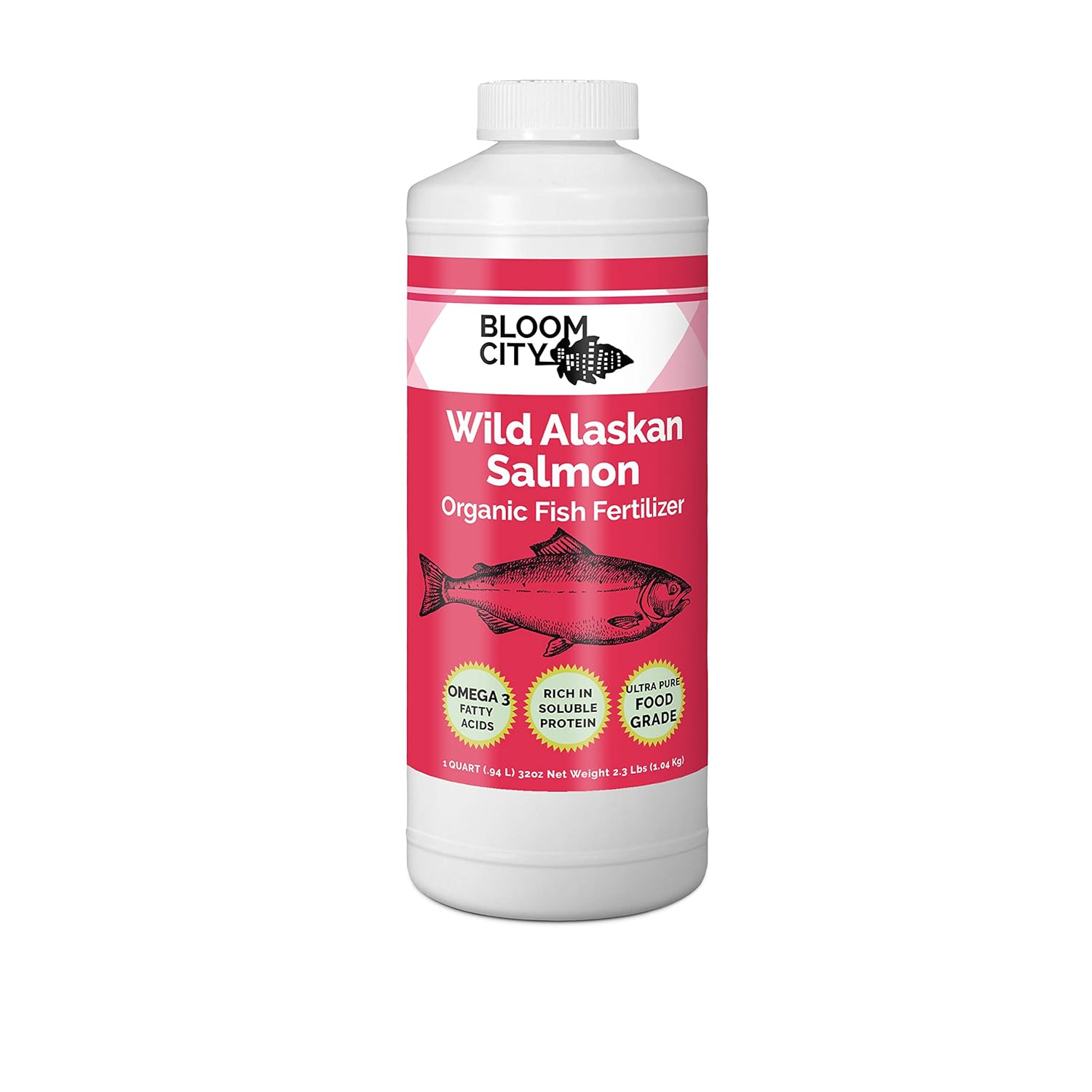
    Blood meal comes from the waste of slaughterhouses. It is an essential source of nitrogen that burns your plant if over-applied. Do not apply blood meal to young seedlings, burning them to death.  However, as it is water-soluble you can mix it with water or apply it through the irrigation system.

    Cottonseed meal

    The best organic nitrogen source is slightly acidic but provides nitrogen in a slow-release form.

    Feather meal

    Chicken feather meal is specifically dried and formed into pellets that make it easy to use as granular fertilizer. Feather meal has an average release rate that helps the small break down proteins to make nitrogen available for the plant’s roots.

    Inorganic Sources

    Ammonium sulfate

    Ammonium sulfate is a soluble, readily available source of nitrogen and sulfur. It contains 21% nitrogen and 24% sulfur in its dry form. This fertilizer is suitable as a top dresser because it has a lower nitrogen volatilization risk than the surface-applied urea.

    Ammonium nitrate

    Ammonium nitrate is an odorless compound with 33 to 34% of nitrogen. This fertilizer can be applied on the surface or mixed into the soil. It contains ammonium that lowers the pH of the soil in case it’s too acidic. The ammonium and nitrate result in a reduced risk of volatilization compared to urea. The nitrate provides a direct source of nitrogen since it contains ammonium.

    Urea

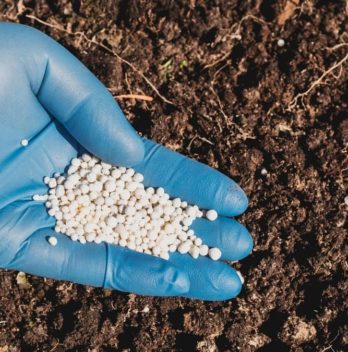
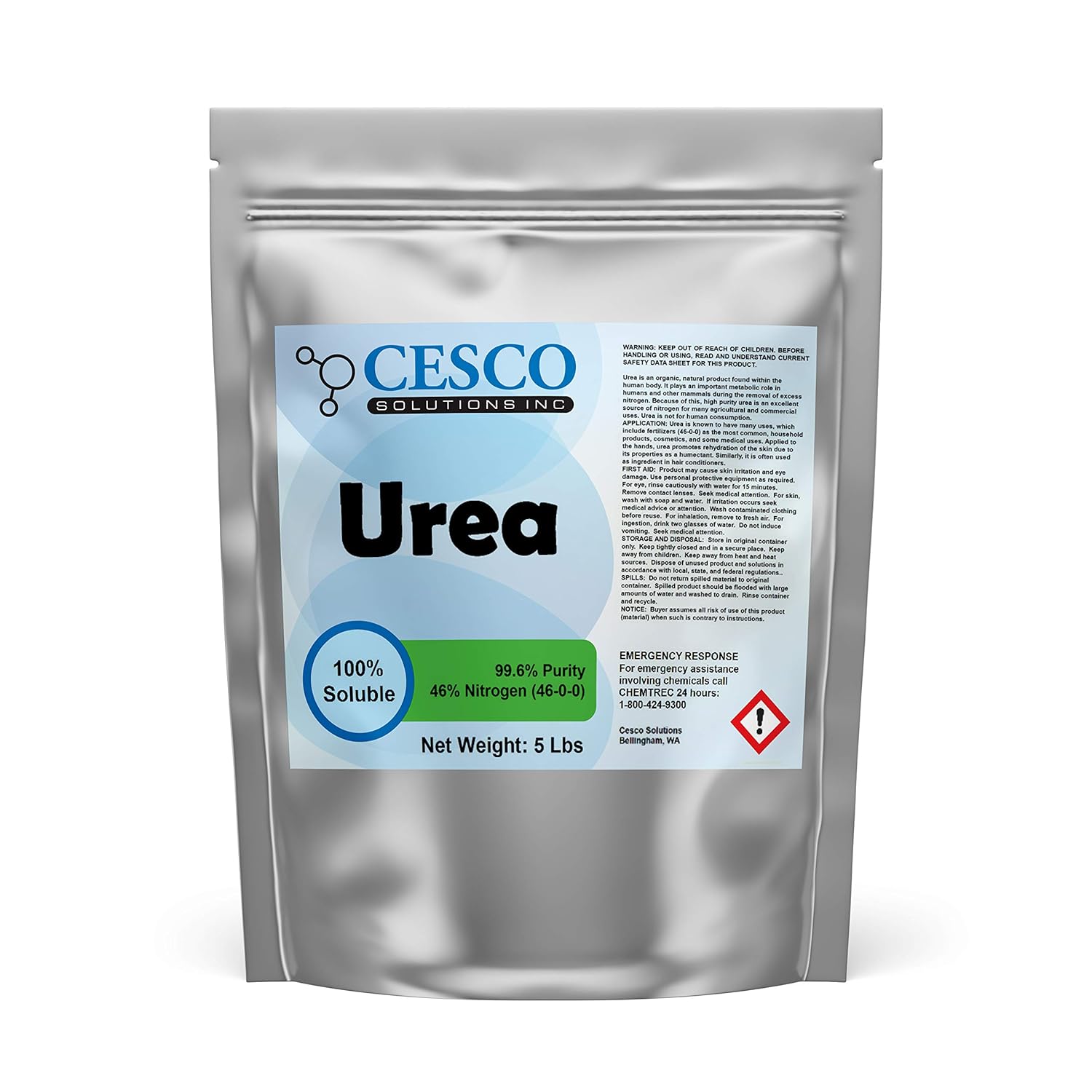
    Urea is a highly soluble dry matter that you can use as a starter top-dress or broadcast. You can also use fertilizer mixes, either dry or liquid. This fertilizer has high levels of nitrogen to at least 45 to 46%. If you apply urea on the surface, you must mix it into the soil by tillage, watering, or rainfall.

    811aobKaL+L. SL1500

    Urea ammonium nitrate

    Urea ammonium nitrate is a soluble readily available nitrogen source with about 20 to 32% of nitrogen. It can be applied as a starter or broadcasted into already growing plants. When used, the UNA should be incorporated into the soil to avoid the volatilization of the area available in this fertilizer.

    Anhydrous ammonia

    This compound has the highest percentage of nitrogen of all the fertilizers. It contains 82% nitrogen and tends to be the cheapest nitrogen source ever. The best fertilizer is a high-pressure liquid that you can apply before or after seeding as long as you will not allow direct seed contact. Store Anhydrous ammonia under high pressure in specifically well-maintained equipment or facility well protected for safety reasons.

    Potassium nitrate

    It is also known as nitric acid and is considered a specialty fertilizer. It is either a white powder or colorless transparent crystal containing 40% nitrogen and 46% potassium. This fertilizer does not lower the pH of your soil.

    Diammonium phosphate

    DAP is a dry fertilizer that contains at least 18% nitrogen and 46% phosphates. After mixing into the soil, it releases free ammonia that may cause seed injury. To prevent such damage to your seed, limit band applications.

    Monoammonium phosphate

    This fertilizer contains readily available nitrogen sources at 11%,  phosphate at 52%, and sulfur at 1.5%. It is a dry, granular material applied alone or blended with other compounds such as potash. You can either broadcast, band use, or place it in the seed furrow. MAP is an excellent starter fertilizer that lowers the soil pH.

    Chilean nitrate

    Chilean nitrate is useful in organic and conventional farming estimated by the USDA/NOP in 2003. It has 16% nitrate and sodium.

    FAQs

    What is the difference between organic and inorganic nitrogen?

    There is a big difference between organic and inorganic nitrogen. Inorganic nitrogen is found in soil. Organic nitrogen is found in living organisms and their waste products. Plants take inorganic nitrogen from soil, then use it to produce amino acids that make up proteins and nucleic acids. Organic nitrogen also comes from dead plant and animal matter that decomposes in the soil.

    In some areas of the country, you will find a great deal of organic matter. The organic matter makes a great environment for the microorganisms that decompose the organic material into nitrates and other nutrients that can be taken up by plants. In other areas of the country, there is not much organic matter. This is why fertilizer companies add synthetic nitrogen fertilizers to the soil. They are inexpensive and easy to apply. A good rule of thumb is that if you want your plants to grow fast, you should use more synthetic nitrogen fertilizers than organic nitrogen fertilizers. However, if you want your plants to have more leaves, then you should use more organic nitrogen fertilizers.

    Can you use either on a lawn?

    If you have a lawn, you can fertilize it with both organic and inorganic fertilizer. You can fertilize your lawn with inorganic nitrogen by adding manure or commercial fertilizer to the soil. You can fertilize your lawn with organic nitrogen by adding composted manure, food scraps, or other organic material to the soil. How do you know if your lawn needs more nitrogen? There are several ways to check the health of your lawn. The first thing to look for is healthy green grass. If your lawn has a lot of brown grass, your lawn may be low on nitrogen. To test the pH of your lawn, use a pH meter.

    What is nitrogen good for in plants?

    Nitrogen is an essential component of proteins, DNA, and chlorophyll, and is therefore necessary for plant growth. Most soils contain varying amounts of nitrogen, but many areas of the country lack sufficient levels of nitrogen to support plant growth. Nitrogen is an important nutrient for crops like corn, soybeans, wheat, and alfalfa, as well as turf grasses, trees, and shrubs. Plants take up nitrogen from the air and from the soil in which they grow. Inorganic nitrogen is the chemical form of nitrogen that plants can use. Nitrogen applied to soil can be in the form of nitrate (NO3-) or ammonium (NH4+).

    How is nitrogen prepared?

    Nitrogen can be found in the atmosphere as nitrogen gas (N2. and nitrogen in aqueous solution as nitrate ions (NO3−) or nitrite ions (NO2−). Nitrogen that is present in the atmosphere is present in its elemental form. It is converted to an aqueous solution of nitrate or nitrite ions by bacteria, algae, fungi, and plants.

    Conclusion

    inorganic forms of nitrogen

    So is nitrogen organic or inorganic? Nitrogen is available in both organic and inorganic matter. Depending on your kind of gardening – organic or conventional,  it is your choice to go for the nitrogen you want. It is also essential to know the amount of nitrogen your plants are getting from a particular fertilizer.

    Read more about Adding Nitrogen Supplements For Plants.

  • How To Add Phosphorus To Soil Naturally

    How To Add Phosphorus To Soil Naturally

    Phosphorus will help boost your garden soil fertility. So, if you’re looking for ways on how to add phosphorus to your garden soil naturally, then this is it.

    The three major macronutrients that are essential for plants growth are nitrogen, phosphorus, and potassium. Then each of these macronutrients has a very essential role to play in the development of a plant. Phosphorus is one primary nutrient that plants always tend to search for to stay healthy and flourishing.

    For the purpose of this article, we will be focusing on phosphorus and how you can add this macro-nutrient to your soil naturally. So, continue reading to gain adequate knowledge on this.

    The Need For Phosphorus In Plant Soil

    The need or importance of phosphorous in the soil cannot be understated. For a plant to grow healthily phosphorus is one of the main ingredients to achieve this.

    The role of plant reproduction is engineered by the element phosphorus. This is because phosphorus is a crucial component in the nucleic acid of a plant’s DNA. Therefore, phosphorus can help boost the yield, quality, and rate at which your crop develops.

    The main essential nutrients of plant soil are NPK (nitrogen, phosphorus, and potassium). Even though the overall phosphorus content of most soil surfaces is low (about 0.6%) compared to the average soil content of other essential macronutrients of 0.14% of nitrogen and 0.83% of potassium.

    The Need For Phosphorus In Plant Soil

    However, the content of phosphorous in the soil can vary. It can range from less than 0.04% in the sandy soil of the Atlantic and Gulf coastal plains to more than 0.3% in the soil of the northwestern US.

    Also, different factors can influence the content of phosphorus in your garden soil. Some includes:

      • The climate conditions.
      • The rate or degree of erosion and weathering.
      • Fertilization as well as the removal of crops.

    Phosphorus Rich Fertilizer

    Gardeners are familiar with the general NPK fertilizer. This NPK fertilizer comes in different ratios that are suitable for plants’ growth. The NPK fertilizer will supply the essential nutrient needed by the plant and these nutrients include nitrogen, phosphorous, and potassium.

    There are also other natural phosphorus fertilizers that are rich in phosphorous. We will be listing them below in this article.

    Learn more about What Is An Action Spectrum

    Natural Sources Of Phosphorus For Plants

    Natural phosphorus for plants is a good way of organically or naturally supplying phosphorus to your plant for proper growth. There are many ways on how you can add phosphorus to your soil naturally.

    Nature has supplied us with different sources or ways of adding phosphorus to our garden soil. The natural sources of phosphorus that we can make use of in our garden soil can be found in: bone meal, shrimp and crab waste, hair and mushroom compost, burned cucumber skins, rock phosphate, organic compost, manure, guano, and so on.

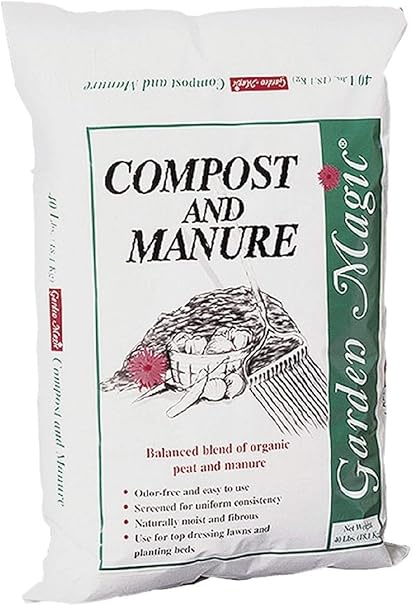
    Michigan Peat 5240 Garden Magic Compost and Manure, 40-Pound

    Check Out How Much To Water Pepper Plants?

    How To Add Phosphorus To Soil Naturally

    So, let’s look into some of these natural sources of phosphorus.

    1. Bone Meal: the addition of bone meal to your garden soil is a great way of adding phosphorus to your soil naturally. Bone meal is derived from grinding the bones of animals and this is very rich in phosphorous.

    2. Organic Compost: another natural way of supplying phosphorus to your garden soil is by the application of organic compost.

    3. Manure: just like organic compost, manure addition can also help enhance phosphorus content in your garden soil.

    4. Rock Phosphate: rock phosphate can also help increase phosphorus in soil naturally. However, it is slow releasing and the soil will require converting the rock phosphate into phosphorous that is usable to plant.

    5. Clay Soil: when you incorporate or introduce clay particles into the soil, it can help fix and retain phosphorus deficiencies.

    Read more about A Guide On Soaking Green Beans Before Planting

    Importance Of Phosphorus In Soil

    Here is some importance of phosphorous in plant soil:

    • Component of DNA and RNA: it is a very important component of genetic DNA and RNA. The phosphorus bond is what links the structure of both DNA and RNA.

    • Root Growth: the growth of your plant’s roots will be strengthened with the application of phosphorous. The strength of the plant stalk will also be enhanced.

    • Component of ATP: the energy unit of the plant comprises phosphorous. Formed during photosynthesis is phosphorus in the ATP.

    • General Health: phosphorus is important when it comes to the general health and vigor of all plants. Phosphorous will offer good support throughout the entire life cycle of your plant. it also early crop maturity.

    • Reproduction: phosphorus plays a vital role in the reproduction of plants because it is an essential component in the nucleic acid of a plant’s DNA. Therefore, you have an increase in crop yield, the quality of the crop is enhanced, and the rate of crop maturation is improved with phosphorous.

    • Flower and Seed Formation: with the appropriate phosphorus supply, your plant’s flower formation and seed production is enhanced.

    Click here to Get Info about How To Cook Pole Beans From The Garden

    Result Of Phosphorus Deficiency In Plant

    There are some things to look out for when it comes to deficiencies of phosphorous in plant soil. However, it isn’t that easy to detect phosphorus deficiency, unlike potassium and nitrogen.

    Your crop may not even show any major signs of deficiency in phosphorus. However, one general sign you may notice is stunted plant growth in early growth.

    Crops such as corn can exhibit an abnormal coloration when there is a deficiency in phosphorus. The plants usually turn or show dark bluish-green coloration and the leaves and stem turn purple. Genetic makeup influences the degree of purple and some hybrids can exhibit greater discoloration than others.

    Result Of Phosphorus Deficiency In Plant

    FAQ’s

    What is the best natural source of phosphorus for plants?

    I think that the best source of phosphorus is manure. It is well known that bat guano is the best source, and if you can get it you can really treat your plants. I would not recommend adding it to compost because phosphorus is released as a result of decomposition, and the composting process itself will release phosphorous into the air. I would also not recommend adding it directly to the soil, as it will make the soil acidic, which is probably not what you want.

    How do you make natural phosphorus fertilizer?

    Phosphorus comes from rocks such as rock phosphate, phosphoric acid, and phosphoric anhydride. Phosphorus is released by rocks when they are exposed to water and sunlight.

    Making natural phosphorus fertilizer is a two-step process. The first step is to add organic matter to the soil, and the second step is to add phosphorus in a form that can be absorbed by the soil. Keep Learning Adding organic matter to the soil is important because it provides a substrate for microbes to grow on and break down the phosphorus in the soil. Adding phosphorus to the soil is important because plants require phosphorus to grow.

    You can also mix ground-up red worms with manure or compost. The red worms absorb the phosphorus in the manure or compost, and then they excrete a phosphorus-rich liquid that can be used as a fertilizer. Red worm composting is not common in the United States, but it has been used in China for over 2,000 years.

    What are common things that you can add to soil to increase phosphorus?

    Phosphorus is not an issue of having too much or too little in your soil. You have the correct amount of phosphorus already. The problem is that it is tied up with calcium and aluminum, both of which are in low concentrations. You can add phosphorus to the soil by adding rock phosphate, limestone, or dolomite. These can be purchased at any farm supply store, or a fertilizer company will sell them.

    The best way to apply these materials is to add them to your irrigation water before it goes to the plants. A slow-release fertilizer like Calcium Nitrate. is also a good way to add phosphorus to your garden. It is sold by most fertilizer companies in bags or as a liquid. If you are using a bag, make sure that it does not contain fertilizer that has been mixed with ammonium nitrate, which is explosive. If you would like to try adding phosphorus to your soil, you may want to do this when your garden is not growing vegetables. You can apply a small amount of phosphate rock to each bed, but it is better to spread the rock over a wider area than just the beds. When you apply phosphate rock to your soil, it will become a part of the soil and will be available to your plants. It will not be washed away by rain or leached out by irrigation water.

    Conclusion On How To Add Phosphorus To Soil Naturally

    Phosphorus plays a vital role in the development of plants and overall plant growth. It will also assist in boosting your soil fertility.

    From the above, we have seen how we can carefully add phosphorus to our garden soil naturally. There are so many benefits phosphorus can offer our plants. Then we have discussed how important phosphorus is to the growth of plants.

  • A Study On Lowering Soil pH With Vinegar

    A Study On Lowering Soil pH With Vinegar

    How does lowering soil pH with vinegar work, especially after your soil tests a high level of acidity that could harm your crops?

    If you have been a serious gardener, you are sure to have come across the words pH levels, especially when testing your soil.

    The soil pH means the acidity or alkalinity levels in the soil. A soil test checks for potash, nitrogen, phosphorus, and pH. Understanding your soil pH levels is essential in your gardening journey.

    If your soil has high pH levels, it is known as alkaline, and it is not a hospitable environment for most plants.  To balance this out, you will need to increase your soil‘s acidity.

    Some plants need a lower level of pH than others to grow successfully. Fortunately, adding a little bit of vinegar to your soil can increase the acidity while correcting the pH levels to suit your plant’s needs.

    The Soil pH Basics

    Different types of plants require different levels of soil pH to thrive. PH level 1 to 6 is acidic, level 7 is neutral, and 8 to 14 is alkaline.

    The soil pH varies from one region to the other and one garden to the next. Most plants require a PH value of 6.5 and 7, while others require acidic conditions that can be created with the help of vinegar.

    To determine your soil‘s pH level be sure to test your soil before amending it with vinegar. Once you amend, check the pH regularly to ensure vinegar is not making the soil too acidic for your plants.

    How Does Vinegar Work To Help The Soil Besides Lowering The pH

    Besides lowering the soil pH, vinegar acts as a herbicide for plants, preventing pest infestation. It also hinders the growth of weeds in the soil causing your plants to grow weed-free. The ascetic acid in vinegar also dissolves insoluble calcium salts that flow away with rainwater.

    However, if your soil is very alkaline or highly rich in line, the base will neutralize the acidity of the vinegar. Therefore the vinegar might not affect the pH of your soil.

    Vinegar is a safe, cost-friendly method to lower your soil pH, but it does not provide long-standing solutions for large-scale use.

    Read more about Is Adding Lime To Soil For Tomatoes A Good Idea?

    Why Do You Need Vinegar When Lowering Your Soil pH

    The soil pH level affects the ability of the plants to uptake certain nutrients. Generally, plants enjoy a neutral ph level of around 7, although certain plants have been known to thrive in more extreme soils. So basically, you have two reasons why you would want to lower the pH in your soil. They include:

    You will need to lower the pH of your soil because it is too alkaline, and it is negatively affecting your plant’s growth. When your soil has a high pH level, certain minerals like manganese and iron are not available to the plant. You will need to lower the pH of your soil to bring it towards a neutral pH so that your plants can thrive.

    Why Do You Need Vinegar When Lowering Your Soil pH

    You will need to lower the pH in your soil to grow specific plants that require slightly acidic soils. If you want to make a special garden to grow some plants like roses and raspberries, you will need to lower your soil pH to make it slightly acidic.

    Click here to learn How To Clean An Air Stone

    How To Lower Your Soil pH Using Vinegar

    Soil and the environment play a huge role in the growth and development of plants. Only through the soil can the plants get all the nutrients.

    Highly acidic soils lack essential nutrients like boron, manganese, phosphorus, etc. Plants that thrive in acidic soils include blueberry roses, but many plants have limited problematic growth in alkaline soils.

    So to change the nature of your soil to suit your plants, you can use vinegar to do so following these steps.

      • First, take a soil test to determine your soil pH level. Note that the values vary across different areas and depths of your garden. However, a test can give you a rough idea of what you need to do.

      • Based on how low you want your soil pH, add vinegar plain or distilled to your soil. Household vinegar, both plain or distilled, has about 5% acetic acid, safe and harmless. The horticultural vinegar has higher concentrations of about 20% of acetic acid. Therefore, you should exercise caution if you use horticultural vinegar for a quick fix.

      • Test your water for its pH level using a ph tester to determine its hardness. Water has a pH level that varies across different regions. Most tap water is alkaline; therefore, it is vital to test your water before use.

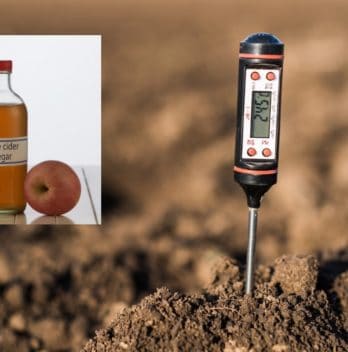
      • Add vinegar to your tested water and not the other way around. You can add 2 to 9 tablespoons of vinegar to 1 gallon of water.  After adding the vinegar, test your water using the PH tester. If you have the desired value, do not add any more vinegar. Remember to note down how much vinegar you have added.

      • Put this diluted mixture into the soil using a watering can or hose. Inject into the irrigation system or water manually based on the size of your garden and the amount of solution you require to change the soil pH.

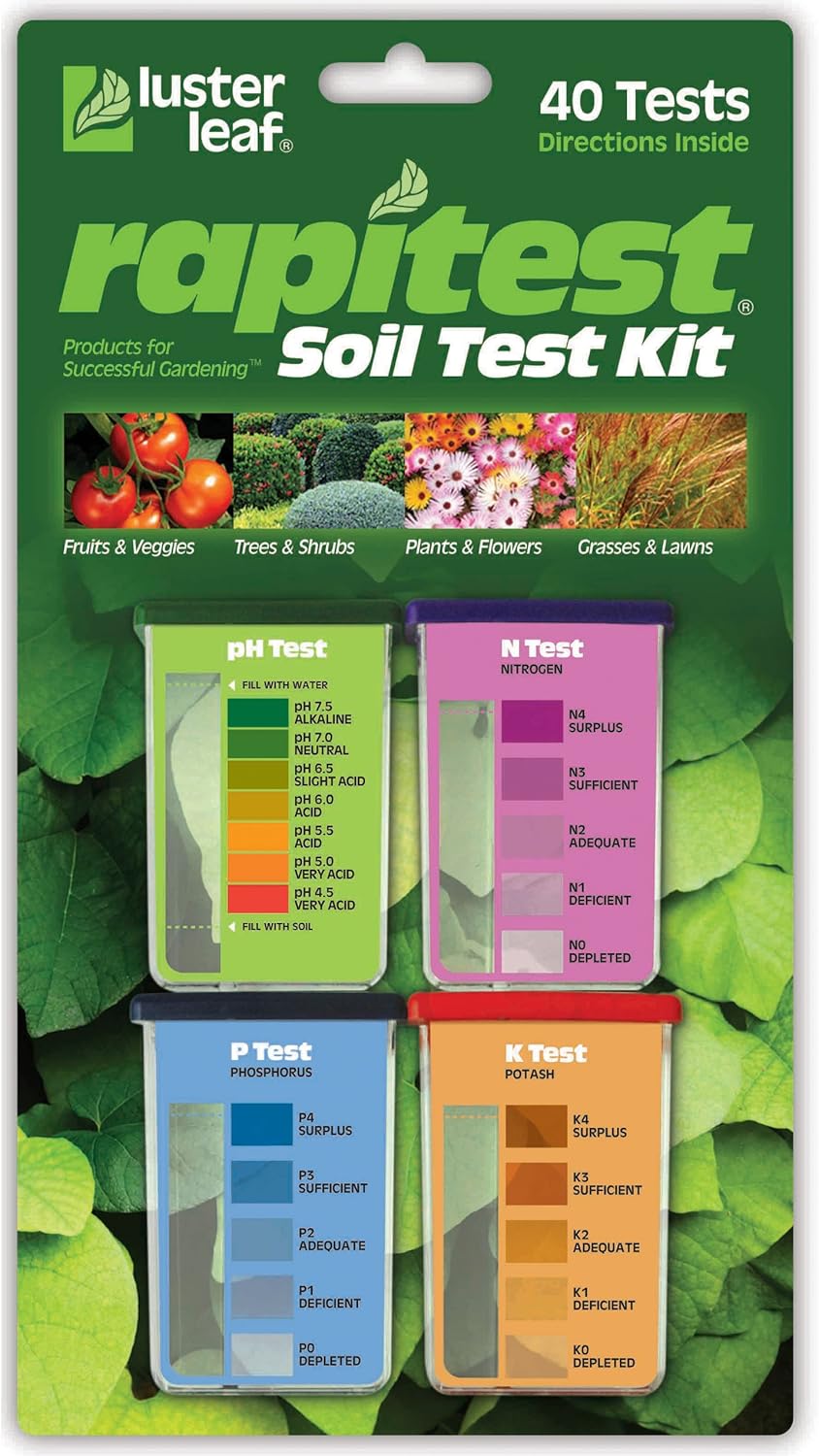
    Luster Leaf 1601 Rapitest Test Kit for Soil pH, Nitrogen, Phosphorous, and Potash

    81lMIyoIrfL. AC SL1500

    Do not add vinegar to the water in your reservoir because if the vinegar is unpasteurized or contains sugar residue or alcohol, it can react to form the mother of vinegar. The reservoir might become laden with scum-like vinegar which is not healthy for your soil.

    Continue watering your soil with vinegar at regular intervals while testing your soil pH frequently. Please note that bacterial actions can degrade the strength of ascetic acid used over time. Therefore, you will need to fix this problem before using vinegar to lower the pH.

    Check Out This Aeroponics Nutrient Solution Recipe

    Can Vinegar Harm Your Plants?

    Vinegar is still an acid despite its availability and usefulness, and it can be harmful to your plans if mismanaged.

    Do not use vinegar straight on plants or on the soil to try and quicken the acidifying process. Vinegar may not permanently kill your plants, but it can kill off blooms and produce more acidic soil than you wanted.

    Household vinegar is already a diluted acid with over 90% water. When you mix it with more water to use in your soil, the mixture becomes relatively mild and suitable for your soil. I’m attempting to change your son’s chemical makeup composition; it is best to slow down and often test over some time. Don’t look for shortcuts by increasing vinegar use without testing your soil.

    Other Garden Uses For Vinegar

    Vinegar has other uses in gardening that include

      • Killing unwanted grass and weeds along walkways and driveways

      • It helps raise your hands after handling lime to avoid irritation

      • It is an organic-friendly alternative for killing pests

      • Adding vinegar to compost gives it minerals making it more acidic.

    Other Garden Uses For Vinegar

    Is Vinegar and Salt Bad for Soil?

    Vinegar and salt are bad for soil. While small amounts may not cause any harm, excessive use will. Vinegar egar is acetic and can have a pH of approximately 2.5. This could significantly lower your soil pH and harm your crops if used incorrectly. Likewise, salt can cause harm. If your soil contains too much salt, the ground can erode and kill anything you planted. 

    If you must use vinegar or salt in your soil, do so sparingly. You should properly dilute them and only add the necessary amount. 

    Does Vinegar Kill Beneficial Bacteria in Soil?

    Vinegar could possibly kill the beneficial bacteria in your soil. Since vinegar is so acidic, high concentrations can harm many types of bacteria living in the ground. It’s difficult to know how much vinegar will kill the good bacteria in your soil and which types will be affected. Avoiding vinegar use is best. 

    Does Vinegar Kill Ground Elder?

    Vinegar can kill ground elders, also known as Bishop’s weed or AegEldersum podagraria. To use vinegar to kill ground elder, mix a solution of vinegar and water and apply it directly to the ground elder plants. Be sure to use a concentration of vinegar that is strong enough to kill the plants but not so strong that it will harm the surrounding soil or other plants. It is also essential to carefully monitor the area and reapply the vinegar as needed to prevent the ground elder from regrowing.

    Can Vinegar Be Used To Lower pH In Hydroponics?

    You can use vinegar to lower the pH level in your hydroponic system. The pH of a hydroponics system is an important factor that can affect the health and growth of plants.  

    Generally, most plants prefer a pH range of around 5.5 to 6.5. If the hydroponic system’s pH is too high, the plants may not be able to absorb the nutrients they need. This can lead to poor growth and other problems. 

    To lower the pH of a hydroponics system, you can add small amounts of vinegar to the nutrient solution. Start with a few drops and test the pH, then continue adding vinegar and testing the pH until you reach the desired level. It is essential to be careful not to add too much vinegar, which can also harm the plants.

    Does Cal Mag Raise Soil pH?

    Calcium and magnesium are part of the most important nutrients plants need to thrive. A cal-mag fertilizer can help raise the pH of soil, however not directly. The pH of soil is a measure of its acidity or alkalbutThis is determined by the levels of different ions and compounds in the soil. Cal-mag can change the compound level in soil, raising the overall amount. 

    What Grows In Low pH Soil?

    Many plants can grow in soil with a low pH, including some vegetables, herbs, and flowers. Some examples of plants that grow well in low-pH soil include:

    • Blueberries
    • Carrots
    • Cranberries
    • Daffodils
    • Hyacinths
    • Lettuce
    • Marigolds
    • Potatoes
    • Radishes
    • Raspberries
    • Spinach
    • Tulips

    If you are unsure what plants will grow well in your soil, it is a good idea to have your soil tested to determine its pH level. This will help you choose plants that are well-suited to your soil. Additionally, you can adjust the pH of your soil using fertilizers or other products to make it more suitable for the plants you want to grow.

    What Does Low pH in Soil Mean?

    The pH of the soil is a measure of its acidity or alkalinity. Soil with a pH below 7.0 is known as acidic soil. Soil pH is important because it affects the availability of nutrients to plants and the soil‘s overall health. Plants generally prefer slightly acidic soil with a pH of around 6.0 to 7.0. Soil with a pH below 5.5 is considered very acidic, and soil with a pH above 7.5 is considered alkaline. Low-pH soil can be challenging for some plants to grow in. Yet, many plants can thrive in acidic soil, including blueberries, raspberries, and hydrangeas.

    Conclusion

    Lowering soil pH with vinegar is one of the easiest and organic ways in helping your soil copper with high acidity levels. Therefore, using vinegar to lower soil pH gradually using multiple amendments that will give you the expected results.

    Remember to work patiently with vinegar because, as we have learnt, it also contains an acid that could burn or destroy your crops learned if poorly used.

    FAQs

    Can I use vinegar to lower my soil pH?

    Vinegar is acidic and will lower your soil pH. The best way to get a good compost going is to apply it to the top of the soil, not on the surface. You could also try an acidifying fertilizer. That is, something that contains phosphoric acid.

    What is the fastest way to lower pH in soil?

    If you have enough organic matter, then adding sulfur can help to lower the pH. Otherwise, you might want to try something like an acidifying fertilizer. Your soil pH should stay within the range of 2.0 for optimum plant growth. You need a pH of 3.0 to allow nutrients to be readily available to plants. Plants also need to have a pH of 4.0 to absorb calcium. If you have too high or too low a pH, you can experience problems such as root damage, nutrient deficiencies and plant death. You can also see the soil change color when it becomes too acidic or alkaline. A pH below 5.0 is called acid soil and above 6.0 is alkaline soil.

    How do you use vinegar on plants?

    Vinegar is used to help plants that are overgrown or in need of a boost. It is an organic pesticide that can be sprayed on the leaves of plants, and will help to reduce the growth of bacteria and fungi. The vinegar itself has no direct effects on plants, but it is a good way to kill off some of the unwanted bacteria. Vinegar has been used for centuries to treat plants. It’s a natural fungicide.
    When spraying, it is recommended to spray at night when the plants are asleep and not moving, so you can avoid harming the plant.

    Can vinegar be used as a fertilizer?

    Yes, vinegar can be used as a fertilizer. Vinegar is made from grapes, so it is already rich in nutrients. It is also an organic product, and can be used in the same way as any other organic fertiliser.

    You need at least one cup of vinegar to get any benefits from it. Also, make sure you use a very dilute solution. I use about 10 drops of vinegar in a gallon of water. This is diluted enough that when I pour the solution on the soil, the amount of vinegar is so low that the water evaporates quickly and the vinegar does not stay in the soil long enough to be beneficial.

    Will vinegar damage plants?

    Vinegar is a product made by fermenting fruit or vegetable juices, such as apple cider. It is a very common household item, and is usually sold in the grocery store. The best-selling brand of vinegar in the United States is white distilled vinegar. Vinegar has many uses, including cleaning, making salad dressings, pickling food, and for cooking. Generally, it is not recommended to apply vinegar directly to certain plants, as this can burn or harm them.

  • How Deep Do Cucumber Roots Grow?

    How Deep Do Cucumber Roots Grow?

    For many different reasons, people do wonder how deep do cucumber roots really grow into the soil. The dept of a plant’s root in the soil goes a long way to affect the manner of soil bed preparation, the fertilizer application style, etc.

    You may want to know the depth of the cucumber root to determine the best plant variety to buy. Or you may need to know where and how to plant your cucumbers.

    This is a guide on how to grow cucumbers, bearing in mind how deep the root gets into the soil. This guide will help answer the question of how deep do the cucumber roots really grow when they are planted.

    All you need to know about a full-grown cucumber plant, the depth of the cucumber roots, how to nurture and grow the plant, the nutritional benefits of the plant among others will be treated in this guide. Now, let’s delve into it.

    The Full Grown Cucumber Plant

    How does the full-grown cucumber plant really look like? While the cucumber is greatly cherished by people from different parts of the world for its taste and nutritional value, very few people know its root depth.

    The cucumber is one of the most widely cultivated creeping vine plants that bear fruit usually used as vegetables. A matured cucumber is a long thin vegetable with hardy green skin and a supple-wet transparent inner flesh.

    The cucumber plant usually has about 4 to 5 stems. The leaves of the cucumber plant are usually arranged alternately on the vines, having about 3-7 pointed hairy lobes.

    The cucumber plant usually has green leaves and yellow flowers which are about 1.6 inches in diameter. While the fruit usually varies in shape, it is mostly curved cylinder-shaped, rounded at both ends reaching about 60cm in length and 10cm in diameter.

    What You Should Know About The Cucumber Root Depth

    You may be wondering how deep are cucumber roots tend to grow. Cucumber plants usually have a single taproot that grows as deep as 3 to 4 feet into the soil.

    The other roots however only extend about 2 feet into the soil. Their root is deep so they can have access to sufficient water and soil nutrients deep in the soil.

    As a result of how deep the root of the cucumber plant goes, it is best to plant in a loose sandy loam soil or any well-drained soil. It is also for the depth of the root that deep watering is advised for this plant.

    Growing The Cucumber Plant

    Growing a cucumber plant is not difficult at all. The basic requirements you should note before cultivating this plant are as follows:

    Weather Condition

    The plant usually requires warm weather conditions during the day and even at night where possible. The best temperature is therefore around 30 degrees Celsius. Cucumbers are very sensitive to cold and as such, must be planted in full sun.

    Learn more about Over Watering Cucumbers

    Fertilization

    For the best possible result to be attained, the plant must be planted on highly nutritious soil, and fertilizers applied from time to time. Your yield will be greatly improved if grown in fertile soil, rich in organic matters and with a pH level between 6.5-7.5.

    Plant Food

    71SAdzWypbL. AC SL1500


    Select The Best-suited Variety

    When selecting the seeds to be planted, care must be taken to ensure that the best-suited is picked. One of the most important factors to be considered when choosing a variety of this plant is whether or not it requires pollinating.

    The new varieties of cucumbers are now gyneocious, which means that they do not require the male plants to produce fruit. They also do not require the presence of birds and insects to take care of the cross-pollination, and as such, can be planted indoors.

    Sowing Method

    When sowing a cucumber seed, the direct method of sowing is the most suitable. Cucumbers usually do not do very well with a transplant. Also, when sowing, the seeds should be placed about 1.3-2.5 cm deep, with a spacing of no less than 30cm to allow for the spreading of leaves.

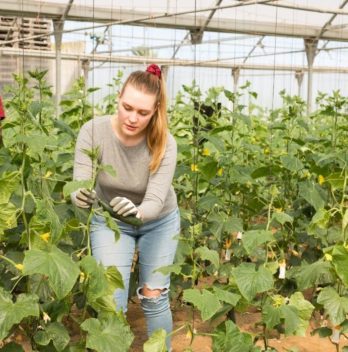
    Full grown cucumber plant

    Germination Period

    The seeds after planting usually take about 4-13 days to germinate depending on the soil temperature. The closer the soil temperature is to the specified temperature, the faster the germination of the seeds.

    Water Supply

    To ensure the plant blossoms very well, it must be watered sufficiently. The plant usually requires deep watering at least once a week. Where the plant is continuously watered poorly or less frequently, the yield becomes greatly affected.

    Harvesting

    The timing here is very essential. For the best possible result, the plant should be harvested when it is still immature and green in color.

    It is best for full maturity to be attained after harvesting. The matured fruit is usually yellowish with tougher seeds. The fruit is usually harvested by being hand-picked.

    Size Of Fruit

    The size of the fruit to be obtained after harvesting usually depends on the variety planted. The length may vary from 6 -15 inches depending on the variety.

    Can The Cucumber Plant Grow In A Plant Pot

    Considering how deep we have learned the cucumber roots can grow, you may be wondering if they can still be grown in a pot plant. The answer is in the affirmative.

    However, for this to work, the post must be relatively big and with the ability to take in a lot of soil. A container that holds no less than 2 gallons of soil is recommended.

    Also, the right kind of soil must be used with water retaining ability. Again, when selecting the variety of seeds to plant, you must look out for the compact variety that can thrive in small spaces.

    Read more about Can I Grow Cucumbers In A Pot? – Step-By-Step Guide


    FAQ’s

    How deep does the soil need to be for cucumbers?

    When you are growing cucumbers, you should plant them about 1-2 inches deep. This will ensure that the roots have enough room to grow and spread out. You should also use a fertilizer that contains a lot of nitrogen. This will help give your cucumbers a good start.

    Cucumbers are great for container gardening, but they can also be grown in the ground. The most popular method is to sow seeds directly into a trench about two feet deep and three feet wide. After the seeds sprout, they’re thinned to leave only the strongest plants. This method is great for a small garden, but it’s not ideal for a large garden.
    There are other ways to grow cucumbers, such as starting seeds indoors and transplanting them once they’ve matured. If you do plan on planting cucumbers in the ground, make sure that your soil is well drained and fertile.

    Can you grow cucumbers in pots?

    Growing cucumbers in pots is a great way to save space, but it’s important that you get the right mix of potting soil and compost for your plants. You can buy some at garden centres or even make your own using materials you already have around the house. Potting soil is usually made from peat moss and compost. Peat moss is made from decomposed plant material such as leaves and stems and has a low nutrient content.

    There are several advantages to growing your own cucumbers in pots. First of all, you will be able to control how much sunlight they get. Cucumbers like full sun. If you grow them outdoors, you will not have any problems with them getting too much sunlight. However, when you grow them indoors, you will have more control over their light exposure. You can also control the temperature of your plants. When you grow them outdoors, you won’t have a chance to control the temperature. If it gets too cold, you will need to bring the plants inside. Cucumbers are very sensitive to cold weather.

    How much space do cucumbers need?

    The short answer is: they need room to grow.
    If you live in a small apartment or condo, it may be difficult to grow cucumbers successfully. But if you have a large garden with plenty of space, then you can easily grow your own cucumbers. If you are growing cucumbers indoors, you should keep in mind that they will need a lot of light. This means that you need to plant your cucumbers in pots with enough room for them to grow and expand. You will also want to make sure that your cucumbers have enough space to spread out and grow.
    Cucumbers like a lot of sunshine and need a long growing season, so don’t plant them in the winter months or in areas with a short growing season. Cucumbers also require a lot of water. A good rule of thumb is to water them for 10 minutes per gallon of water applied

    How Deep Do Cucumber Roots Grow: Conclusion

    From the above, you must have discovered that the cucumber plant root can grow really deep into the soil. It has a vine root that grows up to four feet into the soil.

    For this reason, special care must be taken in growing and nurturing the plant. Also, the plant can be grown in a plant pot or container, with great attention being given to the plant.

  • Is Adding Lime To Soil For Tomatoes A Good Idea?

    Is Adding Lime To Soil For Tomatoes A Good Idea?

    Are you wondering whether adding lime to soil for tomatoes is a good idea, or you could be messing up your soil by doing so?

    Lime is good for tomato plants, especially if your soil lacks calcium or is too acidic with a low pH. Lime can also help reduce nutrient deficiencies and improve water penetration in the soil.

    However, too much lime raises the pH too much and can block a tomato plant’s uptake of magnesium. Do not add lime without first taking your soil for a test to determine the nutrient content.

    The amount of lime you need depends on your soil‘s nutrient content as well as the pH level. This article will talk about the benefits of lime for tomato plants along with its questions.

    Do Tomatoes Like Lime?

    Tomatoes are often grown in lime-rich soil to prevent the disease blossom end rot. Lime for garden soil is also sometimes used as a fertilizer for tomatoes, though it’s not considered an essential element.

    Lime for garden soil is typically applied as lime slurry or lime water. Lime slurry or lime water can also be sprayed on the leaves of tomato plants to combat aphids, whiteflies, and leafminers. Mix a teaspoonful of lime with a gallon of water until it dissolves. Fill a spray bottle with lime water and apply it thoroughly, including the undersides of leaves.

    Lime for garden soil is also sometimes combined with neem oil or insecticidal soap to treat aphids and other pests on tomato plants.

    Do Tomatoes Like Lime

    Is Lime Suitable For Tomato Plants?

    Lime, generally known as garden or agricultural lime, is suitable for tomato plants when moderated. In some cases adding lime to soil helps solve soil problems.  For example, if your soil is too acidic, adding lime will raise the pH level.

    When lime or calcium carbonate is applied correctly according to the instructions on the package it works properly. The lime you use will vary depending on the current soil pH and the desired PH value.

    No matter what supplement you decide to use in your garden, always do a soil test first. This will give you a clear content for the soil pH and nutrient levels helping you determine what is lacking in your soil.

    A soil test provides information to help you make the right choices when amending your soil with nutrients. If you forgo a soil test,t you might solve a problem that you don’t even have.

    Benefits Of Adding Lime To The Soil For  Tomatoes

    Lime has many benefits for tomato plants when applied correctly; for example, it helps.

    Provides Calcium

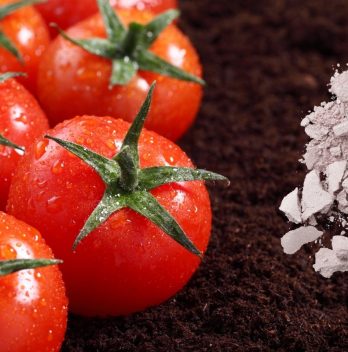
    Lime in the garden adds calcium to your soil. Calcium is the most needed nutrient for plant growth especially tomatoes. Lack of calcium in tomatoes and peppers causes them to suffer from a condition known as blossom-end rot. Another cause of blossom end rot is uneven watering which occurs when dry soil does not get enough water.

    Adding lime to your soil improves its water penetration, which solves the problem of dry soil. Lime also activates magnesium which is another essential nutrient for plant growth. Magnesium is the nutrient that provides the chlorophyll molecule. Chlorophyll is what makes plants green and it is an important part of photosynthesis. Photosynthesis is the process where plants turn sunlight water and carbon dioxide into energy and oxygen.

    You can add calcium to your soil without raising the pH by using gypsum calcium sulfate. This, too, adds calcium and sulphur to your soil while keeping the pH stable.

    Raise The Soil pH

    When you add lime to soil it raises the PH value which helps counter the effects of nitrogen in the soil. Too much nitrogen in the soil makes it more acidic over time.

    The proper soil pH is essential as it helps tomatoes absorb enough nutrients for proper growth. Tomatoes thrive in a soil pH between 6.0 and 6.5.  When the pH level drops below 6.0, magnesium and phosphorus become less available to plants.

    Even if you have plenty of nutrients in the soil they will not be available for plants if your soil is too acidic. This is because the plant does not absorb the nutrients through its roots.

    So before you add any extra nutrients to your soil, check the soil pH first and adjust it accordingly. Adding lime keeps the soil pH within the range of 6.0 to 6.5 and prevents nutrient deficiencies in your plants. This could solve all the soil problems you have.

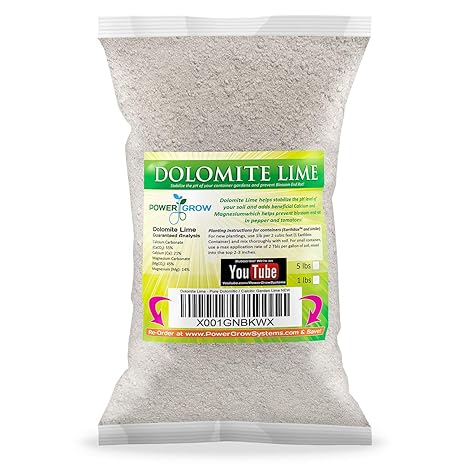
    Dolomite Lime – Pure Dolomitic / Calcitic Garden Lime

    71iEcphnavL. SX466

    Improve Soil Permeability

    Lime improves your soil permeability. This means instead of water staying on top of the soil it will work its way down deeper after irrigation or rainfall. The water is, therefore, less likely to evaporate back into the air.

    When water permeates the soil well, the tomato plant is able to send its roots deeper to get this water. A deeper, more robust root system is a sign of a healthier plant. A healthy plant can resist diseases and fight pests in the garden, eventually leading to a more bountiful harvest at the end of the season.

    Is It Possible To Add Too Much Lime To The Soil For Tomatoes?

    It is true lime has many benefits to your soil; however, it is possible to put too much lime on your garden soil. This is likely to happen if you don’t follow instructions on the package or fail to carry out a soil test before adding.

    When that’s done, you could end up with soil that has too much pH, too high for growing tomatoes or other plants.

    When you notice you have added too much lime into your soil, you can try to reverse the effect by adding elemental sulfur.  It lowers the PH value of the soil. However, it is best to avoid this problem in the first place by using the right amount of line based on

    • Soil consistency
    • Current soil pH value
    • Desired soil pH value
    How Long Does Garden Lime Take To Work

    How Long Does Garden Lime Take To Work?

    The amount of time it takes for lime to work in your soil depends on the type of lime used, the size of lime particles, the soil consistency, and the current soil pH.

    Lime will continue to react in your soil 2 to 3 years after application. The benefits of lime will occur within the first few months after application.

    Conclusion

    Garden lime is good for the soil. However, it is dangerous if humans or pets consume it. It can also harm your tomato plants if you apply too much at once. Remember, lime is caustic and can burn your hands if you expose your bare skin. If you use too much, it will quickly burn your plants.

    You can either use pelletized lime or garden lime.  Pelletized is more expensive than garden lime, however, it does not work faster than garden lime.

  • Does Adding Sand To Clay Soil Work?

    Does Adding Sand To Clay Soil Work?

    Is it true that adding sand to clay soil makes it better, or is this just a traditional myth passed on from one generation to another?

    There’s no doubt working with heavy soil is a pain. Wrestling with this heavily compacted soil in your garden strains both your body and the plants.

    This soil sticks to your shoes and your working tools and seems to be more challenging to garden with it than any other type of soil. But even with all its disadvantages, clay soil has its benefits.

    If your garden is made up of clay soil, don’t despair; clay has many benefits that it offers. Let’s look at how you can fix your clay soil to make it easier to work with and allow you to reap a good harvest.

    Identifying Clay Soil

    How can you tell that your garden has clay soil? Clay  soil can be easily identified by:

      • It feels rather sticky and dense to the touch

      • Clay is smooth to touch especially when rubbed between the finger and the thumb.

      • It has high moisture and can be rolled into a ball or other shapes without cracking.

      • Heavy clay is shiny when rolled into any shape and then rubbed softly with your hands.

    Identifying Clay Soil

    Adding Sand To Clay Soil

    A notion has been in circulation for many years that says that adding sand to clay soil helps lighten it up. This is an old traditional myth that has no scientific evidence of its efficiency.

    If you add sand to clay soil, it turns your soil into something as hard as wet cement. Any clay soil treated this way becomes tough and eliminates every possibility of both good and harmful living organisms in it.

    What To Do If You Have Clay Soil

    So instead of using sand for clay soil, it is best to reach for an organic matter like leaf mold compost manure or well-aged manure and add it to your clay soil.

    The organic matter never goes wrong in any of the soil types it’s added to.  When added to clay soil:

      • It lightens the soil texture

      • Adds nutrients

      • Discourages compaction

      • Improves drainage and aeration

      • Provides more space

      • Moderates the soil temperature

    All these features are essential for plant growth.

    So to amend your clay soil add as much organic matter as you can; mixing it into your existing clay soil is the aim.  And if you have sand-clay soil because you have started adding some, use the organic matter.   However, before improving the clay, carry out a soil test to incorporate phosphorus, lime, and whatever other nutrients your soil requires.

    Steps To Amend Your Clay Soil

      • Use a spade to loosen the existing soil if it is it’s a small part, or use a tiller to loosen the existing soil over a large area

      • Spread about 2 inches of compost on top of the things soil and mix it with the clay soil

      • Repeat the process two or three times, working in your clay soil until you’re satisfied that it is thoroughly mixed up. Ensure that your clay soil is relatively dry; walking on wet clay soil will damage the structure you’re trying to improve.

      • Spread a few inches of compost over the ground between the plants and the soil and use a narrow spade to turn the compost into the soil

      • Repeat this method at least once, and your soil is ready for planting. Ensure that you work in small patches until your entire garden has freshly turned soil

    When To Do It

    The fall season is a great time to mix your clay with compost because the weather is drier than in the spring. Another reason why it is good to do this in autumn is because of the cooler temperatures that are more pleasant to work under. It becomes an annual part of your soil maintenance to add compost to your clay just before winter.

    In the long run, regular applications of compost manure and other organic matter will continually improve your cell structure and overall health. Therefore, it will become much easier for you to walk in this kind of soil and for your plants to grow in.

    Black Kow Composted Cow Manure 4 lb. Size (1 Bag)

    810sH8R7KlL. AC SY879

    Clay Soil It’s Still A Suitable Type Of Soil

    It is one of the few soils that provides an excellent foundation for healthy plant growth. Its potential lies in its unique properties, making it one of the best soil types for plant growth. The individual particles that make up the clay soil are small compared to other soil types such as sandy loam or silt.

    Clay soil has a more significant water holding capacity due to these tiny particles. They can hold in water and nutrients for your garden and lawn needs very well. If you manage clay soil well it requires less irrigation, less fertilizer yet produces some of the healthiest plants around the world.

    Even if you may feel like you want to differ with the statements above, maybe because you have heavy clay that clods on your boots and tools when working, it is best to test your soil before you make any changes. A soil test takes the guesswork away and provides clear statistics of the composition of your soil. The extension agent can advise what type of crops to grow in the particular soil.

    Your test results could also include ways to improve your clay soil, along with helpful information about its organic matter nutrients and pH. It is advisable to carry out this soil test every 3 to 4 years.

    Ways On How You Can Improve Your Clay Soil

      • To help your soil drain better and reduce trampling’s make raised beds before planting.

      • Consider adopting a new gardening hack of not digging, especially in your raised beds, so that you don’t mix the soil afresh; instead, you use the already well-drained topsoil.

      • Add some extra calcium to your clay soil to help the soil particles separate inside of the clump together.

    Ways On How You Can Improve Your Clay Soil
      • Add lime and gypsum to your clay soil to active ingredients of commercial clay improvers; however, before you add the rest of your garden, test on a small area first to see the changes.

      • Add plenty of bulk organic matter like composted bark old manure to improve the soil and the plant’s nutrients.

      • To reduce summer cracking when the sun is too hot, apply organic mulches around trees and plants to help conserve moisture.


    FAQs

    What is the difference between sandy and clay soil?

    Many soils are a mixture of sand, silt and clay. Sandy soil is a mixture of sand and clay. However, clay soil contains more sand than the other two soils. The most important factor in determining what type of soil you have is to determine if it is an acid or alkaline soil.

    Soil acidity is determined by the amount of lime (calcium) present in the soil. Soils with high amounts of lime are called alkaline. Alkaline soil is good for growing a variety of crops because they like to grow in an alkaline environment. On the other hand, soil that has too much lime is acidic. Acidic soils have low pH levels. Low pH levels make plants grow poorly, and also can cause problems for humans who are sensitive to acidity. Soil pH levels range from 0 to 14. The lower the number, the more acidic the soil is. For example, soil with a pH level of 7 would be considered neutral. A pH level between 5 and 6 would be considered slightly acidic.

    Most soils are classified as acid or alkaline. Clay soils are classified as acid or alkaline, but they are usually classified as alkaline. Clay soil tends to be more alkaline than other soils, because the clay particles are larger and hold onto more alkaline substances. The clay particles also tend to absorb the water in the soil, and prevent the water from reaching the root zone. Therefore, clay soil needs more water than other soils.

    How can I make my clay soil more Sandy?

    Soil compaction is what makes clay soil sandy. If you want to make your soil more sandy, then you need to compact it less. The best way to do this is to use a tiller.

    What are the best soil amendments for clay soil?

    Clay soils are usually high in organic matter and low in nutrients. Clay soils require compost or other organic matter. They should be worked in a way that allows the nutrients to leach into the soil. This can be done by tilling, sub-soiling, or using a rototiller.

    Does lime break up clay soil?

    It depends on how you want to use it. If you are going to add it to your lawn, you can mix it with your soil, but if you are adding it to the soil underneath your lawn, you will want to mix it with your topsoil. It will break up the clay, which is what you need. You will want to let it dry, then mix it into your topsoil.

    Conclusion

    One last word on gardening on your clay soil go for plants that naturally adapt well in clay soil. It is best to work with plants that do well in clay soil than try to force other plants to grow in it. An extension officer should advise you on plants that would do well in your kind of soil especially after soil test results.

    That said, remember adding sand to clay soil is ultimately killing your clay soil and not adding any value to the sandy soil.

  •  A Look At How To Add Potassium To Lawn

     A Look At How To Add Potassium To Lawn

    Let’s learn how to add potassium to the lawn as it’s an essential micronutrient that prevents diseases and promotes healthy growth.

    Your lawn requires a good amount of potassium, depending on the naturally present amount in the soil.  If your soil is naturally low in potassium, you will need to supplement it with are potassium-rich fertilizer.  To determine how much potassium is in your soil, you will need to conduct a soil test.  A soil test showcases what is available, and the nutrient is missing from the soil for more accessible nourishment of your soil.

    What Is Potassium?

    Potassium, sometimes referred to as potash, is an essential nutrient that your soil requires. It helps your grass take other nutrients and use them.  It also helps in building strong cell walls within the grass or plants.

    These cell walls are what keep your plants healthy and resilient in times of stress like disease, drought, or severe temperatures.

    What Is Potassium

    As your grass grows, potassium lawn fertilizer is needed for that growth.  It helps the grass get strong deep roots and causes it to grow faster. A lawn that lacks enough potassium may grow slowly and have shallow roots.  This means the grass won’t be able to withstand environmental stress as best as it should.

    How To Carry Out A Soil Test

    You can carry out the soil test on your own by buying a soil test kit from your gardener’s shop. You can also ask your local extension officer to provide soil containers and information on performing a soil test full stop use a hand trowel to collect soil samples from around your lawn.

    Scoop about 10 to 15 samples from your yard at a depth of 3 inches and combine them. Leave the soil samples to dry and package them in containers you are provided with by the extension officer. After that, male the soil samples to the extension officer for testing and wait for results.  Results take about 3- 5 days.

    How To Tell If Your Lawn Has Enough Potassium

    There are a few signs to look out for when you’re trying to decide if your soil has enough potassium.  Your grass will show signs of stress that include slow growth, yellowing or being highly susceptible to changes in temperature.

    Sometimes just looking at your grass with your physical eyes might not give you the results that you want. So it is advisable to test your soil for potassium deficit before drawing conclusions.

    Luster Leaf 1601 Rapitest Test Kit for Soil pH, Nitrogen, Phosphorous and Potash, 1 Pack

    81lMIyoIrfL. AC SX569

    Choosing A Lawn Potassium Fertilizer

    Lawn fertilizer has a high ratio of potassium. This fertilizer is rated using three numbers representing the percentage of nitrogen, phosphorous, and potassium they contain. The third number in the sequence presents the concentration of potassium in the fertilizer. In most cases, you can use a fertilizer that has all of the three macronutrients. If your lawn has less than 25 parts per million of potassium, use a fertilizer with a high potassium concentration for yards.

    Adding Potassium To Your Lawn

    Once you learn your lawn is lacking enough potassium, it’s time to add some.

    Apply potassium fertilizer biannually each spring and fall. You will have to add this fertilizer based on the results of the soil test. Your extension officer should advise you what type of potassium fertilizer you should purchase and how much you should apply.

    For example, 6 pounds of potassium can go 1,000 sq ft of lawn; this applies to lawns that are between 0 to 25 PPM. Yards that are between 25 to 50 PPM require 4 pounds of fertilizer.  Those with 50 to 75 PPM need to pounds of fertilizer, while those that are between 75 and 100 will need 1 lb per 1,000 square feet.

    Ensure that you spread your potassium fertilizer evenly all over the lawn. Feed your lawn when the weather is excellent and the soil is dry.

    You can also use compost three times a year to increase potassium levels within your soil.

    Choosing The Best Potassium For Your Lawn

    When choosing the best potassium product for your soil you can use either a long-term or short-term solution. We recommend choosing soluble potassium to help stimulate photosynthesis in plants allowing your grass to remain healthy for long. The main advantage of soluble fertilizers is that they dissolve quickly in water, delivering them into the grass relatively quickly.

    Most people opt for fast-acting solutions like potassium sulfate or potassium chloride is there a cheaper option. These two minerals are commonly used for lawn winterizing. Either of these two are a good option but potassium sulphate is a better option as it doesn’t interfere with the good bacteria in the soil.

    Before applying any fertilizer, read the label carefully and gather all the information about it as much as possible.

    Here are some potential solutions that you can use

    • Use Dried Kelp Meal.  It has a lot of nutrients that are valuable to the soil and when used it restores potassium levels in your soil
    • Use Hardwood Ash.   This powder is full of potassium and you can apply straight to the soil or add it to your compost. It is especially significant if you want to increase the pH levels of your soil as well, but before you do so and sure that you monitor your grounds’ acidity.
    • Use Sulphate Of Potash Magnesia.  This is also known as Sul Po Mag. It is pretty affordable and increases the levels of both magnesium and potassium in the soil.
    Choosing The Best Potassium For Your Lawn

    You can also choose the slow-releasing potassium fertilizers as they will feed your grass slowly for a long time.

    FAQs

    How do I raise the potassium in my yard?

    Potassium is an important element that makes up a plant’s cells. A deficiency of potassium can lead to stunted growth, poor flowering and reduced yields. Potassium is also used by plants as an energy source. The most effective way to supply potassium is to use rock phosphate or bonemeal. These fertilizers contain a high concentration of potassium. Use them at recommended rates to avoid excess applications and damage to the soil. Organic Potassium can be added to the compost pile or applied directly to the garden as a foliar feed. If you are using manure, apply it as a top dressing after the first application of fertilizer, or use a high-potassium fertilizer such as blood meal. If you are not using manure, use a low-phosphorus fertilizer such as 10-10-10. When you apply potassium fertilizer, apply only enough to cover the top inch of soil.

    How do you fix potassium deficiency in soil?

    Potassium is the most abundant cation in the earth’s crust. It is present in all living organisms and many minerals and rocks. Potassium is a macronutrient needed for growth and development of plants. Plants also need phosphorus, nitrogen, and sulfur to make up the major part of their biomass. These elements are called micronutrients, which are needed in smaller amounts than macronutrients.

    When potassium is not available in sufficient quantities to meet the plant’s needs, the plant may experience leaf chlorosis and leaf spots. These symptoms usually occur if the potassium is present in the soil at more than 100 times the normal amount. The most common symptoms of potassium deficiency include poor fruit set, leaf spot, and reduced growth. There are several methods to correct potassium deficiency. If you want to increase potassium levels in your soil, you can add potassium-rich compost or manure to your soil. You can also buy potassium-rich compost from a local nursery. If you are using a potassium-rich compost, make sure that you also have a source of nitrogen and phosphorus in your soil. You can also apply a potassium fertilizer to your soil.

    What is a natural potassium fertilizer?

    The most populars is wooden ash.
    Potassium is a naturally occurring mineral that helps maintain the pH balance of the soil. Potassium helps plants absorb water, and it also promotes the growth of roots.

    The use of potassium in the form of a fertilizer is known as potassium (K) fertilization. Potassium can be applied to the soil in two ways: as a foliar spray, or as a root-applied fertilizer.

    A natural potassium fertilizer can be applied at any time of year, but it should not be applied in the fall or spring when the plants are dormant.

    Can you put too much potassium in your lawn?

    The answer to that question is a big “maybe.” But it’s not a good idea to add a lot of potassium to your lawn. It can do harm to your lawn, and the best way to deal with this problem is to keep an eye on your potassium levels in the soil and not apply too much at once. Potassium is one of the macronutrients that lawns need in order to grow properly.

    Final Thoughts

    Lack of potassium is a significant problem for any homeowner who wants to have a nice yard. Besides grass it also affects other plants in your garden; this is why you need to test your soil regularly to ensure it has enough potassium.

    Now that you know how to add potassium to the lawn you shouldn’t have any issue regulating potassium levels in your soil. It is easy to handle the potassium problem, whether in your yard or garden.  Always ensure you test your soil at least twice a year for an updated review.  Happy gardening!