Category: Soils & Plant Nutrients

  • How to Compost: A Composting Guide for Beginners

    How to Compost: A Composting Guide for Beginners

    As a responsible farmer or gardener, it is in your best interest to adopt the right methods that can improve your plant growth and yield. One of such methods you need to adopt is composting. There are a lot of ways composting can be of benefit to your plant soil and roots. Some gardeners believe that the best thing you can ever do for your plant is to add compost every now and then. But one major problem farmers face when it comes to composting is choosing the right compost for their plants.

     In this article, we will be discussing about some of the best ways to add compost to your soil and the benefits of composting to plant growth and development. Before we get into the details of this composting guide and let you in on all the secrets on how best to compost, let talk a little about composting and how it became a popular agricultural practice. 

    What is Composting?

    Composting is an agricultural practice that involves the addition of compost which is decomposed organic matter to the soil to improve the nutrient content and to support healthy plant growth. Compost is highly rich in organic matter and nutrients that can easily be added to soil for use in organic farming, gardens, horticulture, urban agriculture, and landscaping. When added to the soil, compost goes a long way to act as a conditioner and also helps to reduce the outbreak of pests on the farm or garden. 

    Compost, in most cases, is composed of green waste which could be food scraps, grass, and leaves that are not beneficially for use as food for human consumption but fit to be used as food source for plants once it has been broken down. Before composting can take place, these green wastes have to be left in a heap for months so as to allow the organic materials to decompose to form humus. 

    The whole decomposition process can be hastened by the cutting of the plant matter into smaller pieces and adding water to speed up the oxidation process. After this, the next step will be to place the mixture in a place where it can get direct access to air. This can be achieved by regularly turning the pile to ensure that each part gets enough air. 

    How to Compost 

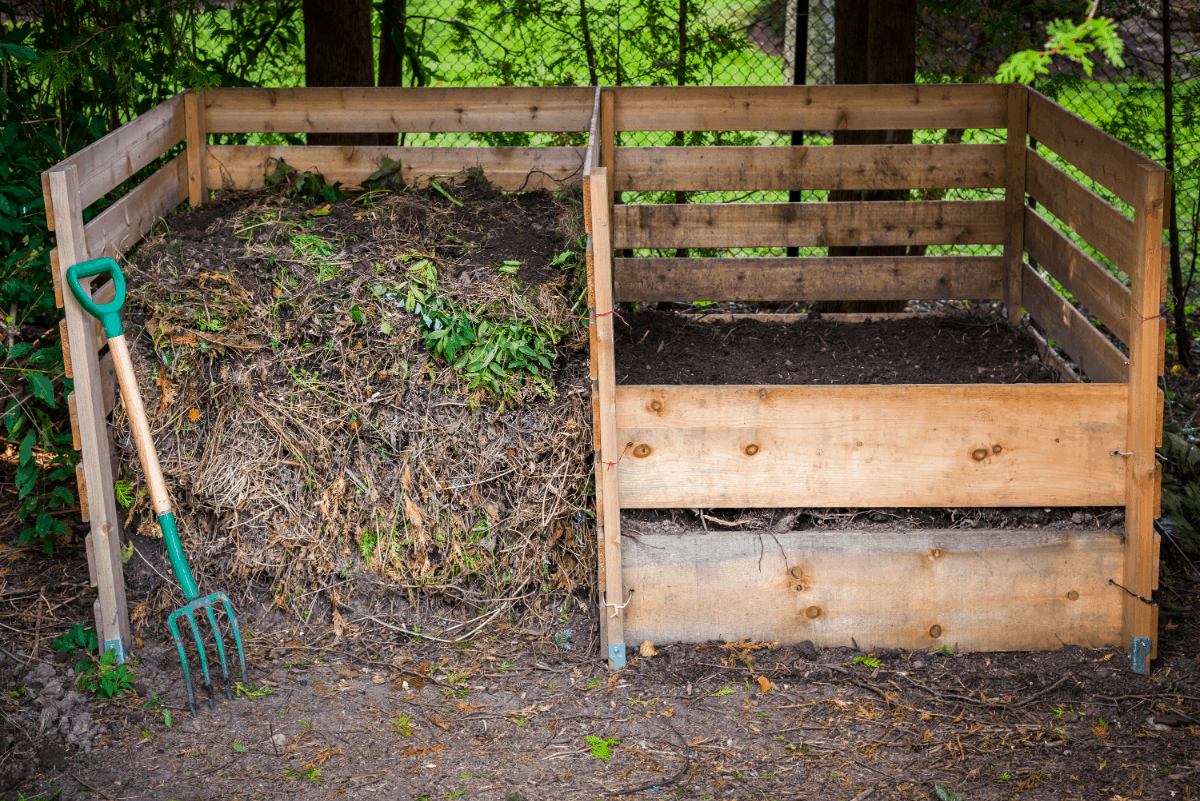
    There is a right way to compost and a wrong way to do it. If you want your compost to be of the highest possible quality, you will need to follow the right procedure when preparing compost for your garden. Here is a better way to compost. 

    |

    • Begin Building Your Pile from the Bare Floor

    If you want to get the highest quality compost, then you will need to start building your compost pile from the bare earth. By so doing, you make it easier for earthworms and other important microorganisms to breakdown the compost. 

    • Pile Up the Straws and Twigs First 

    Since you already know that you need to build a pile from the bare ground up, you also need to make sure that you pile up the straws and twigs first. Ensure that they reach up to a depth of a few inches as this helps to improve drainage and makes it easier for air to circulate around the pile. 

    • Build Your Compost Materials in Layers 

    After placing the straws and twigs at the bottom, you can now start adding the wet ingredients which could be the tea bags, moist food scraps, and seaweed. The dry materials will be the next to follow and they can be wood ashes, leaves, sawdust pellets, and straws. When adding wood ashes, it is best you do so in layers so as they don’t clump up and slow the entire decomposition process. The best way to speed up the decomposition process is to interchange between moist and dry ingredients so the breakdown can take place faster. 

    |

    • Include Manure in the Mix 

    You should endeavor to include green manure in your compost. This helps to speed up the process by activating the breakdown of the ingredients. The best options of green manure you can add to your compost include grass clippings, clover, buckwheat, and wheatgrass or any other potential source of organic nitrogen. 

    • Ensure that the Pile is Always Moist 

    To be able to get the best quality result in the shortest possible time, you need to ensure that the compost pile is kept moist always. You can easily do this by sprinkling water on the pile occasionally or allowing rain to drop on it. 

    • Cover the Pile 

    You will need to place a lid on the compost pile, this helps to keep the moisture content and heat intact. These are two things that compost need to speed up the activation process. By using a lid on the compost, you also help to protect the pile from been damaged by the rain. You can use materials such as wood, carpet pieces, plastic materials, or aluminum to cover the compost. You can use anything provided you ensure to water the pile regularly to ensure that it remains moist. 

    • Turn the Pile Occasionally 

    You will need to turn the pile once a week or biweekly to promote the supply of oxygen throughout the compost. This can be done easily with the help of a shovel or pitchfork. If you also want to include new materials to the mix, you can do so but you should ensure that you mix them in properly since you want them to breakdown quickly. 

    How to Compost: A Composting Guide for Beginners

    FAQs

    How do I start composting at home as a beginner?

    Composting is the best and easiest way to recycle your food waste. It’s also a good way to create a healthy soil that will help grow more plants in your garden.

    If you want to learn how to compost, here are some tips on how to start composting at home for beginners:

    Get a bin You need a large container for your compost bin.

    You can use an old wooden box or a metal tub with holes drilled in it. The size of the bin should be big enough to hold about two to three weeks worth of food waste. You can find bins at most hardware stores or check out our list of the best compost bins.

    Find the right balance for optimal composting, you want to have just the right amount of nitrogen, carbon, and water. Too much nitrogen can make your compost too hot, while too little can result in a smelly mess. Carbon is what helps break down the waste. Water adds moisture to the pile, but too much will turn the compost into a swampy mess. You can read more about this here.

    Choose the right pile size.

    The best way to compost is to have two piles. One should be large enough to handle the entire amount of waste you’re planning to compost, and the other should be small enough to fit in your backyard. The larger pile can contain everything from yard waste to kitchen scraps, while the smaller one should only contain vegetable or fruit scraps.

    Keep it moist.

    The best way to keep your compost pile moist is to put it on a daily basis. If you don’t, it may dry out and become anaerobic, which will slow down the process of breaking down the organic matter. It’s important to add water to the pile as needed, but make sure that you don’t overdo it. This will result in a too-hot compost pile.

    Cover it up

    To prevent rain from washing away your compost, lay a thick layer of straw, leaves, or hay on top of the compost pile. This will also help keep down any pests that might find their way into the pile. You can also cover the pile with a tarp.

    Use a shovel Instead of using your hands to move around the pile, use a shovel to stir up the compost. This will help keep the pile moist and aerated. You should also take this opportunity to add any new materials to the pile.

    Use a fork When mixing the ingredients together, use a fork instead of a spoon or mixing tool. This will keep the compost ingredients from sticking together and help break down the organic matter.

    Fresh The best way to keep your compost fresh is to mix it often.

    The compost needs oxygen to help break down the material. If the material does not have air holes, the compost will start to smell bad and eventually become stale and useless. You can also add leaves, grass clippings, and other materials to your compost pile that will add air holes to the pile. Be sure to do this on a regular basis so that you do not end up with an over-stuffed compost pile.

    Use Compostable Material

    Make sure that you use compostable material in your compost pile. It is best to avoid using items such as Styrofoam or plastic bags because they cannot be broken down by the composting process. If you use wood, make sure that you use treated lumber, which will allow the compost to heat up faster.

    When shouldn’t I compost?

    Do not compost in either the Fall or Winter. The temperature of the compost pile should be at least 60 degrees F. If you compost during the winter months or in the fall when temperatures are cooler, the decomposition process will be slowed. This means that the compost will not heat up as quickly and it may take longer to fully decompose the organic matter.

    What should I put in my compost bin first?

    If you are like most people, you may have a large pile of leaves, grass clippings, and garden waste that needs to be composted. A great way to start is by using the materials from your yard, such as leaves, grass clippings, and weeds. When you use this method, it will save you a lot of money on buying bags and boxes of compost.

    How Does Composting Work?

    Composting works by the complete decomposition of solid organic waste which is turned into humus that helps to improve healthy plant growth and development. Composting is an aerobic process which means that for the process to take place, there has to be a constant supply of air. But oxygen isn’t the only ingredient needed for composting to work. 

    Simply put, you can say that for composting to fully occur, there needs to be adequate provision of heat, oxygen and timely human management to ensure that everything works accordingly. Just so we are clear, here are the ingredients you need to be particular about. 

    • Nitrogen

    Plants need nitrogen to be able to grow healthy green leaves and strong roots and stem. The plant root absorbs the nitrogen from the soil which is then transported to the stem, branches, and leaves which helps is producing flowers and fruits. To add a decent amount of nitrogen in your compost, you will need to add green leaves and also include vegetables and fruits and ensure that they are kept moist always. 

    • Carbon 

    Carbon is the energy source that speeds up composting. The oxidation of carbon by the microorganism in the compost helps to produce heat in the mix which quickens the time it takes for the entire waste to be broken down. The dry ingredients such as the wood ash, straws, and twigs are high in carbon and also act as a heat source to the entire compost. 

    |

    • Oxygen 

    This is also a key ingredient that helps to turn compost to humus. The presence of air helps in the oxidation of the carbon which hastens the process of decomposition. You will need to ensure that compost is kept outside where it can get direct access to oxygen. 

    • Water 

    You will need to add water to the compost pile regularly to ensure that the entire mix remains moist. This is to encourage the growth of microorganisms that are needed to ensure that decomposition takes place. 

    When you add water, carbon, oxygen, and nitrogen in the right proportion, it becomes easy for microorganisms to develop which in turn ensures the breakdown of compost. Without the development of microorganisms, there will be no composting so it is important that you take proper precautions and follow the procedure detailed in this guide. 

    Bacteria are the most abundant microorganism needed by compost. They help to speed up the decomposition process due to their microbial activity within the compost pile. Other organisms such as yeast, molds, and fungi also play a major role by breaking down the materials that cannot be disintegrated by active bacteria. 

    How to Compost: A Composting Guide for Beginners

    It is also important that earthworms also help to improve the flow of oxygen in the compost pile and ensure proper drainage as they burrow their way through. So you want to be on the lookout for them inside your compost pile. 

    With the simple yet detailed composting guide provided above, it shouldn’t be difficult to pile up your own compost using green waste from your kitchen or backyard. You want to make sure that you remember to keep the compost moist as this helps to ensure the presence of air and heat which are required by microorganisms for decomposition to occur. 

    How often do you add compost to your soil, and how do you make your own compost? We will like to hear from you in the comment section.  

  • What is Perlite? And How is It Useful in the Garden?

    What is Perlite? And How is It Useful in the Garden?

    If you have purchased potting soil for your pot or garden before, then you must have noticed small white balls as part of the earth in the bag. What many growers don’t know is that those tiny balls are referred to as perlite and they have a major role to play in the growth of plants both in hydroponics and soil gardens. Is perlite organic, and what are its benefits to plant growth and development? Let’s find out below. 

    What is Perlite? 

    Perlite is a naturally occurring mineral that can be found in nature. It is mined in large quantities in Turkey, Japan, Greece, and in the United States. The mineral is formed as a result of the saturation of volcanic glass by water over a long period of time. Perlite contains a lot of ingredients which includes iron Oxide, Sodium Oxide, Calcium Oxide, Magnesium Oxide, Aluminium Oxide, Silicon Dioxide, and water. 

    What is Perlite? And how is it Useful in the Garden?

    Perlite has a lot of industrial applications such as construction and in the manufacture of ceiling tiles, plasters, and masonry.  Before perlite can be added to soil for use in gardening or hydroponics, the mineral glass will have to be processed to form the tiny white balls appearance that it is known for. 

    To answer the question whether perlite is organic or not, I think it is safe to say that since it doesn’t contain carbon, perlite is an inorganic substance. But it is important to mention that as a naturally occurring mineral, perlite is completely non-toxic and safe to use for both hydroponic systems and in soil gardening. 

    What Are the Benefits of Perlite to the Plant Soil?

    Perlite is highly beneficial to garden and soilless systems and the secrets are in its distinct physical and chemical properties. The usefulness of perlite in the garden includes 

    • It has a neutral pH level which makes it able to balance the acid/base level of the soil
    • It is obtained from natural deposits in the soil and hence does not contain any toxic chemical compound. 
    • It is a physically stable mineral that has the ability to maintain its shape even under pressure in the ground. 
    • It is porous with tiny spaces which allows for easy aeration of roots for a stronger root system. 
    • It has the ability to retain the amount of water that is needed for plant growth while allowing the rest to run over; making it a great way to prevent drowning of plant roots due to erosion or over flooding. 

    FAQ’s

    Should I add perlite to my garden?

    I’ve seen a lot of people mention adding perlite to their gardens and wondered if it’s something I should do. It seems like it would be a good idea because it would help retain moisture. I know it has been used as a soil amendment for years but I’m not sure if that is the best way to use it.

    The perlite will slow the movement of water in the soil. It will also prevent some types of soil insects from burrowing. It’s not a good idea to use it for the sole purpose of keeping pests away from your plants.

    How does it work?

    Perlite is a naturally occurring volcanic rock. Its porous structure allows water to pass through it and then evaporate, which helps plants grow faster. Perlite also provides an ideal growing medium for houseplants. It is used in gardening because it provides more air than other soils and thusly takes the soil less dense. In this manner it allows the plant roots to penetrate more easily.

    It allows the plant roots to penetrate more easily. Makes the soil more friable and easier to work with. Lifts the soil surface, allowing water to reach the roots. Enhances drainage. It contains nutrients such as phosphorus and potassium, which are readily available to plants. Is not acidic or alkaline. Is not toxic. Is lightweight and therefore easy to move.

    It is a lightweight, odorless, non-toxic, odorless, natural, dust-free, light-weight, non-shrinking, non-clumping, and non-expanding material.

    How much perlite do I add to my garden?

    Perlite can be purchased at nurseries and other stores that sell gardening supplies. It comes in bags or in bulk. You can also make your own by sifting the dry volcanic rock through a screen or fine mesh. Be careful not to crush the material as it will become too fine and will not work well as a mulch. When you first begin using perlite, you can start with small amounts and gradually increase the amount.

    If you have a large garden, you can add as much as 1/4 cup perlite per square foot of garden. For smaller gardens, you can add less than this.

    What are the disadvantages of perlite in gardens?

    Perlite is a light weight material, which means it will be blown away by wind. When it is added to garden beds and containers, it can be a nuisance.

    Perlite can be a problem in containers because it has a tendency to stick to plants and move around. If it is not removed from the container, it can cause problems such as clogged drainage holes. In addition to being a potential problem in containers, perlite can also be an issue in the landscape. When it is used as a soil additive or substrate in pots and containers, it can become dislodged from the potting mix and drift away from its intended location.

    How Should You Use Perlite in the Garden?

    Perlite has a wide range of applications in the garden, you can include perlite in your soil mixes in combination with peat moss and loam in equal amounts. You can also keep them in your pots to provide the soil with more aeration to help loosen the earth for proper ventilation and drainage. 

    What is Perlite? And how is it Useful in the Garden?

    You can also spread perlite on the soil surface to help with the breakdown of tightly packed soil to allow for easy drainage and ventilation. You can also use perlite in hydroponic systems as part of a mixture in other growing media or as a standalone media. You should not use it for deepwater systems like the ebb and flow or deep water culture. 

  • The Best Roots Organic Soil

    The Best Roots Organic Soil

    Finding the right organic soil for your plant or garden can be a tedious task for any farmer; this is because you can be truly certain of the organic matter that is contained in the soil. Also, most growers find it difficult to find the right organic soil that can work well with the type of plant they grow. In this article, we will be reviewing some of the best roots organic soil that is available for purchase. Before I let you in on the list, I will like to share with you some vital information about organic soil and its benefit to plant roots. 

    What is Organic Soil

    Organic soils are engineered to contain organic matter that is packed with minerals and nutrients that are beneficial to the growth and development of plants. Simply put, organic soil is derived from living matter. This living matter consists mainly of decaying worms, microorganisms, insects, plant materials, and many other components. 

    the best root organics soil review

    Most farmers make use of compost, manure, and mulch to add nutrients to soils that are deficient in minerals required by plant roots. It is important to amend the soil when making preparations for planting. This is important in order to improve the nutrient content of the soil before putting in the seed or transplanting. 

    What Constitutes an Organic Soil

    Before you make use of organic soil in your pot or garden, you need to be wary of what goes into the soil so as not to compromise the health of your plants and seeds. The main components in an ideal organic soil are:

    • Compost 

    Compost contains decaying matters which could include leaves, flowers, and other food scraps from the vegetative origin. Adding compost to a nutrient deficient soil is a great way to improve its quality and yield when it’s time to harvest the plant. The slow decay process of compost ensures the release of nutrients at a steady rate the roots can easily absorb. When adding compost to acidic soil, you will need to balance it by using lime or calcium to improve the pH. But in the case of alkaline soil, you need to add any calcium derivative as the compost will take care of balancing the pH level of the soil

    • Mulch 

    This is also similar to compost but the difference is that it is made from decaying leaves, wood chips and/or bark. You can find a variety of mulch depending on the smell, color, and texture. Mulch helps the soil to retain moisture and also provides it with the required nutrients to improve plant growth. Just like compost, mulch also releases nutrients into the soil at a slow rate that can easily be absorbed by plant roots. 

    • Manure 

    Many organic soils contain manure which is usually decayed animal excrement. They are applied to soil to serve as fertilizers that boost the nutrients in the soil. Adding manure to a nutrient deficient soil is a great way to improve the viability of the soil and improve plant yield. 

    |

    Benefits of Organic Soil

    The organic matter contained in organic soil is beneficial to both the soil and plant as they:

    • Supply Nutrients

    Adding organic soil to a nutrient deficient soil helps to provide minerals and nutrients that help the plant to grow. This will improve the foliage production leading to more healthy fruits, flowers, and leaves. 

    • Retain Moisture 

    Organic soil rich in mulch helps to improve the soil water-holding capacity. This makes it possible for the roots to get direct access to moisture needed to improve growth and development. 

    • Improves Soil Structure

    Adding organic matter to soil helps to improve the soil structure. The presence of organic matter causes the soil to form clumps which help to improve permeability, water absorption, and retention. 

    The Best Organic Soil for Plant 

    1. FoxFarm Ocean Forest Potting Soil

    71OhIPDUb4L. SL1390

    This organic soil is perfect for use right from the bag as all the work has been done by the manufacturers. The pH of the fertilizer has been adjusted to between 6.3 and 6.8 to make it easy for the root to absorb the fertilizer. It contains organic matter such as bat guano, earthworm castings, and other micronutrients. This dirt works wonders in soil suffering from nutrient deficiency and will help to improve the plant growth in no time. 

    2. Roots Organic

    This coco fiber-based organic soil is packed with the highest quality coco fiber and contains other organic matter such as bat guano, fishbone meal, earthworm castings, feather meal, mycorrhizae, green sand, humic acid, soybean meal, glacial rock dust, and many other ingredients. The Roots Organics potting soil helps to improve soil nutrient content which encourages the growth of healthier plants leading to better yield. 

             3. Nature’s Living Soil Super Soil Organic Concentrate 

    312N0BchZML

    This organic soil from Natures’ living Soil contains organic matter that will improve the nutrient content in deficient soil. The ingredients include bat guano, blood meal, fishbone meal, kelp meal, Epsom salt, azomite, dolomite lime, alfalfa meal, coconut water powder among many others. The organic soil can be used in growing flowers, vegetables, and even for use on seedlings. 

             4. FoxFarm Happy Frog Potting Soil 

    81AYSUUIqhL. SL1464

    Another quality product from FoxFarm, this organic soil is rich in nutrients that improve the growth and health of plants in your garden. The soil is packed with a combination of organic matter such as mycorrhizal fungal and other soil microbes which act together to adjust the soil pH, improve the development of soil structure, enhance flower and fruit production and increase plant yield. 

             5. Miracle-Gro Potting Soil

    61aJvRBUyJL. SL1001

    Unlike traditional garden soil, the Miracle-Gro potting soil has the tendency to expand. When using the soil in a pot or container, you will need to add water until the soil fully expands and fills the container. It has the ability to hold more water than normal planting soil making it a great buy for gardens that suffer from nutrient deficiency. You can use this potting soil to grow healthy herbs, veggies, and Cole crops. 

    Organic soil is a good way to improve the quality and yield of your plant especially when you notice that the soil is deficient in nutrients. Organic soil also works well with organic fertilizers so you want to avoid using any form of chemical for your plants as they can be harmful to your plant and the environment. 

    If you would like help on how to use organic soil on your farm or have any further questions, you can let us know in the comment section.

    FAQ’s

    Is organic soil good for plants?

    Soil and gardening Organic gardening means gardening without using chemical fertilisers and pesticides. There are a number of different kinds of organic gardening, but they all have something in common – they try to mimic nature, in order to create a healthy and balanced environment for plants. This is where soil comes into the picture. Soil is the key to healthy plants and flowers. It is a living thing which helps to nourish the plants and provide them with the minerals they need. If you are interested in gardening, then you know how important soil is. Soil is full of things like worms, bacteria and fungi that help to keep your plants healthy and happy.

    What is the difference between organic soil and regular soil?

    Organic is better. According to the National Organic Program, organic farms use no synthetic pesticides, herbicides or fungicides on their crops.
    Organic soil is not treated with chemicals that kill beneficial soil organisms. As a result, organic soils have a richer supply of nutrients than chemically treated soils.
    Organic soil is a product of nature, but when it has been contaminated with chemicals, it is no longer organic. Soil is composed of mostly sand, clay, silt, and organic matter. There are many types of organic matter, including humus, leaf mold, compost, and peat moss. The key thing to understand about organic matter is that it is alive. When you dig into your garden bed, you’ll see that the top layer of soil is darker than the bottom because the organic matter is higher there. As the organic matter decays, it releases nutrients back into the soil. That is how organic matter keeps your soil healthy.

    Does organic soil have fertilizer?

    Organic soil has a lot of organic matter which can take up nitrogen and phosphorous from compost or manure.
    In most cases the organic matter will be able to take up nutrients before the compost or manure is completely broken down. If you want to get more specific you can go through a lab and test the soil to see how much nitrogen, phosphorus, potassium, etc. is available.
    Organic matter is an effective fertilizer. However, if your organic matter is not decomposed, it is not really fertilizer, but just some kind of compost.

    How do you use organic soil?

    The process is a little complicated, but the main idea is to enrich your garden with a rich and healthy soil. You can do this by adding composted manure or by using other organic matter. Organic matter is made up of dead organic material that has decayed into nutrients.

    These nutrients are then able to be taken up by plants. Soil is made up of three basic components: sand, clay, and organic matter. Organic matter is made up of living and dead organisms. It includes both animal and plant remains. This means that you can use the composted manure from your animals or any other type of organic matter. Compost is a mixture of plant and animal waste that has been allowed to decompose in a controlled environment. You can add it directly to the soil or compost it before applying it to the soil. The amount of organic matter that you add to your soil is known as the “bulk density” of your soil. This will vary depending on the type of soil you have, but a good rule of thumb is to add at least 2-3 inches (5-7cm) of organic matter for every square foot .

  • 4 Simple Ways to Feed Your Plants: Roots Organic Nutrients Feeding schedule

    4 Simple Ways to Feed Your Plants: Roots Organic Nutrients Feeding schedule

    Food plays a major role in our lives, we all need to eat regularly to stay healthy and alive. To ensure that food is readily available to eat, we have to grow fresh food to meet the huge demands in our local area and across the world. 

    The sustenance of man depends largely on its ability to produce food; this is why farming is an important part of our survival. Many organic farmers find it difficult to increase their yield due to problems from pest or simply because they lack the knowledge of the kind of organic nutrients that is best for the plant root. With a feeding chart, you can adopt a feeding schedule that will help ensure that your plant root remains fed with a constant supply of organic nutrients to support growth. 

    Best Way to Improve Your Plant Growth 

    Just as humans need food to stay healthy, so also plants require the right nutrients for them to grow. The first step you need to take when preparing for seedlings for a healthy harvest is to grow them in the right soil. The right kind of soil that plants require for healthy grown is one that contains organisms that help to provide the plant with the right kind of food they require. When there is enough organic matter in your plant soil, it becomes easy for the roots to have direct access to the nutrients that are required to support healthy growth and development. 

    4 Simple Ways to Feed Your Garden the Right Organic Nutrients

    The excrement from the living organisms present in the soil help to provide the nourishment for plant roots rooms which is then transported to the stem and leaves where it is needed to promote healthy maturity. 

    The best feeding practice is to focus on feeding the soil the plants grow in and not the leaves or other parts of the tree. When you feed the soil directly, you help to improve your plant’s ability to resist the effect of pests and diseases. 

    Why You Need a Chart and Schedule for Feeding Your Plant 

    A detailed meal plan helps us to adhere to a diet routine. This could involve eating a type of food at a given time. This type of discipline helps us to stay in shape and avoid eating what we aren’t supposed to eat and when we are not meant to. This simple strategy can work too with your plants and can very well improve their yield and resistance to plants and disease. There are specific periods in a plant’s lifecycle when it requires a certain type of supplement (especially during the early stages and certain weather conditions) to help improves its ability to withstand the elements such as drought and wilting. 

    |

    The chart and feeding schedule needs to be ready as soon as you begin the planting of the seedlings so as you can begin to monitor the administering of supplements and know when the next one is due.  With the help of root organic nutrients feeding schedule or roots organic feeding chart, you can also breakdown the feeding ratios for your plant over a period of time. 

    Best Ways to Feed Your Plant Root with Organic Nutrients 

    Are you wondering how you can provide your plant with organic nutrients that can lead to more improved growth without spending much? You can find 4 of the best ingredients you can feed your plants below 

    1. Compost

    Fresh compost acts as a conditioner for your plants. In addition to being readily available, it is a highly effective way to provide your plant with vitality and nourishment. Compost usually consists of vegetable waste, humus, and other organic matters that have decayed which all act together for the benefit of the soil and plant growth.  Compost also serves as a natural pesticide for the soil and also in erosion control. 

    4 Simple Ways to Feed Your Garden the Right Organic Nutrients

    When structuring your feeding chart and schedule, you need to include periods when compost will be added to the plant root. This can be done as soon as the rainy season sets in, to help reduce the depletion of minerals from the surface of the soil

    2. Liquid Fertilizer 

    Liquid fertilizers are great to use as foliar feeds and also for the plant roots. They are a quick way to add nutrients to your plants as they can easily be absorbed by plants due to their solubility. You can schedule liquid fertilizer application for periods when the plant is suffering from nutrient deficiency. You will need to dilute the product and use them first thing in the morning or towards the evening when the sun is coming down. 

    You can find simple home-made liquid fertilizers like comfrey tea and worm wee to use in place of expensive products that may contain a few chemicals that could harm your plant and the environment. 

    3. Rotten Manure 

    Rotten manure can also serves as a great organic feed for your plant’s root. You want to ensure that they are properly decomposed to enable the complete breakdown of the nutrients before it is used in the garden. Freshly collected excrement from animals such as cow, horse, and sheep can be kept in a bag and left unused for a month or two until they are safe for use on your plants. 

    4 Simple Ways to Feed Your Garden the Right Organic Nutrients

    4. Blood and Bone or Organic Fertilizers 

    Blood and bone are slow-release fertilizers which help to provide your plant root with nutrients on the long term. They provide nutrients for both the plants and organisms in the soil which enables them to stay healthy and improve growth and resistance to adverse weather conditions, pests and diseases. 

    You can add blood and bone to your plant soil to improve the foliage leading to the growth of healthy vegetables, fruits, and flowers all throughout the plant. 

    Few Tricks on Applying Fertilizers to Your Plant 

    When using fertilizers such as the ones mentioned above, you need to ensure that you:

    • Use fertilizers from organic sources as many of the regular products contain chemicals that can harm your garden and the environment. Look out for a certification badge when shopping for a new product. 
    • Ensure that the soil is properly loosened with the aid of a garden fork and water the soil deeply before adding fertilizers to the soil. This ensures that the minerals get the root quickly for speedy transport to other parts of the plant. 
    • Stick to the application rates indicated by the product manufacture so you can be certain of getting the best result. 

    You need to be conscious about how much fertilizer you use on your plant as too much can lead to plant toxicity. Remember also to make use of a root organic nutrient feeding schedule and chart so as to be certain that you are not overdoing things or not doing enough. 

    Let us know in the comment section if you have any questions or would like to make a contribution. You can also share this article with others if you find it interesting. 

    FAQs

    How should I use Roots Organic nutrients?

    You can feed organic roots in a number of ways. One way is to simply buy them and plant them in the garden. They will grow quite nicely for many years, if the soil is not too poor. If you have access to a commercial nursery, they often sell organic roots.

    I use the Roots organic nutrients like any other. I mix the recommended amount with water in a spray bottle.

    I spray it on the top of my plants every week.

    What are the different nutrients that you need to be aware of?

    Nutrients in the soil are called’macro’ and’micro’ nutrients. Macro nutrients are the elements that can be seen, such as phosphorus (P), nitrogen (N) potassium (K), magnesium (Mg) etc. Micro nutrients are the elements that cannot be seen with the naked eye such as iron (Fe), copper (Cu), manganese (Mn) and zinc (Zn).

    What nutrients are used in Roots organic soil?

    I’d say that it’s a mix of composted manure, composted manure with some other materials added, and maybe some other things as well. It’s a fairly standard product for growing food.

    How often should I use Roots Organics?

    Roots Organics uses the highest quality, organic ingredients and is formulated to be used daily. The product contains no synthetic ingredients and is free of artificial colors, flavors or preservatives. It also contains no sodium, gluten or soy. The product is free of artificial colors, flavors, preservatives and sodium.

    The average number of times per month that a user accesses Roots Organics is 2.7 times per month, with 3.0 being the median.

    How should I chart my feeding schedule?

    You need to start out by understanding what your plants are and what their nutritional needs are. Not all plants feed the same and it is for this reason that you should make sure that you don’t overfeed them or the opposite, underfeed them.

    This can be accompomplished quite easily by looking on the internet or consulting a gardening book.

    Some plants will need to be feed every week, others mor often. The important thing is to adhere to a schedule once yo have it established. If you don’t you’ll run the danger of sticking the plants and, especially if you’re. growing vegetables, that the ultimate results will be less than ideal.

    When it comes to Root Organic nutrients, a good resource is the website of the product, as they have a close relationship with gardeners. You can also check out forums to see what kinds of results people have had in the past.