Category: Soils & Plant Nutrients

  • Cal-Mag Deficiency in Flowers: How to Supplement

    Cal-Mag Deficiency in Flowers: How to Supplement

    If you start to notice cal-mag deficiency in flowers, you’ll need to act fast to save your plant’s bloom. During flowering, plants need more magnesium and calcium because of bud production. This is a key productive stage in a plant’s life that requires lots of nutrients to sustain the bloom stage. Calcium and Magnesium are two of the most important secondary nutrients. They are a little less important than the primary nutrients – N, P, K).

    The Impact of Cal-Mag on Plants

    These two minerals, though secondary, are vital to the biological processes in a plant. Let’s see what each mineral does.

    Calcium Benefits to Plants Magnesium Benefits to Plants
    Gives the cell wall more rigidity Assists in enzyme production
    Allows plants to have a strong structure and shape Helps plants make chlorophyll
    Makes cell walls healthy Helps plants grow into  full maturity
    Helps the healthy cell wall to regulate the proper transfer of other nutrients Assists in the absorption and transport of essential nutrients like phosphorous and iron.
    It is vital for cell division and formation in plants  
    Activates specific enzymes in plants  
    Helps transport the organic molecules in plants  
    Highly essential for the development of healthy fruit structure  

    Signs of Cal-Mag Deficiency in Flowers

    It is not easy to detect cal mag deficiency in the early stages of a plant. Thus, it is important to act as soon as you detect the first sign. First signs appear in the lower leaves of the plant. The tips of the leaves curl upwards and turn brown. The brown spots increase in size and number starting from the lower to the top part of the plant. The youngest leaves on the top part of the plant also get brown spots with discoloration of veins.

    Botanicare HGC732110 Cal-Mag Plus

    51gwd7gJNEL. AC SX425

    Read about What is Azomite and How to use it in Gardening

    How to Supplement Cal Mag Deficiency in Flowers

    Water is one of the essential requirements for all plants. Did you know water is one of the supplements for these secondary nutrients – calcium, and magnesium? Natural water contains abundant calcium and magnesium as dissolved minerals. Plants should be able to get these two nutrients in plenty from the soil/water itself. Tap water also contains these two secondary minerals. You don’t have to worry about using natural water only. Soft water has a low pH with minimal minerals in it.

    If you live in an area with low pH, you will have to look for cal-mag supplements for your plants. Hard water contains high concentrations of calcium and magnesium. Using this water means you don’t need to add any Calcium or Magnesium supplements. Treated water requires Cal and Mag supplements addition. Because the distillation process removes the good minerals from the water.

    How Much Calcium and Magnesium Should You Use?

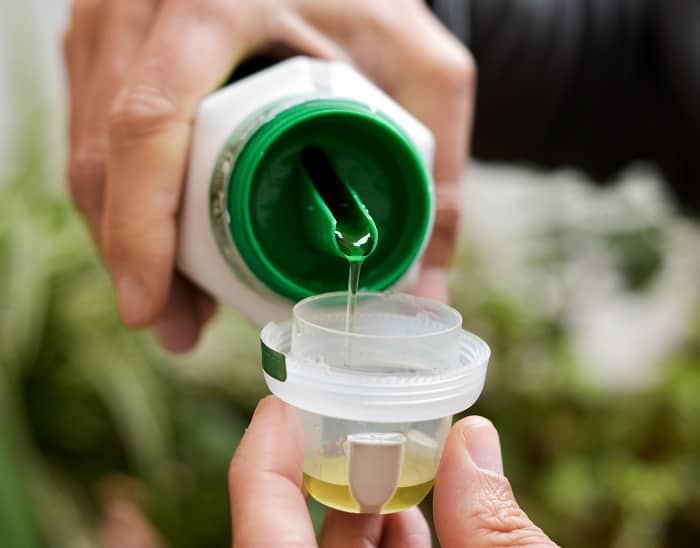
    You can make a homemade cal-mag supplement using Epsom salts (Magnesium sulfate) and Calcium nitrate. Mix 2 parts calcium to 1 part magnesium. You will need 6g Calcium Nitrate and 4.5g Epsom salts per gallon of water. In specific situations, you might need to adjust the nutrient levels to fit your type of deficiency. If you buy a pre-mixed cal-mag supplement, you will get the right recommended mixture. Stick to those levels for the best results. Remember, excess use of these supplements can be bad for your plants!

    When to Stop Cal-Mag in Flowering?

    While adding cal-mag to your plants is important, it’s also just as important not to add too much cal-mag. Cal mag usually comes pre-mixed in either a supplement or liquid. When purchasing it like this, it will usually come with instructions on how to apply and how much you should be using. Even if you feel as though your plants are struggling, do not use more than the specified amount and look for potential other issues instead.

    The best time to start using cal-mag is when your plants are small. It should be done gradually, in stages, building up the amount as your plant grows. Usually, it’s best to stop as the plant starts to flower, but you don’t have to do this. When it begins to flower after 4-6 weeks, you can simply lower the dosage you’re giving your plants. However, we would recommend sticking to the instructions provided on your supplements.

    Can I Use Magnesium Tablets for Plants?

    Unfortunately, it’s not recommended to use magnesium tables for plants. When it comes to adding magnesium, it’s best to use a supplement that has been designed specifically for gardening. This will ensure your plants receive the correct amount required to thrive.

    Can You Use CalMag Foliar Spray During Flowering?

    While CalMag foliar spray is great at many points throughout the cycle of your plant growth, it is not recommended when flowering. Unfortunately, if you use too much when flowering, this can lead to too much moisture in your plants. This can then lead to mold and rot.

    Will Cal Mag Tighten Buds?

    No. If growing tight flowers, if you use too much cal mag, it can lead to too much moisture and eventually cause mold. If you’re looking to tighten your buds, it’s best to use a bud hardener. Bud hardener is simply a product to add to your flowers when they’re almost finished growing to tighten them. It’s typically used nearer the end of the growth cycle to help them put on weight.

    How Do I Know If My Plants Are Lacking Cal-Mag?

    You may be wondering how best to tell if your plants are lacking in cal mag. If so, you may want to check for one of the following signs.

    • color change. If you become aware that your plants are turning yellow or brown at the tips, this likely means that your plant isn’t receiving enough calcium. However, it’s best to do a soil test to confirm this before you take action.
    • slow growth. If you’ve noticed that your plant is growing slower than it should, it may be because it doesn’t have enough calcium or magnesium.
    • floppy stems. Your stems may become limp and lifeless if your plant is deficient in magnesium or calcium.
    • curly leaves. If you notice that your leaves are curling inwards, it’s likely because they’re not receiving enough calcium.
    • rotting. If you notice that your flowers are rotting or becoming smelly, it likely means that your plant is experiencing a lack of calcium.

    cal-mag deficiency in flower

    Conclusion: Cal Mag Deficiency in Flowers 

    In most cases, these two supplements can be easily available in water and soil. But in exceptional cases, supplements are required. Cal mag supplements are available to buy. But you need to pay attention to the labels. Get something that consists of cal and mag only. Be sure to get a supplement that does not contain other nutrients. Supplements that contain nitrogen and other nutrients bring a risk of over-feeding. This is dangerous to your plants!

    Do you have any tips or tricks for helping cal mag deficiency in flowers? If so, please feel free to let us know in the comments below. And remember, sharing is caring! 

    FAQs

    How do you fix Cal-Mag deficiency in flowers?

    Calcium is important for the development of new flower buds. Magnesium is also needed to make a healthy flower. If you don’t correct it, you will get sickly flowers.

    Calcium is one of the most important minerals for plant growth. Calcium helps the plant to grow and bloom. Calcium deficiency will affect the formation of cell walls and cause the flowers to be weak and deformed and cause the plant to grow slowly and may even die. The easiest way to correct Calcium deficiency is to use a Calcium rich fertilizer. You can find Calcium enriched fertilizers at any local nursery or garden center.

    Magnesium is an important element for the development of new flower buds. Magnesium deficiency will cause the blooms to have a pale, sickly appearance. Magnesium deficiency will also cause the plant to grow slowly and may even die. The easiest way to correct Magnesium deficiency is to use a Magnesium enriched fertilizer. This will help the plant to get the Magnesium it needs. You can find Magnesium enriched fertilizers at any local nursery or garden center.

    How do you add Cal-Mag to plants?

    Cal-Mag is a liquid that will raise the pH of your soil. To apply Cal-Mag to your plants, mist them thoroughly with water. Apply 1/4 teaspoon of Cal-Mag per gallon of water. Mist again after 24 hours.
    Repeat this process once a week for a month. Cal-Mag is a combination of calcium and magnesium. It can be used on any type of plant except some species of mint. Cal-Mag is particularly useful in preventing stress and disease and in improving the health of plants. The amount of Cal-Mag used should not be more than 1/4 teaspoon per gallon of water. If you use too much, it will cause burns or discoloration.

    Can I mix Cal-Mag with nutrients?

    You can add nutrients (Vitamin D, Iron, etc.) to a pre-made calcium-magnesium supplement.

    Can you use too much Cal-Mag?

    Yes, it’s possible to over apply. I don’t know the exact amount that’s bad but it’s definitely possible. It won’t hurt plants as long as they’re not in a nutrient-poor soil or a high pH soil. The more Cal-Mag you use the more of the other nutrients will be left in the soil. If you use Cal-Mag and then fertilizer, it’s recommended to add fertilizer at least 24 hours after applying Cal-Mag.

    What are the symptoms of calcium deficiency in plants?

    Calcium is an essential macronutrient for plant growth and development. It is involved in a number of physiological processes including cell division, wall construction, seed germination and fruit ripening. Plants can also acquire calcium from the soil, but most of it is absorbed by the root system. Calcium is stored in the leaves and stems as chlorophyll helps to bind calcium to photosynthetic pigments.

    The symptoms of calcium deficiency vary depending on the species of plant. Some plants will show no visible symptoms of calcium deficiency while others may display stunted growth and reduced biomass. In some plants, the leaves may appear yellow or have a bronze coloration. This is due to the loss of chlorophyll which binds calcium to photosynthetic pigments. The roots may also appear yellow. In other plants, the leaves may appear withered, curling at the edges. In some cases, calcium deficiency may cause the plant to produce abnormal growths, such as leaf or flower buds, or the formation of leafy shoots.

  • Organic Source of Silica for Plants: Best Sources

    Organic Source of Silica for Plants: Best Sources

    Today, we’re going to be looking at an organic source of silica for plants and the best sources. Although not a major plant nutrient, silica is still considered to be important in any grow room. One of the most abundant components in the earth’s crust, silicon is a major contributor to the plant kingdom.

    It comprises about 55-70% of soil mass and just happens that some plants can gather high levels of silica in their tissue. These plants have high levels of silica compared to minerals such as magnesium, calcium, and phosphorus. 

    In the past, agronomists ignored the use of silicon as fertilizer but lately, due to its benefits to the growth of a plant and its ability to improve plants’ resistance to disease, it is becoming more popular with many plant growers who apply silica to their gardens for a wide range of plants. 

    The use of silica is common among hydroponic farmers who add it directly to the reservoir away from other nutrients since the mineral becomes sticky when added together with other concentrated salts. 

    In this article, I will be sharing with you a little detail about silica for plants, including plant sources and the benefits they add when they are included in fertilizer in the garden

    What is Silica? 

    Silica is what is commonly used to refer to the compound silicon dioxide. It is a major component of plant tissue and is formed when oxygen and silicon come in contact. A lot of plant growers believe that silicon doesn’t have any benefits when added to their garden since it isn’t part of the essential nutrients required for plant growth. But this certainly isn’t true. 

    Amazing Sources of Plant Silica Fertilizer

    Silicon health benefits

    Silicon is needed as part of a balanced diet for every healthy individual. It plays a major contribution to bone and teeth development and as such should be included in our diet. The ligaments, joints, tendons, and tissues in the body require silica for strong and healthy development. The mineral also helps to balance the release of insulin by the pancreas. The skin, hair, and nails are not left out as they require essential minerals to be able to develop properly, and apart from calcium, silicon also helps out in that department. 

    Now that I have mentioned some of the health benefits of silica, you should begin to see the reason why most plant growers add silica to their gardens to improve their plant yield. The next question you will be asking will be where these growers find the silica they add to their garden. 

    |

    Organic Source of Silica for Plants 

    For you to consider a quality silicon source, it needs to contain high levels of soluble silica, has physical properties that are safe for machine applications, readily available, and shouldn’t be expensive to purchase or apply to plants. Although silicon is the second most available element in the earth’s crust, it is usually in combination with other elements. The best sources of silica for plants are the ones that are highly soluble but since most sources are insoluble, you may have to do a bit of work and research in finding a good source of plant silica for your garden. 

    Some of the available sources of silica for plant growers include:

    • Slag 

    A by-product from the industrial processing of iron and other alloys, slag is used as a source of plant silica due to its high solubility and concentration. It is usually a combination of silicon dioxide and metal oxides, but it can also contain metal sulfides and other metals depending on the refining process. When making use of slag as a source of silicon for your rice or sugar cane farm you should ensure that it has a high silicon dioxide content so as not to expose your plant to other toxic metals that are not beneficial to its yield. 

    Amazing Sources of Plant Silica Fertilizer

    • Calcium silicates 

    This is by far the most important source of silicon for plants and is best for soil application. Wallosonite (calcium metasilicate) is the most effective source in places where the soil is low in soluble silicon concentration. Another by-product of slag, gotten from the production of phosphorus in an electric furnace can be applied to soils with low silica contents in the cultivation of watermelon, sugarcane, rice, and other crops.  

    • Sodium silicate 

    Another good source of silicon for plants, sodium silicate often referred to as water glass has many industrial applications including textiles, ceramics, cement, silica gel, and adhesives. It is produced by the treatment of quartz sand, caustic soda, and water in a hot steam reactor. 

    • Thermo-phosphate fertilizers 

    A common fertilizer used in Brazil, thermo-phosphate is also a good source of plant silica. Although it might be difficult to come by and expensive to purchase, it is highly effective in increasing the plant yield in gardens where there isn’t much silicon content in the soil

    Amazing Sources of Plant Silica Fertilizer

    Benefits of Silica in Plant 

    The addition of silicon to plant soil either in hydroponics or traditional gardening has a lot of numerous benefits and they include the:

    • Helps to Strengthen Plant Cell Walls 

    Silica helps to provide the plant with a stronger cell wall, and this makes it possible for the plant to develop strong stems and branches that are capable of supporting fruit production when the plant reaches maturity. 

    • Strengthen Plant Immune System 

    Unlike animals, plants lack an immune system that can help them to resist the effect of environmental factors on plant growth. Adding silica to plants helps them to withstand the effect of climate and drought throughout the plant’s life. 

    • Improves Plant Metabolic Function 

    The addition of soluble silica to plants provides them with a higher chlorophyll concentration where it is needed. This helps to reduce wilting in the leaves and improves leaf production. Also, there is a noticeable improvement in the health of the foliage when silica is added to plant soil

    • Increased Resistance to Pests and Pathogens 

    Feeding your plant with soluble silica helps to improve its resistance to pests and pathogens. It helps to fortify areas around the cell wall of the leaves making it difficult for diseases to get into the plant. It also makes it harder for bugs to bite and suck the plant thereby reducing plant damage. 

    Natural Silica for Plants

    The truth is there are many natural sources of silica to help your plants thrive. While silica isn’t listed as an essential nutrient for your plants, I’ve found that it helps your plants to thrive in a way that they don’t without it. One of my personal favorites is diatomaceous earth. You may know it better as diatomite.

    While it does contain other parts, it is predominantly made of silica; which is why it’s perfect for your plants – and all-natural! Diatomaceous earth is essentially algae. It helps your plants to thrive as it’s absorbed into your plant and helps to strengthen both the root system and structure.

    As well as this, it also can provide other positive effects on your garden environment. For example, it’s great at retaining moisture, so works well against any drought issues your plants may be having. As well as this, it can even work as a pH buffer.

    Best Organic Silica for Plants

    You may be wondering how to make silica for plants and the best organic silica source for plants. Some other options we’ve not yet looked at are potassium silicate and mono-silicic acid. Let’s take a closer look.

    Potassium silicate

    This is often the easiest type of silica you can get your hands on; meaning that it’s easily accessible. Unfortunately, it’s not entirely bioavailable, which is what may veer you away from choosing this type of silica. This means that if you add a certain amount to your plants, you can never be sure how much of the silica they have received. Over time, it may also not be as effective, which is another downside to this type of silica. However, in terms of price and ease of usage, we would highly recommend it. It’s quite basic, which is great for gardening beginners

    Mono silicic acid

    You may know it better as orthosilicic acid. This is my favorite choice of organic silica because however much you feed to your plants, you can be sure that they’ll be receiving every last amount. It will offer a flow of silica to your plants, which they can use to flourish and grow. This time of silica is versatile and doesn’t degrade as quickly as other types of silica.

    Best Silica for Variegated Plants

    When it comes to silica for variegated plants, the truth is, you can use whichever silica you’d like. You simply have to find out what works best for your plants and garden; as this will be different for everyone. However, I’ve found that well-rounded silica is Alchemist Stout MSA. While the price tag of this supplement may deter you, you don’t need to use much of this supplement at all. For this reason, it’s likely to last longer than other silica supplements you may use.

    All of the supplements will feed into your plant and this silica source is as pure as they come. Whether you’re a new gardener or an expert, I would highly recommend this silica.

    How to Add Silica to Your Plants

    Depending on the product you are using, you need to follow the dosage prescribed. During the early stages of plant development, it is advisable to feed them soluble silica at a slow rate and then up the application as plants increase in size and maturity. 

    You can apply silica to your plant either as a foliar spray or to the roots; but for maximum absorption, you should apply minerals with the aid of a foliar spray. Remember to dilute the silica and add the solution to the reservoir to avoid contamination with other elements. 

    When purchasing soluble silica for your farm, you should buy from trusted brands that sell grower feeds and tools so that you can be certain of the quality of the mineral your plant is receiving. 

    If you want to know more about silica, watch this video.

    If you have any questions about using silica for your farm or garden, let us know in the comment section and we will be glad to be of assistance. We encourage you to share this article if you find it helpful. Do you have any tips or tricks for using an organic source of silica for plants in your garden? If so, please feel free to let us know in the comments below.

    FAQs

    Why is silica good for the soil?

    Silica is used to enrich the soil and protect it from water loss. A) help plants grow B) prevent plant disease C) hold moisture in soil D) allow moisture to evaporate from soil E) store nutrients

    A silica particle is a mineral composed of silicon, oxygen, and other elements. It is used in many products that we use everyday. A) sand B) glass C) soap D) mortar E) clay

    Silica is needed for healthy roots and leaves, but can be found in soil or rocks. You may also find it in your tap water. Silt is a finely divided sediment consisting chiefly of clay particles. It is found in streams, rivers and lakes.

    If you’re looking for a silica supplement for your soil, then look for a product that has silica as its primary ingredient. There are many that do. They are often marketed as “plant food,” but I wouldn’t recommend using them. Instead, just add a small amount to your soil and let it work its magic.

    What is a good source of silica for plants?

    I’ve heard a lot of different sources of silica: A) Silica is found in the soil naturally, but not in large amounts.

    B) Silica is found in sand, which is usually sold for landscaping purposes. C) Silica can be purchased in bags and comes in various sizes and shapes. D) Silica can also be purchased in liquid form and sprayed on plants.

    How much do you need for a large tree?

    This depends on what kind of tree you have and how big it is. I use about 1 tablespoon per gallon of water, and that should be enough for most trees.

    What’s a good brand of silica that anyone can use?

    I use the mineral brand “Silica” from Amazon. It’s just a powder, so it’s easy to measure out. You could try other brands, but I’ve had great results with this one. I’ve used it in my own garden and in others’ gardens, and it seems to work well.

    How is silica added to the soil?

    This is a good question and one that I have also asked myself. Silica is added to soils by chemical companies as a fertilizer. It is added to soil as an inert filler, or it may be used in the form of an inert dust. Inert means that it does not affect the chemistry of the soil. It is inert because it is not chemically active in the soil.

    How does silica form on earth?

    Silica, like all minerals, is part of the earth’s crust and thus it’s always there. The mineral silica SiO2 is present in the soil as a result of weathering and erosion processes. The most important sources of silica for plants are the soils that were formed by sedimentary rocks, such as shale or sandstone.

  • Best Fertilizer for Green Beans: Updated for 2023

    Best Fertilizer for Green Beans: Updated for 2023

    Using the best fertilizer for green beans when growing the plant will no doubt greatly improve the yield.

    The importance of fertilizers in the place of plant growth cannot be emphasized enough. These supplemental nutrients help plant yield. This is why we would be looking into some fertilizers needed by your green bean to thrive.

    Green beans are one loved vegetable amongst other plants. They are very nutritious and easy to grow if you gain the right knowledge about them.

    In this post, we will be looking at some of the best fertilizers for green beans. So, continue reading to gain some knowledge about this.

    Brief About Green Beans Vegetable

    Before we delve into fertilizers for green beans, let’s discuss some things that you should know about green beans and the nutrient requirement of green beans.

    Green beans which are also known as string beans or snap beans are green vegetables with huge nutritional benefits. There are over 130 varieties of green beans in the world presently.

    Green beans are of two varieties namely bush bean and pole bean. This variety majorly distinguishes them based on their growing styles.

    Brief About Green Beans Vegetable

    Bush beans are inclined to grow compactly and usually don’t require support. They are therefore perfect to be grown in raised beds as well as in a garden with little space. Their growth height is usually around 12 to 24 inches tall.

    Pole beans on the other hand are inclined to grow in a vining manner and will usually require support such as a trellis or cage. The growing height of pole beans can be as tall as 6 feet or more.

    Green beans are also loaded with great nutrients. It has a high amount of Chlorophyll, which can greatly help reduce the chances of having cancer. For women of childbearing age, green beans are a great method of improving fertility.

    Apart from the above, green beans have some other wonderful health benefits such as reducing the risk of obesity, diabetes, heart disease, and mortality generally. Green beans contain calories, fat, carbohydrate, sugar, protein, calcium, iron, etc.

    Fertilizer for Beans

    Generally, bean plants are not so demanding when it comes to fertilization requirements. This is because they are legumes and they basically fix nutrients such as nitrogen. Therefore, they are capable of supplying some of their nitrogen usually. So, all you need may just be a 3 to 4 inches layer of work in compost.

    However, if you have less fertile soil or they lack just one crucial nutrient, your green bean plant may not flourish well.

    Do a soil test to determine the status so you can know if there are any deficiencies in essential nutrients.

    Luster Leaf 1601 Rapitest Test Kit for Soil pH, Nitrogen, Phosphorous, and Potash, 1 Pack

    81lMIyoIrfL. AC SL1500

    Homemade fertilizer for green beans

    Homemade fertilization of green beans can be derived using organic materials such as fish emulsion, compost tea, as well as other organic fertilizers.

    Bean Fertilizer

    Here are some major fertilizers that tend to increase the growth rate of beans:

    Phosphorous – Best fertilizer for green beans

    Phosphorus is one essential nutrient bean plants need to majorly develop a good root system. But as we have mentioned earlier, beans are not heavily nutrient-requiring. Therefore, you can simply use a 3 inches layer of compost to enhance the growth of your green bean plant.

    But in the case where your garden soil test result shows that phosphorous is insufficient or lacking, you can use a 5-10-10 fertilizer. You can optionally make use of 1 pound of bone meal per 100 square feet to achieve moderate nutrient feeding.

    Potassium

    Potassium is another nutrient that can help green beans to grow efficiently. It is like a supporting nutrient in the growth of beans.

    Although potassium doesn’t really offer a major effect on the stem or growth like nitrogen and phosphorus would, potassium will still help in keeping beans healthy. This will therefore encourage or support the growth of the green beans.

    Potassium - Green Beans Vegetable

    A moderate supply or feeding of compost is fine to supply the needed potassium for green beans.

    However, if the soil tests in your garden show very low or infertile potassium, you should make use of 5-10-10 fertilizers. Alternatively, you can make use of 10 pounds of ground granite or 10 pounds of greensand per square foot.

    Is nitrogen needed in beans?

    The very first fertilizers any gardener would think of when it comes to the growth of the plant is nitrogen fertilizers. However, when it comes to legumes such as beans, these plants are nitrogen fixers.

    Hence, they are capable of fixing nitrogen into the soil and this nitrogen is gotten from the air.

    Therefore, avoid supplying your green beans with fertilizer rich in nitrogen because this can hurt your plant. Excess nitrogen can result in excess stem and leaf growth and offer you little or small beans.

    Growing Green Beans

    Green beans are very easy to grow. They are warm-loving crops that should be planted when the danger of frost has elapsed in your zone.

    The ideal growing temperatures for green beans range from 65 degrees Fahrenheit to 85 degrees Fahrenheit. For that successful seed germination, the temperature of your soil should be around 55 degrees Fahrenheit.

    So, once you’ve planted your green beans, monitor your beans to notice any signs of nutrient deficiencies.

    One sign of low nitrogen level is expressed by slow growth and pale green or yellow leaves. You can help the plant by spraying a balanced liquid spray on the green bean plant. This will supply direct nutrients to the plants rather than the soil first.

    Best Branded Fertilizers for Green Beans

    There are many branded fertilizers you can use for your green beans, but I’ve found that some are far better than others. Let’s take a closer look at some of our personal favorites.

    • Miracle-Gro All Purpose Plant Food. This is usually the most popular fertilizer to use on your green beans. It’s an all-around favorite and Miracle-Gro is one of the most trusted brands when it comes to gardening. You can use this fertilizer every few weeks on your green beans and you’ll quickly see the effect. This fertilizer is 24-8-16.
    • Old Farmer’s Almanac Fertilizer. This fertilizer is completely organic and made just for veggies, such as green beans. It helps both growth and root structure. This fertilizer is 8-4-8.
    • Osmocote Vegetable Plant Food. Easy to use and can be used for both perennials and veggies, such as green beans. It helps both root structure and plant growth. This fertilizer is 15-9-12.
    • Miracle-Gro Shake ‘n’ Feed. As mentioned, you can’t go wrong with Miracle-Gro, as it’s such a well-trusted and loved brand. It contains a range of micronutrients, as well as calcium. This fertilizer is 8-2-12.
    • Jobe’s Organic Vegetable Fertilizer. This product is absolutely ideal for green beans. It has a range of benefits besides producing tasty green beans, such as helping the soil and warding away any unwanted pests and diseases. As well as this, it’s also organic. This fertilizer is 2-7-4.
    • Dr. Earth Organic Fertilizer. Another great choice for any green bean enthusiast. It’s non-GMO, bursting with goodness and microbes, and even pro-biotics. This fertilizer is 4-6-3.

    Best Fertilizer Without Nitrogen

    Low nitrogen or nitrogen-free options are important when working with green beans. Some of the best options to use are:

    • bone meal
    • wood chips
    • potash
    • wood ash
    • cow manure
    • kelp meal
    • seaweed fertilizer

    Best Liquid Fertilizer for Beans

    The best liquid fertilizer for green beans is without a doubt Miracle-Gro All Purpose Plant Food. It’s a 24-8-16 fertilizer and is a multi-use fertilizer that can be used for any of your gardening needs. Just simply use your liquid fertilizer every few weeks to start seeing top results.

    pH for Green Beans

    The soil pH when growing green beans is very important. It should be kept anywhere from 6-6.5. This means that the soil should just be a little acidic. If this need isn’t met, it’s unlikely that your green beans will thrive and will likely have stunted growth.

    If you test your soil and notice your soil is too acidic, you’ll need to add something alkaline, such as powdered lime to neutralize the soil. The more acidic your soil is, the more powdered lime you’ll have to add to reach the correct pH of 6-6.5.

    If you test your soil and notice your soil is too alkaline, you’ll need to add something acidic, such as sulfur. The more alkaline your soil is, the more sulfur you’ll have to add to reach the correct pH of 6-6.5.

    fertilizer without nitrogen

    Conclusion on Best Fertilizer for Green Beans

    The basis of what you need to know about the best fertilizer for growing green beans has been covered in this guide. To attain the best possible result, ensure you first test your soil to determine any nutrient deficiency. Then supply your green beans plant with the appropriate fertilizer.

    So, anytime you need to grow green beans, consider any of the above fertilizers mentioned to help boost your plant yield. Be careful when applying to make sure you are applying the proper way.

    Do you have any tips or tricks for choosing the best fertilizer for green beans? If so, please feel free to let us know in the comments below. And remember, sharing is caring! 

    Read more about Discover Types Of String Beans You Can Grow

    FAQs

    What is a good fertilizer for green beans?

    I’ve grown green beans successfully in the past using the following mix: 20-30% Nitrogen (N) 40-50% Phosphorus (P) 10-15% Potassium (K) The only thing I can think of that would help is to add some sulfur. If you have any, use it, as sulfur is an essential nutrient for plants. The best time to plant green beans is from mid-May to early June. You can start seeds indoors or buy plants ready to be transplanted.

    How often do you fertilize green beans?

    You should fertilize your green beans when they are 4 to 6 inches tall, because that’s when they start to produce seeds. Use a fertilizer that has a low phosphorus-to-nitrogen ratio. This will allow your plants to focus on making seeds instead of growing roots. You should also try to keep the phosphorus-to-nitrogen ratio around 1:3 or 1:5. If you live in an area where your soil is acidic, then you should fertilize your green beans with a compound called lime. Lime is a form of limestone that has been treated with sulfur.
    In general, fertilize our beans once a week.

    What nutrients do green beans need to grow?

    Nitrogen, phosphorus and potassium are the three main nutrients for growth of plants.
    Green beans are easy to grow, and they grow well even in average soil. They prefer full sun, but will tolerate partial shade.
    They can be grown year-round in most climates, but if you live in a cold climate, it is best to start them indoors in late winter or early spring.

    How do I grow green beans?

    Seeding green beans is easy. They like to be planted about one inch deep and three inches apart. They also like to be fertilized at planting time with compost, manure or a general purpose fertilizer. As soon as they have sprouted, thin the plants to two inches apart. Water them frequently, especially during the first few weeks. If you are growing green beans in containers, keep them watered until they are tall enough to handle their own weight. In the fall, you can harvest your beans and store them for winter eating.

    How can I increase the yield of my green beans?

    The yield of your green bean crop is directly related to the amount of sunlight that reaches the plant during its growth period. During the early stages of growth, the plant needs to grow quickly, and therefore must be able to capture as much light as possible. The more light it can capture, the bigger it will get. As a result, your plants will be larger and the yields will be greater.
    Also, the quality of your green bean crop is directly related to the soil conditions in which the plants are growing. The more nutrients that are available to the plant, the better the quality will be.

  • Simple Super Soil Recipe: Updated for 2023

    Simple Super Soil Recipe: Updated for 2023

    Learn what a simple super soil recipe is and grow your plants like a pro with super soil. A simple super soil recipe is the combination of soil in addition to some amendments used to supply optimal nutrients throughout the entire life cycle of a plant.

    There are great benefits of using simple super soil such as long-lasting, nutrient availability, it can be recycled, and so on. We will teach you how to make this amazing simple super soil recipe.

    Know What a Super Soil Recipe Is

    A super soil recipe is a mixture of various soil and amendments that contains adequate nutrients for all the life cycles of a plant. The mixture of super soil requires composting or a cooking process that can last around 1 to 3 months.

    The cooking process breaks down minerals and amends the soil from the beneficial bacteria this process produces. These beneficial bacteria create an ecosystem that will coexist with the root of your plant root system.

    How to Make Simple Super Soil Recipe

    Making simple super soil recipes is pretty easy. Just follow our guidelines and make yourself an amazing super soil.

    Ingredients

    Below are the recipes required for making a simple super soil recipe for a 90-gallon soil:

    • 6 by 8 tarp to hold soil
    • 5-gallon bucket
    • Shovel
    • Grow green filter water
    • 2 bags of base soil, root organic which contains lots of beneficial ingredients
    • Half a cup of dolomite
    • A quarter cup of azomite for trace elements
    • Half a cup of Epsom salt
    • 1 bag of coco coir
    • 5lbs bone meal or fish meal for phosphorous
    • 3 cups of kelp meal for feeding the microbes
    • 15 to 20lbs of organic earthworm castings
    • 2 bags of regular potting soil
    • 1 bag of perlite to help with soil aeration

    Worm Castings Organic Fertilizer, Wiggle Worm Soil Builder, 4.5-Pounds

    Steps to making a simple super soil recipe

    Go ahead and set up all your ingredients and let’s begin.

    Step 1

    Get your 5-gallon bucket and pour in the bone or fish meal, azomite, Epsom salt, dolomite, and kelp meal and mix them all up. Set the mixture aside. Now, get your tarp and spread it on the floor and pour out your organic base soil and add the earthworm casting. Add some perlite to help with soil aeration and mix them nicely and evenly.

    Step 2

    Get the mixed ingredients in the 5-gallon bucket and spread them on top of the mixture of earthworm casting and root organic. Add the regular potting soil and coco coir. Next, go ahead and mix with a shovel.

    Step 3

    Grab your hose and sprinkle about 2 gallons of water. Make sure not to saturate the mixture, just wet it. Grab your shovel and mix.

    Cooking process

    Once you’re done mixing, you can transfer the mixture into 3 different 30 gallons buckets and allow it to cook. In this cooking process, the bacteria and fungi start breaking down amendments of the super soil. This process allows the nutrients in the soil to mix readily available for your plants.

    Super Soil - Cooking Process

    Depending on how long you wish to grow your super soil, the cooking process can take around 1 to 3 months.

    If you’re looking at growing just flowers, you can simply cook your soil for about a month. However, if you want to grow an entire seasonal crop, we recommend composting or cooking your super soil recipe for the full 3 months.

    When the process is completed, the final product is available to be used for outdoor or indoor cultivation.

    Benefits of Using Super Soil

    The benefits of using super soil include:

    1. No extra maintenance, all you need do is water your plant weekly.
    2. No stress of continually adding nutrients because super soil already contains all growing nutrients required throughout the life cycle of your plant.
    3. Super soil is great for both indoor and outdoor growing use.
    4. Super soil can be reused and reconditioned every season. Thus it saves you the cost of buying or building new soil from the scratch.
    5. You will enjoy a long-lasting garden effect.
    Know What A Super Soil Recipe Is

    Organic Super Soil Recipe

    If you’re looking to make your own organic super soil, then look no further. It doesn’t require too many ingredients and it’s super easy to make. For this organic super soil, you’ll need the following products:

    • 8 bags of organic potting soil
    • 3lbs rock phosphate
    • 3/4 cup of Epsom salts
    • 25-50lbs of organic worm castings
    • 5lbs of bone meal
    • 5lbs of bat guano
    • 5 lbs blood meal
    • 1/2 cup azomite
    • 1/2 cup dolomite
    • 2 tablespoons of humic acid

    Then all you need to do is add all the ingredients together and leave it for at least a month, for the best results. Once you’re ready to use, be sure to use this soil at the bottom. And watch the magic happen to your plants.

    How to Make Your Own Living Soil

    Making your own living soil doesn’t have to be difficult. If you’re unsure what living soil is, it’s simply soil that’s full of life. For example, you’ll usually find earthworms, fungi, arthropods, and many more within the soil and they make the nutrients that will help your plants to thrive. So how do you go about making it? Let’s take a closer look.

    The first thing you need to do is have a solid starting base. The best way to do this is with 1/3 aeration, 1/3 peat, and 1/3 compost. Once you have your base mix, you can begin adding the nutrients that will help your plants to thrive, these are very important.

    You should use around 1/2 per cubic foot of soil of whatever nutrients you’d like to add. I find that either a fish meal or crustacean meal works best, or you can use a mixture of both. As well as this, you may want to add micronutrients too; such as worm castings and kelp meal.

    Taking a look deeper into your living soil, you’ll also need to provide a calcium-rich environment. While it’ll already contain some calcium, I’ve found that it simply isn’t enough. Adding ingredients such as lime and rock phosphate can be really beneficial to your soil.

    For your living soil, that’s all you really need. However, for the most important part, you’ll need to leave your soil to sit for at least a month. It should be kept moist during this time. This gives the soil time to optimize and will allow for best results.

    The best thing about this soil is that you can use it again and again. However, every time you harvest, be sure to add extra compost of worm castings. This is so the soil can be renourished and will be just as effective as it once was.

    It’s also worth mentioning that minerals are important to add to your soil, I typically use equal parts rock dust, basalt, and gypsum for best results.

    There are many recipes you can follow, but this is one of my personal favorites:

    • 1/3 peat
    • 1/3 aeration
    • 1/3 compost

    And then for every cubic feet of your soil, you’ll need the following:

    • 1/2 cup of kelp meal
    • 1/2 cup of crustacean meal
    • 1/2 cup of neem meal
    • 4 cups of minerals, using the guide above

    Bottom Line: Simple Super Soil Recipe 

    The bottom line is making a simple super soil recipe is a great thing if you want long-lasting nutrient availability for your plants. Your plants will enjoy a lifetime nutrient supply and you won’t have to worry about adding extra nutrients.

    Follow our guidelines and make yourself an amazing super soil recipe. We hope you found our post on the simple super soil recipe helpful. Happy growing! Do you have any tips or tricks when it comes to making your own simple super soil? If so, please feel free to let us know in the comments below. And remember, sharing is caring! 

  • Can You Compost Shrimp Shells: Best Wastage Uses

    Can You Compost Shrimp Shells: Best Wastage Uses

    Today, we’re going to be answering the question: can you compost shrimp shells? There is a standard procedure for composting shrimp shells. Shrimp shells are fully compostable. This means that shrimp shells can be turned to compost whether they are raw or cooked.

    The shells will ordinarily decompose when they are allowed to be broken down by microorganisms into organic compost.

    Composting shrimp shells is important as the compounds got from this process are highly beneficial to the soil. This article gives you an idea of what to do when composting shrimp shells.

    How to go about the composting process and the best temperature for this are also discussed herein. Before we go into the composting process for shrimp shells, let’s understand what composting means.

    Thereafter, this question will be answered: can you compost shrimp shells?

    Meaning of Composting

    Composting is the process of collecting and storing plant material so it can decay. This decayed substance is known as compost. When added to the soil, it helps to greatly improve soil quality.

    Composting is therefore a process of utilizing plant material that ordinarily would have been considered waste.

    Items Required to Compost Shrimp Shells

    For the composting process to be successfully carried out, the following items are required: shrimp shells, compost piles, compost bucket, shovel, green yard waste, brown yard waste, and kitchen scraps. All of these items can be turned into compost and added to the soil to improve the quality.

    Shrimp shells are useful when making compost because they contain relevant compounds to the composting process. These compounds feed bacteria and fungi in the soil, which in turn, helps break down the soil.

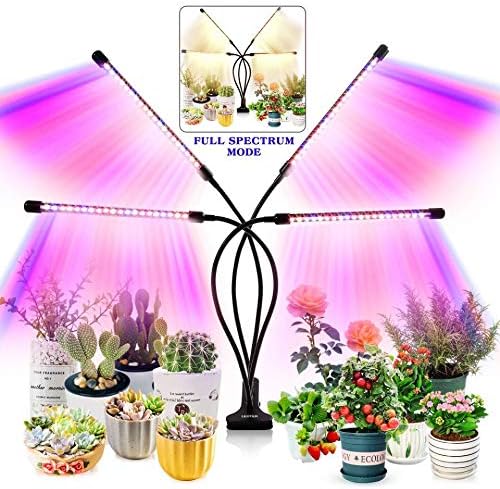
    Click here to get info about DIY Grow Light Controller

    Steps on Composting Shrimp Shells

    If you are interested in making compost from shrimp shells, you must endeavor to follow the following steps:

    Step 1. Collect shrimp shells

    If you are interested in making compost from shrimp shells, then do the following. Shrimp shells can be collected from peeled shrimp in a compost bucket or bowl. You can include the tails and heads of the shells collected. This bucket should have an air-tight lid. Shrimp shells should be simmered in boiling water for 20 to 30 minutes and oven-dried to remove fat from the shells. Too much fat will result in a serious smell of the compost.

    Step 2. Digging

    The second step in the process involves digging a 12-inch hole in your existing compost pile. A shovel should be used when doing this to ensure that the hole is deep as possible to contain the shells.

    Step 3. Put the shrimp shells in a hole

    After digging the required hole, you should place the collected shrimp shells in the hole. After doing this, the hole should be covered with some of the compost you removed while making the hole.

    Put The Shrimp Shells In Hole

    Step 4. Continuous addition of green and brown waste

    You should continue to add both green and brown waste alongside kitchen waste to the pile.

    Step 5. Turning of compost

    For the best possible result to be achieved, the shrimp compost should be turned every month with a shovel. This should be done to allow for sufficient oxygen to the microbes.

    The decomposition usually produces heat and turning will help reduce this. You can use a compost thermometer to measure the internal temperature and regulate the same. It should be from 140 to 160 degrees.

    Step 6. Add water to compost

    Microbes usually need water to survive. Failure to add sufficient water to the pile may lead to the death of microbes. This will ultimately result in the compost pile heating up. Be careful however not to add too much water. This will likely turn your compost into a slimy mess and decomposition will halt. It shouldn’t thus be too wet or too dry.

    Step 7. Allow the compost to season

    You should allow the shrimp compost to remain in the hole for at least a year. After a year has elapsed, you may then use the compost in your garden or farm.

    Miracle-Gro Small Composter – Compact Single Chamber Outdoor Garden Compost Bin

    71Ei6fYUseL. AC SX569

    Reasons for Composting Shrimp Shells

    You already understand that composting is the method of adding organic material to a compost pile. Composting, therefore, is one way of saving organic waste from reaching landfills.

    Asides from this, composting is a method of creating rich organic materials which are useful to your farm or garden.

    One advantage of using shrimp shells for composting is that they break down fast. This is so because they are very thin, unlike other shell animals.

    Material to Exclude From Your Compost

    There are a few materials that should not be added to your compost pile. These items should be excluded as they can easily attract unwanted pests and animals to the pile. These items may also be very toxic. Some toxic materials that should not be included include wood chips coated with paint, ink, chemicals, and fecal matter.

    Also, you should not include plants that were likely infected with pests or diseases in the pile. Furthermore, weeds pulled out from the ground should not be included in the compost pile. These infected plants and weeds may be very toxic to the composting process. It is, therefore, best for you to avoid including them.

    Using Shrimp Shells Compost as Fertilizers

    Because shrimp shells are good for preparing compost, you may wonder if they can be used as fertilizers. The answer is in the affirmative.

    Shrimp shells can be used as fertilizers because they contain chitin compounds. This compound slowly adds nitrogen to your soil in a very non-toxic method.

    So if you are interested in growing a plant that has a huge nitrogen requirement, shrimp shells may be used as fertilizers.

    In addition, shrimp shells usually contain a sufficient amount of calcium carbonate. They can therefore be a good source of calcium for the soil. This means that plants like pear, citrus, lettuce, apple, etc. will benefit from this.

    When shrimp shells are used as fertilizers, they get grounded or crushed before being applied to the soil. By doing so, the nutrients contained in the shell are easily absorbed by the soil.

    How to Stop Your Shrimp Shells From Smelling?

    One thing’s for sure – shrimp shells can smell. And it’s not the kind of smell that you want lingering in your garden, so it’s understanding why you’re worrying about the smell of decomposing shrimp in your garden! This is why you must manage the smell before you even start to compost it. Let’s take a closer look at some tips to stop that awful odor.

    While it’s tempting to just add the shrimp shells as they are, we would highly recommend not doing this. When you’re ready to compost your shells, simply place them in boiling water. Boil for around 20 minutes. Then remove them from the water, strain them, and leave them to dry until ready to use.

    Another method you can use is to bake your shrimp shells in the oven. After time in the oven, it’ll be easy to grind down your shrimp shells in a blender or food processor (or simply in a bag with a rolling pin!). Once your ground shrimp shells are ready, you can add them to your compost and they’ll definitely be no lingering odor from this method!

    Using Shrimp Shells Compost As Fertilizers

    Shrimp Shell Nutrition

    Shrimp shells are often overlooked and underrated. While they may not seem appealing, they can be full of protein and minerals. You may be wondering what the nutrition is of a shell on shrimp. One serving of shell-on shrimp contains the following:

    • calories: 80
    • protein: 16g
    • fat: 1.5g
    • cholesterol: 165mg
    • iron: 0.4mg
    • calcium: 100mg
    • sodium: 840mg

    Shrimp Shell Waste Uses

    There are many uses for your shrimp shell waste. In fact, in recent years, shrimp waste has been used for several reasons. This is because shrimp shell waste contains many compounds which are useful to many aspects of our lives. The compounds include chitin and pigments. Such compounds are used in a range of areas, such as medical, cosmetics, biotech, and even textiles!

    While you’ll be unable to do any of those things from the comfort of your home, you can obviously also use your shrimp shell waste for compost, or one of my other favorite uses is making shrimp stock. They’re typically full of flavor and whatever seafood course you’re making, the shrimp shell waste will complement.

    To make a shrimp shell stock, all you need to do is add the shells to a pan of cold water and add some seasoning of your choice, if preferred; such as herbs or peppercorns. Heat over medium heat and leave to boil uncovered for around 15 minutes. At this point, the stock should have changed color and you can simply strain the shells away and add the stock, as needed, to your seafood dishes.

    There are many uses of shrimp shell waste in everyday life; even in your kitchen and garden!

    Final Note: Can You Compost Shrimp Shells?

    I hope this post has helped to answer the question: can you compost shrimp shells? Shrimp shells as we have seen above are great for preparing compost. The right procedure must however be followed by you in composting shrimp shells. Following the above will definitely help you attain your desired goal of preparing shrimp compost.

    Do you have any tips or tricks when it comes to composting shrimp shells? If so, please feel free to let us know in the comments below. And remember, sharing is caring! 

    Read more about Growing Hatch Chiles

    FAQs

    Can I put shrimp shells in my compost pile?

    Shrimp shells are a valuable resource. They’re an excellent source of calcium and phosphorous, which are both needed for plant growth. You can use them to fertilize your garden or plant them in a flower bed. But if you’re adding them to your compost bin, you’ll need to do a little pre-composting first. The first step is to remove the hard outer shell. You can do this with a hammer and chisel, but a more convenient method is to use an electric grinder. This method will make sure you get every last bit of the shell out of the shrimp. Next, shred the soft parts of the shrimp by hand. You don’t have to be too careful here, but it’s better to be safe than sorry. Don’t forget to save the shells for the next step! You can now put the shrimp shells into a compost bin or pile, where they will decompose over time. Make sure to check on the progress regularly, as the process can take up to 6 months to complete. 1. Mix the Shrimp Shells with the Other Ingredients You’ll want to add the shrimp shells to your soil at a rate of about 25% of the total amount of other ingredients. If you don’t have any extra, you can also buy a bag of pre-mixed organic compost. 2. Add the Compost to Your Garden Once you have the shrimp shells mixed in with the other ingredients, you’ll want to start adding them to your garden. You can start by spreading them out on a flat surface, then adding more to the center of your garden. This is because the bacteria in the compost will quickly work to break down the shell particles, which will help it be easier for you to add it to your garden. 3. Monitor Your Garden When it comes to composting, it’s important to keep an eye on it to make sure the process continues to run smoothly. The best way to do this is to check on it regularly, as you’ll want to see if there’s any noticeable change in color or smell. If there is, you may want to take a closer look at the reason why. For example, if the compost has become very dark or wet, this could mean that the worms have died or that the process has stopped altogether. Either way, you’ll want to take steps to ensure that it doesn’t happen again.

    How long does shrimp shell take to decompose?

    The answer depends on the amount of calcium carbonate present in the shell, as well as the temperature. If there is little calcium carbonate in the shell, then it can be broken down within a few weeks. However, if there is more calcium carbonate in the shell, then it takes much longer.

    Is it OK to put prawn shells in compost?

    Yes, this is fine.

    You can use them in your compost bin. They will not harm your plants, but will break down over time, adding nutrients to the soil. It will take longer than other materials such as straw or wood chips.

  • Kelp vs Seaweed: Best Uses and Differences

    Kelp vs Seaweed: Best Uses and Differences

    What is the difference between kelp vs seaweed? And why are they used as fertilizer? Isn’t kelp seaweed? What form should I pick (seaweed powder or liquid extract)? I ask myself all those questions when I look at the different organic and/or natural fertilizers available in the gardening market. 

    I’ll try to answer all those questions in the next lines in the hopes you may choose better about kelp and seaweed with information on your side. 

    Kelp vs Seaweed – Is There Any Difference?

    Seaweed is a word used to name many species of aquatic plants, specifically oceanic ones (hence the sea- prefix). Seaweeds can grow like underwater forests, kelp beds (a type of brown seaweed) cover up to 25% of the world’s coastlines. Seaweeds create ecosystems that can host thousands of other sea creatures such as plankton, seals, fish, jellyfish, and more. Phytoplankton is also considered seaweed because of its immense growth potential. 

    Seaweed vs Kelp- Is There Any Difference

    Seaweed is a term that includes many types of algae, including kelp. Seaweeds grow in many marine environments (oceans, rivers, or lakes), but especially kelp, grows in shallow and cool saltwater along rocky coastlines.

    Some of these seaweeds are even called sea vegetables because they’re edible to humans. For example, nori algae (used by the Japanese in sushi and other traditional dishes), dulse, kombu, and wakame. Some seaweeds are medicinal and used mostly to treat skin problems. For more info on seaweeds and kelp, click here to open the National Ocean Service.

    Seaweed

    Kelp

    Include many types of algae red, brown, and green. Brown type of seaweed
    Grown in many marine environments Only grows in saltwater, along rocky coastlines in depts of 6 to 90 ft. deep
    Many different sizes, some of which are microscopic Large size
    Used as a liquid fertilizer from natural seaweed sources Used as a natural fertilizer and source of trace minerals and usually mixed with fish meal
      Can be found in powder or liquid kelp

    GS Plant Foods Organic Liquid Kelp Fertilizer
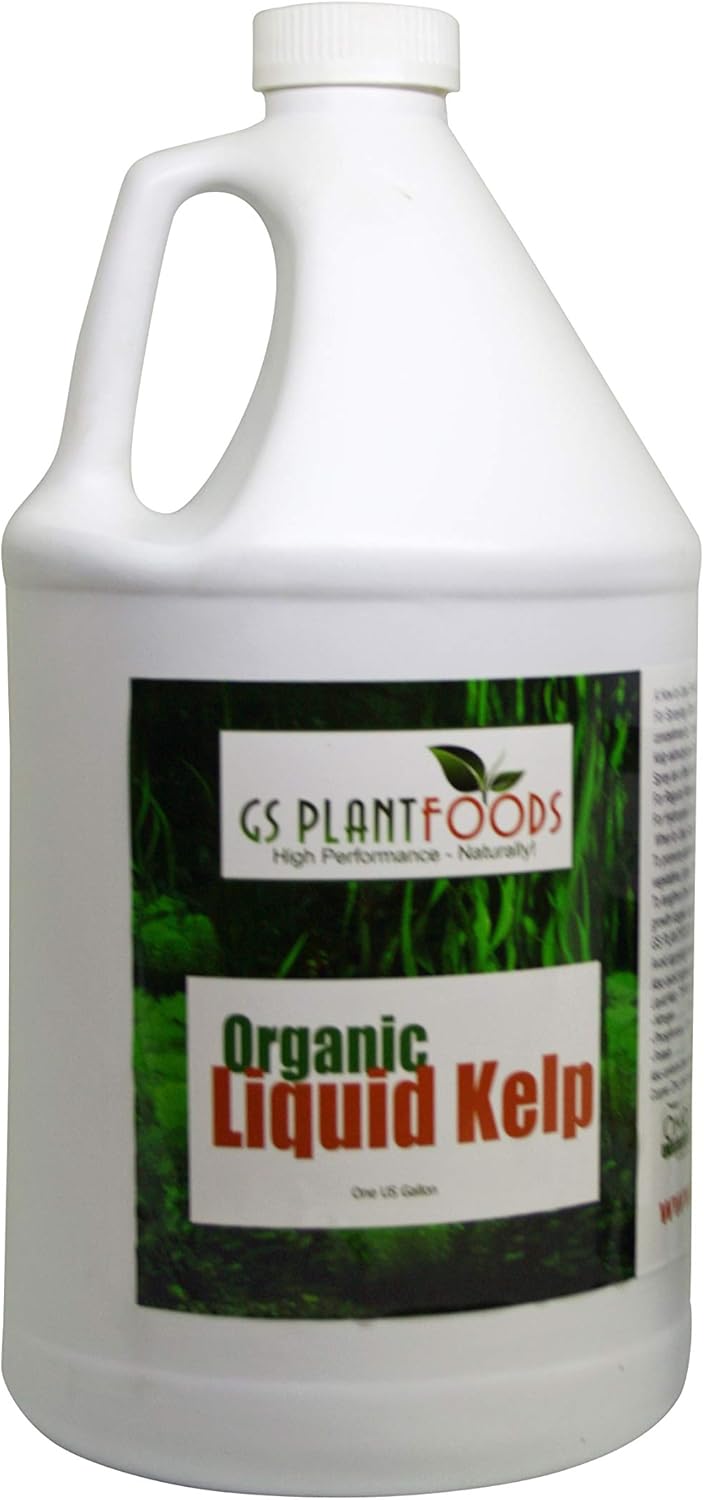
    61KCL0fQSQL. AC SL1500

    Kelp as a Garden Fertilizer

    But how does kelp or seaweed help my garden soil and veggies? On the beaches, these plants prevent sand erosion and maintain the ecosystem healthy by feeding animals, as well as providing shelter. 

    In the garden, kelp and seaweed turned out to be great fertilizers for any kind of plant/soil nutrition deficiencies. Seaweed is not particularly high in nitrogen or phosphorous, but they contain up to 60 different minerals which are micronutrients (trace elements) for plant health promotion. It also has pest-deterring properties. Pets don’t like the smell of it, which results in keeping them away from the garden. 

    Seaweeds, including kelp, certainly amend nutrient-depleted soils and improves structure, and water retention rates ultimately end up decomposing, and in the process, they add organic matter to your garden beds, pots, composts, or other fermented fertilizers.

    Learn more about How To Use Kelp Meal Fertilizer

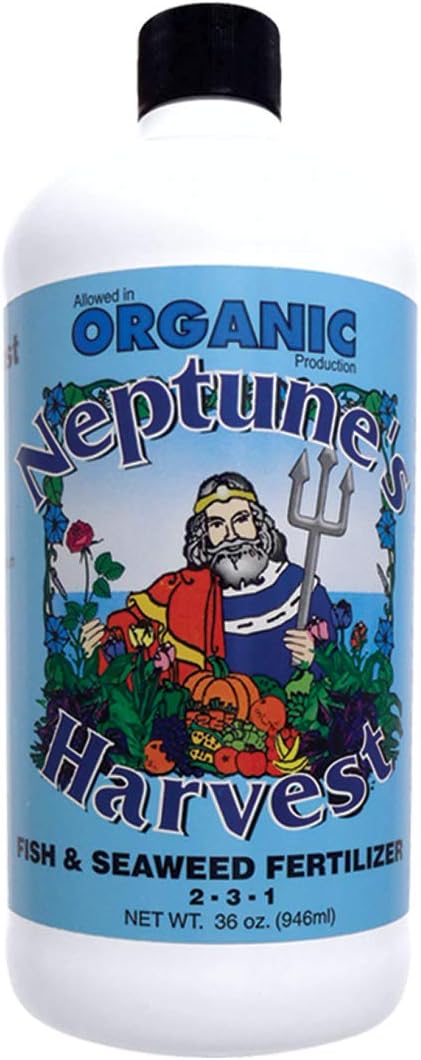
    Neptune’s Harvest Organic Hydrolized Fish and Seaweed Fertilizer
    61H2mDig pL. AC SL1080

    Foraging Seaweed for Fertilizer

    If you forage kelp or other seaweeds for fertilizers, follow these tips for better results.

    • Collect only from the coastlines below the high tide mark, in small quantities, and only what you need.
    • Know that there’s no need to wash the salt away, it contains minerals and nutrients.
    • Cut the plants by hand or with grass scissors. Sometimes they hide small stones, sand, or even shells.
    • Use fresh or dry, both ways are equally nutritious to the soil.
    • Apply over your garden beds, under the mulch, and in your compost.
    • If you buy it, it comes available in powder and liquid extracts, and different concentrations. Choose the best suitable for your project. Liquid extract for hydroponic systems seems like a great idea. Seaweed powder is more suitable for growing beds, and pots, and as a compost improver.


    For more useful tips and info regarding seaweeds as fertilizers, I recommend the article Seaweed Fertilizer — Using and Composting Seaweed for Your Garden.

    Kelp Nutrition Data

    When it comes to kelp, you may be wondering what the nutrition data is like. In every two tablespoons of kelp, it contains the following:

    • calories: 43
    • fat: 1g
    • sodium: 233mg
    • carbohydrate: 10g
    • dietary fiber: 1g
    • sugar: 1g
    • protein: 2g

    The following percentages are how much it’ll be as part of your daily recommended intake:

    • vitamin C: 3%
    • iron: 17%
    • calcium: 13%
    • vitamin A: 2%

    The following are all 0%: magnesium, vitamin D, vitamin B6, and cobalamin

    Nutrition Value of Seaweed

    You may also be curious about the nutritional value of seaweed. Every cup of seaweed (which is around 15g), contains the following:

    • calories: 45
    • fat: 1g
    • carbohydrate: 8g
    • dietary fiber: 1g
    • protein: 5g

    The following percentages are how much it’ll be as part of your daily recommended intake:

    • folate: 13%
    • copper: 56%
    • iron: 21%
    • riboflavin: 22%
    • thiamin: 15%
    • magnesium: 17%

    All You Need to Know: Kelp

    You may be wondering everything you need to know about kelp when it comes to gardening. Let’s take a closer look.

    Kelp isn’t usually used on its own as a fertilizer, it’s most often mixed with other ingredients, such as fish, to promote plant growth. Kelp is used because it’s packed full of micronutrients, which make for a great environment for plants to thrive. Kelp fertilizer can usually be found as a liquid or as a powder.

    What many gardens love about kelp is that it’s an organic product, that’s packed full of goodness. As well as helping your plants to thrive, it’s also good for the environment.

    To use kelp fertilizer, all you need to do is spray it onto the leaves of your plants. Results can be seen fairly quickly; in around a day or two.

    All You Need to Know: Seaweed

    Now we know all there is to know about kelp, you may be wondering the same for seaweed in gardening. Let’s take a closer look.

    To make seaweed fertilizer, the sea water is usually rinsed and then left to ferment with regular water. Over time, the seaweed will decompose and you’ll be left with a fertilizer to use. Seaweed fertilizer most often comes in liquid form.

    The benefits of seaweed are much the same as the benefits of kelp. However, as well as this, they can last in extreme environments and are a hardy fertilizer.

    To use seaweed fertilizer, simply spread it around your plants – it is that easy!

    Seaweed

    Health Benefits of Kelp

    When it comes to kelp, as well as being good for your plants, it’s also extremely good for your body too! Let’s see some of the health benefits of kelp.

    • Sea Kelp is Full of Vitamins. Iron, Magnesium, and Vitamin A – sea kelp is bursting with goodness. This goodness can help to keep your eyes, bones, and even your immune system at its best!
    • Helps with Hair Loss. Kelp is known for containing iodine. And iodine is known for aiding with things like hair loss.
    • Lower Cholesterol. A study found that kelp can even help your cholesterol levels.

    Health Benefits of Seaweed

    As well as kelp being good for your body, so is seaweed. Let’s see some of the health benefits seaweed has to offer.

    • Contains Iodine. Without iodine, thyroid problems may occur – and seaweed is full of iodine!
    • Good for Gut Health. Seaweed can help replenish the good bacteria your gut needs. And a healthy gut is a happy gut.
    • Weight Loss Aid. Seaweed can help you feel fuller for longer and doesn’t contain many calories at all.

    Conclusion: Kelp vs Seaweed

    If you use kelp or any seaweed as fertilizer, there are a few things to consider:

    • You may forage it in small quantities, always trimming the submerged parts of the seaweed, and avoid collecting it from the beach. 
    • Notice that seaweed foraging may be an illegal practice in your region. 

    If you liked this post about kelp vs seaweed, and find it useful, please share it with your friends and leave your comments below. We love to read your feedback. And remember, sharing is caring! 

    FAQs

    Is kelp the same as seaweed fertilizer?

    No, kelp is not seaweed fertilizer. Kelp is a type of alga (one of the plant kingdom) that can be found in salt water. 

    It is used for various purposes including fertilizer and food. In fact, it’s one of the most popular seafood supplements out there. Kelp is also commonly known as seaweed because of its similarity to the plant life that grows on land. However, kelp has more in common with plants than seaweed. 

    It is often referred to as “kelp” or “rockweed” since it is so similar to the plant life on land.  There are different types of kelp. One of the most common varieties is Alaria esculenta (macroalgae) which is a type of red algae. This variety is the main source of nutrition for people who consume kelp supplements. Another variety of kelp is Laminaria digitata, which is a type of brown algae. These two types of kelp are found in coastal areas. One of the reasons that people use kelp is because it is a natural source of vitamins and minerals. It’s also a great source of iron and iodine. Kelp contains an abundance of vitamins, minerals and proteins.

    Is kelp a good fertilizer?

    Yes it is a good fertilizer. It is a very good source of nitrogen (N) which is needed by plants. The nitrogen is released as ammonia.

    This is then used by the plant for photosynthesis. It is also a good source of potassium (K), magnesium (Mg), calcium (Ca), and phosphorous (P). There are a few problems with kelp though. The biggest problem is that kelp takes a long time to decompose. It can take anywhere from 2 to 10 years. This is because it contains cellulose, which is a natural organic compound.

    The cellulose breaks down in soil over time, releasing nutrients. Another problem with kelp is that it tends to build up in rivers and streams. 

    If you want to use kelp as a fertilizer for your lawn, then it may work well. Kelp contains a lot of nitrogen. However, this nitrogen is locked away inside the plant. You would have to apply the kelp to the soil at least 3 times before the nitrogen gets released into the soil. The other problem is that the kelp is not easy to spread out on the lawn. It needs to be shredded first before it can be applied to the lawn. DKelp is just one more ingredient to add to your fertilizer bag. You should look at what else you can add to your fertilizer to get the most nutrients into your lawn.

    Is seaweed the best fertilizer?

    Seaweed is the most widely used organic fertilizer. It is used to fertilize the soil, but not the plants. It is used as a source of nitrogen and potassium in the soil. The application rate of seaweed is 1-3% in the soil depending on the type of seaweed. It is very effective for the growth of vegetables because it is rich in potassium and nitrogen, which are very important for plant growth. It is also very effective in controlling the weeds.

  • Disadvantages Worm Castings: Uses, Benefits and Drawbacks

    Disadvantages Worm Castings: Uses, Benefits and Drawbacks

    Worms, especially earthworms, have proven to be more useful to human lives when we started acknowledging their contributions through their environmental and commercial applications. 

    Through time and research, many technologies have been developed involving our humble ally – worms – like vermi meal production, vermiculture, vermicomposting, and more. But one of the most interesting discoveries about worms is worm casting. 

    To understand it better, we have put together below the definition, uses, and disadvantages of worm castings, along with other useful information related to this topic.

    What is Worm Casting?

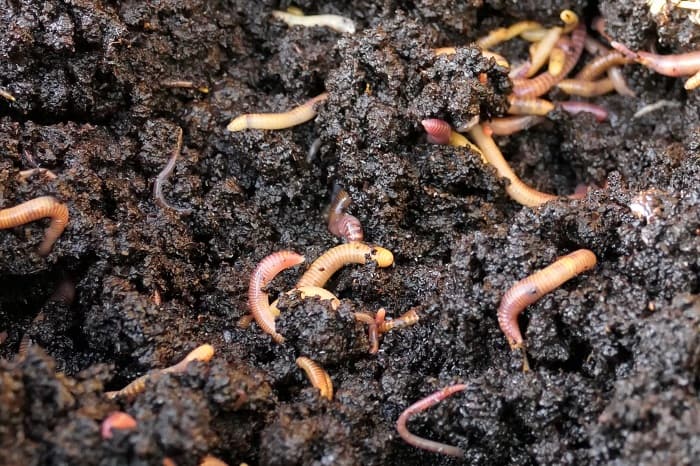
    Worm casting is the organic waste that went out the rear end of an earthworm – yes, it’s basically worm poop. But if you want the official scientific jargon, you can refer to it as a “fecal nugget”. It is mostly used as fertilizer because of its rich nutritional content. 

    Some people call it the multivitamins for plants because worm castings are often described as the most potent manure there ever was. Here are some of the nutrients you can find in worm castings aside from the main nutrients your plants need: phosphorus, nitrogen, zinc, iron, potassium, and concentrated nitrates.

    Like in the human body, worm castings consist of good bacteria, and their microbial activity is 20 times greater than their digested soil which effectively supports plant growth.

    With its remarkable versatility in vitamins and minerals, you can substitute any nutritional gap you would have in growing any kind of plant you want. The best part is, all the nutrients your plant needs will be consumed immediately as it is water-soluble. 

    If you have a business that would require a lot of worm castings, there is no need to fret as there are already worm castings out in the market because people actually thought they could grow a business using worms, and they’re absolutely right!

    Read more about Worms in Compost: Are they a Friend or a Foe?

    Worm Casting vs. Vermicomposting

    Worm casting and vermicomposting are often confused as one thing, but technically speaking, they are two related, but different things. 

    Vermicomposting is how worms help in reducing waste along with other organic wastes (leftover food and composted bedding) and vermicompost is the product of this worm compost system. You know you’ve found high-quality vermicompost when it contains a high percentage of worm castings. 
    This particular way of composting is very trendy in urban areas these days as it can easily be done even in the comfort of your own home. You can even find a composting bin just big enough to fit under your kitchen sink.

    To cut it short, worm castings are pure worm poop while vermicompost cannot exist without worm castings and contains other composted materials. They are both very rich in nutrients and are used to help your plants grow healthy.

    worm casting

    Best compost products suppliers on the market today 

    Uses of Worm Casting

    We have listed below some of the most known common uses of worm casting:

    • Seed germination

    When you mix worm castings with your seed starter it provides the nutrients for new seedlings that boost growth. The new soil mix will hold moisture around the young seedlings providing added protection.

    When it’s time to transplant your plants, you may add a cup of worm casting into the soil which would protect them from different diseases for a long time.

    • Side dressing

    You can choose to either dig deeper or sprinkle this natural fertilizer around your plant. You don’t have to worry about the exact amount because your plant won’t suffer even if you use too much. 

    If you’re planning on using it for outdoor plants, we suggest putting a handful on all sides of the base and then watering it. This would greatly prevent pests from bringing trouble to your plants. Now for indoor plants, you can use 2-3 tablespoons, depending on size.

    • Lawn conditioning

    When you use soil for so long, it tends to lose its potency and become barren and it’s your responsibility to rejuvenate it. Adding worm castings is the finest choice as it would greatly help bring back the previous health of your soil

    Worm castings prevent soil from drying out as it makes your soil more absorbent, consistently making moisture available to your plants.

    • Liquid fertilizer

    Commonly known as “worm-casting tea” but this is definitely not for human consumption. This tea can be diluted with water and you can use it as an alternative for watering your plants. Just steep some worm castings in water like you would when making your own tea to drink.

    Strengths and Weaknesses of Worm Casting

    As we all know, “there’s always two sides to a coin” so if there are advantages to using worm castings, there are also disadvantages and we have listed both below for you.

    Advantages

    • Plant superfood – the most obvious advantage of worm casting is its nutrient-packed quality.
    • Neutral level of pH – this controls your soil’s acidic condition.
    • Protection – worm castings extract harmful toxins, bad bacteria, and fungi; at the same time containing good bacteria and beneficial microbes which help prevent diseases for your plant. 
    • Natural pest repellent – some pests such as scale insects, aphids, spider mites, and the like do not like the fecal nugget of worms so they avoid it.
    • Additional worms for your soil – some worm eggs may be left in your castings, so when those eggs hatch, they will be a great addition to your garden. Worms help break down even heavy metal deposits in your soil making it metal-free and healthy!

    Read more about Organic Solution Premium Worm Castings: Natural Nutrient for Plants 

    Disadvantages

    • You will need more fertilizers – worm casting is not enough fertilizer for other plants, especially for some that require macronutrients.
    • Not suitable for acid-loving plants – acidic plants would not do well in a neutral pH range.
    • It takes time – some casting may take months before it can be used because as we all know, worms are not that big so it takes them a while to produce enough casting.

    Basics of Worm Casting: Uses, Benefits and Drawbacks

    How Long Does it Take For Worm Castings to Work?

    Several factors influence how long it takes for worm castings to work. This includes the type of plants you grow, the soil condition, the application rate, and the method you follow. It can take a few weeks to months before worm castings begin to work. 

    How Often Should I Harvest Worm Castings?

    If you have a worm bin or compost bin where you raise worms, you can harvest their castings on an ongoing basis as needed. 

    To harvest worm castings, remove the top layer of bedding and compost material from the bin and set it aside. The castings will be in the lower layers. You can then mix the castings into your soil or use them as a top dressing on top of the soil around your plants. 

    You should try to harvest worm castings every few weeks. As the worms consume the organic matter in the bin, they produce more castings. You’ll have castings available every month. 

    What is the Ph Level Of Worm Castings?

    The pH. of worm castings varies. How acidic they depend on the type of organic materials the worms feed on and the conditions in the worm bin. Generally, worm castings have a neutral to slightly alkaline pH, typically in the range of 6.5-7.5.

    It is important to note that the pH of worm castings can be affected by the pH of the materials that the worms were fed, as well as the pH of the water used to moisten the bedding in the worm bin. The pH of worm castings can also be affected by the conditions in the worm bin, including the temperature, moisture level, and ventilation. If the conditions in the worm bin are not optimal, the pH of the castings may be lower or higher than the typical range.

    Worm casting is a good source of nutrients for plants. They can also help improve the structure and fertility of the soil. However, if the pH of the worm castings is significantly different from the optimal pH of your plants, you might have to adjust the pH of your soil before using the castings. You can add sulfur or lime to lower or raise the Ph.

    Are There Nematodes in Worm Castings?

    Nematodes are tiny, thread-like worms found in soil and can be beneficial or harmful to plants, depending on the species. Some nematodes are predatory and can help control pest populations, while others are plant-parasitic and can cause damage to plants.

    Worm castings may contain nematodes. These are common in soil and can be present in the organic materials fed to worms. If your worm castings include nematodes, it is unlikely that you have reason to worry. 

    What Vegetables Like Worm Castings?

    Worm castings are a rich source of nutrients and beneficial microbes that can help improve soil health and plant growth. Many veggies will benefit if you add worm castings to their growing environment. These include:

    • Leafy greens like lettuce, spinach, and kale
    • Cruciferous vegetables, like broccoli, cabbage, and brussels sprouts
    • Root vegetables, like carrots, beets, and radishes
    • Solanaceous vegetables, like tomatoes, peppers, and eggplants
    • Legumes, like beans and peas

    You should use worm castings in moderation. They can be high in nutrients and may cause damage when applied in excess. I recommend not using more than 10-20% worm castings by volume in your soil mix. 

    Worm Casting Benefits

    When it comes to worm castings, there are many benefits to using them at any point during the growing season. In simple terms, it can help your plants to grow better, improve the retention of water to keep your plants moist, and also protect your plants from any unwanted diseases. Let’s take a more in-depth look at just a few benefits of worm castings.

    • Helps Water Retention. Think of worm castings like a sponge. If you’re looking for an easy way to keep your plants and soil moist, worm castings are the way.
    • Helps to Reduce Erosion. As worm castings are so great at holding water, this also significantly lowers the chances of soil erosion.
    • Improves the CEC. The higher this is, the higher the fertility of your soil.
    • Easy Way to Give Nutrients. It can be tricky to ensure your plants receive the correct amount of nutrients, in an accessible way; but worm castings provide just that.
    • Helps pH Levels. As their pH level is neutral, they can help to make your soil either more neutral or more acidic; depending on what you’re looking for.
    • Aids Structure. Helps to strengthen soils that can be tricky to work with, such as clay or sand.

    This is only a small selection of ways worm castings can help your plants and soil, but the list is endless!

    Worm Casting Sifter – Which Size is Best?

    One of the handiest tools when working with worm castings is a worm-casting sifter. As well as worm castings, it can work with other things in your garden, such as compost. Just like a sieve, it helps to separate products. The size of your sifter depends on what size worms you’re working with. For example, adult worms will need a sifter that’s at least 1/4 inch. However, if you’re using baby worms, you’ll only need around 1/8 inch sifter.

    What Color Should Castings Be: Black Worm Castings

    You may be wondering what the optimal color of your worm castings should be. The truth is, they should be small, and resemble small footballs. The color should be a deep black. The darker the castings are, the richer the nutrients will be for your plants and soil.

    Can You Use Worm Castings and Fertilizer Together?

    Of course! It’s suggested that you use them together. They are two different products, that provide different benefits to your plants and soil. Worm castings are mainly used to benefit your soil, while the fertilizer is mainly used on your plants themselves to ensure they have the nutrients they need.

    Are Worm Castings Good For Succulents?

    Worm castings are perfect for many plants; one of which being succulents. They are very versatile and can be used for many plants. They’re filled with goodness that will aid your succulent plants to grow.

    Can I Use Worm Castings During Flowering?

    As mentioned, worm castings are extremely versatile. For this reason, they can be used at any point of growth. Whether you want to use them before flowering, or during; you can do so with ease. Whatever the season, whatever the time of year, you can add worm castings to your plants and soil.

    How Do You Start a Worm Casting Farm?

    Starting a worm-casting farm can be a fun way to produce a valuable soil amendment and reduce waste simultaneously. Here are the basic steps for creating a worm-casting farm:

    Materials you’ll need:

    • Worms
    • Worm or compost bins
    • Bedding materials (shredded newspaper, straw, coconut coir)
    • Worm food (kitchen scraps)

    Follow these steps:

    1. Set up your worm bin in a cool location that’s out of direct sunlight.
    2. Place a layer of bedding material in the bottom container and add your worms.
    3. Add a layer of food on top of the bedding and cover it with another layer of bedding. Keep the bedding moist.
    4. Ensure the temperature in your worm bin is between 55-77°F (13-25°C). This will keep the worms healthy. 
    5. Add food to the bin as needed. You should also turn the bedding and food once or twice a week to provide oxygen to the materials. 
    6. In a few weeks, there will be worm castings to harvest. You can harvest the castings by scooping them out of the bin.

    You can use the worm castings in your garden or sell them to others. 

    Conclusion: Advantages and Disadvantages Worm Castings

    To wrap this up, worm casting truly is one of the most amazing products of nature. It has very easy procedures that produce excellent results. Though there are a few drawbacks when it comes to worm casting, there are more than enough benefits to balance it out.

    With that, we hope you have a finer understanding regarding worm casting through this article, enough to help you start your next gardening project. Do you have any tips or tricks when it comes to working with worm castings? If so, please feel free to let me know in the comments below. And remember, sharing is caring! 

    FAQs

    How often should I use worm castings?

    You can use worm casting on the top of your soil every month and all through the growing season. Reapplying worm casting monthly to your topsoil will keep your plants looking healthy and exceptional.

    Use 0.6ml per 6 inches of worm casting of the container diameter and mix the casting inside your potted plants’ soil. Or you can simply sprinkle 1, 2, or 3 tablespoons of worm casting all over the stem of your potted plants. Water them well after doing this. If you unknowingly applied a bit of extra worm casting, do not worry. It won’t burn or distress your plant.

    Is worm casting better than compost?

    There is not much difference between worm casting and composting. However, worm casting has more nutrients than compost coupled with a refined and enhanced profile that aids aeration and soil moisture.

    Therefore, they are a great option for small-scale vegetable gardens because of their high-level nutrient contents. Also, worm compost is pretty expensive to buy in comparison to compost and several soil additives. In addition, it is not so easy making worm casting by oneself, unlike compost.

    On the other hand, compost as well contains organic matter that has decomposed into rich humus. But its nutrients are not as rich as worm casting. Compost is affordable and easy to make by yourself therefore you can get compost for free.

    Can you use too many worm castings?

    You should not use too much worm casting, always use the right amount. This way, the nutrient levels provided by worm casting will not be too much. However, using a little extra worm casting will not harm or burn your plants, unlike chemical fertilizers. This is because worm casting is mainly organic.

    How long do worm castings last?

    Although most potting soil nutrient life is about 2 to 5 days. Worm casting can last 6 times longer than most potting soil.

    Also, worm casting can be stored for up to 6 months or even longer and it depends on how you store them. Storing worm casting away from ultraviolet light and a constant temperature will make them last longer.

    What is the NPK of worm castings?

    A survey done on worm casting shows that they are abundant in over 60 micronutrients including calcium, nitrogen, phosphorus, potassium, potash, magnesium, sulfur, and iron. Also, the NPK ratio for worm casting is 5:5:3.

    The worm-casting nutrient content is higher than compost. For this reason, the rate at which worm compost is applied is lower and a single application works wonders. The worm-casting nutrient contains microbes that aid in plant disease resistance and deter harmful insects.

    Worm casting is water-soluble and makes vital nutrients and trace minerals readily accessible to plants. They are purely organic making them essentially safe than chemical fertilizers.

    Another great thing apart from the rich nutrient they provide, worm casting also retains moisture which is vital for plants to successfully pass through drought periods. They will as well enhance your soil structure and aeration.