Category: Reviews

  • Best Soil For Aloe Vera Plant

    Best Soil For Aloe Vera Plant

    The juicy aloe Vera plant is one of the famous succulents know all over the world. They originate from the arid region in the North of Africa. Most aloe Vera thrives in the desert or arid parts and they do not like too much water in their soil. Therefore, choosing the best soil for the Aloe Vera plant is essential for their growth.

    Aloe Vera plant will grow accurately in well-drained soil. The plant does not like soggy or damp soil or else it may lead to root rot.

    All types of Aloe Vera plants need sandy or soil with gravel. These types of soil are well-draining which makes them ideal for aloe plants. We will be giving you some tips on how to choose the best soil for your Aloe Vera plant, so read on to find out.

    Best Soil for Aloe Vera Plant

    Aloe Vera needs well-draining soil. Except you live in a desert, planting aloes outdoors especially will require you to amend the soil to suit the nature of your plant. Outdoor aloes will need drainage help, especially for wet climates.

    Soil for Aloe Vera

    To improve outdoors, you can simply amend with granite, pumice, or coarse soil. It is also ideal to do a raised planting with outdoor aloes.

    For indoors or containers Aloe Vera plants, they will do well in commercial potting mix.

    Commercial Cactus Mix For Aloe Vera Plant

    One good choice of soil for the Aloe Vera Plant is the commercial cactus mix. This commercial mix comprises mostly sand, perlite, peat, bark, vermiculite, and pumice.

    When choosing cactus mix for your Aloe Vera plant, always pick large particle sizes to promote drainage. Avoid using regular potting soil alone because they don’t drain well.

    Potting Soil For Aloe Vera Plant

    Using potting soil for your Aloe Vera plant is alright. But they have to be modified for better drainage. To make them better for drainage add coconut coir, freshly chopped bark, or peat.

    Furthermore, you can combine them with pumice, granite dust, and coarse sand. This way, the soil mixture will get the chance to become relatively large particles.

    Potting Soil For Aloe Vera Plant

    Some Recommended Soil For Aloe Vera Plant

    We will be recommending some commercial soil you can use for your Aloe Vera plant. So read on to find out.

    1.    The Next Gardener Professional Grower Mix Soil Fast Draining

    The professional grower mix is one of the best soil mixes for the Aloe Vera plant. It is basically ideal for succulents and cacti of various plants.

    This soil mix is well-draining and dries out fast which is what is needed for dessert plants like Aloe Vera. It will prevent the rotting of roots from overwatering. It will also provide plant support to your Aloe Vera and it has a great consistency.

    2.    Bonsai Jack Succulent and Cactus Soil – Jacks Gritty Mix

    Bonsai Jack is a fast-draining potting soil and will be great for your Aloe Vera plant. It is nutrient mixed, therefore, will provide your aloe plant some good nutrient.

    This soil will enhance the growth of your aloes and your plant will stand a good chance.

    71ESkrFtdDL. AC SL1156

    3.    Hoffman Organic Cactus and Succulent Soil Mix

    Hoffman soil mix is specially made for desert plants such as Aloe Vera. It is a well-draining soil mix and it gives good aeration. It is ready to use and it’s definitely a formula for root rot.

    4.    rePotme Cactus and Succulent Soil Mix – Imperial Blend

    This is another good choice of soil to use for your aloe plant. It is great for various cacti and succulent plants. It is pretty easy to use and it drains well, thus, your Aloe Vera will stand a good chance with this soil.

    Another great thing is that it is blended with diatomite which is effective against insect pests.

    51HLlt%2BUtGL. AC SX425

    FAQ’s

    How do I care for my aloe vera?

    Most of the time you will only need to water your aloe vera plant. However, if you notice brown patches on the leaves, you should water the plant more frequently. Aloe vera likes full sun, so you will want to make sure it gets enough light. You will also want to keep the soil moist. Aloe vera will need to be repotted every year. The plant will grow best in a container that is about one gallon in size. You will want to use a good quality potting soil mix. You may also want to add some fertilizer, but this is not necessary.

    You will also need to water it if the soil is dry. A good way to tell if your soil is dry is to look at the surface of the soil. If it is dry, there will be no moisture on the surface of the soil. You should use a soaker hose and water the soil until it is moist.

    What is a good soil mix for aloe vera?

    There are many types of soil mixes. Some are designed for planting trees and shrubs. Others are specifically designed for aloe plants. Some people mix together all three in one container and plant their aloes. However, I prefer to separate the three. That way, you can plant the tree/shrub soil mixture with your regular soil mixture, and plant your aloe plants in their own soil. Aloe vera requires a well-draining soil.

    There are a few factors to consider when mixing soil for an aloe vera plant. Soil temperature. Aloe vera likes temperatures between 70 and 85 degrees F. You will need to find a place that has these conditions. If you live in a cold climate, you can move the plant indoors or to a greenhouse or a location with warmer temperatures. Soil moisture. Aloe vera requires a moist soil, but not too much.

    You will have to monitor the soil and water it as needed. Aloe vera likes full sun. Aloe vera is easy to grow and can be grown in containers.

    How do I fertilize my aloe?

    Your aloe plant needs some type of fertilizer.

    You can use a liquid fertilizer or you can add food to the soil around your aloe. You can also use an organic fertilizer if you have one available.

    How do I repot my aloe?

    Repotting is a great way to give your aloe a new start. When you repot your aloe, you will have to remove the soil from the pot. Then, you will need to add some fresh soil. You can use a soil mix that has compost, peat moss, vermiculite, sand, perlite, or sphagnum moss. You will also want to add some fertilizer and some water. After that, you will need to plant your aloe into its new soil.

    What are the best places for an aloe to grow?

    You can grow an aloe in the ground or in a pot. The best place for your aloe is in the ground.

    What should I feed my aloe?

    You should feed your aloe regularly.

    If you’re using the dry-mix method, you want to use a high-carbon soil mix like a soil-less potting mix. The reason for this is that the soil will eventually become compacted and hard, which may cause the plant roots to have trouble penetrating it. Also, your plant is not designed to grow in a clay/sand mix.

    You should use a liquid fertilizer that contains a balance of nitrogen, phosphorous, potassium and magnesium. You can use the same type of fertilizer that you would use for your houseplants. 

    More Information

    Regardless of the type of soil you use, when planting in containers, ensure you don’t use too much soil. Aloe Vera plants are shallow-rooted. For this reason, small containers are best used because bigger containers may accumulate moisture and cause root rot.

    Therefore, to prevent your aloe plant from getting waterlogged, use only small containers. You can also re-pot your aloe plant once every year.

    Aloe Vera is usually grown indoors as a houseplant in most places in the United States. However, you can plant them outdoors whenever the weather is hot. But when the temperature falls below the freezing point for a long time, they must be protected or taken indoors if they are planted in containers.

  • 5 Best Hydroponic Kits You Can Find

    5 Best Hydroponic Kits You Can Find

    The yield of your crops can be doubled or tripled in a well-maintained space such as a hydroponic garden kit.

    If you are one that lives in an urban environment and you don’t have adequate space for gardening outdoor traditionally: a hydroponics kit is for you. Also, if the season in your region is not favorable for an outdoor all year planting, a hydroponics system will solve the problem.

    What is Hydroponic Farming?

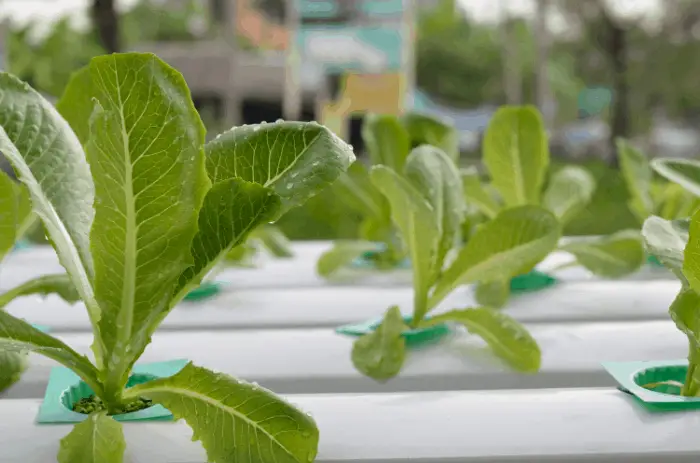
    Hydroponic farming is a means of cultivating plants without the use of soil. A hydroponic system is used for hydroponic farming. Hydroponics makes use of water which is a nutrient-filled aqueous solution, instead of the traditional soil.

    Hydroponics farming has revolutionized farming techniques in this 21st century. Different kinds of plants can be grown with a hydroponic kit such as herbs, root crops, flowers, fruits, and vegetables.

    Advantages of Hydroponic Kits

    Making use of hydroponic kits comes with a lot of benefits. Here are a couple of these benefits:

    Relies on water: Hydroponic relies on water instead of soil. All the necessary nutrients your plants will need for adequate growth is provided in the water of the hydroponic system. Therefore, there is no need for the plant’s roots to stretch and search for water, oxygen, and other nutrients.

    Gardening in minimal space: as we have mentioned, the plant root does not need to stretch for nutrients and other basic things. For this reason, your plants can be grown close to each other in a minimal space and you still enjoy optimal production.

    Climate controlled environment: you enjoy farming indoors where there is control in weather conditions. Thus, no need for your plants to endure or adapt to the harsh outdoor climatic conditions.

    Minimal pest and weed: most plant diseases are soil-borne. But with a hydroponic kit, there is a reduction in pests as well as weed control.

    Minimal use of chemicals: since there is a reduction of pest disease, there will also be minimal use of chemicals such as pesticides, fungicides, etc. Therefore, you enjoy clean, safe, and healthy foods.

    All year round farming: hydroponic kits offer you the advantage of growing each crop continuously, all year round.

    Aquaponics: another interesting advantage is the ability to raise both fish and vegetables. Aquaponics involves a closed system where water from the fish tank serves as the plants’ fertilizer.

    List Of The Best Hydroponic Kits

    If you want to save yourself the stress of DIY hydroponics grow system, you should select other options available in the market.

    Even though there are various types of hydroponic kits available in the market, choosing the appropriate one is important. This is why we have made the job of choosing easy for you by selecting the 5 best hydroponic kits. So, check them out to know your best pick.

    The best Hydroponic Kits

    1. AeroGarden Harvest-Black Indoor Hydroponic Garden

    Aerogarden Harvest Hydroponic offers you the pleasure of gardening in the comfort of your home. It is pretty comfy and can be placed anywhere in your home but it will be perfect if placed in your kitchen.

    Features

    The super easy to control Aerogarden Harvest Hydroponic saves you the stress and mess of dealing with soil.

    Additionally, you get to grow your plant naturally in water. It comes with a control panel that alerts you whenever water is needed. You can grow as many as 6 plants at once and your plants can grow tall up to 12 inches.

    The LED growing light has a great performance with a full spectrum output that imitates the outdoor natural sunlight. This light will maximize photosynthesis and increase natural growth which will result in plentiful yield.

    The automatic lights which have a timer turn on for approximately 18 hours, and off for 6 hours. However, there is a variation of this light depending on the type of plants. The effectiveness in the energy LED grow light maximizes the growth of plants.

    The liquid plant food is included and there is a reminder that always tells you when to add plant food.

    The beautifully designed Aerogarden Harvest Hydroponic is great as a present for any occasion. It can be gifted as a birthday gift, Christmas gift, thanksgiving gift, or a gift for your loved ones.

    The drawback is that the light is very bright and might hinder your eyes. This is why we recommend you find somewhere in your home where the reflection won’t have much effect on you.

    Pros

    • Easy to operate.
    • Saves you the stress and mess of dealing with soil.
    • Enjoy 5 times growth rate and yield.
    • Plant food and water reminder.
    • Automatic light with timer.

    Cons

    • Too bright light and might obstruct one’s eye.
    Hydroponic Kits - AeroGarden

    2. iDOO Hydroponics Growing System, Indoor Herb Garden Starter Kit

    The iDOO Hydroponics Growing System, indoor herb garden starter kit features LED grow light, smart garden planter for the home kitchen, automatic timer germination Kit, and Height Adjustable.

    Features

    The 7 pods iDOO Hydroponic System is specially designed for planting vegetables and herbs. It allows you the pleasure of growing up to 7 different plants. Get to enjoy fresh veggies and herbs in your kitchen exactly when needed.

    We appreciate the various grow light modes which will help your plant grow adequately. The automatic light timing of the LED full-spectrum system is highly essential for the germination of your plants. The full-spectrum LED light mimics sunlight allowing your plants to grow faster, maximizing harvest.

    Additionally, there is a feature of height adjustability. As your plants grow continually at their various stages, you can adjust the top part of the lightening up to 13.4 inches.

    One negative point of iDOO Hydroponic system is that it doesn’t come with seeds, but it has every other thing needed.

    Pros

    • Comes with 7 pods to plant 7 different plants.
    • Adjustable heights.
    • Adequate light mode for optimal growth.

    Cons

    • Seeds are not included.


    3. Deep Water Culture (DWC) Hydroponic Bucket Kit 5 Gallon, 6 inch

    Another hydroponic kit we recommend is the deep water culture hydroponic bucket kit. This hydroponic complete system is easy to use and it’s budget-friendly.

    Features

    Deepwater culture hydroponic kit is perfect for beginners because it is easy to operate. It is a great option for most plants. The bucket is firm and durable making it a great option for bigger plants.

    There is an indicator for the blue water which is transparent. The bucket is also able to drain.  Also, the air pump operates quietly.

    The solution which is abundant in oxygen and other nutrients will boost the root and general growth of your plants. Be rest assured of rapid growth and robust harvest.

    The main downside is the pump. Although the pump is okay it could be improved.

    Pros

    • Perfect for beginners and easy to operate.
    • Ideal for bigger plants.

    Cons

    • The pump could be improved.
    • Airstone could be made better.
    Hydroponic Kits - Power Grow

    4. General Hydroponics Waterfarm Complete Hydroponic System Grow Kit

    With this General Hydroponics Water farm, you get the value for your money spent.  You can add this hydroponic to one of your picks.

    Features

    General Hydroponics (GH) water farm is easy to operate and it’s durable and lasts longer. It is ideal for growing all sizes of plants (small, medium, and large).

    An additional feature is the water timer which can run as long as you set it. It does not consume much water.

    It comes with GH nutrients, air stone, air pump, and every other thing. It’s an all in one package. Therefore, there’s no need to spend extra money on anything.

    The drawback is the pump splashes water a little but it can be managed.


    Pros

    • Easy to operate.
    • Water timer.
    • Comes with everything you need.
    • You can grow all plant sizes.

    Cons

    • Water may splash a little.
    • The pump can be a bit noisy. 
    71W1T9MlV1L. AC SL1500

    5. inbloom 12 Pods Hydroponics Growing System Kit, Herb Garden Planter Indoor Kit

    The inbloom Hydroponics growing system is ideal for indoor gardening. It is well equipped and easy to set up even with your kids.

    Features

    You can grow up to 12 different plants with inbloom Hydroponics kit. It is perfect for growing herbs, foliage, or vegetables. You can as well grow flowers and fruits.

    It comes with automatic in-built LED lights. The LED light maximizes photosynthesis which will feed your plant growth and harvest rapidly.

    We admire the adjustable height from 7 to 12 inches tall growing with your plants. There is also an in-built fan and water pump for adequate oxygen. The 4-liter tank is sufficient to last for 2 weeks when filled and the water level is very visible.

    inbloom Hydroponics kti can be a lovely gift for anyone. It will look beautiful anywhere you decide to set in your home.

    Pros

    • Garden kit for 12 different plans.
    • Adjustable height up to 11.8 inches.
    • A 4-liter water tank that lasts up to 2 weeks.

    Cons

    • No seed included.
    71S5vWjnrmL. AC SL1500

    Buying Guide for Hydroponic Kits

    In other to increase your chance of picking the best hydroponic kits, we will give you some tips on how to pick. There are some things you should consider when choosing. We have identified these points so you can make the right decisions.

    Points to Consider When Choosing Hydroponic Kits

    • Dimension: The first thing you should consider is space. Know the exact dimensions of the product so you can have where to keep it in your home.
    • Height: Also check for the height of the hydroponic system. Is the height adjustable? You will need more vertical space just in case you want to grow taller plants.
    • Plant holding capacities: This is so you know how many numbers of different plants it can contain.
    • Automated: Some hydroponic are automated and basic things can be taken care of. Things such as light provision, pumping water, oxygen pump, etc. This way you know how much or less you need to contribute.

    FAQ’s

    Which hydroponic system is best?

    Before you buy a hydroponic system, you need to know what you’ll be growing. Will you be growing vegetables or herbs? Some hydroponic systems are more suitable for one than the other. For example, some systems are better suited for herbs because they have a larger reservoir. If you’re going to grow tomatoes, you’ll want to get a system that has a reservoir with a large volume to store water. The size of the reservoir will depend on how much food you want to grow and how big you want your plants to be. You’ll also need to know whether you’re going to use an LED light fixture or a HID light fixture. LED lights are more energy efficient and produce a better color spectrum than HID lights, which makes them better for growing flowers and veggies. You can find hydroponic systems with both LED and HID lights, so you can decide which is best for your needs. If you’re growing indoors, you’ll need to make sure there’s enough room to build your system. You don’t want to have to move your system every time you want to water it. You may have to plan ahead for this if you’re growing in a small apartment or condo. If you’re growing outdoors, you may not need as much space. Just make sure that you have enough space for the tubing to run through. You may have to dig a trench for the tubing, depending on the size of the system. This will allow you to move the system around and keep it from getting damaged. Most hydroponic systems are DIY projects, so you’ll need a few basic tools. You’ll need to have some pipe cutters, pliers, and a hacksaw. You’ll also need a drill, a saw, a hammer, and a hand saw. If you don’t have any of these, you can get them at your local hardware store.

    What is the difference between AeroGarden and hydroponics?

    Aeroponics and hydroponics are both types of farming that use a combination of air and water to grow plants. Aeroponics is a type of hydroponics that involves placing growing medium in an airtight chamber, usually called a rooting container, with the roots of a plant hanging down into it. The plant’s leaves hang above the surface of the rooting container, while the roots remain submerged.
    The roots are fed nutrients through a misting system or misting dome. The roots take in these nutrients from the air, and the leaves receive them from the nutrient solution. Aeroponics is often used for high-value crops, such as leafy greens and herbs. Hydroponics, on the other hand, uses water and growing medium (such as soil, peat, sand or vermiculite) instead of air. The roots of a plant grow through a growing medium that holds the nutrients required for growth. Hydroponic growing mediums are usually placed in trays or pots, which can be filled with growing medium or water. Hydroponic systems have become more popular in recent years because they are easier to maintain and require less space than traditional soil-based gardening methods. They also don’t rely on soil-borne pests, which means that pests are less likely to attack your plants. There are many types of hydroponic systems available today. Some are designed for indoor use, while others are intended for outdoor use.

    Conclusion

    We hope this article guides you in choosing which option suits your needs when it comes to picking the best hydroponic kits.

    So, get to enjoy total control over gardening with hydroponic kits!

  • Neem Oil Fungicide

    Neem Oil Fungicide

    If you are struggling to mitigate fungal disease in your garden, one sure solution is neem oil fungicide. Apart from the pesticide job that neem oil does, it can also work as a fungicide and miticide. Therefore, neem oil works three in one!  Amazing, right?

    Fungi Disease

    It can be pretty disturbing when fungi invade your plants. The majority of plant diseases are caused by fungi. You must act fast when you spot any fungi activities in your garden before they spread uncontrollably.

    Signs of Fungal Infestation

    The first step to battling this fungal disease is to identify the presence of a fungal infestation. Fungal infestation can affect any plant. Here are the signs to look at for when it comes to fungal infestation.

    • White Mold: white mold, a fungi infestation, caused by sclerotinia begins to form on your plant leaves and also cause stem rot. It can eventually lead to plant death.
    • Powdery Mildew: fungal infestation will cause powdery mildew on your plant leaves.
    • Stem Rust: the stem of your plant begins to rust with a fungal infestation.
    • Leaf Yellowing and Rust: the leaves start to rust, especially corn leaves. Also, you may notice your plant leaves start to turn yellow. Sometimes your plant leaves may have some brown spot.
    • Seedling: your plant seedlings start to dampen.
    • Berries: you may notice some bird-eye spot on your berries.

    Neem oil as Fungicides Treatments

    When you have confirmed fungal infestation in your garden, you can now opt for neem oil as a treatment. Neem oil is an organic fungicide treatment safe for treating fungal infestation as well as protection against subsequent infection.

    Neem oil treatment is non-toxic and can be applied to a fruit tree, leaves, stem, and soil.

    Fungi Disease

    Apply neem oil every 7 to 14 days as a preventive measure against fungi disease. To effectively treat fungal disease already present, spray neem oil on the affected plant on a 7-day schedule. Do this until the fungal disease is eliminated.

    Spray neem oil fungicides in the evening time or early morning only. Avoid spraying neem oil during the hot periods to prevent the burning of leaves.

    Recommended Neem Oil Fungicide

    We recommend these neem oil fungicides for your plant:

    Garden Safe HG-83179 Neem Oil Extract Concentrate

    Garden Safe, a component of neem oil, is a three-in-one product (fungicide, insecticide, and pesticide). It is a safe measure for treating and controlling different fungal diseases such as powdery mildew, white mold, leaf and stem rust, bird-eye spot, tip blight, and so on.

    Simply mix concentrated garden-safe neem oil with water and spray your plants. Make sure you read the label and follow the instructions for accurate results.

    Garden-safe neem oil can be applied to flowers, roses, houseplants, and ornamental trees. It can also be applied to vegetables, fruits, and shrubs. With Garden Safe, you can assist your plants and help them grow safely and healthy throughout the growing season.

    It can also be used as a dormant spray, protecting your plants throughout the season.

    Amazon Choice Selection
    Garden Safe Neem Oil Extract Concentrate
    $65.08

    For Organic Gardening, Fungicide, Insecticide, Miticide, Neem Oil For Plants, 10 fl Ounce

    Check Amazon Price
    We earn a commission if you make a purchase, at no additional cost to you.
    12/26/2025 08:04 pm GMT

    Monterey Neem Oil Insecticide, Miticide and Fungicide Ready to Use Spray

    Another 3 in 1 neem oil is the Monterey neem oil. There is no need to mix it. It is ready to use; all you need to do is spray Monterey on your plant.

    Monterey is formulated to prevent and control all kinds of fungi diseases, insects, and mites.

    It works well on houseplants, flowers, roses, vegetables, fruits, shrubs, and trees.

    Monterey Neem Oil Insecticide, Miticide and Fungicide Ready to Use Spray
    $14.99

    Controls Black Spot, Powdery Mildew, Rust, Need…

    Check Amazon Price
    We earn a commission if you make a purchase, at no additional cost to you.
    12/27/2025 01:01 am GMT

    Pure Zuprime Neem Oil for Plants

    Pure Neem Zuprime pure neem oil concentrate offers effective fungicide control on houseplants, flowers, trees, and shrubs.

    Apply 3ml to 7ml of neem organic pure oil per quart of water inside a spray bottle and spray your plant. Spray neem oil organic early in the morning or late in the evening to avoid burning the leaves. Ensure you always read the instructions on the label for accurate results.

    Neem oil organics can also serve as a dormant spray by protecting your plants throughout the seasons.

    Pure Zuprime Neem Oil for Plants – Organic Neem Oil Spray for Plants
    $11.99

    100% Cold Pressed Neem Oil, All-Natural Neem Oil Concentrate Leaf Polish for Plants, Pure Neem Oi…

    Check Amazon Price
    We earn a commission if you make a purchase, at no additional cost to you.
    12/26/2025 11:03 pm GMT

    Neem Oil as a Fertilizer: Benefits for Your Garden

    While neem oil is primarily known for its pest-repellent properties, it can also offer benefits as a natural fertilizer. Neem oil is rich in nutrients that improve soil health and plant growth. Here are some key advantages of using neem oil as a fertilizer:

    1. Rich in Nutrients: Neem oil contains nitrogen, phosphorus, potassium, and micronutrients that are essential for plant growth. These nutrients support healthier roots, stronger stems, and increased foliage.
    2. Improves Soil Health: When neem oil breaks down, it enriches the soil with organic matter. This improves soil structure, boosts moisture retention, and promotes beneficial microbial activity, which enhances overall plant health.
    3. Natural Pest Control: One of neem oil’s unique advantages is its dual role. It acts as a fertilizer while also deterring harmful pests like aphids, spider mites, and whiteflies. This reduces the need for chemical pesticides and keeps your garden healthy.
    4. Slow-Release Properties: Neem oil breaks down slowly, releasing nutrients over time. This provides a steady supply of nutrition to your plants, reducing the need for frequent fertilization.
    5. Safe for the Environment: Being organic and biodegradable, neem oil is eco-friendly and safe to use around pets, children, and beneficial insects like bees and ladybugs.

    Neem Oil as a Mosquito Repellent

    In addition to its uses in gardening, neem oil is an effective natural mosquito repellent. Its strong odor and active compounds make it an eco-friendly alternative to chemical repellents. Here’s how neem oil helps keep mosquitoes at bay:

    1. Natural Insect Repellent: Neem oil contains compounds like azadirachtin, which disrupt mosquitoes’ lifecycles. It repels adult mosquitoes and prevents larvae from developing, reducing their population over time.
    2. Safe for Skin: Neem oil can be applied to the skin when mixed with a carrier oil, such as coconut or olive oil. When used, it creates a protective barrier that mosquitoes dislike, making it a natural alternative to DEET-based products.
    3. Long-Lasting Protection: Unlike chemical repellents, neem oil provides durable protection without harmful side effects. It can be reapplied as needed, making it ideal for outdoor activities.
    4. Environmentally Friendly: Neem oil is biodegradable and non-toxic, making it safe for use around pets, plants, and the environment. It doesn’t pollute water sources or harm beneficial insects.

    Using neem oil as a mosquito repellent allows you to enjoy outdoor spaces without worrying about harmful chemicals or constant mosquito bites.

    Let’s take a look at some of what we discussed above:

    • Neem oil fungicide is a safe organic treatment for various fungal diseases in plants.
    • Applying neem oil on all food plants is safe.
    • Neem oil works amazingly as an all-purpose insecticide repellant, mite repellent, as well as fungicide treatment.
    • You can also make use of neem oil as a dormant spray which will protect your plant all through the seasons.
    • Apply neem oil 7 to 14 days as a preventive fungicide, for control measure; apply on a 7 days schedule.

    By using neem oil in your garden, you not only nourish your plants but also protect them from pests in an environmentally responsible way.

    FAQ: Neem Oil Fungicide

    1. What is neem oil used for in gardening?
    Neem oil is used as a fungicide, insecticide, and miticide. It helps combat fungal diseases like powdery mildew and prevents pest infestations.

    2. Is neem oil safe for edible plants?
    Yes, neem oil is safe for vegetables, fruits, and herbs. Just ensure proper dilution and wash produce before consuming.

    3. Can neem oil burn plants?
    Neem oil can cause leaf burn if applied in direct sunlight or excessive amounts. Apply in the early morning or evening.

    4. How often should neem oil be applied?
    For pest prevention, apply neem oil every 7-14 days. For active issues, use it weekly.

    5. How does neem oil work as a fungicide?
    Neem oil disrupts fungal growth by interfering with spore germination, effectively controlling the spread of diseases like rust, black spot, and mildew.

  • The Best pH Meter – An Ultimate Guide For Your Soil

    The Best pH Meter – An Ultimate Guide For Your Soil

    It is critical to use the best pH meter to test your soils’ status to ensure your plants are getting the nutrients they need to be healthy. 

    One of the most critical factors that determine if your plants will thrive in the soils’ acidity or alkalinity. If the pH value of the soil is off even a little bit, it can have disastrous effects on your plants. For this reason, it is vital to use the best soil pH testers to ensure your plants grow happy and healthy. The pH determines the availability of the nutrients that the plants need. If the pH is too low the soil is acidic with nutrients like Phosphorous being less available. Other things can accumulate in acidic soil and make it toxic. Soil that is too acidic is not a good home for beneficial bacteria. 

    Soil with a very high pH is alkaline. It prevents the plants from having enough iron, copper, manganese, zinc, and phosphorous. Iron is vital to plants especially the evergreens. 

    What to Consider when Buying the Best pH Meter

    A good soil pH tester will get the job done each time you want to test your soil. All the soil pH readers do not have the same build. Here are key features that you need to check as you shop for the best pH meter. 

    What to Consider when Buying the Best pH Meter
    1. Accuracy of the pH Meter. Always go for a pH tester that offers accurate results. Generally, there is a range that your pH must measure. It can be anything from 3.5 to 8, some ranging slightly larger or smaller. The instructions part contains details that you need to know before buying the pH tester. Pay close attention to these instructions they give you an idea of how to get the best pH meter.
    2. Probe the Depth Length of the Soil Tester. Soil pH testers come in singles or doubles designs. These probes are made out of silver, aluminum, copper, or an amalgamation of metals. The probe depth is critical – the longer the probe the better it is in giving you the best results. This is because it not only tests the top layer soil
    3. Single or MMlti-function. Some pH tests the soil’s alkalinity or acidity only. Others can test other factors too like the moisture content and light levels. By buying 3 in 1 test kits you will be able to test your soil of all the tests that influence your plant growth.
    4. Portability. Go for a soil pH tester that is lightweight, compact, and durable. The probes could be gentle, but the unit must be strong enough to give you value for your money. 
    5.  The power source. Most pH testers are battery-free meaning you use them without the need to plug in the batteries. Others require batteries to work. You can opt to use either of the pH testers. There is no proof that those with batteries work better than those without. 

    Read more about The best Soil Moisture Meter in the Market

    How to Read a Soil pH Meter Results 

    Before you can interpret the results of your pH tester, first understand the basics of the acidity or alkalinity. These basics run from 0-14, with 7 being the neutral number. Anything above 7 is alkaline while anything below 7 is acidic. Most testers come with a chart to help you read the results. 

    Most electronic pH testers have a probe that inserts directly into the soil to get the readings. In some of these cases, you might not get accurate results. The best way to ensure you get the right results is by making a mixture of distilled water and soil. Put soil in a container, add distilled water and stir so that it mixes well. With the mixture ready, you can use the pH strips or electronic tester to get accurate results. You can try it a few times to see if you get the same results especially if you are new to testing.  

    Be sure to use the chart that comes with the tester. This helps you get the correct decoding for the results every time you carry out the tests. 

    The Top Best pH Meter

    Now that we have seen why it’s important to test your soil’s pH, let’s look at some of the best soil testers in the market today

    YOYOMAX Soil Test Kit pH Moisture Light Tester

    YOYOMAX pH tester has a 3 in 1 design that tests the pH, soil moisture, and sunlight. It’s an analog tool that neither uses batteries nor charger and is ready to go right out of the box!  This tool is easy to use even for beginners – switch what you want to test and insert the probes into the soil about 2-4 inches deep. Give the test kit for about 10 minutes and read the results. The YOYOMAX test kit measures the pH from 3.5 to 8. 

    This test kit is small and portable so you can carry it with you and use it anywhere. It’s best for indoor plants. 

    Pros 

    • No batteries or chargers needed
    • It’s a 3 in 1 measuring light, pH, and moisture 
    • It is affordable 

    Cons 

    • Takes about 10 minutes to give the results 
    513pw2jekfL. AC

    BLUELAB PENSOIL pH Pen 

    BLUE LAB pH pen is a new technology pH testing kit that uses a lab-quality probe. It measures the pH in swimming pools, brewing industries, and hydroponic gardening. 

    Calibration with this test kit is easy ensuring the accuracy of the results. The backlit LCD makes it easy to read the results and reminds you when it’s time to calibrate. 

    It is simple to use by inserting the probe into soft soil. The pH reads from 0 – 14 and the temperatures between 32 – 122 degrees Fahrenheit. This pH meter uses 1 AAA batter 

    Pros  

    • Comes with a 1-year warranty
    • Has the ability to calibrate
    • It is waterproof

    Cons 

    • It costs higher in price
    21YFWcEHBsL. AC

    GARDEN TUTOR Soil pH Test Strips Kit

    GARDEN TUTOR offers pH test strips that are calibrated to deliver quick results. Each strip measures the pH between 3.5 – 9. These strips deliver more accurate results than the universal test strips. 

    The kit comes with a 16-page handbook for sulfur and lime application charts that are based on your soil’s pH. Most garden plants need a pH value of about 6.5 and this handbook included helps you to achieve that.

    This kit is affordable considering the number of tests it performs. It comes with clear instructions to follow in testing your soil and getting the right results. The testing process takes about 20 -30 minutes. 

    Pros  

    • This kit has 100 test strips lasting you a long time 
    • Results are easy to determine using the easy to read the chart
    • The strips only measure the pH and give accurate and reliable results 

    Cons 

    • The testing process is tedious and takes longer than other testing methods
    91mSHUhbukL. AC SL1500

    LUSTER LEAF 1835 Rapitest Dig 3W Analysis

    LUSTER LEAF pH soil tester is easy to use and gives accurate results. It measures the pH level, soil temperature, and fertility rate.

    The results are easy to read and displayed on the digital screen. The screen displays 1 result at a time but it’s easy to press up and down buttons to display the rest of the results.

    LUSTER LEAF is easy to work with insert the probe into the soil and read the on-screen results. The probe is fragile and should be handled with care. Always wash it before use and never force it in dry hard soil because it could break. 

    Pros 

    • It provides accurate readings within a short time
    • It was designed in the USA
    • The fertility test takes into account the NPK levels in the soil and gives a reading of 1 – 10. 

    Cons 

    • It too gentle 
    • Cleaning and caring for the probe is tedious 
    71LmygkK2eL. AC SL1242

    BLUE LAB METCOM Combo Meter

    BLUELABMETCOM is one of the best pH meters for hydroponic farming. It specifically tests the water used in hydroponic. This combo tests the pH, temperature, and conductivity. It is lightweight and portable with a long probe of 6.5 feet. 

    This makes it easy to stretch and get whatever readings I need. It is easy to read the digital display because the buttons are marked. It is powered by 2 AAA batteries and comes with an auto shut off feature that helps you save power.

    Pros 

    • Includes a 5-year warranty
    • Saves you power through its auto shut off button 
    • Allows pH calibration to take place by the push of a button

    Cons  

    • Instructions might be difficult to understand 
    • Results can be less accurate
    51I5Pj1HB8L. SL1000
     

    FAQs

    What should I consider when shopping for a Ph meter?

    The most accurate way to measure pH is with a pH meter. The only problem with pH meters is that they are not cheap and they require some maintenance, but if you are doing research or have a large area to sample, then a pH meter is the way to go. The pH scale can vary by about 0.2 units from lab to lab and even more than that depending on the pH of the water used.

    If you are using a meter that isn’t calibrated, it will have an error. You can buy meters that are calibrated for your soil type and the amount of acidity in your area, but even these meters will not be perfect. A good calibration can help you determine the amount of acidity in your soil and also help you understand how to adjust the readings when you dig new holes.

    What is the most accurate soil pH meter?

    There are a variety of soil pH meters available on the market. Soil pH is one of the most common chemical analyses performed by a home or professional gardener. The most accurate soil pH meter will give you a more accurate reading, which in turn will provide you with an idea of what type of fertilizer to use.

    Many of the soil pH meters available on the market are designed to be used by a professional who has access to a lab and is trained in the use of such equipment. However, there are many soil pH meters that can be used in the home, so it is important to know how to select one that will provide the best reading. There are many factors that go into choosing a soil pH meter for your home garden. First of all, you want to make sure that the meter can be used in the field. Some soil pH meters are designed to be used in the laboratory, while others are designed for the home gardener. Also, you want to make sure that you get a soil pH meter that will provide you with an accurate reading. A soil pH meter should give you a reading that is within one pH unit of the true pH value of the soil.

    What makes the most accurate soil pH meters so accurate?

    Soil pH is a measurement of how acidic or alkaline a soil is. The best soil pH meters measure the actual soil pH and then convert it into a pH number that you can see on your meter. Most people use a soil pH meter to find out what is causing their plants to be sick, and if they need to add some lime or sulfur to make the soil more acidic or alkaline.

    The most accurate soil pH meter should be able to measure soil acidity or alkalinity in a wide range of soil types, and be able to measure the acidity of the soil at the depth where the test sample is taken. Soil pH testing requires knowledge of both soil chemistry and soil physics, as well as knowledge of how the pH meter is calibrated. It is also important to understand the limitations of using a soil pH meter.

    Soil pH meters can be found in a wide range of prices and accuracy. 

    The Best pH Meter – An Ultimate Guide For Your SoilConclusion

    For your plants to grow to their full potential, the right pH is important. If you notice your plants’ leaves are turning yellow or any other color, it is best to check the pH stage of your soil.

    It is critical to use the best pH meter to get the most accurate results. Especially if you are working to correct the soil pH. Always recheck your soil after treatment. This ensures you have the best results before you continue with your gardening. The pH tester should test before and after soil treatment always. 

    Choose the 3 in 1 tester so that you can be able to test your soils for its health. Your plants will thank you and happily thrive! 

  • The Best Soil Test Kit – Foundation For Healthy Plants

    The Best Soil Test Kit – Foundation For Healthy Plants

    Did you know finding the best soil test kit is a big challenge especially if you don’t know the different types that the market stocks? 

    As a gardener, it is very important to have good quality soil. Quality soil is the foundation for all successful gardening. Good soil means that it has the right pH level for your plants. Depending on what you are growing, your soil’s pH levels vary. Some plants like it acidic while others are alkaline. 

    The best way to ensure that your soil is perfect for any plant you grow is to use a test kit. The best soil test kits will give you detailed information about your soil and what it needs to improve it. 

    What is a Soil Test Kit?

    A soil test kit tests your soil and provides you with a solution to your issue. Soil test kits are different with each testing a different element of the soil. These test kits include: 

    The most common one is a pH test kit. This kit tests and analyzes the nutrient content of your soil showing the deficiencies. It also allows you to make adjustments using fertilizer or other healthy nutrients.

    Other soil test kits will tell you about the different components found in the soil. Elements like Nitrogen and Potassium plus their quantities are analyzed and shown. 

    Another test kit measures the moisture content of the soil. This is important to plants that need specific amounts of water. 

    What Does the Best Soil Test Kit Test the Soil for?

    There is an endless amount of things you can test your soil for. But some are more important than others. The most important soil tests for most homeowners are as follows: 

    The pH levels – These levels run from 0 to 14. 7 is neutral, anything below 7 is acidic and above 7 is alkaline. 5.5 to 7 is a good range for most plants. 

    • (N) Nitrogen 
    • (K)Potassium 
    • (P)Phosphorous
    • Soil moisture 

    There are many other nutrient tests that you can undertake. The above are the most important ones that you will need. 

    Advantages of Using a Soil Test Kit

    There are many advantages why you should test your soil. Here is a sneak peek at a few of the advantages.

    Advantages of Using a Soil Test Kit
    • Know what nutrient is deficient and perfect it. When you test your soil, you will know what your soil is missing and add the right products to perfect it. With the perfect soil, your plants can grow well and produce more. 
    • Maintain healthy soils. Healthy soils are ideal for the growth and production of your plants. By testing the soils you confirm if they are well-formed with the 3 most critical nutrients – NPK. Your soil should also be moist, soft, and well-aerated helping the roots to feed the plant well. 
    • Eliminates all guesswork in gardening. Every time you see plants grow slowly; you wonder what the problem could be. You may try to add fertilizers or water them more times or add compost manure. While all these efforts are excellent, they could mislead you to think you have given your plants what they need. Using the test kits eliminates all guesswork out of gardening. And make it easy for you to know what the main problem is. 

    Types of Soil Test Kits

    • Mail-in – This is one of the most precise soil test kits. It requires you to collect a sample and mail it to a lab for testing. These test kits provide the most detailed results. It can take a week or more to get these results. 
    • Probe – A probe soil test is easy to carry out at home and get your results instantly. This test demands you insert a metal probe into the soil to get instant results of your soil. These test kits reveal the soil’s pH value, moisture levels, and sunlight intensity. This test kit is the least precise among the rest. 
    • Slurry – Slurry soil test kits are a little involving. Take some soil sample, mix it with distilled water, add a reagent, and then dip the test strip into the slurry to get your results. These kits test the soil’s pH, Nitrogen, Phosphorous, and Potash. These tests need more work than the probe test kits and, they are a little more precise.
    Types of Soil Test Kits

    Recommended Best Soil Test Kit

    This comprehensive testing kit list shows some of the top kits that you can choose. They test the soils for macronutrients and micronutrients. This makes the gardening journey easy and more accurate. 

    LUSTER LEAF 1601 Rapid Test Kit for soil pH, Nitrogen, Phosphorous, and Potassium

    LUSTER LEAF kit provides quick results that you get from the comfort of your home. The kit contains several tests that you can use to test your soil in different parts of your property. You need together to use distilled water with this kit. This kit will give you immediate pH results and nutrient levels.

    The kit comes with various soil amendment suggestions and detailed suggestions for plant nutrient intake. Everything is well color-coded to avoid any mix-up making it easy to use. This kit is perfect for homeowners and farmers. It is advisable to use it to check the soil before planting. This helps to determine the right fertilizers to use during the growing season. 

    Pros 

    • Low price 
    • Easy to use 
    • Multiple tests included 

    Cons 

    • Not very detailed to help solve serious problems 
    81lMIyoIrfL. AC SL1500

    WHITETAIL Institute laboratory Soil Test Kit

    The WHITETAIL Kit is designed specifically for soils used for producing garden beds. If you plan on growing your fruits and vegetables, consider using this great kit. This kit tests the soil pH and organic materials so that you can get an understanding of what your soil consists of. 

    You need to mail your specimens to the lab for final results. Expect the results to come within a week via the mail or email. 

    Pros 

    • Easy to use 
    • Fast results turnaround
    • Great for soil amendments

    Cons 

    • Must pay to main in results 
    • Only one test per kit 
    • Not made for lawns

    SOILKIT Soil test kit

    SOILKIT tests the soil for pH, NPK, and other select micronutrients to provide a detailed analysis of the fertilizers required. This test kit is best for both lawns and gardens.

    You will need to mail your soil samples and the results should reach you in about a week. The results come with detailed descriptions of the area tested. They also include the possible help that the vegetation around the area can receive. 

    Pros 

    • Helps with easy soil problems 
    • Easy to use with fast results 
    • Easy to follow prescription based on results

    Cons 

    • You only can test one area at a time
    71hGvYSw9LL. AC SL1500

    BLUEBAB PENPH Ph Fully Waterproof Pocket Tester

    BLUEBAB is the best tool to measure the soil’s temperature and pH. It is the best option if you need help with managing the growth of your plants, checking the nutrient uptake, and the plant health of your plants. It uses a battery and comes with a backlit LCD. Best kit for sprouting plants. 

    Pros 

    • Easy to use 
    • Long-lasting 
    • Compact and handy

    Cons

    • It is not durable 
    61hPRhS5z8L. AC SL1500

    LUSTERLEAF 1605 Rapitest Digital Soil Tester

    LUSTER LEAF is a digital soil tester that is a simple and economical soil test kit that is easy to use and maintain. This kit is designed with ease of use in mind so that everyone can use it. Push the button to get your results in seconds.

    This kit can also be used by beginners who are starting their soil testing journey. It allows you to perform over 25 tests and covers about 450 plants. 

    Pros

    • Long-lasting 
    • Simple and easy to use 
    • Accurate

    Cons

    • Its readings are not as accurate as other testers
    • May need to buy and add test chemicals
    81zzEi6OvNL. AC SL1500

    G TASTE Soil Moisture Meter, 3 in 1 Sunlight and soil pH tester

    The 3 in 1 soil test kit comes with other handy tools needed for your home garden. It comes in 7 pieces of Bonsai tools. 

    They are: 

    • 1 piece folding scissors, 
    • 1stainless steel tweezers, 
    • 1 pruning scissors,
    • 2 wooden spades. 
    • 1 wooden rake, 
    • 1 wooden cleaning brush 

    This kit is analog; it doesn’t use either batteries or charge. Features a firm build that is attractive. It is easy to use even for beginners who are learning how to use the soil kit tester. Designed to work in any condition and space indoors and outdoors. 

    Pros 

    • Easy to use and handy
    • Useful both indoors and outdoors
    • Nice design
    • Affordable 
    • Comes with other necessary garden tools 

    Cons

    • Not very precise
    61fSH0tAJbL. AC SL1000
     

    FAQs

    What makes a soil test kit great?

    Soil tests are an easy way to determine your soil health and fertility levels, as well as give you information about what your plants need to grow optimally.

    To find out which soil test kit is best for your needs, look at the features and benefits of each soil test kit. Each soil test kit has different features and benefits, so you need to carefully review the information provided before making a final decision. Keep Learning The most popular soil test kit is called a multi-test kit. This kit comes with several different tests that can be used to determine the quality of your soil.

    There are many soil test kits available on the market. The most important aspect is that they should be accurate. Accuracy means that you can trust the results and not waste your time testing again. If your soil is of poor quality, the soil test kit will not be able to detect it, so it’s essential to have one that is accurate.

    You can get an accurate reading with a moisture meter, but it is much more difficult to use and requires more experience than a soil tester. A soil tester will give you a pretty good idea of what type of soil you are dealing with. In general, if your soil is sandy (sandy loam, clay loam, silty sand) then you can probably get away with a soil tester.

    There are many different types of soil testers that can be used to test your soil. The type of soil you are testing will determine which one is best for you. Some people use a soil tester when they want to test their soil for organic matter content. They use this information to determine what plants and crops to grow. Others may want to know what kind of nutrients are in their soil. They use this information to determine what plants and crops to plant.

    There are some people who want to see if they have enough minerals or nutrients in their soil. When you are purchasing your soil tester, you need to decide what you want to test. There are two types of soil testers that are available. These are the soil pH tester and the soil nutrient tester. The soil pH tester is used to test the pH of your soil.

    A soil test kit is a device used to determine the chemical composition of the soil. It is usually used for testing pH and other chemicals such as nitrogen, phosphorus, magnesium, potassium, sulfur, calcium and other trace elements. Most soil test kits contain a sample tube which you need to add your soil sample and then a reagent solution, which will react with the soil sample to produce an indication of its chemical composition.

    Is an Electricity-Based Soil Tester the best option?

    There are two types of soil testers, the ones that use electricity and those that use light. Electricity-based soil testers emit a high frequency of radio waves that bounce off of the particles in the soil and measure how much energy is returned to the receiver. Light-based soil testers emit light and measure the amount of light reflected back to the receiver. 

    For soil testing, your best bet is to go with an electricity-based soil tester as it’s important to be able to test for electrical conductivity. You need a soil tester that will give you accurate results and not just read the voltage.

    An electricity-based soil tester is a device that can help you determine which soil conditions are best for growing your plants. The process involves applying a certain voltage across the soil and measuring the current. It’s important to note that there are different types of soil testers. The idea is that the electrical conductivity of the soil varies with different conditions. For example, sandy soil has high electrical conductivity. When soil is saturated, it’s like a sponge and has low electrical conductivity.

    The most popular soil tester is called a “Wet/Dry Meter” or simply a “Wet/Dry Meter” (see our article on How to Buy a Wet/Dry Meter). These are popular because they are easy to use and inexpensive.

    What are the best soil kits?

    Rapitest Premium Soil Test Kit

    Luster Leaf 1605 Rapitest Digital Soil Test Kit

    Soil Savvy Soil Test Kit

    Conclusion

    Plants need enough amount of water, light, and air. Above it all, they need the soil to thrive. Soil test kits were invented to help keep the soil in check. That’s why it is vital to choose the best soil test kit. Whether you buy off the counter or from an online shop you need to be sure you are getting one with the best features. Both mail-in and probe are easy to use and perfect for learning about your soil health. Why wait until you have any problems with your soil when you can use these kits to correct them before they destroy your plants. Choose a test that will sort out your problems. 

  • Best Soil Moisture Meter In The Market Today

    Best Soil Moisture Meter In The Market Today

    It is possible to get to know how your plants are doing by using the soil moisture meter to test the wetness or dryness of your soil.

    Do you sometimes wonder what’s going on under the surface of your soil? Do you watch your plants struggle to thrive despite all the efforts you have put? Technology today offers us an easy solution to these problems. The soil meter is the best solution. 

    What is a Soil Moisture Meter

    A soil moisture meter is a simple tool that probes your soil to find out if the moisture content around your plant roots is efficient. In an instant, you get to learn whether your soil needs more water or no water at all for the next few days. 

    What is a Soil Moisture Meter

    If you have been for a solution like this one, go ahead and get yourself a moisture meter.  A soil meter is an easy tool to work with. Anybody can be able to use it without professional help. Simply insert the metal probe into the soil to reach the roots of a plant. The tip of the probe sends a reading to the dial that is located at the top of the meter. From the dial, you can get to know the moisture content of your soil fast.  Depending on the reading and the type of plant you have, you can choose to either water or refrain for a few days. 

    Why use a Moisture Meter?

    Here are a few benefits of using the soil meter:

    1. Helps you understand your plant better. The main reason why you use a soil meter is so you can understand your plant better. This will help you care for it better. Poor watering schedules can either cause the plant to be dry or waterlogged. This leads to long term damage or the demise of the plant. Being able to know how much moisture the soil holds under the surface, you get to know exactly how to water your plants.
    2. Saves you water. Especially for outdoor plants, you might be wasting a lot of water by overwatering. By checking the moisture content of the coil, you can end the guesswork of when you should water. This potentially saves you lots of water.
    3. Saves you money. By saving the amount of water you use on your farm, you save the money you pay the water bill. Some plants are also very expensive to buy and if you destroy them by overwatering you loose on some good money. A moisture meter will help you water your plants properly and save you money on replacing dying ones. 

    Features to Look for When Buying a Soil Meter

    The type of soil meter you need depends on where you want to use it. 

    • For indoor use, select a moisture meter that has a short slender stem. 
    • For outdoor use, choose a more robust meter with a long and sturdy stem. These long-stemmed meters are a bit expensive compared to the slender short stem meters. 
    • For hard soil like clay, choose a very thick and strong stem meter to prevent damage. 

    The Best Soil Meter to Work with

    There are all kinds of soil meters in the market today. They range from a few dollars to hundreds and they come in all types. Finding the best one can be a challenge.

    Let’s help you out with finding the best in different categories. Using our buyer’s guide you get to learn a few things about the best moisture meters and choose the right one for yourself. 

    Best Overall: XLUX T10 Soil Moisture Sensor Meter 

    XLUX soil moisture meter is a slim 7-inch probe that checks the moisture level of your outdoor and indoor plants on a scale of 1-10. It can also be used in the lawns, flower beds as well as the soil of shrubs and trees. This moisture meter is analog requiring no batteries or charging. It gives an instant reading of the moisture levels. 

    This moisture meter is not considered heavy duty; it warns you not to jam it with hard or compact soil. The soil should not be very dry or hard otherwise you will damage the meter. This tester offers excellent guidance on how wet or dry the soil is and requires simple maintenance.

    To read the moisture level, simply put the moisture meter’s stem into your soil and read the large dial. The dial has a color-coded reading system that identifies the moisture in the soil. Farmers who have used this meter are happy with its quality and the low price.   Though it offers farmers an 18-month warranty, it is delicate and should be used with a lot of care. 

    Pros 

    • Low cost 
    • 18-month warranty
    • Simple to use 
    • No batteries or charging required
    • Works effectively

    Cons 

    • Very delicate 
    • Best suited for soft soil 
    71rBE3r88DL. AC SX425

    Best Digital Display: ECOWITT WH0291 Soil Moisture Tester with LCD Display

    ECOWITT moisture meter has an easy to read wireless LCD that shows the soil moisture levels in percentage. The display also includes the current time and can be positioned within 300 feet of the moisture probe. It works best for outdoor plants, patio plants, or any indoor plant as long as it within its range of the display. 

     This digital meter is easy to use and accurate. It can be calibrated for both low and high humidity environments adding to its accuracy. It uses 2 AA batteries that will need replacement often.  

    Pros 

    • Easy to use 
    • Comes with an LCD 

    Cons

    • Uses batteries that you have to replace often
    soil moisture meter - ecowitt

    Best Built: REOTEMP Garden and Compost Meter

    REOTEMP is a battery-powered moisture meter made from stainless steel. The moisture content is measured at the tip of the stem that is 15 inches long. It reaches deep into the soil and is used in the compost too.

     This meter has a scale of 0-10 wetness scale. It adjusts depending on the specific moisture requirements of a plant. The meter uses 1 AAA battery that powers it. Do not use this meter to read soils with high salt content because soil affects the moisture readings. 

     REOTEMP is well built and sturdy. It has a steel stem and aluminum casing that makes it a tough meter. This tester can be inserted deep into dense soil without the fear of breaking or bending. It is easy to do the calibration with this meter helping you take care of your plants better.

    Pros 

    • It is sturdy 
    • Has a long stem
    • Easy to calibrate 
    • Suitable for both soil and compost 

    Cons 

    •  Fairly costly 
    51w2Gm0D5bL. AC SX425


    Best Analog: DR. METER S10 Soil Moisture Sensor Meter

    DR. METER comes with an 8-inch metal stem that reads the moisture levels at the root of the plants. It has an easy to read dial with a color-coded display for moist, dry, and wet readings. This meter does not require batteries or charging and it works both indoors and outdoors. 

    It is suitable for both indoors and outdoors but does not work on hard ground which could damage it. Do not submerge it in waterlogged soils because you will destroy it.

    Pros 

    • Low cost 
    • No batteries required
    • Gives sensitive readings
    • Easy to use 

    Cons 

    • Not for use in hard soils
    soil moisture meter - dr. meter


    Best Digital reader: LUSTER LEAF Digital Moisture Meter

    LUSTER LEAF is best for use on soil only. It comes with a 3-inch long stem and is suitable for checking houseplants, window boxes, hanging baskets, and container gardens.

    It offers a digital reading that comes with information on over 150 types of plants. This helps you understand what to do with the readings you have received. It uses batteries to work and comes with a special cleaning pad.

    Pros 

    • Low cost 
    • Digital reader
    • Easy to use 
    • Batteries and cleaner included

    Cons 

    • Only used in container plants 
    • Has a short probe
    71vlFEv34RL. AC SL1500


    Best 3 in 1: SURENSHY Soil Tester Meter

    SURENSHY has a 3 in 1 ability to test soil pH value, the sunshine intensity, and the dry humidity of the soil. It is one of the best gardening tools that provide reliable data for your plants.

    It is easy to use by inserting the soil tester kit into the soil up to 5 or 6 inches. Press the button that corresponds to Light, pH, or moisture to get the corresponding results. Always water the soil before testing as it does not test dry soils.

    SURENSHY meter does not need a battery or charge to read. It is easy to use by inserting it into the soil and getting the right soil value. It is convenient for both indoor and outdoor use.

    Pros 

    • Easy to use 
    • 3 in 1 soil reader 
    • Does not need batteries or charge

    Cons 

    • Does not test hard soils
    soil moisture meter - 3 in 1

    FAQs

    Which is the most popular soil moisture sensor?

    Soil Moisture Sensors that use the Capacitance Method Capacitance-based soil moisture sensors are by far the most popular type of soil moisture sensor on the market today. They’re also the most accurate and are easy to use. They measure the electrical capacitance between two parallel metal plates. The higher the capacitance, the more water there is in the soil. Capacitance-based soil moisture sensors can be installed anywhere in the soil profile, including at or below ground level. The downside is that they require a power source and typically need to be powered by an AC outlet.

    1.They can also be quite expensive.

    What are some other quality moisture sensors?

    Soil Moisture Sensors that Use the Resistance Method Resistance-based soil moisture sensors measure the amount of electrical resistance between two metal plates. The higher the resistance, the more water there is in the soil. They can be installed anywhere in the soil profile, including at or below ground level. The downside is that they require a power source and typically need to be powered by an AC outlet. They can also be quite expensive.

    Soil Moisture Sensors that Use the Infrared Method Some soil moisture sensors use infrared (IR) technology. They measure the amount of heat emitted from the surface of a sensor pad. The higher the temperature, the more water there is in the soil. These sensors are very sensitive to the environment and have a limited range. They’re usually installed at or below ground level. The downside is that they require a power source and typically need to be powered by an AC outlet.

    Soil Moisture Sensors that Use the Thermocouple Method Some soil moisture sensors use thermocouples. They measure the amount of heat generated by the thermocouple when it comes into contact with the soil. The higher the temperature, the more water there is in the soil. These sensors can be installed anywhere in the soil profile, including at or below ground level.

    What should you consider when shopping around?

    1.Soil Moisture Meter Features You Need to Consider We’ve put together a list of some of the most important features that you should consider when buying a soil moisture meter.

    2. Accuracy The first thing you need to look at is the accuracy of your soil moisture meter. This will be one of the most important factors in determining if this is the right soil moisture meter for your farm. When you’re considering purchasing a soil moisture meter, make sure to look at the accuracy of the device. There are several different ways to measure soil moisture, but one of the best ways to check the accuracy of your soil moisture meter is by testing it against a standard. The National Irrigation Association recommends using a device called a “reference meter”. A reference meter is basically a standard measuring device that you can use to compare your soil moisture meter to. If you find that your soil moisture meter is off, then you know you need to get a new meter.

    3. Watering System Size It’s also important to consider how much water your farm will be using. If you have a large farm with lots of acres, then you may want to invest in a larger watering system than what you need for a smaller farm. The size of your farm will affect the size of your irrigation system. If you’re looking for a small and portable watering system, then you can opt for a low-pressure system that is easy to move from one place to another. A higher pressure system may not be suitable for a smaller farm. You can also get a solar watering system. Solar watering systems are perfect for farms with no access to electricity. This will allow you to water your plants throughout the year even when there isn’t any power.

    4. Watering Options

    When it comes to watering your crops, there are several different options you can choose from. One of the most common watering options is drip irrigation. Drip irrigation is a great option because it doesn’t waste as much water as other methods. With this type of system, you can control how much water is going into the soil and how much is being wasted by running off. Another type of watering system is sprinklers. Sprinklers are usually used to irrigate large areas, such as lawns and golf courses. You can also use sprinklers to water individual plants. It’s important to consider how much water you will need to use on your farm. This will help you decide which type of watering system will be best for your farm.

    5. Water Conservation

    A good way to conserve water is to make sure that you don’t over-water your crops. If you have a drip irrigation system, then you can easily turn the water off when your crops are done being watered.

    How much does a soil moisture meter cost?

    The average soil moisture meter costs between $35 and $100, but prices vary greatly based on the brand. The prices for these devices can be lowered by purchasing used models, but there are also some risks involved when buying used equipment. Keep Learning Most soil moisture meters use a combination of radio waves and sensors to determine the amount of water in the ground.

    Conclusion 


    In the end, the goal is to make sure you end up with the right meter for your kind of soil. If a simple device like this one can help you gauge your soil’s moisture, then you are set to prosper in your farming. Going a step ahead and getting a 3 in 1, will help you get value for your money. Make this tool an essential part of your gardening journey and you will get the desired results! 

  • T5 Grow Lights – A Guide And Recommended Products

    T5 Grow Lights – A Guide And Recommended Products

    best t5 grow lights

    If you are tired of putting your seedlings on a windowsill that doesn’t get much sun, then you should consider t5 grow lights.

    T5 grow lights are helpful in the propagation stage of plant development. They are best for their consumption of low power compared to other lighting methods. They emit only a tiny amount of heat. The heat is favorable for vegetative and propagation lighting solutions.

    T5 lights are specifically for indoor use. They have features that favor the kind of environment they provide, unlike the t8 and t12 lights.  Using these lights enables you to grow your plants on and off season when the sun may be long gone to help with propagation.

    What Are T5 Grow Lights?

    T5 grow lights are a type of fluorescent lighting for gardening. The T stands for tubular, which is the shape of the lamp. The 5 gives the size of the diameter measured in increments of 1/8 of an inch.

    Types Of Fluorescent T5 Grow Light

    T5 lights are set side by side in a parallel manner, usually in a reflective way. This arrangement offers the greatest spread of light for your gardening needs.

    The t5 lights come in four different sizes

    • 2 foot long 2 light panel
    • 2 foot long 4 light panel
    • 4 foot long 4 light panel
    • 4 foot long 8 light panel

    The 2 foot long systems come with 24w bulbs while the 4 foot long are supplied with 54w bulbs. The full amount is different for each system. The output is calculated by multiplying the wattage by the total number of lamps.

    Recommended Best T5 Grow Lights

    There are a lot of t5 manufacturers and resellers in the market today. It is a hard decision to make when choosing one that is of good quality and affordable. Here is an in depth buyer’s guide and our top choices to help you make the right decision.

    #1 Durolux t5 Ho Grow Light

    Durolux t5 is an excellent budget choice and a best seller among the t5 grow lights.

    Its key features include:

    • Lightweight weighing 9.75 inches
    • Quality light fixture at an affordable price
    • 20,000-lumen output
    • Comes with hanging hooks, chains, power outlets, and a 14 inch power cord

    This light is best suited for growing seedlings but not ideal for fruiting plants. It is advisable to choose the 4 feet long lights for the best results.

    Pros

    • It is more affordable than most options
    • Comes with hanging hooks, chains, outlet, and cord for easy assembling
    • It is flexible and easy to move around
    • Returnable 30 days after sale guarantee

    Cons

    • Gets too hot on the metal around it – needs lots of care to handle
    71QdoUzI%2BLL. AC SL1500

    #2 Hydrofarm Agrobrite FLT24 t5 Fluorescent

    This grow light is a best seller for a reason – it comes in 2 and 4 inches lengths. The 2 inches tube offers 2, 4, or 8 tubes and the 4 inches offers 4, 6, 8, or 12 tubes. The 2 inches bulb is best for indoor gardens. It is perfect for growing in tight spaces either horizontally or vertically.

    Key features include:

    • Has an expected bulb life of 20,000 hours
    • Comes with an off/on switch for each bulb

    Hydrofarm is a well-known manufacturer with this light being their most popular product. You can choose from their variety of bulb sizes and numbers from 96w or 40,000 Lumens to 648w, 60,000. Two tubes of 4 inches can give you up to 6 daily light integrals within a 16 hour performance. This is enough light for growing seedlings.

    This light is best for lettuce and other green vegetables that require 12 DLI or above to achieve maximum yield. For this, you need a 4 by 4 inches tube fixture or a larger option.

    Pros

    • Offers a 5-year warranty
    • Offers a year of coverage against defects

    Cons

    • They emit some heat and can be dangerous to closed spaces
    • Does not come with hanging chains except its newer option
    61SjEs4AtoL. AC SL1200

    #3 VIVOSUN 6500K 2FT t5 HO Fluorescent Grow Light

    Vivosun has an average lifespan of 20,000 or 2000 lumens with a temperature of 6500k for the vegetative stage and 3000k for the flowering stage. This fluorescent light gives full-spectrum light that includes all colors, UV, and infrared radiations. These are essentials for bacterial protection and plant growth. These tubes also help with growing clones or seedlings.

    Pros

    • Lightweight compared to other t5 lights
    • Less expensive
    • Has in built ventilation

    Cons

    • They are more fragile and prone to getting damaged
    • Do not come with a warranty
    • No fixtures are not part of the package, you have to buy them separately
    61NkkHVC9tL. AC SL1500

    #4 Barrina LED t5 Integrated Single Fixture

    Barrina 4 foot integrated light bar includes both the bulb and the fixture and is complete. You don’t need anything else, making it easy to use this t5 LED bulb. These bars replace the 6500K fluorescent tube.

    They are best for cloning and seedling growth but not for flowering. This light is effective in supplementing red heavy light like an HPS light. The bars are known to be energy efficient as they only use 20w so you don’t have to use too much power. Though they use less power, they give a similar output of 2200 lumen.

    You can actually connect up to 8 bars together and plug the fixtures directly to each other while connecting end to end. You can use the included cords to plug them into each other. The fixtures come with snap clips that make hanging easy.

    Pros

    • They have a 3-year warranty
    • Very affordable cost
    • You can use them in different spaces either vertically, horizontally, above or below
    • Use low power 22w
    • Can connect up to 8 together

    Cons

    • They do not have a reflector so the light spreads around at a 270-degree angle
    • Its color spectrum contains far more blue color than red – doesn’t work well for flowering

    t5 lights for veg,

    -For the vegging stage of growth, you’ll want to use a T5 fluorescent grow light with a 6400k spectrum of light– that’s going to give you a white/blueish spectrum. When it’s time to flower you’re going to go with a 2700k bulb to give you a yellowish/white spectrum of light that stimulates flower growth.

    -It is short for vegging, which refers to the vegging stage of plant growth

    -It is short for vegging, which refers to the vegging stage of plant growth

    -egetables need to veg, just like other plants.

    And afterward, vegetables that fruit and/or flower will also need to go through the flowering stage of growth.

    -l plants veg, i.e. they go through the vegging (or growth) phase. During this phase, they grow. Ideally, they want more blue light during this stage, which is why vegging bulbs emit a cool white light that contains more light in the blue wavelengths (color temp around 6000K to 6500K).

    t5 full spectrum grow lights

    -High-Output, Full-Spectrum Replacement T5 Bulbs for SunLite® Gardens. When it’s time to replace the light bulbs in your SunLite Garden, these fluorescent bulbs are the perfect choice. The full-spectrum light mimics natural sunlight, encouraging healthy, vigorous growth of seedlings and houseplants.

    • High-output fluorescent tubes simulate natural sunlight
    • Full spectrum light encourages healthy plant growth
    • Choice of three sizes
    • Sold individually
    • Note: These bulbs are only for use in fixtures that are designed for T5 bulbs

    FAQs

    What’s the problem with them?

    The main drawback to growing with T5 lights is that they do not provide the same amount of light as a traditional outdoor garden would. While T5 lights are a great way to grow plants for personal use, they are not an ideal method for commercial purposes.

    Growing with T5 lights is much more expensive than a traditional outdoor garden.

    Are TS5 grow lights?

    T5 lights are often referred to as “grow lights” but that’s not quite accurate. The reason being that T5 lights are used for indoor plant growth, whereas grow lights are used for outdoor plants.

    The difference is that grow lights are designed to produce a lot of light, whereas T5 lights are designed to produce a lot of light in a very small space. If you want to know the best way to grow weed with T5 lights, then you’ve come to the right place. So, what exactly are T5 lights? T5 lights are also referred to as fluorescent tubes. They’re commonly used to illuminate office spaces, restaurants, and retail stores. In fact, they’re so common that they’re also used indoors for growing weed. T5 lights have an advantage over HID lights in that they use less electricity, which means that you can grow more plants per watt. The downside to T5 lights is that they’re not really suitable for outdoor growing because they don’t provide enough light.

    Are they good for growing lettuce?

    Yes, I’d recommend getting some T5HO’s and growing from seed. They do fine indoors and if you get a good light schedule (16/8. you can grow an absolute ton of greens indoors. A lot of people are growing lettuce in them right now, and it’s absolutely amazing.

    T5 Led Grow Lights Conclusion

    T5 grow lights are great when it comes to vegetative growth and propagation. If you have not yet tried the fluorescent lighting for the growth stages, we recommend using a t5 grow light. You will be surprised by the good results you get.  As well as the easy way to light up your plants when the natural sunlight is not around.  A cool way to still enjoy your favorite vegetables and flowers off-season!