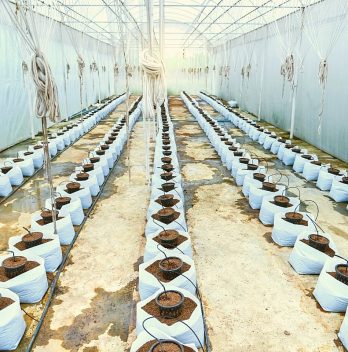
If you’re tight on space or just want an easier way to grow veggies, grow bags might be your new best friend. I’ve been using them for years now, and honestly? They’ve changed how I think about container gardening.
Let me walk you through why they work so well and which ones are worth your money in 2026.
Why Grow Bags Are Perfect for Vegetables
Grow bags solve problems that traditional pots just can’t. Here’s what makes them special:
Air pruning is the big one. When roots hit the breathable fabric walls, they naturally stop and branch out instead of circling endlessly like they do in plastic pots. This means healthier root systems and better nutrient uptake.
Drainage is foolproof. Overwatering is the #1 killer of container vegetables, but grow bags make it nearly impossible. Excess water drains right through the fabric.
They’re portable and storable. End of season? Fold them flat and toss them in the garage. Try doing that with a dozen terracotta pots.
Plus, roots stay cooler in summer. The breathable fabric prevents that heat buildup that can stress plants in black plastic containers.
Key Features to Look For
Material Quality
Not all grow bags are created equal. Look for 300g/m² felt fabric or thicker—anything lighter tends to break down after one season. Some premium options use BPA-free, food-safe materials, which matters if you’re growing edibles.
When in doubt, go bigger. Vegetables need room to spread their roots.
Handles Are Essential
Trust me on this—you want reinforced handles. Moving a 10-gallon bag full of wet soil without handles is a recipe for a thrown-out back. Double-stitched handles are worth the extra couple bucks.
Heavy-duty construction for serious growers. The extra-thick fabric holds up season after season, making them worth the slightly higher price.
How to Use Grow Bags Successfully
Fill with the Right Soil
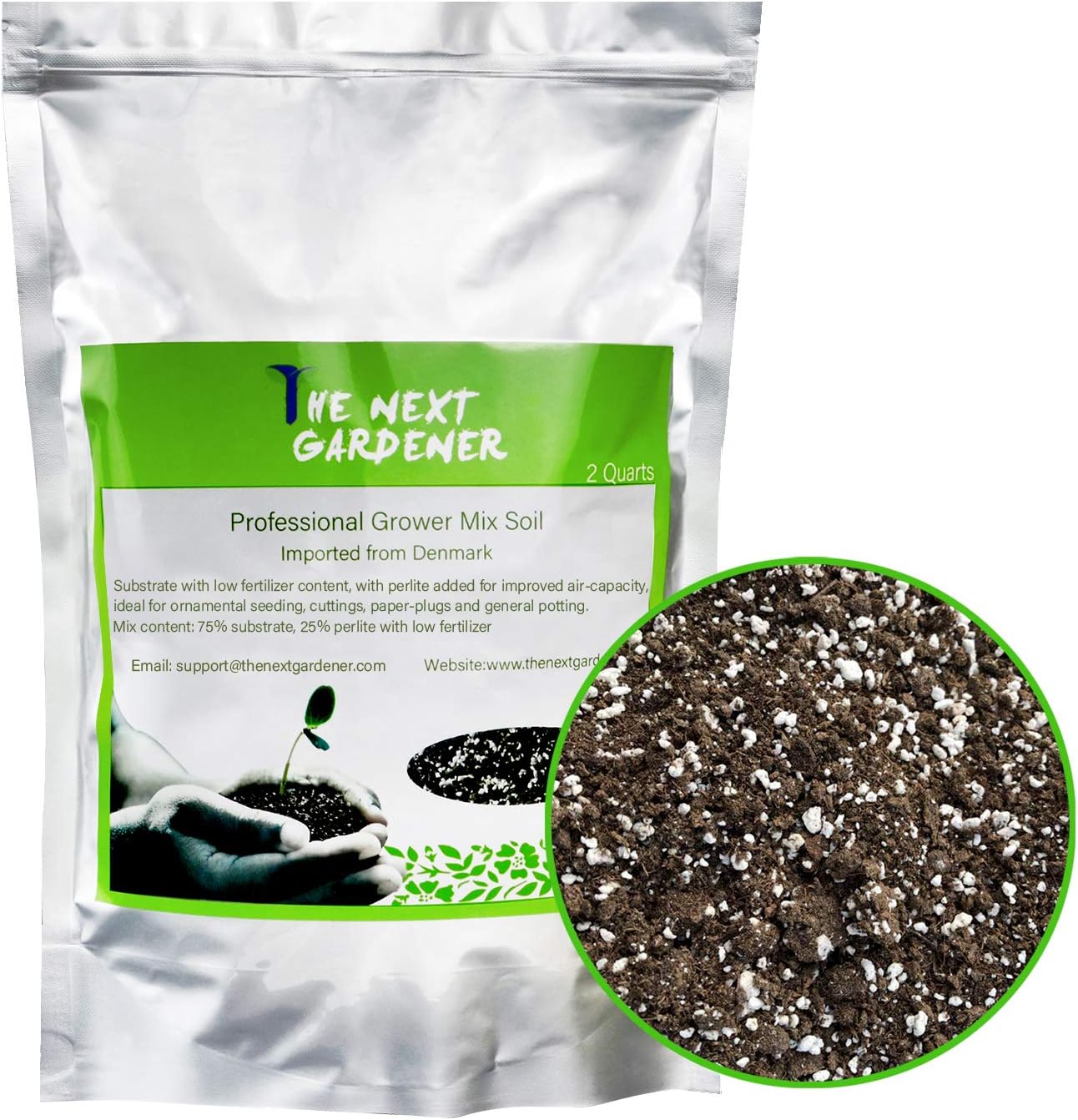
Don’t skimp here. Regular garden soil compacts too much. Use a quality potting mix with good drainage—something with perlite or coconut coir works best.
Water More Frequently
The drainage that makes grow bags great also means they dry out faster than plastic pots. In summer, you might need to water daily, especially for bags in full sun.
Elevate for Better Drainage
Set your grow bags on bricks or a pallet. This prevents the bottom from staying soggy and extends the life of the bags.
Final Thoughts
After using grow bags for several seasons, I can’t imagine going back to traditional pots for most vegetables. The improved root health alone makes them worth it, and the portability is a game-changer if you need to move plants around for sun or weather.
If you’re new to container gardening, start with the VIVOSUN 5-pack. They’re affordable, reliable, and will give you a solid feel for whether grow bags work for your setup.
For serious vegetable growers, the Smart Pots or GeoPots are worth the investment. They’ll last years and produce healthier plants season after season.
Smart garden technology has revolutionized how we grow plants in 2026. From AI-powered watering systems to app-controlled grow lights, these innovative tools make gardening easier and more productive than ever. Here’s our guide to the best smart garden tools for the modern grower.
Why Smart Garden Tools?
Smart gardening tools take the guesswork out of plant care. They monitor soil conditions, automate watering schedules, and even alert you when your plants need attention. For busy gardeners or beginners, these tools can mean the difference between thriving plants and disappointed harvests.
Top Smart Garden Tools for 2026
1. Smart Soil Moisture Sensors
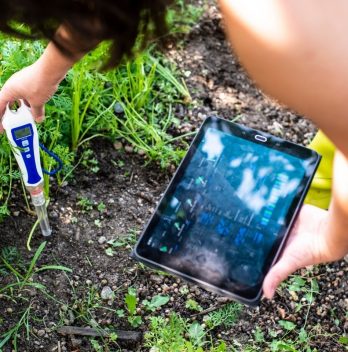
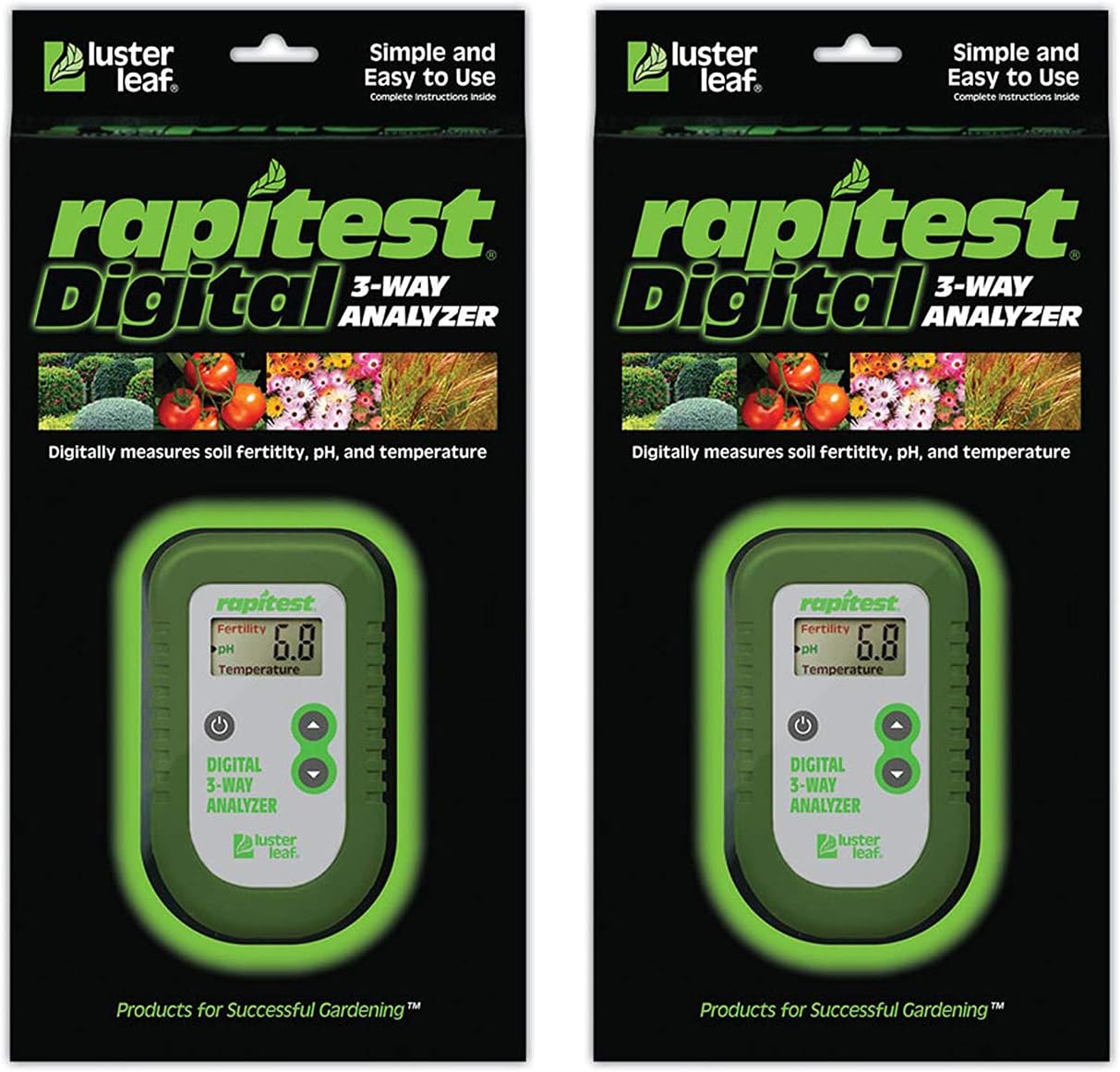
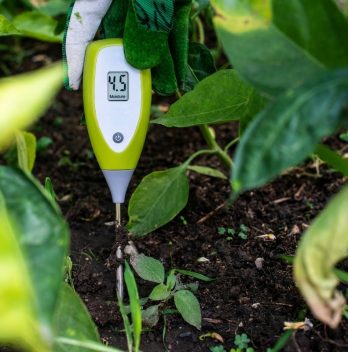
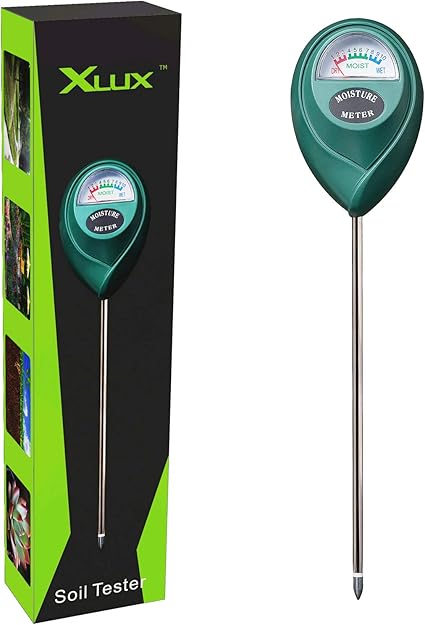
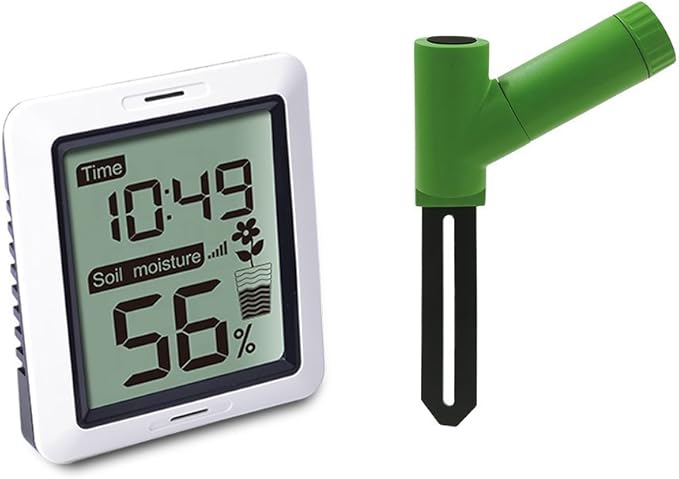
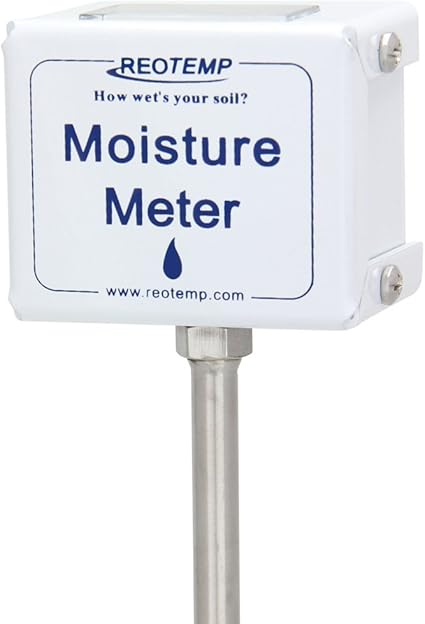
These wireless sensors monitor soil moisture levels in real-time and send alerts to your phone when plants need water. Many models also track light levels, temperature, and soil nutrients.
Best for: Container gardens, houseplants, raised beds
Price range: $15-50 per sensor
2. Automated Drip Irrigation Systems
App-controlled drip irrigation takes the hassle out of watering. Set schedules, adjust flow rates, and monitor water usage from your smartphone. Some systems even integrate with weather data to skip watering when rain is expected.
Best for: Vegetable gardens, flower beds, greenhouse growing
Price range: $50-200 for complete kits
3. Smart Grow Lights
LED grow lights with app control let you customize light spectrums, set timers, and simulate sunrise/sunset cycles. The latest models use AI to automatically adjust lighting based on plant growth stage.
Best for: Indoor growing, seed starting, winter gardening
Price range: $40-300 depending on coverage area
4. Wi-Fi Weather Stations
Garden-specific weather stations track hyperlocal conditions including temperature, humidity, rainfall, wind speed, and UV index. This data helps you make better decisions about planting, watering, and pest prevention.
Best for: Outdoor gardens, orchards, serious hobbyists
Price range: $100-300
5. Smart Planters with Self-Watering
These high-tech containers handle watering automatically using reservoir systems and moisture sensors. Perfect for travelers or anyone who tends to forget watering schedules.
Best for: Herbs, houseplants, apartment gardening
Price range: $30-150
What to Look for in Smart Garden Tech
Battery life: Look for long-lasting batteries or solar-powered options
App quality: Read reviews about the companion app’s reliability
Connectivity: Wi-Fi, Bluetooth, or hub-based systems each have pros and cons
Compatibility: Check if devices work with your existing smart home system
Weather resistance: Outdoor sensors should be waterproof and UV-resistant
Budget-Friendly Smart Gardening
You don’t need to spend a fortune to get started with smart gardening. Begin with a single soil moisture sensor for your most temperamental plant, then expand your system over time. Many gardeners find that even basic automation saves them time and improves results.
The Future of Garden Technology
Looking ahead, expect to see more AI integration, better plant recognition apps, and even robotic helpers for weeding and harvesting. The smart garden revolution is just getting started.
As an Amazon Associate, we earn from qualifying purchases.
Conclusion
Smart garden tools in 2026 offer unprecedented convenience and control over your growing environment. Whether you’re a tech enthusiast or simply want healthier plants with less effort, there’s a smart solution for every garden and budget.
🔧 Our Top Smart Garden Tool Picks
Amazon Choice
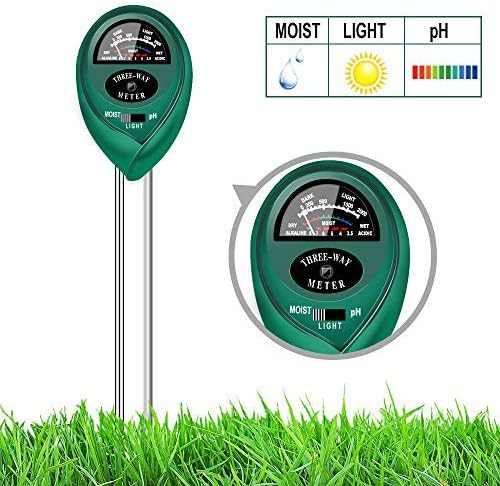
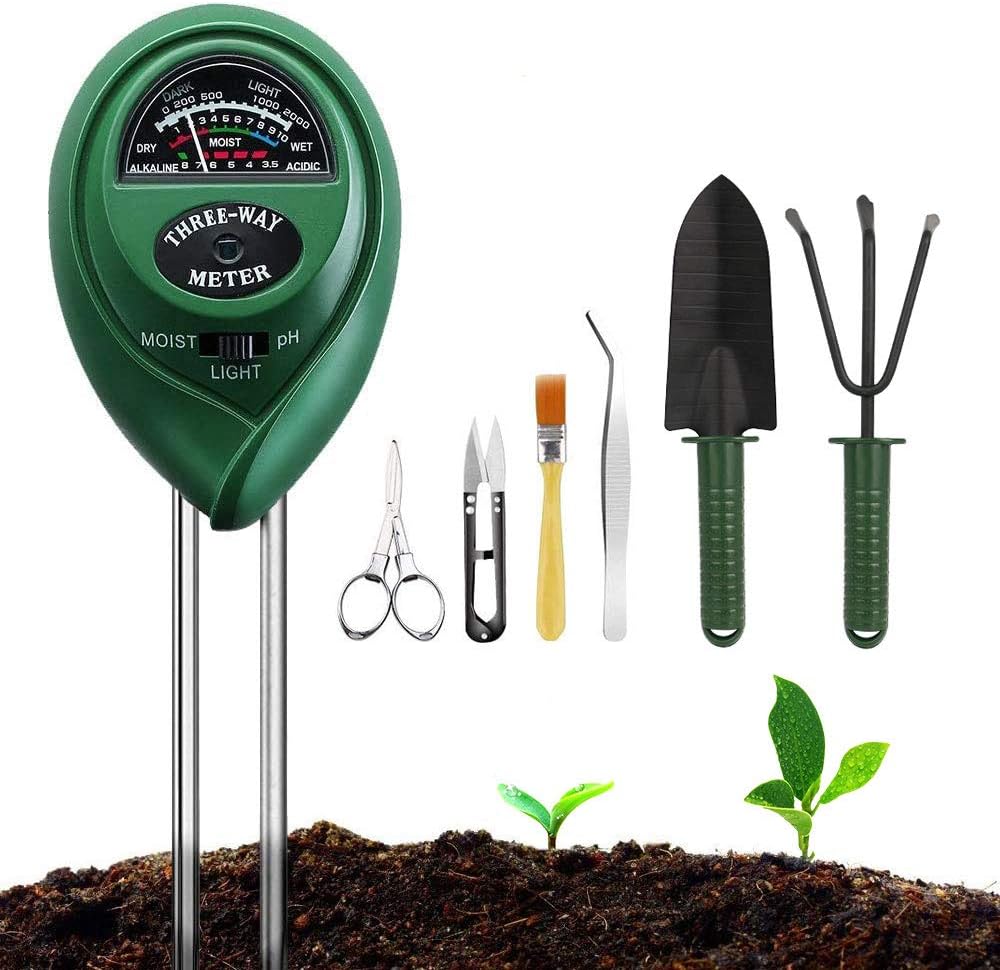
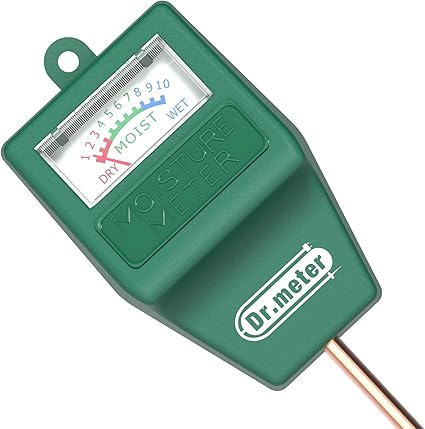
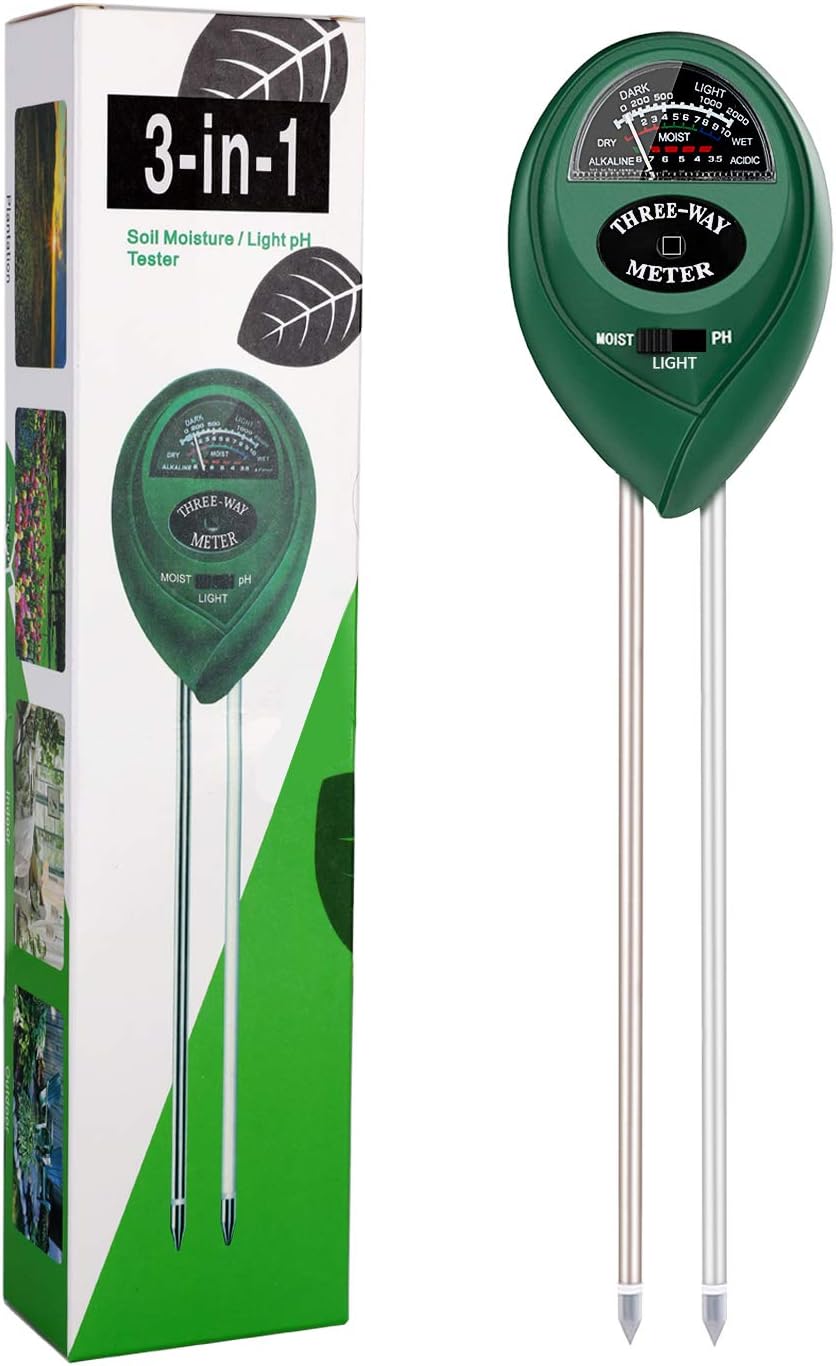
SONKIR Soil pH Meter, MS02 3-in-1 Soil Moisture/Light/pH Tester Gardening Tool Kits for Plant Care, Great for Garden, Lawn, Farm, Indoor & Outdoor Use (Green)
$7.97
3 METERS IN ONE: Soil moisture level, Soil pH value and Sunlight level could be tested easily according to your need by switching the function button of this soil meter.
NO BATTERY NEEDED: Simply insert the meter into soil, wait few minutes, accurate test results will be displayed on the readout panel. No battery is needed.
Lorem ipsum dolor sit amet, consectetur adipiscing elit. Morbi auctor suscipit magna pretium sodales. Vestibulum eu lorem vitae diam ullamcorper viverra in vitae nunc. Duis non risus urna.
The year 2025 marks a major shift in how we garden. It’s no longer just about getting your hands dirty; it’s about getting smart and being aggressively sustainable. The best new gear focuses on water conservation, soil health, and making tough tasks effortless with cordless power.
To help you get ahead of the curve, we’ve researched the biggest trends and must-have gear to create the definitive list. These products will not only transform your yield but also reduce your effort and environmental footprint.
🥇 The Top 10 Garden Products You Need in 2025
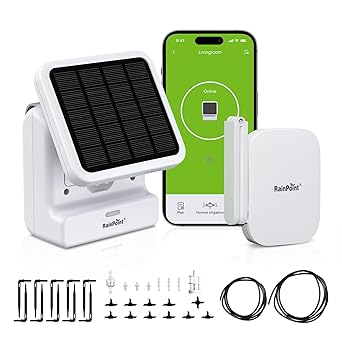
1. Solar-Powered Smart Irrigation Systems
The future of watering is here. The top systems in 2025 are solar-powered and utilize soil moisture sensors to monitor hydration in real-time. They deliver water only when and where it is needed, drastically cutting down on waste. This is the ultimate tool for water-wise gardening and ensuring plants are never stressed.
Top Pick
RAINPOINT Smart WiFi Solar Automatic Plant Watering System
$69.99
Water 20 plants with this amazing solar powered and WiFI enabled watering system ideal for automating away your gardening tasks.
We earn a commission if you make a purchase, at no additional cost to you.
02/08/2026 09:03 pm GMT
2. Advanced Microbial Soil Health Test Kits
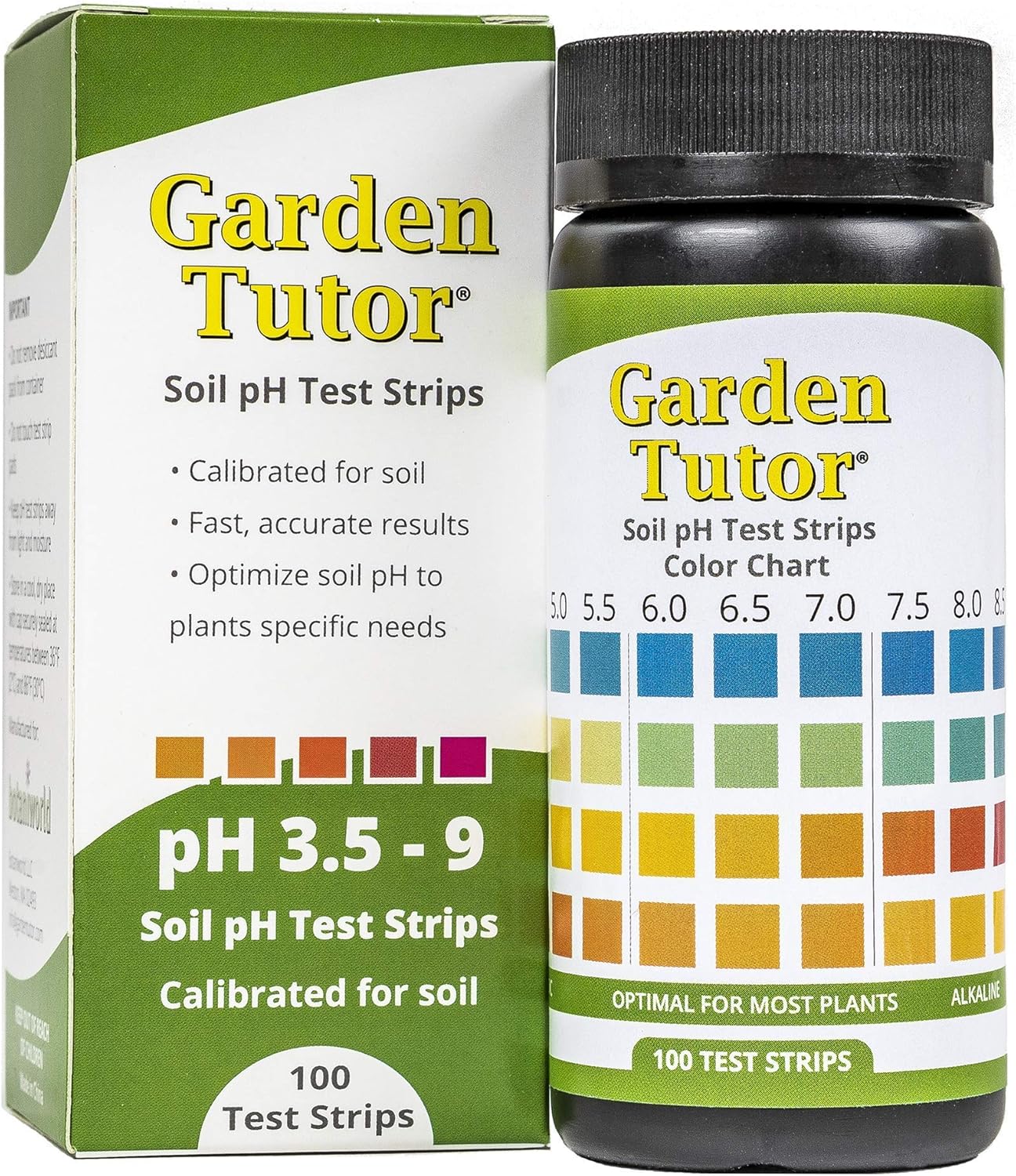
Forget basic pH strips. The new generation of test kits gives you a detailed look into your soil‘s microbial diversity and organic matter content. Knowing the level of beneficial fungi and bacteria allows you to precisely target soil deficiencies and maximize growth, making this a must-have product for the organic grower.
Amazon Choice
SONKIR Soil pH Meter, MS02 3-in-1 Soil Moisture/Light/pH Tester Gardening Tool Kits for Plant Care, Great for Garden, Lawn, Farm, Indoor & Outdoor Use (Green)
$7.97
3 METERS IN ONE: Soil moisture level, Soil pH value and Sunlight level could be tested easily according to your need by switching the function button of this soil meter.
NO BATTERY NEEDED: Simply insert the meter into soil, wait few minutes, accurate test results will be displayed on the readout panel. No battery is needed.
We earn a commission if you make a purchase, at no additional cost to you.
02/08/2026 01:05 pm GMT
3. 5-Tier Vertical Planter Systems
As gardens get smaller, going vertical is essential. The leading vertical garden kits—like the popular 5-tier stacking systems—maximize your growing space on patios, balconies, or small yards. Look for modular, soil-based designs that offer built-in irrigation options for easy, high-density growing.
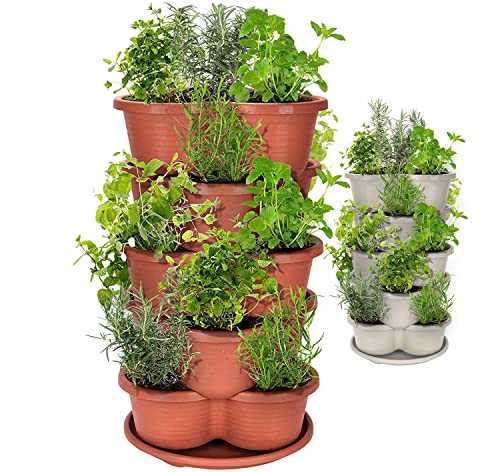
Amazing Creation Stackable Planter, Terracotta 5-Tier Vertical Garden Planter, Grow Your Own Vertical Oasis of Vegetables and Succulents
We earn a commission if you make a purchase, at no additional cost to you.
02/08/2026 07:06 am GMT
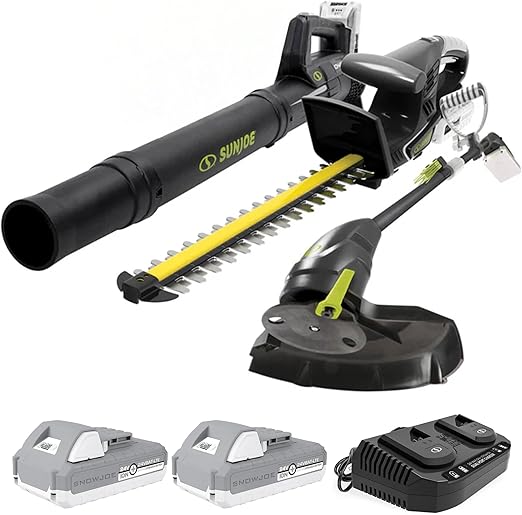
4. Cordless Battery Multi-Tool Systems
The age of gas-guzzling tools is over. Cordless multi-tool systems (from brands like EGO, STIHL, and Ryobi ONE+) are topping the charts in 2025. One battery platform powers everything from the lawnmower and leaf blower to pole pruners and hedge trimmers. They offer the power of gas with zero noise, zero emissions, and incredible convenience.
Cordless Combo Tool
$149.99
Sun Joe Cordless Leaf Blower, Grass and Hedge Trimmer Outdoor Garden Combo Power Tool Kit with Batteries and Charger, 24V-GT4MAX-LTE
We earn a commission if you make a purchase, at no additional cost to you.
02/08/2026 10:03 pm GMT
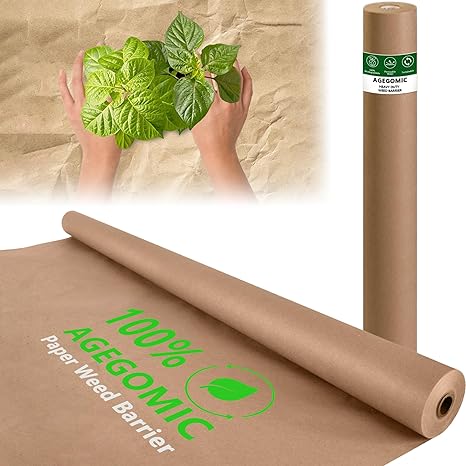
5. Biodegradable Mulch and Weed Barriers
In the pursuit of truly eco-friendly gardening, plastic and rubber mulches are being replaced. The most popular ground covers for 2025 include sustainable, biodegradable options like hemp mulch for vegetable beds and coco coir as a peat-free soil amendment. These materials suppress weeds while enriching the soil as they break down.
Biodegradable Weed Barrier
$59.99
4 x 100 Ft Heavy Duty Garden Paper Biodegradable Landscape Fabric Paper Garden Mulch Rolls Weed Barrier for Weeds, Paper Mulch Rolls Garden Paper for Outdoor Garden Lawn
We earn a commission if you make a purchase, at no additional cost to you.
02/08/2026 10:02 pm GMT
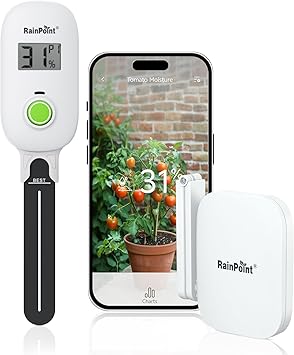
6. App-Connected Garden Sensors
Need a digital garden buddy? Small, app-connected sensors are becoming essential. These devices track sunlight, ambient temperature, humidity, and soil moisture, sending real-time data and alerts right to your phone. They take the guesswork out of plant care, allowing for remote monitoring—perfect for busy schedules or vacation prep.
App Connected Garden Sensor
$39.99
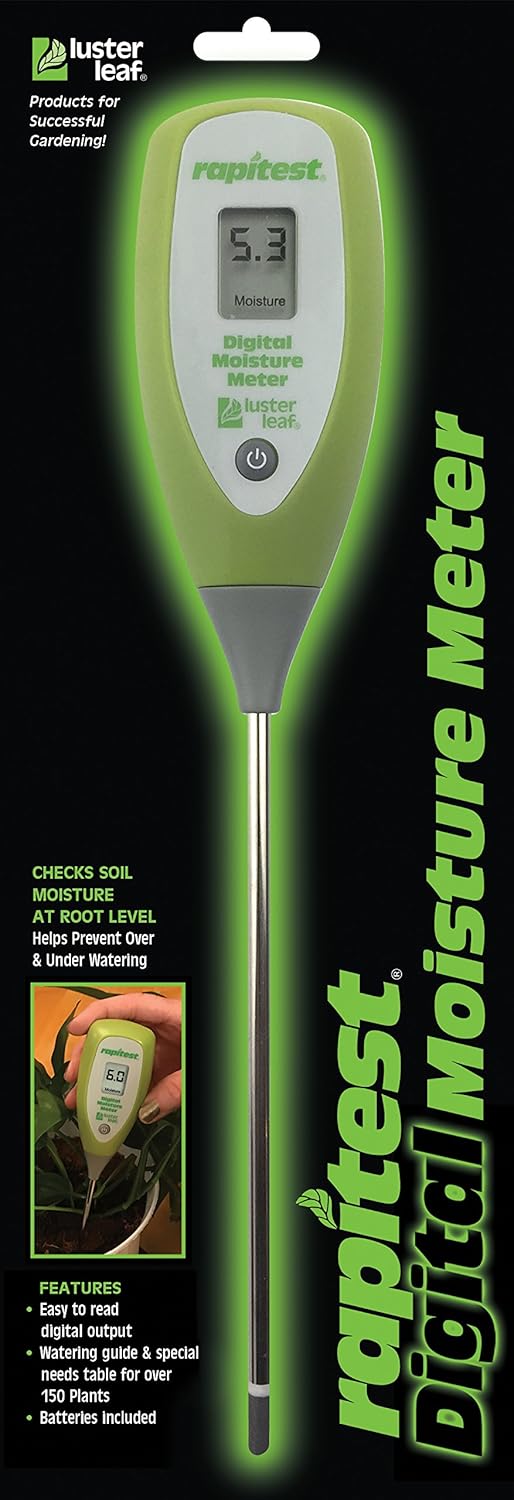
RAINPOINT Plant Moisture Meter Houseplants Indoor WiFi Hub Kit with Low/High Moisture Alert,Real-time Monitor Hygrometer Sensor Outdoor Gardening Push Notification&Email
We earn a commission if you make a purchase, at no additional cost to you.
02/08/2026 10:03 pm GMT
7. Ergonomic, Multi-Use Hand Tools
Investing in quality hand tools that reduce strain is a major trend. New ergonomic multi-use hoes and rechargeable cordless pruning shears are designed with comfortable grips and lightweight materials to reduce hand fatigue. These tools make repetitive tasks, like pruning berry bushes or weeding beds, feel less like a chore.
9-Piece Gardening Hand Tool kit
$27.85
Included a Durable Garden Tools Organizer Handbag, Rust-Proof Garden Tool Set, Ideal Gardening Gi…
We earn a commission if you make a purchase, at no additional cost to you.
02/08/2026 07:05 am GMT
8. Indoor Hydroponic Smart Gardens
For year-round growing, the indoor smart garden remains king. The best 2025 models are moving towards open-system hydroponics that allow you to grow any seed you choose, not just pre-packaged pods. Featuring full-spectrum LED lights and automated nutrient delivery, they make growing herbs and leafy greens indoors simple.
iDOO Hydroponics Growing System Kit
$99.99
iDOO Herb Garden Indoor with LED Grow Light, Built-in Fan, Auto-Timer, Adjustable Height Up to 11.3″, 12Pods-
We earn a commission if you make a purchase, at no additional cost to you.
02/08/2026 10:03 pm GMT
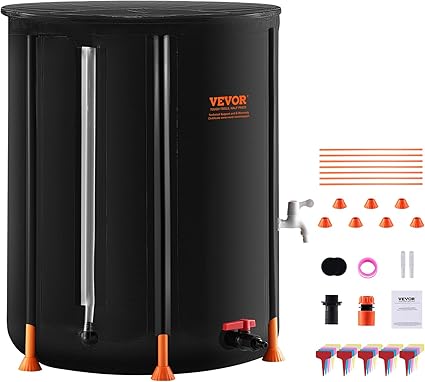
9. Integrated Rainwater Collection Systems
With climate change making water conservation crucial, new smart water collection systems are trending. Stylish, larger capacity rain barrels and rain gardens are designed to integrate seamlessly into your landscape, collecting clean rainwater (which is better for plants than chlorinated tap water) and reducing strain on municipal systems.
Hot Item
VEVOR Collapsible Rain Colelction Barrel, 100 Gallon/380 L
$39.90
VEVOR Collapsible Rain Barrel, 100 Gallon/380 L Portable Water Tank, PVC Rainwater Collection Barrel with Spigots and Overflow Kit, Water Barrel for Garden Water Catcher
We earn a commission if you make a purchase, at no additional cost to you.
02/08/2026 10:02 pm GMT
10. Pollinator Habitat Kits
Supporting local wildlife is a core theme in 2025. Pollinator habitat kits are one of the fastest-growing segments. These kits provide everything needed to create a safe haven, including carefully selected native wildflower seeds for continuous bloom and structure kits for bee hotels and butterfly houses. They ensure your garden gives back to the local ecosystem.
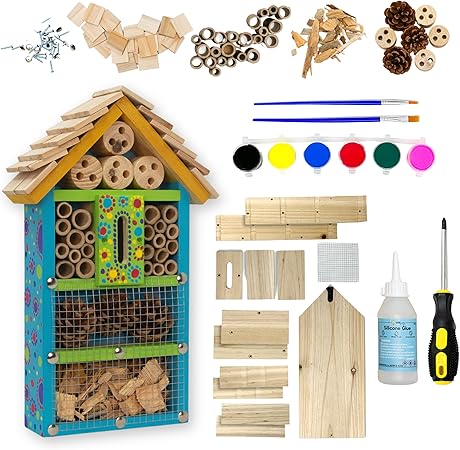
Our Choice
Premium Bug Hotel Kit
$34.99
DIY Solid Cedar Wood Craft Kit for Building Your Own Bee Hotel, Lady Bug House, or Mason Bee Hous…
We earn a commission if you make a purchase, at no additional cost to you.
02/08/2026 10:03 pm GMT
Summary of 2025’s Gardening Edge
The common thread among the best gardening products of 2025 is the blend of technology and ecology. By prioritizing tools that are smarter, quieter, and more sustainable, you can ensure a greener, more bountiful, and easier gardening season. Start implementing one or two of these innovations to see a major improvement in your gardening journey!
Ready to get growing?
The Consumer Reports video offers a great overview of the various battery-powered tool systems that dominate the 2025 trend for cordless gardening equipment, a key category in this list.
SONKIR Soil pH Meter, MS02 3-in-1 Soil Moisture/Light/pH Tester Gardening Tool Kits for Plant Care, Great for Garden, Lawn, Farm, Indoor & Outdoor Use (Green)
$7.97
3 METERS IN ONE: Soil moisture level, Soil pH value and Sunlight level could be tested easily according to your need by switching the function button of this soil meter.
NO BATTERY NEEDED: Simply insert the meter into soil, wait few minutes, accurate test results will be displayed on the readout panel. No battery is needed.
We earn a commission if you make a purchase, at no additional cost to you.
02/08/2026 10:03 am GMT
Amazon’s Choice
FoxFarm Ocean Forest Potting Soil
$33.99
FoxFarm Ocean Forest Potting Soil is a nutrient-rich blend of aged forest products, bat guano, and earthworm castings, perfect for indoor and outdoor plants. Its pH-balanced formula promotes healthy growth, making it ideal for seedlings, transplants, and mature plants.
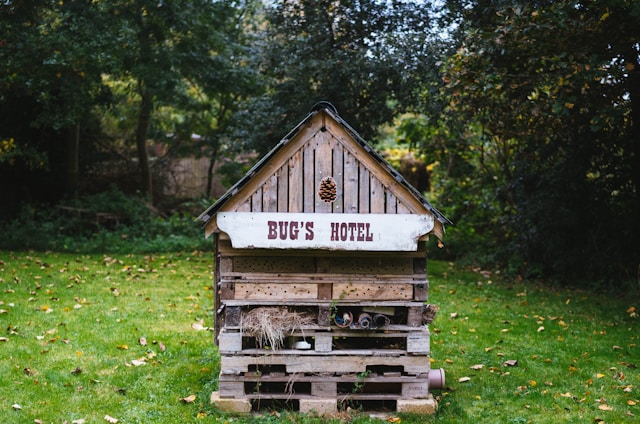
Bug hotels are a great way to attract beneficial insects to your garden, helping with pollination and natural pest control. This article will help you find some of the Best bug hotel ideas for your garden. These charming garden additions shelter various insects, such as ladybugs, bees, and butterflies, while enhancing biodiversity.
I’ve had several different bug hotels in my garden over the years. We received a bug hotel a few years ago as a gift, but it was of cheap quality and only lasted a season. Now, we have two bug hotels, which are better quality and have survived the third season. So, investing in a Bug Hotel with proper wood and construction will last longer in the elements of your garden and bring joy to your garden and plants.
If you’re looking for inspiration, here are some of the Best bug hotel ideas for your garden or backyard:
This bee hive is perfect for attracting solitary bees, such as mason and leafcutter bees, which are excellent pollinators. The Bee Hive offers multiple trays for bees to lay their eggs, easily removable for inspection or cleaning. Crafted from FSC-certified timber, this eco-friendly bug hotel provides a safe haven for solitary bees while helping your garden thrive.
Key Features:
A hinged roof allows you to open it and see the bee activity in the hive
The Lulu Home Wooden Insect Hotel is designed to attract beneficial insects like butterflies, ladybugs, and bees to your garden. This eco-friendly bug house is made from natural materials and provides a safe habitat for various pollinators and pest controllers. The multi-chamber design accommodates different species, offering them shelter to nest and hibernate. It enhances your garden’s ecosystem by promoting biodiversity and natural pest control.
Key Features:
Promotes Garden Health: Attracts beneficial insects like ladybugs and bees, which help with natural pest control and pollination.
Eco-Friendly Materials: Made from natural wood, providing a sustainable and safe habitat for various species.
Multi-Chamber Design: Offers shelter for different types of insects, supporting biodiversity and enhancing your garden’s ecosystem.
Amazon Choice Selection
Lulu Home Wooden Insect Hotel
$13.99
Lulu Hanging Insect Hotel made from wood, Habitat, Bug Hotel Garden, 10.4 X 3.4 X 5.4 Inch<...
The TIHOOD Natural Wooden Hanging Bee Houseis a stylish and functional insect house that attracts beneficial bugs like bees, ladybugs, and butterflies. Crafted from natural wood, this eco-friendly bug hotel provides a perfect habitat for various species, promoting pollination and natural pest control in your garden. Its multi-chamber design offers separate sections for different insects, helping enhance biodiversity and overall garden health.
Key Features:
The multi-chamber design supports different insect species for a balanced ecosystem.
Encourages pollinators and pest controllers in your garden.
Eco-friendly construction with natural wood materials.
TIHOOD Natural Wooden Hanging Bee House
$24.99
For Gardens Natural Wooden Butterfly Hotel for Bee, Butterfly, Ladybirds, Habitat, Bee Hotel Gard…
The Esschert Design WA46 Insect House S is perfect for small gardens or urban spaces. This compact yet highly effective bug hotel provides a home for bees and other pollinators, supporting your plants’ growth. Made from untreated FSC wood, it’s safe for insects and environmentally friendly, making it an excellent choice for eco-conscious gardeners.
The construction of this particular Bug Hotel stands out. It has a metal roof, which will help the wood last longer in the elements.
Key Features:
Compact and space-efficient
Made from eco-friendly materials
Metal roof
Esschert Design WA46 Insect House S
$89.53
Great design and metal roof make this a long-lasting option for your garden
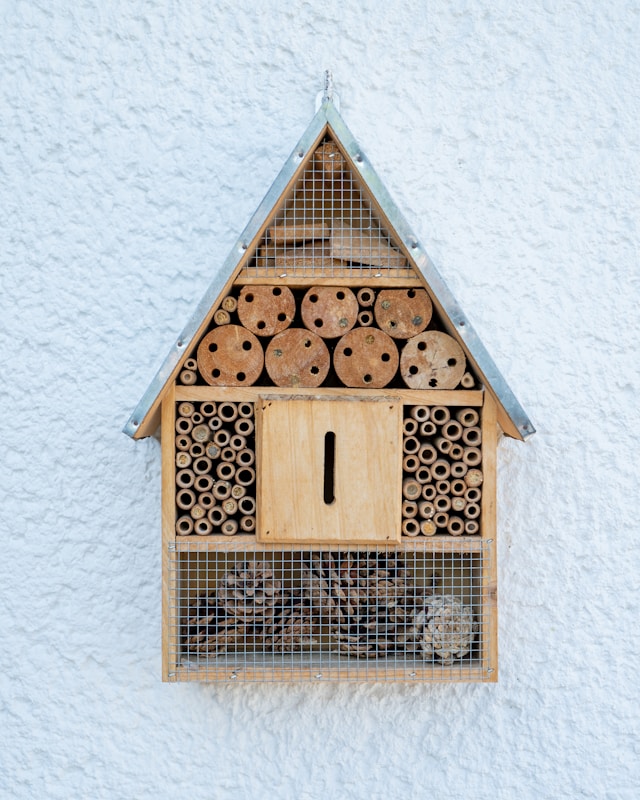
The Navaris Insect Hotel is a well-rounded bug house with sections for bees, butterflies, ladybugs, and other insects. It includes compartments filled with natural materials such as bamboo, wood, and pine cones to suit various species. This stylish bug hotel attracts beneficial insects and serves as a decorative element in your garden.
Key Features:
Large, multi-chamber design
Made from natural, untreated wood
Metal roof to protect the wood from rain and the elements
Attracts a wide range of helpful insects
Our Pick
Navaris Wooden Insect Hotel
$26.49
Give back to your garden in the best way possible by providing a home to pollinators like wild be…
We earn a commission if you make a purchase, at no additional cost to you.
02/08/2026 08:04 am GMT
Why Add a Bug Hotel to Your Garden?
Bug hotels provide crucial shelter and nesting spaces for beneficial insects that support your garden. Pollinators like bees help flowers, fruits, and vegetables grow, while predatory insects like ladybugs naturally control pests such as aphids. A well-placed bug hotel can increase biodiversity, promote healthier plants, and reduce the need for chemical pesticides.
Tips for Setting Up a Bug Hotel
Location, Location, Location: Place the bug hotel in a sunny, sheltered spot, ideally close to flowers or garden beds. If possible, find a spot with less rain exposure, which will help the bug hotel last longer.
Materials: To attract different insect species, your bug hotel should include a variety of materials, such as bamboo, wood, and pine cones.
Maintenance: While bug hotels are low maintenance, they should be checked occasionally to ensure they are clean and functioning correctly.
Conclusion
Investing in a bug hotel helps the environment and supports a healthy and thriving garden. I hope this article helped you determine the best bug hotel ideas. Whether you want to attract bees for pollination or ladybugs for natural pest control, these bug hotels offer a range of options to suit different gardens and budgets. With the correct setup, your garden can become a sanctuary for helpful insects, creating a balanced and eco-friendly environment.
🐝 Our Top Bug Hotel Pick
Our Choice
Premium Bug Hotel Kit
$34.99
DIY Solid Cedar Wood Craft Kit for Building Your Own Bee Hotel, Lady Bug House, or Mason Bee Hous…
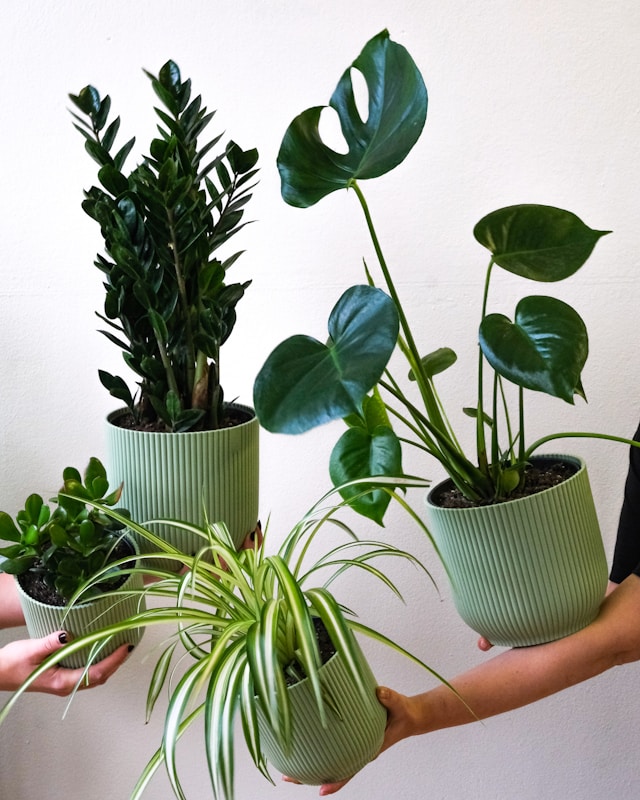
Indoor plants are a great way to beautify your home, help purify the air, and create a relaxing atmosphere. Whether you’re a beginner or a seasoned plant enthusiast, choosing low-maintenance plants can ensure a thriving indoor garden with minimal effort.
Here are the Top 5 Best Indoor Plants that are easy to care for and perfect for any space.
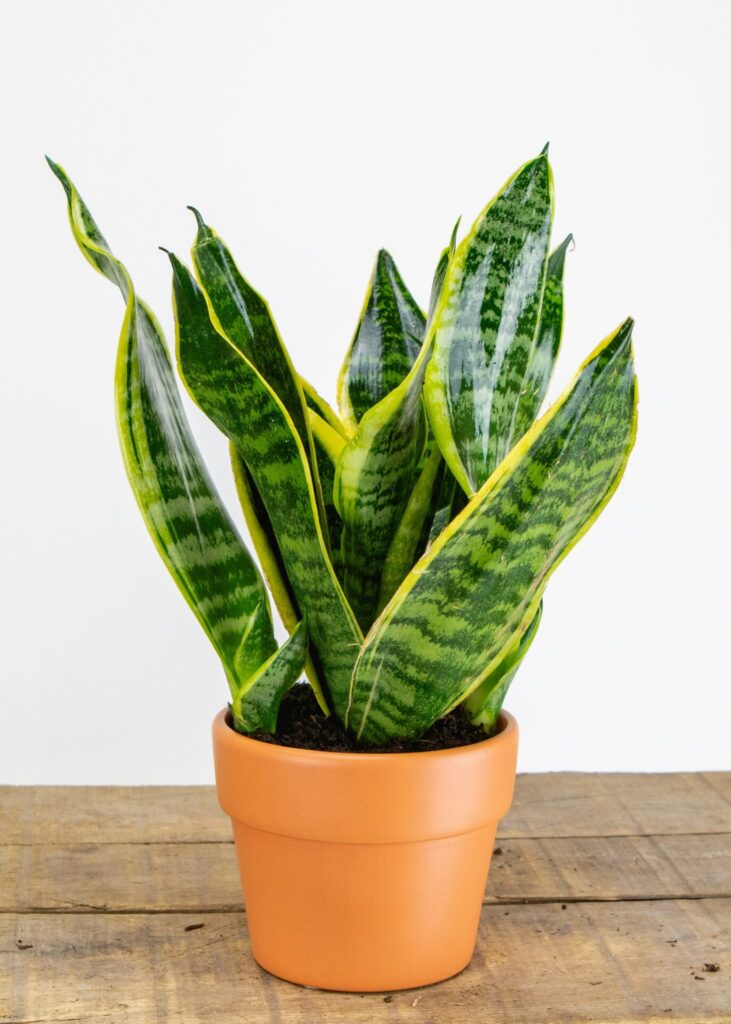
1. Snake Plant (Sansevieria)
The Snake Plant, also known as “Mother-in-Law’s Tongue,” is one of the most popular indoor plants for its resilience and air-purifying abilities. It can thrive in low to bright indirect sunlight, making it suitable for rooms with limited natural light. This plant also requires minimal watering, typically every 2-3 weeks, as it stores water in its leaves.
How to care for snake plants indoors
Benefits: The snake plant is excellent at filtering toxins such as formaldehyde, xylene, and benzene from the air, making your home healthier.
Care Tip: Avoid overwatering, as it is prone to root rot. Let the soil dry out completely between waterings.
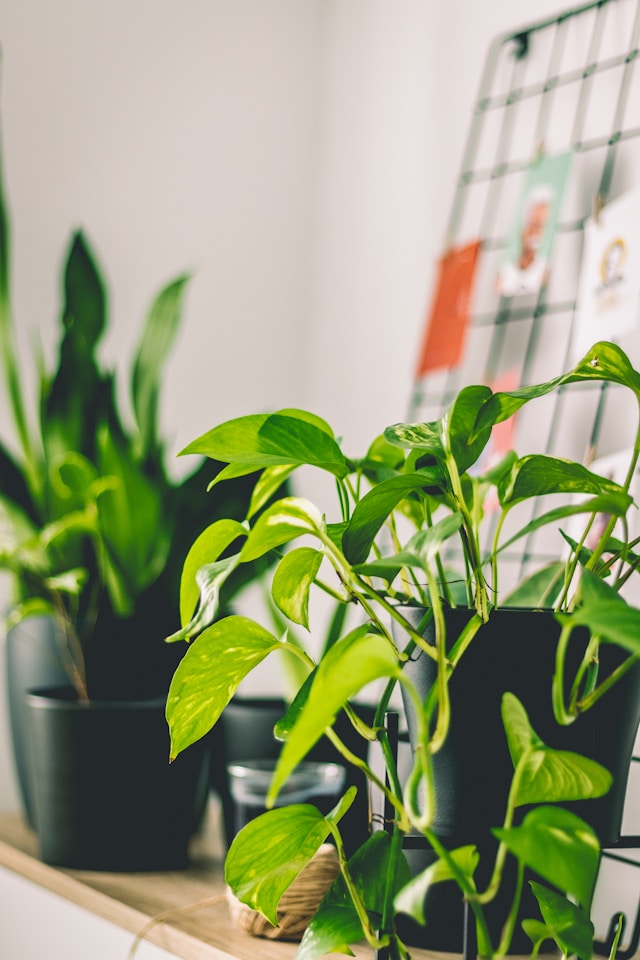
2. Pothos (Epipremnum aureum)
Pothos is a hardy, fast-growing vine that is perfect for beginner gardeners. It can thrive in a variety of lighting conditions, including low light, which makes it a great choice for darker rooms or offices. Pothos is very forgiving if you forget to water it, and it grows quickly, producing beautiful trailing vines that can be displayed on shelves or in hanging baskets.
Benefits: Pothos helps purify the air by removing pollutants such as formaldehyde and xylene.
Care Tip: Water when the soil feels dry to the touch. It’s a fast grower, so feel free to trim it back as needed to maintain its shape.
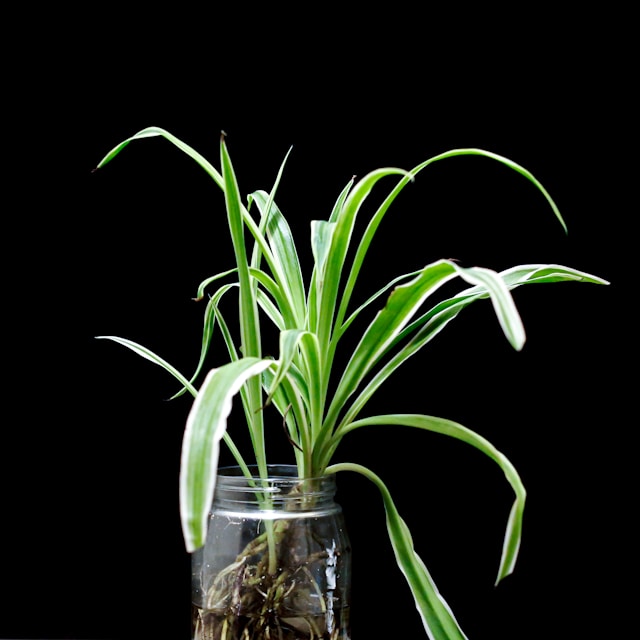
3. Spider Plant (Chlorophytum comosum)
The Spider Plant is another easy-care option that’s great for both beginners and seasoned plant owners. It’s known for its long, arching leaves and small white flowers that eventually produce “pups” or baby spider plants. These pups can be easily propagated, making it a great plant for sharing or expanding your indoor garden.
Benefits: Spider plants are known for their ability to remove toxins like carbon monoxide and formaldehyde from the air, improving your home’s air quality.
Care Tip: Place your spider plant in bright, indirect light for the best results, and water it once a week or when the soil dries out.
4. Peace Lily (Spathiphyllum)
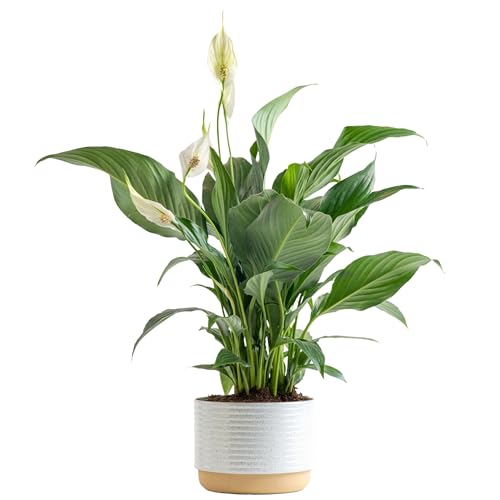
Peace Lilies are known for their glossy, deep green leaves and elegant white flowers. They are easy to grow in low-light conditions, making them perfect for dim corners of your home. Peace lilies are also fantastic air purifiers, removing toxins like ammonia, benzene, and formaldehyde from the environment.
Benefits: In addition to being an air purifier, the peace lily adds a touch of elegance with its white blooms. It’s also known for signaling when it needs water—its leaves will droop slightly, letting you know it’s thirsty.
Care Tip: Water weekly and keep the soil moist, but avoid letting the plant sit in standing water.
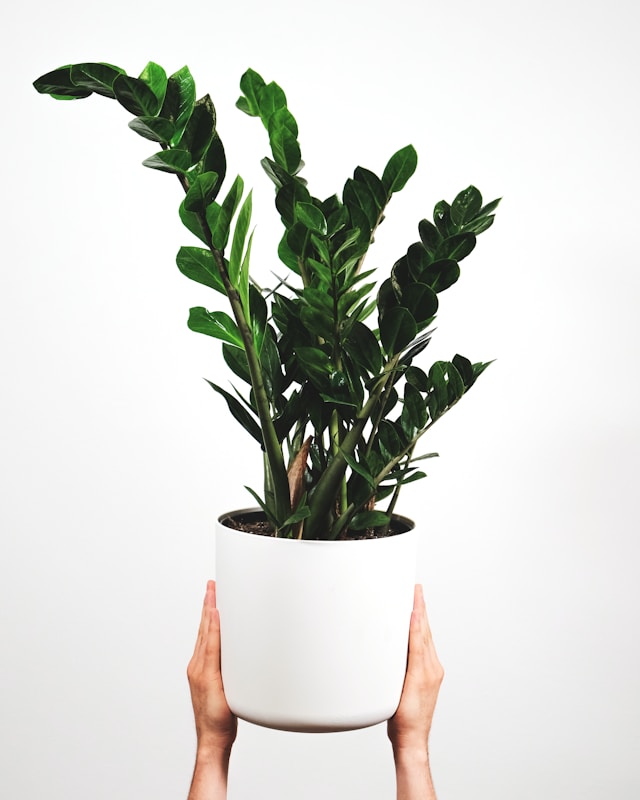
5. ZZ Plant (Zamioculcas zamiifolia)
The ZZ Plant is a virtually indestructible indoor plant, making it ideal for busy individuals or those who travel often. This plant thrives in low-light environments and can tolerate long periods without water, thanks to its water-storing rhizomes. Its shiny, deep green leaves make it a stylish addition to any room.
Benefits: Like the other plants on this list, the ZZ plant improves indoor air quality and is exceptionally easy to maintain.
Care Tip: Water every 2-3 weeks, allowing the soil to dry out between waterings. It does well in indirect light but can tolerate lower light conditions.
FAQ: Top 5 Best Indoor Plants
1. How do I care for a Snake Plant indoors? Snake Plants thrive in low to bright indirect light. Water every 2-3 weeks, letting the soil dry completely between waterings to avoid root rot.
2. Can Pothos grow in low light? Yes, Pothos is very adaptable and can grow in low light, though it will thrive better in bright, indirect light.
3. How do you propagate Spider Plants? Spider Plants produce small offshoots called “pups.” Simply cut them off and plant them in soil or water to root.
4. How often should I water a Peace Lily? Peace Lilies prefer moist soil. Water about once a week, or when the plant starts drooping slightly.
Adding indoor plants to your home is a great way to improve the aesthetics and air quality of your living space. The Top 5 Best Indoor Plants we’ve covered—snake Plant, Pothos, Spider Plant, Peace Lily, and ZZ Plant—are all low-maintenance and perfect for any home, whether you’re a beginner or an experienced gardener. With the right care, these plants will thrive and bring beauty to your space year-round.
Remember, each plant has unique care requirements, so adjust your routine to suit their needs. Happy planting!
🌿 Indoor Plant Care Essentials
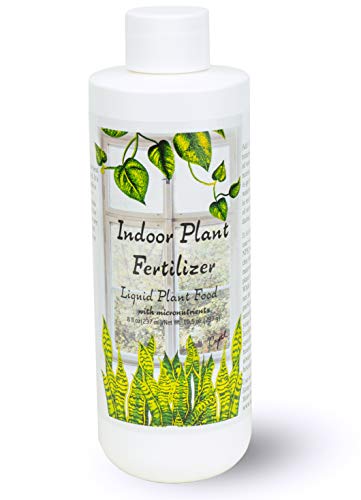
Indoor Plant Food | All-purpose House Plant Fertilizer | Liquid Common Houseplant Fertilizers for Potted Planting Soil | by Aquatic Arts
We earn a commission if you make a purchase, at no additional cost to you.
02/08/2026 06:03 pm GMT
Costa Farms Peace Lily, Live Indoor Plant with Flowers, Easy to Grow Houseplant in Decorative Pot, Potting Soil, Thinking of You, Get Well Soon Gift, Room Decor, 1 Foot Tall
How do you find excellent top-feed hydroponic drip system supplies? Look to our guide and you can find some nice recommendations and great tips for making an excellent choice. You will also find some useful information about top-feed drip system hydroponics.
The top-feed drip hydroponics system is great for both small home-based and large commercial hydroponic setups. You get to have control over your hydroponics system with a top drip system. This system is also an excellent choice for a broad range of plants and herbs.
So, let’s talk about the top-feed hydroponic drip system.
What is a Hydroponic Drip System?
When it comes to hydroponics, there is really no particular way or fixed way of building up a hydroponic system. The versatility of the system is what we admire. One of these various ways of setting up a hydroponic system is through the drip system.
A hydroponic drip system exclusively makes use of drip emitters to directly feed your plants with nutrients and water. This system is not peculiar or unique to just hydroponics. A drip system has been and is still popularly used in outdoor garden irrigation to provide water to traditional plants. It has now been successfully modified to work with a hydroponics system.
Also, the system is easy setup, especially for beginners. It only requires a couple of parts to set up at the same time providing an efficient hydroponic system.
The most interesting advantage we admire about the drip hydroponics system is that it offers you control over your hydroponics garden. You can control the amount of water and nutrients you feed your hydroponic plants.
The feed drip hydroponics system is most suitable for commercial growers. Therefore, among most hydroponic commercial growers, it is one of the best-loved hydroponic systems compared to other systems.
Types of Hydroponic Drip Systems
There are majorly two types of top-feed hydroponic drip systems. They are:
Recovery or recirculating drip system
It is commonly used by home-based growers. This type of system allows the recovery of excess nutrient solution back into the reservoir to be reused. The disadvantage is that as the nutrients are reused, there is a change in nutrient composition level and pH.
The recirculating drip system will need to be monitored consistently to adjust the pH level and balance the nutrient solutions.
Non-recovery or non-recirculating drip system
Non-recirculating drip systems are mostly used by commercial growers. In the non-recovery drip system, nutrient solutions are not recovered. Even though it sounds wasteful, the fact is there is usually just a little waste.
This is because as you time the flow for each cycle, you will have an idea of the number of nutrients used in a specified time. This allows growers to reduce or adjust the next amount of nutrient solution down to the watering time. Therefore, there is usually minimal run-off after each dripping time has elapsed.
The top-feed drip hydroponic system is a great solution for growing plants without soil. It uses a pump to deliver nutrient-rich water directly to the plant roots, ensuring efficient growth and healthy plants. This method is ideal for growing a wide variety of plants, including leafy greens and herbs, both indoors and outdoors.
It’s a low-maintenance system that works well for beginners and experienced gardeners alike, providing a consistent supply of water and nutrients
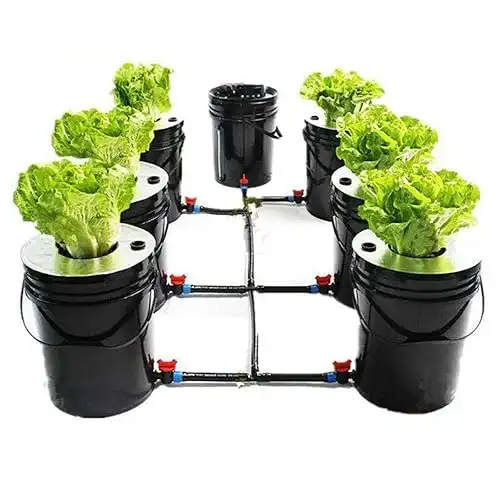
Hydroponic System, Growing System Kit 7 Bucket 5 Gallon Recirculating Deep Water Aquaculture
Hydroponic Growing Kit with Pump, Air Stone and Water Leveling Device for Indoor/Outdoor Leafy Ve…
Pros:
Efficient Growth: Ideal for indoor/outdoor leafy vegetables with fast, consistent growth.
Recirculating System: Maintains water and nutrient levels, reducing waste.
Complete Kit: Includes pump, air stone, and water leveling device, so no extra purchases needed.
Large Capacity: 7 buckets, each 5 gallons, offering a significant growing area.
Cons:
Setup Complexity: Some users may find initial assembly challenging.
Space Requirement: Requires a larger space due to its size
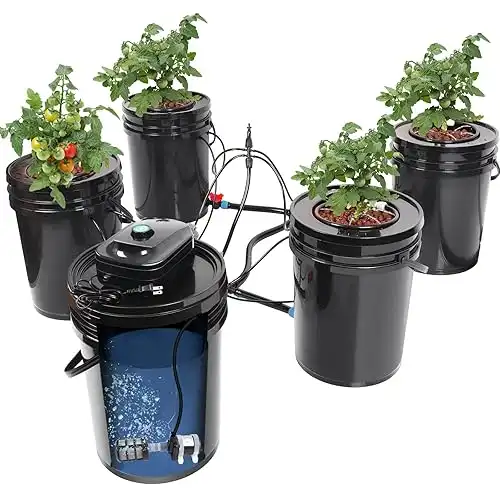
The RDWC Top Feed Drip Hydroponics System is a high-efficiency hydroponic kit perfect for growing a wide range of plants. It features a recirculating deep water culture system that continuously feeds oxygen and nutrients to plant roots. With 4 buckets, a reservoir, a water pump, and a drip kit, it’s designed for those serious about indoor gardening.
This setup helps plants grow faster and healthier, making it ideal for both beginners and advanced growers. It’s easy to maintain and works well for leafy greens and other crops. This system is excellent for serious growers aiming for high yields.
RDWC Top Feed Drip Hydroponics Systems, Recirculating Deep Water Culture Hydroponic Bucket System
$159.99
5 Gallon Hydroponics Growing System Kit with Water Pump, Air Pump(4 Bucket + Reservoir + Drip Kit…
Pros:
Efficient Growth: Recirculating deep water culture (RDWC) provides a steady supply of oxygen and nutrients for faster plant growth.
Complete Kit: Includes water pump, air pump, 4 buckets, a reservoir, and a drip kit—everything you need to get started.
Minimal Maintenance: The recirculating system requires less frequent nutrient adjustments.
Cons:
Setup Complexity: Initial installation can be tricky for beginners.
Space Requirement: Takes up a larger area due to multiple buckets
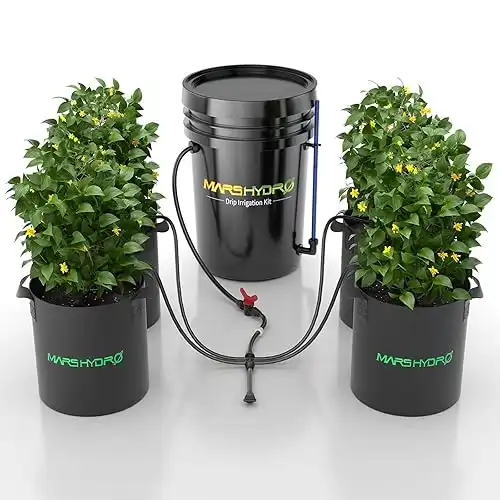
The MARS HYDRO Auto Drip Irrigation Kit is a versatile watering system designed for indoor gardens, lawns, and greenhouses. It features a 5-gallon bucket, 22W water pump, and 8 drip emitters, providing a reliable automatic watering solution.
This kit is great for small to medium-sized indoor gardens.
MARS HYDRO Auto Drip Irrigation Kits Garden Watering System
For Indoor, Lawn, Greenhouse, Yard, 5-Gallon Bucket 22W Water Pump with 8 Drip Emitters
Pros:
Automatic Watering: Ensures consistent hydration for plants, reducing manual labor.
Energy Efficient: The 22W pump consumes minimal electricity.
Versatile Use: Suitable for indoor, greenhouse, or lawn setups.
Cons:
Limited to Small/Mid Gardens: May not be ideal for larger operations.
Pump Noise: Some users may find the pump noise noticeable.
The LAWNFUL 4 Hydroponic Buckets Kit offers a complete deep water culture (DWC) hydroponic system perfect for growing herbs, tomatoes, and vegetables indoors. It includes four 5-gallon buckets, an air pump, and a germination tray, allowing gardeners to start from seed and grow plants to maturity. The system delivers oxygen directly to the plant roots, promoting faster growth and healthier plants.
With this kit, you get a reliable indoor gardening solution that supports multiple plants at once, making it ideal for both beginners and experienced gardeners.
This kit is perfect for those looking to grow a variety of plants in a controlled indoor environment, offering high efficiency and versatility for small-scale hydroponic gardening.
Hydroponic Buckets Kit for Plants, Hydroponics Growing System
$99.99
LAWNFUL 4 Hydroponic system for Herbs/Tomato/Vegetables, DWC System with Air Pump; Germinat…
Pros:
Complete Hydroponic Solution: Includes air pump, buckets, and germination tray.
Multiple Buckets: Allows you to grow several plants at the same time.
Faster Growth: The DWC system boosts oxygen and nutrient uptake, resulting in quicker plant growth.
Cons:
Space Requirement: Due to the size of the four buckets, you’ll need a decent amount of space indoors.
Assembly Complexity: Some beginners might find it challenging to set up the system at first.
These garden drip hydroponic supplies are quite easy to put together with the use of the user manual for your guidance when installing.
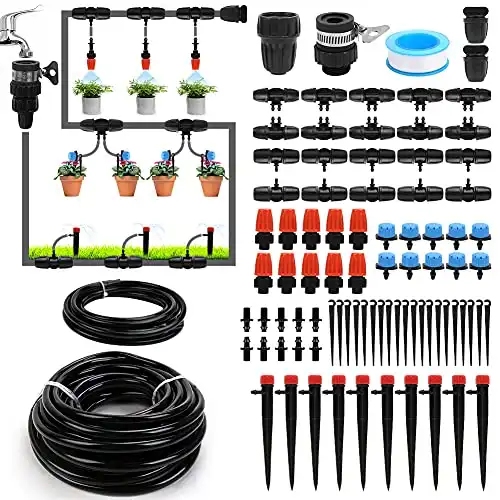
We admire the adjustable dripper that meets your various watering needs which also allows you total control of your drip system. It also comes with a universal faucet allowing you to connect any kind of faucet brand.
These drip hydroponic supplies offer you a cool heat environment, especially for your outdoor garden. The tubing hose is of standard quality and has UV resistance and is made of chemical-resistant materials making it safe.
Additionally, it comes with support stakes for your plants, and apart from a hydroponic garden, it is ideal for lawns, terraces, etc.
The drawback it does not come with gallon pots or pumps, it only provides supplies to set up parts of your drip hydroponics system.
Drip Irrigation System, Garden Watering System Kit,
100ft 3/8" & 1/4" Irrigation Sprinkler System for Lawn Greenhouse, Auto…
Pros:
Adjustable drippers for your plant’s watering needs.
Easy to set up with a user manual as a guide.
UV resistance and chemical resistance made materials.
We earn a commission if you make a purchase, at no additional cost to you.
How to Choose the Best Hydroponic Drip System
The keys to picking the best hydroponic drip system include:
Installation and operations: One of the things to consider when choosing your top feed drip system is installed. It must be easy to set up without any need for plumbing skills to make your installation comfortable.
Operations: The top feed drip system must also be easy to operate so you can make your hydroponic experience easy and comfortable.
Accommodation: Be aware of the type of plant size this drip feed system can accommodate. This will guide you in case you plan on planting small or large plants.
Drip Hydro Nutrients Review: Worth It?
You may be familiar with Drip Hydro, as it’s a popular product among budding growers. However, is it worth it? We found that it’s both easy to use and affordable, which makes it a great addition to any garden. It’s a liquid that’s full of nutrients such as CalMag. Adding this to your plants means your plants will thrive to the best of their ability.
What is a Hydroponic Auto Feed System?
A hydroponic auto-feed system is better known as an automatic dose system. This is simply a way to add controlled doses of substances such as chemicals and nutrients to your plants, to encourage their growth and health. Not only does it dose your plants for you, but it also monitors them too. It will measure aspects such as temperature and pH. Once it has gathered this knowledge, it’ll provide your plants with the support they need.
What’s great about this kind of system is that you can set your own timers to dose and monitor your plants for you, as well as which nutrients to use.
DIY Drip Hydroponic System
Making your own hydroponic drip system couldn’t be easier! And it’s the most affordable option too. To make a top feed bucket drip system, you’ll need the following ingredients:
a suitable-sized container for whatever it is you’re growing
growing medium such as perlite or vermiculite
a pump
organic nutrient solution
an air stone
You’ll be able to buy all of these at gardening centers, or from online stores such as Amazon.
Now all you need to do is:
Location. Pick the best space for your hydroponic drip system. This should be somewhere that has ample sunlight and ventilation.
Choose Reservoir. Choose the size dependent on how many plants you’re looking to grow. You’ll then need to drill holes to accommodate your plants.
Prepare Area. A plastic tray is more than good enough for your growing area. However, it can be more complex than this if you’d decide.
Fill Reservoir. Use filtered water and nutrients to fill your reservoir until it reaches the desired level.
Fill Grow Area. Add your growing media such as perlite or vermiculite to the growing area (such as your plastic tray). It should be moist, but not over-watered.
Add Seeds. Plant your seeds into the growing area; ensuring it’s deep enough.
Add Pump. There is no best pump for this, as long as it’s able to circulate water, this will do just fine! However, it must be big enough for the number of plants that you’re growing. Then set a timer for your pump.
Add Tubing. Once everything is set up, add your tubing to your grow area.
Place Air Stone. Add your air stone and your system is ready to go! Now all you need to do is turn the pump on.
Monitor. It’s important to check on your hydroponic drip system regularly to ensure that your plants are thriving and receiving everything that they need.
Product Image
Product Name / Price
Primary Button
Our Pick
Hydroponic System, Growing System Kit 7 Bucket 5 Gallon Recirculating Deep Water Aquaculture
The top-feed hydroponic drip system is an excellent system you can choose from out of all the various systems available.
There are so many advantages to enjoy with this system. The top feed drip emitters allow you to set a different amount of flow for different plants at the same time to allow you to save water and nutrient solution. There is also the privilege of cultivating various plants from small to large.
We hope our recommendations will guide you in making the right decision. We do wish you a happy growing system! Do you have any recommendations for your own hydroponic drip system to share with us? If so, please feel free to let us know in the comments below. And remember, sharing is caring.
FAQs
How do you build a top drip hydroponic system?
A top drip hydroponic system consists of a reservoir, an overflow pipe, a nutrient supply line and a pump.
A filter and a drip tray are optional additions to the system. A drip hydroponic system is one of the best options for growing plants in small spaces. It allows the use of a small amount of water and nutrients for the entire growing cycle of a plant. The reservoir is the heart of the system and it is usually made out of polyethylene, or glass. It stores water from your tap or a water tank that can be refilled as needed.
The overflow pipe is connected to the bottom of the reservoir and it allows excess water to drain into the reservoir when it is full. This excess water will then be used to water the plants in the drip tray. The overflow pipe should be located at the bottom of the reservoir so that it drains into the reservoir. The nutrient supply line connects the reservoir to the top of the reservoir. It supplies water and nutrients to the plants. The pump is usually located at the top of the reservoir, near the overflow pipe. It pushes the water and nutrients through the lines to the plants. An ideal drip hydroponic system is one that uses a single-stage pump. A single-stage pump uses less energy than a two-stage pump, and a two-stage pump is a must if you are growing hydroponically.
What is the most efficient hydroponic system?
For indoor growing, I’d recommend a hydrofarm system by Hydrofarm. They’re not cheap but they’re very powerful, efficient, and reliable. They’re also easy to maintain and use. The system consists of 2 pumps, a reservoir, a filtration tank, and a controller. You can control the amount of water going into the reservoir via a pump controller. In addition to the reservoir, there’s also a separate filtration tank. The filtration tank has a built in filter which is used to remove impurities from the water before it gets pumped into the reservoir. This means that you can put your plants in the reservoir for up to 3 months without having to add oxygen. For outdoor growing, I’d recommend the AeroGarden series. They’re a little more expensive but they’re easier to use than a Hydrofarm system. They’re also very easy to maintain and use. They come with a reservoir which contains a filter and a pump. The reservoir is also connected to the controller. The controller has 3 main functions: 1. It regulates the amount of water going into the reservoir 2. It automatically adds oxygen to the water 3. It monitors the temperature and the pH of the water. The controller has 2 settings, High and Low. If you set the controller to low, it will only add oxygen when it detects a high demand for oxygen (when the air gets really dry). This means that if you’re growing in a warm area, you’ll only need to add oxygen when the air gets really dry. If you want to grow plants in a large reservoir, you can set the controller to high. This way, the controller will add oxygen even when there’s not much demand for oxygen.
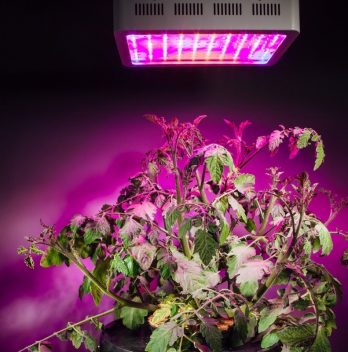
Are you wondering yourself “how many plants can I grow with a 300W LED light”? Various grow lights have different wattages and are suitable for use in different size grow areas. If you are wondering how much plant area a 300W LED grow light can cover. Well, we’ve got the answer for you here.
You must know how much area your grow light can cover and wattage is one of the determining factors. Read on as we look into 300W LED grow light coverage.
300 Watt LED Grow Light Coverage
To determine how much grow area a 300W LED will cover, or how many plants you can grow under it, we need to have an idea of: the light distribution, the distance of your grow light and your plants, and, the plant density.
Light distribution
Light distribution is one key point to determining how much coverage your 300W grow light can cover. If there is a limit such as reflectors in the 300W LED grow light you make use of, then there will be a limit to how many plants you can grow. Also, if lenses are used in the grow light, there will be a limit in light coverage.
However, if there is a large and even coverage area in the grow light, then you have access to growing more plants.
Grow light distance
Positioning your grow light close to your plants will allow them to get optimal light intensity. But this will only allow you to grow a few plants because the grow light won’t cover many areas. However, if you position the grow light a bit farther from your plants, they will still receive good light for growth. At the same, this will allow you to grow more plants than your 300W grow LED can cover.
You should also keep in mind that when growing plants in the flowering or fruiting stage, you may need to put your grow light close to your plant so they get high PAR (photosynthetically active radiation)/PPFD (photosynthetic photon flux density). Also, they will require a lot of red lights at this stage. Therefore, only a few plants can be grown.
Now, when it comes to growing leafy greens such as spinach, kale, lettuce, herbs, and so on, they can use lower PAR/PPFD. Just ensure they have plenty of blue lights. This way, you can grow more plants under your grow light.
Plant density
The density of plants will also determine the growth light coverage. We have plants that can be grown very close to each other without having any issues. This type will allow more plants to be grown for your 300W grow light to cover.
Other plants may require spacing between them, thus, fewer plants can be grown when using a 300W LED grow light for coverage.
How Many Plants Can Be Grown With 300-Watt LED Grow Light Coverage
Therefore, from the above explanation, a 300W LED growth light can cover a 2 x 4 feet planting area. Or we simply say under a 300W LED grow light, you can plant 1 to 6 plants.
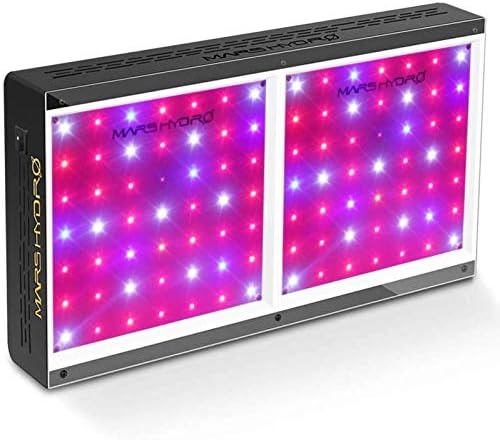
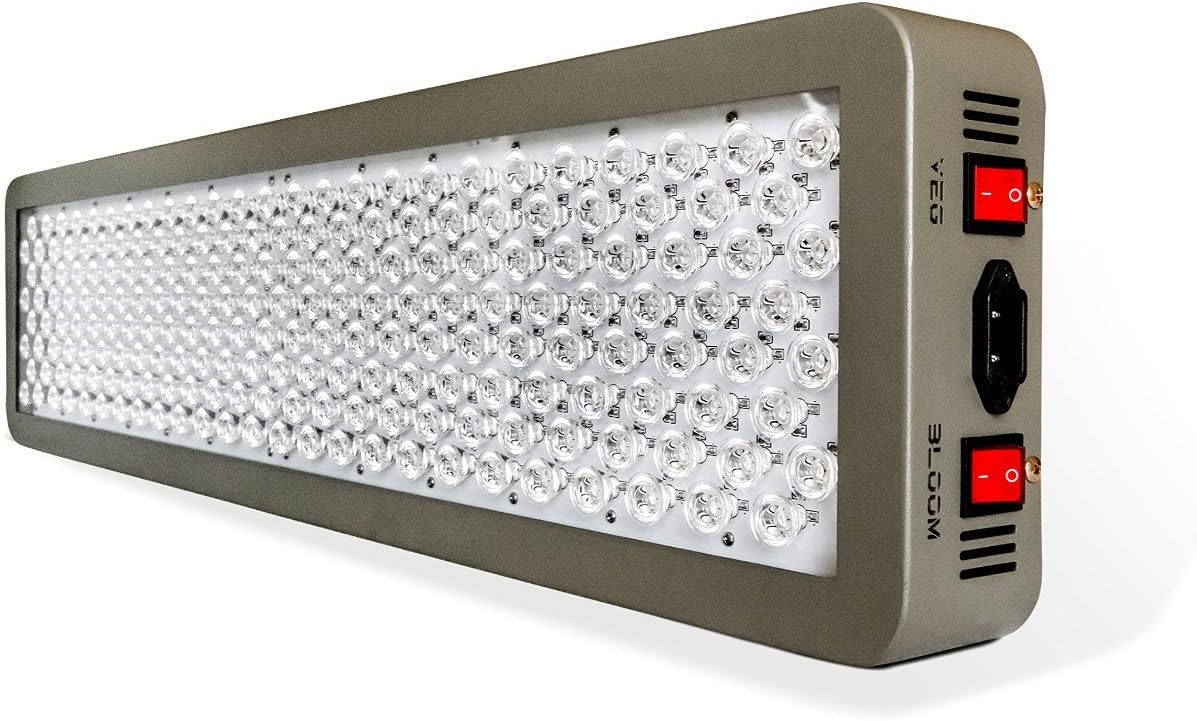
The advanced platinum series is one of the best 300W LED grow lights you can use for your indoor plants. It offers great features such as high PAR output per wattage used and your plants get 2 or 3 times the light intensity of regular to-grow lights.
This 300W LED grows light is perfect for the vegetative and flowering stages of your plants with selectable switches. It also comprises 12 bands of full spectrum in addition to UV and IR light.
Another great 300W LED grow light is the Vivosun full spectrum. It features a double switch for indoor gardening that covers both vegetative and flowering phases.
It will offer your plants maximum PAR output at any reasonable distance. The lights are also bright enough for your plant’s growth. The lights have great penetration for both grow tent and grow rooms.
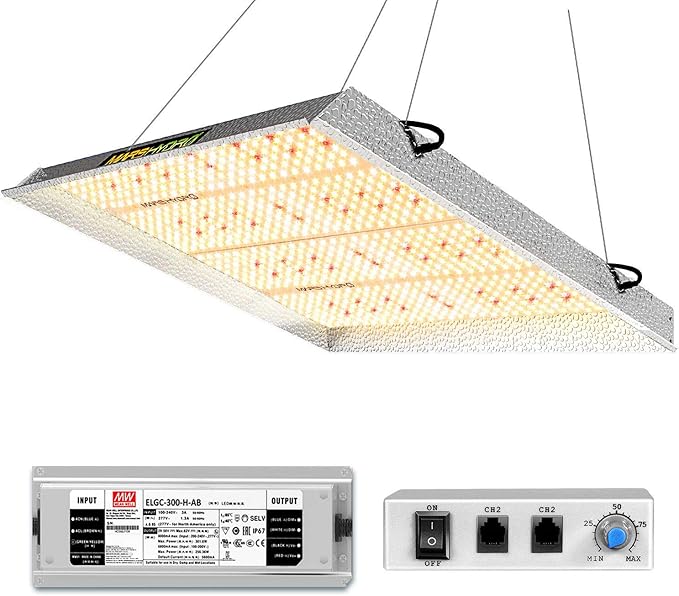
We also have the VIPARSPECTRA UL Certified 30oW LED Grow Light. It also offers a full spectrum of both vegetative and flowering phases for your indoor plants.
This growth light provides a combination of a good amount of red, blue, and white diode. It also gives a little amount of green and yellow light to complete the spectrum that will make your plants happy.
Infrared lights, IR, are also included, but there are no ultraviolet (UV) lights.
300W LED Distance From Seedlings
The ideal distance to maintain between seedlings and a 300W LED grow light is 14-24″ (35-60 cm).
During the flowering stage, LED growth lights can be located a bit farther, at a distance of 16-36″ from the canopy of the plant. Moving the light closer to the plants will increase light intensity and can even help to maximize photosynthesis.
As a rule of thumb, growers work on the basis that you need between 20-40 watts per square foot of growing area. Lower-wattage LEDs of around 200 watts should be positioned 12-20 inches from the top of the plant. Those that have higher wattages of 1000 watts and above should sit between 36-46 inches above the plant.
As plants grow bigger and go through various growth stages, their needs change. During the flowering or bloom stage, LED lights should be ideally located between 16-36 inches above the plant canopy. Moving the lights closer may increase the light intensity, which can improve photosynthesis. If the grow lights are too close to the plants, however, they can cause the plants to grow wide over a large area, and can even damage the plant.
Plants require different levels of light or light intensities depending on their stage of growth. To better understand how far you should position your grow lights from the plants, you need to determine; (1) the stage of growth that your plants are at, and (2) the power output of the grow light reflected in the wattage.
300-Watt Grow Light Kit
A basic grow light starter kit includes all the light fixtures and fittings that you need to set up your grow environment.
Do LED Grow Lights Use Less Electricity?
LED grow lights are very efficient and can have great energy-saving potential compared to regular grow lights. Modern LEDs use much less electricity, produce less heat, and ultimately have a longer lifespan.
The wattage of the LED light also has an impact on the amount of electricity that it uses. The size of your grow room and the number of plants will also impact how much electricity your LED grow lights to use. For example, if you have 40-watt LEDs but have a large grow room and a lot of plants, you will need to have a lot of these lights to adequately cover the entire area. This will certainly result in a pretty high electricity bill, but it will not be as high as it would be if you were using other types of lights such as high-intensity discharge (HID) lights and compact fluorescent lamps (CFL).
Another factor that will affect the amount of electricity your LEDs use is the number of hours a day that they are on for. You will need to also factor this in when calculating the electricity usage.
The main advantage of LEDs is that they use less light than other forms of light that give the same output.
So the answer is yes, LEDs can reduce your electricity bill, but they do cost less. They can save you more electricity costs and bring more value over money. But people tend to exaggerate, and LED manufacturers exaggerate even more.
What is a 300-Watt Led Grow Light Equivalent to?
A 300W LED grow light is equivalent to a 300W high-intensity discharge (HID) grow light, and a 45-watt T30 high-lumen LED light bulb.
300W LED Grow Light Yield
A 300W LED grow light can cover an area of about 2 x 3 feet. This is usually enough to accommodate 1-6 plants and get good yields. It may not be able to cover larger areas without compromising the yield of plants. So ensure that you make use of the recommendations from the manufacturer on how much light you will need for your growing space.
Maxibright 300W LED
The Maxibright is one of the best 300W LED lights currently on the market. This full-spectrum grow light has a passive heat dissipation design. It does not have a fan, meaning that there are no mechanical parts to deal with, which greatly reduces the risk of failure.
This light has an energy-saving high photoelectric conversion efficiency.
Because it is an all-rounded full spectrum light, it has benefited from the highly efficient LUMLED chips. It also has an enhanced red region of the PAR curve that helps give consistently high-quality yield with each harvest.
The light distribution of the Maxibright 300w LED is optimized for a 1 x 1 m area. It is however dimmable and can achieve 20%, 40%, 60%, 80%, and 100% power.
These features and benefits make the Maxibringht 300W LED makes for one of the most practical and affordable choices you can make when purchasing an LED grow light
Conclusion – How Many Plants Can I Grow With A 300w LED Light?
We hope this article answered your question on how many plants can I grow with a 300W LED light. All the considerations are thoroughly discussed here and should help you to be more confident the next time you shop for or use LED grow lights.
Happy growing.
FAQs
How many plants can I grow under 300W LED?
If you are just starting to grow plants indoors, one of the first things you need to decide is what wattage your lighting will be. A lot of people get confused by this number, but there is a very good reason why it is important. You should know that the amount of wattage used by any plant light fixture does not determine the number of plants you can grow. This is because different plants require different amounts of light, and they also require different amounts of time to grow.
In general, you can grow 1 to 6 plants with a 300 watts LED light.
How much power does a 300W LED light use?
The power consumption of a LED bulb is measured in watts. Most LED bulbs use less than 1 watt per hour, and some as low as 0.1 W/h. A 300-watt LED light will consume 30 W of power, or 3 hours of light for every one hour of operation.
How many watts do you need for LED grow lights?
LED grow lights are an increasingly popular method for growing plants indoors. They are low-wattage lights that can be controlled via a Smartphone app and allow the grower to control their lighting schedule.
You can calculate the number of watts by multiplying 32 watts that is ¡e standard wattage of a LED light per square foot of tour growing space.
Can normal LED lights grow plants?
Yes, I have had great success with growing plants using normal white or clear LED lights. My favorite is the new LED plant light by LED Growers. The plant light is powered by a USB port on your computer. It is easy to set up and it provides an even distribution of light throughout the growth area. The LED Growers Plant Light is a plug and play system and can be set up for any type of plant.
Do LED lights raise electric bill?
We’ve all heard about the benefits of LEDs, but the truth is, a lot of us don’t know exactly what those benefits are. The first and foremost benefit of LEDs is energy efficiency. LEDs use less than 10 percent of the electricity that incandescent bulbs do. With incandescent bulbs, you’re basically burning hot wire to produce light. LEDs, on the other hand, have a much more efficient way of producing light.
Second, LEDs last longer than their incandescent counterparts. Incandescent bulbs burn out after roughly 1000 hours, while LEDs will last up to 100,000 hours. That means that if you have a light fixture that uses incandescents, you’ll need to replace it every year or two. If you have a light fixture that uses LEDs, however, you’ll be able to use it for years and years. But there’s more to LED lighting than just energy efficiency and longevity. Because they’re so efficient, LEDs actually save money. When you look at the cost of an LED bulb compared with its incandescent counterpart, you can see that LEDs are much cheaper.
It’s so easy to take a simple garden hose for granted. But when you realize you need a long length of water hose, or when your garden hose breaks, you’ll be thankful you invested in the Giraffe Retractable Garden Hose Reel 1/2″ x 130 ft. When I saw this Giraffe Retractable Garden Hose Reel, I knew it was going to be a popular item for me.
The next thing you know, I will have to buy it and use it at our home! It’s the best way to add a bit of extra convenience to your garden hose.
With spring just around the corner, it’s time to get outside and enjoy the great outdoors. One thing that helps bring people closer to nature is a garden. But while your garden may be perfect for growing your favorite foods, it can also be a challenging endeavor to take care of.
With this retractable garden hose reel, you can easily move a long garden hose from one place to another. It’s time to update your lawn sprinkler system! And with Giraffe Retractable Garden Hose Reel 1/2″ x 130 ft, you’ll never have to worry about tangled hoses again.
Introduction To The Giraffe Retractable Garden Hose Reel 1/2″ x 130 ft
The giraffe retractable hose reel is a great solution for outdoor gardening and irrigation. It can be used for watering plants, sprinklers, and other garden tools. The retractable design makes it perfect for gardening, landscaping, and lawn care. You can also use the giraffe retractable hose reel indoors when water is needed for watering plants or other things.
Pros And Cons Of The Giraffe Retractable Garden Hose Reel
Pros:
The benefits of using the Giraffe Retractable Garden Hose Reel 1/2″ x 130 ft include:
The ability to easily roll up a hose, preventing it from becoming damaged and/or tangled. Gardeners often have to bend over to unroll hoses and this can lead to injuries and muscle strains. In addition, if the hose is not properly stored, it may dry out and rot, making the hose unusable.
You don’t need many hours to set the Giraffe retractable garden hose reel, additionally, it’s really easy to use because of the intuitive design.
Cons:
The downside of using a retractable garden hose reel includes:
The possibility of a hose snagging on some object in the garden, such as a branch, fence, or tree, leads to the hose being pulled off the reel.
The material that the Giraffe retractable garden hose reel is plastic. So, try to put the reel in a shade so the plastic doesn’t burn from the sun. That way you will prolong the life of the device.
How To Set Up The Giraffe Retractable Garden Hose
The most important thing to consider when setting up a Giraffe Retractable Garden Hose Reel 1/2″ x 130 ft is the location where you will be storing your hoses. While you can easily store your garden hose in the garage or basement, there are many reasons why this may not be a viable option. It is important to make sure that you will be able to access your hose easily and safely if you are using a hose reel.
If you are storing your hose in the basement, make sure that it is close to a sink or washing machine. The farther away you are from any water sources, the harder it will be to retrieve the hose should you need to use it.
When setting up the Giraffe retractable garden hose you must remember the next steps, that way we can assure you that you will install this awesome hose without any problems.
Step 1
Mount the bracket where you want to put your Giraffe retractable garden hose. For this you will need to drill and put some bolts on it, 4 bolts are needed for full support.
Step 2
Then mount the Giraffe retractable garden hose, you just need to slide it in.
Step 3
Connect it with your water supply, you must remember to mount your Giraffe retractable garden hose closer to it. You connect the water supply hose to the side of your Giraffe retractable garden hose.
Step 4
You are finished and ready to use your Giraffe retractable garden hose. Just pull out the hose and water where you need to.
Features Of The Giraffe Retractable Garden Hose Reel 1/2″ x 130 ft
This auto-retraction hose reel is lightweight, and it is durable and reliable. It can be used for many tasks and uses, including sprinkler hoses, gardening equipment, and yard supplies. The hose reel is very easy to use, and it does not require electricity to operate.
It has a smart-locking mechanism, which prevents the hose from unraveling and tangling. The hose is also attached to the reel by an elastic band. The hose can be attached to the reel using either the included plastic clip or a metal clip.
The “stop when you want” feature can provide you with effortless use of the hose whenever you want. You can also retract the hose by gently pushing it toward the Giraffe reel. You won’t feel any need for additional force, the smart retractable system will do this for you.
There are three sizes of the hose, and the reel comes with a hose adapter and a wrench. The hose adapter has a slot, so you can attach a hose to the hose adapter. The hose adapter works well with the hose reel, but it may be difficult to attach a long hose to the hose adapter.
If you do not want to buy the hose adapter, you can cut off the end of a shorter hose. In addition to the hose adapter, there is also a plastic cap and a hose extension, which are not included in the package. The hose extension can be attached to the hose, so you can use it to reach places where the hose cannot reach.
The Giraffe retractable garden hose has a kink-proof mechanism. This means that it won’t get stuck because of the G-guiding system and has been proved that it will prolong the life of the device by around 400% when compared to other brands.
Another feature that is core for the Giraffe retractable garden hose is the 180 degrees rotation support. And you can easily just push it toward a wall if you don’t need to use it.
Competition Of Giraffe Retractable Garden Hose Reel – Why Is This Hose Better Than The Others
With the new product, you’ll be able to keep up with the garden hose all season long without having to worry about losing a grip during hot or cold weather. You can also extend the life of the hose if it starts to wear down during the summer months. The retractable design allows you to store your hose away while not in use.
In addition, you’ll be able to control the amount of water your hose delivers to the sprinkler system and prevent the hose from over-inflating.
The Giraffe is a new retractable garden hose reel that is unique for its design. It’s unique because it is made from metal with a rubberized hose spool attached. Also, the giraffe is designed to look like a real giraffe and can be found in a wide range of bright colors.
Final Thoughts On Giraffe Retractable Garden Hose Reel
In conclusion, I found that the main thing that made the Giraffe hose reel stand out from other similar products on the market was the quality of the materials used. I particularly liked the fact that the hose reels are made entirely from stainless steel. Not only does this mean that they are sturdy and durable, but they also won’t rust, which is a problem with many other products on the market that are cheaper. This is probably why the Giraffe hose reels are so popular.
What exactly is the catch with T5 LED grow light? Is it necessary for you to switch to T5 LED grow lights? Let’s answer these questions and more in this post. T5 LED lights are another excellent type of fluorescent grow light that can be used to supply light to your indoor growing plants.
T5 fluorescent lights alone are a great choice for seeding, vegging, and cloning. Now when you make use of T5 LED grow lights, they tend to offer even better work. Everything the normal fluorescent does is what T5 LED grow light does but they do it in a better way. This means they offer the same out and spectra as well as flexibility.
Now, let’s delve in further and see what T5 LED grow light is all about and how it can benefit our indoor growing crops.
T5 LED Grow Lights: What Are They?
T5 LED grow lights are a type of fluorescent grow light that has LED lighting features. This grow light performs all that a normal fluorescent grow light will do but they do it in a better or more efficient way.
Another great catch is that T5 LED grow light makes use of lesser power or half the power. For this reason, they release lesser heat and offer better durability.
Types Of T5 LED Grow Light
We have two types of T5 LED grow lights. They are:
T5 equivalent LED light
This type of grow light can perfectly replace a T5 fluorescent light and they come with a fixture. Therefore, they can be used as a standalone light.
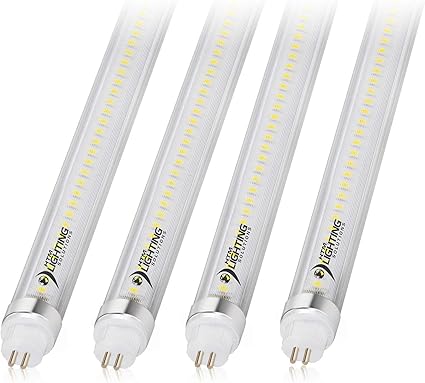
T5 LED direct replacement tubes
These types of grow lights are light tubes. Hence, they need a fixture to work. However, they can still use any standard T5 fluorescent fixtures available to you. Therefore, you don’t need to purchase a new fixture if you already have one.
So, the advantage of using this tube is that you can use any fixture. However, to make it more efficient, just make use of LED tubes rather than fluorescent tubes.
You may often wonder if you should or should not switch to T5 grow lights. Well, the answer will generally depend on your plants’ basic needs. Both T5 grow light and T5 LED light featured grow lights are great to be used for indoor gardens.
So, we know that the normal T5 fluorescent lights are great to be used for indoor gardens. T5 LED grow lights however are better fixtures that can offer even better features.
T5 LED grow lights even make use of lesser power or half the power and this implies that they tend to emit minimal heat. So, even though T5 grow light costs a bit more, you can however recover the invested money quickly from the cost of saving power. They are also inclined to last longer.
This also means you won’t have to change bulbs too often than saving half of the electricity will help you save a lot of money.
How Is T5 LED Grow Light Better Than The Standard Fluorescent Bulb
LED tubes offer 3 great benefits when we compare them to their fluorescent counterparts. Let’s look into them:
Durability: T5 LED grow light tends to last longer. Hence, you get to save some money and it reduces the stress of replacing bulbs often.
Half Power Usage: the fact that T5 LED grow lights only consume half power, again helps you save money.
The Heat Emission is Minimal: the heat released by this grow light tends to be in a minimal form. However, there may be heat issues only if you are using a lot of this grow light.
There is however a few downsides to T5 LED grow light and this is their price. They tend to be at a higher price compared to the equivalent T5 tubes.
The good news is that you can quickly make back the cost this high cost because they consume lesser power which saves you electricity. It will also last you for a longer time. Therefore, the issue of changing bulbs frequently is reduced. You may not even need to get a new bulb for many years.
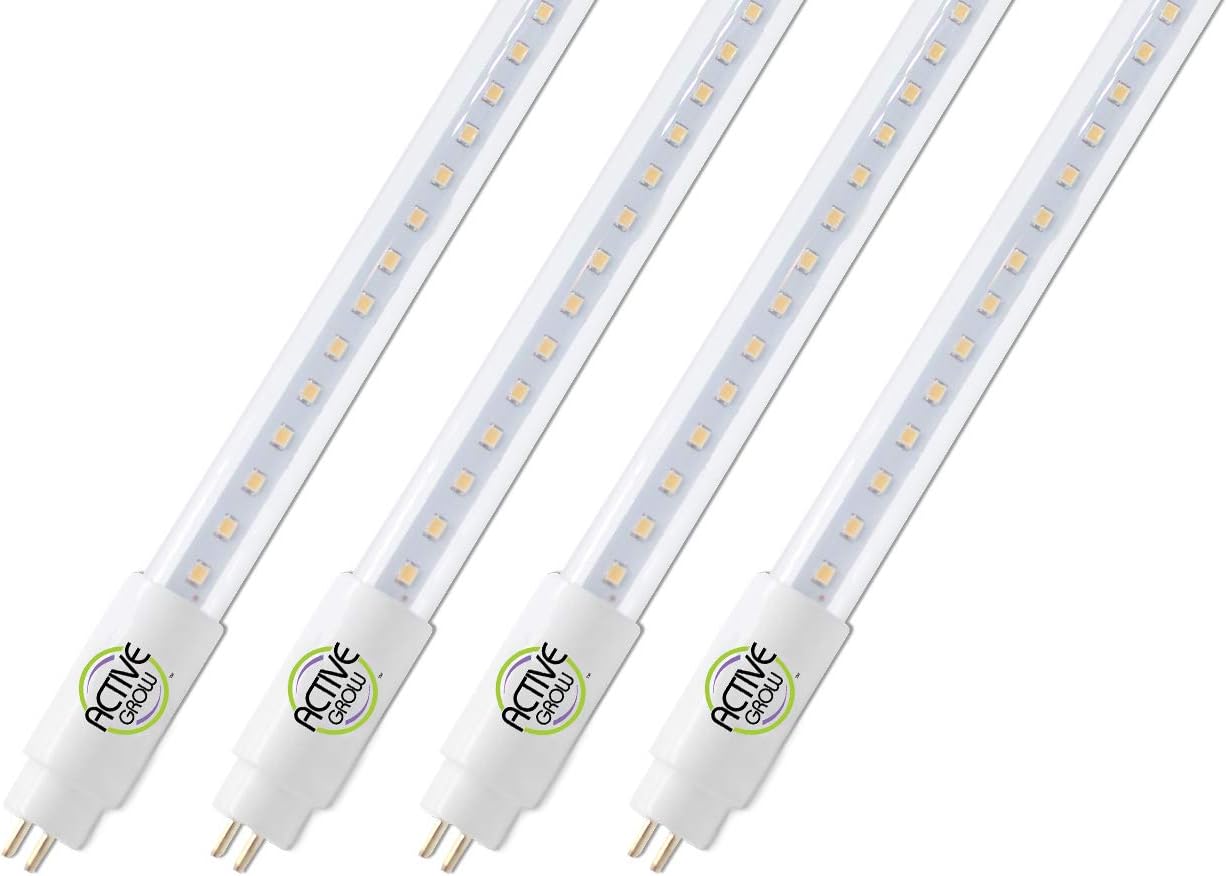
Active grow light active tubes are one of the most favored types of T5 LED grow light. They are so loved because they can work with the ballast with most features. This implies that you can replace the fluorescent bulbs with these bulbs. Other complete lightning on the other hand usually requires you to rewire the fixture to disconnect the ballast.
This grows light also has a high output with an excellent spectrum option that allows you to offer your plant exactly what it requires.
The downside to this grow light is that it isn’t compactable with all types of ballast.
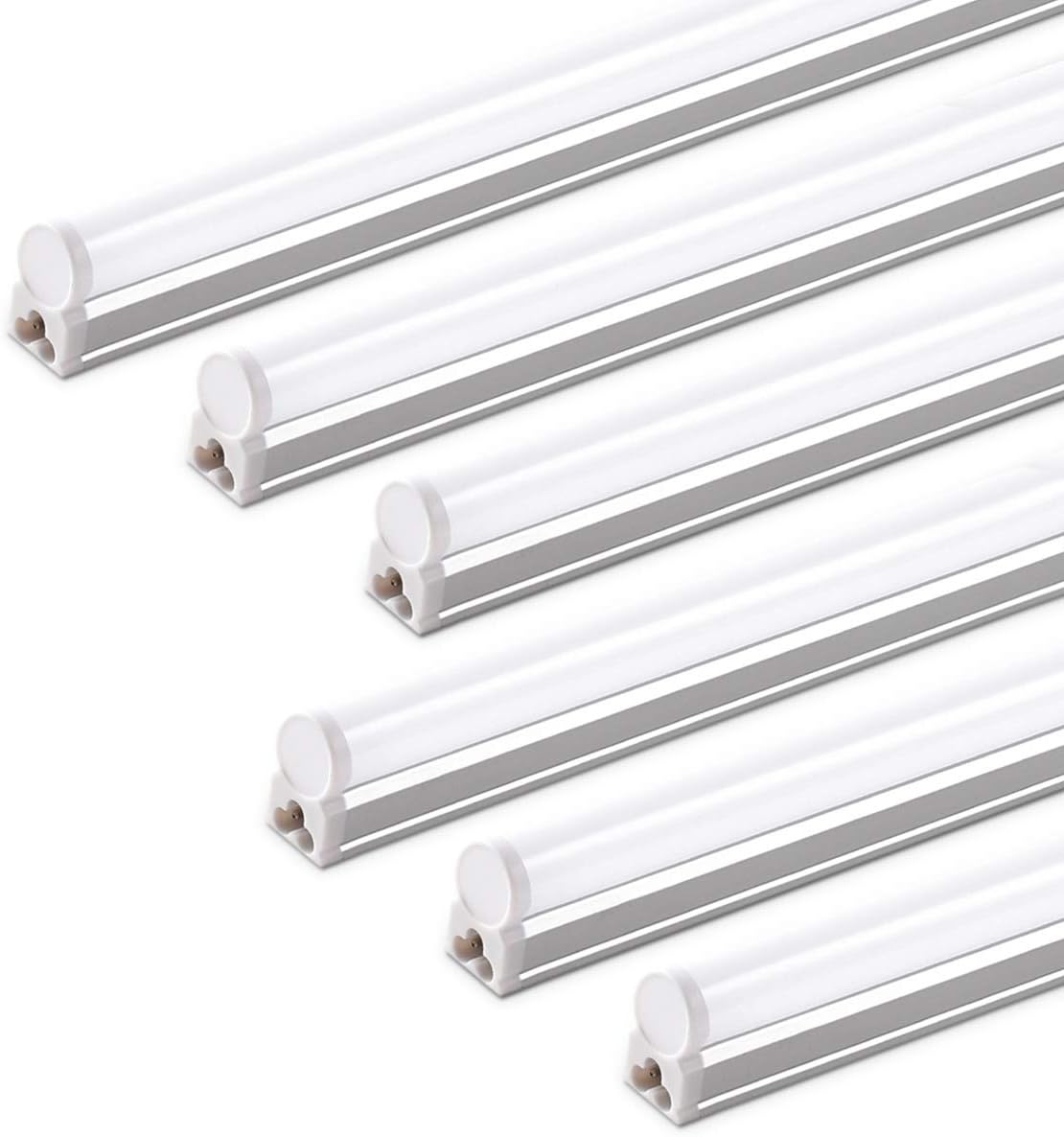
This is a 4-foot Barinna integrated light bar that includes both the bulb and the fixture. No other thing is required once you have this light. Hence, this makes this type of grow light an easy way to add T5 LED to your grow light should in case you don’t already have a T6fixture.
The downside to using this grow light is that it lacks a reflector. This implies that light tends to spread out in a 270-degree angle.
Now, we can see how T5 LED grow light benefits our indoor garden. T5 LED lights are excellent lights that can supply your indoor plant with the necessary light required for your plants to thrive and grow adequately.
FAQ’s
Which is better LED or T5?
Although both LED lights and T5 are great lights, we can still say LED lights are a bit better than T5 in regards to efficiency.
Are T5 lights good for growing?
Yes T5 lights are good for growing.
What is a T5 LED grow light?
T5 LED grow light is a type of LED featured light that works just like a standard fluorescent light would, but T5 LED lights tend to perform better.
T5 led grow lights how far from young plants?
You can start with a hanging distance of about 5 to 10 inches. Then adjust the distance either away or towards them depending on how well your plant takes the grow light distance as they grow.
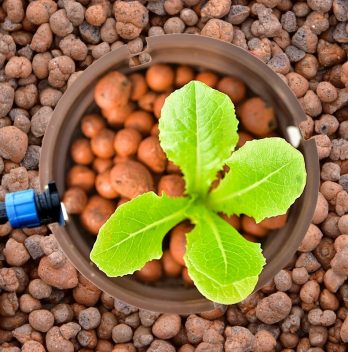
In both hydroponics and aquaponics, moisture and nutrient solution needs to get to the right place for your plant to grow optimally. Using drip rings in your hydroponics or aquaponics is a great way of conveying water or nutrient to your plants.
Drip rings hydroponics will deliver the nutrients to your plant root thereby maintaining adequate moisture level to your root zone. Your grow media are not left out as well as they will also take in and retain some good moisture that will be available for your pants’ use.
Therefore, there’s no worrying or issues of dryness or in your hydroponics plants or even grow mediums. We are all about easy gardening and we will be teaching you how to make your drip rings hydroponics. We will also be recommending some drip rings you can purchase, so read on for more info.
Hydroponic Drip Ring
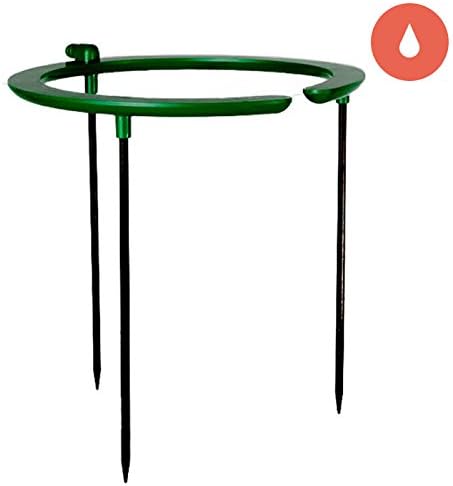
Hydroponics drip rings is a round-shaped ring used in delivering water and nutrient to grow mediums and plants roots. The drip rings hydroponics has holes that have been strategically poked to emits water and nutrient content directly into your plant and grow media. It is also fitted with a half-inch water inlet that you can use to plug any watering configuration.
Therefore, it is an irrigation system that assists in sustaining an evenly consistent moisture environment in the root zone. You can use these drip rings for irrigating soil, peat, as well as hydroponic media.
The hydroponics drip rings can be used in both indoor and outdoor gardens and they will make a great irrigation system for your garden.
DIY Drip Rings Hydroponics
It is pretty easy to make your DIY drip rings. We have made things easy for you by giving you a step-by-step way of making your drip ring.
Materials
Wires (small and big wires)
Clips to holding
Plastic or rubber tubing
Pairs of pliers for bending wires
T fittings for connecting your drip ring
PVC cutter, a poker, or any cutting tool to make holes around your drip lines
All these materials can be obtained from your local hydroponic store or online shopping sites.
Steps On How To DIY Drip Ring Hydroponics
Follow these steps to begin your DIY ring setup:
Step 1
The first step is to cut the tube and connect the two ends with the T fittings. You will need to cut the tubing according to the size of your plant bed or the individual plant area you wish to cover.
Step 2
Drill some holes around the drip ring. You can drill 5 or more holes depending on the length of your tube ring.
Step 3
Then your drip ring is ready to be positioned on your plant bed or individual plant area. You can use the T fitting for your hydroponic nutrient water inlet.
Ensure you clean your hydroponics drip rings between each growing cycle.
Some Recommended Drip Rings Hydroponics
If you don’t want to go through the stress of the DIY process, you can simply purchase readymade drip rings for your hydroponics garden. Here is some recommended drip ring you can go for:
The hydroflow rain ring drip emitter is a convenient irrigation ring that can be used in the soil as well as hydroponics. They are durable and suitable for both indoors and outdoors use.
The ring has specific holes that will allow water nutrients to rain over your plants and it will totally cover your hydroponic growing media. Therefore, it can be used for any type of growing media.
The hydroflow rain drip emitter is very easy to clean between every grow cycle. The parts will come apart easily for cleaning and inspection. When it’s time to clean, just soak and rinse it with any cleaning solutions such as citric acid, peroxide, or any soft bleaching water mixture.
It has a half-inch water inlet that can be easily plugged into any watering design. It comes with 3 removable stakes that will hold the ring in the perfect spot and it can be placed at any desirable watering height.
The bloom brothers hydro halo is another effective drip ring you can use in your hydroponic garden. It is suitable for all growing media and can be used for both indoor hydroponics and outdoor purpose.
It features 3 stand removable stakes that help keeps the drip ring in one position. If you want, you can use the drip ring without the stakes.
It is pretty durable thus, can be used for years and it’s easy to clean between every grow cycle.
The HydroHat drip ring plant watering system is also a good option to go for. It will evenly emit water and nutrient solution around your plant base.
This drip ring can be used for all types of grow media and it’s suitable for both indoor and outdoor gardening purposes. It is also long-lasting and quite easy to clean.
There’s nothing major about constructing your drip rings. Building a drip ring for your hydroponic garden is pretty easy and you can get it done with a couple of parts. Just follow our steps on DIY drip rings.
However, if you don’t want to go through the stress of building your drip rings, you can simply go for one of our recommended drip rings.
All in all, making use of drip rings hydroponics will offer your hydroponics plants lots of benefits that will ensure your plants grow optimally.
Using 3 tier plant stand with grow lights is a good way of growing plants in a vertical manner especially if you have issues with space. This will give you the access and advantage to growing more plants to give you more yields.
Also, if your fragile seedlings or clones are not so ready to face the harsh outdoor conditions, you can simply use a suitable plant stand with grow lights.
In this post, we will be talking about how you can use 3 tier plant stand with grow lights. We will also give you some recommend stand you can purchase for your growing plants. So, let’s begin.
Using Grow Light Shelves
Grow light stand will help you withholding your grow light as well as some other hydroponic equipment. They will basically help with the arrangement of your plants.
When considering using grow light shelves for your indoor growing plants, ensure you have the right size of length that fits the shelves. Although, it’s not much of a big deal if you have the length a bit longer. This is just to allow your growth set up will look well arranged.
So, the horizontal length of your shelve should be almost the same length as the shelve. This means if you have your shelve to be 4 feet long, your grow light length should be within that range.
Also, the compartments of your shelves should have holes where you can easily hang your grow light.
How To Set Up Growing Shelf
You can either purchase a complete tier plant shelf with grow lights or simply build a DIY grow shelf stand.
To build your own setup, simply purchase the grow lights, grow trays, and the shelving unit. Then you go ahead to attaching the grow lights on each shelf tier.
Depending on how many grow light tiers you have, go ahead and set them up with your grow lights. Also, depending on how much light intensity your plants require, you can set up one or even two grow lights for each stand.
Each tier of your shelf should open lines where you can attach your grow lights. Your grow light should have a chain or wire rack that you can use to hang over each tier and hook it up with your grow light. The hook will allow you to move your grow lights up and down.
For starting seeds, your grow lights should be positioned close for about a week. For this reason, you should go with low emitting heat grow lights such as fluorescent lights.
Some Recommended 3 Tier Plant Stand With Grow Lights
Readymade grows light shelves will save you the stress of building your light shelving. So, here is some recommended 3 tier plant stand with grow lights:
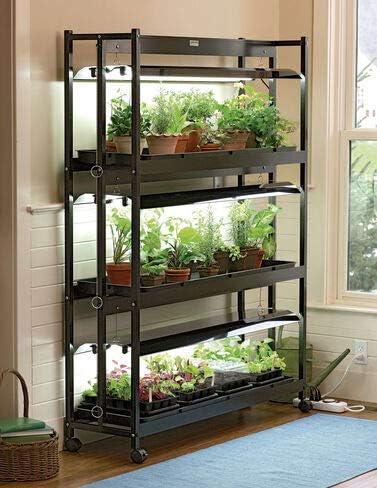
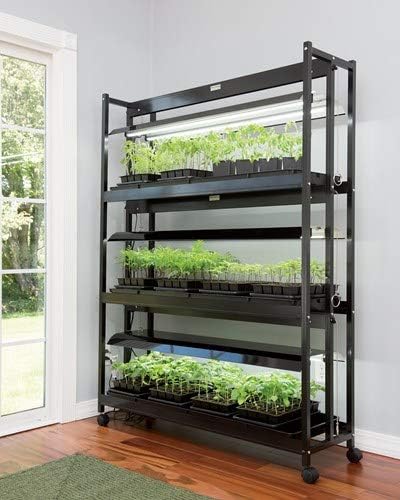
The Gardener’s supply Sunlite garden 3 tier grow light stand features indoor grow light with plant trays for your plants. You can start your seeds and grow your plants with this 3 tier stand. It is pretty easy to assemble and it comes with clear instructions to guide you through the assembling.
This 3 tier plant stand arrangement will look so decorative in your living room or anywhere indoors. You can grow your seeds with this stand as well as growing herbs and houseplants. You can also try other plants like orchids with this 3 tier grow light stand.
Overall, this is a great 3 tier plant stand with grow lights that will serve as an excellent starting point for your seeds or plant propagation.
The Gardner’s supply LED grow light stand is another nicely built 3 tier stand. It is made of heavy-duty steel which makes it durable. It is well painted and the holes are well lined up.
This stand is also pretty easy to set up without the need for professional help all you need to do is just go through the instructions. It also comes with nice trays for growing plants and the shelves are water-tight.
The LED grow light is a full spectrum that will assist your plants through different grow life cycles. The bulbs are long-lasting and can last up to 50,000 hours of use.
You can grow various plants such as basil, lettuce, parsley, sweet peppers, etc under the stand grow light. They are also ideal for growing flowers and other plants.
It also has adjustable light features that allow you to raise or bring down the lights for your plants’ comfort. Their lights are also low emitting heat.
This 3 tier stand also has a rolling caster that allows you to easily push or move anywhere around your home.
However, this 3 tier plant stand with grow lights is at a high price but you can enjoy the price of the money spent.
FAQ’s
How beneficial are grow lights shelves?
A grow light shelf is basically a box with a lid that you can place over your grow light. The box is made from either acrylic or metal and can be placed over your grow light. You can use a grow light shelf to help control the temperature of your plants, which means you can control the amount of light your plants receive. It will also help to keep the light on a constant level, which makes it easier to control. The grow light shelf will help to save space as you don’t need to put the grow light directly over your plants. If you don’t have a grow light shelf, your plants could end up receiving different amounts of light at different times. You can use the grow light shelf to create a greenhouse effect.
How do you make a plant shelf with lights?
The following instructions are for hanging a plant shelf with light fixtures. This is an easy project that you can do yourself in about one day or less. Supplies: – 1 sheet of plywood cut to size – Drill bit – Screws – Wood glue – Paint – Plants Step 1: Cut two pieces of plywood of equal length. Step 2: Drill Holes for Screws Drill holes into each of the four corners of your plywood. The holes should be about 1 1/2 inches from the edge of the plywood. Step 3: Attach the Plywood to the Shelf Attach the plywood to the shelf using wood glue and screws. Make sure that the plywood is level when you are attaching it to the shelf. This is an important step because you will want to ensure that your lights will hang straight. Step 4: Drill holes in the light fixtures where the light bulbs will go. Step 5: Apply paint to your plant shelf and light fixtures. Step 6: Enjoy!
How many grow lights per shelf?
The total number of grow lights per shelf is determined by the length of the grow light fixture and the spacing between the grow lights. You can have 4 grow plants per shelf. Each grow light fixture can support up to 6 plants.
What color grow light is best for seedlings?
Greenhouse or cold frame seedlings should be grown under fluorescent lights. A grow light is a high-powered light bulb that has been specially designed to grow plants and seedlings. Grow lights are designed to mimic the natural light cycle of the sun, with wavelengths and intensities that are suitable for plant growth. There are two types of grow lights: metal halide and fluorescent.
Final Say On 3 Tier Plant Stand With Grow Lights
It’s really quite great having a 3 tier plant stand with grow lights because of its versatility. It offers you the benefit of growing in a vertical manner with a managed space.
You also get to grow various plants including seedlings, clones, and other types of plants indoors.
When setting up your indoor hydroponics garden, part of the process is choosing an effective grow light. LED light is one option to choose and there are different brands from various companies to purchase. If you decide to go for LED lights you can choose the MarsHydro LED grow light for your indoor growing needs.
Even though many LED light options are available in the market to choose from with different awesome attributes such as technical specifications, pricing, etc, deciding the right pick may be confusing. But if you end up choosing the MarsHydro LED to grow lights, you can be sure of an effective result for your indoor garden.
Some Info On Mars Hydro LED Grow Lights
MarsHydro LED grow light is a type of LED light for indoor gardening which is made by a Chinese manufacturer. This company has been gradually embraced among indoor gardeners as they offer quality LED lights to indoor plants.
These grow lights are affordable and easily accessible and this light is an excellent option for beginners. Also, the MarsHydro LED grow light is pretty adequate for both hobbyist growers and low-cost growers.
These lights are of good quality especially the MarsHydro 300W which performs distinctively from its older version. The older version has issues with burnt diodes and this has been solved with the newer version.
You can easily purchase them from the hydroponic store section, Amazon, and other reliable websites.
Benefits Of Using Mars-Hydro LED Grow Light
The MarsHydro LED grow light offers an impressive benefit which includes:
MarsHydro LED Offers a Full Spectrum: if you want to supply your plant with a full spectrum, then you should get your hands on the marsHydro LED grow lights. It offers full spectrum options for the vegetative stage, flowering stage, and fruiting stage. Thus, leafy greens or herbs, vegetables, fruits, and so on can be grow using this grow light.
It is Affordable and Accessible: another impressive benefit is its price offer as it is reasonably affordable and it’s easily accessible.
The Heat is in Moderation: the MarsHydro LED light does not produce too much heat. It has fans to disperse the heat emitted adequately to every part of the plants.
Durability: the grow light is pretty durable with a lifespan of around 50,000 hours. This means this grow light can last over 2,700 days if used 18 hours per day.
Warranty: there is also the benefit of a 3-year warranty. So, if there’s an issue of initial grow light failure you can be sure of warranty protection against that.
Any Downsides From Using MarsHydro LED Grow Light?
With the different benefits MarsHydro LED offers, we still notice a few downsides. Let’s take a look at them:
No Dimmer Switch: some of the brands that grow light lacks the switch options of light dimming. However, we believe it’s something you can work your way around. If the light is too bright, you can make use of protective wear for your eyes.
Absent of On/Off Switch: another downside of the MarsHydro grow light is that it lacks an on and off switch. You will always have to plug and unplug the grow light when making use of it.
Communication Gap: while this might not be much big of a deal, you may still have the communication gap of America-China a few times. However, they are getting better and one can’t resist the accessible, affordable, and nice quality of grow light they offer.
Even with all these downsides, the overall importance is the good light quality this grow light offers to your indoor plants. So, it is definitely worth the purchase.
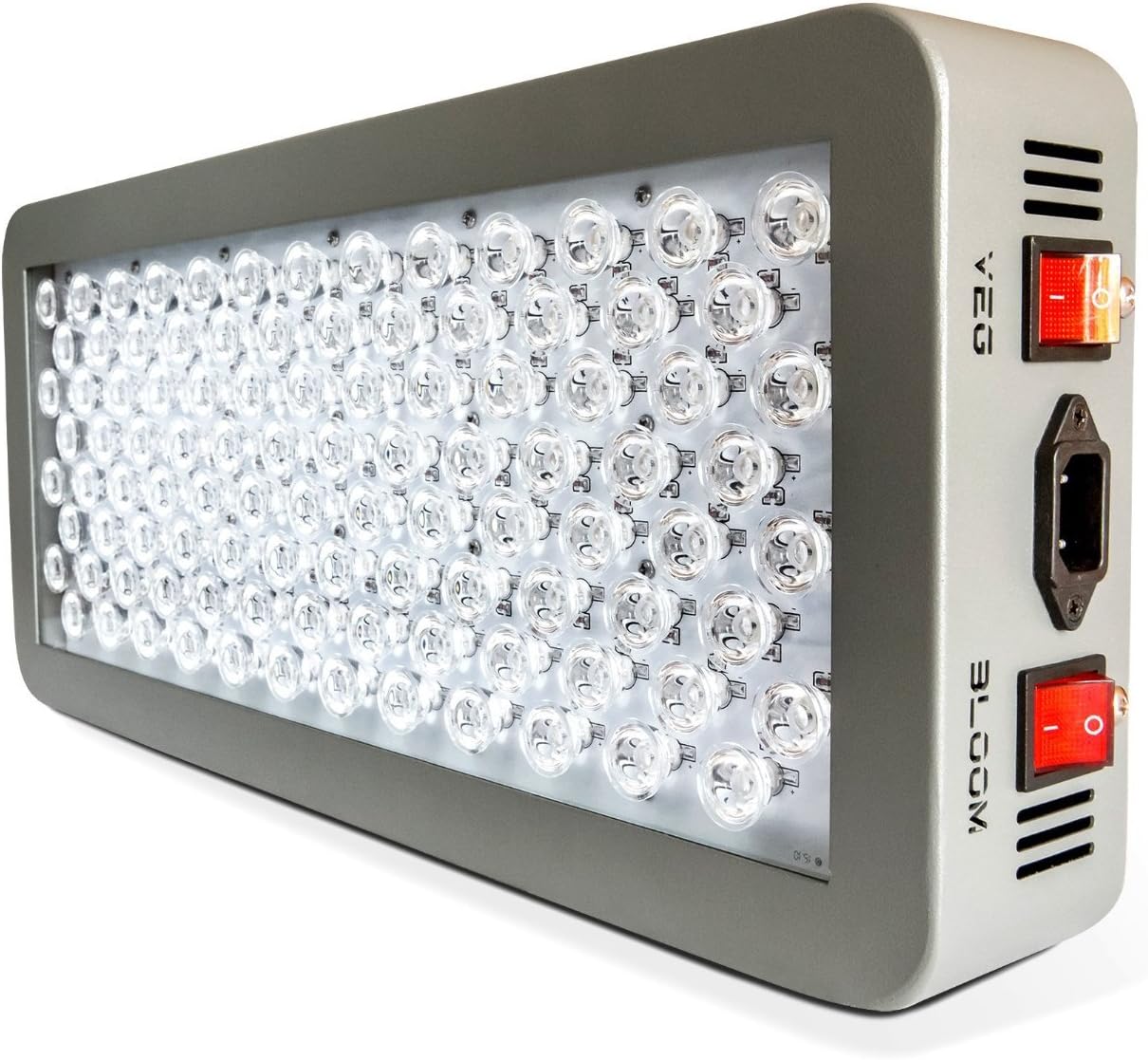
Plants To Grow With Mars LED
The great thing about MarsHydro LED grow light is that it offers a full light spectrum. Thus, most varieties of plants can be grown easily with this grow light and you get a tasty and bountiful yield.
Here are some examples of plants you can grow with the MarsHydro LED grow lights:
The MarsHydro LED 300W full spectrum is one of the MarsHydro brands you can go for to supply your indoor plants with lights. It is energy-saving as it only pulls in about 120W and it’s ideal for a coverage area of 2ft by 2ft or 4 square feet.
It offers full-spectrum, thus, it’s ideal for vegetative and flowering phases. This grow light is safe to use on plants and we recommend positioning the grow light about 18 inches from your plants.
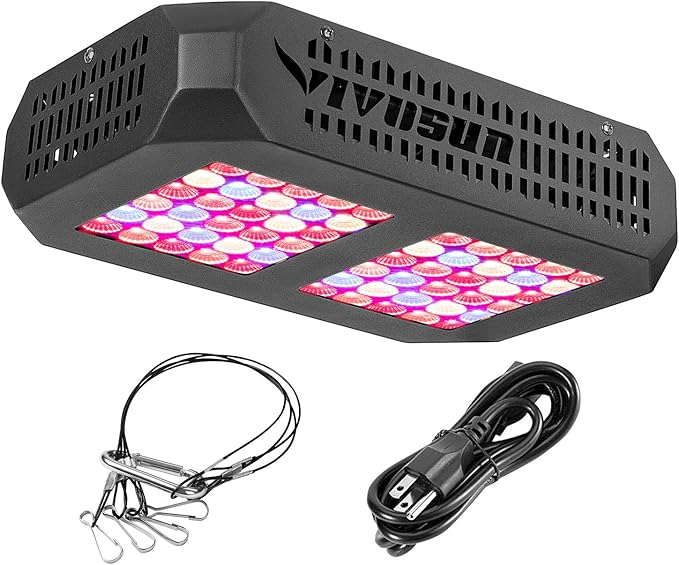
This grows light is a 600W full spectrum ideal for the vegetative and flowering phase of your plants. It is energy-saving and will only pull 132W of electricity. It is perfect for a 3ft X 3.5ft coverage area.
This is one of the most recent MarsHydro grows lights for indoor plants. It’s been improved to have a dimmable full light spectrum for all your plant stages. It is ideal for commercial purposes. This grows light can cover a growing area of 5ft X 5ft vegetative stage and 4ft X 4ft bloom stage.
It mimics the work done by sunlight and your plants will transition quickly from seed to flowering stage. Your grow life will be made comfortable as it is noise-free and easy to operate.
How many plants can a Mars Hydro TS 600 grow light?
Many people are interested in growing hydroponics, but aren’t sure how many plants the Mars Hydro TS 600 grow light can support. This is important to know before you start growing hydroponically. If you are using a soil-based system, your plant count will be determined by the size of the container you use and how much soil is inside it. If you are growing in a tray, you have a different set of considerations.
The Mars Hydro TS 600 is a medium output LED grow light that uses LED strips to create a high-quality, high-efficiency light source. It has a 4” x 24” footprint and can produce up to 7500 lumens. The unit is designed for indoor use only. While there are a number of factors that will affect the amount of light you get from a grow light, the most important is the power setting. A higher power setting will mean more lumens and therefore more light in your growing area.
The Mars Hydro TS 600 has a default power setting of 35 watts.
When you are ready to start adding more plants, you can increase the power setting by increments of 5 watts until you reach your desired output. For example, if you want to grow 6 plants with the Mars Hydro TS 600, you would start by setting the power setting to 40 watts and then increase it by 5 watts every time you add a new plant. Once you have all six plants, you can lower the power setting back down to 35 watts for the last plant and enjoy the rest of your growing season.
The Mars Hydro TS 600 also has a maximum power setting of 60 watts. At this setting, you will get a lot of light, but you may be able to burn out your plants. You should always start by using the lowest power setting that you are comfortable with and then increase it as your plants grow. If you are having issues with light burnout, try increasing the power setting by 5 watts at a time until you find the right balance for you. The Mars Hydro TS 600 is an excellent grow light for indoor cannabis growers. It is designed for indoor use only and can produce up to 7500 lumens. It can be used in any orientation and can even be mounted on a ceiling.
How far should Mars Hydro light be from plants?
It really varies on the type of environment that we’re talking about, but as a general rule of thumb two feet should be fine.
Is the HydroLED+ brighter than the HydroFLOWER?
It is a much better investment. I have used the HydroLED+ for a couple of weeks, and it is an amazing light. It is more than 50% brighter than the HydroFLOWER. It is also cheaper. However, after using it for a week, the HydroLED+ was no longer available. The reason that it is not available anymore, is because they are too popular. The HydroLED+ sells out every day! So if you want to buy one, get one as soon as possible.
How many watts is a Mars Hydro TS 1000?
If the hydro is in an air conditioned environment, and the fan is set to blow at about 12 CFM, then you can expect a few hundred watts. I would check the power consumption on the unit itself, not on the inverter.
Final Say
We can see the MarsHydro LED grow light is one of the best budgets friendly lights you can go for. MarsHydro has been dedicated to supplying your plants’ professional LED grow light with minimal heat and little noise. It can also be used on all types of plants.
Depending on the size of your indoor garden, you can use this quality grow light if you’re a newbie, have small gardens, or you just experimenting. There are also brands available for large rooms or commercial setup.
Indoor hydroponic grow lights are gaining popularity as more and more people are indulging in indoor gardening. In this article, we will be taking a look at the advanced Platinum LED grow light reviews.
You’ve probably heard of great things about the platinum LED grow lights and you may be wondering if it is just hype or if they are truly great. Well, we’ve got the answer for you here. Platinum LED grow lights are some of America’s finest grow lights you can use for your indoor plants.
We will also be discussing some great features that your plant stands to enjoy using the advanced platinum LED grow lights and many more points. So, continue reading for more info.
Quick Info on Platinum LED Grow Lights
Some of the best types of grow lights to use in your indoor garden are the advanced platinum LED grow lights. The brand platinum LED is one of America’s leading grow light companies and we highly recommend them for your indoor garden.
Also, they offer a combination of 3-watt diodes and they all come in 12 or 14 LED bands. So, these types of grow lights are very impressive even with their price.
You will encounter some downsides with these lights but you can rest assured they are some of the finest types of LED grow lights on the market.
The platinum LED light comes in different series and some of the best options are the advanced series which includes P150, P300, and P450.
In this article, we will be looking at the advanced platinum LED P300 series to grow lights reviews so, let’s begin.
Advanced Platinum Series P300
The advanced platinum P300 series offers excellent features such as a superior 12-band full light spectrum. The combination of these 12 different bands gives us a more complete light spectrum all through the depths of ultraviolet (UV) to the upper infrared (IR).
Amongst other LED grow lights, the brand platinum LED lights offer the highest lumen output per watt. Thus, your plants will enjoy 2 times or even 3 times light intensity for optimal yield!
This advanced platinum grow light has heat moderation as systems have been put in place to moderate the heat emitted. Thus, they are safe to be placed at a reasonably close range to your plant so they can get adequate light intensity for optimal yield. It has also been upgraded with aluminum cooling heat sinks and it comes with 2 times high-speed whisper-quiet fans.
We appreciate the dual light spectrum that can be switched to suit the vegetative or flowering growth phase. This advanced platinum grow light is also made of waterproof materials so you don’t have to worry about damage from water splashing over your lights.
Another great benefit we admire is the ability to mimic the conventional 400-watt HPS grow light while it actually consumes only 180 watts of power.
Additionally, you get a 90 days refund policy and 5-year warranties which will give you ease and satisfaction in purchasing these great lights.
However, the downside we notice is the heat. Plants must not be too close to the light.
All in all, they are great for indoor gardening use. It’s one of our favorite versions of the advanced platinum series.
Pros
Offers 100% light usability for plant growth.
12 bands full light spectrum.
Packed with heat moderation supplies and cooling racks.
Made of waterproof materials.
Great for vegetative and flowering stages.
Offers high lumen output.
90 days money-back guarantee and 5 years warranty.
Cons
It’s a little pricey.
You should not place it too close to plants because of heat.
Advanced Platinum P600
The Advanced Platinum p600 offers great features such as a 12-band full light spectrum from the depths of UV to the heights of IR. It has 2x-3x the intensity of any other grow lights. It also has a dual vegetative and flower functionality that makes it easy to switch between the two without having to swap out lights. It is fitted with high-speed whisper quiet fans plus ALL NEW upgraded aluminum cooling heat sinks.
The p600 replaces the conventional 800W HPS grow light, and only consumes 350 watts of power while giving plants 100% usable light for maximum photosynthesis.
This grow light is one of the most popular lights due to its ability to reach depths of up to 4 feet, which allows for maximum coverage of plants. It is also a flexible light and is easily scalable to fit any grow area size due to its long and narrow panel dimensions. With these, you can perfectly cover any grown area and still provide maximum light intensity for maximum plant yield.
The p600 is equipped with 200 pcs 3w epistar LED, 4 pcs big quiet fans, and 5 pcs Aluminum heat sink, perfect cooling the light system, and keeping the light a long time output.
The further focus by the 90-degree glass lens which expands the lighting area and focuses the light on the plant makes the light 100% absorbed.
This grow light has all these advantages plus a complete 5-year warranty and a 90-day satisfaction or return guarantee.
The Advanced Platinum p600 is great value for money and has great applications for greenhouse plants.
The Advanced Platinum p1200 is an effective replacement for the conventional 1400W HPS grow light, while only consuming 758 watts of power and giving your plants 100% usable light.
This is Advanced Platinum’s most powerful commercial-grade light, and the most powerful LED grow light available at the moment!
Suitable for everything from small-scale to full-scale commercial operations, this light produces amazing results like you wouldn’t believe.
The selectable “veg” and “bloom” light spectrums are sure to deliver maximum performance for your plants for seeding through to the final flower and harvest. You would therefore not need supplemental lighting as your plants are covered for their entire growth cycle.
The Advanced Platinum p1200 has the highest PAR/lumen output per watt of any LED grow light. It provides a superior 12-band full spectrum with UV and IR. It also has whisper-quiet fans and aluminum cooling heat sinks.
This light is perfect for large commercial operations and multiple units for even light coverage. It also comes with a 5-year warranty and an exclusive 90-day satisfaction or return guarantee
Other advantages of this light include that it has no ballasts, it is easy to manage, clean, and relatively compact, making it easy to store.
There are however some downsides to this product is very heavy. It also lacks manual guidelines which result in ambiguity. It has a smaller coverage area than other high-end competitors.
Advanced Platinum P900
The light provides some of the highest PAR per watt of any LED grow lights on the market. It has a complete 12-band spectrum and ensures maximum yield with minimum power usage and heat
The Platinum p900 replaces the conventional 1000w HPS grow light and only consumes 557 watts of power. It is still able to provide 100% usable light which creates the perfect conditions for maximum photosynthetic activity.
The P900 is one of the most professional strength lights suitable for everything from a single light grow to full-scale commercial operations and especially excels in multi-panel setups such as 5×5 grow tents or large hydroponic flood trays.
As with other Platinum LED lights, it has a selectable veg and bloom spectrum, as well as whisper-quiet fans and an upgraded cooling heat sink. All this and a 5-year warranty and 90-day money-back guarantee.
Advanced Platinum Grow Lights Positioning
While using advanced platinum lights, it’s important to get the right positioning to avoid plant burns. Follow these tips to get the right placements:
Seedlings: When using advanced platinum lights for your seedlings, you have to be very careful. We suggest you use the vegetative switch only and position your grow light about 36 to 40 inches apart. As your seedlings begin to germinate after a week or two weeks, you can then adjust the length between your grow light and plants to 24 inches. Ensure you use only the vegetative switch even through the rest of the vegetative period.
Vegetative: For the vegetative phase, the distance between your grow light and plants should be around 22 to 25 inches. You can then move your grow light closer as your plants mature and adapt to increased light intensity.
Flowering: For the flowering phase, you can maintain a distance of 15 to 18 inches between your grow lights and plants. Use both vegetative and flowering switches for this phase.
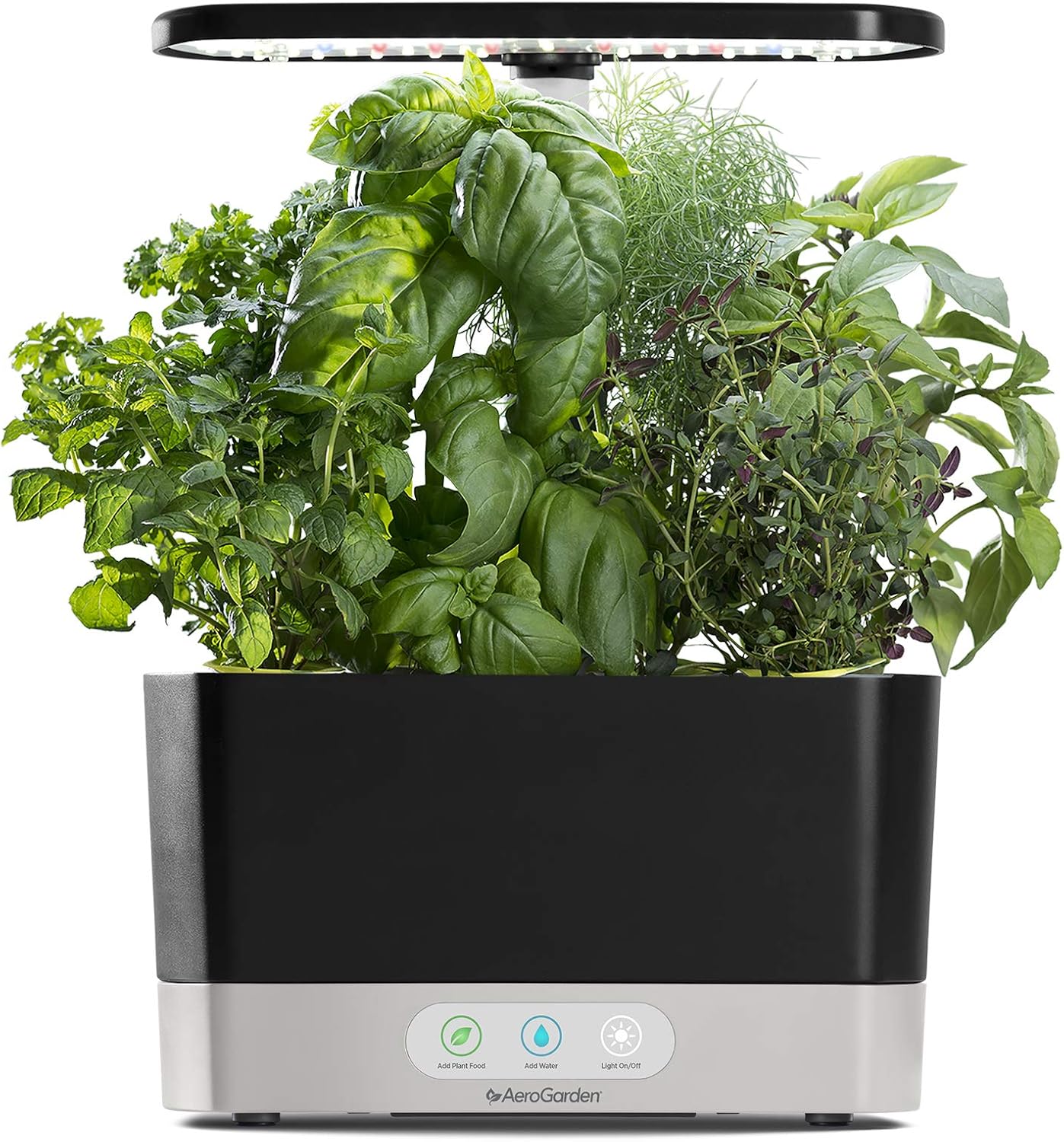
The most important thing in all these is to always keep an eye on how your plants are reacting to light intensity. Your plants will always give you a hint of the perceptions of these lights.
If you notice your plants’ leaves are pointing or moving in the direction of light, then that’s a good sign. It means you can move the light a bit closer. However, if you notice your plants are looking dry, with uneven color, or wilting, and you are sure every other environmental condition is perfected, you might want to move the lights away a little.
You can also do a simple test by putting your palm in between the grow lights. This is to feel the heat emitted, so if it is hot, you should adjust accordingly and vice versa.
Conclusion – Platinum LED Grow Light Review
So, that’s it on platinum LED grow lights reviews. These lights are some of the top-rated LED grow lights on the market. They offer a lot of benefits, ease of use, and versatility that other brands of grow lights do not offer. With a wide selection of lights to choose from, you can be sure to find one that will suit you and your growing area or scale of operation.
If you decide to purchase any of the advanced platinum lights, you can rest assured your plants will get optimal light for successful and optimal growth.
FAQs
Are Platinum led grow lights good?
Yes, they are. Platinum led grow light system are more energy efficient than other lighting systems.
Platinum lights are more expensive but if you do your research and decide on a system that you feel will work best for you, you should be good.
What are the top rated LED grow lights?
It can be a bit confusing with all of these different types of grow lights and different ways to grow your plants.
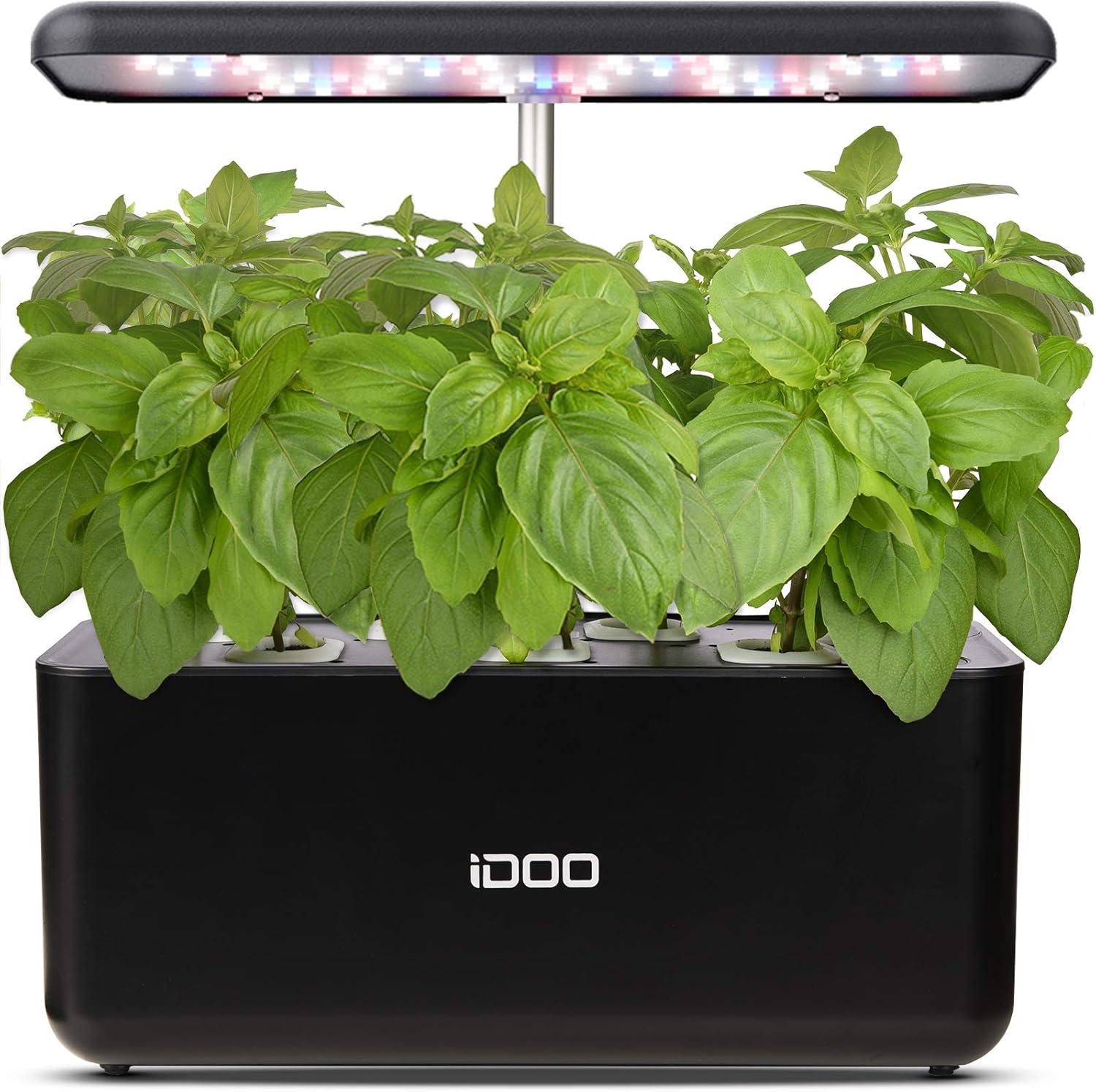
LUXE LED Grow Lights Luxe is an industry leader in the field of LED grow lights, with products ranging from high-powered grow lights to low-wattage grow lights. Luxe LED grow lights are known for their ability to provide up to 4 times more plant growth than other types of lights. A single Luxe LED grow light can produce more than 10,000 lumens, which makes them a great option for growing plants indoors or outdoors. This means that you will have the ability to grow large plants quickly, which can make your indoor grow space more efficient. You can also use Luxe LED grow lights to grow herbs and flowers, and this is one of the main uses of these lights.
Other LED light worth mentioning include Best LED grow light and Gixier Grow light, each featuring 1000 watts.
What color of LED grow lights are best?
LEDs (light emitting diodes) produce a lot less heat than HID lights, and they also produce less light energy waste. They have a longer life span and they use less electricity than HID lights, which makes them the most efficient way to grow plants indoors.
LEDs produce light with a spectral distribution of specific colors. These colors are measured in nanometers or nanometers. Nanometers are the distance between two colors on a rainbow. For example, the yellow spectrum produces light with a wavelength of 560nm, which is closer to the red spectrum than the blue spectrum.
The most efficient wavelengths are in the blue and red range. Plants need light in different wavelengths for different purposes. Blue light is known to promote flowering in some plants. The higher the blue content of the LED grow lights, the more blue light will be emitted. Red light is used to promote flowering in plants like tomatoes. You can also mix blue and red light to get different colors.
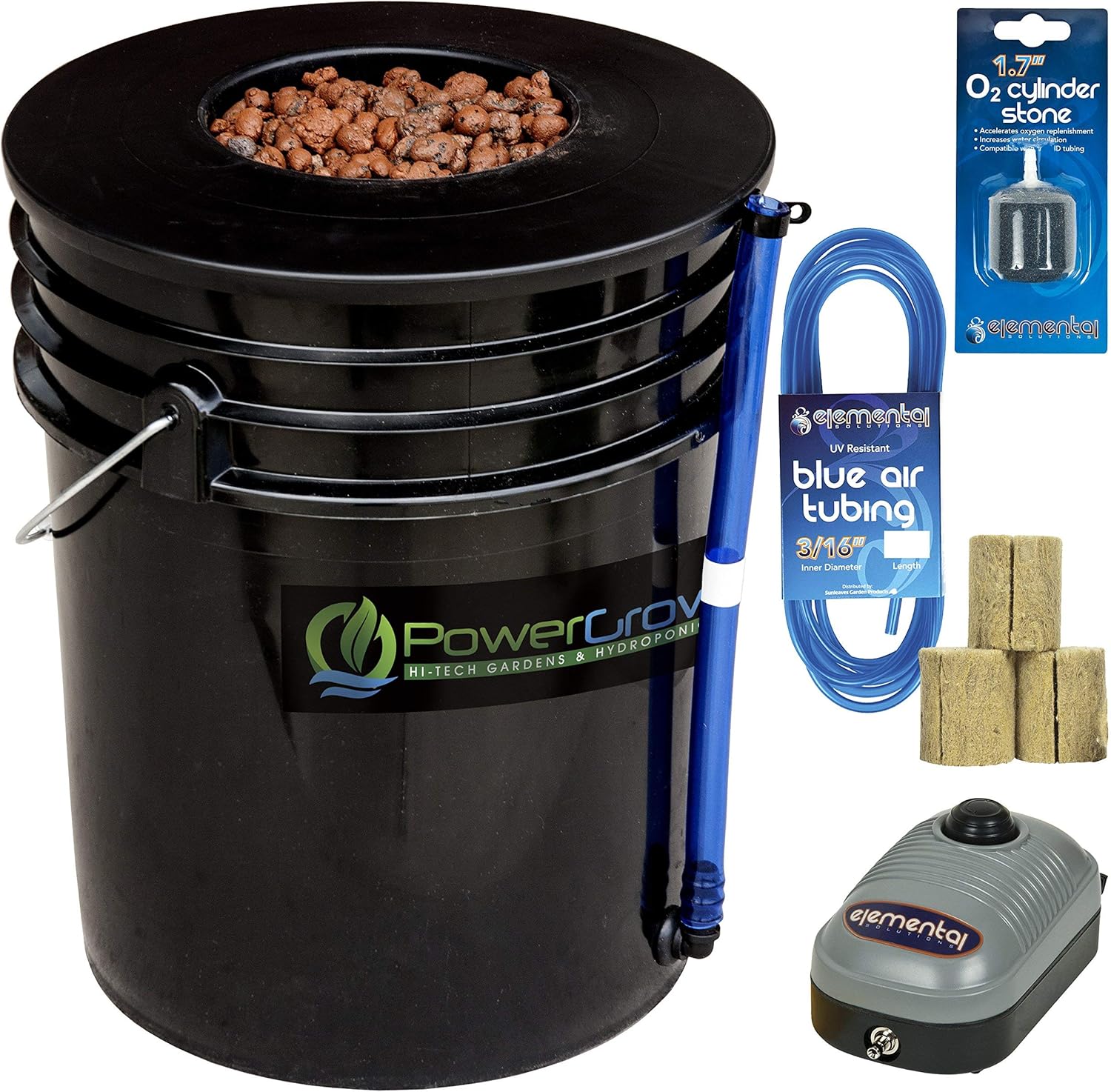
What wattage is best for grow lights?
In general, you need to consider grow lights of 20 to 40 watts per square foot. If you are going to be doing this for a while, you may want to consider 50 watts per square foot, which would be closer to what you get from a 60 watt CFL or a 75 watt T8. You can always go bigger later on if you see that the plants need it.
As a hydroponic indoor grower, one of the major things to put in place to get optimal growth is good lighting. Among various types of grow light, we have in the market, T8 grow light is the type that can supply your plants with good lighting. This is why you need to know the best T8 bulbs for growing plants.
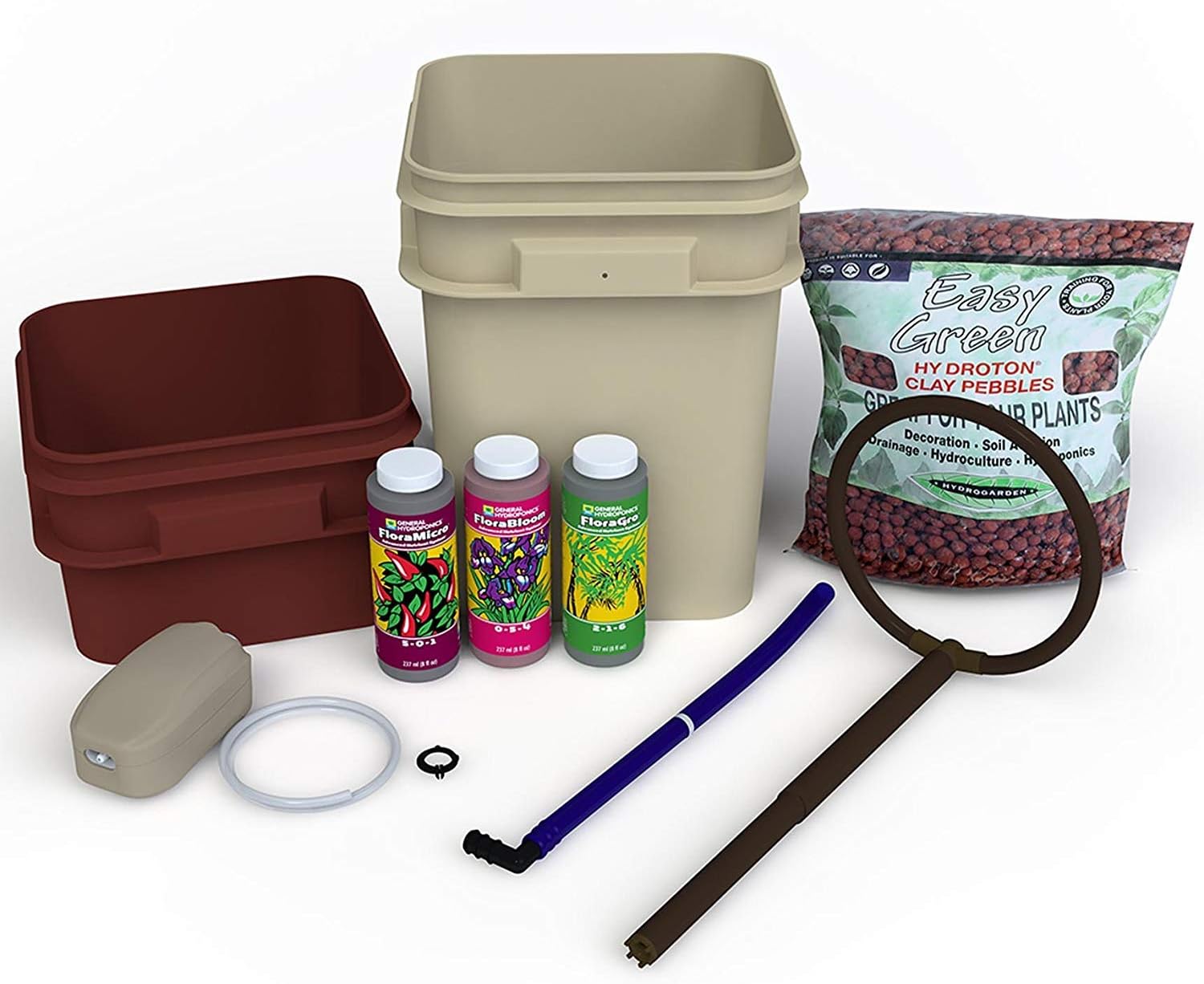
Your indoor hydroponic plants will require excellent grow light that can duplicate the effect or work of sunlight. We will be reviewing the best T8 bulbs you can choose for growing plants in your indoor hydroponic garden so you can enjoy optimal yield. So, read on to decide your best pick.
What Are T8 Grow Light?
T8 grows are fluorescent grow lights that are one inch in diameter. It is approximately 40% smaller than a T5 fluorescent light and also longer than T5 grow light.
List Of The Best T8 Bulbs For Growing Plants
With so many options of T8 bulbs in the market, deciding which to go for might be confusing. This is why we are taking the stress off and listing some amazing T8 bulb grow lights you can go for. So, let’s explore our options:
This grows light is one great T8 grow light bulb you can choose. It features full spectrum red and blue light spectrum in a V-shape which is specially required for the optimal growth of plants. This T8 grow light will usher your plants all through their growing phase (germination, vegetative, and flowering or fruiting phase).
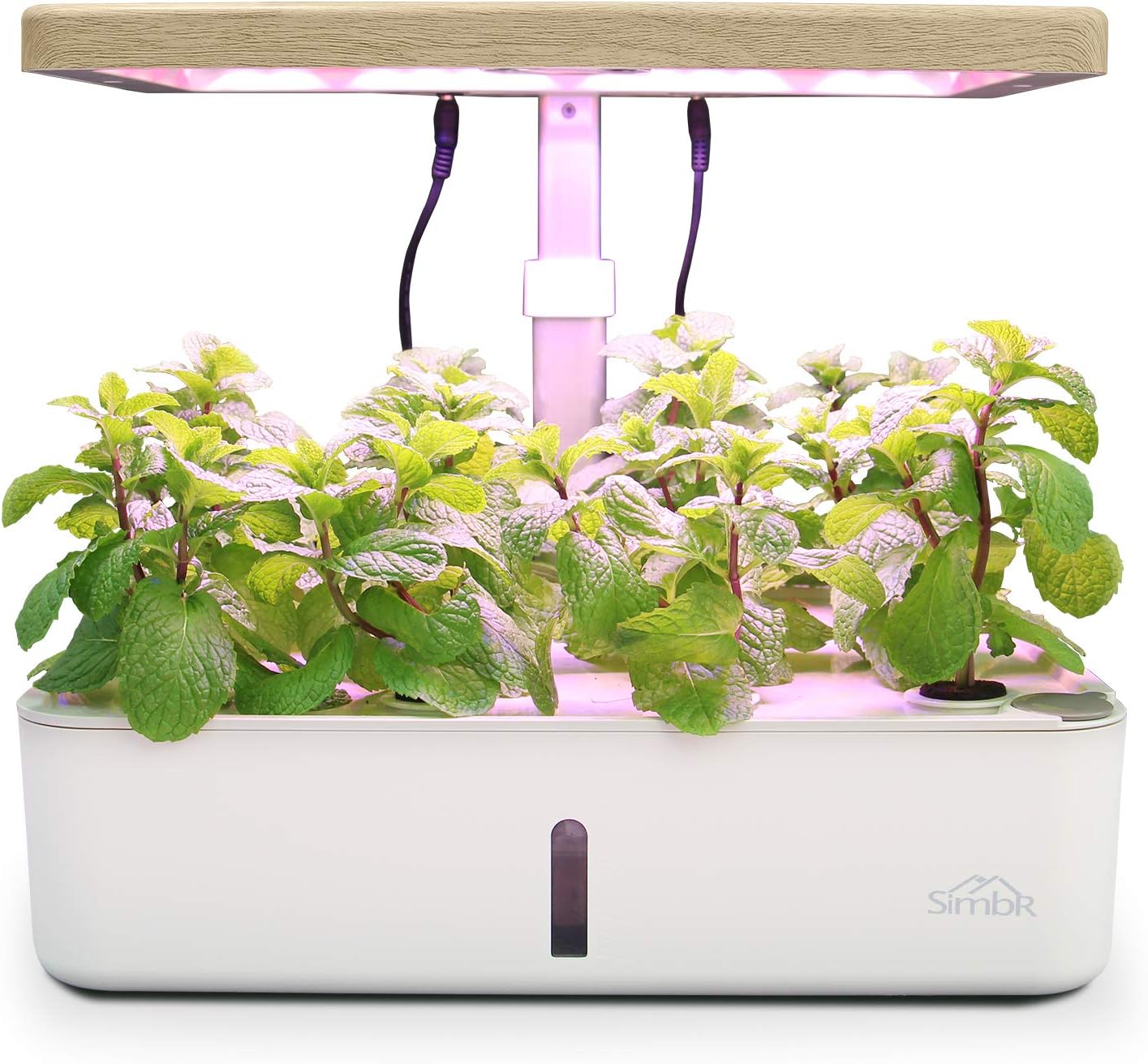
It comes with a three speed timing regulator allowing you to adjust the light output depending on the growing stage. The grow light is very flexible and you can set them up in various positions in your indoor garden such as a growing rack, vertical farm, or plant factory.
Another added advantage is that the bulbs emit low heat. Thus, you can position them a little close to your plant so they can receive optimal light and not worry about it burning your plants.
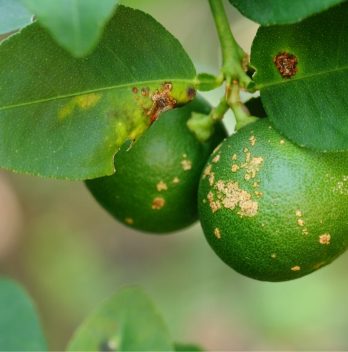
In addition, this grows light will not take too much power thereby you get to save a good amount on your lightning utility bill. They will also serve you a long time till you ever think of making any change.
The drawback we notice is that the light may be too bright for your eyes. So when handling or going near it, you can make use of some protective eye wears.
Pros
Supplies both red and blue spectrum which is great for plant growth.
Easy to use and set up.
The heat emitted is minimal.
Energy-saving grows light.
Long-lasting.
Cons
The light produced may be too bright for your eyes.
SHOPLED LED Grow Light 2FT, Full Spectrum, 20W Plant Lights for Seed Starting, Seedlings, Sunlight Replacement, Grow Lights for Indoor Plants, 4-Pack
$58.99
Full spectrum red and blue T8 Grow light containing 3-speed light output to align with the growing stages of your plants.
The GE T8 LED Grow Light Bulbs offer a full-spectrum light tailored for indoor plants, especially those flowering and fruiting. With a lifespan of 25,000 hours, these 48-inch bulbs are designed to fit standard T8 fixtures, providing an energy-efficient solution for plant enthusiasts.
Pros:
Advanced Red Light Spectrum: Enhances flowering and fruiting stages, promoting healthier plant development.
Energy Efficiency: Consumes less power compared to traditional grow lights, reducing electricity costs.
Long Lifespan: With 25,000 hours of use, these bulbs require less frequent replacements.
Cons:
Fixture Compatibility: Designed for T8 fixtures; may not fit other types without modification.
Initial Investment: Higher upfront cost compared to standard fluorescent bulbs.
Overall, the GE T8 LED Grow Light Bulbs are a solid choice for indoor gardeners seeking efficient and effective lighting solutions for their flowering and fruiting plants.
GE Grow Lights for Indoor Plants, T8 LED Light Bulbs
$99.77
GE T8 LED Lights bulbs for Flowers and Fruit with Advanced Red Light Spectrum, 25,000 Hours Lifespan, 34 PPF, 48 Inches, 6 Pack (Packaging May Vary)
The T8 Barrina LED grow light is another excellent grow light that will supply a full light spectrum to your plants. This grow light is easy to install and it comes with different wires for connections.
It is built with an aluminum reflector that improves the efficiency of light supplied to plants. This T8 bulb light can last as long as 50,000 hours non-stop. The aluminum reflector also assists in spreading the heat emitted evenly.
This T8 grow light will usher your plants into their various stages such as germinating, vegetative, and flowering or fruiting. The full spectrum Barrina grow light offers consist of red, blue, and green wavelengths which are great for boosting the growth of plants.
Additionally, this growth light can as well extend the flowering time of any plant you wish to extend. Thus, it will also help enhance the quality of the budding of your plants. You enjoy higher efficiency of light at a reduced cost as well as low consumption.
Another added benefit is the ability to connect up to 6 bulbs at once without requiring connecting chords. Thus, installation costs and timing are reduced.
The downside is that the light emitted may be too bright for your eyes. Wear protective eye wears if they’re bothering your eyes.
Pros
Highly efficientT8 grow light.
Long-lasting with a life span of 50,000 hours of non-stop light.
Great for all plant life cycle.
Easy to assemble and use.
Features aluminum right reflectors for better functionality.
Cons
Light may be too bright for the eyes.
Top Pick
Barrina Grow Lights for Indoor Plants, Full Spectrum Sunlight, 2ft 40W (4 x 10W, 250W Equivalent), LED Grow Light Bulbs, T5 Grow Lights, Plug and Play, Pinkish White, 4-Pack
$39.99
The T8 Barrina LED grow light is another excellent grow light that will supply a full light spectrum to your plants. This grow light is easy to install and it comes with different wires for connections.
Another option for the best T8 bulbs for growing plants is the SpeePlant T8 integrated fixtures. It is perfect for greenhouse cultivation, house gardens, etc.
They are super easy to assemble and use, and the bulbs are bright enough for your plants to do well under them. They are pretty versatile and lightweight, so they can be installed on your walls, shelves, and so on.
The SpeePlant T8 integrated light fixtures offer your plant a full light spectrum. Thus, they will assist your plant transition from germination to flowering to vegetative, and flowering or fruiting stages. They will also help your plant take in adequate nutrients even trace elements for optimal yield.
The grow light is highly efficient and long-lasting and its power consumption is also minimal. You can also link up to 6 fixtures at once.
The disadvantage we notice is that the light produced may be too bright for your eyes. Thus, ensure you wear protective eyewear when close to the plant if the light affects your eyes.
One of the best options for T8 bulbs for growing plants is this white light full spectrum. They supply bright white lights and they’re great for an indoor hydroponic garden. The wavelength ranges from 420nm to 780nm.
The white light they produce will not cause harm to your eyes as they are healthier for both you and your plants. They are also full-spectrum light that will support your plant throughout the stages of its growth cycle.
The installation is pretty easy and it requires no wiring or reconstruction. All you need do is plug and on your grow light. They are highly efficient that give high output even with low power consumption. Thus, you get to save up to 70% energy on your electricity bill.
Additionally, they can also link up to 6 bulbs at once. Thus, you can extend your grow tent to a bigger size as you wish.
However, the drawback we notice is that it produces too much heat. So, ensure you place them at least 4 to 12 inches away from your plants.
All in all, the white light full spectrum T8 bulb is a great option you can choose when it comes to the best T8 bulb for growing plants.
Pros
Energy-saving T8 grow light.
Great efficiency with high output.
Ability to link up to 6 bulbs at once.
Supports all plant growth stages.
Cons
The heat producded mab burn your plants. Thus the lights should be position a proper distance away from the lgiths
White Light Full Spectrum LED Grow Light, 2FT 2-Row V-Shape T8 Integrated Growing Lamp Fixture for Indoor Plants, Greenhouse Light with ON/Off Switch Plug and Play, Pack of 4 (24W x 4)
We earn a commission if you make a purchase, at no additional cost to you.
FAQ’s
Are T8 LED lights good for growing?
Yes, they are. T8 bulbs have a higher color rendering index (CRI) and a better output spectrum. They also emit more visible light. The bulbs produce roughly the same amount of light. The higher CRI is helpful in plants that have a photosynthetic response to blue wavelengths. It is also helpful when trying to see details in plants. There are two main types of T8s. There are T8s with a filament and T8s without a filament. A T8 bulb with a filament produces more light than a T8 bulb without a filament. T5 bulbs do not require a filament.
Is T5 better than T8?
T8 is one of the most popular bulb types for growing plants. A t8 bulb is an artificial light bulb designed for growing plants. Most of the bulbs are used in hydroponics, or with a nutrient solution. Hydroponic systems have been around for a long time and are the most common way to grow plants indoors. A t8 bulb is similar to a T5 bulb but with one big difference: it has a much higher wattage than a regular T5 bulb. The higher wattage means that the plant will require less energy, which in turn means that you will be saving money on your electricity bill.
Best Fluorescent Light For Plants Conclusion
There’s no denying that nothing beats natural sunlight. T8 bulbs will still support your indoor plant growth by mimicking the work done by sunlight. But even if they do not give you 100% natural sunlight supply, they will still deliver great results for your plants’ needs.
So, we have listed some of the best T8 bulbs you can go for when growing your plants indoors.
Product Image
Product Name / Price
Primary Button
Amazon Choice
T8 LED Grow Light Strips, 1FT Plant Grow Lights for Indoor Plants Full Spectrum, Grow Lights for Seed Starting, Succulent, 20W(2 10W), Sunlight White, 2-Pack
White Light Full Spectrum LED Grow Light, 2FT 2-Row V-Shape T8 Integrated Growing Lamp Fixture for Indoor Plants, Greenhouse Light with ON/Off Switch Plug and Play, Pack of 4 (24W x 4)
Cloning in a hydroponic garden is common and rooting hormone is one way to boost the success rate of your cloning. You might be wondering which rooting hormone to go for with so many options in the market. This is why we have put together the Rootech cloning gel review.
Rootech cloning gel is pretty easy to use compared to most cloning gel. Cloning is a common method among farmers that prefers not to start plant propagation with seeds.
Cloning is a quicker and more efficient technique of plant propagation even for beginners. Now, the application of rooting hormones such as Rootech cloning gel will improve the success rate of your plant propagation.
Info On Rootech Cloning Gel
Technaflora Rootech cloning gel is an amazing rooting hormone for cloning. It is a ready-to-use rooting hormone gel in optimizing rapid, healthy, and substantial root development.
Rootech cloning gel is formulated with a high concentration of rooting hormone supplying your cloned plant with the right ingredient it can make use of immediately when applied. Therefore, it is one of the best in the market and it works for various plants.
Rootech Cloning Gel Success Rate
Rootech cloning gel success rate is top-notch even for the most difficult plant. We will give it a 95% success rate. We love the fact that it is easy to use and it comes in a thick gel with no mess. Even a small amount will do the job perfectly as it is highly concentrated and it can as well be diluted. It also comes in various sizes.
Advantages & Features Of Rootech Gel
You enjoy the best features while using Rootech cloning gel. Some of them are:
Rootech cloning gel is made of ultra-thick and smooth gel which has no hot spots. Therefore, there’s no worry about plant tissues and young roots burns.
It accelerates healthy root growth.
There’s no worry of washing off when watering as it is made of thick and rich ingredients that will hold on to your plant cuttings even with top watering.
If you wish to dilute it, be rest assured it mixes well with water for smooth dilution.
Even the most difficult plant can be successfully propagated with Rootech cloning gel.
Rootech cloning gel works amazing when cloning plants for vegetative propagation. Your cloned root should begin to root in about a week of using this rooting hormone gel. It can be used in various growing mediums such as Rockwool, rapid rooter, etc. The resulting plants should be ready to be transplanted in about 2 to 3 weeks of using Rootech cloning gel.
As we have mentioned earlier, Rootech cloning gel is pretty easy to use. Let’s take a look at how you can use Rootech for your plant propagation.
The materials required for cloning with Rootech in plant propagation are growing medium, propagation tray, cuttings from the stem, humidity dome, heating pad, and Rootech cloning gel.
1. Get your Rootech gel and put some amount in a separate clean container. Store the rest of the unused Rootech cloning gel in the refrigerator.
2. Next, obtain your growing medium such as Rockwool. Drill a small hole in the Rockwool plugs where the bottom of the stem will enter.
3. Cut the plant to be cloned with a sharp sterile cutting tool and cut directly under the node. Prepare the stem by dipping each bottom of the cuttings with Rootech cloning gel.
4. Now, put your set up in the cube holes of the propagation tray and water your plugs in a little to soak water.
5. Then place your set up under a heating pad and cover it with a humidity dome. Feed them with grow light as they begin to grow.
6. Spray mist your set up to prevent them from drying out and monitor daily. You should begin to see the first root coming out in about a week. In 2 to 3 weeks, the roots should be developed enough to be transplanted into your hydroponics or traditional soil.
FAQ’s
What is Rootech cloning gel?
Rootech cloning gel is a solution that is used to clone or produce multiple plants from a single seed. This gel can be used for any type of plant such as trees, shrubs, and herbs. The gel is available in a tube or a spray can. It comes in different colors such as red, yellow, green, blue, etc. The cloning gel is the best tool for cloning because it is the most effective. If you want to get the highest percentage of success rate, this is the only way to go. Using cloning gel will help to remove the seed coat and make a small cut in the seed. This will help the new plant to germinate easily. The gel is made from the root cells of the mother plant. The gel is used to separate the seed coat from the embryo or seedling. Once the gel has been applied, you can then plant the seed into the gel. The gel will protect the seedling from getting wet while you wait for it to sprout. Is rootech cloning gel safe for plants? Yes, it is 100% safe. There are no harmful chemicals or toxins in this gel. You can use this gel for any type of plant. It is not only safe for vegetables and fruits but it is also safe for flowers and trees. It is safe to use for any type of plant. Is rootech cloning gel expensive? It is not very expensive at all. You can buy this product from your local garden center for about $15-20.
Is cloning gel necessary?
The reason you would use cloning gel is to get the plant cuttings to root quickly. You want to get the cuttings as close to the time of transplanting as possible, which means that you don’t have to wait for them to grow roots before you can move them into a larger pot. If you are using soil, then you will want to start them in something like Miracle-Gro Root Booster (or equivalent) as it will give them the right amount of nutrients. Potting mixes will work but if you’re starting from seed, it’s best to avoid potting mixes as they contain too much sand, which could cause problems with the seedlings’ root systems.
What can I use instead of cloning gel?
You can use a regular petri dish with a thin layer of agar or gelatin.
The agar or gelatin will act as the substrate that supports the roots of the plant. You can also use regular soil if you want to be more accurate with your measurements. I would suggest that you make sure that you are measuring the depth of the pot to make sure it is the correct size.
You will enjoy massive root growth and it is easy to use especially for beginners. Therefore, it is the choice for most gardeners and we would highly recommend it for hydroponic cloning in plant propagation.
We do hope you enjoyed our review on Rootech cloning gel.
Just because hydroponic is a soil-free system does not mean we would not have anything to support our plants. This is why we have the hydroponic growing medium that replaces soil or dirt. So, if you’re searching for the cheapest hydroponic growing medium, then look through our guide.
We have outlined the cheapest hydroponic growing medium with the right information and some great tip to make your search easy. So, read on to know your best pick.
What Is A Hydroponic Growing Medium?
A hydroponic growing medium is a soil-free component that helps to hold sturdy or support the plant root system in the hydroponics. However, it does not provide nutrients. It is a permeable material therefore it can absorb and hold moisture, nutrients, and oxygen for the root system which is needed to grow healthily.
A hydroponic grow medium can also be a non-permeable material. You just have to increase the watering schedule so your plant root does not dry out.
Types And Characteristics Of Hydroponic Growing Medium
Before we dive into the cheapest hydroponic growing medium, let’s have an idea about the types and characteristics of some grow medium.
There are various hydroponic mediums available for your hydroponic use. Any type works great. They simply depend on the type of plant you wish to grow, the type of hydroponic system been used, and your preference.
There are so many growing mediums are accessible to suit your needs, budget, and preference. We have listed a few of the most common types of hydroponic growing medium used.
1. Rockwool
Rockwool is one soil-free hydroponic growing medium that has been in existence for a long period. It’s been longed used for plant starters and cloning. It is an inert media made from melting rock and other processes. Rockwool is meant to be pre-soaked and it has been shaped into cubes, slabs, or blocks.
Rockwool is now been used in place of starter plugs which helps in rapidly encouraging the sprouting of seeds in your farm.
2. Coco Coir
Coco coir is a famous and best-loved growing medium among hydroponic farmers. They come from the husk of coconuts and are great for hydroponic plant support and moist retention.
The soilless coco coir is loved because of its awesome characteristic protection of seed and makes them start strong. It will protect your seeds from buildup salt and too much sunlight that can harm your seeds. At the same time being a good medium free of fungi or pathogens.
3. Oasis cube
Oasis cubes is another great grow media comparable to Rockwool and they are made for both seeds and cuttings. It is an inert growing media that require no pre-soaking and has a neutral pH.
4. Expandable Clay Pebbles or Pellets
The expandable clay pebbles or pellets also called hydroton pellets is a pH neutral grow media. They are great supports for your plants which will also fit in net pots and they are reusable. Although they are not so cheap, they are cost-effective and great for your hydroponic plants.
5. Perlite
Perlite is another great media used for hydroponics. Apart from being a growing media, it is commonly used as soil additives by traditional soil growers. It is made from heating volcanic glass.
Perlite is not as good as standalone media. It is usually mixed with other grow media such as vermiculite, coco coir, as well as soil, and it’s usually mixed 50/50. Perlite is less expensive and it’s reusable.
6. Vermiculite
Vermiculite can be compared to perlites and it is made from heating mineral rocks till it expands into pebbles. It is mostly used in a mixture with other grow media.
4 Recommended Cheapest Hydroponic Growing Medium
We have listed some recommended cheapest growing medium you can go for:
Grow!t coco coir mix is an awesome organic growing medium for your seeds and seedlings to germinate and start strong. It is one of the cheapest good quality coco coir and it’s easy to store and it expands very well. It is also biodegradable and renewable.
Another advantage we admire is that it offers protection against pathogens and fungi, therefore, giving your plant healthy growth. It also protects against the build-up salt.
Grow!t coco coir mix is a soil-free medium that holds water adequately and there’s no risk of plant drowning. It conveys nutrients throughout your plant root thereby improving plant development. It also has good aeration.
Pros
Great water retention, nutrient circulation, and aeration.
The Grodan mini cube is a type of Rockwool and it is an inexpensive hydroponic growing medium. It comes in a cotton-like candy fiber and has been compacted into various shapes such as blocks, cubes, or slabs.
Grodan mini cube will serve as a great anchor for your hydroponic plants in their various developmental stages. This type of growing media will retain moisture and deliver nutrients to your plant root. It is great in providing good air circulation (oxygen) for the growth of your plant.
We admire the fact that it comes with a pair of lovely gloves for your comfort and protection when handling your medium.
If you wish, the cuttings or seedlings you started in Grodan mini cube can be transplanted to dirt or your soilless growing medium. Grodon will work fine if all other growing conditions are met.
The downside is that they need to be presoaked and the pH range will need to be monitored.
All in all, this is a good option you can consider when choosing the cheap hydroponic growing medium if all other conditions are met.
1.5 inches Rockwool is another cheap and available option for your hydroponic growing medium. It can be used for seed starters, root cuttings, and so on.
This medium provides a good anchor for your plant even for starter plants. It has great air circulation and excellent drainage properties. It also conveys nutrients to your plant root for adequate and rapid growth.
You can either use it for your garden hobby or commercial growing purpose. The size is excellent to fit into a standard flat grow tray.
Even though it requires presoaks before use, overall this is a good option you can consider when choosing the cheapest hydroponic growing medium.
Pros
Affordable.
Great for seed starters and cuttings.
Provides anchor for plants.
Great air circulations, drainage, and delivers nutrients.
Clay pebble is another cheap soil-free hydroponic growing medium as well as aquaponics. It is safe and reliable and does not emit any toxic substances. They are also free from pests and diseases.
This growing medium is great support for your plant root and has excellent retention of moisture. It is as well a good transport media for nutrients. Another positive thing is that they are capable of storing nutrient and releasing it to the plant root slowly.
They might not be the best of the best, but you can work your way around it.
Points To Consider When Choosing The Cheapest Growing Medium
You need to put into consideration some points when choosing the cheapest hydroponic growing medium. We have outlined these points and they will help you make the right decision.
Water Holding Capacity: one important point to know when choosing your growing medium is its water retention. Because nutrients are dissolved in water, the medium needs to be able to hold water and transport nutrient solution for the usefulness of your plant growth.
Good Anchor: because there is an absence of soil that gives support: the growing medium should be able to provide an adequate anchor to hold your plant sturdy.
Aeration: the growing medium must have good air circulation which is required for your plants’ growth.
Affordability and Availability: you should also consider if the growing medium is affordable and available in your region.
You should also note that apart from choosing the right growing medium, all other growing conditions need to be met for you to have a smooth and running hydroponic garden.
FAQ’s
What growing medium is best for hydroponics?
One favorite growing medium is perlite. It’s lightweight, easy to mix into any solution and has a great absorption rate. The only thing is that it doesn’t seem to hold moisture very well. You can buy pre-mixed bags at your local gardening store. There are some good reasons to use coco coir. It’s cheap, light weight, easy to mix with water and will absorb up to 5 times its weight in water. The only thing is that it is not very absorbent so you will need to add more fertilizer to it than if you were using a more absorbent medium like peat moss or vermiculite. .
Can rocks be used in hydroponics?
I would suggest using them as an addition. If you are not familiar with hydroponics, it is a method of growing plants using nutrient solutions. It works by having the roots in a solution and the plant uses the water to transport nutrients into the root system. There are two basic types of hydroponic systems: a hanging basket system and a tray system. In a tray system, the roots are grown in a tray of nutrient solution and they are submerged in the solution. The roots grow down into the solution and the solution is constantly being replaced. This is a slow growing method because the roots are growing into the nutrient solution rather than pushing through it. In a hanging basket system, the roots grow out of the nutrient solution.
Is perlite a good hydroponic medium?
Perlite is a hydrophilic, air-filled, spherical, glassy volcanic rock. It does have some beneficial qualities, but like any other growing medium it has some drawbacks too. One big drawback is that it is very light, almost weightless, so you have to hold it up for your plants or they won’t grow well. Another major drawback is that it is a poor nutrient medium. It is a very poor nutrient medium. It does contain some nutrients, but the nutrients are so low in quantity that it is basically worthless as a nutrient source. Additionally, it is a very light material and will expand when wet.
Do you need soil for hydroponics?
No, you don´t. What is the best soil for growing plants? Hydroponic systems can be a little tricky to set up, but once it’s set up and running, it’s an easy way to grow a variety of crops. If you’re planning on growing hydroponically, then you’ll need a container that will hold water and your plant roots. These containers are called “soil-less” or “water-less.” Water-less containers are designed to be used in a hydroponic system. The main purpose of this system is to grow plants using water, rather than soil. In hydroponic gardening, you need to keep your roots constantly moist, so water-less containers are perfect for this type of gardening. It can be easy to start seeds or seedlings in a hydroponic system. This method is also great for indoor gardens.
Conclusion
Hydroponic growing medium supplies your plants good moisture so your plants do not dry out. They also convey nutrients and can act as a buffer in case your pump or any other essential part fails.
All in all, before you settle finally for a particular medium, try and experiment with the various medium. This way, you can pin down the appropriate growing medium for your plant’s growing needs.
Various plants have different growing needs and they will thrive with different growing mediums. Also, make sure all other growing requirements are met.
We recommend you give your system a trial and error so you can perfect all the needs of your hydroponic system.
The juicy aloe Vera plant is one of the famous succulents know all over the world. They originate from the arid region in the North of Africa. Most aloe Vera thrives in the desert or arid parts and they do not like too much water in their soil. Therefore, choosing the best soil for the Aloe Vera plant is essential for their growth.
Aloe Vera plant will grow accurately in well-drained soil. The plant does not like soggy or damp soil or else it may lead to root rot.
All types of Aloe Vera plants need sandy or soil with gravel. These types of soil are well-draining which makes them ideal for aloe plants. We will be giving you some tips on how to choose the best soil for your Aloe Vera plant, so read on to find out.
Best Soil for Aloe Vera Plant
Aloe Vera needs well-draining soil. Except you live in a desert, planting aloes outdoors especially will require you to amend the soil to suit the nature of your plant. Outdoor aloes will need drainage help, especially for wet climates.
To improve outdoors, you can simply amend with granite, pumice, or coarse soil. It is also ideal to do a raised planting with outdoor aloes.
For indoors or containers Aloe Vera plants, they will do well in commercial potting mix.
Commercial Cactus Mix For Aloe Vera Plant
One good choice of soil for the Aloe Vera Plant is the commercial cactus mix. This commercial mix comprises mostly sand, perlite, peat, bark, vermiculite, and pumice.
When choosing cactus mix for your Aloe Vera plant, always pick large particle sizes to promote drainage. Avoid using regular potting soil alone because they don’t drain well.
Potting Soil For Aloe Vera Plant
Using potting soil for your Aloe Vera plant is alright. But they have to be modified for better drainage. To make them better for drainage add coconut coir, freshly chopped bark, or peat.
Furthermore, you can combine them with pumice, granite dust, and coarse sand. This way, the soil mixture will get the chance to become relatively large particles.
Some Recommended Soil For Aloe Vera Plant
We will be recommending some commercial soil you can use for your Aloe Vera plant. So read on to find out.
The professional grower mix is one of the best soil mixes for the Aloe Vera plant. It is basically ideal for succulents and cacti of various plants.
This soil mix is well-draining and dries out fast which is what is needed for dessert plants like Aloe Vera. It will prevent the rotting of roots from overwatering. It will also provide plant support to your Aloe Vera and it has a great consistency.
Bonsai Jack is a fast-draining potting soil and will be great for your Aloe Vera plant. It is nutrient mixed, therefore, will provide your aloe plant some good nutrient.
This soil will enhance the growth of your aloes and your plant will stand a good chance.
Hoffman soil mix is specially made for desert plants such as Aloe Vera. It is a well-draining soil mix and it gives good aeration. It is ready to use and it’s definitely a formula for root rot.
This is another good choice of soil to use for your aloe plant. It is great for various cacti and succulent plants. It is pretty easy to use and it drains well, thus, your Aloe Vera will stand a good chance with this soil.
Another great thing is that it is blended with diatomite which is effective against insect pests.
Most of the time you will only need to water your aloe vera plant. However, if you notice brown patches on the leaves, you should water the plant more frequently. Aloe vera likes full sun, so you will want to make sure it gets enough light. You will also want to keep the soil moist. Aloe vera will need to be repotted every year. The plant will grow best in a container that is about one gallon in size. You will want to use a good quality potting soil mix. You may also want to add some fertilizer, but this is not necessary.
You will also need to water it if the soil is dry. A good way to tell if your soil is dry is to look at the surface of the soil. If it is dry, there will be no moisture on the surface of the soil. You should use a soaker hose and water the soil until it is moist.
What is a good soil mix for aloe vera?
There are many types of soil mixes. Some are designed for planting trees and shrubs. Others are specifically designed for aloe plants. Some people mix together all three in one container and plant their aloes. However, I prefer to separate the three. That way, you can plant the tree/shrub soil mixture with your regular soil mixture, and plant your aloe plants in their own soil. Aloe vera requires a well-draining soil.
There are a few factors to consider when mixing soil for an aloe vera plant. Soil temperature. Aloe vera likes temperatures between 70 and 85 degrees F. You will need to find a place that has these conditions. If you live in a cold climate, you can move the plant indoors or to a greenhouse or a location with warmer temperatures. Soil moisture. Aloe vera requires a moist soil, but not too much.
You will have to monitor the soil and water it as needed. Aloe vera likes full sun. Aloe vera is easy to grow and can be grown in containers.
How do I fertilize my aloe?
Your aloe plant needs some type of fertilizer.
You can use a liquid fertilizer or you can add food to the soil around your aloe. You can also use an organic fertilizer if you have one available.
How do I repot my aloe?
Repotting is a great way to give your aloe a new start. When you repot your aloe, you will have to remove the soil from the pot. Then, you will need to add some fresh soil. You can use a soil mix that has compost, peat moss, vermiculite, sand, perlite, or sphagnum moss. You will also want to add some fertilizer and some water. After that, you will need to plant your aloe into its new soil.
What are the best places for an aloe to grow?
You can grow an aloe in the ground or in a pot. The best place for your aloe is in the ground.
What should I feed my aloe?
You should feed your aloe regularly.
If you’re using the dry-mix method, you want to use a high-carbon soil mix like a soil-less potting mix. The reason for this is that the soil will eventually become compacted and hard, which may cause the plant roots to have trouble penetrating it. Also, your plant is not designed to grow in a clay/sand mix.
You should use a liquid fertilizer that contains a balance of nitrogen, phosphorous, potassium and magnesium. You can use the same type of fertilizer that you would use for your houseplants.
More Information
Regardless of the type of soil you use, when planting in containers, ensure you don’t use too much soil. Aloe Vera plants are shallow-rooted. For this reason, small containers are best used because bigger containers may accumulate moisture and cause root rot.
Therefore, to prevent your aloe plant from getting waterlogged, use only small containers. You can also re-pot your aloe plant once every year.
Aloe Vera is usually grown indoors as a houseplant in most places in the United States. However, you can plant them outdoors whenever the weather is hot. But when the temperature falls below the freezing point for a long time, they must be protected or taken indoors if they are planted in containers.
The yield of your crops can be doubled or tripled in a well-maintained space such as a hydroponic garden kit.
If you are one that lives in an urban environment and you don’t have adequate space for gardening outdoor traditionally: a hydroponics kit is for you. Also, if the season in your region is not favorable for an outdoor all year planting, a hydroponics system will solve the problem.
What is Hydroponic Farming?
Hydroponic farming is a means of cultivating plants without the use of soil. A hydroponic system is used for hydroponic farming. Hydroponics makes use of water which is a nutrient-filled aqueous solution, instead of the traditional soil.
Hydroponics farming has revolutionized farming techniques in this 21st century. Different kinds of plants can be grown with a hydroponic kit such as herbs, root crops, flowers, fruits, and vegetables.
Advantages of Hydroponic Kits
Making use of hydroponic kits comes with a lot of benefits. Here are a couple of these benefits:
Relies on water: Hydroponic relies on water instead of soil. All the necessary nutrients your plants will need for adequate growth is provided in the water of the hydroponic system. Therefore, there is no need for the plant’s roots to stretch and search for water, oxygen, and other nutrients.
Gardening in minimal space: as we have mentioned, the plant root does not need to stretch for nutrients and other basic things. For this reason, your plants can be grown close to each other in a minimal space and you still enjoy optimal production.
Climate controlled environment: you enjoy farming indoors where there is control in weather conditions. Thus, no need for your plants to endure or adapt to the harsh outdoor climatic conditions.
Minimal pest and weed: most plant diseases are soil-borne. But with a hydroponic kit, there is a reduction in pests as well as weed control.
Minimal use of chemicals: since there is a reduction of pest disease, there will also be minimal use of chemicals such as pesticides, fungicides, etc. Therefore, you enjoy clean, safe, and healthy foods.
All year round farming: hydroponic kits offer you the advantage of growing each crop continuously, all year round.
If you want to save yourself the stress of DIY hydroponics grow system, you should select other options available in the market.
Even though there are various types of hydroponic kits available in the market, choosing the appropriate one is important. This is why we have made the job of choosing easy for you by selecting the 5 best hydroponic kits. So, check them out to know your best pick.
Aerogarden Harvest Hydroponic offers you the pleasure of gardening in the comfort of your home. It is pretty comfy and can be placed anywhere in your home but it will be perfect if placed in your kitchen.
Features
The super easy to control Aerogarden Harvest Hydroponic saves you the stress and mess of dealing with soil.
Additionally, you get to grow your plant naturally in water. It comes with a control panel that alerts you whenever water is needed. You can grow as many as 6 plants at once and your plants can grow tall up to 12 inches.
The LED growing light has a great performance with a full spectrum output that imitates the outdoor natural sunlight. This light will maximize photosynthesis and increase natural growth which will result in plentiful yield.
The automatic lights which have a timer turn on for approximately 18 hours, and off for 6 hours. However, there is a variation of this light depending on the type of plants. The effectiveness in the energy LED grow light maximizes the growth of plants.
The liquid plant food is included and there is a reminder that always tells you when to add plant food.
The beautifully designed Aerogarden Harvest Hydroponic is great as a present for any occasion. It can be gifted as a birthday gift, Christmas gift, thanksgiving gift, or a gift for your loved ones.
The drawback is that the light is very bright and might hinder your eyes. This is why we recommend you find somewhere in your home where the reflection won’t have much effect on you.
Pros
Easy to operate.
Saves you the stress and mess of dealing with soil.
The iDOO Hydroponics Growing System, indoor herb garden starter kit features LED grow light, smart garden planter for the home kitchen, automatic timer germination Kit, and Height Adjustable.
Features
The 7 pods iDOO Hydroponic System is specially designed for planting vegetables and herbs. It allows you the pleasure of growing up to 7 different plants. Get to enjoy fresh veggies and herbs in your kitchen exactly when needed.
We appreciate the various grow light modes which will help your plant grow adequately. The automatic light timing of the LED full-spectrum system is highly essential for the germination of your plants. The full-spectrum LED light mimics sunlight allowing your plants to grow faster, maximizing harvest.
Additionally, there is a feature of height adjustability. As your plants grow continually at their various stages, you can adjust the top part of the lightening up to 13.4 inches.
One negative point of iDOO Hydroponic system is that it doesn’t come with seeds, but it has every other thing needed.
Another hydroponic kit we recommend is the deep water culture hydroponic bucket kit. This hydroponic complete system is easy to use and it’s budget-friendly.
Features
Deepwater culture hydroponic kit is perfect for beginners because it is easy to operate. It is a great option for most plants. The bucket is firm and durable making it a great option for bigger plants.
There is an indicator for the blue water which is transparent. The bucket is also able to drain. Also, the air pump operates quietly.
The solution which is abundant in oxygen and other nutrients will boost the root and general growth of your plants. Be rest assured of rapid growth and robust harvest.
The main downside is the pump. Although the pump is okay it could be improved.
With this General Hydroponics Water farm, you get the value for your money spent. You can add this hydroponic to one of your picks.
Features
General Hydroponics (GH) water farm is easy to operate and it’s durable and lasts longer. It is ideal for growing all sizes of plants (small, medium, and large).
An additional feature is the water timer which can run as long as you set it. It does not consume much water.
It comes with GH nutrients, air stone, air pump, and every other thing. It’s an all in one package. Therefore, there’s no need to spend extra money on anything.
The drawback is the pump splashes water a little but it can be managed.
The inbloom Hydroponics growing system is ideal for indoor gardening. It is well equipped and easy to set up even with your kids.
Features
You can grow up to 12 different plants with inbloom Hydroponics kit. It is perfect for growing herbs, foliage, or vegetables. You can as well grow flowers and fruits.
It comes with automatic in-built LED lights. The LED light maximizes photosynthesis which will feed your plant growth and harvest rapidly.
We admire the adjustable height from 7 to 12 inches tall growing with your plants. There is also an in-built fan and water pump for adequate oxygen. The 4-liter tank is sufficient to last for 2 weeks when filled and the water level is very visible.
inbloom Hydroponics kti can be a lovely gift for anyone. It will look beautiful anywhere you decide to set in your home.
In other to increase your chance of picking the best hydroponic kits, we will give you some tips on how to pick. There are some things you should consider when choosing. We have identified these points so you can make the right decisions.
Points to Consider When Choosing Hydroponic Kits
Dimension: The first thing you should consider is space. Know the exact dimensions of the product so you can have where to keep it in your home.
Height: Also check for the height of the hydroponic system. Is the height adjustable? You will need more vertical space just in case you want to grow taller plants.
Plant holding capacities: This is so you know how many numbers of different plants it can contain.
Automated: Some hydroponic are automated and basic things can be taken care of. Things such as light provision, pumping water, oxygen pump, etc. This way you know how much or less you need to contribute.
FAQ’s
Which hydroponic system is best?
Before you buy a hydroponic system, you need to know what you’ll be growing. Will you be growing vegetables or herbs? Some hydroponic systems are more suitable for one than the other. For example, some systems are better suited for herbs because they have a larger reservoir. If you’re going to grow tomatoes, you’ll want to get a system that has a reservoir with a large volume to store water. The size of the reservoir will depend on how much food you want to grow and how big you want your plants to be. You’ll also need to know whether you’re going to use an LED light fixture or a HID light fixture. LED lights are more energy efficient and produce a better color spectrum than HID lights, which makes them better for growing flowers and veggies. You can find hydroponic systems with both LED and HID lights, so you can decide which is best for your needs. If you’re growing indoors, you’ll need to make sure there’s enough room to build your system. You don’t want to have to move your system every time you want to water it. You may have to plan ahead for this if you’re growing in a small apartment or condo. If you’re growing outdoors, you may not need as much space. Just make sure that you have enough space for the tubing to run through. You may have to dig a trench for the tubing, depending on the size of the system. This will allow you to move the system around and keep it from getting damaged. Most hydroponic systems are DIY projects, so you’ll need a few basic tools. You’ll need to have some pipe cutters, pliers, and a hacksaw. You’ll also need a drill, a saw, a hammer, and a hand saw. If you don’t have any of these, you can get them at your local hardware store.
What is the difference between AeroGarden and hydroponics?
Aeroponics and hydroponics are both types of farming that use a combination of air and water to grow plants. Aeroponics is a type of hydroponics that involves placing growing medium in an airtight chamber, usually called a rooting container, with the roots of a plant hanging down into it. The plant’s leaves hang above the surface of the rooting container, while the roots remain submerged. The roots are fed nutrients through a misting system or misting dome. The roots take in these nutrients from the air, and the leaves receive them from the nutrient solution. Aeroponics is often used for high-value crops, such as leafy greens and herbs. Hydroponics, on the other hand, uses water and growing medium (such as soil, peat, sand or vermiculite) instead of air. The roots of a plant grow through a growing medium that holds the nutrients required for growth. Hydroponic growing mediums are usually placed in trays or pots, which can be filled with growing medium or water. Hydroponic systems have become more popular in recent years because they are easier to maintain and require less space than traditional soil-based gardening methods. They also don’t rely on soil-borne pests, which means that pests are less likely to attack your plants. There are many types of hydroponic systems available today. Some are designed for indoor use, while others are intended for outdoor use.
Conclusion
We hope this article guides you in choosing which option suits your needs when it comes to picking the best hydroponic kits.
So, get to enjoy total control over gardening with hydroponic kits!
If you are struggling to mitigate fungal disease in your garden, one sure solution is neem oil fungicide. Apart from the pesticide job that neem oil does, it can also work as a fungicide and miticide. Therefore, neem oil works three in one! Amazing, right?
Fungi Disease
It can be pretty disturbing when fungi invade your plants. The majority of plant diseases are caused by fungi. You must act fast when you spot any fungi activities in your garden before they spread uncontrollably.
Signs of Fungal Infestation
The first step to battling this fungal disease is to identify the presence of a fungal infestation. Fungal infestation can affect any plant. Here are the signs to look at for when it comes to fungal infestation.
White Mold: white mold, a fungi infestation, caused by sclerotinia begins to form on your plant leaves and also cause stem rot. It can eventually lead to plant death.
Powdery Mildew: fungal infestation will cause powdery mildew on your plant leaves.
Stem Rust: the stem of your plant begins to rust with a fungal infestation.
Leaf Yellowing and Rust: the leaves start to rust, especially corn leaves. Also, you may notice your plant leaves start to turn yellow. Sometimes your plant leaves may have some brown spot.
Seedling: your plant seedlings start to dampen.
Berries: you may notice some bird-eye spot on your berries.
Neem oil as Fungicides Treatments
When you have confirmed fungal infestation in your garden, you can now opt for neem oil as a treatment. Neem oil is an organic fungicide treatment safe for treating fungal infestation as well as protection against subsequent infection.
Neem oil treatment is non-toxic and can be applied to a fruit tree, leaves, stem, and soil.
Apply neem oil every 7 to 14 days as a preventive measure against fungi disease. To effectively treat fungal disease already present, spray neem oil on the affected plant on a 7-day schedule. Do this until the fungal disease is eliminated.
Spray neem oil fungicides in the evening time or early morning only. Avoid spraying neem oil during the hot periods to prevent the burning of leaves.
Recommended Neem Oil Fungicide
We recommend these neem oil fungicides for your plant:
Garden Safe, a component of neem oil, is a three-in-one product (fungicide, insecticide, and pesticide). It is a safe measure for treating and controlling different fungal diseases such as powdery mildew, white mold, leaf and stem rust, bird-eye spot, tip blight, and so on.
Simply mix concentrated garden-safe neem oil with water and spray your plants. Make sure you read the label and follow the instructions for accurate results.
Garden-safe neem oil can be applied to flowers, roses, houseplants, and ornamental trees. It can also be applied to vegetables, fruits, and shrubs. With Garden Safe, you can assist your plants and help them grow safely and healthy throughout the growing season.
It can also be used as a dormant spray, protecting your plants throughout the season.
Amazon Choice Selection
Garden Safe Neem Oil Extract Concentrate
$19.99
For Organic Gardening, Fungicide, Insecticide, Miticide, Neem Oil For Plants, 10 fl Ounce
Pure Neem Zuprime pure neem oil concentrate offers effective fungicide control on houseplants, flowers, trees, and shrubs.
Apply 3ml to 7ml of neem organic pure oil per quart of water inside a spray bottle and spray your plant. Spray neem oil organic early in the morning or late in the evening to avoid burning the leaves. Ensure you always read the instructions on the label for accurate results.
Neem oil organics can also serve as a dormant spray by protecting your plants throughout the seasons.
Pure Zuprime Neem Oil for Plants – Organic Neem Oil Spray for Plants
$17.99
100% Cold Pressed Neem Oil, All-Natural Neem Oil Concentrate Leaf Polish for Plants, Pure Neem Oi…
We earn a commission if you make a purchase, at no additional cost to you.
02/08/2026 05:04 pm GMT
Neem Oil as a Fertilizer: Benefits for Your Garden
While neem oil is primarily known for its pest-repellent properties, it can also offer benefits as a natural fertilizer. Neem oil is rich in nutrients that improve soil health and plant growth. Here are some key advantages of using neem oil as a fertilizer:
Rich in Nutrients: Neem oil contains nitrogen, phosphorus, potassium, and micronutrients that are essential for plant growth. These nutrients support healthier roots, stronger stems, and increased foliage.
Improves Soil Health: When neem oil breaks down, it enriches the soil with organic matter. This improves soil structure, boosts moisture retention, and promotes beneficial microbial activity, which enhances overall plant health.
Natural Pest Control: One of neem oil’s unique advantages is its dual role. It acts as a fertilizer while also deterring harmful pests like aphids, spider mites, and whiteflies. This reduces the need for chemical pesticides and keeps your garden healthy.
Slow-Release Properties: Neem oil breaks down slowly, releasing nutrients over time. This provides a steady supply of nutrition to your plants, reducing the need for frequent fertilization.
Safe for the Environment: Being organic and biodegradable, neem oil is eco-friendly and safe to use around pets, children, and beneficial insects like bees and ladybugs.
Neem Oil as a Mosquito Repellent
In addition to its uses in gardening, neem oil is an effective natural mosquito repellent. Its strong odor and active compounds make it an eco-friendly alternative to chemical repellents. Here’s how neem oil helps keep mosquitoes at bay:
Natural Insect Repellent: Neem oil contains compounds like azadirachtin, which disrupt mosquitoes’ lifecycles. It repels adult mosquitoes and prevents larvae from developing, reducing their population over time.
Safe for Skin: Neem oil can be applied to the skin when mixed with a carrier oil, such as coconut or olive oil. When used, it creates a protective barrier that mosquitoes dislike, making it a natural alternative to DEET-based products.
Long-Lasting Protection: Unlike chemical repellents, neem oil provides durable protection without harmful side effects. It can be reapplied as needed, making it ideal for outdoor activities.
Environmentally Friendly: Neem oil is biodegradable and non-toxic, making it safe for use around pets, plants, and the environment. It doesn’t pollute water sources or harm beneficial insects.
Using neem oil as a mosquito repellent allows you to enjoy outdoor spaces without worrying about harmful chemicals or constant mosquito bites.
Let’s take a look at some of what we discussed above:
Neem oil fungicide is a safe organic treatment for various fungal diseases in plants.
Applying neem oil on all food plants is safe.
Neem oil works amazingly as an all-purpose insecticide repellant, mite repellent, as well as fungicide treatment.
You can also make use of neem oil as a dormant spray which will protect your plant all through the seasons.
Apply neem oil 7 to 14 days as a preventive fungicide, for control measure; apply on a 7 days schedule.
By using neem oil in your garden, you not only nourish your plants but also protect them from pests in an environmentally responsible way.
FAQ: Neem Oil Fungicide
1. What is neem oil used for in gardening? Neem oil is used as a fungicide, insecticide, and miticide. It helps combat fungal diseases like powdery mildew and prevents pest infestations.
2. Is neem oil safe for edible plants? Yes, neem oil is safe for vegetables, fruits, and herbs. Just ensure proper dilution and wash produce before consuming.
3. Can neem oil burn plants? Neem oil can cause leaf burn if applied in direct sunlight or excessive amounts. Apply in the early morning or evening.
4. How often should neem oil be applied? For pest prevention, apply neem oil every 7-14 days. For active issues, use it weekly.
5. How does neem oil work as a fungicide? Neem oil disrupts fungal growth by interfering with spore germination, effectively controlling the spread of diseases like rust, black spot, and mildew.
It is critical to use the best pH meter to test your soils’ status to ensure your plants are getting the nutrients they need to be healthy.
One of the most critical factors that determine if your plants will thrive in the soils’ acidity or alkalinity. If the pH value of the soil is off even a little bit, it can have disastrous effects on your plants. For this reason, it is vital to use the best soil pH testers to ensure your plants grow happy and healthy. The pH determines the availability of the nutrients that the plants need. If the pH is too low the soil is acidic with nutrients like Phosphorous being less available. Other things can accumulate in acidic soil and make it toxic. Soil that is too acidic is not a good home for beneficial bacteria.
Soil with a very high pH is alkaline. It prevents the plants from having enough iron, copper, manganese, zinc, and phosphorous. Iron is vital to plants especially the evergreens.
What to Consider when Buying the Best pH Meter
A good soil pH tester will get the job done each time you want to test your soil. All the soil pH readers do not have the same build. Here are key features that you need to check as you shop for the best pH meter.
Accuracy of the pH Meter. Always go for a pH tester that offers accurate results. Generally, there is a range that your pH must measure. It can be anything from 3.5 to 8, some ranging slightly larger or smaller. The instructions part contains details that you need to know before buying the pH tester. Pay close attention to these instructions they give you an idea of how to get the best pH meter.
Probe the Depth Length of the Soil Tester.Soil pH testers come in singles or doubles designs. These probes are made out of silver, aluminum, copper, or an amalgamation of metals. The probe depth is critical – the longer the probe the better it is in giving you the best results. This is because it not only tests the top layer soil.
Single or MMlti-function. Some pH tests the soil’s alkalinity or acidity only. Others can test other factors too like the moisture content and light levels. By buying 3 in 1 test kits you will be able to test your soil of all the tests that influence your plant growth.
Portability. Go for a soil pH tester that is lightweight, compact, and durable. The probes could be gentle, but the unit must be strong enough to give you value for your money.
The power source. Most pH testers are battery-free meaning you use them without the need to plug in the batteries. Others require batteries to work. You can opt to use either of the pH testers. There is no proof that those with batteries work better than those without.
Before you can interpret the results of your pH tester, first understand the basics of the acidity or alkalinity. These basics run from 0-14, with 7 being the neutral number. Anything above 7 is alkaline while anything below 7 is acidic. Most testers come with a chart to help you read the results.
Most electronic pH testers have a probe that inserts directly into the soil to get the readings. In some of these cases, you might not get accurate results. The best way to ensure you get the right results is by making a mixture of distilled water and soil. Put soil in a container, add distilled water and stir so that it mixes well. With the mixture ready, you can use the pH strips or electronic tester to get accurate results. You can try it a few times to see if you get the same results especially if you are new to testing.
Be sure to use the chart that comes with the tester. This helps you get the correct decoding for the results every time you carry out the tests.
The Top Best pH Meter
Now that we have seen why it’s important to test your soil’s pH, let’s look at some of the best soil testers in the market today.
YOYOMAX pH tester has a 3 in 1 design that tests the pH, soil moisture, and sunlight. It’s an analog tool that neither uses batteries nor charger and is ready to go right out of the box! This tool is easy to use even for beginners – switch what you want to test and insert the probes into the soil about 2-4 inches deep. Give the test kit for about 10 minutes and read the results. The YOYOMAX test kit measures the pH from 3.5 to 8.
This test kit is small and portable so you can carry it with you and use it anywhere. It’s best for indoor plants.
BLUE LAB pH pen is a new technology pH testing kit that uses a lab-quality probe. It measures the pH in swimming pools, brewing industries, and hydroponic gardening.
Calibration with this test kit is easy ensuring the accuracy of the results. The backlit LCD makes it easy to read the results and reminds you when it’s time to calibrate.
It is simple to use by inserting the probe into soft soil. The pH reads from 0 – 14 and the temperatures between 32 – 122 degrees Fahrenheit. This pH meter uses 1 AAA batter
GARDEN TUTOR offers pH test strips that are calibrated to deliver quick results. Each strip measures the pH between 3.5 – 9. These strips deliver more accurate results than the universal test strips.
The kit comes with a 16-page handbook for sulfur and lime application charts that are based on your soil’s pH. Most garden plants need a pH value of about 6.5 and this handbook included helps you to achieve that.
This kit is affordable considering the number of tests it performs. It comes with clear instructions to follow in testing your soil and getting the right results. The testing process takes about 20 -30 minutes.
Pros
This kit has 100 test strips lasting you a long time
Results are easy to determine using the easy to read the chart
The strips only measure the pH and give accurate and reliable results
Cons
The testing process is tedious and takes longer than other testing methods
LUSTER LEAF pH soil tester is easy to use and gives accurate results. It measures the pH level, soil temperature, and fertility rate.
The results are easy to read and displayed on the digital screen. The screen displays 1 result at a time but it’s easy to press up and down buttons to display the rest of the results.
LUSTER LEAF is easy to work with insert the probe into the soil and read the on-screen results. The probe is fragile and should be handled with care. Always wash it before use and never force it in dry hard soil because it could break.
Pros
It provides accurate readings within a short time
It was designed in the USA
The fertility test takes into account the NPK levels in the soil and gives a reading of 1 – 10.
BLUELABMETCOM is one of the best pH meters for hydroponic farming. It specifically tests the water used in hydroponic. This combo tests the pH, temperature, and conductivity. It is lightweight and portable with a long probe of 6.5 feet.
This makes it easy to stretch and get whatever readings I need. It is easy to read the digital display because the buttons are marked. It is powered by 2 AAA batteries and comes with an auto shut off feature that helps you save power.
Pros
Includes a 5-year warranty
Saves you power through its auto shut off button
Allows pH calibration to take place by the push of a button
What should I consider when shopping for a Ph meter?
The most accurate way to measure pH is with a pH meter. The only problem with pH meters is that they are not cheap and they require some maintenance, but if you are doing research or have a large area to sample, then a pH meter is the way to go. The pH scale can vary by about 0.2 units from lab to lab and even more than that depending on the pH of the water used.
If you are using a meter that isn’t calibrated, it will have an error. You can buy meters that are calibrated for your soil type and the amount of acidity in your area, but even these meters will not be perfect. A good calibration can help you determine the amount of acidity in your soil and also help you understand how to adjust the readings when you dig new holes.
What is the most accurate soil pH meter?
There are a variety of soil pH meters available on the market. Soil pH is one of the most common chemical analyses performed by a home or professional gardener. The most accurate soil pH meter will give you a more accurate reading, which in turn will provide you with an idea of what type of fertilizer to use.
Many of the soil pH meters available on the market are designed to be used by a professional who has access to a lab and is trained in the use of such equipment. However, there are many soil pH meters that can be used in the home, so it is important to know how to select one that will provide the best reading. There are many factors that go into choosing a soil pH meter for your home garden. First of all, you want to make sure that the meter can be used in the field. Some soil pH meters are designed to be used in the laboratory, while others are designed for the home gardener. Also, you want to make sure that you get a soil pH meter that will provide you with an accurate reading. A soil pH meter should give you a reading that is within one pH unit of the true pH value of the soil.
What makes the most accurate soil pH meters so accurate?
Soil pH is a measurement of how acidic or alkaline a soil is. The best soil pH meters measure the actual soil pH and then convert it into a pH number that you can see on your meter. Most people use a soil pH meter to find out what is causing their plants to be sick, and if they need to add some lime or sulfur to make the soil more acidic or alkaline.
The most accurate soil pH meter should be able to measure soil acidity or alkalinity in a wide range of soil types, and be able to measure the acidity of the soil at the depth where the test sample is taken. Soil pH testing requires knowledge of both soil chemistry and soil physics, as well as knowledge of how the pH meter is calibrated. It is also important to understand the limitations of using a soil pH meter.
Soil pH meters can be found in a wide range of prices and accuracy.
The Best pH Meter – An Ultimate Guide For Your SoilConclusion
For your plants to grow to their full potential, the right pH is important. If you notice your plants’ leaves are turning yellow or any other color, it is best to check the pH stage of your soil.
It is critical to use the best pH meter to get the most accurate results. Especially if you are working to correct the soil pH. Always recheck your soil after treatment. This ensures you have the best results before you continue with your gardening. The pH tester should test before and after soil treatment always.
Choose the 3 in 1 tester so that you can be able to test your soils for its health. Your plants will thank you and happily thrive!