Category: Plants

  • White Wave Petunias – Learn How To Harvest Petunia Seedlings In This Guide

    White Wave Petunias – Learn How To Harvest Petunia Seedlings In This Guide

    White Wave Petunias are easy to grow and if afforded the right care and maintenance, you can look forward to outstanding results. They are consistent flowering plants that bloom throughout the season. These gorgeous plants are fast-growing with good uniformity and a good balance of mounding and spreading.

    Petunias are sought-after plants as they are used to fill up planters, hanging baskets, and window boxes, and are great to enhance the look of your landscapes. Tolerating temperatures both hot and cold, the vines of these hardy plants grow over four feet long. Petunias grown in containers require regular fertilization and watering to maintain their stance.

    Keep in mind that petunia seeds should not be started outside as they favor indoor temperatures. These plants also thrive in full sun with loose, rich, well-drained soil. For them to spread out and grow to their full potential, proper care and maintenance are required to get the best results. Learn more about the white wave petunias in the article below.

    Do Wave Petunias Come In White?

    Yes, wave petunias do come in white. The various types of these plants produce different colors that are a great asset to any indoor or outdoor garden. Wave petunias spread the most and can grow up to four feet across and six inches tall. This variety is available in pink, lilac, purple, red, and blue colors which are quite stunning.

     Can you save seeds from Wave petunias?

    Another lovely variety is the blue easy wave petunia, which also comes in white, shell pink, and red. They are simple to grow and work well as a cover for open garden spaces. These plants are heat resistant and add beauty to your garden while attracting hummingbirds.

    White wave petunias have a unique trailing growth habit and are extremely prolific bloomers. They look great draped over the sides of containers and in raised beds in the summer season. The growth habit of a regular petunia is upright or bushy which is much different from the white wave variety.

    How Do You Harvest Wave Petunia Seeds?

    White-wave petunias blooms produce seeds in a seedpod which is located at the bottom of the flower. The seeds can be harvested when the plant is fully mature and fading. Additionally, you can also pinch the flowers to extend the bloom period. Alternatively, you can allow a few of them to die naturally to continue your seed harvesting endeavor.

    Here are a few tips:

    – When harvesting, ensure that you pinch the blooms at the base to remove them without damaging the plant.
    -Thereafter, leave them out in a shallow tray to dry completely.
    – After that, store the seeds in an airtight container for a few days.
    – After this time you will see that the pods will split open, releasing the petunia seeds.
    – The seeds can be stored in a cool, dry place if you’re not planting them immediately.

     Do Wave petunias come back every year?
    Note: Petunia seeds need a lot of light to grow because they are tiny. You should plant the seedlings about a foot apart when they have about three leaves. Use a container potting mix that will drain well if you’re planting in containers. Because petunias can withstand some heat, you shouldn’t have to worry about watering them frequently. Once a week, thorough watering should be enough unless there are prolonged periods of drought in your area. Remember to avoid shallow irrigation. This is because it will promote shallow roots.

    Can You Save Seeds from Wave Petunias?

    Yes, you can save seeds from white-wave petunias. To do this, you should begin by growing them in the appropriate conditions. This is because healthy petunia plants will produce blooms that are ideal for seed saving. You should also avoid soggy soils and excessive shade when growing these glorious bloomers.

    This is because petunias prefer well-drained soil and direct sunlight. You can also pinch the flower tips back as they grow to encourage bushy growth. Below are a few ideas on how to save wave petunia seeds.

    Seed Production

    Near the end of the growing season, it is vital that you select healthy, disease-free petunias for seed production.
    Natural seeds

    To allow seed pods to form naturally, stop deadheading your petunia plant. Keep in mind that when the bloom fades and dies off, the seed pod begins to form.

     Do Wave petunias come in white?

    Finding the seedpod

    Keep an eye on the flower as it perishes and the petals naturally fall off. During this time, it is advisable to not remove it from the plant. The seedpod is encased in the calyx, a bulbous structure at the base of the flower.

    Maturity

    Check on the calyx daily as it swells with developing seeds at which time it will turn from green to brown. Also, keep an eye out for signs of cracking. When the seedpod begins to crack, cut it off the stem as this is an indication that the seeds have reached full maturity. Any soft or damp pods should be discarded because they will cause mold which will flaw the seeds.

    Drying seeds

    Allow the seeds to dry out completely. You can spread them out to dry on a tray. Be sure to leave plenty of space between them for air circulation. Store the pods in a cool, dry place away from direct sunlight for about a week.

    Testing for dryness

    To test if the pods are dry, take some between your fingers and squeeze them. You will know if the seeds are dry if it is difficult to break. To release the tiny seeds into the bowl, squish the pod. Remove any husk and debris.

    Storage

    Place the seeds in an envelope or small paper bag when storing them. These seeds can be stored for up to 5 years in a cool, dry place.

     How do you harvest wave petunia seeds?

    Do Wave Petunias Come Back Every Year?

    Although petunias are perennial plants, they are commonly grown as annuals because of their growth pattern. These plants will often survive and even bloom during the winter months in year-round warm climates. However, if the temperature becomes too low, it can reduce the time of their flowering period. If you find your white wave petunia wilting, here are a few things you can do to avoid this and keep them thriving.

    Climatizing Petunias

    If you live in a colder climate and want your petunias to grow back in the spring, keep them indoors during the winter.

    Proper watering

    If your wave petunia is drying out, the first thing you should do is make sure you’re giving them enough water. This is because they require frequent watering when grown in containers or in the ground.

    White Wave Petunia Care

    Reviewing the care you’ve been giving your plant is essential. Although petunias are easy to grow, one unintentional oversight can have a negative impact on how well they thrive. Their primary requirement is plenty of sunlight as they prefer at least six hours of direct light per day.

    Fertilizing

    Establishing a regular fertilizing schedule should help you remember when it’s time to feed your petunias. You should fertilize once every three weeks for regular, in-ground petunias, once a week for spreading types, and once every two weeks for container plants. Over-fertilizing could lead to pest and disease problems so ensure that you follow the proper directions.

    Here’s a video that shows you how to plant the perfect wave petunias in hanging baskets. 


    Conclusion

    White wave Petunias are easy to grow and maintain. It poses no special challenges as long as this plant is given the proper care it requires. These plants are commonly grown for their delicate, colorful flowers, pleasant scent, and long blooming season. They make great bedding plants and are also widely grown in containers.

    Although watering once a week in most conditions is recommended, a fine spray mist applied to soil and foliage is advised to avoid water-logging of the soil, which can damage the roots. However, keep in mind that this will also depend heavily on the climate in your region.

    Remember not to over-fertilize your white wave petunias to aid them in staying disease free, healthy, and happy. If you notice the plant leaves changing to a brown or yellow color, take heed because these are clear signs of over-fertilization. Overall, petunias are a great addition to any surrounding. Not only are they eye-catching, but they’re also great for very simple to grow and harvest. For information about growing petunias, here’s an informative link

    🌺 Petunia Growing Supplies

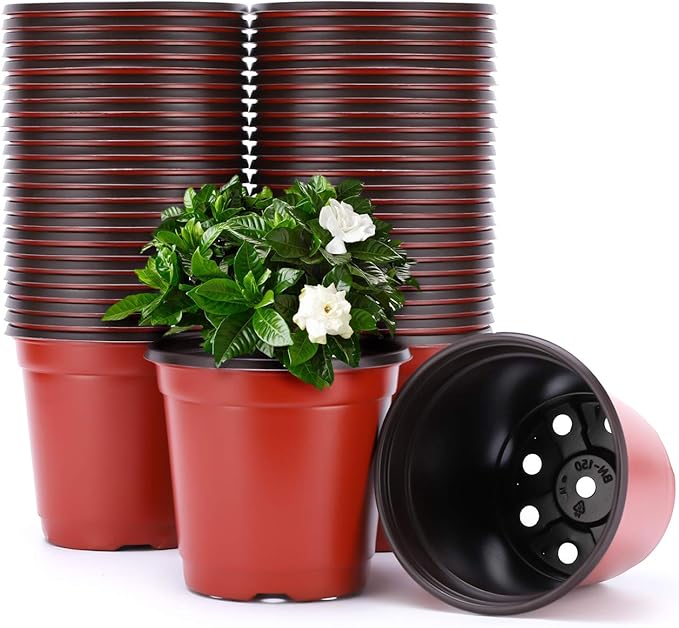
    VIVOSUN 100pcs 4 Inch Planter Nursery Pots, Plastic Pots for Flower Seedling
    $19.99
    We earn a commission if you make a purchase, at no additional cost to you.
    02/05/2026 09:02 am GMT
    Organic Potting Mix by Perfect Plants for All Plant Types – 8qts for Indoor and Outdoor Use, Great for Veggies, Spices, and Holistic Herbs
    $19.99
    We earn a commission if you make a purchase, at no additional cost to you.
    02/05/2026 07:03 am GMT
  • Plants That Grow Well With Lavender – The Benefits Of Companion Gardening

    Plants That Grow Well With Lavender – The Benefits Of Companion Gardening

    There are many Plants That Grow Well With Lavender as they can tolerate the same low fertility, well-drained drought-prone soils as others. Lavender, is a perennial plant that can live for up to 20 years in ideal conditions, and it is a very valuable commodity all over the world. Not only is it used in the manufacturing of several beneficial products, including skincare, but it also aids other garden vegetation in growing their best.

    Because of its strong scent, lavender is an excellent companion plant as it deters garden pests. The majority of these plants can also be grown to draw pollinators to your garden. The most common ones that grow well with it include herbs, flowers, and crops. These, when properly paired, can add to the beauty of your garden and enhance your landscape.

    Combining lavender with other sun-loving perennials such as coneflowers, sage, or ornamental grass would be of great benefit. In a herb garden, it goes well with oregano, thyme, and other herby plants amongst others. To find out more about plants that grow well with lavender, take a look at the information provided below!

     Can I plant lavender and marigolds together?
    Can You Plant Hydrangeas With Lavender?

    When it comes to plants that grow well with lavender in most cases, hydrangeas are unfortunately not the most likely choice. Although you can plant them together, it is not recommended for several important reasons.

    Therefore, it is best that hydrangeas and lavender be grown separately so that their individual nutrient demands are met. This is because their requirements for optimal growth are very different from each other.

    Let us take a look below as to the reasons below:

    1. Maintenance

    • – Lavender is a drought-tolerant plant that does best in USDA plant hardiness zones 4 through 8 and requires little fertilization and a lot of sunlight to thrive.
    • – Hydrangeas on the other hand grow best in USDA hardiness zones 3 through 8. These plants also require regular watering and perform best in partial shade.

    2. Companion Plants

    • – Shrubs such as azaleas, hollies, yews, mahonia, gardenia, and boxwood complement hydrangeas and help them thrive.
    • – Lavender companion plants include several flowering perennials, crops, and other vegetation that grow in tandem with this well-known bloomer. The reason these plants serve as excellent garden companions is that they can tolerate the same growing conditions.

     Can lavender and peonies be planted together?

    3. Planting Soil Requirements

    • – Lavender thrives in infertile, well-drained, and slightly alkaline soil with a pH of 6.7 to 7.3. Before planting, adding sand to the soil improves drainage. This is a critical aspect when growing these plants because they do not tolerate excessive soil moisture.
    • – The majority of hydrangeas thrive in fertile, well-drained soils with plenty of moisture. It is also recommended that compost be added to improve the growing medium’s capabilities. Also, keep in mind that these plants prefer partial sun.

    Do Rosemary And Lavender Grow Well Together?

    Yes, rosemary and lavender grow well together. Both can be planted as companion plants in your garden to benefit the rest of the plants. This is because these plants attract a wide range of pollinators while repelling rabbits, deer, and other animals. However, keep in mind that because rosemary is not as cold-tolerant as lavender, another companion may be required if you live in a colder climate.

    On slopes and hillsides, in rock or herb gardens, container plantings, and hedges, lavender and rosemary make a lovely pair. The semi-woody evergreen sub-shrubs are aromatic sun-lovers that require little other than well-drained soil. In the right environment, they will also coexist in harmony for years once established.

    When it comes to plants that grow well with lavender, you can choose from a plethora of varieties with complementary and contrasting shapes, sizes, and blossom colors. However, paying close attention to placement in your indoor or outdoor garden is a must as it will ensure adequate light and space for these plants to grow. Learn about harvesting and distilling lavender in this great video. 

    Can I Plant Lavender and Marigolds Together?

    Marigolds are amongst the plants that grow well with lavender and make excellent planting additions to any garden or landscape. Companion planting is a popular technique that has been used for centuries. There are numerous reasons why marigolds and lavender plants are so popular.

    Below are a few advantages of planting them together:

    Planting

    Lavender in a garden or raised bed would be an excellent choice for perennial varieties. Once established, it requires minimal care and can live for several years. Marigolds make excellent garden or landscape borders and can provide a nice contrast when planted next to these lilac blooms.

    Space

    Growing these eye-catching perennials together will make more room in your garden, allowing for other herbs and plants to be grown.

     Can you plant hydrangeas with lavender?

    Pollination

    They both have beautiful flowers that attract a large number of pollinators and other beneficial insects, preventing the growth of weeds, and improving biodiversity.

    Soil

    Growing Lavender and Marigold together can be of great benefit to other crops they aerate the soil. Both plants prefer well-draining soil because neither does well in a soggy growing medium. An all-purpose potting soil is ideal for planting in a container. Depending on the soil in your area, planting in the ground may require amending. Before planting ensure that you test the soil using a kit that can be purchased at your local nursery, home center, or online.

    Maintenance

    Both of these beneficial plants are simple to set up and require little to no maintenance. They are drought-tolerant and provide numerous advantages to the surrounding plants.

    Pest Deterrent

    Lavender is frequently grown in herb gardens or raised beds, with marigolds planted nearby or as a border. Together, they form a formidable insect barrier, deterring harmful pests from attacking your surrounding plants. They have chemical compounds in their leaves and roots that keep bugs like potato beetles, cabbage worms, and root nematodes at bay. They also don’t consume a lot of nutrients and won’t spread or compete with your other plants.

     Do rosemary and lavender grow well together?

    Weather Tolerance

    Marigolds are flowering annuals that thrive in hot weather. They prefer to be planted in warm weather and dislike moist growing conditions. These plants are drought-tolerant and notorious for being resistant, making them an excellent addition to your lavender or herb garden.

    Can Lavender And Peonies Be Planted Together?

    Yes, lavender and peonies can be planted together because they have similar recommendations to thrive. For this reason, peonies are also among the plants that grow well with lavender. Not only will it be beneficial to your garden, but by planting one in front of the other, smaller plant varieties can be used to hedge them.

    Large varieties, on the other hand, can be interplanted behind the peonies as these slender, dainty flowers have a fuzzy texture that enhances their surroundings. When they bloom, the petals grow upright. Peony blooms open to form a round shape that pairs well with flowers that grow along spikes.

    Foxglove, delphinium, lupine, and clustered bellflowers are good spike bloomers that flower when peonies do. Another excellent would be false indigo or Baptisia australis as it is scientifically known. Together, these plants will give your garden area an extravagant breathtaking look.

     plants that grow well with lavender

    Conclusion

    Many home gardeners grow lavender as a herb, which is quite beneficial. It is effective at repelling insects, especially mosquitoes, and other animals. The plant’s leaves and flowers are highly fragrant and can also be used as a culinary herb, both fresh and dried.

    When grown alongside other perennial plants, the combination can aid in enhancing soil aeration and nutrients for surrounding vegetation. If you have limited garden space, growing lavender alongside the other shrubs and herbs mentioned above can help you save space.

    Lavender is frequently grown in pots, herb gardens, or raised beds, with marigolds planted nearby or as a border. These plants are excellent for beginner gardeners as they thrive with minimal maintenance. Having plants that grow well with lavender in your garden will afford you a colorful lush landscape. Here are some great tips for growing lavender plants

    💜 Lavender Garden Supplies

    Indoor Herb Garden Starter Kit – Heirloom, Non-GMO Herb Seeds – Basil Thyme Parsley Cilantro Seed, Potting Soil, Pots, Scissors – DIY Grow Kits for Growing Herbs Indoors, Kitchen, Balcony, Window Sill
    $29.99
    We earn a commission if you make a purchase, at no additional cost to you.
    02/05/2026 05:04 am GMT
    Amazon Choice
    SONKIR Soil pH Meter, MS02 3-in-1 Soil Moisture/Light/pH Tester Gardening Tool Kits for Plant Care, Great for Garden, Lawn, Farm, Indoor & Outdoor Use (Green)
    $7.97
    • 3 METERS IN ONE: Soil moisture level, Soil pH value and Sunlight level could be tested easily according to your need by switching the function button of this soil meter.
    • NO BATTERY NEEDED: Simply insert the meter into soil, wait few minutes, accurate test results will be displayed on the readout panel. No battery is needed.


    We earn a commission if you make a purchase, at no additional cost to you.
    02/05/2026 10:04 am GMT
  • Rosemary Hedge Plants – Learn More About Your Plants To Keep Them Healthy

    Rosemary Hedge Plants – Learn More About Your Plants To Keep Them Healthy

    Rosemary Hedge Plants are sun-loving shrubs with needle-like leaves that are edible. To flavor meat, soups, and many other foods, you can use its fresh or dried leaves as it offers a particular flavor. The optimum time to plant rosemary is in the spring season. Although these are quite hardy plants that can withstand drought, they still need regular watering during dry summers.

    Hedge plants can provide privacy, define a space, and add structural interest to the garden, among many other advantages. Imagine a hedge that accomplishes these tasks as well as being aromatic and beautiful, edible, medicinal, and feeding and housing beneficial creatures.

    Rosemary cultivars with upright growth make good hedges. Most of them will reach heights of 4 to 7 feet when fully grown. The Tuscan Blue rosemary plant is one of the most striking because of its stature and beautiful dark blue blooms. To learn more about these beneficial hedge plants, take heed of the information below.

    How Long Do Rosemary Bushes Live?

    If the conditions are good, rosemary plants typically live between 10 and 30 years. Rosmarinus officinalis, as it is scientifically known, is a perennial herb. It is an evergreen shrub with woody stalks and many leaves. It grows untamed near the coastlines and has its origins in the Mediterranean.

     Are rosemary roots invasive?

    It develops as an evergreen semi-shrub in its native climate when given plenty of warmth. It grows quite bushy in warm weather and is spindlier and shorter in colder climates. The flowers are small and have an eye-catching purplish blue color, with the occasional bearing of blue-white blooms.

    Early summer is when the flowers can be seen as they spread out in clusters when grown as rosemary hedge plants. In moderate climate zones, the blossoms can be a good supply of nectar for bees in late winter and early spring. There are several types of rosemary which include the most commonly known blue lagoon, Lockwood de Forest, R. lavandulaceus which is a dwarf variety of rosemary, and the Tuscan blue amongst others.

    Are Rosemary Roots Invasive?

    One of the most well-known and valuable scented bushes is rosemary hedge plants. However, there are many different varieties that you could opt for. Therefore, knowing whether or not a particular plant is invasive before planting is crucial. Let us help you understand the rosemary root system so you will have a better understanding of these valuable shrubs.

     Does rosemary come back every year?

    Rosemary Plant Root System and Additional Tips Explained:

    1. Rosemary has a fibrous root structure which means it is quite shallow, so they are not typically regarded as invasive.
    2. Therefore, they can be planted around any foundation without worrying about the roots causing damage.
    3. Rosemary plants that are cultivated in a regulated geographic area will have access to adequate amounts of water, sunlight, and nutrients, which will keep their roots tamed. This is because they won’t have to delve very far in quest of water and nutrients.
    4.  Keep in mind that these plants come in a variety of forms which also include rosemary shrubs and seaside rosemary which are two different species. Because of their differences in growth patterns, they are sometimes regarded as an invasive species in some regions of the world.
    5. In some areas with a Mediterranean climate, rosemary is utilized as an ornamental plant in gardens and for xeriscape landscaping due to its beauty and resistance to drought. This is because it is thought to be both pest-resistant and simple to grow. The groundcover cultivars are extensively distributed and have a tough texture.
    6. Rosemary thrives in open, sunny areas with loam soil that has adequate drainage. With average fertility, it thrives in neutral to alkaline environments with a pH of 7–7.8.
    7. From an existing plant, it can be propagated by cutting a shoot that is 10-15 cm long, removing a few leaves from the bottom, and inserting it directly into the ground.

     How do you keep rosemary from going woody?
    Does Rosemary Come Back Every Year?

    Since rosemaries are perennial herbs, they will keep growing year after year. However, if planted in a pot, it will gradually grow less new growth and become extremely woody if not repotted.

    If you bring rosemary indoors prior to the onset of freezing conditions, it will survive if you live in USDA plant hardiness zones 7 or lower. Listed below are a few vital tips that you should consider to ensure that your plant grows healthily.

    Rosemary Plant Care Tips:

    Rosemary Hardiness Zones

    You can grow rosemary plants outdoors all year round with protection during the chilly months in zone 8. Keep in mind that when they are fully matured, they do spread out. As a result, the plants offer good ground coverage. Because of this, people cultivate rosemary in their gardens so that the plants can colonize the entire space, which also adds aesthetic value.

    Growing Rosemary from Cuttings

    Rosemary plants can also spread from their stems. By stem cutting, you can increase the number of plants you want to grow substantially. However, you must ensure that you cut the strong stems from the roots which will result in the growth of another rosemary plant. This technique will also afford you an increase in size or number.

     How long do rosemary bushes live?

    Rosemary Winter Warning and Care

    After Winter, if the rosemary is brittle and brown, it may have experienced root rot. To save your plant and bring it back to its glorious self, check for any healthy growth from which to take cuttings for propagation.

    Due to the cold, moist soils of winter, rosemary is particularly susceptible to fungal disease. Prior to suddenly collapsing in the middle of winter, rosemary plants may appear healthy. Therefore, it is likely that you will have to start fresh come spring with new plants.

    Learn how to prune your rosemary in this great video. 

    How Do You Keep Rosemary From Going Woody?

    Lack of pruning, plant aging, excessive watering, and overgrowth are the main causes of your rosemary growing woody. However, seeing that rosemary is a shrub, it is only normal for it to become woody. But, this can be avoided with a little extra care and maintenance. This is because rosemary plants require routine pruning to stay in their best shape.

    Additionally, these perennials prefer milder temperatures in the winter and sunny, dry settings in the summer. They are extremely resilient and can endure a significant shortage of water and sunlight, even for extended periods of time.

    Here are a few tips and suggestions to keep your rosemary hedge plants from turning woody:

    • Rosemary shrubs grow differently in our wetter, milder environments, so it’s crucial to prune them twice a year to keep them looking good.
    • For rosemary, temperatures below 17 degrees Fahrenheit are too cold, and your plant may not survive.
    • You can safeguard your shrub by covering it with a horticultural frost cover if winter temperatures in your region drop.
    • During the growing season, rosemary needs about 6 to 12 hours of direct sunlight.
    • Make sure to choose light, sandy, and grippy soil that drains well to keep your plant thriving.
    • Since rosemary is a naturally drought-tolerant plant, only water it when the soil is mostly dry.
    • Overwatering is another factor that can flaw its appearance.
    • However, you must keep in mind that a rosemary bush will naturally become woody with age, aside from any mishandling that may have occurred. This is so because only the leaves of rosemary shrubs are usually picked as the stems and branches are not harvested.

     rosemary hedge plants

    Conclusion

    Giving your rosemary hedge plants some protection during harsh winters and in particularly cold places can keep them healthy. Crop covers, commonly referred to as horticultural fleece, are soft, translucent materials with fibers.

    Placing them over or around delicate plants will shield them from weather-related issues and promote plant growth. After the rosemary blooms start to fade, trim back stems to keep them compact; otherwise, they will grow lanky. In colder climates, rosemary plants often develop their stems in the spring and early summer.

    The new growth is more likely to harden off and turn woody when the dormant season starts. The stem will stop growing in length after this, but it will keep expanding in diameter for the rest of the plant’s life. Here’s a link with essential information about how to grow rosemary plants. 

  • Orange Spider Lily – Learn About What Spider Lilies Signify And More!

    Orange Spider Lily – Learn About What Spider Lilies Signify And More!

    An Orange Spider Lily (Lycoris Sanguinea) or tiger lily as it is often called is a plant that is sought after because it is symbolic of different cultures. In the southeast of the Mississippi lowlands, there are marshes and wet woodlands where the spider lily grows. With its incredibly tiny perianth segments, it resembles a spidery daffodil.

    This gorgeous plant contains a basal clump of linear leaves, each growing directly from a bulb. Passing bees, butterflies, and hummingbirds are attracted to a generous planting of the orange spider lily. These one-of-a-kind blooms, which range from orange to scarlet, are among the first to adorn late-summer landscapes.

    The vibrant clusters of umbels planted in groups make for a charming show. The genus Lilium also referred to as the family of real lilies is where they belong. Orange spider lilies signify confidence, pride, honor, hatred, pride, disdain, conviction, and fortune. Find out more about the meanings of these glorious plants below!

    Do Orange Lilies Symbolize Hatred?

    Lilies have traditionally been the flowers given as gifts to mark special occasions. This is because each type has a special meaning and significance. Although they are regarded as lovely and well-liked flowers, their orange varieties also represent pride, hatred, and contempt according to the Victorian era. However, this depends on individual circumstances and beliefs.

    Keep in mind that these plants stand out from the throng with colors that are equally as vivid as others in the genus. Additionally, they can also represent respect and honor for a prominent individual. Therefore, the orange spider lily is often used to show recognition to someone for their wonderful effort.

     Are spider lilies bad luck?

    It is the ideal flower gift for significant life milestones. However, the orange lily is also toxic and even small amounts of the plant can have serious side effects. This could be one of the reasons that these plants also have a dark side when it comes to their meanings and beliefs, similar to a ying-yang effect.

    Are Spider Lilies Bad Luck?

    Yes, according to certain cultural beliefs, spider lilies do represent bad luck. Buddhists frequently decorate their ancestors’ graves with red spider lilies to commemorate the start of fall and pay respects. Unlike the orange spider lily, the red varieties are described in the Lotus Sutra as flowers that grow in hell.

    Because of this, certain traditions in China and Japan hold that these flowers guide spirits through the afterlife and into reincarnation. Listed below are a few interesting points to take note of.

    Points:

    1. he locations of the medieval executions of Japanese Christians are also said to have seen the blooming of crimson spider lilies, according to legend.
    2. More urban legends claim that red spider lilies blossom alongside the sidewalk whenever someone crosses paths with a person they will never meet again.
    3. These legends are partly to blame for the association of flowers with farewells in addition to their connection to death and the hereafter.
    4. Despite being planted at graves as an offering and a sign of protection, red spider lilies are so closely linked to death that people believe they bring ill luck.
    5. Except for funerals and memorial services, there aren’t many occasions where red spider lilies are appropriate gifts.
    6. Lily bouquets are also presented as altar offerings to respect ancestors.

    Here’s some great information about the beautiful Mangrove Spider Lily, which is one of the flowers from these stunning varieties. 

     Are surprise lilies and spider lilies the same?
    Why are Spider Lilies Called Naked Ladies?

    Amongst the most unusual flowers that you can cultivate in your garden are spider lilies, also known as surprise lilies or naked ladies. These exotic ornamentals are a popular choice for anyone wishing to add vibrant flowers with a startling lack of foliage. The showy blooms are also aromatic, which increases their allure. Therefore, naked ladies are great for a variety of settings since they are both adaptable and beautiful.

    The reason they are referred to as naked ladies is that their stems are bare. Also, you may be surprised to know that their blooms appear before the foliage does, which gives them a nude look. However, these gorgeous plants have a history that can be inferred as they remain in the ground for much longer than anticipated. In the late summer or early fall, the long stems support a vibrant shock of petals, and in the winter, the foliage takes its place.

    The red spider lily is the most common type found in the United States. However, the orange spider lily is also a sought-after plant in these parts. No matter the color, these blooms are incredibly stunning and seductive flowers to behold with their eye-catching naked stance. Their positive and negative implications connected to their symbolic meaning are appreciated by many.

    Are Surprise Lilies and Spider Lilies the Same?

    Surprise lilies, spider lilies, and hurricane lilies are some of the common names for Lycoris which has two varieties. These include the types whose leaves emerge in the fall and the ones whose leaves are seen in the spring. The latter includes the surprise lily, red spider lily, orange spider lily, and hurricane lily. Here are a few helpful tips to take into consideration when growing them.

     Do orange lilies symbolize hatred?

    Tips:

    • Winter hardiness of the red spider lily extends to Zone 6b in the US.
      spring foliage Lycoris may thrive as far north as USDA Zone 3.
    • The adorable spider lily bulbs are also referred to as hurricane lilies because they frequently produce red, pink, yellow, or white flowers on naked stems during hurricane season in the US.
    • The leaves on surprise lily bulbs continue to develop even after the petals have faded. Surprise lilies have foliage that grows in the winter and goes dormant in the summer, unlike other bulbs.
    • Once established, the plant endures for many years in both good and poor soil, sun or shade.
    • The surprise lily blooms from July to mid-August.
    • When most other flowers have finished blooming, the magical spider lilies will showcase their shades of red, orange, yellow, or white lending vibrancy to the scene.
    • The Missouri Botanical Garden suggests using bulb offsets to disseminate these summer-bloomers.
    • Although planting them will give your garden a natural appearance, to avoid crowding it is essential to thin out the bulbs. This gesture will ensure that they keep thriving.

    Conclusion

    Lilies are adaptable, timeless, and available in a wide range of colors. These gorgeous flowers are the ideal choice for showing condolences or pampering a loved one on their anniversary, as well as to display at funerals. However, this aspect would also depend on your beliefs as the orange spider lily does represent hate to some.

    However, if you’re not hell-bent on bad omens, then these lively lilies make a lovely gift to commemorate a special occasion. These may include a job advancement, graduation, or any other special celebration. Lilies have a long history of being revered as majestic flowers in Greek mythology, where it is said that Hera, the wife of Zeus, is responsible for their creation.

    In actuality, it was the milky dribbles that she left on the ground, after declining to feed Hercules, that were thought to be the lily seedlings. Additionally, you should also keep in mind that lily varieties that represent those ideal moments in life can help you express a range of emotions without uttering a word. Here’s a video with more information about the meaning of spider lilies. 

  • Different Prayer Plant Fungus Issues – Causes And Identification

    Different Prayer Plant Fungus Issues – Causes And Identification

    Noticing Prayer Plants fungus is possibly the worst for indoor gardeners. This disease can leave you with unsightly plant leaves that mess up your aesthetics. 

    Luckily, there are ways to treat prayer plant fungus, and in this article, I share how. You’ll also come across a few other tips to help you take better care of this indoor plant!

    Does My Prayer Plant Have Root Rot?

    Root rot is pervasive in most plants. Some gardeners would even say it is the most common issue they face in their gardens. You can spot root rot when it has invaded your Prayer Plant by looking out for a few signs. 

    • Yellow Leaves: No plant should have yellow leaves. If your Prayer Plant’s leaves start turning yellow, even at the tips, you should prepare to fix the root rot. 
    • Brown Stems: Bright green stems are a sign of healthy Prayer Plants. If the stems turn brown and wilt, you have a problem. The stems support the entire plant and transport water and nutrients to the leaves. Ill-looking stems will cause your plant’s health to deteriorate.
    • Droopy Plant: Prayer Plants close in the evening when there is no light. Although they look slightly different during this time, they should never look sad and droopy. It is a clear sign that something underlying is wrong with your plant. 

    Fortunately, you can save your plant if root rot is the culprit. Start by making changes to your watering schedule. Root rot typically indicates overwatering.

    You can also repot your plant into a bigger container and provide it with soil that drains better. Sometimes you may need to cut rotten pieces off the roots, depending on the severity of the root rot.

    Check out 7 Blaze Maple Tree Facts That’ll Blow Your Mind

    How Often Should a Prayer Plant Be Watered?

    Prayer Plants are tropical, which means they enjoy humidity and water. However, it would be best if you didn’t overwater them. Many issues can arise.

    Never use ice-cold or boiling water when watering your plant. They are susceptible to temperature, and you may kill them. If you prefer cooked or bottled water, leave it out to reach room temperature first. 

    Always wait for the top of the soil to dry out. Your fingertip shouldn’t come out wet if you press it into the top layer of the ground. On the other hand, the soil shouldn’t have a chance to dry out completely before the next watering session.

    It’s best to water your plant every morning. Check the soil to see if it’s dry before watering. The water should drain thoroughly. If you notice water pooling on top, you’re overwatering your plant.

    Over- and underwatering can leave damage your Prayer Plant. The overall look of your plant won’t be as pretty because yellow, droopy leaf tips are a common warning sign. 

    Root rot and fungal issues are just a few of the other problems that your plant could be facing. 

    Prayer Plant Fungus Issues: Causes And Identification

    Helminthosporium Leaf Spot

    Identification: The first tell-tale sign of this nasty fungus is yellow spots on your pretty Prayer Plant leaves. The leaves are the main focus of these plants, making getting rid of this fungus a bit more urgent. 

    The spots will become more prominent tan markings when the fungus starts spreading and progressing. You can still tell it is the same fungus since the blotches will be circled with yellow rings. 

    Bonide Sulfur Plant Fungicide, 1 lb Ready-to-Use Micronized Spray

    Prayer Plant Fungus Issues

    Causes: This type of fungus is caused by water. If you are over-irrigating your plants, the leaves will stay wet. The yellow spots develop at the exact location where drops of water accumulate. If the water lies in the same place for too long, the fungus appears. 

    Solution: You may need to treat your plant to a dosage of fungicides if the problem persists. Try cutting off the infected leaves to stop the fungus from spreading to the entire plant. 

    Prevention: Hydrating your plant without getting water on the leaves is the best way to prevent this fungal disease.

    Why Is My Prayer Plant Leaves Curling And Dying?

    Prayer plants have large, flat leaves. They shouldn’t be curling up or changing color. There are a few things that can cause curly, unhealthy leaves: 

    Underwatering: Dead leaves and dry tips indicate that your Prayer Plant is thirsty. Although overwatering is scary, and you may be trying to prevent it, you shouldn’t let your plant dry out. 

    Water Quality: Tap water has a lot of added minerals, salts, and other things that aren’t good for your plant. The chlorine and fluoride in water can harm your plant’s health, and dying leaves will be the first hint. 

    Temperature: Prayer Plants enjoy warm, humid places. If the air conditioning is causing your plants to freeze, they’ll tell you. The same goes for dry, warm air flow around your plant. 

    Should I Cut Off Brown Leaves On My Prayer Plant?

    Yes, it would help if you cut the brown leaves off. Doing this has many benefits, and your plant will thank you in the long run. Most of the time, the issues that cause brown leaves are solvable, but the leaves can’t be saved. Once they turn brown, they’ll dry up until they fall off. 

    Should I Cut Off Brown Leaves On My Prayer Plant

    The aesthetic of your plant will look much better if it is full of healthy green leaves. Plus, cutting the ugly pieces off allows new leaves to grow.  

    Leaving the brown leaves to sit out and wait brings down the look of your plant. Nobody wants dead plants unless it’s Halloween and you’re using it as decorative pieces!

    Read more about Interesting Facts About The White Owl Snake Plant

    Final Words – Prayer Plant Fungus Issues

    Prayer plants are undoubtedly one of the most stunning indoor plants there are! But, having one of these in your home can quickly become an eyesore if it develops fungi. Being on the lookout for and acting at first sight of problems is the best way to combat fungus. 

    I hope this article gave you enough info to stop prayer plant fungus infestations. If you have more questions about handling this, ask them in the comments!

  • 7 Blaze Maple Tree Facts That’ll Blow Your Mind

    7 Blaze Maple Tree Facts That’ll Blow Your Mind

    Want to learn some Blaze Maple tree facts? I’ve got you covered! These interesting things about maple trees will blow your mind. 

    Maple trees are breathtaking to look at no matter where they’re found. If you have one or more in your garden, consider yourself lucky. These aren’t rare, but truly special.

    In this article, I share some amazing facts about Blaze Maple trees. You’ll also read about their growth stages, fruit, and why these trees are considered fragile. 

    7 Blaze Maple Tree Facts That’ll Blow Your Mind

    • Blaze Maple trees are believed to have appeared on Earth approximately 350 – 420 million years ago. 
    • There are more than 130 maple tree species. 
    • Maple trees are known for their vibrant colors. 
    • The root system of this tree is dense, fibrous, and inhibiting. 
    • Blaze Maple trees have an average lifespan of about 250 years.
    • These trees are reliable as survival food sources since their edible. You can even eat their inner bark raw!
    • Many wild animals rely on Maple trees for food. 

    Traditionally, maple tree sap is also believed to:

    • Heal bruises
    • Detoxify the body
    • Treat rheumatism
    • Relieve outer pain
    • Rid eye disease
    7 Blaze Maple Tree Facts That'll Blow Your Mind

    What Are The Stages Of A Maple Tree’s Growth? 

    Maple trees are known for producing many young fruits. These fruits can grow into large trees. Every autumn, the tree leaves change color and fall off their branches. 

    Maple trees start as a seed. If you’re planting, you should space the seeds about three-quarters of an inch from each other. It’s best to start this seed in peat moss. You should place this in a plastic bag in your refrigerator for up to 90 days before transplanting it to the soil

    I suggest using pots for the initial stage of growth. Place the pot in a sunny spot to ensure the seeds germinate properly. You should keep the soil moist at all times. 

    A Maple tree can take up to 20 years to mature. Being patient is key. These trees bloom in spring, providing new food and seeds. When mature, maple trees average 40 – 60 feet in lenght and are 35 – 45 feet wide. 

    Check Out Problems Growing Spaghetti Squash? – Solutions Revealed!

    What Is The Fruit Of A Maple Tree Called?

    Maple trees like the red and sugar maple aren’t just beautiful, they’re also a great source of food. These trees carry fruit called samaras

    Other names for this delicious treat include helicopters, whirlybirds, male keys, and poly hoses. Like its name, this fruit has a unique appearance. It forms a u-shape.

    Can I Eat Maple Leaves? – Blaze Maple Tree Facts

    Maple tree leaves are edible. Some cultures use it medicinally and as a valuable food source. One such example is Japanese culture. In Japan, maple tree leaves are used to make tea and served alongside dried maple leaves. Users claim that the red tea made from these leaves calms their souls and has a pleasant taste. 

    Common Blaze Maple Tree Problems

    Blaze maple trees are susceptible to a range of problems. While this tree is stunning, it’s considered fragile and has some big drawbacks. 

    Espoma Organic Iron-Tone 3-0-3 Organic Fertilizer and Plant Food to Help Correct Iron Deficiency

    81LlrX0dVnL. AC SY879

    Blaze Maple Tree Structural Weakness

    The Blaze Maple tree doesn’t form strong branches. These tend to break easily, especially when they carry too many sub-branches. You should regularly check your tree and trim any branches that seem weak. When a branch cracks and falls, it could damage someone or your property. 

    Blaze Maple Tree Chlorosis

    Blaze Maple trees commonly suffer at the hand of iron deficiency. The first sights of this include yellow hues between deep-green leave veins. The leaves could even look scorched and fall off. While there may be enough iron in the ground, your maple tree could have trouble absorbing it. You should ensure your Blaze Maple tree is planted in well-draining soil that encourages stronger root growth. using phosphorus and nitrate fertilizers will help too. 

    Blaze Maple Tree Tar Spots – Blaze Maple Tree Facts

    Some maple trees develop unsightly spots on their leaves. These start out as small yellow blotches and develop into thick lesions. The cause of this is fungi. 

    While tar fungi won’t harm your tree, they could lead to earlier leave drop. If you notice your tree has this disease, you should remove all the infected leaves and burn them. Doing this will ensure the fungus doesn’t overwinter and infect your trees again. 

    Blaze Maple Tree Verticillium Wilt

    Another fungus prone to affect Blaze Maple trees is verticillium wilt. Unlike tar spots, this one can be deadly. Verticillium wilt will hinder your tree from collecting water. If you don’t intervene, your tree could die. 

    The first signs of this fungal infection include limp leaves that drop easily. The sap beneath the tree bark could also turn dark. 

    Verticillium wilt can be dormant in your soil for years. When your Blaze Maple tree roots get wounded, fungi could enter them. You’re most likely to notice signs of infection during spring. 

    What Are The Balls On A Maple Tree?

    The ball-like growths on a Blaze Maple tree are known as bladder galls. This is another common issue these trees face. 

    These balls can grow as a result of irritation and appears on the upper surface. Bladder galls can be between 0.12 – 5 inches wide. 

    When they first appear, the bladder galls are yellowish-green. They then change to pink and red, with a final hue of black. Another common reason for bladder galls appearing on a Maple tree is mites. 

    Read more about What Size Pot Do Peppers Need? Here’s The Answer!

    Before Heading Off – Blaze Maple Tree Facts

    If you want a tree that adds a pop of color to your backyard, the Blaze Maple tree is an excellent choice! If your take proper care of it, the chances of running into problems are slim. These trees are ancient, and there are many interesting beliefs surrounding them. Having one near you is just magical.

    I hope you enjoyed the Blaze Maple tree facts and found this article informative. If you have more questions about this tree, ask them in the comments, and I’ll get back to you.

  • Aloe Vera Plant Growing Outwards: Is It Reason For Concern?

    Aloe Vera Plant Growing Outwards: Is It Reason For Concern?

    Is your Aloe Vera Plant Growing Outwards? You might be a little worried. Luckily, there’s no need to panic! This can be completely normal.

    Aloe veras are popular houseplants and come in different shapes and sizes. You can find them in local nurseries, and if you’re fortunate, someone in your neighborhood might even give pups away at no cost. These succulents are easy to grow, making them a favorite choice for first-time plant owners.

    In this article, I explain why it might seem like your aloe vera is growing outward. I also answer some common questions relating to this and share how to best care for your aloe vera plants, whether you grow them indoors or out. 

    Aloe Vera Plant Growing Outwards

    If you’re used to seeing perfectly neat aloe vera plants, and suddenly yours seem to be growing outwards, a hundred questions might be racing through your mind! Below I answer some you might have:

    Why Does Aloe Vera Grow Sideways?

    Aloe vera grows sideways for a few reasons. The first is due to space. If your plants have more growing space, they’ll get larger and appear wider. Another reason is the direction from where sunlight comes. Your plant will lean toward the side where the most light is. 

    Are Aloe Plants Supposed To Spread Out?

    If your aloe plants have the space to do so, they’ll likely spread out. How much space you give them is up to you. There’s no rule stating these plants need to look narrow and neat. Your aloes can grow as tall and wide as they like.

    Are Aloe Plants Supposed To Spread Out

    How Do I Get My Aloe Vera Plant To Stand Up?

    Aloe veras thrive in warmer temperatures. If you’re asking yourself why does my aloe look droopy, then it may be time to find it a sunnier spot. If your aloe is potted indoors, find an area that gets at least 6 hours of daily sunlight. You should also ensure that the night temperatures don’t drop to lower than 50°F. 

    Moving your outdoor aloe may be trickier, but replanting it could be the best thing you do. If you’re sure sunlight is the problem, consider transplanting your aloe vera to a warmer spot. 

    How To Care For An Aloe Vera

    If you want your aloe vera to be the healthiest it can be, taking good care of it is vital. These plants are considered low-maintenance, but they still have specific needs. 

    Aloe Vera Soil Requirements

    Whenever you’re figuring out if your soil would be suitable for your aloe veras, remember that they’re succulents. Like other succulents, aloe veras like well-draining soil. These types are typically a little loose and have small rocks in them. Aloe veras need soil that drains well to prevent root rot. 

    Aloe Vera Sunlight Requirements – Aloe Vera Plant Growing Outwards

    Aloe veras need at least 6 hours of sunlight daily. Without it, your plant will start drooping and become weak. Sunlight helps aloes photosynthesize and build energy for healthy growth. 

    Aloe Vera Watering Requirements

    You shouldn’t water your aloe vera plants too frequently, but when you do water them, do it deeply. Your plant shouldn’t sit in water, so allow the soil to dry at least 2 inches deep before watering again.

    Watering once a week during the summer should be sufficient, while once every 3 weeks will do during the winter. 

    Aloe Vera Fertilization Needs

    Don’t fertilize your aloe vera more than once every 4 to 5 weeks. You should use a fertilizer balanced for houseplants or succulents and only use it during the summer and spring. 

    Succulents & Cactus Plant Food – Gentle Long Lasting Formula, Slow Release

    Aloe Vera Plant Growing Outwards

    Aloe Vera Pup Removal Requirements – Aloe Vera Plant Growing Outwards

    Mature plants often produce pups. I suggest removing these for optimal growth. You can remove the aloe vera pups at their offset point. To find this, see where they’re attached to the mother plant. Use sharp gardening shears to separate the pups from the mother plant.

    You should leave about 1 – 2 inches of stem on the pup for replanting. Place the pup in a cool spot for a few days until the opening has dried. This will protect it from root rot. When the wound has ‘healed,’ place the pup in well-draining soil and put the pot in a sunny location. Water the new plant after a week. 

    Click Here to Get Info About:

    Do Aloe Veras Grow Best Indoors or Out?

    Aloe veras make excellent houseplants, however, they grow well outside too. These succulents are used to warm temperatures, so wherever you keep yours, ensure they’re in a sunny spot. 

    If your aloe vera is outside, give them water as its soil dries out. Warmer areas could mean more frequent watering. It would be best to choose an outdoor spot for your aloe vera plants that get an hour or two of shade daily.

    Growing aloe veras indoors is relatively easy. You should place them in a spot that gets at least 6 hours of daily sunlight and water them once every two weeks. This will ensure healthy growth and keep your indoor aloe thriving. 

    5 Quick Facts About Aloe Veras – Aloe Vera Plant Growing Outwards

    • Aloe veras take approximately 4 years to reach maturity, by which time they’re an average of 30 inches high with up to 21 leaves pointing in different directions. 
    • Aloe leaves are filled with gel and latex. Both substances are used medicinally
    • There are more than 500 different aloe plant species!
    • Aloe veras consist of 99% water. 
    • The aloe vera plant can bloom, and these blossoms can come in different colors. 

    In Ending – Aloe Vera Plant Growing Outwards

    Your aloe vera might not look like those in pictures you typically see, and that’s okay. All aloes grow differently, and yours can sway to one side more than the other, especially if it’s after a little more sun. The only reason for concern is when aloe leaves get too heavy for the stem. This could lead to breakage.

    I hope this article was informative and that it answered all your questions. If there’s more you’d like to know about your aloe vera plant growing outward, ask me in the comments!