Category: Plants

  • Mother Of Thousands Plant Care Guide

    Mother Of Thousands Plant Care Guide

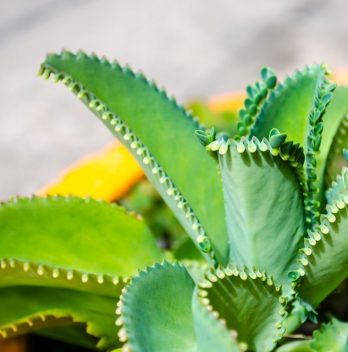
    Mother of Thousands plant is a remarkable plant with some interesting physical features. They are characterized by their tiny plantlets that form on the edges of their leaves. It is a type of succulent that grows from a single stem.

    Mother of thousand plants is also known as Alligator Plant and Mexican Hat Plant. They are ideal as houseplants.

    We will enlighten you on everything you need to know about the Mother of Thousands plants so let’s explore some things about them.

    Some Info About Mother of Thousands Plant

    Mother of Thousands plants origin is from Madagascar. They are from the family Crassulaceae and they are closely associated with the Jade plant and Flaming Katy. Take note not to confuse the mother of thousands with the mother of millions (chandelier plant). This is because they are quite similar and they share similar characters.

    One distinctive nature of the mother of thousands is the little plantlets that form along the edges of the plant. These tiny plantlets are capable of taking root by growing on any appropriate soil whenever or wherever they drop.

    For some, mothers of thousands may be problematic and tedious especially when grown outdoors because they can be pretty invasive. Their little plantlet can drop on any appropriate soil, multiply, and take over your garden. Thus, we will advise you to plant them in a container if you wish to plant them outdoors where they are confined.

    Even with the drawback of the tiny plantlets taking over any soil, there is a still lot of advantage from this. The good thing about this is you don’t have to bother too much about propagation. The little plantlet makes available plenty of plants for propagation.

    How to Handle Mother of Thousands Plant

    Light

    They do so well with light but not too much direct sunlight because of their fragile leaves. Around the time of fall to early spring (cooler months), the sun is not so hot or harsh.

    They can be placed in direct sun during this time so they can get adequate light. You can also give them early morning direct sunlight (in summer) when the sun is not so hot.

    Soil to use

    The best kind of soil to use for mother of thousand is a good draining, gritty soil such as sandy potting soil mix. An excellent choice is a potting mix made for cacti. Always avoid potting soil that contains loam, humus, or peat moss because they tend to absorb and retain moisture for pong. We only want well-draining soil for our mother of thousand plants.

    Hoffman 15503 Canadian Sphagnum Peat Moss, 10 Quarts

    A1YFBCrygsL. AC SY679

    Check out How to Make the Best Premade Super Soil like Magic

    Manner of Watering

    Mother of plants should be watered when the soil is dried but not completely dried. Water your soil thoroughly and only when needed. You can water less during the cold winter periods.

    You should also prevent the leaves from getting wet when watering. This is because their leaves are susceptible to rot when wet.

    Potting

    The terracotta pot which is ideal for most cacti plants is a good choice for the mother of thousand plants. The root of the mother of thousand plants is fragile and will need the circulation of air to help the soil dry and drain quicker. Thus, the terracotta pot will do the job. If you will like, put some stones or pebbles at the bottom of the pot to aid drainage.

    The pot should be placed in a tray to help drain excess water. As soon as excess water is drained, empty the excess water. Do not allow the excess water to stay for too long. If the excess water lingers, it can cause root rot because the mother of thousand plants doesn’t do well in a soggy environment.

    Pruning

    Pruning might be necessary for your mother of thousand plants. When you notice your plan start to grow curlier outwards, you can pinch off the upper part of the plant. This will lead to the leaves of your plant growing downwards towards the stem. You can also prune or pinch off any dead or damaged leaves.

    Pruning - Mother Of Thousands Plant

    Is the Mother of Thousands Plant Toxic?

    The straight-up answer is yes! Mother of thousand plants is toxic. All the parts of the plant are toxic including the tiny plantlets.  Therefore, be sure to position them out of reach of children, pets, and livestock.

    Conclusion

    Mother of thousand plants can be a good addition to your houseplant or garden plant. It’s an easy plant to grow and as it does not require difficult care.

    With that said, we do hope you have learned one or two things about the mother of thousands plants.

  • Rhaphidophora Tetrasperma Care Guide

    Rhaphidophora Tetrasperma Care Guide

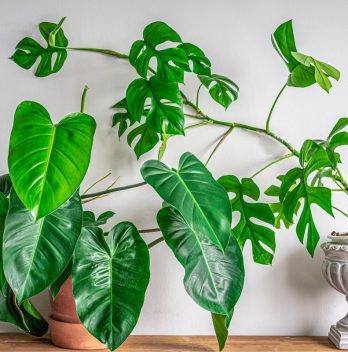
    Rhaphidophora tetrasperma is a green leafy tropical plant that grows fast and one of the best plants among indoor enthusiasts.  This vine plant is easy to care for and has split leaves that make it look like the Monstera deliciosa. 

    This is a new plant that has a huge demand, everyone wanting to try it out. This plant is from the late 1800s and, it is a native in Southern Thailand and parts of Malaysia. 

    In some parts of the world, this plant is rare, you are among the lucky ones if you grow it. If you like to grow Monstera deliciosa in your house but have limited space, rhaphidophora tetrasperma is an excellent option. It has a similar flair but takes up a smaller space. These two plants are members of the aroid plant family.

    How To Care For Rhaphidophora Tetrasperma 

    There are a few essential care requirements for the RT plant. 

    • Adequate Lighting. Give your RT plant bright indirect light! Direct sunlight is not recommended, but some of it is fine. The afternoon direct sun can be too much for this plant some morning sun is healthy. Be sure to diffuse the sun using a window. Poor light gives you the plant’s slow growth and small foliage.
    • Best Soil Quality. Well-drained soil is the best to avoid giving the plant root rot. A mixture of organic matter with perlite and sphagnum is best.
    • Provide a Moss Pole. Rhaphidophora tetrasperma is a climbing plant that will need a moss pole to support it. You will also need to trim it so that it does not grow in every direction.

    • Humidity. The perfect humidity for the RT plant is between 30 to 40%. Sometimes household humidity is usually too low for this plant to thrive. If you notice mist on its leaves, use a humidifier or plant other houseplants to help it get the right humidity. Use a humidifier during winter to increase the moisture levels.
    • Watering. Keep the plant well moist but do not waterlog it. This plant does not like to dry out it thrives inadequate moisture. If you let it dry out you will notice the lower leaves turning yellow. Water the plant until the water flows out of the drainage hole. Wait until the top inch of the pot is dry before you water again. During winter, be careful not to waterlog your plant as the soil takes longer to dry out. Always feel the soil to know whether it needs more water before you can water it. Do not follow a watering schedule blindly. 

    How To Propagate Rhaphidophora Tetrasperma (Mini Monstera Plant)

    The best way to propagate the RT plant is via stem cuttings.

    • Cut the plant into sections that contain 1 or 2 nodes.
    • Place it in water and wait for several weeks or a month for the roots to form.
    • Finally, plant your new plant in a well-draining potting mix.

    Hormex Rooting Hormone Powder #1 | for Easy to Root Plants

    Rhaphidophora tetrasperma - rooting powder

    Learn How to Propagate your favorite Plants using rooting Powder and Water

    FAQs

    Is Rhaphidophora tetrasperma easy to care for?

    If you live in a warm, sunny area, then yes, it’s probably fine. It can get quite large and I wouldn’t recommend planting it in a pot though. It should do well in the garden, but you may have to keep watering it. It also needs more water in dry seasons. 

    In dry areas, like in the Southwest, it can be a little bit difficult. You might consider keeping it in the shade.  I’ve seen some plants growing in a pot that was at least 5 inches in diameter. It’s possible to grow them in smaller pots, but you might have to water more often. They do need fertilizer.

    How often should I water my Rhaphidophora tetrasperma?

    The average temperature for the day of watering is 72°F. Water your plant when the soil surface is dry to the touch, but still has some moisture. Use a regular, hand-held sprayer and apply an even layer of water over the top of the pot.

    Wait until the water begins to soak into the soil before you water again. The plant will absorb water faster if you water in the morning or evening rather than during the day. When it’s time to water, do so thoroughly but only once a week. If you wait too long between waterings, the plant may become stressed. If you notice any leaves yellowing or wilting, don’t water at all for several days. Instead, place the pot in a sunny window. Check the soil and see if there are any problems, such as mold or pests.

    How do I grow Rhaphidophora tetrasperma?

    Your Rhaphidophora tetrasperma may be grown from seed or from root cuttings. If you order a Rhaphidophora tetrasperma plant from a nursery, the plant should come with instructions on how to care for it. Follow the care instructions carefully. Your plant will look best if you water it regularly. Be sure to keep the soil evenly moist. If you notice any leaves yellowing or wilting, don’t water at all for several days. Instead, place the pot in a sunny window. Check the soil and see if there are any problems, such as mold or pests.

    It will grow in most types of pots, including plastic, terracotta, clay and stone. Use a standard 10 to 12-inch pot. A 12-inch pot is large enough for plants to grow up to 4 inches tall. What light does Rhaphidophora tetrasperma need? This plant grows best with filtered or natural light. Direct sunlight can burn the leaves and cause the plant to wilt.

    How big do Rhaphidophora tetrasperma leaves get?

    Rhaphidophora tetrasperma, also known as the four-leaf waterwheel plant, is a perennial aquatic herb that grows in lakes, ponds, and slow moving streams. It has been called the “queen of the lotus” because its leaves are arranged in a distinctive four-leaf rosette. The leaves grow from a thick, creeping rhizome and are usually about 2 inches long.

    Rhaphidophora tetrasperma is native to Asia but it can be found in many other countries. In Europe, the plant is very rare and is protected by law. In North America, the plant is common and widespread and may be found in almost any pond or lake. The leaves of R. tetrasperma are arranged in a circular pattern on the top of the stem. They are covered with small hairs and have tiny spines along their edges. The underside of each leaf is smooth. Each leaf grows from a thick creeping root that spreads out from the base of the plant.

    Conclusion

    RT is one of the fastest-growing plants in the Aroid family. Given the right conditions, the plant can grow up to 6 to 12 feet in a single season. You have every reason to get this amazing plant as part of your household plants collection.