Category: Plants

  • Growing With Compact Fluorescents

    Growing With Compact Fluorescents

    Growing your indoor hydroponics plants with compact fluorescents is by far the easiest and low-cost grow lights to use. Compact fluorescents are the most common type of light you can find in most houses and it’s been available for over 2 decades.

    Amongst the various types of grow lights we know, compact fluorescent is the easiest to find and they’re great options for newbies. They’re also cheap, and they will do a fine job when it comes to growing various types of plants.

    Let’s dive in and discuss growing with compact fluorescents for the best results in your hydroponics garden.

    What Are Compact Fluorescents Lights (CFL)?

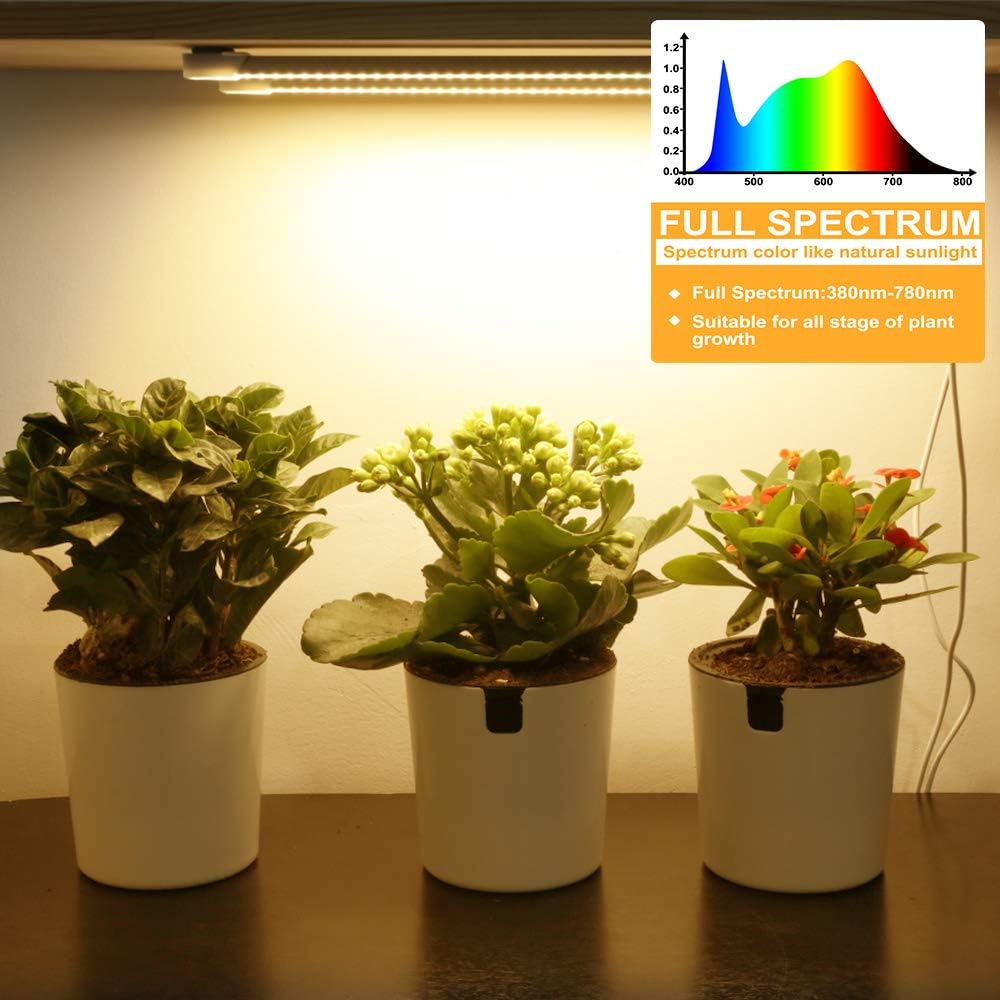
    Compact fluorescents light is an excellent light source to supply to your plants. They are great in giving a great spectrum of light for your growing plant needs.

    Compact fluorescent light CFL came about as a replacement for the classic incandescent lamp. Although incandescent lamps were great, they just burn hotter and waste too much electricity.

    Contrarily, compact fluorescent light gives out less heat and consumes less energy. At the same time, they supply an efficient and similar amount of light as the incandescent lamp, thus making them a better choice.

    What Are Compact Fluorescents Lights (CFL)

    Why Use Compact Fluorescents For Growing?

    Compared to the more expensive grow lights such as metal halide, LED grow light, and high-pressure sodium, compact fluorescents will offer almost the same function as others with lesser cost. They will also make use of lesser electricity, thus making them cost-effective.

    Another added advantage is that they can be customized as they come in various shapes and sizes. They also come in various ranges of wattage. They are easy to install and you can fix them close to your plants for optimal results.

    Types Of Compact Fluorescents For Growing

    Most compact fluorescents don’t come in full-spectrum, they usually come in two colors namely warm and daylight colors. Kelvin scale is used to measure or determine the colors of light the bulb emits.

    Here are the types of compact fluorescents you may find in the market:

    • Warm Colors: measured 2000k/2700k on the Kelvin scale. The warm colors emit red and yellowish spectrum. This type is ideal for the flowering phase and blooming.
    • Daylight: measured 5500k/6500k on the Kelvin scale. The daylight emits cool and blueish colors. It is ideal for all growing phases and great for the vegetative phase.

    Compact Fluorescent Light Bulb T2 Spiral CFL, 4100k Cool White, 13W (60 Watt Equivalent)

    61NuMs7vWFL. AC SX679

    Other types you may find are the dual spectrum which has been customized to emit yellow colors and a mix of blue colors.

    How Much Bulbs Or Watts Is Needed For Growing

    The amount of light required for growing will vary solely on the type of plants because some plants require more or fewer watts.

    For a general guideline, you can supply your plants with about 80 to 100 watts per square foot of growing area. Some vegetables require about 50 to 70 watts. For example, indoor lettuce plants don’t require much light because they are fast growers. However, other plants such as tomatoes, peppers, cucumbers, etc, require more lights or watts.

    How Many CFLs Per Plant

    You should be able to deduce if any of your plants require more light by accessing the growth rate of all the areas of your garden. If some parts are booming well and some parts are struggling to pick up, then that’s a situation of not covering all the plants’ angles with light. Adjust accordingly and continue to monitor the growth rate of all plant areas.

    How Many CFLs Per Plant

    How To Use Compact Fluorescents For Growing Plants

    We admire the fact that one can plug compact fluorescent into regular light sockets. You can arrange them as you please because they come in different sizes and shapes and they are highly customizable.

    Where To Put Compact Fluorescents

    Place the light at least 4 to 6 inches away from your plants. Every angle of the bulb emits light so do your best for this light to point towards your plants’ directions.

    Usually, some light will point away from your plants. But to utilize most of the reflected light, make use of reflectors so most of the light emitted can point towards your plants.

    Apart from using reflectors, you can also make use of white paint, aluminum foil, or panda paper as substitutes.

    FAQ’s

    Can plants grow under compact fluorescent?

    It’s a question that has been hotly debated for years, and there are a lot of conflicting reports. The latest one comes from the journal Nature Plants, which reports on a study led by the University of Edinburgh’s School of Biosciences, in which researchers grew tomatoes, lettuce and other plants under compact fluorescent light.

    The results were mixed. For some plants, it had a significant effect; for others, not at all. Some were better able to convert CO2 to sugars, while others were less efficient. In all cases, however, the plants grew better than they did under traditional light. CFL bulbs are getting more and more popular as energy costs rise.

    The use of compact fluorescent bulbs is a boon for the environment, but some people are concerned about their effect on plant growth. Some plants will not tolerate the higher temperatures produced by compact fluorescents.

    What are the disadvantages of using compact fluorescent light bulbs?

    The first disadvantage is that they do not last as long as regular incandescent bulbs. Most compact fluorescent bulbs only last about 10 to 12 years and they start to dim after 4 to 5 years. The second disadvantage is that they consume more energy than regular incandescent bulbs. Compact fluorescent light bulbs require approximately 60% more energy than regular incandescent bulbs, so if you have a lot of them, you will be paying more for electricity. They are not as bright as standard incandescent bulbs. They don’t last as long as incandescent bulbs. They have a tendency to dim too quickly after turning on. They also have a shorter lifespan than standard bulbs. Another disadvantage of CFL’s is that they can be difficult to get working. If you need to replace an existing fixture, there may be a problem getting it to work properly with a CFL. 

    Can plants live with only fluorescent light?

    In general, when the light intensity is the same, plants grown under fluorescent light do not grow as well as those grown under natural light. Fluorescent light is a type of artificial light that uses ultraviolet light to stimulate plant growth. It is made up of different wavelengths of visible and invisible light.

    In general, plants can tolerate fluorescent light at an intensity of around 25 foot candles (2.5 watts per square meter). At this level, plants grown in artificial light will have some yellowing of leaves. If you have plants in a small space, you may find it beneficial to increase the light intensity of your plant lights. If you are growing plants in the home, you should look for a combination of incandescent and fluorescent light bulbs. These will produce the best balance of natural light and artificial light. The fluorescent light is used to stimulate plant growth.

    Closing Remark about CFL Grow Light

    It is pretty convenient growing with compact fluorescent light in your hydroponic garden. You enjoy a cost-effective technique to supply light to your plants while still enjoying great results.

    We have highlighted above some useful points to assist you in the use of compact fluorescent light, CFL. With that, we hope you are able to utilize some of these tips and come out with amazing results.

  • Transferring Soil Plants To Hydroponic

    Transferring Soil Plants To Hydroponic

    Transferring soil plants to hydroponic is quite possible if you follow the right steps. Rather than waiting on germinating seeds and growling seedlings, you can simply send them into the soil. So, when they reach about 3 to 4 inches long, they are set to be transferred into your hydroponics.

    However, you need to get the process of transferring soil plants to hydroponic correctly or they won’t come out successful.

    This is why we’ve put together this article to enlighten you on the steps to successfully transfer soil plants to your hydroponics system. So, read on to learn.

    Materials Needed For Transferring Soil To Hydroponic

    The following materials are required for transferring your soil plant into a hydroponic system:

    • A plant from dirt.
    • Water to wash off the root system.
    • Growing medium.
    • Net pots.
    • Hydroponic system.

    iDOO 12Pods Indoor Herb Garden Kit

    81zN%2Blc2HfL. AC SX569

    Steps On Transferring Soil Into hydroponic

    Even though transplanting traditional soil plants into the hydroponics system looks pretty easy, it’s important you get the steps right. This way, common errors that some growers make are avoided and you get an accurate result at the end.

    Transferring soil plants to a hydroponic system is pretty easy. Just follow these steps to achieve a smooth transition:

    1. Use Matured Plants Only

    The first thing is to obtain your plant or seedlings and make sure they are fit enough for the transition. Use seedlings that are at least 3 inches tall.

    1. Remove Plants From Soil

    With care, remove the plant from the soil and ensure you don’t pull it out. Make sure the roots are safe and intact as you carefully take them out.

    Remove Plants From Soil
    1. Remove Soil And Clean The Plant

    Next, carefully give the root a little tap and remove the dirt around the plants still ensuring the root is safe. After doing this, go ahead and rinse the plant with water. Try to dip the whole root into the water and rinse carefully.

    If you notice any pests around your plant, rinsing them will take them out. However, you can make use of neem oil to further rid them off.

    1. Place In Hydroponic Net Pots

    Now, get your net pots and put a little growing medium. Gently spread the plant root into the net pot and fill it up with the growing medium of your choice.

    1. Add Appropriate Nutrients

    Supply your plants with the appropriate nutrients. Try not to overfeed or underfeed the nutrient.

    1. Leave Set Up In The Dark

    Allow the plant to adjust its new environment by leaving it in a dim light area for a couple of hours. The root does not really require light to develop.


    Additional Tips To Avoid Shock

    Plant shock when it comes to transferring soil plants to a hydroponic system is not unlikely, especially among beginners. If your transplant fails to develop after transplanting, you might be wondering what you did wrong. Just do a bit of check and try again carefully this time.

    Also, take note of the following tips so you can prevent plant shock as your plant transition into your hydroponics system:

    • Make sure the plant to be transplanted is healthy and matured enough.
    • Prepare your growing medium-well.
    • Sterilize the new environment your plants will be transitioning to. Remember they are vulnerable, so try to keep them healthy.
    • It helps to pick plants to be transplanted during their vegetative and seedlings periods. Never allow them to reach or near their flowering period before transplanting.
    • Make sure the temperature is maintained optimally. Nutrient water temperature should fall between the range of 65 to 75 degrees Fahrenheit.
    • Try to select roots with more hairs or long hairs. This is so the roots are capable of reaching the nutrient reservoir and absorbing adequate nutrients for growth.
    • Try to balance the soil conditions and hydroponic conditions as your plant transition. For example, you need to supply your transplanted plant with the right nutrient for its healing and growth. If you can, it helps to measure the soil nutrient before transplanting so you can keep the same nutrient levels when you transplant.
    Additional Tips To Avoid Shock

    Plants That Has High Chance Of Smooth Transition

    You should know that not all types of plants will transition successfully. Some plants have a higher tendency for the smooth transition than others. Examples are Pepper, tomatoes, spinach, mint, spring onions, basil, parsley, cilantro, and so on.

    Conclusion

    The transition of soil plants into a hydroponic system needs to be done accurately to avoid plant shock. If you follow our guidelines, you can be sure of a successful transition.

  • How To Grow Watercress In Aquaponics

    How To Grow Watercress In Aquaponics

    Watercress is one of the easiest and healthiest plants to grow in your aquaponics garden. So, if you’re wondering how to grow watercress in aquaponics, you’ve come to the right place.

    Watercress is a water-loving plant and it is popular for its tasty flavor when added to meals. They are great for adding spice to your soup, fresh salad mix, as well as a sandwich.

    This article attempts to give you the details on how to grow watercress for your aquaponics garden. So let’s begin.

    Why Grow Watercress In Your Aquaponics Farm

    Being a water-loving plant, you can agree it is one of the best leafy green plants to grow in your aquaponics garden. Watercress is a highly nutritious and fast-growing plant. For this reason, watercress is one of the most loving plants to grow especially among commercial hydroponic and aquaponics growers.

    Also, growing watercress for your aquaponics garden will be an amazing way of introducing newbies to the world of aquaponics.

    Why Grow Watercress In Your Aquaponics Farm

    2 Ways To Grow Watercress In Aquaponics

    You can grow watercress easily by planting from their seeds or you can simply grow them from cuttings.

    1.    Propagation From Seeds

    Watercress propagation from seed should begin to show germination between a couple of days or two weeks.

    Plant about 10 to 15 seeds in the net pots growing medium. The seeds will begin to sprout from 3 days and continue to grow for 4 to 5 weeks. Then ready for harvest.

    2.    Propagation From Cuttings

    Watercress can be grown or cultivated from its aerial roots where the nodes of the matured plants are.

    Cut the stem of the watercress and take away the lower parts of the leaves. Lay the cuttings on your aquaponics bed and watch them give rise to new roots in a couple of days.

    You can also obtain bunches of watercress stem from grocery stores.

    Guidelines On How To Grow Watercress In Aquaponics Successfully

    Having decided the method of propagation (either seeds or cuttings), we can now look into the specifications and guidelines to follow. Below are the guidelines on how to successfully grow watercress in an aquaponics garden:

    1. Fish Choice: first things first, choose the appropriate fish you wish. Tilapia, trout, and catfish are the best options if you want a smooth and easy aquaponics process. Also, you should accurately calculate the number and proportion of fish to the water tank. For example, the standard rule is one matured fish per 5 gallons of water.
    2. Water Tank Setup: do the normal aquaponics tanks set up. Place your pump inside the water tank for aeration.
    3. Grow Media: choose an appropriate growing medium for your plant. You can use grow media such as hydroton, rock wool, etc. Remember watercress plants are water-loving so ensure the growing medium used can absorb water.
    4. Spacing: ensure you give your plants adequate spacing. This is so they don’t compete with nutrients from overcrowding. Space them around 9 to 12 inches apart.
    5. Temperature: watercress will do well in a temperate environmental climate. Temperature range from 50 degrees to 60 degrees Fahrenheit will be ideal.
    6. Sunlight or Grow Light: watercress herbs thrive in full sun. However, if you’re growing them indoors, they will do well under high output grow lights.
    7. pH Range: the appropriate pH range for the watercress plant is a slightly acidic and slightly alkaline environment. Therefore, the pH range will be between 6.0 to 7.5. Always test your solution so you can keep track of the nutrient levels.
    8. Fish Feed: you can start with fish pellets as these pellets comprise the complete nutrient balance for your plants’ growth. They contain vitamins, proteins, carbohydrates, and minerals.
    9. Bacteria: another important thing is you should encourage bacteria. It is this bacteria that will convert the fish waste in ammonia into nitrates for plant use.
    10. Add Watercress Plant: lastly, plant your watercress either by seed germination or by cuttings and watch them grow.

    Self-Cleaning Fish Tank That Grows Food, Mini Aquaponic Ecosystem

    81UrJsWk8KL. AC SX569

    FAQ’s

    What can you grow watercress?

    Watercress is a popular, easy to grow green vegetable. It has been cultivated for centuries and is an excellent source of vitamins A, C, E and K. You can grow it in your garden or even in a pot on the patio. This perennial plant grows well in moist soil. It is very adaptable to a variety of growing conditions. Watercress grows best in water or soil with a high humidity content.

    You can grow watercress in a pond, but it will have to be kept in a container if you don’t want it to escape the pond.

    Why is watercress good for aquaponics?

    Here are a few reasons why watercress is such a great plant for aquaponic systems: It’s easy to grow – Watercress can be grown in any garden or window box and can be planted directly into the aquarium.

    Watercress also does well in containers, but the roots tend to spread out more than they do in the soil. It’s low maintenance – Watercress can be harvested regularly without much effort. If you don’t like the taste of the leaves, you can just harvest the roots. Watercress is a fast growing plant that can be harvested within 6-8 weeks. It’s drought tolerant – The roots are able to withstand dry conditions and will continue to grow even if there is not enough water available.

    Watercress is very easy to grow – It doesn’t require much attention and it is quite forgiving when it comes to temperature fluctuations.

    How long does watercress take to grow in aquaponic?

    It takes approximately one month to grow in soil and two weeks in aquaponics.

    Watercress has small, thin leaves that are rich in vitamins and minerals.Watercress is native to the Mediterranean region and grows best in fertile soil with good drainage. The plant can grow up to 4 feet tall.

    What’s the main concern when growing watercress in aquaponic?

    It’s possible to grow watercress in aquaponics but you have to be careful to maintain a healthy balance of bacteria and plants. If you don’t, the bacteria can cause the plants to die. The bacteria are what converts nitrate into nitrite which is what you need for the plant to be able to uptake the nitrates from the water. The plants also require nitrate so the bacteria are essential.

    Final Note

    Having said all these on how to grow watercress in aquaponics: you should know there are other little precautions to be taken for a smooth aquaponics watercress garden. Things like:

    • Monitoring the activities of your fish daily.
    • Observe their feeding pattern.
    • Avoid overfeeding so you don’t clog your aquaponics system and create excess waste that your plant can absorb. Watercress does not do well in clogged or stagnant water. The water needs to be flowing, well circulated, and aerated always for optimal production.

    With that said. We do hope you’ve learned some things on how to grow watercress for your aquaponics garden.

  • Rootech Cloning Gel Review

    Rootech Cloning Gel Review

    Cloning in a hydroponic garden is common and rooting hormone is one way to boost the success rate of your cloning. You might be wondering which rooting hormone to go for with so many options in the market. This is why we have put together the Rootech cloning gel review.

    Rootech cloning gel is pretty easy to use compared to most cloning gel. Cloning is a common method among farmers that prefers not to start plant propagation with seeds.

    Cloning is a quicker and more efficient technique of plant propagation even for beginners. Now, the application of rooting hormones such as Rootech cloning gel will improve the success rate of your plant propagation.

    Info On Rootech Cloning Gel

    Technaflora Rootech cloning gel is an amazing rooting hormone for cloning. It is a ready-to-use rooting hormone gel in optimizing rapid, healthy, and substantial root development.

    Rootech cloning gel is formulated with a high concentration of rooting hormone supplying your cloned plant with the right ingredient it can make use of immediately when applied. Therefore, it is one of the best in the market and it works for various plants.

    Info On Rootech Cloning Gel

    Rootech Cloning Gel Success Rate

    Rootech cloning gel success rate is top-notch even for the most difficult plant. We will give it a 95% success rate. We love the fact that it is easy to use and it comes in a thick gel with no mess. Even a small amount will do the job perfectly as it is highly concentrated and it can as well be diluted. It also comes in various sizes.

    Advantages & Features Of Rootech Gel

    You enjoy the best features while using Rootech cloning gel. Some of them are:

    • Rootech cloning gel is made of ultra-thick and smooth gel which has no hot spots. Therefore, there’s no worry about plant tissues and young roots burns.
    • It accelerates healthy root growth.
    • There’s no worry of washing off when watering as it is made of thick and rich ingredients that will hold on to your plant cuttings even with top watering.
    • If you wish to dilute it, be rest assured it mixes well with water for smooth dilution.
    • Even the most difficult plant can be successfully propagated with Rootech cloning gel.
    • Rootech cloning gel works amazing when cloning plants for vegetative propagation. Your cloned root should begin to root in about a week of using this rooting hormone gel. It can be used in various growing mediums such as Rockwool, rapid rooter, etc. The resulting plants should be ready to be transplanted in about 2 to 3 weeks of using Rootech cloning gel.

    Technaflora Rootech Gel for Plants, 7-Grams (2-pack)

    91PRd78CBeL. AC SX569

    Rootech Cloning Instructions

    As we have mentioned earlier, Rootech cloning gel is pretty easy to use. Let’s take a look at how you can use Rootech for your plant propagation.

    The materials required for cloning with Rootech in plant propagation are growing medium, propagation tray, cuttings from the stem, humidity dome, heating pad, and Rootech cloning gel.

    1. Get your Rootech gel and put some amount in a separate clean container. Store the rest of the unused Rootech cloning gel in the refrigerator.

    2. Next, obtain your growing medium such as Rockwool. Drill a small hole in the Rockwool plugs where the bottom of the stem will enter.

    3. Cut the plant to be cloned with a sharp sterile cutting tool and cut directly under the node. Prepare the stem by dipping each bottom of the cuttings with Rootech cloning gel.

    4. Now, put your set up in the cube holes of the propagation tray and water your plugs in a little to soak water.

    5. Then place your set up under a heating pad and cover it with a humidity dome. Feed them with grow light as they begin to grow.

    6. Spray mist your set up to prevent them from drying out and monitor daily. You should begin to see the first root coming out in about a week. In 2 to 3 weeks, the roots should be developed enough to be transplanted into your hydroponics or traditional soil.

    Using Rootech Cloning Gel

    FAQ’s

    What is Rootech cloning gel?

    Rootech cloning gel is a solution that is used to clone or produce multiple plants from a single seed. This gel can be used for any type of plant such as trees, shrubs, and herbs. The gel is available in a tube or a spray can. It comes in different colors such as red, yellow, green, blue, etc. The cloning gel is the best tool for cloning because it is the most effective. If you want to get the highest percentage of success rate, this is the only way to go. Using cloning gel will help to remove the seed coat and make a small cut in the seed. This will help the new plant to germinate easily. The gel is made from the root cells of the mother plant. The gel is used to separate the seed coat from the embryo or seedling. Once the gel has been applied, you can then plant the seed into the gel. The gel will protect the seedling from getting wet while you wait for it to sprout. Is rootech cloning gel safe for plants? Yes, it is 100% safe. There are no harmful chemicals or toxins in this gel. You can use this gel for any type of plant. It is not only safe for vegetables and fruits but it is also safe for flowers and trees. It is safe to use for any type of plant. Is rootech cloning gel expensive? It is not very expensive at all. You can buy this product from your local garden center for about $15-20.

    Is cloning gel necessary?

    The reason you would use cloning gel is to get the plant cuttings to root quickly. You want to get the cuttings as close to the time of transplanting as possible, which means that you don’t have to wait for them to grow roots before you can move them into a larger pot. If you are using soil, then you will want to start them in something like Miracle-Gro Root Booster (or equivalent) as it will give them the right amount of nutrients. Potting mixes will work but if you’re starting from seed, it’s best to avoid potting mixes as they contain too much sand, which could cause problems with the seedlings’ root systems.

    What can I use instead of cloning gel?

    You can use a regular petri dish with a thin layer of agar or gelatin.

    The agar or gelatin will act as the substrate that supports the roots of the plant. You can also use regular soil if you want to be more accurate with your measurements. I would suggest that you make sure that you are measuring the depth of the pot to make sure it is the correct size.

    Final Say

    The Rootech cloning gel is definitely an excellent rooting hormone for accelerating root development. The powerful rooting hormone can work even with the most challenging type of plant.

    You will enjoy massive root growth and it is easy to use especially for beginners. Therefore, it is the choice for most gardeners and we would highly recommend it for hydroponic cloning in plant propagation.

    We do hope you enjoyed our review on Rootech cloning gel.

  • Nutrient Lockout Symptoms

    Nutrient Lockout Symptoms

    When you notice your plants start showing discolored leaves or poor growth, these might be symptoms of a nutrient lockout.

    A nutrient lockout can be put as plants’ inability to absorb or take in nutrients. These nutrients are available, but your plants can’t just take in these nutrients; thus, the occurrence of a nutrient lockout.

    Nutrient lockouts occur frequently among hydroponic growers. Most of the time, newbies are frightened when this occurs because they might think they did something wrong. The vital thing you should know is that both skilled and newbie growers experience a nutrient lockout. Also, making the right move to solving the problem is important to save your garden.

    Nutrient Lockout Symptoms

    Identifying nutrient lockout symptoms is very important. If you mistakenly diagnose nutrient lockout as something else, you may do the exact opposite of what’s needed, making matters worse for your plants’ health.

    Below are the symptoms you will observe when it comes to diagnosing nutrient lockout:

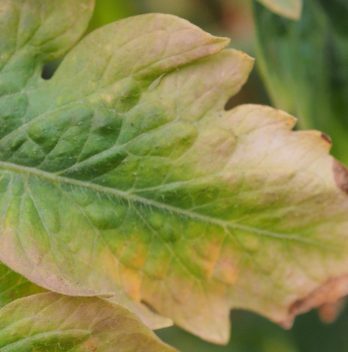
    • Discoloration of leaves
    • A few leaf burns.
    • Plants stunted growth.
    • Deformity of plant structure.
    Nutrient Lockout Symptoms in your plant

    These symptoms are quite confusing because they are similar to plant undernutrition. Some growers may not be conversant with these issues, and they may think their plants need more nutrients, so they add more nutrients.

    This worsens the situation because the plants’ environment is exposed to more salts or nutrients. This, in turn, affects the system’s pH, causing more nutrient lockout.

    Therefore, ensure you know the correct diagnoses to avoid nutrient overfeeding.


    Read more about General Hydroponic Nutrients for Soil

    Causes Of Nutrient Lockout

    The causes of nutrient lockout are:

    • Inappropriate pH Range: inappropriate pH range in soil or water can cause a nutrient lockout. pH levels should be maintained and kept between 5.5 and 6.5. It should also be measured routinely. Various types of minerals contained in nutrients can only be absorbed by your plant at exact pH ranges. When your pH levels do not meet some particular ranges, an adjustment will be needed quickly.
    • Build-up of Excess Minerals: when excess minerals in your reservoir build-up, it will cause a nutrient lockout. Always replace your nutrient solution every week or two weeks and keep your reservoir clean. Also, you can use clean water to rinse off excess nutrients from your plants’ roots.
    • Adding too many Nutrients: adding excess nutrients to your garden can also cause your plants not to be able to absorb nutrients. Nutrients contain salts and too much of it increases the pH of your garden causing the nutrient lockout. Ensure you follow instructions and apply the right amount of nutrients to your plant solution.
    • Inappropriate Mixing of Hydroponics Nutrients: when you don’t mix your hydroponics nutrients properly, it can cause the inability of the roots of your plants to absorb nutrients. Always read and follow instructions from your nutrient pack or bottle to mix appropriately.

    Solutions Nutrient Lockout

    After recognizing and confirming nutrient lockout symptoms in your hydroponics or soil, the next step is to solve the problem. Here’s how to fix nutrient lockout:

    Flushing

    To save your garden, the first thing to do is nutrient flushing. We recommend you clean your soil or growing medium by saturating it with fresh water for 24 hours or so. Also, go ahead and empty your reservoir and rinse it well.

    You can also use a special bleaching agent to flush out excess nutrients that have built up in your garden.

    After successfully flushing your garden, allow the soil to dry. If you are making use of hydroponics, make sure you feed your plants with the correct amount of nutrients afterward.

    How To Reduce Risk Of Nute Lockout

    Just as it is important to identify and fix nutrient lockout, it is also crucial to reduce the risk of re-occurrence or running into one.

    You can avoid the risk of a nutrient lockout by judiciously checking the pH level of your system. Also, when you want to change your nutrient solution, do so carefully by checking the pH level of your growing medium.

    If you notice any changes in pH, flush your system when necessary. You should also ensure you don’t do flushing close to your crop harvesting time.

    Digital Soil pH Meter, Industrial Grade Soil pH Tester

    Calibration-Free LCD Display, High Accuracy Soil pH Pen, Soil pH Monitor for Garden, Lawn, Plant …

    We earn a commission if you make a purchase, at no additional cost to you.

    FAQ’s

    Can overwatering cause nutrient lockout?

    The amount of nitrogen that a plant can take up depends on the amount of water that it receives. If there is too little water, the plant will not be able to take up enough nitrogen and therefore become stressed. However, if there is too much water, plants are subjected to osmotic stress (the ability of the plant to hold water is impaired). This can lead to nutrient lockout, where the plant has no access to nutrients in the soil and cannot take them up.

    When the roots are flooded with water, the excess water causes the cells in the root to swell, which reduces the cell’s ability to absorb water and nutrients. Overwatering also damages the root system by reducing the ability of the roots to absorb water and nutrients. In the long term, overwatering can lead to nutrient deficiency.

    Can you reverse nutrient lockout?

    I would not be so quick to add a new fertilizer. The reason for this is that some fertilizers will lock up nitrogen in the soil and others will do the same with phosphorous. The best way to test is to wait until your soil is at least somewhat aerated, then take a sample and test it. You should be able to tell if there is a problem by testing the soil. If you notice that the soil is acidic, then you may need to add lime. If the soil is alkaline, then you may need to add something that will raise the pH. What I would suggest is to test the soil first, then you can add the new fertilizer.

    What does nitrogen toxicity look like?

    The first thing that comes to mind when I think of nitrogen toxicity is how it affects plant growth. Nitrogen toxicity often results in stunted growth, which is a condition where the plant grows at a slower rate than normal and is often characterized by a smaller, bushier plant. In addition, nitrogen toxicity often leads to yellowing and chlorosis of the leaves and/or stems, and discoloration or wilting of the leaves. Nitrogen toxicity in plants can result from exposure to nitrogenous fertilizers, excessive nitrogen in the soil, or high nitrogen levels in the soil.

    How do you fix overfed plants?

    This is a common problem in gardeners’ lives, but it’s a simple fix. The first thing to do is to decide what type of plant you’re dealing with. If the plant is a perennial or shrub, it should be pruned to encourage new growth and to maintain the desired shape.

    The next step is to figure out how much fertilizer you’ve applied. If your soil test results show that the plant requires more nutrients than the soil can provide, your best option is to add composted manure, fish emulsion or kelp meal to the soil around the base of the plant. If you prefer not to use manures, then consider applying a liquid fertilizer. Be sure to follow the manufacturer’s instructions for application. For instance, many fertilizers have specific rates for different plants, and you’ll want to use those rates when you apply fertilizer.

    Bottom Line

    The bottom line, nutrient lockout symptoms are common, especially in hydroponics. Regularly taking precautions in advance can avoid or reduce the risk of a nutrient lockout.

    Monitoring pH levels, using the correct amount of nutrients, and routinely flushing when necessary are all excellent practices for keeping your garden safe.

  • How Often Should You Water A Vegetable Garden

    How Often Should You Water A Vegetable Garden

    One essential aspect of growing a vegetable garden is watering. If you’re a gardener and you’re wondering how often you should water a vegetable garden, we will let you know in this post.

    Almost all vegetables consist mainly of water; as such, water is an essential element for its growth. Overwatering or under watering your vegetable garden can be detrimental to their growth. This is why you should know the adequate amount of water needed for your vegetable plant.

    Get To Know How Often You Should Water Your Vegetable Garden

    The rate at which you should water your vegetable garden will depend on your veggies’ watering needs. This is because crops vary in the quantity of water required.

    Type of Plant: larger veggies will require daily or more watering. On the other hand, smaller veggies will need less watering.

    Type of Root: even though most vegetables are shallow-rooted, you should know that shallow-rooted veggies will require more watering rather than deeply rooted veggies.

    Stage of Plant: young seedlings need to be watered frequently to thrive.

    Get to Know How often You Should Water Your Vegetable Garden

    Learn more about How to Clone a Plant with Water

    Gardening Tips To Know How Much To Water Your Vegetable Garden

    Generally, you should water your vegetable garden one to two inches per week. However, the amount of water you supply your vegetable garden will vary depending on some factors.

    Taking into account these factors will let you know how much influence they will have on your watering schedule. Also, comprehending these circumstances will make watering your vegetable garden less stressful.

    Factors to Consider When Watering Vegetable Gardens

    So below are the factors to consider when deciding on how often you water your vegetable garden:

    • Climate: your surrounding climate will determine how often you should water your vegetable garden. For instance, a hot or dry climate will need frequent watering. On the other hand, rainy seasons will require less watering. Watering lesser or more considering the climatic factor may increase the likelihood of overwatering or underwatering which will not be good for your vegetable plants.
    • Indoor Potted or Outdoor Vegetable Plants: another factor to consider when watering your vegetable plant is if you plant indoors or outdoors. Potted indoor plants will need less watering. Especially potted plants with no drainage hole as the soil in their container will hold more water. On the other hand, outdoor watering will depend on your surrounding climate

    • Quality and Type of Soil: the quality and type of soil is another factor to consider. You should also know the type of soil you have. If your soil is sandy, you will water more but not too much. While clay soil will need less watering because of its ability to hold water. Also, excellent quality soil will increase the chance of water holding capacity. A great way to enhance the quality of your soil is to apply compost or add mulch to your soil.
    • Variety or Type of Vegetable: you need to know the variety of your vegetable plants so you can determine how much watering is required. You should take into account the types of vegetables such as size, roots, etc.

    Ways of Watering Your Vegetable Garden

    Now that we’ve listed some factors to consider when watering, we can now proceed to list ways on how you should water a vegetable garden.

    • Water Deeply: water should be applied at least 5 to 6 inches into the soil. Your veggies should be watered 2 or 3 times weekly.
    • Make Use of a Drip Irrigation System: drip irrigation will allow you to set your timer and it allows you water-specific parts of your vegetable plants. You also know how much water goes into your vegetable garden. Therefore, it gives you total control of the total volume of water going into your vegetables.

    226FT Greenhouse Micro Drip Irrigation Kit Automatic Patio Misting Plant Watering System

    81oeG1Zo aL. AC SX569
    • Water Early in the Morning: watering your vegetable plants early morning is a good thing. This way, you don’t lose water due to evaporation during the days and your plant will have the chance of absorbing adequate water. However, if you’re unable to water early morning, another good option is to water at night or late afternoon. Just make sure the sun is down when watering.
    • Hand Watering: hand watering is a slow way of releasing water. Watering your veggies with a slow stream is better than a fast stream because it will prevent water runoff in your garden.

    FAQ’s

    Should I water vegetable garden every day?

    If you are growing vegetables in your garden, it is important to remember that your soil needs moisture. Too much or too little water will affect the health of your plants and their ability to produce fruit. If you plan to grow vegetables from seed, you should also remember to water them daily. The following are some guidelines for watering your garden: Use a rain gauge. Most rain gauges have a 1 inch or 2 inch tube that you can put into a bucket of water.

    When the gauge fills up, this tells you how much water fell on your yard during the past 24 hours. Watering your yard every day, whether it rains or not, is very important. It helps prevent weeds and keeps your soil from drying out too fast. If you use a rain gauge, keep an eye on it so that you don’t over water. This could cause problems with your garden. Try to use a rain gauge that can be easily read from a distance. If you live in a hot climate, it is important to water your garden when the temperature is above 80 degrees Fahrenheit.

    Can you overwater a vegetable garden?

    Yes, you can overwater a vegetable garden. It’s a bit of an art, and I would only recommend doing it with a good reason. You should never do it to just make the vegetables grow faster. The first thing you need to know is that it’s really hard to tell when your soil is wet or dry. Most people think that it’s only a problem when the water runs off the sides of the pots, but that’s not really true.

    If your plants are growing fine in the pots but they start to rot because their roots are too wet, then you have overwatered them. If you have a very small garden and you overwater all of your plants, then you might be able to tell if it’s getting too wet or not. However, if you have a big garden and you do this, it’s really hard to know how much water you’re giving your plants. If you have vegetable garden in raised beds, you can tell whether the soil is wet or dry right away. When you first put your raised bed together, you can fill it with some good composted soil. This will help keep the soil in the raised bed from becoming too wet. You can also add some sand to the bottom of the bed to help hold the soil together. The problem with raised beds is that it’s harder to water them. This is because when the rain comes, it runs right off of the sides of the raised bed and down into the ground.

    What is the best way to water a vegetable garden?

    Watering is not always an easy task, but it is necessary for healthy plants.

    The amount of water depends on the type of plant and its age. For example, if you have young plants, you should provide more water than older ones. If you want to grow vegetables in a container, then you should add a layer of pebbles to increase the water retention.

    The best way to water is to water deeply, especially when you are growing vegetables. You can also water every day or every two days. It depends on the type of plant and the amount of time it takes for them to grow. For example, if you have tomatoes, you should water them once every three days. First, remove any weeds from around the plants. Next, add some gravel to the bottom of the container. If the container has soil, then you can add it to the container.

    Final Note

    You should also observe your vegetable plants and soil as they can let you know if you are watering them adequately.

    For instance, if you notice your vegetable leaves are wilting, it’s a sign watering is needed. Also, you can check some inches deep into the soil to feel for dryness or moisture.

    Nevertheless, how often you water your vegetable garden is really easy to do if you simply follow our outlined tips.

  • Low Light Succulents List

    Low Light Succulents List

    Do you know plants that are low light succulents? The space in your home might be limited for some extra house plants and you can’t display them where there is sunlight. You probably exhausted the number of windows where there is a shade to put your succulents.  Or perhaps there might not be enough sunlight in your area.

    Not too worry. We got a solution for you. Some succulents do well in low light and we will be giving you examples of these succulent plants. So read on to find out.

    Low Light Succulents

    Below are some examples of low light succulents that will do fine in whatever low light conditions they find themselves in:

    • The Snake Plant

    Snake plant, also known as the Mother-in-Law’s Tongue is one of the well-known succulents that can handle low light.

    This plant can handle the poorest management and it is regarded as indestructible! Snake plants can withstand low light to inconsistent watering, and so on. However, if you want them to keep looking buoyant and cheerful, you should give them adequate care.

    The snake plant
    • Aloe Vera

     Aloe Vera plant is also one famous houseplant. They do well in low light conditions. Their leaves are thick, fleshy, and green to bluish with some spines on their leaves’ edges. Its juicy thick leaves reserves adequate water thus, they can tolerate drought.

    • Schlumbergera or Holiday Cacti

    Schlumbergera also known as a holiday cactus is an epiphyte plant. The succulent cactus of this plant lives in a canopy tree.

    The holiday cacti cannot withstand too hot temperature and frost. Therefore, they fall under low light succulents. It is the absence of light that allows them to bloom beautifully. Examples of the holiday cacti include Christmas cacti, Thanksgiving cacti, and Easter cacti.

    • Rhipsalis

    Rhipsalis is an epiphyte, they grow on other plants and it’s from the cacti family. They are native to the rainforest.

    Rhipsalis can be a great addition to your low light succulents. They don’t do well in too hot climate or dry soil as their leaves can burn. It loves a cool or humid environment; therefore a bathroom is an ideal area to place it.

    Miracle-Gro Succulent Plant Food, 8 oz

    511c%2BU

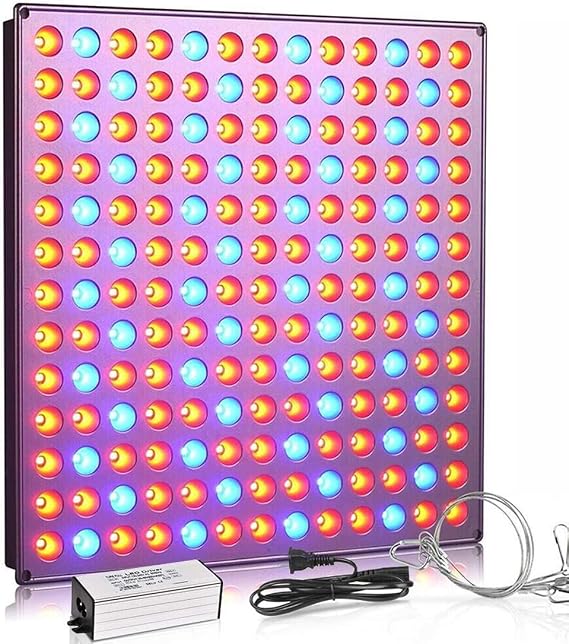
    Check out A List of Quality but Cheapest LED Grow Lights Online

    • Sedum Morganianum

    The Sedum Morganianum, Burro’s tail is a type of succulent that will thrive in low light. Their stems are thick which full of water to withstand drought.

    • Haworthia, Zebra Cactus

    Harworthia also known as zebra cactus is another example of low light succulent. However, they can also do well in a warm, bright environment. They mostly grow under bushes therefore they can thrive in partial shade.

    One major downside of Haworthia is watering, especially when associated with lower light conditions. Therefore, take care so you don’t over-water.

    • Gasteria

    Gasteria is another great choice for indoor plants that do not require much light. It’s best to keep them away from direct sunlight. Too much exposure to direct sunlight can cause their green color to turn yellow.

    Also, they do not need too much watering as their leaves can store adequate water.

    Gasteria
    • Ponytail Palm

    Ponytail palm also known as Beaucarnea recurvata are succulents from the Agave family. Even though they require bright light, they can as well flourish in low lights.

    Succulent Light Conditions

    Nowadays, more people are participating in house gardening and succulents are most of these common houseplants.

    This is because succulents plants are easy to manage and they don’t need a lot of supervision. They can store adequate water, they are drought resistant, and don’t require regular watering like every other houseplant. They also have the ability to preserve nutrients in their leaves.

    The first image most people have of succulents is desert! But this is mostly not so for all succulents. Some varieties of succulents do well in deserts or dry conditions, while some can as well flourish in non-desert conditions.

    Take for example the epiphyte succulents such as the Christmas cactus. Christmas cactus grows on large trees with a big canopy over the Christmas cactus. This canopy usually causes the absence or reduction of light and even with such conditions, they still do well.

    Normally, most succulents flourish in vivid light or medium-light at least. Even though they are very adaptive, there are various groups of succulents that may begin to etiolate with lack of sunlight. Etiolate happens when plants extend in search of sunlight. This may cause your succulent body growth to look somehow.

    The good news is there are a couple of these succulents that can handle lower light situations as listed above.

    FAQ’s

    Are succulents OK in low light?

    Succulents are fine in low light situations, although some species will do better than others.

    Succulents such as aloe vera and agaves are quite happy growing in full sun, but they do best with moderate amounts of direct sunlight. A few succulents such as the cacti prefer direct sunlight, but many prefer to grow under trees or shrubs. This is because the plants want to be in the shade, so if you want to grow them near trees or shrubs, you need to make sure there’s enough light to keep them happy.

    Are there shade loving succulents?

    Shade loving succulents are those that do best in partial or complete shade. Most prefer the cool temperatures of afternoon shade and full sun is not a requirement. Many grow in light shade in the home, but are very happy to be out in the garden too. Some prefer the shade of large trees, some are happy with the shade of shrubs and others like the shelter of a rock wall.

    Many succulents are naturally adapted to drought tolerant conditions and will only flower when they have enough water. It’s important to keep these plants well watered during the summer months. Some are also hardy in USDA zone 8 and can survive temperatures of up to 45°F. The most popular species are Aloe vera, Sedum and Sempervivum. These are all hardy in USDA zones 8 through 11, and are often used as houseplants or in pots. Sedum is also a popular choice for container gardens. Here’s a list of some popular shade loving succulents that will do well in a variety of locations. Some are easy to grow, others need more attention, but if you give them the right conditions they will reward you with their beauty year after year.

    Can succulents survive without sun?

    Some succulents do very well in partial shade, but not all. For example, the commonly available ‘Jade Plant’ (Crassula ovata) will not tolerate shade and is probably best grown with some direct sunlight. Similarly, Cacti do not like full shade, but are happy with some sun. A good place to start looking for your specific plant is on the Succulent Society of America’s web site at http://www.succulent.org/.

    Can succulents survive in a windowless room?

    Succulents are like mini trees, so they will grow just fine in a windowless room (as long as they get enough light to survive), but you can’t mist them. You will need to water them daily. I would not recommend fertilizing them unless you know what you’re doing. They can be easily damaged by over-fertilization.

    Can succulents grow under fluorescent lights?

    Yes, they can. Fluorescent lights are a great option for people looking to grow plants in their home. They’re also easy to grow and maintain. The only downside is that you can’t leave them on for very long without burning your plants. If you’re growing under florescent lights, make sure to have your plants on a timer so you don’t burn them.

    Final Note

    Have in mind that not all succulents can tolerate low light. So be enlightened when you decide on choosing succulents for your home.

    With the points we have listed in this guide, we do hope you can make the right decision when it comes to picking low light succulent for your houseplants.