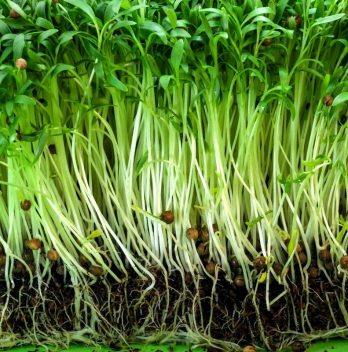
Do you wish to learn how to cut fresh cilantro from your plant? Then we’ve got you covered here. Cilantro is a wonderful herb to add to your vegetable garden and they are pretty easy to grow.
Harvesting cilantro is as well easy. All you need do is to do your harvesting the right way so you can enjoy continuous fresh cilantro to add to your various dishes. Both cilantro leaves and seeds are edible recipes for adding flavor to your dishes.
So, in this article, we will be discussing how you can cut fresh cilantro from your plant and keep enjoying a great harvest.
Planting Cilantro For Fresh Harvest
The herb cilantro is a cool weathered crop. It thrives well in temperatures of about 50 to 85 degrees Fahrenheit. A temperature that exceeds 85 degrees Fahrenheit will cause the plant to enter bolting and eventually flower. Bolting causes bitter-tasting cilantro herbs.
For regions where you have cool weather and moderate summer, plant cilantro immediately after the last frost. For instance, in the north of the United State, it is advisable to sow seeds in the early spring around the middle to late April.
In warmer regions that experience very hot summer and moderate winter, cilantro should be planted in late summer. This is usually when the weather begins to cool off. The Southern United States for instance implies that September should be the ideal growing period for cilantro herbs.
So once you have the appropriate weather to plant cilantro, the first thing is to select your plant bed and prepare the soil. Use well-draining soil rich in organic matter.
Cilantro seeds should be planted one to two inches apart in rows spaced twelve inches apart. Then ensure you always provide a moist bed but not too wet. Once the seedlings start to germinate, they will require more watering to grow well. You should water one inch deep every week.
When the seedlings have started germinating, trim them to six inches apart.
Cutting Cilantro From Plant
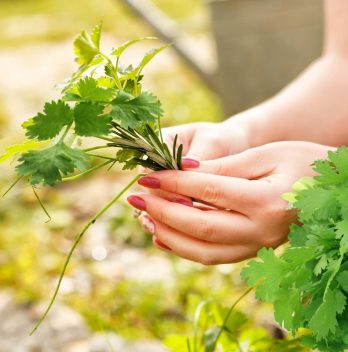
How you can enjoy fresh cilantro from your plant is by proper trimming. Adequate cutting or pruning will help prevent cilantro from entering the bolting stage. Hence delay flowering. This will in turn prolong the harvest of cilantro.
However, if your goal is to harvest cilantro seeds which are known as coriander, you should allow the plant bolt. Bolting will cause the cilantro plant to flower thereby producing seeds.
To harvest cilantro leaves at the appropriate time, allow the plant to attain good size for harvesting. It will usually take 60 to 75 days to attain good maturity for harvesting leaves.
How To Trim Cilantro
Herbs generally love to be cut back and constant harvesting makes these herbs grow stronger and bulkier. Hence, cilantro is no exception to this. Cilantro will as well benefit from regular trimming or harvesting.
Cilantro plants grown during fall, winter, and spring will result in more leaves and will be slow to flowering. But when the season becomes warm or during summer, cilantro plants tend to enter bolting hence they will flower and give rise to seeds.
Both cilantro leaves and seeds are edible and great choices to add flavor to various dishes. Follow these tips to learn how to cut fresh cilantro plants:
Once the plant leaves attain the length of 6 inches, you can start to trim the outer leaves.
Avoid cutting the inner leaves. This way, the cilantro plant will carry on producing and growing until it’s time to flower.
With the continuous trimming, cilantro will grow and you can always go back and cut more cilantro leaves every 5 to 7 days.
Harvesting Cilantro Seeds
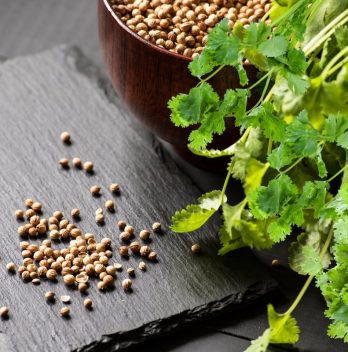
Cilantro seeds are known as coriander seeds. Continuous cutting of cilantro leaves will definitely delay bolting and flowering. However, the cilantro plant can’t continue to yield leaves forever. It will eventually enter the bolting stage and flower to produce seeds.
But if your goal is to harvest cilantro seeds rather than the leaves, you should avoid trimming the leaves and allow the plant to enter the flowering stage to produce coriander seeds.
Cilantro plants will take about 100 days from germination to give rise to seeds so far you avoid cutting back the leaves. Once the flower dies off, trim off the flower stalk then you will see small seed clusters that have turned brown. You can then shake the seeds off the stalk.
Dry the seeds in a properly ventilated place for about a week. Then you can proceed to store them in a well-sealed airtight container.
How Often To Harvest Cilantro
Cilantro herbs can be harvested about once a week. However, if you have abundant growth of cilantro, you can harvest more often. Nevertheless, it is necessary to harvest cilantro at least once a week to prevent it from entering the bolting stage.
If you harvest too many or excess cilantro or you aren’t able to use them immediately, you can simply freeze them until you’re able to cook with them.
More Tips On How To Enjoy Continuous Cilantro Harvest
One great way of enjoying frequent cilantro harvest is to indulge in succession planting. Succession planting will keep cilantro plants fresh and available for you. Once you’ve trimmed the first original cilantro, more seeds should be sown every 3 weeks.
Once the next or second plant has attained the height for cutting, you can pull the first or original plant. Continue doing this by sowing new seeds and removing the old plants before they enter the flowering stage. Doing this will allow you to enjoy a constant supply of fresh cilantro herbs.
FAQ’s
How do you harvest cilantro without killing the plant?
Cilantro is a perennial herb that grows from seed and doesn’t have a very long lifespan, but it can be harvested repeatedly in the spring and summer months When the plants are in their first year of growth, they grow just above the ground and require little water. As they mature, they grow taller and require more water. In fact, if you harvest cilantro when the plants are in their second or third year, they will have grown so tall that they need to be harvested by hand, making the process extremely labor-intensive and time consuming. Cilantro is also one of the first herbs to flower, usually appearing in the early spring. For this reason, cilantro is considered a biennial herb, meaning that it grows for two years before flowering. If you want to preserve your harvest, you have to wait until the plant is ready to flower.
Will cilantro grow back after cutting?
Yes, it can. Cilantro will regrow if you wait 3 weeks. You just cut the top off. The plant will send out new roots, and it will start growing again.
How long does a cilantro plant last?
Cilantro is one of the most resilient herbs in the garden, and it is easy to grow.Cilantro is easy to grow and can be kept in a pot for up to two years. If you have a container with good drainage, a cilantro plant will grow well for years. It is also a very forgiving plant, so if you don’t get it just right, it will still grow.
How often do you water a cilantro plant?
This herb has a habit of becoming leggy and spindly unless you give it the proper care. In order to avoid this, we recommend that you water your cilantro every other day or so.
If you have a good growing medium, it can live for weeks without any attention. Cilantro needs lots of light and lots of water. It is also very hungry. I
Does cilantro like full sun?
Cilantro likes full sun, but it will tolerate some shade.
Does cilantro grow year round indoors?
Yes, cilantro does grow year-round indoors, and is available throughout the year.
What month do you plant cilantro?
Planting it in late spring might be the best time However, there’s no evidence that planting cilantro in late spring is better than in early spring or summer. It depends on what kind of cilantro you want to grow. The seeds of Asian cilantro (Coriandrum sativum) are hardier and will survive longer than the seeds of regular cilantro.
How To Cut Fresh Cilantro From Plant: Conclusion
How to cut fresh cilantro from your plant is pretty easy and you can always enjoy constant cilantro herbs by doing it right.
Follow our tips on how to cut fresh cilantro appropriately to continue enjoying them and to add great taste to your various meals.
If you plan on growing cilantro in your garden and you’re wondering when to harvest the seeds, we will let you know in this post.
Cilantro is a cool-weathered herb and they are wonderful plants to grow in your garden. Their seeds are known as coriander seeds and both cilantro leaves and seeds are used in different cuisines all over the world. Harvesting cilantro seeds the right way is important and they require maturity before the seeds can be harvested.
In this post, we will be discussing when and how to harvest cilantro seeds and leaves, and many more. So, continue reading for some information on this.
Cilantro Plant
Cilantro is one fast and easy to grow herbs that do well in the cool weather of spring and fall. The entire plant including the seeds is used in different recipes.
The seeds are referred to as coriander seeds and they are usually crushed and grounded. Then the blended powder is used as a spice.
Planting Cilantro For Seed Harvest
Growing cilantro from seeds directly by sowing the seed in a garden bed is pretty easy. If you wish to grow cilantro with the aim of harvesting their seeds, then you should plant seeds 8 inches apart in rows. Each of these rows should be about 15 inches apart from each other.
Because cilantro grows with a deep taproot, make sure you select a good planting location for planting cilantro. Also, you need to supply the ideal temperature range to plant cilantro plants so they can grow optimally. The ideal temperature for growing cilantro optimally ranges from 50 to 85 degrees Fahrenheit. You can however allow the temperature to exceed 80 degrees only if you wish to harvest seeds. This way, the cilantro plant will bolt and flower thereby producing seeds.
But if your goal is to harvest the leaves alone, never allow the temperature to exceed 85 degrees Fahrenheit. This way, you can enjoy a continuous harvest of cilantro leaves. But eventually, the cilantro plant will enter bolting and flower and this must have been after you’ve enjoyed enough cilantro leaves.
Once cilantro flowers, it will yield seed pods that contain two seeds.
When To Harvest Cilantro Seeds
Cilantro grows rapidly hence their leaves can be harvested in just about a month. However, if you wish to harvest their seeds, it takes longer.
After 90 days of planting, cilantro seed pods are ready to be harvested. Cilantro seeds are ready for harvest when their appearance looks light brown and the plant will look dried. This happens when the cilantro plant has flowered 2 or 3 weeks after.
Take note not to harvest seeds that are not matured yet. This is to avoid bitter-tasting seeds that are not ideal for cooking.
So, when the weather starts to go hot, the cilantro plant will eventually bolt and flower. By this period, you should know it’s time for cilantro to produce seeds. This is when to harvest or pick your cilantro seeds. Cilantro seeds can be harvested 2 to 3 weeks after flowering has occurred.
How To Harvest Cilantro
Cilantro seeds are known as coriander seeds. So, to harvest coriander seeds, do the following:
Let your cilantro plant enter the bolting stage especially during the hot season so they can grow and produce seeds.
The harvested stem should be hung upside-down in a paper bag in a cool dry place. When the seeds become ripe, they will drop off their seed head into the bag.
Store cilantro seed or coriander seed in an air-tight container.
If you want to get a quick result of coriander seeds, we advise you to avoid cutting cilantro leaves. If you form the habit of cutting cilantro leaves as they grow, you will be delaying them from entering into the flowering stage and producing seeds for you to harvest.
Uses Of Coriander Seeds
The seeds of cilantro are mostly grounded before use or else they will feel tough to chew. However, you can also use the whole seeds or simply roast the seeds in an oven.
Cilantro seeds give a lovely aroma and taste to different dishes. It is rich in antioxidants and you enjoy other health benefits from it. Below are some uses of coriander seeds:
The blended cilantro seeds are used as a spice in cooking like curry as well as in baked beans.
Some use coriander seeds to bake into bread.
The seeds can as well be used in soups, stews, and ratatouille.
Cilantro seeds also feature in Indian cooking ingredients such as masala mixtures.
The seed oil is as well used in different herbal solutions and dietary supplements.
Coriander is also used in flavor gin, tobacco, liqueurs, and perfumery.
Health Benefits Of Cilantro Seeds
You get to enjoy great health benefits using coriander seeds in your dishes. Here are some of the benefits you can enjoy by incorporating coriander seeds into your diet:
The seeds are rich in other great minerals and it offers antioxidant benefits. Hence, it will help get rid of toxins and it’s beneficial to skin and hair health.
Oil extracted from coriander seeds may as well help in promoting digestion and gut health.
FAQ’s
How do you harvest cilantro seeds?
It’s easy to harvest cilantro seeds by hand. Just pull the leaves from the stem and hold the stem firmly. The key is to keep the stem attached to the leaf so that you can remove it from the plant later. Then just shake the plant to get all the seeds out. You can remove them from the stem by hand, but it’s much easier to use a knife. The trick is to pull off the leaves while holding the stem firmly.
How long does it take for cilantro seeds to sprout?
Cilantro (Coriandrum sativum) seeds should sprout in 5 to 7 days under normal conditions. Watering helps them grow faster.
What is the trick to growing cilantro?
Cilantro is relatively easy to grow in Zone 10. Cilantro is a good example of a plant that can be grown from seed. It grows best in areas where it is warm and humid and has lots of rainfall. If you are having a hard time getting seeds to germinate, you could try planting the seeds indoors (in a warm, bright place) for a few weeks, then transplant them outside when the weather is warm and humid. The trick is to start with small seeds (about 1/4 inch diameter) and plant them in a pot of potting soil. Cover the pot with plastic wrap so the soil doesn’t dry out. Keep the soil moist, and keep the soil warm by using a heat mat or light bulb. In about 3 weeks the seedlings should be ready to transplant. Plant the seedlings out in the garden once the weather gets warm and humid. They can be planted any time after the last frost date. Cilantro likes to grow into a weed, so you may need to keep pulling it up and destroying it. It has a very strong and invasive root system. It can take over large areas of your garden if it is not contained.
Why is my cilantro plant falling over?
Either you are overwatering it or you have some sort of disease. If you are overwatering it, you should water it less often. If you are watering it too much, stop for a few days.
Also, it might be because your soil is not good enough. You should add some peat moss or sand to your soil to improve the drainage. That way your cilantro will be able to absorb more water and will not get too dry. You can also try adding some compost, if you have any available.
When To Harvest Cilantro Seeds: Final Say
Harvesting cilantro seeds will require you to wait until the plant enters bolting and flowers to produce seeds. Coriander seeds can be harvested after 2 to 3 weeks of flowering. We recommend you avoid cutting back the leaves if harvesting cilantro seed is your goal.
There are also many great benefits to cilantro such as adding flavor and sweet aroma to your various dishes. It also offers amazing health benefits to your diet.
Growing cilantro especially from seeds may be a bit tricky as you must get the right set up to create good germination conditions. One criterion to successfully growing cilantro is to get the ideal germination temperature.
Cilantro is a type of herb used for many great dishes. There are plenty of great reasons to add this dynamic herb to your vegetable garden. But you need to learn how to appropriately germinate cilantro so you can enjoy continuous use of this herb in your various meals.
You may be finding it hard to grow cilantro. But in the actual sense, this herb is actually pretty easy to grow with the right knowledge. Simply follow our guide to learn the right germination temperature for cilantro and other tips to successfully grow this amazing herb.
Some Info On Cilantro Plant
Cilantro is also known as Chinese parsley and it originates from Greece. Both cilantro green leaves and cilantro seeds are used in different dishes. Cilantro seeds are as well known as the spice coriander. Both cilantro herbs and coriander seeds come from the same plant.
Their leaves are used in fresh salads, meat dishes, and salsa. The leaves can as well add a little spice to an omelet.
Cilantro seeds which are known as coriander supplies a distinctive flavor to your various dishes. The coriander seeds are integrated into sausage, pastries, and cooked fruits. The seed is also a vital component in pickling spice and curry powder.
Cilantro Germination Temperature
The best temperature for cilantro germination is 70 degrees Fahrenheit. You can also do a temperature of 65 to 70 degrees Fahrenheit. But ensure you always maintain moist soil until plants germinate which can take about 7 to 10 days.
How To Germinate Cilantro Seeds
Germinating cilantro is easy with the right knowledge and it’s pretty easy to maintain. So continue reading to learn how to grow cilantro appropriately so you can enjoy its continuous flavor.
When To Sow Cilantro Seeds
The ideal period to sow coriander seeds for the cooler region is in late spring or early summer. This is usually two weeks after the last frost. If your goal is to get multiple harvests, go ahead and keep planting more coriander seeds up until mid-summer.
For warmer regions, the coriander seeds should be sown during fall. Ensure you space them around 10 inches apart once they begin to germinate.
If you however wish to have some fresh cilantro during winter, you should sow seeds at the start of autumn or even winter. You can be sure of a great harvest result when you sow cilantro seeds during spring or winter. This is because cilantro is very sensitive to heat.
Soil Preparation For Germinating Cilantro Seeds
The first step to growing cilantro is to prepare your soil. Choose a well-draining soil for our cilantro plant. You can go for a moderately fertile sandy or loam soil. But you can still choose other types of soil all you need to do is to ensure nutrient levels and moisture are observed closely.
Cilantro Seed Germination
Next is to obtain your cilantro seeds for germination. Cilantro is a cool-season crop but will thrive in temperatures between 50 to 85 degrees Fahrenheit. Cilantro can withstand temperatures as low as 10 degrees Fahrenheit. However, if the temperatures surpass 85 degrees Fahrenheit, it may enter bolting.
In Texas, February is the most appropriate time to plant cilantro so you can get an April harvest. September is also another perfect time to plant cilantro in Texas for a November harvest.
Seeds should be planted in a soft, well-tilled, and composted soil. The seeds should be planted 2 inches apart in rows 12 to 15 inches apart if you wish to harvest cilantro leaves. If the seed is what you wish to harvest, then you should sow the seeds 8 inches apart in a row 15 inches apart.
The depth to which you sow your seeds for both cilantro leaves and coriander leaves purposes should be about a quarter to half inches.
Fertilization should be done twice throughout their growing season. Half a spoon of ammonia nitrate or urea should be applied per square foot of your plant.
Watering
The cilantro plant will require more watering during its seedling germination and establishment. Once the cilantro plant has developed and become established, their watering needs won’t be so demanding.
Harvesting
Harvest your cilantro leaves 45 to 70 days after seedlings germinate. The exterior leaves should be cut or trimmed when they attain 4 to 6 inches in length. Or you can simply cut the entire plant about 1 to 2 inches above the soil level.
Germinating In Containers
To germinate cilantro in containers, get a shallow bowled container of at least 18 inches wide and 8 inches deep. Then fill the container with a well-draining potting mix and apply some organic fertilizer. One part of cilantro seeds should be mixed with 3 parts of sand. The pot should be misted with water then spread the mixture evenly over the container.
Next, you should cover the seeds with some potting mix. Gently mist the soil once again then position the set up in the full sun. If the weather is very hot, position the set up in a light shade area. You should begin to notice the seeds germinating in about a week.
Additional Tips On Cilantro Germination
The cilantro growing period is pretty short. We encourage you to frequently trim your cilantro plants to help delay bolting and extend your harvest time. However, even if you continuously trim your cilantro plants so many times, they will still enter the bolting phase. And bolting will give rise to bitter-tasting leaves. But you can enjoy some nice cilantro leaves before they enter bolting.
When the cilantro has entered its bolting stage, just allow the plant to grow and let it seed. The seeds will be available for you to grow again next year. You can as well use the seeds for coriander cooking.
FAQ’s
Does cilantro need heat to germinate?
No, it doesn’t need to be heat-treated to germinate.
The temperature of the seedlings as they grow depends on the rate at which the seedlings absorb moisture and nutrients from the soil. The seeds that germinate fastest are usually the ones that survive best. Cilantro seedlings that grow slowly may be lost to diseases. It is important, however, to keep your cilantro seedlings warm during the first few weeks.
What is the best temperature to grow cilantro?
The answer is probably somewhere between 45-55°F (7-13°C) with lots of sun. If you live in a colder climate, you may need to keep it indoors in a south-facing window for part of the year or have a greenhouse.
Does cilantro need dark to germinate?
Cilantro does not require darkness to germinate, but if you want to plant it indoors (in a seed starting mix) you may need to keep it in the dark for at least 2 weeks.
Why is my cilantro not growing?
Here are some reasons why cilantro plant is not growing: If your soil is too acidic, it won’t grow properly. If it is too alkaline, it will take longer to germinate. Organic matter in the soil also helps the cilantro to grow. Add compost and manure, or if you don’t have that, add lime and sand to your soil. Watering Watering is essential for cilantro. It needs to be watered frequently, so that the soil stays moist and the roots have enough water. Too much water can cause the plant to rot. In general, a well-watered cilantro plant will grow faster than an under-watered one. It’s best to water it every day. You can also use a soaker hose or drip irrigation system to water it. But, don’t overdo it! If you do use a soaker hose, make sure to set it up properly. If you have a small garden, you can put it right on the surface of the soil. If you have a large garden, then you can place it in a raised bed. Sunlight It is important to expose the cilantro plant to sunlight. It grows better with sunlight than without it. The ideal temperature for cilantro is 80 degrees Fahrenheit. But if your house gets too hot, you can put the plant outside. If you have a cool house, you can put the plant inside a greenhouse. Pests and Diseases Some pests and diseases can attack cilantro plants. For example, aphids can eat the leaves, while whiteflies can damage the leaves and even the flowers.
Can you overwater cilantro?
You can overwater the cilantro, but it will just wilt. You don’t want to drown it. The plant needs water to grow, so just give it what it needs. If it starts looking like it is drying out, just add more water and you’ll be fine. If you are worried about it getting too wet, you could put a few layers of newspaper on the bottom of the pot or tray.
Conclusion On Cilantro Germination Temperature
We have concluded that the best germination temperature for cilantro is around 70 degrees Fahrenheit. You can as well follow our growing tips for that successful cilantro leaves or coriander seeds germination.
Sweet pepper varieties are one of the most popular members of the nightshade family. They come in different colors such as red, green, orange, and yellow. You may even find them in purple. So today, we will be looking at the sweet pepper varieties list you can enjoy.
Sweet peppers are more than just different colors of peppers. There are various types of sweet pepper that you may come across at various farmers’ markets or specialty stores. They give rise to mild heat and fruity flavor when used in different dishes.
These vibrant peppers come in different varieties and we will be discussing the sweet pepper varieties list. So continue reading to gain some knowledge.
What Are Sweet Peppers?
Sweet peppers are one of the most famous, versatile, and packed with healthy nutrients. These sweet peppers can be easily added to various delicious dishes or they can simply be used as a standalone meal. They can be grilled, stuffed, or roasted.
Sweet pepper is a type of pepper variety that will give rise to a mild heat, fruity, and sweet flavor. They can include banana pepper, bell pepper, and pimentos. They belong to the Capsicum genus together with habañeros, jalapeños, and paprika.
But how many types of sweet pepper varieties do we actually have? We will be sharing some of our favorite list of these sweet pepper varieties. So, let’s look into this.
The Sweet Bell Pepper Variety
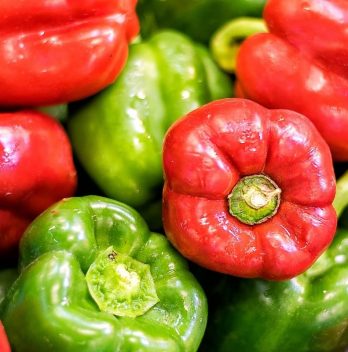
There is no denying that the most commonly used pepper variety is the green bell pepper. These sweet bell peppers are commonly used in various dishes and they are preferred by people that don’t really like hot peppers. They come in various colors other than green and other colors include hued yellow, red, orange, or even purple.
But is there really any difference between these sweet bell pepper color varieties? Well, not entirely. They are all sweet peppers.
Green bell peppers are usually more affordable compared to other colored bell peppers. This is so because green peppers are harvested while they are unripe. When the sweet pepper fruits begin to ripen, this is when they change from green to multicolored peppers.
All these multicolored mild bell peppers will maintain their colors when cooked. But the purple sweet bell pepper variety changes to a bit of a muddy look when cooked. So it’s best to use the purple sweet bell pepper variety fresh.
Sweet peppers are so versatile when it comes to incorporating them into various dishes. They are great for stuffing, grilling, as well as pickling. Below are some of the types of sweet pepper varieties list:
1. Anaheim Chilies: Sweet Pepper Varieties List
The Anaheim chili is a dynamic mild green pepper. It is named after the city that made it popular which is Anaheim, California. These sweet peppers are mild in flavor and heat. Their appearance is sharp and bright crunch when raw and they have this mellow sweetness when roasted.
This sweet pepper is big enough to be used in stuffed pepper dishes such as Chile Rellenos. Anaheim sweet pepper has a dynamic flavor that can work as an alternative to bell peppers for the recipe that requires little heat such as paella or jambalaya.
2. Cubanelle Pepper
The cubanelle pepper is another type of sweet pepper also known as Italian frying pepper or sweet Italian long pepper. These peppers appear pale green. However, if left to mature, they will become dark and turn red.
This pepper has mild heat and has mellow honey mixed with pepper flavor. Cubanelle peppers are used in various dishes and can be sliced, roasted, or fried in olive oil. They can also be integrated with Italian cured meats to make a sandwich.
3. Sweet Cherry Pepper
Sweet cherry peppers are known for their spicy flavor. They are tiny but they are packed with great flavor that is condensing. They resemble a mini sweet bell pepper and they are also known as sweet red pepper. These cherry peppers are ideal for slicing or pickling and can be integrated into sandwiches or salads.
They can also be roasted or charred. When their skin is charred, it results in a deep, earthy sweetness. They also taste delicious when eaten raw or as a snack.
4. Banana Peppers
The banana peppers are also known as yellow max peppers, Hungarian sweets pepper, or banana chiles. These types of sweet peppers are the milder type that comes in shades of bright yellow to pale green. Their skin appears smooth and they have a long even shape that looks like a banana.
Banana peppers are usually sliced and pickled into banana rings or they can simply be left whole and stuffed for antipasti.
5. Pepperoncini
Pepperoncini is also known as a dash of sweet Italian pepper and is most related to Tuscany. They are a slightly sweeter variety. Their skin appears to be a bit wrinkled and they grow in a crimped, folded shape.
This sweet pepper is mostly used as pickling and is perfect for heat on a dish like pizza.
6. Poblano
Poblano pepper originates from the state of Puebla, Mexico, and is used as an ingredient in Mexican cuisines. They are mild chili pepper and will give that bold flavor to your meal.
This sweet pepper can be stuffed fresh or simply roasted and it’s known for its role as a vehicle for Chile Rellenos. Poblano also makes a perfect addition to guacamole soup.
FAQ’s
What is the variety of sweet pepper?
The variety of sweet pepper includes bell peppers, pimentos, jalapeños and many others. The bell pepper is an important fruit crop worldwide. It is also known as the garden pepper because it can be grown in home gardens or commercial greenhouses. There are thousands of varieties of sweet peppers and all of them have a unique taste, color, and texture. Bell peppers, for example, come in many different colors and are usually round and smooth.
Other types include the pimento, banana, or cayenne pepper. There are also a few varieties that have been bred for specific uses, like hot peppers for cooking or jalapeño peppers for eating raw.
The two main types of sweet pepper are the bell and chile pepper. Bell peppers are sweeter than chile peppers and have more sugar content in them.
They range in size from about 2 inches long to over 5 inches long. The color of the pepper depends on the variety. Some varieties are orange, yellow, red, brown, white, purple or black. Sweet peppers are available year-round although they are most common during the summer and early fall.
How do sweet peppers grow best?
Growing sweet peppers is simple. Sweet peppers require fertile soil and lots of sunshine. They grow best when temperatures are between 65°F and 85°F and daytime humidity is between 30% and 50%. In warm climates they can survive temperatures up to 95°F but they will not grow as well. Sweet peppers need a lot of water. They grow best when the soil is moist but not wet. The leaves should be kept clean and free of debris so that the plant can absorb enough light. Sweet peppers do best in full sun but they can tolerate some shade. A single sweet pepper plant produces about 1 pound of fruit.
What is the best variety of sweet pepper for cooking?
Stemless bell peppers are available in a wide variety of colors and flavors. There are many different types, including green bell peppers, red bell peppers, yellow bell peppers, orange bell peppers, and white bell peppers. Green Bell Peppers These small green peppers can be used in most dishes. They have a mild flavor and are not as hot as red or yellow bell peppers.
What is the sweetest sweet pepper?
The sweetest type of pepper is the red pepper, which you may have already noticed as it is used very commonly in different recipes.
It is used wonderfully in pizza, kebabs and even with eggs as a part of a savory breakfast.
Conclusion On Sweet Pepper Varieties List
Sweet peppers come in different varieties and are ideal for various dishes. They are dynamic to be used in various cuisines and will offer you healthy food production. You can go through our sweet pepper varieties list to know which best suits your dish.
There are so many easy methods to incorporate these varieties of sweet pepper. This sweet pepper can also be used as a standalone meal and can be grilled, roasted, or stuffed. You can go through our sweet pepper varieties list to know which best suits your dish.
So we already learned how to detect when butternut squash is matured. The next thing is to know how to store them appropriately for later use.
Table or Shelf: you can store butternut squash for about 10 to 14 days at room temperature by placing them on a table or shelf.
Store in a Dry Place or Room: For best storage for up to 5 to 6 months, avoid storing them in the refrigerator. Refrigerating will make them absorb moisture thereby losing their toughness. Hence result in rotting. For good storage results, store or place them in a dry place. The temperature should range from about 50 to 60 degrees Fahrenheit. Also, the humidity for storing them should be about 60 to 70%. Hence, a dry room or basement is a perfect place to store them.
Cut and Store: it’s possible to store butternut squash in the refrigerator by simply cutting them into small or medium sizes. When you do this, ensure you peel off the outer skin. Also, take away the inner seeds with a spoon.
When storing the butternut squash, you shouldn’t pile them up but store them in single layers. This way, there will be less touching of each squash and less damage. Always observe or monitor your butternut squash every week for any sign of rot.
How Long Will Butternut Squash Last Once Picked?
Fresh, uncut, or whole butternut squash can be stored in a cool and dry place such as a basement or a closet where the sun will not penetrate, speeding up the ripening process of the squash. If you store it in these right conditions, it should last about two to three months.
Because butternut squashes tend to get pretty big, you may not be able to store the whole squash. If this is the case, you will need to cut it up into smaller pieces such as cubes. You will then need to store them in a fridge or a freezer so that they can last.
If you store them in the fridge, you can store them for at least four days before they spoil. Store them in an air-tight container or a Ziploc bag to get the best results.
Cut-up, frozen butternut squash can be stored in cubes or pureed, which can be used for cooking soups or stews, or re-heated for use as baby food. This frozen squash can be stored indefinitely in the freezer, however, it is best to use it within six months to a year.
Is Butternut Squash Genetically Modified?
Butternut squash has not yet been genetically modified, unlike other squashes.
Modified squashes include summer squash like yellow squash and zucchini are grown at low levels in the United States. These modified varieties are bred to be resistant to viruses such as the zucchini mosaic virus, a virus that has disastrous impacts on the cucurbits – squash, pumpkins, and melons.
How Big Does a Butternut Squash Get?
A mature butternut squash usually gets to about 9-18 inches tall and will attain a width of 10-15 feet in vine length. Different varieties of this squash require different amounts of space to grow and fully mature, with the bush varieties taking up the least.
Butternut squash will only get to this mature size if they are provided with the right growing conditions. These conditions include;
Full sun exposure for 6 hours a day
Rich, well-draining soil with a pH of 5.5-7
Never let the soil in which the seedlings are grown to dry out
Providing the plants with sufficient nutrition, since butternut squash is a heavy feeder. This can be done by starting with soil that has been mulched heavily or putting manure around the beds where the squash is planted.
Adding liquid fertilizer at 2-3 week intervals
Is Butternut Squash a Good Source of Iron?
Butternut squash is a good source of many important vitamins and minerals. It is also a great source of calcium, iron, phosphorus, and copper. It has a high iron content of 0.7mg/100g of butternut. Eating butternut will help reduce the risk of anemia.
How Many Grams is an Average Butternut Squash?
The average weight in grams of mature butternut squash can be anywhere between 907-1360 g. This usually yields about 3 cups of diced squash after the peels and seeds have been removed.
Final Words
You can as well calculate the date you planted your butternut seeds or plants. It will take approximately 110 to 120 days to attain maturity. So you can simply note down the date you planted your butternut squash so you can have an idea of the expected harvest time.
However, some factors such as climate, soil conditions, nutrients, etc can delay or hasten their growth rate.
Getting to know the appropriate period to pick your butternut squash is important so storing them for long does not cause an issue.
Once you’ve confirmed the signs listed in our articles, you can now pick your butternut squash and enjoy some tasty squash delicacy. You can as well store them appropriately even for up to 6 months.
FAQ’s
How do you know when a butternut squash is ripe?
When a squash is at its peak of freshness, it will be firm, with no soft spots. The skin should be smooth and glossy, not wrinkled or browned. It should have a sweet aroma. The flesh should be slightly mealy and very tender. The best way to tell if a squash is ripe is to cut it open, scoop out the seeds and strings, then look inside. If you can see any seeds or string, it’s probably not ready yet. Once you’ve cut the squash in half, remove the stem and scoop out the seeds and strings.
What color should butternut squash be when you pick it?
Green, yellow, orange? In fact, butternut squash has a wide range of colors that can range from creamy white to dark green. Butternut squash comes in a wide range of colors. You’ll find a bright orange butternut squash or a creamy yellow one. Squash grown in hot, dry climates may turn dark green. Butternut squash grown in a cooler climate will be more likely to have a lighter green flesh. Butternut squash is available year-round. You can find fresh butternut squash in the fall, winter, spring, and even summer.
How many butternut squash do you get from one plant?
About 8 to 10, depending on size. They’re a good source of fiber and low-calorie carbohydrates. I like to roast them to use as a substitute for sweet potatoes. You can also make soup out of them, or even puree them into a sauce or soup base.
How long will butternut squash keep?
You can keep it for about a week if you want to cook with it or use it for something else. It does not have to be cut open, it can be left in the shell. Keep them in the refrigerator for up to 5 days or freeze them for longer storage.
How do you peel a butternut squash?
When peeling a butternut squash, make sure that your knife is sharp and clean. Then, cut off the ends of the squash where it meets the neck. Next, remove the skin by cutting the squash into quarters. Once this is done, use your knife to pry the skin away from the squash. You can also try using a vegetable peeler to remove the skin.
How often do you water butternut squash?
Butternut squash needs 1 to 2 inches of water per week. Butternut squash are easy to grow. They don’t require a greenhouse or any special care during cold weather. In fact, they are extremely hardy. They can withstand temperatures down to minus 40 degrees Fahrenheit. They can also survive long periods of drought.
When Do You Pick Butternut Squash?
Harvesting butternut squash at the appropriate time requires you to follow the prescribed harvesting time so you can store them appropriately.
Butternut squash is grown in spring or summer because it flourishes in warm weather. It will take this plant about 3 to 4 months to reach full maturity. So if you planted your butter squash during spring or summer, the best period to harvest them would be around October or November. You can as well pick them up in early winter.
Apart from knowing the duration till these plants mature, you need to be aware of some signs that will let you know the butternut squash is mature for picking. Below are some of these signs.
Signs To Know When Butternut Squash Is Ready To Pick
Here are 4 signs to tell you your butternut squash is ready to be picked:
Appearance
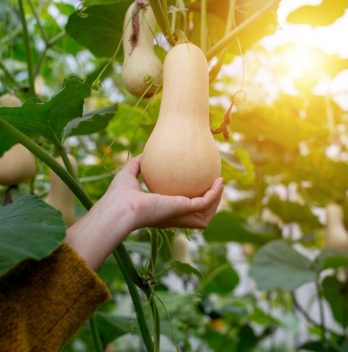
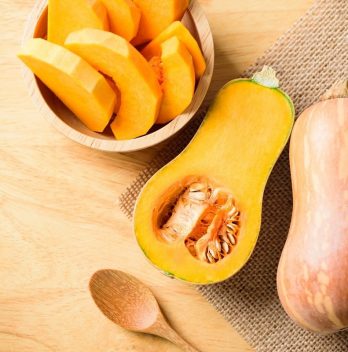
One way to know when butternut squash is ready to pick is to notice its appearance. Notice the color of the squash. When it’s ripe, it will give a solid tan peanut color. The outer shell will also become hard.
As butternut squash grows on the vine, it will give rise to green vertical lines which will fade out as they mature. So, if you notice your squash is still green with lines, you should wait for about a week or two until you can see its mature form.
Toughness
Butternut squash is ripe and ready to be picked when the fruit becomes firm or tough enough to resist being punctured with a fingernail. So when the rind or outer part becomes tough, that’s a sign they are ready to be picked.
Length
The length will also give you a sign it’s ready to be picked. Ideally, the squash ripens or matures when it attains 8 to 10 inches. Observe the length of the squash every day as they grow, and when you notice they’ve stopped growing, then it’s time to pick them.
Observe The Stem
The stem can as well let you know this squash is ready to be picked. Once the stem becomes brown and cracky, it’s a sign of maturity. This is because as the butternut squash attains maturity, nutrients cease being transported to the squash and stem. Then the stem colors will change from green to brown.
How To Harvest Butternut Squash
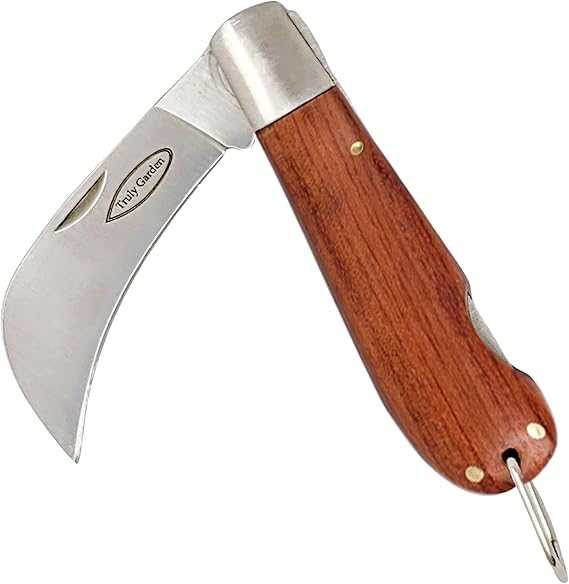
Harvest your butternut squash the right way by making use of a sharp knife to carefully cut the fruit from the vine. At the same time, ensure you still have about 2 inches of stem still attached to the squash. Not cutting the stem appropriately can introduce bacteria.
If you mistakenly bruise or cut the squash, know that it can’t be stored for long. So you have to make use of it as soon as possible. You can as well make use of any severely damaged butternut squash as a compost heap.
So we already learned how to detect when butternut squash is matured. The next thing is to know how to store them appropriately for later use.
Table or Shelf: you can store butternut squash for about 10 to 14 days at room temperature by placing them on a table or shelf.
Store in a Dry Place or Room: For best storage for up to 5 to 6 months, avoid storing them in the refrigerator. Refrigerating will make them absorb moisture thereby losing their toughness. Hence result in rotting. For good storage results, store or place them in a dry place. The temperature should range from about 50 to 60 degrees Fahrenheit. Also, the humidity for storing them should be about 60 to 70%. Hence, a dry room or basement is a perfect place to store them.
Cut and Store: it’s possible to store butternut squash in the refrigerator by simply cutting them into small or medium sizes. When you do this, ensure you peel off the outer skin. Also, take away the inner seeds with a spoon.
When storing the butternut squash, you shouldn’t pile them up but store them in single layers. This way, there will be less touching of each squash and less damage. Always observe or monitor your butternut squash every week for any sign of rot.
How Long Will Butternut Squash Last Once Picked?
Fresh, uncut, or whole butternut squash can be stored in a cool and dry place such as a basement or a closet where the sun will not penetrate, speeding up the ripening process of the squash. If you store it in these right conditions, it should last about two to three months.
Because butternut squashes tend to get pretty big, you may not be able to store the whole squash. If this is the case, you will need to cut it up into smaller pieces such as cubes. You will then need to store them in a fridge or a freezer so that they can last.
If you store them in the fridge, you can store them for at least four days before they spoil. Store them in an air-tight container or a Ziploc bag to get the best results.
Cut-up, frozen butternut squash can be stored in cubes or pureed, which can be used for cooking soups or stews, or re-heated for use as baby food. This frozen squash can be stored indefinitely in the freezer, however, it is best to use it within six months to a year.
Is Butternut Squash Genetically Modified?
Butternut squash has not yet been genetically modified, unlike other squashes.
Modified squashes include summer squash like yellow squash and zucchini are grown at low levels in the United States. These modified varieties are bred to be resistant to viruses such as the zucchini mosaic virus, a virus that has disastrous impacts on the cucurbits – squash, pumpkins, and melons.
How Big Does a Butternut Squash Get?
A mature butternut squash usually gets to about 9-18 inches tall and will attain a width of 10-15 feet in vine length. Different varieties of this squash require different amounts of space to grow and fully mature, with the bush varieties taking up the least.
Butternut squash will only get to this mature size if they are provided with the right growing conditions. These conditions include;
Full sun exposure for 6 hours a day
Rich, well-draining soil with a pH of 5.5-7
Never let the soil in which the seedlings are grown to dry out
Providing the plants with sufficient nutrition, since butternut squash is a heavy feeder. This can be done by starting with soil that has been mulched heavily or putting manure around the beds where the squash is planted.
Adding liquid fertilizer at 2-3 week intervals
Is Butternut Squash a Good Source of Iron?
Butternut squash is a good source of many important vitamins and minerals. It is also a great source of calcium, iron, phosphorus, and copper. It has a high iron content of 0.7mg/100g of butternut. Eating butternut will help reduce the risk of anemia.
How Many Grams is an Average Butternut Squash?
The average weight in grams of mature butternut squash can be anywhere between 907-1360 g. This usually yields about 3 cups of diced squash after the peels and seeds have been removed.
Final Words
You can as well calculate the date you planted your butternut seeds or plants. It will take approximately 110 to 120 days to attain maturity. So you can simply note down the date you planted your butternut squash so you can have an idea of the expected harvest time.
However, some factors such as climate, soil conditions, nutrients, etc can delay or hasten their growth rate.
Getting to know the appropriate period to pick your butternut squash is important so storing them for long does not cause an issue.
Once you’ve confirmed the signs listed in our articles, you can now pick your butternut squash and enjoy some tasty squash delicacy. You can as well store them appropriately even for up to 6 months.
FAQ’s
How do you know when a butternut squash is ripe?
When a squash is at its peak of freshness, it will be firm, with no soft spots. The skin should be smooth and glossy, not wrinkled or browned. It should have a sweet aroma. The flesh should be slightly mealy and very tender. The best way to tell if a squash is ripe is to cut it open, scoop out the seeds and strings, then look inside. If you can see any seeds or string, it’s probably not ready yet. Once you’ve cut the squash in half, remove the stem and scoop out the seeds and strings.
What color should butternut squash be when you pick it?
Green, yellow, orange? In fact, butternut squash has a wide range of colors that can range from creamy white to dark green. Butternut squash comes in a wide range of colors. You’ll find a bright orange butternut squash or a creamy yellow one. Squash grown in hot, dry climates may turn dark green. Butternut squash grown in a cooler climate will be more likely to have a lighter green flesh. Butternut squash is available year-round. You can find fresh butternut squash in the fall, winter, spring, and even summer.
How many butternut squash do you get from one plant?
About 8 to 10, depending on size. They’re a good source of fiber and low-calorie carbohydrates. I like to roast them to use as a substitute for sweet potatoes. You can also make soup out of them, or even puree them into a sauce or soup base.
How long will butternut squash keep?
You can keep it for about a week if you want to cook with it or use it for something else. It does not have to be cut open, it can be left in the shell. Keep them in the refrigerator for up to 5 days or freeze them for longer storage.
How do you peel a butternut squash?
When peeling a butternut squash, make sure that your knife is sharp and clean. Then, cut off the ends of the squash where it meets the neck. Next, remove the skin by cutting the squash into quarters. Once this is done, use your knife to pry the skin away from the squash. You can also try using a vegetable peeler to remove the skin.
How often do you water butternut squash?
Butternut squash needs 1 to 2 inches of water per week. Butternut squash are easy to grow. They don’t require a greenhouse or any special care during cold weather. In fact, they are extremely hardy. They can withstand temperatures down to minus 40 degrees Fahrenheit. They can also survive long periods of drought.
Harvesting butternut too early may not be ideal because the texture will be too firm and the sugars aren’t well developed yet. While if you harvest them too late, you may get a mushy squash that’s not appropriate. So when is butternut squash ready to pick?
When the fall period begins, most growers wonder when they can harvest their butternut squash so it can be stored and not get damaged. Inappropriate harvest time can result in conditions that will make your butternut squash inadequate for prolonged storage thereby facing issues.
There are different signs to show you when butternut squash is ready to be picked and that is what we will be discussing today. So continue reading to gain some knowledge on this and more.
Butternut Squash, When To Pick
This may be your first time growing butternut squash and you’re wondering when they are ready to pick. Well, the answer is pretty easy but you have to consider a couple of things when it comes to picking and storing this nutritious vegetable. So, let’s look into this.
When Do You Pick Butternut Squash?
Harvesting butternut squash at the appropriate time requires you to follow the prescribed harvesting time so you can store them appropriately.
Butternut squash is grown in spring or summer because it flourishes in warm weather. It will take this plant about 3 to 4 months to reach full maturity. So if you planted your butter squash during spring or summer, the best period to harvest them would be around October or November. You can as well pick them up in early winter.
Apart from knowing the duration till these plants mature, you need to be aware of some signs that will let you know the butternut squash is mature for picking. Below are some of these signs.
Signs To Know When Butternut Squash Is Ready To Pick
Here are 4 signs to tell you your butternut squash is ready to be picked:
Appearance
One way to know when butternut squash is ready to pick is to notice its appearance. Notice the color of the squash. When it’s ripe, it will give a solid tan peanut color. The outer shell will also become hard.
As butternut squash grows on the vine, it will give rise to green vertical lines which will fade out as they mature. So, if you notice your squash is still green with lines, you should wait for about a week or two until you can see its mature form.
Toughness
Butternut squash is ripe and ready to be picked when the fruit becomes firm or tough enough to resist being punctured with a fingernail. So when the rind or outer part becomes tough, that’s a sign they are ready to be picked.
Length
The length will also give you a sign it’s ready to be picked. Ideally, the squash ripens or matures when it attains 8 to 10 inches. Observe the length of the squash every day as they grow, and when you notice they’ve stopped growing, then it’s time to pick them.
Observe The Stem
The stem can as well let you know this squash is ready to be picked. Once the stem becomes brown and cracky, it’s a sign of maturity. This is because as the butternut squash attains maturity, nutrients cease being transported to the squash and stem. Then the stem colors will change from green to brown.
How To Harvest Butternut Squash
Harvest your butternut squash the right way by making use of a sharp knife to carefully cut the fruit from the vine. At the same time, ensure you still have about 2 inches of stem still attached to the squash. Not cutting the stem appropriately can introduce bacteria.
If you mistakenly bruise or cut the squash, know that it can’t be stored for long. So you have to make use of it as soon as possible. You can as well make use of any severely damaged butternut squash as a compost heap.
So we already learned how to detect when butternut squash is matured. The next thing is to know how to store them appropriately for later use.
Table or Shelf: you can store butternut squash for about 10 to 14 days at room temperature by placing them on a table or shelf.
Store in a Dry Place or Room: For best storage for up to 5 to 6 months, avoid storing them in the refrigerator. Refrigerating will make them absorb moisture thereby losing their toughness. Hence result in rotting. For good storage results, store or place them in a dry place. The temperature should range from about 50 to 60 degrees Fahrenheit. Also, the humidity for storing them should be about 60 to 70%. Hence, a dry room or basement is a perfect place to store them.
Cut and Store: it’s possible to store butternut squash in the refrigerator by simply cutting them into small or medium sizes. When you do this, ensure you peel off the outer skin. Also, take away the inner seeds with a spoon.
When storing the butternut squash, you shouldn’t pile them up but store them in single layers. This way, there will be less touching of each squash and less damage. Always observe or monitor your butternut squash every week for any sign of rot.
How Long Will Butternut Squash Last Once Picked?
Fresh, uncut, or whole butternut squash can be stored in a cool and dry place such as a basement or a closet where the sun will not penetrate, speeding up the ripening process of the squash. If you store it in these right conditions, it should last about two to three months.
Because butternut squashes tend to get pretty big, you may not be able to store the whole squash. If this is the case, you will need to cut it up into smaller pieces such as cubes. You will then need to store them in a fridge or a freezer so that they can last.
If you store them in the fridge, you can store them for at least four days before they spoil. Store them in an air-tight container or a Ziploc bag to get the best results.
Cut-up, frozen butternut squash can be stored in cubes or pureed, which can be used for cooking soups or stews, or re-heated for use as baby food. This frozen squash can be stored indefinitely in the freezer, however, it is best to use it within six months to a year.
Is Butternut Squash Genetically Modified?
Butternut squash has not yet been genetically modified, unlike other squashes.
Modified squashes include summer squash like yellow squash and zucchini are grown at low levels in the United States. These modified varieties are bred to be resistant to viruses such as the zucchini mosaic virus, a virus that has disastrous impacts on the cucurbits – squash, pumpkins, and melons.
How Big Does a Butternut Squash Get?
A mature butternut squash usually gets to about 9-18 inches tall and will attain a width of 10-15 feet in vine length. Different varieties of this squash require different amounts of space to grow and fully mature, with the bush varieties taking up the least.
Butternut squash will only get to this mature size if they are provided with the right growing conditions. These conditions include;
Full sun exposure for 6 hours a day
Rich, well-draining soil with a pH of 5.5-7
Never let the soil in which the seedlings are grown to dry out
Providing the plants with sufficient nutrition, since butternut squash is a heavy feeder. This can be done by starting with soil that has been mulched heavily or putting manure around the beds where the squash is planted.
Adding liquid fertilizer at 2-3 week intervals
Is Butternut Squash a Good Source of Iron?
Butternut squash is a good source of many important vitamins and minerals. It is also a great source of calcium, iron, phosphorus, and copper. It has a high iron content of 0.7mg/100g of butternut. Eating butternut will help reduce the risk of anemia.
How Many Grams is an Average Butternut Squash?
The average weight in grams of mature butternut squash can be anywhere between 907-1360 g. This usually yields about 3 cups of diced squash after the peels and seeds have been removed.
Final Words
You can as well calculate the date you planted your butternut seeds or plants. It will take approximately 110 to 120 days to attain maturity. So you can simply note down the date you planted your butternut squash so you can have an idea of the expected harvest time.
However, some factors such as climate, soil conditions, nutrients, etc can delay or hasten their growth rate.
Getting to know the appropriate period to pick your butternut squash is important so storing them for long does not cause an issue.
Once you’ve confirmed the signs listed in our articles, you can now pick your butternut squash and enjoy some tasty squash delicacy. You can as well store them appropriately even for up to 6 months.
FAQ’s
How do you know when a butternut squash is ripe?
When a squash is at its peak of freshness, it will be firm, with no soft spots. The skin should be smooth and glossy, not wrinkled or browned. It should have a sweet aroma. The flesh should be slightly mealy and very tender. The best way to tell if a squash is ripe is to cut it open, scoop out the seeds and strings, then look inside. If you can see any seeds or string, it’s probably not ready yet. Once you’ve cut the squash in half, remove the stem and scoop out the seeds and strings.
What color should butternut squash be when you pick it?
Green, yellow, orange? In fact, butternut squash has a wide range of colors that can range from creamy white to dark green. Butternut squash comes in a wide range of colors. You’ll find a bright orange butternut squash or a creamy yellow one. Squash grown in hot, dry climates may turn dark green. Butternut squash grown in a cooler climate will be more likely to have a lighter green flesh. Butternut squash is available year-round. You can find fresh butternut squash in the fall, winter, spring, and even summer.
How many butternut squash do you get from one plant?
About 8 to 10, depending on size. They’re a good source of fiber and low-calorie carbohydrates. I like to roast them to use as a substitute for sweet potatoes. You can also make soup out of them, or even puree them into a sauce or soup base.
How long will butternut squash keep?
You can keep it for about a week if you want to cook with it or use it for something else. It does not have to be cut open, it can be left in the shell. Keep them in the refrigerator for up to 5 days or freeze them for longer storage.
How do you peel a butternut squash?
When peeling a butternut squash, make sure that your knife is sharp and clean. Then, cut off the ends of the squash where it meets the neck. Next, remove the skin by cutting the squash into quarters. Once this is done, use your knife to pry the skin away from the squash. You can also try using a vegetable peeler to remove the skin.
How often do you water butternut squash?
Butternut squash needs 1 to 2 inches of water per week. Butternut squash are easy to grow. They don’t require a greenhouse or any special care during cold weather. In fact, they are extremely hardy. They can withstand temperatures down to minus 40 degrees Fahrenheit. They can also survive long periods of drought.
One of the most loved and popular squashes grown among farmers is the butternut squash. Are you wondering how to grow butternut squash from fresh seeds? We’ve got you covered here. Butternut squash is pretty easy to grow especially from seeds and we will be directing you on how to go about this.
This type of squash is very special as it contains a high amount of minerals, vitamins, and other important nutrients. The distinctive pale yellow pear-shaped fruit is also great to be used in dishes and also for roasting. Butternut squash is as well ideal for vegetables as it offers amazing health benefits and is low in carbohydrates.
Adding this amazing squash will be a great plus to your garden. So, let’s dive in to learn how to grow butternut squash from seeds.
Some Info About Butternut Squash Plant
Butternut squash plant is a type of pumpkin or winter squash and the plant is a type of viny or climbing variety. It is related to pumpkins and acorn squash.
This plant will spread its vines and broad leaves out during summer. Then it will store its sunny energy and antioxidants in its deep orange late-summer fruit.
This amazing squash can give rise to endless food recipes so you can always get creative with it.
The seeds, flowers, as well as leaves, are pretty edible. But most people make use of only the squash especially in a creamy soup, risotto, or butternut ravioli, or gnocchi. You can as well use them as a boiled and mashed side dish.
So let’s take a look at how to grow this pleasant butternut squash from fresh seeds.
Learn How To Grow Butternut Squash From Fresh Seeds
Sowing butternut squash seeds is super easy and you can simply grow them from their raw or fresh seeds. So let’s look into this.
When To Plant Butternut Squash
The question most growers want to know is when do you plant butternut squash.
The best period to grow butternut squash is when the danger of frost has elapsed. The soil needs to be warm to about 60 to 65 degrees Fahrenheit at a 4 inch deep. So the best period is to plant butternut squash through summer.
The growing season of this plant is approximately 110 to 120 days for fruits to mature. Therefore, if you have a short season in your region, we encourage you to begin your seeds indoors and send them outdoors once the weather begins to warm up.
Like we said, if your region has a high risk of the last frost, it’s best you plant your seeds indoors. So follow these procedures to plant butternut squash indoors.
Step 1
First, you obtain or prepare a well-draining rich soil and it should be rich in compost and other nutrients as butternut squash are heavy and hungry feeders. Then fill the soil into 3-inch pots or containers.
Step 2
Obtain your seed and you can make use of raw or fresh seeds from butternut squash or obtain some seeds from your garden center. Then to each pot, put two seeds about half-inch deep and cover the seeds with soil.
Step 3
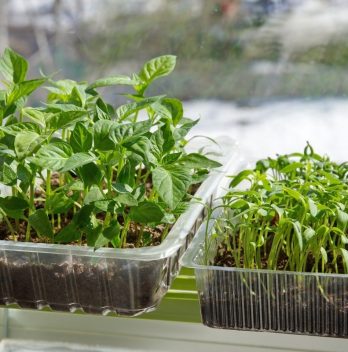
Water appropriately to maintain slightly moist soil. Then position the setup on a sunny windowsill. The seeds should begin germinating in a couple of days. When you notice two seedlings germinating at once, leave the healthiest one and pinch off the other one.
Step 4
Next, you harden off your seedlings by adjusting them gradually to environmental conditions. Do this by putting them outdoors when it’s warm during the day then bringing them back in at night. Continue this every day and gradually increase the number of hours your plant will spend outdoors as they harden off.
As you do this, ensure you maintain moist soil. Remember to always bring them inside at any prediction of frost.
Step 5
Then once the outdoor soil temperature reaches 65 degrees (usually around May), you can plant your seedlings in prepared beds and space them 6 inches apart.
Your seedlings can be thinned out once they reach about 6 inches long. This will give or encourage the strongest plant room to grow.
Procedures To Planting Butternut Squash Outdoors
Growing butternut squash from seed outdoors is ideal for areas with mild spring temperatures.
Step 1
Prepare your beds and ensure you make use of plenty of compost and organic matter to make the soil rich in nutrients. With this method, you can make your hills 18 inches high.
Step 2
Then to seed sowing, create holes of about 6 inches apart then plant two seeds in each hole. The seeds should be planted about half inch deep into the soil and slightly cover the soil. Water appropriately to maintain moist soil.
Step 3
Once your seedling reaches 6 inches long, you can thin them out. This will give the strongest plant more space to grow well.
Right Conditions To Grow Butter Squash Plants From Seeds
To grow butter squash plants more successfully, follow these extra growing tips:
PH: the ideal pH for the butter squash plant to grow adequately is 5.5 to 7.0.
Sunshine: this plant will thrive well in full sun exposure and can withstand heat.
Water: because butter squash plants flourish in hot weather, they will require lots of watering. Underwatering can cause their soil to dry out and may lead to low flower yield and stunted growth. We encourage you to water the soil or ground directly and avoid wetting the leaves. Wet leaves can predispose the plant to fungus disease.
Fertilizer: butternut squash are hungry and heavy feeders. Therefore, they will require frequent nutrient feeding all through the season. You should begin with a very nutrient-rich soil base that contains a good amount of compost and organic matter. Then when it’s mid-summer, supply your plant soil with more compost. Every 2 to 3 weeks, make use of granular or liquid fertilizer. Butternut squash will thrive well if you supply them with fertilizer high in phosphorus and potassium (e.g. use NPK of 5:10:10).
FAQ’s
Can you grow butternut squash from the seeds inside?
You can certainly start seeds in containers and then transplant them to your garden. Butternut squash seeds are typically sown indoors in early spring, then transplanted to a sunny spot in the garden when the soil has warmed up (if it’s too cold or wet you may have trouble germinating).
Do you have to dry butternut squash seeds before planting?
Squash bugs are attracted to moist conditions, so drying the seeds will reduce the amount of moisture around the seeds and reduce the possibility of getting bugs. If you are worried about squash bugs, you can also spray the seeds with insecticidal soap but that will kill off all the good bacteria that is good for your plant.
Can you grow butternut squash in pots?
Yes, you can plant squash in pots or trays of soil and grow them indoors. In the winter months, you can keep the pots on a sunny windowsill and water as needed. In the spring, you can move the pots outside and plant them in the garden. It takes about 3-4 weeks to get a squash to flower. Once they have bloomed, you can remove the blossoms and leave the fruits to mature. If you are looking for a quick harvest, and don’t want the squash to get very big. Butternut squash is easy to grow and requires little maintenance.
Do squash need full sun?
Yes, they do. Squash are a tropical plant, and they like to be in full sun. If you live somewhere with mild winters and a shorter growing season, then you may have to wait until the winter months before you get your first squash. It is important to remember that, just because you can grow squash in the winter, doesn’t mean you should. There’s nothing wrong with a winter squash. However, it will taste different than a summer squash. I would recommend planting squash between July and September for a fall harvest.
What month do you plant squash?
The best time to plant is from late June to mid-July. You’ll need to wait for your soil to warm up before planting. It will take six weeks to grow.
What is the best way to plant squash?
Squash plants are heavy feeders and they prefer to be planted in a moist, loose, well-drained soil. Squash seeds should be placed on top of the soil with the stem pointing down, about 4 inches deep and 8 inches apart. For best results, cover them with soil or potting mix. After planting, water regularly until the soil is saturated. This helps the roots get started. Squash plants grow best in temperatures between 50 and 80 degrees F. They can also tolerate temperatures up to 90 degrees F. If you have a cold winter, you can start your squash indoors several weeks before planting time. Squash plants are easy to grow and they are not fussy about soil type or fertility. They prefer a sunny spot with good air circulation. These plants can grow as much as 2 feet tall. The main stem is usually 8 inches tall. You will need to prune the vines when they get too large. What is the best way to harvest zucchini? Harvesting zucchini is easy. Simply cut the squash off the vine, using a sharp knife. It’s best to cut it while it’s still warm from the sun. Leave about a 1-inch stem at the bottom of the squash so that the plant has something to live on.
How To Grow Butternut Squash From Fresh Seeds: Final Say
How to grow butternut squash from fresh seeds is pretty easy and you can follow our procedure for successful planting.
Pepper and tomatoes are both plant members of the Nightshade or Solanaceae. So if you’re looking for a companion plant and wondering if you can plant tomatoes and peppers together, the answer is yes you can. But you have to follow the ideal procedure for a successful tomato and pepper planting.
Growing companion plants will allow you to have the privilege of enjoying different food varieties for your dishes. Now tomatoes and peppers are easy plants for both expert and novice to grow so why not just plant them together?
In this article, we will be discussing the right way to plant tomatoes and pepper together and how to cultivate each plant fruit variety successfully. So, continue reading to gain some knowledge.
Know If You Can Plant Tomatoes And Pepper Together?
You can certainly plant tomatoes and peppers together successfully if you follow the right steps.
Planting tomato and pepper is a form of companion planting whereby different plants are grown next to each other. It is believed that these companion plants form a symbiotic relationship whereby they contribute to each other growth and development.
However, when it comes to planting tomatoes and peppers together, you should have in mind that because they are from the same family, there may be an increase in the risk of spreading of disease. Now if they are grown in the same bed, the risk may go higher. But you can put in some extra measures to reduce this risk.
The diseases which are common to both related plants include bacterial spots and Verticillium wilt. The good news is that you can input some extra measures to limit the likelihood of you encountering these diseases and it spreading.
Let’s talk about some tips on how to achieve flourishing pepper and tomato cultivation in the same garden.
Planting Tomatoes And Peppers: Garden Tips
Simply follow these garden tips or practice below for successful tomato and pepper planting.
Avoid Plant Overcrowding
Overcrowding these two related plants can predispose them to spread diseases if an infestation does happen. Ideally, you should grow these plants 20 feet away from each other especially in hot and humid weather conditions where fungal diseases are more rampant. Adequate spacing will give these plants adequate air circulations thereby reducing disease.
However, most gardeners may not have adequate garden space for this. So, the best thing is to go for disease-resistant peppers and tomatoes. Then you space them at least 2 to 3 feet apart depending on the varieties.
Avoid working in a wet garden as this can transmit bacteria and fungi between plants while moving.
Avoid Leaves Watering
Wet leaves or foliage makes these plants more susceptible to fungi and bacteria infestation. Therefore, always water the base of the plant rather than the leaves. You can go for a soaker hose to water your plants rather than an overhead sprinkler.
In all this, spacing is important when it comes to planting tomatoes and peppers together. However, if you are short of garden space, you can try planting in containers.
Planting Tomatoes
The first step is to grow your seeds either indoors and allow them to harden off or grow them outdoors.
One best way to plant tomato plants is to allow the soil to warm up. Never plant in cool soil as this can stunt their growth. Ensure all dangers of frost have passed. Ideally, you should allow the soil to warm up above 60 degrees. Use a soil thermometer to be more accurate.
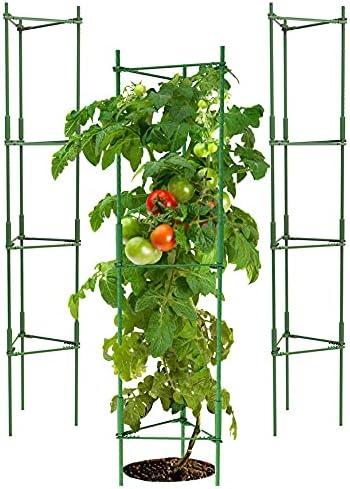
Next, support your plants with stakes, and don’t wait until your plants are fully grown before supporting them. This is because staking plants when they are grown can disrupt or injure the root system as you drive the stake into the soil near them.
You should plant your tomatoes deeper as they require deeper planting holes. The transplanted plants should be 1/3 or half deep into the ground. This way, the plants can grow root balls from the root and from some part of the stem buried.
While you have created a deep planting hole, you should go ahead and fill them with compost and garden soil. You can add some extra organic ingredients. Also, add a few eggshell and worm casting.
Then finally, deep mulch your soil mixture. Mulching will not only keep weeds at bay, it will also ensure the plant root zone maintains some warmth. Therefore, during both cold evenings and hot days, the moisture levels and temperature is always regulated.
Planting Peppers
To begin the planting process for pepper, choose a planting site and ensure it’s a sunny and well-draining spot. Then grow your seeds indoors and harden them off then plant in a warm soil of at least 60 degrees. Support your plant with a stake and don’t wait till they grow big before staking.
Water and mulch the soil appropriately. Water the plant more during very hot seasons to help retain moisture and soil temperature.
Pinch off the first flower to encourage larger fruit production. Pinching the first fruit won’t harm the plant but rather direct the energy to grow bigger.
Then harvest your pepper fruits appropriately. You can harvest the immature green pepper, yellow, orange or simply wait till they are red ripe to harvest.
FAQ’s
Should tomatoes and peppers be planted together?
Yes, you can plant tomatoes and peppers in the same bed. If you do this, you will want to make sure you have enough space between the plants. If you don’t, the plants will shade out one another and you will end up with two smaller plants.If you have the space, try to move the pepper bed to the edge of the garden so that it doesn’t interfere with the tomatoes.
What should I plant next to tomatoes?
You have several options. I suggest something that will provide some shade and keep the weeds down. Tomatoes need sun, but can tolerate some shade. They also like fertile soil. Tomatoes are a good companion for beans, peppers, squash, cucumbers and other vegetables. They need the same amount of water, but not as much nitrogen as peas or lettuce. They also like plenty of sunshine, so make sure they get some direct sunlight during the summer months. If you want to grow your own tomato plants, use a potting mix with added compost.
What can you plant with peppers?
Peppers are a versatile crop that can be used for many different purposes. They grow in both warm and cold climates, and can be grown in soil or containers. They are easy to grow from seed and easy to grow from seedlings. They don’t need much fertilizer or water. They do well in almost any soil condition. They like full sun and like some shade. You can plant peppers in the spring, and harvest them in the summer.
You can grow spinach, lettuce, cucumbers. carrots and radishes among others.
What month should you plant tomatoes?
Tomatoes are a very temperamental crop. The best time to plant tomatoes is in March, May, or June.
They require a lot of attention and care to get them to produce well. If you grow them in the wrong time of year, they will not be able to produce fruit. To grow high-quality tomatoes, you need to know when to plant them. The first step to growing tomatoes is to choose the right variety. Tomatoes are available in many different shapes and sizes.
How do I get my tomato plants to produce more fruit?
Tomatoes are the most popular vegetable in the world. They’re easy to grow, inexpensive, and delicious. But if you’ve been gardening for a while, you probably know that tomatoes aren’t known for their prolific fruiting. The average home gardener will see only one or two fruit-bearing tomatoes from a single plant. But not all tomatoes are created equal. There are a few tricks that can increase the number of fruits on your plants. 1. Keep it Clean Tomatoes are very sensitive to disease and pests. You need to make sure that you clean your plants regularly. You’ll want to remove any dead leaves, as well as diseased or damaged leaves. A healthy plant will have a nice green color. 2. Water Well A lot of people water their tomatoes too much. The problem is that this can cause the roots to rot. The best way to water your plants is to use a soaker hose. When you water with a soaker hose, you place it directly on the soil and then let it soak up the moisture. This way, the water goes directly into the soil, not into the roots. You should water your plants once per week in the morning. 3. Provide Good Air Tomatoes love air. They like lots of oxygen. To ensure that your plants have plenty of air, you need to make sure they have enough space. You also need to make sure that they’re not too crowded. This will make it hard for them to receive the air they need. If you don’t provide good air, the plants will wilt and the fruits won’t ripen. 4. Support Your Plants Properly If you don’t support your plants properly, they can suffer from stress. That’s why you need to find a way to support your plants. You can either put them on a trellis or a tomato cage. There are many options available for you to choose from. Some people prefer a tomato cage while others like to use a trellis.
Conclusion On Can I Plant Tomatoes And Peppers Together
We have concluded that it’s possible you plant tomatoes and peppers together. However, you must follow some garden tips or practice for that successful plant growth.
You also need to reduce any chance of disease spreading between these plants because they are closely related thus; they are more susceptible to diseases. This is why the optimal spacing is necessary between pepper and tomato plants. Also, follow more of our other tips to achieve that successful tomato and pepper cultivation.