Category: Plants

  • How To Grow Salad Bowl Lettuce In Containers

    How To Grow Salad Bowl Lettuce In Containers

    Are you a salad lover and you wish to grow salad but have limited space? Did you know you can grow your salad in a bowl? That’s right! So, let’s look into how to grow salad bowl lettuce in containers.

    Growing salads such as lettuce in containers are so easy and fast. It is a common procedure for a small spaced garden. They are also economical because growing container salads are less expensive than purchasing them in the supermarket. Therefore, you can simply enjoy fresh-tasting salads in the comfort of your home.

    In this post, we will be looking at how to grow salad bowl lettuce in containers, the benefits of growing salad bowls, and others. So, let’s dive in.

    Salad Bowl Plant

    Planting in a salad bowl offers you the advantage of growing different greens in a small space. There are different greens to choose from when it comes to salad bow planting. You can grow lettuce as well as other greens such as spinach, arugula, swiss chard, tatsi, bok choi, mustard, etc.

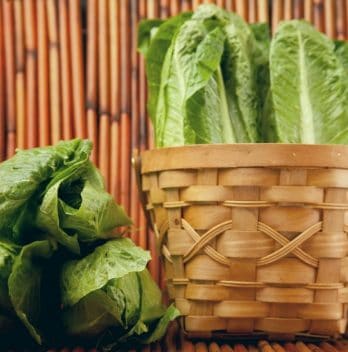
    If you will be planting lettuce in a salad bowl, it’s important you choose which type of lettuce variety you will be growing. You can choose butterhead variety, looseleaf variety, cos (romaine), and crisp ones.

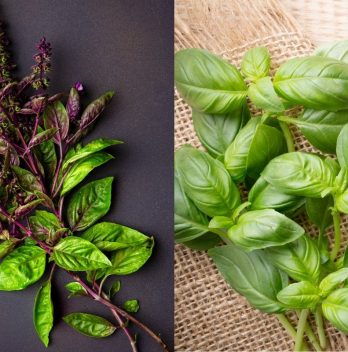
    You can even plant additional flavored plants such as herbs in another bowl. Herbs like mint, parsley, chives, cilantro, and so on can be grown in a salad bowl.

    Salad Bowl Plant

    Growing Salad Bowl Lettuce

    Nothing can hinder you from creating a salad bowl lettuce garden even if you have limited space. All you need is that small space that can receive some sunlight.

    You may use a small balcony, windowsill, outside your kitchen door, or any open space available. You will also need the right type of pot and planting medium.

    So, let’s look into how to grow salad bowl lettuce in containers.

    Tips On How To Grow Salad Bowl Lettuce In Containers

    Growing lettuce in a salad bowl is pretty easy. Here are some tips on how to grow salad bowl lettuce in containers appropriately:

    1.    Choose a pot

    Obtain a wide pot just like a big bowl. You can also choose a rectangular window box as this can serve the same purpose. A plastic pot is perfect because it can be moved easily as it is lightweight.

    The pot should be as wide as you want it to be and should be around 6 to 8 inches deep. Lettuce root is shallow but it requires adequate space for its roots. However, you can grow different varieties in 6 to 12 inches (15 to 30.5 cm) dept pots.

    Mr. Stacky 5-Tier Strawberry and Herb Garden Planter – Stackable Gardening Pots with 10 Inch Saucer

    51+3TyluT+L. AC SY879

    2.    Soil

    Soil is another important component. Ideally, you should select a standard potting mix that is loose and drains well. You can do the job of creating your potting mix. Also, add fertilizer and organic matter to your soil when necessary.

    3.    Planting

    Ideally, starting your lettuce from seeds is great but not compulsory. You can as well purchase young plants that can be transplanted into your salad bowl garden. You can also grow them from cuttings.

    4.    Plant positioning

    Lettuce is a cool weathered crop that is best grown in spring and fall. However, when you indulge in successive sowing of seeds or biweekly planting of starter plants, it can be continued through the sunny summer months.

    Your lettuce bow plant should be positioned in an area that receives bright light all day and just a couple of hours of direct sunlight. You can do a minimum of 4 to 5 hours of sunlight.

    However, when the temperature gets too hot, lettuce tends to bolt. Bolting gives rise to flower production then results in bitter-tasting lettuce.

    To prevent your lettuce from bolting, position them in a shaded spot whenever the weather is very hot. This is one of the benefits of growing lettuce in containers because you can easily move them to better spots when needed.

    5.    Watering

    Everyday watering isn’t necessary. However, ensure you always check the moisture every day by pushing your fingers to check the soil moisture. If you notice the soil is a bit dry, you can water them. But generally, your soil should be a bit moist and not too damp.

    6.    Fertilization

    Lettuce needs fertilizer rich in nitrogen. At the time of planting, compost or rotten manure can be added. You can as well apply compost tea or fish aquarium water. Balanced liquid fertilizer can be added once every 10 to 14 days.

    Benefits Of Growing Lettuce Salad Bowl

    Here are some benefits of growing salad greens such as lettuce:

    • It is easy to grow lettuce in a salad bowl.
    • Harvesting can be done by simply plucking the leaves rather than the entire plant. Hence, there will be a continuous or more supply of fresh lettuce.
    • Growing salad lettuce in containers means there are fewer soil-borne diseases.
    • Your lettuce plant will also be less prone to garden pests.
    • Salad lettuce container garden also allows you to control weeds easily.
    • Growing lettuce in containers gives you the ease of moving them easily to a better spot especially during hot weather to prevent them from bolting.

    Harvesting Salad Bowl Lettuce

    Salad bowl lettuce can be harvested starting from 30 to 40 days after planting. Continuous cutting or harvesting will encourage more growth.

    Loose lettuce should be cut while they’re young. This will give you the feel of cut and come again.

    However, if your container starts to get crowded, you can simply cut the leaves of an entire plant to an inch above the soil. This will allow the plant to regenerate.

    Harvesting Salad Bowl Lettuce

    FAQ’s

    What container is best for lettuce?

    You can use a small plastic tub, but if you have a bunch of lettuce that is getting soft or wilting, I would recommend using a large plastic container with an airtight lid.

    Can you grow lettuce in a bowl?

    Yes. The best way to grow lettuce in a bowl is to start with a seed.

    This is the most popular way to grow lettuce because it’s the cheapest. Lettuce is an easy plant to grow, but it needs a long growing season to produce a steady supply.  It’s also a good idea to keep an eye out for pests when you’re growing lettuce. Lettuce is a cool-season crop, which means it needs long, warm days to produce well. You should plan to have a sunny window or grow your lettuce in a greenhouse. If you don’t have access to a greenhouse, try growing your lettuce in a large plastic container with a light source.

    What is the easiest lettuce to grow?

    The easiest lettuce to grow is romaine lettuce. Lettuce is a cool-season vegetable.
    Romaine lettuce grows quickly and is easy to harvest and care for. It does need some protection from rain, but not much. Head lettuce is available year round. When planting lettuce, be sure to plant at a depth of 2 inches. This helps prevent rot and increases the amount of time the lettuce stays fresh. Lettuce grows best when planted from seed. It takes about 3 weeks from the time you plant to the time it is ready to harvest. You can pick lettuce anytime between two to four weeks after planting. The sooner you harvest, the more time the lettuce has to develop flavor.

    What do I need to grow lettuce indoors?

    There are several things you can do to help your plants grow. Grow the plants in a potting mix that drains well. Place the plants on a sunny windowsill or grow lights.

    Indoor gardeners can water their plants several times a week. Water your plants at least once every day. Watering more often will encourage growth, but it is not necessary. If you notice the soil is too wet, drain away the excess water by placing a colander over the container. It is best to feed your plants a liquid fertilizer to keep them healthy and growing. You can use a fertilizer that contains nitrogen, phosphorus and potassium. If you use a liquid fertilizer, water your plants thoroughly before feeding. Use a potting mix that drains well.

    Can you plant lettuce close together?

    Yes, it is possible to plant lettuce close together. It can be done by planting the seed directly in the ground or by planting it in a greenhouse or cold frame. Seeds should be planted in a sunny location with no shade. The seedlings will grow quickly in the spring and are ready to be transplanted when they are about 3 inches tall. The seedlings should be spaced about 1 foot apart.

    Conclusion On How To Grow Salad Bowl Lettuce In Containers

    Growing salad such as lettuce is a common practice for a small spaced garden. Therefore, you can always enjoy a fresh-tasting salad from your salad bowl garden even if you’re short of space.

    Apart from lettuce, you can as well grow other greens such as spinach, arugula, swiss chard, tatsi, bok choi, mustard, etc

    We have given you some tips on how to successfully grow salad bowl lettuce in containers.

  • Over Watering Cucumbers

    Over Watering Cucumbers

    It’s no news that cucumber plants are thirsty plants that require lots of water to grow. However, this causes some gardeners to over-water cucumber plants. But over-watering your cucumbers plant is not ideal.

    Too much water can damage the cucumber plants when their roots sit in a waterlogged area for too long. This in turn causes the roots to be depleted of oxygen and encourages the growth of toxic fungi that can destroy your cucumber plants.

    In this article, we will be looking at the symptoms and problems you may face when it comes to over-watering cucumbers. Also, we will be looking at how to water your cucumber plants the right way. We will also be discussing how you can correct or deal with overwatering problems you may encounter with your cucumber plants.

    Overwatered Cucumber Plants

    Cucumbers are one thirsty vegetable which means they require lots of watering. But it is important you know how much watering to supply your cucumber plants.

    Over-watering your cucumbers can be pretty detrimental to the health of the plant. When cucumber plants have been overwatered, you begin to notice some adverse symptoms.

    Overwatered Cucumber Plants

    Symptoms Of Over Watering Cucumbers

    The main problems faced with over-watering cucumbers include:

    1.    Yellowing Of Leaves & Crispy Edge

    When the leaves start to turn yellow, this may be an early symptom of over-watering. Once the cucumber plants sit in a waterlogged environment for a long time, they become damaged. This causes nutrient lockout where plants can’t absorb appropriate nutrients. Hence, the leaves start to turn yellow.

    Another common symptom shown by your cucumber leaves when they’ve been over-watered is crispy brown edge and tips. This is because as water is taken up by your cucumber plants, it travels through each leaf and cell to cell by the process of osmosis.

    When the water reaches the outer edge of the leaves, it becomes trapped because the plant has absorbed excess water. Hence, this causes the cells on the edges of the leaves to swell and burst. Therefore, this is when you notice the dead and brown edges of the leaves.

    2.    Root Rot

    As we said, the cucumber plant doesn’t like waterlogged soil. Mostly, cucumbers grown in heavy soil such as clay soil are more prone to water retention rather than draining. It helps to add humus materials like decomposing straws or leaves to enhance drainage.

    When the roots sit too long in a waterlogged environment, it predisposes them to fungus problems. This in turn causes root rots and affects the absorption of nutrients and oxygen.

    Scotts DiseaseEx Lawn Fungicide – Fungus Control, Fast Acting, Treats up to 5,000 sq. ft., 10 lb.

    710N1nUPNFL. AC SX569

    The bad side of this is that if the whole plant system has been affected, it may be impossible to save the cucumber plant. Hence, it’s advisable to remove and destroy the whole plan.

    However, if the damage is minor, you may possibly save your cucumber plant by replanting in new soil with proper drainage. Saving the cucumber plant will depend on the type of fungi the plant has been infected with.

    3.    Powdery Mildew

    Watering your cucumber the wrong way such as overhead watering can predispose them to powdery mildew. Powdery mildew is a common fungi infestation.

    Cucumber plants infected by powdery mildew tend to show spots on leaves. These spots may spread to the stem and fruits. With time, the leaves begin to wilt, turn brown, and fall off. Therefore, this leaves the cucumber plants exposed to the sun.

    When the infection is serious, it results in small and deformed cucumbers. However, this infestation can be easily treated if you notice them early.

    Treat with a natural anti-fungal spray such as neem oil.

    Saving Over-watered Cucumbers Plants

    The first thing is to cease watering the cucumber plants and leave them for several days to let the soil dry. If your cucumbers are grown in a container pot, bring them out and sundry them.

    However, ensure you place them in a shaded spot to protect the upper leaves. Cucumber plant that has been over-watered often has an issue with water transportation throughout the plant cells. We don’t want the leaves to start forming crispy edges that may lead to them drying out and dying.

    Saving Over-watered Cucumbers Plants

    If your cucumber plant is faced with a fungal infection, saving them might be possible. However, this will mainly depend on early identification and fast action.

    How Much Water Do Cucumbers Need?

    Watering cucumber plants the right way is the key to having a healthy and thriving plant. Cucumber plants are to be watered less in cooler spring temperatures when they’ve been planted first. They will require more watering once their growing season takes off.

    So, here are some ways to watering your cucumber plants appropriately:

      • Water your cucumber plants only when needed. Watering should be done preferably in the morning so any excess water in the soil or on the leaves can evaporate off during daytime heat.

      • Water your cucumber once or twice weekly and the watering should be 1 or 2 inches deep. 2 inches dept watering is ideal for dry weather.

      • Before you water again, always check the soil if it’s still moist by digging 1 inch deep. If you notice the soil is still damp, don’t water. Keep checking the soil every day until the soil is almost dry and you can water again. Stop watering when you see the upper part of the soil is damp.

      • The soil should be mulched with straw or wood chips as this helps reduce evaporation. Hence, less watering will be required.

      • Avoid overhead watering. Watering should be done at the ground level of the soil. This way, the leaves of the plants can dry out completely to avoid fungi infestation.

      • Cucumbers grown in containers should have big drainage holes to ease water run out.

    FAQ’s

    How do you fix Overwatered cucumbers?

    Over watering your plants is one of the most common mistakes gardeners make. It’s easy to get it wrong – sometimes it can even be difficult to spot.
    Over watering causes excess moisture in the soil Soil doesn’t drain properly How to tell if a plant needs water. Soil moisture levels vary throughout the growing season. In early spring, you’ll need to water your plants to maintain good soil moisture levels for healthy growth. During the summer months, you’ll need to water less frequently to avoid overwatering. Over winter, you’ll need to keep your plants watered so they can survive through the dormant period until next year.
    When the plants start to wilt, pull them out of the ground and place them in a bucket or container with a drainage hole. Give them a good rinse and check their roots for damage. If they have any roots that are brown or mushy, pull them out. You don’t want to damage the roots when you repot. If they are too large, cut them into smaller pieces and transplant them into larger containers.

    What does an overwatered cucumber look like?

    The cucumbers will still grow and produce, but the cucumbers will not look great. Overwatered cucumbers are green, have a wrinkled skin, and sometimes even the leaves turn brown or yellow.
    When the soil is very wet, the roots are able to take up nutrients, but not air. As a result, the leaves become brown and start to droop. This is because the roots are unable to transport enough oxygen into the plant.

    How often should cucumbers be watered?

    Cucumbers are among the most productive and easiest vegetables to grow. Cucumber plants need water to stay healthy and grow properly. It is important that you water your cucumber plants regularly. Cucumber plants love moist soil and will produce a ton of fruit if you give them enough water. Cucumber plants can survive without much water, but they will not grow or produce as well.

    You can water your cucumbers every two days to keep them happy and healthy. The best time to water your cucumbers is in the morning before they go into the sun. This is when they get their daily dose of light, but do not get too much water at once. If your soil is dry, it will cause your cucumbers to grow slowly and become spindly.

    Do cucumbers like wet soil?

    The answer is yes. Cucumber plants need to be well watered, especially during the hot summer months. In fact, the best time to water your garden is after a rain or two. This will not only give your plants a drink, but it will also help the soil retain moisture. If you have a lot of cucumber plants, it may be a good idea to keep a hose around the garden to water the plants as they need it.

    Cucumber plants are very easy to grow. They are one of the easiest vegetable plants to grow in your garden.

    Final Say

    Cucumbers are water-loving or thirsty plants. But that doesn’t mean we should over-water them. Over-watering cucumbers can predispose them to root rot, yellowing of leaves, crispy edge on the leaves, and powdery mildew.

    So, ensure you water your cucumber plants the appropriate way to avoid any over-watering problems. Follow our tips to watering your cucumber plants the right way.

  • How Much To Water Pepper Plants?

    How Much To Water Pepper Plants?

    Proper watering is essential for the successful growth of every plant. If you plan on growing pepper plants in your garden and you’re wondering how much to water them, we’re all about that in this post.

    An important aspect of every plant’s life is water. Insufficient water supply can cause serious harm to plants or lack of water can cause them to eventually die. Some plants can withstand drought conditions while others cannot. Pepper falls in between this kind of plant.

    Pepper often requires optimal watering especially when they begin to flower up until their harvest time. Let’s dig in and find out how much to water our pepper plants so they can thrive optimally.

    How Often To Water Pepper Plants?

    Either you’re growing sweet peppers or hot peppers, the appropriate watering process is important for your plant to grow and thrive well. Generally, peppers are warm-season plants that won’t flourish in the absence of a moderate supply of water.

    They are thirsty plants that require a fair amount of watering. However, that doesn’t mean they should sit in waterlogged soil. You can use well-tilled soil so it can drain well. However, always ensure adequate water penetration feeds the root system.

    How Often To Water Pepper Plants

    Also, there may be some cases where you will notice your pepper plant wilt slightly especially during the mid-day heat of summer. This is totally normal as they will recover overnight. However, if you notice they are still wilted the next morning, then that’s a sign to begin watering.

    Let’s dig in further to know how much to water our pepper plants for them to flourish optimally.

    How Often Do You Water Pepper Plants?

    The manner in which you water your pepper plant will depend on where you will be growing them. You can decide to grow your peppers in a raised bed, directly on the ground, or even containers. So, you should take all these into account when it comes to watering your pepper plants.

    1.    How Much To Water Pepper Plants In Containers?

    For growing peppers in a container especially indoors, your pepper plants will have no other water source but from your provision.

    Hence, daily watering may be required to meet the needs of your plants. This is because the roots are restricted in the container. Hence, they can’t grow outwards or downwards to reach for water underground. So, your indoor pepper container plants will require enough watering to flourish.

    XLUX Soil Moisture Meter, Plant Water Monitor, Soil Hygrometer Sensor for Gardening

    71rBE3r88DL. AC SX569

    However, if your pepper container plants are placed outdoors such as in your balcony or patio, so much watering may not be required. Your outdoor container pepper plants can obtain moisture from rainfall. But the amount of watering will also depend on the weather pattern in your location. You can always do a simple test by checking the soil daily to know the moisture content.

    Additionally, the watering consistency should be increased during hot seasons. For instance, if you have a temperature around the mid-60s, watering should be done daily. Temperature around the mid-80s should be twice daily.

    2.    How Often To Water Outdoor Peppers?

    Pepper plants grown outdoors needs lesser watering compared to indoor container plants. You may only water them once or twice a week and this will mainly depend on the weather in your region.

    Some experts even suggest lesser watering than this. It is advised to water pepper plants a good amount of watering but this should be done occasionally. Watering pepper plants occasionally can enhance deep root growth. Matter of fact, some pepper growers don’t water their plants until they notice the leaves begin to wilt.

    Can Pepper Be Prone To Overwatering?

    How much to water pepper plants may be quite tricky. Pepper plants are certainly prone to over-watering. Matter of fact, overwatering can end the life of pepper plants. This overwatering issue is one of the main reasons why some people, especially beginners, have problems with planting peppers.

    But once you’ve mastered the act of watering your pepper plants the right way, you can always enjoy optimal growth.

    Therefore, ensure you supply your pepper plants with the right amount of watering so to improve both the quality and quantity of your peppers.

    Signs Of Overwatering Pepper Plants

    There are two major signs to know if you’ve been overwatering your pepper plants. They are:

    • Leaves Discoloration: Yellowing of leaves is one major sign your pepper plants tend to show when they have been over-watered. However, yellowing of leaves can also be a sign of under-watering. But the difference is that over-watered pepper plants tend to appear yellow and limp. Under watered pepper plants appears yellow, brittle, and dry.
    • Rotting Of Roots: Overwatering makes your pepper plants susceptible to rotting of roots. The roots become drenched or drowned in water and this strips them off air circulation.

    Other signs of overwatering are stunted growth and have generally poor health.

    Appropriate Way Of Watering Pepper Plants

    To water your pepper plants the right way, focus on where the stem meets the soil. Ensure you don’t water the plant leaves because this can encourage or give rise to fungal issues such as early blight.

    If your pepper plants have been infested with early blight, you will notice black spots on their stems and leaves.

    Appropriate Way Of Watering Pepper Plants

    FAQ’s

    How much water does a pepper plant need per day?

    It depends on what kind of peppers you’re growing. If you’re just growing a green bell pepper, then you should only need about 1/4 cup of water per plant per day. If you’re growing a red bell pepper, or other type of hot pepper, you’ll need more water.

    Peppers are drought tolerant plants, but they will suffer if it gets too dry for too long. If you live in an area that gets very little rain and it’s been a while since you’ve had a good rain, you may want to water your plants more often than normal. In areas where it doesn’t rain much or at all, you can water once every 2-3 days.

    How do you know if you are overwatering pepper plants?

    When you overwater, you can cause the soil in the pots to dry out and the roots to become weak. Overwatering can also cause the roots of the pepper plant to rot. If your peppers don’t grow well or at all in your pots, they may be overwatered. 

    So, how do you know if you are overwatering your peppers? There are several ways to tell if you are overwatering your peppers. The best way to tell if you are overwatering is to check for damp soil in your pots.  You may also see a little bit of moisture on the leaves and stems of your pepper plants.

    As a result, you may have to remove the plants from the pots and transplant them to new pots with fresh potting soil. 

    Why are leaves falling off my pepper plants?

    It sounds like the weather has been particularly harsh. You might want to take a look at your watering schedule to see if you are giving the plants adequate water during the hot days. Also, it might be a good idea to move the plants indoors if the temperatures get too high. If your plants are indoors, they should be watered daily in the morning, afternoon, and evening. Be careful not to over-water, as you don’t want to overwater your plants. They need enough water to keep the soil moist but not saturated. In your case, you can water your plants twice a week if needed. If you have a very large pot, you might want to water more frequently. In general, the larger the pot, the more often you should water. You can also use a soaker hose to water the plants.

    Do pepper plants regrow every year?

    Pepper plants are annuals, meaning they grow and die each year. The seeds of a pepper plant are viable for only one season. The seedlings that you get from the nursery or garden center are already grown and can be planted in your garden.

    What temperature kills pepper plants?

    The USDA recommends a minimum of 50 degrees Fahrenheit for seedlings. The cooler temperatures of fall and winter will slow plant growth, but it won’t kill them. If you are growing your peppers in a greenhouse, the temperature should be kept at 65-75 degrees Fahrenheit.

    Additional Say On How To Water Pepper Plants

    Pepper plants don’t actually require a lot of water. But watering must be supplied in the right way or proportion. How much to water your pepper plants will depend on if you’re planting indoors or outdoors.

    The weather conditions in your area will also determine how much to water your pepper plants. But note that too much watering that allows your plant to sit in waterlogged soil is not healthy for your pepper plants and this may end up killing them.

    To make your watering plans easy for both indoor and outdoor pepper plants, you can simply set up an automatic drip irrigation system for your pepper plants. All you need do is to set the irrigation system to the appropriate time to water your plants. This can significantly reduce the risk of under-watering or overwatering and your pepper plant will always stay happy thriving.

  • List Of Vegetables That Like Coffee Grounds

    List Of Vegetables That Like Coffee Grounds

    If coffee preparations are one of your daily habits, are you aware that’s a fantastic source of organic matter? The use of coffee grounds in your garden can help some plants, especially vegetables flourish. So let’s look into the list of vegetables that like coffee grounds.

    Even though coffee grounds are a great organic matter for your garden, they aren’t ideal for all types of plants. Some plants will benefit greatly from coffee grounds while others may not benefit from them.

    This is why you must be aware of the plants that will especially benefit from coffee grounds. So, in this article, we will be looking at the list of vegetables that are like coffee grounds.

    What Are Coffee Grounds?

    Coffee grounds also known as green composts are the sediment or residue that remains after brewing coffee. They are rich in nitrogen which is an important constituent of plant nutrients. Coffee grounds not only add organic matter to your soil garden, but they will also enhance drainage and air circulation in your soil.

    They contain caffeine and they tend to be acidic. Therefore, their acidic feature should be part of the things to consider when using coffee grounds.

    Coffee grounds can change the pH of your soil. This is good for some plants but not ideal for others. Therefore, you should take note of the soil you’re starting with. Get to know if the soil is already acidic or alkaline. A simple pH testing kit will do the job.

    Already used coffee grounds are sparingly acidic. Freshly made (unbrewed) coffee grounds tend to be more acidic.

    Technically, there are two types of coffee grounds, they are:

    • Used coffee grounds which are the final product from composting coffee residue or dregs.
    • Then we have the raw coffee grounds which are fresh acidic dregs that have no additives.

    What Vegetables Like Coffee Grounds?

    Coffee grounds are great for growing many vegetables because a lot of vegetables thrive in acidic soil. But some vegetables may not respond well to the addition of coffee grounds.

    Coffee grounds will provide some essential nutrients for your plants’ growth. This essential nutrient includes nitrogen, calcium, potassium, iron, magnesium, phosphorus, and chromium. These nutrients are very important for a plant’s optimal healthy growth.

    You can either use fresh or used coffee grounds in your garden. Fresh coffee grounds tend to be acidic naturally therefore they favor acid-loving plants. However, you can simply neutralize this acidic level by composting it or using eggshells.

    What Vegetables Like Coffee Grounds

    Different plants have their preference and will thrive in either fresh coffee grounds or used coffee grounds.

    The plants that thrive well under the use of coffee grounds can be divided into 4 groups. They are:

    • Edible crops and vegetables: berries, carrots, radishes, tomatoes, broccoli, sweet potatoes, and pepper.
    • Flowers: roses, lilies, trillium, Japanese iris, camellias, and daffodils.
    • Trees: magnolia, pin oak, beech, and willow oak.
    • Shrubs: holly, azaleas gardenias, and rhododendrons.

    List Of Vegetables Or Plants That Like Coffee Grounds

    If you’re wondering which vegetables like coffee grounds, we have listed 7 vegetables that will thrive and benefit from the addition of coffee grounds. They are:

    1.    Sweet Potato

    Sweet potatoes are acid-loving plants so they will benefit from the use of coffee grounds. The addition of coffee grounds to sweet potatoes will yield a quick result. Sweet potatoes can be grown both in your outdoor garden and indoor garden.

    2.    Broccoli

    Broccoli is another great vegetable that is like coffee grounds. Broccoli can be grown all year long and it offers amazing vitamins such as Vitamin A, C, K, B1, and B6. It can also boost the immune system and help the digestive system. Broccoli also assists in preventing birth defects, high blood pressure, and cancer.

    NEW OXO Good Grips Easy-Clean Compost Bin – 1.75 GAL/6.62 L

    71kzrV+5qRL. AC SX679

    This veg will flourish in moderate or slightly chilly weather that corresponds to spring or fall.

    3.    Tomatoes

    Tomato plants will also benefit from the addition of composted coffee grounds. Coffee grounds have an abundance of nitrogen that enhances the development of healthy roots, tissue growth, and chlorophyll production.

    However, you should note that tomatoes do not flourish well in fresh coffee grounds because it tends to be more acidic. They would rather benefit from already-used coffee grounds that have a slightly acidic level.

    4.    Carrots

    Carrot is another vegetable crop that will thrive well in coffee grounds. Simply mix the coffee grounds during the process of grinding to assist in the production of strong tubers for your carrots.

    5.    Berries

    Berries such as blueberries and strawberries benefit from the coffee grounds supply. The release of a high level of nitrogen helps the plant thrive.

    6.    Pepper

    Adding coffee grounds to your pepper plant will as well boost healthy growth.

    Pepper

    7.    Radishes

    Radishes are a type of tuber crop that will benefit from coffee grounds.

    List Of Flowers That Like Coffee Grounds

    Let’s further look into other plants such as flowers that like coffee grounds.

    1. Trilliums

    Many flowers tend to be acid-loving. Flowers such as trilliums will blossom adequately in a well-draining, moist, acidic soil, and soil rich in organic content. So, coffee grounds are capable of supplying all these 4 essential requirements.

    1. Roses

    Roses will thrive well in coffee grounds addition. However, you should use only a moderate amount of it as this can help invite worms that will loosen your soil for proper air circulation. Adding too many coffee grounds to your rose plant can burn or even kill the plant.

    1. Daffodils

    Daffodil flower also known as trumpet narcissus is another plant that will flourish from the addition of coffee grounds. The application of coffee grounds will greatly affect the growth of this flower. It will as well enhance drainage, air circulation, and water retention.

    Daffodils
    1. Japanese Iris

    Japanese iris also loves coffee grounds in addition to their plant. It is an easy-to-care flower that thrives or loves damp conditions. The Japanese iris flower is capable of thriving even in poorly draining soil. they love acidic soils so you can always add coffee grounds to their soil to increase the pH level to the desired range.

    Which Vegetables Don’t Like Coffee Grounds?

    Coffee grounds can be a good source of nutrients for some plants, but some vegetables may not benefit. Here are a few veggies that may not do well with coffee grounds:

    Beets: Coffee grounds may make the soil too acidic for beets. This veggie prefers a pH range of 6.0-6.8.

    Potatoes: This veggie can tolerate soil with a pH as low as 5. However, adding too many coffee grounds can be detrimental. 

    The effects of coffee grounds on plants vary. Factors like the type of plants, amount of coffee grounds used, soil type, and watering practices all influence this. It’s always a good idea to test the pH of your soil before adding coffee grounds and to use them in moderation to avoid over-acidifying the ground.

    How Much Coffee Grounds Can I Put Around Tomato Plants?

    Coffee grounds can be a good source of nutrients for tomato plants when used in moderation. Tomatoes prefer a pH range of 6.0 – 8.0. If you add too much coffee, the soil can become too acidic. 

    As a general guideline, you can use about 1 cup of coffee grounds per 20 square feet of soil around your tomato plants. Simply mix the coffee grounds into the soil, and water them to help release their nutrients. You can also mix coffee grounds with compost or other organic matter to create a balanced soil amendment for your tomato plants.

    How Long Does it Take For Coffee Grounds to Compost?

    The time it takes for coffee grounds to compost depends on several factors. These include the size and moisture content of the soil, the presence of other organic matter in the compost pile, and the temperature and humidity of the environment.

    Coffee grounds generally take a few weeks to months to fully compost. If you want to speed up the process, follow these tips:

    Step 1: Shred the coffee grounds into smaller pieces, and add them to a balanced compost pile. This will increase the surface area of the grounds and allow them to decompose more quickly. 

    Step 2: Regularly water the compost pile. Water will help activate the decomposer microorganisms in the compost pile. 

    Step 3: Turn the compost pile at least twice a week. This will help aerate the pile and speed up decomposition. 

    If you follow these steps, your coffee grounds will compost faster and more efficiently. 

    How Often Can You Put Coffee Grounds On Your Plants?

    Over-fertilizing coffee grounds can make your soil too acidic. While coffee benefits plants, using too much isn’t healthy for them. How much coffee you can add to specific plants vary, but here are a few things you can keep in mind:

    Start with small amounts

    Use a small number of coffee grounds on your plants at a time. You can gradually add more if you see it’s working. 

    Monitor the pH of your soil

    Regularly test the pH of the areas where you added coffee grounds. Coffee grounds have lower pH, so you should ensure it stays in the appropriate range for your plants before adding more. 

    Use coffee grounds as a supplement

    Do not replace your regular fertilizer with coffee grounds. You should only use it as a supplement in your plants’ normal fertilization routine. 

    Are Coffee Grounds Good for Asparagus Plants?

    Using coffee grounds alone could inhibit your asparagus plants. However, mixing it with organic matter and using it in moderation could be beneficial. 

    Asparagus plants prefer slightly acidic soil with a pH between 6.5 and 6.8. If your soil is neutral, you can add coffee grounds to make it more acidic. 

    Final Say

    The addition of coffee grounds to your garden soil can add organic matter and significantly improve air circulation in your garden soil. They also serve as great supplements of essential nutrients or minerals (such as nitrogen, calcium, potassium, iron, etc) required for your plant to have healthy growth.

    Some of the lists of vegetables that are like coffee grounds include broccoli, sweet potato, carrots, berries, tomatoes, and pepper.

    FAQ’s

    Which vegetable plants benefit from coffee grounds?

    Coffee grounds can be used as a fertilizer. Coffee grounds are the most efficient and effective compost activator, and they are also an excellent source of nitrogen, potassium, magnesium, calcium, and phosphorous. Coffee grounds can be added to the soil as a top dressing or sprinkled over the plants as a foliar spray. Coffee grounds should not be applied directly to the plant’s roots as they may encourage fungal diseases. However, coffee grounds can be mixed into compost and then used as a top dressing.

    It is an excellent substrate for the production of leguminous crops such as beans. Others include carrots, tomatoes, broccoli, sweet potatoes and radishes.

    Do cucumbers like coffee grounds?

    Yes, they do because cucumber plants grow well in warm, humid weather and they do best when the soil is slightly acidic.

    They are easy to care for and very forgiving when it comes to soil and water conditions. Cucumbers like a lot of sun, but will tolerate some shade. They prefer warm temperatures and love humidity. They don’t like frost or extreme cold weather. So, be careful not to overwater them. Too much moisture can cause the leaves to turn yellow and the fruit to rot.

    How do you use coffee grounds on tomato plants?

    Coffee grounds are a natural product, and if used properly, they can be beneficial for your plants. You can sprinkle them around the base of your plants or even add them to the compost bin.

    Coffee grounds are an excellent fertilizer for tomatoes, and will help to ward off fungal disease.
    You may use coffee grounds as a foliar spray in the summer months, but they must be diluted with water before being sprayed.

    Can I Sprinkle used coffee grounds on my plants?

    Yes, you can. You can add used coffee grounds to the soil in order to help keep down insects and other pests. It will also improve the soil by increasing the nitrogen content of the soil.

    Can I use coffee grounds in my herb garden?

    Yes, you can use coffee grounds for your herbs. The grounds will break down and add a little organic fertilizer to the soil. 

    In addition, the grounds will give off a strong aroma that will deter animals from eating your plants. You can make your own coffee grounds by putting ground coffee into a paper bag and setting it outside for several weeks. If you don’t have time to wait for the coffee grounds to break down, you can buy them pre-ground. Look for coffee grounds that are labeled “compostable.”

  • Best Plants For Sandy Soils

    Best Plants For Sandy Soils

    Do you live in an area with lots of sandy soil and you’re having problems growing with sandy soil? Then you should consider some of the best plants for sandy soils.

    Most times, sandy soil might be difficult to work with, but don’t lose all hope. Rather than struggling with nature for plants that don’t wish to live where they’ve been planted, you can simply select the appropriate plants that suit that particular soil type.

    The key to successfully working with sandy soil is to recognize and understand the properties of this soil type. Also, choosing the right plants that have adapted and flourished in sandy soil is another key to successfully planting in this soil.

    So, let’s look into some of the best plants for sandy soils.

    Sandy Soil Plants

    A lot of plants tend to perform poorly in sandy soil conditions. This is mainly due to the excessive porous medium that doesn’t have good water and nutrient holding capacity for plants to thrive well.

    Gardeners that tend to work with sandy soil often put in extra effort to amend their garden bed with organic materials. This is to try and create a more suitable environment for a wider variety of plants.

    However, in spite of these less reputable features, sandy soil still have some of its advantages. We have advantages such as well draining capacities, ease to dig in, as well as less vulnerability to bacterial and fungal diseases. But just a few plant species are adapted to this soil compared to other soil types.

    Sandy Soil Plants

    Another nice advantage of sandy soil is that it’s liable to easily warm up during springtime compared to other soil. Now, this can encourage new plant life earlier in the season.

    This soil is also pretty easy to amend compared to clay soil. Plants that end up thriving with sandy soil conditions are pretty attractive and don’t require so much maintenance.

    Plants That Grow Well In Sandy Soil

    If sandy soil is predominant in your area and you wish to plant on this soil, then you should get to know some of the best plants that will thrive in sandy soils.

    In fact, you may only need to amend a few garden beds to accommodate and you may not require so much works on the rest of your garden. Alternatively, you can simply accept your sandy soil completely by making a low-maintenance garden and embrace the properties it offers.

    You can find a wide range of plants that can flourish in sandy soil. But if you eventually choose to amend most of your garden, you can still find one or two plants on this list that you can benefit from growing in sandy soil.

    So here are some best plants that tend to grow in sandy soils:

    List Of Vegetables That Flourish In Sandy Soil

    1. Radishes

    Radishes have tap roots that require easy penetration into the ground. Hence, the loose sandy soil is pretty workable compared to clay soil that tends to form balls or mass.

    1. Carrots

    The tap roots carrot have requires for their roots to easily penetrate the ground for them grow well. This means carrots require good depth and this makes sandy soil an ideal medium for growing carrots. On the other hand, other soil such as clay soil that tends to form balls or mass of soil can slow down the growth of carrot root development.

    1. Potatoes

    Potatoes will also do well in sandy soil. This is thanks to the acidic soil pH balance of sandy soil that favors potatoes. The acidic nature of sandy soil knocks out the likelihood of scab (a disease that is capable of infesting a whole crop of potatoes).

    1. Cucumber

    Cucumber requires well-draining soil to flourish. Hence, sandy soil is ideal for cucumbers. However, you will need to put extra effort into supplying enough water and nutrients for your cucumber to grow well.

    Mosser Lee ML1110 Desert Sand Soil Cover, 5 Pound

    61uDurFD1lL. AC SX569

    List Of Ground-covers That Flourish In Sandy Soil

    1. Sedum

    Sedum plants are succulent tiny ground-covers that make an amazing garden plant. It is a hardy plant that can flourish with poor soil, less water, and intense sun or heat.

    1. Artemisia

    Artemisia is a ground-cover crop and low-growing perennial that can flourish in sandy soil. Even though it doesn’t flower, its leaves are finely cut and amazingly soft to touch. An amazing feature is when you brush one of the leaves; it will softly release a delicious fragrance.

    1. Lavender

    Lavender can also thrive in sandy soil and drought-like conditions. This plant requires high drainage which can be provided sandy soils.

    List Of Flowering Shrubs That Flourish In Sandy Soil

    1. Butterfly Bush

    Butterfly bush is incredibly adaptable to any type of soil and this includes sandy soil. The butterfly bush is an attractive and excellent option for a flowering shrub.

    Butterfly Bush
    1. Red Choke-berry

    This flowering shrub is from the rose family and is also adaptable to any type of soil such as sandy soil. it is a multi-stemmed shrub that ranges from 6 to 10 feet when fully matured.

    Annual & Bulb That Flourish In Sandy Soil

    1. Giant Allium

    Giant allium also known as giant onion is a purple flower plant that will also do well in sandy soil. Their flower produces a showstopper large stalk tower of about three to four feet tall.

    1. Daylilies

    Daylilies flowering plants will flourish in moist and yet well-draining soil such as sandy soil. If planted in the right spot, this flower can flower or bloom for years even with little care.

    1. Sweet Alyssum

    The sweet alyssum plant can grow well in sandy soil. This plant generates a lovely pink, white, or purple bloom.

    Sweet Alyssum

    FAQ’s

    What plant grows best in sandy soil?

    There are many different plants that do well on sand soil. The best plants to grow in this type of soil are grasses, succulents, and plants with shallow roots.

    Why do most plants not grow well in sandy soil?

    There are a number of reasons, but the two primary ones are: Sandy soil is light-permeable. If the soil is dry, or if it has a lot of air pockets, it’s not going to hold water. Water will leach out of the soil. The soil is compacted. Sand particles are small and don’t have much weight. They pack together tightly.

    Soil that is compacted has very little pore space and can’t hold water. If you put your finger in the top 6 inches of a sand bed, you won’t be able to see your finger. You can feel the sand when you dig it up, but you can’t see it.

    How can sandy soil be improved?

    Sandy soils are often very infertile and require the use of soil amendments. They are also often very dry and lacking in organic matter. 

    This means that sand must be replaced with a more porous soil or amended to improve its fertility. Improving sandy soils is more difficult than improving clay soils because the latter contain much more organic matter.

    A way to improve the quality of sandy soils is to add organic matter. This will improve the structure of the soil and increase its water-holding capacity. It will also help the soil to retain moisture and allow air to reach the roots of plants, which helps them to grow. Organic matter also makes the soil more friable, which means it becomes easier to work and dig. To amend sand, it is necessary to add organic matter. There are many types of organic matter that can be used, and they are listed below.   Animal manures Animal manure is a good source of organic matter and nutrients for sandy soils.

    What is the pH of sandy soil?

    In general, the pH will be between 5.8 and 6.3.

    Does sandy soil retain water?

    Sandy soil is a poor conductor of moisture. This means that the top layer of sand will not allow moisture to penetrate deep enough into the soil to be retained and used by plants.

    Best Plants For Sandy Soils: Conclusion

    Sandy soil may be a difficult plant to work with. But if you can study and understand the strength and weaknesses and properly choose the appropriate plants to fit your garden, your plants can live happily and you can always succeed in your garden.

    It is crucial you identify and understand the best type of plants that will grow well in sandy soils. This way, you will reduce the stress of struggling with a plant that does not want to live there.

    Getting to know the best plants for sandy soils will allow you to choose the right plants that will fit your soil type. Then you can relax and enjoy a great-looking garden with very little maintenance.

  • How Far Apart Should Lettuce Be Planted?

    How Far Apart Should Lettuce Be Planted?

    The crispy, green, and lush lettuce is one of the most loved and widely grown salads vegetables grown in the United States. Spacing your lettuce the right way is crucial for you to enjoy a great crop yield. So, how far apart should our lettuce be planted?

    Lettuce is a cool-weathered crop that grows easily in the right conditions. It is one of most growers’ favorite garden greens that has a great taste and offers great Vitamin content (especially Vitamin A).

    We will be looking at how far apart your lettuce should be planted. We will also be giving you great guidelines for growing lettuce in your garden so you can enjoy these great-tasting greens.

    Growing Lettuce

    Lettuce is an amazing vegetable to add to your vegetable home garden. You can always enjoy your salad bowl full of this crispy, green, and tasty lettuce available right in the comfort of your home.

    Lettuce is an easy-to-grow plant that will keep producing for a long time. You can start to enjoy baby green lettuce harvest around a month from seedling then full head in about two months or even less.

    The plant isn’t so demanding so far you keep it watered appropriately. Lettuce will grow optimally in containers as well as raised beds. Therefore, this makes lettuce perfect for a small spaced garden.

    Growing Lettuce

    Ideally, lettuce is best grown in spring and fall. It should be planted two weeks before frost. Then in fall, you should begin seed sowing again six weeks to eight weeks before your region’s fall frost.

    How Far Apart Should Lettuce Be Planted?

    How far apart your lettuce should be planted will mainly depend on the lettuce variety you’re growing.

    For instance, the loose-leaf lettuce variety can be grown closely or tightly. Heading lettuce on the other hand requires some space.

    When you start by transplanting lettuce from indoor, it makes it easier to space them. Then planting outdoors from seeds is easier to sprinkle the seeds and thin them later.

    So, let’s look at the spacing requirements for butter lettuce, loose-leaf lettuce, and crisphead lettuce. We will also look at how far apart lettuce should be planted container gardening and hydroponics garden.

    How To Plant Lettuce: Spacing Requirements Tips

    Here are some spacing requirement tips for growing some lettuce varieties as well as container and hydroponics garden:

    1.    Loose-leaf Lettuce

    For transplanting, how far apart your loose-leaf lettuce should be planted should be 2 to 4 inches. If you’re planting in rows, you can plant them 1 inch apart and the rows should be 8 to 10 inches intervals. A general guideline for planting lettuce in a row is 10 plants per foot.

    Loose-leaf Lettuce

    Most times, growers prefer not to thin loose-lettuce. They are usually picked or harvested while they’re young. They are also harvested several times in one season and this limits their chance of fungus or mold infestation.

    2.    Butter Lettuce

    If you give butter lettuce variety adequate space, they will tend to give rise to a semi-firm head. Butter lettuce can as well be tightly packed just like loose-leaf lettuce. Or you can simply space them out to give them a good chance to grow a semi-firm head and to grow larger.

    If you wish to achieve a bigger head, space them 6 to 8 inches apart. Row planting should be thinned out into 6 inches then space these rows at 10 to 18 intervals.

    3.    Crisphead Lettuce

    The crisphead lettuce variety accommodates more space and they may be the most difficult variety to grow. This lettuce variety requires more care so they can produce that firm and mild-tasting heads you see on grocery store shelves.

    Crisphead lettuce variety should be spaced 12 to 18 inches apart. However, the Romaine variety that tends to grow tall heads can be spaced as close as 6 inches apart. Row planting should be spaced 6 to 12 inches apart in rows at 18 inches intervals.

    AeroGarden Black Harvest Indoor Hydroponic Garden

    81DPs6WZXjL. AC SL1500

    4.    Container Gardening Space Requirement

    A lot of growers that grow lettuce in containers have grown them very closely and overlooked spacing suggestions with success.

    The ability to closely pack lettuce makes it even more ideal to be grown in containers. When you harvest the outer leaves of butter lettuce and loose-leaf lettuce varieties in your containers, the plant tends to continually produce more leaves from the central crown.

    Therefore, this attribute or feature permits us to continue harvesting all season long. Also, doing this allows you to create more room for new leaves to grow.

    5.    Hydroponics Garden Lettuce Space Requirement

    Some lettuce varieties cultivated in various hydroponic systems have been spaced closer to each other. In hydroponic lettuce, their root does not require nutrient competition compared to growing them traditionally. Hence, they don’t need the same amount of space as growing lettuce traditionally outdoors.

    The crisphead varieties can be grown as close as 4 inches apart in a hydroponic garden.

    Guidelines On Planting Lettuce

    Follow these guidelines to plant your lettuce:

    • To plant lettuce from seeds, sow them ¼ to ½ inch deep. Seeds aren’t sown too deep because they require light to grow. The ideal temperature for seeds germination is around 40 F. However, the ideal growing temperatures are between 60 to 65 degrees Fahrenheit. Once the leaves have 3 to 4 true leaves, they can be thinned.

    • If you’re transplanting, the transplant should have 4 to 6 mature leaves. The root system should also be developed before transplanting.
    • Ensure you water thoroughly after planting. Make sure you always water lettuce sparingly and frequently. Your aim is to maintain moist soil. Always avoid too much watering because overwatering can lead to root rot, diseases, and stunted growth.
    • Once it’s 3 weeks of transplanting, you should supply fertilizer to your plant soil. Lettuce soil thrives well in high organic components. Use adequate compost and a steady supply of nitrogen so it can grow well.

    FAQ’s

    Can lettuce be grown in containers?

    Yes, it can. There are many different varieties of lettuce that can be grown indoors. Check out some of the many varieties of lettuce that are available online. If you are growing indoors, I would recommend choosing a variety of lettuce that is harvested when its head is still small (4-5 inches). This will allow the plant to continue to grow and produce leaves, but not so much that they get too big and unappealing.

    Does lettuce need a lot of water?

    Lettuce is a very easy crop to grow. It doesn’t need a lot of water, and you can grow it in almost any soil, including sand. It grows fast and reaches maturity within about 60 days. The lettuce that I grow in my garden are loose-leaf varieties. These lettuces do not form heads, so they will continue to grow and produce leaves even when the main head is harvested.

    What’s the best time to plant lettuce?

    Lettuce should be planted in cool weather. This will give it a good chance of survival. It will do well with temperatures around 45 degrees F. I recommend planting it in mid-spring, and in mid-fall.

    What type of soil does lettuce need?

    Lettuce is a cool-season crop and thrives in soils with good drainage. It can be grown in sandy, clay, loam, or peaty soils as long as they are not compacted. Lettuce requires good air circulation around the roots, but it will tolerate light shade. To keep the roots moist, water regularly.

    How long does it take for lettuce to germinate?

    According to the University of California, you should expect to see lettuce sprouting around 5-7 days after the seed is planted.

    How Far Apart Should Lettuce Be Planted: Conclusion

    Lettuce is great-tasting veg that is pretty easy to grow. Ensure you follow our tips on how far apart your lettuce should be planted so you can enjoy some crispy great tasting lettuce.

  • Growing Crooked Neck Squash

    Growing Crooked Neck Squash

    Crooked neck squash is a type of summer squash that would be a great addition to your garden. It’s so easy growing crooked neck squash and you can enjoy some nice flavorful squash dishes from it. They can be used for both raw and cooking applications.

    This squash is a warm-season vegetable that grows so easily and fast. It is also a very prolific summer squash plant.

    In this article, we are going to be looking at growing crooked neck squash. We will as well look into commencing crooked squash from seeds or seedlings, the right time to plant this squash, and many more. So let’s begin.

    Crookneck Squash

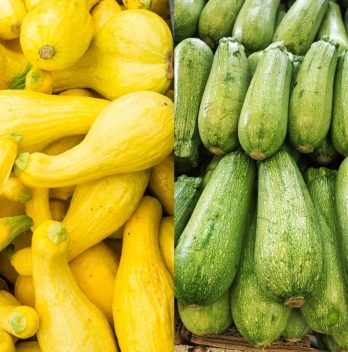
    Crooked neck squash is also known as yellow squash because of its yellow-skinned nature. It is botanically a member of Cucurbita pepo. From the name ‘crooked’ we can see the shape of the neck is bent or curved. The shape can somehow be compared to a bottle shape. The flesh of this summer squash may be smooth or bumpy.

    Crookneck squash is mostly found in North America. Up until the arrival of zucchini squash, the crookneck squash was majorly the dominant summer squash grown.

    Crookneck Squash

    This squash can be harvested when it’s still immature as a baby yellow crooked squash. It can as well be harvested when it’s fully matured in its full size. It can also be left on the vine to mature fully to a hardened gourd stage. Crooked neck squash is one of the very few summer squash that can be dried to a gourd-like stage.

    This tasty squash is packed with great nutrients such as carotenoid, lutein, beta-carotene, alpha-carotene, fiber, folate, and bioavailable copper.

    Crookneck Yellow Squash Plant

    Crooked neck squash plants love to be grown in a warm environment. Hence, growing crooked neck squash plants should be in the warm season. Unlike other winter squashes and pumpkins, they don’t grow on long vines, so they are easier to be grown in a container and small spaces.

    Let’s dive in further and see how to grow this flavorful summer squash.

    Growing Crooked Neck Yellow Squash Plants

    Growing crooked neck squash is pretty easy and it’s a great choice for beginner gardeners. Starting this squash from their seeds is pretty straightforward and they will grow optimally especially when seeded directly into the soil garden.

    This squash can b grown in most types of soil and the soil should be very fertile. For optimal results, we recommend you work or mix about 2 to 4 inches of compost or other garden soil amendments as required.

    Seeds of Change 1068 Certified Organic Yellow Crookneck Summer Squash

    712U4R1YyYL. AC SY741

    Growing Crooked Neck Squash From Seeds

    As we mentioned, crooked neck squash requires rich soil to thrive well because they are heavy feeders.

    After working the soil with appropriate compost or soil amendments, proceed to seed planting. Plan to sow your seeds around 2 weeks after the last frost or when the soil outside is 65 degrees Fahrenheit or higher.

    Plant your seed by pressing it into the soil to about 1 inch deep. Then cover the seed with some soil or compost and water adequately.

    Give the crooked squash seed spacing of about 2 to 3 feet apart. The majority of summer squash doesn’t usually grow in a vine manner. They tend to grow several feet wide. Therefore, it’s crucial you don’t crowd this squash so they don’t get invaded by squash bugs and powdery mildew if they end up getting any infestation.

    You should begin to see germination within 3 to 10 days of seed sowing. The first fruit production should be within 60 days of planting. The crooked neck squash plant can keep producing fruit until frost or diseases end their growth.

    Growing Crooked Neck Squash From Seedlings

    You can as well start your seeds indoors and transplant the germinated young seedlings outdoors. You can also purchase the seedlings from your local garden stores.

    It is essential you harden off your seedlings two weeks before transplanting. Do this by leaving them outside or exposing them to outdoor conditions so they can adjust to outdoor conditions.

    Growing Crooked Neck Squash From Seedlings

    Once it’s time for transplanting your seedlings outdoors, prepare the soil just like you would do for seeds by working in some compost before planting. Carefully remove the plant’s root ball from its container. Make a hole in the same depth of the container and plant your seedlings.

    Plant spacing should be at least 2 feet apart. Ensure you water the seedlings appropriately.

    Growing Recommendations For Growing Crooked Neck Squash

    Here are some growing requirements for crooked neck squash:

    • Sunlight: As a warmth-loving plant, crooked neck squash requires a sunny spot. Ensure the soil temperature outdoors is at least 65 degrees Fahrenheit before planting.

    • Soil and Soil pH: The soil for this squash must be well-draining. The soil should also be worked in by compost or other soil amendments. Crooked neck squash thrives well in a pH range of 6.0 to 6.8.

    • Watering: This squash plant should be watered optimally. Water deep at least once a week. The soil needs to be moist so aim to water to a depth of 4 inches. It’s better to feed your plant one long drink of water than watering several times at different periods. You can tell your plants require watering by looking at their appearance. During the day when the weather is hot, the leaves tend to wilt. However, when night comes, the leaves tend to spring back. But if you notice the leaves don’t spring back pr they’re still wilted the next morning, it’s important you water your squash immediately.

    • Mulch: When you’re done planting, ensue you mulch around your seedlings to prevent weeds and maintain warm and moist soil.

    • Fertilize: Crooked neck squash are heavy feeders so it’s important you fertilize your soil. You can side-dress your plants with a 5-10-10 fertilizer. The nitrogen level of the fertilizer should be kept low so your squash plant can produce more squash rather than more leaves.

    FAQ’s

    What does the name crookneck squash refer to?

    The name of the plant comes from the shape of its flower. Crookneck squash does not grow straight up, but twists around to make a sort of hook. The flower is white with a yellow center.

    Can beginning gardeners grow crookneck squash?

    Crooknecks are one of the most versatile vegetables in your garden. They are easy to grow and very tasty. There are many varieties of this squash, such as the buttercup, goldrush, and yellow crookneck.

    When should I plant them?

    This squash is also known as a winter melon because it is ready to harvest in the fall when the weather gets cold.

    It is important that you plant your seeds a few weeks before the last frost date. When your soil temperature reaches 55 degrees Fahrenheit, you can plant them.

    What are good ways to grow crooked squash?

    To start with, you should get seeds from your local nursery. Seeds should be planted in small pots or in a warm area of your garden. You will need to keep an eye on them to make sure they are growing well.

    Make sure you have a place where you can keep your plants warm. You can use a heating mat or put them inside a greenhouse. You should water your plants every day for one week after planting.

    Then, you should water them at least twice a week until the plants begin to flower. Make sure that you fertilize your plants. This will help your crookneck squash grow better. You can either apply fertilizer directly to the plants, or you can feed the plants with a foliar spray.

    A foliar spray is applied to the leaves of the plants. You should cut off any dead leaves from your plants before they start flowering. Dead leaves and stems can prevent the flowers from growing and blooming. When you cut them off, you will be able to enjoy the fruit that grows out of the flowers.

    How far do crookneck squash need to be spaced apart?

    I think you should space them around of 3 ft apart, and 2 at the closest. Squash love to grow close together. The larger the plant the farther apart it will go.

    How tall does crookneck squash grow?

    Crookneck squash grows to be about 5 feet tall, but it can reach heights of up to 7 feet. It has a light green color and produces fruits that are 1 to 3 inches long.

    How do you fertilize crookneck squash?

    Squash fertilization is similar to that of other crops. The first step is to apply a balanced fertilizer. The general rule is one-third nitrogen, one-third phosphorus, and one-third potassium. If your squash plants are small, you may want to apply liquid fertilizer at the beginning of the growing season.

    Final Say

    Growing crooked neck squash is really easy and you can always enjoy the result of your squash plant once they’re ready for harvest.

    Your crooked neck squash should be ready for picking from 45 to 65 days after planting depending on the variety grown. If you want better tasting squash, harvest them when they reach about 6 inches in length.