Category: Plants

  • A list Of Vegetables That Grow In Hot Weather

    A list Of Vegetables That Grow In Hot Weather

    It is possible to grow vegetables that grow in hot weather as long as you know when to plant them and the exact vegetables to go for.

    Most gardeners are afraid that the summer heat will destroy their crops. But this is only possible if you do not plant the right crop at the right time.

    If you experience the hot summer season, it is critical to plant suitable hot weather vegetables that thrive in hot weather. Failure to do so you will lose your group and your precious seeds to the sun.

    Here are some top choices of summer vegetables to plant that will give you a harvest through the summer and fall seasons.

    Vegetables That Grow In Hot Weather

    Sweet potatoes

    Sweet potatoes love the hot weather -hot days and warm nights. Once you plant your sweet potatoes, keep an eye on the seedlings until their well-established. And sure that you water them adequately to keep the soil moist until they form into vines and begin to spread across the ground.

    Sweet potatoes need little to no attention, especially once they get established. Within 90 days, you can start harvesting your sweet potatoes and enjoy some fantastic recipes. Sweet potatoes need no weeding and can be easily preserved by storing in a root cellar throughout summer and fall.

    Bell peppers

    These papers are easy to grow and thrive during the warm summer months, full stop the slightly sweet and not all spicy and can be enjoyed in salads stews, and sandwiches. Gardeners in the south need to look for nematode-resistant varieties when growing. You can grow yellow, orange, red, or green bell peppers.

    Okra

    Okra is a self-sufficient plant that adapts well in dry, hot conditions. It is widely considered heat and drought-tolerant in most climates worldwide. Whether you plan to enjoy it fried or pickled or toss it into a soup, it is a beautiful plant to grow in your summer garden.

    Okra has a deeper root system suitable for hot weather conditions and is less susceptible to nematode problems.

    Hot peppers

    Hot peppers thrive during the summer months. They start producing from spring to fall with no problems in most hot climates. Some hot pepper varieties slow down the production slightly during the warmer months but increase flavor and heat intensity. The hotter peppers do not slow down in production during the summer at all. Hot peppers grow all around the world during the hot climate.

    Eggplant

    Eggplant takes the crown for being the best summer crop in all the members of the solanaceous family. The globe-shaped Mediterranean eggplants or the elongated Asian varieties are the best for the hot season.

    Growing an heirloom plant is never a bad idea. The more popular black beauty is suitable for Southern America and has a high success rate. It can endure the most intensely hot and humid climates in the world.

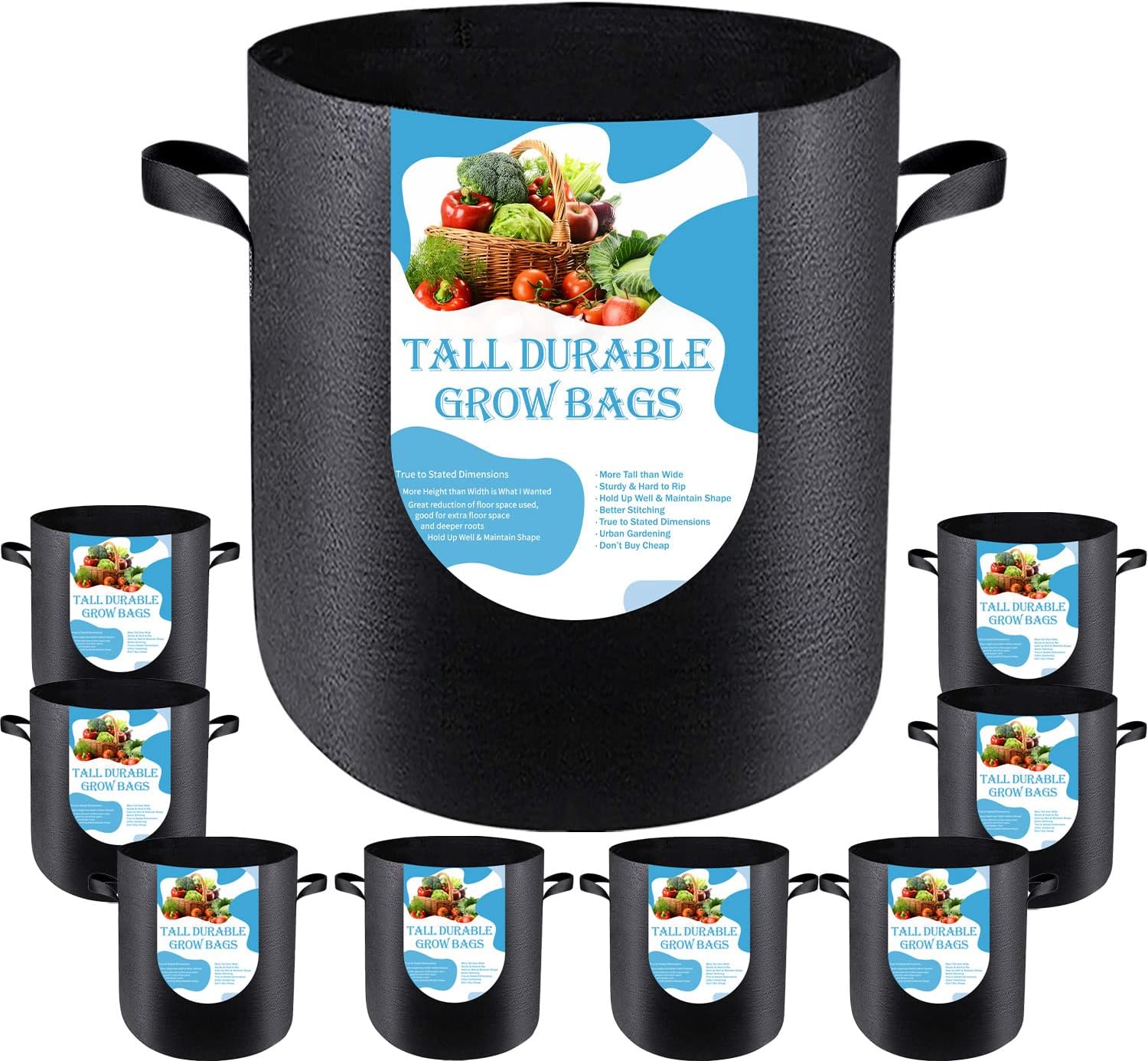
    8 Pack 7 US Gallon Tall Grow Bags for Vegetables
    71rmlIaRqIL. AC SL1500

    Cucumber

    Who would think that cucumbers can thrive in the summer? Cucumbers require nutritious and moist soil and a whole lot of sun to give you good produce. A few plants can provide you with plenty of cucumbers to enjoy the whole season. You will likely have more than enough for the summer season which you can always make pickles or enjoy salads throughout the year.

    Zucchini

    Squash is the summer and winter crop, best in hot weather environments. If you live in a region where the squash bugs or vine borers are an issue, avoid them by starting your seeds indoors and transplanting the seedlings outside in late June or early July. Use row covers to protect your plants until they begin to bloom; then, you will have escaped the problems these pests bring. You can also cover their stems with soil to protect against the vine borer as your plants mature.

    Corn

    Corn is one of the most popular summer vegetables that you can grow quickly. This mild-tasting vegetable can be grown with little maintenance making it a common choice among many gardeners during summer. Corn tastes excellent on anything salads, soups, wraps, pizza, chili, and anything else you can think of.

    Ensure that your corn plants are well-watered; keep an eye out for worms that love to munch on the ears of your plants. If you notice any, remove them and put them in your compost pile, where they will work to the benefit of your garden.

    Southern peas

    Cowpeas or Southern peas are easy to grow and very versatile. When the pods are young, you can munch on them in the same way you do with snap beans. When mature, the green snap peas make an excellent side dish or a salad topping. You may dry them and store them to cook and eat anytime you wish.

    Spinach

    Malabar and New Zealand spinach are the best to grow in the warm season. Malabar spinach is a vining plant producing tasty nutrient-rich foliage that you can use for salad green or cook into a delicious side dish. It thrives in climates that have over 90° temperatures throughout the summer.

    The New Zealand spinach is not an actual type of spinach. However, it produces lots of leaves during hot weather and can be used as a spinach replacement.

    hot weather vegetables

    Beans

    Green beans and yard-long beans will do well in hot weather. Yard-long beans have a nutty, sweet flavor, also known as asparagus beans. They can be grown on teepees and provide shade for me buying plants that do not love direct sunlight

    Green beans are an excellent choice for the summer veggie garden. Choose pole beans so that they can give you a long steady season of production or bush beans for a quick crop.

    Tomatoes

    Tomatillos and other southern species are excellent for sauces, salsas, and dressing pasta and thrive during the hot weather. These heat-loving fruits grow prolifically in the wild and the garden.

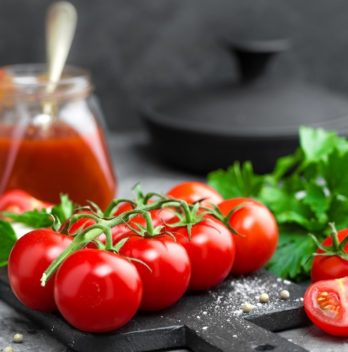
    Tomatoes are an excellent choice for summer gardens, with the best varieties being tropic VFN, Neptune, and Ozark pink VF.

    FAQs

    What vegetable grows best in the heat?

    If you’re in a region of the country that has a hot climate, you might be wondering what vegetable grows best in the heat. The answer is cucumbers. Cucumbers are a crop that can grow well in almost any climate. They don’t like cold weather, but they’ll do just fine if the temperatures are in the 70s or higher. The hotter the better

    How hot is too hot for vegetables?

    Tomatoes, cucumbers, peppers, eggplant, carrots, lettuce, and herbs all do well in the heat. However over 90 degrees Farenheit might be too much heat for them

    Too hot soil will kill the roots of your plants, making them susceptible to disease. The best way to gauge your soil’s temperature is with a digital thermometer. However, you can also use your hand as a gauge to determine whether or not your soil is too hot.

    Can lettuce be grown in hot weather?

    If you are going to grow lettuce in your garden, I would recommend planting it when the soil is cool (60-70 degrees F) and then transplanting it into a garden bed at the time you want it to mature.

    How do you garden in hot weather?

    There are things you can do to help yourself and your plants.

    Watering with a hose or sprinkler works great in a well-drained area. But if you live in an area where the soil is clay or sandy, water your plants from the top down using a soaker hose, which will allow water to soak into the soil for a longer period of time. If you have a drip irrigation system, use it! It uses less water than a sprinkler, and it gives the plants a constant flow of water.

    You should also consider growing your plants in pots or trays instead of directly in the ground. This way you can move them around if they get too hot or cold. How do you garden in the winter? If you live in a place where winters are cold, you may want to consider growing plants indoors. Cover the pots with plastic or with straw. Straw is a great insulator, and it doesn’t need to be kept warm.

    How do you protect plants from heatwave?

    Heatwave is a hot, dry and sunny period which usually lasts for a few days. Heatwave can cause a lot of damage to plants. Plants are sensitive to high temperatures.Ā 

    The best way to protect your plants from heatwave is to use a sprinkler system, which can provide plants with regular water. You should also take steps to prevent the soil from becoming too dry. If the soil is too dry, it will not be able to hold any more moisture. This could make the plants very thirsty and weak. It could also lead to problems like fungal diseases. You could use a watering can or hose to wet the soil around your plants, but do not leave them standing in water for long periods of time. When using a sprinkler system, you should keep the nozzle at a height that gives your plants enough water. The nozzle should be about 3 feet above the ground. You should turn on the sprinkler system when the temperature outside rises above 25°C. The water flow rate should be set to about 50-100 drops per minute. This will give your plants enough water to survive. You should also turn off the system if the temperature falls below 20°C.

    Final Thoughts

    All the above listed are vegetables that grow in hot weather and give you plenty of options to choose from when gardening in the summer months.

    Remember to keep your vegetables well-watered because the summer sun dries out the soil quickly. Ensure that you enrich your soil with organic compost manure that helps the plants get the proper nutrients. You can also mulch to protect your soil from direct sunlight.

    Enjoy summer gardening, won’t you?
  • How Long Does It Take To Grow Artichoke

    How Long Does It Take To Grow Artichoke

    How long does it really take to grow artichoke? A good understanding of the answer to this question gives you insight into the steps to take when growing artichokes. Also, the key consideration to note when growing this plant is also brought to the fore.

    Adorned with long leaves with very elegant attractive blooms, artichokes are a great addition to your vegetable garden. The process of growing artichokes is not difficult. With proper planting and timing, watering and pruning, your artichokes harvest is bound to be bountiful.

    This is a complete guide on how long it takes to grow artichokes and the key considerations to have when growing this plant. Although thistles are not always a great addition to a garden, the reason why artichokes are will be is explained here.

    Before we delve into how long does it really take to grow artichoke, we will consider what the artichoke plant is. Now let us get into it.

    About Artichoke Plant

    Before you can get into artichokes growing and the process involved in growing artichokes, you must have a base knowledge of artichokes. Artichoke is a variety of thistles that are usually accepted in the garden.

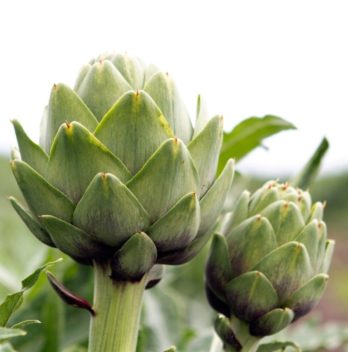
    Artichokes are mostly edible, but the portion of the plant usually eaten is the immature flower bud. This is found at the center of the plant, formed before the artichokes blooms. The artichoke plant although not an indigenous American plant, can grow in virtually every state in the United States. It usually grows in the range Zones 3-11.

    About Artichoke Plant

    Growing Duration For Artichokes: Ā How Long Does It Take To Grow Artichoke

    Artichokes can generally begin to produce from about 90 days after transplant. The exact time frame is however dependent on the variety. The artichokes are however required to be started about 8 to 12 weeks before they are transplanted.

    The overall artichokes growing time considering the pre-transplant and after-transplant is therefore about 180 days.

    Growing Artichoke From Seed: How Long Does It Take To Grow Artichoke

    While artichokes may be grown and transplanted, they may also be grown from seed. Starting artichokes from seed is however more difficult and requires more attention. If you are however residing in an area where the artichokes can’t overwinter, you can grow them all year.

    The seeds usually stay indoors between 8 to 12 weeks. If you do not aid artichokes, they may not blossom until the second year.

    Artichoke seed may be planted anytime between January and mid-March. If you are however interested in planting in warmer climates, the timing may differ. The seedlings must be ready for planting immediately after the last frost date. This is usually before spring temperatures rise too high.

    Transplant should be done when the plants are about 8 to 10 inches tall. At this point in time, the risk of frost must have passed. At this stage, the soil temperature has reached 60 Fahrenheit or higher.

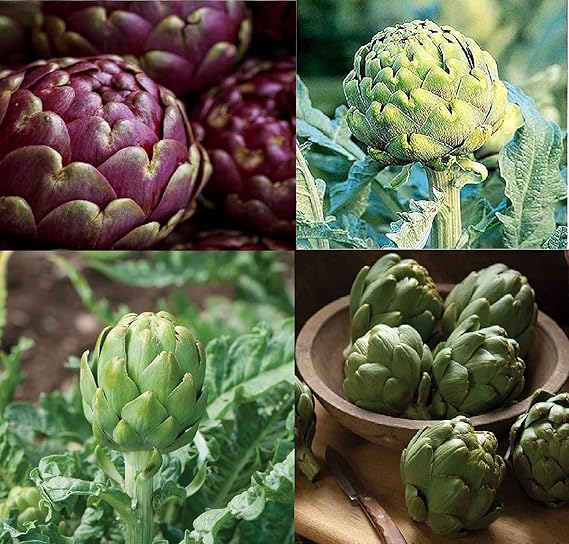
    David’s Garden Seeds Collection Set Artichoke 8367 (Multi) 4 Varieties 125 Non-GMO

    810R83I0n6L. AC SX569

    How To Grow Artichokes: Germination Of Artichokes

    Artichokes growing are usually very slow starters after they are planted. Plant the seeds two to three seeds in each 3 to 4-inch pot.

    The time it takes for artichoke to sprout is dependent on a few factors. These include the quality of light the plant receives, the nature of the soil, and the general temperature. At the starting stage, the temperature should be around 70 to 75 degrees Fahrenheit.

    At this temperature, it will take about two to three weeks for the seeds to germinate. After germination, water the young plant with a fertilizer solution weekly.

    Artichokes usually require a lot of available resources to grow and soil nutrients. So, after about a month after germination, remove the small seedlings leaving only one in a pot. This will allow for the one left to grow optimally, utilizing the available nutrients.

    When your indoor-grown seedlings have grown to about eight to ten inches, they are ready to be transplanted. Hardened them off and plant them outdoors. Plant them about 1.5 and 2 feet apart.

    Harvesting And Storage Of Artichokes

    Artichokes are usually ready to be harvested when you notice that the edible flower buds are tightly closed and slightly squeak when squeezed. Allowing the plant to open before harvesting will make them too hard to open and difficult to eat.

    It usually will take you no less than 110 to 150 days for the plant to reach maturity when planted from seed. transplanting takes no less than 100 days. Most artichokes however will not flower until about the second year after planting.

    Cut the plant back to about 1-2 inches from the ground. This is once the plant has matured and is ready for harvest. This allows for new sprouting to take place for the second year. New plants will begin to form at the base of the plant.

    If you desire to get the best possible flavor, ensure you pick in the early hours of the morning, rinse thoroughly and eat fresh.

    For proper storage, artichokes can be stored in the produce drawer of your refrigerator for up to about two weeks after harvesting.

    Varieties Of Artichoke

    Artichokes usually come in different varieties. Some of these are:

      • Green Globe: grown commercial variety. For this variety to adapt well, the growing condition must be ideal.

      • Big Heart: this is a thornless variety that has the ability to withstand some heat. It can survive some harsh weather conditions.

      • Imperial Star: this variety is adaptable to a wide variety of conditions. They can easily survive when grown from seeds. Grown annually.

      • Purple of Romagna: favored by chefs is this variety which is an Italian heirloom.

      • Violetto: this variety is notorious for its production of dozens of small side shoots.

    Varieties Of Artichoke

    FAQ’s

    How long does it take for artichokes to grow from seed?

    Artichokes grow slowly, taking about three months from planting the seed until they are ready to harvest. In fact, they can take up to two years to reach maturity. The first year is the most critical, and you should be able to see signs of growth in late spring or early summer. It’s then that you’ll start to see the first leaves emerge. As the plant gets older, it will produce more leaves and flowers.

    After the first year, the plant begins to produce buds that eventually turn into artichokes. Each bud is a flower-producing structure, but it takes time for these buds to mature into artichokes. You may not see any artichoke buds for another year or two, so don’t be discouraged if your first year is disappointing.

    Is it difficult to grow artichokes from seed?

    Artichoke is a perennial plant that can be grown from seed. It grows well in sandy soil and does not require much water or fertilizer. You can start your seeds indoors in a pot or directly in the garden. If you choose to sow them in the garden, it is recommended that you choose a sunny spot with good air circulation.

    They are hardy in Zones 6-9 (Zone 5 is a bit marginal) and will survive in colder climates. You will need to start your seeds indoors in mid-summer, or plant them outside when the soil has warmed up a bit. You can use the same method as for starting sweet potatoes, using a peat pot with a perforated lid and a clear plastic bag inside to keep out pests and rain. Be sure to keep the soil moist until you see sprouts. When the sprouts are about 2″ tall, you can transplant the plants into a garden bed, or you can plant directly in the garden. Keep the plants well watered and fertilized, and they will be fine.

    How long do artichokes take to bloom?

    It can take as long as 120 days for artichokes to produce flowers. It is a slow process, but when they do bloom they can look quite beautiful.

    When do I plant artichokes?

    The best time to plant is late fall or early winter. Fall is the optimal time because it’s cool enough to keep the plants from getting too warm but not too cold. Winter is also ideal because you’ll have less competition from weeds. In a garden with lots of rain, you may want to wait until spring, when the ground is warm enough to help plants grow more quickly.

    Conclusion: How Long Does It Take To Grow Artichoke

    This guide gives direction on the key things you must note if you are interested in growing Artichokes.

    Plant good variety as this will affect the outcome of the plant. As such, this article also includes a brief review of some varieties. You have no worries about how to grow artichokes if you understand the answer to this question: How long does it take to grow artichokes.

  • When Do You Harvest Spinach?

    When Do You Harvest Spinach?

    When do you harvest spinach now that you have tended to your plants and allowed them to grow into healthy leaves?

    Spinach is a cool weather plant that is related to swiss chard. It is best grown during the cool season.Ā  It is rare to find it growing during the heat of the summer.Ā  Spinach is a popular crop to plant in the early spring or late summer since it withstands cold and tolerates full sun to partial shade.

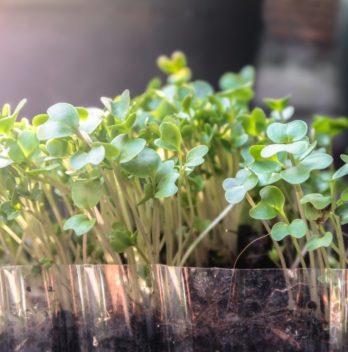
    What is so good about spinach plants is that you can harvest them as microgreen baby leaves or mature leaves. All of these are tasty when eaten raw or cooked. Each growth stage for the spinach has its benefit to the gardeners.

    To enjoy spinach’s different flavors and textures, you can easily plant spinach in intervals. Use the outer leaves like baby spinach or mature spinach. To learn when to harvest spinach, here is a detailed guide.

    When Do You Harvest Spinach?

    You can harvest spinach throughout the growing season, from early spring to fall harvest. This cool-season crop is the best grown in the spring and again in the early fall when the soil temperature is between 45 and 60 degrees Fahrenheit.

    You can harvest spinach leaves as a baby or mature leaves. Baby leaves from young plants are excellent if you want a more tender texture and sweeter flavor. The mature leaves are naturally chewy with a similar taste to swiss chard. If you leave your spinach to go to seeding, you will not consume the leaves as they will have a bitter taste and a tough texture.

    When is spinach ready to harvest?Ā  The best size to harvest baby spinach is when the plant is at least 6 inches tall, and the leaves are at least 2 to 3 inches long. Harvest mature leaves when they are about 3 to 6 inches long. A few leaves might even be larger, but they will be good to eat as long as the plant has not set seed.

    Your spinach plants can easily bolt once the outside temperature reaches 25 degrees Fahrenheit. You will notice a stem growing up in the middle of the foliage as the plant prepares to set seeds. This is the time to harvest the entire plant because the formation of spinach seeds takes away the energy required for healthy leaf production. If you do not harvest, the entire older leaves will become bitter.

    Learn more aboutĀ How To Make A Recirculating DWC System

    How To Harvest Spinach

    Spinach harvesting is an easy process.Ā  However, there are different methods to harvest depending on the maturity of a plant. You can harvest your spinach by cutting the leaf from the spinach plant. This way, you are harvesting only what you need at the time of use.

    This harvesting method will encourage new growth from the entire plant. Spinach is a fast-growing plant that tolerates multiple harvests.

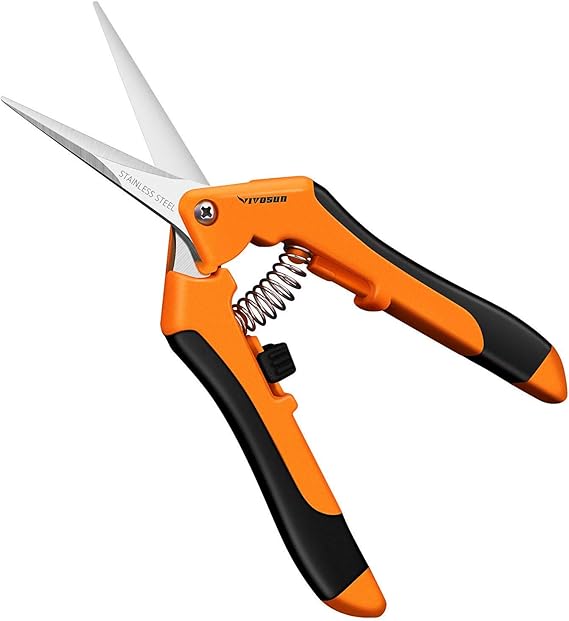
    When harvesting the leaves, whether baby or mature, take only the outer larger leaves and no more than 1/4 of the whole plant. Harvesting only a small amount will ensure the spinach continues to grow. Use a sharp kitchen knife or utility scissors and leave at least 1/2 inch of stem on the plant to keep the leaf node intact and encourage thicker growth. If your stems are tender, you can easily pinch your leaves from the plant when harvesting.

    VIVOSUN 6.5 Inch Gardening Hand Pruner Pruning Shear with Straight Stainless Steel Blades Orange

    61nfb CaqKL. AC SX569

    Another harvesting method is called clear-cutting by the bunch. This is excellent when you harvest lots of leaves at once to dry or freeze them for later use. To harvest using this method, use a sharp knife and gather up all the spinach leaves of one plant into a bunch.Ā  Cut the stems at least 1/2 inch above the crown. The crown is just above the soil surface where all the stems meet. Within 10 to 14 days, you can get a second harvest following this method.

    The last method to harvest the spinach plants is removing the entire root system. This is an excellent method if you’re ready to remove the whole crop at the end of the season or you don’t want the spinach to regrow. Use a sharp knife and cut below the crown so that the whole plant comes up from the soil. The remaining roots will decompose, adding nutrients to your soil.

    Storing Fresh Spinach

    After harvesting your fresh spinach leaves, you now need to store them in the best way possible.Ā  The two different ways to keep your spinach are dry cold storage and freezer storage.Ā  For these two methods, you will need to remove any slimy, wilted, or off-colored leaves from the batch before you store them. These leaves will be the potential cause of the rest going bad.

    Before storing your spinach, clean them by rinsing them with cold water and then use a salad spinner to get rid of the excess water. Place the leaves on a paper towel and pat them dry.

    For dry cold storage, wrap your spinach in a plastic bag. Remove any excess air before placing it in the refrigerator. This is the most popular storage method because it is easy and keeps your spinach fresh for at least 10 days.

    Storing Fresh Spinach

    When storing your spinach in the fridge, the last thing you want is to leave the leaves wet. Wet spinach quickly turns slimy, thus rotting.

    When storing your spinach, you could also wait to wash them when you’re ready to use them to eliminate the potential for moisture damage. Alternatively, you can put them in a plastic container to increase the storage life from 12 to 14 days.

    You can do a quick rinse to remove all the dirt and insects for freezer storage. You will not need to dry them because they will need to be blanched in boiling water or steam for 2 minutes. After blanching, place them in ice water for another 2 minutes to stop the cooking process. Once they have cooled, use a salad spinner to remove excess water and dry them with a towel. The frozen spinach will last in the freezer for up to one year.

    FAQs

    How do you know when spinach is ready to harvest?

    There’s a lot of confusion about this. But the answer isn’t very complicated, and once you know how to tell when spinach is ready, you’ll have a much easier time getting your leaves and eating them! I’m going to show you a few ways to tell when spinach is ready, but I’d like to make one thing clear up front: there’s no right or wrong way to harvest spinach.

    You can either wait until it’s completely dry and wilted, or you can pick it just before it starts to get too wet. You can use the same technique to harvest arugula, kale, collards, chard, and other greens as well. The basic technique is pretty simple: when you think your spinach has reached its peak, pull the whole plant up by the stems, and shake off the soil from the leaves. You should see that the leaves are wilted, and that there are some brown spots on the leaves. It’s okay if there’s still a bit of moisture on the leaves—they’ll dry out a little as they sit, and then you can water them again later.

    You should harvest when the leaves are full of water and have a nice fresh taste. If the plants start to wilt after harvesting, then you’ve waited too long.

    How many times can you harvest a spinach plant?

    From my experience, I would say the limit is two. First time you harvest, you’ll want to cut it back severely. Then second time you harvest, you want to be cutting off more of the top and less of the bottom. By that time, you’ll have a large amount of seed heads on your plant. Once the seed heads start turning brown, the plant is done.

    How do you harvest spinach without killing the plant?

    You don’t have to kill it. If you wait until it’s over a foot tall, you can just pluck it off the vine. You can also put it in a bucket of water with a small bit of salt. It will grow roots if the leaves are removed. Then you can transplant it into a pot and keep it alive. But, you may want to consider how much you want to eat.

    What does bolting spinach look like?

    It’s easy to tell when a plant is bolting. The first sign of this is the emergence of the first flower buds or seed heads on the plant. The next step is that the plant begins to grow and become bushy, but it still stays relatively small in size.

    Is spinach an annual or perennial?

    Spinach is a perennial vegetable. Spinach belongs to the Brassica family of vegetables, and is considered to be a member of the mustard family.

    Conclusion

    The information on when to harvest spinach, how to harvest, and how to store your spinach leaves is clearly explained in this article. We hope everyone gets to grow their spinach and enjoy sharing it with their loved ones from when they are baby spinach to the mature days.

  • A Guide For Growing Broccolini From Seed

    A Guide For Growing Broccolini From Seed

    In this article, we will look at growing broccolini from seed and how to care for this plant so that it gives you a decent harvest.

    Broccolini is an excellent vegetable that grows easily in gardens across the United States. It is a trademarked hybrid between the standard American broccoli and Chinese broccoli called gailan.

    Instead of growing one large head like the standard broccoli, it bears many small tender side shoots that have a subtly sweet flavor with peppery hints.

    Some people grow broccolini for its texture and taste, while others love it because it is temperature sensitive and an expensive fad crop.

    Most gardeners take up growing broccolini from seed as a hobby, and there’s a plant that provides the right nutrition to their families. Growing broccoli from seed is easy, and this is all you need to know.

    Growing Broccolini From Seed

    Start your broccolini seeds indoors or on a covered porch in containers in the late summer. Transplant your seedlings outdoors in the early fall for a late autumn harvest.

    Transplant your seedlings when they have developed at least 6 to 8 true leaves. Before transplanting, amend your soil with compost manure at least 1/2 an inch deeper into the soil than they were growing in the pots. Space out your plants about a foot apart in rows that are 2 feet apart.

    You can also directly sow your seeds in the garden soil that is already amended with compost. Sow them directly in rows of 12 to 14 inches apart. Place the broccolini seed in a 1/4 inch deep hole and lightly cover with soil.

    Once the seedlings germinate, thin them to at least 5 to 6 inches apart.

    Broccolini is still a fairly new vegetable with several suggested planting seasons. Some gardeners suggest that you plant as soon as the last frost date passes in the spring, while others say that broccolini growing is best done in the early fall.

    It is true broccolini can be grown as a fall or summer crop, but you may want to experiment and see what works best in your area.

    Click Here to Learn more about:

    Transplanting Broccolini

    After 4 to 6 weeks of germination, your broccoli seedlings will have developed 6 to 8 leaves. It is time to transfer them to your outdoor garden.

    Before transplanting, bring them outdoors for a few hours every week for hardening off. This will help your seedlings adjust to the outdoor temperatures before transplanting.

    Remove every seedling from the tray gently without disturbing their root system. Place your seedling in the middle of the hole, gently covering them with soil. Work gently with your seedlings to eliminate the transplanting shock that kills most young plants.

    Transplanting Broccolini

    How To Care For Broccolini

      • Soil. Broccolini prefers moderately low acidity with a soil pH of 6.0 to 7.0. the soil must be well-draining and enriched with compost manure, organic fertilizers, or commercial fertilizers. Add a couple of inches of compost or well-rotted manure to your soil before planting to enhance it with the right nutrients. Add a handful of wood ashes around each broccolini seedlings if your soil is too acidic.

      • Mulching. To preserve moisture in your soil, spread grass clippings or organic mulch under each seedling after transplanting. This keeps your soil well moisturized and discourages weeds from growing. Weeds usually compete with the plant in receiving the nutrients from the soil and, in some cases, could weaken your plants.

      • Watering. Provide your broccolini with at least 1 to 2 inches of water each week. Provide enough water to your broccolini plants, especially during flowering, to enable an excellent crop to form.

      • Fertilizing. Amend your soils with compost manure or organic fertilizer. You can also spray your plants with compost tea or diluted fish emulsion every fortnight to provide an extra nitrogen boost.

    Required Items To Grow Broccolini From Seed

    Certain items are essential if you wish to grow a decent crop of broccolini; they include

      • Soil testing kit
      • A shovel
      • Peat moss
      • Limestone
      • Sulfur
      • Liquid fertilizer 20 20 20
      • Fertilizer 8:16:16
      • Broccolini seeds or seedlings.

    J R Peters 52008 Jacks Classic 20-20-20 All Purpose Fertilizer, 8-Ounce

    81FcpOQwaTL. SX522

    Common Broccolini Pests And Diseases

    Just like ordinary broccoli, this plant faces the same problems.Ā  To minimize pests and disease issues, it is advisable not to plant broccolini where you had previously planted cauliflower, cabbage, broccoli, kale, or any of their relatives in the last 4 years.

    Some of the common broccolini problems you might face

    • Aphid or Whitefly Infestation. If you notice your broccoli leaves curling or turning yellow you may have a whitefly or aphid infestation. Look on the undersides of leaves for soft tiny bodied green pink or brown insects. You can handpick aphids and throw them away or kill them using organic insecticidal soap. You can also bring in ladybugs as they eat aphids. Insecticidal soap is the best remedy to eliminate whiteflies.

    • Flea Beetles. Flea beetles cause pinholes in your leaves by chewing the leaves and the stem. You can use pyrethrum spray to control these pests as it is organic but toxic to these pests. Though it protects your plants from flea beetles infestation it is also toxic to bees. Therefore it is advisable to spray it in the evening when pollinators are not active.

    • Cabbage Worms. Large ragged holes in broccoli leaves may be caused by cabbage worms or the green striped caterpillars. Handpick them and throw them away or spray them with a pesticide; you may also notice these holes caused by slugs. If you have a slug infestation in your broccolini plant, set water mixed with yeast or beer in your garden that will attract the slugs. They will stop eating your plants and fall into the water and die.

    • Downy Mildew. If you notice yellowish spots on leaves, this indicates that your plants are suffering from downy mildew. You might also notice that plants are spiked with black dots on leaves and stem reddish leaves that are the first signs of a blackleg problem.Ā  Try spraying an organic fungicide like copper to treat this disease immediately you notice. If the plants are too infected, remove and destroy them and do not put them in the compost heap.

    Common Broccolini Pests And Diseases

    Ā 

    FAQs

    How long does it take to grow broccolini?

    It takes about 6-8 weeks from seed to harvest for broccoli.

    However, if you’re looking for a headier flavor, you may want to wait until the plants are a little bigger before harvesting. Broccoli has a longer growing season than most vegetables. This is because it needs lots of light and heat. But once it starts producing, it will keep producing until the first hard frost. So if you plant your broccoli in the fall, you can expect to have some on your dinner table throughout the winter.

    Is it easy to grow broccolini?

    It can be hard to grow. It’s a cool-season vegetable that grows well in the spring and fall. There are several varieties of broccolini that you can choose from. Broccolini is a member of the mustard family (Brassicaceae) and it grows well in areas with cold winters and warm summers. It needs well-drained soil that has some compost or organic matter added to it.

    If your soil is too heavy or clayey, it will likely not grow well. The first step in growing broccolini is to sow seeds. The seeds can be direct sown in the garden in the spring or fall, or they can be started indoors in trays or seedling flats in the spring and transplanted outdoors in the fall.Ā  Broccolini seeds are often slow to germinate, so if you’re not sure whether yours have sprouted, wait until the following week. You’ll know when they’ve germinated when you see a small green shoot.

    Can you grow broccolini in containers?

    Yes, you can plant in containers. But you’ll need to give it some TLC to get it to grow. It will also need a little more fertilizer than most plants. Here are a couple of suggestions:

    You can try planting a few small plants in a large pot with good drainage. Then water them thoroughly. As they grow, you can divide them or transplant them to larger pots. Another option is to use a hanging basket or window box. You can plant the seeds directly into the soil and water thoroughly. Another method is to grow broccolini in a small container and then transplant it to the ground. You can grow it from seedlings that you’ve started indoors. Just be sure to start seeds in a cool place such as a refrigerator. And make sure the seeds have been kept moist.

    How much broccolini do you get from one plant?

    Plants can be 6 feet tall and 3 feet wide and you can harvest about 8-10 stalks from each plant.

    What can you plant with broccolini?

    You can plant onions, celery and potatoes.
    Broccoli is a member of the cruciferous family, which includes cabbage, cauliflower and kale. Broccolini is a hybrid between broccoli and Chinese kale and is grown as a biennial, meaning it has to be replanted the following year for a new crop of plants to grow. Broccolini is a tender vegetable, and it grows well in full sun in a well-drained soil.

    Ā 

    Conclusion

    Growing broccolini from seed can be challenging for a new gardener since not many gardeners are growing them yet. However, most gardeners are beginning to take notice of the nutritional benefits of broccolini and gaining more interest in growing them.

    We hope that as you gain interest in this plant, you will grow it from seed successfully.

    Learn more aboutĀ How Much Dolomite Lime Per Gallon Of Soil?

  • How Does The Early Girl Tomato Taste

    How Does The Early Girl Tomato Taste

    How does the early girl tomato taste? Have you grown this variety of tomatoes before? Do you know what type it is and where it does well?

    The early girl tomato is a medium-sized standard globe-type tomato popular for its short time to grow. It is a cold-tolerant short-season red hybrid tomato that is the first to ripen in a vegetable garden.

    The early girl tomato is an all-time sweet favorite that grows on the long indeterminate vines.

    All About The Early Girl Tomato

    This tomato was bred in France and acquired by the US agricultural seed company in the 1970s. The Peto Seed board of directors, Joe Howland, had been searching for a short-season tomato he could grow in the unpredictable climate of Reno Nevada. The early girl tomato seed, as named by Howland, became popular in the 70s as one of the shortest season growing tomatoes.

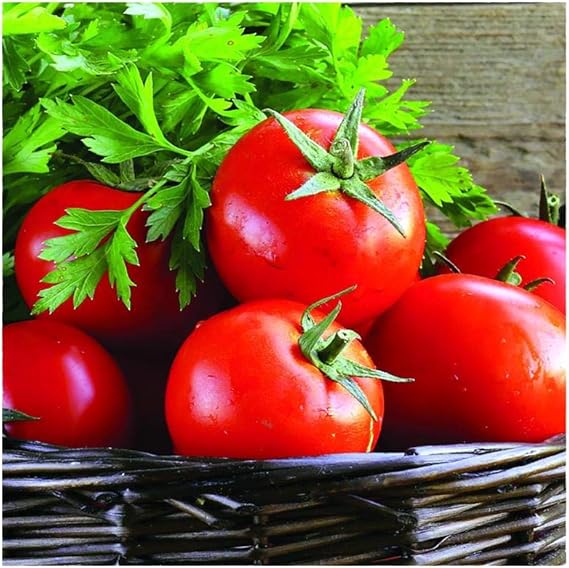
    The early girl tomatoes are red and round Ā F1 hybrid tomatoes reaching about 4 to 6 ounces each. It is a normal-looking tomato making them one of the most popular homegrown upgrades for picky eaters. The early girl is a favorite slice of tomato and one of the many great tomato varieties for use on sandwiches.

    What Does The Early Girl Tomato Taste Like?

    The early girl tomatoes have a mild old-fashioned tomato taste with a nice balance of acidity and sweetness. The early girl tomato flavor set this tomato apart due to its ability to produce tasty fruit with a homegrown tomato flavor within a short period of time.

    This type is not intensely flavored like some of the well-known heirloom tomatoes or open-pollinated hybrids. It has a hint of crisp tang that accompanies the sweetness. The shorter time on the vine helps them develop the depth of their flavor.

    This tomato ripens within 2 months of planting the seedling outdoors. It can’t tolerate temperatures as low as 40 degrees Fahrenheit but can also grow in hot and dry areas. This variety is highly sought-after in the desert zones and inland climates with hot sunny days and cold nights.

    The early girl tomatoes taste great after a long winter with no homegrown tomatoes, even though they are a bit more bland than the latest season varieties. This variety is built on a fresh tomato sandwich chopped up into fresh salsa, cubed up into a salad, or enjoyed into a summer pizza.

    How To Grow The Early Girl Tomatoes

    Growing the bush early girl tomato plants is very similar to growing other indeterminate tomatoes with long vines. These tomatoes can be grown at home from seed or purchased as potted seedling plants from a nursery.

    If growing from seed, start your seeds indoors at least 6 to 8 weeks before the last frost date in your area. Sow your seeds indoors starting from February to April, depending on your area’s climate. If you want to buy potted seedlings, they are commonly sold around March toĀ  June, depending on your local climate.

    How To Grow The Early Girl Tomatoes

    Tomato seedlings are sensitive to cold and should not be put outdoors until the threat of frost has passed. The early girl tomato plant is not as hardy as other cultivars and can be easily damaged by temperatures below 40 degrees Fahrenheit.

    Read more aboutĀ Why Are My Tomato Seedlings Falling Over?

    Planting

    Plant your seedlings outdoors in nutrient-rich, well-draining soil when the last frost date has passed. Space them at least two feet apart to allow enough growing space. These plants thrive in raised garden beds and large containers. You will need to tie the main stem to a vertical stick and surround the plant with a heavy-duty tomato cage.

    Plant your early girl in a sunny spot where the leaves get direct sunlight for at least 6 to 8 hours daily. Ensure that you water them regularly drip irrigation system is excellent for watering if available.

    This variety of tomato is indeterminate, meaning the vines keep growing longer and longer throughout the season. These vines require stable support with a tall structure like a cage of vertical plants or even a metal garden arch.

    The tomatoes themselves are the size of a golf ball which means they are not too heavy. But the vines have branches that thrive, needing support to keep the fruits of the ground as the plant grows larger.

    You will need to provide your early girl tomato plants with additional nutrients if growing in containers or nutrient deficient soil. You can use a top dressing fertilizer or homemade compost for an extra nutrient boost.

    Park Seed Early Girl Hybrid Aromatic Red Tomato Seeds, 30 Seeds in a Pack

    61ocU+bUskL. AC SX569

    Is Early Girl Tomato An Heirloom Tomato

    Early girl tomatoes are modern hybrid tomatoes, not heirloom tomatoes. This tomato variety is a recent introduction from France in the 70s. This variety grows from an F1 hybrid seed and is not open-pollinated.

    Check OutĀ Best Mycorrhizal Products In The Market Today

    Harvesting Time For Early Girl Tomatoes

    Early tomatoes fruits ripen between 52 to 60 days after transplanting. More continue growing throughout the year as long as the weather stays above 40 degrees, and you keep the pests away.

    Common Uses For Early Girl Tomatoes

    • Eating Raw.Ā  This fruit is safe to eat raw after giving them a good rinse with clean water. Though smaller than most tomato varieties they can cover a sandwich in one slice.Ā  They are great for making sandwiches. They are also excellent for salads and sweet salsa.
    • Cooking. These tomatoes are great for cooking adding a little sweetness to tomato sauces and other cooked or baked meals.
    • Canning Freezing or Drying. The early girl tomato is one of the best for preserving through canning, drying, or freezing.
    Common Uses For Early Girl Tomatoes

    FAQs

    Are Early Girl tomatoes tasty?

    I have a large patch of Early Girl tomatoes planted. I’ve had them in my garden for almost two years now, and they’re still doing very well. They’re the only tomatoes I’ve grown that have done well, and the only reason I keep trying to grow them is because they’re delicious.

    What type of tomato is the Early Girl?

    The first thing to know is that the early girl tomatoes are a hybrid of the early boy tomato and the big boy tomato. If the fruit is firm and holds its shape well, it’s probably a big boy tomato. If it feels soft, it’s an early girl. You can also check for signs of ripening by looking for tiny blisters on the skin. If you see them, they’re ready to eat. But if you don’t, wait a few more days. It’s normal to get a few small blisters on early tomatoes. They will disappear as the fruit ripens. You can also tell by the color.

    It’s got a much longer shelf life than your regular tomato and can be stored for up to a year (or more). They also have some other attributes like a higher yield and disease resistance. There are many different varieties of this tomato line but most of them are sweet. You can usually find them at big box stores and garden centers in early spring.

    Are Early Girl tomatoes sweet?

    The “Early Girl” is a hybrid tomato that is bred for productivity. Hybrid tomatoes usually have more sugar than other tomatoes. You may find that these tomatoes are very sweet.

    Are Early Girl tomatoes good salsa?

    As for using them for salsa, I’d say go for it – you’ll get a really nice flavor. I’ve used some in my tomato sauce, but it’s just an experiment – I like to add them to the mix right away. That said, I do think they have a different flavor than late Girls and I think the flavors complement each other nicely. I’d say use them for salsa now, but maybe not as much as you’d use late Girls for salsa.

    What do you do with Early Girl tomatoes?

    You can also roast them.

    I make a big batch and then freeze it in freezer bags. When I want a quick meal I just thaw a bag and put it on top of some rice or pasta. I also like to make tomato juice from them. I just chop them up, add some water, and then puree them with a blender. I strain the pulp through cheesecloth and then pour it into a glass jar and keep it in the fridge. This is great for when I want to make a quick tomato soup or even a Bloody Mary. Re: What can I do with my early girl tomatoes?

    Ā 

    Final Thoughts

    This sweet, old-fashioned early girl tomato tastes heavenly, and many gardeners have learned the secret. It is a great choice to add to your garden as it will give you good fruit for nearly a month before your other tomato plants mature. The shorter waiting period is a big plus for every gardener who is less patient.

  • What Is The Botanical Name Of Carrot?

    What Is The Botanical Name Of Carrot?

    What is the botanical name of carrot, and what class of vegetable, scientific family, or category does it fall under?

    Carrots are herbaceous root vegetables belonging to the parsley family, including the parsnip. The cultivated carrot is a cultivar of the wild carrot, also known as Queen Anne’s lace. The wild carrot is native to the temperate parts of Europe and southwest Asia.

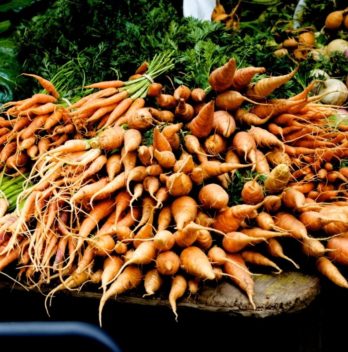
    The wild carrot applies to the long edible tapering taproot of the cultivated type. The taproots are orange in color, and they also have a variety of colors depending on the cultivar you growing.Ā  They include pink, white, yellow, or purple and have a crisp texture when freshly harvested.

    The wild carrots play a valuable role in sustaining the ecosystem. The leaves and roots are a source of food for animals; carrot flowers provide nectar for bees that pollinate the plants.

    The cultivated carrot provides nutritious food for humans, and it has a distinct flavor texture and color. Humans have learned how to cultivate this root vegetable and produce a variety of cultivars. These cultivars can either be eaten raw or cooked in a stew soup or baked into a carrot cake.

    The Botanical Name Of Carrot And Its Background

    The scientific name of a carrot, also known as the botanical name, is Daucus carota. It is a member of the Apiaceae or Umbelliferae family. This family consists of aromatic plants with hollow stems, including parsley, cumin, carrot, dill, parsnip, caraway fennel, and other relatives.

    The Apiaceae family is large, with about 300 genera and 3,000 species. The term Umbelliferae comes from the arrangement of flowers on a stem in the form of a compound umbel. Each umbel consists of small, symmetrical flowers with 5 small petals, 5 sepals, and 5 stamens.

    The Wild Carrot

    The wild carrot is also known as Queen Anne’s lace or bishops lace. It is a flowering plant in the family of Apiaceae that is native to temperate regions of Southwest Asia and Europe.

    Daucus carota subsp. sativus is the cultivated form of the wild carrot. Its greatly enlarged and palatable textured edible taproot has been grown, but it is still of the same species.

    The wild carrot is a biennial plant that grows up to 1 m and flowers from June to August. Its umbels are pale pink and claret-colored before they open to bright white and rounded into tiny blossoms of full bloom.

    The umbels are three to 7 cm wide with narrow bracts beneath; as these flowers turn to seed, the umbels contract and become concave like a bird’s nest.

    The wild carrot was introduced in North America, commonly known as the Queen Anne’s lace. It is also called so because the flower resembles the Lace and the red flower in the center represents a blood droplet where Queen Anne pricked herself with a needle when she was making the Lace. The function of the tiny red flower is to attract insects.

    The edible part of the cultivated carrot is the taproot. It grows the leaves in the spring and summer while building the taproot with stores large amounts of sugars for the plant to help flower.

    Dara Queen Anne’s Lace Seeds – Pack of 200, Certified Organic, Non-GMO

    The Family Genus And Species Of Cultivated Carrots

    The cultivated carrot is a member of the Apiaceae family, and some widely cultivated plants like deal parsley parsnip, fennel, and celery.

    The genus Daucus carota carries a number of 20 species. The cultivated carrot is one of the subspecies of the character species scientifically known as daucus carota subsp. Sativus.

    Based on the root and leaves morphology, the botanical varieties of carrots have 2 large groups, the western and eastern carrots.

    Learn more aboutĀ Why Are My Cucumbers Prickly?

    The Western Group

    The Western group includes carrot plants whose roots do not branch out and their leaves have deeper lobes with blooming taking place in the second year. The root color is yellow, red, orange, violet, and white.

    The western carrots originate from the East as a result of the selection of the wild Mediterranean subspecies white and yellow with these two owing to the natural mutations of purple and violet carrots.

    The modern carrots originate from their common ancestor developed by the Dutch growers in the 16th and 17th centuries. Since then, the carrots are now more orange than any other color.

    Family Genus And Species Of Cultivated Carrots - Western Group

    The Eastern Group

    The Eastern group includes carrots whose roots branch out, and their leaves do not have the lobes, and blooming occurs within the first year.

    The root color of this group varies and could be yellow or a combination of black, red-violet, and yellow. Despite the presence of current yellow populations – anthocyanin in carrots have the presence of purple and violet-colored carrots.

    The Eastern group carrots are from India, Afghanistan, Iran, and Russia with the carrots of the Western group progressively replacing them up.

    Check Out This Guide and Tips on How to Compost in a Bucket

    The Cultivated Carrots

    The cultivated carrot is a cool-season biennial vegetable that grows as an annual for its edible fleshy root. The first year the leaves grow reaching a height of about 50 cm and the second year the plant flowers with the final height of about 1.20 to 1.50 m.

    Sometimes the stem forms in the first year and this occurs when the root has a diameter of about 1/2 cm. It may also develop at least eight leaves prematurely especially when exposed to about 2 months of low winter temperatures.

    Cultivated Carrots

    Vernalization is the process of exposing carrots to low temperatures. This process is directly related to the cultivation zone that requires exposure at low temperatures from 0 to 10 degrees in temperate regions for about 2 months and 15 degrees in tropical and subtropical areas.Ā  Ā Modern carrot varieties take about 62 and 30 days to reach full maturity.

    FAQs

    What is the botanical name of a carrot?

    The botanical name of a carrot is Daucus carota. The name ā€œcarrotā€ comes from the Latin carota, meaning ā€œnutā€ or ā€œchestnutā€. The name ā€œcarrotā€ was given to this plant because of its shape, which resembles a nut or chestnut. The origin of the name ā€œcarrotā€ is unknown. There are two types of carrots: the round and the flat. The round carrot (Daucus carota) has a long, thin taproot. The length of this root can reach up to 6-8 inches. The taproot has a diameter of 1/2 inch and a weight of 50-100 grams. Its color varies from yellow to orange. The size of the carrot is determined by the length of its taproot. The flat carrot (Daucus carota subsp. sativus) has a short, thick taproot.

    Where does it come from?

    Carrots are one of the most popular vegetables in the world. The carrot was domesticated in Asia, where it was cultivated from at least the 3rd millennium BCE. It was also cultivated in the Mediterranean region. By the end of the 2nd millennium BCE, the carrot was being grown in Europe and Egypt.

    In the 1st century CE, it reached England. The Romans introduced the carrot to Europe during the first century CE.

    What family does the carrot belong to?

    The carrot belongs to the gourd family, which includes cucumbers, melons, pumpkins, watermelons and squash. Carrots are native to India and China, but have been cultivated in Europe since at least 400 BC. Today they are grown around the world, and they are used in salads, cooked as a vegetable and added to soups, stews and casseroles. They are also used for pickling, and are often dried and used as a spice.

    What is the Wild Carrot?

    It’s a root vegetable that has been growing in the wild for over 2,000 years. It’s also called the Queen of Root Vegetables and the King of Root Vegetables. Wild Carrot Facts: It’s a perennial, meaning it grows back every year. Wild Carrots are found in the Northern Hemisphere, from Canada to Russia and as far south as South Africa.

    They grow in moist soils and are usually found in woodlands. The roots can be harvested year round but are best in fall and winter. Wild Carrots are one of the most common wild foods in the world. Their popularity stems from their sweet taste and long shelf life. They have a mild flavor and can be eaten raw or cooked. They also contain high amounts of vitamin C, potassium, and dietary fiber.

    They are easy to harvest. Just pick them from the ground. You’ll find them at the top of the root. The leaves can be used as a garnish.

    Conclusion

    Whether you’re looking for a carrot Latin name or a carrot scientific name what’s the botanical name of carrot Daucus carota is the name to go with. A little history and background of both the cultivated and wild carrot provide us with some historical facts about this vegetable that we all love.

  • Do You Know What Do Broccoli Seeds Look Like?

    Do You Know What Do Broccoli Seeds Look Like?

    If you want to know what do broccoli seeds look like, you can try it in your garden next time you plant broccoli and see the results.

    Broccoli is one of the most commonly grown plants by many gardeners across America. But did you know that the broccoli flowers we consume carry thousands of tiny, unopened blooms?

    If you allow your broccoli plant to mature past the time of harvesting its head, the blooms will open and potentially be pollinated, resulting in seed production. Collect, store these seeds to plant them over several growing seasons in the future. Saving seeds from your garden is a wise choice that has many advantages.

    Why Save Broccoli Seeds From The Garden

    Whether you are a first-time gardener or an experienced veteran, saving broccoli seeds from your garden is the best thing you will ever do. When growing broccoli, plan your garden space to include a few extra plants of different varieties that you can plan to collect seeds from.

    Broccoli plants produce a large number of seeds that can provide you with crops for years to come without needing to spend any money on buying more seeds.

    Why Save Broccoli Seeds From The Garden

    Ā 

    Source your seeds from the best seed sellers to give you the best original seed. Look for seeds that yield large compact heads and are disease resistant.

    Seed saving is particularly attractive if you choose to grow organic plants without the use of pesticides and harmful chemicals. Therefore, you can guarantee that your seeds were not treated or exposed to any substances when growing.

    Saving your seed from your home garden results in future healthier plants suitable for your kind of environment. Purchased seeds may come from plants grown in a different growing zone, leading to increasing challenges once propagated.

    You can choose to trade your seeds with other locals to increase your variety and productivity with little to no cost.

    Learn more aboutĀ Where Are Artichokes Grown – Get To Know Their Origin

    What Do Broccoli Seeds Look Like?

    Broccoli seeds are smaller than most seeds. Most gardeners are shocked that such a large plant produces very tiny seeds.

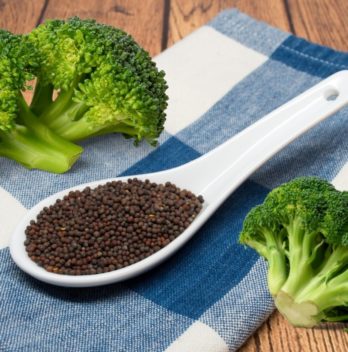
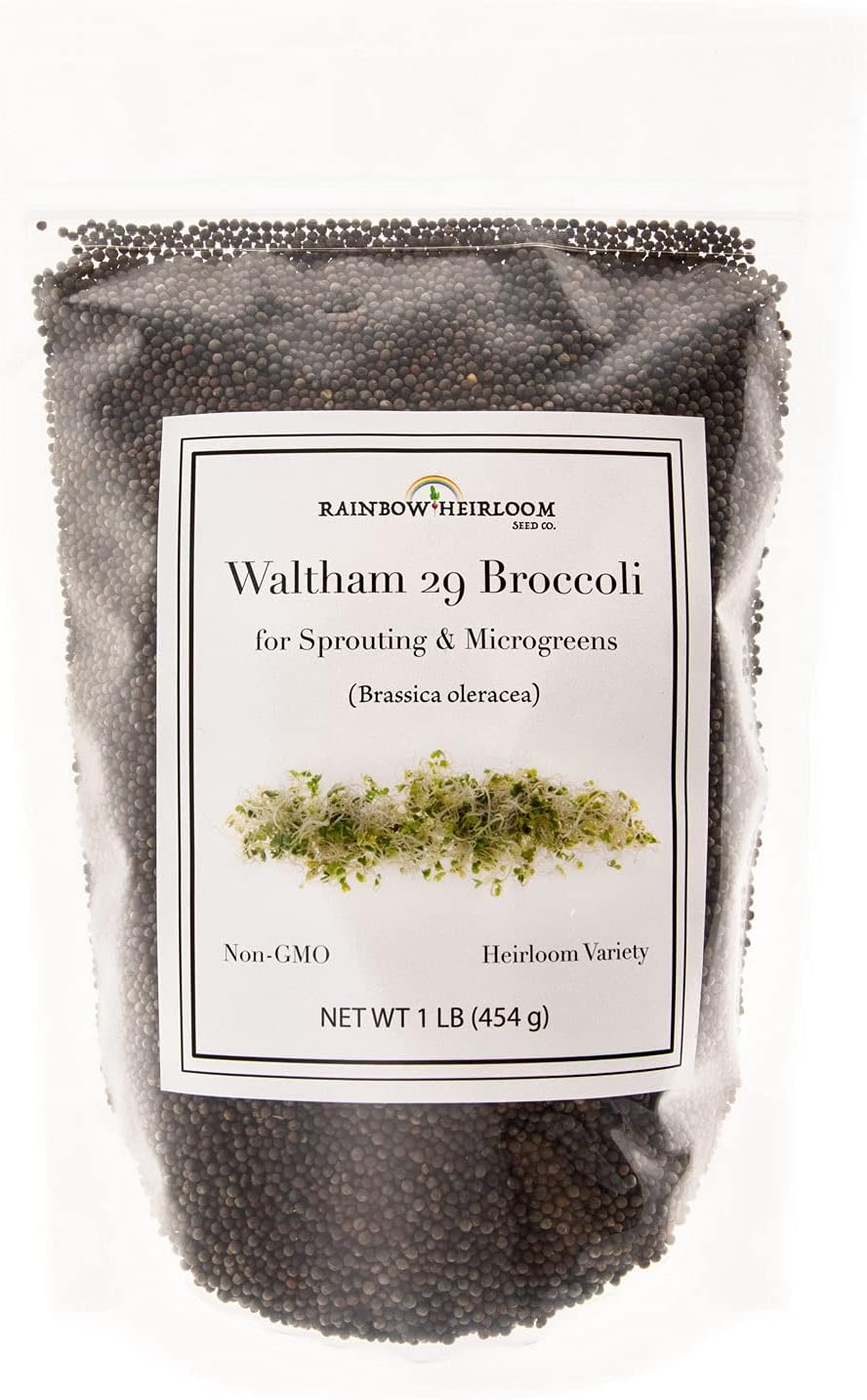
    Broccoli seeds are black or brown in color. They are round in shape, with some a little more oval-shaped than others. They have a small white spot on one side where the seedling comes out.

    Broccoli Seeds for Sprouting & Microgreens | Waltham 29 Variety | Non GMO & Heirloom Seeds

    711V5DCH7bL. AC SL1500

    Where Do Broccoli Seeds Form?

    What does broccoli look like when it goes to seed?Ā  Broccoli seeds are found at the pod that forms after the yellow blooms grow from your broccoli heads. Generally, if you allow your broccoli to bolt or flower, the next step is the formation of seed pods.

    These seedpods are not quite ready for harvest yet; you will have to allow them to develop before harvesting fully.

    This process can take months but are worth the wait, knowing you will achieve your broccoli seeds sustainably.

    Click here to Know more about:

    Harvesting Your Broccoli Seeds

    To harvest your broccoli plant seeds pull the entire plant from the soil and allow the pods to dry on the stalk. You will need to be extra careful to get them out of the pod without destroying them. Broccoli seeds are very small; in fact, some people do not recognize them when they see them for the first time. Most people mistake them for tiny bits of dirt.

    Your first task in harvesting your seeds is to save the pods. Allow your pods to dry, then pound them open to get the seeds out. Gently pound them, so you don’t crash the seeds. Besides pounding, you can twist open the pods and remove the seeds putting them on a clean sheet of paper. Though this process may take longer than pounding, it ensures that your seeds do not get damaged or broken.

    To be able to see these seeds as they fall from the pods, you can lay them out on white paper or a white sheet to differentiate them from dirt.

    Once you have your seeds out of the pot, dry them for several days, ensuring that the wind does not suit them away or the birds does not eat them. You now have ready seeds for your next planting season. How cool is that?

    Storing Your Harvested Seeds

    Once you have harvested your seeds, it is extremely important to preserve their viability by taking proper care.

    How long do broccoli seeds last?Ā  Broccoli seeds are best preserved by storing them in a cool, dry place where they should remain viable for up to 2 years. Seeds that are older than 2 years may not be viable; however, before throwing them out, you can test to see if they float in water, meaning they will not germinate. Seeds that sink are most likely viable and can do well when planted.

    If you are not able to use all the seeds you harvest, you can share them with friends and family for planting the next season.

    Store your seeds in paper packets to protect them from moisture or pest damage that can ruin them. Store the packets in a glass or plastic container, tightly sealing them with a lid to keep them safe until the next planting season.

    Mark your pockets with a cultivar name and harvesting date before storing so that you know which ones to use first.

    Storing Your Harvested Seeds

    FAQs

    How do broccoli seeds look like?

    Broccoli is a biennial plant and the seeds that grow on the second year are called cotyledons. They have a small head (or more precisely, a cluster of tiny heads) of seeds that form when they first flower. These are called broccoli florets. The seeds themselves look like miniature broccoli florets.

    Broccoli seeds are small, about the size of a grain of rice. They are only about 2-3 mm long, but they can grow into plants. They have a bright yellow color and a round shape. They contain the same nutritional value as the entire plant.

    What part of broccoli has seeds?

    Broccoli has both male and female flowers. The male flowers produce the tiny broccoli seeds. The flower head is actually a type of cabbage. It has no seeds.

    The broccoli seeds are on the bottom of the stem. You can see them if you pull the stem apart.

    How long does it take broccoli to produce seeds?

    Broccoli is a biennial vegetable plant. It takes two years to produce seeds, but the seeds are very small and very hard to grow in the garden.

    How do you get broccoli seeds?

    You can buy broccoli seeds at garden centers and online. The seeds are sold in packs of 20 or more, and the packets are labeled with instructions on how to grow the broccoli, as well as the harvest period and when to expect the flowers to appear. You can plant the seeds directly in the ground after they have been germinated, or you can plant them in a small pot that is placed inside a greenhouse.

    How should I save broccoli seedsĀæ

    I’ve always grown broccoli, so I know what it is like to grow a vegetable from seed. But I had never thought to save seeds from my own garden. Now that I have, I’m glad I did. Growing broccoli from seed is not hard, but it does require a little planning and a bit of patience.

    If you’re looking for the best broccoli seeds to grow, it may be time to think about saving them from the garden. You can do this by saving some of the flowers and then allowing the seeds to mature before harvesting them. Saving seeds from the garden is a good idea if you want to make sure that you have broccoli seeds to plant next year.

    Start with a small quantity of seeds. If you have an old broccoli plant that has produced lots of seeds, harvest those seeds and store them in a cool, dry place. If you have several broccoli plants, you might want to save some of their seeds. But if you only have one plant, it might be better to buy broccoli seeds from a reputable seed company.

    You can sow seeds directly into your garden, but if you want to save seeds, it’s best to start them indoors.

    When should I plant broccoli seeds?

    In general, you can sow broccoli seeds outdoors when the soil is warm. They do not need to be started indoors and can be planted directly into your garden or directly into the ground in early spring. The plants are very hardy and can tolerate a wide range of temperatures. Broccoli is a cool-season crop that will thrive in temperatures between 45°F and 60°F.

    Conclusion

    Next time you notice bolted broccoli plants before harvesting bear in mind that this is part of the plant’s natural life cycle. What may seem inconvenient to you can save you money and help you create sustainable gardening by harvesting your seeds.

    Learning to grow your own broccoli is one giant step and learning how to mature your plants for seed production is another huge milestone.Ā  Every gardener should strive to learn the basics of seed production as a sustenance tip that will save you money next time you want to grow your broccoli.

    Have you had the privilege of growing your broccoli and harvesting its seeds? What did your broccoli seeds look like? Let us know in the comments below, and feel free to share your gardening journey with us.Ā  Have a successful gardening journey, won’t you?