Category: Plants

  • When To Pick Artichokes

    When To Pick Artichokes

    Artichokes are known for their elegant and distinctive leaves, which are veritably endearing to the eyes and aesthetic to the terrain. Artichokes are a wonder to the eyes. When to pick artichokes is what we will be discussing here.

    Picking artichokes comes with relative ease as you are only required to pay attention to a few things and follow the due process. Planting and caring for the artichokes can be considered to be the hard part. Once you finish that part, picking or harvesting is relatively easy.

    To pick your artichoke plant, you must be able to tell when the plant is ready for harvest. Once you can tell this, you can go ahead with the harvesting part of the task. Growing artichokes is an overall easy process that you can master if you wish to.

    This article gives insight into how and things to note when planting and growing artichokes, as well as how you can pick the artichokes. Before we delve into how to pick artichokes, let’s consider a few facts about the plant to give us a background understanding.

    About Artichoke Plant – When To Pick Artichokes

    It is important to have background knowledge and understanding of the artichoke plant as this will give you insight into how it should be picked. The buds of the plant are picked when the plant is mature enough for harvesting.

    Picking the plant at the right time is very important as a delay may allow the plant to flower. If this is allowed, the plant becomes thistle-like and turns purple.

    About Artichoke Plant

    Artichokes are mostly edible, and they should be picked when the flower bud is still not mature and very green. The plant can grow as high as three to five feet when placed in the right conditions.

    When To Pick Artichokes

    Artichokes usually stay green and alive for about five years. Production by the plant, however, begins about a year after planting. During the season, you will notice that about 10 or more stalks are produced by the mature plant.

    The best time to pick or harvest artichokes is when the flower buds begin to form on the stalks. This usually happens in the spring. You should inspect the plant daily so that you can cut the buds before they open. When you allow the buds to open, it becomes fibrous and unpalatable.

    When artichokes begin to produce, you will notice that the top bud in the stalk will ripen first, and then the buds in the lower part will follow. The bud atop is usually the biggest of the artichokes on the stalk. Now you understand when it’s the right time to pick artichokes, let’s consider how to.

    How To Pick Artichokes – When To Pick Artichokes

    You must note that picking artichokes is relatively the same as harvesting the plant. The following steps should be followed when you wish to pick your artichokes:

    • Cut the artichoke bud from the stalk using a knife, garden pruner, or lopper. Leave about 1 to 3 inches below the bud base when cutting. Leaving some stem behind makes it easy for you to handle the thorny bud. Buds must be handled very carefully to avoid bruising.
    • Repeat the above for all the buds ready for picking.
    • When you pick all the buds on a particular stalk, cut the entire plant down just slightly above soil level. You should thereafter reduce irrigation. In no distant time, you will notice that new stalks bearing new buds will begin to develop.

    Planting Artichokes: Tips For Growing Artichokes

    The following are a few tips you should adopt when growing artichokes for the best possible result to be attained;

    • Pick the Right Location: The location you choose will greatly affect your artichoke plant. Ensure you pick an area with good drainage and plenty of direct sunlight. Planting artichokes in soggy soil goes a long way to affect the plant negatively. The soil must be nutritious.
    • Prepare the Soil Adequately: after you have mapped out a perfect location to grow your artichoke plant, you must prepare the soil. While artichokes can grow in moist soil, such soil must have adequate organic matter if you wish to have a bountiful harvest.
    Amazon’s Choice
    FoxFarm Ocean Forest Potting Soil
    $33.99

    FoxFarm Ocean Forest Potting Soil is a nutrient-rich blend of aged forest products, bat guano, and earthworm castings, perfect for indoor and outdoor plants. Its pH-balanced formula promotes healthy growth, making it ideal for seedlings, transplants, and mature plants.

    We earn a commission if you make a purchase, at no additional cost to you.
    01/20/2026 11:01 pm GMT
    • Plant your Artichokes: planting your artichoke seeds shouldn’t be too much of a problem. The seeds usually come with guides that should help you. Artichokes are generally planted and left to grow for about 60 days before they are brought into the garden and planted in rows at an interval of 4-6 feet apart. Spacing them about 6 to 8 feet apart provides greater room for water movement and fertilizer application.
    • Water Artichokes Consistently: artichokes are a huge lover of water. This is very important to the plants as they need water to produce tender buds. The perennial power of the plant lies in its deep roots which can only be cultivated when watered regularly.
    • Apply Artichoke Fertilizer: when you provide adequate fertilizer for your artichoke bed, your plant gets many of the essential nutrients needed to thrive. Applying a balanced vegetable plant food every two weeks or thereabout will give the plant a considerable boost.
    • Harvesting/Pruning: harvesting should ordinarily occur when the plant is matured enough to be picked. You should harvest artichoke buds when they have swelled but are tightly closed. Pruning takes place after harvesting, and this helps to prepare the plant for the next harvest.

    Storing Artichokes – When To Pick Artichokes

    After the plant has been picked, the need may arise for storing it. This may be done by putting the artichokes harvested in a refrigerator immediately after harvesting occurs. The plant can be stored conveniently in the refrigerator for 1 to 2 weeks. You may also decide to cook the plant.

    Storing Artichokes

    Conclusion On When To Pick Artichokes

    Picking artichokes as we have seen above is relatively easy. All you need do is pay attention to the plant and care for it as at when due. Picking the plant is the easy aspect of dealing with the plant. This article directs how to go about planting, caring for, and picking artichokes.

    FAQ’s

    How can you tell when an artichoke is ripe?

    An artichoke plant will usually be good for picking within a year after planting. You can easily tell when an artichoke is ripe, and this is when it begins to flower, and the bud is still very green and immature. This is when the artichoke is ripe for picking.

    When should I cut my artichoke?

    You should cut your artichoke when it is ripe. You can easily determine this because the plant begins to flower, but make sure to do your cutting before the flowers turn purple. When it is still green and immature, it is the best time to cut.

    When is it too late to pick artichokes?

    It becomes too late to pick artichokes when you notice that it has flowered fully, and the bud has changed color. From being sharp green to being dull purple, then it is about too late to pick.
  • Top 10 Best Cross-Pollinating Vegetables

    Top 10 Best Cross-Pollinating Vegetables

    In this article, we will look at a list of cross-pollinating vegetables that you can grow and that works best for you.

    The majority of plants are not self-pollinating, which means they need to be pollinated by another plant. As well as the majority of vegetables are not self-pollinating and so require cross-pollination. This means that you will need to grow different varieties of plants together to achieve maximum yield.

    We’ll cover the benefits of growing more than one variety of vegetables,  cross-pollination, and how to save seeds for future generations.

    What Is Cross-Pollination?

    Cross-pollination is when pollen from one plant is transferred to another plant. If the other plant is also self-fertile (able to produce seeds without cross-pollination), it will grow and produce fruit.

    However, if the other plant is not self-fertile, then the fruit will not be viable. In this case, the fruit will be sterile.

    What Are The Benefits Of Cross-Pollination?

    As with many things in life, there are advantages to cross-pollination. If two plants are close together, but not exactly the same, and they have a compatible pollinator, they can still cross-pollinate and produce fruit.

    This is because of a process called pollen tube guidance. The pollen tube is the tube that carries the sperm cells from the pollen to the ovules of the flower. It follows the route that the pollen tube guidance proteins have programmed it to follow.

    If the pollen tube guidance proteins are compatible between the two plants, then the pollen tube will follow the correct route. It will then fertilize the egg cells inside the ovule. This is called self-fertilization.

    However, if the pollen tube guidance proteins are not compatible, then the pollen tube will not be able to follow the correct route and the egg cells will remain unfertilized. This is called outcrossing. Cross-pollination can also occur when the pollen tube guidance proteins are incompatible with each other.

    In this case, the pollen tube will be unable to make the correct connection with the egg cell, thus resulting in no fertilization.

    Check Out A Guide On How To Tell If A Squash Is Bad?

    List Of Cross-Pollinating Vegetables

    The following list shows which vegetables are cross-pollinating vegetables:

    Beans – These are self-pollinating but they cross-pollinate between the different types.

    Beets – It cross-pollinates with Beta vulgaris species such as Swiss chard, leaf beet, and spinach beet.

    Broccoli – It cross-pollinates with other Brassica oleracea species – broccoli, cabbage, cauliflower, kale, kohlrabi,  brussels sprouts, kohlrabi, collard greens, romanesco broccoli, kale, collard greens.

    List Of Cross-Pollinating Vegetables - Broccoli

    Carrots – They cross-pollinate with other carrot species and also with parsnips and radishes.

    Cauliflower – It cross-pollinates with other Brassica oleracea species – broccoli, cabbage, cauliflower, kale, kohlrabi, brussels sprouts, kohlrabi, and collard greens.

    Celery – It cross-pollinates with other Brassica oleracea species – cabbage, cauliflower, celery, kohlrabi, collard greens, romanesco broccoli, kale, brussels sprouts, and kohlrabi.

    Chilies – It cross-pollinates with other Capsicum species – bell pepper, chili pepper, pimento, habanero, jalapeno, and cayenne pepper.

    Corn – It cross-pollinates with varieties such as sweet, flour, popcorn, flint, dent, and ornamental corns.

    Cucumbers – It cross-pollinates with parthenocarpic cucumber varieties.

    Ginger – It cross-pollinates with other Zingiber officinale species – ginger, turmeric, and zingiber.

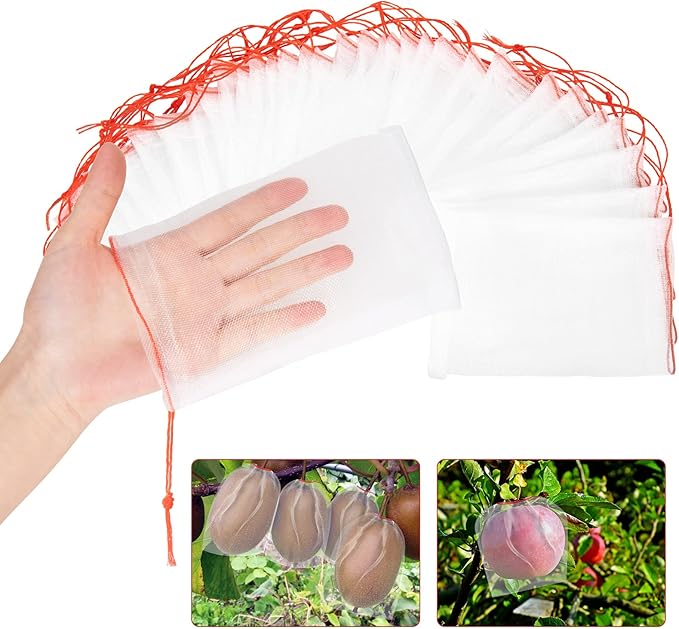
    Kikhope 100Pcs 6″x4″ Fruit Protection Bags, Garden Netting Bags with Drawstring

    71N1mDFyjZL. AC SX679

    Which Vegetables Do Not Cross-Pollinate?

    With the top best cross-pollinating vegetables listed above, there are other vegetables that do not cross-pollinate or very rarely do.  They include:

    Eggplant – It self-pollinates as it has “perfect” or “complete” flowers. It is very rare for eggplants to cross-pollinate.

    Garlic – It is self-pollinating and will not cross-pollinate.

    Pea – It is self-pollinating and does not cross-pollinate.

    Tomatoes – The tomato plant is generally a self-pollinating plant. However, in some cases, it can cross-pollinate with other tomatoes, but it is not done easily.

    Read more aboutWhen Do I Harvest Carrots – The Right Time?

    Tips For Harvesting Cross-Pollinating Vegetable Seeds

    To be able to harvest seeds from the above list of cross-pollinating vegetables, you will need to harvest the vegetables when they are fully mature.

    Pumpkins and Squash.  Harvest them once they are fully ripe. The skin should be firm and thick.  After harvesting, leave the seeds to mature for about three weeks.

    Cut the fruit open and harvest the seeds from the flesh. Dry them in readiness for the next planting season.

    Cucumbers.  Allow them to overgrown before harvesting them if you plan to use the seeds.  They will turn yellow, orange, or white depending on the cultivar you are growing. Cut them open and scoop out the seeds plus pulp. 

    Put them in a glass and add as much water then place it in a dark cool place for about 48 hours.  This will allow fermentation to take place cleaning the seeds.

    Any immature seeds and the pulp floats to the top and you can skim them off.  Rinse off the remaining seeds in a sieve and dry them as you would for pumpkin or squash.

    Tips For Harvesting Cross-Pollinating Vegetable Seeds

    Harvesting cross-pollinating seeds is a process that requires accuracy to ensure you end up with quality seeds.

    Final Thoughts On Cross-Pollinating Vegetables

    Most gardeners are not able to tell the difference between cross-pollinating vegetables and non-cross-pollinating ones.

    In fact, you can be a vegetable gardener and save up your own seeds rather than buy them every time. However, if you want to produce vegetable seeds so you don’t have to keep making grocery visits, then you will have to harvest your own seeds.

    FAQ’s

    Which crops are cross-pollinated?

    Cross-pollination occurs when pollen from a flower of one plant is deposited on the stigma of another plant. This can occur with both insect-pollinated plants and wind-pollinated plants. Cross-pollination can occur between related (self-pollinated) and unrelated (outcrossed) plants.  Crops that are cross-pollinated include Apples, Avocados, Bananas, Beans, Beets, Broccoli, Cabbage, Carrots, Celery, Cherries, Corn, Cucumbers, Eggplant, Fennel, Garlic, Grapes, Hops, Kale, Lettuce, Limes, Mangoes, Melons, Nectarines, Peaches, Pears, Potatoes, Pumpkins, Quince, Rhubarb, Squash, Strawberries, Sweet peppers, Zucchini, etc.

    What fruits and vegetables cross-pollinate?

    Vegetables that cross-pollinate are listed above in this article.  Some of the fruits that cross-pollinate include apples, bananas, cherries, mangoes, melons, peaches, pears, strawberries, etc. 

    Does cross-pollination affect vegetables?

    Cross-pollination does not affect the quality of vegetables. Some of these vegetables you will need to allow them to overgrow if you are harvesting the seeds but beside that cross-pollination does not affect the vegetables.

    What are the disadvantages of cross-pollination?

    The disadvantages of cross-pollination include:

    Decrease in quality of the fruits produced from the self-pollinated plants.
    Lower crop yields because some of the seeds have not been fertilized.
    Increased production costs and reduced efficiency because more resources are required for the pollination process.
    Changes in plant morphology (e.g., altered flowering time or flower structure) as a result of interplant pollination.
    Loss of genetic diversity.
    Altered gene expression.
    Possible disease transmission.
    Alteration of plant physiology.

  • When Do I Harvest Carrots – The Right Time?

    When Do I Harvest Carrots – The Right Time?

    When do I harvest carrots and how can I ensure they are fully mature before I harvest them?

    Carrots are a popular vegetable crop in the US. They are a rich source of vitamin A and vitamin C, with a wide variety of colors available. They are an easy-to-grow crop that takes only 6-8 weeks from seed to ready for harvest.

    Carrots can be eaten fresh or stored for future use. They are a good choice for growing in raised beds or containers.

    Growing Conditions For Carrots – When Do I Harvest Carrots?

    • Well-draining Soils. Carrot growing is very simple and can be done in your own backyard. You should have a large area of well-drained soil with good drainage. This will ensure that the carrots are properly grown and don’t rot.
    • Planting Season.  It is important to plant carrots in the spring, not in the summer or fall. The soil should be warm enough to allow the seeds to germinate but not too hot. If you are planting carrots in the fall, it’s important to remember that you need a long growing season in order to get them to mature. That means a minimum of 70-80 days of growing time. You should wait until after your last frost to start harvesting carrots. If you are growing in the spring, it is recommended that you harvest carrots when they 1- 1½ inches in diameter.
    • Provide Enough Nutrients. It is recommended to add organic matter to the soil. Carrots like to grow in rich, loamy soil that contains plenty of nitrogen.
    Growing Conditions For Carrots

    When Do I Harvest Carrots?

    So when do I harvest carrots? The best time to harvest carrots is when they are mature. In the US, you can usually get away with harvesting carrots at any point from mid-October through December.

    From planting a seed to harvest, carrots take an average of 70 days to grow but can take as many as 80 days. They need a long growing season to develop their full flavor.

    Carrots are grown from seed, which takes about 25 days maximum to germinate. They are then transplanted into the soil as soon as they have two true leaves. The plant will produce foliage and then the roots.

    It takes approximately 35 – 45 days for the plant to reach maturity. At this point, the carrot has developed all of its leaves and is ready to be harvested.

    How To Harvest Carrots

    Carrots are a healthy addition to the diet, and they’re easy to grow. Carrots take about 70 days to grow to maturity.  At this point, they are ready for harvesting.

    Carrots can be harvested at any time during their growth cycle, although most people wait until they’re about two inches in diameter. Carrots should be harvested when the tops are tight and firm.

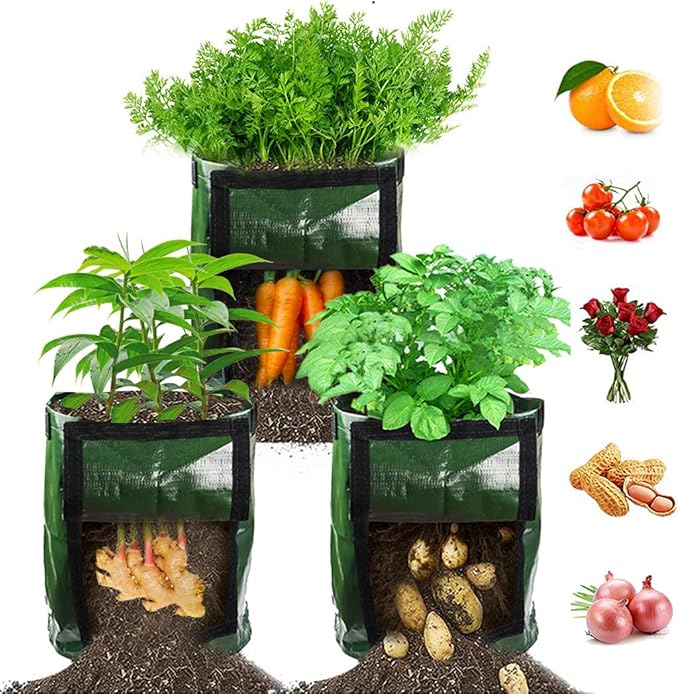
    【3 Pack】Plant Grow Bags 7 Gallon Heavy Duty Thickened Growing Bags

    When Do I Harvest Carrots

    This is when they are at their sweetest and most flavorful. When harvesting carrots, remove them from the soil by pulling up the entire root. Then cut off the top with a sharp knife.

    If you are planning on storing your carrots, remove any loose or damaged leaves, then wrap them in plastic bags. Store them in a cool, dark place.

    How Do I Store Carrots?

    Once you harvest your mature carrots, it’s best to store them properly to ensure they retain their freshness throughout their storage life.  Carrots are highly perishable and should be stored in a cool, dry place.  Carrots can be stored for a few weeks in a plastic bag in the refrigerator.

    If you’re storing carrots in a root cellar, don’t forget to cover the tops with dirt so they don’t dry out.

    To extend the storage life of carrots, try freezing them.  Freezing carrots will slow down the respiration process and maintain freshness for longer periods of time. To freeze your carrots, cut off the greens and peel the skin before washing. 

    Then place the carrot into a freezer bag and freeze.  After thawing, you can use the carrots as you normally would.  Carrots should be cooked or used in salads within five days after they’ve been frozen.

    Health Benefits Of Carrots

    Carrots have many health benefits.

    • They contain fiber and beta-carotene, both of which are good for the body. Beta-carotene is a form of vitamin A that has been found to be beneficial in maintaining healthy eyesight.
    • Carrots contain a high amount of potassium and vitamins C, E, K, and B6.
    • They also contain the antioxidant compounds quercetin and kaempferol.

    Nutrition

    The USDA recommends that children eat at least two cups of carrots per week. Raw carrot juice contains about 2.3 grams of protein per cup and is considered an excellent source of iron and a very good source of vitamin A, vitamin C, and folic acid. Carrot seeds contain large amounts of oil (about 40%), which makes them a good source of energy.

    Summary Of When Do I Harvest Carrots

    When do I harvest carrots? Carrots are a member of the parsley family and are annual. They will be ready to harvest in their first year of planting from seed.

    Carrots can be harvested as soon as the tops die down, but it is best to wait until the tops have fallen over. It takes about six weeks for carrots to grow from seed to maturity. The growing season starts in April and ends in October.

    There are two main varieties of carrots, round and long. Round carrots have smooth skin with no eyes and the length can vary from 1 1/2-3 inches. Long carrots have knobby skin with eyes and the length can vary from 4-8 inches. Carrots should be harvested when they are 1 to 1½ inches in diameter.

    FAQ’s

    What happens if you leave carrots in the ground too long?

    Carrots are not hardy plants and will not grow in cold or wet conditions. The best time to plant is spring, summer, fall or winter. If left in the ground for too long, they lose their taste and become bitter.

    How tall should carrots be before harvesting?

    The carrot should be harvested at least one inch above the soil surface, and no more than two inches below the soil surface. If the carrot is allowed to grow taller than this it will be much more difficult to pull out.

    What happens if you don’t harvest carrots?

    Carrots that are left in the ground for a few weeks may become soft and moldy due to the growth of fungus. It’s best to leave carrots in the ground until they are about one inch in diameter.

    After that, you can cut them off and leave them on the ground. The root end will continue to grow down into the soil, but the top part will remain above ground.

    How do I know when carrots are ready to harvest?

    You can tell when carrots are ready to harvest by looking at the tops. If they have yellowed slightly or are beginning to turn brown, then they are ready. If they are still green, then they are not yet mature.

  • A Guide To Planting Cilantro In A Pot

    A Guide To Planting Cilantro In A Pot

    Planting cilantro in a pot provides you with an opportunity to grow your herbs even if you don’t have a garden.

    Cilantro is a herb that belongs to the family of cumin, coriander and parsley. The leaves of this plant are used in cooking different dishes like salads and soups. It has a sweet, yet slightly bitter taste.

    You can also use it in Mexican food dishes and curries. This plant can be planted in a garden or in a pot. You can also plant cilantro in a greenhouse.

    This article will show you how to plant cilantro in a pot. It will help you learn how to grow your herbs from seed indoors and outdoors.

    A Complete Guide To Planting Cilantro In A Pot

    Before you start planting cilantro, make sure that you have all the materials needed. These materials include:

    • Pot
    • Seeds
    • Soil
    • A source of light

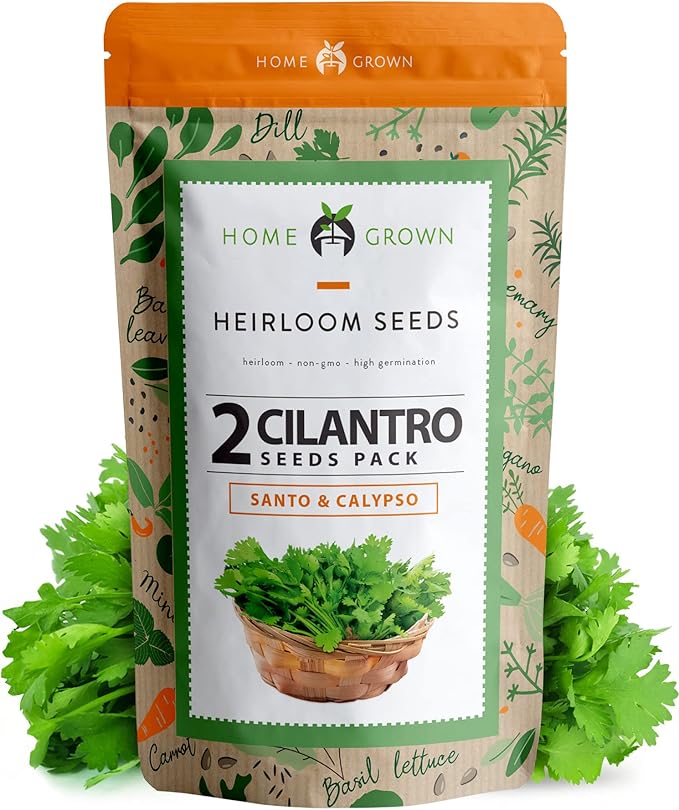
    2 Types of Cilantro Seeds – 250 Calypso & 250 Santo Cilantro Seeds for Planting Indoors

    Planting Cilantro In A Pot

    Step By Step – Planting Cilantro In A Pot 

    1. Find a pot that will hold about one liter of water. The pot should be shallow with a drainage hole at the bottom.
    2. The soil should be loose and well-drained.
    3. Cilantro requires a good amount of sun, so choose a spot where it can get plenty of sunlight. You may also want to consider planting it in a container, as this allows you to move it around if you feel like it is not growing well.
    4. Choose a seed that has already sprouted. Cilantro is a biennial plant and will only sprout once every two years. It should be planted in spring or fall, depending on where you live. If you have seeds already sprouted, make sure that they are in a warm place where there is air movement. Remove any old leaves and dirt from the seedlings. You do not want the cilantro to be dirty.
    5. When you are ready to plant your cilantro, take the pot outside and fill it with the soil and water. You should keep the soil moist, but not so wet that it will start to rot.
    6. As the cilantro grows, it will begin to produce new leaves. Your cilantro will be ready for harvest in about two weeks.
    7. Harvest your cilantro by cutting the leaves at 1 1/2 inches long. When you have cut all of the cilantro, wash it thoroughly to remove any dirt or insects. You can dry your cilantro by hanging it up to dry and it will be ready to use after three weeks.
    8. Cilantro is a great addition to soups, salads, tacos, and rice dishes. Cilantro is also used as a herb for tea. You can make a cilantro tea by adding one tablespoon of cilantro leaves to a cup of boiling water. Let the leaves steep for 10 minutes, then strain the leaves out of the water.

    Why Grow Cilantro In A Pot?

    There are a number of ways for planting cilantro in a pot.  Cilantro is a member of the mint family. Some people grow it in pots, others on trellises or on stakes, and some grow it in a hanging basket. We decided to grow cilantro in a pot because it provides a safer place to grow compared to growing in the garden.

    Tips For Growing Healthy Cilantro In A Pot

    • If you want to grow cilantro indoors, you will need a pot with drainage holes.
    • You can add fish fertilizer or use water-soluble fertilizer to feed your plants.
    • You can plant seeds directly in the soil or you can transplant seedlings from a nursery.
    • When you’re ready to plant seeds, put them in a small dish of water and let them sit until they are germinated. This could take anywhere from 1-2 days.
    • Once you have a few seedlings, transfer them into the soil. Be sure to keep the soil damp as you do this.
    • To make sure your plants stay healthy, water them regularly. Water every day, but only when the soil feels dry, and keep an eye out for pests.
    • Cilantro is a herb and is not fussy about temperature. You can grow it inside or outside in the summer months.
    • Keep your cilantro well away from other plants. If you have a greenhouse, keep your cilantro on the top shelf.

    To harvest your cilantro, pull the leaves from the stem and store them in a glass jar with a lid. It’s best to use fresh cilantro right away.

    Tips To Growing Healthy Cilantro In A Pot

    In Summary Of Planting Cilantro In A Pot

    Planting cilantro in a pot should be easy and quick. It is recommended to plant cilantro seeds in small pots. You may want to choose small pots with a diameter of eight cm or more. The height of the pot should be at least 18-20 cm.

    The pot should contain enough soil for cilantro to grow well. Water the pot well before you plant it. When planting cilantro, you can use most types of soil.

    Cilantro seedlings will grow very fast. You can plant cilantro seeds at the beginning of April, as long as the last frost has already occurred.

    Cilantro plants need a lot of water for the first two weeks. However, after that, they only need to be watered 1-2 times per week. Cilantro plants need fertilizers in the beginning and middle of their growth period.

    When planting cilantro in a pot, you should use ¼ cup of nitrogen-based fertilizer (21-0-0) for every 25 square feet of growing area. Cilantro plants should be fertilized one to two times per growing season.

    FAQ’s

    Does cilantro grow well in pots?

    Yes, it grows very well and will do best in a larger pot with ample water.  Remember, too much water will cause it to rot and die. 

    How many cilantro plants can I grow in a pot?

    You can plant as many as you want depending on the size of your pot.  The larger the pot, the more cilantro plants you can grow. 

    Does cilantro need sun or shade?

    Cilantro does not need sun but it needs good light.  It will grow well in a bright window sill if you are careful about keeping the soil moist.  When growing it outdoors, select a site hat does not receive direct sun rather choose one that has partial sun and shade. 

    How to grow cilantro in a pot?

    Cilantro is a tropical herb. It needs a warm temperature and lots of water.  You can grow it indoors or outside in pots.  It is easy to grow. You only need to water once or twice a week and it is ready for harvest after six weeks. 

  • What You Need To Know About The Best PH For Tomatoes

    What You Need To Know About The Best PH For Tomatoes

    Best pH for tomatoes, do you know what this is? If you are interested in growing tomatoes, there are a few factors you must look out for such as soil nutritional content, soil pH level, the amount of sunlight to expose the plant to, and the best time to plant. All of these have a way of affecting the overall result that is achieved at the end of the day.

    Tomatoes are one of the very important vegetables that is used by many for cooking and preparing different delicacies. Its nutritional benefits are numerous ranging from reduction of the risk of heart disease and cancer to being a great source of vitamin C and K potassium and folate.

    This article considers the best pH for tomatoes to grow and attain the best possible result. Things that may be done in situations where the pH level is too high or too low to bring it to the desired levels are also discussed.

    What Is pH? – Best pH For Tomatoes

    When we talk about pH of a plant, we are referring to if your soil is acidic, alkaline, or in a few cases neutral. The scale of pH usually ranges from 0 to 14.

    It is crucial you know your soil pH before planting because it can determine how available nutrients will be supplied to your plant. This will therefore help your plant thrive well.

    Tomatoes pH Level Requirement

    The ideal soil pH to grow tomatoes is anywhere between levels 6.0 and 6.8 according to research. Although this is the ideal levels, tomatoes can also grow in soils with acidic levels as low as 5.5 on the pH scale.

    If you desire your tomatoes plant to be healthier and blossom as when due, then you must strive to maintain the soil pH level. The farther the tomatoes plant strays from this range, the lower your yields.

    Any soil that is too acidic will generally slow the growth of tomato plants and ultimately reduce harvest. Where the soil is too acidic, it also leads to nutrient deficiencies, resulting in a problem like an end rot on tomato fruit.

    A similar result is bound to be attained where the soil has a high alkaline content. As such, pH levels against 6.8 would greatly affect the growth and yield of the tomatoes plant.

    How To Test The pH Level Of Soil – Best pH For Tomatoes

    In a bid to prevent the problems associated with planting your tomatoes in soil that does not meet the pH requirements, ensure to test the soil. Testing a soil’s pH level can be done in various ways.

    One way of doing this is by sending a sample of your soil to a lab for testing and thereafter waiting for the result. Another way would be to buy the test kits and test on your own using an easy time-saving method.

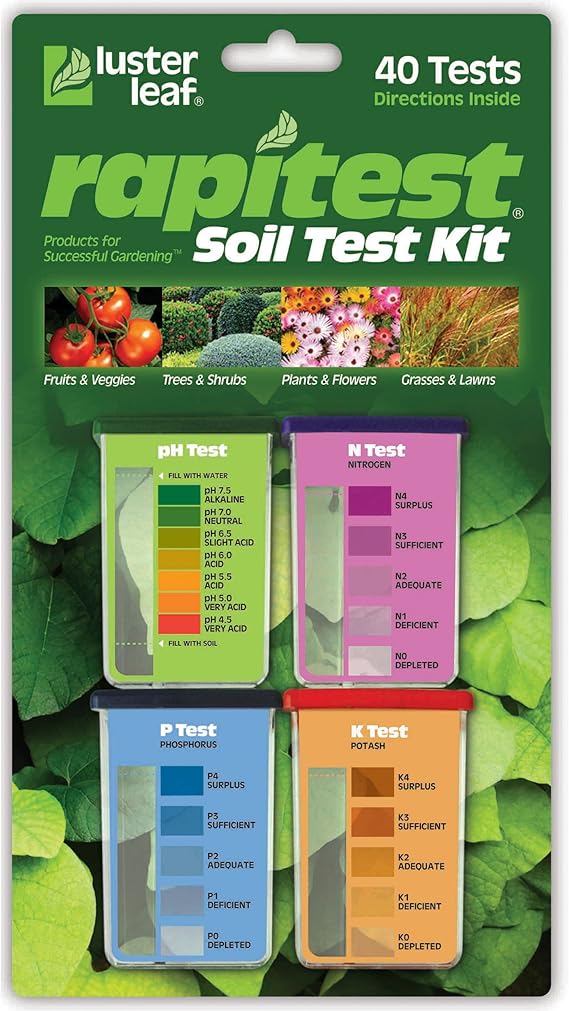
    Luster Leaf 1601 Rapitest Test Kit for Soil pH, Nitrogen, Phosphorous, and Potash, 1 Pack

    Best pH For Tomatoes

    How To Lower The Soil pH Levels – Best pH For Tomatoes

    Where you discover after your testing that your soil pH level is above 6.8, you may need to lower this level. The following are a few ways to achieve this:

    • Use of Compost: If you add compost to your soil, it will not only feed your soil with very valuable nutrients, it will also help stabilize the pH level. Where the pH is too high, it helps lower it, and when it is too low, it helps increase it. So it’s both manure and pH balancer.
    • Sulfur: The use of sulfur is another way to balance the soil’s pH levels. The use of sulfur just like compost helps to balance the soil’s pH levels. You should however be careful not to add too much sulfur to the soil as this may be harmful to plants.
    • Sphagnum Peat Moss: This is a slow-acting agent for the amendment of the soil’s organic content and pH levels. It is also a good substance to help improve water retention and aeration in your soil.

    How To Increase The Soil pH Levels

    There are also instances where results will show that the soil has very low pH levels (highly acidic) and there is a need to increase the pH levels. The following can be done to get the pH levels increased:

    • Addition of Compost: If you add compost to your soil, it will not only feed your soil with very valuable nutrients, it will also help stabilize the pH level. Where the pH is too high, it helps lower it, and when it is too low, it helps increase it.
    • Limestone (calcium): This is one of the most common ways to lower the soil’s pH levels. By adding limestone to the soil, calcium bicarbonate is formed which helps to improve the soil’s pH levels.
    How To Increase The Soil pH Levels
    • Wood Ashes: This is one of the natural ways to amend the acidic nature of soil as they contain calcium carbonate. Where you have a fireplace, spreading some ashes from the fireplace on the soil may be of great assistance here.
    • Removal of Pine Needles: Recent research has shown that pine needles do not substantially affect soil pH levels. However, freshly dropped pine needles have been discovered to be a very good neutralizer of soil pH.

    Conclusion On Best pH For Tomatoes

    Growing tomatoes require consideration for a number of things. The soil pH level is one of those items that must be considered before growing tomatoes. It is very important to carry out a test to determine the soil’s pH level before growing for the purpose of getting the desired result.

    Where after your test it is discovered that the soil’s pH level is too low or too high, steps can be taken to amend these levels to an appropriate state. These are well discussed in this article.

    FAQ’s

    How do you acidify soil for tomatoes?

    Tomatoes require soil pH levels of 6.0 to 6.8, which is an acidic level. Where this is not the current level of your soil, you may acidify the soil by doing any of the following: addition of compost, sulfur, peat moss, and chelated fertilizer. All of these will help in making sure that the soil is acidified to the right levels.

    What is the best pH levels for tomatoes?

    If you require your tomatoes to blossom and give out fruit bountifully, then the soil’s pH level should be between 6.0 and 6.8. Any level below or above this is not the ideal pH condition for planting tomatoes.

    Do tomatoes prefer acidic or alkaline soil?

    Acidic soil is a soil with pH level below 7, while alkaline soil is one with a pH level above 7. Considering the fact that tomatoes thrive in soil with pH level 6.0 to 6.8, it is correct to say it does well in acidic soils.

    What is the best pH for hydroponic tomatoes?

    Hydroponic tomatoes are those tomatoes grown in a nutrient solution instead of soil. They can as such be grown indoors without natural light and the desired result actualized. Hydroponic tomatoes will usually give the best possible result when grown in a pH condition of 6.0 to 6.5.

  • Get To Know The Difference Between Summer Squash And Zucchini

    Get To Know The Difference Between Summer Squash And Zucchini

    The difference between summer squash and zucchini may be on your mind. Not to worry because this post is all about educating you about this and even more.

    The terms zucchini and summer squash are usually used interchangeably especially when it comes to food recipes.

    You might have even been in a situation where you’ve searched the whole supermarket shelves for zucchini only to find nothing. Then you just decide to simply toss a summer squash in your shopping cart instead because you think they are the same. But are they really the same or is there a difference between them? We will find out soon.

    But before we look into the difference between summer squash and zucchini, let’s briefly look into some brief details about summer squash and zucchini.

    Brief About Zucchini

    Although zucchini is often referred to as a vegetable, botanically speaking, it is actually a type of fruit. But you can still refer to them as vegetables. It belongs to the family of Cucurbitaceae together with other types of fruits such as cucumbers and gourds.

    They are vining herbaceous plant and their fruits are usually harvested while their seeds and epicarp are still young or immature and soft or edible. The entire fruit of zucchini is totally edible so the skin, the flesh, and even the seeds are totally edible and they are rich in phytonutrients.

    Brief About Zucchini

    The fruit of zucchini is cylindrical and long and it has this mild, sparingly sweet flavor. The color of the fruit is deep green and it has this soft white flesh. However, you may occasionally find a golden-yellow variety of zucchini. The taste of zucchini tends to be mild and it has this slightly sweet flavor.

    Usually, it is the color of zucchini that is one of the most common ways of distinguishing between summer squash and zucchini. Then normally, the color of summer squash tends to be a bright shade of yellow compared to the zucchini forest green trademark.

    Check Out When To Pick Yellow Squash? Find Out Here

    Brief About Summer Squash

    Summer squash is a warm season crop that can be grown anytime so far the weather conditions are warm and frost free. When we talk about summer squash, it can encompass many varieties of freshly harvested squash that are usually picked during the summer months.

    The truth of the matter is that zucchini is also a summer squash plant family. And zucchini is included in other summer squash families such as pattypan squash, crookneck squash, and yellow squash. This implies that all zucchini can be referred to as summer squash. However, not all summer squash are zucchini because summer squash has different varieties of other squash apart from zucchini.

    Now, that we have some ideas about what zucchini and summer squash is, we can now look into the differences if there are any.

    Our Pick
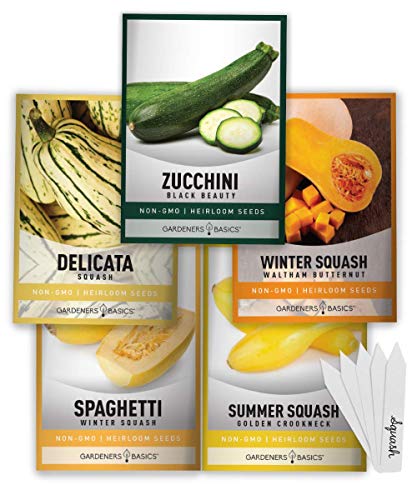
    Squash Seeds for Planting 5 Individual Packets – Zucchini, Delicata, Butternut, Spaghetti and Golden Crookneck
    $9.95

    Gardeners Basics Squash Seeds for Your Non-GMO Heirloom Vegetable Garden

    Check Amazon Price
    We earn a commission if you make a purchase, at no additional cost to you.
    02/03/2026 05:15 am GMT

    Differences Between Summer Squash And Zucchini: Zucchini vs Squash

    As we mentioned earlier, zucchini is also a type of summer squash. The difference between these two isn’t so much. But here are some differences we can find about these two squash:

    1.    Colors

    The main difference between these two squash is their color. Zucchini is mostly dark green while summer squash on the other is mostly yellow. However, there are still some zucchini varieties that are yellow and they are known as gold zucchini.

    This gold zucchini also have the same flavor as the green zucchini so you can switch them in your dishes. The yellow zucchini may not be seen frequently or at all if you try to find them at grocery stores. You may however see them once in a while at the farmers market. You can even grow it yourself.

    2.    Shape – Difference Between Summer Squash And Zucchini

    Apart from color being the difference between zucchini and summer squash, the shape of these squash is another difference we can look at. A little closer look at their shapes can tell their differences.

    For the shape of zucchini, it has this straight, even shape. Then summer squash on the other hand has this thick and wider near the bottom and a narrow shape at the top. So, even if you find a zucchini and summer squash of the same color lying side by side, you should be able to tell the differences in their shape.

    3.    Slicing – Difference Between Summer Squash And Zucchini

    It is believed that you may get the difference between zucchini and summer squash when you slice them apart. When you cut them apart, summer squash may have fewer seeds compared to zucchini.

    What About The Flavor: Does Summer Squash And Zucchini Taste Different?

    When it comes to the flavor of both zucchini and summer squash, they tend to taste similar. So, it will be pretty easy to just use either zucchini or summer squash interchangeably in your recipe.

    Can You Swap Zucchini For Summer Squash?

    The fact that zucchini and summer squash taste similar, makes them easy to be swapped easily. These two types of squash also have similar appearances from the inside. Therefore, you can easily use zucchini or summer squash interchangeably for your kitchen recipe.

    Both zucchini and summer squash have this mid-taste and that slightly firm texture. You may not even notice so much difference in their taste. So, if you are probably having trouble finding one of these squash, you can simply go for either and it won’t even affect the flavor of your dish.

    You may even make a unique recipe with these squash by simply including or mixing a little of each of these squash in your dish to make your plate look more colorful and appetizing.

    Can You Swap Zucchini For Summer Squash

    Final Note On Difference Between Summer Squash And Zucchini

    Differences between summer squash and zucchini have been discussed in this post. So we hope we have answered most of the troubling questions you may have about the differences between these two squash.

    FAQ’s

    Can I use summer squash instead of zucchini?

    Yes. You can comfortably use summer squash instead of zucchini. You may not even notice the difference because both summer squash and zucchini tend to have a similar taste. These two squash both have a mild taste with a hint of sweetness.

    Which is healthier yellow squash or zucchini?

    Both yellow squash and zucchini have unique nutritional values that you can benefit from. For instance, squash has more beta-carotene and alpha-carotene compared to zucchini. But zucchini also contains more lutein and zeaxanthin compared to squash.

    Is squash the same as zucchini?

    Technically speaking, squash can be referred to as zucchini because zucchini is also a type of squash (zucchini is a summer squash to be precise). Apart from the difference in color and shape, zucchini and squash can be used interchangeably, especially during food recipes.

  • Do You Know When To Pick Yellow Squash? Find Out Here

    Do You Know When To Pick Yellow Squash? Find Out Here

    Yellow squash is one of the members of the squash family, with lots of nutritional benefits and the ability to grow rapidly during summer. When to pick yellow squash is one common question asked among gardeners. The yellow squash usually has a very short maturity period making it susceptible to quick picks.

    Yellow squash is summer squash, and one of the varieties of marrow squash. It is largely an edible vegetable looking very much like zucchini in shape, flavor, and texture. Yellow squash usually come in different shapes, sizes, and hues, reaching their peak during the hottest weeks of summer.

    This article offers insight into when to pick (harvest) yellow squash. So, let’s begin.

    When To Harvest Yellow Squash

    Yellow squash should get harvested when it has attained maturity. The following are a few factors that should offer you hint into whether the plant is matured for picking or not:

    Length Of The Yellow Squash – When To Pick Yellow Squash

    The longer the size of the squash, the more likely it is matured for harvesting. When the squash appears long, then most of the seeds inside are very likely matured. While it is necessary for the seeds to matured, they should not be left to get too hardened inside. The ideal length for harvesting yellow squash is when it is about six inches in length.

    Plumpness Of The Blossom End – When To Pick Yellow Squash

    As a squash begins to mature, one of the signs you will notice is the bigger it gets around the blossom end. When the plump end gets really big around, thereby leaving the neck small, then the plant is matured for harvesting.

    Color Of The Squash – When To Pick Yellow Squash

    Although yellow squash is yellow from the beginning, as they mature, you begin to notice some changes. The matured squash begins to turn dark yellow as it nears the picking stage. When it becomes overly matured, there is an orange tint to the skin.

    You Begin To Notice A Few Bad Ones – When To Pick Yellow Squash

    Where you fail to pick any of the above signs, this last sign may come in handy. When you begin to notice that a few yellow squashes are getting worse, then you are sure that maturity has been attained. A change to brown is evidence of this.

    Read more about Foods High In Nitrogen

    Picking Matured Yellow Squash – When To Pick Yellow Squash

    After you have confirmed that the squash is matured for harvesting, then you should go ahead with the harvesting process. Squash can easily get harvested by being twisted off the vine or alternatively by using scissors or a garden pruner to cut off the vine.

    You should be careful not to tug or pull fruit from the vine with force as this may result in injury to the plant. When cutting off the fruit from the vine, it is best to leave a short stem attached to the fruit as this will greatly help improve storage life.

    Due to how easily the skin of the fruit can be injured, care must be taken when going about the harvesting of this plant. This is so as to prevent wounds to the skin.

    Our Pick
    Squash Seeds for Planting 5 Individual Packets – Zucchini, Delicata, Butternut, Spaghetti and Golden Crookneck
    $9.95

    Gardeners Basics Squash Seeds for Your Non-GMO Heirloom Vegetable Garden

    Check Amazon Price
    We earn a commission if you make a purchase, at no additional cost to you.
    02/03/2026 05:15 am GMT

    Tips To Note When Picking Yellow Squash

    Below are a few tips that should be considered by you when picking your matured yellow squash fruit:

    • Not all fruits and vegetables are harvested the same way: While some fruits and vegetables are harvested when they are still hard, others require softness before harvest. Some fruits can ripe after picking while others cannot. You must therefore follow the prescribed picking way.
    • The bigger fruit is not always the best: the more you leave your yellow squash attached to the vine, the bigger it gets. This however has its downside, as the seeds also get harder and tougher. If the fruit is to be used for cooking, the soft seeds are better than the hard ones.
    • Exercise care when picking: You should ensure to use both hands when picking so as to protect such plants from being injured. Also, you should take enough care to ensure that the fruit is not yanked off the vine. Doing this may cause serious harm to the plant and growth hampered.
    • Harvest in the morning; Just like most other plants, it is best to harvest the yellow squash in the morning. This allows the product to stay crisp and store longer, and this protects the fruit from becoming limp from heat during the day. Where morning is not possible, then the fruit should be harvested in the evening.
    Tips To Note When Picking Yellow Squash
    • Constant checking of the garden: When you notice that a plant is producing, you should begin frequent visits to the garden. This is to ensure that you do not miss a matured yellow plant. Constant picking encourages the plant to produce even more and as such should be done.

    Click Here to Learn:

    Storing Yellow Squash After Harvesting

    After picking the yellow squashes, you may need to harvest some when they cannot all be consumed immediately. Below are a few tips you should note when storing the summer squash:

    • Wipe the fruit with a clean damp cloth and place it in a perforated plastic bag. Thereafter, place the bag in the vegetable crisper of a refrigerator. This is one of the best ways to store and maintain the humidity of the yellow squash.
    • The temperature for storing the summer squash in the refrigerator should not be lower than 50 degrees Fahrenheit. Where the temperature gets too low, it may result in injury symptoms in the fruit such as surface pitting, water loss, and decay.
    • Grating and freezing: Another method that may be adopted when storing summer squashes is to grate and then freeze. Grating and freezing greatly help in retaining the quality and this may last longer than just freezing.
    Storing Yellow Squash After Harvesting

    Conclusion On When To Pick Yellow Squash

    The yellow squash is one of the lovely fruits you may decide to have in your garden. However, for the best possible result to be actualized, you must be conversant with when is the best time to plant as well as pick the fruit. This article gives you proper guidance into how to go about picking the fruit.

    FAQ’s

    How to tell when squash is ready to pick?

    There are a few things you would notice in a yellow squash to give you an inkling into whether it is ready to be picked or not. These include an increase in size to no less than 6 inches, plumpness of the fruit and a change in the color of the fruit to dark yellow as opposed to bright shiny yellow for young fruits. A yellow squash is usually ready to be picked about 50 to 60 days after planting

    How do I know when yellow squash is ripe?

    You know when the yellow squash is ripe by some of the features you will notice in the fruit. These include an increase in size to no less than 6 inches, plumpness of the fruit, and a change in the color of the fruit to dark yellow as opposed to bright shiny yellow for young fruits.

    How do you pick squash off the vine?

    You pick squash off the vine by carefully holding with one hand and twisting gently. Be careful and ensure not to pull so as not to break the vine. Also, for easing of picking, you may also use a scissors or garden pruner to cut the fruit off the vine.

    Will yellow squash ripen off the vine?

    Yes, if the yellow squash is allowed to stay on the vine long enough, it will ripen on the vine. You will gradually begin to notice a change of its color to a darker yellow. At this point, know it has ripened for harvest.