Category: Plants

  • What You Need To Know About Basil Growing Temperature

    What You Need To Know About Basil Growing Temperature

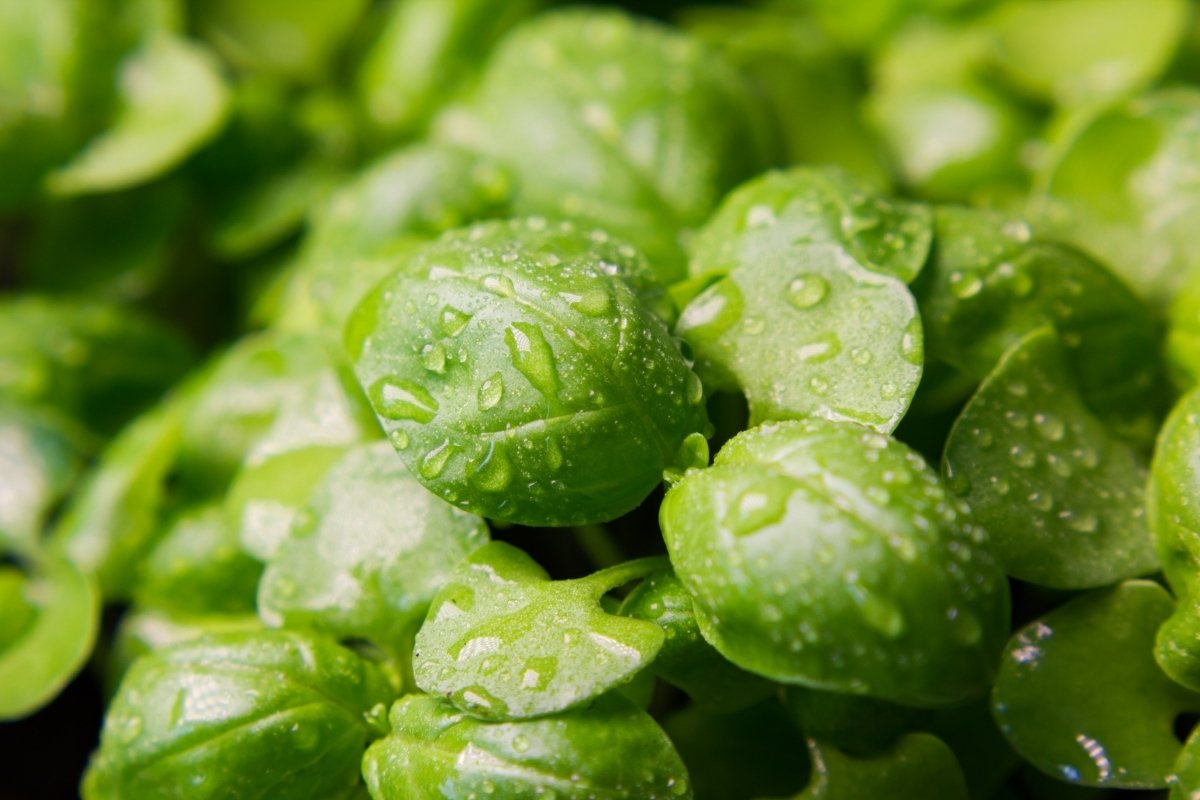
    Basil plan is a type of herb that can be grown in many different climates. It is a famous herb used in the kitchen and it offers a lovely aroma and sweet flavor to our recipes. Basil growing temperature needs to be known for a better outcome or yield.

    Basil herb can go well with different recipes such as pasta, salads, pizzas, Bloody Marys, Thai curries, and more. This herb is a warm-weathered plant that is easy to grow when you have the right knowledge. Even novice gardeners can find their way around growing this lovely herb.

    With the ease it comes with growing basil plants, getting to know the ideal growing temperature of this plant is one thing to note if you plan on growing this plant.

    Basil growing temperature is what we will be discussing in this article, so let’s begin.

    Basil Growing Temperature

    When it comes to the ideal basil growing temperature, basil has its preferences. Basil plants love a warm temperature as they will thrive well in warm temperatures.

    Basil plant is native to tropical regions especially Central Africa and Southeast Asia. However, as of today, basil is widely cultivated in climates that are temperature such as the Mediterranean region. But the productivity of the basil herb is however not the same in the entire climate in which they are grown.

    Basil Growing Temperature

    So, below is what you need to know about the basil growing temperature:

    • Basil growing temperature is around 80 to 90 degrees Fahrenheit. The plant basil can still do well starting from 50 degrees Fahrenheit up to 90 degrees.
    • However, once the temperature drops below 50 degrees Fahrenheit and the temperature starts to become chilly, the growth of the plant can become stunted.
    • Therefore, this implies that basil plants are sensitive to cold and they can rapidly show signs of damage or even die off once the temperature goes down. Ensure you shield your basil plant from frost by moving them indoors if they are in containers or cover them if they are planted outdoors.
    • So, always provide your plants with a warm and sunny spot so your basil plant can flourish optimally. Supply around 6 to 8 hours of direct sunlight per day to help your basil plant. However, if your area gets very hot, it’s recommended you give your basil plant some shade in the afternoon.
    • Also, if you want your basil plant to take off beautifully, ensure the soil and the air is slightly warm. So, when spring approaches, don’t be in a rush to put out your basil plant but ensure the outdoor environment is fairly warm.

    Check Out Will Tomatoes Grow In Shade?

    Basil Growing Season

    From the above, it is only logical to deduce that the basil plant can only be grown during the heat of summer. The chilly winter season is not appropriate to grow basil because the plant can die and drop its seeds.

    If you wish to grow the basil plat outdoors, it is best to commence seed indoors in the spring. Doing this can boost and jumpstart the growing season and you can avoid the risk of exposing your seedlings to freezing.

    Then once the outdoor temperature is favorable (about 50 to 90 degrees Fahrenheit) you can go ahead and transplant the seedlings outdoors.

    However, if the region you live in receives lots of sunlight and remains warm all through the year, then your basil could survive through the winter if you plant them outdoors year-round.

    Click Here To Get Info About:

    Ways Of Preventing Damage Caused By Cold To Basil Plant

    As we have stated, basil doesn’t like chilly or cold weather. So, it is recommended you avoid planting basil outdoors when the weather is cold.

    However, there may be some periods where late spring and early fall ushers in unexpected chilly temperatures.

    But your basil can still survive outdoors during this unexpected period of colds if they are just brief and don’t hit freezing temperatures. Also, you will need to take extra precautions during this unplanned frosty period and do things such as covering your basil plants. Then your basil can be safe.

    The addition of mulch to the base of your plant is another way to minimize the cold effect and add a layer of insulation. Then if your basil is in containers, you should bring them indoors during chilly seasons. Also, you can aim to harvest your basil leave for your cooking before the risk of frost is close by.

    8 Basil Herb Seed Pack – Perfect Seeds for Planting – Heirloom & Non-GMO

    717zoYlNz3L. AC SX679

    Other Requirement For Basil Growth

    So, we have established that the basil plant thrives in warm climates. There are also other growing requirements to further improve or boost the successful growth of the basil plant. Some of them are:

    • Watering Needs

    Basil thrives well with moist soil but not too soggy soil. Therefore, try to water your basil adequately and don’t let the soil dry out.

    If your basil is planted outdoors on the ground, you can put some mulch around the bottom of the plant. This is to further help in retaining moisture in the soil.

    • Harvest More Often

    If you want a large and bountiful harvest, you should harvest your basil more often. Harvesting more will improve the yield.

    • Well Draining Soil

    The soil of basil needs to be well-draining soil to flourish. This is to encourage good drainage. Therefore, if they are planted in containers, you should water them when needed.

    Well Draining Soil For Basil

    Conclusion On Basil Growing Temperature

    Basil growing temperature is a very crucial point to note when you are growing this plant. You can always enjoy a healthy and productive basil plant at a temperature of around 80 to 90 degrees Fahrenheit.

    FAQ’s

    What temperature is best for growing basil seeds indoors?

    The best temperature for basil to grow seeds indoors optimally is around 80 to 90 degrees Fahrenheit. Basil seeds can still thrive in temperatures from 50 degrees but they should not drop below 50 degrees Fahrenheit.

    What is a killing temperature for growing basil?

    A killing temperature frost for growing basil is a temperature that drops below 50 degrees Fahrenheit. This temperature is very dangerous for the growth of your basil plant.

    What temperature is too cold for basil?

    A temperature that dips below 50 degrees Fahrenheit is too cold for basil. Basil thrives well in warm temperatures and they won’t flourish in chilly weather. So, it is best to start the seeds indoors and transplant them outdoors later when the weather is warm if the climate in your region is not always favorable.

    Does basil grow in hot weather?

    Basil definitely grows in hot weather because the plant is a warm loving plant. However, the weather should not be too hot; it can stress the plant as they fight to retain moisture. So, you can take some extra precautions by shading your plant a bit if the temperature is too hot for them.

  • Will Tomatoes Grow In Shade?

    Will Tomatoes Grow In Shade?

    Ideally, tomato plants thrive well under a normal condition of at least six to eight hours of sunlight every day. But what about a situation whereby you live in a zone where you hardly get sunlight, especially in your garden? Then you ask yourself: Will tomatoes grow in shade?

    Well, the answer is yes! You can grow tomatoes in the shade. However, there are certain varieties of tomatoes that are shade-tolerant that you can choose to plant. This and more are what you will find out about in this article.

    So if you’re asking if tomatoes will grow in shade?  Then yes, tomato plants can adjust to growing in shade but they will be more leggy. This is because of the way they try to get to where the light is. But let’s find out more.

    Will Tomatoes Grow In Shade?

    Certainly, tomatoes can grow in the shade even if they require direct sunlight. Tomatoes can adapt to shades. However, the plant will become leggier as they attempt to reach sunlight.

    Although, growing tomatoes in full sun is the best with at least six hours of sunlight daily. However, partial shade may still be okay. Look to choose the best spot for planting your tomatoes, then the center of your garden or by a wall that is facing south will be perfect.

    Furthermore, don’t plant them by a wall facing north or beneath a tree. At this point, you may still be wondering if tomatoes will grow in a shade. Planting tomatoes in a shade can still turn out great, however, do bear in mind that the yield won’t be as much as expected when they are being grown under the light.

    Read more about Reasons For Wilting Tomato Plants In Pots

    Tomato Varieties That Are Shade-tolerant

    Tomato plants grown in the shade will not yield many fruits and the fruits won’t get ripened quickly. Hence, this is why it’s advisable to go for small varieties of tomatoes like cherry tomatoes to be grown under shade.

    Going for the bigger tomato varieties can also turn out great in partial shade if it’s the ones with a shorter maturity date.

    So if you’ve decided to grow tomatoes in the shade, then take cognizance to make sure that factors like nutrients, water, and airflow are in high supply. This is really important, as it will determine how healthy your tomato plants will be as well as the plants’ yield while growing in the shade.

    Let’s see the list of the varieties of tomato that can be grown in the shade.

    • Classic Round Tomatoes: Carmello (Red), Arkansas Traveler (Deep Pink), Green Zebra, Siberia Red, Early Wonder (Dark Pink), Belize Pink Heart (Deep Pink), and Marglobe (Red).
    • Cherry, Grape, and Pear: Golden Sweet, Black Cherry, Ildi (Yellow), Evans Purple Pear, Juliet Hybrid (Red), Isis Candy Cherry, and Principe Borghese (Red).
    • Plum and Paste: Roma (Red), Mama Leone (Red), Redorta (Red), and San Marzano (Red).

    14 Rare Tomato & Tomatillo Garden Seeds Variety Pack 800+ Non-GMO Heirloom

    Will Tomatoes Grow In Shade?

    Providing Good Light For Tomato Seedlings

    Try providing adequate light, like a grow light, if you’re starting your tomato seeds indoors. This is because it is important they get adequate light when they are beginning to grow.

    Naturally, tomato plants form roots along their stem as they grow as sprawling vine. When you want to transplant your tomato seedlings and you find out they are leggy, you should remove part of the leaves at the bottom.

    Go ahead and transplant the seedling deep in the soil leaving a stem of at least two inches, with leaves, at the surface.

    Click Here to Get Info About:

    Looking At The Bright Side Of Growing Tomato Plants In The Shade

    Now that you have answers to your question: Will tomatoes grow in shade? So, let nothing stop you from going ahead and selecting shade-tolerant tomatoes and planting them in your shady garden.

    However, if it’s not a shade-tolerant variety, you should always have fewer expectations about your plant yield. You won’t be getting as much harvest compared to when growing tomatoes in full sunlight. But growing tomatoes in the shade will still turn out well if it’s a shade-tolerant variety.

    Looking At The Bright Side Of Growing Tomato Plants In The Shade

    Harvesting – Will Tomatoes Grow In Shade?

    If you want to know when your harvest will be ready, check the packet of your seeds for the maturity date. You should be expecting to begin harvesting your fruits after a few weeks from the maturity date.

    Hence, you should boycott growing the beefsteak varieties that don’t usually get ripened quickly even if they are grown in full sun. In partial shade, medium-sized and sometimes large varieties of tomatoes will turn out well at the end with good harvests.

    Growing cherry tomatoes in partial shade in addition to at least three to four hours of direct sun will turn out well at the end also.

    Furthermore, always bear in mind that tomatoes grown in the shade, be it partial or full, tend to have their roots and leaves remain moist for long when watered. This is due to the fact that they have the tendency of retaining water for too long as they don’t get enough sunlight to dry them out. Hence, the plants may become prone to disease if the soil is soggy.

    Hence, if you’re going to plant tomatoes in the shade, endeavor to space the plants and have them pruned. Make sure you create a channel from where there can be unhindered airflow. This will help in making the soil and leaves dry quickly.

    Harvesting - Will Tomatoes Grow In Shade

    Conclusion – Will Tomatoes Grow In Shade?

    Exploring growing tomatoes in shade or partial shade is a way of not limiting yourself to a particular set of vegetables to grow in your shady garden.

    Now that you are certain that some variety of tomato can grow in shade, go ahead and try your hands on the aforementioned varieties in this article.

    Don’t forget to let us know how the journey to growing tomato plants under shade turns out at your end.

    FAQ’s

    What happens if tomatoes don’t get enough sun

    If you’re growing tomatoes under partial-shade, have the expectation of lesser yield and slow fruit ripening from your plants. This is due to the absence of enough sunlight for at least six to eight hours.

    Can tomatoes grow without direct sunlight

    Yes, tomatoes can grow without direct sunlight. If you’re starting your seeds indoors, try providing adequate light, like a grow light for the plants. This is because it is important they get adequate light at their early stage of growth.

    How many hours of sun does a tomato plant need

    Ideally, a tomato plant should get at least six to eight hours of direct sunlight every day for a bountiful yield of fruits.

    Do tomato plants like morning or afternoon sun

    The time when the sunlight gets to hit your tomato plants doesn’t really matter. What matters is that the plants get at least six to eight hours of direct sunlight, be it in the morning or afternoon. Your tomatoes can be grown successfully.

  • How Far Apart Do You Plant Lettuce? 

    How Far Apart Do You Plant Lettuce? 

    Lettuce is an important vegetable to all sandwich lovers, but how far apart do you plant lettuce to produce a bigger head of fresh leaves?

    Lettuce plant spacing should be at least 12 to 18 inches apart. This will give you a big head of fresh lettuce leaves.  Lettuce is easy to grow and is one of the oldest vegetables cultivated.

    It is a great source of vitamins and minerals.  Lettuce is one of the most important vegetables to grow as it is easy to grow, and very nutritious.  It is a very popular salad green and is excellent for adding to sandwiches.

    Lettuce is a member of the Asteraceae family which is also known as the daisy family. The daisy family also includes daisies, cone flowers, marigolds, and sunflowers.

    Lettuce, though easy to grow, needs a lot of space to grow and produce a large head of lettuce. It is a great crop to grow in your home garden.

    How Far Apart Do You Plant Lettuce?

    Lettuce should be planted at least 12 to 18 inches apart.  There’s a good reason why you don’t grow lettuce close together because of pests and it will not give the plants adequate room to grow. Pests love to eat lettuce, and they have their favorite spots to lay eggs.

    When they’re close together, the lettuce leaves will touch each other. When they touch each other, they form a web of lettuce that is perfect for bugs to crawl into while also not giving the individual plants adequate room to grow.

    It is a common mistake for gardeners to plant lettuce too close together. This means that the plants are very crowded and can’t put out as many leaves.

    Lettuce plants need plenty of room to spread out and grow. Do not overcrowd lettuce as it may cause high humidity and lead to mildew.

    Growing Lettuce – How Far Apart Do You Plant Lettuce?

    Lettuce is an easy-to-grow vegetable that thrives in loose well-drained soils. It is a cool-season crop and will be available from early to late spring and fall.

    Lettuce is available in many different varieties, colors, shapes, and flavors.  To grow healthy lettuce heads, it is important to consider the following:

    Location

    Lettuce loves the sun, but should not be planted under a very strong sun. Provide it with at least six hours of sun and partial shade to balance it out when temperatures get warmer.

    Soil Type

    Lettuce is a cool-season crop and prefers loose, well-drained loose accompanied by regular watering and adequate nitrogen. Lettuce can grow in clay or a light sandy soil, as long as you incorporate some compost to improve the growing conditions.

    Growing Lettuce - Soil Type

    Spacing

    How far apart do you plant lettuce: Allow at least 12 to 18 inches between plants and rows to give them maximum space to thrive and grow big heads. Plant your lettuce seeds ¼ to ½ inch deep for best results.

    Watering

    Lettuce requires moist soil for good growth and good quality leaves.  Water regularly throughout the growing season and keep the soil moist but not soggy.

    Fertilizing

    Lettuce is an annual vegetable that will grow best when fed a balanced fertilizer.  A balanced fertilizer provides the nutrients needed by the plant. Fertilize about every two weeks during the growing season.

    Pests

    The main pests that attack lettuce are aphids, cutworms, and earwigs.  Aphids are small often green or brown insects with soft bodies.  They can cause stunted growth and yellowing of the leaves, along with sticky excrement and sooty, black mold.

    Use a strong spray of insecticidal soap or put banana or orange peels around the plant to control aphids.  Cutworms cause wilting and severed stems. Remove cutworms by hand.  Earwigs can be controlled by spraying them with a mixture of water and dish soap.

    You can plant rows of chives and garlic between your rows of lettuce to help control the aphids. These will work as a barrier for your lettuce plants.

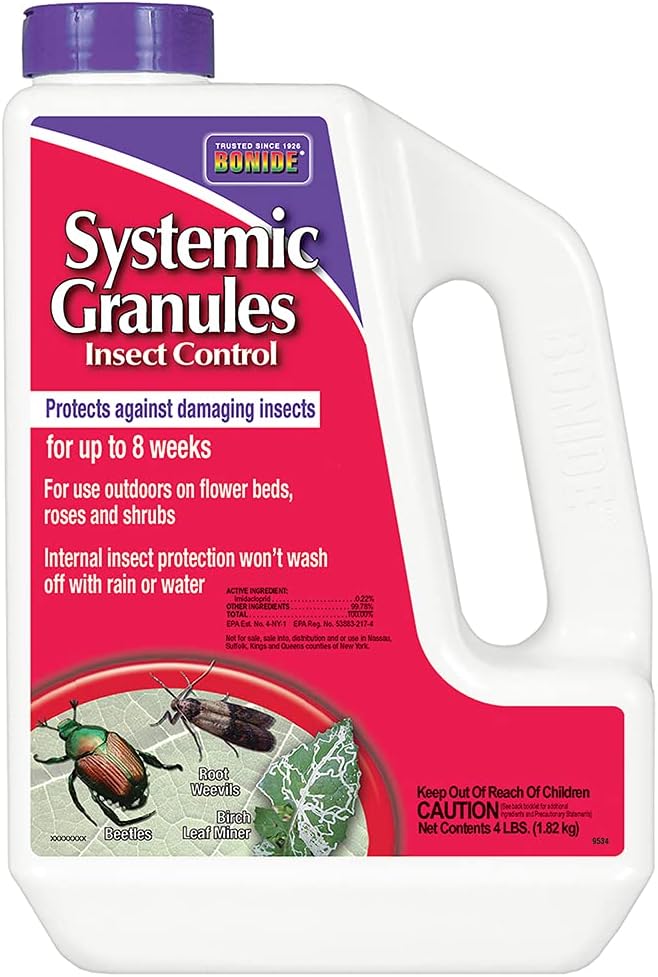
    Bonide (BND95349) – Insect Control Systemic Granules, 0.22% Imidacloprid Insecticide (4 lb.)

    How Far Apart Do You Plant Lettuce

    Diseases

    Powdery mildew is a fungal disease that affects lettuce.  It appears as white powder on the leaves and can grow quickly.  It can also be very difficult to get rid of because it can remain on the leaves for many weeks after the plant dies.  

    To prevent powdery mildew, remove the affected leaves.  Plant in full sun when possible and provide good air circulation.  Combine one teaspoon of baking soda with one quart of water and spray the plant to prevent mildew.

    If powdery mildew is a problem, use a fungicide.  Be sure to follow the directions on the label.

    Pollination

    Lettuce does not need bees to pollinate since they don’t produce fruit. Most leafy vegetables don’t need bees to grow.

    Harvesting

    Lettuce is usually harvested when it reaches maturity.  The best time to harvest lettuce is in the morning. The lettuce should be full-size but young and tender. 

    Store your lettuce in the fridge up to 10 days after harvesting. Wash your lettuce before consuming it. If your lettuce begins to wilt, put the leaves in a cold bowl of water with ice cubes and soak for around 15 minutes.

    Harvesting lettuce

    In Summary – How Far Apart Do You Plant Lettuce? 

    How far apart do you plant lettuce? It is important to consider when growing these vegetables.

    For the same reasons that you want to grow these crops in a row, you also want to space them out to give each plant room to spread out and grow. This is especially important for lettuce because it is susceptible to pests and diseases if you don’t leave enough space between plants.

    Start seeds indoors about one month before the last frost to get a head start before planting outside. Plant seeds 1/8 to 1/4 of an inch deep for best germination and set the rows 12 to 18 inches apart. You can sow the seeds in containers before transplanting the plants into your garden.

    FAQs

    Can you plant lettuce close together?

    No, it is not advisable to plant lettuce close together to prevent pest infestation. The lettuce will also not grow well if it is overcrowded.

    How close can you plant romaine lettuce?

    We recommend planting at 12-18 inches apart from plant to plant.  You can buy seed from the supermarket and grow your own in a window box or small pot.

    How much space does lettuce need to grow?

    Lettuce needs a minimum of 12-18 to grow.  A good-sized bed should be around 3m x 2m (10×8 feet).

  • How Long Does it Take Carrots To Germinate?

    How Long Does it Take Carrots To Germinate?

    Once you sow your carrot seeds, you may wonder how long it takes carrots to germinate after waiting many days for them to pop up.

    Carrots are one of the most popular root vegetables that are grown worldwide. The reason behind this is that carrots have a very high nutritional value, especially when it comes to vitamins and minerals.

    Carrot seeds are easy to grow in garden beds, containers, and pots. Carrots grow best when they are planted in rich soil, with ample amounts of water and sunshine.

    When grown in such conditions, they will grow quickly and have a high yield.

    How Long Does it Take Carrots To Germinate?

    So just how long does it take carrots to germinate? Once sowed, the seeds can take 14 to 21 days to germinate, depending on the growing conditions provided. In a good, warm, damp soil, with plenty of organic matter, they will generally germinate quickly.

    It is best to sow the seed three to five weeks before the last frost in spring. Sow them at a depth of about 1/4 inch and three to four inches apart.

    Carrots do best growing in cool temperatures during early spring and late fall. The ideal temperatures are 55 degrees Fahrenheit at night and 75 degrees Fahrenheit during the day. If temperatures are too high it can cause poorly colored, low-quality carrots.

    If you live in a colder area, sow your carrots indoors in pots where you won’t need to transplant them and put them outdoors once the weather has warmed up. If growing them outdoors, wait for the soil to warm up so that you can plant them in the ground from the time they germinate until they are mature enough for harvesting.

    Growing Carrots

    Growing carrots is easy especially when you get them to germinate the right way.  Germination is the hardest when it comes to growing carrots.  To grow perfect carrots:

    Plant them in a sunny spot

    When planting out your carrots, make sure that you do this in a sunny spot.  Provide them with at least six to 10 hours of sun.

    Provide well-drained soils

    When you plant your carrots, make sure that they have enough soil and that it’s moist.  You can plant them in a greenhouse, a garden shed, or even on the balcony. If you’re worried about the soil being too wet, add some sand or compost to it.

    Carrots grow best in soil with plenty of organic matter and an even pH. The soil should be well-drained and moist.

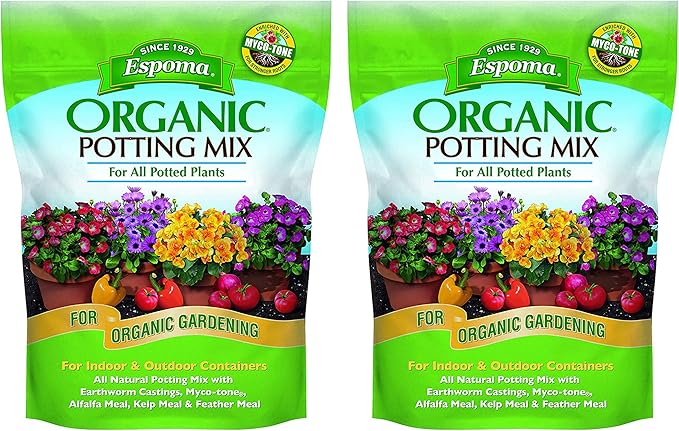
    Espoma Organic Potting Soil Mix – For Indoor & Outdoor Containers For Organic Gardening

    How Long For Carrots To Germinate

    Protect them from cold

    If you live in an area where it gets very cold in the wintertime, make sure that you give them a little protection from the cold winds.  Overall carrots are hardy plants.

    To avoid pests

    Make sure that you protect your carrots with some insect netting when they are young.  When you put down the netting, make sure that it’s not too close to your carrots. You can also sprinkle some Diatomaceous earth around your plants to keep pests away.

    Water them regularly

    Carrots need at least one inch of water a week during the growing season. Soak the soil thoroughly when watering because if the carrots don’t get enough water they may be bitter or misshapen. Don’t let them sit in a dry place and make sure that they have plenty of water so that their leaves don’t start to wilt.  

    Feed them regularly

    Carrots should be fertilized when the tops are four inches tall and again when they are six to eight inches tall if the tops are pale.  Use a complete fertilizer such as 10-10-10.  This will help to keep their roots healthy.

    Feed Carrots Them Regularly

    Harvesting and storing carrots 

    When your carrots are ready, you can harvest them. They are ready to harvest in about 70 to 80 days when the roots are 1 to 1½ inches in diameter.

    Read more about Are Green Chillies Hot? – An Overview

    Final Remarks: How Long Does it Take Carrots To Germinate?

    Many gardeners will ask themselves the question: how long does it take carrots to germinate? It is important to note the period you sow your seeds in order to tell how long for carrots to germinate without losing your patience. Generally, carrot seeds take 14-21 to germinate and if you are impatient you might end up digging them out in frustration.

    The best time to grow carrots is in cool temperatures during early spring and late fall. They can make a great vegetable to grow if you take the time and dedication they need.

    FAQ

    Why are my carrots not germinating?

    If your carrot seeds do not germinate, the seed might not viable and the seed needs to be viable before it can germinate. Therefore, you will need to buy new carrots.

    How do you speed up the germination of carrots?

    Make sure to provide optimal conditions for carrots to germinate. The ideal temperatures are 55 degrees Farenheit at night and 75 degrees Farenheit during the day. The soil should be well-draining and moist.

    Why do carrot seeds take so long to germinate?

    Carrot seeds are slow to germinate. They will take around 14-21 days to germinate.

    Are carrots hard to germinate?

    Carrots can be tricky to germinate. You will need to have some patience as it takes 14-21 days for the seedlings to emerge.

  • What Is The Right Zucchini Plant Size?

    What Is The Right Zucchini Plant Size?

    Zucchini plant size is affected by the growing conditions turning out as tall or as short as the conditions you provided. Zucchini plants can grow to be quite big, so you want to make sure you have plenty of room in your garden. Most gardeners do not pay attention to the plant size but to others, it is a concern.

    So What is The Ideal Zucchini Plant Size?

    Well, it all depends on the type of zucchini that you grow and the space you have. If you want the best zucchini size, you should give this question some thought and try to figure out what works best for your environment.  This will help you make the right decision for your zucchini plants.

    How To Grow Taller Zucchini Plant Size

    Zucchini plants can generally grow to be around two to three and a half feet tall and four feet wide. To get taller zucchini plants, you need to provide more nutrients to the plant and make sure you provide adequate space for your plants.  You should also keep the fertilizer amount constant in order to keep the plant healthy. 

    The other thing is to not apply fertilizers too early or too late.  You should fertilize the plants during their growth stages so that they can grow and be healthy. Fertilize your zucchinis when planting and when they first bloom.

    Fertilizers such as fish emulsion, compost tea, and organic fertilizer are all good choices.  You also need to make sure that you don’t overwater the plants because this will stunt the growth of the plant. 

    You should give your zucchini plants about one inch of water a week, keeping the soil moist but not soggy. This will prevent the plants from becoming over-watered.

    Growing Zucchini – Zucchini Plant Size

    Growing zucchini plants is the easiest way to get a steady supply of fresh zucchini for summer meals. Grow a few of these plants and you’ll have fresh zucchini all summer long.

    Starting seeds

    Start seedlings indoors two to four weeks before the last frost date.  Zucchini seeds germinate quickly, so you don’t need much space or time to grow them.

    Sow Right Seeds – Non-GMO Heirloom Packet

    81zRDfzKlDL. AC SX679

    Transplanting

    Then transplant them outside as soon as the soil can be worked in spring. Plant them in rows between two to three feet apart. 

    Spacing

    Zucchini plants grow quickly, so give them enough room. The right spacing for Zucchini is six to eight inches between plants. You may need to experiment with the spacing to find what works best for your situation.

    You will also need to space out the pots that you have planted with Zucchini. The pot for your zucchini plant should be at least 12 inches deep and 24 inches wide. You should also not plant more than one Zucchini plant per small pot.

    Water

    For best growth, provide one inch of water a week.  Watering your zucchini often will keep them consistently growing at the right pace. Plant your zucchinis in a location where they will get full sun.

    Watering daily is not as important as you might think.  Zucchini need a lot of light and air so daily watering will not cause them any harm.

    Fertilize

    Fertilize when planting your zucchini outside and again when the flowers begin to bloom with a high-nitrogen fertilizer.

    Companion plants

    To keep pests away from zucchini, plant marigolds around the perimeter of the garden. Or use organic insecticide to deal with any kind of pests.

    How To Harvest – Zucchini Plant Size

    Wait until the fruit is six to eight inches long, then pick it. Pick the fruit before it’s too big, as it has the best flavor at six to eight inches long. They will be ready for harvest when the flowers have turned brown and dried up.

    When they are ready for harvest, cut them from the main stem using a sharp knife or scissors.  Avoid pulling them from the plants to prevent damage.

    How To Harvest Zucchini

    Final Thoughts On Zucchini Plant Size

    The zucchini plant size is an indication that the plant is either well fed or not. Be sure to use fertilizer and give your zucchini adequate space to grow. If your zucchini plants are bigger than average, this could be due to a defect or a disease.

    On the other hand, zucchinis should not be left to grow too big as they will not be as flavorful.  Start harvesting them when they are at least six inches long.

    Zucchini plants are usually harvested before they get very large as this will ensure that they continue to produce zucchini fruit for a longer time. There are many ways of growing zucchinis and choosing the right method can be very important.

    As mentioned before, it is best if you choose to grow them in containers as it can help to ensure that you have a good yield of zucchini fruits. You should also choose a variety that is suitable for your area because different areas have different environmental conditions and this will affect how the plants grow.

    FAQs

    How much space does zucchini need in the garden?

    Zucchinis can be grown on a large scale with a lot of space. Plant them in two to three feet apart spaced six to eight inches. They require sunlight for the best growth and can be grown in containers or raised beds.

    How many zucchinis do you get per plant?

    Zucchinis are easy to grow and produce lots of fruit per plant. Some varieties of zucchinis produce more fruit than others. On average, a zucchini plant will produce three to ten pounds of fruit per season.

    Do zucchini plants need support?

    Support is not required for most varieties of zucchini plants. However, some varieties of zucchini plants are so large that they may require support to keep them from toppling over. 

    What size grows bag for the zucchini plant?

    You will need a very large grow bag (at least 5 gallons) for your zucchini plant. You can get one from Amazon or any other gardening store.  Zucchini plants are best planted in late April and May. However, some people prefer to start their seeds indoors in March so they have a head start on the summer heat. In general, most varieties of zucchini plants are started in late April and May.

  • Do Pepper Plants Need Cages When Growing?

    Do Pepper Plants Need Cages When Growing?

    Do pepper plants need cages or are they easy to grow in the garden or containers without needing any support?

    Growing peppers is fun and very rewarding.  Peppers are easy to grow and a lot of varieties are available for growing indoors or outside.  There are many different types of peppers, some are hot and some are sweet; there are small, medium, or large peppers.  Some varieties are for cooking while others are for eating raw.  You can grow peppers indoors in a sunny window, outdoors in a greenhouse or a patio, and even in a pot on your porch.  Peppers can be grown either from seed or by transplanting seedlings.

    Do Pepper Plants Need Cages

    So, as you can see from the above information, there are many different types of peppers. If you are asking about growing peppers indoors, then we would recommend that it is quite possible to grow them without cages.

    When growing them outdoors, pepper plants do not also need cages or staking. We do suggest that you plant them at least 18 inches apart. They will not mind if they are closer together and you can plant them at a greater distance if you wish. However, keep in mind that if you do choose to plant them at a greater distance apart then you should allow for extra growth between plants.

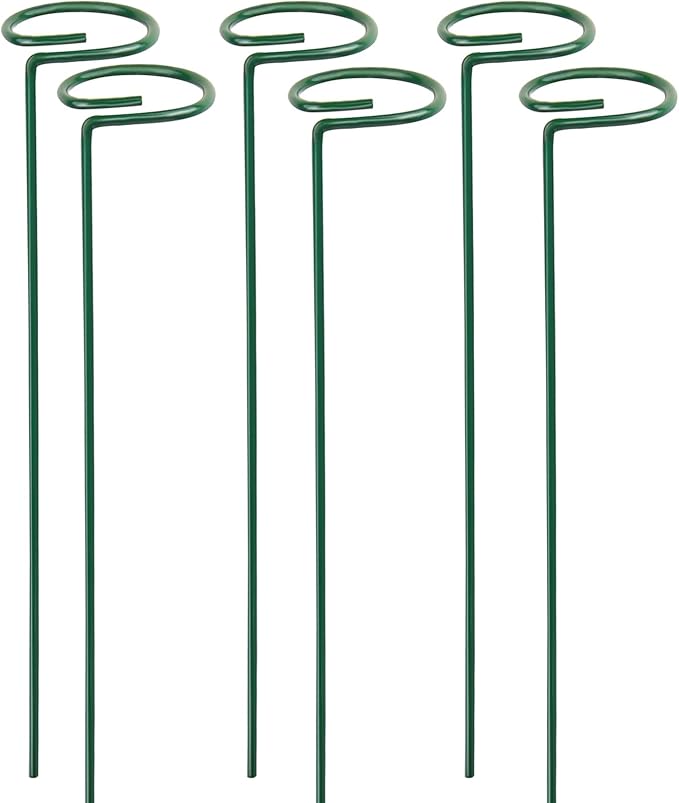
    LEOBRO 6 Pack Plant Stakes, Metal Single Stem Plant Support, Garden Plant Stakes

    Do Pepper Plants Need Cages

    So, do pepper plants need cages, we say yes, you do need to provide some form of support for your plants if need be. This is to help the fruits not touch the ground or the soil and rot as a result. If you choose to grow your pepper plants in cages or any kind of support you protect them from the early rotting of fruits that comes as a result of touching the soil.

    Do Pepper Plants Need Cages? If you chose to grow the peppers without staking or supporting them, then mulch the plants to keep the fruits from rotting throughout their growing journey.

    Click Here to Learn:

    How To Use Cages Or Stakes On Pepper Plants

    You can use cages or stakes on your pepper plants to prevent them from falling off the trees. You can place the plants on the cages or stakes and tie them tightly around the trunk of the tree. Peppers can grow up to two meters in height and a diameter of one meter.

    If you want to have a big and healthy plant, you need to provide it with the right care and attention. Peppers are easy to grow. You can grow them in a pot on the balcony or in your garden. If you don’t have space for a large plant, you can try growing it in pots and then planting it outdoors.

    Peppers are self-pollinating plants, so they need to be planted close to each other. The distance between the two plants should not exceed 50 cm. If you want to grow pepper plants indoors, you can use pots. If you want to grow peppers on the balcony, you need to provide them with some sun. You should also keep an eye on the temperature because it influences the growth of pepper plants.

    Wherever you chose to grow your peppers, remember to use cages or stake them to protect the fruits from damage.  However, this is more common for red, yellow, and green peppers.  For the hot peppers, most of them can do well without staking.

    Final Remarks: Do Pepper Plants Need Cages?

    Do pepper plants need cages?  Yes, it is possible to grow your peppers in cages or stake them to protect their fruit from contact with soil. However, it is not a must to use them.  If you have mulched the plants, you don’t have to use cages as your fruits will rest on the mulch.

    That said, sometimes the pepper plant might have many fruits that are growing and could need some support so that the branch does not break before the fruits reach maturity.  Overall, if you notice your plant needs support in holding up its fruits, be quick to provide a cage or stake it. This will save it from damage.

    FAQ’s

    Should you stake or cage pepper plants?

    Staking of peppers is not recommended for most cultivars, except for some Jalapeño and Cayenne types. It’s recommended for the early maturing cultivars like ‘Ace’ and ‘Jalapeno’. The exception to this recommendation would be if you have the room in your greenhouse and have enough space to support the plants with a stake.

    Do pepper plants need support cages?

    The answer to this question is dependent on the type of cultivar you choose. Early maturing cultivars like ‘Ace’ and ‘Jalapeno’ do not require any type of support or cage. For late-maturing cultivars like ‘Hungarian Hot’, ‘Cayenne Long’, ‘Hot Dawg’ and ‘Bravo’, they need some type of cage or support to keep them off the ground. These cultivars will also need support if they are getting larger, or their leaves are curling over the edges.

    Do bell peppers need a trellis?

    Yes! Bell peppers should be trained up a trellis. The trellis needs to be sturdy enough to keep the pepper from falling over. If you are using cages, then you can train the pepper up the sides of the cage, but it is better to use a trellis because they will grow faster if they are on a trellis.

    Do bell pepper plants need support?

    No, it is not a must to provide support. You just want to make sure that they are not growing too large for your space.  However, if the fruits are too heavy for the plant, use support to keep them growing up until maturity.

  • Reasons For Wilting Tomato Plants In Pots

    Reasons For Wilting Tomato Plants In Pots

    Wilting tomato plants in pots are one common issue faced when growing tomatoes in containers. Wilting occurs in tomatoes for different reasons. Sometimes, it may not be something serious if you act fast to mitigate the problem. However, it may also mean something serious like infectious diseases.

    Once you begin to notice wilting leaves and wilting stems on your tomato plant, it shows there’s a problem that needs to be fixed as on as possible. The most common reasons for tomato wilting can be due to hot temperatures which usually cause under-watering. Or it may be because of shock from transplanting.

    Whatever the case may be regarding wilting tomatoes in pots or outdoor gardens, it may be possible to revive your plant if you do the right thing.

    We will be looking into wilting tomato plants in pots and give you some possible solutions to resolving the issue. So, let’s begin.

    Common Reasons For Wilting Tomato In Pots

    Wilting tomato plants in pots is characterized by drooping leaves and makes the tomato plant lose its shape. Let us further look into the details of wilting tomatoes in pots. So, here are the common reasons why your tomato plant may be wilting in your containers.

    1.    Lack Of Water Or Under-Watering

    When your potted tomato plant isn’t watered sufficiently especially during the hot days, it can cause wilting of leaves as well as stems. This wilting can be temporary which causes the leaves and stems to lose water faster than they can replenish it.

    Sometimes when this happens, they may recover in the evening and it may not require extra watering. However, if the wilted potted tomato refuses to be revived after the weather cools down in the evening, they will need watering.

    Read more about When To Pick Artichokes

    2.    Over-Watering

    Apart from lack of water in your potted tomato plant, over-watering that leads to soggy plants can cause wilting. When the plant is soaked in excess water, the roots get drowned and cause the plant to be unable to absorb water from the soil. Hence, leading to wilting of the plant.

    This is why you need to monitor your potted tomato plant, especially during the rainy season or heavy downpours. Don’t supply excess water during rainy seasons if your potted tomato is outdoors. Or you can simply take your potted tomato plant indoors to avoid over-watering from heavy downpours.

    If your potted tomato is suffering from overwatering, then it’s possible for it to recover. Simply cease watering the plant and only water when you notice at least 2 inch soil into the soil is dry.

    A quick guide to watering your tomato plant appropriately is to roughly provide 1 inch of water every week.

    Over-Watering - Wilting tomato plants in pots

    3.    Drainage Holes

    Drainage holes are very crucial when it comes to potted plants generally. If the drainage holes you have for your potted tomatoes aren’t enough, it may cause your plant to get clogged due to the inadequate flow of water whenever you water your plant.

    Therefore, make sure you have enough drainage holes in your potted tomato plants to allow an easy flow or passage of water.

    Check Out Top 10 Best Cross-Pollinating Vegetables

    4.    Transplanting To Bigger Pots

    When you improperly transplant tomato plants into another pot or even into your garden, it may cause shock and damage the root of your plant. Then this can lead to the wilting of your plant.

    Ensure you don’t tear or cut the tomato plant roots in the process of transplanting and ensure you don’t over-water them.

    Additionally, when you are transitioning your tomato (especially the seedlings) outdoors in a sunny area, use any opaque materials during the hottest periods. This is because your plant will need to readjust to the environment so this will help harden them off.

    5.    Type Of Soil Used – Wilting Tomato Plants In Pots

    If you’re using loose soil such as sandy soil for your potted tomato, it will require you to water more especially during hot seasons. Sandy soil loses water too quickly so they aren’t so great with water retention.

    So, it is ideal you water your potted plant accordingly when using loose soil such as sandy soil.

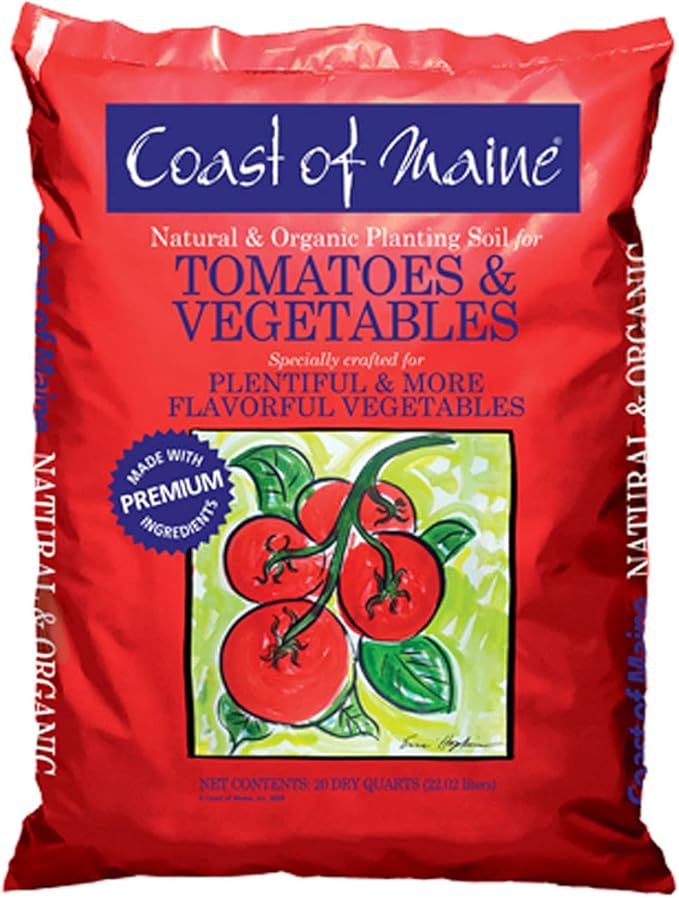
    Coast of Maine OMRI Listed Tomato and Vegetable Plant Potting Soil Compost Blend for Container Gardens

    Wilting Tomato Plants In Pots

    6.    Soil-borne Disease Caused By Wilting

    Fungal diseases that are soil-borne can also cause your potted tomato to wilt. Fusarium and verticillium wilt are the two most common soil-borne diseases that can lead to wilting of tomatoes.

    When your tomato plant is infected with these diseases, it begins to wilt especially during the day. Then at night, your tomato plant can recover. The fruits of your tomato plant may even yield fruit, but it usually results in smaller or fewer yields. This wilting can slowly become worse and even lead to the death of the plant.

    You can further verify Fusarium and Verticillium infection if you cut the affected stem open. You should see a brown to black discoloration of the vascular system of the stem instead of a healthy stem that only has a shade of green.

    The best solution is to burn or discard the infected plant. Then you should plant your tomato in a new container and soil and avoid composting the infected plant.

    To further protect your potted tomato from Fusarium and Verticillium, we recommend you go for tomato varieties that are resistant to these diseases.

    My Tomato Plants Are Wilting In Pots Even When Soil Is Wet: What Are The Reasons?

    We have an understating that potted tomato plants need to be moist so they can thrive well. However, if your tomato plant is wilting even when your soil is wet then it may mean that you have over-watered your plant. Over-watering can cause your potted tomato to wilt.

    Also, if your potted tomato plant doesn’t have good drainage holes, it can clog the flow of water when you water your plant thereby causing wilting as we have mentioned above.

    My Tomato Plants Are Wilting In Pots Even When Soil Is Wet - What Are The Reasons

    Final Say On Wilting Tomato Plants In Pots

    Wilting tomato plants in pots can be a worrisome thing when this situation arises. But if you can determine the cause of wilting, it may be possible to revive your plant.

    FAQ’s

    How do you revive a wilted tomato plant?

    You can revive a wilted tomato plant by first determining the cause of the wilting issue. Once, you’ve confirmed the cause, then you can now take steps to mitigate the situation. For instance, if your tomato is wilted by under-watering or over-watering, simply stop watering or water more when needed.

    How often should I water my tomato plants in pots?

    Some things will determine how you water your potted tomato plant. For instance, if your potted plant is in a protected place where it can’t get water from rain, then you will need to dedicate some time to water them. During hot seasons, your plant will need more watering. But always check how dry or moist your soil is to further determine when to water them.

    Why are my tomato plants wilting after planting in pots?

    Your tomato may be wilting after planting in pots if you just transferred them to another pot. This transfer can cause shock especially when you cut or tear part of the root before transplanting it to another pot.