Category: Plants

  • Top 9 Plants That Like High Phosphorus 

    Top 9 Plants That Like High Phosphorus 

    In this article, we have prepared a list of plants that like high phosphorus during their growth journey.

    Phosphorus is one of the major components of plant cell walls and it also serves as an energy source for plant metabolism. During its growth journey, the phosphorus in plants is used by the plant to build up their biomass. Phosphorus helps in the formation of carbohydrates and nucleic acids. When the plant grows, phosphorus is absorbed from the soil and transported through root cells to other parts of the plant.

    The Work Of Phosphorus In Plants

    Phosphorus is one of the important nutrients a plant needs to thrive. It is also an essential component for many processes like energy production, cell growth and maintenance, signal transduction, storage of energy, and as a structural component.

    Phosphorus is also an important element in the synthesis of nucleic acids, proteins, enzymes, coenzymes, and phospholipids.  Phosphorus is present in all living organisms. It is required by plants, bacteria, fungi, and animals.

    There are two different sources of phosphorus in the soil, including organic phosphorus and inorganic phosphorus.

    • Organic phosphorus is usually found in the form of phosphate.
    • Inorganic phosphorus is mostly in the form of calcium phosphate or calcium-magnesium phosphate.

    Plants use both sources of phosphorus to produce energy and maintain their metabolism. They use inorganic phosphorus for the synthesis of nucleic acids and proteins, while they use organic phosphorus to store energy.

    Phosphorus is essential to plant growth. It is the second most abundant element on Earth after oxygen. It is also a key component of DNA and RNA, a cofactor of many enzymes, a structural component of many cell membranes, and a major constituent of chlorophyll and chloroplast. Organic phosphorus is available to plants in the form of phosphates, phosphonates, phosphites, and phosphates. Phosphates are organic molecules that contain phosphorus. Phosphonates are similar to phosphates but contain a carbon group instead of a hydrogen group. Phosphites are organic molecules with two phosphorus atoms. They are similar to phosphonates, but they do not have a carbon group.

    Click Here to Get Info About:

    Top 9 Plants That Like High Phosphorus

    Here is a list of plants that like high phosphorus (phosphate) in the soil. This list includes not only vegetables but also ornamentals such as roses, ferns, and other houseplants. Some of these plants are good choices for the home garden because they can be grown in containers.

    As you look through this list, remember that there is no hard and fast rule about how much phosphorus your plant needs. Many different plants will grow well with differing amounts of phosphorus.  Even plants that like high phosphorus do not use the same amount.

    Flower Fuel 1-34-32, 250g – The Best Bloom Booster for Bigger, Heavier Harvests (250g)

    71 BWy sBPL. AC SX679

    Brugmansia (Spider plant)

    This beautiful and popular tropical plant is very easy to grow and it has many uses. It can be used in a container or a garden. The plant blooms from May through October and it does best in a warm, sunny location. Brugmansia likes a lot of phosphorus in the soil so you can add up to 10 lbs of fertilizer per 1000 square feet of soil. You can get this plant at your local garden center or nursery.

    Aloe Vera

    Aloes are popular houseplants and they are great for containers. They have a strong, flexible root system that is ideal for growing in containers. They do best in areas that get a lot of suns. Most aloes need high levels of phosphorus in the soil to grow well.

    Hydrangea

    Hydrangeas are great houseplants for containers because they are easy to care for and they are long-lived. They also have a beautiful flower that attracts butterflies.  Hydrangeas like bright light and they prefer full sun. If you don’t have a lot of space in your yard, you can use them as an accent plant in a small garden area. Hydrangeas like to be watered regularly but not too often. You can get these plants at most garden centers or nurseries.

    Lemon

    Lemon is a very popular houseplant and it has many uses. It is a fast-growing plant and it likes lots of sunlight. It is best to place it in areas that get a lot of sunlight. The lemon tree likes phosphorus in the soil so you can add up to 10 lbs of fertilizer per 1000 square feet of soil.

    Plants That Like High Phosphorus - Lemon

    Solanum

    This is one of the most popular houseplants because it is easy to grow and it has many uses. It is a fast-growing plant that likes lots of sunlight and warm temperatures. You can grow this plant in a container or a garden.

    Mint

    Mint is a great houseplant for containers because it is easy to care for. It likes high levels of phosphorus in the soil so you can add as much as 10lbs in 1000 square feet of soil.

    Amaranthus

    Amaranthus are popular houseplants because they are easy to grow and they have many uses. They like bright light and they are easy to grow. They are very adaptable and they do well in many different types of soils. You can grow them in a container or a garden. You can buy amaranth seeds at your local garden center or nursery.

    Bromeliads

    Bromeliads are popular houseplants because they are easy to care for and they are beautiful. They have a large variety of colors and they can be found in many different shapes and sizes. Bromeliads are native to Central America but they are now found all over the world. You can buy bromeliad plants at your local garden center or nursery.

    Plants That Like High Phosphorus - Bromeliads

    Begonias

    Begonias are popular houseplants because they are easy to grow, they are pretty, and they have a wide variety of different types of flowers. They are native to South America but they are now found all over the world. You can buy begonia seeds at your local garden center or nursery.

    How to Determine Total Phosphorus in Soils?

    There are various commercial kits and equipment that you can purchase to test for or determine the total phosphorus content in the soil. These different kits have different methods that are used to test for phosphorus.

    One of the methods of soil total phosphorus determination works this way; a soil solution (of water and soil is made), allowed to sit for about 20 minutes to allow for proper mixing. After this, an aliquot of the solution is taken and reacted with sodium molybdate in an acid solution and aqueous hydrazine sulfate. The phosphorus concentration is determined by the blue color formed from this reaction. A spectrophotometer is then used to read the solution and give you a reading of the total phosphorus concentration

    How Do You Neutralize Phosphorus in Soil?

    Neutralizing phosphorus in the soil may be necessary as a means of correction if the phosphorus content gets higher than needed. High levels of phosphorus in the soil are usually a result of overfertilization or the addition of too much manure. This phenomenon is a problem because it will damage your plants and the phosphorus can also stay in the soil for a long period, creating long-term problems.

    Unfortunately, once there is a buildup of phosphorus in the soil, it is not much you can do to get rid of it. There are however measures that you can take to prevent further buildup. Here are some of the measures that you can take:

    • Avoid the addition of fertilizer or manure which may be high in phosphorus
    • Plant nitrogen fixing plants in the area that will only put back nitrogen in the soil and not phosphorus
    • If you have to use fertilizer, make sure that you use phosphorus-free fertilizer
    • Spray zinc and iron foliar spray on crops planted in soils with high phosphorus levels, as these plants require those minerals for their health
    • Employing these measures will help keep the phosphorus levels from increasing, and over time the levels will get lower in the soil.

    What Are The Pros and Cons of Having High Levels of Phosphorus in Soil From Added Fertilizers?

    Pros of high soil phosphorus levels:

    Sufficient phosphorus in the soil will help support efficient plant growth, resulting in thicker plant stalks, better crop quality, improved root growth, and earlier crop maturity

    Phosphorus helps improve the plants’ resistance to negative unfavorable conditions. It can improve the plants’ resistance to conditions such as frost and other conditions associated with winter.

    Cons of high soil phosphorus levels:

    High levels of phosphorus in the soil can reduce the plant’s ability to take up certain micronutrients such as iron and zinc even when they are available in sufficient quantities in the soil.

    Too much phosphorus can lead to an overgrowth of algae, resulting in eutrophication which will deplete oxygen levels and as a result hamper the growth of the plants.

    How Do You Replace Phosphorus in Soil?

    Depleted phosphorus in the soil can be replaced by putting manure, bonemeal, compost, and phosphorus-containing fertilizer into the soil. Add it to the soil 1-2 weeks before planting your crops and you will have the best results.

    What Plants Put Phosphorus Back Into The Soil?

    Plants such as comfrey, lupine, sweet clovers, nettle, or vetches accumulate phosphorus in their tissues. These plants can be harvested and used as manure to put back phosphorus into the soil.

    At What pH Range is Phosphorus in The Soil Available For Plant Uptake?

    A soil pH range of 6-7 is ideal for maximum phosphorus availability to plants.

    Does Animal Waste Remove Phosphorus From Soil?

    Animal manure naturally contains phosphorus in organic and inorganic forms. When it mineralizes, organic phosphorus becomes inorganic and becomes available to plants. Therefore, animal waste adds phosphorus to the soil.

    In summary

    The above list includes plants that like high phosphorus and do well with a lot of it in the soil. They have to be kept moist, but not wet whether growing in pots or the garden. They like to grow in shade and partial shade. A greenhouse is a great place for them. Some of these plants are perennial and some are annuals. There are hundreds of different varieties of plants that like high phosphorus, so choose carefully.

    FAQ’s

    What grows when phosphorus levels are too high?

    All the above plants thrive well when the soil has high levels of phosphorous.

    Is high phosphorus good for plants?

    Yes, high phosphorous is good for plants. It improves the quality of the plant’s roots and leaves. It also helps in the absorption of nutrients by the plant.

    Which vegetable plants need more phosphorus?

    Potatoes, corn, tomatoes, carrots and beans require a lot of phosphorus to grow well. They all need high amounts of phosphorus. Other vegetables like cabbage, cauliflower, broccoli, spinach and lettuce can get along with lower amounts of phosphorus.

    What is the fastest way to add phosphorus to the soil?

    You can add phosphorus to the soil by sprinkling it on top of the soil. This will be the fastest way to add phosphorus to your soil. Different vegetables require different amounts of phosphorus. You need to know how much phosphorus you need to grow a particular vegetable. To determine this amount, you have to know the number of leaves on a plant. For example, the number of leaves on a tomato plant is 6-10.

  • The Right Soil pH For Peppers

    The Right Soil pH For Peppers

    Have you tested your soil and are wondering what is the right soil pH for peppers? You want to ensure that you are providing your plants with the right growing conditions.

    Soil testing is a very important step in starting your vegetable garden. There are many reasons why testing your soil is important. Here we will focus on how it will help you grow peppers and other crops.

    Soil testing will help you determine the best way to grow your crops, as well as help you avoid any problems before they occur. Soil testing will also help you know if you need to amend your soil and what amendments you can use.

    A soil testing kit is a convenient way to do your own soil testing. This is the most affordable type of soil test available. However, it should be noted that some soil testing kits are not designed to be used for all crops. Some kits are only designed to test for certain crops.

    Therefore, it is important to know what crop you are testing your soil for. Soil testing kits come with a small plastic container (usually measuring about 3 x 5 inches) and a soil test kit. The test kit is usually broken down into two main parts, which are the soil testing reagent and the testing stick.

    The Right Soil pH For Peppers

    Peppers do great when provided with the proper growing conditions.  Soil is the primary factor that influences the success of a pepper plant in your garden. Peppers are native to the Americas and thrive in warm, sunny climates with good air circulation.

    Peppers do well in soils that have a ph level of 6.0 to 7.0.  They like slightly acidic soil.  They also like slightly moist soil with good drainage and a neutral pH level.  

    It’s important to keep in mind that peppers do not like wet soil. If the soil becomes too moist, the roots will rot.

    The best soil to grow peppers in is a mixture of organic materials such as compost, well-rotted manure, and peat moss. Organic fertilizers improve the soil and provide it with nutrients, but they also help prevent soil-borne diseases.

    Right Soil pH For Peppers

    Peppers do not need much fertilizer because they take up nitrogen from the air.  A good amount of organic matter also improves the soil by improving its structure and providing it with nutrients.

    Pests: The most common pests are aphids, mites, and whiteflies.  They can be controlled by using insecticidal soap.  To avoid problems with pests, you should plant peppers where there are no large trees or shrubs near the plants.

    Diseases: Peppers are prone to some fungal diseases including black spots and anthracnose.

    Click Here to Get Info About 

    Preparing Your Own Soil pH For Peppers

    You can test the soil’s pH with a soil testing kit and make adjustments to the soil.  If your soil is too acidic, you can always add lime to raise the pH level.

    If your soil is too alkaline, add sulfur to lower the pH level.  You should be able to test your soil at a local garden store.

    If you live in an area that experiences long periods of heat and drought, try using peat moss or perlite in your soil mix to help retain moisture.  The soil should be amended with compost or a high-quality fertilizer to give the plants the nutrients they need to grow and produce lots of peppers.

    Pepper plants are heavy feeders and will benefit from frequent applications of a balanced fertilizer.

    Kensizer 3-in-1 Soil Tester, Soil Moisture/Light/pH Meter, Gardening Farm Lawn Test Kit Tool

    61T9ae GgzL. AC SL1000

    Types Of Peppers

    There are two types of peppers: hot peppers and sweet peppers. Hot peppers are the ones that most people think of when they hear the word “pepper.”

    Hot Peppers come in many different varieties, including jalapeno, cayenne, habanero, and others. These peppers can range from mild to extremely hot, depending on the variety.

    Sweet Peppers include bell pepper, green bell pepper, and orange bell pepper. Sweet peppers are also available in various colors, such as yellow, red, and orange.

    Read more about Best Green Beans For Canning

    Health Benefits Of Peppers – Soil pH For Peppers

    The health benefits of peppers vary by type. The main benefit is that peppers are an excellent source of vitamin C. One cup of cooked bell peppers has about 60% of the recommended daily amount of vitamin C. Other health benefits include:

    • Vitamin C – The main antioxidant found in peppers. It helps keep your immune system strong. It also helps keep your blood healthy. Vitamin C is needed to make collagen, a protein that helps build your skin and connective tissues.
    • Vitamin A – Vitamin A can help protect against the sun’s harmful rays. It is also a good source of antioxidants.

    • Iron – Iron is needed for oxygen transportation in the body. It is also needed for red blood cell production.
    • Omega-3 Fatty Acids – Omega-3 fatty acids are heart-healthy. They help keep cholesterol levels low. They also help reduce the risk of heart disease.
    • Protein – Peppers contain a lot of protein. This makes them a good source of nutrition for vegetarians.

    Final Words On Soil pH For Peppers

    The soil pH for peppers is a little more acidic than most plants.  If you have alkaline soil, then the soil pH will be too high. You can adjust your soil ph by adding lime to the soil, but it will take a long time for the soil to become alkaline again.

    If the soil is already alkaline, then you will not see any effect from adjusting the soil pH. Another way to reduce the soil pH of peppers is to use good compost.

    FAQ’s

    Do peppers like acidic or alkaline soil?

    Peppers do respond well to acidic soils, and their production is most successful in areas with low pH levels. Soils that are too acidic will not support pepper growth, as the soil pH drops below two. If you have an area of soil that is too acidic, you can add lime (calcium carbonate) to raise the pH level.

    How do you make soil acidic for peppers?

    You can use compost, manure, or lime to raise the soil pH level, but it’s best to avoid adding fertilizer to your garden if you’re growing peppers. Fertilizers often contain chemicals that can be toxic to plants.

    What pH do peppers prefer?

    Peppers like soil that is slightly acidic, with a pH level of 6.0 to 7.0.

    What is the best fertilizer for peppers?

    The right type of fertilizer is a balanced fertilizer that includes nitrogen, phosphorus, and potassium. Potassium is needed by plants to help them absorb water and nutrients from the soil. Potassium also helps regulate the growth of the plant. Each pepper plant needs about 1/2 teaspoon of fertilizer per week.

  • When To Harvest Chili Peppers – The Right Time

    When To Harvest Chili Peppers – The Right Time

    Are you a new gardener and are wondering when to harvest chili peppers and what are the signs to look out for to know they are fully mature?

    Chilies are an excellent vegetable to grow in your garden. They are packed with vitamins, minerals, and antioxidants.

    They are also used to make sauces, soups, and curries. If you don’t grow your own chilies, you can buy them at any store. Chilies are one of the most versatile and important food crops we grow in our gardens.

    You can harvest the chilies once they reach maturity, but there are several things you should watch out for so you don’t end up with under-ripe chilies or ones that won’t ripen properly.  This article will help you understand when to harvest chilies and how to tell if they are fully ripe.

    When To Harvest Chili Peppers

    How do you know if they are fully mature? Chilies are harvested when they are red or green in color. They should be firm and crisp in texture. It is not unusual to find small chilies that are ready to be harvested. 

    When To Harvest Chilli Peppers

    However, you need to keep in mind that even if the fruit seems big enough, it may still take a while to ripen. The best time to harvest is when you see the fruits starting to turn red or green. That way you can be sure that they are fully ripe.

    The best color for ripe chili peppers is red, but you can harvest it when it starts to have green color before it turns fully red.  Once harvested, chili peppers continue to ripen, however, you must harvest them maturely.

    Click Here to Get More Info About:

    Harvesting Chili Peppers

    Once you know when to harvest chili peppers, it’s time to harvest your produce.  When harvesting take care of the plant as it can easily be damaged if you pull the peppers too much.

    1. Get a pair of scissors and cut off the pepper stalk from the main plant.  This way there is no pulling or tugging of the plant. 
    2. When you have removed all of the peppers, make sure to clean them and then dry them for storage.
    SILIVO Lettuce Keeper for Fridge(3 Pack)- 4.5L Vegetable Storage Containers for Refrigerator with Drain Tray Keep Fresh for Veggies and Salad
    $19.98

    Keep Produce Fresh Longer: Produce saver containers for refrigerator helps prevent spoilage, keep fruits and vegetables crisp and stay longer.


    Check Amazon Price
    We earn a commission if you make a purchase, at no additional cost to you.
    12/18/2025 05:04 am GMT

    How To Store Your Chilies

    Did you know you can use fresh chili peppers? To make salsa, cut the peppers in half, remove the seeds and then finely chop them. You can add this mixture to a dish or drink.

    You can also add chopped peppers to your favorite salad. If you want to make a soup, you can add the peppers to the soup right before serving. If you are going to use your chilies in a dish that requires cooking, it is best to remove the seeds from the first.

    Store your dried chilies in a cool and dry place. The best way to dry your chilies is with a food dehydrator.  You can either hang them on a string or wrap them on paper, as the paper will keep the humidity low.

    The chilies can also be stored in an airtight container. As long as they are kept dry, they will last for up to one to two years. You can use your dried chilies in many different dishes.  They can be used in sauces, soups, stews, casseroles, and many other dishes.

    You can also grind them into powder. This powder is great for adding flavor to many dishes. Chili peppers can be added to many dishes.

    Final Comments On When To Harvest Chili Peppers

    The best time when to harvest chili peppers is when they are red or green.  Many varieties of peppers take about 70-100 days from planting to maturity.

    When the fruits are fully matured, they should have a good red or green appearance with a firm texture.  The fruit should also have a strong flavor and aroma.  However, if you want to harvest them early, the fruits will have a softer texture. 

    This is especially true for bell peppers. You can start harvesting bell peppers 10-14 days after the fruit begins to form.  Simply pick up the fruits with scissors or carefully with your hands, put them into a produce bag, and place them in your refrigerator.

    FAQ

    How do I know when my chilli peppers are ready to pick?

    If you have fresh peppers, they will be pliable and feel firm. If they are older or if they are starting to dry out, they will be brittle and will feel hard. They should be red or green in color.

    How long can you leave chillies on the plant?

    Generally, it’s not a good idea to leave chillies on the plant too long as they may start to rot. We suggest that you harvest them soon after maturity.

    Can you harvest chilli peppers when they are green?

    Yes, you can harvest chili peppers when they are green.

    How do you pick chillies off plants?

    There are a few ways to harvest your chillies. If you want to use the whole pepper, you can simply pluck it from the plant.

    If you are going to harvest them by hand, simply pluck the pepper from the plant. You should pluck it off with your fingers.

    Alternatively, if you are going to harvest them by hand, you can just cut the pepper from the plant. You should cut the pepper from the plant with a sharp knife or a pair of scissors.

    If you are going to use a tool, then you can use a pepper harvester. It is designed to hold the pepper at the top of the plant and then shake it down to harvest it. 

    We recommend storing chillies in the fridge but don’t wash them before storing them. Chillies will continue to ripen and change colour in the fridge. They will also stay fresher for longer. You can also store chillies in an air-tight container.

  • A Quick Guide On Butternut Squash Spacing

    A Quick Guide On Butternut Squash Spacing

    Butternut squash which is a member of the Cucurbitaceae family along with gourds and pumpkins is a type of winter squash. The plant of butternut squash tends to grow on a trailing vine and it is fairly easy to grow especially from seed. Butternut squash spacing is what we will be discussing in this post.

    Butternut squash is an annual plant and it can do well and grow well in almost any climate. The best period to plant butternut squash is in spring that following the last frost of the season. It can take about three to four months from planting for the fruit of butternut squash to be ready for picking.

    Now because the vines of butternut squash are inclined to grow faster, it is appropriate you get to know the right spacing for this plant. Butternut squash spacing is what you will learn about in this post. We will also touch on some other related aspects concerning butternut.

    Growing Butternut Squash

    Before we look into butternut squash spacing, let’s first look into how to grow this plant the right way.

    ·         Seed Sowing

    The seed of butternut squash can be commenced either indoors or outdoors. We recommend you start your seeds indoors if the warm season in your region is short.

    So, indoor seeds should be commenced indoor at least six weeks before the expected last frost. Ideally, two seeds should be sown per pot or container then once seedlings begin to sprout thin one of them. Ensure you position your plant in a sunny window or a greenhouse.

    Growing Butternut Squash - Seed Sowing

    Then make sure you harden off your seedlings before transplanting outdoors once the danger of frost has elapsed.

    Alternatively, you can sow the seeds of butternut squash outdoors directly into the soil. Just make sure the danger of frost has elapsed and the soil is warm properly. A temperature of about 60 to 65 degrees Fahrenheit is safe enough for seed sowing. This is a crucial thing to note because the seeds of butternut squash are very fragile and will only germinate in warm soil.

    Click Here to Know: Can You Grow Carrots In A Pot?

    ·         Prioritize Sunny Spot – Butternut Squash Spacing

    The plant of butternut squash will do excellently well in a sunny spot so ensure you prioritize a sunny area. Full sunlight is what this plant required, but at least 6 hours of sunlight is required by the butternut squash plant daily should do fine.

    The plant can even benefit from more time under sunlight but just make sure the plant isn’t overheated.

    ·         Soil Preparation And Fertilization

    They will do well in well-draining soil. Butternut plants are heavy feeders so ensure you prepare your soil with adequate organic matter. You can start by using very rich soil. Then during the middle of the growing season, you can go ahead and side dress the soil with organic compost or aged manure.

    Soil can be slightly acidic to neutral and the pH can range around 5.5 to 7.0.

    Mother Earth Coco + Perlite Mix – for Indoor and Outdoor Container Gardens

    81y+WLBCVNL. AC SX679

    ·         Create A Hill

    Most vining vegetables are grown using a hill, so butternut squash can also be grown on a hill. You should gather the soil to form a small hill of about 18 inches tall and do these before you grow your seeds.

    Then go ahead and bury the seed below the soil surface. The seeds should be sown in a group of 4 to 6 and they should be sown into the soil about half an inch or one inch deep.

    ·         Water Your Plant – Butternut Squash Spacing

    Ensure you water tour butternut squash adequately and aim for moist soil but avoid soggy soil. Watering when the seedling is young is more necessary because, at this stage, they are more susceptible to drought. It is crucial you don’t allow the seedlings of butternut squash to dry out.

    Also, avoid splashing water all over the plant so the leaves can stay dry. So, aim to water the base of the plant, especially the soil.

    Check Out Best Green Beans For Canning

    Butternut Squash Spacing: Guide On The Ideal Spacing

    When it comes to the spacing of butternut squash, this plant can take some good space. They are a rapidly growing trailing vine plant.

    Also, butternut squash is more susceptible to some diseases such as powdery mildew. This is a fungus disease that changes the color of the leave to grayish-white. This is why it is again important to space this plant properly.

    So, for this reason, it is logical for you to know the appropriate spacing for the plant so it can grow optimally.

    So, as you plant your butternut seeds in a group, ensure you space the seeds about 4 inches apart. This will prevent overcrowding once the butternut squash plant begins to grow.

    Then if you’re making use of hills to grow your butternut squash, try to space each hill to at least 8 feet apart.

    You can also get the ideal spacing requirement from the pack of your butternut squash.

    Apart from the proper spacing of the butternut squash, it is important to also thin this plant. Thinning can help increase air circulation around the plant thereby minimizing the susceptibility of butternut squash plants from getting diseases.

    Growing Butternut Squash In Containers

    You may be wondering if it’s possible to grow butternut squash in containers since this plant grows fast and requires enough space.

    Although butternut squash requires adequate space to grow, it is still possible to grow this squash in a container and get a decent result or harvest. This can even be beneficial to you if you are short of space and you wish to grow this squash.

    Also, this plant doesn’t have large, extended roots so they don’t extend their root so much. So, this makes it possible for this plant to be grown in a container.

    Growing Butternut Squash In Containers

    Final Thoughts On Butternut Squash Spacing

    Butternut squash spacing is an important thing to take note of when you have decided to grow this squash. We have explained the ideal spacing requirements for this great tasting squash so do well to follow the right spacing when planting butternut.

    FAQ’s

    How far apart should you plant butternut squash?

    Spacing is important in butternut squash planting because this will help your plant grow optimally. When planting butternut squash using hills, the ideal spacing for each hill should be about8 feet. Then the spacing for each seed in a hill should be about 4 inches apart.

    What happens if you plant squash too close together?

    Planting butternut too close can cause overcrowding which will be unhealthy for the plant. Again, planting butternut squash too close together is not recommended because this can predispose the plant to fungus diseases such as powdery mildew.

  • Can You Grow Carrots In A Pot?

    Can You Grow Carrots In A Pot?

    Can you grow carrots in a pot? The answer is yes, you can definitely grow carrots in a pot or container. Carrot, Daucus carota subsp. Sativus, is a root vegetable that can be easily grown in containers, planters, and window boxes.

    You don’t even need to be a well-experienced vegetable gardener to be able to grow carrots in containers. Also, an outdoor garden is not necessarily needed for growing carrots. You can even grow multiple carrots in a pot. This is a possible means of utilizing little space to get a great yield.

    You can also start small by planting just a few crops and then later succession sow pots of carrots to enjoy a steady harvest starting from early summer all through fall. So let’s go further into how you can grow carrots in a pot.

    The Reason Why You Should Grow Carrots In A Pot

    Growing carrots in pots can pose to be a fantastic idea for a couple of reasons. One is, you can have the right growing medium you desire when you plant in containers. This is because there will be no cause to be bothered about having to plant in rocky, infertile, or weedy soil.

    The roots of the carrots will grow straight and fork-free as the soil you will be growing them in is the stone-free type. You can choose a location with limited space and sunlight to grow your carrots.

    Another good thing is that a pot can contain up to multiple carrots as they are slender plants.

    The Reason Why You Should Grow Carrots In A Pot

    You can have up to 24 to 36 carrots, depending on the variety, in a 10 gallon grow bag which is 16 inches across. Growing carrots in containers also have the advantage of no critter issues like deer and rabbits or pests like slugs.

    And since you’re growing them in pots, you can have them close to your home which makes it easy for easy monitoring.

    Kids can also have fun with growing carrots in pots as a DIY. This is because it’s a type of crop that is easy to plant and grow. The kids will become so attached to the pots, thereby nurturing them and then harvesting the roots eventually. This way, the kids will feel proud of themselves when they eat the carrots they’ve grown by themselves.

    Read more about Best Green Beans For Canning

    Growing Carrots In Pot

    First, choose a variety with short roots and not long carrots. Go ahead and choose a container that is deep enough to accommodate the root of the variety you’ve chosen.

    However, there are carrot varieties with root lengths of two inches to over a foot.

    You can grow these types of carrots in a pot. Hence, be sure the root of the variety you’re choosing will fit into your pot. It is advisable to choose large pots or planters though.

    Nicheo 3 Pcs 7 Gallon Grow Bag Easy to Harvest Planter Pot with Flap and Handles

    Can You Grow Carrots In A Pot

    This way, a larger volume of soil, as well as the length of carrot roots, will be well contained in large pots.

    Another thing is that, when the pot is large and has a larger volume of soil, you won’t have to worry about water drying out fast.

    The care and maintenance of your planted carrots can also be determined by the type of container you’ve chosen. Clay pots, which are made from porous materials, are high water-absorbent that need to be watered much more. This is unlike other fiberglass, plastic, or metal pots.

    You can use Ten-gallon fabric bags or smart pot long beds. You can also choose other types of fabric containers. Plastic buckets of about five gallons can also be used to grow vegetables.

    So, start by cleaning your pots thoroughly and also endeavor there are drainage holes on the bottom. Add drainage holes if there is none by using a drill.

    Check Out Why Are My Cucumbers Round?

    Sowing Carrots – Can You Grow Carrots In A Pot

    Fill the container with the growing medium. Wet it and mix thoroughly till the potting mix is equally moist. Plant your seeds about a quarter-inch deep and give space of half-inch in between the seeds.

    Don’t plant them in rows, rather, plant them in the form of a grid. This way, you will be able to cover the whole container. For an easy way of planting, choose to use a strip of seed tape or pelleted seeds. This is because the seeds are so small.

    Sowing Carrots

    After planting go ahead and give your seeds nice water spraying with the use of a hose nozzle or a watering. Don’t use the method of watering hard with gushing pressure to avoid spilling out the seeds from the soil.

    The container should be placed in a spot where it can get at least six to eight hours of sunlight, just like the carrots grown in the garden.

    Click Here to Know When To Pick Artichokes

    Tips On How To Grow Carrots In Containers

    There are certain procedures you should follow after you’ve noticed your seeds have begun to sprout and the plants are growing so well. These procedures will help you get a bountiful harvest from the carrots you can grow in a pot.

    1. The soil must be a bit moist and not wet. Carrots won’t do well in soil that is damp. So, ensure moisture is maintained by not over-wetting your plants. Before wetting, check if the soil is dry, like an inch down, by sticking your finger in the soil. This will enhance the root’s healthy development. Hence, do check for soil dryness daily.
    2. Begin to thin the seedlings when they have grown up to three inches. The thinning should be about two to three inches from each of the seedlings. Cut the unwanted seedlings off from the bottom with garden snips. You shouldn’t pull them out like the roots of some of the seedlings may be interwoven and as a result, damaging the other seedlings.
    3. Add liquid organic vegetable fertilizer or compost tea to the container every four weeks for healthy growth of the plants. Don’t use fertilizers with high nitrogen that can enhance the growth of the upper part of the plants but with smaller roots instead.
    4. If you notice that the upper part of your plant roots is bulging out from the soil, add more potting mix to cover them. The root’s top can become green and then bitter tasting if the direct sunlight is on them.

    Conclusion – Can You Grow Carrots In A Pot?

    You can grow multiple carrots in a pot successfully if you follow the aforementioned procedures in this article. This method of growing vegetables will definitely help you in making the best use of your limited garden or patio space by planting as many vegetables as you want.

    FAQ’s

    How many carrots can you grow in a pot?

    You can grow multiple carrots in a pot or container. This is thanks to the slender carrot plant. For a 10 gallon grow bag that is about 16 inches wide, this size of the container can hold 24 to 36 carrots and this will depend on the variety.

    How deep should a pot be for carrots?

    To grow carrots ideally in containers, the pot or container should be around 2 to 14 inches deep. This will help accommodate their developing roots.

    How long do carrots take to grow in containers?

    If you’re growing carrot in a container or pot, the duration for it to grow can take around 75 days. However, it can vary slightly depending on the type of carrot variety.

  • What You Need To Know About Basil Growing Temperature

    What You Need To Know About Basil Growing Temperature

    Basil plan is a type of herb that can be grown in many different climates. It is a famous herb used in the kitchen and it offers a lovely aroma and sweet flavor to our recipes. Basil growing temperature needs to be known for a better outcome or yield.

    Basil herb can go well with different recipes such as pasta, salads, pizzas, Bloody Marys, Thai curries, and more. This herb is a warm-weathered plant that is easy to grow when you have the right knowledge. Even novice gardeners can find their way around growing this lovely herb.

    With the ease it comes with growing basil plants, getting to know the ideal growing temperature of this plant is one thing to note if you plan on growing this plant.

    Basil growing temperature is what we will be discussing in this article, so let’s begin.

    Basil Growing Temperature

    When it comes to the ideal basil growing temperature, basil has its preferences. Basil plants love a warm temperature as they will thrive well in warm temperatures.

    Basil plant is native to tropical regions especially Central Africa and Southeast Asia. However, as of today, basil is widely cultivated in climates that are temperature such as the Mediterranean region. But the productivity of the basil herb is however not the same in the entire climate in which they are grown.

    Basil Growing Temperature

    So, below is what you need to know about the basil growing temperature:

    • Basil growing temperature is around 80 to 90 degrees Fahrenheit. The plant basil can still do well starting from 50 degrees Fahrenheit up to 90 degrees.
    • However, once the temperature drops below 50 degrees Fahrenheit and the temperature starts to become chilly, the growth of the plant can become stunted.
    • Therefore, this implies that basil plants are sensitive to cold and they can rapidly show signs of damage or even die off once the temperature goes down. Ensure you shield your basil plant from frost by moving them indoors if they are in containers or cover them if they are planted outdoors.
    • So, always provide your plants with a warm and sunny spot so your basil plant can flourish optimally. Supply around 6 to 8 hours of direct sunlight per day to help your basil plant. However, if your area gets very hot, it’s recommended you give your basil plant some shade in the afternoon.
    • Also, if you want your basil plant to take off beautifully, ensure the soil and the air is slightly warm. So, when spring approaches, don’t be in a rush to put out your basil plant but ensure the outdoor environment is fairly warm.

    Check Out Will Tomatoes Grow In Shade?

    Basil Growing Season

    From the above, it is only logical to deduce that the basil plant can only be grown during the heat of summer. The chilly winter season is not appropriate to grow basil because the plant can die and drop its seeds.

    If you wish to grow the basil plat outdoors, it is best to commence seed indoors in the spring. Doing this can boost and jumpstart the growing season and you can avoid the risk of exposing your seedlings to freezing.

    Then once the outdoor temperature is favorable (about 50 to 90 degrees Fahrenheit) you can go ahead and transplant the seedlings outdoors.

    However, if the region you live in receives lots of sunlight and remains warm all through the year, then your basil could survive through the winter if you plant them outdoors year-round.

    Click Here To Get Info About:

    Ways Of Preventing Damage Caused By Cold To Basil Plant

    As we have stated, basil doesn’t like chilly or cold weather. So, it is recommended you avoid planting basil outdoors when the weather is cold.

    However, there may be some periods where late spring and early fall ushers in unexpected chilly temperatures.

    But your basil can still survive outdoors during this unexpected period of colds if they are just brief and don’t hit freezing temperatures. Also, you will need to take extra precautions during this unplanned frosty period and do things such as covering your basil plants. Then your basil can be safe.

    The addition of mulch to the base of your plant is another way to minimize the cold effect and add a layer of insulation. Then if your basil is in containers, you should bring them indoors during chilly seasons. Also, you can aim to harvest your basil leave for your cooking before the risk of frost is close by.

    8 Basil Herb Seed Pack – Perfect Seeds for Planting – Heirloom & Non-GMO

    717zoYlNz3L. AC SX679

    Other Requirement For Basil Growth

    So, we have established that the basil plant thrives in warm climates. There are also other growing requirements to further improve or boost the successful growth of the basil plant. Some of them are:

    • Watering Needs

    Basil thrives well with moist soil but not too soggy soil. Therefore, try to water your basil adequately and don’t let the soil dry out.

    If your basil is planted outdoors on the ground, you can put some mulch around the bottom of the plant. This is to further help in retaining moisture in the soil.

    • Harvest More Often

    If you want a large and bountiful harvest, you should harvest your basil more often. Harvesting more will improve the yield.

    • Well Draining Soil

    The soil of basil needs to be well-draining soil to flourish. This is to encourage good drainage. Therefore, if they are planted in containers, you should water them when needed.

    Well Draining Soil For Basil

    Conclusion On Basil Growing Temperature

    Basil growing temperature is a very crucial point to note when you are growing this plant. You can always enjoy a healthy and productive basil plant at a temperature of around 80 to 90 degrees Fahrenheit.

    FAQ’s

    What temperature is best for growing basil seeds indoors?

    The best temperature for basil to grow seeds indoors optimally is around 80 to 90 degrees Fahrenheit. Basil seeds can still thrive in temperatures from 50 degrees but they should not drop below 50 degrees Fahrenheit.

    What is a killing temperature for growing basil?

    A killing temperature frost for growing basil is a temperature that drops below 50 degrees Fahrenheit. This temperature is very dangerous for the growth of your basil plant.

    What temperature is too cold for basil?

    A temperature that dips below 50 degrees Fahrenheit is too cold for basil. Basil thrives well in warm temperatures and they won’t flourish in chilly weather. So, it is best to start the seeds indoors and transplant them outdoors later when the weather is warm if the climate in your region is not always favorable.

    Does basil grow in hot weather?

    Basil definitely grows in hot weather because the plant is a warm loving plant. However, the weather should not be too hot; it can stress the plant as they fight to retain moisture. So, you can take some extra precautions by shading your plant a bit if the temperature is too hot for them.

  • Will Tomatoes Grow In Shade?

    Will Tomatoes Grow In Shade?

    Ideally, tomato plants thrive well under a normal condition of at least six to eight hours of sunlight every day. But what about a situation whereby you live in a zone where you hardly get sunlight, especially in your garden? Then you ask yourself: Will tomatoes grow in shade?

    Well, the answer is yes! You can grow tomatoes in the shade. However, there are certain varieties of tomatoes that are shade-tolerant that you can choose to plant. This and more are what you will find out about in this article.

    So if you’re asking if tomatoes will grow in shade?  Then yes, tomato plants can adjust to growing in shade but they will be more leggy. This is because of the way they try to get to where the light is. But let’s find out more.

    Will Tomatoes Grow In Shade?

    Certainly, tomatoes can grow in the shade even if they require direct sunlight. Tomatoes can adapt to shades. However, the plant will become leggier as they attempt to reach sunlight.

    Although, growing tomatoes in full sun is the best with at least six hours of sunlight daily. However, partial shade may still be okay. Look to choose the best spot for planting your tomatoes, then the center of your garden or by a wall that is facing south will be perfect.

    Furthermore, don’t plant them by a wall facing north or beneath a tree. At this point, you may still be wondering if tomatoes will grow in a shade. Planting tomatoes in a shade can still turn out great, however, do bear in mind that the yield won’t be as much as expected when they are being grown under the light.

    Read more about Reasons For Wilting Tomato Plants In Pots

    Tomato Varieties That Are Shade-tolerant

    Tomato plants grown in the shade will not yield many fruits and the fruits won’t get ripened quickly. Hence, this is why it’s advisable to go for small varieties of tomatoes like cherry tomatoes to be grown under shade.

    Going for the bigger tomato varieties can also turn out great in partial shade if it’s the ones with a shorter maturity date.

    So if you’ve decided to grow tomatoes in the shade, then take cognizance to make sure that factors like nutrients, water, and airflow are in high supply. This is really important, as it will determine how healthy your tomato plants will be as well as the plants’ yield while growing in the shade.

    Let’s see the list of the varieties of tomato that can be grown in the shade.

    • Classic Round Tomatoes: Carmello (Red), Arkansas Traveler (Deep Pink), Green Zebra, Siberia Red, Early Wonder (Dark Pink), Belize Pink Heart (Deep Pink), and Marglobe (Red).
    • Cherry, Grape, and Pear: Golden Sweet, Black Cherry, Ildi (Yellow), Evans Purple Pear, Juliet Hybrid (Red), Isis Candy Cherry, and Principe Borghese (Red).
    • Plum and Paste: Roma (Red), Mama Leone (Red), Redorta (Red), and San Marzano (Red).

    14 Rare Tomato & Tomatillo Garden Seeds Variety Pack 800+ Non-GMO Heirloom

    Will Tomatoes Grow In Shade?

    Providing Good Light For Tomato Seedlings

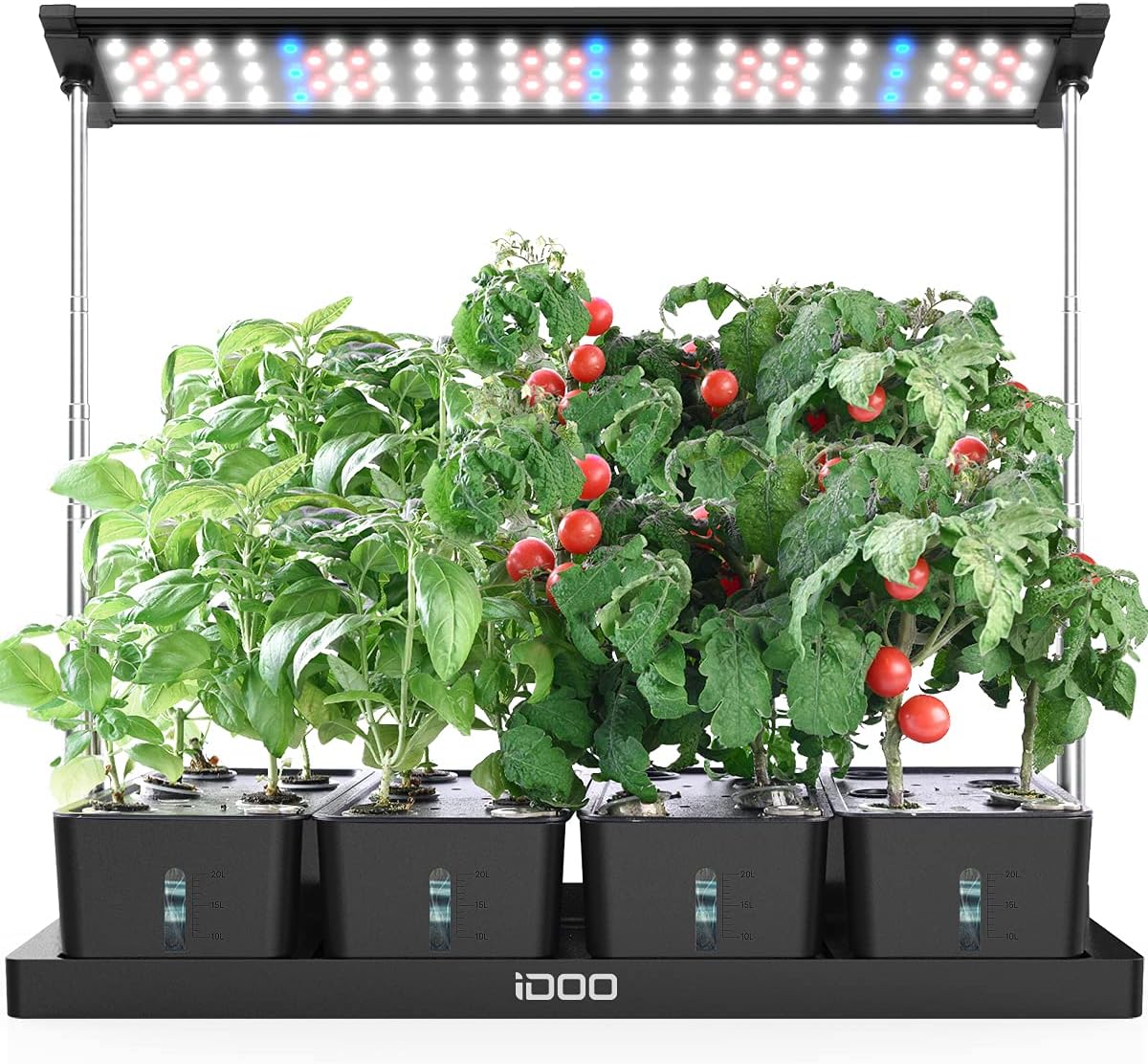
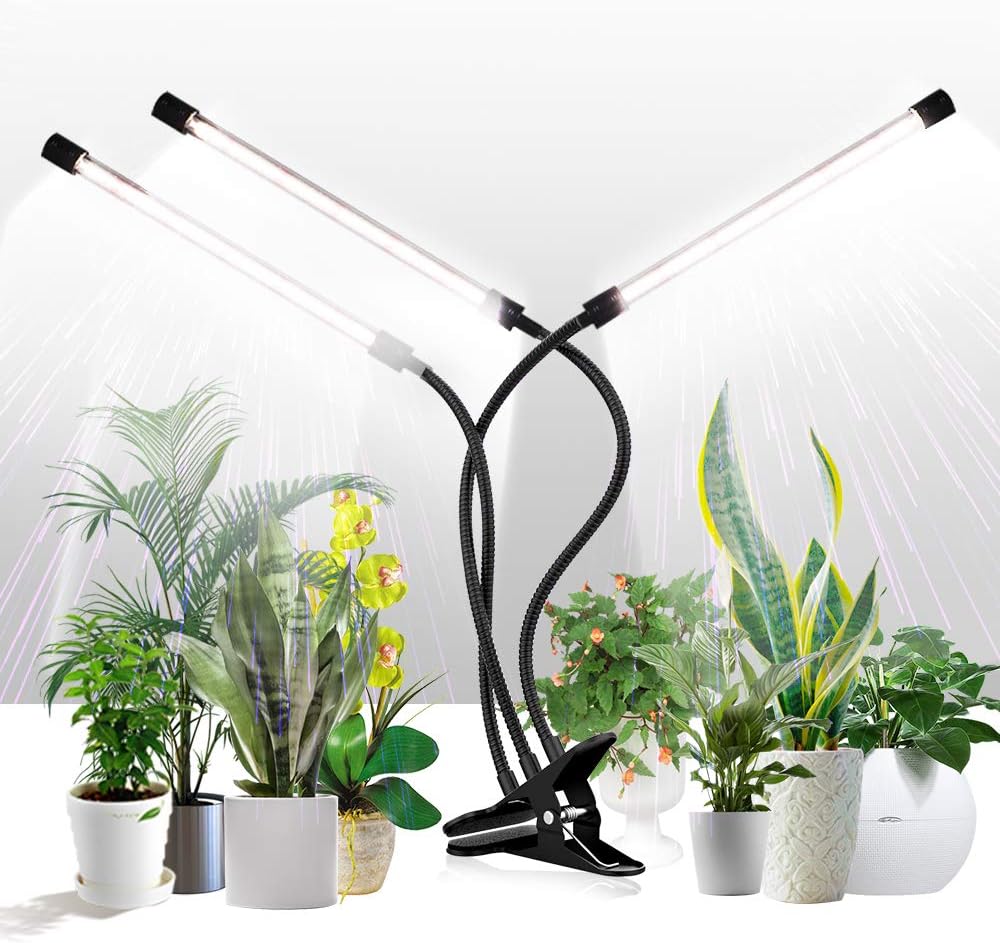
    Try providing adequate light, like a grow light, if you’re starting your tomato seeds indoors. This is because it is important they get adequate light when they are beginning to grow.

    Naturally, tomato plants form roots along their stem as they grow as sprawling vine. When you want to transplant your tomato seedlings and you find out they are leggy, you should remove part of the leaves at the bottom.

    Go ahead and transplant the seedling deep in the soil leaving a stem of at least two inches, with leaves, at the surface.

    Click Here to Get Info About:

    Looking At The Bright Side Of Growing Tomato Plants In The Shade

    Now that you have answers to your question: Will tomatoes grow in shade? So, let nothing stop you from going ahead and selecting shade-tolerant tomatoes and planting them in your shady garden.

    However, if it’s not a shade-tolerant variety, you should always have fewer expectations about your plant yield. You won’t be getting as much harvest compared to when growing tomatoes in full sunlight. But growing tomatoes in the shade will still turn out well if it’s a shade-tolerant variety.

    Looking At The Bright Side Of Growing Tomato Plants In The Shade

    Harvesting – Will Tomatoes Grow In Shade?

    If you want to know when your harvest will be ready, check the packet of your seeds for the maturity date. You should be expecting to begin harvesting your fruits after a few weeks from the maturity date.

    Hence, you should boycott growing the beefsteak varieties that don’t usually get ripened quickly even if they are grown in full sun. In partial shade, medium-sized and sometimes large varieties of tomatoes will turn out well at the end with good harvests.

    Growing cherry tomatoes in partial shade in addition to at least three to four hours of direct sun will turn out well at the end also.

    Furthermore, always bear in mind that tomatoes grown in the shade, be it partial or full, tend to have their roots and leaves remain moist for long when watered. This is due to the fact that they have the tendency of retaining water for too long as they don’t get enough sunlight to dry them out. Hence, the plants may become prone to disease if the soil is soggy.

    Hence, if you’re going to plant tomatoes in the shade, endeavor to space the plants and have them pruned. Make sure you create a channel from where there can be unhindered airflow. This will help in making the soil and leaves dry quickly.

    Harvesting - Will Tomatoes Grow In Shade

    Conclusion – Will Tomatoes Grow In Shade?

    Exploring growing tomatoes in shade or partial shade is a way of not limiting yourself to a particular set of vegetables to grow in your shady garden.

    Now that you are certain that some variety of tomato can grow in shade, go ahead and try your hands on the aforementioned varieties in this article.

    Don’t forget to let us know how the journey to growing tomato plants under shade turns out at your end.

    FAQ’s

    What happens if tomatoes don’t get enough sun

    If you’re growing tomatoes under partial-shade, have the expectation of lesser yield and slow fruit ripening from your plants. This is due to the absence of enough sunlight for at least six to eight hours.

    Can tomatoes grow without direct sunlight

    Yes, tomatoes can grow without direct sunlight. If you’re starting your seeds indoors, try providing adequate light, like a grow light for the plants. This is because it is important they get adequate light at their early stage of growth.

    How many hours of sun does a tomato plant need

    Ideally, a tomato plant should get at least six to eight hours of direct sunlight every day for a bountiful yield of fruits.

    Do tomato plants like morning or afternoon sun

    The time when the sunlight gets to hit your tomato plants doesn’t really matter. What matters is that the plants get at least six to eight hours of direct sunlight, be it in the morning or afternoon. Your tomatoes can be grown successfully.