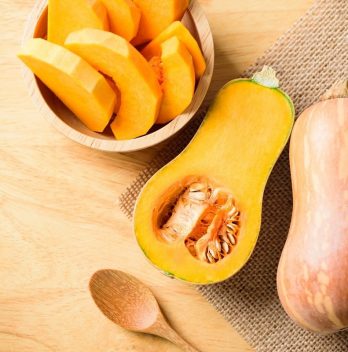
Storing Butternut Squash
So we already learned how to detect when butternut squash is matured. The next thing is to know how to store them appropriately for later use.
- Table or Shelf: you can store butternut squash for about 10 to 14 days at room temperature by placing them on a table or shelf.
- Store in a Dry Place or Room: For best storage for up to 5 to 6 months, avoid storing them in the refrigerator. Refrigerating will make them absorb moisture thereby losing their toughness. Hence result in rotting. For good storage results, store or place them in a dry place. The temperature should range from about 50 to 60 degrees Fahrenheit. Also, the humidity for storing them should be about 60 to 70%. Hence, a dry room or basement is a perfect place to store them.
- Cut and Store: it’s possible to store butternut squash in the refrigerator by simply cutting them into small or medium sizes. When you do this, ensure you peel off the outer skin. Also, take away the inner seeds with a spoon.
When storing the butternut squash, you shouldn’t pile them up but store them in single layers. This way, there will be less touching of each squash and less damage. Always observe or monitor your butternut squash every week for any sign of rot.

How Long Will Butternut Squash Last Once Picked?
Fresh, uncut, or whole butternut squash can be stored in a cool and dry place such as a basement or a closet where the sun will not penetrate, speeding up the ripening process of the squash. If you store it in these right conditions, it should last about two to three months.
Because butternut squashes tend to get pretty big, you may not be able to store the whole squash. If this is the case, you will need to cut it up into smaller pieces such as cubes. You will then need to store them in a fridge or a freezer so that they can last.
If you store them in the fridge, you can store them for at least four days before they spoil. Store them in an air-tight container or a Ziploc bag to get the best results.
Cut-up, frozen butternut squash can be stored in cubes or pureed, which can be used for cooking soups or stews, or re-heated for use as baby food. This frozen squash can be stored indefinitely in the freezer, however, it is best to use it within six months to a year.
Is Butternut Squash Genetically Modified?
Butternut squash has not yet been genetically modified, unlike other squashes.
Modified squashes include summer squash like yellow squash and zucchini are grown at low levels in the United States. These modified varieties are bred to be resistant to viruses such as the zucchini mosaic virus, a virus that has disastrous impacts on the cucurbits – squash, pumpkins, and melons.
How Big Does a Butternut Squash Get?
A mature butternut squash usually gets to about 9-18 inches tall and will attain a width of 10-15 feet in vine length. Different varieties of this squash require different amounts of space to grow and fully mature, with the bush varieties taking up the least.
Butternut squash will only get to this mature size if they are provided with the right growing conditions. These conditions include;
- Full sun exposure for 6 hours a day
- Rich, well-draining
soil with a pH of 5.5-7 - Never let the
soil in which the seedlings are grown to dry out - Providing the plants with sufficient nutrition, since butternut squash is a heavy feeder. This can be done by starting with
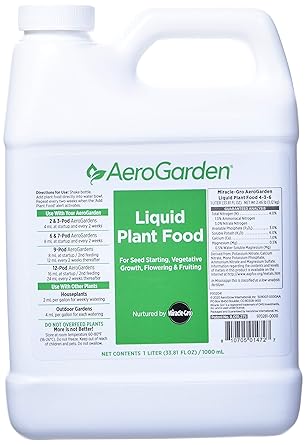
soil that has been mulched heavily or putting manure around the beds where the squash is planted. - Adding liquid fertilizer at 2-3 week intervals
Is Butternut Squash a Good Source of Iron?
Butternut squash is a good source of many important vitamins and minerals. It is also a great source of calcium, iron, phosphorus, and copper. It has a high iron content of 0.7mg/100g of butternut. Eating butternut will help reduce the risk of anemia.
How Many Grams is an Average Butternut Squash?
The average weight in grams of mature butternut squash can be anywhere between 907-1360 g. This usually yields about 3 cups of diced squash after the peels and seeds have been removed.
Final Words
You can as well calculate the date you planted your butternut seeds or plants. It will take approximately 110 to 120 days to attain maturity. So you can simply note down the date you planted your butternut squash so you can have an idea of the expected harvest time.
However, some factors such as climate,
Getting to know the appropriate period to pick your butternut squash is important so storing them for long does not cause an issue.
Once you’ve confirmed the signs listed in our articles, you can now pick your butternut squash and enjoy some tasty squash delicacy. You can as well store them appropriately even for up to 6 months.
FAQ’s
How do you know when a butternut squash is ripe?
When a squash is at its peak of freshness, it will be firm, with no soft spots. The skin should be smooth and glossy, not wrinkled or browned. It should have a sweet aroma. The flesh should be slightly mealy and very tender.
The best way to tell if a squash is ripe is to cut it open, scoop out the seeds and strings, then look inside. If you can see any seeds or string, it’s probably not ready yet. Once you’ve cut the squash in half, remove the stem and scoop out the seeds and strings.
What color should butternut squash be when you pick it?
Green, yellow, orange? In fact, butternut squash has a wide range of colors that can range from creamy white to dark green. Butternut squash comes in a wide range of colors.
You’ll find a bright orange butternut squash or a creamy yellow one. Squash grown in hot, dry climates may turn dark green. Butternut squash grown in a cooler climate will be more likely to have a lighter green flesh.
Butternut squash is available year-round. You can find fresh butternut squash in the fall, winter, spring, and even summer.
How many butternut squash do you get from one plant?
About 8 to 10, depending on size. They’re a good source of fiber and low-calorie carbohydrates. I like to roast them to use as a substitute for sweet potatoes. You can also make soup out of them, or even puree them into a sauce or soup base.
How long will butternut squash keep?
You can keep it for about a week if you want to cook with it or use it for something else. It does not have to be cut open, it can be left in the shell. Keep them in the refrigerator for up to 5 days or freeze them for longer storage.
How do you peel a butternut squash?
When peeling a butternut squash, make sure that your knife is sharp and clean. Then, cut off the ends of the squash where it meets the neck. Next, remove the skin by cutting the squash into quarters. Once this is done, use your knife to pry the skin away from the squash. You can also try using a vegetable peeler to remove the skin.
How often do you water butternut squash?
Butternut squash needs 1 to 2 inches of water per week.
Butternut squash are easy to grow. They don’t require a greenhouse or any special care during cold weather. In fact, they are extremely hardy. They can withstand temperatures down to minus 40 degrees Fahrenheit. They can also survive long periods of drought.

When Do You Pick Butternut Squash?
Harvesting butternut squash at the appropriate time requires you to follow the prescribed harvesting time so you can store them appropriately.
Butternut squash is grown in spring or summer because it flourishes in warm weather. It will take this plant about 3 to 4 months to reach full maturity. So if you planted your butter squash during spring or summer, the best period to harvest them would be around October or November. You can as well pick them up in early winter.
Apart from knowing the duration till these plants mature, you need to be aware of some signs that will let you know the butternut squash is mature for picking. Below are some of these signs.
Read more about How to Pick Basil
Signs To Know When Butternut Squash Is Ready To Pick
Here are 4 signs to tell you your butternut squash is ready to be picked:
Appearance
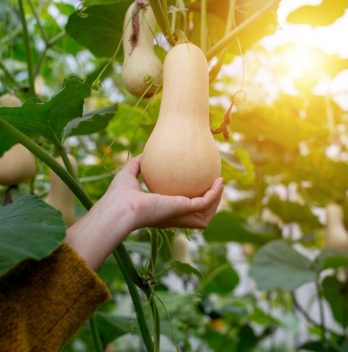
One way to know when butternut squash is ready to pick is to notice its appearance. Notice the color of the squash. When it’s ripe, it will give a solid tan peanut color. The outer shell will also become hard.
As butternut squash grows on the vine, it will give rise to green vertical lines which will fade out as they mature. So, if you notice your squash is still green with lines, you should wait for about a week or two until you can see its mature form.
Toughness
Butternut squash is ripe and ready to be picked when the fruit becomes firm or tough enough to resist being punctured with a fingernail. So when the rind or outer part becomes tough, that’s a sign they are ready to be picked.
Length
The length will also give you a sign it’s ready to be picked. Ideally, the squash ripens or matures when it attains 8 to 10 inches. Observe the length of the squash every day as they grow, and when you notice they’ve stopped growing, then it’s time to pick them.
Observe The Stem
The stem can as well let you know this squash is ready to be picked. Once the stem becomes brown and cracky, it’s a sign of maturity. This is because as the butternut squash attains maturity, nutrients cease being transported to the squash and stem. Then the stem colors will change from green to brown.
How To Harvest Butternut Squash
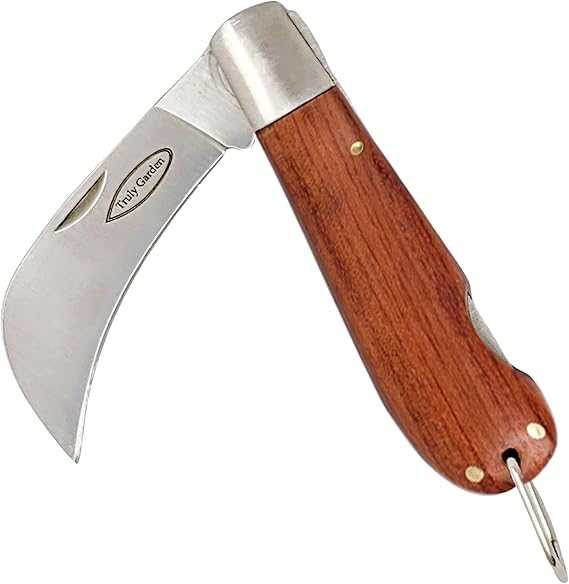
Harvest your butternut squash the right way by making use of a sharp knife to carefully cut the fruit from the vine. At the same time, ensure you still have about 2 inches of stem still attached to the squash. Not cutting the stem appropriately can introduce bacteria.
If you mistakenly bruise or cut the squash, know that it can’t be stored for long. So you have to make use of it as soon as possible. You can as well make use of any severely damaged butternut squash as a compost heap.
Folding Garden Knife. This Hawkbill Blade is Curved Making it Great for Hundreds of Uses
Storing Butternut Squash
So we already learned how to detect when butternut squash is matured. The next thing is to know how to store them appropriately for later use.
- Table or Shelf: you can store butternut squash for about 10 to 14 days at room temperature by placing them on a table or shelf.
- Store in a Dry Place or Room: For best storage for up to 5 to 6 months, avoid storing them in the refrigerator. Refrigerating will make them absorb moisture thereby losing their toughness. Hence result in rotting. For good storage results, store or place them in a dry place. The temperature should range from about 50 to 60 degrees Fahrenheit. Also, the humidity for storing them should be about 60 to 70%. Hence, a dry room or basement is a perfect place to store them.
- Cut and Store: it’s possible to store butternut squash in the refrigerator by simply cutting them into small or medium sizes. When you do this, ensure you peel off the outer skin. Also, take away the inner seeds with a spoon.
When storing the butternut squash, you shouldn’t pile them up but store them in single layers. This way, there will be less touching of each squash and less damage. Always observe or monitor your butternut squash every week for any sign of rot.
How Long Will Butternut Squash Last Once Picked?
Fresh, uncut, or whole butternut squash can be stored in a cool and dry place such as a basement or a closet where the sun will not penetrate, speeding up the ripening process of the squash. If you store it in these right conditions, it should last about two to three months.
Because butternut squashes tend to get pretty big, you may not be able to store the whole squash. If this is the case, you will need to cut it up into smaller pieces such as cubes. You will then need to store them in a fridge or a freezer so that they can last.
If you store them in the fridge, you can store them for at least four days before they spoil. Store them in an air-tight container or a Ziploc bag to get the best results.
Cut-up, frozen butternut squash can be stored in cubes or pureed, which can be used for cooking soups or stews, or re-heated for use as baby food. This frozen squash can be stored indefinitely in the freezer, however, it is best to use it within six months to a year.
Is Butternut Squash Genetically Modified?
Butternut squash has not yet been genetically modified, unlike other squashes.
Modified squashes include summer squash like yellow squash and zucchini are grown at low levels in the United States. These modified varieties are bred to be resistant to viruses such as the zucchini mosaic virus, a virus that has disastrous impacts on the cucurbits – squash, pumpkins, and melons.
How Big Does a Butternut Squash Get?
A mature butternut squash usually gets to about 9-18 inches tall and will attain a width of 10-15 feet in vine length. Different varieties of this squash require different amounts of space to grow and fully mature, with the bush varieties taking up the least.
Butternut squash will only get to this mature size if they are provided with the right growing conditions. These conditions include;
- Full sun exposure for 6 hours a day
- Rich, well-draining
soil with a pH of 5.5-7 - Never let the
soil in which the seedlings are grown to dry out - Providing the plants with sufficient nutrition, since butternut squash is a heavy feeder. This can be done by starting with
soil that has been mulched heavily or putting manure around the beds where the squash is planted. - Adding liquid fertilizer at 2-3 week intervals
Is Butternut Squash a Good Source of Iron?
Butternut squash is a good source of many important vitamins and minerals. It is also a great source of calcium, iron, phosphorus, and copper. It has a high iron content of 0.7mg/100g of butternut. Eating butternut will help reduce the risk of anemia.
How Many Grams is an Average Butternut Squash?
The average weight in grams of mature butternut squash can be anywhere between 907-1360 g. This usually yields about 3 cups of diced squash after the peels and seeds have been removed.
Final Words
You can as well calculate the date you planted your butternut seeds or plants. It will take approximately 110 to 120 days to attain maturity. So you can simply note down the date you planted your butternut squash so you can have an idea of the expected harvest time.
However, some factors such as climate,
Getting to know the appropriate period to pick your butternut squash is important so storing them for long does not cause an issue.
Once you’ve confirmed the signs listed in our articles, you can now pick your butternut squash and enjoy some tasty squash delicacy. You can as well store them appropriately even for up to 6 months.
FAQ’s
How do you know when a butternut squash is ripe?
When a squash is at its peak of freshness, it will be firm, with no soft spots. The skin should be smooth and glossy, not wrinkled or browned. It should have a sweet aroma. The flesh should be slightly mealy and very tender.
The best way to tell if a squash is ripe is to cut it open, scoop out the seeds and strings, then look inside. If you can see any seeds or string, it’s probably not ready yet. Once you’ve cut the squash in half, remove the stem and scoop out the seeds and strings.
What color should butternut squash be when you pick it?
Green, yellow, orange? In fact, butternut squash has a wide range of colors that can range from creamy white to dark green. Butternut squash comes in a wide range of colors.
You’ll find a bright orange butternut squash or a creamy yellow one. Squash grown in hot, dry climates may turn dark green. Butternut squash grown in a cooler climate will be more likely to have a lighter green flesh.
Butternut squash is available year-round. You can find fresh butternut squash in the fall, winter, spring, and even summer.
How many butternut squash do you get from one plant?
About 8 to 10, depending on size. They’re a good source of fiber and low-calorie carbohydrates. I like to roast them to use as a substitute for sweet potatoes. You can also make soup out of them, or even puree them into a sauce or soup base.
How long will butternut squash keep?
You can keep it for about a week if you want to cook with it or use it for something else. It does not have to be cut open, it can be left in the shell. Keep them in the refrigerator for up to 5 days or freeze them for longer storage.
How do you peel a butternut squash?
When peeling a butternut squash, make sure that your knife is sharp and clean. Then, cut off the ends of the squash where it meets the neck. Next, remove the skin by cutting the squash into quarters. Once this is done, use your knife to pry the skin away from the squash. You can also try using a vegetable peeler to remove the skin.
How often do you water butternut squash?
Butternut squash needs 1 to 2 inches of water per week.
Butternut squash are easy to grow. They don’t require a greenhouse or any special care during cold weather. In fact, they are extremely hardy. They can withstand temperatures down to minus 40 degrees Fahrenheit. They can also survive long periods of drought.
Harvesting butternut too early may not be ideal because the texture will be too firm and the sugars aren’t well developed yet. While if you harvest them too late, you may get a mushy squash that’s not appropriate. So when is butternut squash ready to pick?
When the fall period begins, most growers wonder when they can harvest their butternut squash so it can be stored and not get damaged. Inappropriate harvest time can result in conditions that will make your butternut squash inadequate for prolonged storage thereby facing issues.
There are different signs to show you when butternut squash is ready to be picked and that is what we will be discussing today. So continue reading to gain some knowledge on this and more.
Butternut Squash, When To Pick
This may be your first time growing butternut squash and you’re wondering when they are ready to pick. Well, the answer is pretty easy but you have to consider a couple of things when it comes to picking and storing this nutritious vegetable. So, let’s look into this.
When Do You Pick Butternut Squash?
Harvesting butternut squash at the appropriate time requires you to follow the prescribed harvesting time so you can store them appropriately.
Butternut squash is grown in spring or summer because it flourishes in warm weather. It will take this plant about 3 to 4 months to reach full maturity. So if you planted your butter squash during spring or summer, the best period to harvest them would be around October or November. You can as well pick them up in early winter.
Apart from knowing the duration till these plants mature, you need to be aware of some signs that will let you know the butternut squash is mature for picking. Below are some of these signs.
Read more about How to Pick Basil
Signs To Know When Butternut Squash Is Ready To Pick
Here are 4 signs to tell you your butternut squash is ready to be picked:
Appearance
One way to know when butternut squash is ready to pick is to notice its appearance. Notice the color of the squash. When it’s ripe, it will give a solid tan peanut color. The outer shell will also become hard.
As butternut squash grows on the vine, it will give rise to green vertical lines which will fade out as they mature. So, if you notice your squash is still green with lines, you should wait for about a week or two until you can see its mature form.
Toughness
Butternut squash is ripe and ready to be picked when the fruit becomes firm or tough enough to resist being punctured with a fingernail. So when the rind or outer part becomes tough, that’s a sign they are ready to be picked.
Length
The length will also give you a sign it’s ready to be picked. Ideally, the squash ripens or matures when it attains 8 to 10 inches. Observe the length of the squash every day as they grow, and when you notice they’ve stopped growing, then it’s time to pick them.
Observe The Stem
The stem can as well let you know this squash is ready to be picked. Once the stem becomes brown and cracky, it’s a sign of maturity. This is because as the butternut squash attains maturity, nutrients cease being transported to the squash and stem. Then the stem colors will change from green to brown.
How To Harvest Butternut Squash
Harvest your butternut squash the right way by making use of a sharp knife to carefully cut the fruit from the vine. At the same time, ensure you still have about 2 inches of stem still attached to the squash. Not cutting the stem appropriately can introduce bacteria.
If you mistakenly bruise or cut the squash, know that it can’t be stored for long. So you have to make use of it as soon as possible. You can as well make use of any severely damaged butternut squash as a compost heap.
Folding Garden Knife. This Hawkbill Blade is Curved Making it Great for Hundreds of Uses
Storing Butternut Squash
So we already learned how to detect when butternut squash is matured. The next thing is to know how to store them appropriately for later use.
- Table or Shelf: you can store butternut squash for about 10 to 14 days at room temperature by placing them on a table or shelf.
- Store in a Dry Place or Room: For best storage for up to 5 to 6 months, avoid storing them in the refrigerator. Refrigerating will make them absorb moisture thereby losing their toughness. Hence result in rotting. For good storage results, store or place them in a dry place. The temperature should range from about 50 to 60 degrees Fahrenheit. Also, the humidity for storing them should be about 60 to 70%. Hence, a dry room or basement is a perfect place to store them.
- Cut and Store: it’s possible to store butternut squash in the refrigerator by simply cutting them into small or medium sizes. When you do this, ensure you peel off the outer skin. Also, take away the inner seeds with a spoon.
When storing the butternut squash, you shouldn’t pile them up but store them in single layers. This way, there will be less touching of each squash and less damage. Always observe or monitor your butternut squash every week for any sign of rot.
How Long Will Butternut Squash Last Once Picked?
Fresh, uncut, or whole butternut squash can be stored in a cool and dry place such as a basement or a closet where the sun will not penetrate, speeding up the ripening process of the squash. If you store it in these right conditions, it should last about two to three months.
Because butternut squashes tend to get pretty big, you may not be able to store the whole squash. If this is the case, you will need to cut it up into smaller pieces such as cubes. You will then need to store them in a fridge or a freezer so that they can last.
If you store them in the fridge, you can store them for at least four days before they spoil. Store them in an air-tight container or a Ziploc bag to get the best results.
Cut-up, frozen butternut squash can be stored in cubes or pureed, which can be used for cooking soups or stews, or re-heated for use as baby food. This frozen squash can be stored indefinitely in the freezer, however, it is best to use it within six months to a year.
Is Butternut Squash Genetically Modified?
Butternut squash has not yet been genetically modified, unlike other squashes.
Modified squashes include summer squash like yellow squash and zucchini are grown at low levels in the United States. These modified varieties are bred to be resistant to viruses such as the zucchini mosaic virus, a virus that has disastrous impacts on the cucurbits – squash, pumpkins, and melons.
How Big Does a Butternut Squash Get?
A mature butternut squash usually gets to about 9-18 inches tall and will attain a width of 10-15 feet in vine length. Different varieties of this squash require different amounts of space to grow and fully mature, with the bush varieties taking up the least.
Butternut squash will only get to this mature size if they are provided with the right growing conditions. These conditions include;
- Full sun exposure for 6 hours a day
- Rich, well-draining
soil with a pH of 5.5-7 - Never let the
soil in which the seedlings are grown to dry out - Providing the plants with sufficient nutrition, since butternut squash is a heavy feeder. This can be done by starting with
soil that has been mulched heavily or putting manure around the beds where the squash is planted. - Adding liquid fertilizer at 2-3 week intervals
Is Butternut Squash a Good Source of Iron?
Butternut squash is a good source of many important vitamins and minerals. It is also a great source of calcium, iron, phosphorus, and copper. It has a high iron content of 0.7mg/100g of butternut. Eating butternut will help reduce the risk of anemia.
How Many Grams is an Average Butternut Squash?
The average weight in grams of mature butternut squash can be anywhere between 907-1360 g. This usually yields about 3 cups of diced squash after the peels and seeds have been removed.
Final Words
You can as well calculate the date you planted your butternut seeds or plants. It will take approximately 110 to 120 days to attain maturity. So you can simply note down the date you planted your butternut squash so you can have an idea of the expected harvest time.
However, some factors such as climate,
Getting to know the appropriate period to pick your butternut squash is important so storing them for long does not cause an issue.
Once you’ve confirmed the signs listed in our articles, you can now pick your butternut squash and enjoy some tasty squash delicacy. You can as well store them appropriately even for up to 6 months.
FAQ’s
How do you know when a butternut squash is ripe?
When a squash is at its peak of freshness, it will be firm, with no soft spots. The skin should be smooth and glossy, not wrinkled or browned. It should have a sweet aroma. The flesh should be slightly mealy and very tender.
The best way to tell if a squash is ripe is to cut it open, scoop out the seeds and strings, then look inside. If you can see any seeds or string, it’s probably not ready yet. Once you’ve cut the squash in half, remove the stem and scoop out the seeds and strings.
What color should butternut squash be when you pick it?
Green, yellow, orange? In fact, butternut squash has a wide range of colors that can range from creamy white to dark green. Butternut squash comes in a wide range of colors.
You’ll find a bright orange butternut squash or a creamy yellow one. Squash grown in hot, dry climates may turn dark green. Butternut squash grown in a cooler climate will be more likely to have a lighter green flesh.
Butternut squash is available year-round. You can find fresh butternut squash in the fall, winter, spring, and even summer.
How many butternut squash do you get from one plant?
About 8 to 10, depending on size. They’re a good source of fiber and low-calorie carbohydrates. I like to roast them to use as a substitute for sweet potatoes. You can also make soup out of them, or even puree them into a sauce or soup base.
How long will butternut squash keep?
You can keep it for about a week if you want to cook with it or use it for something else. It does not have to be cut open, it can be left in the shell. Keep them in the refrigerator for up to 5 days or freeze them for longer storage.
How do you peel a butternut squash?
When peeling a butternut squash, make sure that your knife is sharp and clean. Then, cut off the ends of the squash where it meets the neck. Next, remove the skin by cutting the squash into quarters. Once this is done, use your knife to pry the skin away from the squash. You can also try using a vegetable peeler to remove the skin.
How often do you water butternut squash?
Butternut squash needs 1 to 2 inches of water per week.
Butternut squash are easy to grow. They don’t require a greenhouse or any special care during cold weather. In fact, they are extremely hardy. They can withstand temperatures down to minus 40 degrees Fahrenheit. They can also survive long periods of drought.