Category: Plants

  • Everything You Need To Know About Aloe Vera Bloom

    Everything You Need To Know About Aloe Vera Bloom

    The aloe vera plant is loved by many people who grow it both as an outdoor and an indoor plant. However, not many people know about the aloe vera bloom.

    The aloe vera bloom is a small, but very attractive flower which grows on the leaf of the aloe vera plant. It has a long stalk which is usually green but can also be yellow or red.

    The aloe vera bloom can grow to around 3-5cm in length. It is most commonly found in the dry regions of Africa, Asia, Europe, and America. It is also grown for its medicinal properties.

    The Aloe Vera Bloom And Its Uses

    The aloe vera flower can be used as a food additive, to make soap, hair care products, toothpaste, lip balm, and even as a breath freshener!

    It is also used for skin care products such as lotions, creams, ointments, and soaps.  Aloe vera has been used to treat burns, dermatitis, acne, psoriasis, eczema, diaper rash, ringworm, and other conditions. It is most commonly used in the treatment of sunburn and minor skin irritations.
    The juice from the leaves can be used for skin care, and the gel made from it can be used as a moisturizer. The gel is also useful for wound healing.

    The gel can be used in combination with other oils to make a cream that helps wounds heal faster. It can also be applied directly to wounds as an anti-inflammatory and antibacterial agent.

    The juice from the leaves can be added to make beverages such as juices, lemonades, iced teas, and soft drinks. Aloe vera juice can be used to make jelly, jams, and jellies. The plant is used for cooking purposes as well.

    When Does Aloe Vera Bloom?

    Aloe vera plants are easy to grow as they do not require too much care and maintenance.  Once grown, a mature aloe vera plant gets to the bloom stage.  This happens when the plant is about four years old and has produced many new leaves.

    Aloe vera plants generally begin developing buds during winter. The flowers will then begin to bloom from early spring to summer.

    The aloe vera bloom has different colors depending on the aloe vera type.  They include – red, yellow, and orange.

    How To Harvest The Aloe Vera Bloom?

    Once your aloe vera plant has matured and bloomed, it’s time to harvest these blooms.  It is a good idea to harvest the blooms when they are at their most potent.

    To harvest the blooms, simply pinch off the flower heads, and hang them upside down to dry.

    Once dry, remove the leaves from the stem of the plant and store them in a jar or vase until needed. The flower heads of the aloe vera plant can be used in a variety of ways. You can use the flowers directly for decoration or you can also infuse them with oil and use the resulting oil as an all-natural hair conditioner.

    The oil made from aloe vera blooms is a popular product in the beauty industry today. Aloe vera oil has been used for centuries to treat various skin conditions and disorders. It has a strong healing effect on the body and is often used as an after-bath or before-bedtime moisturizer.

    Sustane Compost Tea Bags

    81thATrFpTL. AC SL1500

    How To Grow Aloe Vera?

    Aloe vera can be grown from cuttings or seeds. The process of growing aloe vera from cuttings is easier than growing it from seeds.  In case you want to grow aloe vera from cuttings, then you should take cuttings from mature plants. 

    The plants are usually about one year old.  You should take a leaf from a mature plant and make sure that it has healthy roots.

    Once you have taken the leaf, then you should let it dry out for a few days.  After a few days, place the cutting in a container with well-draining potting soil and keep the soil moist by misting until roots begin to grow.  This will help the plant grow into a mature aloe vera plant.

    What to do when aloe is flowering

    In Conclusion:

    Aloe vera bloom is a symbol of a mature aloe plant.  Aloe vera bloom does not appear as a single bloom rather it is a group of beautiful flowers growing together. They come in different colors depending on the type of aloe you are growing.

    FAQs

    What to do when aloe is flowering?

    Aloe is a succulent plant, which means that it stores water in its leaves and buds. As aloe flowers, stop watering it, so the leaves dry out, start to wilt and curl up.

    To encourage the new growth of aloe, it is important to remove the old, wilted leaves and cut back on watering. This can be done at any time during the year.

    How often does aloe vera bloom?

    Aloe blooms approximately once a year after about four years of growing from seed or cutting. During the spring, the plants will begin to flower.

    In the summer, aloe will be in its most productive stage of growth, and the leaves will be at their largest. Aloe also flowers in the fall and winter, but this is usually less abundant than during the spring and summer months.

    Why do aloe vera plants bloom?

    During the spring, aloe vera begins to flower because of warmer temperatures and longer days. This is when it is most beneficial for the plant to produce seeds. However, it is not common for an aloe plant to bloom.

    How do you get an aloe vera plant to bloom?

    Aloe vera is a plant that blooms on its own. However, the plant needs warm weather and a long day to bloom. If you want to get an aloe vera plant to bloom, you need to provide the conditions it requires.

    Aloe vera needs at least 12 hours of sunlight per day during the spring. Also, it needs to be kept in temperatures of 65-75 degrees Fahrenheit. These conditions are necessary to create the environment that is needed to bloom.

  • Jungle Velvet Calathea – Plant Care Tips

    Jungle Velvet Calathea – Plant Care Tips

    Jungle velvet calathea is a flowering tropical plant that is characterized by its striking velvety two-toned leaves. The plant is botanically referred to as Calathea Warscewiczii and it belongs to the Calathea species.

    Jungle velvet calathea can be placed indoors to add that striking look to your decoration and it can add tropical greenery to your home. They have this charming foliage that features green patterns on the upper parts with a purple underside.

    The plant jungle velvet calathea is a perennial plant that can do well indoors with little care so they are ideal as houseplants. Just provide the plant with warmth and a humid environment. Then water the plant correctly once the topsoil feels dry and also fertilize the plant once a month during its growing season.

    So, let’s further dive into the proper plant care tips to give jungle velvet calathea.

    Jungle Velvet Calathea Plant Care Tips

    Here are some detailed plant care tips for jungle velvet calathea:

    1.    Lighting System

    Jungle velvet calathea  is a low-light requiring type of plant. The plant of jungle velvet calathea will thrive well under bright indirect sunlight, so protect the plant from the direct sun.

    When direct sunlight hits the leaves of calathea, it can scorch them. So, the spot you should be choosing for your potted jungle velvet calathea should be close to an east or north-facing window.

    During hot summers, the ideal thing is to provide partial shade to your plant during this period. Then when it’s the winter period, position your plant in a bright spot then your plant can obtain good indirect sunshine.

    So, because this plant can do well in low light conditions, the potted plant of jungle velvet calathea can thrive in environments that have a bit of natural light such as offices, rooms, and the like.

    Check Out Maharani Alocasia Care Guide And Propagation

    2.    The Ideal Soil Type

    The best soil to use for jungle velvet calathea is loamy soil that is rich in peat potting mix and the soil should have excellent drainage. Ideally, you should combine two parts of peat moss and one part perlite just to improve drainage and create the appropriate growing medium for the plant.

    Regular houseplant soil can as well be amended by adding regular charcoal bits, orchid barks, pumice, or coco coir. Using this type of natural soil amendment can improve drainage thereby encouraging a more porous growing medium.

    3.    Temperature Requirement

    Jungle velvet calathea do well in warm temperatures of around 65 and 80 degrees Fahrenheit.

    Just ensure the temperature doesn’t drop below 60 degrees Fahrenheit and avoid any sudden drop in or fluctuations in temperature.

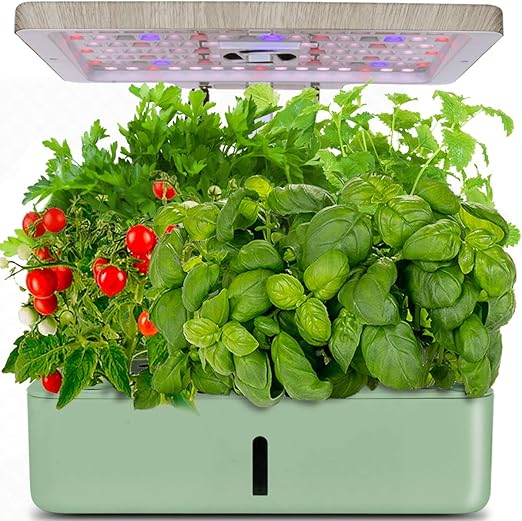
    GrowLED LED Umbrella Plant Grow Light, Height Adjustable, Automatic Timer, 5V Low Safe Voltage

    Furthermore, just to make sure your plant continues to thrive, you should protect the plant from draft or warm airflow. Then during winter, make sure the plant pot isn’t close to a heating duct or a hot radiator.

    Read more about A Detailed Guide On What Type Of Fertilizer For Tomatoes

    4.    Humidity Requirement

    Jungle velvet calathea flourishes in high humidity, especially when indoors and they grow best in 50% humidity.

    If you want to duplicate their tropical environment, using a room humidifier can help. Just sit the plant pot on a tray with pebbles or you can simply group the tropical houseplant together.

    How To Properly Water Jungle Velvet Calathea Plant

    You need to know how to properly water jungle velvet calathea plants as this is also part of their care guide. Even though this plant requires damp soil to flourish, it still does not like to sit in a waterlogged area and the plant doesn’t like dry soil. this reason can make watering to be a bit fussy.

    The ideal period to water this plant is when the potting is slightly dried. You can do a simple finger test by inserting a finger about 1 inch deep into the soil to feel its moisture. Once the top 1-inch part of the soil is dry, it’s time to water your plant. But if the topsoil still feels damp, just hold on for some days before you water.

    So, water the potting mix properly until you see water draining out of the drainage holes. Then make sure you let all excess water drain out before you return the plant to its spot.

    How To Properly Water Jungle Velvet Calathea Plant

    Note that hot temperatures make jungle velvet calathea soil dry out quicker. Therefore, your plant will need to be watered more often during hot periods. However, during winter periods, this plant tends to slowdown in growth. Hence, it is ideal to water less during winter.

    Additionally, the type of pots you use can determine how moisture moves. For instance when you use terracotta pots to grow your jungle velvet calathea, moisture evaporates faster compared to using pots that are plastic made.

    Click Here to Get Info About:

    Jungle Velvet Calathea Fertilization

    The plant of jungle velvet calathea is not a heavy feeder. You can provide the plant with nutrients by applying a balanced houseplant fertilizer once monthly during their growing season.

    Using a weak fertilizer solution occasionally can help minimize the risk of burns caused by nutrient burns.

    The plants of jungle velvet calathea are quite sensitive to over-fertilization which is why you must avoid using too strong fertilizer. A good thing you can do is to flush the soil every two or three months just to get rid of excess minerals.

    Jungle Velvet Calathea Fertilization

    Conclusion

    As charming as the velvety two-toned plant of the jungle is, the plant needs to be cared for the right way so you can continue to admire its lovely features.

    This post has listed the ideal growing requirements for the jungle velvet calathea plant to thrive. So, look through our plant care guide and continue to provide the appropriate growing conditions for your jungle velvet calathea plant.

    FAQ Section: Jungle Velvet Calathea Care Guide

    What is a Jungle Velvet Calathea, and how do I care for it?
    The Jungle Velvet Calathea, or Calathea warscewiczii, is a tropical plant known for its velvety, dark green leaves with deep purple undersides. To care for it, ensure it receives indirect sunlight, high humidity (around 60-70%), and consistently moist but not waterlogged soil. Use well-draining potting mix and avoid placing the plant in drafty areas.

    How often should I water my Jungle Velvet Calathea?
    Water your Jungle Velvet Calathea once the top inch of soil feels dry. Typically, this means watering about once a week, but frequency may vary depending on the humidity and temperature of your environment. Always use room temperature, distilled, or filtered water to avoid mineral buildup that can harm the plant.

    What type of lighting is best for Jungle Velvet Calathea?
    This plant thrives in bright, indirect light. Avoid direct sunlight, which can scorch the leaves and cause the beautiful patterns to fade. Low to medium light conditions are also acceptable, making it ideal for indoor spaces with less natural light.

    Why are my Jungle Velvet Calathea’s leaves curling or turning brown?
    Curling or browning leaves are often signs of inadequate humidity, improper watering, or exposure to direct sunlight. Ensure your Calathea is kept in a humid environment, avoid overwatering, and check that it’s not in direct sunlight. Consider misting the leaves or using a humidifier to maintain the right humidity levels.

    Is the Jungle Velvet Calathea pet-friendly?
    Yes, Jungle Velvet Calathea is considered non-toxic to both cats and dogs, making it a great option for pet owners. However, it’s still a good idea to keep the plant out of reach of curious pets to avoid any accidental damage to the plant.

  • Maharani Alocasia Care Guide And Propagation

    Maharani Alocasia Care Guide And Propagation

    Maharani Alocasia is an exotic plant that is very rare to find, but when you see one, you will get captivated by its unique features. This plant, which is also known as Alocasia “Grey Dragon” or “Elephant ear” is a unique houseplant like no other that should be on a plant collector’s list.

    Its foliage is bold and compact, which makes it ideal for the home. The office space is not left out too. It’s that perfect million-dollar buck’s office décor addition to the collection on your desk.

    Caring for this Alocasia variety is much easier than the other Alocasia. Watering this plant when the soil dries out is important. And when this plant has started growing, fertilizer can be applied occasionally while enough indirect light should be made available.

    When repotting the Alocasia Maharani, make sure the soil you use is a well-draining soil. This article will be narrating how to care for your exotic Alocasia variety.

    About Alocasia Maharani

    This particular variety of Alocasia is a hybrid plant whose leaves are plastic stiff. The origination of this plant is from Asia in the Southeast. It usually grows up to a foot in size only. The leaves usually grow up to 15cm in length.

    You can keep this plant in a greenhouse, vivarium, or terrarium. It can be grown both indoors and outdoors in containers. This makes it possible to enjoy the view of this plant in whichever way you want.

    The ideal temperatures to grow your Maharani in are between 65 and 80 degrees Fahrenheit. The soil mix must be the type that drains well. You should only water the plant whenever the top 2 inches of the soil have dried out.

    Apply fertilizer once every month during spring and summer only. As time goes on, the leaves begin to look dark green and have a thick texture with a bright green and reddish underside and have thin stems.

    All these features make this plant look like an artificial plant. The texture of the leaves is rough and they are usually veiny.

    Read more about In-depth Knowledge On What Ox Heart Tomatoes Is

    Maharani Alocasia Care Guide

    When it comes to caring for and propagating Maharani, the system is the same as the other plants in the same family Maharani belongs to. This Alocasia variety is unlike no other with its leaves that are thick and leathery in texture.

    The type of flowers this monocot plant produces is called a spadix. These flowers are produced on a stem. This plant is mostly grown for its unique foliage while the one that produces flowers, which are white in color, does so in early spring. However, the flowering type can’t be relied on.

    Let’s take a look at a few tips on how to take care of your Maharani.

    1.    Watering Requirement – Maharani Alocasia 

    The soil of your plant must not be dry or soggy but moist. This will help the Elephant ear grow well and be healthy. Too much dryness in the soil can lead to root rot. Well, the best solution when it comes to watering this houseplant is to water it often. Don’t water at once; let it be little by little.

    Maharani Alocasia Care Guide

    2.    Ideal Potting Mix

    During the growing season, the Elephant ear should be given enough attention from time to time as it’s a heavy feeder. This is why the need for a well-draining soil can’t be overemphasized.

    The soil must be porous and as well as contain some soil, perlite/coarse, peat, and sand. Hence, endeavor you make sure the soil mix drains well till moist and also aerated.

    3.    Temperature And Humidity – Maharani Alocasia 

    The best temperature for the grey dragon is between 54 to 80 degrees Fahrenheit. And when the temperature outside drops below this, then it’s better you bring your plant in.

    Humidity is also not an exception. Humidity should be around 80 degrees. The best location, in the house, is to keep your plant in the kitchen or where there’s so much steam in the bathroom.

    Your Elephant ear can get infected with fungal diseases if moisture is left remaining in crevices or on the leaves. So it’s advisable to keep close attention to your plant.

    Check Out The Best pH Meter – An Ultimate Guide For Your Soil

    4.    Ideal Light Requirement

    In order for your Elephant ear to survive, the same type of the plant’s habitat in the rainforest must be created. A brightly-lit window, but not direct sunlight, is perfect to place your plant in.

    So it is best you keep your plant in a spot that has soft lighting, just like a terrarium for the best result.

    iGrowtek Planter with Grow Light Desktop Plant Light

    Maharani Alocasia

    5.    Fertilizer Application – Maharani Alocasia 

    Due to the fact that the grey dragon is a heavy feeder, it must be fertilized consistently during its growing period. You can make available all the plant’s needed nutrients together with a general house feed.

    This helps to keep your plants healthy all the time and by keeping the soil nourished.

    Click Here to Get Info About:

    Propagation Of Maharani Alocasia

    The propagation of the grey dragon can be carried out from the pups or flower seed of the Alocasia Maharani once it stops being dormant. The best time for propagation is at the beginning of spring or midsummer.

    Use healthy plants alone when repotting if you’re using the division or pup method. You can remove the soil at the top if you’re removing only the pups. This will help you get a firm hold on them. When separating them from the main plant, the size and overall health of each pup will vary.

    However, it’s possible for you to still get 5 pups from the mother plant. Endeavor that the potting soil you will be placing each of the roots in is moist. If you’ve chosen the propagation method from seed, the plant must have produced flowers which means it will take a long time.

    The pod needs to be mature enough and then let become dry. This way, the seeds in the pod can be removed easily. Once you’ve got the seeds, soak them in water for a while. Then proceed to plant them in your growing medium and not forget to get the soil covering moist. Seedlings sprout usually take time to appear, say up to three months.

    Propagation Of Maharani Alocasia

    Conclusion On Maharani Alocasia 

    Maharani Alocasia being a bold and compact plant makes them great for a houseplant. Propagating and caring for this plant is pretty similar to other plants that are underMaharani family.

    FAQ’s

    Is Alocasia Maharani rare?

    Alocasia Maharani is a type of rare tropical houseplant and this bold and compact plant is a good choice to add to your collection of plants.

    How big can Alocasia Maharani get?

    The plant of Alocasia Maharani can grow up to 14 inches high but they don’t grow so big. But their round leaves can be around 5 to 8 inches in size.

    Are Alocasia Maharani and Melo the same?

    Alocasia Maharani technically looks similar to Melo because of their dark grey hue and deep ridging. However, these two plants differ because and Melo plant looks different because of the light venation inherited from the Black velvet.

    Do Alocasia Maharani like to be root bound?

    Indeed, the plant of Alocasia Maharani prefers to be a bit root bound so it does not require repotting every year because yearly.

  • Proper Care For Dusty Miller Plant

    Proper Care For Dusty Miller Plant

    Dusty miller plant, which is also known as Senecio cineraria, can be grown as a beautiful landscape addition in the garden. Little wonder it is grown for its foliage that is silvery gray.

    Dusty miller plant tends to complement many blooms in the garden because of its attractive lacy leaves. Once the dusty miller has been planted, it won’t be needing much maintenance.

    The dusty miller is a garden that is likely to never go out of style. You’ll definitely find this plant looking good all through its growing season. This plant stays beautiful for a long time. Even if it’s being used as a center of attraction piece grown in a container or as a background color for flowers that are bold and bright.

    This plant usually set small flowers that are yellow if they are left to grow on their own free will. These yellow flowers sort of look like a daisy’s bloom. However, the lovely foliage of Dusty miller is what makes it known and not its flowers.

    How To Care For Dusty Miller

    In order to grow this plant successfully, the maintenance and attention it gets matters also. Below are the major things that need to be put into consideration when you want to plant and get the best of it.

    How To Care For Dusty Miller

    1.    Required Temperature

    The ideal temperature to grow dusty miller in is around 40 to 60 degrees Fahrenheit. The plants will thrive well in this range of temperatures.

    Due to this reason, take extra precautions, during spring, if you will be planting Dusty miller. But in order to be on a safer side in regards to planting your Dusty miller outside during spring, it is advisable you start planting after Mother’s Day.

    In the United States, many of the states in the southwest which are under the growing zones between 8 to 10, are where Dusty miller will grow well. The plants will be able to survive the winter because the temperatures there are quite favorable for the plant.

    However, Dusty Miller is being grown as annuals even more in the northern part. Their main growing season is mid-spring through late summer.

    Read more about Major Reasons For Prayer Plant Leaves Turning Yellow

    2.    Sunlight

    Your Dusty Miller plant will grow well if exposed to full to partial sunlight. The ideal sunlight requirement for Dusty Miller is 4 hours daily. Another thing about this plant is that it can survive drought. This is because the nature of plant biology makes it possible for the plant to tolerate and thrive during a whole day of sun and a hot atmosphere.

    Soil type: The soil type that is best for growing Dusty Miller is well-drained soil. Also, the pH level of the soil must be between 5.5 to 6.0. Be rest assured that these plants will do very well be it if you’re using potting soil for container planting or in flower bed soil.

    How To Care For Dusty Miller - Sunlight

    3.    Height And Spacing Requirement

    The Dusty Miller plant can grow as tall as 3 feet. This plant will grow branches that are lovely and silver in color, with leaves that are very attractive. Because of their unique color, they are considered a beautiful addition to flower beds or flower pots.

    The plant starts to mature, even when it has not reached its full height when it is 6 to 18 tall. It is possible for Dusty Miller’s branches to spread out as far as 9” to 12”. Endeavor to give lots of space between your plants when planting.

    The thing is that the look of your seedling might be so small and it doesn’t seem as it actually is. Giving plenty of space and room to breathe between plants will help in preventing diseases.

    Check Out Peace Lily Yellow Leaves: Reasons And How To Fix It

    4.    Fertilizer

    Fertilizer requirement for your plants solely depends on where they are being planted like what type of soil and what region. Nutrient-rich soil could be the one rich in organic matter like compost, old manure, or molding leaves.

    Whichever type of nutrient-rich soil it is, your plants will grow well if you plant them in it. Although, these plants don’t require much nutrients like other plants, but starting by planting them in good soil will be great.

    On the other hand, planting them in a type of soil that doesn’t contain organic matter or even potting soil won’t require consistent application of fertilizer.

    Liquinox 7128 Fish Emulsion 5-1-1 Fertilizer, 1-Gallon

    9188Wl3R92L. AC SY879

    How To Prune Dusty Miller

    Depending on the variety grown, the dusty miller can attain a height of about 15 inches once they are matured. Dusty miller plants can grow bushy or leggy so it is ideal you cut them back.  Also, pruning can help achieve a bushy growth that is healthier.

    You can trim this plant using two methods which are pinching or trimming with a pruner.

    • Pinching

    Pinching your dusty miller simply requires the use of your finger. So, with your fingertip, pinch off half or 1 inch from each tip of the plant that is growing. Doing this will encourage new stems to grow from each spot you’ve pinched.

    Get Info about 5 Ways On How To Propagate Rosemary

    • Trim With Pruner

    The use of pruner is usually required if you’ve not trimmed your dusty miller for a long time and this has been piled up. The plant can get so big and leggy and you can’t just pinch them off with your fingertips. Note that trimming is best done in summer.

    So, trim off one-third of the whole plant and watch your dusty miller come back stronger and healthier.

    Then regarding the flower of dusty miller, it’s best you remove the bloom because the flower tends to divert and suck most of the plants’ energy to itself. Dusty miller plant is mostly grown for its lovely foliage rather than its flowers.

    Dusty Miller Plant: Conclusion

    Caring for the stunning dusty miller plant has been discussed in this article. We have also looked into how you can prune this plant so you can always have a healthy plant.

    FAQ’s

    Does dusty miller grow back every year?

    Technically speaking, the dusty miller plant can indeed grow back every year. Although the plant is usually grown as an annual and then discarded once the first season is over, it may still return the following year.

    Does dusty miller like sun or shade?

    The plant of dusty miller prefers full sun and if grown in shade, it can become leggy. The plant can tolerate heat and drought.

    Does dusty miller spread?

    The plant of the dusty miller is inclined to grow upright and in a spreading manner. dusty miller can spread up to 2 feet.

    Can you cut back dusty miller?

    Yes, you can cut back dusty miller plant and it will definitely survive trimming. Trimming usually helps the plant grow healthier.

  • Major Reasons For Prayer Plant Leaves Turning Yellow

    Major Reasons For Prayer Plant Leaves Turning Yellow

    Having prayer plants around the house is an excellent idea as they are very beautiful. However, some issues such as the leaves turning yellow may arise with this plant. Prayer plant leaves turning yellow can be discouraging to anyone.

    Growing this plant is very easy as they grow very quickly and can be propagated easily. During the day, you will see them moving up and down; the reason why they are called “the prayer plant.”

    Most notable member plants under the Maranta genus are referred to as prayer plants. And these interesting plants are called prayer plants because of the way the leaves always stay flat during the day and then at night, then they begin to fold up. The folding up is like that of hands being folded while praying.

    However, the unpleasant thing here is prayer plant leaves turn yellow. The leaf turning yellow is not usually attractive to the eyes. It can be a result of a problem the plant might be facing. So, you really need to check to find out what might be the problem.

    The Prayer Plant

    Most of the known member plants under Maranta genus are regarded as prayer plants. Sometimes, some plants under the Marantaceae family, also known as arrowroot, are referred to as prayer plants. Under this category, we have varieties of Ctenanthe, Calathea genus (Geoppertia), and stromanthe.

    There are varieties, like the fishbone prayer plant, that form windows that are attractive in their leaves. The coloration of the neon prayer plant makes it well sought after. All prayer plants usually have the same issues and the same solution.

    Be it Ctenanthe Burle-Marxii, Calathea ornata, or Maranta leuconeura, they usually have similar issues. However, the bone of contention in this article is the issue of yellow leaves.

    Read more about Peace Lily Yellow Leaves: Reasons And How To Fix It

    Prayer Plants Turning Yellow: The Major Causes And Solutions

    Prayer plants turning yellow are caused by various reasons so let’s take a look at the reasons that are more common;

    1.    Too Much Watering

    Sometimes, gardeners with no harm intended would over-water their house plants. This is despite using the best potting medium and pots with the right drainage holes. So, overwatering tends to make the soil become water-logged. Hence, this will cause the roots to start rotting thereby making the prayer plant leaves become sickly yellow.

    Getting the watering schedule for prayer plants can be kind of tricky. Unlike the other houseplants, they require to be watered more but not be waterlogged in the process.

    You can adopt the idea of checking your plants for moisture at least twice a week. However, if you check and the upper part of the potting medium is still so moist and these pots are still quite heavy, then you should stop watering.

    2.    Poor Draining Of The Soil – Prayer Plant Leaves Turning Yellow

    Marantaceae houseplants are regarded as moisture-lovers because their origination is from tropical regions that are wet. Even as much as they are moisture-lovers, good drainage is very important to them also.

    Keeping your prayer plant in soil that is waterlogged is very bad for the plant. This will lead to your prayer plant leaves turning yellow and then dying. It is because the waterlogged condition of the soil will lead to a lack of oxygen around the root of the prayer plant.

    GARDIFE Self Watering Plant Pots with Drainage Holes,6 Pack 7 inch Plastic Flower Pots

    71UMkkbOZBL. AC SX679

    Another cause of waterlogged soil is leaving your pot sitting in a saucer while watering. Even if the planting medium is well-draining, water will drain out into the saucer and stay while the remaining water from the pot that needs to come out completely won’t be able to.

    The water sitting in the saucer will instead get sucked up back into the soil. This then leads to water-logging of the soil and root rot which is very bad for your houseplant. You can prevent water-logging your houseplant soil by removing your house plant from its saucer when you want to water it.

    When watering, allow the liquid to drain out totally from the pot through the holes in the bottom before returning the plant back to its saucer.

    Click Here to Get Info About:

    3.    Being Exposed To Cold Temperatures – Prayer Plant Leaves Turning Yellow

    If temperatures drop below freezing, prayer plants won’t survive. This is because they are not cold-hardy. Prayer plants cannot also stand cool temperatures. This is why they might not even survive the cold weather let alone when temperatures drop to freezing cold. The best temperature to keep these tropical natives is 55 degrees Fahrenheit.

    Maintain a temperature around this range because any temperature lesser than this will make the leaves begin to turn yellow. Even at 60 degrees Fahrenheit, some species may begin to turn yellow.

    Another thing is that, during winter, when you go out to buy your prayer plant from a garden center in person, make sure you’re going back home immediately. You shouldn’t run errands while leaving them in your cold car. To help your prayer plant maintain healthy green foliage and also thrive well, the best temperature to maintain once you get home with your new prayer plants is 65-80 degrees.

    The Prayer Plant

    4.    The Problem Of Pests And Diseases

    Well, apart from the other aforementioned causes of prayer plant leaves turning yellow, pests and diseases can also be the cause. For example, the cucumber mosaic virus is the cause of the yellow mosaic pattern on the leaves while yellow stippling on the foliage is caused by spider mites. Tan spots with yellow halos are caused by helminthosporium leaf spots.

    Conclusion – Prayer Plant Leaves Turning Yellow

    With the explanation of the causes of why prayer plant leaves always end up turning yellow, you will be kind of certain that these plants might be crying for help sometimes.

    However, you will be able to keep your prayer plants healthy if you can always remember to always check the growing conditions of your pants. Do this by checking for the signs that have been talked about in this article.

    FAQ’s

    Should I remove yellow leaves from prayer plant?

    Unfortunately, because the leaves of prayer plant can’t turn back to green, you can just remove the yellow leaves using a sharp tool.

    Does a prayer plant close its leaves at night?

    Yes, prayer plant tends to fold or close their leaves at night. Matter of fact, if they are put in any dark spot, their leaves will close in about 15 minutes.

    Why are the leaves on my prayer plant curling?

    The reason why you may notice curling of prayer plant leaves is usually because of cold or when the plant is excessively dry.

    Do prayer plants need to be staked?

    It may be okay to stake prayer plants when they begin to grow sideways but you should know that it may not help your plant that is growing sideways. The best thing to do is to find out the cause of sideways growth and fix the issue.

  • Peace Lily Yellow Leaves: Reasons And How To Fix It

    Peace Lily Yellow Leaves: Reasons And How To Fix It

    How do you feel when you step into your living room to see your most beautiful flowering green plant leaves turning yellow? Peace lily yellow leaves can have any gardener worried. So, what are the reasons why the beautiful green leaves of your peace lily turn bright yellow all of a sudden?

    We will be examining the reasons for the peace lily change in color and ways to prevent and eradicate them in this post.

    If you’re a lover of flowers, especially the peace lily, you can be rest assured that your love for greenery isn’t just thanks to the latest interior trend but a huge investment in your health and physical wellbeing.

    Not only is this plant beautiful and makes a stunning sight for pictures and all, but they are also very beneficial for our health.

    The peace lily can make a very gorgeous floral addition to your space with low maintenance nature. It is renowned for getting rid of harmful toxins such as ammonia, trichloroethylene, formaldehyde, and benzene amongst others. It’s also known for its ability to keep dry environments moist which is perfect for accelerating humidity levels.

    Peace lily yellow leaves are what we are looking into in this post so let’s delve in.

    Brief Overview Of Peace Lily – Peace Lily Yellow Leaves

    The Peace lily is the most common specie of the Spathiphyllum Wallisii (botanical name). Peace Lily is a monocotyledonous flowering plant from the Araceae family with over 47 species which grow between 31cm-1m in height which produces a pale white flower with a long-lasting pleasant fragrance.

    This lovely plant help absorbs harmful acetone from household products such as acetone, varnishes, nail polish remover, rubbing alcohol, and paints among others. Promoting restful sleep is another health benefit of the peace lily plant as it brings calmness to the body and alleviates stress and insomnia.

    Brief Overview Of Peace Lily

    Unfortunately, the peace lily easy-going nature doesn’t mean there won’t be issues and struggles. Keep reading to learn more about what causes peace lily leaves to turn yellow and how to deal with it.

    Check Out The Different Methods Of Umbrella Plant Propagation

    Peace Lily Yellow Leaves: Some Of The Most Common Reasons For This

    Normally, the peace lily leaves are oval-shaped and dark green that sprouts from the soil directly. They are strong and tough and the major issue they encounter is that they collect dust which needs constant wiping but there are some other issues that can cause its leave to take up a yellow hue and if not attended to cause its death. Some of these reasons are stated below but are not limited to the following:

    1.    Lighting System

    Peace lily doesn’t do well under direct sunlight. Too much direct sunlight scorch the leaves making them dry and take on a yellow color. However, not sufficient sunlight can also be a factor in the yellow leaves’ turnout. When your plant leaves aren’t getting enough sunlight needed, photosynthesis will be hard to achieve which will lead to them turning yellow.

    Solution: To get the lighting right, place your peace lily by the window facing east or in a bright corner that gets indirect sunlight during the day.

    2.    Watering Issues – Peace Lily Yellow Leaves

    The peace lily is tropical plants so they like water and a little bit of humidity but that doesn’t mean you log the plant with water. Otherwise, you will wake up to a yellow plant and before you know it, your plant will turn brown and die.

    When choosing your plant pot, be conscious to use a pot with good drainage so that the plant won’t have to sit in a pot flooded with water thereby promoting root rot which prevents the plant root from taking in the necessary nutrients, fungi, and bacteria. Also, a yellowish leaf can be a sign of dehydrated peace lily. They can obviously manage a few days without water but a prolonged period without a drink or insufficient water can pose problems to this beautiful plant.

    Costa Farms Spathiphyllum Peace Lily Live Indoor Plant, 15-Inch

    Peace Lily Yellow Leaves

    Solution: The fix isn’t as complex as you think. Once you discover the top layer of your lily soil is dried, give it a drink and deep watering can be done every week or twice to achieve a perfect and healthy plant.

    3.    Water Quality

    At times, the amount of water used in watering your plant isn’t the problem but the quality of the water used. Peace lilies aren’t that choosy when it comes to water but tap water (which is what most home gardeners use in watering their plants and flowers) is filled with chlorine, fluorides, and other minerals which can cause the leaves of your lily plant to turn yellow.

    Solution: To avoid this, gardeners are advised to use purified water, rainwater, or de-chlorinated water (in case you don’t have access to other sources of water) to achieve the best results.

    Read more about 5 Ways On How To Propagate Rosemary

    4.    Aging Leaves – Peace Lily Yellow Leaves

    Just like every human who grow old and begin to wrinkle before we finally heed the ultimate call (death), the same applies to plats and scrubs. When the leaves of the peace lily age, it begins to turn yellow then droop before it begins to fall off. In this case, there is absolutely nothing you can do about it.

    Once you’ve confirmed that all other possible reasons have been looked into and everything seem fine, then allow nature to take its course and certainly, new leaves will sprout out to replace the fallen ones.

    5.    Poor Nutrition

    As much as choosing the right soil is a very important factor to consider when planting your peace lily, fertilization of your plant soil is very important though not so much in quantity.

    When you take too much time to feed it with the needed nutrients, it begins to show signs of malnutrition same way a child suffering from malnutrition would show signs.

    Solution: provide proper nutrients to the plant of peace lily.

    Conclusion

    Peace lily yellow leaves are caused by different reasons that we have stated here. So, just examine and identify the reason to why your peace lily is turning yellow and find the appropriate solution to it.

    FAQ’s

    Should I remove yellow leaves from peace lily?

    You can take off the yellow leaves on your peace lily because they will still end up drying out and fall off. So, you can simply cut the yellow leaves off the base of the stem.

    Will yellow peace lily leaves turn green again?

    Unfortunately, it’s rare for yellowed leaves peace lily to change to green again so you can either prune the yellow leaves off or allow them fall off naturally.

    How often should I water my peace lily?

    Ideally, you can schedule watering your peace lily once every week. The plant likes to be moist but avoid over-watering the plant.

    Should I wipe my peace lily leaves?

    Yes, you can wipe your peace lily leaves in a situation where you notice any dust on the leaves. Use a damp cloth and wipe down the leaves.

  • The Different Methods Of Umbrella Plant Propagation

    The Different Methods Of Umbrella Plant Propagation

    The umbrella plant is a nice houseplant to have and they are easy to maintain and care for. If you want to have more of this plant or you wish to share them with your loved ones, you can simply propagate them. Umbrella plant propagation is quite easy to achieve.

    The Umbrella plant which is also known as Schefflera may not be so popular compared to other houseplants, but it can add graceful foliage to your room.

    There are various ways you can propagate umbrella plants, but stem cutting has been one good way of going about this and you can get a better chance using stem propagation.

    So, if you have an interest in learning how to propagate this plant, then you can get some good knowledge about this here. Umbrella plant propagation as well as tips for caring for the propagated umbrella plant will be discussed here so let’s begin.

    Umbrella Plant Propagation

    Umbrella plant propagation can be done by stem cutting, seed propagation, or air layering. However, stem cutting has been shown to be a good method that can offer you a better chance of successful propagation. But naturally, the umbrella plant reproduces through seeds.

    When you are propagating this plant, you need to provide it with the ideal conditions such as temperature, humidity, light, and soil moisture.

    Umbrella Plant Propagation

    Click Here to Get Info About:

    Different Methods Of Umbrella Plant Propagation

    When propagating umbrella plant, be sure to select a healthy plant that is pests and diseases free.

    1.    Stem Cutting

    Ideally, if you want to propagate umbrella plants, it’s best you take your stem cuttings during early summer or spring. This is mainly because warm weather helps your cutting root properly. So, to propagate umbrella plants, follow this process

    • Get a good soil mix and moisten the soil evenly.
    • Use a sharp and sterile cutting tool to cut 4 to 6 inches of the umbrella stem just above the leaf node. Ensure the size of the stem is at least the diameter of a pencil. Make sure the cutting does not dry out.
    • The bottom of the leaves should be pruned off and leave at least a complete set of leaf.
    • Then stimulate the root on your cutting by dipping the cutting into the soil mix and cover and secure the cutting. (You may dip rooting hormone at the end of the cutting just to stimulate root growth).
    • Then slightly water the soil and make sure the soil mix remains moist but not waterlogged.
    • Supply the cutting with indirect light. Then provide the cutting with high humidity.
    • You should begin to notice sprouting in about a month. Then you can transplant once new growth on top is seen.

    2.    Propagation By Air-layering – Umbrella Plant Propagation

    Look for an open spot on the stem of umbrella plant that has leaves both above and below. Then about one inch wide around the stem, take out the outer layer of the plant. This part should then be covered or wrapped with damp sphagnum moss and this should form a clump around the size of a baseball that covers the wound totally.

    The moss should be covered with plastic wrap that secures each end using tape to make the sound airtight.

    Then in about one or two months, you should begin to notice roots showing inside the plastic. So, you can now clip this stem below the moss wrapping and go ahead and plant the newly rooted part inside its container.

    3.    Propagation By Seed

    Although it may take a longer time to grow a full-sized umbrella plant from seed, it can still be achieved. To further improve or give you a better chance at this, it is important you go for fresh and healthy seeds that come from quality stock.

    Now, to commence the process of propagating umbrella plant using seed, prepare your germination tray and make use of light potting soil.

    To further enhance the germination rate, before you sow the seeds, we recommend you soak the seeds in hot water at a temperature of 140 degrees Fahrenheit for 12 hours.

    AeroGarden Liquid Nutrients (1 Liter)

    61Y4WPDkIXL. AC SX569

    Each seed should be sown to a depth that is two times its size. Then water the set up sparingly and ensure the soil remains moist but not too wet.

    The temperature should be maintained between 75 to 86 degrees Fahrenheit. The set up should be positioned in a bright but indirect sunlight.

    You should begin to notice germination from two to three months. So, you can go ahead and transplant them into individual containers once the seedlings attain a height of one to two inches.

    Read more about Some Interesting List Of Plant With Purple And Green Leaves

    Tips On Caring For Umbrella Plant After Propagation

    Once you’re successful with propagating umbrella plant and the plant has rooted, you need to care for them properly. Here are some tips to help you care for them:

    • So, once you’ve transplanted the rooted cuttings into their individual pots, the tap shoots should be trimmed just to encourage branching.
    • Provide the rooted plant with bright indirect sun. Then you can gradually introduce them to more light as they mature.
    • The plant is a heavy feeder so the soil needs to be rich in nutrients, particularly for the young plant.
    • The pot should have good drainage holes and you should make a drainage layer in the new pot before you add the potting soil.
    • Provide the soil with moist conditions and avoid water-logging the soil.
    Tips On Caring For Umbrella Plant After Propagation

    Umbrella Plant Propagation Conclusion

    Umbrella plant propagation may not be so easy but you can still achieve successful results if you can follow the right way. We have listed the 3 main ways you can propagate umbrella plants and we’ve also given some plant care tips.

    FAQ’s

    Can umbrella plant grow in water?

    The plant of umbrella can thrive in a damp boggy soil, so they can withstand water of up to 6 inches.

    How long does it take for a cutting to root in water?

    Ideally, it may take about 3 to 4 weeks for a cutting to root in water, and ensure you always resupply fresh water until the cuttings have rooted fully.

    Where do you cut an umbrella plant?

    The right place to cut the umbrella plant is right above the growth node. So, this implies that you should cut just above the spot where the leaf has germinated.

    What are umbrella plants good for?

    The Umbrella plant is an excellent plant that you can use to decorate your homes or offices. The plant doesn’t require too much maintenance and it can help purify the air in your home by assisting in filtering out pollutants such as toluene, benzene, and formaldehyde from the air.