Category: Plants

  • A Guide On Growing Peonies in Pots

    A Guide On Growing Peonies in Pots

    Are you interested in growing peonies in pots and want to know how to go about it?  This article will help you not only learn how to grow peonies in pots but take good care of them.

    Peonies are beautiful flowers that are very popular in the western world. They can be used for both indoor and outdoor gardening. Peonies have long been an essential part of our garden culture.

    Basic Structure Of a Peony Flower

    In many countries, the peony flower is cultivated as an ornamental plant. The beauty of this flower lies in its unique structure. The flowers are composed of three parts: the stamen, the petals, and the pistils.

    Stamen

    The stamen is responsible for making pollen. The pollen is necessary for the fertilization of the pistil, which will make a seed pod. The flower is known as a perfect flower because of the symmetrical arrangement of the petals.

    Pistils

    The pistils are located at the base of the ovary. They have two functions: the first one is to produce pollen, and the second one is to produce a capsule.

    Basic Structure Of A Peony Flower

    Petals

    The petals are composed of two leaves that cover the pistil. They are arranged in two rows on top of each other. The outer row of petals is larger than the inner ones. The size of the petals is dependent on the variety of the plant.

    Capsule

    The capsule is the seedpod of the peony. It has two lobes. Each lobe contains one or more seeds.

    Let’s move on to growing them in pots.

    Click Here for Info:

    How To Growing Peonies in Pots

    So, now that you know what a peony flower looks like, let’s get started. We will learn how to grow peonies in pots.

    Step 1:  Prepare the potting soil

    The first thing you need to do is to buy some potting soil. The best potting soil is a combination of peat moss and perlite. Peat moss is an organic material, which is made up of peat and humus. It has a high moisture retention rate. Perlite is a mineral product that has very small particles and is very lightweight. These two materials are combined together and make good potting soil. This type of soil has excellent drainage and it is also good for the roots.

    Step 2:  Plant your peonies’ seeds

    Plant the peony in the prepared potting soil. Water well and wait until they have rooted.

    You should use a pot with good drainage that is at least 20 inches deep and 20 inches wide. You will likely have to increase the size of your container every three to four years.

    Step 3:  Add some fertilizer

    After they have rooted, you can start feeding them with a peony fertilizer. Peony fertilizers are formulated specifically for peonies. They have a rich supply of nitrogen, phosphorus, potassium, and calcium.

    Flower Fuel 1-34-32 – Bloom Booster by Element Nutrients (250g)

    Growing Peonies In Pots

    Step 4:  Water them well

    Keep watering the peonies until they start to flower.

    Step 5:  Take care of the peony after they flower

    When they start to bloom, the peony needs more water and light. If the weather is too hot, you need to bring them inside.

    Step 6:  Enjoy your peonies

    They are beautiful plants and you can enjoy their beautiful blooms for a long time.

    Step 7:  Re-pot your peonies

    When they start to die, you can re-pot them into a new pot. It is very easy to do and you don’t need to be an expert gardener to re-pot your peonies indoors.

    Caring For Growing Peonies in Pots

    Peonies are one of the easiest plants to grow, and they don’t need much at all in terms of care once they’re established.

    They prefer a sunny spot with good drainage, but they can take a fair amount of shade. They should get at least four hours of sunlight a day. In the summer they like it hot, and in the winter they like it cold.

    You’ll want to water them weekly during the dry season, and monthly during the wet season. Use a soaker hose if you live in a humid area, or use an irrigation system with drip lines if you live in a very dry area.

    You should water them thoroughly so that they’re completely soaked through, especially around the roots. Water the mature peonies about every week or every other week, though in hot weather they will need to be watered more frequently.

    If your soil is a little on the clay side, you may need to add a bit of peat moss or other organic matter to make sure that they have enough moisture. You can also try to avoid watering during the day if possible since that tends to be when most plants get too much water.

    Fertilize your potting soil twice a year, once at the beginning of spring and once midway during the growing season.  When planting your peonies you can add compost manure or organic fertilizers.

    If you plant them outside, you will need to fertilize them with a high phosphorus fertilizer.  You can use the fertilizer for your garden and apply it around the plants.

    It is recommended that you add one tablespoon of fertilizer for every gallon of water.  The fertilizer should be added after the plants are planted and watered in.  Once you have done this, you should water the plants regularly. 

    Make sure that you do not overwater the plants.  This could cause the roots to rot.  If you notice any signs of rot on the roots, remove the plant from the pot immediately.

    Read more about How To Propagate Fig Tree? – Efficient Method

    Take-Home – Growing Peonies in Pots

    Growing peonies in pots are possible for every gardener who wishes to grow these beauties. It takes time, patience and a good deal of care. But it can be done, and done well. Here are some tips for growing peonies in pots. Peonies are a favorite of many gardeners, but many of us have never grown them in pots before.

    FAQ’s

    Do peonies grow well in pots?

    Yes. They will grow well in pots but the best time to pot them is during the spring. They like warm weather and do not like a very cold winter. Peony plants will not grow well in a house with temperatures below 50° F.

    How do you look after potted peonies?

    Potted peony should be watered regularly and fertilised every two months, or as required. They are best grown in full sun, but if you live in a cooler climate, they can be grown in partial shade.

    Do peonies prefer sun or shade?

    Peonies like sun, but will tolerate some shade.

    Do peonies bloom the first year?

    Peonies are perennial plants and will bloom the second year after being planted.

  • All About Supertunia Vista Bubblegum!

    All About Supertunia Vista Bubblegum!

    If you are interested in learning all about Supertunia vista bubblegum, we will look at it in this article.

    Supertunia Vista Bubblegum is a common plant used by most gardeners in landscaping. In this article, we will look at the history of Supertunia Vista Bubblegum and how to care for it. We will also see the many benefits that this plant has to offer.

    What is Supertunia Vista Bubblegum?

    The Supertunia Vista Bubblegum is a type of petunia hybrid that is a member of the Solanaceae family. In USDA Zones 10-11, they are grown as perennials, but in cooler areas, they are grown as annuals.

    The beautiful flowers of this plant are great for attracting hummingbirds and butterflies. They are a particularly popular plant thanks to the fact they tend to be heat and drought tolerant.

    What Is Supertunia Vista Bubblegum - The  History

    Supertunia Vista Bubblegum – The Appearance and Uses

    The leaves of the Supertunia Vista Bubblegum are green. The flowers of this plant are pink in color red-purple veins. They appear in clusters and have a sweet scent.

    These flowers bloom from planting to a hard frost and are known for being excellent bloomers. They are easy to care for and their stunning blooms make for an attractive addition to any garden.

    It has several different uses which include: gardening, home décor, and landscaping. Supertunia Vista Bubblegum is a herbaceous perennial that grows up to 12-24 inches tall. 

    The most common use for Supertunia Vista Bubblegum is as a hanging basket or in a planter. This plant can be placed on a sunny window sill or in an artificial light setting. It can also be used as a patio plant or landscape plant.

    Supertunia Vista Bubblegum – Propagation

    This plant can be propagated by either seed or cuttings. The best time to propagate this plant is during the summer months. 

    The best way to propagate this plant is by using cuttings. To do this, take a cutting from the top of the petunia plant, be sure to cut a soft, flexible leaf and wrap it in a damp paper towel. Fill a plastic container with a mixture of equal parts peat moss, sand, and plant food.

    Dip the end of the stem in rooting hormone and then make a small hole in the soil mixture. Carefully place the end of the stem in the hole and push soil around it to keep it in place.

    Burpee Bone Meal Fertilizer | Add to Potting Soil | Strong Root Development | OMRI Listed for Organic Gardening

    618a4ZruCgL. AC SX569

    Keep the container out of direct sunlight and water the cutting well.  After about three weeks, carefully check to see if roots have formed. Once the roots have formed, you can remove it from the container and plant it in a new pot of fresh potting soil.

    Click Here to Get Info about:

    Supertunia Vista Bubblegum – Care

    This plant can be grown in both sun and part sun. Supertunia Vista Bubblegum thrive when they get six or more hours of sun a day, but they can also grow in four to six hours of partial shade a day.

    It is also important to water this plant well.  The plant needs medium watering to keep the soil moist. This plant can also benefit from being fertilized on a regular basis.

    Fertilize your soil:  Your soil will be better off if provided with the right nutrients.  Fertilize your Supertunia Vista Bubblegum in the spring by using a slow-release fertilizer such as Osmocote.

    Manage diseases:  Supertunia Vista Bubblegums are often disease resistant. However, they can be suspectable to root rot, gray mold, late blight, and tobacco mosaic virus. The plant might also get pests such as aphids, flea beetles, slugs, and snails.

     To prevent these problems, keep your Supertunia Vista Bubblegum well-watered and look out for any pests or changes in the plant.  You should also keep the soil moist, but not soggy.

    Repot your plant: The best time to repot this plant is in the spring. This will cause less stress to the plants.

    Water thoroughly, but do not overwater and if you notice any sign of disease, re-pot immediately.

    Check Out 11 Best West Facing Window Plants

    Final Remarks

    The Supertunia Vista Bubblegum is a beautiful plant to grow.  It will produce stunning pink flowers with red-purple veins.

    If you have trouble growing it in your climate, look for it at a plant nursery. It’s quite easy to grow, but do not be surprised if it takes a while for it to mature.

    FAQs

    Is Supertunia Vista Bubblegum a perennial?

    In USDA zones 10-11, the Supertunia Vista Bubblegum is grown as a perennial. However, in cooler areas it is grown as an annual.

    What color do bubblegum petunias come in?

    The Supertunia Vista Bubblegum is noted for its signature pink flowers with red-purple veins. However, petunias can come in almost all colors except brown and black.

    How big do Supertunias get?

    The Supertunia Vista Bubblegum can grow to be 12-24 inches tall. They are a particularly great size for growing in hanging baskets and flower pots.

    How long do Supertunias last?

    How long a Supertunia plant last depends on if it is grown as a perennial or annual. A Perennial will regrow every spring, whereas an annual will live for just one growing season, then die off.

  • 11 Best West-Facing Window Plants You’ll Want to Have in Your House

    11 Best West-Facing Window Plants You’ll Want to Have in Your House

    Are you interested in growing the best west-facing window plants that love to enjoy the light and sun from this angle?  Here are such plants that you can choose to grow.

    Plants that are best suited for a west-facing window have a long lifespan and are great for enjoying the beauty of nature.  West-facing window plants can be a great addition to your home or office. They offer great health benefits and a sense of peace and tranquillity that can be hard to come by in our busy lives.

    The Best West Facing Window Plants

    Here are some of the best plants for the west-facing window.

    1. Peace Lilies (Spathiphyllum)

    Peace lilies have a long history of use in the decorative arts and are still popular today. They have a large, fleshy, bulbous leaf that looks like a large green mushroom. The flowers come out at the end of summer or early fall.

    Peace lilies have dark green leaves with beautiful white or off-white flowers. This plant is easy to grow and can be found at most nurseries.

    It does not need much water but will need more than average sunlight. The flowers are great in a large planter or as a cut flower. It is important to be aware that peace lilies are toxic to dogs and cats.

    West Facing Window Plants - Peace Lilies

    2. Perennial Moonflower

    The moonflower has one of the largest flowers on the market. They are native to North America and are commonly found in Florida and Texas.

    Today, they are used for their large, beautiful blooms. The flower lasts for several weeks and is very fragrant. Moonflowers do well in full sun but will do fine in partial shade.

    3. Spider Plants (Chlorophytum Comosum)

    Spider plants are one of the easiest plants to grow indoors and they look good hanging from a window. They do not need much water and only need moderate light. The leaves are soft and green and will look great hanging from your window.

    The spider plants bloom by mid-spring and will produce flowers until the fall. They can go anywhere from ten to fourteen days without water.

    4. Sunset Lillies (Lilium)

    Sunset lilies are easy to grow and bloom for several months. The flowers are long-lasting and come in a variety of colors. Sunset lilies have thick stems that reach about a foot tall.

    The plant needs lots of light and moderate amounts of water. Sunset lilies will do well in full sun but will do fine in partial shade.

    5. Sedums

    Sedums are an easy-to-grow flowering plant that looks great in any planter or hanging basket. They can be found in many different varieties. Some of the most popular varieties include ‘Autumn Joy’ and ‘Burgundy Sunset’.

    Sedums need moderate sunlight and average amounts of water. They do best in well-drained soil and are very easy to grow. Sedums are a favorite in containers because they are easy to care for and they look good hanging from a window.

    Sedum Tile, Live Sedum Succulent Planter, Stonecrop Plant Sedum Mat

    6. Zinnias

    Zinnias are great window plants and you can find them at most nurseries. They are one of the easiest plants to grow indoors. The flowers come in a wide range of colors and can be found in different varieties.

    The zinnias have a large flower with a long stem that is surrounded by small petals. They are great in hanging baskets or as cut flowers. The zinnias are drought tolerant and need little water.

    7. Begonias

    Begonia plants are also easy to grow indoors and they look good hanging from your window. They have a huge variety of colors and can be found in a large range of sizes.

    The begonias can be grown indoors for a few months and then moved outside when the weather is more suitable. They are easy to maintain and need little water.

    8. Bromeliads

    Bromeliads are another easy-to-grow plant that looks good hanging from your window. They come in a wide range of colors and you can find them at most nurseries.

    Bromeliads are easy to care for and need little water. They do need bright light, but they will do better if they are in a shady spot.

    9. Dracaenas

    Dracaenas are one of the easiest plants to grow indoors. They are great plants because they look good hanging from your window. They can be found at most nurseries.

    Dracaenas have a wide variety of colors, but you can also find white dracaenas. They are easy to care for and do not require much water.

    10. Geraniums

    Geraniums are great plants to grow indoors and they look good hanging from your window. They have a huge variety of colors and you can find them at most nurseries. Geraniums are easy to grow and do not require much water.

    11. Pothos

    Pothos are great plants to grow indoors. They are one of the easiest plants to grow because they are very forgiving. They require very little water.

    In Summary, West Facing Window Plants

    West-facing window plants love to enjoy the light and wind throughout all the seasons making them available throughout the year. These are the plants to grow if you want to have that serene feeling in your home or office.

    FAQ’s

    What can I do with west-facing windows?

    The west-facing windows in a room should be used to take advantage of the morning sun. These windows can be used for natural light in the morning and for evening lighting during the day.

    They should not be used to heat or cool the room. The west-facing windows in the kitchen are usually the most difficult to use because of the hot sun in summer, the cold sun in winter, and the lack of daylight in winter.

    What kind of light is west-facing window?

    A west-facing window receives more light than a south-facing window. This is called direct light.

    In addition to direct sunlight, the west-facing windows also receive reflected light from the sky, especially in winter. This is called indirect light.

    What plant likes Western sun?

    One of the plants that love the western sun is morning glory. It needs full sun for several hours every day. You should avoid planting it under the tree and in the area where the tree is located.

    Is a west-facing window good for succulents?

    Succulents are plants that store water in their leaves and stems. They prefer partial shade to full sun. If you have a west-facing window, make sure to place them on a sunny side.

  • Everything You Need To Know About Repotting A Snake Plant

    Everything You Need To Know About Repotting A Snake Plant

    Repotting a snake plant may be necessary especially if they’ve outgrown their present container. You can even help boost the snake plant’s growth and help it flourish when you repot in the appropriate container size.

    Even though snake plant is one easy type of houseplant to have, you should still take care of your snake plant. So, repotting is also part of caring for the plant. A snake plant that is overgrown in pot can cause rootbound. So, once your snake plant has grown heavy and is starting to explode out of its pot, then it’s time to repot.

    Repotting a snake plant is easy to go by and we are all about this in this pot. So, let’s delve into everything you need to know about repotting snake plants.

    Signs That Shows Your Snake Pot Needs Repotting

    Repotting a snake plant should be done when it’s only necessary. Don’t repot when it’s not needed so you don’t stress the plant for anything.

    So, let’s look at some signs to tell if your snake plant requires repotting:

    ·         Water Drains Too Fast Out Of Drainage Holes When You Water

    These signs show that whenever you water, the water drains fast without holding adequate water. Although snake plants can thrive with some neglect from water for some period, if the neglect is however extended, the plant will suffer.

    These issues whereby water drains very fast can be a sign of soil problem. Soil can disintegrate and lose its structure as time goes on which can be due to root growth and constant watering. This issue results in the inability of the soil to retain water or even nutrients.

    Another reason for rapid water draining from the pot can be because the root has overgrown the pot. So, the root takes most space and leaves little space for the soil. Hence, the soil becomes compacted that there’s little soil to hold the water.

    Check Out A Quick Look At Some List Of Lavender Companion Plants

    ·         Root Growing Out From The Pot’s Bottom

    When the root of snake plant begins to emerge from its container, it means repotting is necessary. This also applies to all houseplants. When this happens, it implies there is a root bound meaning the root has limited space to grow. Hence, this causes the root to come out of the base of the container.

    Your snake plant shouldn’t be left in this condition because it can cause the plant to struggle to assimilate nutrients and water. This in turn causes stunted growth that can even put an end to the plant.

    ·         Snake Plant With Several Pups – Repotting A Snake Plant

    One interesting feature of snake plant is its ability to produce pups from its plant base. Pups are little snake plants that sprout from the soil that is close to the plant connected by a rhizome.

    It’s fine to leave snake plant when it has just one or two pups. However, once the pups become many, it’s necessary to repot. The pups that have adequate roots can be cut off from the parent plant and repotted into a separate individual pot.

    ·         Snake Plant Falling Off

    Snake plant tends to grow in a tall manner with thick leaves and strong rhizomes. So, this makes the plant-heavy most time and causes the plant to fall over.

    Plastic Planter, HOMENOTE 7/6/5.5/4.8/4.5 Inch Flower Pot Indoor Modern Decorative Plastic Pots

    Repotting A Snake Plant

    Repotting a snake plant will then be required in this situation especially if the plant has grown twice the size of the container.

    When Is The Best Period To Repot Snake Plant?

    Early spring or late winter is the best time to repot your snake plant. This is mainly because snake plant is in its dormancy period during winter. So, this is right before the plant’s active growing season which is spring.

    Repotting A Snake Plant: Steps To Follow

    Below are the steps to follow when repotting a snake plant:

    Step 1: Obtain A New Bigger Or Spacious Pot

    Repotting a snake plant when necessary will require a bigger pot. The new pot needs to be at least 2 to 4 inches bigger than the previous container. This can ensure there is adequate space for the snake plant you’re repotting.

    Step 2: Plant Removal

    Take the snake plant out of its container. Then loosen the potting mix that is found around the root balls.

    Also, if there are many pups, you should cut the pups that have roots where the rhizomes are clearly visible. Then you can plant them in individual pots. But if the pups aren’t too many, you may leave them.

    Step 3: Obtain A New Soil And Replant

    Obtain some new soil and add to the previous soil. This is to fill up the new space and then add extra nutrients to it to support the health of the indoor houseplant. A well-draining soil or any indoor potting mix is great for snake plants.

    Obtain A New Soil And Replant

    Put the snake plant to be repotted in the new container and add soil. In the process of adding new soil around your plant, pack the soil well to ensure there are no air pockets. Then fill up the soil into the container till you reach the point where there is an inch left from the top of the pot.

    Step 4: Water And Provide Indirect Sun

    After planting, water to encourage the roots to grow. Then position the newly potted plant in its spot where it can get bright indirect sunshine.

    Step 5: Fertilization – Repotting A Snake Plant

    If you plan to repot your snake plant in early spring or summer, adding fertilizer to boost its growth during its active season can go a long way.

    Conclusion On Repotting A Snake Plant

    Repotting a snake plant can be quite beneficial to the plant especially when the plant is due for repotting. It’s easy to go about repotting your snake plant and we have discussed this in this post.

    FAQ’s

    What soil should I use for a snake plant?

    A well draining and aerated soil is what snake plants like and a light loamy soil is one good example. Snake plant tends to store water in their thick leaves so using soil that retains moisture isn’t advisable.

    When should you repot a snake plant?

    Once snake plant shows some signs it needs repotting, you should repot. Signs that your snake plant needs repotting include, roots growing out from the drainage holes, soil draining too fast, the plant becomes heavy and bends over, and too many pups.

    What kind of pots do snake plants like?

    Pots like terra cotta pots are great for snake plants because they allow soil dry out easily compared to plastic pots.

    How do you repot an indoor snake plant?

    Get a spacious container and get extra soil to add to the extra space. Then take out your snake plant and repot in the new container.

  • A Quick Look At Some List Of Lavender Companion Plants

    A Quick Look At Some List Of Lavender Companion Plants

    Lavender companion plants will be discussed in this article. The plant lavender is one of the favorite home garden plants which can be wonderful to have in all gardens.

    This perennial that is evergreen has a lot of benefits which are well known, reasons why it is commonly found in beautiful locations that are sunny in most gardens. And luckily, there are lots of lavender companion plants that can be easily grown as well.

    The listed plants in this article are just a few of the plants that you can plant alongside your lavender. Lavender companion plants can either help to attract insects that are beneficial, stop the rampaging of pests or enhance plant growth. Keep reading to know about a few examples of lavender companion plants.

    Companion Planting

    This is a gardening method that has stood the test of time, which helps to enrich and protect crops that are vulnerable. It is the act of planting particular types of crops alongside each other with the aim of helping each crop deter pests, grow healthy and attract the attention of insects with benefits.

    Click Here to Get Info About:

    Benefits Of Companion Planting

    There are lots of great benefits these companion plants can add to the garden. They include:

    Soil Nutrients Improvement

    Growing crops in your garden entails the crop absorbing most of the important nutrients from the soil. This will warrant the gardener to go through a lot of procedures at the end of the planting season to restore the lost nutrients in the soil.

    Companion plants, among many others, like pole beans and bush beans can help restore nitrogen back into the soil. This way, the good health of other plants will be maintained.

    Deter Insect Pests

    Specific pests can be repelled by many companion plants. These companion plants are catnip, marigold flowers, and rue. In order to keep certain crops pest-free, you should plant these companion plants close to them.

    Pests invading a vegetable garden can cause a plague and these are pests like cucumber beetles, cabbage worms, cabbage moths, carrot flies, Mexican bean beetles, and more.

    Benefits Of Companion Planting - Deter Insect Pests

    Provide A Form Of Cover For The Soil

    Some certain types of plants, like the crawling or low height plants, can protect the soil from the sun. This is because they grow by spreading all across the ground like a covering over the soil.

    This helps to keep the soil cooler thereby making the temperature favorable for plants that prefer a temperature that is low. A typical example of a plant that can serve as a covering is oregano.

    Lavender Companion Plants

    So, let’s take a look at a few of these companion plants of lavender:

    1.    Roses

    Roses varieties like shrub roses and floribunda rose will do very well in companion planting with lavender. Pairing lavender and roses will come out lovely and classic. In fact, you will find out that roses flourish really well in almost all conditions, say USDA Zone 2-11.

    The variety you choose matters. The best type of soil to plant rose bushes in is loamy soil that is well draining. The two plants must be well spaced. This is because rose plants need more water than lavender, thereby the need for the roses to be watered two times a week.

    2.    African Daisy – Lavender Companion Plants

    Just like the well-known and loved daisies, the African Daisies have similar common characteristics as them. The African Daisies attributes are extremely unique, with bright and amazing coloring looking like they’ve been dyed. In fact, you can find some varieties with more than one color on them.

    Because both African Daisies and Lavender don’t need much care and can both survive in the same conditions like the USDA 9-11, they will make a lovely pair. What these two plants require is well-draining soil, full sun and to be watered once a week.

    Outsidepride Dimorphotheca Sinuata African Daisy White Flower Seed

    71La71vi8kL. AC SX569

    The most amazing part of pairing these two plants is that even when lavender is in its off-season, African Daisy will continue to bloom. It will bloom and keep your garden bright all through spring, summer and fall.

    3.    Echinacea

    Lavender and echinacea look lovely side by side and they will definitely make a fantastic pair. The environmental conditions in which they can both survive are very much alike, which is USDA Zones 3 and 9 as the best.

    Echinaceas are also known as coneflowers and just like lavender, their need for much sun is important as well. However, they don’t need as much water as lavender. They can even stand heavy drought much more than lavender. Hence there will be no need for a change in how you water them. In order to form its purple blooms, it needs well-draining soil, just like lavender.

    If these two plants are paired together during summer, your garden will be radiating in the beauty of the display of stunning purple and lilac.

    4.    Zinnia – Lavender Companion Plants

    Zinnias are annuals that are really hardy and should be considered. They come in various spectrums of flower colors which you can choose from.

    You can combine any color of the zinnias with your lavender be it white, pink, red, or even lavender purple. Pairing them with your lavender will surely look amazing. And you can bet that zinnias will also thrive well side by side with lavender. Zinnias love full sun, well-draining, and dry soil as well.

    They can stand heat or humidity too. This is why zinnias are a sure bet for companion planting with lavender.

    • Other companion plants lavender that is great to be planted with include lettuce, onions, tomatoes, oregano, lemon balm, rosemary, sage, basil, and so on.
    Lavender Companion Plants - Zinnia

    Conclusion On Lavander Companion Plants

    Lavender companion plants list and their details have been discussed in this article. There are many plants that lavender can be planted side by side and benefit each other.

    FAQ’s

    What can you not plant with lavender?

    Plants that don’t do well under full sun should not be planted close to lavender. This is because lavender flourishes under full sun. So, shaded plants such as camellias, impatiens, fuchsia, and coleus do not go well with lavender.

    What is lavender a good companion plant for?

    Lavender is a wonderful companion plant because the plant can help add some beneficial features to the companion plants. Some of these beneficial features are shielding its companion plant from pests and boosting its growth.

    Where is the best place to plant lavender?

    Ideally, you should plant lavender where it can receive full sunlight. So, hot climates and afternoon shade can boost the growth of the plant.

    How far apart should you plant lavender?

    Lavender needs to be planted about 2 to 3 feet apart. This lavender plant can grow tall and attain a height of about 1 to 3 feet.

  • Do Seeds Need Light To Germinate?

    Do Seeds Need Light To Germinate?

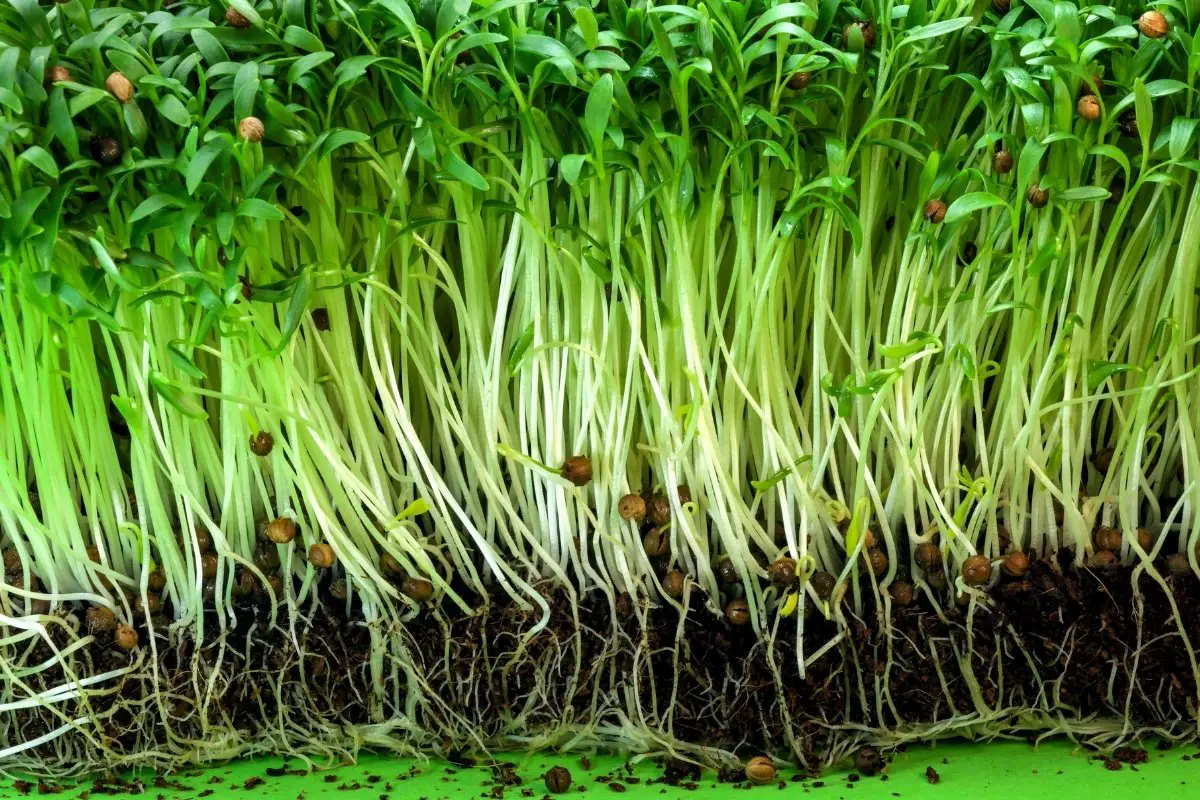
    Seeds require certain conditions to germinate. Conditions such as temperatures, humidity, water, soil, air, as well as light is what seeds require. But this is the question we would like to know: do seeds need light to germinate?

    For seeds to grow appropriately, different rules or techniques work for different seeds. When it comes to the light requirement for seed germination, most seeds need light to germinate, but some don’t require light. Such seeds that sprout under light include lettuce, dill, celery, and petunias. Then examples of seeds that sprout under darkness include onions and pansies.

    In this article, we will discuss why seeds need light to germinate and how much light is needed for seeds that need light, and many more. So, continue reading to get some knowledge on this.

    Do Seeds Need Light To Germinate?

    A good number of seeds do need light to germinate. It is a popular thought that seeds generally require light to sprout. After all, light is one crucial factor for most plants to grow. However, there are some seeds that will do well under little light or no light.

    In some cases, sunlight tends to slow down the germination of some seeds. So, the seeds that need to germinate in the dark need to be covered with some soil. Then these types of seeds will be planted deep into the soil so they can be covered.

    So, you should take note and get good info about the type of plant seed you’re growing when you decide to start your seeds indoors or outdoors.

    What about Seedling, Do They Require Light To Develop?

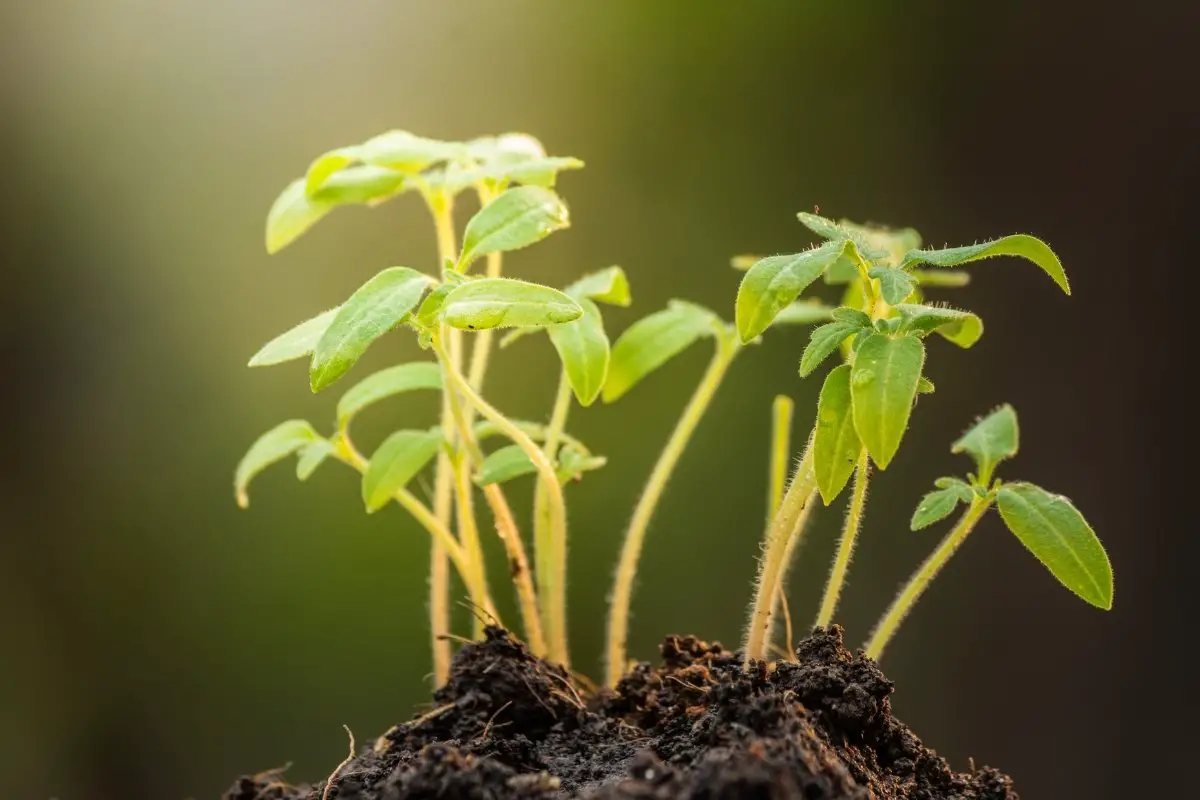
    After sprouting, almost all resulting seedlings surely need light to keep on growing. Light is required for all seedlings that have sprouted to root adequately else they can get leggy from reaching for the light.

    However, you should know that the amount of light needed by various seedlings varies from plant to plant. The plants that need little light during their adult stage don’t need too much compared to those that enjoy full sun all through their life cycle. Exposing seedlings to excess sunshine can cause them to get scorched, wither, and even die.

    Ways To Germinate Seeds That Require Light – Do Seeds Need Light To Germinate?

    Here are the ways to provide light for seeds that need light to sprout:

    • So, when you’re working with seeds that require light for sprouting, you can grow them indoors in a growing try. Then provide the seeds with grow lights or simply face the set up in a sunny spot or north-facing window if this suits the region you reside.
    • Another way you can go about this is to simply sow the seeds directly in a thin layer on the soil if the soil is warm and it is sunny enough.
    • You can also do a greenhouse with direct sunshine during early spring as this can provide adequate light and heat for germination.

    How To Sprout Seeds That Don’t Require Light

    To germinate seeds that don’t need light, you can also sow them in trays. Then just to make sure they are in the dark, you should cover the tray in black plastic. Also, take note of the temperature when they are covered. The temperature needs to stay in the proper range for adequate germination.

    MIXC 10 Packs Seed Starter Tray Seed Starter Kit with Humidity Dome (120 Cells Total Tray)

    Do Seeds Need Light To Germinate?

    Seeds That Germinates With Light – Do Seeds Need Light To Germinate?

    Generally, the majority of vegetable seeds need light to germinate but we can’t list them all here. However, let’s look at some of these common plants that need light:

    1. Carrots: a good example of vegetable that needs light to germinate is carrot. The seeds of carrots should be sprinkled on the soil surface and covered with a thin layer of soil or vermiculate for easy light penetration. The seeds should be planted in a row.
    2. Lettuce: lettuce is another common example of vegetable that their seeds need light to sprout and grow into seedlings. If you’re sowing them outdoor in your garden, simply sprinkle them on the soil or vermiculate. Then the seeds should be slightly covered with a thin layer of soil or vermiculate so light can penetrate easily.
    3. Rose: the plant seeds of rose need light to sprout. But you also need to maintain soil moisture at the appropriate level then you can see your seedlings sprout in about 6 weeks.

    Seeds That Germinates In The Dark – Do Seeds Need Light To Germinate?

    The plant seeds that thrive and germinate in the dark are mostly vegetable gardens with thick seed castings so they sprout under the dark covered in soil.

    So, here are some examples of plant seeds that sprout in the dark:

    1. Onion: Allium has its seeds to be big with thick seed casting. Their seeds will not emerge under the light. Therefore, starting onion seeds indoors is a good idea. They can be sown indoors under plastic. Then once they’ve germinated, you should remove the plastic cover and place them under the light.
    2. Sunflower: This plant seed is best to be sown at a depth that is 3 times its diameter. They also do well in the dark under plastic covering for them to sprout. Then when the seeds begin to emerge, simply move them into direct light.
    3. Calendula: Calendula is another plant seed that will germinate with darkness. So, cover the seeds using soil if sown outdoors and maintain moist soil.
    Seeds That Germinates In The Dark

    Seeds That Will Sprout With Or Without Light

    There are also other seeds that will sprout whether they are provided with light or not. Examples of such seeds include cucumber, tomato, eggplant, zinnia seeds, and so on.

    Conclusion – Do Seeds Need Light To Germinate?

    Do seeds night light to germinate has been answered in this post. Some plants need light for their seed to emerge or sprout while other seeds prefer darkness to sprout. There are even some seeds that just don’t care and will sprout even if they are provided with light or not.

    FAQ’s

    Do seeds germinate better in dark or light?

    The fact is that various seeds have different requirements for light. Some seeds are inhibited by the prescience of light while other seeds need light to sprout. So, you need to know the type of light requirement the seeds you have needs.

    Which seeds require light to germinate?

    Some examples of seeds that will germinate under light include lettuce, carrots, rose, cucumbers, alyssum, cole crops, begonia, savory, coleus, and so on.

    Why do seeds germinate better in the dark?

    Some seed varieties germinate better in the dark because darkness enhances their germination. So, if these seeds are exposed to light, it can seriously slow down their germination.

    Can seedlings get too much light?

    Yes, seedlings can get too much light. Most seedlings are still fragile and some even need to be hardened off before they can be exposed to direct sunlight. So, excess light can scorch or damage the sprouted leaves.

  • Can You Grow A Bedroom Snake Plant? 

    Can You Grow A Bedroom Snake Plant? 

    Is it possible to grow a bedroom snake plant meaning it will always be in your bedroom and not any other part of your home?

    Snake plants are easy to grow both indoors and outdoors.  When grown indoors, they can be kept in any part of the house – living room, bedroom patio, bathroom, etc.

    About Snake Plant

    The snake plant is one of the easiest houseplants to grow because of its versatility.  It does well in any type of lighting and it only needs to be watered when the soil drys out.  

    When grown outdoors, it does well in bright indirect light.  It can also be planted in containers.  It’s very easy to maintain and will grow quickly.

    It also makes a good gift for anyone who loves snake plants. The leaves are generally dark green with green-banded leaves and with a yellow border. They are a great size for growing indoors as they can grow anywhere from six inches to eight feet.

    The common or garden snake plant is also known as mother-in-law’s tongue because of the shape of its leaves.  It is native to tropical Western Africa. 

    It has become one of the most popular houseplants because of its easy care and fast growth.  Snake plants can be grown in a sunny location in any type of lighting.  It does best in sandy well-drained soil.

    Care And Maintenance For A Bedroom Snake Plant

    Check Out What Is The Bleeding Heart Flower Meaning?

    Bedroom Snake Plant Growing Conditions

    Snake plants growing in the bedroom require proper growing conditions that include:

    A cool and humid room

    Snake plants grow best in temperatures between 65 to 85 degrees Farenheit. The ideal humidity level is between 30 to 50 percent. A humidifier can help to maintain moisture in very dry conditions. 

    Soil

    Snake plants can grow in a loose, well-drained potting mix and they go well with sandy soils. The proper growing environment for your bedroom snake plant is a large, well-lit room with air circulation.

    Light

    Snake plants do well in bright, indirect light indoors. They can grow in many different lighting conditions including full sun, partial sun, and shade. However, be careful placing them directly under a window because the heat may damage the plant.

    Watering

    Watering can be a problem for snake plants. Too much water can cause problems for snake plants. They only need to be watered when the soil is dried out. 

    Pruning

    Snake plants are hardy plants and will need to be pruned now and then.  Simply prune the lower old leaves that are dead and leave the newer ones, which means they don’t need to be pruned. Pruning can cause damage if not properly done.

    T4U 8 Inch Plastic Plant Pots – Indoor Self Watering Planter Flower Pot with Drainage Hole

    71JsrKWot2L. AC SX569

    Care And Maintenance For A Bedroom Snake Plant

    It is important to keep your snake plant healthy and happy by following these maintenance tips:

    Tip 1: Remove dead leaves as they appear

    Dead leaves stagnate the growth of your plant so remove them as often as they appear.

    Tip 2: Water your snake plant occasionally

    Water your snake plant when the soil is dry. They do not need to be watered frequently.

    Tip 3: Keep your snake plant in bright light

    Your snake plant will grow best if it has bright, indirect light.

    Tip 4: Repot your snake plant every two years

    It is recommended that your snake plant be repotted every two years as the soil may dry out and the roots may become too cramped for the plant to grow.

    Tip 5: Keep the leaves clean and free from debris

    Clean your snake plant regularly with a soft brush or a damp cloth. Remove any dead leaves or debris that accumulate.

    Tip 6: Fertilize your snake plant

    Though snake plants don’t need to be fertilized, it can be beneficial. Fertilize with a mild cactus fertilizer during the growing season and do not fertilize in winter. 

    Tip 7: Check for insects

    If you see any signs of disease or insect infestation, consult your local gardening expert.

    Tip 8: Protect from frost

    Keep your snake plant indoors and away from cold drafts during winter. 

    Read more about An Indepth Study On Alocasia Sumo

    Final Words – Bedroom Snake Plant

    The snake plant is one of the easiest to grow and more so in your bedroom. It does not need a lot of attention and will reward you with its beautiful leaves.

    It is a great plant to grow indoors and it is beginner friendly since it does not need much maintenance. The plant can also be easily propagated through seeds or cuttings, which makes it an affordable option for beginning gardeners.

    FAQs

    Can snake plant be kept in the bedroom?

    Yes, snake plants can grow in the bedroom as long as you provide enough light.

    What is the best way to propagate snake plants?

    Snake plants can be propagated by dividing the roots or by leaf cuttings.

    Do snake plants help you sleep?

    Snake plants are a good source of oxygen which can help you sleep better.

    Do plants steal your oxygen at night?

    Snake plants do not steal your oxygen at night but they do produce oxygen. You can sleep as long as you want with the snake plant. They produce oxygen that helps you sleep.

    Where should you place a snake plant?

    Snake plant can be placed both indoors and outdoors and continue thriving. Indoors it does best in an area with bright indirect light.