Category: Organic Pest Control

  • Causes Of Rubber Plant Spots On Leaves And How To Fix It

    Causes Of Rubber Plant Spots On Leaves And How To Fix It

    If you nurture a rubber plant and you one day find out that there are spots on the leaves, then this may have you worried. Rubber plant spots on leaves can be a signal that something is wrong with your plant. But not too worry because we will be delving into how to fix rubber plant spots on leaves.

    Rubber plant which is usually referred to as Ficus elastic is one lovely type of houseplant characterized by its dark and glossy leaves.

    Rubber plant is a lovely plant so finding some spots (either brown or white spots) on the leaves can reduce its stunning look. Finding out the reason for this spot symptom on the leaves of the rubber plant is a good step to fixing this issue.

    Rubber plant spots on leaves will be explored here so let’s simply look into this.

    Rubber Plant Spots On Leaves: Which Part Of The Plant Is Affected?

    The major part of rubber plant affected by these spots is the leaves. Rubber plant spots on leaves show dark brown patches and this is usually from the tip and edges of the leaves. Also, the cause of the brown spot can make these small spots begin to show on the center or close to the edges of the leaves.

    Other part where the brown spot can show up is the base of the leaf and this is usually caused by pests and diseases attack. You may even notice some of these brown spots where the leaf meets the stem.

    Rubber Plant Spots On Leaves - Which Part Of The Plant Is Affected

    Once you notice any small brown spot on your rubber plant, you need to act fast. If you don’t tackle the issue on time, this brown spot can show up on the plant’s new leaves, stem, and shoots.

    Read more about The List Of Plants That Look Like Aloe Vera

    Rubber Plant Spots Causes, Symptoms, And Managements

    Rubber plant spots on leaves can be caused by different issues such as Septotia leaf spot, rubber plant algae leaf spot, downy mildew, powdery mildew, the bacterial blight of ficus elastic, alternaria, and anthracnose.

    Also, rubber plant spots can be caused by over-watering, poor drainage, root rot, nutrient deficiency, harsh weather like scorching sun and frost damage, low humidity, insect infestation, and fertilizer burn.

    Let’s take a look at some details of this rubber plant spot on leaves:

    1.    Septoria Leaf Spot

    Septoria leaf spots can cause brown spots on your rubber plant and this is caused when you leave your plant in a wet and humid condition for a long period. This spot is caused by a fungal disease and it exhibits this small, irregular, brown spot on both the top and undersides of the leaves.

    Symptoms

    Rubber plant spots on leaves caused by septoria can exhibit black or dark brown-edged lesions on the leaves. On the leaves, you can also notice this mold-like growth, and the leaves can look shrivel, blacken, and drop off.

    Also, the leaves affected tend to change to yellow and brown and they will eventually wither and die.

    Septoria Leaf Spot

    Resolving The Situation

    Once you’ve identified that your rubber plant spot is suffering from septoria leaf spot, it’s important you quarantine the affected plant immediately.

    Trim off and destroy the diseased, drooped, or any dead parts of the leaves. Always, space out your houseplants so that there can be adequate air circulation.

    You can spray your plant with a sulfur-based fungicide, captan, or copper-based fungicide.

    Click Here to Get Info About:

    2.    Rubber Plant Algae Leaf Spot

    Rubber plant spots on leaves can be caused by rubber plant algae leaf spots. This algae leaf spot is caused by a parasite known as Cephaleuros virescens and this parasite thrives in a humid and warm environment.

    Symptoms

    The symptoms noticed with these algae leaf spots is a small rough, mesh-like brown spot on the leaves of rubber plant. You may notice pale green, gray, or orange with this issue. Even if you notice that the spots are small, the spots can still expand and merge into bigger patches.

    Southern Ag Liquid Copper Fungicide, 32oz – Quart

    71Mg2KvcMnL. AC SY879

    Resolving The Situation

    The good news is that algae leaf spot is not a fatal disease. Organic control methods can be used to resolve the situation.

    Ensure you trim excess foliage, improve aeration, and space out your houseplants. When you’re watering, don’t splash water or water from the top of the plant. Instead, aim to water the base of the plant or you can use self-watering pots. Make sure you use well-draining, aerated, and fertile soil.

    However, if the algae leaf spot is too severe, use a copper-base fungicide or Bordeaux mixture biweekly. Apply this until the algae leaf spot has been eliminated.

    3.    Downy Mildew

    Downy mildew should not be confused with powdery mildew. This affects rubber plants and it mostly occurs in cool and humid conditions. This downy mildew disease is rarely seen during hot weather.

    Symptoms

    With this disease, you will notice colonies on the underside of your rubber plant leaves. So, you will notice spots covered with bluish-gray, purplish, whitish, or bluish cotton-like fungi.

    Mildew spores begin to dig and lock into the leaf from underneath and the upper part of the leaves will look yellow or white. As time goes on, they tend to form a fuzzy coating on the leaves and more damage will result in brown spots on rubber plants.

    Resolving The Situation

    Once you’ve identified that your rubber plant is suffering from downy mildew, isolate the plant to prevent the spread of the disease.

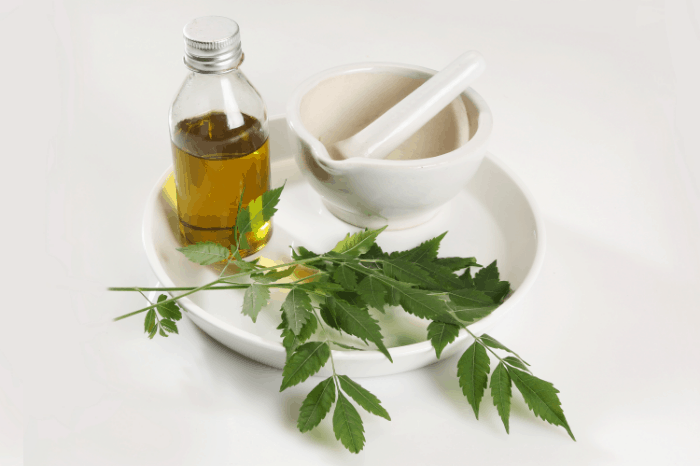
    Horticultural oil such as neem oil can be applied to the plant to prevent the spread and colonization of other leaves in the early stages. A copper-based fungicide should be used to tackle any colonies and spray once every seven to ten days.

    Final Word

    Rubber plant spots on leaves are usually a signal that something is wrong with your plant. So, you will need to act swiftly to prevent further damage when it comes to this issue.

    FAQ’s

    What causes brown spots on rubber plants?

    Rubber plants brown spots on leaves are usually caused by over-watering, fertilizer burn, pest and diseases infestation, harsh weather, low humidity, and poor drainage.

    Why does my rubber plant have white dots?

    The tiny white dots seen on rubber plants are known as lithocysts and they are enlarged cells that have calcium carbonate crystals. Seeing these white dots is no issue and they are normal for rubber plants.

    Should you cut off the brown leaves rubber plant?

    These brown leaves are usually dead and dying leaves so you should remove any dead and dying leaves by pruning them. Doing this will help the plant grow healthier and into the shape you would like it to have.

    What do brown spots on leaves mean?

    Usually, brown spots on leaves signify that the plant is suffering from an issue that needs to be attended to. These brown spots n leaves can be caused by over-watering, under-watering, lack of humidity, and so on.

  • What Are The Tiny Grey Bugs In Houseplant Soil?

    What Are The Tiny Grey Bugs In Houseplant Soil?

    If you are growing any type of houseplant, you may wonder what are those tiny grey bugs in houseplant soil and how to treat them.

    There are many types of houseplants that are easy to grow, however, bugs are a big problem for houseplants. To help us understand these tiny grey bugs, let’s learn what they are and how to control them.

    What Are The Tiny Grey Bugs In Houseplant Soil?

    Houseplants are home to a number of beneficial insects, including ladybirds, lacewings, and hoverflies. But houseplants also harbor a range of pests that can cause problems for you and your plants. One common pest is the small grey bug, which feeds on the roots of houseplants.

    These tiny grey bugs are actually called nematodes. They can be parasites or predators. These are not normal bugs, but microscopic creatures that can harm other insects, mites, or worms.

    Nematodes - Tiny Grey Bugs In Houseplant Soil

    Nematodes have a hard outer covering and move slowly through the soil. They feed on bacteria and other tiny organisms in the soil. Some species can even eat other nematodes. We have a lot of different types of nematodes, some of which are good for plant growth.

    Click Here to Get Info About:

    How Do The Tiny Grey Bugs In Houseplant Soil Affect The Plants?

    Some nematode species can be harmful to houseplants. A common problem with these is called root gall. This is when a worm has entered the roots of a houseplant and started feeding on them. If a worm gets into the root system of a plant, it may cause damage to the plant. The root cells can be destroyed, and nutrients can be lost from the plant. This can make the plant weak, or it can even kill it.

    The plant will not grow as well as it could, and may even die. This can happen when you have a new plant in your house. If you have not looked after the plant properly, you may have just placed it in your house. It may have been bought from a garden centre or other shop.

    The most common type of nematode is called the roundworm. This is a common pest in the soil around houseplants. It is often found in soil that has been treated with fertiliser. This can attract many different types of pests to the soil. These nematodes can feed on bacteria and other microorganisms in the soil, and then move up into the roots of plants. They are usually found in soil that is high in nitrogen. This is because they feed on bacteria and fungi, which are more common in nitrogen-rich soil.

    What Are The Causes Of Nematode Infestation?

    The most common cause of nematode infestation in the garden is the use of contaminated seeds. If you buy seeds and plants from a reputable supplier, there is no reason why you should not have a healthy garden. It is important to remember that most seeds sold as organic or heirloom are not free from contamination.

    What Are The Symptoms Of Nematode Infestation?

    There are different types of nematodes that cause symptoms in your garden. Some are visible, others are not. The most common symptom is a general weakening of the plant, however, this can be caused by a number of other factors.

    How Can I Prevent Nematode Infestation?

    Nematode infestation can be avoided by buying only from a reputable supplier who ensures that their stock is free from contamination. The supplier should also provide a guarantee for the quality of the eggs and larvae.

    How Do I Treat Nematodes? – Tiny Grey Bugs In Houseplant Soil

    Nematode treatment should only be carried out by a professional. You should only use a professional pest control service, or you will risk spreading them further around your home. Professional treatments are best carried out using specialised equipment and techniques.

    Preventing the spread of nematodes is easier than treating them. The best way to prevent nematode problems is to avoid over-watering your garden and lawn, especially during summer.

    Growers Trust Nematode Control Non-Toxic, Biodegradable – Natural Nematode -Treatment (Solution Makes 5 Gallon RTU )

    81CEzu3uaZL. AC SY879

    The best time to treat for nematodes is when you see the first signs of damage, and as soon as possible. This will reduce the risk of spreading the infestation to other parts of your garden.

    You can try to prevent nematode infestations by applying a pesticide to your garden at least two weeks before planting, but it may not always be effective.

    Take Home – Tiny Grey Bugs In Houseplant Soil

    The earlier you notice and deal with the tiny grey bugs in houseplant soil, the better in ensuring your plant’s safety. We recommend that you check your plants every two weeks for signs of infestation, and if you do find bugs, remove them from your houseplant immediately. You don’t want to be doing any damage to the plant while you’re trying to get rid of it.  The earlier you get rid of them, the better.

    FAQ’s

    What are these tiny grey bugs?

    These tiny grey bugs are some of the most destructive pests you will ever come across n your houseplants.

    How do you get rid of mites in houseplant soil?

    The best way to remove them from your houseplants is to wash your plant and use a spray bottle to wet the leaves thoroughly and spray them with a solution of water, dish soap and a few drops of dishwashing liquid. Do this once every week or two and the mites will disappear.

    Are soil mites harmful to plants?

    Yes, they are harmful to the plants but the good news is that they are easy to get rid of!  A good way to keep them under control is to wash your plant thoroughly and spray it with a solution of water, dish soap and a few drops of dishwashing liquid. Do this once every week or two and you will be fine!

    What do houseplant mites look like?

    They look like tiny grey bugs that crawl around on your plant leaves. They can be found on the underside of the leaf and often near the midrib of the leaf.  If you notice that your houseplants have become stunted or have yellowing leaves, this is a sure sign that they are infected with mites. If this happens, you should contact your local nursery for advice on how to deal with the problem. It is completely safe to use dishwashing liquid to control mites on your houseplants. You just need to make sure that you use the right dilution. It is best to use a 10-20% solution. A 20% solution means that you will be spraying your plants with 1 part dishwashing liquid to 10 parts of water. The dishwashing liquid will help to loosen up the soil so that the mites can be washed away.

  • What Do Tomato Hornworms Eat?

    What Do Tomato Hornworms Eat?

    What do tomato hornworms eat? Let’s get an answer to this question. The sphinx moth’s larva is commonly known as a hornworm. It is from the Lepidoptera family. The species of hornworm are about 1450.

    Some varieties are sphinx moths, hawk moths, tobacco worms, white-lined sphinx worms, and more. So what do tomato hornworms eat? The species tomato hornworm is called that because it mostly loves to eat tomato plant leaves. As for the tobacco hornworm, it prefers tobacco plant leaves.

    Both the tomato and tobacco plants are under the flowering plants family known as nightshades. Most of the nightshade leaves and fruits are really attractive to hornworms. Another thing is that you may sometimes find hornworms change in color according to the food they eat.

    Let’s take a further look into what type of food do tomato hornworms eat.

    Tomato Hornworms And What They Eat

    Tomato hornworms are considered herbivores as they normally eat nightshade vegetables, tomato leaves, tobacco leaves, and even weeds such as horsenettle. They also feed on solanaceous plants. Hornworms eat a lot as they are very large in size.

    You can say they are the truly ‘hungry caterpillar’. If they get enough food to eat, it is possible they become twice as big as they were before every day. Furthermore, some species of hornworms are bigger in size than others.

    Tomato hornworms - What they eat

    In fact, when it comes to length, they can grow up to 80mm. However, not all species prefer to eat alike. Some have a preference for some particular plants instead.

    It is a thing of survival for hornworms to eat daily. Be it living in confinement or in the wild, they must eat every day. This is why when hornworms want to lay their eggs, they do so beneath their favorite plants.

    Read more about Why Are My Cucumbers Round?

    What Do Tomato Hornworm Eat?

    Below is the list of the type of plants hornworms love:

    Tomato leaves, Tomatoes (green), Eggplant, Bell pepper, Potato, Jimsonweed, Horsenettle, Silver nightshade, Tobacco leaves, Mulberry tree leaves

    But let’s take a quick dive into a few of the popular foods that they most love to eat.

    The Tomato Plants

    To answer the question what do tomato hornworms eat? Soft tomato leaves are the kind of food they love. Although, while at it, a lot of damages can be inflicted on the tomato plant crops. Tomato plants are really enjoyed by tomato hornworms.

    These hornworms are capable of feasting on a whole tomato leave in one night causing great damage. They can also feed on other parts of the tomato plant such as their flowers and fruits.

    The Tomato Plants

    Vegetables

    Tomato hornworms can be fed varieties of vegetables that are especially in the nightshade family. These are vegetables like broccoli, eggplant, red bell peppers, tomatoes, collard greens, mashed celeries, and raw potatoes.

    They can even be considered as a snack or emergency food for these worms.

    Check Out Reasons For Green Beans Turning Brown

    Tobacco – What Do Tomato Hornworms Eat?

    It is possible for most hornworms species to eat tobacco leaves and not become toxic. The reason is that most of the toxins can be secreted. However, it is advisable not to feed the worms with this type of food if you have the purpose of feeding other animals with hornworms.

    Hornworm Chow

    A lot of breeders and pet owners, in situations whereby all the usual fresh foods for the hornworms are all finished, usually make sure there’s a reserve of hornworm chow. This is to always make sure there’s something for the hornworms to eat.

    To make hornworm chow, you can do so with ingredients like wheat germ, linseed oil, agar, dandelion leaves, flake yeast, grapevine leaves, and more.

    In addition to these ingredients, a lot of manufacturers would add more vitamins and minerals. They do this in order to foster the growth of the worms.

    Hornworm Chow Artificial Diet Cooked (1lb)

    31YwS9G+aFL. AC

    Silkworm Chow Or Mulberry Leaves

    The silkworm’s primary food source is the mulberry leaves, while the hornworm loves them. Soft mulberry leaves are great for hornworms but you can also feed them silkworm chow. The chow is made from mulberry leaves.

    Grapevine Leaves – What Do Tomato Hornworms Eat?

    It’s also not a bad idea for grapevine to be fed to your worms. Fresh green leaves are very good to feed your worms if there is no grapevine available or you don’t stay around a winery.

    The grapevine is not usually found around that easily, hence, go for the fresh green leaves instead. It is a good option to give to your worms.

    Dandelion Leaves

    Don’t fret, you should know that dandelion leaves are a healthy herb that is being added to tea and other health foods. Hence, your worms will love to feed on dandelion leaves. This means your worms won’t become toxic. However, the only challenge here is that these leaves can poison your worms by treating these leaves with weed killers.

    How Much Do Hornworms Eat?

    Hornworms have the ability to devour or eat leaves, especially nightshade family food. If they have access to enough food and the temperature is warm like about 82 degrees Fahrenheit, it is possible they become twice as big as they were in a day.

    In a normal circumstance, during the worm’s pupa stage, a hornworm can eat up to 1oz of hornworm chow. Hence, a pound of prepared food will be needed to raise 16 hornworms.

    Conclusion On What Do Tomato Hornworms Eat?

    Tomato hornworms are ferocious feeders that can feed on the plants they desire and even consume an entire leave in just one night.

    Some of the plants tomato hornworms like to eat include raw potatoes, eggplants, and peppers. These tomato hornworms can also feed on some greens such as broccoli, spinach, lettuce, and so on.

    FAQ’s

    What other plants do tomato hornworms eat?

    So, apart from tomato plants that this hornworm tends to feed on, it can also feed on different nightshade family plants. Some of them include pepper, potato, eggplants, and so on.

    Do tomato hornworms eat anything else?

    Yes, tomato hornworm eats other things such as greens like spinach, broccoli, tobacco leaves, as well as weeds like horsenettle.

    Do hornworms eat tomatoes or just leaves?

    Hornworms are capable of feeding on the leaves of tomatoes as well as their flowers and fruit. These worms are ferocious eaters that are capable of devouring a whole leaf overnight.

    How do you keep a tomato hornworm alive?

    You can keep tomato hornworms alive by supplying constant light sources to keep them healthy and happy. Also feed them with what they like to eat such as sliced tomatoes, spinach, raw potato, lettuce, and so on.

  • All You Need To Know About The Tomato Hornworm Killer

    All You Need To Know About The Tomato Hornworm Killer

    The tomato hornworm killer is a common pest that attacks your healthy tomato plants, destroying them with their horn-like protrusion in their rear.

    The common tomato hornworm is one of the most destructive pests throughout North America. It destroys tomato, pepper, potato, eggplant, and tobacco plants.

    These worms consume the entire leaves, small stems, and fruits. Even though they are large, these worms are difficult to spot during the day because of their protective coloring.

    Gardeners will mostly only find the large areas eaten but not see this pest. Damage from this worm is commonly noticed in midsummer all through the remainder of the growing season.

    Identifying Tomato Hornworm Killer

    Hornworms are about 5 inches long shocking most gardeners spotting them for the first time. They are most destructive during their caterpillar-larvae stage. 

    These worms are pale green in color with white and black markings, with a horn-like protrusion coming up from their rear. They also have eight V-shaped stripes decorating their green body.

    Identifying Tomato Hornworm Killer

    The larvae blend in totally with the plant greenery, making them hard to spot. If you cannot yet spot them, look for the following signs.

    • Look for chewed or missing leaves from your plant. Hornworms start feeding on the top of the plant.
    • Keenly look at the top of your tomato leaves for black droppings left by the larvae feeding on your leaves. Once you find them, look at the underside of the leaves, and you will most likely find the hornworm.
    • Look for missing leaves on stems and wilted leaves hanging down; you can also find white cocoons.

    Read more about When Is Cilantro Ready To Harvest?

    Tomato Hornworm Killer Life cycle

    Tomato hornworms have the following life cycle:

    • In late spring, the large adult lay eggs on the lower side of foliage that hatches within a week. You will easily recognize these adults during this season more than others.
    • Caterpillar larvae hatch in late spring and feed for 4–6 weeks before creating a cocoon. They overwinter in their pupal state in the soil, but if the weather is warm enough, the larvae may only burrow for only 2 to 3 weeks.
    • These worms will start emerging in the spring and begin laying eggs once again as adults.

    The Difference Between Tomato & Tobacco Hornworm

    There are two hornworms that attack tomatoes; they include

    • Tomato hornworm, (Manduca quinquemaculata)
    • The tobacco hornworm (Manduca sexta)

    These two worms look almost similar. They are huge and cause the same kind of destruction to plants in the nightshade family. The only way to tell apart with a first sight is by their horn.

    Bonide (BND806) – Caterpillar and Worm Killer, Bacillus Thuringiensis (Bt) Ready to Use

    519TZz+EgNL. AC SX569

    Where Do Tomato Hornworms Go During The Day?

    Hornworms are not visible during the day, but they hide among your plant’s foliage. They are green in color, which is the color of the foliage, making them blend in well. If you can’t find them, try looking for droppings and follow that trail.

    You can also find them during the night with much ease because they light up during the night. Young ones will enjoy the adventure of catching these worms that glow in the dark.

    Homemade Tomato Hornworm Killer

    Getting rid of these tomato hornworm killers is easy if you follow these homemade remedies.

    • Soapy Water Spray. Mix up a solution of soapy water spray, adding a bit of cayenne pepper to make it hot, causing those caterpillars to die.
    • Garlic and Hot Pepper. Garlic has a strong smell and pepper a spicy taste. Both make a strong natural deterrent to horned tomato worms. Blend 3 full garlic bulbs, together with 6 large fresh hot chili peppers. You can substitute fresh peppers with 2 tablespoons of chili powder. Add in 1 tablespoon of vegetable oil and at least 2 to 3 squirts of liquid detergent plus 7 cups of water. Once blended, sieve or strain the mixture and pour it into a spray bottle. Allow the mixture to sit for a couple of days to produce a more pungent smell.
    • Fish Fertilizer. Fish fertilizer works in two ways – nourishes the plants and repels pests like the tomato hornworm. You can make your own fish fertilizer spray by blending fish bones and fish scales with water to create a soupy liquid that smells extensively of fish. Strain this mixture and transfer the liquid you obtain to a spray bottle.
    Homemade Tomato Hornworm Killer

    What Kills Hornworms On Tomato Plants?

    Here are two solutions that kill these pests on tomato plants.

    • bT Spray for Hornworms. As soon as you notice the presence of the hornworms, spray them with this solution. bT is a good bet for killing these destructive worms. Spray the leaves and soil to help kill the hornworms. BT is a bacteria that easily infects and kills caterpillars and is approved for organic gardening. You can also use it for cabbages when they get cabbage worms. Bt spray handles caterpillar issues quickly and is nontoxic to mammals and bees. However, Bt kills all caterpillars, which is a downside of this solution.
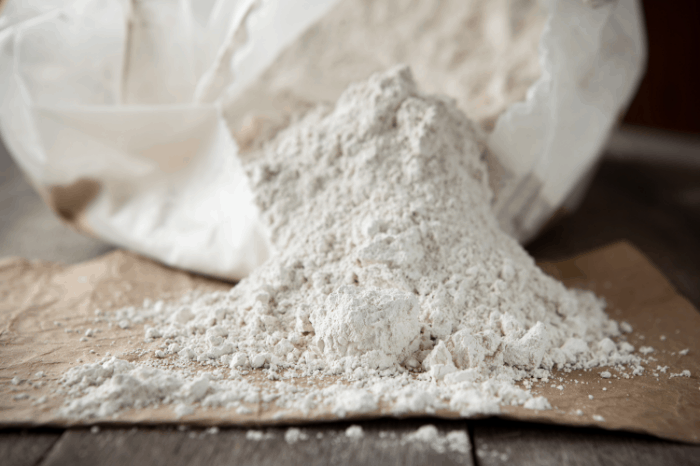
    • Use Food Grade Diatomaceous Earth. Use the food-grade version to kill the hornworms. Food grade diatomaceous earth is helpful to many pests and nontoxic to work within dry conditions. To use it, sprinkle the DE around the plant; when the hornworms walk through it, it enters their body and dries them up progressively.

    How Do You Keep Tomato Hornworms Away?

    Keeping these pests away in the future is as easy as attracting beneficial insects to your garden. These beneficial insects include

    • Ladybugs
    • Parasitic wasps
    • Green lace wigs

    Plant a bed of flowers or herbs that attracts beneficial insects to your garden.


    FAQs

    What do you spray on tomato hornworms?

    You might be tempted to reach for the nearest insecticide, but according to entomologists, you’d be wasting your time. The most effective way to get rid of tomato hornworms is to remove them from the plants, rather than killing them off. Here’s how to do it. Tomato hornworm (Manduca quinquemaculata) eggs When we think about insect pests, we tend to think about the big ones:

    Hornworms are one of the most common tomato pests in the U.S. They eat leaves, flowers, and fruit of many plants and vegetables, but their damage to tomato plants is particularly bad. In fact, some gardeners have reported seeing entire tomato plants go down from a single attack by these pests.

    Where do they come from?

    Hornworms are native to North America, where they can be found in the southern U.S. and northern Mexico. Hornworms lay their eggs on the underside of leaves. The eggs look like white dots, and they hatch into tiny caterpillars, which usually feed on just one leaf before moving to a new one.

    How do you get rid of tomato hornworms?

    There are two main ways to get rid of tomato hornworm larvae:

    by removing the insects from the plants or by spraying insecticides on the plants. Removing the bugs From the outset, it’s important to note that removing hornworms from the plants is an effective way to control them, not an easy one. In fact, removing hornworms is the most difficult method of controlling tomato hornworms, so there’s a good chance that you’ll be dealing with this problem for weeks or even months after the first hornworm appears. If you want to get rid of hornworms right away, then it’s probably best to spray them. But if you want to get rid of them quickly and effectively, you’ll need to remove them from the plants. To do this, simply lift up the bottom edge of the plant and gently shake it back and forth. The caterpillars will fall off the plant, and you can leave them in a bucket of soapy water for a few hours to drown. You’ll also have to pick up any other caterpillars that are still on the plant, but this is a relatively easy job.

    How do I keep hornworms off my tomato plants?

    The best way to keep hornworms off your tomato plants is by applying the insecticide spinosad in a controlled manner. This will not only keep the hornworms off your tomatoes, but it will also prevent any further damage to your crop from these pesky little pests. The best time to apply this insecticide is during the late afternoon or early evening before your tomato plants go to bed for the night.

    What causes tomato hornworms?

    The answer to this question is actually very simple. They are the larvae of a small moth, called a tortrix, which lays its eggs on the leaves of your tomatoes and then feeds on them. If you notice small black spots on your tomato leaves, it’s likely that you have hornworms, and if you look carefully, you’ll find that they are feeding on the leaves.

    Finally

    Keep in mind that tomato hornworm killer also destroys other garden vegetables. Always monitor your peppers, potatoes, and eggplants to ensure they are not destroyed by this pest.

    The sooner that you catch these worms and get rid of them, the higher the chance of your plants thriving.

    We have discussed plenty of ways to eliminate these pests and prevent them. The homemade ones are easy to make and affordable for every gardener to implement. The nontoxicity factor wins hands down every day!

  • Is Nitrogen Organic Or Inorganic – A Deeper Look

    Is Nitrogen Organic Or Inorganic – A Deeper Look

    Is nitrogen organic or inorganic, and in what form is it available? Does compost or commercial inorganic fertilizers matter?

    Nitrogen is one of the most difficult nutrients to manage in crop production. Compost is known to contribute substantial nitrogen for crops.  However, it is challenging to synchronize its release from these materials as the plant demands.

    Careful management of organic nitrogen fertilizer is required to meet most crop requirements and avoid undesirable losses to the environment. We will therefore look at these two types of compounds and their uses.

    Is Nitrogen Organic Cause Inorganic – What Is Organic Nitrogen?

    Organic nitrogen can be described as nitrogen atoms that occur in organic compounds. Organic nitrogen is common in soils in the form of organic matter. This includes residues of decomposing anemometer plants and humus.

    These organic compounds contain nitrogen that incorporates into the organic matter during soil development. The organic matter in the soil depends on the temperature trends and long-term moisture contents.

    For example, cultivation decreases organic matter content in the soil due to the oxidation of these organic compounds. This leads to reducing the organic nitrogen for crop intake.

    Organic nitrogen plays an integral part in crop production and soil nitrogen cycling.

    What Is Inorganic Nitrogen?

    Inorganic nitrogen is the nitrogen atoms that occur in the inorganic compounds. Inorganic compounds do not contain hydrogen and carbon as essential components like organic compounds. Many other chemical elements make up the inorganic compounds.

    For example, nitrates and ammonium dominate the inorganic fraction of the soil.  These are the primary form that plants can take for their needs. The other forms of inorganic nitrogen in the soil are nitrites and nitrogen gas.

    The Differences Between Organic And Inorganic Nitrogen

    The significant difference between organic and inorganic nitrogen is that the inorganic forms of nitrogen occur in inorganic compounds, and organic nitrogen occurs in organic compounds.

    Organic nitrogen includes proteins, amino acids, nucleotides, and nitrogen bonds to residues animal matter and decomposing plant material.

    Inorganic nitrogen contains inorganic compounds nitrates, nitrites, ammonium, and nitrogen gas.

    Organic Sources

    Animal manure

    Waste from grass-eating animals is an excellent nitrogen source once it is well composted. Raw manure can burn your plants because the nitrogen is more volatile. Composting at a high temperature for an extended period could generate enough heat that kills weeds seeds available in the manure.

    Compost

    Compost manure contains all of the nutrients food for healthy plants. Although the exact required dosage depends on the material composted, this includes nitrogen. Compost manure is one of the best to improve and enrich the soil.

    Green manure

    Cover crops like peas, clovers, alfalfa, and other legumes are best in absorbing nitrogen from the air and releasing it into the soil. When you grow these cover crops in your garden, they improve your soil by the fact they are growing in it. Green cover crops at the end of the growing season provide you with a double dose of nutrients and natural compost. When the plant is in crop rotation in your vegetable garden, be sure to include the green manure over to the crop rotation.

    Soybean meal

    This is similar to cottonseed meal and is a slow-release source of nitrogen that comes from ground soybeans.

    Blood meal

    Blood meal comes from the waste of slaughterhouses. It is an essential source of nitrogen that burns your plant if over-applied. Do not apply blood meal to young seedlings, burning them to death.  However, as it is water-soluble you can mix it with water or apply it through the irrigation system.

    Cottonseed meal

    The best organic nitrogen source is slightly acidic but provides nitrogen in a slow-release form.

    Feather meal

    Chicken feather meal is specifically dried and formed into pellets that make it easy to use as granular fertilizer. Feather meal has an average release rate that helps the small break down proteins to make nitrogen available for the plant’s roots.

    Inorganic Sources

    Ammonium sulfate

    Ammonium sulfate is a soluble, readily available source of nitrogen and sulfur. It contains 21% nitrogen and 24% sulfur in its dry form. This fertilizer is suitable as a top dresser because it has a lower nitrogen volatilization risk than the surface-applied urea.

    Ammonium nitrate

    Ammonium nitrate is an odorless compound with 33 to 34% of nitrogen. This fertilizer can be applied on the surface or mixed into the soil. It contains ammonium that lowers the pH of the soil in case it’s too acidic. The ammonium and nitrate result in a reduced risk of volatilization compared to urea. The nitrate provides a direct source of nitrogen since it contains ammonium.

    Urea

    Urea is a highly soluble dry matter that you can use as a starter top-dress or broadcast. You can also use fertilizer mixes, either dry or liquid. This fertilizer has high levels of nitrogen to at least 45 to 46%. If you apply urea on the surface, you must mix it into the soil by tillage, watering, or rainfall.

    811aobKaL+L. SL1500

    Urea ammonium nitrate

    Urea ammonium nitrate is a soluble readily available nitrogen source with about 20 to 32% of nitrogen. It can be applied as a starter or broadcasted into already growing plants. When used, the UNA should be incorporated into the soil to avoid the volatilization of the area available in this fertilizer.

    Anhydrous ammonia

    This compound has the highest percentage of nitrogen of all the fertilizers. It contains 82% nitrogen and tends to be the cheapest nitrogen source ever. The best fertilizer is a high-pressure liquid that you can apply before or after seeding as long as you will not allow direct seed contact. Store Anhydrous ammonia under high pressure in specifically well-maintained equipment or facility well protected for safety reasons.

    Potassium nitrate

    It is also known as nitric acid and is considered a specialty fertilizer. It is either a white powder or colorless transparent crystal containing 40% nitrogen and 46% potassium. This fertilizer does not lower the pH of your soil.

    Diammonium phosphate

    DAP is a dry fertilizer that contains at least 18% nitrogen and 46% phosphates. After mixing into the soil, it releases free ammonia that may cause seed injury. To prevent such damage to your seed, limit band applications.

    Monoammonium phosphate

    This fertilizer contains readily available nitrogen sources at 11%,  phosphate at 52%, and sulfur at 1.5%. It is a dry, granular material applied alone or blended with other compounds such as potash. You can either broadcast, band use, or place it in the seed furrow. MAP is an excellent starter fertilizer that lowers the soil pH.

    Chilean nitrate

    Chilean nitrate is useful in organic and conventional farming estimated by the USDA/NOP in 2003. It has 16% nitrate and sodium.

    FAQs

    What is the difference between organic and inorganic nitrogen?

    There is a big difference between organic and inorganic nitrogen. Inorganic nitrogen is found in soil. Organic nitrogen is found in living organisms and their waste products. Plants take inorganic nitrogen from soil, then use it to produce amino acids that make up proteins and nucleic acids. Organic nitrogen also comes from dead plant and animal matter that decomposes in the soil.

    In some areas of the country, you will find a great deal of organic matter. The organic matter makes a great environment for the microorganisms that decompose the organic material into nitrates and other nutrients that can be taken up by plants. In other areas of the country, there is not much organic matter. This is why fertilizer companies add synthetic nitrogen fertilizers to the soil. They are inexpensive and easy to apply. A good rule of thumb is that if you want your plants to grow fast, you should use more synthetic nitrogen fertilizers than organic nitrogen fertilizers. However, if you want your plants to have more leaves, then you should use more organic nitrogen fertilizers.

    Can you use either on a lawn?

    If you have a lawn, you can fertilize it with both organic and inorganic fertilizer. You can fertilize your lawn with inorganic nitrogen by adding manure or commercial fertilizer to the soil. You can fertilize your lawn with organic nitrogen by adding composted manure, food scraps, or other organic material to the soil. How do you know if your lawn needs more nitrogen? There are several ways to check the health of your lawn. The first thing to look for is healthy green grass. If your lawn has a lot of brown grass, your lawn may be low on nitrogen. To test the pH of your lawn, use a pH meter.

    What is nitrogen good for in plants?

    Nitrogen is an essential component of proteins, DNA, and chlorophyll, and is therefore necessary for plant growth. Most soils contain varying amounts of nitrogen, but many areas of the country lack sufficient levels of nitrogen to support plant growth. Nitrogen is an important nutrient for crops like corn, soybeans, wheat, and alfalfa, as well as turf grasses, trees, and shrubs. Plants take up nitrogen from the air and from the soil in which they grow. Inorganic nitrogen is the chemical form of nitrogen that plants can use. Nitrogen applied to soil can be in the form of nitrate (NO3-) or ammonium (NH4+).

    How is nitrogen prepared?

    Nitrogen can be found in the atmosphere as nitrogen gas (N2. and nitrogen in aqueous solution as nitrate ions (NO3−) or nitrite ions (NO2−). Nitrogen that is present in the atmosphere is present in its elemental form. It is converted to an aqueous solution of nitrate or nitrite ions by bacteria, algae, fungi, and plants.

    Conclusion

    inorganic forms of nitrogen

    So is nitrogen organic or inorganic? Nitrogen is available in both organic and inorganic matter. Depending on your kind of gardening – organic or conventional,  it is your choice to go for the nitrogen you want. It is also essential to know the amount of nitrogen your plants are getting from a particular fertilizer.

    Read more about Adding Nitrogen Supplements For Plants.

  • What Is Eating My Broccoli Leaves?

    What Is Eating My Broccoli Leaves?

    Would you advise what is eating my broccoli leaves as I have noticed big holes on the leaves but cannot see what insect is eating them?

    Broccoli is one of the most beautiful plants to grow. Every gardener experiences a good feeling when you head out to your garden in the morning and see big broccoli heads growing. It gets even better when these heads are ready for harvest, and you finally get to enjoy the fruits of your labor.

    However, one thing can make you lose all this beauty. You might notice holes in broccoli leaves that are caused by an insect. But what kind of insect? Don’t worry about it; we will talk about the list of insects and how you can protect your broccoli from these devastating pests.

    So What Is Eating My Broccoli Leaves?

    If you notice something is eating your broccoli leaves or heads, please note that you have an insect problem.

    Cabbage moths are one of the most common broccoli pests that make big holes in the leaves. There are also other insects like flea beetles, diamondback moths, etc., that feast on your broccoli leaves.

    So What Is Eating My Broccoli Leaves

    Common Pests Eating Your Broccoli Leaves

    There are a few pests that love to munch on your broccoli leaves that we will look at. Not only do they eat broccoli leaves that they also eat other crops like cabbage, Brussel sprouts, etc. These veggies are best grown in raised beds or gardens, making them highly susceptible to certain pests.

    The most common pests that love to eat your broccoli leaves include:

    Flea Beetles

    Flea beetles look like a cross between a flea and a small black beetle. Flea beetles are easy to identify because they leave behind many small holes on the broccoli leaves that look like they were caused by buckshot. They also jump like fleas making the traditional pick and squish method highly effective in destroying them.

    You cannot control flea beetles. However, if left unchecked, they infest in large numbers on a young plant and can cause premature death of your plant. Severe damage from these beatles causes your plants to get stunted growth and cannot flower or fruit.

    Prevention Methods

      • Clean your Garden after a Crop. Flea beetles can overwinter in the ground in the rotting plant debris. It is essential to clean your garden well when the growing season is over.

      • Use Sterilized Soil. Plant your seeds or seedlings in sterilized soil for extra protection when growing your broccoli.

      • Use Floating Row Covers. Try using floating row covers as a barrier to protect your young broccoli plants because they are more vulnerable.

    Agribon AG-19 Floating Row Crop Cover

    51iF+1EHz9L. AC
      • Use Trap Crops. Trap crops act as a sacrificial offering that flea beetles eat, preventing your actual crop from damage. To protect your broccoli leaves, you can use other plants like marigolds.

      • Use a Thick Mulch. Covering the ground with thick mulch prevents the flea beetles from reaching the surface.

      • Use Organic Insecticides. You can use neem oil or diatomaceous to prevent infestations. Other insecticides will also work but will need frequent reapplication.

    Learn more about A Guide On Planting Carrots In The Fall

    Cabbage Moths

    Cabbage moths are a significant enemy of the broccoli plant. Have you seen giant white moths flying around the leaves of your broccoli? Maybe you love them because they look pretty, thinking they are some beneficial pollinators. In an actual sense, these are not moths, neither are they beneficial pollinators. They are butterflies fluttering around your broccoli and laying legs underneath the leaves, about 300 to 400 eggs, to be exact.

    These eggs are tiny but will eventually hatch into green caterpillars that grow big and fat, courtesy of your nutritious broccoli leaves. These caterpillars feed ravenously on your broccoli plant’s inner and outer leaves, the actual florets, and broccoli head.

    Preventing Cabbage Moths

      • Use the Traditional Method of Hand-picking. The gruesome pick and squish technique is the conventional way of dealing with this insect infestation. Hand-pick all the caterpillars you can see and squish them or throw them in a bucket full of soapy water. This method is helpful if you only have a few plants.

      • Use an nsecticide. If you have a large garden, it will be better to use an insecticide. Choose an effective and organic insecticide that has naturally occurring bacteria effectively killing cabbage moth caterpillars.

      • Use Row Covers. If you don’t want to spend time squishing bugs or spraying insecticides, try using row covers. This method requires covering your rows, preventing them from moths flying over them and laying eggs. It requires the least effort and still works to keep off the caterpillars.

    Check Out How Often Should I Flood My Ebb And Flow

    Diamondback Moths

    Freshly hatched diamondback moth larvae eat your broccoli leaf in both upper and lower parts. When the lover matures, it leaves large red holes with irregular edges on the lower sides of the leaf.

    When young, the larvae can be green and turn brown once they mature. When disturbed, the mature larvae drop from the leaf on a silken line like a spider’s web.

    Prevention

      • Apply organic insecticide. Use organic insecticide early morning or late afternoon to avoid the sun’s UV rays breaking down the bacteria.

      • Use parasitic stingless wasps. These will use the diamondback moth larva as a host; as a result, killing them. It’s a great way to prevent infestation without the use of an insecticide.

    Diamondback Moths

    FAQs

    How do I keep bugs off my broccoli?

    If you are able to get your hands on a commercial product called “Stinger,” which is a mixture of several insecticides and fungicides, it will most likely kill the insects.

    In our area, we use a combination of neem oil and “Stinger” spray to keep the black flies from infesting our broccoli. We also put out water-filled milk jugs around the garden, which attract the adult black flies. We usually put one in each corner of the garden and they also help to control the number of aphids on the broccoli plants.

    How do you protect broccoli?

    When it comes to protecting your broccoli, there are two main types of protection: physical and biological. These two types of protection are used to control a wide variety of pests and diseases. Physical protection involves things like sprays, netting, and traps. Biological control involves using natural predators and parasites to control pest populations. So, the best way to protect your broccoli is to use both types of protection. The main problem with broccoli is that it’s a biennial plant. This means it has to flower and set seed before it can produce more broccoli. In other words, broccoli has to go through two growing seasons before it produces broccoli.

    Broccoli is very susceptible to cold weather. I would recommend that you try and protect it by tying it up in a large, clean garbage bag.

    What do you spray on broccoli plants?

    Broccoli is very sensitive to insects. The best way to keep it bug free is to cover the plants with a floating row cover as soon as they are planted. Once they are about 6 inches tall, pull off the cover and plant in a permanent location. You can also use neem oil (also known as “oil of lemon” or “oil of citronella”) as a general pest deterrent.

    What is eating my broccoli heads?

    The broccoli can be eaten by birds. Birds will eat the stems of plants to help them get their own food. They will also eat the flowers of plants. If the broccoli heads are growing in a vegetable garden where there is competition for nutrients from other plants, you may be seeing what looks like the birds have been eating your broccoli. You may want to look for a bird feeder that is specifically made for the area you live in, so that you can prevent your bird problems from getting worse. Broccoli is also susceptible to pests and diseases. It can be attacked by aphids, which are tiny insects that suck the juice out of the plant’s leaves.

    They are often found on the underside of the leaves. They can cause damage to broccoli leaves, stems and buds, and they can make the plants appear sick. There is a natural pesticide that can be sprayed on broccoli plants that is safe for the environment, but you would need to apply it yourself. You can also use insecticidal soap. Broccoli is susceptible to fungal diseases as well, such as downy mildew. Downy mildew starts as a white or grey mold, and it will spread quickly through the leaves. You can treat the problem with fungicides, but you need to be careful not to kill your plants, as they are good for you. The best thing you can do is take care of your plants by watering them, making sure that they get enough light, and keeping the soil around them free of weeds and other competing plants.

    Conclusion

    I could tell something was eating my broccoli leaves, and with the above information, I now know what is eating them and how to protect my plants.

    If you are growing broccoli, make it a habit to keep an eye on their leaves early to get rid of these pests immediately they strike quickly.  The earlier you notice them, the easier it becomes to eliminate them before they destroy most of your crop.

    Broccoli carries a ton of nutritional benefits with plenty of fiber, plus potassium and even some protein.  It is an excellent source of Vitamin K and Calcium, two vital nutrients for maintaining strong, healthy bones. It also contains a good amount of phosphorus, zinc, and Vitamins A and C necessary for healthy bones as well.

    Learn more about When To Harvest Broccoli Rabe

  • What Is Septoria Leaf Spot-Resistant Tomatoes

    What Is Septoria Leaf Spot-Resistant Tomatoes

    Septoria leaf spot-resistant tomatoes are a prevalent disease affecting tomato plants and other plants like eggplants and potatoes.

    This leaf spot is not necessarily fatal, but it spreads rapidly and quickly defoliate and weakens your plants making them unable to bear fruit.

    Signs Of Septoria Leaf Spot-Resistant Tomatoes

    Tomato septoria leaf spots start as a circular spot on the undersides of older leaves at the bottom of the plant. These spots have a  dark brown margin and lighter grey centers. A yellow color may surround the area, which is about 1.6 to 3.2 mm.

    As the septoria tomatoes leaf spots develop, the areas get larger by merging. When viewed under a magnifying glass, you will see the fungus that looks like dark brown pimples. This sign distinguishes the septoria-resistant tomatoes leaf spot from other leaf spotting diseases.

    Signs Of Septoria Leaf Spot-Resistant Tomatoes

    This disease can occur at any stage in tomato plants’ life, although it commonly happens in the older stages of a tomato plant. These spots may also appear on the stems or the blossoms. However, they do not affect the fruits.

    The septoria leaf spot-resistant disease spreads rapidly across your tomato garden. If left untreated, the septoria leaf spot causes the leaves to turn yellow, dry out, and fall off. This weakens the plant and sends it into decline. This plant will not continue producing or maturing the exposed tomato fruits.

    How Does Septoria Leaf Spot-Resistant Disease In Tomatoes Spread

    The fungus spores that cause this disease are very good at hiding and waiting for the best conditions to thrive. They thrive in temperatures ranging from 59 to 80 degrees Fahrenheit. They can travel great distances in the hope of finding the right conditions.

    The septoria fungus leaves on the fallen tomato plants the breeze or weeds that have carried the disease before. It also overwinters successfully on its own, meaning that change of weather does not kill this fungus.

    Splashing water while watering your tomato plants is a common way to spread this fungus. Insects like beetles or your hands and clothes can also spread it.

    If the conditions are moist and favorable, it only takes 2 weeks for your entire garden to be fully infected.

    The spores can quickly germinate within 48 hours in the leaf spots develop in as little as 5 days.  The pycnidia appear within 7 to 10 days, and the fungus can produce small spills within 10 to 13 days.

    Spores do not infect the plants unless there’s free moisture, so infections are low during the dry days but are more likely to escalate on rainy days.

    Several plants in the nightshade family are vulnerable to this infection and serve as potential hosts, including potatoes and eggplant.  Common weeds like horsenettle, nightshade, jimson weed, and smooth ground cherry.  They can produce even more spores and infect your tomato plants easily.

    How To Treat Septoria Leaf – Spot Resistance On Tomatoes

    There are a few options for treating this disease. They include:

      • Removing the Infected Leaves or Plants Immediately. Immediately you notice infected leaves remove them immediately, and be sure to wash your hands and pruners thoroughly before touching an infected plant.
      • Use Chemical Fungicides. Even though these options are not ideal, they could be the only option for controlling advanced septoria infections. Choose the least toxic and most effective fungicides in the market.
      • Consider Using Organic Fungicide Options. Organic fungicides containing potassium bicarbonate or copper will help prevent the spreading of this disease. As soon as you notice the first symptoms, begin sprain and follow the label instructions for continued management.

    Grower’s Ally Fungicide | 32 fl. oz. Concentrate, Makes 20 Gallons | Safe Fungicide and Bactericide for Plants

    412v DsoElL. AC

    Preventing Septoria Leaf Spot-Resistant On Tomatoes

    It is sometimes hard to avoid septoria leaf spot altogether because it is prevalent and requires the ideal conditions to thrive. However, there are some precautions you can take to lower the likelihood of septoria leaf spots from occurring

    Use Disease-free Seed

    This fungus can be passed on by seeds.  To be on the safe side, don’t save seeds from infected plants. If you’re keeping your tomato seeds, it is best to thoroughly process them to help get rid of any lingering strains of the disease.

    Start Your Crop In A Clean Garden

    After harvesting, dispose of all the affected plants. This fungus has been strong enough to overwinter on the remains of dead plants for many years. Therefore, it is essential to dispose of all the affected plants far away from the garden and not to add them to your compost pile. Be sure to dispose of it away from any eggplants or potatoes you could be growing.

    Provide Room For Air Circulation

    When growing your tomatoes, leave some space between your tomato plants so that there’s good airflow. Hang them for support, so they’re not touching the ground and are not all bunched up together. Good air circulation is critical during damp or rainy weather.

    Avoid Overhead Watering

    Water is one significant way that the septoria leaf spot spreads. Keeping water off the leaves when you irrigate is essential and only watering the base of the plant. Yes, it’s impossible to keep the rain off your plants, but every bit of caution helps.

    Avoid Overhead Watering

    Mulch Below The Plants

    A layer of mulch helps prevent spores that are on the ground from splashing up onto the lower leaves during watering.

    Plant Your Next Season Of Tomatoes In A Different Section Of Your Garden

    Practice crop rotation so that you avoid getting your new tomatoes infected with the septoria leaf spot.

    Final Thoughts

    The only way to defeat the septoria leaf spot resistance in tomatoes is to spot it immediately. If you are a constant tomato farmer, septoria leaf spot can be a severe problem for your tomatoes if not dealt with.

    The fungus does not infect the fruit, but the infection could result in poorly developed tomatoes and ruin your crop?  If this disease strikes your plants, you may use fungicides to keep it under control despite your efforts to prevent the infection.

    Be on the lookout for this leaf infection and deal with it as soon as you notice it!