Dealing with garden pests without harsh chemicals is not only possible but often more effective in the long run. Organic pest control methods work with nature to create a balanced ecosystem where beneficial insects keep harmful ones in check.
The Organic Approach to Pest Control
Organic pest management focuses on prevention, biological controls, and targeted treatments as a last resort. Rather than eliminating all insects, the goal is maintaining balance where pest populations stay below damaging levels.
Prevention: Your First Line of Defense
Healthy Soil = Healthy Plants
Plants growing in nutrient-rich, living soil are more resistant to pests and diseases. Build your soil with compost, mulch, and organic matter.
Choose Resistant Varieties
Many vegetables and flowers have been bred for pest and disease resistance. Look for this information on seed packets and plant tags.
Practice Crop Rotation
Rotating plant families prevents pest populations from building up year after year in the same location.
Remove Pest Habitat
Clean up plant debris, which can harbor overwintering pests. Keep the garden area tidy but leave some wild edges for beneficial insects.
Biological Controls
Beneficial Insects
Ladybugs – Voracious aphid predators
Lacewings – Larvae eat aphids, mites, and small caterpillars
Parasitic wasps – Lay eggs in pest caterpillars and aphids
Ground beetles – Eat slugs, snails, and caterpillars
Praying mantis – General predators of many pest insects
Attract Beneficials
Plant flowers like yarrow, fennel, dill, and sweet alyssum to attract and support beneficial insects. Provide water sources and avoid broad-spectrum pesticides that kill beneficials along with pests.
Organic Treatment Options
Neem Oil
Derived from the neem tree, this oil disrupts pest feeding and reproduction. Effective against aphids, whiteflies, mites, and many other soft-bodied insects. Also has some fungicidal properties.
Insecticidal Soap
Fatty acid-based soaps penetrate insect membranes on contact. Effective against aphids, mites, mealybugs, and thrips. Must contact the pest directly to work.
Diatomaceous Earth
This powder made from fossilized algae damages the exoskeletons of crawling insects. Effective against slugs, beetles, and many crawling pests. Reapply after rain.
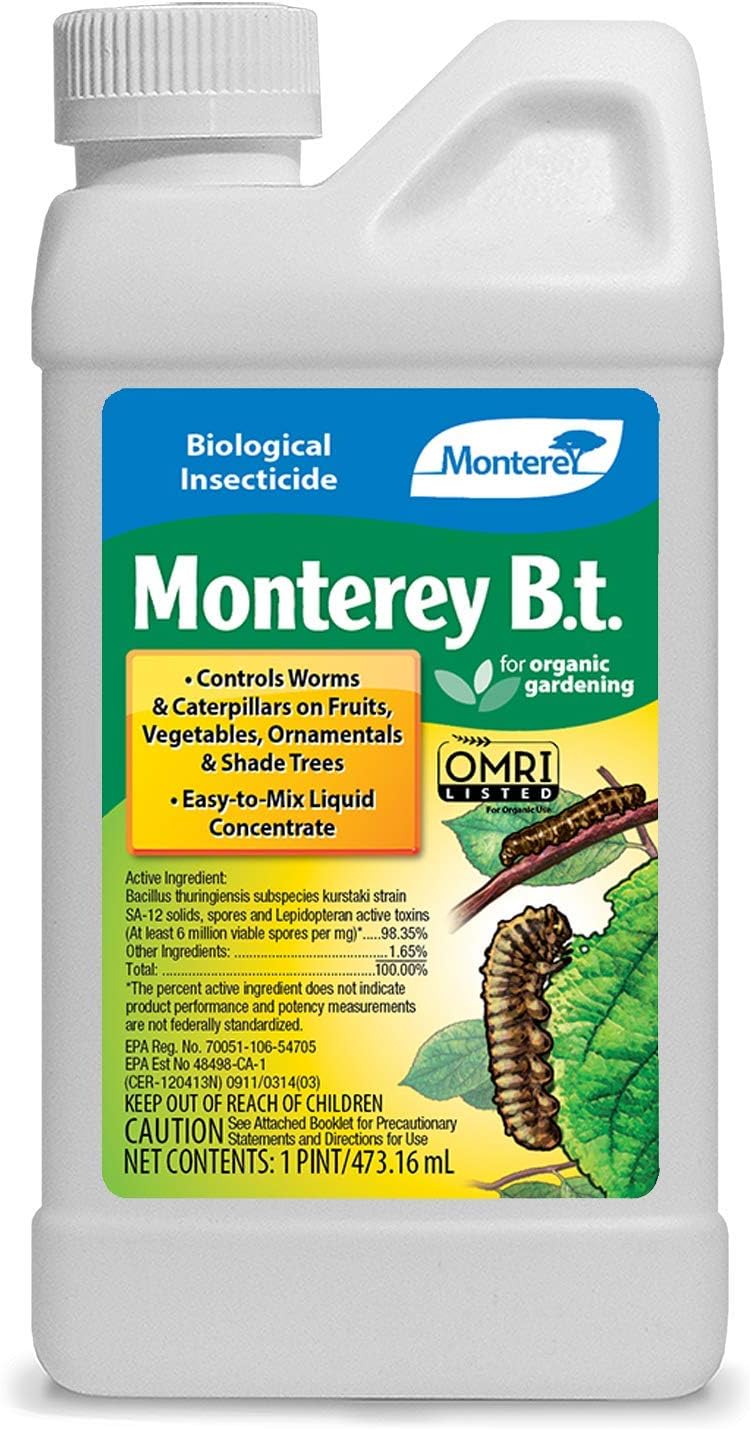
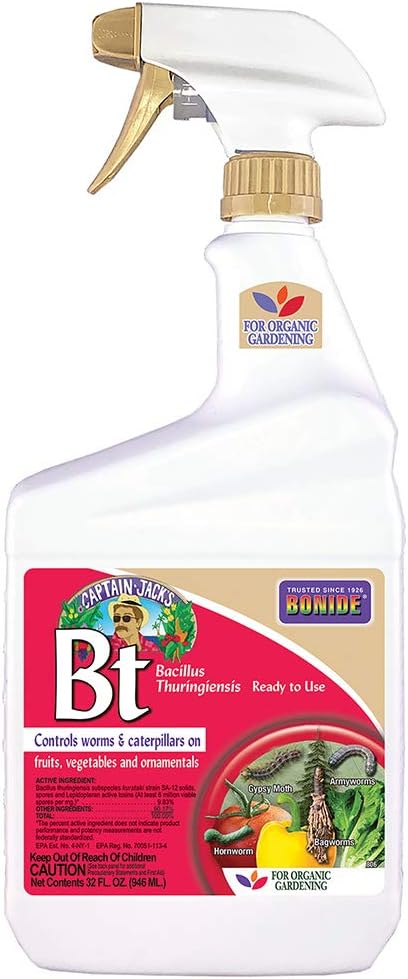
BT (Bacillus thuringiensis)
This naturally occurring bacteria specifically targets caterpillars without harming other insects. Different strains target different pests. Very safe for humans and pets.
Pyrethrin
Derived from chrysanthemum flowers, pyrethrin is a fast-acting contact insecticide. Breaks down quickly in sunlight. Use as a last resort since it can affect beneficial insects.
Physical Controls
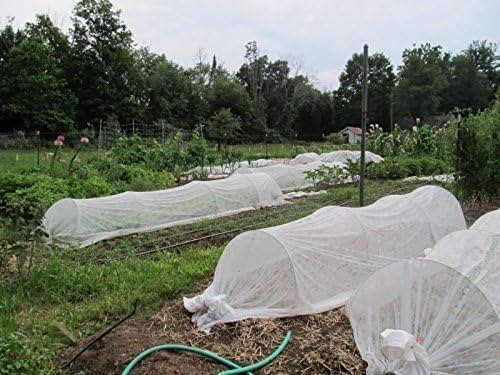
Row covers – Lightweight fabric keeps flying pests off plants
Hand picking – Remove large pests like hornworms by hand
Traps – Yellow sticky traps for whiteflies, beer traps for slugs
Water spray – Blast aphids off plants with a strong water spray
Copper tape – Deters slugs and snails from containers
As an Amazon Associate, we earn from qualifying purchases.
Conclusion
Organic pest control requires patience and observation, but the rewards are worth it. You’ll create a healthier garden ecosystem, protect beneficial insects, and grow food you can feel good about eating.
🐛 Organic Pest Control Products
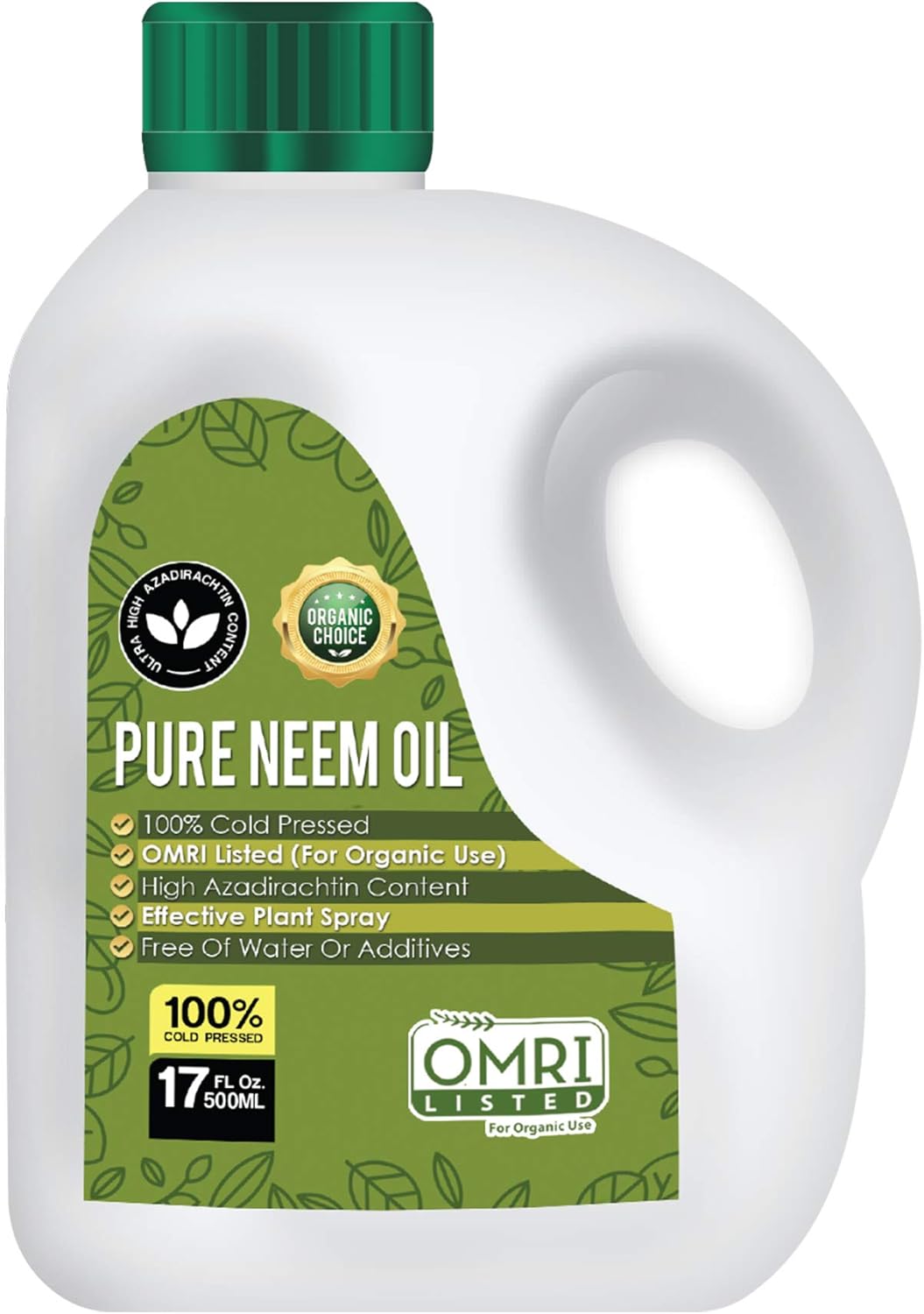
Petra Neem Oil for Plants – Organic Neem Oil Spray for Plants,100% Cold Pressed Neem Oil, Pure Neem Oil, All-Natural Neem Oil Concentrate Leaf Polish for Plants – (17 Oz)
If you have ever grown tomatoes in your garden, you will know that tomatoes are very susceptible to aphid infestations. These little critters can cause incredible damage to your crop if you do not take care of them early. In this article, we will be talking about aphids on tomato plants: How to naturally get rid of them. If you have kept tomatoes for long enough, there’s a high likelihood of finding aphids on the plants. Aphids are common, even in an organic garden. They can quickly take over the garden and can be frustrating to deal with. If you are faced with this problem, do not despair. We have a lot of tips, tricks, and control methods that we will give to you.
What Are Aphids?
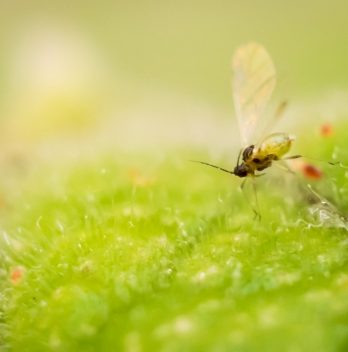
Aphids are small pests that belong to the family Aphididae. Worldwide, there are more than 4000 species of aphids. They occur mostly in moderate and warm climates. Aphids have tiny bodies that are soft and pear-shaped. A lot of them are similar in size, which is about an eighth of an inch; aphids vary in size. They come in different colors. Depending on the type, they can be pale green, or black aphids on tomato plants, red, yellow, or white aphids on tomato plants. They usually occur in clusters at the base of leaves and stems of plants. They then bite into these plant parts and suck out the liquids inside. Tomato plants usually get infested with potato aphids. This type is usually red aphids on tomato plants. Tomatoes can also get infested with peach aphids, which appear as green bugs on tomato plants. Early in the spring, aphids migrate to tomato fields from hosts in the wild, and then they establish their colonies on the plants. Aphids have a very high rate of reproduction. A single aphid can easily lay up to a maximum of 100 eggs in its lifetime. Because of this, colonies of aphids increase very quickly in population. Aphids in small populations are not a very big problem, however, if they are left untreated, they can completely destroy your crop.
Symptoms of Aphid Infested Tomatoes
Once aphids are present in high numbers in an area, they develop wings that help them spread to form colonies in other areas with susceptible plants, such as a tomato garden. They may be hard to spot if you are not paying attention to them. There are some symptoms that you can look out for. Because aphides like to colonize the bottom parts of leaves, they can easily suck up the sap from the leaves unnoticed. This will cause the leaves to wilt and turn yellow. New growth on the plant may have become stunted growth. The result of this is that the tomato yields will be reduced and the fruits may become deformed. Stunted leaves with a deformed appearance or curled edges are a clear sign of aphid damage on tomato leaves. When these pests suck the sap and nutrients from the leaves and stems of the plant, the leaves will not grow properly. Aphids produce honeydew, a clear and sticky substance that coats the areas that the aphids have been on. Because honeydew is sugary, it attracts ants. If you notice populations of ants on your tomatoes, it could be a sign that you have an aphid infestation. If the leaves and/or stems of your tomato plants appear black, it could be another sign that aphids have been infested. The honeydew produced by aphids can be a haven for sooty mold which paints the plant black. Other symptoms of aphid-infested tomatoes include the wilting of plant stems from the loss of sap by the aphids feeding on them. Although aphids are noticeable to the naked eye, it’s a fact that they can still be very small and difficult to see. The signs and symptoms listed above can help you identify when your tomato plants have been infested so that you can take care of the issue before it becomes a big problem.
Do Aphids Like Tomato Plants?
Tomatoes are great at attracting aphids into gardens. They especially enjoy sucking the sap from young plant leaves and fruits. While aphids are generally attracted to tomatoes, they are not going to cause any damage if they are in small populations. But as soon as the infestation increases and takes over, the destruction of the plant tissues will begin and can eventually kill the plants. In cases where aphids do not kill the plant, they can stunt the growth of plants. This would be a better scenario for the outcome of an infestation. Usually, an aphid infestation kills the plants by overfeeding the sap and transmitting diseases. Aphids feed on the plant sap by sucking it out with their piercing and sucking mouthparts. Tomatoes are quite resilient to large numbers of aphids without suffering much damage. In severe cases, however, symptoms of damage such as leaf curling and stunted plant growth may be observed. The reduced leaf area will expose the fruit to sun scald, which will ultimately reduce yield. Aphids are vectors of certain plant viruses. This means that even if they are not in high enough populations to damage the plants by overfeeding on the sap, they can transport certain viruses that may cause damage or even kill the plants. It is therefore best to take care of an aphid problem because it causes irreversible damage.
How to Get Rid of Aphids on Tomato Plants
Fortunately, there are numerous options you can choose from to get rid of aphids on your tomato plants. There are biological, cultural, physical, and chemical methods you can use. But if you want to be safe and not introduce any potential threats to your crop, it is best to stick to natural options and biological methods such as;
Manual removal
If you spot aphids on your tomato plants while they are still only a few, you can simply pick them and put them in a bucket filled with soapy water to kill them. Check the undersides of tomato leaves to make sure that you get all the pests off. After the first time picking off the aphids, repeat the inspection daily for a few days to check whether or not you may need to take further steps to get rid of them.
Water spray
A water spray with a garden hose is another great way of getting rid of aphids. Use a sharp but gentle blast of water to knock them off the tomato leaves and stems. This will surely decrease the aphid populations. Check every few days again to determine whether you need to repeat the process. Be careful when using a water hose as it may also knock off beneficial insects from your plants, and may break the branches of the plant, especially the young ones.
Bug repellent
Instead of buying store-brand bug repellents, you can use garlic, rosemary, peppermint, water, and dish soap to make your own at home. These are all-natural ingredients and will safely get rid of aphids from your tomatoes, as they are gentle. This mix does not kill the bugs, but what smells will mask the scent of the tomato as the host plant so they will not be able to locate it.
Water and dish soap
A mixture of water and dish soap will also work fine to repel aphids from your tomato plants. Mix a few teaspoons of liquid dish soap with one quart of water. Simply spray this mixture on the plant leaves and it will kill the bugs by suffocating them.
Introduce predatory insects
The introduction of predatory insects into a garden that aphids have infested is one of the most efficient ways to get rid of or control them. Many people introduce insects such as ladybugs and lacewings into their gardens. Birds such as hummingbirds are another great predator of aphids as they love to snack on them. Invite birds into your garden by strategically placing bird feeders in various places and they will help you out a lot.
Diatomaceous earth
Diatomaceous earth (DE) is a powder made from fossilized algae that are rich in silica. It can be deadly to aphids. The edges of the DE grains cut into the soft bodies of aphids, causing them to dry up and die. Sprinkle some DE onto both the soil and your tomato plants to kill aphids. Be careful to select food-grade DE when your purchase it from the store. It is safe for humans and can be used on plants, unlike filter-grade DE which is not. Only apply DE early in the morning or later in the evening when the dew has dried, as it does not work when wet.
Neem oil
Neem oil is a natural bug repellent that is useful against many different types of bugs and insects. It works similarly to insecticidal soap, that is by suffocating the aphids when sprayed on them. It also works systemically by interfering with the hormone receptors in the insects, hence it is referred to as a broad-spectrum insecticide.
Alcohol sprays
Rubbing alcohol is an easily available, affordable, and simple solution to aphid infestations. Mix equal parts water and alcohol in a sprayer bottle, add a teaspoon of soap to make the mixture more effective, and spray it on your infested plants.
Humus
Adding humus as a soil amendment around your tomato plants will control infestations, as aphids do not like it.
Pruning
If you notice that only certain leaves of the tomat0 plant are heavily infested, and perhaps have started showing signs of damage, pruning them off may be the best way to get rid of the clusters of aphids and will stop them from breeding. In summary, natural options such as rubbing alcohol and neem oil are great products to use for treating aphid infestations on tomato plants. If these are unavailable to you, mix a few teaspoons of liquid dish soap with one quart of water. Always make sure to check the undersides of tomato leaves to get rid of aphids efficiently.
How to Prevent Aphids on Tomatoes
As you probably know, prevention is better than cure. Instead of waiting until you get an infestation to deal with, there are certain proactive steps you can take to prevent or minimize the risk of getting an aphid infestation on your tomatoes;
Healthy soil and healthy plants
Insects and other pests prey on weak plants that are growing on low-quality or degraded soil. The best way to avoid this is to build up healthy soil in your garden by mulching or adding organic matter so that there is a constant availability of nutrients to your plants.
Companion planting
Planting fragrant flowers and herbs alongside tomatoes can help control pests. Plants such as marigolds and basil are great insect and pest repellents that can ask the scent of tomatoes, hiding and protecting them from aphids.
Sticky traps
Aphids are attracted to bright colors such as yellow. You can purchase yellow sticky boards and place them around your tomatoes. The aphids will get attracted to them and will get trapped before they get to the plants.
Attract more aphid predators
Aphids have natural predators such as lady beetles, syrphid flies, and lacewings. If you can find a way to grow these insects in your garden, they will do a great job of helping you out with pest control. Setting up birdhouses and feeders in the garden before there is any noticeable infestation may be a great idea t keep it at bay.
Row covers
Place row covers over your tomato plants immediately after planting them. This will help to protect them from extreme weather conditions and changes that could potentially hurt the growth and health of their plants, making them susceptible to opportunistic pests.
🛒 Recommended Products for Aphid Control
Petra Neem Oil for Plants – Organic Neem Oil Spray for Plants,100% Cold Pressed Neem Oil, Pure Neem Oil, All-Natural Neem Oil Concentrate Leaf Polish for Plants – (17 Oz)
We earn a commission if you make a purchase, at no additional cost to you.
Amazon Choice
SONKIR Soil pH Meter, MS02 3-in-1 Soil Moisture/Light/pH Tester Gardening Tool Kits for Plant Care, Great for Garden, Lawn, Farm, Indoor & Outdoor Use (Green)
$9.99
3 METERS IN ONE: Soil moisture level, Soil pH value and Sunlight level could be tested easily according to your need by switching the function button of this soil meter.
NO BATTERY NEEDED: Simply insert the meter into soil, wait few minutes, accurate test results will be displayed on the readout panel. No battery is needed.
We earn a commission if you make a purchase, at no additional cost to you.
03/23/2026 06:05 am GMT
Conclusion – Aphids on Tomato Plants
Aphids can cause great destruction to tomato plants if left unchecked. It is therefore best to tackle them as soon as you notice them in your garden before they cause devastating that they are very well capable of in large populations. Another great way to deal with a possible infestation is by being proactive and placing systems and measures in place that will prevent infestations from taking place. Use the tips and tricks provided in this article to get rid of aphid infestation problems in your tomato plants so you can get a good harvest. Happy growing!
Tomato plants can be prone to a bunch of unimaginable problems or diseases capable of taking a toll on the entire crop. The good news is that you can avoid the various problems or diseases that tomato plants tend to be susceptible to. This is why we will be looking into disease resistant tomatoes.
There are over 60 different diseases tomato plants are inclined to catch. With so many unpleasant diseases tomatoes tend to be prone to, it is only right you select the best varieties that can be resistant to most of these various tomato-related diseases.
Diseases-resistant tomatoes have been selected and bred for years to resist some common diseases they tend to be vulnerable to. So, let’s look into the list of disease-resistant tomatoes we can go for when planning on growing our juicy tomatoes.
Selecting Disease Resistant Tomatoes
Even though you can take some measures to manage these diseases such as crop rotations, drip irrigation, sterilization of garden tools, and so on, all these will only control these issues to a limited range. The key to decreasing the issue of tomato disease relies mainly on choosing disease-resistant tomatoes.
The selection of disease-resistant tomatoes has helped a lot in reducing the risk of tomatoes being vulnerable to different diseases. However, this does not guarantee the total immunity of tomatoes to all kinds of diseases. Of all these diseases resistant varieties, no single tomato variety resistant to all diseases has been developed yet. For this reason, when choosing tomato disease-resistant varieties, we recommend you select the ones applicable to your garden.
For instance, a particular tomato breed may thrive or flourish in your garden. On the other hand, this same tomato variety may end up catching a tomato-related disease from another gardener two states away. Therefore, if verticillium wilt or tobacco mosaic virus was once a problem in your garden region in the past years, it is only ideal to choose the tomato variety resistant to this disease.
Disease Resistant Tomatoes
Each variety of tomato resistance is mainly resistant to some or most tomato diseases. However, they aren’t resistant to all types of tomato-related diseases.
When you purchase your disease-resistant tomato seeds varieties, the seed packets or seed labeling often has some abbreviations. These abbreviations or letters mark the disease-resistant variety for that specific tomato breed. Therefore, it’s important to read these abbreviations right so you can know which varieties you are purchasing.
Understanding codes for disease resistant tomatoes
Here is a list of some of the most common disease-resistant tomato variety codes you may find and their meaning:
Apart from these codes, other codes such as HR or IR may as well be written next to the codes. HR means High Resistance and IR means Intermediate Resistance.
Multiple letters seen in a tomato disease-resistant variety name means the tomato is resistant to more than one disease.
So now that we have an idea of some codes you may come across, let’s look at an example. If you come across a seed labeled VFNT, it simply means that the seed has been bred to resist verticillium wilt, fusarium wilt, nematode, and tobacco mosaic virus.
In all this, keep in mind that the label you find on the seed package is simply an indicator. The performance of a specific tomato variety will depend on various factors such as rainfall, soil content, environment, and plant care.
Choosing the Right Tomato Breed for Your Garden
A type of tomato variety may thrive well in your garden and this same variety may not do well for someone else in another state.
This is majorly due to different climates and different soil that produce different patterns for the same tomato variety. Even those regions with slight variations in climate (temperature, rainfall, and air quality) can still cause the same tomato variety to flourish differently for different regions.
For instance, Septoria leaf spot and early blight are tomato-related diseases that tend to progress or thrive in humid regions such as the eastern United States. Therefore, if you live in these regions, it would be wise to select tomato varieties that are resistant to early blight and Septoria leaf spots.
Guidelines for Choosing Tomato Breed
The guidelines below will assist you further on how to find out and select which tomato variety best suits your region:
Recognize the vulnerability your region tends to face – The first important step is to discern which tomato diseases are common in your region. You can do some findings by asking your local nursery owner or having a chat with your local gardeners. You can also put a call through to your local extension office to know which tomato diseases are frequently recorded by local gardeners.
Understand resistant code on the seed package – It’s also important you learn what codes are written on the seed package. We’ve given you some tips above to understand codes you may find on the seed package.
Choose the best that suits your region – At the end of it all, ensure you choose the best tomato variety that suits your region.
Which Tomato Breed is the Hardiest?
Here is a list of some of the best tomato varieties resistant you can go for:
Bush big boy
Bush early girl
Sweet tangerine
Fourth of July
Big beef
Celebrity
Umamin
Super tasty
Big daddy
Summer girl
All of these varieties will resist the most common tomato diseases. That includes nematode, verticillium, fusarium, and tobacco mosaic virus.
Additional Say on Disease Resistant Tomatoes
Knowing a great list of tomato-resistant varieties isn’t just enough. Even after you’ve purchased a hardy tomato breed that can sufficiently avoid these diseases, you need to also imbibe some measures so your plant can flourish.
Here are some preventive measures to take:
Crop rotation.
If you’ve worked on any diseased plant, ensure you disinfect your gardening tools.
Water at the base of the plant.
Maintain moisture conditions and avoid wet and humid conditions that may entertain diseases.
Mulch your soil.
Tomato Seeds Resistant to Blight
Before we look at varieties that are resistant to blight, we must first identify what blight is. You may know blight better as late blight, tomato blight, or potato blight. It unfortunately can cause catastrophic problems for your tomatoes. It’s a fungal disease that will quickly lead tomatoes to rot and die. The more humid the environment, the more likely this is to happen.
Some of the most common seeds resistant to blight are as follows:
Blush beefsteak F1. It’s sweet and juicy, which is unusual for a beefsteak tomato. This tomato usually fruits between July and October, and the best thing about it is that it’s incredibly resistant to blight.
Crimson cherry F1. A sweet but tangy tomato that’s small in size. It’s best at preventing late and early blight. It has an outstanding yield and will continue to fruit until the first frost begins.
Crimson plum F1. If you’re looking to make an incredible Bolognese or ragu, this is the tomato choice for you. It doesn’t contain many seeds and has a rich flavor. This tomato usually fruits between July and October.
Crimson crush F1. Flavorful and fantastic tasting. Even if other plants have blight, the Crimson Crush is hardy enough to not be affected.
Fusarium Wilt Resistant Tomato Varieties
If you’re looking for tomato varieties that are resistant to fusarium wilt, then look no further! You should try one of the following options:
Porterhouse
Sungold
Yellow Pear
Big Daddy
Rutgers
Summer Girl
Super Sauce
Bacterial Wilt Resistant Tomato Varieties
If you’re looking for tomato varieties that are resistant to bacterial wilt, then look no further! You should try one of the following options:
Tropic Bay
Venus
Neptune
Saturn
Kewalo
Disease Resistant Heirloom Tomatoes
If you’re looking for heirloom tomato varieties that are disease resistant, there are many to choose from. Let’s take a closer look at some of the best.
Cherokee Purple: resistant to bacterial speck, fusarium wilt 1, 2, and 3, tomato spotted wilt virus, verticillium wilt, and root-knot nematode
Black Velvet F1: disorder resistant
Caiman F1: resistant to fusarium wilt 1 and 2, tobacco mosaic virus, verticillium wilt, tomato spotted wilt virus, tomato leaf mold, and root-knot nematode
Fargo Yellow Pear: disorder resistant
Delicious: disorder resistant
Damsel F1: resistant to root-knot nematode, late blight, and verticillium wilt
Aosta Valley: resistant to early and late blight
Green Zebra: resistant to Septoria leaf spot and late blight
Legend: resistant to late blight
Chocolate Sprinkles: resistant to fusarium wilt 1, fusarium crown rot, tobacco mosaic virus, and root-knot nematode
Garden Peach: resistant to late blight
Cauralina F1: resistant to fusarium wilt, fusarium crown root, and tomato mosaic virus
Italian Heirloom: resistant to late blight
Marglobe: resistant to fusarium wilt 1 and 2
Chiapas: resistant to early and late blight, and Septoria leaf spot
Mt. Gold: resistant to fusarium wilt 1 and 2
Grandma’s Pick F1: resistant to verticillium wilt, root-knot nematode, and fusarium wilt 1
New Yorker: resistant to verticillium wilt
Mt. Rouge: resistant to root-knot nematode and late blight
Marbonne F1: resistant to tomato mosaic virus and fusarium wilt
Conclusion
I hope this post has helped you to identify the best disease-resistant tomatoes, as well as how best to find the right variety for you. It’s getting easier and easier to grow disease-resistant tomatoes; just be sure to check the abbreviations on any tomato seeds that you buy. Do you have any tips or tricks when it comes to disease-resistant tomatoes? If so, please feel free to let us know in the comments below. And remember, sharing is caring!
FAQs
Which tomato variety is resistant to blight?
Mountain Magic F1 (Medium) is resistant to blight.
If you see symptoms of bacterial blight on your tomato plants, remove them by cutting the stems at the base of the plant. Make sure to wash your hands after removing the infected parts so you don’t spread the bacteria around. If you see the bacteria on the leaves, you can spray them with a mixture of water and bleach to kill the bacteria.
Which tomato variety is resistant to bacterial wilt?
The best known varieties are “Green Zebras” and “Roma”. There are also a number of hybrids that have been bred for this resistance.
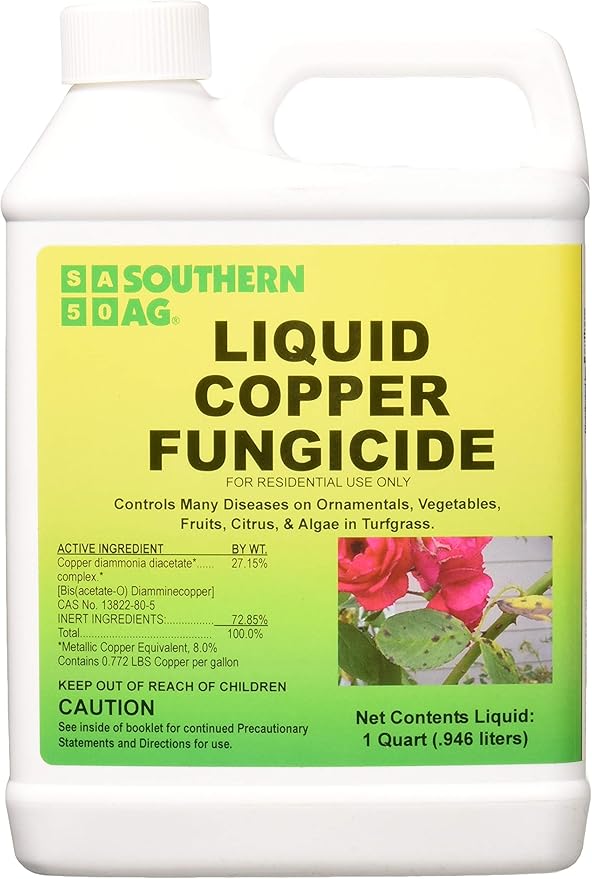
If you see any signs of Verticillium wilt, you should remove the plants from the soil as soon as possible to prevent further damage. If you are unable to remove the plants from the ground, you can treat the soil with a fungicide such as copper or sulfur to prevent the disease from spreading.
Are cherry tomatoes disease resistant?
Cherry tomatoes are a great choice for any gardener looking to add a little variety to their vegetable garden. Liike most other types of tomatoes, cherry tomatoes are susceptible to various diseases.
However, they are resistant to a wide variety of diseases, and in some cases the resistance is due to the plant’s own immune system.
Are heirloom tomatoes disease-resistant?
Heirloom tomatoes are not resistant to the major diseases that affect tomato crops, but they can be used as a food source when combined with other plants and insects that provide natural pest control. The best way to prevent diseases is by growing tomatoes in a healthy garden environment that includes annuals and perennials, mulching, regular watering and harvesting regularly.
How do you know if bacteria is wilting of tomatoes?
The first thing to check is whether or not the plant has any signs of disease. There are a number of ways to tell. One of the most reliable is the color of the tomato. If it’s dark green, it’s probably ok. If it’s light green, it may be starting to decay. If it’s yellow or brown, it’s most likely too far gone. Another way is to press your thumb on the stem of the tomato and see how it feels. If it’s waxy, it’s ok. If it’s dry and hard, it’s dead. You can look at the underside of the leaves. If the leaves have turned yellow, this is a sign of bacterial wilt.
What is the hardiest tomato plant?
A tomato plant can be grown in almost any location, but it’s important to choose a site that offers the proper amount of sunlight. Tomatoes are a warm-weather crop, so they need lots of sun. They also like plenty of water, so make sure that you water regularly and give the leaves a good soaking once or twice a week. If you have a big enough garden space, tomatoes are the perfect addition to any vegetable garden. There are many varieties of tomatoes, and many are very different in hardiness. We have found that the most hardy tomato is
Tomato worms are one common pest that bothers tomato plants and they can ruin your plants. They may look fierce and dangerous, but do tomato hornworms bite?
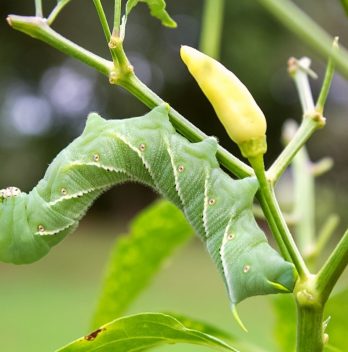
The huge green tomato worm can grow up to 4 or 5 inches long and they are one of the longest types of caterpillar. There is nothing more devastating than finding tomato worms in your garden feeding on your sweet tomato fruits.
The fact that the tomato worm has a stinger-like horn shape, some may be scared of them. So, if you’ve got tomato worms in your garden and you’re wondering if they bite then you should read on to know the answer to this. We will also discuss what you can do to get rid of these troubling worms.
What Are Tomato Worms?
Tomato worms, also known as hornworms are huge caterpillars that have a tail that looks like a horn. They love to chew on tomatoes, meaning tomato is their favorite food. They not only enjoy fruits, but they can also feed on plant leaves as well as their stems. These worms will eat plant leaves and can render your plant leafless.
Tomato worms will as well feast on other plant’s fruits such as eggplant, pepper, potato, and tobacco plants.
Do Tomato Hornworms Bite?
Even though these worms may look scary and savage, they are not stingers. Therefore tomato worms do not bite. They are harmless to humans and you can even pick them up off your plants anytime you sight them.
Where Do Tomato Worms Come From?
Tomato worms come from eggs laid by the adult moth. These moths are huge heavy-bodied insects that have narrow front wings. They are gray-brown and can have yellow spots on their abdomen.
Life cycle
The tomato worm life cycle begins as eggs are laid by the adult moths. These eggs are laid by the female after mating around summer and the eggs are laid on the host such as tomato, pepper, eggplant, etc. The eggs are oval and smooth with a light green color.
Next, the eggs hatch into caterpillars and the caterpillars are the worms that begin to feed and grow. The caterpillars can feed up until late summer or early fall.
Once they begin to feed and grow, in about 3 to 4 weeks, they become matured green caterpillars. This matured caterpillar will drop from the plants they are feeding into the soil and burrow into the soil. In the soil, they will change or transform into pupae. The pupae will stay in the soil and thrive through winter.
After surviving through winter, the pupae will emerge as adult moths during spring. Then the moths start another generation around mid-summer by depositing their eggs on their host plant.
Identifying Caterpillar on Tomato Plant
The tomato worm caterpillars may be hard to notice because they are green and can blend with your green plants. But once you notice any caterpillar of about 4 to 5 inches of green color and horn-like shape on your plant, then that’s a sign of tomato worm infestation. You need to act fast. If you delay any longer, they will continue to spread causing even bigger problems.
They are capable of devouring your plant leaves and causing serious damage a night. Once they grow bigger and older, they consume more and more. Those fully matured tomato caterpillars can consume a lot at that stage.
So, because of their green camouflaging color, you may not notice them on time. However, you should look closely and also look for droppings and follow the trail.
You can as well identify these worms with black lights. Once it gets dark, scrutinize your plant with the black lights. Tomato worms usually come out in the dark to feed and they will glow in the dark.
Let’s take a look at some control measures we can take to mitigate the situation.
Controlling Tomato Worms
There are various methods of getting rid of tomato worms and they include:
Handpicking
Tomato worms will not bite you so you can simply handpick them when you notice them in your garden. This process may take a while, but it’s totally worth it as you will be saving your plants.
After handpicking them, you can simply drop them in hot soapy water to kill them. You can as well feed them to your chicken or any birds if you raise them.
Spray the plant with soap and water
Another natural way to get rid of these worms is to spray them with liquid dish soap mixed with water. Spray your entire plant and worms until they are all covered. Doing this should eliminate them without causing any havoc to your plants.
Bacillus Thuringiensis (BT)
If the two natural methods we mentioned above don’t work, you can go for natural pesticides. It is safe to use on your plant and also safe for humans. Bacillus thuringiensis is a natural bacteria found in soil. The worm consumes these bacteria and its digestive system becomes paralyzed and it will eventually die.
Beneficial insects can as well be used to control tomato worms. However, they can only work for a small population. Examples of these beneficial insects are ladybugs, lacewings, paper wasps, and so on. You can obtain these beneficial insects online or from your local garden stores.
Chemical insecticides
Chemical insecticides can be used to control these worms. However, they may not be safe for your organic garden. Notwithstanding, there are good options such as sevin insecticides which are non-systematic. This means they will not penetrate plant tissues and you can simply wash them off after their job is done.
Signs of Tomato Worms Infestation
When you begin to notice your plant leaves having holes or becoming wilted, then you need to have a close inspection of your plant.
You may also notice droppings of these worms on your tomato leaves or the ground. Also, if there are any green caterpillars around your plants, that may be a sign of tomato worm infestation.
Are Tomato Worms Poisonous?
Now that we know that tomato worms do not bite humans, you may be wondering if they are poisonous. You can safely touch tomato hornworms without being concerned about them biting, stinging, or being poisonous. However, you should never ingest these worms. If they are ingested, they may be toxic as tomatoes are part of the nightshade family and these worms remove the toxins from the plant. It’s important to seek medical advice if this happens.
What is the Best Tomato Worm Killer?
When killing tomato hornworms, it’s best to use a low-risk pesticide. There are many low-risk pesticides you can use. But some of my personal favorites are Spinosad, insecticidal soap, or Bacillus thuringiensis. Let’s take a closer look at all three.
Spinosad. It’s derived from a natural microorganism. Can kill tomato hornworms through contact, or ingestion. However, ingestion is the most effective. You’ll notice the effects within one to two weeks. Be sure you keep a watchful eye on it until it’s dried, as it can be harmful to bees.
Insecticidal soap. This doesn’t need to be ingested; contact is enough, but it must be direct. It’s effective against hornworms and what’s great about this is that it isn’t harmful to good insects.
Bacillus Thuringiensis. A bacteria that derive from the soil. Contact is not enough for this pesticide, it must be consumed by the tomato hornworms. The younger the caterpillars, the more effective this method will be. This method is ideal if you’re looking to protect bees and insects.
Can a Tomato Hornworm Sting?
If you take a close look at the tomato hornworm, they are quite terrifying. They look as though they could be dangerous, but as well as not being poisonous, and not being able to bite, they also can not sting you. Apart from being harmful to your garden, they can’t cause any damage to humans whatsoever! They’re nowhere near as scary as they first appear.
Can Bearded Dragons Eat Hornworms?
Bearded dragons have a very versatile diet, and you may be wondering if you can feed them hornworms. And the answer is, absolutely. However, it’s best to buy the hornworms from a reputable store. Hornworms are used as food for many reptiles besides bearded dragons, such as geckos and chameleons.
Hornworms are easy for your bearded dragons to digest, as well as being a great source of calcium and hydration.
Are Tomato Hornworms Poisonous to Dogs?
We’ve mentioned that tomato hornworms can cause problems if ingested by humans, and the same can be said if ingested by your pets. Tomato hornworms can be poisonous to your dogs, so it’s important to seek veterinary advice if you think your dog has swallowed any.
Conclusion: Do Tomato Hornworms Bite?
Tomato worms may look fierce and dangerous but they do not bite humans. However, the damage they will do to your plants can be very serious. Ensure you monitor your plants closely, especially their favorite plants which are tomato, pepper, eggplants, and tobacco plants.
I hope this post has helped to answer the question: “do tomato hornworms bite?” and given you an idea of how to prevent and control them if you do manage to get an infestation. While they can be a nuisance to your garden, it’s a super easy problem to resolve. Do you have any tips and tricks when it comes to removing hornworms? If so, please feel free to let us know in the comments below. And remember, sharing is caring!
FAQs
Do hornworms bite humans?
Hornworms are not harmful to humans. However, they can cause damage to plants. The eggs and larvae are very destructive. They eat grass, soil, and roots. They can also kill plants.
A hornworm may bite if it feels threatened or cornered. They also may bite if they are hungry. If they are hungry, they may be trying to feed on the roots of a plant.
The most common cause of a hornworm bite is in the spring. The adults are out looking for food and the young ones are out looking for mates.
Are green hornworms poisonous?
Some people think that the green hornworm is poisonous because it tastes bad, and they won’t eat it. Others think that the green hornworm is poisonous because it has a very hard exoskeleton which doesn’t easily break down in the stomach. But, they are not.
Where do tomato hornworms go during the day?
Tomato hornworm caterpillars are active during the day, and they may be feeding on leaves or other parts of plants. If you find a large number of them, try to see where they are hiding. Look for places where they might have access to foliage and leaves. You can also check under shrubs and trees for signs of feeding. Hornworms will leave a silken web on their food source. You can also look for frass, or insect droppings.
Tomato hornworms (Manduca sexta) are large, dark-colored caterpillars with a horn on their head and antennae. They feed on the leaves of tomatoes and other nightshade plants like eggplant and peppers. Hornworm larvae chew holes in plant leaves to feed on sap and then pupate. When they emerge as adults, they’ll feed on foliage until they reach maturity.
How do you prevent tomato worms?
Tomato worms are not a problem for everyone. I can’t say that I have ever had problems with them, but when I did, I didn’t know what to do about it. So I want to share some tips on how to get rid of tomato worms in your garden. Tomato Worms – What are they? A common pest for tomatoes, the tomato worm is a small insect, which can be up to 2 inches long. They are most often seen in the garden when the temperatures are warm and humid. You may see them crawling around the base of plants, or laying eggs in the soil. How do you get rid of them? The best way to prevent tomato worm damage is to pick off any infested leaves, and destroy the eggs in the soil. Another good method is to grow plants in containers, so that you can take them out of the garden if they begin to appear. If you do need to control these pests, the easiest solution is to use a systemic pesticide. These products work by killing the pest from the roots down, which will help reduce any future problems. This is one of the best ways to prevent tomato worms, and many other plant pests.
So you have a termite problem, and are wondering does salt kill termites? What can one use to treat this problem?
Termites are such a nuisance for gardeners as they naturally occur in soils. If you find termites in the garden, it means they have found a good source of food. Termites feed on cellulose that exists in either wood or plant remains.
Termites tend to stay hidden first before spreading especially in an outdoor setting. It’s very hard to spot termites when they are in the larvae stage. However, once they grow, they are attracted to the light and become active in your garden.
Termites can be detrimental to wood structures, that’s why it’s best to destroy them. So does salt kill termites? Let’s learn all about it.
Does Epsom Salt Kill Termites?
Epsom salt is a naturally occurring mineral that can be used in a hundred ways around your home and garden. Many gardeners swear by this inexpensive product, however, personal opinions can be mixed.
Epsom is used in various ways and one of them is to kill termites. This falls in the category of using Epsom as an insect solution. Here are a few ways you can use Epsom salt to kill termites.
As a Mixture. Mix about 240ml of Epsom salt and 5 gallons of water and spray this where you have termites and any other destructive insects. Spray a good amount of this mixture several times in case some insects are too stubborn to die. In the case of termites, spray repeatedly so you can destroy the larvae too. This product not only kills insects but it deters them from your home and garden.
As Dry Epsom Salt. Sprinkling dry Epsom salt in areas where you notice termites or slugs is an effective measure. Epsom salt is known for its effect on insects by drying them up to the point of death. You can use the dry Epsom salt around your young seedlings to keep insects away from them. As a bonus, your seedlings benefit from a boost of magnesium and sulfur.
Termites are attracted to damp places. If you are a homeowner, you need to keep watch on damp areas or wood around your yard. This can become an ideal breeding ground for termites.
In any place where moisture collects, termites will breed there in large numbers. Be sure to remove all such breeding grounds and if it proves impossible, pour a generous amount of Epsom salts in the moist areas to eliminate termites.
Remove every item that causes the ground to be too moist, especially if you live in areas that have a high likelihood of breeding termites. Keep an eye on areas that are pooling water across your garden and yard.
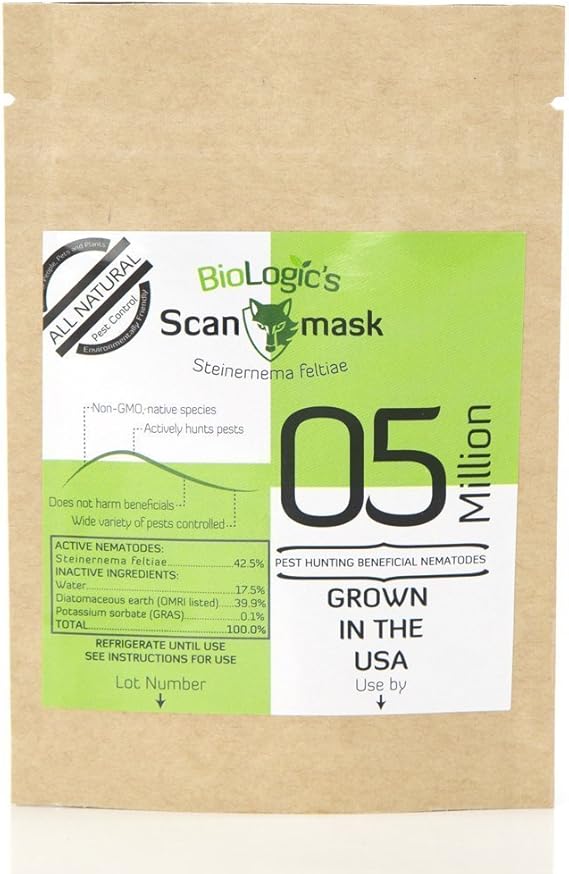
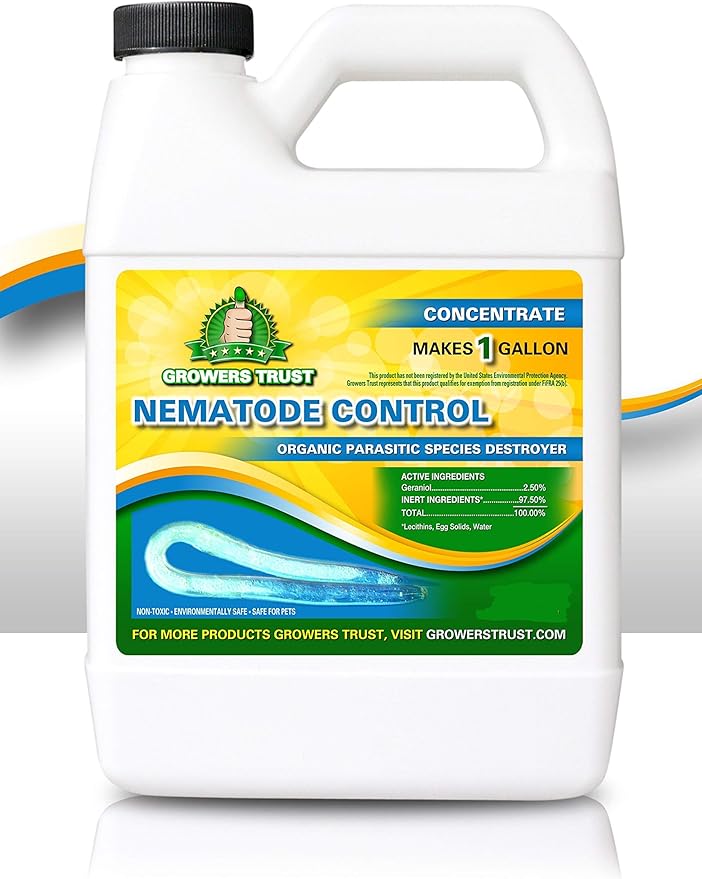
Nematodes are naturally occurring roundworms and they can kill termites. They are an effective natural insecticide because of their gut bacterium. Once a nematode enters a termite’s body, it releases bacteria that start to slowly kill it.
Nematodes are easy to find because they live in a variety of habitats. They do not cause any harm to plants, pets, or humans thus a very organic way to deal with termites. When you introduce nematodes to your garden, they will serve you for a lifetime because they will continue to multiply while keeping the termites at bay. They breed very fast and can start as fast as the first 24 to 48 hours after they are first released. Even if you are facing a huge termite threat, nematodes can kill a ton of termites and other household insects within a very short time.
Boric acid is available in powder form and is one of the best ways to eliminate destructive insects. This acid once ingested, complicates termites or any other insect’s digestive system eventually leading to death. This will take about 3 to 7 days for the acid to work in the insects.
Boric acid is also friendly and less toxic compared to other acids. To use it, prepare a simple concoction of boric acid powder, sugar, and water to attract the termites. Be sure to use a dust mask and goggles when preparing this mixture. The termites will start moving the boric acid back to their colony and start to die off. Add this mixture for 3 to 5 days until you cannot see any termites left.
How Does Salt Kill Termites?
You may be wondering how salt kills termites, and it’s pretty simple really. Salt works as dehydration for termites. If you’re familiar with termites, you’ll know that to thrive, they need a moist environment. With salt acting as a dehydrator, this means that they will dry out and eventually die from lack of water and moisture.
However, depending on the type of termite, it may not be as effective as other methods. For example, if you have dry or damp wood termites, it won’t work as well, and you may need another solution.
Does Epsom Salt Kill Termites?
Yes. The reason Epsom salt kills termites is that it has a high level of magnesium and the magnesium will destroy the termites. What’s great about Epsom salt is that it isn’t harmful to plants or humans too; which isn’t the case for other types of pesticides.
Will Epsom Salt Kill Nematodes?
You may be curious as to whether Epsom salt kills nematodes. And the truth is, it isn’t known whether it kills them or not. As they can survive in so many environments, and some are good, while others are bad; it is simply not known. If you are concerned about a nematode infestation, try using a product that is made to eliminate nematodes, for best results.
Does Epsom Salt Keep Bugs Away?
So we’ve established that Epsom salt can kill bugs, but can they keep bugs away? The answer is…absolutely! It’s thought to both kill bugs and keep them away, which is why it’s such a great solution to use. Use around a cup of Epsom salt for every 5 gallons of water. Mix well, and then add using a sprayer.
How Do I Permanently Get Rid of Termites?
Permanently getting rid of termites can be a challenge. However, there are many ways you can do this. Let’s take a closer look.
Liquid barrier. This works to keep termites away, as well as exterminate any that are already there. What’s great about this method is that you can use it inside and outside of your home.
Bait. If your termite problem is smaller, try using a small amount of poisoned bait. This is just as effective as the liquid method, but simply less radical.
Boric acid. This method works on termites, as well as other bugs. It will take around 3-7 days for your termites to be exterminated. This method is good if you’re looking for a less toxic method.
Diatomaceous earth. If you’re looking for a method that is 100% non-toxic and completely natural, this is the method for you. It’s a slightly slower way of killing termites, but they will eventually dry out and die.
Chemical treatment. We recommend only using this method outside, as it’s not ideal to have in your home. It’s also one of the easiest methods to obtain too.
Good nematodes. Another natural option is using good nematodes. This will only work if your termite problem is on the smaller side. These types of nematodes usually eat insects, like termites.
What Does Salt Do to Termites?
Salt simply dehydrates termites. They begin to dry out and then will eventually die from lack of moisture and water.
What Scent Do Termites Hate?
There are many scents that termites do not like. Some of these include:
cloves
tea tree oil
cinnamon
garlic
geranium
cedarwood
Conclusion: Does Salt Kill Termites?
I hope this post has helped to answer the question: does salt kill termites? Knowing the best way to eliminate termites will save you time and money. Avoid using over-the-counter insect spray or pine sleepers, or even relocation methods in fighting termites.
Insect sprays are known to kill plants and not termites; some of the termites on the surface might be affected but the deeper problem is left untouched. If you have a big termite infestation, use Epsom salt or nematodes. These are some of the best methods you can trust.
So next time someone asks you does Epsom salt kill termites, you know how to answer. Do you have any tips or tricks when it comes to eliminating termites? If so, please feel free to let us know in the comments below. And remember, sharing is caring!
FAQs
Does Epsom salt keep bugs away?
Epsom salt is able to keep different types of bugs away as it kills them slowly. Epsom salt is friendly to use in the garden, in human life, and with your pets.
What does salt do to termites?
Epsom salt is effective on insects and termites alike. Once fed, the insects and termites start to dry off to the point of death within a few days of ingestion.
How do I permanently get rid of termites?
Using Epsom salt for a good amount of time, it will eliminate even the larvae. You can also use nematodes which is an organic way to destroy termites and other insects.
What scent do termites hate?
Termites love to eat a lot of plants and trees, however, it has been recorded that termites do not like the smell of cinnamon, cedarwood, geranium, tea tree oil, garlic buds, and gloves. Termites have an antenna to smell making it easy to choose their food source.
Having good control over your indoor grow space allows you to create the perfect growing environment for your hydroponic garden. Space is one factor in hydroponics, and not everyone has a lot of it to put all the materials and equipment that they need, such as grow tents. However, with the availability of the smallest grow tents, growers can manage space and indulge in some amazing cultivation.
Space management can be achieved with portable grow tents and we will be looking at some options of the best, smallest grow tents available on the market today.
What is a Mini Grow Tent?
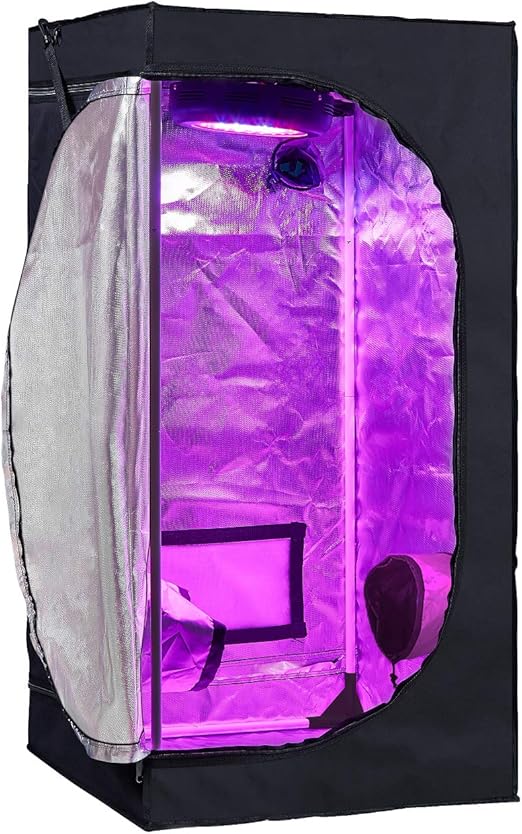
A grow tent is a compact tent used to arrange hydroponic equipment, and they are made of reflective interior walls. They are capable of fitting into most closets, so it allows you to raise your plants in a closed space. The interior space is utilized by hanging some hydroponics equipment such as grow lights, fans, etc.
Why Use The Smallest Grow Tents?
When it comes to hydroponic indoor grow space, growers who wish to maximize their use of small spaces can do so using the smallest grow tents available.
With these small tents, you get an almost pest anddisease-freee environment because of their little space use and they are usually isolated, which makes them easy to manage. All you need to do is to make sure there is sufficient aeration to prevent the development of fungi and the formation of mold.
However, these small grow tents are only ideal for small-scale farming and are not suitable for industrial or commercial purposes. They are best used for small plants as well.
Also, because they are small, you may not get a good return on your investment if you plan to use the tents for business purposes. However, in some cases, you still get high yields but just in a managed space depending on the plants that you are growing.
You can find these small grow tents in sizes of about 3 to 4 feet (12 to 48 inches) tall. Note that if the size exceeds about 6 to 7 feet (72 to 84 inches), it’s no longer considered a small or portable tent. So, be sure of the size you are purchasing.
If you follow this guide, you can be guaranteed to get only the best smallest grow tents that you can find.
Smallest Grow Tents For Indoor Hydroponics
We have narrowed down the smallest grow tents you can find for your indoor hydroponics. So read on to learn more about our 5 best picks
In number 1, we have the GreenHouser reflective grow tent. It is great for the indoor planting of various plants such as flowers, veggies, and fruits. It is one of the best smallest growing tents you can go for. It is a portable grow tent with a size of 24x24x48 inches.
This grow tent is made of 96% reflective interior walls so you can be assured your plants will get adequate grow light effects. It is also made of lightproof and waterproof materials. Thus, there’s no stress of little light sneaking or reflective outer light bothering your eyes when the tent is closed.
The durable and sturdy material used to make this grow tent makes it pretty easy to assemble. It also has convenient zippers that zip up and down easily as you open and close your tent. So you can get easy access to your little hydroponic garden.
We appreciate the multiple ports and vents for optimal air circulation. It as well features a afloor-growingg tray of size 2 x 2 feet.
The one downside of this grow tent is that it has no window for observation. However, the thezip-upp and the down feature can serve this purpose.
Pros
Features nicezip-upp and down for easy access.
Easy to assemble.
Made of reflective walls and waterproof materials.
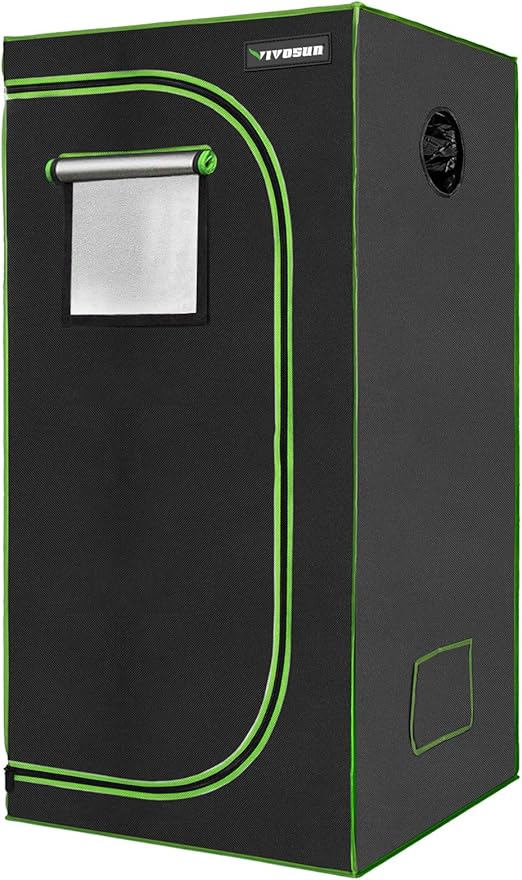
This VIVOSUN grow tent is another great choice amongst the smallest grow tents you can find. No installation hassles and it’s made of sturdy, durable, and tear-proof materials. The size of this small tent is 24x24x36 inches.
It is made of 98% highly reflective inner materials for your plants’ growing benefits. All light reflections are sealed so no external light will disturb your eyes. It can fit your LED or any portable grow light you have, and it will also fit in one or two fans. There are also vents for air circulation and vents for fan space.
Another advantage we admire is the accessibility to window observation. You can simply take a peek at your hydroponic garden without interrupting your setup. It is great for vegetative plants, flowering plants, as well as fruiting plants. It is made of eco-friendly materials that are safe for your plants.
The only drawback we noticed is you have to be gentle with the delicate zipper to enjoy long-lasting zipping.
All in all, you will get your money’s worth with all these great features that are great for hydroponic plant hobbyists.
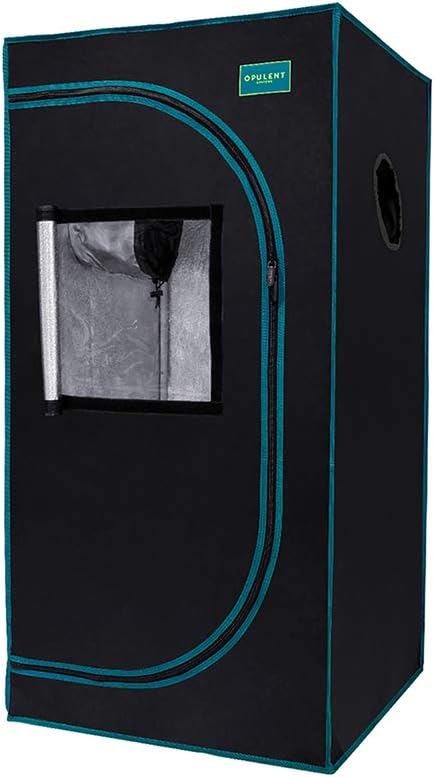
This OPULENT grow tent features a removable floor tray and a pocket for keeping tool bags in an orderly fashion. It is made of superior and durable material that will last you a long time. It offers 98% reflective interior walls for optimal light for your plant’s growing needs. The size is 24x24x48 inches.
The design is double stitched to prevent tear and it offers light blocking to the exterior. It is easy to assemble with user-friendly instructions. This grow tent is also waterproof so it eliminates the worry of water mess wherever you decide to place this tent in your home.
Another great advantage of this grow tent is the observable window view for monitoring your hydroponics garden from the window without the stress of disturbing your setup. The window is also quite easy to clean.
Pros
Features tool pockets for keeping tools.
Removable floor tray.
Observation window available.
Tear-proof material.
Cons
Not suitable for growing bigger plants due to its size.
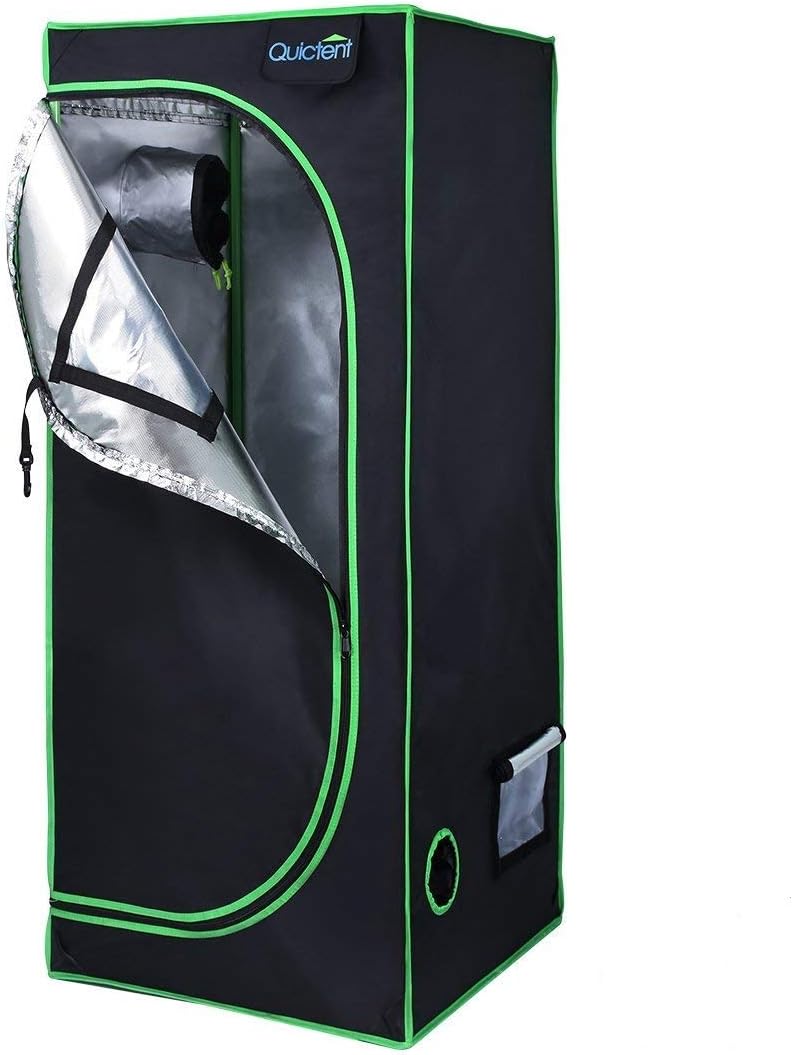
In number 4 we have the Quictent. This is another great option for small growth tents. It is easy to assemble and comes with easy-to-read instructions. The size is 24x24x55 (in inches).
This grow tent is made of water-proof designs, and the inner materials are highly reflective. There are no light leaks as the exterior is made of a light-blocking design.
This portable grow tent is made of eco-friendly materials that are safe for your plants. It is a sturdy grow tent that is capable of holding your grow light, fans, and other equipment.
The grow tent is lined with non-toxic materials, thus safe for your plants’ health. It is also made of water-resistant materials to prevent any water splash or leak mess. There’s the feature of an observable window for brief viewing. There’s also access to holes and vents for ventilation. The zipper door is easy to zip in and out.
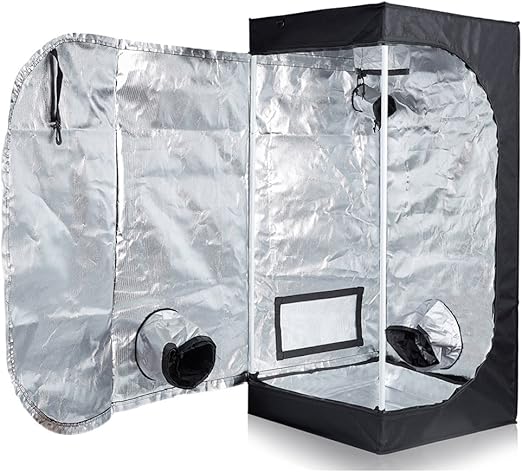
TopoLite is another brand of the smallest grow tent you can find for your indoor hydroponic garden. The installation is easy as it comes with an assembling manual. The size is 20 inches in length, 20 inches in width, and 48 inches in height.
This grow tent is made of quality reflective interior materials and it is also waterproof. It also has zippers for easy accesstor opening and closing the tent.
It features some vents for fans for optimum air circulation. This grow tent is ideal for growing veggies, fruits, herbs, and flowers. It also comes with a removable waterproof floor tray to collect any dripping water that drips so your hydroponics tent remains clean and less messy.
It’s made of durable materials so be assured of long-lasting usability. It is also sturdy. However, it does not have an observation window and there might be a few light leaks.
Overall, this TopoLite grows tent is a great choice for raising small plants in a portable space.
Using indoor greenhouses is an ideal and inexpensive sustainable way of growing plants in your home all year round. This means that regardless of season, you can still enjoy fresh, homegrown fruits, vegetables, herbs,s and flowers from your indoor garden.
Indoor greenhouses come in different sizes and a variety of price ranges. A good indoor greenhouse should fulfill the following requirements:
compact and portable
improved air quality
plant protection
The best indoor greenhouse would be one that fulfills this requirement and fits your budget.
How to Set Up a Grow Tent
Wondering how to set up your grow tent? This should not be a monumental task, provided you have all the tools required. The most important ones you should have are:
Here are the basic steps to assembling a grow tent:
Step 1: Assembling or putting together the frame.
Step 2: Put the cloth over the frame.
These are the two major steps of putting together a grow tent. If you carefully follow the instructions as outlined in the package, you will have the entire structure of your growth tent. The next steps you need to take care to put together the small bits and pieces to get it functional. These include;
setting up the grow lights
setting up ventilation as well as air filtration
checking the balance of all parameters inside the grow tent. These include humidity, temperature, airflow, and carbon dioxide. Ensuring that these factors are ideal will ensure that you get optimal productivity out of your tent.
Grow Tent Setup Diagram
If you are a visual person who works better with pictures than word explanations, a diagram may be more appropriate for you to figure out how to set up your grow tent. Here is a diagram to help you visualize how it should look when it is complete:
Additional Say On Micro Grow Tents
As a hobbyist, you can venture into indoor hydroponics with style by creating the ideal environment with the use of a grow tent. And if you’re bothered about space, going for the smallest grow tent will allow you to arrange your hydroponic garden in a managed space. Some simplicities and conveniences comee from making use of portable grow tents. There is also the guarantee of better yield and little or no pest issues with these tents. Getting good or high germination rates from your seeds is another added benefit. Because you can control so many of the conditions in there, you can almost guarantee great success.
You get so much control when making use of grow tent. You can closely control the light intensity, humidity, temperature, and water which will enhance optimal plant growth. Enjoying allyear-roundd produce is another plus. This means you would never have to miss any of your favorite vegetables or fresh salads because you can produce them all year round.
We have made finding the smallest grow tents for your hydroponic garden easy with these great options. We hope the information provided here will help you a great deal in selecting the best one for you. So, any of our picks can be a nice place to start your search when it comes to choosing the smallest hydroponics to grow tents. Happy growing folks!
FAQs
Are smaller grow tents worthwhile?
Smaller grow tents are becoming more and more popular, particularly within the cannabis industry. They’re cheaper than their bigger counterparts, yet still offer a nice amount of growing space. You may have seen smaller grow tents at your local dispensary, or maybe you’ve even had one for yourself.
Well, growing plants inside your home is not only an easy way to save space but also provide you with a beautiful environment. The best part is that you can grow plants inside your house without spending much money.
You can even use a 1 gallon (3.8 liters) pot with a dome top. I have 2 of them, one for my indoor plants, the other for my outdoor plants. When I bring them outside, I just remove the dome, and they’re ready to go.
What Is a small grow tent?
A small grow tent is basically a smaller version of the larger grow tent. The main difference between the two is the size, which means the size of the area they can grow in. For example, the average small grow tent is around 5×5 feet (2.52m), whereas the average large grow tent is usually around 10×10 feet (3m×3m). Small grow tents are great for indoor growers because they provide a decent amount of growing space for the budget-conscious consumer. They also give you a lot more options when it comes to lighting, ventilation, and other things that affect the growth rate of your plants. Small grow tents come in all different sizes, but they generally fall into two categories: mini and micro. We’ll go over both of these in this article, and we’ll also explain why you might want one over the other.
Is smaller better?
Smaller is not always better. You need to take into account what you’re going to use it for.
If you’re going to grow in a garage or some other location where space is limited, then maybe a smaller grow tent is best. On the other hand, if you’re growing outdoors, or in a more spacious location, then you may want to consider a larger grow tent.
There is no hard and fast size limit on these tents. The size of the tent will depend upon how much space you want to dedicate to growing and what style of grow you want to do.
What’s the best small cannabis grow tent for a beginner?
AeroGarden is one of the best brands for growing cannabis indoors. The company has a wide variety of products that you can use to grow weed at home.
They offer both hydroponic and soil-based systems. They’re known for being very durable and sturdy. If you’re new to growing, then the G2 is the perfect starter kit. It’s easy to set up and use. You’ll get everything you need to get started in just a few minutes. This is the best small grow tent for cannabis because of its durability.
AeroGarden Mini G2 Mini The G2 Mini is the perfect size for a beginner grower. You’ll be able to get your hands on everything you need to get started with indoor growing. It comes with everything you need to get started with a grow room. It’s easy to setup and operate. It has a lightweight design that makes it easy to transport.
AeroGarden Nano G2 Nano The Nano G2 is a very small. It’s perfect for beginners who want to start their cannabis grow at home. It’s very affordable. You’ll get all the equipment you need to get started. It’s easy to set up and use. It comes with everything you need to grow weed at home.
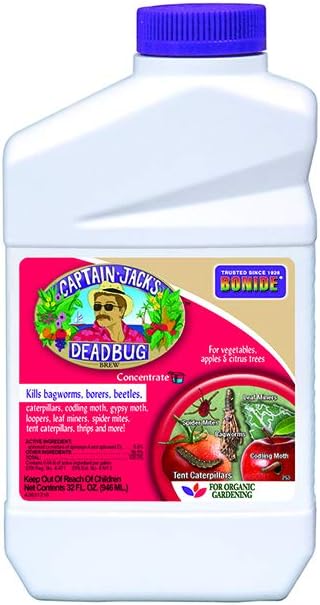
Is Captain Jack’s Deadbug safe for pets, humans, and the environment? Can it be used around the house or garden with no concern for the health of animals or polluting the environment?
Every organic farmer’s goal is to grow safe foods that are free from harmful pesticides. To make this goal reachable, Captain Jack’s Deadbug has been instrumental in doing this, while successfully eliminating all harmful pests. It also significantly protects against predatory bees, mites, and insects that may harm plants.
What is Captain Jack’s Deadbug Brew and What is It Made Of?
Captain Jack’s Deadbug is an approved organic insecticide. It is great for garden use and is effective against a wide range of insects and pests. It is safe to use for vegetables, citrus, fruit flowers, and various ornamental plants.
Captain Jack’s contains the natural substance spinosad. This substance is made by a soil bacterium that can be toxic to insects. It is a mixture of two chemicals, spinosyn A and spinosyn D. This unique bacterium was collected from an abandoned rum distillery on a Caribbean island in 1982 and has never been found anywhere else in the world.
What Insects and Pests Does Captain Jack’s Dead Bug Brew Eliminate?
This substance is used to control a wide variety of pests such as thrips, leafminers, spider mites, mosquitoes, ants, and fruit flies. This compound is what makes Captain Jack’s deadbug so effective against;
insects on vegetables, berries, citrus, grapes, nuts, ornamentals
bagworms, borers, beetles, caterpillars
leaf miners, spider mites, and thrips
As already mentioned, Captain Jack’s deadbug is approved for organic gardening. This product is safe to use up to the day of the harvest of the crops that are listed as safe to use.
Is Captain Jack’s Deadbug Safe?
Captain Jack’s Dead bug is safe for pets, humans and the environment, it is approved and certified as a safe pesticide for organic farming in the United States. Unlike other chemicals, this pesticide is 100% organic with no toxic chemicals to worry about. It has no fumes that will affect your breathing during the application, even if you spread it on the plants.
Captain Jack’s deadbug is safe to use around pets and people. You also don’t have to worry about it polluting the environment when you irrigate and the water runs off to natural water bodies for example. Captain jack’s dead bug ingredients are all-natural, including citric acid and clove oil, along with the main ingredient, spinosad. These are biodegradable and will get broken down by natural systems where and when necessary. So as long as the product is used as directed on the label, it is completely safe to use.
Which Fruits and Vegetables Can Captain Jack’s Deadbug Brew Be Used On?
Captain Jack’s insecticide can be safely used on the following edible plants and vegetables throughout their entire life cycle, up to the day of harvest;
Apples, pears, crabapples, quince, Mayhew, and other pome fruits
Bush berries, blueberries, raspberries, blackberries, and cranberries
Stone fruits like plums, prunes, nectarines, and apricots
Cantaloupe and honeydew
Broccoli, cabbage, cauliflower, and other cole crops
Tomato, pepper, eggplant, okra, and other fruiting vegetables
Lettuce, celery, spinach, and other leafy vegetables
Potatoes, yams, sweet potatoes, cassava, Chinese artichokes, Jerusalem artichokes, and other tuberous vegetables
It is recommended that you add the right amount of water to this brew and mix well. So what is the right amount? The table below shows the right amount of the dead bug brew to use:
UNIT OF MEASURE
AMOUNT TO USE PER GALLON, PINT, OR QUART
PER PINT (16 FL. OZ OF SPRAY)
PER QUART (32 FL.OZ OF SPRAY)
PER GALLON (128 FL. OZ OF SPRAY)
Teaspoon (tsp)
1 ½ tsp
3 tsp
12 tsp
Tablespoon (tbsp)
½ tbs
1 tbs
4 tbs
Milliliters (ml)
7.5 ml
15 ml
60 ml
Fluid Ounces (fl. Oz)
0.25 fl. Oz
0.5 fl. oz
2 fl. Oz
Remember to mix only the amount required for a single-use dose. And in vegetable gardens, do not use more than 3 gallons for a 1000 square feet area.
You can check Captain Jacks’s dead bug reviews here.
How to Use Captain Jack’s Deadbug Spray On Houseplants
Houseplants would most likely be the place where pets and small children would be exposed to the dangers of insecticides. Fortunately, Captain Jack’s dead bug brew indoor plants. You can safely use the ready-to-use mixture on your houseplants to get rid of any sneaky critters. Simply spray the mixture on the surfaces of the plan, as well as the underside of the leaves.
Indoor plant owners can often face challenges with spider mites and thrips, but captain Jack’s deadbug brew for indoor plants has been reported by other indoor plant owners to have saved their plants from certain death.
To treat indoor plants, you can get the ready-to-use bug spray or the concentrate which will need to be mixed with water according to the package instructions, and used as directed. If you use the spray once and you still see the insects or bugs that have infested your plants, incorporate the spaying into your regular routine until the problem disappears.
Using Captain Jack’s deadbug brew for indoor plants will help keep infestations and bay and keep your houseplants strong and healthy.
Captain Jack’s Deadweed Brew
This herbicide acts fast to control weeds, grass, mosses, and algae in a matter of hours Captain Jack’s™ Deadweed Brew can be used to control or get rid of visible weeds that are within vegetable gardens, flower gardens, landscaped areas, and lawns. It can also be used on weeds that grow on buildings, sidewalks, fences, bark mulch, driveways, patios, and gravel. It can be used safely in all these places because it is approved for organic gardening.
Conclusion – Is Captain Jack’s Deadbug Safe For Pets, Humans, and The Environment?
Captain Jack’s Deadbug brew is one of the safest insecticides on the market that can be used with no risks to humans, pets, or the environment. The ingredients that are used to formulate this product are all-natural, making the use of this pesticide sustainable. So if you are ever worried about which insecticide to use for your indoor or outdoor garden, your worries have now been put to rest as you have now learned about this fantastic product that will solve your pest infestation problems in no time. Captain Jack’s dead bug-safe Brew is the new jackpot in farming. And that jackpot is all yours to enhance your plants!
FAQs
Is Captain Jacks Deadbug safe for humans?
Captain Jacks is a popular line of bug spray from Captain Jacks. It is a non-toxic insect repellent that is approved by the EPA and FDA, and is safe for humans. It has been available in Canada since 2004, but is not currently available in the United States.
The original product was created by a company called The Captain Jacks Company, which was located in Pennsylvania. In 1996, The Captain Jacks Company changed its name to Captain Jack’s Inc. When the company was sold in 2003, the new owner changed the name of the product to “Captian Jacks.
Is Captain Jack’s Deadbug organic?
It has been approved for organic gardening, so if you would like to take care of your garden in an organic manner, this is a fine product to use that you won’t have to worry about doing any harm to your plants.
What are the ingredients in Captain Jack’s Deadbug?
Captain Jack’s Deadbug is an insecticide based on a combination of neem and pyrethrum. It is a low-toxicity pesticide that has been approved for use in the United States, Canada, and most other countries. It is considered safe for human consumption, and it is widely used as a household insecticide. It is commonly used to control pests such as roaches, ants, fleas, and mosquitos.
The ingredients in Captain Jack’s Deadbug are natural, simple and powerful.
The active ingredient of Captain Jack’s Deadbug is Captan, which is a copper based fungicide. This compound has been tested and proven to be highly effective against powdery mildew. The active ingredient is absorbed by the plant’s cells and travels throughout the plant. It inhibits the growth of the fungi and stops them from infecting the plant. There are other fungicides on the market that are similar to Captan.
How do you use Captain Jack’s Deadbug brew on indoor plants?
I use the same method as I do for my outdoor garden. The first thing to do is make sure your plants are in a location that will not be disturbed for at least a week. Next, I put a few drops of the Deadbug brew on each leaf and then cover it with a small plastic bag. After several days, I remove the plastic bags and water the plants.
Is Captain Jack’s Deadbug fungicide?
Captain Jack’s Deadbug is the most effective and most widely used fungicide for controlling powdery mildew. It is a systemic fungicide that kills the fungi when they are in the leaf. This means it will not be in contact with your fruit or vegetables and you will not need to spray your crops twice.
There are several organic methods you can try to get rid of striped cucumber beetles in your garden or farm:
Planting varieties of cucumbers that are resistant to cucumber beetles, such as ‘County Fair’ and ‘Double Yield’.
Using row covers to protect your plants from cucumber beetles. These are lightweight, fabric barriers that can be placed over plants to keep the insects out.
Planting cucumbers near plants that cucumber beetles dislike, such as catnip, tansy, or radishes.
Using a trap crop, such as ‘Blue Hubbard’ squash, to lure the cucumber beetles away from your main cucumber plants.
Spraying a mixture of water and liquid soap on your plants to discourage cucumber beetles from feeding.
Using a natural predator, such as the praying mantis, to control cucumber beetles.
Using a homemade, organic pesticide made from hot pepper spray or neem oil.
Remember to always follow label instructions when using any type of pesticide, and take care to avoid contaminating your crops or the environment.
Cucumber beetles can be a nuisance if you have a farm or garden, as they can damage plants by feeding on them.
What are Cucumber Beetles?
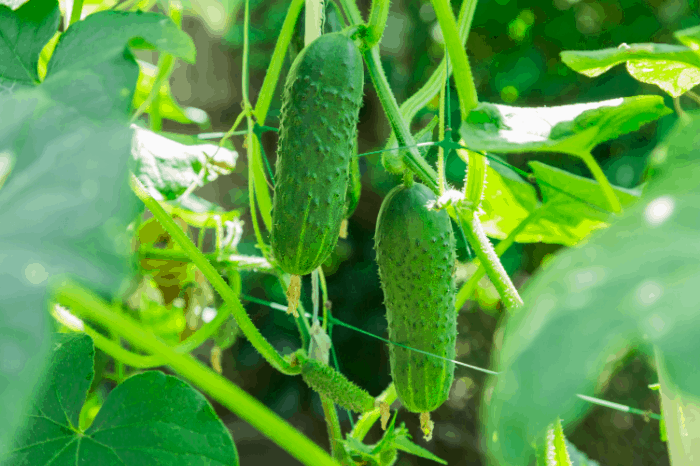
Cucumber beetles are a type of insect that feeds on the leaves, stems, and fruit of cucumber, squash, and melon plants. There are two main types of cucumber beetles: the striped cucumber beetle and the spotted cucumber beetle. Both types have a yellow or orange body with black stripes or spots, and are about a quarter of an inch long.
Cucumber beetles can cause significant damage to cucurbit crops, as they can transmit diseases and reduce the plant’s ability to photosynthesize. They are most active during the summer months, and can be found in gardens and farms throughout the United States. To control cucumber beetles, it is important to identify the type of cucumber beetle present and choose the appropriate control measures.
Ways to Get Rid of Them Organically
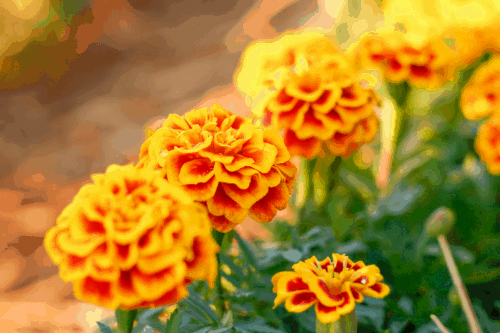
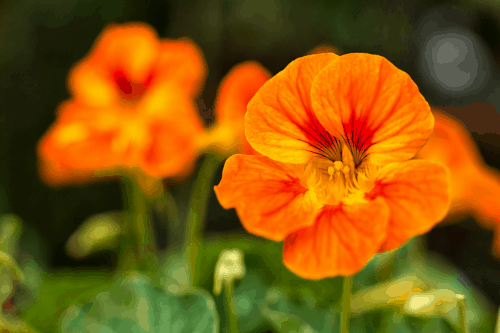
To protect your cucumber plants from cucumber beetles, you can try adding companion plants that are known to repel these insects. Some plants that can be helpful in repelling cucumber beetles include marigolds, nasturtiums, corn, and radishes. Planting these companion plants near your cucumber patch can help keep cucumber beetles away, allowing your cucumber plants to grow and thrive without interference. Remember, using organic methods is often a more environmentally-friendly and sustainable way to control pests in your garden.
Marigolds flower
Nasturtiums flower
To maximize the effectiveness of companion plants in repelling cucumber beetles, you can try planting them in between your cucurbit patches. This will create a barrier of plants that cucumber beetles are less likely to cross, helping to protect your cucumber plants from these pests. By alternating the placement of these companion plants, you can create a more effective defense against cucumber beetles, allowing your cucurbit crops to grow and thrive without interference.
Taking Advantage of the Season
One way to manage cucumber beetles organically is by taking advantage of the season. Cucumber beetles are most active during the warmer months of the year, so planting your cucurbits at the right time can help reduce the risk of an infestation. In general, it is best to plant cucurbits after the risk of frost has passed and the soil has warmed up. This can help ensure that your plants are well established and less vulnerable to damage from cucumber beetles.
Additionally, removing any plants that have been damaged by cucumber beetles at the end of the growing season can help reduce the risk of an infestation the following year. This is because cucumber beetles overwinter in the soil, and removing any plants that may harbor these insects can help reduce their numbers. By taking advantage of the season and being proactive in your pest management strategies, you can help keep cucumber beetles at bay and protect your cucurbit crops.
Taking Care of Beneficial Insects
In addition to using companion plants and taking advantage of the season, another way to control cucumber beetles organically is by protecting beneficial insects that can help eliminate these pests naturally. Beneficial insects, such as
braconid parasitoid wasps
tachinid flies
ground beetles
wolf spiders
and insect-eating nematodes
can all help control cucumber beetles by preying on them or laying eggs that hatch into larvae that feed on cucumber beetles. By taking care of these beneficial insects and providing them with a habitat in your garden, you can encourage their populations to grow and help control cucumber beetles naturally. Just be sure to research the specific needs of each beneficial insect and provide them with the proper care to ensure their success in your garden.
Creating Traps
One way to control cucumber beetles is by using sticky traps. These traps are usually made of yellow paper or plastic and are coated with a sticky substance that traps insects when they land on them. Cucumber beetles are attracted to the color yellow, so using yellow sticky traps can be particularly effective in trapping these pests. These traps can be purchased online or at a gardening store, and can be hung near your cucurbit plants to catch cucumber beetles as they fly by. However, it is important to note that sticky traps may also catch other beneficial insects, so you may want to consider this before using them in your garden.
Alternatively, you can try handpicking cucumber beetles off your plants or using a vacuum to remove them. Both of these methods can be effective, but may be time-consuming and may not completely eliminate the cucumber beetle population. It is important to monitor your plants regularly and take action as needed to control cucumber beetles and prevent them from causing significant damage to your crops.
Installing Row Covers
Another organic method for controlling cucumber beetles is to use row covers. Row covers are lightweight, fabric barriers that can be placed over plants to protect them from pests. These covers can be particularly useful for protecting young cucurbit plants, which may be more vulnerable to attack from cucumber beetles. You can purchase row covers online or at a gardening store, and they can be easily installed by draping them over your plants and securing them in place with stakes or other anchors. Row covers can provide a physical barrier between your plants and cucumber beetles, helping to keep these pests out and giving your plants a chance to grow and develop without interference. Be sure to remove the row covers once your plants start blooming, as the covers can also prevent pollinators from accessing your plants.
Additional Tips to Handle the Cucumber Beetle
To speed up the process of eliminating cucumber beetles using organic methods, you can try the following additional steps:
Keep your garden clean and free of debris, as this can help reduce the number of places where cucumber beetles can hide and reproduce.
Water your plants in the morning, as this will allow the leaves to dry more quickly, which can help prevent the spread of cucumber beetle-borne diseases.
Use a natural, organic pesticide made from hot pepper spray or neem oil to repel cucumber beetles.
Consider using a biological control, such as the praying mantis, to help eliminate cucumber beetles.
Keep an eye on your plants and take action as needed to control cucumber beetles, such as handpicking or using sticky traps.
By following these additional steps and using a combination of the organic methods outlined above, you can effectively control cucumber beetles and protect your cucurbit crops. Remember to always follow label instructions when using any type of pesticide, and take care to avoid contaminating your crops or the environment.
Will Sevin Dust kill cucumber beetles
Sevin dust is a type of insecticide that contains the active ingredient carbaryl. It is effective at controlling a wide range of insects, including cucumber beetles. When applied according to label instructions, Sevin dust can kill cucumber beetles and help protect your plants from damage. However, it is important to note that Sevin dust is a chemical insecticide and may have negative impacts on the environment and non-target species, including beneficial insects. If you are interested in using an organic method to control cucumber beetles, there are several alternatives you can try, such as using companion plants, row covers, or natural pesticides made from hot pepper spray or neem oil.
Does neem oil kill cucumber beetles
Neem oil is a natural pesticide that is extracted from the seeds and leaves of the neem tree (Azadirachta indica). It has a number of insecticidal properties and is effective at controlling a wide range of insects, including cucumber beetles. When applied to plants, neem oil can kill cucumber beetles by disrupting their growth and reproduction. It can also repel cucumber beetles, helping to keep them away from your plants. However, it is important to note that neem oil can be toxic to some insects, including bees and other beneficial pollinators. To minimize the risk of harm to non-target species, it is important to follow label instructions when using neem oil and to apply it only to the plants that are being targeted by cucumber beetles.
Plants that repel cucumber beetles
There are several plants that are known to repel cucumber beetles, including:
Marigolds: These brightly-colored annual flowers produce a chemical that can repel cucumber beetles and other insects.
Nasturtiums: These annual flowers have a strong, pungent aroma that can deter cucumber beetles and other pests.
Catnip: This perennial herb is known to repel a wide range of insects, including cucumber beetles.
Tansy: This perennial herb has a strong, pungent aroma that can repel cucumber beetles and other insects.
Radishes: These annual vegetables produce a chemical that can repel cucumber beetles and other pests.
Dill: This annual herb has a strong, pungent aroma that can deter cucumber beetles and other insects.
Garlic: This perennial herb is known to repel a wide range of insects, including cucumber beetles.
By planting these companion plants near your cucurbit crops, you can help deter cucumber beetles and other pests from feeding on your plants. Just be sure to research the specific care requirements of each plant and provide them with the proper growing conditions to ensure their success in your garden.
FAQ’s
Are controlling cucumber beetles a challenge?
It can be hard, unfortunately. Cucumbers are in the same family as melons and pumpkins, and they are susceptible to the same diseases and pests. Cucumber beetles, when fed upon cucumbers, produce eggs that hatch into larvae that burrow into the fruit. These larvae eat through the fruit, leaving a hole, which is a sign of damage.
Cucumber beetles are a very annoying pest. They can destroy an entire crop of cucumbers and other cucurbit crops in a matter of days. In fact, they are the most destructive insect pest to cucurbits. Cucumber beetles can eat their way through all parts of the plant including the fruit. If you are growing cucumbers for food, you have to control the cucumber beetles.
Do they have natural predators?
The cucumber beetle is an invasive pest that is a major pest of cucumbers and other plants. It has been in the United States since the 1970s and has been spreading rapidly since then. The problem is, it has no natural predators here. Cucumber beetles eat both the leaves and the fruit. In the case of the fruit, they are bad for the plant as they will stop the plant from growing and may even kill it.
What organic spray kills cucumber beetles?
I would use an organic spray that has Bacillus thuringiensis (Bt) in it, but check your label before applying. The label should state Bt or Bacillus thuringiensis. The spray will kill the adult beetles as well as larvae. If you cannot find one with Bt on it, try spraying with pyrethrin or neem oil.
You can also spray them with an organic spray that says it’s a mix of neem and pyrethrin. It is an oil-based product.
What are other ways of killing cucumber beetles?
Organic sprays can kill cucumber beetles, but they are not the only way to control them. Other methods include hand picking, traps and traps with sticky surfaces.
Will garlic spray deter cucumber beetles?
Yes it will as the beetles have a pretty strong sense of smell and will stay away from garlic. You can also add in hot peppers to make it even more effective.
What else can I use to repel them?
There are a number of things that work to repel them. This includes neem oil, peppermint and radishes. You can make a mixture with neem oil to apply around your cucumbers. As for the latter two you can grow them around your cucumbers as deterrents. Radishes in particular are very highly recommended as they do work exceptionally well in keeping cucumber beetles at bay.
Conclusion
Now that you’re aware of some simple and effective organic ways to get rid of cucumber beetles, you’ll now have a healthy and brimming garden.
If you have any questions about the cucumber beetles or have more organic ways on how to get rid of them, comment below and share your ideas.
Remember, if you have this problem in your garden, simply do the following:
Identify if you have a cucumber beetle infestation.
Use one or all of the suggested organic ways to get rid of them provided above.
Repeat when necessary until you can see no signs of cucumber beetles anymore.
If you nurture a rubber plant and you one day find out that there are spots on the leaves, then this may have you worried. Rubber plant spots on leaves can be a signal that something is wrong with your plant. But not too worry because we will be delving into how to fix rubber plant spots on leaves.
Rubber plant which is usually referred to as Ficus elastic is one lovely type of houseplant characterized by its dark and glossy leaves.
Rubber plant is a lovely plant so finding some spots (either brown or white spots) on the leaves can reduce its stunning look. Finding out the reason for this spot symptom on the leaves of the rubber plant is a good step to fixing this issue.
Rubber plant spots on leaves will be explored here so let’s simply look into this.
Rubber Plant Spots On Leaves: Which Part Of The Plant Is Affected?
The major part of rubber plant affected by these spots is the leaves. Rubber plant spots on leaves show dark brown patches and this is usually from the tip and edges of the leaves. Also, the cause of the brown spot can make these small spots begin to show on the center or close to the edges of the leaves.
Other part where the brown spot can show up is the base of the leaf and this is usually caused by pests and diseases attack. You may even notice some of these brown spots where the leaf meets the stem.
Once you notice any small brown spot on your rubber plant, you need to act fast. If you don’t tackle the issue on time, this brown spot can show up on the plant’s new leaves, stem, and shoots.
Rubber Plant Spots Causes, Symptoms, And Managements
Rubber plant spots on leaves can be caused by different issues such as Septotia leaf spot, rubber plant algae leaf spot, downy mildew, powdery mildew, the bacterial blight of ficus elastic, alternaria, and anthracnose.
Also, rubber plant spots can be caused by over-watering, poor drainage, root rot, nutrient deficiency, harsh weather like scorching sun and frost damage, low humidity, insect infestation, and fertilizer burn.
Let’s take a look at some details of this rubber plant spot on leaves:
1. Septoria Leaf Spot
Septoria leaf spots can cause brown spots on your rubber plant and this is caused when you leave your plant in a wet and humid condition for a long period. This spot is caused by a fungal disease and it exhibits this small, irregular, brown spot on both the top and undersides of the leaves.
Symptoms
Rubber plant spots on leaves caused by septoria can exhibit black or dark brown-edged lesions on the leaves. On the leaves, you can also notice this mold-like growth, and the leaves can look shrivel, blacken, and drop off.
Also, the leaves affected tend to change to yellow and brown and they will eventually wither and die.
Resolving The Situation
Once you’ve identified that your rubber plant spot is suffering from septoria leaf spot, it’s important you quarantine the affected plant immediately.
Trim off and destroy the diseased, drooped, or any dead parts of the leaves. Always, space out your houseplants so that there can be adequate air circulation.
You can spray your plant with a sulfur-based fungicide, captan, or copper-based fungicide.
Rubber plant spots on leaves can be caused by rubber plant algae leaf spots. This algae leaf spot is caused by a parasite known as Cephaleuros virescens and this parasite thrives in a humid and warm environment.
Symptoms
The symptoms noticed with these algae leaf spots is a small rough, mesh-like brown spot on the leaves of rubber plant. You may notice pale green, gray, or orange with this issue. Even if you notice that the spots are small, the spots can still expand and merge into bigger patches.
The good news is that algae leaf spot is not a fatal disease. Organic control methods can be used to resolve the situation.
Ensure you trim excess foliage, improve aeration, and space out your houseplants. When you’re watering, don’t splash water or water from the top of the plant. Instead, aim to water the base of the plant or you can use self-watering pots. Make sure you use well-draining, aerated, and fertile soil.
However, if the algae leaf spot is too severe, use a copper-base fungicide or Bordeaux mixture biweekly. Apply this until the algae leaf spot has been eliminated.
3. Downy Mildew
Downy mildew should not be confused with powdery mildew. This affects rubber plants and it mostly occurs in cool and humid conditions. This downy mildew disease is rarely seen during hot weather.
Symptoms
With this disease, you will notice colonies on the underside of your rubber plant leaves. So, you will notice spots covered with bluish-gray, purplish, whitish, or bluish cotton-like fungi.
Mildew spores begin to dig and lock into the leaf from underneath and the upper part of the leaves will look yellow or white. As time goes on, they tend to form a fuzzy coating on the leaves and more damage will result in brown spots on rubber plants.
Resolving The Situation
Once you’ve identified that your rubber plant is suffering from downy mildew, isolate the plant to prevent the spread of the disease.
Horticultural oil such as neem oil can be applied to the plant to prevent the spread and colonization of other leaves in the early stages. A copper-based fungicide should be used to tackle any colonies and spray once every seven to ten days.
Final Word
Rubber plant spots on leaves are usually a signal that something is wrong with your plant. So, you will need to act swiftly to prevent further damage when it comes to this issue.
FAQ’s
What causes brown spots on rubber plants?
Rubber plants brown spots on leaves are usually caused by over-watering, fertilizer burn, pest and diseases infestation, harsh weather, low humidity, and poor drainage.
Why does my rubber plant have white dots?
The tiny white dots seen on rubber plants are known as lithocysts and they are enlarged cells that have calcium carbonate crystals. Seeing these white dots is no issue and they are normal for rubber plants.
Should you cut off the brown leaves rubber plant?
These brown leaves are usually dead and dying leaves so you should remove any dead and dying leaves by pruning them. Doing this will help the plant grow healthier and into the shape you would like it to have.
What do brown spots on leaves mean?
Usually, brown spots on leaves signify that the plant is suffering from an issue that needs to be attended to. These brown spots n leaves can be caused by over-watering, under-watering, lack of humidity, and so on.
If you are growing any type of houseplant, you may wonder what are those tiny grey bugs in houseplant soil and how to treat them.
There are many types of houseplants that are easy to grow, however, bugs are a big problem for houseplants. To help us understand these tiny grey bugs, let’s learn what they are and how to control them.
What Are The Tiny Grey Bugs In Houseplant Soil?
Houseplants are home to a number of beneficial insects, including ladybirds, lacewings, and hoverflies. But houseplants also harbor a range of pests that can cause problems for you and your plants. One common pest is the small grey bug, which feeds on the roots of houseplants.
These tiny grey bugs are actually called nematodes. They can be parasites or predators. These are not normal bugs, but microscopic creatures that can harm other insects, mites, or worms.
Nematodes have a hard outer covering and move slowly through the soil. They feed on bacteria and other tiny organisms in the soil. Some species can even eat other nematodes. We have a lot of different types of nematodes, some of which are good for plant growth.
How Do The Tiny Grey Bugs In Houseplant Soil Affect The Plants?
Some nematode species can be harmful to houseplants. A common problem with these is called root gall. This is when a worm has entered the roots of a houseplant and started feeding on them. If a worm gets into the root system of a plant, it may cause damage to the plant. The root cells can be destroyed, and nutrients can be lost from the plant. This can make the plant weak, or it can even kill it.
The plant will not grow as well as it could, and may even die. This can happen when you have a new plant in your house. If you have not looked after the plant properly, you may have just placed it in your house. It may have been bought from a garden centre or other shop.
The most common type of nematode is called the roundworm. This is a common pest in the soil around houseplants. It is often found in soil that has been treated with fertiliser. This can attract many different types of pests to the soil. These nematodes can feed on bacteria and other microorganisms in the soil, and then move up into the roots of plants. They are usually found in soil that is high in nitrogen. This is because they feed on bacteria and fungi, which are more common in nitrogen-rich soil.
What Are The Causes Of Nematode Infestation?
The most common cause of nematode infestation in the garden is the use of contaminated seeds. If you buy seeds and plants from a reputable supplier, there is no reason why you should not have a healthy garden. It is important to remember that most seeds sold as organic or heirloom are not free from contamination.
What Are The Symptoms Of Nematode Infestation?
There are different types of nematodes that cause symptoms in your garden. Some are visible, others are not. The most common symptom is a general weakening of the plant, however, this can be caused by a number of other factors.
How Can I Prevent Nematode Infestation?
Nematode infestation can be avoided by buying only from a reputable supplier who ensures that their stock is free from contamination. The supplier should also provide a guarantee for the quality of the eggs and larvae.
How Do I Treat Nematodes? – Tiny Grey Bugs In Houseplant Soil
Nematode treatment should only be carried out by a professional. You should only use a professional pest control service, or you will risk spreading them further around your home. Professional treatments are best carried out using specialised equipment and techniques.
Preventing the spread of nematodes is easier than treating them. The best way to prevent nematode problems is to avoid over-watering your garden and lawn, especially during summer.
The best time to treat for nematodes is when you see the first signs of damage, and as soon as possible. This will reduce the risk of spreading the infestation to other parts of your garden.
You can try to prevent nematode infestations by applying a pesticide to your garden at least two weeks before planting, but it may not always be effective.
Take Home – Tiny Grey Bugs In Houseplant Soil
The earlier you notice and deal with the tiny grey bugs in houseplant soil, the better in ensuring your plant’s safety. We recommend that you check your plants every two weeks for signs of infestation, and if you do find bugs, remove them from your houseplant immediately. You don’t want to be doing any damage to the plant while you’re trying to get rid of it. The earlier you get rid of them, the better.
FAQ’s
What are these tiny grey bugs?
These tiny grey bugs are some of the most destructive pests you will ever come across n your houseplants.
How do you get rid of mites in houseplant soil?
The best way to remove them from your houseplants is to wash your plant and use a spray bottle to wet the leaves thoroughly and spray them with a solution of water, dish soap and a few drops of dishwashing liquid. Do this once every week or two and the mites will disappear.
Are soil mites harmful to plants?
Yes, they are harmful to the plants but the good news is that they are easy to get rid of! A good way to keep them under control is to wash your plant thoroughly and spray it with a solution of water, dish soap and a few drops of dishwashing liquid. Do this once every week or two and you will be fine!
What do houseplant mites look like?
They look like tiny grey bugs that crawl around on your plant leaves. They can be found on the underside of the leaf and often near the midrib of the leaf. If you notice that your houseplants have become stunted or have yellowing leaves, this is a sure sign that they are infected with mites. If this happens, you should contact your local nursery for advice on how to deal with the problem. It is completely safe to use dishwashing liquid to control mites on your houseplants. You just need to make sure that you use the right dilution. It is best to use a 10-20% solution. A 20% solution means that you will be spraying your plants with 1 part dishwashing liquid to 10 parts of water. The dishwashing liquid will help to loosen up the soil so that the mites can be washed away.
What do tomato hornworms eat? Let’s get an answer to this question. The sphinx moth’s larva is commonly known as a hornworm. It is from the Lepidoptera family. The species of hornworm are about 1450.
Some varieties are sphinx moths, hawk moths, tobacco worms, white-lined sphinx worms, and more. So what do tomato hornworms eat? The species tomato hornworm is called that because it mostly loves to eat tomato plant leaves. As for the tobacco hornworm, it prefers tobacco plant leaves.
Both the tomato and tobacco plants are under the flowering plants family known as nightshades. Most of the nightshade leaves and fruits are really attractive to hornworms. Another thing is that you may sometimes find hornworms change in color according to the food they eat.
Let’s take a further look into what type of food do tomato hornworms eat.
Tomato Hornworms And What They Eat
Tomato hornworms are considered herbivores as they normally eat nightshade vegetables, tomato leaves, tobacco leaves, and even weeds such as horsenettle. They also feed on solanaceous plants. Hornworms eat a lot as they are very large in size.
You can say they are the truly ‘hungry caterpillar’. If they get enough food to eat, it is possible they become twice as big as they were before every day. Furthermore, some species of hornworms are bigger in size than others.
In fact, when it comes to length, they can grow up to 80mm. However, not all species prefer to eat alike. Some have a preference for some particular plants instead.
It is a thing of survival for hornworms to eat daily. Be it living in confinement or in the wild, they must eat every day. This is why when hornworms want to lay their eggs, they do so beneath their favorite plants.
Below is the list of the type of plants hornworms love:
Tomato leaves, Tomatoes (green), Eggplant, Bell pepper, Potato, Jimsonweed, Horsenettle, Silver nightshade, Tobacco leaves, Mulberry tree leaves
But let’s take a quick dive into a few of the popular foods that they most love to eat.
The Tomato Plants
To answer the question what do tomato hornworms eat? Soft tomato leaves are the kind of food they love. Although, while at it, a lot of damages can be inflicted on the tomato plant crops. Tomato plants are really enjoyed by tomato hornworms.
These hornworms are capable of feasting on a whole tomato leave in one night causing great damage. They can also feed on other parts of the tomato plant such as their flowers and fruits.
Vegetables
Tomato hornworms can be fed varieties of vegetables that are especially in the nightshade family. These are vegetables like broccoli, eggplant, red bell peppers, tomatoes, collard greens, mashed celeries, and raw potatoes.
They can even be considered as a snack or emergency food for these worms.
It is possible for most hornworms species to eat tobacco leaves and not become toxic. The reason is that most of the toxins can be secreted. However, it is advisable not to feed the worms with this type of food if you have the purpose of feeding other animals with hornworms.
Hornworm Chow
A lot of breeders and pet owners, in situations whereby all the usual fresh foods for the hornworms are all finished, usually make sure there’s a reserve of hornworm chow. This is to always make sure there’s something for the hornworms to eat.
To make hornworm chow, you can do so with ingredients like wheat germ, linseed oil, agar, dandelion leaves, flake yeast, grapevine leaves, and more.
In addition to these ingredients, a lot of manufacturers would add more vitamins and minerals. They do this in order to foster the growth of the worms.
The silkworm’s primary food source is the mulberry leaves, while the hornworm loves them. Soft mulberry leaves are great for hornworms but you can also feed them silkworm chow. The chow is made from mulberry leaves.
Grapevine Leaves – What Do Tomato Hornworms Eat?
It’s also not a bad idea for grapevine to be fed to your worms. Fresh green leaves are very good to feed your worms if there is no grapevine available or you don’t stay around a winery.
The grapevine is not usually found around that easily, hence, go for the fresh green leaves instead. It is a good option to give to your worms.
Dandelion Leaves
Don’t fret, you should know that dandelion leaves are a healthy herb that is being added to tea and other health foods. Hence, your worms will love to feed on dandelion leaves. This means your worms won’t become toxic. However, the only challenge here is that these leaves can poison your worms by treating these leaves with weed killers.
How Much Do Hornworms Eat?
Hornworms have the ability to devour or eat leaves, especially nightshade family food. If they have access to enough food and the temperature is warm like about 82 degrees Fahrenheit, it is possible they become twice as big as they were in a day.
In a normal circumstance, during the worm’s pupa stage, a hornworm can eat up to 1oz of hornworm chow. Hence, a pound of prepared food will be needed to raise 16 hornworms.
Conclusion On What Do Tomato Hornworms Eat?
Tomato hornworms are ferocious feeders that can feed on the plants they desire and even consume an entire leave in just one night.
Some of the plants tomato hornworms like to eat include raw potatoes, eggplants, and peppers. These tomato hornworms can also feed on some greens such as broccoli, spinach, lettuce, and so on.
FAQ’s
What other plants do tomato hornworms eat?
So, apart from tomato plants that this hornworm tends to feed on, it can also feed on different nightshade family plants. Some of them include pepper, potato, eggplants, and so on.
Do tomato hornworms eat anything else?
Yes, tomato hornworm eats other things such as greens like spinach, broccoli, tobacco leaves, as well as weeds like horsenettle.
Do hornworms eat tomatoes or just leaves?
Hornworms are capable of feeding on the leaves of tomatoes as well as their flowers and fruit. These worms are ferocious eaters that are capable of devouring a whole leaf overnight.
How do you keep a tomato hornworm alive?
You can keep tomato hornworms alive by supplying constant light sources to keep them healthy and happy. Also feed them with what they like to eat such as sliced tomatoes, spinach, raw potato, lettuce, and so on.
The tomato hornworm killer is a common pest that attacks your healthy tomato plants, destroying them with their horn-like protrusion in their rear.
The common tomato hornworm is one of the most destructive pests throughout North America. It destroys tomato, pepper, potato, eggplant, and tobacco plants.
These worms consume the entire leaves, small stems, and fruits. Even though they are large, these worms are difficult to spot during the day because of their protective coloring.
Gardeners will mostly only find the large areas eaten but not see this pest. Damage from this worm is commonly noticed in midsummer all through the remainder of the growing season.
Identifying Tomato Hornworm Killer
Hornworms are about 5 inches long shocking most gardeners spotting them for the first time. They are most destructive during their caterpillar-larvae stage.
These worms are pale green in color with white and black markings, with a horn-like protrusion coming up from their rear. They also have eight V-shaped stripes decorating their green body.
The larvae blend in totally with the plant greenery, making them hard to spot. If you cannot yet spot them, look for the following signs.
Look for chewed or missing leaves from your plant. Hornworms start feeding on the top of the plant.
Keenly look at the top of your tomato leaves for black droppings left by the larvae feeding on your leaves. Once you find them, look at the underside of the leaves, and you will most likely find the hornworm.
Look for missing leaves on stems and wilted leaves hanging down; you can also find white cocoons.
In late spring, the large adult lay eggs on the lower side of foliage that hatches within a week. You will easily recognize these adults during this season more than others.
Caterpillar larvae hatch in late spring and feed for 4–6 weeks before creating a cocoon. They overwinter in their pupal state in the soil, but if the weather is warm enough, the larvae may only burrow for only 2 to 3 weeks.
These worms will start emerging in the spring and begin laying eggs once again as adults.
The Difference Between Tomato & Tobacco Hornworm
There are two hornworms that attack tomatoes; they include
Tomato hornworm, (Manduca quinquemaculata)
The tobacco hornworm (Manduca sexta)
These two worms look almost similar. They are huge and cause the same kind of destruction to plants in the nightshade family. The only way to tell apart with a first sight is by their horn.
Hornworms are not visible during the day, but they hide among your plant’s foliage. They are green in color, which is the color of the foliage, making them blend in well. If you can’t find them, try looking for droppings and follow that trail.
You can also find them during the night with much ease because they light up during the night. Young ones will enjoy the adventure of catching these worms that glow in the dark.
Homemade Tomato Hornworm Killer
Getting rid of these tomato hornworm killers is easy if you follow these homemade remedies.
Soapy Water Spray. Mix up a solution of soapy water spray, adding a bit of cayenne pepper to make it hot, causing those caterpillars to die.
Garlic and Hot Pepper. Garlic has a strong smell and pepper a spicy taste. Both make a strong natural deterrent to horned tomato worms. Blend 3 full garlic bulbs, together with 6 large fresh hot chili peppers. You can substitute fresh peppers with 2 tablespoons of chili powder. Add in 1 tablespoon of vegetable oil and at least 2 to 3 squirts of liquid detergent plus 7 cups of water. Once blended, sieve or strain the mixture and pour it into a spray bottle. Allow the mixture to sit for a couple of days to produce a more pungent smell.
Fish Fertilizer. Fish fertilizer works in two ways – nourishes the plants and repels pests like the tomato hornworm. You can make your own fish fertilizer spray by blending fish bones and fish scales with water to create a soupy liquid that smells extensively of fish. Strain this mixture and transfer the liquid you obtain to a spray bottle.
What Kills Hornworms On Tomato Plants?
Here are two solutions that kill these pests on tomato plants.
bT Spray for Hornworms. As soon as you notice the presence of the hornworms, spray them with this solution. bT is a good bet for killing these destructive worms. Spray the leaves and soil to help kill the hornworms. BT is a bacteria that easily infects and kills caterpillars and is approved for organic gardening. You can also use it for cabbages when they get cabbage worms. Bt spray handles caterpillar issues quickly and is nontoxic to mammals and bees. However, Bt kills all caterpillars, which is a downside of this solution.
Use Food Grade Diatomaceous Earth. Use the food-grade version to kill the hornworms. Food grade diatomaceous earth is helpful to many pests and nontoxic to work within dry conditions. To use it, sprinkle the DE around the plant; when the hornworms walk through it, it enters their body and dries them up progressively.
How Do You Keep Tomato Hornworms Away?
Keeping these pests away in the future is as easy as attracting beneficial insects to your garden. These beneficial insects include
Plant a bed of flowers or herbs that attracts beneficial insects to your garden.
FAQs
What do you spray on tomato hornworms?
You might be tempted to reach for the nearest insecticide, but according to entomologists, you’d be wasting your time. The most effective way to get rid of tomato hornworms is to remove them from the plants, rather than killing them off. Here’s how to do it. Tomato hornworm (Manduca quinquemaculata) eggs When we think about insect pests, we tend to think about the big ones:
Hornworms are one of the most common tomato pests in the U.S. They eat leaves, flowers, and fruit of many plants and vegetables, but their damage to tomato plants is particularly bad. In fact, some gardeners have reported seeing entire tomato plants go down from a single attack by these pests.
Where do they come from?
Hornworms are native to North America, where they can be found in the southern U.S. and northern Mexico. Hornworms lay their eggs on the underside of leaves. The eggs look like white dots, and they hatch into tiny caterpillars, which usually feed on just one leaf before moving to a new one.
How do you get rid of tomato hornworms?
There are two main ways to get rid of tomato hornworm larvae:
by removing the insects from the plants or by spraying insecticides on the plants. Removing the bugs From the outset, it’s important to note that removing hornworms from the plants is an effective way to control them, not an easy one. In fact, removing hornworms is the most difficult method of controlling tomato hornworms, so there’s a good chance that you’ll be dealing with this problem for weeks or even months after the first hornworm appears. If you want to get rid of hornworms right away, then it’s probably best to spray them. But if you want to get rid of them quickly and effectively, you’ll need to remove them from the plants. To do this, simply lift up the bottom edge of the plant and gently shake it back and forth. The caterpillars will fall off the plant, and you can leave them in a bucket of soapy water for a few hours to drown. You’ll also have to pick up any other caterpillars that are still on the plant, but this is a relatively easy job.
How do I keep hornworms off my tomato plants?
The best way to keep hornworms off your tomato plants is by applying the insecticide spinosad in a controlled manner. This will not only keep the hornworms off your tomatoes, but it will also prevent any further damage to your crop from these pesky little pests. The best time to apply this insecticide is during the late afternoon or early evening before your tomato plants go to bed for the night.
What causes tomato hornworms?
The answer to this question is actually very simple. They are the larvae of a small moth, called a tortrix, which lays its eggs on the leaves of your tomatoes and then feeds on them. If you notice small black spots on your tomato leaves, it’s likely that you have hornworms, and if you look carefully, you’ll find that they are feeding on the leaves.
Finally
Keep in mind that tomato hornworm killer also destroys other garden vegetables. Always monitor your peppers, potatoes, and eggplants to ensure they are not destroyed by this pest.
The sooner that you catch these worms and get rid of them, the higher the chance of your plants thriving.
We have discussed plenty of ways to eliminate these pests and prevent them. The homemade ones are easy to make and affordable for every gardener to implement. The nontoxicity factor wins hands down every day!
Is nitrogen organic or inorganic, and in what form is it available? Does compost or commercial inorganic fertilizers matter?
Nitrogen is one of the most difficult nutrients to manage in crop production. Compost is known to contribute substantial nitrogen for crops. However, it is challenging to synchronize its release from these materials as the plant demands.
Careful management of organic nitrogen fertilizer is required to meet most crop requirements and avoid undesirable losses to the environment. We will therefore look at these two types of compounds and their uses.
Is Nitrogen Organic Cause Inorganic – What Is Organic Nitrogen?
Organic nitrogen can be described as nitrogen atoms that occur in organic compounds. Organic nitrogen is common in soils in the form of organic matter. This includes residues of decomposing anemometer plants and humus.
These organic compounds contain nitrogen that incorporates into the organic matter during soil development. The organic matter in the soil depends on the temperature trends and long-term moisture contents.
For example, cultivation decreases organic matter content in the soil due to the oxidation of these organic compounds. This leads to reducing the organic nitrogen for crop intake.
Organic nitrogen plays an integral part in crop production and soil nitrogen cycling.
What Is Inorganic Nitrogen?
Inorganic nitrogen is the nitrogen atoms that occur in the inorganic compounds. Inorganic compounds do not contain hydrogen and carbon as essential components like organic compounds. Many other chemical elements make up the inorganic compounds.
For example, nitrates and ammonium dominate the inorganic fraction of the soil. These are the primary form that plants can take for their needs. The other forms of inorganic nitrogen in the soil are nitrites and nitrogen gas.
The Differences Between Organic And Inorganic Nitrogen
The significant difference between organic and inorganic nitrogen is that the inorganic forms of nitrogen occur in inorganic compounds, and organic nitrogen occurs in organic compounds.
Organic nitrogen includes proteins, amino acids, nucleotides, and nitrogen bonds to residues animal matter and decomposing plant material.
Waste from grass-eating animals is an excellent nitrogen source once it is well composted. Raw manure can burn your plants because the nitrogen is more volatile. Composting at a high temperature for an extended period could generate enough heat that kills weeds seeds available in the manure.
Compost
Compost manure contains all of the nutrients food for healthy plants. Although the exact required dosage depends on the material composted, this includes nitrogen. Compost manure is one of the best to improve and enrich the soil.
Green manure
Cover crops like peas, clovers, alfalfa, and other legumes are best in absorbing nitrogen from the air and releasing it into the soil. When you grow these cover crops in your garden, they improve your soil by the fact they are growing in it. Green cover crops at the end of the growing season provide you with a double dose of nutrients and natural compost. When the plant is in crop rotation in your vegetable garden, be sure to include the green manure over to the crop rotation.
Soybean meal
This is similar to cottonseed meal and is a slow-release source of nitrogen that comes from ground soybeans.
Blood meal
Blood meal comes from the waste of slaughterhouses. It is an essential source of nitrogen that burns your plant if over-applied. Do not apply blood meal to young seedlings, burning them to death. However, as it is water-soluble you can mix it with water or apply it through the irrigation system.
Cottonseed meal
The best organic nitrogen source is slightly acidic but provides nitrogen in a slow-release form.
Feather meal
Chicken feather meal is specifically dried and formed into pellets that make it easy to use as granular fertilizer. Feather meal has an average release rate that helps the small break down proteins to make nitrogen available for the plant’s roots.
Inorganic Sources
Ammonium sulfate
Ammonium sulfate is a soluble, readily available source of nitrogen and sulfur. It contains 21% nitrogen and 24% sulfur in its dry form. This fertilizer is suitable as a top dresser because it has a lower nitrogen volatilization risk than the surface-applied urea.
Ammonium nitrate
Ammonium nitrate is an odorless compound with 33 to 34% of nitrogen. This fertilizer can be applied on the surface or mixed into the soil. It contains ammonium that lowers the pH of the soil in case it’s too acidic. The ammonium and nitrate result in a reduced risk of volatilization compared to urea. The nitrate provides a direct source of nitrogen since it contains ammonium.
Urea is a highly soluble dry matter that you can use as a starter top-dress or broadcast. You can also use fertilizer mixes, either dry or liquid. This fertilizer has high levels of nitrogen to at least 45 to 46%. If you apply urea on the surface, you must mix it into the soil by tillage, watering, or rainfall.
Urea ammonium nitrate is a soluble readily available nitrogen source with about 20 to 32% of nitrogen. It can be applied as a starter or broadcasted into already growing plants. When used, the UNA should be incorporated into the soil to avoid the volatilization of the area available in this fertilizer.
Anhydrous ammonia
This compound has the highest percentage of nitrogen of all the fertilizers. It contains 82% nitrogen and tends to be the cheapest nitrogen source ever. The best fertilizer is a high-pressure liquid that you can apply before or after seeding as long as you will not allow direct seed contact. Store Anhydrous ammonia under high pressure in specifically well-maintained equipment or facility well protected for safety reasons.
Potassium nitrate
It is also known as nitric acid and is considered a specialty fertilizer. It is either a white powder or colorless transparent crystal containing 40% nitrogen and 46% potassium. This fertilizer does not lower the pH of your soil.
Diammonium phosphate
DAP is a dry fertilizer that contains at least 18% nitrogen and 46% phosphates. After mixing into the soil, it releases free ammonia that may cause seed injury. To prevent such damage to your seed, limit band applications.
Monoammonium phosphate
This fertilizer contains readily available nitrogen sources at 11%, phosphate at 52%, and sulfur at 1.5%. It is a dry, granular material applied alone or blended with other compounds such as potash. You can either broadcast, band use, or place it in the seed furrow. MAP is an excellent starter fertilizer that lowers the soil pH.
Chilean nitrate
Chilean nitrate is useful in organic and conventional farming estimated by the USDA/NOP in 2003. It has 16% nitrate and sodium.
FAQs
What is the difference between organic and inorganic nitrogen?
There is a big difference between organic and inorganic nitrogen. Inorganic nitrogen is found in soil. Organic nitrogen is found in living organisms and their waste products. Plants take inorganic nitrogen from soil, then use it to produce amino acids that make up proteins and nucleic acids. Organic nitrogen also comes from dead plant and animal matter that decomposes in the soil.
In some areas of the country, you will find a great deal of organic matter. The organic matter makes a great environment for the microorganisms that decompose the organic material into nitrates and other nutrients that can be taken up by plants. In other areas of the country, there is not much organic matter. This is why fertilizer companies add synthetic nitrogen fertilizers to the soil. They are inexpensive and easy to apply. A good rule of thumb is that if you want your plants to grow fast, you should use more synthetic nitrogen fertilizers than organic nitrogen fertilizers. However, if you want your plants to have more leaves, then you should use more organic nitrogen fertilizers.
Can you use either on a lawn?
If you have a lawn, you can fertilize it with both organic and inorganic fertilizer. You can fertilize your lawn with inorganic nitrogen by adding manure or commercial fertilizer to the soil. You can fertilize your lawn with organic nitrogen by adding composted manure, food scraps, or other organic material to the soil. How do you know if your lawn needs more nitrogen? There are several ways to check the health of your lawn. The first thing to look for is healthy green grass. If your lawn has a lot of brown grass, your lawn may be low on nitrogen. To test the pH of your lawn, use a pH meter.
What is nitrogen good for in plants?
Nitrogen is an essential component of proteins, DNA, and chlorophyll, and is therefore necessary for plant growth. Most soils contain varying amounts of nitrogen, but many areas of the country lack sufficient levels of nitrogen to support plant growth. Nitrogen is an important nutrient for crops like corn, soybeans, wheat, and alfalfa, as well as turf grasses, trees, and shrubs. Plants take up nitrogen from the air and from the soil in which they grow. Inorganic nitrogen is the chemical form of nitrogen that plants can use. Nitrogen applied to soil can be in the form of nitrate (NO3-) or ammonium (NH4+).
How is nitrogen prepared?
Nitrogen can be found in the atmosphere as nitrogen gas (N2. and nitrogen in aqueous solution as nitrate ions (NO3−) or nitrite ions (NO2−). Nitrogen that is present in the atmosphere is present in its elemental form. It is converted to an aqueous solution of nitrate or nitrite ions by bacteria, algae, fungi, and plants.
Conclusion
So is nitrogen organic or inorganic? Nitrogen is available in both organic and inorganic matter. Depending on your kind of gardening – organic or conventional, it is your choice to go for the nitrogen you want. It is also essential to know the amount of nitrogen your plants are getting from a particular fertilizer.
Would you advise what is eating my broccoli leaves as I have noticed big holes on the leaves but cannot see what insect is eating them?
Broccoli is one of the most beautiful plants to grow. Every gardener experiences a good feeling when you head out to your garden in the morning and see big broccoli heads growing. It gets even better when these heads are ready for harvest, and you finally get to enjoy the fruits of your labor.
However, one thing can make you lose all this beauty. You might notice holes in broccoli leaves that are caused by an insect. But what kind of insect? Don’t worry about it; we will talk about the list of insects and how you can protect your broccoli from these devastating pests.
So What Is Eating My Broccoli Leaves?
If you notice something is eating your broccoli leaves or heads, please note that you have an insect problem.
Cabbage moths are one of the most common broccoli pests that make big holes in the leaves. There are also other insects like flea beetles, diamondback moths, etc., that feast on your broccoli leaves.
Common Pests Eating Your Broccoli Leaves
There are a few pests that love to munch on your broccoli leaves that we will look at. Not only do they eat broccoli leaves that they also eat other crops like cabbage, Brussel sprouts, etc. These veggies are best grown in raised beds or gardens, making them highly susceptible to certain pests.
The most common pests that love to eat your broccoli leaves include:
Flea Beetles
Flea beetles look like a cross between a flea and a small black beetle. Flea beetles are easy to identify because they leave behind many small holes on the broccoli leaves that look like they were caused by buckshot. They also jump like fleas making the traditional pick and squish method highly effective in destroying them.
You cannot control flea beetles. However, if left unchecked, they infest in large numbers on a young plant and can cause premature death of your plant. Severe damage from these beatles causes your plants to get stunted growth and cannot flower or fruit.
Prevention Methods
Clean your Garden after a Crop. Flea beetles can overwinter in the ground in the rotting plant debris. It is essential to clean your garden well when the growing season is over.
Use Sterilized Soil. Plant your seeds or seedlings in sterilized soil for extra protection when growing your broccoli.
Use Floating Row Covers. Try using floating row covers as a barrier to protect your young broccoli plants because they are more vulnerable.
Use Trap Crops. Trap crops act as a sacrificial offering that flea beetles eat, preventing your actual crop from damage. To protect your broccoli leaves, you can use other plants like marigolds.
Use a Thick Mulch. Covering the ground with thick mulch prevents the flea beetles from reaching the surface.
Use Organic Insecticides. You can use neem oil or diatomaceous to prevent infestations. Other insecticides will also work but will need frequent reapplication.
Cabbage moths are a significant enemy of the broccoli plant. Have you seen giant white moths flying around the leaves of your broccoli? Maybe you love them because they look pretty, thinking they are some beneficial pollinators. In an actual sense, these are not moths, neither are they beneficial pollinators. They are butterflies fluttering around your broccoli and laying legs underneath the leaves, about 300 to 400 eggs, to be exact.
These eggs are tiny but will eventually hatch into green caterpillars that grow big and fat, courtesy of your nutritious broccoli leaves. These caterpillars feed ravenously on your broccoli plant’s inner and outer leaves, the actual florets, and broccoli head.
Preventing Cabbage Moths
Use the Traditional Method of Hand-picking. The gruesome pick and squish technique is the conventional way of dealing with this insect infestation. Hand-pick all the caterpillars you can see and squish them or throw them in a bucket full of soapy water. This method is helpful if you only have a few plants.
Use an nsecticide. If you have a large garden, it will be better to use an insecticide. Choose an effective and organic insecticide that has naturally occurring bacteria effectively killing cabbage moth caterpillars.
Use Row Covers. If you don’t want to spend time squishing bugs or spraying insecticides, try using row covers. This method requires covering your rows, preventing them from moths flying over them and laying eggs. It requires the least effort and still works to keep off the caterpillars.
Freshly hatched diamondback moth larvae eat your broccoli leaf in both upper and lower parts. When the lover matures, it leaves large red holes with irregular edges on the lower sides of the leaf.
When young, the larvae can be green and turn brown once they mature. When disturbed, the mature larvae drop from the leaf on a silken line like a spider’s web.
Prevention
Apply organic insecticide. Use organic insecticide early morning or late afternoon to avoid the sun’s UV rays breaking down the bacteria.
Use parasitic stingless wasps. These will use the diamondback moth larva as a host; as a result, killing them. It’s a great way to prevent infestation without the use of an insecticide.
FAQs
How do I keep bugs off my broccoli?
If you are able to get your hands on a commercial product called “Stinger,” which is a mixture of several insecticides and fungicides, it will most likely kill the insects.
In our area, we use a combination of neem oil and “Stinger” spray to keep the black flies from infesting our broccoli. We also put out water-filled milk jugs around the garden, which attract the adult black flies. We usually put one in each corner of the garden and they also help to control the number of aphids on the broccoli plants.
How do you protect broccoli?
When it comes to protecting your broccoli, there are two main types of protection: physical and biological. These two types of protection are used to control a wide variety of pests and diseases. Physical protection involves things like sprays, netting, and traps. Biological control involves using natural predators and parasites to control pest populations. So, the best way to protect your broccoli is to use both types of protection. The main problem with broccoli is that it’s a biennial plant. This means it has to flower and set seed before it can produce more broccoli. In other words, broccoli has to go through two growing seasons before it produces broccoli.
Broccoli is very susceptible to cold weather. I would recommend that you try and protect it by tying it up in a large, clean garbage bag.
What do you spray on broccoli plants?
Broccoli is very sensitive to insects. The best way to keep it bug free is to cover the plants with a floating row cover as soon as they are planted. Once they are about 6 inches tall, pull off the cover and plant in a permanent location. You can also use neem oil (also known as “oil of lemon” or “oil of citronella”) as a general pest deterrent.
What is eating my broccoli heads?
The broccoli can be eaten by birds. Birds will eat the stems of plants to help them get their own food. They will also eat the flowers of plants. If the broccoli heads are growing in a vegetable garden where there is competition for nutrients from other plants, you may be seeing what looks like the birds have been eating your broccoli. You may want to look for a bird feeder that is specifically made for the area you live in, so that you can prevent your bird problems from getting worse. Broccoli is also susceptible to pests and diseases. It can be attacked by aphids, which are tiny insects that suck the juice out of the plant’s leaves.
They are often found on the underside of the leaves. They can cause damage to broccoli leaves, stems and buds, and they can make the plants appear sick. There is a natural pesticide that can be sprayed on broccoli plants that is safe for the environment, but you would need to apply it yourself. You can also use insecticidal soap. Broccoli is susceptible to fungal diseases as well, such as downy mildew. Downy mildew starts as a white or grey mold, and it will spread quickly through the leaves. You can treat the problem with fungicides, but you need to be careful not to kill your plants, as they are good for you. The best thing you can do is take care of your plants by watering them, making sure that they get enough light, and keeping the soil around them free of weeds and other competing plants.
Conclusion
I could tell something was eating my broccoli leaves, and with the above information, I now know what is eating them and how to protect my plants.
If you are growing broccoli, make it a habit to keep an eye on their leaves early to get rid of these pests immediately they strike quickly. The earlier you notice them, the easier it becomes to eliminate them before they destroy most of your crop.
Broccoli carries a ton of nutritional benefits with plenty of fiber, plus potassium and even some protein. It is an excellent source of Vitamin K and Calcium, two vital nutrients for maintaining strong, healthy bones. It also contains a good amount of phosphorus, zinc, and Vitamins A and C necessary for healthy bones as well.
This leaf spot is not necessarily fatal, but it spreads rapidly and quickly defoliate and weakens your plants making them unable to bear fruit.
Signs Of Septoria Leaf Spot-Resistant Tomatoes
Tomato septoria leaf spots start as a circular spot on the undersides of older leaves at the bottom of the plant. These spots have a dark brown margin and lighter grey centers. A yellow color may surround the area, which is about 1.6 to 3.2 mm.
As the septoria tomatoes leaf spots develop, the areas get larger by merging. When viewed under a magnifying glass, you will see the fungus that looks like dark brown pimples. This sign distinguishes the septoria-resistant tomatoes leaf spot from other leaf spotting diseases.
This disease can occur at any stage in tomato plants’ life, although it commonly happens in the older stages of a tomato plant. These spots may also appear on the stems or the blossoms. However, they do not affect the fruits.
The septoria leaf spot-resistant disease spreads rapidly across your tomato garden. If left untreated, the septoria leaf spot causes the leaves to turn yellow, dry out, and fall off. This weakens the plant and sends it into decline. This plant will not continue producing or maturing the exposed tomato fruits.
How Does Septoria Leaf Spot-Resistant Disease In Tomatoes Spread
The fungus spores that cause this disease are very good at hiding and waiting for the best conditions to thrive. They thrive in temperatures ranging from 59 to 80 degrees Fahrenheit. They can travel great distances in the hope of finding the right conditions.
The septoria fungus leaves on the fallen tomato plants the breeze or weeds that have carried the disease before. It also overwinters successfully on its own, meaning that change of weather does not kill this fungus.
Splashing water while watering your tomato plants is a common way to spread this fungus. Insects like beetles or your hands and clothes can also spread it.
If the conditions are moist and favorable, it only takes 2 weeks for your entire garden to be fully infected.
The spores can quickly germinate within 48 hours in the leaf spots develop in as little as 5 days. The pycnidia appear within 7 to 10 days, and the fungus can produce small spills within 10 to 13 days.
Spores do not infect the plants unless there’s free moisture, so infections are low during the dry days but are more likely to escalate on rainy days.
Several plants in the nightshade family are vulnerable to this infection and serve as potential hosts, including potatoes and eggplant. Common weeds like horsenettle, nightshade, jimson weed, and smooth ground cherry. They can produce even more spores and infect your tomato plants easily.
How To Treat Septoria Leaf – Spot Resistance On Tomatoes
There are a few options for treating this disease. They include:
Removing the Infected Leaves or Plants Immediately. Immediately you notice infected leaves remove them immediately, and be sure to wash your hands and pruners thoroughly before touching an infected plant.
Use Chemical Fungicides. Even though these options are not ideal, they could be the only option for controlling advanced septoria infections. Choose the least toxic and most effective fungicides in the market.
Consider Using Organic Fungicide Options. Organic fungicides containing potassium bicarbonate or copper will help prevent the spreading of this disease. As soon as you notice the first symptoms, begin sprain and follow the label instructions for continued management.
Preventing Septoria Leaf Spot-Resistant On Tomatoes
It is sometimes hard to avoid septoria leaf spot altogether because it is prevalent and requires the ideal conditions to thrive. However, there are some precautions you can take to lower the likelihood of septoria leaf spots from occurring
Use Disease-free Seed
This fungus can be passed on by seeds. To be on the safe side, don’t save seeds from infected plants. If you’re keeping your tomato seeds, it is best to thoroughly process them to help get rid of any lingering strains of the disease.
Start Your Crop In A Clean Garden
After harvesting, dispose of all the affected plants. This fungus has been strong enough to overwinter on the remains of dead plants for many years. Therefore, it is essential to dispose of all the affected plants far away from the garden and not to add them to your compost pile. Be sure to dispose of it away from any eggplants or potatoes you could be growing.
Provide Room For Air Circulation
When growing your tomatoes, leave some space between your tomato plants so that there’s good airflow. Hang them for support, so they’re not touching the ground and are not all bunched up together. Good air circulation is critical during damp or rainy weather.
Avoid Overhead Watering
Water is one significant way that the septoria leaf spot spreads. Keeping water off the leaves when you irrigate is essential and only watering the base of the plant. Yes, it’s impossible to keep the rain off your plants, but every bit of caution helps.
Mulch Below The Plants
A layer of mulch helps prevent spores that are on the ground from splashing up onto the lower leaves during watering.
Plant Your Next Season Of Tomatoes In A Different Section Of Your Garden
Practice crop rotation so that you avoid getting your new tomatoes infected with the septoria leaf spot.
Final Thoughts
The only way to defeat the septoria leaf spot resistance in tomatoes is to spot it immediately. If you are a constant tomato farmer, septoria leaf spot can be a severe problem for your tomatoes if not dealt with.
The fungus does not infect the fruit, but the infection could result in poorly developed tomatoes and ruin your crop? If this disease strikes your plants, you may use fungicides to keep it under control despite your efforts to prevent the infection.
Be on the lookout for this leaf infection and deal with it as soon as you notice it!
If you are a gardener, you will want to know the types of worms that eat tomato plants. They are one of the most popular plants to grow as they are typically easy to maintain and often produce an abundance of tomatoes. However, they are not only popular among people but also worms as well.
Worms will commonly eat the leaves, stems, flowers, and fruit of your tomato plant. This can be problematic for your plant, as they can destroy it. Fortunately, by identifying these types of worms you can then know how to keep them away.
Species Of Worms That Eat Tomato Plants
No gardener ever wants to see worms eating their tomatoes. It can be frustrating to see all the hard work that went into maintaining your garden ruined by a bunch of hungry insects. By identifying these species, you can help put a stop to their havoc.
The most common types of tomato-eating worms include tomato hornworms, loopers, armyworms, and cutworms. These worm species can eat all parts of your tomato plant, which can completely destroy the plant. They can be a common problem that many gardeners have to deal with.
These worms that you see on your tomato plants are actually either the larval stage of moths or caterpillars. They are generally brown or green in color, which lets them easily blend into your tomato plant. They can consume the leaves and other parts of tomatoes at a fast rate, so it is best to get rid of them as soon as you notice them.
Tomato Hornworms
There are two main types of hornworms, tomato hornworm, and tobacco hornworm. Both types like to eat tomatoes, tobacco, potatoes, eggplants, peppers, and other types of nightshade plants.
Tomato hornworms are recognizable by their chevron stripes and black horn on the backside of their green bodies. They are the larvae form of the five-spotted hawkmoth. They are one of the most common types of worms you will see on your tomato plants.
Though tobacco hornworms also have a green body, they have diagonal stripes and a red horn on their backside. They are the larvae form of the Carolina sphinx moth aka the Tobacco Hawk Moth.
Tomato and tobacco worms both enjoy eating the leaves of tomato plants. They will eat the flesh of the leaf and leave behind the veins.
Loopers
The cabbage looper, or simply just the looper, eats a variety of fruits and vegetables including cabbage, tomatoes, beans, celery, lettuce, broccoli, and spinach. They are the caterpillar form of the Owlet moth.
These green caterpillars arch their back into a loop as they crawl, hence the name loopers. Oftentimes, the moth will lay their eggs on the underside of the tomato leaves or other vegetable leaves. Then, they will eat parts of the plant as they grow.
Armyworms
Armyworms come in many different types and are the larvae form of armyworm moths. They are very destructive and will eat a variety of different plants.
Most of the time, armyworms will cause the most problems in the summertime. The most common type of armyworm is brown or gray, with the males having white spots whites.
Female armyworm moths will lay their eggs on the underside of leaves. The larvae will then consume various parts of the plant.
Cutworms
Cutworms are one of the most problematic types of worms you can find in your garden. They are the larvae of Turnip moths or Large Yellow Underwing moths. They are generally green, yellow, gray, or brown in color, making it easy for them to camouflage in your garden.
Cutworms will eat a variety of different plants, mostly eating the leaves, stems, and buds. They are called cutworms because they cut down young plants as they feed on their stems. They can cause lots of damage to gardens, so it is best to get rid of them as soon as you spot them.
While some cutworms will continue to eat the plant they cut down, others will move unto other plants to eat their stems. They can easily take out a whole row of young tomato plants in just a couple days’ time.
How To Get Rid Of Worms On Your Tomato Plants
Worms on tomato plants can wreak havoc in no time. They will not only target your tomatoes but likely other plants in your garden.
If you notice worms on your tomato plants, you can carefully pick them off your plants while wearing gloves. Though it can be time-consuming, it is an easy and free way to get rid of your worm problem. Neem oil is also an easy solution to keep worms and other bugs off of your plants.
Diatomaceous earth is another safe and effective way to rid your garden of unwanted bugs. Diatomaceous earth is made from the fossilized remains of small aquatic creatures known as diatoms. It works by dehydrating and drying out insects.
Making your garden bird-friendly is another great way to keep bugs at bay. By putting out bird feeders and birdbaths, you will attract different species of birds. These birds will also eat the worms in your garden, helping out your plants.
FAQs
What are the worms that eat tomato plants?
There is a huge number of insects that eats tomato plants. This includes lady beetles, mites, caterpillars, whiteflies, and more. Lady Beetles Lady beetles are probably the most common pest on tomato plants. They eat the leaves, which can cause the plant to wilt and die. If you notice the plant has wilted or has yellow leaves, it is best to pick it up and move it into a different location so it can recover.
The worms that eats tomato plants are generally small, white and round. The worms may also be found in other parts of your garden such as the flower bed, vegetable garden or even on the lawn.
There are worms that are actually called “tomato leaf miners”. These are small, soft bodied, white, worm like creatures. They are very tiny and are usually less than 1mm in length. The worms live in the soil surrounding your tomato plants. They come out of the ground and lay their eggs on the leaves of the tomato plant. When they hatch, the larvae begin to eat the leaves. This will eventually kill the plant.
You should watch out for the caterpillars of the tomato hornworm moth, Manduca sexta. They’re a pest of all kinds of fruit and vegetable crops, including tomatoes, melons, peppers, eggplant, cucumbers, beans, squash, and more. The pest’s larvae are also known as “hornworms” because they have two horns on their head.
When should I start to be concerned?
You should start to worry when they start to multiply and eat a lot- Then you will need to find out what is causing this. Insects and pests are common in the garden. A large variety of insects and pests exist that can cause harm to plants. There are many types of pest and insect problems in the garden. They include insects, such as caterpillars, aphids, mites, beetles and slugs; and diseases, such as mildew, rust, and viruses.
What’s the biggest with dealing with a hornworm infestation?
If they’re in your yard, they will eat plants and trees that you have planted or trees that were planted in your yard. They can also destroy your lawn.
The main problem is that they can cause damage that is difficult to detect. If you are not aware of their presence, they could be causing serious damage to your yard before you know it. They may leave behind eggs that hatch into larvae.
What plants repel hornworms?
It is important to plant some plants that will help prevent hornworm damage.
These include:
Echinacea – Echinacea is known for its anti-bacterial properties and can help deter hornworms. It is also known to attract beneficial insects. Echinacea should be planted in full sun.
In areas where there is lots of snow, echinacea should be planted in a warmer area in order to bloom earlier.
Marigolds – Marigolds are effective at repelling hornworms. They can also deter other insects. Marigolds can be planted in the fall and in the spring as well. They do best when planted in full sun.
Dill – Dills can be planted in the fall and in the spring. It has been shown to deter hornworms. It also helps attract bees and butterflies. You can plant dill in full sun. Dill will grow best if planted in a well-drained soil.
Nasturtium – This plant has been known to repel hornworms.
Keeping Worms Away From Your Garden
There are various types of tomato worms that can damage and destroy your plants. The most common type of worms you will see on your tomatoes include loopers, armyworms, cutworms, and hornworms.
Though these types of worms will mainly eat the leaves of your tomato plants, they will also eat the stems, flowers, and fruit as well. Fortunately, there are some simple solutions to keep these pesky bugs away.
Diatomaceous earth and neem oil are simple and safe products you can add to your plants to keep bugs away. In addition, you can also make your garden more bird-friendly, as they will eat your bugs. You can even pick them off with your hands while wearing gloves.
Do you have any questions regarding worms that eat tomato plants? If so, please ask any questions regarding the types of worms that eat tomatoes and how to keep them away.
One of the most common annoying pests that can frustrate your hydroponic garden is fungus gnats. If you are looking for solutions to killing fungus gnats in your hydroponics garden, we have the answer for you here.
These repugnant pests are usually seen flying around hydroponic gardens be it in an indoor garden, houseplants, or greenhouse. They can reproduce so rapidly and the females are capable of laying up to a thousand eggs. They are also known as fungus gnats because they can infect your plants with fungal disease.
Both the adult gnats and their larvae are perilous to the health of your plants. Therefore, getting rid of these troublesome flies is crucial to avoid infestation of your garden.
What are Fungus Gnats
Fungus gnats are flying pests that can infect your garden with fungal infection. A female gnat can lay hundreds of eggs at a time and they love to lay eggs in damp or algae environments. They can be found flying and walking about on your grow medium and the base of your plants.
Adult fungus gnats will lay eggs that will cause havoc to your garden. It is their larvae that will feast on your plant roots system and eat away and exposing your plant root to pathogens. Gnat larvae will chew deep into your plant root in turn cause stunted growth, loss of foliage, and discoloration of leaves.
Fungus gnats are common pests to plants such as cucumbers, peppers, mushrooms, wheat, clover, lettuce, soybeans, alfalfa, Potato, and corn.
A garden that is seriously infested with gnats will display symptoms of nutrient deficiency because the root system has been impaired.
Killing Fungus Gnats In Hydroponics
Taking control of the situation is very important when your garden starts to experience fungus gnat invasion. So, here are the various methods you can use in killing fungus gnats in your hydroponics garden:
Biological Method Of Killing Gnats
Hydrogen Peroxide: an effective way in killing fungus gnats in your hydroponics garden is to use 3 percent hydrogen peroxide. Dilute 3 percent hydrogen peroxide with water. Make use of 2 tablespoons for one gallon. We recommend you start by using a little portion for the first one or two weeks then increase the portion afterward. Even though hydrogen peroxide is very effective, it can burn your plants. Therefore, use them with care. However, we recommend you other methods before you settle for hydrogen peroxide. If other methods fail, then you can try using them.
Commercial Products: there are several commercial products to use to killing fungus gnats in your hydroponics garden. They are pretty effective just make sure you follow instructions and your hydroponic garden will be good to go.
Sticky traps: sticky traps can be used to catch and kill fungus gnats. If you can kill them, you have the chance of preventing them from laying eggs, thus reducing hydroponic garden infestation.
Vinegar: put some vinegar inside a jar. Fungus gnats are usually attracted to the sweet-smelling vinegar. You can cover the vinegar jar with a thin cover and puncture a hole or two. They will fly through the jar holes to reach the sweet-smelling vinegar and eventually drown.
Preventing Fungus Gnats Problems In Hydroponics
Preventing the future occurrence of fungus gnats will go a long way to keeping your hydroponic garden healthy. Here are the ways you can prevent fungus gnat infestation:
Shut all doors and windows in your hydroponic garden. Fungus gnats can gain access to your indoor hydroponic garden by simply flying in through your windows or doors.
Double-check any new plants (be it clones or transplanted plants) you may want to introduce to your hydroponics garden. A single fungus gnat eggs infected plant can wreak havoc to your hydroponic garden.
Between watering, allow the upper part of your plant to dry out before you water again. Therefore, you should maintain a dry environment at the top part of your growing medium. This will discourage fungus gnats from laying their eggs as they like damp areas.
Remove any access to fungus gnat food source by getting rid of any dead plant matter or algae.
FAQ’s
How do you kill fungus gnats in DWC?
The best way to kill the gnats is to spray them with a solution of bleach and water. I have been using a solution of one part bleach, three parts water for years, but recently started adding a few drops of dish soap as well.
How do you keep gnats out of hydroponics?
The only thing you need is something to cover the top of the tank with. If you have a larger tank you can use a fan to blow the air out the sides. I have used a “gnat trap” on my last two grow’s. It is a piece of plastic tubing about 3 inches in diameter. It’s placed at the bottom of the tank.
Where do fungus gnats come from?
Fungus gnats (Diptera: Tephritidae) are common pests of flowers, crops, and trees in many parts of the world. They are among the most common insects found on plants. The most common species are the European red mite (Panonychus ulmi), the American red mite (Panonychus citri), and the Asian citrus psyllid (Diaphorina citri).
These three species are considered to be the most important insect pests of citrus fruit. All species of fungus gnats are blood-sucking parasites of living plants. Females lay their eggs in the soil or on decaying organic matter near plant roots, and larvae emerge as adults in two to four weeks. Adults feed on a variety of plants, including trees, fruit, and vegetables. They can be difficult to control because they are often very abundant in infested areas and will breed rapidly under favorable conditions. A wide range of pesticides may be used to control these pests. Commonly used products include insecticides such as organophosphates, carbamates, pyrethroids, and chlorinated hydrocarbons.
How do I know if my plants have fungus gnats?
Many people don’t realize that the common housefly is a fungus gnat, which has a similar appearance. Here’s a great way to find out: If you see flies buzzing around your garden or in your home, then it’s probably a fungus gnat. In fact, many people are more familiar with this pest than they are with the housefly. They’re small and brown, and they have two long legs. And most importantly, they bite!
Here’s another fun fact: The housefly will eat fungus gnats. When you see them flying around your garden, you can usually hear them chirping. But you’ll also notice that the housefly is more attracted to fungus gnats than it is to other insects. This means that when you see the housefly fluttering around your garden, it’s probably trying to help out by eating fungus gnats!
How do you get rid of fungus gnats naturally?
You can try using sprays and traps to bleach and alcohol. What really works to spray a diluted mixture of soap and water. It kills them before they have a chance to reproduce.
Additional Information
It is pretty common to have fungus gnats issues among hydroponic growers. Therefore, the key to beating this problem is to act fast as they can be easily controlled.
The victim that suffers from fungus gnat is mostly indoor gardeners, be it home or greenhouse. Outdoor garden fungus gnat issues are usually controlled by seasonal weather changes and natural predators that feed on them.
Ensure you follow our preventive measure tips to avoid fungus gnat infestation in your hydroponic garden.
If you are struggling to mitigate fungal disease in your garden, one sure solution is neem oil fungicide. Apart from the pesticide job that neem oil does, it can also work as a fungicide and miticide. Therefore, neem oil works three in one! Amazing, right?
Fungi Disease
It can be pretty disturbing when fungi invade your plants. The majority of plant diseases are caused by fungi. You must act fast when you spot any fungi activities in your garden before they spread uncontrollably.
Signs of Fungal Infestation
The first step to battling this fungal disease is to identify the presence of a fungal infestation. Fungal infestation can affect any plant. Here are the signs to look at for when it comes to fungal infestation.
White Mold: white mold, a fungi infestation, caused by sclerotinia begins to form on your plant leaves and also cause stem rot. It can eventually lead to plant death.
Powdery Mildew: fungal infestation will cause powdery mildew on your plant leaves.
Stem Rust: the stem of your plant begins to rust with a fungal infestation.
Leaf Yellowing and Rust: the leaves start to rust, especially corn leaves. Also, you may notice your plant leaves start to turn yellow. Sometimes your plant leaves may have some brown spot.
Seedling: your plant seedlings start to dampen.
Berries: you may notice some bird-eye spot on your berries.
Neem oil as Fungicides Treatments
When you have confirmed fungal infestation in your garden, you can now opt for neem oil as a treatment. Neem oil is an organic fungicide treatment safe for treating fungal infestation as well as protection against subsequent infection.
Neem oil treatment is non-toxic and can be applied to a fruit tree, leaves, stem, and soil.
Apply neem oil every 7 to 14 days as a preventive measure against fungi disease. To effectively treat fungal disease already present, spray neem oil on the affected plant on a 7-day schedule. Do this until the fungal disease is eliminated.
Spray neem oil fungicides in the evening time or early morning only. Avoid spraying neem oil during the hot periods to prevent the burning of leaves.
Recommended Neem Oil Fungicide
We recommend these neem oil fungicides for your plant:
Garden Safe, a component of neem oil, is a three-in-one product (fungicide, insecticide, and pesticide). It is a safe measure for treating and controlling different fungal diseases such as powdery mildew, white mold, leaf and stem rust, bird-eye spot, tip blight, and so on.
Simply mix concentrated garden-safe neem oil with water and spray your plants. Make sure you read the label and follow the instructions for accurate results.
Garden-safe neem oil can be applied to flowers, roses, houseplants, and ornamental trees. It can also be applied to vegetables, fruits, and shrubs. With Garden Safe, you can assist your plants and help them grow safely and healthy throughout the growing season.
It can also be used as a dormant spray, protecting your plants throughout the season.
Amazon Choice Selection
Garden Safe Neem Oil Extract Concentrate
$19.99
For Organic Gardening, Fungicide, Insecticide, Miticide, Neem Oil For Plants, 10 fl Ounce
Pure Neem Zuprime pure neem oil concentrate offers effective fungicide control on houseplants, flowers, trees, and shrubs.
Apply 3ml to 7ml of neem organic pure oil per quart of water inside a spray bottle and spray your plant. Spray neem oil organic early in the morning or late in the evening to avoid burning the leaves. Ensure you always read the instructions on the label for accurate results.
Neem oil organics can also serve as a dormant spray by protecting your plants throughout the seasons.
Pure Zuprime Neem Oil for Plants – Organic Neem Oil Spray for Plants
$29.99
100% Cold Pressed Neem Oil, All-Natural Neem Oil Concentrate Leaf Polish for Plants, Pure Neem Oi…
We earn a commission if you make a purchase, at no additional cost to you.
03/23/2026 10:04 am GMT
Neem Oil as a Fertilizer: Benefits for Your Garden
While neem oil is primarily known for its pest-repellent properties, it can also offer benefits as a natural fertilizer. Neem oil is rich in nutrients that improve soil health and plant growth. Here are some key advantages of using neem oil as a fertilizer:
Rich in Nutrients: Neem oil contains nitrogen, phosphorus, potassium, and micronutrients that are essential for plant growth. These nutrients support healthier roots, stronger stems, and increased foliage.
Improves Soil Health: When neem oil breaks down, it enriches the soil with organic matter. This improves soil structure, boosts moisture retention, and promotes beneficial microbial activity, which enhances overall plant health.
Natural Pest Control: One of neem oil’s unique advantages is its dual role. It acts as a fertilizer while also deterring harmful pests like aphids, spider mites, and whiteflies. This reduces the need for chemical pesticides and keeps your garden healthy.
Slow-Release Properties: Neem oil breaks down slowly, releasing nutrients over time. This provides a steady supply of nutrition to your plants, reducing the need for frequent fertilization.
Safe for the Environment: Being organic and biodegradable, neem oil is eco-friendly and safe to use around pets, children, and beneficial insects like bees and ladybugs.
Neem Oil as a Mosquito Repellent
In addition to its uses in gardening, neem oil is an effective natural mosquito repellent. Its strong odor and active compounds make it an eco-friendly alternative to chemical repellents. Here’s how neem oil helps keep mosquitoes at bay:
Natural Insect Repellent: Neem oil contains compounds like azadirachtin, which disrupt mosquitoes’ lifecycles. It repels adult mosquitoes and prevents larvae from developing, reducing their population over time.
Safe for Skin: Neem oil can be applied to the skin when mixed with a carrier oil, such as coconut or olive oil. When used, it creates a protective barrier that mosquitoes dislike, making it a natural alternative to DEET-based products.
Long-Lasting Protection: Unlike chemical repellents, neem oil provides durable protection without harmful side effects. It can be reapplied as needed, making it ideal for outdoor activities.
Environmentally Friendly: Neem oil is biodegradable and non-toxic, making it safe for use around pets, plants, and the environment. It doesn’t pollute water sources or harm beneficial insects.
Using neem oil as a mosquito repellent allows you to enjoy outdoor spaces without worrying about harmful chemicals or constant mosquito bites.
Let’s take a look at some of what we discussed above:
Neem oil fungicide is a safe organic treatment for various fungal diseases in plants.
Applying neem oil on all food plants is safe.
Neem oil works amazingly as an all-purpose insecticide repellant, mite repellent, as well as fungicide treatment.
You can also make use of neem oil as a dormant spray which will protect your plant all through the seasons.
Apply neem oil 7 to 14 days as a preventive fungicide, for control measure; apply on a 7 days schedule.
By using neem oil in your garden, you not only nourish your plants but also protect them from pests in an environmentally responsible way.
FAQ: Neem Oil Fungicide
1. What is neem oil used for in gardening? Neem oil is used as a fungicide, insecticide, and miticide. It helps combat fungal diseases like powdery mildew and prevents pest infestations.
2. Is neem oil safe for edible plants? Yes, neem oil is safe for vegetables, fruits, and herbs. Just ensure proper dilution and wash produce before consuming.
3. Can neem oil burn plants? Neem oil can cause leaf burn if applied in direct sunlight or excessive amounts. Apply in the early morning or evening.
4. How often should neem oil be applied? For pest prevention, apply neem oil every 7-14 days. For active issues, use it weekly.
5. How does neem oil work as a fungicide? Neem oil disrupts fungal growth by interfering with spore germination, effectively controlling the spread of diseases like rust, black spot, and mildew.
You can achieve a pest-free garden or lawn with the use of neem oils. Most especially, you can use or spray neem oil on your fruit trees and protect your fruits from pests.
Neem oil is a substantial organic component applied to pest infestations and they won’t harm your plants. For an accurate and effective neem oil result, you need to know when to spray neem oil on your fruit trees at the appropriate time.
If you’re a gardener and you have varieties of fruits in your garden, you will surely need neem oils to protect your crops. Be it pear, peach, apple, plum, cherries, nectarine trees, etc, the natural neem oil pesticides will be of great use to them.
In the next paragraphs, we’ll let you know when to spray neem oil on fruit trees.
When is the Best Time to Spray Neem Oil on Fruit Trees
Neem oil mixture is best sprayed on your fruit trees in the evening or very early in the morning. This way, the helpful insects are not affected by the direct spraying (even though neem oil is harmless to beneficial insects).
We also recommend you spray your fruit trees with neem oil when your trees are dormant. Also, it’s not advisable to spray neem oil in the hot sun as it may cause leaf damage.
How to Apply and Spray Neem Oil
You will need to dilute neem oil so it does not damage your leaves. Don’t use them concentrated even though they are natural and organic. Two tablespoons of neem oil should be mixed per gallon of water, and four tablespoons of neem oil should be mixed with 2 gallons of water, and so on. A pump sprayer is used to apply neem oil mixture on fruit trees.
As a preventative measure, you can spray a 70 percent neem oil mixture once every 7 to 14 days. However, if used to control the already infested pest area, neem oil should be sprayed every 7 days to control all leaves eating insects.
Neem oil is biodegradable; therefore, you can re-apply neem oil on your fruit tree after a rainfall.
Why You Need to Spray Neem Oil on Your Fruit Trees: Uses of Neem Oil
Neem oil composition is mainly targeted to eliminate specific pests. Let’s take a look at some of the reasons you need to make use of neem oil in your garden:
Serve as a Repellant: azadirachtin which is one of the key components in neem oil serves as an insect repellent. It will repel the feeding activities of insects on your fruit trees. Nematodes feedings on your fruit trees will also be disrupted and reduced.
Disrupt the Life Cycle of Insects: Spraying neem oil on your garden will disrupt the life cycle of any insect development. It will as well impede the hormonal system of insects thereby rendering it difficult for insects to develop or even lays eggs.
Kills Insects: some constituents of neem oil can kill insects rendering them harmless to your fruit trees.
It does not Harm Beneficial Insects: beneficial insects such as bee pollinators, earthworms, lady beetles, birds, etc, remain unharmed when you spray your fruit trees with neem oil.
Great for Lawn: neem oil is also great for your lawn. Most especially, you can apply neem oil to eliminate lawn grubs activities which can be pretty destructive to your lawn.
Great for Indoor Plants and Safe for your House: neem oil is as well safe for indoor plants. If for instance, your indoor plants are suffering from aphid’s infestation, you can spray a mixture of neem oil to control aphids. They are safe to spray indoors. You don’t have to worry about hurting you, your kids, your pets, or your livestock.
Safe for a Greenhouse: aphids, mites, and whiteflies tend to invade greenhouse environments. However, spraying neem oil on your greenhouse plants will help get rid of these harmful insects.
Fungicides: neem oil can also serve as fungicide.
What Tree Does Neem Oil Come From?
Neem oil is from India. The trees that produce it are in South Asia and Africa too. This tree is called the Azadirachta Indica. Neem oil is a vegetable oil pressed from kernels.
To produce neem oil, the seeds on the Azadirachta tree are broken to separate the kernels. Industrial pressed, then press the kernels to extract oil.
Can You Spray Neem Oil on Avocado Trees?
Avocado trees can become victims to fungi and sucking insects. These can spread all over your tree and severely damage them. A natural solution is neem oil. You can spray neem oil on avocado trees to ensure the insects and fungi disappear.
Use 2 oz of neem oil per gallon of water. You can spray this mixture on the surface of your avo tree every week for 3 weeks. Another helpful mix includes 1 1/3T of neem oil, dish soap, and water. Use enough dish soap to break up the oil. Spay this onto your avo trees once or twice a month.
How to Use Neem Oil for Mango Tree?
Neem oil is good for mango trees. It’s especially effective at keeping aphids and mango hoppers at bay. Neem oil also helps prevent black spots, leaf spots, scabs, and rust leaf spot.
The best way to use neem oil on mango trees is by spraying. You can use a solution of neem oil and water. Spray this onto your mango trees at least once a month. A ratio of 2 tablespoons per gallon of water is adequate.
How Much Neem Oil Do I Spray?
Most trees and plants don’t need a neem oil spray more than once every two weeks. A solution of about 15 ml of neem oil to one gallon of water is good to start with. If you notice that this isn’t effective, add another 15 ml.
Is Neem Oil and Tea Tree Oil The Same Thing?
Neem oil and tea tree oil are not the same things. Each has benefits that the other can’t offer. Here’s what each can do:
Neem Oil: This vegetable oil can kill insects, including aphids, leafhoppers, thrips, fungus gnats, and whiteflies. It can also prevent and eradicate fungal diseases. Some of the most common are black spots, scabs, and leaf spots.
Tea Tree Oil: This natural insecticide will keep pests away. It’s also antimicrobial and has antifungal properties. You can rub tea tree oil into your tree or spray it on the leaves.
What Plants Should Not Be Sprayed With Neem Oil?
Neem oil isn’t suitable for all plants. Herbs like basil, cilantro, dill, and thyme could damage if you spray them with neem oil. Leafy crops like lettuce and spinach are also sensitive. Neem oil can cause foliage burns and leave you with an inedible harvest.
While some other leafy plants can tolerate neem oil, you need to take special care. I suggest spraying a few drops on one leaf and waiting a few days to see how it reacts. If no damage appears, you’ll know it’s safe.
Conclusion
Be it an orchard or just a couple of fruit trees that you’ve got in your garden: you can take advantage of neem oil solution to control harmful insects in your garden. Apply neem oil mixture only when the sun is down to prevent your leaves from burning from the heat.
Spraying neem oil mixture on your fruit trees from time to time will give your plants healthy improvements, free from pests and fungal diseases.
So, give your crops a healthy growth style with neem oil!
FAQ’s
When is the best time to apply neem oil to my fruit trees?
The best time to apply neem oil to your fruit trees is when they are dormant. It is recommended to apply neem oil twice a year, in the spring and fall. Can neem oil be sprayed on fruit trees in the summer? Yes, neem oil can be sprayed on fruit trees during the summer months.
However, it is important to use neem oil with care because if you spray it too much you can kill the fruit trees. In addition to neem oil, you can also use other natural treatments to control apple tree borers. If you see a sign of apple tree borers in your orchard, here are some natural remedies that you can use to prevent their infestation: Use Neem Oil on Apple Trees Neem oil is one of the most effective and natural ways to control apple tree borers. You can apply neem oil to the trunk of the apple tree using a paintbrush.
How often do you need to spray neem oil on fruit trees?
This is a difficult question. I’m going to offer several options, and I hope that one of them will be useful to you.
You could spray every week, but then you’ll need to do it in the morning when the dew is off. If you wait until the evening, you might not have enough time to get the dew off. You could spray at night. But, then you’ll have to make sure that the dew isn’t on the plants when you go to spray. And, if you don’t spray as soon as the dew is off, you could have a cloudy night, and that will mean no good spraying.
Is it a good idea to use a timer?
I would suggest that you get a timer that you can set for 20 minutes, and set it so that it’s set to start at dusk, and that it will shut off after 20 minutes. This way, you can spray when the dew is off, and you’ll be ready to go when the sun comes up. It might take a couple of weeks of testing to get it just right.
Can neem oil be sprayed directly on fruit?
Neem oil is more effective in the long term, and can be used year-round. You can apply neem oil to your fruit at any time before harvesting, but it is not usually necessary.
Learning the key steps of how to mix neem oil for plant use is a huge advantage in allowing nature to cure its own problems.
Neem Tree is one of the plants that show great versatility in combating plant pests. In India, it’s country of origin, has a sacred tree status. This is due to its beneficial ingredients in traditional Ayurvedic medicine.
Neem oil is a prized ingredient used in traditional and modern remedies. The insecticide properties of Neem oil make it a natural supporter of the garden. Simply summed up, neem oil is nature’s gift from plants to plants!
How to Mix Neem Oil for Plants
To make full use of neem Oil, it is vital to learn how to mix it for your plants. When making your own neem insect repellent spray you are free to adjust the concentration. This depends on the purpose and situation. There are no hard rules set in stone for this, only friendly guidelines.
Neem Oil Mixture for Insect Repellent Spray
To make 1 liter or 1 quart of 0.5% dilution of neem plant spray you need:
5 ml or 1 tsp Neem oil – use pure or cold-pressed oil
If you want to make a bigger batch, multiply these quantities by the number of liters you want to increase.
If you need a more concentrated repellent spray, multiply both Neem oil and the amount of non-toxic soap used.
To Make 20 liters or 4 gallons of a 1% Solution of neem Garden Spray you Need:
200 ml or 6.5 oz neem oil
20 liters or 4 gallons of water
30 ml or 5 tbsps of insecticidal soap
If you have trouble trying to dissolve the oil, use more detergent.
Important Points to Note when Mixing Neem Oil Spray:
Use pure, high-quality, organic cold-pressed oil
Use warm water if possible
If making a large batch, first premix the ingredients in a small amount of water. Then pour into a big container with the rest of the water and mix well.
Always mix warm water with soap first
Slowly add the oil while stirring vigorously
Fill the mixture in your sprayer
Keep shaking the mixture while spraying
This mixture should be used within 8 hours after mixing
How to Apply Neem Oil Mixture on Plants
1. Spray this solution only on the leaves. Pests hide on the underside of the leaf, so drench the leaf with the spray. Neem is also good for the soil so don’t worry if you drench the soil too.
2. Always exercise caution when spraying this solution. Before applying it generously, test it on a small area first and watch for adverse effects for a day. If the plant does not get a negative reaction in 24 hours, go ahead and spray the entire area.
3. Do not spray neem oil when the weather is either too hot or cold.
4. Use Neem oil spray as often as your plants need it. Once per week is a good measure and spraying it often will work as a preventative measure.
How Do You Apply Neem Oil to Cucumber Plants?
Neem oil is an excellent insect repellent that works amazingly on cucumbers and other plants from the same family as cucumbers. It is used to deter insects such as cucumber beetles, aphids, and zucchini bug infestation.
The best way to apply neem oil to cucumber plants is to make a mix of water, dish soap, and neem oil and mix evenly. Add neem oil at a ratio of 2-3 tablespoons per gallon of water. This will create a soapy solution that you will then spray onto parts of your cucumber plant. You can spray this mix on both the top and bottom parts of the leaves.
For the best results, repeat the application every 1-10 days until you see signs that the mixture is working.
How Do You Apply Neem Oil to a Jade Plant?
Neem oil application is one of the best and most popular ways to get rid of spider mites on a jade plant. This common and non-toxic product is recommended by almost every experienced gardener.
These are the steps that you should follow if you are going to use neem oil on a jade plant:
add 1 and a half teaspoons of neem oil and 1 teaspoon of liquid dish soap to 1 liter of slightly warm water. Mix this mixture well well to make sure that the oil is evenly dissolved.
Before applying this mixture to the entire plant, first, test it on a small section of a leaf to see if it does not been it. Once you have ascertained that it causes no damage, you can go ahead and spray the entire plant.
Spray the jade plant with the neem oil mixture. Make sure that you get to all the crevices on the top and bottom of the leaves, and ensure they are all evenly coated.
Repeat this process every week until all the pests are no longer visible and you are satisfied with the results.
Which Brand Of Neem Oil is Best For Plants?
There are different brands of neem on the market. It is therefore important to know which brands are legit and which are not. One way to go about this is to look for reviews given by other people on the products before you purchase them, especially if you buy the products online. Another way is trial and error. This is unfortunate, but if you cannot know from the experiences of others, you will have to find out on your own. Here we give you a bit of help by providing you with a list of the best 5 neem oil brands that are reliable and work well for plants;
Neem oil ready-to-use fungicide from Safer
Harris Brand cold-pressed neem oil
Ready to use neem oil from Bonide
Neem Organics neem oil
Cold-pressed neem oil from Plantonix
Remember that regardless of the brand of neem oil you for your plants, it works best if diluted. Full-strength neem oil may damage your plant leaves especially if the plants are young or stressed. Even though this is a natural oil, be careful when using it.
How Do You Dilute Neem Oil For Indoor Plants?
The way to dilute neem oil for indoor plants is as follows:
Mix 1 and a half teaspoons of concentrated neem oil of your choice with 1 teaspoon of liquid dish soap and 1 liter of water
Put this mixture in a spray bottle and mix it well
Test the mixture on a small portion of a plant leaf before spraying it on an entire plant to make sure that it does not damage the plant.
How Often to Water Plants With Neem Oil?
So how often should you water plants that have been treated with neem oil? Well, the plants being treated will need to be watered as needed. Water them a bit more regularly if they have a severe infestation.
Which Indoor Plants Don’t Like Neem Oil?
Neem oil must not be used on herbs such as basil, caraway, cilantro, dill, marjoram, oregano, parsley, or thyme. These herbs have fine, delicate leaves which may burn and get damaged. Treating plants such as arugula, lettuce, peas, and spinach should do with care as they are also susceptible to burn.
What Plants Can Be Sprayed With Neem Oil?
Neem oil is safe to use on most plants. These include potatoes, cucumbers, and most house plants that are used for decoration.
Conclusion
Whoever thought that plants can be medicine to their fellow plants? We all thought plants are food and medicine for humans. Shock is, nature can heal nature! All our complicated knowledge is challenged by simple nature!
FAQs
Is applying neem oil worthwhile when it comes to plants?
Yes. Neem oil is a natural plant extract that has been used by Ayurvedic practitioners for thousands of years. It is one of the most powerful insecticides available, and can help control a wide range of pests. Neem oil can be used topically or in soil or foliar sprays.
What is it made of? Neem oil is a mixture of more than 30 different compounds called azadirachtins. These are all derived from the neem tree (Azadirachta indica), which is native to India, Pakistan and Bangladesh. The most potent of these compounds is azadirachtin A. Other azadirachtins have varying levels of potency. The neem tree produces a milky white sap when cut. This is the source of neem oil. The sap is dried and pressed into oil.
How do you apply neem oil on plants?
You can apply it with a sprayer, but for best results, I prefer the liquid form. You just mist the plants regularly, and as needed. I use this method on my roses, citrus, and potted plants. I usually spray in the morning, before I water. This way the neem is diluted with rainwater and doesn’t splash around too much when I water.
I have used neem oil as a foliar spray. I also had good results when I sprayed it onto the roots of my tomato plants. My experience has been that neem oil is best used on young seedlings or plants that have just germinated.
How much neem oil do I mix with water for plants?
Neem oil can be mixed with water, but how much you use depends on the amount of plant disease and insect problems you are trying to solve. For example, you may find that using a one-to-one dilution works well for your problem. However, if you are having an especially bad infestation of ants, you may need to make a stronger mixture.
The following ratios have been used successfully in our garden:
•1 gallon of neem oil to 1 gallon of water = 1 part neem oil to 9 parts water
•1 gallon of neem oil to 1 gallon of water = 10 parts neem oil to 90 parts water
•1 gallon of neem oil to 1 gallon of water = 100 parts neem oil to 100 parts water
When mixing neem oil, the more concentrated the mixture, the better it will be at killing bugs and keeping them away. If you are mixing up a small quantity of neem oil, I recommend using a funnel. However, if you are mixing up a large quantity, it is best to use a sprayer.
Where can I find neem oil?
You can buy neem oil in the health food section of the grocery store. You can also order it online.