Category: Organic Food

  • How Long Does It Take For Zucchini To Grow?

    How Long Does It Take For Zucchini To Grow?

    Zucchini is a prolific and versatile plant that is easy to grow, easy to harvest, and it is great to be used for cooking. How long does it take for zucchini to grow is the question we would like to answer.

    Getting to know the duration it takes for zucchini to grow will further help us to plan how we want our zucchini to mature. Although the fruit of zucchini can be eaten at any stage of maturity, the plant usually tastes great in its young and tender stage.

    Zucchini tends to grow very fast that one day you can see the fruit grow just as small as 3 inches. Then the next night the fruit can practically grow to become as big as a foot and a half. So, this is why you need to know the growth period of zucchini.

    How long does it take for zucchini to grow will be answered in this post, so continue reading for some insight on this.

    How Long Does It Take For Zucchini To Grow?

    Zucchini which is a summer squash plant is a fast-growing vegetable and it can take about 45 to 55 days for it to grow when you plant them from seeds.

    When you know how long it takes for zucchini to grow, the information can help you plan how you want your zucchini to mature.

    Once zucchini has bloomed, the plant can change to produce fruit that is even ready to be harvested in as little as 4 to 8 days. The fruit zucchini plant produces grows very fast and in abundance and the fruit can grow up to an inch daily.

    When To Harvest Zucchini

    The ideal period to harvest zucchini is when the fruit has attained a height of 5 to 8 inches. You may also harvest zucchini that are smaller around 2 to 4 inches and these are baby zucchinis.

    Also, you will know zucchini is ready to be harvested when the fruit is firm and dark green and sometimes yellow or white (depending on the variety).

    However, once you notice the fruit has started feeling mushy, the fruit is usually rotten and need to be thrown away.

    How Zucchini Can Be Harvested Properly

    There is a proper way to harvest zucchini that can help you get only the best zucchini and continuous yield. To achieve this, you need to do two things.

    Pick Them Early – How Long Does It Take For Zucchini To Grow?

    First, always pick zucchini when they’re still young because young zucchini taste better when you pick them young. But when you linger in harvesting zucchini a little longer, it can result in an overly large, tasteless, and sometimes bitter fruit.

    Once zucchini attains the height of about 5 inches to 7 inches, you can begin to harvest your regular zucchini. Zucchini can be harvested at any period without harming the plant.

    Sow Right Seeds – Zucchini Squash Seed Collection for Planting

    How Long Does It Take For Zucchini To Grow?

    If you wish to harvest zucchini when they are smaller, it’s very possible and a good thing. Smaller zucchini are known as baby zucchini and they are around the size of 2 inches to 4 inches long. These baby zucchinis are even most restaurants and farmer’s market favorites.

    Baby zucchinis are most favored because of their mild, sweet, and attractive appearance.

    Click Here to Get Info About:

    Pick Them Often

    Picking zucchini regularly can help hasten the yield as well as boost the production of the plant. So, ensure you pick zucchini frequently and you can keep on enjoying great yields.

    However, if you notice that you have too many zucchini productions than you can use or handle, just leave a few of the fruits on the vine. This can slow down the production of fruits.

    Harvesting Zucchini – How Long Does It Take For Zucchini To Grow?

    So, to harvest zucchini squash the right way, make sure you avoid abrupt pulling of the fruit. This can damage the plant because the leaves and stems are pretty fragile. You need to cut the fruit from the plant at the stem.

    Another thing to note is that zucchini has this broad leaves that can make it difficult or you to find fruits. Large or overgrown fruits may even be hiding behind these broad leaves that you may not notice on time.

    Harvesting Zucchini

    This is why you need to properly scrutinize under and in-between the leaves of your zucchini plants while you’re harvesting. But while you’re doing this, you should be careful so you don’t injure the fragile leaves and stem of the zucchini plant.

    Read more about:

    Storing Zucchini

    So, once you’re done harvesting your tasty zucchini squash, you need to know how to store them properly particularly if you aren’t ready to use them right away.

    So, you don’t need to wash the fruit of zucchini after harvesting if you want to store them and you can store them in a perforated or open plastic bag. They can be stored this way for up to a week.

    Alternatively, you can simply freeze the fruit for later use. You can do this in some ways. You can shred or slice the unpeeled zucchini, drain it, then gently squeeze it to take out excess moisture. Then put the frozen zucchini fruit in sealed quart-size freezer bags and freeze them flat this way, they can be stacked inside the freezer.

    Shredding the zucchini is done because the final result is usually zucchini bread or fried zucchini cakes.

    The fruits can as well be washed, dried, and sliced into about one-inch cubes and then frozen using a freezer bag. You should also know that when you freeze zucchinis, they can last up to 3 months.

    Storing Zucchini

    Conclusion – How Long Does It Take For Zucchini To Grow?

    Zucchini is an excellent type of vegetable that many people love because it is easy to grow and produces great yields. How long does it take for zucchini to grow has been answered in this educating post and many more. So, we hope you’ve been enlightened about the duration of zucchini growth.

    FAQ’s

    How long does it take for a zucchini to grow after flowering?

    Zucchini squash tends to grow fast and it takes about 4 to 8 days after flowering for zucchini fruits to appear and be ready for harvest.

    How long do zucchini plants live for?

    Because zucchini plants fall under annual plants, they will only live for one growing season. This is between 0 and 150 days and this mainly depends on your location, growing conditions, and variety of zucchini.

    How long does it take zucchini to sprout?

    When you plant the seeds of zucchini, they tend to sprout around 1 to 2 weeks. Then they can be planted once they have many true leaves.

  • Habanero Vs Scotch Bonnet – All You Need To Know

    Habanero Vs Scotch Bonnet – All You Need To Know

    In this article, we will learn all about the habanero vs scotch bonnet chilies and what’s different about each variety.

    What is a Habanero?

    A habanero chili is a hot pepper belonging to the Solanaceae or nightshade family.  It belongs to the species named Capsicum Chinense. It is native to the Amazon region of South America and has been cultivated since ancient times. 

    The habanero is a very popular hot pepper, used in many types of dishes. It is especially good for sauces, stews, and soups. A habanero can be found in supermarkets, specialty food stores, and online.

     A habanero chili is a type of hot chili pepper and is one of the hottest peppers on Earth. The habanero is a very popular pepper in Mexico and is used in many different dishes. Though it is very hot, it has fruity notes, hints of citrus, and a flowery aroma.

    Before maturity the pepper is green, however, once it matures it ranges from yellow-orange to orange to bright red in color. In some cases, it can even appear pink or dark brown depending on when it is harvested. Habaneros range in size from 1 to 2 1/2 inches in length and from 1 to 2 inches in diameter.

    What Is A Habanero

    Read more about How To Keep Indoor Plants Warm in Winter

    What is a Scotch Bonnet?

    Scotch Bonnet is another very hot pepper that belongs to Capsicum Chinense, as the habanero does. Its origins can be traced back to South and Central America and they are popular in Jamaica and the Caribbean area. 

    Like the habanero, it is used in many types of dishes. This chili can be found in supermarkets and specialty food stores. They are popular in Jamaican, Caribbean, and African cuisines. 

    Though they are as hot as habaneros, they have a slightly sweeter profile. Today, Scotch Bonnets are used in a variety of dishes including soups, stews, and sauces.

    Physical Appearance Scotch Bonnets have orangish-yellow color.  Their flavor profile is hot with sweet, fruity, tropical, and earthy tones.

    Click Here to Get Info About:

    What Are The Differences Between Habanero and Scotch Bonnet Chilies?

    Habanero vs Scotch bonnet… is not an easy comparison. They are both grown in the same climate but have different flavor profiles.  We will learn more about this in this article. 

    Differences between habanero and scotch bonnet:

    Habanero vs Scotch Bonnet – The size of the chili Scotch bonnets tends to be a bit smaller than habaneros.  Habanero chilies can be  2.5 inches long, while scotch bonnets are only around 1.5 inches long.

    13 Rare Hot Chili Pepper Seeds Variety Pack for Planting. 650+ Non-GMO Bulk Pepper Garden Seeds Kit

    91eVVABjJLL. AC SL1500

    Habanero vs Scotch Bonnet – Flavor Differences: Habanero and Scotch Bonnets both have a lot of heat.  They are both very spicy.  They can be substituted for each other in certain dishes if desired. 

    The difference is in the flavor as the habanero has hints of citrus and a flowery aroma.  Scotch bonnets have a slightly sweeter flavor than habaneros with tropical, and earthy tones.

    Both the habanero and Scotch Bonnet have very similar heat levels. Both types of peppers measure in at Scoville heat units (SHU) of 100,000 to 350,000. 

    A habanero can be found in many supermarkets.  In fact, they are usually the first pepper you see in the supermarket.

    Habanero Vs Scotch Bonnet – How To Use

    Habanero and Scotch bonnets can be used in many dishes. They both add bold flavors that really stand out.

    You can use them as an ingredient or a condiment.  You can use them to spice up a dish. You can use them in curries, stews, soups, and even desserts.

    They are great for making spicy salsa, which is perfect for adding flavor to any dish. They are also good for making a sauce for chicken, pork, and fish. Scotch Bonnet peppers are an essential ingredient to jerk chicken.

    You can use habanero chili powder in place of paprika to give your food a little more kick.  You can also use it to spice up a salad.

    Scotch bonnet chili can be used in place of Tabasco to add a little more flavor and heat to your food.

    Habanero chili powder is great for adding heat to dishes that you want to have a little more punch. It’s a good way to make your food taste flavorful and pack a punch. You can use it to spice up your favorite dishes.

    You can also use habanero chili powder as a seasoning for soups, stews, and marinades. It is excellent in any dish that you want to add a little bit of heat to it. Use habanero chili in your next recipe!

    In Conclusion – Habanero Vs Scotch Bonnet 

    The habanero vs scotch bonnet is two different chilies commonly used by many chefs across the world.  All the information you wanted to find out about these two peppers is available in this article.

    The habanero has a hot, pungent flavor that is considered a perfect addition to spicy foods. It is often used for salsa and salsas.

    Both the Scotch Bonne and habanero pack a punch. Habaneros are great for cooking and are popular in Mexican cuisine.  The Scotch Bonnet is commonly used in Jamaican, Caribbean, and African cuisines. 

    FAQs

    Are habaneros same as Scotch bonnet?

    No, habaneros and Scotch bonnets are different peppers but are closely related as they are part of the Capsicum Chinese variety.

    Is a Habanero hotter than a Scotch bonnet?

    Habanero and Scotch bonnet peppers both have a heat rating of 100,000–350,000 Scoville units.

    Can you substitute habanero for Scotch bonnet?

    Yes, but the flavor flavor profile will be slightly different.

    What pepper is hotter than a Scotch bonnet?

    The hottest pepper in the world is the the Dragon’s Breath chile, followed by a Carolina Reaper and then a Trinidad Moruga Scorpion. These are all hotter than a Scotch bonnet and habanero.

  • Step By Step Guide On How To Propagate Sage

    Step By Step Guide On How To Propagate Sage

    You may probably want to grow sage in your yard due to the distinctive flavor it brings to culinary dishes. How to propagate sage is actually very easy. So, in this article, you will learn how sage cuttings can be propagated in water or soil.

    The two methods are perfect; however, the success rate at which the water method works is way higher than that if a rooting hormone is not used. The water method also gives you the opportunity of watching the roots grow in water. This sounds like fun, right?

    Another thing is that many other herbs can be propagated through this procedure. They are herbs like rosemary, basil, and other types of sage. So let’s go further into how to propagate sage.

    Brief About Sage

    Sage is a type of plant that is perennial and it is characterized by this stocky and woody stem. These stems produce sprigs of sage that is robust and full of flavor. You may have come across this herb while cooking some time ago or you may have eaten a dish that contains the sage herb.

    Whichever way, sage is a great addition of deliciousness and distinctive flavor to culinary dishes. In the United States and as well as all over the world, it is easy to grow sage in many of the growing zones.

    Growing sage in an herb garden is a great addition to it, with the sage herb’s lovely green color. This thereby gives your kitchen an abundant supply of fresh sage.

    Brief About Sage

    Read more about How To Harvest Kale So It Keeps Growing

    How To Propagate Sage: Step By Step Guide

    Even though sage can surely be grown from seeds, propagation from cuttings is also another great option for growing sage. So, here is how you can grow sage from cuttings;

    Step 1 – Obtain Sage Cuttings

    Begin by getting some sage cuttings and these should be healthy, non-flowering sprigs of sage.

    Step 2 – Strip Off The Leaves – How To Propagate Sage

    After obtaining your sage cuttings, strip off the lower leaves on the end of the stem. About 2 inches of the bare stem on the sprig is needed to serve as a base for future roots.

    Then once you’re ready to propagate, simply cut the tip of the sprig at a degree angle of 45.

    Also, if you would like to dip the bare stem into a rooting hormone it’s fine but this is optional.

    Step 3 – Begin The Structure Of The Root

    This process entails establishing the root structure before you plant it in the soil. To achieve this, put the sage plant in a glass of water and ensure at least 2 inches of the bare stem is totally immersed in water.

    So, after a while, you should begin to notice matured roots and this is when you can plant the cutting in your potting soil.

    You should take note that these cuttings tend to be quite fragile at this point.

    Step 4 – The Waiting Period For Plant Maturity (About 6 To Weeks)

    In around 6 to 8 weeks, the growth should begin to show. Also, provide optimal conditions for your sage plant and a warm and humid area is a good spot to store your sage plant.

    Step 5 – Adequately Care For The New Sage Plant

    So, after the successful propagation of the sage plant, ensure you properly care for your new sage plant.

    Provide lots of sunshine but usually, the plant of sage requires at least half a day of full sunshine exposure.

    The watering requirement of sage plants is moderate watering. It’s easy to decipher if sage plant needs water and this can be done by simply checking the about half-inch of the upper soil. If this part feels dry, then your sage plants need to be watered.

    Once the sage plant has outgrown its original pot, be sure to transplant them into a bigger pot or into the ground.

    Check Out:

    Is It Important To Use A Rooting Hormone To Propagate Sage Cuttings?

    Using a rooting hormone to propagate Sage will make cuttings develop roots successfully and quickly, however, using a rooting hormone is not necessary. So if you skip the rooting hormone, you will only need to use half of the cuttings needed when using a rooting hormone.

    Hormex Rooting Hormone Powder #8 | for Moderately Difficult to Root Plants

    How To Propagate Sage

    The Reason For Propagating Sage

    The process whereby new plants are being created from existing ones is called propagation. Propagation helps you make your personal herb garden larger with so many greens, thereby making provision for giving to friends and family.

    You can even start your very first sage plants with cuttings may be from the local grocery store or from someone who has shared some sage cuttings with you.

    This way, you get to use fresh and nice sage from your own garden in your mouth-watering recipes like whole wheat herb sourdough crackers or butternut squash sage soup.

    Click Here to Get to Know:

    When To Take Sage Cuttings

    Sage cuttings can be taken any time all through the growing season. From spring to the beginning of summer is the best time to propagate Sage cuttings if you live in a type of area with a cold winter climate.

    This idea will help give the new seedlings enough time to grow well and the roots to have a stronghold. This is to also make the seedlings very hardy ahead of when the colder months arrive. This will help increase the seedling’s survival chances during the winter.

    When To Take Sage Cuttings

    Conclusion On How To Propagate Sage

    Sage is a nice plant to have and it can be grown for different reasons such as for food preparations, for its health benefits, or just to enjoy its greenly foliage.

    How to propagate sage has been explained in this article and we do hope you’ve gained some knowledge from this guide.

    FAQ’s

    Can you grow sage in water?

    Yes, it is possible to grow sage in water when you propagate the plant. To grow sage in water, simply cut a healthy sage of about 3 to 4 inches and put the cuttings into a glass of freshwater.

    Can sage be propagated from cuttings?

    Yes, it is possible to grow sage from cuttings and the process is known as sage propagation. You can divide sage plants or take some cuttings just to achieve propagation of sage plants.

    When can I take sage cuttings?

    The best period to take some cuttings from sage plant is during spring. Avoid taking cuttings from sage plant during winter because it might be hard for the plant to scale through the winter period.

    How long does it take to propagate sage?

    The period it takes to propagate sage plant usually depends on the season. But generally, it should take around 6 to 8 weeks for some growth indications.

  • How To Harvest Kale So It Keeps Growing

    How To Harvest Kale So It Keeps Growing

    One easy and nutritious vegetable to grow is kale. Now, if you’re a newbie that wishes to grow kale, then you should get to know how you can properly harvest this veggie to maximize your harvest. How to harvest kale so it keeps growing is what we will be looking into in this article.

    The tender leafy green of kale plants is a resilient frost-friendly green that is loved by many growers. Many of us would love to keep our kale plants in our garden for as long as possible so that we can enjoy that cut and come again.

    Apart from the easy growth of kale plants, the plant also offers amazing health benefits. So, you can enjoy nutrients such as vitamin A, vitamin C, vitamin K, and folate, and it is also loaded with lots of antioxidants.

    How to harvest kale so it keeps growing is easy to achieve and we will be giving amazing tips on how to go about it.

    When To Harvest Kale

    The leaves of kale can be harvested in two different ways. You can harvest the matured kale leaves or baby kale leaves.

    However, when you want to harvest either of this kale (baby or matured kale), know that there are different periods in which they can be harvested.  But when you’re harvesting both baby kale and matured kale, you should harvest them the same way so you can continue enjoying the cut and come again feel.

    • Matured kales green are usually ready for picking in about 60 days after planting. You can identify a healthy matured kale when you notice the plant has more than ten leaves. Then you will also see some tiny leaves in the center of kale plants which are surrounded by larger leaves.
    • If you wish to pick baby kale greens, they should be ready for harvesting in about 25 to 30 days of seed sowing.

    The ideal harvest period for kale green is once in the later stages of spring or early summer. Then the second round of harvest usually comes again during autumn.

    Avoid leaving your kale plant too long before harvesting. This is mainly because kale usually becomes large as they grow old and they may change color and fall off. But if this happens probably because you missed harvesting on time, you can just pick out the bad leaves and your plant can keep growing for you to enjoy the continuous harvest.

    Read more about 3 Major Ways How To Propagate Thyme

    How To Harvest Kale So It Keeps Growing

    To harvest kale, you can simply use your fingers to snap kale plants or you can use clean and sharp gardening tools.

    So, to enjoy a continuous harvest of your kale green, follow these steps on how you can properly harvest kale:

    • Kale leaves need to be removed from the outermost parts then you work your way to the inner part as you pick the bigger and lower leaves from the plant’s layer.
    • Make sure you pick the leaves one by one and make sure you leave the central leaves with the central bud that you see on the plant. Doing this will ensure will make sure your plant produces more leaves.
    • In the process of harvesting, ensure discolored leaves are taken out so that new growth and healthy leaves can be encouraged. It is usually a week or even less than a week for the new set of leaves to appear.

    Sow Right Seeds – Kale Seed Collection for Planting – Non-GMO Heirloom

    How To Harvest Kale So It Keeps Growing

    So, when next you’re harvesting your kale greens, ensure you keep these above tips in mind and you can continue to enjoy that cut and come again feeling.

    How Many Times Can One Cut Kale Greens?

    There is no number of times you can harvest kale because you can harvest them over and over again. So far you keep to the rules of maintaining a healthy plant and you don’t damage the central bud, then you can keep growing and harvesting kale greens.

    However, you need to know that the kale plant is a biennial plant. This implies that even if there isn’t any limit to harvesting them, you will still need to replace your plant every two years.

    You may experience your kale green always looking healthy but there are times your kale may look wilted or even limped. When you notice these unappealing looks, it may be an indication that the plant is dead. You may still be able to revive kale dead plant after its two years have elapsed. But the best thing to do in this situation is just to replace the plant with a new one.

    Learn more about Growing Microgreens Hydroponically – Step By Step

    Storing Kale Greens

    So, to properly store kale leaves that are freshly picked, simply wash all the leaves and then blot them dry using a cloth. Ensure the entire leaves are intact and put them in a resealable plastic bag with a paper towel. This way, the leaves won’t get slimy or soggy.

    If you will be refrigerating kale greens using the above-mentioned tip, you can store kale leaves for up to two weeks.

    Storing Kale Greens

    Conclusion On How To Harvest Kale So It Keeps Growing

    The super nutritious kale greens are a wonderful veggie to grow and their versatility makes them easy to be used (in cooking) in different ways.

    With the great characteristics this superfood offers, it is lonely logical for growers to want always to have this veggie every time. This is why you need to know how to get that cut and come again experience with kale.

    How to harvest kale so it keeps growing has been discussed in this post and we hope you have gained some insight on this.

    FAQ’s

    Does kale keep growing after you pick it?

    Yes, it is possible for kale to keep growing after you’ve picked it. But to achieve this continuous growth, you need to harvest this green the right way. Maintain a healthy kale plant and avoid damaging the central bud and your kale will keep growing.

    How long will kale continue to grow?

    Ideally, kale is a biennial plant that will continue to grow for 2 years. But it is still possible to be able to revive kale plant after its 2 years growth span. But it is better to just replace the plant after two years.

    How do you harvest kale without killing it?

    To harvest your kale greens without killing the plant, simply ensure you avoid picking or damaging the terminal bud.

    What does kale look like when it’s ready to harvest?

    You can determine your kale is ready for harvest when the plant has attained a height of about 12 inches. Also, once the leaves are around the size of your hand or even bigger, then they are ready to be picked.

  • 3 Major Ways For How To Propagate Thyme

    3 Major Ways For How To Propagate Thyme

    How many ways do you know how to propagate thyme that you can share with us?  We will list the different ways you can use it and add any we might not include.

    What is Thyme?

    Thyme is a medicinal herb, popular for its culinary uses. It is also used in the treatment of colds, skin problems, and digestive issues. It is a popular herb in cooking and can be added to teas.

    The leaves and flowers are the parts of the plant that are most commonly used. The leaves have a distinctively strong and aromatic flavor.

    Let’s look at different ways how to propagate thyme.

    What month do you plant thyme seeds

    Propagation Methods – How To Propagate Thyme

    Seed

    The seeds are the most common form of propagation, but they are slow-growing. The germination process can take up to 14 to 28 days.  They can be planted outdoors as soon as the soil has been properly prepared.

    The seeds can be germinated on a windowsill. Seeds need to be planted about 1/4 inch deep in moist but well-drained soil.

    Division

    This method is used to create new plants from an existing plant.  It is often done in the spring. Carefully dig up the whole plant and then gently break the plant into sections. You will generally get three to four divisions and be sure each section has healthy roots. 

    It can be beneficial to cut off some of the bottom leaves. Plant each of the segments into different containers and keep them in there until they grow roots and leaves. Then, transplant them to your garden or leave them in the container. 

    Cuttings

    This is another method of propagating thyme.  This method is commonly used to start new plants from cuttings taken from mature plants. It is best done in spring and fall. 

    Carefully cut the sprig on the stem where the leaves attach. After making a clean, strip about two inches off the sprig.  Cut the tip of the spring at a 45-degree angle and dip it in growth hormone if possible.

    If using growth hormone, you can put the cutting in well-draining potting soil. If not, place the thyme in a cup of water for three to four weeks with two inches of bare stem fully submerged. Once roots begin to grow, you can transfer the plant to potting soil.

    Plant Root Growing Box Kit – 20 Pcs

    71P5pjhhAaL. AC SL1500

    Growing Thyme – Characteristics

    • Thyme is generally hardy in USDA zones 5-9. However, thyme can struggle in hot summers.
    • It is best to plant it in spring when the threat of frost has passed. Thyme will tolerate drought well, but you should water it regularly during dry periods.
    • Thyme generally grows six to 12 inches tall. To grow your own thyme, simply purchase seeds at a local nursery or garden center.
    • Thyme loves the sun so you should plant it in an area where it gets full sun. If growing indoors, place it on a sunny windowsill.
    • Thyme is easy to grow and can be started indoors or in pots. Your thyme should be planted at least three feet apart.
    • If you live in a cold climate, mulch around your thyme plants with straw to protect them from frost. Thyme is a hardy perennial and will return every year. It can be left outside in the winter as it will grow leaves again in spring. 

    Benefits Of Growing Thyme

    • It is a favorite herb for cooking and can be used as a natural insect repellent.
    • It is also beneficial for the skin because it contains thymol, which has antibiotic properties.
    • You can use thyme for cooking, tea, and soap.

    Herbal remedies:

    • Thyme is used in many herbal remedies for different ailments. Here are some of the most common uses for thyme:
    • Thyme helps to relieve stomachaches. 
    • Thyme tea is a natural treatment for colds. Boil two cups of water, add one teaspoon of thyme, and steep for 10 minutes. Strain out the herbs and serve.
    • Thyme is used as an insect repellent. Sprinkle thyme around your house to keep insects away.
    • You can also use thyme to make soap. 
    • You can also use thyme to help cleanse the skin. Just be careful as some people may be sensitive to using thyme on their skin.

    In Conclusion – How To Propagate Thyme

    Knowing how to propagate thyme allows you to enjoy the many benefits of this herb.  It is possible to propagate by seed, cuttings or division. It is often best to propagate by seed.

    This method has the least amount of problems and is the easiest way to grow thyme. Cuttings are the second option.

    It is more difficult to establish a cuttings culture than it is for seed. In the case of thyme, it can be propagated from seed or cuttings.

    FAQs

    Is thyme easy to grow from seed?

    Yes, thyme is easy to grow from seed. In fact, it is a very popular herb garden plant, and many people grow it in their gardens because it is a good low-maintenance herb to grow in a pot or in the ground. You can buy thyme plants from your local nursery or garden center, or you can grow your own from seed.

    Should I soak thyme seeds before planting?

    You don’t need to soak thyme seeds before planting them. Just plant the seeds directly into your garden soil and they will germinate within a few days.

    How long does it take to grow thyme from seed to harvest?

    Thyme can be grown from seed in two to three months. However, if you want to harvest some leaves or flowers sooner, you can use cuttings from mature plants to start new thyme plants.

    What month do you plant thyme seeds?

    If you are growing thyme for culinary purposes, you should plant your seeds in spring, after the threat of the last frost has passed.

  • Is a Mushroom a Producer or What Can It Be Called? 

    Is a Mushroom a Producer or What Can It Be Called? 

    Is a mushroom a producer or a decomposer?  What class would you classify mushrooms especially if you want to start growing them?

    Have you ever grown mushrooms? Mushrooms are fungi and they have a very unique appearance. 

    Fungi can be single-celled or very complex multicellular organisms that often grow on dead organic matter, such as wood, plant material, and decaying matter.  There are millions of species of fungus, including many edible ones.

    Is a Mushroom a Producer?

    Fungi can be saprobic, parasitic, or mutualistic. Saprobes eat organic material and are decomposers. Decomposers play an essential part in the survival of the ecosystem.

    Mushrooms are decomposers and they only eat dead organisms. They break down the nutrients in the dead
    organisms they consume, then return them to the food web. Mushrooms will eat dead producers or
    consumers. 

    Defining a producer and decomposer:

    Is a mushroom a producer? A producer is an organism that produces food for itself and other organisms. Producers, which are plants, use energy and simple inorganic molecules to create organic compounds.

    In the case of mushrooms, they are decomposers. Mushrooms break down dead plants and animals and then release simple inorganic molecules back into the environment. 

    The decomposers are those organisms that eat dead organic matter, such as insects, to get its energy. For example, earthworms eat the soil and convert the organic matter to new soil for plants to grow in.  So, the earthworm is a decomposer and not a producer.

    Growing Mushrooms

    Growing mushrooms is not for the fainthearted.  If you have never grown mushrooms before, it is important to start with compost and a tray. The more you grow, the more you will learn about the various species.

    For beginners, we recommend starting with the most common species of mushroom: the shiitake. The shiitake is easy to grow, and it’s a good beginner’s mushroom because they are quite forgiving.

    We also recommend growing oyster mushrooms. Oyster mushrooms are delicious when they are young, but they can grow to be very large. If you like oyster mushrooms, you will be pleased with the variety of sizes and flavors available in your garden.

    For growing mushrooms you will need:

    • For best results, use a 14×16-inch tray about six inches deep.
    • Mushroom compost material.
    • A spade or garden fork.
    • A mushroom spawn bag. The most common mushroom spawn bags are made from polypropylene. The advantage of using a mushroom spawn bag is that it keeps your mushrooms from getting waterlogged.
    • Heating pad.
    • Potting soil.
    • Spray bottle.

    Mushroom Grow Bag with Sterilized Grain and Substrate

    81 B7riHPIL. AC SL1500

    Step-by-step directions:

    Step 1. Preparing the mushroom tray

    Use a 14×16-inch tray about six inches deep. The tray should resemble seed flats. Fill your trays with mushroom compost material and then sprinkle spawn on top. 

    Step 2. Growing the mushrooms

    For the first three weeks, use a heating pad to keep the soil temperature at 70 degrees Farenheit. Once white, rootlike growths called mycelium appear lower the temperature to 55 to 60 degrees Farenheit. Cover the mycelium with about an inch of potting soil.

    Be sure to always keep your soil moist during the growing period. Also, be sure to keep your growing tray out of direct sunlight. 

    Step 3. Harvesting the mushrooms

    After three to four weeks, the mushrooms will be ready to harvest. You know that they are ready to harvest when the caps open fully and separate from the stems. 

    Use a sharp knife to carefully cut the mushroom at the stem, do not pull it out. Wrap the mushrooms in paper towels then place them in open plastic bags or paper bags and keep them in the fridge. You can now use the mushrooms in recipes or freeze them for later use.

    Are all Autotrophs producers

    In Conclusion – Is A Mushroom A Producer?

    So is a mushroom a producer or a decomposer?  As we have seen in the above article, a mushroom is a decomposer and not a producer. 

    Read more about Best Oyster Mushroom Substrate.

    FAQs

    What is a mushroom classified as?

    A mushroom is a fungus that forms fruiting bodies and spores. Fruiting bodies are the reproductive structures of the mushroom.

    The most common form is a spore-producing structure called a cap. Caps can be single or multiple and can be attached to the substrate or free-standing.

    A spore-producing structure called a stalk grows from the base of the cap. Mushroom stalks can also be free-standing or attached to the substrate.

    Does mushroom belong to Basidiomycetes?

    Yes. Mushrooms are basidiomycetes which are a diverse and abundant group of fungi. They comprise of around 1/3 of all known fungal species.

    Why is a mushroom not a plant?

    Plants are the dominant life forms on Earth. Plants have a root system, photosynthetic leaves, and reproductive structures. Mushrooms are not plants. They do not have roots, they do not produce chlorophyll, and they do not photosynthesize. Mushrooms are fungi that form fruiting bodies and spores.

    Are all Autotrophs producers?

    An autotroph is a type of organism that can produce its own food using inorganic substances. So, autotrphos are producers.

  • Growing Peppers Indoors

    Growing Peppers Indoors

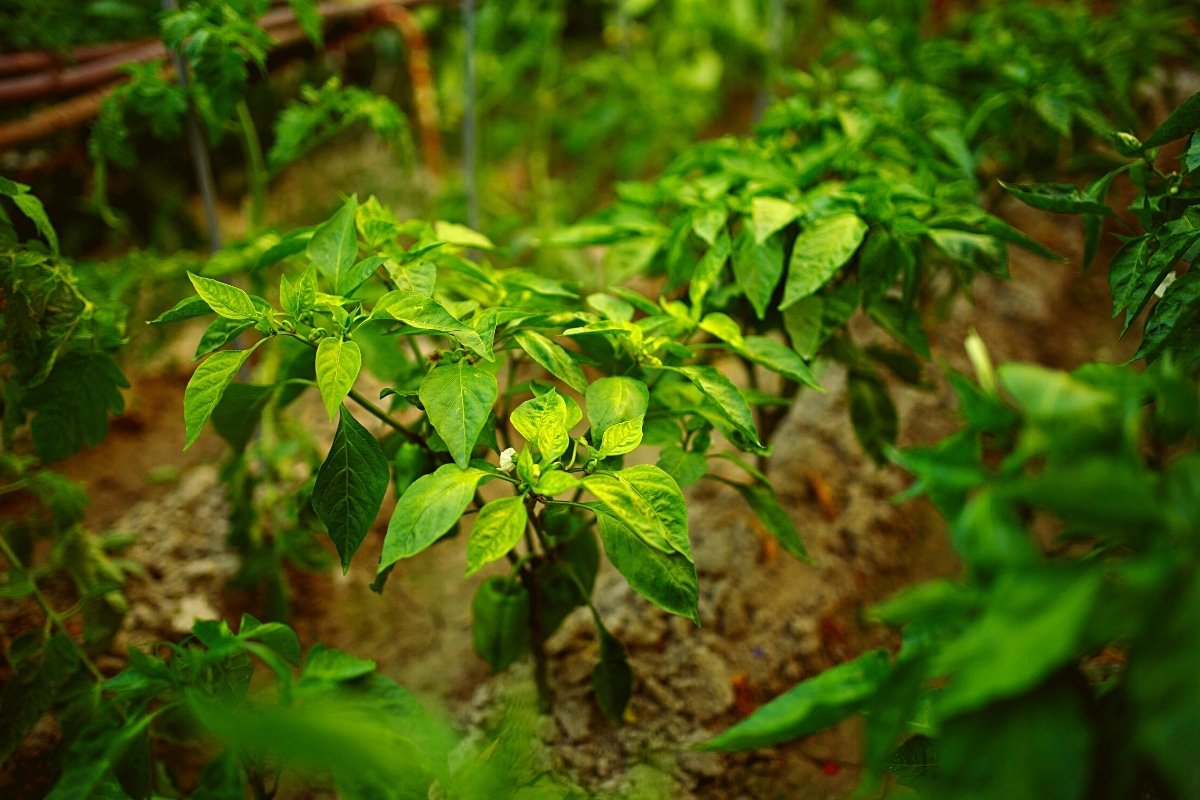
    Growing peppers indoors may sound unfamiliar but it is possible. You can even get ornamental peppers that can be grown as ornamental indoors. Ornamental hot pepper plants’ foliage is very beautiful. They grow pretty well indoors.

    However, if you’re having a warm sunny day, you can take them outside for a while for them to get that extra boost. You can even include hot peppers in your indoor herb garden tray as houseplants.

    That is why if you are a lover of pepper and summer has ended, which means to some, pepper cannot be grown till the next summer, you can still get to enjoy your spicy colorful fruit.

    So if you’re considering growing peppers indoors in order to keep enjoying this fruit, there are tips you need to follow for a successful planting season.

    Hot Peppers Grown Indoors

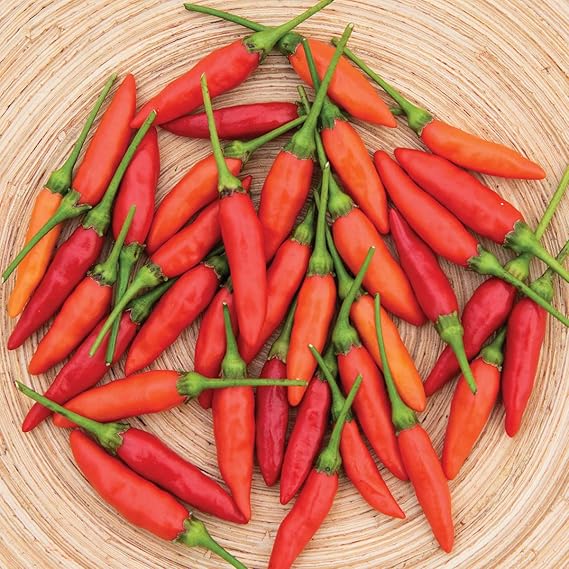
    The best hot pepper to grow indoors is ornamental pepper. When the plants set fruits, the fruits appear green then yellow, orange and then they become red. They are usually very hot when you cook with them.

    You can grow the colorful cayenne ‘Carnival’ in a pot if you’re the type that likes using pepper plants from time to time. The compact varieties adapt well to containers, although you can still choose any other hot pepper type.

    If you want to grow peppers indoors, you can begin by collecting pepper seeds and starting them in containers that are clean. You can as well opt for buying seedlings or small plants to grow indoors. Then you can get a permanent container and transfer them there.

    Hot Peppers Grown Indoors

    Seedlings or small plants require up to 10 to 12 hours of sunlight every day when growing. You can put the plants under a grow light instead for 14-16 hours when they are up to 6 inches. To sprout the seeds when planting from seeds, use a warming mat. A warm location that is out of direct sunlight is where to start your seeds.

    Endeavor to keep the soil moist. You can place a plastic covering which helps to keep moisture. Then as the seedlings sprout, you can begin to increase sunlight. Pepper plants must be prevented from growing spindly in the course of trying to reach for the light by providing proper lighting.

    Check Out When To Harvest Celery

    Growing Peppers Indoors: Methods To Follow

    There are two types of methods of how to grow pepper indoors. These are by starting peppers from seeds or by planting peppers outdoor and then bringing the plants indoors later.

    1.    Starting Peppers Indoors

    This method of starting peppers from seed can be done at any period of the year. This technique is quite simple too. Starting indoors from the beginning is a method that is recommended by many experts. You just have to leave the plants indoors all through their lives.

    Starting seeds indoors gives you the advantage of selecting the type of variant you want and that can grow to the exact size to fit into your planting space indoors. And if you have enough room, larger plants like red bell peppers and Hungarian wax peppers can be grown conveniently.

    14 Sweet & Hot Peppers Seeds Variety Pack 700 Seeds Non-GMO Peppers Seeds

    91OegOWXWVS. AC SL1500

    You can opt for the dwarf chilies variety if the space you chose is not that much. Use an organic potting mix that is made for edible plants to plant the seeds in. Start by putting two pepper seeds just beneath the surface of a planting medium in a small-sized pot.

    Put them close to the middle of the pot. Don’t forget to maintain moist soil and not a very wet one. Keep the pot in a location where it can get access to direct sunlight.

    Learn more about Major Reasons For Prayer Plant Leaves Turning Yellow

    2.    Bringing Outdoor Pepper Plants Indoors

    If at some point, you have pepper plants outside in your yard and you want them to keep thriving all through the year, then take them inside. This way you would have started planting your crops before the frosty weather sets in. And you get to harvest the fruits earlier than usual.

    Furthermore, a situation whereby you have your peppers planted directly in the ground will not make it easy for these plants to be brought in. Uprooting and bringing these plants in cannot be done just like that.

    So to be successful at this, a sharp garden shovel will be able to help you dig around your pepper plant. Don’t forget to dig up lots of soil with the plant. Once you dig up the plant, lift it up immediately and place it right in a pot.

    Transplanting is best done in the evening in order for the plant to have enough time to cool off all through the night and also recover. A plastic plant pot is ideal for transplanting. Don’t use materials like terra cotta for transplanting your peppers.

    At this stage, you can add some compost if your planting pot still has some space in it. Then don’t add more garden soil at the point. Then after, your plant must be watered, look for a shady location and keep it there to rest for a while.

    Click Here to Get Info About:

    Caring For Pepper Plants Indoors During Winter

    You need to be vigilant with the plants that you’ve brought indoors. Outdoor pepper plants are likely prone to pests like aphids. Make sure you don’t bring any of the pests into your home by checking the plants thoroughly.

    You should take any plant that has bugs on it outside and rinse the bugs out thoroughly. You should keep the plants away, like quarantine them from the others if the signs of pests are much. This way, you should be able to use an organic plant pesticide to treat the plant and get rid of the pests.

    Another thing is that you need to keep the plant in a location where it can easily get access to sunlight. And if getting access to sunlight is an impossible option, an inexpensive grow light can be used to make light available.

    Growing Peppers Indoors During Winter

    Ideally, hot temperatures are the best to grow peppers. Notwithstanding, they can as well grow well indoors during cold weather. You should also be prepared for the extra work that comes with growing peppers indoors.

    Growing Peppers Indoors During Winter

    Final Say

    Growing peppers indoors can be a fun thing to do and your pepper seeds especially can even benefit from a great boost.

    FAQ’s

    Do pepper plants need night cycle?

    Yes, pepper plant can benefit from the night cycle because dark hours play a crucial role in the development of plants. So, pepper plants can benefit from 4 hours of night cycle daily.

    Can pepper seedlings get too much light?

    Even though the seedlings of pepper require bright light to grow properly, you should however desist from using excessive bright LED light because it can cause damage to your seedlings especially when they are close.

    Can you grow peppers from the seeds inside?

    Yes, it is possible to grow pepper seeds inside or indoors. Matter of fact, if you start your pepper seeds indoors, they can benefit from it as you will be giving them a good boost before transplanting them outdoors.

    How long does it take to grow peppers from seed indoors?

    Normally, when you start pepper seeds indoors, it can take around 8 weeks to sprout and you can then move to transplant your seedlings outdoors.