Category: Organic Food

  • When To Water Cucumber Plants – The Do’s And Don’ts

    When To Water Cucumber Plants – The Do’s And Don’ts

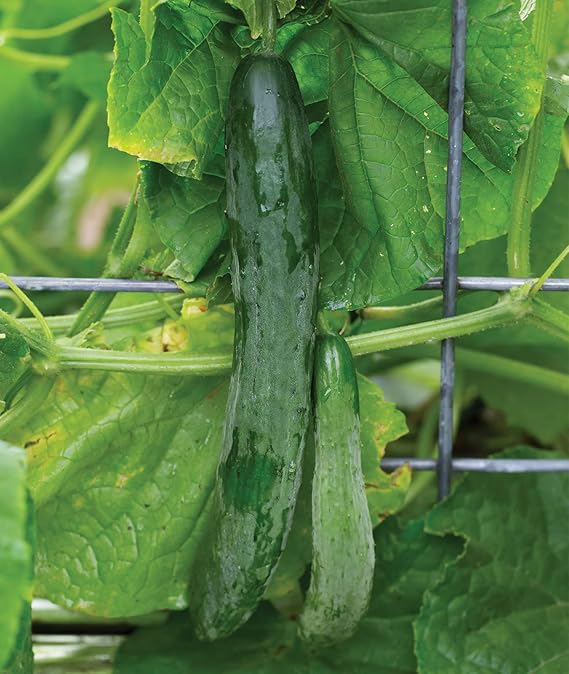
    When growing them yourself, it is essential to know when to water cucumber plants. Who doesn’t like a fresh, crisp piece of cucumber in their salad or refreshing water? On top of these benefits, a lot of us also enjoy the beauty of this plant while it is growing.

    In this article, we will discuss everything about how to take proper care of your cucumber plants, the importance of a good watering schedule, and what you need to do to get the best out of your cucumber plants.

    About Cucumbers

    Cucumbers are widely cultivated creeping vine plants of the Cucurbitaceae family. They originate in South Asia but are currently cultivated in many countries worldwide.

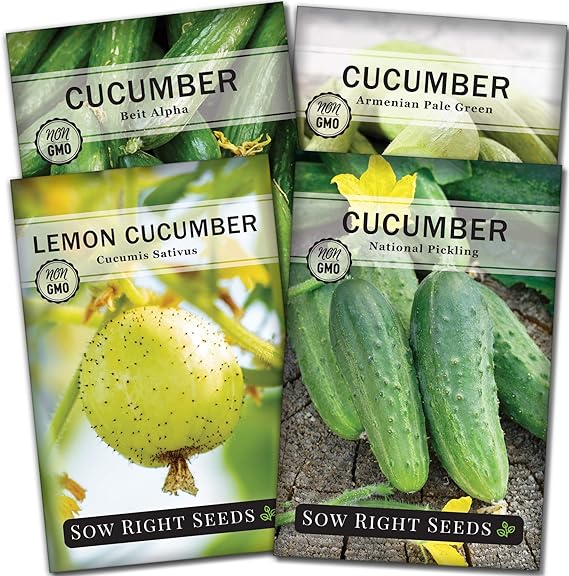
    Cucumber Varieties

    There are many different varieties of cucumbers available in the market today. These versatile plants can be incorporated into many dishes, drinks, salads, and can be pickled. The many different uses of this vegetable make it a favorite among many.

     "Should I water cucumber plants every day?

    Health Benefits of Cucumbers

    Cucumbers also have a bunch of health benefits. But the one big thing about them is their high water content. A raw cucumber with the peel on is 95% water! So while enjoying your cucumber, you are also getting hydration. Isn’t that just awesome?

    However, even though they are mostly water, there is a specific way you should water your cucumbers to keep them healthy and happy.

    What Is The Best Way To Water Cucumber Plants?

    So when, how often and how much water should you give your cucumber plants? When it comes to the best way to water your cucumber plants, a variety of factors should be considered. Factors such as whether the cucumber is planted in the soil or in a pot, whether it is exposed to direct sunlight or partial shade, as well as how dry the soil is at that moment are important.

    Generally, the way to determine whether or not your cucumber plants need to be watered is to check whether the soil is dry. If the top 1/2 inch of your soil is still damp, do not water. If it is dry, then your plant needs to be watered.

     Do cucumbers like wet soil? "

    When To Water Cucumber Seedlings

    Cucumber seedlings need a lot of water when they are still growing and getting established. Because they are often grown in bunches, cucumber seedlings can soak up moisture quite quickly and the soil may get dry faster. But do not worry, they are very quick to respond and will let you know when they need water. So when you see them looking like they are wilting, give them a sprinkle and you will see them “wake up”.

    It is better to water cucumber seedings often, at low rates than to give them a flood of irrigation at once. Flooding them is risky as it may wash away the soil and cause the seedlings to uproot themselves. Remember, their roots are not yet established.

    Should I Water Cucumber Plants Every Day?

    The only cucumber plants that you should water every day are seedlings that are still getting established. Even then, only give them a light sprinkle, just to wet the soil.

    Once the plant gets establishes, only water when the top 1/2 inch has dried. This will not be every day unless if the cucumber plants are exposed to extremely hot temperatures.

    How Do You Tell If You Are Overwatering Cucumbers?

    We often think of wilting only as a sign that a plant needs water, but did you know cucumbers also wilt when they are being overwatered? You should check the moisture of the soil when you observe the plant leaves wilting, sometimes it is not a lack of water sign.

    Do Cucumbers Like Wet Soil?

    It is important to keep the soil in which your cucumbers are grown moist, because cucumbers love moisture in their soil. You should however be careful to just keep the soil damp and not drenched. Cucumber seedlings especially are prone to “drowning” when they are flooded with water. So you should only give them small amounts of water at a time.

    Improving Moisture Retention Capacity Of Soil Around Cucumber Plants

    Sometimes as your cucumber plants grow, for example along a trellis, there may not be enough leaves covering the ground. This will often result in the water evaporating faster and the soil around your plants getting drier faster. You can help reduce the loss of water by mulching. Mulch will help keep the moisture in the soil for longer, saving you the trouble of having to irrigate often.

    Other Pointers For Growing Cucumber Plants Well

    • plant them in temperatures between 75 to 85 degrees F
    • space your cucumber plants 36 to 60 inches apart
    • provide them with extra nutrients by adding a thick layer of organic matter to the soil around them
    • you can also supplement their nutrients by giving them a soluble fertilizer
    • maintain the soil pH at 6.0 – 6.8
    • harvest your cucumbers when they are big enough to eat. If you leave them for too long, they will get bitter

     How do you tell if you are overwatering cucumbers?

    Conclusion When To Water Cucumber Plants

    We hope that this article gave you all the information and tips you needed to be able to grow and water your cucumbers well. Although they are a very easy plant to take care of, an incorrect feeding schedule can spell disaster for your cucumber crop. But now that you have read this article, that worry is no longer relevant to you. You can now confidently go and grow and enjoy your cucumbers.

    Remember that you only need to water your cucumber plants when the soil around them is dry. If it is damp, you do not need to water them.

    You do not need to worry if you have to go for days without watering your plants. Many factors contribute to this. As long as the soil is moist and your plants look happy and healthy, you should not worry about watering.

    If you enjoyed this article or found it useful, please feel free to share it with your family and friends.

    Happy gardening.

  • The Best Tomato Potting Mix Recipe For 2023!

    The Best Tomato Potting Mix Recipe For 2023!

    Finding the best tomato potting mix recipe can take time and effort. All gardeners believe they have the winning one! You’ll have to experiment with a few to get one that works in your garden.

    Tomatoes are a popular crop to grow. They’re easy to maintain, and a healthy harvest is plentiful. You need to know what tomato plants need to thrive for a better chance at success. While suitable soil is essential, tomato plants have other needs too.

    In this article, I share some valuable tips for growing tomato plants. You’ll also read about the best potting soil for tomatoes and which soil mix I suggest! 

    Tips For Growing Tomatoes In Containers

    Tomatoes are a great addition to any salad or macaroni dish. We don’t all have large backyards to grow our tomatoes, so we often opt for the alternative: growing our tomatoes in containers.

    Container growing isn’t complex, but small mistakes could be fatal to your plants. Luckily, there are a few tips and tricks that you can follow to ensure your tomatoes are healthy. 

    • Pot Size: Tomatoes like their personal space since they have rather wide-spreading roots. The pot or container you choose should have enough room for the roots to grow fully. 
    • If the pot isn’t large enough, the soil will retain too much moisture. Excess moisture can cause the roots to rot, which could be detrimental to the health of your tomatoes. 
    • Keep The Leaves Dry: Small drops of moisture that accumulate on the leaves of your plant can cause some issues. Fungal growth on tomato leaves is a severe issue you don’t want to face.
    • Small Tomato Varieties: Stick to the smaller types when choosing tomatoes to grow. Only some tomato varieties are suited for small containers and will grow to their full potential. 

    • There’s a wide variety of container tomatoes that you can choose from, including Roma, cherry, and grape tomatoes. These varieties may be small, but they carry a lot of fruit. 
    • Potting Mix: You can make your own soil mix by sourcing the internet and local nurseries for a tomato potting mix recipe. There are also ready-made options available that you add to your containers. 
    • The right mix should have the perfect balance of organic and inorganic materials. Some additions to your mix can include peat moss, sand, compost, and vermiculite.
    • Drainage Holes: Tomatoes do best when planted in containers with large drainage holes. Poor drainage can cause root rot and other problems. 
    • Support: Tomato plants grow high and carry heavy fruits. If they don’t have sufficient support, the stems will start to lean towards one side. Provide some support for your plants by using a stick or trellis. 

    The Best Potting Soil For Tomatoes In Containers

    Tomato plants are picky when it comes to their soil requirements. Someone at your local plant nursery should be able to advise you on the best mix and soil additives for tomatoes. 

    There are some conditions that the perfect soil should meet. The best potting soil for tomatoes in containers should possess the following qualities: 

    • Loose and Airy: Tomatoes have a lot of roots that need fresh air. The nutrients need to reach the roots freely, and the water should drain quickly. 
    • Water Retention: You should water your tomatoes every day. The soil should be able to hold some water, but it needs to drain fast enough, so it’s slightly dry when the next watering session takes place. 
    • Potassium and Phosphorus: All plants need minerals and nutrients to thrive. The best soil for tomato plants contains enough potassium, phosphorus, and other necessary minerals.

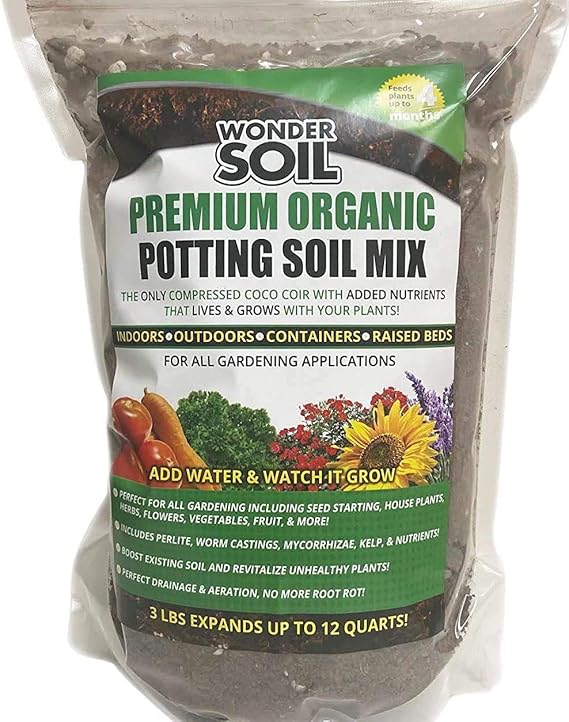
    WONDER SOIL Organic Potting Soil | Ready to Plant Coco Coir Fully Loaded with Nutrients

    Tomato Potting Mix Recipe
    • pH Level: Tomatoes need a slightly acidic potting soil mix. An ideal pH level is between 6.2 and 6.8. They are hardy to any pH level between 5.5 and 7.5. 
    • Clay Content: Clay can make a potting mix too hard and tight. Opt for a tomato soil mix with little to no clay because it causes too much water retention. 
    • Sunlight: Tomatoes don’t like shade, and they thrive in well-lit areas. Your plants need at least 8 hours of indirect sunlight daily. 

    You Might Want to Read these Related Articles:

    Perlite Or Vermiculite: Which Is Best For Tomatoes? – Tomato Potting Mix Recipe

    Perlite or vermiculite for tomatoes? Well, the choice between these two depends on the gardener. However, they both have qualities that make them better suited for tomato plants. 

    Tomato Plant Requirements PerliteVermiculite
    Tomatoes need a slightly acidic pH level between 6.2 and 6.8. Perlite has a neutral pH level between 7.0 and 7.5.Vermiculite has a neutral pH level between 7.0 and 7.5.
    Tomatoes need a soil mix that doesn’t hold too much water since it’s sensitive to root rot. Perlite is known for its ability to drain very well. Vermiculite holds a lot more water than perlite. It can hold up to 4 times more water than its weight. 
    The roots of tomato plants need enough aeration to absorb nutrients.Perlite improves the aeration of most soil mixes.There is less aeration in vermiculite mixes than in those containing perlite. 

    Take Out Time to Also Read:

    The Best Tomato Potting Mix Recipe

    As you can see, choosing between perlite and vermiculture is a personal preference. Neither of them have the exact needs of tomato plants, however, both are still a good choice. 

    I suggest choosing perlite. It offers better drainage and aeration that’ll ensure your tomato plants stay healthier. If you want, you can also add both perlite and vermiculite to your tomato potting mix. Select a ratio that’ll serve your plants best. 

    The Best Tomato Potting Mix Recipe

    Before You Go – Tomato Potting Mix Recipe

    Growing tomatoes in containers is perfect if you have a small area to plant. If you encourage them to grow upward using a cage or trellis, you’ll get a lot of fruit in limited space. This crop is low maintenance and matures within 100 days. 

    Container gardening has one rule: pick the right soil! Without doing this, your chances of success decrease. Since the plant roots will have such a small space to develop, having suitable ground is essential. If you nail this, your tomato plants are likely to thrive.

    I hope this article was helpful. If you have more questions about growing tomatoes, ask them in the comments!

  • Problems Growing Spaghetti Squash? – Solutions Revealed!

    Problems Growing Spaghetti Squash? – Solutions Revealed!

    Problems Growing Spaghetti Squash? Let me tell you; growing spaghetti squash isn’t without problems. Like other crops, you’re likely to deal with rot or insects. Luckily, there are solutions to these issues.

    Spaghetti squash is a favorite in our home. We grow this veggie every year. In this article, I share how easy it is to grow and list some common problems we’ve encountered. I also give you the solutions to these. 

    Is It Difficult To Grow Spaghetti Squash? 

    Many people think spaghetti squash is hard to grow since it’s a tough vegetable. Surprisingly, it’s one of those crops that thrive on love alone. 

    This veggie is a popular choice for beginners. It’s straightforward to care for, although it has some specific requirements. Still, giving it enough sunlight, water, and fertilizer isn’t that challenging. You just need to start with the base, which is providing the right soil

    If you don’t get the basics right the first time, some issues could arise. Luckily, these small things can easily be overcome if you identify them and act immediately. You’ll get your spaghetti squash healthy again in no time!

    Check Out Aloe Vera Plant Growing Outwards: Is It Reason For Concern?

    Growing Spaghetti Squash: Problems And Solutions

    There are some squash growing problems that many gardeners have come across over the years. You may face brown spots on your squash or rotting on the vines. 

    The problems in your squash garden can come from several factors. Don’t be discouraged because these problems can be solved just as fast as they occur. 

    Common Problems Growing Spaghetti Squash

    • Squash Rot: This is the most common problem in spaghetti squash plants. When the squash is big and heavy, it may stay on one side of the vine, causing it to rot. 
    • Flowering Without Vegetables: While nobody grows spaghetti squash for the flowers, not having healthy ones could mean no vegetable growth. This usually happens when poor pollination occurs. 
    • Mildew: White powdery substances on your spaghetti squash isn’t a good sign. Mildew can even cause brown spots on spaghetti squash if it is left for too long. 
    • Improper Watering: You need to know precisely how much water any plant needs before attempting to grow one yourself. Spaghetti squash is susceptible to over- and underwatering. 
    • The Wrong Soil: Suitable soil is essential since this is where your squash gets most of its nutrients. The ground you choose is the forever home of your plant, so ensure that it is the right choice. 
    • Pests: Borers and squash bugs feed on healthy spaghetti squash plants. They suck out all the nutrients from your plant, leaving you with an unhealthy or dead one. 

    How To Solve These Problems Growing Spaghetti Squash

    • Squash Rot: Find a way to lift each squash a little. This prevents excess moisture from staying under the vegetable and causing rot. 
    • Flowering Without Vegetables: Have patience before looking for a pollen substitute. The male flower comes first, waiting for a female flower to mate with. Only after this has happened will the vegetables start to grow. If you’ve been waiting for a long time and nothing is happening, you can move on to the next solution. You need to do the pollination yourself or find a way to lure extra bees. 
    • Mildew: Remove any leaves, stems, or vegetables affected by powdery mildew. Cut the piece off and wash the remaining plant if there are any brown spots. 

    Mite Control Biopesticide and Plant Safe Insecticide by Mitexstream

    61tZApAlylL. SX466
    • Improper Watering: Overwatered squash plants can be saved by repotting or moving them into extra sunlight. For under-watered plants because you can add some extra water or watering times to your schedule. 
    • The Wrong Soil: Talk to a professional about suitable soil for your plants. Spaghetti squash needs a specific pH balance and loose, airy soil
    • Mix some compost into the soil to add extra fertilization. Doing this solves more than one problem with a single solution.
    • Pests: Pesticides are your best bet, but try to opt for natural ones. Spray your spaghetti squash plants frequently and manually remove any insects or eggs. 

    Why Is My Spaghetti Squash Dying On The Vine?

    A common problem in growing spaghetti squash plants is some rotting or browning on the vine. The culprits are usually nasty little pests nibbling on your plants.

    If your squash is dying on the vine, it means your plant is now home to some hungry insects. You’ll likely see them if you take a closer look. 

    Squash Vine Borers – Problems Growing Spaghetti Squash

    • These little bugs come from moth eggs. You can see the eggs with the naked eye, but sometimes they hatch before you do.
    • If you can get rid of the adult moths, you should be halfway there. Find a way to keep them away permanently and check the vines for bugs or tiny unhatched eggs. 
    • Some borers manage to hatch before you can remove them. They make a tunnel in your vines to start the process of becoming adult moths. You can find the hole and cut the vine off or just remove the larvae.

    Squash Bugs – Problems Growing Spaghetti Squash

    • All variants of squash bend under the wrath of these insects. Despite their name, they don’t live off the meat from the vegetable but suck on the leaves. 
    • They munch on the leaves of any squash, from spaghetti squash to butternut. When these bugs are done with your plants, the leaves will be dead and wilted. They suck all the nutrients out and leave nothing for the squash. 
    • You must remove them while they’re still in eggs before they can lay a new batch. They start ruining your spaghetti squash leaves as soon as they hatch, by which time they’re challenging to get rid of. 
    Squash Bugs - Problems Growing Spaghetti Squash

    In Conclusion – Problems Growing Spaghetti Squash

    Spaghetti squash is a fall favorite and easy to grow. While you may run into some issues, they all have quick solutions. If you spot them early, you can still save your crops. The key to growing squash is keeping a close eye on them.

    I hope this article was an informative read. If you have more questions about spaghetti squash or an issue you encountered, ask them in the comments. 

  • What Size Pot Do Peppers Need? Here’s The Answer!

    What Size Pot Do Peppers Need? Here’s The Answer!

    Wondering What Size Pot Do Peppers Need? Here’s the info you’re looking for!

    Peppers come in a wide variety. There are big ones, small ones, sweet ones, and spice ones. The type you choose greatly influences the pot you’ll need for it. Pepper plants need space for their roots to grow. Without healthy roots, your plants won’t produce great-tasting peppers!

    In this article, I share how big peppers grow and how much space you need to give them. I explain how many peppers will typically fit in a pot and summarise my favorite varieties!

    How Big Do Pepper Plants Get?

    There isn’t an easy way to estimate the average size of a pepper plant. Some only grow about 20 inches tall, while others reach lengths of 6 feet! The smallest recorder tree was 6 inches, while the largest was 9 feet. 

    The pepper variety, where it’s planted, and how you care for your plant will determine how big it grows. 

    How Much Space Do Peppers Need To Grow?

    Pepper varieties need different amounts of space to grow. When you plant them in the ground, keeping 18 to 24 inches between them is ideal. This will ensure each plant can branch out and none overshadows the other. 

    If you plant your pepper in a pot, keep to one plant per container, depending on how big it is. 

    How Many Pepper Plants Per Pot Is Enough?

    The number of pepper plants you can plant per pot will depend on the variety you choose and how big the pot is. Typically, three pepper plants per pot is enough. If your peppers grow really tall, you’ll need to make room for support structures too. 

    When planting pepper varieties that get big, you should place support structures like wooden beams or tomato cages with them not long after you’ve planted the seedlings. This will ensure minimum damage and ultimate support. 

    The Best Pots For Pepper Plants

    The smallest pepper variety needs a pot of at least 2 gallons or bigger. Look for one in the 10 – 12 inch rage width and 8 – 10 inch rage depth. Peppers need enough room to spread their roots, so if you’re planting more than one per container, ensure enough space between them so their roots won’t entangle. 

    Take Out Time to Also Read:

    Big Vs. Small Peppers: A Size Comparison

    While some pepper plants are miniature, they have big names in their niche. Here’s a list of the smallest and biggest peppers you’ll get: 

    Small Pepper Varieties – What Size Pot Do Peppers Need

    Often referred to as dwarf peppers, these plants are easier to maintain and need less growing space. You can pop them on your windowsill and watch them rise faster than the bigger varieties could ever. 

    Pepper VarietyPlant Size
    Calico Hot PeppersReaches a maximum height of 12 inches.
    Cuyana Hot PeppersGrows 6 to 12 inches tall.
    Medusa Hot PepperReaches a height between 10 and 12 inches.
    Dwarf Fire PepperCan grow between 6 and 10 inches tall. 

    13 Rare Hot Chili Pepper Seeds Variety Pack for Planting Indoor & Outdoors

    What Size Pot Do Peppers Need

    Big Pepper Varieties

    Larger pepper plants can add shade to your garden, pops of color, and even help keep the soil moist. They also help with pollination and attract bees that’ll benefit the rest of your garden.

    When you’re planting bigger pepper varieties, space is an essential factor. 

    Pepper VarietyPlant Size
    Ancho Magnifico Hot PeppersGrows between 1 and 7 feet tall.
    Semi Domesticated C.PraetermissumCan reach height of 9 feet.
    Chiltepin PepperReaches a height between 3 and 10 feet.

    How To Transplant Pepper Plants From Smaller Pots To Bigger Pots

    What Size Pot Do Peppers Need? If the pot you’ve chosen for your pepper plant gets too small, or you need to transfer your nursery plants to bigger containers, transplant shock can occur. 

    To prevent this, ensure you water your plants thoroughly before transplanting them. Fill the new container with high-quality potting soil and a compost mix. Water this well before placing your plants in it. 

    Tip the small pot and knock it at the bottom. Doing this will help loosen the ground around the edges and prevent damage to the roots. Gently remove the pepper plant and its roots and place them in the bigger container. Press down lightly to ensure the plant sits firm. 

    To ensure the roots establish well, you should keep your pepper plant watered in its new pot. It might look droopy for the first few days but will settle after that. 

    Types Of Pepper Plants And Their Uses – What Size Pot Do Peppers Need?

    There are many pepper varieties to grow, but here are some of my favorites:

    • Bell Peppers: These are red, green, and yellow. You can use them to add a sweet flavor to your dishes.
    • Poblano Peppers: Also known as anchos. These peppers are typically used in mild dishes. 
    • Serrano Peppers: You can use these peppers for hot dishes. The smaller the pepper, the spicier it is.
    • Ginnie Peppers: These are also known as cayenne peppers and are used as the main ingredient in most chili powders. 
    • African Red Devil Peppers: This pepper is popular for use in sauces.
    Types Of Pepper Plants And Their Uses

    When To Harvest Your Pepper Plants

    Most peppers are ready for harvest at different stages. You’ll have to research the variety you’re planting to know when they’re ready to pick. Peppers are typically ready between 90 and 150 days from planting. 

    Peppers that are ready for harvest will stop growing and almost fall off their stems when you touch them. Their flesh will be firm yet soft. 

    In Ending – What Size Pot Do Peppers Need?

    No matter which pepper variety you choose, you’ll have to pick a pot that can accommodate healthy roots. Your plants’ root system keeps them healthy and helps them produce an abundance of peppers. Besides the soil, water, and light, space has the greatest impact on healthy growth.

    All peppers grow relatively easy. You’ll have your first harvest ready within 150 days. If your timing is right, you can plant more than once a season. Most pepper plants will produce 15 or more peppers at once. 

    I hope you enjoyed this article and that it was helpful. If you have more questions about pepper plants and their care, ask them in the comments.

  • When To Plant Spinach For A Fall Harvest: Everything You Need to Know!

    When To Plant Spinach For A Fall Harvest: Everything You Need to Know!

    Knowing when to plant spinach for a fall harvest will give you a headstart on your veggie garden. There are many factors to consider, but being prepared always makes it easier.

    While spinach isn’t hard to grow, planting it at the right time is essential. Without the correct soil and weather conditions, your spinach plants won’t succeed as they should. This is a small mistake that causes many gardeners to fail.

    In this article, I explain whether spinach is hard to grow and when the best time is to plant this vegetable. You’ll also learn how to plant fall spinach and when the right time is to plant them from a fall harvest. 

    Is Spinach Hard To Grow?

    Spinach is extremely popular and easy to grow. It’s a cold-hardy green that thrives in nitrogen-rich soil. Growing spinach from seed can be a little challenging for some. If you feel like a novice, consider buying seedlings from a plant nursery.

    You can plant your spinach early in spring, during the fall, and if you live in a sunny region, in the winter too! Spinach is low-maintenance, and if your timing is right, your greens will stand tall in no time. 

    When Is The Best Time To Plant Spinach?

    It’s best to plant spinach in late winter or early spring. Sowing the seeds too early is the biggest mistake you can make. If you prefer a winter or fall harvest, plant your seeds late in summer when the highest temperatures have passed. 

    Check Out Are Green Beans And String Beans The Same?

    When Is The Best Time To Grow Spinach?

    Spinach prefers cold weather. It’s best to not grow this crop during sunny months unless you provide your greens with something to cool them down. High temperatures can wilt your spinach leaves and dehydrate their roots. A greenhouse fan or auto-misters could help keep your spinach refreshed. 

    How And When To Plant Spinach For A Fall Harvest

    Knowing how and when to plant spinach will help you succeed the most. While this is an easy crop to grow, you still need to do so correctly to see results.

    Tips For Planting Spinach

    Plant Spinach While It’s Cold – When To Plant Spinach For A Fall Harvest

    Spinach germinates best in cool environments. Planting seeds in early spring or fall would work best. You can start your growing season indoors or out. If you want to start your spinach in the summer, keep your seedling indoors under a cooling fan. You’ll also have to keep their soil moist to cool their roots. 

    Once your seedlings are established, your spinach can grow in almost any climate under the right conditions. Temperatures between 25°F and 75°F are preferred for this leafy green. Spinach seeds need about 6 weeks of cool weather for a successful harvest. 

    Heirloom Lettuce Mix and Greens Garden Seeds, 8 Varieties

    When To Plant Spinach For A Fall Harvest

    Prepare Your Soil For Spinach – When To Plant Spinach For A Fall Harvest

    Plant Spinach in neutral soil with a pH between 6 and 7. To achieve this, you can mix compost, organic matter, or liquid fertilizer into your ground. Preparing your soil before planting your seeds is essential whether you’re starting seedlings indoors or sowing directly in the ground. 

    Plant Spinach Correctly

    You should plant your spinach seeds about ½ inch deep. If you’re starting indoors, keep each seed in its own seed holder. This will make transplanting them into the ground easier. Spinach seeds sown directly in the ground should be about 4-6 inches apart, so ensure each plant has enough space to grow. 

    Don’t plant new spinach seedlings where you take old ones out. Rotate their space with other crops. You’ll have a continual harvest if you plant seeds every few weeks. 

    Take Out Time to Also Read:

    When To Plant Spinach For A Fall Harvest

    Spinach needs about 6 weeks from seed to harvest. If you’d like to harvest your spinach in the fall, you should keep this in mind when planting. Spinach is low maintenance and easy to grow, but they prefer cool weather.

    To harvest spinach in the fall, you’ll have to start your seeds in late spring or summer. I suggest doing this indoors, where you can create a cool environment for your seedlings with an AC unit, standing fan, or misting system. Planting your seeds outside could lead to stunted growth if you live in a particularly hot area. 

    Planting spinach for a fall harvest isn’t easy, and your timing should be just right. You’ll also have to experiment with different spinach varieties to find one that thrives in your region. 

    If you keep your spinach plants indoors, you will have more success. A hydroponic setup is another great idea! Spinach is hardy and adapts to their environment, but a cooled, moist space for their roots is a must. Sunny days can also wilt your spinach leaves, and keeping them indoors will prevent this. 

    When To Plant Spinach For A Fall Harvest

    Container Gardening With Spinach

    If you’re new to container gardening, you should know that not all crops do well with these setups. Luckily, spinach is one of those that do!

    Spinach is among the best crops to grow in containers. There are many benefits to container gardening, and if you keep your setup portable, you’ll have much more control over your crops than you do when they’re planted in the ground.

    Container gardens help you meet your crop needs better. If your spinach seems wilted, you can move your pots to a shadier area. You’ll also be able to keep a better eye on soil drainage and pests. Planting spinach in containers allows you to keep them indoors or out, and you’ll be able to adjust your system for planting through every season.

    To Sum It Up – When To Plant Spinach For A Fall Harvest

    If you keep them cool and moist, spinach will be the easiest crop you ever grow! They’re one of the toughest veggies and are popular for this reason. You can use them in many dishes, and if your timing is on point, you’ll have a harvest throughout the year. 

    Growing spinach in containers is easier than planting them in the ground, but if you have a greenhouse, keeping them in there is even better. Whichever planting spot you choose, ensure your plants receive water regularly.

    I hope you enjoyed this article and found it helpful. If you have more questions about planting and growing fall spinach, ask them in the comments!

  • Are Green Beans And String Beans The Same?

    Are Green Beans And String Beans The Same?

    They look pretty similar, but are green beans and string beans the same? While older generations may argue, my answer is locked in!

    Green beans are rich in vitamins, easy to prepare, and perfect next to many mains. If you didn’t grow up eating these on Sunday for lunch, you definitely missed out! Bean varieties are a favorite in my family, and grandma knows how to serve one type in mindblowing variations. 

    In this article, I share whether green and string beans are the same. You’ll also read about the different types of green beans and learn the other names they go by.

    Are Green Beans And String Beans The Same?

    Green beans and string beans used to be different, but nowadays, the names refer to the same thing. At first, all beans used to have a string running along their seam, and that’s where their name came from. As agriculture advanced, farmers started growing beans without strings. 

    What Is The Difference Between Green Beans and String Beans?

    Both green beans and string beans are stringless today. In general, they’re just known as green beans.

    You can eat the entire green bean – pod and all. This places it in the snapping bean category. 

    What Is The Difference Between Green Beans and String Beans

    Do All Green Beans Have Strings?

    All green beans don’t have strings. In fact, most are stringless. Over the years, farmers carefully manipulated their crops to eliminate this part they deem unnecessary. 

    Today, you’ll only find heirloom varieties with strings. 

    Take Out Time to Also Read:

    The Different Types of Green Beans

    There are over 100 green bean varieties, but they can be divided into two categories: bush beans and pole beans. Here’s a little about some of each group!

    Bush Bean Varieties

    #1 Jade Beans

    Jade beans have a straight, rigid appearance. They have dark green outer flesh and light green round pods inside. You can expect your first harvest within 60 days of planting them.

    #2 Maxibel Beans

    This dark green bean is thin and stingless with mottled brown seeds. They take about 50 days to mature. 

    #3 Contender Beans

    These beans are best for growing during cool and short summers. They’re slightly curved, and you can eat them fresh, pickled, canned, or frozen. They take 50 to 55 days to grow.

    #4 Provider Beans

    Provider beans are compact and produce five 1 – 2 inch thin stringless beans. This variety prefers cooler temperatures and matures within 50 days.

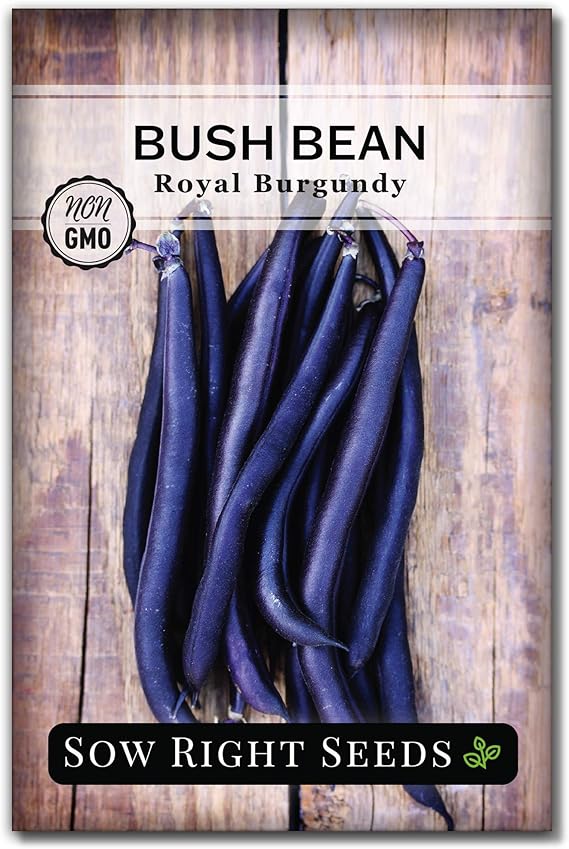
    Sow Right Seeds – Tri Color Bush Bean Seed Collection for Planting

    Are Green Beans And String Beans The Same

    #5 Rolande Beans

    The rolande bean variety produces thin 7-inch stringless beans. You’ll have to wait about 50 days to harvest it. 

    #6 Blue Lake Beans

    These beans grow during the summer and have a deep green color. They are long and stringless and take about 55 days to mature.

    #7 Tendergreen Beans

    Tendergreen beans prefer hot climates and are disease resistant. They produce stringless pods within 55 days of planting.

    #8 Dragon Tongue Beans

    These beans are pale yellow with purple streaks. You can harvest them in different stages of their growth. The first harvest can take place when they’re green, although you can wait until maturity when they’re a shelling bean. Dragon tongue bean seeds are brown and take about 60 days to mature.

    #9 Soleil Beans

    Soleil beans are thin with white seeds and yellow pods. You can start harvesting them from day 60. 

    Pole Bean Varieties

    #1 Spanish Musica Beans

    Spanish musica beans produce large green beans on a 6 to 10 feet vine. You should harvest them when they’re about 8 inches, although they can stay tender up to 10 inches. This bean has white seeds and is ready for harvest in about 75 days. 

    #2 Trionfo Violetta Beans

    This Italian heirloom bean has purple pods, leaves, and flowers. They can take up to 75 days to mature but are easy to harvest.

    #3 Rattlesnake Beans

    These beans produce 7-inch round green beans with purple stripes. They’re similar to the dragon tongue variety and can grow up to 8 feet tall. 

    Rattlesnake bean seeds are brown and take between 70 and 80 days to mature. 

    #4 Fortex Beans

    Forex beans are long and take approximately 60 days to mature. You can harvest them at 7 inches for a thin bean or wait until 11 inches for a bigger one.

    #5 Kentucky Wonder Beans

    This American classic is edible fresh, frozen, pickled, or canned. It produces dark green round beans within 70 days and is disease resistant.

    Green Beans: Other Names They Go By!

    There are many different names used to describe green beans. From classic to fancy, here they are!

    Snap Beans: This name is often used for green beans eaten as is. They’re green, round, and long. Snap or snapping green beans get their name from the snapping sound they make when you break them while they’re still unripe. 

    Haricots Verts: These green beans are thin and delicate. They’re typically used in salads and have a higher price than others.

    Shelling Beans: When green beans pass maturity, they get bigger and starchier. At this stage, they’re called shelling beans. You can still consume the delicious seeds inside, but the outside pod is inedible.

    Dried Beans: After the shelling stage, green beans dry out. 

    Ramano Beans: Italian green beans are called romano beans. They tend to be smaller, and you’ll need to cook them longer. These beans are flavorful, flat, and wide!

    Green Beans: Other Names They Go By

    In Ending

    Green beans are delicious, easy to grow, and healthy. You can harvest your own within 60 days! They’re one of the oldest cultivated veggies and remain popular in many diets. 

    There are many different green bean variants to choose from if you’re considering planting your own. Most string beans are heirlooms, but those without strings are just as great. 

    I hope you enjoyed reading this article and found it helpful. If you have more questions about green beans or other vegetables, bounce them into the comments section, and I’ll get back to you!

  • When To Pick Ghost Peppers: The Best Time!

    When To Pick Ghost Peppers: The Best Time!

    You should have a pretty good idea about when to pick ghost peppers if you want yours to have the right amount of heat.

    Like other chili pepper, these little red burners need to mature enough before being harvested. If you pick them when they aren’t ready, your peppers will taste and burn unlike they should.

    In his article, I share when you should plant ghost peppers to get the most out of your plant, how many peppers you can expect to harvest, and when the best time is to pluck them.

    The Best Time To Plant Ghost Peppers

    Ghost peppers really take their time to grow! I guess they try to give you enough time to prepare yourself and buy gallons of milk for the much-anticipated burn you’ll feel after the harvesting season!

    Germination on its own can take more than a month, and you may even have to wait a full 4 to 6 months before you can harvest your first ghost peppers.

    Your plants need a very long growing season to produce perfect ghost peppers. You can ensure this by starting your seeds indoors to keep them warm. Start about 8 to 10 weeks before the last frost date.

    The Best Time To Plant Ghost Peppers

    Your ghost pepper seedlings will be ready to grow outside about 6 to 8 weeks after germinating. If you work your dates out right, you’ll be able to transfer them outdoors during Spring.

    Spring is the best season to get your hot little peppers going outside. The night temperatures aren’t as cold, and the sunny days won’t scorch your plants.

    Ghost peppers don’t generate heat from the sun, so you can place them in shaded spots or areas with indirect sunlight.

    Take Out Time to Also Read:

    How Many Ghost Peppers Does A Pepper Plant Yield?

    The long growing season will be well worth the wait because ghost pepper plants aren’t shy. These spicy little pepper trees can produce many ghost peppers per season.

    One plant can give you a whopping 50 ghost peppers! This estimate is only from a single harvest. Sometimes you can get up to 100 ghost peppers from a single plant in a season!

    You’ll have enough ghost peppers to use in food, dry for spices, and make sauces, and other bottled goods by only planting one ghost pepper tree.

    Ghost peppers have an impressive Scoville heat rating of more than 1 million units! A plant with more than 50 of these bright red, shriveled little chilies is one spark away from starting a fire. Imagine that!

    13 Rare Hot Chili Pepper Seeds Variety Pack for Planting Indoor & Outdoors. 650+ Non-GMO

    The Best Time To Plant Ghost Peppers

    When To Pick Ghost Peppers: Signs

    When you notice chilies forming on your ghost pepper plant, you’ll be burning to pick them! But don’t go just yet. There are some signs you should look for to know when your ghost peppers are ripe and ready for harvesting.

    Check The Color Of Your Ghost Peppers

    The color of ghost peppers is the first sign indicating whether they’re ready to be harvested. A fully ripe pepper will be bright red – if you think it’s red enough, wait for it to become even redder!

    Your ghost pepper should have no yellow, orange, or especially green shades. These colors indicate that ghost peppers aren’t ripe enough to be picked yet. Peppers that aren’t ripe are milder and have a bitter taste.

    Feel Your Ghost Peppers – When To Pick Ghost Peppers

    You should squeeze your ghost peppers to see if they’re ready for harvesting. Ripe ghost peppers should be firm. If they budge when you press them, they’re overripe.

    Remember to wash your hands before and after touching these peppers. Actually, wearing gloves and goggles or glasses would be even better! It can lead to a somewhat massive catastrophic event if you touch your eyes or lips with some leftover ghost pepper residue.

    Don’t Rely On The Skin Of Ghost Peppers

    Since ghost peppers are so hot that they start wrinkling up, you won’t be able to tell the ripeness by just looking at their skin.

    If your pepper is smooth, you have a different variety of ghost pepper than the most common ones, or you mistakenly planted some other pepper. Wrinkles don’t indicate readiness, either!

    Go With Your Gut!

    If you think your peppers aren’t safe from the winter frost heading your way, you can pick them when they’re almost ripe. They might have some orange tones in them, but saving them at this stage is better than losing your entire harvest.

    You can ripen ghost peppers if you picked them while unripe. The process won’t be as quick and simple, but it’s possible!

    Check Out Does Epsom Salt Kill Termites?

    Before You Burn, When To Pick Ghost Peppers

    You should never underestimate the burn of ghost peppers. Remember to wear gloves when harvesting them and take caution when using them in meals. Ghost peppers are popular thanks to their spice, but most people can’t stomach them.

    If you’re ready to take the heat, ensure your ghost peppers mature fully before you harvest them. Unripe peppers don’t taste as good. Look at their color, firmness, and wrinkles!

    I hope this article was helpful and great to read. If you have more ghost pepper-related questions, pop them in the comments, and I’ll get back to you.

    FAQ’s

    What color should ghost peppers be when picked?

    Ghost peppers should be bright red and firm. If your peppers have other color tones in them, they aren’t ripe enough yet.

    Why won’t my ghost peppers turn red?

    If your ghost peppers have trouble turning red, they might need some help from the sun. Place them in a sunny spot on the windowsill. Reddening can take a few days to weeks, so be patient.

    Why are my ghost peppers not hot?

    Ghost peppers generate heat thanks to the membranes around their seeds. If your peppers aren’t hot, it could be due to poor soil.

    Do ghost pepper plants come back every year?

    Ghost peppers plants can come back in some hardiness zones. During the winter, they lose their leaves and enter dormancy. Once temperatures rise, your ghost pepper trees will look alive again.