Category: Organic Food

  • What You Need To Know About Basil Growing Temperature

    What You Need To Know About Basil Growing Temperature

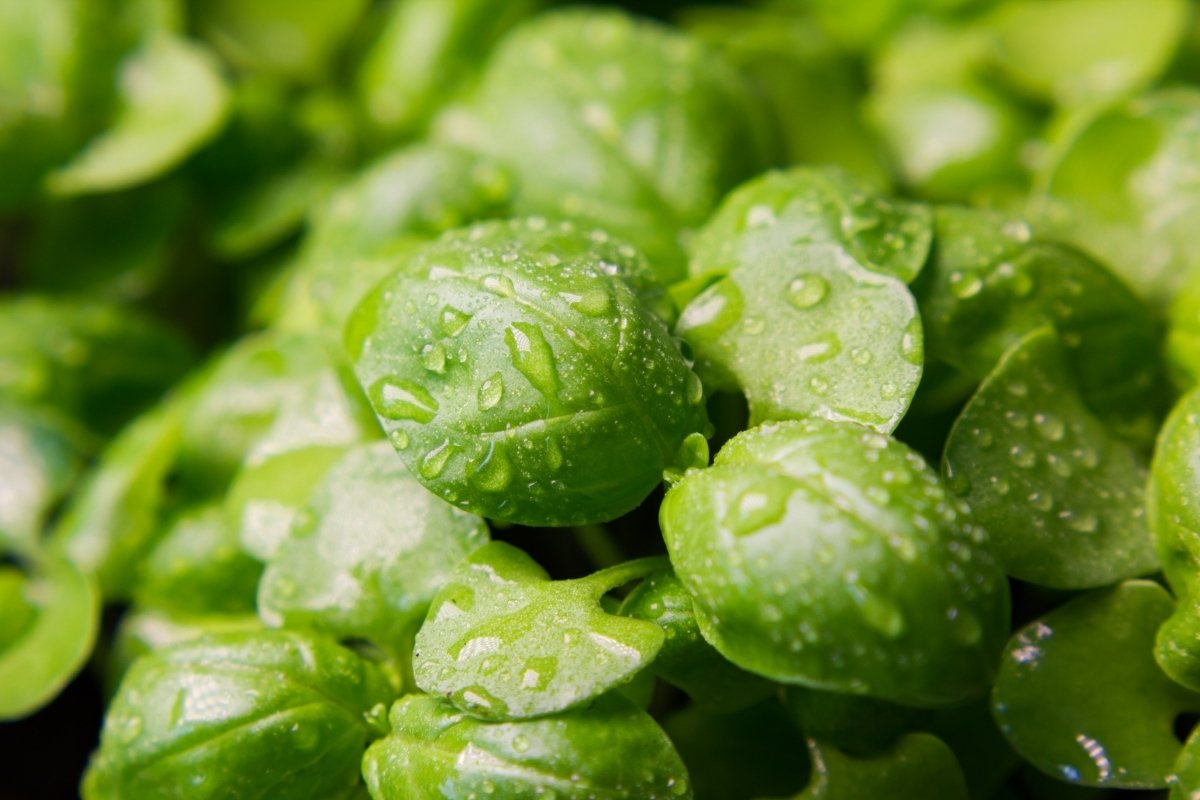
    Basil plan is a type of herb that can be grown in many different climates. It is a famous herb used in the kitchen and it offers a lovely aroma and sweet flavor to our recipes. Basil growing temperature needs to be known for a better outcome or yield.

    Basil herb can go well with different recipes such as pasta, salads, pizzas, Bloody Marys, Thai curries, and more. This herb is a warm-weathered plant that is easy to grow when you have the right knowledge. Even novice gardeners can find their way around growing this lovely herb.

    With the ease it comes with growing basil plants, getting to know the ideal growing temperature of this plant is one thing to note if you plan on growing this plant.

    Basil growing temperature is what we will be discussing in this article, so let’s begin.

    Basil Growing Temperature

    When it comes to the ideal basil growing temperature, basil has its preferences. Basil plants love a warm temperature as they will thrive well in warm temperatures.

    Basil plant is native to tropical regions especially Central Africa and Southeast Asia. However, as of today, basil is widely cultivated in climates that are temperature such as the Mediterranean region. But the productivity of the basil herb is however not the same in the entire climate in which they are grown.

    Basil Growing Temperature

    So, below is what you need to know about the basil growing temperature:

    • Basil growing temperature is around 80 to 90 degrees Fahrenheit. The plant basil can still do well starting from 50 degrees Fahrenheit up to 90 degrees.
    • However, once the temperature drops below 50 degrees Fahrenheit and the temperature starts to become chilly, the growth of the plant can become stunted.
    • Therefore, this implies that basil plants are sensitive to cold and they can rapidly show signs of damage or even die off once the temperature goes down. Ensure you shield your basil plant from frost by moving them indoors if they are in containers or cover them if they are planted outdoors.
    • So, always provide your plants with a warm and sunny spot so your basil plant can flourish optimally. Supply around 6 to 8 hours of direct sunlight per day to help your basil plant. However, if your area gets very hot, it’s recommended you give your basil plant some shade in the afternoon.
    • Also, if you want your basil plant to take off beautifully, ensure the soil and the air is slightly warm. So, when spring approaches, don’t be in a rush to put out your basil plant but ensure the outdoor environment is fairly warm.

    Check Out Will Tomatoes Grow In Shade?

    Basil Growing Season

    From the above, it is only logical to deduce that the basil plant can only be grown during the heat of summer. The chilly winter season is not appropriate to grow basil because the plant can die and drop its seeds.

    If you wish to grow the basil plat outdoors, it is best to commence seed indoors in the spring. Doing this can boost and jumpstart the growing season and you can avoid the risk of exposing your seedlings to freezing.

    Then once the outdoor temperature is favorable (about 50 to 90 degrees Fahrenheit) you can go ahead and transplant the seedlings outdoors.

    However, if the region you live in receives lots of sunlight and remains warm all through the year, then your basil could survive through the winter if you plant them outdoors year-round.

    Click Here To Get Info About:

    Ways Of Preventing Damage Caused By Cold To Basil Plant

    As we have stated, basil doesn’t like chilly or cold weather. So, it is recommended you avoid planting basil outdoors when the weather is cold.

    However, there may be some periods where late spring and early fall ushers in unexpected chilly temperatures.

    But your basil can still survive outdoors during this unexpected period of colds if they are just brief and don’t hit freezing temperatures. Also, you will need to take extra precautions during this unplanned frosty period and do things such as covering your basil plants. Then your basil can be safe.

    The addition of mulch to the base of your plant is another way to minimize the cold effect and add a layer of insulation. Then if your basil is in containers, you should bring them indoors during chilly seasons. Also, you can aim to harvest your basil leave for your cooking before the risk of frost is close by.

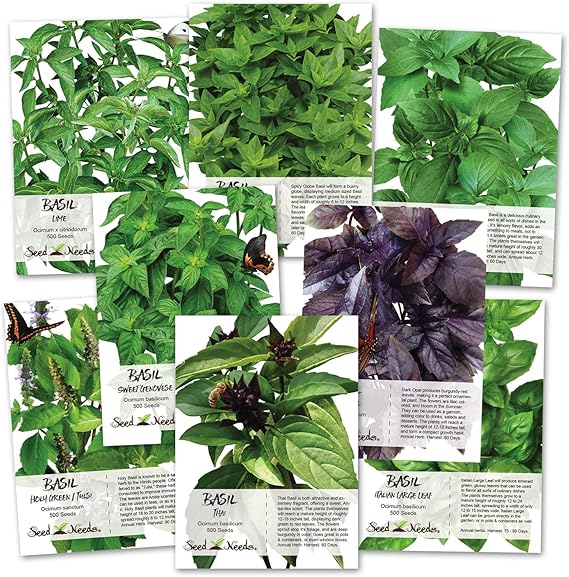
    8 Basil Herb Seed Pack – Perfect Seeds for Planting – Heirloom & Non-GMO

    717zoYlNz3L. AC SX679

    Other Requirement For Basil Growth

    So, we have established that the basil plant thrives in warm climates. There are also other growing requirements to further improve or boost the successful growth of the basil plant. Some of them are:

    • Watering Needs

    Basil thrives well with moist soil but not too soggy soil. Therefore, try to water your basil adequately and don’t let the soil dry out.

    If your basil is planted outdoors on the ground, you can put some mulch around the bottom of the plant. This is to further help in retaining moisture in the soil.

    • Harvest More Often

    If you want a large and bountiful harvest, you should harvest your basil more often. Harvesting more will improve the yield.

    • Well Draining Soil

    The soil of basil needs to be well-draining soil to flourish. This is to encourage good drainage. Therefore, if they are planted in containers, you should water them when needed.

    Well Draining Soil For Basil

    Conclusion On Basil Growing Temperature

    Basil growing temperature is a very crucial point to note when you are growing this plant. You can always enjoy a healthy and productive basil plant at a temperature of around 80 to 90 degrees Fahrenheit.

    FAQ’s

    What temperature is best for growing basil seeds indoors?

    The best temperature for basil to grow seeds indoors optimally is around 80 to 90 degrees Fahrenheit. Basil seeds can still thrive in temperatures from 50 degrees but they should not drop below 50 degrees Fahrenheit.

    What is a killing temperature for growing basil?

    A killing temperature frost for growing basil is a temperature that drops below 50 degrees Fahrenheit. This temperature is very dangerous for the growth of your basil plant.

    What temperature is too cold for basil?

    A temperature that dips below 50 degrees Fahrenheit is too cold for basil. Basil thrives well in warm temperatures and they won’t flourish in chilly weather. So, it is best to start the seeds indoors and transplant them outdoors later when the weather is warm if the climate in your region is not always favorable.

    Does basil grow in hot weather?

    Basil definitely grows in hot weather because the plant is a warm loving plant. However, the weather should not be too hot; it can stress the plant as they fight to retain moisture. So, you can take some extra precautions by shading your plant a bit if the temperature is too hot for them.

  • Do Green Bell Peppers Turn Red?

    Do Green Bell Peppers Turn Red?

    You may have experienced your green bell pepper turning red after a while. Then you begin to wonder: Do green bell peppers turn red? Green bell pepper turning red is not a sign of an issue.

    It is easy to spot or differentiate a green bell pepper from a red bell pepper especially when you see them in grocery stores. The color of this bell pepper can either be fully red or fully green. Even when you decide to buy these bell peppers, the red bell peppers are usually pricier compared to the green bell peppers.

    You should also know that peppers can come in various colors and the ripening stage of bell pepper begins with the fruit turning green. So, you can have bell peppers to be green, yellow, orange, red, or even purple in some cases. Do green bell peppers turn red is what we would like to know in this post.

    The truth of the matter is green bell peppers do turn red. But what are the things or reasons that make this happen?

    Now let’s find out why green bell peppers turn red and get to know more about them.

    Do Green Bell Peppers Turn Red?

    Certainly, green bell peppers do turn red. The first stage of the ripening process or stage of bell pepper begins with the pepper showing green color. Then the very last ripening stage of bell pepper is when it turns red and this implies that the bell pepper has fully ripened.

    Therefore, this implies that the green bell pepper is in the immature stage of the bell pepper. But both green and red pepper are perfectly edible.

    Green Bell Peppers Turning Red

    Also, green pepper is usually less expensive compared to red pepper. This is mainly because red bell pepper does take a while to grow and attain the red color. So, red peppers are matured or ripened green bell pepper.

    Therefore, a grower or a producer can get the result of green pepper quicker in little time compared to the red peppers. Hence, this tends to have an effect on the price difference between a red bell pepper and green bell pepper.

    Matter of fact, almost all types of peppers are inclined to turn red if you allow them to remain on the plant for long.

    Check Out Will Tomatoes Grow In Shade?

    Ripening Green Bell Pepper Off The Vine Indoors

    As we have stated, it takes a while for green pepper to finally ripen or reach its final stage and turn red. It is possible to change or ripen your green bell pepper off the vine indoors.

    Gardners that have a short season in their areas and still have a lot of pepper in the garden that has not reached its final maturity stage and turn red can take advantage of turning their unripe green pepper indoors.

    A green pepper that can continue its ripening process off the vine indoors to become red. For this to happen successfully, your green bell pepper should be placed on the counter or at a place that is room temperature. However, if you put them in the refrigerator, the ripening process can end.

    Additionally, to achieve a more successful result of your bell pepper ripening and turning red, choose bell peppers that have just started changing color if possible. Therefore, just leave out your green bell pepper for it to attain the desired color.

    However, take note that the peppers you ripened off the vine won’t be as sweet as the ones ripened outdoors on the plant inside the sun.

    Heirloom Pepper Seed Variety Pack | 8 Hot & Sweet Peppers For Planting

    Do Green Bell Peppers Turn Red

    Differences Between Green Bell Peppers And Red Bell Peppers

    We can get some differences between green bell peppers and red bell pepper:

    • The Appearance Of Bell Pepper

    One glaring difference between green bell pepper and red bell pepper is the color. Also, red pepper looks better in dishes or homemade recipes. For this reason, a lot of shoppers like to go for red bell peppers and this also increases the demand for red pepper.

    • Taste – Do Green Bell Peppers Turn Red?

    It is often said that red bell pepper usually tastes better than green bell peppers. The reason been that red bell pepper is the matured fruit and it is only logical for fruit to taste better or sweeter as they mature.

    So, the fruit of bell pepper tends to taste a little bitter in their green stage then the fruit can taste sweet in the yellow or orange stage.

    Click Here to Get Info About How Long Does Lavender Take To Grow Full Size?

    • Nutrition Of Red And Green Pepper

    When it comes to the nutritional value or content of both green and red peppers, you will find out that red peppers are healthier.

    Red pepper tends to be more healthier because as the fruit changes from green to red, the value of vitamin C content doubles up. Vitamin A content also increases 8 times more. Then beta carotene almost triples its value as green pepper turns red.

    Another upper hand red pepper has when it comes to nutritional value is that red pepper is a great source of lycopene. Red peppers are also loaded with healthy antioxidants.

    However, in all these nutritional differences between green and red pepper, this doesn’t mean you can’t benefit from green pepper. Green pepper also has nutritional benefits. The only difference is that red pepper tends to be better.

    Conclusion – Do Green Bell Peppers Turn Red?

    By now, you should be able to get the answer to the question: Do green bell peppers turn red? So, from the above, we have definitely seen that the green bell do turn red.

    We have explained that green pepper is the immature stage of a pepper fruit and red pepper is the final ripening stage. You can even ripen your green bell pepper off the vine indoors and this can be done by simply putting your green bell pepper on the counter.

    FAQ’s

    How long does it take for green peppers to turn red?

    When a green pepper finally turns red, it means it has ripened and reached its final maturity. The ripening stage of peppers usually depends on the type of pepper variety. Ideally, it can take around 60 to 90 days for pepper to mature. You can also get the maturity date for your pepper in your seed packet.

    How do you get green peppers to turn red?

    Turning green pepper to red is quite possible even if it’s off the vine. To turn your green pepper to red off the vine, simply place your green pepper on the counter or place them in a room temperature.

    Do green bell peppers turn red after picking?

    It is very possible for green bell peppers to turn red after picking. So, if this has happened to you, don’t be surprised and you can safely consume this green bell pepper that has turned red.

    Are green peppers just unripe red peppers?

    Green peppers are the immature stage of a pepper. Therefore, green pepper is an unripe red pepper. If green peppers are left longer on the vine, they can finally turn red.

  • Will Tomatoes Grow In Shade?

    Will Tomatoes Grow In Shade?

    Ideally, tomato plants thrive well under a normal condition of at least six to eight hours of sunlight every day. But what about a situation whereby you live in a zone where you hardly get sunlight, especially in your garden? Then you ask yourself: Will tomatoes grow in shade?

    Well, the answer is yes! You can grow tomatoes in the shade. However, there are certain varieties of tomatoes that are shade-tolerant that you can choose to plant. This and more are what you will find out about in this article.

    So if you’re asking if tomatoes will grow in shade?  Then yes, tomato plants can adjust to growing in shade but they will be more leggy. This is because of the way they try to get to where the light is. But let’s find out more.

    Will Tomatoes Grow In Shade?

    Certainly, tomatoes can grow in the shade even if they require direct sunlight. Tomatoes can adapt to shades. However, the plant will become leggier as they attempt to reach sunlight.

    Although, growing tomatoes in full sun is the best with at least six hours of sunlight daily. However, partial shade may still be okay. Look to choose the best spot for planting your tomatoes, then the center of your garden or by a wall that is facing south will be perfect.

    Furthermore, don’t plant them by a wall facing north or beneath a tree. At this point, you may still be wondering if tomatoes will grow in a shade. Planting tomatoes in a shade can still turn out great, however, do bear in mind that the yield won’t be as much as expected when they are being grown under the light.

    Read more about Reasons For Wilting Tomato Plants In Pots

    Tomato Varieties That Are Shade-tolerant

    Tomato plants grown in the shade will not yield many fruits and the fruits won’t get ripened quickly. Hence, this is why it’s advisable to go for small varieties of tomatoes like cherry tomatoes to be grown under shade.

    Going for the bigger tomato varieties can also turn out great in partial shade if it’s the ones with a shorter maturity date.

    So if you’ve decided to grow tomatoes in the shade, then take cognizance to make sure that factors like nutrients, water, and airflow are in high supply. This is really important, as it will determine how healthy your tomato plants will be as well as the plants’ yield while growing in the shade.

    Let’s see the list of the varieties of tomato that can be grown in the shade.

    • Classic Round Tomatoes: Carmello (Red), Arkansas Traveler (Deep Pink), Green Zebra, Siberia Red, Early Wonder (Dark Pink), Belize Pink Heart (Deep Pink), and Marglobe (Red).
    • Cherry, Grape, and Pear: Golden Sweet, Black Cherry, Ildi (Yellow), Evans Purple Pear, Juliet Hybrid (Red), Isis Candy Cherry, and Principe Borghese (Red).
    • Plum and Paste: Roma (Red), Mama Leone (Red), Redorta (Red), and San Marzano (Red).

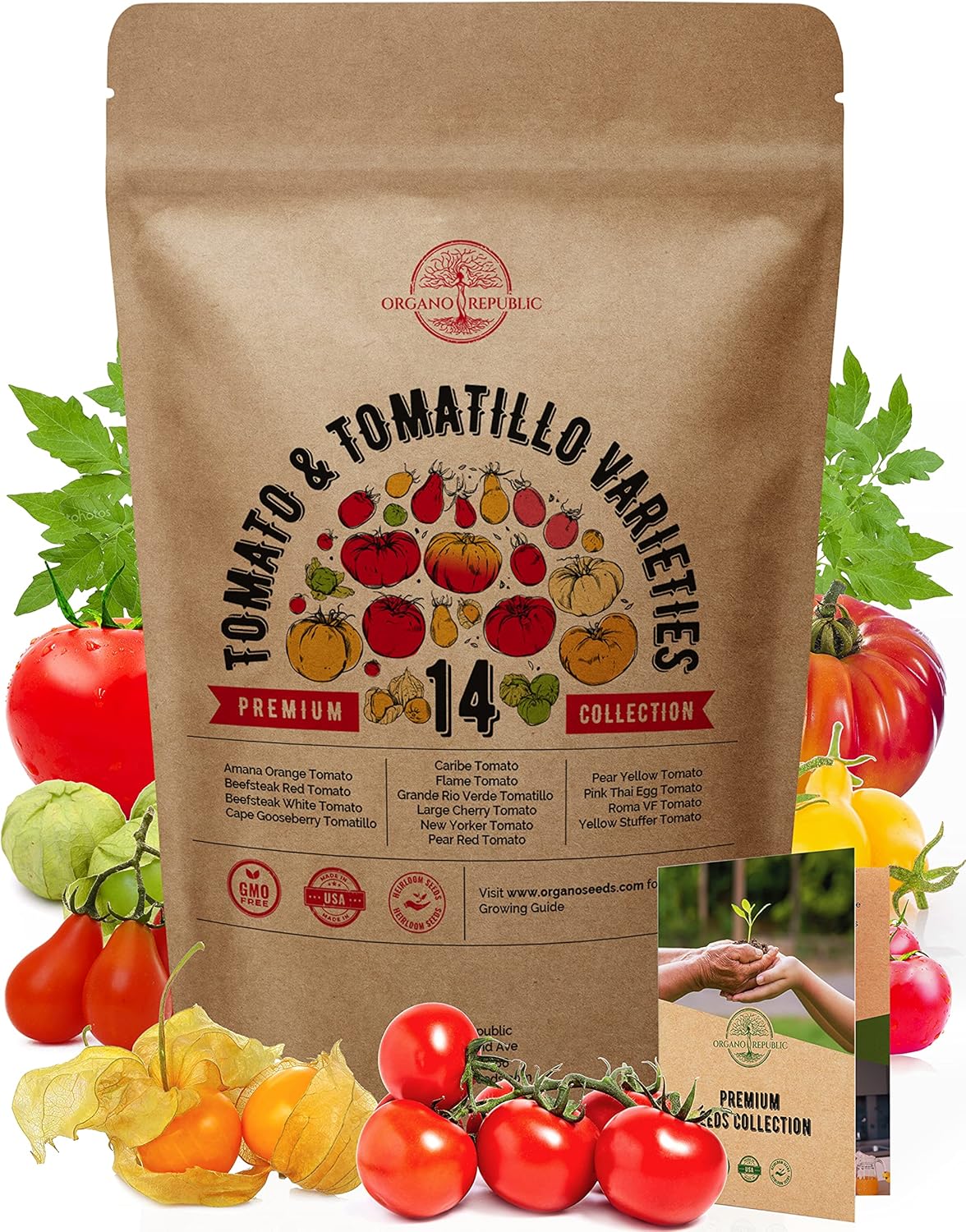
    14 Rare Tomato & Tomatillo Garden Seeds Variety Pack 800+ Non-GMO Heirloom

    Will Tomatoes Grow In Shade?

    Providing Good Light For Tomato Seedlings

    Try providing adequate light, like a grow light, if you’re starting your tomato seeds indoors. This is because it is important they get adequate light when they are beginning to grow.

    Naturally, tomato plants form roots along their stem as they grow as sprawling vine. When you want to transplant your tomato seedlings and you find out they are leggy, you should remove part of the leaves at the bottom.

    Go ahead and transplant the seedling deep in the soil leaving a stem of at least two inches, with leaves, at the surface.

    Click Here to Get Info About:

    Looking At The Bright Side Of Growing Tomato Plants In The Shade

    Now that you have answers to your question: Will tomatoes grow in shade? So, let nothing stop you from going ahead and selecting shade-tolerant tomatoes and planting them in your shady garden.

    However, if it’s not a shade-tolerant variety, you should always have fewer expectations about your plant yield. You won’t be getting as much harvest compared to when growing tomatoes in full sunlight. But growing tomatoes in the shade will still turn out well if it’s a shade-tolerant variety.

    Looking At The Bright Side Of Growing Tomato Plants In The Shade

    Harvesting – Will Tomatoes Grow In Shade?

    If you want to know when your harvest will be ready, check the packet of your seeds for the maturity date. You should be expecting to begin harvesting your fruits after a few weeks from the maturity date.

    Hence, you should boycott growing the beefsteak varieties that don’t usually get ripened quickly even if they are grown in full sun. In partial shade, medium-sized and sometimes large varieties of tomatoes will turn out well at the end with good harvests.

    Growing cherry tomatoes in partial shade in addition to at least three to four hours of direct sun will turn out well at the end also.

    Furthermore, always bear in mind that tomatoes grown in the shade, be it partial or full, tend to have their roots and leaves remain moist for long when watered. This is due to the fact that they have the tendency of retaining water for too long as they don’t get enough sunlight to dry them out. Hence, the plants may become prone to disease if the soil is soggy.

    Hence, if you’re going to plant tomatoes in the shade, endeavor to space the plants and have them pruned. Make sure you create a channel from where there can be unhindered airflow. This will help in making the soil and leaves dry quickly.

    Harvesting - Will Tomatoes Grow In Shade

    Conclusion – Will Tomatoes Grow In Shade?

    Exploring growing tomatoes in shade or partial shade is a way of not limiting yourself to a particular set of vegetables to grow in your shady garden.

    Now that you are certain that some variety of tomato can grow in shade, go ahead and try your hands on the aforementioned varieties in this article.

    Don’t forget to let us know how the journey to growing tomato plants under shade turns out at your end.

    FAQ’s

    What happens if tomatoes don’t get enough sun

    If you’re growing tomatoes under partial-shade, have the expectation of lesser yield and slow fruit ripening from your plants. This is due to the absence of enough sunlight for at least six to eight hours.

    Can tomatoes grow without direct sunlight

    Yes, tomatoes can grow without direct sunlight. If you’re starting your seeds indoors, try providing adequate light, like a grow light for the plants. This is because it is important they get adequate light at their early stage of growth.

    How many hours of sun does a tomato plant need

    Ideally, a tomato plant should get at least six to eight hours of direct sunlight every day for a bountiful yield of fruits.

    Do tomato plants like morning or afternoon sun

    The time when the sunlight gets to hit your tomato plants doesn’t really matter. What matters is that the plants get at least six to eight hours of direct sunlight, be it in the morning or afternoon. Your tomatoes can be grown successfully.

  • How Far Apart Do You Plant Lettuce? 

    How Far Apart Do You Plant Lettuce? 

    Lettuce is an important vegetable to all sandwich lovers, but how far apart do you plant lettuce to produce a bigger head of fresh leaves?

    Lettuce plant spacing should be at least 12 to 18 inches apart. This will give you a big head of fresh lettuce leaves.  Lettuce is easy to grow and is one of the oldest vegetables cultivated.

    It is a great source of vitamins and minerals.  Lettuce is one of the most important vegetables to grow as it is easy to grow, and very nutritious.  It is a very popular salad green and is excellent for adding to sandwiches.

    Lettuce is a member of the Asteraceae family which is also known as the daisy family. The daisy family also includes daisies, cone flowers, marigolds, and sunflowers.

    Lettuce, though easy to grow, needs a lot of space to grow and produce a large head of lettuce. It is a great crop to grow in your home garden.

    How Far Apart Do You Plant Lettuce?

    Lettuce should be planted at least 12 to 18 inches apart.  There’s a good reason why you don’t grow lettuce close together because of pests and it will not give the plants adequate room to grow. Pests love to eat lettuce, and they have their favorite spots to lay eggs.

    When they’re close together, the lettuce leaves will touch each other. When they touch each other, they form a web of lettuce that is perfect for bugs to crawl into while also not giving the individual plants adequate room to grow.

    It is a common mistake for gardeners to plant lettuce too close together. This means that the plants are very crowded and can’t put out as many leaves.

    Lettuce plants need plenty of room to spread out and grow. Do not overcrowd lettuce as it may cause high humidity and lead to mildew.

    Growing Lettuce – How Far Apart Do You Plant Lettuce?

    Lettuce is an easy-to-grow vegetable that thrives in loose well-drained soils. It is a cool-season crop and will be available from early to late spring and fall.

    Lettuce is available in many different varieties, colors, shapes, and flavors.  To grow healthy lettuce heads, it is important to consider the following:

    Location

    Lettuce loves the sun, but should not be planted under a very strong sun. Provide it with at least six hours of sun and partial shade to balance it out when temperatures get warmer.

    Soil Type

    Lettuce is a cool-season crop and prefers loose, well-drained loose accompanied by regular watering and adequate nitrogen. Lettuce can grow in clay or a light sandy soil, as long as you incorporate some compost to improve the growing conditions.

    Growing Lettuce - Soil Type

    Spacing

    How far apart do you plant lettuce: Allow at least 12 to 18 inches between plants and rows to give them maximum space to thrive and grow big heads. Plant your lettuce seeds ¼ to ½ inch deep for best results.

    Watering

    Lettuce requires moist soil for good growth and good quality leaves.  Water regularly throughout the growing season and keep the soil moist but not soggy.

    Fertilizing

    Lettuce is an annual vegetable that will grow best when fed a balanced fertilizer.  A balanced fertilizer provides the nutrients needed by the plant. Fertilize about every two weeks during the growing season.

    Pests

    The main pests that attack lettuce are aphids, cutworms, and earwigs.  Aphids are small often green or brown insects with soft bodies.  They can cause stunted growth and yellowing of the leaves, along with sticky excrement and sooty, black mold.

    Use a strong spray of insecticidal soap or put banana or orange peels around the plant to control aphids.  Cutworms cause wilting and severed stems. Remove cutworms by hand.  Earwigs can be controlled by spraying them with a mixture of water and dish soap.

    You can plant rows of chives and garlic between your rows of lettuce to help control the aphids. These will work as a barrier for your lettuce plants.

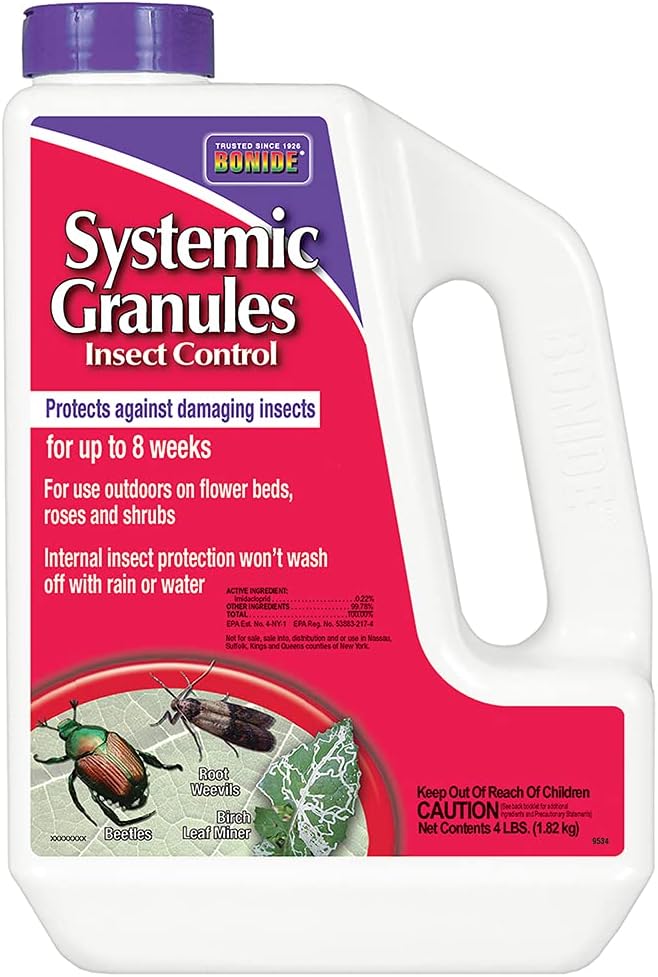
    Bonide (BND95349) – Insect Control Systemic Granules, 0.22% Imidacloprid Insecticide (4 lb.)

    How Far Apart Do You Plant Lettuce

    Diseases

    Powdery mildew is a fungal disease that affects lettuce.  It appears as white powder on the leaves and can grow quickly.  It can also be very difficult to get rid of because it can remain on the leaves for many weeks after the plant dies.  

    To prevent powdery mildew, remove the affected leaves.  Plant in full sun when possible and provide good air circulation.  Combine one teaspoon of baking soda with one quart of water and spray the plant to prevent mildew.

    If powdery mildew is a problem, use a fungicide.  Be sure to follow the directions on the label.

    Pollination

    Lettuce does not need bees to pollinate since they don’t produce fruit. Most leafy vegetables don’t need bees to grow.

    Harvesting

    Lettuce is usually harvested when it reaches maturity.  The best time to harvest lettuce is in the morning. The lettuce should be full-size but young and tender. 

    Store your lettuce in the fridge up to 10 days after harvesting. Wash your lettuce before consuming it. If your lettuce begins to wilt, put the leaves in a cold bowl of water with ice cubes and soak for around 15 minutes.

    Harvesting lettuce

    In Summary – How Far Apart Do You Plant Lettuce? 

    How far apart do you plant lettuce? It is important to consider when growing these vegetables.

    For the same reasons that you want to grow these crops in a row, you also want to space them out to give each plant room to spread out and grow. This is especially important for lettuce because it is susceptible to pests and diseases if you don’t leave enough space between plants.

    Start seeds indoors about one month before the last frost to get a head start before planting outside. Plant seeds 1/8 to 1/4 of an inch deep for best germination and set the rows 12 to 18 inches apart. You can sow the seeds in containers before transplanting the plants into your garden.

    FAQs

    Can you plant lettuce close together?

    No, it is not advisable to plant lettuce close together to prevent pest infestation. The lettuce will also not grow well if it is overcrowded.

    How close can you plant romaine lettuce?

    We recommend planting at 12-18 inches apart from plant to plant.  You can buy seed from the supermarket and grow your own in a window box or small pot.

    How much space does lettuce need to grow?

    Lettuce needs a minimum of 12-18 to grow.  A good-sized bed should be around 3m x 2m (10×8 feet).

  • How Long Does it Take Carrots To Germinate?

    How Long Does it Take Carrots To Germinate?

    Once you sow your carrot seeds, you may wonder how long it takes carrots to germinate after waiting many days for them to pop up.

    Carrots are one of the most popular root vegetables that are grown worldwide. The reason behind this is that carrots have a very high nutritional value, especially when it comes to vitamins and minerals.

    Carrot seeds are easy to grow in garden beds, containers, and pots. Carrots grow best when they are planted in rich soil, with ample amounts of water and sunshine.

    When grown in such conditions, they will grow quickly and have a high yield.

    How Long Does it Take Carrots To Germinate?

    So just how long does it take carrots to germinate? Once sowed, the seeds can take 14 to 21 days to germinate, depending on the growing conditions provided. In a good, warm, damp soil, with plenty of organic matter, they will generally germinate quickly.

    It is best to sow the seed three to five weeks before the last frost in spring. Sow them at a depth of about 1/4 inch and three to four inches apart.

    Carrots do best growing in cool temperatures during early spring and late fall. The ideal temperatures are 55 degrees Fahrenheit at night and 75 degrees Fahrenheit during the day. If temperatures are too high it can cause poorly colored, low-quality carrots.

    If you live in a colder area, sow your carrots indoors in pots where you won’t need to transplant them and put them outdoors once the weather has warmed up. If growing them outdoors, wait for the soil to warm up so that you can plant them in the ground from the time they germinate until they are mature enough for harvesting.

    Growing Carrots

    Growing carrots is easy especially when you get them to germinate the right way.  Germination is the hardest when it comes to growing carrots.  To grow perfect carrots:

    Plant them in a sunny spot

    When planting out your carrots, make sure that you do this in a sunny spot.  Provide them with at least six to 10 hours of sun.

    Provide well-drained soils

    When you plant your carrots, make sure that they have enough soil and that it’s moist.  You can plant them in a greenhouse, a garden shed, or even on the balcony. If you’re worried about the soil being too wet, add some sand or compost to it.

    Carrots grow best in soil with plenty of organic matter and an even pH. The soil should be well-drained and moist.

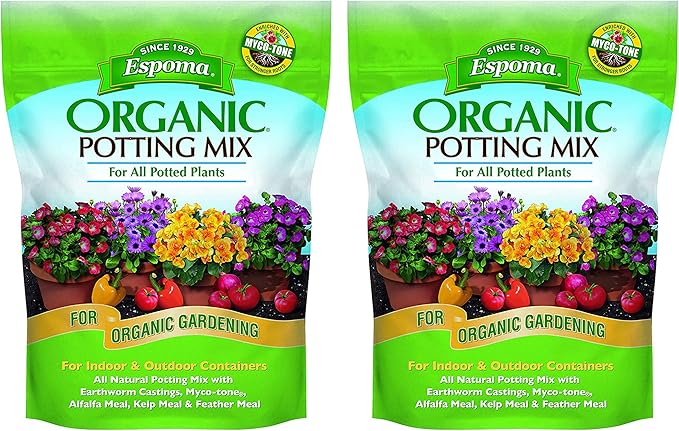
    Espoma Organic Potting Soil Mix – For Indoor & Outdoor Containers For Organic Gardening

    How Long For Carrots To Germinate

    Protect them from cold

    If you live in an area where it gets very cold in the wintertime, make sure that you give them a little protection from the cold winds.  Overall carrots are hardy plants.

    To avoid pests

    Make sure that you protect your carrots with some insect netting when they are young.  When you put down the netting, make sure that it’s not too close to your carrots. You can also sprinkle some Diatomaceous earth around your plants to keep pests away.

    Water them regularly

    Carrots need at least one inch of water a week during the growing season. Soak the soil thoroughly when watering because if the carrots don’t get enough water they may be bitter or misshapen. Don’t let them sit in a dry place and make sure that they have plenty of water so that their leaves don’t start to wilt.  

    Feed them regularly

    Carrots should be fertilized when the tops are four inches tall and again when they are six to eight inches tall if the tops are pale.  Use a complete fertilizer such as 10-10-10.  This will help to keep their roots healthy.

    Feed Carrots Them Regularly

    Harvesting and storing carrots 

    When your carrots are ready, you can harvest them. They are ready to harvest in about 70 to 80 days when the roots are 1 to 1½ inches in diameter.

    Read more about Are Green Chillies Hot? – An Overview

    Final Remarks: How Long Does it Take Carrots To Germinate?

    Many gardeners will ask themselves the question: how long does it take carrots to germinate? It is important to note the period you sow your seeds in order to tell how long for carrots to germinate without losing your patience. Generally, carrot seeds take 14-21 to germinate and if you are impatient you might end up digging them out in frustration.

    The best time to grow carrots is in cool temperatures during early spring and late fall. They can make a great vegetable to grow if you take the time and dedication they need.

    FAQ

    Why are my carrots not germinating?

    If your carrot seeds do not germinate, the seed might not viable and the seed needs to be viable before it can germinate. Therefore, you will need to buy new carrots.

    How do you speed up the germination of carrots?

    Make sure to provide optimal conditions for carrots to germinate. The ideal temperatures are 55 degrees Farenheit at night and 75 degrees Farenheit during the day. The soil should be well-draining and moist.

    Why do carrot seeds take so long to germinate?

    Carrot seeds are slow to germinate. They will take around 14-21 days to germinate.

    Are carrots hard to germinate?

    Carrots can be tricky to germinate. You will need to have some patience as it takes 14-21 days for the seedlings to emerge.

  • What Is The Right Zucchini Plant Size?

    What Is The Right Zucchini Plant Size?

    Zucchini plant size is affected by the growing conditions turning out as tall or as short as the conditions you provided. Zucchini plants can grow to be quite big, so you want to make sure you have plenty of room in your garden. Most gardeners do not pay attention to the plant size but to others, it is a concern.

    So What is The Ideal Zucchini Plant Size?

    Well, it all depends on the type of zucchini that you grow and the space you have. If you want the best zucchini size, you should give this question some thought and try to figure out what works best for your environment.  This will help you make the right decision for your zucchini plants.

    How To Grow Taller Zucchini Plant Size

    Zucchini plants can generally grow to be around two to three and a half feet tall and four feet wide. To get taller zucchini plants, you need to provide more nutrients to the plant and make sure you provide adequate space for your plants.  You should also keep the fertilizer amount constant in order to keep the plant healthy. 

    The other thing is to not apply fertilizers too early or too late.  You should fertilize the plants during their growth stages so that they can grow and be healthy. Fertilize your zucchinis when planting and when they first bloom.

    Fertilizers such as fish emulsion, compost tea, and organic fertilizer are all good choices.  You also need to make sure that you don’t overwater the plants because this will stunt the growth of the plant. 

    You should give your zucchini plants about one inch of water a week, keeping the soil moist but not soggy. This will prevent the plants from becoming over-watered.

    Growing Zucchini – Zucchini Plant Size

    Growing zucchini plants is the easiest way to get a steady supply of fresh zucchini for summer meals. Grow a few of these plants and you’ll have fresh zucchini all summer long.

    Starting seeds

    Start seedlings indoors two to four weeks before the last frost date.  Zucchini seeds germinate quickly, so you don’t need much space or time to grow them.

    Sow Right Seeds – Non-GMO Heirloom Packet

    81zRDfzKlDL. AC SX679

    Transplanting

    Then transplant them outside as soon as the soil can be worked in spring. Plant them in rows between two to three feet apart. 

    Spacing

    Zucchini plants grow quickly, so give them enough room. The right spacing for Zucchini is six to eight inches between plants. You may need to experiment with the spacing to find what works best for your situation.

    You will also need to space out the pots that you have planted with Zucchini. The pot for your zucchini plant should be at least 12 inches deep and 24 inches wide. You should also not plant more than one Zucchini plant per small pot.

    Water

    For best growth, provide one inch of water a week.  Watering your zucchini often will keep them consistently growing at the right pace. Plant your zucchinis in a location where they will get full sun.

    Watering daily is not as important as you might think.  Zucchini need a lot of light and air so daily watering will not cause them any harm.

    Fertilize

    Fertilize when planting your zucchini outside and again when the flowers begin to bloom with a high-nitrogen fertilizer.

    Companion plants

    To keep pests away from zucchini, plant marigolds around the perimeter of the garden. Or use organic insecticide to deal with any kind of pests.

    How To Harvest – Zucchini Plant Size

    Wait until the fruit is six to eight inches long, then pick it. Pick the fruit before it’s too big, as it has the best flavor at six to eight inches long. They will be ready for harvest when the flowers have turned brown and dried up.

    When they are ready for harvest, cut them from the main stem using a sharp knife or scissors.  Avoid pulling them from the plants to prevent damage.

    How To Harvest Zucchini

    Final Thoughts On Zucchini Plant Size

    The zucchini plant size is an indication that the plant is either well fed or not. Be sure to use fertilizer and give your zucchini adequate space to grow. If your zucchini plants are bigger than average, this could be due to a defect or a disease.

    On the other hand, zucchinis should not be left to grow too big as they will not be as flavorful.  Start harvesting them when they are at least six inches long.

    Zucchini plants are usually harvested before they get very large as this will ensure that they continue to produce zucchini fruit for a longer time. There are many ways of growing zucchinis and choosing the right method can be very important.

    As mentioned before, it is best if you choose to grow them in containers as it can help to ensure that you have a good yield of zucchini fruits. You should also choose a variety that is suitable for your area because different areas have different environmental conditions and this will affect how the plants grow.

    FAQs

    How much space does zucchini need in the garden?

    Zucchinis can be grown on a large scale with a lot of space. Plant them in two to three feet apart spaced six to eight inches. They require sunlight for the best growth and can be grown in containers or raised beds.

    How many zucchinis do you get per plant?

    Zucchinis are easy to grow and produce lots of fruit per plant. Some varieties of zucchinis produce more fruit than others. On average, a zucchini plant will produce three to ten pounds of fruit per season.

    Do zucchini plants need support?

    Support is not required for most varieties of zucchini plants. However, some varieties of zucchini plants are so large that they may require support to keep them from toppling over. 

    What size grows bag for the zucchini plant?

    You will need a very large grow bag (at least 5 gallons) for your zucchini plant. You can get one from Amazon or any other gardening store.  Zucchini plants are best planted in late April and May. However, some people prefer to start their seeds indoors in March so they have a head start on the summer heat. In general, most varieties of zucchini plants are started in late April and May.

  • Are Green Chilies Hot? – An Overview

    Are Green Chilies Hot? – An Overview

    So are green chilies hot, or are they mild and gentle on your mouth? Can you enjoy them raw or cooked without tearing up?

    The history of green chilies goes back thousands of years. Green chilies have been used as a vegetable in Southeast Asia for more than 5,000 years. During the first millennium A.D., chili peppers were introduced to Europe.

    In the 15th century, Portuguese explorers introduced chili peppers to the rest of the world. During the second half of the 20th century, there was a huge increase in the cultivation of chili peppers. Chili peppers are now cultivated worldwide.

    Chilies Health Benefits

    Green chilies are grown due to their many health benefits that include:

    • Prevention of heart disease
    • Blood pressure reduction
    • Lowering cholesterol
    • Fighting cancer and preventing infections.

    So, Are Green Chillies Hot?

    The word “hot” is a bit of a misnomer when talking about chillies because it implies a certain level of heat that you can feel. But the real meaning of the term is much more about flavor than anything else. 

    There are many different types of chillies, but most fall into one of two categories – hot or mild.

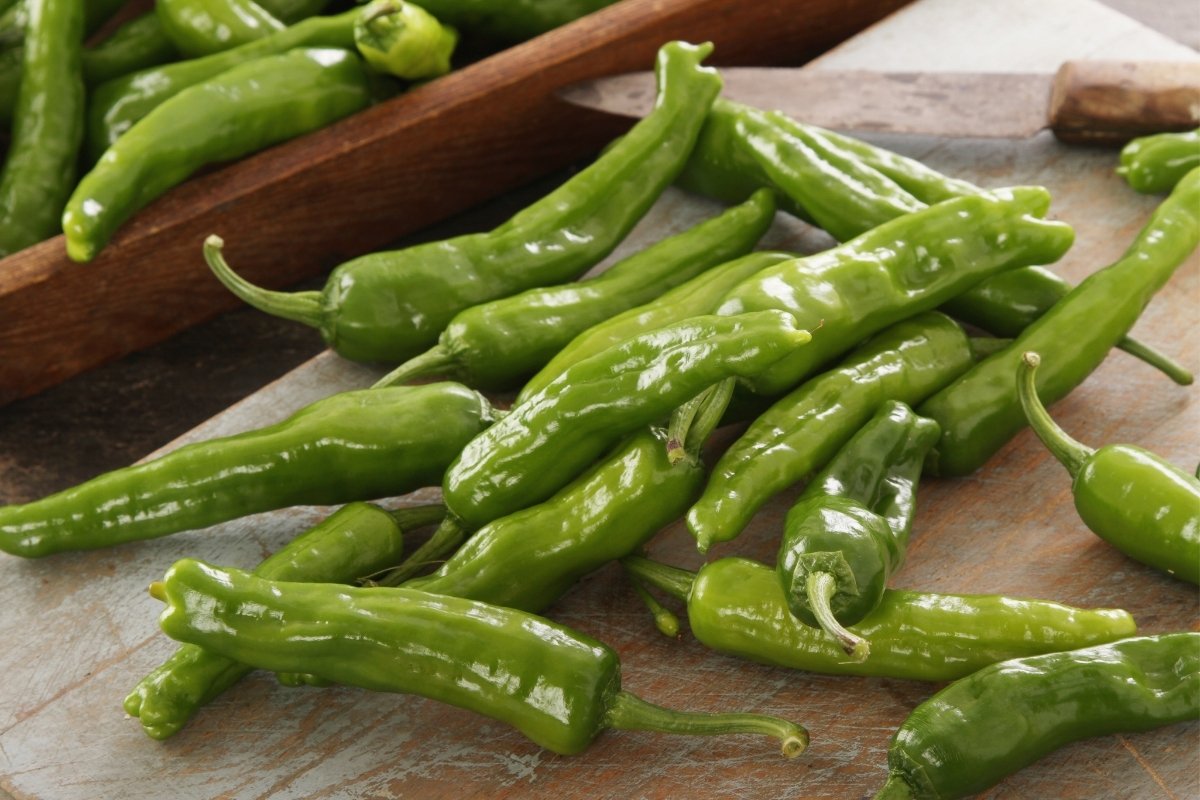
    • Hot Chillies (aka “Spicy”). Hot chillies come from the Capsicum family, and most are in the bell pepper sub-family and include the jalapeño, poblano, and serrano. All these are available fresh or dried, and they have a very different taste to mild chillies. The amount of heat in a particular chili also varies quite much, so it’s essential to try out different peppers to find your favorite.
    • Mild Chillies (aka “Sweet”). Mild chillies belong to the C. chinense sub-family, including the cayenne, paprika, caribe, and pasilla. All are relatively mild in flavor with a hint of sweetness.

    The two categories don’t have much to do with temperature, so they aren’t suitable for comparing their heat levels. For example, the habanero is hotter than the poblano, but both are mild.

    You can also find hotter chillies than the habanero and those that are hotter than the poblano. But even then, the level of heat is not a reliable guide to how spicy they are.

    Green chillies include all green peppers that are hot, including Anaheim, jalapeno, poblano, and cayenne. While Anaheim chilies rate 500 to 2,500 units on the Scoville heat scale, jalapeno peppers rank between 2,500 and 5,000 Scoville units.

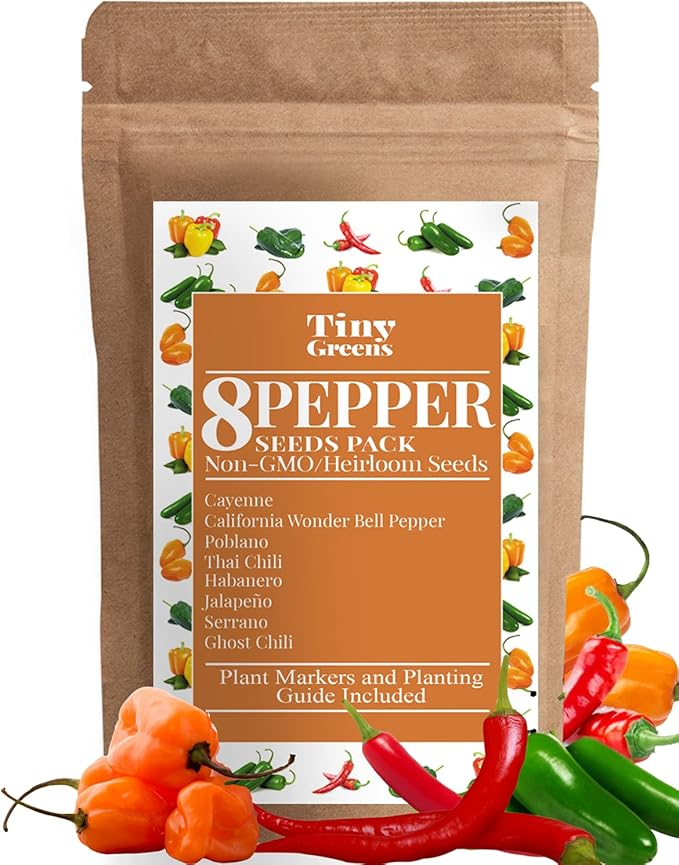
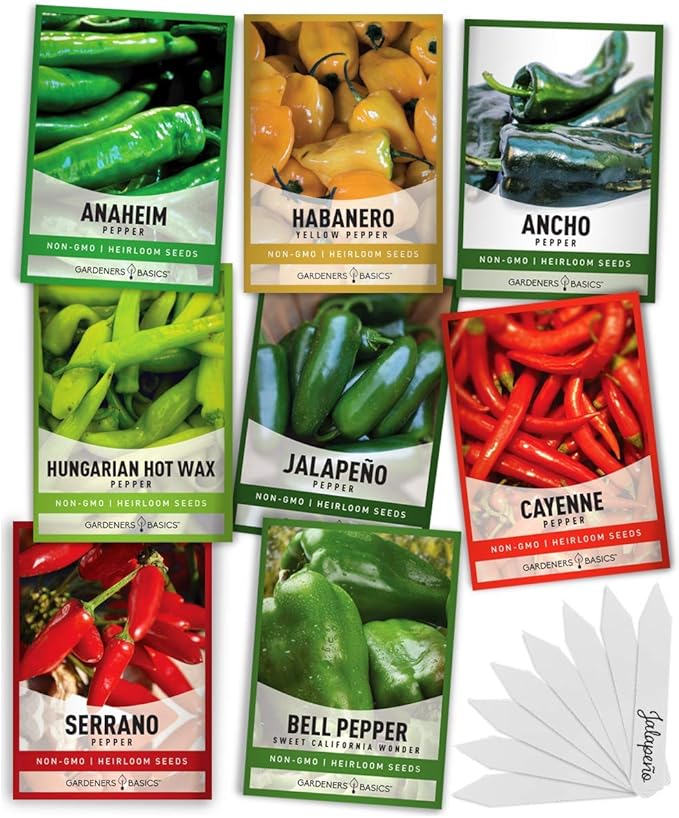
    Pepper Seeds for Planting 8 Varieties Pack, Seeds for Planting in Garden Non-GMO

    Are Green Chillies Hot

    Click Here to Learn:

    What’s The Difference Between Red and Green Chillies?

    Green chilies are unripe (or “green”) versions of the same type of chili as red ones. They are used mainly in salsas and stews.

    Green chillies are usually milder than red ones and have a distinctive taste and texture. Green chili peppers are available fresh, although they can be dried. The amount of heat in a particular chili also varies quite a lot, so it’s essential to try out different peppers to find your favorite.

    If you don’t know how hot a chili is, it’s always best to start with the smallest quantity, so you can easily adjust it to your liking. If you’re a beginner, it’s also important to buy fresh chillies rather than dried ones since dried ones can be extremely spicy.

    What’s The Difference Between Red And Green Chillies

    Red chillies are often used fresh, but they can also be stored for several months in the refrigerator. Once you’ve found a recipe that uses red chilies, make sure you try them out at different times of the year to find out how long they last.

    They don’t keep well for very long when they’re too hot, so it’s best to buy the hottest ones and leave them until you need them. The longer they’re left in storage, the hotter they will become, so it’s essential to use them as soon as possible.

    In Conclusion – Are Green Chilies Hot?

    To answer the question “are green chilies hot?”, it is vital to know the differences between green and red peppers as we have explained above. Green peppers are milder than red ones. Both red and green peppers can add excellent flavors to your favorite savory dishes. 

    Green chilies are used to make relishes, sauces and salsas. They are used in many dishes like Mexican food, Thai food, Italian food and Indian food.

    FAQ’s

    How hot are green chilies?

    Green chilies are not as hot as red peppers.  These are mild peppers with a milder version of a habanero (called a Scotch bonnet), they come in a range of heat from ‘very mild’ to ‘very hot’. A ‘Scotch bonnet’ is a mild green chili and can be used in curries or other dishes. Milder versions are used in sambals, dips, and sauces.

    Are green chilies hot or mild?

    They are generally considered to be mild but this depends on which variety you buy. Some are milder than others. They are usually used for dipping sauces, but some people like them as an ingredient in their food.

    Are green chilies hotter than jalapenos?

    Green chilies are not hotter than jalapenos as they are mild in taste.  Jalapenos are spicy and hot red peppers that you will find in supermarkets.  They can be added to any dish, although they are most commonly found in dishes that contain tomato sauce.

    What are green chilies?

    Green chilies are unripe mild peppers that come in a wide variety of shapes and sizes and have a wide range of flavors. Most commonly they’re used as a spice for dishes like salsa, but they’re also used fresh in salsas, curries, stews, and other dishes.

  • What Are The Bell Pepper Plant Problems?

    What Are The Bell Pepper Plant Problems?

    Bell peppers are nightshade family fruits that are also related to tomatoes, chili peppers, and breadfruit. As easy as the bell pepper plant is to grow, there are still some common problems it faces. Bell pepper plant problems are what we will be discussing.

    Bell peppers are pretty easy to grow so they can be a great addition to your vegetable garden. They are all native to Central America and South America. You get to enjoy pepper in your various cooking recipes as well as salads.

    However, there are some bell pepper plant problems you may face and pepper diseases are common issues associated with them.  You may also factor in some other pepper problems apart from pepper diseases. So, let’s delve into some common issues associated with growing bell peppers.

    Brief On Bell Pepper

    Bell pepper also referred to as sweet pepper is a type of fruit that belongs to the nightshade family. This sweet pepper can be eaten raw or cooked.

    Unlike other peppers that tend to produce capsaicin (a chemical responsible for that strong burning sensation when it comes in contact with our tongue): bell peppers are the only member of the pepper plant that does not produce this capsaicin chemical.

    Brief On Bell Pepper

    Capsaicin which is absent in bell pepper is due to the fact that there is a recessive gene that eliminates capsaicin. For this reason, bell peppers are usually referred to as sweet peppers.

    Bell Pepper Plants Not Growing: What Are The Reasons?

    Different issues may arise and cause your bell pepper to diminish in growth or even stop growing. Some of the reasons include:

    • Over-watering.
    • Under-watering.
    • Growing pepper with an undersized container.
    • Dry soil.

    Growing Peppers Problems

    We will be looking at the common bell pepper problems and this will be in two categories. The first part will be issues associated with pepper diseases and pests. The other bell pepper issues will be related to non-diseases. So, read below to get some knowledge on them.

    Check Out Reasons For Wilting Tomato Plants In Pots

    A.   Bell Pepper Plant Diseases

    So, below are some of the bell pepper disease and pest problems you may face:

    1.    Mosaic Virus

    This is a type of bell pepper disease characterized by yellow spots, wrinkly leaves, stunted growth, and poor or less fruit quality.

    This disease is transmitted by aphids that transfer this virus. It is common during the periods aphids are mostly active and this is when the temperatures are around 70 to 85 degrees Fahrenheit.

    Bell Pepper Plant Problems - Mosaic Virus

    To adequately deal with this bell pepper problem, uproot or remove the infected plants and burn or throw them away. The virus has been said to live up to a year. Therefore, avoid composting uprooted plants but burn or discard them.

    2.    Bacterial Leaf Spot

    Bacterial leaf spot is quite common in pepper plants generally. This disease is characterized by yellowish spots on the leave of your pepper plant. These yellowish spots may end up turning brown and it causes leaf drop.

    3.    Powdery Mildew

    Powdery mildew is related to warm and humid conditions. It usually shows up on the undersides of the pepper plant leaves.

    4.    Aphids

    This is a tiny bug that sucks and feeds on pepper plants. They can eat a good portion of your pepper plant overnight.

    If you notice or suspect aphid infestation in your pepper plant, you can make use of soapy water and wash them off. Or you can use a strong force of water (e.g. hose) to displace them from your plant. the use of neem oil can also prove effective.

    5.    Hornworms

    Hornworms are another type of pest that can cause problems to your pepper plant. These worms are so large that it’s easy to just pluck or pick them off from your plant.

    Monterey LG6332 Bacillus Thuringiensis (B.t.) Worm & Caterpillar Killer Insecticide/Pesticide Treatment Concentrate, 16 oz

    71PlWNkUm4L. AC SX679

    6.    Flea Beetles – Bell Pepper Plant Problems

    Flea beetles may look small in size but they can cause serious harm or problems to your bell pepper plant when you have a severe infestation. Their symptoms of an infested flea beetle pepper plant tend to show some distinct holes in the leaves of your plant.

    You can solve the problem of flea beetles by dusting your pepper plants with talcum powder as this can help repel flea beetles.

    • So, we have looked into some pests and diseases that may affect your bell pepper plants. Now here are the bell peppers that are non-diseases related:

    B.   Non-diseases Related Bell Pepper Problems

    1.    Under-watering

    This issue is common during hot seasons. So if you don’t supply the plant with adequate water during this period, you may begin to notice some issues with the growth of your bell pepper plant.

    Normally, pepper plants love full sun and require adequate watering. So, when you slack with the watering needs of bell peppers, they will not flourish appropriately so problems set in.

    To reduce the chances of facing this issue, you should endeavor to water your bell pepper plant early morning and evening. The best time to water is once the sun has gone down.

    2.    Over-watering

    Even though pepper plants generally like to be watered adequately, you should however avoid overwatering. Over-watering your pepper plant can cause problems. This is common with potted pepper plants that don’t have adequate drainage holes.

    So, if you find yourself overwatering your potted pepper plant, simply cease watering and allow the soil to dry out. It is crucial you fix this problem on time to improve the chance of the pepper plant recovering.

    3.    Sun Scalding – Bell Pepper Plant Problems

    Although pepper plants are sun-loving plants, they still need time to adjust before they can finally be moved outdoors. This is especially common with potted pepper plants. But this shouldn’t be an issue with peppers seed sown outdoors from the start.

    The seedlings of pepper started indoors need a transition to outdoor conditions are the ones usually prone to sun scalding.

    This is why it is crucial you harden off the seedlings started from indoors by gradually introducing them to outdoor conditions such as direct sunlight, wind, as well as changing temperatures. So, avoid the abrupt transition to full sunlight.

    Bell Pepper Plant Problems - Sun Scalding

    Bell Pepper Plant Problems: Final Say

    Bell pepper plant problems can arise in different ways. The problems associated with bell peppers can be in form of pests, diseases, or even other environmental factors.

    We have listed some of these issues that may arise when growing bell peppers and how to mitigate them. So, we do hope this article can be of great use to you regarding bell pepper plant problems.

    FAQ’s

    How do you revive a bell pepper plant?

    Bell pepper can be revived if the cause isn’t too serious. For instance, if you have droopy leave which is usually caused by over-watering or under-watering, it’s possible to revive your pepper plant. For over-watering, simply cease watering for some days and allow the soil to dry out before you water again, and ensure there are enough draining holes of you’re using pot. For under-watering, ensure you water adequately especially when the temperature is hot.

  • When To Pick Artichokes

    When To Pick Artichokes

    Artichokes are known for their elegant and distinctive leaves, which are veritably endearing to the eyes and aesthetic to the terrain. Artichokes are a wonder to the eyes. When to pick artichokes is what we will be discussing here.

    Picking artichokes comes with relative ease as you are only required to pay attention to a few things and follow the due process. Planting and caring for the artichokes can be considered to be the hard part. Once you finish that part, picking or harvesting is relatively easy.

    To pick your artichoke plant, you must be able to tell when the plant is ready for harvest. Once you can tell this, you can go ahead with the harvesting part of the task. Growing artichokes is an overall easy process that you can master if you wish to.

    This article gives insight into how and things to note when planting and growing artichokes, as well as how you can pick the artichokes. Before we delve into how to pick artichokes, let’s consider a few facts about the plant to give us a background understanding.

    About Artichoke Plant – When To Pick Artichokes

    It is important to have background knowledge and understanding of the artichoke plant as this will give you insight into how it should be picked. The buds of the plant are picked when the plant is mature enough for harvesting.

    Picking the plant at the right time is very important as a delay may allow the plant to flower. If this is allowed, the plant becomes thistle-like and turns purple.

    About Artichoke Plant

    Artichokes are mostly edible, and they should be picked when the flower bud is still not mature and very green. The plant can grow as high as three to five feet when placed in the right conditions.

    When To Pick Artichokes

    Artichokes usually stay green and alive for about five years. Production by the plant, however, begins about a year after planting. During the season, you will notice that about 10 or more stalks are produced by the mature plant.

    The best time to pick or harvest artichokes is when the flower buds begin to form on the stalks. This usually happens in the spring. You should inspect the plant daily so that you can cut the buds before they open. When you allow the buds to open, it becomes fibrous and unpalatable.

    When artichokes begin to produce, you will notice that the top bud in the stalk will ripen first, and then the buds in the lower part will follow. The bud atop is usually the biggest of the artichokes on the stalk. Now you understand when it’s the right time to pick artichokes, let’s consider how to.

    How To Pick Artichokes – When To Pick Artichokes

    You must note that picking artichokes is relatively the same as harvesting the plant. The following steps should be followed when you wish to pick your artichokes:

    • Cut the artichoke bud from the stalk using a knife, garden pruner, or lopper. Leave about 1 to 3 inches below the bud base when cutting. Leaving some stem behind makes it easy for you to handle the thorny bud. Buds must be handled very carefully to avoid bruising.
    • Repeat the above for all the buds ready for picking.
    • When you pick all the buds on a particular stalk, cut the entire plant down just slightly above soil level. You should thereafter reduce irrigation. In no distant time, you will notice that new stalks bearing new buds will begin to develop.

    Planting Artichokes: Tips For Growing Artichokes

    The following are a few tips you should adopt when growing artichokes for the best possible result to be attained;

    • Pick the Right Location: The location you choose will greatly affect your artichoke plant. Ensure you pick an area with good drainage and plenty of direct sunlight. Planting artichokes in soggy soil goes a long way to affect the plant negatively. The soil must be nutritious.
    • Prepare the Soil Adequately: after you have mapped out a perfect location to grow your artichoke plant, you must prepare the soil. While artichokes can grow in moist soil, such soil must have adequate organic matter if you wish to have a bountiful harvest.
    Amazon’s Choice
    FoxFarm Ocean Forest Potting Soil
    $29.19

    FoxFarm Ocean Forest Potting Soil is a nutrient-rich blend of aged forest products, bat guano, and earthworm castings, perfect for indoor and outdoor plants. Its pH-balanced formula promotes healthy growth, making it ideal for seedlings, transplants, and mature plants.

    We earn a commission if you make a purchase, at no additional cost to you.
    02/21/2026 04:01 pm GMT
    • Plant your Artichokes: planting your artichoke seeds shouldn’t be too much of a problem. The seeds usually come with guides that should help you. Artichokes are generally planted and left to grow for about 60 days before they are brought into the garden and planted in rows at an interval of 4-6 feet apart. Spacing them about 6 to 8 feet apart provides greater room for water movement and fertilizer application.
    • Water Artichokes Consistently: artichokes are a huge lover of water. This is very important to the plants as they need water to produce tender buds. The perennial power of the plant lies in its deep roots which can only be cultivated when watered regularly.
    • Apply Artichoke Fertilizer: when you provide adequate fertilizer for your artichoke bed, your plant gets many of the essential nutrients needed to thrive. Applying a balanced vegetable plant food every two weeks or thereabout will give the plant a considerable boost.
    • Harvesting/Pruning: harvesting should ordinarily occur when the plant is matured enough to be picked. You should harvest artichoke buds when they have swelled but are tightly closed. Pruning takes place after harvesting, and this helps to prepare the plant for the next harvest.

    Storing Artichokes – When To Pick Artichokes

    After the plant has been picked, the need may arise for storing it. This may be done by putting the artichokes harvested in a refrigerator immediately after harvesting occurs. The plant can be stored conveniently in the refrigerator for 1 to 2 weeks. You may also decide to cook the plant.

    Storing Artichokes

    Conclusion On When To Pick Artichokes

    Picking artichokes as we have seen above is relatively easy. All you need do is pay attention to the plant and care for it as at when due. Picking the plant is the easy aspect of dealing with the plant. This article directs how to go about planting, caring for, and picking artichokes.

    FAQ’s

    How can you tell when an artichoke is ripe?

    An artichoke plant will usually be good for picking within a year after planting. You can easily tell when an artichoke is ripe, and this is when it begins to flower, and the bud is still very green and immature. This is when the artichoke is ripe for picking.

    When should I cut my artichoke?

    You should cut your artichoke when it is ripe. You can easily determine this because the plant begins to flower, but make sure to do your cutting before the flowers turn purple. When it is still green and immature, it is the best time to cut.

    When is it too late to pick artichokes?

    It becomes too late to pick artichokes when you notice that it has flowered fully, and the bud has changed color. From being sharp green to being dull purple, then it is about too late to pick.

  • Top 10 Best Cross-Pollinating Vegetables

    Top 10 Best Cross-Pollinating Vegetables

    In this article, we will look at a list of cross-pollinating vegetables that you can grow and that works best for you.

    The majority of plants are not self-pollinating, which means they need to be pollinated by another plant. As well as the majority of vegetables are not self-pollinating and so require cross-pollination. This means that you will need to grow different varieties of plants together to achieve maximum yield.

    We’ll cover the benefits of growing more than one variety of vegetables,  cross-pollination, and how to save seeds for future generations.

    What Is Cross-Pollination?

    Cross-pollination is when pollen from one plant is transferred to another plant. If the other plant is also self-fertile (able to produce seeds without cross-pollination), it will grow and produce fruit.

    However, if the other plant is not self-fertile, then the fruit will not be viable. In this case, the fruit will be sterile.

    What Are The Benefits Of Cross-Pollination?

    As with many things in life, there are advantages to cross-pollination. If two plants are close together, but not exactly the same, and they have a compatible pollinator, they can still cross-pollinate and produce fruit.

    This is because of a process called pollen tube guidance. The pollen tube is the tube that carries the sperm cells from the pollen to the ovules of the flower. It follows the route that the pollen tube guidance proteins have programmed it to follow.

    If the pollen tube guidance proteins are compatible between the two plants, then the pollen tube will follow the correct route. It will then fertilize the egg cells inside the ovule. This is called self-fertilization.

    However, if the pollen tube guidance proteins are not compatible, then the pollen tube will not be able to follow the correct route and the egg cells will remain unfertilized. This is called outcrossing. Cross-pollination can also occur when the pollen tube guidance proteins are incompatible with each other.

    In this case, the pollen tube will be unable to make the correct connection with the egg cell, thus resulting in no fertilization.

    Check Out A Guide On How To Tell If A Squash Is Bad?

    List Of Cross-Pollinating Vegetables

    The following list shows which vegetables are cross-pollinating vegetables:

    Beans – These are self-pollinating but they cross-pollinate between the different types.

    Beets – It cross-pollinates with Beta vulgaris species such as Swiss chard, leaf beet, and spinach beet.

    Broccoli – It cross-pollinates with other Brassica oleracea species – broccoli, cabbage, cauliflower, kale, kohlrabi,  brussels sprouts, kohlrabi, collard greens, romanesco broccoli, kale, collard greens.

    List Of Cross-Pollinating Vegetables - Broccoli

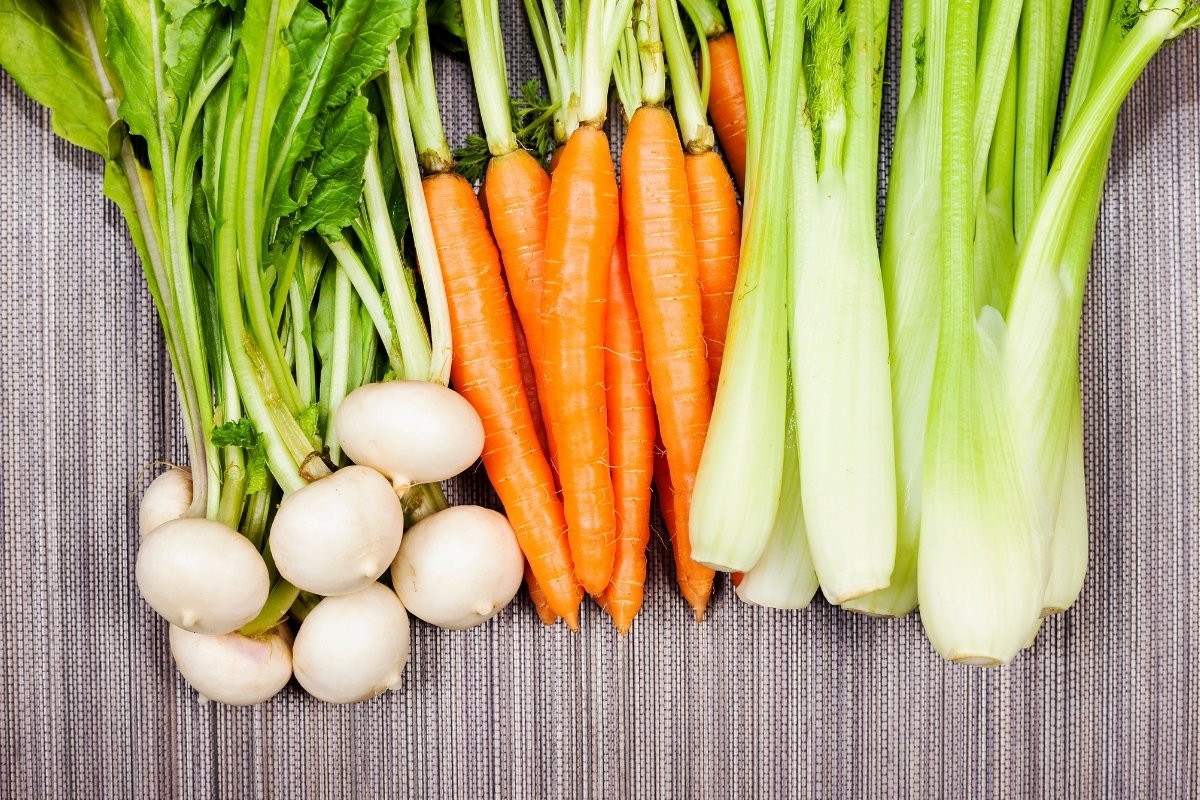
    Carrots – They cross-pollinate with other carrot species and also with parsnips and radishes.

    Cauliflower – It cross-pollinates with other Brassica oleracea species – broccoli, cabbage, cauliflower, kale, kohlrabi, brussels sprouts, kohlrabi, and collard greens.

    Celery – It cross-pollinates with other Brassica oleracea species – cabbage, cauliflower, celery, kohlrabi, collard greens, romanesco broccoli, kale, brussels sprouts, and kohlrabi.

    Chilies – It cross-pollinates with other Capsicum species – bell pepper, chili pepper, pimento, habanero, jalapeno, and cayenne pepper.

    Corn – It cross-pollinates with varieties such as sweet, flour, popcorn, flint, dent, and ornamental corns.

    Cucumbers – It cross-pollinates with parthenocarpic cucumber varieties.

    Ginger – It cross-pollinates with other Zingiber officinale species – ginger, turmeric, and zingiber.

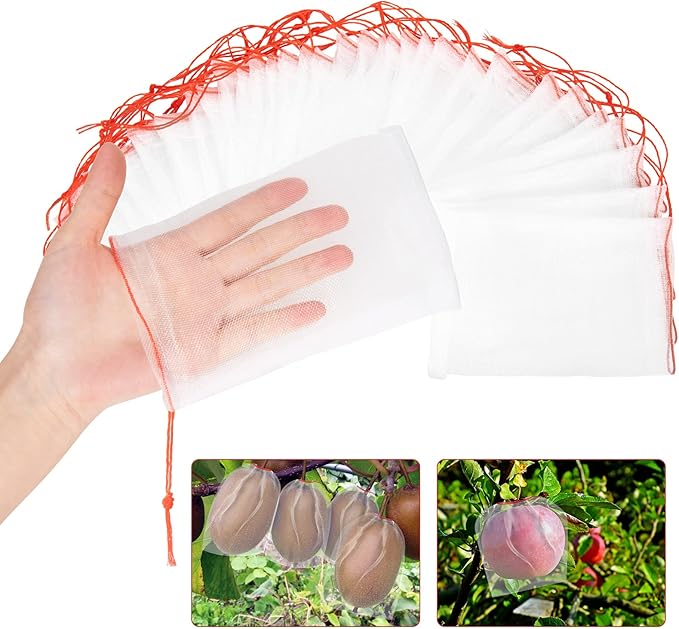
    Kikhope 100Pcs 6″x4″ Fruit Protection Bags, Garden Netting Bags with Drawstring

    71N1mDFyjZL. AC SX679

    Which Vegetables Do Not Cross-Pollinate?

    With the top best cross-pollinating vegetables listed above, there are other vegetables that do not cross-pollinate or very rarely do.  They include:

    Eggplant – It self-pollinates as it has “perfect” or “complete” flowers. It is very rare for eggplants to cross-pollinate.

    Garlic – It is self-pollinating and will not cross-pollinate.

    Pea – It is self-pollinating and does not cross-pollinate.

    Tomatoes – The tomato plant is generally a self-pollinating plant. However, in some cases, it can cross-pollinate with other tomatoes, but it is not done easily.

    Read more aboutWhen Do I Harvest Carrots – The Right Time?

    Tips For Harvesting Cross-Pollinating Vegetable Seeds

    To be able to harvest seeds from the above list of cross-pollinating vegetables, you will need to harvest the vegetables when they are fully mature.

    Pumpkins and Squash.  Harvest them once they are fully ripe. The skin should be firm and thick.  After harvesting, leave the seeds to mature for about three weeks.

    Cut the fruit open and harvest the seeds from the flesh. Dry them in readiness for the next planting season.

    Cucumbers.  Allow them to overgrown before harvesting them if you plan to use the seeds.  They will turn yellow, orange, or white depending on the cultivar you are growing. Cut them open and scoop out the seeds plus pulp. 

    Put them in a glass and add as much water then place it in a dark cool place for about 48 hours.  This will allow fermentation to take place cleaning the seeds.

    Any immature seeds and the pulp floats to the top and you can skim them off.  Rinse off the remaining seeds in a sieve and dry them as you would for pumpkin or squash.

    Tips For Harvesting Cross-Pollinating Vegetable Seeds

    Harvesting cross-pollinating seeds is a process that requires accuracy to ensure you end up with quality seeds.

    Final Thoughts On Cross-Pollinating Vegetables

    Most gardeners are not able to tell the difference between cross-pollinating vegetables and non-cross-pollinating ones.

    In fact, you can be a vegetable gardener and save up your own seeds rather than buy them every time. However, if you want to produce vegetable seeds so you don’t have to keep making grocery visits, then you will have to harvest your own seeds.

    FAQ’s

    Which crops are cross-pollinated?

    Cross-pollination occurs when pollen from a flower of one plant is deposited on the stigma of another plant. This can occur with both insect-pollinated plants and wind-pollinated plants. Cross-pollination can occur between related (self-pollinated) and unrelated (outcrossed) plants.  Crops that are cross-pollinated include Apples, Avocados, Bananas, Beans, Beets, Broccoli, Cabbage, Carrots, Celery, Cherries, Corn, Cucumbers, Eggplant, Fennel, Garlic, Grapes, Hops, Kale, Lettuce, Limes, Mangoes, Melons, Nectarines, Peaches, Pears, Potatoes, Pumpkins, Quince, Rhubarb, Squash, Strawberries, Sweet peppers, Zucchini, etc.

    What fruits and vegetables cross-pollinate?

    Vegetables that cross-pollinate are listed above in this article.  Some of the fruits that cross-pollinate include apples, bananas, cherries, mangoes, melons, peaches, pears, strawberries, etc. 

    Does cross-pollination affect vegetables?

    Cross-pollination does not affect the quality of vegetables. Some of these vegetables you will need to allow them to overgrow if you are harvesting the seeds but beside that cross-pollination does not affect the vegetables.

    What are the disadvantages of cross-pollination?

    The disadvantages of cross-pollination include:

    Decrease in quality of the fruits produced from the self-pollinated plants.
    Lower crop yields because some of the seeds have not been fertilized.
    Increased production costs and reduced efficiency because more resources are required for the pollination process.
    Changes in plant morphology (e.g., altered flowering time or flower structure) as a result of interplant pollination.
    Loss of genetic diversity.
    Altered gene expression.
    Possible disease transmission.
    Alteration of plant physiology.

  • When Do I Harvest Carrots – The Right Time?

    When Do I Harvest Carrots – The Right Time?

    When do I harvest carrots and how can I ensure they are fully mature before I harvest them?

    Carrots are a popular vegetable crop in the US. They are a rich source of vitamin A and vitamin C, with a wide variety of colors available. They are an easy-to-grow crop that takes only 6-8 weeks from seed to ready for harvest.

    Carrots can be eaten fresh or stored for future use. They are a good choice for growing in raised beds or containers.

    Growing Conditions For Carrots – When Do I Harvest Carrots?

    • Well-draining Soils. Carrot growing is very simple and can be done in your own backyard. You should have a large area of well-drained soil with good drainage. This will ensure that the carrots are properly grown and don’t rot.
    • Planting Season.  It is important to plant carrots in the spring, not in the summer or fall. The soil should be warm enough to allow the seeds to germinate but not too hot. If you are planting carrots in the fall, it’s important to remember that you need a long growing season in order to get them to mature. That means a minimum of 70-80 days of growing time. You should wait until after your last frost to start harvesting carrots. If you are growing in the spring, it is recommended that you harvest carrots when they 1- 1½ inches in diameter.
    • Provide Enough Nutrients. It is recommended to add organic matter to the soil. Carrots like to grow in rich, loamy soil that contains plenty of nitrogen.
    Growing Conditions For Carrots

    When Do I Harvest Carrots?

    So when do I harvest carrots? The best time to harvest carrots is when they are mature. In the US, you can usually get away with harvesting carrots at any point from mid-October through December.

    From planting a seed to harvest, carrots take an average of 70 days to grow but can take as many as 80 days. They need a long growing season to develop their full flavor.

    Carrots are grown from seed, which takes about 25 days maximum to germinate. They are then transplanted into the soil as soon as they have two true leaves. The plant will produce foliage and then the roots.

    It takes approximately 35 – 45 days for the plant to reach maturity. At this point, the carrot has developed all of its leaves and is ready to be harvested.

    How To Harvest Carrots

    Carrots are a healthy addition to the diet, and they’re easy to grow. Carrots take about 70 days to grow to maturity.  At this point, they are ready for harvesting.

    Carrots can be harvested at any time during their growth cycle, although most people wait until they’re about two inches in diameter. Carrots should be harvested when the tops are tight and firm.

    【3 Pack】Plant Grow Bags 7 Gallon Heavy Duty Thickened Growing Bags

    When Do I Harvest Carrots

    This is when they are at their sweetest and most flavorful. When harvesting carrots, remove them from the soil by pulling up the entire root. Then cut off the top with a sharp knife.

    If you are planning on storing your carrots, remove any loose or damaged leaves, then wrap them in plastic bags. Store them in a cool, dark place.

    How Do I Store Carrots?

    Once you harvest your mature carrots, it’s best to store them properly to ensure they retain their freshness throughout their storage life.  Carrots are highly perishable and should be stored in a cool, dry place.  Carrots can be stored for a few weeks in a plastic bag in the refrigerator.

    If you’re storing carrots in a root cellar, don’t forget to cover the tops with dirt so they don’t dry out.

    To extend the storage life of carrots, try freezing them.  Freezing carrots will slow down the respiration process and maintain freshness for longer periods of time. To freeze your carrots, cut off the greens and peel the skin before washing. 

    Then place the carrot into a freezer bag and freeze.  After thawing, you can use the carrots as you normally would.  Carrots should be cooked or used in salads within five days after they’ve been frozen.

    Health Benefits Of Carrots

    Carrots have many health benefits.

    • They contain fiber and beta-carotene, both of which are good for the body. Beta-carotene is a form of vitamin A that has been found to be beneficial in maintaining healthy eyesight.
    • Carrots contain a high amount of potassium and vitamins C, E, K, and B6.
    • They also contain the antioxidant compounds quercetin and kaempferol.

    Nutrition

    The USDA recommends that children eat at least two cups of carrots per week. Raw carrot juice contains about 2.3 grams of protein per cup and is considered an excellent source of iron and a very good source of vitamin A, vitamin C, and folic acid. Carrot seeds contain large amounts of oil (about 40%), which makes them a good source of energy.

    Summary Of When Do I Harvest Carrots

    When do I harvest carrots? Carrots are a member of the parsley family and are annual. They will be ready to harvest in their first year of planting from seed.

    Carrots can be harvested as soon as the tops die down, but it is best to wait until the tops have fallen over. It takes about six weeks for carrots to grow from seed to maturity. The growing season starts in April and ends in October.

    There are two main varieties of carrots, round and long. Round carrots have smooth skin with no eyes and the length can vary from 1 1/2-3 inches. Long carrots have knobby skin with eyes and the length can vary from 4-8 inches. Carrots should be harvested when they are 1 to 1½ inches in diameter.

    FAQ’s

    What happens if you leave carrots in the ground too long?

    Carrots are not hardy plants and will not grow in cold or wet conditions. The best time to plant is spring, summer, fall or winter. If left in the ground for too long, they lose their taste and become bitter.

    How tall should carrots be before harvesting?

    The carrot should be harvested at least one inch above the soil surface, and no more than two inches below the soil surface. If the carrot is allowed to grow taller than this it will be much more difficult to pull out.

    What happens if you don’t harvest carrots?

    Carrots that are left in the ground for a few weeks may become soft and moldy due to the growth of fungus. It’s best to leave carrots in the ground until they are about one inch in diameter.

    After that, you can cut them off and leave them on the ground. The root end will continue to grow down into the soil, but the top part will remain above ground.

    How do I know when carrots are ready to harvest?

    You can tell when carrots are ready to harvest by looking at the tops. If they have yellowed slightly or are beginning to turn brown, then they are ready. If they are still green, then they are not yet mature.

  • A Guide On How To Tell if a Squash is Bad 

    A Guide On How To Tell if a Squash is Bad 

    Let’s look at this guide on how to tell if a squash is bad and when it is best to harvest squashes before going bad.

    Squash is one of the most popular vegetables across America. They are versatile, easy to grow, and can be stored for months with minimal care.

    Many different types of squash include:

    • Summer Squashes like zucchini and yellow crookneck squash.
    • Winter Squashes like butternut, acorn, pumpkin, and spaghetti squash.  Butternut squash is often the most popular of the winter squashes. It is a good source of vitamin A and C and it is also loaded with fiber.

    How To Tell if a Squash is Bad

    To help you learn how to tell if squash is bad, you can follow this guide.

    1. The first thing you should do when buying a squash is to make sure that is firm and full of color. The squash should not have any damaged areas or brown spots.
    2. When you buy the squash, you should also be aware of the sell-by date.  Summer squash usually doesn’t last very long and they start going bad at the end of their shelf life.  Squash that is past the sell-by date should be thrown out as they are no longer safe to eat.
    3. Look for a rotten smell. If you find any, it’s likely the squash has mold and needs to be thrown out. Squash that has been rotting for a while may have worms or insects.
    4. If the squash has an overly rough skin texture this could be a sign that it is bad. This may indicate an infection from pests or a nutrient deficiency.

    How Long Does it Take To Grow Squash?

    To ensure that you save your squash from going bad, the best thing to do is to harvest it in good time. The harvest time for winter squash is between late September and early October and all season long for summer squash.

    From planting seeds to harvesting, it takes approximately 80-110 days for winter squash and about 60 days for summer squash.

    Check Out All About Brown Vs Green Compost

    Growing Conditions For Squash

    • The right temperature. Planting squash requires a warm-weather environment to grow well.  Summer squash prefers temperatures between 65 to 75 degrees Farenheit. If it is not grown under such conditions, then the plant can grow slowly or even die. Soil temperature should be around 70 degrees Farenheit.
    • Water.  In addition to these, a good amount of water must be available at all times. The soil should be kept moist but not wet. Squash seedlings are very sensitive to dampness.
    • Rich Fertile Soil.  Squash plants grow best in soil that is rich in nutrients. The soil should be fertile and well-drained. They grow best in soil with a pH between 6 and 6.8. The soil should be well-drained, but it should also be moist enough to allow the roots to breathe.
    • Sunlight. They require lots of sunlight, at least six hours a day.

    FoxFarm Liquid Nutrient Trio Soil Formula: Big Bloom, Grow Big, Tiger Bloom

    How To Tell If A Squash Is Bad
    • Growing Squash. The squash should be planted in rows or in a single bed. Squash plants grow best when they are spaced at least three to six feet apart.
    • Season. The best time to plant squash seeds is during the spring after the last frost.

    When To Harvest

    Squash is harvested when it reaches maturity, which is usually between 80 to 110 days for winter varieties and 60 days for summer varieties. Before you harvest, you’ll want to remove the squash from the vine.

    It can be stored for several weeks in the refrigerator if you don’t plan on eating it right away. Squash will keep in your refrigerator for about a week and can be frozen for up to three months.

    How To Cook

    Squash is a delicious vegetable that can be used in a variety of dishes, from sweet to savory. You can use it in soups, stews, casseroles, and other recipes that call for pumpkin or winter squash. Sautéing is the best way to prepare squash, as it adds a nice caramelized flavor. You can also bake the squash in the oven or roast it on a grill.

    How To Cook Squash

    Final Thoughts – How To Tell if a Squash is Bad

    How to tell if a squash is bad is just by trying it, smelling it, or looking at it.  You can tell by the smell, the color, or the taste.  In some cases, the squash is already gone bad and you can tell just by looking at it.

    The flesh is firm and dense, not mushy or watery.  Squash is an excellent source of fiber, vitamins, minerals, and potassium.

    To prepare the squash you should peel it, cut it into pieces, and then steam or bake it.  If you are baking it, add a little bit of butter or oil.  Add some salt and pepper if you want to.  There are many kinds of squash available.

    You have to be careful when buying squash to make sure they are still good.  Enjoy your squash when it’s still good!

    FAQ

    What happens if you eat bad squash?

    If you eat bad squash, you may develop a type of food poisoning known as toxic squash syndrome. Sypmtoms will include diarrhea, vomiting and abdominal pain.

    What does a bad squash look like inside?

    A good squash is firm and healthy-looking on the inside with the flesh still intact and does not have a bad smell.

    How to know if squash is bad?

    A “bad” squash will have a hard rind or no rind at all. The color will likely have brown spots. There may be mold on the skin or seeds. You may notice a strong odor when you open it.

    What does bad squash taste like?

    The flavor of bad squash can range from mild to very bitter or even sour. If you notice the squash you are eating has a bad taste, you should stop eating it.

  • A Guide To Planting Cilantro In A Pot

    A Guide To Planting Cilantro In A Pot

    Planting cilantro in a pot provides you with an opportunity to grow your herbs even if you don’t have a garden.

    Cilantro is a herb that belongs to the family of cumin, coriander and parsley. The leaves of this plant are used in cooking different dishes like salads and soups. It has a sweet, yet slightly bitter taste.

    You can also use it in Mexican food dishes and curries. This plant can be planted in a garden or in a pot. You can also plant cilantro in a greenhouse.

    This article will show you how to plant cilantro in a pot. It will help you learn how to grow your herbs from seed indoors and outdoors.

    A Complete Guide To Planting Cilantro In A Pot

    Before you start planting cilantro, make sure that you have all the materials needed. These materials include:

    • Pot
    • Seeds
    • Soil
    • A source of light

    2 Types of Cilantro Seeds – 250 Calypso & 250 Santo Cilantro Seeds for Planting Indoors

    Planting Cilantro In A Pot

    Step By Step – Planting Cilantro In A Pot 

    1. Find a pot that will hold about one liter of water. The pot should be shallow with a drainage hole at the bottom.
    2. The soil should be loose and well-drained.
    3. Cilantro requires a good amount of sun, so choose a spot where it can get plenty of sunlight. You may also want to consider planting it in a container, as this allows you to move it around if you feel like it is not growing well.
    4. Choose a seed that has already sprouted. Cilantro is a biennial plant and will only sprout once every two years. It should be planted in spring or fall, depending on where you live. If you have seeds already sprouted, make sure that they are in a warm place where there is air movement. Remove any old leaves and dirt from the seedlings. You do not want the cilantro to be dirty.
    5. When you are ready to plant your cilantro, take the pot outside and fill it with the soil and water. You should keep the soil moist, but not so wet that it will start to rot.
    6. As the cilantro grows, it will begin to produce new leaves. Your cilantro will be ready for harvest in about two weeks.
    7. Harvest your cilantro by cutting the leaves at 1 1/2 inches long. When you have cut all of the cilantro, wash it thoroughly to remove any dirt or insects. You can dry your cilantro by hanging it up to dry and it will be ready to use after three weeks.
    8. Cilantro is a great addition to soups, salads, tacos, and rice dishes. Cilantro is also used as a herb for tea. You can make a cilantro tea by adding one tablespoon of cilantro leaves to a cup of boiling water. Let the leaves steep for 10 minutes, then strain the leaves out of the water.

    Why Grow Cilantro In A Pot?

    There are a number of ways for planting cilantro in a pot.  Cilantro is a member of the mint family. Some people grow it in pots, others on trellises or on stakes, and some grow it in a hanging basket. We decided to grow cilantro in a pot because it provides a safer place to grow compared to growing in the garden.

    Tips For Growing Healthy Cilantro In A Pot

    • If you want to grow cilantro indoors, you will need a pot with drainage holes.
    • You can add fish fertilizer or use water-soluble fertilizer to feed your plants.
    • You can plant seeds directly in the soil or you can transplant seedlings from a nursery.
    • When you’re ready to plant seeds, put them in a small dish of water and let them sit until they are germinated. This could take anywhere from 1-2 days.
    • Once you have a few seedlings, transfer them into the soil. Be sure to keep the soil damp as you do this.
    • To make sure your plants stay healthy, water them regularly. Water every day, but only when the soil feels dry, and keep an eye out for pests.
    • Cilantro is a herb and is not fussy about temperature. You can grow it inside or outside in the summer months.
    • Keep your cilantro well away from other plants. If you have a greenhouse, keep your cilantro on the top shelf.

    To harvest your cilantro, pull the leaves from the stem and store them in a glass jar with a lid. It’s best to use fresh cilantro right away.

    Tips To Growing Healthy Cilantro In A Pot

    In Summary Of Planting Cilantro In A Pot

    Planting cilantro in a pot should be easy and quick. It is recommended to plant cilantro seeds in small pots. You may want to choose small pots with a diameter of eight cm or more. The height of the pot should be at least 18-20 cm.

    The pot should contain enough soil for cilantro to grow well. Water the pot well before you plant it. When planting cilantro, you can use most types of soil.

    Cilantro seedlings will grow very fast. You can plant cilantro seeds at the beginning of April, as long as the last frost has already occurred.

    Cilantro plants need a lot of water for the first two weeks. However, after that, they only need to be watered 1-2 times per week. Cilantro plants need fertilizers in the beginning and middle of their growth period.

    When planting cilantro in a pot, you should use ¼ cup of nitrogen-based fertilizer (21-0-0) for every 25 square feet of growing area. Cilantro plants should be fertilized one to two times per growing season.

    FAQ’s

    Does cilantro grow well in pots?

    Yes, it grows very well and will do best in a larger pot with ample water.  Remember, too much water will cause it to rot and die. 

    How many cilantro plants can I grow in a pot?

    You can plant as many as you want depending on the size of your pot.  The larger the pot, the more cilantro plants you can grow. 

    Does cilantro need sun or shade?

    Cilantro does not need sun but it needs good light.  It will grow well in a bright window sill if you are careful about keeping the soil moist.  When growing it outdoors, select a site hat does not receive direct sun rather choose one that has partial sun and shade. 

    How to grow cilantro in a pot?

    Cilantro is a tropical herb. It needs a warm temperature and lots of water.  You can grow it indoors or outside in pots.  It is easy to grow. You only need to water once or twice a week and it is ready for harvest after six weeks. 

  • What You Need To Know About The Best PH For Tomatoes

    What You Need To Know About The Best PH For Tomatoes

    Best pH for tomatoes, do you know what this is? If you are interested in growing tomatoes, there are a few factors you must look out for such as soil nutritional content, soil pH level, the amount of sunlight to expose the plant to, and the best time to plant. All of these have a way of affecting the overall result that is achieved at the end of the day.

    Tomatoes are one of the very important vegetables that is used by many for cooking and preparing different delicacies. Its nutritional benefits are numerous ranging from reduction of the risk of heart disease and cancer to being a great source of vitamin C and K potassium and folate.

    This article considers the best pH for tomatoes to grow and attain the best possible result. Things that may be done in situations where the pH level is too high or too low to bring it to the desired levels are also discussed.

    What Is pH? – Best pH For Tomatoes

    When we talk about pH of a plant, we are referring to if your soil is acidic, alkaline, or in a few cases neutral. The scale of pH usually ranges from 0 to 14.

    It is crucial you know your soil pH before planting because it can determine how available nutrients will be supplied to your plant. This will therefore help your plant thrive well.

    Tomatoes pH Level Requirement

    The ideal soil pH to grow tomatoes is anywhere between levels 6.0 and 6.8 according to research. Although this is the ideal levels, tomatoes can also grow in soils with acidic levels as low as 5.5 on the pH scale.

    If you desire your tomatoes plant to be healthier and blossom as when due, then you must strive to maintain the soil pH level. The farther the tomatoes plant strays from this range, the lower your yields.

    Any soil that is too acidic will generally slow the growth of tomato plants and ultimately reduce harvest. Where the soil is too acidic, it also leads to nutrient deficiencies, resulting in a problem like an end rot on tomato fruit.

    A similar result is bound to be attained where the soil has a high alkaline content. As such, pH levels against 6.8 would greatly affect the growth and yield of the tomatoes plant.

    How To Test The pH Level Of Soil – Best pH For Tomatoes

    In a bid to prevent the problems associated with planting your tomatoes in soil that does not meet the pH requirements, ensure to test the soil. Testing a soil’s pH level can be done in various ways.

    One way of doing this is by sending a sample of your soil to a lab for testing and thereafter waiting for the result. Another way would be to buy the test kits and test on your own using an easy time-saving method.

    Luster Leaf 1601 Rapitest Test Kit for Soil pH, Nitrogen, Phosphorous, and Potash, 1 Pack

    Best pH For Tomatoes

    How To Lower The Soil pH Levels – Best pH For Tomatoes

    Where you discover after your testing that your soil pH level is above 6.8, you may need to lower this level. The following are a few ways to achieve this:

    • Use of Compost: If you add compost to your soil, it will not only feed your soil with very valuable nutrients, it will also help stabilize the pH level. Where the pH is too high, it helps lower it, and when it is too low, it helps increase it. So it’s both manure and pH balancer.
    • Sulfur: The use of sulfur is another way to balance the soil’s pH levels. The use of sulfur just like compost helps to balance the soil’s pH levels. You should however be careful not to add too much sulfur to the soil as this may be harmful to plants.
    • Sphagnum Peat Moss: This is a slow-acting agent for the amendment of the soil’s organic content and pH levels. It is also a good substance to help improve water retention and aeration in your soil.

    How To Increase The Soil pH Levels

    There are also instances where results will show that the soil has very low pH levels (highly acidic) and there is a need to increase the pH levels. The following can be done to get the pH levels increased:

    • Addition of Compost: If you add compost to your soil, it will not only feed your soil with very valuable nutrients, it will also help stabilize the pH level. Where the pH is too high, it helps lower it, and when it is too low, it helps increase it.
    • Limestone (calcium): This is one of the most common ways to lower the soil’s pH levels. By adding limestone to the soil, calcium bicarbonate is formed which helps to improve the soil’s pH levels.
    How To Increase The Soil pH Levels
    • Wood Ashes: This is one of the natural ways to amend the acidic nature of soil as they contain calcium carbonate. Where you have a fireplace, spreading some ashes from the fireplace on the soil may be of great assistance here.
    • Removal of Pine Needles: Recent research has shown that pine needles do not substantially affect soil pH levels. However, freshly dropped pine needles have been discovered to be a very good neutralizer of soil pH.

    Conclusion On Best pH For Tomatoes

    Growing tomatoes require consideration for a number of things. The soil pH level is one of those items that must be considered before growing tomatoes. It is very important to carry out a test to determine the soil’s pH level before growing for the purpose of getting the desired result.

    Where after your test it is discovered that the soil’s pH level is too low or too high, steps can be taken to amend these levels to an appropriate state. These are well discussed in this article.

    FAQ’s

    How do you acidify soil for tomatoes?

    Tomatoes require soil pH levels of 6.0 to 6.8, which is an acidic level. Where this is not the current level of your soil, you may acidify the soil by doing any of the following: addition of compost, sulfur, peat moss, and chelated fertilizer. All of these will help in making sure that the soil is acidified to the right levels.

    What is the best pH levels for tomatoes?

    If you require your tomatoes to blossom and give out fruit bountifully, then the soil’s pH level should be between 6.0 and 6.8. Any level below or above this is not the ideal pH condition for planting tomatoes.

    Do tomatoes prefer acidic or alkaline soil?

    Acidic soil is a soil with pH level below 7, while alkaline soil is one with a pH level above 7. Considering the fact that tomatoes thrive in soil with pH level 6.0 to 6.8, it is correct to say it does well in acidic soils.

    What is the best pH for hydroponic tomatoes?

    Hydroponic tomatoes are those tomatoes grown in a nutrient solution instead of soil. They can as such be grown indoors without natural light and the desired result actualized. Hydroponic tomatoes will usually give the best possible result when grown in a pH condition of 6.0 to 6.5.

  • Get To Know The Difference Between Summer Squash And Zucchini

    Get To Know The Difference Between Summer Squash And Zucchini

    The difference between summer squash and zucchini may be on your mind. Not to worry because this post is all about educating you about this and even more.

    The terms zucchini and summer squash are usually used interchangeably especially when it comes to food recipes.

    You might have even been in a situation where you’ve searched the whole supermarket shelves for zucchini only to find nothing. Then you just decide to simply toss a summer squash in your shopping cart instead because you think they are the same. But are they really the same or is there a difference between them? We will find out soon.

    But before we look into the difference between summer squash and zucchini, let’s briefly look into some brief details about summer squash and zucchini.

    Brief About Zucchini

    Although zucchini is often referred to as a vegetable, botanically speaking, it is actually a type of fruit. But you can still refer to them as vegetables. It belongs to the family of Cucurbitaceae together with other types of fruits such as cucumbers and gourds.

    They are vining herbaceous plant and their fruits are usually harvested while their seeds and epicarp are still young or immature and soft or edible. The entire fruit of zucchini is totally edible so the skin, the flesh, and even the seeds are totally edible and they are rich in phytonutrients.

    Brief About Zucchini

    The fruit of zucchini is cylindrical and long and it has this mild, sparingly sweet flavor. The color of the fruit is deep green and it has this soft white flesh. However, you may occasionally find a golden-yellow variety of zucchini. The taste of zucchini tends to be mild and it has this slightly sweet flavor.

    Usually, it is the color of zucchini that is one of the most common ways of distinguishing between summer squash and zucchini. Then normally, the color of summer squash tends to be a bright shade of yellow compared to the zucchini forest green trademark.

    Check Out When To Pick Yellow Squash? Find Out Here

    Brief About Summer Squash

    Summer squash is a warm season crop that can be grown anytime so far the weather conditions are warm and frost free. When we talk about summer squash, it can encompass many varieties of freshly harvested squash that are usually picked during the summer months.

    The truth of the matter is that zucchini is also a summer squash plant family. And zucchini is included in other summer squash families such as pattypan squash, crookneck squash, and yellow squash. This implies that all zucchini can be referred to as summer squash. However, not all summer squash are zucchini because summer squash has different varieties of other squash apart from zucchini.

    Now, that we have some ideas about what zucchini and summer squash is, we can now look into the differences if there are any.

    Our Pick
    Squash Seeds for Planting 5 Individual Packets – Zucchini, Delicata, Butternut, Spaghetti and Golden Crookneck
    $9.95

    Gardeners Basics Squash Seeds for Your Non-GMO Heirloom Vegetable Garden

    Check Amazon Price
    We earn a commission if you make a purchase, at no additional cost to you.
    02/23/2026 12:05 am GMT

    Differences Between Summer Squash And Zucchini: Zucchini vs Squash

    As we mentioned earlier, zucchini is also a type of summer squash. The difference between these two isn’t so much. But here are some differences we can find about these two squash:

    1.    Colors

    The main difference between these two squash is their color. Zucchini is mostly dark green while summer squash on the other is mostly yellow. However, there are still some zucchini varieties that are yellow and they are known as gold zucchini.

    This gold zucchini also have the same flavor as the green zucchini so you can switch them in your dishes. The yellow zucchini may not be seen frequently or at all if you try to find them at grocery stores. You may however see them once in a while at the farmers market. You can even grow it yourself.

    2.    Shape – Difference Between Summer Squash And Zucchini

    Apart from color being the difference between zucchini and summer squash, the shape of these squash is another difference we can look at. A little closer look at their shapes can tell their differences.

    For the shape of zucchini, it has this straight, even shape. Then summer squash on the other hand has this thick and wider near the bottom and a narrow shape at the top. So, even if you find a zucchini and summer squash of the same color lying side by side, you should be able to tell the differences in their shape.

    3.    Slicing – Difference Between Summer Squash And Zucchini

    It is believed that you may get the difference between zucchini and summer squash when you slice them apart. When you cut them apart, summer squash may have fewer seeds compared to zucchini.

    What About The Flavor: Does Summer Squash And Zucchini Taste Different?

    When it comes to the flavor of both zucchini and summer squash, they tend to taste similar. So, it will be pretty easy to just use either zucchini or summer squash interchangeably in your recipe.

    Can You Swap Zucchini For Summer Squash?

    The fact that zucchini and summer squash taste similar, makes them easy to be swapped easily. These two types of squash also have similar appearances from the inside. Therefore, you can easily use zucchini or summer squash interchangeably for your kitchen recipe.

    Both zucchini and summer squash have this mid-taste and that slightly firm texture. You may not even notice so much difference in their taste. So, if you are probably having trouble finding one of these squash, you can simply go for either and it won’t even affect the flavor of your dish.

    You may even make a unique recipe with these squash by simply including or mixing a little of each of these squash in your dish to make your plate look more colorful and appetizing.

    Can You Swap Zucchini For Summer Squash

    Final Note On Difference Between Summer Squash And Zucchini

    Differences between summer squash and zucchini have been discussed in this post. So we hope we have answered most of the troubling questions you may have about the differences between these two squash.

    FAQ’s

    Can I use summer squash instead of zucchini?

    Yes. You can comfortably use summer squash instead of zucchini. You may not even notice the difference because both summer squash and zucchini tend to have a similar taste. These two squash both have a mild taste with a hint of sweetness.

    Which is healthier yellow squash or zucchini?

    Both yellow squash and zucchini have unique nutritional values that you can benefit from. For instance, squash has more beta-carotene and alpha-carotene compared to zucchini. But zucchini also contains more lutein and zeaxanthin compared to squash.

    Is squash the same as zucchini?

    Technically speaking, squash can be referred to as zucchini because zucchini is also a type of squash (zucchini is a summer squash to be precise). Apart from the difference in color and shape, zucchini and squash can be used interchangeably, especially during food recipes.

  • Do You Know When To Pick Yellow Squash? Find Out Here

    Do You Know When To Pick Yellow Squash? Find Out Here

    Yellow squash is one of the members of the squash family, with lots of nutritional benefits and the ability to grow rapidly during summer. When to pick yellow squash is one common question asked among gardeners. The yellow squash usually has a very short maturity period making it susceptible to quick picks.

    Yellow squash is summer squash, and one of the varieties of marrow squash. It is largely an edible vegetable looking very much like zucchini in shape, flavor, and texture. Yellow squash usually come in different shapes, sizes, and hues, reaching their peak during the hottest weeks of summer.

    This article offers insight into when to pick (harvest) yellow squash. So, let’s begin.

    When To Harvest Yellow Squash

    Yellow squash should get harvested when it has attained maturity. The following are a few factors that should offer you hint into whether the plant is matured for picking or not:

    Length Of The Yellow Squash – When To Pick Yellow Squash

    The longer the size of the squash, the more likely it is matured for harvesting. When the squash appears long, then most of the seeds inside are very likely matured. While it is necessary for the seeds to matured, they should not be left to get too hardened inside. The ideal length for harvesting yellow squash is when it is about six inches in length.

    Plumpness Of The Blossom End – When To Pick Yellow Squash

    As a squash begins to mature, one of the signs you will notice is the bigger it gets around the blossom end. When the plump end gets really big around, thereby leaving the neck small, then the plant is matured for harvesting.

    Color Of The Squash – When To Pick Yellow Squash

    Although yellow squash is yellow from the beginning, as they mature, you begin to notice some changes. The matured squash begins to turn dark yellow as it nears the picking stage. When it becomes overly matured, there is an orange tint to the skin.

    You Begin To Notice A Few Bad Ones – When To Pick Yellow Squash

    Where you fail to pick any of the above signs, this last sign may come in handy. When you begin to notice that a few yellow squashes are getting worse, then you are sure that maturity has been attained. A change to brown is evidence of this.

    Read more about Foods High In Nitrogen

    Picking Matured Yellow Squash – When To Pick Yellow Squash

    After you have confirmed that the squash is matured for harvesting, then you should go ahead with the harvesting process. Squash can easily get harvested by being twisted off the vine or alternatively by using scissors or a garden pruner to cut off the vine.

    You should be careful not to tug or pull fruit from the vine with force as this may result in injury to the plant. When cutting off the fruit from the vine, it is best to leave a short stem attached to the fruit as this will greatly help improve storage life.

    Due to how easily the skin of the fruit can be injured, care must be taken when going about the harvesting of this plant. This is so as to prevent wounds to the skin.

    Our Pick
    Squash Seeds for Planting 5 Individual Packets – Zucchini, Delicata, Butternut, Spaghetti and Golden Crookneck
    $9.95

    Gardeners Basics Squash Seeds for Your Non-GMO Heirloom Vegetable Garden

    Check Amazon Price
    We earn a commission if you make a purchase, at no additional cost to you.
    02/23/2026 12:05 am GMT

    Tips To Note When Picking Yellow Squash

    Below are a few tips that should be considered by you when picking your matured yellow squash fruit:

    • Not all fruits and vegetables are harvested the same way: While some fruits and vegetables are harvested when they are still hard, others require softness before harvest. Some fruits can ripe after picking while others cannot. You must therefore follow the prescribed picking way.
    • The bigger fruit is not always the best: the more you leave your yellow squash attached to the vine, the bigger it gets. This however has its downside, as the seeds also get harder and tougher. If the fruit is to be used for cooking, the soft seeds are better than the hard ones.
    • Exercise care when picking: You should ensure to use both hands when picking so as to protect such plants from being injured. Also, you should take enough care to ensure that the fruit is not yanked off the vine. Doing this may cause serious harm to the plant and growth hampered.
    • Harvest in the morning; Just like most other plants, it is best to harvest the yellow squash in the morning. This allows the product to stay crisp and store longer, and this protects the fruit from becoming limp from heat during the day. Where morning is not possible, then the fruit should be harvested in the evening.
    Tips To Note When Picking Yellow Squash
    • Constant checking of the garden: When you notice that a plant is producing, you should begin frequent visits to the garden. This is to ensure that you do not miss a matured yellow plant. Constant picking encourages the plant to produce even more and as such should be done.

    Click Here to Learn:

    Storing Yellow Squash After Harvesting

    After picking the yellow squashes, you may need to harvest some when they cannot all be consumed immediately. Below are a few tips you should note when storing the summer squash:

    • Wipe the fruit with a clean damp cloth and place it in a perforated plastic bag. Thereafter, place the bag in the vegetable crisper of a refrigerator. This is one of the best ways to store and maintain the humidity of the yellow squash.
    • The temperature for storing the summer squash in the refrigerator should not be lower than 50 degrees Fahrenheit. Where the temperature gets too low, it may result in injury symptoms in the fruit such as surface pitting, water loss, and decay.
    • Grating and freezing: Another method that may be adopted when storing summer squashes is to grate and then freeze. Grating and freezing greatly help in retaining the quality and this may last longer than just freezing.
    Storing Yellow Squash After Harvesting

    Conclusion On When To Pick Yellow Squash

    The yellow squash is one of the lovely fruits you may decide to have in your garden. However, for the best possible result to be actualized, you must be conversant with when is the best time to plant as well as pick the fruit. This article gives you proper guidance into how to go about picking the fruit.

    FAQ’s

    How to tell when squash is ready to pick?

    There are a few things you would notice in a yellow squash to give you an inkling into whether it is ready to be picked or not. These include an increase in size to no less than 6 inches, plumpness of the fruit and a change in the color of the fruit to dark yellow as opposed to bright shiny yellow for young fruits. A yellow squash is usually ready to be picked about 50 to 60 days after planting

    How do I know when yellow squash is ripe?

    You know when the yellow squash is ripe by some of the features you will notice in the fruit. These include an increase in size to no less than 6 inches, plumpness of the fruit, and a change in the color of the fruit to dark yellow as opposed to bright shiny yellow for young fruits.

    How do you pick squash off the vine?

    You pick squash off the vine by carefully holding with one hand and twisting gently. Be careful and ensure not to pull so as not to break the vine. Also, for easing of picking, you may also use a scissors or garden pruner to cut the fruit off the vine.

    Will yellow squash ripen off the vine?

    Yes, if the yellow squash is allowed to stay on the vine long enough, it will ripen on the vine. You will gradually begin to notice a change of its color to a darker yellow. At this point, know it has ripened for harvest.

  • Get To Know How Often To Water Cilantro

    Get To Know How Often To Water Cilantro

    A major question most people ask is this: how often to water cilantro? Cilantro needs special care and when you properly care for this plant, you will enjoy great results.

    There are precautionary measures that need to be adhered to when it comes to watering cilantro. If you desist from them, you may end up endangering the health of your plant.

    This thereby leads to a state of confusion as many often tend to ask about how often to water cilantro. You don’t need to look too far for the answer because we will be discussing it in this post.

    Should Cilantro Be Watered A Lot?

    Maintaining moisturized soil is important to cilantro plants. They grow well when they are being watered the right way. But, you should know that adequate water is not needed by this plant.

    Also, this plant doesn’t require a lot of water when it has grown a bit to like an inch tall. The amount of water needed by the cilantro plant is determined by whether it’s being grown outside or indoors.

    When growing cilantro indoors, it is best you water them very well. This is most especially when you’re growing them in containers and when temperatures get higher. They need to be watered thoroughly, most especially if they’ve been planted newly, for successful growth.

    Again, you need to take note that it is important that the pot and the soil or the type of garden soil you plant the cilantro in must be well-draining. This is because of the huge amount of water the plant is being supplied with.

    Should Cilantro Be Watered A Lot

    The roots of the cilantro plant are extensive, hence the soil must be well-drained. But you might also consider holding back on watering when they are grown.

    Cilantro doesn’t need much water when they are grown. In fact, to keep the plants healthy, watering them should be done at appropriate times. For instance, when you check the surface of the soil and it’s totally dry, it means water is needed.

    However, when you get the soil clogged with water when the plant is already grown, you make it easy for diseases to have access to the plants. so, just provide the right amount of watering to your plant.

    Check Out Basil Water Requirements

    What Amount Of Water Should Cilantro Be Supplied With?

    When cilantro is newly planted, water it with an inch of water every day for successful healthy growth. And when it has grown, water it with an inch of water once a week to keep it healthy. Knowing the exact amount of water cilantro needs is important in order to avoid overwatering.

    Overwatering is also not the only factor to put into consideration, under-watering should also be considered. Under-watering is a serious issue despite the fact that the plant doesn’t need to be watered much. Under-watering can lead to wilting of the leaves which causes the leaves to dry off.

    Raindrip R560DP Automatic Watering Kit for Container and Hanging Baskets, Water up to 20 plants

    Click Here to Learn How To Get Rid Of Aphids On Kale?

    Drought, as well as the death of the plant, can also be caused by under-watering. This is because the leaves will begin to dry and fall off and then the stems get affected.

    Click Here to Learn How To Get Rid Of Aphids On Kale?

    Can Cilantro Be Overwatered?

    The cultivating means and the nature of the soil will determine how often cilantro should be watered. The soil in which you planted your cilantro should be watered once it becomes dry for the plant. Watering should be weekly.

    However, how often to water cilantro should be dependent on whether the plant is still about to germinate or if it has grown.

    The plant needs to be watered daily when planted newly in nursery plant beds. Its healthy growth is dependent on enough watering as it helps the seeds with proper germination.

    Then when the plants have been moved to the garden, water every week with just an inch of water. However, if you don’t want to transfer your cilantro plants from the containers, then take note that watering must increase daily. This should be most especially during when temperatures begin to rise.

    A lot of watering is required if you started your plants as stem cuttings. This is because much water will be needed by the quick sprouting root to establish itself in the soil.

    Can Cilantro Be Overwatered

    Furthermore, apart from the watering at the beginning, the plants should be watered every day with at least an inch of water. Do this for two weeks, and then continue water with just an inch of water weekly.

    However, watering the plants regularly is important if you’re growing your cilantro plants in pots first before you transfer them to the ground. You may also want to know that while it is good to water cilantro plants, overwatering is a thing that is likely to happen if you don’t adhere to the right tips for watering.

    How To Know If You’re Overwatering Cilantro?

    Overwatering can have serious negative effects on cilantro plants. This can lead to the total breakdown of the plants, thereby slowing down the total wellbeing and productivity of the plant. Let’s take a look at a few signs to look out for that indicates overwatering.

    • Dark Leaves: this condition, which is known as leaf spot, affects plants in the damp and cool surroundings.
    • Fluids Start to Accumulate: the leaves and stems accumulate water and then start to bloat due to the fact that the plant is the type that doesn’t need much water. This is a condition called edema.
    • The Cilantro Leaves become Yellow: overwatering leads to the rotting of the roots. This in turn stops the nutrients, like nitrogen, that are needed for the leaves’ greenish coloration from getting to the leaves. Therefore, the leaves begin to turn yellow.
    • Mildew: overwatering also causes mildew. This condition is an indication of the presence of a fungal disease on the plant. This condition usually causes the plant to become unproductive and to also lose some of its taste and flavor. This condition, however, will not cause the death of the plant.

    Additional Say On How Often To Water Cilantro

    How often to water cilantro is an essential aspect of growing cilantro plants successfully. Without knowing how the cilantro plant should be watered, you might make a lot of mistakes in trying to get a successful outcome.

    Watering your cilantro plant evenly is a very important thing to do. Endeavor to supply the plants in garden beds with an inch of water weekly. But if you have your cilantro planted in containers, you may need to water them more frequently.

    FAQ’s

    Do you water cilantro everyday?

    It’s not necessary you water your cilantro every day. Ideally, cilantro watering should be done a few times in a week. Water when it is necessary and aim to maintain a damp but not too moist or soggy soil.

    Can you overwater cilantro?

    Yes. Cilantro plants can be over-watered and this is usually a bad thing to do. Therefore, try as much as possible to avoid overwatering to avoid the negative impact of having a soggy cilantro plant.

    How much water and sun does cilantro need?

    Ideally, the appropriate amount of watering for cilantro should be about 1 inch into the soil per week for optimal growth. However, once cilantro plants are established, too much watering isn’t too necessary. The sunlight requirement for the cilantro plant is full sun.

    How often to water cilantro in a pot

    The watering needs for growing cilantro in pots aren’t so hard to deduce. Aim to keep your soil evenly moist and avoid soaking the soil. you can aim for about 1 inch water weekly.

  • Basil Water Requirements

    Basil Water Requirements

    If you are interested in having a plant with a great scent coupled with a lovely flavor in your garden, then fresh basil should be considered. Basil is a versatile herb that is both easy to grow and very nutritious when consumed. Basil water requirements are however very important for the smooth growth of this plant.

    Basil is a very tender annual herb with a likeness for consistently moist soil. While this plant will do well in moist soil, it does not require very wet soil or dry soil. Getting the proper water content for the plant will give you the desired result.

    There are some key considerations that determine how much water should be added to the plant when being grown. So, this article gives insight into the basil plant, explaining the water requirements of the plant.

    Watering requirements for young tender basil and established basil plants are quite different. Similarly, there’s a different water requirement when growing indoors and when growing outdoors. All of these will be considered here.

    Water Requirements Of Basil Plant At Seedling Stage

    If you desire to begin your basil plant by growing seedlings, you must pay very close attention to the water you add to these plants. At the seedling stage, basil may be planted in containers or introduced straight into the ground.

    The watering of basil seedlings is largely mild and does not require deep watering like adult plants. All you are required to do is the damping of the soil. If you are able to consistently keep the soil damp, the seedlings will flourish.

    Water Requirements Of Basil Plant At Seedling Stage

    For the best possible result, you should use a sprayer or plant mister to properly moisten the very top layer of the soil. Continue to do this until the plant germinates and begins to grow comfortably. Ensure that the soil is not allowed to dry out or become soggy.

    Read More About:

    Basil Water Requirements For Established Plant

    The water requirement for grown and established basil plants is more intense than for young seedlings. Where the established basil plant is grown outside in the garden, then you should water every 3 to 4 days. This will be largely dependent on the amount of rainfall where the plant is grown.

    Whereas an established basil plant is grown outside in a pot, then it should be watered every 1 or 2 days, depending however on the location. Where the pot or container is placed under a shade, then evaporation is reduced, and every 2 days should be fine.

    Basil generally likes to stay moist and will thrive in about 1 inch of water every week. You should therefore water deeply so as to keep the roots growing deep in the soil moist. Just like most other plants, the best time to water the basil plant is very early in the morning.

    Basil Seed Packet Collection (8 Individual Seed Packets) Non-GMO Seeds by Seed Needs

    81qmnJ+2EFL. AC SX569

    Watering Frequency When Growing Basil Plant Indoors

    When growing basil plants indoors, you must pay very close attention to the plant. It is usually best to water when the top half-inch of the soil is dry to touch. The amount of sunlight the plant gets and the warmth or otherwise of the room will influence how much water you add.

    On dark, cloudy, and winter days, you may need to water less often as dryness gets increasingly difficult to attain. You should also note that plants that are grown in small pots require more frequent watering than those grown in large pots.

    Growing basil plant indoors offers you a great advantage of having this plant both in summer and winter. The weather condition outside this has very little effect on the plant.

    Watering Frequency When Growing Basil Plant Outdoors

    When growing the basil plant outdoors, you will be required to provide the plant with between 1 and 1.5 inches of water every week. This water may come naturally from rainfall or may be provided by you artificially.

    As such, the frequency of rainfall, the amount of sunlight, and the weather condition all play a vital role in determining the amount of water that should be added to the plant. As the roots grow even deeper into the ground, you may need to water more regularly.

    Where you wish to control how much water evaporates from the soil, you should consider adopting water retention techniques.  The use of mulching is one great way to achieve this. Mulching may be done with straw, shredded hardwood mulch, or grass clippings.

    When you however decide to mulch with organic materials, be careful to keep the mulch a little bit away from the plant’s crown. Likewise do not build too much mulch around the stem as this may affect the plant’s growth.

    Factors That Affect Basil Plant Watering – Basil Water Requirements

    The following are some factors That affect basil plant watering plans:

    • Drainage: Soil drainage is one of the biggest determinants of how much water the plant will require to do well. Where basil is grown in poorly drained soil, water may end up drowning the root causing root rot. Proper drainage allows for good water and oxygen to the root.
    • Vermiculite: Where you notice that the soil where you planted your basil plant keeps drying out, then you may consider the use of vermiculite. Vermiculite is a granular material that is great for growing basil and aids in water retention.
    • Environment: This is another major factor that may affect how much water your plant requires. When you plant in drier environments with lots of sunlight, the soil will dry out fast and you may need to water more regularly. Planting in a shaded area may solve this problem.
    Factors That Affect Basil Plant Watering

    Conclusion On Basil Water Requirements

    Basil as we have seen above requires sufficient water to grow properly. Care must however be taken not to add too much water or too little water to the plant.

    FAQ’s

    How do I know if my basil is over watered?

    Where your basil is over watered, you may begin to notice the following signs: yellow leaves starting from the lower leaves and working upwards, drooping and wilting leaves, stunted growth of the plant, roots become mushy and brown or black, with an obnoxious odor emitting from the soil.

    Can basil get too much water?

    Yes, the basil plant can get too much water. This is especially the case when the soil is not one that allows for good drainage. While basil requires a good supply of water, this must be regulated so as to ensure that the soil does not get wet. When the soil gets wet, the tendency of the plant suffering from over watering becomes high.

    How much to water basil?

    Basil generally likes to stay moist and as such, they require no less than 1 inch of water every week. You should also water deeply at least once a week to keep the roots growing deep moist. Where the plant is grown in containers, the need for watering increases.

    How often to water basil plant?

    Basil plants should be watered regularly, depending on the weather condition, soil drainage condition, whether planted outdoors or indoors. You should however ensure that in total, the plant gets no less than 1 inch of water every week.

  • How Do Artichokes Grow?

    How Do Artichokes Grow?

    With elegant and distinctive leaves, very endearing to the eyes and aesthetic to the environment, artichokes are a wonder to the eyes. It serves as a very important and nutritious addition to your vegetable garden. Its ability to thrive in different climatic conditions makes it all the more endearing.

    Growing artichokes is relatively easy as you are only required to note a few things and follow the right process. When you time your planting period properly, ensure you plant on good soil and water the plant regularly, yield is sure to be bountiful.

    Knowing how do artichokes grow and the intricacies involved in caring for the plant goes a long way to influence harvest. This article gives insight into how to grow and care for the artichoke plant. The proper time for planting, the time to expect harvest amongst others are explained here.

    However, before we delve into how to grow and care for artichokes for the best possible result to be attained, let’s consider a few facts about the plant. An understanding of what artichokes plant really is will influence your decision to have them in your garden and how you go about caring for them.

    Things To Know about Artichoke – How Do Artichokes Grow

    Understanding a few facts about the artichoke plant will give you insight into growing and caring for the plant. The buds of the plant are the artichokes that you can harvest and eat. If allowed to flower, it becomes thistle-like and purple.

    Artichokes are usually large to behold and can be grown in rows in the garden, or grown as informal boundaries or planted in the wide border. This plant has the ability to grow as high as 3 to 5 feet under the right conditions.

    Things To Know about Artichoke

    A single plant can produce many artichokes, with the biggest bud growing at the top, while the others below it. The artichokes are mostly edible, and best harvested when the flower bud is still immature and green.

    This plant has the ability to survive both in warm and cold climatic conditions without growth being affected.

    How To Plant Artichokes Seeds

    If you intend to begin growing artichokes from seed, you should ensure to do the following:

    • Prepare Soil Indoors: it’s best that you plant artichoke seeds indoors in late winter or early spring. This is best done about two months before the weather outside is ready for transplanting. the soil should be well-drained and rich in organic materials or fertilized.
    • Sow your Seeds: after the soil meets the above specification has been prepared indoors, you should sow. sowing should be done about three or four inches apart and about half an inch deep into the soil.
    • Water Regularly: after planting the seeds, ensure to keep the soil bed evenly moist. You should be careful not to get the soil too wet as your seedlings begin to sprout.
    • Thinning: it is always best to plant a little more than what you actually need, just in case some don’t germinate. So when the seedlings grow, you can thin them so that there is only one plant growing from a particular spot.

    • Transplant to a Permanent Location: when you are done vernalizing your seedlings, you may transplant them into your garden bed. Ensure to do this carefully so as not to disturb the root of the plant as this may affect the growth.
    • Spacing after Transplant: after transplanting the seeds, you should space them about 2.5 to 3 feet apart in rows of about 3 to 4 feet apart. Transplants usually have a slow growth between October through January. But growth improves significantly in early spring.
    • Water: after transplanting your seeds to their permanent site, ensure to water them regularly and nourish their new home with the right nutrients.

    How Long Does It take for Artichokes To grow?

    You must know this from the onset. Artichokes are relatively slow growers. They would as such take between 85 to 120 days of the proper weather condition-spring or summer, to produce flowers.

    However, some varieties of this plant do not produce flowers until about two years after planting. Choosing the right variety and exposing it to the right conditions is therefore paramount.

    It is imperative to note however that vernalization usually encourages the plant to produce flowers in its first year.

    Seed Needs, Green Globe Artichoke (Cynaria scolymus) Twin Pack of 30 Seeds Each Non-GMO

    How Do Artichokes Grow

    Tips On Growing And Caring For Artichokes

    For the best possible result to be achieved, you should adopt the following tips when growing this plant:

    • Seed Variety: there are different seed varieties you can grow which will help with the desired result. These include the Green Globe, Violetto, Imperial Star, and Emrald. These varieties will flow quickly and usually grow faster and better than others.
    • Climatic Conditions: artichokes are naturally coo-season plants. They, therefore, do better when the daytime temperature is about 70 degrees Fahrenheit, and the nighttime temperature is about 15 degrees cooler. Therefore, they excel in areas with cool summer.
    • Sunlight: this plant is best grown in full sun. This means they require about 6 to 8 hours of direct sunlight per day. Where, however, very hot and dry summer is witnessed in your area, you can plant them in shades.
    • Water: this plant requires a lot of water to survive. As such, you should water regularly throughout the growing season. You should even add weeds to cover some part of the plant to protect the moisture content until buds begin to form.
    • Harvesting: you should harvest artichoke buds when they have swelled but are still tightly closed. You can use a sharp knife to cut across the stem just about 2 inches below the bud.
    • Pests and Diseases: very few pests and diseases affect this plant. However, slugs, aphids, botrytis can be a few disturbers of this plant. Removing affected and discolored leaves as soon as you notice them will help prevent a spread. You can also use pesticides occasionally.
    Tips On Growing And Caring For Artichokes

    How Do Artichokes Grow: Conclusion

    How do artichokes grow? By, now, you must now have an idea of how artichokes grow and what to expect when you plant them in your garden. The intricacies involved in growing this plant have also been demystified in this article.

    Be sure to observe these guides when planting or caring for artichokes. If you do, then your good yield will be guaranteed.

    FAQ’s

    How long do artichokes take to grow?

    Artichokes are relatively slow growers. Depending on the variety and the prevailing condition, they would as such take between 85 to 120 days of the proper weather condition-spring or summer, to produce flowers. They can also take a longer period to grow in other prevailing conditions.

    How tall do artichokes grow?

    Also, depending on the variety and the prevailing conditions, this plant has the ability to grow as tall as anywhere between 3 to 5 feet.

    How many artichokes do you get from one plant?

    A healthy artichoke plant should be able to produce between 6 and 9 buds. This means a healthy plant should be able to produce about 6 to 9 artichokes.

    How much space do I need to grow artichokes?

    The appropriate outdoor spacing for artichokes being planted on the garden bed is about 2.5 to 3 feet apart in rows of about 3 to 4 feet apart. The number of artichokes you wish to plant will therefore influence how much space you may need to get to grow them.

  • How Long Do Carrots Take To Grow?

    How Long Do Carrots Take To Grow?

    How long do carrots take to grow? Let’s find out. Carrot is one of those vegetables which is considered to be highly nutritious and beneficial for your health.

    This article gives an insight into how long it generally takes for carrots to grow from planting to harvest. The different tips to note about growing carrots and how best to care for the plant are also discussed in this article.

    To achieve the best possible result, this article also discusses the best time to plant carrots and when to possibly expect to harvest. How to go about the harvesting stage and a few tips on how to store carrots when they are not being consumed immediately are also discussed here.

    How Long Do Carrots Take To Grow?

    When carrots are planted outside in the garden or yard, with moderate exposure to the sun, good soil nutrients and proper watering harvesting become very easy. Carrots would in such conditions be ready for harvest between 70 and 80 days after planting.

    Where there is a change in the above conditions, the timeline may be altered slightly. Where they are planted indoors and exposed to the ideal temperature, light, and water conditions, carrots should be ready for harvesting between 60 and 80 days.

    Carrots Take To Grow

    You may not even need to wait for the above timelines if you have a preference for baby carrots. Your baby carrots should be ready for harvest in about 50 to 60 days after sprouting.

    Tips On Growing Carrots – How Long Do Carrots Take To Grow?

    If you are desirous of achieving the best possible results, you should take note of the following when growing carrots:

    • Soil Preparation: you may decide to plant your carrots just about anywhere. You may decide to plant them in the ground without making beds, or in raised beds, or even on the patio in tubs. The soil should however be stone-free and well-dug, with exposure to sunlight.
    • Planting Carrots: after preparing the soil, the carrot seeds can then be planted. The carrot seeds should be soaked for several hours or throughout the night in warm water. This aids the germination process. The seeds should be sown ¼ to ½ inch deep and 1 inch apart in rows spaced between 12 to 24 inches apart.
    • Watering the Plant: carrots require a good amount of water to grow even at a very early stage. As such, water should be provided regularly to the plant. It is for this reason that it is necessary for the soil to be well-drained.
    • Care for Carrots: When the seedlings reach about 2 inches tall, they should be spaced about two inches apart. When weeds begin to appear, ensure to pull them out early enough so they don’t disturb the carrots. Apply low nitrogen-rich fertilizers about 6 weeks after planting.

    • Sowing Carrots: Carrot seeds can be sown from very early spring right through August. The vegetable can be harvested about all year round. Most varieties get sown between April and July, while early cultivars may be sown as early as February.
    • Carrot Disease Prevention: Carrot flies are notorious for damaging the roots of carrots. To prevent this insect from wreaking havoc, cover the ground with garden fleece or with a row cover.
    • Harvesting Carrots: When it is about time to harvest the carrots, you would know from the size of the top of the root poking out of the soil. When it appears matured, you can harvest the vegetable. The smaller ones are easy to pull out directly from the soil, while chunkier ones will require some digging from the ground.
    • Storing: Where the carrots are not being consumed immediately, they should be stored in cold temperatures a little above zero degrees. You can also store in sand or sawdust, or simply by leaving the harvested carrots under heaped soil in the garden.

    Recommended Varieties Of Carrots

    Carrots have a wide array of varieties from which you can pick if you are interested in growing the plant. These different varieties come in different sizes, shapes, and colors. Some of the recommended varieties are:

    • Danvers: This is a classic heirloom variety, usually about 6 to 8 inches long. It usually tapers at the end and has a rich, dark orange color. It has the ability to thrive in heavy soil.
    • Bolero: This variety is usually about 7 to 8 inches long and slightly tapered. It has the ability to resist most leaf pests and blights.

    10 Carrot Seeds Variety Pack Non-GMO Heirloom Carrots Garden Growing Seeds

    How Long Do Carrots Take To Grow?
    • Little Finger: Just like the name suggests, this is a small Nantes type of carrot which is only about 4 inches long and about 1 inch thick. It is a good variety to plant in pots or containers.
    • Nantes: This is an exceptionally sweet variety, of about 6 to 7 inches long. It has a crisp texture and is easily recognized.

    Nutritional Benefits Of Consuming Carrots

    The nutritional benefits of consuming carrots are numerous. Carrot contains water, protein, calories, carbs, sugar, fiber, and little traces of fat. Below are some of the major nutritional benefits:

    • Lowers the Risk of Cancer: antioxidants that carrot contains help a great deal to fight harmful free radicals in your body. These radicals can easily make you less likely to have cancer. Carotenoids and Anthocyanins are the two main types of antioxidants in carrots.
    • Heart Health: just the way the antioxidants in carrots help reduce the risk of cancer, they are also very beneficial to the heart. Carrot also contains potassium which helps keep your blood pressure in check, while the fiber content helps with weight and lowers risks of diseases.
    • Boost Your Immune System: carrots contain a substantial quantity of Vitamin C, and this helps your body build antibodies. This ultimately helps to defend your immune system. Vitamin C also helps your body to take in and use iron, which helps prevent infections.
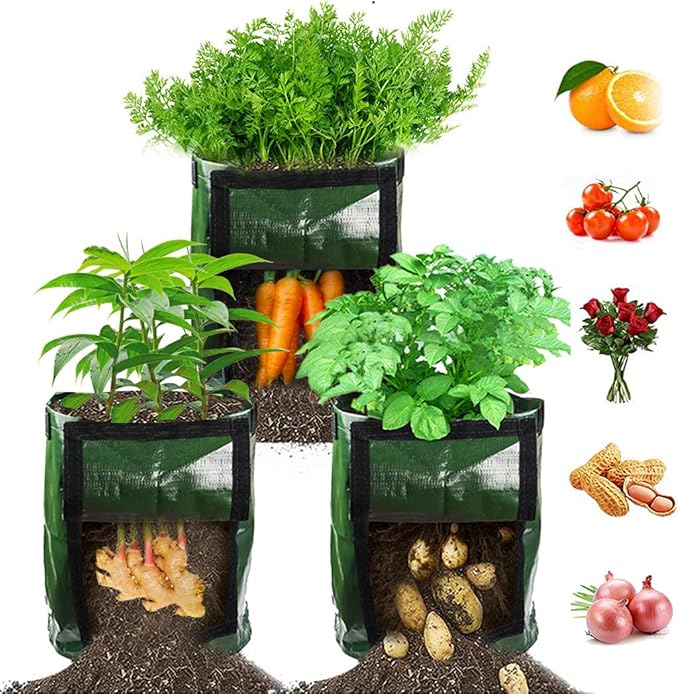
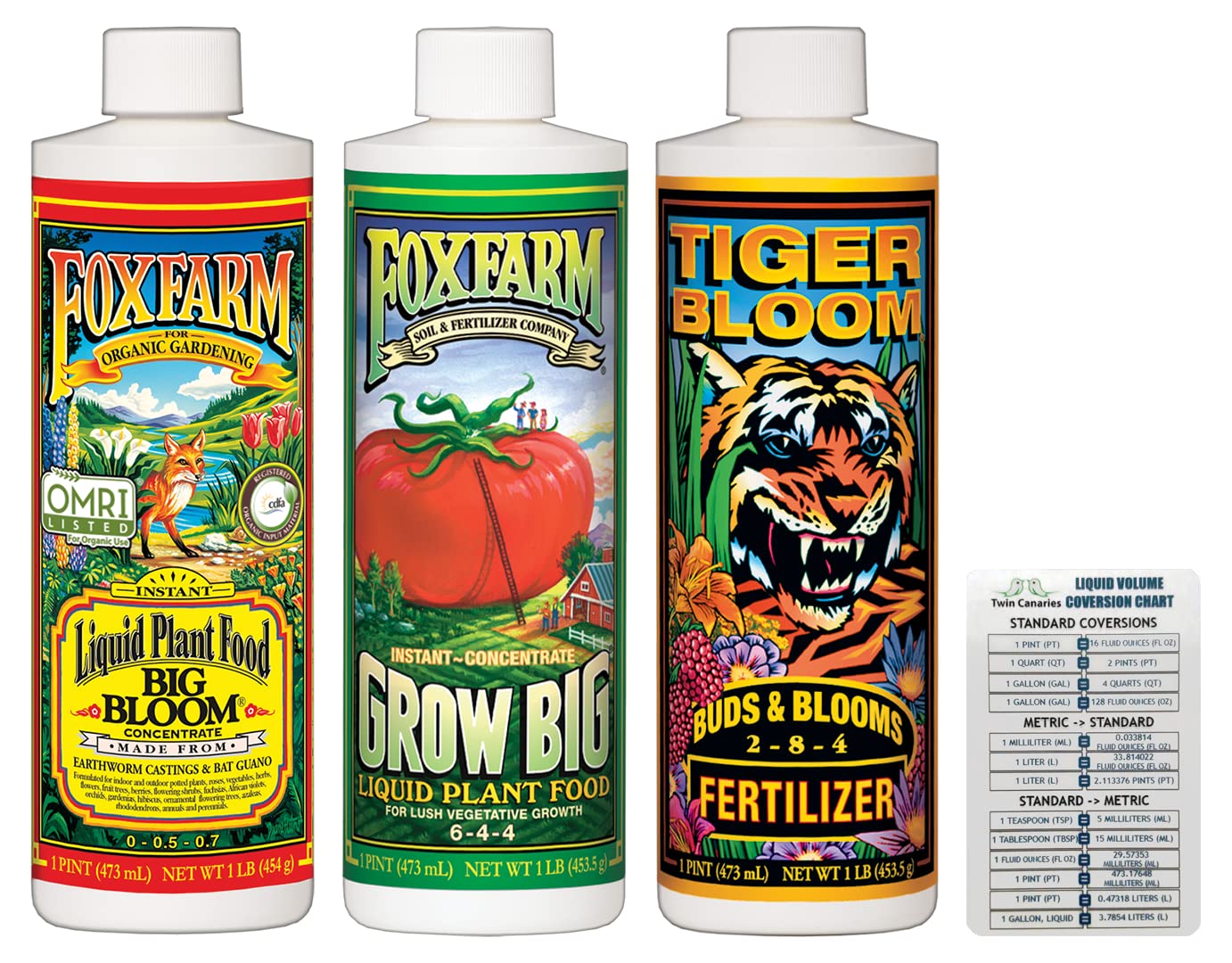
    • Help Control Diabetes: people who have been diagnosed with diabetes are advised to consume more starchy vegetables such as carrots. The fiber in carrots helps to keep blood sugar levels under control and the Vitamin A and beta-carotene it contains helps with diabetes.
    Nutritional Benefits Of Consuming Carrots

    Conclusion – How Long Do Carrots Take To Grow?

    As you have seen from the above, carrots are one of the vegetables that anyone can recommend for you. Its benefits are huge and as such, it is highly desirable.

    This article gives you a guide to planting, growing, and caring for carrots. It also gives you an idea of how long it will take to grow carrots and when you are likely to harvest after planting.

    FAQ’s

    How long do carrots take to grow indoors?

    In a situation where carrots are planted indoors and exposed to the ideal temperature, light, and water conditions, they should be ready for harvesting between 60 and 80 days.

    How long do baby carrots take to grow?

    If you are a lover of baby carrots, the wait time is usually less. Your baby carrots should be ready for harvest in about 50 to 60 days after sprouting.

    How long do carrots take to grow from seed?

    In the right conditions, carrots usually take between 70 and 80 days to grow before they can be harvested when planted as seeds. This timeline may be briefly altered depending on the exact conditions the seeds and plants are exposed to.

    How long do carrots take to grow from containers?

    When carrots are grown in containers, the timeline before harvest usually depends largely on the variety. Most varieties will however be ready for harvest about 75 days after germination.