Category: Organic Food

  • The Step By Step Process Of Growing Broccoli From Seed

    The Step By Step Process Of Growing Broccoli From Seed

    Growing broccoli from seed is quite challenging for beginners but it’s not impossible for those who wish to learn how to do it.

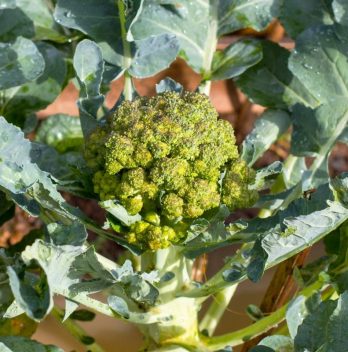
    Broccoli is a sun-loving crop that is best grown in the fall or spring. This beautiful good looking green belongs to the cabbage family. It is a close relative of cauliflower, cabbage, Brussels sprouts, and bok choy.

    It is a cool weather plant that can yield one or two main harvests in a season. If properly cultivated, it can also yield mini-harvests per growing season. Once you harvest the main head, it will often keep producing smaller side shoots that you can enjoy for a long.

    Brocolli is worth growing for its nutritional benefits. It is rich in vitamin A, potassium, iron, folic acid, and fiber.

    Growing Broccoli From Seed Tips

    Brocolli thrives in temperatures between 60 to 70 degrees Fahrenheit. Mature plants can thrive in cold temperatures of up to 25 degrees Fahrenheit.

    Growing Broccoli from Seed Tips

    This plant is also known to be temperamental! If you plant it too early, it produces small heads called buttons. If you plant it too late, the heads do not form at all, and plants flower and go to seed.

    The best time to plant early in the spring season so that it will be ready for harvest when the hot weather arrives. You can also time the late spring season that will see plants mature in cool autumn weather.

    Types of Broccoli Seeds To Grow

    There are several types of broccoli seed varieties that you can grow. Some have larger heads while others have small. There are varieties that mature fast while others take longer. Some varieties even have purple heads.

    Here are a few favorable types that you can work with:

    • DIi Cicco – Classic Heirloom
    • Summer purple – Larger heads
    • Early heading – Early to mature
    • Long harvest – Blend of early and late
    • Santee F1 Purple – small but abundant

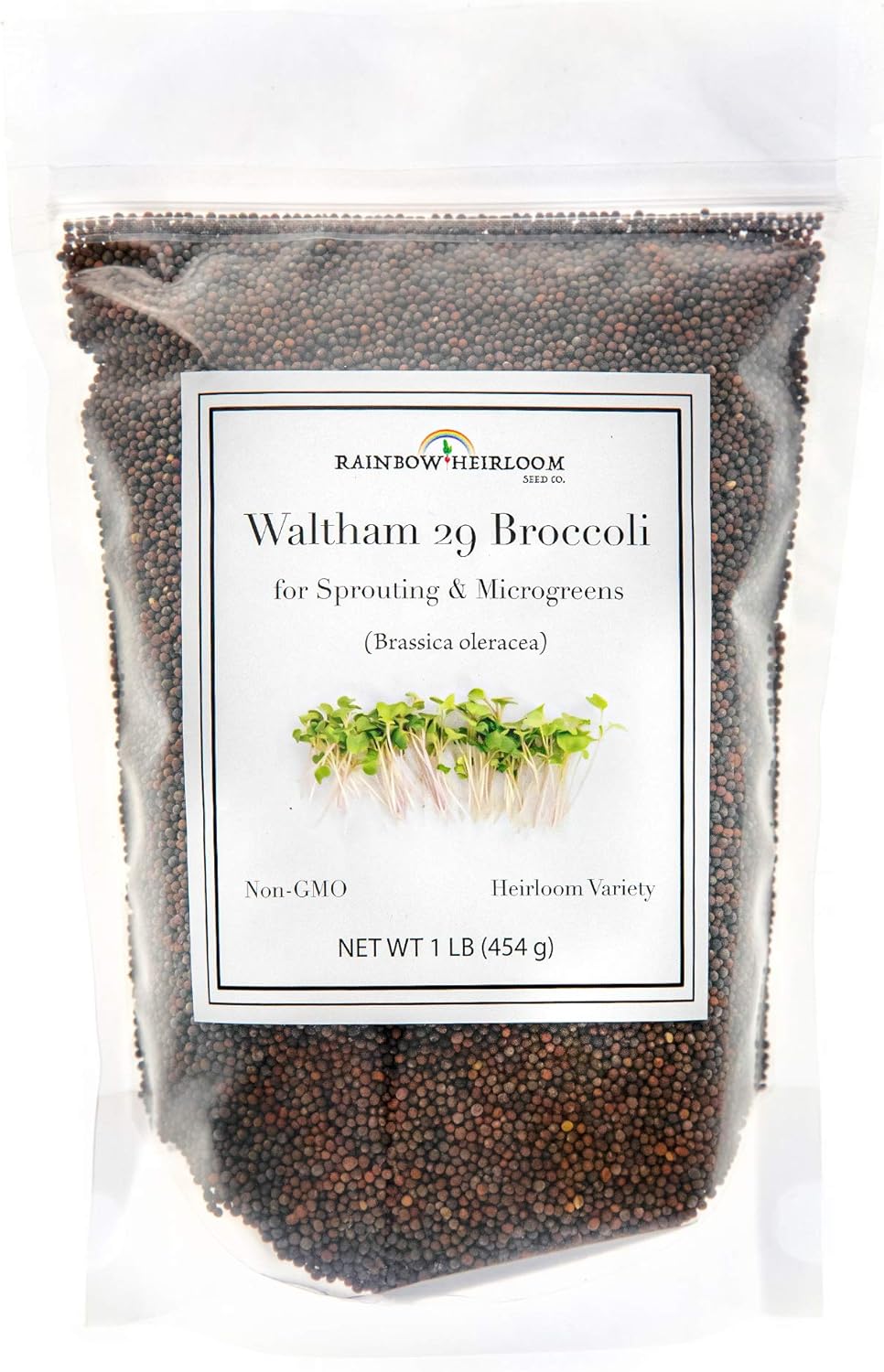
    Broccoli Sprouting Seeds for Broccoli Sprouts & Microgreens

    Growing Broccoli From Seed

    Read the Best way to germinate seeds in hydroponics

    Step by Step Process Of Growing Broccoli From Seed

    Requirements

    • Your choice of broccoli seeds
    • Water
    • Pre-moistened soil or peat pellets
    • Heat mat

    How To Plan Broccoli Seeds

    Step 1: Fill the seed trays with high-quality seed starting soil. Or use pre-moistened peat pellets if that’s what you prefer.

    Step 2: Plant one seed per hole by making a shallow hole in the ready soil. Drop the seed into the shallow hole or place it on top and gently press it into the soil.

    Step 3: Cover the seeds with soil and gently press down to ensure it comes into contact with the seeds. Since broccoli seeds are so small, they should be planted about 1/8” to ¼” deep.

    Step 4: Water the planted seeds. It is best to water the trays from the bottom up so that the soil remains undisturbed. Simply pour water into the tray and allow the soil to soak it up from the bottom. 

    Step 5: Keep watering when necessary to ensure the soil doesn’t dry out as the seeds germinate. 


    FAQs

    What are the steps to planting broccoli?

    There are three main steps in growing broccoli. First, the plants are sown indoors in a seed-starting medium. Second, the seedlings are transplanted into soilless potting mix. Third, they are then transplanted to larger pots, and finally, to the field.

    Seeds of broccoli are sown in a seed-starting medium. It’s important to choose a seed starting medium that has a high nitrogen content and is free of any additives that may harm the seedlings. The seeds should be kept moist at all times and not allowed to dry out. When the seedlings are planted, they should be placed about 2 inches deep and about 2 inches apart in the potting mix. You can water your seedlings by placing them in a plastic bag, or by using an automatic watering system.

    How deep should they be planted?

    Try this Poke a hole in the soil about 12 inches deep and 3 inches wide. Fill the hole with seeds (they should be planted 4 inches apart). Cover them with dirt and water them well.

    How can I lantanas brocolli?

    A small, sunny pot (I like a 10 litre pot) A potting mix or compost The seed of your choice. I have used purple sprouting broccoli and mini sprouts (which are the same thing as broccoli mini sprouts).

    You can use any other type of broccoli seed. A fine mesh sieve An old plastic drinking bottle with a hole in the bottom If you don’t have any of these items, you can buy them at your local nursery or garden centre.

    Step 1: Preparing Your Seed Pot Before starting to grow broccoli from seed, you need to prepare your seed pot. The first thing that you need to do is to soak your seeds for two hours. This is important as it removes the protective coating on the seed. You can use a glass jar or bowl with some warm water to soak your seeds. If you are using a plastic container, make sure that you don’t leave your seeds in there for too long as they may dry out.

    Step 2: Sowing Your Seeds The next step is to sow your seed into your seed pot.

    To do this, sprinkle the seeds evenly over the surface of your pot and then gently pat down the top of the seeds to ensure that all the seeds are evenly distributed in the pot. This can take between three to five days depending on the temperature and the amount of light that you are giving them.

    Step 3: Germinating Your Seeds Now that your seeds have germinated, it is time to transplant them into the soil. First, carefully remove all of the seedlings from your seed pot. You can use a pair of scissors or a small knife. Then, place the seedlings into individual pots or trays filled with a mixture of soil and sand. Make sure that the soil has a good amount of compost in it as this will help to support the young plants. Don’t add any fertiliser at this stage as it could harm the roots. When you have transplanted your seedlings, water them well. Do this every day until you see that they have started to grow their first true leaves.

    Conclusion

    Even though it sounds easy to grow broccoli, it does require some knowledge to get the best out of your seeds. You may not get it first but rest assured the second, third, and fourth times will not be a fail!

  • How to Grow Alfalfa Sprouts?

    How to Grow Alfalfa Sprouts?

    Alfalfa sprouts are usually seen on sandwiches, aisles, and in many salads. Most of us love sprouts too because they add flavor to dishes and come with nutritional benefits. I know you love them also.

    I have been moving away from commercial foods recently and trying to grow organic foods that I can harvest fresh off my garden. So while I was eating an alfalfa sandwich the other day, I asked myself if I could grow the sprouts myself. This prompted me to research how to grow alfalfa sprouts and compiled this piece.

    Here is How You Can Grow Alfalfa Sprouts at Home

    Alfalfa sprouts sprout within one week, and you can easily grow them in a tray or a jar. To begin, you have to find the alfalfa seeds. I buy them at a local food store, but you can also get them from feed stores or online shops.

    How to Grow Alfalfa Sprouts Using a Jar

    Step 1: Measure one tablespoon of the alfalfa seeds

    A tablespoon of the sprouts will sprout about one and a half cups of alfalfa sprouts, which can serve a maximum of two meals.

    How to Grow Alfalfa Sprouts?

    Step 2: Sort and wash the seeds

    Sort out the healthy-looking seeds and rinse them using a mesh sieve or a piece of cheesecloth. Remember to make sure you only wash seeds you plan to sprout immediately.

    Step 3: Place the alfalfa seeds in a glass jar 

    Find a flat-sided quart jar; it works best since it can be laid on its side for better circulation.

    Step 4: Completely cover the seeds with about 2 inches of cold water

    Use a pantyhose or a cheesecloth to cover the jar and secure the cover with a rubber band. The cover will help to hold the seeds in the jar when draining the water.

    Step 5: Let the alfalfa seeds soak for at least half a day

    You should keep the jar in a dry and warm place.

    Step 6: Drain the water in the jar after twelve hours elapse

    Do not remove the covering cheesecloth since it will hold the seeds in the jar while you drain out the water.

    |

    Step 7: Rinse and drain the seeds

    Drain all the water from the jar to prevent the seeds from rotting.

    Step 8: Place the jar lying on its side in a dark place

    Closets and pantries are great locations since they provide ideal temperatures. Spread the seeds across the base of the jar.

    Step 9: Rinse the alfalfa seeds after every eight to twelve hours

    Use lukewarm water to rinse the alfalfa seeds and completely drain the water each time. Repeat this step for four days until the seeds sprout to about two inches long.

    Step 10: Move the jar into a sunlit area

    Spread out the seeds on a dish or platter and place them close to a sunny window for fifteen minutes until the sprouts turn green. Sunlight activates enzymes, which make the sprouts healthy.

    Step 11: Store the sprouts in a refrigerator

    The cold temperatures slow down the sprouting for up to six days.

    How to Grow Alfalfa Sprouts?

    How to Grow Alfalfa Sprouts Using a Clay Tray

    Step 1: Measure one tablespoon of alfalfa seeds and store the remaining seeds a sealed plastic bag or in the original packaging bag.

    Step 2: Sort and rinse the seeds.  Sort out the seeds removing any discolored or damaged seed. Place the healthy seeds on a piece of cheesecloth and rinse them.

    Step 3: Place the seeds in a jar and soak them with two inches of cold water.  Make sure the seeds are completely covered with water then cover the jar with a cheesecloth bound by a rubber band.

    Step 4: Place the jar in a dark room and let the seeds soak for twelve hours.

    Step 5: Drain the seeds through the cheesecloth. You should drain out all the water to prevent rotting and rinse the seeds again using lukewarm water.

    Step 6: Spread the alfalfa seeds over the clay tray. You can use any type of clay tray, but if possible, use a tray with a red terra cotta. Spread the seeds to cover the base of the tray evenly.

    How to Grow Alfalfa Sprouts?

    Step 7: Place the tray on a bigger pan with water. The water in the pan should cover the tray halfway up, but make sure the water does not spill into the tray.

    Step 8: Place the pan and tray in a dark location and leave the seeds to sprout. The clay tray absorbs moisture from the pan that helps the seeds to sprout. I love this method since there is no need to rinse the seeds every few hours.

    Step 9: Refill the pan for four to five days. Check on the level of water in the pan and refill accordingly. The seeds will not sprout if the pan runs out of water for the seeds to absorb.

    Step 10: Place the tray in the sunlight when the sprouts reach two inches in length. Let the sprouts stay in the sunshine for about 15 minutes to activate essential enzymes. The sprouts are ready to eat when they turn green.

    Both processes yield fresh and organic sprouts. The method to use solely lies on your preference or interest.

    You can remove the hulls from the sprout if you like or leave them since they are also edible. Fresh sprouts taste the best, but if you plan to eat them later, you can store them in a dry plastic bag and refrigerate them.

    FAQ’s

    How long does it take to grow alfalfa sprouts?

    The answer depends on how you start your sprouts. If you buy a sprouting kit, it takes about five days for the seeds to sprout. If you grow them from seed, it will take four to six weeks. Which is the better way to grow sprouts? Both methods have their pros and cons. With the kit, there are no worries about soil conditions or temperature.

    You can purchase an inexpensive kit that usually comes with a sprouter, but you can also just put your sprouts in a glass jar with a lid. If you want to grow sprouts from seed, start them in an indoor potting soil. Sprinkle the seeds over the surface of the soil and place the pot in a warm location, such as a sunny window. Keep the sprouts moist, but don’t let the soil become too wet.

    You should see sprouts emerging after two weeks. The easiest way to keep your sprouts fresh is to store them in a plastic bag in the refrigerator. But if you live in a warm climate, you might want to take them outside. If you do, make sure you have some type of cover for the sprouts. A screen works well because it keeps out the bugs and wind. Sprouts are nutritious and packed with protein, fiber, vitamins, minerals and antioxidants. The nutrients in alfalfa sprouts are especially beneficial for children and pregnant women. Sprouts are also a good source of iron and zinc. They also contain calcium and magnesium. Alfalfa sprouts are high in antioxidants, which help prevent cancer and other diseases. A study by the University of Illinois found that alfalfa sprouts contained about 1.5 milligrams of the antioxidant glutathione per gram of sprout.

    Do I need to wash alfalfa sprouts?

    Do I need to wash alfalfa sprouts?

    Alfalfa sprouts are a great source of nutrients and fiber. The sprouts are harvested when the sprouts are still small, and have a tender texture. Alfalfa sprouts can be eaten raw or cooked. Sprouts should be kept in the refrigerator because they spoil easily. 

    Sprouts will lose their crispness if stored for too long, so it is recommended that you use them within 3-5 days of purchase. How to cook alfalfa sprouts? Alfalfa sprouts are a great source of protein and vitamins. To make sprouts, first rinse the sprouts under cold water.

    Then, drain the sprouts and cut them into halves or quarters. For a side dish, cook the sprouts in boiling water for about 1 minute or until tender. For a main dish, steam the sprouts in a steamer or on a wok-style pan with lid. You can also add some salt to enhance the flavor.

    What do you do with alfalfa sprouts?

    You can make a salad out of them, but that’s pretty much it. But if you think about it, alfalfa sprouts are pretty similar to lentils in that they don’t really have an established culinary identity in the U.S., and while both have a long history as an ingredient in Asian cuisine, they are mostly unknown here.

    Conclusion

    With the above steps, you can enjoy fresh alfalfa sprouts straight from your home. Both methods work well, and it all comes down to what equipment is available to you. I would recommend trays such as the hawos Terracotta Sprouter Clay Sprouting Pot if you are using the clay tray method, or you can try Ball Quart Jar with Silver Lid if you are using the jar method.

    Leave a comment if you have any questions and I will gladly respond.

  • Best Organic Garlic Powder Certified in the USA

    Best Organic Garlic Powder Certified in the USA

    Garlic helps to provide your food with a sweet smelling and tasting flavor. While you can get your garlic anywhere, the best chefs know better to get theirs from organic garlic powder makers with a badge of certification from the authorities.

    In this article, I will be sharing with you 5 of the best organic garlic powder that is available for purchase in the United States. But before when getting into the list, I will like to share with you some helpful tips that will help you make a decision when shopping online or at your local store.

    How to Choose Organic Garlic Powder 

    When in the market to purchase an organic powder, you want to ensure that you

    •   Check to see that the product isn’t expired.
    •   Ensure that there is a seal of quality or certification on the product by the relevant authority.
    •   You also want to check the ingredient information on the package to be certain you aren’t allergic to any of the active components (but in most cases, all that’s in there are garlic bulbs that were dried and grounded).
    •   If you are buying online, ensure that you check the reviews to hear what customers who have used the product are saying.

    Benefits of Garlic 

    If you use garlic as part of the ingredients in your foods, I suggest you make use of fresh bulbs or get organic garlic powder as they are very beneficial. Belonging to the same family as onions (Allium), garlic is used in cooking mainly because of its delicious taste and strong smell, some of the notable benefits of garlic include

    •   Packed with Nutrients and a low amount of Calories 

    In addition to being nutritious, garlic contains low amounts of calories which is great news if you are looking for ways to reduce your daily calorie consumption. Packed with the right amount of protein and carbohydrates, each clove of garlic contains Vitamin B6, Vitamin B1, Vitamin C, Selenium, Manganese, Fiber, Phosphorus, Copper, Calcium, Potassium, Iron and other trace elements.

    •   Helps to Boost the Immune System 

    The addition of garlic to your food helps to fight against sicknesses such as flu and the common cold. While there is still a great deal of research to prove this claim, many of the nutrients present in garlic are potent when it comes to improving the immune system.

    •   Helps to Reduce Blood Pressure 

    The active ingredients found in garlic are capable of reducing blood pressure, which is a plus for those suffering from hypertension. A few spoons of organic garlic powder in your dishes will so you a lot good than harm.

    •   Helps to Improve Cholesterol Levels

    When garlic is taken as a supplement it has been known to reduce LDL without inhibiting the effect of LDL. Patients suffering from high levels of cholesterol can include organic garlic powder in their diet to help reduce by up to 15% the levels of total and/or LDL cholesterol in the body.

    •   Helps to detoxify the body 

    Garlic has a high sulfur content that is beneficial in protecting the organs against the effect of metal toxicity. In studies conducted to check the effect of garlic in lead toxicity, it was found to reduce Pb levels in the blood by 19%.

    |

    Best Way to Use Organic Garlic Powder 

    When using garlic in the kitchen, it is best that you use them fresh or ensure that they are properly dried and grounded to be stored for use later. Only choose bulbs that were grown in organic farms where they ensure the best agricultural practices. It is also important to mention that you include a decent amount when adding to your meals as you don’t want to over-spice your food. Doing so can affect the taste of the food and may result in garlic overdose.

    Best Organic Garlic Powder For Sweet Smelling and Tasting Meals 

    Now that I have mentioned some of the benefits of garlic and what to look out for when shopping for organic garlic powder, we can then get into the details of our 5 best grown in America garlic powder that you can add to your meals for improved taste and aroma.

    1. Azure Market Organics Garlic Granule


    Check price on Amazon

    This product is a vegan-friendly, gluten-free garlic granules that helps to improve the taste of meat, vegetable, soup, and stew. This “garlic powder” has a strong characteristic odor and an extremely pungent taste.

    PROS

    Certified kosher and organic.
    Grown in USA.
    Non-GMO.
    This product has not been Irradiated.
    Provides meals such as sauces, mashed or roasted potatoes with a sweet smelling garlic flavor.
    No artificial sweetener, MSG, yeast, colors, or preservatives.
    Good quality and good price.

    CONS

    The container is not resealable.
    The texture is not fine powder.

    Other Options. Not Organic, But With Great Taste

    Kirkland Signature California Granulated Garlic


    Check Price on Amazon

    If you need your garlic to look more like grains of sand and not in the powdered form, then you may want to settle for this product from Kirkland Signature. The garlic bulbs were grown in American farms located in California and made with the best practices. This is my pick for the best organic garlic powder grown in the USA.

    PROS

    Completely gluten free.
    Made from completely fresh garlic grown in California.
    Comes in a hard plastic bottle with a tight lid that helps to preserve the quality of the seasoning.
    Tastes and smells fresh when added to all kinds of dishes that require seasoning.

    CONS

    Although a bit overpriced, it can be easily affordable to anyone in the market for a truly American product.

    Lawry’s Garlic Salt


    Check Price on Amazon

    Lawry’s, a restaurant chain founded in 1938 are renowned for their organic food products. This seasoned salt blend with garlic and parsley promises to add a fresh flavor to your dishes. Perfect for sauces or sprinkle on sliced avocado, this garlic seasoning from Lawry’s is a great addition to your pantry.

    PROS

    Great seasoning for white meat and fish.
    A sweet smelling flavor that is great with any menu.
    Combination with parsley helps to provide a sweet vegetable taste to your meal.
    Kosher friendly as it does not contain any animal product.

    CONS

    A bit on the high side for a 33oz bottle with garlic and parsley.

    McCormick California Style Garlic Powder with Parsley


    Check price on Amazon

    Since 1889, McCormick has been in the business of planting and harvesting herbs and spices for use in adding flavor to food. This powder in addition to garlic also contains parsley and sunflower oil. For a sweet smell and taste, you can include this seasoning in your vegetables, meat, stews, and soups.

    PROS

    Perfect for homemade marinades, stews, chili, soups, and rubs.
    Made from fresh garlic
    Free from MSG making it safe for use in cooking.
    Salt free garlic powder.

    CONS

    A bit overpriced for a 24oz bottle.

    Badia Roasted Garlic


    Check Price on Amazon

    If you want your garlic to have a roasted smell to it, then you should purchase this quality product from Badia. This garlic powder is completely gluten-free and safe for consumption by vegetarians.

    PROS

    Adds a depth of flavoring to meals unlike regular garlic powder.
    Gluten-free and safe for vegan lovers.
    Made from the fresh garlic bulbs that were roasted for use as seasoning with or without garlic salt.
    Great for BBQ, meat, dips, and sauces.

    CONS

    Might not be a good choice for those who don’t like roasting their spices and vegetables.

    While Gilroy, California, is the garlic home of the USA, it is still shocking to find that most of the top garlic powder brand still source their ingredients from farms in China and other parts of the world. For those looking for a truly grown in America garlic powder, then you will have to settle for the by Kirkland Signature.

    Garlic is a great seasoning with numerous benefits, it is best that you follow the guide above when shopping at your local store or online.

    We encourage you to leave us a comment if you have any further question about organic garlic powder. Also, if you find this article informative, we will love for you to share it to help raise awareness.