Category: Organic Food

  • Easiest Plants To Grow Hydroponically

    Easiest Plants To Grow Hydroponically

    Are you looking for the easiest plants to grow hydroponically? We’ve got the right answer for you here! We have listed 10 plants you can grow hydroponically, so read through to know your best pick.

    Growing hydroponically gives you the benefit of enjoying fresh crops and lovely house plants all year round. No matter your location or the season you’re in, you and your family can enjoy fresh yield from hydroponic indoor gardening.

    There are different varieties of plants that can be grown hydroponically, and they include vegetables, herbs, flowers, succulents, houseplants, and so on. So, go through our list of the easiest plants to grow hydroponically.

    10 Easiest Plants To Grow Hydroponically

    Most hydroponic growers especially beginners are usually interested in growing easy plants in their hydroponic garden so they can experience some early success. It’s a good thing to have a successful starting point when it comes to growing hydroponically. This will usually boost one’s interest and confidence.

    10 Easiest Plants To Grow Hydroponically

    So, here are the lists of some of the best hydroponics plants you can grow:

    1.    Hydroponic Lettuce

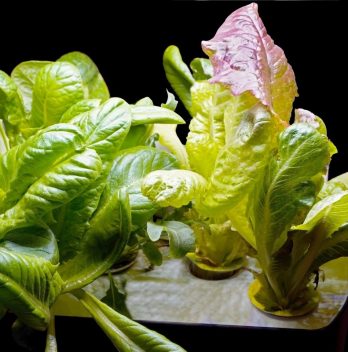
    One of the most popular and easiest plants that can be grown hydroponically is lettuce. They grow very rapidly and are they are so easy to care for. Lettuce loves water and requires less light, so it’s no surprise they are one of the most loved among hydroponic growers.

    2.    Spinach

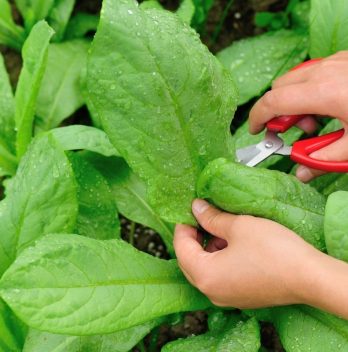
    Spinach is another easy plant you can grow in your hydroponic garden. They are healthy leafy green veggies and they love cool conditions which makes hydroponic settings suitable for them.

    3.    Cucumbers

    Cucumbers are not left out on the easiest plants to grow hydroponically. Cucumber plants will grow in different hydroponic varieties such as ebb and flow, bubble buckets, and Dutch buckets. They can even grow well in a tower system. They can be grown by hobbyists and commercial growers.

    Cucumber plants are excellent vining crops and water-loving. Vining cucumbers require support as they grow and you can use a trellis. The vine variety will as well require room, especially vertical space.

    Growing Cucumbers Hydroponically

    However, if you don’t have enough space, you can go for the bushy variety. Also, you should choose a cucumber variety that is resistant to mildew as cucumbers are pretty vulnerable to the disease.

    4.    Tomatoes

    Tomatoes are another great option and they are grown at home and in a commercial greenhouse. Just ensure you supply support as your tomatoes begin to fruit and weigh more. They will grow well in drip systems and hydroponic buckets (also called bubble buckets).

    5.    Peppers

    Just like tomatoes and cucumbers, growing peppers is easy with hydroponics. all you need do is to ensure they receive adequate sunlight or supply them with good grow light.

    6.    Strawberries

    One of the most common fruits grown hydroponically is the strawberries fruits. They can be grown in a small garden and in a large-scale commercial hydroponic farm. Strawberries grow very rapidly giving you plenty of yield at a better quality rate. They are also less likely to give you any pest issues.

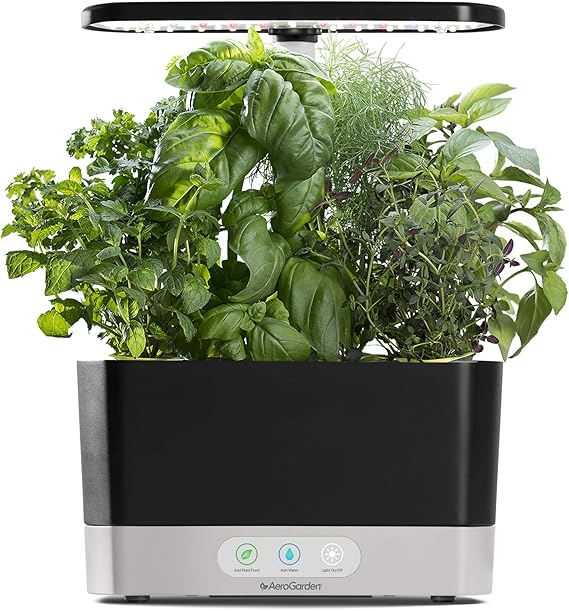
    AeroGarden Black Harvest Indoor Hydroponic Garden

    81DPs6WZXjL. AC SX569

    7.    Basil

    Basil herb will also grow easily in hydroponics. The fastest and easiest method of getting started with basil is to purchase basil seedlings and you can get them at any garden center around you. Then you go ahead to transplant the seedlings into your hydroponic system. Ensure you rinse off the soil carefully and thoroughly before transplanting.

    8.    Beans

    Beans will grow rapidly and require less maintenance to grow at the same time giving you abundant yield. You can grow either the bushy or viny variety. If you are concerned about space and the stress of adding support as they grow, then you should stick with the bushy variety.

    9. Carnation

    A common flower that can be grown hydroponically is the carnation flower. They can be grown in homes or in a commercial way. Their floral arrangement is so inviting and growing plenty of them in your hydroponics garden can be pretty lucrative.

    Growing Carnation Hydroponically

    10.    Watercress

    From the name, we can tell this plant is a water-loving plant. It is commonly known to be vegetables; however, their flowers are quite edible. If you want your watercress plant to transition into the flowering phase, you will require changing the nutrient to a flowering nutrient solution. Do this when the plant has grown halfway into its vegetative phase.

    Tips For Growing The Best Plants For Hydroponics

    Once you have decided the appropriate plants to grow hydroponically, you can follow these tips to guide you to grow appropriately:

      • Grow and supply your plants with good lightning.

      • The pH level of your nutrient solutions should be at the appropriate range so nutrients can be absorbed appropriately for plants growth.

      • Plants that have the same needs can be grouped and grown together. Plants such as tomatoes and tomatoes together or spinach and lettuce.

      • Always support heavy viny plants with trellis as their weight gets overwhelmed.

      • If you’re growing for cooking purposes, have in mind that a hydroponic system will produce a lot. So, ensure you plant only a couple of plants so the yield won’t be so excessive and there is minimal waste.

      • Ensure you carefully and thoroughly rinse off any soil to transplant any young plants or seedlings.

    •  

    FAQ’s

    What is the easiest plants to grow in hydroponics?

    When it comes to growing plants in hydroponics, you have a lot of choices. You can grow your plants with soil, rockwool or vermiculite. If you are just starting out and want to grow your first plant in hydroponics, you should consider growing tomatoes. They are easy to grow and there are many varieties of tomato plants that can grow well in hydroponics.

    1. Sweet Potatoes – grows quickly and requires no soil at all.
    2. Radishes – I think radishes will grow anywhere. They’re cheap to buy.
    3. Lettuce – You can get a small bag of lettuce seeds .for less than $
    4. Kale – grows like crazy.
    5. Peppers – I bought some peppers for $.99 each at Wal-Mart. I think they would be good in a hydroponic system.
    6. Parsley has been grown hydroponically for decades and is easy to grow. It is a hardy perennial that can be harvested all year long. Parsley can be grown as a cut flower or an annual vegetable.

    What plants cannot be grown hydroponically?

    It’s not easy to grow plants without soil. And, it’s even harder to grow them in a way that doesn’t require you to use potting soil or some kind of nutrient solution.
    Hydroponic gardening is a great way to grow plants in an environment that is more like the natural environment. If you have access to a greenhouse, or even a garage with a lot of sun and air circulation, you can use this method to grow a large number of plants. There are certain plants that cannot be grown hydroponically. The reason is that the roots will rot and die if the roots are not getting adequate water and oxygen.
    For starters, there are a few plants that simply don’t like the conditions inside a plastic or glass container. These include cucumbers, lettuce, and eggplants.

    Can tomatoes grow hydroponically?

    Tomatoes are very easy to grow and can be grown in most any type of container including plastic pots, so you don’t need to spend a lot of money to get started. There are several ways to start your own garden. You can buy a ready-made kit from a local nursery or you can build a grow box yourself. If you decide to build your own grow box, you can use a simple plastic bucket with a lid and some growing medium to start your tomato plants. The next step is to add the soil that your tomato plants will grow in. If you plan on growing several different types of tomatoes, then you may want to purchase a large container for your growing medium. This will allow you to grow a wide variety of tomatoes. Once your grow box is complete, you can plant your seedlings into it. You should water your seedlings after planting them in your hydroponic grow box.

    Final Say On Easiest Plants To Grow Hydroponically

    We have so many options of good plants for hydroponics. However, starting with the easiest plants will make things easier especially if you’re new to the world of hydroponics. This is because some plants require technical skills and knowledge while others are pretty easy.

    Once you have learned and perfected growing some easy plants with your hydroponics system, you can then proceed to expand and work on new plants.

    All in all, ensure you have fun while growing hydroponically because growing the hydroponic way is a fun thing to do.

  • Why Is My Lettuce Bitter?

    Why Is My Lettuce Bitter?

    Why is my lettuce bitter? This is one frequently asked question by different lettuce growers especially newbie that experience a bad tasting lettuce at the end of their harvest. We’ve got the answer for you here and possible solutions and prevention to go about bitter lettuce.

    The crispy juicy lettuce is a very easy plant to grow. However, the leave turning bitter is one common issue any growers may encounter. The good thing is there are definitely things you can do to avoid them turning bitter and we will enlighten you on this.

    So, let’s dive in to see why your lettuce is better and what to do to solve the problems.

    Bitter Lettuce

    The bittern lettuce is usually experienced with its leaves. There’s no denying that the lettuce leaves’ appearance always looks inviting and all: well, you may become disappointed when you have a bite from a lettuce salad or a wrap.

    Bitter Lettuce

    Why Is Lettuce Bitter?

    Heat is the most common reason for bitter lettuce but there are many other conditions that can predispose your lettuce to turn bitter. When you understand the reasons why lettuce may turn bitter, then you can make plans to prevent future occurrences.

    1.    Heat Stress

    Lettuce is a cool-season crop, however, that doesn’t mean you can’t grow them outside the cool season. Heat is one of the most common and leading causes why your lettuce is turning bitter. As the temperatures rise, the lettuce plant begins to mature and start producing flowers and seeds rather than leaves.

    This process is called bolting and it’s a natural unstoppable process that occurs when the temperature rises.

    2.    Water

    Lettuce leaves are water-loving plants which is why they are full of water! Those huge and succulent leaves require water to remain rigid, full, and tasty. Therefore, if your lettuce plants are watered less often, they can become bitter. When you begin to notice brown leaf edges, then that’s a sign of water deprivation.

    So, ensure you water your lettuce plants often and avoid their soil becoming too dry.

    Why Is Lettuce Bitter - Water

    3.    Nutrition

    Lettuce needs adequate nutrition to grow well.  The plant is a very fast-growing plant. Thus, it will require all the resources to grow smoothly and any slight deficiency will make the plant bolt. So, lack of nutrition will retard the growth of lettuce and make your lettuce leaves turn bad-tasting.

    Ensure you feed your lettuce plant with regular nutrition. However, don’t overdo it because too much fertilizer, especially excess nitrogen can also cause bitter tasting lettuce.

    4.    Bad Soil

    Another cause for bitter-tasting lettuce is bad soil. Lettuce plants need optimum draining soil and loose soil. This is because of the shallow and thin roots lettuce has. If the soil does not suit the lettuce plant, they will become stressed and begin to bolt.

    5.    Aster Yellows Phytoplasma Disease

    Aster yellows are one common lettuce disease that can cause lettuce to turn bitter. The lettuce inner leaves will begin to lose color and the outer leaves will look stunted. This can cause the entire lettuce plant to become weak and not useful.

    Aster Yellows Phytoplasma Disease

    6.    Lettuce Variety

    Lettuce plants belong to a wide range of species and there are over 100s of lettuce varieties and types. They have over 20, 000 other family members.

    We have many other lettuce varieties that are not used in homes and cannot find their way in our domestic lives. This type of lettuce variety is from the Lactuca virosa.

    The variety we consume is the Lactuca sativa. This type ranges from mild to sweet taste. However, their bitterness can still be activated if they are predisposed to conditions that will make them turn bitter.

    Bitter Lettuce Prevention

    Here are the following things you can do to prevent a bad-tasting lettuce:

    • Grow in Semi-Shade: Simply grow them in a semi-shade area and ensure you always keep them cool during hot seasons. You can also plant your lettuce under taller plants that will cover or shade your lettuce plants. You can plant them under tomatoes or crops that are trellised.
    • Healthy Soil: Maintain healthy soil and feed the soil with the appropriate nutrient. Add and cover the soil with some mulch to your soil especially hot season and during winter.

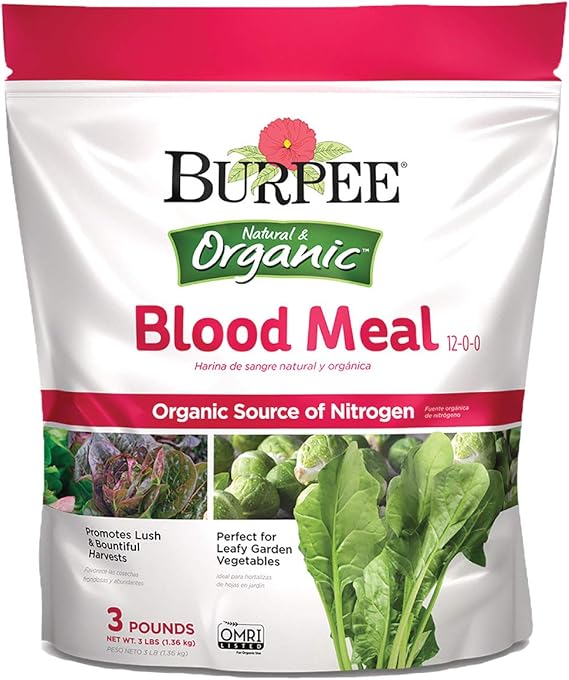
    Burpee Organic Blood Meal Fertilizer, 3 lb

    71do9eWazOL. AC SX569
    • Use Containers: when you grow your lettuce using containers, it allows you the comfort of simply moving them to a shaded place when needed.
    • Shade Cloth: you can purchase shade cloths and create some shade around your garden to block some sun.
    • Water Regularly: never deprive your lettuce plants of water as they will need all the moisture they can get. This is important especially during hot seasons.
    • Grow in Cooler Months: even though it’s possible to grow lettuce outside cooler months, growing them during cooler months will make your crop last longer.

    Bitter Lettuce: What To Do With It?

    If at the end of it all you end up with a bad tasting lettuce, here are some things you can do to relief the bitterness:

    • Run your lettuce leaves under cool water and put the head in a crisper immediately. Keep it in the crisper for 48 hours and bring it out rinse in cold water again. Then take away the outer leaves and cut the root and tips. The bitter taste should be gone and you can serve right away.
    • You can also cook your lettuce to get rid of the bitter taste and mix it with something sweet such as spinach or silverbeet.

    Note that lettuce leaves cannot be frozen or dried as they must be used immediately.

    So, rather than letting that bitter lettuce go to waste, you can simply revive it by following the above tips.

    FAQ’s

    Why does my lettuce plant taste bitter?

    There are a number of reasons your lettuce could be bitter.

    First, it may be too much or too little water. If you are not watering it daily, the plant needs more water. It may also be that the plant has not been getting enough light. If you are in a basement, you will need to provide additional light by using a light box, fluorescent lights, or other means. If you find that you are not able to get adequate light in your basement, you may want to consider relocating your lettuce plant outside, where you can provide adequate sunlight.

    How do you fix bitter lettuce?

    It’s one of the most common problems that crops face in our backyard, and if you’re like me, you’ve probably tried many different things to help with it. My usual method is to cut off the worst parts, but then I often end up throwing them out.

    You can add vinegar. I don’t mean just any old vinegary taste. I mean the kind of vinegar that makes a salad pop with flavor.

    Why is my hydroponic lettuce bitter?

    I’d bet that it’s because of something in the water. I think you may be looking for a chlorine filter or a carbon filter. Chlorine kills bacteria and will kill off the bacteria in the water.

    Bitter taste is often associated with the presence of oxalic acid in the plant. It’s produced as a defense against bacteria and fungi that are feeding on the plant.
    This can be caused by either over-watering or by over-fertilizing. If you fertilize with nitrogen-rich materials, then it will increase the concentration of oxalic acid. Keep the soil moist but not soggy; too much moisture can lead to root rot. I have a few pots of lettuce that have been growing for 3 weeks and they have started to get bitter. I have had the same soil mix, same lighting, and same water source for all 3 plants. The soil was changed weekly and everything else has remained constant.

    How do I make my lettuce not bitter?

    Lettuce is naturally bitter, which is why we eat it with some sort of dressing. The bitterness comes from oxalic acid, which is very soluble in water. In general, the more the leaf has been dried, the less bitter it will be.
    Some types of lettuce are less bitter than others. You can also rinse the leaves in a bowl of water to remove some of the bitterness. If you’re concerned about the amount of salt you’ll be adding to your salad, it’s best to add some lemon or lime juice to cut the bitterness before adding the salt. We usually recommend rinsing the lettuce in cold water for 30 seconds to 1 minute before dressing. A quick rinse should get rid of most of the bitterness. You can also use a salad spinner to dry the lettuce after washing.

    Final Say On Why Is My Lettuce Bitter?

    So, there you have it on why your lettuce is turning bitter. Follow our tips on preventing your lettuce from turning bad so you can enjoy a better tasteful lettuce meal.

  • How To Pick Basil

    How To Pick Basil

    Did you know there’s a right way to harvest basil to ensure they flourish and you get to enjoy continuous yield?  That’s right! So, learning how to pick basil the right way is important and we will teach you how.

    The sweet aromatic and tasteful basil is one popular herb loved by many. It is a culinary herb that any kitchen lover can use for various dishes. The tasteful basil herb is even more distinguishable when grown and used fresh from the garden. Therefore, you would agree that it’s a must-have in every garden.

    When growing basil plants, how you pick them matters and we will enlighten you on this. So continue reading to find out.

    Growing Basil Plants

    There are different varieties of basil to grow, but sweet basil is the most common type of basil grown. Other types of basil include Thai basil, cinnamon basil, purple basil, lemon basil, etc.

    Basil plants can be grown both hydroponically and in an outdoor garden. However, it will only grow outdoors during summer when the soil is warm. But with hydroponics, you can grow them all year round.

    Growing Basil Plants

    Planting Basil

    To commence basil planting, get your seeds and plant them. You can plant them indoors if you wish. Preferably, you should plant them 6 weeks before the last spring frost. They are pretty frost sensitive so ensure you insulate them during freezing temperatures or bring them indoors if you’re growing with a container.

    Once the seedlings have begun yielding their first 6 leaves, trim them to the top of their second set of leaves. This will stimulate your basil plant to start branching. Thus, this will encourage the multiplication of leaves for an abundant harvest.

    Pinch off the middle shoot once it’s 6 weeks as this will prevent early flowering. And if you notice any flowers growing, simply cut them off so that the vegetative process will keep ongoing.

    Basil can be grown in flower beds or containers. For outdoors planting, ensure the soil has warmed up to about 50 to 70 degrees Fahrenheit. This is crucial because heat is necessary for the growth of your basil. Choose a sunny location to plant your basil and target 6 to 8 hours full or partial sun daily.

    Read more about How Many Basil Plants Per Pot?

    AeroGarden Black Harvest Indoor Hydroponic Garden

    81DPs6WZXjL. AC SX569

    Moisture is another important factor in planting basil. Basil plant loves moisture so ensure the soil is well moist but not soggy and ensure the soil should be well-draining.

    Avoid using pesticides on your basil if they’re meant for cooking as this can produce unhealthy basil leaves to be consumed. Also, avoid planting them close to a driveway or busy streets to prevent exhaust from settling on your plants.

    Once, the freezing temperature approaches, harvest your basil plants because your plants will be destroyed during this period.

    Best Way To Harvest Basil

    The following guidelines will teach you how to pick basil correctly so read on to learn.

    Best Time For Picking Basil

    It’s fine to pick basil any time of the day. However, morning is the best time to harvest basil but that does not stop you from harvesting them at period.

    Learning How To Pick Basil

    When you harvest your basil plants the appropriate way, you’re encouraging a fuller and bountiful subsequent harvest.

    Once your basil plant attains the length of 6 inches, that’s the right time to harvest: ensure your basil plant does not exceed 8 inches.

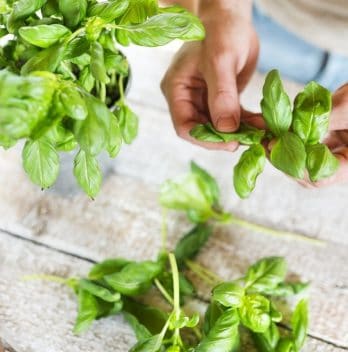
    Pick your basil from stem to stem and avoid cutting off the stem.  Be gentle as you pinch off the leaves from the stem they are attached to. Avoid using sharp tools to cut the leaves only if you will be careful enough from injuring the stem.

    Ensure you always pick the leaves from time to time to enhance more growth. However, you should avoid picking the basil leaves from the bottom stem to prevent your plant from being thin and tall as this will not encourage a healthy production.

    Don’t stop harvesting even if you don’t need the basil leaves so as to encourage continuous growth. You can pick and store the basil leaves for later use. Pinch off or remove any flower bud or flower so your basil plant can grow more leaves rather than flowers.

    Best Time For Picking Basil

    When their growing season has ended, (this is before the first frost) you can cut the stem off the ground. Harvest all your basil and bring them indoors for cooking. The excess basil leaves should be preserved for later use.

    Read more about Transferring Soil Plants to Hydroponic

    Storing Basil Leaves

    It is important you also learn how to store basil correctly. This is because it’s likely you pick the leaves regularly and excess basil might remain and you won’t want to just throw the excess basil away. So here are the two ways you can store your basil leaves:

    • Freezing: To store your basil leaves appropriately, you will need to freeze them. When you freeze them, they remain fresh and most of their tasty flavor is kept intact. You will need to pack them in a resalable airtight plastic bag to store them. Then you proceed to place them in the freezer.

    • Drying: Drying is another method of storing your excess basil leaves. However, some flavor will be lost in this process. You can dry your basil by spreading them in a shady area for 3 or 4 days. If you have done this after 3 or 4 days and they aren’t dried completely, you can finish drying them in the oven. Simply turn your oven to the lowest heat and leave the door slightly open. Turn them regularly for an even drying till you achieve all your basil leaves all dried. When they are done drying, put them in a dry paper bag and keep them in a warm place like your kitchen cupboard.

    • Storing Fresh Basil In Water: If you wish to cut the stem of your basil, you can place them inside a glass jar. Keep them out of direct sunlight and they will last you up to two weeks.

    Storing Basil Leaves

    FAQ’s

    How do you pick basil so it keeps growing?

    The secret to success is to pick basil when it’s at its best, and then leave it alone. But you don’t have to wait until you see a whole bunch of leaves to pick your basil. You can harvest a few leaves off the stems every few days to keep the plant healthy. And if you have a big pot, you can harvest as many leaves as you want from the center of the plant.

    How do you keep basil from getting too big?

    There are several ways to keep basil plants from getting too big. You can pinch off the side shoots as they appear. Or you can cut off the top of the plant when it reaches 6 inches tall. Or you can wait until the plant gets bigger and then use pruning shears to remove the center stems.

    Do you pick fresh basil from the top or bottom?

    The best and freshest basil is picked from the top of the plant. In other words, it is picked at the stem end.

    How do you pick basil without killing it?

    The most common way to select a bunch of basil for your cooking is to look for the greenest leaves. If they are not quite as dark green as the leaves of a leek, or if the leaves have started to yellow, they are probably ready to be picked. The other method is to smell the leaves. If the scent is sweet, like that of oregano, they are ready to use.

    When can I pick basil leaves?

    The plant itself doesn’t have an ‘exact’ time when it will be ready to harvest. In general, as long as the leaves are still green (unripe), you can harvest them.
    You can start harvesting basil as soon as the weather is warm enough to grow it outside. As long as it’s not too hot or cold, you should be able to get some good leaves from your plants.

    How do I know if my basil plant needs to be watered?

    Basil doesn’t like hot and dry weather.
    When the air is hot and dry, your basil may wilt and look sickly. You can help your plant by giving it a drink of water. If you see that your plant looks pale or droopy, give it another drink of water.

    How do I keep basil from getting moldy?

    Basil plants can get moldy in the summer months when the weather is very hot and humid. You can prevent this problem by keeping your basil in a place where the temperature stays cool, like a basement or a garage. You should also make sure your basil has plenty of moisture by watering it regularly.

    How To Pick Basil: Conclusion

    As we can see there are great benefits to picking your basil the appropriate way. Follow our guidelines on how to pick basil and enjoy a continuous harvest of the tasteful basil herb.

  • How To Do Vertical Farming At Home

    How To Do Vertical Farming At Home

    You can enjoy fresh veggies and other types of crops in the comfort of your home by venturing into vertical farming. This post will give you an easy guide on how to do vertical farming at home.

    Vertical farming is a type of farming system that involves growing crops in a stacked-up manner. So, if vertical farming interests you and you’re wondering how to do vertical farming at home, we will enlighten you in this post.

    What Is Vertical Farming System?

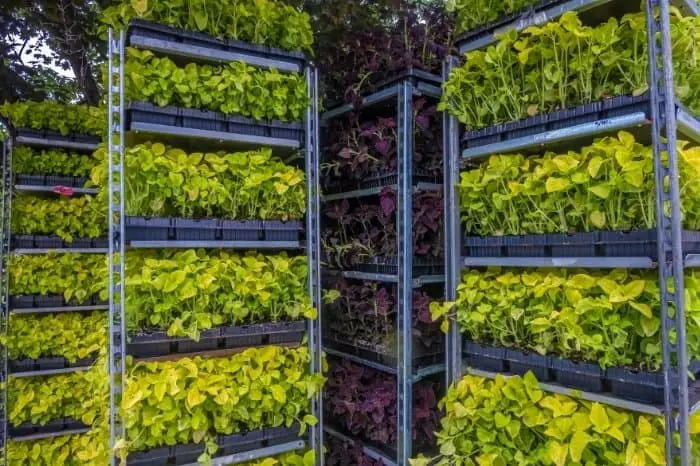
    A vertical farming system is a method of growing all types of crops in vertical layers. Plants are stacked up to save more space and this allows you to raise plants in a much closer space. It also encourages maximum utilization of very small space at the same time results in abundant yield.

    What Is Vertical Farming System

    How To Do Vertical Farming At Home

    How to do vertical farming at home is easy and we will put you through this. The first thing is to decide if you would be building a DIY system or if you’d purchase the complete supplies.

    However, there is a popular and easier vertical DIY system that will especially suit your home or kitchen. This type of vertical farming structure was designed by Belgian professor Willem Van Cottehem.

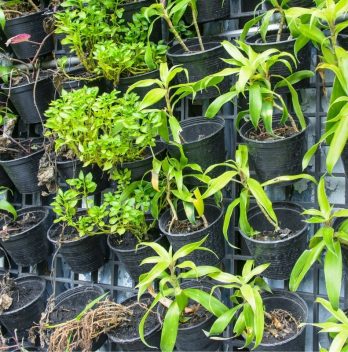
    This method makes use of transformed regular bottles into usable containers by stringing them together in a container rack. Also, all types of plants including young tree (will be transplanted after attaining optimal height) can be grown using this technique.

    The most interesting beneficial thing about this type of vertical system is that it doesn’t make use of electricity. Also, it is simply a low-cost, sturdy, and much simpler type of vertical farming.

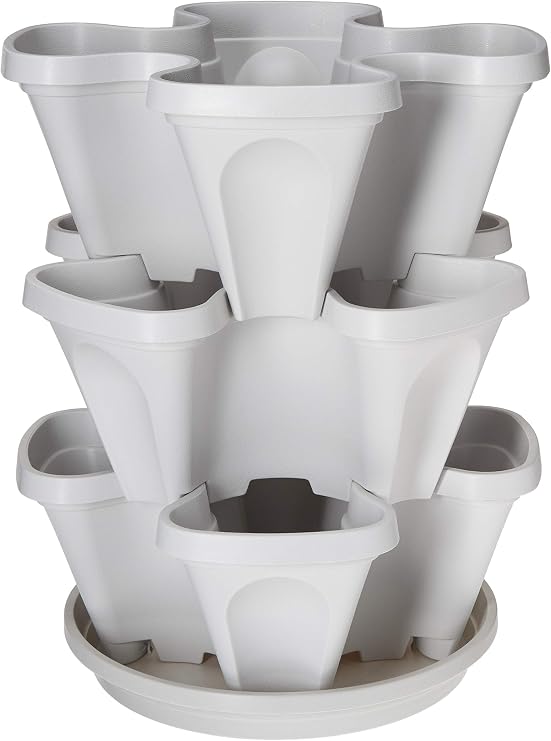
    3 Tier Stackable Garden – Indoor / Outdoor Vertical Planter Set

    718oOpqBfBL. AC SY741

    Steps On Bottle Tower Vertical Home Farming

    Follow these steps to learn how to carefully set up the bottle tower garden and the materials required in building a bottle tower garden:

    Step 1

    So, obtain some plastic bottles of water. Stack up about 6 to 7 rows depending on your preference. Trim off the base of all the bottles resulting in two openings: the base and the funnel. Also, drill two holes close to the lid on the two sides. These holes will serve as drainage for draining excess water in the system.

    Step 2

    So, fill the bottle with a soil mix composed of local soil and compost or animal manure. Fill the bottle up and leave about an inch free at the base.

    Since the bottle will be stacked up line by line, the bottles at the bottom row of the vertical garden should have their lid or cover. A hole should be drilled into the cover. This bottle should stand at the bottom of the tower. So, the rest of the rows or layers should be stacked without the cover.

    Steps On Bottle Tower Vertical Home Farming

    Step 3

    All the bottles are attached to a wall or any kind of supporting structure. A binding wire is also used to hold or attach the bottles together.

    Then the upper part of the stacked bottle should be with a cover or lid. This will serve as a funnel for filling the bottle at the top of the tower. Water for example can be poured via the upper bottle and it will drip down into all the other bottles in the tower.

    Step 4

    Next, make a small window by cutting part of each bottle. You can decide to create two windows by cutting the upper and lower part of each bottle. So, it is through this window that seed, seedlings, or young plants are planted into.

    An extra tip to improve the dripping system from the funnel of the upper bottle put a little sand in the upper bottle funnel. Therefore, this sand in the upper funnel will serve as a filter as water goes down through the upper bottle funnel down other bottles.

    What To Grow In Vertical Indoor Farming at Home?

    There are various crops to be grown in vertical farming. You can grow all kinds of vegetables. However, you may be limited in growing bigger and taller plants as they may not accommodate them as they grow big. You can also grow various types of succulent plants.

    So, below are some examples of vegetables or fruits that can be grown in a vertical system:

    FAQ’s

    Is vertical farming worthwhile?

    Vertical farming is a growing trend in which plants are grown in a controlled environment that allows them to grow on a flat surface with little or no need for soil. As opposed to conventional, horizontal farming methods where crops are grown in rows and watered with sprinklers or drip irrigation, vertical farms use hydroponic systems and controlled lighting to provide all the nutrients required for optimal growth.

    While vertical farming has been around for decades, it’s only recently that more and more homes have adopted the concept. If you do it right, it is definitely worth the effort.

    It is accomplished by stacking multiple layers of plastic over trays filled with hydroponic nutrient solution. The plant roots grow through holes in the plastic, which allows the plants to receive all the nutrients they need. In a vertical farm, the layers of plastic are stacked on top of one another, creating a series of growing chambers that can be used for different types of crops.

    What’s a great system for home-use?

    Let’s take a closer look at the Grow Tower and see what makes it so great.

    Advantages of the Grow Tower

    1.You don’t need to worry about temperature, light, or any other aspect of growing plants. The Grow Tower allows you to grow any plant from seeds.

    2. It’s eco-friendly There are many benefits to growing your own food, but one of the biggest is sustainability. Growing your own food doesn’t use up a lot of resources, and it doesn’t require a lot of land. The Grow Tower is also an eco-friendly system. This means you can grow food in any environment. You don’t need a greenhouse, and you don’t need to buy fertilizer.

    3. It’s cost-efficient One of the most important aspects of growing your own food is cost-efficiency. The Grow Tower is one of the most cost-effective systems for growing plants. It can be used in any location, whether indoors or outdoors, and it costs less than traditional methods.

    4. It’s portable If you want to grow plants outside, but don’t have the space, the Grow Tower is the perfect solution. It’s modular, so you can create the height you need. You can add more modules to increase the height, and you can remove them when you’re finished. The Grow Tower can be moved from one place to another, and you can even take it on vacation. You won’t have to worry about bringing seeds or soil with you.

    5. It’s convenient One of the biggest advantages of the Grow Tower is that it’s convenient. You can grow plants anywhere, whether it’s in your backyard or on a boat. You don’t have to worry about where to grow them, and you don’t have to use a greenhouse. The Grow Tower also has an automatic watering system, so you don’t have to worry about watering.

    6. It’s customizable You can customize the Grow Tower to fit your needs.

    7. It’s incredibly easy to grow plants using the Grow Tower One of the biggest advantages of the Grow Tower is that it’s easy to use. It doesn’t require much space, and it doesn’t require any technical knowledge. All you need to do is add soil to the base, place the seeds on top, and water.

    Why is vertical farming great over soil in small homes?

    The vertical farming system allows plants to grow in a container that is completely submerged under water. This eliminates the need to use soil and the use of nutrients makes it possible to grow plants on a much smaller scale. These systems also allow you to grow food year round, which is why they are becoming so popular. Vertical farming systems are great for growing herbs and vegetables that are low maintenance. They also allow you to grow food without spending a lot of money.

    Vertical farming systems are great for small farms and urban settings. The only problem with these systems is that they are expensive. However, there are ways to cut down on your costs. First, you can make your own grow beds. You can either use PVC pipes or concrete blocks to make your beds. When you grow plants in containers, you will need to fill the containers with potting mix. You will also need a system to keep the water level constant. This can be done with a reservoir, which can hold up to one thousand gallons. If you want to make your own grow beds, you can build them into a greenhouse. For example, if you have a two car garage, you can put your grow bed into the lower part of the garage. Make sure you have a system to keep the water from leaking out. If you are going to use a grow bed, it is best to do it outside. If you are going to do it inside, you will need to build a frame that will hold the container in place. You will also need to make sure that the container is waterproof.

    Home Vertical Farming Closing Remark

    We do hope this article has enlightened you on how to do vertical farming at home? So, get farming in a vertical manner and enjoy maximum crop yield in a managed space.

  • How To Harvest Leaf Lettuce

    How To Harvest Leaf Lettuce

    Are you ready to enjoy all-year-round fresh green salad lettuce? Let’s dive in. Lettuce leaves should be harvested the appropriate way so it keeps growing nonstop. If you’re wondering how to harvest lettuce leaf the right way, we will teach you how to go about it.

    Nothing is more pleasing when a gardener is able to grow and harvest fresh lettuce and get that non-stop or continuous harvest. Read on to discover how to harvest a cut and come again lettuce leaf.

    Planting Lettuce Leaf Right

    Some gardeners, especially newbies may think when you harvest lettuce leaf once you can’t come back for it again. But that’s mostly not true. If you cut your lettuce leaf the right way, you can always come again for another cut.

    The best lettuce variety that will allow you to cut and keep growing is the mesclun variety. This mesclun variety is loose-leaf lettuce rather than head lettuce and it offers great textures, flavor, and colors.

    Planting Lettuce Leaf Right

    This type of lettuce variety can be spaced a bit closer to each other. Every week or every other week, ensure you plant new crops so you can enjoy nonstop harvest leaf lettuce. If you wish to choose other lettuce varieties, they are also fine.

    Learn How to Harvest Green Leaf Lettuce

    You can start harvesting your lettuce leaf or baby lettuce when they attain about 4 inches long. The outer leaves are the best to pick so always aim to cut the outward leaves. These ones always taste amazing and you can prepare some lovely salad green with them. Be sure they always taste superior compared to the matured ones.

    Use a sharp tool like scissors or shears to cut them in singles or a bunch above the crown. Avoid cutting inwards or below the crown so your lettuce plant does not die off.

    A lettuce farm where you can continuously harvest will have several rows of growing lettuce. The lettuce leaves will continue to grow at various stages of maturity with some being a week or two older. As you continue this cycle, you are also slowing down the bolting process which is what we want.

    Every time you pick, ensure you pick from different rows so other rows that have been harvested before can have time to grow again. Each time you harvest, ensure you plant progressively so you can come for more crops after a week or two of harvesting. This is another way of ensuring the cut and come again experience.

    Always have in mind that after cutting a row, the new lettuce leaf will be ready to be harvested again in about two weeks.

    When To Harvest Leaf Lettuce

    You can check your seed pack for days of maturity to know when to harvest your lettuce leaves. Depending on the kind of variety your choose, lettuce can take up to 60 to 100 days to mature.

    From the size and shape of the lettuce head, you should be able to tell when it’s ready.

    However, you can harvest anytime, just ensure you always harvest your lettuce leaf before they go into bolting. They enter bolting at the end of their growing season and this is when you should discontinue harvest.

    Bolting is when they start to enter the flowering stage and this occurs during the hot season. Bolted lettuce leaf will result in a bitter taste which is what we do not want.

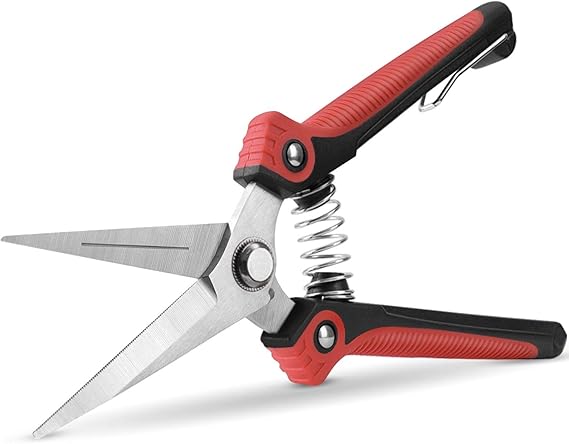
    WYF Pruning Scissors, Professional Garden Shears

    61BW%2BeKVmWL. AC SX569

    During the hot season, you can try and shield the lettuce leaf by covering each row. Use shade cloth or row covers to shield your lettuce. This will help in delaying the bolting process.

    However, you should avoid planting lettuce during hot climates. Hold on till the climate is cool around fall or spring and continue planting your lettuce.

    FAQ’s

    How do you harvest leaf lettuce so it keeps growing?

    Leaf lettuce is a popular salad green because of its crisp texture, but harvesting the leaves for salad can be laborious. The leaves are not very hardy, and when they are harvested they start to wilt and fall over. You could harvest the leaves as soon as they are ready.
    You don’t have to do anything special to keep the lettuce growing. If you’re harvesting for salad, just leave the whole plant in place and pick the leaves as needed. When you cut off the head, you’re only removing the top of the plant, and the lettuce will continue to grow.

    Will lettuce regrow after cutting?

    The stems of lettuce regrow when cut, and you can harvest the leaves again. In some cases, it takes a couple of days for the new growth to develop. If your lettuce is cut too close to the base of the plant, the roots will be damaged and the plants won’t regrow.

    How do I know when my leaf lettuce is ready to pick?

    Leaf lettuce comes in a wide range of varieties, each with its own growing season. Lettuce is a cool-season crop and requires at least 5 hours of daylight, and preferably 8 to 10 hours of sunlight per day. Most varieties will be harvested when the heads are full and have formed tight, compact heads. You can harvest lettuce when it is still slightly tender, but before the heads begin to develop cracks. As a general rule, you can tell when lettuce is ready to be picked by looking at the leaves. If they are large and dark green, then it’s probably ready. However, you should still pick them while they are still small, bright green and tender.

    How many times can you regrow lettuce?

    Lettuce is an annual plant. It will grow from seed, but it will not grow again until the next year. Lettuce is a cool-weather crop, and it can be difficult to grow in the hot weather of summer. But if you live in an area that gets a lot of rain, you can keep growing lettuce all summer long.
    The first time you grow it will be more difficult because you don’t have an established root system, and you won’t know exactly where to place your seedlings. But once you have several plants growing at the same time, it gets easier.
    If you are growing it from seed, expect to start with a few seedlings and eventually get down to one plant per square foot (or two or three).

    How do you keep lettuce growing in the summer?

    You can grow lettuce year round, but it does take some extra attention and planning. The main thing is to start from seed in the spring and plant every two weeks until late fall, when temperatures are cooler. You don’t want to plant the seeds too early and then have them die over the winter. A good way to space your plants is to sow seeds a couple of inches apart and thin to one plant per hill.
    There are several types of lettuce that grow well in hotter climates. The ones with a red leaf are romaine lettuce. They will tolerate hot weather and do well if watered daily. You may also want to water it once a week at least. Romaine lettuce is a good choice for salads, sandwiches, and wraps. Other lettuces that will tolerate hot weather are butterhead, iceberg, and leaf lettuce. They will also do well if you water them daily.

    How To Pick Lettuce

    Always harvest the outer part of the lettuce leaf throughout their growing season and harvest at the right size. Ensure you plant more lettuce progressively as you harvest. If you do this always, you will enjoy continuous growth for many more seasons. Remember, lettuces will only grow well in cool weather conditions.

    Once you have harvested your lettuce leaf, you can store them by refrigerating them for a week or two.

    If you follow our tips on how to successfully plant and harvest leaf lettuce, you should be able to enjoy fresh and green salad all year round.

    We do hope this information has been helpful to your garden. Happy growing.

  • PH For Hydroponic Lettuce

    PH For Hydroponic Lettuce

    You might be interested in growing lettuce hydroponically. If you’re wondering what’s the best pH for hydroponic lettuce, we will let you know in this post.

    Leafy greens such as lettuce are some of the most common crops to grow in hydroponics. They are especially great for hydroponic newbies. Lettuce is pretty easy to grow and you will derive lots of healthy benefits from incorporating it into your diet.

    Now growing hydroponic lettuce has some requirements such as a balanced pH, nutrient solutions, accurate temperature range, etc. We will cover the best pH for hydroponic lettuce and other requirements you need to know. So, read on to learn.

    Lettuce Hydroponic System

    The lettuce hydroponic system is a method of growing lettuce without the use of soil. Water solutions dissolved in nutrients are used to grow lettuce plants.

    With a lettuce hydroponic system, you enjoy faster growth, higher yield, healthier crops, and many more benefits. You can commence lettuce hydroponic by purchasing a complete hydroponic system or go for a DIY unit.

    Required pH For Hydroponic Lettuce

    Constant monitoring of your lettuce nutrient solutions is paramount in maintaining a smooth and running system.

    The required pH for hydroponic lettuce ranges from 5.6 to 6.2. This pH range is acidic enough to reduce the activities of algae and at this pH range, plants can absorb nutrients adequately for their growth.

    The pH range for seedlings should be adjusted to 6.4 and as your plant matures, the pH should be adjusted to 6.0.

    However, if the pH goes high on the pH scale, it falls into the alkaline range which is not good for your plant. The alkaline range that’s too much or too high can cause a nutrient lockout. Nutrient lockout causes the inability of your hydroponic lettuce plants to absorb nutrients.

    When nutrient lockout occurs, your lettuce plants will start to show signs of nutrient deficiencies. Symptoms such as yellowing of leaves, wilting of plants, stunted growth, and so on will be seen.

    Required pH For Hydroponic Lettuce

    You may end up losing your lettuce plants if action is not taken fast. Hence, ensure you always monitor your pH levels at least once a day.

    You should also note that plants absorb nutrients at various pH ranges. Hence, the pH level is borne to change constantly. The only thing you can do is to make sure they fall in between the lettuce plant’s recommended pH range which is 5.6 to 6.2.

    Making use of pH up and pH down products are great to maintain a steady and balanced pH range.

    Hydroponics Nutrient Solution For Lettuce

    The recommended hydroponic nutrient solutions to successfully grow lettuce are those that contain majorly calcium, magnesium, and potassium, and they are needed in high quantities.

    Calcium is especially crucial for the growth of lettuce because a calcium deficiency can cause lettuce leaf tip burns. This issue is very common so ensure the levels of your calcium are accurate.

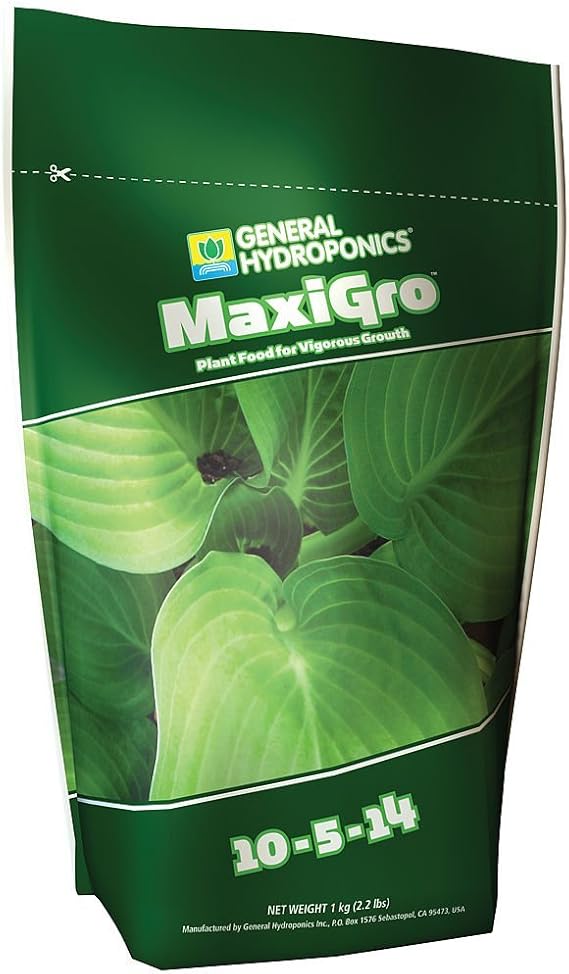
    General Hydroponics MaxiGro Plant Food For Vigorous Growth, 2.2 lb

    The nutrient solutions must provide all necessary key elements for maximum production at their vegetative stage. At the same time, these nutrient solutions must not push the lettuce into its flowering or bolting stage. Flowering only causes bitter lettuce and we want to avoid that.

    Although lettuce has different varieties and some are more or less sensitive to nitrogen: always ensure the nutrient solution that you are buying suits the type of lettuce variety you will be growing. Read the nutrient pack instructions for better directions and use.

    Other Requirements For Hydroponics Lettuce

    • Temperatures: The recommended temperatures should range from 68 to 75 degrees Fahrenheit. Note that all varieties of lettuce love cool temperatures. If the temperature is high, bolting or flowering will take place. We however want to prevent bolting from occurring because it always gives rise to bitter lettuce leaves. Temperatures that exceed 77 degrees Fahrenheit will cause bolting.

    • Light Requirements: Lettuce plants do not require much light. Light duration from 10 to 15 hours daily is enough. They can be supplied with moderate or low light.

    Other Requirements For Hydroponics Lettuce - Light

    • Aeration: Some lettuce varieties can tolerate low oxygen levels. However, we recommend you always maintain a well-aerated system as this will boost the healthy growth of roots. We recommend dissolved oxygen concentration (DO) to be around 8 ppm.

    • Growing media: Lettuce will do well in most growing media such as rock wool, coco coir, etc. However, the main growing medium is the nutrient solution. It is the nutrient solution that provides most of the support for lettuce growth.

    Can Vinegar Be Used to Lower pH in Hydroponics?

    Vinegar, also known as acetic acid is a weak acid that can be used to lower pH in hydroponics systems. It can however be used only as a temporary solution as it does not remain stable for long.

    The pH in hydroponics changes constantly so it would be better to use an acid with more stability, such as phosphoric acid.

    How Do You Use a Hydroponic pH Meter?

    A pH meter is a very important tool to have and use if you are running a hydroponics system. It is more important than it would be if you were growing plants in the soil. The reason for this is that pH fluctuates more in aquaponics than in a soil-based plant-growing medium. 

    Soil has what is referred to as a buffering capacity. What this means is that it can correct for pH changes to be the in the right pH range for the plants that you are growing. Soilless growth media such as those used in hydroponics systems lack this ability and advantage.

    To be able to manage the pH in your hydroponics system, a pH meter like this one is an absolute necessity. You will need to monitor the pH of our system daily to avoid any adverse consequences. The thing with unfavorable pH changes is that you want to catch them as early as possible before they cause any problems which may damage or even kill your fish. Here is how you use a hydroponic pH meter:

    • Using test strips

    Using test strips is by far the cheapest way to test your hydroponic pH. Test strips are covered with a pH-sensitive dye that will change color when dipped into the water. You will then compare this color to the color chart to determine the pH of your hydroponics solution

    • Liquid test kits

    This is another popular method used to test for pH. It is also more accurate than the test strip method, so if you are looking for more accuracy this may be the choice for you. These test kits are commercially available and can be purchased from various distributors. The way this work is that you put a few drops of pH-sensitive dye into a vial containing your water or nutrient solution. The color of the solution will change, and you will compare this color to a color chart to determine the pH, just as you would do with the test strips.

    • pH meter

    The best and most efficient way to test pH in your hydroponics system is with the use of a digital pH meter. They come in different types and price ranges. You can find one to suit your needs as well as your pocket. Digital pH meters are very easy to use, simply insert the electrode into the water and it will give you a pH reading. Remember to calibrate your meter regularly so that it will give you accurate readings. 

    Can You Use Hydrochloric Acid to Lower pH in Hydroponics?

    Hydrochloric acid can be used to lower pH in hydroponics. It can however be dangerous in high concentrations, as it can damage your plants. So you need to be careful if you use it, or use safer acids such as phosphoric acid which can even be beneficial to your plants by adding phosphates which are plant nutrients.

    Conclusion

    We hope that you have learned all you needed to know about the required pH for hydroponic lettuce. Remember to always monitor your hydroponic nutrient pH constantly and adjust when you notice any slight change.

    Happy growing!

    FAQ’s

    What is the best hydroponic fertilizer for lettuce?

    When grown in soil, lettuce does not need to be fertilized. As long as the plants are getting enough water, they can get their nutrients from the soil. If you are growing in a greenhouse, you should add fish emulsion or compost tea to the soil, which will provide the nutrients needed for your plants.
    Lettuce needs a lot of water to grow well. Keep the soil moist, but do not let it get soggy. Water thoroughly when the weather is warm and the soil is dry. A small amount of fertilizer can be applied at this time. Once temperatures cool down in fall, water less often. In order to grow the best-tasting lettuce, plant seeds about 3 weeks before the last frost date. The lettuce seeds will germinate once the temperature warms up in spring. After they have germinated, thin the seedlings so that there is only one or two plants per square foot. This will allow them to grow large and have plenty of room to spread out.

    Lettuce needs a slow-release fertilizer to grow, and it also needs high levels of nitrogen. The best time to fertilize lettuce is in the fall. The leaves should be dark green, shiny and crisp. If the lettuce leaves are yellow, they need more nitrogen.

    What pH should water be for hydroponics?

    The pH of the water is one of the most important factors in growing plants.

    There are many different ways to measure the pH of a solution, and there are many different theories as to how much the pH affects plant growth.  However, it is safe to say that a pH of around 5.0 is ideal for growing healthy plants. If you use distilled water, you can adjust the pH of the solution easily by adding more or less H2O. However, if you use tap water, you will need to buy some chemicals to make the pH of the water exactly what you want. pH is measured on a scale of 0-14, with 0 being the most acidic, and 14 being the most alkaline.

    What happens if pH is too low in hydroponics?

    There are a few things that can happen when pH is too low in a hydroponic system. Most of the time, you won’t even notice anything. Your plants will be fine, and you will have a healthy crop. If you’re growing in a soil based hydroponic system, you will need to change your water to ensure that it’s not too acidic. This is important because soil contains many beneficial microbes that are essential for plant growth.
    These microbes work with the roots of your plants to absorb nutrients, and they also help break down organic waste in the soil. If your pH is too low, these beneficial microbes will not be able to do their job. Instead, your plants will suffer from nutrient deficiencies and may even die. You can lower the pH of your hydroponic solution using a simple pH test kit. You’ll find that most of the time, the pH of your solution is fine.

  • Raising Prawns In Aquaponics

    Raising Prawns In Aquaponics

    If you love prawns and you wish to raise some for yourself in your aquaponics, then waste no time in getting started. Raising prawns in your aquaponics can be an excellent way of adding a different touch of diversity to your system.

    It’s possible to raise prawns together with your tilapia fish or any other fish you may have in your system. We will enlighten you on how to introduce freshwater prawns into your aquaponics system. So let’s begin.

    Guidelines On Raising Prawns In Aquaponics

    Raising prawns along with fish is pretty dynamic. Prawns are bottom feeders and they will feed on anything they find. This includes the fish waste that is not absorbed by your plants making them a reliable filtering animal. They can as well feed on snails and other organic matter so if you’re having issues with snails in your aquaponics, adding prawns might be a way out.

    The best type of aquaponics to use for raising prawns is a floating raft. To introduce prawns into your aquaponics, integrate them into your fish tank or under the floating raft. You can as well integrate them in both floating raft and fish tank. Let’s discuss this in detail.

    1. Floating Raft: under your floating raft, it’s usually a habit to have a handful of organic waste such as dead roots, leaves, etc. Prawns like to feed on organic waste so they can be helpful in this aspect. You might also be wondering if prawns will feed on your plants’ roots, the answer depends. In a standard situation, prawns won’t eat your root. However, when they become hungry or when you have too much prawn population, it’s possible they bite on your plant roots. For this reason, ensure you control their population. Take out some if they become too many in your system.
    2. Fish Tank: another possible way to incorporate prawns into your aquaponics is to put them in your fish tank. Prawns are bottom dwellers, so you don’t have to worry about them crawling up to your fish. They will as well feed on excess fish waste thereby maintaining a clean bottom tank.
    3. Both Fish Tank & Floating Raft: it is also possible to incorporate prawns in both your fish tank and floating raft. This is usually the best option as you get to maintain clean both a fish tank and floating raft.

    Precautions To Take When Raising Prawns In Aquaponics

    Remember they both prawns and fish can be territorial so you need to keep both from each other.  There are some precautions you need to put in place so your prawns and fish do not attack each other or even meet each other.

    When prawns are in their juvenile stage, it’s possible for your fish to want to feed on them. So, it’s necessary you create a barrier to keep them away from each other. You can make use of a bird mesh with corner PVC trays by laying them in the bottom of your fish tank. This mesh will separate your prawns from your fish. The mesh is also permeable enough for the fish waste to move through the layers of the mesh to meet the prawns so they can feed on the fish waste.

    Precautions To Take When Raising Prawns In Aquaponics

    Stocking Density

    The recommended stocking density for a single prawn should be about two square feet of tank space.

    Tank Size

    You should have at least 135 gallons or 500 liters of a tank for both fish and prawns. There should however be a barrier like the bird mesh we discussed earlier.

    Temperature Requirements

    Theideal temperature for prawns should fall between 57 degrees to 105 degrees Fahrenheit. However, the standard temperature is around 78 degrees to 88 degrees Fahrenheit.

    Feeding

    Prawns will feed on just about anything. You can however feed them with prawn pellets and planktons.

    PH Range

    Another requirement is pH range, therefore, you should ensure you monitor the pH with a quality pH matter. Prawns will do well with a recommended pH range between 7.8 to 8.5.

    Temperature pH Meter Monitor Tester Sensor test Kit 0~14.0pH for Hydroponics Aquarium

    7180qNLFHIL. SX466

    Final Say On Raising Prawns In Aquaponics

    We can see there are great benefits to raising prawns in your aquaponics. You can agree there’s nothing more amazing than having freshly harvested prawns together with fish from your aquaponics system. You get that fresh exclusive meaty taste compared to the regular frozen prawn sold in stores.

    This is what you get raising both prawns and fish and if you plan to sell them it will also be a great investment. Prawns attain market size in about 4 to 6 months, so you can always have a steady sale once they are matured.