Category: Organic Food

  • Bush Cucumber

    Bush Cucumber

    Cucumber comes in hundreds of varieties for growers to choose from and it’s known for its pickling and slicing use. If you’re interested in trying out some bush cucumber variety, then we’ve got you covered here.

    Cucumber plants are easy to grow and they can be grown in the ground, raised beds, containers, or even hydroponic systems. They are one of the most beloved homegrown vegetable plants.

    Not all cucumbers are the same and there are so many cucumber varieties to choose from. Selecting which kind of cucumber variety is one step to growing cucumber successfully.

    Cucumber plants grow in two ways and they are bush and vining. For the purpose of this article, we will be focusing more on bush cucumber varieties. So, read on to learn more on this.

    Cucumbers Plants

    Cucumber plants are easy plants that can be grown or added to your vegetable garden. Cucumbers originate from India and they have a cousin known as bitter melon which is still a staple as of today.

    Cucumbers have been cultivated for over 3,000 years and they are known as one of the oldest crops to be grown in a controlled surrounding.

    Cucumbers Plants

    Generally, cucumbers can be divided into 3 categories which are slicing cucumbers, pickling cucumbers, and seedless cucumbers.

    • Slicing cucumbers are thick-skinned smooth types of cucumbers and are used for slicing and eating fresh. They are long and tender and non-bitter skin. Hence, they are the sweet type.
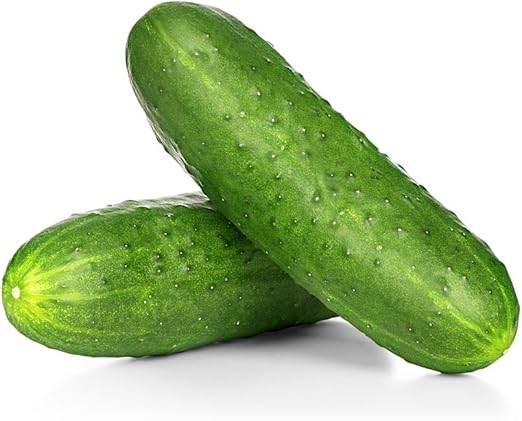
    • Pickling cucumbers are short cucumbers with blocky and bumpy skin used for pickling.
    • Lastly, we have the seedless cucumbers also known as burpless cucumbers.

    Looking for Easy to Grow Plants? Click here:

    Cucumber Bush

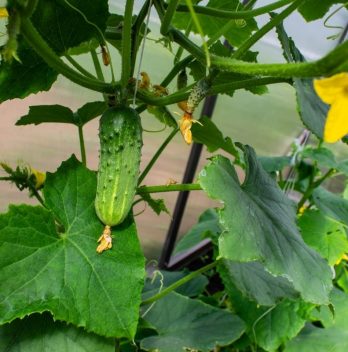
    Cucumber usually grows in two forms which are vining and bushy. Bush cucumber (Cucumis sativus) has been bred to occupy only a short space with very short vines and has been made to produce an abundant result. Therefore, the variety of bush cucumber allows you to plant them in a small space while enjoying plenty of yields.

    Bush Type Cucumbers

    The majority of the bush cucumbers only need about 2 to 3 square feet per plant. Their requirements are almost the same as vining cucumber type and they will mature in about the same period.

    Bush-type cultivars include pickle bush, bush champion, salad bush, parks bush whopper, and space-master.

    Bush Type Cucumbers

    Planting Bush Cucumber

    Planting cucumber requires fertile soil and they will grow rapidly so far they get constant watering and warmth. Most of the cucumbers variety available in nursery gardens is vining plants. So ensure you search for the word ‘bush’ in the seed pack or somewhere.

    You can plant bush cucumber variety in both containers and a small garden.

    Planting In-Ground

    Select a planting site with full sun as cucumber requires warmth and lots of light. Once the danger of frost has passed, turn over your soil with a shovel or spade. Create a long row of soil and space them 2 feet apart. Leaf compost or aged manure should be dug in using one part compost to every 10 part soil.

    If you’re making use of heavy clay soil, one part of sand should be dug into every 5 part soil. This will ensure the mixture is rich and light enough for fragile bush cucumber plants to root.

    Soil temperature should be measured with a soil meter and measure deep into the soil. The aim for an ideal soil temperature should be around 60 degrees Fahrenheit. Then you can plant your seed or seedlings. Any temperature below 60 degrees Fahrenheit will not encourage seed germination or seedling growth.

    Next, insert one bush cucumber seed in each hole and cover it with about a quarter-inch of soil.

    Spacemaster Cucumber Seeds, 100 Heirloom Seeds Per Packet, Non GMO Seeds

    61d9NlhaAvL. AC SX522

    Alternative Planting Method

    Another way is to dig 4 inches holes with a trowel then slowly bring out the seedlings you’ve purchased from the nursery containers.

    Ensure the soil around the roots remains intact. Then put a seedling in each hole and cover it up with soil around the plant. Ensure you don’t press them too much because they’re fragile. Make sure you water the seeds or seedlings consistently.

    The seedlings of the bush cucumber should be thinned once they’ve grown four true leaves or once they attain a length of 6 inches. Remember to continue watering.

    Ensure you water daily if the weather is hot and the soil dries out quickly. However, if the soil still holds some moisture, you can water every 2 to 3 days. The watering should be deep into the soil. Once the plant starts to flower or bloom, feed with a balanced garden fertilizer.

    Container Planting

    You can also grow bush cucumber in a container or pot. Select a container or pot of about 12 inches in diameter with drainage holes. The container should be filled with potting soil mix.

    Then 3 bush cucumber seeds or 3 bush cucumber seedlings should be planted in the container soil and water daily. Once the plant germinates thin one or two plants once they have four true leaves. Side dress the plants with a liquid time-released balanced fertilizer. Always water consistently.

    Benefits Of Growing Bush Cucumber Variety

    Here are the benefits of growing bush cucumber variety:

    • If you’re short of garden space then bush cucumbers variety will be ideal for you.
    • They are perfect for container gardening.
    • With their small bushy size, they will give rise to plenty of yield. They will also not overwhelm your garden with too much cucumber than you can handle.
    • Bush cucumber variety is ideal for gardeners that don’t want to go through the stress of bumper crop or unusually large crops production.

    FAQ’s

    What are bush cucumbers?

    Bush cucumbers (Cucumis anguria) are a member of the Cucurbitaceae family, which also includes melons, gourds and squash. It is closely related to watermelons, but differs in that it is a herbaceous perennial plant rather than a woody shrub. It has long been cultivated for its edible fruits, known as cucumbers, which are used in salads and sandwiches, pickles, and even as a cooking ingredient.

    The plant is an herbaceous perennial growing from a taproot, with a thick, woody stem up to tall and in diameter. The leaves are arranged alternately along the stem, each with a broad, heart-shaped blade long and wide, and are covered in a thick, soft, white down. Small white flowers form on the upper part of the stem, between the leaves. The fruit is a long cylinder about long with four or five seeds. The flowers appear in early spring and the fruits ripen from late summer to autumn. It is native to the Indian subcontinent and China, and has also become naturalised in Florida, Texas and California.

    It has long been cultivated for its edible fruits, known as cucumbers, which are used in salads and sandwiches, pickles, and even as a cooking ingredient.

    What varieties are bush cucumbers?

    ush cucumbers are also called summer cukes, pickling cukes and pickle cukes. They are sometimes referred to as Japanese cucumbers, but that is a misnomer. Pickle cukes are very small (1/8 – 1/4 inch) and have a thinner skin than most other cucumber varieties. They are a type of bush cucumber and are often grown for pickling purposes.

    Will bush cucumbers climb?

    bush cucumbers (Lepidosperma) can climb. They do this by means of their long, thin tendrils, which are very sensitive to touch and also have a strong grip. When a bush cucumber climbs it extends its tendrils in all directions, then bends them back at an angle of 45 degrees and attaches them to the nearest support. The tendrils then spread again, and so on.

    How big does a bush cucumber get?

    The Bush Cucumber is the largest member of the cucurbit family and can grow up to 30cm in length. The leaves are heart-shaped, with five leaflets and a tapering point, and the flowers are yellow and funnel shaped.

    How are they eaten?

    They are most commonly eaten raw, pickled or used as a garnish. A lot of people toss them into salads as part of a healthy vegetarian meal.

    Additional Say

    Bush cucumbers are ready for harvest in about 40 to 70 days from planting. Harvesting depends on the size you want and how you plan to use them.

    The bush cucumber plant is a great cucumber variety to grow if you are bothered about space and you want maximum production. So, you can always enjoy growing bush cucumber variety for your gardening pleasure.

  • How To Tell If Zucchini Is Ripe

    How To Tell If Zucchini Is Ripe

    Do you know how to tell if your zucchini is ripe or ready to be picked? We will be discussing this here. Zucchini is a type of summer squash variety and it’s grown for its delicious edible fruits.

    The plant is super productive and a fast-growing vegetable and it’s from the gourd family (Cucurbitaceae). They are popular in home gardens and supermarkets and their young fruits are cooked as vegetables. The flowers zucchini produce are as well edible and sometimes fried.

    Planting zucchini is pretty easy and how to tell when they are ripe is not so difficult as well. Let’s dive in and determine how to know if zucchini is ready to be picked.

    About Zucchini Plants

    Zucchini plants are basically non-vining and bushy plants. However, some varieties are known to have a creeping habit. The stem as well as the leaves have small prickly trichomes (plants hairs).

    They have dark green large leaves and palmately lobed leaves. Their large green leaves offer shade to the fruit and also tend to play hide and seek with it. This is why you need to be observant with zucchini picking so you don’t miss the appropriate time to harvest them.

    About Zucchini Plants

    Their flowers are large and unisex and it is made up of five yellow-orange petals that are pollinated by bees and other insects.

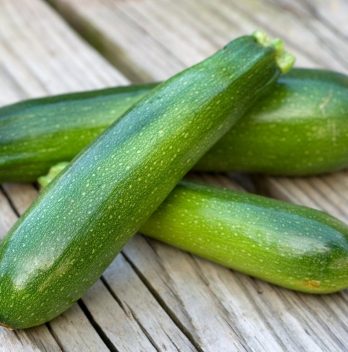
    Most zucchini varieties give rise to dark green cylindrical fruit. However, some may give rise to intermediate or round shapes and colors ranging from yellow-green to almost black. The fruit of zucchini is a kind of berry known as a pepo and it’s normally harvested before the rind hardens.

    When To Pick A Zucchini

    Zucchini is an annual herbaceous plant that attains maturity quickly and is very prolific. They are the member of the squash family and they will offer delicious addition to almost any summer dish.

    So, if you ever find yourself wanting to select zucchini at a grocery store or produce stand, it’s pretty important for you to know how to tell if zucchini is ripe. If you’re a kitchen expert, a gardener, or simply experimenting with new vegetables, you should acquire some knowledge on what to look for when zucchini is ripe.

    How To Tell When Zucchini Is Ripe

    By picking zucchini crops diligently and frequently, you can achieve a larger crop because this will boost the production of fruits.

    Zucchini usually grows very quickly so once it’s close to harvest or when harvesting begins, keep a close eye on them by checking them daily. You wouldn’t want to miss when to pick the right zucchini. Preferably, smaller fruits are better picked because they tend to taste better and are more tender.

    Zucchini are ideally ready to be picked from 40 days after seed sowing. Here are some tips to tell if zucchini is ripe:

    ·         Appearance

    Ideally, determining when to pick zucchini, you should look for smaller, tender fruits, that are sweet and mild. The appearance should feel more flexible than a cucumber but not too much.

    ·         Rind

    The outer part of the fruit should be firm, dark green, yellow, or white (depending on the variety). The fruit should not be too soft and if it’s too soft, it is probably rotting and should be thrown away. The fruit shouldn’t be too big as this can cause the seeds and rind to become harden, making it stringy and unappealing.

    ·         How Big Should Zucchini Be Before Picking?

    The appropriate length usually depends on the variety f zucchini planted. But generally, zucchini fruit should be about 6 to 8 inches (15 to 20 cm) long before picking.

    More Tips On Picking Zucchini The Right Way

    Zucchini’s large green leaves can hide fruits that you may have never noticed before. Therefore, you should properly check under the leaves for hidden fruits. However, do this with care so you don’t hurt or damage the tender stem and leaves.

    Always choose zucchini that has not been bruised or disfigured. Zucchini tends to go bad very quickly once their skin is broken.

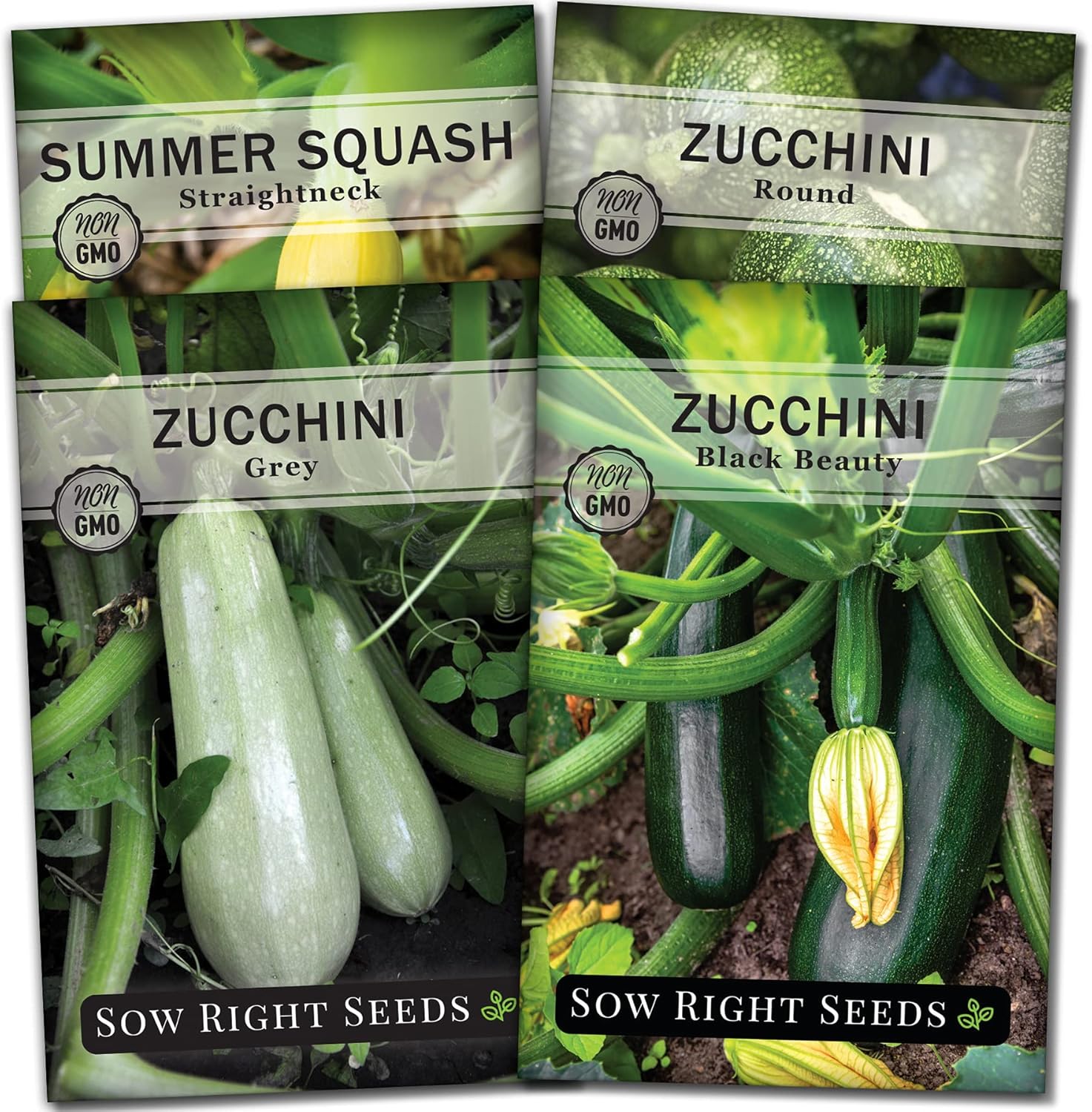
    Sow Right Seeds – Zucchini Squash Seed Collection for Planting

    You can taste different sizes of zucchini to know which you like best. Some prefer smaller zucchini, while others prefer zucchini that are a bit bigger.

    How To Harvest Zucchini

    Whenever you harvest your zucchini, ensure you handle the plant gently to avoid breaking or damaging the stems.

    To harvest zucchini, simply use a sharp tool such as a knife, pruners, or scissors. Cut the stem one to two inches away from the fruit.

    Another way is to simply grab the fruits by the base where the flower was located. Then gently twist it to break it off the plant. However, the stem may not give in easily using this method and the fruit may be broken. So, you should just make use of a sharp tool.

    Storing Zucchini

    Once you have harvested your zucchini fruits, it’s only ideal to store them appropriately if you aren’t using them right away. To store zucchini fruits, don’t wash them and store them in a perforated or open plastic bag for up to a week. You can also freeze the fruit for later use.

    You can as well shred unpeeled zucchini and drain it in a colander. Then squeeze it slowly to separate excess moisture. Next, put them in sealed quart-size freezer bags then freeze them flat. This way, they can be stacked in the freezer. Shredding is mostly used if the end result will be zucchini bread or fried zucchini cakes.

    Storing Zucchini

    Another way to store zucchini fruit is to wash and dry it. Next, cut it into pieces of about one inch or 2.5 cm and freeze it in a freezer bag. Frozen zucchini can last up to 3 months before use.

    FAQ’s

    When is the best time to plant Zucchini so that it will ripen properly?

    Zucchini is a great vegetable to grow in the summer. It is quick to mature, easy to pick, and tastes delicious when cooked.

    There are several reasons for planting zucchini early. First, it will help you harvest before the hot weather of summer. Second, you can harvest from seedlings that have grown up to be larger than the zucchini plants that you planted later in the season.

    How do I know Zucchini has reached maturity?

    There are many ways to tell if your zucchini has reached maturity. The first way is by seeing how it looks. You can look at the size of the zucchini, and the color. If the zucchini is green and small, then it is probably not mature. As it gets larger, and turns yellow, it is getting closer to being mature. When it is fully mature, it will be yellow, and about the size of a tennis ball.

    A second way is to smell it. When it smells like a cucumber, it is still too immature. When it starts to smell like an eggplant, it is getting close to being ready to harvest. The third way is by looking at the skin on the zucchini. Look for a smooth skin, without any cracks or holes. If the skin is cracked, then it is too immature. As it gets closer to being mature, the skin on the zucchini will become more wrinkly.

    Can you harvest Zucchini before it ripens?

    Yes. You can either wait until your zucchini is completely ripe, and then cut it off of the vine, or you can harvest them while they are still immature. There are several methods for harvesting immature zucchini. You can pull the zucchini from the plant, or you can cut them off of the plant.

    Pulling them From the Vine You will need a sharp knife, and you will also need to have a basket that you can put the zucchini in. If you do not have a basket, you can use a paper towel or an old piece of cloth. The zucchini needs to be at least 3 inches long when you cut it from the vine. It should be thick enough to hold its shape after you cut it. To harvest the zucchini from the vine, you need to pull the plant up by the roots. Cut the stem of the plant just above the base of the plant. Cut the bottom of the plant down to where the stem is cut. The zucchini will fall out of the plant. You can then cut the stem off of the zucchini with your knife. This will keep the zucchini from being damaged. When you harvest the zucchini from the vine, it can be difficult to pick out the fruit without damaging it. Make sure that you cut the stem close to the bottom of the plant. Do not cut it too close to the base of the plant. You also need to make sure that you are cutting the zucchini while it is still attached to the vine.

    How To Tell If Zucchini Is Ripe: Final Say

    Zucchini plants are a great addition to any vegetable garden and they will produce great-tasting fruits that can be incorporated into your various dishes.

    How to tell if zucchini is ripe is pretty easy and we have listed some tips to guide you on this.

  • Growing Heirloom Tomatoes

    Growing Heirloom Tomatoes

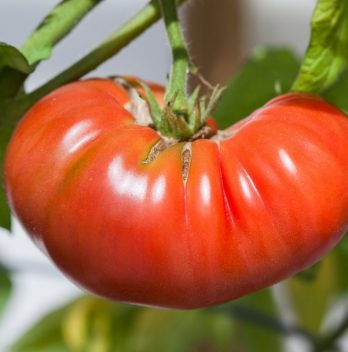
    There’s a whole of tomato species beyond the known ruby red ones and this variety is so unique and they are called heirloom tomatoes. Heirloom tomatoes are a genetically flavored fruit that has rarely been crossed with any other variety. So, let’s take a look at growing heirloom tomatoes.

    These heirloom tomatoes are so unique and are pure breed tomatoes. They are not even new because they have been in existence for a long. It is an open-pollinated non-hybrid kind of tomato that has been passed down from season to season. So, is growing heirloom tomatoes a straightforward process?

    Let’s dive in and discover how to grow these scientifically sweeter tomatoes.

    Heirloom Tomato Plants

    Heirloom tomatoes may be funny-looking or weirdly shaped, but they definitely not breed in the lab. Hence, they are pure breed tomatoes. They are called ‘heirloom’ because they haven’t been crossed with any other variety at least not for a very long time (usually as long as decades or even centuries).

    These special tomato breeds have been passed down from generation to generation of family, ethics, religion, and so on. Called family heirloom, mystery heirloom, or created heirloom.

    Heirloom Tomato Plants

    Generally, there are different types of fruits and vegetables that are heirloom. But for the purpose of this post, we will be discussing growing heirloom tomatoes plants. For tomatoes, there are about 15,000 known heirloom varieties. However, we only have about 3,000 of these tomato heirloom varieties been grown to this day.

    Growing Heirloom Tomatoes

    These tomato varieties are seasonal. You can find heirloom tomatoes at your local farmers’ market from late summer into early fall.

    It is pretty easy growing heirloom tomatoes from seeds. The seeds of heirloom tomatoes are passed from season to season through generations of farmers. When you grow tomato heirloom seeds of one variety, the seeds will give rise to identical offspring to their parent plants year after year. Isn’t that amazing? Open-pollinated plants meaning their pollination is natural. So,  there’s no genetic modification.

    Therefore, you can save your seeds and grow the same tomato next year and expect a similar identical product as last year.

    Tips On How To Grow Heirloom Tomatoes

    Growing heirloom tomatoes is not so complex and they are fast-growing plants that will produce ripe fruits in 60 to 80 days of seed sowing. The best period to plant heirloom tomatoes is around spring when the danger of frost has elapsed.

    Tips On How To Grow Heirloom Tomatoes

    Healthy Soil

    One essential component to growing heirloom successfully is using healthy soil. Use rich loamy soil that permits the root to penetrate deeply. Apply compost, leaf, or manure up to 50% and blend it with the soil.

    Growing From Seeds

    These tomatoes are great to grow from seeds. With a most and sterile soil mix, the seeds should be pushed gently into the soil. With the right temperatures (about 70 to 75 degrees Fahrenheit) and conditions, you should begin to see germination in about a week of seed sowing.

    Spacing

    Space heirloom tomato plant 2 to 3 feet apart. Growing tomato side by side with basil is ideal. They are great natural fly repellent. However, there are some plants that are not advised to be planted alongside these tomatoes. Plants such as potatoes can suffer from blight, so avoid planting these in the same garden space.

    Reduce Disease Pressure And Staking

    Most heirloom tomato varieties lack resistance to some diseases. Therefore, it’s important you try to reduce drastically any disease pressure.

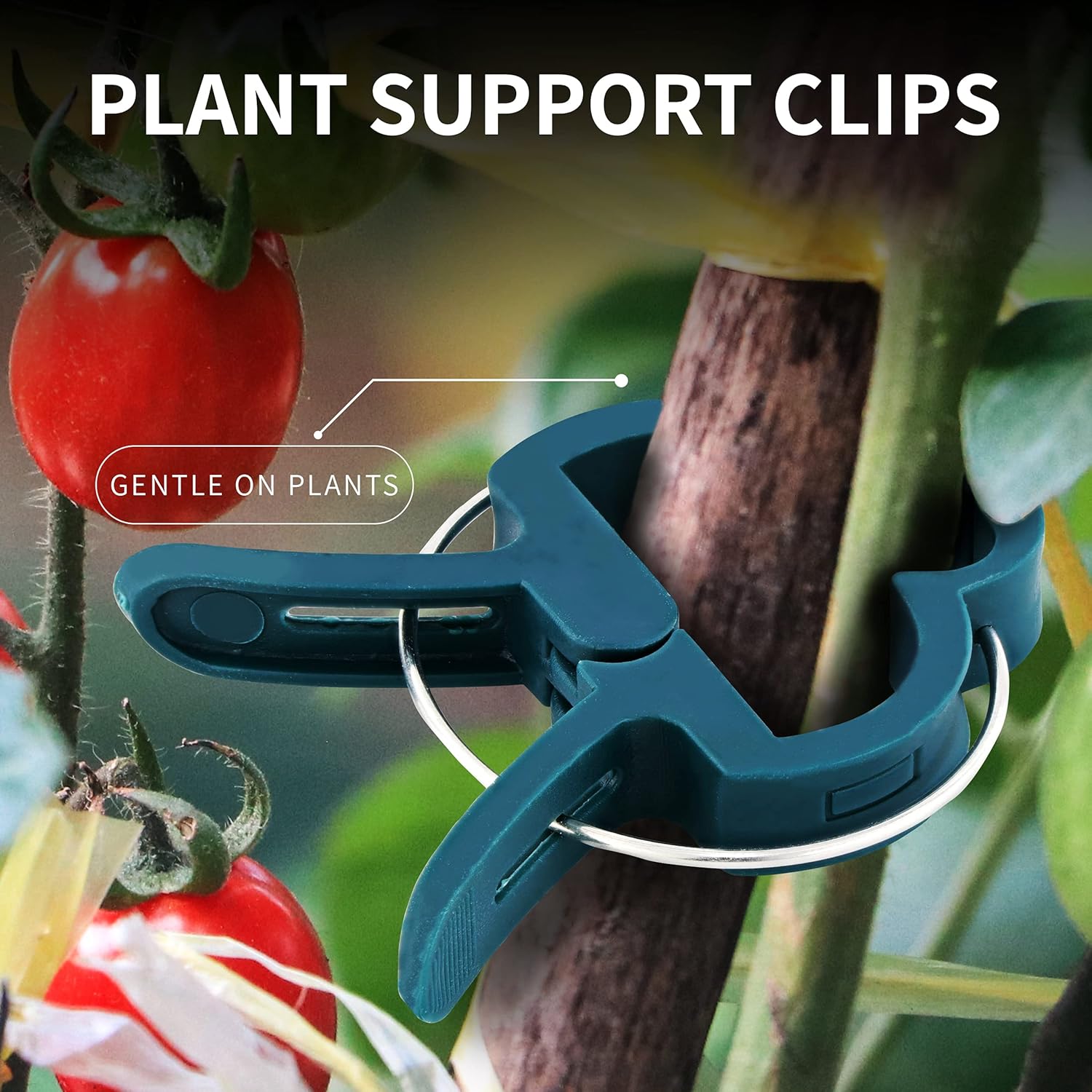
    Heirloom tomato tends to grow pretty large. Therefore, one important thing you can do is to stake the plant so as to prevent the plant from touching the ground. This is because the plant can pick up any disease spore by touching the ground.

    Ram-Pro 40 Piece Green Gentle Gardening Plant & Flower Lever Loop Gripper Clips

    81WurcsWdhS. AC SL1500

    Watering

    Proper watering is very essential in heirloom tomatoes especially when it’s time for fruit production. You should water deeply to promote deep root systems. The plant requires moisture and avoids soil dryness. Soil dryness can cause issues such as fruit development, cracking of fruit, and even blossom end rot.

    Sunlight, Temperature, And Humidity

    Supply heirloom tomato plant with direct full sunlight all day. These plants also require a warm temperature to grow optimally. Before you begin planting outdoor, wait until night temperatures are at least 60 degrees Fahrenheit. Humid conditions have no effect that can bother the heirloom tomato plant.

    Fertilization

    These tomato plants are heavy feeders. Hence, they require optimal or regular fertilization to flower and produce fruit. You can make use of either organic or chemical balanced all-purpose fertilizers.

    Harvesting

    You can harvest these juicy tomatoes right before their color peaks. Avoid leaving them for too long on the vine as this can cause cracking. Once the fruits start becoming soft, it means they are already approaching their peak.

    Heirloom Vs. Regular Hybrid Tomatoes

    Both heirloom and hybrid tomatoes appear the same and have similar growing requirements.

    An heirloom tomato is a special pure breed tomato that is even sweeter than the regular tomato that has dominated the commercial world. Most regular tomatoes have been bred to look like animated tomatoes that appear plump, round, red, and easy to store.

    The regular tomato was majorly modified for consistency rather than flavor. Hence, the regular tomatoes give rise to watery, less flavor, thicker skin, and mealy fruits. Heirloom on the other hand offers distinguishable qualities.

    Heirloom tomato tends to have thinner skin, juicer flesh, and they taste better than most regular hybrid tomatoes. Therefore, when handling them, they require more care because of their thin skin.

    One main drawback is that heirloom tomatoes have shorter shelf life compared to regular hybrid tomatoes. Make use of your heirloom tomato as soon as possible.

    FAQ’s

    Do Heirloom Tomatoes need a cage?

    Heirloom tomatoes are usually grown in cages. If you’re growing them indoors, they’ll need a cage because of the amount of light they receive. If you grow your tomatoes in an outdoor garden, you should be fine without a cage.

    You can make a cage out of wire, wood, or cardboard.

    Some gardeners prefer using wire cages because they are easy to make. Other gardeners prefer wooden cages because they are more aesthetically pleasing. Cages can be constructed in a variety of shapes and sizes. 

    You can also grow your heirloom tomatoes without a cage. There are some disadvantages to growing them without a cage. For example, you will not have the same protection from pests and disease. The other problem is that you will need to thin your crop when the fruit is ripe. You may have to do this for up to a week before harvest.

    How many tomatoes does an heirloom tomato plant produce?

    The number of tomatoes produced will vary based on a variety of factors. Some of those factors are: How much light the plant is getting.
    How well-watered the plant is. How warm the room is in which the plant is growing. And when the plants are harvested, how soon they are picked. In general, plants that are given a lot of light and a good amount of water will produce more tomatoes than plants that have less light and less water.
    In general an heirloom tomato `Lana can yield from 10 to 30 pounds of tomatoes.

    Are heirloom tomatoes easy to grow?

    Heirloom tomatoes are very easy to grow. They are generally tolerant of a wide range of conditions and will grow well in any environment.The only thing you need is a fertile soil that has a good drainage system, sunlight and water. In fact, you can grow this kind of tomatoes in pots and planters.
    Heirloom tomatoes can be grown successfully in most parts of the country.

    Can you grow heirloom tomatoes indoors?

    Yes, you can grow heirlooms indoors indoors especially during the winter months. .But tomatoes tend to be small
    You’ll need a warm, sunny spot with good ventilation and humidity. Keep the soil damp and mist regularly. You can also start it indoors earlier in the spring. You’ll need to have your tomatoes transplanted outside when they’re about 6 inches tall. They’ll grow much faster once you’ve transplanted them.

    How often should you water heirloom tomatoes?

    The best time to water your heirloom tomatoes is when it’s still dry, but before the soil has been wet for very long. Watering the plants in this way encourages the roots to absorb moisture more effectively and prevents them from drying out too quickly. If you don’t water your plants regularly, they may develop problems like leaf burn, which is caused by too much water and can be avoided by watering regularly. Your plants need to be watered regularly throughout the season so they can produce at their best. They will grow best if you water them twice a day, once in the morning and once in the evening.

    Growing Heirloom Tomatoes Conclusion

    Heirloom tomatoes are easy to grow just like the regular hybrid tomatoes. Follow our tips to learn how to successfully grow your heirloom tomato plants.

  • Stringless Green Bean Varieties

    Stringless Green Bean Varieties

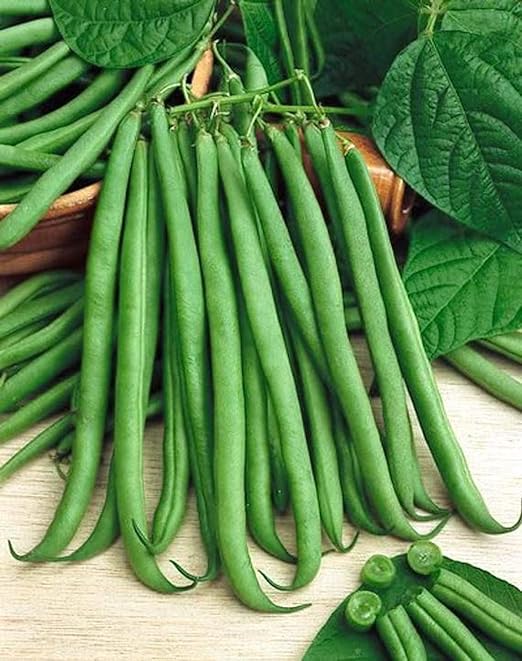
    Most of the green bean varieties we have are now stringless. These are the newer cultivars that have been bred to reduce strings. Hence, we can refer to them as green beans without strings.

    The two main green bean varieties are pole beans and bush beans. These two varieties come in different cultivars ranging from, meaty Roma types, to broad, thin, and delicate French filet beans. The bean pods can come in round or flat shapes. They can as well come in different colors such as green, yellow, or mottled.

    Let’s dive in and take a look at the various green bean varieties we have.

    Stringless Green Beans Varieties

    As we have mentioned, stringless green beans are of two types, namely; bush beans and pole beans. All of which come in dozens of cultivars. So, let’s take a look at these two stringless green bean types and their varieties.

    No String Green Beans Varieties

    Bush Beans – Stringless Beans

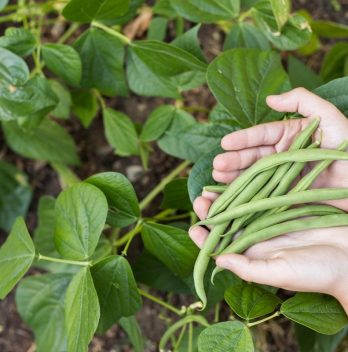
    Bush bean is a type of stringless green bean variety that grows in a bushy manner. This type of bean does not require support because the plant will grow together and support each other when properly spaced.

    Here are some bush bean cultivars and some info on them:

    Contender

    Contender is a type of bush bean variety that grows within 50 to 55 days. This type of cultivar is one of the best bush beans for cool or short summer gardens. It is also heat tolerant. These beans are so flavorful and give rise to about 6 to 8 inches of slightly curved stringless pods.

    Provider

    The provider is another bush bean variety that takes about 52 days to reach maturity. It produces medium-green, round, stringless pods of about 5 and a half to 6 inches long. Its tasteful flavor is retained even after pickling.

    This bush bean variety tends to thrive well in cooler soil or cool weather. It is also ideal for early or late sowing and does well in heat and adverse weather. It can therefore be adapted for various regions.

    Maxibel

    Maxibel bush bean cultivars will give rise to slender stringless pods of about 7 inches. They are dark green filet beans and they will mature in about 60 days.

    Bush Beans - Maxibel Stringless Beans

    Jade

    The Jade bush bean variety is a very productive and flavorful type. They will mature in 60 days and produce straight dark-green round pods.

    Blue Lake

    Blue lake bush bean cultivar will produce long, stringless pods, with deep rich colors. Their maturity period is around 51 to 60 days and their pods are rounded with 5 to 6 lengths. The bushy plant is about 12 to 22 inches long.

    Harvesters

    This harvester is another bush bean variety that thrives well in warm southern areas. It takes about 50 to 60 days to reach maturity. Their pods are round, stringless, medium-green pods and they range from 5 to 6 inches long.

    Green crop

    The green crop takes about 55 days to harvest. They have great flavor and they are tender and meaty. Their pods are flat and are 8 inches long but half-inch wide. It can be used fresh or used for freezing or canning.

    Top crop

    The top crop is another great bush ban variety that takes about 45 to 53 days to harvest. They are meaty, tender, and flavorful. Their pods are emerald green, straight, stringless pf about 6 to 7 inches long, and slightly curved. They are also oblong, round, and mottled.

    The plant will grow about 18 inches to 24 inches tall. They are ideal for eating fresh, freezing, and canning.

    Top Crop Bush Green Bean Seeds

    71pXNeLdTdL. AC SX522

    Derby

    Derby bush bean is another variety that takes 57 days to reach harvest and they have great flavor. Their pods are green, straight, dark, and oval. The pod is about 7 inches long. However, it’s best when picked at 5 inches long. They are excellent for freezing and canning.

    Pole Green Beans

    Pole green beans from their name grow pole manner and will require support. They can grow up to 8 to 10 feet tall. Here are some varieties of pole beans and their characteristics:

    Fortex

    Fortex is a type of pole bean variety that will take about 60 to 70 days to mature. They give rise to one of the most extended pods of pole bean and can grow up to 11 inches. Their pods are round, stringless, and slender and they have dark brown seeds.

    Kentucky Wonder

    The Kentucky wonder pole beans are an American classic that produces tasteful pods that are great for eating fresh, canning, pickling, or freezing.  it takes about 58 to 72 days to mature. Kentucky wonder beans give rise to prolific and disease-resistant yield.

    Blue Lake

    Blue lake pole bean variety will attain maturity in 62 to 75 days. They offer sweet and juicy flavors and can be canned, frozen, or baked. Their pod appearance is oval, straight, and dark green and the bean is stringless. Their pod length is about 5 and a half to 7 inches long.

    Scarlet Runner

    Scarlet runner pole beans will take 70 days for young pods to grow and 115 days for shell beans. They give rise to edible and delicious when young. The pods will toughen as they get to the maturity stage or full size.

    They grow large, and vigorous, and are climbers that give rise to big pods. They will also grow large beans if they are allowed to attain good maturity.

    The scarlet runner bean also produces flowers or blooms that attract fascinating hummingbirds during summer.

    Romano

    The Romano is another flavorful and meaty pole bean variety. It is quite popular in Europe because of its unique flavor. It will take about 60 to 70 days to attain maturity.

    Kwintus

    The Kwintus pole beans are a flavorful and tender bean variety. Their pods are long, flat, and green and can grow up to 11 inches in length. They can grow up to 8 feet tall.

    Kwintus pole beans

    How Do You Plant String Beans From Seed?

    The best way to grow beans has a lot to do with providing the right growing conditions for them. Here are some guidelines to help you produce the best beans harvest;

    • Beans grow well in well-draining soil with normal fertility. The pH of the soil needs to be acidic to neutral, in the range of 6.0-7.0.
    • Prepare the soil by adding well-aged compost or manure a month to a week before planting.
    • Set up support such as a trellis or a pole for your beans before planting. Beans do not like having their roots disturbed, so make sure  to put up the support before planting
    • Directly seed your beans into the soil outdoors. The best time to sow is any time after the last spring frost date in your area.
    • Plant the seeds after the soil has warmed up to at least 48°F. Do not get impatient and plant too early because the cold soil will delay germination and cause your seeds to rot.
    • Do not start the green beans indoors. Because their roots are fragile, they may not survive transplanting. They are also really fast growers so there is no added benefit to starting them indoors.

    How to:

    • Sow bush beans – 1 inch deep and 2 inches apart in rows 18 inches apart.
    • Sow pole beans – 1 inch deep, placing them around supports
    • For a continual harvest that lasts all summer, sow seeds every two weeks
    • Practice crop rotation, planting crops in different areas each growing season to avoid the build-up and transfer of pests and diseases

    How Deep Should I Plant Green Bean Seeds?

    Plant green bean seeds about 1 inch deep in the soil, in rows that are between 2 and 4 inches apart. In areas that are a bit drier, green beans can be planted in double rows that are about 6 inches apart.

    How Long Does it Take Green Bean Seeds to Germinate?

    Green bean seeds will germinate in 5 to 10 days after planting. This is provided that the best conditions for germination, are;

    • temperatures of between 60° and 85° Fahrenheit
    • sow the seeds in a sterile soil mix
    • give the seeds sufficient time to grow

    When Do You Plant Green Bean Seeds Outside?

    The best time to sow green bean seeds outside is at least 10-12 weeks before the first frost.  Plant the seeds every 2-4 inches apart in rows that are 6 inches apart. This method of planting is efficient and will also make it easy to harvest.

    How Long Are Green Bean Seeds Viable?

    Many seeds, including green bean seeds, will remain viable and maintain great germination for around three years if they are stored well. Some can even last for centuries depending on the conditions of the seeds and how they are stored.

    To keep them safe and ensure good germination rates, keep them in a cool and dry place. Make sure that the place is safe from rodents and other creatures that may eat and destroy the seeds. It is also a good idea to keep them in a dark room.

    Final Say On Stringless Green Bean Varieties

    Stringless green beans have so many amazing and tasteful bean flavors. They have two major varieties which are pole ban and bush bean. These two major varieties also come in different cultivars and we’ve listed some for you.

    FAQ’s

    What kind of green beans are stringless?

    If you mean “stringless” as in no strings, then they’re called French Green Beans. There are many different types, including stringless French, stringless wax, and stringless snap beans. The main difference is that they have more tips (also known as the “eyes”) than regular green beans.
    They are also usually less sweet.

    How do you grow stringless green beans?

    If you have access to an area that gets full sun, it is very easy to grow them. You can start your seedlings in flats and transplant them into bigger containers as they get bigger. You can put a piece of cardboard over them to keep the rain off.
    The best way to grow stringless green beans is to plant them in the ground. However, they do like to grow in pots too. You can grow them in a wide variety of pots. Some of the best pots are plastic ones because they are lightweight and won’t break if you drop them. They also have a large surface area and will hold a lot of soil. You should choose a pot that is at least 6 inches deep. Green beans grow well in pots with up to 8 inches of soil. If you do choose to grow them in pots, it’s a good idea to buy a green bean starter kit.

    Do stringless beans need a trellis?

    If you are growing them in the ground, a trellis is the best way. If you are using a large container, you may want to think about some type of support for them. You could use some sort of string to tie around the bottom of the pot and then weave twine through the strings. Or you could use a bamboo cane and put it through the strings and tie them around the base of the plant. Or you could use a piece of rebar and poke it into the ground. The easiest thing to do would be to find an empty plastic milk jug (or similar sized container) and then tie your beans into it. The beans will root along the inside of the container and you won’t have to worry about them falling over. You can also get some wooden sticks and tie them together to make a frame for the container. You can then put a small, shallow tray on top of the frame to catch any water that drains out of the container.

    What is the difference between snap beans and string beans?

    String beans and snap beans are both members of the legume family, but they are harvested in very different ways. String beans are grown on a trellis or poles and picked when they are tender. Snap beans are grown on a trellis or poles and harvested when the pods are mature. String beans are available in many colors, while snap beans come in only one color. String beans have long thin pods and snap beans have short thick pods.
    String beans have more straight, solid, cylindrical shape. Snap beans have more curved, tapered, and wavy shape. String beans are often blanched (cooked but not boiled) and then frozen.

  • How To Tell When Carrots Are Ready To Pick

    How To Tell When Carrots Are Ready To Pick

    Are you wondering how to tell when carrots are ready to pick? Let’s find out. Carrots are one of the easiest vegetables to grow in your garden and this fruit is packed with great nutritional benefits.

    Growing and harvesting carrot is an awesome way of taking advantage of the amazing nutritional value they offer. It is important to have an idea of how to tell when carrots are ready to pick so you can enjoy an amazing crop yield.

    In this article, we will be discussing how you can decipher when carrots are ideal for harvest and many more. So, continue reading for more info on this.

    How Do You Know When Carrots Are Ready To Pick?

    It is pretty easy to grow carrots. However, how to tell when carrots are ready to be picked may be quite dicey. This is usually because carrots are underground vegetables meaning they tend to grow underground. Hence, trying to monitor the maturity progress from outside may be confusing unlike other fruits such as cucumbers, peppers, etc that grow outside.

    If you’re new to growing underground vegetables such as carrots and you wish to learn how to tell when they are ready to pick, we’ve got you covered. So, below are some tips to know when carrots are ready to be harvested.

    How Do You Know When Carrots Are Ready To Pick

    Carrot Harvest: When To Pick

    The proper period to harvest carrots will depend on the variety been grown. Hence, you should check out the information on your seed packet to know the harvest period.

    Some carrot varieties can be harvested around 58 to 80 days from planting. Others can take about 75 to 100 days. All these majorly depend on the variety.

    For instance, you can harvest baby carrots from 50 to 60days from planting. However, if you wish to harvest matured carrots, you will need to wait a few more weeks. Matured carrots should be ready for harvest in around 75 days.

    You can always harvest your carrots once they are large enough to be eaten. It’s not necessary to wait for them to finish growing. Leaving carrots for too long to grow large may cause them to turn woody and lose their sweet taste.

    Read more about How to Harvest Leaf Lettuce

    More Tips To Know When To Pick Carrots

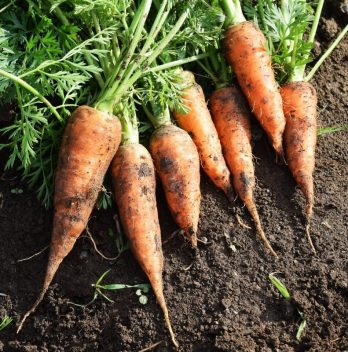
    • To know when your carrots are ready to be harvested, the shoulder or the top of the carrot will be around ½ to ¾ inch. This is around 1.5 cm to 2 cm (in diameter).
    • The top of the carrot will also begin to slightly pop out of this soil, but this may not be in all cases.
    • The color of the carrot will as well be vibrant in color once they are ready to be picked.

    Tips On How To Pick Carrot

    So we’ve learned how to tell when carrots are ready to pick. Let’s take a look at how to pick them appropriately.

    ·         Root Diameter Check

    Once you’ve estimated the days to maturity and as well check the size of the carrot by looking at the root diameter, you can proceed to harvest. You can predict how the tips of the roots are and how big they are once they bulge out.

    However, bulging of the tip does not occur in all cases. Hence, you can simply brush some soil away from the top to see how big they’ve developed.

    ·         Hydrate Soil

    We recommend you hydrate the soil before harvesting. This is to ensure digging and removing carrots is easier for you. You can plan harvest after a day after rain or a day after watering.

    ·         Loosen The Soil

    After you must have dampened the soil, you can proceed to loosen the soil. You can make use of a shovel, hand cultivator, etc to loosen the soil around the roots. Avoid pulling them straight out of unloosened soil to prevent the roots from breaking off from the soil.

    Jobe’s Organics Vegetable & Tomato Fertilizer Spikes

    61ApgYJtbnL. AC SX522

    ·         Pull The Roots

    Now you can pull out the roots since your soil is soft and loose. This will allow your carrot to slide out of the root easily. If they are still resisting pulling, use a garden tool to loosen the soil a bit more and try again.

    ·         Brush Excess Sand

    We recommend you don’t wash the carrot after picking only if you plan to eat them right away or in few weeks. Just brush off excess sand or mud and store.

    ·         Remove Top And Store

    Before storing your carrots, you should remove or cut off the top green. The green should only be trimmed and about 1 inch should be left attached to the carrot. The green can as well be saved for compost.

    Storing Carrot

    If you’ve decided to harvest your carrot, make sure you’re harvesting what you will use in a period of two to four weeks. Carrots will ripe around the same time. However, harvesting them all at once isn’t necessary. You can simply leave your carrots in the ground for extra 4 weeks more. The best preservation method is leaving them in the soil.

    When the cold season approaches, make sure to protect carrots from the cold. Use some covering or extra mulch to protect them from cold. However, once it starts freezing, ensure you must have harvested the last carrot.

    Storing Carrot

    Refrigerating Carrots

    You can as well store the harvested carrots in the fridge. Remember not to wash the carrots even when muddy. Only brush off excess sand or mud.

    The carrots should be put in a container of water and placed inside the refrigerator. If by any chance the water gets cloudy and you’re not ready to make use of the carrots, simply replace the water with fresh ones. You can do this and maintain a fresh carrot for more than a week or two weeks.

    FAQ’s

    How do I know when my carrots are ready to be pulled?

    When your carrots are at the right size, they will be bright and shiny with a good amount of greens attached. You don’t want to pull them too early, because you may end up with mushy carrots and nothing else. And, if you pull them too late, the greens will dry out and die off. You can tell when your carrots are ready by looking at their leaves.
    If you see any yellowing, browning or curling leaves, it’s time to pull them. It will help your carrots to grow faster and look healthier.

    How long does it take to harvest carrots?

    In general, they take around three months to harvest. Carrots are a great vegetable to grow in the garden. They are easy to grow, and can be harvested throughout the summer. You can grow them from seed, or you can plant the young plants that will become your mature carrots in late spring. Carrots grow best when temperatures remain above 50 degrees F. The soil should be rich and well-drained.
    You can harvest carrots as soon as they are big enough to eat. Carrots tend to get bigger and sweeter when they have more sun exposure. For best flavor, harvest your carrots when they are 6 inches in diameter.

    The main factor determining when they’ll be ready is how much sun and warmth they get during that time. If you’re growing them in a cold frame or greenhouse, they’ll probably be ready sooner.

    Why are the carrots that I grow so small?

    There are a number of reasons why carrots might be small. They can be affected by the soil composition and/or moisture content in the root zone, or they can have a genetic defect that causes them to not produce as much of an edible part of the carrot. In addition, carrots can be affected by how well the roots are grown (i.e. if they are grown on a flat surface or in the ground).

    Carrots grown in the ground will have less surface area for air to circulate around them and may not get enough sunlight to make good sized carrots. Carrots grown in the ground can also be more prone to diseases and pests. The carrots may not have enough space to grow and therefore may not get as tall as they would if they were grown in pots or raised beds. The soil composition and/or moisture content of the root zone can also affect the size of your carrots. If the soil is sandy, the roots will not be able to absorb water as well. This can cause the roots to become dry and weak. If the soil is too wet, the roots will rot and die. If the soil is too compacted, it can make it difficult for roots to grow deep enough to get good sized carrots.

    How To Tell When Carrots Are Ready To Pick: Final Say

    How to tell when carrots are ready to pick is not so complicated. All you need to do is to have the right information. Simply follow our recommended tips and learn how you can tell when your carrots are ready to be harvested.

  • How To Cut Fresh Cilantro From Plant

    How To Cut Fresh Cilantro From Plant

    Do you wish to learn how to cut fresh cilantro from your plant? Then we’ve got you covered here. Cilantro is a wonderful herb to add to your vegetable garden and they are pretty easy to grow.

    Harvesting cilantro is as well easy. All you need do is to do your harvesting the right way so you can enjoy continuous fresh cilantro to add to your various dishes. Both cilantro leaves and seeds are edible recipes for adding flavor to your dishes.

    So, in this article, we will be discussing how you can cut fresh cilantro from your plant and keep enjoying a great harvest.

    Planting Cilantro For Fresh Harvest

    The herb cilantro is a cool weathered crop. It thrives well in temperatures of about 50 to 85 degrees Fahrenheit. A temperature that exceeds 85 degrees Fahrenheit will cause the plant to enter bolting and eventually flower. Bolting causes bitter-tasting cilantro herbs.

    For regions where you have cool weather and moderate summer, plant cilantro immediately after the last frost. For instance, in the north of the United State, it is advisable to sow seeds in the early spring around the middle to late April.

    Planting Cilantro For Fresh Harvest

    In warmer regions that experience very hot summer and moderate winter, cilantro should be planted in late summer. This is usually when the weather begins to cool off. The Southern United States for instance implies that September should be the ideal growing period for cilantro herbs.

    So once you have the appropriate weather to plant cilantro, the first thing is to select your plant bed and prepare the soil. Use well-draining soil rich in organic matter.

    Cilantro seeds should be planted one to two inches apart in rows spaced twelve inches apart. Then ensure you always provide a moist bed but not too wet. Once the seedlings start to germinate, they will require more watering to grow well. You should water one inch deep every week.

    When the seedlings have started germinating, trim them to six inches apart.

    Cutting Cilantro From Plant

    How you can enjoy fresh cilantro from your plant is by proper trimming. Adequate cutting or pruning will help prevent cilantro from entering the bolting stage. Hence delay flowering. This will in turn prolong the harvest of cilantro.

    However, if your goal is to harvest cilantro seeds which are known as coriander, you should allow the plant bolt. Bolting will cause the cilantro plant to flower thereby producing seeds.

    Inside Garden Growing System, Automatic Timer Plant Germination Kits

    71cH5wUK7UL. AC SX522

    Maturity Period To Harvest Cilantro

    To harvest cilantro leaves at the appropriate time, allow the plant to attain good size for harvesting. It will usually take 60 to 75 days to attain good maturity for harvesting leaves.

    How To Trim Cilantro

    Herbs generally love to be cut back and constant harvesting makes these herbs grow stronger and bulkier. Hence, cilantro is no exception to this. Cilantro will as well benefit from regular trimming or harvesting.

    Cilantro plants grown during fall, winter, and spring will result in more leaves and will be slow to flowering. But when the season becomes warm or during summer, cilantro plants tend to enter bolting hence they will flower and give rise to seeds.

    Both cilantro leaves and seeds are edible and great choices to add flavor to various dishes. Follow these tips to learn how to cut fresh cilantro plants:

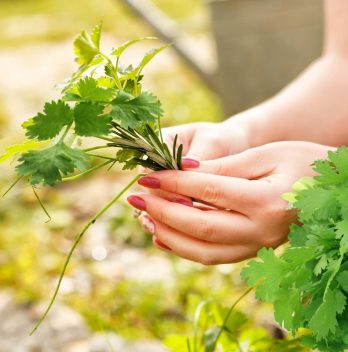
    • Once the plant leaves attain the length of 6 inches, you can start to trim the outer leaves.
    • Avoid cutting the inner leaves. This way, the cilantro plant will carry on producing and growing until it’s time to flower.
    • With the continuous trimming, cilantro will grow and you can always go back and cut more cilantro leaves every 5 to 7 days.

    Harvesting Cilantro Seeds

    Cilantro seeds are known as coriander seeds. Continuous cutting of cilantro leaves will definitely delay bolting and flowering. However, the cilantro plant can’t continue to yield leaves forever. It will eventually enter the bolting stage and flower to produce seeds.

    But if your goal is to harvest cilantro seeds rather than the leaves, you should avoid trimming the leaves and allow the plant to enter the flowering stage to produce coriander seeds.

    Cilantro plants will take about 100 days from germination to give rise to seeds so far you avoid cutting back the leaves. Once the flower dies off, trim off the flower stalk then you will see small seed clusters that have turned brown. You can then shake the seeds off the stalk.

    Dry the seeds in a properly ventilated place for about a week. Then you can proceed to store them in a well-sealed airtight container.

    How Often To Harvest Cilantro

    Cilantro herbs can be harvested about once a week. However, if you have abundant growth of cilantro, you can harvest more often. Nevertheless, it is necessary to harvest cilantro at least once a week to prevent it from entering the bolting stage.

    How Often To Harvest Cilantro

    If you harvest too many or excess cilantro or you aren’t able to use them immediately, you can simply freeze them until you’re able to cook with them.

    read more about How to Trim Basil to Promote Growth

    More Tips On How To Enjoy Continuous Cilantro Harvest

    One great way of enjoying frequent cilantro harvest is to indulge in succession planting. Succession planting will keep cilantro plants fresh and available for you. Once you’ve trimmed the first original cilantro, more seeds should be sown every 3 weeks.

    Once the next or second plant has attained the height for cutting, you can pull the first or original plant. Continue doing this by sowing new seeds and removing the old plants before they enter the flowering stage. Doing this will allow you to enjoy a constant supply of fresh cilantro herbs.

    FAQ’s

    How do you harvest cilantro without killing the plant?

    Cilantro is a perennial herb that grows from seed and doesn’t have a very long lifespan, but it can be harvested repeatedly in the spring and summer months
    When the plants are in their first year of growth, they grow just above the ground and require little water. As they mature, they grow taller and require more water. In fact, if you harvest cilantro when the plants are in their second or third year, they will have grown so tall that they need to be harvested by hand, making the process extremely labor-intensive and time consuming. Cilantro is also one of the first herbs to flower, usually appearing in the early spring. For this reason, cilantro is considered a biennial herb, meaning that it grows for two years before flowering.
    If you want to preserve your harvest, you have to wait until the plant is ready to flower.

    Will cilantro grow back after cutting?

    Yes, it can. Cilantro will regrow if you wait 3 weeks. You just cut the top off.
    The plant will send out new roots, and it will start growing again.

    How long does a cilantro plant last?

    Cilantro is one of the most resilient herbs in the garden, and it is easy to grow.Cilantro is easy to grow and can be kept in a pot for up to two years. If you have a container with good drainage, a cilantro plant will grow well for years. It is also a very forgiving plant, so if you don’t get it just right, it will still grow.

    How often do you water a cilantro plant?

    This herb has a habit of becoming leggy and spindly unless you give it the proper care. In order to avoid this, we recommend that you water your cilantro every other day or so.

    If you have a good growing medium, it can live for weeks without any attention. Cilantro needs lots of light and lots of water. It is also very hungry. I

    Does cilantro like full sun?

    Cilantro likes full sun, but it will tolerate some shade.

    Does cilantro grow year round indoors?

    Yes, cilantro does grow year-round indoors, and is available throughout the year.

    What month do you plant cilantro?

    Planting it in late spring might be the best time However, there’s no evidence that planting cilantro in late spring is better than in early spring or summer. It depends on what kind of cilantro you want to grow. The seeds of Asian cilantro (Coriandrum sativum) are hardier and will survive longer than the seeds of regular cilantro.

    How To Cut Fresh Cilantro From Plant: Conclusion

    How to cut fresh cilantro from your plant is pretty easy and you can always enjoy constant cilantro herbs by doing it right.

    Follow our tips on how to cut fresh cilantro appropriately to continue enjoying them and to add great taste to your various meals.

  • When To Harvest Cilantro Seeds

    When To Harvest Cilantro Seeds

    If you plan on growing cilantro in your garden and you’re wondering when to harvest the seeds, we will let you know in this post.

    Cilantro is a cool-weathered herb and they are wonderful plants to grow in your garden. Their seeds are known as coriander seeds and both cilantro leaves and seeds are used in different cuisines all over the world. Harvesting cilantro seeds the right way is important and they require maturity before the seeds can be harvested.

    In this post, we will be discussing when and how to harvest cilantro seeds and leaves, and many more. So, continue reading for some information on this.

    Cilantro Plant

    Cilantro is one fast and easy to grow herbs that do well in the cool weather of spring and fall. The entire plant including the seeds is used in different recipes.

    The seeds are referred to as coriander seeds and they are usually crushed and grounded. Then the blended powder is used as a spice.

    Cilantro Plant

    Planting Cilantro For Seed Harvest

    Growing cilantro from seeds directly by sowing the seed in a garden bed is pretty easy. If you wish to grow cilantro with the aim of harvesting their seeds, then you should plant seeds 8 inches apart in rows. Each of these rows should be about 15 inches apart from each other.

    Because cilantro grows with a deep taproot, make sure you select a good planting location for planting cilantro. Also, you need to supply the ideal temperature range to plant cilantro plants so they can grow optimally. The ideal temperature for growing cilantro optimally ranges from 50 to 85 degrees Fahrenheit. You can however allow the temperature to exceed 80 degrees only if you wish to harvest seeds. This way, the cilantro plant will bolt and flower thereby producing seeds.

    But if your goal is to harvest the leaves alone, never allow the temperature to exceed 85 degrees Fahrenheit. This way, you can enjoy a continuous harvest of cilantro leaves. But eventually, the cilantro plant will enter bolting and flower and this must have been after you’ve enjoyed enough cilantro leaves.

    Once cilantro flowers, it will yield seed pods that contain two seeds.

    When To Harvest Cilantro Seeds

    Cilantro grows rapidly hence their leaves can be harvested in just about a month. However, if you wish to harvest their seeds, it takes longer.

    After 90 days of planting, cilantro seed pods are ready to be harvested. Cilantro seeds are ready for harvest when their appearance looks light brown and the plant will look dried. This happens when the cilantro plant has flowered 2 or 3 weeks after.

    Indoor Herb Garden Starter Kit – Non GMO – 5 Herb Seed Basil, Cilantro, Parsley, Sage, Thyme

    91tEr5EpRUL. AC SX522

    Take note not to harvest seeds that are not matured yet. This is to avoid bitter-tasting seeds that are not ideal for cooking.

    So, when the weather starts to go hot, the cilantro plant will eventually bolt and flower. By this period, you should know it’s time for cilantro to produce seeds. This is when to harvest or pick your cilantro seeds. Cilantro seeds can be harvested 2 to 3 weeks after flowering has occurred.

    How To Harvest Cilantro

    Cilantro seeds are known as coriander seeds. So, to harvest coriander seeds, do the following:

    • Let your cilantro plant enter the bolting stage especially during the hot season so they can grow and produce seeds.
    • When you notice the leaves and seeds becoming brown, cut off the stem with the seed heads.
    • The harvested stem should be hung upside-down in a paper bag in a cool dry place. When the seeds become ripe, they will drop off their seed head into the bag.
    • Store cilantro seed or coriander seed in an air-tight container.

    If you want to get a quick result of coriander seeds, we advise you to avoid cutting cilantro leaves. If you form the habit of cutting cilantro leaves as they grow, you will be delaying them from entering into the flowering stage and producing seeds for you to harvest.

    Uses Of Coriander Seeds

    The seeds of cilantro are mostly grounded before use or else they will feel tough to chew. However, you can also use the whole seeds or simply roast the seeds in an oven.

    Cilantro seeds give a lovely aroma and taste to different dishes. It is rich in antioxidants and you enjoy other health benefits from it. Below are some uses of coriander seeds:

    • The blended cilantro seeds are used as a spice in cooking like curry as well as in baked beans.
    • Some use coriander seeds to bake into bread.
    • The seeds can as well be used in soups, stews, and ratatouille.
    • Cilantro seeds also feature in Indian cooking ingredients such as masala mixtures.
    • The seed oil is as well used in different herbal solutions and dietary supplements.
    • Coriander is also used in flavor gin, tobacco, liqueurs, and perfumery.

    Health Benefits Of Cilantro Seeds

    You get to enjoy great health benefits using coriander seeds in your dishes. Here are some of the benefits you can enjoy by incorporating coriander seeds into your diet:

    • Coriander seeds are very rich in vitamin K, C, B.
    • The seeds are rich in other great minerals and it offers antioxidant benefits. Hence, it will help get rid of toxins and it’s beneficial to skin and hair health.
    • Oil extracted from coriander seeds may as well help in promoting digestion and gut health.
    Health Benefits Of Cilantro Seeds

    FAQ’s

    How do you harvest cilantro seeds?

    It’s easy to harvest cilantro seeds by hand. Just pull the leaves from the stem and hold the stem firmly. The key is to keep the stem attached to the leaf so that you can remove it from the plant later. Then just shake the plant to get all the seeds out.
    You can remove them from the stem by hand, but it’s much easier to use a knife. The trick is to pull off the leaves while holding the stem firmly.

    How long does it take for cilantro seeds to sprout?

    Cilantro (Coriandrum sativum) seeds should sprout in 5 to 7 days under normal conditions. Watering helps them grow faster.

    What is the trick to growing cilantro?

    Cilantro is relatively easy to grow in Zone 10.
    Cilantro is a good example of a plant that can be grown from seed. It grows best in areas where it is warm and humid and has lots of rainfall. If you are having a hard time getting seeds to germinate, you could try planting the seeds indoors (in a warm, bright place) for a few weeks, then transplant them outside when the weather is warm and humid.
    The trick is to start with small seeds (about 1/4 inch diameter) and plant them in a pot of potting soil. Cover the pot with plastic wrap so the soil doesn’t dry out. Keep the soil moist, and keep the soil warm by using a heat mat or light bulb. In about 3 weeks the seedlings should be ready to transplant. Plant the seedlings out in the garden once the weather gets warm and humid. They can be planted any time after the last frost date. Cilantro likes to grow into a weed, so you may need to keep pulling it up and destroying it.
    It has a very strong and invasive root system. It can take over large areas of your garden if it is not contained.

    Why is my cilantro plant falling over?

    Either you are overwatering it or you have some sort of disease. If you are overwatering it, you should water it less often. If you are watering it too much, stop for a few days.

    Also, it might be because your soil is not good enough. You should add some peat moss or sand to your soil to improve the drainage. That way your cilantro will be able to absorb more water and will not get too dry. You can also try adding some compost, if you have any available.

    When To Harvest Cilantro Seeds: Final Say

    Harvesting cilantro seeds will require you to wait until the plant enters bolting and flowers to produce seeds. Coriander seeds can be harvested after 2 to 3 weeks of flowering. We recommend you avoid cutting back the leaves if harvesting cilantro seed is your goal.

    There are also many great benefits to cilantro such as adding flavor and sweet aroma to your various dishes. It also offers amazing health benefits to your diet.